

Lovin’ In Her Eyes – Mercury Blues
$150.00
Out of stock
Mercury Blues leans into contrast, opening with bright pine and sourness before the profile settles into vanilla cream, fuel, and a faint citrus lift. Genetically, it comes from Cake Crasher x Dreamers Disease, and you can feel that balance between dessert warmth and a darker, more resin-forward edge as the flowers mature.
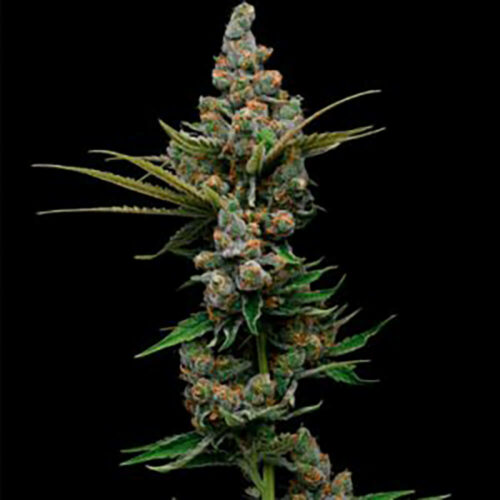
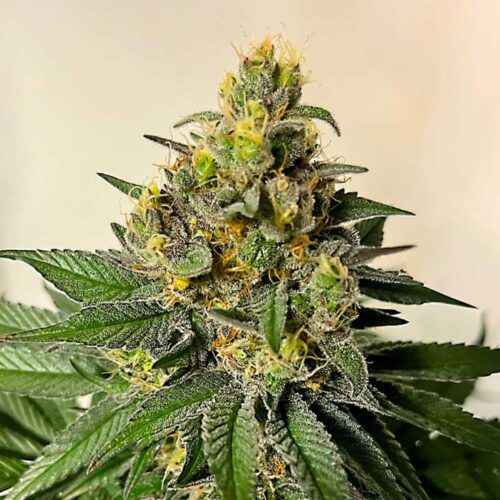
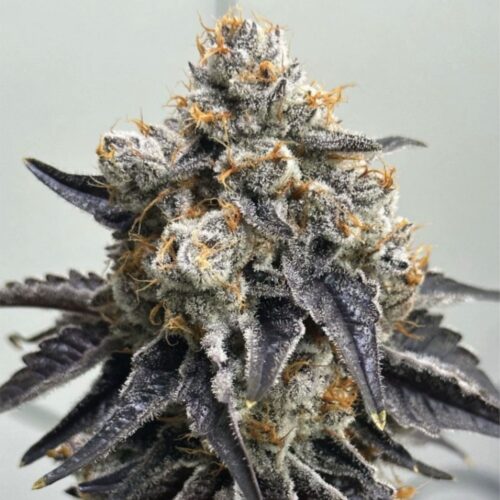
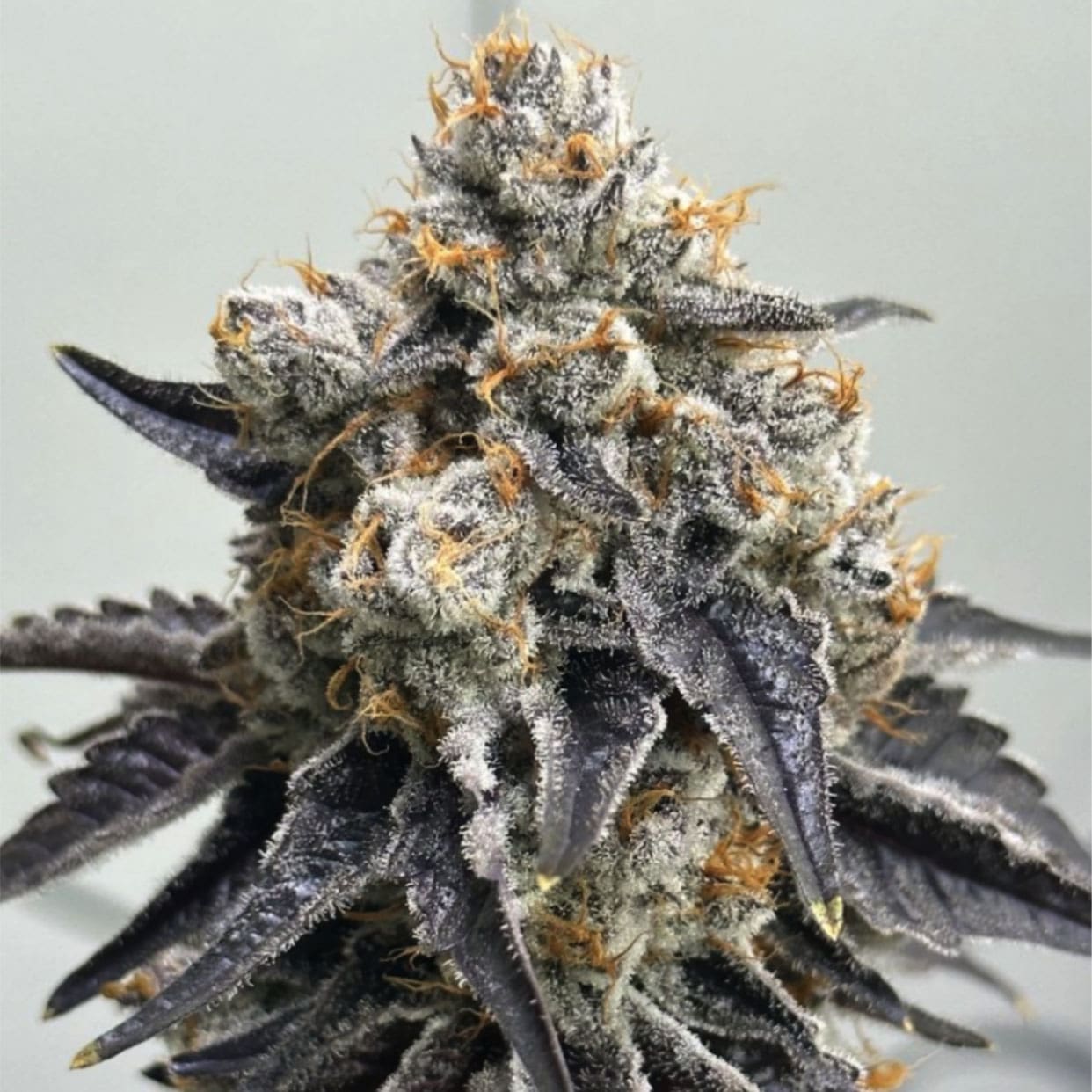
The aroma tends to get louder late in bloom, with blackberry-like tang and a dried lavender note showing up around the deeper forest-floor undertone. Visually, it often carries dark green foliage, thick calyxes, and occasional purple streaking toward the finish, so it can look as good as it smells. The plant stays in a medium height lane and grows with a clean, composed structure that is easy to keep organized in a tent. It typically wraps up around 63 days of flowering, with some phenos taking a touch longer depending on how you steer the environment.
If you like a flat canopy, it plays well with SCROG and responds nicely to light defoliation around weeks 3 and 6 to open airflow and light to inner sites. Feeding is rarely fussy when you keep things steady, and in soil a pH around 6.3 to 6.6 helps it stay in a comfortable groove, especially in 3 to 5 gallon containers. A patient dry and cure sharpen the sweet berry side while keeping that pine and fuel backbone intact.
| Lineage: | Cake Crasher x Dreamers Disease |
|---|---|
| Scent: | Pine, Sour, Vanilla Cream, Fuel, Hints of Cirtus |
| Flowering Time: | 63 Days |
| Height: | Medium |
| Quantity Per Pack: | 6 Seeds |
| Breeder Location: | United States |
Mercury Blues stands out with its layered mix of tangy berries, forest earth, and floral resin notes, paired with dense bud formation and a graceful growth pattern.
Its aroma blends tart blackberries with pine and dried lavender, becoming more pungent as the plant matures.
It often shows dark green leaves, thick calyxes, and subtle purple streaks in late bloom, giving it strong visual appeal.
It thrives indoors where conditions are controlled, but can also succeed outdoors in climates with low humidity during late flower.
Indoor flowering usually completes in 9 to 10 weeks, depending on the specific phenotype and environment.
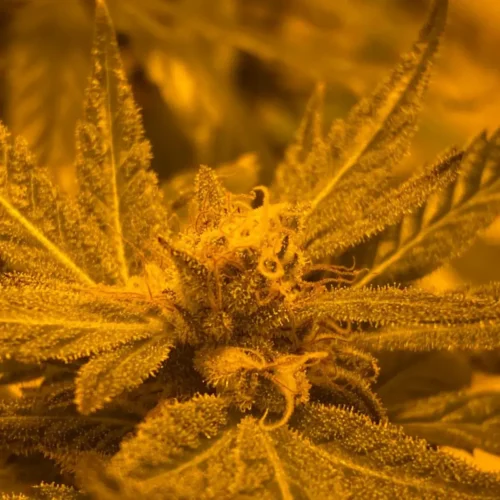
It forms thick, greasy trichomes with bulbous heads that coat the calyxes and sugar leaves.
Growers looking for strong structure, aromatic complexity, and a manageable feeding curve will appreciate this strain.
Absolutely, its dense nugs, trichome coverage, and deep color tones give it standout shelf presence.
A proper cure enhances its sweet-berry brightness and preserves its forest floor undertones, improving smoothness.
Yes, it delivers greasy trichomes and ample coverage, making it a smart pick for hash makers.
Yes, all Mercury Blues seeds are feminized to produce only flowering plants, saving time and space for cultivators.
A standard 12/12 light schedule initiates bloom once the plants are ready after veg.
Feminized seeds remove the risk of male plants, making them ideal for maximizing canopy efficiency and yield.
Yes, its sturdy growth and moderate nutrient needs make it forgiving and easy to manage.
Yes, all seeds on our website are under the 2018 Farm Bill. Click HERE to learn more.
Maintain a pH between 6.3 and 6.6 in soil to ensure proper nutrient availability and microbial balance.
Definitely, its predictable stretch and branch strength respond well to screen training for uniform flower sites.
Light defoliation at weeks 3 and 6 helps reduce humidity and increases light exposure to inner bud sites.
Yes, with training, it adapts well to 2×4 and 3×3 tents, keeping an ideal height-to-density balance.
Three- to five-gallon containers give its roots space without letting the plant outgrow your tent or lights.
Due to the specialty nature of this product and limited quantity, it is not covered by our germination guarantee.
| Spend | Get |
| $ 45 | 1 Free Seed |
| $ 100 | 2 Free Seeds |
| $ 150 | 3 Free Seeds |
| $ 200 | 4 Free Seeds |
| $ 250 | 5 Free Seeds |
| $ 300 | 6 Free Seeds |
| $ 350 | 7 Free Seeds |