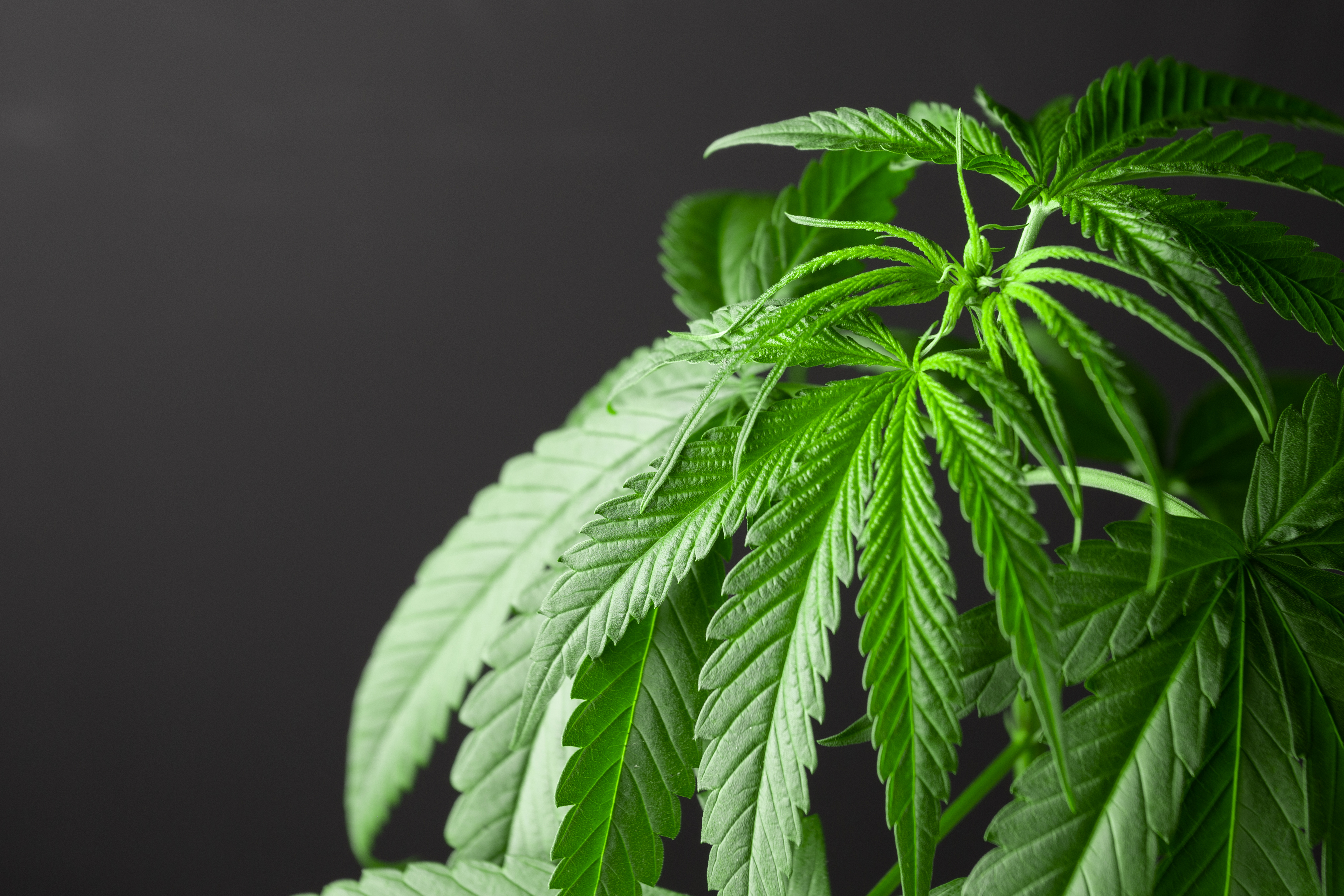


Auto seeds are cannabis seeds that grow into autoflowering cannabis plants. These plants are different from traditional photoperiod cannabis plants because they do not need a major change in the daily light schedule to start flowering. Instead, autoflower plants begin to flower as they reach a certain age. This makes their growth pattern more predictable in some ways and gives them a shorter life cycle than many photoperiod plants.
The term “autoflower” describes the way the plant moves from vegetative growth into the flowering stage. A photoperiod cannabis plant usually depends on changes in the amount of light and darkness it receives each day. When the nights become longer, the plant receives a signal that it is time to flower. Autoflower cannabis does not depend on this signal in the same way. It can begin flowering even when it continues to receive long hours of light each day.
This autoflowering trait is linked to Cannabis ruderalis genetics. Cannabis ruderalis developed in areas where growing seasons can be short and weather conditions can change quickly. Over time, these plants developed the ability to flower according to age rather than waiting for a certain light cycle. Modern autoflower varieties are usually created by combining this trait with other cannabis genetics. The goal is to produce plants that have the automatic flowering habit of ruderalis while also carrying other desired plant characteristics.
One of the main features of auto seeds is their relatively fast growth cycle. Many autoflower plants can move from seed to harvest in a shorter period than photoperiod plants. However, the exact amount of time depends on the genetics, growing conditions, plant health, and environment. Some plants mature more quickly, while others may take several additional weeks. For this reason, seed-to-harvest estimates should be treated as general guides instead of strict deadlines.
The shorter life cycle also changes the way growers need to think about plant development. Autoflowers often spend less time in the vegetative stage. This means they have a limited period to establish strong roots, leaves, stems, and branches before flowering begins. Healthy early growth is therefore very important. If the plant experiences serious stress when it is young, it may have less time to recover before it starts producing flowers.
This is one reason watering, lighting, soil quality, nutrients, and temperature need careful attention from the beginning. A young autoflower does not need extreme amounts of water, fertilizer, or light. In fact, giving the plant too much of these things can slow its development. The goal during the early stages is to provide stable conditions that allow roots and leaves to develop at a steady rate.
Autoflower seeds can be grown indoors or outdoors. Indoor growing gives the grower more control over factors such as lighting, temperature, airflow, and humidity. Outdoor growing depends more heavily on sunlight, weather, local temperatures, and the length of the growing season. Autoflower plants may be useful in outdoor settings with shorter warm seasons because they do not need to wait for the natural days to become shorter before flowering begins.
Another reason growers are interested in auto seeds is their usually compact growth pattern. Many autoflower varieties stay smaller than large photoperiod cannabis plants, although final height can vary widely. Genetics, container size, lighting, root development, nutrition, and general plant health can all affect how large an autoflower becomes. A smaller plant may be easier to manage in limited spaces, but smaller size does not mean the plant requires no care.
It is also important to understand that “autoflower” and “feminized” do not mean the same thing. Autoflower describes how and when the plant flowers. Feminized describes seeds that have been bred to produce female plants at a very high rate. Many auto seeds sold today are also feminized, but the two terms refer to different plant traits. Understanding this difference can make cannabis seed descriptions much easier to understand.
Growing autoflower cannabis from seed involves several clear stages. It begins with germination, when the seed opens and produces its first root. The plant then enters the seedling stage and begins developing its first true leaves. After this comes a short period of vegetative growth, when the plant builds stems, roots, leaves, and branches. Flowering follows automatically as the plant becomes mature. The flowers then continue to develop until they reach the harvest stage.
Each stage has different needs. Seedlings are especially sensitive to excessive watering and strong fertilizer. Vegetative plants need enough light and root space to support fast growth. Flowering plants need stable environmental conditions as flowers develop and become denser. Understanding these changes helps growers know what the plant needs instead of treating every stage in exactly the same way.
Auto seeds can appear simple because the grower does not need to force flowering by changing the light cycle. However, successful growth still depends on careful plant management. Fast development leaves less room for serious mistakes. Problems with roots, watering, nutrition, or light during the first few weeks can affect later plant size and flower production.
For this reason, learning how the full autoflower life cycle works is an important first step. The sections that follow will explain how to germinate auto seeds, select soil and containers, manage young plants, choose a light schedule, provide water and nutrients, recognize flowering, estimate growing time, and identify when the plant is ready for harvest. By understanding each stage separately, growers can better recognize normal development and respond to problems before they become more serious.
Autoflower Seeds vs. Feminized and Photoperiod Seeds
Choosing cannabis seeds can be confusing because several terms are often used at the same time. Autoflower, feminized, and photoperiod seeds are not three completely separate types. Instead, these words describe different traits of a cannabis plant.
The most important difference is how and when the plant begins to flower. Autoflower plants start flowering based mainly on age. Photoperiod plants depend on changes in the amount of light and darkness they receive each day. The word feminized refers to the expected sex of the plant rather than how flowering begins.
Understanding these differences makes it easier to know what growers mean when they talk about auto seeds, feminized seeds, and photoperiod cannabis.
How Autoflowering Genetics Work
Autoflower cannabis gets its automatic flowering trait from genetics linked to Cannabis ruderalis. This type of cannabis developed in regions where summers can be short. Because the growing season is limited, the plant adapted by flowering according to its age instead of waiting for a major seasonal change in daylight.
Modern autoflower strains are usually created by combining this autoflowering trait with other cannabis genetics. Breeders use this approach to produce plants that have the automatic flowering feature while also developing other desired plant characteristics.
The main feature of an autoflower plant is simple. It does not need a major change in its daily light schedule before it begins producing flowers.
After germination, an autoflower normally spends a short period developing roots, leaves, branches, and stems. Once the plant reaches a certain stage of maturity, it naturally moves toward flowering.
This process can happen fairly quickly. Some autoflower plants may begin showing early signs of flowering within only a few weeks of germination. Exact timing depends on the genetics of the plant and its growing conditions.
Because flowering begins automatically, growers have less control over how long the plant remains in its vegetative stage. This is one of the biggest differences between autoflower and photoperiod plants.
Autoflower vs. Photoperiod Flowering Behavior
Photoperiod cannabis responds to the length of daylight and darkness. In nature, shorter days near the end of summer signal to the plant that the season is changing. This change encourages the plant to move from vegetative growth into flowering.
Indoor growers can control this process by changing the amount of light and darkness the plants receive. A photoperiod plant can normally remain in vegetative growth as long as it continues receiving a suitable long-day light schedule. Flowering is then encouraged by providing a longer period of uninterrupted darkness.
Autoflowers behave differently.
An autoflower plant does not depend on this major light change. Once it reaches the right age, flowering begins even if the amount of daily light stays mostly the same.
This difference affects the entire growing cycle.
A photoperiod plant can often stay in vegetative growth for a longer period. This gives it more time to become larger before flowering. It also gives the plant more time to recover from stress.
Autoflowers usually have a shorter vegetative period. They continue moving through their natural life cycle even if growth has been slowed by poor conditions.
For example, if an autoflower experiences serious stress during its first few weeks, its growth may slow. However, the plant may still begin flowering according to its genetic schedule. This can result in a smaller mature plant.
This is why early plant health can be especially important with autoflower cannabis.
Autoflower Seeds vs. Feminized Seeds
Autoflower and feminized are often treated as opposite terms, but they describe two different characteristics.
Autoflower tells you how the plant begins flowering.
Feminized tells you about the expected sex of the plant.
Cannabis plants can develop as male or female. Female plants are the ones that normally produce the flowers associated with cannabis cultivation. Male plants produce pollen that can fertilize female plants.
Regular cannabis seeds may produce either male or female plants.
Feminized seeds are bred so that they have a very high chance of producing female plants. This reduces the need to identify and remove male plants from a grow.
An autoflower seed can also be feminized.
In fact, many auto seeds sold today are described as feminized autoflower seeds. This means they have two traits. They are bred to produce female plants, and those plants also have the automatic flowering characteristic.
Photoperiod seeds can also be feminized.
This means the real comparison is usually between feminized autoflower seeds and feminized photoperiod seeds rather than between autoflower and feminized seeds.
Understanding this difference can prevent a common mistake when reading seed descriptions.
Growth Speed and Life Cycle
One of the most noticeable differences between autoflower and photoperiod cannabis is the length of the life cycle.
Autoflowers are known for moving through their growth stages relatively quickly. Their vegetative stage is usually short, and flowering begins automatically.
Because of this, many autoflower varieties can complete their entire life cycle faster than many photoperiod plants.
Photoperiod cannabis can have a much longer vegetative period because the grower can control when flowering begins. A plant may remain in vegetative growth for an extended period if the light schedule remains suitable.
This extra time can allow photoperiod plants to become larger before flowering.
Autoflowers have less time available for this type of development. Once their internal biological clock moves them into flowering, the grower cannot simply extend the vegetative stage by maintaining longer daylight hours.
Genetics also affect growth speed. Not every autoflower grows at the same rate. Some plants naturally stay small and finish quickly, while others may grow taller and take longer to mature.
For this reason, the word autoflower should not be taken to mean that every plant will have exactly the same timeline.
Differences in Plant Size
Autoflower plants have traditionally been associated with smaller plant sizes. Their short vegetative period gives them less time to develop large stems and extensive branching before flowering begins.
However, modern autoflower genetics can vary greatly.
Some remain short and compact, while others may develop into much larger plants under suitable conditions. Final size can depend on genetics, root development, light, environmental conditions, available space, and the overall health of the plant.
Photoperiod plants often have greater potential to become large because their vegetative period can be extended. More vegetative time allows the plant to develop additional branches, leaves, and root mass before flowering.
This does not mean every photoperiod plant will be large or every autoflower will be small. It simply means the flowering system gives photoperiod plants more flexibility in how long vegetative growth continues.
Why the Flowering Trigger Matters
The difference between automatic and light-dependent flowering affects how the entire plant develops.
With photoperiod cannabis, flowering can be delayed while the plant continues to grow. This gives growers greater control over plant size and recovery time.
With autoflowers, the flowering schedule is largely controlled by genetics. The plant will continue moving through its life cycle whether it has grown quickly or slowly.
This makes the early stages especially important. Problems with roots, water, nutrients, or environmental conditions can reduce growth during the short vegetative period.
At the same time, automatic flowering can make the life cycle easier to understand because there is no need for a major lighting change to trigger flower production.
The best choice between autoflower and photoperiod seeds depends on the type of growing system, available space, desired timeline, and level of control needed over the vegetative stage.
Autoflower, feminized, and photoperiod are important cannabis seed terms, but they do not describe exactly the same thing. Autoflower seeds produce plants that begin flowering mainly according to age. Photoperiod plants depend on changes in the daily light cycle before flowering begins.
Feminized seeds are different because the term refers to plant sex rather than flowering behavior. Both autoflower and photoperiod seeds can be feminized.
Autoflowers usually have shorter vegetative periods and faster overall life cycles. Because their internal flowering schedule continues even after periods of stress, healthy early growth is especially important. Photoperiod plants usually offer more control over the length of vegetative growth and may have more time to recover before flowering.
How Autoflower Seed Germination Works
Germination is the first stage in the life of an autoflower cannabis plant. During this process, a dormant seed becomes active and begins to develop into a young seedling. The seed absorbs moisture, internal growth processes begin, and the first root eventually emerges from the seed coat.
This stage may look simple, but it has a major effect on early plant health. Autoflower plants have a relatively short life cycle compared with many photoperiod cannabis varieties. Because of this, poor development during the first stage may affect the plant later in life. Understanding how germination works can help readers recognize healthy development and identify common problems early.
Conditions Needed for Successful Germination
Cannabis seeds, like many other plant seeds, depend on several basic environmental conditions before they can germinate. These include moisture, suitable warmth, oxygen, and a stable environment.
Moisture is important because a dry seed remains dormant. When moisture reaches the seed, the outer shell begins to soften. Water also activates biological processes inside the seed that allow growth to begin.
However, more moisture is not always better. Seeds also need oxygen. A growing environment that stays completely saturated can reduce the amount of air around the developing seed. Poor air exchange may interfere with healthy root development and can create conditions where fungi or other microorganisms become a problem.
Temperature also affects germination. Seeds generally respond best to stable conditions rather than repeated swings between very warm and very cold temperatures. Extreme conditions can slow biological activity or damage young tissue.
The main idea is balance. Germination depends on enough moisture to activate the seed while still allowing access to oxygen and maintaining a stable environment.
Common Autoflower Germination Methods
Growers and horticultural researchers use several general approaches to seed germination. One approach is placing seeds directly into a growing medium. Another involves allowing the first stage of germination to occur in a moist material before the seed is transferred. Propagation plugs and other seed-starting materials may also be used.
Each approach has advantages and disadvantages.
Direct germination reduces the need to handle a newly emerged root. Young roots are fragile, so less handling can reduce the chance of physical damage. The disadvantage is that development takes place below the surface, making it harder to observe whether the seed has opened.
Pre-germination methods allow the seed’s progress to be seen more easily. However, they may require the young seed to be moved after the root emerges. Rough handling during this stage can damage delicate tissues.
Propagation materials are designed to provide a controlled balance of moisture and air. Their effectiveness still depends on environmental conditions and proper moisture management.
No single germination approach guarantees success. Seed quality, genetics, age, storage history, moisture, temperature, and handling can all influence the result.
Understanding the First Root
One of the first visible signs of germination is the appearance of the primary root, commonly called the taproot. This root grows from the seed and begins establishing the plant’s root system.
The emerging root is especially delicate. It contains young tissue that will eventually develop into a larger network of roots. Damage at this stage may interfere with the plant’s ability to absorb water and nutrients later.
As development continues, the young plant begins directing growth in two directions. Roots develop downward into the growing medium, while the shoot develops upward toward light.
The seed coat may remain attached briefly as the shoot develops. Soon afterward, the first small seed leaves become visible. These are known as cotyledons. They are different from the later true leaves associated with a mature cannabis plant.
This transition marks the movement from germination into the seedling stage.
Why Seed Quality Matters
Not every seed has the same chance of germinating. Seed viability depends on several factors, including genetics, maturity, age, and storage conditions.
A properly developed seed contains a living embryo and stored nutrients that support the first stage of growth. Over time, seed viability can decline, especially if seeds have been exposed to poor storage conditions.
Heat, moisture, and major environmental changes during storage can affect seed quality. Physical damage can also reduce the chances of normal development.
The outside appearance of a seed can sometimes provide general clues about maturity, but appearance alone cannot confirm whether a seed will germinate. A seed that looks healthy may still fail, while another seed with an unusual appearance may germinate successfully.
For this reason, germination rates are rarely perfect.
Common Germination Problems
One of the most common problems is excessive moisture. Although water is required to activate a seed, a constantly saturated environment can limit oxygen around developing tissues. It can also encourage unwanted fungal growth.
Insufficient moisture can cause the opposite problem. If conditions become too dry after the germination process has started, the young root may stop developing.
Temperature instability is another potential issue. Seeds rely on biological processes that work best within suitable environmental conditions. Large or repeated temperature changes can slow these processes.
Physical damage can also occur. A newly emerged root is very soft and easy to injure. Crushing, bending, or repeatedly touching it may interfere with normal development.
Another common concern is simply impatience. Seeds do not always germinate at the same speed. Genetics, seed age, storage history, and environmental conditions can all affect timing. A slower seed is not automatically a failed seed.
From Germination to the Seedling Stage
Successful germination is only the beginning of plant development. After the root system begins forming, the young shoot moves into the seedling stage.
The first leaves that appear are usually cotyledons. These simple leaves contain stored resources that help support early growth. Soon after, the plant begins producing its first true leaves.
At this stage, photosynthesis becomes increasingly important. The young leaves capture light and allow the plant to produce energy for further development. At the same time, the root system continues expanding below the surface.
Healthy seedlings generally show steady new growth and upright development. However, young plants remain sensitive to environmental stress. Excess moisture, poor airflow, unsuitable light conditions, nutrient problems, and unstable temperatures can affect development.
This early stage deserves special attention with autoflower varieties because their life cycle continues according to age. Unlike photoperiod cannabis plants, autoflowers do not normally remain in vegetative growth indefinitely while waiting for a change in the light cycle. The biological clock continues moving forward even if early growth has been slowed by stress.
Germination is the process that turns a dormant autoflower seed into a developing seedling. Successful germination depends on several basic factors, including moisture, oxygen, suitable temperature, seed quality, and careful handling.
Different germination approaches exist, but all of them depend on maintaining conditions that support the emerging root without exposing it to unnecessary stress. Excessive moisture, dryness, unstable temperatures, damaged roots, and poor-quality seeds are among the most common reasons germination may fail.
Once the first root and shoot develop, the plant enters the seedling stage and begins producing its first true leaves. Because autoflower cannabis has a relatively short, age-driven life cycle, healthy early development can have an important effect on later plant growth.
Choosing Soil, Pots, and the Best Growing Environment
The growing environment has a major effect on how any container-grown plant develops. For autoflower cannabis, growers often pay close attention to the growing medium, container design, drainage, airflow, light, temperature, and available space. These factors influence how well roots can develop and how easily a plant can take in water and nutrients.
Autoflower plants also have a relatively short life cycle. This means that poor growing conditions early in development may have a greater effect than they would on plants with a longer vegetative stage. Understanding the basic role of soil, containers, and the surrounding environment can therefore help readers understand why plant health can vary so much from one setup to another.
Best Type of Growing Medium for Autoflowers
A growing medium is the material that surrounds and supports the plant’s roots. Soil is one common option, but growers may also use soil-free mixes made from materials such as coco fiber, peat, perlite, or similar components.
A suitable growing medium should support both moisture and oxygen around the roots. Roots need water, but they also need access to air. A medium that stays very wet for too long can reduce the amount of oxygen available in the root zone. On the other hand, a medium that dries too quickly may make it harder for the plant to maintain steady access to moisture.
Texture also matters. Loose, well-aerated media generally allow roots to spread more easily than dense or heavily compacted material. Young plants can be especially sensitive to poor root conditions because their root systems are still small.
The nutrient level of the medium is another factor. Some commercial soils contain added fertilizer, while others contain very little nutrition. A mix that is extremely rich can sometimes create problems for young plants, while a very low-nutrient medium may require more careful nutrient management later.
The main goal is balance. The growing medium should hold enough moisture to support the plant while still allowing excess water to move away and air to reach the roots.
Importance of Drainage and Aeration
Drainage describes how easily extra water can leave the growing medium and container. Aeration refers to the amount of air available around the root zone. These two factors are closely connected.
When water fills most of the open spaces in a growing medium, there is less room for oxygen. If this condition lasts too long, roots may struggle to function normally. Poor root health can then affect the rest of the plant.
Good drainage can also reduce the risk of certain root problems. Containers normally need openings that allow excess water to escape instead of collecting at the bottom.
The structure of the growing medium also affects aeration. Materials such as perlite are often included in horticultural mixes because they create additional spaces within the medium. These spaces can improve airflow around roots.
It is important to understand that more water does not automatically mean better growth. Healthy roots depend on a balance between moisture and oxygen.
Choosing Container Size
Container size affects the amount of room available for root growth. A very small container limits the total space that roots can explore. A much larger container provides more room, but it also holds a greater volume of growing medium and moisture.
Plant genetics, available growing space, and the overall growing system can all influence container choice. There is no single container size that is perfect for every autoflower plant.
Container depth can also matter because plant roots may grow both downward and outward. A container that provides adequate root space can help prevent the plant from becoming restricted too early in its development.
Readers may see exact pot-size recommendations online, but these should be treated as general examples rather than universal rules. Different cultivars can vary greatly in final height, root development, and growth speed.
Fabric Pots vs. Traditional Pots
Fabric containers and rigid plastic pots are both widely used for container-grown plants.
Traditional plastic pots are simple, durable, and easy to move. They usually have drainage holes near the bottom that allow extra water to leave the container.
Fabric pots are made from breathable material. Their sides allow more air to reach the outer area of the growing medium. They can also lose moisture more quickly than solid containers, especially in warm or dry conditions.
Neither type automatically guarantees healthier plants. The effectiveness of a container depends on how it works with the growing medium, watering practices, temperature, airflow, and other environmental conditions.
The most important features are adequate root space, dependable drainage, and conditions that prevent the root zone from staying excessively wet.
Should Autoflowers Be Transplanted?
Transplanting means moving a plant from one container into another. Many plants tolerate transplanting well when it is done correctly. However, any major disturbance to the root system can temporarily slow plant development.
This issue receives extra attention with autoflower plants because their growth stages are controlled largely by age. They do not have an unlimited vegetative period in which to recover from major stress.
For this reason, some growers prefer to limit unnecessary transplanting. Others use transplanting successfully as part of their normal growing system.
The important point is that root disturbance can influence plant development. Careful handling and stable conditions are especially important during the early stages of growth.
Indoor vs. Outdoor Growing Considerations
Indoor and outdoor environments create very different growing conditions.
Indoor growing gives people more control over factors such as light, temperature, airflow, and humidity. Artificial lighting can provide a predictable light source, while fans and ventilation systems can influence air movement and heat.
However, indoor environments require equipment, electricity, space, and regular environmental management.
Outdoor plants rely mainly on natural sunlight. This removes the need for artificial grow lights, but it also gives the grower less control over weather conditions. Temperature changes, heavy rain, strong wind, humidity, pests, and seasonal changes may all affect plant health.
Sunlight exposure can also vary depending on location. Buildings, fences, trees, and other objects can reduce the amount of direct light available during the day.
Local laws are another important consideration. Cannabis cultivation rules vary widely between countries, states, provinces, and cities. Some locations prohibit home cultivation completely, while others place limits on plant numbers, visibility, location, or who may grow. Anyone considering cannabis cultivation should first check the laws that apply in their area.
Choosing an appropriate growing environment starts with understanding the needs of the root system. A suitable growing medium should provide a balance of moisture, oxygen, drainage, and physical support. Containers should provide enough root space while allowing excess water to escape.
Fabric and traditional pots can both work, although they manage airflow and moisture differently. Transplanting can also affect plant development because disturbing the roots may temporarily slow growth.
Indoor environments provide greater control over light and climate, while outdoor environments depend more heavily on natural sunlight and weather. In either case, stable conditions are important. Understanding these basic factors helps explain why soil quality, drainage, container design, and environmental conditions can have such a strong effect on overall plant health.
Autoflower Seedling and Early Growth Stage
The seedling stage is one of the earliest parts of an autoflower cannabis plant’s life cycle. It begins after the seed germinates and the young plant emerges from the growing medium. During this period, the plant develops its first leaves, begins building a root system, and prepares for faster growth.
This stage is especially important for autoflower plants because their overall life cycle is usually shorter than that of photoperiod cannabis plants. Autoflowers tend to move into flowering based mainly on age rather than a major change in the light schedule. As a result, the plant has a limited period in which to establish strong early growth.
Understanding what happens during the seedling stage can make it easier to recognize normal development and possible signs of stress.
What Healthy Autoflower Seedlings Look Like
A newly emerged cannabis seedling usually begins with two small, rounded leaves called cotyledons. These are sometimes called seed leaves. They are different from the familiar pointed cannabis leaves that appear later.
The cotyledons provide support while the young plant begins developing its first true leaves. After these first true leaves appear, additional sets normally develop as the plant grows.
A healthy young seedling generally has an upright stem and leaves that appear evenly formed. The color is normally green, although the exact shade can vary because of genetics and environmental conditions.
Growth may seem slow at first. Much of the plant’s early development is happening below the surface as roots begin spreading through the growing medium. Once the root system becomes better established, visible growth above the surface can become much faster.
Not every seedling develops at exactly the same rate. Genetics can cause one plant to grow more quickly or develop a different shape than another plant of the same age.
First Leaves and Early Root Development
Root development is a major part of the seedling stage. The first root that emerges from a germinated seed is known as the taproot. Smaller roots later develop from this main root and begin exploring the surrounding growing medium.
Roots perform several important jobs. They anchor the plant, absorb water, and help the plant obtain essential mineral nutrients. Healthy root development also supports the leaves and stems that appear above the surface.
At the same time, the first true leaves begin collecting light for photosynthesis. Photosynthesis allows the plant to use light energy to produce sugars that support growth.
As additional leaves develop, the plant becomes better able to produce the energy it needs. This is one reason growth often appears to become faster after the earliest seedling period.
Damage or severe stress during this stage can affect how quickly the plant develops. Since autoflower plants have a relatively short life cycle, they may have less time to recover from major early setbacks before their next stage of development begins.
Temperature and Humidity During Early Growth
Temperature and humidity are important parts of a plant’s environment. Both conditions influence how quickly water moves through the plant and how well biological processes take place.
Young seedlings have small root systems and delicate leaves. Sudden environmental changes can place additional stress on them.
Very hot conditions can increase water loss from the leaves and growing medium. Cold conditions can slow biological activity and plant development. Large temperature swings may also affect normal growth.
Humidity affects how quickly moisture leaves plant tissue. Very dry air may increase moisture loss, while extremely damp conditions can contribute to environments where certain plant diseases develop more easily.
The main goal during early plant development is environmental stability. Large or sudden changes can be more difficult for a small seedling to handle than for a mature plant.
Lighting Young Seedlings
Light provides the energy plants need for photosynthesis. However, a very young seedling does not have the same leaf area or energy demands as a larger, mature plant.
If a seedling receives inadequate light, its stem may become unusually long and thin as the plant stretches toward the light source. This type of growth can leave the stem weak.
Excessive light exposure can also cause stress. Leaves may show unusual discoloration, curling, or other changes when environmental conditions are too intense.
Light should therefore be understood as more than simply whether a lamp is turned on. Light intensity, duration, distance, plant age, and other environmental factors all influence how a plant responds.
As the plant develops more leaves, its ability to capture and use light increases.
Water Needs During the Seedling Stage
Water is essential to plant growth because it supports photosynthesis, nutrient movement, and normal cell function. However, roots also require oxygen.
This balance is particularly important during the seedling stage. A small plant has a much smaller root system than a mature plant and therefore uses water differently.
When the growing medium remains excessively wet, air spaces around the roots can become limited. This can interfere with normal root function and may contribute to poor plant development.
Too little moisture can create a different problem. A young plant with a limited root system cannot search a large area for available water.
Changes in leaf position, stem strength, growth rate, and growing-medium conditions can provide useful clues about how a young plant is responding to its environment.
Why Early Stress Can Affect Later Growth
Autoflower cannabis has a life cycle that is strongly influenced by age. Unlike photoperiod plants, which generally depend on changes in day length to trigger flowering, autoflowers can begin the transition according to their genetic schedule.
This means severe stress during the early stage may be especially important. A photoperiod plant can sometimes remain in vegetative growth for longer before flowering begins. An autoflower normally does not offer the same degree of control over this timing.
If early growth is slowed, the plant may enter later stages while still relatively small. The final size of a plant, however, depends on many factors, including genetics and its overall environment.
Causes and Signs of Stunted Autoflower Seedlings
Stunted growth means a plant is developing more slowly or remaining smaller than expected. It is important to remember that small size alone does not prove that something is wrong. Some autoflower varieties naturally stay compact.
When slow growth is caused by stress, several factors may be involved. Root problems, poor growing-medium conditions, unsuitable environmental conditions, excessive moisture, nutrient imbalances, or inappropriate light exposure can all affect plant development.
Leaves can sometimes provide visible clues. Abnormal yellowing, curling, damaged edges, unusual spotting, or very slow new growth may indicate that the plant is under stress.
However, a single symptom can have several possible causes. For example, yellow leaves can be linked to natural development, root problems, environmental stress, or nutrient-related issues. For this reason, plant symptoms should be considered together with the overall growing environment rather than diagnosed from leaf appearance alone.
The autoflower seedling and early growth stage establishes the foundation for later plant development. During this period, the young plant develops its first true leaves while building the root system that will support future growth.
Healthy development depends on the plant being able to carry out basic processes such as root growth, water uptake, and photosynthesis without severe environmental stress. Temperature, humidity, light, moisture, and root conditions can all influence how a seedling develops.
Autoflowers deserve particular attention during this stage because their flowering behavior is closely linked to age. Major setbacks early in life may therefore affect growth later in the plant’s naturally short life cycle. By understanding normal seedling development and recognizing broad signs of stress, readers can better understand what is happening during the first important stage after germination.
Light Schedule and Lighting Requirements for Autoflowers
Light plays an important role in the growth of all plants. Cannabis plants use light during photosynthesis, which is the process that allows them to turn light energy into chemical energy. This energy supports the growth of leaves, stems, roots, and flowers. Autoflower cannabis follows the same basic plant biology, but its flowering behavior is different from that of many traditional photoperiod cannabis varieties.
Why Autoflowers Do Not Need a 12/12 Flowering Switch
Photoperiod cannabis plants depend strongly on changes in the length of daylight and darkness. When these plants receive longer nights, they can begin moving from vegetative growth into the flowering stage. This response is linked to the natural change in daylight that takes place as summer moves toward fall.
Autoflower cannabis works differently. These plants are bred with genetics that allow flowering to begin mainly because of the plant’s age and development. As a result, the start of flowering does not depend on a major change in the day-and-night cycle.
This is one of the main features that separates autoflower plants from photoperiod plants. An autoflower can continue receiving a similar pattern of light as it develops while still moving naturally into flowering. The exact timing varies because genetics influence how quickly each variety matures.
Understanding this difference is important because it explains why growers often discuss autoflowers separately from photoperiod cannabis. Their flowering stage is controlled more by an internal growth timeline than by a seasonal change in daylight.
Understanding Common Autoflower Light Schedules
When people research autoflower plants, they often see terms such as 18/6, 20/4, and 24/0. These numbers describe how light and darkness are divided during a 24-hour period.
An 18/6 schedule means the plant receives a longer period of light followed by a shorter period of darkness. A 20/4 schedule provides even more time under light, while a 24/0 schedule refers to continuous light without a scheduled dark period.
These schedules are commonly discussed because autoflowers do not require the same flowering trigger as photoperiod plants. However, a longer light period does not automatically mean healthier growth. Plant development depends on many connected factors, including genetics, temperature, moisture, nutrition, root health, and overall environmental conditions.
Darkness can also be part of normal plant biology. Plants continue important metabolic processes when light is absent. For this reason, discussions about lighting should consider more than the total number of hours that a lamp remains switched on.
Light Intensity and Distance
The number of hours of light is only one part of plant lighting. Light intensity is also important.
A plant placed under very weak light may not receive enough energy for strong photosynthesis. This can affect normal development. On the other hand, extremely intense light can also create stress, especially when combined with excessive heat.
Distance affects how much light reaches the plant. A light source that is farther away usually provides less intensity at leaf level. Moving a strong light too close can increase both light exposure and heat around the upper parts of the plant.
Different lighting systems also produce different levels of heat and intensity. This means there is no single distance that applies to every lamp. The design of the light, its power, the growing space, and the stage of plant development can all affect exposure.
Indoor Grow Lights
Indoor growing depends on artificial light because plants cannot rely fully on natural sunlight. Several types of horticultural lights are used for indoor plant production, with modern LED systems becoming common because they can provide strong light while using electricity efficiently.
A good horticultural light should distribute light across the growing area rather than creating only one bright spot. Uneven lighting can cause plants in different parts of the space to receive different amounts of usable light.
Indoor lighting also affects the temperature of the surrounding area. Even efficient lighting systems create some heat. Poor airflow can allow that heat to build up, which may affect plant health.
Because of this connection, lighting should be viewed as part of the overall growing environment rather than as a separate factor.
Outdoor Sunlight Requirements
Outdoor autoflower plants depend on natural sunlight. The strength and length of daylight change according to season, latitude, weather, and location.
A bright summer day can provide much stronger light than an overcast day. Buildings, trees, walls, and other objects may also reduce the amount of direct sunlight that reaches a plant.
Autoflowers can still move into flowering even when seasonal daylight remains relatively long. This is another result of their age-based flowering trait. However, the amount of available sunlight can still influence plant growth because photosynthesis depends on light energy.
Outdoor conditions are also less predictable than controlled indoor environments. Cloud cover, storms, extreme temperatures, and seasonal changes can all affect the amount of light plants receive.
Signs of Too Little or Too Much Light
Plants can show visible changes when light conditions are unsuitable.
When light is too weak, a plant may stretch as it grows toward the light source. Stems may become longer and thinner, while leaf and branch development may appear less compact. Slow development may also occur when a plant receives too little usable light.
Excessive light can create a different set of problems. Leaves near a strong light source may show signs of stress. They may become unusually pale, curl, or develop damaged areas. Heat from the lighting system can make these symptoms worse.
However, these signs are not always caused by light alone. Watering problems, nutrient issues, temperature stress, root damage, and disease can sometimes produce similar symptoms. For that reason, one visible change should not automatically be blamed on the lighting system.
Autoflower cannabis differs from photoperiod cannabis because flowering is mainly linked to age and genetics rather than a major change in daylight length. This is why autoflowers are often discussed with lighting patterns that remain fairly consistent throughout their life cycle.
The number of light hours is only one part of the subject. Light intensity, heat, coverage, plant age, and environmental conditions also affect how plants respond. Indoor plants depend on artificial horticultural lighting, while outdoor plants rely on changing natural sunlight.
Watering, Nutrients, and pH for Autoflowers
Water, nutrients, and pH all affect how well a plant can grow. These three factors work together. A plant may have enough nutrients in its growing medium, for example, but poor root conditions can make it harder for the plant to use them. For this reason, growers need to understand what healthy root conditions look like and how plants respond when something is out of balance.
Autoflower cannabis also has a relatively short life cycle. This means problems that slow early growth may have a larger effect on the plant later. Instead of making frequent changes, it is important to observe the plant carefully and understand what may be causing stress.
How Often Should Autoflowers Be Watered?
There is no single watering schedule that works for every autoflower plant. Water needs can change based on plant size, temperature, humidity, container size, airflow, and the type of growing medium being used.
Young plants usually use less water because their root systems are still small. As plants become larger, they often use moisture more quickly. Environmental conditions also matter. Warm and dry conditions can increase water loss, while cool or humid conditions may cause moisture to remain in the growing medium for longer periods.
One common mistake is watering according to a strict calendar without checking the condition of the growing medium. Plants do not always need water at the same time each day or week. Instead, moisture levels should be observed so the root zone does not remain constantly saturated.
Healthy roots need both moisture and oxygen. When the growing medium stays wet for too long, air spaces around the roots can become filled with water. This can reduce the oxygen available to the root system and may slow plant growth.
Signs of Overwatering and Underwatering
Overwatering does not always mean that too much water was added at one time. It can also mean that the growing medium remains wet for too long between watering periods.
Plants growing in overly wet conditions may appear weak or droopy. Growth may slow, and leaves can sometimes look swollen or heavy. Poor drainage can make the problem worse because excess water has fewer ways to leave the container.
Underwatering creates a different type of stress. A plant that does not receive enough moisture may begin to wilt as water pressure inside its tissues decreases. Leaves may look thin, weak, or dry when the problem becomes more serious.
However, drooping alone does not always reveal the cause. Both excessive moisture and severe dryness can produce similar-looking symptoms. This is why checking the growing environment is important before making changes.
Nutrient Requirements During Early Growth
Plants need several nutrients to build roots, stems, leaves, and other tissues. Nitrogen, phosphorus, and potassium are often called primary nutrients because plants use them in relatively large amounts. Plants also depend on calcium, magnesium, sulfur, and several micronutrients.
During early growth, a small plant has different nutritional demands than a large, mature plant. Young roots and leaves are still developing, so excessively strong fertilizer conditions can create stress.
A well-balanced growing medium may already contain nutrients. Because of this, adding more fertilizer is not always necessary. More nutrients do not automatically produce faster or healthier growth.
Healthy plant development depends on balance. If nutrient levels become too high, roots may have difficulty taking up water properly. Excess mineral salts can also build up in the growing medium.
Feeding During Flowering
Plant nutrient use changes as the plant moves from leafy growth into flower production. During flowering, energy is increasingly directed toward reproductive growth rather than only producing new stems and leaves.
The plant still needs a range of nutrients throughout this stage. It is incorrect to think that one nutrient becomes important while all others are no longer needed. Plant nutrition remains a balanced process.
The condition of the leaves can sometimes provide useful clues about plant health. However, changes in leaf color do not always mean that fertilizer should be added. Light stress, root problems, watering issues, temperature changes, pests, and natural aging can sometimes produce similar symptoms.
For this reason, growers should avoid treating every unusual leaf as a nutrient deficiency.
Understanding Nutrient Burn and Deficiencies
Nutrient burn generally refers to plant damage associated with excessive fertilizer levels. One common sign can be damaged or discolored leaf tips. In more serious cases, leaf margins and other plant tissues may also become affected.
Nutrient deficiencies occur when a plant cannot obtain enough of an essential element. This can happen because the nutrient is absent, but that is not the only possible reason.
A nutrient may already be present in the growing medium but still be difficult for the roots to absorb. Root damage, poor drainage, unsuitable moisture conditions, or improper pH can all affect nutrient availability.
This is why adding fertilizer without identifying the real cause may make the situation worse.
Why pH Matters
pH describes how acidic or alkaline a substance is. The pH of the root environment can affect the chemical form of nutrients and how easily plant roots can absorb them.
Different growing systems can have different pH requirements. Soil, soilless mixes, and water-based growing systems do not behave in exactly the same way. Growers should therefore follow reliable guidance designed for the specific growing medium they are using rather than assuming that one value applies everywhere.
It is also important to understand that pH is only one part of plant health. Correcting pH will not solve problems caused by damaged roots, poor drainage, excessive heat, weak lighting, or other environmental stress.
Large and frequent changes can also create additional stress. Stable conditions are generally easier for plants to handle than constant adjustments.
How the Growing Medium Affects Nutrient Availability
The growing medium supports the roots while holding water, oxygen, and nutrients. Its structure therefore plays a major role in plant health.
A loose, well-aerated medium allows oxygen to reach the roots more easily. A dense or compact medium may hold water for too long and limit root-zone airflow.
Organic matter and other components of a growing medium can also affect how nutrients are stored and released. Some media contain significant nutrition from the beginning, while others provide very little and depend more heavily on outside feeding.
This is why nutrient management should always be considered together with the type of growing medium being used.
Watering, nutrition, and pH are closely connected parts of autoflower plant care. Plants need moisture, but their roots also need oxygen. Keeping the growing medium constantly wet can slow root development, while allowing it to become excessively dry can also stress the plant.
Nutrients support healthy growth, but adding more fertilizer does not always improve results. Excess feeding can damage plants, while apparent nutrient deficiencies may sometimes be caused by root, moisture, or pH problems instead.
pH is important because it affects nutrient availability, but it should not be considered in isolation. Growing medium, drainage, temperature, plant size, and root health can all influence how a plant responds.
Vegetative Growth, Training, and the Start of Flowering
The vegetative stage is an important part of the autoflower life cycle. During this period, the plant focuses most of its energy on building roots, stems, branches, and leaves. Unlike photoperiod cannabis plants, autoflowers usually have a shorter vegetative stage because their flowering process is mainly controlled by age. This means growers have less time to correct major problems before the plant moves into flowering.
Autoflower plants can grow quickly when their environment stays stable. However, their exact growth rate depends on genetics and general plant health. Some varieties stay short and compact, while others become taller and develop more side branches. Understanding these natural differences can help growers recognize what is normal for a particular plant.
How Quickly Autoflowers Grow
Autoflowers often develop rapidly during the first few weeks after the seedling stage. New leaves appear, the main stem becomes stronger, and side branches begin to form. The root system also continues to expand beneath the growing medium.
Growth speed can differ widely between plants. Genetics play a major role, but environmental conditions also affect development. Plants that experience poor root conditions, extreme temperatures, excessive moisture, or other forms of stress may grow more slowly.
It is important to remember that a smaller autoflower is not always unhealthy. Some varieties are naturally compact. Instead of judging plant health only by height, it is more useful to look at the overall appearance of the leaves, stems, and new growth.
Healthy plants normally continue producing fresh leaves and stronger branches as they mature. Growth should appear steady rather than suddenly stopping for a long period.
Understanding the Short Vegetative Period
One major difference between autoflowers and photoperiod plants is the amount of time available for vegetative growth. Photoperiod cannabis can often remain in its vegetative stage as long as the light conditions support it. Autoflowers follow a more fixed biological timeline.
Because of this shorter period, early plant health is important. Problems during the seedling stage can continue to affect the plant later because there may be limited time for recovery.
During vegetative growth, the plant builds the structure that will later support its flowers. Strong branches and healthy leaves help the plant capture light and support normal development. A weak or heavily stressed plant may enter flowering before it has developed as much structure as expected.
The exact length of the vegetative stage varies. Different autoflower varieties have different genetic traits, so growers should not expect every plant to follow the same schedule.
When Autoflowers Begin Showing Pre-Flowers
As an autoflower matures, it eventually begins the transition from vegetative growth to flowering. One of the first signs is the appearance of pre-flowers near the points where branches meet the main stem.
Pre-flowers are small early reproductive structures. On female cannabis plants, fine hair-like structures called pistils may begin to appear. These are often among the clearest signs that the plant is entering its flowering stage.
The change may happen while the plant is still gaining height and producing new leaves. Flowering does not mean vegetative growth stops immediately. For a period of time, both types of development may happen together.
Growers should understand that flowering time is controlled strongly by genetics. One autoflower may begin showing reproductive growth earlier than another, even when both plants were started at the same time.
How to Identify the Start of Flowering
The beginning of flowering is usually a gradual change rather than an event that happens overnight. Small pistils may first appear around the nodes. Over time, more flowering sites become visible along the branches.
The plant may also begin growing taller more quickly. This period is sometimes called the flowering stretch. Some autoflowers stretch only slightly, while others may increase noticeably in height.
Leaf and branch development can continue during this transition. However, more of the plant’s energy gradually shifts toward flower production.
Careful observation is useful during this stage. Rather than relying only on the number of days since germination, growers can learn more by watching how the plant itself changes.
Low-Stress Training and Plant Shape
Plant training is a method sometimes used to influence the shape of cannabis plants. Low-stress training generally involves gently guiding plant growth rather than causing major damage to stems or branches.
From a plant biology point of view, changing the position of branches can affect how leaves and growing points are exposed to light. However, autoflowers have a limited life cycle, so any physical stress can matter more than it might with a plant that has a longer recovery period.
For that reason, growers commonly distinguish between gentle plant shaping and more aggressive forms of training. Any damage that slows growth can be difficult for a fast-maturing plant to overcome before flowering advances.
The best approach depends on the plant’s health, genetics, and stage of development. A weak or stressed plant is generally less able to respond well to additional stress.
Topping, Heavy Pruning, and Recovery Time
Topping and heavy pruning are more aggressive plant-training methods because they involve removing part of the plant. These techniques can change how a plant branches, but they also require the plant to spend energy recovering from the damage.
This recovery period is especially important with autoflowers. Since flowering begins according to the plant’s internal development, the grower cannot simply extend the vegetative period whenever extra recovery time is needed.
For this reason, aggressive pruning may create more risk when performed on a plant that is already growing slowly or showing signs of stress. Removing too much healthy growth can reduce the amount of leaf area available for photosynthesis.
Healthy leaves have an important job. They capture light and help produce the energy needed for continued growth and flowering. Removing large amounts of healthy foliage without a clear reason can interfere with this process.
Managing Plant Height and Canopy Development
Canopy development refers to the arrangement of leaves and branches across the upper part of the plant. An even, healthy canopy can help different parts of the plant receive suitable light.
Autoflower height is strongly influenced by genetics. Some plants naturally remain short, while others have a taller growth pattern. Environmental conditions can also influence how compact or stretched a plant becomes.
During the transition into flowering, some plants may increase their height quickly. Paying attention to available space becomes more important at this stage, especially in an indoor environment.
Good canopy development is not simply about making the plant as wide or tall as possible. The main goal is to maintain healthy growth while avoiding unnecessary stress. Leaves should have room to develop, and branches should not be damaged or crowded to the point that plant health suffers.
The vegetative stage gives an autoflower plant time to build the roots, leaves, stems, and branches needed for later flower development. Because autoflowers usually have a short, age-driven life cycle, this period can pass quickly. Strong early growth therefore plays an important role in the plant’s overall development.
As the plant matures, pre-flowers and pistils may begin to appear around the nodes. These changes signal the transition into flowering. The plant may also stretch and continue developing branches while flower sites become more noticeable.
Training can influence plant shape, but autoflowers have less recovery time than many photoperiod plants. Gentle handling and careful observation are therefore important whenever the plant is being shaped or pruned.
Autoflower Flowering Stage and Bud Development
The flowering stage is the period when an autoflower cannabis plant begins producing and developing its flowers. Unlike photoperiod cannabis, autoflower plants do not depend on a major change in the daily light cycle to begin flowering. Their genetics cause them to move into this stage based mostly on age and plant maturity.
For many autoflower plants, flowering begins only a few weeks after germination. The exact timing can vary because each variety has different genetics. Plant health and growing conditions can also affect how quickly development takes place. During flowering, the plant may change quickly, so growers often notice differences in height, leaf growth, flower formation, and aroma.
Understanding these changes can make it easier to tell whether the plant is developing normally or showing signs of stress.
What Happens During the Flowering Stretch?
At the beginning of flowering, many autoflower plants enter a period often called the flowering stretch. During this stage, the plant may increase in height as stems and branches continue to grow.
The amount of stretching varies between plants. Some autoflower varieties remain short and compact, while others become much taller. Genetics play a major role in determining the final shape and height of the plant.
As the plant stretches, the spaces between some branches may become longer. New flowering sites also become easier to see. The plant is no longer focused mainly on producing new leaves and stems. More of its energy begins moving toward flower development.
Healthy plants often continue producing leaves during this time. These leaves still have an important job because they collect light and support photosynthesis. Photosynthesis allows the plant to make the energy it needs for continued development.
Large or sudden changes in the plant’s appearance do not always mean something is wrong. A faster rate of vertical growth can be a normal part of early flowering.
How Bud Sites Develop
Flower development usually begins around the points where branches and stems meet. These areas are known as nodes. Small flower structures appear first and gradually become larger as flowering continues.
Female cannabis flowers commonly produce thin, hair-like structures called pistils. Fresh pistils are often light in color when they first appear. As the flowers mature, their appearance can slowly change.
Over time, individual flower sites may grow closer together and form larger clusters. This process does not happen overnight. Flower development continues for several weeks, and the speed of development depends strongly on genetics.
The shape and density of the flowers can also differ between varieties. Some plants naturally form compact flowers, while others produce flowers with a more open structure. Plant appearance alone is therefore not always a reliable way to compare maturity between different strains.
As flowering progresses, the plant may also produce a stronger smell. This is linked in part to aromatic compounds called terpenes. Terpenes occur naturally in many plants, including cannabis, herbs, fruits, and flowers.
Changes in Pistils and Trichomes
Pistils are one of the most visible parts of developing female cannabis flowers. During early flowering, many pistils may appear fresh and pale. As the flowers age, some pistils may become darker, curl inward, or change position.
These changes can help show that the plant is moving through its flowering cycle. However, pistil color should not be used as the only sign of maturity because plants can continue producing new pistils at different times.
Trichomes also become more noticeable during flowering. Trichomes are very small gland-like structures found on the surface of cannabis flowers and nearby leaves. They can give the plant a frosted or crystal-like appearance.
Trichome production often increases as flowering advances. Their appearance also changes as the plant matures. These structures contain many of the natural compounds associated with cannabis, including cannabinoids and terpenes.
From a plant-development point of view, changes in trichomes are useful signs that the flowers are progressing through their normal life cycle.
Watering During the Flowering Stage
A flowering plant may use water differently than it did as a small seedling. Larger plants generally have more leaves and a larger root system, so their water needs may change over time.
However, flowering does not mean that the growing medium should remain constantly wet. Cannabis roots still need access to oxygen. Soil or another growing medium that remains waterlogged for long periods can create unhealthy conditions around the roots.
Plant size, temperature, airflow, container type, and growing medium can all affect how quickly moisture is used. This is one reason fixed watering schedules can be unreliable.
Leaves can sometimes provide clues about plant stress, but similar symptoms may have several causes. Drooping leaves, for example, can be connected with either too much or too little water. Checking the condition of the root zone and growing medium can provide more useful information than reacting to leaf appearance alone.
Nutrient Needs During Flowering
Like other plants, cannabis requires essential mineral nutrients throughout its life cycle. These nutrients support roots, stems, leaves, flowers, and many internal plant processes.
Nutrient needs can change as the plant moves from vegetative growth into flowering. However, more nutrients do not automatically lead to better growth. Excessive fertilizer can stress the roots and damage leaves.
Visible signs of plant stress may include unusual leaf color, damaged leaf tips, curling, or slowed growth. These symptoms should be considered carefully because nutrient problems are not always the true cause. Watering problems, root stress, unsuitable pH, or environmental conditions can sometimes create similar symptoms.
A balanced approach is important because autoflower plants have a relatively short life cycle. Large changes made too quickly may cause additional stress before the plant has time to recover.
Temperature, Humidity, and Airflow
The surrounding environment continues to play an important role during flower development.
Very high temperatures can place stress on the plant and may increase water loss. Large temperature changes can also affect plant development. Stable conditions are generally easier for plants to tolerate than repeated extremes.
Humidity is especially important as flowers become larger and denser. Cannabis flowers contain many small spaces where moisture may become trapped. When moisture remains around plant tissue for too long, conditions can become more favorable for fungal growth.
Air movement helps reduce pockets of stagnant, humid air around leaves and flowers. It can also support normal gas exchange around the plant.
Good airflow should not mean exposing plants to constant harsh wind. Strong air movement can damage leaves or dry plant tissue too quickly. The goal is simply to avoid still, damp conditions around developing flowers.
Mold and Moisture Problems
Mold becomes a greater concern as cannabis flowers increase in size. Dense flower structures can hold moisture, especially when humidity stays high or airflow is poor.
Fungal problems can sometimes begin inside a flower cluster where they are difficult to notice at first. Changes in color, unusual soft areas, unpleasant smells, or dying plant tissue may indicate a problem that requires closer attention.
Keeping the plant environment clean is also important. Dead leaves and decaying plant material can hold moisture and support unwanted fungal growth.
Outdoor plants face additional challenges because rain, fog, and changing weather cannot always be controlled. Indoor environments offer more control, but poor ventilation can still allow humidity to build around plants.
Common Problems During Autoflower Flowering
Several types of stress may become visible during flowering. Yellowing leaves can occur naturally as a plant ages, but rapid or widespread yellowing may also indicate another issue.
Leaf-tip damage can be linked with excessive fertilizer. Curling or dry leaves may be associated with heat, light stress, root problems, or other environmental factors.
Flowers that develop slowly may reflect genetics rather than a problem. Some plants simply take longer to mature than others. This is why comparing one autoflower variety directly with another can sometimes be misleading.
Plants may also remain smaller than expected if they experienced significant stress earlier in life. Because autoflowers move through their life cycle quickly, poor conditions during the seedling or vegetative stages can affect later flower development.
The most useful approach is to look at the whole plant instead of relying on one symptom. Leaf color, growth rate, root conditions, environmental changes, and the plant’s age can all provide useful clues.
The flowering stage is one of the most noticeable parts of an autoflower cannabis plant’s life cycle. During this period, the plant shifts much of its development toward producing flowers. Early flowering may include a stretch in height, followed by continued development of flower sites, pistils, and trichomes.
As the flowers mature, changes in their structure, aroma, pistils, and trichomes become easier to observe. Water use and nutrient needs may also change as the plant becomes larger, while stable temperature, reasonable humidity, and good airflow remain important for healthy plant development.
Moisture control becomes especially important because dense flowers can create conditions where mold may develop. Growers should also remember that leaf discoloration, slow flower growth, or other changes can have several possible causes.
Most importantly, autoflower plants do not all develop at exactly the same speed. Genetics and overall plant health can affect the timing and appearance of flowering. Watching the entire plant and understanding normal changes during this stage can make it easier to recognize whether development is progressing as expected.
How Long Autoflowers Take and How Much They Yield
One of the most common questions about autoflower cannabis is how long the plants take to grow. Another common question is how much they can produce at harvest. There is no single answer that applies to every plant. Autoflower growth time and yield depend on genetics, plant health, environmental conditions, and the way the plant develops during its short life cycle.
Autoflowers are known for growing faster than many photoperiod cannabis plants. Their main difference is that flowering begins according to the plant’s age instead of a major change in the daily light cycle. This creates a more fixed growth period. Because the plant has less time before flowering begins, each stage of development can affect its final size and production.
Complete Seed-to-Harvest Timeline
The full life cycle starts when the seed begins to germinate. After germination, the young plant enters the seedling stage. During this period, it develops its first leaves and starts building a root system.
The plant then enters a short period of vegetative growth. During this stage, stems become stronger, leaves become larger, and new branches develop. Unlike many photoperiod plants, autoflowers usually do not remain in vegetative growth for a long period. Their genetics naturally push them toward flowering as they become older.
Once flowering begins, the plant starts producing flower sites. It may also increase in height during the early part of flowering. The flowers continue to develop and mature until the plant reaches the final ripening stage.
Some autoflower varieties may complete this whole process in around eight to twelve weeks after germination. Other varieties can take longer. Growers should therefore treat seed company timelines as estimates rather than exact harvest dates.
Germination Through the Seedling Stage
Germination is the first part of the plant’s life. The seed absorbs moisture and begins to open. A small root develops first, followed by the shoot that grows above the surface.
Once the seedling appears, the plant starts producing its first true leaves. This early stage is important because the young plant is building the roots that will support later growth.
Autoflower seedlings can be sensitive to stress because their overall life cycle is short. If early growth slows for a long period, the plant may have less time to develop before flowering begins. However, plant development varies, and a slow start does not always mean the entire crop will fail.
Healthy early growth usually involves steady leaf development and a gradually expanding root system. The exact speed depends on genetics and environmental conditions.
The Vegetative Period
The vegetative period is the stage when most leaf, stem, and branch growth takes place. Autoflowers generally have a shorter vegetative stage than photoperiod cannabis plants.
Many autoflowers begin showing early signs of flowering within several weeks of germination. This does not mean every variety follows exactly the same schedule. Some genetics enter flowering earlier, while others remain in vegetative growth for a little longer.
Plant size during this stage can have an effect on later production. A plant that develops a healthy structure before flowering has more potential sites where flowers can form. Plants that remain very small because of genetics or stress may have fewer flowering sites.
Flowering and Ripening
When flowering starts, the plant changes its focus from mainly producing leaves and stems to developing flowers. Early flowering may also include a period of rapid vertical growth often called the flowering stretch.
As flowering continues, the flowers become larger and more developed. Trichomes become more noticeable, and the appearance of the flowers changes as maturity approaches.
The flowering period can make up a large part of an autoflower’s total life cycle. Some plants mature quickly, while others need extra time for the flowers to finish developing.
The final ripening stage should not be judged only by the number of days listed on a seed package. Individual plants may develop at slightly different rates, even when they come from the same variety.
Why Some Autoflowers Finish Faster Than Others
Genetics are one of the biggest reasons for differences in finishing time. Some autoflower varieties have been selected for very short life cycles. Others were developed to grow larger or produce flowers over a longer period.
Environmental conditions can also affect development. Major changes in temperature, moisture, root conditions, or plant health may slow normal growth. A plant experiencing stress may not follow the exact timeline suggested by its breeder.
Plant size can also make a difference. Larger plants with more flowering sites may sometimes require additional time for all flowers to mature fully.
For these reasons, the expected harvest date should be viewed as a general guide. The actual plant provides better information about its stage of development.
Genetics and Environmental Factors Affecting Grow Time
Genetics provide the basic plan for how an autoflower develops. They influence plant height, flowering speed, structure, and the general length of the life cycle.
The growing environment can then influence how closely the plant reaches its genetic potential. Stable conditions tend to support more consistent development, while repeated stress may slow growth.
Other factors such as available root space, overall plant health, light exposure, and growing medium can also influence development. No single factor controls the entire life cycle. Instead, growth results from the combination of genetics and environmental conditions.
This is why two plants of the same age may not look exactly alike. One may be taller or more mature than the other even when they were planted at the same time.
Factors That Affect Autoflower Yield
Autoflower yield can vary greatly. Genetics are an important starting point because some varieties naturally grow larger or develop more flower sites than others.
Plant health is another major factor. A healthy plant can usually make better use of its available growing space and resources. Plants that experience serious stress during early development may remain smaller.
Light availability can also affect plant development and flower production. Root space, environmental stability, and general plant care also play a role.
Because all these factors interact, it is difficult to predict exactly how much one autoflower plant will produce. Yield estimates should be treated as general reference points instead of guarantees.
Indoor and Outdoor Yield Differences
Indoor and outdoor autoflowers grow under very different conditions. Indoor environments allow growers to control several factors more closely. Light exposure and environmental conditions can be more consistent, although the available indoor space may limit plant size.
Outdoor plants depend more heavily on natural sunlight and weather. Good outdoor conditions may provide strong natural light and more room for development. However, changing temperatures, cloudy periods, storms, pests, and seasonal conditions can affect growth.
Neither environment automatically guarantees a larger harvest. The final result depends on the quality and stability of the conditions available to the plant.
Why Advertised Yields Are Not Guaranteed
Seed descriptions sometimes include estimated yields. These numbers can help people compare the general potential of different varieties, but they should not be treated as promises.
Estimated yields may be based on plants grown under favorable or controlled conditions. A plant grown in a different environment may produce a very different amount.
Genetics, plant size, available light, environmental stress, root development, and the length of the growing cycle can all change the final result. Even plants from the same seed variety can vary.
It is therefore more useful to view advertised yield figures as an indication of potential rather than an exact prediction of what every plant will produce.
Autoflowers are valued for their relatively short seed-to-harvest life cycle. Many varieties can complete their development in roughly eight to twelve weeks, although some may take longer. The full cycle includes germination, seedling development, a short vegetative stage, flowering, and final ripening.
There is also no fixed amount that every autoflower will yield. Genetics set the plant’s basic potential, while environmental conditions, plant health, root development, available light, and overall growth all influence the final result. Indoor and outdoor plants may also develop differently because their growing conditions are not the same.
Harvest Readiness and Common Autoflower Growing Problems
Knowing when an autoflower cannabis plant has reached maturity is an important part of understanding its life cycle. However, maturity does not happen on an exact date. Different plants can develop at different speeds, even when they were started at the same time. Genetics, growing conditions, plant health, and environmental stress can all affect how quickly a plant reaches the end of its flowering stage.
For this reason, growers and researchers often look at several visible signs of plant maturity rather than depending only on the number of weeks listed for a certain variety. Changes in flowers, pistils, trichomes, and overall plant appearance can provide useful clues about the plant’s stage of development.
How to Recognize General Signs of Maturity
As an autoflower reaches the later part of its life cycle, its flowers usually become more developed and compact. The plant may also show changes in leaf color as it moves closer to natural maturity.
One commonly observed sign is the appearance of the pistils. Pistils are the small hair-like structures that grow from cannabis flowers. Earlier in flowering, many pistils appear light in color and extend outward. As the plant matures, many of them become darker and begin to curl inward.
This change can help show that the flowers are developing, but pistil color should not be treated as the only sign of maturity. Some plants continue producing new pistils late in flowering. Genetics and environmental conditions can also affect their appearance.
The overall structure of the flowers is another useful clue. Mature flowers often look more developed than they did during the early flowering stage. Instead of focusing on one feature, it is better to understand maturity as a group of natural changes taking place across the plant.
Understanding Trichome Development
Trichomes are tiny resin-producing structures found on cannabis flowers and nearby leaves. Under magnification, they often look like very small stalks with rounded heads.
Their appearance changes as the plant develops. During earlier stages, many trichomes appear clear. As the flowers mature, their appearance may become cloudy or milky. Some can later develop an amber tone.
These changes are often discussed when describing cannabis maturity because trichomes contain many of the plant’s cannabinoids and aromatic compounds. Their development can provide information about the stage of the flower.
However, trichomes do not always change at exactly the same rate across an entire plant. One area may appear more mature than another. Plant genetics, light exposure, and environmental conditions can all influence how the flowers develop.
For educational purposes, the main point is that trichome appearance is one of several indicators used to understand plant maturity. It should be considered together with flower development, pistil changes, and the overall condition of the plant.
Why Calendar Dates Can Be Misleading
Autoflower seed descriptions often include estimated life cycle or flowering times. These estimates can help explain the general growth pattern of a variety, but they are not exact deadlines.
For example, a variety may be described as having a relatively short seed-to-maturity period. That does not mean every plant will develop at exactly the same speed.
Temperature changes, light levels, root health, nutrition, water availability, and stress can all affect plant development. Genetics also create natural differences between individual plants.
This is why plant maturity is better understood through observation than through calendar dates alone. A plant that develops slowly may still be healthy. Another plant may mature more quickly because of its genetics.
Overwatering
Overwatering is one of the most common problems associated with container-grown plants, including autoflowers.
Roots need both moisture and oxygen. When the growing medium remains saturated for long periods, the spaces that normally contain air can fill with water. This can reduce the amount of oxygen available to the root system.
A stressed root system may affect the entire plant. Leaves can droop, growth can slow, and the plant may have difficulty taking up nutrients.
Overwatering can sometimes be confused with underwatering because both problems may cause drooping leaves. This is why it is important to understand the condition of the growing medium instead of judging the plant only by leaf position.
Overfeeding and Nutrient Stress
Plants need nutrients for normal development, but more nutrients do not always mean faster or stronger growth.
Excess fertilizer can cause nutrient stress. One common sign is damage around the tips or edges of leaves. Leaves may also become unusually dark or show other changes in color.
Nutrient problems can become more complicated because symptoms may look similar to other plant stresses. Root problems, incorrect environmental conditions, and pH-related issues can sometimes produce similar signs.
For that reason, changes in leaf appearance should be considered together with the plant’s growing conditions rather than being treated as proof of one specific problem.
Poor Drainage and Root Problems
Healthy roots depend on a growing environment that provides moisture while still allowing oxygen to reach the root zone.
Poor drainage can cause water to remain around the roots for too long. Compacted growing media can create a similar problem by limiting both drainage and airflow.
Root stress is especially important during early plant development because the root system supports later growth. If roots struggle to develop, the plant above the soil may also remain smaller or grow more slowly.
Good root health is therefore closely connected to overall plant health.
Incorrect Lighting
Light plays a major role in plant growth because plants use light energy during photosynthesis.
Too little light can limit growth and reduce the plant’s ability to produce energy. Plants under weak light may develop slowly or stretch as they grow toward the light source.
Excessive light can also create problems. Very intense light may contribute to stress, especially when combined with high temperatures.
Light problems can sometimes appear as leaf discoloration, curling, or changes in growth. However, similar symptoms can also have other causes. Temperature, water, nutrients, and root health should also be considered when evaluating plant stress.
Excessive Training and Plant Stress
Autoflower plants have a relatively short life cycle compared with many photoperiod cannabis varieties. This means they have a limited period for vegetative development before flowering begins automatically.
Any major stress during this period can affect normal growth. Physical damage, severe pruning, environmental stress, or root disturbance may slow development.
Plants can recover from many forms of stress, but recovery takes time and energy. Because autoflowers move through their life cycle according to age, that recovery period can represent a larger portion of their total growth period.
This is one reason why understanding plant stress is especially important when studying autoflower varieties.
Transplant Stress
Moving a plant from one container to another can temporarily disturb its root system.
Some plants handle this disturbance well, while others may slow their growth for a short period. Root damage, changes in moisture, or differences in the growing medium can contribute to transplant stress.
With autoflowers, timing can make this more noticeable because their vegetative stage is relatively short. Stress during early development may affect how much growth occurs before flowering begins.
From a plant biology perspective, minimizing unnecessary root disturbance supports more consistent development.
Harvesting Before Full Maturity
One common mistake in cannabis cultivation is assuming a plant is mature simply because it has reached an estimated age.
A plant may still be developing even after reaching the time listed in a seed description. Fresh pistils, immature-looking flowers, or mostly clear trichomes can indicate that flower development is still continuing.
At the same time, no single visual feature should be used alone to judge maturity. The plant’s overall condition and several signs of flower development should be considered together.
Understanding this principle is useful because cannabis plants, like many flowering plants, develop according to both genetics and environmental conditions.
Autoflower maturity is best understood by looking at several changes in the plant rather than relying only on a calendar. Flower development, pistil changes, trichome appearance, and the overall condition of the plant can all provide information about its stage of maturity.
Many common autoflower problems are also connected to basic plant stress. Too much water can reduce oxygen around the roots, while excessive nutrients may damage leaves and interfere with normal growth. Poor drainage, unsuitable lighting, root disturbance, and heavy physical stress can also affect development.
Conclusion: Growing Autoflower Cannabis from Seed
Growing autoflower cannabis from seed is a process that becomes easier to understand when each stage is viewed as part of one complete life cycle. Autoflower plants are different from traditional photoperiod cannabis plants because they begin flowering mainly according to age. They do not depend on a major change in the daily light schedule to start producing flowers. This trait gives autoflowers a shorter and more predictable growth cycle, but it also means that careful plant care is important from the beginning.
Successful growth starts with germination. A cannabis seed needs the right balance of moisture, warmth, oxygen, and proper handling before it can begin growing. Once the seed opens and the first root appears, the young plant enters one of the most sensitive stages of its life. Early mistakes can have a greater effect on autoflowers because they have a limited amount of time to recover before flowering begins. Healthy germination and seedling development can give the plant a stronger foundation for the rest of the growing cycle.
The growing medium also plays an important role. Autoflower roots need access to both water and oxygen. Soil or another growing medium that stays too wet or becomes tightly packed can make it difficult for roots to develop properly. Good drainage helps prevent the root area from remaining soaked for long periods. Container size also affects how much room the roots have to grow. Since autoflowers develop quickly, growers should think about root space early in the process rather than waiting until the plant is already mature.
Lighting is another major part of autoflower cultivation. Unlike photoperiod cannabis, autoflowers normally continue into the flowering stage without needing a switch to 12 hours of light and 12 hours of darkness. However, this does not mean that light conditions can be ignored. Plants still need suitable light intensity and enough daily light to support healthy growth. Too little light may result in weak or stretched plants, while excessive light can place unnecessary stress on leaves and flowers. Indoor growers also need to consider the heat produced by their lighting equipment.
Watering should be managed with similar care. More water does not always mean faster growth. Young autoflower plants have small root systems and cannot use large amounts of water at once. Keeping the growing medium constantly wet can reduce the amount of oxygen around the roots and slow plant development. As the plant grows larger, its water needs may increase. Instead of following a strict watering calendar, growers should pay attention to the condition of the growing medium and the plant itself.
Nutrient management is also important throughout the growing cycle. Young plants normally require less fertilizer than mature plants. As autoflowers move from early growth into flowering, their nutritional needs can change. Feeding too heavily can damage roots and leaves, while serious nutrient shortages may reduce healthy development. Maintaining suitable root-zone conditions, including proper pH for the chosen growing medium, helps the plant absorb available nutrients more effectively.
Another important part of growing autoflowers is understanding their rapid development. The vegetative period is usually shorter than it is with many photoperiod plants. Some autoflowers begin showing signs of flowering only a few weeks after germination. For this reason, plant stress during early growth can affect the size and structure of the mature plant. Growers should avoid making unnecessary changes or placing the plant under repeated stress, especially when it is young.
During flowering, the plant begins putting more of its energy into flower development. Bud sites become more noticeable, pistils develop, and trichomes become easier to see as the flowers mature. Environmental conditions remain important during this stage. Good airflow and suitable humidity can help reduce moisture problems around developing flowers. Consistent conditions can also help the plant continue its natural growth without dealing with repeated environmental stress.
The full seed-to-harvest timeline varies from one autoflower variety to another. Some plants mature faster, while others require additional time. Genetics, lighting, temperature, root health, nutrition, and general plant health can all influence how quickly a plant develops. For this reason, a breeder’s estimated harvest date should be treated as a useful guide rather than an exact deadline.
The same idea applies to yield. There is no single amount that every autoflower plant will produce. Genetics set part of the plant’s potential, but growing conditions also have a major effect. Root development, available light, plant size, environmental stability, and overall health can all influence final production. Advertised yield figures should therefore be understood as estimates based on certain growing conditions rather than guaranteed results.
Harvest timing should also be based on the actual condition of the flowers instead of the calendar alone. Changes in pistils, flower structure, and trichome appearance can provide useful information about maturity. Examining several areas of the plant gives a clearer picture than looking at only one flower. Harvesting before the plant has fully developed may reduce the quality and maturity of the final flowers, while waiting too long can also change their characteristics.
Growing autoflower cannabis successfully from seed depends on understanding how all these factors work together. Germination, root development, soil, containers, light, water, nutrients, temperature, airflow, flowering, and harvest timing are connected parts of the same process. A problem in one area can influence several other parts of the plant’s development.
The most important lesson is to pay attention to the plant instead of depending only on fixed schedules. Autoflowers grow quickly, but individual plants do not always develop at exactly the same speed. Their appearance and growth patterns can provide useful clues about what they need. By maintaining stable conditions, avoiding unnecessary stress, and understanding each stage of the autoflower life cycle, growers can manage their plants more consistently from the first seed through the final harvest.
Research Citation
Autoflower Network. (n.d.). Autoflowering cannabis genetics and cultivation information. https://www.autoflower.net/
Chandra, S., Lata, H., ElSohly, M. A., Walker, L. A., & Potter, D. (2017). Cannabis cultivation: Methodological issues for obtaining medical-grade product. Epilepsy & Behavior, 70, 302–312. https://doi.org/10.1016/j.yebeh.2016.11.029
Clarke, R. C., & Merlin, M. D. (2013). Cannabis: Evolution and ethnobotany. University of California Press.
Decorte, T., Potter, G. R., & Bouchard, M. (Eds.). (2011). World wide weed: Global trends in cannabis cultivation and its control. Ashgate.
Jin, D., Dai, K., Xie, Z., & Chen, J. (2020). Secondary metabolites profiled in cannabis inflorescences, leaves, stem barks, and roots for medicinal purposes. Scientific Reports, 10, Article 3309. https://doi.org/10.1038/s41598-020-60172-6
Lata, H., Chandra, S., Khan, I. A., & ElSohly, M. A. (2009). Thidiazuron-induced high-frequency direct shoot organogenesis of Cannabis sativa L. In Vitro Cellular & Developmental Biology – Plant, 45(1), 12–19. https://doi.org/10.1007/s11627-008-9167-5
McPartland, J. M. (2018). Cannabis systematics at the levels of family, genus, and species. Cannabis and Cannabinoid Research, 3(1), 203–212. https://doi.org/10.1089/can.2018.0039
Small, E. (2015). Evolution and classification of Cannabis sativa (marijuana, hemp) in relation to human utilization. Botanical Review, 81(3), 189–294. https://doi.org/10.1007/s12229-015-9157-3
Small, E. (2017). Cannabis: A complete guide. CRC Press.
Welling, M. T., Liu, L., Raymond, C. A., Ansari, O., & King, G. J. (2016). Developmental plasticity of the major alkyl cannabinoid chemotypes in a diverse Cannabis genetic resource collection. Frontiers in Plant Science, 7, Article 246. https://doi.org/10.3389/fpls.2016.00246
Questions and Answers
Q1: What are auto seeds?
Auto seeds are cannabis seeds bred to produce autoflowering plants. Unlike photoperiod cannabis, autoflower plants begin flowering mainly based on age rather than changes in the daily light cycle.
Q2: How are autoflower seeds different from regular cannabis seeds?
Autoflower seeds contain genetics linked to Cannabis ruderalis, which gives the plants their automatic flowering trait. Regular photoperiod plants usually depend on changes in daylight hours before they start flowering.
Q3: How long do autoflower plants usually take to mature?
Many autoflower varieties complete their full life cycle in about 8 to 12 weeks from seed, although some strains may take longer depending on genetics and environmental conditions.
Q4: Are autoflower seeds suitable for beginners?
Autoflower seeds are often considered beginner-friendly because plants naturally move into the flowering stage without requiring the grower to manage a special flowering light schedule. However, they also have a short growth cycle, so plants have less time to recover from stress.
Q5: Can autoflower seeds be grown indoors and outdoors?
Yes. Autoflower varieties can be grown indoors or outdoors where cannabis cultivation is legal. Their compact size and short life cycle make them adaptable to many different environments.
Q6: Do autoflower plants need a 12-hour light cycle to flower?
No. Autoflower plants do not normally require a 12-hours-light and 12-hours-dark schedule to begin flowering. Their flowering process is largely controlled by the plant’s age rather than changes in daylight.
Q7: How big do plants from auto seeds usually grow?
Autoflower plants are generally smaller and more compact than many photoperiod cannabis plants. Final size varies by strain, genetics, growing environment, container space, and overall plant health.
Q8: Are autoflower seeds always feminized?
No. Autoflowering and feminization are separate traits. However, many commercial auto seeds are sold as feminized autoflower seeds, meaning they are bred both to flower automatically and to have a high probability of producing female plants.
Q9: Can autoflower plants produce high-THC cannabis?
Yes. Modern autoflower genetics can produce relatively high THC levels, although potency varies widely among strains. Cannabinoid levels are influenced mainly by genetics as well as the plant’s growing conditions and maturity.
Q10: What should buyers look for when choosing auto seeds?
Buyers should consider the breeder’s reputation, strain genetics, expected maturity time, plant size, cannabinoid profile, and whether the seeds are feminized. They should also check local cannabis laws before purchasing, possessing, germinating, or growing cannabis seeds.