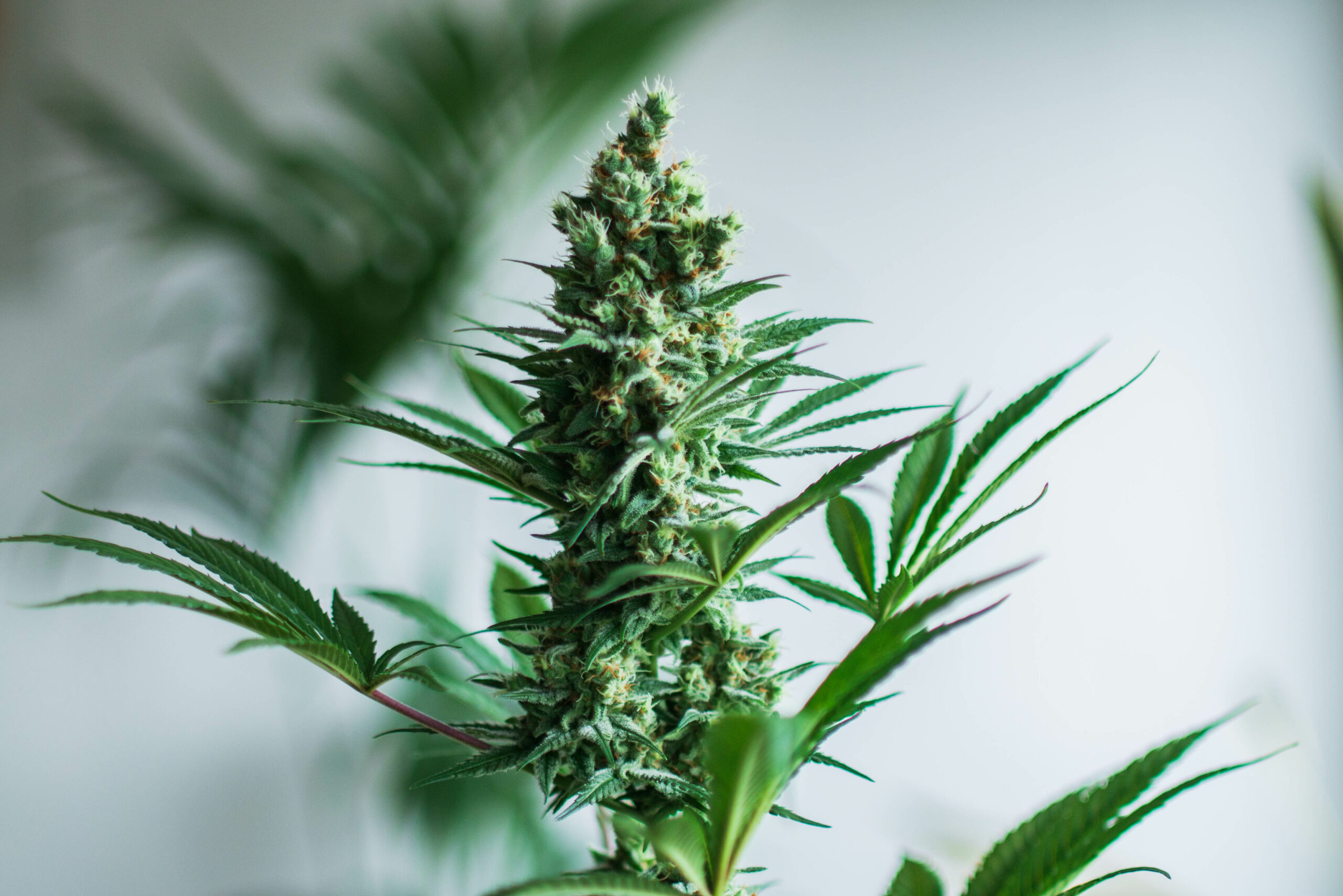


Auto White Widow is one of the most well-known autoflowering cannabis strains in the world. It is based on the famous White Widow, a strain that has been popular for decades because of its strong genetics, balanced effects, and reliable performance. Auto White Widow keeps many of the traits that made the original strain famous, while adding the speed and simplicity that come with autoflowering genetics. This combination has helped Auto White Widow earn a strong reputation among growers and consumers alike.
To understand why Auto White Widow is considered legendary, it helps to know a little about autoflowering strains. Autoflowering cannabis plants flower based on age rather than light cycles. This means they do not need changes in light schedules to start flowering. Instead, they move from the growth stage to the flowering stage automatically after a few weeks. This feature comes from cannabis ruderalis genetics, which evolved in harsh climates with short summers. By crossing these genetics with classic strains like White Widow, breeders created plants that grow faster and are easier to manage.
The original White Widow is a photoperiod strain, meaning it depends on changes in light to begin flowering. While photoperiod White Widow is known for high resin production and strong effects, it requires more time, planning, and control during cultivation. Auto White Widow was developed to solve these challenges. It offers a shorter life cycle, smaller plant size, and less strict lighting needs, while still delivering many of the same core qualities. This makes it appealing to growers who want reliable results without a long growing season.
Auto White Widow has become especially popular with beginners, but its value is not limited to new growers. Many experienced cultivators also choose it because of its consistency and efficiency. The plant typically grows compact and sturdy, making it suitable for indoor spaces, balconies, and small outdoor gardens. Its fast seed-to-harvest time allows growers to complete multiple cycles in a single year, which is useful in regions with short summers or unpredictable weather.
From a consumer perspective, Auto White Widow is known for offering a balanced experience. It is often described as providing a mix of mental clarity and physical relaxation. While the exact effects can vary based on growing conditions and individual response, the strain is widely recognized for staying close to the character of the original White Widow. This balance has helped it remain relevant even as many new autoflowering strains enter the market.
Another reason Auto White Widow stands out is its reliability. Autoflowering strains were once criticized for being weak or unstable, but modern breeding has greatly improved their quality. Auto White Widow reflects this progress. It is known for stable growth, predictable flowering times, and consistent cannabinoid levels. These traits make it easier for growers to plan their harvests and manage their plants from start to finish.
This article is designed to give a complete and clear overview of Auto White Widow. It explains what the strain is, how it grows, and what makes it different from other cannabis varieties. It also answers the most common questions people ask when searching for information about Auto White Widow. These questions often include how long the plant takes to grow, how tall it gets, what kind of yield it produces, and what effects it delivers.
In addition, this guide looks at important technical details such as THC and CBD levels, ideal growing conditions, and the differences between autoflowering and photoperiod versions of White Widow. Each section focuses on facts and practical information, without personal opinions or testimonials. The goal is to help readers understand Auto White Widow clearly, whether they are researching strains, learning about cultivation, or comparing different cannabis options.
By the end of this article, readers will have a solid understanding of why Auto White Widow has earned its place as one of the most recognized autoflowering strains available today. The following sections break down every major aspect of the strain in a simple and direct way, making the information easy to follow and useful for a wide range of readers.
What Is Auto White Widow?
Auto White Widow is an autoflowering cannabis strain that comes from the famous White Widow genetic line. It is known for combining classic White Widow traits with the speed and simplicity of autoflowering plants. This makes it popular with growers who want reliable results in a shorter amount of time.
To understand Auto White Widow, it helps to break down what the name means and how the plant works.
What “Autoflowering” Means
Most cannabis plants are photoperiod strains, which means they need a change in light hours to start flowering. These plants usually stay in the vegetative stage until light is reduced to about 12 hours per day.
Auto White Widow is different. It is an autoflower, which means it flowers based on age, not light schedule. Once the plant reaches maturity, it will begin flowering automatically. This usually happens just a few weeks after germination.
Because of this trait:
- The plant does not need a special light schedule
- It can grow under 18–24 hours of light from start to finish
- It finishes faster than most photoperiod strains
This makes Auto White Widow easier to manage, especially for new growers.
Genetic Origins of Auto White Widow
Auto White Widow is created by crossing White Widow with a Cannabis ruderalis plant.
- White Widow is a well-known strain originally bred from Brazilian sativa and South Indian indica genetics. It became famous for its resin production and balanced effects.
- Cannabis ruderalis is a type of cannabis that grows naturally in harsh climates. It evolved to flower quickly and automatically, without depending on light changes.
By combining these two genetics, breeders created a plant that:
- Keeps the key traits of White Widow
- Gains the autoflowering ability from ruderalis
- Grows smaller and faster than the original strain
How Ruderalis Genetics Affect the Plant
Ruderalis genetics play a big role in how Auto White Widow behaves. While ruderalis plants are low in THC on their own, they bring important structural benefits when used in breeding.
These genetics give Auto White Widow:
- A short life cycle, often 9–11 weeks from seed to harvest
- A compact size, making it good for small spaces
- Strong stress resistance, especially to cold and light changes
Modern breeding has reduced many early autoflower weaknesses. Today’s Auto White Widow strains are more potent and stable than early autoflowers from the past.
Key Characteristics of Auto White Widow
Auto White Widow has several traits that make it easy to recognize and grow.
Growth Structure
- Short to medium height
- Strong main stem with side branches
- Dense bud formation during flowering
Flowering Style
- Flowers automatically without light changes
- Begins flowering early, often after 3–4 weeks
- Continues growing while flowering (a common autoflower trait)
Resin Production
- Heavy trichome coverage on buds and sugar leaves
- Sticky flowers similar to traditional White Widow
- Frosty appearance near harvest time
Adaptability
- Can grow indoors or outdoors
- Tolerates different light schedules
- Suitable for soil or hydroponic systems
How Auto White Widow Differs From Other Autoflowers
Not all autoflowers are the same. Auto White Widow stands out because it is based on a classic, proven strain. Many autoflowers are bred for speed alone, but Auto White Widow aims to balance speed, potency, and flavor.
Compared to many autoflowering strains:
- It has a more traditional cannabis look and smell
- It produces denser buds
- It offers effects closer to photoperiod strains
This balance is why it is often chosen by growers who want quality but still need fast results.
Who Auto White Widow Is Best Suited For
Auto White Widow is often chosen by:
- Beginner growers who want a simple growing process
- Indoor growers with limited space
- Outdoor growers in short growing seasons
- Growers who want quick harvests without complex setup
Its forgiving nature makes it easier to manage than many other strains.
Auto White Widow is an autoflowering version of the classic White Widow strain. It combines strong genetics with the ability to flower automatically, making it faster and easier to grow. Thanks to ruderalis influence, it stays compact, finishes quickly, and handles stress well. At the same time, it keeps many of the key traits that made White Widow famous, such as resin-heavy buds and balanced growth. This combination is what makes Auto White Widow a reliable and widely used autoflowering strain.
Is Auto White Widow Indica or Sativa?
One of the most common questions people ask about Auto White Widow is whether it is an indica or a sativa strain. The short answer is that Auto White Widow is a hybrid that leans toward indica, but the full explanation requires a closer look at its genetics, plant structure, and overall behavior during growth and use.
Understanding whether a strain is indica or sativa helps growers and consumers know what to expect. These categories affect how a plant grows, how long it takes to finish, and what type of effects it may produce. Auto White Widow combines traits from several cannabis types, which is why it does not fit into only one category.
Genetic Background of Auto White Widow
Auto White Widow is created by crossing White Widow, a well-known hybrid strain, with a ruderalis cannabis plant. White Widow itself is traditionally considered a balanced hybrid, with both indica and sativa genetics. When breeders add ruderalis genetics, the plant gains the ability to flower automatically instead of relying on light cycles.
Ruderalis plants are naturally low in THC and small in size, but they are very hardy. They evolved in harsh climates and developed the autoflowering trait to survive short growing seasons. When ruderalis is crossed with White Widow, the result is a plant that keeps many of White Widow’s key traits while gaining fast growth and automatic flowering.
Because White Widow already leans slightly toward indica, and ruderalis also shows indica-like growth patterns, Auto White Widow ends up being indica-dominant. Most seed banks describe it as an indica-leaning hybrid rather than a pure indica or sativa.
Indica-Leaning Growth Traits
The indica influence in Auto White Widow is easy to see in the way the plant grows. Indica plants are usually shorter, bushier, and more compact than sativa plants. Auto White Widow follows this pattern.
The plant typically grows with:
- A strong central stem
- Shorter spacing between branches
- Dense foliage
- A compact overall shape
These traits make Auto White Widow well suited for indoor growing, small tents, and limited spaces. The compact size also helps the plant handle wind and weather better when grown outdoors.
Indica-dominant plants usually focus more energy on bud production than vertical growth. Auto White Widow often produces thick, resin-coated buds rather than long, airy flowers. This is another clear sign of its indica influence.
Sativa Influence in Structure and Effects
While Auto White Widow leans indica, it still carries some sativa genetics from its White Widow parent. These sativa traits can appear in several ways.
Some plants may grow slightly taller than typical indica autos, especially under strong lighting or outdoor sun. The leaves may also be a bit narrower than those of a pure indica strain. These features show that Auto White Widow is not a pure indica, but a balanced hybrid with indica dominance.
Sativa genetics also play a role in how the strain affects the mind. While indica strains are often linked to physical relaxation, sativa strains are known for more mental stimulation. Auto White Widow often provides a mix of both, rather than a heavy, purely body-focused effect.
How Ruderalis Genetics Affect Classification
Ruderalis is neither indica nor sativa in the traditional sense. It is its own type of cannabis. However, its growth traits are closer to indica plants. Ruderalis plants are short, fast-growing, and tough. These qualities push Auto White Widow further toward the indica side of the spectrum.
The presence of ruderalis genetics also means that Auto White Widow:
- Flowers based on age, not light schedule
- Has a shorter life cycle
- Stays smaller than photoperiod strains
These traits do not change whether the plant is indica or sativa, but they strongly influence how it behaves during growth.
Why Classification Still Matters
Even though modern cannabis strains are mostly hybrids, indica and sativa labels still help explain general behavior. For Auto White Widow, the indica-dominant label helps set clear expectations.
Growers can expect:
- Shorter plants
- Faster finishing times
- Dense buds
- Controlled stretch
Consumers can expect:
- Balanced effects
- A mix of physical and mental sensations
- Less extreme stimulation than strong sativas
Auto White Widow is best described as an indica-dominant hybrid autoflower. Its genetics come from White Widow and ruderalis, which together create a compact, fast-growing plant with strong indica traits and mild sativa influence. While it is not a pure indica, its structure, growth pattern, and overall behavior clearly lean in that direction. Understanding this classification helps set accurate expectations for both cultivation and use.
How Long Does Auto White Widow Take to Grow?
One of the most common questions about Auto White Widow is how long it takes to grow from seed to harvest. This is important for growers who want fast results, limited downtime, or multiple harvests per year. Auto White Widow is known for its short and predictable life cycle, which is one of its main advantages over photoperiod strains.
Auto White Widow is an autoflowering strain. This means it does not depend on changes in light schedules to start flowering. Instead, it flowers automatically based on age. Because of this trait, its total growth time is usually shorter and more consistent.
Average Seed-to-Harvest Timeline
On average, Auto White Widow takes 8 to 11 weeks from seed to harvest. Some plants may finish slightly faster, while others may take a bit longer. The exact timing depends on genetics, environment, and growing conditions.
This short life cycle makes Auto White Widow suitable for growers who want quick harvests or who live in areas with short outdoor growing seasons.
Germination Phase (Days 1–7)
The first stage is germination. This usually takes 1 to 7 days.
During this stage:
- The seed cracks open
- A small taproot appears
- The seedling breaks through the soil
Warm temperatures, moisture, and oxygen are key during germination. Most growers see healthy sprouts within a few days if conditions are right. Poor-quality seeds, cold temperatures, or overwatering can slow this stage.
Seedling Stage (Week 1–2)
After germination, the plant enters the seedling stage. This stage usually lasts 1 to 2 weeks.
During this time:
- The plant develops its first true leaves
- Roots begin to spread
- Growth is slow but steady
Because Auto White Widow grows quickly overall, stress during this stage can affect final size and yield. Gentle light, stable temperatures, and careful watering are important.
Vegetative Stage (Week 2–4)
The vegetative stage is short compared to photoperiod plants. It usually lasts 2 to 3 weeks.
In this stage:
- The plant grows taller and wider
- Branches begin to form
- Leaf production increases rapidly
Unlike photoperiod strains, autoflowers do not stay in the vegetative stage for long. Even if conditions are perfect, Auto White Widow will move into flowering based on age, not light exposure.
This is why early care matters. Any stress, such as overfeeding or transplant shock, can reduce growth before flowering begins.
Flowering Stage (Week 4–9 or 11)
The flowering stage begins around week 3 or 4 and lasts 5 to 7 weeks.
During flowering:
- Buds start forming at branch sites
- Resin production increases
- Aroma becomes stronger
- The plant focuses on flower development instead of height
Auto White Widow is known for dense buds and visible trichomes. Toward the end of flowering, pistils darken and trichomes mature. Harvest timing depends on the desired maturity level, but most plants are ready by week 9 or 10.
Factors That Can Affect Total Grow Time
Several factors can make the plant finish faster or slower:
- Light intensity: Strong, consistent light supports faster development
- Temperature: Ideal temperatures help maintain steady growth
- Nutrition: Balanced feeding avoids delays caused by stress
- Genetics: Different seed batches may vary slightly
- Stress levels: Overwatering, pests, or damage can slow growth
Even with these factors, autoflowers like Auto White Widow tend to stay within a narrow time range.
Auto White Widow typically takes 8 to 11 weeks from seed to harvest. The life cycle includes germination, a short seedling phase, a brief vegetative stage, and a fast flowering period. Because it flowers automatically, timing is predictable and easy to plan. With stable conditions and low stress, most growers can expect a quick and efficient grow cycle that finishes in just a few months.
How Tall Does Auto White Widow Grow?
Auto White Widow is known for its compact and manageable size. This makes it a popular choice for growers who have limited space or want a discreet plant. While the exact height can vary, most Auto White Widow plants stay relatively short compared to photoperiod strains.
Understanding how tall this strain grows helps growers plan their space, lighting, and overall setup more effectively.
Typical Height Indoors
When grown indoors, Auto White Widow usually reaches a height of 60 to 100 centimeters (about 2 to 3.5 feet). This compact size is one of the main reasons it works well in indoor grow tents, closets, and small rooms.
Indoor plants tend to stay shorter because:
- Light distance is controlled
- Environmental conditions are stable
- Pots are often smaller
- Training techniques are more common
Most indoor growers aim to keep Auto White Widow on the shorter side to ensure even light coverage. Because the plant does not rely on a light schedule to flower, it transitions quickly from growth to flowering, which limits vertical stretch.
This predictable height makes it easier to plan ventilation, lighting height, and spacing between plants.
Typical Height Outdoors
When grown outdoors, Auto White Widow can grow slightly taller. Most outdoor plants reach 80 to 120 centimeters (about 2.5 to 4 feet), depending on conditions.
Outdoor plants may grow taller because:
- They have more root space
- Natural sunlight is stronger and more direct
- Airflow is better
- Stress is often lower when conditions are ideal
Even outdoors, Auto White Widow remains compact compared to many traditional cannabis strains. This makes it suitable for balconies, patios, gardens, and other areas where large plants are not practical.
Why Auto White Widow Stays Compact
Auto White Widow’s height is largely influenced by its autoflowering genetics. Autoflower strains include genetics from Cannabis ruderalis, a plant type that evolved in harsh climates with short summers.
Because of this:
- The plant flowers based on age, not light
- Vegetative growth time is limited
- Vertical stretching is reduced
Instead of growing tall, Auto White Widow focuses its energy on forming dense buds along the main stem and side branches. This growth style helps keep the plant short while still producing solid yields.
Factors That Can Affect Plant Height
While there are typical height ranges, several factors can cause Auto White Widow to grow shorter or taller than average.
Pot Size
Smaller pots limit root growth, which can reduce plant height. Larger pots allow roots to spread, often leading to slightly taller plants.
Light Intensity
Strong, close lighting encourages shorter, bushier growth. Weak or distant light can cause the plant to stretch upward.
Growing Medium
Soil, coco coir, and hydroponic systems can all affect growth speed and size. Plants in hydro systems often grow faster and slightly taller.
Temperature and Stress
Stable temperatures support steady growth. Stress from heat, cold, or nutrient problems can stunt height.
Genetics and Phenotypes
Even within the same strain, individual plants can vary. Some may grow shorter and bushier, while others stretch a bit more.
Training and Height Control
Although autoflowering plants have a short life cycle, growers can still influence height.
Common methods include:
- Low-stress training (LST): Gently bending branches to keep the plant low
- Topping (used carefully): Can reduce height but must be done early
- Choosing smaller containers: Naturally limits growth
These methods help keep the canopy even and prevent the plant from growing too tall for the space.
Suitability for Small Grow Spaces
Auto White Widow is well suited for:
- Grow tents under 1.5 meters tall
- Stealth or discreet grows
- Indoor setups with limited headroom
- Multi-plant grows where uniform height is important
Its controlled height reduces the risk of plants growing too close to lights, which can cause heat stress or light burn.
Auto White Widow is a compact autoflowering strain with a predictable height. Indoors, it usually grows between 60 and 100 centimeters, while outdoor plants may reach up to 120 centimeters in ideal conditions. Its short size comes from autoflower genetics that limit vegetative growth and reduce stretching.
Plant height can vary based on pot size, lighting, environment, and growing method. Even so, Auto White Widow remains easy to manage and well suited for small spaces. This makes it a reliable option for growers who need control, consistency, and efficient use of space.
What Yield Can You Expect From Auto White Widow?
Yield is one of the most common questions people ask about Auto White Widow. While autoflowering strains are usually smaller than photoperiod plants, Auto White Widow is known for producing reliable and respectable yields for its size. Understanding yield potential helps growers plan space, time, and resources more effectively.
Average Indoor Yield
When grown indoors under controlled conditions, Auto White Widow typically produces moderate to high yields for an autoflower.
- Average indoor yield:
Around 400–500 grams per square meter under optimal conditions
Indoor yields depend heavily on:
- Light intensity and quality
- Grow space layout
- Environmental control (temperature and humidity)
Because Auto White Widow stays compact, it is often grown in Sea of Green (SOG) setups. This allows multiple plants to share the same area, increasing total yield per square meter even though each individual plant remains small.
Autoflowers like Auto White Widow do not need light cycle changes to flower. This means growers can use 18–20 hours of light per day from seed to harvest. More light hours often lead to better bud development and higher yields.
Average Outdoor Yield
Outdoor yields for Auto White Widow are measured per plant rather than per area.
- Average outdoor yield:
About 70–150 grams per plant, depending on conditions
Outdoor plants usually grow slightly taller and wider than indoor ones if given enough sunlight and space. However, since autoflowers follow a fixed lifecycle, outdoor yield still depends on how strong the plant grows during its short vegetative phase.
Outdoor results are best when:
- Plants receive direct sunlight for most of the day
- Temperatures stay warm and stable
- Plants are protected from heavy rain and strong winds
One advantage of Auto White Widow outdoors is its short lifecycle, which allows growers to harvest before bad weather becomes a problem.
Yield Compared to Other Autoflowering Strains
Auto White Widow is often considered a solid middle-to-high yielder among autoflowering strains.
- It usually produces more than very small or fast autoflowers
- It may yield slightly less than newer, oversized autoflower genetics
- It offers a balance between yield, potency, and reliability
Unlike some high-yield autoflowers that grow very tall, Auto White Widow focuses on dense bud production rather than extreme size. This makes it a practical choice for growers who want consistent results without managing large plants.
Bud Structure and Density
Yield is not only about weight but also about bud quality and density.
Auto White Widow typically produces:
- Thick central colas
- Dense, compact buds
- Heavy resin coverage
Dense buds often weigh more after drying than loose, airy flowers. This means that even if the plant looks small, the final dried yield can still be satisfying.
Factors That Influence Yield
Several factors can increase or reduce how much Auto White Widow produces.
Light Quality and Intensity
Strong lighting is one of the most important yield factors.
- High-quality LED or HPS lights improve bud size
- Weak lighting leads to smaller flowers
Growing Medium
- Soil offers steady growth and lower risk
- Hydroponic systems can increase yield if managed correctly
Pot Size
Because autoflowers grow quickly, root space matters.
- Small pots can limit plant size
- Larger pots allow stronger root systems and better yields
Nutrition
Auto White Widow prefers light to moderate feeding.
- Too much fertilizer can reduce yield
- Balanced nutrients support steady bud development
Stress Levels
Autoflowers do not recover well from stress.
- Overwatering, pruning, or transplant shock can lower yield
- Stable conditions support maximum production
Auto White Widow offers dependable yields for an autoflowering strain. Indoor growers can expect up to 500 grams per square meter, while outdoor plants often produce 70–150 grams each. Although it may not be the highest-yielding autoflower available, it provides a strong balance of bud density, consistency, and ease of growth.
With proper lighting, stable conditions, and careful feeding, Auto White Widow can deliver a satisfying harvest within a short growing cycle.
What Does Auto White Widow Taste and Smell Like?
The taste and smell of Auto White Widow are two of its most well-known features. Many growers and consumers look for this strain because it keeps many of the classic sensory traits of the original White Widow while adding the fast-growing benefits of autoflowering genetics. Understanding its aroma and flavor can help readers know what to expect before growing or using it.
Dominant Terpene Profile
Auto White Widow gets its taste and smell from natural compounds called terpenes. Terpenes are found in many plants and are responsible for their scents and flavors. In cannabis, they also play a role in shaping the overall experience.
Auto White Widow usually contains a mix of earthy, woody, and slightly sweet terpenes. Common terpenes often linked to this strain include:
- Myrcene, which gives earthy and musky notes
- Pinene, which adds a fresh, pine-like scent
- Caryophyllene, which brings a light spice or pepper smell
This combination creates a balanced and recognizable profile. The terpenes work together to produce a smell that is strong but not overwhelming.
Aroma Characteristics
When growing Auto White Widow, the smell becomes noticeable during the flowering stage. As the buds develop and the resin builds up, the aroma grows stronger.
The most common aroma descriptions include:
- Earthy and herbal
- Fresh pine or forest-like
- Light floral notes
- A mild sweetness underneath
The smell is often described as “clean” and “classic.” It does not usually smell fruity or sugary like some modern hybrids. Instead, it keeps a natural, old-school cannabis scent.
Indoor growers should be aware that the smell can travel, especially near harvest time. Proper ventilation and carbon filters are often used to manage odor in enclosed spaces.
Flavor Profile When Consumed
The flavor of Auto White Widow often matches its smell. When consumed, users typically notice an earthy taste first. This is followed by mild woody and herbal flavors.
Common flavor notes include:
- Earth and soil
- Pine and wood
- Soft spice
- A smooth, slightly sweet finish
The smoke or vapor is usually described as smooth, especially when the plant is grown well and cured correctly. Harshness can occur if the plant is harvested too early or dried too quickly, but this is related to processing rather than the strain itself.
How Growing Conditions Affect Taste and Smell
The way Auto White Widow is grown can strongly affect its final taste and aroma. Several factors play a role:
- Lighting: Strong, stable light helps the plant produce more resin and terpenes.
- Nutrients: Overfeeding nutrients can reduce flavor and cause harsh smoke. Balanced feeding supports terpene development.
- Temperature: High heat can cause terpenes to evaporate before harvest. Cooler, steady temperatures help preserve aroma.
- Stress levels: Too much stress can weaken terpene production and dull the smell.
Soil-grown plants often produce slightly richer and deeper flavors, while hydroponic systems may create cleaner but lighter taste profiles. Both methods can be successful if managed well.
Impact of Drying and Curing
Drying and curing are just as important as growing. Even a well-grown Auto White Widow plant can lose flavor if it is dried too fast.
- Slow drying helps keep terpenes intact
- Proper curing allows flavors to deepen and smooth out
- Correct humidity levels prevent mold while protecting aroma
After curing, the smell often becomes more refined. Earthy notes remain strong, while the sweetness and pine tones become clearer.
Consistency Across Auto White Widow Seeds
While most Auto White Widow plants share similar taste and smell traits, some variation can occur. Differences in genetics, seed quality, and growing environment can slightly change the final profile. However, most versions stay close to the classic White Widow style.
Auto White Widow is known for its earthy, pine-like aroma and smooth, classic flavor. Its terpene profile produces herbal, woody, and lightly sweet notes that are easy to recognize. The taste usually follows the smell, offering a clean and balanced experience. Growing conditions, drying, and curing all play a major role in how strong and pleasant the final flavor becomes. Overall, Auto White Widow keeps the traditional White Widow scent and taste while offering the speed and convenience of an autoflowering strain.
What Are the Effects of Auto White Widow?
Auto White Widow is known for producing a balanced set of effects that affect both the mind and the body. These effects are influenced by its genetic background, cannabinoid levels, and terpene profile. While experiences can vary depending on dose, tolerance, and growing conditions, there are several effects commonly associated with this autoflowering strain.
Mental Effects
One of the first effects often reported with Auto White Widow is a noticeable mental uplift. The strain is commonly linked to a clear and alert headspace. Users may experience improved focus, heightened awareness, and a mild sense of mental energy. This effect tends to appear shortly after consumption, especially when inhaled.
The mental effects are usually described as steady rather than overwhelming. Auto White Widow does not typically cause strong mental fog when used in moderate amounts. Instead, it is often associated with a calm and controlled mental state. This makes it different from strains that produce heavy sedation or intense mental stimulation.
In some cases, higher doses may increase mental intensity. This can include racing thoughts or difficulty concentrating, especially for individuals with lower tolerance. Because of this, dosage control plays an important role in shaping the overall experience.
Physical Effects
Alongside mental changes, Auto White Widow is also known for its physical effects. These effects usually develop gradually after the initial mental uplift. Many users report a sense of physical relaxation that spreads through the body without causing immediate drowsiness.
Muscle tension may feel reduced, and the body can feel lighter or more at ease. This physical relaxation is often described as moderate rather than heavy. Auto White Widow is generally not linked to strong couch-lock effects when consumed in low to moderate amounts.
As the effects continue, some users may experience a deeper sense of calm in the body. At higher doses, this can lead to reduced physical activity and a desire to rest. However, this strain is not usually associated with strong sedation compared to heavier indica-dominant varieties.
Balance Between Mind and Body
Auto White Widow is often described as offering a balance between mental and physical effects. This balance comes from its mixed genetic background, which combines traits from both indica and sativa varieties. The result is an effect profile that does not lean too heavily in one direction.
This balanced nature means the strain may feel adaptable to different situations, depending on how much is consumed. Lower amounts tend to highlight mental clarity and light physical relaxation. Higher amounts shift the experience toward stronger body effects and reduced mental stimulation.
Onset Time and Duration
The onset time of Auto White Widow depends on the method of consumption. When inhaled, effects usually begin within minutes. The mental effects often appear first, followed by physical relaxation. When consumed in edible form, onset can take much longer, sometimes up to two hours.
The total duration of effects is typically moderate. Most users report that the primary effects last several hours, with lingering physical relaxation continuing after the mental effects fade. Factors such as body chemistry, tolerance, and potency can influence how long the effects remain noticeable.
Potency and Comparison to Photoperiod White Widow
Auto White Widow is generally considered slightly less potent than the traditional photoperiod version of White Widow. This difference is mainly due to the inclusion of ruderalis genetics, which can reduce overall THC levels. However, modern breeding has narrowed this gap, and many autoflower versions still produce strong effects.
While photoperiod White Widow may deliver a more intense and longer-lasting experience, Auto White Widow offers a similar effect profile in a shorter growth cycle. The effects are often described as smoother and more manageable, especially for those seeking moderate potency.
Factors That Influence Effects
Several factors can change how Auto White Widow feels from one person to another. These include THC percentage, terpene content, dosage, method of consumption, and individual tolerance. Growing conditions such as light exposure, nutrients, and harvest timing can also affect potency and effect strength.
Because of these variables, the effects of Auto White Widow should not be seen as fixed. Instead, they exist within a range that can shift depending on how the plant is grown and used.
Auto White Widow produces a balanced combination of mental clarity and physical relaxation. The effects usually begin with a clear and alert mindset, followed by gradual body relaxation. Potency is moderate to strong, depending on growing conditions and dosage. Compared to photoperiod White Widow, the autoflower version tends to offer smoother and more controlled effects. Overall, Auto White Widow is known for delivering stable, balanced effects that reflect its mixed genetic background.
What Is the THC and CBD Content of Auto White Widow?
Understanding the THC and CBD content of Auto White Widow is important for growers and consumers alike. These two cannabinoids play a major role in how the strain feels, how strong it is, and what kind of experience it produces. While genetics set the foundation, growing methods and environmental conditions can also influence final cannabinoid levels.
Average THC Percentage Range
Auto White Widow is known for having moderate to high THC levels for an autoflowering strain. Most versions of Auto White Widow produce THC levels between 14% and 20%, though some plants may test slightly higher or lower depending on how they are grown.
This THC range makes Auto White Widow stronger than many older autoflower strains, which often had lower potency. Modern breeding has improved autoflowers significantly, allowing Auto White Widow to keep much of the strength associated with the original White Widow genetics.
The THC level is usually high enough to produce noticeable psychoactive effects without being overwhelming for most users. Because of this balance, Auto White Widow is often considered suitable for a wide range of tolerance levels.
Typical CBD Content
Auto White Widow generally contains low levels of CBD, usually below 1%. In many cases, CBD content falls between 0.1% and 0.5%.
This low CBD level means that the strain’s effects are mostly driven by THC rather than CBD. While CBD can help balance or soften THC’s intensity in some strains, Auto White Widow does not rely on CBD for its main effects.
That said, small amounts of CBD still play a supporting role. Even low CBD levels can slightly influence how the body responds to THC, especially when combined with other cannabinoids and terpenes.
How Cannabinoid Levels Affect Potency and Experience
The combination of moderate-to-high THC and low CBD gives Auto White Widow a clear and strong psychoactive profile. THC is responsible for most of the mental and physical effects associated with the strain.
Because CBD levels are low, the effects may feel more direct and pronounced than in strains with higher CBD content. This can lead to a noticeable mental uplift followed by physical relaxation, depending on dosage and individual sensitivity.
It is important to understand that THC percentage alone does not fully define potency. The overall experience is shaped by:
- The balance between THC and other cannabinoids
- The terpene profile
- The user’s tolerance and body chemistry
For example, two plants with the same THC percentage can still feel different due to variations in terpene levels or minor cannabinoids.
Influence of Cultivation Practices on Cannabinoid Expression
While genetics determine the potential THC and CBD levels, growing conditions strongly influence what the plant actually produces.
Key factors that affect cannabinoid content include:
Light intensity and quality
Stronger and well-balanced light helps the plant produce more resin, which contains cannabinoids. Poor lighting can reduce THC levels.
Nutrient management
Proper feeding during flowering supports healthy bud development. Overfeeding or underfeeding can stress the plant and reduce cannabinoid production.
Environmental stability
Consistent temperatures and humidity levels help the plant focus energy on resin production rather than stress responses.
Harvest timing
Harvesting too early can result in lower THC levels because cannabinoids have not fully developed. Harvesting too late can cause THC to degrade into other compounds, changing the effect profile.
Drying and curing process
Even after harvest, cannabinoids can degrade if buds are dried too quickly or stored improperly. Proper curing helps preserve THC and overall potency.
How Auto White Widow Compares to Photoperiod White Widow
Compared to the original photoperiod White Widow, Auto White Widow usually has slightly lower THC levels. Photoperiod versions can sometimes reach THC levels above 20%, while autoflower versions tend to stay within a more moderate range.
However, the difference is often smaller than expected. Many growers find that Auto White Widow still delivers a strong and satisfying experience, especially considering its shorter life cycle and easier cultivation.
Auto White Widow typically contains THC levels between 14% and 20%, making it a moderately strong autoflowering strain. Its CBD content is low, usually under 1%, meaning THC is the main driver of its effects. While genetics set the potential, factors such as lighting, nutrients, environment, harvest timing, and curing all play a role in the final cannabinoid profile. Overall, Auto White Widow offers a balanced level of potency that reflects modern autoflower breeding while staying true to its classic roots.
Is Auto White Widow Easy to Grow?
Auto White Widow is widely known for being an easy strain to grow, especially when compared to many other cannabis varieties. Its genetics were developed to reduce common growing problems while still producing consistent results. Because of this, it is often chosen by new growers as well as experienced cultivators who want a reliable plant with low maintenance needs.
Below is a detailed breakdown of why Auto White Widow is considered easy to grow, covering experience level, plant strength, adaptability, and environment choices.
Suitable for Beginner Growers
One of the main reasons Auto White Widow is considered easy to grow is its beginner-friendly nature. Autoflowering strains do not depend on light schedules to start flowering. This means growers do not need to change lighting cycles from 18 hours to 12 hours to trigger flowering. The plant moves through its life cycle on its own.
This automatic flowering trait reduces the risk of mistakes. New growers often struggle with light timing, but Auto White Widow removes this challenge. As long as the plant receives enough light each day, it will grow and flower without extra effort.
The plant also has a predictable growth pattern. From seed to harvest, the process is usually fast and steady. This makes planning easier and helps growers know what to expect at each stage.
Strong Resistance to Common Problems
Auto White Widow is known for its strong resistance to many common growing issues. This includes a higher tolerance to pests, mold, and mild stress. While no plant is completely immune, this strain can handle small mistakes better than many others.
For example, slight changes in temperature or humidity usually do not cause major damage. The plant can also recover well from light overfeeding or minor nutrient issues. This forgiving nature is especially helpful for those still learning how to manage nutrients and watering.
The plant’s compact size also improves airflow, which lowers the risk of mold and mildew. This is important in indoor spaces or humid climates.
Adaptable to Different Environments
Auto White Widow can grow well in many environments. It performs reliably indoors, outdoors, and in greenhouse setups. This flexibility makes it easier for growers to choose a setup that fits their space and budget.
Indoors, the plant stays relatively short. This allows it to fit well in small tents or closets. Its size also makes it easier to manage light distance and airflow. Because it flowers automatically, indoor growers can keep the same light schedule throughout the entire grow.
Outdoors, Auto White Widow can grow in many climates, especially mild to warm regions. Because of its short life cycle, it can finish before bad weather arrives. This is helpful in areas with shorter summers or early fall rain.
Low Maintenance Growth Cycle
Auto White Widow has a short and simple growth cycle. Most plants are ready for harvest in about 10 to 12 weeks from seed. This quick turnaround reduces the time plants are exposed to risks such as pests or weather problems.
The plant does not require heavy training methods. Techniques like topping or aggressive pruning are often avoided because autoflowers have limited recovery time. Auto White Widow grows well without these techniques, which simplifies care.
Basic care such as regular watering, proper lighting, and balanced nutrients is usually enough. Growers do not need advanced skills to guide the plant through its life cycle.
Indoor vs Outdoor Growing Ease
Indoors, Auto White Widow is easy to control. Growers can manage temperature, humidity, and light with simple equipment. The plant’s small size and steady growth make it easy to observe and adjust if needed.
Outdoors, the strain benefits from natural sunlight and fresh air. It does not rely on seasonal light changes, so it can be planted at different times of the year as long as temperatures are suitable. This allows for more flexible planting schedules.
In both settings, the plant’s resilience helps reduce the need for constant monitoring.
Auto White Widow is considered easy to grow because it is forgiving, adaptable, and simple to manage. Its automatic flowering removes the need for complex light schedules. Its strong resistance to stress, pests, and minor mistakes makes it suitable for beginners. The plant grows well in both indoor and outdoor environments and does not require advanced techniques to succeed.
What Are the Ideal Growing Conditions for Auto White Widow?
Auto White Widow is known for being a strong and adaptable autoflowering strain. Even so, it still performs best when grown under the right conditions. Understanding light, temperature, humidity, nutrients, and growing methods will help the plant reach its full potential. This section explains each factor in clear and simple terms so growers know exactly what Auto White Widow needs from seed to harvest.
Light Requirements
Auto White Widow does not depend on light cycles to begin flowering. This is because it is an autoflowering strain. However, light still plays a major role in growth and yield.
Indoors, most growers use 18 to 20 hours of light per day from seed to harvest. Some also use 24 hours of light, but this can increase stress and electricity use without much added benefit. A steady light schedule is more important than changing cycles.
LED grow lights are commonly used because they produce less heat and use less power. Strong and even light coverage helps the plant grow evenly and develop dense buds.
Outdoors, Auto White Widow grows best during seasons with long daylight hours. Since it flowers automatically, it can still finish well even if days slowly become shorter later in the season.
Temperature and Humidity
Auto White Widow prefers moderate and stable temperatures. The ideal daytime temperature range is 20–26°C (68–79°F). Night temperatures should not drop too low, as large swings can slow growth.
Humidity levels should change as the plant grows:
- Seedling stage: 60–70% humidity
- Vegetative stage: 50–60% humidity
- Flowering stage: 40–50% humidity
Lower humidity during flowering helps prevent mold and bud rot, especially since Auto White Widow produces thick, resin-rich flowers.
Good airflow is also important. Fans help control heat, reduce moisture buildup, and strengthen plant stems.
Soil vs Hydroponic Growing
Auto White Widow can grow well in both soil and hydroponic systems. Each method has benefits.
Soil growing is often recommended for beginners. Quality soil with good drainage allows the plant to regulate nutrients more naturally. Light, airy soil mixed with perlite works well. Soil also helps protect autoflowers from nutrient stress, which is important since autoflower plants have a short life cycle.
Hydroponic systems can lead to faster growth and higher yields when managed correctly. However, they require close control of nutrients and water levels. Because autoflowers have little time to recover from mistakes, hydro systems are better suited for experienced growers.
Nutrient Needs Throughout the Lifecycle
Auto White Widow does not need heavy feeding. Too many nutrients can cause stress and reduce growth.
- Seedling stage: Very light nutrients or plain water
- Vegetative stage: Low nitrogen feed
- Flowering stage: Reduced nitrogen, increased phosphorus and potassium
Autoflower strains generally need about 25–50% less nutrients than photoperiod plants. Slow and steady feeding works best.
Calcium and magnesium are also important, especially when using LED lights or hydro systems. Many growers add a mild Cal-Mag supplement if needed.
Watering Practices
Overwatering is one of the most common mistakes. Auto White Widow prefers moist but not wet roots. Pots should dry slightly between watering. Good drainage is essential to avoid root problems.
Smaller pots dry out faster, while larger pots hold water longer. Many growers use 10–15 liter pots to give roots enough space without holding too much moisture.
Common Mistakes to Avoid
Because Auto White Widow grows quickly, mistakes can have lasting effects. Common problems include:
- Overfeeding nutrients
- Overwatering
- Transplanting too late
- High humidity during flowering
- Poor airflow
Most growers plant autoflower seeds directly into their final container to avoid transplant stress.
Auto White Widow grows best in stable conditions with strong light, moderate temperatures, and controlled humidity. It prefers light feeding, good airflow, and careful watering. Soil growing is often the easiest method, while hydroponics can work well with experience. By avoiding stress and keeping conditions simple and steady, growers can help Auto White Widow develop healthy plants and consistent yields.
Auto White Widow vs Regular White Widow: Key Differences
Auto White Widow and Regular White Widow share the same genetic roots, but they behave very differently during growth. Understanding these differences helps readers choose the right type for their space, time frame, and growing goals. This section explains the key differences clearly and in detail.
Growth Cycle Differences
The biggest difference between Auto White Widow and Regular White Widow is how and when they flower.
Auto White Widow is an autoflowering strain. This means it begins flowering based on age, not light schedule. Most Auto White Widow plants start flowering about 3 to 4 weeks after germination. The entire life cycle usually lasts between 9 and 11 weeks from seed to harvest.
Regular White Widow is a photoperiod strain. It stays in the vegetative stage as long as it receives enough light, usually 18 hours or more per day. Flowering only begins when the light cycle is reduced to around 12 hours of light and 12 hours of darkness. This gives growers full control over how long the plant grows before flowering.
Because of this difference:
- Auto White Widow has a fixed and predictable timeline.
- Regular White Widow allows longer vegetative growth if desired.
- Autoflowers are faster overall but less flexible.
Yield and Potency Comparison
Yield and potency are also different between these two versions.
Auto White Widow generally produces smaller yields. This is because autoflowering plants stay smaller and have less time to grow before flowering. Indoor yields are often moderate, and outdoor yields depend heavily on conditions.
Regular White Widow usually produces higher yields. Growers can extend the vegetative phase, allowing plants to grow larger and develop more flowering sites. This often leads to heavier harvests, especially indoors or in controlled environments.
Potency also varies:
- Auto White Widow often has slightly lower THC levels.
- Regular White Widow tends to reach higher THC percentages.
- Autoflowers have improved greatly, but photoperiod plants still lead in maximum strength.
That said, Auto White Widow still offers strong effects and consistent quality when grown correctly.
Space and Time Requirements
Space and time are important factors for many growers.
Auto White Widow is compact and short. Most plants stay small, making them suitable for:
- Small grow tents
- Closets
- Balconies
- Stealth growing setups
Because of their short life cycle, autoflowers are ideal for growers who want quick results. Multiple harvests per year are possible, even outdoors in warm climates.
Regular White Widow needs more space and time. Plants grow taller and wider, especially during long vegetative periods. Indoor growers must manage height carefully using training techniques.
In summary:
- Autoflowers save time and space.
- Photoperiod plants need more planning and room.
Light and Growing Control
Light management is another key difference.
Auto White Widow does not depend on light changes to flower. It can grow under:
- 18–20 hours of light per day
- The same light schedule from seed to harvest
This makes autoflowers simpler for beginners and reduces the risk of light stress.
Regular White Widow requires strict light control:
- Vegetative stage: long light hours
- Flowering stage: exact 12/12 schedule
Any light leaks during flowering can cause stress or unwanted growth issues.
Training and Stress Tolerance
Training methods work differently between the two.
Auto White Widow has a short vegetative stage. Heavy training or stress can reduce yield if done incorrectly. Low-stress training is sometimes used, but timing is critical.
Regular White Widow handles training better. Techniques like topping, pruning, and advanced plant shaping are commonly used. This allows growers to control size, shape, and yield more effectively.
Which Type Suits Different Cultivation Goals
Choosing between Auto White Widow and Regular White Widow depends on priorities.
Auto White Widow is better for:
- Beginners
- Fast harvests
- Limited space
- Simple light schedules
- Outdoor grows with short seasons
Regular White Widow is better for:
- Growers who want larger yields
- Higher potency goals
- Full control over plant size
- Advanced growing techniques
- Long-term indoor cultivation
Auto White Widow and Regular White Widow may share a name, but they serve different purposes. Auto White Widow offers speed, simplicity, and compact size, making it ideal for quick and discreet growing. Regular White Widow provides greater control, larger yields, and higher potential potency, but requires more time and experience. Understanding these differences helps growers choose the version that best fits their environment and expectations.
Conclusion
Auto White Widow has earned its reputation as a legendary autoflowering strain because it combines history, reliability, and modern breeding into one plant. Throughout this guide, we have covered every major aspect of Auto White Widow to help readers clearly understand what makes this strain unique and why it continues to be popular with growers and consumers around the world.
One of the most important points is what Auto White Widow actually is. It is an autoflowering version of the classic White Widow strain, created by crossing original genetics with ruderalis. This genetic addition allows the plant to flower automatically based on age rather than light cycles. As a result, Auto White Widow offers a faster and more predictable growing experience compared to traditional photoperiod strains.
Auto White Widow is generally considered indica-dominant, which influences both its growth structure and its effects. The plant tends to stay compact, with sturdy branches and dense buds. These traits make it well suited for indoor growing, small tents, balconies, and other limited spaces. At the same time, it can also perform well outdoors in many climates, especially where shorter summers make long flowering times difficult.
Another key feature is the short life cycle. Auto White Widow usually completes its entire growth process from seed to harvest in about 10 to 12 weeks. This fast timeline is one of the main reasons it appeals to growers who want quick results or multiple harvests in a single season. Because the plant does not rely on light schedule changes, it offers flexibility and simplicity, especially for beginners.
Plant height is another factor that makes Auto White Widow practical. Most plants remain relatively short, often ranging from 60 to 100 centimeters. This controlled size helps with discreet growing and reduces the need for heavy training or pruning. Despite its smaller stature, Auto White Widow can still produce solid yields when grown under proper conditions.
Yield potential is balanced rather than extreme. Indoors, growers can expect moderate harvests that are consistent and reliable. Outdoors, individual plants can also perform well, especially when given enough sunlight and care. While it may not produce the largest yields among autoflowers, it makes up for this with quality, stability, and ease of cultivation.
Aroma and flavor are also defining traits. Auto White Widow is known for its earthy, woody scent combined with subtle spicy and sweet notes. These characteristics come from its terpene profile, which closely resembles the original White Widow. Proper drying and curing help preserve these flavors and improve the overall experience.
In terms of effects, Auto White Widow delivers a balanced experience. Users often describe a mix of mental clarity and physical relaxation. The effects are typically strong enough to be noticeable without being overwhelming for most people. This balance reflects its moderate to high THC levels, which are lower than some modern photoperiod strains but still potent for an autoflower.
THC content generally falls in the mid-to-high range for autoflowers, while CBD levels remain low. This cannabinoid profile supports the strain’s reputation for producing clear and steady effects rather than extreme intensity. Growing conditions, genetics, and harvest timing all play a role in final potency.
Ease of growth is one of Auto White Widow’s strongest advantages. It is widely regarded as beginner-friendly due to its resilience and low maintenance needs. The plant tolerates common mistakes better than many strains and adapts well to different environments. Whether grown in soil or hydroponic systems, it responds best to stable conditions and moderate feeding.
Finally, when compared to regular White Widow, the autoflowering version offers speed, simplicity, and compact size, while the original photoperiod strain may deliver slightly higher yields and potency. The choice between the two depends on time, space, and growing experience.
Overall, Auto White Widow remains a reliable and well-rounded autoflowering strain. Its combination of fast growth, manageable size, classic flavor, and balanced effects explains why it continues to be a staple in modern cannabis cultivation.
Research Citations
Boutsika, A., Deligiannidou, E., Moysiadis, T., Tourvas, N., Karnoutsos, P., Karagiovanidis, M., Magalios, D., Nanos, C., Mitsis, V., Tsaliki, E., Sarrou, E., Kalivas, A., & Ganopoulos, I. (2025). Molecular profiling and sex determination of Cannabis sativa germplasm collection: Exploring microsatellite markers and high-resolution melting (HRM) analysis. PeerJ, 13, e19770.
de la Fuente, A., Zamberlan, F., Sánchez Ferrán, A., Carrillo, F., Tagliazucchi, E., & Pallavicini, C. (2020). Relationship among subjective responses, flavor, and chemical composition across more than 800 commercial cannabis varieties. Journal of Cannabis Research, 2(1), 21.
Herwig, N., Utgenannt, S., Nickl, F., Möbius, P., Nowak, L., Schulz, O., & Fischer, M. (2025). Classification of cannabis strains based on their chemical fingerprint—A broad analysis of chemovars in the German market. Cannabis and Cannabinoid Research, 10(3), 409–419.
Kurtz, L. E., Brand, M. H., & Lubell-Brand, J. D. (2023). Gene dosage at the autoflowering locus effects flowering timing and plant height in triploid Cannabis. Journal of the American Society for Horticultural Science, 148(2), 83–88.
Micalizzi, G., Cucinotta, L., Chiaia, V., Alibrando, F., Cannizzaro, F., Branca, G., Maida, P., Oliveri, P., Mondello, L., & Sciarrone, D. (2024). Profiling of seized Cannabis sativa L. flowering tops by means of microwave-assisted hydro distillation and gas chromatography analyses. Journal of Chromatography A, 1727, 464994.
Nahar, L., Guo, M. Q., Sarker, S. D., Gavril, F., & Gales, O. (2023). Application of gas chromatography in the analysis of phytocannabinoids: An update (2020–2023). Phytochemical Analysis, 34(8), 903–924.
Sawler, J., Stout, J. M., Gardner, K. M., Hudson, D., Vidmar, J., Butler, L., Page, J. E., & Myles, S. (2015). The genetic structure of marijuana and hemp. PLOS ONE, 10(8), e0133292.
Steel, L., Welling, M., Ristevski, N., Johnson, K., & Gendall, A. (2023). Comparative genomics of flowering behavior in Cannabis sativa. Frontiers in Plant Science, 14, 1227898.
Toth, J. A., Stack, G. M., Carlson, C. H., & Smart, L. B. (2022). Identification and mapping of major-effect flowering time loci Autoflower1 and Early1 in Cannabis sativa L. Frontiers in Plant Science, 13, 991680.
Zhang, J., Yan, J., Huang, S., Pan, G., Chang, L., Li, J., Zhang, C., Tang, H., Chen, A., Peng, D., Biswas, A., Zhang, C., Zhao, L., & Li, D. (2020). Genetic diversity and population structure of cannabis based on the genome-wide development of simple sequence repeat markers. Frontiers in Genetics, 11, 958.
Questions and Answers
Q1: What is Auto White Widow?
Auto White Widow is an autoflowering cannabis strain derived from the classic White Widow, bred to flower automatically without relying on light cycle changes.
Q2: How long does Auto White Widow take to grow from seed to harvest?
Auto White Widow typically completes its life cycle in about 9–11 weeks from germination to harvest.
Q3: What are the typical THC levels of Auto White Widow?
Auto White Widow usually contains moderate to high THC levels, commonly ranging from about 14% to 20%, depending on the phenotype and growing conditions.
Q4: What effects are associated with Auto White Widow?
The strain is known for balanced effects, combining an uplifting, cerebral high with relaxing physical sensations.
Q5: What does Auto White Widow taste and smell like?
It generally has earthy, woody, and slightly sweet aromas, often with hints of pine and spice.
Q6: Is Auto White Widow suitable for beginner growers?
Yes, Auto White Widow is considered beginner-friendly due to its resilience, compact size, and relatively low maintenance requirements.
Q7: How tall does Auto White Widow usually grow?
Most Auto White Widow plants stay compact, typically reaching heights of around 40–100 cm (16–39 inches).
Q8: What kind of yield can growers expect from Auto White Widow?
Indoor yields are often around 400–500 grams per square meter, while outdoor plants may produce about 50–200 grams per plant under good conditions.
Q9: What growing environments suit Auto White Widow best?
Auto White Widow grows well both indoors and outdoors, thriving in mild to warm climates and controlled indoor setups.
Q10: What makes Auto White Widow different from regular White Widow?
The key difference is its autoflowering trait, which allows Auto White Widow to flower automatically and finish faster, whereas regular White Widow requires specific light cycles to trigger flowering.