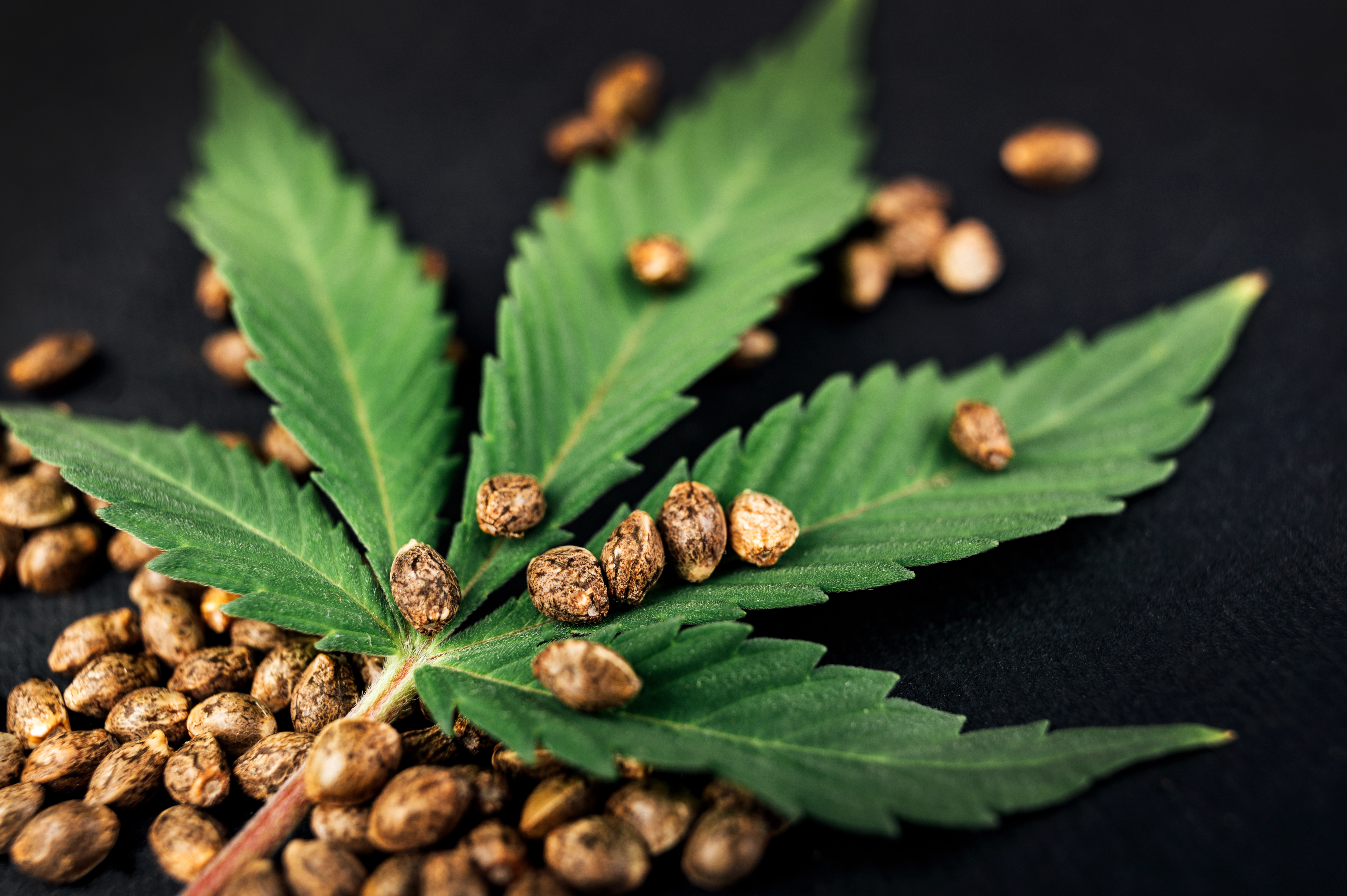


Autoflower cannabis seeds are a type of cannabis seed that produces plants with a unique flowering pattern. Unlike traditional cannabis plants, autoflower varieties do not need a change in daylight hours to begin flowering. Instead, these plants start producing flowers mainly based on their age and genetic traits. This feature makes autoflower cannabis different from photoperiod cannabis, which relies on changes in light and darkness to enter the flowering stage.
Cannabis plants generally move through several growth stages during their life cycle. These stages include germination, seedling development, vegetative growth, flowering, and maturity. Each stage plays an important role in how a plant develops. While most cannabis varieties follow these basic stages, the timing and conditions that trigger flowering can differ. Autoflower cannabis seeds contain genetic traits that allow plants to move into their flowering stage without depending on shorter days or longer nights.
The history of autoflower cannabis is closely linked to cannabis populations that developed in regions with short growing seasons. These populations are often associated with Cannabis ruderalis, a name used to describe certain wild or naturalized cannabis plants. In northern regions, summer days can remain long for much of the growing season. Plants that depend only on shorter daylight hours may have limited time to complete their reproductive cycle before cold weather arrives. Autoflowering traits allow some cannabis plants to begin flowering even when daylight hours remain long.
Modern autoflower cannabis seeds often contain genetics from different cannabis populations. Through selective breeding, breeders have combined autoflowering traits with characteristics found in other cannabis varieties. These characteristics may include plant size, growth rate, flower structure, aroma, and cannabinoid content. As a result, modern autoflower varieties can differ greatly from one another. Some produce compact plants, while others develop larger structures. Their flowering times and chemical profiles can also vary.
One of the most recognized features of autoflower cannabis seeds is their relatively short life cycle. Many commercial varieties are described as reaching maturity within approximately eight to twelve weeks after germination. However, this period is not the same for every plant. Genetics, environmental conditions, and plant health can affect the time needed to complete development. Some varieties take longer than the advertised period, while others may mature sooner. These differences show why flowering time should be understood as an estimate rather than a fixed schedule.
Another important characteristic of autoflower cannabis is its growth pattern. Many autoflower plants have a shorter vegetative stage than traditional photoperiod varieties. During vegetative growth, plants develop the leaves, stems, and roots needed to support later development. A shorter vegetative period can affect the final size of the plant. However, autoflower plants are not always small. Their height and structure depend on genetic traits and the conditions in which they develop.
Yield is another major topic associated with autoflower cannabis seeds. Yield refers to the amount of plant material or flowers produced by a cannabis plant. It is influenced by several factors, including genetics, plant size, light availability, root health, and environmental conditions. Because autoflower varieties differ in their growth habits, their yields can also vary. A plant with a shorter life cycle does not always produce the same amount of flowers as a plant with a longer development period. Likewise, a larger plant does not always produce flowers with higher cannabinoid levels.
Understanding the relationship between yield and flower quality is also important. Cannabis flowers contain chemical compounds called cannabinoids, including tetrahydrocannabinol (THC) and cannabidiol (CBD). They also contain terpenes, which contribute to the plant’s aroma. Different autoflower varieties can produce different amounts of these compounds. The appearance or size of a flower cannot confirm its chemical strength or composition. Laboratory testing is needed to measure cannabinoid levels accurately.
Although autoflower cannabis has a flowering pattern controlled mainly by genetics, environmental conditions still play a major role in plant development. Light is needed for photosynthesis, which allows plants to produce energy from light, water, and carbon dioxide. Water and nutrients support cell growth and other biological functions. Temperature and humidity can also influence how plants develop. Autoflowering does not mean that a plant can grow without suitable environmental conditions.
Like other cannabis varieties, autoflower plants can face several growth challenges. These may include slow development, yellowing leaves, nutrient imbalances, root problems, and damage from pests or diseases. Environmental stress can also affect plant size and overall health. Because many autoflower varieties have relatively short vegetative periods, problems during early growth may influence later development. Understanding these challenges helps explain why plants from the same seed variety can produce different results.
Autoflower cannabis seeds are also available in different categories. Some are sold as feminized seeds, which are bred to produce female plants at a high rate. Others are regular seeds, which can develop into male or female plants. These categories describe the expected sex of the plants and are separate from the autoflowering trait. A seed can be both autoflowering and feminized, or autoflowering and regular. Understanding this difference is useful when reading seed descriptions and comparing genetic characteristics.
Cannabis laws must also be considered when discussing autoflower cannabis seeds. Rules about seed possession, sale, germination, and cultivation vary by country, state, or region. A location may allow certain hemp products while restricting other forms of cannabis. In some places, seeds may be treated differently from mature plants. For this reason, the legal status of autoflower cannabis seeds cannot be determined by their flowering characteristics alone.
The growing interest in autoflower cannabis has also increased the need for clear information about its biology. Commercial descriptions often focus on short growth periods, compact size, and potential yields. However, these descriptions do not always explain the genetic and environmental factors behind those traits. Scientific research provides a broader understanding of how flowering behavior develops and why cannabis plants respond differently to their surroundings.
This article examines autoflower cannabis seeds through their genetics, life cycles, growth characteristics, yield potential, and common challenges. It explains how autoflowering differs from photoperiod flowering and explores the factors that influence plant development. It also discusses seed quality, genetic variation, and the limits of advertised growth estimates.
In summary, autoflower cannabis seeds produce plants that begin flowering mainly according to their genetic programming and developmental age rather than changes in daylight length. Their shorter life cycles and varied growth patterns make them a distinct category of cannabis. However, their performance still depends on genetics, plant health, and environmental conditions. Understanding these factors provides a clear foundation for examining how autoflower cannabis plants develop, why their characteristics vary, and what makes their flowering behavior different from traditional cannabis varieties.
What Are Autoflower Cannabis Seeds?
Autoflower cannabis seeds are seeds that grow into cannabis plants with a special flowering trait. Unlike traditional cannabis plants, autoflower varieties do not need a major change in daylight hours to begin flowering. Instead, they start producing flowers as they reach a certain stage of growth.
This feature makes autoflower cannabis different from photoperiod cannabis. Photoperiod plants rely on changes in the length of day and night to trigger flowering. Autoflower plants follow a more age-based growth pattern, although genetics and environmental conditions can still affect their development.
Autoflower cannabis seeds are linked to genetic traits found in cannabis populations adapted to regions with short summers and long daylight hours. These traits have become part of modern cannabis breeding. Today, autoflower varieties can differ in size, growth duration, flower structure, and cannabinoid content.
Understanding how these seeds work helps explain their life cycles, growth patterns, and differences from other cannabis varieties.
Understanding the Meaning of Autoflowering
The term “autoflowering” refers to a plant’s ability to begin flowering without depending on a specific change in daylight hours. In cannabis, flowering is the stage when the plant starts developing reproductive structures.
Traditional cannabis plants are often called photoperiod plants because their flowering behavior is linked to the daily cycle of light and darkness. Many photoperiod cannabis varieties begin flowering when nights become longer. This change acts as a natural signal that the growing season is moving toward its end.
Autoflower cannabis plants respond differently. Their flowering process is controlled mainly by inherited genetic traits and the plant’s stage of development. As the plant becomes mature enough, it can move from vegetative growth into flowering even when daylight hours remain relatively stable.
Scientists sometimes describe this trait as photoperiod-insensitive flowering. The term means that flowering does not require the same day-length signal as photoperiod cannabis.
However, photoperiod-insensitive does not mean that light has no effect on the plant. Autoflower cannabis still needs light for photosynthesis. During this process, leaves absorb light energy and use it to produce sugars that support growth.
Light availability can affect plant size, leaf development, and overall health. The main difference is that the start of flowering does not depend on a specific change in light duration.
This genetic feature explains why autoflower cannabis can develop flowers under a wide range of natural daylight patterns.
Main Characteristics of Autoflower Cannabis
One of the main characteristics of autoflower cannabis seeds is their ability to produce plants with relatively short life cycles. Many commercial autoflower varieties are described as reaching maturity in about 8 to 12 weeks after germination. However, actual development can take longer depending on genetics and growing conditions.
Another common feature is compact growth. Many autoflower plants are smaller than traditional photoperiod varieties. This is partly because autoflower plants often spend less time in the vegetative stage.
The vegetative stage is the period when cannabis plants develop their roots, stems, branches, and leaves. During this time, the plant builds the structures needed to support later flower development.
Because autoflower plants may enter flowering at a relatively young age, they often have less time to develop a large structure before producing flowers. However, plant size is not fixed. Some modern autoflower varieties can grow much larger than others due to differences in their genetics.
Autoflower cannabis seeds can also belong to different seed categories.
Regular autoflower seeds may produce either male or female plants. Female plants develop the flowers commonly associated with cannabinoid production, while male plants mainly produce pollen.
Feminized autoflower seeds are bred to produce female plants at a very high rate. However, feminization is not the same as autoflowering. Feminization relates to the expected sex of the plant, while autoflowering refers to its flowering behavior.
This distinction is important because the two traits describe different biological characteristics.
Autoflower plants also vary in their chemical profiles. Some varieties are bred to produce higher levels of THC, while others have higher CBD content or a more balanced mixture of cannabinoids. Autoflowering itself does not determine how much THC or CBD a plant will produce.
These differences show that autoflower cannabis is not one single plant type with identical features. Instead, it includes many varieties that share a similar flowering characteristic.
Autoflower Cannabis vs Traditional Cannabis
The main difference between autoflower cannabis and traditional photoperiod cannabis is how each plant begins flowering.
Photoperiod cannabis uses changes in day length as an important signal for reproductive development. In many varieties, longer nights help trigger the transition from vegetative growth to flowering.
Autoflower cannabis does not rely on this same signal. Instead, its flowering behavior is linked mainly to genetics and developmental age.
This difference affects the overall growth pattern of the plant.
Photoperiod cannabis can remain in the vegetative stage for an extended period when daylight conditions do not trigger flowering. This allows the plant to continue producing leaves, stems, and branches before entering its reproductive stage.
Autoflower cannabis generally follows a shorter and more fixed developmental pattern. Its transition into flowering can occur even when the surrounding light cycle remains unchanged.
As a result, autoflower plants often have shorter total life cycles and smaller structures. However, these are general patterns rather than strict rules. Plant genetics and environmental conditions can produce considerable differences.
Another important difference involves recovery from stress. Cannabis plants may experience stress from temperature changes, poor root conditions, nutrient imbalances, or other environmental problems.
Photoperiod plants may remain in vegetative growth for longer under suitable day-length conditions. Autoflower plants, however, can continue moving toward flowering while recovering from stress. This means that early growth problems may have a greater effect on their final size.
There are also differences in potential flower production. Larger photoperiod plants may produce more total flower mass under some conditions because they can develop more branches and flowering sites. However, yield depends on many factors, and smaller plant size does not always mean lower flower quality.
Both autoflower and photoperiod cannabis can produce a wide range of cannabinoids and aromatic compounds. Their chemical composition depends mainly on their genetics, development, and environmental conditions rather than their flowering category alone.
Autoflower cannabis seeds produce plants that begin flowering mainly according to their genetic programming and stage of development. Unlike photoperiod cannabis, they do not require a specific change in the length of day and night to start flowering.
Their common characteristics include relatively short life cycles, compact growth, and an age-related transition into flowering. However, these features vary between different autoflower varieties. Some plants remain small, while others develop larger structures and longer growth periods.
Autoflower seeds can also be regular or feminized, and they may produce plants with different THC and CBD profiles. These traits are separate from the autoflowering characteristic.
The Genetics Behind Autoflower Cannabis Seeds
The genetics of autoflower cannabis seeds play an important role in how these plants grow and develop. Unlike traditional cannabis varieties, autoflowering plants do not depend on shorter daylight hours to begin flowering. Instead, their flowering behavior is mainly controlled by inherited genetic traits.
These traits come from the genetic history of cannabis plants that adapted to different climates and growing seasons. Over time, breeders have combined autoflowering traits with other cannabis characteristics to develop modern varieties.
Understanding these genetics helps explain why autoflower plants have different life cycles, growth patterns, and physical features. It also shows why two autoflower varieties may develop differently even when they belong to the same general category.
The Role of Cannabis Ruderalis
Cannabis ruderalis is closely linked to the history of autoflower cannabis seeds. The term ruderalis has been used to describe cannabis plants found in parts of Central Asia, Eastern Europe, and other northern regions. These plants often grew in places with short summers and major changes in daylight throughout the year.
In these environments, plants had limited time to complete their life cycles before colder weather arrived. Cannabis populations with the ability to begin flowering without waiting for shorter days could reproduce during the brief growing season.
This flowering behavior became an important characteristic of plants commonly described as ruderalis.
Traditional photoperiod cannabis plants respond to changes in the length of daylight and darkness. In natural settings, shorter days can signal that the growing season is moving toward autumn. This change helps trigger reproductive development.
Ruderalis-type cannabis behaves differently. Its flowering process is less dependent on changes in day length. Instead, plant age and internal developmental signals play a larger role in determining when flowering begins.
Historically, ruderalis-type plants were often described as smaller than many other cannabis varieties. They also tended to have shorter growing seasons and different branching patterns.
However, these characteristics are not identical in every plant. Natural cannabis populations can show considerable genetic variation.
Scientists also continue to study whether Cannabis ruderalis should be treated as a separate species, a subspecies, or a group within the broader Cannabis sativa species.
Modern autoflower cannabis plants are not necessarily pure ruderalis plants. Many are hybrids developed through repeated breeding. These hybrids combine photoperiod-insensitive flowering with traits from other cannabis populations.
As a result, modern autoflower varieties may have larger structures, different cannabinoid profiles, and more varied physical characteristics than older ruderalis-type plants.
How Autoflower Genetics Work
Autoflower genetics determine how a cannabis plant responds to the signals that control flowering.
Plants use several internal processes to regulate growth and reproduction. These processes involve genes, hormones, environmental signals, and developmental changes.
In photoperiod cannabis, the length of the light and dark periods plays a major role in flowering. Plants detect changes in day length through biological systems that connect light perception with gene activity.
These signals help regulate the transition from vegetative growth to reproductive development.
Autoflower cannabis has inherited genetic differences that reduce its dependence on these daylight signals.
Research has identified genetic regions linked to autoflowering in cannabis. One of these regions is known as Autoflower1. Scientists have studied this region to better understand how flowering behavior is inherited.
Research also points to changes in genes involved in plant timing and light responses. These findings suggest that autoflowering is linked to specific genetic mechanisms rather than simply being a result of small plant size or rapid growth.
However, flowering behavior can involve several interacting genes. Scientists are still studying how different genetic factors affect flowering across cannabis populations.
Breeders have used these inherited traits to develop plants that combine autoflowering with other characteristics.
For example, a breeding program may aim to combine photoperiod-insensitive flowering with a particular plant structure, flowering period, or cannabinoid profile.
These characteristics are not controlled by the same genes in every case. A plant may inherit the ability to flower automatically while showing considerable variation in its height, branching pattern, and chemical composition.
Genetic inheritance also explains why not every offspring from a cross will have identical characteristics.
Each seed receives genetic material from its parent plants. The combination of inherited genes influences how the new plant develops.
Some traits may follow relatively simple inheritance patterns, while others involve several genes and environmental influences.
This distinction is important because the autoflowering trait does not automatically determine every other characteristic of a cannabis plant.
Genetic Stability and Plant Variation
Genetic stability refers to how consistently certain traits appear in plants from the same variety. In cannabis breeding, stable genetics can help produce plants with more predictable characteristics.
These characteristics may include flowering behavior, plant height, leaf shape, branching patterns, and cannabinoid composition.
However, genetic stability does not mean that every plant will look or develop exactly the same way.
Cannabis plants reproduce through the inheritance of genetic material from their parents. During this process, different combinations of genes can produce differences among offspring.
These differences are known as genetic variation.
For example, two autoflower plants from the same seed variety may reach different heights. One plant may develop more branches, while another may have a more compact structure.
Their flowering times may also differ slightly because plant development is influenced by both genetics and environmental conditions.
The term phenotype describes the visible or measurable characteristics of a plant. A phenotype results from the interaction between inherited genes and the surrounding environment.
This means that two plants with similar genetic backgrounds may develop differently under different environmental conditions.
Some characteristics are strongly influenced by genetics. Others may change more noticeably in response to temperature, light, water availability, or plant health.
Genetic stability is also important when evaluating commercial seed descriptions.
Seed companies may provide estimates for plant height, flowering duration, and cannabinoid content. These figures often represent expected characteristics rather than fixed outcomes.
Even when a variety has relatively stable genetics, individual plants may fall outside the advertised ranges.
Autoflowering itself is not proof that a plant has stable genetics in every other area.
A variety may consistently show automatic flowering while producing differences in plant size, aroma, or cannabinoid levels.
Scientific research also suggests that different cannabis populations may carry different genetic mechanisms linked to photoperiod-insensitive flowering.
For example, research published in Frontiers in Plant Science identified the Autoflower1 region and found that the trait followed a recessive inheritance pattern in the populations studied. A separate study published in The Plant Journal identified a mutation in a gene called CsPRR37 that affects the plant’s response to day length.
These findings help explain why the genetics of autoflower cannabis are more complex than a single label might suggest.
Understanding genetic variation is important when comparing autoflower varieties. It shows that flowering behavior, physical structure, and chemical composition are related to inheritance but do not always follow the same patterns.
The genetics of autoflower cannabis seeds explain why these plants can begin flowering without relying on shorter daylight periods. This trait has long been associated with ruderalis-type cannabis populations, although the exact evolutionary origins of autoflowering remain an area of scientific research.
Modern autoflower varieties combine photoperiod-insensitive flowering with a wide range of other inherited characteristics. Their genetics can influence growth patterns, flowering time, plant size, and cannabinoid composition.
Research into genetic regions such as Autoflower1 and genes such as CsPRR37 has improved scientific understanding of cannabis flowering behavior.
However, autoflower plants can still show natural differences in development. Genetic stability, inherited variation, and environmental conditions all affect how individual plants grow.
Autoflower vs Photoperiod Cannabis: What Are the Differences?
Cannabis plants are often divided into two main groups based on how they begin flowering. These groups are autoflower cannabis and photoperiod cannabis. Both belong to the cannabis plant family, but they respond to light and reach maturity in different ways. Understanding these differences helps explain their growth patterns, flowering behavior, and possible yields.
The main difference between these two types is what triggers flowering. Autoflower cannabis plants begin flowering mainly based on their age and genetic makeup. Photoperiod cannabis plants depend on changes in the length of daylight and darkness to begin flowering.
These differences can also affect plant size, growth duration, and responses to environmental stress. However, both types still depend on suitable conditions for healthy development.
Differences in Flowering Triggers
Flowering is the stage when a cannabis plant begins developing its reproductive structures. In female plants, this includes the flowers that contain cannabinoids and aromatic compounds. Although both autoflower and photoperiod plants produce flowers, the signals that start this process are different.
Photoperiod cannabis plants respond to changes in the daily pattern of light and darkness. In nature, these plants often begin flowering as the days become shorter toward the end of summer. Longer nights act as an environmental signal that the growing season is changing.
This response is known as photoperiodism. It allows plants to time their reproductive development based on seasonal changes. Photoperiod cannabis plants contain biological systems that detect these changes and help regulate flowering.
Autoflower cannabis plants work differently. Their flowering behavior is less dependent on changes in day length. Instead, they begin moving toward the reproductive stage as they reach a certain level of development.
This trait is linked to their genetics. Modern autoflower varieties contain inherited traits associated with cannabis populations that developed in regions with unusual seasonal daylight patterns. These genetic traits allow flowering to begin without the same seasonal light signals required by many photoperiod varieties.
However, this does not mean that light has no effect on autoflower plants. Light still supports photosynthesis, which provides the energy plants need for growth. The main difference is that changes in day length are not required to trigger flowering in autoflower varieties.
Both types also respond to internal plant signals, hormones, and environmental conditions. The distinction lies in how strongly the flowering process depends on the daily light cycle.
Differences in Growth and Life Cycle
The life cycle of a cannabis plant includes germination, seedling development, vegetative growth, flowering, and maturity. Autoflower and photoperiod plants pass through these basic stages, but the length of each stage can differ.
Autoflower cannabis plants generally have shorter life cycles. Many commercial varieties are described as reaching maturity within approximately 8 to 12 weeks after germination. However, these figures are estimates, and actual development can take longer depending on the variety and growing conditions.
One reason for this shorter cycle is the limited vegetative period. During vegetative growth, cannabis plants develop leaves, stems, and roots. These structures help the plant absorb resources and produce energy.
Because autoflower plants begin flowering based largely on their developmental age, the vegetative stage is usually brief. This can limit the amount of time available for the plant to increase in size before reproductive growth begins.
Photoperiod cannabis plants have a more flexible vegetative period because their flowering response depends on day length. In suitable conditions, they may continue vegetative growth while receiving seasonal signals associated with longer days.
This difference can affect plant structure. Many autoflower varieties remain relatively compact, while photoperiod varieties may develop taller stems and larger branches. However, plant height also depends on genetics, nutrition, and environmental conditions.
Not every autoflower plant is small. Modern breeding has produced autoflower varieties with a wide range of sizes and growth patterns. Likewise, some photoperiod varieties naturally remain short and compact.
Another important difference involves the time available for recovery from stress. If an autoflower plant experiences poor early development, its age-related flowering process may continue even while growth is limited. A photoperiod plant may have a longer vegetative period before seasonal flowering signals arrive.
This does not mean photoperiod plants always recover from stress more easily. Severe stress can affect either type. Still, the timing of flowering plays an important role in how much vegetative growth can occur before flowers begin developing.
Differences in Yield and Environmental Response
Yield refers to the amount of plant material produced by a cannabis plant. In cannabis research, yield may refer to total plant biomass, dried flower weight, or the amount of specific chemical compounds produced.
Autoflower and photoperiod cannabis plants can have different yield potential because their growth patterns are not the same. Photoperiod varieties may develop larger plants because they can have longer vegetative growth periods. More vegetative growth can result in additional branches, leaves, and flowering sites.
Autoflower plants often have less time to build this structure before flowering begins. As a result, some autoflower varieties may produce less flower weight per plant than larger photoperiod varieties. However, this is not a fixed rule.
Modern autoflower genetics vary widely. Some varieties develop larger plants and greater flower mass than others. Yield differences also depend on the specific genetics being compared. A healthy autoflower plant may produce more biomass than a photoperiod plant with poor growth or unfavorable conditions.
Research published in Frontiers in Plant Science has also shown that flowering time can affect plant size and total biomass. Plants that begin flowering earlier may have less time to develop the structures needed for greater production.
Environmental conditions affect both cannabis types. Light provides energy for photosynthesis, while water and nutrients support plant development. Temperature and humidity also influence how plants use these resources.
If these conditions are unfavorable, plant growth may slow. Leaves may show signs of stress, roots may function poorly, and flower development may be affected. These problems can reduce yield regardless of whether the plant is autoflowering or photoperiod-sensitive.
The shorter life cycle of many autoflower varieties can also influence their response to stress. Because flowering is mainly linked to developmental age, plants may have limited time to recover from reduced early growth.
Photoperiod plants may have a longer period for vegetative development before flowering begins. However, their responses still depend on genetics, seasonal signals, and overall plant health.
Another important point is that flower weight does not always reflect flower quality. Cannabinoid levels, terpene profiles, and flower structure vary between cultivars. These characteristics cannot be determined by plant size alone.
For this reason, neither autoflower nor photoperiod cannabis should be considered universally superior. Each type has distinct biological traits that influence growth duration, plant size, flowering behavior, and production potential.
The main difference between autoflower and photoperiod cannabis is how flowering begins. Autoflower plants rely mainly on inherited developmental traits, while photoperiod plants respond strongly to changes in day length.
Autoflower varieties often have shorter life cycles and more compact growth. Photoperiod varieties may have longer vegetative periods and develop larger plant structures. However, genetics and environmental conditions can create major differences within both groups.
Yield also depends on several factors, including growth duration, plant health, and genetic characteristics. Neither type guarantees greater production or better flower quality.
Understanding the Autoflower Cannabis Life Cycle
Autoflower cannabis seeds develop through several stages before becoming mature plants. Each stage involves changes in root growth, leaf formation, plant structure, and reproductive development. Understanding these stages helps explain why autoflower varieties behave differently from traditional photoperiod cannabis plants.
One of the main features of autoflower cannabis is its ability to begin flowering without a major change in daylight hours. Traditional photoperiod cannabis plants rely on changes in the length of light and darkness to trigger flowering. Autoflower plants, however, begin this process mainly through genetic and developmental signals.
Although autoflower cannabis plants often have shorter life cycles, their exact growth rates can vary. Genetics, plant health, and environmental conditions can all affect how quickly a plant develops. Some varieties move through their growth stages faster than others, even when they belong to the same general category.
The autoflower cannabis life cycle includes germination, seedling development, vegetative growth, the transition to flowering, and reproductive maturity. Each stage plays an important role in the plant’s overall development.
Germination and Early Seedling Development
Germination is the first stage in the autoflower cannabis life cycle. During this process, a viable seed begins to grow into a young plant. The seed contains an embryo, which has the basic structures needed to develop roots, stems, and leaves.
When the seed begins germination, it absorbs moisture and starts important biological processes. Stored nutrients inside the seed provide energy for early growth. The seed coat eventually opens, allowing the first root, called the radicle, to emerge.
The primary root grows before most of the above-ground plant structures appear. Its early role is to anchor the developing plant and begin absorbing water and dissolved nutrients. As development continues, smaller roots form and expand the plant’s ability to access resources.
The young stem then emerges, followed by the cotyledons, or seed leaves. These structures provide support during the earliest stage of growth. Soon afterward, the plant develops its first true leaves.
True leaves differ from cotyledons because they have the familiar shape associated with cannabis plants. As more leaves develop, the seedling becomes increasingly capable of producing energy through photosynthesis.
Early seedling development is important because the plant is building the basic structures needed for later growth. Its roots, stem, and leaves must develop enough to support the next stage of the life cycle.
Autoflower plants follow the same basic germination process as other cannabis varieties. The main difference becomes more noticeable later, when genetic signals begin to influence flowering.
Vegetative Growth Stage
The vegetative stage is the period when an autoflower cannabis plant develops much of its structure. During this stage, the plant produces more leaves, extends its stems, and builds a larger root system.
Leaves are important because they absorb light for photosynthesis. Through this process, plants convert light energy into chemical energy that supports growth and other life functions.
As the plant develops, it produces new growth points along its stems. These points may form branches and additional leaves. The exact shape of the plant depends on its genetics and developmental pattern.
Roots also continue to grow during this period. They support the plant by absorbing water and mineral nutrients. Healthy root function is essential because nutrients and water are needed for cell growth, photosynthesis, and other processes.
Autoflower cannabis plants generally have a shorter vegetative period than many photoperiod varieties. This is because their transition toward flowering is influenced mainly by inherited developmental signals rather than waiting for a seasonal change in day length.
However, the length of the vegetative stage is not identical across all autoflower varieties. Some plants develop more leaves and branches before flowering, while others begin reproductive development at a smaller size.
The vegetative and reproductive stages are also not always completely separate. Plants may continue producing new leaves and extending their stems after the first signs of flowering appear.
This overlap is part of normal plant development. It shows that the change from vegetative growth to flowering is a gradual biological process rather than an instant switch.
Transition to Flowering
The transition to flowering marks an important change in the autoflower cannabis life cycle. During this period, the plant begins shifting more of its development toward reproduction.
In photoperiod cannabis, flowering is strongly linked to the duration of darkness. Autoflower cannabis differs because its flowering response is largely independent of these changes in day length.
Researchers have identified genetic regions linked to this characteristic. These findings suggest that inherited differences in flowering-related genes help explain why autoflower plants begin reproductive development without the same daylight signals required by photoperiod varieties.
The transition begins through internal biological signals. These signals affect how growing tissues develop and help change certain growth points from producing mainly vegetative structures to forming reproductive structures.
Early reproductive development may become visible through the appearance of small floral structures near stem nodes. Nodes are the points where leaves and branches connect to the main stem.
The appearance of these structures shows that the plant has entered a new developmental phase. However, visible flowers do not always appear at the exact moment the internal transition begins.
Autoflower varieties can differ in when they first show reproductive growth. These differences may result from genetic background, natural variation, and environmental influences.
A plant may also continue increasing in height during early flowering. This happens because stem growth and reproductive development can occur at the same time.
Understanding this stage is important because automatic flowering refers to the way flowering begins. It does not mean that every autoflower plant follows the same timeline or develops at the same speed.
Flower Development and Plant Maturity
The flowering stage is the reproductive phase of the autoflower cannabis life cycle. During this period, reproductive structures become more visible, and the plant undergoes changes in its physical and chemical characteristics.
Female cannabis plants develop flower clusters made up of many small reproductive structures. These clusters include bracts, which are modified leaf-like structures that surround parts of the flower.
As the flowers develop, their structure becomes more complex. The plant also produces specialized surface structures called trichomes.
Trichomes are tiny growths found on the surfaces of different plant tissues. Some cannabis trichomes contain glands that produce and store chemical compounds, including cannabinoids and terpenes.
Cannabinoids are a group of compounds naturally produced by cannabis plants. Two widely studied cannabinoids are tetrahydrocannabinol (THC) and cannabidiol (CBD). The plant produces acidic cannabinoid forms, including THCA and CBDA, which can change into THC and CBD through chemical reactions such as heating.
Terpenes are aromatic compounds that contribute to the natural scent of cannabis. Different varieties may contain different combinations of these compounds, which help explain variations in aroma.
Research published in The Plant Journal has shown that glandular trichomes change in structure and chemical composition as cannabis flowers mature. These changes are part of normal reproductive development.
Flower maturity does not occur at exactly the same rate in every autoflower cannabis plant. Genetic differences can influence reproductive development, while environmental factors can affect the plant’s overall condition.
It is also important to distinguish physical maturity from chemical composition. A flower’s appearance alone cannot confirm its exact THC, CBD, or terpene content. Reliable measurements of these compounds require suitable laboratory testing.
The final stage of the life cycle involves reproductive maturity and, eventually, plant aging. During aging, the plant may show changes in leaf function, pigmentation, and tissue condition.
These changes reflect the natural progression of the plant’s life cycle. However, their timing and appearance can vary among cannabis varieties.
The autoflower cannabis life cycle follows a series of connected developmental stages. It begins with germination, when the seed produces its first root and develops into a seedling. The plant then enters vegetative growth, building the leaves, stems, and roots needed for continued development.
Unlike traditional photoperiod cannabis, autoflower plants begin flowering mainly through genetic and developmental signals rather than changes in day length. Once flowering begins, reproductive structures develop, and specialized trichomes produce cannabinoids and aromatic compounds.
Although autoflower varieties often have shorter life cycles, their development is not identical. Genetics, plant health, and environmental conditions can influence growth patterns and maturity.
How Long Do Autoflower Cannabis Plants Take to Grow?
Autoflower cannabis plants are known for their short life cycles compared to many traditional photoperiod varieties. Their main feature is the ability to begin flowering based largely on age and genetic development rather than changes in daylight hours. This allows many autoflower varieties to move through their growth stages in a shorter period.
Most autoflower cannabis seeds are marketed with a total life cycle of around 8 to 12 weeks from germination to maturity. However, this timeframe is only an estimate. Some varieties may develop faster, while others can take several additional weeks to reach full maturity. The actual duration depends on genetics, environmental conditions, and the health of the plant.
Understanding these differences is important because the flowering process does not follow an exact schedule for every plant. Even seeds from the same variety can produce plants that develop at slightly different rates.
Typical Autoflower Growth Duration
The life cycle of an autoflower cannabis plant includes several stages. These are germination, seedling development, vegetative growth, flowering, and maturity. Each stage plays a role in the overall development of the plant.
Germination is the first stage. During this process, a viable seed absorbs moisture and begins to develop a root. The root grows downward, while the young shoot moves upward. Once the first leaves appear, the plant enters its seedling stage. These early changes are important because they establish the root system and the structures needed for future growth.
After the seedling stage, the plant enters vegetative growth. During this period, it produces more leaves, branches, and roots. These structures allow the plant to absorb water, collect light, and produce energy through photosynthesis. In many autoflower varieties, this stage is relatively short compared with photoperiod cannabis.
The next stage is flowering. Unlike photoperiod plants, which generally need a change in day length to trigger flowering, autoflower plants begin this process mainly because of their inherited traits. This means they can move toward reproductive growth even when the length of daily light exposure remains the same.
During flowering, the plant develops reproductive structures and continues to mature. Chemical compounds, including cannabinoids and terpenes, may accumulate in glandular trichomes as flower tissues develop.
Although an 8-to-12-week life cycle is commonly advertised, not all varieties follow this range. Certain genetics may have longer developmental periods, and some plants may require additional time before reaching maturity.
It is also important to recognize that a plant’s flowering time is not the same as its total life cycle. Flowering time generally refers to the reproductive stage, while the complete life cycle includes all stages from germination onward.
Factors That Affect Growth Duration
Genetics is one of the main factors that determine how quickly autoflower cannabis plants develop. Different varieties inherit different traits related to flowering time, growth rate, plant size, and maturity. Some varieties naturally have shorter developmental periods, while others take longer.
The autoflowering trait is linked to genetic factors that reduce the plant’s dependence on day length when transitioning to flowering. However, this does not mean that every autoflower plant develops at the same speed. Other inherited traits can influence how quickly a plant forms leaves, branches, and reproductive tissues.
Environmental conditions also affect plant development. Light is essential for photosynthesis, which allows plants to convert light energy into chemical energy. When light availability is limited, a plant may produce less energy for growth. This can affect its size and development, even though its flowering response is mainly controlled by genetics.
Temperature is another important factor. Plants depend on biological processes that work within certain temperature ranges. Excessive heat or cold can disrupt these processes and affect growth rates. The degree of change depends on the plant’s genetics and the length of exposure.
Water availability and root health also influence development. Roots absorb water and essential minerals from the growing environment. When root function is affected, the plant may have difficulty supporting healthy growth.
Plant stress can further influence the growth process. Stress may result from changes in temperature, poor root conditions, water imbalance, or disease. In some cases, stress reduces the rate of vegetative growth or affects flower development.
However, stress does not necessarily stop the genetic flowering process. An autoflower plant may continue moving through its reproductive stages even when its overall growth has slowed. As a result, the plant may remain smaller than expected while still producing flowers.
This distinction is important because a shorter or longer period of visible growth does not always mean the plant’s internal development has changed in the same way.
Why Autoflower Timelines Can Vary
Autoflower cannabis seeds are often sold with descriptions that include expected flowering times and total growth periods. These figures help explain the general characteristics of a variety, but they should not be viewed as exact biological deadlines.
One reason for variation is the difference between genetic potential and actual plant development. A seed may carry traits linked to early flowering, but other inherited characteristics can influence the rate at which its roots, stems, leaves, and flowers develop.
Research has also shown that autoflowering is not controlled by one identical genetic mechanism in every cannabis variety. Different genetic regions have been linked to photoperiod-insensitive flowering. This helps explain why flowering behavior and developmental timing can vary among cannabis populations.
Another source of confusion is how seed companies describe flowering time. Some descriptions refer to the period between the first signs of flowering and maturity. Others refer to the estimated total life cycle, beginning with germination. These measurements are not interchangeable.
For example, a description that lists eight weeks of flowering does not necessarily mean the entire plant life cycle lasts eight weeks. The plant also spends time developing roots, leaves, and stems before visible flowering begins.
Individual differences can also occur among plants from the same seed variety. Cannabis has considerable genetic diversity, and plants may inherit slightly different combinations of traits. Even when seeds share a variety name, their growth patterns may not be completely identical.
Environmental conditions can add another layer of variation. Two plants with similar genetics may show different rates of leaf development, flower formation, and maturity when exposed to different conditions.
This is why biological maturity is different from simply reaching a certain number of weeks. A stated growth period provides a general reference, while the actual development of a plant reflects several interacting factors.
Autoflower cannabis plants are commonly associated with shorter growth cycles, with many commercial varieties advertised as reaching maturity in approximately 8 to 12 weeks. However, this range is not universal, and actual development can vary considerably.
Genetics plays a major role in determining when an autoflower plant begins flowering. Environmental factors, including light, temperature, water availability, and root health, influence how well the plant grows during its life cycle.
Autoflower Cannabis Yields: What Determines Production?
Autoflower cannabis yields can vary from one plant to another, even when the plants come from the same seed variety. Genetics, plant health, environmental conditions, and flowering patterns all affect how much flower a plant produces. Understanding these factors helps explain why some autoflower cannabis plants develop larger flowers while others produce smaller amounts.
Autoflower cannabis plants generally have shorter life cycles than many photoperiod varieties. This means they have a limited period for developing roots, leaves, stems, and flowers. However, a shorter life cycle does not always mean lower production. Modern autoflower genetics have improved over time, and some varieties can develop large flowering structures under suitable conditions.
Cannabis yield is also different from cannabis quality. A plant may produce a large amount of flower without having a high concentration of cannabinoids or aromatic compounds. For this reason, understanding autoflower yields requires looking at plant weight, genetic traits, and chemical composition separately.
Understanding Autoflower Yield Potential
Cannabis yield refers to the amount of plant material collected at maturity. When discussing autoflower cannabis yields, the term usually refers to the weight of harvested flowers rather than the total weight of the plant.
Yield is often reported as grams per plant or grams per square meter. These measurements describe different aspects of production. Grams per plant measure the amount produced by an individual plant, while grams per square meter describe production within a given growing area.
Another important distinction is the difference between fresh and dry weight. Fresh cannabis flowers contain a large amount of water. As they dry, they lose moisture, which reduces their weight. Therefore, fresh flower weight cannot be directly compared with dry flower weight.
Seed companies often provide estimated yield ranges for specific autoflower varieties. However, these figures may come from controlled growing conditions or selected examples. Actual production can differ due to plant genetics, environmental conditions, and natural variation.
It is also important to understand that yield is not a fixed feature of a cannabis variety. Two plants with similar genetics may produce different amounts of flower because their growth and development were not identical.
For this reason, advertised yield figures should be treated as general estimates rather than guaranteed results.
Genetic Factors That Influence Yield
Genetics play a major role in determining autoflower cannabis yields. Each cannabis variety carries inherited traits that affect its structure, growth rate, flowering behavior, and potential flower production.
One important genetic trait is plant size. Some autoflower varieties naturally develop short stems and compact branches. Others grow taller and produce a larger network of branches. These differences influence how much space is available for leaves and flowers.
Branching patterns also affect the shape of the plant. A plant with several well-developed branches may have more flowering sites than a plant with limited branching. However, the number of flowering sites alone does not determine total yield. Flower size, density, and maturity also influence the final weight.
Flowering duration is another genetic factor. Some autoflower varieties complete their reproductive development more quickly than others. The length of this stage can influence how much flower tissue develops before the plant reaches maturity.
Genetics also influence how plants respond to environmental stress. Different varieties may show different levels of tolerance to temperature changes, water shortages, or nutrient imbalances. These responses can affect overall development and flower production.
Modern breeding has introduced greater variation among autoflower cannabis seeds. As a result, not all autoflower plants share the small size or limited flower production associated with some early autoflower varieties.
Still, genetic potential does not guarantee a certain harvest weight. It describes the range of traits a plant may express, while its actual development depends on several other factors.
Environmental Factors That Affect Yield
Environmental conditions influence how cannabis plants grow and develop. Even plants with similar genetics may produce different amounts of flower when exposed to different conditions.
Light is one of the most important environmental factors because plants use it to produce energy through photosynthesis. During this process, leaves absorb light and convert carbon dioxide and water into sugars. These sugars support the development of roots, stems, leaves, and reproductive structures.
Research has shown that light intensity and light quality can influence cannabis flower production. However, plant responses may vary by variety, and findings from photoperiod cannabis studies do not always apply directly to autoflower plants.
Water availability also affects plant development. Water helps transport nutrients, maintain cell structure, and support normal plant functions. When water becomes limited, plants may lose firmness and reduce their rate of photosynthesis. Excess moisture can also affect root health by limiting oxygen in the root environment.
Nutrients are another important part of plant growth. Cannabis plants require essential elements to build cells, form proteins, and carry out basic biological processes. Nitrogen supports leaf and stem development, phosphorus plays a role in energy transfer, and potassium helps regulate water movement and enzyme activity.
An imbalance in these nutrients can affect plant health. However, visible symptoms such as yellow leaves or slow growth do not always identify a single nutrient problem.
Temperature and humidity also influence autoflower cannabis yields. Temperature affects the speed of many chemical processes inside plant cells. Conditions that are too hot or too cold can interfere with normal growth.
Humidity affects how quickly plants lose water through their leaves. This process, called transpiration, helps move water and dissolved nutrients through the plant.
Environmental stress can have a greater impact when a plant has a short development period. Since many autoflower varieties move through their life cycles quickly, there may be less time for the plant to recover from a period of reduced growth.
These factors help explain why the same seed variety may produce different results in different environments.
Yield vs Flower Quality
Autoflower cannabis yields are often discussed in terms of flower weight. However, flower weight alone does not provide a complete picture of cannabis quality.
One important difference is the distinction between flower mass and cannabinoid concentration. Cannabinoids are chemical compounds produced by cannabis plants. Two commonly discussed examples are tetrahydrocannabinol (THC) and cannabidiol (CBD).
A plant that produces heavier flowers does not necessarily contain a higher concentration of THC or CBD. Likewise, a plant that produces less flower may have a higher concentration of certain cannabinoids.
Cannabinoid concentration is generally expressed as a percentage of dry flower weight. Total cannabinoid production depends on both the amount of flower and the concentration of the compounds within it.
Cannabis flowers also contain terpenes, which are compounds associated with their aroma. Different varieties can produce different terpene profiles due to genetics and environmental influences.
Research has shown that changes in light conditions can affect flower weight and concentrations of certain cannabinoids and terpenes in different ways. This demonstrates why heavier flowers and higher chemical concentrations should not be treated as the same measure of quality.
Flower appearance is another factor that can cause confusion. Dense flowers may appear larger or heavier than loose flowers, but appearance alone does not reveal cannabinoid concentration, purity, or chemical composition.
Laboratory testing provides more reliable information about cannabis chemistry. Analytical methods can measure cannabinoid concentrations and identify specific compounds that cannot be confirmed through visual inspection.
Testing may also examine contaminants such as pesticides, heavy metals, and microbial material, depending on the type of analysis performed. These factors are important when evaluating the safety and chemical characteristics of cannabis products.
For these reasons, flower quality should be considered separately from total yield.
Autoflower cannabis yields depend on several connected factors, including genetics, plant structure, flowering duration, environmental conditions, and overall plant health.
Genetics influence the potential size, branching pattern, and development of each variety. Environmental conditions affect how those inherited traits are expressed. Differences in photosynthesis, water availability, and nutrient balance can also influence plant growth and flower production.
It is important to remember that advertised yield estimates are not guaranteed harvest amounts. Actual results can vary, even among plants from the same seed variety.
Environmental Factors That Influence Autoflower Cannabis Growth
Environmental conditions play an important role in the growth and development of autoflower cannabis plants. Although these plants begin flowering based mainly on their genetics and age, they still depend on their surroundings to carry out basic functions. Light, temperature, humidity, water, and nutrients all affect how plants develop from seedlings into mature plants.
Autoflower cannabis seeds contain genetic traits that allow plants to flower without depending on seasonal changes in daylight. However, automatic flowering does not mean that these plants can grow well under any conditions. Like other plants, they need energy from light, water for cell functions, and nutrients for healthy tissue development.
Environmental stress can affect plant size, leaf health, root development, and overall growth. Understanding these factors helps explain why two plants with similar genetics may develop differently. It also shows why the growth times and yields listed in seed descriptions are not always the same as actual results.
Light and Photosynthesis
Light is one of the most important environmental factors affecting autoflower cannabis growth. Plants use light energy to carry out photosynthesis, which is the process of turning water and carbon dioxide into sugars. These sugars provide energy and building materials for developing roots, stems, leaves, and flowers.
Autoflower cannabis plants do not need a change in day length to start flowering. This feature sets them apart from photoperiod cannabis varieties, which use changes in light and dark periods as signals for reproductive development.
However, being photoperiod-insensitive does not mean autoflower plants can grow without light. They still need light to support photosynthesis and other biological processes.
The amount of light available can influence plant development. When light is limited, plants may produce less energy through photosynthesis. This can affect how quickly new tissues develop and how much plant material forms during the growth cycle.
Light quality also matters. Sunlight contains different wavelengths, including blue and red light, which play important roles in photosynthesis and plant development. Plants also use light signals to respond to their surroundings. These responses can influence leaf development, stem growth, and other physical traits.
The effects of light depend on several factors, including genetics, plant maturity, and environmental conditions. More light does not always mean better growth because plants have limits to how much light they can use.
Understanding the relationship between light and photosynthesis helps explain why autoflower cannabis plants can vary in size and development even when they share similar flowering genetics.
Temperature and Humidity
Temperature affects nearly every biological process inside a cannabis plant. It influences how quickly chemical reactions occur, how cells function, and how plants use water and nutrients.
Plants depend on enzymes to support important functions such as photosynthesis and respiration. These enzymes work within certain temperature ranges. When temperatures move too far outside a plant’s tolerance, normal functions may slow down or become disrupted.
Cold conditions can reduce the speed of many biological reactions. This may lead to slower development and changes in how plants take up water and nutrients.
Excessive heat can also create problems. High temperatures may increase water loss and place stress on plant tissues. Under severe conditions, heat can damage cells and interfere with photosynthesis.
Humidity is another important part of the growing environment. It describes the amount of water vapor in the air. Humidity affects how quickly plants lose water through their leaves.
This process is called transpiration. During transpiration, water moves from the roots through the plant and leaves through small openings known as stomata. These openings also allow carbon dioxide to enter the leaves for photosynthesis.
When the surrounding air is very dry, water may leave the leaves more quickly. If water loss becomes greater than water uptake, the plant may experience water stress.
Very humid air can reduce the rate of transpiration. Under some conditions, high humidity may also create an environment that supports fungal growth, especially when plant surfaces remain wet.
Temperature and humidity are closely connected. Warm air can hold more water vapor than cold air, so changes in temperature can affect relative humidity.
These relationships explain why plant health depends on more than one environmental factor. A plant’s response to humidity may change depending on temperature, airflow, and water availability.
Water, Nutrients, and Root Health
Water is necessary for nearly every function inside a cannabis plant. It helps transport nutrients, supports cell structure, and takes part in photosynthesis. Without enough water, plant cells may lose pressure, causing leaves and stems to become weak.
Water also carries dissolved minerals from the roots to other parts of the plant. These minerals support important functions such as leaf development, energy transfer, and the production of new cells.
Cannabis plants require several essential nutrients. Nitrogen supports the formation of proteins and chlorophyll, the green pigment used in photosynthesis. Phosphorus plays a role in energy transfer and cell development. Potassium helps control water balance and supports enzyme activity.
Other nutrients, including calcium, magnesium, sulfur, iron, and zinc, also support normal plant functions. Each nutrient has a different role, and a shortage or excess can affect plant health.
However, the presence of nutrients in the growing environment does not always mean that roots can absorb them. Nutrient availability depends on several factors, including root health, moisture, and the chemical properties of the growing medium.
Roots are responsible for absorbing water and dissolved nutrients. They also need oxygen to produce energy through cellular respiration. This energy supports the active movement of certain minerals into root cells.
When the root environment becomes saturated with water for long periods, the amount of oxygen available to roots may decrease. This condition is known as waterlogging.
Oxygen shortages can interfere with root respiration and reduce the plant’s ability to absorb nutrients. Research on plant responses to waterlogging shows that oxygen loss in the root zone can disrupt normal growth and metabolism.
On the other hand, a lack of available water can place stress on the entire plant. When roots cannot absorb enough water to replace what leaves lose, plants may reduce gas exchange and photosynthesis. Research on Cannabis sativa has identified water shortages as an important factor affecting growth, physiology, and plant development.
Healthy root systems are therefore essential to the overall development of autoflower cannabis plants. Even though flowering is mainly controlled by genetics and developmental age, root problems can still affect the amount of energy and nutrients available for continued growth.
Environmental Stability
Environmental stability refers to how consistent growing conditions remain over time. Plants can respond to gradual environmental changes, but sudden or extreme changes may create stress.
For example, a rapid temperature increase may cause leaves to lose water faster than roots can replace it. Sudden changes in water availability can also affect cell pressure and nutrient movement. In some cases, plants respond by slowing growth or changing how they use energy.
Environmental stress may affect several plant functions at once. When a plant experiences water stress, for instance, it may close some of its stomata to reduce water loss. However, this response also limits the amount of carbon dioxide entering the leaves.
With less carbon dioxide available, photosynthesis may decrease. This shows how one environmental problem can influence other biological processes.
Autoflower cannabis plants have an additional characteristic that makes growth interruptions important to understand. Their transition to flowering is mainly associated with genetics and developmental age rather than a change in day length.
As a result, environmental stress does not necessarily delay flowering long enough for a plant to recover fully. A plant may continue toward reproductive maturity even when earlier growth has been limited.
This differs from photoperiod cannabis, where reproductive development is strongly linked to daylight signals. However, environmental conditions still influence the development of both plant types.
Environmental stability does not mean that conditions must remain exactly the same throughout a plant’s life. Natural changes occur as plants mature and respond to their surroundings. The important distinction is between normal environmental variation and stress that disrupts essential functions.
Scientific research has shown that light and temperature can affect cannabis photosynthesis and water-use efficiency. These findings support the broader understanding that plant growth depends on several environmental factors working together.
Environmental conditions have a major influence on autoflower cannabis growth, even though the flowering process is mainly controlled by genetics and developmental age. Light provides energy for photosynthesis, while temperature affects the chemical reactions that support plant development. Humidity influences water loss through leaves and helps shape the plant’s response to its surroundings.
Water and nutrients are also essential because they support cell growth, energy transfer, and other biological functions. Healthy roots allow plants to absorb these resources, while problems such as water shortages and low oxygen levels can interfere with normal development.
Environmental stability connects all these factors. Sudden or extreme changes may disrupt photosynthesis, water movement, nutrient absorption, and tissue growth. Because autoflower cannabis plants generally have shorter developmental periods, growth limitations during early stages may continue to affect them as they move toward flowering.
Common Challenges Associated With Autoflower Cannabis Plants
Autoflower cannabis plants are known for their short life cycles and automatic flowering traits. However, these features do not mean the plants are free from health problems. Like other cannabis varieties, autoflower plants can face growth delays, nutrient imbalances, water stress, pests, and diseases. These problems can affect plant size, leaf health, and flower development.
One key feature of autoflower cannabis seeds is that the plants begin flowering based mainly on their genetics and stage of development. Unlike photoperiod cannabis, they do not need a change in day length to start flowering. This means that environmental stress can affect a plant even while its natural flowering process continues.
Understanding common plant problems helps explain why autoflower cannabis plants may develop at different rates. It also shows how genetics, root health, and growing conditions work together to shape plant growth.
Slow Growth and Stunted Development
Stunted growth happens when a plant develops more slowly than expected or remains smaller than its usual size. Autoflower cannabis plants can show this problem during their early stages or later in their life cycle. Signs may include small leaves, short stems, weak roots, and limited new growth.
Genetics can influence how large an autoflower plant becomes. Some varieties naturally have a compact structure, while others grow taller and develop more branches. A small plant is not always unhealthy. However, growth that slows without a clear reason may suggest that the plant is under stress.
Root health is one factor that affects growth. Roots absorb water and nutrients from the surrounding growing medium. They also need oxygen to support normal cell activity. When roots become damaged or cannot function well, the rest of the plant may struggle to develop.
Environmental conditions can also slow plant growth. Temperature changes, poor light availability, and problems with water balance may affect photosynthesis and other plant functions. When these processes slow down, the plant may produce fewer new cells and leaves.
Stunted development can have a greater effect on plants with short life cycles. Autoflower cannabis plants may move into flowering before they have developed a large structure. As a result, a plant that experiences serious stress early in life may remain smaller throughout its later stages.
Yellowing Leaves and Nutrient Imbalances
Yellowing leaves are a common sign of changes in plant health. This condition is known as chlorosis. It occurs when leaves lose some of their green color because of reduced chlorophyll levels or changes in leaf function.
Chlorophyll is the pigment that helps plants absorb light for photosynthesis. When chlorophyll levels fall, leaves may turn pale green, yellow, or show uneven areas of color.
Nutrient imbalances are one possible cause of yellowing leaves. Cannabis plants need essential nutrients, including nitrogen, magnesium, iron, phosphorus, and potassium. Each nutrient supports different parts of plant growth.
For example, nitrogen is important for leaf development and chlorophyll production. A lack of available nitrogen can cause older leaves to turn yellow. Magnesium also plays a role in chlorophyll structure, while iron supports processes needed to produce chlorophyll.
However, yellow leaves do not always mean a plant lacks nutrients. Too much of certain nutrients may disrupt the uptake of others. Root problems, water stress, and unsuitable growing conditions can also produce similar symptoms.
Natural aging is another possible explanation. As plants develop, some older leaves lose their green color because nutrients and other resources are moved to newer tissues. This process is called senescence.
The location and pattern of yellowing can provide clues about plant health, but visual symptoms alone cannot confirm a specific nutrient problem. Several conditions can cause similar changes in leaf color.
Water Stress and Root Problems
Water plays an important role in plant survival. It supports nutrient movement, photosynthesis, cell structure, and temperature control. However, both water shortages and excess moisture can disrupt normal plant functions.
Water stress occurs when a plant cannot maintain a suitable water balance. During a water shortage, plant cells may lose pressure. This can cause leaves and stems to droop or appear weak.
When water is limited, plants may also close small openings in their leaves called stomata. These openings allow gases to move between the plant and the air. Closing them helps reduce water loss, but it can also limit the carbon dioxide available for photosynthesis.
Excess moisture can create a different problem. Roots need oxygen for cellular respiration, which provides energy for normal growth. When the spaces around roots remain filled with water, oxygen availability may fall.
Low oxygen levels can reduce root activity and limit the plant’s ability to absorb water and nutrients. This may lead to symptoms that look similar to those caused by a water shortage.
Root damage can also result from physical injury, disease, or unfavorable conditions in the growing medium. When roots stop functioning well, the effects may appear throughout the plant.
For autoflower cannabis plants, poor root function may affect development during a large part of their relatively short life cycle. Even when flowering begins as expected, the plant may have fewer resources available to support continued growth.
Premature or Unexpected Flowering
One concern with autoflower cannabis plants is the appearance of flowers while the plant is still small. This is sometimes called premature flowering. However, early flowering is not always a sign of poor plant health.
Autoflower varieties have genetic traits that allow them to enter their reproductive stage without relying on shorter days. Research has identified several genetic regions linked to this behavior, including Autoflower1 and Autoflower2. These findings show that flowering time is strongly linked to inherited traits.
Some autoflower varieties naturally begin developing flowers earlier than others. As a result, two healthy plants of the same age may differ in size when their first flowers appear.
Plant stress can also affect the relationship between growth and flowering. For example, a plant with limited root development may produce fewer leaves and branches before reaching its normal flowering stage. The flowering process may begin while the plant remains smaller than expected.
This does not always mean that stress caused the plant to flower early. Instead, the plant may have followed its genetic flowering pattern while its physical growth was reduced.
It is also important to understand the difference between early flowering and normal genetic variation. Some autoflower cannabis seeds produce plants with naturally short vegetative phases. Other varieties may continue developing leaves and branches for a longer period.
The appearance of early flowers should therefore be considered alongside the plant’s overall growth, leaf condition, and genetic background. Plant size alone cannot confirm whether flowering has started too soon.
Pests, Diseases, and Environmental Stress
Pests and diseases can affect autoflower cannabis plants at different stages of development. Although autoflower genetics influence flowering behavior, they do not provide complete protection against biological threats.
Common plant pests include aphids, spider mites, thrips, and whiteflies. These small organisms may feed on plant tissues or remove fluids from leaves. Their activity can damage cells and reduce the amount of healthy leaf tissue available for photosynthesis.
Some pests may also leave visible signs, such as spots, discoloration, distorted leaves, or sticky deposits. However, these symptoms are not unique to pest activity. Environmental conditions and nutrient imbalances can produce similar changes.
Plant diseases create additional challenges. Fungal pathogens, bacteria, and certain viruses can interfere with normal plant functions. Depending on the cause, affected plants may develop leaf spots, stem damage, reduced growth, or changes in tissue color.
Fungal diseases are often associated with the interaction of moisture, temperature, air movement, and susceptible plant tissue. However, not every discolored or damaged area is caused by a fungal infection.
Environmental stress can make plant health problems more complex. Temperature extremes may affect photosynthesis and water movement. Sudden changes in humidity can influence transpiration, while poor root conditions may reduce the plant’s ability to absorb essential nutrients.
Stress symptoms can also overlap. For example, leaves that droop may indicate water imbalance, root damage, or another condition affecting plant function. Yellowing may result from nutrient changes, aging, or disease.
Because many problems share similar symptoms, plant appearance alone may not reveal the exact cause. A clear understanding of plant physiology is important when evaluating changes in autoflower cannabis development.
Autoflower cannabis plants can experience many of the same challenges as photoperiod varieties. Slow growth, yellowing leaves, root problems, unexpected flowering patterns, pests, and diseases can all affect plant development.
One important difference is that autoflower plants have genetically controlled flowering traits that reduce their dependence on day length. This means that poor growth conditions may limit plant size even when flowering begins according to the plant’s normal developmental pattern.
Not every unusual symptom indicates a serious problem. Some differences in plant size, leaf color, and flowering time are part of natural genetic variation. Other changes may result from environmental stress or plant health issues.
Are Autoflower Cannabis Seeds Suitable for Beginners?
Autoflower cannabis seeds are often marketed as a beginner-friendly option because they have a different flowering process from traditional cannabis plants. Unlike photoperiod cannabis, autoflower varieties do not depend on shorter daylight hours to begin flowering. Instead, their genetics play a major role in controlling when the flowering stage starts. This feature can make their growth cycle easier to understand, especially for people who are still learning about cannabis plant biology.
However, autoflower cannabis seeds are not always easier to manage in every situation. Their shorter life cycle can create challenges when plants face poor environmental conditions, root problems, or other forms of stress. Understanding both their benefits and limitations helps beginners develop realistic expectations about how these plants grow.
Why Autoflower Seeds Are Often Marketed to Beginners
One reason autoflower cannabis seeds are popular among beginners is their automatic flowering behavior. Traditional photoperiod cannabis plants respond to changes in the amount of light and darkness they receive each day. Autoflower plants, on the other hand, begin flowering mainly according to their genetic development and age.
This difference removes one important factor from the flowering process. A person learning about cannabis plants does not need to understand changes in daylight duration to explain why an autoflower variety begins producing flowers. However, light remains important because plants need it for photosynthesis, which supports growth and energy production.
Another feature associated with autoflower cannabis seeds is their relatively compact structure. Many autoflower varieties grow smaller than typical photoperiod varieties, although the final size depends on genetics and environmental conditions. Some plants remain short and develop limited branching, while others grow taller and produce more complex structures.
Their shorter life cycle is another reason these seeds receive attention. Many commercial autoflower varieties are described as reaching maturity within approximately 8 to 12 weeks after germination. However, these figures are general estimates. Actual growth duration can differ depending on the variety and environmental conditions.
A shorter life cycle means the plant moves through its stages of development within a limited period. This allows beginners to observe the relationship between seedling growth, vegetative development, flowering, and maturity over a relatively short time.
Still, these characteristics do not guarantee a simple experience. Automatic flowering controls one part of the plant’s development, but it does not remove the biological requirements shared by other cannabis varieties.
Challenges Beginners May Encounter
Although autoflower cannabis seeds have several characteristics that may appeal to beginners, their growth patterns also create limitations. One important challenge is their relatively short vegetative stage.
During vegetative growth, cannabis plants develop the leaves, stems, and roots needed to support later development. In many autoflower varieties, this stage lasts only a few weeks before the plant begins flowering.
Because this period is short, plants may have limited time to recover from problems that affect their early growth. For example, damage to young roots can reduce the plant’s ability to absorb water and nutrients. Unfavorable environmental conditions can also slow leaf development and limit overall growth.
A photoperiod plant may remain in its vegetative stage for a longer period under suitable conditions. Autoflower plants, however, generally continue moving toward flowering as they age. This means delayed development during the early stages may have lasting effects on plant size.
Another challenge involves understanding plant stress. Cannabis plants respond to changes in temperature, moisture, and nutrient availability. These responses may include slower growth, leaf discoloration, or changes in plant structure.
Beginners may find it difficult to identify the exact cause of these symptoms because different problems can produce similar signs. Yellow leaves, for example, may result from nutrient shortages, root stress, excessive moisture, or natural aging.
It is also important to understand that automatic flowering does not mean autoflower cannabis plants can grow successfully under any conditions. Like other plants, they depend on photosynthesis, healthy roots, and balanced access to essential resources.
Genetic variation creates another challenge. Even when seeds are sold under the same variety name, individual plants may differ in their development. These differences can affect height, branching, flowering time, and final maturity.
For beginners, understanding these natural differences is important. Not every variation in plant appearance indicates a problem, and not every unexpected growth pattern is caused by poor environmental conditions.
Factors to Understand Before Choosing Autoflower Seeds
Before evaluating autoflower cannabis seeds, beginners should understand the information commonly included in seed descriptions. These descriptions often provide details about genetics, expected growth duration, plant structure, and cannabinoid characteristics.
One important consideration is the genetic background of the variety. Autoflower cannabis seeds are developed through breeding programs that combine different plant traits. As a result, modern autoflower varieties can differ widely in their physical and chemical characteristics.
Some varieties are associated with compact growth, while others have genetics that support larger plant structures. These differences show why the term “autoflower” describes a flowering characteristic rather than one specific plant size or appearance.
Expected maturity time is another detail worth understanding. Commercial seed descriptions may list the number of weeks required for the plant to complete its life cycle. However, these timelines are usually based on breeder observations or selected growing conditions.
They should not be viewed as exact predictions for every individual plant. Differences in genetics, environmental conditions, and developmental rates can affect the time needed to reach maturity.
Cannabinoid profiles are also important when comparing autoflower cannabis seeds. Cannabis plants can produce compounds such as tetrahydrocannabinol (THC) and cannabidiol (CBD). Different varieties may contain different proportions of these compounds.
However, a seed’s appearance cannot confirm its future cannabinoid content. Even plants with similar genetics may show differences in chemical composition. Reliable information about cannabinoid concentrations generally requires laboratory testing of developed plant material.
Seed quality is another factor to understand. Viable seeds contain living plant tissue capable of beginning development under suitable conditions. Seed age, genetic quality, and previous storage conditions can influence viability.
Beginners should also learn the differences between autoflower, feminized autoflower, and regular autoflower seeds. Autoflowering describes the plant’s flowering behavior, while feminized and regular describe different aspects of the seed’s expected sex characteristics. These terms are not interchangeable.
Finally, legal requirements must be considered. Cannabis laws vary widely between countries, states, and other jurisdictions. Some locations treat cannabis seeds differently from mature cannabis plants, while others place restrictions on possession, germination, cultivation, or distribution.
Understanding these distinctions is important because permission to purchase or possess cannabis seeds does not necessarily mean that growing cannabis plants is legal.
Autoflower cannabis seeds are often described as suitable for beginners because they flower without depending on shorter daylight periods, frequently develop compact structures, and tend to have shorter life cycles than many photoperiod varieties. These characteristics can make their basic development easier to study and understand.
However, autoflower plants also present challenges. Their limited vegetative period may reduce the time available for recovery from early stress, and their growth still depends on environmental conditions, root health, and access to essential resources.
Beginners should also recognize that autoflower cannabis seeds vary in genetics, maturity time, plant size, and cannabinoid characteristics. Commercial descriptions provide useful background information, but they cannot guarantee how every plant will develop.
Choosing and Evaluating Autoflower Cannabis Seeds
Choosing autoflower cannabis seeds involves more than looking at the name of a strain or its expected flowering time. Different varieties have different genetic traits, growth patterns, and chemical profiles. Seed quality can also affect how well a plant develops during its early stages. Understanding these differences can help readers make sense of seed descriptions and the claims made by suppliers.
Autoflower cannabis seeds are known for producing plants that begin flowering based mainly on age and genetic traits. Unlike photoperiod varieties, they do not need a change in day length to trigger flowering. However, not all autoflower seeds share the same features. Some varieties grow into compact plants, while others become taller. Their life cycles and cannabinoid levels can also vary.
Several factors help explain these differences. These include seed labels, genetic stability, seed viability, cannabinoid content, and local laws. Each factor provides useful information about what a cannabis seed may produce.
Understanding Seed Labels and Descriptions
Cannabis seed labels often contain terms that describe flowering behavior, plant sex, genetics, and expected growth traits. Learning what these terms mean can help readers understand how different seed types are classified.
The term autoflower describes cannabis plants that start flowering without needing a change in the daily light and dark cycle. This feature is linked to inherited genetic traits. Modern autoflower varieties often combine this feature with other traits selected through breeding.
Another common label is feminized autoflower. These seeds are produced through breeding methods designed to increase the chance of female plants. Female cannabis plants develop the flowers commonly discussed in cannabis research and commercial product descriptions. However, feminized seeds do not provide an absolute guarantee of plant sex.
Regular autoflower seeds are different. They can produce male or female plants because they have not been specifically bred to favor female development. Both types may carry the genetic traits linked to automatic flowering.
Seed descriptions may also include expected plant height, total life cycle, and cannabinoid content. For example, one variety may be described as having a short growth period, while another may need more time to reach maturity.
These figures should be understood as estimates. Genetics influence plant development, but environmental conditions also play a role. Temperature, light availability, water balance, and plant health can affect growth.
Strain names can create confusion as well. Two suppliers may use the same name for seeds with different genetic backgrounds. This can happen because naming practices are not always standardized across the cannabis industry.
For this reason, a strain name alone does not confirm the genetic identity or expected characteristics of a cannabis plant.
Seed Viability and Genetic Quality
Seed viability refers to a seed’s ability to germinate and develop into a living seedling under suitable conditions. It is an important part of seed quality, but it is not the same as genetic quality.
A viable seed contains a living embryo that can begin development when its biological needs are met. A seed with low viability may fail to germinate even when conditions are suitable.
Several factors can affect viability. Seed age is one of them. As seeds become older, natural changes within their cells may reduce their ability to germinate.
Storage history also matters. Exposure to excess moisture, high temperatures, and repeated changes in environmental conditions can damage seed tissues. These effects may reduce seed vigor over time.
Seed vigor describes how well a viable seed can establish a healthy seedling. Two seeds may both be capable of germination, yet differ in how quickly and strongly their seedlings develop.
Visual appearance can provide limited information about seed condition. Cannabis seeds commonly have brown, gray, or mottled outer shells. However, color and size alone cannot confirm whether a seed is viable.
A firm-looking seed may still contain a damaged embryo. In the same way, a seed with an unusual appearance is not always incapable of germination.
Genetic quality is another important factor. It refers to the inherited traits carried by the seed and how consistently those traits appear in offspring.
A genetically stable autoflower variety should show greater consistency in important characteristics, including flowering behavior. However, some variation between individual plants is normal.
Environmental conditions can also change how inherited traits appear. This interaction between genes and the environment helps explain why two plants with similar genetics may develop differently.
Laboratory germination tests can provide more reliable information about seed viability than appearance alone. Genetic testing may also help identify inherited traits, although such testing is not always available for commercial cannabis seeds.
Understanding the difference between viability, vigor, and genetic stability makes it easier to evaluate seed quality claims.
Understanding Cannabinoid Profiles
Cannabinoids are natural chemical compounds found in cannabis plants. Two of the most widely studied cannabinoids are tetrahydrocannabinol (THC) and cannabidiol (CBD). These compounds have different effects on the body and are often used to describe the chemical profile of a cannabis variety.
THC is known for its intoxicating effects. CBD does not produce the same type of intoxication, although it can still affect the body and interact with some medicines.
Autoflower cannabis seeds may be associated with different cannabinoid profiles. Some varieties are described as THC-dominant, meaning their mature flowers are expected to contain more THC than CBD. Others are classified as CBD-dominant because they are expected to produce higher levels of CBD.
Balanced varieties are described as having more similar amounts of THC and CBD. However, the actual ratio can differ from one plant to another.
The autoflowering trait does not determine whether a plant will be rich in THC or CBD. Flowering behavior and cannabinoid production involve different genetic traits. This means that automatic flowering alone cannot predict the chemical composition of a mature plant.
It is also important to understand that cannabinoid levels cannot be identified by looking at a cannabis seed. Seed color, shape, and size do not reveal the THC or CBD levels that a mature plant may produce.
Cannabinoids are mainly produced in specialized structures called glandular trichomes. These structures are especially common on cannabis flowers. The chemical content of mature plant material can be measured through laboratory testing.
Laboratory reports may show THC, CBD, and other cannabinoids, such as cannabigerol (CBG). They may also provide information about the methods used to measure these compounds.
When evaluating cannabinoid claims, it is important to distinguish between a seed supplier’s expected values and actual laboratory results. A listed THC percentage is not a guarantee that every plant from that seed line will produce the same concentration.
Genetics, plant development, and environmental conditions can all influence the final chemical profile. These differences make reliable testing important when accurate cannabinoid information is needed.
Legal and Regulatory Considerations
The legal status of autoflower cannabis seeds depends on the country, state, or region. Cannabis laws vary widely, and different activities may be subject to different rules.
Some places regulate cannabis seeds separately from mature cannabis plants. In certain regions, possessing seeds may be legal even when germination or cultivation is restricted. Other jurisdictions apply strict controls to cannabis seeds, plants, and related products.
It is important to understand the difference between possession, germination, cultivation, and commercial distribution. These activities are not always treated the same way under the law.
For example, a jurisdiction may permit the possession of certain cannabis seeds but require authorization before those seeds can be used to produce plants. Commercial breeding and seed sales may also require permits or licenses.
THC concentration can affect how cannabis plants and products are classified. Some legal systems distinguish industrial hemp from other cannabis types based on specified THC limits. However, these rules are not the same worldwide.
Autoflowering does not automatically make a cannabis variety legally classified as hemp. A plant’s flowering behavior does not determine its legal THC status.
Imported seeds may also be subject to customs rules, plant health requirements, and agricultural restrictions. These regulations can apply even when seed possession is otherwise permitted.
Because laws can change, current information should come from official government or regulatory sources. Commercial product descriptions should not be treated as reliable statements about legal status.
Evaluating autoflower cannabis seeds requires an understanding of seed labels, viability, genetic stability, cannabinoid profiles, and legal requirements. Each factor provides different information about the characteristics a cannabis plant may develop.
Seed labels can describe expected flowering behavior, plant sex, growth duration, and chemical composition. However, these descriptions are estimates rather than guarantees. A seed’s appearance alone cannot confirm its genetic identity, viability, or future cannabinoid concentration.
Seed viability and genetic quality are also different concepts. Viability refers to the ability to germinate, while genetic quality relates to the inherited traits and consistency of a seed line. Both are important when assessing seed information.
Cannabinoid profiles provide another way to distinguish cannabis varieties. Autoflower plants may be THC-dominant, CBD-dominant, or balanced. Their flowering behavior does not determine their cannabinoid content, and laboratory analysis is needed to measure actual concentrations.
Conclusion: Understanding Autoflower Cannabis Seeds
Autoflower cannabis seeds have become an important part of modern cannabis breeding because of their unique growth and flowering patterns. Unlike traditional photoperiod cannabis plants, autoflower varieties do not depend on changes in day length to begin flowering. Instead, their genetics play the main role in deciding when the plant moves from vegetative growth to flower development. This trait makes autoflower cannabis different from many other cannabis varieties and helps explain its shorter life cycle.
Understanding how autoflower cannabis seeds work begins with their genetic background. Autoflowering traits have long been linked to cannabis populations that developed in regions with short growing seasons and changing daylight conditions. These populations are often associated with Cannabis ruderalis. Through selective breeding, breeders have combined autoflowering traits with other cannabis genetics to develop plants with different growth patterns, sizes, and chemical profiles. Modern autoflower varieties may contain different combinations of these inherited traits, which helps explain why they do not all grow or mature in the same way.
One of the most important characteristics of autoflower cannabis seeds is their shorter and more predictable flowering process. Many commercial varieties are described as completing their life cycle in about 8 to 12 weeks. However, these estimates are not fixed rules. The actual time needed for a plant to reach maturity depends on its genetics, health, and growing environment. Some varieties may develop faster, while others need more time to complete their natural growth stages.
The autoflower life cycle includes germination, seedling development, vegetative growth, flowering, and maturity. Each stage supports the next part of plant development. During germination, the seed begins forming its first root and shoot. The seedling stage follows as the plant develops its first leaves and establishes its root system. During vegetative growth, the plant produces more leaves, stems, and roots. These structures support the plant as it moves into flowering and begins developing reproductive tissues.
Because autoflower cannabis plants often have shorter vegetative periods, their early development can strongly affect their final size. A plant that experiences stress during its first stages may have less time to recover before flowering begins. However, this does not mean that all autoflower plants respond to stress in the same way. Genetic differences and the type of stress involved can affect the outcome. Understanding these natural limits helps explain why plant health remains important throughout the life cycle.
Yield potential is another major topic when studying autoflower cannabis seeds. The amount of flower a plant produces depends on several factors, including genetics, plant structure, growth duration, and environmental conditions. Some autoflower varieties naturally remain compact, while others develop larger stems and branches. These differences can influence the amount of plant material produced at maturity.
It is also important to understand that advertised yield estimates are not guaranteed results. Seed descriptions often include expected production figures, but these values may come from specific growing conditions or controlled trials. Actual results can differ because plants respond to their surroundings in different ways. A variety described as high-yielding may not produce the same amount of flower in every environment.
Flower weight should not be confused with flower quality. A larger harvest does not always mean that the plant contains higher levels of cannabinoids or other chemical compounds. THC, CBD, terpenes, and other substances vary according to genetics and plant development. Laboratory testing is needed to measure these compounds with accuracy. For this reason, plant size, flower appearance, and reported yield should not be used as the only measures of cannabis characteristics.
Environmental conditions also influence the development of autoflower cannabis plants. Although these plants do not rely on shorter daylight periods to begin flowering, they still need light for photosynthesis. This process allows plants to use light energy to produce the substances needed for growth. Temperature, humidity, water availability, nutrients, and root health also affect normal plant functions. When these factors fall outside a plant’s tolerance range, growth may slow or visible signs of stress may appear.
Several common challenges can affect autoflower cannabis plants. These include slow growth, yellowing leaves, root problems, nutrient imbalances, and unexpected changes in plant development. Such symptoms may have more than one possible cause. For example, yellow leaves can result from natural aging, nutrient problems, or environmental stress. Slow growth may be linked to genetic differences, poor root function, or other conditions. Understanding these possibilities is important because visible symptoms alone do not always reveal the exact problem.
Autoflower cannabis seeds are also commonly marketed as suitable for beginners. Their automatic flowering behavior removes the need for a change in day length to trigger flowering. However, this characteristic does not mean that the plants are free from challenges. Autoflower varieties still depend on healthy roots, suitable environmental conditions, and normal biological processes. Their relatively short growth period may also limit how much time they have to recover from major stress.
Seed quality is another important consideration. Autoflower cannabis seeds can differ in genetic stability, viability, and expected plant characteristics. Labels such as regular, feminized, and autoflower describe different seed traits and should not be treated as interchangeable terms. Seed appearance alone cannot confirm whether a seed will develop into a healthy plant or produce a specific cannabinoid profile. Information about genetic background and reliable testing is more useful when evaluating seed claims.
Legal requirements must also be considered when discussing autoflower cannabis seeds. Laws involving cannabis seeds, possession, germination, cultivation, and distribution vary between countries and regions. In some places, certain activities involving cannabis seeds may be allowed, while others remain restricted. These differences make it important to understand applicable local laws rather than assume that rules are the same everywhere.
Overall, autoflower cannabis seeds represent a distinct category of cannabis genetics with their own growth patterns, flowering behavior, and developmental limits. Their ability to begin flowering without a change in day length is the main feature that separates them from photoperiod varieties. However, genetics alone do not determine every characteristic of the mature plant. Environmental conditions, biological variation, and plant health also play important roles.
A clear understanding of autoflower cannabis seeds involves looking beyond claims about fast growth, compact plants, or high yields. Flowering time estimates, production figures, and cannabinoid descriptions should be viewed in context and supported by reliable information when possible. By understanding the relationship between genetics, life cycles, environmental factors, and common challenges, readers can better evaluate autoflower cannabis varieties and recognize the biological factors that make each plant different.
Research Citation
Toth, J. A., Stack, G. M., Carlson, C. H., & Smart, L. B. (2022). Identification and mapping of major-effect flowering time loci Autoflower1 and Early1 in Cannabis sativa L. Frontiers in Plant Science, 13, 991680. https://doi.org/10.3389/fpls.2022.991680
Dowling, C. A., Shi, J., Toth, J. A., Quade, M. A., Smart, L. B., McCabe, P. F., Schilling, S., & Melzer, R. (2024). A FLOWERING LOCUS T ortholog is associated with photoperiod-insensitive flowering in hemp (Cannabis sativa L.). The Plant Journal, 119(1), 383–403. https://doi.org/10.1111/tpj.16769
Leckie, K. M., Sawler, J., Kapos, P., MacKenzie, J. O., Giles, I., Baynes, K., Lo, J., Baute, G. J., & Celedon, J. M. (2024). Loss of daylength sensitivity by splice site mutation in Cannabis pseudo-response regulator. The Plant Journal, 118(6), 2020–2036. https://doi.org/10.1111/tpj.16726
Babaei, M., Nemati, H., Arouiee, H., & Torkamaneh, D. (2026). Integrating temporal morphophysiological and genomic markers for precise classification of flowering time in cannabis. Scientific Reports, 16, Article 23150. https://doi.org/10.1038/s41598-026-53686-y
Schilling, S., Melzer, R., Dowling, C. A., Shi, J., Muldoon, S., & McCabe, P. F. (2023). A protocol for rapid generation cycling (speed breeding) of hemp (Cannabis sativa) for research and agriculture. The Plant Journal, 113(3), 437–445. https://doi.org/10.1111/tpj.16051
Steel, L., Welling, M., Ristevski, N., Johnson, K., & Gendall, A. (2023). Comparative genomics of flowering behavior in Cannabis sativa. Frontiers in Plant Science, 14, 1227898. https://doi.org/10.3389/fpls.2023.1227898
Petit, J., Salentijn, E. M. J., Paulo, M.-J., Denneboom, C., & Trindade, L. M. (2020). Genetic architecture of flowering time and sex determination in hemp (Cannabis sativa L.): A genome-wide association study. Frontiers in Plant Science, 11, 569958. https://doi.org/10.3389/fpls.2020.569958
Zhang, M., Anderson, S. L., Brym, Z. T., & Pearson, B. J. (2021). Photoperiodic flowering response of essential oil, grain, and fiber hemp (Cannabis sativa L.) cultivars. Frontiers in Plant Science, 12, 694153. https://doi.org/10.3389/fpls.2021.694153
Ahrens, A., Llewellyn, D., & Zheng, Y. (2023). Is twelve hours really the optimum photoperiod for promoting flowering in indoor-grown cultivars of Cannabis sativa? Plants, 12(14), 2605. https://doi.org/10.3390/plants12142605
Dang, M., Arachchige, N. M., & Campbell, L. G. (2022). Optimizing photoperiod switch to maximize floral biomass and cannabinoid yield in Cannabis sativa L.: A meta-analytic quantile regression approach. Frontiers in Plant Science, 12, 797425. https://doi.org/10.3389/fpls.2021.797425
Questions and Answers
Q1: What are autoflower cannabis seeds?
Autoflower cannabis seeds are seeds that produce cannabis plants that begin flowering based mainly on their age rather than changes in daylight hours. These plants often contain genetics linked to Cannabis ruderalis, which is known for its ability to flower without a specific light cycle.
Q2: How long do autoflower cannabis seeds take to grow?
Autoflower cannabis plants often complete their life cycle in about 8 to 12 weeks after germination. However, some varieties may take longer, depending on their genetics and growing conditions. This relatively short life cycle is one of their main features.
Q3: What is the difference between autoflower and photoperiod cannabis seeds?
The main difference is how the plants begin flowering. Autoflower cannabis plants start flowering based on age, while photoperiod plants respond to changes in the length of daylight and darkness. Autoflower varieties also tend to have shorter life cycles and smaller plant structures.
Q4: Do autoflower cannabis seeds need a specific light schedule?
No. Autoflower cannabis plants do not need a specific change in daylight hours to begin flowering. Their flowering process is mainly controlled by genetics and plant age. However, the amount and quality of available light can still affect plant growth and development.
Q5: How much cannabis can an autoflower plant produce?
The yield of an autoflower cannabis plant varies based on its genetics, size, health, and environment. Some plants produce relatively small harvests, while larger varieties may produce more. Seed descriptions may include estimated yields, but these figures are not guaranteed results.
Q6: Are autoflower cannabis seeds suitable for beginners?
Autoflower cannabis seeds are often described as beginner-friendly because they do not require changes in the light cycle to trigger flowering. Their shorter life cycle may also appeal to new growers. However, autoflower plants can be sensitive to stress because they have limited time to recover before flowering.
Q7: Can autoflower cannabis plants grow outdoors?
Yes. Autoflower cannabis plants can grow outdoors in suitable climates. Since flowering does not depend on shorter days, these plants can begin flowering during seasons with long daylight hours. Temperature, sunlight, moisture, and other environmental factors still influence their development.
Q8: Are autoflower cannabis seeds less potent than regular cannabis seeds?
Not necessarily. Modern autoflower cannabis varieties can contain THC and CBD levels similar to those of photoperiod varieties. Cannabinoid content depends mainly on genetics and plant development. Laboratory testing provides a more reliable measure of potency than plant size or seed type.
Q9: Can autoflower cannabis seeds produce male and female plants?
Yes. Regular autoflower cannabis seeds can produce either male or female plants. Feminized autoflower seeds are bred to produce female plants with a high degree of reliability, although occasional exceptions can occur. The distinction between regular and feminized seeds is separate from the autoflowering trait.
Q10: What are the main advantages and disadvantages of autoflower cannabis seeds?
The main advantages of autoflower cannabis seeds include their short life cycle, age-based flowering, and often compact plant size. These features make them different from traditional photoperiod varieties. Their disadvantages include a shorter period for vegetative growth, less recovery time after stress, and potentially smaller yields compared with larger photoperiod plants. The importance of these differences depends on the variety and growing environment.