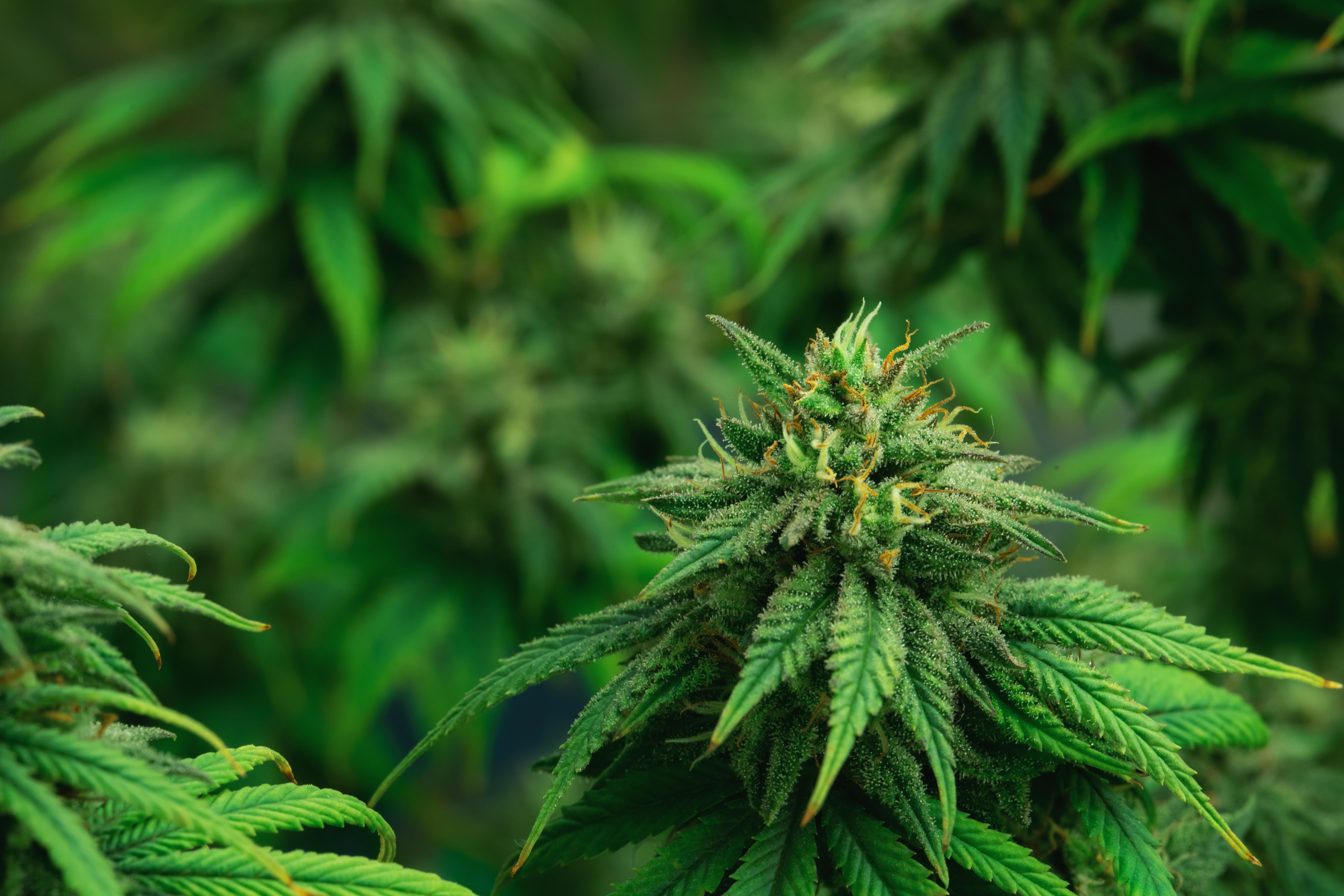


Cloning is a common way to reproduce many types of plants, including cannabis. Instead of starting a new plant from a seed, cloning uses living plant material from an existing plant. The new plant has the same basic genetic makeup as the plant it came from. This can be useful when a grower wants to preserve certain traits, such as growth pattern, flowering behavior, or other genetic features. Cannabis can be propagated through seeds, stem cuttings, and tissue culture, and stem cuttings are widely used for clonal propagation.
However, autoflowering cannabis creates a special problem for cloning. Autoflower plants do not behave in the same way as standard photoperiod cannabis plants. Photoperiod plants are strongly affected by changes in the length of light and darkness they receive each day. In general, their reproductive development is closely linked to day length. Autoflowering plants are different because they can begin flowering without needing the same change in photoperiod. Researchers describe this trait as photoperiod-insensitive or day-neutral flowering.
This difference is important when discussing autoflower clones.
The simple answer to the question “Can you clone autoflowering cannabis?” is that an autoflower plant can produce a cutting that develops roots. From a plant biology point of view, this means cloning is possible. Cannabis is capable of vegetative propagation, and stem cuttings can develop into genetically related plants under suitable conditions. The problem is not simply whether a cutting can survive or form roots. The bigger issue is what happens to its growth schedule after it has been removed from the original plant.
An autoflower clone does not normally behave like a brand-new plant that has just grown from seed. It is a piece of a plant that has already reached a certain stage of development. Taking that cutting does not automatically return its biological development to the beginning.
This matters because autoflowering plants move toward flowering based largely on their stage of maturity rather than depending only on a major change in day length. Modern research has identified genetic differences associated with photoperiod-insensitive flowering in cannabis. This helps explain why the autoflowering trait cannot simply be switched off by treating a cutting like a young seedling.
For example, imagine an autoflower plant that has already spent part of its life growing leaves, stems, and branches. If a cutting is taken from that plant, the cutting comes from tissue that has already gone through part of the plant’s development. It does not suddenly become the same age, in a developmental sense, as a newly germinated seed. While the cutting is forming roots and becoming established as a separate plant, its natural development continues.
This creates one of the biggest limits of autoflower cloning.
A normal photoperiod clone can have more flexibility because the donor plant and its clones can often be maintained in vegetative growth by controlling environmental light conditions. This is one reason cloning has become an important method for producing genetically uniform cannabis plants. Maintaining plants in a vegetative state allows growers and researchers to keep selected genetic material for longer periods. Scientific reviews of cannabis propagation also note that keeping autoflowering varieties in a vegetative state is difficult, which limits their usefulness in standard cloning systems.
An autoflower plant does not offer the same level of control over its developmental schedule. Its internal flowering traits continue to influence the plant even when it is being propagated from a cutting. As a result, an autoflower clone may have much less time to build a large root system, produce new branches, and increase its overall size before reproductive growth begins.
This is why it is important to separate two different questions.
The first question is whether an autoflower can physically be cloned. In biological terms, a cutting may be capable of forming roots and continuing to grow.
The second question is whether cloning an autoflower works in the same practical way as cloning a photoperiod cannabis plant. In most cases, it does not. The plant’s limited developmental window changes the result.
This difference also explains why discussions about autoflower clones can sometimes seem confusing. One source may say that autoflowers “cannot be cloned,” while another may say that they can. These statements may appear to conflict, but they often use the word “clone” in different ways. If cloning means producing a rooted cutting from the original plant, then autoflower cloning is biologically possible. If cloning means producing a new plant that can spend a long period in vegetative growth before flowering, autoflowers do not behave like traditional photoperiod clones.
Understanding this distinction is the key to understanding the rest of the topic.
Autoflowering does not mean that the plant cannot reproduce through vegetative tissue. It means that the plant’s flowering behavior places strong limits on how useful that method can be. The clone still carries the genetic material of the donor plant, but genetic similarity does not give it a completely new life cycle. It begins its separate existence with part of the donor plant’s development already behind it.
This can affect the size and development of the clone. It can also make it difficult to maintain autoflower genetics through the traditional mother-plant system used with photoperiod cannabis. A mother plant normally needs to remain in vegetative growth so that cuttings can continue to be taken over time. Scientific reviews have identified the difficulty of maintaining autoflower varieties in a vegetative state as a limitation of conventional clonal propagation.
For this reason, autoflower cloning is best understood as something that may be biologically possible but has important practical limits. Root formation alone does not mean that the clone will perform like a seed-grown autoflower or a standard photoperiod clone.
The sections that follow will explain why autoflowering plants behave this way, what happens to the developmental age of a clone, why autoflower clones often remain small, and why maintaining an autoflower mother plant is difficult. They will also compare autoflower and photoperiod clones and explain what cloning can and cannot do when the goal is to preserve cannabis genetics. Understanding the plant’s natural flowering behavior first makes these limits much easier to understand.
What Is an Autoflower Cannabis Plant?
An autoflower cannabis plant is a type of cannabis that begins flowering based mainly on its age instead of a major change in the number of hours of light it receives each day. This is the main feature that separates autoflowering cannabis from most photoperiod cannabis plants.
With photoperiod cannabis, flowering is strongly linked to changes in day length. In nature, shorter days can signal that the growing season is coming to an end. Autoflowering cannabis works differently. Once the plant reaches a certain stage of maturity, it can begin producing flowers even when the daily light period stays the same.
This difference affects the entire life cycle of the plant. Autoflowers usually move through their early growth stage faster than many photoperiod plants. They also have less time to recover from stress or delays before flowering begins. These traits become especially important when discussing autoflower clones because a cutting taken from an autoflower does not gain a new life cycle.
How Autoflowering Cannabis Differs From Photoperiod Cannabis
Photoperiod cannabis depends heavily on light cycles to control the change from vegetative growth to flowering. During vegetative growth, the plant focuses mainly on producing roots, stems, branches, and leaves. When the light conditions change in the right way, the plant receives a signal that encourages flowering.
Autoflower plants do not depend on this same light signal to the same degree. Their development is more closely tied to age and genetics. Once an autoflower reaches a certain point in its life, it can begin flowering without needing a large change in the daily light period.
This creates an important biological difference. A photoperiod plant can often remain in vegetative growth for a much longer period if flowering signals are not introduced. This gives the plant more time to grow larger before flowering starts.
An autoflower does not normally offer the same amount of control. Its internal life cycle continues moving forward. This means the plant has a limited window for early vegetative growth before it naturally begins the flowering stage.
That short window helps explain why cloning autoflowers is more difficult in practical terms. A cutting needs time to form roots and establish new growth, but an autoflower’s biological clock does not simply stop while that happens.
The Role of Cannabis Ruderalis Genetics
The autoflowering trait is commonly linked to Cannabis ruderalis. Ruderalis-type cannabis developed in regions where summers could be short and seasonal conditions could change quickly. In these environments, relying only on changes in daylight may not always have been the most useful survival strategy.
Instead, these plants developed a strong tendency to flower according to maturity. This allowed them to complete their life cycle within a shorter growing season.
Modern autoflower varieties are generally the result of breeding autoflowering genetics with other cannabis types. Breeders have used this trait to create plants that flower automatically while also carrying other selected features.
The important point is that the autoflowering trait is genetic. It is built into the plant’s development. It is not simply a reaction that can be turned on or off by changing the light schedule.
This matters when people ask whether an autoflower clone can be kept in vegetative growth for a long time. Because the flowering behavior is strongly controlled by genetics and maturity, changing the light cycle usually does not give the same level of control that growers have with photoperiod plants.
The Shorter Vegetative Stage of Autoflowers
One of the most important features of an autoflower plant is its relatively short vegetative stage. The vegetative stage is the period when the plant is mainly building roots, leaves, stems, and branches.
For many autoflowers, this early stage moves quickly. The plant may only have a limited amount of time to develop its structure before signs of flowering begin.
This fast life cycle can be useful in some situations because the plant moves from seed to maturity in a shorter period. However, the same trait creates limits when the plant faces stress or when a cutting is taken for cloning.
A clone does not begin as a seed. It starts as a piece of an already developing plant. Before the cutting can grow strongly on its own, it must first form a root system. That process takes time.
With a photoperiod cutting, there can be enough flexibility to allow the clone to establish roots and continue vegetative growth before flowering begins. With an autoflower cutting, the original plant’s developmental timing continues to matter. The cutting does not normally receive a fresh period of early growth just because it has been separated from the parent plant.
As a result, part of the clone’s limited life span may be spent forming roots instead of building size and structure.
Why the Autoflower Life Cycle Matters for Cloning
Understanding the autoflower life cycle is necessary before asking whether cloning is possible.
From a biological point of view, plant cuttings can sometimes form roots because the tissue is still alive and capable of producing new growth. This means an autoflower cutting may be able to survive and become an independent plant.
However, rooting is only one part of successful cloning. The more important issue is what happens after the roots develop.
The cutting keeps the genetics of the donor plant, including the autoflowering trait. It also comes from a plant that has already reached a certain stage of development. It does not return to the beginning of the plant’s life.
For example, if a cutting comes from an autoflower that is already moving closer to flowering, the cutting may also continue moving toward that stage while it is trying to develop roots. It may have very little time left for vegetative growth once rooting is complete.
This explains why autoflower clones are often much smaller than plants started from seed. A seed-grown autoflower begins its entire life cycle from the start. It has its full early-growth period available for root and leaf development. A clone starts later in that biological timeline.
The difference is not mainly about whether the cutting can live. The larger issue is whether it has enough time to become a strong plant before flowering begins.
An autoflower cannabis plant is a cannabis plant that begins flowering mainly because of age and genetic programming rather than depending on a major change in day length. This trait is closely linked to Cannabis ruderalis genetics and gives autoflowers a faster, more fixed life cycle.
Unlike photoperiod plants, autoflowers normally have less flexibility in how long they can remain in vegetative growth. Their internal developmental clock continues moving forward even when light conditions remain unchanged.
This shorter vegetative period is one of the main reasons autoflower cloning is difficult. A cutting may be able to form roots, but it does not restart its life cycle. It continues from the developmental stage of the original plant. Because of this, the clone may have only a short amount of time to develop roots, leaves, stems, and branches before flowering begins.
What Is a Cannabis Clone and How Does Cloning Work?
Cannabis plants can begin their life in more than one way. The most common method is growing a new plant from a seed. Another method is cloning. A cannabis clone is a cutting taken from an existing cannabis plant and used to produce another plant with the same genetic makeup.
Cloning is a type of vegetative propagation. This means a new plant develops from part of an existing plant instead of developing from a seed. The concept is used with many types of plants, including herbs, flowers, fruit plants, and ornamental plants.
Understanding how cloning works is important when comparing photoperiod cannabis with autoflowering cannabis. Both types of cannabis can produce plant tissue that may form roots, but their growth patterns are not the same. This difference has a major effect on how useful cloning can be.
What Is a Cannabis Clone?
A cannabis clone is a piece of plant material taken from a living donor plant. The donor is often called the parent plant or mother plant. Because the clone comes directly from that plant, it carries the same basic genetic information.
This is different from a seed. A seed develops after reproduction and contains a new combination of genetic material. Even seeds from the same parent plants can show differences in height, growth rate, leaf shape, flowering traits, and other features.
A clone does not receive a new mix of genes. Instead, it is genetically connected to the plant it came from. This is why cloning is often used when genetic consistency is important.
However, being genetically identical does not mean two plants will always look or perform exactly the same. Growing conditions can still affect plant development. Light, temperature, moisture, nutrients, stress, root health, and other environmental factors can change how a plant grows.
In simple terms, genetics provide the plant’s basic instructions, while the environment affects how those instructions are expressed.
How Does Plant Cloning Work?
Plant cloning depends on the natural ability of some plant tissues to develop new roots. When suitable plant tissue is separated from a healthy plant, cells in that tissue may begin forming roots under the right biological conditions.
Once roots develop, the cutting can function as a separate plant. It can take in water and nutrients through its own root system and continue producing new growth.
The important point is that cloning does not create a plant from the beginning of its genetic life in the same way a seed does. The cutting comes from tissue that has already been growing and developing on another plant.
This difference becomes especially important with autoflowering cannabis.
A newly germinated seed begins at the start of the plant’s life cycle. It develops roots, produces its first leaves, enters vegetative growth, and later moves toward flowering.
A clone begins with tissue taken from a plant that has already reached a certain stage of development. It does not become a newly germinated seed simply because it forms roots.
This explains why the age and developmental stage of the donor plant matter when discussing cloning.
How Is a Clone Different From a Seed-Grown Plant?
The biggest difference between cloning and growing from seed is genetic origin.
A plant grown from seed represents a new individual created through reproduction. Its genes come from its parent plants. Although plants from the same seed line may have many similar traits, some variation can still occur.
A clone is different because it comes directly from one existing plant. Its genetic information is copied from that donor plant rather than being created through a new reproductive event.
There is also an important difference in developmental timing.
A seed begins its growth cycle from germination. The young plant starts at the earliest stage of development.
A clone comes from tissue that has already spent time growing on the donor plant. Root formation does not necessarily erase that developmental history.
For photoperiod cannabis, this is usually less restrictive because flowering can largely be controlled by changes in the daily light and dark period. A photoperiod plant can remain in vegetative growth while it receives a day length that does not trigger flowering.
Autoflowering cannabis behaves differently. Its movement toward flowering depends much more heavily on maturity and internal developmental signals. This makes the timing of cloning far more important.
Why Is Cloning Commonly Associated With Photoperiod Cannabis?
Photoperiod cannabis is much more closely linked with traditional cloning because its vegetative stage offers greater flexibility.
A photoperiod plant does not normally begin flowering simply because it reaches a certain age. Instead, flowering is strongly influenced by the length of the uninterrupted dark period it receives each day.
Because of this trait, a photoperiod plant can remain in vegetative growth for an extended period when its light environment keeps it from entering the flowering stage.
This allows a healthy donor plant to continue producing vegetative growth over time. It also gives newly rooted clones time to establish themselves before flowering begins.
The same flexibility is one reason growers can maintain photoperiod mother plants. A mother plant is kept mainly as a source of genetically consistent plant material rather than being allowed to complete its normal flowering cycle.
Autoflowering plants do not offer the same level of control. Their internal life cycle continues moving forward even when the daily light period remains long. An autoflower may begin flowering because it has reached a certain stage of maturity rather than because its light schedule changed.
This is the central problem with autoflower clones.
Why the Plant’s Developmental Clock Matters
The genetic identity of a clone and the developmental age of a clone are two different ideas.
A clone can share the genetics of its donor plant while also carrying tissue that has already reached a certain stage of development.
For example, tissue taken from a mature plant does not become genetically younger when separated from that plant. Forming roots gives the cutting the ability to survive independently, but it does not automatically reset all of the plant’s developmental signals.
This matters less with photoperiod plants because their flowering stage can usually be delayed through environmental control.
With autoflowers, the developmental clock is much harder to delay. The plant continues moving toward flowering according to traits built into its genetics.
As a result, an autoflower cutting may have less time to establish a strong root system and produce new vegetative growth before flowering begins. This is why simply asking whether an autoflower can form roots does not answer the larger question of whether autoflower cloning is practical.
A cannabis clone is plant material taken from an existing cannabis plant that develops into a separate plant while keeping the donor plant’s basic genetic makeup. Unlike a seed, a clone does not represent a completely new genetic individual. It is a form of vegetative propagation.
Cloning works because certain plant tissues can form new roots and continue growing independently. However, rooting does not necessarily return the plant to the beginning of its developmental life cycle.
This distinction is especially important when comparing photoperiod and autoflowering cannabis. Photoperiod plants offer more control over when flowering begins, which gives clones time to establish vegetative growth. Autoflowering plants continue developing according to an internal maturity-based schedule.
Can You Clone an Autoflowering Cannabis Plant?
An autoflowering cannabis plant can technically be cloned. A cutting taken from a healthy autoflower may be able to develop roots and continue growing as a separate plant. However, this does not mean autoflower cloning works in the same way as cloning photoperiod cannabis.
The main problem is time. An autoflower clone does not restart its life cycle when it is separated from the parent plant. Instead, it continues along the same general developmental schedule as the plant it came from. This creates a major limit because autoflowering cannabis has a short period of vegetative growth before flowering begins.
A photoperiod clone can often remain in vegetative growth for a longer period when light conditions support it. This gives the plant more time to establish roots, develop branches, and increase in size. Autoflower plants behave differently. Their flowering process is tied more closely to age and maturity than to changes in daylight. For that reason, taking a cutting does not create a young plant with a fresh growth period.
Autoflower Cloning Is Biologically Possible
Cloning is a form of vegetative propagation. This means a new plant develops from living tissue taken from an existing plant rather than from a seed.
The cutting contains the same basic genetic information as the parent plant. In that sense, an autoflower cutting can be considered a clone if it survives and develops into a separate rooted plant.
However, the ability to create roots is only one part of successful plant development. A cutting also needs enough time to form a strong root system and produce new vegetative growth. This is where autoflowering plants face a disadvantage.
An autoflower may already be several weeks into its development when a cutting is removed. The cutting does not return to the beginning of the plant’s life cycle. Its tissues have already reached a certain stage of development.
As a result, a cutting may begin forming flowers before it has developed into a large or well-established plant.
Rooting Does Not Reset the Plant’s Age
One of the most important facts about autoflower clones is that rooting does not reset their biological age.
It may seem logical to think that a newly rooted cutting becomes a new young plant. Genetically, it is a separate plant growing on its own. Developmentally, however, it came from tissue that was already part of an older plant.
For example, imagine a cutting is removed from an autoflower that is already moving toward the flowering stage. The cutting still carries the developmental state of the donor tissue. It does not behave like a seed that has just germinated.
This matters because autoflower plants have limited time before flowering starts. The cutting may spend part of that remaining time developing roots rather than building leaves, branches, and overall plant size.
By the time the roots are established, the plant may already be entering flowering. This is one of the main reasons autoflower clones often remain much smaller than plants grown directly from seed.
Autoflowering Plants Follow a Different Development Pattern
The main difference between autoflower and photoperiod cannabis is the way flowering is controlled.
Photoperiod cannabis responds strongly to changes in the daily light and dark cycle. Under suitable vegetative conditions, a photoperiod plant can remain in the vegetative stage for an extended period. This makes cloning useful because a new cutting can be given additional time to develop.
Autoflowering cannabis does not depend on the same type of light-cycle signal to begin flowering. Its genetics cause the plant to move toward flowering after reaching a certain level of maturity.
This trait is one of the main reasons autoflowers are known for fast life cycles. It is also the reason conventional cloning is much less useful with these plants.
A cutting cannot simply be kept in a long vegetative stage in the same way as a photoperiod clone. Even when environmental conditions remain stable, the plant continues to mature.
A Rooted Autoflower Clone Is Not the Same as a New Seedling
A rooted clone and a seedling may both be small plants, but they begin from very different biological starting points.
A seedling starts at the beginning of its development. It has its full growth period ahead of it. During this time, the plant can establish roots, produce leaves, grow branches, and increase in size before flowering becomes the main focus.
An autoflower clone starts from mature plant tissue. Its life cycle is already in progress.
This difference is important when comparing plant size and future development. Two plants may appear similar in height when young, but the seed-grown plant has more developmental time available.
The clone may have only a short period left before flowering begins. Because of this, it may never reach the same size as a plant that began from seed.
Why “Possible” Does Not Mean “Practical”
When people ask whether autoflowers can be cloned, there are really two different questions.
The first question is whether a cutting can survive, develop roots, and continue growing. The answer can be yes.
The second question is whether cloning an autoflower works as effectively as cloning a photoperiod cannabis plant. This is where the answer changes.
Autoflower cloning has built-in biological limits. The plant’s developmental clock keeps moving while the cutting is establishing itself. It cannot gain back the vegetative time that has already passed.
For this reason, the issue is not simply whether roots can form. The more important question is whether enough time remains for the clone to develop into a strong plant before flowering takes over.
This distinction helps explain why autoflower cloning is often described as technically possible but much less practical than conventional cloning.
Autoflowering cannabis plants can technically be cloned because a cutting may be able to form roots and grow as a separate plant. However, the clone does not restart the life cycle of the parent plant. It continues from the developmental stage of the tissue that was used to create it.
This creates a major limitation. Autoflowers have a short vegetative period and begin flowering mainly according to age and maturity. A clone may therefore spend much of its remaining vegetative time developing roots. By the time it becomes established, flowering may already be starting.
Why Autoflower Clones Do Not Start Their Life Cycle Over
One of the most important facts about autoflower clones is that they do not start their life cycle again after they are cut from the parent plant. This is a major difference between cloning and growing a new cannabis plant from seed.
A cutting may look like a new, small plant once it develops roots. However, it is still living tissue taken from a plant that has already been growing for a certain amount of time. Its biological development does not return to the beginning just because it has been separated from the parent.
This matters much more with autoflowering cannabis than it does with photoperiod cannabis. Autoflowers follow a relatively fixed growth schedule. Once that schedule has started, taking a cutting does not stop or restart it.
A Clone Is Not the Same as a New Seedling
A cannabis seed begins a completely new life cycle. After germination, the young seedling starts developing roots, leaves, stems, and branches. It gradually becomes mature enough to enter the flowering stage.
A clone starts in a different way. It comes from a piece of an existing plant, usually part of a stem with leaves and growth points. That tissue already has the same genetic information as the parent plant. It has also already passed through part of the parent’s development.
For this reason, a clone should not be viewed as a plant that has returned to day one.
For example, if a cutting comes from a plant that is already several weeks into its life cycle, the cutting does not become biologically equal to a newly germinated seed. It still comes from mature plant tissue.
This is one reason autoflower cloning can be difficult. The cutting must develop a new root system while its internal growth process continues.
The Autoflowering Clock Keeps Moving
Autoflowering cannabis is known for beginning its flowering stage based largely on plant age and maturity. It does not depend on a major change in the daily light period in the same way that photoperiod cannabis does.
This gives growers less control over the length of the vegetative stage.
A photoperiod cannabis plant can generally remain in vegetative growth while it receives a long enough daily light period. This gives a clone more time to establish roots and develop new growth before flowering begins.
An autoflower does not offer the same level of control. Its natural development continues even after a branch has been removed from the parent plant.
The cutting may therefore spend part of its remaining vegetative period trying to form roots instead of building a larger stem and leaf structure. By the time a healthy root system has developed, the plant may already be approaching flowering.
This is the main reason the age of an autoflower clone is so important.
Rooting Does Not Reset Plant Age
It is easy to assume that a cutting becomes a young plant when new roots appear. The new roots may make it look as if a completely new life cycle has started.
That is not what happens.
Root development allows the cutting to survive as an independent plant. It gives the cutting a way to absorb water and nutrients without being connected to its original parent. Rooting changes how the cutting supports itself, but it does not erase the developmental history of the plant tissue.
The stem, leaves, and growing points still came from an older plant.
This means root formation and plant age are two separate issues. A cutting can develop brand-new roots while the above-ground tissue remains developmentally mature.
With autoflowers, this distinction is especially important because the plant’s limited growth period continues to move forward.
Why This Matters for Vegetative Growth
The vegetative stage is when cannabis develops much of its basic plant structure. During this period, stems extend, branches form, leaves increase in number, and the root system expands.
A seed-grown autoflower normally has access to its full early growth period. It begins life as a seedling and can use that time to establish itself before flowering starts.
An autoflower clone has less time available.
First, the cutting must recover from being removed from the parent plant. It then needs to develop roots strong enough to support continued growth. During this period, it may show little visible growth above the soil or growing medium.
However, its developmental clock has not stopped.
This can leave the cutting with only a short period of active vegetative growth once its roots have become established. In some cases, flowering may begin while the clone is still quite small.
The result can be a plant that never develops the size or structure of a seed-grown autoflower.
Taking a Cutting Earlier Does Not Fully Solve the Problem
It may seem logical that taking a cutting from a very young autoflower would solve the age problem. An earlier cutting does have more of the plant’s life cycle remaining than one taken later.
However, there is another limitation.
Very young autoflower plants are usually small. They may have only a limited number of branches and growing points available for cuttings. Removing plant tissue at this early stage can also reduce the size of the parent plant.
The cutting must still spend time producing roots. Even if it was taken early, the plant’s developmental process continues during that period.
As a result, taking an earlier cutting may give it more time than taking a later one, but it does not create the same conditions as starting another plant from seed.
The clone still does not receive a fresh life cycle.
Autoflowering Cannot Simply Be Delayed With Light
Photoperiod cannabis growers can use the light cycle to control when plants remain vegetative and when they enter flowering. This feature makes photoperiod plants well suited to cloning.
Autoflowering plants respond differently.
Extending the number of light hours does not normally allow an autoflower clone to remain in vegetative growth for an unlimited period. Its flowering behavior is closely linked to age and genetics rather than being controlled mainly by changing day length.
This means a grower cannot simply give an autoflower cutting extra weeks of vegetative development by keeping it under a long light schedule.
The basic biological limitation remains.
Why Autoflower Clones May Flower While Still Small
Because the plant’s age continues to advance, an autoflower clone may start showing flowering development before it has built much new vegetative growth.
This is not because cloning automatically damages the plant. It happens because the cutting has inherited both the genetics and developmental stage of the tissue taken from the parent.
A clone taken from an older autoflower has even less time available before flowering. If the parent plant is already close to flowering, its cutting may have very little opportunity to build a strong new structure.
This explains why successful rooting does not always mean successful plant development. A cutting can survive and form roots while still remaining much smaller than a plant that started from seed.
Autoflower clones do not start their life cycle over because a clone is living tissue from an already developing plant. Rooting allows the cutting to become independent, but it does not return the plant to the seedling stage or erase its biological age.
This is especially important with autoflowering cannabis because flowering is closely connected to maturity rather than being controlled mainly by changes in the light cycle. While the cutting is forming roots, its developmental clock continues moving forward.
As a result, an autoflower clone often has less time to develop roots, stems, branches, and leaves before flowering begins. Taking a cutting earlier may provide more time, but it still does not give the clone a completely new growth cycle. Understanding this difference helps explain why cloning autoflowers is biologically possible but much more limited than cloning photoperiod cannabis.
Why Autoflower Clones Usually Stay Small
One of the biggest problems with cloning autoflower cannabis is plant size. An autoflower clone may develop roots and continue growing, but it often stays much smaller than a plant started from seed. This does not usually happen because the clone has different genetics. Instead, it happens because the clone has very little time to build roots, stems, branches, and leaves before flowering begins.
Autoflowering plants follow a natural growth schedule that is closely linked to age. Unlike photoperiod cannabis, they do not depend mainly on a change in the light cycle to begin flowering. Once an autoflower reaches a certain stage of development, it starts moving toward flowering. Taking a cutting does not restart this schedule.
This means an autoflower clone begins its independent life with less time available for vegetative growth.
The Clone Keeps the Developmental Age of the Parent Plant
An autoflower clone does not behave like a newly germinated seed. A seed starts at the beginning of the plant’s life cycle. It has its full early growth period ahead of it before flowering starts.
A clone is different. It is a piece of an existing plant that has already spent part of its life growing. When a cutting is removed from an autoflower, the cutting does not return to the seedling stage. Its cells come from a plant that is already several weeks into its development.
For example, consider an autoflower that is already several weeks old when a cutting is removed. The cutting still comes from tissue that has reached that stage of development. Even if the cutting develops its own roots, the biological processes connected with maturity continue.
This creates a major problem. The clone needs time to recover from being separated from the original plant. It also needs time to form a new root system. At the same time, its natural flowering schedule continues moving forward.
The result is a plant with very little time to become large.
Root Development Takes Away Valuable Growing Time
A newly taken cutting does not have its own established root system. Before it can grow strongly on its own, it must produce new roots.
Root formation takes time and energy. During this period, the cutting cannot grow in the same way as a healthy plant with a mature root system. It must first establish enough roots to absorb water and nutrients efficiently.
This delay is especially important with autoflowers because their vegetative stage is already short.
Photoperiod clones have an important advantage. Their vegetative stage can usually be extended by controlling the light schedule. This gives a rooted cutting more time to recover and grow before flowering begins.
Autoflowers do not offer the same level of control. Their natural development continues even while roots are forming.
By the time an autoflower cutting has established enough roots for stronger growth, the plant may already be approaching flowering. In some cases, flowering signs may even appear while the clone is still small.
A Short Vegetative Period Limits Plant Size
The vegetative stage is when cannabis plants develop much of their basic structure. During this stage, plants build stems, branches, leaves, and roots.
A strong vegetative period allows a plant to create the structure needed to support later growth. A larger root system can supply more water and nutrients. More leaves can capture more light. More branches can create additional growing points.
Autoflowers naturally have a limited amount of time for this development.
A seed-grown autoflower begins using this time shortly after germination. Although the plant starts small, it has the advantage of moving through its complete life cycle without first needing to recover from being cut from another plant.
An autoflower clone enters the process differently. Part of its remaining vegetative time may be spent developing roots and recovering from the cloning process.
Because of this delay, the plant may never develop the same amount of structure as a seed-grown plant.
The clone may remain short and have fewer branches. Its root system may also remain smaller. Once flowering begins, the plant shifts more of its energy toward reproduction rather than producing large amounts of new vegetative growth.
Early Cuttings Do Not Completely Solve the Problem
It may seem reasonable to assume that taking a cutting very early would solve the problem. An earlier cutting does have more remaining time than one taken from an older autoflower. However, the basic limitation still exists.
The cutting does not receive a completely new life cycle simply because it was taken early.
It still needs time to produce roots while its developmental clock continues. Even a relatively young cutting therefore loses part of its limited growth period during the rooting stage.
This is one reason cloning photoperiod plants works differently. A photoperiod clone can normally remain in vegetative growth after rooting as long as its environmental conditions support that stage. An autoflower clone cannot simply be kept in vegetative growth for an unlimited period.
Taking the cutting earlier may reduce some of the timing problem, but it does not remove the biological reason that autoflower clones tend to stay small.
Flowering Can Begin Before the Clone Becomes Large
Another major reason autoflower clones remain small is that flowering may begin before the plant has created a large vegetative structure.
Once the plant enters its flowering stage, its growth pattern changes. Some additional height and branching may still occur, but the plant increasingly directs resources toward flower development.
A clone that enters flowering with only a small root system and limited foliage begins this stage at a disadvantage compared with a larger plant.
This does not mean that every autoflower clone will be exactly the same size. Genetics, plant health, the age of the donor plant, and environmental conditions can all affect development.
However, none of these factors changes the main limitation. The clone cannot recover the time that has already passed in the donor plant’s life cycle.
This is the key reason size problems are closely connected with autoflower cloning.
Plant Size and Genetics Are Different Issues
It is also important to separate genetics from plant size.
A clone carries the same genetic information as the plant from which it was taken. This does not mean the clone will grow to the same size or develop in exactly the same way.
Plant development depends on both genetics and growing conditions. Timing also matters.
A large donor plant may have had weeks to develop its roots and branches before the cutting was taken. The clone receives the genetics of that plant, but it does not receive the donor’s established root system or complete physical structure.
Instead, the cutting has to build those structures for itself while the plant’s developmental timeline continues.
This explains why a clone can be genetically identical to its parent while still becoming much smaller.
Autoflower clones usually stay small because cloning does not reset the plant’s developmental age. The cutting is taken from a plant that has already moved through part of its natural life cycle, and that biological timeline continues after the cutting is removed.
At the same time, the clone must spend valuable time developing a new root system. Because autoflower plants have a short vegetative period, there may not be enough time for the cutting to build strong roots, branches, stems, and leaves before flowering starts.
Taking a cutting earlier may provide slightly more growing time, but it does not completely solve the problem. The plant’s age-related flowering pattern continues, which limits how long the clone can remain in vegetative growth.
Can You Keep an Autoflower as a Mother Plant?
A mother plant is a cannabis plant that is kept in vegetative growth so cuttings can be taken from it over time. These cuttings can develop into new plants that carry the same genetics as the mother. This method is common with photoperiod cannabis because growers can control when those plants move from vegetative growth into flowering.
Autoflowering cannabis works in a different way. An autoflower begins flowering mainly because of its age and genetics, not because of a major change in the amount of light it receives. Because of this, keeping an autoflower as a long-term mother plant is generally not practical.
The main problem is that an autoflower does not remain in vegetative growth for an unlimited period. Once its internal growth cycle reaches the flowering stage, the plant continues to mature. Changing the light schedule does not normally stop this process or return the plant to a long vegetative phase.
What Is a Cannabis Mother Plant?
A cannabis mother plant is a mature plant that is kept mainly as a source of cuttings. Instead of allowing the plant to complete its normal life cycle, it is maintained in vegetative growth for an extended period.
The main reason for keeping a mother plant is genetic consistency. A cutting taken from a mother plant has the same basic genetic makeup as the plant it came from. This can help preserve certain traits without starting again from seed each time.
Photoperiod cannabis plants are commonly used as mother plants because their flowering stage is strongly connected to changes in day length. When they continue to receive conditions that support vegetative growth, they can remain in that stage for much longer.
This gives the plant time to keep producing new branches and leaves. Those branches can later provide material for cuttings.
Autoflowers do not offer the same level of control.
Why Autoflowers Are Difficult to Keep as Mother Plants
Autoflowering cannabis has a built-in developmental schedule. The plant usually moves from early growth into flowering after reaching a certain level of maturity.
This change can happen even when the amount of daily light stays the same.
That feature is one of the main reasons autoflowers are popular in some settings. They do not depend on the same light-cycle change that photoperiod plants need before flowering begins.
However, the same feature creates a major problem when someone wants to keep an autoflower as a mother plant.
A mother plant needs to remain in vegetative growth so it can continue producing fresh branches. An autoflower cannot normally be held in this stage for a long period. Its biological clock keeps moving forward.
Once flowering begins, the plant shifts more of its energy toward reproduction. It becomes less suited to serving as a continuing source of young vegetative cuttings.
Can Extra Light Keep an Autoflower in Vegetative Growth?
Giving an autoflower more hours of light does not usually stop its natural flowering schedule.
This is one of the biggest differences between autoflowering and photoperiod cannabis.
With photoperiod plants, day length plays a major role in controlling the growth stage. Their flowering response can be managed by maintaining a light schedule that supports vegetative growth.
Autoflowers are much less dependent on this signal. Their genetics allow flowering to begin according to maturity instead.
This means that keeping the lights on for longer periods does not create an unlimited vegetative stage. The autoflower continues to age and will eventually move toward flowering.
As a result, the main tool used to maintain photoperiod mother plants does not work in the same way with autoflowers.
What Happens If You Take Cuttings From an Autoflower Mother?
A cutting taken from an autoflower still carries the genetics of the donor plant. However, it also comes from a plant that is already partway through its life cycle.
The cutting does not become the same as a newly germinated seed.
This is important because the cutting needs time to form roots and establish new growth. At the same time, its developmental clock continues to move forward.
If the donor plant is already close to flowering, the cutting may also begin flowering before it has developed much size.
Even a cutting taken earlier in the plant’s life does not create a permanent mother plant. The original autoflower still continues through its normal growth cycle.
For this reason, taking cuttings from an autoflower does not create the same long-term cloning system that can be created with photoperiod cannabis.
Why Photoperiod Plants Work Better as Mother Plants
Photoperiod cannabis offers much more control over the length of the vegetative stage.
As long as the plant remains under conditions that support vegetative growth, it can continue producing stems, leaves, and new branches. This gives more time for maintaining the plant and taking cuttings when needed.
A healthy photoperiod mother can therefore serve as a genetic source for an extended period.
Autoflowers do not have this flexibility because their flowering process is linked more closely to age.
The difference is not about whether an autoflower is capable of producing a cutting. It is about whether the original plant can stay in the correct growth stage long enough to function as a true mother plant.
In most cases, it cannot.
Can an Autoflower Be Returned to Vegetative Growth?
Autoflowers should not be expected to return to a long vegetative stage once their natural flowering process has started.
Photoperiod plants may respond differently because their flowering cycle is closely linked to changes in light exposure. Autoflowering plants have genetics that reduce their dependence on these changes.
Because of this, changing the light schedule does not normally reset an autoflower’s age or restart its life cycle.
The plant continues to mature.
This is another reason why autoflowers do not fit the traditional mother-plant system. A useful mother plant must remain stable in vegetative growth. An autoflower keeps moving toward the end of its natural life cycle.
Why Growing From Seed Is More Common With Autoflowers
Autoflowering cannabis is much more closely linked with seed-based propagation than with long-term cloning.
A seed begins at the start of the plant’s developmental cycle. This gives the young plant its full natural growth period before flowering begins.
A clone does not receive this reset.
Because autoflowers have a limited amount of time before flowering, starting from seed gives the plant more time to establish its root system and vegetative structure.
Seeds also avoid the main problem of trying to maintain an autoflower mother plant. Each seed starts a new life cycle rather than continuing the age of an existing plant.
This is why seed production is generally a more practical way to reproduce autoflowering genetics over multiple generations.
Autoflowering cannabis can technically provide cuttings, but keeping an autoflower as a traditional mother plant is generally not practical. A true mother plant needs to remain in vegetative growth for a long period so it can continue producing branches for cloning.
Photoperiod cannabis can usually be kept in that stage because its flowering response is strongly affected by day length. Autoflowering cannabis follows a different pattern. Its flowering stage is driven mainly by genetics and plant maturity.
Because the autoflower’s internal developmental clock keeps moving forward, extra light does not normally keep it in vegetative growth forever. Once the plant reaches the right stage of maturity, flowering begins.
Cuttings taken from an autoflower also do not restart from the beginning of the life cycle. They continue from the developmental stage of the donor plant. This gives them less time to establish themselves before flowering.
Autoflower Clones vs. Photoperiod Clones
Autoflower and photoperiod cannabis plants can both be genetically copied through cloning. However, the way the resulting clones grow can be very different. The main reason is how each type of cannabis plant enters the flowering stage.
Photoperiod cannabis is strongly affected by the length of the light and dark periods it receives. This gives growers more control over how long the plant stays in vegetative growth. Autoflowering cannabis is different. Its flowering behavior is largely controlled by genetics and plant maturity rather than a required change in day length. Research has identified genetic factors linked with this photoperiod-independent flowering trait.
This difference has a major effect on cloning. A photoperiod clone can usually spend more time developing roots and vegetative growth before flowering begins. An autoflower clone does not have the same level of flexibility.
Flowering Control Is the Biggest Difference
One of the main advantages of photoperiod cannabis for cloning is control over the timing of flowering.
Photoperiod-sensitive cannabis responds to changes in day length. Under controlled conditions, growers can keep these plants in vegetative growth before changing the light period to promote flowering. Research on indoor cannabis production confirms that photoperiod is commonly used to separate vegetative and flowering stages in photoperiod-sensitive cultivars.
This gives a newly rooted clone time to develop before reproduction becomes the plant’s main focus.
Autoflowers work differently. Their genetics allow flowering to begin without the same dependence on shorter days. Changing the light period does not provide the same ability to delay flowering.
This becomes important when a cutting is removed from an autoflower plant. The cutting must develop roots while its internal development continues. It does not become a young seedling and begin its life cycle again.
As a result, the time available for an autoflower clone to build a large root system and strong vegetative structure may be limited.
Photoperiod Clones Have More Vegetative Flexibility
Vegetative growth is the stage when cannabis develops much of its roots, stems, branches, and leaves. A stronger vegetative structure can support later plant development.
Photoperiod clones have an important advantage because the vegetative stage can be managed through environmental conditions. Growers can allow a clone to establish itself before flowering is encouraged.
This flexibility is one reason vegetative propagation is widely used with photoperiod-sensitive cannabis. Clonal propagation also allows growers and researchers to maintain the genetic identity of a selected plant.
An autoflower clone has much less flexibility. The plant’s biological clock continues even while the cutting is forming roots.
For example, imagine that a cutting comes from an autoflower plant that has already completed a significant part of its early growth. The cutting does not return to the beginning of that growth period. It remains tissue from a plant that is already moving through its natural developmental stages.
This helps explain why autoflower clones may remain smaller than photoperiod clones.
Mother Plants Are More Practical With Photoperiod Cannabis
A mother plant is a plant maintained mainly as a source of future cuttings.
Photoperiod cannabis is much better suited to this purpose because flowering can be delayed. This means a healthy donor plant may remain in vegetative growth while new shoots continue developing.
Those shoots can provide genetically similar cuttings over time.
Autoflower plants are not suited to the same long-term system. Because flowering is tied more closely to age and genetics, an autoflower eventually moves into reproductive growth even if the day length remains relatively long.
Once this process begins, it becomes difficult to maintain the plant as a long-term vegetative mother.
This is an important difference between the two plant types. A photoperiod mother can serve as a continuing source of genetic copies. An autoflower plant has a much more limited developmental window.
Both Types of Clones Can Carry the Parent Plant’s Genetics
The genetic principle behind cloning is similar for both autoflower and photoperiod plants.
A cutting comes directly from the donor plant. It is therefore a vegetative copy rather than a new genetic combination created through sexual reproduction.
This means an autoflower cutting does not suddenly become a photoperiod plant after cloning. It keeps the genetic traits associated with its donor, including the autoflowering trait.
Likewise, a photoperiod clone keeps the genetic characteristics of the photoperiod donor plant.
Cloning can therefore help maintain genetic consistency. Modern research into cannabis propagation also examines methods designed to produce genetically similar plants across repeated propagation cycles.
However, genetic similarity does not mean every clone will grow to exactly the same size or shape. Plant development is also affected by environmental conditions, stress, root development, plant health, and the stage of the donor plant when the cutting was taken.
Autoflower Clones Have Less Time to Establish
A cutting cannot immediately support itself in the same way as an established plant. It needs to develop roots that can support water and nutrient uptake.
For photoperiod cannabis, the plant can remain in vegetative development while this process takes place. Once established, the clone can continue producing new stems and leaves before entering flowering.
With an autoflower clone, the developmental timeline keeps moving.
This creates a time problem. Part of the plant’s limited growth period may be spent establishing the cutting instead of developing a larger structure.
By the time the clone is well established, it may already be approaching or entering reproductive development. This is why successfully rooting an autoflower cutting does not necessarily mean it will perform like an autoflower grown from seed.
Plant Size and Production Can Differ
A photoperiod clone can have enough vegetative time to develop into a substantial plant before flowering. The amount of vegetative development can be adjusted because flowering remains responsive to photoperiod.
An autoflower clone has fewer opportunities to extend this stage.
For this reason, an autoflower cutting may remain smaller than the original donor plant. A smaller plant usually has fewer developed branches and flowering sites, which can affect its total production.
This does not mean the cutting has different genetics. It means the clone had a different starting point in the plant’s developmental timeline.
A seed-grown autoflower begins its development from germination. An autoflower clone begins as tissue taken from a plant that has already spent part of its life developing.
That difference is central to understanding why autoflower and photoperiod cloning cannot be treated as the same process.
Autoflower clones and photoperiod clones are both vegetative copies of donor plants, but they behave differently because their flowering systems are different.
Photoperiod cannabis offers much greater control over the vegetative period. Flowering in these plants responds strongly to day length, allowing vegetative growth to continue before reproductive development is encouraged. This also makes photoperiod plants better suited to long-term mother plants and repeated cloning.
Autoflowering cannabis does not provide the same control. Its transition toward flowering is mainly linked to genetics and maturity rather than a required change in day length. A cutting taken from an autoflower also does not reset its biological age. Its developmental timeline continues while it is establishing roots.
For this reason, an autoflower clone may have far less time to develop roots, branches, and overall plant size before flowering progresses. Although it can carry the same genetics as its donor plant, genetic similarity does not give it a fresh life cycle.
Do Autoflower Clones Produce the Same Yield as Seed-Grown Plants?
Autoflower clones usually do not produce the same yield as autoflower plants grown from seed. The main reason is not genetics. A clone may carry the same genetic traits as the plant it came from, but it does not receive a fresh growth cycle. It continues developing from the same general stage as the donor plant.
This matters because autoflowering cannabis has a limited amount of time for vegetative growth. A seed-grown plant starts its life at germination and has its full growth period ahead of it. A clone is taken after the parent plant has already spent part of that time growing. The cutting must also develop new roots while its internal growth cycle continues. This leaves less time for the clone to build enough size and structure before flowering begins.
Why Seed-Grown Autoflowers Have More Time to Develop
An autoflower plant grown from seed starts at the beginning of its natural life cycle. After germination, the young plant develops roots, leaves, stems, and branches. During this early stage, it can use its energy to build the structure needed to support later growth.
Autoflowering plants generally move from vegetative growth into flowering based more on age and genetics than on a major change in the light cycle. This means their vegetative period cannot easily be extended in the same way that it can with many photoperiod cannabis plants.
A seed-grown autoflower gets the full available period to establish itself before flowering. Its root system develops as the plant grows above the soil. New leaves increase the amount of light the plant can capture, while stronger stems and branches create more space for future flower development.
An autoflower clone does not get this same starting point. By the time a cutting is taken, the donor plant may already be several weeks into its life cycle. The cutting then needs time to recover and form its own roots. During that period, the plant’s biological clock does not simply stop and restart.
As a result, the clone may enter flowering while it is still quite small.
Root Development Can Limit the Clone’s Growth
Roots play an important role in the final size of a plant. They take up water and nutrients and support growth above the growing medium. A plant with a well-developed root system can usually support more leaves, branches, and flowers than a plant with a weak or limited root system.
When an autoflower cutting is first separated from its donor plant, it does not have an established root system of its own. It must produce new roots from the cut stem. Until those roots develop, the cutting has limited ability to take up water and nutrients.
This rooting period creates a major disadvantage compared with a plant grown from seed. A seedling develops roots from the start of its life. Root growth and above-ground growth happen together.
A clone, however, must use valuable time to establish itself while its developmental timeline continues moving forward. If flowering begins soon after roots appear, there may not be enough time for the plant to build a large root system.
A smaller root system often supports a smaller plant. A smaller plant usually has fewer branches and fewer potential flowering sites. This is one of the main reasons autoflower clones often produce less than plants grown normally from seed.
Genetic Similarity Does Not Guarantee the Same Yield
It is important to understand the difference between genetics and plant development. A clone is genetically derived from its donor plant. This means many inherited traits can remain similar, including growth characteristics, plant structure, aroma potential, and other genetic features.
However, having the same genetics does not mean two plants will automatically reach the same size or produce the same amount of flower.
Yield depends on more than genetics. Plant age, root development, available growing time, stress, environmental conditions, overall plant size, and plant health can all affect the final result.
For example, imagine that an autoflower plant has already used several weeks of its growth cycle before a cutting is taken. The original plant has spent those weeks developing roots and branches. The cutting begins without those roots and has only the remaining part of the plant’s developmental period available.
Even if the clone has the same genetic material, it starts from a much weaker physical position.
This is why genetic identity should not be confused with equal production. Genetics set the potential traits of the plant, but the plant still needs enough time and healthy growth to express those traits fully.
Why Autoflower Clones Often Remain Smaller
Plant size has a strong connection to potential yield. A larger, healthy plant usually has more developed branches and more areas where flowers can form. An autoflower clone often has less time to create this structure.
The cutting may spend part of its remaining vegetative period forming roots instead of expanding quickly above the growing medium. Once flowering begins, vegetative growth becomes less important as the plant shifts more of its energy toward reproduction.
If the clone enters flowering when it is only a small cutting, there is limited time for it to gain significant size afterward. It may continue stretching and producing new growth, but it usually cannot make up for the early time lost during rooting.
This helps explain why autoflower clones may appear much smaller than the plant they came from or than autoflowers started from seed at the same general time.
The result is often fewer flowering sites and less overall plant mass. Since there is simply less plant structure available to support flowers, the final harvest may also be smaller.
Does Taking a Clone Earlier Improve Yield?
Taking a cutting earlier in the donor plant’s life may leave more time before flowering, but it does not remove the basic problem. The clone still shares the autoflowering growth pattern of its parent and does not restart its life cycle when the cutting is taken.
A very young donor plant may also have limited growth available for taking a cutting in the first place. Removing plant material early can affect the donor, while the cutting still needs time to establish roots.
Because of this, there is a narrow window in which an autoflower cutting could have enough plant material to survive while still having meaningful vegetative time remaining.
Even under favorable conditions, the clone remains at a disadvantage compared with a seed-grown plant that has been developing its own roots since germination.
Taking a cutting earlier may improve the amount of time available, but it does not turn the clone into a new seedling. The developmental clock remains one of the main limits.
Can an Autoflower Clone Ever Produce a Useful Harvest?
An autoflower clone may survive, develop roots, and produce flowers. This shows that cloning is biologically possible. However, survival and flowering are different from producing the same yield as a full seed-grown plant.
The amount produced can vary depending on the age of the donor, the size of the cutting, how quickly roots form, the genetics of the plant, and its general growing conditions. Because these factors vary, there is no single yield amount that applies to every autoflower clone.
What remains consistent is the biological disadvantage. The clone starts later in the plant’s developmental timeline and must spend part of that remaining time building a new root system.
For this reason, an autoflower clone should not be expected to perform like a fresh plant grown from seed. It may complete flowering, but its smaller size and shorter effective growth period can greatly limit its production.
Autoflower clones generally do not produce the same yield as autoflower plants grown from seed. The biggest reason is that cloning does not reset the plant’s developmental age. A seed-grown autoflower begins at germination and has its complete growth period available to develop roots, stems, leaves, and branches. A clone begins later and must spend part of its remaining time producing new roots.
Although the clone may share the genetics of its donor plant, identical genetics do not guarantee identical plant size or yield. Growth time, root development, plant structure, and overall health also affect production. Because an autoflower clone often reaches flowering before it has developed much size, it normally has fewer branches and fewer flowering sites.
An autoflower cutting can root and produce flowers, but it usually starts with a major timing disadvantage. This is why seed-grown autoflowers generally have much greater potential to reach their normal size and production level than clones taken from mature autoflowering plants.
Can Autoflower Cloning Preserve a Favorite Plant’s Genetics?
One reason growers become interested in cloning is genetic preservation. A plant may show traits that seem worth keeping, such as a certain growth pattern, aroma, plant shape, flowering behavior, or chemical profile. With photoperiod cannabis, cloning is commonly used to keep a specific genetic individual available for future propagation. Cannabis is highly genetically diverse, so clonal propagation can help maintain the genetic identity of a selected plant.
Autoflowering cannabis makes this more complicated. An autoflower can produce a cutting that contains the same basic genetic material as the plant it came from. However, creating that cutting does not restart the plant’s biological clock. Because the autoflower continues moving through its short life cycle, ordinary cloning is not a simple way to preserve one autoflower plant for a long period.
Does an Autoflower Clone Have the Same Genetics as the Parent?
A clone comes from the living tissue of another plant. This means it does not receive a new mix of genes in the same way a plant grown from a seed does. Instead, the cutting begins with the genetic material of the donor plant.
For this reason, a successfully produced clone is generally considered genetically identical, or extremely close genetically, to its parent plant. Research on cannabis micropropagation has also shown that cloned plants can maintain a high level of genetic stability across repeated propagation. One study examining micropropagated Cannabis sativa plants found genetic profiles that matched their mother plants across many passages.
However, “genetically identical” does not mean that two plants will always look or perform exactly the same.
The environment still matters. Light, temperature, root health, water availability, nutrients, stress, pests, disease, and other conditions can affect how a plant develops. Two plants with the same genotype can therefore show differences in size, structure, flowering, and chemical composition.
There is also a small chance that mutations can develop as plant cells continue dividing. Researchers studying long-term cannabis preservation have noted that somatic mutations may accumulate over time. This is one reason specialized genetic preservation methods are studied for valuable cannabis lines.
Why Genetic Identity Does Not Solve the Autoflower Problem
The main problem with autoflower cloning is not that the cutting loses the genetics of the donor. The problem is time.
Autoflowering is itself a genetic trait. Unlike a typical photoperiod cannabis plant, an autoflower does not depend mainly on a major reduction in daylight hours before it begins reproductive development. Its genetics cause flowering to begin as the plant reaches a certain stage of maturity.
A cutting taken from an autoflower carries those same genetics. It also comes from tissue that has already spent part of its life developing on the parent plant.
This means cloning does not turn mature plant tissue back into the biological equivalent of a newly germinated seed. If the parent plant is already moving toward flowering, the cutting does not suddenly receive a fresh, full-length vegetative period.
This creates a major problem for long-term preservation through normal cuttings. Even if the cutting develops roots and survives, it may continue toward flowering before it has much time to become a large vegetative plant.
For photoperiod cannabis, a selected genotype can be maintained through vegetative mother plants because flowering can be controlled largely through day length. That system provides much more flexibility for repeated clonal propagation. Autoflowers do not provide the same level of control because their transition toward flowering is tied more closely to age and genetics.
Can Seeds Preserve the Same Autoflower Genetics?
Seeds can preserve a genetic line, but they do not normally preserve one individual plant’s exact genotype.
This distinction is important.
A clone copies one genetic individual. A seed is created through sexual reproduction and contains a new genetic combination inherited from its parents. Even seeds produced from closely related plants can show differences from one another.
As a result, growing another seed of the same autoflower variety does not guarantee an exact copy of a specific plant.
Several plants from the same seed line may share important traits. They may have similar flowering behavior, plant structure, aroma, or other characteristics. However, some variation is still expected because each seed can contain a different combination of genes.
Breeding programs can make traits more consistent across generations. Through selection over many generations, breeders can develop populations in which desired traits appear more reliably. However, this is different from preserving the exact genetic identity of one individual plant.
Cloning aims to maintain a genotype. Breeding aims to maintain, combine, or stabilize traits within a genetic population.
Why Autoflower Genetics Are Commonly Maintained Through Seed Lines
Because normal autoflower plants have a limited vegetative period, keeping a traditional mother plant is difficult. A mother plant must remain capable of producing healthy vegetative material over an extended period. Autoflowers naturally move toward flowering rather than remaining in continuous vegetative growth.
For this reason, autoflower varieties are commonly maintained through breeding populations and seed production rather than through ordinary mother-and-clone systems.
This does not mean every seed is identical. Instead, breeders work to keep important traits within a genetic line so future generations continue to show the features associated with that variety.
The difference can be compared to copying a document versus creating another document from the same template. A clone is closer to making a direct copy. A seed contains a new genetic combination based on the parents, even when those parents come from a carefully maintained line.
Are There Other Ways to Preserve a Specific Cannabis Genotype?
Modern plant science offers methods beyond ordinary stem cloning.
One example is tissue culture, also called micropropagation. Small pieces of plant tissue can be maintained under controlled laboratory conditions and used to preserve or reproduce valuable plant material. Research has shown that cannabis can be maintained through micropropagation while retaining strong genetic similarity to the original plant.
A 2026 study also examined micropropagation in both a conventional medicinal cannabis cultivar and an autoflowering cultivar called Auto Charlotte. The researchers reported successful repeated propagation while evaluating genetic similarity across the resulting plants. This suggests that specialized laboratory methods can offer possibilities that are very different from ordinary stem cloning.
Another research method is cryopreservation. This involves storing plant material at extremely low temperatures so cell division and normal metabolic activity essentially stop. Researchers have studied cryopreservation as a way to maintain valuable cannabis germplasm over long periods while reducing some of the problems linked with keeping living mother plants continuously growing.
These methods should not be confused with ordinary home cloning. They require specialized equipment, controlled conditions, and technical knowledge. Their importance is that they show how genetic preservation and routine plant propagation are separate subjects.
Why Preserving Traits Is Different From Preserving One Plant
When discussing autoflower genetics, it helps to separate two goals.
The first goal is preserving one exact genotype. This means maintaining the genetic identity of one specific plant. Cloning and laboratory-based plant preservation methods are designed around this idea.
The second goal is preserving desirable traits. A breeder may want future plants to continue showing characteristics found in an earlier generation. Those plants do not have to be genetically identical to one selected parent. They only need to inherit the desired traits with reasonable consistency.
Autoflower seed lines are much better suited to the second approach than conventional cloning is to the first.
This explains why a favorite autoflower plant cannot simply be treated like a photoperiod mother plant. Its genes can be copied in a cutting, but its natural developmental program continues to create limits on how long that clone can remain useful for conventional propagation.
Autoflower cloning can preserve the basic genotype of the donor plant because a clone develops from the parent’s living tissue rather than from a new seed. However, genetic identity does not reset the plant’s age or stop its autoflowering behavior. The cutting continues carrying the biological traits that cause the plant to progress toward flowering, which makes conventional long-term clone preservation difficult.
Seeds provide another way to carry autoflower genetics forward, but they do not usually create exact copies of one individual plant. Each seed can contain a new combination of genes. Breeding can help make desired traits more stable across generations, but this is different from preserving one exact genotype.
Professional techniques such as tissue culture and cryopreservation can provide more advanced ways to maintain cannabis genetic material. Research has shown that these methods can preserve strong genetic similarity and may even be applied to autoflowering cultivars.
Common Questions and Misconceptions About Autoflower Clones
Autoflower cloning often causes confusion because it does not work in the same way as cloning photoperiod cannabis plants. A cutting from an autoflower can sometimes form roots and continue growing. However, this does not mean that the clone starts a new life cycle. The cutting remains connected to the developmental stage of the plant it came from.
This difference explains many of the problems and misunderstandings linked to autoflower clones. Questions about vegetative growth, light cycles, plant age, and genetics often come back to one basic fact: autoflowering plants follow an internal growth schedule that is difficult to delay or reset.
Can an Autoflower Clone Return to Vegetative Growth?
An autoflower clone does not normally return to an earlier vegetative stage after it has started moving toward flowering. Unlike many photoperiod cannabis plants, autoflowers are not mainly waiting for a change in day length before they begin flowering.
Their flowering behavior is strongly connected to age and genetics. Once the plant reaches a certain level of maturity, it begins moving toward reproductive growth. A cutting taken from that plant continues from roughly the same developmental stage.
This means that rooting the cutting does not make it young again. It may produce new roots and some new leaves, but its biological development continues forward. If the original plant was already close to flowering, the cutting may also begin flowering while it is still small.
This is one reason the idea of “restarting” an autoflower clone is misleading. Root formation is not the same as resetting plant age.
Can Changing the Light Cycle Stop an Autoflower Clone From Flowering?
Changing the amount of light an autoflower receives does not usually provide the same control that growers have with photoperiod cannabis.
Photoperiod plants respond strongly to the length of the light and dark periods. Their flowering stage can be closely linked to seasonal changes in day length. Autoflowering cannabis was developed from genetics that allow flowering to begin largely according to plant maturity rather than a strict change in light schedule.
Because of this, giving an autoflower clone longer periods of light does not normally stop its internal development toward flowering.
Light still matters for plant health and photosynthesis, but it does not act as a simple switch that sends an autoflower clone back into a long vegetative phase.
This is an important difference between autoflower and photoperiod clones. A photoperiod clone can often remain in vegetative growth for an extended period under suitable conditions. An autoflower clone has much less flexibility because its biological clock keeps moving.
Can You Clone an Autoflower Before It Starts Flowering?
Taking a cutting before visible flowers appear does not remove the main limitation of autoflower cloning.
The cutting may come from a plant that still looks vegetative, but the donor plant has already been developing for a certain amount of time. The cutting carries that developmental history with it.
For example, a cutting taken from a young autoflower does not become a new seedling simply because it has not yet shown flowers. It still comes from plant tissue that has already spent part of its limited growth period developing.
The cutting must also form its own root system while its normal developmental schedule continues. This leaves less time for vegetative growth than a seed-grown plant would have.
Taking a cutting earlier may leave more time than taking one later, but it does not change the basic biology behind autoflowering.
Are Autoflower Clones Genetically Identical to the Parent Plant?
A true clone is genetically derived from the plant that supplied the cutting. For this reason, an autoflower clone generally carries the same genetic information as the donor plant.
However, genetically identical does not mean physically identical.
Plant size, shape, growth rate, and overall development can change because of environmental conditions and the stage at which the cutting was taken. A clone may therefore look very different from its donor even though the two plants share the same basic genetic material.
This difference is especially important with autoflowers. The donor plant may have had its entire growth period available from germination onward. The cutting has already lost part of that time before it develops an independent root system.
As a result, the clone may remain much smaller even though its genetics are closely matched to those of the donor.
Does an Autoflower Clone Start at Day One Again?
No. This is one of the most important misconceptions about autoflower clones.
A cutting does not behave like a newly germinated seed. The tissue used to make the clone already has a developmental age.
Once separated from the donor plant, it may produce roots, but this process does not erase the development that has already taken place. The plant’s internal progression continues.
This explains why autoflower clones may seem to have very little time to grow before flowering. They are not beginning their life cycle from the start.
Understanding this point makes most of the other limitations easier to understand.
Can Autoflower Clones Grow as Large as Seed-Grown Autoflowers?
Autoflower clones often have a disadvantage in size because they begin independent growth after part of their developmental period has already passed.
A seed-grown autoflower begins from germination and has its full early growth period available to develop roots, stems, branches, and leaves. A clone must first recover from being separated from the donor and establish its own roots.
During that time, its internal growth schedule continues.
This can result in a much smaller plant. The difference is not necessarily caused by different genetics. Instead, it is largely connected to timing and plant development.
For this reason, comparing an autoflower clone directly with a seed-grown plant can be misleading. They may share genetics, but they do not begin their independent growth at the same stage.
Is Growing Autoflowers From Seed Different From Growing Clones?
Yes. Starting from seed gives an autoflower its complete natural development period.
A seed begins with germination, followed by early root development and vegetative growth. The plant then moves toward flowering as it reaches maturity.
A clone begins differently. It starts as a piece of an existing plant that has already passed through part of that process. It must develop roots while continuing along the biological timeline inherited from the donor.
This is why autoflowering cannabis is commonly associated with seed-based propagation. Seeds allow each plant to begin at the earliest stage of its life cycle.
Photoperiod cannabis is much better suited to repeated cloning because its vegetative period can be controlled more easily. This gives a cutting time to establish itself before flowering begins.
Can an Autoflower Clone Be Used as a Mother Plant?
Maintaining an autoflower clone as a long-term mother plant is generally impractical because the plant continues moving toward flowering.
A traditional mother plant is kept in vegetative growth so cuttings can be taken over an extended period. Photoperiod cannabis can be maintained this way because flowering is strongly influenced by light duration.
Autoflowers do not offer the same control. Their maturity-based flowering behavior means that a plant cannot normally be kept in continuous vegetative growth simply by maintaining a particular light schedule.
As a result, an autoflower clone does not provide the same long-term source of cuttings as a photoperiod mother plant.
Many misconceptions about autoflower clones come from treating them like photoperiod clones. Although both can originate from cuttings, their developmental behavior is very different.
An autoflower cutting may develop roots, but it does not return to the beginning of its life cycle. Changing the light cycle does not normally stop its age-driven movement toward flowering. Taking a cutting before visible flowering may provide slightly more developmental time, but it does not reset the plant’s biological clock.
Autoflower clones can also carry the same genetics as their donor while still growing into much smaller plants. Genetics and plant development are related, but they are not the same thing. Environmental conditions, root development, and especially timing can strongly affect the final form of a clone.
Conclusion: Are Autoflower Plants Worth Cloning?
Autoflower cannabis plants can be cloned in a biological sense, but that does not mean cloning them works the same way as cloning photoperiod cannabis. A cutting taken from an autoflower may be able to develop roots and continue living. The main problem is that the cutting does not return to the beginning of the plant’s life cycle. It continues to develop based on the age and maturity of the plant it came from. This single difference explains most of the limits linked with autoflower clones.
When a cannabis plant is grown from seed, it begins its development from the earliest stage. The young plant has time to establish roots, produce leaves, develop branches, and increase in size before it reaches later stages of growth. An autoflower clone does not receive that full period. If a cutting comes from a plant that is already several weeks old, the cutting carries the same genetics and much of the same developmental timing. Root formation does not turn the cutting into a newly germinated plant.
This matters because autoflower plants normally move through their life cycle according largely to age rather than depending on a major change in daily light exposure. Photoperiod cannabis behaves differently. A photoperiod plant can remain in vegetative growth for a longer period when its environmental conditions support that stage. This gives a rooted cutting more time to establish itself before flowering begins. It is also why photoperiod plants are commonly associated with long-term mother plants and repeated cloning.
Autoflower plants offer much less flexibility. Their internal development keeps moving forward even after a cutting is removed from the original plant. During the period when the cutting is trying to establish roots and recover from being separated, its biological clock is still moving. It may therefore reach the flowering stage while it is still small. This can limit the amount of new growth it produces.
For this reason, a successful root system should not be confused with a successful reset of the plant. A rooted autoflower clone can remain genetically connected to its donor plant, but it does not become the same as a fresh seedling. Genetics and developmental age are two different issues. The clone may contain the same inherited traits as the original plant, yet its growth pattern can be very different because it starts from a later point in the plant’s life.
This also helps explain why autoflower clones often remain smaller than plants started from seed. A seed-grown plant has its entire life cycle available for root development and above-ground growth. A clone may spend part of its remaining time recovering and forming roots. By the time it becomes established, the plant may already be moving toward flowering. It cannot simply add several extra weeks of vegetative development in the way that many photoperiod plants can.
The same limitation makes autoflowers difficult to maintain as traditional mother plants. A mother plant is normally kept in vegetative growth so that cuttings can be taken from it over a long period. Photoperiod cannabis can be managed around this type of system because its flowering response is strongly connected with day length. Autoflowering plants are different because maturity continues to push them toward flowering. Changing the light schedule does not normally stop that built-in progression.
Cloning also should not be confused with genetic preservation in the broader sense. A clone carries the genetics of the plant from which it was taken, but keeping an autoflower genetic line alive through repeated cuttings is difficult because each generation continues along a limited developmental timeline. Seed production and controlled breeding are separate ways of maintaining or reproducing genetic traits, and they work differently from ordinary cloning.
Another common misunderstanding is that taking a cutting very early will completely solve the timing problem. Taking younger plant material may mean that less of the plant’s life cycle has passed, but it does not remove the autoflowering trait. The cutting still comes from a plant whose development is tied strongly to age. It does not gain the unlimited vegetative period that a photoperiod clone can potentially have.
The most useful way to understand autoflower cloning is therefore to separate what is biologically possible from what is practical. Autoflower cuttings can sometimes survive and form roots. They can also remain genetically similar to the plant from which they came. However, rooting does not restart their age, delay their natural development, or give them a completely new growth cycle.
For most comparisons, this is the main reason autoflower cannabis is more closely linked with seed-based propagation, while cloning is more commonly associated with photoperiod plants. Seeds begin a fresh life cycle, giving an autoflower its full period of development. Photoperiod clones, in contrast, offer more control over how long vegetative growth continues.
Understanding this difference removes much of the confusion around autoflower clones. The question is not simply whether an autoflower cutting can produce roots. It often can. The more important question is what happens after those roots form. Because the clone continues along the donor plant’s developmental timeline, it has less time to establish strong growth before flowering begins. That basic biological limit is why cloning an autoflower is possible, but very different from cloning a photoperiod cannabis plant.
Research Citation
Toth, J. A., Stack, G. M., Carlson, C. H., & Smart, L. B. (2022). Identification and mapping of major-effect flowering time loci Autoflower1 and Early1 in Cannabis sativa L. Frontiers in Plant Science, 13, 991680. https://doi.org/10.3389/fpls.2022.991680
Dowling, C. A., Shi, J., Toth, J. A., Quade, M. A., Smart, L. B., McCabe, P. F., Schilling, S., & Melzer, R. (2024). A FLOWERING LOCUS T ortholog is associated with photoperiod-insensitive flowering in hemp (Cannabis sativa L.). The Plant Journal, 119(1), 383–403. https://doi.org/10.1111/tpj.16769
Babaei, M., Nemati, H., Arouiee, H., & Torkamaneh, D. (2026). Integrating temporal morphophysiological and genomic markers for precise classification of flowering time in cannabis. Scientific Reports, 16, 23150. https://doi.org/10.1038/s41598-026-53686-y
Steel, L., Welling, M., Ristevski, N., Johnson, K., & Gendall, A. (2023). Comparative genomics of flowering behavior in Cannabis sativa. Frontiers in Plant Science, 14, 1227898. https://doi.org/10.3389/fpls.2023.1227898
Caplan, D., Stemeroff, J., Dixon, M., & Zheng, Y. (2018). Vegetative propagation of cannabis by stem cuttings: Effects of leaf number, cutting position, rooting hormone, and leaf tip removal. Canadian Journal of Plant Science, 98(5), 1126–1132. https://doi.org/10.1139/cjps-2018-0038
Holmes, J. E., Lung, S., Collyer, D., & Punja, Z. K. (2021). Variables affecting shoot growth and plantlet recovery in tissue cultures of drug-type Cannabis sativa L. Frontiers in Plant Science, 12, 732344. https://doi.org/10.3389/fpls.2021.732344
Monthony, A. S., Page, S. R., Hesami, M., & Jones, A. M. P. (2021). The past, present and future of Cannabis sativa tissue culture. Plants, 10(1), 185. https://doi.org/10.3390/plants10010185
Murphy, R., & Adelberg, J. (2021). Physical factors increased quantity and quality of micropropagated shoots of Cannabis sativa L. in a repeated harvest system with ex vitro rooting. In Vitro Cellular & Developmental Biology – Plant, 57(6), 923–931. https://doi.org/10.1007/s11627-021-10166-4
Adams, T. K., Masondo, N. A., Malatsi, P., & Makunga, N. P. (2021). Cannabis sativa: From therapeutic uses to micropropagation and beyond. Plants, 10(10), 2078. https://doi.org/10.3390/plants10102078
Dang, M., Muthu Arachchige, N., & Campbell, L. G. (2022). Optimizing photoperiod switch to maximize floral biomass and cannabinoid yield in Cannabis sativa L.: A meta-analytic quantile regression approach. Frontiers in Plant Science, 12, 797425. https://doi.org/10.3389/fpls.2021.797425
Questions and Answers
Q1: Can you clone autoflowering cannabis plants?
Yes, an autoflowering cannabis plant can technically be cloned. However, the clone keeps the same biological age as the mother plant, so it does not restart its growth cycle.
Q2: Why are autoflower clones difficult to grow?
Autoflower clones are difficult because autoflowering plants flower according to age rather than changes in the light cycle. A cutting may begin flowering before it has enough time to develop a strong root system.
Q3: Do autoflower clones stay in the vegetative stage?
Usually not for long. Since the clone shares the mother plant’s age, it continues moving toward flowering even while it is trying to establish roots.
Q4: Can an autoflower clone produce buds?
Yes, a successfully rooted autoflower clone can produce flowers. However, its limited growth time often means it stays smaller than a plant grown directly from seed.
Q5: Do autoflower clones have the same genetics as the mother plant?
Yes. A clone is genetically identical to the plant it was taken from, although environmental conditions can affect how the clone grows and develops.
Q6: Can you keep an autoflower mother plant for cloning?
Keeping a long-term autoflower mother plant is generally impractical because autoflowering cannabis naturally progresses into flowering based on age and cannot normally be kept indefinitely in vegetative growth.
Q7: Will changing the light schedule stop an autoflower clone from flowering?
No. Autoflowering genetics are designed to begin flowering mainly according to the plant’s age, so extending the hours of light usually does not return the plant to a normal vegetative stage.
Q8: Are autoflower clones smaller than seed-grown plants?
They often are. The clone must spend part of its limited life cycle developing roots, leaving less time for vegetative growth before flowering begins.
Q9: What is the difference between cloning autoflowers and photoperiod cannabis?
Photoperiod cannabis can remain in vegetative growth under an appropriate light cycle, giving clones time to develop before flowering. Autoflowers continue aging regardless of the light schedule, which makes cloning less practical.
Q10: Is growing autoflowers from seed more practical than cloning them?
In most cases, yes. Starting autoflowers from seed gives each plant its full natural growth period, while a clone begins with the biological age of its mother plant and therefore has less time to develop.