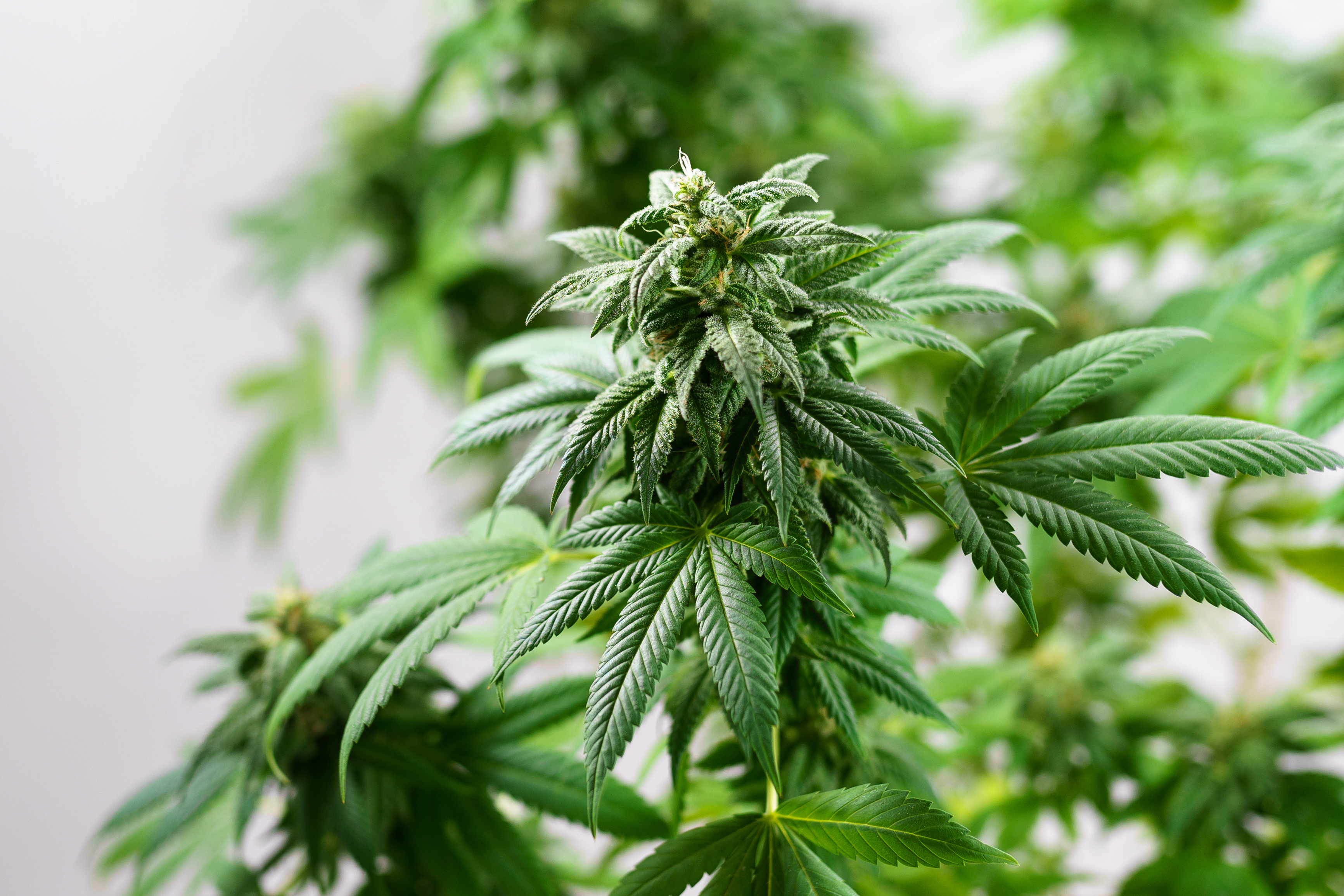


The growing medium is one of the most important parts of growing healthy autoflower plants. It is the material that surrounds the roots and holds the plant in place. Some growers use soil, while others use coco coir, peat-based mixes, living soil, or hydroponic systems. Each option works in a different way. The best choice should give the roots enough water, air, nutrients, and space to grow.
Autoflower plants have a short and fixed life cycle. Unlike photoperiod plants, they do not wait for a change in the light schedule before they begin flowering. Most autoflowers start to flower based on their age. This means the plant has only a limited amount of time to build strong roots, stems, and leaves. A slow start can affect the plant for the rest of its life.
For this reason, the growing medium must support fast and steady root development from the beginning. If the medium stays too wet, the roots may not receive enough oxygen. If it becomes hard and compacted, the roots may struggle to spread. If it dries too quickly, the plant may suffer from water stress. A poor medium can slow growth during the most important early weeks.
Healthy roots are the foundation of a healthy plant. Roots take in water and nutrients, but they also need oxygen. Many new growers focus only on feeding and watering. However, adding more nutrients or water will not solve a problem caused by poor drainage or low root oxygen. The growing medium must create the right balance.
One of the main jobs of a growing medium is to hold moisture. The roots need steady access to water, especially as the plant grows larger. However, the medium should not remain soaked for long periods. Too much water fills the small air spaces around the roots. This can limit oxygen and create conditions where harmful fungi and root diseases may grow.
The medium must also allow extra water to drain away. Good drainage helps prevent water from collecting at the bottom of the container. Materials such as perlite, pumice, rice hulls, or clay pebbles can create more air spaces and improve drainage. A light and loose mix often works better for autoflowers than a heavy mix that becomes muddy after watering.
Another important job is to support nutrient availability. Some growing media already contain nutrients. Quality potting soil may feed a young plant for several weeks. Living soil may contain compost, worm castings, and other organic materials that release nutrients over time. Coco coir and many hydroponic media contain little or no plant food, so the grower must provide nutrients through the water.
The strength of the medium also matters. Autoflower seedlings can be sensitive to soil that contains too much fertilizer. A very rich mix may burn the roots or cause dark, curled leaves. This can reduce early growth. A mild mix is often safer because the grower can add nutrients later when the plant needs them.
The growing medium also gives the roots physical support. Roots need room to spread through the container without meeting thick clumps or hard layers. Loose media allow roots to reach more water and nutrients. A strong root system can support faster leaf growth and a larger flowering plant.
Several growing media can produce healthy autoflowers. Soil is often the easiest choice for beginners because it can hold water and nutrients while protecting the roots from small mistakes. A light potting soil with added perlite is simple to prepare and manage.
Coco coir offers more control and often supports fast growth. It holds water but also allows good airflow around the roots. However, coco usually requires regular feeding and closer control of pH. It may also need extra calcium and magnesium.
Soilless peat-based mixes are another option. These mixes may contain peat moss, perlite, coco coir, bark, and other materials. They are often light and easy to use, but growers should check whether the mix already contains fertilizer.
Living soil uses organic matter and helpful soil organisms to feed the plant. It may reduce the need for bottled nutrients. Still, it must be prepared correctly. A living soil mix that is too strong may be difficult for a young autoflower.
Hydroponic systems allow roots to receive water, nutrients, and oxygen with great control. These systems may support rapid growth, but they need more equipment and daily attention. Problems with pumps, water temperature, pH, or nutrient strength can affect plants quickly.
There is no single growing medium that is best for every grower. The right option depends on experience, climate, container size, watering habits, budget, and available equipment. A person who wants a simple method may prefer soil. A grower who wants faster growth and more control may choose coco or hydroponics. Someone who prefers organic methods may use living soil.
The most important goal is to create a stable root environment. The medium should stay moist without remaining waterlogged. It should contain enough air spaces for oxygen. It should drain well, hold the correct amount of nutrients, and allow roots to spread easily. Since autoflowers have little time to recover from stress, choosing the right medium from the start can make a major difference in plant health, growth speed, and final yield.
What Makes a Growing Medium Suitable for Autoflowers?
Autoflowering cannabis plants grow on a fixed schedule. They usually begin flowering based on age rather than a change in the light cycle. This gives them less time to recover from early problems. A poor growing medium can slow root growth, hold too much water, or provide more nutrients than a young plant can handle. These problems may limit plant size before flowering begins.
A suitable growing medium should support fast and steady root development from the seedling stage. It should hold enough moisture to keep the plant hydrated, but it should also drain well. Air must be able to move through the root zone. The medium should also provide a safe level of nutrients without becoming too strong.
The best growing medium is not always the one with the most ingredients. A simple, balanced mix often works better than a heavy mix filled with fertilizers and amendments. The goal is to create a root zone that remains light, stable, and easy to manage throughout the plant’s short life cycle.
Light and Loose Texture
A good autoflower growing medium should feel light and loose. Roots need space to move through the container. When the medium is soft and open, young roots can spread without using too much energy. This helps the plant build a larger root system during its early growth stage.
Dense soil can slow root development. It may contain fine particles that press together after watering. Over time, the soil can become hard and compacted. This makes it more difficult for roots to reach water, nutrients, and oxygen.
Compaction can be a serious problem for autoflowers because their vegetative stage is often short. A photoperiod plant may have more time to recover from slow early growth. An autoflower may begin flowering before the root system has fully developed. This can lead to a smaller plant and lower final production.
The growing medium should not become thick, muddy, or heavy after watering. A healthy mix should remain slightly springy when pressed. Water should move through it without washing straight out at once. The medium should also return to a loose texture as it begins to dry.
Materials such as coco coir, peat moss, perlite, pumice, and rice hulls can help create a lighter structure. These materials perform different jobs. Coco and peat help hold moisture, while perlite and pumice create air spaces. The correct balance keeps the medium open without allowing it to dry too quickly.
Growers should avoid pressing the medium firmly into the container. Packing it down removes the spaces that hold air. The container can be filled gently, with only light pressure around the edges. Normal watering will help the medium settle without making it too compact.
Drainage and Moisture Retention
Drainage and moisture retention must work together. A growing medium should hold enough water for the roots, but excess water should leave the container. A mix that stays soaked for too long can reduce the amount of oxygen around the roots.
Overly wet conditions may cause slow growth, drooping leaves, weak roots, and nutrient problems. The plant may look thirsty even when the medium is wet because damaged roots cannot absorb water correctly. Wet media may also create better conditions for certain root diseases.
Good drainage begins with the structure of the growing medium. A mix that contains enough coarse material will allow water to move downward. The container must also have open drainage holes. Even a well-made soil mix can stay too wet when water has no clear path out.
Moisture retention is still important. A medium that dries too fast can stress the plant. Roots need steady access to moisture, especially during rapid growth and flowering. If the medium repeatedly becomes extremely dry, leaves may wilt and nutrient uptake may slow.
The correct balance depends on the growing environment. Warm rooms with strong airflow may dry containers quickly. A mix in this setting may need more coco, peat, or another moisture-holding material. Cool or humid rooms may need extra perlite or pumice to improve drainage.
Container type also changes the drying rate. Fabric pots allow more air to enter through the sides. They usually dry faster than solid plastic pots. Large containers hold moisture longer than small ones. These factors should be considered when preparing the medium.
Growers should not judge a mix only by its appearance. Testing it before planting can be useful. Water can be poured slowly through a filled container. The water should soak into the surface, spread through the medium, and begin draining from the bottom. It should not remain pooled on top for a long time.
Aeration and Root Oxygen
Roots need oxygen to function. They use oxygen during processes that help them absorb water and nutrients. A well-aerated medium contains small spaces that hold air between waterings.
When every space in the medium is filled with water, the root zone has less oxygen. This often happens in dense soil or in containers that are watered too often. The roots may become weak, and the plant may stop growing at a normal rate.
Aeration materials help prevent this problem. Perlite is one of the most common choices. It is lightweight and creates many small spaces in the mix. Pumice has a similar purpose, but it is heavier and less likely to float to the surface during watering.
Rice hulls can also improve air movement and drainage. They may break down over time, so their long-term effect can be different from perlite or pumice. Coarse coco chips and small pieces of bark may also increase air space, although large amounts can change how evenly the medium holds water.
Too much aeration material can create a different problem. A mix with a very high amount of perlite may dry quickly and require frequent watering. Nutrient solution may also pass through the container before the roots can use enough of it. The ideal amount depends on the rest of the mix and the growing conditions.
Healthy roots often appear white or light cream. They spread through the medium and may reach the sides of the container. Roots that remain in a wet, low-oxygen environment may become brown, soft, or damaged.
Aeration should be protected throughout the grow. Avoid standing on bags of soil, crushing the mix, or pressing it tightly around the plant. Water slowly enough that the medium absorbs moisture without collapsing. Allowing some drying between waterings can also help fresh air return to the root zone.
Moderate Nutrient Strength
Autoflowers usually perform best when the growing medium has a moderate nutrient level. A very rich mix may contain more fertilizer than a young plant can use. This can damage roots and burn the tips or edges of the leaves.
Young seedlings need only small amounts of nutrients. Their first leaves and stored energy support the earliest stage of growth. Once the plant develops more true leaves and a stronger root system, its nutrient needs slowly increase.
Potting soils are often sold with added fertilizer. Some products contain mild nutrition for a few weeks. Others contain strong or slow-release fertilizers designed to feed plants for several months. These stronger products can be difficult to control.
Slow-release fertilizer reacts to moisture and temperature. Nutrients may continue to enter the soil even when the plant shows signs of overfeeding. Flushing the medium may not remove nutrients that have not yet been released. This makes it harder to correct problems.
A mild starter mix gives the grower more control. Nutrients can be added later when the plant needs them. This approach is often safer than beginning with a heavily amended medium.
Compost and worm castings can provide useful nutrition, but large amounts may make the mix too rich or too heavy. They also hold moisture. A moderate amount can support soil health without reducing drainage.
The signs of an overly rich medium may include very dark green leaves, downward-curving leaf tips, slow growth, or brown leaf tips. These signs can also have other causes, so the full growing conditions should be checked before making changes.
Nutrient strength should match the growing method. Soil may already contain some plant food. Coco coir and other inert media usually contain little or no nutrition. Plants in these media need a complete nutrient solution, but the solution should still begin at a mild strength.
A suitable autoflower growing medium should be light, loose, well-draining, and able to hold steady moisture. It should contain enough air spaces to keep the roots supplied with oxygen. It should also provide a moderate nutrient level that supports growth without burning young plants.
Texture, drainage, aeration, and nutrient strength are closely connected. A dense mix can hold too much water. A mix with too much aeration may dry too quickly. A heavily fertilized mix may damage roots before the plant has time to develop.
Soil for Autoflowers: The Most Beginner-Friendly Option
Soil is one of the most common growing media used for autoflowering cannabis plants. It is often a good choice for beginners because it can hold water, nutrients, and air around the roots. A well-made soil mix can also protect plants from small mistakes in feeding or pH. This makes soil more forgiving than coco coir or hydroponic systems, which may require closer control.
However, not every type of soil is suitable for autoflowers. These plants have a short life cycle and often begin flowering within a few weeks after germination. They do not have much time to recover from slow growth, damaged roots, or nutrient stress. The soil must be light, loose, and able to drain well from the start.
Benefits of Growing Autoflowers in Soil
One of the main benefits of soil is that it can supply nutrients to the plant. Many quality potting soils contain compost, worm castings, peat moss, coco coir, or other organic materials. These ingredients may provide some of the nutrients needed during early growth.
This means the grower may not need to add liquid fertilizer right away. A young autoflower seedling has small roots and low nutrient needs. If the soil already contains a mild amount of nutrition, the plant can grow without being fed too early.
Soil also acts as a buffer. A buffer helps reduce the effect of small changes. For example, if the water pH is slightly outside the ideal range, healthy soil may help protect the roots for a short time. Soil can also hold nutrients and release them over time instead of sending all of them to the roots at once.
This does not mean pH and feeding can be ignored. Large or repeated mistakes can still harm the plant. However, a good soil mix usually gives beginners more room to learn.
Another benefit is moisture retention. Soil can hold enough water to keep the root zone moist between waterings. This may reduce the need for daily watering, especially during the seedling stage. Coco coir and some hydroponic media may need more frequent care.
Soil is also suitable for organic growing methods. Compost, worm castings, and organic amendments can support microorganisms in the root zone. These organisms break down organic matter and help make nutrients available to the plant.
A healthy soil system may continue feeding the autoflower through much of its life. However, the soil must not be too strong. Autoflowers can be sensitive to high nutrient levels, especially when they are young.
Features of Good Autoflower Soil
The best soil for autoflowers should have a light and loose texture. Roots need space to spread through the container. If the soil is dense, the roots may grow slowly or remain close to the surface.
Loose soil contains small air spaces. These spaces allow oxygen to reach the root zone. Roots need oxygen to absorb water and nutrients. When soil becomes packed or waterlogged, oxygen levels fall. This can slow plant growth and increase the risk of root problems.
Good autoflower soil should also drain well. After watering, extra water should flow out of the holes at the bottom of the container. The soil should remain moist, but it should not stay soaked for long periods.
Perlite is often added to improve drainage. It is a light, white material that creates air spaces in the mix. Pumice, rice hulls, and similar materials may also improve aeration.
At the same time, the soil must hold enough moisture to support the plant. A mix with too much drainage material may dry very quickly. This can be a problem in hot rooms, dry climates, or small containers.
The soil should also contain a moderate amount of nutrients. A mild mix is safer for seedlings than a heavily fertilized product. The package label may describe the soil as a seed-starting mix, light mix, or mild potting mix.
Strong soils may contain large amounts of compost, manure, guano, or slow-release fertilizer. These products may supply more nutrients than a young autoflower can use. The result may be burnt leaf tips, dark green leaves, curling, or slow growth.
A suitable soil mix should also have a stable pH. Most soil-grown cannabis plants absorb nutrients best when the root zone is slightly acidic. A quality commercial potting soil is often adjusted before sale, but the grower should still monitor water and plant health.
The soil should be free from pests, weed seeds, mold, and large pieces of undecomposed material. Fresh, clean potting soil is usually safer than soil taken from an outdoor area.
Problems With Heavy or Garden Soil
Outdoor garden soil may appear rich and healthy, but it is often unsuitable for container-grown autoflowers. Garden soil behaves differently when placed inside a pot.
In the ground, water can move through many layers of soil. Earthworms, insects, plant roots, and natural soil movement help create air spaces. Inside a container, heavy garden soil may become packed and wet.
Compacted soil can block root growth. The plant may have difficulty developing a large root system before flowering begins. Since the size and health of the roots affect the growth above the soil, poor root development may lead to a smaller plant.
Garden soil may also hold too much water. This increases the risk of overwatering and low oxygen around the roots. Leaves may droop even though the soil is wet. Growth may slow, and the root zone may develop an unpleasant smell.
Another concern is pests. Outdoor soil may contain fungus gnat eggs, mites, insects, fungi, or plant diseases. Some of these problems may be difficult to control indoors.
Garden soil can also have an unknown nutrient level. It may be too rich, too weak, too acidic, or too alkaline. Without testing, it is difficult to know how the soil will affect an autoflower.
Regular potting soil can be used, but the label should be checked carefully. Some potting soils are designed to feed plants for several months. They may contain slow-release fertilizer pellets that release nutrients each time the soil is watered.
These fertilizers can be difficult to control. If the plant shows signs of excess nutrients, the grower cannot easily remove the pellets. For this reason, a light potting soil without strong time-release fertilizer is usually a safer choice.
Potting soil may also need added perlite. If the mix feels heavy, muddy, or slow to drain, adding aeration material can improve its structure. The finished mix should feel soft and loose instead of dense and sticky.
Soil is often the most beginner-friendly growing medium for autoflowers because it holds water and nutrients while providing some protection from small mistakes. A good soil mix should be light, loose, mildly fertilized, and able to drain well. It should support fast root development without keeping the roots soaked.
Heavy garden soil, compacted mixes, and strongly fertilized potting soils may slow growth or cause nutrient stress. Since autoflowers have a short life cycle, early problems can affect the plant through harvest. Choosing a clean, mild potting soil with enough aeration gives the roots a stronger start and makes watering and feeding easier to manage.
The Best Soil Mix for Autoflowering Plants
Autoflowering cannabis plants grow on a fixed schedule. Most begin flowering based on age rather than a change in the light cycle. This means they have limited time to recover from early stress. A poor soil mix can slow root growth, hold too much water, or provide too many nutrients. Each of these problems may reduce the size and health of the plant.
A good autoflower soil mix should feel light, loose, and airy. It should hold enough moisture for the roots without staying wet for too long. It should also contain a mild amount of nutrition. Young autoflowers can be sensitive to strong fertilizers, so a gentle mix is often safer than a heavily amended one.
Basic Autoflower Soil Mix
A simple autoflower soil mix can contain 50 percent light potting soil, 20 percent coco coir or peat moss, 20 percent perlite or pumice, and 10 percent compost or worm castings. This formula is not a strict rule, but it gives growers a balanced starting point.
Light potting soil forms the main base of the mix. It holds moisture, supports the roots, and provides structure inside the container. The soil should not feel thick, muddy, or heavy when wet. It should break apart easily when handled. Potting soil that contains large pieces of bark or wood may dry unevenly and may not support consistent root growth.
Coco coir or peat moss helps the mix hold moisture. Coco coir is made from coconut husks. It can retain water while still allowing air to reach the roots. Peat moss also holds moisture well, but it may become hard to wet again if it dries completely. Both materials can improve the texture of the soil when used in moderate amounts.
Perlite and pumice create air spaces inside the growing medium. Perlite is a light, white material that is often added to commercial potting mixes. Pumice is heavier and is less likely to float to the surface during watering. Both materials help excess water move out of the pot. They also reduce the risk of soil becoming tightly packed around the roots.
Compost and worm castings provide mild organic nutrition. They may also support helpful soil organisms. However, only a small amount is needed in a starter mix. Adding too much compost or worm castings can make the soil heavy and overly rich. A mild mix gives the grower more control over feeding later in the plant’s life.
Adjusting the Mix for Better Drainage
The basic soil mix may need to be changed based on the growing environment. Temperature, humidity, container type, and watering habits all affect how quickly the soil dries.
A grow room with high humidity may cause the soil to stay wet for longer periods. In this case, adding more perlite or pumice can improve drainage. A mix that contains 25 to 30 percent aeration material may be more suitable in a damp environment. Better airflow around the plants may also help moisture leave the soil.
Growers who tend to water too often may also benefit from a faster-draining mix. Autoflower seedlings use only a small amount of water during their first days of growth. If the entire container is soaked each day, the root zone may remain wet for too long. Extra aeration material lowers this risk, but it does not replace careful watering.
Container type also changes how fast the medium dries. Fabric pots allow air to move through the sides of the container. This can improve root oxygen and help the soil dry faster. Plastic pots hold moisture for a longer time because air cannot pass through the sides. A soil mix in a plastic pot may need more perlite than the same mix in a fabric pot.
Dry and warm conditions create the opposite problem. A mix with too much perlite may dry too quickly in a hot room or outdoor setting. In this case, the grower may increase the amount of coco coir, peat moss, or light potting soil. The goal is to find a balance. The soil should not stay soaked, but it should not become completely dry soon after watering.
Avoiding an Overly Rich Mix
One of the most common mistakes is using soil that contains too much fertilizer. Many commercial potting soils include strong nutrients or slow-release fertilizer pellets. These products may work for some garden plants, but they can be too powerful for autoflower seedlings.
Young plants need only a small amount of nutrition. A strong mix may cause leaf tips to turn brown, leaves to become very dark green, or growth to slow. These signs may point to nutrient burn or excess nitrogen. Since autoflowers have a short vegetative period, early nutrient stress can affect the plant for the rest of its life cycle.
Fresh manure should not be added directly to an autoflower pot. It may contain very high nutrient levels and may damage the roots. Large amounts of compost, blood meal, bat guano, or other concentrated amendments may also create problems when they are not measured correctly.
It is usually safer to begin with a mild mix. More nutrients can be added later if the plant shows that it needs them. Removing excess nutrients from a rich organic soil is much harder. A gentle starting mix gives the grower time to watch the plant and adjust feeding in small steps.
The upper area of the container is especially important because this is where the seedling begins its life. The first roots should grow through a mild and soft medium. Strong fertilizer near the seed may damage new roots before the plant becomes established.
Layered Soil Mixes
Some growers use a layered soil system. The upper part of the pot contains a mild starter mix, while the lower part contains richer soil. The idea is that the seedling begins in gentle soil. As its roots grow deeper, they reach the stronger nutrients in the lower section.
This method may reduce the need for liquid fertilizer during later growth. However, it must be prepared carefully. If the lower layer is too strong, the roots may suffer nutrient damage when they reach it. The rich layer should not contain large amounts of concentrated fertilizer or unfinished organic material.
The mild upper layer should be deep enough to support early root growth. A small pocket of seedling soil is often not enough because roots can spread quickly. The richer lower soil should also remain light and well aerated. Adding nutrients should not make the lower layer dense or muddy.
Layered mixes may be less predictable than a uniform soil mix. Water moves through both layers, so nutrients from the lower area may travel upward. Differences in texture can also cause one layer to stay wetter than the other. For this reason, beginners may find a single balanced mix easier to manage.
The best soil mix for autoflowers should be light, mild, and well drained. A useful starting blend contains light potting soil, coco coir or peat moss, perlite or pumice, and a small amount of compost or worm castings. Each material serves a clear purpose. The soil provides structure, coco or peat holds moisture, aeration materials improve drainage, and organic matter supplies gentle nutrition.
The exact ratio should match the environment and watering routine. Humid conditions and plastic pots may require more aeration. Hot, dry spaces may need more moisture-holding material. Strong fertilizers and large amounts of organic amendments should be avoided during early growth.
A layered soil mix can work, but it requires careful preparation. For most growers, one consistent and balanced mix is easier to water, feed, and manage. Healthy autoflowers begin with healthy roots, and healthy roots depend on soil that provides the right balance of air, moisture, and mild nutrition.
Coco Coir for Autoflowers: Faster Growth With Greater Control
Coco coir is a popular growing medium for autoflowering plants because it holds moisture while still allowing plenty of air to reach the roots. It is made from the outer husk of coconuts and is sold as loose fiber, compressed bricks, or ready-to-use growing mixes. Although coco may look like soil, it does not work in the same way. It contains very little natural nutrition, so plants must receive nutrients through the water.
Growing autoflowers in coco can support fast root growth and strong plant development. However, it also requires more attention than regular potting soil. Growers must manage watering, nutrients, pH, and salt buildup with care. When these parts are handled correctly, coco gives the grower more control over what the plant receives during each stage of growth.
How Coco Coir Works
Coco coir acts as a soilless medium. This means that it supports the plant roots but does not provide the same natural nutrient supply as soil. The roots grow through the fibers while taking in water, oxygen, and nutrients from the solution added by the grower.
One of the main strengths of coco is its ability to hold both water and air. Fine coco particles absorb moisture, while the spaces between the fibers allow oxygen to move around the roots. This balance helps prevent the medium from becoming as dense as heavy soil.
Healthy roots need oxygen to function. When the root zone stays wet without enough air, root growth may slow down. Coco reduces this risk because it drains well, especially when it is mixed with perlite. Even after watering, the medium can still hold air pockets that support root activity.
Coco is often treated more like a hydroponic medium than soil. The plant depends on the grower for a complete nutrient solution. Feeding usually begins at a low strength when the seedling is young. The nutrient level can then increase as the plant becomes larger and develops more leaves.
Because autoflowers have a short life cycle, fast early root growth is important. A plant that becomes stressed during the first few weeks may not have enough time to recover before flowering begins. Coco can support quick growth, but only when watering and feeding remain steady.
Benefits of Coco Coir
One major benefit of coco coir is improved root development. Its loose texture allows roots to spread without pushing through dense or compacted material. A larger and healthier root system can take in water and nutrients more effectively.
Coco also gives the grower strong control over nutrition. In soil, nutrients may already be present, and it can be difficult to know how much the plant is receiving. Coco contains little nutrition on its own, so the grower controls the nutrient type and strength through each feeding.
This control can help growers respond to the needs of the plant. Nutrient levels can be kept mild during the seedling stage and adjusted during later growth. Changes can often be made faster than they can in heavily amended soil.
Drainage is another useful feature. Coco normally releases extra water instead of holding it around the roots for long periods. This lowers the risk of compacted, airless conditions. Mixing coco with perlite can improve drainage even more.
Coco is also reusable when it is cleaned and prepared correctly. Old roots and salt deposits must be removed before another crop is planted. Reused coco may also need to be buffered again. Although reuse takes work, it can reduce waste and lower the cost of buying a new medium each time.
Another advantage is its consistent texture. High-quality coco is usually light and even throughout the container. This helps water and nutrients spread more evenly across the root zone. Consistent moisture can make plant care easier once a regular watering routine has been established.
Challenges of Coco Coir
Coco requires regular feeding because it does not contain enough natural nutrients to support a plant from seed to harvest. Plain water alone is not enough for long-term growth. A complete nutrient formula designed for coco or hydroponic growing is normally needed.
Watering may also be more frequent than it is with soil. As the root system grows, the plant can use the moisture in the pot quickly. Small containers may need attention more often than large containers. Warm temperatures, strong airflow, and low humidity can also make coco dry faster.
The pH of the nutrient solution must be managed carefully. If the pH moves outside the useful range, the plant may have trouble absorbing certain nutrients even when those nutrients are present. This problem is often called nutrient lockout. It can cause yellow leaves, weak growth, or other signs that may look like a nutrient shortage.
Coco can also affect calcium and magnesium levels. The fibers may hold onto these minerals, especially when the coco has not been prepared correctly. This can leave less calcium and magnesium available to the plant. For this reason, many coco nutrient programs include extra support for these two minerals.
Salt buildup is another common problem. Nutrient salts can collect in the medium when the plant receives strong feeds or when there is not enough drainage. Over time, the root zone may become too concentrated. This can burn the roots and damage the leaf tips.
Regular runoff can help remove unused salts. Runoff is the liquid that drains from the bottom of the container after watering. Allowing some drainage can help prevent old nutrient salts from collecting around the roots. However, the exact watering routine should still match the plant size, container size, and growing environment.
Preparing Coco Before Planting
Proper preparation is one of the most important steps when using coco. Ready-to-use coco may already be washed and buffered, but the label should be checked. Compressed coco bricks usually need more preparation before planting.
The first step is hydration. A dry coco brick expands when water is added. It should be broken apart and mixed until the texture becomes loose and even. Large clumps should be separated so roots can move through the medium easily.
The coco may also need to be rinsed. Some lower-quality products contain leftover salts from processing. These salts can raise the mineral level in the root zone and harm young plants. Clean water can be passed through the coco until the drainage becomes clearer and more stable.
Buffering is different from simple rinsing. It involves treating the coco with calcium and magnesium before use. Coco naturally holds certain charged minerals. If it is not buffered, it may take calcium and magnesium from the plant’s nutrient solution. Pre-buffering fills many of these holding sites before the plant is added.
Many growers choose coco that has already been washed and buffered because it saves time and lowers the risk of early nutrient problems. Even so, the product should be checked for texture, smell, and drainage. Coco that smells sour, remains muddy, or drains poorly may not be suitable.
Perlite is often added after the coco has been prepared. A common mix contains about 70 percent coco and 30 percent perlite. The perlite creates extra air spaces and helps excess water drain faster. The exact ratio may change based on the climate, container type, and watering routine.
The container must also have enough drainage holes. Water should be able to leave the pot freely. A saucer or tray can collect runoff, but the container should not remain sitting in drained nutrient solution.
Coco coir can be an effective growing medium for autoflowers because it supports fast root growth, strong drainage, and good oxygen levels. It also gives the grower direct control over nutrients and feeding strength. These benefits can lead to steady plant development when the root zone is managed correctly.
However, coco is not a low-maintenance medium. It requires regular feeding, careful pH control, and close attention to calcium, magnesium, and salt buildup. The coco should be washed, hydrated, and buffered before planting unless it is sold as fully prepared.
Growers who choose coco should treat it as a soilless or hydroponic medium rather than ordinary soil. A complete nutrient solution, proper drainage, and a steady watering routine are essential. When these needs are met, coco can provide a light, airy, and controlled root environment throughout the short autoflower life cycle.
Coco and Perlite Mixes for Autoflowers
Coco coir and perlite can make an effective growing medium for autoflowering plants. Coco coir holds moisture while still allowing air to reach the roots. Perlite creates extra spaces in the medium, which improves drainage and reduces the risk of compaction. Together, these materials can support fast root growth and steady plant development.
A coco and perlite mix is different from regular soil. It contains little or no natural nutrition for the plant. The grower must provide the needed nutrients through the water. This gives more control over feeding, but it also means the plants depend on regular care. Water quality, nutrient strength, pH, and drainage must be managed throughout the growth cycle.
Autoflowers have a short life cycle, so early root health is very important. A loose coco and perlite blend can help roots spread quickly. However, the best mixing ratio depends on the growing space, watering habits, container size, and local climate.
Common Coco-to-Perlite Ratios
One of the most common blends is 70 percent coco coir and 30 percent perlite. This ratio holds a good amount of moisture while providing enough drainage for most indoor growing spaces. It is often suitable for growers who want a balance between water retention and root aeration.
A 60 percent coco and 40 percent perlite mix provides faster drainage. It may work well in humid areas or in rooms where the growing medium takes a long time to dry. The higher amount of perlite also helps prevent the root zone from staying too wet after watering.
A 50 percent coco and 50 percent perlite blend drains very quickly and contains a large amount of air space. This type of mix may be useful in automatic watering systems or in warm growing spaces where plants use water quickly. However, it may dry faster than expected in small containers. Growers using this ratio often need to water more frequently.
The correct ratio should support steady moisture without leaving the roots soaked. Coco should feel damp, but water should not remain trapped in the container for long periods. Perlite helps excess water move out through the drainage holes.
Too little perlite may cause the medium to remain wet for too long. Too much perlite may cause it to dry too quickly. Both conditions can stress an autoflower. The goal is to create a mix that stays evenly moist while still allowing fresh air to enter the root zone.
Choosing a Ratio for the Growing Environment
The growing environment has a strong effect on how quickly coco dries. Temperature, humidity, airflow, lighting, and container type all influence water use.
In a humid room, moisture leaves the growing medium more slowly. A mix with 30 to 40 percent perlite may improve drainage and reduce the risk of an overly wet root zone. Strong airflow around the containers can also help the medium dry at a steady rate.
In a hot or dry room, plants may lose water much faster. A higher amount of coco can help hold moisture between watering times. A 70 percent coco and 30 percent perlite blend may be easier to manage in these conditions.
Container type also matters. Fabric pots allow more air to move through the sides. This can improve root oxygen, but it can also make coco dry faster. Plastic pots hold moisture for a longer time because less air passes through the container walls. Growers using plastic pots may need more perlite to improve airflow and drainage.
Container size affects drying speed as well. Small containers can dry very quickly once the roots fill the available space. Large containers hold more moisture, but they may remain wet for too long when the plant is still young. The watering routine should change as the root system grows.
A grower who waters by hand may prefer a mix that holds moisture for a reasonable period. A grower using an automatic drip system may choose a faster-draining blend because water can be supplied several times during the day.
Feeding in Coco-Perlite Mixes
Coco and perlite do not provide enough nutrients to support an autoflower from seed to harvest. A complete nutrient solution must be added to the water. The solution should contain the main nutrients, such as nitrogen, phosphorus, and potassium. It should also provide calcium, magnesium, and other smaller nutrients.
Young autoflowers should receive a mild nutrient solution. Strong feeding during the seedling stage can damage the roots and burn the leaf tips. Nutrient strength can increase slowly as the plant grows and begins to use more water.
Coco may hold certain nutrient elements while releasing others. Because of this, calcium and magnesium levels must be watched. Many growers use a nutrient formula made for coco because it is designed to manage these needs.
The pH of the nutrient solution should also match the needs of coco-grown plants. An incorrect pH can prevent the roots from taking in certain nutrients, even when those nutrients are present in the water. Regular pH testing can help reduce the risk of nutrient lockout.
Runoff is another important part of feeding in coco. Some water should drain from the bottom of the container during a full watering. This runoff helps carry away old nutrient salts that may collect around the roots. Without enough drainage, salt levels may rise and cause burnt tips, slow growth, or weak water uptake.
Salt buildup is more likely when nutrient solutions are too strong or when the container receives very little runoff. Checking the condition of the runoff can help identify possible problems. A sudden rise in salt levels may be a sign that the plant is receiving more nutrients than it can use.
Watering Frequency
Coco should not always be watered in the same way as soil. It can hold moisture while still allowing air around the roots. This means it may be watered more often than a heavy soil mix.
During the seedling stage, the root system is still small. The entire container should not remain soaked around a tiny plant. Water should be applied gently near the seedling so that the roots can find moisture without sitting in a large wet area.
As the plant grows, its roots spread through more of the container. Water use increases, especially under strong lighting or warm conditions. A mature autoflower in coco may need watering once a day or more often, depending on the container size and environment.
The surface of coco can look dry while the lower part remains moist. Pot weight can provide a better guide than surface appearance alone. A freshly watered pot feels heavier. As the plant uses the water, the pot becomes lighter.
Coco should not be allowed to become completely dry for long periods. Extreme drying can increase salt concentration around the roots. It can also make the plant wilt and slow its growth. At the same time, poor drainage and constant standing water can reduce oxygen in the root zone.
The best watering schedule is based on plant size, root development, temperature, humidity, and container type. A fixed schedule may not work during every growth stage. Growers should watch how quickly the pot becomes lighter and how the plant responds after watering.
A coco and perlite mix can support fast autoflower growth because it provides both moisture and root oxygen. A 70 percent coco and 30 percent perlite blend offers a useful starting point for many growers. More perlite may be added in humid rooms or when faster drainage is needed. More coco may be useful in hot or dry spaces where containers lose moisture quickly.
This medium requires regular feeding because coco and perlite contain little natural nutrition. Nutrient strength, pH, calcium, magnesium, and runoff should be managed carefully. Watering must also change as the plant grows. When the mix, feeding plan, and watering routine are balanced, coco and perlite can create a healthy root zone that supports steady growth and strong yields.
Soilless Peat-Based Mixes and Pro-Mix-Style Media
Soilless growing mixes are popular for autoflowers because they are light, clean, and easy for roots to move through. These mixes may look like soil, but they do not contain natural field soil. Instead, they are made from materials such as peat moss, coco coir, perlite, vermiculite, bark, limestone, and wetting agents.
A good soilless mix can provide a useful balance of moisture, air, and drainage. This balance is important for autoflowers because they grow on a fixed schedule. If the roots remain too wet or become trapped in a dense medium, the plant may lose valuable growing time. A loose soilless mix can help reduce this risk.
However, not every bagged mix is the same. Some products contain added nutrients, while others contain almost none. Some hold water for a long time, while others dry quickly. Growers should always read the product label and understand what is inside the mix before using it.
What Is a Soilless Mix?
A soilless mix is a growing medium made without mineral soil from the ground. Most commercial soilless products use peat moss or coco coir as the main base. These materials hold moisture while still allowing some air to reach the roots.
Peat moss is made from partly decomposed plant material collected from peatlands. It has a soft and fine texture. It can hold a large amount of water compared with its weight. However, peat may become compacted when used alone, so manufacturers often add perlite or bark to improve airflow.
Coco coir comes from coconut husks. It has a more open texture than many peat products and can drain well when prepared correctly. Some mixes contain both peat and coco to combine their different properties.
Perlite is a lightweight white material made from heated volcanic glass. It creates air pockets and improves drainage. Vermiculite is another heated mineral, but it holds more water than perlite. Bark pieces may also be added to create larger spaces in the mix.
Many commercial soilless mixes contain limestone. Limestone helps control the natural acidity of peat moss. Some products may also contain a starter nutrient charge. This means the mix includes a small amount of fertilizer for early plant growth.
A soilless mix may also contain a wetting agent. Dry peat can resist water, especially after it has dried out fully. A wetting agent helps water spread through the mix more evenly.
Growers should not assume that every product labeled as potting mix will work in the same way. The ingredient list gives important clues. A mix with large amounts of vermiculite may hold water longer. A mix with more perlite and bark may dry faster. A mix with strong added fertilizer may be too rich for young autoflowers.
Benefits for Autoflowers
One main benefit of soilless mixes is their light texture. Autoflower roots can spread through a loose medium with less resistance. This may support steady early growth when watering and feeding are managed well.
A well-made soilless mix also provides more even drainage than heavy garden soil. Excess water can move out of the container instead of collecting around the roots. This helps lower the risk of low oxygen in the root zone.
Consistency is another benefit. Commercial mixes are usually blended to have a similar texture from one bag to another. Natural soil may vary greatly in clay, sand, nutrients, and organic matter. A consistent product makes it easier to repeat a growing method.
Soilless media can also give growers more control over feeding. Many mixes begin with a low or moderate nutrient level. This allows nutrients to be added in measured amounts instead of depending on unknown soil fertility.
The clean texture of a packaged mix may also reduce some problems linked to outdoor soil. Garden soil can contain weed seeds, insects, disease organisms, or large pieces of undecomposed material. A quality commercial mix is often easier to use in indoor containers.
Soilless mixes can work well in plastic pots, fabric pots, and air-pruning containers. However, each pot type changes how quickly the medium dries. Fabric pots allow more air to move through the sides. This may improve root oxygen, but it can also increase watering needs.
These benefits do not mean soilless growing is automatic. A light mix can still become waterlogged when watered too often. It can also dry too fast in hot or windy conditions. Good results depend on matching the mix to the environment and container.
Peat Moss Versus Coco Coir
Peat moss and coco coir are both common base materials, but they behave in different ways.
Peat moss has strong water-holding ability. This can be useful for growers who cannot water very often. It may also help keep the root zone moist during hot conditions. However, peat can remain wet for a long time in large plastic pots or humid rooms.
Peat is naturally acidic. Commercial peat mixes often contain lime to raise and stabilize the pH. The lime may also provide some calcium and magnesium. Over time, the pH of the mix may change, especially when the water or fertilizer has a strong effect.
One challenge with peat is that it can become hard to wet after drying completely. Water may run down the sides of the pot instead of soaking into the center. Slow watering in stages can help. Moistening the mix before planting also reduces this problem.
Coco coir often has better natural airflow and drainage. It can hold moisture while still leaving open spaces for oxygen. This makes coco useful for fast root growth, but it also means the medium may need more regular watering.
Coco does not provide enough complete nutrition on its own. It must usually be treated as an active soilless or hydroponic medium. Growers need to supply a balanced nutrient solution.
Coco can also affect calcium, magnesium, and potassium in the root zone. Properly washed and buffered coco is easier to manage than raw or poorly processed coco. Low-quality coco may contain excess salts from processing.
Peat-based mixes may be more forgiving for beginners because they can act more like light potting soil. Coco gives greater control, but it often requires closer attention to pH, nutrient strength, and watering frequency.
The best choice depends on the growing method. A grower who wants a simple container mix may prefer peat with added perlite. A grower who wants frequent feeding and faster drainage may prefer coco or a coco-rich blend.
Adding Aeration Materials
Aeration materials create spaces in the growing mix. These spaces allow oxygen to reach the roots and help extra water leave the pot.
Perlite is one of the most common choices. It is light, easy to mix, and widely available. Adding perlite can reduce compaction and help a peat-heavy mix dry more evenly.
A basic commercial mix may already contain perlite. However, some products contain only a small amount. If the mix feels fine, heavy, or sponge-like, extra perlite may improve it.
Pumice can also be used. It is heavier than perlite and does not float to the surface as easily. It provides long-lasting air spaces, but it may increase the weight of large containers.
Rice hulls are another option. They are light and plant-based. They can improve drainage, but they break down over time. This makes them better for short crops or fresh mixes than for long-term reuse.
Vermiculite should be used with care. It can improve moisture retention, but it does not provide the same level of drainage as perlite. In a mix that already stays wet, adding more vermiculite may make the problem worse.
The right amount of aeration depends on several factors. A humid room, low airflow, and plastic pots may require more drainage material. A hot, dry room with fabric pots may need a mix that holds more moisture.
A grower can check the texture by squeezing a damp handful of medium. It should hold together lightly but break apart with little pressure. It should not feel sticky, muddy, or packed.
The drainage holes should also release extra water without a long delay. If the surface stays wet for many days, the mix may be too dense, the pot may be too large, or watering may be too frequent.
Soilless peat-based and Pro-Mix-style media can provide a strong growing environment for autoflowers. They are light, clean, and easier to control than heavy outdoor soil. Their loose texture allows roots to spread, while added perlite, bark, or pumice helps improve drainage and oxygen levels.
Peat-based mixes often hold water longer and may be easier for beginners to manage. Coco-rich mixes usually drain faster and allow closer control over nutrients, but they may require more frequent watering and feeding.
The ingredient list should always be checked before planting. A mix with strong fertilizer, too much vermiculite, or very little aeration may create problems for young autoflowers. The best mix should stay evenly moist without remaining soaked. It should also allow extra water to drain freely and provide enough air for healthy root growth.
Living Soil and Super Soil for Autoflowers
Living soil is a growing medium that contains active microorganisms and organic matter. It is designed to act like healthy natural soil. Instead of feeding the plant only with bottled nutrients, the grower supports a living system around the roots. Bacteria, fungi, and other small organisms help break down organic materials. This process releases nutrients that plant roots can absorb.
Living soil can work well for autoflowers, but it must be prepared with care. Autoflowering plants grow on a fixed schedule. They do not have a long vegetative stage that allows them to recover from major stress. A soil mix that is too strong, too wet, or too dense can slow early growth. For this reason, the best living soil for autoflowers should be light, balanced, and gentle enough for young roots.
How Living Soil Works
Living soil depends on a healthy relationship between plant roots, organic matter, and microorganisms. The plant releases natural compounds through its roots. These compounds help attract useful bacteria and fungi. In return, the microorganisms break down organic materials and make nutrients easier for the plant to use.
Organic matter may come from compost, worm castings, plant materials, and natural soil amendments. These ingredients contain nutrients, but many of those nutrients are not ready for the plant at once. Microorganisms slowly process them. This creates a steady supply of food over time.
Fungi can also form helpful links with plant roots. These fungi spread through the soil and help roots reach water and nutrients. A healthy soil food web may improve nutrient use and support strong root development.
Living soil should contain both moisture and air. Microorganisms need water to remain active, but roots and useful soil organisms also need oxygen. If the soil stays soaked for too long, oxygen levels can fall. This may weaken roots and support harmful organisms. A loose texture and good drainage are therefore important.
Growers should avoid treating living soil like an inert medium. Heavy flushing, constant pH changes, and strong chemical feeding may disturb the biological balance. The goal is to keep the soil system stable so it can support the plant from early growth through flowering.
Benefits of Living Soil
One major benefit of living soil is that it can reduce the need for regular bottled feeding. A properly prepared mix may already contain many of the nutrients the plant needs. The microorganisms release these nutrients as organic matter breaks down.
This slow nutrient release can lower the risk of sudden feeding changes. In liquid feeding systems, plants may receive too much fertilizer at one time. Living soil usually provides nutrients more gradually. This may help create steady growth when the mix is balanced.
Living soil can also support stable root conditions. Organic matter improves moisture retention, while aeration materials help prevent compaction. Healthy soil biology may also help cycle nutrients and maintain a suitable root-zone environment.
Another possible benefit is soil reuse. After harvest, living soil does not always need to be thrown away. Old roots can be removed, and the soil can be refreshed with compost, worm castings, and carefully measured amendments. The soil may improve over time when it is managed correctly.
Living soil may also require less frequent pH adjustment. Organic matter and active biology can help buffer small changes in water pH. However, this does not mean pH can be ignored. Water that is extremely acidic, alkaline, or high in salts can still cause problems.
The main benefit is simplicity during the growing cycle. When the soil has been prepared well, the grower may only need to provide water and basic plant care. However, this simple routine depends on careful preparation before planting.
Risks of Strong Super Soil
Super soil is a rich type of living soil that contains concentrated organic amendments. It is often designed to feed a plant through most or all of its life. Common ingredients may include compost, worm castings, mineral powders, meals, and other slow-release nutrient sources.
A strong super soil mix can be risky for autoflowers. Young autoflower seedlings have small roots and low nutrient needs. If they are planted directly into soil with a high nutrient level, the roots may be exposed to more fertilizer than they can handle.
Signs of an overly rich mix may include burnt leaf tips, dark green leaves, twisted growth, and slow development. Excess nitrogen can be especially harmful during early growth. It may produce weak, overly dark leaves and delay healthy development.
Organic nutrients are also harder to remove quickly than liquid nutrients. If too much dry fertilizer has been mixed into the soil, it may continue releasing nutrients for weeks. Flushing may not solve the problem because the nutrient source is still present in the container.
Another risk is poor mixing. Concentrated pockets of fertilizer may form when amendments are not spread evenly. A root that grows into one of these areas may become damaged.
Freshly mixed super soil may also need time to rest. During this period, microorganisms begin breaking down the ingredients. Heat and strong nutrient activity may develop in a new mix. Planting too soon may expose young roots to unstable conditions.
For autoflowers, a mild living soil is usually safer than a very strong super soil. A richer layer may be placed deeper in the container, while a lighter seedling mix is placed near the top. This allows young roots to start in gentle soil and reach the richer section later. Even this method requires careful measuring because autoflower roots can grow quickly.
Building a Mild Living Soil Mix
A mild living soil mix should provide structure, aeration, moisture, and gentle nutrition. The base may include peat moss, coco coir, or a light organic potting soil. This part holds water and gives the roots room to grow.
Compost and worm castings provide organic matter, microorganisms, and nutrients. They should be high quality and fully finished. Unfinished compost may continue heating or breaking down inside the container. It may also have an unstable nutrient level.
Aeration materials are needed to keep the mix loose. Perlite, pumice, or rice hulls may be used. These ingredients create air spaces and help extra water drain away. A living soil that contains too much compost and too little aeration may become dense and wet.
A simple mild mix may contain equal parts base material, compost or worm castings, and aeration material. However, the amount of compost may need to be reduced for young autoflowers. The final texture should feel soft and loose. It should hold some moisture when squeezed but should not form a heavy, muddy clump.
Mineral and organic amendments must be added in small, measured amounts. Adding more does not always produce better growth. Too many amendments can raise nutrient levels and make the soil difficult to manage.
A mild mix may contain enough nutrition for early growth, but larger plants may need extra support later. This support can come from a light top dressing, compost, or a gentle liquid organic feed. Any added nutrients should be introduced slowly.
The soil should be mixed evenly and moistened before use. If several strong dry amendments are included, the mix should be allowed to rest before planting. This gives the ingredients time to begin breaking down and helps reduce the risk of hot soil.
Container size also matters. Living soil performs better when there is enough soil volume to hold water, nutrients, and microbial life. Very small pots may dry too fast and may not contain enough nutrition for the full growth cycle.
Living soil can support healthy autoflowers by providing gradual nutrition, good moisture control, and an active root environment. It may reduce the need for regular bottled nutrients and may be reused after harvest. However, the soil must remain light, well-aerated, and balanced.
Strong super soil can damage young autoflowers because it may contain too much nitrogen or other nutrients. Since autoflowers have little time to recover from stress, a mild mix is often the safer choice. Good compost, worm castings, a light base, and enough aeration material can create a suitable living medium.
Hydroponic Media for Autoflowers
Hydroponic growing uses water, nutrients, and oxygen instead of traditional soil. The roots receive mineral nutrients through a water-based solution. A support material may hold the plant in place, but the medium usually provides little or no nutrition on its own. This gives the grower more control over feeding, moisture, and root-zone conditions.
Autoflowers can grow quickly in hydroponic systems because their roots have direct access to water, oxygen, and nutrients. However, hydroponics also requires close attention. A small problem with pH, nutrient strength, water temperature, or equipment can affect the plant very quickly. Autoflowers have a short life cycle, so they may have less time to recover from serious stress.
Deep Water Culture
Deep water culture, often called DWC, is a hydroponic method in which the plant’s roots hang directly into a nutrient solution. The plant is held above the reservoir in a net pot. Clay pebbles or another support material may be placed around the base of the stem.
An air pump sends air through tubing to an air stone inside the reservoir. The air stone produces bubbles that add oxygen to the water. This oxygen is vital because roots need oxygen to take in nutrients and remain healthy. Without enough oxygen, roots may become weak, slimy, or damaged.
DWC can support fast growth because the roots do not need to search through soil for moisture and nutrients. The plant can use its energy to build leaves, stems, and flowers. This may be useful for autoflowers, which have only a limited period of early growth before flowering begins.
Water temperature is one of the most important parts of DWC. Water that becomes too warm holds less oxygen and may encourage harmful organisms. Water that is too cold may slow root activity. The reservoir should also be protected from light because light can support algae growth.
The nutrient solution must be checked often. The water level may drop as the plant drinks, and the nutrient strength may change as water evaporates. The pH may also rise or fall over time. These changes can affect which nutrients the roots can absorb.
DWC can work well, but it depends on equipment. If the air pump stops for too long, oxygen levels may fall. A power failure can therefore create a serious problem. Growers should check pumps, tubing, air stones, and electrical connections on a regular basis.
Rockwool
Rockwool is a growing material made from heated mineral fibers. It is often formed into cubes, blocks, or slabs. It can hold a large amount of water while also keeping small air spaces around the roots.
Rockwool is commonly used for starting seeds and supporting young plants in hydroponic systems. A seed can be placed into a small prepared cube. After roots begin growing through the cube, the plant can be moved into a larger block, net pot, or hydroponic unit.
The material must be prepared correctly before use. New rockwool may have a pH that is higher than the preferred range for hydroponic roots. It is often soaked in properly adjusted water before a seed or young plant is added.
Moisture control is also important. Rockwool can look dry on the surface while still holding plenty of water inside. Adding water too often may keep the root area overly wet. This can reduce oxygen and slow root growth. The cube should remain moist, but it should not stay completely saturated at all times.
Rockwool does not provide nutrition. Once the seedling has used the stored energy in the seed, it will need a mild nutrient solution. Strong feeding should be avoided during the early stage because young roots are sensitive.
Rockwool is clean, light, and easy to handle. However, it does not break down like compost or coco coir. It should be handled carefully because dry fibers can irritate the skin, eyes, or lungs. Wetting it before use helps reduce loose dust and fibers.
Clay Pebbles
Expanded clay pebbles are small, round pieces of fired clay. They are also called hydroton or lightweight expanded clay aggregate. They are widely used in hydroponic growing because they provide strong support and excellent airflow.
Clay pebbles do not hold as much water as rockwool or coco coir. Instead, they create large spaces through which water and oxygen can move. This makes them useful in DWC systems, drip systems, flood-and-drain systems, and other hydroponic setups.
Before use, clay pebbles should be rinsed well. New pebbles often contain clay dust that can enter pumps, tubing, or reservoirs. They may also need to be soaked in adjusted water so they do not affect the root-zone pH.
In a net pot, clay pebbles help hold the plant upright. They also protect the upper roots from light. The roots then grow through the spaces between the pebbles and move toward the nutrient solution below.
One benefit of clay pebbles is that they may be reused. After a crop, they must be cleaned carefully to remove old roots, salt deposits, and organic matter. They should also be sanitized before being used again. Poor cleaning may carry pests or root diseases into the next crop.
Clay pebbles do not supply nutrients. The plant depends fully on the nutrient solution. They also dry more quickly than moisture-holding media. In drip systems, pump timing must be set correctly so roots receive enough water without being left dry.
Benefits and Challenges of Hydroponics
The main benefit of hydroponics is control. The grower can control the nutrient mix, pH, water level, and oxygen supply. Roots can receive what they need without competing with compacted soil or uneven moisture.
Hydroponic systems may also support rapid growth. A healthy root system can take in water and nutrients efficiently. This may help an autoflower build a strong plant before its flowering stage becomes fully active.
Hydroponics can also be clean and space-efficient. There is no heavy soil to move, and many systems can be used indoors. Reusable materials such as clay pebbles may reduce the need to replace the entire growing medium after each cycle.
The main challenge is that hydroponic plants depend heavily on the system working correctly. In soil, moisture and nutrients may remain available for some time. In hydroponics, a failed pump, blocked water line, or empty reservoir can stress roots quickly.
The grower must also monitor pH and nutrient concentration. When the pH moves outside the correct range, some nutrients may become harder for the plant to absorb. This can cause deficiency symptoms even when the nutrients are present in the water.
Salt buildup is another possible problem. Nutrient salts may collect around roots, containers, or equipment. Reservoirs and lines should be inspected and cleaned. The nutrient solution may also need to be replaced at regular intervals to prevent large imbalances.
Root health must be watched closely. Healthy hydroponic roots are usually firm and light in color, although nutrient products may cause some staining. Roots that become brown, soft, slimy, or unpleasant-smelling may be suffering from low oxygen, high water temperature, or disease.
Hydroponics may be more suitable for growers who are comfortable testing water, measuring nutrients, and checking equipment. Beginners can use it, but they must learn the system before making frequent changes. A simple and stable setup is usually better than a complex system with many parts that can fail.
Hydroponic media can provide autoflowers with fast access to water, nutrients, and oxygen. Deep water culture places the roots in an aerated nutrient solution and may support rapid growth. Rockwool holds moisture and is useful for starting seedlings, but it must be prepared and watered with care. Clay pebbles provide strong aeration and plant support, although they contain no nutrients and must be cleaned before use.
Managing pH and Nutrients in Different Growing Media
Managing pH and nutrients is one of the most important parts of growing healthy autoflowers. The roots need access to water, oxygen, and the right amount of food. However, nutrients are only useful when the pH of the growing medium is within a suitable range. A plant may have enough fertilizer around its roots but still show signs of a deficiency when the pH is too high or too low.
Autoflowers have a short life cycle, so nutrient and pH problems should be corrected early. A photoperiod plant can remain in the vegetative stage longer while it recovers. An autoflower begins flowering based on age. If poor feeding slows the plant during its first few weeks, it may have less time to develop strong branches and healthy roots before flowering starts.
The correct feeding method depends on the growing medium. Soil stores and buffers nutrients differently from coco coir and hydroponic systems. Growers should understand these differences before choosing a nutrient schedule.
Recommended pH Approach
The pH level measures how acidic or alkaline water and growing media are. The pH scale ranges from 0 to 14. A value below 7 is acidic, while a value above 7 is alkaline. A pH of 7 is neutral.
Cannabis roots absorb different nutrients at different pH levels. When the root zone moves too far outside the correct range, certain nutrients become harder for the plant to use. This problem is often called nutrient lockout. The nutrients may still be present, but the roots cannot absorb them well.
For autoflowers grown in soil, a slightly acidic root zone is often preferred. Soil has natural buffering power, which means it can resist sudden pH changes. Organic matter, minerals, and microbes may help keep the root zone stable. Growers should still test their water, especially when using tap water with a high mineral content.
Coco coir is usually treated as a hydroponic medium rather than soil. It does not buffer pH in the same way as a rich soil mix. For this reason, growers often use a lower pH range for coco and hydroponic systems than they use for soil. Small pH errors may affect plants more quickly in an inert medium because the roots depend on the nutrient solution for almost all their food.
Testing only the water before feeding does not always give a complete picture. The condition of the root zone may be different from the input water. Salt buildup, old nutrients, and poor drainage can change the pH around the roots. Checking runoff may help reveal major changes, although runoff readings should not be treated as the only source of information.
A reliable digital pH meter can make testing easier. The meter should be kept clean and calibrated according to the maker’s instructions. Poorly stored or uncalibrated meters may give false readings. This can cause growers to adjust water that was already suitable.
Large and sudden pH changes should be avoided. It is better to make careful adjustments and observe the plant than to change the root zone sharply. Stable conditions are often more helpful than trying to reach one exact number every time.
Nutrient Levels for Autoflowers
Autoflowers often need less fertilizer than large photoperiod cannabis plants. Their smaller size and shorter life cycle may reduce their total nutrient needs. Some autoflower varieties can handle strong feeding, while others may show stress at levels that larger plants tolerate.
A mild feeding plan is usually safer during early growth. Seedlings contain stored energy that supports their first stage of development. If the growing medium already contains nutrients, extra fertilizer may not be needed right away. Feeding too early can damage young roots and burn the tips of new leaves.
Nutrient burn often appears first as brown or dry leaf tips. The leaves may also become very dark green. In severe cases, the edges may curl, growth may slow, and roots may become damaged. Adding more fertilizer will not make a stressed plant grow faster. It may make the problem worse.
Growers should increase nutrient strength slowly. Plant size, leaf color, growth rate, and the condition of the leaf tips can guide feeding decisions. A healthy plant usually has steady growth and green leaves that are not unusually dark or pale.
Autoflowers need different nutrient ratios as they mature. Nitrogen is important during early leafy growth. Phosphorus and potassium become more important as flowers form, but nitrogen is still needed in smaller amounts. A sudden switch to a very strong flowering fertilizer may stress the plant. Changes should be gradual.
Water quality also affects nutrient strength. Tap water may already contain calcium, magnesium, and other dissolved minerals. Hard water can raise the total mineral level before fertilizer is added. Very soft water or purified water may contain few minerals, so some nutrients may need to be added carefully.
Soil Feeding
A good soil mix may provide enough nutrition for the first part of an autoflower’s life. Potting soil, compost, worm castings, and other organic materials slowly release nutrients as roots develop. This can reduce the need for bottled fertilizer during the seedling stage.
The strength of the soil should be considered before adding more food. A lightly fertilized seed-starting mix may need nutrients sooner than a rich organic mix. Some commercial potting soils contain strong fertilizers or slow-release pellets. These products can continue feeding the plant even when the grower stops adding nutrients.
Liquid nutrients act faster than most dry organic amendments. They can be useful when a plant needs food quickly, but they are also easier to overuse. Dry amendments release nutrients over time. They may provide steady feeding, but they are harder to remove if too much is added.
Compost and worm castings can improve soil structure and provide mild nutrition. However, adding large amounts may make the mix too dense or rich. Good soil still needs enough aeration and drainage. Nutrients cannot support healthy growth when the roots remain waterlogged.
Combining several nutrient sources can create problems. A grower might use rich soil, compost, dry fertilizer, and liquid nutrients at the same time. Each product may seem mild on its own, but the total strength can become excessive. The full nutrient content of the medium should be considered before adding another product.
Coco and Hydro Feeding
Coco coir and most hydroponic media contain little usable nutrition. Plants grown in these systems depend on the nutrient solution for their food. A complete fertilizer designed for coco or hydroponics is usually needed.
Coco can hold certain nutrients while releasing others. Calcium and magnesium management is often important because coco may affect how these minerals remain available to the roots. Using properly washed and buffered coco can reduce early problems.
Electrical conductivity, often called EC, measures the amount of dissolved salts in water. Nutrient solutions with a higher mineral content usually have a higher EC. Monitoring EC can help growers avoid feeding solutions that are too strong. It can also help identify salt buildup in the root zone.
Runoff is important in many coco systems. Allowing some solution to drain from the bottom of the container can help remove unused salts. Containers must have open drainage holes, and runoff should not remain around the base of the pot.
Salt buildup may cause burnt tips, slow growth, drooping leaves, or nutrient lockout. It often develops when strong fertilizer is used, drainage is poor, or the medium is allowed to dry too much between feedings. Coco should remain evenly moist, but it should not remain flooded.
Hydroponic systems require regular checks because changes can happen quickly. Water level, pH, nutrient strength, root color, and water temperature should remain stable. Since there is little or no soil to buffer mistakes, roots may respond quickly to an incorrect solution.
Sudden changes in nutrient strength should be avoided. Moving from a weak solution to a very strong one can shock the roots. A gradual increase allows the grower to watch how the plant responds.
Successful nutrient management begins with understanding the growing medium. Soil can store nutrients and reduce sudden changes, while coco and hydroponic systems require more direct control. Autoflowers often respond best to mild feeding that increases slowly as the plant grows.
The correct pH helps roots absorb the nutrients already present. When pH moves outside the suitable range, adding more fertilizer may not solve the problem. Stable pH, good drainage, clean water, and careful feeding are more useful than strong nutrient doses.
Growers should observe leaf color, tip condition, growth speed, and root-zone moisture before changing the feeding plan. Autoflowers have limited recovery time, so small and careful adjustments are usually safer than sudden corrections. A balanced approach helps support healthy roots, steady growth, and strong flower development.
Containers, Watering, and Common Growing-Medium Mistakes
The growing medium is only one part of a healthy root system. The container and watering method also affect how much air, water, and nutrition reach the roots. Even a high-quality soil or coco mix can cause problems when it is placed in the wrong pot or watered too often.
Autoflowers develop on a fixed schedule. They do not depend on a change in the light cycle before they begin flowering. For this reason, root stress during the first few weeks may reduce later growth. Choosing a suitable container and using careful watering habits can help prevent early stress.
Choosing the Right Container
A good container should support drainage and allow air to reach the root zone. It should also be strong enough to hold the growing medium without bending or falling over. The bottom of the pot must have enough drainage holes to let extra water escape.
Fabric pots are a common choice because air can move through their sides. This airflow helps the medium dry more evenly. When roots reach the edge of a fabric pot, exposure to air may stop the root tip from growing in a circle. The plant then develops more small roots within the medium. This process is often called air pruning.
Fabric pots may dry faster than solid plastic pots. This can be helpful in humid spaces or for growers who tend to water too often. However, faster drying may require more frequent checks during hot weather or late flowering.
Plastic pots hold moisture longer. They are light, affordable, and easy to clean. They may work well in dry rooms where fabric pots lose water too quickly. The main concern is drainage. Plastic pots need several open holes on the bottom, and they should not sit in standing water.
Air-pruning pots have holes or raised sections around their sides. These features increase airflow and guide roots toward openings. They may support a dense root system, but they can also allow the medium to dry quickly. Water may escape through side holes when it is poured too fast.
Hydroponic containers serve a different purpose. They may hold nutrient solution, clay pebbles, or a net pot. These systems must block light from reaching the water because light can support algae growth. Hydroponic containers also need reliable pumps, tubing, and oxygen delivery.
Selecting Container Size
The best container size depends on the plant variety, available space, growing medium, and watering schedule. Larger pots hold more growing medium, which means they can store more water and nutrients. They also provide more room for roots.
However, a very large pot is not always better. A small seedling cannot use all the water held in a large container. The outer and lower parts of the medium may stay wet for many days. This reduces oxygen around the roots and may increase the risk of root problems.
A container that is too small creates a different set of problems. It may dry out very quickly, especially when the plant becomes large. The roots may fill the pot early, leaving little space for new growth. Nutrient salts may also build up faster in a small amount of medium.
Many growers place autoflower seeds directly into their final containers. This avoids transplant stress and gives the main root space to grow from the beginning. When a seedling is started in its final pot, water should be applied only around the young root area at first. Soaking the entire pot may keep the medium wet for too long.
The container should also match the type of medium. Soil holds water longer, so it may not need the same pot size or watering rate as coco coir. Coco drains well and is often watered more often. A small coco pot may dry very quickly once it is full of roots.
Correct Watering Practices
Overwatering is one of the most common growing-medium mistakes. Overwatering does not always mean that too much water was poured at one time. It often means the medium was watered again before enough air returned to the root zone.
Roots need both water and oxygen. When all air spaces stay filled with water, the roots cannot breathe well. Growth may slow, leaves may droop, and the plant may appear weak. Watering again because the leaves are drooping can make the problem worse.
Seedlings need only a small amount of water because their root systems are still limited. Water can be applied in a small circle around the seedling. The circle can become wider as the plant grows. This encourages roots to spread outward in search of moisture.
A mature plant with a full root system can use much more water. During fast growth and flowering, the medium may dry at a quicker rate. Temperature, humidity, airflow, light strength, container type, and plant size all affect water use.
The weight of the pot is a useful watering guide. A freshly watered pot feels heavy. As the plant uses water and the medium dries, the pot becomes lighter. Lifting the container each day can help a grower learn the correct watering time.
The surface of the medium may also provide clues, but it should not be the only guide. The top layer can look dry while the lower part remains wet. A finger check, pot weight, and knowledge of the recent watering schedule give a more complete picture.
Water should be added slowly and evenly. Pouring too quickly can create channels that allow water to run down the sides without soaking the center. Slow watering gives the medium time to absorb moisture.
Common Mistakes to Avoid
Using dense garden soil in a container is a common mistake. Garden soil may become hard and compacted after watering. It may also contain pests, weed seeds, or uneven nutrient levels. A light potting mix with added aeration is usually more suitable for container growing.
Heavily fertilized soil can also cause problems. Young autoflowers may be sensitive to strong nutrients. Dark green leaves, burnt tips, curled leaves, and slow growth may point to excess feeding. It is often easier to add nutrients later than to remove too much fertilizer from the medium.
Poor aeration is another concern. Soil that contains little perlite, pumice, rice hulls, or another drainage material may remain wet for too long. The mix should feel loose rather than sticky or muddy.
Coco coir should not be treated exactly like soil. Coco contains little natural nutrition, so plants usually need complete nutrients in the irrigation water. Coco also tends to perform best when salt buildup is controlled. Allowing it to dry completely or feeding it too strongly may disturb nutrient balance.
Containers should never sit in runoff for long periods. Standing water may be pulled back into the growing medium. This can keep the lower root zone wet and may return nutrient salts to the pot. Drainage trays should be emptied after watering.
Repeated transplanting should also be avoided. Each move can disturb roots and slow growth. Since autoflowers have a limited vegetative period, they may not have enough time to recover from several transplants.
Mixing too many amendments can create an uneven and overly rich medium. Compost, worm castings, dry fertilizer, liquid nutrients, and slow-release products all add nutrition. Using several sources without measuring them may lead to excess nitrogen or high salt levels.
Healthy autoflowers need a container that drains well, holds enough growing medium, and allows oxygen to reach the roots. Fabric pots provide strong airflow, while plastic pots hold moisture longer. The best choice depends on the climate, medium, and watering habits.
Container size should match the plant and the growing method. Pots that are too small may dry quickly, while pots that are too large may remain wet around a young seedling. Careful watering is more important than following a fixed schedule. Pot weight, root development, plant size, and environmental conditions should guide each watering.
Avoid dense soil, poor drainage, strong fertilizer mixes, standing runoff, and repeated transplanting. A simple, well-aerated medium combined with steady watering habits gives roots the stable conditions they need for healthy growth.
Conclusion: Choosing the Best Autoflower Growing Medium
Choosing the best growing medium for autoflowers is one of the most important parts of planning a healthy crop. Autoflowering plants grow on a fixed schedule. They usually begin flowering based on age instead of a change in the light cycle. This means early stress can have a strong effect on the final size and yield of the plant. A poor growing medium may slow root growth, hold too much water, block oxygen, or create nutrient problems. Since autoflowers have limited time to recover, the growing medium should support fast and steady development from the start.
A good autoflower growing medium should provide four main things. It should drain excess water, hold enough moisture, allow air to reach the roots, and support proper nutrient uptake. These qualities work together. A medium that holds too much water can push air out of the root zone. This may slow root growth and increase the risk of root disease. A medium that drains too fast may dry out before the roots can absorb enough moisture. The goal is to create a balanced root zone that stays moist but not soaked.
For many beginners, a light soil mix is the easiest choice. Soil can hold water and nutrients while giving the grower some protection from small feeding or pH mistakes. A basic mix may include light potting soil, coco coir or peat moss, perlite, and a small amount of compost or worm castings. The soil should feel soft and loose when held in the hand. It should not form a heavy, sticky clump. It should also allow water to move through the container without leaving the root zone wet for several days.
A soil mix should not be too rich. Autoflower seedlings are often sensitive to strong fertilizers. Large amounts of compost, manure, or slow-release plant food may cause nutrient burn. Burnt leaf tips, very dark green leaves, and curled growth may be signs that the soil contains too much nutrition. A mild mix gives the grower more control. Extra nutrients can be added later when the plant is large enough to use them.
Coco coir mixed with perlite is another strong option. Coco offers good water retention while still allowing air to reach the roots. Perlite improves drainage and helps prevent the medium from becoming too dense. A common mix contains about 70 percent coco and 30 percent perlite. Some growers use more perlite in humid spaces or in containers that stay wet for too long. Others use more coco when the medium dries very quickly.
Coco may support fast growth, but it requires more attention than soil. Coco contains little usable nutrition, so the plant must receive a complete nutrient solution. The pH and nutrient strength should also be managed more closely. Salt buildup can occur when nutrients remain in the medium. Regular runoff and careful feeding can help reduce this problem. Coco should not always be treated like soil because its watering and feeding needs are different.
Living soil may be a suitable choice for growers who want to use organic materials and soil biology. It contains compost, minerals, fungi, bacteria, and other materials that help release nutrients over time. A balanced living soil can support the plant through much of its life with fewer liquid fertilizers. However, strong living soil or super soil may be too rich for young autoflowers. It should be prepared carefully, and the nutrient strength should match the size and age of the plant.
Container size also affects how well the growing medium performs. A very small pot may dry out quickly and restrict root growth. A very large pot may stay wet for too long around a young seedling. Fabric pots are often used because they allow more airflow and help excess moisture leave the medium. Plastic pots can also work well when they have enough drainage holes. The best size depends on the expected plant size, the type of medium, the growing space, and the watering routine.
Watering habits are just as important as the medium itself. Even a well-made soil or coco mix can cause problems when it is watered incorrectly. Young seedlings need only a small amount of water near the root area. Soaking the full container too often may keep the lower part of the medium wet for too long. As the roots spread, the amount of water can slowly increase. The weight of the container, the dryness of the surface, and the condition of the leaves can help show when the plant needs water.
The best growing medium is not always the one that promises the fastest growth. It is the one the grower can manage correctly and consistently. Soil may be the better choice for someone who wants a simpler routine. Coco may be better for someone who can monitor feeding, pH, and runoff. Living soil may suit a grower who understands organic amendments and soil biology. Hydroponic systems may offer rapid growth and close control, but they also require more equipment and faster responses when problems appear.
It is usually better to choose one growing method and follow its basic rules. Mixing soil methods, hydroponic feeding habits, and strong organic amendments can make the root zone difficult to control. A simple and balanced setup is often more reliable than a complex mix with too many ingredients.
Healthy roots are the base of healthy autoflowers. When roots receive enough oxygen, water, and nutrients, the plant can build stronger stems, more leaves, and better flower sites. A light, airy, and well-draining medium gives the plant the best chance to grow without early stress. The right choice should match the growing environment, the container, the feeding plan, and the grower’s level of experience. When these parts work together, autoflowers can develop more quickly, stay healthier, and produce better results by harvest.
Research Citation
Burgel, L., Hartung, J., & Graeff-Hönninger, S. (2020). Impact of different growing substrates on growth, yield and cannabinoid content of two Cannabis sativa L. genotypes in a pot culture. Horticulturae, 6(4), 62. https://doi.org/10.3390/horticulturae6040062
Malík, M., & Tlustoš, P. (2025). Soilless growing media for cannabis cultivation. Agriculture, 15(18), 1955. https://doi.org/10.3390/agriculture15181955
Nemati, R., Fortin, J.-P., Craig, J., & Donald, S. (2021). Growing mediums for medical cannabis production in North America. Agronomy, 11(7), 1366. https://doi.org/10.3390/agronomy11071366
Ortiz-Delvasto, N., Garcia-Gomez, P., Carvajal, M., & Bárzana, G. (2024). Aquaporins-mediated water availability in substrates for cannabis cultivation in relation to CBD yield. Plant and Soil, 495, 469–485. https://doi.org/10.1007/s11104-023-06341-8
Schober, T., Präger, A., Hartung, J., Hensmann, F., & Graeff-Hönninger, S. (2023). Growth dynamics and yield formation of cannabis (Cannabis sativa) cultivated in differing growing media under semi-controlled greenhouse conditions. Industrial Crops and Products, 203, 117172. https://doi.org/10.1016/j.indcrop.2023.117172
Weingarten, M., Mattson, N., & Grab, H. (2024). Evaluating propagation techniques for Cannabis sativa L. cultivation: A comparative analysis of soilless methods and aeroponic parameters. Plants, 13(9), 1256. https://doi.org/10.3390/plants13091256
Seemakram, W., Paluka, J., Suebrasri, T., Lapjit, C., Kanokmedhakul, S., Kuyper, T. W., Ekprasert, J., & Boonlue, S. (2022). Enhancement of growth and cannabinoids content of hemp (Cannabis sativa) using arbuscular mycorrhizal fungi. Frontiers in Plant Science, 13, 845794. https://doi.org/10.3389/fpls.2022.845794
Westmoreland, F. M., & Bugbee, B. (2022). Sustainable cannabis nutrition: Elevated root-zone phosphorus significantly increases leachate P and does not improve yield or quality. Frontiers in Plant Science, 13, 1015652. https://doi.org/10.3389/fpls.2022.1015652
Velechovský, J., Malík, M., Šenkyřík, J. B., & Tlustoš, P. (2024). Effect of augmented nutrient composition and fertigation system on biomass yield and cannabinoid content of medicinal cannabis (Cannabis sativa L.) cultivation. Frontiers in Plant Science, 15, 1322824. https://doi.org/10.3389/fpls.2024.1322824
Trancoso, I., de Souza, G. A. R., dos Santos, P. R., dos Santos, K. D., Miranda, R. M., da Silva, A. L., dos Santos, D. Z., García-Tejero, I. F., & Campostrini, E. (2022). Cannabis sativa L.: Crop management and abiotic factors that affect phytocannabinoid production. Agronomy, 12(7), 1492. https://doi.org/10.3390/agronomy12071492
Questions and Answers
Q1: What is the best growing medium for autoflower plants?
A light, airy soil mix with good drainage is often the best choice. It should hold enough moisture while allowing oxygen to reach the roots.
Q2: Can autoflowers grow well in regular potting soil?
Yes, but regular potting soil may need added perlite for better drainage. Avoid soil that contains strong fertilizers because it may damage young plants.
Q3: What soil mix is suitable for autoflowers?
A common mix includes quality potting soil, perlite, coco coir, and a small amount of compost or worm castings. The mixture should remain loose and drain quickly.
Q4: Is coco coir a good growing medium for autoflowers?
Yes, coco coir provides good drainage, airflow, and root development. However, growers must provide nutrients because coco contains very little natural nutrition.
Q5: How much perlite should be added to autoflower soil?
Perlite usually makes up about 20 to 30 percent of the growing medium. This helps prevent soil compaction and reduces the risk of overwatering.
Q6: Should autoflower soil contain nutrients?
The soil may contain mild nutrients, but it should not be heavily fertilized. Autoflowers can be sensitive to nutrient-rich soil, especially during the seedling stage.
Q7: What soil pH is best for autoflowers?
Autoflowers grown in soil usually prefer a pH between 6.0 and 7.0. Keeping the pH within this range helps the roots absorb nutrients.
Q8: Can autoflowers be grown in hydroponic systems?
Yes, autoflowers can grow in hydroponic systems, but these systems require careful control of water, nutrients, pH, and oxygen levels.
Q9: Is compost useful in an autoflower growing medium?
Yes, a small amount of mature compost can supply nutrients and beneficial microorganisms. Too much compost may make the soil too rich or hold excessive moisture.
Q10: How can growers tell if an autoflower medium drains properly?
Water should move through the medium without collecting on the surface. The container should also have drainage holes, and the soil should not remain wet for long periods.