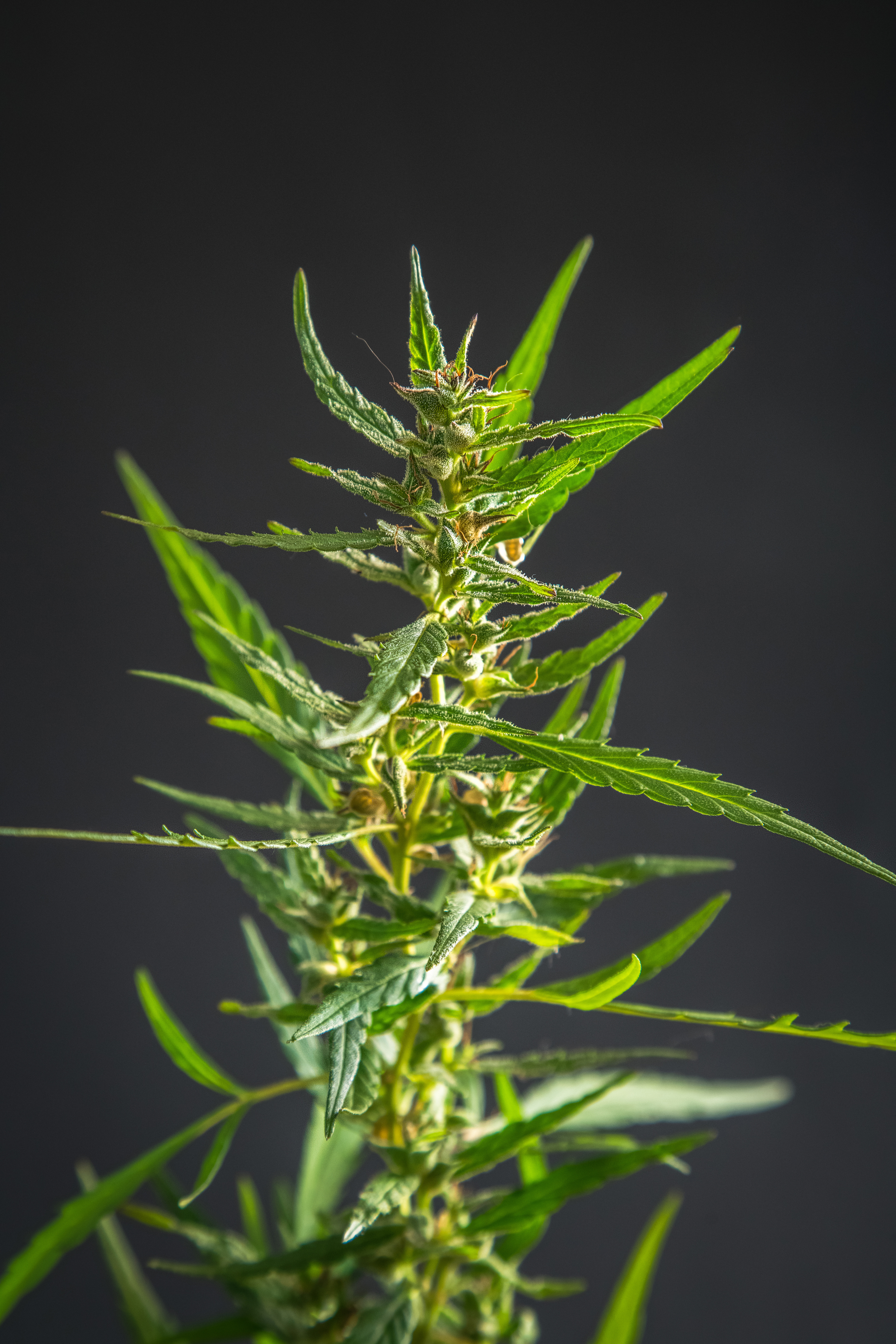


Buying autoflower seeds online has become a common way for people in the United States to compare cannabis genetics, seed types, and growing traits. Online seed stores often provide access to more varieties than local shops. Buyers can review flowering times, plant height, expected yield, cannabinoid levels, and other details before placing an order. However, the number of choices can also make the buying process confusing. Not every seed bank offers the same level of quality, service, or genetic accuracy. For this reason, buyers should understand how to compare seeds and sellers before spending money.
Autoflower seeds produce cannabis plants that begin flowering based on age rather than a major change in the daily light schedule. Photoperiod cannabis plants often need longer periods of darkness before they begin to flower. Autoflower plants usually start flowering on their own after several weeks of growth. This feature can make them easier to manage in some indoor and outdoor settings. They are often chosen by growers who want smaller plants, shorter life cycles, or simpler lighting plans.
Many autoflower plants can move from seed to harvest faster than traditional photoperiod plants. The exact time depends on the strain, growing conditions, plant health, and genetic stability. Some seed listings may advertise very short growth periods, but these time frames should be viewed as estimates. Cold weather, poor lighting, nutrient problems, root stress, pests, and other issues may slow plant development. A reliable seller should provide realistic information instead of promising that every seed will produce the same results.
Autoflower strains are popular among both new and experienced growers. New growers may value their simple flowering process because they do not need to change the light schedule to begin flower production. Experienced growers may use autoflowers to complete several growing cycles within one year. Their smaller size may also make them suitable for grow tents, balconies, patios, greenhouses, and other limited spaces. However, autoflowers grow quickly, so serious problems must be corrected early. A plant that becomes stressed during the first few weeks may have less time to recover before flowering begins.
Seed quality has a major effect on the growing process. High-quality seeds usually come from stable parent plants and careful breeding programs. Stable genetics can help plants show more consistent traits, including size, growth speed, aroma, flowering time, and cannabinoid content. Poor-quality or unknown seeds may produce weak growth, uneven plants, low germination rates, or traits that do not match the product description. This is why buyers should not select autoflower seeds based only on a strain name, colorful package, or low price.
Breeder information is also important. A trustworthy seed listing should clearly state who produced the seeds or where the genetics came from. It should include useful details about the parent strains, expected plant structure, indoor and outdoor performance, and general growing needs. Buyers should be careful when sellers provide little information about the breeder or use popular strain names without explaining the genetic background. The same strain name may be used by several sellers, but the seeds may not come from the same breeding line.
Seller reputation is another key part of buying autoflower seeds online. A reliable seed bank should provide clear contact information, secure payment options, shipping terms, privacy details, and replacement policies. The website should explain how long order processing may take and whether tracking is available. Buyers should also check what happens when an order is lost, damaged, delayed, or delivered with missing items. Clear policies can make it easier to solve problems if something goes wrong.
Customer reviews may help buyers learn about delivery speed, packaging, communication, and seed condition. However, reviews shown on the seller’s own website may not provide the full picture. Buyers should compare information from several independent sources. A small number of negative reviews does not always mean a seller is unreliable, since shipping delays and growing problems can happen for many reasons. Repeated complaints about missing orders, mislabeled seeds, poor support, or refused replacements may be more serious warning signs.
Shipping location can also affect the buying experience. Some seed banks ship from within the United States, while others send orders from another country. Domestic shipping may be faster and may include easier tracking. International sellers may offer a wider range of breeders, but orders may take longer to arrive. Buyers should read shipping policies carefully and understand whether the seller offers guaranteed delivery or reshipping.
The legal side of buying cannabis seeds must also be considered. Cannabis laws vary across the United States. Rules may be different at the federal, state, county, and city levels. A person may be able to buy or possess seeds in one location while germination or home cultivation remains restricted. A seed bank’s ability to ship to an address does not prove that growing cannabis is legal there. Buyers are responsible for checking current laws before ordering, possessing, germinating, or growing autoflower seeds.
Local rules may include age limits, plant limits, registration requirements, medical cannabis conditions, or bans on home cultivation. Some areas may require plants to be kept indoors or away from public view. Laws can also change, so buyers should use current government information rather than old articles or forum posts. Understanding these rules can help reduce legal risk.
Choosing autoflower seeds for sale in the USA requires more than finding the cheapest pack or the strain with the highest claimed THC level. Buyers should compare genetics, breeder history, seed freshness, seller reputation, payment security, shipping terms, and replacement policies. They should also choose strains that match their available space, climate, skill level, and growing goals. Careful research before ordering can reduce common problems and help buyers select seeds that better match their needs.
What Are Autoflower Seeds?
Autoflower seeds are cannabis seeds that grow into plants that start flowering based mainly on age. They do not need a major change in the daily light schedule to begin producing flowers. This feature makes them different from photoperiod cannabis plants, which usually need longer periods of darkness before they enter the flowering stage.
Most autoflower plants begin flowering a few weeks after germination. The exact timing depends on the strain, genetics, environment, and general plant health. Some may start showing early flowers after three or four weeks. Others may take longer. Once flowering begins, the plant continues developing until it reaches maturity.
Autoflower seeds are often chosen because they have a fast and simple growth cycle. The plants are usually smaller than many photoperiod varieties. They may also finish sooner, which can help growers who have limited space or a short outdoor growing season. However, fast growth also means the plant has less time to recover from major stress.
Understanding how autoflower seeds work can help buyers choose suitable strains and avoid false claims. A quality seed should come from stable genetics and a trusted breeder. The label “autoflower” describes how the plant begins flowering, but it does not guarantee high yields, strong plants, or fast results in every environment.
How Autoflowering Cannabis Plants Develop
An autoflowering cannabis plant begins its life in the same basic way as other cannabis plants. The seed absorbs moisture, opens, and produces a small root. The root grows downward while the first shoot moves upward toward the light. After the seedling appears, it begins developing its first sets of leaves.
During the early seedling stage, the plant is small and sensitive. Its roots are still developing, and it cannot handle heavy stress well. Too much water, poor soil, strong fertilizer, low temperatures, or root damage may slow growth. This matters because autoflower plants follow a short internal schedule. Time lost during the first few weeks can be difficult to recover later.
After the seedling stage, the plant enters vegetative growth. During this period, it produces more leaves, stems, branches, and roots. A healthy plant uses light to create energy through photosynthesis. It also takes in water and nutrients through its roots.
The vegetative period of an autoflower is often shorter than that of a photoperiod plant. Some autoflowers may remain in strong vegetative growth for only a few weeks. The plant then begins showing early signs of flowering. Female plants may develop small white hairs at the points where branches meet the main stem.
Autoflowers do not depend mainly on shorter daylight hours to begin flowering. Instead, flowering is controlled by the plant’s age and inherited genetics. This means the plant may start flowering under long days, short days, or indoor lighting schedules that stay the same throughout the full growth cycle.
Once flowering begins, the plant may continue stretching. The stems and branches can grow taller while flower sites develop. The amount of stretch depends on the variety. Compact strains may stay short, while larger autoflower varieties can grow much taller under strong conditions.
During the flowering stage, the plant directs more energy toward flower production. Leaves still play an important role because they collect light and create energy. Roots also remain important because they continue supplying water and nutrients.
The full life cycle of an autoflower may be shorter than that of many photoperiod strains. Some seed sellers advertise plants that finish within eight to ten weeks from germination. Other varieties may require twelve weeks or longer. Advertised times should be treated as estimates rather than exact promises.
Temperature, light quality, container size, root health, watering, nutrition, plant stress, and genetics can all affect the final schedule. A plant that experiences slow growth may finish later than expected. A strain that grows quickly in one environment may take longer in another.
Autoflower genetics are linked to Cannabis ruderalis, a type of cannabis that developed in regions with short summers and changing daylight conditions. Ruderalis plants adapted by flowering according to age rather than waiting for a specific light cycle. Breeders crossed this trait with other cannabis types to create modern autoflower varieties.
Early autoflowers were often small and less productive. Modern breeding has improved many traits. Current varieties may offer better flower quality, stronger growth, higher cannabinoid levels, improved flavors, and larger yields. Results still depend on the breeder and the stability of the genetics.
Autoflower Seeds Compared With Photoperiod Seeds
The main difference between autoflower and photoperiod seeds is the way flowering begins. Autoflower plants enter the flowering stage according to age. Photoperiod plants usually begin flowering when they receive longer periods of uninterrupted darkness.
Indoor growers often keep photoperiod plants under a light schedule with long days during vegetative growth. When they want flowering to begin, they reduce the number of light hours. Autoflower plants do not require this major schedule change.
This can make autoflowers simpler for beginners to understand. A grower may use the same light schedule from germination until harvest. However, simple timing does not mean the plants can be ignored. They still need suitable light, careful watering, healthy roots, proper airflow, and balanced nutrition.
Autoflower plants are usually smaller and faster than photoperiod plants. Their compact size can be useful in tents, closets, balconies, patios, and other limited spaces. Smaller plants may also be easier to manage when height is restricted.
Photoperiod plants can remain in vegetative growth for as long as the grower keeps them under the correct light schedule. This gives the grower more control over plant size. A photoperiod plant can be allowed to grow larger before flowering begins.
Autoflower plants offer less control over the length of the vegetative stage. Once the plant reaches a certain age, it starts flowering whether it is large or small. A stressed autoflower may enter flowering before it has built enough branches and leaves. This can reduce its final size and yield.
Photoperiod plants usually have more time to recover from training, root problems, nutrient issues, or environmental stress. A grower may keep the plant in vegetative growth until it becomes healthy again. Autoflowers have a fixed and limited time frame, so recovery can be more difficult.
Autoflowers may be suitable for growers who want a shorter seed-to-harvest period. They can also allow several outdoor harvests in areas with a long warm season. Since flowering does not depend on shorter days, seeds can sometimes be started at different times during the season.
Photoperiod plants may be preferred when a grower wants large plants, longer training periods, or greater control over the start of flowering. They are also commonly used for cloning because cuttings keep the age of the original plant. Cloning autoflowers is usually less practical because the cutting continues following the same age-based life cycle.
Yield can vary greatly in both types. A large photoperiod plant may produce more than a small autoflower, but genetics and growing conditions matter. Modern autoflowers can produce strong results when they receive enough light and proper care. Buyers should avoid assuming that every autoflower is small or that every photoperiod plant will produce a larger harvest.
Autoflowers are not automatically easier in every way. Their light requirements may be simple, but their fast growth demands careful early care. Small mistakes during the seedling stage can affect the whole plant. Good planning is important before germination begins.
Autoflower seeds produce plants that begin flowering according to age rather than a major change in the light cycle. This trait comes from ruderalis genetics and allows many autoflower plants to complete their life cycle quickly.
Autoflowers are often compact, fast-growing, and suitable for limited spaces. They may also use one light schedule throughout their full development. However, their short vegetative period leaves less time to correct stress, root problems, or poor growth.
Photoperiod plants offer more control over plant size and flowering time, while autoflowers offer speed and simpler light management. Neither option is best for every grower. The right choice depends on available space, climate, experience, time, and growing goals. Buyers should select autoflower seeds based on stable genetics and realistic strain information rather than speed claims alone.
Are Autoflower Seeds Legal to Buy in the USA?
The legal status of autoflower seeds in the United States can be difficult to understand. Federal law, state law, and local rules may treat cannabis seeds and cannabis cultivation in different ways. A person may be allowed to buy or possess seeds but may not be allowed to germinate them. For this reason, buyers should never assume that ordering seeds means they can legally grow cannabis.
Autoflower seeds are cannabis seeds that can produce plants that flower based on age. Their growth pattern does not give them a special legal status. Laws normally focus on cannabis, tetrahydrocannabinol content, possession, and cultivation rather than whether a seed is autoflowering, feminized, or photoperiod.
Federal and State Considerations
Federal law separates hemp from marijuana based mainly on the amount of delta-9 tetrahydrocannabinol, or THC, in the plant. Hemp is generally defined as cannabis containing no more than 0.3 percent delta-9 THC on a dry-weight basis. Cannabis above the legal limit is treated differently under federal law. USDA guidance also explains that producing hemp requires a license or authorization under an approved federal, state, or tribal hemp program.
Cannabis seeds usually contain little or no measurable THC before they germinate. However, the law may consider more than the seed’s present chemical content. The seed’s intended use, the type of plant it can produce, and the laws in the buyer’s location may also matter. A seed sold as a collectible item or for genetic preservation may still produce a high-THC cannabis plant when germinated.
Federal rules do not automatically give a person permission to grow cannabis at home. A buyer may see a seed seller claim that its products are legal under hemp rules. That statement should not be treated as a complete legal answer. Hemp production remains regulated, and licensed growers must follow testing, reporting, and disposal requirements. Plants that exceed the accepted THC limit may no longer qualify as legal hemp.
State cannabis laws create another legal layer. Some states allow adults to possess cannabis and grow a limited number of plants at home. Other states permit cultivation only for registered medical cannabis patients. Several states do not allow home cultivation at all, even when certain cannabis products can be purchased through licensed stores.
The rules may also vary within a state. Cities, counties, landlords, housing groups, and homeowners’ associations may place added limits on cultivation. Local rules may control where plants can be grown, whether they must be hidden from public view, and what security measures are required.
A seed company may ship to a certain state, but this does not prove that germination is legal there. Sellers often place responsibility on the customer to understand local laws. The company may complete the order even when the buyer is not legally allowed to grow the seeds.
Buyers should also consider federal property rules. State legalization does not always apply on federal land or in federally managed housing. Cannabis may also create problems when it is moved across state lines. Two states may both allow adult cannabis use, but transporting cannabis products between them can raise federal legal concerns.
Checking the Rules Before Ordering
Before buying autoflower seeds, check the current laws in the place where the seeds will be delivered, stored, and possibly grown. Cannabis rules can change, so older articles, forum discussions, and social media posts may no longer be accurate. The safest source is usually an official state government website, cannabis control agency, agriculture department, or local government office.
Start by checking whether cannabis possession is legal for adults in your state. Next, check whether home cultivation is allowed. These are separate legal questions. A state may permit adults to possess cannabis bought from a licensed retailer while banning personal cultivation.
Buyers should also confirm the minimum legal age. Adult-use cannabis programs normally have age requirements. Medical programs may require a patient registration, doctor’s recommendation, caregiver approval, or another form of authorization. Seed buyers who do not meet the required age or program rules may face legal problems even when cannabis is legal for other residents.
Plant limits are another important issue. A state may limit the number of plants allowed for each person, household, patient, or residence. Some rules count all cannabis plants, including seedlings and young plants. Others separate mature plants from immature plants. Buying a pack of ten seeds does not mean a person can legally germinate all ten.
Growers may also need to follow location rules. Plants may need to be kept inside a locked room, enclosed area, greenhouse, or fenced space. Outdoor plants may have to remain hidden from streets and neighboring properties. Cultivation may be banned in rental housing under a lease, even when state law permits home growing.
Medical cannabis patients should review the exact terms of their state program. A medical card does not always include the right to cultivate cannabis. Some states require extra approval for home growing. Others allow only certain patients or caregivers to grow plants.
It is also important to check the difference between possessing seeds and germinating them. A state might not ban inactive seeds but may treat germination as the beginning of cannabis cultivation. Once the seed opens and starts producing roots, the person may become subject to plant limits, registration rules, and growing restrictions.
Buyers should save copies of the rules they review and note the date. Official agencies may update their guidance after a law, regulation, or court decision changes. Checking the rules again before germination can help prevent a buyer from relying on outdated information.
Autoflower seeds may be available for online purchase in the USA, but their legal status is not the same in every location. Federal rules distinguish hemp from marijuana mainly through THC limits, while states and local governments set their own rules for possession and home cultivation. A seed seller’s ability to ship an order does not prove that the buyer can legally germinate or grow the seeds.
Before ordering, buyers should check age limits, possession rules, plant limits, medical program requirements, local restrictions, housing rules, and cultivation laws. They should also confirm whether possessing seeds and germinating seeds are treated differently. Careful legal research is necessary because the rules can depend on the state, city, property, and intended use of the seeds.
Where Can You Buy Autoflower Seeds Online in the USA?
Buying autoflower seeds online gives US customers access to many strains, breeders, and seed pack sizes. However, not every online store offers the same level of quality, service, or protection. Some sellers ship from inside the United States, while others send orders from another country. Buyers may also purchase seeds directly from breeders or through authorized retailers.
Each option has possible benefits and risks. The right choice depends on the buyer’s location, budget, preferred strains, and comfort with shipping times. Buyers should also check current federal, state, and local laws before placing an order. A store may be willing to ship seeds to a state even when growing cannabis is not allowed there. Shipping availability does not prove that possession, germination, or cultivation is legal.
Domestic Seed Banks
Domestic seed banks store and ship their products from within the United States. This can make the ordering process easier for US customers. Packages often arrive faster because they do not need to travel through international mail systems or customs. Many domestic orders may arrive within several business days, although delivery times depend on the seller, carrier, location, and current shipping conditions.
Faster delivery can help protect seed quality. Cannabis seeds are living materials that may be affected by extreme heat, moisture, or sudden temperature changes. A shorter shipping route may reduce the time that seeds spend inside warehouses, delivery trucks, or outdoor mailboxes. However, domestic shipping does not always guarantee that seeds were stored correctly before the order was placed. Buyers should still look for information about storage methods and packaging.
Another benefit of using a US-based seed bank is easier customer service. Buyers may be able to contact the company during normal US business hours. Communication can also be simpler when the business has a local phone number, email address, and clear return or replacement policy. If an order is lost or damaged, dealing with a domestic seller may require fewer steps than working with a company located overseas.
Domestic sellers may offer familiar payment options, such as credit cards, bank transfers, or digital payment services. These methods can be easier to use than international payments. Some payment methods also offer more protection if the order does not arrive. Buyers should still review the seller’s terms because seed orders may have special refund limits.
It is important to confirm that a company truly ships from inside the United States. Some websites appear to be US-based but send products from Europe, Canada, or another location. Buyers should read the shipping page, frequently asked questions, and order terms. They should look for a clear statement about the location of the warehouse or shipping center.
A domestic seed bank may not carry every breeder or strain. Its stock may be smaller than the selection offered by a large international seller. Still, domestic seed banks can be a practical choice for buyers who value faster delivery, easier tracking, and local customer support.
International Seed Banks Serving US Customers
International seed banks are companies based outside the United States that accept orders from US buyers. Many of these sellers have been operating for years and may offer large catalogs. Their websites may include autoflower strains from several breeders, including older genetics, newer hybrids, CBD-rich varieties, and limited releases.
A wider selection is one of the main reasons buyers consider an international seed bank. It may be easier to compare different breeders, pack sizes, flowering times, plant heights, and cannabinoid levels in one store. Some international sellers also offer bulk discounts, free seeds, or special promotions.
The main concern is shipping. International packages usually take longer to arrive. An order may pass through several mail centers before reaching the customer. Delivery can be delayed by weather, customs checks, carrier problems, holidays, or incorrect address details. Tracking may also stop updating for several days while a package moves between countries.
Customs is another issue to consider. A package sent from another country may be inspected, delayed, returned, or removed. Buyers should read the seller’s policy to learn what happens if an order does not arrive. Some seed banks offer guaranteed delivery or one free reshipment. Others may provide no replacement after the package leaves their warehouse.
Buyers should understand the exact terms of any shipping guarantee. A guarantee may only apply when the customer chooses a more expensive tracked shipping option. It may also require the buyer to wait a certain number of days before reporting the order as missing. Some companies may ask for proof that the address was correct or that the carrier marked the package as lost.
International payments may also be more complex. A bank or card provider may charge a foreign transaction fee. The final amount may change because of currency conversion. Some sellers accept cryptocurrency or bank transfers, but these methods may offer little payment protection. Buyers should use a payment option they understand and trust.
Ordering internationally can provide more choices, but buyers should be prepared for longer delivery times and more shipping risks. Reading the full delivery, customs, refund, and reshipping policies is essential before paying.
Breeder-Direct and Authorized Retailers
Some cannabis breeders sell seeds directly through their own websites. Buying breeder-direct can help customers confirm where the genetics came from. The breeder may provide detailed information about the parent strains, expected plant traits, flowering time, testing process, and recommended growing conditions.
Direct purchases may also give buyers access to new releases or strains that are not widely available. Packaging is often original and may include batch details, breeder branding, or product labels. This can reduce the risk of receiving seeds that were renamed or placed in unmarked packaging.
However, not every breeder operates a large online store. Some breeders may release seeds only during certain periods. Their payment and shipping options may also be limited. Customer service may be slower if the breeder has a small team. Buyers should review the same basic factors they would check with any other seller, including contact details, shipping policies, and replacement terms.
Authorized retailers are online seed banks that have permission to sell products from specific breeders. These stores can be useful because they may carry seeds from several trusted breeders in one place. Buyers can combine different seed packs in a single order instead of paying separate shipping fees to multiple companies.
A reliable authorized retailer should clearly name the breeder on each product page. The seeds should arrive in the breeder’s original packaging when possible. Buyers should be cautious when a seller lists famous strain names but does not identify the breeder or provide clear genetic information.
White-label seeds are common in the seed market. These seeds are sold under a store’s own brand, and the original breeder may not be identified. White-label seeds are not always poor quality, but they can be harder to verify. Buyers may not know how the parent plants were selected, how stable the strain is, or whether the product matches the listed name.
Autoflower seeds can be purchased from domestic seed banks, international sellers, breeders, and authorized retailers. Domestic seed banks may offer faster shipping, easier tracking, and more convenient customer service. International seed banks may provide a larger strain selection, but delivery can take longer and may involve customs risks. Breeder-direct stores can offer clear genetic information, while authorized retailers make it easier to compare several breeders in one order.
How to Identify a Reliable Autoflower Seed Bank
Choosing a reliable autoflower seed bank is an important part of buying seeds online. A professional seller should provide clear information about its products, shipping methods, payment process, and customer support. Buyers should not select a seed bank only because it offers low prices or large discounts. Seed quality, seller transparency, secure checkout, and clear policies are often more important than the lowest price.
A dependable seed bank makes it easy for customers to understand what they are buying. It should explain where its seeds come from, which breeder produced them, and what buyers can expect from each strain. It should also provide clear terms for shipping, replacements, returns, and damaged orders. Reviewing these details before placing an order can reduce the risk of receiving poor-quality, incorrect, or damaged seeds.
Clear Company and Contact Information
A reliable seed bank should provide clear company information on its website. Buyers should be able to find a working email address, contact form, or customer support system. Some sellers may also provide a phone number, business address, or live chat service. The company does not need to publish every private business detail, but it should offer a clear way for customers to ask questions or report problems.
The website should also contain important pages such as shipping policies, payment terms, privacy information, replacement rules, and frequently asked questions. These pages should be easy to find and written in simple language. Missing policies or vague statements can make it harder for buyers to understand their rights.
Product pages should also include useful details. A strong listing often gives the strain name, breeder, seed type, expected flowering time, possible plant height, cannabinoid range, and suitable growing environment. These details help buyers compare products and select seeds that match their needs.
Poorly written listings may be a warning sign. A seed bank may be less reliable when product pages contain copied descriptions, conflicting information, broken links, or unclear strain names. Buyers should also be careful when a website does not explain who produced the seeds. Unknown or white-label seeds may still grow, but their genetics can be harder to verify.
The age of a website alone does not prove that a company is trustworthy. A new seed bank may still provide good service, while an older company may develop poor business practices. Buyers should look at the full picture, including product details, customer support, policies, and independent feedback.
Transparent Shipping and Replacement Policies
A trustworthy seed bank should explain its shipping process before the buyer pays. The website should state how long order processing normally takes, which carriers may be used, and whether tracking is available. Processing time and delivery time are different. Processing time covers the period when the seller prepares the order. Delivery time begins after the package enters the shipping system.
Buyers should check whether the seed bank ships from within the United States or from another country. Domestic shipping may be faster and may involve fewer customs concerns. International sellers may offer a larger strain selection, but delivery can take longer. Packages may also face customs inspections or other delays.
A reliable seller should explain what happens when an order is lost, delayed, damaged, or returned. Some seed banks provide free reshipping, while others require customers to buy shipping insurance. Certain companies may only offer replacements when tracking shows that the package was lost. Other sellers may require photographs of damaged packaging or crushed seeds.
Replacement policies for seeds that fail to germinate should also be reviewed carefully. Some companies provide germination guarantees, but these guarantees often have conditions. The buyer may need to follow a specific germination method, report the problem within a set number of days, and provide photographs. A guarantee may not apply when seeds were stored poorly or exposed to high heat, moisture, or physical damage.
Clear policies do not guarantee that every order will arrive without a problem. However, they show that the seller has a process for handling common issues. Vague language such as “all sales are final” or “shipping is at the buyer’s risk” may leave customers with little support.
Secure Website and Payment Process
Online buyers should make sure the seed bank uses a secure website. A secure checkout page normally uses encryption to protect information during payment. The website address should begin with “https,” and the browser may show a padlock symbol. These features help protect personal and payment information.
Reliable sellers usually offer recognized payment methods. Common choices may include credit cards, bank transfers, electronic payment services, cryptocurrency, or cash. Each payment type has different risks. Credit cards may provide stronger dispute options, while bank transfers and cryptocurrency payments may be difficult to reverse.
Buyers should be careful when a seller asks for payment through an unusual method without explaining why. Requests to send money to a personal account may be a warning sign. A company should also explain payment fees, currency charges, and order confirmation steps before the transaction is completed.
The checkout process should provide a clear total price. Buyers should be able to see seed costs, shipping fees, discounts, insurance charges, and taxes before paying. Hidden costs can make a low-priced order much more expensive.
A professional seed bank should also have a privacy policy. This policy should explain how customer names, addresses, payment information, and order records are handled. Buyers should avoid websites that ask for unnecessary personal details.
Independent Reputation Signals
Reviews can help buyers learn about a seed bank, but not every review is reliable. Testimonials displayed on the seller’s own website may be selected by the company. Buyers should also check independent sources, such as cannabis forums, consumer review websites, breeder communities, and social media discussions.
It is better to look for repeated patterns instead of relying on one positive or negative comment. A single customer may have an unusual experience. However, many reports about missing orders, incorrect strains, poor communication, or old seeds may point to a larger problem.
The dates of the reviews also matter. A seed bank may have received good feedback several years ago but may now have slower service or different ownership. Recent reviews can provide a clearer picture of current order processing, shipping speed, and customer support.
Buyers should also check how the company responds to complaints. A professional seller may explain the situation, request order details, and offer a fair solution. Aggressive, unclear, or dismissive responses can be warning signs.
Breeder information provides another useful reputation signal. Some established breeders list their approved retailers. Buying from an authorized seller can reduce the risk of receiving fake, relabeled, or poorly stored seeds. Buyers can compare the breeder’s official strain details with the information shown on the seed bank’s product page.
A reliable autoflower seed bank should be clear, secure, and easy to contact. It should provide detailed product pages, transparent shipping rules, secure payment options, and understandable replacement policies. Buyers should also review recent feedback from independent sources and check whether the seller carries verified breeder genetics. Taking time to research the company before ordering can lower the risk of receiving damaged, mislabeled, or low-quality seeds.
How to Choose High-Quality Autoflower Seeds
Choosing high-quality autoflower seeds is one of the most important steps when buying seeds online. Seed quality can affect germination, plant health, growth speed, flowering time, and final results. A low price or attractive strain name does not always mean the seeds are reliable. Buyers should study the genetics, physical condition, freshness, storage methods, and product details before placing an order.
High-quality seeds usually come from stable breeding work and careful handling. They should also be sold by a seed bank that provides clear information about the breeder and strain. While no seed can guarantee a perfect plant, careful selection can reduce the risk of weak growth, poor germination, or plants that do not match the description.
Stable and Verified Genetics
Genetics play a major role in how an autoflower plant grows. Stable genetics help plants develop in a more predictable way. Plants from the same seed pack may have similar height, structure, flowering time, aroma, and cannabinoid content when the genetics have been properly developed.
Autoflower seeds are created by combining autoflowering traits with other cannabis genetics. The autoflowering trait often comes from Cannabis ruderalis. Breeders use selective breeding to create plants that begin flowering based on age rather than changes in the light schedule. This process may take several generations before the desired traits become stable.
A reliable product listing should name the breeder when possible. It should also provide information about the parent strains or genetic background. This helps buyers understand what traits the plant may carry. For example, one parent may provide a compact structure, while another may add a certain aroma or flowering trait.
Unknown or poorly developed genetics may produce mixed results. One seed may grow into a short plant, while another may become much taller. Flowering times may also vary. Some plants may show weak growth or fail to produce the traits described on the product page.
Buyers should be careful with seed listings that provide no breeder name or genetic details. Some sellers offer white-label seeds. These seeds may be sold under popular strain names even when their exact genetic history is unclear. White-label seeds are not always poor quality, but the lack of verified information can make the results less predictable.
Seed Appearance and Physical Condition
The physical condition of a seed can offer useful clues about maturity and handling. Mature cannabis seeds often have a firm outer shell. Their color may range from light brown to dark brown, gray, or nearly black. Some seeds have spots, stripes, or a marbled pattern.
A healthy seed should not feel soft when gentle pressure is applied. A soft shell may suggest that the seed is immature, damaged, or poorly stored. Cracked or crushed seeds may also have a lower chance of germination because the inner tissue can be exposed.
However, appearance alone cannot confirm quality. Some healthy seeds may be light in color, while some dark seeds may still fail to germinate. The size of the seed is also not a reliable sign of strength. Different strains may naturally produce seeds of different sizes and shapes.
Buyers should inspect seeds after delivery. The package should not contain mold, moisture, or visible damage. Seeds should arrive in protective packaging that keeps them from being crushed during shipping. If several seeds are cracked or damaged, the buyer should contact the seller and review the replacement policy.
Seed appearance is best used as one part of a larger quality check. Genetics, freshness, storage, and breeder reputation are often more important than shell color alone.
Freshness and Storage Conditions
Freshness can have a strong effect on seed viability. Seeds are living materials that can slowly lose their ability to germinate over time. Proper storage helps protect them from heat, moisture, light, and sudden temperature changes.
Heat can reduce seed life, especially when seeds are stored for long periods. High moisture can also cause serious problems. It may lead to mold or cause seeds to begin biological activity before they are planted. Bright light and changing temperatures may also weaken seeds over time.
A reliable seed bank should store its stock in cool, dry, and dark conditions. Seeds should also be protected from excess air and humidity. Some sellers use sealed packs, small tubes, or protective containers to reduce exposure.
Buyers may not be able to see how a company stores its seeds, so they should look for signs of good stock control. A seller that provides clear breeder packs, sealed packaging, and regular product turnover may be more likely to offer fresh seeds. Customer reports about old stock or repeated germination problems may be warning signs, although individual reports should not be treated as final proof.
After delivery, seeds should remain in their original packaging until they are needed. They should be kept in a stable place away from direct sunlight, moisture, and heat. Frequent changes in temperature can create condensation, which may damage the seeds.
Buying more seeds than needed may lead to storage problems. Buyers should order an amount they can use or store correctly. Proper storage cannot improve poor seeds, but it can help protect good seeds from losing viability.
Accurate Product Information
A trustworthy product page should provide clear and realistic information. Important details may include the breeder, parent strains, expected plant height, flowering time, total life cycle, indoor or outdoor suitability, yield range, and cannabinoid profile.
Buyers should understand that these figures are estimates. Plant height can change based on pot size, light strength, temperature, nutrition, and stress. Yield can also vary widely. A breeder may list a possible yield under good conditions, but this number should not be treated as a guarantee.
Flowering time and total life cycle are often confused. Flowering time refers to the period when the plant produces flowers. The total life cycle includes germination, seedling growth, vegetative development, flowering, and finishing. An autoflower described as having an eight-week flowering period may take longer than eight weeks from seed to harvest.
Cannabinoid levels should also be viewed as estimated ranges. THC and CBD content can vary between plants and growing conditions. A product listing that promises one exact percentage for every plant may be misleading.
Reliable descriptions usually include both strengths and growing needs. A strain may be compact, but it may also be sensitive to overwatering. Another strain may grow quickly but require good airflow because of dense flowers. Balanced information helps buyers decide whether the strain matches their space and experience.
Buyers should avoid listings that make extreme promises. Claims of guaranteed germination, exact yields, perfect plants, or unusually high cannabinoid levels should be reviewed carefully. Seeds contain genetic potential, but the growing environment still affects the final result.
Choosing high-quality autoflower seeds requires more than looking at the strain name or price. Buyers should begin by checking whether the seeds come from stable and clearly identified genetics. Breeder information, parent strains, and detailed descriptions can make the expected traits easier to understand.
The physical condition of the seeds also matters. Seeds should arrive firm, dry, protected, and free from cracks or mold. However, color, pattern, and size cannot confirm quality on their own.
Freshness and storage are equally important. Seeds should be protected from heat, moisture, light, and changing temperatures. A reliable seed bank should use proper storage and protective packaging to preserve viability.
Finally, product information should be clear, complete, and realistic. Flowering time, plant height, yield, and cannabinoid content should be treated as estimates rather than guarantees. Careful research helps buyers avoid weak genetics, old stock, damaged seeds, and misleading product claims.
Feminized, Regular, and CBD Autoflower Seeds
Autoflower seeds are available in several main types. The most common choices are feminized autoflower seeds, regular autoflower seeds, and CBD-rich autoflower seeds. Each type has a different purpose. The best choice depends on the grower’s goals, experience, space, and local laws.
Understanding these differences is important before placing an order. A seed may look similar on the outside, but its genetics can affect the sex of the plant, cannabinoid content, growth pattern, and final harvest. Buyers should read product descriptions carefully and choose seeds from breeders that provide clear genetic information.
Feminized Autoflower Seeds
Feminized autoflower seeds are bred to produce female plants in most cases. Female cannabis plants are usually preferred by growers who want to produce flowers. These flowers contain most of the plant’s cannabinoids and aromatic compounds.
Male cannabis plants do not produce the same type of flower. They mainly produce pollen. When a male plant releases pollen near a female plant, the female plant may begin producing seeds. This can reduce the amount and quality of usable flower.
Feminized seeds help reduce the chance of male plants appearing in the growing area. This can save time, space, and supplies. Growers do not need to plant as many extra seeds to make up for possible male plants. They may also spend less time checking plants for signs of sex.
Feminized autoflower seeds are often a practical choice for beginners. They combine two useful traits. First, the plants begin flowering based on age rather than changes in the light schedule. Second, the plants are expected to be female in most cases.
However, feminized does not mean that every plant is guaranteed to develop normally. Poor genetics, plant stress, extreme temperatures, light problems, root damage, and other environmental issues may affect plant growth. Some stressed plants may develop both male and female reproductive parts. This is sometimes called hermaphroditic growth.
For this reason, buyers should choose seeds from breeders known for stable genetics. A clear product listing should identify the breeder, parent strains, expected flowering time, plant height, cannabinoid range, and growing needs. Listings that make perfect guarantees should be viewed with care because living plants can respond differently to their environment.
Feminized autoflower seeds are usually suitable for growers who want a simple crop with less need to identify and remove male plants. They are often used in small indoor spaces, tents, balconies, greenhouses, and outdoor gardens where cultivation is legal.
Regular Autoflower Seeds
Regular autoflower seeds can produce both male and female plants. The sex ratio may be close to half male and half female, but the actual result can vary. A small group of seeds may produce more plants of one sex than the other.
Regular seeds are often used by breeders. Male plants provide pollen that can be used to create new crosses or produce more seeds. A breeder may select a male plant with useful traits, such as fast growth, strong structure, early flowering, or resistance to certain environmental problems.
Growers who only want flowers may find regular autoflower seeds less convenient. They must watch each plant closely and identify male plants before pollen is released. Since autoflower plants grow and flower quickly, there may be less time to notice and manage male plants.
Male plants also use space, soil, water, nutrients, and light. Removing them later may mean that some growing resources have already been spent. This can be a concern in a small tent or limited growing area.
Regular autoflower seeds may still offer value for people who understand plant breeding. They provide access to male and female genetics from the same seed line. This allows breeders to preserve certain traits or create new autoflower varieties.
Buyers should not assume that regular seeds are lower quality than feminized seeds. The main difference is the expected sex of the plants. Both types can contain strong or weak genetics depending on the breeder and seed line.
Before buying regular autoflower seeds, growers should decide whether they are ready to identify plant sex and control pollen. They should also make sure that breeding, seed production, and cannabis cultivation are allowed in their location.
CBD-Rich Autoflower Seeds
CBD-rich autoflower seeds are bred to produce plants with higher levels of cannabidiol, also called CBD. Some varieties contain low levels of THC, while others may contain a mix of CBD and THC.
CBD does not usually produce the same intoxicating effect linked to high levels of THC. However, a seed listing should not be treated as proof that the final plant will meet a certain legal limit. Cannabinoid levels can vary based on genetics and growing conditions.
Buyers should review the expected CBD-to-THC ratio. Some autoflower varieties may have a balanced ratio, such as similar amounts of CBD and THC. Others may be bred for high CBD and very low THC. The right option depends on the buyer’s lawful purpose and preferred cannabinoid profile.
Product descriptions should include realistic cannabinoid ranges instead of one exact number. The final cannabinoid content may be affected by plant health, lighting, temperature, harvest timing, drying, and curing. Even plants grown from the same seed pack may show small differences.
Reliable sellers should provide breeder details and clear information about the strain’s genetic background. Some breeders also provide laboratory test results from sample plants. These results can be helpful, but they do not guarantee that every plant will produce the same numbers.
Buyers should also check local laws before purchasing or growing CBD-rich autoflower seeds. A plant described as CBD-rich may still contain THC. Cannabis cultivation laws may apply even when the goal is to grow a low-THC plant.
CBD-rich autoflowers may appeal to growers who want compact plants, shorter life cycles, and a cannabinoid profile focused more on CBD. Many of these plants can be grown indoors or outdoors, depending on the strain and climate.
Choosing the Right Autoflower Seed Type
Feminized autoflower seeds are usually the simplest choice for growers focused on flower production. They reduce the chance of male plants and make better use of limited growing space.
Regular autoflower seeds may be more suitable for breeding projects. They allow growers to work with male and female plants, but they require careful plant checks and pollen control.
CBD-rich autoflower seeds are designed for buyers seeking a different cannabinoid profile. Buyers should compare CBD and THC ranges and confirm that the variety fits their legal and personal requirements.
Seed type is only one part of the buying decision. Buyers should also consider breeder reputation, genetic stability, seed freshness, plant size, flowering time, climate needs, and seller policies.
Feminized, regular, and CBD-rich autoflower seeds serve different purposes. Feminized seeds are commonly selected for flower production because they are bred to produce female plants in most cases. Regular seeds can produce both male and female plants and are often used for breeding. CBD-rich autoflower seeds are bred for higher CBD levels, but their THC content and legal status still need careful review.
How to Select the Right Autoflower Strain
Choosing the right autoflower strain is an important step when buying seeds online. Autoflower varieties can differ in plant size, growth speed, climate needs, strength, aroma, and expected yield. A strain that works well for one grower may not be suitable for another. The best choice depends on the growing space, local climate, legal limits, and the level of care the plant will receive.
Online seed listings often include many details, but these details should be read as estimates rather than guarantees. Plant performance can change based on light, temperature, watering, soil quality, nutrients, container size, and stress. Buyers should compare several factors before placing an order.
Climate and Growing Environment
The growing environment should be one of the first factors to consider. Some autoflower strains perform better indoors, while others are developed for outdoor or greenhouse conditions. Indoor growers have more control over light, temperature, humidity, and airflow. Outdoor growers must work with natural weather and seasonal changes.
Growers in hot areas may need strains that can handle high temperatures and strong sunlight. These plants should also be able to recover from short periods of dry soil. Growers in cooler regions may need fast-growing strains that can finish before cold or wet weather begins.
Humidity is another important factor. Dense flowers can hold moisture, which may increase the risk of mold. This is a major concern in humid or rainy areas. Strains with open plant structures and good mold resistance may be easier to manage in these conditions.
Outdoor growers should also consider pest resistance. Some strain descriptions may mention stronger resistance to insects, disease, or sudden temperature changes. These claims should be treated carefully, since no plant is fully protected from pests or harmful weather.
Indoor growers should choose strains that match their equipment. A small grow tent may need a compact plant that does not stretch too much. A larger room may allow taller plants with wider branches. Buyers should review whether the strain is recommended for indoor, outdoor, or mixed growing conditions.
Available Space and Plant Height
Autoflower plants are often smaller than many photoperiod plants, but their final height can still vary. Some strains stay below two feet, while others may grow several feet tall under good conditions. Buyers should check the expected height range before ordering seeds.
Small strains may work well in grow tents, closets, balconies, patios, or other limited spaces. Taller strains usually need more vertical room. Growers should leave enough space between the top of the plant and the light fixture. Plants that grow too close to strong lights may suffer from heat stress or leaf damage.
Container size can affect plant growth. A larger container gives roots more room to spread, which may support a larger plant. However, large containers also take up more floor space. Smaller containers can limit plant size, but they may dry out faster and require more careful watering.
Lighting can also affect height. Weak light may cause a plant to stretch as it searches for more energy. Strong, balanced light may help the plant grow with shorter spaces between branches. Genetics still play a major role, so buyers should select strains that naturally fit their available area.
Plant width should not be ignored. Some short strains grow wide and develop many side branches. Buyers should check both height and structure, especially when planning to grow several plants in one space.
Flowering Time and Total Life Cycle
Autoflower seed listings often show a flowering time or a total seed-to-harvest time. These two figures are not always the same. Flowering time usually refers only to the period when the plant develops mature flowers. The total life cycle includes germination, early seedling growth, vegetative growth, flowering, and final ripening.
Many autoflower strains are advertised as being ready in about eight to twelve weeks from seed. However, actual growth may take longer. Cool temperatures, weak lighting, poor soil, overwatering, root damage, or nutrient problems can slow development.
Buyers should avoid choosing a strain only because it has the shortest listed time. Very fast strains may stay smaller or produce lower yields. A slightly longer-growing strain may create a larger root system, more branches, and more flower sites.
Outdoor growers in short growing seasons may benefit from fast strains. These plants may finish before heavy rain, frost, or cold nights arrive. Indoor growers may have more freedom to choose strains with longer life cycles because the environment can be controlled.
Seed bank descriptions should explain whether the stated number refers to flowering time or the complete life cycle. Buyers should be careful when a product listing does not make this clear.
Cannabinoid Strength and Aroma
Autoflower strains may contain different levels of THC, CBD, and other cannabinoids. Buyers should review these details carefully and select seeds that fit their lawful purpose and experience level.
Strains with high THC levels may produce stronger effects. They may not be suitable for beginners or people who prefer lower strength. CBD-rich strains are often chosen by people who want less THC, but cannabinoid levels can still vary from plant to plant.
The numbers shown in seed listings usually come from breeder information or tests from selected plants. They do not guarantee that every plant will produce the same result. Light quality, harvest timing, stress, drying, and storage can affect final cannabinoid levels.
Aroma and flavor are also linked to genetics. Autoflower strains may have citrus, fruit, earth, pine, spice, fuel, or sweet notes. These scents come mainly from compounds called terpenes. Buyers should remember that aroma can become strong during flowering.
Indoor growers should think about odor control before choosing a powerful-smelling strain. Carbon filters and good ventilation may be needed to control scent. Outdoor growers should consider whether strong odors may affect nearby properties or shared spaces.
Expected Yield
Expected yield is often listed as grams per square meter for indoor plants or grams per plant for outdoor plants. These figures can help buyers compare strains, but they should not be treated as guaranteed results.
Yield depends on many factors, including light strength, plant health, growing medium, container size, water, nutrients, temperature, humidity, and grower skill. A strain with a high listed yield may produce much less under poor conditions.
Beginners may benefit from choosing a strain described as easy to grow instead of selecting only the strain with the highest yield estimate. A stable and forgiving variety may produce better results because it can handle small mistakes more easily.
Growers should also consider the balance between growth time and yield. A fast strain may allow several harvests in one year, even if each plant produces less. A longer-growing strain may produce more per plant but require more time and space.
Seed buyers should look for realistic yield ranges rather than extreme claims. Reliable product descriptions often explain the conditions needed to reach higher results.
Selecting the right autoflower strain requires more than choosing a popular name or the fastest harvest time. Buyers should match the strain to their climate, growing location, available space, legal limits, and experience level. Plant height, total life cycle, cannabinoid strength, aroma, and expected yield should all be reviewed before ordering.
Seed bank figures are useful for comparison, but they are only estimates. Genetics create the basic potential of the plant, while the growing environment affects the final result. Careful strain selection can make plants easier to manage and help buyers choose autoflower seeds that better match their needs.
How Much Do Autoflower Seeds Cost in the USA?
The cost of autoflower seeds in the USA can vary widely. Some seed packs are priced for beginners, while others cost more because they come from well-known breeders or contain rare genetics. The price of a seed does not always prove its quality. A low-cost seed may still grow well, while an expensive seed may not be the best choice for every buyer. The goal is to compare the full value of the order instead of looking at price alone.
Buyers should consider seed quantity, breeder information, genetic quality, shipping fees, payment charges, and replacement policies. These details can have a large effect on the final cost. A pack that seems cheap at first may become more expensive after shipping and other fees are added. A higher-priced pack may offer better packaging, clearer genetic details, and stronger customer support.
Typical Pricing Factors
Several factors affect the price of autoflower seeds. One major factor is breeder reputation. Established breeders often spend years selecting and stabilizing their genetics. This work can improve consistency in plant height, flowering time, aroma, cannabinoid levels, and growth pattern. Seeds from a recognized breeder may cost more because of the time and care needed to produce stable strains.
Genetic rarity can also affect price. Common autoflower varieties are often easier to find and may cost less. New releases, limited-edition crosses, and rare parent genetics may have higher prices. Some sellers charge more because a strain is fashionable or difficult to produce. Buyers should still check whether the breeder provides useful information about the parent strains, expected life cycle, plant size, and growing needs.
Seed quantity is another key factor. A single seed may have a lower total price, but it often costs more per seed than a multipack. Packs may contain three, five, ten, or more seeds. Larger packs can offer better value for buyers who plan to grow several plants. However, buying more seeds only saves money when the extra seeds will be used or stored correctly.
Packaging may also influence the price. Quality seeds are often placed in small protective containers that reduce crushing and exposure to moisture. Branded breeder packs may cost more than simple plastic bags. Original packaging can also help buyers confirm the breeder and strain name. It does not guarantee success, but it may reduce the risk of receiving mixed or mislabeled seeds.
The seller’s business costs may also be included in the price. Domestic seed banks may charge more for local storage, faster shipping, customer service, and tracking. International sellers may offer lower seed prices but add larger shipping costs. Buyers should calculate the total order cost before deciding which seller offers better value.
Cheap Seeds Versus Good Value
Cheap seeds can be attractive, especially for a first order. However, the lowest price is not always the best deal. Very cheap seeds may come from older stock, unknown breeders, unstable genetics, or poor storage conditions. These issues can lower germination rates and produce plants that do not match the product description.
Older seeds are not always unusable, but their chance of germination may decrease when they have been stored in warm, wet, or bright conditions. Sellers should keep seeds in a cool, dry, and dark environment. A buyer may not know how seeds were stored before shipping, so the seller’s reputation and policies matter.
Unknown genetics can also create problems. A listing may use the name of a popular strain without showing the breeder or parent information. These seeds are sometimes called white-label seeds. They may still grow, but the results can be less predictable. One plant may stay short, while another may grow much taller. Flowering time, aroma, strength, and yield may also vary.
Good value means more than a low price. A seed pack may offer better value when it includes clear breeder details, fresh stock, protective packaging, shipment tracking, and a reasonable replacement policy. Strong customer support can also be useful when an order is missing, damaged, or incorrect.
Buyers should compare the price per seed, but they should also review what is included. For example, one store may sell a pack at a lower price but charge high shipping fees. Another store may charge more for the seeds but include free tracked delivery. The second order may be cheaper overall.
Payment charges can affect the final cost as well. Some sellers add fees for credit cards, bank transfers, cryptocurrency, or payment processing. Currency conversion may also increase the amount when ordering from another country. Buyers should check the final checkout page before sending payment.
A fair price should match the quality of the genetics and the level of service. Buyers should be careful when a seller offers rare or famous strains at prices that seem far below the normal market. An unusually low price may point to old stock, copied strain names, or unclear breeding sources.
Discounts, Free Seeds, and Promotions
Seed banks often use discounts and promotions to attract buyers. Common offers include percentage discounts, holiday sales, bulk pricing, loyalty points, and free seeds. These deals can lower the average cost per seed, but buyers should read the terms carefully.
A percentage discount may only apply to certain strains or breeders. The reduced price may not include shipping or payment fees. Some deals require a minimum order value. A buyer may spend more than planned just to qualify for a discount. It is better to buy seeds that meet the growing plan instead of adding unwanted items to reach a sales target.
Bulk pricing can provide good value for larger orders. A ten-seed pack may cost less per seed than two five-seed packs. However, the buyer should consider legal plant limits and proper storage. Seeds that are not used right away should be kept away from heat, light, moisture, and sudden temperature changes. Buying a large quantity is not useful when the seeds cannot be stored safely.
Free seeds are another common promotion. A seller may add one or more bonus seeds based on the order size. These seeds may be useful for testing a new strain, but the customer may not be able to choose the exact variety. Free seeds may also come in simple packaging with limited breeder information.
Bonus seeds should not be the main reason for choosing a seller. The quality of the purchased seeds, shipping policy, and customer service are more important. A store that offers many free seeds but has poor delivery records may not provide real value.
Loyalty programs can reduce costs for repeat buyers. Some stores provide points that can be used on future orders. Buyers should check whether the points expire, whether minimum spending rules apply, and whether the program requires an account. A loyalty reward is only useful when the buyer plans to order from the same seller again.
Seasonal promotions may provide savings, but they can also lead to longer processing times. Large sales may create a high number of orders. Buyers should review the expected handling and shipping times before purchasing.
The cost of autoflower seeds in the USA depends on the breeder, genetics, pack size, packaging, seller, shipping method, and payment fees. A low price does not always mean good value, and a high price does not always guarantee better results. Buyers should compare the full order cost and check the quality of the genetics, storage practices, shipping terms, and replacement policy.
Discounts, multipacks, and free seeds may lower the average cost, but they should not replace careful research. The best value usually comes from seeds with clear breeder information, reliable packaging, realistic descriptions, and support from a trusted seller. Careful comparison can help buyers avoid poor-quality seeds and choose an order that fits their budget and growing needs.
Shipping, Packaging, and Payment Options
Shipping, packaging, and payment terms are important when buying autoflower seeds online. A seller may offer strong genetics, but the order can still become a problem if shipping is slow, packaging is weak, or payment methods are unsafe. Before placing an order, buyers should read the store’s delivery, packaging, payment, and replacement policies. These details can help reduce delays, damage, and unexpected costs.
Domestic and International Delivery Times
Delivery times depend on where the seed bank is located and where the package is shipped. A domestic seed bank stores and ships its products from within the United States. Domestic orders may arrive faster because they do not need to pass through international customs. Many domestic packages arrive within several business days, but delivery can still take longer during busy periods, bad weather, or major holidays.
An international seed bank ships seeds from another country. These stores may offer a larger strain selection, but delivery often takes longer. Packages may pass through customs before entering the regular US delivery system. Customs checks can add several days or even weeks to the total delivery time.
Buyers should understand the difference between processing time and shipping time. Processing time is the period the seller needs to prepare the order. This may include confirming payment, collecting the seeds, packing the products, and creating a shipping label. Shipping time begins after the delivery company receives the package.
For example, a store may need three business days to process an order and another five business days to deliver it. The total waiting time could be eight business days. Weekends and public holidays may not count as business days.
Tracking can make the process easier to follow. A tracking number allows buyers to see when the package was accepted, moved between locations, and sent out for delivery. However, tracking systems do not always update in real time. A package may move even when the tracking page has not changed.
Buyers should check the seller’s estimated delivery window before placing an order. They should also confirm whether the store ships from the United States or another country. A website may serve US customers but still ship all orders from overseas.
Discreet and Protective Packaging
Good packaging should protect seeds during shipping. Cannabis seeds can be damaged by pressure, heat, moisture, and rough handling. A weak envelope may not provide enough protection if heavy packages are placed on top of it.
Reliable sellers often place seeds inside small tubes, plastic containers, sealed packs, or other firm holders. These containers help prevent crushing. The seed holder may then be placed inside a padded mailer, box, or protective envelope.
Moisture protection is also important. Too much moisture can affect seed quality and may support mold growth. Seeds should remain dry during storage and delivery. Some sellers use sealed packaging to reduce exposure to air and moisture.
Heat can also lower seed quality, especially when a package remains inside a hot vehicle, outdoor mailbox, or warehouse for a long time. Buyers should collect the package as soon as possible after delivery. The seeds should then be moved to a cool, dark, and dry storage area.
Discreet packaging means that the outside of the parcel does not clearly describe the contents. The return label may use a general company name, and the package may not include cannabis-related words or images. This can provide privacy during delivery.
However, discreet packaging does not change the law. It does not make an illegal purchase legal, and it does not remove the buyer’s duty to follow federal, state, and local rules. Buyers should confirm the laws that apply to seed possession and cannabis cultivation in their area.
Some sellers charge an extra fee for special packaging or shipping insurance. Buyers should check whether these services provide real protection or only change the appearance of the parcel.
Payment Methods
Online seed banks may accept several types of payment. Common options include credit cards, debit cards, bank transfers, digital payment services, cryptocurrency, and cash. Each method has different benefits and risks.
Credit cards are often one of the easiest options. They may also provide fraud protection or a way to question an incorrect charge. However, not every seed bank accepts card payments. Some banks may block cannabis-related transactions, even when the seeds are sold as collectible products.
Debit cards are also simple to use, but they may provide less protection than credit cards. A debit transaction takes money directly from the buyer’s bank account. Buyers should check their bank’s rules before using a debit card on an unfamiliar website.
Bank transfers may have lower fees, but they are often difficult to reverse. Buyers should only send a bank transfer after confirming that the seller is reliable. The account name and payment instructions should match the information provided by the seed bank.
Some stores accept digital payment services. These services may be fast, but their rules can change. A payment account may also be limited if the transaction breaks the service provider’s terms.
Cryptocurrency is sometimes offered because it allows fast international payments. It may also come with a discount. However, cryptocurrency payments are normally final. They cannot usually be reversed if the seller does not send the order. Buyers should double-check the wallet address and payment amount before sending funds.
A few sellers accept cash by mail. This method can be risky because cash is hard to trace and cannot be replaced if the letter is lost. Buyers should avoid sending cash unless they fully understand the seller’s instructions and accept the risk.
Before paying, buyers should confirm the complete order cost. The final price may include shipping fees, taxes, insurance charges, payment fees, or currency conversion costs. A low seed price may not be a good deal after these added charges are included.
Lost, Seized, or Damaged Orders
Packages can sometimes be lost, delayed, damaged, or stopped during shipping. Buyers should read the seller’s policy before ordering so they know what help may be available.
A lost package is one that does not arrive within the expected delivery period. Some sellers require buyers to wait a set number of days before opening a claim. They may also ask the buyer to contact the delivery company first.
Shipping insurance may cover lost packages, but the terms can vary. Some stores offer one free replacement, while others provide store credit or a refund. A seller may refuse help if the buyer selected an untracked shipping option.
International orders may face customs checks. If a package is stopped or seized, the seller may or may not send a replacement. Some seed banks offer a delivery guarantee for an extra fee. Buyers should check whether that guarantee applies to their state and chosen shipping method.
Damaged orders should be reported as soon as possible. The seller may ask for clear photographs of the outer package, inner packaging, and damaged seeds. Buyers should keep all packaging until the claim is complete.
Replacement policies may have strict time limits. A store may require a damage report within 24, 48, or 72 hours after delivery. Waiting too long could cause the claim to be rejected.
Buyers should also check whether the seller refunds the original payment or only provides replacement seeds. A replacement may be acceptable, but the same strain may no longer be available. In that case, the store may offer a similar strain or store credit.
Shipping, packaging, and payment policies can affect the safety and value of an autoflower seed order. Domestic shipping is often faster, while international shipping may offer more choices but involve longer waits and customs checks. Protective packaging should keep seeds dry, secure, and safe from crushing. Payment methods should be reviewed carefully, especially when using bank transfers, cryptocurrency, or cash. Buyers should also understand the seller’s rules for lost, seized, or damaged packages. Reading these terms before ordering can prevent confusion and help buyers choose a seed bank that provides clear, fair, and reliable service.
Common Mistakes to Avoid When Buying Autoflower Seeds Online
Buying autoflower seeds online can seem simple, but choosing the wrong seller or product may lead to wasted money, poor germination, or plants that do not match the product description. A low price or an attractive photo should not be the only reason to place an order. Buyers should examine the breeder, seed bank, genetics, policies, and storage needs before making a decision.
Avoiding common buying mistakes can help reduce risk. It can also make it easier to select seeds that fit the grow space, climate, schedule, and level of experience. The following mistakes are important to understand before ordering autoflower seeds for sale in the USA.
Choosing Seeds Based Only on Price
One of the most common mistakes is choosing the cheapest seeds available. Low-cost seeds are not always poor quality, but an unusually low price may be a warning sign. The seeds may be old, poorly stored, incorrectly labeled, or produced from unstable genetics.
Price should be compared with the full value of the order. Buyers should look at the breeder’s name, the number of seeds in the pack, shipping costs, replacement terms, and available product details. A more expensive pack may offer better value when it includes stable genetics, protective packaging, clear support, and a fair replacement policy.
Cheap seeds can become costly when several fail to germinate or grow into weak plants. Buyers may then need to place another order and pay shipping again. A better approach is to set a reasonable budget and compare several trusted sellers within that range.
Ignoring Local Cultivation Laws
Another serious mistake is assuming that buying seeds means growing them is legal. Seed possession, seed germination, and cannabis cultivation may be treated differently under the law. Rules can also vary between states, counties, and cities.
Some areas allow adults to grow a limited number of plants at home. Other areas allow cultivation only for registered medical cannabis patients. Certain places may ban home growing even when cannabis possession or sales are allowed.
A seed bank may accept an order and ship it to a location, but this does not prove that germination or cultivation is permitted there. The buyer is responsible for checking current rules before using the seeds.
Local laws may include age limits, plant limits, security rules, indoor growing requirements, or restrictions on outdoor plants. Some locations also require plants to remain hidden from public view. Buyers should review reliable state and local sources before ordering or germinating autoflower seeds.
Trusting Unrealistic Claims
Online listings sometimes use strong claims to attract buyers. A seller may promise perfect germination, very high THC levels, huge harvests, or an extremely short seed-to-harvest time. These claims should be reviewed carefully.
No seed seller can guarantee the exact result of every plant. Genetics are important, but the final result also depends on light, temperature, water, nutrients, soil, container size, airflow, and plant health. Stress during early growth can have a major effect on an autoflower plant because its life cycle is short.
Cannabinoid percentages and yield figures should usually be treated as estimates. A plant may perform differently from the listed numbers when grown in another setting. Buyers should look for realistic ranges instead of exact promises.
Descriptions that lack basic growing information may also be a concern. A useful listing should explain the expected life cycle, plant size, growing difficulty, climate needs, and genetic background. Clear details are more valuable than dramatic marketing language.
Buying Without Checking the Breeder
The name of a strain does not always confirm its quality. Different sellers may offer seeds under the same strain name, but the genetics may not be identical. Some retailers sell white-label seeds, which means the original breeder or genetic source is not clearly identified.
Unknown genetics can make results less predictable. Plants from the same pack may show major differences in height, flowering time, aroma, structure, and potency. This can create problems for growers who need plants to finish at a similar time or fit inside a limited space.
Before buying, customers should check whether the breeder is named on the product page. They should also review the parent strains and genetic type. A clear genetic history can help the buyer understand the traits that may appear in the plant.
Authorized sellers are often easier to verify because they usually provide original breeder packaging. This can reduce the chance of receiving renamed, copied, or incorrectly labeled seeds. However, buyers should still examine the retailer’s reputation and storage practices.
Ordering More Seeds Than Can Be Stored Properly
Large seed packs and bulk discounts may seem like a good deal, but buying too many seeds can create storage problems. Cannabis seeds are living materials. Their ability to germinate may decline when they are exposed to moisture, heat, light, or major temperature changes.
Seeds should normally be kept in a cool, dark, dry, and stable place. The original packaging may offer some protection, but it may not be enough for long-term storage. Seeds may absorb moisture when containers are opened often or moved between warm and cold areas.
Buyers should order an amount they can use or store safely. Purchasing a large supply only makes sense when proper storage is available. It is also important to label stored seeds with the strain name, breeder, and purchase date. Clear labels can prevent confusion later.
Seeds should not be handled more than needed. Frequent touching may expose them to moisture or damage. Careful storage helps protect the seed shell and supports long-term viability.
Failing to Read the Germination Guarantee
Many seed banks advertise a germination guarantee, but the rules can differ greatly. Some companies replace seeds only when the customer follows a required germination method. Others may ask for photos, order details, dates, or a full description of the process.
A guarantee may also include a reporting deadline. A buyer who waits too long to contact the seller may lose the right to request a replacement. Some sellers offer store credit instead of a refund. Others replace only a certain number of failed seeds.
Customers should read the full policy before ordering. They should check what percentage of failed seeds qualifies for support and whether shipping fees apply to replacements. They should also review any location-based limits.
A germination guarantee does not mean every claim will be approved. Failure may result from poor storage, excessive water, extreme temperatures, rough handling, or an unsuitable method. Keeping the original packaging and order number can make the support process easier.
Buying autoflower seeds online requires more than finding a low price and choosing a popular strain name. Buyers should compare seed quality, breeder information, seller policies, storage needs, and realistic product details. They should also confirm whether seed possession and cultivation are legal in their location.
Conclusion: Choosing Autoflower Seeds for Sale in the USA
Buying autoflower seeds online requires more than choosing a strain with an attractive name or a low price. Seed quality, breeder history, seller reliability, shipping terms, and local laws can all affect the final result. A careful buyer should review each of these points before placing an order. This reduces the risk of receiving old, damaged, mislabeled, or poor-quality seeds.
Genetic quality is one of the most important factors to consider. Reliable autoflower seeds should come from stable parent plants and trusted breeders. Stable genetics can help plants develop in a more consistent way. They may have similar growth patterns, flowering times, sizes, aromas, and cannabinoid levels. Poor or unstable genetics can produce plants with very different traits, even when the seeds came from the same pack.
Buyers should look for listings that clearly name the breeder and explain the genetic background of the strain. A detailed listing should include the parent strains, expected plant height, average life cycle, possible yield range, and basic growing needs. It should also explain whether the seeds are feminized, regular, or bred for a higher CBD level. Clear product details show that the seller is providing useful information rather than depending on broad claims.
Seed freshness also matters. Even strong genetics may have lower germination rates when seeds are stored in poor conditions. Heat, moisture, light, and sudden temperature changes can damage seeds over time. Good seed banks should use controlled storage areas and protective packaging. Seeds should arrive in a container that limits damage from crushing, moisture, and light during delivery.
The physical appearance of a seed can provide some clues about its condition. Mature cannabis seeds often have firm shells and darker shades of brown, gray, or tan. Some may have stripes or spotted markings. However, appearance alone does not prove that a seed is healthy or genetically stable. A seed may look normal but still be old or nonviable. Buyers should pay more attention to breeder quality, storage methods, and seller policies than to appearance alone.
Seller reputation is another major part of the buying process. A reliable online seed bank should provide clear contact details, payment information, shipping rules, and replacement terms. Buyers should be able to find details about delivery times, tracking, damaged packages, and missing orders. Policies should be easy to understand before payment is made.
It is also helpful to check information from more than one source. Reviews shown on a seed bank’s own website may not provide a complete picture. Independent forums, review platforms, and cannabis growing communities may reveal common patterns. Repeated complaints about poor communication, incorrect seeds, low germination, or missing orders may be warning signs. One negative review may not prove that a seller is unreliable, but a long pattern of similar complaints should be taken seriously.
Price should be considered, but it should not be the only deciding factor. Cheap autoflower seeds may seem like a good deal, but low prices can sometimes mean older stock, unclear genetics, weak packaging, or limited customer support. Higher prices do not always guarantee better quality either. The goal is to compare the full value of the order.
Buyers should review the cost per seed, breeder reputation, pack size, shipping fees, payment charges, and replacement policy. Free seeds and discounts may add value, but bonus items should not be the main reason for choosing a seller. The quality of the seeds being purchased should always come first.
The right autoflower strain should also match the buyer’s planned environment. Some varieties stay small and may be easier to manage in limited spaces. Others may grow taller or need more room. Outdoor strains may need better resistance to mold, pests, cold nights, heat, or high humidity. Indoor strains may be selected based on height, smell, flowering speed, and available light.
Advertised flowering times should be treated as estimates. A seed listing may state that a plant finishes within a certain number of weeks, but the full life cycle may be longer. Growth can be affected by temperature, lighting, stress, container size, nutrition, and genetics. Yield numbers are also estimates rather than promises. Strong genetics can support good results, but the final harvest depends on many conditions.
Shipping and payment terms should be reviewed before checkout. Domestic seed banks may offer faster delivery within the United States, while international sellers may provide a wider strain selection. International packages may take longer and may face customs delays. Buyers should check whether tracking is included and whether the company offers reshipping or replacement for lost or damaged orders.
Payment security is equally important. The checkout page should use a secure connection and provide clear payment instructions. Credit cards and some digital payment methods may offer more buyer protection than cash, cryptocurrency, or direct transfers. Nonrefundable payment methods may be harder to recover when an order does not arrive.
Legal rules must be checked before purchasing or using autoflower seeds. Cannabis laws can differ between states, counties, and cities. Possessing seeds may be treated differently from germinating or growing them. A state may allow medical cultivation but not recreational cultivation. Some areas may set age limits, plant limits, location rules, or registration requirements.
A seller shipping seeds to a location does not mean that growing them is legal. Buyers should review current federal, state, and local rules before ordering, storing, germinating, or planting cannabis seeds. Laws can change, so older articles and forum posts may no longer be accurate.
Choosing autoflower seeds for sale in the USA becomes easier when buyers follow a clear process. Start by checking local laws. Next, compare trusted breeders and established seed banks. Review the strain’s genetics, type, height, life cycle, climate needs, and expected traits. Then examine the seller’s shipping, payment, and replacement policies.
Careful research cannot remove every risk, but it can reduce many common problems. Buyers who focus on stable genetics, fresh stock, honest product details, secure payment, protective packaging, and clear customer policies are more likely to receive seeds that match their needs. The best choice is not always the cheapest or most popular strain. It is the option that fits the buyer’s location, goals, available space, and legal situation.
Research Citation
Chandra, S., Lata, H., ElSohly, M. A., Walker, L. A., & Potter, D. (2020). Cannabis cultivation: Methodological issues for obtaining medical-grade product. Epilepsy & Behavior, 70, 302–312. https://doi.org/10.1016/j.yebeh.2016.11.029
Cockson, P., Webb, A., Martinez-Ochoa, N., Moffitt, L., Pearce, R., & Chakrabarti, M. (2025). Impact of seed moisture and temperature on hemp seed germination. Agrosystems, Geosciences & Environment, 8(2), Article e70129. https://doi.org/10.1002/agg2.70129
Kurtz, L. E., Brand, M. H., & Lubell-Brand, J. D. (2023). Gene dosage at the autoflowering locus affects flowering timing and plant height in triploid Cannabis. Journal of the American Society for Horticultural Science, 148(2), 83–88. https://doi.org/10.21273/JASHS05293-23
Mark, T., Shepherd, J., Olson, D., Snell, W., Proper, S., & Thornsbury, S. (2020). Economic viability of industrial hemp in the United States: A review of state pilot programs. U.S. Department of Agriculture, Economic Research Service. https://www.ers.usda.gov/publications/pub-details/?pubid=95929
Petit, J., Salentijn, E. M. J., Paulo, M. J., Denneboom, C., Trindade, L. M., & van Loo, E. N. (2020). Genetic architecture of flowering time and sex determination in hemp (Cannabis sativa L.): A genome-wide association study. Frontiers in Plant Science, 11, Article 569958. https://doi.org/10.3389/fpls.2020.569958
Schwabe, A. L., Naibauer, S. K., McGlaughlin, M. E., Gilbert, A. N., & McGlaughlin, W. J. (2019). Genetic tools weed out misconceptions of strain reliability in Cannabis sativa: Implications for a budding industry. Journal of Cannabis Research, 1, Article 3. https://doi.org/10.1186/s42238-019-0001-1
Small, E., & Brookes, B. (2012). Temperature and moisture content for storage maintenance of germination capacity of seeds of industrial hemp, marijuana, and ditchweed forms of Cannabis sativa. Journal of Natural Fibers, 9(4), 240–255. https://doi.org/10.1080/15440478.2012.737179
Sorokin, A., Yadav, N. S., Gaudet, D., & Kovalchuk, I. (2021). Development and standardization of rapid and efficient seed germination protocol for Cannabis sativa. Bio-protocol, 11(1), Article e3875. https://doi.org/10.21769/BioProtoc.3875
Toth, J. A., Stack, G. M., Cala, A. R., Carlson, C. H., Wilk, R. L., Crawford, J. L., Viands, D. R., Philippe, G., Smart, C. D., Rose, J. K. C., & Smart, L. B. (2022). Identification and mapping of major-effect flowering time loci Autoflower1 and Early1 in Cannabis sativa L. Frontiers in Plant Science, 13, Article 991680. https://doi.org/10.3389/fpls.2022.991680
U.S. Department of Agriculture, Agricultural Marketing Service. (n.d.). Seed testing program. Retrieved July 27, 2026, from https://www.ams.usda.gov/services/seed-testing/apply
Questions and Answers
Q1: What are autoflower seeds for sale in the USA?
Autoflower seeds are cannabis seeds that produce plants that begin flowering based on age rather than changes in the light schedule. They are sold by many online seed banks that ship to customers in the United States.
Q2: Are autoflower seeds legal to buy in the USA?
The legal status of autoflower seeds depends on federal, state, and local laws. Cannabis seeds may be sold as souvenirs, collectibles, or hemp-related products, but germinating and growing them may be restricted. Buyers should check current laws in their location before ordering or planting seeds.
Q3: How do I choose high-quality autoflower seeds online?
Choose seeds from a trusted seller that provides clear strain details, breeder information, germination policies, and secure payment methods. Quality seeds are usually firm, mature, properly stored, and sold in sealed packaging.
Q4: What should I look for in a USA autoflower seed bank?
Look for a clear shipping policy, customer support, secure checkout, detailed product descriptions, and a replacement or germination guarantee. The website should also explain where it ships and how customer information is protected.
Q5: How much do autoflower seeds cost in the USA?
Prices vary based on the breeder, strain, seed quantity, and seller. A small pack may cost about $20 to $60, while premium or larger packs may cost more. Discounts and free seeds are sometimes included with larger orders.
Q6: What is the difference between autoflower and feminized photoperiod seeds?
Autoflower seeds produce plants that flower automatically after a certain period. Feminized photoperiod seeds usually need a change in daily light exposure to begin flowering. Autoflower plants often finish faster and remain smaller.
Q7: Can autoflower seeds be grown indoors and outdoors?
Autoflower seeds may be grown indoors or outdoors where cannabis cultivation is legal. Indoor growing provides more control over temperature, humidity, and lighting, while outdoor growing depends more on the local weather and season.
Q8: How long do autoflower plants take to grow?
Many autoflower strains complete their life cycle in about 8 to 12 weeks after germination. Some varieties may take longer because of their genetics, environment, health, and growing conditions.
Q9: Do autoflower seeds produce female plants?
Feminized autoflower seeds are bred to produce female plants in most cases. Regular autoflower seeds may produce either male or female plants. Buyers should read the product description carefully to confirm the seed type.
Q10: How should autoflower seeds be stored after purchase?
Store unused seeds in a cool, dark, and dry place. Keep them in an airtight container away from heat, moisture, and direct sunlight. Proper storage can help protect the seeds and maintain their quality.