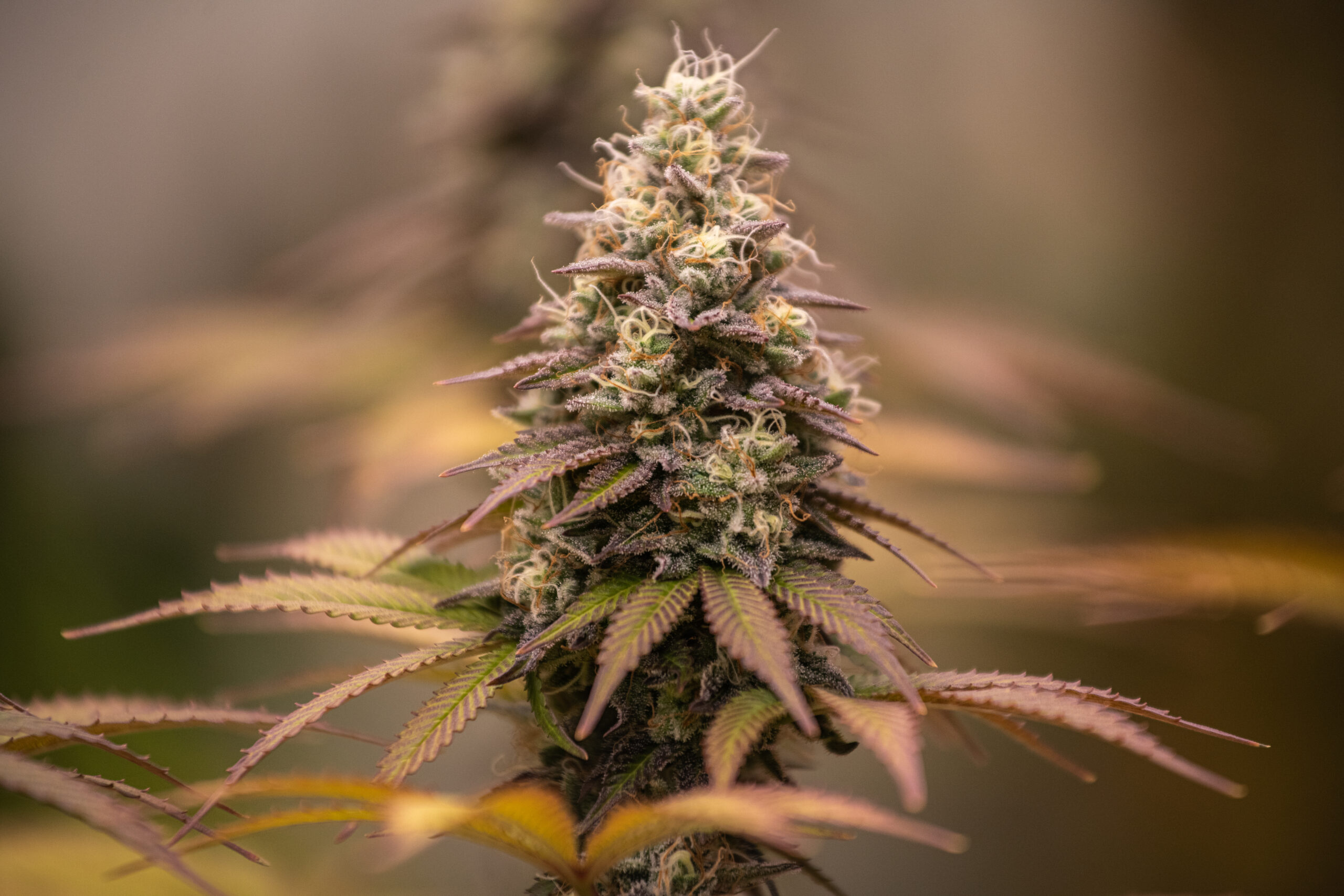


Autoflowering feminized cannabis seeds have become a popular choice for growers across the United States. Many people search for these seeds because they want plants that are fast to grow, easy to manage, and reliable from start to finish. As interest in home growing continues to rise, more beginners and small-scale growers are looking for clear and accurate information before buying seeds. This article is written to explain what autoflowering feminized seeds are, why they are widely sold in the USA, and what buyers should understand before making a purchase.
One of the main reasons autoflowering feminized seeds attract attention is their speed. These plants are known for their short life cycle. From the moment the seed sprouts, the plant follows a set timeline that leads to flowering and harvest without waiting for changes in light. This feature allows growers to finish a full grow in a much shorter time than traditional cannabis plants. For people who want faster results or multiple harvests in a single year, this can be a key advantage.
Reliability is another reason these seeds are in high demand. Feminized seeds are bred to produce female plants only. Female plants are the ones that produce usable flowers, while male plants do not. With regular seeds, growers must identify and remove male plants early, which can be stressful and time-consuming. Autoflowering feminized seeds reduce this risk by removing the need to deal with plant sex at all. This makes the growing process more predictable, especially for those with limited experience.
Ease of use is also a major factor. Autoflowering plants do not depend on light cycles to begin flowering. Traditional photoperiod cannabis plants require careful control of light and darkness to trigger flowering. Autoflowers, by contrast, flower automatically after a certain number of weeks. This makes them easier to grow indoors, outdoors, or in mixed environments. Beginners often find this helpful because it removes one of the more technical parts of cannabis cultivation.
In the United States, many people specifically search for autoflowering feminized seeds that are sold domestically. Buying seeds within the USA often means faster shipping times and fewer concerns about customs delays. It also allows buyers to choose sellers who understand U.S. laws and shipping practices. However, laws around cannabis and cannabis seeds can be confusing. While seeds are often sold as collectible or novelty items, state laws can differ. Because of this, it is important for buyers to understand both federal and local regulations before ordering.
This article is designed to answer the most common questions people ask search engines about autoflowering feminized seeds for sale in the USA. These questions include what these seeds are, how they work, whether they are legal, how long they take to grow, how much they yield, and where they can be purchased safely. By addressing these topics in clear and simple language, the goal is to help readers make informed decisions without confusion or misinformation.
Another important purpose of this article is education. There is a large amount of mixed or outdated information online about autoflowering cannabis plants. Early autoflower genetics were often seen as weak or low-yielding, but modern breeding has improved their quality and consistency. Understanding how current autoflowering feminized seeds perform helps readers separate facts from myths and better understand what to expect.
This guide does not promote personal opinions or user experiences. Instead, it focuses on research-based explanations and general knowledge. The information is meant to be useful whether the reader is completely new to cannabis growing or simply looking to learn more before buying seeds. The article also avoids making promises about results, since plant growth depends on many factors such as environment, care, and genetics.
By the end of this article, readers will have a clear understanding of why autoflowering feminized seeds are often described as fast, reliable, and beginner-friendly. They will also know what questions to ask before purchasing, what factors affect growth and yield, and how to approach buying seeds in the USA with awareness and confidence. This introduction sets the foundation for a detailed and easy-to-follow exploration of autoflowering feminized seeds, starting from basic definitions and moving through practical and legal considerations.
What Are Autoflowering Feminized Seeds?
Autoflowering feminized seeds are a type of cannabis seed designed to make growing simpler, faster, and more predictable. To understand what they are, it helps to break the term into two parts: autoflowering and feminized. Each word describes an important feature of how these seeds grow and what kind of plants they produce.
Autoflowering Explained
Autoflowering refers to a plant’s ability to begin flowering on its own. Traditional cannabis plants, known as photoperiod plants, need a change in light hours to start flowering. For example, indoor growers often switch from 18 hours of light to 12 hours of light per day to trigger buds.
Autoflowering plants work differently. They do not depend on light schedules. Instead, they flower based on age. After a set number of weeks, the plant automatically moves from the vegetative stage (leaf and stem growth) into the flowering stage.
This trait comes from a cannabis subspecies called Cannabis ruderalis. Ruderalis plants evolved in regions with short summers and unpredictable daylight. To survive, they adapted to flower quickly without waiting for seasonal light changes. Modern autoflowering seeds are created by breeding ruderalis genetics with indica or sativa strains. This keeps the automatic flowering trait while improving yield, flavor, and potency.
Feminized Explained
Feminized seeds are bred to grow only female plants. In cannabis cultivation, female plants are important because they produce flowers. Male plants do not produce buds and are usually removed to prevent pollination.
Regular cannabis seeds have a roughly 50/50 chance of becoming male or female. Feminized seeds remove this uncertainty. Through controlled breeding methods, seed producers ensure that the seeds will grow into female plants in nearly all cases.
For growers, this means:
- No need to identify and remove male plants
- More efficient use of space and time
- Predictable flowering and harvest results
Combining Autoflowering and Feminized Traits
Autoflowering feminized seeds combine both traits into one seed. These plants:
- Flower automatically without light changes
- Grow into female plants that produce buds
This combination is especially useful for beginners and small-scale growers. It reduces the number of decisions and mistakes that can happen during the growing process. There is no need to adjust light schedules, and there is no risk of wasting time on male plants.
How Autoflowering Feminized Seeds Differ From Other Seed Types
To better understand autoflowering feminized seeds, it helps to compare them with other common seed types.
Autoflowering vs. Photoperiod Seeds
Photoperiod plants require light changes to flower. Autoflowering plants do not. This makes autoflowers easier to manage, especially indoors or outdoors where light conditions may vary.
Feminized vs. Regular Seeds
Regular seeds can grow into male or female plants. Feminized seeds are bred to grow female plants only. Autoflowering feminized seeds remove the guesswork completely.
Autoflowering Feminized vs. Feminized Photoperiod Seeds
Both types produce female plants. The main difference is flowering control. Feminized photoperiod seeds still need specific light schedules, while autoflowering feminized seeds flower on their own.
Typical Characteristics of Autoflowering Feminized Plants
Autoflowering feminized plants tend to share several traits:
- Shorter height and compact size
- Faster life cycle, often 8 to 12 weeks from seed to harvest
- Ability to grow in many environments
- Lower maintenance compared to photoperiod plants
Because they grow quickly, autoflowers spend less time recovering from stress. This is why gentle care is important, but also why the overall growing period is shorter.
Why These Seeds Are Popular in the USA
In the United States, autoflowering feminized seeds are popular because they match modern growing needs. Many growers want plants that:
- Finish quickly
- Require less space
- Are easier to manage
- Provide consistent results
These seeds fit indoor setups, outdoor gardens, and even short seasonal grows. Their flexibility makes them useful across different climates and growing conditions found throughout the USA.
Autoflowering feminized seeds are cannabis seeds bred to flower automatically and produce female plants only. They combine genetics from Cannabis ruderalis with modern strains to create plants that grow quickly, require less control, and offer predictable results. Compared to regular or photoperiod seeds, they remove many common challenges, such as managing light schedules and identifying male plants. This is why they are widely seen as a practical and beginner-friendly option in today’s cannabis seed market.
How Do Autoflowering Seeds Work?
Autoflowering seeds work differently from traditional cannabis seeds. To understand how they function, it helps to first understand how most cannabis plants normally grow and flower.
The Role of Light in Traditional Cannabis Plants
Most cannabis plants are known as photoperiod plants. This means they rely on changes in light to know when to start flowering. When grown indoors, these plants stay in the vegetative stage under long light periods, usually 18 hours of light per day. To make them flower, growers must change the light schedule to about 12 hours of light and 12 hours of darkness. Outdoors, photoperiod plants begin flowering naturally as days get shorter toward the end of summer.
Because of this dependence on light cycles, photoperiod plants require careful planning. Mistakes with light timing can delay flowering or reduce plant quality.
Why Autoflowering Seeds Are Different
Autoflowering seeds do not rely on light changes to flower. Instead, they flower automatically based on age. This is why they are called autoflowering.
This unique trait comes from a specific type of cannabis called Cannabis ruderalis. Ruderalis plants evolved in regions with very short summers and unpredictable daylight. In these harsh environments, relying on seasonal light changes was not reliable. As a result, ruderalis plants developed an internal clock that tells them when to flower, no matter how much light they receive.
Modern autoflowering seeds are created by breeding Cannabis ruderalis with indica or sativa strains. This process keeps the automatic flowering trait while improving yield, potency, and flavor.
The Internal Flowering Clock
The key feature of autoflowering seeds is their internal flowering timer. Once the seed germinates, the plant begins counting time rather than light hours. After a short vegetative period—usually two to four weeks—the plant will begin flowering automatically.
This means:
- No light schedule changes are needed
- Plants flower under 18, 20, or even 24 hours of light
- Outdoor plants flower regardless of season or day length
Because flowering is age-based, autoflowering plants follow a fast and predictable life cycle.
Typical Life Cycle of Autoflowering Seeds
Autoflowering plants move through their life stages quickly. While exact timing can vary by strain and environment, the general cycle looks like this:
- Germination (1–7 days)
The seed absorbs water and sprouts a taproot. A seedling soon appears above the soil. - Seedling Stage (1–2 weeks)
The plant develops its first leaves and establishes roots. Growth is steady but delicate at this stage. - Vegetative Stage (2–4 weeks)
The plant grows taller, produces branches, and builds leaf mass. Unlike photoperiod plants, this stage is short. - Flowering Stage (4–6 weeks)
Flowers form automatically without any light changes. Buds increase in size and density until harvest.
From start to finish, many autoflowering plants complete their life cycle in 8 to 12 weeks.
Why Light Still Matters (But Not for Flowering)
Although autoflowering seeds do not need light changes to flower, light still plays an important role in plant health and yield. More light generally means more energy for growth. This is why many growers keep autoflowering plants under long light schedules throughout their entire life.
However, unlike photoperiod plants, autoflowers will not delay flowering if the light schedule is inconsistent. This makes them more forgiving for beginners and outdoor growers.
Why Autoflowers Stay Smaller
Because autoflowering plants have a short vegetative stage, they usually stay smaller than photoperiod plants. Less time spent growing leaves and branches means a more compact structure. This trait makes autoflowers easier to manage in small indoor spaces and discreet outdoor locations.
The smaller size is not a flaw but a result of their fast life cycle and genetic design.
Consistency and Predictability
Autoflowering seeds are known for predictable timing. Since flowering is based on age, growers can plan harvests more accurately. This consistency is useful for those who want quick results or multiple harvests per year.
Autoflowering seeds work by using an internal genetic clock rather than light changes to control flowering. This trait comes from Cannabis ruderalis and allows the plant to flower automatically after a short growth period. Autoflowers complete their life cycle quickly, stay compact, and do not require strict light schedules. Because of these features, they are easier to manage, faster to harvest, and more predictable than traditional photoperiod plants.
Are Autoflowering Feminized Seeds Legal in the USA?
The legality of autoflowering feminized seeds in the United States can be confusing. This is because cannabis laws involve both federal rules and state-level laws. Seeds also fall into a different legal category than cannabis plants. This section explains the issue clearly and step by step, so readers understand how the law generally works and what to consider before buying seeds.
Federal Legal Status of Cannabis Seeds
At the federal level, cannabis seeds are not treated the same as cannabis plants. Under U.S. law, cannabis seeds do not contain THC in meaningful amounts. THC is the compound that makes cannabis illegal under federal drug laws.
Because of this, cannabis seeds are usually sold as souvenirs, collector items, or for genetic preservation. In this form, seeds are not considered illegal drugs. This is why many seed sellers operate openly and ship seeds within the United States.
The 2018 Farm Bill also plays a role. This law legalized hemp, which is cannabis containing less than 0.3% THC by dry weight. Seeds themselves do not exceed this limit. As a result, seeds are generally allowed under federal law as long as they are not used to grow illegal plants.
However, federal law still makes it illegal to grow cannabis plants that contain more than 0.3% THC unless it is allowed under state law. This means that while buying seeds is often legal, planting them may not be.
Hemp vs. Marijuana: Why the Difference Matters
U.S. law makes a clear distinction between hemp and marijuana. Both come from the cannabis plant, but they are treated differently under the law.
- Hemp is cannabis with very low THC levels.
- Marijuana is cannabis with higher THC levels.
Autoflowering feminized seeds can grow into either hemp plants or marijuana plants, depending on the genetics. The seed itself does not determine legality. The legal issue depends on what the plant becomes after it grows.
This is why seed sellers often include legal notices stating that seeds are not intended for illegal use. Once a seed is planted and grows into a marijuana plant in a state where this is not allowed, the grower—not the seller—is responsible.
State-Level Cannabis Laws
State laws are the most important factor when it comes to growing autoflowering feminized seeds.
Some states allow:
- Recreational cannabis cultivation
- Medical cannabis cultivation
- Home growing with limits on plant numbers
Other states:
- Allow possession of seeds but not cultivation
- Allow medical growing only with a license
- Prohibit cannabis plants entirely
Because of this, legality changes depending on where you live. A seed purchase that is legal in one state may still lead to illegal cultivation in another state.
Seed sellers usually ship to most U.S. states, but they do not control how seeds are used after delivery. This places the responsibility on the buyer to know local laws.
Interstate Shipping of Seeds
Shipping autoflowering feminized seeds within the U.S. is common. Since seeds are not considered illegal drugs at the federal level, many sellers ship domestically without issue.
Domestic shipping reduces customs risks and delays. It also avoids international import rules, which can be stricter.
Still, shipping legality does not mean cultivation legality. Receiving seeds in the mail does not automatically give permission to grow them.
Why Seed Sellers Use Legal Disclaimers
Most seed sellers include disclaimers explaining that:
- Seeds are sold for novelty or collection purposes
- Germination may be illegal in some states
- Buyers are responsible for following local laws
These disclaimers exist to comply with federal and state regulations. They also protect sellers from liability if a buyer uses seeds illegally.
Disclaimers do not mean seeds are illegal. They exist because laws differ widely across the country.
What Buyers Should Do Before Purchasing
Before buying autoflowering feminized seeds, buyers should:
- Check state and local cannabis laws
- Confirm whether home cultivation is allowed
- Understand plant limits and licensing rules
- Review seller shipping policies
Laws can change over time, so checking current rules is important. Government websites or official state resources are the most reliable sources.
Autoflowering feminized seeds are generally legal to buy and ship in the United States because seeds do not contain THC. Federal law allows seed sales, but state laws control whether seeds can be grown into plants. The key legal risk is not buying seeds, but planting them where cultivation is not allowed. Buyers must understand their local laws before germinating seeds to remain compliant with U.S. regulations.
Why Choose Autoflowering Feminized Seeds?
Autoflowering feminized seeds are chosen by many growers in the USA because they combine speed, consistency, and ease of use. These seeds are designed to solve several common challenges that growers face, especially those who want predictable results and a shorter growing cycle. Below is a clear and detailed explanation of the main reasons why autoflowering feminized seeds are widely used.
Female-Only Plants for Reliable Results
One of the biggest advantages of feminized seeds is that they are bred to produce female plants only. Female plants are important because they are the ones that produce usable flowers. Male plants do not produce flowers and can pollinate females, which lowers flower quality.
With regular seeds, growers must wait several weeks to identify and remove male plants. This takes time and experience. Autoflowering feminized seeds remove this step. Since nearly all plants will be female, growers can focus fully on plant health and growth instead of sex identification. This makes the process more reliable and reduces wasted time and space.
Fast Growth and Short Life Cycle
Autoflowering feminized seeds are known for their fast growth. Most autoflower plants complete their entire life cycle in about 8 to 12 weeks from germination to harvest. This is much faster than traditional photoperiod plants, which often take several months.
This short life cycle allows growers to harvest more often throughout the year. Outdoor growers may be able to grow multiple crops in one season. Indoor growers can plan frequent harvests without changing their light schedule. Faster results are helpful for those who want efficiency and predictable timelines.
No Dependence on Light Cycles
Autoflowering plants do not rely on changes in light hours to begin flowering. Instead, they flower automatically based on age. This means they can grow and flower under the same light schedule from start to finish.
For indoor growers, this simplifies setup and reduces mistakes. There is no need to switch from long light days to shorter light days. For outdoor growers, autoflowers can grow well even when daylight hours are long, such as in early summer. This flexibility is a major reason many people choose autoflowering seeds.
Compact Size and Space Efficiency
Autoflowering feminized plants usually stay small to medium in size. Many grow between 1 and 3 feet tall, depending on the strain and conditions. This makes them suitable for small indoor spaces, tents, closets, balconies, or discreet outdoor gardens.
Their smaller size also makes them easier to manage. They require less pruning and training compared to larger photoperiod plants. This is useful for growers who want a simple setup or who have limited space available.
Adaptability to Different Environments
Autoflowering feminized seeds are known for their ability to grow in many environments. Thanks to their hardy genetics, they can handle temperature changes, short summers, and less-than-perfect conditions better than many photoperiod plants.
This makes them suitable for different regions of the USA, including areas with cooler climates or unpredictable weather. Indoor growers also benefit from this resilience, especially when learning how to control temperature, humidity, and airflow.
Lower Risk of Growing Errors
Because autoflowering feminized seeds are straightforward to grow, they reduce the risk of common mistakes. There is no risk of light leaks causing flowering problems. There is no need to remove male plants. The plants follow a fixed timeline, which helps growers plan watering, feeding, and harvesting more easily.
While autoflowers still need proper care, their simplicity makes them more forgiving for those with limited experience. This is one reason they are often recommended for first-time growers.
Consistent and Predictable Outcomes
Autoflowering feminized seeds are bred for stability. When purchased from a reliable source, growers can expect consistent plant structure, growth speed, and flowering behavior. This consistency helps growers know what to expect and plan their grow more accurately.
Predictable results are especially important for those growing on a schedule or managing multiple plants at once. Uniform growth also makes harvesting and drying more organized.
Autoflowering feminized seeds are chosen because they offer female-only plants, fast growth, simple light requirements, compact size, and strong adaptability. These features make growing more efficient and easier to manage. By removing many common challenges, these seeds provide a clear and reliable option for growers who value speed, simplicity, and consistency.
Are Autoflowering Feminized Seeds Good for Beginners?
Autoflowering feminized seeds are widely considered suitable for beginners because they reduce many of the common challenges faced by new growers. These seeds are designed to grow and flower with minimal intervention, which makes them easier to manage than many other cannabis seed types. To understand why they are beginner-friendly, it is important to look closely at how they simplify the growing process.
Simple Light Requirements
One of the biggest challenges for new growers is managing light cycles. Traditional photoperiod cannabis plants require strict light schedules to move from the growth stage to the flowering stage. If the light cycle is interrupted or incorrect, plants may not flower properly or may develop unwanted traits.
Autoflowering plants do not rely on light schedules to begin flowering. They flower automatically based on age, usually within a few weeks of sprouting. This means beginners do not need to change light timers or worry about exact hours of darkness. Many growers keep autoflowering plants under the same light schedule from start to finish, which greatly reduces the risk of mistakes.
This feature alone removes one of the most technical aspects of cannabis growing, making autoflowering seeds easier to manage for first-time growers.
Reduced Risk of Male Plants
Another major issue for beginners is identifying and removing male plants. Male cannabis plants do not produce usable flowers and can pollinate female plants, leading to seeded buds and lower quality harvests.
Feminized seeds are bred to produce female plants only. Autoflowering feminized seeds combine this benefit with automatic flowering. This means beginners do not need to learn how to identify plant sex or worry about separating plants. The grower can focus on basic care such as watering and lighting without fear of accidental pollination.
By removing the need to identify males, these seeds reduce stress and save time for new growers.
Shorter Growth Cycle and Faster Results
Autoflowering plants grow much faster than photoperiod plants. Most autoflowering feminized strains are ready for harvest within 8 to 12 weeks from germination. This short life cycle is helpful for beginners for several reasons.
First, faster results allow new growers to see the outcome of their efforts quickly. This helps with learning, as mistakes and successes are easier to understand when results come sooner. Second, a shorter cycle reduces the time plants are exposed to potential problems such as pests, mold, or nutrient issues.
For beginners who want to gain experience without a long commitment, autoflowering seeds provide a manageable and rewarding introduction.
Compact Size and Easy Space Management
Autoflowering plants are usually smaller than traditional cannabis plants. Their compact size makes them easier to grow indoors or in limited spaces. This is helpful for beginners who may not have large grow rooms or outdoor areas.
Smaller plants are also easier to care for. Watering, feeding, and monitoring plant health takes less time and effort. Because autoflowers do not grow as tall, they are less likely to outgrow their space, which is a common problem for new growers.
This manageable size helps beginners maintain better control over their growing environment.
Fewer Training Requirements
Many photoperiod plants benefit from training techniques such as topping or heavy pruning. These techniques can be difficult for beginners and may damage plants if done incorrectly.
Autoflowering plants generally require little to no training. Because they grow quickly and have a short life cycle, excessive stress can reduce yield. For beginners, this means it is often best to let the plant grow naturally with minimal interference.
This low-maintenance approach makes autoflowering feminized seeds easier to grow successfully without advanced skills.
Common Beginner Mistakes and How Autoflowers Help
New growers often make mistakes such as overwatering, overfeeding nutrients, or changing conditions too often. Autoflowering plants are not immune to these issues, but their simple growth pattern encourages a more hands-off approach.
Because autoflowers do not need schedule changes or aggressive training, beginners are less likely to interfere too much. Many autoflower strains are bred for resilience, helping them handle minor mistakes better than sensitive photoperiod plants.
This forgiving nature supports learning while reducing frustration.
Autoflowering feminized seeds are well suited for beginners because they simplify many aspects of cannabis cultivation. They do not require complex light schedules, they produce only female plants, and they grow quickly from seed to harvest. Their compact size, low training needs, and forgiving nature make them easier to manage for first-time growers. For those new to growing, autoflowering feminized seeds provide a clear and accessible starting point that supports learning while minimizing common risks.
How Long Do Autoflowering Feminized Seeds Take to Grow?
One of the most common questions about autoflowering feminized seeds is how long they take to grow from start to finish. This is an important topic because growing time affects planning, space use, and expectations. Autoflowering seeds are known for their fast life cycle, but the exact timing depends on several factors. This section explains the full growth timeline in a clear and simple way.
Average Growth Timeline From Seed to Harvest
Autoflowering feminized seeds usually take 8 to 12 weeks from germination to harvest. This means the plant completes its entire life cycle in about two to three months. In some fast-growing varieties, harvest may be possible in as little as 7 weeks, while larger or slower strains may take 13 weeks.
This short timeline is possible because autoflowering plants begin flowering based on age, not light cycles. Once the seed sprouts, the plant follows a fixed schedule that includes seedling growth, vegetative growth, flowering, and maturity.
Breakdown of Growth Stages
Autoflowering plants go through several clear stages:
- Germination (1–3 days)
The seed opens and a small root appears. This happens quickly under proper moisture and warmth. - Seedling Stage (1–2 weeks)
The plant develops its first leaves and starts building roots. During this time, growth is slow and delicate. - Vegetative Stage (2–4 weeks)
The plant grows taller and wider. Leaves increase in size, and the plant prepares for flowering. This stage is shorter than in photoperiod plants. - Flowering Stage (4–6 weeks)
The plant produces flowers and increases resin production. Buds develop and mature during this time. - Final Ripening (1–2 weeks)
Growth slows, and flowers reach full maturity. This is when harvest timing is determined.
Because these stages overlap more in autoflowers than in photoperiod plants, the overall timeline stays compact.
Indoor vs. Outdoor Growing Timeframes
Indoor-grown autoflowering plants often stay within the 8 to 11 week range. Indoor environments allow for better control of light, temperature, and humidity. This control helps plants stay on schedule and avoid stress that could slow growth.
Outdoor-grown autoflowering plants may take slightly longer, often 9 to 12 weeks. Weather changes, temperature shifts, and daylight variation can affect growth speed. However, autoflowers are still faster outdoors than most photoperiod plants.
In some regions, growers can complete multiple outdoor cycles in one season because of the short growth time.
Factors That Influence Growth Speed
Several factors can affect how long autoflowering feminized seeds take to grow:
- Genetics
Some strains are bred for speed, while others focus on size or potency. Genetics set the basic timeline. - Growing Medium
Soil, coco coir, and hydroponic systems all affect growth rates. Faster root development often leads to quicker overall growth. - Light Exposure
While autoflowers do not depend on light cycles to flower, more consistent light can support faster development. - Temperature and Environment
Stable temperatures and proper airflow help plants grow on schedule. - Stress Levels
Overwatering, transplant shock, or nutrient issues can slow growth. Autoflowers recover more slowly than photoperiod plants.
Comparison With Photoperiod Plants
Photoperiod plants usually take 4 to 6 months from seed to harvest. They require long vegetative periods and a change in light schedule to begin flowering. Autoflowering plants remove this waiting period by flowering automatically.
This difference makes autoflowering feminized seeds a faster option for growers who want quick results or limited time commitments.
Planning Harvest Expectations
Because autoflowers grow on a fixed schedule, planning is important. Growers should expect limited time to correct mistakes. Proper preparation before planting helps ensure the plant completes its cycle on time.
Most autoflowering plants are ready for harvest when flowering is complete and growth slows. Harvest timing still varies by strain, even within the same general timeframe.
Autoflowering feminized seeds typically take 8 to 12 weeks from germination to harvest. Their fast life cycle comes from genetics that trigger flowering by age instead of light changes. Indoor environments usually support faster and more consistent growth, while outdoor plants may take slightly longer. Genetics, environment, and care all affect timing, but autoflowers remain one of the quickest cannabis plant types available. This short and predictable timeline is a key reason they are widely used for fast and efficient cultivation.
What Yield Can You Expect From Autoflowering Feminized Seeds?
Yield is one of the most common questions growers ask before buying autoflowering feminized seeds. Many people want to know how much dried flower they can expect from each plant and what factors influence final results. While exact numbers can never be guaranteed, it is possible to explain realistic yield ranges and the main elements that affect plant performance.
Average Yield Per Autoflowering Plant
Autoflowering feminized plants usually produce smaller yields than photoperiod plants, but they grow faster and require less time and effort. On average:
- Indoor autoflowering plants may produce 1 to 4 ounces (28–113 grams) per plant
- Outdoor autoflowering plants may yield 2 to 6 ounces (56–170 grams) per plant, depending on conditions
These figures represent typical outcomes under proper growing conditions. Some plants may produce less, especially in early beginner grows, while others may produce more when grown in ideal environments.
Why Autoflower Yields Are Smaller Than Photoperiod Yields
Autoflowering plants have a short, fixed life cycle. Most complete their entire growth from seed to harvest in 8 to 12 weeks. Because of this:
- They have less time to grow large roots and branches
- They spend fewer weeks in the vegetative stage
- Their overall plant size stays compact
Photoperiod plants, by contrast, can remain in the vegetative stage for months, allowing for larger plants and higher yields. Autoflowers trade size for speed and simplicity.
Key Factors That Affect Autoflowering Yields
Several factors play a direct role in how much an autoflowering plant produces.
Genetics
Genetics are the foundation of yield potential. Some autoflowering strains are bred for higher production, while others focus on speed, aroma, or cannabinoid profile. Yield information provided by breeders offers a general estimate but should be viewed as a range, not a promise.
Growing Environment
Indoor and outdoor environments create different results.
- Indoor grows allow more control over light, temperature, and humidity
- Outdoor grows depend on weather, sunlight, and seasonal timing
Stable temperatures, good airflow, and clean growing conditions help plants stay healthy and productive.
Light Quality and Duration
Light is one of the most important yield factors.
- Autoflowers do not need light schedule changes to flower
- Many growers use 18–20 hours of light per day indoors
- Strong, efficient lighting improves bud development
Weak or inconsistent lighting often leads to smaller harvests.
Container Size
Autoflowering plants respond strongly to root space.
- Small pots can limit root growth and reduce yield
- Most growers use 3–5 gallon containers
- Starting in the final container helps avoid stress
Because autoflowers have limited time to recover, transplant shock can reduce final output.
Nutrients and Watering
Balanced nutrition supports steady growth.
- Overfeeding can slow growth or damage roots
- Underfeeding may limit bud size and density
- Consistent watering without waterlogging is important
Autoflowers usually need lighter feeding schedules than photoperiod plants.
Stress Levels
Stress has a larger impact on autoflowers than on photoperiod plants.
Common stress factors include:
- Over-pruning
- Heavy training methods
- Temperature swings
- Root damage
Because autoflowers cannot extend their vegetative stage, stress often results in reduced yields.
Indoor vs. Outdoor Yield Comparison
- Indoor yields are usually more predictable and consistent
- Outdoor yields can be higher when sunlight and weather are ideal
- Outdoor autoflowers may complete multiple harvests in one season
Short growth times allow growers in many climates to harvest before harsh weather arrives.
What Beginners Should Expect
For first-time growers, yields are often on the lower end of the average range. This is normal. As experience improves, growers learn how to:
- Manage watering more accurately
- Improve lighting setup
- Choose better-suited genetics
Autoflowering feminized seeds reduce many risks, such as male plants, but they still require attention and care.
Autoflowering feminized seeds produce moderate but reliable yields in a short amount of time. Most plants yield between 1 and 6 ounces, depending on genetics, environment, and care. While they do not match the size or yield of large photoperiod plants, autoflowers offer speed, simplicity, and efficiency. For growers who value fast harvests and manageable plants, autoflowering feminized seeds provide a practical and predictable option.
What Are the Best Autoflowering Feminized Strains Available in the USA?
When people search for the “best” autoflowering feminized strains in the USA, they are usually looking for seeds that are easy to grow, grow fast, and give consistent results. There is no single strain that is best for everyone. Instead, the best autoflowering feminized seeds depend on clear, measurable factors such as plant stability, growth time, yield, potency level, and plant size. Understanding these factors helps buyers choose seeds that match their needs and experience level.
What “Best” Means When Choosing Autoflowering Strains
The term “best” does not mean strongest or highest yielding only. In autoflowering genetics, the best strains are those that perform reliably across many growing environments. Reliable strains grow evenly, flower on schedule, and produce similar plants from seed to seed. This matters because autoflowers have a short life cycle and little time to recover from stress.
Good autoflowering feminized strains are bred to:
- Flower automatically without light changes
- Produce only female plants
- Finish growth quickly
- Stay compact but productive
- Handle small mistakes without failing
Strains that meet these standards are often preferred by both new and experienced growers in the USA.
Indica-Dominant Autoflowering Strains
Indica-dominant autoflowering strains are known for their compact size and short growth cycle. These strains usually stay shorter and wider, which makes them suitable for indoor growing and limited spaces. They often finish faster than other types and are easier to manage.
Key traits of indica-dominant autoflowers include:
- Short plant height
- Strong central stem
- Faster flowering times
- Dense flower formation
Because of their size and structure, indica-dominant autoflowers are often chosen by beginners and by growers who want discreet plants.
Sativa-Dominant Autoflowering Strains
Sativa-dominant autoflowering strains tend to grow taller and slimmer than indica types. Even though autoflowers stay smaller than photoperiod plants, sativa-dominant genetics can still stretch more during early flowering.
These strains usually have:
- Slightly longer growth cycles
- Taller plant structure
- Lighter, airier flower formation
Sativa-dominant autoflowers may require more space and light, but modern breeding has improved their stability and size control. Many growers choose them for variety rather than speed alone.
Hybrid Autoflowering Strains
Hybrid autoflowering strains combine indica and sativa traits. These are some of the most common autoflowering feminized seeds sold in the USA. Hybrids aim to balance plant size, growth speed, and yield.
Hybrid autoflowers often provide:
- Medium height
- Balanced growth structure
- Stable flowering behavior
- Predictable harvest timing
Because hybrids reduce extremes, they are often considered some of the most reliable autoflowering strains available.
THC-Focused vs. CBD-Focused Autoflowers
Autoflowering feminized seeds are available in both THC-dominant and CBD-dominant varieties. THC-focused strains are bred to produce higher levels of THC, while CBD-focused strains prioritize cannabidiol with minimal THC.
CBD autoflowering strains are often chosen for:
- Legal compliance in some regions
- Lower psychoactive effects
- More controlled cannabinoid profiles
THC autoflowering strains are chosen for:
- Higher potency
- Stronger cannabinoid concentration
- Mature flower development within short timeframes
Modern autoflowering genetics allow both types to perform well within short grow cycles.
Why Genetic Stability Matters
One of the most important signs of a high-quality autoflowering feminized strain is genetic stability. Stable genetics produce plants that look, grow, and flower the same way each time. This is especially important for autoflowers because growers cannot extend the vegetative stage to fix problems.
Stable strains show:
- Consistent height
- Predictable flowering times
- Similar yield across plants
- Uniform flower development
Unstable strains may flower too early, stay very small, or produce uneven results.
Availability in the USA
The best autoflowering feminized strains for U.S. buyers are those that are commonly stocked by seed sellers who ship within the country. Availability matters because fresh seeds with proper storage have better germination rates. Strains that are frequently restocked tend to be more reliable and widely tested.
The best autoflowering feminized strains available in the USA are defined by stability, speed, plant structure, and consistency—not hype. Indica-dominant strains are compact and fast, sativa-dominant strains offer variety and height, and hybrid strains balance both traits. THC-focused and CBD-focused autoflowers meet different needs, but both benefit from modern breeding improvements. Choosing well-bred, stable autoflowering feminized seeds helps ensure predictable growth and dependable results from seed to harvest.
How to Grow Autoflowering Feminized Seeds Successfully
Growing autoflowering feminized seeds is often described as simpler than growing other types of cannabis seeds, but success still depends on understanding the plant’s needs. Autoflowering plants grow on a fixed life cycle, which means they move quickly from seed to harvest. Because of this, early care and steady conditions are very important. This section explains each step clearly so growers know what to expect and how to avoid common problems.
Germination Basics
Germination is the first stage of growth. This is when the seed opens and produces a small root, called a taproot. Autoflowering seeds should be handled gently during this stage because stress can affect later growth.
Most growers use one of three common germination methods:
- Placing seeds between moist paper towels
- Planting seeds directly into soil
- Using starter cubes or plugs
Whichever method is used, moisture and warmth are key. Seeds usually germinate best at temperatures between 70–80°F (21–27°C). Once the taproot appears, the seed should be placed into its final growing container as soon as possible.
Unlike photoperiod plants, autoflowers do not respond well to transplanting. For this reason, many growers plant the seed directly into its final pot to avoid root stress.
Soil vs. Hydroponic Growing
Autoflowering feminized seeds can grow in both soil and hydroponic systems, but each option has different requirements.
Soil growing is often preferred by beginners. Quality soil provides nutrients, good drainage, and a buffer against mistakes. Light, airy soil with added perlite or coco coir helps roots grow freely and prevents water buildup.
Hydroponic systems allow plants to grow faster and can increase yield, but they require close monitoring. Nutrient levels, water temperature, and pH must be controlled at all times. Because autoflowers have a short life cycle, mistakes in hydroponics can quickly reduce plant health.
Both methods can produce healthy plants if managed correctly. The key difference is how much daily attention the system requires.
Light Schedules for Autoflowers
One major benefit of autoflowering plants is that they do not need changes in light cycles to flower. They will flower automatically based on age, not darkness.
Common light schedules include:
- 18 hours of light / 6 hours of darkness
- 20 hours of light / 4 hours of darkness
- 24 hours of continuous light
Most growers choose 18–20 hours of light per day. This provides enough energy for growth while allowing the plant some rest. Strong but not excessive lighting helps autoflowers develop healthy flowers without stress.
Watering and Nutrients
Watering is one of the most important parts of growing autoflowering feminized seeds. Overwatering is a common mistake, especially in early growth. Soil should be allowed to dry slightly between watering sessions.
Autoflowers usually need fewer nutrients than photoperiod plants. Feeding too much fertilizer can cause nutrient burn and slow growth. Many growers start with half-strength nutrients and increase slowly if the plant shows signs of hunger.
Key points to remember:
- Use light feeding schedules
- Avoid sudden changes in nutrient strength
- Watch leaf color for signs of problems
Because autoflowers grow quickly, nutrient issues can appear fast. Early correction helps prevent lasting damage.
Avoiding Stress and Training Carefully
Autoflowering plants have limited time to recover from stress. Heavy pruning, topping, or rough handling can reduce yields or slow development.
Low-stress training (LST), such as gently bending branches, is sometimes used to improve light exposure. If training is done, it should be early in the plant’s life and kept minimal.
Avoid:
- Topping late in growth
- Frequent transplanting
- Large swings in temperature or humidity
Stable conditions help autoflowers complete their life cycle without interruption.
Indoor vs. Outdoor Growing
Autoflowering feminized seeds grow well both indoors and outdoors.
Indoor growing allows full control over light, temperature, and humidity. This often results in consistent results and predictable harvest times.
Outdoor growing can be successful because autoflowers do not rely on daylight length. They can be grown during many parts of the year, as long as temperatures remain suitable. Outdoor plants should be protected from extreme heat, heavy rain, and pests.
Growing autoflowering feminized seeds successfully depends on simplicity and consistency. Planting seeds carefully, avoiding transplant stress, using stable light schedules, and feeding lightly all support healthy growth. Because autoflowers grow on a short timeline, early care and low stress are critical. When basic needs are met, autoflowering feminized seeds can complete their life cycle smoothly and predictably, making them a practical option for many growers.
Where to Buy Autoflowering Feminized Seeds for Sale in the USA
Buying autoflowering feminized seeds in the USA is easier today than it was in the past. Many seed sellers now offer clear ordering systems, detailed strain information, and domestic shipping options. Still, it is important to understand where these seeds are sold, what “for sale in the USA” really means, and what to look for before placing an order.
Online Seed Banks
Online seed banks are the most common way people buy autoflowering feminized seeds in the USA. These are websites that specialize in selling cannabis seeds and related genetic products.
Most online seed banks offer:
- A wide selection of autoflowering feminized strains
- Detailed descriptions of genetics, flowering time, and expected traits
- Discreet ordering and shipping options
- Customer support through email or online forms
Online seed banks can be based inside the USA or outside the USA. Both types may sell seeds to U.S. customers, but there are differences in shipping time and reliability.
U.S.-based seed banks usually ship faster and reduce the risk of shipping delays. International seed banks may offer a larger variety of genetics but often have longer shipping times and customs-related risks.
Local Seed Retailers and Grow Shops
Some physical stores in the USA sell cannabis seeds, including autoflowering feminized seeds. These are often:
- Hydroponic supply stores
- Grow shops
- Specialty seed retailers
Local stores allow customers to see products in person and avoid shipping wait times. However, their selection is usually smaller than what is available online. Not all local shops carry autoflowering or feminized genetics, and stock may change often.
Availability also depends on state and local rules. Some areas allow seed sales openly, while others do not.
What “For Sale in the USA” Means
When seed sellers say autoflowering feminized seeds are “for sale in the USA,” it can mean different things.
In most cases, it means:
- The seller ships seeds to U.S. addresses
- The seller accepts U.S. payment methods
- The seeds are sold as collectibles or for genetic preservation
It does not always mean the seller is physically located in the USA. Some international companies use U.S. shipping partners or warehouses, while others ship directly from overseas.
Understanding this difference helps buyers set realistic expectations for delivery time and tracking options.
Domestic vs. International Sellers
Domestic sellers:
- Ship from within the United States
- Usually deliver faster
- Lower chance of customs inspection
- Often higher prices due to operating costs
International sellers:
- May offer rare or exclusive genetics
- Often lower base prices
- Longer shipping times
- Higher risk of shipping delays
Both options are commonly used, but buyers should decide based on speed, selection, and comfort level.
Shipping and Delivery Considerations
Most seed sellers offer discreet shipping. Packages are usually plain and do not show the contents. Delivery times can range from a few days to several weeks, depending on the seller’s location.
Important shipping factors include:
- Tracking availability
- Shipping insurance or reshipment policies
- Estimated delivery time
- Signature requirements
Some sellers offer guaranteed delivery or free reshipping if seeds do not arrive. Reading shipping policies before ordering is important.
Payment Methods
Seed sellers may accept different payment types, such as:
- Credit or debit cards
- Bank transfers
- Digital payment services
- Cryptocurrency
Payment options can affect processing speed and order confirmation time. Buyers should check payment instructions carefully to avoid delays.
Avoiding Common Buying Mistakes
When buying autoflowering feminized seeds, common mistakes include:
- Not reading shipping policies
- Assuming all “USA” listings mean domestic shipping
- Ignoring strain descriptions and growth details
- Ordering without checking seller support options
Taking time to review product pages and policies helps reduce confusion and unmet expectations.
Autoflowering feminized seeds for sale in the USA are available through online seed banks, local grow shops, and specialty retailers. Online sellers offer the widest selection, while local stores provide faster access with limited options. The phrase “for sale in the USA” usually means seeds can be shipped to U.S. addresses, not always that they ship from within the country. Understanding seller location, shipping policies, and payment options helps buyers make informed and reliable purchasing decisions.
How to Choose a Reliable Seed Seller
Choosing a reliable seller is one of the most important steps when buying autoflowering feminized seeds in the USA. The quality of the seeds directly affects germination, plant health, and overall results. Because many seed sellers operate online, it is important for buyers to understand how to evaluate a seller before making a purchase. This section explains the main factors to look for in clear and simple terms.
Seed Quality and Genetic Stability
A reliable seed seller provides seeds with stable genetics. Stable genetics mean the seeds grow into plants with predictable traits, such as size, flowering time, and cannabinoid levels. Autoflowering feminized seeds should consistently produce female plants that flower automatically.
Good sellers clearly describe how their seeds are bred. This often includes information about parent strains, whether the seeds are feminized through controlled breeding, and how autoflower traits are stabilized. While detailed breeding science is not required, basic transparency shows that the seller understands and manages seed quality.
Reliable sellers also store seeds properly. Seeds should be kept in cool, dry conditions to protect their viability. Poor storage can lead to low germination rates, even if the genetics are strong.
Clear and Accurate Strain Descriptions
Trustworthy sellers provide clear and realistic strain descriptions. These descriptions usually include:
- Expected flowering time
- Typical plant height
- Average yield range
- THC or CBD content ranges
- Indica, sativa, or hybrid classification
Accurate descriptions help buyers know what to expect. A reliable seller avoids exaggerated claims, such as unrealistic yields or extreme potency. Clear information helps growers match strains to their space, experience level, and goals.
Strain descriptions should also explain whether a strain is suited for indoor, outdoor, or both environments. This level of detail shows that the seller understands the product and provides helpful guidance.
Germination Guarantees and Seed Replacement Policies
Many reliable seed sellers offer some form of germination guarantee. This means the seller may replace seeds that fail to sprout under proper growing conditions. While policies differ, the presence of a clear guarantee shows confidence in seed quality.
Buyers should read these policies carefully. A reliable seller explains:
- How many seeds are covered
- What conditions must be met
- How replacement requests are handled
Clear policies reduce confusion and help buyers understand their options if problems occur. Sellers without any stated policy may be harder to work with if seeds fail to germinate.
Customer Support and Communication
Reliable seed sellers provide clear ways to contact customer support. This may include email, contact forms, or support ticket systems. Fast responses are helpful, but clarity and professionalism are more important than speed alone.
Good customer support can answer questions about orders, shipping, or basic seed information. Sellers who provide helpful and clear responses show a commitment to customer service. Poor communication or unclear answers may signal problems with reliability.
Payment Options and Privacy Protection
A trustworthy seed seller offers secure payment methods. These may include credit cards, debit cards, or other widely used payment systems. Secure checkout processes protect customer information.
Privacy is also important. Reliable sellers explain how customer data is stored and protected. Many buyers prefer sellers who ship discreetly and do not include identifying information on packages. Clear privacy and shipping policies help buyers feel more confident.
Shipping Location and Delivery Transparency
Seed sellers that ship within the USA often provide faster delivery and fewer shipping complications. Reliable sellers clearly state where they ship from and which regions they serve.
Tracking numbers and estimated delivery times improve transparency. Sellers should also explain what happens if a package is delayed or lost. Clear shipping policies reduce uncertainty and help buyers plan accordingly.
Signs of an Unreliable Seller
Certain warning signs may suggest a seller is not reliable. These include:
- Missing or vague product descriptions
- No contact information or support channels
- Unclear payment or shipping policies
- Claims that seem unrealistic or misleading
Buyers should take time to review a seller’s website carefully. Clear information and transparency are strong signs of reliability.
Choosing a reliable seed seller helps ensure better results when buying autoflowering feminized seeds in the USA. Key factors include seed quality, clear strain descriptions, germination guarantees, customer support, secure payments, and transparent shipping policies. Reliable sellers provide accurate information, protect customer privacy, and communicate clearly. Taking time to review these details helps buyers make informed decisions and avoid common problems.
How Much Do Autoflowering Feminized Seeds Cost in the USA?
The cost of autoflowering feminized seeds in the USA can vary widely. Prices depend on several clear factors, including seed genetics, breeder reputation, packaging size, and where the seeds are sold. Understanding these factors helps buyers know what they are paying for and avoid confusion when comparing options.
Typical Price Ranges
In the United States, autoflowering feminized seeds are usually sold individually or in small packs. Common price ranges include:
- Single seeds: $8 to $20 per seed
- 3-seed packs: $25 to $45
- 5-seed packs: $40 to $70
- 10-seed packs: $75 to $120
Lower prices are often seen with basic or older genetics. Higher prices usually reflect newer genetics, improved stability, or limited-release strains. Pricing alone does not guarantee quality, but extremely low prices may indicate less testing or weaker genetics.
What Factors Affect the Price of Seeds?
Several key elements influence how much autoflowering feminized seeds cost in the USA.
Genetics and Breeding Work
Developing autoflowering feminized seeds takes time and effort. Breeders must stabilize traits like automatic flowering, female-only plants, growth speed, and cannabinoid levels. Strains with consistent results and predictable growth often cost more because they require more breeding generations.
Feminization Process
Feminized seeds are created through a controlled process that prevents male plants. This extra step adds to production costs. Compared to regular autoflower seeds, feminized versions are usually more expensive because they reduce the risk of male plants.
Breeder Reputation
Well-known breeders often charge more due to proven genetics and consistent results. These breeders typically invest in testing and quality control. New or unknown breeders may offer lower prices, but consistency can vary.
Seed Packaging and Quantity
Buying seeds in larger packs usually lowers the cost per seed. For example, a single seed may cost $15, while the same strain in a 10-pack may average $9 per seed. Bulk buying can be more cost-effective for growers planning multiple plants.
Domestic vs. International Sellers
Seeds sold from within the USA often cost slightly more than imported seeds. Domestic sellers may charge higher prices due to faster shipping, reduced legal risk, and customer support based in the country. Imported seeds may appear cheaper but can include longer shipping times or delivery uncertainty.
Bulk Purchases and Discounts
Many sellers offer discounts for larger orders. Common bulk options include:
- Multi-pack deals
- Mix-and-match strain bundles
- Seasonal promotions
- Loyalty or repeat-customer discounts
These offers can reduce the average cost per seed. However, buyers should still check strain details to ensure all seeds meet their needs. Lower prices should not replace basic quality checks like strain stability and clear labeling.
Comparing Costs With Other Seed Types
Autoflowering feminized seeds usually cost more than regular autoflower seeds and sometimes more than photoperiod feminized seeds. The price difference exists because autoflowering feminized seeds combine two specialized traits:
- Automatic flowering
- Female-only plants
Photoperiod feminized seeds may offer higher yields but require strict light schedules. Regular seeds cost less but include male plants, which many growers want to avoid. Autoflowering feminized seeds balance ease of use with predictable results, which affects pricing.
Additional Costs to Consider
The seed price is only one part of the total cost. Buyers should also think about:
- Shipping fees
- Payment processing fees
- Taxes, if applicable
- Replacement policies for non-germinating seeds
Some sellers include free seeds or germination guarantees, while others do not. These policies can affect overall value even if the base price is higher.
Avoiding Price-Based Mistakes
Choosing seeds only based on the lowest price can lead to poor results. Seeds with unclear genetics, no strain history, or vague descriptions may save money upfront but create problems later. Clear strain information, consistent pricing, and transparent seller policies often indicate better reliability.
Autoflowering feminized seeds in the USA typically cost between $8 and $20 per seed, depending on genetics, breeder quality, and pack size. Prices are influenced by breeding work, feminization methods, seller location, and quantity purchased. While higher prices do not always guarantee better results, extremely low prices may signal lower quality or unstable genetics. Understanding these pricing factors helps buyers make informed decisions and set realistic expectations when shopping for autoflowering feminized seeds.
Common Myths and Misconceptions About Autoflowering Feminized Seeds
Autoflowering feminized seeds have become more popular in recent years, but many misunderstandings still exist. Some of these myths come from outdated information, while others come from confusion between older genetics and modern breeding. This section explains the most common myths in clear terms and replaces them with accurate, research-based facts.
Myth 1: Autoflowering Seeds Are Low Potency
One of the most common myths is that autoflowering plants produce weak cannabis with low THC levels. This belief comes from early autoflower strains that were developed many years ago. Those early plants often had lower potency because breeders were still learning how to stabilize autoflower genetics.
Modern autoflowering feminized seeds are very different. Today’s breeders carefully cross high-THC photoperiod strains with strong autoflower genetics. As a result, many autoflowers now produce THC levels that are similar to photoperiod plants. Some modern autoflower strains regularly test above 20% THC.
Potency depends on genetics, growing conditions, and harvest timing—not on whether a plant is an autoflower. Autoflowering plants can produce strong effects when grown properly and harvested at the right time.
Myth 2: Autoflowering Plants Always Have Low Yields
Another common belief is that autoflowering plants do not produce much flower. While autoflowers are usually smaller than photoperiod plants, this does not mean the yield is always poor.
Early autoflower plants were small and produced limited harvests. Modern autoflowering feminized seeds, however, are bred for better structure, stronger branches, and higher flower production. Some autoflowers can now produce several ounces per plant under good conditions.
Yield is influenced by many factors, including light intensity, nutrients, container size, and genetics. While photoperiod plants may still offer higher maximum yields, autoflowers can produce consistent and predictable results, especially for new growers or those with limited space.
Myth 3: Autoflowering Seeds Are Only for Beginners
Autoflowering feminized seeds are often described as beginner-friendly, which is true. However, this has led to the incorrect idea that only beginners use them.
Experienced growers also choose autoflowers for specific reasons. These include faster harvest cycles, multiple outdoor harvests per season, and easier light management indoors. Autoflowers are also useful in regions with short summers or unpredictable weather.
Autoflowers are not “basic” or “inferior.” They are simply a different tool that fits certain growing goals better than others.
Myth 4: Autoflowering Plants Cannot Be High Quality
Some people believe autoflower cannabis lacks flavor, aroma, or visual quality. This idea is no longer accurate.
Modern autoflowering feminized seeds are bred with terpene profiles in mind. Many strains now produce strong aromas, dense buds, and high resin content. Quality depends on genetics and proper care, not on flowering type.
When grown under proper conditions, autoflowering plants can match the quality standards expected from photoperiod cannabis.
Myth 5: Autoflowers Do Not Respond to Good Growing Practices
Another misconception is that autoflowers grow the same no matter what the grower does. While autoflowers have a fixed life cycle, they still respond to proper care.
Light levels, nutrition, watering habits, and environmental control all affect autoflower growth and yield. The difference is that autoflowers have less time to recover from stress. This does not mean grower skill is unimportant—it means consistency matters.
Good practices still lead to better results with autoflowers.
Myth 6: Autoflowering Seeds Are Genetically Unstable
Some growers worry that autoflowering feminized seeds are unreliable or unpredictable. This concern was more valid in the past, when autoflower genetics were new.
Today, reputable breeders focus on genetic stability. Reliable autoflower seeds should produce plants with consistent size, structure, and flowering behavior. Choosing quality seeds from established sellers reduces the risk of poor results.
Unstable genetics are not unique to autoflowers and can occur with any seed type if breeding standards are poor.
Myth 7: Autoflowers Cannot Be Grown Outdoors Successfully
There is a belief that autoflowers are only suitable for indoor growing. In reality, autoflowering feminized seeds are often well suited for outdoor environments.
Because they flower based on age rather than light cycles, autoflowers can grow outdoors without depending on seasonal daylight changes. This allows growers to harvest earlier and sometimes more than once per season.
Autoflowers are also often more resilient to cooler temperatures and short growing seasons.
Many myths about autoflowering feminized seeds come from outdated experiences or incomplete information. Modern autoflowers are more potent, productive, and stable than earlier versions. They are not limited to beginners, and they can produce high-quality results indoors or outdoors. Understanding the facts helps growers make informed decisions and avoid common misunderstandings when choosing autoflowering feminized seeds.
Conclusion
Autoflowering feminized seeds have become a major option for growers across the United States because they combine speed, consistency, and ease of use in one seed type. Throughout this article, the goal has been to clearly explain what these seeds are, how they work, and why they continue to gain attention from both new and experienced growers. By understanding the basics, readers can make informed decisions based on facts rather than confusion or outdated information.
One of the most important points to understand is how autoflowering feminized seeds function. These seeds are bred to flower automatically based on age, not light schedules. This removes the need to change lighting cycles, which is often one of the hardest parts of growing cannabis. At the same time, feminization ensures that nearly all plants grown from these seeds will be female. This reduces wasted time, space, and effort that can happen when male plants appear unexpectedly. Together, these traits create a more predictable and manageable growing process.
Legality is another key topic that cannot be ignored. In the United States, cannabis seed laws exist at both the federal and state level. While seeds are often sold as collectible or novelty items, state regulations vary widely. This means growers must always check their local laws before purchasing or germinating seeds. Understanding the legal landscape helps reduce risk and ensures responsible decision-making.
Autoflowering feminized seeds are often described as beginner-friendly, and this reputation is based on clear reasons. They require fewer adjustments, grow on a shorter timeline, and remove the challenge of identifying plant sex. These qualities help new growers focus on basic plant care such as watering, soil health, and nutrition. At the same time, experienced growers also use autoflowers for quick harvests, limited spaces, or multiple planting cycles per year.
Growth time is another major advantage. Most autoflowering plants complete their full life cycle in a matter of weeks rather than months. This faster turnaround allows growers to plan more efficiently and respond quickly to mistakes or environmental changes. While yields may be smaller than those of large photoperiod plants, modern autoflower genetics have improved greatly. With proper care, many autoflowering plants now produce consistent and usable harvests.
Choosing the right strain and seller is also essential. Not all autoflowering feminized seeds are created equal. Stable genetics, clear strain information, and transparent business practices help buyers avoid disappointment. Reliable seed sellers usually provide detailed descriptions, growing expectations, and support information. Price can vary, but cost alone should not be the only deciding factor. Seed quality and genetic reliability matter more over the long term.
Another important takeaway is the need to separate facts from myths. Older autoflowering strains had limits, but modern breeding has corrected many early weaknesses. Today’s autoflowering feminized seeds can offer strong cannabinoid profiles, predictable growth, and dependable results when handled correctly. Understanding this evolution helps growers set realistic expectations and avoid misleading claims.
In summary, autoflowering feminized seeds offer a practical option for growers in the United States who value simplicity, speed, and consistency. By learning how these seeds work, understanding the laws, choosing reliable sources, and maintaining realistic expectations, growers can approach cultivation with confidence. Education and preparation remain the most important tools for success. This article has aimed to provide clear, balanced information so readers can move forward with a strong foundation and a better understanding of autoflowering feminized seeds in the USA.
Research Citations
Dowling, C. A., Shi, J., Toth, J. A., Quade, M. A., Smart, L. B., McCabe, P. F., Schilling, S., & Melzer, R. (2024). A FLOWERING LOCUS T ortholog is associated with photoperiod-insensitive flowering in hemp (Cannabis sativa L.). The Plant Journal, 119(1), 383–403.
Toth, J. A., Stack, G. M., Carlson, C. H., & Smart, L. B. (2022). Identification and mapping of major-effect flowering time loci Autoflower1 and Early1 in Cannabis sativa L. Frontiers in Plant Science, 13, 991680.
Kurtz, L. E., Brand, M. H., & Lubell-Brand, J. D. (2023). Gene dosage at the autoflowering locus affects flowering timing and plant height in triploid Cannabis. Journal of the American Society for Horticultural Science, 148(2), 83–88.
Petit, J., Salentijn, E. M. J., Paulo, M.-J., Denneboom, C., & Trindade, L. M. (2020). Genetic architecture of flowering time and sex determination in hemp (Cannabis sativa L.): A genome-wide association study. Frontiers in Plant Science, 11, 569958.
Steel, L., Welling, M., Ristevski, N., Johnson, K., & Gendall, A. (2023). Comparative genomics of flowering behavior in Cannabis sativa. Frontiers in Plant Science, 14, 1227898.
Timoteo Junior, A. A., & Oswald, I. W. H. (2024). Optimized guidelines for feminized seed production in high-THC Cannabis cultivars. Frontiers in Plant Science, 15, 1384286.
Mejía Londoño, H. A., Barrera-Sánchez, C. F., & Córdoba Gaona, O. de J. (2023). Sex reversal in female cannabis plants in response to male flowering promoters. Revista Facultad Nacional de Agronomía Medellín, 76(3), 10427–10435.
Fitzgerald, T. M., Brown, J. W., Steinmaus, S., Prince, J., Bhandari, R., & Da Cunha Leme Filho, J. F. (2025). Chemical masculinization of female Cannabis sativa L.: Impacts on pollen viability and feminized seed production. Horticulturae, 11(11), 1286.
Thongplew, P., Kangsopa, J., Hermhuk, S., Tongkoom, K., Bhuyar, P., & Insalud, N. (2025). Optimizing ethephon concentrations for male plant feminization and enhanced seed yield in dioecious Thai hemp (Cannabis sativa L. cv. RPF3). International Journal of Plant Biology, 16(3), 111.
Haiden, S. R., Johnson, N., & Berkowitz, G. A. (2025). Transcriptomic analysis of photoperiodic flowering mechanisms in cannabis and their responsiveness to red:far-red light ratios in controlled environment agriculture. Scientific Reports, 15, 17628.
Questions and Answers
Q1: What are autoflowering feminized seeds?
Autoflowering feminized seeds are cannabis seeds bred to automatically switch from vegetative growth to flowering based on age rather than light cycles, and they are feminized to produce only female (bud-producing) plants.
Q2: Why do many growers in the USA choose autoflowering feminized seeds?
Growers often choose them because they are easy to grow, have short life cycles, don’t require light schedule changes, and reduce the risk of male plants, making them beginner-friendly.
Q3: Are autoflowering feminized seeds legal to buy in the USA?
In the USA, cannabis seeds are often sold as souvenirs or for genetic preservation; legality can vary by state, so buyers should always check their local and state laws before purchasing or germinating seeds.
Q4: How long do autoflowering feminized plants take to harvest?
Most autoflowering feminized strains are ready for harvest in about 8–12 weeks from seed, which is significantly faster than traditional photoperiod strains.
Q5: Do autoflowering feminized seeds produce high yields?
While individual plants are usually smaller, modern autoflowering feminized strains can produce respectable yields, especially when grown in optimal conditions or multiple plants are cultivated together.
Q6: Can autoflowering feminized seeds be grown indoors and outdoors in the USA?
Yes, they are well suited for both indoor and outdoor growing, and their fast growth and compact size make them especially popular for discreet outdoor grows in many US climates.
Q7: Do autoflowering feminized plants need special nutrients?
They generally require lighter feeding than photoperiod plants, especially during early growth, because of their rapid life cycle and smaller root systems.
Q8: Are autoflowering feminized seeds good for beginners?
Yes, they are often recommended for beginners due to their simple care requirements, resistance to stress, and lack of need for strict light control.
Q9: What types of strains are available as autoflowering feminized seeds in the USA?
Many seed banks offer indica-dominant, sativa-dominant, and hybrid autoflowering feminized strains, including options focused on high THC, CBD content, flavor, or medicinal traits.
Q10: What should buyers look for when purchasing autoflowering feminized seeds in the USA?
Buyers should look for reputable seed sellers, clear strain descriptions, germination guarantees, discreet shipping, and customer reviews, while also ensuring compliance with local laws.