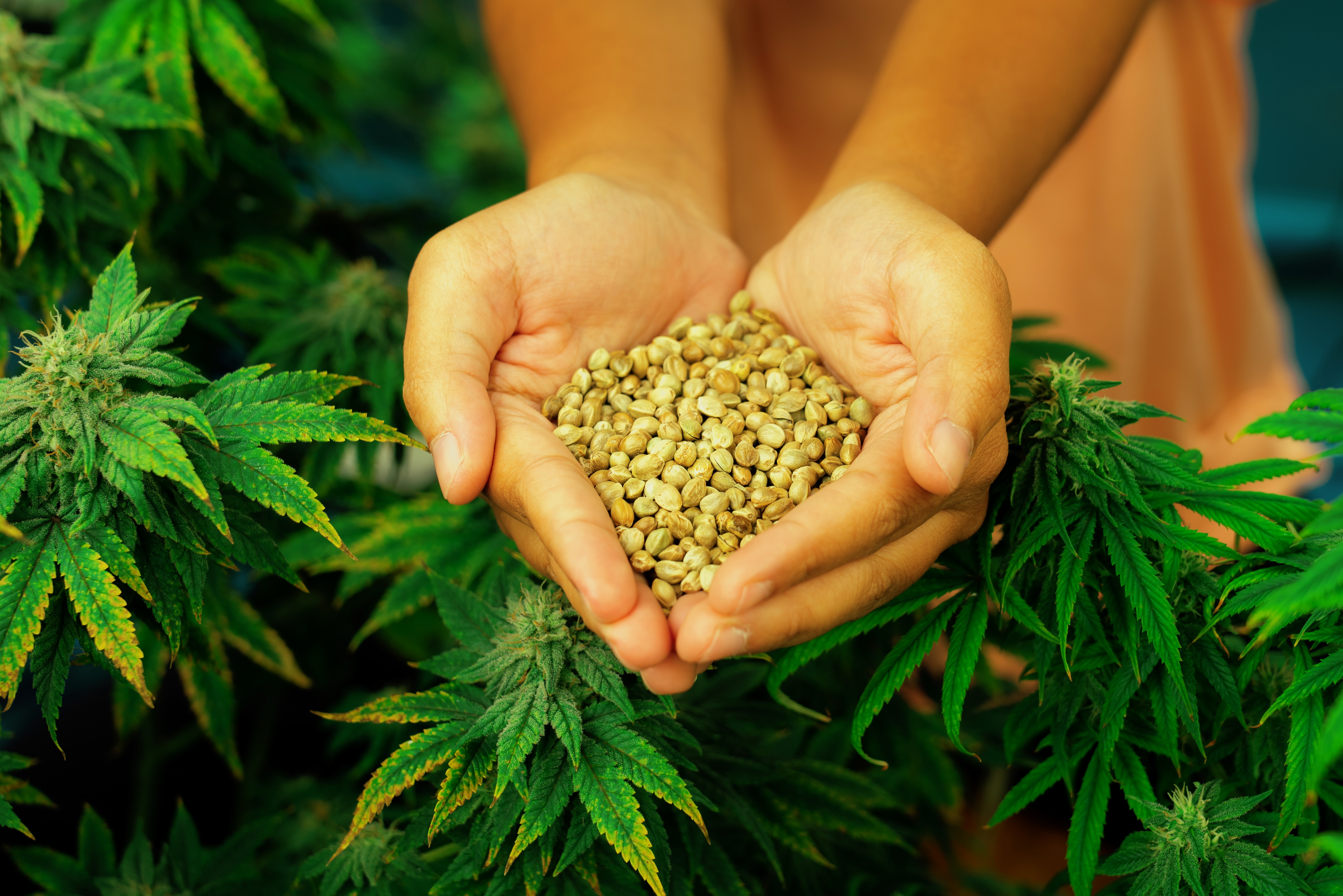


Black Friday seed sales can help buyers save money on seeds for future growing seasons. Many seed banks, breeders, nurseries, and garden suppliers lower their prices during this shopping period. Some offer direct discounts, while others provide free seeds, bundle deals, or free shipping. These offers can make quality seeds more affordable. However, a low price does not always mean that a purchase is a good deal.
The best Black Friday seed sales offer more than a large discount. They also provide clear product details, reliable genetics, safe payment options, fair shipping terms, and helpful customer policies. Buyers should look at the full value of an order before making a purchase. A seed pack that costs less may not be useful if the seeds are old, poorly stored, incorrectly labeled, or unsuitable for the buyer’s needs.
Seed quality is one of the most important factors to consider. Healthy and reliable seeds are more likely to perform as expected when they are stored and used correctly. Quality may depend on the breeder, the genetic line, the age of the seeds, and how they were handled before shipping. Buyers should not assume that every discounted seed pack has the same level of quality. Some sellers discount extra stock, older products, or less popular varieties. Other sellers reduce prices across their full catalog for a limited time.
Genetics also matter because they affect the traits a plant may develop. Depending on the type of seed, these traits may include plant size, growth speed, flowering time, climate needs, expected yield, color, taste, aroma, or resistance to common problems. Buyers should read the product description and learn about the breeder before ordering. A popular name on a seed pack does not always prove that the genetics are stable or authentic.
Seller reputation is another major part of a safe purchase. A trustworthy seller should provide clear contact information, secure checkout, product details, shipping terms, and return or replacement policies. Buyers should be cautious when a website offers prices that seem far lower than every other seller. Missing company details, unclear seed origins, and unusual payment requests may be warning signs.
Shipping costs can also change the real value of a sale. A seed pack may appear cheap until delivery fees, taxes, or payment charges are added at checkout. Free shipping may sound useful, but it sometimes requires a high minimum purchase. Buyers should calculate the full order cost instead of looking only at the discount shown on the product page.
Guarantees deserve careful attention as well. Some sellers offer a germination guarantee or a replacement policy for damaged seeds. These policies may have strict rules. A buyer may need to report the problem within a certain number of days, provide photographs, or follow a required germination method. Some discounted products may be marked as final sale and may not qualify for a refund or replacement. Reading the policy before paying can prevent confusion later.
Black Friday sales can also lead to rushed decisions. Limited-time offers, countdown clocks, and low-stock messages may make buyers feel that they must act at once. This pressure can cause people to buy more seeds than they need or choose varieties that do not match their space, climate, skill level, or planting plans. Careful preparation helps reduce this risk.
Before the sale begins, buyers can make a list of the seeds they want, compare normal prices, and set a clear budget. They can also research several sellers and review their shipping rules. This makes it easier to identify a real discount when the promotion starts. It also helps buyers avoid adding unnecessary products just to receive a free gift or qualify for free shipping.
The right seeds should match the buyer’s purpose and growing conditions. A variety suited to a warm outdoor climate may not perform well in a cooler region. A large plant may be difficult to manage in a small indoor space. Some seeds may need more time, care, or experience than others. These details remain important even when the price is low.
Buyers should also understand the laws that apply to their location. Rules for buying, receiving, possessing, importing, germinating, or growing certain seeds can differ between countries, states, provinces, and cities. A seed may be legal to own as a collectible but illegal to grow. International orders may also face customs checks or import restrictions. Buyers should review current local rules before placing an order.
Black Friday seed sales can be worth it when buyers focus on quality, value, and suitability. The goal should not be to collect the largest number of seeds for the lowest advertised price. The goal should be to purchase reliable seeds that fit the buyer’s needs and can be stored or used properly.
This article explains how Black Friday seed promotions work and when they usually begin. It also covers common discount types, seller research, seed quality, genetics, shipping, payment security, storage, and legal concerns. These steps can help buyers save money while avoiding weak products, hidden costs, and unsafe sellers.
What Are Black Friday Seed Sales?
Black Friday seed sales are special promotions offered by seed banks, breeders, nurseries, and online seed stores during the Black Friday shopping period. These sales often give buyers a chance to purchase seeds at lower prices than usual. Some sellers reduce prices across the whole website, while others place only selected seeds on sale.
Black Friday takes place on the Friday after Thanksgiving in the United States. However, many seed sales now begin several days or even weeks before the official date. Some promotions also continue through the weekend and end on Cyber Monday. Because of this, Black Friday seed sales may last much longer than one day.
These sales can include cannabis seeds, vegetable seeds, flower seeds, herb seeds, and other specialty seeds. The exact products depend on the seller. Some seed banks focus on cannabis genetics, while garden stores may offer vegetable, flower, and herb varieties.
A sale can help buyers save money, but the lowest price is not always the best deal. Shoppers should still check seed quality, breeder details, pack size, shipping charges, and store policies. A large discount may look attractive, but it may not offer real value if the seeds are old, poorly stored, or unsuitable for the buyer’s needs.
How Black Friday Seed Promotions Work
Black Friday seed promotions work in several ways. A seller may lower the listed price of a seed pack. For example, a pack that normally costs $50 may be reduced to $35. In this case, the buyer sees the sale price directly on the product page.
Other sellers provide discount codes. The customer enters the code during checkout to receive the lower price. These codes may apply to the entire order or only to certain products. Some codes also require a minimum purchase amount. A store may offer 20% off, for example, but only when the order reaches $100.
Storewide promotions cover most or all products sold by the business. These offers are simple because buyers can often choose from a wide range of varieties. However, some brands, new releases, limited packs, or already discounted products may still be excluded.
Selected-product sales apply only to specific seeds. A store may reduce the price of older stock, certain breeders, or less popular varieties. These sales can still provide good value, but buyers should not choose a product only because it has a large discount. The seed type, growing needs, and genetic background should still match the buyer’s plans.
Seed breeders and seed banks do not always play the same role. A breeder develops and produces the genetics. A seed bank may sell seeds from several different breeders. Some breeders sell directly to customers, while others use seed banks as retailers. During Black Friday, both breeders and seed banks may run separate promotions.
Buyers should check who produced the seeds before placing an order. The seller’s name and the breeder’s name may be different. Clear breeder information can help buyers understand the origin of the seeds, the expected traits, and the level of genetic stability.
Common Types of Black Friday Offers
Percentage discounts are among the most common Black Friday seed promotions. These offers reduce the regular price by a set amount, such as 10%, 25%, or 40%. A percentage discount is easy to understand, but buyers should confirm whether it applies to every product.
Buy-one-get-one offers are also common. These promotions are often called BOGO deals. A buyer may purchase one seed pack and receive another pack for free or at a lower price. The free pack may be the same variety, a selected variety, or a product chosen by the seller.
BOGO deals can reduce the average cost per seed. However, they are only useful when the buyer wants both packs. A free pack does not add much value if the seeds are not suitable for the local climate, growing space, or planned use.
Free seed promotions give customers bonus seeds after they reach a certain order value. A store may provide two free seeds with a $50 order and five free seeds with a $100 order. These offers may seem generous, but buyers should read the conditions. The free seeds may be unlabeled, chosen at random, or excluded from guarantees.
Discounted bundles combine several seed packs into one package. A bundle may focus on a certain seed type, plant trait, breeder, or growing method. Bundles can lower the price per pack, but shoppers should review every item included. Buying a bundle with unwanted products may cost more than buying one suitable pack at the regular price.
Spending-based rewards give larger savings when a customer spends more. For example, a seller may offer 10% off orders over $50, 20% off orders over $100, and 30% off orders over $200. These deals can encourage shoppers to increase their orders. Buyers should stay within their planned budget rather than spending more only to reach the next discount level.
Free or reduced-cost shipping is another common offer. Shipping fees can greatly affect the final order total, especially for international buyers. A store may provide free shipping when the customer spends a minimum amount. The buyer should compare the shipping savings with the cost of adding more products to the order.
Black Friday Versus Cyber Monday
Black Friday and Cyber Monday are closely connected, but the promotions may not be the same. Black Friday was once linked mainly to in-store shopping, while Cyber Monday focused on online sales. Today, many seed sellers operate online, so the two events often overlap.
Some seed banks launch one promotion before Black Friday and continue it through Cyber Monday. Others offer different discounts on each day. A Black Friday deal may provide lower prices, while a Cyber Monday deal may include free seeds, free shipping, or a special coupon code.
A seller may also introduce short flash sales during the weekend. These offers may last only a few hours. Popular seed packs can sell out quickly during such promotions, especially when stock is limited.
Buyers should check the start date, end date, time zone, and full terms of each promotion. They should not assume that a Black Friday discount will still be active on Cyber Monday. They should also avoid waiting too long when a specific seed pack is important to their plans.
At the same time, buyers should not rush into an order without checking the details. A countdown timer or limited-stock message can create pressure. It is better to compare the normal price, sale price, pack size, shipping cost, and seller policies before completing the purchase.
Black Friday seed sales are limited-time promotions offered by seed banks, breeders, nurseries, and online seed stores. They may include percentage discounts, BOGO offers, free seeds, bundles, spending rewards, and free shipping.
Some sales cover the whole store, while others apply only to selected products. Black Friday and Cyber Monday promotions may also run together or offer different benefits.
A strong deal should provide more than a low advertised price. Buyers should check the breeder, seed type, pack size, discount terms, shipping charges, and store policies. Careful comparison helps shoppers find real savings while still choosing seeds that meet their needs.
When Do Black Friday Seed Sales Start and End?
Black Friday seed sales do not always begin on Black Friday itself. Many seed banks and online sellers launch their promotions several days or even weeks before the main shopping event. Some sales begin in early November, while others start during the week of Thanksgiving. The official Black Friday shopping day falls on the Friday after Thanksgiving in the United States, but the full sale period is often much longer.
The end date can also vary between sellers. Some seed sales last for only 24 hours. Others continue through the weekend and end on Cyber Monday. A few sellers extend their promotions into the first week of December. Buyers should never assume that every promotion follows the same schedule. It is important to check the exact start time, end time, and time zone listed by the seller.
Knowing when sales begin and end can help buyers plan their orders. It can also reduce the risk of missing popular seed packs, limited bundles, or special free-seed offers.
Typical Black Friday Sale Periods
Many Black Friday seed promotions begin before the official event. Sellers may use terms such as early Black Friday sale, pre-Black Friday deal, or Black Friday preview. These early promotions are designed to attract buyers before other stores release their main discounts.
An early sale may offer the same discount that will be available on Black Friday. However, some sellers increase their discounts as the official date gets closer. For example, a store may offer 15% off during an early sale and then increase the discount to 25% on Black Friday. Other sellers may offer a lower early discount but include better stock availability.
Email subscribers and loyalty members may receive access before the public. Early access can begin several hours or days before the main sale. This may help buyers find limited seed varieties before they sell out. Some sellers also send private coupon codes through email, text messages, or customer accounts.
The main Black Friday promotion often begins on Thanksgiving evening or early Friday morning. Online stores may open the sale at midnight, but the meaning of midnight depends on the seller’s time zone. A buyer in another state or country may see the sale begin earlier or later than expected.
Many seed banks continue their promotions through Saturday and Sunday. This period is often called Black Friday weekend. Some sellers then launch a separate Cyber Monday sale. The Cyber Monday offer may provide the same discount, a different coupon, free shipping, or new seed bundles.
Buyers should read the sale page carefully. The dates shown in an advertisement may not include the exact ending hour. A promotion that ends on Monday may close at the start of Monday, at noon, or at 11:59 p.m. The seller’s terms should explain the deadline.
Why Sale Timing Matters
Sale timing matters because seed stock is limited. A seed bank may have only a certain number of packs from a breeder. Once those packs sell out, the seller may not be able to replace them during the promotion.
Popular strains, new releases, and limited-edition seeds may sell out within hours. Buyers who wait until the end of the sale may still receive a discount, but they may have fewer choices. Certain pack sizes may also disappear before others. A buyer may find that a 10-seed pack is sold out while a smaller or more expensive pack remains available.
Free seeds and promotional gifts may also be limited. A seller might offer a specific free seed pack only while supplies last. Once that stock is gone, the seller may replace it with another variety or remove the offer. This is why buyers should not assume that every bonus will remain available until the official end of the sale.
However, buying too early can also have disadvantages. Some shoppers place an order as soon as an early promotion begins, only to find a larger discount later. A seller may release a stronger deal on Black Friday or Cyber Monday. Early buyers might also miss flash sales that last for only a few hours.
Waiting can sometimes lead to better prices, but it also increases the risk of low stock. Buyers must balance the possible savings against the chance that their preferred seeds will sell out. Seeds that are rare, newly released, or available in small amounts may be worth buying early. Common seeds with stable stock may still be available later in the weekend.
The timing of an order can also affect shipping. Black Friday creates a large increase in online orders. Seed banks may need more time to pack and send each order. A purchase made early in the sale may be processed before the largest rush begins. Orders placed on Cyber Monday may take longer because many earlier orders are already waiting.
Creating a Shopping Timeline
A simple shopping timeline can make Black Friday seed buying easier. Research should begin before the sale starts. Buyers should compare seed banks, breeders, prices, shipping policies, and seed types during the first weeks of November. This gives them enough time to remove unreliable sellers from their list.
The next step is to create a wish list. Buyers should write down the exact seeds they want, including the breeder, seed type, pack size, and regular price. A wish list can prevent rushed decisions once the promotion begins. It also makes it easier to see whether a discount is real.
Recording the regular price is important. Some stores may advertise a large saving based on a higher reference price. By checking the price before Black Friday, buyers can calculate the actual reduction. They can also compare the final price with offers from other seed banks.
Creating an account before the sale may save time. Buyers can enter their shipping details, confirm their email address, and review the available payment methods. However, payment details should only be entered on a secure website. A prepared account can make checkout faster when limited seed packs become available.
Buyers should also subscribe to the seller’s email list when they are comfortable doing so. This may provide early-access details, coupon codes, or notices about limited offers. It is wise to check the email folder for spam or promotional messages because sale codes may be filtered.
Before the promotion begins, buyers should confirm the seller’s time zone. A midnight sale in California does not begin at the same local time for a buyer in New York, Europe, or Asia. Converting the start and end times in advance can prevent confusion.
On the sale day, buyers should review their cart before paying. They should confirm that the coupon has been applied, the correct pack sizes are included, and any promised free seeds appear in the order details. They should also check the shipping charge because it may change the final value of the deal.
Black Friday seed sales may begin days or weeks before the official shopping date. Many continue through the weekend and end on Cyber Monday, while some last into December. Exact schedules differ between sellers, so buyers should check the listed dates, hours, and time zones.
Shopping early may provide better access to popular seeds, limited packs, and free gifts. Waiting may lead to larger discounts, but it can also reduce the available choices. A clear timeline helps buyers balance these risks.
Researching sellers, recording regular prices, preparing a wish list, creating an account, and checking sale deadlines can make the process easier. Good timing does not only help buyers save money. It can also help them find the right seeds before stock becomes limited.
How Much Can Shoppers Save on Black Friday Seeds?
Black Friday seed sales can help shoppers reduce the cost of their orders, but the amount saved can vary widely. Some sellers offer small discounts across their full catalog. Others provide larger discounts on selected seed packs, older stock, bundles, or less popular varieties. A deal may look impressive at first, but the advertised percentage does not always show the true value of the purchase.
To understand how much you can save, you need to examine the full order. This includes the original price, sale price, number of seeds, shipping charge, payment fee, taxes, and any free products. You should also consider the quality and usefulness of the seeds. A low price does not create real savings when the seeds do not match your plans or come from an unknown source.
Understanding Advertised Discounts
Percentage discounts are among the most common offers during Black Friday. A seller may advertise 10%, 20%, 30%, or even larger reductions. However, shoppers should read the sale terms carefully. A discount may apply to every product, selected breeders, certain categories, or only full-price items.
For example, a seed pack with a regular price of $50 would cost $40 after a 20% discount. The direct saving is $10. This calculation is simple when the discount applies to the full price and there are no extra conditions.
Some promotions use a fixed reduction instead of a percentage. A seller may offer $15 off an order of $75 or more. This type of deal can be useful when your planned order already meets the minimum amount. It may be less useful when you need to add products you did not plan to buy.
Tiered discounts increase as the order total rises. A store may offer 10% off orders over $50, 15% off orders over $100, and 20% off orders over $200. These offers can encourage shoppers to spend more than expected. Reaching the next discount level does not always mean you are saving more money.
Suppose your planned order costs $90. You may be tempted to add another $20 worth of seeds to reach a $100 discount level. Even after the discount, your final cost may still be higher than the cost of your original order. The discount only creates value when you truly need the extra products.
Shoppers should also check whether the sale price is based on a genuine regular price. Recording prices before Black Friday can make comparisons easier. This helps you identify whether a product has received a real reduction or whether the seller has changed the listed regular price before the sale.
Calculating the True Cost per Seed
The cost per seed is one of the clearest ways to compare Black Friday offers. A large discount on a small pack may still cost more per seed than a smaller discount on a larger pack.
To calculate the basic cost per seed, divide the pack price by the number of seeds. A pack containing five seeds for $40 costs $8 per seed. A pack containing ten seeds for $60 costs $6 per seed. The second pack has a higher total price, but it provides a lower cost for each seed.
You should calculate the cost using the final sale price rather than the regular price. A ten-seed pack reduced from $80 to $56 costs $5.60 per seed. This gives you a more accurate way to compare it with other sale packs.
Free seeds can also change the calculation. Imagine that a $60 pack includes ten purchased seeds and five free seeds. You receive fifteen seeds in total. Dividing $60 by fifteen gives a cost of $4 per seed. However, this figure is only useful when the free seeds are suitable for your needs.
A free seed should not be given full value when the variety is unknown, poorly labeled, or unsuitable for your climate, available space, or planting schedule. Some sellers allow shoppers to select free seeds. Others choose them based on available stock. Always check the promotion terms before including free seeds in your value calculation.
Buy-one-get-one offers also require careful review. A BOGO promotion may sound like a 50% discount, but this is only true when the two packs have equal value and both are useful. Some offers provide a free pack of lower value. Others limit the free choice to selected varieties.
Shipping charges must be added to the order cost. A $40 order with a $12 shipping fee has a final cost of $52 before taxes or other charges. When the order contains ten seeds, the true cost becomes $5.20 per seed rather than $4.
Payment processing fees, currency charges, insurance, and taxes can also increase the total. Shoppers should review the final checkout page before paying. The amount charged at checkout provides a better measure of savings than the price shown on the sale banner.
Comparing Value Rather Than Discount Size
The largest discount is not always the best deal. A 50% discount on seeds with unclear genetics or weak seller support may provide less value than a 20% discount from a trusted source.
Seed quality should remain a main part of the comparison. Buyers should examine the breeder, genetic details, labeling, packaging, and seller policies. It is often better to pay slightly more for seeds that come with clear information and reasonable support.
The seed type also affects value. Regular, feminized, autoflowering, vegetable, flower, herb, hybrid, and heirloom seeds serve different needs. A discounted pack is not useful when it does not fit the buyer’s space, experience, climate, or purpose.
Pack size should match the buyer’s plans. Large packs may offer a lower cost per seed, but they also require a higher total payment. Buying twenty seeds instead of five does not create real savings when only five will be used.
Guarantees and replacement policies can add value to an order. A seller with a clear policy for damaged, missing, or incorrectly labeled products may provide greater protection. Shoppers should read all conditions because some sale products may be marked as final sale.
Bundles can provide good value when every included variety is useful. They may also lead shoppers to buy unwanted seeds. A bundle containing four packs at a reduced price may appear cheaper than purchasing each pack separately. However, the savings become less meaningful when only one or two packs will be used.
Free shipping can also affect the comparison. A seller offering a smaller product discount with free shipping may provide a lower final price than a seller offering a larger discount with expensive delivery. The full checkout total should always guide the decision.
Black Friday seed savings depend on more than the advertised discount. Shoppers should calculate the final cost of the order, including shipping, taxes, payment fees, and other charges. They should also divide the total price by the number of useful seeds received.
Percentage discounts, BOGO offers, free seeds, bundles, and tiered promotions can all provide value. However, these offers may also encourage unnecessary spending. A deal is only worthwhile when the seeds are suitable, properly labeled, reasonably priced, and purchased from a reliable seller.
How to Find Reputable Seed Banks and Sellers
Finding a trustworthy seed bank is one of the most important parts of shopping during a Black Friday sale. A large discount may look attractive, but it has little value if the seeds are mislabeled, poorly stored, damaged, or never delivered. Black Friday promotions can also create pressure to buy quickly. Limited-time offers, countdown timers, and low-stock warnings may cause shoppers to place an order before checking the seller.
A reputable seed seller should provide clear information about its business, products, payment process, shipping service, and customer support. Buyers should take time to review these details before the sale begins. This makes it easier to compare sellers without rushing and reduces the risk of losing money to an unreliable business.
Signs of a Trustworthy Seed Seller
A reliable seed seller should have a professional website that is easy to use. The website should include the company name, contact information, shipping details, payment options, and written store policies. Buyers should be able to understand who operates the business and how to request help if a problem occurs.
The checkout page should also be secure. A secure website normally uses encryption to protect customer details during payment. Shoppers should check that the website address begins with “https” and that the browser shows a security symbol near the address bar. These signs do not prove that a seller is trustworthy, but they show that basic security measures are being used.
Clear product descriptions are another positive sign. Each seed listing should provide useful information about the seed type, breeder, pack size, expected traits, and growing needs. The description should explain whether the seeds are regular, feminized, or autoflowering. It may also include flowering time, plant size, climate needs, and expected growth patterns.
Store policies should be easy to find and understand. A reputable seller should explain how orders are processed, how long shipping may take, and what happens if an order is lost or damaged. The website should also explain whether sale items can be returned or replaced. A seller that hides its policies or uses unclear wording may be difficult to deal with when something goes wrong.
Customer support is also important. A dependable seed bank should offer at least one clear way to contact the company. This may include email, a contact form, live chat, or a telephone number. Buyers may want to send a simple question before ordering. A helpful and clear response can show how the company handles customer concerns.
Researching the Breeder and Seed Bank
Buyers should understand the difference between a breeder and a seed bank. A breeder develops and produces seed varieties. A seed bank may produce its own seeds, but many seed banks also sell seeds from several breeders. This difference matters because the quality of the seeds may depend on both the breeder and the seller.
The breeder is responsible for developing the genetic line. A careful breeder selects plants over several generations to improve useful traits and reduce unwanted differences. These traits may include plant size, growth speed, flowering time, flavor, color, yield, and resistance to certain growing problems.
The seed bank is responsible for storing, labeling, handling, and shipping the seeds correctly. Even well-bred seeds may lose quality if they are stored in hot, wet, or poorly controlled conditions. Buyers should therefore research both the breeder and the seed bank when possible.
A product listing should clearly identify the breeder. Shoppers should be careful when a seller uses a popular variety name but does not explain where the seeds came from. The same strain name may be used by different breeders, and the results may not be the same. Clear breeder information makes it easier to research the history of the seeds and understand what to expect.
Established genetic lines may provide more consistent results than unknown or poorly described seeds. However, buyers should not judge quality only by how long a company has been operating. A newer breeder may still produce good seeds, but the buyer may need to examine its breeding methods, product information, and business practices more closely.
Checking Independent Information
Information on a seller’s website is useful, but it should not be the only source used. Seed banks control the content on their own websites, including the product claims and customer comments that appear there. Independent information can provide a wider view of the company’s service and product quality.
Buyers should look at several sources instead of relying on one review page. Useful information may be found in gardening communities, seed-growing forums, independent review websites, and discussions from previous customers. The goal is not to find a seller with no negative reports. Almost every large business receives complaints. The goal is to look for repeated patterns.
For example, several reports of slow delivery during a major sale may be understandable because Black Friday creates high order volumes. However, repeated reports of missing orders, incorrect labels, damaged seeds, or ignored customer messages may show a larger problem.
Shoppers should pay close attention to comments about packaging, delivery, seed condition, and customer support. Reports that include specific details are often more useful than short statements such as “great seller” or “bad company.” Detailed comments may explain when the order was placed, how long it took to arrive, what condition the package was in, and how the seller handled a problem.
Buyers should also watch for false or manipulated feedback. A large number of reviews posted within a short period may be suspicious. Reviews that repeat the same phrases or make broad claims without details may not be reliable. It is better to compare information from different websites and different time periods.
Warning Signs of an Unreliable Seller
Extremely low prices can be a warning sign, especially when the seller provides little information about the seeds. Black Friday discounts can be large, but prices that appear far below the normal market range should be examined carefully. The seller may be offering old stock, unknown genetics, damaged seeds, or products that do not match the description.
Missing company information is another concern. Buyers should be careful when a website has no contact page, no business name, and no customer service details. A seller that cannot be contacted may also be difficult to hold responsible if an order does not arrive.
Unclear seed origins should also raise concern. Product pages should not rely only on attractive strain names and strong claims. Buyers should be able to identify the breeder or source of the seeds. Statements that promise perfect germination, exact yields, or guaranteed growing results should be treated carefully. Seed performance depends on storage, age, growing conditions, skill, and many other factors.
Shoppers should also avoid sellers that pressure customers to use payment methods with little buyer protection. Some payment options may be normal for certain seed banks, but buyers should understand the risk before sending money. A seller that refuses to provide an invoice, receipt, or order confirmation may not be dependable.
Copied branding and website content are also warning signs. Scam websites may copy product images, logos, and descriptions from real seed banks. Buyers should check the website address carefully because a fake site may use a name that is only one letter different from a trusted company.
A reputable Black Friday seed seller should provide clear business information, secure payment, detailed product descriptions, written policies, and responsive customer service. Buyers should research both the breeder that produced the seeds and the seed bank that stores and ships them. Independent sources can help reveal repeated problems involving delivery, labeling, seed condition, and customer support. Extremely low prices, missing policies, unclear seed origins, copied websites, and unprotected payment requests may signal an unreliable seller. Taking time to check these details helps buyers find real value instead of choosing a deal based only on the size of the discount.
How to Check Seed Quality Before Buying
Black Friday seed sales can help buyers save money, but a low price should not be the only reason to place an order. Seed quality can affect germination, plant health, growth, and final results. Poor-quality seeds may fail to sprout or may produce weak plants. Some may also be mislabeled, damaged, or too old to perform well.
Buyers cannot fully test a seed before ordering it online. However, they can study the breeder, product listing, seller policies, and packaging details. These checks can lower the risk of buying weak or unreliable seeds. The goal is to find a fair price without giving up quality.
Genetics and Breeder Information
The quality of a seed begins with its genetics. Genetics are the traits passed from the parent plants to the next generation. These traits can affect plant size, growth speed, flowering time, yield, color, smell, and resistance to stress.
A seed name alone does not prove that the genetics are reliable. Different sellers may offer seeds with the same variety name, but the seeds may come from different breeders. Their quality and traits may not be the same. Buyers should look for the breeder’s name and information about the parent plants.
A clear product page should explain where the genetics came from. It may list the parent varieties or describe how the seed line was created. It should also explain whether the genetics have been tested over several generations. Stable genetics are more likely to produce plants with similar traits. Unstable genetics may cause major differences between plants from the same pack.
Breeder history is also important. Established breeders usually provide detailed information about their work. They may explain their breeding methods, testing process, and main goals. A lack of breeder information does not always mean the seeds are poor. However, it gives the buyer less information for making a careful choice.
Shoppers should be careful when a seller makes very strong claims without proof. Claims of perfect results, exact yields, or guaranteed plant traits may not be realistic. Plant performance depends on genetics, but it also depends on climate, soil, light, water, care, and other growing conditions.
Important Product Information
A good seed listing should provide more than a name and a photo. It should include enough detail to help the buyer decide whether the seeds match their needs.
The seed type should be clearly stated. Buyers should know whether they are purchasing regular, feminized, autoflowering, hybrid, heirloom, organic, untreated, or another type of seed. Each type may have different uses and growth needs.
The pack size should also be easy to find. Some sale listings may show a low price but include fewer seeds than expected. Buyers should compare the total price and the number of seeds in each pack. This helps them calculate the real cost per seed.
Product pages should describe the expected growth traits. This may include plant height, flowering period, harvest time, climate needs, and indoor or outdoor suitability. These details are estimates rather than promises. Still, they help buyers avoid seeds that are not suitable for their space or local conditions.
For example, a tall plant variety may not be a good choice for a small indoor area. A variety that needs a long, warm season may not perform well in a colder outdoor climate. Buyers should choose based on their real growing conditions instead of selecting a product only because it has the largest discount.
Packaging or production dates may also be helpful when available. Seeds can remain usable for a long time when stored correctly, but poor storage can lower their quality. Some sellers do not list exact seed ages. In that case, shoppers can check how the seller stores stock and whether old inventory is clearly marked.
The description should also explain what is included in the sale. Buyers should confirm whether free seeds are labeled, whether they come from a known breeder, and whether they are covered by the same policies as the paid seeds.
Germination and Replacement Policies
A germination policy explains what may happen if seeds do not sprout. These policies can vary greatly between sellers. Some seed banks may replace seeds that fail to germinate, while others may not offer replacements at all.
Buyers should read the full policy before placing a Black Friday order. Sale items may have different terms from regular-price items. Some sellers may treat discounted packs as final-sale products. Others may exclude free seeds from replacement coverage.
A replacement policy may include a deadline. The buyer may need to report a problem within a certain number of days after delivery or germination. Waiting too long could cancel the right to request help.
The seller may also ask for proof. This could include the order number, photographs, packaging details, seed labels, or a description of the method used. Buyers should keep the original packaging until they know the seeds are in good condition.
It is also important to check what the policy does not cover. A seller may refuse a replacement when seeds were stored poorly, exposed to too much moisture, damaged after delivery, or used in a way that does not follow the seller’s instructions.
A germination guarantee does not mean every seed will always sprout. Seeds are living products, and their performance can be affected by many conditions. A clear policy shows how the seller handles reasonable problems. A vague policy may leave the buyer with no support when something goes wrong.
Seed Appearance and Physical Condition
Seed appearance can provide some clues about maturity and condition, but appearance alone cannot prove quality. Healthy, mature seeds are often firm and dry. Depending on the plant type, they may have a dark, brown, gray, or patterned shell.
Some good seeds may look lighter or have fewer markings. Different varieties can produce seeds with different shapes, sizes, and colors. Buyers should not reject a seed only because it does not match a common picture found online.
Firmness is often more useful than color. A mature seed should not easily crack under light pressure. Seeds that are crushed, split, soft, or damp may have been damaged during storage or shipping.
Very pale or green seeds may be immature, although this is not true in every case. Seeds with visible mold, moisture, or a bad smell should not be used. These signs may point to poor storage or water damage.
The condition of the package also matters. Seeds should arrive in packaging that protects them from pressure, heat, moisture, and light. Small plastic tubes, sealed packs, and padded containers can help prevent damage during shipping.
Each pack should have a clear label. The label should show the variety name, breeder, seed type, and pack size. When several products are ordered, correct labeling becomes even more important. Unmarked free seeds may be difficult to identify and plan for later.
Buyers should inspect the order soon after it arrives. They should compare the package contents with the order confirmation. Missing packs, incorrect varieties, broken containers, or damaged seeds should be reported quickly. Clear photographs can help support a customer service request.
Checking seed quality before buying requires more than looking at the sale price. Buyers should review the genetics, breeder details, seed type, pack size, expected growth traits, and product information. They should also read the germination and replacement policies before completing the order.
After delivery, the seeds and packaging should be checked for damage, moisture, missing labels, and incorrect products. Appearance can offer useful clues, but it cannot guarantee that a seed will germinate or grow well.
Choosing the Right Seed Type During a Sale
Black Friday seed sales can make many seed types look attractive. Low prices, free packs, and bundle deals may encourage buyers to add more products to their carts. However, a good discount does not mean every seed type is right for every buyer. Seeds differ in how they grow, how much space they need, and how long they take to finish. Some also require more planning and experience than others.
Before placing an order, buyers should think about their goals, available space, local climate, and level of experience. They should also read the full product description instead of choosing seeds based only on the name, photo, or discount. Selecting the right type can reduce waste and make the purchase more useful.
Regular Seeds
Regular seeds can produce both male and female plants. The exact ratio may vary, so buyers should not expect every seed to produce a female plant. This makes regular seeds different from feminized seeds, which are produced to greatly reduce the chance of male plants.
Regular seeds may suit experienced growers who want to breed plants or preserve genetic lines. Male plants are needed for pollen production, while female plants produce seeds after pollination. A grower who plans to create new crosses may prefer regular seeds because they provide access to both sexes.
However, regular seeds may require more time, space, and careful observation. Growers may need to identify and separate male plants before pollination occurs. This can be difficult for beginners or people working in small spaces. A pack of ten regular seeds may not provide ten productive female plants, so buyers should consider this when comparing the cost per seed.
During a Black Friday sale, regular seed packs may have large discounts because they are less popular with some home growers. The lower price can offer good value when the buyer understands how to use them. However, a cheap pack may not be useful for someone who only wants female plants and has no interest in breeding.
Buyers should also check the breeder’s information, genetic background, expected traits, and packaging quality. The term “regular” describes the possible sex of the plants, but it does not prove that the seeds have strong or stable genetics.
Feminized Seeds
Feminized seeds are produced to have a very high chance of developing into female plants. This makes them popular with buyers who want to use their available space more efficiently. Since male plants may need to be removed in many growing situations, feminized seeds can reduce the amount of time and space spent on plants that do not match the grower’s goal.
These seeds may be helpful for beginners because they remove part of the plant-selection process. They can also suit growers with small indoor areas, limited containers, or strict plant limits. A buyer may be able to plan the space more easily when most plants are expected to be female.
Feminized seeds often cost more than regular seeds. Black Friday promotions can make them more affordable, but buyers should still compare the final price carefully. They should look at the number of seeds in each pack, shipping charges, free gifts, and any rules connected to the discount. A pack with a smaller discount may provide better value when it comes from a trusted breeder and includes a clear replacement policy.
Seed quality is especially important when buying feminized varieties. Poor breeding methods may lead to weak growth, unstable traits, or plants that do not develop as expected. Buyers should look for clear breeder details and accurate descriptions. They should also avoid sellers that promise perfect results, since plant growth depends on genetics, care, and environmental conditions.
Feminized does not mean the plant will grow well in every setting. Buyers must still consider plant size, climate needs, flowering time, and skill level. A discounted seed that requires more space or care than the buyer can provide may become an unnecessary expense.
Autoflowering Seeds
Autoflowering seeds develop according to age rather than changes in the daily light cycle. Many autoflowering plants begin flowering after a set period, even when they continue receiving long hours of light. This makes them different from photoperiod plants, which usually need a change in light exposure to enter the flowering stage.
Autoflowering seeds are often chosen for their faster life cycle. Some varieties can finish sooner than many photoperiod plants. This may suit buyers who want quicker results or who live in places with short outdoor growing seasons. Autoflowering plants also tend to remain smaller, although their final size depends on genetics and growing conditions.
Their smaller size may make them useful for balconies, compact gardens, or indoor spaces with limited height. They can also allow growers to start new plants at different times because the light schedule does not need to change for flowering.
However, autoflowering plants have less time to recover from stress. Problems during the early growth stage may reduce the plant’s final size because the life cycle continues even when growth slows. New growers should prepare the growing area, containers, soil, and lighting before starting the seeds.
Black Friday sales often include autoflowering bundles. These packs may contain several varieties with different sizes, harvest times, and climate needs. Buyers should review each variety instead of assuming that all autoflowering seeds grow in the same way. Some may remain compact, while others may become much larger.
Buyers should also check whether the seeds are both autoflowering and feminized. Many modern autoflowering seeds are feminized, but not every pack is the same. The product description should clearly state the seed type.
Vegetable, Flower, Herb, and Specialty Seeds
Black Friday seed sales are not limited to one kind of plant. Garden centers and online seed companies may offer discounts on vegetables, flowers, herbs, and specialty crops. These seeds also come in several forms, including hybrid, heirloom, open-pollinated, organic, and untreated varieties.
Open-pollinated seeds come from plants that are pollinated through natural methods, such as wind, insects, or self-pollination. When they are grown under suitable conditions and kept separate from other varieties, their saved seeds may produce plants with similar traits.
Heirloom seeds are usually open-pollinated varieties that have been passed down for many years. They may be valued for their flavor, appearance, history, or adaptation to certain areas. However, the term “heirloom” does not always follow one fixed age rule, so buyers should read the seller’s description.
Hybrid seeds are produced by crossing selected parent plants. They may offer benefits such as strong growth, uniform size, or better resistance to certain diseases. However, seeds saved from hybrid plants may not produce the same traits in the next generation.
Organic seeds are produced under organic standards, while untreated seeds have not been coated with certain chemical treatments. These terms describe how the seeds were produced or handled. They do not mean that every variety will suit every garden.
Buyers should consider their climate zone, planting season, soil type, and available sunlight. A large discount on warm-season vegetables may not help someone who lives in a cold area with a short summer. Flower and herb seeds should also be selected according to space, moisture needs, and expected plant size.
The right seed type depends on the buyer’s goals and growing conditions. Regular seeds may suit breeding projects, while feminized seeds can help growers make better use of limited space. Autoflowering seeds may provide a faster cycle and smaller plant size, but they require careful early care. Vegetable, flower, herb, and specialty seeds must be matched to the local climate, planting season, and garden conditions.
Black Friday discounts can lower the cost of quality seeds, but price should not be the only deciding factor. Buyers should check the seed type, breeder or producer, genetic details, pack size, growth needs, and sale terms. A well-chosen pack provides better value than a heavily discounted pack that does not fit the buyer’s needs.
Comparing Discounts, Bundles, and Free Seeds
Black Friday seed sales can include several types of promotions. Some sellers reduce prices by a fixed percentage, while others offer free packs, bundles, or buy-one-get-one deals. These offers may look simple at first, but the best deal is not always the one with the largest number in the advertisement.
Buyers should compare the full value of each promotion before placing an order. This means checking the normal price, pack size, number of seeds, shipping cost, and any rules tied to the offer. It is also important to decide whether the seeds included in the sale match the buyer’s needs. A cheap pack is not useful when the variety is unsuitable for the available space, climate, or future plans.
Percentage Discounts Versus BOGO Deals
A percentage discount lowers the listed price of a product. For example, a seed pack that normally costs $50 would cost $35 after a 30 percent discount. This type of offer is easy to understand because the buyer can see the exact reduction in price.
However, buyers should confirm that the original price is accurate. Some sellers may raise prices before a major sale and then advertise a large discount. Recording regular prices before Black Friday can make it easier to identify real savings. Buyers can also compare the same product at several stores to see whether the sale price is competitive.
A buy-one-get-one deal, often called a BOGO offer, gives the buyer a second product after purchasing the first one. In some cases, the second pack is free. In other cases, it may be offered at a reduced price.
A BOGO deal can provide strong value when both packs contain the same number of seeds and have similar prices. For example, buying one $40 pack and receiving another $40 pack for free reduces the average cost to $20 per pack. However, some sellers may provide a smaller free pack or choose the free variety for the buyer.
The free pack may also contain seeds that are less popular, older, or unsuitable for the buyer’s plans. Buyers should check whether they can select the second pack. They should also confirm the pack size, seed type, and breeder information.
A percentage discount may be better for shoppers who want a specific variety. A BOGO promotion may be more useful for people who need a larger number of seeds or want to try several options. The correct choice depends on what the buyer plans to use.
Evaluating Seed Bundles
Seed bundles contain several packs sold together for one combined price. A bundle may include different varieties, seed types, or pack sizes. Sellers often promote bundles as a way to receive more seeds at a lower average cost.
To check the value of a bundle, buyers should calculate the normal price of each included pack. They can add those prices together and compare the total with the bundle price. This shows the actual amount saved.
For example, imagine that a bundle costs $90 and contains three packs that normally cost $40 each. The regular total would be $120, so the buyer saves $30. This is a real discount, but it is only useful when all three packs are suitable.
A bundle can become a poor purchase when it includes products the buyer does not want. A person may be interested in only one pack but feel pressured to buy the full set because the discount appears large. In this case, buying a single pack at regular price may cost less than purchasing an unnecessary bundle.
Buyers should review every variety in the package. They should check expected growth traits, seed type, space needs, climate suitability, and estimated growing time. A bundle that mixes regular, feminized, and autoflowering seeds may require different plans for each type.
It is also important to check whether the seller allows substitutions. Some bundles are fixed, while others let buyers choose from a limited list. A flexible bundle may provide better value because the buyer can select seeds that fit a clear purpose.
The price per seed should also be calculated. Divide the total bundle price by the total number of seeds. This makes it easier to compare one bundle with another. Shipping and payment fees should be added before making the final calculation.
Understanding Free Seed Promotions
Free seeds are a common part of Black Friday promotions. A seller may include them with every order or offer more free seeds when the customer reaches a certain spending level. For example, an order over $50 may include one free pack, while an order over $100 may include two.
Free seeds can increase the value of an order, but only when the buyer can use them. Buyers should not assume that every free pack has the same value as a paid pack. The free seeds may come in smaller quantities, basic packaging, or limited varieties.
Some sellers clearly list the breeder, variety, and seed type. Others may send unmarked or randomly selected seeds. Unclear labeling can make it difficult to plan for growth traits, space, and timing. Buyers should look for sellers that provide accurate information with promotional products.
It is also important to check whether free seeds are covered by the seller’s replacement or germination policy. Some stores exclude gifts and promotional products from guarantees. This means the buyer may not receive a replacement if the free seeds are damaged or fail to germinate.
Spending more just to receive a free pack may not create real savings. For example, a buyer may add $30 of unwanted products to reach a higher reward level. If the free pack is worth only $10, the buyer has spent more money than necessary.
The value of free seeds should be treated as an extra benefit, not the main reason for placing an order. The paid products should still meet the buyer’s needs and budget.
Reading Promotion Conditions
Every Black Friday promotion has terms and conditions. These rules explain which products qualify, how long the offer lasts, and whether discount codes can be combined.
Some coupon codes apply to the entire store, while others exclude certain breeders or new products. A discount may also require a minimum order total. Buyers should check whether this minimum is calculated before or after shipping and taxes.
Many sellers allow only one code per order. This means a customer may need to choose between a percentage discount and free shipping. Comparing the final total under each code can help identify the better option.
Promotion deadlines should also be checked carefully. A sale may end according to the seller’s local time zone, not the buyer’s. Products added to a shopping cart are not always reserved. A pack may sell out before payment is completed.
Return and cancellation rules may also change during sales. Some discounted products are marked as final sale. Orders may not be changed after they enter processing. Buyers should review these conditions before submitting payment.
Black Friday discounts, bundles, BOGO offers, and free seeds can help buyers reduce costs, but each offer must be examined carefully. A large discount does not always provide the best value. Buyers should compare regular prices, pack sizes, seed types, shipping costs, and promotion rules.
Percentage discounts are often useful for shoppers who want specific seeds. BOGO offers and bundles may be better for buyers who need several packs and can use every product included. Free seeds can add value, but buyers should not spend more than planned simply to receive them.
Shipping, Delivery, and Packaging Considerations
Shipping is an important part of any Black Friday seed order. A large discount may look attractive at first, but delivery fees can reduce the total savings. Buyers should check the full order cost before paying. This includes the seed price, shipping charge, taxes, payment fees, and possible customs costs.
Black Friday is also one of the busiest shopping periods of the year. Seed banks may receive far more orders than usual. This can lead to slower processing, delayed tracking updates, and longer delivery times. Buyers should understand these risks before placing an order, especially when ordering seeds for a planned growing or planting season.
Good packaging also matters. Seeds are small and can be damaged by pressure, moisture, or heat. A trusted seller should use packaging that protects the seeds during storage and transport. International buyers must also consider customs rules, import limits, and possible delays at the border.
Shipping Costs and Free-Shipping Thresholds
Shipping costs can make a major difference in the final value of a Black Friday sale. A seed pack may be offered at a low price, but a high delivery fee can remove much of the discount. Buyers should always review the complete order total instead of focusing only on the product price.
Some seed banks offer free shipping when an order reaches a certain amount. For example, a seller may provide free delivery on orders over $75. This can be useful when the buyer already plans to spend close to that amount. However, shoppers should not add unwanted products just to reach the free-shipping limit.
Suppose a buyer has $55 worth of seeds in the cart and shipping costs $8. Spending another $20 to receive free shipping would not create a true saving unless the extra seeds were already needed. The buyer would spend $12 more than the original total. A free-shipping offer only provides value when the additional products have a clear purpose.
Buyers should also check whether the free-shipping offer applies to their location. Some promotions only cover domestic orders or certain delivery services. International shipping, remote areas, and express delivery may not be included.
The shipping policy should explain the available delivery methods, estimated costs, and tracking options. Buyers should read this information before entering payment details. A clear shipping policy can prevent unexpected charges during checkout.
Delivery Times During Black Friday
Black Friday orders may take longer to process because many people are shopping at the same time. A seed bank may normally prepare an order within one or two business days. During a major sale, the same process may take several days or longer.
Processing time and transit time are not the same. Processing time is the period the seller needs to confirm, pack, and prepare the order. Transit time begins after the delivery company receives the package. Buyers should consider both periods when estimating the arrival date.
A seller may state that delivery takes five business days, but this may only describe transit. If the seed bank also needs four days to process the order, the full wait may be nine business days. Weekends and holidays may increase the delay.
Tracking can help buyers follow the package. However, tracking information may not update immediately. A shipping label may be created before the package is collected. This means the order can appear to be in transit even though it is still waiting at the seller’s facility.
Buyers should avoid making urgent plans based on the fastest delivery estimate. Weather, carrier problems, holiday demand, and local delivery conditions may cause delays. Seeds needed for a specific planting period should be ordered early enough to allow for possible problems.
Customers should also save the order number, receipt, and tracking details. These records may be needed when contacting the seller or delivery company about a delayed or missing package.
Protective and Discreet Packaging
Seeds need protection from moisture, heat, pressure, and movement. Poor packaging may allow them to crack, become damp, or move around inside the parcel. A reliable seller should use strong materials that reduce these risks.
Many seed packs come in small tubes, sealed bags, blister packs, or breeder packaging. The outer parcel should also provide enough protection. A padded envelope may be suitable for some orders, while a small box may be safer for larger packs.
Moisture protection is especially important. Seeds that become wet during shipping may lose quality or begin to break down. Packaging should remain dry and sealed. Buyers should inspect the parcel as soon as it arrives. Signs of water damage, crushing, open seals, or broken containers should be photographed before the package is opened further.
Clear labeling is also useful. Each pack should identify the variety, breeder, seed type, and number of seeds when this information is available. Poor or missing labels can cause confusion, especially when several varieties are ordered at the same time.
Some sellers offer discreet shipping. This usually means the outer package does not clearly show what is inside. The return name may also be neutral. Discreet packaging may support privacy, but it does not change local laws. It also does not guarantee that customs officials will not inspect an international package.
Buyers should check how the seller handles damaged products. Some companies require photos of the unopened parcel, shipping label, and damaged items. Reporting the issue quickly can make it easier to request a replacement or refund.
Customs and International Orders
International seed orders involve more risk than domestic orders. Packages may be inspected by customs officials before entering the destination country. This can cause delays, extra charges, or seizure of the products.
Seed import rules vary by location. Some countries allow certain seeds for collecting but restrict germination or cultivation. Other locations require permits, plant health documents, or special labels. Rules may also differ between plant species.
Buyers should never assume that a seller’s ability to ship to a country means the order is legal there. The customer is usually responsible for checking current national and local laws. These rules may cover seed purchase, possession, importation, germination, and cultivation.
Customs charges may also apply. The buyer may need to pay import taxes, handling fees, or inspection costs before receiving the package. These charges may not appear during checkout because they are collected by the destination country.
Replacement policies for customs problems should be reviewed carefully. Some seed banks offer one replacement when an order is lost or seized. Others do not replace international orders after they leave the seller’s country. A reshipping promise may also have conditions, such as using tracked delivery or paying an extra fee.
International buyers should use accurate shipping details. An incorrect name, address, postal code, or phone number can cause the package to be returned or lost. Buyers should also understand that international tracking may stop updating while the parcel moves between countries.
Shipping should be treated as part of the total Black Friday seed cost. Buyers should compare delivery fees, free-shipping limits, taxes, and possible customs charges before placing an order. They should also allow extra time for processing and transport because major sales can create delays.
Strong, dry, and well-labeled packaging helps protect seeds during delivery. Buyers should inspect packages quickly and record any damage. International shoppers must also check import rules, customs risks, and replacement policies.
Payment Security, Refunds, and Avoiding Scams
Black Friday seed sales can offer useful savings, but they also attract fake websites and dishonest sellers. Buyers may feel pressure to complete an order before a timer ends or before a popular seed pack sells out. This pressure can lead to rushed choices. Taking a few extra minutes to check the payment process, refund rules, and seller details can help protect both your money and personal information.
A safe purchase is not only about finding a low price. It also means knowing how the seller handles payments, order problems, damaged products, and missing deliveries. Buyers should understand these details before entering any payment information.
Using Secure Payment Methods
Seed sellers may accept several payment methods. These can include credit cards, debit cards, bank transfers, digital wallets, cryptocurrency, money orders, or cash payments. Each method offers a different level of protection.
Credit cards often provide stronger buyer protection than many other methods. A card provider may allow a buyer to dispute a charge if the order never arrives or if the seller charges the wrong amount. Debit cards may also offer some protection, but the money is usually removed from the buyer’s bank account at once. This can make payment problems more difficult to manage.
Digital wallets can add another layer between the buyer and the seller. They may prevent the seller from seeing full card details. However, buyers should still check the wallet provider’s rules. Not every purchase is covered by a refund or dispute process.
Bank transfers, cryptocurrency, gift cards, and cash payments often provide less protection. Once the payment is sent, it may be difficult or impossible to recover. Buyers should be careful when an unknown seller accepts only one of these methods. A trustworthy business should clearly explain its payment choices and any added fees.
Before completing an order, review the full amount. Check the product price, shipping charge, taxes, discounts, and payment fees. Make sure the coupon code was applied correctly. Take a screenshot or save a copy of the final order page in case a problem happens later.
Protecting Personal and Financial Information
A secure website should use an encrypted connection. Buyers can usually identify this by looking for “https” at the start of the website address. Most browsers also show a lock symbol near the address bar. These signs do not prove that a seller is honest, but they show that information is protected while being sent through the site.
Never send full credit card details, passwords, or banking information through email, text messages, or social media. A real seller should provide a secure checkout page. Be cautious when someone asks you to complete payment through a private message.
Buyers should also use a strong password when creating an account. The password should not be the same one used for email, banking, or other important services. Reusing passwords can place several accounts at risk if one website suffers a data leak.
Only provide the information needed to complete the order. A seller may need a name, delivery address, email address, and payment details. Requests for unrelated personal information should raise concern. Buyers should also avoid placing orders through public Wi-Fi networks because these connections may not be secure.
Keep all order records. Save the confirmation email, receipt, tracking number, coupon terms, and product page. The seller may later change or remove the listing. Saved records can show what was promised at the time of purchase.
Checking Refund and Cancellation Policies
Black Friday orders may have stricter rules than regular purchases. Some sellers treat discounted products as final-sale items. This means they may not allow returns, exchanges, or cancellations. Buyers should read the refund policy before placing an order.
Check whether an order can be cancelled after payment. During a busy sale, the seller may begin processing it very quickly. Once the order reaches the shipping stage, cancellation may no longer be possible. Some businesses may also charge a cancellation or restocking fee.
The policy should explain what happens when an order is missing, damaged, or incorrect. For example, the seller may require photos of damaged packaging or cracked seeds. There may also be a short period for reporting a problem. Buyers who wait too long could lose the right to request help.
A germination guarantee is different from a general refund policy. A seller may replace seeds that fail to germinate, but only when certain steps are followed. The buyer may need to provide dates, photos, or information about the germination method. Some sellers do not offer germination support in areas where germinating the seeds is restricted.
Shipping problems may also have separate rules. The seller may cover packages lost by the carrier but not packages marked as delivered. International orders may not be covered when customs officials stop or seize the package. Reading these terms before ordering helps prevent confusion later.
Recognizing Black Friday Scams
Fake seed-bank websites often appear during major sale periods. Some copy the name, logo, photos, and product descriptions of a real business. The fake site may look professional, but its purpose is to collect payments or personal details.
Check the website address carefully. Scammers may use a spelling that is only one letter different from the real company name. They may also add extra words, numbers, or unusual endings to the website address.
False countdown timers are another common warning sign. A website may claim that the sale ends within minutes, but the timer starts again when the page is refreshed. This tool is used to create pressure. A buyer should not allow a timer to replace careful research.
Be careful with sellers that exist only through social media. A new account with very few posts, limited contact details, and no clear business website may be risky. Scammers may also use stolen images or copy comments from other pages.
Prices that appear far below normal market levels can also be a warning. A large discount is possible during Black Friday, but an offer that seems impossible may be designed to attract quick payments. Buyers should compare the price with several trusted sellers.
Poor writing, broken links, missing policies, and copied contact pages can also suggest a fake site. However, good writing and a polished design do not always mean a seller is safe. The full business history should still be checked.
What to Do When a Problem Occurs
Contact the seller as soon as a problem is found. Provide the order number and explain the issue in a clear way. Include photos or other records when needed. Keep copies of every message.
Give the seller a reasonable chance to solve the issue, but pay attention to refund or dispute deadlines. Credit card companies and payment services may allow disputes only within a set period. Waiting too long could reduce your options.
When the seller does not respond, contact the payment provider. Explain what happened and provide receipts, emails, tracking records, and screenshots. Buyers should also change their password if they believe their account details were exposed.
Safe payment practices are an important part of shopping during Black Friday seed sales. Buyers should use payment methods that offer protection, review the final cost, and enter personal information only on a secure checkout page. They should also save all order records and read refund, cancellation, germination, and shipping policies before paying.
Fake websites, unusual payment requests, false timers, and prices that seem impossible are common warning signs. A careful buyer should verify the seller, review the website address, and avoid rushed decisions. These steps can reduce the risk of fraud and make it easier to solve problems when an order is missing, damaged, incorrect, or never delivered.
Planning, Storing, and Using Seeds After the Sale
Black Friday seed sales can make it easy to buy more than you need. Low prices, free seed offers, and limited-time deals may create pressure to place a large order. However, a good deal only has value when the seeds match your plans and can be stored correctly. Careful planning helps you control spending, avoid waste, and protect seed quality until you are ready to use them.
Setting a Realistic Seed Budget
Before the sale begins, decide how much you can afford to spend. A clear budget can help you avoid making rushed choices. Start by checking how many seeds you already have. Then estimate how many you may need for your next growing or planting season.
Your budget should include more than the listed price of the seeds. Shipping fees, taxes, payment charges, and other costs can raise the final total. A seed pack may look cheap at first, but the total cost may be much higher after these fees are added.
It is helpful to divide your shopping list into essential and optional purchases. Essential seeds are the types you already plan to use. Optional seeds may be interesting, but they are not needed right away. Buy the essential items first. Only consider the optional items when they still fit within your budget.
You should also set a maximum order amount before visiting sale pages. This can reduce the chance of spending more simply to receive a free gift. For example, a seller may offer free seeds when an order reaches $100. Spending an extra $30 to receive a small free pack may not be a real saving if you did not need the extra products.
A shopping list can make the buying process easier. Write down the seed types, pack sizes, and breeders you prefer. You can also record the regular prices before the sale. This will help you see whether the Black Friday price offers a true discount.
Avoiding Unnecessary Stockpiling
Stockpiling means buying a large number of seeds for future use. This may seem sensible during a major sale, but it can create several problems. Seeds may lose quality over time, especially when they are not stored under proper conditions. Your growing plans may also change before you use them.
Consider your available space before ordering. A person with a small garden, indoor setup, or limited planting area may not need many packs. Buying dozens of seeds does not create value when only a few can be used each season.
You should also think about your climate and planting schedule. Some seed types may not perform well in your area. Others may require more time, space, or care than you can provide. Check the expected growth pattern, climate needs, and planting period before adding each product to your order.
Avoid buying many varieties that are very similar. Several packs may have different names but offer almost the same traits. Compare their growth needs, expected size, harvest time, and other features. Choosing a smaller number of useful varieties is often better than buying many packs without a clear purpose.
Limited-time sales can also create fear of missing out. Sellers may use countdown timers or low-stock messages to encourage quick orders. These messages should not replace careful planning. A discount is not a saving when the product remains unused.
Proper Seed Storage
Correct storage helps protect seeds from damage and may allow them to remain usable for a longer period. The main storage risks are moisture, heat, light, and frequent temperature changes.
Seeds should be kept in a cool, dark, and dry place. Exposure to moisture may cause mold, early germination, or damage to the seed shell. Heat can reduce seed quality over time. Bright light may also affect the condition of stored seeds.
Use a sealed container to protect seeds from air and moisture. Small glass jars, airtight plastic containers, or sealed storage bags may work when they are clean and dry. Some people place a small moisture-control packet inside the container, but it should not come into direct contact with the seeds.
Keep each variety in its original pack when possible. Original packaging often includes useful details, such as the breeder, seed type, pack size, and product name. When the original pack is damaged or opened, place it inside a clearly labeled storage container.
Every label should include the seed variety, breeder or seller, purchase date, and number of seeds. You may also record whether the seeds are regular, feminized, autoflowering, hybrid, heirloom, or another type. Good labels prevent confusion when several packs are stored together.
Avoid opening the storage container often. Each time it is opened, warm air and moisture may enter. Large temperature changes may also cause condensation. Condensation creates small drops of water that can harm the seeds.
Some people use a refrigerator for longer storage. However, the temperature should remain stable, and the seeds must be protected from moisture. A refrigerator that is opened often may create frequent temperature changes. Seeds should also be allowed to reach room temperature before the sealed container is opened. This reduces the chance of condensation forming on them.
Checking Local Laws Before Ordering
Seed laws can differ between countries, states, provinces, cities, and other local areas. A product that can be sold legally in one place may be restricted in another. Buyers should check the current rules before placing an order.
Different laws may apply to purchasing, possessing, importing, germinating, or growing certain seeds. Permission to buy a seed does not always mean permission to plant or cultivate it. Some sellers may ship to a location even when the buyer is responsible for following local rules.
International orders may face extra restrictions. Customs officers may inspect packages, delay delivery, collect fees, or remove restricted items. Some sellers do not replace orders that are stopped by customs. Read the seller’s shipping and replacement policies before buying from another country.
Do not depend only on information found in advertisements, social media posts, or old articles. Laws can change. Check official government sources or speak with a qualified local professional when the rules are unclear.
A successful Black Friday seed purchase requires more than finding the lowest price. Set a clear budget, calculate the full order cost, and focus on seeds that match your actual plans. Avoid buying large numbers of packs simply because they are discounted or include free gifts.
Conclusion: Getting the Best Value From Black Friday Seed Sales
Black Friday seed sales can help buyers save money, but the best deal is not always the one with the largest discount. A low price may look attractive at first, yet the real value depends on several factors. Seed quality, genetics, seller reputation, shipping fees, guarantees, and legal rules can all affect whether a purchase is worthwhile. Careful planning helps buyers avoid poor-quality products and spend their money on seeds that match their needs.
Research should begin before the sale starts. Black Friday promotions can move quickly, and popular seed packs may sell out early. Buyers who wait until the sale begins to research every seller may feel rushed. This pressure can lead to mistakes, such as choosing an unknown seed bank or buying varieties that are not suitable for the buyer’s climate, space, or skill level. A better approach is to make a short list of trusted sellers in advance. Buyers can review product details, shipping policies, payment options, and customer support before discounts appear.
Seller reputation is one of the most important parts of a safe purchase. A trustworthy seed seller should provide clear contact details, complete product descriptions, and written policies. The website should also use a secure checkout system. Buyers should be careful when a seller gives very little information about the company or the seeds. Prices that seem far lower than every other seller may also be a warning sign. Black Friday discounts can be large, but quality seeds still have real production, testing, storage, and packaging costs.
The final price should always be compared, not just the advertised discount. A seed pack listed at 50% off may still cost more than a similar pack from another seller. Shipping charges, taxes, payment fees, and minimum order rules can increase the final total. Buyers should calculate the cost per seed after all charges are included. Free seeds and bonus packs may add value, but only when the buyer can use them. A free pack is not a true benefit when the variety is unsuitable or the seeds have unclear origins.
Seed genetics and product details also deserve close attention. Buyers should check who produced the seeds and whether the breeder provides useful information. Important details may include seed type, expected growth pattern, flowering period, climate needs, and indoor or outdoor suitability. These details help buyers choose seeds that fit their plans. A popular name or attractive photo does not prove that a seed pack is high quality. Clear breeding information and accurate labels are more useful than strong marketing claims.
The right seed type will depend on the buyer’s goals. Regular seeds may produce both male and female plants. Feminized seeds are intended to produce female plants and may be more useful for people with limited growing space. Autoflowering seeds follow a different growth cycle and may finish faster than many photoperiod types. Gardeners buying vegetable, flower, or herb seeds should also check whether the seeds are hybrid, open-pollinated, heirloom, organic, or treated. Each type has different features, so buyers should not select seeds based only on price.
Guarantees should be read carefully before the order is placed. Some sellers offer germination or replacement policies, but the terms can vary. A policy may have strict deadlines or require photos, order numbers, or records of the method used. Other sellers may not cover sale products, free seeds, international orders, or customs problems. Buyers should understand these limits before they pay. Keeping receipts, order emails, labels, and photos of damaged packages can help if a problem needs to be reported.
Shipping is another major part of the total value. Black Friday creates a high number of orders, so processing may take longer than usual. Buyers should check whether the estimated time includes both processing and delivery. Tracking can provide added security, especially for larger orders. Good packaging should protect seeds from crushing, heat, and moisture. International buyers should also review customs rules, import fees, and possible delivery limits. A seller may ship to a country even when local rules do not allow the seeds to enter.
Secure payment methods can reduce financial risk. Buyers should use the official checkout page and avoid sending payment details by email or private message. Some payment methods offer stronger buyer protection than others. The final charge should be checked before payment is confirmed. It is also wise to save a copy of the order page and confirmation email. These records can be useful if the order is delayed, incorrect, or never delivered.
Setting a budget helps prevent overspending. Black Friday promotions often use countdowns, free gifts, and spending levels to encourage larger orders. Buyers should decide how many seeds they need and how much they can spend before shopping. Adding extra packs only to receive free shipping or a gift may increase the total cost instead of creating savings. Seeds should be chosen because they have a clear purpose, not simply because they are on sale.
After delivery, proper storage can help protect seed quality. Seeds should usually be kept in a cool, dark, and dry place. Heat, moisture, light, and frequent temperature changes may reduce their condition over time. Sealed containers and clear labels can prevent damage and confusion. Buyers should record the seed name, breeder, purchase date, and pack information. This makes it easier to manage several varieties and use older seeds first.
Legal rules must also be checked before buying. Laws may cover the purchase, possession, import, germination, or cultivation of certain seeds. These rules can differ between countries, states, provinces, and cities. The right to buy a seed does not always include the right to grow it. Buyers are responsible for checking current laws that apply to their location.
The best Black Friday seed purchase is one that combines a fair price with reliable quality and safe service. Buyers should research sellers, compare final costs, review genetics, check guarantees, and understand shipping terms. They should also choose seeds that suit their real plans and store them correctly after delivery. When these steps are followed, Black Friday seed sales may offer useful savings without forcing buyers to sacrifice quality, safety, or suitability.
Research Citation
Food and Agriculture Organization of the United Nations. (2006). Quality declared seed system: Protocols and standards for vegetatively propagated crops. https://www.fao.org/4/a0503e/a0503e00.pdf
Food and Agriculture Organization of the United Nations. (2010). Seeds in emergencies: A technical handbook. https://www.fao.org/4/i1816e/i1816e00.pdf
Food and Agriculture Organization of the United Nations. (2018). Seeds toolkit: Module 3—Seed quality assurance. FAO.
Rao, N. K., Hanson, J., Dulloo, M. E., Ghosh, K., Nowell, D., & Larinde, M. (2006). Manual of seed handling in genebanks. Bioversity International. https://www.fao.org/3/ah803e/ah803e.pdf
Saura, J. R., Reyes-Menendez, A., & Palos-Sanchez, P. (2019). Are Black Friday deals worth it? Mining Twitter users’ sentiment and behavior response. Journal of Open Innovation: Technology, Market, and Complexity, 5(3), Article 58. https://doi.org/10.3390/joitmc5030058
Swilley, E., & Goldsmith, R. E. (2013). Black Friday and Cyber Monday: Understanding consumer intentions on two major shopping days. Journal of Retailing and Consumer Services, 20(1), 43–50. https://doi.org/10.1016/j.jretconser.2012.10.003
Wrabel, A., Kupfer, A., & Zimmermann, S. (2022). Being informed or getting the product? How the coexistence of scarcity cues and online consumer reviews affects online purchase decisions. Business & Information Systems Engineering, 64(5), 573–590. https://doi.org/10.1007/s12599-022-00772-w
Xie, J., Yoon, N., & Choo, H. J. (2023). How online shopping festival atmosphere promotes consumer participation in China. Fashion and Textiles, 10, Article 5. https://doi.org/10.1186/s40691-022-00325-5
Tian, X., Zhang, M., & Zhang, J. (2024). Unveiling insights from online shopping carnivals: A pre- versus post-promotion analysis of consumer visiting behavior. Journal of Retailing and Consumer Services, 76, Article 103588.
Food and Agriculture Organization of the United Nations. (n.d.). Seed and seed quality: Technical information for emergency operations. https://www.fao.org/fileadmin/templates/tc/tce/pdf/Appendix_14_Seed_and_Seed_Quality_for_Emg.pdf
Questions and Answers
Q1: When do Black Friday seed sales usually start?
Many seed retailers begin their Black Friday promotions in mid-to-late November. Some stores launch early deals several days or weeks before Black Friday.
Q2: What types of seeds are included in Black Friday sales?
Sales may include vegetable, herb, flower, fruit, cannabis, heirloom, organic, feminized, and autoflower seeds, depending on the retailer.
Q3: How much can I save during Black Friday seed sales?
Discounts commonly range from 10% to 50%. Some sellers also offer bundle deals, free seeds, or reduced shipping costs.
Q4: Are Black Friday seed sales available online?
Yes. Most major seed banks, nurseries, and gardening stores offer Black Friday discounts through their websites.
Q5: How can I find the best Black Friday seed deals?
Compare prices, package sizes, shipping fees, customer policies, and seed quality across several trusted retailers before placing an order.
Q6: Are discounted seeds lower in quality?
Not always. Many retailers discount regular inventory for promotional reasons. Buyers should still check seed freshness, storage information, germination guarantees, and seller reputation.
Q7: Do seed companies offer coupon codes on Black Friday?
Yes. Some retailers provide coupon codes through their websites, email newsletters, social media pages, or promotional advertisements.
Q8: Can I get free seeds during Black Friday promotions?
Some seed sellers include free seeds when an order reaches a certain value. The number and type of free seeds depend on the promotion.
Q9: Should I buy seeds on Black Friday or Cyber Monday?
Both days may offer good discounts. Black Friday often includes broader promotions, while Cyber Monday may feature online-only deals or extended discounts.
Q10: What should I check before buying seeds during a Black Friday sale?
Check the seed variety, quantity, harvest or packaging date, germination information, shipping restrictions, return policy, and total order cost.