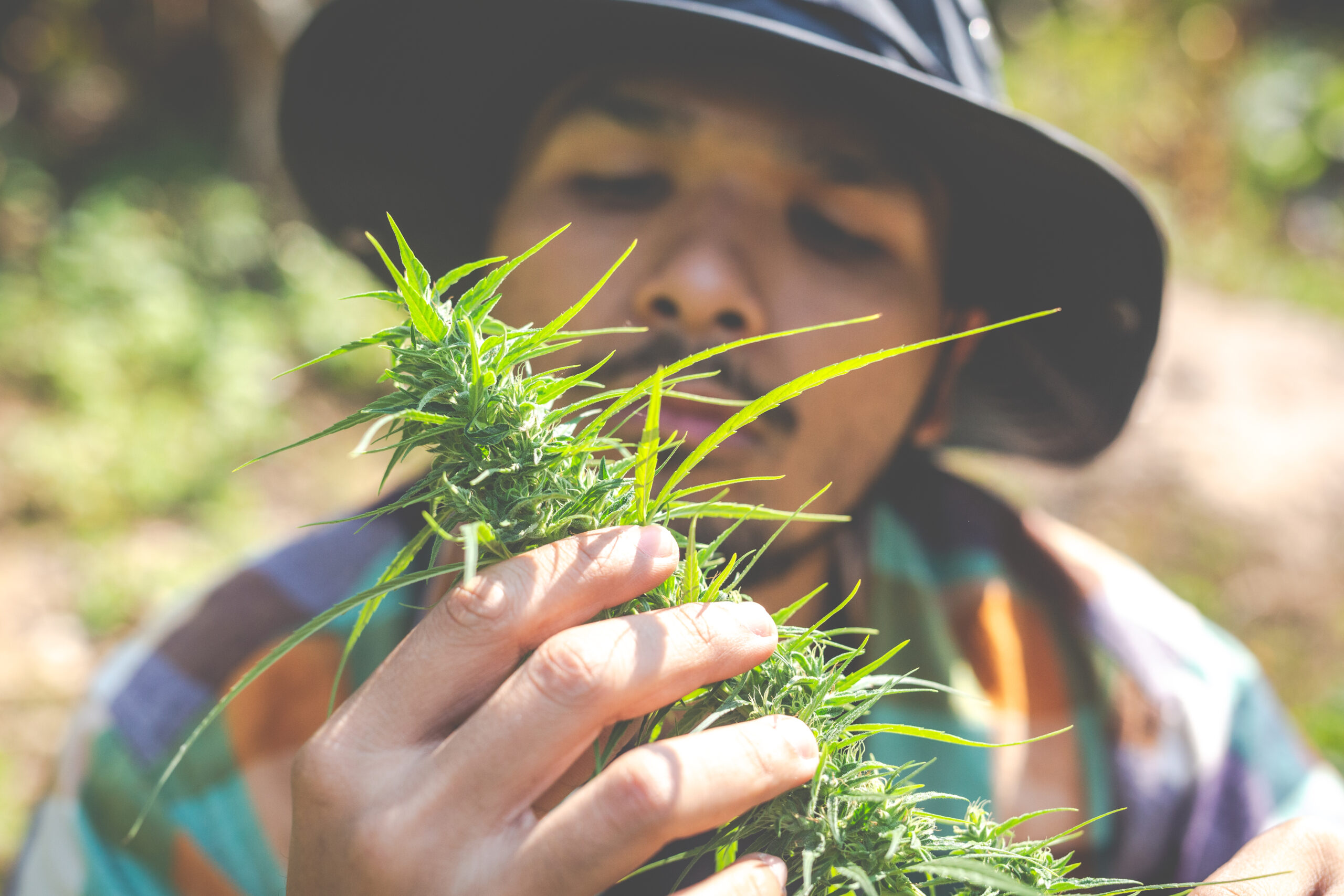


Drying marijuana is one of the most important steps after harvest, yet it is often misunderstood or rushed. Many growers focus heavily on growing healthy plants, but the quality of the final buds depends just as much on how they are dried. Drying is not simply about removing moisture. It is a controlled process that protects the chemical makeup of the plant and prepares it for long-term storage and use.
When marijuana is harvested, the buds contain a high amount of water. If this moisture is not removed in the right way, the buds can develop mold, lose strength, or end up with a harsh taste and smell. Proper drying allows excess water to slowly leave the plant while preserving cannabinoids and terpenes. Cannabinoids, such as THC and CBD, are responsible for the effects of marijuana. Terpenes give each strain its smell and flavor. Both are sensitive to heat, light, and air, which is why drying must be done carefully.
It is important to understand that drying and curing are not the same thing. Drying is the first step that removes most of the moisture from freshly cut plants. Curing comes later and involves storing dried buds in controlled conditions to further improve flavor, smoothness, and stability. If marijuana is not dried correctly, curing will not fix the problem. Poor drying can permanently damage the buds, no matter how well they are cured afterward.
The way marijuana is dried has a direct effect on potency. Drying too fast, especially in hot or dry conditions, can cause cannabinoids and terpenes to break down or evaporate. This can result in weaker effects and dull flavors. On the other hand, drying too slowly or in a humid space increases the risk of mold and bud rot, which can make the marijuana unsafe to use. The goal is to find a balance where moisture leaves the plant at a steady, controlled pace.
Another reason proper drying matters is consistency. Uneven drying can cause some buds to be too dry while others remain wet inside. This can lead to problems during storage, such as mold growth inside jars or bags. Even drying helps ensure that all buds reach a similar moisture level, making them safer to store and easier to cure.
Drying also affects how long marijuana can be stored. Buds that are dried correctly are more stable over time. They are less likely to grow mold, break down, or lose strength. This is especially important for growers who plan to store marijuana for weeks or months. Poorly dried buds often degrade quickly, even when stored in sealed containers.
Many common drying mistakes happen because people try to speed up the process. Using ovens, microwaves, heaters, or direct sunlight may dry marijuana quickly, but these methods damage the plant’s structure and chemical content. Fast drying almost always leads to harsh smoke, weak aroma, and reduced potency. Controlled drying takes more time, but it protects quality and safety.
This guide is designed to explain the best way to dry marijuana using clear, simple steps. It focuses on proven methods that prioritize slow, even drying in a controlled environment. The goal is not just to dry buds, but to do it in a way that preserves strength, flavor, and overall quality.
In the sections that follow, this article will explain when to start drying, the ideal temperature and humidity, how long drying should take, and how to tell when buds are ready. It will also cover common mistakes, mold prevention, and the difference between drying and curing. By understanding why proper drying matters and how each part of the process works, readers can achieve consistent results and avoid problems that reduce the value of their harvest.
What Is the Best Way to Dry Marijuana?
The best way to dry marijuana is to use a slow, controlled drying process in a stable indoor environment. This method focuses on keeping temperature, humidity, airflow, and light at safe and consistent levels. Drying marijuana correctly helps protect its natural compounds and prevents problems like mold, harsh smoke, and loss of flavor.
To understand what “best” means in this context, it is important to know the goals of drying. Drying is not just about removing water. It is about removing moisture at the right speed so the buds stay healthy, clean, and usable.
What “Best” Means When Drying Marijuana
When people search for the best way to dry marijuana, they usually want four things:
- Good quality buds
- Strong aroma and flavor
- Preserved potency
- Safe storage without mold
The best drying method meets all four goals. Drying too fast or too slow can damage one or more of these areas. A balanced method gives the buds time to dry evenly from the inside out.
The Controlled-Environment Drying Method
The most reliable way to dry marijuana is in a dark, indoor space where temperature and humidity can be controlled. This space could be a grow tent, drying room, closet, or dedicated drying area.
Key features of this method include:
- Moderate temperature (not hot or cold)
- Balanced humidity (not dry air, not damp air)
- Gentle airflow (air moves, but does not blow directly on buds)
- No light exposure
In this setup, marijuana plants or branches are usually hung upside down or placed on drying racks. The buds slowly release moisture over several days. This slow release helps keep the structure of the buds intact and protects important plant compounds.
Why Slow Drying Is Better Than Fast Drying
Slow drying is considered best because marijuana buds dry from the inside first, not just the surface. When drying is rushed, the outside becomes dry while the inside stays wet. This causes several problems:
- Harsh smoke
- Weak smell or “hay” odor
- Poor curing later
- Higher risk of trapped moisture and mold
A slow process allows moisture to move evenly from the center of the bud to the outside. This results in buds that burn evenly and store better over time.
Problems With Fast or Improvised Drying Methods
Some people try to dry marijuana quickly using heat, sunlight, ovens, or fans blowing directly on the buds. These methods are not recommended because they remove moisture too fast and damage the plant.
Fast drying can cause:
- Loss of aroma
- Reduced flavor
- Brittle buds
- Uneven dryness
Heat and light also break down sensitive compounds inside marijuana. Once these compounds are damaged, they cannot be restored.
Why Controlled Drying Produces Consistent Results
A controlled environment allows the grower to repeat the same results every time. When temperature and humidity stay steady, the drying process becomes predictable. This reduces guesswork and lowers the risk of mistakes.
Controlled drying also helps prevent:
- Mold growth from high humidity
- Over-drying from low humidity
- Crumbling buds from excess airflow
Because marijuana drying takes several days, stability matters more than speed. Small changes over time have a big effect on final quality.
Indoor Drying vs. Outdoor Drying
Indoor drying is considered the best option because outdoor conditions change often. Temperature, humidity, wind, insects, and sunlight are difficult to control outdoors. These changes increase the risk of contamination and uneven drying.
Indoor drying protects buds from:
- Rain and moisture
- Direct sunlight
- Pests and dust
- Sudden temperature changes
The best way to dry marijuana is slowly, indoors, and under controlled conditions. This method focuses on balance instead of speed. By keeping temperature, humidity, airflow, and light at proper levels, marijuana buds dry evenly and safely.
Controlled drying helps preserve structure, aroma, flavor, and usability. It also prepares the buds for the next step, which is curing. While many drying methods exist, a slow and steady indoor approach remains the most effective and reliable way to achieve high-quality dried marijuana.
When Should Marijuana Be Dried After Harvest?
Drying marijuana should begin immediately after harvest. Once the plant is cut, it starts to change. Water inside the plant begins to evaporate, and natural processes inside the buds continue. If drying is delayed or done incorrectly, quality can drop fast. Knowing the right time to start drying helps protect flavor, strength, and safety.
Drying Should Start Right After Harvest
The best time to dry marijuana is as soon as harvesting is complete. This means right after the plant or branches are cut from the main stalk. Freshly harvested marijuana contains a high amount of moisture. If that moisture stays trapped for too long, it can lead to mold, mildew, or bud rot.
Marijuana buds are dense, and air does not move easily through them. When wet buds are left sitting out without proper airflow, moisture builds up inside. This creates the perfect conditions for mold to grow. Starting the drying process right away lowers this risk and helps remove moisture slowly and safely.
There is no benefit to waiting hours or days before drying. Delays increase the chance of spoilage and can reduce the final quality of the buds.
Ideal Timing After Cutting the Plant
After harvest, growers usually do one of two things:
- Hang the whole plant
- Cut the plant into smaller branches
Both methods are acceptable, but drying should begin immediately in either case. The buds should be moved directly into a controlled drying space. This space should already have the correct temperature, humidity, and airflow set up before harvest begins.
Handling should be gentle. Rough handling can damage the trichomes, which contain cannabinoids and terpenes. These compounds are important for potency and aroma. Starting the drying process right away helps keep these compounds stable.
Why Immediate Drying Is Important
Drying at the right time helps control several key factors:
- Moisture Control
Fresh marijuana contains a lot of water. If moisture is not removed in a controlled way, buds can rot from the inside. - Mold Prevention
Mold can begin growing within 24 to 48 hours in wet conditions. Early drying reduces this risk. - Preserving Flavor and Aroma
Terpenes are sensitive to heat, light, and moisture. Proper timing helps protect them. - Maintaining Potency
Cannabinoids can break down if buds are exposed to poor conditions after harvest.
Immediate drying does not mean fast drying. It means starting the drying process under controlled conditions, not rushing it.
What Happens If Drying Is Delayed
Delaying drying can cause several problems:
- Mold and mildew growth
- Bad smell developing in buds
- Uneven drying, where the outside dries but the inside stays wet
- Loss of cannabinoids and terpenes
Even short delays can be harmful, especially in warm or humid environments. Buds left in piles, bags, or closed containers after harvest are at high risk. These conditions trap heat and moisture, which speeds up decay.
Handling Buds Before Drying Begins
Proper handling before drying is just as important as timing. After cutting:
- Do not stack buds on top of each other
- Avoid placing buds in plastic bags or sealed containers
- Keep harvested plants out of direct sunlight
- Move them quickly to the drying area
Some growers choose to remove large fan leaves before drying. This is optional and depends on the chosen trimming method. Regardless of trimming style, the buds should be exposed to air as soon as possible.
Clean tools and clean hands are also important. Dirt, oils, and contaminants can affect bud quality and increase the risk of mold.
Preparing the Drying Space in Advance
Drying should not begin until the space is ready. Before harvest:
- Temperature should be stable
- Humidity should be within the ideal range
- Airflow should be gentle and steady
- The space should be dark or low-light
Having the drying area prepared ensures there is no delay once harvesting starts. This helps maintain consistent drying conditions from the very beginning.
Marijuana should be dried immediately after harvest. Waiting too long can lead to mold, moisture problems, and loss of quality. The moment the plant is cut, drying should begin in a controlled environment. Proper timing, gentle handling, and a prepared drying space all work together to protect the buds. Starting the drying process right away is one of the most important steps in producing safe, high-quality marijuana.
What Is the Ideal Temperature and Humidity for Drying Marijuana?
Temperature and humidity are the two most important factors when drying marijuana. If either one is too high or too low, the quality of the buds can be reduced. Proper control helps preserve cannabinoids, terpenes, flavor, and aroma, while also preventing mold and other problems. This section explains the ideal ranges and why they matter.
Ideal Temperature for Drying Marijuana
The recommended temperature range for drying marijuana is 60°F to 70°F (15°C to 21°C).
This temperature range allows marijuana to dry slowly and evenly. Slow drying is important because it gives moisture inside the buds time to move outward at a steady pace. If the temperature is too high, the outside of the buds dries too fast while the inside stays wet. This can trap moisture and increase the risk of mold during curing.
High temperatures can also damage cannabinoids and terpenes. Terpenes are responsible for aroma and flavor, and they begin to evaporate at higher temperatures. Excess heat can cause buds to lose smell and taste, even if they look properly dried.
If the temperature is too low, drying takes much longer. While slow drying is generally good, very low temperatures can increase humidity levels and create conditions where mold can grow. Extremely cold conditions may also slow airflow and moisture movement inside the buds.
To maintain proper temperature:
- Use a thermometer in the drying space
- Avoid placing buds near heaters or heat vents
- Keep drying areas away from direct sunlight
- Use climate control equipment if needed
Ideal Humidity for Drying Marijuana
The ideal relative humidity (RH) range for drying marijuana is 55% to 65%.
Humidity controls how quickly moisture leaves the buds. At this range, moisture evaporates at a steady rate without drying the buds too fast or too slow.
- Above 65% humidity:
Moisture leaves the buds too slowly. This increases the risk of mold, mildew, and bud rot. High humidity can also cause uneven drying, especially in dense buds. - Below 55% humidity:
Buds dry too quickly. Fast drying can cause harsh smoke, poor flavor, and reduced terpene retention. The outer surface may become brittle while the inside remains moist.
Many growers aim for 60% humidity as a balanced target. This level allows controlled moisture loss and prepares buds properly for the curing stage.
To control humidity:
- Use a hygrometer to measure RH
- Add a dehumidifier if humidity is too high
- Use a humidifier if the air is too dry
- Adjust airflow without blowing air directly on buds
How Temperature and Humidity Work Together
Temperature and humidity must be balanced. Changing one affects the other. For example, warmer air holds more moisture, which can raise humidity levels. Cooler air holds less moisture, which can lower humidity.
A stable environment is more important than hitting an exact number. Large swings in temperature or humidity can stress the buds and cause uneven drying.
Sudden drops in humidity can cause the outer layers of buds to dry too fast. Sudden increases in humidity can reintroduce moisture and increase mold risk. Consistency helps prevent these problems.
Monitoring and Controlling the Drying Environment
Accurate monitoring tools are essential. A digital thermometer and hygrometer should be placed in the drying area at bud level, not near the ceiling or floor.
Check readings at least twice per day. This helps catch problems early and allows adjustments before damage occurs.
Airflow should be gentle and indirect. Fans should move air around the room, not blow directly on the buds. Direct airflow can cause uneven drying and overdry surfaces.
Keep the drying space dark or dim. Light, especially UV light, can degrade cannabinoids over time. Darkness helps preserve potency and color.
Common Environmental Mistakes to Avoid
- Drying in hot rooms or attics
- Using uncontrolled basements with high humidity
- Placing buds near windows or heat sources
- Ignoring daily temperature and humidity changes
Temperature and humidity control how marijuana dries and how well it keeps its quality. The ideal drying range is 60–70°F with 55–65% relative humidity. Staying within these limits allows buds to dry slowly, evenly, and safely.
Proper control helps prevent mold, protects potency, preserves aroma, and prepares buds for curing. By monitoring conditions closely and keeping the environment stable, growers can achieve consistent and high-quality drying results.
How Long Does It Take to Properly Dry Marijuana?
Drying marijuana is not a fast process. In most cases, marijuana takes 7 to 14 days to dry properly. This range depends on many factors, including bud size, trimming method, temperature, humidity, and airflow. Drying too fast or too slow can lower the final quality, so time and conditions must work together.
Average Drying Time
For most growers, the average drying time falls into these ranges:
- 7–10 days: Smaller buds, dry trimming, and slightly warmer or drier rooms
- 10–14 days: Larger buds, whole-plant hanging, and controlled environments
Drying for less than 5 days is usually too fast and often causes harsh smoke and weak aroma. Drying longer than 14 days can raise the risk of mold if humidity is not well controlled.
The goal is slow and even moisture loss, not speed.
Factors That Affect Drying Time
Several key factors directly control how long drying takes:
Bud Size and Density
Large, thick buds hold more moisture than small ones. Dense buds dry slower because air cannot move easily through them. Small buds dry faster and must be watched closely to prevent over-drying.
Whole Plant vs Branch Drying
- Whole plants dry more slowly because moisture moves from the stem outward.
- Individual branches dry faster because there is less plant material holding water.
Whole-plant drying often takes closer to 10–14 days.
Wet Trim vs Dry Trim
- Wet trimming removes leaves before drying, which speeds up drying.
- Dry trimming leaves more plant material, slowing the process.
Dry trimming usually adds several extra days but helps protect aroma.
Temperature
Ideal drying temperatures are 60–70°F (15–21°C).
- Higher temperatures speed drying but can damage terpenes.
- Lower temperatures slow drying and may increase mold risk if humidity is high.
Temperature must stay stable throughout the process.
Humidity
Relative humidity should stay between 55–65%.
- Low humidity dries buds too fast
- High humidity slows drying and raises mold risk
Humidity is one of the most important factors in drying time.
Airflow
Gentle airflow helps moisture escape from buds. However, air should never blow directly on the buds.
- Too much airflow dries buds unevenly
- Too little airflow traps moisture
Balanced airflow supports steady drying over many days.
Signs Drying Is Too Fast
Drying too quickly is one of the most common mistakes. Signs include:
- Buds feel dry on the outside but wet inside
- Stems bend instead of slowly drying
- Harsh smell or grassy odor
- Buds become brittle within a few days
Fast drying causes chlorophyll to remain trapped, which lowers flavor quality.
Signs Drying Is Too Slow
Drying too slowly can be dangerous. Warning signs include:
- Strong ammonia or musty smell
- Buds stay soft and damp after 10 days
- White or gray mold spots
- Stems stay fully flexible
If drying is too slow, airflow or humidity must be adjusted immediately.
Why Rushing the Process Reduces Quality
Drying is a chemical process. During drying:
- Moisture leaves the plant slowly
- Chlorophyll breaks down
- Terpenes stabilize
- Cannabinoids remain protected
When drying is rushed, these processes stop early. This results in weaker aroma, poor taste, and harsh smoke. No curing method can fully fix marijuana that was dried too fast.
Slow drying protects the natural compounds that define high-quality buds.
How Drying Time Connects to Curing
Drying is complete before curing begins. If buds enter curing with too much moisture, mold can form in jars. If they are too dry, curing becomes ineffective.
Correct drying time ensures buds reach the right internal moisture level for safe curing.
Most marijuana takes 7 to 14 days to dry properly. The exact time depends on bud size, trimming style, temperature, humidity, and airflow. Slow, controlled drying protects flavor, aroma, and potency. Drying too fast lowers quality, while drying too slowly increases mold risk. By managing conditions carefully and allowing enough time, growers create a strong foundation for successful curing and long-term storage.
Should Marijuana Be Hung Whole or Trimmed Before Drying?
One of the most common questions after harvest is whether marijuana should be trimmed before drying or after drying. This choice is often described as wet trimming versus dry trimming. Both methods are widely used, and each one affects how fast the buds dry, how they look, and how well they keep flavor and aroma. Understanding the differences helps growers choose the right method for their setup and environment.
What Is Wet Trimming?
Wet trimming means removing most or all of the leaves right after harvest, before the drying process begins. The buds are trimmed while they are still fresh and full of moisture.
How wet trimming works:
- The plant is cut down at harvest
- Large fan leaves are removed
- Sugar leaves around the buds are trimmed right away
- Buds or branches are then hung or placed on drying racks
How wet trimming affects drying:
- Buds dry faster because there is less plant material holding moisture
- Air reaches the bud surface more easily
- Drying time is usually shorter, often by several days
Common reasons growers choose wet trimming:
- High humidity environments where mold risk is higher
- Limited drying space
- Preference for faster drying
- Easier trimming while leaves are still soft
However, faster drying is not always better. If buds dry too quickly, they can lose aroma and develop a harsh taste.
What Is Dry Trimming?
Dry trimming means drying the plant first and trimming later. The buds are left mostly intact during drying, with leaves still attached.
How dry trimming works:
- The plant or branches are hung whole
- Leaves stay on during the drying phase
- After drying is complete, buds are trimmed
How dry trimming affects drying:
- Leaves slow down moisture loss
- Buds dry more slowly and evenly
- The process often takes longer
Common reasons growers choose dry trimming:
- Low humidity environments
- Focus on flavor and aroma preservation
- Reduced risk of over-drying
- Better moisture balance inside buds
Dry trimming is often linked with higher-quality results, especially for growers who want smooth smoke and strong aroma.
How Trimming Choice Affects Bud Quality
The trimming method directly affects how moisture leaves the bud.
- Wet trimming exposes buds to air right away, which can cause the outside to dry too fast while the inside stays wet
- Dry trimming allows moisture to move slowly from the inside outward, which helps protect terpenes
Terpenes are the compounds responsible for smell and flavor. They are sensitive to heat and rapid drying. Slower drying usually helps keep more terpenes intact.
Bud structure is also affected:
- Wet-trimmed buds may shrink more and feel tighter
- Dry-trimmed buds often keep a fuller, more natural shape
Environmental Factors That Matter
Your environment plays a major role in deciding which method works best.
High humidity (above 60%):
- Wet trimming may reduce mold risk
- Extra leaves can trap moisture and slow drying too much
Low humidity (below 50%):
- Dry trimming helps prevent buds from drying too fast
- Leaves act as a natural moisture barrier
Temperature and airflow:
- Strong airflow plus wet trimming can cause over-drying
- Gentle airflow works better with dry trimming
There is no single method that fits every situation. The goal is always controlled, even drying.
Labor and Handling Differences
Trimming style also affects workload.
- Wet trimming is often easier on the hands because leaves are soft
- Dry trimming takes more time and effort because leaves curl and harden
However, dry trimming reduces handling during early drying, which helps protect trichomes. Trichomes contain cannabinoids and can break off when buds are handled too much.
Which Method Is Better Overall?
From a quality perspective:
- Dry trimming is usually better for flavor, aroma, and smoothness
- Wet trimming is better for speed and mold control in humid spaces
Many experienced growers adjust their approach based on conditions. Some remove only large fan leaves and leave sugar leaves on during drying. This creates a balance between airflow and moisture control.
Choosing whether to hang marijuana whole or trim it before drying depends on environment, space, and quality goals. Wet trimming leads to faster drying and lower mold risk but can reduce flavor if drying happens too quickly. Dry trimming slows the drying process, protects terpenes, and often produces better-tasting buds, especially in dry climates. The best approach is the one that allows marijuana to dry slowly, evenly, and safely without rushing the process.
What Are the Best Methods for Drying Marijuana Buds?
Drying marijuana is a controlled process. The goal is to remove moisture slowly and evenly while protecting cannabinoids and terpenes. Several drying methods are commonly used. Some methods produce better results than others. Below is a clear explanation of the most reliable ways to dry marijuana buds, along with why certain shortcuts should be avoided.
Hanging Whole Plants or Large Branches
Hanging marijuana plants or branches upside down is one of the most widely used and reliable drying methods.
After harvest, plants are cut at the base or divided into large branches. These branches are then hung upside down in a dark room with controlled temperature, humidity, and airflow.
This method works well because:
- Moisture leaves the plant slowly and evenly
- Buds keep their natural shape
- Terpenes are better preserved
- Drying happens at a steady pace
Leaving stems, leaves, and branches attached slows moisture loss. This helps prevent buds from drying too fast, which can lead to harsh smoke and loss of aroma.
Spacing is important. Branches should not touch each other. Air must move freely around every bud. A small fan can be used, but it should never blow directly on the plants.
This method is best for growers with enough vertical space and a room that can be kept dark and clean.
Hanging Individual Branches Instead of Whole Plants
If space is limited, plants can be cut into smaller branches instead of drying them whole.
This method offers:
- Better airflow in small rooms
- Easier control of drying speed
- Less crowding
Smaller branches dry faster than whole plants. Because of this, temperature and humidity must be watched closely. If the environment is too dry, buds may lose moisture too quickly.
This approach is often used indoors where drying space is limited but environmental control is still possible.
Drying Using Mesh Racks or Drying Nets
Mesh drying racks allow buds to be laid flat instead of hung. These racks are stacked vertically and made from breathable material.
They are useful when:
- There is no height to hang plants
- Buds have already been trimmed
- Drying must be done in a compact space
Air reaches buds from multiple directions, which helps prevent mold. However, buds must be turned once or twice a day. If they stay in one position too long, flat spots can form.
Drying racks work best when:
- Buds are evenly spaced
- Airflow is gentle and indirect
- Humidity is well controlled
This method is commonly used for small harvests or trimmed buds.
Box Drying for Small or Stealth Setups
Box drying uses a cardboard box or container with small air holes. Buds are hung or placed inside while air flows gently through the box.
This method can work for very small amounts, but it requires care.
Advantages include:
- Simple setup
- Low cost
- Easy to hide
Risks include:
- Poor airflow
- Uneven drying
- Higher mold risk if humidity rises
To reduce problems, air holes should be added, and buds should be checked daily. This method is not recommended for large harvests or long-term use.
Why Fast-Drying Methods Should Be Avoided
Some methods dry marijuana too quickly. These include:
- Oven drying
- Microwave drying
- Sun drying
- Using heaters or strong fans
These methods may remove moisture fast, but they damage quality.
Fast drying can:
- Destroy terpenes
- Reduce flavor and aroma
- Cause harsh smoke
- Lower overall potency
Heat and light break down cannabinoids. Rapid moisture loss also traps chlorophyll inside the buds, which leads to a grassy taste.
These methods should only be seen as emergency options and not as proper drying techniques.
Choosing the Right Drying Method
The best drying method depends on:
- Available space
- Harvest size
- Environmental control
- Time and attention available
In general:
- Hanging whole plants gives the best overall results
- Branch hanging works well in smaller spaces
- Mesh racks are useful for trimmed buds
- Fast methods reduce quality and should be avoided
No matter the method used, slow and controlled drying is always the goal.
The best ways to dry marijuana buds focus on slow, even moisture removal. Hanging whole plants or branches is the most reliable method. Mesh racks and box drying can work in small setups but require close monitoring. Fast-drying methods using heat or sunlight should be avoided because they damage quality. Choosing the right method and controlling the environment helps protect flavor, potency, and safety while preparing buds for curing.
How Can You Tell When Marijuana Is Fully Dried?
Knowing when marijuana is fully dried is one of the most important steps in the entire post-harvest process. Drying too little or too much can lower quality, cause mold, or make buds harsh to smoke. Because drying happens slowly, growers must rely on clear signs instead of guessing or using only the calendar. This section explains how to tell when marijuana is dried properly and ready for curing.
Physical Indicators of Properly Dried Marijuana
The first way to check dryness is by looking at and touching the buds.
- Outside texture of the buds
Properly dried buds should feel dry on the outside but not brittle. When gently squeezed, the bud should spring back instead of crumbling. If it feels wet or spongy, it still holds too much moisture. - Surface dryness vs internal moisture
Buds often feel dry on the outside before they are dry inside. This is why surface feel alone is not enough. The inside of the bud must still hold a small amount of moisture for curing, but not so much that mold can grow. - Leaf condition
Small sugar leaves around the buds should feel dry and slightly crisp. Large fan leaves, if left on during drying, should also feel dry and not flexible.
The Stem Snap Test Explained
One of the most trusted ways to test dryness is the stem snap test.
- How to perform the test
Take a small branch or stem and bend it slowly. - What you are looking for
- If the stem bends without breaking, the plant is still too wet.
- If the stem snaps cleanly with a cracking sound, the buds are usually dry enough to move to curing.
- If the stem bends without breaking, the plant is still too wet.
- Important note
The stem should snap, not shatter. If stems break into dry fragments, the buds may be overdried.
This test works best on medium-sized stems, not the thick main stalk or very thin twigs.
Moisture Level Needed Before Curing
Marijuana should not be fully dry before curing. It must still contain a small amount of internal moisture.
- Why some moisture is needed
During curing, moisture slowly moves from the center of the bud to the outside. This process helps improve flavor, smoothness, and aroma. - What happens if buds are too wet
Too much moisture can trap humidity inside curing jars. This creates the perfect environment for mold and bacteria. - What happens if buds are too dry
Overdry buds cure poorly. They lose aroma, burn too fast, and feel harsh when smoked or vaporized.
The goal is even dryness, not complete dryness.
Common Mistakes When Judging Dryness
Many drying problems come from judging too early or using only one method.
- Relying only on drying time
Drying time varies based on humidity, temperature, bud size, and airflow. Seven to fourteen days is common, but it is not a rule. - Touching buds too often
Frequent handling can damage trichomes and give false results due to warm hands. - Using heat to speed up drying
Heat dries the outside too fast and traps moisture inside. This can cause mold later during curing. - Ignoring environmental changes
A rise in humidity can slow drying, while dry air can speed it up. Conditions should be checked daily.
Difference Between “Dry to the Touch” and “Ready for Curing”
Many growers confuse these two stages.
- Dry to the touch
This means the outside of the bud feels dry. This stage often happens earlier than expected. - Ready for curing
This means the bud has lost most surface moisture but still holds controlled internal moisture. The stem snap test and bud texture together help confirm this stage.
Moving buds to jars too early can cause mold. Waiting too long can lower quality. Balance is key.
Using Tools to Confirm Dryness (Optional)
Some growers use tools for extra accuracy.
- Hygrometers
When buds are placed in jars, humidity should settle around 60–65% within the first 24 hours. Higher numbers mean buds are still too wet. - Moisture meters
These tools can help but are not required. Visual and physical checks are often enough when done carefully.
Marijuana is fully dried when buds feel dry on the outside, stems snap instead of bend, and internal moisture remains low but stable. Drying is not about speed but balance. Relying on physical signs instead of the calendar helps prevent mold, protect potency, and prepare buds for successful curing. By checking texture, stems, and moisture carefully, growers can move to the next stage with confidence and consistency.
How Do You Prevent Mold and Bud Rot During Drying?
Preventing mold and bud rot is one of the most important parts of drying marijuana. Mold can ruin an entire harvest, reduce quality, and make the buds unsafe to use. Mold usually grows when moisture stays trapped in the buds for too long or when the drying space has poor airflow. Understanding why mold forms and how to stop it helps ensure clean, safe, and high-quality dried marijuana.
Why Mold Develops During Drying
Mold grows in warm, damp, and still environments. Fresh marijuana plants contain a lot of moisture, especially inside thick buds. If that moisture cannot escape slowly and evenly, mold can begin to grow inside the flower. Bud rot often starts deep within the bud where it is hard to see, making it especially dangerous.
The most common causes of mold during drying include:
- High humidity levels
- Poor air circulation
- Buds hanging too close together
- Drying buds too quickly on the outside while moisture stays inside
- Drying in dirty or unclean spaces
Control Humidity Levels
Humidity control is the most important step in mold prevention. The ideal humidity range during drying is usually between 50% and 60%. When humidity rises above this level, moisture stays trapped in the buds and creates the perfect conditions for mold growth.
To control humidity:
- Use a hygrometer to measure humidity at all times
- Use a dehumidifier if humidity is too high
- Avoid drying in basements or bathrooms where moisture is common
- Keep the drying space sealed from outside air that may carry moisture
Humidity should stay stable throughout the drying process. Large swings in humidity increase the risk of mold.
Maintain Proper Airflow
Airflow helps moisture escape from the buds. Without airflow, damp air stays around the flowers and slows drying. However, airflow should be gentle. Strong fans blowing directly on buds can dry the outside too fast and trap moisture inside.
Best airflow practices include:
- Use small fans to move air around the room, not directly on buds
- Make sure air circulates evenly throughout the drying space
- Keep vents or air exits open to allow moist air to escape
- Avoid sealed spaces with no air movement
Good airflow helps dry buds evenly and lowers the chance of mold forming inside.
Space Buds Correctly
Overcrowding is a common mistake that leads to mold. When buds touch each other, moisture becomes trapped between them. This creates dark, damp spots where mold can grow quickly.
To avoid this:
- Hang branches with space between them
- Do not allow buds to touch walls or each other
- Rotate drying racks if used to improve exposure to airflow
- Remove large fan leaves before drying to reduce moisture
Spacing allows air to reach all sides of the buds and speeds up moisture release.
Monitor Drying Progress Daily
Daily checks are essential. Mold can develop quickly, sometimes within 24 to 48 hours under poor conditions. Regular inspections allow problems to be caught early before they spread.
When checking buds:
- Look for gray, white, or fuzzy patches
- Smell for musty or damp odors
- Gently open thick buds to check inside if needed
- Remove any suspicious buds immediately
If mold is found, affected buds should be removed from the drying area right away to protect the rest of the harvest.
Keep the Drying Area Clean
Cleanliness reduces the chance of mold spores spreading. Mold spores exist everywhere, but dirty environments increase the risk of contamination.
To keep the space clean:
- Clean the drying area before use
- Remove dust, dirt, and plant debris
- Avoid drying near food, trash, or damp materials
- Wash hands before handling buds
A clean environment supports safe drying and better final quality.
Avoid Rushing the Drying Process
Drying too fast can seem helpful, but it often causes moisture to remain inside the buds. This trapped moisture can later lead to mold during curing or storage.
Drying should be slow and controlled. Buds should dry over several days, not hours. Patience allows moisture to leave the buds evenly and safely.
Preventing mold and bud rot during marijuana drying requires careful control of humidity, airflow, spacing, and cleanliness. Mold grows when moisture stays trapped in buds, especially in warm and still air. Keeping humidity between 50% and 60%, providing gentle airflow, spacing buds properly, and checking them daily greatly reduces risk. A clean drying space and a slow, controlled process help ensure safe, high-quality buds ready for curing.
Does Drying Marijuana Affect Potency and THC Levels?
Drying marijuana has a direct effect on potency, THC levels, and overall quality. This stage happens after harvest and before curing, and it plays a major role in how strong, flavorful, and stable the final buds will be. Drying does not create THC, but it helps protect the cannabinoids and terpenes that already exist in the plant. When done incorrectly, drying can reduce potency and damage important compounds.
What Happens to Marijuana During Drying
When marijuana is freshly harvested, it contains a high amount of water. Drying slowly removes this moisture from the plant. As water leaves the buds, several chemical and physical changes happen:
- Chlorophyll begins to break down
- Sugars and starches start to reduce
- Cannabinoids such as THC become more stable
- Terpenes begin to settle and remain in the plant material
These changes improve smoke quality and help preserve potency. Drying does not increase THC levels, but it prevents THC from breaking down too early.
Does Drying Reduce THC?
Drying itself does not significantly reduce THC when done properly. However, THC is sensitive to heat, light, and oxygen. If drying conditions are poor, THC can slowly degrade into other compounds, including CBN, which has weaker psychoactive effects.
The most common causes of THC loss during drying include:
- High temperatures
- Direct light exposure
- Drying too fast
- Excess airflow blowing directly on buds
Proper drying keeps THC stable and reduces unnecessary loss.
Why Drying Too Fast Lowers Quality
Fast drying is one of the biggest risks to potency and flavor. When buds dry too quickly, the outer surface becomes dry while the inside still holds moisture. This traps chlorophyll and plant sugars inside the bud.
Problems caused by fast drying include:
- Harsh smoke
- Weak aroma
- Reduced terpene content
- Uneven moisture that affects curing
High heat can also cause THC and terpenes to evaporate or break down. This is why drying marijuana in ovens, microwaves, or hot rooms is discouraged. These methods may save time, but they often damage potency and overall quality.
How Terpenes Affect Perceived Potency
Terpenes are aromatic compounds that give marijuana its smell and taste. They also influence how THC feels when consumed. Even if THC levels remain similar, poor terpene preservation can make marijuana feel weaker.
Terpenes are very sensitive to heat and airflow. During drying, high temperatures or strong fans can cause them to evaporate. Losing terpenes can result in:
- Less flavor
- Dull or flat aroma
- Reduced overall effect
Proper drying helps keep terpenes intact, which supports the full effect of THC.
The Role of Temperature, Light, and Oxygen
Environmental control is key to protecting potency during drying.
- Temperature: Drying is best done in a cool environment. Excess heat speeds up chemical breakdown.
- Light: THC breaks down when exposed to light, especially ultraviolet light. Drying should always be done in darkness or very low light.
- Oxygen: Some air exchange is needed, but too much exposure increases oxidation, which slowly degrades cannabinoids.
Balancing these factors helps maintain both strength and shelf life.
How Proper Drying Protects Long-Term Potency
Drying prepares marijuana for curing. If buds are dried correctly, curing can continue to improve quality without risking mold or degradation. Poor drying, on the other hand, can cause long-term problems that curing cannot fix.
Proper drying helps by:
- Creating even moisture levels
- Reducing the risk of mold
- Stabilizing cannabinoids
- Preserving terpenes for curing
Once THC breaks down during drying, it cannot be restored later.
Drying marijuana does affect potency, but the impact depends on how the process is done. Drying does not increase THC, but it protects it. Slow, controlled drying in a cool, dark environment helps preserve cannabinoids and terpenes. Drying too fast, using heat, or exposing buds to light can reduce potency and weaken the final product.
Proper drying is essential for maintaining strength, flavor, and overall quality. It sets the foundation for effective curing and long-term storage, making it one of the most important steps after harvest.
What Are the Most Common Mistakes When Drying Marijuana?
Drying marijuana is a slow and careful process. Small mistakes during this stage can lower quality, reduce potency, and cause problems like mold or harsh smoke. Many issues happen because growers rush the process or do not control the environment. Below are the most common mistakes made when drying marijuana, explained clearly so they can be avoided.
Drying Marijuana Too Fast
One of the most common mistakes is drying marijuana too quickly. This often happens when the temperature is too high or when strong fans blow directly on the buds.
Fast drying causes the outside of the bud to dry before the inside. When this happens, moisture becomes trapped inside the flower. This leads to harsh smoke, weak flavor, and poor curing results. Terpenes, which give marijuana its smell and taste, are also lost when buds dry too fast.
Signs of fast drying include:
- Buds feeling dry within 2–3 days
- Stems bending instead of snapping but buds feeling crispy
- Weak aroma or grassy smell
Proper drying should take several days, usually between 7 and 14 days. Slow drying allows moisture to leave the bud evenly and helps protect flavor and potency.
Drying Marijuana Too Slowly
Drying too slowly is another serious problem. This usually happens when humidity is too high or airflow is poor. While slow drying is often better than fast drying, too much moisture for too long increases the risk of mold.
When buds stay wet for many days, mold can grow inside dense flowers. Mold may not always be visible, which makes it dangerous. Smoking moldy marijuana can be harmful.
Common causes of slow drying include:
- Humidity above 65%
- Buds packed too closely together
- No fresh air exchange
The goal is controlled drying, not damp storage. If drying takes longer than 14–16 days, environmental conditions should be adjusted.
Using the Wrong Temperature and Humidity
Many drying problems come from poor control of temperature and humidity. Drying in a space that is too hot, too cold, too dry, or too humid will damage the buds.
Common errors include:
- Temperatures above 75°F, which cause terpene loss
- Humidity below 45%, which dries buds too fast
- Humidity above 65%, which increases mold risk
A stable environment is more important than chasing exact numbers. Sudden changes in temperature or humidity stress the buds and lead to uneven drying.
Poor Airflow or Direct Fan Use
Airflow is needed during drying, but it must be gentle. A common mistake is pointing fans directly at the buds. This causes uneven drying and removes moisture too fast from the outer layers.
On the other hand, no airflow at all allows moisture to sit in the air, which can lead to mold.
Correct airflow should:
- Move air around the room, not at the buds
- Prevent stale air buildup
- Keep humidity even throughout the space
Air movement should be indirect and consistent.
Overcrowding Buds
Hanging branches too close together or stacking buds on racks without space is another common issue. When buds touch, moisture gets trapped between them. This creates ideal conditions for mold.
Each branch or bud needs space for air to move around it. Overcrowding also causes uneven drying, where some buds dry faster than others.
Spacing buds properly helps:
- Reduce mold risk
- Improve drying consistency
- Protect bud shape and structure
Handling Buds Too Often
Touching buds too much during drying can damage them. Trichomes, which hold cannabinoids and terpenes, are fragile and can break off easily.
Frequent handling can:
- Reduce potency
- Flatten buds
- Transfer oils and dirt
Buds should only be checked when needed. Visual checks are usually enough. Physical handling should be kept to a minimum until curing begins.
Drying in Lighted Areas
Light exposure during drying is another mistake. Light breaks down THC and other cannabinoids. Drying buds in a bright room or near windows lowers potency over time.
Drying areas should be:
- Dark or very low light
- Protected from sunlight
- Consistent day and night
Darkness helps protect cannabinoids and preserves quality.
Skipping Monitoring and Adjustments
Some growers set up a drying area and do not monitor it. This is risky. Temperature and humidity can change daily, especially in small or uncontrolled spaces.
Failing to check conditions can lead to:
- Sudden humidity spikes
- Over-drying or mold growth
- Inconsistent results
Basic tools like a thermometer and hygrometer should always be used. Small adjustments during drying prevent large problems later.
Drying marijuana correctly requires patience, control, and attention to detail. The most common mistakes include drying too fast, drying too slowly, poor temperature and humidity control, bad airflow, overcrowding, excess handling, light exposure, and lack of monitoring. Each mistake can reduce flavor, potency, and safety.
By avoiding these errors and keeping the environment stable, marijuana can dry evenly and safely. Proper drying sets the foundation for successful curing and long-term quality.
How Is Drying Different From Curing Marijuana?
Drying and curing are two separate steps that happen after marijuana is harvested. While they are closely connected, they serve different purposes and must be done in the correct order. Understanding the difference between drying and curing is important because each step affects the final quality, safety, and stability of the buds.
What Drying Marijuana Means
Drying is the first step after harvest. The goal of drying is to remove most of the moisture from freshly cut marijuana plants. Fresh buds contain a high amount of water, which makes them unsafe to store or use right away. If this moisture is not reduced, the buds can grow mold or bacteria.
During drying, marijuana is usually hung or placed on racks in a controlled environment. The process slowly pulls moisture from the inside of the buds to the outside. This moisture then evaporates into the air. Drying normally takes several days to two weeks, depending on bud size, temperature, humidity, and airflow.
The main purpose of drying is to:
- Make buds safe from mold and rot
- Prepare buds for long-term storage
- Get buds ready for the curing stage
Drying is complete when the outside of the buds feels dry, smaller stems snap instead of bending, and the buds no longer feel wet inside. However, this does not mean the buds are fully finished.
What Curing Marijuana Means
Curing begins only after drying is done. Curing is a slower process that takes place in sealed containers, usually glass jars. The purpose of curing is not to remove large amounts of moisture, but to slowly balance the remaining moisture inside the buds.
Even after drying, marijuana buds still contain moisture deep inside the plant material. During curing, this moisture moves evenly throughout the bud. At the same time, natural chemical processes continue inside the plant.
Curing helps:
- Improve flavor and smoothness
- Reduce harsh smoke or vapor
- Preserve cannabinoids and terpenes
- Extend shelf life
Curing can take several weeks to several months. The buds are placed in airtight containers and opened regularly at first to release excess moisture and gases. Over time, the containers are opened less often as the moisture levels stabilize.
Key Differences Between Drying and Curing
Although drying and curing work together, they are very different processes.
Drying
- Happens first
- Removes most of the water from the plant
- Takes place in open air
- Focuses on safety and moisture reduction
Curing
- Happens after drying
- Balances remaining moisture inside the buds
- Takes place in sealed containers
- Focuses on quality, flavor, and long-term stability
Drying is about preventing damage, while curing is about improving the final product.
Why Curing Should Only Start After Proper Drying
Starting the curing process too early can cause serious problems. If buds are placed into sealed containers while they are still too wet, moisture becomes trapped. This creates the perfect environment for mold growth. Moldy marijuana is unsafe and must be discarded.
On the other hand, buds that are over-dried before curing may never reach their full quality potential. If too much moisture is removed during drying, the curing process becomes less effective. The buds may stay brittle, lose aroma, and have weaker flavor.
Proper drying creates the right moisture level so curing can work as intended.
How Improper Drying Affects Curing Results
If drying is rushed or poorly controlled, curing cannot fix the damage. Common drying mistakes include:
- Drying too fast with high heat
- Drying in very low humidity
- Exposing buds to light or strong air
These mistakes can cause terpene loss and harsh taste. Once this happens, curing will not restore what was lost. Curing improves what remains, but it cannot replace missing compounds.
This is why drying is often considered the foundation of quality marijuana. A good cure depends on a correct dry.
Drying and curing are two essential but different steps in processing marijuana after harvest. Drying removes most of the moisture to prevent mold and prepare buds for storage. Curing begins only after drying and slowly balances remaining moisture while improving flavor, smoothness, and stability.
Drying focuses on safety and structure, while curing focuses on quality and preservation. When drying is done correctly, curing can reach its full potential. Understanding the difference between these two steps helps ensure consistent, safe, and high-quality marijuana buds.
Safety, Hygiene, and Legal Considerations
Drying marijuana is not only about quality. It is also about safety, cleanliness, and responsibility. Poor hygiene can ruin a harvest. Unsafe conditions can cause health risks. Legal mistakes can lead to serious problems. This section explains how to dry marijuana in a way that is clean, safe, and mindful of the law.
Cleanliness of the Drying Environment
A clean drying space is essential. Marijuana buds are sticky and can easily collect dirt, dust, and germs from the air. If the space is not clean, these unwanted particles can stay on the buds and affect their safety and quality.
Before drying begins, the room or area should be cleaned well. Floors, walls, shelves, and hanging equipment should be free of dust and debris. Any old plant material should be removed. Tools such as scissors, hooks, racks, and gloves should be clean and dry before use.
The drying space should not be used for other activities. Avoid places where people walk often, store chemicals, or keep pets. Kitchens, garages, and laundry rooms are risky because they contain moisture, food smells, and airborne particles. A quiet, closed room with controlled air is safer.
Cleanliness should be maintained during the full drying process. Avoid sweeping or stirring up dust near the drying buds. If the area needs to be adjusted, do so gently to avoid spreading particles into the air.
Avoiding Contamination from Dust, Pests, and Chemicals
Contamination is one of the biggest risks during drying. Dust, insects, mold spores, and chemical fumes can all damage marijuana buds and make them unsafe to use.
Dust can settle on buds if airflow is not filtered or if the space is not sealed. Using clean air intakes and keeping doors closed helps reduce this risk. Avoid fans that blow directly on buds, as they can push dust onto the plant material.
Pests such as insects or rodents are another concern. They can damage buds and leave behind waste that causes contamination. The drying area should be sealed as much as possible. Small openings should be covered with screens. Food should never be stored near drying marijuana.
Chemical contamination is also dangerous. Do not dry marijuana near cleaning products, fuel, paint, or strong-smelling materials. Marijuana absorbs odors easily. Chemical fumes can stay in the buds and create health risks.
Using only safe materials is important. Avoid plastic bags, dirty cardboard, or treated wood. Drying equipment should be food-safe or plant-safe whenever possible.
Safe Handling Practices
Handling marijuana correctly reduces contamination and damage. Hands should be clean and dry before touching buds. Wearing clean gloves can help prevent oils, sweat, and germs from transferring to the plant.
Buds should be handled as little as possible. Touching them too often can break trichomes and reduce quality. When moving buds, support them gently and avoid squeezing.
If any bud shows signs of mold, rot, or unusual smell, it should be removed right away. Mold can spread quickly in a drying space. Removing damaged material helps protect the rest of the harvest.
General Legal Considerations
Laws about marijuana vary widely by location. What is legal in one area may be illegal in another. This includes growing, drying, storing, and possessing marijuana.
Some regions allow personal cultivation but limit the number of plants. Others allow drying only in private spaces that are not visible to the public. In some places, any form of marijuana handling is illegal.
It is important to understand local laws before drying marijuana. This includes rules about location, quantity, and storage. Ignoring these rules can lead to fines or legal trouble.
Drying marijuana in a visible or shared space can create legal and safety risks. Keeping the drying area private and secure helps reduce these concerns.
Responsible Storage During and After Drying
During drying, marijuana should be protected from children, pets, and unauthorized access. The drying area should be locked or restricted if possible.
After drying is complete, buds should be stored properly until curing begins. Storage containers should be clean, dry, and airtight. Proper storage protects both safety and quality.
Safety, hygiene, and legal awareness are just as important as temperature and humidity when drying marijuana. A clean space helps prevent contamination. Proper handling protects the buds and reduces health risks. Understanding the law helps avoid serious problems. By keeping the drying process clean, controlled, and responsible, growers protect both their harvest and themselves.
Conclusion: Achieving Consistent, High-Quality Dried Marijuana
Drying marijuana is one of the most important steps in the post-harvest process. It directly affects the quality, safety, and usability of the final buds. While growing healthy plants is essential, improper drying can reduce aroma, weaken potency, and increase the risk of mold. For this reason, drying should never be rushed or treated as a minor step. A controlled, careful approach leads to better results and helps protect the work done during the growing and harvesting stages.
The best way to dry marijuana focuses on control, patience, and consistency. Drying in a stable environment with the right temperature and humidity allows moisture to leave the buds slowly and evenly. This slow process protects cannabinoids and terpenes, which are responsible for strength, flavor, and smell. Drying too quickly can cause harsh smoke and weak aroma, while drying too slowly can allow mold to grow. Maintaining balance is the key to high-quality dried marijuana.
Timing also plays a major role in successful drying. Marijuana should be dried soon after harvest to prevent moisture from becoming trapped inside the buds. Handling the plants gently and limiting unnecessary movement helps protect the trichomes, which contain valuable compounds. Whether plants are hung whole or in branches, spacing and airflow are essential. Proper airflow prevents moisture buildup without directly blowing air onto the buds, which can cause uneven drying.
Understanding how long drying takes helps set realistic expectations. In most cases, drying takes between 7 and 14 days. Larger buds and higher humidity may extend this time. The goal is not to dry as fast as possible, but to dry correctly. Watching for signs like firm outer buds and snapping stems helps determine when drying is complete. Buds that feel dry on the outside but still bend at the stem usually need more time before curing can begin.
Preventing mold is a critical part of the drying process. Mold grows when moisture, warmth, and poor airflow combine. By keeping humidity in a safe range, checking buds daily, and spacing them properly, the risk of mold is greatly reduced. Clean drying spaces and tools also lower the chance of contamination. These safety steps protect both the product and the person handling it.
Proper drying also helps preserve potency. Cannabinoids and terpenes are sensitive to heat, light, and air. Drying marijuana in a dark, cool space helps prevent breakdown and loss of these compounds. While drying does not increase potency, it helps maintain what the plant already produced. Poor drying conditions can cause chemical changes that reduce overall quality and effectiveness.
Avoiding common mistakes makes a large difference in final results. Errors such as drying in hot rooms, overcrowding buds, or using artificial heat can cause permanent damage. Another common mistake is skipping the curing stage or starting it too early. Drying prepares marijuana for curing, but curing cannot fix problems caused by improper drying. Each step builds on the one before it.
It is also important to understand that drying and curing are separate processes with different goals. Drying removes most of the moisture, making buds stable and safe. Curing slowly removes remaining moisture while improving smoothness and flavor. Drying must be done correctly for curing to work as intended. Rushing either step leads to lower quality outcomes.
Finally, safe handling and responsible storage should always be part of the drying process. Keeping drying areas clean, avoiding pests, and following local laws are essential. Proper storage after drying prevents moisture from returning and protects the buds until curing begins.
In summary, the best way to dry marijuana is a careful, step-by-step process that values consistency over speed. With the right environment, attention to detail, and patience, growers can produce clean, stable, and high-quality dried buds. Proper drying sets the foundation for successful curing and long-term storage, making it one of the most important steps in producing usable marijuana.
Research Citations
Das, P. C. (2022). Postharvest operations of cannabis and their effect on quality: A review. Journal of Cannabis Research, 4(1), 1–16.
Baek, Y., Lee, J., Kim, S., & Park, H. (2025). Postharvest drying and curing affect cannabinoid contents and microbial levels in industrial hemp (Cannabis sativa L.). Plants, 14(2), 215.
Kanabuś, J., Szlachta, M., & Kwiatkowski, J. (2024). Effect of selected drying methods on the cannabinoid profile of Cannabis sativa L. Industrial Crops and Products, 209, 117984.
Birenboim, M., Danziger, N., & Bernstein, N. (2024). Cultivar-specific drying approaches for medicinal cannabis. Frontiers in Plant Science, 15, 1342210.
Das, P. C., Ghosh, T., & Saha, S. (2024). Microwave–infrared drying of cannabis (Cannabis sativa L.). Journal of Food Process Engineering, 47(6), e14502.
Pentamwa, C., Phitthayaporn, K., & Soponronnarit, S. (2024). Optimal condition design of cannabis drying using a vacuum heat pump dryer. Drying Technology, 42(3), 456–469.
Addo, P. W., Anning, A. K., & Agyeman, K. O. (2021). Cannabis chemistry, post-harvest processing methods and their effect on phytochemistry: A review. Natural Product Communications, 16(8), 1–13.
Lazarjani, M. P., Torres, S., Hooker, T., & Fowlie, C. (2021). Processing and extraction methods of medicinal cannabis: A narrative review. Journal of Cannabis Research, 3(1), 1–18.
Yoon, H. I., Kim, J., Lee, D., & Cho, B. K. (2024). Non-destructive assessment of cannabis quality during drying using hyperspectral imaging and machine learning. Biosystems Engineering, 238, 103–115.
Punja, Z. K., Scott, C., & Wylie, S. (2023). Total yeast and mold levels in high-THC cannabis inflorescences and their relationship to moisture loss during drying. Journal of Applied Microbiology, 134(4), lxad062.
Questions and Answers
Q1: Why is the drying stage considered important for cannabis?
Drying is important because it affects aroma, smoothness, and stability by reducing excess moisture and slowing unwanted chemical breakdown.
Q2: What is the main goal when drying cannabis?
The goal is to remove moisture gradually while preserving plant compounds and avoiding mold or degradation.
Q3: Why do people emphasize drying slowly rather than quickly?
Drying too fast can reduce aroma quality and lead to harsher smoke, while slower drying is believed to better preserve volatile compounds.
Q4: How does airflow affect drying?
Gentle airflow helps prevent stagnant moisture pockets, while excessive airflow may overdry plant material unevenly.
Q5: Why is darkness often mentioned in discussions about drying?
Light exposure can degrade sensitive plant compounds, so darker environments are generally preferred during drying.
Q6: What risks are associated with improper drying?
Improper drying can lead to mold growth, loss of aroma, uneven moisture, or product spoilage.
Q7: How does humidity factor into drying conversations?
Humidity influences how quickly moisture leaves the plant; extremes on either end can cause quality or safety issues.
Q8: Why do people talk about trimming in relation to drying?
Trimming affects surface area and moisture release, which can influence how evenly plant material dries.
Q9: How do people know when drying is “finished”?
Drying is generally considered complete when the material is stable, no longer damp internally, and resistant to mold during storage.
Q10: Why do legal considerations matter when discussing drying cannabis?
Laws vary widely by location, and activities legal in one place may be illegal elsewhere, so people are encouraged to understand local regulations before engaging in any cannabis-related handling.