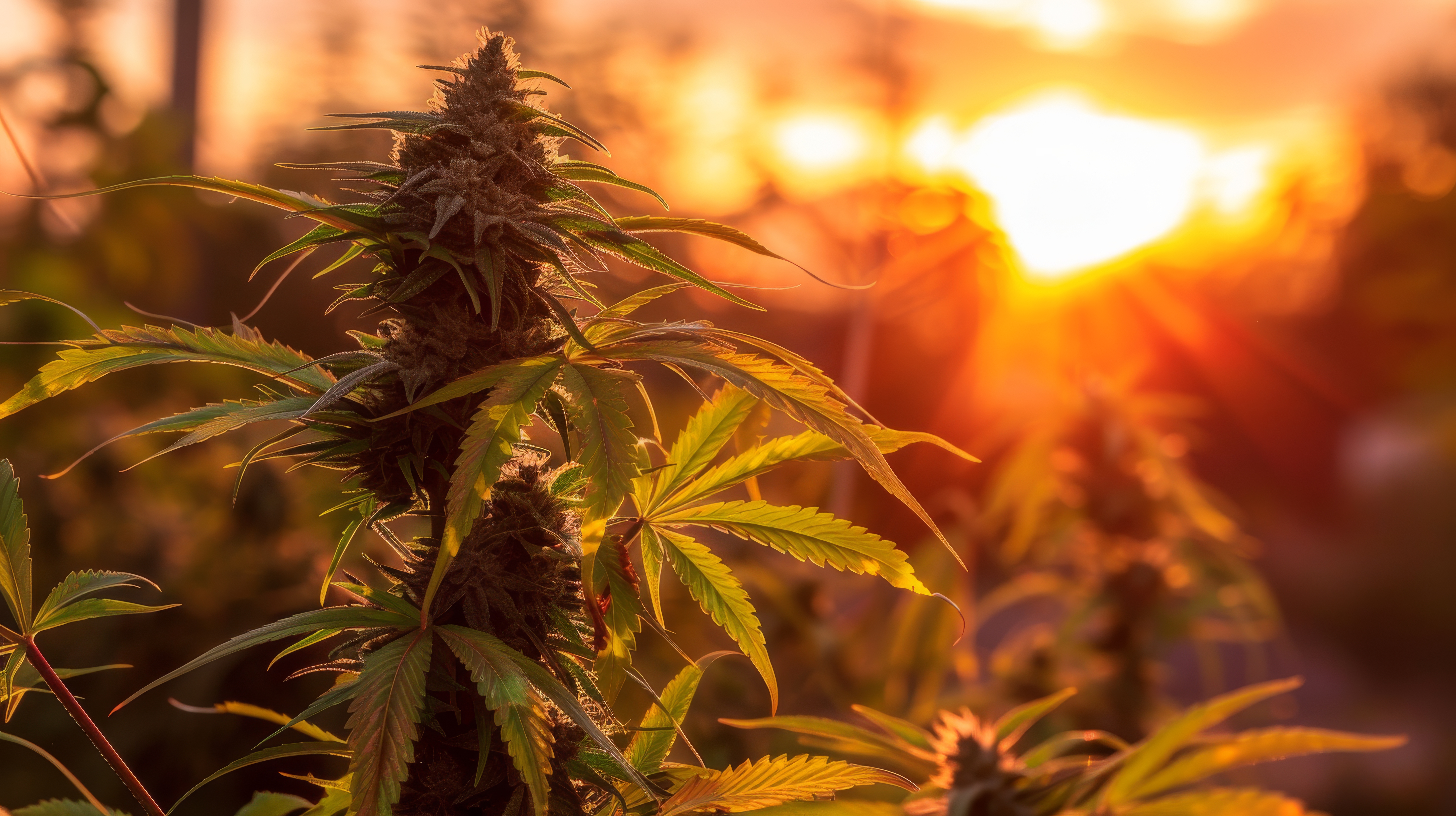


Autoflower cannabis strains have become very popular with home growers and small-scale growers. Many people choose them because they are fast, simple, and easier to manage than many photoperiod strains. Unlike photoperiod plants, autoflowers do not need a change in the light cycle to begin flowering. They move from one stage of growth to the next based on age. This makes them a practical choice for growers who want a quicker harvest and a more predictable timeline. For many people, that speed is a major advantage. Still, one question comes up again and again: can autoflowers produce a large harvest? The answer is yes, but only when the grower understands what affects yield and how to support the plant from seed to harvest.
The phrase big yield autoflower usually refers to autoflower strains that are known for producing more buds than average. Some autoflowers stay small and finish very quickly, but others are bred to grow larger, build more bud sites, and produce heavier flowers by harvest time. These higher-yielding strains are popular because they offer a good balance between speed and production. A grower can often finish a crop faster than with a photoperiod plant while still getting a solid return in dried flower. That mix of speed and output is one of the main reasons growers search for the best big yield autoflower strains.
Growers care about yield for simple reasons. A larger harvest means more dried flower from the same grow tent, room, or outdoor space. It can also mean better use of time, electricity, nutrients, water, and equipment. If someone is going to spend weeks caring for a plant, they usually want the best result possible. But getting a massive autoflower harvest is not just about picking any seed that says “high yield” on the label. Yield depends on many connected factors, and even strong genetics can underperform if the growing conditions are poor. In the same way, a healthy grow setup cannot fully fix weak genetics. Big harvests come from the right combination of strain choice, environment, and growing method.
Genetics are one of the first and most important parts of the equation. Some autoflower strains are simply built to produce more. They may grow taller, form stronger side branches, or create dense buds across a wider canopy. Breeders often select parent plants for traits such as vigor, branch structure, flower size, and overall productivity. As a result, some autoflower lines are much better suited for large harvests than others. Still, genetics only set the plant’s potential. They do not guarantee the final result. A seed may come from a high-yield strain, but the plant still needs the right care to reach that level.
The environment plays a major role in how much an autoflower can produce. Light is one of the biggest factors. Because autoflowers have a short life cycle, they do not have much time to recover from slow growth. Strong, steady light helps the plant build energy early and keep growing with force. Temperature and humidity also matter. If the grow room is too hot, too cold, too dry, or too damp, the plant may become stressed. Stress can reduce growth, slow flower development, and cut final yield. Airflow is also important because plants need fresh air, and dense flowers need protection from mold and moisture problems. A stable environment helps the plant stay healthy and use its short life cycle well.
The growing method matters just as much. Autoflowers respond best when they grow without major setbacks. That means choosing a good pot size from the start, using a medium with strong drainage, feeding carefully, and avoiding unnecessary stress. Overwatering is one of the most common mistakes with autoflowers, especially when they are young. Too much water can slow root growth, and weak roots often lead to smaller plants. Nutrients must also be managed with care. Too little feeding can limit growth, but too much can cause nutrient burn and stress the plant. Training methods can also help increase yield, but only when used at the right time and with a gentle approach. Since autoflowers grow fast, mistakes during the early weeks can affect the whole harvest.
Another key point is that massive harvests from autoflowers usually come from planning, not luck. Growers who get the best results often pay close attention to each stage of growth. They start with quality seeds, place the plant in a proper container, give it enough light, keep the environment steady, and respond quickly when problems appear. They understand that autoflowers do not have much time to recover from poor care. Because of that, small mistakes can have a larger effect than they would on a slower-growing plant. At the same time, small improvements can also make a big difference. Better light, healthier roots, stronger airflow, and smarter feeding can all help push a plant toward a larger yield.
This article will explain how to grow big yield autoflower strains in a way that is easy to understand and useful in real growing conditions. It will cover what autoflowers are, which strains are known for high production, and how much growers can realistically expect from one plant or one growing area. It will also explain the main factors that affect autoflower yield, including lighting, pot size, nutrients, training, growing medium, and environment. In addition, it will compare indoor and outdoor results, point out common mistakes, and show practical ways to increase harvest size. By the end, readers will have a clear picture of what helps autoflowers produce more and what can hold them back. The goal is simple: to help growers understand how to turn fast-growing autoflower plants into healthy, productive plants with large, satisfying harvests.
What Are Autoflowering Cannabis Strains?
Autoflowering cannabis strains are cannabis plants that begin to flower on their own after a short period of growth. They do not need a change in the light schedule to start making buds. This is the main reason they are called “autoflowering.” The plant moves from the vegetative stage into the flowering stage because of its age, not because the hours of light and darkness change.
This feature makes autoflowers different from many traditional cannabis plants. In a standard photoperiod grow, the plant usually stays in the vegetative stage as long as it gets long days of light. It only starts flowering when the light schedule shifts to longer nights. Autoflowers do not work this way. They follow their own built-in timeline. For many growers, this makes the process easier to manage.
Autoflower strains have become popular because they are fast, compact, and simple to grow. They are often used by beginners who want an easier first grow, but experienced growers also use them when they want quick harvests or several harvests in one season. To understand why autoflowers work this way, it helps to look at their genetic background.
The Role of Cannabis Ruderalis Genetics
Autoflowering traits come from a type of cannabis called Cannabis ruderalis. This plant developed in parts of the world where summers are short and the weather can change fast. In those regions, the plant could not depend on long growing seasons. Because of that, it adapted by flowering based on age instead of waiting for seasonal light changes.
This natural survival trait is what breeders use when creating autoflower strains. Breeders cross Cannabis ruderalis with other cannabis types, mainly indica and sativa plants, to combine useful traits. The goal is to keep the automatic flowering ability while improving bud quality, potency, smell, flavor, and yield.
Early autoflower strains were often smaller and less productive than photoperiod plants. They also had a weaker cannabinoid profile in many cases. Over time, breeders improved them a lot. Modern autoflowers can now produce strong harvests, good resin production, and much better overall quality than older versions. Some high-yield autoflower strains are now able to give impressive results when grown under the right conditions.
Even so, the ruderalis side of the plant still affects how autoflowers grow. Many of them stay shorter than photoperiod strains. They also move through their life cycle more quickly. This is helpful for growers who want speed, but it also means there is less time to fix mistakes.
How Autoflowers Differ From Photoperiod Strains
The biggest difference between autoflowers and photoperiod strains is how flowering begins. Photoperiod plants depend on changes in light exposure. Growers usually give them long light hours during the vegetative stage, then switch to a 12-hours-on and 12-hours-off schedule to trigger flowering. Autoflowers do not need that switch. They begin flowering automatically after a set period, usually just a few weeks after sprouting.
This difference changes the whole growing process. Autoflowers are usually faster from seed to harvest. Many are ready in about 8 to 12 weeks, though some may take a little longer. Photoperiod strains often need more time because the grower controls how long the plant stays in vegetative growth.
Another major difference is plant size. Autoflowers are often smaller and more compact. This can be useful for growers with limited space. Smaller plants are easier to manage indoors, and they may be less noticeable outdoors. Photoperiod plants, by contrast, can be grown much larger if the grower extends the vegetative stage.
Autoflowers also tend to be less forgiving of major stress. Since they grow on a fixed schedule, a problem early in life can reduce final yield. A photoperiod plant has more recovery time because the grower can keep it in veg longer. With an autoflower, lost time is hard to get back. This is why gentle handling, stable conditions, and careful planning are so important.
The Typical Lifecycle of Autoflower Plants
Autoflower plants have a short and direct lifecycle. The process begins with germination, when the seed sprouts and sends out its first root. After that comes the seedling stage. At this point, the plant is still very young and delicate. It begins forming its first true leaves and starts building a small root system.
Next comes the vegetative stage. In this stage, the plant grows more leaves, stems, and branches. For autoflowers, this stage is usually brief. In many cases, it lasts only two to four weeks. Because of this short window, early growth matters a lot. Healthy roots, good lighting, and proper watering during this time can make a big difference later.
After the vegetative phase, the plant moves into flowering automatically. It starts developing pistils and bud sites, then puts more energy into flower production. This stage usually lasts several weeks and is the most important period for final yield and bud development. During flowering, the plant needs steady light, balanced nutrients, and a healthy environment.
As harvest time gets close, the buds become fuller, resin production increases, and the plant begins to mature. Growers often watch the pistils and trichomes to judge ripeness. Once the plant reaches the right stage, it is harvested, dried, and cured.
The full lifecycle is shorter than that of many photoperiod strains. This fast timeline is one reason autoflowers are so attractive. A grower can move from seed to harvest in a relatively short time, which allows for quick results and sometimes multiple harvests in one year.
Why Autoflowers Appeal to Beginners and Experienced Growers
Autoflowers are attractive to beginners because they remove one of the more technical parts of cannabis growing: changing the light schedule to trigger flowering. A new grower does not have to manage a strict 12/12 cycle or worry as much about light leaks during flowering. This can make the process feel simpler and less stressful.
Their short lifecycle is another major benefit. Beginners often want to see results quickly, and autoflowers offer that chance. Since the plants finish fast, growers can learn from one grow and apply those lessons to the next one sooner.
Autoflowers also work well in small spaces. Many growers use them in tents, closets, balconies, or small gardens. Their compact structure can be helpful when room is limited. For outdoor growers, autoflowers can be useful because they can finish before bad weather arrives, especially in places with short summers.
Experienced growers also value autoflowers, but often for different reasons. Some use them to fit more harvests into a calendar year. Others use them when they want a fast crop between larger photoperiod grows. Some growers enjoy the challenge of getting the best yield possible from a short-cycle plant. With strong genetics and good technique, autoflowers can be very productive.
Still, success with autoflowers depends on understanding their pace. Because they move quickly, growers need to give them a smooth start and avoid setbacks. Good planning matters from day one.
Autoflowering cannabis strains are plants that flower based on age rather than light schedule. This trait comes from Cannabis ruderalis, a hardy type of cannabis that adapted to short growing seasons. Modern breeders have used this trait to create autoflower strains with better quality, stronger effects, and larger yields.
Compared with photoperiod strains, autoflowers are faster, usually smaller, and easier to manage in some ways. Their lifecycle moves quickly from seedling to harvest, which makes early care very important. They appeal to beginners because they are simple and fast, and they appeal to experienced growers because they can produce quick and efficient harvests. Understanding these basics is the first step in learning how to grow big-yield autoflower strains successfully.
What Are the Highest Yielding Autoflower Strains?
When growers talk about the highest yielding autoflower strains, they usually mean strains that can produce a large amount of dried flower in a short time. These strains are bred to grow fast, flower on their own, and still give strong harvests. That is why they are popular with home growers and commercial growers alike. Many people choose autoflowers for speed and ease, but they also want heavy buds and a worthwhile final yield.
A big yield autoflower is not just any plant that grows tall. High yield comes from a mix of traits working together. The strain needs strong genetics, good branch structure, healthy root growth, and the ability to make dense flowers. It also needs to stay healthy under different growing conditions. Some strains are known for making large central colas, while others produce many side branches loaded with buds. Both types can be high yielding if the plant is grown well.
It is important to understand that no strain can guarantee a massive harvest by itself. Even the best genetics still need the right light, nutrients, water, and environment. Still, starting with a strain that is known for high production gives the grower a better chance of reaching a large final harvest.
What “high-yielding” means in cannabis growing
In cannabis growing, the term “high-yielding” means a plant can produce more flower than average. Yield is often measured in grams per plant or grams per square meter. Seed banks and breeders often list estimated yields to help growers compare strains. For example, one autoflower may produce 50 to 100 grams per plant, while another may reach 150 grams or more under strong conditions. A high-yielding autoflower is one that performs above the usual range for autos.
Yield does not only mean weight. A plant may look large, but if the buds are airy or loose, the final dried weight may be lower than expected. On the other hand, a medium-sized plant with thick, dense flowers may give a better result. This is why growers look at both plant size and flower quality when judging yield.
High-yielding strains also tend to use their short life cycle well. Because autoflowers move from seed to harvest quickly, every week matters. A productive autoflower grows fast early on, forms many bud sites, and puts a lot of energy into flower production during bloom. This efficient growth pattern is a big reason why some autoflowers stand out from others.
Key traits found in big yield autoflower genetics
Big yield autoflower genetics often share several clear traits. One of the most important is vigorous growth. A vigorous plant starts strongly from the seedling stage and keeps growing without slowing down. Since autoflowers have limited time to recover from stress, steady growth is very important.
Another key trait is strong branch development. High-yielding autos often grow with a structure that allows light to reach many bud sites. Some have a large main cola with several side branches. Others grow into a wider shape with multiple strong tops. In both cases, the goal is the same. More healthy branches can support more flowers.
Bud density also matters. A high-yield strain should not only make many buds, but also buds with solid weight. Dense flowers usually lead to better final yield after drying and curing. Resin production, while often linked with potency and aroma, can also be a sign of strong flower development.
Good internodal spacing is another helpful trait. If branches are too close together, airflow can become poor and bud sites may compete for light. If they are too far apart, the plant may stretch too much and waste energy. Strong genetics often create a balanced plant shape that supports both light exposure and bud development.
High-yielding autoflowers also tend to handle stress better than weaker plants. They may respond well to small training adjustments, changes in feeding, or minor environmental shifts. That does not mean they should be stressed on purpose, but it does mean strong genetics can give the grower more room for success.
Examples of well-known high-yield autoflower strains
Several autoflower strains are often discussed when people search for large harvests. These usually include auto versions of well-known productive cannabis lines. Examples often mentioned by breeders and growers include strains related to Critical, Big Bud, Gorilla, Amnesia, and Bruce Banner lines. These names come up often because they are linked with strong growth, large buds, and above-average production.
Critical-based autoflowers are often chosen for their fast growth and heavy flowering. Big Bud autoflower lines are also popular because the name itself has long been associated with large yields. Gorilla-related autos are often known for a mix of strong production and high potency. Amnesia autoflowers may offer more stretch and strong branch growth, which can support more flower sites. Bruce Banner auto lines are also commonly linked with vigorous growth and large colas.
Still, growers should be careful when comparing strain names alone. Different breeders may sell strains with similar names, but the results can vary. Two seeds with similar labels may not perform the same way if the breeding work is different. That is why the breeder’s reputation, stability, and strain description matter. A well-bred strain is usually more reliable than a catchy name.
Indoor and outdoor yield potential
High-yield autoflower strains can perform well both indoors and outdoors, but the results often differ. Indoors, growers can control light, temperature, humidity, and feeding more closely. This control can help a high-yield strain reach its full potential. Strong grow lights, a steady schedule, and fewer weather problems often lead to more predictable results.
Outdoors, autoflowers benefit from natural sunlight and open space. In the right season, a healthy outdoor auto can become larger than expected and produce a strong harvest. However, outdoor growing depends more on weather, day-to-day temperature, rain, wind, and pest pressure. Because of this, outdoor yields can be less consistent.
Some high-yield strains are better suited for indoor tents because they stay compact but still make dense buds. Others do better outdoors because they stretch more and use the available space well. Growers should look at the strain’s size, structure, and flowering speed before choosing where to plant it.
How breeders create large-yield autoflower strains
Breeders develop high-yielding autoflowers by crossing autoflower genetics with productive cannabis lines. Their goal is to keep the automatic flowering trait while improving harvest size, plant strength, bud density, and overall performance. This takes time because breeders need to select plants over several generations.
The process usually starts by choosing parent plants with desirable traits. One parent may offer fast autoflowering behavior, while the other may bring larger buds, stronger branches, or better overall vigor. After the cross, breeders grow many offspring and select the plants that show the best combination of traits. They repeat this process until the results become more stable and consistent.
Good breeding is important because autoflowers have less time to recover from weak genetics. A poor-quality plant may stay small, flower too early, or fail to build enough bud mass. A well-bred autoflower is more likely to grow evenly, stay healthy, and produce a good harvest within its short life cycle.
The highest yielding autoflower strains are the ones bred for fast growth, strong structure, dense flowers, and reliable production. A high-yielding autoflower is not just tall or wide. It is a plant that uses its short life well and turns that time into solid flower weight. Genetics related to productive lines such as Critical, Big Bud, Gorilla, Amnesia, and Bruce Banner are often chosen for this reason, though breeder quality matters just as much as the strain name.
Indoor growers may get more consistent results because they can control the environment, while outdoor growers may benefit from strong sunlight and space when conditions are good. In the end, the best high-yield autoflower strains are created through careful breeding and perform best when strong genetics are matched with proper care. Choosing the right strain is one of the first and most important steps in growing a bigger autoflower harvest.
How Much Can Autoflower Plants Yield?
Autoflower plants can produce a wide range of harvest sizes. Some stay small and give a modest amount, while others grow larger and produce much more. The final yield depends on the strain, the growing space, the light, the feeding plan, and the care given during the full life of the plant. This is why there is no single number that fits every grow.
In general, growers often ask one simple question: how much weed can one autoflower plant produce? The honest answer is that it depends. A small autoflower grown in a basic setup may only give a light harvest. A healthy plant grown under strong light, in a good medium, with proper watering and feeding, can produce a much larger amount. The goal is to understand what affects that outcome so expectations stay realistic.
Average Yield Per Autoflower Plant
The average yield per autoflower plant is often lower than what some growers expect when they first begin. Autoflowers are fast plants. They move from seed to harvest in a short time, so they have less time to recover from stress and less time to grow large before flowering starts. Because of this, their size matters a lot.
A small autoflower may produce only a modest harvest, especially if it had a slow start or faced stress early in life. A medium-sized plant in a stable grow room usually gives a more satisfying result. A large autoflower with strong genetics and a healthy root zone can give a much heavier harvest.
Many growers focus too much on breeder claims. Seed descriptions often show the best possible results under ideal conditions. Those numbers can be useful as a guide, but they should not be treated as a promise. Real results at home are often lower, especially for new growers. A better way to think about yield is to ask whether the plant used its full potential in the setup you gave it.
Indoor Yield Ranges
Indoor autoflower yields can vary a lot because indoor growing depends on equipment and control. A plant grown under weak lighting may stay short and airy. A plant grown under strong, even light can develop denser buds and a better overall structure.
Under indoor conditions, yield is often shaped by light intensity, pot size, airflow, temperature, humidity, and feeding. If one of these factors is off, the plant may still survive, but the final harvest will likely be smaller. Indoor growers have the advantage of control, though. They can manage the environment from start to finish, which helps produce more consistent yields.
Another reason indoor yields vary is space. A crowded tent can reduce airflow and block light from lower parts of the plant. A well-planned grow area allows each autoflower to spread its branches and receive enough light. Even a strong-yielding strain will not reach a high output if it is cramped or shaded.
Outdoor Yield Ranges
Outdoor autoflower plants can also produce very different harvest sizes. In some cases, outdoor plants do very well because they receive direct sunlight, fresh air, and more natural space to grow. In other cases, bad weather, poor soil, pests, or short days of weak sunlight can limit growth.
Outdoor yield depends a lot on climate and timing. If an autoflower begins life during warm weather with long hours of bright sun, it has a better chance of reaching a larger size. If it starts during a rainy or cool period, it may stay smaller and yield less. Since autoflowers grow quickly, even one or two weak weeks early on can affect the final result.
The outdoor grower also has less control than the indoor grower. Rain can overwater plants. Heat can cause stress. Wind can damage branches. Insects and disease can slow growth. Still, when outdoor conditions are good, autoflowers can perform very well and give strong harvests with low equipment costs.
Grams Per Plant vs. Grams Per Square Meter
Yield is often described in two common ways: grams per plant and grams per square meter. These numbers are related, but they are not the same.
Grams per plant is simple. It tells you how much dried flower one plant produced. This number is useful for small growers because it helps them understand the result of each plant. It is also easier to compare when growing only a few autoflowers at home.
Grams per square meter is more about total efficiency in a grow space. It measures how much dried flower is produced in a set area. This is helpful because two growers can have very different plant counts in the same space. One person may grow a few large autoflowers, while another may grow more small ones. The grams per square meter number helps compare the total output of the whole area, not just one plant.
A grower should not focus only on one of these numbers. A plant may give a good amount on its own, but if the space was not used well, the total room yield may still be low. In the same way, a room may have a strong total yield even if each plant was only average. Both numbers matter because they show different parts of the same picture.
How Plant Size Affects Harvest Weight
Plant size has a direct effect on harvest weight. In most cases, bigger autoflowers yield more than smaller ones. A larger plant usually has more branches, more bud sites, and a wider canopy. That gives it more room to form flowers.
Size, however, is not only about height. A tall plant with weak branches and thin buds may not yield as much as a shorter plant with a broad structure and dense flowers. What matters is the total healthy growth of the plant. Strong roots, thick stems, and even light across the canopy all help improve harvest weight.
This is why the early stage of growth is so important. Autoflowers do not have much time to recover from stress. If a plant gets stunted in the first weeks from overwatering, poor light, or root problems, it may remain small for the rest of its life. That smaller size often means a lighter harvest at the end.
Beginner vs. Experienced Grower Expectations
Beginner growers should keep their expectations realistic. Many first grows produce less than expected, even when the plants look healthy. This is normal. New growers are still learning how to water correctly, how to read plant signals, and how to keep the environment steady. Small mistakes can reduce yield, especially with autoflowers.
Experienced growers usually get better harvests because they know how to avoid stress and how to support the plant from day one. They understand when to feed, when to back off, how to shape the canopy, and how to keep conditions stable. They also choose better genetics and match the strain to the grow space.
That does not mean beginners cannot get good results. It simply means yield improves with skill. A first-time grower should aim for a healthy plant and a clean harvest, not just a huge number. Once the basics are under control, larger yields become much more realistic.
Autoflower yields can range from small to very large depending on genetics and growing conditions. Indoor and outdoor plants both have strong potential, but each setup comes with different limits and advantages. Yield can be measured per plant or per square meter, and both numbers help explain performance in different ways. Plant size plays a major role in final harvest weight, and early stress can reduce that size fast. For most growers, the best approach is to set realistic expectations, focus on plant health, and improve technique with each grow. Over time, better skills and better conditions lead to bigger autoflower harvests.
What Factors Affect Autoflower Yield?
Getting a big harvest from an autoflower plant depends on more than luck. Yield is shaped by several important factors that work together from seed to harvest. Even a strong strain can produce a small crop if the plant grows in poor conditions. In the same way, a healthy setup can only do so much if the genetics are weak. To grow big yield autoflower strains well, growers need to understand how each factor affects plant size, flower development, and final harvest weight.
Genetics and Strain Selection
Genetics are one of the most important parts of autoflower yield. A plant can only produce within the limits of its genetic makeup. Some autoflower strains are bred for speed, while others are bred for size, branch growth, or heavy flower production. When growers choose a strain known for large yields, they start with a better chance of getting a strong result.
Big yield autoflower strains often have traits like vigorous early growth, strong side branches, thick colas, and good resistance to stress. These traits matter because autoflowers have a short life cycle. They do not have much time to recover from mistakes. A plant with strong genetics is more likely to grow fast, stay healthy, and build large flowers before harvest time.
It is also important to choose a strain that matches the grow space. Some high-yield autoflowers stay compact but still produce dense flowers. Others grow taller and wider and need more room. If the plant becomes too crowded, light and airflow can suffer. That can reduce yield. Good strain selection means choosing a plant that fits the grower’s goals, climate, and setup.
Light Intensity and Duration
Light is the engine that drives plant growth. Autoflowers need strong light to build leaves, stems, and flowers. If the light is weak, the plant may stretch too much, stay small, or produce loose buds. Strong light helps the plant make more energy through photosynthesis. That energy supports faster growth and heavier flowering.
Autoflowers are different from photoperiod plants because they do not need a change in light cycle to start flowering. This means growers can give them long hours of light from start to finish. Many growers use 18 hours of light and 6 hours of darkness each day. Some use 20 hours of light. More light can help increase growth, but only if the light is not too intense or too close to the plant.
Light quality also matters. A good grow light should cover the whole plant evenly. If only the top gets strong light, lower branches may stay weak and produce less. When the canopy receives even light, more bud sites can grow well. This helps raise total yield. Still, too much light can cause stress. Leaves may curl, bleach, or dry out if the light is too strong. The goal is steady, strong light without burning the plant.
Nutrient Balance and Soil Quality
Autoflowers need nutrients to grow, but they need the right balance. Too little food can slow growth and reduce flower size. Too much can damage the roots, burn the leaves, and stunt the plant. Since autoflowers grow fast, feeding mistakes can affect yield quickly.
During the early stage, plants need nutrients that support leaf and stem growth. Nitrogen is important at this point. As the plant moves into flowering, it needs more phosphorus and potassium to help build large buds. Calcium, magnesium, and trace minerals also support healthy growth. When nutrient levels stay balanced, the plant can focus its energy on making flowers.
Soil quality matters just as much as the nutrients added later. Good soil should hold enough moisture without staying too wet. It should also allow air to reach the roots. Heavy or compacted soil can slow root growth and lead to poor plant health. Rich, airy soil gives the plant a better base for strong development. In poor soil, even a good feeding plan may not work well because the roots cannot take up nutrients properly.
Pot Size and Root Development
The size of the container affects how large an autoflower can grow. Roots need space to spread and collect water, oxygen, and nutrients. If the pot is too small, root growth becomes limited. This can keep the plant small and reduce the final harvest.
Autoflowers usually do best when planted directly into their final container. This is because they have little time to recover from root stress. Transplanting can slow them down during a key growth stage. A pot that is large enough from the start lets the roots develop without interruption.
Healthy roots are the base of a healthy plant. When roots are strong, the plant can take in what it needs more efficiently. This supports faster growth above the soil line. Root problems often show up as slow growth, drooping leaves, or nutrient issues. In many cases, the problem is not the top of the plant. It starts below the surface. Good pot size and root health can make a major difference in yield.
Environmental Conditions Such as Temperature and Humidity
Even with good genetics, light, and nutrients, poor environmental conditions can lower autoflower yield. Temperature and humidity affect how well the plant grows each day. If the grow room is too hot, the plant may become stressed and lose moisture too fast. If it is too cold, growth may slow down. A stable environment helps the plant use its energy more efficiently.
Humidity matters because it affects how the plant moves water through its leaves. Very high humidity can raise the risk of mold and poor airflow, especially during flowering. Very low humidity can dry the plant out and cause stress. Different growth stages may need slightly different humidity levels, but the main goal is balance.
Airflow is another part of the environment that supports yield. Fresh air helps the plant breathe and stay strong. Good ventilation also helps control heat and moisture. Without enough airflow, plants may become weak, and flowers may be more likely to develop mold or pests. Stable temperature, balanced humidity, and clean air work together to support healthy growth and bigger harvests.
Autoflower yield depends on a group of connected factors, not just one. Genetics set the starting point, but light, feeding, root space, and environmental control all shape the final result. When growers choose a strong strain, give it enough light, maintain good soil and nutrients, support healthy roots, and keep the grow space stable, the plant has a much better chance of reaching its full potential. In simple terms, bigger yields come from giving the plant the right conditions at every stage of growth.
Best Lighting for Big Yield Autoflowers
Lighting plays a major role in how much an autoflower plant can produce. If growers want big yield autoflower results, they need to pay close attention to light quality, light strength, and daily light schedule. Autoflowers have a short life cycle, so they do not have much time to recover from poor conditions. Because of that, lighting mistakes can reduce growth very quickly. Good lighting helps the plant build strong stems, healthy leaves, and dense flowers. Weak lighting often leads to smaller plants and lighter harvests.
Why Strong Lighting Is Critical for Yield
Autoflowers need light to power photosynthesis. This is the process that lets plants turn light into energy. That energy supports every part of growth, from root development to flower production. When an autoflower gets enough strong light, it can grow faster and make larger buds. When the light is too weak, the plant may stretch upward, produce fewer bud sites, and deliver a lower final yield.
Strong lighting is especially important for autoflowers because they have limited time to grow. Unlike photoperiod plants, autoflowers move into flowering based on age, not changes in light cycle. This means growers cannot extend the vegetative stage to fix early problems. If the plant spends its first few weeks under poor lighting, it may stay small for the rest of its life. That can reduce harvest weight in a major way.
Strong light also helps plants form a fuller canopy. A fuller canopy means more leaves can collect light and more bud sites can develop. This leads to better flower structure and better use of the grow space. In many cases, the difference between a small harvest and a large one comes down to whether the plant got enough light from the start.
LED vs HPS Grow Lights
Two of the most common choices for indoor cannabis growing are LED and HPS lights. Each one can grow autoflowers, but they work in different ways.
LED lights are popular because they are energy efficient and produce less heat than HPS systems. This makes them easier to manage in small grow rooms or tents. Modern LED grow lights also provide a full spectrum of light, which supports growth from seedling to harvest. Many growers choose LED lights because they help lower electricity use while still giving strong performance. Another benefit is that lower heat can reduce the risk of heat stress, especially when plants are in flower.
HPS stands for high pressure sodium. These lights have been used for many years in cannabis cultivation. HPS lights are known for strong light output and good flowering performance. They can help plants produce dense buds, but they also create a lot of heat. This means growers often need better ventilation and stronger cooling systems. In small spaces, that extra heat can become a problem and may damage plant health if temperatures rise too much.
For many home growers, LED lighting is the more practical choice for big yield autoflowers. It offers strong light, lower heat, and easier control. HPS can still work well, especially in larger rooms with good airflow, but it usually requires more careful heat management.
Recommended Light Schedules for Autoflowers
One reason many growers like autoflowers is that they do not need a strict 12 hours of light and 12 hours of darkness to begin flowering. This gives growers more flexibility. Many autoflower growers use an 18/6 schedule, which means 18 hours of light and 6 hours of darkness each day. This is a common choice because it gives plants a lot of light while still allowing a short rest period.
Some growers use a 20/4 schedule to give the plants even more light. With 20 hours of light, the plant has more time each day to make energy and support flower growth. This can help increase yield if the environment is stable and the light is not too intense.
There are also growers who run lights for 24 hours a day. This gives plants constant light, but it does not always produce better results. In some cases, nonstop light can create stress or waste electricity without adding much benefit. Many growers find that 18/6 or 20/4 offers a better balance between growth, plant health, and energy costs.
The best schedule often depends on the grower’s setup, strain, and temperature control. Still, for most people growing big yield autoflowers indoors, 18/6 and 20/4 are the most reliable options.
Light Intensity and Canopy Coverage
Good lighting is not only about the number of hours the lights stay on. Light intensity matters just as much. If the light is too weak, the plant may not grow to its full size. If the light is too strong, leaves can bleach, curl, or burn. The goal is to provide enough intensity for strong growth without causing damage.
Young seedlings need gentler light than mature flowering plants. As the plant grows, it can handle and use more light. During the flowering stage, strong and even light across the canopy helps buds develop more fully. The canopy is the top layer of the plant where most leaves and bud sites receive light. If part of the canopy gets much less light than the rest, those lower or shaded areas may produce smaller flowers.
Even canopy coverage is important for large yields. A good grow light should spread light across the full plant area, not just the center. If the center of the tent gets strong light but the edges stay dim, plants at the sides may lag behind. That is why growers should match the light size and power to the size of the grow space.
Growers also need to keep the correct distance between the light and the plant canopy. If the light hangs too high, intensity drops and the plant may stretch. If it hangs too close, the top leaves and flowers can suffer from stress. Most light manufacturers give recommended hanging distances for seedlings, vegetative growth, and flowering. These guidelines are useful starting points.
Avoiding Light Stress and Heat Damage
Too much light can harm autoflowers just as much as too little light. One common issue is light stress. This happens when the light is too intense or too close to the plant. Signs of light stress include leaves that curl upward, faded top leaves, bleaching, or dry tips near the top of the canopy. When this happens, the plant may stop focusing on growth and start reacting to stress instead.
Heat damage is another major problem, especially with powerful lights or poor ventilation. High temperatures can make leaves wilt, reduce water balance, and slow flower development. If the grow room stays too hot for long periods, the plant may produce smaller buds and weaker overall growth. This is one reason why airflow and exhaust systems matter so much in indoor growing.
To avoid these problems, growers should watch both light distance and room temperature. It also helps to check how the plants respond over time. Healthy plants usually have leaves that look open, balanced, and strong. If the top of the plant begins to show stress, the light may need to be raised or dimmed. Good lighting should push growth forward, not overwhelm the plant.
Lighting is one of the most important parts of producing big yield autoflowers. Strong light helps plants grow faster, build a wider canopy, and form larger buds. LED and HPS lights can both work, but LED systems are often easier to manage because they use less power and create less heat. Many growers get strong results with an 18/6 or 20/4 light schedule, since autoflowers can flower without a strict dark cycle. Light intensity and even canopy coverage also matter because all parts of the plant need access to useful light. At the same time, growers must avoid light stress and heat damage by keeping the lights at the right distance and maintaining stable temperatures. In simple terms, the right lighting setup gives autoflowers the energy they need to reach their full yield potential.
Ideal Light Conditions for a 14 Day Old Autoflower
Light is one of the most important factors in the early growth of cannabis plants. At 14 days old, an autoflower plant is moving from the seedling stage into early vegetative growth. During this time, the plant begins to build more leaves, stronger stems, and a larger root system. Proper lighting helps the plant produce energy through photosynthesis, which allows it to grow healthy and strong.
Because autoflowers grow on a fixed timeline, it is important to give them the right light conditions from the beginning. Mistakes in lighting during the first two weeks can slow growth and reduce the plant’s overall potential.
Recommended Light Cycles for Autoflower Cannabis Plants
Autoflower cannabis plants do not depend on light cycles to begin flowering. Unlike photoperiod plants, they do not need changes in daylight hours to trigger the flowering stage. Because of this, growers often provide longer light cycles to help maximize growth.
A common light schedule for autoflowers is 18 hours of light and 6 hours of darkness each day. This schedule gives the plant a long period of light for growth while still allowing a short rest period. Some growers also use a 20 hours on and 4 hours off schedule. Both approaches can work well for a 14 day old autoflower.
The goal is to provide steady and consistent light each day. Sudden changes in lighting can stress young plants. Consistency allows the plant to maintain stable growth and healthy development during the early vegetative stage.
Appropriate Light Intensity During Week Two
At two weeks old, an autoflower plant is still small but growing quickly. The plant needs stronger light than a newly sprouted seedling, but it should not be exposed to extremely intense light yet.
Moderate light intensity works best at this stage. The plant should receive enough light to grow compact and healthy, but not so much that the leaves begin to show signs of stress. If the light intensity is correct, the plant will grow with short spaces between nodes and sturdy stems.
Grow lights such as LED panels or fluorescent lights are commonly used indoors. Many LED grow lights allow growers to adjust the intensity, which helps create the right conditions for young plants. If the light is adjustable, increasing intensity gradually during week two can support steady growth.
Distance Between Lights and Plants
The distance between the light and the plant is very important for a 14 day old autoflower. Lights that are too close can cause heat stress or light burn. Lights that are too far away may lead to weak growth and stretched stems.
For many LED grow lights, a distance of about 18 to 24 inches above the plant is often suitable during early vegetative growth. Fluorescent lights may be placed closer because they produce less heat. However, the exact distance can vary depending on the power of the light being used.
A good way to judge the correct distance is to observe the plant carefully. If the plant grows tall and thin with long spaces between leaves, the light may be too far away. If the leaves curl upward, become pale, or show signs of dryness, the light may be too close.
Signs That Lighting May Be Too Strong or Too Weak
A 14 day old autoflower often shows clear signs when lighting conditions are not ideal. Plants that receive too little light may stretch upward as they try to reach the light source. This results in long stems and weak structure.
On the other hand, light that is too strong can damage young plants. Leaves may curl upward or develop dry edges. In some cases, the top leaves may appear bleached or faded in color. These are signs that the plant is receiving more light than it can handle.
Healthy plants usually show steady growth with bright green leaves. The plant should look compact and balanced rather than stretched or stressed. Observing the plant daily helps growers make small adjustments before problems become serious.
Differences Between Indoor and Outdoor Lighting Conditions
Indoor growers control light using artificial grow lights. This allows them to provide consistent lighting every day. The light schedule, intensity, and distance can all be adjusted based on the plant’s needs. Indoor growing environments make it easier to maintain stable conditions for young autoflowers.
Outdoor plants rely on sunlight instead of artificial lighting. Sunlight is strong and full spectrum, which supports natural plant growth. However, outdoor lighting conditions change throughout the day and across different seasons.
At 14 days old, outdoor autoflowers should receive several hours of direct sunlight each day. Placing the plant in an area with good sunlight exposure helps it grow strong and healthy. At the same time, very intense heat or harsh midday sun can sometimes stress young plants, especially in hot climates.
Growers may choose a location where the plant receives strong morning light and partial shade during the hottest part of the day. This balance helps protect the young plant while still giving it enough energy to grow.
Light plays a major role in the development of a 14 day old autoflower. At this stage, the plant benefits from a consistent light schedule, moderate intensity, and proper distance from the light source. Most growers use an 18 hour light cycle to support strong vegetative growth.
Healthy lighting conditions help the plant grow compact, develop strong stems, and produce vibrant green leaves. Watching the plant closely for signs of stretching or light stress allows growers to make quick adjustments. When the lighting environment is balanced and stable, a two-week-old autoflower can continue growing steadily and prepare for the next stages of development.
How to Feed Autoflowers for Maximum Yield
Feeding autoflowers the right way is one of the biggest parts of getting a heavy harvest. Autoflower plants grow on a fast schedule. Unlike photoperiod plants, they do not wait for a light change to start flowering. They move from seedling to harvest in a short time, so every week matters. If the plant does not get the right nutrition at the right time, it may stay small, flower too early, or produce light and airy buds instead of dense flowers.
At the same time, autoflowers can be sensitive. Many growers make the mistake of feeding them too much, too soon. That can slow growth instead of helping it. The goal is not to give the plant as many nutrients as possible. The goal is to give the plant what it needs, when it needs it, in a balanced way. When feeding is done well, the plant can build strong roots, healthy leaves, solid branches, and large flowers.
Nutrient Needs During Vegetative Growth
During the vegetative stage, an autoflower plant is focused on building its structure. This is when it grows leaves, stems, and branches. A strong vegetative stage gives the plant a better base for flowering later. If the plant stays weak in this stage, its final yield will usually be smaller.
In vegetative growth, nitrogen is the main nutrient the plant needs. Nitrogen supports leaf and stem development. It helps the plant stay green and active. When an autoflower gets enough nitrogen, it can make more healthy leaves, which means it can take in more light and turn that light into growth.
Still, autoflowers usually do not need very heavy feeding in the early stage. Many growers start with a light nutrient solution and increase it only if the plant looks healthy and hungry. This matters because young autoflowers do not have much time to recover from stress. If you overfeed during the first few weeks, you may slow down the plant during the most important part of its life.
The growing medium also matters. If the plant is growing in rich soil, it may already have enough food for the first part of growth. In that case, adding extra nutrients too early can cause nutrient burn. If the plant is in coco coir or a less active medium, it may need feeding sooner because the medium does not hold as much nutrition on its own.
A healthy autoflower in vegetative growth should have steady upward growth, green leaves, and a strong main stem. If growth is slow, leaves are pale, or stems are thin, the feeding program may need adjustment. The key is to watch the plant closely and increase feed only when needed.
Nutrient Needs During Flowering Stage
Once the autoflower begins to flower, its needs start to change. The plant is no longer focused on making only leaves and stems. Now it is using energy to form bud sites, build flowers, and add weight to those flowers over time. At this stage, feeding should support bloom production instead of only green growth.
During flowering, the plant usually needs less nitrogen than it did in vegetative growth. Too much nitrogen late in the grow can lead to dark leaves, delayed bud development, and lower flower quality. Instead, the plant needs stronger support from phosphorus and potassium. These nutrients help with flower growth, energy movement, and overall bud production.
This does not mean nitrogen should disappear completely. The plant still needs some nitrogen to stay healthy, especially in early flower. But the balance should shift. A bloom-focused nutrient program is usually built to match this change.
As flowering continues, the plant puts more energy into swelling buds and producing resin. Good feeding at this stage can help the flowers become larger and denser. Poor feeding can lead to small buds, yellowing leaves too early, or weak branch support. Since autoflowers have a short bloom period, problems that happen here can affect final yield in a big way.
Growers should also remember that the flowering stage is not a time to make sudden large changes. A steady feeding routine is usually better than strong doses that come all at once. Fast growth does not always mean healthy growth. A plant that gets balanced support over time is more likely to finish well.
Importance of Nitrogen, Phosphorus, and Potassium
The three main nutrients for cannabis are nitrogen, phosphorus, and potassium. These are often called NPK. They each play a different role, and all of them matter if the goal is a large autoflower harvest.
Nitrogen helps the plant grow green tissue. It is most important in the early and middle parts of the life cycle. Leaves need nitrogen to stay healthy and do their job. Without enough nitrogen, the plant may look pale or yellow and may not grow with much force.
Phosphorus is important for roots, energy transfer, and flower development. A strong root system helps the plant take up water and nutrients more well. Later, phosphorus supports the formation of buds and helps the plant handle the demands of flowering.
Potassium supports overall plant strength. It helps regulate water movement, supports metabolism, and plays a major role in flower size and quality. A plant with enough potassium is often better able to handle stress and build stronger buds.
When one of these nutrients is too low, the plant may show signs of trouble. When one is too high, it can also cause problems by blocking the uptake of other nutrients. This is why balance matters so much. Feeding for maximum yield is not just about giving more fertilizer. It is about giving the right ratio for the stage of growth.
Role of Calcium, Magnesium, and Micronutrients
While NPK gets most of the attention, secondary nutrients and micronutrients are also very important. Calcium and magnesium are two of the most common needs in cannabis feeding, especially for fast-growing plants and plants grown under strong lights.
Calcium helps build strong cell walls. It supports healthy root and shoot development. Without enough calcium, new growth may become weak or misshapen. Magnesium is a key part of chlorophyll, which the plant uses to capture light. If magnesium is low, leaves may start to yellow between the veins, and plant energy can drop.
Autoflowers that grow quickly can show calcium or magnesium problems if the nutrient program is unbalanced or if the pH is outside the right range. This is one reason growers often use a calcium-magnesium supplement when needed, especially in coco coir grows or when using soft water.
Micronutrients are needed in smaller amounts, but they still matter. Iron, zinc, manganese, boron, and copper all support important plant functions. These nutrients help with enzyme activity, growth processes, and healthy development. Even though the plant does not need much of them, a shortage can still reduce vigor and yield.
A complete feeding plan should not focus only on the major nutrients. Big harvests come from healthy plants, and healthy plants need full support from both major and minor nutrients.
Avoiding Nutrient Burn and Deficiencies
One of the hardest parts of feeding autoflowers is avoiding both overfeeding and underfeeding. Nutrient burn happens when the plant gets more nutrients than it can handle. The leaf tips may turn brown or yellow, and growth may slow down. In worse cases, leaves can curl, dry out, or become damaged across a larger area.
Deficiencies happen when the plant is not getting enough of one or more nutrients. This can show up as pale leaves, yellowing, brown spots, weak stems, or slow flower growth. Because different problems can look similar, growers should avoid making sudden guesses and adding too many products at once.
The best way to avoid both issues is to start light, observe the plant, and make slow changes. Autoflowers usually respond better to careful feeding than to aggressive feeding. It also helps to keep the root zone healthy by watering properly and keeping pH in the correct range. Even if nutrients are present, the plant may not use them well if pH is off.
Consistency is important. A plant that gets stable care is easier to read. If the feeding plan changes too often, it becomes harder to know what is helping and what is hurting. Good records can help growers notice patterns and fix problems early.
Feeding autoflowers for maximum yield is about timing, balance, and control. In vegetative growth, the plant needs support for leaves, stems, and strong early structure. In flowering, the plant needs a different balance that supports bud formation and weight gain. Nitrogen, phosphorus, and potassium each play a major role, while calcium, magnesium, and micronutrients help keep the whole plant strong and active.
The most important lesson is that more nutrients do not always mean more yield. Autoflowers often perform best when they are fed carefully and watched closely. A grower who understands the plant’s stage, notices early warning signs, and keeps feeding steady is more likely to produce healthy plants and larger harvests.
Can You Train Autoflowers to Increase Yield?
You can train autoflowers to increase yield, but you need to do it with care. Autoflower plants grow fast and have a short life cycle. Because of this, they do not have much time to recover from stress. A photoperiod plant can stay in the vegetative stage longer, so growers can fix mistakes more easily. An autoflower does not usually give you that extra time. That is why training must be gentle, timely, and planned well.
Plant training helps control the shape of the plant. It can open the canopy, improve light exposure, and allow more bud sites to grow well. When done the right way, training can help an autoflower use its space better and produce a larger harvest. When done the wrong way, it can slow growth and reduce yield.
Why Plant Training Can Improve Production
Autoflowers often grow one main central stem with smaller side branches. If left alone, the top of the plant may get most of the light while lower branches stay in shade. This can lead to one large main cola and many smaller buds underneath. Training helps solve this problem by spreading the plant out.
When the branches are moved and opened up, more parts of the plant receive direct light. This helps the lower bud sites develop into larger flowers. Better airflow also moves through the canopy, which can lower the risk of mold and moisture problems. In a small indoor grow space, training can also help keep plants short and even, which makes it easier to manage lights and maintain the right distance from the canopy.
Training is not magic. It cannot turn weak genetics into a huge producer. But if you already have a healthy autoflower strain with good yield potential, training can help that plant perform closer to its full capacity.
Low Stress Training Methods
Low Stress Training, often called LST, is the safest and most common training method for autoflowers. The goal of LST is to bend stems and branches gently instead of cutting them. This changes the plant’s shape without causing major damage.
A grower usually starts by bending the main stem slightly to one side and tying it down. This helps break the plant’s natural habit of sending most energy to the top. Once the top is lowered, side branches can catch up and grow more evenly. Over time, the plant becomes wider and flatter instead of tall and narrow.
As the side branches grow, they can also be tied outward. This creates a more open canopy with many tops at a similar height. When more tops receive strong light, the plant can produce more large buds instead of putting most of its energy into only one main cola.
The key with LST is to be gentle. Young stems bend more easily than older ones. If a stem feels stiff, forcing it can snap the branch. Ties should be secure but not so tight that they cut into the plant. Growers often adjust ties every few days because autoflowers can grow quickly.
Screen of Green Techniques
Screen of Green, or ScrOG, is another method growers use to improve yield. In this system, a screen or net is placed above the plant. As branches grow upward, they are guided sideways under the screen. This helps spread the canopy across a wider area.
The purpose of ScrOG is similar to LST. It helps create an even canopy so that all major bud sites get good light. A flat canopy is useful indoors because grow lights work best when the tops of the plants are at a similar height. If some branches are much taller than others, the top buds may get too much light while lower buds get too little.
ScrOG can work with autoflowers, but it must be done carefully. Because autoflowers grow and flower quickly, there is less time to shape the plant. If the grower waits too long, the branches may become stiff and harder to move. Also, once the screen is filled, moving the plant becomes difficult. This can be a problem if you need to rotate the plant, inspect it closely, or change its position in the grow space.
For many growers, a light version of ScrOG works better than a heavy one. The idea is to guide the branches just enough to improve light spread without causing stress or making the plant hard to manage.
When Training Should Start in Autoflower Plants
Timing matters a lot when training autoflowers. Since these plants have a short vegetative stage, training should start early, but not too early. The plant should be healthy and strong enough to handle bending. In most cases, growers begin training once the plant has developed several nodes and the stem is still flexible.
Starting too late is a common mistake. If the plant has already moved deep into flowering, training can slow growth and reduce bud development. Late bending can also damage branches because older stems are less flexible. Starting too early can also be risky if the seedling is still weak or not fully established.
The best approach is to watch the plant closely. A healthy young plant with steady growth is a better candidate for training than a slow or stressed plant. If the plant already shows signs of poor health, it is usually better to focus on recovery instead of training.
Techniques That May Harm Autoflowers if Used Incorrectly
Some training methods can be too harsh for autoflowers, especially when done at the wrong time or in the wrong way. High-stress methods, such as heavy topping, hard pruning, or strong defoliation, can reduce yield if the plant cannot recover fast enough.
Topping means cutting off the main growing tip. Some skilled growers do top autoflowers successfully, but it is not always the safest choice. Because autoflowers have a limited life cycle, the recovery time after topping may reduce overall growth. If the plant is not very healthy or if topping is done late, the final harvest may be smaller.
Heavy defoliation can also hurt autoflowers. Leaves are important because they help the plant collect light and produce energy. Removing too many leaves can slow development. It is sometimes useful to remove a small number of leaves that block major bud sites or restrict airflow, but aggressive leaf removal is often not the best choice for autoflowers.
Super cropping, which involves crushing and bending stems, is another technique that may be too stressful for many autoflower growers. While it can work on stronger plants, it also carries a higher risk of damage. For most growers, gentle training is the better path.
Training can help autoflowers produce better yields, but success depends on using the right method at the right time. Gentle techniques like Low Stress Training are usually the best choice because they improve light exposure and canopy shape without causing too much stress. Screen of Green can also help when used carefully in a controlled grow space. The most important thing is to remember that autoflowers grow fast and recover slowly compared to photoperiod plants. A gentle hand, early timing, and close attention to plant health can make training useful instead of harmful.
Best Soil and Growing Medium for Large Autoflower Harvests
The growing medium plays a big role in how well an autoflower plant grows. It affects root health, water flow, air around the roots, and how easily the plant can take in nutrients. If the medium is too heavy, roots may stay too wet and grow slowly. If it dries too fast or holds too little nutrition, the plant may become weak. For growers who want large harvests, choosing the right growing medium is one of the most important early decisions.
Autoflowers grow fast and have a short life cycle. Because of that, they do not have much time to recover from stress. Their roots need a medium that supports steady, healthy growth from the start. A good medium helps the plant build a strong base, which can later support more buds and better final weight.
Soil, Coco Coir, and Hydroponics
There are three main growing medium options for autoflowers: soil, coco coir, and hydroponic systems. Each one has strengths and weaknesses. The best choice depends on the grower’s skill level, budget, and goals.
Soil is the most common and beginner-friendly option. It is easy to use and usually more forgiving than other systems. Good soil already contains some nutrients and helps hold moisture, which gives the grower a wider safety margin. If watering or feeding is not perfect every time, soil often gives the plant some protection. This makes it a strong choice for growers who want healthy plants without constant adjustment. Many growers use light, airy potting soil made for cannabis or other fast-growing plants. Heavy garden soil is usually not a good choice because it can pack down and limit root growth.
Coco coir is made from coconut husk fiber. It looks a little like soil, but it works differently. Coco holds water well, but it also keeps more air around the roots. This can lead to faster growth and bigger yields when managed well. Many growers like coco because it gives them more control over feeding. Since coco does not provide much nutrition on its own, the grower must supply nutrients regularly. This makes it less forgiving than soil, but it can reward careful growers with strong plant growth and large harvests.
Hydroponics means growing plants without traditional soil. Roots are placed in water or in an inert medium and receive nutrients through a water-based solution. Hydro systems can produce very fast growth because roots get direct access to water, oxygen, and nutrients. In some cases, hydro can lead to the largest yields. However, it also requires more attention and precision. Problems can develop quickly if pH, nutrient strength, or water temperature is off. Because autoflowers grow fast, even a short problem can reduce final yield. Hydroponics can work very well, but it is often better for growers with more experience.
Benefits of Aerated Soil Mixes
A well-aerated soil mix is often one of the best options for autoflowers. Aeration means the medium allows enough air to move through it. Roots need oxygen just as much as they need water. When a medium stays too dense or too wet, roots can struggle. This slows growth and can lead to weak plants, root problems, or poor bud development.
An aerated soil mix usually includes ingredients that improve airflow and drainage. Perlite is one of the most common additions. It helps make the soil lighter and prevents it from becoming compact. Some mixes may also include coco coir, peat moss, or compost in balanced amounts. The goal is to create a medium that holds enough water for the plant but still lets extra water drain away.
For autoflowers, this balance is very important. Since they do not like stress, they do best in a medium that supports smooth, even root growth. A light and airy soil mix makes it easier for roots to spread quickly. Strong root development supports faster growth above the soil line, which helps the plant build more branches and flower sites later on.
Drainage and Root Oxygenation
Drainage and root oxygenation are closely connected. If water sits in the pot too long, roots lose access to oxygen. This can slow nutrient uptake and raise the risk of root rot. In a healthy medium, water should move through the root zone at a steady rate. The roots should stay moist, but not soaked.
Good drainage also helps the grower maintain a better feeding routine. When a pot drains well, fresh water and nutrients can move through the medium more evenly. This reduces salt buildup and helps prevent overfeeding problems. It also makes it easier to know when the plant actually needs water again.
Root oxygenation matters because roots use oxygen to support growth and nutrient absorption. When the root zone has enough air, the plant can grow faster and handle feeding more efficiently. Healthy roots often mean stronger stems, fuller leaves, and better flower production. If a grower wants bigger autoflower yields, protecting the root zone should be a top priority from the first week onward.
How Growing Medium Affects Nutrient Absorption
The growing medium changes how nutrients move to the plant and how easy they are to manage. In soil, nutrients are often released more slowly. Organic matter and beneficial microbes can help break down nutrients over time. This slow release can make feeding easier, but it can also reduce control if the plant needs quick changes.
In coco coir, nutrient uptake is usually faster because the grower provides most of the feeding directly. This can support rapid plant growth, but it also means the grower must pay close attention to nutrient levels and pH. If the balance is off, the plant may show problems sooner than it would in soil.
In hydroponics, nutrient absorption is often the fastest of all. Because nutrients are delivered directly in water, the plant can respond quickly. This can be helpful for fast growth, but it also means mistakes can have fast effects. A plant may go from healthy to stressed in a short time if the nutrient solution is too strong or too weak.
This is why growers should match the medium to their skill level. A medium that is too hard to manage can reduce yield instead of increasing it. The best medium is not always the most advanced one. It is the one that allows stable growth, healthy roots, and steady feeding from seed to harvest.
Choosing the Right Medium for Large Yields
For many growers, a light and well-aerated soil mix is the best starting point for large autoflower harvests. It offers a balance of ease, stability, and good root support. It is simple enough for beginners, but it can still produce excellent results when the plant receives strong light, proper watering, and the right nutrients.
Coco coir is a strong option for growers who want faster growth and are ready to feed more carefully. It can support large yields because it provides a strong balance of moisture and oxygen around the roots. Still, it demands more attention than soil, especially with feeding and pH control.
Hydroponics can also produce high yields, but it is usually the most technical route. It works best for growers who already understand plant nutrition, water management, and environmental control. Because autoflowers have a short life cycle, hydro mistakes can be costly.
In the end, the best growing medium is the one that helps the plant stay healthy every day of its life. Large yields come from steady growth, not from constant stress or correction. A healthy medium gives autoflowers the strong root system they need to support bigger buds and better harvest weight.
The best soil and growing medium for large autoflower harvests should support fast root growth, good airflow, and steady nutrient uptake. Soil is the easiest and most forgiving choice, especially for beginners. Coco coir offers more control and can lead to faster growth, while hydroponics can produce strong results for skilled growers. No matter which medium is used, the goal stays the same: healthy roots, proper drainage, and a stable growing environment. When the roots thrive, the whole plant has a better chance to reach its full yield potential.
Ideal Environment for High-Yield Autoflower Plants
A big yield autoflower needs more than good genetics and strong light. It also needs the right environment from seed to harvest. Even a strong strain can stay small if the grow room is too hot, too cold, too damp, or too dry. Autoflowers grow on a fixed timeline, so they do not have much time to recover from stress. That is why the environment matters so much. When the air, temperature, humidity, and airflow are steady, the plant can focus its energy on making leaves, branches, and dense flowers.
Temperature Ranges for Strong Autoflower Growth
Temperature affects almost every part of plant growth. It plays a role in root activity, water use, nutrient uptake, and flower development. If temperatures stay in the right range, autoflowers usually grow faster and healthier. If temperatures swing too much, growth can slow down.
During the seedling stage, autoflowers often do best in a warm but not hot space. Many growers aim for around 70 to 77°F or about 21 to 25°C. At this stage, young plants are still delicate. If the room is too cold, seedlings may grow slowly and look weak. If it is too hot, the small plants can dry out fast and become stressed.
During vegetative growth, a temperature range close to 72 to 80°F or 22 to 27°C often works well. This helps the plant build stems, leaves, and branch sites. Healthy vegetative growth is important because a larger and stronger plant can support a bigger harvest later. Since autoflowers move quickly from early growth into flowering, each day of healthy development matters.
During flowering, slightly cooler temperatures are often helpful. Many growers try to stay around 68 to 78°F or 20 to 26°C. This can help buds develop well without too much heat stress. If flowering temperatures get too high, buds may become airy instead of dense. High heat can also raise water demand and make it harder for the plant to stay balanced.
Night temperatures should not drop too far below daytime temperatures. A small drop is normal, but large swings can shock the plant. Keeping the grow space stable is often better than chasing perfect numbers.
Humidity Levels During Different Growth Stages
Humidity is the amount of moisture in the air. It affects how the plant breathes and how fast it loses water through its leaves. If humidity is too high or too low, the plant may struggle even when light and feeding are correct.
Seedlings usually like higher humidity because their root systems are small. A range around 60 to 70 percent can help them stay comfortable while they establish themselves. In very dry air, seedlings can lose water faster than they can take it in, which can slow growth.
In the vegetative stage, many growers lower humidity a little, often to around 50 to 60 percent. At this point, the plant has more leaves and a stronger root system, so it can handle a somewhat drier environment. This range often supports steady growth without making the space too damp.
In the flowering stage, humidity should usually be lower. Many growers aim for around 40 to 50 percent, and sometimes a bit lower late in flowering. This is important because thick buds can trap moisture. If the air stays too damp, mold and bud rot become more likely. These problems can ruin both yield and quality.
The key is not only the humidity level itself, but also how steady it stays. A room that shifts from very humid to very dry can stress the plant. Stable humidity helps autoflowers keep growing without interruption.
Air Circulation and Ventilation
Air circulation and ventilation are often overlooked, but they are essential for big yields. Plants need fresh air around the leaves and root zone. In a closed or stale room, heat and moisture can build up quickly. This creates a weak environment where plants may stretch, slow down, or develop disease.
Air circulation means moving air around the grow space. Small fans are often used for this. Gentle moving air helps strengthen stems and stops hot or humid air from collecting around the plant. It also helps leaves exchange gases more efficiently. A plant in moving air is often stronger than a plant in still air.
Ventilation means bringing fresh air in and moving old air out. This helps control temperature and humidity at the same time. Without proper ventilation, even a strong light setup can create too much heat. In flowering, poor ventilation can also cause moisture to sit around dense buds, which raises the risk of mold.
Fans should not blast the plants too hard. Strong direct wind can damage leaves and dry the plant too much. The goal is gentle movement, not stress. Good airflow should make the leaves lightly move, not shake hard.
The Importance of CO2 Availability
Plants use carbon dioxide, or CO2, during photosynthesis. This is the process that turns light into energy for growth. Without enough CO2, a plant cannot fully use the light it receives. In most home grows, normal fresh air provides enough CO2 for healthy autoflower growth.
The main point is that the grow space should not become sealed and stale. When fresh air keeps entering the room, plants usually get the CO2 they need. In a very small, closed grow area, CO2 can become limited if ventilation is poor. That can reduce growth and yield.
Some advanced growers add extra CO2, but this is usually not needed for beginners. It also only works well when light, temperature, feeding, and airflow are already dialed in. For most growers, focusing on good ventilation is the better step. Fresh air is simple, affordable, and effective.
Preventing Mold and Pest Issues
Mold and pests can destroy the hard work that goes into a high-yield autoflower grow. A healthy environment helps prevent these problems before they start. Prevention is usually easier than trying to fix an outbreak later.
Mold often becomes a problem when humidity is too high and airflow is poor. Dense buds are especially at risk during flowering. If moisture gets trapped inside the flowers, bud rot can begin where it is hard to see. Keeping humidity in check and maintaining good airflow can greatly lower this risk.
Pests also prefer weak grow conditions. Overwatered plants, stale air, dirty grow spaces, and crowded canopies can all make it easier for insects to spread. Fungus gnats, spider mites, and other common pests often take hold when plants are already under stress. Clean pots, clean tools, and regular checks under the leaves can help catch early signs of trouble.
Plant spacing also matters. When plants are packed too close together, air has a harder time moving between them. This creates humid pockets and hidden areas where pests and mold can thrive. A clean, organized grow space supports healthier plants and better yields.
The ideal environment for high-yield autoflower plants is stable, clean, and well managed. Warm but controlled temperatures help the plant grow strong from seedling to harvest. The right humidity at each stage supports healthy water use and lowers the chance of mold. Good air circulation and ventilation keep the space fresh and balanced. Fresh air also gives the plant access to the CO2 it needs for photosynthesis. On top of that, a clean and well-ventilated room makes it much easier to prevent mold and pest problems. When all of these environmental factors work together, autoflowers are more likely to grow larger, stay healthier, and produce the heavy harvests growers want.
How Long Do High-Yield Autoflowers Take to Grow?
High-yield autoflowers are known for growing fast, but their full timeline can still vary from strain to strain. In most cases, a big yield autoflower takes about 8 to 12 weeks from seed to harvest. Some very fast strains may finish in as little as 7 to 9 weeks, while larger and heavier-yielding strains may need 12 to 14 weeks. This is important because growers often expect every autoflower to finish very quickly. In reality, the biggest-yielding autoflowers often need a little more time so they can build more branches, more bud sites, and denser flowers.
Autoflowers are different from photoperiod plants because they begin flowering based on age, not light cycle. That means the grower cannot keep them in the vegetative stage for extra weeks to make them larger. Once the plant reaches a certain age, it starts flowering on its own. Because of this fixed life cycle, each week matters. Healthy early growth is very important if the goal is a large harvest.
Seedling Stage Duration
The seedling stage usually lasts about 1 to 2 weeks. This stage starts when the seed sprouts and ends when the young plant begins stronger leaf and root growth. At first, the plant is very small and delicate. It focuses on building its first true leaves and developing a healthy root system. Even though the plant does not look impressive yet, this stage plays a major role in its final size.
During the seedling stage, autoflowers need gentle care. Too much water can slow root growth and raise the risk of damping off or root problems. Too little water can also cause stress and weak development. The goal is to keep the medium lightly moist, not soaked. Seedlings also need enough light to stay short and sturdy, but they do not need extreme light intensity right away.
Because autoflowers have a short total life cycle, stress during the seedling stage can reduce final yield. A plant that struggles in its first two weeks may stay smaller for the rest of its life. This is one reason why many growers plant autoflower seeds directly into the final container. It helps reduce transplant shock and lets roots settle in early.
Vegetative Growth in Autoflowers
The vegetative stage in autoflowers is shorter than in photoperiod plants. In many cases, it lasts only about 2 to 4 weeks after the seedling stage. During this time, the plant grows stems, fan leaves, and side branches. This is the period when plant structure forms. A strong structure helps support more bud sites later in flowering.
For growers chasing large harvests, this is a very important window. Healthy veg growth means the plant can grow wider, stronger, and taller before flowering begins. If the plant has enough light, a good root zone, proper nutrients, and stable conditions, it can create a solid base for heavy bud production.
Since the vegetative phase is short, growers must avoid anything that slows the plant down. Overwatering, poor soil, weak lighting, and large swings in temperature can all reduce growth speed. Autoflowers do not have much time to recover. A slow week in the vegetative stage can mean a smaller harvest at the end.
This stage is also the best time for gentle training. Low Stress Training is often started once the plant has several nodes and is growing well. The purpose is to open the canopy, improve light exposure, and help more bud sites develop evenly. Training too late can stress the plant when it is already moving into flower.
Flowering Period and Bud Development
Most autoflowers spend about 5 to 8 weeks in the flowering stage. This is usually the longest part of the life cycle. During this time, the plant stretches, forms flowers, and then fills out those flowers with more mass and resin. High-yield strains often spend a little longer in this stage because large buds need time to develop properly.
In early flowering, the plant may still grow taller and wider. White pistils begin to appear, and bud sites become easier to see. In mid-flowering, the plant shifts more energy into bud building. The flowers become thicker, denser, and heavier. In late flowering, the buds continue to swell, and the plant begins to show signs of maturity.
Growers should understand that a fast autoflower is not always the same as a high-yield autoflower. A plant that finishes very quickly may be convenient, but it may not have enough time to produce the largest possible harvest. Bigger-yielding strains often trade a little speed for more flower production.
Factors That Can Speed Up or Slow Growth
Many factors can change how long an autoflower takes to finish. Genetics is one of the biggest. Some strains are bred for speed, while others are bred for size, potency, or heavy output. A large-yielding strain may naturally take longer than a compact, fast-finishing one.
Light also affects growth speed. Strong and steady light helps the plant photosynthesize well and build energy for growth. Weak light can slow development, reduce branch growth, and lead to smaller buds. Temperature matters too. If conditions are too cold, the plant may grow slowly. If it is too hot, the plant may become stressed and lose vigor.
Nutrients also play a part. A plant that gets balanced nutrition can move through its life cycle smoothly. A plant with deficiencies or nutrient burn may stall. Root health is just as important. A healthy root zone helps the plant take in water and nutrients at the right rate. Poor drainage, overwatering, or compacted soil can slow the entire grow.
Stress from pruning, transplanting, pests, or disease can also delay growth or reduce yield. Even if the plant still finishes on time, stress can leave it smaller and less productive than it should have been.
Signs That an Autoflower Is Ready to Harvest
Harvest timing is not only about counting weeks. The plant itself gives clues that it is ready. One common sign is the change in pistils. Early in flowering, pistils are usually white. As the plant matures, many of them darken and curl inward. This can help show progress, but pistils alone are not the best way to judge harvest time.
Trichomes are a more reliable sign. These tiny resin glands change color as the plant matures. Clear trichomes usually mean the plant is still too early. Milky or cloudy trichomes often show peak potency. Amber trichomes can suggest a more mature stage. Many growers harvest when most trichomes are cloudy with some amber mixed in, depending on the result they want.
Other signs include swollen buds, fading fan leaves, and a general slowdown in new flower growth. At this point, the plant is near the end of its cycle and close to harvest.
High-yield autoflowers usually take about 8 to 12 weeks from seed to harvest, though some may need a little more time. The seedling stage lasts around 1 to 2 weeks, the vegetative stage often lasts 2 to 4 weeks, and flowering usually takes 5 to 8 weeks. The exact timeline depends on genetics, light, temperature, nutrients, and overall plant health. Growers who want massive autoflower harvests should focus on strong early growth, low stress, and proper harvest timing. When each stage goes well, the plant has a much better chance of reaching its full yield potential.
Indoor vs Outdoor Autoflower Yield
Autoflower plants can grow well indoors or outdoors, but the final yield is often different in each setup. Some growers choose indoor growing because it gives them more control. Others prefer outdoor growing because sunlight is free and plants can grow in a natural space. Both options can produce a good harvest, but the results depend on many factors, including light, weather, space, and how well the plants are cared for.
Indoor Yield Potential
Indoor growing gives the grower control over almost every part of the plant’s environment. This includes light, temperature, humidity, airflow, and feeding. Because of this, indoor autoflowers often grow in a more stable way. Stable conditions help the plant avoid stress, and less stress usually means better growth and better yields.
One of the biggest benefits of growing indoors is the ability to give autoflowers a long light schedule. Many growers use 18 to 20 hours of light per day from seed to harvest. Since autoflowers do not need a change in light schedule to begin flowering, they can keep getting strong light through their full life cycle. This helps them build more energy and produce larger buds.
Indoor yield is often measured by plant or by square meter. A single autoflower grown indoors may produce a modest amount if the space is small or the light is weak. However, with strong lighting, the right pot size, and good care, yields can rise a lot. Indoor plants may stay shorter than outdoor plants, but they often produce dense, high-quality flowers because the environment is controlled.
Another benefit of indoor growing is protection from bad weather. There is no heavy rain, strong wind, or sudden cold night to slow down growth. Pests can still appear indoors, but the risk is often lower than outside. This makes indoor growing more predictable. For growers who want steady results again and again, indoor growing is often the easier choice.
Outdoor Yield Potential
Outdoor autoflowers can also produce strong yields, especially when they get many hours of direct sunlight each day. The sun gives a full light spectrum, and this can help plants grow fast and strong. In the right climate, outdoor autoflowers can become larger than indoor plants because they have more open space and natural conditions.
Outdoor yield depends heavily on the season and the local weather. Warm temperatures, long sunny days, and low plant stress can lead to a very good harvest. In a good outdoor setup, a large autoflower can produce a solid amount of dried flower. Some growers also run more than one outdoor cycle in a year because autoflowers finish quickly. This can make outdoor growing very productive over time.
Still, outdoor growing is less predictable than indoor growing. A few days of heavy rain can damage flowers or raise the risk of mold. Strong wind can break branches. Very high heat can stress the plant and slow bud development. If the plant does not get enough sun each day, yield may drop. Outdoor growers must also deal with insects, animals, and changes in humidity.
Because of this, outdoor growing can be excellent in the right place and season, but it carries more risk. When the conditions are good, the yield can be impressive. When the weather is poor, the results can fall short.
Advantages of Controlled Indoor Environments
A controlled indoor environment is one of the main reasons many growers choose to grow autoflowers inside. Indoor spaces allow the grower to set the temperature and humidity for each stage of growth. Seedlings can start in mild conditions. Flowering plants can be kept drier to lower the chance of mold. Fans and filters can improve airflow and help plants stay healthy.
Lighting is another major advantage. Indoors, the grower decides how much light the plant gets and how close the light is to the canopy. This reduces the chance of cloudy days or shaded spots hurting plant growth. When light is consistent, autoflowers can use their short life cycle more efficiently.
Indoor growing also makes timing easier. A grower does not have to wait for the outdoor season to begin. Seeds can be started at any time of year. This allows for more harvests over time and more control over planning.
Outdoor Benefits Such as Natural Sunlight
The biggest outdoor advantage is natural sunlight. Sunlight is powerful and free, which can lower growing costs. Outdoor growers do not need expensive grow lights or the electricity needed to run them. This makes outdoor growing appealing for people with the right climate and enough private space.
Outdoor plants also have more room to spread out. In the ground or in large containers, roots can develop well, which supports better plant size and stronger growth. Fresh air and natural conditions can also help build healthy plants when the weather is good.
Another benefit is scale. Outdoor growers may be able to grow more plants or use larger containers than they could indoors. This can increase total harvest size, even if each plant performs a little differently.
Seasonal Considerations for Outdoor Autoflowers
Season matters a lot when growing autoflowers outdoors. Because these plants grow and flower on their own schedule, growers need to match that schedule with the best part of the year. Most outdoor growers plant when the weather is warm and the days are long enough to support fast growth.
If seeds are started too early, cold weather can slow growth and weaken young plants. If they are started too late, the flowering stage may happen during wet or cool weather, which can reduce yield and hurt bud quality. Timing is very important.
In some areas, growers can plant multiple rounds of autoflowers during the warm season. This is one reason autoflowers are popular outdoors. Their short life cycle allows quick harvests. But each round still needs good weather, enough sun, and close attention to pests and moisture.
Yield Expectations for Each Environment
Indoor growers often expect more consistent yields because the environment is easier to manage. The plants may not always be very large, but the harvest is often more predictable. Outdoor growers may sometimes get bigger plants and heavier harvests, but the results can vary more from one grow to the next.
Indoor growing usually offers control and reliability, while outdoor growing offers natural light and bigger potential when the conditions are right. Neither method is always better in every case. The best choice depends on the grower’s climate, budget, space, and experience.
Indoor and outdoor autoflower growing both have clear strengths. Indoor growing gives better control over light, temperature, and humidity, which often leads to steady and reliable yields. Outdoor growing uses free sunlight and can produce large plants in a good season, but it depends much more on weather and local conditions. For growers who want predictable results, indoor growing is often the safer path. For growers with strong sunlight and a suitable climate, outdoor growing can be highly rewarding.
Common Mistakes That Reduce Autoflower Yields
Growing autoflowers can be simple, but getting a big harvest is not always easy. Many growers lose yield because of a few common mistakes. Autoflowers grow fast, and they do not have much time to recover from stress. That means even small problems can lead to smaller plants, lighter buds, and lower final weight. If the goal is to grow big yield autoflower strains, it is important to avoid the errors that slow growth or damage the plant during its short life cycle.
Using Containers That Are Too Small
One of the most common mistakes is growing autoflowers in pots that are too small. The size of the container affects the size of the root system, and the root system affects the size of the whole plant. When roots do not have enough room to spread, the plant may stay short and weak. This often leads to fewer branches, smaller bud sites, and lower total yield.
Autoflowers do best when they can grow without limits early in life. Since they switch from vegetative growth to flowering based on age, not light schedule, they do not have extra time to recover from slow root growth. If a plant spends its first weeks becoming root-bound, that lost time cannot be gained back later. A small pot may dry out fast, but it can also prevent the plant from reaching its full size.
Many growers choose a final container that gives the roots enough space from the start. This helps the plant grow quickly and steadily. In general, a pot that is too small can keep a plant alive, but it usually will not help it reach a heavy harvest.
Overwatering or Poor Drainage
Overwatering is another major reason autoflowers fail to produce large yields. New growers often think more water means faster growth, but that is not true. Roots need both water and oxygen. When the growing medium stays too wet, air pockets disappear, and the roots can struggle. Weak roots lead to slow growth above the soil as well.
An overwatered autoflower may look droopy, pale, or weak. Its leaves may hang down, and growth may almost stop. Because autoflowers grow so quickly, even a few days of poor root health can reduce final yield. The plant may stay smaller than expected and enter flowering before it has built a strong structure.
Poor drainage causes similar problems. If water cannot move out of the pot well, the roots stay wet for too long. Heavy soil can also make this worse. A good growing medium should hold moisture but still allow extra water to drain away. Growers need to water based on the plant’s needs, not on a strict habit. Letting the medium dry a bit between waterings often helps roots stay healthier and stronger.
Excessive Nutrient Feeding
Many growers damage autoflowers by feeding too many nutrients too early or too often. Autoflowers are usually more sensitive than large photoperiod plants. They often need lighter feeding, especially in the early stages. When growers try to push growth too hard, they can cause nutrient burn, salt buildup, and root stress.
Signs of overfeeding may include burnt leaf tips, dark green leaves, curled edges, and slowed growth. Instead of getting bigger, the plant may become stressed and spend energy trying to survive. This reduces the plant’s ability to build leaves, branches, and flowers. In the flowering stage, too much fertilizer can also affect bud quality.
The best feeding plan is usually balanced and moderate. A plant needs enough nutrients to grow well, but not so much that the roots become overloaded. It is also important to watch the plant and adjust when needed. Feeding schedules on bottles can be too strong for autoflowers. Starting light and increasing slowly is often a safer way to protect yield.
Weak or Inconsistent Lighting
Light is one of the biggest factors in autoflower yield. If the light is weak, the plant cannot produce enough energy for strong growth and dense buds. Even the best genetics will not perform well without enough light. A plant under weak lighting may stretch too much, form thin branches, and produce smaller flowers.
Inconsistent lighting can also reduce yield. Autoflowers grow best when they receive a steady light schedule and even canopy coverage. If some parts of the plant stay in shadow, those areas will not develop as well. If the light is placed too far away, intensity drops. If it is too close, the plant may suffer from light stress or heat stress.
Good lighting helps the plant stay compact, healthy, and productive. It supports strong photosynthesis, which helps build stems, leaves, and buds. In a short life cycle, every day of good light matters. If the plant spends its early growth under poor lighting, it may never become large enough for a heavy harvest.
Stress From Pruning or Transplanting
Autoflowers do not respond well to heavy stress. This is why pruning and transplanting can be risky if done the wrong way. Since autoflowers begin flowering on their own after a short time, they have less time to recover than photoperiod strains. A mistake during this period can reduce plant size and final bud weight.
Heavy pruning can remove too many leaves that the plant needs for energy. Leaves are important because they help the plant turn light into growth. If too many are removed, the plant may slow down. Some growers also top autoflowers too late, which can delay growth at the worst possible time. While some training methods can help increase yield, too much cutting can do the opposite.
Transplanting can also shock the plant, especially if roots are disturbed. A plant that is stressed by transplant shock may stop growing for several days. That may not sound serious, but for an autoflower, those lost days matter a lot. It is often safer to place the seed in its final container from the beginning so the plant can grow without interruption.
Big yield autoflower strains can produce strong harvests, but only if growers avoid the mistakes that hold plants back. Small containers can limit root growth and keep plants undersized. Overwatering and poor drainage can damage roots and slow development. Too many nutrients can burn the plant and cause stress instead of faster growth. Weak lighting can reduce energy and lead to small buds. Pruning or transplanting at the wrong time can interrupt growth during a very short life cycle.
The main lesson is simple. Autoflowers need a smooth, healthy, and low-stress grow from start to finish. When growers give them enough root space, proper watering, balanced feeding, steady light, and gentle handling, the plants have a much better chance of reaching their full yield potential.
How to Increase Autoflower Harvest Size
Growing a bigger autoflower harvest starts long before harvest day. Large yields do not happen because of one trick alone. They come from a group of good choices made from seed to harvest. If a grower wants more weight, better flower size, and healthier plants, the main focus should be on genetics, light, space, climate, training, and plant care. Autoflowers grow fast, so each stage matters. Small mistakes early can reduce the final harvest. That is why it is important to build the right setup from the start and keep conditions steady the whole way through.
Choose Strong Genetics
The first step in getting a larger harvest is choosing the right strain. Not all autoflowers are bred for the same purpose. Some are made for fast harvests. Some are bred for high potency. Others are bred for compact size. If the goal is a heavy harvest, the grower should look for autoflower strains known for high yield.
Strong genetics give the plant a better chance to grow large, build many flower sites, and produce dense buds. A weak strain or low-quality seed may stay small no matter how good the setup is. Good genetics do not guarantee a huge crop, but they give the plant the ability to reach its full size under the right conditions.
It also helps to buy seeds from a trusted breeder or seed bank. Good breeders work to make their strains more stable. This means the plants are more likely to grow in a similar way and produce the traits listed by the breeder. When choosing a high-yield autoflower, growers should check for information such as average height, indoor and outdoor yield, flowering time, and growth pattern. These details can help match the strain to the grow space.
Optimize Grow Space and Light Coverage
After choosing the right genetics, the next step is to make the best use of the grow area. Autoflowers need enough room for leaves, branches, and roots to develop well. If plants are packed too closely together, they may block light from each other. Poor airflow can also raise the risk of mold and pests. Spacing plants correctly helps light reach more bud sites and keeps the canopy healthier.
Light is one of the biggest factors in yield. Autoflowers need strong, steady light from seedling stage through harvest. If the light is too weak, the plant may stretch, grow thin branches, and produce smaller buds. If the light is too far away, the plant may not get enough energy. If it is too close, the plant can suffer from light stress or heat damage.
Good light coverage matters as much as light strength. A plant with an even canopy can use light more efficiently. When all major bud sites receive similar light, the plant can produce more evenly across the top. This is one reason growers try to keep the canopy flat and open. Better light spread often leads to better yields.
The grow space should also support strong root growth. Using the right pot size helps the plant grow larger before flowering fully takes over. Many growers use final containers from the start so the plant does not lose time from transplant stress. Since autoflowers have a short life cycle, every day of healthy growth counts.
Maintain Stable Environmental Conditions
Autoflowers respond best when the environment stays steady. Fast changes in temperature, humidity, or airflow can stress the plant. Stress slows growth, and slower growth usually means smaller yields. A stable grow room helps the plant focus its energy on building leaves, branches, and flowers.
Temperature should stay in a healthy range during both the daytime and nighttime. If it gets too hot, the plant may dry out too fast, curl its leaves, or slow flower development. If it gets too cold, growth may become weak and slow. Humidity also needs attention. Young plants usually like more moisture in the air, while flowering plants do better with lower humidity. Lower humidity in flower also helps prevent mold from forming in dense buds.
Good airflow is another key part of the environment. Fresh moving air helps plants stay strong. It also supports stem development and lowers the chance of pests or disease. In indoor growing, fans and ventilation systems help remove stale air and bring in fresh air. This keeps the grow room more balanced and supports better growth over time.
Use Training Techniques Carefully
Training can help increase harvest size, but autoflowers must be handled with care. Because they grow and flower quickly, they have less time to recover from stress than photoperiod plants. That is why gentle training methods are usually the best choice.
Low Stress Training, often called LST, is one of the most useful methods for autoflowers. This method bends and ties down branches so more parts of the plant receive direct light. Instead of one main top taking most of the light, several tops can develop at the same time. This creates a wider canopy and may lead to more bud sites with good light exposure.
Training should begin early, while the plant is still flexible and growing fast. If a grower waits too long, the stems may become harder to bend without damage. The goal is not to hurt the plant, but to shape it in a way that improves light use. Gentle training can increase airflow, expose lower branches, and help the plant grow more evenly.
Heavy pruning, topping, or other high-stress methods can reduce yield if the plant does not recover quickly. Some growers use these methods successfully, but they require good timing and experience. For most growers, simple and careful LST is a safer way to improve results.
Monitor Plant Health Throughout the Grow Cycle
Healthy plants produce better yields. That is why growers should watch their autoflowers closely from start to finish. Small problems often become bigger problems when they are ignored. Leaves can give early signs of trouble. Yellowing, drooping, curling, spotting, or burnt tips may point to watering issues, nutrient imbalance, light stress, or pest problems.
Watering is especially important. Overwatering can slow root growth and reduce oxygen in the root zone. Underwatering can also stress the plant and slow flower production. Autoflowers usually do best when watered carefully and allowed to go through a healthy wet and dry cycle.
Feeding should also stay balanced. Too little nutrition can limit growth, but too much can burn the plant and damage yields. Since autoflowers are often more sensitive than photoperiod strains, many growers begin with lighter feeding and adjust based on how the plant responds. Watching the leaves, growth rate, and flower development helps the grower know when changes are needed.
It is also wise to inspect plants often for pests, mold, and other signs of disease. Catching a problem early can protect the harvest. Clean tools, clean grow spaces, and steady care all help keep plants strong.
Increasing autoflower harvest size comes down to doing many small things well. Strong genetics give the plant the ability to yield big. Good light and smart use of space help the plant turn energy into flowers. Stable temperatures, humidity, and airflow reduce stress and support healthy growth. Gentle training can open the plant and improve light coverage. Careful monitoring helps solve problems before they hurt the harvest. When all of these parts work together, growers have a much better chance of getting larger, healthier, and more productive autoflower plants.
Conclusion
Growing big yield autoflower strains is not only about picking seeds with the word “high yield” on the label. A large harvest comes from the full growing plan. Good genetics matter, but they are only the starting point. To get massive autoflower harvests, growers need to match strong strain selection with the right light, the right container, the right feeding plan, and a stable grow space from seed to harvest.
The first step is choosing the right autoflower strain. Some autoflowers stay very small and are bred for speed, stealth, or easy care. Others are bred to grow larger, make more branches, and produce heavier flowers. These bigger plants often have stronger structure and better yield potential when grown in the right conditions. That is why strain choice has such a large effect on final harvest size. A grower who wants more grams per plant should start with genetics known for strong growth, thick bud sites, and reliable performance indoors or outdoors.
Still, genetics alone cannot produce a heavy harvest. Autoflowers have a short life cycle, so every day matters. Unlike photoperiod plants, they do not wait for the grower to change the light schedule before flowering starts. They move through life fast. That means early stress can reduce size and yield before the plant has time to recover. For that reason, it is important to give autoflowers a smooth start. Healthy seedlings, steady watering, and proper root space can make a major difference later in the grow.
Lighting is one of the most important parts of high-yield autoflower growing. Strong light helps plants build energy, grow solid branches, and form dense flowers. Weak lighting often leads to smaller plants and lighter harvests. Indoor growers need enough light intensity across the full canopy, not just in one bright spot. Even coverage helps all major bud sites develop well. At the same time, light should not be so strong that it causes heat stress or bleaching. The goal is to give the plant as much useful light as possible without damaging it.
Pot size also plays a major role in harvest size. Autoflowers usually do best when planted in their final container from the start. This helps avoid transplant stress. If the pot is too small, root growth becomes limited, and that can hold back the whole plant. A larger final pot gives roots more room to spread, which supports better water uptake, better nutrient use, and stronger top growth. Fabric pots are often helpful because they improve airflow to the root zone and support healthy root development.
Feeding matters too, but more nutrients do not always mean more yield. Autoflowers can be sensitive, especially when young. A careful feeding plan works better than heavy feeding. During early growth, the plant needs enough nutrients to build stems, leaves, and roots. Later, during flowering, it needs support for bud formation and flower weight. Balanced feeding is more important than aggressive feeding. Too much fertilizer can burn the plant, slow growth, and lower final yield. Good growers watch the plant closely and adjust based on leaf color, growth rate, and overall health.
The growing medium also affects results. Whether a grower uses soil, coco coir, or another system, the medium should support root health, drainage, and oxygen flow. Heavy, wet, compact media can lead to slow growth and root problems. Light, airy media often help autoflowers perform better because roots can spread more easily. Healthy roots support healthy plants, and healthy plants produce better harvests.
Training can also increase yield when done with care. Low stress training is one of the best tools for autoflower growers. It helps open the plant, improve light exposure, and create more even bud development. A flat, open canopy often performs better than one main central cola with many shaded lower sites. Still, autoflowers do not always recover well from rough handling. Harsh pruning, late topping, or heavy stress can reduce growth. Timing matters. Gentle training done early is usually more effective than strong training done late.
Environment is another key part of the process. Temperature, humidity, airflow, and ventilation all affect how well autoflowers grow. If the room is too hot, too cold, too wet, or too dry, the plant may struggle. Poor airflow can raise the risk of pests, mold, or weak growth. Stable conditions help the plant stay focused on growth and flower production. Even a strong strain under good light can underperform if the environment is not managed well.
Growers should also understand that indoor and outdoor yields are not always the same. Indoor growing gives more control over light, temperature, and humidity. Outdoor growing can provide strong sunlight and lower power costs, but weather, pests, and seasonal changes add risk. Both methods can produce large autoflower harvests, but success depends on how well the grower manages the setting.
In the end, big autoflower yields come from doing many small things well. Choose the right genetics. Use strong and even lighting. Pick a proper final pot. Feed carefully. Protect root health. Keep the environment stable. Train gently and at the right time. Avoid common mistakes like overwatering, overfeeding, weak light, and transplant stress. When these parts work together, autoflowers can produce impressive harvests in a short amount of time. The best results usually come from steady care, close observation, and simple, consistent growing habits. That is the real path to massive autoflower harvests.
Research Citations
Leckie, K. M., Sawler, J., Kapos, P., MacKenzie, J. O., Giles, I., Baynes, K., Lo, J., Baute, G. J., & Celedon, J. M. (2024). Loss of daylength sensitivity by splice site mutation in Cannabis pseudo-response regulator. The Plant Journal, 118(6), 2020–2036.
Kurtz, L. E., Brand, M. H., & Lubell-Brand, J. D. (2023). Gene dosage at the autoflowering locus effects flowering timing and plant height in triploid Cannabis. Journal of the American Society for Horticultural Science, 148, 83–88.
Burgel, L., Hartung, J., Schibano, D., & Graeff-Hönninger, S. (2020). Impact of different phytohormones on morphology, yield and cannabinoid content of Cannabis sativa L. Plants, 9(6), 725.
Peterswald, T. J., Mieog, J. C., Azman Halimi, R., Magner, N. J., Trebilco, A., Kretzschmar, T., & Purdy, S. J. (2023). Moving away from 12:12; The effect of different photoperiods on biomass yield and cannabinoids in medicinal cannabis. Plants, 12(5), 1061.
Ahrens, A., Llewellyn, D., & Zheng, Y. (2024). Longer photoperiod substantially increases indoor-grown cannabis’ yield and quality: A study of two high-THC cultivars grown under 12 h vs. 13 h days. Plants, 13(3), 433.
Sae-Tang, W., Heuvelink, E., Nicole, C. C. S., Kaiser, E., Sneeuw, K., Holweg, M. M. S. F., Carvalho, S., Kappers, I. F., & Marcelis, L. F. M. (2024). High light intensity improves yield of specialized metabolites in medicinal cannabis (Cannabis sativa L.), resulting from both higher inflorescence mass and concentrations of metabolites. Journal of Applied Research on Medicinal and Aromatic Plants, 43, 100583.
Kotiranta, S., Pihlava, J.-M., Kotilainen, T., & Palonen, P. (2024). The morphology, inflorescence yield, and secondary metabolite accumulation in hemp type Cannabis sativa can be influenced by the R:FR ratio or the amount of short wavelength radiation in a spectrum. Industrial Crops and Products, 208, 117772.
Malík, M., Praus, L., Kuklina, A., Velechovský, J., Kosmáková Janatová, A., Klouček, P., Mládek, V., & Tlustoš, P. (2025). Cannabis yield and cannabinoid profile affected by plant nutrition and planting density. Industrial Crops and Products, 229, 120293.
Cui, H., Chen, D., Cai, M., Cao, K., Gao, B., Zhu, H., Wang, X., & Wang, P. (2025). Effects of photoperiod and light quality on cannabinoid content and energy use efficiency of medical cannabis. Industrial Crops and Products, 238, 121316.
Carlson, C. H., Stack, G. M., Jiang, Y., Taşkıran, B., Cala, A. R., Toth, J. A., Philippe, G., Rose, J. K. C., Smart, C. D., & Smart, L. B. (2021). Morphometric relationships and their contribution to biomass and cannabinoid yield in hybrids of hemp (Cannabis sativa). Journal of Experimental Botany, 72, 7694–7709.
Questions and Answers
Q1: What does big yield autoflower mean?
Big yield autoflower refers to an autoflowering cannabis strain that is bred to produce more buds than average while still flowering automatically based on age instead of light cycle.
Q2: Can autoflowers really produce big yields?
Yes, some autoflowers can produce big yields when they have strong genetics, enough light, proper nutrients, and a stable growing environment. Modern autoflower strains are much more productive than older versions.
Q3: Which factors matter most for a big autoflower harvest?
The most important factors are genetics, light intensity, pot size, watering habits, nutrients, temperature, and avoiding stress during early growth. Healthy roots and steady growth usually lead to better yields.
Q4: What size pot is best for big yield autoflowers?
Many growers use 3 to 5 gallon pots for autoflowers because they give the roots enough space without being too large. Fabric pots are also popular because they improve airflow around the roots.
Q5: How much light do big yield autoflowers need?
Autoflowers usually do best with long light hours, such as 18 to 20 hours per day. Strong, consistent light helps the plant grow faster and build larger buds.
Q6: Do autoflowers need special nutrients for high yields?
They do not need special nutrients, but they do need balanced feeding at each stage of growth. Too much fertilizer can hurt autoflowers, so it is usually better to feed lightly and adjust based on how the plant responds.
Q7: Should you top a big yield autoflower?
Topping can work, but it is risky because autoflowers have a short life cycle and less time to recover from stress. Many growers prefer low stress training instead because it can improve yield without slowing the plant too much.
Q8: How long does it take for a big yield autoflower to finish?
Most autoflowers finish in about 8 to 12 weeks from seed, though some larger yielding strains may take a little longer. The exact time depends on the strain and growing conditions.
Q9: What training works best for big yield autoflowers?
Low stress training is one of the best methods because it opens up the canopy, helps light reach more bud sites, and causes less stress than harsher pruning methods. Gentle leaf tucking can also help.
Q10: How can I increase the yield of my autoflower plant?
Start with high-yield genetics, use strong lighting, avoid transplant shock, keep watering consistent, train the plant gently, and maintain the right temperature and humidity. The goal is to keep the plant growing fast and healthy from start to finish.