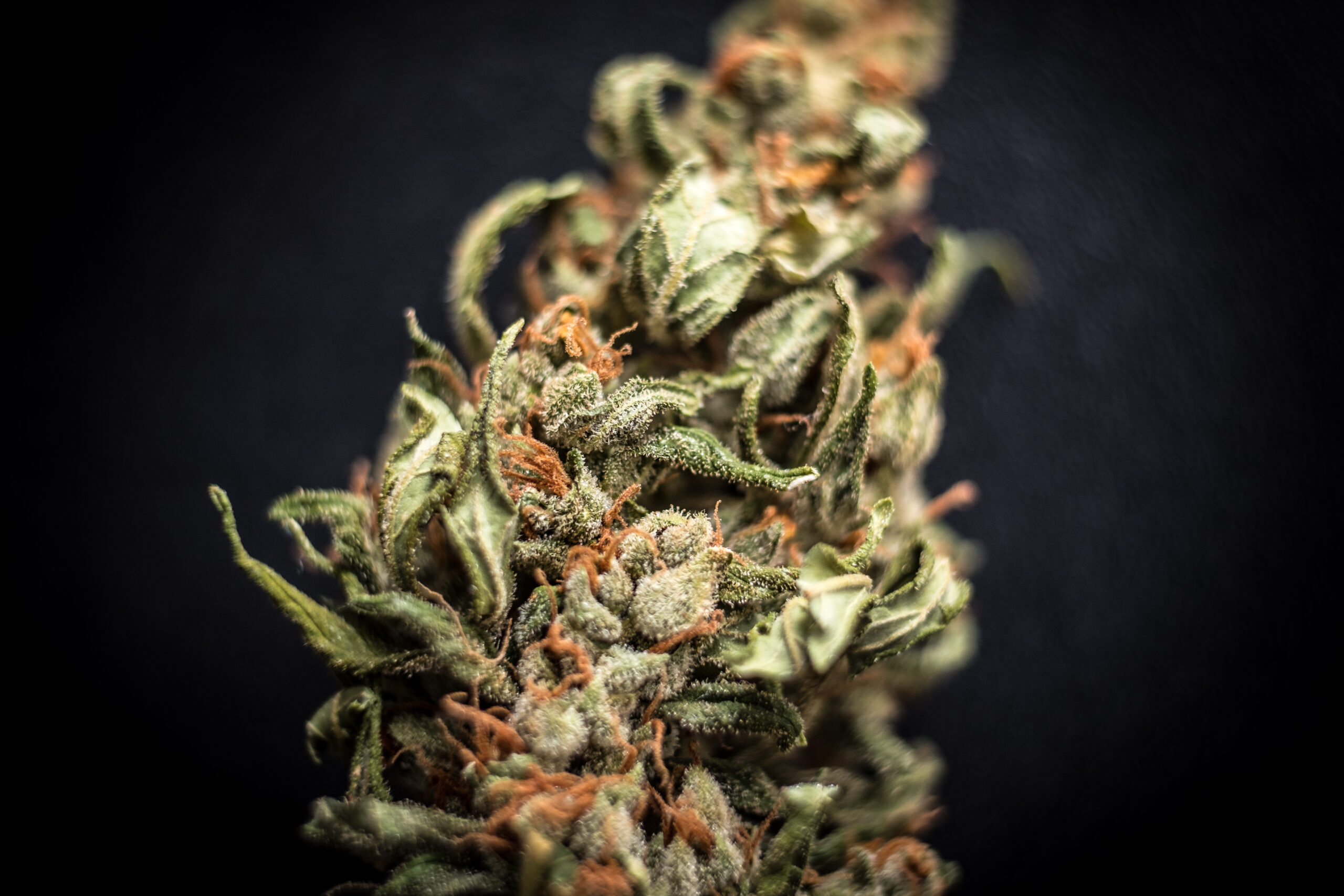


Biscotti is a popular cannabis strain that many people look up because they want to know what it does and what it feels like. It is often talked about as a strong strain with a sweet, dessert-like smell and a calming “wind-down” type of experience. But when someone searches “Biscotti strain effects,” they are usually trying to answer a few practical questions: Will it make me feel relaxed or energized? How intense is it? How long will it last? Is it a good choice for a beginner, or is it better for someone with more experience? And what should I watch out for if I decide to try it?
This article is written to help you understand Biscotti in a clear, useful way. It is not here to hype it up or scare you. Instead, it explains what people commonly expect from Biscotti, why it tends to feel the way it does, and how to decide if it matches what you are looking for. Cannabis can affect people in different ways, so the goal is not to promise one “perfect” effect. The goal is to help you predict what might happen, reduce surprises, and make safer choices.
One reason Biscotti gets so much attention is that it is usually described as an indica-dominant hybrid. That label matters because people often use “indica” and “sativa” as simple shortcuts for how a strain might feel. In general, indica-leaning strains are linked with more body relaxation and a slower pace, while sativa-leaning strains are linked with more energy or mental buzz. Real life is more complex than that, but the label helps set expectations. If you are looking for a strain for daytime tasks, a strongly relaxing strain may not be the best match. If you want something for the end of the day, the label may make you curious for a reason.
Another big reason people search for Biscotti is potency. Many listings describe it as high in THC, which is the main cannabinoid linked to feeling “high.” A high-THC strain can feel stronger, faster, or more intense, especially for people with low tolerance. That is why many search questions are about strength, dosing, and whether Biscotti is good for beginners. The honest answer depends on the exact product and the person using it. One batch of “Biscotti” can test differently from another batch, and different people can react differently even at the same dose. Still, knowing that it is often sold as a strong strain helps you plan. It encourages a careful approach: start with a small amount, wait to feel the effects, and avoid taking more too quickly.
People also search Biscotti because of flavor and smell. The name itself suggests a dessert theme, and many descriptions mention sweet, cookie-like, or doughy notes, sometimes mixed with earthy or spicy tones. For many users, taste and smell are part of the experience, not just a bonus. Flavor can also give clues about the terpene profile, which is another reason Biscotti is often discussed. Terpenes are aromatic compounds in cannabis that shape scent and may also influence the “feel” of a strain. When people see words like “peppery,” “citrus,” or “floral” on a label, they often want to know what those words might mean for the experience. This article will explain that in simple terms, without making medical promises.
Because Biscotti is commonly linked with relaxation, another group of searches focuses on specific goals like winding down, resting, or sleep. Some people also look it up in connection with stress or discomfort. It is important to be careful with this topic. A strain can be relaxing for one person and uncomfortable for another, especially if the THC level is high. Some people are sensitive to THC and may feel anxious, dizzy, or paranoid if they take too much. That is why side effects and risks are a key part of this guide. It will cover common side effects like dry mouth and dry eyes, and it will also explain how to lower the chances of a bad experience.
You will also see advice on timing. Many people wonder if Biscotti is better for daytime or nighttime. Timing matters because cannabis can affect coordination, attention, and reaction time. If a strain is more sedating, it may fit better when you do not need to drive, work, or handle important tasks. This article will help you think through when Biscotti might fit into someone’s schedule, and when it may be better to choose something else.
A final point to keep in mind is that “Biscotti” is not always identical across every brand and grower. Cannabis products can vary due to genetics, growing methods, harvest timing, curing, and storage. Two products with the same strain name can feel slightly different. That is why later sections will also explain how to check for quality, how to read basic label info like cannabinoid percentages and terpene lists, and how to avoid mislabeling problems.
Before we go further, a few safety notes are important. This article is for education only and is not medical advice. If cannabis is not legal where you live, follow your local laws. If you choose to use cannabis where it is legal, start low and go slow, especially with strong strains. Do not drive or operate machinery while impaired. If you are pregnant, breastfeeding, have a history of serious mental health symptoms, or take medications that could interact, it is smart to talk with a qualified health professional first. With that groundwork set, the next sections will break down Biscotti in a step-by-step way so you know what to expect and how to decide if it is right for you.
Biscotti Strain at a Glance
Biscotti is a cannabis strain that many people look up because it is known for two main things: strong effects and a sweet, dessert-like profile. If you are trying to decide whether Biscotti fits what you want, this section gives you the key facts in a clear, simple way. Think of it as a “fast guide” before you go deeper into effects, timing, side effects, and buying tips in later sections.
What type of strain is Biscotti (indica or sativa)?
Biscotti is most often described as an indica-dominant hybrid. That means it is not a pure indica or pure sativa, but it leans more toward indica-style effects for many users. You will sometimes see it listed as a strong indica-leaning strain, and some menus may show a ratio like “80/20.” The exact numbers can vary by grower and by how they label it, but the general idea stays the same: Biscotti usually leans relaxing rather than energizing.
What “indica-dominant” often suggests in real life:
- More body calm than bright, energetic stimulation
- A heavier, slower feel at medium to higher doses
- More likely to fit evening use than a busy daytime schedule
Still, hybrid strains can surprise you. Two Biscotti batches can feel different, even when the name is the same. That is why it helps to look at the label details, not just the strain type.
How strong is Biscotti?
Biscotti is widely known as a potent strain. Many listings show high THC levels, often in the 20% range and sometimes higher. But THC is not a promise. It is a lab result for one batch, not a guarantee for every Biscotti product you might see.
Here is what “strong” usually means for the experience:
- Effects may come on fast if you inhale (smoke or vape)
- A small amount can feel like a lot, especially for new users
- It may cause more impairment than mild strains
- Some people may feel too high if they use more than they need
If you are newer to cannabis or sensitive to THC, Biscotti is often the kind of strain where “a little goes a long way.”
What about CBD?
Many Biscotti products are low in CBD. CBD is a different cannabinoid that does not cause a “high” in the same way THC does. When CBD is low and THC is high, the experience can feel more intense and sometimes less forgiving if you take too much.
A low-CBD, high-THC product may be more likely to cause:
- Strong mental effects (like a big mood shift or racing thoughts)
- Strong body effects (like heavy relaxation)
- Side effects like nervousness in some people, especially at high doses
This does not mean Biscotti is “bad.” It just means it can be stronger and sharper than balanced THC/CBD products.
What are Biscotti’s “usual” effects in one sentence?
In simple terms, Biscotti is often described like this:
A strong, relaxing high with a mood lift, that can turn sedating if you use too much.
Many people expect a mix of:
- A pleasant head change (often described as calm or happy)
- A body-heavy relaxation that grows with the dose
- A slower pace that fits unwinding rather than productivity
This is why Biscotti is often treated as a “later day” strain.
Daytime or nighttime: when do people usually use it?
Biscotti is commonly picked for late afternoon, evening, or nighttime. The reason is simple: the strain’s reputation is not about sharp focus or high energy. Instead, it is about decompressing, settling down, and feeling more physically relaxed.
It may not be the best match if you need to:
- Study or do detailed work
- Stay very social and alert
- Drive or handle tools
- Make important decisions
Some experienced users can use small amounts during the day. But in general, Biscotti is a safer match for times when you can slow down.
Why can Biscotti feel different from one product to another?
This is important. The name “Biscotti” does not always mean the exact same plant in every store. Differences happen because of:
- Grower choices (light, nutrients, harvest time)
- Phenotypes (slightly different versions of the same strain)
- Storage and freshness (older product can feel weaker or duller)
- Product form (flower vs vape vs concentrate vs edible)
So if one Biscotti batch felt uplifting and another felt sleepy, that does not always mean you imagined it. It can be real variation.
Quick label tips: what to check in 30 seconds
If you are shopping in a legal market and can read a label, check:
- THC % (higher usually means stronger, but not always “better”)
- CBD % (often low; if it is higher, effects may feel smoother)
- Terpenes (if listed; they can hint at flavor and feel)
- Harvest or package date (fresher often tastes better and feels more “alive”)
Biscotti is usually an indica-dominant hybrid known for high potency, low CBD, and a relaxation-forward feel. Many people choose it when they want to unwind, not when they need to stay sharp and busy. The name can cover more than one version, so effects may change by batch and product type. If you want the best idea of what to expect, don’t rely only on the strain name—check the label details, start with a small amount, and plan to use it when you can take it easy.
Genetics and Background: What Biscotti Is Crossed With
When people ask, “What is Biscotti crossed with?” they are usually trying to guess two things: how it will feel and what it will taste like. Genetics matter because many strains pass down patterns in smell, strength, and effects. But with Biscotti, you may see more than one version of its family tree. That can be confusing, so this section breaks down the most common answers and explains why they do not always match.
The most common lineage: Gelato #25 × South Florida OG
The most common way Biscotti is described is as a cross between Gelato #25 and South Florida OG. This is the version you will see repeated across many strain guides, menus, and brand descriptions.
In simple terms, each parent is known for a “style”:
- Gelato #25 is often tied to dessert-style traits. People link it with sweet, creamy, and baked-good smells.
- South Florida OG is often linked with “OG” traits. People connect it with deeper, stronger smells like earth, spice, and “gas,” plus heavier body effects.
When these two are combined, many products labeled Biscotti aim to land in a middle space: sweet dessert notes with a stronger, heavier base. That does not mean every Biscotti will taste exactly like cookies or feel the same. It means the strain is usually bred to fit that general range.
Why some sources add Girl Scout Cookies (GSC)
You may also see Biscotti listed as a cross that includes Girl Scout Cookies (GSC) along with Gelato #25 and South Florida OG. Some strain databases list it as a three-part mix instead of a two-parent cross.
So which one is right?
A helpful way to understand this is to remember that strain “family trees” are not always written the same way. Some sources list only the direct parents of the plant. Others include a major ancestor if it strongly shapes the strain’s identity.
Here is why GSC comes up so often: Gelato is widely known as part of the Cookies family line, and that family line is strongly connected with GSC genetics. Because of that, some sources mention GSC as part of Biscotti’s background even when they still describe the main cross as Gelato #25 × South Florida OG.
A simple way to think about it is:
- Short version (common on menus): Gelato #25 × South Florida OG
- Expanded version (common in strain databases): Gelato #25 (Cookies family roots) × South Florida OG
Both versions are trying to describe the same overall “genetic neighborhood,” but they do it with different levels of detail.
Why Biscotti can vary depending on the producer
Another reason Biscotti genetics can look different is that “Biscotti” is not always one single identical plant everywhere. The name can be used across different growers and product lines. Even if two jars have the same name, they may not be genetically identical.
Here are the main reasons:
- Different breeders or seed lines
Two breeders can release a strain called Biscotti that matches the same general idea (dessert flavor plus OG strength) but comes from slightly different breeding choices. - Different phenotypes (phenos)
Even if the parents are the same, seeds can produce different results. One Biscotti pheno might be sweeter and smoother. Another might be louder (more pungent) and heavier. The label may still say “Biscotti,” but the details can shift. - Clones vs seeds
Some grows use a clone of a specific plant cut. Clones tend to be more consistent. Other grows come from seeds, which can lead to more variation from batch to batch. - Labeling shortcuts
Dispensaries and brands often keep descriptions short. Genetics may be simplified for fast reading. That can lead to different listings depending on the source, even when the product is meant to be the same strain.
Because of these factors, it is normal for two Biscotti products to feel a little different. This is one reason why lab results and terpene lists can be useful when they are available.
What the genetics suggest about the type of strain
Even with some variation, Biscotti is most often described as an indica-dominant hybrid. Many sources describe it as leaning strongly indica rather than sativa. This does not guarantee the exact effects you will feel, but it helps explain why Biscotti is usually talked about as a strain that fits later in the day.
In general, the genetics suggest three main expectations:
- A relaxing direction
Indica-leaning strains are often linked with deeper body calm, especially as the dose increases. - Dessert-like flavor cues
The Gelato/Cookies family background is often associated with sweet, doughy, and creamy notes. - An “OG backbone”
The South Florida OG side is often linked with stronger, heavier, and more earthy or spicy notes.
These are patterns, not promises. Your experience can change based on dose, tolerance, and the exact batch you have.
Biscotti is most commonly described as a cross of Gelato #25 × South Florida OG. Some sources also mention Girl Scout Cookies (GSC) because Biscotti is tied to the broader Cookies/Gelato family line, and some sites choose to list that ancestry more directly. The reason genetics can look different across sources is that strain names may be used across different breeders, phenotypes, and labeling systems. The clearest way to understand Biscotti is to think of it as a dessert-leaning strain with an OG base, and to expect some variation from one product or grower to another.
Cannabinoid Profile: THC, CBD, and Why It Hits the Way It Does
When people ask how “strong” the Biscotti strain is, they are usually asking about cannabinoids. Cannabinoids are natural compounds in cannabis that can change how you feel. The two best-known cannabinoids are THC and CBD. Biscotti is most often described as a THC-forward strain, which means THC is the main cannabinoid linked to its well-known effects.
THC: Why Biscotti is often called “potent”
THC (tetrahydrocannabinol) is the cannabinoid most linked to feeling “high.” Many menus and strain guides list Biscotti as a strain with high THC compared with many other strains. This is one reason people often expect strong effects from it.
But it is important to understand this clearly: THC percentage is not a fixed number that never changes. A strain name like “Biscotti” does not guarantee one exact THC level. The final number can change because of:
- The specific genetics or “cut” used (not every Biscotti is identical)
- How it was grown (light, nutrients, temperature, and stress)
- When it was harvested (early vs late can shift chemistry)
- How it was dried and cured
- How it was stored after harvest
- How the product was tested and reported
So, you may see one Biscotti product listed with a lower THC number and another listed much higher. Both may still be called “Biscotti,” and both may still feel strong, but they can hit differently.
THC vs THCa: why labels can be confusing
On many legal cannabis labels, you will see THCa listed along with Δ9-THC (delta-9 THC). This can be confusing at first.
Here is the simple version:
- THCa is the “acid form” of THC that is common in raw cannabis flower.
- When cannabis is heated (like smoking or vaping), THCa changes into THC.
- Because of that, labs often report Total THC, which is an estimate of the THC you can get after heating.
Some labels use a formula to estimate total THC. The exact details can vary by lab, but one common method uses a conversion factor because THCa loses a small part of its weight when it changes into THC during heating.
You do not need to do the math yourself. The practical takeaway is this:
If you only look at the “THC” line and ignore THCa, you may underestimate how strong the flower can feel. Total THC is usually the better number to use when comparing one flower product to another.
CBD: usually low in Biscotti products
CBD (cannabidiol) is another major cannabinoid. It does not usually cause the same intoxicating “high” as THC. Many Biscotti listings describe CBD as low, sometimes even “trace.” That means most Biscotti products are not designed around CBD effects.
Why does that matter? Because the balance between THC and CBD can shape the experience for some people. In simple terms:
- High THC + low CBD often feels more intense, especially for people with low tolerance.
- Products with more CBD may feel less sharp or less overwhelming for some users.
That does not mean CBD “cancels” THC in a perfect way. But it does help explain why a high-THC, low-CBD product may feel stronger than someone expects.
Minor cannabinoids: small amounts, but still part of the picture
Cannabis can also contain other cannabinoids in smaller amounts. These are sometimes called minor cannabinoids. Examples can include CBG and CBC, depending on the product. Not every label lists them, and the amounts may be small. Still, they are part of why two products with the same THC number can feel a little different.
A good way to think about it is:
- THC sets the overall “strength level.”
- The rest of the chemical profile shapes the details of how that strength feels.
(That includes terpenes too, which are covered in a later section.)
Why THC numbers are not the whole story
Even if you focus on effects, THC is only one piece of the puzzle. Here are common reasons a “high-THC Biscotti” may feel different from another “high-THC Biscotti”:
- Genetics under the same name can vary
Different growers may use slightly different versions sold under the same name. That can shift the cannabinoid mix. - Growing conditions change chemistry
The same genetics grown in different conditions can produce different cannabinoid levels. - Curing and storage change quality
Poor storage (too much heat, light, or time) can reduce freshness and change how the product feels. - Testing and reporting can differ
Different labs may use different methods, and labels may round numbers. Small changes can look big when printed on a package.
Tolerance and dose: why one person loves it and another feels overwhelmed
Two people can use the same Biscotti product and have very different results. This often comes down to:
- Tolerance: how used your body is to THC
- Dose: how much you take in one session
- Sensitivity: some people react strongly to THC even at low amounts
- Setting: comfort, stress level, and expectations can change how effects feel
Because Biscotti is often THC-forward, people with low tolerance may feel strong effects quickly. That is why “start low and go slow” is a smart approach, especially if you are new to high-THC strains.
Biscotti is commonly described as a high-THC, low-CBD strain, which explains why many people expect it to feel strong. Still, the number on a label does not tell the full story. THCa can convert into THC when heated, and batches can vary because of genetics, growing choices, curing, storage, and lab reporting. The simplest takeaway is: use cannabinoid labels to estimate strength, but expect real-world differences from product to product—and from person to person.
Terpenes: What’s Common and What They Usually Signal
Terpenes are natural compounds found in many plants, including cannabis. They are a big reason why one cannabis flower smells sweet and another smells spicy or earthy. If you have ever noticed that some strains smell like citrus, pine, or herbs, terpenes are a main reason.
In cannabis, terpenes do two important things:
- They shape smell and taste.
This is the clearest, most reliable role of terpenes. Different terpene mixes create different aromas and flavors. - They may influence how a strain feels.
Many people connect certain terpene profiles with certain “styles” of effects, like heavier relaxation or a brighter mood. But it is important to be careful. Terpenes are not a magic switch. The science is still developing, and your experience can change based on many factors.
What terpenes do (and what they don’t)
It helps to keep expectations realistic.
- Terpenes can help you predict flavor and scent pretty well.
- Terpenes may help explain why two products with similar THC can feel different.
- Terpenes do not guarantee a certain effect for everyone, every time.
Why? Because effects depend on more than terpenes. Dose, THC level, CBD level, your tolerance, your mood, and your setting all matter a lot. Also, the same strain name can be grown by different growers and still come out a bit different.
Terpenes most often linked to Biscotti
Many Biscotti listings often mention a few terpenes again and again. The most common ones are:
- Caryophyllene
- Limonene
- Myrcene
Some Biscotti batches also list smaller amounts of terpenes like:
- Linalool
- Nerolidol
- Ocimene
- Humulene
- Pinene
It is normal for the exact list to change. Terpene levels can shift because of:
- The specific Biscotti “cut” or phenotype
- Growing methods and nutrients
- Harvest timing
- Drying and curing quality
- Storage (heat and light can reduce aroma over time)
So, think of terpene info as a helpful clue, not a perfect promise.
What each common Biscotti terpene usually signals (simple and practical)
Caryophyllene: “spice, pepper, warm depth”
Caryophyllene is often described as peppery, spicy, and woody. If a Biscotti batch is high in caryophyllene, you may notice:
- A smell like black pepper, cloves, or warm spice
- A deeper, richer scent that can feel “heavy” or “thick”
- A flavor that leans spicy or earthy instead of purely sweet
Many people connect caryophyllene-heavy strains with a more grounded, relaxing feel. That does not mean it will knock everyone out, but it often fits the “evening strain” idea.
Limonene: “citrus peel, bright top note”
Limonene is found in citrus peel oils, so it often smells like lemon or orange zest. If limonene stands out in a Biscotti batch, you may notice:
- A sharper, brighter smell on the first sniff
- A citrus “lift” on top of the sweeter cookie notes
- A cleaner, fresher taste compared with fully earthy strains
People often describe limonene-rich products as more “up” or “clear” than strains that are only earthy. Again, that’s a common pattern, not a guarantee.
Myrcene: “earth, musk, herbal base”
Myrcene is commonly described as earthy, musky, and herbal. When myrcene is higher, you may notice:
- A stronger earthy or herbal smell
- A flavor that feels more “grounded” than “bright”
- A heavier overall vibe, especially at medium or high doses
Many people associate myrcene with a more relaxed body feel. In a strain like Biscotti, myrcene can help push the profile toward calm and heavy relaxation.
Linalool: “floral softness”
Linalool is often described as floral, with a lavender-like scent. Not every Biscotti batch lists it, but when it appears, it may add:
- A softer, smoother smell
- A more “perfume-like” floral layer
- A gentle edge that can make the strain feel less sharp
If you prefer sweet strains that are not too spicy or “gassy,” linalool can sometimes be a good sign.
Other supporting terpenes: “layers and small changes”
You might also see terpenes like nerolidol, ocimene, humulene, or pinene on some labels. These often work like background notes. They can add small changes like:
- Extra sweetness or fresh herbal notes
- A more woody or plant-like scent
- A sharper, fresher “green” smell
These smaller terpenes can help explain why two Biscotti products smell similar but not identical.
How to use terpene labels to choose the right Biscotti batch
If you have access to a terpene test label, here is a simple way to use it:
- If you want heavier relaxation, look for caryophyllene and myrcene near the top.
- If you want a brighter, more zesty profile, look for limonene high on the list.
- If you want a smoother, softer smell, see if linalool appears among the main terpenes.
Also, pay attention to the total terpene amount if it is listed. A stronger aroma often means the flower is fresher and better stored. But even then, your personal response can vary.
Terpenes help explain why Biscotti often smells and tastes like a mix of warm spice, citrus zest, and earthy sweetness. The terpenes most often linked to Biscotti are caryophyllene, limonene, and myrcene, with some batches also showing linalool and other supporting terpenes. You can use terpene labels to guess whether a batch may feel heavier or brighter, but terpenes are only one part of the picture. Dose, THC strength, your tolerance, and your setting still play a big role in how Biscotti will feel for you.
Flavor and Aroma: What Does Biscotti Taste Like?
Biscotti is well known for a “dessert” style smell and taste. Many people look it up because they want to know if it is sweet, earthy, spicy, or “gassy” before they buy it. Flavor can also hint at what kind of batch you have, because the smell comes from natural plant compounds called terpenes. Still, it helps to remember one key point: not every Biscotti product will taste the same. The name may be the same, but the grower, the cut (genetics), and the way it is cured can change the final flavor a lot.
What Biscotti usually smells like
Most Biscotti descriptions fall into a few common smell groups:
- Sweet and baked goods: Many batches smell like sugar, vanilla, or cookie dough. Some people describe it as “pastry” or “dessert-like.”
- Nutty or creamy notes: Some Biscotti has a mild nut smell, like toasted nuts or almond. Others feel it is more “creamy,” like a soft sweet scent.
- Earthy and herbal: Even when it smells sweet, Biscotti often has an earthy base. This can smell like dry soil, wood, or herbs.
- Spice and pepper: Some batches have a light peppery or spicy edge. This can make the scent feel warmer and sharper.
- Gas or diesel: In some versions, you may notice a strong “fuel” smell. This can show up more in certain grows or certain genetic lines.
These categories can overlap. A single jar can smell sweet at first, then earthy, then spicy as you keep smelling it.
What Biscotti usually tastes like
Taste and smell are linked, but they are not always identical. Taste can change based on how you consume it and how hot it gets. Still, many people report these flavor patterns:
- Sweet cookie or dough taste: This is the most common expectation. It may feel like sugar, dough, or a mild vanilla note.
- Nutty finish: Some people notice a toasted or nut-like taste at the end of the inhale or aftertaste.
- Earthy base flavor: Even sweet batches often have an earthy taste under the sugar note.
- Spice or pepper bite: Some batches leave a warm, peppery feeling on the tongue.
- “Gas” or sharp taste: If the aroma has fuel notes, the taste may be sharper and more pungent.
A helpful way to think about it is this: Biscotti often tastes like sweet cookies on top, with earthy or spicy notes underneath. If you dislike sweet strains, that top “dessert” note may feel too strong. If you dislike spicy strains, the peppery edge might stand out more than you want.
Why the same strain can taste different
People are sometimes surprised when one Biscotti tastes very sweet, while another tastes earthy or gassy. This happens for a few reasons:
- Different growers and different “cuts”
“Biscotti” can be grown from different sources. Some products may come from slightly different genetics or a different phenotype (a genetic expression). That can shift the balance of smell and taste. - Curing and drying methods
After harvest, cannabis is dried and cured. If it is cured well, it may smell richer and taste smoother. If it is dried too fast or cured poorly, it may taste harsh, grassy, or flat. Even if the strain is the same, the cure can change your experience. - Freshness and storage
Time, light, heat, and air can weaken aroma. Old or badly stored flower often loses its bright, sweet notes first. If your Biscotti smells weak, it may be old, stored poorly, or very dry. - Lab terpene profile differences
If your product label lists terpenes, compare them between batches. Higher amounts of certain terpenes can push Biscotti toward citrus, spice, or earthy flavors. This is one reason two jars can feel different even with the same name.
How consumption method changes flavor
How you use Biscotti matters a lot.
- Smoking (combustion): Smoke can add a burnt taste. It may hide some of the sweeter notes and bring out earthy or “gas” flavors. Smoke can also feel harsher on the throat, especially with very dry flower.
- Vaping (dry herb vape): Vaping often keeps more of the natural flavor. Many people say the sweet, cookie-like notes show more when vaping at lower temperatures. As temperature rises, flavors may shift toward toasted, earthy, or spicy notes.
- Concentrates (wax, live resin, etc.): Concentrates can taste stronger and sharper. Dessert notes may be very clear, but “gas” can also be much stronger. Because concentrates can be very potent, they may not be ideal for beginners.
Quick guidance: if you like it, or if you don’t
Use these simple checks to decide if Biscotti fits your taste:
- You may like Biscotti if you enjoy: sweet strains, cookie/dough flavors, creamy or nutty notes, and a warm spice edge.
- You may not like Biscotti if you dislike: sweet smells, heavy earthy notes, peppery flavors, or strong “fuel” aromas.
If you are unsure, choose a smaller amount first. If possible, smell the jar before buying (where legal). Also check for a terpene label. Even a short terpene list can help you predict whether the batch leans more sweet, more spicy, or more gassy.
Biscotti is usually described as a dessert-style strain with a sweet cookie smell, often mixed with earthy, spicy, or gassy notes. The exact taste can change a lot depending on the grower, curing quality, freshness, and how you consume it. If you want the clearest flavor, vaping often shows more of the sweet and dough-like notes, while smoking may bring out more earthy or sharp flavors. The best way to avoid surprises is to check freshness, storage, and (when available) the terpene profile before you buy.
Core Effects: What to Expect
Biscotti is often described as a strong, relaxing strain. Many people look it up because they want to know what the high feels like and how intense it can be. While everyone’s body responds differently, Biscotti is commonly linked with two main effect paths: a mental shift (how your thoughts and mood feel) and a body shift (how your muscles and energy level feel). The balance between these two can change a lot based on dose, tolerance, and how your product was grown and tested.
Mental effects: what you may notice in your mind
Many users expect Biscotti to bring a lift in mood first. That lift can feel like mild happiness, a lighter attitude, or a sense that worries fade into the background. Some people also describe a calm, “settled” feeling in the mind—like thoughts are less sharp or less urgent. This is one reason Biscotti is often linked to relaxing, end-of-day use.
As the high builds, you may also notice changes in how you think and focus:
- More positive mood: Your mind may feel more comfortable or less tense.
- Slower thinking: Thoughts may feel less rushed. For some, this is relaxing. For others, it can feel foggy.
- Less motivation for tasks: You may feel less driven to do detailed work or problem-solving.
- Creativity or daydreaming (sometimes): Some people find it easier to drift into music, movies, or casual conversation. But this is not guaranteed.
It helps to know that “uplift” does not always mean “energy.” With Biscotti, the mood lift can exist at the same time as a heavier, calmer body. That mix can feel pleasant if you want to unwind, but it may not fit a busy schedule.
Also, strong strains can sometimes cause the opposite of calm in sensitive users. If you take too much, the mental effects may shift into:
- Racing thoughts
- Restlessness
- Worry or panic
- Paranoia (feeling unsafe or “on edge”)
This does not happen to everyone. But it is more likely when the product is high in THC, when you have low tolerance, or when you use it in a stressful setting.
Body effects: what you may notice in your body
Biscotti is often linked with deep physical relaxation. Many people feel their body get heavier as the high develops. Muscles may feel looser, and it may be easier to sit still. Some people also report a warm, comfortable heaviness that spreads through the chest, shoulders, and legs.
Common body sensations include:
- Loose muscles and less tension
- Heavier arms and legs
- A calm, sleepy pull at higher doses
- Less desire to move around
In some cases, the body effects become strong enough to create “couch-lock.” This is the feeling that you are comfortable where you are and do not want to get up. It can be enjoyable for relaxing, but it can also be inconvenient if you planned to do chores, exercise, or focus on work.
Because Biscotti often leans toward a heavier feel, many people prefer it when they have time to rest. It is also why it is commonly described as better for evening use than morning use.
The dose curve: how low, medium, and high doses can feel
One of the most important ideas with Biscotti is that dose changes the experience. The same strain can feel very different depending on how much you use.
Low dose (light use):
At a low dose, many people feel a gentle mood shift and mild calm. The high may feel smoother and easier to manage. You might stay clear-headed enough to hold a conversation or enjoy a simple activity. This is the range where some people try Biscotti without feeling “stuck.”
Medium dose (moderate use):
At a medium dose, the relaxing side often becomes stronger. The body may feel heavier, and focus may drop. You may feel more “in the moment” and less interested in tasks that require planning. For many people, this is the level where Biscotti starts to feel like an end-of-day strain.
High dose (heavy use):
At a high dose, Biscotti can feel very intense. The body may feel very heavy, and sedation can become more likely. Thinking may feel slow or cloudy. For THC-sensitive people, this is also where uncomfortable effects can show up, such as anxiety, paranoia, dizziness, or nausea. High doses also increase impairment, which is why driving or operating tools is unsafe.
Functional expectations: relaxing vs energizing
If you are choosing Biscotti for focus or energy, it may not be the best match. While the mood lift can feel pleasant, the overall profile often leans toward calm, heaviness, and rest. Many people use it for quiet activities like watching a show, listening to music, gaming, or settling down before bed.
If you want a strain for daytime productivity, you may prefer something that is more alert and less sedating. If you still want to try Biscotti during the day, a lower dose and a comfortable setting matter even more.
Biscotti is commonly known for a mood lift plus strong body relaxation. At low doses, it may feel smooth and calming. At medium to high doses, it often becomes heavier, less focused, and more sedating. Because it can be potent, it may not be ideal for beginners or anyone sensitive to THC. For many people, Biscotti fits best when you have time to unwind and do not need to stay sharp or active.
How It Feels Over Time: Onset, Peak, Duration, and Comedown
Biscotti is often described as a strong, relaxing strain. But the way it feels is not only about “how high” you get. It is also about when each part of the experience happens. Knowing the timeline helps you plan your day, avoid taking too much, and lower the chance of an uncomfortable high.
Onset: How fast you feel it
Onset means how long it takes before you notice the first effects.
- Smoking or vaping (inhalation): This is usually the fastest. Many people feel the first changes within a few minutes. The effects often build quickly after that. Because it comes on fast, inhalation can feel easier to “control” than edibles. You can take one small puff, wait, and decide if you want more.
- Edibles: Edibles take much longer to start. You may not feel much at first, and then it can hit all at once. This happens because the THC must go through your stomach and liver before it reaches your bloodstream. With edibles, it is easier to accidentally take too much if you get impatient.
Important: “Fast” and “slow” can change from person to person. Your body size, tolerance, how recently you ate, and even your stress level can change the timing.
The build-up: When the effects get stronger
After onset, the high often keeps rising for a while. With Biscotti, the build-up can feel like a steady climb.
- Early stage (first noticeable effects): You may feel your mood lift first. Some people feel lighter, calmer, or more content. Your thoughts may slow down. Small things can feel more interesting or funny.
- Body shift begins: Soon after, you may notice your body starting to loosen up. Muscles can feel less tight. Your limbs can feel heavier. You may want to sit down and relax.
If you are sensitive to THC, this build-up can also bring unwanted effects. Some people feel nervous when the high is rising quickly. If that happens, the best move is usually to stop dosing and give it time.
Peak: The strongest part of the experience
The peak is when the effects are at their strongest. This is the part most likely to feel intense with Biscotti, especially if the product is high in THC or you took a larger dose.
At the peak, people often describe:
- Strong relaxation in the body: You may feel “heavy” or very still. Some people call this “couch-lock,” meaning you may not want to move much.
- A calm or hazy mind: Your thoughts may feel slower. Focus can be harder. Short-term memory may feel weaker, like forgetting what you were about to do.
- Mood effects: You might feel happy, calm, or quiet inside. But if you took too much, you might feel uneasy, overthinking, or paranoid.
The peak is also when impairment is most likely. Simple tasks can feel harder. Your reaction time may be slower. For safety, do not drive or do risky activities while you are at or near the peak.
Duration: How long the effects last
Duration means how long the high stays noticeable. This depends a lot on how you consume it.
- Smoking or vaping: The main effects often last a few hours. The strongest part usually does not last the whole time. After the peak, the high often slowly fades into a calmer, softer feeling.
- Edibles: The overall experience can last much longer. The high may stay strong for several hours, and mild effects can linger beyond that. This longer timeline is why edibles require more planning.
Also, potency matters. A higher-THC product, a bigger dose, or using concentrates can extend the duration and make the comedown feel heavier.
Comedown: The “coming down” phase
The comedown is the period when the high fades. With Biscotti, the comedown is often described as relaxing and sleepy, but it can also feel draining if you took too much.
Common comedown feelings include:
- Tiredness or drowsiness: You may want to lie down or go to sleep.
- Dry mouth or dry eyes: These can continue after the peak.
- Mental fog: Some people feel slow or “spacey” for a while.
For some users, a strong session late at night can lead to a next-day hangover effect, like grogginess, low energy, or trouble focusing. This is more likely if you used a high dose, used it very late, or slept poorly.
Practical planning: How to avoid dosing mistakes
Because Biscotti can be strong, the biggest risk is taking more before the first dose fully kicks in.
Here are simple planning rules:
- Start low and wait. With inhalation, wait several minutes between small puffs. With edibles, wait much longer before taking more.
- Avoid stacking. Stacking means taking more over and over because you “don’t feel it yet.” This is a common cause of uncomfortable highs.
- Pick a safe setting. Plan to be somewhere calm where you do not have to perform tasks or make big decisions.
- Do not drive. Treat the full timeline seriously, especially the peak and the hours after.
Biscotti often follows a clear timeline: a quick start with smoking or vaping, a slower start with edibles, a rising build-up, a strong peak, and a relaxing comedown. The biggest difference between a good and a bad experience is usually pacing. If you give each dose time to fully develop, you reduce the chance of taking too much. Plan your setting, plan your time, and treat the peak as the part where safety matters most.
Daytime or Nighttime? Best Times to Use Biscotti
Many people want to know one simple thing before they try Biscotti: Is it better for the day or the night? The short answer is that Biscotti is usually a late afternoon or evening strain for most users. It is often described as relaxation-forward, which means it tends to slow you down more than it speeds you up. But the “best time” is not the same for everyone. It depends on your dose, your tolerance, your setting, and even the specific batch you buy.
Why Biscotti is often used later in the day
Biscotti is commonly listed as an indica-dominant hybrid. Many indica-leaning strains are linked with body relaxation and a heavier feel. People often choose them when they want to unwind after work, settle down, or prepare for rest.
With Biscotti, the expected effects often include:
- A calmer mood and less mental “noise”
- A warm body relaxation
- A heavier, more settled feeling as the high builds
- Less desire to be active, especially at medium to higher doses
Because of these effects, Biscotti can be a poor match for tasks that need sharp focus, fast reaction time, or high energy. That is why many users keep it for times when they do not need to be “on,” like:
- After dinner
- During a quiet night at home
- On a weekend evening
- Before a movie, music, or a relaxing hobby
The “sedation risk” and why planning matters
Some people use the word “sedating” to describe Biscotti, especially when they take a larger amount. Sedating does not always mean you fall asleep right away. It can also mean:
- Your body feels heavy
- You move slower
- Your motivation drops
- You feel very comfortable staying in one place
This matters because it can change your plans. If you take Biscotti and then try to do a long list of chores, go to the gym, or run errands, you may feel frustrated. Your body may want rest while your schedule demands action. That mismatch is one of the most common reasons people say a strain “did not work” for them.
So a smart rule is: use Biscotti when you can slow down. If you might need to drive, handle work, study, or make important choices, it is safer to wait until later.
When Biscotti might work earlier (and why it still depends)
Even though Biscotti is often seen as a night strain, some people can use it earlier in the day. This is more likely when:
- You take a very small dose
- You have a higher tolerance
- You choose a batch that feels more “bright” than “heavy”
A low dose can feel more balanced. Instead of strong heaviness, you might notice:
- Mild calm
- A small mood lift
- Less tension in the body
For some people, that can fit into a lazy weekend day or a slow afternoon. But this is not guaranteed. If you take too much, the calm can quickly turn into sleepiness or fogginess.
Why the same strain can feel different from one purchase to another
Not every “Biscotti” product is exactly the same. Differences can come from:
- How the plant was grown and cured
- How fresh the flower is
- The cannabinoid levels (like THC)
- The terpene mix (the compounds that shape aroma and may shape the “feel”)
Two batches with the same name can still produce different results. One might feel heavier and more couch-locking. Another might feel smoother, more mood-lifting, or less sleepy. That is why it helps to check the label when possible. If a product lists terpenes and lab results, it can give clues about what to expect.
Also, how you use it matters. Smoking or vaping often brings on effects faster, which can feel more intense in the moment. Edibles can last longer and feel stronger later, which is risky if you planned to stay productive.
Simple timing guidelines that work for most people
If you are trying Biscotti for the first time, these guidelines can help:
- Best first-time window: evening, when your responsibilities are done
- Avoid: before work, school, driving, or workouts
- Start on a “low-stakes” day: a night at home is ideal
- Give yourself time: don’t plan something important right after
If you want to see whether it can work earlier for you, try it on a weekend or a day off. Use a small amount, and pay attention to how your body responds.
For most people, Biscotti fits best in the late day or night because it often supports calm and relaxation, and it may reduce energy at higher doses. Some people can use it earlier, but that usually requires a small dose, a comfortable setting, and a clear plan in case it becomes more sedating than expected. The safest approach is to treat Biscotti as an evening strain until you know exactly how it affects you.
Sleep, Stress, and Discomfort: What It’s Commonly Chosen For (Without Medical Claims)
Many people look up Biscotti because they want a strain that feels calming and “settling,” especially later in the day. In many strain guides, Biscotti is described as an indica-leaning hybrid with effects that often feel relaxing in the body and soothing in the mind. That is why it is often linked with nighttime or end-of-day use. Still, it is important to say this clearly: this is not medical advice, and cannabis does not work the same way for everyone. The same strain can feel different depending on your dose, your tolerance, and the exact product you buy.
Below are the most common reasons people choose Biscotti, explained in a careful and practical way.
For sleep or winding down at night
Biscotti is often chosen by people who want to slow down after a busy day. Some users expect a “heavier” body feel, where the muscles loosen and the desire to keep moving drops. This is why it is commonly linked to rest and bedtime routines.
What this can look like in real life (without promising a result):
- You may feel less restless.
- Your body may feel more relaxed, like you want to sit or lie down.
- Your thoughts may feel quieter or less “busy.”
- You may feel more comfortable staying in one place, which can support a wind-down routine.
But there are limits to what a strain can do. Biscotti is not a sleep medicine. If you take too much THC, you may feel groggy, dizzy, or mentally “stuck,” which is not the same as healthy sleep. Also, some people find that THC can disrupt sleep quality, especially if they use it often or very late at night.
If sleep is your goal, the safer approach is to treat Biscotti as a “relaxation tool,” not a guaranteed sleep fix. Start with a low amount, avoid taking more too soon, and pay attention to how your body responds over time.
For stress or end-of-day tension (with important cautions)
A second common reason people choose Biscotti is to help them feel calmer after stress. Many people describe indica-leaning strains as relaxing, and Biscotti is often placed in that category. Some people may feel a gentle mood lift, followed by a calmer body feel.
This is the key point: stress relief is not the same as anxiety relief, and THC can affect each one differently.
- If you are stressed from a long day, a relaxing strain may help you feel less “on edge.”
- If you are anxiety-prone or sensitive to THC, a strong strain can sometimes do the opposite. It can increase worry, make your heart feel like it is racing, or cause uneasy thoughts.
Because Biscotti is often listed as a higher-THC strain, it may be too intense for some people who deal with anxiety. Even people with experience can have a bad time if the dose is too high or the setting is not comfortable.
If you want a calmer experience, these ideas can help reduce risk:
- Use a small dose first. Wait long enough to judge the effects.
- Choose a quiet, safe setting where you do not have to perform or make big decisions.
- Avoid mixing cannabis with alcohol or other intoxicants.
- If you notice anxious feelings starting, focus on slow breathing, drink water, and remind yourself that the feeling will pass.
If you have panic attacks, severe anxiety, or a history of serious mental health symptoms, it is smart to talk with a qualified health professional before using high-THC products.
For physical discomfort (without making medical claims)
Some people also look for Biscotti when they feel physical discomfort or want their body to feel “less tense.” Strain descriptions often connect relaxing hybrids with a loose, heavy body feel. This may be appealing if you feel tightness from work, exercise, or daily strain.
Here is what people commonly mean when they say a strain helps with discomfort:
- It may help the body feel less tense.
- It may help you pay less attention to minor aches.
- It may make rest feel easier.
Still, it is important to keep this in perspective. Cannabis can change how you notice discomfort, but it does not fix the cause. Also, high-THC products can sometimes cause unwanted effects like dizziness or nausea in sensitive users. If you are using cannabis because of ongoing discomfort, you should still address the root cause when possible, and consider speaking with a medical professional.
Why results can vary a lot
Even if two products have the same name, they can feel different. Here are common reasons:
- Different batches and growers: “Biscotti” can vary by genetics and growing style.
- Different THC and terpene levels: Labels may show different lab results.
- Method of use: Smoking or vaping can feel faster and easier to control. Edibles can feel stronger and last longer.
- Your tolerance and body chemistry: Past use, body size, sleep, food, and mood can all change the experience.
Because of this, it helps to treat each new product like a new experience. Start low, go slow, and keep your plans simple.
Biscotti is commonly chosen for winding down at night, easing end-of-day stress, and helping the body feel more relaxed—but it is not a medical treatment, and results can differ from person to person. Since Biscotti is often seen as a potent strain, the best approach is to use a low dose, choose a safe setting, and give your body time to respond. If you are sensitive to THC or prone to anxiety, extra caution is important.
Side Effects and Risks: What to Watch For
Biscotti is often described as a strong, relaxing strain. Because it can be high in THC, some people feel side effects more easily—especially if they are new to cannabis, sensitive to THC, or take too much too fast. Side effects can happen even with a high-quality product. Your body, your mood, your setting, and your dose all matter.
Below are the most common side effects and the risks to watch for, plus simple ways to lower your chances of a bad time.
Common side effects: dry mouth and dry eyes
Dry mouth is one of the most common effects people notice. Your mouth may feel sticky, cottony, or just “thirsty” even after you drink. This happens because THC can affect saliva production. Dry mouth is usually not dangerous, but it can be uncomfortable.
Dry eyes can also happen. Your eyes may feel scratchy, irritated, or look red. Some people also notice blurred vision for a short time, especially if they are tired or dehydrated.
What to do:
- Sip water before and during use. Don’t wait until you feel very dry.
- Use sugar-free gum or lozenges to help with saliva.
- Avoid very salty snacks if your mouth is already dry.
- For dry eyes, use basic lubricating eye drops (not “redness relief” drops if those irritate you).
These two side effects are usually easy to manage. But they can feel worse if you are dehydrated, stressed, or in a hot room.
Side effects that can happen with stronger products or higher doses
Because Biscotti is often high in THC, stronger side effects can show up when:
- You use a large dose
- You use concentrates (like wax or oil)
- You take an edible and then take more too soon
- You have a low tolerance
- You are already anxious, tired, or hungry
Here are the main ones to watch for:
Dizziness or lightheadedness:
You may feel unsteady or “floaty.” This can happen when THC affects blood pressure, especially when you stand up quickly. It can also happen if you haven’t eaten or if you are dehydrated.
Fast heartbeat or “heart pounding” feeling:
Some people notice their heart beating faster. This can feel scary, even if it is not dangerous for most healthy adults. The fear can also make it feel worse.
Nausea:
A few people feel sick to their stomach, especially with large doses or edibles. Nausea can also happen if you are already stressed or if you mix cannabis with alcohol.
Confusion or trouble focusing:
High-THC effects can make it hard to follow a conversation, read, or do tasks. You may feel mentally “foggy.” This is a common sign the dose was too high for you.
Sleepiness and heavy body feeling:
Biscotti is often used for relaxing. For some people, that turns into strong sleepiness. This can be a problem if you need to stay alert or if you use it too late and feel groggy the next day.
Anxiety, panic, and paranoia: why it happens and who is at higher risk
Some people get anxiety from THC. This does not mean something is “wrong” with you. It can happen with any high-THC strain, especially if the dose is too high.
Anxiety can feel like:
- Worry or fear that comes out of nowhere
- Racing thoughts
- Feeling trapped or overwhelmed
- A sense that “something is wrong” even when you are safe
Panic is a stronger version. It may include shaking, sweating, chest tightness, or a strong urge to escape.
Paranoia can happen too. You may feel like others are watching you or judging you. This is more likely when you feel unsafe, overstimulated, or already anxious.
Higher-risk groups include:
- Beginners or low-tolerance users
- People who are sensitive to THC
- People who use large doses or concentrates
- People in loud, crowded, or stressful settings
- People who are already anxious that day
Risk reduction: simple steps that really help
You cannot control everything, but you can lower your risk a lot.
Start low and go slow.
This is the most important rule. Take a small amount, then wait. If you are inhaling, wait long enough to feel the full effect before taking more. If you are using edibles, wait much longer because they can hit late and last longer.
Pick the right setting.
Use in a calm place where you feel safe. Loud music, crowds, or conflict can make side effects feel worse.
Eat something and hydrate.
A light meal and water can help reduce dizziness and nausea. Being too hungry can make the experience feel harsher.
Avoid mixing with alcohol or other intoxicants.
Mixing substances can increase nausea, dizziness, and poor decisions. It can also make anxiety feel stronger.
Have a plan before you start.
Make sure you do not need to drive. Keep water nearby. If possible, use with someone you trust, especially if you are new.
If you took too much: what to do in the moment
If you feel overwhelmed, the key is to slow down and stay safe. A strong THC experience can feel intense, but it usually passes with time.
Try these steps:
- Move to a quiet, comfortable place. Dim lights and reduce noise.
- Sip water. Don’t chug. Small sips are better.
- Eat a light snack if you can (like crackers or fruit).
- Breathe slowly. Inhale through your nose for a few seconds, exhale longer than you inhale.
- Remind yourself it will pass. Set a timer for 15–20 minutes and re-check how you feel.
- Do not take more THC. This includes “one more hit” to try to feel better.
- Ask for help if you need it. If you have chest pain, fainting, severe confusion, or you feel unsafe, get medical help right away.
Biscotti can be strong, and strong THC often means stronger side effects for some people. The most common issues are dry mouth and dry eyes, but higher doses can lead to dizziness, fast heartbeat feelings, nausea, mental fog, heavy sleepiness, and sometimes anxiety or paranoia. The best way to stay comfortable is simple: start low, wait before taking more, stay hydrated, avoid mixing with alcohol, and use in a calm setting. If you take too much, focus on safety, slow breathing, water, and time—most unpleasant effects fade as the high wears off.
Who It’s Best For—and Who Should Skip It
Biscotti is often described as a strong, relaxing strain. That can make it a good match for some people, but not for everyone. The best way to decide is to look at your tolerance, your goals, and what you need to do after you use it. Below are clear profiles of who Biscotti may suit best, who should be careful, and who may want to avoid it.
Who Biscotti may be best for
People who want deep relaxation after a long day
Many users choose Biscotti when they want their body to feel calm and loose. If your goal is to “switch off” after work or at the end of your day, Biscotti may fit that purpose. It is often linked with a heavy, settled feeling in the body, especially at medium to higher doses. For some people, that kind of effect is helpful for quiet evenings at home.
People who can handle stronger THC products
Biscotti is commonly listed as a high-THC strain. If you already use cannabis and you know you tolerate stronger products well, you may find Biscotti easier to manage. High-THC strains can feel intense, especially at first. People with higher tolerance often feel more in control because their bodies are used to THC. They may still feel strong effects, but they are less likely to feel overwhelmed.
People who are okay with being less productive for a few hours
Biscotti is not usually chosen for sharp focus or high energy. Many people describe it as more “settling” than “get-up-and-go.” If you have a free evening and you do not need to do complex tasks, it may be a better fit. This includes activities like watching a movie, listening to music, cooking a simple meal, or relaxing with a calm hobby.
People who prefer evening or nighttime use
Because Biscotti is often linked with body relaxation and possible sleepiness, it is usually better for later in the day. If you use it early, you might feel slowed down, less motivated, or too relaxed to stay active. For many people, the best window is late afternoon to nighttime, when there is less pressure to perform or drive.
Who should use extra caution
Even if you do not need to fully avoid Biscotti, there are reasons to be careful.
Beginners or people with low tolerance
If you are new to cannabis, Biscotti may feel too strong. High-THC products can cause side effects like fast heartbeat, dizziness, or anxious thoughts, especially in people with little experience. Low tolerance also makes it easier to take too much by accident. If you still want to try it, use a very small amount and wait to see how you feel before taking more.
People who are sensitive to THC or get anxious easily
Some people are more likely to feel nervous or uneasy after THC, even at low doses. If you have had anxiety or paranoia from cannabis before, Biscotti may raise that risk. A strong strain can push the mind into racing thoughts, worry, or a “too high” feeling. If this sounds like you, it may be safer to choose a lower-THC product or one with a more balanced cannabinoid profile.
People who need to stay alert, focused, or social
Biscotti may not be ideal if you need to work, study, exercise hard, or handle important tasks. It can reduce mental speed and make you less sharp. Some people also feel quiet or inward on relaxing strains, which can make social plans feel harder. If you have a busy schedule, choose something lighter, or wait until you are done for the day.
People who plan to drive or operate tools
This is a major safety point. If you might need to drive, ride a motorbike, use machinery, or do anything that requires fast reactions, avoid using Biscotti. Impairment can last longer than you expect, especially with edibles. Plan ahead and use it only when you can stay put.
Who should consider skipping Biscotti
Some groups should be very careful with cannabis in general, especially strong strains.
- People who are pregnant or breastfeeding: Many health groups advise avoiding cannabis during pregnancy and breastfeeding.
- People with certain mental health risks: If you have a history of panic attacks, psychosis, or severe mood changes, high-THC strains may be risky.
- People on medications or with ongoing health conditions: Cannabis can interact with some medicines and can affect heart rate and blood pressure. If you are unsure, ask a qualified health professional in a legal setting.
Biscotti may be a good choice if you want strong relaxation and you have enough experience to handle a high-THC strain. It tends to fit best in the evening, when you do not need to be productive or drive. If you are new to cannabis, sensitive to THC, or prone to anxiety, Biscotti may feel too intense. In those cases, a lower-THC option, a smaller dose, or a different strain type is often the safer path.
How to Use Biscotti Responsibly: Dosing + Consumption Methods
Biscotti is often sold as a high-THC, indica-leaning strain. That means it can feel strong, especially if you have a low tolerance. Using it responsibly is mostly about two things: how much you take and how you take it. This section explains a simple way to choose a starting dose, compare common consumption methods, and handle the experience safely.
Start with a safe mindset and setting
Before you think about dose, plan your environment. Biscotti is usually chosen for relaxing, not for staying sharp. So it’s best to use it when you have no important tasks.
- Choose the right time: Many people use Biscotti later in the day because it can feel heavy or sleepy.
- Pick a comfortable place: A familiar, calm space can reduce stress if the effects feel strong.
- Avoid mixing substances: Combining cannabis with alcohol or other drugs can make side effects more likely and harder to manage.
- Have basics ready: Water, light snacks, and a way to rest (like a couch or bed).
These small steps can make a big difference, especially with a potent strain.
A simple dosing rule: “Start low, go slow”
You do not need to chase a high THC number. With Biscotti, less can be enough. The goal is to find the smallest amount that gives you the effect you want.
Here is an easy approach:
- Start with a small amount.
- Wait long enough to feel the full effects.
- Only increase slowly, if needed.
This matters because many people take more too soon. Then the effects stack and become uncomfortable.
If you are new or sensitive to THC:
- Start with one small inhalation (one short puff), then wait.
- If you feel okay and want more, take one more small puff later.
If you have moderate experience:
- Use a small amount first, then wait and adjust.
- Avoid big jumps in dose. With strong strains, a little extra can feel like a lot.
If you are experienced:
- You may handle more, but “more” is not always better.
- Large doses can increase the chances of anxiety, dizziness, or couch-lock.
How long should you wait?
Waiting time depends on the method. This is where many people make mistakes.
Inhalation (smoking or vaping flower):
- Effects usually start faster than edibles.
- Even so, you should wait at least 10–15 minutes before taking more.
- Some effects keep building after the first few minutes.
Edibles:
- Effects can take much longer to start.
- A common safer practice is to wait at least 2 hours before taking more.
- If you take a second dose too soon, you might end up far past your comfort level.
If you remember only one thing, remember this: edibles are slow, but they can hit hard and last longer.
Method comparison: flower, vape, concentrates, edibles
Different products change how strong and how controllable the experience feels.
Flower (smoked)
- Pros: Fast feedback. Easier to stop when you’ve had enough.
- Cons: Smoke can irritate lungs and throat. Smell is strong.
- Best for: People who want a quick effect and better control.
Flower (vaped)
- Pros: Often smoother than smoke. You can take smaller puffs.
- Cons: Effects can feel strong if you take many hits quickly.
- Tip: Start with low heat and small pulls. Wait between puffs.
- Best for: People who want flavor and control without smoke.
Concentrates (dabs, wax, shatter, strong vape carts)
- Pros: Very powerful effects for experienced users.
- Cons: Easy to take too much. Higher risk of anxiety and fast impairment.
- Responsible choice: If you use concentrates, use the smallest amount and avoid repeated hits.
- Best for: People with high tolerance who know how they react.
Edibles
- Pros: No smoke. Effects can be long and steady once they start.
- Cons: Harder to control. Longer duration can be inconvenient.
- Best practice: Take a small portion and wait a full 2 hours before more.
- Best for: People who want longer effects and can plan ahead.
If the effects feel too strong: what to do
Even with careful use, Biscotti can feel intense. If you feel uncomfortable, focus on calming steps. Most of the time, the safest plan is to wait it out.
Try this:
- Stop using cannabis right away. Do not take more.
- Move to a quiet, safe place. Reduce noise and bright lights.
- Sip water and eat a light snack. This can help you feel steadier.
- Slow your breathing. Inhale slowly, exhale slowly.
- Distract gently. Calm music or a simple show can help.
- Avoid alcohol. It can make dizziness worse.
If you have chest pain, trouble breathing, or feel like you may faint, it’s safer to seek medical help.
Using Biscotti responsibly comes down to planning and patience. Pick a calm time and place, avoid mixing substances, and keep your dose small at first. With inhalation, wait at least 10–15 minutes before taking more. With edibles, wait at least 2 hours. Choose a method that matches your experience level: flower and vaping can be easier to control, while concentrates and edibles can feel much stronger and are easier to overdo. If the effects get too intense, stop, hydrate, rest, and give it time.
Buying Biscotti: Quality Checks and Avoiding Mislabeling
Buying Biscotti can be simple if you know what to look for. The main challenge is that “Biscotti” is not always the exact same plant everywhere. Different growers may use different seeds, different cuts (clones), or even different strains that are labeled the same way. Because of that, two products called “Biscotti” can feel, smell, and test a little differently. This section will help you buy smarter and avoid common problems, like weak product, old product, or mislabeled flower.
Why Biscotti can vary from one store to another
Cannabis strains are not like packaged snacks where every box is identical. Even with the same strain name, these factors can change what you get:
- Different genetics under the same name. Some brands may use one version of Biscotti, while others use a slightly different cross or a different “phenotype” (a plant expression that changes smell, taste, and effects).
- Growing methods. Light, nutrients, soil type, and climate can change the final result.
- Harvest and cure quality. Even great genetics can turn into a harsh or weak product if it is harvested too early, dried too fast, or cured poorly.
- Storage and age. Old cannabis loses smell and may feel less strong over time.
Because of these differences, it helps to focus on proof (lab results and freshness) instead of the name alone.
Check the lab test (COA) if it’s available
In many legal markets, products come with a lab test report, often called a COA (Certificate of Analysis). This is one of the best tools you have.
Here’s what to look for:
- Test date
- Prefer a recent test. Fresh testing often lines up with fresher product.
- If the test date is very old, the product may be old too.
- THC and CBD
- Biscotti is often sold as a higher-THC strain, but the number can vary by batch.
- Don’t chase the highest THC only. A slightly lower THC product can still feel strong if the terpenes are rich and the flower is fresh.
- CBD is often low in many Biscotti products, which may matter for people who want a softer experience.
- Terpene results (if listed)
- Some labels or COAs show terpenes like caryophyllene or limonene.
- Terpenes can help you predict the style of the effects and the taste.
- A spicy, “peppery” profile may feel more grounding.
- A citrus-like profile may feel a bit brighter.
- A spicy, “peppery” profile may feel more grounding.
- Even when THC is similar, terpene levels can make two batches feel different.
- Safety tests
- If the COA includes checks for mold, heavy metals, or pesticides, review them.
- If a product has no safety info in a market where it should, that is a warning sign.
Look for freshness: harvest date, packaging, and storage
Freshness matters a lot for Biscotti because the aroma and flavor are part of the experience. Stale flower often tastes flat and can feel less “full” in the effects.
What to check:
- Harvest date: If the jar or package shows it, choose a more recent harvest.
- Packaging date: This helps if harvest date is not listed.
- Container: Sealed jars or well-sealed bags are better than containers that leak air.
- Storage in store: Flower should be stored away from heat and direct light. Too much light and heat can damage cannabinoids and terpenes.
A simple clue: if the product smells faint, dusty, or like dry grass, it may be old or poorly stored.
Inspect the flower (when you can)
If you are buying flower in a legal shop where you can see it, use your senses. You do not need to be an expert.
- Smell: Biscotti often has a sweet, baked, or spicy scent. If you smell almost nothing, it may be old.
- Texture: It should not crumble into powder. Very dry buds may burn harsh and lose flavor.
- Appearance: Healthy flower often has visible trichomes (the frosty crystals). But looks can be tricking, so don’t rely on looks alone.
If you are buying pre-rolls, be extra careful. Pre-rolls can be made with trim or older material. That does not always mean bad, but it means you should check the brand and lab info.
Avoiding mislabeling: how to protect yourself
Mislabeling can happen on purpose or by mistake. Sometimes a shop receives a batch with a strain name that is not verified. Other times, a brand uses a popular name to sell more product.
Ways to lower the risk:
- Buy from reputable sellers. Licensed shops usually have better supply chains and testing rules.
- Stick to brands with consistent labeling. If a brand lists grower info, batch numbers, and terpene details, it is a good sign.
- Compare labels across batches. If one “Biscotti” batch lists very different terpenes or wildly different potency than another, that does not always mean it is fake, but it does mean it may be a different cut.
- Ask simple questions. You can ask:
- “Do you have the lab report for this batch?”
- “What is the harvest date?”
- “Is this indoor or outdoor grown?”
- “Is this a specific cultivar from a known breeder?”
You do not need to sound technical. You just want clear answers.
- “Do you have the lab report for this batch?”
Choose the right product type for your goals
“Biscotti” can come as flower, vape cartridges, concentrates, or edibles. Your choice changes how it feels.
- Flower: Often gives the most “full” flavor. Effects can be easier to adjust by taking one small inhale at a time.
- Vape cartridges: Convenient, but quality varies a lot. Look for lab tests and clear ingredients. Avoid carts with mystery additives.
- Concentrates: Often much stronger. Not ideal for beginners.
- Edibles: Long-lasting and harder to dose. If you choose edibles, go slow and wait longer before taking more.
To buy Biscotti safely and get the best experience, focus on three things: proof, freshness, and consistency. Proof means lab tests and clear labeling. Freshness means recent harvest or packaging and good storage. Consistency means choosing reliable brands and being careful with popular strain names. If you follow these steps, you are much more likely to get a Biscotti product that matches what you expect in strength, flavor, and effects.
Growing Biscotti Basics: Difficulty, Flowering Time, Yield Factors
Growing Biscotti can be rewarding, but it helps to understand what the name really means. In many markets, “Biscotti” is not always one single, identical plant. Different breeders and growers may use the same name for slightly different versions. You may also hear people call these versions phenotypes or “cuts.” Because of this, you can see different numbers online for flowering time, height, smell strength, and yield. Your results will also depend on your setup, your climate, your lights, your nutrients, and how closely you manage the grow.
Difficulty level: is Biscotti easy to grow?
Many guides describe Biscotti as moderate in difficulty. In simple terms, that means it can grow well with good basics, but it usually does best when you can control the environment and respond quickly to problems.
Here are common reasons it may feel “moderate” instead of “easy”:
- It often likes stable conditions. Sudden changes in heat, cold, or humidity can stress the plant. Stressed plants may grow slower or produce smaller buds.
- Bud density can raise the risk of mold. If a Biscotti plant forms thick flowers, high humidity and poor airflow can cause mold late in flower. This is a bigger concern indoors if ventilation is weak, and outdoors if fall weather is wet.
- Training helps, but training takes practice. Many growers use simple training methods to spread the plant out and create more main bud sites. If you are new, you can still grow Biscotti, but it may take a run or two to learn what it likes.
Good match if you can:
- Keep the grow area clean
- Maintain steady airflow
- Track watering (so you do not overwater)
- Catch issues early (like pests, leaf stress, or nutrient problems)
If you are brand new, consider starting with one plant first. Keep your plan simple and focus on keeping the plant healthy.
Photoperiod vs autoflower: what you might be growing
Most Biscotti strains sold as seeds or clones are photoperiod. Photoperiod plants start flowering based on the amount of darkness they get each day. Indoors, growers usually switch the lights to 12 hours on and 12 hours off to trigger flowering.
Some sellers also offer autoflower Biscotti versions. Autoflowers start flowering based on age, not light schedule. They can be easier for beginners because you do not have to change the light cycle to start flowering. However, they are often smaller and give you less time to recover from mistakes.
A simple way to choose:
- Photoperiod: more control, often bigger plants, but you must manage the light schedule
- Autoflower: simpler timing, often faster overall, but less room for error
Flowering time: how long until harvest?
Flowering time can vary, but many Biscotti listings fall into a similar range.
Indoor flowering (photoperiod)
A common indoor flowering range is about 8 to 10 weeks after the flip to 12/12 light. Some versions may finish a bit earlier or later, especially if they lean more toward one phenotype or if conditions are not ideal.
How to plan your calendar:
- You will need time for the vegetative stage first (growing leaves and branches).
- After that, expect about 2 to 2.5 months of flowering for many Biscotti photoperiod plants.
Outdoor harvest window
Outdoors, Biscotti often finishes in the early to mid fall. In many places, that can mean late September to October, but it can shift depending on your climate and the plant’s specific cut.
Why the outdoor window changes:
- Cooler temperatures can slow finishing
- Less sunlight late in the year can slow growth
- Wet weather can raise mold risk, so some growers harvest earlier to avoid damage
A helpful mindset: use the calendar as a guide, but harvest based on the plant’s maturity and health.
Yield: what affects how much you get?
Yield is one of the most misunderstood topics because it changes so much from grow to grow. Many online ranges assume good lighting, healthy plants, and solid technique. If any of those pieces are weak, yield drops fast.
What most affects yield
- Light quality and strength (indoors)
Strong, high-quality lights usually lead to denser buds and better weight. Weak light often produces airy buds with less mass. - Plant size and root space
Bigger root space can support a bigger plant, which can support more flowers. Indoors, this means pot size and how long you veg. Outdoors, it means soil quality, container size, and the length of the growing season. - Canopy shape and training
Training can help the plant use light more evenly. A flat, even canopy often leads to more consistent bud development across the plant. Simple options include gently bending branches, topping, or using a screen, but beginners can also skip training and focus on plant health first. - Airflow and humidity control
Dense flowers need airflow. If humidity stays high late in flower, the risk of mold rises, and that can destroy yield quickly. - Nutrition and watering habits
Overwatering is a common beginner mistake. Too much water can reduce oxygen at the roots and slow growth. Underfeeding can also reduce yield, but overfeeding can burn leaves and stall the plant. Steady, moderate care usually works best.
Indoor vs outdoor: which is better for Biscotti?
Indoors
Indoors is often easier to control. You can manage:
- Temperature
- Humidity
- Light intensity
- Airflow
This can be helpful for Biscotti if you live in an area with wet fall weather. Indoor control also helps reduce mold risk during late flowering.
Outdoors
Outdoors can produce large plants if the season is long and sunny. But it brings more risks:
- Rain and humidity during fall
- Pests
- Sudden weather changes
- Less control over flowering conditions
If you grow outdoors, choose a spot with strong sun and good airflow, and plan for fall weather.
Why Biscotti grow info varies online
If two sources disagree about yield or flowering time, it does not always mean one is wrong. Differences often come from:
- Different breeders using the name “Biscotti” for related genetics
- Different phenotypes from seed
- Different grow styles (small plants vs big plants)
- Different climates and seasons
- Different skill levels and equipment
The best way to get accurate expectations is to check the notes from the breeder or seller for your specific version, then adjust based on your environment and setup.
Biscotti is often considered moderate difficulty: it can grow well, but it usually rewards steady conditions and good airflow. Indoors, many versions flower in about 8 to 10 weeks after switching to a flowering light schedule. Outdoors, harvest often lands in fall, but the exact timing depends on climate and the specific cut. Yield can vary a lot, and it is shaped most by lighting, plant size, training, airflow, humidity, and consistent watering.
Conclusion
Biscotti is often described as an indica-dominant hybrid, and that detail matters because it sets expectations. Many people look for Biscotti because they want a strain that leans toward calm and body relaxation, not a sharp, energetic “get things done” feeling. At the same time, Biscotti is also known for being strong in many listings, with THC levels that are often reported in a higher range. That combination—indica-leaning and high THC—is the main reason it is usually treated as an evening or late-day option. Still, it is important to remember that “Biscotti” is not always identical from one place to another. Different growers, different cuts, and different harvest and curing methods can change how it feels. So, the goal is not to assume it will be the same every time, but to learn what to look for so you can choose a product that matches what you want.
Understanding what Biscotti is “made from” can help you predict the experience, even if genetics are not always listed the same way across sources. Many guides describe Biscotti as coming from Gelato #25 and South Florida OG, while other listings also connect it to Cookies or GSC influence. In plain terms, that background helps explain why people expect a sweet, dessert-style flavor and a heavy, relaxing finish. But genetics are not a guarantee. Two products with the same name can still feel different, especially if one is grown, cured, and stored with more care than the other. That is why the label details and lab results matter as much as the strain name.
When people ask what Biscotti feels like, they usually want to know two things: what happens in the mind and what happens in the body. Biscotti is commonly linked with a mood lift that can feel pleasant and calming. Some users describe it as easing tension and helping them unwind. At the same time, many also associate it with stronger body relaxation and a heavier feeling as the dose increases. At a low amount, some people may feel calm and slightly uplifted without being too sleepy. At a medium amount, the body effects often become clearer, and the mind can feel more “slowed down.” At a high amount, Biscotti may feel sedating, and it can be too strong for people who are sensitive to THC. That is why it is often not the first choice for beginners. A new or low-tolerance user may get the heavy side of the experience quickly, which can be uncomfortable if they were expecting something light.
Timing is another key point. How fast Biscotti kicks in and how long it lasts depends on how it is used. Inhaled products, like smoking or vaping flower, usually come on faster and are easier to adjust in small steps. Edibles usually take longer to start, but they can last much longer. That difference matters because taking more too soon is one of the most common ways people end up having an experience that feels “too strong.” If you choose an edible, the safest approach is to start with a small amount and wait long enough before considering more. Planning also matters for safety. If you may feel impaired, you should not drive or do anything that needs full attention.
Many people also search for Biscotti because they link it to sleep, stress, or general discomfort. It is fine to say that Biscotti is commonly chosen for winding down, rest, and end-of-day relaxation. But it is also important to be careful with how you think about those goals. Cannabis affects people in different ways, and high-THC products can increase worry, racing thoughts, or paranoia in some users. This is especially true for people who are THC-sensitive or who already feel anxious in certain settings. That does not mean Biscotti is “bad,” but it does mean you should treat it with respect. If you are using cannabis while managing a health condition or taking medications, it is wise to talk with a qualified health professional where that is possible and legal.
Side effects are another part of setting realistic expectations. Dry mouth and dry eyes are common and usually not serious, but they can be annoying. Stronger side effects can happen when the dose is too high for the person. These can include dizziness, a fast heartbeat feeling, nausea, or anxious thoughts. A simple way to lower risk is to start low, go slow, and choose a comfortable place. Being hydrated, having food nearby, and avoiding alcohol or other intoxicants can also help reduce problems. If someone does feel overwhelmed, the best steps are usually to stop using more, move to a calm setting, sip water, and give it time. The effects will pass, but rushing or taking more often makes it worse.
To choose Biscotti well, focus on the basics that signal quality. Lab tests can help you confirm cannabinoid levels and, in many places, show terpene results too. Terpenes matter because they influence aroma and can shape the feel of a batch. Biscotti is often described with terpenes that can smell spicy, citrus-like, earthy, or slightly floral, depending on the cut. On the sensory side, Biscotti is usually described as sweet and dessert-like, with cookie or dough notes, plus earthy or spicy tones. If you dislike sweet strains or strong “spice” notes, that can help you decide whether to try it or to choose something else. Also look at harvest date and storage. Fresh, well-stored products usually taste better and feel more consistent.
Finally, your “next step” should be practical and simple. If you want a relaxation-forward strain and you can use it at a time when impairment is not a problem, Biscotti may fit your goals. If you are new, THC-sensitive, or easily anxious, you may want to start with something milder, or use a very small amount and take your time. When buying, choose a reputable source, check lab and label details, and remember that the name alone does not guarantee the same result every time. If you keep those points in mind—strength, timing, side effects, and quality checks—you can make a safer, clearer choice and know what to expect from Biscotti.
Research Citations
Russo, E. B., Plumb, J., & Whiteley, V. L. (2021). Novel solventless extraction technique to preserve cannabinoid and terpenoid profiles of fresh cannabis inflorescence. Molecules, 26(18), 5496.
Reimann-Philipp, U., Speck, M., Orser, C., Johnson, S., Hilyard, A., Turner, H., Stokes, A. J., & Small-Howard, A. L. (2020). Cannabis chemovar nomenclature misrepresents chemical and genetic diversity; survey of variations in chemical profiles and genetic markers in Nevada medical cannabis samples. Cannabis and Cannabinoid Research, 5(3), 215–230.
Hazekamp, A., & Fischedick, J. T. (2012). Cannabis—From cultivar to chemovar. Drug Testing and Analysis, 4(7–8), 660–667.
Fischedick, J. T., Hazekamp, A., Erkelens, T., Choi, Y. H., & Verpoorte, R. (2010). Metabolic fingerprinting of Cannabis sativa L., cannabinoids and terpenoids for chemotaxonomic and drug standardization purposes. Phytochemistry, 71(17–18), 2058–2073.
Watts, S., McElroy, M., Migicovsky, Z., Maassen, H., van Velzen, R., & Myles, S. (2021). Cannabis labelling is associated with genetic variation in terpene synthase genes. Nature Plants, 7(10), 1330–1334.
Zandkarimi, F., Decatur, J., Casali, J., Gordon, T., Skibola, C., & Nuckolls, C. (2023). Comparison of the cannabinoid and terpene profiles in commercial cannabis from natural and artificial cultivation. Molecules, 28(2), 833.
Jin, D., Dai, K., Xie, Z., & Chen, J. (2020). Secondary metabolites profiled in cannabis inflorescences, leaves, stem barks, and roots for medicinal purposes. Scientific Reports, 10, 3309.
Jin, D., Henry, P., Shan, J., & Chen, J. (2021). Identification of chemotypic markers in three chemotype categories of cannabis using secondary metabolites profiled in inflorescences, leaves, stem bark, and roots. Frontiers in Plant Science, 12, 699530.
Mudge, E. M., Brown, P. N., & Murch, S. J. (2019). The terroir of cannabis: Terpene metabolomics as a tool to understand Cannabis sativa selections. Planta Medica, 85(9–10), 781–796.
Raeber, J., Meyer, S., Tschumi, L., et al. (2024). Simultaneous quantification of cannabis and hemp phytocannabinoids and terpenes by LC-APCI-MS/MS. Analytical and Bioanalytical Chemistry, 416(15), 3609–3618.
Questions and Answers
Q1: What is the Biscotti strain?
Indica-dominant hybrid cannabis cultivar known for a dessert-like cookie flavor and heavy, relaxing effects.
Q2: What are Biscotti’s genetics?
Commonly described as a cross of Gelato #25 and South Florida OG.
Q3: Is Biscotti indica or sativa?
Typically indica-dominant, often around 80% indica and 20% sativa.
Q4: How strong is Biscotti?
Often reported as high-THC, roughly around 19% to 30% depending on the grow and batch.
Q5: What terpenes are common in Biscotti?
Often reported as beta-caryophyllene and limonene, frequently with myrcene; some profiles also mention linalool.
Q6: What does Biscotti taste and smell like?
Often described as sweet, nutty, and cookie-like with vanilla or creamy notes plus a light spicy or diesel edge.
Q7: What effects do people report from Biscotti?
Common reports include euphoria followed by deep relaxation and calm.
Q8: Is Biscotti better for daytime or nighttime?
More commonly preferred later in the day or at night because it can feel strongly relaxing or sedating.
Q9: What does Biscotti usually look like?
Often described as dense buds with darker olive tones, orange hairs, and a frosty trichome coating.
Q10: Is Biscotti beginner-friendly?
Often not due to high THC; beginners usually do best starting very low and waiting to gauge effects.