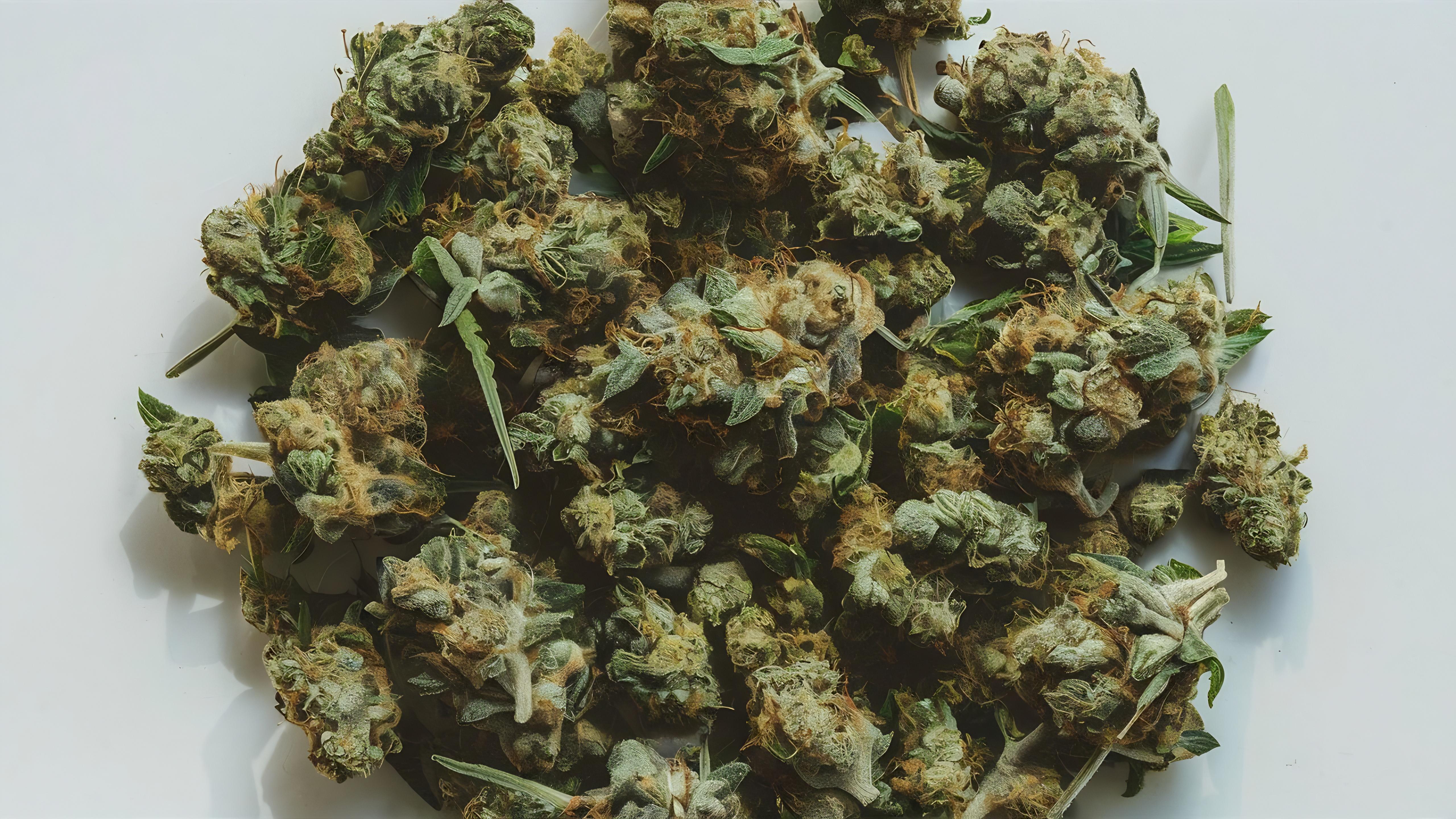


Biscotti strain seeds come from cannabis genetics linked to the well-known Biscotti strain. Biscotti is often described as an indica-dominant hybrid with strong aroma, rich flavor, and high potency. It has gained attention among cannabis growers because of its dense flowers, resin production, and distinct genetic background. People who research Biscotti strain seeds are often interested in learning about the plant’s genetics, growth habits, flowering time, possible yield, flavor, and effects.
Understanding Biscotti starts with its genetic history. The strain is commonly associated with Gelato #25 and South Florida OG. These parent strains are known for strong aromas, high resin production, and noticeable effects. Their genetics help explain many of the features linked with Biscotti plants. Depending on the breeder and the specific seed line, however, Biscotti plants can show some differences in appearance, growth, aroma, and potency. This is normal because plants grown from seeds can inherit different combinations of traits from their parents.
Biscotti is generally considered an indica-dominant hybrid, although exact genetic ratios may differ between seed producers. This classification can help explain some of the plant’s physical characteristics. Biscotti plants may develop strong branches and dense flower clusters. They are also known for producing resin-rich flowers when grown under suitable conditions. The amount of resin, flower density, plant height, and overall structure can vary based on genetics and the growing environment.
One reason growers research Biscotti strain seeds is the strain’s reputation for quality flowers. Biscotti is often associated with a strong scent that combines sweet, earthy, spicy, and fuel-like notes. Some plants may also produce nutty, herbal, or dessert-like aromas. These characteristics come partly from terpenes, which are natural compounds that contribute to the smell and flavor of cannabis. Common terpenes reported in Biscotti may include caryophyllene, limonene, and myrcene, although the exact terpene profile can vary from one plant or product to another.
Potency is another major reason Biscotti receives attention. The strain is widely described as high in THC compared with many traditional cannabis varieties. However, there is no single THC level that applies to every Biscotti plant. Potency can change because of genetics, growing conditions, harvest timing, processing, and laboratory testing methods. Two products sold under the Biscotti name may therefore have different cannabinoid levels.
The effects associated with Biscotti are also an important part of understanding the strain. It is commonly described as producing a combination of relaxing, uplifting, and euphoric effects. Some people may notice stronger physical relaxation, while others may first experience changes in mood or mental activity. Effects are not identical for everyone. Individual tolerance, THC concentration, amount consumed, and method of use can all influence how a person responds. High-THC cannabis may also cause unwanted effects such as dry mouth, dry eyes, dizziness, or anxiety, especially when too much is consumed.
People interested in Biscotti seeds should also understand that several seed types may be available. These can include regular, feminized, and autoflowering versions. Regular seeds can produce male or female plants. Feminized seeds are produced to greatly increase the chance of female plants, which are normally preferred when flower production is the goal. Autoflowering versions contain genetics that allow flowering to begin according to plant age rather than depending entirely on changes in the light cycle. The traits of each type can affect plant size, growth time, and overall management.
Biscotti may be grown in controlled indoor settings or suitable outdoor environments where cannabis cultivation is legal. The growing environment can have a major effect on plant health and final flower quality. Factors such as light, temperature, humidity, airflow, water, nutrients, and root conditions all influence plant development. Outdoor plants are also affected by sunlight, weather, soil quality, pests, and the length of the growing season.
Plant characteristics are not determined by genetics alone. Even seeds from the same strain can develop into plants that look or perform somewhat differently. One Biscotti plant may grow taller, while another may remain more compact. Some may produce sweeter aromas, while others may show stronger earthy or fuel-like notes. These differences are known as phenotype variation. Understanding this variation helps explain why descriptions of Biscotti do not always match every plant exactly.
Before working with Biscotti strain seeds, it is useful to understand the strain as a whole rather than focusing on one feature such as THC content or yield. Genetics affect plant structure, flowering behavior, aroma, resin production, and other traits. Environmental conditions can further influence how those traits appear.
This guide explains Biscotti strain seeds in detail, including their genetics, common seed types, plant characteristics, cultivation considerations, flowering time, yield factors, terpene profile, flavor, aroma, potency, and commonly reported effects. It also explains some of the main issues that can affect plant development. By understanding these areas, readers can get a clearer picture of what makes Biscotti different from many other cannabis strains and why results can vary between individual plants.
What Is the Biscotti Strain?
Biscotti is a cannabis strain known for its strong aroma, rich flavor, dense flowers, and high potency. It is commonly described as an indica-dominant hybrid, although the exact genetic balance can vary depending on the breeder and seed line. Biscotti became popular because it combines dessert-like flavors with earthy and fuel-like notes. It is also known for producing resin-covered flowers that may contain high levels of THC.
For growers, Biscotti strain seeds can be appealing because the plants often develop a strong structure and produce dense buds when grown under suitable conditions. However, good results depend on genetics, growing conditions, plant care, and the experience of the grower. Temperature, humidity, lighting, nutrients, and watering can all affect how the plant develops.
Understanding the basic traits of Biscotti is important before growing it from seed. Knowing where the strain comes from, whether it is indica or sativa, and what makes it different from other cannabis strains can help growers know what to expect.
Origins of the Biscotti Strain
Biscotti is commonly associated with genetics from Gelato #25 and South Florida OG. These parent strains are known for strong aromas, high resin production, and powerful effects. The combination helped create a hybrid that brings together sweet dessert-like qualities and stronger earthy or fuel-like characteristics.
Gelato genetics are often connected with sweet, creamy, and dessert-inspired aromas. South Florida OG belongs to the wider OG family, which is usually linked with earthy, pine-like, spicy, and fuel-like scents. Biscotti can show characteristics from both sides of this genetic background.
The name “Biscotti” comes from the Italian twice-baked cookie. The strain received this name because some plants produce sweet, nutty, and baked-dessert aromas. However, Biscotti does not smell or taste exactly the same in every growing situation. Genetics, harvest timing, drying, and curing can all influence its final aroma and flavor.
Biscotti became more recognized as dessert-style cannabis strains gained popularity. These strains are often named after foods because of their sweet or creamy terpene profiles. Biscotti fits into this group, but it also has stronger earthy, spicy, and fuel-like notes that give it a more complex aroma.
Different breeders may also offer their own versions of Biscotti seeds. These versions may not have exactly the same genetic makeup. Because of this, growers should check the breeder’s description and genetic information before buying seeds.
Is Biscotti Indica or Sativa?
Biscotti is generally described as an indica-dominant hybrid. This means its genetics and growth characteristics tend to show more indica-like traits, although some sativa characteristics may also appear.
Indica plants are often associated with shorter, wider growth and broad leaves. Sativa plants are usually taller, with longer branches and narrower leaves. Hybrid strains can show features from both groups. Biscotti may develop a compact or medium-sized structure, but its exact shape can depend on the phenotype and growing environment.
The terms indica and sativa are useful for describing basic plant traits, but they do not always predict exactly how a cannabis strain will affect a person. Modern cannabis strains have been crossed many times, making most popular varieties hybrids rather than pure indica or pure sativa plants.
The chemical content of the plant can give more useful information about its possible effects. THC, other cannabinoids, and terpenes all play a role. Biscotti is commonly associated with high THC levels, which is one reason it is often considered a potent strain.
Biscotti is often described as producing relaxing effects while also creating an uplifting or euphoric feeling. However, effects can vary widely. The amount consumed, individual tolerance, product strength, and method of use can all influence the experience.
For growers, the indica-dominant classification can provide some clues about plant development. Biscotti plants may produce thick branches and dense flowers. This density can be useful for production, but it also means growers need to watch humidity and airflow during flowering.
What Makes Biscotti Different From Other Strains?
One of the main characteristics that separates Biscotti from many other strains is its combination of aroma and potency. Rather than having only one dominant scent, Biscotti can combine sweet, nutty, earthy, spicy, and fuel-like notes.
Its flower appearance is another noticeable feature. Healthy Biscotti plants can develop dense flowers covered with visible trichomes. Trichomes are small resin glands found on cannabis flowers and nearby leaves. They contain cannabinoids and terpenes, including THC and many of the compounds responsible for aroma.
Heavy trichome production can make mature Biscotti flowers appear sticky or frosty. However, resin production depends on more than genetics. Light quality, temperature, nutrition, plant health, and harvest timing can all affect how much resin a plant produces.
Biscotti is also known for its potential potency. THC levels can differ greatly between individual plants and finished products, so no single percentage applies to every Biscotti strain. Seed genetics, phenotype, environmental conditions, and laboratory testing methods can all influence reported THC levels.
The plant’s growth structure can also make Biscotti different from some strains. It may form dense branches and flowers that benefit from proper pruning and airflow. When the canopy becomes too crowded, moisture can remain trapped around the flowers. This may increase the risk of mold, especially during late flowering.
Growers may also notice differences between Biscotti plants grown from separate seeds. Cannabis seeds contain genetic variation, so two plants from the same seed package may not develop in exactly the same way. One plant may grow taller, while another may remain more compact. Aroma, color, flowering time, and resin production can also vary.
These differences are called phenotype variation. They are normal when growing cannabis from seed. A stable seed line may produce fairly similar plants, while less stable genetics may show greater variation.
Biscotti is a well-known indica-dominant hybrid that is commonly linked to Gelato #25 and South Florida OG genetics. Its parent strains help give Biscotti its mix of sweet, earthy, spicy, nutty, and fuel-like characteristics. It is also known for dense flowers, noticeable resin production, and potentially high THC levels.
Although Biscotti is usually classified as indica-dominant, the exact genetic balance can vary between breeders and seed lines. Individual plants can also show different phenotypes, which means their height, flowering time, aroma, color, and yield may not be identical.
For growers, understanding these basic characteristics is important before planting Biscotti strain seeds. Genetics provide the starting point, but environmental conditions and plant care also have a major influence on how each Biscotti plant develops.
Biscotti Strain Genetics and Parent Strains
Understanding Biscotti strain genetics can help explain why this cannabis variety has such distinct plant traits, aromas, flavors, and effects. Genetics act as the basic blueprint of a cannabis plant. They influence how tall a plant may become, how its flowers develop, how much resin it can produce, and which aromas may appear during flowering.
Biscotti is generally described as an indica-dominant hybrid created from Gelato #25 and South Florida OG. Several sources identify this as its main lineage, although some descriptions also connect Girl Scout Cookies more directly with the family tree. This difference is partly because Gelato itself comes from the Cookies genetic family.
Because cannabis strains can be reproduced and crossed by different breeders, plants sold under the Biscotti name may not always be genetically identical. Seed quality, breeder selection, and phenotype can all affect the final plant. For this reason, growers should understand both the general Biscotti lineage and the possibility of variation between individual seeds.
What Are the Genetics of Biscotti?
The most commonly reported Biscotti lineage is Gelato #25 crossed with South Florida OG. Proper Cannabis lists the strain specifically as Gelato 25 × South Florida OG, while DNA Genetics also describes Biscotti as a combination of these two main genetic lines.
These parents bring together two different groups of cannabis traits. Gelato #25 belongs to the well-known dessert-style cannabis family. It is associated with sweet and creamy characteristics as well as strong resin production. South Florida OG contributes more traditional OG qualities, including earthy, fuel-like, and herbal traits.
The combination creates a plant that is usually considered indica dominant. However, exact indica and sativa percentages should not be treated as fixed for every Biscotti seed. Different breeders may work with different parent selections. Their breeding methods can also lead to plants with slightly different growth habits.
Genetics influence more than the name of a strain. They can affect plant height, branching, flowering time, flower density, trichome production, smell, taste, and cannabinoid content. Growing conditions also affect these traits, so genetics provide potential rather than guaranteeing an identical result in every plant.
Traits From Gelato #25
Gelato #25 contributes many of the sweeter qualities associated with Biscotti. Gelato varieties belong to a genetic family known for dessert-like aromas and rich flavor profiles. These characteristics help explain why Biscotti is often described as having sweet, creamy, or baked-dessert notes.
The Gelato side of the family can also influence flower structure. Biscotti plants may form compact and dense flowers when grown under suitable conditions. Dense flowers can be attractive to growers, but they also require proper airflow. Thick flower clusters may hold moisture more easily, especially late in flowering.
Resin production is another important inherited trait. Biscotti flowers are often known for developing a visible layer of trichomes. Trichomes are tiny resin glands found on cannabis flowers and nearby leaves. They contain many of the plant’s cannabinoids and aromatic compounds.
Gelato genetics are also associated with strong cannabinoid potential. However, growers should not assume that every Biscotti plant will reach the same THC level. Potency depends on genetics, phenotype, plant health, harvest timing, drying, curing, and testing methods.
The sweet qualities inherited through Gelato also work together with the stronger earthy and fuel-like traits of South Florida OG. This combination is one reason Biscotti can develop a more complex aroma than strains that have mainly sweet or fruity genetics.
Traits From South Florida OG
South Florida OG provides the other major part of Biscotti’s genetic background. OG varieties are commonly associated with strong earthy, herbal, citrus, pine, and fuel-like characteristics. Proper Cannabis, for example, describes Biscotti as showing OG-related lime and gas notes along with creamy and earthy aromas.
These genetics help balance the sweeter qualities inherited from Gelato #25. Instead of producing only a sugary aroma, Biscotti may develop a combination of sweetness, earth, spice, herbs, and fuel. The exact balance can change from one phenotype to another.
South Florida OG genetics may also influence the plant’s overall structure. OG-related cannabis plants can develop strong branches and dense flower sites, although individual plants may vary. Growers may need to watch branch development as flowers become heavier during the later part of the flowering stage.
The OG side of the family also contributes to Biscotti’s reputation as an indica-leaning hybrid. This genetic influence helps explain why the strain is often associated with a combination of cerebral and body effects. Still, effects cannot be predicted from strain classification alone. THC levels, terpene content, serving size, tolerance, and individual response all play a role.
South Florida OG therefore does more than add strength to the genetic line. It helps give Biscotti its deeper aroma, growth characteristics, and contrast between sweet dessert notes and stronger earthy or fuel-like qualities.
Biscotti Phenotypes
One important concept for growers to understand is phenotype variation. A phenotype is the visible expression of a plant’s genetics. Two seeds from the same strain can carry similar genes but still develop differently.
This happens because seed-grown plants are not exact copies of one another. One Biscotti plant may show more Gelato-like traits, while another may show stronger South Florida OG characteristics. These differences can appear in several parts of the plant.
For example, one phenotype may grow shorter with tighter spaces between branches. Another plant from the same seed line may stretch more during the early flowering period. Flower density can also differ. Some plants may form very compact flowers, while others may produce slightly more open flower structures.
Aroma is another area where phenotype differences can be easy to notice. One Biscotti plant may smell sweeter and creamier. Another may have stronger fuel, earth, spice, or citrus notes. This does not automatically mean that either plant is incorrect. It may simply show a different combination of traits inherited from the parent genetics.
Color can also vary. Some Biscotti plants may remain mostly green, while others can develop darker or purple shades under the right genetic and environmental conditions. Temperature, plant health, and nutrient availability can affect how strongly these colors appear.
Flowering time may differ as well. Even when seeds come from the same package, individual plants may mature at slightly different rates. Growers should therefore judge harvest readiness by the condition of each plant rather than harvesting every plant only because a certain number of weeks has passed.
Yield is another trait that can change between phenotypes. Genetics influence potential production, but light, plant size, root health, nutrients, temperature, humidity, and training methods can all affect the final harvest.
For growers who want more consistent results, understanding phenotype variation is important. A strain name describes a genetic family, but it does not guarantee that every seed will produce an identical plant. This is especially important when comparing Biscotti seeds from different breeders.
Biscotti strain genetics are most commonly described as a cross between Gelato #25 and South Florida OG. This combination brings together sweet, creamy dessert-style qualities with earthy, herbal, and fuel-like OG traits.
Gelato #25 contributes to Biscotti’s sweet aroma, dense flower structure, resin production, and potency potential. South Florida OG adds stronger earthy and gas-like qualities while also influencing plant structure and the strain’s indica-leaning characteristics.
However, genetics do not make every Biscotti plant identical. Different phenotypes may vary in height, flower shape, color, aroma, flowering time, and yield. Breeder selection and growing conditions can create even more differences. Understanding these genetic variations gives growers a more realistic idea of what to expect when starting Biscotti strain seeds and helps explain why one Biscotti plant may look or smell different from another.
Types of Biscotti Strain Seeds
Choosing the right type of Biscotti strain seeds is an important part of planning a grow. Different seed types can produce different results, and each one fits a different growing goal. The main options are regular, feminized, and autoflowering seeds. Understanding how each type works can help growers choose seeds that match their space, schedule, and level of experience.
Biscotti is commonly known as an indica-dominant hybrid with strong genetics, dense flowers, and a rich terpene profile. However, the way a Biscotti plant develops can depend partly on the type of seed being used. Seed type can affect whether male plants appear, how flowering begins, how long the growing cycle lasts, and how much control the grower has over the plant.
Before buying seeds, growers should also remember that not every seed sold under the Biscotti name will have exactly the same genetics. Different breeders may create their own Biscotti crosses or versions. For this reason, it is important to read the breeder’s description and check the stated genetic background before making a choice.
Regular Biscotti Seeds
Regular Biscotti seeds can produce either male or female plants. In most cases, each seed has a chance of becoming either sex. This is different from feminized seeds, which are bred to produce female plants in most cases.
Female cannabis plants are usually the main focus when the goal is flower production. They produce the resin-rich flowers commonly associated with cannabis strains such as Biscotti. Male plants produce pollen instead of the same type of dense flower growth.
For growers using regular Biscotti seeds, identifying the sex of the plants becomes an important part of the growing process. Male plants may need to be separated from female plants if seedless flowers are the goal. If pollen from a male plant reaches a female plant, the female can begin producing seeds.
Regular seeds are often used by breeders because they provide access to both male and female genetics. A breeder may select certain male and female plants to create new crosses or preserve useful traits. These traits can include plant structure, flowering time, aroma, color, and growth strength.
Regular Biscotti seeds may also show a wide range of plant characteristics. Some plants may lean more toward one parent, while others may show different combinations of traits. This variation can be useful for people who are selecting plants for breeding, but it can require more work for growers who want a simple and predictable crop.
Feminized Biscotti Seeds
Feminized Biscotti seeds are bred to produce female plants in nearly all normal cases. They are popular among growers who want to focus on flower production without spending as much time identifying and removing male plants.
One main advantage of feminized seeds is efficient use of growing space. With regular seeds, some plants may turn out to be male and may need to be removed. This can leave empty spaces in an indoor grow area or outdoor garden. Feminized seeds reduce this problem because most of the plants are expected to be female.
This can be especially useful for indoor growers who have limited space. Each pot, light, and section of the growing area can be used for a plant that is likely to produce flowers.
Feminized Biscotti seeds are also useful for growers who want more control over plant numbers. For example, a person working with a small indoor setup may not want to start many extra seeds just to make sure enough female plants are available later.
However, feminized does not mean that every plant will be identical. Different plants grown from feminized Biscotti seeds can still show differences in height, aroma, color, flowering speed, and flower structure. These differences are often related to phenotype variation.
The quality of feminized seeds also depends heavily on the breeder. Stable breeding can help produce plants with more consistent traits, while poorly developed genetics may lead to greater variation.
Autoflowering Biscotti Seeds
Autoflowering Biscotti seeds are different from standard photoperiod seeds because they begin flowering based mainly on age rather than changes in the light cycle.
Traditional photoperiod cannabis plants usually remain in the vegetative stage when they receive long periods of light each day. Flowering is normally triggered when the light schedule changes. Autoflowering plants follow a different pattern. They begin flowering after reaching a certain stage of development, even if the daily light period remains fairly long.
This trait comes from cannabis genetics that developed in regions with shorter growing seasons. Modern breeders use these genetics to create autoflowering versions of popular strains.
Autoflowering Biscotti can be useful when a shorter growing cycle is important. These plants often move from seed to harvest more quickly than standard photoperiod plants. Their smaller size can also make them suitable for compact growing areas.
The shorter life cycle can be helpful for outdoor growers in places where the warm season does not last very long. It may allow plants to finish before colder or wetter weather arrives.
Autoflowering plants also have some limits. Because they begin flowering according to age, growers have less time to correct serious problems during the vegetative stage. Stress, poor nutrition, root damage, or slow early growth may affect the final size of the plant because the flowering schedule continues even if growth has been delayed.
For this reason, good early care is important with autoflowering Biscotti seeds.
How to Choose Biscotti Seeds
The best type of Biscotti seed depends on the grower’s goals and growing conditions. One of the first factors to consider is whether the plants will be grown indoors or outdoors.
Indoor growers usually have more control over lighting, temperature, humidity, and plant size. Feminized photoperiod seeds can work well in this setting because the grower can control when the flowering stage begins by changing the light schedule.
Autoflowering seeds can also work indoors, especially when space is limited or a faster harvest is preferred. Their smaller size may make them easier to manage in compact areas.
Outdoor growers should think about climate and the length of the growing season. Photoperiod Biscotti plants may need enough time to complete both vegetative growth and flowering before cold or wet weather becomes a problem. Autoflowering seeds may be useful where the growing season is shorter.
Available space is another important factor. Some Biscotti plants can develop into large, branching plants when given enough time in the vegetative stage. A smaller indoor setup may require more control over plant size. Autoflowering plants or carefully managed feminized plants may be easier to fit into these spaces.
The desired harvest schedule should also be considered. Growers who want more control over plant size and flowering time may prefer photoperiod feminized seeds. Growers who want a shorter and more automatic life cycle may prefer autoflowering seeds.
Seed quality is just as important as seed type. Buyers should look for seeds from a known breeder or reliable seed source. Breeder information should explain the genetic background, expected flowering time, plant size, and whether the seeds are regular, feminized, or autoflowering.
Healthy cannabis seeds are often firm and well formed. However, appearance alone cannot confirm genetic quality. The breeder’s reputation and information about the seed line are often more useful than color or markings on the seed shell.
Biscotti strain seeds are commonly available as regular, feminized, and autoflowering types. Regular seeds can produce both male and female plants and are often useful for breeding. Feminized seeds are designed to produce mostly female plants, making them a practical choice for growers focused on flower production. Autoflowering Biscotti seeds begin flowering based mainly on age and can offer a shorter growing cycle.
The right choice depends on the growing environment, available space, experience level, and desired harvest schedule. Indoor growers may prefer the control offered by feminized photoperiod seeds, while growers with limited time or space may find autoflowering seeds more suitable. Regular seeds can be valuable when breeding or genetic selection is part of the goal.
How Biscotti Strain Seeds Germinate and Develop
Germination is the first stage in the life cycle of a Biscotti cannabis plant. During this stage, a seed changes from a dormant state into a young seedling. The process begins when the seed absorbs moisture. This activates natural processes inside the seed and allows the first root to emerge.
The success of germination depends on several basic environmental factors. These include moisture, warmth, oxygen, and seed quality. Healthy seeds generally have a better chance of developing normally, while old, damaged, or poorly stored seeds may have lower germination rates.
Understanding how germination works can also help growers recognize the early signs of healthy or weak plant development. Although Biscotti seeds follow the same basic biological process as other cannabis seeds, individual seeds may develop at different speeds because of genetics and environmental conditions.
Preparing Biscotti Seeds for Germination
Seed quality plays an important role in early plant development. Healthy cannabis seeds are usually mature, firm, and protected by a hard outer shell. Their color can range from light brown to darker shades, and some may have natural patterns or markings.
Storage conditions can affect seed quality over time. Seeds exposed to excessive heat, moisture, or strong light may lose some of their ability to germinate. Proper storage helps keep seeds dormant until conditions support growth.
Moisture is one of the main signals that starts germination. When a seed absorbs water, its outer shell begins to soften. The embryo inside then becomes active. A small root, called the radicle, eventually emerges from the seed.
Warmth also supports this process because the biological reactions inside a seed depend on suitable environmental conditions. However, extreme temperatures can interfere with normal development. Excessive heat can damage sensitive plant tissue, while very cold conditions may slow the process.
Oxygen is also important. Seeds are living structures and need oxygen for respiration as they begin to grow. This is one reason overly saturated growing conditions can cause problems. Too much water may reduce the amount of oxygen available around a developing seed.
Handling is another factor. Young roots are delicate. Once the first root emerges, rough handling may damage it and make it harder for the seedling to establish itself.
Common Germination Methods
Several general methods are used to germinate cannabis and other plant seeds. Each method provides moisture and a suitable environment while allowing the seed to begin developing.
One commonly discussed approach is the paper towel method. In this type of setup, seeds are kept in a moist environment until the first root becomes visible. The main advantage is that seed development can be observed easily. However, the exposed root can be damaged if it is handled too much.
Another approach is direct planting. With this method, the seed begins its life in the growing medium rather than being moved after the first root appears. This reduces the need to handle the young root. However, because the seed is below the surface, early germination cannot be observed as easily.
Starter plugs and similar propagation media are also used in horticulture. These materials are designed to hold moisture while still allowing some airflow around developing roots. They may provide a stable environment during the earliest stage of plant growth.
Each method has advantages and limitations. The main biological goal is the same: the seed needs enough moisture to activate growth, enough oxygen for respiration, and suitable environmental conditions for the young root and shoot to develop.
How Long Do Biscotti Seeds Take to Germinate?
There is no exact germination period that applies to every Biscotti seed. Genetics, age, storage history, temperature, and moisture can all influence how quickly a seed begins to grow.
Some healthy seeds may show signs of development relatively quickly, while others may need more time. A slower seed is not always unhealthy. The thickness of the seed coat and natural genetic variation can affect the speed of germination.
Temperature can also influence the process. When conditions are unsuitable, biological activity inside the seed may slow down. Large changes in temperature can also create stress.
Moisture levels matter as well. Too little moisture may prevent the seed from absorbing enough water to begin normal development. Too much moisture can reduce oxygen around the seed and may encourage fungal growth or decay.
Older seeds sometimes take longer to begin growing because their internal tissues may have lost some vigor during storage. Poor storage conditions can increase this problem.
Because of these differences, germination should be viewed as a biological process rather than a fixed timetable. Two Biscotti seeds from the same package can sometimes develop at different rates.
Caring for Biscotti Seedlings
After germination, the plant enters the seedling stage. This is one of the most delicate stages of development because the root system is still small and the young plant has limited stored energy.
Light becomes increasingly important once the seedling emerges. Young plants use light for photosynthesis, which allows them to produce energy for new leaves, stems, and roots. Poor lighting can cause seedlings to become weak or stretched.
Water management is also important during early development. Small seedlings have limited root systems, so they cannot use large amounts of water. Excess moisture around young roots can reduce oxygen and create conditions that favor root problems.
Environmental stability helps young plants develop more evenly. Large changes in temperature, humidity, or light can cause stress. A stable environment allows the seedling to focus its energy on producing roots and leaves.
The first leaves that appear are known as cotyledons. These are simple seed leaves that help support the plant during its earliest growth. After this stage, the plant begins producing true leaves with the more familiar cannabis leaf shape.
As the root system expands and the plant produces more leaves, it gradually becomes more capable of handling changes in its environment. At this point, the plant begins moving from the seedling stage toward more active vegetative growth.
Germination is the starting point for the development of Biscotti strain seeds. The process begins when a viable seed receives moisture, oxygen, and suitable environmental conditions. Seed quality, storage history, temperature, and moisture can all affect how quickly germination occurs.
Different germination approaches are used in horticulture, including moist propagation environments, direct planting, and starter media. Each method has its own advantages, but all depend on the same basic biological needs.
After germination, Biscotti seedlings remain sensitive while their roots and leaves develop. Stable conditions, careful moisture management, suitable light, and minimal physical stress support normal early growth. Understanding these basic stages helps explain how a small Biscotti seed develops into an established young plant.
How Biscotti Strain Seeds Grow Indoors
Growing conditions can have a strong effect on how Biscotti plants develop indoors. Like other cannabis varieties, Biscotti responds to changes in temperature, humidity, light, airflow, water, and nutrition. The exact results can also vary because different seed lines may produce plants with slightly different traits.
Indoor growing gives cultivators more control over the environment than outdoor growing. Temperature, light exposure, airflow, and moisture can all be managed more closely. However, this also means that poor environmental control can quickly affect plant health. Understanding the basic needs of the plant can help readers better understand why indoor Biscotti plants may differ in size, shape, flowering behavior, and final flower quality.
Indoor Temperature and Humidity
Temperature plays an important role in plant growth. Cannabis plants generally perform best when they are protected from extreme heat and cold. Large temperature changes can place stress on the plant and may slow normal development.
Humidity is also important because it affects how quickly plants lose water through their leaves. Young plants normally tolerate more moisture in the air than mature flowering plants. As flowers become thicker and denser, excessive humidity can increase the chance of mold and other fungal problems.
Biscotti may develop dense flowers, so moisture control becomes especially important later in the plant’s life cycle. Dense flower clusters can trap moisture if airflow is poor. This can create conditions where mold is more likely to develop.
Stable conditions are usually more important than constantly changing the environment. Sudden shifts in heat or humidity can stress plants and affect their growth. Indoor growers therefore often pay close attention to environmental consistency throughout the plant’s development.
Air circulation is another important part of climate control. Moving air helps reduce stagnant, humid areas around the leaves and flowers. It may also help plants develop stronger stems. At the same time, excessive airflow can dry plant tissue too quickly or create unnecessary stress.
Lighting Biscotti Plants
Light provides the energy plants use for photosynthesis. Indoor cannabis plants depend on artificial lighting because they do not receive the same natural sunlight as outdoor plants.
The amount and intensity of light can affect Biscotti’s size, structure, and overall development. Plants that receive too little light may stretch as they search for a stronger light source. Their stems may become long and weak, while overall growth may be slower.
Excessive light can also cause problems. Strong light combined with high temperatures may lead to stress. Leaves may show signs of damage, discoloration, curling, or drying when environmental conditions become too intense.
Light needs also change as the plant matures. During early growth, the plant mainly produces roots, stems, branches, and leaves. Later, its energy is directed toward flower development.
The distance between plants and indoor lighting can influence how evenly light reaches the canopy. If some branches receive much more light than others, plant development may become uneven. This is one reason growers often focus on maintaining an even plant structure.
Different lighting systems also produce different amounts of heat. Managing light and temperature together is therefore an important part of indoor cultivation.
Biscotti Plant Size and Structure
Biscotti is generally described as an indica-dominant hybrid, although exact growth traits can vary by breeder and phenotype. Plants may develop sturdy branches and a relatively dense canopy.
Indoor space can influence how large the plants are allowed to become. Limited vertical room may make plant height an important concern. If a plant becomes too tall, upper branches may grow too close to the light source while lower areas receive less light.
Branch development is also important because Biscotti plants can produce several flowering sites. A dense structure may reduce airflow through the center of the plant if leaves and branches become crowded.
Different seeds can produce different phenotypes. One Biscotti plant may grow shorter and bushier, while another may stretch more strongly. This variation is normal when growing from seed.
Plant structure can also change during flowering. Branches may become heavier as flowers develop. Strong stems and balanced growth can help the plant support this added weight.
Training and Canopy Management
Plant training is commonly discussed in indoor cannabis cultivation because it relates to plant shape and light distribution. The basic goal of canopy management is to prevent one part of the plant from blocking too much light from another part.
Low-stress training involves gently shaping plant growth rather than allowing one main stem to dominate the canopy. Topping refers to removing a growing tip so that growth can be redirected into several branches. Pruning involves removing selected plant material to improve plant structure or airflow.
These methods can change the shape of a Biscotti plant, but they also place some level of stress on it. Plant health, age, genetics, and environmental conditions can all affect how well a plant responds.
Canopy management can also improve airflow between branches. This may be useful for Biscotti because dense growth can trap moisture. Better spacing between plant material allows more air to move around leaves and flowers.
However, excessive pruning or plant manipulation may slow growth. Removing too much healthy plant tissue can reduce the plant’s ability to produce energy through photosynthesis.
For this reason, plant training is generally understood as a method of managing structure rather than simply removing as much growth as possible.
Watering and Nutrients
Water is essential for nearly every major plant process. However, more water does not always mean better growth. Roots need access to both water and oxygen.
When growing media remain constantly saturated, oxygen around the root system may become limited. This can weaken roots and make it harder for the plant to absorb nutrients properly. Symptoms of excessive moisture can sometimes resemble nutrient problems, which can make diagnosis difficult.
Plants may also react poorly when they become extremely dry. Severe water stress can cause leaves to wilt and may interrupt normal growth.
Nutrients support the development of roots, stems, leaves, and flowers. Cannabis plants use several major nutrients as well as smaller amounts of micronutrients. Their nutritional needs can change as they move through different stages of development.
During vegetative growth, plants focus heavily on producing green tissue. During flowering, nutrient demand changes as the plant directs more energy toward reproductive growth and flower development.
Too much fertilizer can be just as harmful as too little. Excess nutrients may damage roots or cause visible stress in the leaves. This is sometimes described as nutrient burn.
The chemical balance of the root environment also affects nutrient availability. Even when nutrients are present, plants may have difficulty absorbing them if root conditions are unsuitable.
Healthy plant development therefore depends on balance. Water, oxygen, nutrients, temperature, and root conditions all work together. Problems in one area can often affect several other parts of the plant.
Indoor Biscotti plants are influenced by several connected environmental factors. Temperature and humidity affect plant stress and moisture levels, while airflow helps reduce stagnant conditions around dense growth. Light supports photosynthesis and strongly influences plant size, structure, and development.
Biscotti plants may grow with sturdy branches and a fairly dense canopy, although individual plants can vary because of phenotype differences. Plant structure can influence how evenly light and air reach different parts of the canopy.
Water and nutrition also play major roles in plant health. Too much or too little water can interfere with root function, while nutrient imbalances may affect leaves, stems, and overall development.
How to Grow Biscotti Strain Seeds Outdoors
Growing Biscotti strain seeds outdoors can give the plants plenty of room, fresh air, and natural sunlight. However, outdoor growing also means that the plants are exposed to changing weather, pests, humidity, and other conditions that are harder to control. Biscotti plants generally perform best when they receive steady sunlight, moderate temperatures, and good airflow throughout the growing season.
Before growing Biscotti outdoors, it is important to understand the local climate and legal rules in your area. Cannabis laws differ between locations, and some places do not allow home cultivation. Where cultivation is legal, growers should also consider the length of the outdoor season. Biscotti needs enough time to develop through its vegetative and flowering stages before cold or wet weather arrives.
Best Climate for Biscotti
Biscotti generally performs best in a warm and stable climate. The plant needs enough heat for healthy growth, but extreme temperatures can cause stress. Very hot conditions may cause leaves to curl, dry out, or lose moisture too quickly. Cold conditions can slow growth and may affect flower development later in the season.
Sunlight is one of the most important parts of outdoor cultivation. Biscotti plants need strong light to support healthy leaves, branches, and flowers. A location that receives several hours of direct sunlight each day is usually better than an area that stays shaded for long periods. Strong natural light can also help outdoor plants develop a larger structure when other conditions are suitable.
Humidity also matters. High humidity can become a concern during flowering because moisture can collect around dense flowers. This may increase the risk of mold. On the other hand, very dry conditions can cause plants to lose water quickly. Growers should watch local weather patterns and pay extra attention during long periods of rain, high humidity, or extreme heat.
The length of the growing season is another important factor. Outdoor plants depend on natural changes in daylight to move through their growth cycle. If cold weather arrives too early, plants may not have enough time to reach full maturity.
Choosing an Outdoor Location
A good outdoor location should provide strong sunlight, healthy airflow, and protection from severe weather. Sun exposure should be one of the first things considered when choosing where to place the plants. Areas blocked by tall buildings, trees, or fences for much of the day may not provide enough light.
Air circulation is also important. Moving air helps reduce moisture around the leaves and flowers. This can lower the chance of certain fungal problems. However, an area that receives strong winds every day may cause branches to bend or break. A location with steady but gentle airflow is often better.
Drainage should also be considered. Biscotti plants should not remain in soil that stays soaked for long periods. Waterlogged soil can reduce the amount of oxygen available to the roots. This can slow growth and increase the risk of root problems.
Outdoor plants may also need protection from heavy rain, storms, and strong wind. Large Biscotti plants can develop wide branches, especially later in the season. If weather becomes severe, these branches may need extra support to prevent damage.
Soil Requirements
Healthy soil gives Biscotti plants access to water, oxygen, and nutrients. A well-draining soil mixture is important because roots need both moisture and air. Soil that becomes hard or compact can make it difficult for roots to spread.
Organic matter can improve soil structure and help it hold moisture without becoming too dense. Compost and other well-decomposed organic materials may also support soil life and nutrient availability. The goal is to create soil that can hold enough moisture for the plant while still allowing extra water to drain away.
Root aeration is especially important in outdoor containers or heavy garden soil. Roots need oxygen to stay healthy. If soil remains wet for too long, the roots may become weak or damaged.
Nutrient availability also affects growth. Biscotti plants need different levels of nutrients as they move from early growth into flowering. Too little nutrition may lead to pale leaves and slow development, while excessive feeding can also damage the plant. Soil condition should be monitored throughout the season rather than assuming that more nutrients will always improve growth.
Outdoor Plant Care
Outdoor Biscotti plants need regular attention even when they are growing in good soil and strong sunlight. Watering should be based on the condition of the soil rather than a strict daily schedule. Hot weather may cause the soil to dry faster, while cool or rainy weather may reduce the need for added water.
Feeding should also match the stage of growth. Young plants usually need less nutrition than large, established plants. As the plant grows, its nutrient needs may increase. During flowering, the nutrient balance may change again.
Pruning can help remove damaged or crowded growth and improve airflow through the plant. A dense plant can trap moisture, especially after rain or during humid weather. Keeping the inner parts of the plant from becoming too crowded may help reduce this problem.
Branches may also need support as flowers develop. Heavy branches can bend under their own weight or after strong rain. Basic plant supports can help reduce breakage.
Regular plant checks are important. Leaves, stems, and flowers should be inspected for unusual spots, discoloration, insect activity, or signs of mold. Finding a problem early is usually easier to manage than waiting until it spreads across the plant.
Can Biscotti Be Grown Indoors and Outdoors?
Biscotti can be grown in both indoor and outdoor environments, but each method has different advantages. Indoor cultivation gives the grower more control over light, temperature, humidity, and airflow. This can make it easier to keep conditions stable throughout the growth cycle.
Outdoor cultivation depends much more on the natural environment. The weather cannot be controlled, but outdoor plants may have more space to grow. They can also receive strong natural sunlight without the need for artificial lighting.
Available space is another major difference. Indoor growers may need to control plant height and width because grow rooms have limited space. Outdoors, Biscotti plants may have more room for roots and branches to expand.
The best method depends on climate, available space, local laws, and the level of control the grower wants. A mild and sunny climate may support strong outdoor growth, while areas with short summers, frequent rain, or high humidity may present more challenges.
Growing Biscotti strain seeds outdoors requires more than placing plants in sunlight and waiting for harvest. Climate, sunlight, airflow, soil quality, drainage, and regular care all affect plant health. Biscotti generally does best in warm conditions with plenty of direct light and enough airflow to prevent excess moisture from collecting around the plant.
Choosing the right location and maintaining healthy soil can give the roots and branches a strong foundation. Regular watering, careful feeding, pruning, branch support, and plant inspections can also help reduce common outdoor problems. While indoor cultivation offers greater control, outdoor growing can provide more space and natural sunlight. The better option depends on local growing conditions and the needs of the grower.
Biscotti Flowering Time, Growth Cycle, and Harvest
Understanding the growth cycle of Biscotti is important because each stage affects the health, size, and final quality of the plant. Biscotti is usually grown as a photoperiod strain, which means its flowering stage depends on changes in the light cycle. Growers need to pay attention to plant development from germination through harvest so they can provide the right amount of light, water, nutrients, and environmental control at each stage.
The exact time Biscotti takes to grow can vary. Genetics, growing conditions, plant health, container size, and training methods can all affect the schedule. Some plants may develop faster, while others may need extra time to reach full maturity. Instead of relying only on a calendar, growers should also watch the physical signs of plant development.
How Long Does Biscotti Take to Grow?
The full growth cycle of Biscotti begins with germination. During this stage, the seed absorbs moisture and starts to open. A small root appears first, followed by the beginning of the stem and leaves. Germination often takes several days when moisture and temperature remain stable.
After germination, the plant enters the seedling stage. Young Biscotti seedlings are delicate and need careful treatment. Their roots are still small, so too much water can cause problems. They also need enough light to prevent weak, stretched stems. During this early stage, growers should focus more on creating stable conditions than on rapid growth.
Once the roots and leaves become established, Biscotti enters the vegetative stage. This is when the plant develops most of its stems, branches, leaves, and root system. The length of the vegetative stage depends largely on the grower’s goals. Indoor growers can usually control how long plants remain in this stage by managing the light schedule.
A longer vegetative period can allow Biscotti plants to become larger before flowering. However, larger plants also require more space, water, nutrients, and light. Growers with limited indoor space may choose a shorter vegetative period to keep plants easier to manage.
Outdoor Biscotti plants follow natural seasonal light changes. They usually continue vegetative growth while summer days are long. As daylight hours become shorter later in the season, flowering begins naturally.
The total time from seed to harvest can therefore vary greatly. Indoor plants may have a more controlled schedule, while outdoor plants depend more heavily on climate and seasonal conditions.
How Long Does Biscotti Take to Flower?
Biscotti generally has a flowering period that lasts several weeks. Many versions of the strain are commonly described as flowering in roughly eight to ten weeks, although the exact period may vary between plants and seed sources.
During the first part of flowering, Biscotti may continue to gain height. This period is sometimes called the flowering stretch. Branches extend, and the plant begins forming early flower sites. Growers should make sure plants have enough vertical space before flowering begins.
As flowering continues, the small flower sites develop into larger clusters. These flowers gradually become denser and produce more resin. Their aroma may also become much stronger during the middle and later stages of flowering.
Genetics can cause some Biscotti plants to mature faster than others. Different phenotypes may have slightly different flowering periods, plant structures, colors, and aroma profiles. Environmental conditions also matter. Plants exposed to excessive heat, poor lighting, nutrient problems, pests, or other forms of stress may develop more slowly.
For this reason, the estimated flowering time should be treated as a guide rather than a fixed deadline. Growers should look at the flowers themselves before deciding when to harvest.
Signs Biscotti Is Ready to Harvest
One of the first visible signs of flower maturity is a change in the pistils. Pistils are the small hair-like structures found on cannabis flowers. Early in flowering, they are usually light in color and extend outward from the buds. As the flowers mature, many pistils become darker and begin curling inward.
Pistil color can help growers judge maturity, but it should not be the only sign used. Changes can also occur because of environmental conditions or plant stress.
Trichomes provide another useful sign. These tiny resin glands cover the flowers and nearby leaves. They contain many of the plant’s cannabinoids and aromatic compounds. As the plant develops, trichomes change in appearance.
Immature trichomes may look clear or glass-like. As they mature, many become cloudy or milky. Some may later develop an amber color. Growers often examine trichomes closely to judge whether flowers have reached the desired level of maturity.
Flower density is another useful indicator. Mature Biscotti buds may become firm and swollen as they reach the final stage of flowering. The aroma can also become stronger and more complex close to harvest.
Growers should examine several parts of the plant because not every flower matures at exactly the same rate. Upper flowers may receive more light and sometimes develop faster than lower flowers.
Harvesting Biscotti Plants
Choosing the right harvest period is important because harvesting too early can prevent flowers from reaching full maturity. Waiting too long can also change the plant’s cannabinoid and terpene profile.
Before cutting the plant, growers should inspect the flowers carefully. Trichome development, pistil color, flower density, and overall plant condition can all help determine whether Biscotti is ready.
Harvesting should be done carefully to avoid unnecessary damage to the flowers. Resin glands can be delicate, especially on mature buds. Rough handling may break some trichomes away from the flower surface.
Growers may harvest the entire plant at once or remove individual branches. The method often depends on plant size and the space available for drying.
Large fan leaves may be removed either before or after cutting the branches. Some growers also trim smaller leaves before drying, while others wait until the flowers have dried. Both approaches can work when the drying environment is properly controlled.
After harvest, Biscotti flowers should be handled gently and moved into a suitable drying area as soon as possible.
Drying and Curing
Drying is an important part of the harvest process. Freshly harvested cannabis contains a large amount of moisture. If flowers are stored while they are still too wet, mold may develop. If they dry too quickly, aroma and flavor can also suffer.
A controlled drying environment allows moisture to leave the flowers gradually. Good airflow is important, but strong air should not blow directly onto the buds. Direct airflow may cause the outside of the flowers to dry much faster than the inside.
Temperature and humidity should also remain stable during drying. Excessive heat can cause flowers to dry too quickly and may reduce some of their aromatic qualities. Very high humidity can slow drying and increase the chance of mold.
Flowers are often hung on branches or placed on drying racks. The drying period varies depending on flower size, humidity, airflow, and environmental conditions.
Once the flowers have dried properly, curing can begin. Curing usually involves storing dried buds in suitable airtight containers while allowing small amounts of remaining internal moisture to spread evenly through the flowers.
During the early part of curing, containers may need to be opened regularly to release excess moisture and allow fresh air inside. Flowers should also be checked for unusual odors or signs of mold.
Proper curing can help Biscotti develop a smoother aroma and flavor. It can also improve the overall condition of the dried flowers during storage. Rushing this stage may reduce the quality of a harvest that took months to produce.
The Biscotti growth cycle includes germination, seedling development, vegetative growth, flowering, harvest, drying, and curing. The total growing time varies depending on genetics, plant size, environment, and cultivation methods. Biscotti commonly requires several weeks of flowering, but growers should not rely only on estimated dates.
Physical signs such as pistil changes, trichome development, flower density, and aroma provide a better picture of plant maturity. Harvesting at the right stage helps preserve the qualities developed during flowering. Careful drying and curing are also important because they protect the flowers from excess moisture and allow their aroma and flavor to develop properly.
Biscotti Yield and Factors That Affect Production
Biscotti plants can produce a good harvest when they grow in a stable and healthy environment. However, there is no single yield amount that every plant will produce. The final harvest can change based on genetics, plant health, available light, climate, space, and general care.
Seed quality also plays an important role. Healthy seeds from stable genetics are more likely to develop into strong plants. Even plants from the same seed line can show some differences. One plant may grow taller, while another may stay shorter and develop denser flowers. These differences are known as phenotype variation.
Growers should therefore treat yield estimates as general guides rather than guarantees. Understanding the main factors that affect production makes it easier to understand why one Biscotti plant may produce more than another.
How Much Does Biscotti Yield?
Biscotti is generally described as a strain with moderate to strong production potential. The exact amount depends on where and how the plant is grown. Indoor plants develop under controlled conditions, while outdoor plants depend more heavily on sunlight, weather, soil, and the length of the growing season.
A healthy plant with enough light, room, and access to suitable nutrients will usually have a better chance of producing a larger harvest than a stressed plant. Plant size is also important. A larger and well-developed plant has more branches and flowering sites, which may support greater flower production.
Genetics remain one of the most important factors. Some Biscotti phenotypes naturally produce more flowers than others. One plant may focus on dense flower development, while another may put more energy into height or branch growth.
For this reason, reported Biscotti yield figures should be viewed as estimates. Actual production may be higher or lower depending on the individual plant and its environment.
Indoor Yield Factors
Indoor growing gives growers more control over important environmental conditions. However, production still depends on several connected factors.
Light is one of the strongest influences on plant development. Cannabis plants use light to support photosynthesis, the process that allows them to create energy. Plants that receive poor or uneven light may develop slowly or produce less flower material.
Plant spacing also affects production. When plants are crowded together, lower branches may receive less light. Crowded plants can also have poorer airflow around their leaves and flowers. This can create an environment where moisture stays trapped for longer periods.
The size of the growing area can also influence plant development. Biscotti plants need enough room for their roots, branches, and leaves to expand. Limited space can restrict growth, especially when plants become crowded during the flowering stage.
Nutrient balance is another factor. Plants need different nutrients to support roots, leaves, stems, and flowers. Too little nutrition can slow growth, while too much can damage roots or leaves. Healthy production depends on maintaining a balanced growing environment rather than simply providing more nutrients.
Indoor temperature and humidity can also influence plant health. Large changes in either condition may place stress on the plant. Stable conditions help plants continue normal growth throughout their life cycle.
Outdoor Yield Factors
Outdoor Biscotti plants depend much more on natural environmental conditions. Sunlight is one of the most important factors. Plants grown in locations that receive plenty of direct sunlight generally have more energy available for growth and flower development.
Climate also matters. Extreme heat, cold, heavy rain, or high humidity can place stress on plants. Weather conditions may also change quickly, which makes outdoor results less predictable than indoor results.
Soil quality can affect root development and nutrient access. Healthy soil should allow roots to spread while also providing enough air and moisture. Poor drainage can leave roots in overly wet conditions, while very dry soil can limit water availability.
Plant size is another major factor outdoors. Outdoor plants often have more room to spread their roots and branches. When the climate is suitable and plants have enough space, they may become larger than indoor plants. A larger plant may support more flowering sites.
The length of the growing season also affects production. Plants need enough time to complete vegetative growth and flowering before seasonal weather becomes unsuitable. A shorter season can reduce the amount of time available for the plant to reach full maturity.
How Plant Training Can Affect Yield
Plant training refers to methods used to manage the shape and structure of a plant. The main goal is often to create a more even canopy so that more parts of the plant receive useful light.
Without any form of canopy management, a plant may grow with one main top that receives most of the light. Lower branches can become shaded by leaves and upper growth. This uneven light exposure may cause some flowering sites to develop more slowly than others.
A more open plant structure can also improve airflow. Air movement around leaves and flowers helps prevent areas of trapped moisture. This becomes especially important as Biscotti flowers become thicker and denser later in development.
Training does not automatically guarantee a larger harvest. Genetics, plant health, environmental conditions, and timing all remain important. Excessive plant stress can also reduce growth. The main benefit of canopy management is that it can help the plant use its available space and light more evenly.
Common Reasons for Low Yields
Low yields can result from several forms of plant stress. Insufficient light is one common cause. Plants depend on light for energy, and weak or uneven light can limit development.
Root problems can also reduce production. Roots are responsible for taking in water and nutrients. If the root area remains too wet, becomes damaged, or lacks enough oxygen, the whole plant may show slower growth.
Nutrient problems can have a similar effect. Plants that do not receive a balanced supply of essential nutrients may develop weak stems, pale leaves, slow growth, or other signs of stress. Excess nutrients can also harm the plant.
Pests and disease can reduce production by damaging leaves, roots, or flowers. Leaf damage can limit the plant’s ability to capture light, while root pests can interfere with water and nutrient uptake. Mold can become especially serious in dense flowers because it can damage parts of the harvest.
Environmental stress is another common cause of reduced yields. Large changes in temperature, excessive humidity, poor airflow, or repeated plant stress may interfere with normal development.
The timing of harvest also matters. Flowers that have not reached full maturity may have less developed mass, while damaged or unhealthy flowers may lose quality before harvest.
Biscotti can have solid production potential, but there is no fixed yield that applies to every plant. Genetics, plant size, light, climate, soil, root health, nutrients, and overall environmental stability can all influence the final harvest.
Indoor plants benefit from greater control over light and environmental conditions, while outdoor plants may have more room to grow and access to natural sunlight. In both settings, healthy roots, balanced nutrition, good airflow, and enough space support normal plant development.
Plant structure can also affect how evenly light reaches different flowering areas. At the same time, excessive stress, pests, disease, poor lighting, or root problems can reduce production. Understanding these factors helps explain why Biscotti yield estimates vary and why overall plant health is one of the most important influences on the final harvest.
Biscotti THC, Terpenes, Flavor, and Aroma
Biscotti is known for its strong aroma, rich flavor, and high potency. These qualities come from a mix of cannabinoids and aromatic compounds called terpenes. However, not every Biscotti plant will produce the same results. Genetics, growing conditions, harvest timing, and curing methods can all affect the final flower.
Understanding these traits can help growers know what to expect from Biscotti strain seeds. It also explains why two plants with the same strain name may have slightly different smells, flavors, or THC levels. The way the plant is grown can be almost as important as its genetics.
How Strong Is the Biscotti Strain?
Biscotti is generally considered a high-potency cannabis strain. Many versions are bred to produce flowers with relatively high levels of THC, which is the main intoxicating cannabinoid in cannabis. THC is responsible for many of the noticeable effects associated with cannabis use.
The exact THC percentage of Biscotti can vary. There is no single THC level that applies to every Biscotti plant. Different breeders may work with slightly different genetics, and individual plants can express different traits even when they come from the same seed line.
Growing conditions also play an important role. Light intensity, plant nutrition, temperature, root health, and overall plant stress can affect flower development. A healthy plant grown in stable conditions may reach more of its genetic potential than a plant exposed to poor lighting, nutrient problems, or severe stress.
Harvest timing can also influence the final chemical profile. Cannabis flowers continue to change as they mature. Harvesting too early may result in flowers that have not reached their full potential. Waiting too long may also change the balance of cannabinoids and aromatic compounds.
Laboratory results can vary as well. Testing methods, sample selection, storage conditions, and moisture content may influence reported THC numbers. For this reason, growers and consumers should not assume that every Biscotti product will have the same strength simply because it carries the same strain name.
Because Biscotti is commonly associated with higher THC levels, people who are sensitive to THC should be aware that stronger products may produce more intense effects.
Common Terpenes in Biscotti
Terpenes are natural aromatic compounds found in cannabis and many other plants. They are responsible for much of the smell and flavor found in different strains. Biscotti is commonly associated with terpenes such as caryophyllene, limonene, and myrcene, although the exact terpene profile may differ between plants.
Caryophyllene often produces a peppery, spicy, or woody aroma. It is also found in black pepper, cloves, and several herbs. In Biscotti, caryophyllene can add a warm spice quality that balances the sweeter parts of the strain’s aroma.
Limonene has a fresh citrus-like scent. It is common in the peels of lemons, oranges, and other citrus fruits. When present in Biscotti, limonene can add a brighter note to its otherwise rich and earthy smell. Some Biscotti plants may show more noticeable citrus traits than others.
Myrcene is another terpene often found in cannabis. It usually has an earthy, herbal, or slightly musky scent. It is also present in plants such as hops and mangoes. Myrcene can help create the deeper earthy background that is often noticed in Biscotti flowers.
Other terpenes may also appear depending on the phenotype. The amount of each terpene can change because of genetics, temperature, plant health, harvest timing, and storage. This is one reason why different Biscotti plants can have similar overall aromas while still showing noticeable differences.
What Does Biscotti Smell Like?
Biscotti is often described as having a strong and complex aroma. The smell may combine sweet, earthy, herbal, spicy, and fuel-like notes. Some plants may lean more toward the sweet side, while others may have a stronger diesel or earthy character.
The sweet aroma is one of the features that helps give Biscotti its dessert-inspired name. Depending on the plant, this sweetness may remind some people of baked goods, sugar, or rich pastry-like scents. These notes are usually mixed with heavier aromas rather than appearing alone.
Earthy and herbal scents often provide the base of Biscotti’s aroma. These deeper smells can make the flowers seem rich and heavy. Spicy notes may also appear, especially when caryophyllene is present in higher amounts.
Fuel-like or diesel aromas are another common feature associated with Biscotti genetics. This sharper scent can become more noticeable when the flowers are broken apart. Some phenotypes may produce a stronger fuel aroma than others.
Fresh flowers may not smell exactly like properly dried and cured flowers. Aroma continues to develop after harvest, which is why post-harvest handling is important.
What Does Biscotti Taste Like?
Biscotti’s flavor often follows its aroma. Sweet, nutty, spicy, earthy, and fuel-like notes may all be present. However, the exact balance can change depending on the plant and how the flowers were grown and cured.
The sweet side of Biscotti may have a dessert-like quality. Some versions can also produce mild nutty or baked flavors. These sweeter traits are often followed by spice, earth, or fuel on the finish.
Caryophyllene may contribute a peppery or spicy taste, while limonene can add a lighter citrus character. Myrcene may support the deeper herbal and earthy parts of the flavor.
The way cannabis is stored can also affect taste. Excessive heat, light, air, and poor humidity control may cause terpenes to break down over time. When this happens, the flower may lose some of its original aroma and flavor.
Because Biscotti can have several strong flavor notes at once, phenotype differences can be easy to notice. One plant may have a stronger sweet character, while another may lean toward spice, earth, or fuel.
How Growing and Curing Affect Flavor
Good genetics provide the foundation for Biscotti’s aroma and flavor, but growing conditions help determine how well those traits develop. A stressed or unhealthy plant may not produce the same terpene quality as a healthy plant grown under stable conditions.
Temperature is especially important. Excessive heat can place stress on cannabis plants and may affect aromatic compounds. Maintaining suitable temperatures during flowering can help protect plant health as the flowers mature.
Nutrition also matters. Plants need balanced nutrients throughout their growth cycle. Too little nutrition can slow development, while too much can cause nutrient burn or other problems. Healthy leaves and roots help support normal flower and resin production.
Harvest timing can influence aroma and flavor as well. Flowers harvested before they fully mature may not have had enough time to develop their full terpene profile. Growers often monitor several signs of maturity instead of relying only on the number of days in flower.
Drying is the next important stage. Flowers should dry gradually under controlled conditions. Drying too quickly can reduce aroma and may leave the final flower with a harsh quality. Poor airflow or excessive humidity, on the other hand, can raise the risk of mold.
Curing takes place after the initial drying period. During curing, dried flowers are stored under controlled conditions for a period of time. This process allows moisture inside the flowers to become more evenly distributed and can help the aroma and flavor become smoother and more developed.
Proper storage after curing is also important. Heat, direct light, excessive air exposure, and extreme humidity can reduce quality over time. Even well-grown Biscotti can lose aroma if it is stored poorly.
Biscotti is commonly known for high THC potential and a rich terpene profile that can include caryophyllene, limonene, and myrcene. These compounds help produce the strain’s mix of sweet, earthy, spicy, herbal, nutty, and fuel-like aromas and flavors.
However, Biscotti does not have one fixed THC level or terpene profile. Genetics, phenotype, growing conditions, plant health, harvest timing, drying, curing, and storage can all influence the finished flower. Different Biscotti plants may therefore show noticeable differences even when they share the same strain name.
Biscotti Strain Effects, Potency, and Common Growing Problems
Biscotti is known as a strong cannabis strain with effects that may feel both mental and physical. Many versions of Biscotti are high in THC, so the effects can feel intense, especially for people with low tolerance. The exact experience can vary because each plant may have a slightly different cannabinoid and terpene profile.
The effects of Biscotti are often described as starting with a noticeable change in mood. Some users may feel more relaxed, calm, or mentally uplifted. Others may notice a stronger sense of euphoria. These effects may appear soon after use, depending on the method of consumption and the amount taken.
As the effects continue, Biscotti may produce a heavier physical feeling. The body may feel more relaxed, while mental activity may become slower or calmer. For this reason, Biscotti is often viewed as an indica-dominant hybrid. However, the way a person responds can depend on body chemistry, tolerance, THC level, and serving size.
Not every Biscotti plant will produce the exact same effects. Seed genetics can create small differences between plants. One phenotype may feel more relaxing, while another may have a stronger uplifting effect. Growing conditions and harvest timing can also influence the final chemical profile of the flowers.
How Long Can Biscotti Effects Last?
The length of Biscotti’s effects can vary from one person to another. Several factors can influence how long the experience lasts. These include the amount consumed, THC strength, personal tolerance, metabolism, and consumption method.
Inhaled cannabis usually produces effects more quickly than edible forms. When cannabis is smoked or vaporized, the effects may begin within minutes. They may remain noticeable for several hours, although the strongest effects may occur earlier.
Edible cannabis works differently. Effects may take much longer to begin because cannabinoids must pass through the digestive system. They can also last longer than inhaled cannabis. This is important because Biscotti can be a potent strain. Taking more before the first serving has taken effect may result in an uncomfortable experience.
People who regularly consume THC may develop a higher tolerance. This can reduce the intensity or duration of the effects. Someone with little or no tolerance may experience stronger effects from a smaller amount.
Because Biscotti products can differ greatly in potency, users should not assume that every Biscotti flower, concentrate, or edible will have the same strength.
Possible Unwanted Effects
Like other high-THC cannabis strains, Biscotti may cause unwanted effects in some people. Dry mouth is one of the most common. THC can reduce saliva production for a short period, which may create a dry or sticky feeling in the mouth.
Dry eyes may also occur. Some people notice redness, irritation, or a dry feeling around the eyes after consuming cannabis.
Higher amounts of THC may cause dizziness, especially in people with limited tolerance. Sudden changes in posture may sometimes make this feeling more noticeable.
Anxiety can also occur with strong cannabis products. A person who takes too much THC may feel nervous, uncomfortable, confused, or overly aware of their surroundings. Some people may also notice a faster heartbeat.
The risk of uncomfortable effects generally increases as the amount of THC rises. Because Biscotti is often considered a potent strain, consumers should pay attention to product strength instead of relying only on the strain name.
Individual sensitivity also matters. A dose that feels manageable to one person may feel much stronger to another.
Is Biscotti Difficult to Grow?
Biscotti is generally better suited to growers who can maintain a stable growing environment. It is not always considered the easiest strain for complete beginners because plant health can depend on careful control of light, water, temperature, humidity, and nutrients.
Indoor growers have more control over these conditions. Temperature and humidity can be adjusted as the plant moves from the vegetative stage into flowering. Good airflow is also important because Biscotti plants can produce dense flowers. Thick flowers may hold moisture if humidity stays too high.
Plant structure is another factor to manage. Biscotti may develop several strong branches and a dense canopy. Training can help spread these branches apart and allow more light to reach lower growth.
Growers should also watch the plants closely during flowering. As buds become heavier, some branches may need support. A plant that is allowed to become too crowded may also have weaker airflow around the flowers.
Outdoor growers may face additional challenges because weather cannot be controlled. Rain, high humidity, strong wind, or sudden temperature changes can place stress on the plants.
The strain can still produce good results when growers provide stable conditions and respond quickly to signs of stress.
Common Biscotti Growing Problems
Overwatering is one of the most common problems when growing cannabis from seed. Roots need both water and oxygen. If the growing medium remains soaked for too long, the roots may struggle to breathe.
Overwatered Biscotti plants may develop drooping leaves, slow growth, or yellowing. Allowing part of the growing medium to dry between waterings can help maintain better root conditions.
Nutrient deficiencies may also appear during the growing cycle. Cannabis plants require several major and minor nutrients to produce healthy leaves, stems, roots, and flowers. A deficiency may cause discoloration, spots, weak growth, or unusual leaf patterns.
Adding too many nutrients can create a different problem known as nutrient burn. The tips of the leaves may turn brown or appear burned. Severe overfeeding can damage roots and reduce plant growth.
Incorrect pH can make both problems more difficult to diagnose. Even when nutrients are present in the soil or growing solution, roots may have trouble absorbing them if the pH is far outside the suitable range.
Heat stress can also affect Biscotti plants. Leaves may curl upward or appear dry when temperatures are too high. Strong lights placed too close to the canopy may cause light stress. Upper leaves may fade, curl, or develop damaged areas.
Careful observation is one of the best ways to identify these problems early. Growers should look for changes in leaf color, plant posture, growth rate, and overall vigor.
Pests, Mold, and Disease
Cannabis plants can attract several common pests. Spider mites are especially troublesome because they feed on plant tissue and can reproduce quickly. Early signs may include tiny spots on leaves. Severe infestations can create thin webbing around leaves and flowers.
Aphids may also feed on cannabis plants. They often gather on stems or the underside of leaves. Large populations can weaken growth by removing plant fluids.
Fungus gnats are another common problem, especially when soil stays wet for long periods. Adult gnats are usually more annoying than damaging, but their larvae can live in the growing medium and feed around young roots.
High humidity can increase the risk of fungal disease. Powdery mildew may appear as white or gray patches on leaves. It can spread quickly when plants are crowded and air movement is poor.
Bud mold is a more serious risk during flowering. Dense cannabis flowers can trap moisture inside the bud. Mold may begin where it is difficult to see and spread through the flower tissue.
Moldy cannabis should not be consumed. Preventing moisture buildup is much safer than trying to save flowers after mold has become established.
Preventing Problems Before Harvest
Good airflow is one of the most important parts of maintaining healthy Biscotti plants. Air should move around and through the canopy instead of only across the top of it. This helps remove excess moisture and can reduce conditions that favor mold.
Humidity should also be managed carefully. Young plants can usually tolerate higher humidity than flowering plants. As buds become larger and denser, lower humidity can help reduce moisture buildup.
Regular inspection is important throughout the growing cycle. Growers should examine the tops and undersides of leaves, stems, branches, soil surface, and developing flowers. Small problems are usually easier to manage before they spread.
Proper watering also supports healthy roots and reduces pest problems. The growing medium should not remain constantly wet. At the same time, plants should not be allowed to become severely dry for long periods.
Plant spacing can improve both light exposure and airflow. When leaves and branches are packed tightly together, shaded areas may remain humid. Pruning or training may help open the canopy and create better air movement.
Growers should pay especially close attention during late flowering. Larger buds can hold more moisture, making mold prevention increasingly important as harvest approaches.
Biscotti is a potent cannabis strain that may produce uplifting, relaxing, and physically calming effects. The strength and duration of these effects can vary based on THC level, dose, tolerance, consumption method, and individual response. Because Biscotti can contain high levels of THC, unwanted effects such as dry mouth, dry eyes, dizziness, or anxiety may occur, especially with larger amounts.
From a cultivation standpoint, Biscotti benefits from stable environmental conditions and careful plant management. Overwatering, nutrient problems, incorrect pH, heat stress, pests, and mold can all reduce plant health and harvest quality. Dense flowers make airflow and humidity control especially important during the flowering stage. Regular inspections, proper watering, suitable plant spacing, and early action when problems appear can help growers maintain healthier plants and protect the crop until harvest.
Conclusion: Understanding Biscotti Strain Seeds
Biscotti strain seeds offer growers a chance to work with a cannabis variety known for strong genetics, rich aroma, dense flowers, and high potency. Before growing Biscotti, it is important to understand how its genetics, seed type, growing environment, and plant care can affect the final result. Even seeds with the same strain name can produce plants with some differences. These differences may include plant height, flower shape, aroma, flowering time, and yield. For this reason, growers should focus on both genetic quality and proper growing conditions.
Biscotti is commonly linked to Gelato #25 and South Florida OG genetics. These parent strains help explain many of the traits associated with Biscotti. Gelato #25 is often connected with sweet flavors, strong resin production, and dense flowers. South Florida OG contributes earthy, fuel-like aromas and growth traits often linked with OG genetics. Together, these genetics create the general Biscotti profile. However, different breeders may offer their own versions of Biscotti, so seed descriptions should always be checked before growing.
Growers may also find Biscotti seeds in different forms. Regular seeds can produce both male and female plants. They may be useful for growers interested in breeding or preserving genetics. Feminized seeds are designed to produce female plants in most cases. This makes them a common choice for growers who mainly want flower production. Autoflowering Biscotti seeds are also available from some breeders. Autoflower plants begin flowering based mainly on age instead of changes in the light schedule. They often have a shorter life cycle and may stay smaller than photoperiod plants.
Successful cultivation begins with germination and seedling care. Biscotti seeds need steady moisture, warmth, and careful handling during germination. Once the seed opens and the first root appears, the young plant should be moved into a suitable growing medium. Seedlings need gentle light, stable temperatures, and careful watering. Too much water can reduce oxygen around the roots and slow growth. A healthy start can make it easier for the plant to develop strong roots and branches later.
Biscotti can be grown indoors or outdoors. Indoor growing gives the grower more control over light, temperature, humidity, and airflow. This control can be useful because environmental stress may slow plant development or increase the risk of pests and disease. Indoor growers should also manage plant height and canopy shape so light can reach more flowering sites. Training methods may help improve airflow and make better use of limited space.
Outdoor cultivation gives Biscotti plants access to natural sunlight and more room to grow. However, outdoor success depends heavily on the local climate. The plants need enough sunlight, suitable temperatures, good drainage, and protection from extreme weather. Outdoor growers should also check plants often for pests, mold, and damage. Dense flowers can hold moisture, so airflow becomes especially important later in flowering.
Flowering time is another key part of growing Biscotti strain seeds. Exact timing can vary by genetics and growing conditions. Growers should not depend only on a breeder’s estimated number of weeks. The plant itself should also be checked for signs of maturity. Changes in pistils, flower density, aroma, and trichome development can help show when harvest is approaching. Harvesting too early may reduce flower development, while waiting too long may change the final cannabinoid and terpene profile.
Yield depends on many factors. Genetics set the basic potential of the plant, but the growing environment determines how much of that potential is reached. Light strength, root space, watering, nutrition, temperature, humidity, training, and plant health can all affect final production. Outdoor plants may become larger when they have enough space and a long growing season. Indoor plants may produce strong results when lighting and environmental conditions are kept stable.
Biscotti is also known for its strong aroma and flavor profile. Depending on the phenotype, the flowers may produce sweet, earthy, spicy, nutty, herbal, or fuel-like notes. Terpenes such as caryophyllene, limonene, and myrcene are often associated with Biscotti, although exact terpene levels can vary. Growing conditions, harvest timing, drying, and curing can also change how strong these aromas and flavors become.
The strain is generally considered potent, but THC levels should not be treated as fixed. Different plants and finished products can test at different levels. Genetics, plant health, harvest timing, and laboratory methods can all influence reported potency. Because of this, consumers should pay attention to tested product information instead of assuming every Biscotti product will have the same strength.
Biscotti is commonly associated with relaxing, uplifting, and euphoric effects. Individual responses can still differ greatly. The amount used, personal tolerance, cannabinoid levels, terpene profile, and method of consumption can all affect the experience. High-THC products may also cause unwanted effects such as dry mouth, dry eyes, dizziness, or anxiety in some people.
Overall, understanding Biscotti strain seeds means looking at the complete growing process rather than focusing on one trait. Good genetics provide the starting point, but careful germination, stable growing conditions, proper nutrition, good airflow, and correct harvest timing all play major roles in plant quality. Growers should also remember that different seed types and phenotypes may behave differently. By understanding these factors from the beginning, it becomes easier to manage Biscotti plants and recognize the characteristics that make this strain distinct.
Research Citation
Bevan, L., Jones, M. A. P., & Zheng, Y. (2021). Optimisation of nitrogen, phosphorus, and potassium for soilless production of Cannabis sativa in the flowering stage using response surface analysis. Frontiers in Plant Science, 12, 764103. https://doi.org/10.3389/fpls.2021.764103
Geneve, R. L., Janes, E. W., Kester, S. T., Hildebrand, D. F., & Davis, D. (2022). Temperature limits for seed germination in industrial hemp (Cannabis sativa L.). Crops, 2(4), 415–427. https://doi.org/10.3390/crops2040029
Islam, M. M., Rengel, Z., Storer, P., Siddique, K. H. M., & Solaiman, Z. M. (2022). Industrial hemp (Cannabis sativa L.) varieties and seed pre-treatments affect seed germination and early growth of seedlings. Agronomy, 12(1), 6. https://doi.org/10.3390/agronomy12010006
Llewellyn, D., Golem, S., Foley, E., Dinka, S., Jones, A. M. P., & Zheng, Y. (2022). Indoor grown cannabis yield increased proportionally with light intensity, but ultraviolet radiation did not affect yield or cannabinoid content. Frontiers in Plant Science, 13, 974018. https://doi.org/10.3389/fpls.2022.974018
Moher, M., Llewellyn, D., Jones, M., & Zheng, Y. (2022). Light intensity can be used to modify the growth and morphological characteristics of cannabis during the vegetative stage of indoor production. Industrial Crops and Products, 183, 114909. https://doi.org/10.1016/j.indcrop.2022.114909
Pedrosa, A. M., Caetano, T. T. V., Andrade, C. M. L., Bernardes, M. M., Alves, B. C., Belo, V., Duarte-Almeida, J. M., & Stein, V. C. (2024). Cannabis sativa L. from seized drug material: In vitro germination and establishment. Cannabis and Cannabinoid Research, 9(3), e924–e932. https://doi.org/10.1089/can.2022.0305
Petit, J., Salentijn, E. M. J., Paulo, M. J., Denneboom, C., & Trindade, L. M. (2020). Genetic architecture of flowering time and sex determination in hemp (Cannabis sativa L.): A genome-wide association study. Frontiers in Plant Science, 11, 569958.
Ren, G., Zhang, X., Li, Y., Ridout, K., Serrano-Serrano, M. L., Yang, Y., Liu, A., Ravikanth, G., Nawaz, M. A., Mumtaz, A. S., Salamin, N., & Fumagalli, L. (2021). Large-scale whole-genome resequencing unravels the domestication history of Cannabis sativa. Science Advances, 7(29), eabg2286. https://doi.org/10.1126/sciadv.abg2286
Schwabe, A. L., & McGlaughlin, M. E. (2019). Genetic tools weed out misconceptions of strain reliability in Cannabis sativa: Implications for a budding industry. Journal of Cannabis Research, 1, 3. https://doi.org/10.1186/s42238-019-0001-1
Sorokin, A., Yadav, N. S., Gaudet, D., & Kovalchuk, I. (2021). Development and standardization of rapid and efficient seed germination protocol for Cannabis sativa. Bio-protocol, 11(1), e3875. https://doi.org/10.21769/BioProtoc.3875
Questions and Answers
Q1: What are Biscotti strain seeds?
Biscotti strain seeds are cannabis seeds bred to produce plants with Biscotti genetics, a potent hybrid commonly associated with Gelato #25 and South Florida OG genetics.
Q2: Is Biscotti an indica or sativa strain?
Biscotti is usually described as an indica-dominant hybrid, although the exact balance can vary depending on the breeder and specific seed line.
Q3: What genetics are found in Biscotti strain seeds?
Biscotti is commonly reported as a cross between Gelato #25 and South Florida OG. Some seed versions may use related genetics, so buyers should check the breeder’s description.
Q4: Are Biscotti strain seeds easy to grow?
Biscotti can be manageable for growers with some experience because the plants may need regular attention to lighting, airflow, nutrition, humidity, and plant structure.
Q5: Can Biscotti strain seeds be grown indoors and outdoors?
Yes. Biscotti plants can be grown indoors or outdoors where cannabis cultivation is legal. Indoor growing provides more environmental control, while outdoor plants depend more on local climate conditions.
Q6: How long does Biscotti take to flower?
Biscotti commonly has a flowering period of about 8 to 10 weeks, although the exact time depends on the phenotype, breeder, and growing conditions.
Q7: What does Biscotti cannabis smell and taste like?
Biscotti is commonly associated with sweet, earthy, nutty, spicy, and fuel-like aromas. Some plants may also produce creamy or cookie-like flavor notes.
Q8: How potent is the Biscotti strain?
Biscotti is generally considered a high-potency cannabis strain. THC levels can vary widely based on genetics, cultivation, harvest timing, curing, and laboratory testing.
Q9: What effects are associated with the Biscotti strain?
Biscotti is commonly associated with relaxing, euphoric, and uplifting effects. Higher amounts may produce stronger sedation or impairment, and individual responses can vary.
Q10: What should you look for when buying Biscotti strain seeds?
Look for seeds from a reputable breeder or licensed seller, clearly stated genetics, seed type, breeder information, and reliable germination or quality policies. Cannabis seed laws vary by location, so buyers should also check local regulations.