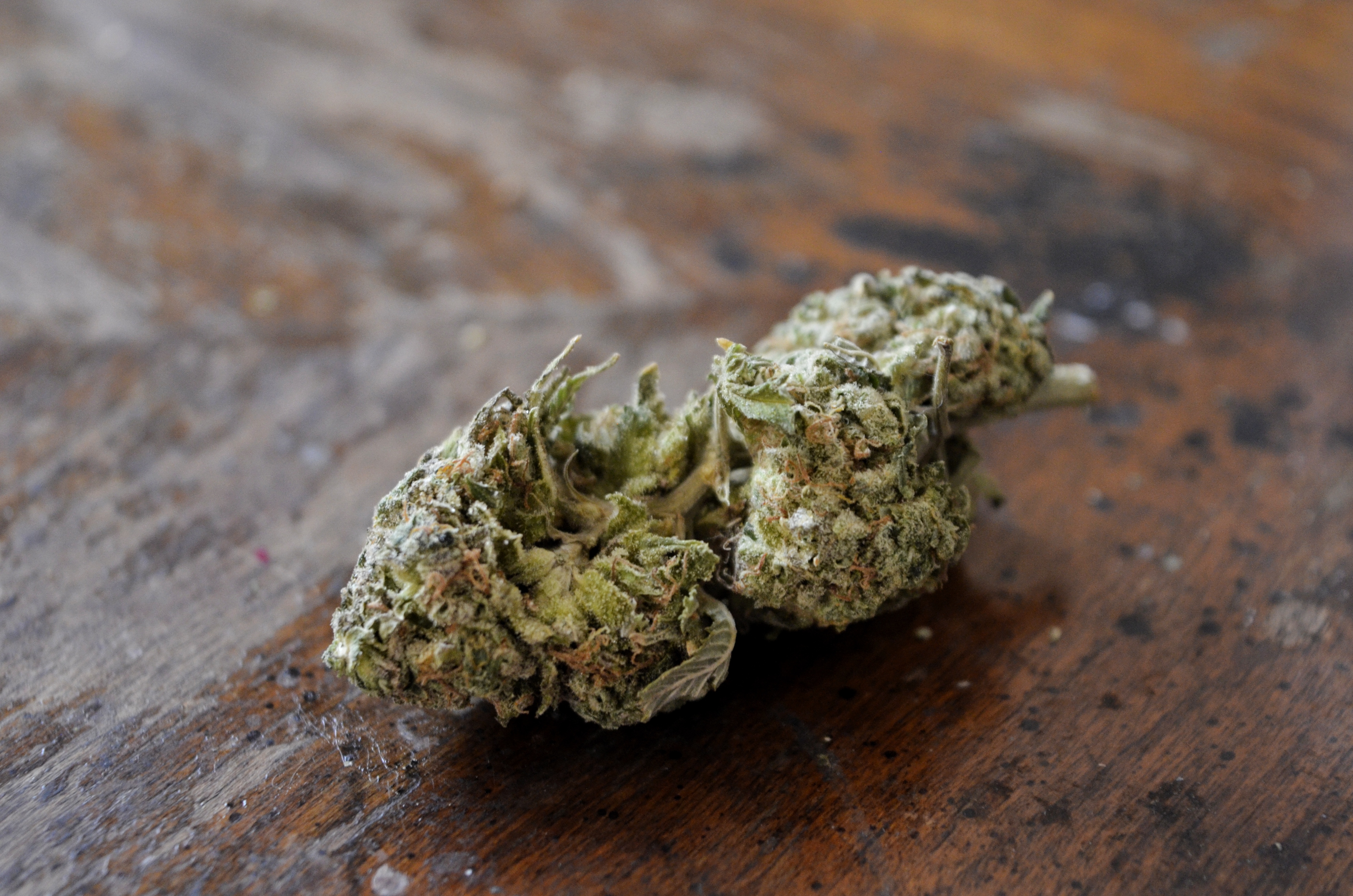


Blue Dream is one of the most recognized cannabis strain names in many legal marijuana markets. It is often described as a sativa-dominant hybrid that may produce both mental stimulation and physical relaxation. Many people search for Blue Dream because they want to understand its THC level, terpene profile, flavor, possible effects, and common uses. However, the name alone does not tell the full story. Blue Dream products can vary greatly from one grower, store, or batch to another.
The strain is often linked to Blueberry and Haze genetics. These parent strains are commonly associated with sweet fruit aromas, herbal notes, uplifting effects, and body relaxation. Blue Dream is usually described as combining some of these features. Many products sold under this name have a sweet berry smell mixed with earthy, pine-like, spicy, or herbal scents. The exact aroma depends on the terpenes found in the plant. Terpenes are natural compounds that give cannabis its smell and flavor.
Blue Dream is also known for having moderate to high levels of THC. THC is the main cannabinoid that causes the intoxicating effects of cannabis. It can affect mood, memory, coordination, appetite, and how a person experiences time and surroundings. Some Blue Dream products may contain THC levels in the upper teens, while others may test above 20 percent. These numbers are not fixed. The THC level can change based on genetics, growing conditions, harvest time, storage, and laboratory testing methods.
CBD levels in standard Blue Dream flower are usually low. CBD is another cannabinoid found in cannabis, but it does not create the same intoxicating effect as THC. Some cannabis products may use the Blue Dream name while offering different THC-to-CBD ratios. For this reason, consumers should always check the product label and laboratory report. A strain name should not be used as the only guide when choosing a cannabis product.
Blue Dream is commonly described as producing an uplifting or mentally active experience. Some users report feeling more interested in music, art, conversation, or simple daily activities. Others may feel calm, relaxed, or physically comfortable. The effects may begin with a noticeable change in mood or thought patterns, followed by a softer feeling in the body. At larger amounts, the strain may feel stronger, heavier, or more tiring.
These effects are not guaranteed. Cannabis affects each person differently. A person’s THC tolerance, body chemistry, mood, surroundings, and serving size can all shape the experience. The same person may even react differently on different days. Someone who is new to THC may find a product intense, while a regular consumer may experience milder effects from the same amount.
The method of use also changes how Blue Dream may feel. Smoked or vaporized cannabis often begins to work within minutes. The effects may rise quickly and then slowly decrease over the next few hours. Edible products can take much longer to begin working. Their effects may also last longer and feel stronger. Concentrates and vape oils may contain much more THC than dried flower, which can increase the chance of an uncomfortable reaction.
People may use Blue Dream for different reasons. Some choose it for recreational activities, such as listening to music, watching films, spending time outdoors, or working on a creative hobby. Others may use medical cannabis products while trying to manage stress, discomfort, tension, or changes in mood. These are commonly reported reasons for use, but they should not be treated as proof that Blue Dream can diagnose, cure, or treat a health condition.
Research on cannabis is still developing. A product called Blue Dream may not create the same result for every person or medical concern. Anyone thinking about using cannabis for a health-related reason should speak with a qualified healthcare professional. This is especially important for people who take prescription medicine or have a history of heart, mental health, or substance use problems.
Blue Dream may also cause side effects. Common effects can include dry mouth, red or dry eyes, dizziness, sleepiness, faster heart rate, reduced coordination, and short-term memory problems. Some people may feel anxious, confused, restless, or paranoid, especially after using a high-THC product or consuming too much. These risks are greater for people with little experience using cannabis.
Responsible use is important with any THC product. A person should not drive, operate machinery, or complete dangerous tasks while impaired. Cannabis should be kept in a secure place away from children and pets. It should also be stored in its original container when possible so that the product name, strength, ingredients, and safety warnings remain clear.
Cannabis laws are different in each country, state, and local area. Blue Dream may be legal for adult use in one place but limited to medical use in another. In some areas, possession or use may still be illegal. Consumers should understand the rules where they live before buying or using a marijuana product.
This article will explain Blue Dream in greater detail. It will cover the strain’s reported origins, parent genetics, THC and CBD content, major terpenes, smell, taste, effects, common uses, and possible side effects. It will also explain why one Blue Dream product may differ from another. Understanding these details can help readers make safer and better-informed decisions instead of relying only on a popular strain name.
What Is the Blue Dream Cannabis Strain?
Blue Dream is one of the most widely recognized cannabis strains in legal markets. It is usually described as a sativa-dominant hybrid, which means it combines features linked with both sativa and indica cannabis plants. Many people know the strain for its sweet berry smell, noticeable THC content, and mix of mental and physical effects.
The strain is often chosen by people who want an uplifting experience without completely giving up a sense of physical calm. However, Blue Dream does not affect every person in the same way. The experience may change based on the product’s THC level, terpene profile, serving size, method of use, and the person’s tolerance.
Blue Dream is not a single standardized product. Cannabis sold under this name may come from different growers, plant varieties, and production methods. One Blue Dream product may be stronger, sweeter, or more relaxing than another. For this reason, buyers should look beyond the strain name and study the product label whenever possible.
Basic Classification of Blue Dream
Blue Dream is commonly classified as a hybrid cannabis strain. A hybrid is created from cannabis plants that contain a mixture of genetic traits. These traits are often linked to both sativa and indica plants. Growers may cross different plants to produce certain qualities, such as a preferred aroma, plant size, flowering time, THC level, or effect.
Most Blue Dream products are marketed as sativa-dominant hybrids. This means the plant is believed to have more sativa-like traits than indica-like traits. Sativa-dominant strains are often linked with mental stimulation, alertness, an uplifted mood, and increased interest in activities. Some users may describe these effects as energizing or creative.
Blue Dream also has qualities that are often connected with indica strains. Many people report a sense of body relaxation after using it. The body effects may begin gently and become more noticeable as the amount increases. This combination of mental activity and physical calm is one reason Blue Dream is often described as a balanced strain.
However, the labels “sativa,” “indica,” and “hybrid” have limits. These labels do not fully explain the chemical profile of a cannabis product. Two products labeled as sativa-dominant may contain very different amounts of THC, CBD, and terpenes. They may also produce different effects.
A person should not assume that every sativa product will feel energizing or that every indica product will cause sleepiness. The experience depends on the full chemical makeup of the product as well as the person using it. Mood, surroundings, tolerance, body chemistry, and serving size can all affect the result.
For a clearer idea of what a Blue Dream product contains, consumers can review its laboratory results. These results may list the THC percentage, CBD level, minor cannabinoids, and major terpenes. This information is often more useful than the strain category alone.
Why Blue Dream Became Popular
Blue Dream became popular partly because of its familiar aroma and broad range of reported effects. Many batches have a sweet and fruity smell that is often compared with blueberries or other ripe berries. Herbal, earthy, pine, or light citrus notes may also be present.
The strain is also known for having moderate-to-high THC levels. This may appeal to experienced consumers who want noticeable effects. At the same time, some users describe Blue Dream as less physically heavy than certain indica-dominant strains. This has helped build its reputation as a strain that may be used during the day or early evening.
People often report feeling mentally uplifted after using Blue Dream. Some say they feel more interested in music, art, conversation, or simple activities. Others may notice a calm or relaxed feeling in the body. These reports have helped Blue Dream become associated with creative tasks, social settings, and low-pressure leisure activities.
These effects are not guaranteed. A high serving may cause sleepiness, poor focus, anxiety, or racing thoughts. People with a low tolerance may find even a moderate amount too intense. The strain’s popularity should not be taken as proof that it is suitable for everyone.
Blue Dream also became widely available in several product forms. Dried flower remains one of the most common options, but the name may also appear on pre-rolls, vape cartridges, concentrates, and infused products. These products can differ greatly in strength and how quickly they take effect.
Inhaled Blue Dream flower or vapor usually produces effects within a short period. Concentrates may contain much higher levels of THC and can feel stronger than flower. Edible products may take much longer to begin working, but their effects may last for several hours. A product’s form can therefore change the overall experience even when the Blue Dream name remains the same.
The strain’s wide availability has also made it familiar to both new and experienced consumers. It is often listed on dispensary menus and described in strain guides. This strong market presence has helped Blue Dream remain well known over time.
However, popularity does not mean that every product is equal. The quality of Blue Dream depends on plant health, harvesting methods, drying, curing, storage, and testing. Poor storage can reduce aroma and freshness. Weak quality control may also lead to products that do not match the expected Blue Dream profile.
Blue Dream is a popular sativa-dominant hybrid cannabis strain known for its sweet berry aroma, THC content, and combination of mental and physical effects. It is often linked with an uplifted mood, increased interest in activities, and gentle body relaxation. However, these effects may differ from one person or product to another.
Is Blue Dream an Indica, Sativa, or Hybrid?
Blue Dream is usually described as a sativa-dominant hybrid cannabis strain. This means it contains traits linked with both sativa and indica plants, but its sativa side is often more noticeable. Many Blue Dream products are known for producing an uplifting mental effect along with a calmer feeling in the body.
However, the words indica, sativa, and hybrid do not tell the full story of how a cannabis product may affect someone. Blue Dream can vary from one grower or product to another. Its THC level, terpene content, growing conditions, and serving size can all change the experience.
For this reason, consumers should not depend only on the strain name or category. A product label and laboratory report can provide more useful details about the actual cannabis being purchased.
Blue Dream’s Sativa-Dominant Classification
Blue Dream is commonly placed in the hybrid category because it combines genetics from plants with both sativa-like and indica-like traits. It is usually called sativa-dominant because its mental effects are often more noticeable than its physical effects, especially when used in smaller amounts.
Sativa-dominant cannabis products are often linked with an active, alert, or uplifting experience. Some people report feeling more interested in music, art, conversation, or creative tasks. Others may notice a change in mood or a stronger awareness of their surroundings.
Blue Dream is also commonly associated with a clear or active mental feeling at the beginning of the experience. This is one reason some people choose it during the daytime or early evening instead of just before bed. However, these effects are not guaranteed. A person’s response depends on many factors, including THC tolerance, product strength, mood, environment, and serving size.
The strain also has traits that are often linked with indica cannabis. These may include physical relaxation, reduced muscle tension, and a calmer body feeling. The balance between mental stimulation and physical relaxation is one reason Blue Dream is often described as a balanced hybrid.
The effects may also change as the serving size increases. A small amount may feel light and mentally active. A larger amount may feel heavier, more relaxing, or even tiring. High amounts of THC can also reduce focus and coordination, even when the strain is described as energizing.
This means that the sativa-dominant label should be treated as a general guide. It does not mean that Blue Dream will always feel stimulating or that it cannot cause sleepiness. Each person may respond in a different way.
What Indica, Sativa, and Hybrid Labels Mean
The words indica and sativa were first used to describe different types of cannabis plants. These plants were often grouped by physical features, such as height, leaf shape, growth pattern, and flowering time.
Sativa plants are often described as tall plants with narrow leaves and longer flowering periods. Indica plants are usually described as shorter and wider, with broader leaves and more compact growth. Hybrid plants are created by crossing different cannabis varieties.
Over time, these terms also became linked with expected effects. Sativa products became known as more uplifting or energizing, while indica products became known as calming or sedating. Hybrid products were often described as a mixture of both.
These descriptions are simple and easy to understand, but they are not always accurate. Modern cannabis plants have been crossbred for many years. As a result, most commercial strains contain a mix of different genetic backgrounds.
Two products labeled as sativa may have very different THC levels and terpene profiles. They may also produce different effects. The same is true for products labeled as indica or hybrid.
For Blue Dream, the hybrid label shows that the strain contains a mix of traits. The sativa-dominant label suggests that its mental effects may be stronger or more noticeable. Still, this label cannot fully explain how a specific product will smell, taste, or feel.
Why Blue Dream’s Classification Can Vary
Blue Dream is a popular strain name, but it is not always genetically or chemically identical across every cannabis company. Different growers may use different seeds, clones, or plant selections. They may also choose different phenotypes.
A phenotype is a version of a plant that shows certain traits from its genetics. One Blue Dream phenotype may produce a stronger berry smell. Another may have more pine or herbal notes. One may feel more uplifting, while another may produce deeper physical relaxation.
Growing conditions can also affect the final product. Indoor lighting, temperature, humidity, nutrients, soil, water, and harvest timing may influence how the plant develops. Drying and curing methods can also affect aroma, flavor, strength, and quality.
Because of these differences, one package of Blue Dream may contain more THC than another. One batch may have myrcene as its main terpene, while another may contain more pinene or beta-caryophyllene. These changes can influence the overall experience.
Different cannabis businesses may also use the Blue Dream name for products that are not exact genetic matches. Cannabis strain names are not always controlled by one clear standard. This makes it difficult to guarantee that every Blue Dream product comes from the same plant line.
Consumers should therefore expect some variation. A positive or negative experience with one Blue Dream product does not mean every product with the same name will produce the same result.
Why Laboratory Results Matter More Than the Strain Name
A laboratory report can provide useful facts about a specific batch of cannabis. It may show the levels of THC, CBD, minor cannabinoids, and terpenes. It may also include safety test results for mold, pesticides, heavy metals, or other unwanted materials.
THC is one of the main compounds responsible for the intoxicating effects of cannabis. A Blue Dream product with a higher THC level may feel stronger and may increase the risk of anxiety, dizziness, confusion, or poor coordination.
CBD is usually found in lower amounts in standard Blue Dream products. However, exact levels can vary. CBD does not normally produce the same intoxicating effects as THC, but it may affect the overall chemical profile of the product.
Terpenes are natural compounds that help create the smell and flavor of cannabis. They may also influence how the experience feels, although more research is needed. Blue Dream is often linked with terpenes such as myrcene, pinene, and beta-caryophyllene.
Reading the product label allows consumers to compare one batch with another. For example, someone who found a certain Blue Dream product too strong can look for a lower THC level next time. A person who enjoyed a berry and pine aroma may check for a similar terpene profile.
The laboratory results are still not a perfect prediction of the effects. Personal tolerance, serving size, method of use, health, mood, and surroundings all matter. However, lab information is usually more reliable than depending only on words such as sativa, indica, or hybrid.
Blue Dream is generally classified as a sativa-dominant hybrid. It is often linked with an uplifting mental effect and a more relaxed physical feeling. However, its classification should only be used as a general guide.
Blue Dream products can vary because of plant genetics, phenotype selection, growing methods, harvest timing, and processing. Products from different growers may have different THC levels, terpene profiles, aromas, and effects.
Consumers should review the laboratory results and product label before choosing Blue Dream. The strain name can provide a starting point, but the chemical profile of the specific product offers more useful information. Understanding these differences can help consumers make safer and more informed choices.
Blue Dream Genetics, Origins, and Parent Strains
Blue Dream is commonly described as a hybrid cannabis strain created by crossing Blueberry with Haze. This parent combination helps explain many of the features linked to the strain. Blueberry genetics are often connected with sweet fruit aromas and physical relaxation. Haze genetics are usually linked with herbal flavors, mental energy, and uplifting effects. Together, these traits may produce a strain that feels mentally active while also creating a calmer physical feeling.
However, the exact genetic history of Blue Dream is not fully clear. Different growers and cannabis sources may give slightly different details about where it first appeared and who created it. The strain is strongly linked with California, where it became widely available in medical and recreational cannabis markets. Its popularity later spread to other parts of the United States and to legal cannabis markets in other countries.
It is important to understand that the name Blue Dream does not always describe one perfectly identical plant. Cannabis plants can change from one breeding line to another. Growers may also select different versions of the same strain based on smell, strength, growth pattern, or yield. As a result, one Blue Dream product may not look, smell, or feel exactly like another.
Blueberry and Haze Genetics
Blueberry is one of the parent strains most often connected with Blue Dream. It is known for its sweet berry-like scent and flavor. Some versions may also have earthy, floral, or slightly spicy notes. Blueberry genetics are often associated with a more relaxing body effect. These traits may help explain why Blue Dream can feel physically calming, even though it is usually described as a sativa-dominant hybrid.
Blueberry plants may also pass down certain visual features. Some Blue Dream plants can develop blue, purple, or dark green shades, especially when they are exposed to cooler temperatures during the later stages of growth. However, color alone does not prove that a plant is genuine Blue Dream. Plant color is affected by genetics, temperature, nutrients, light, and growing conditions.
Haze is the other parent commonly linked with Blue Dream. Haze strains are often known for their tall plant structure, longer flowering periods, and strong mental effects. Their aromas may include herbs, pine, citrus, spice, or incense. These genetics may help give Blue Dream its fresh, herbal, and slightly sharp scent.
Haze genetics are also associated with effects that some consumers describe as uplifting, creative, or mentally stimulating. This may explain why Blue Dream is often chosen for daytime or early-evening use. Still, the effects can change depending on the amount consumed, the person’s tolerance, and the chemical profile of the product.
The combination of Blueberry and Haze is often described as balanced because it brings together different qualities. Blueberry may provide sweetness and body relaxation, while Haze may contribute mental activity and an herbal aroma. This does not mean that every Blue Dream product will provide the same balance. Some versions may show stronger Blueberry traits, while others may be more similar to Haze.
The Reported California Origin
Blue Dream is widely associated with California cannabis culture. It became especially well known during the growth of the state’s medical cannabis market. Growers and dispensaries valued it because it was popular with consumers and could often produce large harvests under suitable conditions.
The mild climate in many parts of California also helped growers cultivate cannabis outdoors. Blue Dream plants can grow tall and may produce long branches with many flowering sites. In areas with enough sunlight and a long growing season, this structure can support large yields. Indoor growers can also produce Blue Dream, but they may need to control the plant’s height through pruning, training, and careful light management.
Although California is usually named as the place where Blue Dream became popular, its exact creator and first breeding location are uncertain. Cannabis breeding was often informal or poorly documented during earlier periods of prohibition. Growers sometimes shared seeds and cuttings without keeping public records. Strain names could also be changed as plants moved between growers and regions.
For this reason, claims about the first breeder of Blue Dream should be treated carefully. It is safer to say that the strain is strongly linked with California and is generally believed to come from Blueberry and Haze genetics. More specific origin stories may be difficult to prove.
Its California connection also helped shape the strain’s public image. Blue Dream became known as an easy-to-recognize option for consumers seeking a sweet-smelling hybrid with noticeable THC levels. As legal markets expanded, many growers began producing their own versions. This made the strain more available, but it also increased variation between products.
How Genetics Affect Each Batch
Genetics provide the basic instructions that shape a cannabis plant. They influence plant height, leaf shape, flowering time, aroma, cannabinoid production, terpene content, and resistance to certain growing problems. However, genetics do not work alone. The final result also depends on the growing environment and the choices made by the cultivator.
A phenotype is a visible or measurable version of a plant that comes from its genetics and environment. Seeds from the same parent strains can produce plants with different traits. One Blue Dream plant may have a stronger berry smell, while another may smell more like pine or herbs. One may grow short and bushy, while another may become tall with wider spaces between branches.
Growers often select plants with the traits they prefer. They may choose a Blue Dream phenotype because it has high THC levels, a strong aroma, a short flowering period, or a large yield. They can then reproduce that plant through cloning. A clone is a cutting taken from a mature plant. It has the same basic genetics as the original plant.
Even clones can show some differences when grown in different environments. Light strength, temperature, humidity, soil quality, nutrients, water, and stress can affect plant development. A healthy plant grown under controlled conditions may produce more cannabinoids and terpenes than the same genetics grown under poor conditions.
The term chemotype refers to the chemical type of a cannabis plant. It focuses on the amount and balance of cannabinoids and terpenes. Two Blue Dream products may have the same strain name but different chemotypes. One batch may contain more THC and myrcene, while another may contain lower THC and more pinene.
These chemical differences can affect aroma, flavor, and the overall experience. This is why consumers should not depend only on the strain name. A current laboratory report can provide more useful details about a specific product. It may show THC, CBD, minor cannabinoids, and major terpenes.
Storage and processing also matter. Cannabis that is poorly dried or stored in heat and light may lose terpenes over time. Older flower may smell weaker and feel different from a fresh batch. Concentrates and vapor products may also be made with added terpenes, which can change the flavor and experience.
Blue Dream is most often described as a cross between Blueberry and Haze. Blueberry genetics may contribute sweet fruit aromas, darker colors, and physical relaxation. Haze genetics may add herbal flavors, taller plant growth, and more noticeable mental effects. The strain is strongly linked with California, although its exact breeder and original location are not clearly documented.
Blue Dream products can vary because different phenotypes, growing methods, environments, and processing techniques affect the final plant. Even products with the same strain name may contain different THC levels and terpene profiles. For this reason, the name Blue Dream should be viewed as a general guide rather than a guarantee. Examining the laboratory results for each batch is one of the best ways to understand its actual chemical profile.
How Much THC Does Blue Dream Contain?
Blue Dream is usually described as a moderate-to-high-THC cannabis strain. THC stands for tetrahydrocannabinol. It is the main compound in cannabis that causes intoxicating effects. These effects may include changes in mood, thinking, memory, movement, and how a person experiences time.
There is no single THC level that applies to every Blue Dream product. The amount can change from one plant or product to another. Genetics, growing methods, harvest timing, processing, storage, and laboratory testing can all affect the final result. For this reason, consumers should always check the product label instead of relying only on the strain name.
Typical Blue Dream THC Levels
Blue Dream flower is often reported to contain THC levels in the upper teens or low twenties. Some batches may contain around 17% to 24% THC. However, products may test below or above this range. A Blue Dream product with 16% THC may still produce strong effects, especially for someone with little cannabis experience. Another product may contain more than 25% THC and may feel much more intense.
THC percentages are usually shown on the label of legal cannabis products. A label may list delta-9 THC, THCA, or total THC. Fresh and dried cannabis flower contains a large amount of THCA. THCA is the natural acidic form of THC found in the plant. It does not produce the same intoxicating effects until it is heated.
When cannabis is smoked, vaporized, or cooked, heat changes THCA into active THC. This process is called decarboxylation. Because of this change, laboratories often use a formula to estimate the total amount of THC that may become active after heating.
A THC percentage should be treated as a useful guide, not as a promise of how strong the experience will be. Two Blue Dream products with the same THC percentage may feel different because they contain different terpenes and minor cannabinoids. The age and condition of the product can also affect the experience.
Factors That Change THC Content
The genetic makeup of the plant is one of the main factors that affects THC levels. Blue Dream is not always produced from one identical genetic line. Growers may work with different seeds, clones, or plant types. These differences can lead to changes in potency, aroma, plant shape, and flowering time.
Growing conditions also have a major effect. Cannabis plants need suitable amounts of light, water, nutrients, air, and space. Indoor growers can control many of these factors, while outdoor plants are more affected by weather and seasonal changes. A healthy plant grown under stable conditions may produce more cannabinoids than a plant exposed to stress, disease, or poor nutrition.
Light is especially important because cannabis plants use it to make energy. The strength, type, and length of light exposure can affect plant growth and flower development. However, more light does not always lead to more THC. Too much heat or light can damage the plant and reduce quality.
Harvest timing also matters. Growers often examine the small resin glands on cannabis flowers, known as trichomes, to decide when the plant is ready. Harvesting too early may result in flowers that have not reached their full cannabinoid level. Waiting too long may change the chemical balance as some compounds begin to break down.
Drying and curing methods can affect the final product as well. After harvest, cannabis flowers must be dried slowly to reduce moisture. They are then often cured in controlled containers. Poor drying may cause mold or harsh smoke. Poor storage can also lead to a loss of potency over time.
Heat, air, moisture, and direct light can slowly break down THC. Blue Dream flower stored in a hot or open container may lose strength faster than flower kept in a cool, dark, airtight container. Even properly stored cannabis will change as it becomes older.
Laboratory testing can create small differences in reported THC levels. Results may depend on which part of the batch was tested, how the sample was prepared, and which testing method was used. Cannabis flowers from the same plant may not contain exactly the same amount of THC. One sample may therefore test slightly higher or lower than another.
What THC Percentage Means for Consumers
A higher THC percentage does not always mean a cannabis product is better. High-potency cannabis may be useful for some experienced consumers, but it also increases the risk of unwanted effects. These may include anxiety, dizziness, confusion, a fast heartbeat, poor coordination, or an overwhelming feeling.
People with little or no THC experience may find Blue Dream stronger than expected. A moderate THC level can still cause clear intoxication. The effects depend on how much is used, how it is consumed, and how sensitive the person is to THC.
Inhaled cannabis usually begins to produce effects within minutes. This can make it easier to pause and judge the strength before using more. Edible products take longer to work and may last much longer. Consuming another serving too soon can lead to an uncomfortable experience.
Tolerance also affects how strong Blue Dream feels. A regular cannabis consumer may need more THC to notice the same effects that a new consumer experiences from a small amount. However, tolerance does not remove all risks. Large amounts can still reduce judgment, reaction time, and coordination.
Body chemistry, mood, surroundings, food intake, medications, and other substances can also change the experience. Mixing cannabis with alcohol may increase dizziness, nausea, and poor decision-making. People should avoid driving, operating equipment, or doing risky tasks after using THC.
Terpenes may also shape how a Blue Dream product feels. A batch with more myrcene may feel more physically relaxing, while one with more pinene or limonene may feel fresher or more mentally active. These effects are not guaranteed, but they help explain why THC percentage alone does not tell the full story.
Blue Dream commonly contains moderate-to-high levels of THC, often in the upper teens or low twenties. However, there is no fixed THC percentage for the strain. Genetics, growing conditions, harvest timing, drying, storage, and laboratory methods can all change the final result.
Consumers should read the current product label and pay attention to total THC rather than relying only on the Blue Dream name. They should also remember that a higher THC number does not always mean higher quality. Serving size, tolerance, consumption method, terpenes, and personal sensitivity all affect the experience.
People who are new to THC should begin with a small amount and allow enough time to understand the effects before using more. Careful use can lower the risk of anxiety, dizziness, confusion, and other unwanted reactions.
Does Blue Dream Contain CBD and Other Cannabinoids?
Blue Dream is usually known as a THC-dominant cannabis strain. This means that THC is normally present at a much higher level than CBD. THC is the main cannabinoid linked to the intoxicating effects of cannabis. CBD does not normally cause the same type of high. Although Blue Dream may contain a small amount of CBD, it is not usually considered a CBD-rich strain.
The exact cannabinoid content can change from one Blue Dream product to another. Genetics, growing methods, harvest time, storage, and testing methods can all affect the results. For this reason, consumers should not assume that every product with the Blue Dream name has the same amount of THC, CBD, or other cannabinoids. The laboratory label on the package provides more useful information than the strain name alone.
Typical CBD Content in Blue Dream
Most traditional Blue Dream flower contains only a low level of CBD. In many products, the CBD level may be below one percent. Some batches may contain a little more, while others may contain almost no measurable CBD. This is one reason Blue Dream often produces stronger THC-related effects than CBD-related effects.
Low CBD content is important because CBD may influence how some people respond to THC. A product with very little CBD may feel more intense to a person who is sensitive to THC. It may also be more likely to cause unwanted effects such as nervousness, dizziness, or racing thoughts, especially when consumed in a large amount.
Consumers should also understand that some products use the Blue Dream name even though they are not traditional Blue Dream flower. A company may sell a CBD-rich hemp product, vape liquid, or edible with a Blue Dream flavor or terpene profile. These products may contain very little THC and much more CBD. They may copy the berry, pine, or herbal aroma of the strain without having the same cannabinoid profile.
Some breeders have also developed CBD-rich cannabis varieties that use Blue Dream genetics. These products may be marketed as CBD Blue Dream or a balanced Blue Dream strain. They are different from the standard THC-dominant version. The product label should clearly show whether the item is high in THC, high in CBD, or contains a more balanced amount of both.
Because names can be confusing, the safest approach is to check the actual test results. Consumers should look for the THC and CBD percentages instead of relying only on words such as hybrid, sativa-dominant, or Blue Dream.
Minor Cannabinoids in Blue Dream
In addition to THC and CBD, Blue Dream may contain small amounts of other cannabinoids. These are often called minor cannabinoids because they are usually present at lower levels. Common examples include CBG, CBC, and sometimes THCV.
CBG stands for cannabigerol. It is sometimes called a parent cannabinoid because the cannabis plant uses an early form of CBG to produce THC, CBD, and other compounds. Mature Blue Dream flower normally contains only a small amount of CBG. However, the exact level depends on the plant’s genetics and when it was harvested.
CBC stands for cannabichromene. It does not usually cause intoxicating effects. CBC may appear in very small amounts in some cannabis products. Research on CBC is still developing, so consumers should be careful about claims that it can treat a specific condition.
THCV stands for tetrahydrocannabivarin. It has a chemical structure that is similar to THC, but its effects may differ based on the amount consumed. THCV is not normally a major cannabinoid in Blue Dream. Some test reports may show trace amounts, while others may not detect it at all.
Minor cannabinoids may add to the overall chemical profile of a Blue Dream product. However, their presence does not guarantee a certain effect. A small amount of CBG or CBC should not be treated as proof that the product can reduce pain, improve mood, or treat illness. Research is still needed to understand how these compounds work on their own and when combined with THC and terpenes.
Growing conditions can also change minor cannabinoid levels. Light, temperature, nutrients, plant health, and harvest timing may influence how cannabinoids develop. Processing methods also matter. Flower, concentrates, vape products, and edibles may have very different cannabinoid profiles even when they all use Blue Dream as a source.
Reading a Cannabis Laboratory Label
A cannabis laboratory label may include several terms that look similar but have different meanings. Understanding these terms can help consumers choose a Blue Dream product more carefully.
Fresh and dried cannabis flower usually contains more THCA than active delta-9 THC. THCA stands for tetrahydrocannabinolic acid. It is the natural form of THC found in the raw cannabis plant. THCA does not create the same intoxicating effect as heated THC.
When cannabis is heated through smoking, vaping, or cooking, THCA changes into delta-9 THC. This process is called decarboxylation. Delta-9 THC is the active form that produces most of the well-known cannabis high.
A laboratory label may list THCA and delta-9 THC separately. It may also include a number called total THC. Total THC is an estimate of how much active THC may be available after the THCA is heated. The total THC number is not found by simply adding THCA and delta-9 THC together. A conversion calculation is used because some weight is lost when THCA changes into THC.
CBD works in a similar way. Raw cannabis may contain CBDA, which stands for cannabidiolic acid. Heat changes CBDA into CBD. A product label may list CBD, CBDA, and total CBD as separate numbers.
The label may also show total cannabinoids. This number usually includes THC, CBD, and other cannabinoids detected during testing. A high total cannabinoid number does not explain how strong the product will feel by itself. The balance between THC, CBD, minor cannabinoids, and terpenes may also affect the experience.
Consumers should check whether percentages are listed by weight or by serving. Flower is often labeled with percentages, while edibles are usually labeled in milligrams. A package of edibles may show the amount of THC in the entire package and the amount in each piece. Confusing these two numbers can lead to accidental overconsumption.
It is also helpful to check the testing date and batch number. Older cannabis may lose some potency over time, especially when exposed to heat, air, or light. Batch-specific results are more reliable than general information copied from a strain guide.
Blue Dream is normally a THC-dominant strain with only a small amount of CBD. Standard Blue Dream flower should not be considered a CBD-rich product unless laboratory results clearly show otherwise. Some hemp products and specially bred varieties may use the Blue Dream name while containing much more CBD, so consumers should always check the package.
Blue Dream may also contain small amounts of minor cannabinoids such as CBG, CBC, and THCV. These compounds help form the strain’s full chemical profile, but they do not guarantee specific health or wellness effects.
What Terpenes Are Found in Blue Dream?
Terpenes are natural compounds that give cannabis plants their smell and flavor. They are also found in many fruits, flowers, herbs, and trees. For example, the fresh scent of pine trees and the sharp smell of citrus fruit come from terpenes. Cannabis plants can produce many different terpenes, but the amount and type found in each plant may vary.
Blue Dream is often known for its sweet berry smell mixed with herbal, pine, earthy, and spicy notes. These qualities usually come from a combination of terpenes rather than one compound alone. Myrcene, pinene, and beta-caryophyllene are often linked to Blue Dream. Some batches may also contain limonene and smaller amounts of other terpenes.
It is important to understand that Blue Dream does not have one fixed terpene profile. A product from one grower may smell sweeter, while another may have stronger pine or earthy notes. Genetics, growing methods, harvest timing, drying, curing, and storage can all affect the final terpene levels.
Myrcene
Myrcene is one of the most common terpenes found in cannabis. It is also found in plants such as mangoes, hops, thyme, and lemongrass. Its scent is often described as earthy, herbal, musky, or slightly sweet.
In many Blue Dream products, myrcene plays an important role in the overall aroma. It may support the strain’s deeper earthy and herbal qualities beneath the sweeter berry smell. Some batches with higher myrcene levels may smell more like fresh herbs, damp soil, or ripe fruit.
Myrcene is often linked with relaxing cannabis products. However, the presence of myrcene alone cannot predict exactly how a person will feel. The effects of cannabis depend on many factors, including THC level, serving size, personal tolerance, and the complete terpene profile.
A Blue Dream product with a high level of myrcene may feel different from one that contains more pinene or limonene. This is one reason consumers should check the product label or laboratory report when one is available. The terpene percentage can provide more useful details than the strain name alone.
Terpenes can also break down over time. If cannabis flower is stored in a warm, bright, or open space, some myrcene may be lost. Proper storage in a sealed container away from heat and direct light can help protect its aroma.
Pinene
Pinene is a terpene with a fresh, sharp scent that is often linked to pine trees and forest air. It is also found in rosemary, basil, parsley, and some citrus peels. There are two main forms called alpha-pinene and beta-pinene, although alpha-pinene is more commonly discussed in cannabis.
Pinene can give Blue Dream a clean, fresh quality that balances its sweet berry notes. A batch with a noticeable amount of pinene may smell more herbal, woody, or pine-like. This may make the aroma seem brighter and less heavy.
Some consumers associate pinene-rich cannabis with clear or alert mental effects. However, research does not show that pinene can guarantee a certain experience. The amount found in cannabis may also be small compared with the total mix of cannabinoids and terpenes.
Pinene may be especially noticeable when fresh flower is broken apart or ground. This action releases aromatic compounds into the air. If the flower has been stored for a long time or exposed to too much air, the pine scent may become weaker.
The balance between pinene and myrcene can shape how Blue Dream smells. More myrcene may create a deeper and more earthy scent, while more pinene may create a fresher and sharper aroma. This balance may differ between harvests, even when the plants come from similar genetics.
Beta-Caryophyllene
Beta-caryophyllene is a terpene with peppery, woody, and spicy qualities. It is found in black pepper, cloves, cinnamon, oregano, and several other plants. In Blue Dream, it may add warmth and depth to the sweeter fruit and berry notes.
A Blue Dream batch with noticeable beta-caryophyllene may smell slightly spicy when the flower is opened or ground. The scent may remind some people of pepper, dry wood, or kitchen spices. This terpene can make the overall aroma more complex.
Beta-caryophyllene is different from many other terpenes because it can interact with certain receptors in the body’s endocannabinoid system. However, this does not mean that a product containing beta-caryophyllene will treat pain, inflammation, or another health condition. More research is needed to understand how terpene levels in cannabis relate to human health.
In Blue Dream, beta-caryophyllene usually works as part of a larger aroma profile. It may not be the first smell a person notices, but it can remain in the background and become clearer after the flower is heated. Smoking or vaporizing cannabis can change how terpenes are released and detected.
High temperatures may destroy some terpenes before they can be tasted or smelled. Lower-temperature vaporization may keep more of the natural flavor, although any method of inhaling cannabis still carries health risks.
Limonene and Other Supporting Terpenes
Limonene is known for its bright citrus scent. It is commonly found in the peels of lemons, oranges, and other citrus fruits. Some Blue Dream products contain limonene in small or moderate amounts.
Limonene can add light lemon or orange notes to Blue Dream’s berry and herbal aroma. It may make the smell seem sharper, sweeter, or fresher. In some batches, the citrus quality may be easy to notice. In others, it may be hidden behind stronger myrcene or pinene levels.
Blue Dream may also contain smaller amounts of linalool, humulene, terpinolene, ocimene, or other terpenes. Linalool has a floral scent often linked to lavender. Humulene has earthy, woody, and hop-like qualities. Terpinolene may smell fresh, floral, herbal, or slightly fruity. Ocimene may add sweet, green, or tropical notes.
Not every Blue Dream product will contain all of these terpenes. Even when they are present, the amounts may be too low to have a strong effect on the smell. Minor terpenes can still help shape the overall aroma by adding small background notes.
The complete terpene profile is often described as a fingerprint of the product. It shows which terpenes are present and how much of each compound was found during laboratory testing. This information may help consumers compare products that carry the same strain name.
Terpenes and the Overall Experience
Terpenes mainly affect the smell and flavor of cannabis. They help explain why Blue Dream may smell like berries, herbs, pine, earth, citrus, or pepper. The exact scent depends on the balance of all the terpenes in the product.
Some researchers and cannabis users believe that terpenes may work with cannabinoids such as THC and CBD. This idea is often called the entourage effect. It suggests that cannabis compounds may influence each other when they are consumed together.
However, the entourage effect is still being studied. There is not enough evidence to predict a person’s experience based only on a terpene label. Two people can use the same Blue Dream product and report different results. One may feel mentally active, while another may feel tired or anxious.
Serving size is another major factor. A small amount of a high-THC Blue Dream product may feel very different from a larger amount. Personal tolerance, body chemistry, mood, surroundings, and method of use can also affect the experience.
Consumers who want to compare Blue Dream products can look for a laboratory report that lists terpene percentages. A higher total terpene percentage may create a stronger aroma, but it does not always mean the product is better. Freshness, proper curing, and safe storage also matter.
Blue Dream commonly contains myrcene, pinene, and beta-caryophyllene, with limonene and other terpenes sometimes appearing in smaller amounts. Myrcene may add earthy and herbal notes, while pinene creates a fresh pine scent. Beta-caryophyllene can provide peppery and woody qualities, and limonene may add a light citrus smell.
The terpene profile of Blue Dream is not the same in every product. Genetics, cultivation, harvest timing, curing, storage, and testing methods can all change the final results. Terpenes help shape aroma and flavor, but they cannot guarantee specific mental, physical, or medical effects. Checking a current laboratory report is the best way to understand the terpene content of a particular Blue Dream product.
What Does Blue Dream Smell and Taste Like?
Blue Dream is known for having a sweet, fruity aroma with fresh herbal and earthy notes. Many cannabis products sold under this name are described as smelling like berries, especially blueberries. However, the exact smell and taste can change from one product to another. Plant genetics, growing methods, curing, storage, and product type can all affect the final aroma and flavor.
The scent of Blue Dream is often one of the first things people notice when they open a container of dried flower. Its smell may begin with a strong fruit-like sweetness. This may be followed by pine, herbs, earth, flowers, citrus, or light spice. Some batches may smell fresh and bright, while others may have a deeper, more earthy scent.
Blue Dream does not have one exact flavor that appears in every batch. The name is used by many growers and producers, and their plants may have different chemical profiles. For this reason, readers should use aroma and flavor descriptions as a general guide rather than a promise of what every product will taste like.
Common Aroma Characteristics
The most common aroma linked to Blue Dream is sweet berries. The scent is often compared to blueberries, mixed berries, or ripe fruit. This fruity quality may be light and fresh in some batches. In others, it may be rich, sugary, or similar to fruit candy.
The berry scent is one reason Blue Dream is easy to recognize in many cannabis shops. However, the fruit aroma is often mixed with other smells. It is rarely the only scent present.
Herbal notes are also common. A Blue Dream flower may smell like fresh leaves, dried herbs, grass, or tea. These green scents can make the fruit aroma feel more natural and less like artificial candy. Some batches may have a stronger herbal smell, especially when the flower has been recently opened or broken apart.
Pine is another scent often connected with Blue Dream. This can smell like pine needles, fresh wood, or a forest after rain. The pine note may add a sharp and clean quality to the overall aroma. It can also balance the sweeter berry smell.
Earthy scents may appear under the fruit and pine notes. These can be similar to soil, wood, roots, or dry plants. Earthy aromas are common in many cannabis strains and may be more noticeable when the flower is ground.
Some Blue Dream products also have light pepper, citrus, or floral scents. Pepper may add a warm and spicy edge. Citrus can make the aroma seem brighter and fresher. Floral notes may smell soft, sweet, or similar to lavender and other flowers.
The balance of these scents can differ greatly. One product may smell mainly like berries and pine. Another may have stronger earthy and herbal notes. A third may have only a mild fruit scent and a more noticeable spicy aroma.
How Terpenes Shape Flavor
Terpenes are natural compounds that help create the smell and taste of many plants. They are found in cannabis, fruits, herbs, flowers, and trees. Blue Dream often contains a mix of terpenes that may support its fruity, earthy, pine-like, and spicy qualities.
Myrcene is one terpene often found in Blue Dream. It can have an earthy, herbal, and slightly musky scent. Myrcene may help create the deeper background aroma that sits under the sweeter fruit notes. It can also give the flavor a green or plant-like quality.
Pinene has a fresh pine aroma. As its name suggests, it is also found in pine trees and other plants. In Blue Dream, pinene may create scents similar to pine needles, fresh wood, or herbs. It can make the flower smell cleaner and sharper.
Beta-caryophyllene has a peppery, woody, and spicy scent. It may add warmth to Blue Dream’s aroma and flavor. A product with more beta-caryophyllene may taste slightly spicy, especially during or after inhalation.
Limonene has a citrus-like smell. It may add hints of lemon, orange peel, or other fresh citrus fruits. Limonene is not always the main terpene in Blue Dream, but it may support the strain’s brighter and sweeter qualities.
Other terpenes may also appear in smaller amounts. These can include linalool, humulene, and terpinolene. Linalool may add a light floral scent. Humulene may smell earthy, woody, or similar to hops. Terpinolene may have a mixed scent that includes fruit, flowers, herbs, and pine.
Terpenes do not appear in the same amounts in every Blue Dream product. Even plants with similar genetics can produce different terpene levels. Growing temperature, light, soil, plant health, harvest timing, and drying methods can all change how strong these compounds become.
The way a person uses the product can also affect the flavor. Burning cannabis may create smoky or toasted tastes that cover some of the lighter fruit notes. Vaporizing at a lower temperature may allow more of the natural terpene flavors to remain noticeable. However, the experience still depends on the product and the device being used.
Why Flavor Varies Between Products
Genetics are one major reason Blue Dream products can smell and taste different. Although Blue Dream is commonly linked to Blueberry and Haze genetics, there may be several versions or phenotypes of the strain. A phenotype is a plant that shows certain features from its genetics. One plant may produce a stronger berry aroma, while another may have more pine or herbal notes.
The growing environment also affects flavor. Indoor growers can control light, temperature, air movement, and humidity more closely. Outdoor plants are affected by weather, soil, sunlight, and local climate. These differences can change terpene production and the final scent of the flower.
Harvest timing is also important. A plant harvested too early may have weaker aromas because some compounds have not fully developed. A plant harvested later may have a heavier, deeper scent. However, waiting too long can also affect freshness and quality.
Drying and curing are key steps after harvest. Drying removes moisture from the plant. Curing means storing the dried flower under controlled conditions so that its aroma, texture, and smoking quality can improve. Flower that dries too quickly may lose many of its lighter scents. Poor curing can leave it smelling like grass, hay, or wet plants.
Storage has a strong effect on flavor. Heat, air, moisture, and light can break down terpenes over time. Blue Dream stored in a warm or open container may lose its fresh berry and pine aromas. Old flower may smell dull, dry, or weak. Proper storage in a sealed container kept in a cool, dark place can help protect its natural scent.
The product type also matters. Dried flower usually gives the clearest example of the plant’s natural aroma. Vape cartridges may contain cannabis extracts, added terpenes, or flavoring ingredients. Some cartridges may taste sweeter or stronger than the original flower.
Concentrates may have a powerful flavor because they contain higher levels of cannabinoids and terpenes. However, processing methods can change the taste. Some methods protect more of the plant’s natural aroma, while others may remove or reduce certain compounds.
Edible products labeled Blue Dream may not taste like the flower at all. They may contain extracted THC without the original terpene profile. They may also include fruit flavors, sugar, chocolate, or other ingredients. The strain name on an edible may describe the source of the extract rather than the food’s actual taste.
Blue Dream is commonly described as having a sweet berry aroma supported by herbal, pine, earthy, citrus, floral, and spicy notes. Its flavor is shaped by terpenes such as myrcene, pinene, beta-caryophyllene, and limonene. However, no two Blue Dream products are guaranteed to smell or taste exactly the same.
Genetics, plant phenotype, growing conditions, harvest timing, drying, curing, storage, and processing can all change the final flavor. Flower, vape cartridges, concentrates, and edibles may also provide very different experiences. For the clearest idea of what a product may smell and taste like, readers should review its terpene test results, freshness, storage condition, and ingredient label rather than relying on the Blue Dream name alone.
What Are the Commonly Reported Effects of Blue Dream?
Blue Dream is often described as a strain that may produce both mental and physical effects. Many cannabis users report an uplifting mental feeling followed by a gentle sense of physical relaxation. However, the experience is not the same for everyone. The effects can change based on the product’s THC level, terpene profile, serving size, and method of use.
A person’s tolerance, mood, health, and surroundings can also shape the experience. For this reason, the Blue Dream strain name alone cannot guarantee a certain effect. Two products with the same name may feel different because they may come from different growers, plant varieties, or production methods.
Common Mental Effects of Blue Dream
Blue Dream is often linked with noticeable mental or cerebral effects. Some users report feeling more cheerful, interested, or mentally active after using it. These effects may begin with a feeling of lightness or an improved mood. Everyday activities may seem more enjoyable, and music, art, food, or conversation may feel more engaging.
An uplifted mood is one of the most commonly reported Blue Dream effects. Some people describe this as a mild feeling of happiness, while others may experience stronger euphoria. Euphoria is a temporary state of increased pleasure or well-being. The strength of this effect often depends on the amount consumed and the person’s tolerance to THC.
Blue Dream is also commonly associated with creativity. Some users report having more ideas or seeing a problem from a different point of view. This may make the strain appealing for drawing, writing, listening to music, or working on a personal hobby. However, feeling creative does not always mean that a person can work more accurately. THC may make thoughts feel interesting while also reducing attention, memory, or judgment.
Focus may also change after using Blue Dream. At a small amount, some people report feeling alert and interested in one task. At a larger amount, the same person may become distracted or have trouble following a clear plan. Short-term memory may become weaker, which can make it harder to remember instructions or complete detailed work.
THC can also change the way a person notices time, sound, color, and physical sensations. Time may seem to pass more slowly or quickly. Music may sound more detailed, and food may taste stronger. These changes are temporary, but they can feel intense for someone who has little cannabis experience.
It is important to understand that the mental effects of Blue Dream are not always positive. Some people may feel restless, nervous, confused, or overwhelmed. Products with high THC levels may increase the chance of racing thoughts, anxiety, or paranoia. These unwanted effects are more likely when a person consumes too much or uses cannabis in an uncomfortable setting.
Common Physical Effects of Blue Dream
Along with its mental effects, Blue Dream may create a sense of physical relaxation. Some users report that their muscles feel less tense and their body feels calmer. This effect is often described as gentle rather than heavily sedating, especially when a small or moderate amount is used.
The physical effects may begin after the mental effects are already noticeable. A person may first feel more alert or uplifted and then notice that the body feels softer, warmer, or less tense. This balance between mental activity and physical relaxation is one reason Blue Dream is commonly described as a hybrid strain.
The amount consumed can make a major difference. At a low amount, the physical effects may remain light. The person may still feel able to walk, talk, or complete simple activities. At a higher amount, the body may feel heavier. Coordination may become weaker, and the person may prefer to sit or lie down.
Large amounts may also lead to tiredness or sleepiness. Although Blue Dream is often marketed for daytime use, this does not mean that it will always feel energizing. A high-THC product, a large serving, or a batch rich in relaxing terpenes may produce stronger physical sedation.
Other physical effects may include dry mouth, dry eyes, an increased appetite, and a faster heart rate. A person may also feel dizzy when standing up quickly. These reactions can happen with many THC-rich cannabis products and are not limited to Blue Dream.
How Long the Effects May Last
The length of the Blue Dream experience depends greatly on how the cannabis is consumed. Inhaled products, such as flower or vape products, usually begin to produce effects within minutes. The effects may become stronger during the first 15 to 30 minutes and may last for several hours.
The most noticeable effects of inhaled cannabis often begin to decrease after two or three hours. However, mild impairment may continue for longer. The exact timing depends on the amount used, product strength, and individual response.
Edible cannabis works differently. Edibles may take 30 minutes to two hours or longer to produce clear effects. Because the beginning is delayed, some people make the mistake of consuming more before the first serving has fully taken effect. This can lead to an experience that is much stronger than expected.
The effects of an edible may last six hours or longer. Some people may continue to feel tired, unfocused, or impaired the next day after consuming a strong product. Blue Dream edibles may also feel different from Blue Dream flower because digestion changes the way THC is processed in the body.
Concentrates may contain much more THC than standard cannabis flower. Their effects can begin quickly and may feel much stronger. People with low tolerance should be especially careful with concentrates, strong vape products, and high-dose edibles.
Why People Experience Blue Dream Differently
THC tolerance is one of the main reasons people have different experiences. A regular cannabis user may feel mild effects from an amount that feels overwhelming to a new user. Tolerance can also change over time, especially after a person stops using cannabis for several days or weeks.
Body size and metabolism may affect how quickly cannabis begins working and how long the effects last. However, body size alone cannot predict a safe or comfortable amount. Individual sensitivity to THC is often more important.
A person’s mood and surroundings can also shape the experience. Someone who feels calm and safe may have a more comfortable response. A person who is already worried, upset, or in a crowded place may be more likely to feel anxious or overstimulated.
The cannabinoid and terpene profile of the product matters as well. One Blue Dream product may contain more THC than another. Different batches may also contain different amounts of myrcene, pinene, beta-caryophyllene, limonene, and other terpenes. These chemical differences may affect the aroma and may also influence how the overall experience feels.
Medications, alcohol, and other substances can also change the effects. Combining cannabis with alcohol may increase dizziness, nausea, poor judgment, and loss of coordination. People who take prescription medications should speak with a qualified healthcare professional before using cannabis because interactions may occur.
Blue Dream is commonly reported to produce an uplifted mental feeling combined with mild-to-moderate physical relaxation. Users may experience changes in mood, creativity, focus, sensory awareness, and body tension. Larger amounts may cause sleepiness, poor coordination, confusion, or anxiety.
The effects may begin within minutes when cannabis is inhaled, while edible products can take much longer to work and may last for several hours. Product strength, serving size, tolerance, metabolism, mood, surroundings, and consumption method all affect the experience.
Blue Dream should not be expected to feel exactly the same every time. Reviewing laboratory results and beginning with a cautious serving can help reduce the risk of an uncomfortable reaction. Cannabis can impair memory, judgment, and coordination, so it should not be used before driving, operating machinery, or completing tasks that require full attention.
What Is Blue Dream Commonly Used For?
Blue Dream is commonly used for both recreational and wellness-related reasons. Many people choose it because it is often described as providing mental stimulation along with physical relaxation. This combination may make it feel more balanced than strains that are strongly energizing or deeply sedating. However, the experience can change based on the product, THC level, serving size, tolerance, and the person using it.
Blue Dream is usually considered a THC-dominant strain. This means its effects may be strong, especially for people who have little experience with cannabis. It is important to remember that strain names do not guarantee a certain result. One Blue Dream product may feel uplifting and clear, while another may feel heavier or more relaxing. Consumers should review the product label and laboratory test results whenever possible.
Recreational Uses of Blue Dream
Blue Dream is often selected for relaxed daytime or early-evening activities. Some consumers report that it creates an uplifted mood without causing immediate or extreme physical heaviness. This may make it appealing for hobbies, entertainment, social activities, and quiet time at home.
Creative activities are one common reason people choose Blue Dream. Cannabis can change the way a person notices sound, color, ideas, and small details. Some users may feel more interested in drawing, writing, playing music, cooking, or completing other creative tasks. However, cannabis does not improve every person’s creativity or performance. A high serving may make it harder to organize thoughts, remember details, or complete a project.
Blue Dream may also be used while listening to music, watching films, playing games, gardening, or spending time outdoors. Its commonly reported mental effects may make familiar activities feel more engaging. The body relaxation linked with the strain may also help a person slow down and enjoy less demanding activities.
Some people use Blue Dream in social settings because it may support an upbeat or talkative mood. A smaller amount may feel comfortable for casual conversations or gatherings. Still, THC can affect people in different ways. Instead of feeling social, some users may become quiet, distracted, anxious, or self-conscious. The setting, serving size, and people present can influence the experience.
Blue Dream should not be treated as a product that improves productivity. Although some users describe increased energy or interest, THC may reduce attention, short-term memory, reaction time, and judgment. Tasks that require accurate decisions, fast responses, or careful planning may become more difficult. It should not be used before driving, operating equipment, working at dangerous heights, or completing other safety-sensitive tasks.
Reported Wellness and Medical Uses
Some medical cannabis consumers choose Blue Dream when they are dealing with stress, low mood, physical discomfort, or muscle tension. These are reported uses rather than guaranteed medical benefits. Research on cannabis is still developing, and the results of studies do not always support claims made about a specific strain.
The relaxing effects associated with Blue Dream may be one reason some people use it during stressful periods. THC may temporarily change mood and help some consumers feel less focused on daily pressure. However, THC can also increase nervousness, worry, or racing thoughts. This is more likely when a person uses a large amount, has a low tolerance, or is already feeling anxious.
Some consumers also report using Blue Dream for temporary relief from physical discomfort. THC affects parts of the body involved in pain signals, mood, appetite, movement, and sleep. This does not mean Blue Dream treats the cause of pain or works for every type of discomfort. A person with ongoing, severe, or unexplained pain should seek medical advice rather than depend only on cannabis.
Blue Dream may also be chosen by people who experience muscle tightness or general body tension. The strain’s commonly reported physical relaxation may feel helpful after a long day or physical activity. However, the effect can vary widely. Some products may create mild relaxation, while higher-potency products may cause stronger heaviness, tiredness, or reduced coordination.
People sometimes use cannabis to manage low mood, but cannabis is not a replacement for professional mental health care. THC may produce a temporary uplifted feeling, yet it can also cause mood changes or worsen certain symptoms. Anyone dealing with depression, severe anxiety, panic attacks, or another mental health condition should speak with a qualified healthcare professional before using a high-THC product.
The Blue Dream name alone should not be used to select a medical cannabis product. A healthcare professional or trained cannabis specialist may consider the product’s THC level, CBD content, terpene profile, consumption method, and serving size. These details often provide more useful information than the strain name.
Daytime Versus Nighttime Use
Blue Dream is often marketed as a daytime strain because many users describe its effects as mentally uplifting or active. Some people use it in the morning or afternoon during a day without work, driving, or major responsibilities. Others prefer it in the early evening as a way to relax without becoming immediately sleepy.
Using Blue Dream during the day does not mean it is safe for all daytime tasks. Even when a person feels alert, THC can still reduce reaction speed, memory, coordination, and decision-making ability. A person may feel capable while still being impaired. For this reason, cannabis should only be used when important duties have been completed and safe transportation is available.
The amount consumed plays a major role in whether Blue Dream feels suitable for daytime or nighttime use. A small amount may feel lighter and more mentally noticeable. A larger amount may produce stronger body relaxation, tiredness, or mental cloudiness. People with low tolerance may experience heavy effects even from a small serving.
The terpene profile may also influence the experience. A Blue Dream batch with a higher level of myrcene may feel more relaxing or sedating to some consumers. A product with more pinene, limonene, or other fresh-smelling terpenes may be described as brighter or more stimulating. These patterns are not guaranteed, so consumers should pay attention to their own reactions.
Blue Dream may not be the best choice close to bedtime for people who find THC stimulating. Some users may have racing thoughts or difficulty settling down. Others may become relaxed and sleepy, especially after using a larger amount. A person trying Blue Dream for the first time should avoid using it right before an important event, workday, or planned sleep schedule.
Blue Dream is commonly used for relaxed recreation, creative hobbies, entertainment, social activities, and quiet daytime or early-evening use. Some medical cannabis consumers also report using it for stress, low mood, physical discomfort, or body tension. These possible uses are based largely on individual reports and should not be treated as proven medical results.
Side Effects, Safety, and Who Should Avoid Blue Dream
Blue Dream is often described as a balanced cannabis strain, but it can still cause unwanted effects. The risk may be higher because many Blue Dream products contain moderate to high levels of THC. THC affects the brain, mood, memory, movement, and sense of time. A person’s reaction can change based on the amount used, personal tolerance, product strength, and method of use.
Some people may feel calm and uplifted after using Blue Dream. Others may feel dizzy, anxious, tired, or confused. Even the same person can have a different experience from one product or occasion to another. For this reason, users should understand the possible side effects and take basic safety steps before consuming Blue Dream.
Common Side Effects of Blue Dream
Dry mouth is one of the most common effects linked to cannabis use. THC can reduce saliva production for a short time. This may leave the mouth feeling sticky or uncomfortable. Drinking water before, during, and after cannabis use may help. Sugary drinks may increase dryness, so plain water is often a better choice.
Dry or irritated eyes may also occur. The eyes may look red because cannabis can cause small blood vessels to expand. Some people also notice itching, heaviness, or mild discomfort. These effects usually improve as the cannabis wears off.
Blue Dream may cause dizziness, especially when a person stands up quickly. THC can affect blood pressure and balance. Someone who feels dizzy should sit or lie down in a safe place until the feeling passes. Walking on stairs or uneven ground may increase the risk of falling.
An increased heart rate is another possible effect. A person may feel their heart beating faster or harder than normal. This can feel alarming, even when it is temporary. People with heart or blood pressure conditions should speak with a qualified healthcare professional before using cannabis.
Blue Dream can also reduce coordination and slow reaction time. Simple movements may feel less controlled. A person may misjudge distance, speed, or timing. These changes make driving and operating equipment unsafe.
Short-term memory problems are also possible. A person may forget what they were saying, lose track of a task, or have trouble following a conversation. Focus may become weaker, especially after a large serving. This can affect work, study, cooking, or any activity that requires close attention.
Although Blue Dream is often linked with daytime use, it may still cause sleepiness or fatigue. The effect may become stronger at higher amounts. Certain batches may also contain terpene profiles that feel more relaxing. Users should not assume that every Blue Dream product will feel energizing.
Increased appetite may occur as well. Some people feel hungry soon after cannabis use. This effect is often called “the munchies.” While it may be useful in some medical settings, it can also lead to unplanned eating.
Anxiety, Panic, and Other Uncomfortable Reactions
THC may increase anxiety in some users. A person may become restless, nervous, or overly aware of their thoughts. Small problems may feel more serious than they really are. These effects are more likely when the product is strong or the serving is too large.
Racing thoughts may also occur. The mind may move quickly from one idea to another. This can make it hard to relax or focus. Some people may feel mentally overstimulated even while their body feels heavy.
Paranoia is another possible reaction. A person may feel watched, judged, or unsafe without a clear reason. Unfamiliar places, crowds, loud sounds, or stressful situations may make these feelings worse.
In some cases, too much THC can cause panic. Signs may include fast breathing, shaking, sweating, chest discomfort, fear, or a strong feeling that something is wrong. The person should move to a quiet and safe place. Slow breathing, water, and reassurance may help while the effects pass. Severe or lasting symptoms may require medical attention.
Confusion can also happen, especially in inexperienced users or older adults. A person may have trouble understanding where they are, what time it is, or what is happening. High-potency concentrates and edibles may increase this risk.
Nausea may occur after excessive cannabis use. Some people may also vomit. Repeated episodes of severe nausea and vomiting in frequent cannabis users may need medical care.
Factors That Increase the Risk of Side Effects
The amount of THC consumed is one of the main factors that affects risk. A high-THC product may cause stronger effects from a small amount. Labels should be checked carefully because THC levels can differ between Blue Dream products.
Low tolerance also raises the chance of an uncomfortable reaction. New users and people who rarely use cannabis may be more sensitive to THC. A serving that feels mild to an experienced user may feel overwhelming to someone else.
Edibles require special care. Their effects may take much longer to begin than inhaled cannabis. A person may wrongly believe the first serving did not work and take more. When both servings take effect, the result may be much stronger than expected. Edible effects can also last for several hours.
Mixing Blue Dream with alcohol may increase dizziness, nausea, confusion, and poor coordination. Combining cannabis with sedatives or other substances may also increase impairment. Drug interactions are possible, so people taking medication should seek professional advice.
The setting can affect the experience as well. Using cannabis in a stressful, crowded, or unfamiliar place may increase anxiety. A calm and familiar setting may reduce some risks, but it does not remove the effects of THC.
Poor sleep, dehydration, hunger, and emotional stress may also change how cannabis feels. A person who is already unwell or anxious may be more likely to have a negative reaction.
Important Safety Precautions
No one should drive after using Blue Dream. Cannabis can slow reaction time, reduce attention, and affect judgment. A person may feel normal while still being impaired. Driving laws differ by location, but driving under the influence of cannabis is unsafe and may be illegal.
Users should also avoid operating machinery, using sharp tools, climbing ladders, swimming alone, or performing dangerous work. Tasks that require quick decisions or steady movement should wait until the effects have fully ended.
Cannabis products should be stored in a secure place. Children and animals may eat flower, edibles, or concentrates by mistake. Edibles can look like normal candy, cookies, or drinks. Products should remain in clearly marked, child-resistant containers and should not be left on tables or counters.
People who take prescription medicine should discuss cannabis use with a healthcare professional. THC may affect how certain medicines work or increase side effects such as sleepiness, dizziness, or changes in heart rate.
Cannabis use during pregnancy or breastfeeding may create health risks. People who are pregnant, planning a pregnancy, or breastfeeding should seek medical guidance and avoid making decisions based only on product marketing.
People with a personal or family history of psychosis, schizophrenia, severe anxiety, or panic attacks may face greater risks from high-THC cannabis. THC may worsen certain mental health symptoms. Those with heart disease, irregular heart rhythms, or serious blood pressure problems should also use caution.
Blue Dream may not be suitable for teenagers or young adults whose brains are still developing. Regular cannabis use at a young age may affect learning, attention, memory, and mental health. Legal age limits should always be followed.
Blue Dream can cause common side effects such as dry mouth, red eyes, dizziness, tiredness, increased appetite, poor coordination, and short-term memory problems. Strong products or large servings may also cause anxiety, panic, confusion, paranoia, nausea, or a rapid heart rate.
The risk depends on the THC level, serving size, personal tolerance, method of use, health conditions, medications, and setting. New users should be especially careful with high-potency flower, concentrates, and edibles. Cannabis should never be mixed with driving, machinery, or other activities that require full attention.
Blue Dream is not suitable for everyone. Pregnant or breastfeeding individuals, younger users, people with certain heart conditions, and those at risk of serious mental health symptoms should avoid cannabis or seek professional medical advice. Responsible use begins with reading the label, understanding personal risk, using a cautious amount, and following all local cannabis laws.
Conclusion: Understanding Blue Dream Before Choosing a Product
Blue Dream is one of the most widely recognized cannabis strains, but its familiar name does not mean every product is the same. It is usually described as a sativa-dominant hybrid that comes from Blueberry and Haze genetics. This background helps explain why many Blue Dream products combine sweet fruit aromas with herbal, earthy, pine-like, or spicy notes. It also helps explain why people often describe the strain as having both mental and physical effects. However, genetics are only one part of the full picture. The way the plant is grown, harvested, dried, cured, stored, and processed can change the final product.
Most Blue Dream products are rich in THC and contain only small amounts of CBD. THC is the main compound responsible for the intoxicating effects of cannabis. The exact THC level can vary greatly. Some batches may have THC levels in the upper teens, while others may test above 20 percent. Concentrates and vape products may contain much higher levels than dried flower. This means a person should not assume that one Blue Dream product will have the same strength as another. Checking the product label and laboratory report is one of the best ways to understand its likely potency.
A high THC number does not always mean that a product is better. Potency is only one factor that shapes the experience. The amount used, the method of use, a person’s tolerance, and the product’s terpene profile can all affect how strong it feels. A smaller amount of a high-THC product may feel manageable, while a large amount may cause an intense or uncomfortable reaction. People with little cannabis experience should take special care with potent Blue Dream products. Starting with a small amount and allowing enough time to judge the effects can lower the risk of taking too much.
Terpenes also play an important role in Blue Dream’s character. Common terpenes associated with the strain include myrcene, pinene, beta-caryophyllene, and sometimes limonene. Myrcene may add earthy, herbal, or slightly musky notes. Pinene can create a fresh pine scent. Beta-caryophyllene adds peppery and woody qualities, while limonene may bring a light citrus smell. These natural compounds help shape the strain’s aroma and flavor. Their levels can also differ between batches, so the scent and taste of Blue Dream may change from one grower or product to another.
Blue Dream is often described as having a sweet berry aroma with hints of herbs, earth, pine, spice, or citrus. Some products may have a strong fruit smell, while others may seem more floral, grassy, or woody. Good drying, curing, and storage methods can help protect these qualities. Heat, light, air, and poor storage can reduce aroma and flavor over time. Flower that has become too dry may smell weak and feel harsh when inhaled. Products should be kept in suitable containers and stored according to the manufacturer’s instructions.
The effects of Blue Dream are often described as a mix of mental uplift and physical relaxation. Some people report feeling cheerful, creative, interested in activities, or more aware of sounds and surroundings. Others may notice calmness, reduced physical tension, or a heavier body feeling. These effects are not guaranteed. A person’s mood, setting, health, tolerance, serving size, and sensitivity to THC can all change the experience. A larger amount may produce stronger relaxation, poor concentration, sleepiness, or confusion instead of the lighter effects often linked with the strain.
Blue Dream is commonly chosen for daytime, afternoon, or early-evening use because many people find that it does not feel as heavy as some other cannabis products. It may be used during creative hobbies, quiet social activities, music, films, or simple leisure time. Even so, it can still reduce reaction time, memory, judgment, and coordination. A person should not drive, operate machinery, cook over an open flame, or perform risky work while impaired. A strain that feels active or clear to one person may feel tiring or distracting to someone else.
Some medical cannabis consumers use Blue Dream products when trying to manage stress, low mood, tension, discomfort, or poor appetite. These uses are based largely on personal reports and general cannabis use patterns. They do not prove that Blue Dream can diagnose, treat, cure, or prevent a medical condition. Strain names are also not reliable enough to guarantee a specific medical result. Anyone considering cannabis for a health problem should speak with a qualified healthcare professional, especially when taking prescription medicine or managing a serious condition.
Like other high-THC cannabis products, Blue Dream can cause side effects. Common effects may include dry mouth, dry eyes, dizziness, increased heart rate, hunger, tiredness, and short-term memory problems. Some people may experience anxiety, racing thoughts, panic, confusion, paranoia, or nausea. These reactions are more likely when the product is very strong, the serving is too large, or the person has a low THC tolerance. Mixing cannabis with alcohol or other substances can also increase impairment and make the effects harder to predict.
Edible products require extra care because they can take much longer to produce noticeable effects. A person may wrongly think the first serving did not work and take more too soon. This can lead to an unpleasant experience that lasts for several hours. Inhaled products usually act faster, but they can still cause strong impairment. Each method has different risks, so consumers should read the label, understand the serving size, and avoid rushing into another dose.
Before choosing a Blue Dream product, consumers should review its THC and CBD levels, terpene results, ingredient list, testing date, and safety information. Products from regulated sources may also be tested for pesticides, microbes, heavy metals, or other unwanted substances. The Blue Dream name alone does not provide all of this information. A current laboratory report gives a clearer picture of what is actually inside the package.
Responsible storage is also important. Cannabis should be kept in a clearly marked, child-resistant container and placed where children and animals cannot reach it. Products should never be left in food containers or packaging that may be mistaken for normal snacks. Consumers should also follow local laws related to possession, age limits, public use, travel, and home storage.
Blue Dream may offer a mix of sweet flavor, strong THC content, mental stimulation, and physical calm, but the experience can vary widely. Understanding the product is more useful than relying only on the strain’s reputation. By checking laboratory results, using a moderate amount, watching for side effects, and following local laws, consumers can make safer and more informed choices. Blue Dream should be approached as a variable cannabis product, not as a product with one fixed strength, flavor, or effect.
Research Citation
Birenboim, M., Chalupowicz, D., Maurer, D., Barel, S., Chen, Y., Fallik, E., Paz-Kagan, T., Rapaport, T., & Dombrovsky, A. (2022). Multivariate classification of cannabis chemovars based on their terpene and cannabinoid profiles. Phytochemistry, 200, 113215. https://doi.org/10.1016/j.phytochem.2022.113215
Booth, J. K., Yuen, M. M. S., Jancsik, S., Madilao, L. L., Page, J. E., & Bohlmann, J. (2020). Terpene synthases and terpene variation in Cannabis sativa. Plant Physiology, 184(1), 130–147. https://doi.org/10.1104/pp.20.00593
de la Fuente, A., Zamberlan, F., Sánchez Ferrán, A., Carrillo, F., Tagliazucchi, E., & Pallavicini, C. (2020). Relationship among subjective responses, flavor, and chemical composition across more than 800 commercial cannabis varieties. Journal of Cannabis Research, 2, Article 21. https://doi.org/10.1186/s42238-020-00028-y
Leafly. (n.d.). Blue Dream weed strain information. Retrieved August 5, 2026, from https://www.leafly.com/strains/blue-dream
Liktor-Busa, E., Keresztes, A., LaVigne, J., Streicher, J. M., & Largent-Milnes, T. M. (2021). Analgesic potential of terpenes derived from Cannabis sativa. Pharmacological Reviews, 73(4), 1270–1297. https://doi.org/10.1124/pharmrev.120.000046
Okey, S. A., Waddell, J. T., Shah, R. V., Kennedy, G. M., Frangos, M. P., & Corbin, W. R. (2023). An ecological examination of indica versus sativa and primary terpenes on the subjective effects of smoked cannabis: A preliminary investigation. Cannabis and Cannabinoid Research, 8(5), 857–866. https://doi.org/10.1089/can.2022.0213
Reimann-Philipp, U., Speck, M., Orser, C., Johnson, S., Hilyard, A., Turner, H., Stokes, A. J., & Small-Howard, A. L. (2020). Cannabis chemovar nomenclature misrepresents chemical and genetic diversity: Survey of variations in chemical profiles and genetic markers in Nevada medical cannabis samples. Cannabis and Cannabinoid Research, 5(3), 215–230. https://doi.org/10.1089/can.2018.0063
Russo, E. B. (2011). Taming THC: Potential cannabis synergy and phytocannabinoid-terpenoid entourage effects. British Journal of Pharmacology, 163(7), 1344–1364. https://doi.org/10.1111/j.1476-5381.2011.01238.x
The Cannigma. (2020, June 14). Blue Dream marijuana strain: Effects, terpenes, and growing information. https://cannigma.com/strains/blue-dream/
Weston-Green, K., Clunas, H., & Jimenez Naranjo, C. (2021). A review of the potential use of pinene and linalool as terpene-based medicines for brain health: Discovering novel therapeutics in the flavours and fragrances of cannabis. Frontiers in Psychiatry, 12, 583211. https://doi.org/10.3389/fpsyt.2021.583211
Questions and Answers
Q1: What is Blue Dream cannabis?
Blue Dream is a popular hybrid cannabis strain often described as a cross between Blueberry and Haze. It is known for its sweet berry aroma and balanced effects.
Q2: Is Blue Dream an indica or sativa strain?
Blue Dream is usually classified as a sativa-dominant hybrid, although its exact genetics and effects can vary by grower and product.
Q3: How much THC does Blue Dream contain?
Blue Dream commonly contains about 17% to 24% THC, but laboratory results can differ depending on cultivation, harvest, and processing methods.
Q4: What does Blue Dream smell and taste like?
Blue Dream often has a sweet blueberry scent with herbal, floral, citrus, and earthy notes. Its flavor is usually fruity and slightly spicy.
Q5: What are the main terpenes in Blue Dream?
The most common terpenes include myrcene, pinene, and caryophyllene. These compounds help create the strain’s aroma and flavor.
Q6: What effects are commonly linked to Blue Dream?
Users often report uplifting, creative, focused, and relaxed feelings. Effects may vary based on dose, tolerance, body chemistry, and product strength.
Q7: Does Blue Dream make you sleepy?
Blue Dream may feel relaxing, but it is not usually considered a strongly sedating strain. Higher doses may cause tiredness in some people.
Q8: What are the possible side effects of Blue Dream?
Possible side effects include dry mouth, dry eyes, dizziness, anxiety, increased heart rate, and impaired coordination or judgment.
Q9: Is Blue Dream suitable for beginners?
Blue Dream may be too strong for inexperienced users because of its THC level. Beginners should choose a tested product, start with a very small amount, and wait before using more.
Q10: How long do the effects of Blue Dream last?
When smoked or vaporized, the effects may last about two to four hours. Edible products can take longer to begin working and may last six hours or more.