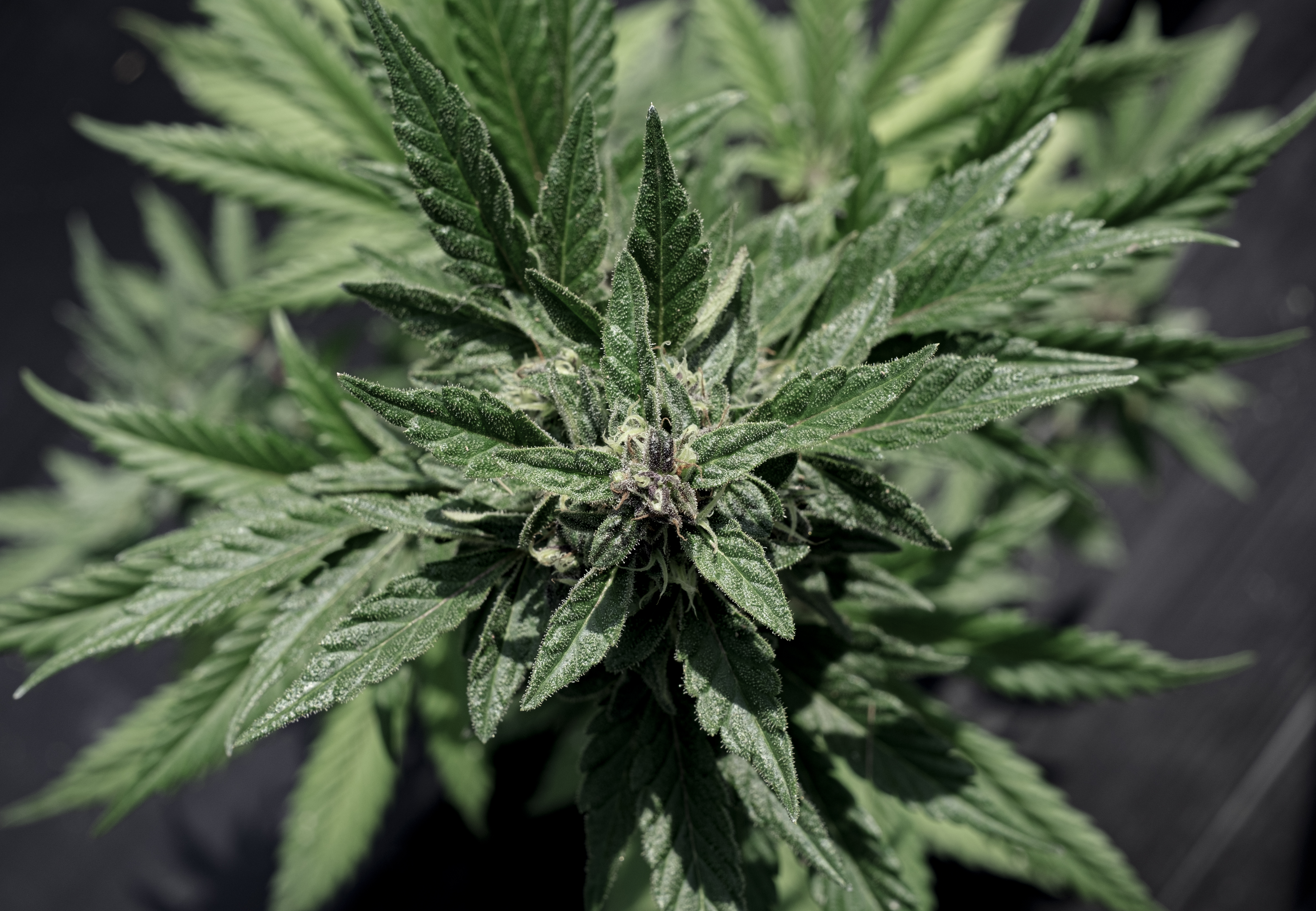


Blue Mystic is an indica-dominant cannabis strain known for its fruity aroma, compact plant structure, colorful appearance, and relaxing effects. It belongs to the wider group of “blue” cannabis strains that became popular because of their berry-like scents and dark green, blue, or purple colors. Blue Mystic is often linked to Blueberry and Northern Light genetics. Royal Queen Seeds describes its version as a cross between Oregon Blueberry and Northern Light, while other strain databases note that the exact genetic history of Blue Mystic may differ depending on the source.
Blue Mystic cannabis seeds attract interest for several reasons. Some people want to understand where the strain came from and how its genetics affect the mature plant. Others are interested in its expected size, flowering period, cannabinoid content, aroma, or effects. People may also want to know whether Blue Mystic is considered easy to grow, whether feminized seeds are available, and how it compares with other Blueberry-related strains. These are useful questions because the name printed on a seed package does not tell the whole story.
Cannabis strains can show natural differences even when the seeds share the same strain name. Genetics play a major role in the traits a plant develops, but they are not the only factor. Individual plants can express different traits, which are often called phenotypes. One Blue Mystic plant may show stronger berry aromas, while another may have more earthy or herbal notes. Height, color, flowering speed, and cannabinoid levels may also vary. This is one reason strain descriptions should usually be treated as general guides rather than fixed promises.
Breeders also select and maintain cannabis genetics in different ways. A Blue Mystic seed sold by one company may not always be identical to a similarly named seed from another source. Royal Queen Seeds, for example, describes its Blue Mystic as an 80% indica cultivar created from Oregon Blueberry and Northern Light. Its published information lists THC levels of up to 18% for its version. These figures describe that breeder’s genetics and should not be assumed to apply to every product using the Blue Mystic name.
The Blueberry side of Blue Mystic’s reported ancestry helps explain much of the interest in the strain. Blueberry-related cannabis is strongly associated with sweet fruit aromas and colorful plant traits. Northern Light genetics are widely associated with indica-dominant growth and relaxing effects. Combining these genetic lines is intended to produce a cultivar with a fruity character and a strong indica influence. However, a person’s experience with cannabis cannot be predicted from genetics alone. Potency, dose, tolerance, consumption method, and individual body chemistry can all affect how cannabis feels.
Aroma is another major part of Blue Mystic’s identity. Blueberry and berry notes are commonly reported, along with earthy or herbal qualities. Leafly lists blueberry, berry, and tea among the strain’s reported flavors. It also identifies myrcene as a dominant terpene in tested Blue Mystic products, followed by caryophyllene and limonene. Terpenes are natural compounds that contribute to the scent and flavor of cannabis and many other plants. Their amounts can differ between individual plants and finished products, so the aroma of one Blue Mystic sample may not perfectly match another.
Blue Mystic is also commonly associated with calming or relaxing effects. Reports collected by Leafly most often mention relaxed and sleepy feelings, but these reports are personal experiences rather than guaranteed results. Cannabis affects people differently. The same strain can feel stronger or weaker depending on THC content, serving size, tolerance, and other factors. Reported effects should also not be treated as proof that a strain can diagnose, prevent, or treat a health condition.
For people researching Blue Mystic seeds, plant characteristics are another important subject. Breeder descriptions commonly present Blue Mystic as a fairly compact, indica-influenced plant. Published flowering times are often around seven to nine weeks, although actual development can vary. Environmental conditions, plant health, phenotype, and breeder genetics can all change the final result.
This article will examine Blue Mystic in greater detail, starting with what Blue Mystic cannabis seeds are and where the strain’s genetics come from. It will explain whether Blue Mystic is indica or sativa, its reported THC and CBD levels, common effects, aroma, flavor, terpenes, and appearance. It will also cover general growing characteristics, flowering time, plant size, expected yield ranges, and the different seed types that may be sold under the Blue Mystic name.
Readers should also remember that cannabis laws are different from one country, state, or region to another. Rules may cover the purchase, possession, import, germination, and cultivation of cannabis seeds. A seed that can legally be sold as a collectible in one location may be subject to much stricter rules somewhere else. Anyone researching or obtaining Blue Mystic cannabis seeds should check the current laws that apply where they live.
Understanding these basics makes it easier to separate general strain information from marketing claims. Blue Mystic has a recognizable identity built around indica-dominant genetics, berry-like aromas, colorful traits, and relaxing reported effects. At the same time, no strain name can guarantee a certain THC level, plant appearance, yield, or experience. Looking at the breeder, genetic background, seed type, testing information, and local laws provides a clearer picture of what Blue Mystic cannabis seeds actually represent.
What Are Blue Mystic Cannabis Seeds?
Blue Mystic cannabis seeds contain the genetics needed to produce plants of the Blue Mystic strain. Blue Mystic is generally described as an indica-dominant cannabis variety with a strong connection to Blueberry and Northern Light genetics. Royal Queen Seeds, one of the breeders closely linked with the strain, describes Blue Mystic as a cross between Oregon Blueberry and Northern Light. The company lists the strain as about 80% indica and 20% sativa.
The strain is known for its compact plant structure, fruity aroma, and colorful appearance. These traits have helped make Blue Mystic recognizable among people researching cannabis genetics. However, a strain name does not mean that every seed will produce a plant that looks or behaves in exactly the same way. Cannabis plants grown from seeds can show natural differences because each seed carries its own mix of inherited traits.
Understanding Blue Mystic seeds begins with understanding what cannabis seeds actually contain. A seed carries genetic information from its parent plants. That genetic information affects many traits that may appear as the plant develops. These can include plant shape, flower structure, aroma, cannabinoid production, and color. Growing conditions can also influence how strongly those traits appear.
Understanding the Blue Mystic Strain
Blue Mystic is an indica-dominant hybrid. A hybrid is a cannabis plant produced from different genetic lines. In this case, Blue Mystic is commonly connected to Blueberry and Northern Light. Royal Queen Seeds states that its breeders combined these two genetic lines to create Blue Mystic.
The indica influence is often seen in the plant’s structure. Blue Mystic is generally described as compact rather than tall and narrow. It tends to have a sturdy shape and limited stretching compared with some sativa-dominant plants. These traits are part of the reason the strain is often described as having a strong indica character.
The name “Blue Mystic” also relates to the appearance and aroma associated with the strain. Some plants can develop darker shades of green, blue, or purple. The flowers may also produce sweet and fruity scents that are often compared with berries or blueberries. However, these features are not guaranteed in every individual plant.
A cannabis strain should be viewed as a genetic family rather than a perfectly fixed product. Plants within the same strain can still show differences. One Blue Mystic plant may have a stronger berry smell, while another may have more earthy notes. One plant may remain very compact, while another may grow somewhat taller. These differences are known as phenotype variation.
Where Blue Mystic Seeds Come From
Blue Mystic is strongly associated with Royal Queen Seeds. The breeder describes the strain as its own interpretation of Blueberry and identifies Oregon Blueberry and Northern Light as the main genetic background. Its published material also connects the genetics to cannabis breeding work from the western United States.
Blueberry itself has a long history in cannabis breeding. It is commonly linked to breeder DJ Short and to genetics involving Thai and Afghan cannabis lines. The exact history of older cannabis strains is not always fully documented, which is common with varieties developed before modern genetic testing became widely available. Royal Queen Seeds describes Blueberry as being influenced by Highland Thai, Purple Thai, and Afghan genetics.
Northern Light, sometimes called Northern Lights depending on the source or breeder, is another widely used name in cannabis breeding. Blue Mystic combines traits associated with these older genetic families.
Today, Blue Mystic seeds may appear through different seed sellers. Buyers may see different descriptions depending on the company. One seller may list a slightly different THC range, flowering period, or plant height from another. This does not always mean that one description is wrong. Differences can result from the breeder’s specific genetic line, testing method, environmental conditions, or the phenotype being described.
For this reason, readers should look at the breeder attached to a seed line rather than relying only on the strain name. Two products carrying the Blue Mystic name may not always be genetically identical.
What Makes Blue Mystic Different?
One of the main traits associated with Blue Mystic is its combination of a compact plant shape and a sweet, berry-like aroma. Royal Queen Seeds describes the variety as indica-dominant and notes fruity and candy-like flavor characteristics.
Its appearance is another feature that attracts attention. The “Blue” part of the name reflects the darker colors that can appear in some plants. Cannabis produces natural pigments called anthocyanins. These pigments can contribute to red, purple, and blue shades in plant tissue. Genetics play a major role in whether a plant has the ability to develop these colors.
Blue Mystic is also known for the influence of its Blueberry background. This genetic connection is often linked with its sweet fruit aroma. The Northern Light side is associated with a compact indica-style structure and dense flower growth. Together, these inherited traits help explain why Blue Mystic is usually described as a short, sturdy, fruit-scented cannabis strain.
Still, not every seed will express every expected trait to the same degree. Cannabis grown from seed naturally contains some genetic variation. This means that plants from the same seed pack may differ in height, color, aroma, flower shape, and other features.
Environmental conditions can create even more variation. Light, temperature, plant health, growing medium, and other factors may influence how a plant develops. Genetics provide the basic range of possible traits, while the environment can affect how those traits are expressed.
This distinction is important when researching Blue Mystic cannabis seeds. Photos, THC figures, plant heights, and other numbers given by seed companies should usually be treated as examples or estimates. They describe what the genetic line can commonly produce rather than promising that every plant will develop in exactly the same way.
Blue Mystic cannabis seeds carry the genetics of an indica-dominant hybrid commonly described as a cross between Oregon Blueberry and Northern Light. The strain is associated with Royal Queen Seeds and is known for its compact structure, fruity or berry-like aroma, and the possibility of blue or purple coloration.
What makes Blue Mystic interesting is the combination of traits inherited from its parent lines. Its Blueberry background is closely connected with its fruit-like aroma and colorful appearance, while the Northern Light side contributes to its strong indica character and compact form. However, individual plants can still differ because seeds contain natural genetic variation. The breeder, phenotype, and growing environment can all affect the final plant. For this reason, Blue Mystic should be understood as a genetic family with a recognizable set of traits rather than a strain in which every seed produces an identical result.
Blue Mystic Genetics and Strain History
Blue Mystic is an indica-dominant cannabis strain with genetics linked to two famous names in cannabis breeding: Blueberry and Northern Light. Royal Queen Seeds lists the genetic background of its Blue Mystic as Oregon Blueberry crossed with Northern Light. The breeder describes the strain as about 80% indica and 20% sativa.
Understanding this background helps explain many of the traits connected with Blue Mystic. Its fruity character is strongly linked to the Blueberry side of the family, while its indica-dominant structure and relaxing reputation are associated in part with Northern Light genetics. However, cannabis genetics can be complex. Different breeders may sell seeds under similar strain names, and plants grown from seed can show some natural differences.
What Are the Genetics of Blue Mystic?
The commonly listed parent strains of Blue Mystic are Oregon Blueberry and Northern Light. Royal Queen Seeds states that its breeders combined Blueberry genetics from the West Coast of the United States with Northern Light genetics to create an indica-dominant hybrid.
A hybrid is a cannabis variety created from two or more genetic lines. Breeders make these crosses to combine selected traits from each parent. These traits may include plant structure, flowering behavior, cannabinoid production, aroma, flavor, and appearance.
Blue Mystic was developed with the goal of bringing together the fruity qualities associated with Blueberry and the strong indica characteristics associated with Northern Light. The result is generally described as a compact, indica-dominant strain with sweet and fruity qualities.
The exact family tree of any cannabis strain should still be viewed with some care. Cannabis has been selectively bred for many decades, and strain names are not controlled by one universal naming system. A Blue Mystic seed sold by one breeder is not automatically genetically identical to a seed with the same name from another source. Even seeds from the same breeding line may produce somewhat different plants because each seed can contain a slightly different combination of inherited traits.
For this reason, breeder information is usually the best source when trying to understand the genetics of a specific packet of Blue Mystic seeds.
Blueberry Influence
Blueberry is one of the main genetic influences behind Blue Mystic. The original Blueberry family became known for its strong fruit-like aroma and its connection to several older cannabis lines.
Royal Queen Seeds describes Blueberry as having roots in Thai and Afghan genetics. Its history is commonly connected with breeder DJ Short and breeding work carried out in the United States during the 1970s. The exact details of older cannabis genetics are sometimes difficult to confirm because much of the early breeding history was not formally recorded.
The Blueberry side of Blue Mystic is especially important when discussing aroma and flavor. Blueberry strains are commonly associated with sweet, fruity, and berry-like scents. Blue Mystic was bred to retain much of this character. Royal Queen Seeds describes it as carrying fruity qualities from its Blueberry parent.
Blueberry genetics are also linked with some of the colorful traits seen in certain cannabis plants. Depending on genetics and environmental conditions, plants from the broader Blueberry family may develop darker green, blue, or purple shades. However, the name “Blue Mystic” does not mean that every plant will automatically become blue or purple. Color can vary from plant to plant.
The Blueberry influence also helps explain why different Blue Mystic plants may show slightly different aromas. One plant may have a stronger berry scent, while another may lean toward earthy, herbal, or other notes. This is part of normal genetic variation.
Northern Light Influence
Northern Light is the second major parent listed in the Blue Mystic genetic background. It is one of the best-known names among older indica-dominant cannabis varieties.
In Blue Mystic, Northern Light is important because it adds to the strain’s indica-dominant genetic profile. Royal Queen Seeds describes Blue Mystic as combining the relaxing qualities of Northern Light with the flavor and growth traits of Blueberry.
Indica-influenced plants are often associated with shorter and more compact structures than many strongly sativa-dominant types. Blue Mystic is commonly described in a similar way. Its Northern Light ancestry is one reason breeders connect the strain with a compact form and limited stretching.
Northern Light genetics are also associated with the heavier and more relaxing character often reported for Blue Mystic. It is important, however, not to treat a parent strain as a guarantee of specific effects. Cannabis effects depend on more than ancestry. THC levels, minor cannabinoids, terpene content, dose, tolerance, and individual response can all change how a person experiences a cannabis product.
The Northern Light parent therefore helps explain the general genetic direction of Blue Mystic, but it does not mean every Blue Mystic plant or product will have exactly the same chemical profile.
Why Genetics Matter
Genetics act as the basic set of instructions for a cannabis plant. They help determine what characteristics the plant is capable of developing. This includes plant shape, size, leaf form, flowering behavior, flower structure, cannabinoid production, terpene production, and possible coloration.
In Blue Mystic, the combination of Blueberry and Northern Light genetics creates the foundation for the strain’s commonly described traits. The Blueberry parent contributes much of the fruity character for which the strain is known. Northern Light adds strong indica influence and helps shape its overall plant and effect profile.
Genetics are only one part of the final result. Environment also matters. Plants with similar genetics can develop differently when exposed to different temperatures, light conditions, soil or growing media, moisture levels, and other environmental factors. Harvest timing and storage can also affect the aroma, cannabinoid content, and overall quality of the finished material.
Phenotypes are another important part of cannabis genetics. A phenotype is the group of visible and measurable traits expressed by an individual plant. Seeds from the same strain can produce different phenotypes. One Blue Mystic plant may show stronger Blueberry traits, while another may show more traits associated with Northern Light.
This variation helps explain why descriptions of the same cannabis strain do not always match perfectly. Published THC levels, aromas, colors, plant sizes, and other characteristics should normally be treated as expected ranges rather than fixed guarantees.
Blue Mystic is generally described as an indica-dominant hybrid created from Oregon Blueberry and Northern Light genetics. Royal Queen Seeds lists the strain as approximately 80% indica and 20% sativa.
The Blueberry side of the family is closely connected with the strain’s sweet and fruity character and may also contribute to its colorful appearance. Northern Light provides much of the indica influence and is associated with the compact structure and relaxing character commonly linked to Blue Mystic.
These parent strains provide the genetic foundation, but they do not make every Blue Mystic plant identical. Phenotype differences, growing conditions, cannabinoid levels, terpene profiles, and other factors can change how an individual plant looks and develops. For that reason, the most accurate way to understand a specific Blue Mystic seed is to check the genetic information supplied by its breeder.
Is Blue Mystic Indica or Sativa?
Blue Mystic is usually described as an indica-dominant cannabis strain. This means its growth style and many of its reported effects are more often linked with indica-type cannabis than with sativa-type cannabis. However, Blue Mystic is not always described in exactly the same way by every breeder or seed seller. Some may give a specific indica-to-sativa ratio, while others may simply call it indica-dominant.
This difference is common in cannabis strain descriptions. Cannabis varieties can change over time as breeders select different parent plants and develop new seed lines. Two seed companies may use the same strain name while working with slightly different genetics. Because of this, it is better to look at the full strain description instead of relying only on the words “indica” or “sativa.”
Blue Mystic’s Indica-Dominant Profile
Blue Mystic is commonly linked to Blueberry and Northern Lights genetics. Both of these names are strongly connected with indica-dominant cannabis breeding. This genetic background helps explain why Blue Mystic is often described as having a compact growth pattern and relaxing effects.
Many descriptions of Blue Mystic place it on the indica side of the cannabis spectrum. Some breeders may describe it as mostly indica, while others may show a more balanced genetic mix. These percentages should not always be treated as exact scientific measurements. In many cases, they are used as a simple way to explain the general traits that a grower or consumer may expect.
The indica-dominant label can still be useful when comparing Blue Mystic with strains that show more sativa-like features. Blue Mystic is usually associated with shorter growth, broader leaves, dense flower development, and a more compact shape. These traits are often linked with indica-based genetics.
At the same time, individual Blue Mystic plants can show small differences. Cannabis seeds can produce different phenotypes. A phenotype is the visible expression of a plant’s genetics. One plant may stay shorter and bushier, while another may stretch more or show slightly different leaf shapes. These differences do not mean the strain is completely different. They are a normal part of growing plants from seeds.
Typical Plant Characteristics
Blue Mystic is often described as a compact plant with an indica-style structure. It may develop a sturdy central stem with several side branches. Compared with many sativa-dominant strains, it is less known for extreme height or long, thin growth.
Its leaves may appear broad and full. This is another trait commonly linked with indica genetics. The plant may also produce dense flowers that develop close to the branches. These traits can make the plant look thick and compact when it reaches maturity.
Blue Mystic is also known for its possible blue, purple, or dark green colors. These colors can appear in the leaves or flowers, depending on the plant’s genetics and growing conditions. The name “Blue Mystic” is partly connected with these visual traits and its relationship to Blueberry genetics.
However, not every Blue Mystic plant will turn blue or purple. Color can vary between plants. Temperature, plant maturity, genetics, and other environmental factors can all affect how much color appears. Some plants may remain mostly green even when they are healthy and true to the strain.
Plant structure may also change based on growing conditions. A plant grown in a controlled indoor setting may stay more compact than one grown outdoors with more space and light. For this reason, strain descriptions should be viewed as general guides rather than exact promises.
What Indica-Dominant Really Means
The terms indica and sativa are widely used in the cannabis industry, but they do not explain everything about a strain. In the past, these labels were often used to describe plant shape, growth habits, and geographic origin. Today, they are also commonly used to describe expected effects.
Indica strains are often linked with calming or relaxing effects, while sativa strains are often linked with alertness or energy. However, this simple system does not always predict how a person will feel after using cannabis.
Cannabis effects depend on several factors. THC is one of the most important cannabinoids because it is mainly responsible for the intoxicating effects of cannabis. CBD and other cannabinoids may also influence the overall experience. The amount of each compound can vary between plants and finished products.
Terpenes may also play a role. Terpenes are natural compounds that help create the smell and flavor of cannabis. Blue Mystic is often described as having fruity, berry-like, earthy, and sweet aromas. The terpene profile can differ between plants, and this may influence how a person describes the strain’s overall character.
Dose is another important factor. A small amount may affect someone differently than a larger amount. Tolerance also matters. A person who uses cannabis often may respond differently from someone with little experience.
Individual biology can also change the experience. Body size, metabolism, mood, setting, and personal sensitivity can all influence how cannabis feels. This is why two people can use the same strain and report different effects.
For these reasons, calling Blue Mystic “indica-dominant” gives useful information about its general genetic background and plant traits, but it should not be treated as a guarantee of specific effects. A laboratory-tested cannabinoid and terpene profile can provide more detailed information than the strain name alone.
Blue Mystic is generally classified as an indica-dominant cannabis strain. Its commonly reported genetics, compact growth, broad leaves, and dense flowers support this description. It is often connected with Blueberry and Northern Lights genetics, which are both known for strong indica traits.
However, the indica label does not tell the full story. Different breeders may describe Blue Mystic with different indica-to-sativa ratios, and individual plants may show different phenotypes. Plant size, shape, color, and flower development can all vary.
The same rule applies to effects. Indica and sativa labels can provide a basic guide, but cannabinoids, terpenes, dose, tolerance, and individual biology all affect the final experience. For a clearer understanding of Blue Mystic, readers should consider its genetics, chemical profile, plant characteristics, and reported effects together instead of relying only on the indica or sativa label.
Blue Mystic THC, CBD, and Cannabinoid Profile
Blue Mystic is generally described as a THC-dominant cannabis strain. This means THC is the main cannabinoid linked with its intoxicating effects. However, there is no single THC or CBD number that applies to every Blue Mystic plant. Cannabis plants can produce different cannabinoid levels even when they come from seeds sold under the same strain name.
Breeder information, laboratory results, plant genetics, and environmental conditions can all affect the final cannabinoid profile. For this reason, THC and CBD figures for Blue Mystic should be treated as general reference points rather than guaranteed values.
How Much THC Does Blue Mystic Have?
Published THC figures for Blue Mystic vary depending on the source. Leafly currently lists Blue Mystic at about 15% THC, while Royal Queen Seeds states that its version can reach up to 18% THC. These numbers place Blue Mystic within a moderate THC range compared with many modern cannabis strains that can test above 20%.
A THC level of 15% does not mean that every Blue Mystic flower contains exactly 15% THC. The figure is usually based on selected samples, breeder information, or laboratory-tested products. Another sample carrying the same strain name could test lower or higher.
THC stands for delta-9-tetrahydrocannabinol. It is the cannabinoid mainly responsible for the intoxicating effects associated with cannabis. When THC enters the body, it interacts with cannabinoid receptors that are part of the endocannabinoid system. This activity can change perception, mood, memory, coordination, and the way a person experiences time.
The amount of THC is only one part of how strong a cannabis product may feel. A person with little or no cannabis tolerance may find a moderate-THC strain quite strong. A more experienced user may respond differently. The amount consumed, method of use, individual body chemistry, and other cannabinoids and terpenes can also influence the experience.
For this reason, a strain’s THC percentage should not be treated as a complete measure of its effects. It is useful information, but it does not predict exactly how every person will respond.
Does Blue Mystic Contain CBD?
Blue Mystic can contain CBD, but it is not generally known as a high-CBD strain. Royal Queen Seeds describes the CBD level of its Blue Mystic cultivar as “medium,” although it does not provide a specific percentage on its current strain data sheet. Because different breeders may work with different versions of the strain, CBD levels can also vary.
CBD stands for cannabidiol. Unlike THC, CBD does not normally produce the same intoxicating high. It interacts with the body’s cannabinoid system in a different way and has become the subject of extensive scientific research.
When researching Blue Mystic, it is important not to assume that the strain name tells you exactly how much CBD is present. Two samples labeled Blue Mystic may have different cannabinoid profiles. One could contain very little CBD, while another breeder’s version could contain a somewhat higher amount.
The only reliable way to know the cannabinoid content of a particular batch of cannabis is through laboratory testing. A laboratory report may show THC, CBD, and smaller amounts of other cannabinoids.
Blue Mystic may also contain cannabinoids other than THC and CBD. For example, Leafly’s current strain profile lists about 1% CBG for the sample data used on its Blue Mystic page. CBG, or cannabigerol, is another naturally occurring cannabinoid found in cannabis. Its concentration can differ widely between plants and finished products.
These smaller cannabinoids are one reason cannabis cannot always be described accurately using THC alone.
Why Potency Can Differ Between Blue Mystic Plants
Genetics have a major influence on cannabinoid production. However, seeds from the same strain can still produce plants with noticeable differences. These differences are often called phenotype variation.
A phenotype is the way a plant’s genetics are expressed. Two Blue Mystic plants may share similar genetics but differ in height, color, aroma, flower structure, and cannabinoid content. One plant may produce more THC, while another may show a slightly different balance of cannabinoids.
The breeder is another important factor. Cannabis strain names are not always standardized across the entire industry. Different breeders may maintain different genetic lines under similar or identical strain names. Royal Queen Seeds, for example, describes its Blue Mystic as an 80% indica and 20% sativa strain developed from Oregon Blueberry and Northern Light genetics. Other sources may describe the strain’s ancestry somewhat differently.
Environmental conditions can also affect cannabinoid production. Plant health, lighting conditions, temperature, water availability, nutrients, stress, and general growing conditions can all influence how a plant develops. Genetics set the potential range, but the environment helps determine how those traits are expressed.
Harvest timing is another source of variation. Cannabinoid concentrations change as cannabis flowers mature. Plants harvested at different stages may therefore produce different laboratory results.
Storage also matters after harvest. THC and other cannabis compounds can slowly change when plant material is exposed to heat, oxygen, moisture, and light. A freshly tested sample may not have exactly the same cannabinoid profile after long or poor storage.
Testing methods can introduce additional differences. Laboratories may use different instruments, sample preparation methods, and reporting standards. Even two samples taken from different parts of the same plant may not return identical results.
For these reasons, a breeder’s THC number should be viewed as an estimate or potential level rather than a promise. A label such as “up to 18% THC” means that certain samples may reach that level under particular conditions. It does not mean every Blue Mystic plant will automatically produce 18% THC.
Understanding Blue Mystic Potency
Blue Mystic is usually presented as a moderately potent THC-dominant strain rather than one of the extremely high-THC cultivars found in today’s market. Current sources place its THC around 15% to as high as 18%, depending on the version and source.
Still, THC percentage should not be used alone to judge the strength of the experience. Cannabis contains many active compounds. Terpenes, minor cannabinoids, individual tolerance, dose, and method of consumption can all affect how a person responds.
This also means that two products labeled Blue Mystic may feel different even when their listed THC percentages are similar. Differences in terpene levels and minor cannabinoids can change aroma and may contribute to differences in the overall experience.
Anyone looking for exact potency information should rely on a recent laboratory certificate for the specific cannabis product rather than a general online strain description.
Blue Mystic is mainly considered a THC-dominant cannabis strain. Published information commonly places its THC content at around 15% to a possible 18%, although exact levels depend on the breeder, individual plant, environment, harvest, storage, and testing method.
CBD may also be present, but Blue Mystic is not normally marketed as a CBD-focused cultivar. Other cannabinoids, including CBG, may occur in smaller amounts. Most importantly, strain names and breeder specifications cannot guarantee the exact cannabinoid content of a particular plant or finished product. Laboratory testing remains the best way to determine the actual THC, CBD, and minor cannabinoid levels in a specific sample.
Blue Mystic Effects and Experience
Blue Mystic is an indica-dominant cannabis strain that is mainly known for calming and relaxing effects. Many strain databases describe the experience as more restful than energetic. However, no cannabis strain produces the exact same effects in every person. The experience can change based on THC level, dose, tolerance, body chemistry, consumption method, and the specific Blue Mystic phenotype.
Leafly lists relaxation, sleepiness, and tingling among the most commonly reported effects of Blue Mystic. Royal Queen Seeds also describes the strain as having a heavier, relaxing character that may be better suited to quiet periods. These descriptions are based largely on strain profiles and consumer reports rather than controlled clinical studies.
Commonly Reported Effects
Relaxation is one of the effects most often connected with Blue Mystic. Some consumers describe a calm feeling that becomes stronger as the experience develops. Because of this, the strain is often described as having a more laid-back character than strains known for strong stimulation or energy.
Sleepiness is also commonly reported. Leafly lists sleepy as one of the main effects reported by people who have used Blue Mystic. This may help explain why the strain is often associated with evening use. However, this does not mean everyone will become tired after using it. Some people report feeling uplifted, happy, or mentally active instead.
A physical sense of relaxation may also occur. Some users describe the experience as beginning with a change in mood before developing into a heavier body feeling. Others may notice both mental and physical effects at the same time.
Blue Mystic can also produce feelings commonly linked with THC-rich cannabis in general. These may include euphoria, stronger sensory awareness, changes in the sense of time, increased appetite, or changes in attention. Health Canada notes that short-term cannabis effects can include relaxation, euphoria, and heightened sensory experiences.
It is important to remember that a strain name cannot predict an exact experience. Two Blue Mystic products may have different THC levels or terpene profiles. Plants grown from seed can also show natural differences between phenotypes. For this reason, the effects described in strain databases should be treated as general patterns rather than guarantees.
How Quickly Effects May Be Felt
How quickly Blue Mystic produces noticeable effects depends more on the way cannabis is consumed than on the strain itself. Cannabis that is inhaled generally acts much faster than cannabis that is eaten or drunk.
According to Health Canada, the effects of inhaled cannabis may begin within seconds or minutes. The full effects may take longer to develop. In contrast, cannabis that is eaten or drunk can take about 30 minutes to two hours before effects begin. The strongest effects may not appear for several hours.
Duration can also differ. Effects from inhaled cannabis commonly last for several hours, while edible products may produce longer-lasting effects. Some remaining effects can continue beyond the main period of intoxication.
Individual factors also make a difference. A person’s tolerance, metabolism, body size, recent food intake, THC exposure, and previous cannabis experience can affect both onset and duration. Because of these differences, one person’s experience with Blue Mystic may not match another person’s experience.
The product itself matters as well. Flower, concentrates, oils, and edible products can contain very different amounts of THC. The same strain name on two products does not mean the products have the same strength.
Possible Unwanted Effects
Blue Mystic may cause unwanted effects as well as pleasant ones. Leafly lists dry mouth, dizziness, and dry eyes among the negative effects reported by consumers. These are also common effects associated with cannabis more generally.
Some people may experience stronger unwanted reactions, especially with products that contain high amounts of THC. Possible effects can include anxiety, confusion, panic, paranoia, poor coordination, or difficulty concentrating. Health Canada states that higher THC exposure can increase the chance of stronger impairment and adverse effects.
Cannabis can also affect reaction time, attention, judgment, and coordination. These changes are important because a person may feel calm while still being impaired. Driving or operating machinery while impaired by cannabis can be dangerous.
Tolerance can change the experience as well. Someone with little cannabis experience may feel stronger effects from the same product than someone who uses cannabis regularly. A person’s response may even change from one occasion to another.
The relaxing reputation of Blue Mystic should therefore not be taken to mean that the strain is mild or free from risk. The actual experience depends on the chemical strength of the product and the person using it.
Avoiding Medical Claims
Blue Mystic is sometimes discussed online in connection with stress, anxiety, sleep problems, discomfort, and other health concerns. However, these statements should be understood carefully.
Leafly, for example, includes reports from consumers who say they have used Blue Mystic for issues such as stress or anxiety. Leafly also states that these reports come from its users and should not replace professional medical advice.
A consumer saying that a strain helped with a symptom is not the same as scientific proof that the strain treats a medical condition. Personal reports can be affected by expectations, dose, other substances, individual health, and many other factors.
There is also limited clinical research on specific named cannabis strains such as Blue Mystic. Medical studies are more likely to examine cannabinoids such as THC and CBD, certain cannabis preparations, or cannabis use as a whole. They usually do not prove that one commercial strain has a specific medical benefit.
For this reason, Blue Mystic should not be described as a treatment or cure unless strong clinical evidence supports that claim. Anyone considering cannabis for a medical reason should discuss the issue with a qualified healthcare professional, especially if they take prescription medicines or have an existing health condition.
Blue Mystic is mainly associated with calming, relaxing, and sometimes sleepy effects. Some consumers also report feelings such as happiness, euphoria, or physical tingling. However, these effects are not guaranteed. The experience can change with THC level, phenotype, tolerance, body chemistry, dose, and the method of consumption.
Inhaled cannabis normally produces effects more quickly than edible cannabis, while edible products tend to take longer to act and may last longer. Blue Mystic can also cause unwanted effects such as dry mouth, dry eyes, dizziness, anxiety, or impaired coordination. Most strain-specific descriptions come from breeder information and consumer reports rather than clinical studies. For that reason, reports about Blue Mystic’s effects should be treated as general information rather than proof that the strain can prevent, treat, or cure a medical condition.
Blue Mystic Flavor, Aroma, and Terpene Profile
Blue Mystic is known for a sweet and fruity character that reflects its connection to Blueberry genetics. Many descriptions of the strain focus on blueberry, berry, earthy, and herbal notes. However, aroma and flavor are not fixed traits. The exact experience can change from one plant or product to another. Genetics, terpene levels, storage, plant maturity, and other factors can all affect what a person smells or tastes.
Terpenes are an important part of this profile. These natural compounds give cannabis much of its scent and flavor. They are also found in many other plants, fruits, herbs, and spices. In Blue Mystic, several terpenes are commonly reported, including myrcene and caryophyllene. Some tested samples have also shown limonene, while breeder descriptions may list humulene as part of the strain’s terpene profile.
What Does Blue Mystic Smell Like?
Blue Mystic is most often linked with a sweet berry smell. Blueberry is one of the most common notes used to describe the strain. This connection makes sense because Blue Mystic is commonly associated with Blueberry genetics. Royal Queen Seeds describes its Blue Mystic line as a cross involving Oregon Blueberry and Northern Light.
The berry scent may not smell exactly like fresh blueberries in every sample. In some cases, it may seem more like mixed berries, sweet fruit, or fruit candy. Other plants may have a softer smell with more earthy or herbal tones. Leafly lists blueberry and berry among the main flavors associated with Blue Mystic, along with a tea-like note.
There can also be an earthy smell underneath the sweeter notes. This gives the aroma more depth. Instead of smelling only like fruit, some Blue Mystic samples may combine sweet berries with soil, herbs, spice, or wood-like scents.
The strength of the smell can vary as well. One sample may have a clear blueberry scent, while another may seem more earthy or herbal. This does not always mean that one of them is incorrectly labeled. Cannabis plants can show different traits even when they share similar genetics.
Aroma can also change after cannabis has been harvested and stored. Heat, air, light, and poor storage conditions can reduce terpene levels over time. When this happens, the smell may become weaker or less complex.
What Does Blue Mystic Taste Like?
The flavor of Blue Mystic often follows the same pattern as its aroma. Sweet fruit and blueberry are common descriptions. Some versions may also have earthy, floral, herbal, or slightly spicy notes.
Royal Queen Seeds describes Blue Mystic as having strong fruity qualities and specifically connects the strain with wild blueberry flavors. The breeder also describes earthy and spicy tones linked to some of its terpenes.
Flavor is not determined by strain name alone. Two products labeled Blue Mystic can taste different. One may have a strong berry flavor, while another may taste more earthy or herbal. This can happen because plants grown from seeds can develop different phenotypes.
A phenotype is the visible and chemical expression of a plant’s genetics. Two plants from related seeds may share many traits, but they do not always produce the exact same amount of each terpene. As a result, one plant may have stronger fruit notes while another may have more spice or earth in its aroma.
Storage can also affect taste. Terpenes are aromatic compounds that can break down or evaporate. Cannabis that has been exposed to too much heat, light, or air may lose some of the scents and flavors that were present when it was fresh.
For this reason, flavor descriptions should be treated as general characteristics instead of guarantees.
Commonly Reported Terpenes
Myrcene is one of the main terpenes associated with Blue Mystic. Leafly’s laboratory-based strain information lists myrcene as the most abundant terpene in the Blue Mystic samples represented in its data, followed by caryophyllene and limonene.
Myrcene is common in cannabis and has an earthy and herbal scent. It may also give off fruit-like or clove-like notes. In Blue Mystic, myrcene can help explain why some samples have an earthy base beneath the sweeter berry smell.
Caryophyllene is another commonly reported terpene. It is known for a peppery and spicy aroma. Caryophyllene is also found in plants and spices such as black pepper. In Blue Mystic, this terpene may add a mild spice note that balances the sweeter fruit character.
Limonene has a brighter aroma that is often linked with citrus fruits. It can add fresh, sharp, or slightly sweet citrus notes to a terpene profile. Limonene does not mean that every Blue Mystic sample will smell strongly like lemons. Its scent may be subtle when other terpenes are present at higher levels.
Some breeder descriptions also mention humulene. Royal Queen Seeds describes Blue Mystic as containing caryophyllene, humulene, and myrcene in its terpene profile. Humulene is often associated with earthy, woody, and herbal scents and is also found in hops.
These differences show why terpene information can vary between sources. One laboratory sample may contain myrcene, caryophyllene, and limonene as the main compounds, while a breeder may describe humulene as another important part of the strain’s aroma.
Why Blue Mystic Aroma and Flavor Can Vary
Genetics play a major role in aroma, but they are not the only factor. Even seeds from the same strain can produce plants with slightly different traits. This natural variation can affect smell, taste, color, plant structure, and cannabinoid content.
Phenotypes are one reason for this variation. One Blue Mystic phenotype may express stronger blueberry characteristics. Another may show more earthy or herbal traits. A third plant may produce a stronger spicy scent.
The condition of the finished cannabis also matters. Terpenes can change as plant material ages. Poor storage can cause some aromatic compounds to fade. A well-preserved sample may therefore smell very different from an older product that has been exposed to heat and air.
The way a product is processed can make another difference. Dried flower, extracts, vape products, and other cannabis forms may not present the same aroma and flavor even when they use material from the same strain.
This is why strain names should be used as a general guide. They can suggest what aromas and flavors are likely, but they cannot predict the exact chemical profile of every plant or product. Laboratory testing provides more specific information about which terpenes are present in an individual sample.
Blue Mystic is best known for a sweet, fruity aroma with strong links to blueberry and berry notes. Earthy, herbal, floral, spicy, and sometimes citrus-like tones may also appear. The final aroma depends on the specific plant, phenotype, terpene levels, and condition of the finished product.
Myrcene and caryophyllene are commonly associated with Blue Mystic. Laboratory-based information also lists limonene in some samples, while breeder descriptions may include humulene. These terpenes can help create the strain’s mix of fruit, earth, herbs, and spice.
However, no two Blue Mystic samples are guaranteed to smell or taste exactly alike. Genetics provide the basic potential for these traits, while phenotype, maturity, processing, and storage influence how strongly they appear. For that reason, blueberry and berry flavors should be viewed as common characteristics of Blue Mystic rather than a fixed result in every plant or product.
Blue Mystic Plant Appearance and Growth Characteristics
Blue Mystic is often recognized for its compact structure, dense flowers, and dark green leaves that may develop blue or purple shades under certain conditions. Like many cannabis strains with strong indica traits, it tends to grow in a shorter and fuller shape rather than becoming very tall and narrow. However, not every Blue Mystic plant will look exactly the same. Genetics, growing conditions, plant health, and individual phenotype can all affect its final appearance.
Understanding these traits can help explain why Blue Mystic has remained a recognizable strain. Its plant structure, leaf color, and flower development often reflect the influence of the genetics commonly linked with the strain. At the same time, natural variation means that growers may see noticeable differences between plants grown from separate seeds.
Typical Plant Structure
Blue Mystic is usually described as having a compact, bushy growth pattern. The main stem may remain fairly short compared with taller cannabis varieties, while several side branches develop around it. This can give the plant a broad and dense appearance.
Its leaves often have the wide leaflets commonly associated with indica-dominant cannabis plants. These leaves may be deep green and can form a thick canopy as the plant develops. The short distance between nodes can also make the plant appear dense. A node is the point on the stem where leaves and branches develop.
This compact structure is one reason Blue Mystic is often discussed in relation to indoor growing. A shorter plant can be easier to fit into spaces where vertical room is limited. However, actual plant height is not controlled by genetics alone. Available light, root space, environmental conditions, and the length of the plant’s growth period can all influence its final size.
Outdoor Blue Mystic plants may have more room to spread. With enough space and suitable conditions, they can become wider and larger than plants grown in smaller indoor areas. Even then, the strain commonly maintains a relatively sturdy structure rather than producing extremely long and thin branches.
The plant’s structure can also change from one seed to another. Some plants may stay especially compact, while others may stretch more as they mature. This is a normal result of genetic variation.
Blue and Purple Coloration
One of the most noticeable features associated with Blue Mystic is the possibility of blue, purple, or dark violet tones appearing on the plant. These colors may develop on the leaves or around parts of the flowers as the plant matures.
The color comes in part from natural plant pigments known as anthocyanins. Anthocyanins are also found in fruits and vegetables such as blueberries, blackberries, red cabbage, and purple grapes. In cannabis plants that carry the right genetic traits, these pigments can become more visible during certain stages of growth.
Genetics are important because not every cannabis plant is able to produce strong purple or blue coloring. Blue Mystic has a reputation for colorful plants, but the name does not mean every plant will turn bright blue. Some plants may remain mostly green, while others may show dark purple, reddish, or bluish areas.
Environmental conditions can also influence how visible these colors become. Temperature changes, plant maturity, and other growing conditions may affect pigmentation. However, color should not be treated as a direct sign of potency. A purple cannabis flower is not automatically stronger than a green one.
Color can also vary across the same plant. Older leaves may show different tones from younger growth, while flowers can develop darker shades as they mature. This creates the mixed green, blue, and purple appearance that is often associated with strains from the “Blue” cannabis family.
Flower Appearance
Blue Mystic flowers are generally described as dense and compact. Rather than developing long and loose flower structures, the buds may form in tighter clusters around the branches.
The flowers usually contain small leaves mixed throughout the bud. These leaves can range from medium green to darker shades, depending on the plant and its growing conditions. Blue or purple tones may also appear around the flowers in some phenotypes.
Another visible feature is the presence of pistils. Pistils are the fine, hair-like structures found on female cannabis flowers. They often begin as pale or white hairs and gradually develop darker orange, amber, or brown shades as the flowers mature.
Blue Mystic flowers may also develop a visible layer of trichomes. Trichomes are tiny resin-producing structures found on cannabis flowers and nearby leaves. Under magnification, they can look like very small stalks with rounded heads. From a normal viewing distance, a large number of trichomes can make the flowers appear frosty or slightly shiny.
These structures contain many of the cannabinoids and aromatic compounds produced by the cannabis plant. The amount of visible resin can vary between plants, so appearance alone cannot provide an exact measure of THC or other cannabinoid levels. Laboratory testing is needed to determine cannabinoid content with greater accuracy.
Flower density may also vary. Genetics play an important role, but environmental conditions can influence how flowers develop. This is another reason two plants sold under the same strain name may not produce flowers that look completely identical.
Phenotype Variation
Blue Mystic plants grown from seeds can show phenotype variation. A phenotype is the set of traits that can be seen in an individual plant. These traits develop through a combination of genetics and environmental influences.
Two Blue Mystic seeds from the same seed pack may produce plants with slightly different heights, branching patterns, leaf shapes, colors, aromas, or flower structures. One plant may display stronger purple coloring, while another remains mostly dark green. One may grow very compactly, while another may develop longer branches.
This does not always mean that one of the plants is a different strain. Cannabis seeds contain genetic variation, just as seeds from many other plants do. Seed breeders may work to make a strain more stable and consistent, but some differences can still appear.
The seed source can also matter. Different breeders may sell cannabis using the same or similar strain names while working with somewhat different parent plants. As a result, Blue Mystic sold by one breeder may not be identical to Blue Mystic offered by another.
Environmental conditions add another layer of variation. Light levels, temperatures, root conditions, plant stress, nutrition, and other factors can influence how inherited traits are expressed. Because of this, plant appearance should be considered one piece of information rather than a perfect method for confirming a strain’s identity.
Blue Mystic is generally known for a compact, bushy structure that reflects its indica-dominant characteristics. Plants often develop broad green leaves, sturdy branches, and dense flower clusters. Some phenotypes may also develop blue, purple, or dark violet colors as they mature, although the amount of color can vary greatly.
Its flowers may contain visible pistils and a coating of resin-producing trichomes, giving mature buds a dense and sometimes frosty appearance. However, color and resin should not be used as exact measures of potency.
Is Blue Mystic Easy to Grow?
Blue Mystic is often described as a manageable cannabis strain because of its compact indoor size and fairly short flowering period. Royal Queen Seeds lists the strain as a cross of Oregon Blueberry and Northern Light and describes it as 80% indica. The breeder also states that Blue Mystic can grow indoors or outdoors, although outdoor plants are better suited to warmer climates.
Still, calling Blue Mystic “easy to grow” does not mean that the plant can be ignored. Like other cannabis plants, it depends on a stable environment and basic plant care. Sudden environmental changes, excess moisture, poor airflow, pests, and other forms of stress can affect plant health. A grower’s experience and the conditions available can therefore make a large difference.
General Difficulty Level
Blue Mystic is often considered suitable for growers who want a strain with a relatively compact growth pattern indoors. According to breeder information, indoor Blue Mystic plants generally remain much shorter than outdoor plants. Its flowering period is also listed at about eight to nine weeks, although actual development can vary between individual plants.
Its indica-dominant genetics are linked with a shorter and more compact structure than many tall, sativa-dominant varieties. This can make the plant easier to manage where space is limited. A plant that grows in a more compact form may be simpler to observe because leaves, stems, and flowers remain within a smaller area.
However, strain genetics are only one part of cultivation difficulty. Seeds from the same variety can produce plants with somewhat different traits. One plant may grow taller, develop more branches, or respond differently to environmental stress than another. This natural variation is known as phenotype variation.
Plant health also depends on the quality of the growing environment. A strain that performs well under stable conditions can struggle when exposed to sudden changes. For this reason, Blue Mystic should not be viewed as a strain that will succeed under every condition without attention.
Indoor and Outdoor Suitability
Blue Mystic can be grown in both controlled indoor environments and suitable outdoor climates. Each setting has different advantages and limits.
Indoor cultivation gives more control over the plant’s surroundings. Light, airflow, temperature, and moisture conditions can be managed more closely than they usually can outdoors. This control can help reduce sudden changes caused by storms, cold weather, or extreme heat. Indoor cultivation, however, also depends on equipment and uses substantial energy for lighting, ventilation, heating, and cooling. Research on cannabis production has identified these energy demands as an important feature of indoor cultivation.
Outdoor cultivation depends more heavily on the local climate. Royal Queen Seeds describes Blue Mystic as suited to mild or warm conditions and notes that it performs better in warmer areas than in colder northern climates.
Outdoor plants can also become much larger than indoor plants. The breeder lists outdoor Blue Mystic plants as potentially reaching 180 to 220 centimeters, compared with about 60 to 100 centimeters indoors. These figures are estimates rather than guaranteed results because plant size depends on genetics and environmental conditions.
Weather is also less predictable outdoors. Long periods of rain, high humidity, strong wind, or sudden temperature changes can place stress on plants. Because of this, the same strain may be easier to manage in one climate than another.
Environmental Preferences
Blue Mystic generally benefits from stable growing conditions. Rapid swings in the environment can place stress on a plant and may affect normal development. This is especially important as flowers become denser later in the plant’s life.
Air movement is one important part of a stable environment. Good airflow helps prevent pockets of damp, still air from forming around leaves and flowers. This matters because excess moisture can increase the risk of plant disease, especially when dense plant material remains wet for long periods.
Humidity also plays a role in overall plant health. Conditions that remain excessively damp can create problems for many plants, while air that is extremely dry can create different forms of stress. The main goal is a balanced and stable environment rather than frequent major changes.
Lighting is another major factor for indoor plants. Cannabis depends on light for photosynthesis, the process plants use to turn light energy into energy for growth. Weak or inconsistent lighting can limit healthy development, while environmental stress caused by excessive heat around lighting equipment can also harm plants.
A healthy growing medium is equally important. Plant roots require access to water, nutrients, and oxygen. Problems around the root area can affect the entire plant because roots support water and nutrient movement through the stems and leaves.
These basic needs are not unique to Blue Mystic. They are general plant-health factors that affect cannabis and many other cultivated plants.
Common Challenges
Excess moisture is one of the main concerns with plants that form dense flowers. Moist conditions combined with poor airflow can create an environment where fungal diseases develop more easily. Regular observation is therefore important because early signs of damaged or unhealthy plant tissue may otherwise go unnoticed.
Pests are another possible challenge. Outdoor plants are naturally exposed to insects and other organisms, while pests can also enter indoor growing spaces. Damage may appear as spots, holes, discoloration, or changes in leaf condition.
Nutrient stress can also affect appearance. Leaves that become unusually pale, dark, spotted, curled, or damaged may show that the plant is under stress. However, similar symptoms can have several causes. Assuming that every leaf problem is caused by a nutrient shortage can lead to further problems.
Environmental instability can be just as important. Sudden heat, cold, changes in moisture, poor airflow, or other forms of stress may slow development. Individual Blue Mystic plants can also respond differently because seeds do not create genetically identical plants.
For this reason, the easiest approach to understanding plant health is to focus on overall stability rather than expecting every Blue Mystic plant to behave in exactly the same way.
Blue Mystic is generally described as a manageable strain because it has a relatively compact indoor structure, an indica-dominant growth pattern, and a flowering period of roughly eight to nine weeks. It can grow indoors or outdoors, but breeder information suggests that outdoor plants perform best in mild to warm climates.
Indoor environments offer greater control over conditions, while outdoor cultivation depends more on local weather. In either setting, stable conditions are important. Air movement, moisture balance, suitable lighting, healthy roots, and general plant health all influence development.
Blue Mystic can still face common problems such as excessive moisture, pests, environmental stress, and unhealthy growing conditions. Its reputation as an easier strain therefore does not mean that it requires no attention. Genetics may make the plant relatively manageable, but the final result still depends strongly on the environment and the health of each individual plant.
Blue Mystic Flowering Time, Height, and Yield Expectations
Blue Mystic is often described as a fairly fast-flowering cannabis strain with a compact indoor growth pattern. However, flowering time, plant height, and final yield are not fixed numbers. Genetics provide a general range, but the actual result can change based on the individual plant, growing environment, plant health, and other conditions.
For this reason, breeder specifications are best used as reference points. They help growers understand the basic traits associated with the strain, but they should not be viewed as a promise of exact results.
How Long Does Blue Mystic Take to Flower?
Blue Mystic is a photoperiod cannabis strain, which means flowering is linked to changes in the light cycle. According to Royal Queen Seeds, its Blue Mystic variety has a reported flowering period of about 55 to 60 days. This works out to roughly eight to nine weeks. The breeder also lists October as the expected outdoor harvest period under suitable conditions.
Leafly gives a similar but slightly wider range. Its Blue Mystic strain information describes a flowering period of around seven to nine weeks. Differences between published ranges are normal because plants sold under the same strain name may come from different breeders or genetic lines.
The flowering period refers to the stage when a mature cannabis plant produces and develops its flowers. It should not be confused with the total amount of time needed to grow a plant from seed. Before flowering begins, a plant normally passes through germination, seedling, and vegetative stages. The length of these earlier stages can vary greatly.
Even during flowering, not every plant finishes on the same day. One Blue Mystic plant might mature slightly earlier than another plant grown from seeds in the same package. This happens because seeds contain genetic variation. Environmental conditions can also affect how quickly a plant develops.
For that reason, an eight-to-nine-week flowering estimate should be treated as a general guide rather than an exact countdown.
How Tall Does Blue Mystic Grow?
Blue Mystic is generally considered compact when grown indoors. Royal Queen Seeds lists an indoor height range of about 60 to 100 centimeters, or roughly 2 to 3.3 feet. This relatively short structure reflects the strain’s strong indica influence.
Outdoor plants can become much larger. The same breeder lists outdoor Blue Mystic plants at approximately 180 to 220 centimeters, or about 6 to 7 feet.
The large difference between indoor and outdoor height shows why strain descriptions need context. Plants grown indoors usually have limited vertical space and are kept under controlled conditions. Outdoor plants may have much more room and a longer period of vegetative growth before flowering begins.
Genetics also create differences between individual plants. Blue Mystic is associated with Northern Light and Oregon Blueberry genetics, and Royal Queen Seeds describes its version as 80% indica and 20% sativa. Even within a single strain, however, some plants may express slightly different physical traits. One plant may remain short and broad while another may stretch more during development.
This variation is often described as phenotype variation. A phenotype is the visible expression of a plant’s genetics combined with environmental influences. Height, leaf shape, color, aroma, and flower structure can all show some variation.
Therefore, a seed labeled Blue Mystic should not be expected to produce a plant with an exact final height.
What Yield Can Blue Mystic Produce?
Yield describes the amount of usable flower produced by a cannabis plant. Seed companies often publish expected yield ranges to give growers a general idea of a strain’s production potential.
Royal Queen Seeds lists an indoor yield of around 375 to 425 grams per square meter for its Blue Mystic variety. For outdoor cultivation, the company gives an estimated yield of approximately 400 to 450 grams per plant.
These numbers can be useful when comparing the breeder’s strains, but they should not be treated as guaranteed results.
Yield is influenced by many factors beyond the strain name. Plant genetics are important, but so are general plant health and environmental stability. A healthy plant that develops under suitable conditions may perform very differently from a plant affected by stress, pests, disease, poor light, or unsuitable temperatures.
The length of vegetative growth can also affect plant size and, in turn, production potential. Larger plants generally have more space to develop flowering sites, although size alone does not guarantee a larger harvest.
Different phenotypes can also produce different results. Even seeds from the same strain may produce plants that vary in structure, vigor, flower density, and final weight. This is one reason real-world results may not match the exact figures printed on a seed company’s product page.
How the final product is measured matters as well. Published yield figures normally refer to dried flower rather than the weight of freshly harvested plant material. Fresh cannabis contains a large amount of moisture, so its weight decreases as it dries.
Why Breeder Numbers Should Be Treated as Estimates
Breeder information is useful because it provides a starting point for understanding a strain. It may tell readers about expected flowering time, plant size, genetic background, cannabinoid potential, and yield range. However, these figures usually describe plants grown under conditions chosen or tested by the breeder.
A home or outdoor environment may be very different.
Temperature, humidity, light availability, climate, soil or growing medium, plant health, pests, disease, and genetic variation can all change how a plant develops. Even small differences may affect flowering speed, height, and production.
There can also be differences between breeders. The name “Blue Mystic” does not automatically prove that every Blue Mystic seed sold by every company has identical genetics. Some sellers may use different parent selections or breeding generations. As a result, published flowering times and growth characteristics may differ.
This is why readers should check specifications from the breeder that produced the specific seeds they are researching rather than relying only on general information found under the strain name.
It is also useful to separate genetic potential from guaranteed performance. A breeder may state that a strain is capable of producing a certain yield, but that does not mean every seed will reach that amount. A plant’s final performance is the result of genetics interacting with its environment.
Blue Mystic has a relatively short flowering period compared with many photoperiod cannabis strains. Royal Queen Seeds lists flowering at about 55 to 60 days, or roughly eight to nine weeks, while Leafly gives a broader estimate of seven to nine weeks.
The strain also tends to remain fairly compact indoors. Published breeder information places indoor height around 60 to 100 centimeters, while outdoor plants may reach approximately 180 to 220 centimeters under suitable conditions. Royal Queen Seeds reports possible yields of about 375 to 425 grams per square meter indoors and around 400 to 450 grams per plant outdoors.
These figures are estimates rather than guaranteed results. Individual genetics, phenotype differences, plant health, climate, available space, and environmental conditions can all change flowering time, height, and final yield. Breeder specifications are therefore most useful as general reference points for understanding what Blue Mystic may be capable of rather than exact predictions for every plant.
Choosing Blue Mystic Seeds and Understanding Seed Types
Choosing Blue Mystic seeds involves more than checking the strain name on a package. Cannabis seeds can be sold in several forms, and each type has different genetic traits. Buyers should also check the breeder, seed description, and local laws before making a decision. Blue Mystic is most often associated with Blueberry and Northern Light genetics, but descriptions can vary between seed companies. Royal Queen Seeds, for example, lists its Blue Mystic as an indica-dominant variety with Oregon Blueberry and Northern Light genetics.
The seed type is also important. Terms such as feminized, regular, photoperiod, and autoflower describe how the seeds may develop and how flowering is controlled. Understanding these terms helps readers compare Blue Mystic seeds with other cannabis seed options.
Are Blue Mystic Seeds Feminized?
Blue Mystic is available as a feminized seed from some breeders. Royal Queen Seeds has listed Blue Mystic among its feminized cannabis varieties. However, this does not mean that every package using the Blue Mystic name will always contain the same seed type. Buyers should check the product description from the specific breeder or seed bank before assuming that a seed is feminized.
Feminized cannabis seeds are produced to have a very high chance of developing into female plants. Female cannabis plants are the plants that normally produce the resin-rich flowers associated with most commercial cannabis products. Regular seeds, by comparison, can produce either male or female plants.
The main purpose of feminized seeds is to reduce the uncertainty about plant sex. A person starting with regular seeds cannot know from the seed itself whether the mature plant will be male or female. Feminized seeds are intended to make female plants much more likely.
It is still important to understand that the term “feminized” describes the way the seed was produced. It does not guarantee that every plant will be identical. Plants grown from seeds can still show differences in height, color, aroma, cannabinoid levels, and other traits. This natural variation is often called phenotype variation.
Regular, Feminized, and Autoflower Seeds
Regular seeds are the traditional form of cannabis seed. They can produce both male and female plants. Seed companies commonly describe the chance as being close to equal. Regular seeds are often linked with breeding because male plants provide pollen that can be used to produce new seeds and genetic crosses.
Feminized seeds are different because they are produced to develop into female plants almost all of the time. This makes them a common option in commercial cannabis seed catalogs. A feminized seed can still be a photoperiod seed. In other words, “feminized” describes the expected sex of the plant, while “photoperiod” describes how flowering is triggered.
Photoperiod cannabis plants respond to changes in the length of the daily light period. Outdoors, seasonal changes in daylight help trigger flowering. Autoflowering plants work differently. They begin flowering mainly because of their age rather than a major change in daylight hours.
This means that autoflowering and feminized are not opposite terms. An autoflowering seed may also be feminized. A seed can therefore be described as a feminized autoflower.
Readers should not assume that a strain with a similar name is simply an autoflowering version of Blue Mystic. For example, Royal Queen Seeds describes Royal Bluematic as a separate Blueberry-related autoflowering variety containing ruderalis genetics. Blue Mystic, by comparison, is described as a Blueberry and Northern Light cross.
What to Check Before Obtaining Seeds
The breeder or seed producer should be one of the first details to check. Cannabis strain names are not always standardized across the industry. Two companies can sometimes use similar names while selling genetics that are not exactly the same.
The product description should clearly identify the seed type. Look for terms such as feminized, regular, photoperiod, or autoflower. The listed genetic background is also useful. For Blue Mystic, a seller should provide enough information to explain what genetic line it is offering rather than relying only on the strain name.
Buyers can also review information about expected plant characteristics. These may include the indica-to-sativa ratio, flowering period, expected height, THC range, and reported genetic background. These figures should be viewed as estimates. Environmental conditions and genetic variation can cause individual plants to perform differently.
Storage information is another useful detail. Cannabis seeds are living plant material, and their condition can change during poor storage. A reliable seller should provide clear packaging and basic storage guidance.
Local law also needs to be checked before buying or possessing cannabis seeds. Cannabis laws differ between countries, states, provinces, and other jurisdictions. Rules covering the sale or possession of seeds may also be different from rules covering germination or cultivation. A seed being available from an online seller does not automatically mean that growing cannabis is legal where the buyer lives.
Avoiding Confusion With Similar Strain Names
Cannabis strain names can be confusing because many varieties use words such as “Blue,” “Blueberry,” or “Mystic.” Blue Mystic should not automatically be treated as the same strain as Blue Magic, Blue Dream, Blue Cheese, or another variety containing the word Blue.
Similar names may reflect shared ancestry in some cases, but they can also describe very different genetic lines. Blue Mystic from Royal Queen Seeds is described as an indica-dominant cross involving Oregon Blueberry and Northern Light. That genetic description is more useful for identifying the strain than the word “Blue” alone.
Even Blue Mystic seeds sold by different companies should be compared carefully. Breeders may work with different parent selections or genetic lines. Over time, this can lead to differences in plant structure, aroma, potency, flowering behavior, and appearance.
For this reason, the full breeder description matters. Readers should compare the strain name, breeder, stated parent genetics, and seed type together. This provides a clearer picture of what is actually being offered.
Blue Mystic cannabis seeds are commonly available as feminized photoperiod seeds, although the exact format depends on the breeder or seller. Feminized seeds are designed to produce female plants at a very high rate, while regular seeds may produce either male or female plants. Autoflowering seeds are different because flowering is mainly controlled by plant age rather than seasonal changes in daylight.
When researching Blue Mystic seeds, readers should check the breeder, stated genetics, seed type, and product details rather than relying on the strain name alone. Similar strain names do not always mean similar genetics. It is also important to remember that breeder figures for traits such as height, flowering time, and potency are estimates rather than guarantees. Finally, cannabis seed and cultivation laws vary by location, so local rules should always be checked before obtaining or using cannabis seeds.
Conclusion
Blue Mystic is an indica-dominant cannabis strain that is best known for its fruity aroma, colorful appearance, compact plant structure, and relaxing effects. It is commonly linked to Blueberry and Northern Lights genetics. These parent strains have helped shape many of the traits that people connect with Blue Mystic today. However, exact genetics can sometimes differ between breeders. For this reason, it is important to check the information provided by the breeder or seed company when researching Blue Mystic cannabis seeds.
One of the main features of Blue Mystic is its indica-dominant background. Plants with this type of genetic profile often grow with a shorter and more compact structure than many sativa-dominant varieties. Blue Mystic may develop broad leaves, dense flowers, and strong branching. Some plants can also produce shades of blue, purple, or dark green as they mature. These colors are influenced by genetics, but environmental conditions can also affect how strongly they appear. Two Blue Mystic plants grown from different seeds may not look exactly the same because natural genetic variation can produce different phenotypes.
The aroma and flavor of Blue Mystic are also important parts of the strain’s identity. It is often described as having sweet berry, blueberry, earthy, and herbal notes. Some plants may have a stronger fruit smell, while others may have more earthy or mild aromas. These differences can be linked to the plant’s terpene profile. Terpenes are natural compounds that help create the smell and flavor of cannabis. Myrcene, caryophyllene, and limonene may be found in some Blue Mystic samples, although the exact terpene content can vary. Storage, maturity, genetics, and growing conditions can all affect the final aroma.
Blue Mystic is usually known more for THC than CBD. However, there is no single THC percentage that applies to every Blue Mystic plant or product. Different breeders may publish different potency ranges, and laboratory results may also vary. Genetics are only one factor. Plant health, environmental conditions, harvest timing, processing, and storage can all affect cannabinoid levels. Because of this, strain names should not be used as a guarantee of potency. Laboratory testing provides more reliable information about the cannabinoid content of a specific cannabis product.
The reported effects of Blue Mystic are often described as calming and relaxing. Some users report physical relaxation, a quieter mood, or sleepiness. However, cannabis does not affect everyone in the same way. The amount used, THC level, method of use, personal tolerance, metabolism, and other factors can change the experience. A person may also respond differently to two products sold under the same strain name. Higher amounts of THC can increase the chance of unwanted effects such as dizziness, dry mouth, dry eyes, anxiety, or strong sedation. Reported effects should also not be treated as proof that Blue Mystic can prevent, treat, or cure any medical condition.
When it comes to plant development, Blue Mystic is often described as having a fairly compact growth pattern. Breeders may also describe it as suitable for controlled indoor environments as well as some outdoor conditions. Flowering estimates are often around several weeks, with many sources placing the period near the eight-week range. Still, these numbers should be treated as estimates rather than fixed deadlines. Individual plants can develop at different speeds because of genetics, environment, and plant health.
The same rule applies to plant height and yield. Seed banks may provide expected height or yield figures, but these numbers are not guaranteed. They are often based on plants grown under certain conditions. A different environment can produce very different results. Light, temperature, humidity, available space, plant health, and other factors can influence the size and productivity of a plant. Even seeds from the same strain may produce plants with slightly different traits.
Blue Mystic seeds may also be available in different forms depending on the breeder. Feminized seeds are commonly offered because they are bred to produce female plants at a very high rate. Some companies may also offer other seed types. Buyers should read the product information carefully instead of assuming that all Blue Mystic seeds are identical. Checking the breeder, seed type, genetic description, and strain specifications can help prevent confusion.
It is also useful to remember that cannabis strain names are not always standardized. Blue Mystic from one breeder may not be genetically identical to a product sold under the same name by another company. Similar names can create even more confusion. Strains such as Blue Magic and other varieties that include the word “Blue” are separate cultivars and should not automatically be treated as the same plant.
Overall, Blue Mystic has remained recognizable because of its Blueberry and Northern Lights background, berry-like aroma, colorful traits, compact growth, and commonly reported relaxing effects. At the same time, these features should be understood as general strain characteristics rather than fixed promises. THC levels, terpene content, plant appearance, flowering time, height, yield, and effects can all vary.
Anyone researching Blue Mystic cannabis seeds should compare information from reliable breeders and look for clear details about genetics and seed type. Laboratory information can provide better guidance about cannabinoids and terpenes when it is available. It is also important to check local laws before buying, possessing, germinating, or growing cannabis seeds. Cannabis laws differ widely between countries, states, provinces, and other local areas. Understanding both the strain and the rules that apply in your location provides a more accurate and responsible way to research Blue Mystic cannabis seeds.
Research Citation
Adams, T. K., Masondo, N. A., Malatsi, P., & Makunga, N. P. (2021). Cannabis sativa: From therapeutic uses to micropropagation and beyond. Plants, 10(10), 2078. https://doi.org/10.3390/plants10102078
Hesami, M., Baiton, A., Alizadeh, M., Pepe, M., Torkamaneh, D., & Jones, A. M. P. (2021). Advances and perspectives in tissue culture and genetic engineering of cannabis. International Journal of Molecular Sciences, 22(11), 5671. https://doi.org/10.3390/ijms22115671
Hurgobin, B., Tamiru-Oli, M., Welling, M. T., Doblin, M. S., Bacic, A., Whelan, J., & Lewsey, M. G. (2021). Recent advances in Cannabis sativa genomics research. New Phytologist, 230(1), 73–89. https://doi.org/10.1111/nph.17140
Ren, G., Zhang, X., Li, Y., Ridout, K., Serrano-Serrano, M. L., Yang, Y., Liu, A., Ravikanth, G., Nawaz, M. A., Mumtaz, A. S., Salamin, N., & Fumagalli, L. (2021). Large-scale whole-genome resequencing unravels the domestication history of Cannabis sativa. Science Advances, 7(29), eabg2286. https://doi.org/10.1126/sciadv.abg2286
Simiyu, D. C., Jang, J. H., & Lee, O. R. (2022). Understanding Cannabis sativa L.: Current status of propagation, use, legalization, and haploid-inducer-mediated genetic engineering. Plants, 11(9), 1236. https://doi.org/10.3390/plants11091236
Zhang, Q., Chen, X., Guo, H., Trindade, L. M., Salentijn, E. M. J., Guo, R., Guo, M., Xu, Y., & Yang, M. (2018). Latitudinal adaptation and genetic insights into the origins of Cannabis sativa L. Frontiers in Plant Science, 9, 1876. https://doi.org/10.3389/fpls.2018.01876
Sumpter, L. (2019, September 30). Blue Mystic strain: Bred for flavour and relaxation. Royal Queen Seeds.
Royal Queen Seeds. (n.d.). Blue Mystic feminized cannabis seeds: The offspring of Oregon Blueberry and Northern Light. Royal Queen Seeds.
Leafly. (n.d.). Blue Mystic weed strain information. Leafly.
SeedFinder.eu. (n.d.). Blue Mistic (Royal Queen Seeds): Cannabis strain information. SeedFinder.eu.
Questions and Answers
Q1: What are Blue Mystic seeds?
Blue Mystic seeds are cannabis seeds that produce the Blue Mystic strain, a variety known for its compact growth, sweet berry-like aroma, and generally relaxing effects.
Q2: Is Blue Mystic an indica or sativa strain?
Blue Mystic is usually described as an indica-dominant hybrid, although the exact genetic balance can vary by breeder.
Q3: What genetics are used to create Blue Mystic?
Blue Mystic is commonly associated with Blueberry-related genetics, with some versions also linked to Northern Lights-type genetics. The exact parentage may differ between seed producers.
Q4: How long does Blue Mystic take to flower?
Blue Mystic usually has a flowering period of about 8 to 10 weeks when grown indoors, depending on the phenotype and growing conditions.
Q5: How tall do Blue Mystic plants grow?
Blue Mystic plants are usually short to medium in height, which can make the strain suitable for indoor gardens or spaces with limited vertical room.
Q6: What does Blue Mystic smell and taste like?
Blue Mystic is often described as having sweet, fruity, berry, and earthy aromas. Some plants may also develop mild floral or herbal notes.
Q7: What effects are associated with Blue Mystic?
Blue Mystic is commonly associated with calming and relaxing effects. Depending on the THC level, dose, and individual response, it may also produce feelings of happiness, physical heaviness, or sleepiness.
Q8: Are Blue Mystic seeds suitable for beginners?
Blue Mystic is often considered manageable for growers with basic experience because the plants tend to stay compact and usually have a relatively short flowering period. Good control of light, watering, airflow, and nutrients is still important.
Q9: Can Blue Mystic be grown indoors and outdoors?
Yes. Blue Mystic can be grown indoors or outdoors where cannabis cultivation is legal. Indoor growing provides more control over temperature, light, and humidity, while outdoor results depend more heavily on climate and season.
Q10: What should you look for when buying Blue Mystic seeds?
Look for clear breeder information, seed type, expected flowering time, genetic background, storage conditions, and seller policies. It is also important to confirm that buying or growing cannabis seeds is legal in your location.