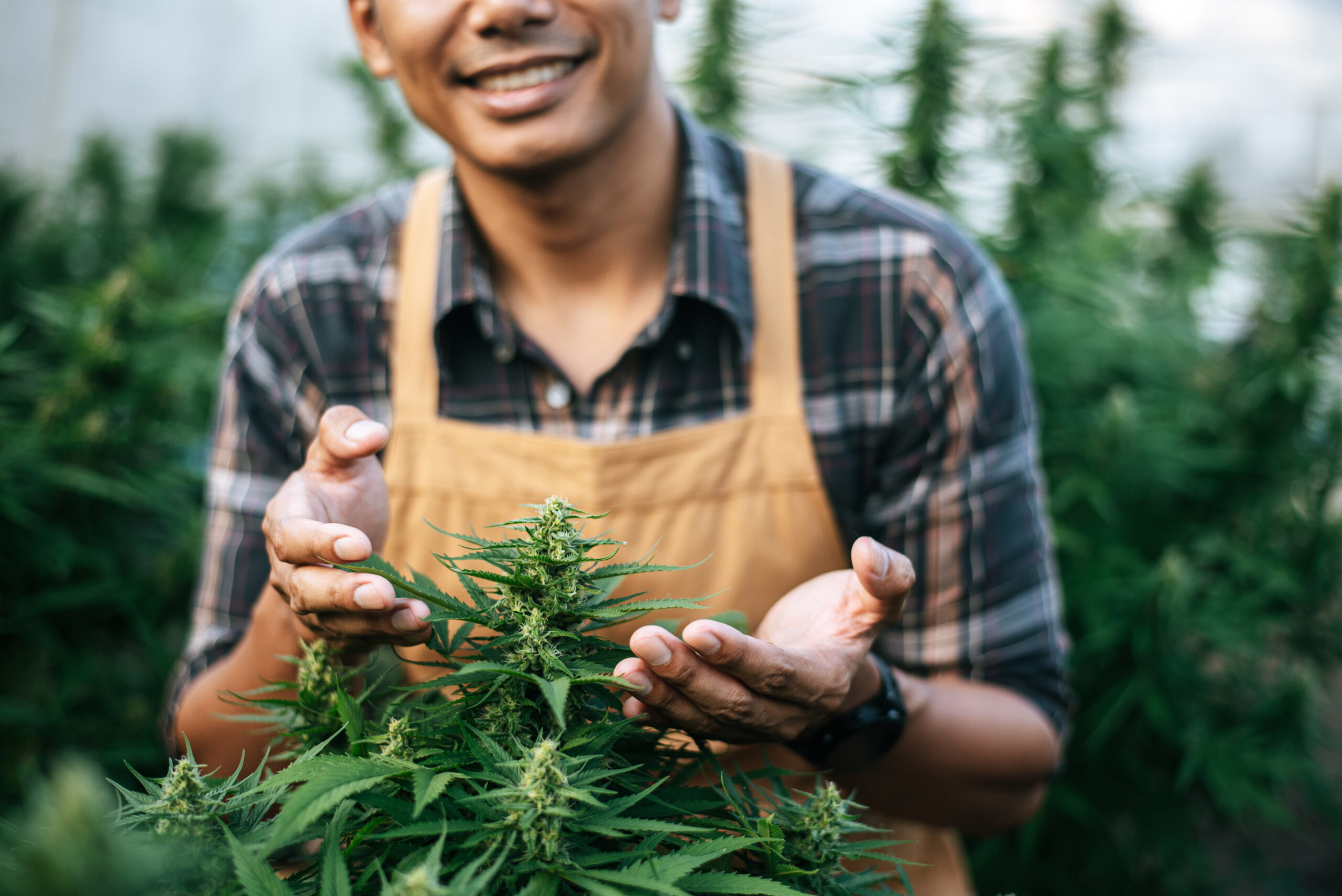


Starting your first cannabis grow setup can feel like a lot at first. There are many parts to think about, and beginners often see long supply lists, new terms, and mixed advice online. That is why it helps to begin with a simple idea. A cannabis grow setup is the space, tools, and basic plan you use to grow healthy cannabis plants from the early stage to harvest. It includes where the plant grows, what kind of light it gets, how air moves around it, what it grows in, how often it gets water, and how you support it as it grows. When these parts work well together, the plant has a better chance to stay healthy and grow strong.
This guide is made for first time growers who want to build a simple indoor setup. Indoor growing gives beginners more control than outdoor growing. You can manage the light, the temperature, the humidity, and the airflow more easily. You do not have to depend on the weather, and you can build a setup that fits your space and budget. For many new growers, indoor growing is easier to learn because it helps cut down on surprises. You can start small, pay attention to the plant each day, and build more confidence as you go.
A simple indoor setup does not have to be fancy. In fact, many beginners do better when they keep things basic. A small grow tent or another clean grow space, a good light, a fan, a timer, containers, and a growing medium are often enough to get started. Some growers also use tools to check temperature and humidity so they can keep the space stable. The goal is not to buy every product on the market. The goal is to create a setup you understand and can manage well. A smaller and simpler setup is often easier to watch closely, and that helps you spot problems before they get worse.
This article will walk readers through the main parts of a beginner cannabis grow setup from the early planning stage to harvest preparation. It will explain what equipment you need, how much space to use, what types of seeds are common for beginners, and what growing medium may be easiest to start with. It will also cover one of the most important parts of indoor growing, which is lighting. Cannabis plants need the right kind of light and the right light schedule to grow well. Without that, even a healthy plant can struggle. Along with lighting, this guide will explain airflow, fans, and odor control, since fresh air and air movement matter more than many beginners expect.
Watering and nutrients will also be covered because these are two of the most common areas where new growers run into trouble. Many beginners give their plants too much water or too much plant food because they want fast results. In most cases, this causes stress instead of helping the plant. Learning when to water, how much to water, and when to feed nutrients can make a big difference. The guide will also explain why pH matters, since water that is too far out of range can stop the plant from taking in what it needs.
Another part of the process is learning how the growing environment affects the plant each day. Temperature and humidity may sound like small details, but they have a strong effect on growth. A room that is too hot, too cold, too dry, or too damp can slow the plant down and raise the chance of stress, pests, or mold. Beginners do not need to chase perfect numbers all the time, but they do need to understand the basic ranges that help cannabis plants grow well in each stage.
This guide will also help readers understand what to expect as the plant grows. New growers often want to know how long the process takes, how big the plants may get, and whether training methods are needed. These are normal questions. A first grow usually goes better when the grower knows what stage comes next and what changes are normal. It also helps to understand that each plant does not grow at the exact same speed. Some types stay short and finish faster, while others need more time and more space.
Harvest is another area that can confuse beginners. Many first time growers are not sure when cannabis is ready to cut, dry, and cure. This guide will explain the basic signs of harvest readiness in simple terms so the final stage feels less confusing. Drying and curing also matter because they affect the final result after the plant is cut down.
Beginner growers usually have many of the same questions. What do I really need to get started. How much space should I use. What kind of light should I buy. How often should I water. Do I need nutrients right away. How long will the grow take. These are the kinds of questions this article is built to answer. The goal is to make the full process easier to understand, not harder.
The good news is that your first setup does not need to be perfect. It needs to be practical, clear, and easy to manage. A strong first grow usually comes from doing the basics well. Good light, steady airflow, a clean setup, careful watering, and patience can take you much further than expensive gear alone. When you understand the purpose of each part of your setup, you can make better choices and feel more confident at every stage. This guide is here to help you do that, one step at a time.
What Does a Beginner Cannabis Grow Setup Actually Need?
A beginner cannabis grow setup does not need to be big, expensive, or hard to manage. For a first grow, the goal is to build a simple space where your plants can get the light, air, water, and support they need. Many new growers think they need a long shopping list and advanced tools right away. That is not true. A basic setup can do very well when each part works together.
At the most basic level, your grow setup needs a place to grow, a light source, containers, a growing medium, airflow, water, and a few tools to help you watch the environment. These are the items that help you create stable conditions from the start. When conditions stay steady, plants usually grow better and beginner mistakes are easier to spot and fix.
The Grow Space
The first thing you need is a place to grow. This can be a grow tent, a small closet, or another indoor area that you can control. The space should be easy to keep clean and easy to check every day. It should also have access to power for lights and fans.
Many beginners choose a grow tent because it makes things easier. A tent helps hold in light, helps control the environment, and gives you a clear area just for your plants. It also makes it easier to manage smell, airflow, and temperature. A small tent is often a smart choice for a first grow because it gives you enough room without being too hard to handle.
A dedicated grow space matters because cannabis plants need steady conditions. When plants sit in a space with changing light, poor airflow, or too much heat, they can become stressed. A simple, controlled area gives you a better chance of success.
Grow Lights
Light is one of the most important parts of the whole setup. Cannabis needs strong light to grow well indoors. Without enough light, plants may stretch, stay weak, and produce poor results. For beginners, a good grow light is one of the best things to spend money on.
LED grow lights are often the easiest choice for first time growers. They are simple to use, use less power than older light types, and usually produce less heat. That can make temperature control easier, especially in a small tent or room. The light should match the size of your grow space. A light that is too weak will not cover the full area. A light that is too strong for the space can create heat problems or stress the plants.
You also need a timer for the light. A timer helps keep a steady light schedule every day. This is important because cannabis plants respond to regular light and dark periods. Doing this by hand can lead to mistakes, so a timer makes the setup more reliable.
Containers and Growing Medium
Your plants need containers to hold the roots and the growing medium. Many beginners use simple fabric pots or plastic pots. What matters most is that the container has good drainage. Roots do not do well when water sits too long in the pot.
The growing medium is what the roots grow in. For a first grow, many beginners find that soil or a simple soil based mix is easiest to manage. Soil can hold moisture well and gives new growers a little more room for error. Some growers use coco coir or hydro systems, but those setups often need closer attention. For a beginner, simple is usually better.
The medium affects how often you water, how you feed nutrients, and how healthy the roots stay. A good medium should drain well while still holding enough moisture for the plant. If the medium stays too wet, roots can struggle. If it dries too fast, the plant may become stressed.
Airflow and Ventilation
A beginner grow setup also needs airflow. Plants need fresh air to grow well, and moving air helps reduce heat and moisture problems. Good airflow can also help lower the risk of mold and pests.
There are two main parts to this. First, you need air moving inside the grow space. A small fan can help with that. Second, you need a way to remove warm, stale air and bring in fresh air. In many setups, this is done with an inline fan. In small spaces, proper airflow can make a big difference.
Ventilation helps control heat from the light and keeps humidity from getting too high. This is very important during later growth when plants get bigger. A setup with poor airflow may look fine at first, but problems can build over time.
Water and Basic Plant Care
Water is another basic need, but it is not only about giving the plant a drink. You also need to think about how often to water and whether the water is right for your medium and plant stage. Many beginners make mistakes by watering too often. A good setup supports good watering habits. This means using pots with drainage, trays to catch runoff, and a medium that does not stay soaked.
Some growers also check pH, which helps them understand whether the plant can take in nutrients well. This can be useful, especially if plant growth starts to look off. While not every beginner starts with advanced testing tools, having a basic pH tool can still be helpful in many setups.
Simple Monitoring Tools
A beginner setup should also include a few simple tools for checking the environment. A thermometer helps you watch the temperature. A hygrometer helps you check humidity. These tools are small, but they matter a lot. Plants often show stress when the room is too hot, too cold, too dry, or too damp.
You may also want a timer for your lights and a way to keep cords and tools organized. These things may seem small, but they help you keep the setup safe and easy to manage. When your space is neat, daily plant care becomes simpler.
Must Have Items and Nice to Have Upgrades
Some parts of the setup are must have items. These include the grow space, grow light, containers, growing medium, airflow, water access, and basic monitoring tools. Without these, it is hard to create a stable environment for healthy growth.
Other items are helpful but not always needed for a first grow. These may include a carbon filter for smell control, advanced meters, automatic watering tools, or extra climate control devices. These upgrades can improve the setup, but they are not always required on day one.
For beginners, it is better to get the core items right before adding extras. A simple setup that works well is better than a large setup full of tools you do not yet know how to use.
A beginner cannabis grow setup needs a controlled grow space, a good light, containers, a reliable growing medium, airflow, water, and a few simple tools to track conditions. These parts work together to give your plants a stable place to grow. You do not need the most expensive gear or a long list of upgrades to get started. For a first grow, the best setup is one that is simple, easy to manage, and built around the basics.
How Much Space Do You Need for a First Grow?
Space is one of the first things new growers think about, and for good reason. Your grow space affects almost every part of the setup. It shapes how many plants you can handle, what kind of light you need, how easy it is to control temperature, and how simple it is to care for your plants each day.
A lot of beginners think they need a large room to grow cannabis at home. That is not true. A first grow does not need a huge area. In fact, a smaller setup is often better because it is easier to manage. It costs less to build, uses less power, and makes it easier to learn the basics without feeling overwhelmed.
The goal for a first grow is not to fill every inch of space you have. The goal is to create a setup that gives your plants enough room to grow while still being easy for you to monitor and maintain.
Why Space Planning Matters
Before you buy seeds, pots, or lights, you need to know where your plants will live. A grow space is not just a place to set down a few containers. It needs to support healthy plant growth from start to finish.
Cannabis plants need room above and around them. They need enough distance from the light so they do not burn. They need airflow around the leaves so heat and moisture do not build up. They also need enough space for you to reach in, water them, check the soil, adjust the light, and inspect the plants for problems.
When a grow space is too tight, several issues can show up. Leaves may crowd together and block light from lower parts of the plant. Air may not move well, which can raise the risk of mold and stress. You may also find it hard to water or prune the plants without bumping into them or damaging stems.
A well planned space helps you avoid these problems early. It gives each plant enough room to grow and gives you enough room to work.
How Much Space One to Four Plants Usually Need
For most beginners, one to four plants is a good starting range. This gives you enough experience to learn how cannabis grows without creating too much work.
One plant can do well in a very small setup. This is often the easiest choice for a first grow. A single plant lets you focus on learning the basics such as watering, lighting, and climate control. It also gives you more room to fix mistakes because the space is less crowded.
Two plants are still very manageable for a beginner. This setup can help you compare how plants grow and can give you a little more harvest without making the grow much harder.
Three to four plants need more planning. You will need more floor space, more headroom, and stronger airflow. The space can still be beginner friendly, but only if it is organized well.
Plant count is only one part of the picture. Some plants stay compact, while others stretch and become tall or bushy. Pot size also matters because larger pots take up more floor space and often support larger plants. Even if you only grow two plants, they can still outgrow a small area if the setup is too tight.
Comparing a Small Closet Grow, a Compact Tent, and a Spare Room Setup
A small closet grow can work for a beginner, but it has limits. Closets are often narrow, and they may not have good airflow. Heat can build up fast, especially if the light is strong. It can also be hard to reach the back of the space once the plants grow larger. A closet setup may work best for one or two small plants, especially if you are using a low heat light and have a way to move air in and out.
A compact grow tent is one of the easiest options for a first grow. Tents come in common sizes and are made to support indoor growing. They help contain light, make climate control easier, and give you a clear growing area. For beginners, a compact tent often feels more organized than using a closet or open room. It is also easier to set up a fan, light, and filter in a tent because the frame is made for this purpose.
A spare room setup gives you the most freedom, but it can also be harder to control. A bigger room may sound better at first, but it often takes more work to manage light, temperature, and humidity. You may end up needing more equipment to control the environment. A spare room can work well if you want to expand later, but many first time growers still use a tent inside the room so they can keep conditions stable.
For most beginners, a compact tent gives the best balance of control, simplicity, and space.
How Plant Count, Pot Size, and Light Footprint Affect Space Planning
It is easy to think only about the number of plants, but that does not tell the full story. You also need to think about pot size and light coverage.
Pot size affects how large a plant can become. A small pot can help keep a plant smaller, while a larger pot often supports more root growth and a larger plant. Bigger pots also take up more floor space, which means fewer plants can fit comfortably in the area.
The light footprint is also important. Every grow light covers a certain area well. If the light is too small for the space, some plants may not get enough light. If the light is too strong for a very small space, it can create heat and stress. This is why the size of the grow space and the size of the light need to match.
Height matters too. Plants do not just grow outward. They also grow upward. You need room for the pot, the plant, the hanging light, and the safe gap between the top of the plant and the light. Many beginners forget this part and focus only on floor space. A plant may fit on the ground but still become too tall for the setup.
When planning your space, think in three directions. You need floor space, side space, and vertical space.
Why Beginners Often Do Better With a Small, Manageable Setup
A smaller grow is usually easier to control. That is one of the biggest reasons it works well for beginners.
In a small setup, it is easier to keep the temperature steady. It is easier to notice when the soil dries out. It is easier to inspect leaves for early signs of stress. You are less likely to miss a problem because everything is within reach and easy to see.
A smaller setup also helps you spend less money at the start. You do not need as many pots, as much soil, or as large a light. Your fan and other tools can also be simpler. This can make the whole project feel more realistic and less stressful.
New growers often want to grow as many plants as possible right away. That may sound efficient, but it often leads to problems. More plants mean more watering, more trimming, more climate control, and more chances for mistakes. When several plants are crowded together, it can also become hard to tell which one has a problem first.
Starting small gives you room to learn. You can build confidence, understand the plant’s growth pattern, and improve your setup over time. After one successful grow, it is much easier to decide whether you want to expand.
Your first cannabis grow does not need a lot of space, but it does need smart planning. One to two plants are often the easiest starting point because they give you enough experience without making the setup too hard to manage. A small closet can work, a spare room gives more flexibility, but a compact grow tent is often the best choice for beginners because it is simple and easier to control.
When planning your grow, do not think only about plant count. Think about pot size, light coverage, airflow, and plant height too. A well planned small setup can be much more successful than a large setup that is hard to control. For most first time growers, a simple and manageable space gives the best chance of a smooth first grow.
Which Seeds Should Beginners Choose?
Picking the right seeds is one of the first big choices in a beginner grow. It can also affect how easy or hard the whole process feels. Many first time growers focus on lights, tents, or nutrients right away, but seed choice matters just as much. The type of seed you buy can shape how much work the grow takes, how much space you need, how long the plants take to finish, and how predictable the results are.
For beginners, the goal is usually simple. You want plants that are easy to manage, easy to understand, and less likely to waste your time, money, and effort. That is why it helps to know the difference between regular seeds, feminized seeds, and autoflower seeds before you start.
What Are Regular Seeds?
Regular seeds are the most natural type of cannabis seed. Each seed has a chance of becoming either a male plant or a female plant. In most cases, the split is close to half and half. That means if you plant four regular seeds, there is a real chance that two could become male plants and two could become female plants. The exact result can vary, but the main point stays the same. You do not know the sex of the plant when you begin.
This matters because most home growers want female plants. Female plants produce the buds that growers are usually aiming for. Male plants do not grow those same bud sites in the same way. They produce pollen. If male plants stay in the grow space too long, they can pollinate the female plants. Once that happens, the female plants focus more on making seeds and less on growing large, high quality buds.
Regular seeds can be useful for breeders and experienced growers who want a more traditional growing process. They are also used by people who want to create their own crosses or keep strong genetics for future projects. But for a first grow, regular seeds often add extra work. You need to watch the plants closely, identify their sex at the right time, and remove the males before they cause problems.
That does not mean regular seeds are bad. It just means they are usually not the easiest path for someone learning the basics.
What Are Feminized Seeds?
Feminized seeds are bred to grow into female plants almost every time. For beginners, this can make a big difference. When you buy feminized seeds, you remove much of the guesswork that comes with regular seeds. You do not have to plan for male plants taking up space, and you are less likely to lose time caring for a plant that you later need to remove.
This is one reason feminized seeds are often a strong choice for first time growers. They help make the grow more efficient. If you only have room for two or three plants, feminized seeds give you a better chance that all of those plants will be useful for your final harvest. That can be a big help in a small tent or a tight indoor setup where every pot and every inch of light matters.
Feminized seeds also make it easier to plan your grow. You can spend more time learning how to water, feed, train, and care for the plants instead of spending that same energy trying to spot early sex signs. For many beginners, that simpler process leads to a smoother first run.
Still, feminized seeds do not remove every challenge. You still need to give the plants proper light, airflow, water, and care. But they do reduce one major risk that can frustrate new growers.
What Are Autoflower Seeds?
Autoflower seeds grow differently from standard photoperiod seeds. These plants begin flowering based on age, not based on changes in the light schedule. That means you do not need to switch the lights to a 12 hours on and 12 hours off cycle to start the flowering stage. The plant moves into flowering on its own after a short period of growth.
This can sound very appealing to beginners, and in some ways it is. Autoflowers are often smaller, faster, and easier to fit into tight spaces. They can be a good option for growers who want a quicker harvest or who do not want to manage major light schedule changes. In many cases, they go from seed to harvest faster than photoperiod plants.
Autoflowers can also be useful for growers who want a simple setup. Since the plants flower on their own, the lighting routine can feel more straightforward. Many growers keep autoflowers on a long daily light cycle from start to finish.
But autoflowers also come with limits. Because they have a shorter life cycle, they have less time to recover from mistakes. A beginner who overwaters, stresses, or damages an autoflower early may not have much time to fix the problem before the plant moves into flowering. With photoperiod plants, growers often have more control over timing. They can keep the plant in the vegetative stage longer and give it time to recover before flowering begins.
That is why autoflowers are simple in some ways, but not always forgiving in every way.
What Are Photoperiod Seeds?
Photoperiod seeds include both regular and feminized versions, but the term mainly refers to the way the plant flowers. These plants stay in the vegetative stage as long as they receive long days of light. Indoors, growers usually switch them into flowering by changing the light schedule.
For beginners, photoperiod plants can offer more control. You can let the plant grow larger before flowering. You can also fix problems before making the switch. If a plant is growing slowly or had a rough start, you can wait until it looks healthy and strong before you trigger flowering.
This extra control is one reason many first time growers choose feminized photoperiod seeds. They combine the benefit of mostly female plants with the benefit of a grow timeline that you can control. That can make learning easier, especially in a first indoor grow where you are still figuring out the basics.
The tradeoff is that photoperiod plants often take longer from seed to harvest than autoflowers. You also need to be more careful with light leaks during flowering. Even small interruptions in the dark period can stress the plant.
Which Option Is Best for Most Beginners?
For many beginners, feminized photoperiod seeds are often the easiest place to start. They give you a better chance of growing female plants, and they give you more control over the plant’s growth stages. That means you can learn at a steadier pace and fix problems before flowering begins.
Autoflower seeds can also work well for beginners, especially if you want a smaller plant and a faster timeline. They are a good fit for growers who want a simple setup and do not want to manage a light change to start flowering. Still, they usually reward careful handling from the start.
Regular seeds are usually better left for growers who already understand how to spot plant sex and manage males. They can still produce great plants, but they ask for more attention and more experience.
Pros and Limits of Each Seed Type
Regular seeds offer a natural growing path and can be useful for breeding, but they come with uncertainty because some plants will be male. Feminized seeds remove much of that uncertainty and make better use of small spaces, though they still need proper care like any other plant. Autoflower seeds offer speed and simplicity in terms of flowering, but they give beginners less time to recover from early mistakes.
That is why there is no single seed type that is perfect for every grower. The best choice depends on your space, your schedule, your patience, and how much control you want over the process.
Seed choice can shape your whole first grow. Regular seeds can produce male or female plants, which makes them less simple for beginners. Feminized seeds are often the easiest choice because they are made to grow female plants and make planning easier. Autoflower seeds are fast and compact, but they can be less forgiving when mistakes happen early. For many first time growers, feminized photoperiod seeds are the most beginner friendly option because they offer both predictability and control.
What Is the Best Growing Medium for a First Time Grower?
One of the first choices a new grower has to make is the growing medium. The growing medium is the material that holds the roots in place and gives the plant access to water, air, and nutrients. This choice matters because it affects how often you water, how you feed the plant, how fast it grows, and how easy the setup feels day to day.
Many beginners focus on lights and seeds first, but the growing medium shapes a large part of the grow. A medium that is too advanced can make the process harder than it needs to be. A medium that is simple and forgiving can help new growers avoid common mistakes and build confidence.
For most first time growers, the easiest path is a good soil based mix. Still, it helps to understand the main options before choosing one.
What a growing medium does
A growing medium is not just something to hold the plant upright. It does several jobs at once. It supports the roots, holds moisture, allows air to reach the root zone, and helps nutrients move through the container. Healthy roots need both water and oxygen. When the medium holds too much water for too long, roots can struggle. When it dries too fast, the plant can wilt and slow down.
The medium also affects how much control the grower has. Some mediums come with nutrients already in them. Others need regular feeding from the start. Some dry slowly, while others dry fast and need more attention. That is why a beginner should pick a medium that matches their skill level and schedule.
Soil for beginners
Soil is often the best starting point for a first cannabis grow. It is the most familiar option for many people, and it is also one of the most forgiving. Good soil can hold water well, give roots room to spread, and provide some nutrients early in the plant’s life.
A quality soil based mix gives beginners more room for error. If you water a little too much once, the plant may still recover. If you feed a little late, the plant may still do fine. This does not mean soil solves every problem, but it gives the grower a softer landing while learning.
Soil also works well for growers who want a simple setup. You fill the pots, plant the seeds or seedlings, water when needed, and only start feeding more when the plant shows it is ready. This makes the learning process easier to follow.
Not all soil is a good choice, though. Heavy garden soil from outside is usually not right for indoor cannabis. It may pack too tightly, drain poorly, or carry pests. A light potting mix made for container growing is usually a better fit. Many growers look for a mix that feels loose, drains well, and includes materials that improve airflow around the roots.
Coco coir and how it compares to soil
Coco coir is made from coconut husk fibers. It looks a bit like soil, but it works differently. Many growers like coco because it holds water well while still allowing a lot of air to reach the roots. Plants can grow quickly in coco, and many growers feel it gives them more control.
That said, coco usually asks more from the grower. It does not work like regular soil. In many cases, plants in coco need more frequent watering and a more regular nutrient plan. The grower also has to watch pH and feeding more closely. This can feel like a big jump for someone who is just starting.
Coco can be a strong option for beginners who want to learn a more hands on style right away. Still, for many first time growers, it adds more moving parts than needed. A new grower who wants the easiest learning curve will usually have a simpler time with soil.
Hydroponics and why it can be harder at first
Hydroponics means growing plants without traditional soil. The roots get water, oxygen, and nutrients through a water based system instead. These setups can produce fast growth and strong results, but they are often less forgiving than soil.
In hydro, small mistakes can affect the plant quickly. A problem with pH, nutrient strength, water temperature, or oxygen levels can lead to stress in a short time. Pumps, reservoirs, and other equipment also add more things to monitor. For a new grower, that can feel overwhelming.
Hydroponics is not a bad method. It just may not be the best place to start for someone building a first setup. Many growers choose to learn the basics in soil first, then move to coco or hydro later once they feel more comfortable reading the plant and managing the environment.
Why soil based mixes are often the easiest choice
A soil based mix gives beginners a good balance between support and simplicity. It holds enough moisture to reduce constant watering, but a good mix still drains well enough to protect root health. It also makes feeding easier because many mixes already contain some nutrients for early growth.
This matters because beginners often make mistakes with watering and nutrients. A forgiving medium can help reduce the impact of those mistakes. Soil based mixes also fit well with simple hand watering, which means you do not need advanced systems to get started.
For someone building a first grow setup, ease matters. A medium that supports steady growth without demanding too much attention every day is often the best fit. That is one big reason soil remains such a common beginner choice.
Drainage and why roots need air
Healthy roots need more than water. They also need oxygen. A good growing medium should let extra water drain out while leaving enough moisture behind for the plant to use. When the medium stays wet for too long, roots can weaken. This can slow growth and raise the risk of root problems.
Drainage is one of the most important parts of choosing a medium. A medium that feels too dense or heavy can trap water. A lighter mix with better structure gives roots more access to both water and air. This balance helps the plant grow stronger and makes daily care easier to manage.
The container also plays a role here. Pots need drainage holes so extra water can escape. Even the best medium can cause trouble if water has nowhere to go.
Common beginner mistakes linked to the wrong medium
Many first time growers run into trouble because they pick a medium that does not match their skill level. One common mistake is choosing a very rich or heavy soil that holds too much water. This can lead to slow growth, drooping leaves, and root stress.
Another mistake is jumping into coco or hydro without understanding how often plants need feeding and how closely pH must be managed. The plants may grow fast when everything goes well, but problems can appear fast too.
Some beginners also assume all potting mixes are the same. In reality, one mix may drain well while another stays soggy. One may already contain nutrients, while another may need feeding almost right away. Reading the label and understanding the medium can prevent a lot of confusion later.
How the medium affects watering and feeding
The growing medium changes how often you water and how you give nutrients. Soil usually stays moist longer, so it does not need watering as often as coco. It may also contain nutrients that feed the plant at the start, which means the grower can wait before adding more.
Coco often dries faster and usually needs a more regular nutrient routine. Hydro requires the most direct control because the plant depends on the water system for nearly everything.
This is why the medium is such a basic part of the setup. It shapes the daily routine. A beginner who wants fewer adjustments and a slower learning pace will often do best with soil. A grower who wants more control and is ready to learn faster may later decide to try coco or hydro.
For most first time cannabis growers, soil or a simple soil based mix is the best place to start. It is easy to use, more forgiving, and well suited to a simple indoor setup. Coco coir can work well, but it usually needs closer attention to watering and nutrients. Hydroponics can produce fast growth, but it often asks for more skill and more monitoring than most beginners want in a first grow.
What Are the Best Grow Lights for Beginners?
Grow lights are one of the most important parts of a beginner cannabis setup. Light is what helps the plant grow, build leaves, and later produce flowers. Even if you have good seeds, decent soil, and the right nutrients, your plants will still struggle if the light is too weak, too strong, or placed the wrong way.
Many new growers get stuck on this part because there are so many light types, sizes, and claims online. The good news is that beginners do not need the most expensive light on the market. They need a light that matches their grow space, gives enough power for healthy growth, and does not create too much heat or confusion.
Why grow lights matter so much
Cannabis plants need strong light to grow well indoors. In nature, the sun gives them the energy they need. Inside a tent or room, your grow light takes the place of the sun. That means the quality of your light affects almost every part of the grow.
A good light helps seedlings stay compact instead of stretching too much. It helps vegetative plants grow strong stems and healthy leaves. It also helps flowering plants build fuller buds. Poor lighting can lead to weak growth, small yields, airy flowers, and plants that look unhealthy even when the rest of the setup seems fine.
This is why lighting is often the first thing beginners should take seriously. It does not mean you need to overspend. It means you need to choose the right type of light for your space and your goals.
The main types of grow lights for beginners
There are three light types that beginners usually see first. These are LED, fluorescent, and HID lights. Each one works, but they are not equal in ease, cost, or heat.
LED grow lights are the most beginner friendly choice for most people today. They are popular because they are energy efficient, produce less heat than many older lights, and are simple to use. Many modern LED grow lights are made for full cycle growing, which means they can be used during both the vegetative stage and flowering stage. This makes setup easier because you do not have to switch systems later. A good LED light can give strong results in a small grow tent without making the space too hot.
Fluorescent lights are another option, especially for seedlings and clones. These include T5 lights and compact fluorescent bulbs. They are usually cheaper upfront and create less heat than HID lights. They can work well for very young plants, but they are often too weak for full cannabis growth if you want strong flowering results. Some beginners start with fluorescent lights because they are easy to find, but many later upgrade because the plants need more power.
HID lights include metal halide and high pressure sodium systems. These used to be very common for indoor growing. They can grow cannabis well, but they produce a lot of heat and use more electricity. They also often need more gear, such as a ballast and stronger ventilation. For a beginner, HID systems can feel harder to manage, especially in a small tent or warm room. They are not useless, but they are usually not the easiest first choice anymore.
Why LED lights are often best for beginners
For most first time growers, LED lights are the best place to start. They give a strong balance of power, ease, and control. A good LED fixture can cover a small grow tent, support healthy plant growth, and stay cooler than older light systems.
This matters because heat is one of the biggest problems in beginner setups. A light that runs too hot can raise the temperature in the tent, dry out the plants faster, and force you to spend more on fans or cooling. LED lights help reduce that problem. They also use less power, which can make them cheaper to run over time.
Another reason LEDs work well for beginners is simplicity. Many newer models are full spectrum, which means they already give the plant the type of light it needs from start to finish. You do not need to swap bulbs for different stages in many cases. That makes the setup easier to understand and easier to manage.
Still, not every LED is a good one. Some cheap lights look powerful in ads but do not perform well. That is why beginners should focus less on flashy marketing and more on whether the light matches the size of their grow area.
Matching the light to your grow space
One of the biggest mistakes new growers make is buying a light that does not fit their tent or room. Some buy a light that is too weak, hoping it will still do the job. Others buy one that is too large and too intense for a tiny space. Both can cause problems.
A small grow tent needs a light that covers the full canopy without leaving dark corners or creating hot spots. If you are growing in a compact tent with one to two plants, you usually want a light made for small area coverage. A larger tent with more plants will need a stronger light or more than one fixture.
The light footprint matters because cannabis plants need even light across the top of the canopy. If only the middle gets strong light, the outer parts of the plants may stay underdeveloped. If the light is too concentrated in one area, some leaves may bleach or curl while other parts of the plant stay too dark.
Before buying a light, beginners should check the recommended coverage area and compare it to the actual size of their grow space. This is much more useful than guessing based on watt claims alone.
Heat output and power use
Heat and power use are two practical things every beginner should think about. A grow light is not just about brightness. It also changes the environment inside the tent.
Lights with high heat output can push the space beyond the safe temperature range for cannabis. This can stress plants, slow growth, and make watering harder because the pots dry out faster. Excess heat can also raise the humidity problem during flowering if airflow is poor.
Power use matters because the light will run for many hours each day. A less efficient system can raise electric costs and create more heat at the same time. This is another reason many beginners prefer LEDs. They often give better efficiency than older systems, which means more usable light with less wasted energy.
That said, even LED lights still create heat. Beginners should not assume a cooler light means no ventilation is needed. Good airflow still matters, especially in a closed grow tent.
What happens when the light is too weak
Weak lighting is a common beginner problem. When cannabis plants do not get enough light, they often stretch upward too much. The stems may become thin and weak as the plant tries to get closer to the light source. Leaves may look smaller than expected, and overall growth may feel slow.
During flowering, weak light often leads to small buds that do not fill out well. The plant may stay alive, but the results will be disappointing. This can confuse beginners because they may think the problem is nutrients or watering when the real issue is simply that the plant is not getting enough energy.
Weak lighting also affects plant structure. Instead of growing full and sturdy, the plant may look tall, loose, and unbalanced. That makes training and space control harder later on.
What happens when the light is too strong
Too much light can also cause trouble. Some beginners think more power always means better growth, but that is not true if the light is too intense for the space or too close to the plant.
When cannabis gets too much light, the leaves may curl, bleach, or look faded at the top. The plant can become stressed and stop growing the way it should. In some cases, the top part of the plant shows damage while the lower part looks normal. This often means the light is too close or too intense.
Strong lights also create more heat near the canopy. Even if the room itself feels fine, the top leaves may be getting more stress than the grower realizes. This is why proper hanging height matters. A beginner should always follow the general distance guidance for the light and watch how the plants respond.
Making the right first choice
For a first grow, the best light is usually a quality LED that fits the size of your tent, runs at a manageable temperature, and is easy to use from seedling to harvest. It does not need to be the biggest or most advanced model. It needs to be reliable and suited to the space.
Beginners often do better with a simple setup they can understand. A light that is too weak will hold the grow back. A light that is too strong or too hot can create new problems. The goal is balance. You want enough light for healthy growth without turning the grow space into a hard to control environment.
Grow lights are the engine of an indoor cannabis grow. They affect plant health, size, structure, and final results. For most beginners, LED grow lights are the easiest and most practical option because they are efficient, simpler to manage, and usually cooler than HID systems. Fluorescent lights can help with seedlings, but they are often too weak for full growth, while HID lights can work well but are usually harder to manage because of heat and power use.
Do You Need a Grow Tent, Fan, and Carbon Filter?
A beginner cannabis grow setup does not need to be fancy, but it does need good control. That is why many first time growers ask if they really need a grow tent, a fan, and a carbon filter. The short answer is that these items are not always mandatory, but they are very helpful. They make it easier to manage light, airflow, temperature, and smell. They also help create a more stable space for healthy plant growth.
What a grow tent does
A grow tent gives your plants a separate space where you can control the environment. It is one of the easiest ways to turn part of a room into a grow area without making permanent changes to your home. A tent helps keep light where it belongs. It keeps outside light from reaching the plants during dark hours, which is very important for photoperiod plants in the flowering stage. Light leaks during this stage can confuse the plants and cause growth problems.
A tent also helps you manage temperature and humidity. Since the space is smaller and closed in, it is easier to adjust the air inside with fans and vents. This matters because cannabis plants grow best when the climate stays within a healthy range. A grow tent also makes it easier to hang lights, route cables, and place small tools like thermometers and timers.
Another benefit is cleanliness. A tent helps reduce dust and keeps the grow area more organized. This may not sound very important at first, but a tidy grow space can help you notice problems faster. You can see drooping leaves, dry soil, or poor airflow more easily when your setup is neat and controlled.
Do beginners need a grow tent
Beginners do not always need a grow tent, but many do better with one. A tent makes the whole setup easier to manage. Without a tent, you need to control the room itself. That means blocking outside light, dealing with room temperature, and managing odor in a larger space. That can be harder for a new grower.
Some people grow in a closet, cabinet, or spare room instead of a tent. That can work, but only if the space gives you enough control over light and airflow. An open room may seem simple, but it can make climate control much harder. Air spreads out more. Smell spreads more. Light from windows, lamps, or hallways can also become a problem.
For most beginners, a small grow tent is a practical choice. It gives structure to the setup and helps avoid many early mistakes. It is not the only option, but it is often the easiest one to work with.
Why airflow matters
Airflow is a basic part of a healthy grow setup. Plants need fresh air to grow well. Stale air can lead to heat buildup, weak growth, and excess moisture. Poor airflow can also raise the risk of mold, mildew, and pests.
In a grow tent or small space, the air needs to move in two ways. First, old air needs to leave the space and fresh air needs to enter. Second, the air inside the space should move around the plants. These two jobs are often handled by different fans.
Air exchange helps remove heat and humidity. This is especially important when lights are on, because grow lights can raise the temperature inside the tent. Even modern LED lights, which usually run cooler than older lights, still add heat. When warm, wet air stays trapped around the plants, problems can build up fast.
Air movement around the plants also matters. Leaves need gentle movement from a fan. This helps stop still air from forming around the plant. It can also help strengthen stems over time. The goal is not to blast the plants with strong wind. The goal is to keep the air moving softly and evenly.
What an inline fan does
An inline fan is the main fan that moves air in and out of the tent. It usually connects to ducting and pulls hot, stale air out of the grow space. Once that air leaves, fresh air can enter through intake vents or open flaps. This steady exchange helps control temperature and humidity.
For beginners, an inline fan is often one of the most useful parts of the setup. It supports both plant health and climate control. Without it, a tent can become too hot or too humid, especially in small spaces with strong lights.
The size of the fan should match the size of the tent. A fan that is too weak may not move enough air. A fan that is too strong can be harder to manage and may dry the plants too quickly. Many growers also use a speed controller so they can adjust airflow as needed.
What clip fans do
Clip fans are smaller fans that move air inside the tent. These fans do not replace an inline fan. They do a different job. They keep air moving around the leaves and stems and help prevent hot or damp spots from forming inside the tent.
A clip fan should create a light breeze, not strong direct wind. If the leaves shake too hard all day, the plant can become stressed. Good air movement should feel gentle and steady. In a small beginner tent, one or two clip fans are often enough.
When a carbon filter matters
A carbon filter is used to reduce smell. It connects to the inline fan and helps clean the air before it leaves the tent. Inside the filter is activated carbon, which traps odor particles as air passes through.
Not every beginner thinks about smell at the start, but it can become a big issue later. Cannabis plants usually smell much stronger during flowering than during the early stages of growth. A plant that seems mild at first can become very noticeable as the buds develop.
A carbon filter matters most if privacy is important or if the smell could bother other people in the home or nearby. In those cases, it is one of the most important items in the setup. If smell is not a concern, some growers skip it, but many still prefer to use one because it gives them peace of mind.
Do you need a tent, fan, and carbon filter in an open room
It is possible to grow in an open room, but it is usually harder for a beginner. In an open room, light control takes more effort, temperature can be less stable, and odor can spread farther. You may still need fans in the room, and you may still need a carbon filter if smell is a concern. The main difference is that you are now trying to manage a whole room instead of a smaller, easier space.
That is why many first time growers choose a tent even when they have a spare room available. The tent creates a more controlled zone inside that room. It is simpler to manage and easier to monitor.
A grow tent, fan, and carbon filter are not always required, but they make a beginner grow setup much easier to control. A grow tent helps manage light, climate, and organization. An inline fan removes hot, stale air and brings in fresh air. Clip fans keep air moving around the plants. A carbon filter helps control odor, especially during flowering. For most beginners, this combination creates a cleaner, more stable setup and makes it easier to grow healthy plants from start to finish.
What Temperature and Humidity Should Beginners Aim For?
Temperature and humidity can make a big difference in how well your cannabis plants grow. Many beginners focus first on lights, pots, and nutrients. Those things matter, but the air inside your grow space matters too. When the space is too hot, too cold, too dry, or too damp, plants can struggle even when everything else looks fine.
The good news is that you do not need to create a perfect grow room on day one. You just need to keep the environment steady and close to the right range for each stage of growth. A stable setup is often better than one that swings up and down all day.
Why Temperature Matters
Temperature affects how your cannabis plants use water, light, and nutrients. When the temperature is in a good range, plants grow at a healthy pace. Leaves stay active, roots take in water well, and new growth develops more evenly.
When the grow space gets too hot, plants can become stressed. Leaves may curl, droop, or look dry at the edges. Growth can slow down. The plant may use too much water too fast, which can lead to more problems. High heat can also make it harder to control humidity.
When the space gets too cold, growth may also slow down. Seeds can take longer to sprout. Seedlings may look weak. Roots may not work as well in cold conditions, which can affect how the plant takes in nutrients and water.
For most beginner grows, warm but not hot conditions work best. A steady environment usually gives better results than a setup that is perfect for a few hours and poor for the rest of the day.
Why Humidity Matters
Humidity is the amount of moisture in the air. Cannabis plants use water through both their roots and their leaves. Because of that, humidity affects how plants grow and how hard they need to work to stay healthy.
Young plants usually like more humidity than older plants. Seedlings have small root systems, so they benefit from air that is not too dry. As plants get bigger, they can handle lower humidity better. During flowering, lower humidity becomes more important because it helps lower the risk of mold and bud rot.
When humidity is too high, the grow space can stay damp for too long. This can create a better environment for mold, mildew, and pests. When humidity is too low, plants may dry out too fast and show signs of stress, especially when they are still young.
A good rule for beginners is simple. Higher humidity works better early in growth, and lower humidity works better later.
Best Temperature and Humidity for Seedlings
Seedlings are small and delicate, so they need gentle conditions. They usually do best in a warm room with moderate to fairly high humidity. This helps them settle in and start growing without too much stress.
A common target for seedlings is about 70 to 78 degrees Fahrenheit. For humidity, many growers aim for about 60 to 70 percent. This range helps young plants stay comfortable while their roots are still developing.
At this stage, avoid strong heat and dry air. A seedling in a hot tent with low humidity can wilt fast. At the same time, do not let the air become stale or overly wet. Light airflow is still important.
Best Temperature and Humidity for Vegetative Growth
During the vegetative stage, cannabis plants grow more leaves, stems, and branches. This is the stage where plants build size and strength before flowering starts.
Most plants in veg do well at about 70 to 82 degrees Fahrenheit. Humidity can usually sit around 50 to 60 percent. This gives the plant enough moisture in the air while still keeping the space comfortable and manageable.
Plants in this stage are stronger than seedlings, but they still do not like sudden changes. A grow room that jumps from cool mornings to very hot afternoons can slow growth and stress the plant. Keeping the room steady is one of the best things a beginner can do.
Best Temperature and Humidity for Flowering
Flowering is the stage when cannabis plants begin to form buds. This stage needs more care because high humidity can cause serious problems. Dense buds can trap moisture, and that can lead to mold.
A common temperature range for flowering is about 65 to 80 degrees Fahrenheit. Humidity is usually lowered to about 40 to 50 percent. Some growers lower it more near the end of flowering, but beginners do not need to chase exact numbers. The main goal is to keep the air from getting too damp.
Late in flower, high humidity can be risky. Bud rot can start deep inside a flower before you notice it on the outside. Good airflow and lower humidity help protect your harvest.
Why a Thermometer and Hygrometer Help
You do not need a room full of advanced tools to check your climate. A simple thermometer and hygrometer can help a lot. A thermometer shows temperature. A hygrometer shows humidity. Many small digital devices show both on one screen.
These tools help you stop guessing. A grow tent can feel warm, but the actual temperature may be much higher than you think, especially near the light. Humidity can also change during the day, after watering, or when the lights go off.
Place your meter near the plant canopy, not too close to the light and not down near the floor. That will give you a better idea of what your plants are actually dealing with.
Once you start checking the numbers each day, patterns become easier to see. You may notice that your tent gets too hot in the afternoon or too humid after watering. That makes it easier to fix small problems before they grow.
Common Problems Caused by Poor Climate Control
Poor climate control can lead to slow growth, weak plants, and avoidable stress. Heat stress is one of the most common issues in beginner grows. Leaves may curl upward, edges may look dry, and plants may seem tired even when the soil is wet.
Cold conditions can also cause trouble. Plants may grow slowly, leaves may darken, and roots may not take up water well. In some cases, beginners think they have a nutrient problem when the real issue is temperature.
High humidity can raise the risk of mold and mildew. This is a bigger problem in flowering, when buds become thicker and hold more moisture. Low humidity can cause leaves to dry out, especially in seedlings and early veg.
Another issue is constant change. Even when the numbers are not extreme, sharp swings can stress plants. A setup that stays close to the right range day after day is easier on the plant than one that keeps moving from one extreme to another.
Simple Ways to Keep Conditions Stable
Beginners do not need to overbuild their first grow setup. A few simple steps can help keep temperature and humidity under control. Good airflow from fans, proper exhaust, and a grow light that matches the size of the space can make a big difference.
Do not place a powerful light in a tiny tent without enough ventilation. That is one of the fastest ways to create heat problems. Also, pay attention to the room around the tent. If the room itself is very hot or damp, the tent will be harder to control.
Check your grow space at different times of day. Look at it when the lights have been on for a while and again when they are off. That will help you understand how the environment changes.
Temperature and humidity are two of the most important parts of a beginner cannabis grow setup. Seedlings usually like warmer air and higher humidity. Vegetative plants need steady warmth and moderate humidity. Flowering plants do best with lower humidity to help protect the buds.
How Often Should You Water Cannabis Plants?
Watering is one of the hardest parts for new growers to get right. Many beginners think cannabis plants need water on a fixed schedule, such as every day or every two days. In reality, plants do not follow a strict calendar. They need water when the growing medium starts to dry out to the right level. That is why two plants in the same room may not always need water at the same time.
The biggest beginner mistake is giving too much water too often. People often do this because they want to help the plant grow faster. But roots need both water and air. When the medium stays too wet for too long, the roots cannot get enough oxygen. This can slow growth and make the plant look weak. Good watering habits help roots grow strong, and strong roots support healthy leaves, stems, and buds.
Why overwatering happens so often
Overwatering does not always mean giving a huge amount of water at one time. It often means watering again before the plant is ready. A beginner may see a droopy plant and think it looks thirsty, so they add more water. Sometimes that makes the problem worse. A plant can droop from too much water as well as too little water.
This is why you should not water only by looking at the leaves. You need to check the medium too. If the top layer still feels damp and the pot still feels heavy, the plant likely does not need more water yet. Letting the medium dry a bit between waterings helps the roots breathe and spread through the pot.
What affects how often you need to water
There is no one answer that works for every grow. Watering frequency depends on several things. One is pot size. Small pots dry out faster than large pots because they hold less medium and less moisture. A seedling in a small container may need water sooner than a larger plant in a bigger pot.
The type of growing medium also matters. Soil usually holds water longer than coco coir. A light and airy soil mix may dry faster than a dense mix. If the medium has a lot of drainage material, such as perlite, water may move through it more quickly. That can be helpful for root health, but it also means you need to pay closer attention.
Plant age is another major factor. Seedlings need less water than large plants in the vegetative or flowering stage. A young plant has a small root system, so it cannot use large amounts of water yet. A mature plant with a full root zone drinks much more, especially under strong light.
Room conditions also change watering needs. Higher temperatures can make the medium dry faster. Stronger airflow can also increase drying. Low humidity can make plants use water more quickly, while high humidity may slow that down. The stronger the light, the more water the plant may use because light drives growth and transpiration.
How to tell when your plant needs water
The best way to learn watering is to observe the plant and the container together. One easy method is to lift the pot. A freshly watered pot feels much heavier than a dry one. Over time, you will learn the difference. This is one of the most useful habits for a beginner because it gives you a simple way to judge moisture without guessing.
You can also check the top layer of the medium with your finger. If the top inch feels dry, that may mean it is time to water, though this depends on pot size and medium type. In a larger container, the top can dry out while the lower part still holds a lot of moisture. That is why checking pot weight is often more reliable.
Watch the plant closely, but do not depend only on leaf shape. Slight drooping at the right time may mean the plant is getting dry. But drooping in wet soil can point to overwatering. The full picture matters. Look at the leaves, feel the medium, and lift the pot before making a decision.
Signs of overwatering
Overwatered cannabis plants often look heavy, limp, and tired. The leaves may droop downward and feel swollen rather than thin and dry. Growth may slow, and the plant may stop looking vibrant. In some cases, the leaves may turn yellow if the roots stay wet for too long.
The medium is another clue. If it stays wet for many days, or if the pot feels heavy long after watering, you may be giving too much water or watering too often. Poor drainage can also lead to this problem. Containers need holes at the bottom so extra water can escape.
Overwatering can also create a bad environment around the roots. Wet conditions can attract fungus gnats and raise the risk of root problems. A healthy watering routine helps prevent these issues before they start.
Signs of underwatering
Underwatered plants also droop, but they usually look lighter, thinner, and more dry than overwatered plants. The leaves may feel soft and lifeless. The medium will often pull away from the sides of the pot when it becomes very dry. The container will also feel much lighter than usual.
A very dry plant may recover quickly after proper watering, but repeated underwatering can stress the plant and slow its growth. It can also make nutrient uptake less stable. The goal is not to let the plant become bone dry every time. The goal is to water when the plant is ready, not too early and not too late.
A simple watering method for beginners
A simple rule for beginners is to water thoroughly, then wait until the plant actually needs water again. When you water, do it slowly and evenly so the whole root zone gets moisture. Avoid giving just a small splash on the surface. Shallow watering can lead to weak root growth near the top of the pot.
After watering, let the extra water drain out. Do not leave the container sitting in runoff for a long time. Then wait and monitor the pot. Check the weight each day. Feel the top of the medium. Learn the plant’s rhythm instead of following a fixed calendar.
This method helps you avoid the common mistake of watering out of habit. It also teaches you how your setup behaves. A plant in a warm tent under strong LED lights will not dry at the same speed as a plant in a cooler room with softer light.
Why pH matters when watering cannabis
Water is not just about moisture. Its pH also matters. pH affects how well the plant can take in nutrients from the medium. Even when nutrients are present, the plant may struggle to use them if the pH is too far out of range. This can lead to weak growth, yellow leaves, or deficiency signs that look confusing to beginners.
For a beginner, the main point is simple. Water that is far outside the proper pH range can cause problems even if your light, nutrients, and setup seem fine. This is why many growers test the pH of their water before feeding their plants. It helps keep nutrient uptake more stable and reduces avoidable stress.
This does not mean you need to make watering feel hard or technical. It just means pH is one more part of healthy plant care. Once you get used to checking it, it becomes part of the routine.
Watering cannabis plants is less about sticking to a schedule and more about learning when the plant is truly ready. Pot size, medium, plant age, temperature, humidity, airflow, and light all affect how fast a plant uses water. Overwatering is one of the most common beginner mistakes, and it often happens when people water again too soon. The best way to improve is to check the pot weight, feel the medium, and look at the plant as a whole. When you combine good watering habits with the right pH, your plants have a much better chance of growing strong from start to finish.
Do Beginner Plants Need Nutrients Right Away?
Many first time growers ask this question early. They want to know if cannabis plants need nutrients from day one or if plain water is enough at the start. The short answer is that beginner plants do not always need extra nutrients right away. It depends on what you are growing in, how old the plant is, and how strong the product is.
Cannabis needs nutrients to grow well, but that does not mean you should feed heavily from the start. In fact, too much feeding is one of the most common beginner mistakes. Young plants are often more sensitive than new growers expect. A small seedling does not need the same amount of food as a larger plant in active growth. That is why it helps to understand what nutrients do, when plants need them, and how to avoid giving too much too soon.
What nutrients do for cannabis plants
Nutrients are the plant’s food. They help the plant build roots, grow leaves, make stems stronger, and later support flower development. Without enough nutrients, cannabis plants may grow slowly or show signs of stress. With too many nutrients, they can also suffer. Good feeding is about balance.
The main nutrients cannabis needs are nitrogen, phosphorus, and potassium. These are often called NPK on nutrient labels. Nitrogen supports leafy green growth. Phosphorus helps with root growth and flower development. Potassium supports overall plant health and helps the plant handle stress.
Cannabis also needs smaller amounts of other nutrients, such as calcium, magnesium, and iron. These are still important, even though the plant needs less of them. When all of these nutrients are present in the right amount, the plant has a better chance of staying healthy through each stage of growth.
Do seedlings need nutrients right away
In many cases, no. Seedlings usually do not need extra nutrients right away, especially in the first week or two. They are small, delicate, and easy to overwhelm. If you start in a quality soil made for growing, that soil may already contain enough food for the early stage. In that case, plain water is often enough at first.
This is one reason many beginners do better when they start with soil instead of more advanced methods. Soil can act like a buffer. It already holds some nutrients, and that gives the grower more room for error. A seedling in soil usually needs a gentle start, not a strong feeding schedule.
That said, not all growing media work the same way. If you are using coco coir or another soilless medium, the plant may need nutrients sooner because the medium itself does not provide much food. This is why your feeding plan should match your setup. A beginner should never assume that all plants need the same care from the start.
The difference between vegetative and flowering nutrients
Cannabis plants do not need the same type of feeding from start to finish. Their needs change as they grow. During the vegetative stage, the plant focuses on making stems, branches, and leaves. At this point, it usually needs more nitrogen. This supports healthy green growth and helps the plant build a strong frame.
During the flowering stage, the plant begins to put more energy into bud production. At that point, many growers switch to nutrients made for flowering. These products often contain less nitrogen and more phosphorus and potassium. This change supports flower development instead of leaf growth.
This does not mean you need to chase perfect numbers as a beginner. It simply means that feeding for vegetative growth is not the same as feeding for flowering. A simple two part system, one for veg and one for bloom, is often easier for first time growers to understand than a large lineup of bottles.
Why beginners should start light
Many new growers think more nutrients will lead to faster growth and bigger yields. That sounds logical, but it often causes problems. Cannabis plants can only use so much food at one time. When you give more than the plant can handle, the extra nutrients build up in the medium and around the roots. This can stress the plant and slow growth instead of helping it.
That is why beginners should start light. A common rule is to begin with less than the label suggests, then watch how the plant responds. Some growers start with a quarter strength or half strength feeding, especially if the plant is young. This gives you a safer starting point and lowers the chance of nutrient burn.
Starting light also helps you learn. When you feed gently, it is easier to spot changes in the plant. You can see whether it stays healthy, becomes darker green, or starts showing stress. If you begin too strong, it becomes harder to tell what went wrong.
Signs of nutrient burn
Nutrient burn happens when the plant gets too much food. This is one of the most common feeding problems for beginners. The first signs often show up on the leaf tips. The tips may turn yellow, brown, or crispy. In some cases, the leaves may curl or look dry around the edges.
A plant with nutrient burn may also appear very dark green. That can seem healthy at first, but it may be a warning sign that the plant has more nitrogen than it needs. As the problem gets worse, growth can slow down and the plant may look stressed overall.
When this happens, the best response is usually to stop feeding for a while and let the plant recover. In some setups, growers also use plain water to help reduce buildup in the medium. The main lesson for beginners is simple. It is easier to fix underfeeding than overfeeding.
Signs of nutrient deficiency
A nutrient deficiency means the plant is not getting enough of one or more important nutrients. The signs can vary depending on which nutrient is missing, but some patterns are common. Leaves may turn pale or yellow. Growth may slow down. Stems may stay weak, or older leaves may begin to fade before they should.
For example, a lack of nitrogen often shows up as yellowing on older leaves first. A magnesium problem may show yellowing between the veins. A calcium issue can lead to weak new growth or spots on leaves. These signs can look confusing at first, which is why beginners should avoid making fast changes based on one leaf alone.
Not every yellow leaf means the plant needs more nutrients. Problems with watering, pH, root stress, or lighting can also cause similar symptoms. That is why it helps to look at the whole plant and think about recent changes before adding more food.
How to feed with fewer mistakes
The best feeding plan for a beginner is simple, gentle, and consistent. Use fewer products. Read the label, but do not feel forced to use the full amount right away. Watch the plant closely after each feeding. Healthy growth, steady color, and strong leaves are better signs than trying to follow a strict bottle schedule without paying attention to the plant.
It also helps to keep notes. Write down when you feed, how much you use, and how the plant looks after. This makes it easier to spot patterns and avoid repeating mistakes. Feeding becomes less stressful when you stop guessing and start tracking what works in your setup.
Beginner cannabis plants do not always need nutrients right away. Seedlings often do best with a gentle start, especially in nutrient rich soil. As the plant grows, it will need more support, and its needs will change between the vegetative and flowering stages. The safest path for new growers is to feed lightly, watch for signs of stress, and avoid the urge to do too much too soon.
What Light Schedule Should You Use for Vegetative Growth and Flowering?
Light schedule is one of the most important parts of growing cannabis indoors. It tells your plant when to grow leaves and stems and when to start making buds. In nature, this happens because the days get shorter as the seasons change. Indoors, you control that process with your grow lights.
For beginners, this can sound a little technical at first. The good news is that the basic idea is simple. Cannabis plants need a set number of hours of light and darkness each day. The right schedule depends on the type of plant you are growing. Most beginner growers will work with either photoperiod plants or autoflower plants. Each type responds to light in a different way.
How Light Cycles Work
A light cycle is the number of hours your grow light stays on and off in a 24 hour day. For example, if your light is on for 18 hours and off for 6 hours, that is called an 18/6 schedule. If it is on for 12 hours and off for 12 hours, that is called a 12/12 schedule.
Cannabis uses light as a signal. With photoperiod plants, longer days usually mean it is time to keep growing bigger. Shorter days tell the plant it is time to start flowering. This is why indoor growers change the light schedule at a certain point in the grow.
Darkness matters too. Many beginners focus only on the hours of light, but the dark period is also very important. During darkness, the plant goes through natural processes that support healthy growth. When growing photoperiod plants, the dark period needs to stay steady and uninterrupted once flowering begins.
Best Light Schedule for Vegetative Growth
The vegetative stage is when the plant focuses on growing stems, branches, and leaves. This is the stage where your plant builds its size and shape before flowering starts. During this time, photoperiod cannabis plants do best with long days.
A common light schedule for the vegetative stage is 18 hours of light and 6 hours of darkness each day. This is one of the best choices for beginners because it gives the plant plenty of light without running the grow light all day. It also gives the plant a daily rest period.
Some growers use 20 hours of light and 4 hours of darkness. Others even keep lights on for 24 hours. While these schedules can still grow plants, 18/6 is often the easiest and most balanced choice for a first grow. It gives strong growth, saves some power, and is simple to manage.
During the vegetative stage, keep your light schedule the same every day. Do not turn the lights on and off at random times. A steady schedule helps the plant grow evenly and reduces stress. This is why timers are so useful in an indoor setup.
Best Light Schedule for Flowering
The flowering stage begins when photoperiod cannabis plants get equal hours of light and darkness. The most common schedule for flowering is 12 hours of light and 12 hours of complete darkness each day.
This change tells the plant that the season is shifting. Once it gets that signal, it begins to focus less on leaf growth and more on bud production. This is the stage many growers look forward to most, but it also requires more care with timing.
When you switch to 12/12, make sure the dark period stays fully dark. Light leaks can confuse the plant and cause problems. Even small amounts of light during the dark period can interrupt flowering. In some cases, this stress may slow bud growth or lead to other issues.
Because of this, beginners should check the grow tent or grow room for light leaks before starting the flowering stage. Look for any light coming in through zippers, vents, or cracks. A fully dark space during lights off hours helps the plant stay on track.
How Autoflowers Are Different
Autoflower cannabis plants do not depend on changes in light schedule to begin flowering. They flower based on age, not day length. This makes them easier for many beginners because there is no need to switch from a vegetative schedule to a flowering schedule.
Most growers keep autoflowers under 18/6 or 20/4 from start to finish. Since these plants can flower under long light periods, they often get more total light during their life cycle than photoperiod plants. That can help support growth and bud development.
Even though autoflowers are simpler in this way, consistency still matters. A stable schedule helps the plant avoid stress. Sudden changes in light timing can still affect growth, even if the plant does not rely on darkness to start flowering.
For a first grow, many beginners like autoflowers because they are simple to manage. Others prefer photoperiod plants because they offer more control over plant size before flowering begins. Both can work well, but the light schedule rules are not the same.
Why Timers and Consistency Matter
A timer is one of the most useful tools in an indoor grow setup. It turns your light on and off at the same time every day. This keeps your schedule exact and removes guesswork.
Without a timer, it is easy to make mistakes. Turning lights on late, shutting them off early, or changing the timing often can stress your plants. Photoperiod plants are especially sensitive to this during flowering. They need that 12 hour dark period to stay steady and healthy.
Consistency also helps you build a routine. When your lights run on the same schedule every day, it becomes easier to plan watering, feeding, and plant checks. A stable environment supports better growth from start to finish.
It is also smart to choose light hours that fit your space. For example, some growers run lights at night because the room stays cooler. This can help manage heat, especially in small tents. As long as the timing stays regular, the exact hours you choose are less important than keeping them consistent.
Common Beginner Mistakes With Light Schedules
One common mistake is switching to flowering too early. A plant that starts flowering before it has enough size may stay small and produce less at harvest. This is why many growers spend enough time in the vegetative stage before moving to 12/12.
Another mistake is interrupting the dark period during flowering. Opening the tent often during lights off hours or allowing outside light to leak in can confuse the plant. Beginners should treat darkness during flowering as seriously as the light period.
Some new growers also keep changing schedules to try to fix other plant problems. In most cases, frequent schedule changes only add more stress. A better approach is to set the correct schedule at the start and stick with it.
The best light schedule depends on the type of cannabis plant you grow. Photoperiod plants usually do well with 18 hours of light and 6 hours of darkness during the vegetative stage, then 12 hours of light and 12 hours of darkness during flowering. Autoflowers are different because they can stay on an 18/6 or 20/4 schedule from seed to harvest. No matter which type you choose, steady timing is very important. A simple timer, a dark flowering space, and a consistent daily schedule can make your first grow much easier to manage and easier to understand.
How Long Does It Take to Grow Cannabis from Seed to Harvest?
One of the first questions beginners ask is how long the full grow will take. The short answer is that cannabis does not grow overnight. Even a simple beginner grow takes time, and each stage has its own job. Some plants finish faster than others, but all cannabis plants move through a clear cycle from seed to harvest.
For a beginner, it helps to think of the grow in stages. These stages are germination, seedling growth, vegetative growth, flowering, drying, and curing. When you understand what happens in each one, it becomes easier to set realistic expectations and avoid rushing the process.
Germination Stage
Germination is the first step. This is when the seed cracks open and starts to grow a root. In most cases, this stage takes about 1 to 7 days. Some seeds sprout fast, while others take a little longer. Healthy seeds, steady warmth, and the right amount of moisture can help this stage move along well.
This stage is short, but it matters a lot. A seed that starts strong has a better chance of becoming a healthy plant. During germination, the goal is not to do too much. The seed just needs a stable environment. Too much water, too much handling, or poor temperatures can slow it down.
Seedling Stage
After the seed sprouts, the plant enters the seedling stage. This usually lasts about 2 to 3 weeks. At this point, the young plant is still small and fragile. It will grow its first real leaves and begin building a root system.
This is the stage when beginners need to be patient. Seedlings may look small, but they are doing important work. The plant is getting established, and strong roots will support better growth later. A healthy seedling should have gentle light, mild watering, and a stable climate. Too much light, too much food, or too much water can create problems early.
Vegetative Growth Stage
The vegetative stage is when the plant begins to grow faster. This is the period when the plant focuses on stems, branches, and leaves. For photoperiod cannabis plants, this stage can last anywhere from 3 to 8 weeks or even longer, depending on how large you want the plants to become before flowering.
Beginners often keep this stage shorter for their first grow, usually around 4 to 6 weeks. A shorter veg stage helps keep plants smaller and easier to manage, especially in a tent or limited indoor space. During this time, the plant needs enough light, airflow, water, and nutrients to build a strong frame.
The length of the vegetative stage affects final plant size. A longer veg stage usually means a bigger plant, but bigger is not always better for a first grow. Large plants can outgrow a small space and become harder to manage. That is why many first time growers do better with a simple, controlled timeline.
Flowering Stage
The flowering stage is when the plant starts making buds. For photoperiod plants, this stage usually lasts about 8 to 10 weeks, though some strains take longer. Once flowering begins, the plant shifts its energy away from growing bigger and starts focusing on bud production.
This stage needs patience because buds develop over time. Early in flower, the plant may still stretch and get taller. After that, the buds slowly fill out and mature. Many beginners get excited and want to harvest too early, but that often leads to smaller yields and lower quality. A plant needs enough time to finish properly.
Autoflower plants follow a different path. They do not rely on a change in the light cycle to start flowering. Instead, they begin flowering on their own after a few weeks. Most autoflowers go from seed to harvest in about 8 to 12 weeks total. That makes them faster than many photoperiod plants, which is one reason some beginners choose them.
Drying Stage
Harvest is not the end of the process. After cutting the plant, the buds still need to dry. Drying usually takes about 7 to 14 days. This step removes moisture from the buds in a slow and controlled way.
Drying matters because fresh buds are too wet to use or store. If they dry too fast, the quality can drop. If they stay too wet for too long, mold can become a risk. A good dry helps protect the smell, texture, and overall result of the harvest.
Curing Stage
After drying, the buds move into curing. Curing usually takes at least 2 to 4 weeks, though some growers continue longer. During curing, the buds are stored in a controlled way so they can slowly improve over time.
This stage can be easy to overlook, but it makes a real difference. Proper curing can improve smoothness, smell, and overall quality. For a beginner, it is helpful to know that the grow is not fully finished the day the buds are cut down. Drying and curing are both part of the full timeline.
Typical Timelines for Autoflower and Photoperiod Plants
For photoperiod plants, a beginner grow often takes around 3 to 5 months from seed to usable buds. A simple example might look like this: up to 1 week for germination, 2 to 3 weeks for seedlings, 4 to 6 weeks of vegetative growth, 8 to 10 weeks of flowering, 1 to 2 weeks of drying, and at least 2 weeks of curing.
For autoflower plants, the full timeline is usually shorter. Many beginners can expect around 2 to 3 months from seed to harvest, then another few weeks for drying and curing. Even though autoflowers are faster, they still need steady care from start to finish.
What Can Speed Up or Slow Down a Grow
Several factors affect how fast cannabis grows. Genetics is one of the biggest ones. Some strains naturally grow faster, while others take more time. Plant type also matters, since autoflowers usually finish sooner than photoperiod plants.
The environment can also change the timeline. Good light, proper watering, stable temperatures, and the right humidity can help the plant grow at a healthy pace. On the other hand, stress can slow everything down. Overwatering, weak light, bad airflow, nutrient problems, pests, or temperature swings can delay growth and reduce plant health.
Grower choices also affect timing. A person who keeps photoperiod plants in the vegetative stage longer will extend the full grow. A grower who trains plants heavily or has to fix problems during the grow may also need more time before harvest.
Cannabis grows in stages, and each stage takes time. Germination may take a few days, seedlings need a couple of weeks, vegetative growth often lasts several weeks, and flowering usually takes the longest. After harvest, drying and curing still need to happen before the buds are truly ready.
For beginners, photoperiod plants often take about 3 to 5 months from seed to usable buds, while autoflowers may take closer to 2 to 3 months plus drying and curing time. The best way to plan your first grow is to stay patient, follow the plant’s pace, and remember that rushing any stage can hurt the final result.
How Big Will the Plants Get and Do You Need Training?
One of the most common questions from first time growers is how big cannabis plants will get. The short answer is that plant size depends on several things working together. The type of plant matters. The pot size matters. The light matters. The amount of time the plant spends in the vegetative stage matters too. When you understand these basics, it becomes much easier to plan your grow setup and avoid running out of space.
Cannabis plants do not all grow the same way. Some stay short and bushy. Others stretch tall and wide. This is why beginners should never guess how much room a plant will need. A plant that starts small can become much larger than expected once it enters a healthy growth stage. This can be a problem in a small tent or tight indoor space.
Strain Type Affects Plant Size
The genetics of the plant are one of the biggest reasons some cannabis plants grow tall while others stay more compact. Some strains naturally grow shorter and fuller. These are often easier to manage indoors because they do not rise too close to the lights. Other strains grow taller and can stretch quickly, especially during the early flowering stage.
Autoflower plants are often a good option for beginners who want a smaller setup. They usually stay shorter than many photoperiod plants, and they move from growth to flowering on their own. This can make them easier to fit into a small tent. Still, not all autoflowers stay tiny, so it helps to check the expected plant size before planting.
Photoperiod plants can become much larger because the grower controls how long they stay in the vegetative stage. A longer vegetative stage usually means a bigger plant. This gives the grower more control, but it also means plants can outgrow the space if they are not watched closely.
Pot Size Changes How Large Plants Can Grow
The size of the container has a direct effect on how large the plant can become. Bigger pots give roots more room to spread. When roots have more space, the plant can often grow taller and wider. Smaller pots limit root space, which can help keep plants smaller.
For beginners, this matters a lot. A very large pot in a small grow tent can lead to a plant that becomes hard to manage. A smaller pot may be a better fit for a first grow because it helps limit size and makes watering easier to control. At the same time, a pot that is too small can slow healthy growth and cause stress.
This is why growers try to match the pot size to the grow space. A simple beginner setup often works best when the container size supports healthy growth without letting the plant take over the whole tent.
Light Also Influences Height and Shape
Light does more than help the plant grow. It also affects how the plant grows. A plant with strong, proper light often grows more evenly and stays sturdier. A plant that does not get enough light may stretch upward too much as it tries to get closer to the source. This can make the plant tall, weak, and less balanced.
The distance between the light and the plant is important too. When lights are too far away, plants may become leggy. When lights are too close, plants can suffer stress or damage. This is one reason beginners need to pay attention to light placement from the start.
The size of the light footprint matters as well. If the light does not fully cover the growing area, some parts of the plant may grow unevenly. Good lighting helps support a more controlled plant shape, which is useful in small indoor spaces.
Why Plants Often Stretch During Flowering
Many beginners are surprised when their plants suddenly grow much taller after flowering starts. This is normal. During the early flowering stage, many cannabis plants go through a stretch period. Some may grow much taller in just a short time.
This is important when planning vertical space. A plant that looks manageable in the vegetative stage may become a problem after the light cycle changes. Beginners should leave enough room for this extra growth. They also need to account for the height of the pot, the space between the canopy and the light, and the size of the fixture itself.
A grow space may look big enough at first, but it can fill up quickly once plants stretch. This is why many growers use simple training methods before plants get too tall.
What Plant Training Means
Plant training is the practice of guiding plant growth to control height, improve shape, and make better use of light. It helps growers manage plants in limited spaces. Training can also help create a more even canopy, which means more parts of the plant get useful light.
For beginners, training does not need to be hard. The goal is not to use every advanced method. The goal is to keep plants at a size that fits the setup and grows well under the light.
Topping for Bushier Growth
Topping is one of the best known training methods. It involves cutting off the top growth point of the plant. When this happens, the plant stops focusing on one main top and starts growing more side branches. This can make the plant bushier and shorter than it would be if left alone.
This method can help control height, but it also puts stress on the plant. Because of that, beginners should only try topping on healthy photoperiod plants during the vegetative stage. It is usually not the first choice for autoflowers because they have a shorter life cycle and less time to recover from stress.
Topping can be useful, but it is not required for a successful first grow.
Low Stress Training Is Often Better for Beginners
Low stress training, often called LST, is a gentler way to shape a plant. Instead of cutting the plant, the grower bends and ties down branches to guide them into a wider shape. This helps keep the plant lower and allows more light to reach more bud sites.
For many beginners, this is one of the easiest training methods to try. It gives good control without the stronger stress that comes with topping. It can be especially helpful in tents where height is limited. When done slowly and carefully, it helps create a flatter canopy and better use of light.
LST also teaches beginners how the plant responds to shaping, which can build confidence without making the process feel too technical.
When Beginners May Want to Skip Advanced Training
Many advanced training methods exist, but first time growers do not need to use them. Methods that involve heavy pruning, more cutting, or more recovery time can make a first grow harder than it needs to be. Beginners already have a lot to manage, including watering, lighting, feeding, and climate.
A simple grow often does better with fewer changes. Some beginners may get the best results by choosing a compact strain, using the right pot size, and trying only light training if needed. There is nothing wrong with keeping the plant natural during a first grow, especially when the main goal is learning how the plant develops.
Plant size depends on genetics, container size, light, and how long the plant stays in the vegetative stage. Some plants stay compact, while others grow tall and stretch fast during flowering. This is why beginners should plan their grow space carefully and not judge size too early.
What Are the Most Common Beginner Mistakes and How Can You Avoid Them?
Many first time growers run into the same problems. That is normal. Cannabis plants can grow well, but they react fast when the setup is off. A small mistake with water, light, airflow, or feeding can slow growth and hurt plant health. The good news is that most beginner mistakes are easy to avoid once you know what to watch for.
This section covers the most common problems new growers face and explains how to prevent them before they get worse.
Overwatering
Overwatering is one of the biggest beginner mistakes. Many new growers think more water will help the plant grow faster. That is not how it works. Roots need both water and air. When the growing medium stays too wet for too long, the roots cannot breathe well. This weakens the plant and can lead to root problems.
An overwatered plant may look droopy, even though the soil is wet. The leaves can hang down and feel heavy. Growth may slow down. In some cases, the plant may start to look pale or weak because the roots are not working well.
The best way to avoid overwatering is to check the medium before you water. Do not water just because it is time on the clock. Lift the pot and feel its weight. A dry pot will feel much lighter than a wet one. You can also put your finger into the top layer of the medium. If it still feels damp, wait a bit longer.
Small plants in large pots are easy to overwater because the roots are still tiny and cannot use much moisture. This is why many beginners do better when they water slowly and only when needed. A simple habit of checking the pot first can prevent many problems.
Poor Lighting
Light is one of the most important parts of a grow setup. Weak lighting can cause thin stems, slow growth, and small yields. Light that is too strong or too close can stress the plant and damage the leaves.
Plants that do not get enough light often stretch upward. They may look tall, thin, and weak. The spaces between the leaves can become too long. This is a sign that the plant is trying to reach for more light. On the other hand, too much light can cause leaves to curl, bleach, or show signs of burn.
Beginners often make mistakes by choosing the wrong light for their space or hanging it at the wrong height. A light should match the size of the grow area. A small tent needs a light that can cover that space well without creating too much heat. The light also needs to be placed at a safe distance from the plant canopy.
A good way to avoid lighting problems is to follow the light maker’s guide for height and coverage. Watch how the plant responds during the first few days. Healthy growth usually means the light is close to the right level. Fast stretching or leaf stress means something needs to change.
Weak Airflow
Airflow is easy to overlook, but it matters a lot. Plants do better when fresh air moves through the grow space and gentle air moves around the leaves. Without airflow, heat and humidity can build up. That can raise the risk of mold, pests, and weak growth.
A grow room with poor airflow may feel hot, stale, or damp. Leaves may sit still all day. Moisture can stay trapped around the plant, especially in thick growth. This creates a poor growing environment.
Beginners can fix this with a simple setup. An inline fan helps move old air out and bring fresh air in. A small fan inside the space helps keep air moving around the plants. The breeze should be light, not harsh. Leaves should move gently, not whip around.
Strong airflow also helps stems grow stronger. Plants that live in still air often develop weaker stems. Good airflow creates a healthier space from the start and makes other parts of the setup easier to manage.
Nutrient Overload
Many new growers feed too much too soon. They see nutrient bottles and assume more food means bigger plants. In reality, too many nutrients can damage the roots and burn the plant.
Nutrient burn often starts at the leaf tips. The tips may turn yellow or brown. In more serious cases, the leaf edges may dry out, curl, or look scorched. Growth may slow instead of speed up.
This mistake happens a lot when beginners use full strength nutrients right away. Young plants usually need very little feeding, especially if they are in a rich soil mix. Adding too much at the start can do more harm than good.
A safer method is to start with a light feeding and watch the plant. If the plant stays healthy, you can raise the amount slowly if needed. It is much easier to add more later than it is to fix damage from overfeeding. Reading the plant matters more than following a heavy feeding habit.
Bad pH Habits
pH affects how well a plant can use nutrients. Even when the nutrients are present, the plant may struggle if the pH is too high or too low. This can lead to yellow leaves, weak growth, and signs that look like a nutrient problem.
Many beginners skip pH because it seems too technical. But it does not have to be hard. A simple pH meter or test kit can help you check your water and nutrient mix. This gives you a better idea of what the roots are taking in.
When pH is off, the plant may show strange symptoms that do not improve even after feeding. That is because the issue is not always a lack of nutrients. Sometimes the plant just cannot absorb them well.
Getting into the habit of checking pH can save time and stress. It helps you avoid guessing and makes plant care more steady. This is a small step that can prevent larger problems later in the grow.
Starting With Too Many Plants
A lot of first time growers think more plants will lead to better results. In many cases, it leads to more work, more confusion, and more mistakes. Each plant needs water, light, space, and attention. When you have too many plants, it becomes harder to manage all of them well.
Crowded plants compete for light and airflow. They can block one another and make the grow area hard to maintain. A packed space also raises the chance of high humidity and hidden problems.
Starting with one to three plants is often a better choice for a beginner. This gives you room to learn without feeling overwhelmed. You can focus on watching the plants, learning their needs, and correcting issues early.
A smaller first grow is usually easier to control. It also helps you build confidence. Once you understand your setup, you can decide later if you want to grow more.
How To Spot Problems Early
One of the best skills a beginner can learn is daily observation. Small problems are much easier to fix than large ones. Take a few minutes each day to look at the leaves, stems, soil, and overall shape of the plant.
Ask simple questions. Are the leaves standing up well or hanging down? Is the color healthy and even? Is the soil staying wet too long? Is the plant stretching too much? Do the leaves show burnt tips or curling edges?
You do not need to panic over every change, but you should pay attention. Plants often show early warning signs before a problem gets serious. The sooner you notice those signs, the easier it is to make a small change and keep the grow on track.
Most beginner cannabis grow problems come from doing too much, too soon, or not checking the setup closely enough. Overwatering, poor lighting, weak airflow, nutrient overload, bad pH habits, and trying to grow too many plants at once can all slow progress and hurt plant health.
How Do You Know When It Is Time to Harvest?
Knowing when to harvest cannabis can feel tricky for a first time grower. Many beginners want to cut their plants too early because the buds already look big and frosty. Others wait too long and miss the best harvest window. The good news is that you do not need to guess. Your plant gives clear signs when it is getting close. You just need to know what to look for.
Harvest timing matters because it affects bud quality, potency, smell, and the overall result of your grow. A plant that is cut too early may give smaller buds that feel less developed. A plant that is left too long may lose some of its freshness and balance. That is why it helps to check several signs together instead of relying on only one clue.
Look at the Overall Bud Development
One of the first signs to watch is the way the buds look as a whole. Near harvest, the buds should appear fuller, thicker, and more solid than they did earlier in flowering. They should not look small, airy, or unfinished. During the last part of flowering, the plant often slows down its upward growth and puts more energy into swelling the buds.
This is a good time to look closely at the shape and density of each flower site. Buds that are still building may keep adding new white hairs and may still look loose. Buds that are closer to harvest usually look more complete. They often feel firmer and look heavier on the branches. The plant may also start to look more mature overall, with large fan leaves fading or yellowing as it nears the end of its life cycle.
Still, bud size alone should not decide harvest time. Some strains naturally grow smaller buds, while others produce long or chunky flowers. That is why you should use bud development as one sign, not the only sign.
Check the Pistils Carefully
Pistils are the small hair like strands that stick out from the buds. Early in flowering, most pistils are white and straight. As the plant matures, many of these pistils darken and begin to curl inward. This change is one of the easiest things for beginners to spot.
When a plant is still too early, most pistils are still bright white and sticking outward. When harvest gets closer, more of them turn orange, brown, or red, depending on the strain. They also pull back into the bud instead of standing straight out. This can make the buds look tighter and more finished.
Even so, pistils are not always a perfect guide by themselves. Some plants keep growing new white pistils late into flowering. Heat, light stress, or genetics can also affect how pistils look. A bud may have many dark pistils and still not be fully ready. Because of that, pistils are helpful, but they work best when you check them together with trichomes and overall bud growth.
Use Trichomes as Your Best Harvest Clue
Trichomes are the tiny crystal like glands that cover the buds and small sugar leaves. They hold many of the compounds that growers care about, so they are the most useful sign when deciding harvest time. To check them well, most growers use a small magnifier, jeweler’s loupe, or digital microscope.
When trichomes first appear, they are usually clear. Clear trichomes mean the plant is still too early. As the plant ripens, the trichomes turn cloudy or milky. This stage often shows that the plant is close to peak readiness. Later, some trichomes turn amber. Amber trichomes show that the plant is moving past its peak and becoming more mature.
Many beginner growers aim to harvest when most trichomes are cloudy with a smaller number turning amber. This usually gives a balanced harvest window. If most trichomes are still clear, it is usually too soon. If a large amount has turned amber, the plant may be getting past its ideal harvest point.
When checking trichomes, focus on the buds, not just the sugar leaves. Sugar leaves often mature faster, so they can make the plant seem more ready than it really is. Check several buds from different parts of the plant and compare what you see. That gives you a better picture of the plant’s true stage.
Do Not Rush the Final Days
The last stretch before harvest can test your patience. Many changes happen during this time, but they may seem slow when you look at the plant every day. Buds can swell more, pistils can darken further, and trichomes can shift from clear to cloudy in a short window. This is why daily observation becomes very helpful near the end.
Try not to harvest just because the plant looks good from far away. Frosty buds do not always mean ready buds. A strong smell does not always mean it is time either. The best choice comes from checking the plant closely and watching how its signs change over time.
You should also know the general flowering time for your strain, but do not depend on the calendar alone. Seed packs and strain guides can give a rough estimate, but real harvest timing depends on growing conditions, plant health, and phenotype differences. One plant may finish earlier than another, even if they started at the same time.
Drying and Curing Still Matter After Harvest
Harvesting at the right time is important, but your work does not end when you cut the plant. Drying and curing are part of the full process. A well timed harvest can still lose quality if the buds are dried too fast or stored too soon.
Drying helps remove moisture from the buds in a slow and controlled way. This can help protect smell, texture, and smoke quality. Curing comes after drying and gives the buds more time to settle and improve in storage. This step can make a big difference in the final result.
For a beginner, the main thing to remember is that harvest is not only about cutting the plant down. It is the start of the final stage. Taking your time after harvest matters just as much as picking the right day to cut.
The best way to know when cannabis is ready to harvest is to check more than one sign. Look at the overall bud development and make sure the flowers seem full and mature. Watch the pistils and note when many of them darken and curl inward. Most of all, study the trichomes closely, since they are the clearest sign of ripeness. When most trichomes are cloudy and only some are amber, the plant is often in a strong harvest window. Stay patient, check carefully, and remember that drying and curing are also part of a good harvest.
Beginner Cannabis Grow Setup Shopping List
Buying gear for your first cannabis grow can feel confusing at first. Many beginners see long equipment lists and think they need everything right away. That is not true. A good first setup should be simple, easy to manage, and built around the basics. You do not need the biggest tent, the strongest light, or a long list of advanced tools to get started. What matters most is building a setup that gives your plants enough light, fresh air, stable conditions, and room to grow.
The easiest way to shop is to think in four groups. Start with the core gear that makes growing possible. Then add environmental tools that help you control the space. After that, get the basic plant care items you will use during the grow. Last, look at optional upgrades that can make things easier, but are not required for a first run.
Essential Gear
The first item many beginners buy is a grow tent or a dedicated grow space. A tent helps you control light, airflow, and smell in one place. It also makes it easier to keep your setup clean and organized. For a first grow, a small or medium tent is usually enough. It gives you room to learn without feeling overwhelmed. If you do not want a tent, you need a space that stays clean, has access to power, and can be kept dark when needed.
The next major item is the grow light. This is one of the most important parts of the whole setup. Your plants depend on light for growth, so this is not the place to buy something weak or poorly matched to your space. A beginner friendly LED grow light is often the easiest choice because it is simple to use, gives off less heat than older light types, and works well in small grow spaces. The light should match the size of your tent or grow area. A light that is too small can lead to weak growth. A light that is too strong for the space can stress the plants and make heat harder to control.
You will also need containers and a growing medium. Fabric pots or standard plastic pots both work well for beginners. Choose a size that gives the roots enough room but still fits your space. Along with the pots, you need a medium such as soil or a simple soil based mix. Many first time growers start with soil because it is easier to manage than hydroponics and gives the plant a more forgiving start.
Another basic item is a timer for your light. A timer helps keep the light schedule steady, which is very important for healthy plant growth. You should also plan for a way to move air in and out of the grow space. At a minimum, most indoor setups need a fan system to keep air from getting stale and to help control heat.
Environmental Tools
Once the main setup is in place, the next step is to control the growing environment. This is where small tools can make a big difference. A thermometer and hygrometer help you track temperature and humidity. These numbers matter because cannabis plants do best in a stable environment. If the air gets too hot, too cold, too dry, or too damp, the plants may grow slowly or develop problems.
Air movement inside the space also matters. A clip fan can help keep air moving around the plants. This can lower the chance of damp spots, weak stems, and mold issues. If odor control is a concern, a carbon filter can be added to the ventilation system. Beginners do not always think about smell at first, but it can become a major issue once the plants enter flowering.
You may also need simple items such as ducting, hanging straps for the light or fan, and extension cords if your power outlet is not close to the setup. These are not exciting items, but they help the whole system work safely and smoothly.
Plant Care Items
Plant care items are the tools and supplies you use throughout the grow. Watering tools are a good example. A watering can or a simple container with a steady pour helps you water more evenly and avoid making a mess. A pH meter or pH test kit can also be useful because water pH can affect how well the plant takes in nutrients.
You may decide to use nutrients, especially if your growing medium does not feed the plant for long. A simple nutrient line is often better than a large multi bottle system for a first grow. Too many products can confuse beginners and lead to overfeeding. It is usually better to start with less and watch how the plant responds.
Pruning scissors are another helpful item. You may need them for trimming leaves, removing dead growth, or harvesting later on. A spray bottle can also help during early growth if seedlings need gentle moisture in the area around them, though it should be used with care.
Optional Upgrades
Optional upgrades can make growing easier, but they are not needed to begin. One example is a digital controller that manages fan speed or climate settings. Another is a humidifier or dehumidifier for growers who have trouble keeping the room in the right range. A drip tray under the pots can help keep the floor clean. A trellis net or plant ties may help if you want to guide growth later.
Some beginners also buy a microscope or jeweler’s loupe for checking trichomes near harvest. This can be useful later, but it is not something you need on day one. The same is true for advanced monitors, automated watering systems, and other convenience tools. They can help, but they should come after you understand the basics.
Small Budget, Mid Range Budget, and Convenience Upgrades
A small budget setup should focus only on the must have items. That means a suitable light, a small grow space or tent, pots, soil, a timer, and basic airflow. This type of setup keeps costs down and helps you learn the process without spending too much money at the start.
A mid range setup adds more control and comfort. It may include a better quality light, stronger ventilation, a carbon filter, and tools to measure temperature, humidity, and pH. This level often gives beginners a smoother first experience because it is easier to keep the environment steady.
Convenience upgrades come after that. These are the extra tools that save time, reduce guesswork, or improve comfort. They are useful, but they are not what makes a grow successful. Good habits, close observation, and a stable setup matter more than expensive extras.
A beginner cannabis grow setup shopping list does not need to be huge. The best first setup is usually a simple one with the right light, a good grow space, steady airflow, basic environmental tools, and a few plant care supplies. Start with what you truly need, learn how each part works, and avoid buying too many extras too soon. That kind of setup is easier to manage, easier to fix, and much better for building confidence during your first grow.
Conclusion
Building your first cannabis grow setup does not need to feel confusing or too hard. The best way to begin is to keep things simple and focus on the basics. A good first setup is not the biggest one or the most expensive one. It is the one you can understand, check every day, and manage with confidence.
At the start, your main goal is to create a small and stable growing space. That means choosing the right area, using a light that matches your space, picking a beginner friendly growing medium, and giving your plants steady airflow. It also means paying attention to temperature, humidity, watering, and feeding instead of rushing into advanced methods too soon. When these basic parts work together, your plants have a much better chance to grow well.
One of the smartest choices for a beginner is to stay small. A small grow tent or a compact grow space is often easier to control than a large room. It is easier to manage heat, humidity, light coverage, and airflow when the setup is not too big. A smaller setup also helps you notice problems faster. You can spot drooping leaves, dry soil, weak airflow, or light stress before they turn into bigger issues. This makes the whole process less stressful and easier to learn from.
Your equipment should support your plants, but it does not need to be overly advanced. A solid beginner setup usually includes a grow light, containers, a good medium, fans, a timer, and simple tools to check temperature and humidity. These items handle the core needs of indoor growing. Extra gear can be helpful later, but it is not the first thing that matters. What matters most is using the right basic tools in the right way.
Seed choice also plays a big part in how smooth your first grow will be. Beginners often do better when they choose seeds that are easier to manage. A plant that fits your space and your skill level can save you from a lot of trouble. The same idea applies to your growing medium. Many first time growers do best with a simple soil based setup because it is easier to handle than more advanced systems. Soil can give beginners a little more room for small mistakes, which is helpful while learning.
Lighting is another big part of success. Your plants need enough light to grow strong, but the light also needs to fit your space and not create too much heat. Good airflow matters just as much. Fresh air helps support healthy growth and helps control heat and moisture. In many beginner grows, airflow problems can lead to slow growth, weak plants, or mold risk. A fan and good air movement may seem basic, but they make a real difference.
Watering and feeding are two areas where many beginners run into trouble. It is easy to think more water or more nutrients will help plants grow faster. In most cases, that is not true. Overwatering is one of the most common beginner mistakes, and overfeeding can damage plants just as quickly. It is usually better to start slow, watch how your plants respond, and adjust over time. Plants often tell you when something is wrong, but you need to give yourself time to notice those signs.
Patience is one of the most useful things you can bring to your first grow. Cannabis does not grow well when the environment keeps changing or when the grower keeps making sudden changes. Stable light schedules, steady watering habits, and a clean growing space often matter more than trying many new techniques at once. Beginners do not need to master everything right away. They need to learn how to build a routine and stay consistent.
As your plants move from seedling to vegetative growth and then to flowering, your job is to keep meeting their basic needs. Watch their size, check their leaves, pay attention to the grow space, and keep your setup balanced. Later on, when harvest time gets close, you will also need to look at signs that show the buds are ready. Then drying and curing become the next important steps. A successful grow is not only about getting to harvest. It is also about handling the full process with care from start to finish.
In simple terms, a strong first cannabis grow setup comes down to a few clear ideas. Keep the setup manageable. Choose beginner friendly tools and materials. Focus on light, airflow, watering, and climate. Do not rush into advanced methods before you understand the basics. Small, steady steps often lead to better results than trying to do too much at once.
To sum it up, the best first grow setup is one that fits your space, fits your budget, and feels easy to maintain day after day. When you build a setup you can monitor and understand, you give yourself the best chance to learn, improve, and finish your first grow with more confidence.
Research Citations
Morello, V., Brousseau, V. D., Wu, N., Wu, B.-S., MacPherson, S., & Lefsrud, M. (2022). Light quality impacts vertical growth rate, phytochemical yield and cannabinoid production efficiency in Cannabis sativa. Plants, 11(21), 2982. https://doi.org/10.3390/plants11212982
Namdar, D., Charuvi, D., Ajjampura, V., Mazuz, M., Ion, A., Kamara, I., & Koltai, H. (2019). LED lighting affects the composition and biological activity of Cannabis sativa secondary metabolites. Industrial Crops and Products, 132, 177–185. https://doi.org/10.1016/j.indcrop.2019.02.016
Reichel, P., Munz, S., Hartung, J., Kotiranta, S., & Graeff-Hönninger, S. (2022). Impacts of different light spectra on CBD, CBDA and terpene concentrations in relation to the flower positions of different Cannabis sativa L. strains. Plants, 11(20), 2695. https://doi.org/10.3390/plants11202695
Bok, G., Hahm, S., Shin, J., & Park, J. (2023). Optimizing indoor hemp cultivation efficiency through differential day–night temperature treatment. Agronomy, 13(10), 2636. https://doi.org/10.3390/agronomy13102636
Konvalina, P., Neumann, J., Hoang, T. N., Bernas, J., Trojan, V., Kuchař, M., Lošák, T., & Varga, L. (2024). Effect of light intensity and two different nutrient solutions on the yield of flowers and cannabinoids in Cannabis sativa L. grown in controlled environment. Agronomy, 14(12), 2960. https://doi.org/10.3390/agronomy14122960
Saragoça, A., Silva, A. C., Varanda, C. M. R., Materatski, P., Ortega, A., Cordeiro, A. I., & Telo da Gama, J. (2025). Current context of Cannabis sativa cultivation and parameters influencing its development. Agriculture, 15(15), 1635. https://doi.org/10.3390/agriculture15151635
Malík, M., Velechovský, J., & Tlustoš, P. (2021). The overview of existing knowledge on medical cannabis plants growing. Plant, Soil and Environment, 67(8), 425–442. https://doi.org/10.17221/96/2021-PSE
Ahsan, S. M., Injamum-Ul-Hoque, M., Shaffique, S., Ayoobi, A., Rahman, M. A., Rahman, M. M., & Choi, H. W. (2024). Illuminating Cannabis sativa L.: The power of light in enhancing C. sativa growth and secondary metabolite production. Plants, 13, 2774. https://doi.org/10.3390/plants13192774
Owsley, K. T. (2024). Meeting the challenges of greenhouse production and propagation of Cannabis sativa (Master’s thesis, Auburn University). Auburn University Electronic Theses and Dissertations.
New York State Office of Cannabis Management. (2022). Medical cannabis home cultivation guide.
Questions and Answers
Q1: What is the easiest cannabis grow setup for beginners?
The easiest setup is a small indoor grow tent with a basic LED grow light, a fan for airflow, and a few pots with soil. This setup is simple to manage and gives you control over light and temperature.
Q2: How much space do I need to start growing cannabis?
You can start with a space as small as a 2×2 or 2×4 grow tent. This size is enough for one to three plants and is easy to maintain for beginners.
Q3: What equipment do I need for a basic grow setup?
You need a grow tent, LED grow light, timer, fan, carbon filter, pots, soil or growing medium, nutrients, and a thermometer with a humidity gauge.
Q4: What type of light is best for beginners?
LED grow lights are best for beginners because they are energy efficient, produce less heat, and are easy to use compared to other lighting options.
Q5: Should I grow cannabis in soil or hydroponics?
Soil is better for beginners because it is easier to manage and more forgiving. Hydroponics can grow plants faster but requires more skill and monitoring.
Q6: How important is ventilation in a grow setup?
Ventilation is very important because it helps control temperature, humidity, and air quality. Good airflow also helps prevent mold and pests.
Q7: What temperature and humidity levels are ideal?
Cannabis grows best at temperatures between 70 to 85 degrees Fahrenheit and humidity levels between 40 to 70 percent, depending on the growth stage.
Q8: How often should I water cannabis plants?
Watering depends on the plant size and environment, but most beginners water when the top inch of soil feels dry. Overwatering is a common mistake to avoid.
Q9: Do I need nutrients for my plants?
Yes, cannabis plants need nutrients like nitrogen, phosphorus, and potassium. Many beginner-friendly nutrient kits are available and come with simple feeding schedules.
Q10: How much does a beginner grow setup cost?
A basic indoor setup can cost between 100 to 500 dollars depending on the quality of equipment. Starting small helps keep costs low while you learn.