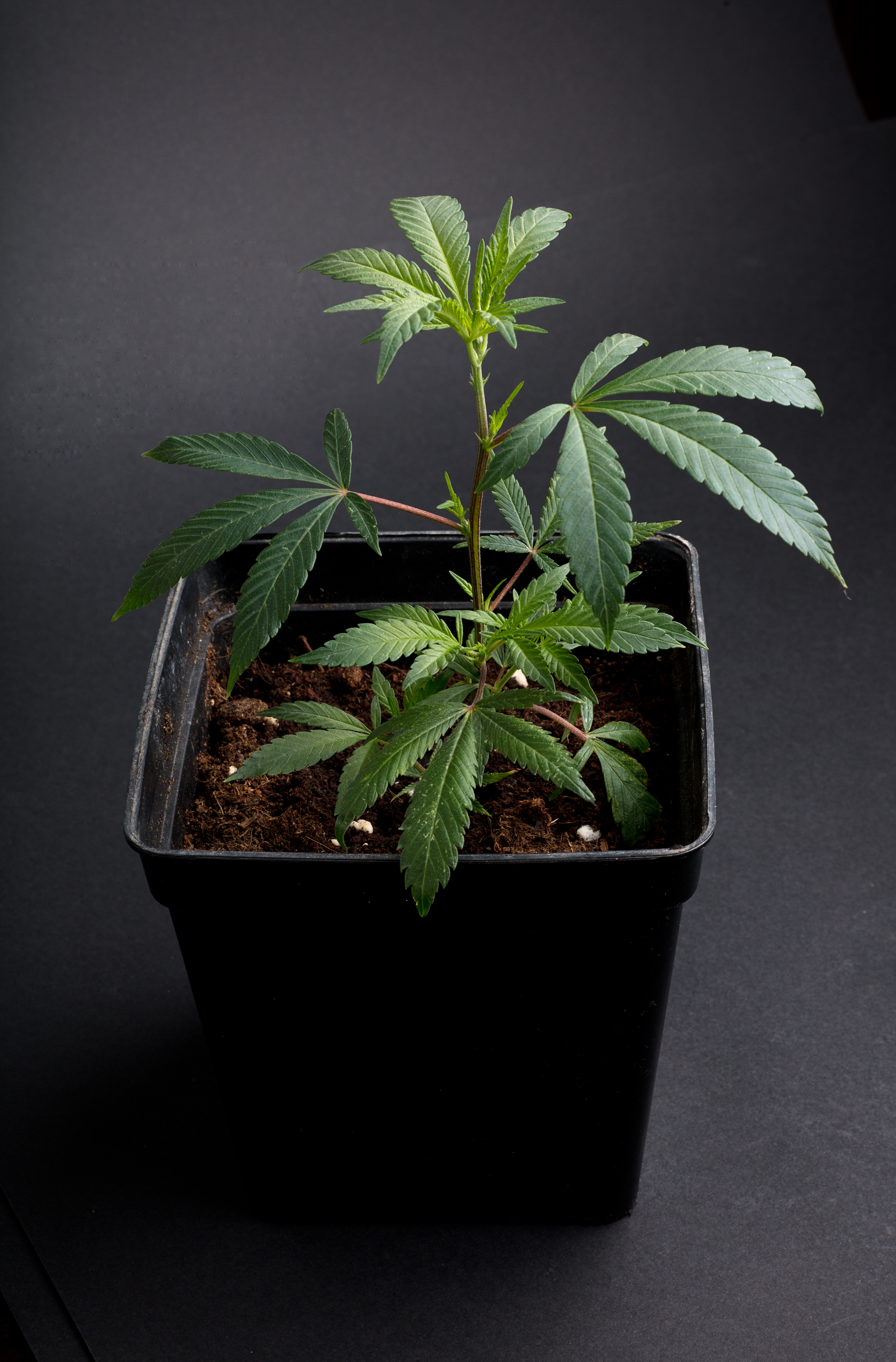


New York cannabis law can be confusing for renters. Many people hear that cannabis is legal in the state and assume that growing a few plants at home must also be allowed in every apartment or rental house. That is where problems begin. State law may allow home cultivation in some cases, but that does not mean every tenant has a full right to grow cannabis wherever they live. In rental housing, the law and the lease both matter. A tenant may follow state plant limits and still face trouble with a landlord if the lease, building rules, or housing type does not allow growing.
This issue causes confusion because two legal ideas are meeting in the same place. On one side, New York allows adults age 21 and older to grow cannabis at home for personal use, within set plant limits. The state says a person can grow up to three mature plants and three immature plants, with a maximum of six mature and six immature plants per residence. The state also says cannabis can be grown in a residence that a person owns or rents. That sounds simple at first. It makes many tenants think the answer is yes across the board. But the real answer is more limited than that.
On the other side, landlords still have rights over their property. New York guidance explains that landlords, property owners, and rental companies can ban the smoking, vaporizing, or growing of cannabis on their premises. That means a tenant cannot look only at state legalization and stop there. A tenant also has to look at the lease, building policies, and the kind of housing involved. A landlord may not be able to refuse to rent to someone just because that person uses cannabis, but the landlord can still place limits on growing it at the property. That difference is one of the biggest sources of confusion in New York rentals today.
Another reason this topic is hard to understand is that people often mix up legal use with legal growing. These are not always treated the same way. A landlord may have one rule for smoking, another for vaping, and another for cultivation. A tenant may be allowed to live in the unit while using certain cannabis products, but still be barred from growing plants there. This matters because growing cannabis can raise issues that go beyond simple use. It can affect odors, humidity, electricity, water use, mold risk, and changes to the property. If a landlord believes growing creates safety problems or damages the unit, the dispute may become about the lease and property condition, not just about cannabis law.
The topic also becomes more complex when medical cannabis is involved. New York gives stronger protections in some cases to people who are registered medical cannabis users. State guidance says tenants in the medical program have the right to consume medical cannabis in their home, including forms such as whole flower and concentrates. Even so, that does not automatically mean every medical cannabis user can grow plants in any rental unit without limits. Medical status can change the legal analysis, but it does not erase lease terms, federal housing concerns, or all building rules.
Housing type is another key part of the problem. Not all rentals are treated the same. A private apartment building may have one set of rules. Public housing, subsidized housing, or housing tied to federal funding may have stricter limits because federal law still treats cannabis differently from New York state law. State guidance explains that a landlord may prohibit all forms of cannabis if allowing it would put the landlord at risk of losing a federal monetary or licensing related benefit. So even if a tenant reads about home grow rules and thinks the law is clear, the answer can still change depending on where that tenant lives.
That is why this article focuses on more than one question. The main question is simple on its face: can landlords stop cannabis growing in New York? The short answer is yes, they often can. But the full answer depends on several parts working together. The law matters. The lease matters. The type of housing matters. Medical status may matter. Property damage and complaints may matter too. A tenant who ignores one of these parts may think they are protected when they are not. A landlord who does not understand the limits of state law may also get the issue wrong.
In the sections that follow, this article will explain how New York home cultivation law works, how many plants the state allows, when a landlord can ban growing, and how lease clauses can shape the result. It will also cover eviction risks, medical cannabis questions, federal housing concerns, and what can happen when growing leads to damage or complaints. The goal is to make the rules clear in plain language so readers can understand the difference between state legalization and rental rights in real life.
Is Home Cannabis Growing Legal in New York?
Home cannabis growing is legal in New York for adults who meet the state’s rules. The basic rule is simple. A person must be age 21 or older to grow adult use cannabis at home. State guidance explains that adults 21 and older may cultivate cannabis at home, and it is illegal for anyone under 21 to buy, possess, or use adult use cannabis.
This is the first point many readers need to understand. Legalization in New York does not mean cannabis can be grown by anyone, anywhere, and in any amount. The law gives limited permission. It allows home cultivation only for people who qualify and only if they follow the state’s conditions. That means age, plant limits, storage, and safety rules all matter. A person who ignores those rules may still face legal trouble, even if cannabis is legal in the state in a general sense.
Who can legally grow cannabis at home
For adult use cannabis, the answer is clear. Adults age 21 and older can grow at home in New York. State guidance also explains that if a person under 21 uses cannabis for medical reasons, a parent or guardian may assign a designated caregiver to grow on that person’s behalf. That is an important exception, but it applies to medical use, not general adult use.
This means New York has two different systems working at the same time. One is adult use. The other is medical use. For adult use, age 21 is the rule. For medical use, the rules can be different because the state recognizes patients and caregivers in that program. That does not mean every medical cannabis issue is simple, but it does show that not all growing situations are treated the same way. This difference matters because tenant rights may be stronger in some medical use cases than in general adult use cases.
Where cannabis can be grown
New York allows cannabis to be grown in residences that a person owns or rents. This includes spaces like a house, apartment, mobile home, or co-op unit. At first, this sounds broad and flexible. It shows that renters are not automatically excluded from home cultivation under state law.
Still, this part often causes confusion. State permission to grow in a rented home does not always mean a tenant has full freedom to grow there. State guidance also explains that landlords may refuse to lease or may take action if cannabis use or cultivation could affect federal benefits tied to the property. It also makes clear that landlords and property owners can ban smoking, vaping, or growing cannabis on their premises. So while the state allows home growing in general, rental rules can still limit or block it in practice.
Legal does not mean unlimited
Many people hear that home cultivation is legal and think that ends the issue. It does not. New York sets clear limits. A person may grow up to three mature plants and three immature plants at one time. A household may not have more than six mature plants and six immature plants total, no matter how many adults live there.
The law also limits what can be done with the cannabis after it is grown. Homegrown cannabis cannot be sold, traded, or exchanged. It is only for personal use. There are also limits on how much cannabis can be stored at home and how much can be carried outside the home.
These details show that legal growing is not a free pass. It is a controlled activity with clear boundaries. Staying within plant limits and use rules is required to stay within the law.
Safety and nuisance rules also matter
New York also requires people who grow cannabis at home to follow safety rules. Dangerous methods, such as using flammable materials to make cannabis products, are not allowed. Growers must also take steps to prevent strong odors from affecting neighbors.
This is especially important in apartment buildings or shared housing. Even when cannabis growing is legal under state law, a tenant can still create problems if the grow setup causes smell, moisture, electrical strain, or safety risks. For example, strong odors can lead to complaints, and poor ventilation can cause mold or damage to the unit.
Legal status does not remove the need to act responsibly. A grow that causes problems can still violate a lease or building rules, even if the plants themselves are within legal limits.
Why this question matters for tenants
For tenants, the key issue is the gap between state law and rental rules. New York allows eligible adults to grow cannabis at home. At the same time, landlords can restrict or ban growing on their property.
This means the answer to whether home cannabis growing is legal in New York is not a simple yes or no. It is legal under state law, but it may not be allowed under a lease. Both points can be true at the same time.
Tenants should not rely only on state law when deciding to grow cannabis. They should also review their lease, check building rules, and understand the type of housing they live in. A tenant may follow state rules and still face problems if the lease or property rules prohibit cultivation.
Home cannabis growing is legal in New York, but it comes with clear limits and conditions. Adults age 21 and older can grow cannabis for personal use, and some medical cases allow caregivers to grow for patients. The state allows growing in residences, including rentals, but landlords can still ban cultivation in many cases. There are also strict rules on plant limits, storage, safety, and nuisance control. The main takeaway is simple. Legal under state law does not always mean allowed in a rental unit.
How Many Cannabis Plants Can You Grow at Home in NY?
In New York, an adult who is at least 21 years old can grow up to six cannabis plants at home for personal use. That six-plant total is split into two groups. A person can have up to three mature plants and up to three immature plants at the same time. This means the law does not simply count all plants as one group. It also looks at the stage of growth of each plant.
This rule matters because many people hear “six plants” and stop there. But the full rule is more specific than that. A person cannot, for example, grow six mature plants and then add more immature plants on top of that. The legal limit for one adult is still six total plants, with no more than three in the mature stage and no more than three in the immature stage.
The Maximum for a Household
The rule changes when more than one adult lives in the home, but only up to a point. In a private residence, the maximum is twelve plants total. That means no home can have more than six mature plants and six immature plants, even if three or more adults age 21 and older live there. In simple terms, the law gives a cap for the whole residence, not a separate unlimited amount for each adult in the home.
This household cap is important because it prevents plant counts from growing too high in shared living spaces. For example, two adults in one home may each qualify under the age rule, but the residence still cannot go beyond twelve plants total. The same rule applies even if more adults live there. Once the home reaches six mature and six immature plants, that residence is at the legal maximum under New York’s adult-use home cultivation rules.
What Mature and Immature Plants Mean
The difference between mature and immature plants is not a small detail. It is part of the legal limit itself. In simple terms, immature plants are nonflowering cannabis plants that do not yet have buds. Mature plants are those that have started flowering and have visible buds. This means the law looks at what stage the plant is in, not only whether it is alive and growing.
This difference can affect how a person counts plants in the home. A tenant or homeowner may think they are safe because they only have a few large plants, but if those plants are already flowering and have buds, they count as mature plants. In the same way, smaller nonflowering plants count as immature plants. Knowing the difference helps people stay within the legal limit and avoid mistakes that could lead to legal trouble or a lease dispute.
Why Plant Limits Matter for Legal Compliance
Plant limits matter because New York does not treat home growing as unlimited just because cannabis is legal for adults. Home cultivation is legal only within the limits set by state rules. Going over the allowed number of plants can place a person outside the protection of the law. This is why the exact count of mature and immature plants matters so much. It is one of the first things that determines whether the growing activity is legal or not.
New York also sets limits on how much cannabis a person can keep at home after harvest. This shows that home growing is regulated in more than one way. The law controls both how many plants can be grown and how much cannabis can be stored. These rules make it clear that legal growing still comes with clear boundaries.
Why Plant Limits Also Matter in Landlord and Tenant Disputes
Even when a tenant stays within the state plant limit, that does not automatically mean the tenant is safe under the lease. Landlords and property owners may still prohibit tenants from growing cannabis on their premises. So a tenant could be following state plant limits and still face a lease problem if the rental agreement or building policy bans growing.
This is why plant count matters in two ways. First, it affects whether the conduct follows state law. Second, it may affect how serious a dispute becomes between a landlord and tenant. A smaller legal grow may still violate a lease, but going over the legal plant limit can make the problem much worse. It can give a landlord stronger grounds to argue that the tenant broke both state rules and the lease.
Plant count can also matter when a landlord claims there is a safety issue, property damage, or a nuisance in the building. A larger grow often means more lights, more equipment, more smell, more moisture, and more risk of complaints. Even though this section focuses on legal plant numbers, it is important to understand that the number of plants can affect how a landlord views the situation and how a dispute may be handled.
The plant limit in New York is simple once it is broken down clearly. One adult age 21 or older may grow up to six plants, with no more than three mature and three immature plants. A whole household may grow up to twelve plants, with no more than six mature and six immature plants, even if more than two adults live there. The law also makes a clear difference between immature plants and mature plants, so the stage of growth matters as much as the total number.
Staying within the plant limit is a basic part of legal compliance, but it is not the end of the issue for tenants. A tenant may follow state law on plant count and still run into trouble if the landlord bans cannabis cultivation in the rental property. Plant limits are only one part of the larger legal picture in New York.
Can a Landlord Ban Cannabis Growing in a Rental Property?
In New York, a landlord can ban cannabis growing in a rental property. That is the clearest answer to this question. Even though New York allows legal home cultivation for adults age 21 and older within state plant limits, state guidance also says that landlords, property owners, and rental companies can ban the growing of cannabis on their premises. This means legalization does not automatically give a tenant the right to grow cannabis inside a rented apartment, house, or other unit.
This is where many tenants get confused. They hear that home growing is legal in New York and assume that the law gives them full permission to grow anywhere they live. That is not how rental housing works. A tenant lives in the property, but the landlord still controls many rules about how that property may be used. In a rental setting, state law and private lease rules can both matter at the same time.
Why legalization does not settle the issue
New York’s home cultivation rules allow cannabis to be grown in places people own or rent, including homes, apartments, and other residential spaces. But that general rule does not erase a landlord’s right to control activities on the property. In simple terms, the state says home growing can be legal, but the landlord may still say no in a rental building or rental unit.
That is an important legal difference. State law answers whether the activity is criminal or allowed under New York cannabis rules. A lease answers whether the tenant has permission to do that activity in that specific rental property. A person may be following state cannabis law and still be breaking the lease. That can create serious problems for the tenant, even if the cannabis plants themselves are within the legal plant limit.
How landlords usually ban cannabis growing
Most landlords do not need a long or highly detailed cannabis rule to restrict growing. In many cases, they use the lease, house rules, or building policies. A lease may directly say that cannabis cultivation is not allowed. It may also ban smoking, vaping, drug related activity, strong odors, unsafe electrical use, water damage, unauthorized changes to the unit, or any activity that disturbs other tenants. Even a short rule can matter if it clearly tells tenants that growing is not allowed on the property.
This matters because indoor growing can affect more than the plant itself. A landlord may worry about moisture, mold, added heat, lighting equipment, ventilation changes, power use, smell, and damage to walls or floors. State guidance also warns about mold and microbes in warm, damp indoor spaces and recommends careful control of air flow and moisture. These concerns help explain why many landlords want strict rules against home grows in rentals.
What “on their premises” means
The state’s landlord guidance says landlords can ban the growing of cannabis on their premises. In plain language, that means they can prohibit cultivation anywhere covered by the rental property rules. This can include the inside of the apartment, a basement, a garage, a balcony, a patio, shared yard space, or other parts of the property, depending on the lease and the layout of the building.
This broad power is one reason tenants should not focus only on whether home growing is legal in New York. The better question is whether the tenant has the legal right to grow in that specific rental unit under that specific lease. The answer may be no, even when the activity would be legal in an owner occupied home.
What tenants should not assume
Tenants should not assume that silence means permission. A lease may not mention cannabis by name and still give the landlord strong arguments against cultivation. General rules about safety, property damage, odors, nuisance, or unauthorized use of the premises can still become important if a dispute starts. A tenant should also not assume that a small grow is safe just because it stays within state plant limits. Plant count and lease compliance are two different issues.
Tenants also should not assume that legal cannabis use and legal cannabis growing are treated the same way. New York guidance says landlords can ban smoking, vaping, or growing cannabis on their premises. So even if a tenant believes personal cannabis use is protected in some situations, that does not automatically give the tenant a right to cultivate plants in the rental.
An important note about medical cannabis
There is one area where the rules can be different. For medical cannabis, New York gives stronger protections in many situations. State guidance explains that growing cannabis for medical purposes cannot be prohibited in some cases, unless the landlord would lose a federal benefit. Separate guidance also explains that a landlord usually cannot refuse to lease or penalize a patient or caregiver solely for authorized medical cannabis activity.
That is why this section focuses on the general rental rule for cannabis growing in New York. For adult use cannabis, landlords can ban growing on their premises. Medical cannabis can involve added protections, and those cases should be reviewed more closely because the legal rules are not exactly the same.
A landlord in New York can ban cannabis growing in a rental property, even though home cultivation is legal under state law for eligible adults. Legalization answers whether home growing is allowed by the state, but it does not remove a landlord’s power to set rules for a rental property. In most rental cases, the lease and building policies decide whether a tenant may grow cannabis in the unit. Tenants should read the lease carefully and not assume that state legality means rental permission.
Can a Landlord Evict a Tenant for Growing Cannabis in NY?
Growing cannabis at home is legal in New York under certain rules, but that does not always protect tenants in rental housing. A landlord may still take action if growing breaks the lease, causes damage, or creates problems for the property. This section explains when eviction may happen and what factors matter most.
When Cannabis Growing Becomes a Lease Violation
A lease is a legal agreement between a tenant and a landlord. Even if cannabis is legal under state law, a lease can still limit what a tenant can do inside the unit. If the lease clearly bans cannabis growing, then growing plants can be a direct violation of that agreement.
Some leases do not mention cannabis at all, but they still include rules that can apply. These rules may cover illegal activity, strong odors, nuisance behavior, or changes to the property. A landlord may rely on these general clauses to argue that growing cannabis is not allowed. In these cases, the issue is not only about cannabis. It is about breaking the terms of the lease.
Property Damage and Safety Risks
Property damage is one of the most common reasons a landlord may try to evict a tenant who is growing cannabis. Indoor growing often uses lights, fans, and water systems. These can raise humidity levels and lead to mold or mildew. Over time, this can damage walls, floors, and ceilings.
Some tenants may also make changes to the unit to support growing. This can include drilling holes, adding vents, or changing electrical setups. These changes can create fire risks or long term damage. A landlord may claim that the tenant put the property at risk or caused real harm. In that case, eviction may be based on damage or safety concerns, not just the plants themselves.
Complaints from Neighbors and Nuisance Issues
Cannabis growing can affect other tenants, especially in apartment buildings. Strong smells can travel through walls, vents, or shared spaces. Noise from fans or equipment can also disturb neighbors.
If other tenants complain, the landlord may treat the situation as a nuisance. Many leases require tenants to respect the quiet use of the property. If growing cannabis leads to repeated complaints, the landlord may argue that the tenant is violating this rule. This can become a reason to start eviction.
The Legal Eviction Process in New York
A landlord cannot remove a tenant right away just because of a dispute. In New York, eviction usually requires a legal process. The landlord must give proper notice and may need to go to court if the tenant does not leave.
The court will look at the facts of the case. This includes the lease terms, the tenant’s actions, and any damage or complaints. The judge decides if the landlord has a valid reason for eviction. This means not every case leads to eviction. The outcome depends on the details.
How Each Case Depends on the Facts
Not all situations are the same. A tenant with a small number of plants and no damage may face less risk than someone with a large setup that affects the unit or other tenants. The way the plants are grown, the condition of the apartment, and the impact on neighbors all matter.
The type of housing also plays a role. Some buildings have stricter rules due to federal funding or other limits. In these cases, landlords may be more likely to take action against any cannabis activity.
Medical Cannabis and Eviction Risk
Medical cannabis can add another layer to the issue. Some tenants may have stronger rights when it comes to using cannabis for medical reasons. However, this does not always include the right to grow cannabis in a rental unit.
Even with medical use, a landlord may still act if the growing setup breaks lease rules, causes damage, or creates safety concerns. Medical status does not remove all limits in rental housing.
Why Lease Terms Still Matter Most
In many eviction cases, the key question is not whether cannabis is legal. The key question is whether the tenant followed the lease. A tenant may follow state plant limits and still face eviction if the lease bans growing or if the activity causes problems.
This is why reading and understanding the lease is very important. Rules about odors, property changes, and safety can all apply to cannabis growing, even if the lease does not name it directly.
A landlord in New York may be able to evict a tenant for growing cannabis, but it depends on the situation. Legal cannabis does not give full protection in a rental unit. Lease rules, property damage, safety risks, and neighbor complaints all play a role. The most important point is clear. State law may allow home growing, but a lease can still limit or ban it.
What Lease Clauses Matter Most for Cannabis Growing?
Lease language is one of the most important parts of this issue. Many tenants focus on state law first. They want to know whether growing cannabis is legal in New York. That is a fair question. But in a rental home, the lease can matter just as much as state law. A tenant may live in a state where home growing is allowed, yet still face trouble if the lease has rules that ban or limit that activity.
A lease is a legal contract between the landlord and the tenant. It sets the rules for how the rental unit can be used. Some leases mention cannabis by name. Others do not. Even when cannabis is not named in the lease, other parts of the lease may still apply to growing. That is why tenants need to read the full lease carefully instead of looking for just one word.
Clauses About Illegal Activity
Many leases have a section that bans illegal activity on the property. Years ago, this kind of clause was often used for drugs in general. Today, this clause can still create confusion because cannabis laws are different at the state and federal levels. In New York, adult use cannabis is legal under state law within certain limits. But that does not always end the issue.
Some landlords may still include broad drug language in the lease. A clause may say that no illegal drugs are allowed on the premises. A tenant might think this clause does not apply because cannabis is legal in New York. A landlord may take a different view, especially in housing tied to federal rules. This can become even more complex in public housing or housing that depends on federal support.
The key point is that a tenant should never assume this clause has no effect. The wording matters. The type of housing matters. The landlord’s policy matters. Reading this section closely can help a tenant understand whether the lease creates extra risk.
Clauses About Nuisance and Disturbance
A nuisance clause is another major issue. Many leases say tenants cannot do anything that disturbs neighbors or interferes with other people’s quiet enjoyment of the property. This type of clause may not mention cannabis at all, but it can still be used in disputes about growing.
Cannabis plants can create strong smells. Grow equipment can create noise. Fans, lights, and filters may bother nearby tenants, especially in apartment buildings with shared walls or close spaces. A landlord may argue that the growing operation is causing a nuisance even if the tenant is staying within state plant limits.
This is important because a nuisance claim does not depend only on whether cannabis is legal. It depends on the effect on the building and the people living there. A tenant may believe that growing a few plants is private. But if the smell spreads into hallways or nearby units, the landlord may treat it as a lease problem.
Clauses About Smoke and Odors
Some leases have strict no smoking rules. Others ban strong odors that travel beyond the unit. These clauses can matter even if a tenant is only growing and not smoking. Cannabis plants, soil, fertilizers, and other grow materials can create noticeable smells. In some cases, the odor may become one of the first reasons a landlord starts asking questions.
A lease may separate smoking from other odor issues. For example, a tenant may follow the no smoking rule but still violate a rule against persistent odors. In that case, the tenant could still face warnings or other action from the landlord.
Odor clauses are common in multiunit housing because landlords often want to avoid complaints from other residents. That means a tenant should pay close attention not only to words like smoke or vaping, but also to any part of the lease that discusses smell, ventilation, or interference with neighbors.
Clauses About Property Damage
Growing cannabis indoors can raise concerns about damage to the unit. This is why property damage clauses matter so much. Most leases say the tenant must keep the unit in good condition and must not damage the property. This may sound simple, but it covers many possible issues tied to home growing.
Grow lights can create heat. Watering plants can lead to leaks, moisture, or mold. Some tenants may use tents, fans, or other equipment that affects walls, floors, or electrical outlets. Even a small setup can cause trouble if the area is not properly managed. Landlords may worry about stains, high humidity, damage to paint, or long term moisture problems.
A tenant does not need to cause major damage for this clause to matter. A landlord may point to small but repeated issues that show the unit is being used in a risky way. Once damage becomes part of the dispute, the case may shift away from cannabis law and focus more on the tenant’s duty to care for the property.
Clauses About Mold, Moisture, and Cleanliness
Many leases now include special language about mold and moisture control. That is because mold can spread quickly and can cost a lot to fix. Indoor cultivation often needs regular watering, controlled humidity, and close air flow. Those conditions can increase the risk of damp areas if the space is not handled well.
A lease may require tenants to keep the unit dry, report leaks, clean regularly, and avoid activities that encourage mold growth. These rules may not mention cannabis, but they can still apply to growing. A landlord who sees mold or heavy moisture may argue that the tenant broke the lease even if the tenant did not intend to cause harm.
This kind of clause matters because mold is often treated as a health and safety issue, not just a property issue. That can make the dispute more serious and harder for the tenant to defend.
Clauses About Utilities and Electrical Use
Cannabis growing often uses extra electricity and sometimes extra water. For that reason, utility clauses can also matter. Some leases ban overloading outlets, changing electrical systems, or using equipment that creates safety risks. A tenant who adds high powered lights, timers, or large fans may run into problems under these sections.
Even if the tenant pays for utilities, the lease may still control how those utilities are used. A landlord may say that certain equipment is unsafe or puts the building at risk. In some cases, a sudden rise in electricity use may also draw attention to the unit.
Water use can matter too. A large number of plants may require more watering, and poor drainage can create damage over time. So even a lease that says little about cannabis may still have enough language in the utility section to create problems for a tenant.
Clauses About Alterations and Changes to the Unit
Another key lease section covers alterations. Most leases say tenants cannot change the unit without permission. This includes drilling holes, changing wiring, adding ventilation, or installing special fixtures. Some indoor grow setups require these kinds of changes, even if they seem minor.
A tenant may think adding a vent, hanging lights, or setting up equipment is temporary and harmless. But if the lease bans alterations without written approval, the landlord may treat that setup as a violation. This is especially true if the work affects walls, ceilings, windows, or electrical systems.
Even small changes can matter if they leave marks or create safety concerns. That is why tenants should not assume that a removable setup is always allowed.
Why General Lease Terms Still Matter
One of the biggest mistakes a tenant can make is thinking that only cannabis specific language counts. In reality, general lease terms often matter the most. A lease may never use the word cannabis, marijuana, or weed. Still, clauses about nuisance, odors, damage, safety, moisture, utilities, and alterations may give a landlord several ways to object to growing.
This is why reading only one part of the lease is not enough. The tenant needs to look at the whole agreement. Building rules, attached policy pages, and later notices may also matter. In some cases, house rules are part of the lease even if they appear on a separate page.
Lease clauses can shape what happens long before a dispute reaches court. In many New York rentals, the real issue is not only whether cannabis can be grown under state law. The bigger question is whether the lease allows conduct that comes with growing. Clauses about illegal activity, nuisance, smoke, odors, property damage, mold, utilities, and alterations can all affect a tenant’s rights and risks. A tenant who wants to avoid trouble should read the full lease with care and pay attention to every rule that may touch the way the unit is used.
Can Landlords Ban Smoking, Vaping, and Growing at the Same Time?
Landlords in New York can ban smoking, vaping, and growing cannabis at the same time in many rental properties. This is one of the most important points for tenants to understand. A lot of people think that once cannabis is legal in the state, every form of cannabis activity must also be allowed in an apartment or rental home. That is not how rental housing works. State law and lease rules are not always the same thing. A tenant may live in a state where cannabis is legal, but the landlord may still have rules that limit or ban how cannabis is used on the property.
Why landlords can set different cannabis rules
A landlord has the right to make rules for the property as long as those rules follow the law. In rental housing, the lease is a major part of that relationship. The lease can include rules about smoking, odors, noise, damage, safety, and use of the unit. These rules often apply to cannabis even when the lease does not name cannabis in every line.
For example, a landlord may have a smoke free building policy. That rule may ban smoking tobacco, cannabis, and other substances inside the unit and in common areas. A landlord may also ban vaping if the building policy covers vapor, aerosols, or indoor air quality. On top of that, the landlord may ban cannabis growing because growing can create other issues that are separate from smoking or vaping. These issues may include moisture, strong smells, mold risk, electrical strain, and damage to walls or fixtures.
This means a landlord does not have to treat smoking, vaping, and growing as one single activity. Each one can be regulated on its own.
Smoking cannabis is not the same as growing it
Smoking cannabis and growing cannabis are very different from a housing point of view. Smoking usually raises concerns about smell, secondhand smoke, fire risk, and the comfort of other tenants. In a building with shared walls, halls, vents, or common areas, smoke can travel from one unit to another. This can lead to complaints from neighbors and possible claims that the tenant is disturbing others.
Growing cannabis raises a different set of concerns. A landlord may worry about humidity, water use, lighting systems, fans, wiring, and damage to the unit. Even a small grow setup can create problems if it is not done carefully. A landlord may also worry about how growing affects insurance, maintenance, or building safety.
Because the concerns are different, a tenant cannot assume that permission for one means permission for the other. A building may allow private cannabis use in some form but still ban growing. Another building may ban both. Another may ban smoking but say nothing about vaping until a rule is updated. The key point is that these activities are not always treated the same way.
Vaping can also be banned even if there is no smoke
Some tenants believe vaping is allowed because it does not create the same kind of smoke as smoking. That assumption can cause problems. Many landlords and building managers treat vaping the same way they treat smoking. They may see it as a source of smell, indoor residue, or tenant complaints. Even when vapor seems lighter, it can still bother neighbors or break house rules.
A lease may use broad terms such as smoking, use of substances, fumes, or prohibited activity. In some cases, building rules may be even more detailed than the lease itself. A separate house policy, tenant handbook, or building notice may explain that both smoking and vaping are not allowed. This is why tenants need to read all rental documents, not just the first few pages of the lease.
A landlord can allow one activity and ban another
One of the biggest mistakes tenants make is thinking the rules must be all or nothing. In reality, a landlord may allow one form of cannabis activity and ban another. For example, a landlord may not object to lawful possession of cannabis inside the unit but may ban smoking because of odor complaints. The same landlord may also ban growing because of damage and safety concerns.
This kind of split rule is common because each activity affects the property in a different way. Possession does not always affect the building. Smoking may affect air quality and neighbors. Growing may affect the condition of the unit itself. From the landlord’s view, these are separate issues, so they may create separate rules.
Why this matters for tenants
This distinction matters because many tenants focus only on whether cannabis is legal in New York. That is only part of the question. The other part is what the lease says and how the property is managed. A tenant who assumes legal cannabis use includes legal smoking, vaping, and growing may end up violating the lease without realizing it.
This can lead to warnings, notices from management, neighbor complaints, repair charges, or even eviction action in more serious cases. The problem may not be the cannabis law itself. The problem may be that the tenant broke a rental rule about smoke, odor, safety, or property use.
Tenants should also remember that silence in the lease does not always mean full permission. A general no smoking rule may cover cannabis smoke. A general policy about damage or unauthorized changes may affect home growing. A nuisance clause may apply if smells spread to other units.
What tenants should check before making assumptions
Before smoking, vaping, or growing cannabis in a rental unit, a tenant should read the lease carefully. The tenant should also review any building rules, addenda, or policy notices that came with the rental. It is important to look for terms about smoking, vaping, odors, nuisance, fire safety, electrical equipment, and changes to the unit.
It is also smart to think about the type of property. Rules may be stricter in multiunit buildings, subsidized housing, or housing tied to federal programs. In those settings, cannabis rules may be more restrictive even if state law allows certain conduct in general.
Landlords in New York can ban smoking, vaping, and growing cannabis at the same time, and they can also choose to ban only one or two of those activities. These are not all treated as the same thing in rental housing. Smoking often raises odor and air concerns. Vaping may still be restricted under smoke free or indoor use rules. Growing brings separate issues such as moisture, safety, and possible damage. For tenants, the main lesson is simple. Legal cannabis does not always mean every kind of cannabis activity is allowed in a rental home. The lease and the building rules still matter, and tenants should read them closely before making any choice that could lead to a dispute.
Do Tenant Rights Change for Medical Cannabis Users?
Medical cannabis can change the legal picture for tenants in New York. Many people think all cannabis use is treated the same under rental rules, but that is not always true. A tenant who uses cannabis for medical reasons may have more protection than a tenant who uses it only for adult use. Even so, those added protections do not remove every lease rule or housing limit. The details still matter. The tenant’s medical status, the type of housing, the lease terms, and any property damage or complaints can all affect the outcome. This section explains how medical cannabis rights may give tenants more protection, where those protections may stop, and why housing type can make a big difference.
Medical cannabis patients have stronger protections than adult use consumers
In New York, tenant rights can change when the person using cannabis is a registered medical cannabis patient. State rules give medical cannabis patients stronger protection for lawful use in the home than people who use cannabis only for adult use. This matters because a tenant who uses medical cannabis is not in the same legal position as a tenant who simply wants to grow or use cannabis for personal, non medical reasons.
This stronger protection exists because medical cannabis is tied to a health need. The law treats that need more seriously than general adult use. That does not mean medical cannabis patients can ignore every lease rule. It does mean landlords may have less power to block lawful medical use in some situations. For tenants, this is an important difference. It shows that the answer is not always a simple yes or no. A medical cannabis patient may have more rights than other tenants, but those rights still depend on the facts.
Landlords usually cannot ban medical cannabis use in the home
A landlord in New York usually cannot block medical cannabis use in the home just because the tenant is a medical cannabis patient. This gives patients more protection than many renters expect. In many private rentals, a full ban on medical cannabis use may not hold up as easily as a ban on adult use smoking or growing.
Still, this does not mean the landlord has no rights at all. A landlord may still take action if there are other real problems in the unit or building. For example, the landlord may still care about strong odors, smoke moving into nearby units, or damage linked to cannabis activity. The main point is that medical cannabis use gets more legal protection than adult use, especially when the tenant is using it lawfully in their home.
This difference matters because many leases use broad language. Some say no smoking. Some say no illegal drugs. Some may say no cannabis at all. A medical cannabis patient may be in a better position to challenge those rules than a regular adult use tenant. Still, that does not mean every conflict will end in the tenant’s favor. The exact facts will still matter.
Medical use protection does not always mean a full right to grow
This is one of the most confusing parts of the issue. A tenant may have the right to use medical cannabis, but that does not always mean the tenant has a clear and unlimited right to grow it in the rental unit. Use and cultivation are not always treated the same way.
A medical cannabis patient may have a stronger argument for home cultivation than a general adult use tenant. That is because medical use has added legal weight. Still, growing cannabis can create extra concerns that simple use may not create. Growing can raise questions about moisture, electrical equipment, smell, security, and changes to the property. Because of that, growing may cause more conflict between tenants and landlords.
This is why tenants should be careful not to assume that a right to use cannabis always includes a full right to cultivate it anywhere in the rental. The legal answer may depend on the housing type, the lease terms, and whether the cultivation creates a problem for the property or other residents.
Federal benefit rules can change the result
Federal law still matters in cannabis housing issues. This is true even in a state like New York, where medical cannabis and adult use cannabis are both allowed under state law. In some cases, a landlord may say that allowing cannabis activity could put federal funding, federal housing support, or another federal benefit at risk.
This can lead to a very different result for the tenant. A person in a private apartment may have more room to rely on medical cannabis protections. A person in public housing or another federally connected housing setting may face much stricter limits. That is because federal law still treats cannabis differently from New York state law.
For tenants, this means housing type is a major part of the answer. Two people with the same medical cannabis status may have different rights if one rents in a private building and the other lives in federally linked housing. The medical status matters, but it does not erase federal limits.
Disability law may also affect medical cannabis disputes
Medical cannabis disputes in housing may also connect to disability issues. Some tenants use medical cannabis as part of care for a serious health condition. That can make the case more complex than a normal dispute about adult use cannabis. A landlord should be careful before treating a medical cannabis patient in the same way as a tenant who uses cannabis only for personal reasons.
Still, disability related concerns do not mean the tenant automatically wins. The landlord may still respond to real problems in the building. If smoke spreads into other units, if odor becomes a constant issue, or if the tenant damages the property while growing cannabis, the landlord may still have grounds to act. The key point is that the landlord should focus on the actual problem, not simply on the fact that the tenant is a medical cannabis patient.
This part of the issue is important because it shows that the law is not only about cannabis. It may also involve fair treatment, housing rights, and how the landlord handles a tenant with a medical need. That is one reason these cases can be more complex than they first appear.
Tenants should review both their medical status and their housing type
A tenant should not assume that all rentals in New York follow the same rules. Medical cannabis patients need to look at two main things before making a decision. First, they need to know their legal status as a medical cannabis patient. Second, they need to understand the kind of housing they live in.
A private rental may offer more room for medical cannabis protections. Public housing, subsidized housing, or federally connected housing may have stricter limits. The lease also matters. Some leases use broad language about smoke, nuisance, safety, or damage. Even if that language does not directly mention medical cannabis, it may still shape the dispute.
Tenants should also think about the real effect of cannabis activity in the home. Even a tenant with stronger legal protection can still face trouble if the activity causes mold, strong smell, unsafe wiring, or complaints from neighbors. Medical status can help protect a tenant, but it does not remove the need to follow lease rules that deal with safety and property condition.
Tenant rights can change for medical cannabis users in New York. Medical cannabis patients often have stronger protection than adult use consumers, especially when the issue is lawful use in the home. Still, those rights are not unlimited. Growing cannabis may raise extra concerns that go beyond simple use. Federal housing rules, lease terms, property damage, and tenant complaints can all affect the final result. The main takeaway is simple. Medical cannabis status can give a tenant more protection, but the final answer still depends on the housing type, the lease, and whether the cannabis activity causes real problems in the property.
Can a Tenant Grow Cannabis if the Lease Says Nothing About It?
A lease that says nothing about cannabis growing can confuse tenants. Many people think that if there is no written ban, then growing must be allowed. In a New York rental, that is not always true. State law is only one part of the issue. The lease, building rules, housing type, and possible damage to the property can also matter.
Silence in the Lease Does Not Mean Permission
Many tenants assume that if the lease does not mention cannabis, they are free to grow it. That can be a mistake. A lease does not have to say the word cannabis for a landlord to raise objections. Many leases already contain broad rules that can cover home growing.
For example, a lease may ban damage to the unit, strong odors, unsafe activity, or unauthorized changes to the apartment. It may also require the tenant to avoid disturbing neighbors. Even if the lease does not directly mention cannabis plants, a landlord may still argue that growing breaks one of these general rules.
This is why silence in the lease should not be treated as clear approval. It often means the issue is still open to dispute. A tenant may believe growing is allowed, while the landlord may point to other parts of the lease and claim it is not.
General Lease Terms Can Still Apply
Home cannabis growing can involve more than keeping a plant by a window. Some tenants use grow lights, fans, tents, timers, filters, or extra watering equipment. These setups can raise problems in a rental unit.
A landlord may claim that the tenant used too much electricity, changed the apartment without permission, or created a fire or moisture risk. Strong smells can also become a problem. If the lease has rules about nuisance, safety, or property care, the landlord may rely on those rules instead of a direct cannabis clause.
This matters because the legal question is not always just whether cannabis is allowed under state law. In a rental, the landlord may focus on what the tenant did inside the property. If the setup affects the apartment, other tenants, or the building, the landlord may say the tenant violated the lease.
Building Rules May Matter Too
The lease is not always the only document that controls the rental. Some landlords also use house rules, policy notices, smoke free rules, or building addenda. In many cases, the lease says the tenant must follow both the lease and any building rules.
That means a tenant cannot look only at the lease and stop there. A building may have rules about odors, smoking, shared spaces, safety equipment, or conduct that affects neighbors. These rules can still matter even when the lease itself says nothing about cannabis growing.
This is especially important in apartments where units are close together. Odor can travel through vents, doors, and windows. Noise from fans or other equipment can bother neighbors. A landlord may say that the growing setup creates a nuisance, even if the tenant believes the plants are legal.
Damage and Safety Problems Can Lead to Disputes
Another reason silence in the lease is not enough is that property damage is a separate issue. Even if a tenant is within New York’s plant limits, the tenant can still face trouble if the growing setup harms the apartment.
Moisture can damage walls, ceilings, paint, or flooring. Water spills can stain surfaces or lead to mold. Electrical equipment can create safety concerns if it is not used carefully. Extra heat, poor airflow, or changes to outlets and fixtures can also raise problems.
In many landlord and tenant disputes, damage becomes the main issue. The landlord may care less about the cannabis itself and more about repair costs, safety concerns, or complaints from other tenants. That means a tenant may still face warnings, charges, or even eviction efforts if the growing setup causes problems.
Housing Type Can Change the Answer
The type of housing also matters. A silent lease in one building may not carry the same meaning in another. Public housing, subsidized housing, and housing tied to federal programs may have stricter rules because federal law still treats cannabis differently from New York law.
This creates extra risk for some tenants. A person may read the lease, see no clear ban, and think growing is fine. But the housing program or property type may still place limits on cannabis activity. In those cases, the lease alone does not tell the full story.
Condo and co-op buildings may also have separate rules that affect what a resident can do inside the unit or in shared areas. That is why tenants should always consider the full housing setup, not just one page of the lease.
Why Tenants Should Not Assume They Are Safe
When a lease says nothing about cannabis growing, the answer is often unclear. That lack of clarity can put the tenant in a weak position. The tenant may think state law protects the activity, while the landlord may rely on general lease rules, building policies, or property concerns.
This kind of gray area can lead to serious problems. A tenant may receive a warning, a notice of violation, or a repair bill before the issue is ever fully settled. Even if the tenant believes they are right, dealing with a landlord dispute can still be stressful and costly.
That is why tenants should be careful. A silent lease is not the same as a green light. It simply means the issue may still be argued later.
A lease that says nothing about cannabis growing should not be read as automatic permission. In New York rentals, silence can still leave room for landlord objections. General lease terms, building rules, safety concerns, nuisance claims, housing type, and property damage can all affect what happens next. The clearest takeaway is simple. No written ban does not always mean no risk.
What Housing Types Have Extra Limits on Cannabis Growing?
Cannabis growing laws in New York can seem simple at first, but housing rules can make the issue more complex. A person may read that home cultivation is legal in New York and think that means it is allowed in every home or rental. That is not the case. The type of housing matters a lot. Some tenants live in private rentals. Others live in public housing, subsidized housing, condos, or co-ops. Each of these settings can come with different rules, limits, and risks. In some cases, state law allows home growing, but housing rules or federal rules can still block it. That is why tenants need to look at more than just the general cannabis law before deciding whether they can grow at home.
Public housing has the strictest rules
Public housing has some of the strongest limits on cannabis growing. Even though New York allows home cultivation in many situations, public housing does not follow the same path as a private rental. This is because public housing is tied to federal law, and marijuana is still illegal under federal law. As a result, tenants in public housing can face much stricter rules.
This means a tenant in public housing cannot assume that state legalization protects them. A person may think that because cannabis is legal under New York law, growing a few plants at home is acceptable. In public housing, that assumption can cause serious problems. A tenant may face lease violations, loss of housing benefits, or other housing penalties. This can also apply to medical cannabis growing, which makes the issue even more important for people who rely on cannabis for health reasons.
The key point is simple. Public housing is one of the highest risk housing types for cannabis growing. Tenants in this setting should be very careful and should not rely only on New York’s general home grow rules.
Federally assisted and subsidized housing can have added problems
Subsidized housing can also create extra limits. Some buildings or rental programs receive federal support or are connected to federal housing rules. When that happens, the landlord or housing provider may take a stricter approach to cannabis. They may worry that allowing cannabis activity could put federal funding or program compliance at risk.
This can be confusing for tenants because a building may look like a normal apartment complex from the outside. A renter may not realize that the property is tied to a housing program with extra rules. That is why it is important to understand what kind of housing program applies to the unit. If federal support is involved, the rules may be much stricter than in a standard private rental.
In this type of housing, the lease may contain stronger language about drug use, drug possession, or other related conduct. Even if the tenant believes they are following New York law, the housing provider may still treat cannabis growing as a serious issue. The risk is not always the same in every case, but the chance of a housing problem is much higher when federal programs are involved.
Private rentals still depend on the lease
Private rentals are different from public housing and federally assisted housing, but that does not mean tenants are free to grow cannabis without limits. In a private rental, state law may allow home cultivation in general, but landlords can still place limits on what happens in their property. This is where the lease becomes very important.
A landlord may include a direct ban on growing cannabis in the unit. If that happens, a tenant who grows cannabis may be violating the lease even though state law allows home cultivation in some settings. Some leases may not mention cannabis by name, but they may still contain rules that affect growing. For example, there may be clauses about odors, smoke, mold, fire hazards, moisture, electrical use, or property damage.
This means private rentals may offer more freedom than public housing, but they still come with real limits. A tenant should not assume that because cannabis is legal in New York, it is also allowed under their lease. The safest step is to read the lease closely and understand what the landlord can enforce.
Co-ops and condos may have their own building rules
Co-ops and condos can add another layer of control. These housing types often have their own rules beyond basic state law. A tenant, owner, or resident may have to follow bylaws, house rules, board policies, or occupancy agreements. These rules may cover what people can do inside their units and in shared parts of the building.
This matters because cannabis growing may raise concerns about odors, moisture, safety, visibility, or effects on neighbors. A condo board or co-op board may create rules that address these concerns. In some cases, a resident may think state law gives them a clear right to grow at home, but the building’s internal rules may still limit what they can do.
Co-ops and condos are not the same as public housing, but they are also not as simple as a standard private rental. The resident may need to follow several layers of rules at once. That can make cannabis growing more complicated than it first appears.
Medical cannabis users may have different protections
Medical cannabis users may have stronger protections in some housing settings. This is an important point because adult use cannabis and medical cannabis are not always treated the same way. In some private housing situations, a medical cannabis patient may have more legal support when it comes to use in the home or cultivation for medical purposes.
Still, that does not mean medical users can grow cannabis anywhere they want. Housing type still matters. Federal law can still limit what is allowed in public housing or federally connected housing. A medical cannabis patient may have added rights in a private rental, co-op, or condo, but those rights may become weaker when federal housing rules apply.
This is why medical users should look closely at both their housing type and their legal status. A person may have valid medical cannabis rights, but the setting where they live can still shape what those rights look like in practice.
Why federal law still affects New York tenants
Many tenants wonder why federal law still matters if New York has already legalized cannabis. The answer is that state law and federal law do not match. New York allows cannabis in ways that federal law does not. That conflict matters most in housing tied to federal money, federal programs, or federal oversight.
Because of that conflict, a tenant can follow New York law and still face trouble under housing rules. A landlord or housing provider may decide that banning cannabis is the safest path for the property. This can happen not only in public housing, but also in some subsidized or assisted housing settings.
For tenants, this means the legal question is not only whether cannabis is allowed in New York. The real question is whether it is allowed in that specific property and under that specific housing arrangement. That is the question that often decides what happens.
Housing type can make a big difference in whether cannabis growing is allowed in real life. Public housing has the strongest limits, and federally assisted or subsidized housing can also create major risks. Private rentals may allow more room, but the lease can still block growing. Co-ops and condos may add their own building rules, and medical cannabis users may have stronger protections in some cases. The main lesson is clear. A tenant should never assume that New York legalization gives the same rights in every housing setting. Before growing cannabis in a rental property, the first step is to understand exactly what kind of housing is involved and what rules apply there.
Can a Landlord Ban Cannabis Because of Federal Law or Funding Rules?
Many tenants think state legalization settles the issue. In New York, that is not always true. Cannabis is legal under New York law in many situations, including some personal adult use and home cultivation. But cannabis is still illegal under federal law. That gap matters in housing. It matters most when a landlord depends on a federal program, federal money, or a federal rule that could be affected by cannabis activity on the property.
This means the answer is not always the same in every building. In one rental, a landlord may have little reason to interfere if the tenant follows state rules. In another rental, the landlord may have a real legal or financial reason to ban cannabis activity because federal rules are tied to that property. That is why two tenants in the same state can face very different rules. New York law gives broad protection in many cases, but it also leaves room for landlords when federal benefits are at risk.
When Funding and Licensing Issues Change the Rule
The key issue is risk. If a landlord can show that allowing cannabis on the property may put federal support in danger, the landlord may have stronger grounds to ban it. Federal support can include money connected to housing programs, subsidies, or other benefits that come with strict compliance rules. Some properties may also have licensing or regulatory obligations that make landlords more cautious.
This does not mean every landlord can point to federal law in a vague way and ban cannabis for that reason alone. The issue is whether there is a real connection between the property and the federal benefit. In other words, the landlord should have an actual reason tied to the building, the program, or the funding. That is why this question often depends on the type of housing involved. A private market rental may not face the same pressure as a property with federal support. A tenant should not assume that a federal law argument is always valid, but a tenant also should not ignore it. In some cases, it is the main reason a landlord can take a stricter position.
Why This Creates Different Rules in Different Buildings
Federal law does not affect every rental the same way. That is why tenants often get confused. A person may read that cannabis is legal in New York and think that rule applies everywhere in the same way. It does not. Some buildings are private and have no federal connection that changes the analysis. Other buildings may depend on federal housing programs, federal aid, or rules that make landlords very careful about anything involving cannabis. In those settings, the landlord may decide that the safest path is to ban cannabis use, possession, or cultivation to avoid legal or financial trouble.
This also explains why lease language matters so much. A landlord who wants to avoid risk may write clear lease terms that restrict cannabis because of funding or compliance concerns. A tenant who signs that lease may face problems later, even if the tenant believes state law is on their side. That is also why tenants in public or subsidized housing, or in housing with special rules, should be extra careful. The legal question is not only whether New York allows cannabis. The question is also whether the property can legally allow it without losing something important under federal rules.
How This Affects Home Growing
Home growing adds another layer to the issue. Growing cannabis is more visible than simple possession. It can raise extra concerns about odor, moisture, safety, and property conditions. Even when home cultivation is allowed under New York law, a landlord may still look at the federal risk side first. If the property could lose a benefit because cannabis is being grown there, the landlord may try to stop it. This is one reason a tenant should never assume that legal home cultivation under state law gives a full right to grow inside a rental unit. State permission is only one part of the issue. The lease, the housing type, and the federal connection of the property all matter.
The same point applies to smoking and vaping. Landlords can have smoke free policies, and those policies can apply to cannabis too. That rule is separate from the federal benefit issue, but together they show that landlords may still have several ways to limit cannabis activity on the property. So even when a tenant is following state cannabis rules, the tenant may still run into lease restrictions, building rules, or federal program limits.
A landlord in New York cannot always ban cannabis just because the landlord dislikes it. But a landlord may have stronger legal grounds to ban cannabis when federal law, federal funding, or federal licensing rules put the property at risk. That is the main reason state legalization does not create the same result in every rental. For tenants, the safest approach is to look at the lease, the type of housing, and whether the property has any federal connection. For landlords, the key issue is whether there is a real risk to money, licensing, or compliance. The simple takeaway is this. In New York, state law may allow cannabis, but federal benefit rules can still give some landlords the power to say no.
What Happens if Cannabis Growing Causes Damage or Complaints?
Growing cannabis in a rental unit can create problems when it leads to property damage, safety risks, or complaints from other tenants. Even if cannabis is legal in New York, a tenant can still face trouble if the growing setup harms the apartment or affects the building. This section explains the most common issues and why they matter.
Property Damage Can Become a Major Issue
One of the biggest concerns for landlords is damage to the rental unit. Indoor cannabis growing often needs extra tools such as grow lights, fans, humidifiers, dehumidifiers, and timers. Some tenants also use grow tents, water trays, and other equipment. A rental unit is not always designed for this kind of setup.
Too much equipment can put stress on the apartment. Strong lights and other devices may use more power than a normal room setup. This can raise concerns about overheating, damaged outlets, or overloaded circuits. Landlords may see this as a risk to the unit, even before actual damage appears.
Damage can also happen in simple ways. Water may spill on floors. Equipment may scratch walls or leave marks on surfaces. A small setup may still create repair issues if it is not managed carefully. Once damage happens, the tenant may have to pay for repairs.
Moisture and Mold Can Lead to Serious Problems
Cannabis plants need regular watering, and indoor growing can increase moisture in the air. When humidity rises too much, mold and mildew can start to grow. This may happen on walls, ceilings, windows, floors, or around vents. In some cases, mold can spread into hidden parts of the unit, such as behind drywall or under flooring.
Mold is a serious issue in any rental property. It can be costly to remove and may affect the health of people living in the building. A landlord may treat mold linked to cannabis growing as tenant caused damage. That can lead to repair charges, loss of a security deposit, or even a legal dispute.
Moisture problems may also get worse over time. A tenant may not notice the early signs right away. A small amount of trapped moisture can turn into a larger repair problem later. This is one reason landlords often react strongly to indoor growing setups.
Odor Complaints Can Trigger Lease Problems
Cannabis plants can produce a strong smell, especially during certain stages of growth. In an apartment building, that smell may move through vents, windows, hallways, or shared walls. Other tenants may complain if the odor enters their units or common areas.
A landlord may treat these complaints as a nuisance issue. This matters because many leases have rules that require tenants not to disturb neighbors. Even if the tenant is following New York plant limits, odor complaints can still create trouble. Legal cannabis does not cancel out lease rules about quiet enjoyment and shared living spaces.
Odor complaints can become more serious when many people are affected. In a multiunit building, one tenant’s growing activity may lead to repeated reports from neighbors. That can put pressure on the landlord to act.
Unauthorized Changes to the Unit Can Violate the Lease
Some tenants change parts of the apartment to support cannabis growing. They may install extra lights, drill holes, block windows, add locks, or change airflow in the room. These changes may seem minor, but they can still break lease rules.
Most leases do not allow tenants to alter the unit without permission. Even small changes can leave damage behind. Walls may need patching. Fixtures may need replacement. Windows or vents may no longer work as they should. A landlord may see these changes as separate lease violations, even if the tenant believes they improved the setup.
This means a tenant could face problems not only for growing cannabis, but also for changing the property without approval. When the tenant moves out, repair costs may be taken from the security deposit or billed directly.
Water Damage May Affect More Than One Apartment
Water is a basic part of plant care, but it can also create expensive problems. Spilled water, leaking trays, or poor drainage can damage carpet, wood floors, drywall, and baseboards. In apartment buildings, the problem may spread beyond one unit.
Water can leak into the apartment below or into nearby walls. When that happens, the damage can affect other tenants as well. A landlord is likely to take quick action if one grow setup leads to repairs in multiple units. The tenant may then face larger repair costs and stronger lease enforcement.
This is one reason landlords often worry about indoor cultivation in shared buildings. A problem in one apartment can quickly become a building wide issue.
Safety Concerns May Lead to Warnings or Eviction
Even before real damage happens, safety concerns may lead to conflict. A landlord may worry that grow lights, extension cords, blocked vents, or high humidity create a fire or health risk. In a building with many tenants, one unsafe setup can affect everyone.
If the landlord believes the growing activity is dangerous, they may send a warning or a notice to stop. They may also inspect the unit if the lease allows it and notice is given. If they find unsafe wiring, blocked exits, damaged systems, or other hazards, the matter may become more serious.
In some cases, safety concerns may support eviction proceedings. This is especially true when the issue involves repeated warnings, major hazards, or damage to the property. The legal status of cannabis does not stop a landlord from acting on safety problems.
Complaints and Damage Can Cost the Tenant Money
When cannabis growing causes trouble in a rental, the financial impact can be significant. A tenant may lose part or all of the security deposit. The landlord may charge for mold removal, electrical repair, repainting, flooring replacement, or other work tied to the growing setup.
If the damage is severe, the landlord may try to recover more money beyond the deposit. That can turn into a legal claim or court case. Even a tenant who thought they were following the law may end up with major costs if the unit was damaged.
This is why tenants need to think beyond plant limits. The true risk often comes from what the grow setup does to the property and to the people around it.
Cannabis growing in a rental unit can lead to serious problems when it causes damage, odors, mold, safety risks, or neighbor complaints. A tenant may face warnings, repair bills, loss of a security deposit, or even eviction if the setup harms the property or breaks lease rules. The key point is simple. Even if cannabis growing is legal in New York, a tenant can still face legal and financial trouble when that activity creates problems inside the rental property.
Can Tenants Grow Outdoors, on Balconies, or in Shared Areas?
Many tenants assume that if cannabis is legal to grow in New York, they can place plants anywhere around the rental property. That is not how it works. In New York, home cultivation rules focus on the home or residence, but landlords, property owners, and rental companies can still ban growing on their premises. That means a tenant may be allowed to grow under state law in general, yet still be blocked by the lease or building rules from growing in a specific rental unit, on a balcony, or anywhere else on the property.
Balconies and Patios
Balconies and patios often create problems because they are easier for other people to see and smell. New York’s home cultivation rules say reasonable measures must be taken so home grown cannabis is not accessible to unauthorized people or anyone under age 21. The rules also say cultivation can be done in an enclosed area and should not be plainly visible from public view.
A balcony may not meet those standards if neighbors, people on the street, or visitors can easily see the plants. A balcony can also raise security issues. Plants placed outside may be easier to steal, touch, or damage. In a rental building, that can become a safety and liability problem. Even if the tenant tries to hide the plants behind a screen or railing, the landlord may still decide that the balcony is not a proper place for cultivation because it is part of the rented property and still falls under the building’s rules.
Since landlords in New York can ban growing on their premises, a tenant should not assume that a private balcony is automatically allowed. A balcony may feel like part of the home, but it is still part of the rental property. That means the lease and the building rules still matter.
Backyards and Outdoor Areas
Some renters also wonder if they can grow in a backyard. The answer depends on who controls that space and what the lease says. In a single family rental, a tenant may have more use of the yard than a tenant in a large apartment building. Still, the landlord may ban cultivation anywhere on the property.
New York’s rules also stress keeping the plants secure, out of reach of unauthorized persons, and not plainly visible from public view. In an open yard, those requirements may be harder to meet unless the area is enclosed and locked. Even then, the tenant still has to deal with lease terms and any building or property rules set by the landlord.
Outdoor growing can also create more complaints from neighbors. Smell, visibility, and concern about visitors may all lead to disputes. If odor becomes strong enough to bother nearby residents, it can turn into a nuisance issue. This matters even more in rentals where homes are close together. A tenant who grows outside may think the plants are on private property, but the smell can still travel into nearby yards, windows, hallways, or shared spaces.
Shared Areas and Common Spaces
Shared areas are the riskiest places for tenants to grow cannabis. Common hallways, rooftops, laundry rooms, shared basements, courtyards, and community gardens are usually controlled by the property owner or management. These spaces are not truly private, and other tenants, guests, workers, and children may enter them.
Because New York requires home grown cannabis to be kept away from unauthorized persons and minors, shared areas are usually a poor fit for legal home cultivation. There is also a basic property issue. A tenant usually rents a unit, not the whole building. So even if the lease lets the tenant use certain common areas, that does not mean those places can be used for cannabis plants.
A landlord can point to building rules, safety rules, and the general ban on growing on the premises. In real life, a tenant who puts cannabis plants in a shared area is likely to face a quick dispute with management. Shared spaces leave very little room for privacy, security, or control.
Why Visibility and Security Matter
Visibility matters because New York’s rules do not treat home cultivation as something that should be open to public view. The state says reasonable measures can include growing in an enclosed area that is not plainly visible from public view, along with locks, gates, doors, fences, or other barriers to stop access by unauthorized people. This makes location very important.
A place may seem easy to use, but if it is open, simple to see, or simple to access, it may not fit the rules well. Security matters for another reason too. If plants are easy to reach, the risk of theft goes up. If children or guests can access them, the tenant may face both legal and lease problems.
In a rental setting, the landlord may also worry about complaints, damage, and safety. That is why a tenant should think about more than just plant limits. The location of the plants can matter just as much as the number of plants.
Legal plant limits do not give tenants total freedom to choose any location on the property. A balcony, patio, backyard, or shared area may seem available, but that does not mean it is allowed. In New York, landlords can ban cannabis growing on their premises. State rules also favor secure cultivation that is enclosed, kept away from unauthorized persons, and not plainly visible from public view.
Tenants should be very careful with outdoor or semi outdoor growing. Balconies and yards can create issues with visibility, smell, access, and lease enforcement. Shared spaces are even more risky because they are not truly private. Before growing, a tenant should read the lease closely and remember that state legalization does not cancel a landlord’s power to control how the property is used.
What Should Tenants Do Before Growing Cannabis in a NY Rental?
Renters in New York should take a careful approach before growing cannabis at home. State law may allow home cultivation for adults, but that does not mean every rental property allows it. A tenant can still face problems if the lease bans growing, if the housing type has extra rules, or if the activity causes damage or complaints. That is why it is important to review the full rental situation before doing anything. A little research at the start can help a tenant avoid lease violations, money problems, and conflicts with the landlord.
Start With the Law, but Do Not Stop There
A tenant should first understand one basic point. In New York, adults age 21 and older can legally grow cannabis at home for personal use within state plant limits. That sounds simple, but it does not settle the rental issue by itself. A tenant can follow state plant limits and still have a problem with the lease, the building rules, or the type of housing involved.
That is why the first step is to separate two questions. The first question is whether New York law allows home growing in general. The second question is whether the tenant’s rental situation allows it in that specific unit. Those are not always the same thing. State law may allow home cultivation, while a lease or housing rule may still create limits or risks for the tenant.
Read the Lease From Start to Finish
Before growing anything, a tenant should read the full lease carefully. The most important mistake is to look only for the word cannabis and stop there. Many leases do not use that word at all. Instead, they may ban conduct through broader terms about smoking, vaping, odors, nuisance, damage, unsafe electrical use, moisture problems, unauthorized changes to the unit, or illegal activity. Even if the lease does not clearly mention cannabis plants, other clauses may still matter in a dispute with the landlord.
A tenant should also check for building rules, rider agreements, addenda, and later written notices from management. In some buildings, the main lease is only part of the contract. House rules may contain limits that are just as important. This matters because landlords in New York can ban the growing of cannabis on their property. A tenant should never assume that silence means permission.
Check the Type of Housing
The next step is to confirm what kind of housing the tenant lives in. This can change the legal risk in a major way. Some renters live in standard private apartments. Others live in public housing, subsidized housing, or housing connected to federal programs. These settings may have stricter limits than a private rental.
This is important because federal rules may still affect what is allowed in the property. A person may think home growing is legal under New York law, but the housing type may create a very different result. A tenant should not rely on general legalization alone. The rental setting matters just as much as the state rule.
Think About Damage, Safety, and Complaints
A tenant should also think in practical terms, not only legal terms. Growing cannabis indoors can raise real property concerns. Even legal growing can become expensive if it harms the apartment or creates problems for others in the building.
Common risk areas include extra moisture, mold, strong odors, poor ventilation, and electrical strain from lights or other equipment. These problems can damage walls, ceilings, floors, and wiring. They can also lead to complaints from neighbors. Even if a landlord does not act because of the plants themselves, the landlord may act because of damage, safety risks, or repeated complaints.
This part of the issue is often overlooked. Some tenants focus only on whether cannabis is legal. They forget that a landlord may care more about the condition of the property than the plant itself. A tenant who ignores these risks may end up facing repair costs or lease trouble.
Understand What a Landlord Can and Cannot Restrict
Tenants should know the difference between what landlords can ban and what they cannot automatically ban. In New York, landlords can place limits on cannabis activity on their property, including growing. This means a tenant does not have full freedom to cultivate cannabis in a rental unit just because the state allows home growing in general.
At the same time, tenants should understand that not every cannabis related action is treated the same way. Rules about growing may be different from rules about smoking or other forms of use. A tenant should look at the exact lease terms and property rules instead of making assumptions. Clear details matter more than broad ideas about legalization.
Get Clear Before You Act
A careful tenant should gather the facts before doing anything that could violate the lease. That means reading the lease, checking building policies, confirming the housing type, and thinking through safety and property risks. It also means not treating state legalization as a complete answer for rental housing.
Many disputes begin because a tenant assumes that legal means allowed everywhere. In rental housing, that is not always true. A tenant who takes time to review the rules first is in a much better position than one who acts first and checks later.
Before growing cannabis in a New York rental, a tenant should slow down and review the full situation. The tenant should understand the state rules, read the lease closely, check all building policies, and find out whether the property has extra restrictions. The tenant should also think about damage, odors, electrical use, and complaints from neighbors.
What Should Landlords Include in a Lease or Building Policy?
Clear lease language can help prevent confusion about cannabis in a rental property. In New York, landlords, property owners, and rental companies can ban cannabis growing on their premises. They can also ban smoking or vaping cannabis in the building or unit. At the same time, state law does not let a landlord refuse to rent to someone only because that person uses cannabis in general. That is why the lease matters so much. A written lease or building policy helps show what is allowed, what is not allowed, and what can happen if a tenant breaks the rules.
State clearly whether cannabis growing is allowed
One of the most important parts of a lease is a direct rule about cultivation. A landlord should say in plain words whether tenants may grow cannabis in the rental unit, on a balcony, on a patio, in a yard, or in any shared area. If the property does not allow cultivation, the lease should say that clearly. This matters because many tenants may know that home growing is legal in New York, but that does not mean every rental property must allow it. A direct rule removes guesswork and makes the policy easier to understand.
A landlord may also want to explain that the rule applies to all parts of the premises, not just the inside of the apartment. This can include storage rooms, basements, garages, rooftops, balconies, and hallways. Shared outdoor areas are especially important because common areas are not proper places for growing. A clear lease can help stop disputes before they start.
Explain smoking and vaping rules separately
A good lease should not treat all cannabis activity as the same thing. Growing, smoking, vaping, and using non smokable products are different issues. New York allows landlords to ban smoking and vaping cannabis on their premises. Because of that, the lease should say whether the property is smoke free and whether the rule covers cannabis as well as tobacco or other substances. This is useful because some tenants may think a no smoking rule only applies to cigarettes, even though it can also apply to cannabis smoke and vapor.
It also helps to separate smoking rules from cultivation rules. A landlord may ban growing and also ban smoking. Another landlord may ban smoking but say nothing about other forms of cannabis. Clear wording helps both sides understand the difference. This is especially important in buildings with many units, where odor and secondhand smoke complaints can affect neighbors.
Address damage, safety, and utility use
Another important part of the lease is the section about damage to the property. A person who grows cannabis at home can be held liable for property damage listed in the lease agreement, along with other possible damages. That means landlords should explain that tenants are responsible for harm caused by moisture, mold, electrical overload, ventilation changes, stains, altered walls, or other problems tied to a grow setup.
Safety language also matters. Indoor growing may involve lights, fans, wiring, timers, and water use. Even when a tenant is not trying to damage anything, a home grow setup can still create fire or moisture risks. A lease can explain that tenants may not make electrical changes, install special equipment, drill holes, change ventilation systems, or alter plumbing without written permission. This type of rule is not only about cannabis. It is also about protecting the property and the people living there.
A landlord may also want the lease to address extra utility use. Strong lights, fans, and other equipment can raise electricity use and sometimes water use. If the lease explains the limits on added equipment or unauthorized changes, it becomes easier to handle problems later.
Include rules for odors, nuisance, and shared living spaces
Even when a tenant follows state cannabis law, problems can still come up in shared housing. Odor is one of the biggest reasons. A lease can explain that tenants may not create strong smells, smoke, or conditions that disturb neighbors. This can be written as a nuisance rule. Nuisance language is common in leases because it covers conduct that affects other people in the building. It gives landlords a way to respond to repeated complaints without having to rely on one narrow cannabis clause.
This kind of language is useful in apartments, duplexes, and other multiunit buildings where air and smells can move between units. It also helps in buildings with shared hallways, shared yards, or shared laundry spaces. The goal is to make the standard clear. A tenant should understand that even legal activity can still create lease problems if it interferes with other tenants or causes damage to the property.
Explain federal or housing program limits
Some properties face extra rules because of federal law or federal benefits. A landlord can prohibit all forms of cannabis if allowing it would put the landlord at risk of losing a monetary or licensing related federal benefit. Public housing and other federally connected housing may have stricter rules. It is also illegal to grow or smoke cannabis in federally funded or recognized public housing facilities.
Because of that, a lease or policy should explain when federal funding or program rules apply. This helps tenants understand why one building may have stricter limits than another. It also helps avoid the false idea that all rental properties in New York must follow the exact same standard.
Make the policy easy to read and apply
The best lease language is simple and direct. It should not hide the cannabis rule in hard legal wording that most people will skip or misunderstand. A landlord should use short sentences, define what parts of the property the rule covers, and explain what happens if the rule is broken. This may include warnings, repair charges, or other lease enforcement steps allowed under the rental agreement and housing law.
It also helps to keep the building policy consistent with the lease. If the lease says one thing but a house rules sheet says something else, confusion will follow. Clear and matching documents make it easier for tenants to know the rules from the start.
A strong lease or building policy should clearly say whether cannabis growing is allowed, whether smoking and vaping are banned, and what limits apply to safety, odors, damage, and property changes. It should also explain when federal funding rules create stricter limits. In New York, landlords can ban growing on their premises, and tenants who grow can still be held responsible for property damage covered by the lease. Clear writing does not remove every dispute, but it gives both landlords and tenants a much better chance of understanding their rights and limits before a problem begins.
Conclusion
Cannabis growing at home is legal in New York for adults who meet the state rules, but that does not mean every renter can grow cannabis inside a rental unit. That is the main point tenants need to understand. State law gives legal permission in a general sense, but rental housing comes with another set of rules. A landlord still has the power to control what happens on the property through the lease and building policies. Because of that, a tenant can follow state cannabis law and still end up in trouble under the terms of a rental agreement.
This is where many people get confused. They hear that New York allows home cultivation and assume that means they are fully free to grow in an apartment, house, or other rental unit. In real life, it is not that simple. A rental is not just a place where a person lives. It is also a private property that belongs to someone else. That means the landlord may have rules about smoking, vaping, odors, fire risks, moisture, damage, and changes to the unit. Cannabis growing can affect many of those issues. Even if the plants are legal under state law, the landlord may still ban growing on the property.
The lease is often the most important document in this situation. A lease may directly say that cannabis growing is not allowed. It may also ban activity that creates odors, damage, mold, unsafe wiring, or nuisance complaints. Some leases do not mention cannabis at all, but that does not always help the tenant. General lease terms can still apply. For example, a tenant may still violate the lease if the growing setup causes moisture problems, strong smells, electrical hazards, or complaints from neighbors. That is why silence in the lease should never be treated as clear permission.
Housing type also matters. Rules may be different in private rentals, public housing, subsidized housing, co-ops, condos, and buildings with federal ties. In some cases, federal law or federal funding rules can create stricter limits. A landlord may decide to ban cannabis activity to avoid legal or funding problems. This means a tenant should not rely only on New York state law. The kind of property involved can change what is allowed and what risks come with growing.
Medical cannabis can make the issue more complex, but it does not always give a tenant a full right to grow. Some medical users may have stronger protections for cannabis use in the home, especially when disability related laws apply. Still, those protections do not always extend to cultivation. A tenant should not assume that medical status automatically overrides a lease rule or building policy. The exact facts matter, including the lease language, the housing type, and whether the activity affects the property or other residents.
Another important point is that growing cannabis can create legal trouble even when the number of plants stays within New York limits. Plant limits are only one part of the law. A tenant may still face problems if the grow setup damages the unit, changes the wiring, raises humidity, creates mold, brings strong odors into shared spaces, or causes safety concerns. A landlord may also take action if neighbors complain or if the setup breaks other house rules. In other words, legal plant count does not mean risk free growing.
For tenants, the safest step is to read the lease very carefully before doing anything. It is also smart to look at building rules, rider agreements, smoke free policies, and any written notices from the landlord. A tenant should understand the possible cost of getting it wrong. That can include warnings, charges for damage, lease violations, or even eviction action. For landlords, clear written rules are just as important. A lease or policy that clearly explains what is banned or restricted can reduce confusion and lower the chance of a dispute later.
The bottom line is clear. New York law allows home cannabis growing in some cases, but renters do not have an unlimited right to grow wherever they live. Landlords can still place limits on cannabis cultivation in rental housing, and those limits can carry real consequences. Anyone dealing with this issue should look at the full picture, not just the state law. The lease, the property type, federal concerns, medical status, and the effect on the unit all matter. When those parts are understood together, the answer becomes much easier to see. Legal cannabis and rental permission are not always the same thing.
Research Citations
New York State Office of Cannabis Management. (n.d.). Landlords. New York State.
New York State Office of Cannabis Management. (n.d.). Adult-use information. New York State.
New York State Office of Cannabis Management. (2024). Home cultivation is now legal in New York State for adults 21+ [PDF]. New York State.
New York State Office of Cannabis Management. (2024). Medical and adult-use home cultivation of cannabis frequently asked questions [PDF]. New York State.
New York State Office of Cannabis Management. (2022). Personal home cultivation of medical cannabis regulations frequently asked questions [PDF]. New York State.
New York State Office of Cannabis Management. (2022). Rules and regulations: Revised home grow regulations [PDF]. New York State.
New York State Office of Cannabis Management. (2024). Part 115 amendment for adult-use personal cultivation [PDF]. New York State.
New York State Senate. (2021). Cannabis Law § 127. Protections for the use of cannabis; unlawful discriminations prohibited. The Laws of New York.
New York State Senate. (n.d.). Real Property Law § 235-b. Warranty of habitability. The Laws of New York.
New York State Senate. (n.d.). Public Health Law § 1399-o. Smoking and vaping restrictions. The Laws of New York.
Questions and Answers
Q1: Can a landlord in New York stop a tenant from growing cannabis at a rental property?
A landlord in New York can ban cannabis growing on the property.
Q2: Can a landlord refuse to rent to someone just because that person uses cannabis?
A landlord cannot refuse to rent to a tenant only because that person uses cannabis, but the landlord may still ban smoking, vaping, or growing cannabis on the property.
Q3: Does that mean tenants always have the right to grow cannabis in a rental unit?
No. State law may allow home cultivation in some cases, but that does not cancel out rental rules or lease terms.
Q4: Can a landlord put a no cannabis growing rule in the lease?
Yes. A landlord can include lease terms that ban cannabis cultivation at the property.
Q5: What happens if a tenant grows cannabis anyway after the lease bans it?
It can become a lease violation. The landlord may try to enforce the lease through the usual legal process.
Q6: Are the rules different for smoking cannabis and growing cannabis?
Yes, but both can still be restricted by the landlord. A landlord may prohibit smoking, vaping, and growing cannabis on the property.
Q7: Are there special rules for medical cannabis patients?
Yes. Medical cannabis patients may have rights to use medical cannabis at home in some cases, but that does not clearly give a general right to grow cannabis in a rental unit.
Q8: Can tenants grow cannabis in public housing in New York?
No. Cannabis growing is not allowed in federally funded public housing, and this can create serious housing risks.
Q9: Can a landlord in New York punish a tenant for cannabis growing only if federal funding is at risk?
Not always. Federal funding can matter a lot, but lease terms, housing type, and property rules also matter.
Q10: What should a tenant check before growing cannabis in a New York rental?
A tenant should read the lease carefully and look for rules about cannabis, smoking, odors, safety, property damage, and any ban on growing cannabis.