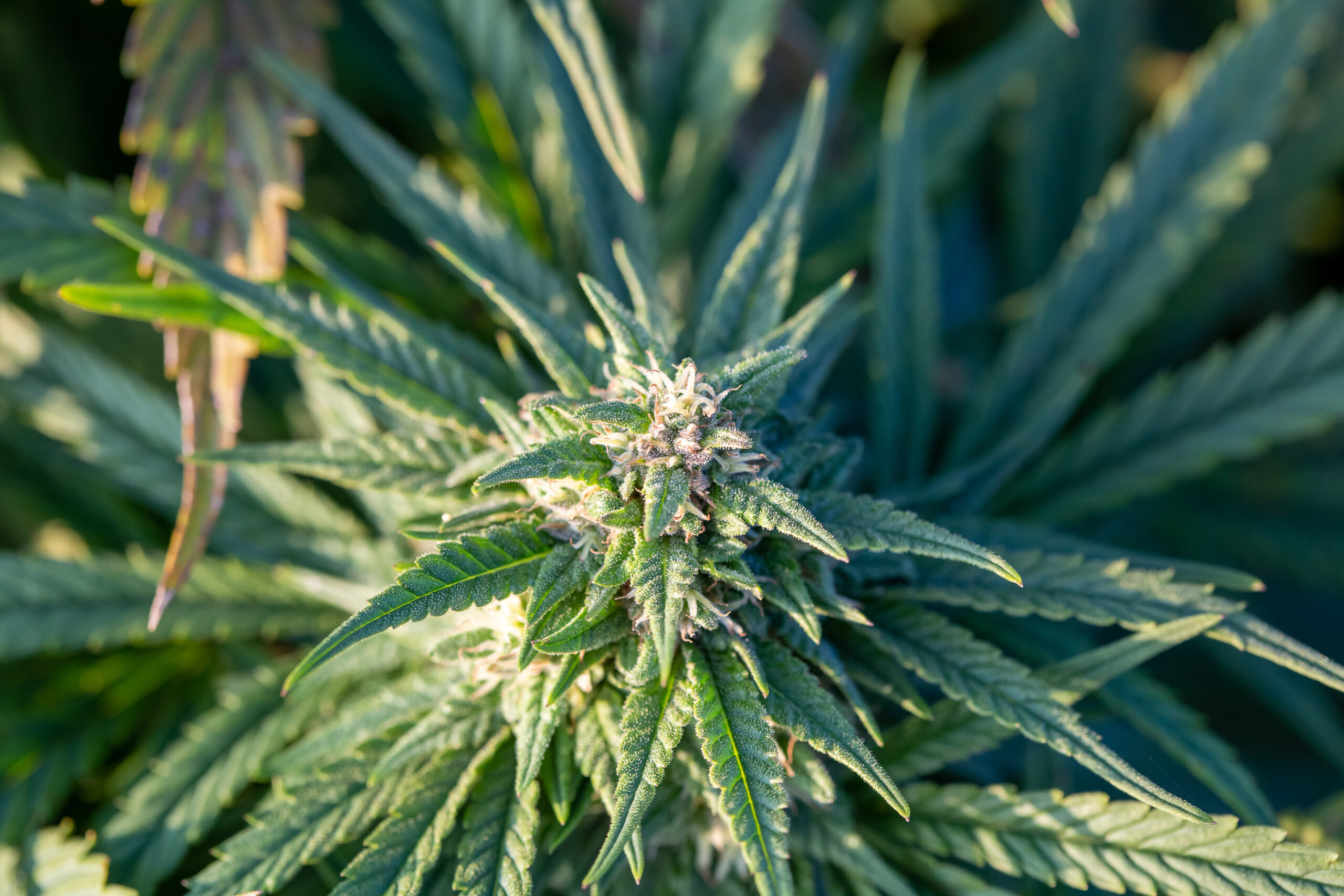


You can grow weed at home in New York, but only if you follow the rules. That is the part many people miss. Some hear that home growing is legal and stop there. In reality, New York allows home cultivation only under specific limits. Those limits cover who can grow, how many plants are allowed, where the plants can be kept, how the harvest must be stored, and what a person can carry outside the home. A clear understanding of these rules can help people avoid mistakes that may lead to fines or other legal trouble.
This topic matters because more people in New York now want to grow cannabis for personal use. Some want more control over what they use. Some want to save money over time. Others simply want to learn how the process works. No matter the reason, the law still sets clear boundaries. Growing at home is not the same as having total freedom to do anything with cannabis. New York allows home growing for personal use, but it does not allow people to ignore plant limits, sell what they grow, or keep plants in places that break state rules.
One of the first things people want to know is whether home growing is legal for everyone. The answer is no. Age matters. In New York, adult use cannabis growing is for adults age 21 and older. That means a person under 21 cannot legally grow weed at home for adult use. There are also medical rules that can apply in certain cases, such as when a registered patient or caregiver is involved. This is one reason why the law can feel confusing at first. The basic idea is simple, but the details matter.
Another common point of confusion is plant count. Many people ask how many cannabis plants they can have and whether that number changes if more than one adult lives in the home. This is one of the biggest rule areas to understand before anyone buys seeds or starts planting. A person may think that adding more adults means unlimited plants, but that is not how the law works. New York sets both per person limits and household limits. That means the total number of plants in one home still has a cap, even if several adults live there. A person who does not know this could break the rules without meaning to.
Location is also a major part of the law. New York does not allow people to grow cannabis just anywhere. The plants must be grown in or on the grounds of a private residence. This sounds simple, but it raises more questions. What if a person rents an apartment. What if they live with family. What if they stay in a temporary place. What if a landlord does not allow it. These are the kinds of real life questions people ask before they start growing, and they are important because a legal plant in the wrong place can still create legal or housing problems.
Storage and possession rules are another key part of staying within the law. Growing cannabis at home is one thing. Keeping the harvested flower is another. The state also has rules about how much cannabis a person can keep at home and how much they can carry in public. These limits are separate from plant counts. A person may follow the plant rules and still run into trouble if they store too much in the wrong way or carry more than the legal amount outside the home. People also need to think about security. Cannabis plants and harvested cannabis should be kept away from minors and stored in a secure place.
There is also the question of what a person can do with homegrown weed after harvest. Some people assume they can sell a little to friends or trade some for something else. That is not allowed. Home growing in New York is for personal use. Selling or trading homegrown cannabis can create much bigger legal problems than simply growing within the rules. Another area people often ask about is making edibles, oils, or concentrates. Some forms of home processing may be allowed, but dangerous extraction methods using flammable gases are not. This is an important safety and legal issue.
This article will walk through the rules in a clear and simple way. It will explain who can legally grow weed at home in New York, how many plants are allowed, where those plants can be kept, and what limits apply to possession and storage. It will also cover questions about renters, seeds, young plants, sharing, selling, and home processing. The goal is to help readers understand not just whether they can grow weed at home in New York, but how to do it without breaking the rules. Knowing the law before starting is the best first step.
Is It Legal To Grow Weed At Home In New York?
It is legal to grow weed at home in New York, but only under state rules. New York allows home cultivation for both adult use and medical use. This means home growing is not automatically illegal anymore. Still, that does not mean anyone can grow any amount in any place. The law only protects home growing when a person follows the rules on age, plant limits, location, and use.
This is where many people get confused. They hear that weed is legal in New York and think that growing at home must also be fully open with few limits. That is not true. New York does allow home growing, but it is still a controlled activity. The law is specific. It covers who can grow, when home growing became legal, where the plants can be kept, and how much a person can grow at one time.
Adult Use Home Cultivation In New York
For adult use, home cultivation became legal in New York on June 26, 2024. From that date on, adults age 21 and older were allowed to grow cannabis at home for personal use under the state’s rules.
This point is important because many people still think home growing became legal as soon as New York legalized adult use cannabis in 2021. That is not correct. New York did legalize adult use cannabis earlier, but home cultivation for adult use did not begin right away. There was a delay before the state allowed adults to grow plants at home. Because of that delay, many older articles and forum posts still give outdated answers.
That is why this question keeps showing up in search results. Someone may read one source that says home growing is legal, then find another source that says it is not. In many cases, the older source was written before the state officially started adult use home cultivation. The current answer is simple. Yes, adults can now grow weed at home in New York, but only if they follow the current rules.
Medical Home Cultivation Started Earlier
Medical home cultivation became legal before adult use home cultivation. In New York, certified medical cannabis patients and designated caregivers age 21 and older were allowed to grow at home starting on October 5, 2022.
This means the medical side came first. A person in the medical cannabis program had a legal path to home cultivation before adult use growers did. That is why some people saw news about legal home growing in 2022, while others were told they still could not legally grow for adult use at that time. Both answers were true, depending on whether the person was growing under the medical program or not.
Medical home cultivation is tied to patient use. It is meant to support a patient’s own medical needs. A designated caregiver may also be allowed to grow for a patient in some cases. This can apply when a patient is under 21 or cannot manage cultivation alone. Even then, the caregiver must still follow program rules and state limits.
What Legal Home Growing Really Means
When the state says home growing is legal, it does not mean there are no limits. Legal home cultivation in New York only applies in certain situations. First, the grower must meet the age rule. For adult use, that means the person must be at least 21 years old. Second, the plants must be grown in or on the grounds of a private residence. A private residence is a place meant for living. It does not include temporary places such as hotels or motels.
The law also sets plant limits. New York allows up to three mature plants and three immature plants per person. There is also a household cap of six mature plants and six immature plants total in one private residence. That cap stays the same even if more than two adults live in the home.
This matters because legality is not only about whether a person grows at home. It also depends on how many plants are involved. A person may be growing in the right place, but if they go over the legal plant limit, that grow is no longer within the rules. In simple terms, home growing is legal only when the person stays inside all parts of the law, not just one part.
Personal Use Does Not Mean Business Use
Another key point is that legal home cultivation is for personal use. It is not a free pass to sell what you grow. New York does not allow people to sell, trade, or barter homegrown cannabis unless they have the proper license or registration.
This is a very important difference. A person may legally grow a few plants at home for personal use, but that same person can still get into trouble for trying to turn that crop into an unlicensed business. Sharing, selling, and exchanging cannabis can fall under different rules than simple home cultivation. So when people ask whether home growing is legal, they also need to understand that the answer only covers personal use within state limits.
Why The Rules Still Matter
Many people stop at the headline and think that is enough. They hear that home growing is legal and move on. But the details are what keep a person within the law. Age rules matter. Plant limits matter. Location matters. Personal use matters. A grow that starts out legal can become illegal if one of those rules is ignored.
This is why it is smart to look beyond the simple yes or no answer. The real answer is more complete. New York does allow home growing, but it allows a limited version of it. The law gives people a path to grow at home, not a blank check to do whatever they want.
It is legal to grow weed at home in New York. Medical home cultivation started first in 2022, and adult use home cultivation followed in 2024. Even so, legal does not mean unlimited. Home growing is only allowed for people who meet the age rules, grow in a private residence, stay within plant limits, and use what they grow for personal use. That is the key idea readers need to remember. In New York, growing weed at home is legal, but only when the rules are followed closely.
Who Can Legally Grow Cannabis At Home In New York?
New York allows some people to grow cannabis at home, but not everyone qualifies. The rules depend on age, purpose, and whether the grow is for adult use or medical use. Understanding who can legally grow is the first step in staying within the law.
Adults Age 21 And Older Can Grow For Personal Use
In New York, adults who are 21 or older can legally grow cannabis at home for personal use. This is the main rule most readers want to know first. If you are at least 21 and live in a place where home growing is allowed, New York lets you grow cannabis at home as long as you follow the rest of the state rules, such as plant limits, storage rules, and location rules. The law is not for people who want to run a business from home. It is only for personal home cultivation.
This means age matters right away. A person who is 21 or older may qualify to grow adult use cannabis at home, but a person who is younger than 21 does not qualify under the adult use rules. That age line is one of the clearest parts of New York’s home cultivation guidance. Even if a younger person lives in a home where cannabis is grown legally by another adult, that does not give the younger person the legal right to grow adult use cannabis on their own.
Another important point is that the state talks about growing at a private residence. So, being 21 or older is not the only part of the rule. The grow must still happen in the kind of place the state allows, and the grower must still follow the rest of the law. In simple terms, age gets you through the first door, but it does not remove the other rules.
People Under 21 Cannot Grow Adult Use Cannabis
New York does not allow people under age 21 to grow cannabis under the adult use system. This is true even if the person is close to turning 21, and it is true even if cannabis is already being grown legally in the same home by an adult. The adult use home grow rules are written for adults only. For most readers, this is the easiest way to remember it. If you are under 21, you cannot legally grow weed at home in New York under the adult use rules.
That also means a younger person cannot use another adult’s legal grow rights as a shortcut. A home may have legal cannabis plants in it, but the person who is legally allowed to grow them must still be someone who meets the state’s age and program rules. This helps explain why parents and guardians need to pay close attention to how cannabis is stored and who has access to it. The grow may be legal for one person in the home, but not for everyone in the home.
Medical Patients And Designated Caregivers Have A Special Path
New York also has a separate path for medical cannabis home cultivation. Under the medical program, certified patients and designated caregivers who are 21 or older and registered with the Medical Cannabis Program may grow cannabis at home for the patient’s personal medical use. These medical home cultivation rules started before the adult use home grow rules.
A certified patient is a person who has been approved to use medical cannabis for a health condition. A designated caregiver is a person who is registered to help a certified patient. In some cases, the caregiver can grow on the patient’s behalf. This is especially important when the patient is younger than 21 or when the patient has physical or mental limits that keep them from growing cannabis on their own. In those cases, the caregiver gives the patient a legal way to access home grown medical cannabis without breaking the rules.
This medical exception matters because it shows that New York does not treat every home grow case the same way. For adult use cannabis, the basic rule is simple. You must be 21 or older. For medical cannabis, there is more flexibility because the state recognizes that some patients need help. A young patient cannot qualify under the adult use rule, but a caregiver may be able to grow medical cannabis for that patient when the program rules are met.
Why The Difference Matters
Readers often mix up adult use home growing and medical home growing, but the difference matters. Adult use growing is based mainly on age and personal use. Medical growing is based on patient status, registration, and, in some cases, caregiver support. A person may qualify under one system and not the other. That is why it is smart to know which set of rules applies to your situation before you buy seeds, plants, or equipment.
The basic answer is simple. In New York, adults age 21 and older can grow cannabis at home for personal use under the adult use rules. People under 21 cannot grow adult use cannabis. The main exception comes through the medical cannabis program, where certified patients and designated caregivers age 21 and older may grow for medical use, and a caregiver may grow on behalf of a patient who is under 21 or unable to grow for themselves. Knowing which group you fall into is the first step to staying within New York law.
How Many Weed Plants Can You Grow In New York?
Plant limits are one of the most important parts of New York’s home grow rules. Many people think they only need to count the total number of plants, but that is not enough. The state also separates plants into two groups, which are mature plants and immature plants. To stay within the rules, a grower needs to understand both limits and keep track of how each plant is counted as it grows.
Before looking at the details, it helps to start with the basic rule.
The Basic Plant Limit
In New York, one adult who is 21 or older can grow up to 3 mature cannabis plants and 3 immature cannabis plants at the same time. This means one person can have up to 6 plants in total, but only 3 of those plants can be mature.
This part of the law is important because the rule is not just about having six plants. It is about having the right mix of mature and immature plants. A person cannot simply grow any six plants and assume that is legal. For example, if someone has 4 mature plants and 2 immature plants, that person would still be over the limit. Even though the total number is 6, the number of mature plants is too high.
That is why growers need to count carefully. They need to know not only how many plants they have, but also what stage each plant is in. This can make a big difference when plants begin to change from one stage to another.
The next thing to understand is that New York also sets a limit for the whole household.
The Household Limit
New York does not allow each adult in a home to keep adding more plants without a limit. The law also places a cap on the private residence itself. A household can have no more than 6 mature plants and 6 immature plants in total.
This means the household cap stays the same even if more than two adults live there. For example, if two adults live together, they may reach the full household limit with 6 mature plants and 6 immature plants. But if three adults or four adults live in the same home, that number does not go up. The residence is still capped at 6 mature and 6 immature plants.
This is where many people make mistakes. They may think every adult gets a full set of plants with no shared limit. That is not how the rule works. The personal limit matters, but the household cap matters too. Anyone who lives with other adults should know how many plants are already being grown in the home before starting their own grow.
To follow the law, it is also important to understand what the state means by an immature plant.
What Counts As An Immature Plant
An immature cannabis plant is a plant that does not yet have visible buds or flowers. In simple terms, it is still in an earlier stage of growth. It may be getting bigger and stronger, but it has not reached the point where buds or flowers can be clearly seen.
This part can seem simple at first, but it matters a lot in real life. A plant does not stay immature forever. As it grows, it may begin to form buds or flowers. Once that happens, it no longer counts as an immature plant under the law.
Because of that, growers should check their plants often. A setup that is legal today may become a problem later if too many plants move into the mature stage at the same time. Someone may start with several immature plants and think everything is fine, but once those plants begin to flower, the mature plant count can rise fast.
That leads to the next question, which is how New York defines a mature plant.
What Counts As A Mature Plant
A mature cannabis plant is a plant with visible buds or flowers. That is the main sign used to separate it from an immature plant. The plant does not need to be fully grown or ready for harvest. Once buds or flowers can be seen, it counts as mature.
This is an important point because some people may think a plant only becomes mature when it is almost ready to cut down. That is not the case. The change happens earlier, when visible buds or flowers appear. So a grower needs to watch the plants closely and count them the right way as they develop.
This rule makes the mature plant count especially important. Mature plants are the ones most directly tied to usable cannabis, so the law puts a firm cap on how many can be grown at one time. A person who does not pay attention to this stage could end up over the limit without meaning to.
All of this shows why the difference between mature and immature plants is more than just a technical detail.
Why The Difference Matters
The split between mature and immature plants is one of the most important parts of the home grow rules. A person could have the right total number of plants and still break the law by having too many mature ones. That is why rough counting is not enough.
This difference also affects how people plan their grow. Some may decide to grow fewer plants so they have more room when plants begin to flower. Others may spread out their grow cycle so all the plants do not reach the mature stage at once. Careful timing can help people stay within the legal limit.
New York allows one adult to grow up to 3 mature cannabis plants and 3 immature cannabis plants. At the household level, the cap is 6 mature plants and 6 immature plants total. An immature plant is one without visible buds or flowers. A mature plant is one with visible buds or flowers.
The safest way to stay within the rules is to count plants often, pay attention as they change stages, and remember that the household cap is just as important as the personal limit. A simple mistake in counting can turn a legal home grow into a problem, so clear tracking is one of the best ways to stay on the right side of the law.
Where Can You Grow Weed At Home In New York?
Understanding where you can grow cannabis is just as important as knowing that it is legal. New York allows home growing, but only in specific places that meet clear rules. These rules focus on keeping the grow tied to a real home and away from public or temporary spaces.
A Private Residence Is The Main Rule
New York allows home cannabis growing only at a private residence. This is the most important location rule to follow. A private residence means a place that is used for living on a regular basis. It can be a house, apartment, or other type of home where people stay long term.
This rule exists to keep cannabis growing in a controlled and personal setting. The law is not designed for growing in business spaces or shared public areas. It is meant for personal use inside a home environment.
Many people assume they can grow anywhere on private land, but that is not correct. The location must be tied to a residential space. If the place is not a real home, then it does not meet the rule.
What Counts As A Private Residence
A private residence includes the home itself and, in some cases, the outdoor areas connected to it. This means you may grow inside your home or on the property around it, as long as that space is part of your residence.
For example, a backyard or garden may qualify if it is part of your home and not shared with others. The key point is control. You must have the legal right to use that space, and it must not be open to the public or shared in a way that removes your control.
Different types of housing can qualify as a private residence. This includes houses, apartments, mobile homes, and similar living spaces. The type of home does not matter as much as its purpose. It must be a place where people live, not a place meant for short stays or business use.
Places That Do Not Count
Some locations do not qualify as private residences, even if you are staying there for a while. Hotels, motels, and other temporary accommodations are not allowed for home growing. These places are meant for short term use and do not meet the definition of a permanent home.
This rule is important because many people now stay in short term rentals or travel often. Even if you stay in one place for several weeks, it still does not count as a legal grow location if it is meant for temporary use.
Shared spaces can also cause problems. Areas like hallways, shared yards, or common building spaces are not considered private grow areas. These spaces are used by multiple people and are not under full control of one resident.
Indoor And Outdoor Growing At Home
New York allows both indoor and outdoor growing, but the location must still follow the private residence rule. Indoor growing is often the easiest way to stay within the law because it is easier to control access and visibility.
Outdoor growing can also be allowed, but only when the space is part of your home and not shared. For example, a fenced backyard that only you can access may be acceptable. On the other hand, a shared courtyard or open space may not meet the requirement.
Even when growing outdoors, the plants should still be part of your private home setting. The goal is to keep the grow tied closely to your residence and not exposed to others.
Privacy And Public View Still Matter
Location is not only about where you grow but also how visible and secure the grow is. New York requires that homegrown cannabis is kept in a secure place and not easily accessed by people under 21.
The plants should also not be visible to the public. This means people passing by should not be able to see them easily. A good setup may include a locked room, a fenced area, or another enclosed space.
Security steps help protect both the grower and others. They reduce the risk of theft, accidental access, and legal problems. Even if your home qualifies as a legal location, poor setup can still lead to issues.
You can grow weed at home in New York only in a true private residence. This includes your home and certain outdoor areas connected to it, as long as they are not shared and are under your control. Temporary places like hotels do not qualify. Both indoor and outdoor growing may be allowed, but the space must be private, secure, and out of public view. The safest approach is to keep your grow inside your home or in a clearly private area that you control fully.
Can You Grow Weed In A Rental Or Apartment?
Living in a rental or apartment does not always stop someone from growing cannabis at home in New York. In many cases, the main rule is not whether you own the home, but whether the grow follows state law and the rules of the property. This is where many people get confused. A person may be old enough to grow and may stay within the plant limit, but still run into trouble if the building owner does not allow it. That is why renters need to look at both state rules and their lease before they start.
Renting Does Not Automatically Mean You Can Grow
New York allows adults age 21 and older to grow cannabis at home for personal use, but that does not mean every rental property must allow it. A rental unit may still be a private residence, which means it can fall within the type of place where home growing is allowed under state law. Still, the right to grow at home is not always unlimited when someone is living in a space owned by another person or company.
This is important for apartment renters, house renters, and people who live in shared housing. A tenant may think that state law gives full permission to grow in any home. In practice, it is more limited than that. A landlord or property owner may place rules on what is allowed inside the unit or on the property. That can include rules about smoking, odors, fire safety, water use, electrical changes, and plant cultivation.
So, the simple answer is yes, a renter may be able to grow weed at home in New York, but only if the property owner does not ban it and the grow follows state rules.
Why Lease Terms Matter
The lease is one of the most important papers a renter has when it comes to home growing. A lease is a legal agreement between the tenant and the landlord. It often includes rules about what the tenant can and cannot do in the property. Some leases are very clear and directly say that cannabis growing is not allowed. Others may not mention cannabis at all, but may still ban activities that would affect growing, such as damaging the unit, changing wiring, creating strong odors, or using the property in a way the landlord does not approve.
This means a renter should never assume silence equals permission. Even if the lease does not use the word cannabis, other parts of the lease may still create problems for a home grow. For example, a landlord may ban any activity that causes moisture damage, mold risk, pest issues, or strong smells that affect neighbors. Indoor cannabis grows can raise all of those concerns if they are not managed well.
A landlord may also have separate building rules in addition to the lease. In an apartment building, there may be rules about balconies, windows, outdoor spaces, shared yards, ventilation, and electrical equipment. These rules matter too. A legal grow under state law can still violate building policy.
Apartment Living Can Create Extra Problems
Growing in an apartment can be harder than growing in a detached home because apartments often share walls, vents, hallways, and outdoor spaces. Even a small grow can create issues with smell, humidity, heat, and noise from fans or equipment. In a large building, these issues may affect other residents. That is one reason some landlords choose to ban cannabis cultivation completely.
Space is another issue. New York limits the number of plants, but even a small legal grow still needs enough room to stay secure and out of public view. In a small apartment, that can be difficult. Tenants must also keep cannabis away from anyone under 21. That can be even more important in family homes or shared apartments where children or younger roommates live.
Apartment renters also need to think about safety. Overloading outlets, using bright grow lights, or setting up equipment the wrong way can create fire risks. Property owners often pay close attention to anything that changes power use or puts the building at risk. A landlord who sees that risk may act fast, even if the tenant did not mean to break any rule.
Medical Tenants May Have Added Protection
The situation can be different for people in the medical cannabis program. Registered medical cannabis patients and certain designated caregivers have had home grow rights in New York longer than adult-use consumers. In some housing situations, medical users may have added protections, especially when cannabis use is tied to a medical need.
That does not mean every medical tenant can ignore lease terms. It does mean the issue may be more complex. Housing providers may need to consider medical status in ways that do not apply to adult-use growing. Still, even medical tenants should not assume they can grow without checking the rules that apply to their home. Medical status may offer some support, but it does not cancel every housing policy or safety concern.
A medical tenant should review the lease carefully and be ready to look into the specific housing protections that apply to their situation. This is especially important in apartments, subsidized housing, and buildings with strict property rules.
What Renters Should Do Before Starting
A renter who wants to grow at home should take a careful approach before buying seeds or setting up plants. The first step is reading the lease from start to finish. Look for any rule about cannabis, smoking, cultivation, odors, damage, electrical use, fire risk, or changes to the unit. The next step is checking whether the building has separate rules for tenants.
It is also smart to think about the practical side of growing in that space. Can the plants stay secure? Can they stay out of public view? Is there enough room to grow within the law without bothering neighbors or damaging the unit? Can the grow be managed without creating moisture, smell, or safety problems? These questions matter just as much as the plant limit.
A renter should also remember that breaking lease rules can lead to problems even if the grow itself is legal under state law. The issue may not be criminal, but it can still affect the tenant’s housing.
Renters and apartment residents in New York may be able to grow weed at home, but they do not have a free pass. State law allows home growing for adults who follow the rules, yet landlords and property owners may still ban it on their premises. That is why lease terms matter so much. Apartment living can also bring extra issues such as smell, safety, shared space, and limited room. Medical tenants may have added protections in some cases, but they still need to review the rules that apply to their housing. The safest path is simple. Check the law, check the lease, and make sure the grow fits both before getting started.
Where Can You Buy Seeds Or Young Plants In New York?
Getting seeds or young plants is one of the first steps in a home grow. It is also one of the easiest places to make a mistake. Many people know that home growing is legal in New York for adults 21 and older, but they are less clear about where starting materials can come from. The short answer is simple. You should buy only from sellers that New York allows to sell seeds or immature plants for home cultivation. That helps you follow the rules from day one and gives you a clearer path as you begin.
Buy From Licensed Sellers Only
The safest choice is to buy seeds or young plants from a licensed seller. In New York, adult-use home growers cannot just buy from any source and assume it is fine. The state allows certain licensed businesses to sell seeds and immature plants to consumers. These can include adult-use retail dispensaries, microbusinesses, and certain registered organizations that are allowed to dispense.
This matters because not every cannabis business sells directly to the public in the same way. A business may be part of the cannabis industry and still not be the right place for a home grower to shop. A licensed consumer-facing seller is the better path because it fits the state’s rules for legal sales. Starting with a legal purchase helps lower the chance of confusion later.
Buying from a licensed seller can also give you more basic product information. That does not mean every product will be the same or that growing will be easy, but it does mean you are more likely to get clear labeling and instructions than you would from an unknown source.
What Adult-Use Buyers Can Purchase
New York allows adult-use consumers to buy both seeds and immature plants for home growing. This gives beginners more than one way to start. Some people like seeds because they can start from the earliest stage. Others prefer immature plants because they are already growing and may feel easier to manage at first.
An immature plant is a young cannabis plant that has not yet reached the mature flowering stage. In simple terms, it is a starter plant. That can be helpful for a new grower who wants a head start. Even so, the rule about where to buy it stays the same. Whether you choose seeds or a young plant, the product should come from a legal seller approved under New York’s system.
This is important because people often focus only on whether home growing is legal. They forget that the source of the plant matters too. Starting with seeds or young plants from the right seller makes the whole grow setup easier to explain and easier to keep within the rules.
What Medical Buyers And Caregivers Can Purchase
Medical home growers also have a legal path in New York. Certified patients and designated caregivers can buy seeds or immature plants through the medical side of the system. This is slightly different from the adult-use path, so readers should not assume that every rule is exactly the same for both groups.
For medical growers, the state allows certain registered organizations to provide these starting materials. That means a person in the medical program should follow the medical channel instead of assuming that every adult-use option applies in the same way. This helps avoid mix-ups and keeps the purchase tied to the right legal category.
This distinction matters most for people who are buying on behalf of a patient or growing under medical rules instead of adult-use rules. Knowing which system applies to you can save time and reduce problems when you visit a seller.
Why Availability May Vary From Store To Store
Even when a store is legally allowed to sell seeds or immature plants, that does not mean those items will always be in stock. Availability can change from one business to another and from one week to the next. Some stores may focus more on finished cannabis products and carry only a small amount of home-grow supplies. Others may not have any seeds or young plants available at all at the time you check.
This is why it is smart to contact the store before you go. A quick call or menu check can save time. It can also help you learn whether the seller has seeds, young plants, or both. For first-time growers, this step is practical, not optional. It helps you avoid making a trip for something that is not there.
Supply can also vary because the legal process behind these products involves more than just the seller on the store floor. Seeds and young plants move through regulated steps before they reach consumers. When supply is limited at one stage, it can affect what shoppers see in stores.
What To Check Before You Go
Before you visit a seller, it helps to ask a few simple questions. First, ask whether seeds are in stock. Second, ask whether immature plants are available. Third, ask whether the store serves adult-use home growers, medical home growers, or both. These details can make your visit much smoother.
It is also wise to ask what information comes with the product. Some licensed sellers provide care instructions that cover the basics, such as light, water, and temperature. This can be very useful for a beginner. Even simple written guidance can help you avoid problems in the early stage of growth.
You should also take time to read the product label. Seeds and young plants are not all the same. Labels may include useful details about the plant and may also show disclosures that matter to a buyer. Reading the label is a small step, but it helps you make a better decision before bringing anything home.
What This Means For New York Home Growers
For most people, the main point is easy to remember. Yes, New York allows home growers to buy seeds and young plants, but the purchase should come from the right kind of seller. Adult-use growers should stick to approved adult-use sellers. Medical patients and caregivers should use the medical path that applies to them.
It is also normal for stock to vary, so checking ahead is part of the process. Home growing starts long before the plant goes into a pot. It starts with getting your supplies in a legal and practical way. When you buy from a licensed source, confirm availability, and read the product information, you put yourself in a better position from the start.
Buying seeds or young plants in New York is legal for home growers, but the source matters. Adult-use buyers should use approved licensed sellers, while medical patients and caregivers should follow the medical path that applies to them. Store stock may not always be the same, so checking before you visit is a smart move. The best way to stay within the rules is to buy from legal sources, pay attention to product details, and begin your grow with clear information instead of guesswork.
How Much Homegrown Cannabis Can You Keep At Home And Carry Outside?
New York gives adults two different limits to think about. One limit is for what you can keep at home. The other limit is for what you can carry with you in public. This matters because many people assume that once they grow cannabis at home, they can carry all of it anywhere. That is not how the rule works.
At home, the limit is much higher. A person may keep up to 5 pounds of cannabis flower in their home or on the grounds of their private residence. The state also allows the equivalent weight in concentrated cannabis. This is explained as up to 22.5 ounces of concentrate, or a mix of flower and concentrate that adds up to the same legal limit.
This larger home limit makes sense because a legal home grow can produce more cannabis than a person would carry in daily life. The law gives people room to keep what they grow, as long as it stays at their residence and stays within the legal cap. In simple terms, your home is the one place where New York lets you keep much more cannabis than you can carry in public.
What You Can Carry Outside The Home
The public possession limit is lower. Adults age 21 and older may carry up to 3 ounces of cannabis flower and up to 24 grams of concentrated cannabis on their person. This is the amount the state allows for personal possession outside the home. It does not matter whether the cannabis came from a licensed store or from plants you grew yourself. The same outside carrying limit still applies.
This is where many people get confused. They may think that because they can keep up to 5 pounds at home, they can also put several jars in a bag and take them to a friend’s house or carry them in a car. That is not correct. Once you leave your home, the smaller public limit applies. So even if your harvest is legal at home, carrying more than 3 ounces of flower or more than 24 grams of concentrate outside the home can put you over the legal limit.
Why Plant Limits And Possession Limits Are Not The Same
It also helps to understand that plant limits and possession limits are not the same thing. Plant limits control how many plants you may grow. Possession limits control how much usable cannabis you may keep or carry.
A live cannabis plant that is still growing in soil counts toward the plant limit. It is not weighed against the 5 pound home possession limit while it is still alive in its growing medium. Once the plant is harvested, trimmed, and no longer a live plant, then the weight limit matters.
That means a grower should not panic if a healthy live plant seems heavy. The issue is not the total weight of the living plant in its pot. The issue is the weight of the usable cannabis after harvest. This distinction is important because it explains why New York has both plant rules and possession rules. One rule controls your grow setup. The other controls the amount of usable product you have after harvest.
What This Means In Real Life
In real life, the easiest way to stay safe is to think of home and public space as two separate rule zones. At home, you may keep a larger amount, up to the legal home limit. Outside the home, you should stay under the personal carrying limit.
For example, a person may harvest cannabis from legal plants and store several jars at home. That can still be lawful if the total amount stays within the 5 pound home limit. But if that same person takes a backpack filled with several ounces outside the home, the public possession rule applies instead. The fact that the cannabis was grown legally at home does not remove the outside limit.
It is also wise to keep careful track of dried flower and concentrate after harvest. Fresh plants, drying buds, trimmed flower, and homemade products can make it harder to judge how much usable cannabis you really have. Good storage and clear labels can help you avoid crossing the limit by accident. While the law allows home cultivation, it still expects growers to know how much usable cannabis they possess.
New York also warns that possession over the legal limit can lead to penalties. Unlawful possession of more than 3 ounces of cannabis or more than 24 grams of concentrated cannabis can lead to a fine. Larger amounts can lead to more serious problems.
The basic rule is simple once you break it apart. New York lets you keep much more cannabis at your private residence than you can carry in public. At home, the limit is up to 5 pounds of cannabis flower, with an equivalent amount allowed in concentrate form. Outside the home, the limit drops to 3 ounces of flower and 24 grams of concentrate. Live plants are counted by plant number, not by usable weight, until they are harvested and trimmed. Keeping these limits straight is one of the most important parts of growing cannabis at home without breaking the rules.
Can You Share, Gift, Sell, Or Trade Homegrown Weed?
Homegrown cannabis in New York is meant for personal use. That is the first rule to understand before you plant anything. The state allows adults to grow cannabis at home, but that does not turn a home grow into a small business. A person can grow for their own use within the legal plant limits, but that freedom does not include the right to sell what they grow.
This matters because many people hear that home growing is legal and assume they can do more with their harvest than the law actually allows. The rule is much narrower than that. It gives adults a legal way to grow for themselves, not a way to enter the cannabis market without a license. Home cultivation and commercial cannabis sales are treated as two different things. Licensed sales belong to the legal market. Home cultivation belongs to personal use.
Can You Give Homegrown Weed To Someone Else?
This is where many people get confused. Some think giving weed away for free is always legal because no money is involved. That idea can cause problems. In New York, a person cannot trade, barter, or set up a fake gift arrangement to get around the rules.
For example, a person cannot sell another item, then claim the weed is just a free bonus. A person also cannot call it a gift if they expect money, a favor, another item, or any other benefit in return. Once something of value is exchanged for the cannabis, it moves away from personal use and into illegal activity.
That is why the word gift can be misleading. A real gift means nothing is expected back. But many so called gifts are not really gifts at all. They are just hidden sales. The name does not matter as much as the action. If cannabis is part of a deal, it can still break the law.
Why Selling Homegrown Cannabis Is A Bigger Legal Risk
Selling homegrown cannabis creates a much bigger legal risk than simply growing within the rules. When a person moves from personal use into selling, the possible consequences become much more serious. In simple terms, growing too many plants is one type of problem, but selling cannabis without a license is a different and more serious one.
New York’s cannabis system is built around licensed businesses. Retail sales are supposed to happen through approved dispensaries and other licensed operators. This helps the state control testing, packaging, labeling, taxes, and age limits. When someone sells homegrown weed outside that system, they step outside the legal market.
That can bring bigger penalties than a basic home grow mistake. It can also create problems that affect more than one area of the law. A person may think they are making a small side sale, but the law does not treat that lightly. Once money changes hands, the risk rises fast.
Why Trading Or Bartering Also Breaks The Rules
Some people only think about cash sales and forget about trades. They may believe a trade is safer because no money changes hands. New York does not treat it that way. Trading or bartering homegrown cannabis also breaks the rules.
This means a person cannot swap weed for food, clothes, rides, work, event tickets, or anything else of value. The form of payment does not change the issue. The law looks at whether cannabis is being exchanged for something, not only whether cash is involved.
This part of the rule matters because trading can sound casual and harmless. A person may think it is just a private deal between friends. But the law still sees it as an exchange. That is why trade and barter are not safe workarounds.
Do Age Rules Still Apply?
Age rules still matter in every situation. Adults under 21 cannot legally take part in adult use cannabis activity the way people 21 and older can. Giving or selling cannabis to someone under 21 can lead to serious problems.
This is one reason safe storage matters so much. A person who grows at home should think not only about how many plants they have, but also about who can access the harvest. Homegrown cannabis should not be left where minors can get to it.
Keeping it away from people under 21 is part of staying within the rules. It also lowers the chance of accidents, misuse, and legal trouble inside the home.
How To Stay On The Safe Side
The safest way to think about homegrown weed in New York is very simple. Grow only within the plant limits. Keep the harvest for your own personal use. Do not sell it. Do not trade it. Do not barter it. Do not attach it to another sale and pretend it is a gift.
It also helps to remember that legal home cultivation is not the same as having a cannabis business license. A home grow does not give a person the right to act like a dispensary, delivery service, or private seller. Selling cannabis legally requires state approval and licensing.
When people get into trouble, it is often because they blur the line between personal use and distribution. That line matters. Home growing may be legal, but home selling is not.
Homegrown cannabis in New York is for personal use, not for side income or private deals. A person cannot legally sell, trade, or barter what they grow at home. They also cannot hide a sale behind the word gift. Giving or selling cannabis to anyone under 21 can lead to even more serious trouble. The safest rule is easy to remember. Grow for yourself, stay within the limits, and keep homegrown weed out of any sale, trade, or exchange.
What Rules Apply To Storage, Security, Visibility, And Minors?
New York allows home cannabis growing, but that does not mean people can grow however they want. The law comes with rules about where plants are kept, who can reach them, and whether other people can see them from outside the property. These rules matter because homegrown cannabis is only for legal personal use, not for open display or easy access. State guidance says cannabis plants must be kept in a secure location within the home or on the grounds of the private residence where the adult lives. The state also says people must take reasonable steps so the plants and homegrown cannabis are not accessible to unauthorized people or to anyone under age 21.
Keep Plants In A Secure Place
The first rule is simple. Your plants need to be in a secure place. That means the grow area should not be open for anyone to walk into. A secure place can be indoors or outdoors, but it must still be part of your private residence or the grounds next to it. New York guidance explains that cannabis can be grown inside or outside, but the area must be one you have a legal right to use. For example, a private backyard may qualify, but a shared outdoor space usually would not.
A secure place also means using real barriers. The state gives examples such as locks, gates, doors, fences, or other barriers that stop unauthorized access. In plain terms, this means a person should not leave plants sitting in an open area where visitors, delivery workers, neighbors, or children could reach them. A locked room, a locked greenhouse, a fenced area with a locked gate, or another closed space fits the rule much better than an open porch or an unfenced yard.
Keep The Grow Out Of Public View
New York also says home cultivation must not be plainly visible from public view. This is an important part of staying within the rules. If people walking by the house, driving down the street, or standing outside the property can clearly see the plants, that can create a problem. State guidance explains that the grow should be enclosed or placed behind gates, doors, fences, or other barriers so people who are not on the property cannot see the plants.
This rule applies whether the grow is inside or outside. Indoor growers should think about windows, glass doors, and open garage spaces. Outdoor growers should think about sightlines from sidewalks, neighboring properties, and nearby roads. A grow area hidden behind a fence or inside an enclosed structure is safer than one that is easy to spot. Keeping plants out of public view does more than help with compliance. It can also reduce the chance of theft, complaints, or unwanted attention.
Protect People Under 21
Another major rule is about age. New York says home cultivated cannabis must not be accessible to anyone under 21. This includes the plants while they are growing and the flower after harvest. The reason is clear. Adult use cannabis is not legal for people under 21, so adults who grow at home need to take that seriously. It is not enough to assume that children or teens in the home will stay away from the plants. The grower has to take reasonable steps to block access.
In real life, this means using locked spaces, keeping doors shut, and choosing a place that younger people cannot freely enter. A spare room with a lock works better than a common area. A locked outdoor structure works better than an open garden. Even in homes without children, this rule still matters because minors may visit the property. Friends, relatives, neighbors, and guests may bring young people with them, so the grow area should stay protected all the time, not only when the owner is watching.
Secure The Harvest Too
The rules and safety concerns do not stop after harvest. New York guidance strongly recommends storing cannabis flower and cannabis products in a locked container, a lockable drawer, or another secure space. The state makes an important point here. Keeping cannabis only out of reach is not enough. It should be locked and out of sight so people under 21 cannot get to it. The guidance also says growers should clean up leftover ground flower and smoking materials after use.
This matters because harvested cannabis can be easier to access than live plants. A dried product in a jar, bag, or tray may seem less risky, but it still needs proper storage. The safest habit is to treat homegrown cannabis the same way people treat other age restricted items in the home. Once you are done using it, put it away right away in a place that locks. That lowers the risk of accidental access, misuse, and household problems.
Why These Rules Matter
These rules are not just technical details. They are the basic steps that help a legal home grow stay legal. A secure area helps block unauthorized access. Keeping plants out of public view helps protect privacy and lowers the chance of complaints or theft. Locking up harvested flower helps protect minors and keeps the home safer overall. All of these rules work together to keep home growing private, controlled, and limited to legal adult use.
To stay within New York’s home grow rules, plants should be kept in a secure place at the private residence, protected by barriers such as locks, gates, doors, or fences. The grow should not be plainly visible from public view. Homegrown cannabis must not be accessible to unauthorized people or anyone under 21. After harvest, the flower and other cannabis products should also be locked away and kept out of sight. When growers follow these steps, they are much more likely to stay within the rules and avoid common problems.
Can You Make Edibles, Oils, Butter, Or Concentrates From Your Harvest?
In New York, a person who lawfully grows cannabis at home may use that cannabis to make other cannabis products. This means home processing is allowed in general, but it is not unlimited. The method matters a lot. Some forms of home processing are allowed, while others are banned because they can cause fires, harmful fumes, or explosions.
This is where many readers get confused. They may hear that concentrates are legal to make at home and assume every extraction method is also legal. That is not true. New York allows certain lower risk ways to turn homegrown cannabis into usable products, but it blocks high risk methods that use dangerous chemicals or gases. So, the main rule is simple. You can process your harvest at home, but only with methods treated as safer under state rules.
What Kinds Of Home Processing Are Allowed
The state gives several examples of allowed processing methods. One group is mechanical extraction. This includes simple physical methods such as using a grinder or making ice water hash. Another allowed group is infusion. Infusion includes products such as oils, butters, and ghee. The state also allows fermentation, with tinctures made in grain alcohol as one example. Heat and pressure methods are also allowed, and a rosin press is one example of that type of process.
These examples show that New York is not banning all homemade cannabis products. Instead, the state draws a line between lower risk methods and high risk methods. In plain terms, if the product is made through pressure, mixing, soaking, or simple infusion, it is more likely to fall on the allowed side. That is why products like infused butter, infused oil, tinctures, and rosin are often discussed as legal home options under the current rules.
Edibles, Butter, And Oils
For many people, butter and oil are the easiest examples to understand. These are infusion products. The cannabis is used to transfer its compounds into a fat or oil base, which can later be used in food. This makes it clear that homegrown cannabis can be used for edible style products in some form.
Even so, legal does not always mean simple. Once cannabis is turned into food or infused ingredients, it can be harder to measure and easier to misuse. It also becomes easier to leave it in places where other people may find it. New York recommends that cannabis flower and cannabis products be stored in a locked container, lockable drawer, or another secure space. Keeping them only out of reach is not enough. They should be locked and out of sight so people under 21 cannot access them.
That makes storage a very important part of home processing. A batch of infused butter in the fridge or a tray of homemade edibles on the counter can create problems if it is easy to find or mistaken for regular food. Anyone making cannabis products at home should think about storage before making them, not after.
Tinctures, Rosin, And Other Concentrates
The state also allows some concentrated forms of cannabis made from homegrown harvests. Allowed examples include tinctures made through fermentation in grain alcohol and rosin made through heat and pressure. Mechanical methods such as ice water hash are also allowed. This matters because many readers think the word concentrate always means a dangerous lab style product. Under New York’s rules, that is not the full picture. Some concentrates can be made with methods that are accepted for home use.
Still, there is an important limit to remember. Concentrates are treated differently from flower when it comes to possession. In public, New York allows no more than 3 ounces of cannabis flower and 24 grams of concentrated cannabis. At home, the law allows up to 5 pounds of cannabis flower, and the state gives an equivalent amount for concentrated cannabis as well. A person may also possess a mix of flower and concentrate, as long as the total stays within the legal limit.
This is why home growers should not focus only on how much flower they harvested. Once part of that harvest is turned into a concentrated product, the legal limit can change in a practical way. Knowing the difference helps people avoid mistakes after processing their cannabis.
What Is Not Allowed At Home
The clearest ban in the state guidance is on flammable extraction methods. New York says consumers cannot process cannabis at home using volatile gases like propane. The prohibited category also includes substances such as butane and hexanes. The reason is simple. These methods carry a serious risk of fire and explosion.
Heated ethanol extraction is also banned. This method can create harmful vapors and major fire risks. So even though some home processing is legal, the state blocks methods that can turn a home project into a dangerous situation.
This part of the rule is very important. A person may think the final product is the issue, but the real legal problem is often the method used to make it. Two products may look similar at the end, but one may come from an allowed low risk method and the other may come from a banned flammable process. That is why a home grower should not judge legality only by the name of the product. The safer question is whether the method itself falls inside or outside the state’s allowed categories.
New York does allow home growers to use their harvest to make products such as butter, oils, tinctures, rosin, and some other concentrates. Allowed methods include mechanical extraction, infusion, fermentation, and heat and pressure methods. At the same time, the state bans flammable extraction methods, including heated ethanol extraction and volatile gas extraction with substances such as butane, propane, or hexanes because of serious fire and explosion risks.
The safest way to understand the rule is this. You may make cannabis products at home, but only with legal processing methods. After that, you still need to follow storage and possession rules. Cannabis products should be locked away and kept out of sight from people under 21. In simple terms, the answer is yes, but only when the method is legal and the finished product is handled the right way.
Do Local Governments In New York Get To Ban Home Growing?
In New York, a city, town, village, or other local government cannot completely ban legal home cannabis cultivation. State guidance says local governments may create and enforce extra rules for home cultivation, but they do not have the power to fully stop a person from growing cannabis at home when that person is following state law. This means the basic right to grow at home comes from state law, not from a local vote or a local policy choice.
Why This Matters For Home Growers
This point is important because many people assume local governments can block home growing the same way they can control some business activity. That is not how New York handles home cultivation. The state allows adults who meet the legal rules to grow cannabis at home for personal use. A local government cannot erase that state rule with a total ban. So even if your city or town takes a strict approach to cannabis businesses, that does not automatically mean you lose the right to grow at home under state law.
For readers, this means you should look at home growing as a state level right with local limits around it. The state sets the main rules, such as who can grow, how many plants are allowed, and where the grow must happen. Local governments may add some extra requirements, but they cannot turn a legal home grow into an illegal one just because they do not like cannabis.
What Local Governments Are Allowed To Do
State guidance says local governments can create reasonable additional laws or regulations for people who grow cannabis at their private residences. The key word here is reasonable. That means a local government may be able to add rules, but those rules cannot go so far that they act like a hidden ban. The state guidance does not say that every local rule is valid. It says local governments may add rules, but they still must respect the state law that protects home cultivation.
This creates a two part system. First, New York State gives people the legal right to grow at home if they follow the law. Second, local governments may place added limits or conditions around that activity, as long as those limits do not wipe out the right itself. So a person should always follow state law first, then check whether their city, town, or village has extra local rules that also apply.
What “Reasonable Additional Rules” Usually Means
The state FAQ does not give a long list of exact local rules that every municipality may pass. Because of that, growers should be careful and read local codes when needed. In practice, the phrase reasonable additional laws or regulations means a local government may try to regulate how home growing fits into local life, but it still cannot completely block it. Whether a specific local rule is lawful would depend on the rule itself and whether it crosses the line into being a ban.
That is why it is smart for growers to think in layers. State law tells you that home growing is allowed. Local law may tell you about extra requirements you need to follow in your area. The safest path is to comply with both. If the local rule only adds a requirement, you should take it seriously. If the local rule seems to block all home growing, that would conflict with the state guidance that says municipalities cannot completely prohibit it.
What This Means In Cities, Towns, And Villages
For a person living in a large city, a small town, or a village, the rule is still the same at the core. Your local government cannot fully ban home cultivation if you are growing legally under state law. That gives people across New York a more uniform baseline. Home growers do not lose their rights just because they live in one municipality instead of another.
At the same time, local rules can still matter in daily life. One area may pay closer attention to property standards or local code issues than another. Another area may publish guidance that explains how local officials will handle complaints or code questions. Because of that, two growers who both follow state law may still face different local paperwork, inspections, or local expectations depending on where they live. The basic right to grow remains the same, but the local experience may not look exactly the same everywhere.
Local Rules Do Not Change The Main State Limits
Even when local governments add rules, they do not get to rewrite the core state limits for legal home cultivation. The state still controls the basic structure, including that adults 21 and older may grow at home, that home growing is for personal use, and that plant and possession limits still apply. Local governments are working around that state system, not replacing it.
This is helpful for readers because it keeps the main legal picture simple. You still need to know the state rules first. Then you check for extra local rules. You should not start with local rumors, social media posts, or neighborhood opinions. The best starting point is the state home cultivation guidance, followed by any local code that may apply where you live.
Local governments in New York cannot completely ban legal home cannabis cultivation. That is the most important point. Still, they may add reasonable extra rules that home growers need to follow. For most readers, the simple takeaway is this. State law gives you the right to grow at home if you meet the rules. Your city, town, or village may add requirements, but it cannot erase that right. So the smart way to stay safe is to follow New York’s plant, age, and residence rules first, then check whether your local government has added any lawful extra requirements for home growers.
What Happens If You Break The Rules?
New York allows home growing for personal use, but that does not mean every cannabis-related action is legal. A person can follow the plant rules at home and still get into trouble if they carry too much in public, store cannabis the wrong way, or try to sell what they grow. The law looks at different actions in different ways. A small mistake may lead to a fine, while a larger violation can lead to a misdemeanor or even a felony. That is why it is important to understand how the rules work after the plants are grown and harvested.
Going Over The Public Possession Limit
One of the most common mistakes is confusing the home possession limit with the public possession limit. These are not the same. New York allows adults to keep more cannabis at home than they can carry outside. At a private residence, a person may keep a much larger amount from a legal harvest. In public, though, the limit is much lower.
This means a home grower can stay within the law at home but still break the law by taking too much cannabis outside. That is where many people get caught off guard. They may think that because the cannabis came from a legal home grow, they can carry any amount they want. That is not how the rule works. Once cannabis leaves the home, the public possession rule applies.
When a person has more than the legal public limit, the case may fall under unlawful possession. This is not the most serious charge in the state, but it is still a legal problem. It can lead to a violation and a fine. Even though that may sound minor compared to other offenses, it still means the person broke the law.
For a home grower, this is an important lesson. Legal growing does not remove the need to follow possession rules. It is not enough to count your plants correctly. You also need to know how much cannabis you are allowed to carry once you are outside your home. A person who ignores that detail may turn a legal harvest into an avoidable legal issue.
When Possession Becomes More Serious
The legal risk rises when the amount of cannabis goes well beyond the public limit. At that point, the case may move past a simple violation and become a criminal possession charge. The more cannabis a person has, the more serious the charge can become.
New York law uses weight levels to separate lower offenses from higher ones. A smaller over-limit amount may lead to a violation. A larger amount can lead to a misdemeanor. An even larger amount can rise to a felony. This shows that the law does not treat all possession cases the same way. Amount matters, and large amounts can lead to much bigger legal trouble.
This is one reason home growers need to think carefully about what happens after harvest. A successful grow can produce a large amount of usable cannabis. If that amount is handled carelessly, transported outside the home, or kept in a way that does not fit the law, the grower may face more than a simple fine.
The law also makes it clear that home growing is tied to the private residence. It is not meant to create a free pass for large-scale possession anywhere a person goes. The rules are built around personal use in the home. Once a person steps beyond that, the situation can change fast.
A small mistake may cost money, but a large mistake can bring a criminal charge. That is why it is smart for growers to stay organized, track what they harvest, and avoid carrying more than the law allows.
Illegal Sale Is A Separate Issue
Possession is only one side of the problem. Sale is a separate issue, and it often brings more serious consequences. Many people think they are safe as long as they grew the cannabis themselves. That is not true if they sell it, trade it, or exchange it for something of value.
Home cultivation in New York is for personal use. It is not a license to run a small business, make deals with friends, or earn extra money from a harvest. Once payment, barter, or unlawful transfer becomes part of the situation, the legal risk grows much bigger.
This matters because some people do not think of trading as selling. They may believe it is harmless to swap cannabis for cash, goods, or favors. Under the law, that kind of exchange can still create serious legal trouble. A grower who stays within the plant count but sells part of the harvest is not just breaking a small rule. That person may be stepping into a very different legal category.
The risk becomes even greater when larger amounts are involved. Sale charges can increase based on weight, just like possession charges. The law also treats transfers to people under 21 very seriously. That means a person can face major legal problems not only because of how much cannabis was sold, but also because of who received it.
For this reason, home growers should treat their harvest as personal-use cannabis only. Once money or trade enters the picture, the protection of home grow rules becomes much less helpful.
Why The Small Details Matter
A lot of legal trouble starts with small choices. A person may think it is no big deal to carry extra cannabis for a friend, leave part of a harvest in the wrong place, or sell a little to recover growing costs. These choices may seem minor in the moment, but they can create legal problems very quickly.
The safest way to understand New York home grow law is to think of it in layers. One layer covers who can grow and how many plants are allowed. Another covers where the plants can be grown. Another covers how much cannabis can be kept at home. Another covers how much can be carried in public. Then there is a separate layer for sale and transfer.
If a person focuses only on the plant limit, they may miss the other rules that matter just as much. Following one part of the law does not excuse breaking another part. That is why careful growers pay attention to the full picture, not just the number of plants in the grow space.
Breaking the rules in New York does not always lead to the same result. A smaller public possession mistake may lead to a fine, while larger amounts can lead to misdemeanor or felony charges. Illegal sale is a separate issue and can become more serious very fast. The main point is simple. Home growing is allowed for personal use, but it still comes with clear legal limits. The best way to stay safe is to follow the plant rules, keep large amounts at home, avoid carrying too much in public, and never sell or trade what you grow.
Common Mistakes To Avoid Before You Start Growing
Growing weed at home in New York may be legal, but that does not mean every setup is allowed. Many people get in trouble because they focus on the growing part and miss the legal details. Before you start, it helps to know the most common mistakes people make. These mistakes can affect your plant count, where you grow, how you store your cannabis, and what you do with it after harvest.
Growing Too Many Plants
One of the easiest ways to break the rules is to grow more plants than New York allows. A person age 21 or older can grow up to 3 mature plants and 3 immature plants at one time. In one private residence, the cap is 6 mature plants and 6 immature plants total, even if more than two adults live there. This is where many first time growers get confused.
The problem often starts when people plant extra seeds and plan to decide later which plants to keep. That can still put them over the legal limit. It is also important to understand the difference between mature and immature plants. An immature plant does not have visible buds or flowers. A mature plant does have visible buds or flowers. A plant can move from one group to the other as it grows, so your count can change over time.
The best way to avoid this mistake is to plan your grow before you begin. Decide how many plants you are allowed to have and stay under that number at all times. It also helps to keep a simple written count so you do not lose track.
Growing In A Place That Is Not A Private Residence
Another mistake is growing in a place that does not count as a private residence. Home grow rules in New York apply to a private residence and the grounds connected to it. That sounds simple, but some people misunderstand what that means.
A hotel room, motel room, or other temporary place does not count as a private residence for home growing. A short stay somewhere does not give a person the same right to grow there as they would have in a true home. This matters because some people think they can grow anywhere they live for a short time. That is not how the rule works.
Before you set anything up, make sure the place is your actual private residence. It should be a real living space, not a temporary stay or a place that is not meant for normal residential use.
Ignoring Lease Terms Or Landlord Rules
Renters also make mistakes when they assume state law gives them automatic permission to grow in any apartment or rental home. Even if home growing is legal in the state, landlords and property owners may still ban cannabis growing on their property.
This means a renter can follow state law and still break the terms of a lease. That can lead to housing problems, even if the grow itself seems legal at first. Some leases may mention growing plants, indoor equipment, electrical changes, odors, or other rules that can affect a home grow setup.
It is smart to read your lease closely before you buy seeds or equipment. It is much easier to check the rules first than to deal with a landlord issue later. People in medical cannabis situations may have added protections in some cases, but adult use growers should still be careful.
Leaving Plants Or Harvested Cannabis Unsecured
A lot of people spend time planning lights, soil, and watering, but forget that security matters too. New York rules require plants to be kept in a secure place. Cannabis also should not be easy for people under 21 to access.
This applies both while the plants are growing and after the harvest is done. A grow room with no lock, an outdoor area that is easy to enter, or cannabis flower left in plain sight can all create problems. The same is true if children, teens, or visitors can easily get to the plants or the stored product.
A safe setup should include basic steps like locks, enclosed spaces, and storage containers that are hard for others to open. It is also smart to keep plants out of public view. Good security protects your household and helps keep your grow within the rules.
Trying To Sell Or Trade What You Grow At Home
Another serious mistake is thinking homegrown cannabis can be sold, traded, or used like a side business. In New York, homegrown cannabis is for personal use. Selling it, trading it, or bartering with it is not allowed.
This is where some people get into trouble without realizing how serious it can be. They may think that giving someone cannabis in exchange for money, goods, or favors is a small thing. Under the law, that can turn a legal home grow into illegal activity.
The safest choice is simple. Grow only for your own personal use and do not treat your harvest like something to sell or swap. Even a small exchange can create much bigger legal problems than people expect.
Making Concentrates With Risky Flammable Methods
Some growers also make the mistake of trying to turn their harvest into concentrates at home with dangerous methods. This often involves flammable substances like butane or propane. These methods are not allowed and can be very dangerous.
The risk is not only legal. It is also a major safety issue. Flammable gas methods can lead to fires, explosions, burns, and damage to the home. A person may think a small homemade setup is harmless, but these processes can go wrong very fast.
Anyone thinking about making cannabis products at home should learn which methods are allowed and which are banned. It is never a good idea to guess when safety and legal rules are involved. A risky shortcut can lead to injury as well as legal trouble.
Most home grow mistakes in New York happen when people know the basic rule but miss the details. They may know home growing is legal, but forget about the limits on plant count, location, storage, and personal use. That is why it is important to look beyond the main headline and understand the full set of rules.
A careful grower keeps the setup small, private, secure, and legal from start to finish. That means growing the right number of plants, using a true private residence, checking lease terms, keeping cannabis locked away, avoiding any sale or trade, and staying away from dangerous extraction methods. When you avoid these common mistakes, you have a much better chance of growing at home without breaking the rules.
Practical Compliance Checklist For First-Time Home Growers
Growing cannabis at home in New York can be legal, but only when you follow the rules from the start. A lot of people focus on the fun part, like picking seeds or setting up lights, and forget that the legal details matter just as much. The safest way to begin is to treat your grow like a checklist. That means looking at your age, your home, your plant count, your storage setup, and what you plan to do with the harvest before you even plant the first seed. New York allows home growing for adults age 21 and older, and the grow must happen at a private residence, not in a hotel, motel, or other temporary place.
Check Your Age And Your Home First
The first thing to confirm is whether you are legally allowed to grow at all. In New York, adult-use cannabis can only be grown by someone who is 21 or older. The same age rule also applies to medical home cultivation. Just as important, the grow must be in or on the grounds of a private residence where you live. That can include a house or another real residential space, but it does not include temporary stays. If you want to grow outside, the outdoor area must be non-shared, next to your residence, and a place you have the legal right to use. Common outdoor areas are not allowed.
Count Your Plants Carefully
Many people get into trouble because they count plants the wrong way. In New York, one adult may grow up to 3 mature plants and 3 immature plants. At one private residence, the total household limit is 6 mature plants and 6 immature plants, even if more than two adults live there. The state also explains the difference between the two. Immature plants do not yet have visible buds or flowers. Mature plants do. This matters because you cannot simply call a budding plant immature to stay under the cap. You should keep a simple written count and check it often, especially when plants move from the early stage into flowering.
Review Your Lease Or Building Rules
If you rent, live in a co-op, or own a condo, do not skip this step. State guidance says landlords usually cannot refuse to lease to you or punish you only because you are engaging in legal cannabis activity, including home cultivation, unless allowing it would put a federal benefit at risk. At the same time, landlords can still enforce smoke-free rules, and co-ops, condos, and landlords can adopt odor control policies that may affect how you grow. That means a legal grow can still create housing problems if it causes damage, strong odor, or breaks lease terms tied to property care. Before you start, read your lease and make sure your setup will not create avoidable problems.
Buy Seeds Or Young Plants From Legal Sources
A first-time grower should also think about where the starting material comes from. New York allows certain licensed cannabis businesses to sell seeds to adult-use consumers. The rules also allow retail dispensaries, microbusinesses, and registered organizations with dispensing to sell young plants and related materials to consumers when they are sourced through the legal system and the nursery rules are met. For medical users, some registered organizations already sell seeds and immature plants, though product availability can vary by location. The simple rule is this. Do not assume every seller is legal just because they sell growing supplies. Check that the source is part of New York’s legal cannabis system.
Keep The Grow Secure And Out Of Public View
Security is one of the most important parts of legal home cultivation. New York says all cannabis plants must be stored in a secure location within or on the grounds of the residence. The grow cannot be accessible to unauthorized people or to anyone under 21. The plants also must not be plainly visible from public view. State guidance gives examples of reasonable security steps, such as using an enclosed area, locks, gates, doors, fences, or other barriers. After harvest, cannabis flower and products should also be kept locked and out of sight. This means a grow in an open front yard, an unlocked shared space, or a room that children can freely enter is a bad idea both legally and practically.
Stay Within Possession Limits After Harvest
A good checklist does not stop once the plants are healthy. You also need a plan for what happens after harvest. In New York, a person may have up to 3 ounces of cannabis flower and 24 grams of concentrate on their person. At home, the limit is up to 5 pounds of cannabis flower, plus the equivalent weight in concentrate. The state makes an important point here. A live plant growing in soil can weigh more than 5 pounds without breaking the rule, because plant limits and possession limits are not the same thing. The weight limit matters once the cannabis is harvested and no longer a live plant. First-time growers should think about drying, storage, and how much usable flower they may end up with so they do not go over the home possession limit.
Do Not Sell Or Trade What You Grow
Home cultivation in New York is for personal use, not home business. You cannot sell, barter, or exchange your homegrown cannabis unless you are properly licensed or registered to do so. The state also makes clear that trading or gifting cannabis in exchange for something else is illegal. A true no-payment transfer is allowed in limited amounts. For adult use, up to 3 ounces of cannabis flower and up to 24 grams of concentrate may be given without payment to another person age 21 or older. Still, first-time growers are better off keeping the rule simple in their mind. Grow for yourself, stay away from side deals, and do not turn your harvest into a sale.
Avoid Dangerous Home Processing Methods
Some new growers think the next step after harvest is making oils or concentrates at home. That is where people can create serious legal and safety problems. New York says it is illegal to make cannabis hash oil or concentrates using substances like butane, propane, or alcohol with homegrown cannabis. The state also warns about the explosion and fire risks tied to volatile gas extractions and heated ethanol extractions. For a first-time grower, the safest choice is to avoid risky extraction methods completely. Staying within the law is not only about plant numbers. It is also about how you handle the harvest.
The easiest way to stay legal is to keep the process simple. Make sure you are old enough to grow. Grow only at a true private residence. Stay within the plant limit at all times. Know your lease or building rules before you begin. Buy seeds or young plants only from legal New York sources when available. Keep everything secure, locked, and out of public view. Watch your possession limits after harvest. Never sell or trade what you grow. Avoid dangerous extraction methods. When you follow each of these steps in order, home growing in New York becomes much easier to manage without breaking the rules.
Conclusion
Can you grow weed at home in New York without breaking the rules? Yes, you can, but only when you follow the law from start to finish. That is the most important point to remember. Home growing is legal in New York for adults who meet the age rules, stay within the plant limits, grow in the right place, store cannabis the right way, and use it only for personal purposes. A person may hear that growing at home is legal and think that means anything goes. That is not true. The law allows home growing, but it also sets clear limits that matter every step of the way.
The first thing to keep in mind is who can grow. In general, home growing is for adults age 21 and older. That age rule is a basic part of staying within the law. Anyone under 21 should not grow adult use cannabis at home. Medical cases may follow different rules in some situations, such as when a designated caregiver grows for a qualifying patient, but the average adult reader should focus on the simple rule that home growing is meant for adults and for personal use.
Plant count is another major part of staying legal. This is where many people can get into trouble if they do not pay attention. New York does not allow unlimited plants just because the grow is inside a private home. The law sets a per person limit and a household limit. That means people need to count both mature plants and immature plants the right way. It is not enough to say that the plants are small or still growing. Readers should know exactly how many plants they are allowed to have and keep track of them at all times. One extra plant may seem small, but going over the limit can still create legal risk.
The place where the plants are grown matters too. Cannabis cannot just be grown anywhere. The grow must be in or on the grounds of a private residence. That means a real home, not a temporary place like a hotel room. This part of the rule is very important for people who live in shared housing, apartments, or rentals. Even if state law allows home growing, a landlord or property owner may still ban it on the property. That is why renters should not assume the state rule is the only rule that matters. A lease can also affect what is allowed inside the home.
Readers should also pay attention to how they get their seeds or young plants. Buying from legal and approved sources is the safer path. Starting with legal seeds or immature plants helps keep the grow on the right side of the law from the beginning. It also helps people avoid bad products, false claims, or risky sales from unknown sellers. A legal grow should begin in a legal way.
Another point that often confuses people is the difference between plant limits and possession limits. These are not the same. A person may stay within the plant count and still need to think about how much cannabis they keep at home or carry in public. Homegrown cannabis can build up over time, especially after harvest, so storage and possession matter just as much as growing. A person should know what amount can stay at home and what amount can be carried outside the home. This is one of the easiest places for readers to get mixed up, so it is worth repeating that legal growing does not mean unlimited possession.
It is also very important to understand what homegrown cannabis can and cannot be used for. The law allows personal use. It does not allow unlicensed selling, trading, or bartering. That part is simple, but it matters a lot. Once money, trade, or exchange becomes part of the picture, the legal risk becomes much more serious. Anyone growing at home should treat the harvest as personal cannabis, not as a product to sell or pass around for value.
Storage and safety rules matter too, especially in homes with children or younger people. Cannabis and cannabis plants should be kept in a secure place and out of reach of anyone under 21. The grow should also stay out of plain public view. These rules are not only about legal compliance. They are also about safety, privacy, and common sense. A locked room, enclosed area, or other secure setup can help reduce both legal and practical problems.
People should also be careful with home processing. Some methods are allowed, but dangerous methods that use volatile gas are not. That means readers need to know the difference between safer ways to process cannabis and risky methods that can break the law and create serious fire or injury hazards. This is one area where a bad choice can lead to both legal trouble and real harm.
Local rules may also affect the details, even though legal home growing itself cannot simply be wiped away by a local ban. That means readers should still take time to check their city, town, or village rules before they start. On top of that, they should review lease terms, count plants often, store cannabis safely, and avoid any action that looks like illegal sale.
In the end, growing weed at home in New York is possible without breaking the rules, but it takes more than just planting seeds and hoping for the best. It takes care, planning, and a clear understanding of what the law allows. Readers who stay within the age rules, plant limits, residence rules, possession limits, storage rules, and personal use limits will be in a much better position to grow at home with confidence. The law gives New Yorkers a real path to home cultivation, but staying legal depends on following the details every day, not just knowing the headline.
Research Citations
New York State Office of Cannabis Management. (2024). Home cultivation is now legal in New York State for adults 21+.
New York State Office of Cannabis Management. (2024). Medical and adult-use home cultivation of cannabis: Frequently asked questions.
New York State Office of Cannabis Management. (2024). Home cultivation considerations.
New York State Office of Cannabis Management. (2024). Part 115: Personal home cultivation.
New York State Office of Cannabis Management. (2022). Personal home cultivation of medical cannabis regulations: Frequently asked questions.
New York State Office of Cannabis Management. (2022). Medical cannabis home cultivation guide.
New York State Office of Cannabis Management. (2022). What is in the law about cannabis: Penal law.
New York Penal Law § 222.05. (2021). Personal use of cannabis.
New York Penal Law § 222.15. (2021). Personal cultivation and home possession of cannabis.
New York Cannabis Law § 41. (2021). Home cultivation of medical cannabis.
Questions and Answers
Q1: Can you legally grow weed at home in New York?
Yes. In New York, adults age 21 and older may legally grow cannabis at home for personal use.
Q2: How old do you have to be to grow weed at home in New York?
You must be at least 21 years old to grow adult use cannabis at home in New York.
Q3: How many weed plants can one person grow at home in New York?
One adult may grow up to 6 plants total at one time, made up of 3 mature plants and 3 immature plants.
Q4: How many weed plants can a household grow in New York?
A private residence may have no more than 12 plants total, with a limit of 6 mature plants and 6 immature plants, even if 3 or more adults live there.
Q5: Can more than one adult in the same home grow cannabis?
Yes. More than one adult age 21 or older in the same home may grow cannabis, but the home still cannot go over the 12 plant household cap.
Q6: Can you grow weed in an apartment, rental, or other home you do not own?
Yes. New York allows cannabis to be grown in residences you own or rent, including apartments, co ops, mobile homes, rooms, and other residential spaces.
Q7: Can a landlord stop you from growing weed at home in New York?
This can depend on the situation. State guidance has noted that lease terms and housing rules still matter, so renters should read their lease carefully before growing cannabis at home.
Q8: Can you grow weed outdoors in your yard or backyard in New York?
Yes, but only within or on the grounds of your private residence. The plants must not be plainly visible to the public.
Q9: Do you have to keep homegrown cannabis secured?
Yes. You must take reasonable steps to keep plants and harvested cannabis in a secure place and out of reach of anyone under 21.
Q10: Can you sell or carry the weed you grow at home?
You cannot legally sell, trade, or barter homegrown cannabis. New York also has limits on how much cannabis you can carry in public and keep at home.