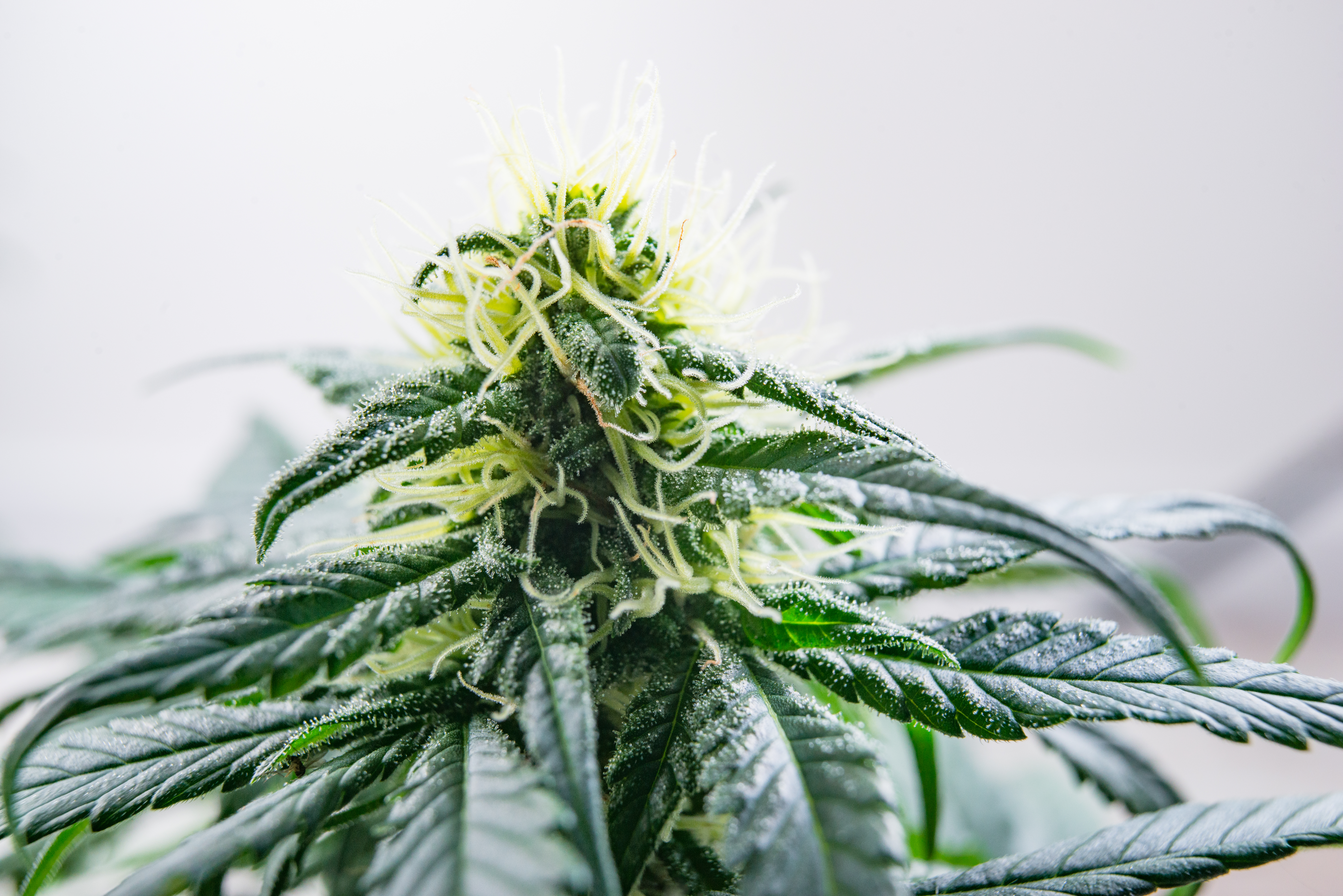


Cannabis flowering time is the period when a cannabis plant moves from growing leaves and stems to producing flowers. This stage is one of the most important parts of the cannabis life cycle because it leads to the mature flowers that are later harvested. Understanding cannabis flowering time helps explain why some plants finish quickly while others need several more weeks before they reach full maturity.
A cannabis plant goes through several stages during its life. It normally begins with germination, followed by the seedling stage and the vegetative stage. During the vegetative stage, the plant mainly focuses on growing roots, stems, branches, and leaves. It builds the structure it will need to support flowers later. Once the plant enters the flowering stage, its growth pattern changes. Instead of putting most of its energy into new stems and leaves, it begins putting more energy into reproductive growth and flower development.
This change does not happen in exactly the same way for every cannabis plant. Flowering time depends on the plant’s genetics and the type of cannabis being grown. Photoperiod cannabis plants respond to changes in the amount of light and darkness they receive. Outdoors, these plants often begin flowering as the days become shorter later in the growing season. Indoors, changes in the light schedule can influence when flowering begins.
Autoflowering cannabis works differently. These plants are mainly controlled by age rather than changes in day length. They can begin flowering after a certain amount of time has passed, even when the light schedule stays the same. This is one reason autoflowering and photoperiod cannabis can have very different overall growing timelines.
It is also important to understand the difference between flowering time and total growing time. These terms are sometimes confused. Flowering time describes only the period when the plant is producing and maturing its flowers. Total growing time includes every stage of the plant’s life, starting from germination and continuing until harvest.
For example, a cannabis plant may spend several weeks in vegetative growth before flowering begins. If that plant then spends nine weeks in flower, its total life cycle will be much longer than nine weeks. This is why a flowering-time estimate should not be treated as the full seed-to-harvest timeline.
Many cannabis varieties have a flowering period that lasts around eight to twelve weeks, but this is only a general range. Some varieties can finish earlier, while others may take longer. Genetics play a major role. Some plants naturally develop and mature quickly. Other plants have traits that cause flowers to develop more slowly.
Even two plants from the same variety may not finish at exactly the same time. Plants grown from seed can show differences in growth and maturity because each plant may express its genetics in a slightly different way. These differences are often called phenotype differences. One plant may mature several days earlier than another plant from the same group.
Growing conditions can also affect cannabis flowering time. Plant health, temperature, moisture, light, and other environmental factors can influence how quickly a plant develops. A healthy plant growing under stable conditions may follow a more predictable timeline. A plant that experiences stress may develop differently.
Indoor and outdoor plants can also have different flowering patterns. Indoor growers have more control over light and environmental conditions. Outdoor plants depend more heavily on natural daylight, seasonal weather, and local climate. Because of this, outdoor flowering dates can change depending on location and the time of year.
Seed producers and breeders often provide an estimated flowering time for a cannabis variety. These estimates can be useful, but they should not be viewed as exact deadlines. A variety listed as having an eight-week flowering period does not mean that every plant will be fully mature on the final day of week eight.
Flowering estimates are better understood as general guides. The actual plant may finish earlier or later depending on genetics, health, and growing conditions. The point at which flowering is considered to have started can also vary. Some people begin counting when the light cycle changes, while others begin counting when visible flowers first appear. This difference alone can cause flowering estimates to vary by several days or more.
For this reason, simply counting weeks does not always provide a complete picture of flower maturity. The plant itself gives important signs as flowering continues. Flowers become larger and more developed. Pistils can change in appearance. Trichomes also develop and change as the flowers mature. These physical changes can help show whether a plant is still developing or moving closer to full maturity.
Cannabis flowering is not one single event. It is a gradual process. Early flowering often includes rapid growth and the first visible flower sites. Mid-flowering involves stronger flower development and increased resin production. Late flowering is mainly focused on ripening and maturity.
Understanding these stages makes cannabis flowering time easier to follow. Instead of expecting every plant to finish on a fixed date, it is more useful to understand the normal pattern of development. Genetics, plant type, growing conditions, and visible signs of maturity all help explain how long flowering may last.
In simple terms, cannabis flowering time is the period between the start of reproductive growth and the point when the flowers reach maturity. For many plants, this period lasts several weeks, but there is no single timeline that applies to every variety. Learning how flowering works provides a strong foundation for understanding the stages, weekly changes, and maturity signs that appear later in the cannabis life cycle.
When Does the Cannabis Flowering Stage Begin?
The flowering stage is the part of the cannabis life cycle when the plant shifts from mainly producing stems and leaves to developing reproductive flowers. This change is one of the most important stages in the plant’s natural growth cycle because it marks the beginning of flower formation and the gradual move toward maturity.
Cannabis plants do not all begin flowering at exactly the same time. Genetics, plant type, age, season, and growing environment can all affect when the change begins. Photoperiod cannabis plants respond strongly to changes in the amount of light and darkness they receive, while autoflowering plants begin flowering mainly because of age and genetics.
Understanding when flowering starts can also help readers understand why published flowering times sometimes seem confusing. A plant may show early signs of reproductive growth before clearly formed flowers are visible. Because of this, different growers, breeders, and researchers may not always use the same point as the official first day of flowering.
What Triggers Flowering in Cannabis?
Flowering is a natural biological change in the cannabis plant. During the vegetative stage, the plant focuses most of its energy on producing roots, stems, branches, and leaves. This growth creates the structure that later supports reproductive development.
Photoperiod cannabis plants are sensitive to changes in day length. In nature, these plants usually begin moving toward flowering as summer ends and the days gradually become shorter. The longer nights act as a seasonal signal. The plant responds by changing its internal growth processes and beginning reproductive development.
This response is connected to plant hormones and light-sensitive biological systems. Cannabis can detect changes in the length of light and dark periods. When conditions signal that the growing season is moving toward its later stages, the plant begins directing more energy toward producing flowers.
Indoor and outdoor plants can therefore enter flowering at different times. Outdoor plants respond to natural seasonal changes. Their flowering period can vary based on location, local climate, and the time of year.
Indoor plants are not exposed to natural seasonal changes in the same way because their environment is controlled. This makes their development less dependent on outdoor sunrise and sunset patterns. However, the same biological principle remains important: photoperiod cannabis responds to changes in the length of its light and dark periods.
Autoflowering cannabis behaves differently. These plants contain genetics that allow flowering to begin mainly according to age rather than seasonal day length. As a result, they tend to begin reproductive growth after reaching a certain stage of development, even when daily light conditions remain relatively stable.
Early Signs That Flowering Has Started
The beginning of flowering is usually gradual rather than sudden. A plant does not change from vegetative growth to fully developed flowers in one day. Instead, several small changes appear over time.
One of the earliest signs is the formation of preflowers. These small reproductive structures appear around the nodes, which are the areas where branches and leaves meet the main stem. On female cannabis plants, early flowers may develop fine, hair-like structures called pistils.
Pistils are often white when they first appear. As flowering continues, more pistils develop and become easier to see around the growing points of the plant. Small flower clusters then begin forming around these areas.
Another common early change is rapid vertical growth. This period is often called the flowering stretch. During this transition, stems and branches may continue growing quickly even though the plant has already started shifting toward reproductive development.
The amount of stretching differs between plants. Genetics play a major role. Some plants remain relatively compact, while others show much stronger vertical growth during the early flowering stage.
Growing tips also begin changing in appearance. Instead of producing only new leaves and stems, they gradually develop groups of reproductive structures. These areas later become more obvious flower sites.
It is important to understand that seeing one or two preflowers does not always mean the plant is already in full flowering. Preflowers can appear as a plant reaches sexual maturity even before the main flowering stage has clearly begun.
When Should Flowering Time Start Being Counted?
One reason cannabis flowering timelines can be confusing is that there is no single counting method used by everyone.
Some people begin counting flowering time from the first clear signs of reproductive growth. Others begin counting when the plant enters a defined flowering phase and obvious flower development starts. Seed breeders may also use their own methods when listing estimated flowering times for different cultivars.
This difference can create an apparent gap between a published flowering estimate and what someone sees on an actual plant.
For example, early reproductive changes may begin before flowers become easy to recognize. A plant may spend part of the transition period stretching, producing preflowers, and changing its growth pattern. Someone who counts this transition as part of flowering may record a longer total flowering period than someone who begins counting later.
This is why flowering estimates should be viewed as general ranges instead of exact deadlines.
Genetics can also create variation. Two plants of the same named cultivar may not develop at exactly the same rate, especially when grown from seed. One plant may show reproductive signs sooner, while another may take longer to reach the same stage.
Environmental stress can also affect development. Major changes in temperature, plant health, water availability, or other environmental factors may influence how quickly the plant progresses through its natural life cycle.
Because of these differences, simply knowing the number of days since flowering appeared is not enough to describe the plant’s full stage of development. Flower structure, pistil development, trichome development, and overall plant maturity can provide additional information.
The cannabis flowering stage begins when the plant shifts from mainly producing vegetative growth to developing reproductive flowers. In photoperiod cannabis, this transition is closely connected to changes in day length and longer periods of darkness. Autoflowering cannabis follows a different pattern because flowering is influenced more strongly by age and genetics.
Early signs of flowering include the appearance of preflowers, pistils, changes at growing tips, and a period of rapid vertical growth commonly called the flowering stretch. These changes usually happen gradually, which can make it difficult to identify one exact day when flowering begins.
Flowering time can also be counted in different ways. Some timelines begin with the earliest reproductive signs, while others start when visible flower formation is clearly established. For this reason, published flowering times should be treated as estimates rather than fixed deadlines. Understanding these differences gives readers a clearer foundation for following the later stages of the cannabis flowering timeline.
How Long Does Cannabis Take to Flower?
Cannabis flowering time describes the period when the plant develops and matures its flowers. This stage comes after vegetative growth and can vary widely from one plant to another. There is no single flowering time that applies to every cannabis variety. Genetics, plant type, health, and environmental conditions can all affect how long flowering lasts.
For many cannabis varieties, the flowering stage takes about 8 to 12 weeks. Some plants may mature sooner, while others may need several additional weeks. This is why flowering time is usually given as a range instead of an exact number of days.
It is also important to understand that flowering time is not the same as the plant’s total growing time. A plant may spend several weeks or longer in earlier stages before flowering begins. As a result, an eight-week flowering period does not mean the entire plant grows from seed to maturity in eight weeks.
Typical Cannabis Flowering-Time Range
Many photoperiod cannabis varieties have a flowering period of about 8 to 12 weeks. However, this range should only be used as a general guide. Different genetic lines mature at different speeds.
Some varieties are known for relatively short flowering periods. These plants may complete most of their flower development in around seven to nine weeks. Other varieties develop more slowly and may continue flowering for 10, 12, or even more weeks before reaching full maturity.
Genetic background plays a major role in these differences. Cannabis plants have been bred from many different genetic lines. Some developed in regions with shorter growing seasons, while others came from areas where longer seasons allowed plants to flower for more time.
These inherited traits can still influence modern cannabis varieties. As a result, two healthy cannabis plants grown under similar conditions may have noticeably different flowering periods.
The flowering stage itself is also a gradual process. Flowers do not appear fully developed as soon as flowering begins. Early in this stage, the plant changes from mainly producing stems and leaves to forming reproductive structures. Flower sites then become more noticeable and continue developing over several weeks.
Later in flowering, the plant focuses more on flower maturation. The appearance of the flowers, pistils, and resin-producing structures changes as the plant reaches the later part of its life cycle. Because this process happens gradually, it is difficult to identify one exact day when every plant has finished flowering.
Why Flowering Times Are Not Exact
Flowering times should not be viewed as fixed deadlines. Even plants of the same named variety may not develop at exactly the same speed.
One reason is natural genetic variation. Cannabis plants grown from seed can show different traits even when the seeds come from the same genetic line. One plant may mature slightly earlier, while another may need more time. These differences are often described as differences between phenotypes.
Plant health can also influence the flowering timeline. A healthy plant can move through its normal stages without major delays. A plant experiencing serious stress, disease, or other health problems may develop differently. In some cases, normal flower development may slow or become uneven.
Environmental conditions also influence plant development. Temperature, light exposure, moisture, and other conditions affect normal plant functions. When conditions change, the speed of development may also change.
For this reason, estimated flowering times listed by breeders or seed producers are best understood as general reference ranges. A description such as “eight to ten weeks” gives an idea of the plant’s expected development, but it does not guarantee that every individual plant will finish within that exact window.
Differences in how people count flowering time can create additional confusion. Some estimates begin from the first clear signs of flowering, while other timelines may use a different starting point. This can make two flowering estimates appear different even when the plants develop at a similar rate.
Flowering Time Versus Total Growing Time
One of the most common misunderstandings about cannabis flowering time is confusing it with the complete life cycle of the plant.
The flowering stage is only one part of cannabis growth. Before flowering, a cannabis plant normally passes through earlier stages that include germination, seedling development, and vegetative growth. Each of these stages takes additional time.
During vegetative growth, the plant mainly develops roots, stems, branches, and leaves. The length of this stage can vary. Because flowering comes afterward, the total time from seed to mature flowers will always include more than the flowering period alone.
For example, a cannabis variety described as having an eight-week flowering time does not normally mean that it reaches full maturity eight weeks after the seed begins growing. Instead, the eight weeks refer only to the flowering portion of its life cycle.
This distinction becomes especially important when comparing different cannabis types. Photoperiod cannabis may spend a variable amount of time in vegetative growth before entering flowering. Autoflowering cannabis follows a different developmental pattern and usually begins reproductive growth based more strongly on age. Because of this difference, autoflowering varieties are often described using their total seed-to-maturity time rather than only their flowering period.
Understanding these terms makes cannabis timelines easier to compare. “Flowering time” refers specifically to the stage when flowers develop and mature. “Total growing time” or “seed-to-harvest time” includes every major stage of the plant’s life cycle.
Cannabis flowering time commonly lasts about 8 to 12 weeks, but there is no universal schedule for every plant. Some varieties mature more quickly, while others naturally need a longer flowering period. Genetics are one of the strongest factors affecting this timeline, but plant health, phenotype differences, and environmental conditions can also influence development.
Published flowering times should therefore be treated as estimates rather than exact deadlines. They provide a useful reference for understanding how long a variety may remain in its reproductive stage, but individual plants can develop at different rates.
It is equally important to separate flowering time from total growing time. Flowering is only one stage of the cannabis life cycle. Earlier stages such as seedling development and vegetative growth occur before it. Understanding this difference helps explain why an eight- or ten-week flowering estimate does not mean the entire plant reaches maturity within that same period.
Cannabis Flowering Stages: What Happens From Early Flower to Maturity?
The flowering stage is the part of the cannabis life cycle when the plant shifts its energy toward reproduction and flower development. Before this stage, most of the plant’s energy goes into building roots, stems, branches, and leaves. Once flowering begins, that pattern starts to change.
Flowering does not happen all at once. It develops in steps. Early in the stage, the plant may still grow taller and produce new leaves. As the weeks pass, flower sites become easier to see. Later, the plant puts more energy into flower growth, resin production, and final ripening.
The exact timing of each stage can vary. Genetics, plant health, and growing conditions can all affect how quickly the plant develops. Some plants move through flowering faster than others. For this reason, the stages below are best understood as general phases rather than exact dates.
Transition and Stretch
The first part of flowering is often called the transition period. This is when the plant begins moving from vegetative growth into reproductive growth. One of the most obvious changes during this period is a rapid increase in height.
This increase is often called the flowering stretch. Stems may lengthen, and the distance between plant nodes can increase. Some plants stretch only a little, while others may become much taller in a short period. Genetics plays a major role in how much stretching occurs.
Even though flowering has started, the plant is still producing new stems and leaves during this phase. The difference is that reproductive structures also begin appearing. Small preflowers may become visible near the nodes, where branches meet the main stem.
On female cannabis plants, thin hair-like structures called pistils may begin to appear. These are often among the first visible signs that the plant is moving into flowering. At first, they may be small and easy to miss. As development continues, more pistils usually appear around future flower sites.
The transition period is important because it creates much of the structure that will support later flower development. The plant is still expanding, but its biological priorities are starting to change.
Early Flower Formation
After the transition period, the plant begins forming more recognizable flowers. Individual flower sites become easier to identify, especially at the tops of branches and around the nodes.
During this stage, clusters of pistils become more noticeable. Instead of seeing only a few individual hairs, groups of pistils may begin forming around small developing flower structures. These areas gradually become the early buds that continue growing during the middle and later parts of flowering.
The plant may still gain some height during early flowering, but the rapid stretch usually begins to slow. More energy is directed toward building reproductive tissue.
The shape of the plant may also start to look different. Instead of appearing mainly leafy, it begins to show clear flower sites throughout the canopy. The upper branches often develop more visible flower clusters first because they receive stronger light exposure.
Early flowering is also when small resin glands may begin to appear. These glands are called trichomes. At first, they may be difficult to see without close inspection. As flowering continues, they become more noticeable on the flowers and nearby small leaves.
At this point, the flowers are still immature. They have started to form, but they have not reached their final size, structure, or chemical maturity.
Mid-Flower Development
During the middle of flowering, flower growth becomes much more obvious. Buds increase in size, and individual flower sites may begin joining together into larger clusters.
The plant usually grows much less in height during this stage. Most of its energy is now directed toward developing flowers. The flower clusters become denser, and their shape becomes easier to recognize.
Trichome production also increases during mid-flower. These small resin glands may cover the surface of the flowers and some nearby leaves. Under close inspection, they can give the plant a frosty or sparkling appearance.
Trichomes are important because they contain many of the plant’s cannabinoids and aromatic compounds. As the flowers mature, these glands continue to develop and change in appearance.
Aroma often becomes stronger during the middle of flowering as well. This happens because the plant produces increasing amounts of aromatic compounds known as terpenes. The exact aroma depends heavily on genetics.
Pistils are usually still easy to see during this stage. Many may remain light in color and extend outward from the developing flowers. New pistils can continue to appear as the flowers expand.
Mid-flower is often one of the most active periods of flower development. The plant is no longer focused mainly on becoming taller. Instead, it is building flower mass, producing resin, and moving steadily toward maturity.
Late Flower and Ripening
Late flowering is the final phase before full maturity. By this point, most vertical growth has stopped. The plant’s main job is no longer building its basic structure. Instead, the existing flowers continue to mature.
The buds may become fuller and more developed during this period. Some of the small flower structures may swell as they reach later stages of growth. The flowers can appear denser and more complete than they did during early or mid-flower.
Pistils also begin to change. Many of the light-colored pistils may darken, curl, or move closer to the surface of the flower. However, pistil color alone should not be treated as a perfect sign of maturity. Some plants continue producing new light-colored pistils even late in flowering.
Trichomes also change as the flowers ripen. Early trichomes often appear clear. As they mature, many develop a cloudy or milky appearance. Some may later become amber. These visual changes are commonly used as signs that the plant is moving through the final stages of flower development.
Late in flowering, the plant may also show changes in its leaves. Some larger leaves may fade or yellow as the plant reaches the end of its natural life cycle. However, leaf color can also change because of stress or other plant health problems, so it should not be used by itself as proof that flowering is complete.
The most important point is that late flower is a period of ripening. The flowers may not increase in size as quickly as they did earlier, but important changes are still taking place inside the plant.
Cannabis flowering develops through several clear stages. The process begins with the transition and stretch, when the plant may grow quickly while the first reproductive structures appear. Early flowering follows, bringing more visible pistils and recognizable flower sites.
During mid-flower, buds increase in size, trichome production becomes more noticeable, and the plant directs more of its energy toward flower development. In late flowering, vertical growth largely stops and the flowers move toward maturity. Pistils, trichomes, flower structure, and other plant features continue to change during this final phase.
These stages do not follow exactly the same schedule for every cannabis plant. Genetics and growing conditions can change how quickly each phase develops. For that reason, understanding the physical changes that happen throughout flowering gives a clearer picture of plant development than relying only on the number of weeks that have passed.
Cannabis Flowering Timeline Week by Week
Cannabis flowering does not happen all at once. The plant moves through several stages as it changes from vegetative growth to flower development and, later, flower maturity. The exact timing can vary because genetics, plant health, and environmental conditions all affect development. For this reason, the weeks below should be viewed as a general timeline rather than a fixed schedule.
Some plants move through flowering faster, while others need several additional weeks before they reach full maturity. The week count can still be useful because it helps explain what normally happens during each part of the flowering stage.
Weeks 1–2: Transition and Early Flowering
During the first two weeks of flowering, the cannabis plant is moving away from mainly producing stems and leaves. Its growth begins to shift toward reproduction and flower development.
One of the most noticeable changes during this period is rapid upward growth. This is often called the flowering stretch. The plant may become noticeably taller as the spaces between some branches and nodes increase. The amount of stretching depends heavily on genetics. Some plants remain fairly compact, while others can increase greatly in height during early flowering.
Small reproductive structures also begin appearing around the nodes, where branches meet the main stems. On female cannabis plants, thin hair-like structures called pistils may become visible. At first, there may only be a few pistils in each location. Over time, more begin to appear.
The first two weeks may not look like traditional flower production yet. In many cases, the plant still appears mostly leafy. However, important internal changes are taking place as the plant starts directing more of its energy toward reproduction.
The appearance of these early flowers is also an important sign that flowering has truly begun. Simply seeing rapid growth is not always enough to confirm that the plant has entered the flowering stage.
Weeks 3–4: Flower Formation
By weeks three and four, flower development usually becomes much easier to recognize. Small clusters begin forming at the flowering sites, especially along branches and near the upper parts of the plant.
More pistils may appear from these clusters, giving the developing flowers a fuller look. The plant may still increase in height, but the strongest stretching usually begins to slow as it moves deeper into flowering.
At this stage, individual flower sites become more defined. What looked like small groups of hairs during early flowering may now begin forming recognizable flower structures.
Another change that can become noticeable is the start of greater resin production. Cannabis flowers contain small structures called trichomes. These structures produce and hold many of the compounds associated with cannabis, including cannabinoids and aromatic compounds called terpenes.
During weeks three and four, trichomes may begin appearing more clearly around the developing flowers and nearby leaves. They are often difficult to examine without magnification at this early point, but their presence becomes easier to notice as flowering continues.
The plant’s smell may also begin becoming stronger. This happens as terpene production increases along with flower development.
Weeks 5–6: Mid-Flower Development
Weeks five and six are often considered the middle part of the flowering stage for many cannabis varieties. By this point, the plant has usually stopped most of its rapid vertical growth. Its visible development becomes more focused on the flowers.
Flower clusters often become larger and more developed. Individual flowering sites can begin joining together into fuller groups along branches. Pistils may still be mostly light in color, although some can begin darkening depending on genetics and maturity.
Trichome coverage also becomes more noticeable during this period. Flowers and some nearby leaves may begin taking on a frosted or sparkling appearance because of the increasing number of resin glands.
Aroma often becomes much stronger during mid-flowering as well. Different cannabis varieties can produce very different scent profiles because their terpene combinations are not the same.
It is important to understand that larger flowers do not automatically mean the plant is mature. During weeks five and six, many plants are still actively developing. The internal chemistry of the flower continues changing even after it begins looking well formed.
This is one reason flowering time should not be judged only by flower size.
Weeks 7–8: Late Flower Development
During weeks seven and eight, many cannabis plants begin moving from active flower building toward ripening and maturity.
The flowers may appear fuller and denser than they did during the middle flowering period. Changes in pistil appearance often become easier to see. Some pistils may darken from white or cream to shades of orange, brown, or reddish colors. They may also begin curling inward toward the flower.
However, pistil color alone does not prove that a cannabis flower is fully mature. Some varieties naturally keep producing light-colored pistils late into flowering, while others change color earlier.
Trichomes also continue changing as the flowers mature. Early trichomes tend to look more transparent. As development progresses, many become cloudy or milky. With further aging, some may develop an amber appearance.
These changes happen because the flower is going through chemical and physical maturation. For this reason, late flowering involves more than simply waiting for the flowers to become larger.
Plant appearance may also change during this stage. Some older leaves can begin fading or yellowing as the plant approaches the later part of its life cycle. However, leaf color by itself should not be treated as a reliable sign of flower maturity because many other factors can affect leaves.
Weeks 9 and Beyond: Ripening and Cultivar Differences
Not every cannabis plant finishes flowering by week eight. Many varieties require nine, ten, eleven, or even more weeks before their flowers reach full maturity.
Genetics plays a major role in this difference. Some varieties have naturally shorter flowering periods, while others mature much more slowly. Plants with long-flowering genetics may still show active flower development during weeks nine and ten.
At this stage, changes are often more related to maturity than rapid growth. Flowers may not increase dramatically in size from one day to the next, but trichomes, pistils, flower structure, and aroma can continue changing.
It is also common for different parts of the same plant to mature at slightly different rates. Flowers in one area may appear more advanced than flowers elsewhere. This is another reason why flowering time cannot always be reduced to a single number of days or weeks.
A breeder may describe a variety as having an eight-week or ten-week flowering period, but that figure is normally an estimate based on expected genetic behavior. Individual plants may finish earlier or later.
The most accurate way to understand flowering time is to combine the expected genetic timeline with visible signs of plant maturity. The number of weeks provides useful context, but the plant itself shows how far development has progressed.
The cannabis flowering timeline can be divided into several broad stages. During weeks one and two, the plant enters flowering and may stretch rapidly while producing its first visible reproductive structures. During weeks three and four, flower clusters become easier to identify, and early resin production becomes more noticeable.
Weeks five and six are usually marked by stronger flower development, greater trichome coverage, and stronger aroma. During weeks seven and eight, many plants begin shifting toward ripening. Pistils and trichomes may change appearance as the flowers become more mature.
Weeks nine and beyond are especially important for varieties with longer flowering periods. Some cannabis plants need additional time because their genetics naturally produce slower development.
What Determines How Long Cannabis Flowers?
Cannabis flowering time is not exactly the same for every plant. Some plants finish flowering in a shorter period, while others need several extra weeks before they are fully mature. This difference can happen even when two plants are grown under similar conditions.
The flowering period depends on several important factors. Genetics has the strongest influence, but plant health, growing conditions, and natural differences between individual plants can also affect the timeline. This is why flowering times listed by breeders should usually be treated as estimates rather than exact deadlines.
Understanding these factors can help explain why one cannabis plant may mature in eight weeks while another plant may still be developing after ten or twelve weeks.
Cannabis Genetics
Genetics is one of the main factors that determines cannabis flowering time. Different cannabis varieties have inherited traits that influence how quickly they grow, develop flowers, and reach maturity.
Some cannabis varieties naturally have shorter flowering periods. These plants may complete most of their flowering development in around seven to nine weeks. Other varieties may need ten, twelve, or even more weeks before their flowers are fully mature.
These differences are connected to the genetic background of the plant. Cannabis varieties that developed in different parts of the world adapted to different climates and growing seasons. Plants from regions with shorter growing seasons often developed faster flowering patterns. Plants from warmer areas with longer seasons may naturally take more time to mature.
Modern cannabis varieties are often hybrids. This means they contain genetics from several different parent plants. Their flowering time may fall somewhere between the flowering periods of those parents.
Because genetics has such a strong effect on development, two cannabis varieties grown in the same environment may still finish flowering at very different times.
Phenotype Differences
Plants of the same cannabis variety can also show differences in flowering time. This happens because plants grown from seeds are not always genetically identical.
The term phenotype describes the visible traits that develop from the combination of genetics and the environment. Two plants may come from seeds sold under the same variety name but still grow differently.
One plant may be taller, another may produce a different flower structure, and another may mature sooner. These differences can also affect how long flowering lasts.
For example, one plant may appear mature near the beginning of the expected flowering range, while another plant from the same seed group may require an additional week or two.
This is one reason flowering time should not be judged by the calendar alone. Observing the actual development of the plant provides more useful information than assuming that every plant of the same variety will finish on the same day.
Plant Health
The health of the plant can also influence flowering time. Healthy plants are generally better able to follow their normal development pattern.
Plants that experience serious stress may grow more slowly. Stress can come from many sources, including root problems, disease, insect damage, poor environmental conditions, or other problems that interfere with normal plant functions.
When a plant is under stress, it may use more energy to survive and recover instead of supporting normal flower development. As a result, flowers may develop more slowly or appear less mature than expected.
Not every small problem will cause a major delay. However, repeated or severe stress can change the normal growth pattern.
This is another reason an expected flowering time should not be treated as a strict schedule. A breeder may list a variety as having a nine-week flowering period, but a stressed plant may not follow that exact timeline.
Plant health should therefore be considered when comparing actual development with an estimated flowering period.
Environmental Conditions
Environmental conditions can also affect the rate at which cannabis develops during flowering.
Plants depend on light, temperature, moisture, air movement, and other environmental factors for normal growth. When these conditions remain within a suitable range, plants are more likely to develop according to their natural genetic pattern.
Poor conditions may slow development. Extreme temperatures, too much or too little moisture, or other forms of environmental stress can interfere with normal plant processes.
Environmental differences may also explain why the same cannabis variety does not always finish at the same time when grown in different locations.
An indoor plant may experience a more stable environment because light and other conditions are controlled. An outdoor plant is exposed to changing temperatures, shorter or longer days, rain, wind, and seasonal changes. These differences can affect how quickly the plant develops.
However, environmental conditions usually work together with genetics. A long-flowering variety will not automatically become a short-flowering variety simply because the environment is stable. Genetics still provides the basic flowering pattern, while the environment can influence how closely the plant follows that pattern.
Breeder Flowering Estimates
Cannabis seed breeders and seed sellers often provide an estimated flowering time for each variety. A listing may say that a plant flowers in eight to ten weeks, for example.
These estimates can be useful because they give growers a general idea of what to expect. However, they should not be viewed as guaranteed finishing dates.
Different breeders may also calculate flowering time in slightly different ways. One breeder may begin counting from the first clear signs of flowering, while another may use a different starting point. This can create differences between the listed flowering period and the timeline observed by another grower.
Growing conditions can also change the final result. A plant grown in one environment may mature within the breeder’s estimated range, while another plant may finish earlier or later.
Phenotype differences also matter. A seed variety may be listed as taking nine weeks to flower, but one plant may appear mature after eight weeks while another may require ten weeks.
The best way to use breeder flowering estimates is as a reference. They can help identify the general period when the plant may approach maturity, but the actual plant should still be observed carefully.
Flower structure, pistil changes, trichome development, and the overall maturity of the plant provide more information than the calendar alone.
Cannabis flowering time is influenced by several factors, and no single timeline applies to every plant. Genetics is usually the strongest factor because it determines the plant’s basic growth and maturity pattern. Some varieties naturally flower quickly, while others require a much longer period.
Phenotype differences can cause plants from the same variety to finish at different times. Plant health and environmental conditions can also speed up, slow down, or interrupt normal development.
Breeder flowering estimates are useful for understanding the expected timeline, but they should be treated as general ranges rather than fixed harvest dates. The actual development of the plant remains the most important guide.
Photoperiod vs. Autoflower Cannabis Flowering Time
Cannabis plants do not all begin flowering in the same way. Two of the main types are photoperiod cannabis and autoflowering cannabis. Both types produce flowers, but the signal that starts flowering is different. This difference also affects how long the plant takes to mature and how growers describe its flowering time.
Understanding the difference between these two types is important when reading seed descriptions or comparing cannabis flowering timelines. A plant listed as having a certain flowering period may not have the same total growing time as another plant with a similar number of weeks.
How Photoperiod Cannabis Flowers
Photoperiod cannabis depends mainly on changes in the amount of light and darkness it receives each day. In nature, these changes happen as the seasons move from summer toward fall. As the days become shorter and the nights become longer, the plant receives a signal that it is time to begin reproductive growth.
During the vegetative stage, photoperiod cannabis focuses on producing roots, stems, branches, and leaves. The plant may stay in this stage for a short or long period depending on its genetics and environment. Flowering does not begin simply because the plant reaches a certain age.
This is one reason photoperiod cannabis can have a longer total life cycle than an autoflowering plant. The vegetative stage can add several weeks or even longer before flowering begins.
Once the plant enters the flowering stage, its growth pattern changes. It starts putting more energy into flower development. Early in this transition, the plant may continue growing taller. This period is often called the flowering stretch. After that, more visible flowers develop at the growing points and along the branches.
The listed flowering time for a photoperiod cultivar usually refers only to the flowering stage. It does not normally include the time spent as a seedling or in vegetative growth. This distinction is important when comparing the total time required for different cannabis plants to mature.
How Autoflowering Cannabis Is Different
Autoflowering cannabis follows a different biological pattern. Instead of depending mainly on changing day length, autoflowering plants begin flowering largely according to their age and genetics.
This trait is linked to Cannabis ruderalis ancestry. Ruderalis plants developed in areas where summers can be short and seasonal conditions change quickly. Their ability to flower based more on age than day length helped them complete their life cycle within a limited growing season.
Because of this trait, many autoflowering cannabis plants begin showing early flowering signs only a few weeks after germination. They generally move from seedling growth into vegetative growth and then into flowering without needing a major change in day length.
This gives autoflowering plants a shorter and more fixed life cycle. There is less control over how long they stay in vegetative growth because flowering begins automatically as the plant gets older.
However, this does not mean that every autoflower finishes at exactly the same time. Genetics still play a major role. Some autoflower varieties mature quickly, while others take several additional weeks. Environmental stress and overall plant health can also affect how fast the plant develops.
Many autoflower descriptions list a total seed-to-harvest range rather than a flowering period alone. This is different from many photoperiod descriptions, which often focus only on the number of weeks spent flowering.
Flowering Time Versus Seed-to-Harvest Time
Flowering time and total growing time are not the same measurement. This difference causes confusion when people compare photoperiod and autoflowering cannabis.
For example, a photoperiod plant may be described as having an eight-week flowering time. This does not mean the plant is ready eight weeks after the seed begins growing. The plant must first pass through germination, the seedling stage, and a period of vegetative growth. Only after flowering starts does the eight-week flowering estimate begin to apply.
An autoflowering plant may instead be described as taking about 10 weeks from seed to harvest. In this case, the number usually includes most or all of the plant’s life cycle. The plant may spend only part of those 10 weeks producing mature flowers.
This means an eight-week photoperiod flowering time cannot be directly compared with a 10-week autoflower seed-to-harvest time. They measure different parts of plant development.
Readers should always check how a breeder or seed producer defines its timeline. Some companies measure flowering from the first signs of flowers. Others may count from a change in the light cycle. Autoflower descriptions may use total life-cycle estimates instead.
These differences help explain why two plants with similar advertised timelines may mature at very different times.
Which Type Usually Flowers Faster?
Autoflowering cannabis usually reaches the flowering stage sooner because it does not need to wait for seasonal changes in day length. Its vegetative period is generally short, and flowering begins automatically as the plant matures.
Photoperiod plants often have a longer total growing period because they can remain in vegetative growth for a longer time before flowering starts. Once flowering begins, however, some photoperiod varieties may finish their flowering stage within a similar number of weeks as certain autoflower varieties.
The exact timeline depends heavily on genetics. Some photoperiod varieties are known for shorter flowering periods, while others naturally require more time to fully mature. Autoflowering plants also vary, especially as modern breeding has produced a wider range of genetic traits.
For this reason, the label “autoflower” does not automatically mean every plant will finish very quickly. It mainly describes how flowering is triggered.
Photoperiod and autoflowering cannabis follow different flowering patterns. Photoperiod plants begin flowering mainly in response to changes in the light-dark cycle, while autoflowering plants begin flowering mostly according to age and genetics.
Photoperiod flowering time usually refers only to the period after flowering begins. The plant’s earlier seedling and vegetative stages must be added when estimating its complete life cycle. Autoflower timelines, on the other hand, are often described from seed to harvest.
This difference is important when comparing flowering estimates. A plant advertised as having eight weeks of flowering is not the same as a plant advertised as finishing in 10 weeks from seed. Understanding what each timeline measures makes it easier to interpret cannabis flowering information accurately.
Indoor vs. Outdoor Cannabis Flowering Time
Cannabis flowering time can look very different indoors and outdoors. The plant still goes through the same basic flowering stages, but the timing is affected by light, climate, genetics, and the level of environmental control.
Indoor growing gives more control over conditions. Outdoor growing depends more heavily on natural daylight and seasonal changes. Because of this, indoor flowering can often be estimated more easily, while outdoor flowering dates may shift from one location or season to another.
Understanding these differences is important when discussing cannabis flowering time. A plant that flowers for eight or nine weeks indoors may not follow the exact same calendar outdoors. The plant may still need a similar period to mature once flowering has fully begun, but the date when flowering starts can vary.
Indoor Flowering
Indoor cannabis is grown in an environment where light exposure can be controlled. This allows the change from vegetative growth to flowering to happen at a more predictable point in the plant’s life cycle.
Photoperiod cannabis depends on changes in the length of light and darkness to begin flowering. Indoors, this change can be managed through artificial lighting. As a result, growers usually have a clearer idea of when the flowering period begins.
This makes it easier to track the number of weeks the plant has been flowering. Once flowering starts, the plant progresses through early flower development, mid-flower growth, and late-stage ripening.
Indoor conditions can also be more stable than outdoor conditions. Temperature, light exposure, and other environmental factors are often less affected by sudden weather changes. This can make plant development more consistent.
However, indoor cannabis does not always finish at the exact time listed by a breeder or seed producer. Genetics still play a major role. Some plants naturally mature faster than others. Even plants from the same strain may show small differences in flowering time.
Plant health can also influence how quickly flowers develop. A stressed or unhealthy plant may develop differently from a healthy plant under stable conditions. For this reason, flowering dates should still be treated as estimates rather than strict deadlines.
Indoor flowering is usually easier to monitor because the starting point is clearer. Still, maturity should not be judged only by counting days or weeks.
Outdoor Flowering
Outdoor cannabis depends on natural changes in daylight. As summer moves toward autumn, the number of daylight hours changes. These seasonal changes help trigger flowering in photoperiod cannabis.
Because natural light changes gradually, outdoor flowering may not seem to start on one exact day. The plant may first show early signs of transition before visible flower development becomes obvious.
This makes outdoor flowering time harder to measure with complete accuracy. One person may count flowering from the first visible signs, while another may wait until flowers are clearly developing.
Outdoor plants are also exposed to changing weather. Temperature, rainfall, humidity, cloudy periods, and other natural conditions can affect plant development. These conditions can vary from year to year, even in the same area.
A plant that begins flowering at a certain time one season may begin slightly earlier or later during another season. The exact timing depends on the environment as well as the plant’s genetics.
Latitude also affects seasonal daylight. Locations closer to the equator experience different changes in day length compared with places farther north or south. This means the same cannabis variety may begin flowering at different times in different regions.
Outdoor flowering is therefore more closely connected to the local season. It is less useful to think of outdoor cannabis as having one universal flowering date.
Why Outdoor Harvest Dates Vary
Outdoor harvest dates can vary greatly because several factors work together. Genetics are one of the most important.
Some cannabis varieties naturally finish flowering earlier. Others need a longer period before the flowers reach full maturity. This means two plants growing beside each other may not be ready at the same time if they have different genetics.
Climate also matters. A warm region may have a longer growing season than an area where cold weather arrives early. Seasonal conditions can influence how long a plant can continue developing outdoors.
Latitude is another reason harvest dates differ. Day length changes differently depending on location. This affects when photoperiod plants receive the natural signal to begin flowering.
Weather can also change the expected timeline. Long periods of poor conditions may slow normal plant development. In contrast, stable seasonal weather may allow flowering to progress more consistently.
For these reasons, statements such as “outdoor cannabis is always harvested in a certain month” can be misleading. A common harvest period in one region may not apply to another part of the world.
The plant’s actual stage of maturity is more important than the name of the month on the calendar.
Indoor and Outdoor Flowering Times Are Not Always Directly Comparable
It is important to separate flowering duration from the date flowering begins.
An indoor plant may begin flowering at a planned point because its light environment is controlled. An outdoor plant waits for natural seasonal changes. This means their starting dates can be very different even if both plants later need a similar number of weeks to mature.
For example, a variety described as having a nine-week flowering period is referring mainly to the time needed for flower development after flowering has started. It does not mean every plant of that variety will be harvested on the same calendar date.
Outdoor plants may also show a slower transition into full flowering because daylight changes happen gradually. Indoor plants can experience a clearer change in their lighting environment.
This difference is one reason growers sometimes disagree about how many weeks a particular plant has been flowering. They may simply be using different starting points.
Indoor and outdoor cannabis follow the same general flowering process, but the timing can be different. Indoor growing allows greater control over light and environmental conditions, which can make the start of flowering easier to identify and the timeline easier to track.
Outdoor cannabis depends on natural daylight and seasonal changes. Its flowering period can be affected by latitude, climate, weather, genetics, and the timing of seasonal light changes. This is why outdoor flowering and harvest dates are not the same everywhere.
A flowering estimate should be viewed as a general guide rather than a fixed deadline. The number of weeks is useful, but it should be considered together with the plant’s genetics and visible stage of development. Whether cannabis is grown indoors or outdoors, the actual maturity of the flowers is more important than relying only on a calendar.
How to Tell When Cannabis Is Getting Close to Harvest
As a cannabis plant reaches the final part of flowering, its appearance begins to change in several noticeable ways. These changes happen because the plant is moving from active flower production toward full maturity. The exact timing is different for every plant. Genetics, growing conditions, plant health, and the length of the flowering cycle can all affect how quickly these changes happen.
It is important to understand that no single sign can show the exact stage of maturity by itself. Growers and researchers often look at several plant features together, including pistils, trichomes, flower structure, and natural changes in the leaves. These features help show how far the plant has moved through its flowering cycle.
Changes in Pistils
Pistils are the thin, hair-like structures that grow from female cannabis flowers. During the early and middle stages of flowering, many pistils are usually light in color and extend outward from the developing flower.
As flowering continues, the pistils often begin to change. They may become darker, curl inward, or appear less upright than they did earlier. Colors can shift from white or cream to shades of orange, brown, or red, depending on the genetics of the plant.
These changes are part of normal flower development. However, pistil color should not be treated as the only sign of maturity. Some cannabis varieties naturally keep producing light-colored pistils late into flowering. Other plants may develop darker pistils earlier than expected because of genetics, age, environmental stress, or physical contact.
For this reason, pistils are more useful when they are viewed as one part of a larger pattern. A plant with changing pistils may be moving into late flowering, but other parts of the flower should also show signs of development before conclusions are made about maturity.
Changes in Trichomes
Trichomes are tiny gland-like structures found mainly on cannabis flowers and nearby leaves. They often look like very small crystals or droplets when viewed closely. These structures produce and store many of the compounds associated with cannabis, including cannabinoids and aromatic compounds called terpenes.
Trichomes also change as the flowers develop. Early in their growth, many trichomes can appear clear or transparent. As the plant continues through flowering, they may become more cloudy or opaque. Some can later take on a darker or amber-colored appearance as the flower continues to age.
These visible changes happen because the chemical composition inside the trichomes changes as the plant matures. For this reason, trichome appearance is widely discussed as a general indicator of flower development.
However, trichomes do not always change at exactly the same rate. Different areas of the same plant may mature at different speeds. Flowers that receive more light or develop earlier may look different from flowers located in other areas of the plant.
Trichome appearance is therefore best understood as an indicator of maturity rather than a precise clock. It can show that a plant is moving through late flowering, but it should be considered together with the plant’s overall development.
Changes in Flower Structure
The physical structure of cannabis flowers also changes during the later part of flowering. Early flowers are often small and loosely formed. As development continues, the flower clusters become larger and more complete.
During late flowering, the plant usually spends less energy on producing new stems and leaves. Instead, more of its development is focused on the flowers that are already present. The flower structures may appear fuller, and the calyxes may become more noticeable.
Calyxes are small structures that form an important part of the female cannabis flower. As the plant matures, these structures may become more developed and give the flower a fuller appearance.
Another useful sign is the rate of new flower growth. Earlier in flowering, the plant may produce many new pistils and visibly expand its flower sites. Later in the cycle, this rapid production often begins to slow.
The plant may appear less focused on creating new flower material and more focused on finishing the structures that have already formed. This gradual slowdown is one of the reasons late-flowering plants can look different from plants that are still in active flower development.
Natural Late-Flower Changes
Cannabis plants can also show changes in their leaves during late flowering. One of the most noticeable changes is yellowing, especially in older leaves.
This can happen naturally as the plant reaches the later stages of its life cycle. Cannabis is an annual plant, which means it completes its life cycle within one growing season. As reproductive development advances, older leaves may lose some of their green color.
Leaf yellowing alone, however, does not prove that a plant has reached full maturity. Similar color changes can also happen because of plant stress, nutrient problems, root issues, environmental conditions, or disease.
The pattern of the change matters. Gradual changes in older leaves during late flowering can be part of normal plant aging. Sudden yellowing, severe spotting, unusual curling, or rapid plant decline may point to a separate health problem.
This is why leaf color should be interpreted carefully. Natural aging tends to occur together with other signs of late flowering, such as mature flower structure, changing pistils, and visible trichome development.
Looking at the Whole Plant
The most useful way to understand late-flowering cannabis is to look at several signs together rather than depending on one feature.
A mature-looking plant often shows a combination of changes. Flower growth slows, pistils change in appearance, trichomes develop beyond their early clear stage, and the flower structure becomes more complete. Older leaves may also begin to show natural signs of aging.
At the same time, genetics can create major differences between plants. Some varieties naturally flower for a shorter period, while others continue developing for several additional weeks. Even plants from the same variety can mature at slightly different rates.
Environmental conditions can also influence development. Temperature, light exposure, water availability, plant stress, and overall health can affect how quickly visible signs appear.
For this reason, a flowering calendar should be treated as a general guide rather than a perfect prediction. A plant reaching a certain week does not automatically mean that every part of its flower development is complete.
Cannabis plants show several visible changes as they move through the final part of flowering. Pistils often darken and curl inward, trichomes change from their early clear appearance, and the flowers become more fully developed. New flower production may also slow, while older leaves can begin to yellow as part of the plant’s natural life cycle.
No single feature provides a complete picture of maturity. Pistils, trichomes, flower structure, leaf condition, genetics, and the overall flowering timeline should be viewed together. Understanding these changes helps explain how cannabis progresses from active flowering into the final stage of its reproductive development.
Trichomes, Pistils, and Other Cannabis Harvest Indicators
Knowing when cannabis flowers are mature involves looking at several changes in the plant. The number of weeks in flowering can provide a useful estimate, but it does not always show whether the flowers have reached full maturity. Different plants can develop at different speeds, even when they come from the same strain.
For this reason, growers often look at visible signs such as trichomes, pistils, and flower structure. These features change as the plant moves through the flowering stage. Looking at several signs together gives a better picture of maturity than relying on the calendar alone.
Why Trichomes Matter
Trichomes are tiny structures that form on cannabis flowers and nearby leaves. They often look like small, shiny crystals when viewed without magnification. Under magnification, many glandular trichomes have a thin stalk with a rounded head.
These structures are important because they produce and store many of the chemical compounds found in cannabis. These include cannabinoids, such as THC and CBD, as well as aromatic compounds called terpenes.
Trichomes begin developing as the flowers form. As flowering continues, their number and appearance can change. This makes them useful signs of flower development.
However, trichomes should not be treated as an exact clock. Their appearance can vary between strains and even between different areas of the same plant. Light exposure, plant genetics, flower position, and general plant health can all affect how they look.
It is also important to examine trichomes on the flowers themselves rather than relying only on the small leaves around them. The leaves can sometimes show changes earlier than the flower tissue.
Clear Trichomes
During earlier stages of flower development, many glandular trichomes appear clear or glass-like. Light can pass through them, giving them a transparent appearance.
A large amount of clear trichomes generally suggests that the flowers are still developing. The plant may still be producing and changing the compounds stored inside the trichome heads.
At this stage, other signs may also show that development is continuing. Flowers may still be adding new growth, and many fresh pistils may still be visible.
Clear trichomes should be viewed as one piece of information rather than a single rule. Some trichomes can remain clear even as other areas of the flower mature. Different parts of a plant may also develop at slightly different rates.
Cloudy or Milky Trichomes
As flowering advances, many trichomes change from transparent to cloudy or milky in appearance. Instead of looking like clear glass, the heads begin to look more white or opaque.
This change is often associated with a later stage of flower maturity. It shows that important changes have taken place inside the glandular structures during flowering.
The shift from clear to cloudy does not always happen at the same time across the whole plant. Some areas may contain mostly cloudy trichomes while other areas still contain clear ones.
Differences in light exposure can be one reason. Flowers near the top of a plant may develop differently from flowers that receive less direct light. Genetics can also affect the speed and pattern of trichome development.
Because of these differences, trichome color is more useful when considered as an overall pattern instead of judging a flower from one small spot.
Amber Trichomes
Some trichomes can develop an amber, golden, or brownish color during the later stages of flower maturity. This usually happens after the earlier clear and cloudy stages.
Amber coloration is linked with aging and chemical changes inside the trichome head. As plant tissue continues to mature, some compounds can slowly change or break down.
The presence of amber trichomes can therefore be one sign that flowers have entered a later stage of development. However, amber color alone does not provide a perfect measure of maturity.
Some strains naturally develop amber trichomes sooner than others. Environmental stress can also affect plant tissues and their appearance.
Old or damaged trichomes may also appear darker. For this reason, color should always be considered together with other signs of plant development.
Why Pistils Are Another Useful Indicator
Pistils are the thin, hair-like structures that grow from female cannabis flowers. During early flowering, they are commonly white or light in color and extend outward from the developing flower.
As the flower matures, many pistils begin to change color. They may become orange, reddish, brown, or darker depending on plant genetics. They may also curl inward or become less noticeable as the surrounding flower develops.
These changes can help show that the plant is moving through the later stages of flowering.
However, pistil color is not a perfect measurement of maturity. Cannabis plants can continue producing new white pistils even when older parts of the flower are already well developed. Stress and environmental conditions can also influence pistil appearance.
For this reason, pistils are most useful when they are viewed together with trichomes and overall flower development.
Changes in Flower Structure
The physical structure of cannabis flowers also changes during the flowering stage.
Early flowers tend to be small and less developed. As flowering continues, the flower clusters become more complete and mature. The calyxes and other flower tissues become more noticeable, and the flower develops its final shape.
Late in flowering, the plant often produces less new vertical growth. Its energy is focused more on reproductive development and flower maturation.
A flower that still appears to be rapidly adding fresh tissue may not be at the same stage as one that has largely stopped expanding and is showing other signs of maturity.
Flower structure can vary greatly between strains. Some plants naturally produce dense flowers, while others develop a more open structure. Because of this, density alone should not be used to judge maturity.
Why Several Indicators Should Be Considered
No single sign provides a perfect answer about cannabis flower maturity.
Flowering week is useful because it gives a general timeline based on genetics. A breeder may provide an expected flowering range, which can help show when closer observation may be useful. However, that range is still only an estimate.
Trichome appearance provides information about changes taking place in the resin glands. Pistils show visible changes in the reproductive parts of the flower. Flower structure can show whether the plant is still actively building new tissue or has moved further into maturation.
These signs become more useful when they agree with each other.
A plant that is near the expected end of its flowering range, has mature-looking flowers, shows major pistil changes, and has mostly advanced trichome development is clearly at a different stage from a plant that still has small flowers, fresh growth, and mostly clear trichomes.
Genetics should also remain part of the evaluation. A naturally long-flowering strain should not be expected to develop on exactly the same schedule as a fast-flowering strain.
Environmental conditions can further affect the timeline. Plant stress, temperature changes, lighting conditions, and other factors can slow or change normal development.
Trichomes, pistils, flower structure, and the expected flowering timeline all provide useful information about cannabis flower maturity. Trichomes often change from clear to cloudy and may later develop amber colors as flowering progresses. Pistils can darken and curl inward, while flowers become more developed and produce less new growth.
None of these signs should be considered alone. Trichome color can vary across the plant, pistils can change because of factors other than age, and flowering-week estimates are not exact deadlines.
Common Questions and Mistakes About Cannabis Flowering Time
Cannabis flowering time is often described as a set number of weeks, but plant development does not always follow an exact calendar. Genetics, plant health, environment, and natural differences between individual plants can all affect how quickly flowers mature. This is why two plants of the same general type may not reach the same stage at exactly the same time.
One of the most common mistakes is assuming that a plant must be finished because it has reached the flowering time listed by a breeder or seed producer. These estimates can be useful, but they are not exact deadlines. Changes in flower structure, pistils, trichomes, and overall plant maturity also need to be considered when evaluating flowering progress.
Can Cannabis Finish Flowering Earlier Than Expected?
Some cannabis plants may appear to mature earlier than the estimated flowering time. Genetics are one of the main reasons for this difference. Certain cultivars naturally complete their flowering stage faster than others. Even plants from the same group of seeds can sometimes develop at slightly different rates because individual plants may express different genetic traits.
Growing conditions may also influence how quickly visible changes occur. A healthy plant growing under stable conditions may progress differently from a plant dealing with stress. However, an early change in appearance does not always mean that the flowers have fully matured.
For example, pistils may darken earlier than expected because of natural aging, environmental stress, or physical contact. For this reason, pistil color by itself should not be treated as proof that flowering is complete.
The estimated flowering week should instead be viewed as one part of a larger picture. Flower development, trichome appearance, and the expected traits of the cultivar can provide additional context.
Can Cannabis Take Longer Than the Listed Flowering Time?
Yes. It is common for some cannabis plants to continue flowering beyond the estimated period given by a breeder. A listed flowering time usually represents an expected range under certain conditions rather than a guarantee.
Genetics can have a major effect on flowering length. Some cultivars naturally mature slowly. Plants with different phenotypes may also finish at different times even when they come from the same named cultivar.
Environmental stress can also affect development. Major changes in temperature, light conditions, moisture, or plant health may slow normal growth. When a plant experiences stress during flowering, it may take longer for flowers to reach full maturity.
This is why reaching a certain week does not automatically mean flowering is finished. A plant that reaches week eight, for example, may still show signs of active flower development. New pistils may still be appearing, flowers may still be changing in structure, and many trichomes may still look immature.
The actual condition of the flowers often provides more useful information than the calendar alone.
Why Does a Cannabis Plant Still Have White Pistils Late in Flower?
White pistils are commonly associated with newer flower growth. During early and middle flowering, many fresh white pistils appear as flowers develop. As the plant moves toward maturity, many of these pistils usually darken, curl, or retract.
However, some white pistils may still appear later in flowering. This does not always mean something is wrong.
Flowers can mature at slightly different speeds across the same plant. Some areas may receive different amounts of light or develop later than others. The upper flowers may also mature differently from flowers located deeper within the plant.
Genetics can influence pistil behavior as well. Some cultivars continue producing new pistils for longer periods, even when much of the flower is already well developed.
Because of this variation, growers should not judge maturity by white pistils alone. Pistils can provide useful clues, but they are only one visible sign of development.
What Happens If Cannabis Is Harvested Too Early?
Harvesting before flowers reach full maturity may result in flowers that have not completed their normal development.
Immature flowers may have less-developed resin glands and a different chemical profile than flowers allowed to continue maturing. Trichomes may still appear mostly clear during earlier stages of development, while the flower structure itself may still be changing.
Flower size can also be affected. During later flowering, many cannabis flowers continue developing and becoming denser. Ending the flowering stage too soon may prevent some of this natural development from taking place.
Pistils may also still be mostly white and extended when flowers are immature. While pistil appearance alone is not enough to determine maturity, large amounts of fresh flower growth can suggest that development is still continuing.
For this reason, relying only on the expected flowering week can lead to mistakes. A plant may technically have reached the predicted week while still showing clear signs that maturation is continuing.
What Happens If Cannabis Is Harvested Too Late?
Cannabis flowers continue to change as they age. After reaching advanced maturity, plant compounds can gradually change or break down over time.
Trichomes are one of the visible signs of this aging process. They usually begin clear, become cloudy or milky as flowers mature, and may later develop amber coloration. As more trichomes age, their appearance can continue changing.
Flowers that remain on the plant for an extended period may also begin showing stronger signs of aging. Pistils may become darker, leaves may fade, and the overall appearance of the flowers may change.
It is important to understand that there is no single day when every flower suddenly becomes “too late.” Maturity happens gradually. Different parts of the same plant can also reach advanced maturity at slightly different times.
This is another reason that flowering should be viewed as a process rather than a countdown to one exact harvest date.
Should You Harvest Based Only on the Number of Weeks?
The number of flowering weeks should not be the only factor used to judge maturity.
Flowering schedules are useful because they provide a general idea of how long a cultivar may need. However, actual plants can develop faster or slower than predicted.
Visual signs can add important information. Changes in pistils, trichomes, flower structure, and the amount of new flower growth can all help show how far the plant has progressed through flowering.
Genetic information is also useful. Knowing whether a cultivar normally flowers quickly or slowly can make an estimated timeline easier to understand.
The best way to interpret flowering time is to see the listed number of weeks as a reference point. It can help identify when a plant may be approaching maturity, but it should not replace observation of the plant itself.
Cannabis flowering time is not an exact schedule that every plant follows in the same way. Some plants may appear to mature earlier than expected, while others continue flowering beyond their listed timeline. Genetics, phenotype differences, plant health, and environmental conditions can all influence how quickly flowers develop.
White pistils late in flowering are not automatically a problem because different flower sites may mature at different rates. In the same way, reaching a specific flowering week does not automatically mean the plant has finished developing.
Harvesting too early may mean that flowers have not reached full maturity, while waiting far beyond maturity allows continued aging and changes in the plant’s compounds. For this reason, flowering time is best understood as a general guide rather than a strict deadline.
A clearer picture of maturity comes from considering several signs together, including the expected genetic timeline, flower structure, pistil development, trichome appearance, and whether the plant is still producing significant new flower growth. Looking at the full development of the plant helps explain why cannabis flowering time can vary from one plant to another.
Conclusion: Using the Flowering Timeline to Recognize Cannabis Maturity
Cannabis flowering time is not the same for every plant. Some plants complete the flowering stage sooner, while others need more time to reach full maturity. Genetics, plant type, growing environment, and overall plant health can all affect how long flowering lasts. For this reason, it is better to think of flowering time as a general range instead of an exact deadline.
Many photoperiod cannabis plants have a flowering stage that lasts around eight to twelve weeks. However, some varieties may finish earlier, while others may continue developing for several more weeks. A plant that is described as having an eight-week flowering period will not always be ready on the exact last day of week eight. The number gives a useful estimate, but the actual plant still needs to be observed as it develops.
The flowering stage also changes in clear steps. Early flowering begins when the plant moves away from vegetative growth and starts forming reproductive structures. During this period, the plant may continue to grow taller, and small flower sites become easier to see. As flowering continues, these sites become larger and more developed.
During the middle part of flowering, the plant puts more energy into flower growth. The flowers become denser, and resin-producing trichomes become more noticeable. The plant may also develop a stronger smell as aromatic compounds increase. By late flowering, most vertical growth has slowed. The flowers continue to mature, and several visible signs begin to change.
It is also important to understand the difference between flowering time and total growing time. Flowering time only describes one part of the cannabis life cycle. Photoperiod plants normally spend time in a vegetative stage before flowering begins. Because of this, a plant with a flowering period of nine weeks may take much longer than nine weeks from germination to full maturity.
Autoflowering cannabis follows a different pattern. These plants normally begin flowering according to age rather than depending mainly on changes in day length. Their full life cycle is often shorter than that of many photoperiod plants. Even so, the exact timeline still depends on genetics and plant development. A stated seed-to-finish time should not be confused with the length of the flowering stage alone.
Indoor and outdoor flowering timelines can also be different. Indoor environments allow more control over light and other growing conditions. Outdoor plants depend more heavily on natural seasonal changes. Day length, local climate, latitude, temperature, and weather can all influence when outdoor flowering begins and how quickly the plant progresses. This is why there is no single outdoor harvest month that works for every region or every variety.
Breeder estimates can help provide a general idea of how long a certain variety may flower. However, these estimates should be treated as reference points. Even plants from the same variety can show small differences in development. Individual plants may mature at different speeds because of genetic variation or environmental conditions.
Visible signs of maturity can provide useful information about where a plant is in its flowering cycle. Pistils often change in appearance as the flowers become older. Many begin light in color and later darken or pull closer to the flower. However, pistil color alone does not give a complete picture of maturity.
Trichomes also change as flowers develop. These tiny resin-producing structures can appear clearer during earlier development and become more cloudy as the flower matures. Some may later develop an amber appearance. These changes are commonly used as general signs of flower age and maturity. Still, they should be considered together with other signs rather than used as the only measure.
Flower structure is another useful clue. Early flowers are small and still developing. Later in flowering, they become more complete and mature in appearance. New flower growth may slow as the plant reaches the final part of its life cycle. Some leaves may also begin to lose their deep green color as the plant ages. However, changes in leaf color can have many causes, so they should not automatically be treated as proof that flowering is complete.
The most important point is that cannabis flowering should not be judged by the calendar alone. A week number can help explain where a plant may be in its normal timeline, but biological development does not always follow an exact schedule. Genetics, environmental conditions, and natural differences between individual plants can all cause the timeline to shift.
Understanding these changes makes the flowering stage easier to follow. Early flowering is mainly about transition and flower formation. Mid-flowering is a period of stronger flower and resin development. Late flowering is focused more on maturation. By recognizing these stages and understanding how flowering time can vary, readers can better understand the natural cannabis life cycle.
In the end, cannabis maturity is best viewed as a combination of timing and visible plant development. Flowering week, flower structure, pistil changes, trichome appearance, plant type, and the expected genetic timeline all provide useful information. No single sign gives the full answer on its own. Looking at the plant’s overall development provides a clearer understanding than relying only on a specific number of days or weeks.
Research Citation
Ahrens, A., Llewellyn, D., & Zheng, Y. (2023). Is twelve hours really the optimum photoperiod for promoting flowering in indoor-grown cultivars of Cannabis sativa? Plants, 12(14), 2605. https://doi.org/10.3390/plants12142605
Alter, H., Sade, Y., Sood, A., Carmeli-Weissberg, M., Shaya, F., Kamenetsky-Goldstein, R., Bernstein, N., & Spitzer-Rimon, B. (2024). Inflorescence development in female cannabis plants is mediated by photoperiod and gibberellin. Horticulture Research, 11(11), uhae245. https://doi.org/10.1093/hr/uhae245
Babaei, M., Nemati, H., Arouiee, H., & Torkamaneh, D. (2026). Integrating temporal morphophysiological and genomic markers for precise classification of flowering time in cannabis. Scientific Reports, 16, 23150. https://doi.org/10.1038/s41598-026-53686-y
Borthwick, H. A., & Scully, N. J. (1954). Photoperiodic responses of hemp. Botanical Gazette, 116(1), 14–29. https://doi.org/10.1086/335843
Dang, M., Muthu Arachchige, N., & Campbell, L. G. (2022). Optimizing photoperiod switch to maximize floral biomass and cannabinoid yield in Cannabis sativa L.: A meta-analytic quantile regression approach. Frontiers in Plant Science, 12, 797425. https://doi.org/10.3389/fpls.2021.797425
De Prato, L., Ansari, O., Hardy, G. E. St. J., Howieson, J., O’Hara, G., & Ruthrof, K. X. (2022). The cannabinoid profile and growth of hemp (Cannabis sativa L.) is influenced by tropical daylengths and temperatures, genotype and nitrogen nutrition. Industrial Crops and Products, 178, 114605. https://doi.org/10.1016/j.indcrop.2022.114605
Moher, M., Jones, M., & Zheng, Y. (2021). Photoperiodic response of in vitro Cannabis sativa plants. HortScience, 56(1), 108–113. https://doi.org/10.21273/HORTSCI15452-20
Petit, J., Salentijn, E. M. J., Paulo, M.-J., Denneboom, C., & Trindade, L. M. (2020). Genetic architecture of flowering time and sex determination in hemp (Cannabis sativa L.): A genome-wide association study. Frontiers in Plant Science, 11, 569958. https://doi.org/10.3389/fpls.2020.569958
Toth, J. A., Stack, G. M., Carlson, C. H., & Smart, L. B. (2022). Identification and mapping of major-effect flowering time loci Autoflower1 and Early1 in Cannabis sativa L. Frontiers in Plant Science, 13, 991680. https://doi.org/10.3389/fpls.2022.991680
Zhang, M., Anderson, S. L., Brym, Z. T., & Pearson, B. J. (2021). Photoperiodic flowering response of essential oil, grain, and fiber hemp (Cannabis sativa L.) cultivars. Frontiers in Plant Science, 12, 694153. https://doi.org/10.3389/fpls.2021.694153
Questions and Answers
Q1: What is cannabis flowering time?
Cannabis flowering time is the period when a mature cannabis plant develops flowers after leaving the vegetative growth stage. The length varies by genetics, plant type, and growing conditions.
Q2: How long does the cannabis flowering stage usually last?
Many cannabis varieties flower for about 7 to 12 weeks, although some may finish sooner or take longer depending on their genetics.
Q3: When does cannabis start flowering outdoors?
Outdoor cannabis generally begins flowering as daylight hours become shorter later in the growing season. The exact timing depends on latitude, climate, and genetics.
Q4: What are the first signs that cannabis is flowering?
Early flowering is usually marked by changes at the plant’s nodes, where small flower structures begin to develop. Plant growth patterns may also change as flowering starts.
Q5: Do indica and sativa cannabis plants have different flowering times?
They can. Indica-dominant varieties often have shorter flowering periods, while many sativa-dominant varieties take longer to mature. Modern hybrids can vary widely.
Q6: How long do autoflowering cannabis plants take to flower?
Autoflowering varieties follow a genetically controlled life cycle rather than relying mainly on changing daylight. Their flowering period is often relatively short, but total timing varies by cultivar.
Q7: What factors affect cannabis flowering time?
Genetics are the main factor, but temperature, light exposure, plant health, stress, and environmental conditions can also influence how quickly flowering progresses.
Q8: Can cannabis flowering time take longer than expected?
Yes. Genetics, environmental stress, unfavorable temperatures, inconsistent light exposure, or plant health problems may delay normal flower development.
Q9: How can you tell when cannabis flowering is nearing completion?
As flowering progresses, flower growth slows and the plant shows signs of maturity. Growers often evaluate several maturity indicators rather than relying only on the number of weeks listed for a cultivar.
Q10: Why is cannabis flowering time important?
Flowering time helps describe the plant’s reproductive growth cycle and allows researchers and growers to compare how different cannabis varieties develop and mature.