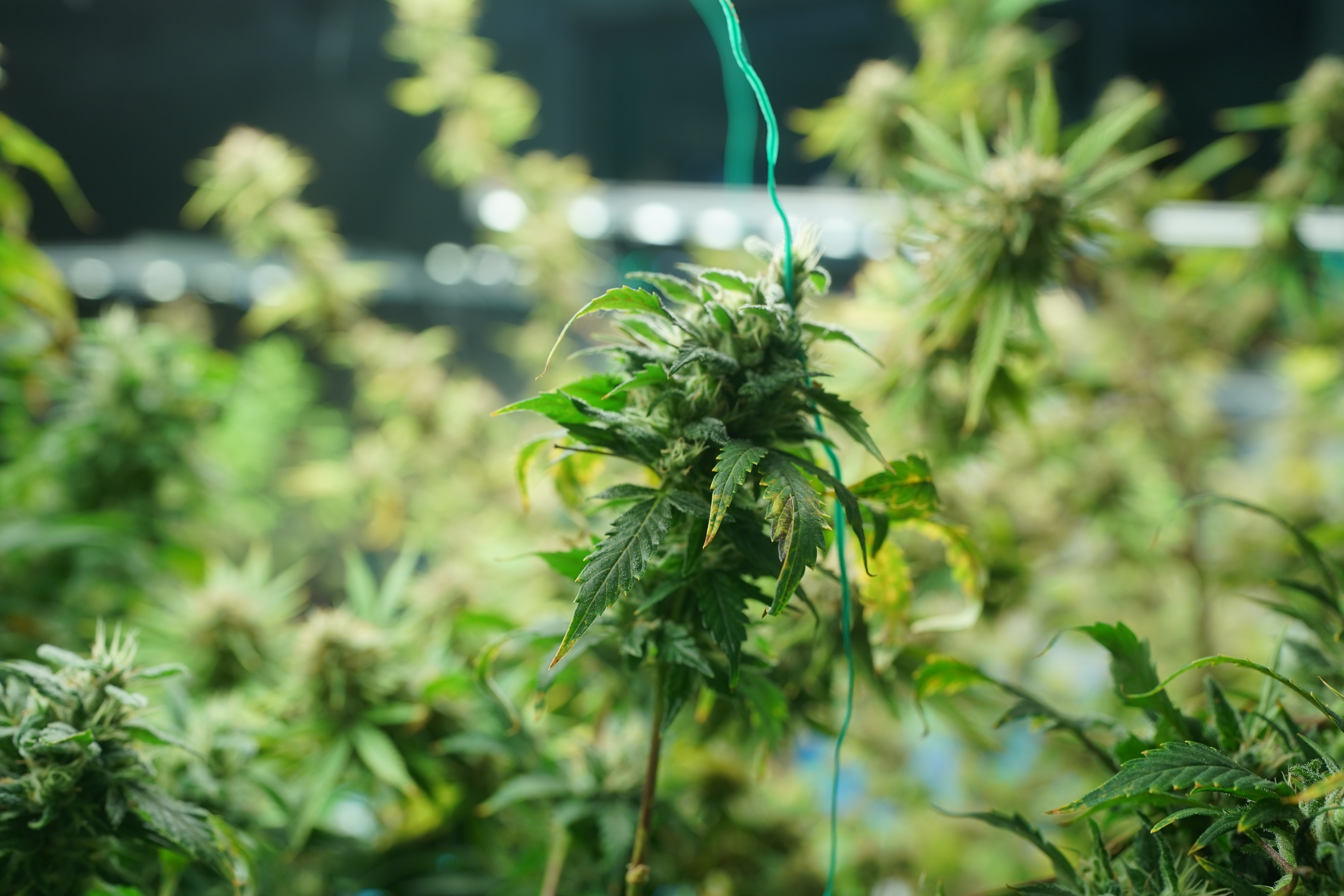


Cannabis hydroponics is a way of growing cannabis without using traditional soil. Instead of getting water and nutrients from soil, the plant receives them through water and a controlled root environment. The roots may sit in water, rest in a soilless growing material, or receive a steady flow of nutrient-rich solution, depending on the type of hydroponic system being used.
The main idea behind hydroponics is simple. Plants need water, nutrients, oxygen, light, and the right growing conditions. Soil is one way to provide some of these needs, but it is not the only way. In a hydroponic setup, the grower manages these needs more directly. This gives the grower more control, but it also means that problems can develop faster when something is out of balance.
Traditional soil acts as a natural buffer. It can hold water and nutrients and release them over time. It can also reduce the effect of some small mistakes. Hydroponic systems do not have the same level of protection. If the water chemistry changes too much, if the nutrient level becomes unbalanced, or if the roots do not receive enough oxygen, the plant may show signs of stress quickly. This is one reason hydroponics requires regular monitoring.
Water is the foundation of every hydroponic system. It carries nutrients to the roots and helps the plant move important minerals through its tissues. The quality of the water can affect how well the system works. Different water sources may contain different levels of minerals, salts, or other substances. For this reason, hydroponic growers often pay close attention to water quality and consistency.
Nutrients are also very important. In soil, plants can receive many nutrients from organic matter and minerals already present in the ground. In hydroponics, nutrients are usually provided through a prepared nutrient solution. These nutrients include major elements such as nitrogen, phosphorus, and potassium, as well as smaller amounts of other minerals that plants need for healthy growth. The goal is not simply to add more nutrients. The goal is to keep the nutrient balance suitable for the plant and the growing system.
Oxygen around the roots is another key part of hydroponic growing. Plant roots need oxygen to stay healthy and function well. Some hydroponic systems use air pumps, water movement, or open spaces around the roots to provide enough oxygen. If the root zone stays too wet and does not receive enough oxygen, plant health can decline.
Light is also essential because cannabis, like other green plants, depends on light for photosynthesis. Photosynthesis allows plants to turn light energy into the sugars they need for growth. Indoor hydroponic systems normally depend on artificial grow lights, while greenhouse or outdoor hydroponic setups may use natural sunlight. Light levels, heat, and the surrounding environment can all influence how plants grow.
Hydroponic systems come in several forms. Some systems keep roots partly or fully in oxygenated water. Others move nutrient solution through tubes, trays, or containers. Some use materials such as clay pebbles, coco coir, or rockwool to support the roots. Each system works in a slightly different way, but all hydroponic systems are based on the same general idea: giving plant roots controlled access to water, nutrients, and oxygen without relying on normal garden soil.
One of the main reasons people study hydroponics is the level of control it can offer. A hydroponic setup allows close monitoring of the root environment, water condition, and nutrient supply. This can make it easier to notice changes and understand what may be affecting plant health. At the same time, this control comes with more responsibility. The grower has to check the system often and respond when something is not working correctly.
Two terms that are especially important in hydroponics are pH and EC. pH is a measure of how acidic or alkaline the water is. It affects how easily plant roots can take in certain nutrients. EC, or electrical conductivity, gives an estimate of the amount of dissolved minerals in the water. These measurements help growers understand what is happening in the nutrient solution. They are covered in more detail later in this guide.
Reservoir care is another major part of hydroponics. Many systems use a container that stores water and nutrients. This reservoir needs to remain clean and stable because it supplies the root zone. Poor water conditions, equipment problems, or contamination can affect the whole system. Regular checks can help identify problems before they become more serious.
Hydroponics should not be seen as an automatic or effortless way to grow plants. It is a controlled growing method that depends on careful observation. Beginners need to understand how the system works before trying to manage several changes at once. Learning the basics of water, nutrients, roots, oxygen, lighting, and environmental control makes it easier to understand why plants respond the way they do.
This guide explains those basic ideas step by step. It covers common hydroponic systems, growing media, nutrients, pH, EC, water quality, lighting, reservoir care, and common problems. The goal is to help beginners understand the science and structure behind hydroponic cannabis growing in a clear and organized way.
Cannabis laws are different from one location to another. Some places allow certain forms of personal cultivation, while others restrict or prohibit it. Rules can also change over time. Anyone interested in cannabis cultivation should understand and follow the laws that apply in their location. Learning about hydroponics can help readers understand plant science and controlled growing systems, but any real-world cultivation should be done only where it is legal and permitted.
How Does Hydroponic Cannabis Growing Work?
Hydroponic cannabis growing is a method of raising cannabis plants without traditional soil. Instead of depending on soil to hold water and nutrients around the roots, hydroponic systems provide these resources through water and a controlled root environment. The main idea is simple: the roots need steady access to water, nutrients, oxygen, and the right growing conditions.
Hydroponics does not mean that plants grow in plain water alone. Cannabis plants still need mineral nutrients to support healthy leaves, stems, roots, and flowers. These nutrients are dissolved in water so the roots can absorb them. Some hydroponic systems keep roots directly in water, while others use materials such as clay pebbles, coco coir, or rockwool to support the plant.
Because soil is not present, the grower has more direct control over what reaches the root system. At the same time, there is less natural protection against sudden changes. Problems with water quality, nutrient balance, oxygen, or equipment may affect plants more quickly than they would in soil.
Understanding Soil-Free Growing
In a normal soil garden, plant roots spread through the soil looking for water, oxygen, and nutrients. Soil also stores some moisture and minerals between waterings. Organic matter and other materials in the soil can help slow down changes in the root zone.
Hydroponic growing works differently. The root system receives water and dissolved nutrients through the hydroponic system itself. The exact method depends on the type of system. In some systems, the roots remain in an oxygen-rich nutrient solution. In others, water moves across the roots at regular intervals. Some systems deliver the solution through tubes or drip lines.
Although hydroponics removes soil, the basic needs of the plant remain the same. Roots must still have access to water, minerals, and oxygen. The plant also needs enough light and suitable environmental conditions above the root zone.
One reason hydroponic growing can support fast plant development is that the roots do not have to search through a large amount of soil for available nutrients. Nutrients dissolved in water are already present near the root surface. However, this does not mean that adding more nutrients automatically improves growth. Plants can only use nutrients properly when the overall root environment is balanced.
Root health is therefore one of the most important parts of hydroponic growing. Healthy roots support water and nutrient uptake, while damaged or poorly oxygenated roots can reduce the plant’s ability to absorb what it needs.
The Main Parts of a Hydroponic Environment
A hydroponic system depends on several parts working together. Water is one of the most important. It carries dissolved nutrients to the roots and helps move these minerals through the plant.
The nutrient solution is the mixture of water and plant nutrients available to the roots. Cannabis, like other plants, requires several essential elements for normal development. The amount and balance of these elements can change as the plant develops, which is why nutrient management is an important topic in hydroponics.
Many systems also use a reservoir. A reservoir is a container that stores the water and nutrient solution used by the system. Depending on the design, the solution may stay around the roots or move between the reservoir and growing containers.
The roots also need physical support. Since there is no traditional soil, hydroponic systems may use an inert or soilless growing medium. These materials help hold the plant in place while allowing water and air to reach the roots.
Oxygen is another major part of the root environment. Plant roots need oxygen for normal cell activity. If the root zone remains poorly oxygenated for too long, root health can decline. Hydroponic systems may rely on air pumps, moving water, drainage, or other methods to keep enough oxygen around the roots.
Above the root zone, light drives photosynthesis. Indoor hydroponic gardens normally depend on artificial grow lights because plants may not receive enough natural sunlight indoors. Light works together with temperature, humidity, air movement, and other environmental conditions to support plant development.
These parts should not be viewed separately. For example, a plant may have enough nutrients in the reservoir but still struggle if the roots are unhealthy. Strong lighting may also create problems if the surrounding temperature becomes too high. Hydroponic growing works best when the entire plant environment remains reasonably stable.
Why Hydroponic Plants Need Close Monitoring
Hydroponic systems often need closer monitoring than soil because changes in the water can reach the roots quickly. In soil, minerals and water may be stored or buffered by the growing medium. Hydroponic systems have less of this natural protection.
One important measurement is pH. pH describes how acidic or alkaline the water is. It matters because the chemical form and availability of nutrients can change when pH moves too far in one direction. A nutrient may be present in the water but become difficult for the plant to absorb under unsuitable conditions.
Another important measurement is nutrient concentration. Growers often use electrical conductivity, or EC, as a general way to estimate the amount of dissolved minerals in the nutrient solution. Very low nutrient levels may not provide enough essential elements, while overly concentrated solutions can place stress on the roots.
Water temperature and oxygen levels also affect root conditions. Warm water generally holds less dissolved oxygen than cooler water. Poor circulation or equipment problems can also reduce oxygen around the roots. This is one reason the root area and water system should be checked regularly.
Water quality can also influence the system. Tap water may contain different amounts of minerals depending on the local supply. Those minerals can affect the starting conditions of a nutrient solution. This is why hydroponic growers often pay attention to the condition of their source water as well as the nutrients they add.
Monitoring does not mean constantly changing the system. In fact, making too many changes at once can make problems harder to understand. Regular observation is more useful. Changes in leaf color, growth pattern, root appearance, water condition, or equipment performance can provide clues about what is happening.
Hydroponic cannabis growing works by replacing soil with a controlled system that delivers water, dissolved nutrients, oxygen, and root support. Different hydroponic systems deliver these resources in different ways, but the basic needs of the plant remain the same.
Water and nutrients support plant development, while oxygen helps keep roots healthy. Growing media may support the plant, and lighting provides the energy needed for photosynthesis. Temperature, humidity, water quality, and equipment performance also influence the growing environment.
Because soil is not present to slow or buffer many changes, hydroponic plants can respond quickly when conditions change. This makes regular observation and monitoring important. Understanding how the root zone, nutrient solution, lighting, and environment work together gives beginners a strong foundation for learning more about hydroponic cultivation.
Hydroponics vs. Soil: What Is the Difference?
Hydroponics and soil growing are two different ways to support cannabis plants. Both methods can provide plants with water, nutrients, oxygen, and light, but they deliver these needs in different ways. Soil uses a natural growing medium that can hold water and nutrients around the roots. Hydroponics removes soil from the process and uses water, nutrients, and an inert growing medium instead.
For beginners, the biggest difference is control. Soil tends to be more forgiving because it can hold nutrients and help slow sudden changes around the roots. Hydroponic systems give growers more direct control over the root zone, but changes can happen faster. This means hydroponic plants may react more quickly to problems with water, nutrients, pH, or equipment.
Understanding these differences can help beginners decide which growing method is easier to manage based on their experience, time, equipment, and ability to monitor plants often.
How Soil Growing Works
Soil acts as both a support system and a storage area for cannabis roots. It holds water while also storing many nutrients that plants need. A healthy soil mixture may contain organic matter, minerals, and small organisms that help break down materials and release nutrients over time.
One major benefit of soil is its ability to buffer changes. Buffering means the soil can reduce the effect of sudden changes in pH, nutrient strength, or moisture. If a small mistake is made when watering or feeding, the soil may help protect the roots from an immediate change.
Soil also gives roots a stable place to grow. Air spaces between soil particles allow oxygen to reach the root zone. At the same time, the soil holds enough moisture for the plant to use between waterings.
However, soil can also make some problems harder to identify. Nutrients may build up in the soil, or the soil may stay wet for too long. These conditions can affect the roots. Since the root zone is hidden, it may take time before a problem becomes clear through changes in the leaves or overall plant growth.
How Hydroponic Growing Differs
Hydroponic cannabis is grown without traditional soil. The roots receive water and dissolved nutrients directly. Depending on the system, the roots may sit in oxygen-rich nutrient solution, receive water through drip lines, or be exposed to a thin flow or mist of nutrient solution.
Because nutrients are dissolved in water, they are available to the root zone more directly. The grower controls what is added to the reservoir and can monitor conditions such as pH and electrical conductivity.
This level of control is one reason hydroponics can appeal to growers who want to closely manage plant conditions. However, it also means there is less protection when something goes wrong.
For example, if the nutrient solution becomes too strong, the roots may be affected more quickly than they would in soil. If the pH moves too far outside the useful range, some nutrients may become harder for the plant to absorb. If a pump or air system stops working, root conditions can also change quickly.
Hydroponics therefore depends heavily on regular observation. Water levels, equipment, nutrient strength, and root health should all be watched carefully.
Setup Complexity
Soil growing usually requires fewer parts than a hydroponic system. A basic soil setup may use containers, soil, water, nutrients, and environmental controls.
Hydroponic systems often include extra equipment. Depending on the system, this can include a reservoir, water pump, air pump, tubing, net pots, meters, and other parts. These items work together to deliver water, nutrients, and oxygen to the roots.
The more parts a system has, the more important maintenance becomes. A blocked tube, broken pump, or inaccurate meter can affect plant health. For this reason, hydroponics can feel more technical for a beginner.
Maintenance and Monitoring
Soil plants still need regular care, but the root environment changes more slowly in many cases. Soil can hold water and nutrients for a period of time, which gives the grower some flexibility.
Hydroponic systems usually need more frequent checks. The reservoir may change as plants take in water and nutrients. Water may evaporate. Nutrient strength may rise or fall. The pH can also shift over time.
Growers using hydroponics need to watch these changes instead of assuming the nutrient solution will stay the same. Equipment also needs routine inspection to make sure water and air are moving as expected.
This does not mean hydroponics is always difficult. It means the system depends more on accurate and regular monitoring.
Water and Nutrient Control
In soil, nutrients are stored in the growing medium and released over time. The soil helps separate the roots from sudden nutrient changes.
In hydroponics, nutrients are dissolved in water. This gives the grower direct control over the nutrient solution, but it also means mistakes can reach the roots faster.
Too little nutrient can limit plant development. Too much can place stress on the roots. An incorrect pH can also prevent the plant from using certain nutrients, even when those nutrients are present in the water.
Because of this, hydroponic growers need to understand that more fertilizer does not always mean better growth. Balanced nutrient management is more important than simply increasing the amount of nutrients in the reservoir.
Root-Zone Management
Healthy roots need water, nutrients, and oxygen in both soil and hydroponic systems.
In soil, air spaces allow oxygen to move around the roots. Problems can develop when the soil becomes packed or stays too wet for too long.
In hydroponics, oxygen may be provided through air stones, moving water, drainage, or exposure of the roots to air. The exact method depends on the hydroponic system being used.
Root health is especially important because unhealthy roots cannot absorb water and nutrients well. Changes in root color, smell, or texture may be signs that the root environment needs attention.
Is Hydroponics Better Than Soil for Cannabis?
Neither system is automatically better in every situation. The best choice depends on the grower’s goals, experience, available equipment, and ability to manage the growing environment.
Soil is often easier to understand because it works in a familiar way and can reduce the effects of small mistakes. Hydroponics offers more direct control, but it usually requires closer attention to water quality, nutrients, pH, oxygen, and equipment.
For beginners, the most important point is to understand the system before using it. A simple system that is monitored carefully is often easier to manage than a complex system with many parts.
Hydroponics and soil growing both aim to give cannabis plants the same basic needs, but they do so in different ways. Soil stores water and nutrients and can protect roots from sudden changes. Hydroponics gives growers more direct control over the root environment, but conditions can change more quickly.
Soil systems are often simpler and more forgiving, while hydroponic systems may require more equipment and closer monitoring. Hydroponic growers need to pay special attention to water, nutrients, pH, oxygen, and equipment reliability.
Types of Hydroponic Systems for Cannabis
Hydroponic systems can be built in several different ways, but they all have the same basic goal. They provide plant roots with water, oxygen, and dissolved nutrients without using traditional soil. The main difference between systems is how the nutrient solution reaches the roots and how often the roots stay in contact with water.
For beginners, learning the basic types of hydroponic systems is important because each system has a different level of complexity. Some are simple and easy to understand, while others use more pumps, plumbing, and moving parts. The best choice often depends on the grower’s experience, available space, and ability to monitor the system.
Deep Water Culture DWC
Deep Water Culture, often called DWC, is one of the best-known hydroponic systems. In this type of setup, plant roots are suspended in or near a container of nutrient-rich water. The root zone also needs oxygen because roots cannot remain healthy in water that has too little dissolved oxygen.
One reason DWC is often discussed in beginner guides is that the basic idea is easy to understand. Instead of moving water through long channels or many connected containers, the plant usually has direct access to a reservoir. This makes it easier to see how water quality, oxygen, and nutrients affect plant health.
DWC can also make changes in the root zone happen quickly. If water chemistry changes, the roots are exposed to those changes almost at once. For this reason, regular monitoring is important. Problems with aeration, water quality, or equipment can affect roots faster than they might in soil.
The main advantage of DWC is its simple design. The main challenge is keeping the water and root environment stable.
Recirculating Deep Water Culture RDWC
Recirculating Deep Water Culture, or RDWC, is a more advanced version of standard DWC. Instead of using one separate water container for each plant, several containers are connected so that water moves between them.
The nutrient solution is usually shared across the connected system. This can make it easier to maintain similar water conditions in several plant sites. However, it also makes the system more complex because it depends on plumbing, pumps, and water circulation.
One major difference between DWC and RDWC is the number of connected parts. If a problem develops in a shared water system, it can affect more than one plant. A leak, pump problem, or water-quality issue may spread through the entire setup.
For this reason, RDWC is often better suited to growers who already understand basic hydroponic principles. It may offer more consistent conditions across several containers, but it also requires more attention to equipment and system reliability.
Drip Systems
A drip system delivers nutrient solution to the root area through small water lines. Instead of keeping roots continuously in a deep reservoir, the system sends water and nutrients to the growing medium at controlled times.
Drip systems are widely used in hydroponics because they can work with different growing media. The growing medium supports the roots while the nutrient solution provides water and minerals.
One benefit of drip systems is that the root zone does not need to stay fully submerged. The medium can hold some moisture while still allowing air to reach the roots. This balance between moisture and oxygen is important for healthy root development.
However, drip systems may have more small parts than basic DWC systems. Tubes and water lines can require regular inspection. If water flow becomes uneven, some plants may receive more moisture than others.
Beginners should understand that drip systems depend on steady and even water delivery. The idea is simple, but the system still requires careful observation.
Ebb-and-Flow Systems
Ebb-and-flow systems are also known as flood-and-drain systems. In this design, the root area is temporarily flooded with nutrient solution and then allowed to drain.
The flooding stage brings water and nutrients to the roots. After the water drains away, air can return to the spaces around the root zone. This repeating cycle gives roots access to both moisture and oxygen.
Ebb-and-flow systems often use a tray or growing area that holds the plants. A separate reservoir stores the nutrient solution when the growing area is not flooded.
One advantage of this design is that the roots are not continuously sitting in deep water. The system creates a repeating wet and dry cycle. However, it depends on pumps and timers working correctly.
If the water does not move as expected, the root zone may become too wet or too dry. For that reason, equipment checks are an important part of maintaining this type of system.
Nutrient Film Technique NFT
Nutrient Film Technique, usually called NFT, uses a thin, moving layer of nutrient solution that passes along the roots. Instead of placing roots in a deep reservoir, the system allows a shallow stream of water to flow through a channel.
The roots take in water and nutrients from this moving solution. At the same time, much of the root system is exposed to air, which can help provide oxygen.
NFT systems are efficient because they use a continuous flow of nutrient solution. However, they can be less forgiving when something goes wrong. Because the roots depend on moving water, a pump failure or blocked channel can quickly reduce access to moisture.
The design also requires careful control of water flow. If the flow is too weak or uneven, some roots may not receive the same conditions as others.
NFT can be useful for understanding how hydroponics works, but it is usually more technical than basic DWC.
Aeroponics
Aeroponics is one of the most advanced forms of hydroponic growing. In an aeroponic system, the roots are suspended in the air rather than sitting in water or growing medium. A fine nutrient solution is delivered to the exposed root area.
This method can provide the roots with a large amount of oxygen because much of the root system remains surrounded by air. At the same time, the roots still receive water and dissolved nutrients.
Aeroponics can offer very controlled root conditions, but it also depends heavily on reliable equipment. If the system stops delivering moisture, exposed roots can dry much faster than roots in many other hydroponic systems.
Small delivery parts can also require careful maintenance. Because the system depends on consistent misting or spraying, equipment problems can quickly affect plant health.
For these reasons, aeroponics is usually considered more demanding than DWC, drip, or ebb-and-flow systems. Beginners may find it useful to understand how aeroponics works, even if they choose a simpler system when first learning about hydroponics.
There is no single hydroponic system that works best for every situation. Deep Water Culture is often one of the easiest systems to understand because the design is simple and the roots have direct access to water. RDWC expands this idea by connecting several water containers, but it also adds more equipment and complexity.
Drip systems deliver nutrient solution directly to the growing medium, while ebb-and-flow systems move water in and out of the root zone. NFT systems use a thin, continuous stream of nutrient solution, and aeroponics keeps roots suspended in air while delivering moisture directly to them.
For beginners, the most important goal is to understand how each system manages water, oxygen, nutrients, and the root environment. Simpler systems may be easier to monitor and understand, while more advanced systems usually require more equipment and closer attention. Learning these differences provides a strong foundation for understanding hydroponic cultivation as a whole.
What Equipment Is Used in a Hydroponic Cannabis Setup?
A hydroponic cannabis setup uses several pieces of equipment to support plants without traditional soil. The exact equipment depends on the hydroponic system, the size of the growing area, and whether the plants are grown indoors or in another controlled space. However, most systems share the same basic needs. Plants require a stable supply of water, nutrients, oxygen, light, and suitable environmental conditions.
For beginners, it is helpful to understand what each piece of equipment does before setting up a system. Hydroponic growing can become difficult when too many parts are added without a clear purpose. A simple and well-monitored system is often easier to understand than a complex one.
The Hydroponic System
The hydroponic system is the main structure that holds the plants and provides water to their roots. Most systems include a reservoir, containers for the plants, and some form of water movement or delivery.
The reservoir stores the water and dissolved nutrients used by the plants. Because the reservoir supplies the root system, its condition can affect the entire grow. It should be made from a material suitable for holding water and should be easy to inspect and clean. Keeping unwanted light away from the nutrient solution can also help reduce algae growth.
Plant containers or net pots hold the plant in place while allowing the roots to reach moisture and nutrients. These containers often work with an inert growing medium that supports the plant without acting like normal soil.
Different hydroponic systems move water in different ways. Some keep roots in contact with oxygen-rich nutrient solution, while others deliver water to the root area at set times. Pumps, tubing, fittings, and related parts may be used to move the solution around the system.
Air equipment may also be important. Plant roots need oxygen as well as water. In water-based systems, air pumps and air stones can help improve oxygen movement through the nutrient solution. Good oxygen availability supports normal root function and can help create a healthier root environment.
Monitoring Equipment
Monitoring is one of the most important parts of hydroponic growing. Unlike soil, which can sometimes reduce the effect of small changes, hydroponic systems can respond quickly when water conditions change.
A pH meter is used to measure how acidic or alkaline the nutrient solution is. This matters because pH can affect how well plant roots take in nutrients. A nutrient solution may contain the correct minerals, but the plant can still have trouble using them if conditions in the root zone are unsuitable.
An EC, or electrical conductivity, meter is another common monitoring tool. It gives an estimate of the amount of dissolved mineral salts in the water. This can help growers understand whether the nutrient solution is relatively weak or concentrated. EC readings should be considered along with plant condition, water quality, and other measurements rather than being used alone.
Temperature and humidity meters are also useful. Temperature affects plant growth, water use, and the condition of the root zone. Humidity affects how quickly plants lose water through their leaves. Large or sudden changes can place stress on plants.
Reliable measuring equipment is important because poor readings can lead to poor decisions. Meters should be kept clean and used according to the manufacturer’s directions.
Indoor Growing Equipment
Indoor hydroponic plants depend on equipment to provide conditions that outdoor plants normally receive from the environment. Lighting is one of the main examples.
Grow lights provide the energy plants need for photosynthesis. Different lighting technologies are available, and each type can vary in power use, heat output, coverage, and cost. The goal is to provide suitable light without creating excessive heat or uneven conditions.
Timers can help control equipment on a regular schedule. They are often used with lighting and other devices that need to operate at planned times. Reliable timers can make conditions more consistent and reduce the need for manual control.
Ventilation equipment helps remove heat and stale air from the growing space. Fans may be used to move air around the plants, while ventilation systems can help exchange indoor air with fresh air. Air movement also helps prevent small areas of trapped heat or high humidity from forming around leaves.
Environmental monitors can help track changes throughout the day. Some devices record temperature and humidity over time, which can make it easier to identify patterns that may not be obvious during a quick inspection.
Why Equipment Reliability Matters
Hydroponic systems often depend more heavily on equipment than soil-based gardens. If an important device stops working, conditions around the roots or plants can change faster than a beginner may expect.
For example, a pump problem may interrupt water movement in a system that depends on constant circulation. A failure in aeration equipment may reduce oxygen in the root area. A broken timer may change the operation of lighting or other equipment. A faulty meter may produce an incorrect reading and lead to unnecessary adjustments.
Because of this, routine equipment checks are an important part of hydroponic maintenance. Growers should regularly inspect pumps, tubing, electrical connections, meters, containers, and other working parts for signs of wear or failure. Cleaning equipment can also reduce buildup that may block water flow or affect measurements.
Electrical safety is especially important because hydroponic systems combine water with powered equipment. Devices should be designed for their intended use, kept away from unsafe water exposure, and operated according to manufacturer instructions. Damaged electrical equipment should not be used.
A hydroponic cannabis setup usually includes a reservoir, plant containers, water-delivery equipment, aeration or circulation devices, and tools for monitoring the growing environment. Indoor systems may also require grow lights, timers, fans, ventilation equipment, and temperature and humidity monitors.
Each piece of equipment has a specific purpose. The reservoir stores the nutrient solution, pumps help move water, air equipment supports the root environment, and meters help growers understand changing conditions. Lighting and ventilation support the plant above the root zone.
Beginners do not need to make a hydroponic setup more complex than necessary. Understanding what each device does is more important than owning a large amount of equipment. Regular inspection, accurate monitoring, cleanliness, and safe equipment use can make the system easier to manage and help prevent common problems before they become serious.
Choosing a Growing Medium for Hydroponic Plants
Choosing the right growing medium is an important part of setting up a hydroponic system. In hydroponics, plants do not grow in regular garden soil. Instead, their roots are supported by materials that hold the plant in place while allowing water, nutrients, and oxygen to reach the root zone.
A growing medium does not always provide nutrients on its own. In many systems, its main job is to support the roots and help control moisture and airflow. Different materials hold different amounts of water and air. Because of this, the best choice depends on the type of hydroponic system being used.
What Is a Hydroponic Growing Medium?
A hydroponic growing medium is a material used to support a plant’s roots without traditional soil. It gives the plant a stable place to grow while allowing the roots to receive water, oxygen, and dissolved nutrients.
Some hydroponic systems use very little growing medium. Others depend on it more heavily. For example, a system that keeps roots in nutrient-rich water may only need a small amount of material to support the base of the plant. A drip-based system may use a larger amount of growing medium because the roots grow throughout the container.
A good hydroponic medium should balance water and air. Roots need moisture, but they also need oxygen. If a material holds too much water, the root area may stay wet for too long. If it drains too quickly, the roots may dry out between watering cycles.
The growing medium should also be clean and stable. It should not break down quickly or add unwanted materials to the water. This makes it easier to manage the root environment and keep the hydroponic system consistent.
Clay Pebbles
Clay pebbles are one of the most common growing media used in hydroponic systems. They are usually made from clay that has been heated until it forms small, lightweight balls.
One of the main benefits of clay pebbles is good airflow. The spaces between the pebbles allow oxygen to move around the root area. They also drain water quickly, which can help prevent the root zone from staying too wet.
Clay pebbles do not usually hold large amounts of water compared with some other materials. Because of this, they are often used in systems where water or nutrient solution reaches the roots regularly.
They are also firm enough to support plants without becoming tightly packed. Their shape creates open spaces for roots to grow through.
Another advantage is that clay pebbles are durable. They do not break down as quickly as some natural growing materials. However, they still need to be kept clean because old roots, salts, and organic material can collect around them.
Coco Coir
Coco coir is made from the outer husk of coconuts. It has become a common soilless growing material because it can hold both moisture and air.
Coco coir usually holds more water than clay pebbles. This can help keep the root area moist for a longer time. At the same time, its fiber structure can provide spaces for air around the roots.
One important point is that coco coir behaves differently from systems where roots sit directly in water. It often acts more like a soil-free container medium. Water and nutrients move through the coco while roots spread throughout the material.
Because coco can hold a large amount of moisture, watering practices need to match the container size, plant size, and system design. Too much water can reduce the amount of air available to the roots. Too little water can cause the medium to dry unevenly.
Coco products can also differ in quality. Some may contain more fine material, while others may be more coarse. These differences can affect drainage and moisture retention.
Rockwool
Rockwool is another growing medium often used in hydroponics. It is made from mineral material that is heated and formed into fibers. These fibers are then shaped into cubes, slabs, or other forms.
Rockwool can hold a large amount of water while still providing some air space. This makes it useful for supporting young plants and root systems.
Its structure also helps keep roots in place. Roots can grow through the fibers as the plant becomes larger.
However, rockwool can hold moisture for a long time. Because of this, growers using legal hydroponic crops need to pay attention to how wet the material remains. A medium that stays soaked for long periods may reduce oxygen around the roots.
Rockwool should also be handled carefully because its fibers can irritate the skin. It is usually best to avoid unnecessary contact and follow the manufacturer’s handling directions.
Other Inert Growing Media
Several other materials can be used in hydroponic systems. Perlite is a lightweight material made from expanded volcanic rock. It provides good drainage and helps create air spaces around roots. Because it is very light, it is often mixed with another medium rather than used alone.
Vermiculite is another mineral-based material. It tends to hold more water than perlite. This can make it useful when more moisture retention is needed.
Some hydroponic setups also use gravel, grow stones, foam-based materials, or mixtures of different media. Each option has different strengths and weaknesses.
The most important factor is not whether one material is considered the best overall. Instead, the growing medium should fit the way the hydroponic system delivers water and nutrients.
Choosing Between Growing Media
When comparing growing media, water retention should be one of the first things to consider. Some materials hold water for a long time, while others drain quickly. The right choice depends on how often the roots receive water.
Drainage is also important. A medium that drains well can help keep oxygen around the root zone. However, very fast drainage may require more frequent watering in certain systems.
Aeration should also be considered. Healthy roots need oxygen. Materials with more open spaces often allow better airflow around the root area.
System compatibility is another key factor. A material that works well in one hydroponic design may be less useful in another. Deep-water systems, drip systems, and flood-and-drain systems can place different demands on the growing medium.
Ease of maintenance matters as well. Some media are easy to handle and clean, while others are designed for one growing cycle. Cost, availability, storage, and disposal may also affect the decision.
A hydroponic growing medium supports the roots and helps control the balance between water and oxygen. Clay pebbles offer strong drainage and airflow, while coco coir holds more moisture. Rockwool can hold both water and air, and materials such as perlite and vermiculite offer additional options for different systems.
There is no single growing medium that works best in every situation. The most suitable choice depends on water retention, drainage, aeration, system design, and ease of maintenance. Understanding these basic differences makes it easier to choose a medium that creates a stable and healthy root environment for legal hydroponic crops.
Understanding Hydroponic Cannabis Nutrients
Hydroponic plants depend on water for much more than moisture. The water also carries the minerals that roots need for growth. In soil, plants can draw nutrients from organic matter, minerals, and other materials that are already present around the roots. A hydroponic system does not provide the same natural reserve. Because of this, the nutrient solution becomes one of the most important parts of the growing environment.
Understanding nutrients does not mean that more fertilizer will produce better plants. Plants need different minerals in balanced amounts, and too much of one nutrient can sometimes interfere with another. Water quality, root health, temperature, and pH can also affect how well a plant uses the minerals that are present. For this reason, nutrient problems should be considered as part of the whole growing environment rather than treated as an isolated issue.
Why Hydroponic Plants Depend on Nutrient Solutions
Plants require certain mineral elements to build leaves, roots, stems, and flowers. In traditional soil, some of these minerals are already available in the growing medium. Soil can also hold nutrients and release them over time.
Hydroponic systems work differently. The plant receives dissolved minerals through the water surrounding or passing through its roots. This gives the grower more direct control over plant nutrition, but it also means changes can affect the roots more quickly.
If the nutrient solution becomes unbalanced, plants may show signs of stress. Growth may slow, leaves may change color, or roots may become less healthy. However, these symptoms do not always mean the solution simply needs more nutrients. A plant can have minerals available in the water but still struggle to absorb them because of poor root conditions or unsuitable water chemistry.
For beginners, one of the most important ideas to understand is that hydroponic nutrition is based on balance. The goal is to provide the minerals the plant needs while maintaining conditions that allow the roots to use them.
Primary Plant Nutrients
Nitrogen, phosphorus, and potassium are often called primary nutrients because plants use them in relatively large amounts.
Nitrogen supports many basic plant functions. It plays a major role in the development of chlorophyll, which gives healthy leaves their green color and helps plants capture light for photosynthesis. Nitrogen is also involved in the production of proteins and new plant tissue.
Phosphorus is important for energy transfer inside the plant. It also supports root development and several processes related to plant maturity. Plants rely on phosphorus throughout their life cycle, although their overall nutritional needs change as they develop.
Potassium supports many plant processes rather than forming one specific plant structure. It helps regulate water movement, enzyme activity, and other functions linked with normal growth. It also plays a role in helping plants respond to environmental stress.
These three nutrients are important, but they do not work alone. A plant cannot remain healthy if it receives adequate nitrogen, phosphorus, and potassium but lacks other essential minerals.
Secondary Nutrients and Micronutrients
Cannabis, like other plants, also requires secondary nutrients and micronutrients. These are needed in smaller amounts, but that does not make them optional.
Calcium is important for strong cell structures and healthy new growth. Magnesium is a key part of chlorophyll and therefore plays an important role in photosynthesis. Sulfur is involved in the formation of certain proteins and enzymes.
Plants also need small amounts of elements such as iron, manganese, zinc, copper, boron, and molybdenum. These micronutrients support many chemical reactions and growth processes inside the plant.
A shortage of a micronutrient can still cause visible problems even though plants require only small quantities. This is one reason balanced hydroponic nutrient products are designed to contain more than the three primary nutrients.
Water can also affect the mineral balance. Some water sources naturally contain calcium, magnesium, and other dissolved minerals. Others contain very little. This means two growers using the same nutrient product can start with different water conditions. Understanding the starting water is therefore an important part of understanding plant nutrition.
Nutrient Needs Change During Plant Development
Plants do not use nutrients at exactly the same rate throughout their life. A young plant has different needs from a larger plant with more leaves and roots. Nutrient demand also changes as a plant moves from early growth into later stages of development.
During early growth, the root system and young leaves are still developing. At this stage, plants are generally more sensitive to strong nutrient conditions. As plants become larger, their ability to take up water and minerals increases.
During vegetative growth, plants focus heavily on developing stems, leaves, branches, and roots. Nitrogen plays an important role during this period because it supports green plant tissue and photosynthesis.
As a plant enters its reproductive stage, its nutrient use changes again. The balance between different minerals becomes more important as energy is directed toward flowers instead of mainly toward new leaves and stems.
This changing demand is why a single nutrient approach may not be suitable for every stage. However, beginners should avoid making large changes simply because a plant has reached a new stage. Gradual observation is important because sudden changes in the root environment can create stress.
Nutrient Deficiency Versus Nutrient Excess
Leaf discoloration is often described as a nutrient deficiency, but appearance alone does not always reveal the true cause.
A deficiency happens when a plant does not receive or absorb enough of an essential mineral. Depending on the nutrient involved, symptoms may include yellow leaves, unusual patterns between leaf veins, spots, weak growth, or problems with new leaves.
Nutrient excess can cause similar problems. When the concentration of dissolved minerals becomes too high, the root system may have difficulty taking up water normally. Leaves may develop damaged tips or edges, and overall plant growth may slow.
Adding more nutrients without identifying the cause can therefore make a problem worse.
Another issue is nutrient lockout. This happens when nutrients are present but the roots cannot absorb them effectively. Water chemistry, root stress, and other environmental conditions can contribute to this problem. A plant may appear deficient even though the needed mineral is already present in the solution.
For this reason, troubleshooting should involve more than looking at a leaf chart. Growers should consider the condition of the roots, water quality, recent changes, plant age, and other environmental factors. It is also helpful to watch how symptoms develop over time instead of reacting to one unusual leaf.
Hydroponic cannabis nutrition depends on supplying essential minerals through water instead of relying on soil as a nutrient source. Nitrogen, phosphorus, and potassium are major nutrients, while calcium, magnesium, sulfur, iron, zinc, and other elements support additional plant functions.
The key idea is balance. Plants need several nutrients working together, and their needs change as they develop. Too little of a nutrient can cause stress, but too much can also damage the plant or interfere with normal nutrient uptake.
Visible symptoms should not automatically be treated by adding more fertilizer. Yellowing, spots, or slow growth can also result from root problems, water conditions, or poor nutrient availability. Understanding the entire root environment makes it easier to identify the real cause of plant stress.
pH, EC, and Water Quality Explained
Water is at the center of every hydroponic growing system. In soil, the growing medium can hold nutrients and help reduce sudden changes around the roots. Hydroponic systems have less of this natural buffering. The roots depend much more directly on the water and nutrient solution around them. Because of this, growers need to understand three basic factors: pH, electrical conductivity, or EC, and water quality.
These measurements provide different types of information. pH shows whether the nutrient solution is acidic or alkaline. EC gives an estimate of how many dissolved mineral salts are in the water. Water quality describes the condition of the starting water before nutrients are added. Together, these factors can affect how easily a plant takes up water and essential nutrients.
What Is pH?
pH is a measurement of how acidic or alkaline a liquid is. The pH scale runs from 0 to 14. A value of 7 is considered neutral. Numbers below 7 are acidic, while numbers above 7 are alkaline.
For hydroponic plants, pH matters because it affects nutrient availability. A nutrient can be present in the water but still be difficult for the roots to absorb if the pH is not suitable. This means a plant may show signs that look like a nutrient deficiency even when enough fertilizer has been added.
Hydroponic nutrient solutions are generally kept slightly acidic because many important plant nutrients are more available under these conditions. However, the best target can vary by crop, system, water source, fertilizer, and stage of plant growth. Oklahoma State University notes that pH is one of the main factors controlling the availability of mineral nutrients in hydroponic systems.
pH can also change over time. Plants do not take up every nutrient at the same rate. As roots remove water and minerals from a solution, its chemistry changes. The starting water can also affect how quickly the pH rises or falls. This is one reason a single pH reading does not tell the whole story.
What Is EC?
EC stands for electrical conductivity. It measures how well a solution can conduct electricity. In hydroponics, this is useful because dissolved fertilizer salts form charged particles called ions. The more dissolved salts that are present, the greater the electrical conductivity of the solution.
An EC meter does not tell a grower exactly which nutrients are present. For example, it cannot say how much nitrogen, calcium, or magnesium is in the solution. Instead, it gives an estimate of the overall level of dissolved mineral salts.
A higher EC usually means that the water contains more dissolved salts. A lower EC generally means that fewer dissolved salts are present. This makes EC useful for tracking major changes in a hydroponic nutrient solution.
However, higher is not always better. When the concentration of dissolved salts becomes too high, plants can have trouble taking up water. Excess salts can also create nutrient imbalances and stress the roots. If EC is too low, the solution may not provide enough mineral nutrition for healthy plant growth. Penn State Extension notes that monitoring EC can help identify problems linked with soluble salt levels and nutrient management.
Why pH and EC Should Be Considered Together
pH and EC measure different things, so one should not be used as a replacement for the other.
EC provides information about the total concentration of dissolved salts. pH provides information about the chemical conditions that affect how available those nutrients are to the plant. A nutrient solution can have a suitable EC reading while still having an unsuitable pH. It can also have a reasonable pH while containing too much or too little dissolved fertilizer.
This helps explain why simply adding more nutrients is not always the correct response when leaves begin to change color. A plant can show signs of poor nutrition because of an imbalance in the root zone rather than because the nutrient solution lacks fertilizer.
When pH moves outside a suitable range, some nutrients may become harder for roots to absorb. This is often called nutrient lockout. The nutrients may still exist in the solution, but the plant cannot use them as efficiently.
For this reason, problems should be studied as a whole. Plant appearance, pH, EC, water quality, root condition, and the growing environment can all provide useful information.
Understanding Water Quality
The quality of the starting water is another important part of hydroponics. Water is rarely made up of pure hydrogen and oxygen. Tap water, well water, and other water sources may naturally contain calcium, magnesium, sodium, chloride, bicarbonates, and other dissolved substances.
These minerals affect the starting EC. They may also influence pH and how stable that pH remains after nutrients are added.
Oklahoma State University recommends considering water pH, EC, and alkalinity when evaluating water for hydroponic production. Poor-quality starting water can contribute to nutrient deficiencies, excesses, or other problems later in plant development.
Tap water can vary greatly from one location to another. Some areas have relatively soft water with low mineral content. Other areas have hard water that contains much larger amounts of calcium, magnesium, and bicarbonates.
Filtered water can have a different mineral profile depending on the type of filtration used. Some filters mainly remove chlorine, odors, or particles. More advanced purification methods can remove a much larger share of dissolved minerals.
For this reason, growers should not assume that all clear-looking water is chemically the same.
Why Water Consistency Matters
Consistency can be as important as the water source itself. If the mineral content of the starting water changes often, the nutrient solution may behave differently each time it is prepared.
This can make troubleshooting more difficult. A grower may believe that the nutrient product or plant is responsible for a change when the real cause is the starting water.
Alkalinity is especially important because it affects how resistant water is to changes in pH. Water with higher alkalinity may cause the pH of a nutrient solution to rise more easily over time. This is different from pH itself. Two water samples can have similar pH readings but behave differently because they have different alkalinity levels.
Understanding this difference can make hydroponic water management easier to understand. pH describes the condition of the water at that moment, while alkalinity helps explain how strongly the water may resist later pH changes.
Understanding Changes in pH and EC
Changes in pH and EC are normal in a working hydroponic system. Plants continuously remove water and nutrients from the root zone. Water can also be lost through evaporation. At the same time, roots may take up some minerals faster than others.
As these processes happen, the balance of the nutrient solution changes.
For example, EC may increase when water is removed faster than dissolved minerals. In other situations, EC may fall as plants use nutrients. Changes in pH can also occur as roots take up different mineral ions.
This is why trends are often more useful than one isolated reading. A sudden unusual change may point to a problem with the water, nutrient solution, measuring equipment, or root environment. A gradual change may simply reflect normal plant activity.
Meters must also give dependable readings. Poorly maintained or inaccurate equipment can lead to incorrect conclusions. If a reading appears very different from normal, it is useful to consider whether the measurement itself may be wrong before assuming that the plant has developed a serious problem.
pH, EC, and water quality are closely connected parts of hydroponic plant nutrition. pH measures how acidic or alkaline the nutrient solution is and influences how easily roots can access important minerals. EC estimates the total amount of dissolved salts in the water, making it useful for identifying major changes in nutrient concentration.
Neither measurement should be considered alone. A solution can contain plenty of nutrients but still have conditions that make those nutrients difficult for a plant to absorb. Likewise, a suitable pH does not mean that the overall nutrient concentration is correct.
Starting water also matters. Tap water, filtered water, and well water can contain different amounts of minerals and have different levels of alkalinity. These differences can affect both pH and EC after nutrients are introduced.
For beginners, the most important idea is that hydroponic water should be viewed as a changing root environment rather than simply as water mixed with fertilizer. Understanding what pH and EC mean, watching how they change, and recognizing the influence of starting water can make plant problems easier to understand and diagnose.
Managing the Hydroponic Reservoir and Root Zone
In a hydroponic system, the reservoir and root zone are closely connected. The reservoir holds the water and dissolved nutrients that support plant growth, while the root zone is where the plant takes in water, oxygen, and minerals. Because there is little or no soil to act as a buffer, changes in the water can affect the roots much faster than they would in a traditional soil garden.
Good reservoir management is therefore less about making constant adjustments and more about keeping conditions stable. Plants generally respond better to a steady environment than to frequent changes. Regular observation can also help a grower notice problems before they become severe.
Why the Reservoir Matters
The reservoir is one of the most important parts of a hydroponic system. It serves as the main storage area for the water and mineral solution that eventually reaches the roots. In some systems, roots sit directly in or close to the solution. In others, pumps or irrigation lines move the solution from the reservoir to the root area.
Because the reservoir supplies so much of what the plant needs, its condition can affect the entire system. Changes in water chemistry, contamination, poor circulation, or equipment failure may eventually influence plant health.
The reservoir should therefore be viewed as part of the plant’s growing environment rather than simply as a container of water. Cleanliness, stability, and regular observation are important.
It is also useful to keep the reservoir protected from unnecessary light. Light reaching nutrient-rich water can encourage unwanted biological growth, including algae. Keeping the system clean and reducing light exposure can make reservoir conditions easier to manage.
Monitoring the Nutrient Solution
Hydroponic nutrient solutions do not remain exactly the same over time. Plants take in both water and minerals, but they may not absorb them at the same rate. Water can also be lost through evaporation and normal plant processes.
As a result, the concentration and chemical balance of the solution can gradually change.
Two measurements commonly used to understand these changes are pH and electrical conductivity, or EC. pH gives information about how acidic or alkaline the solution is. EC gives a general indication of the amount of dissolved mineral material in the water.
These readings should be viewed together with the condition of the plant. A single number does not always explain what is happening. For example, a plant may show leaf discoloration even when nutrients are present in the reservoir. If the chemical balance around the roots is unsuitable, the plant may have trouble using certain minerals.
Consistency is especially important. Large and sudden changes in the root environment can create stress. This is why growers often pay attention to trends over time instead of reacting strongly to one unusual reading.
Oxygen and Root Health
Plant roots need more than water and nutrients. They also need oxygen.
In soil, small air spaces between soil particles allow roots to receive oxygen. In hydroponics, the system must still provide enough oxygen around the roots. How this happens depends on the design of the system.
Some systems use moving water, while others use air equipment or allow part of the root system to remain exposed to air. The goal is to prevent the root area from becoming stagnant.
Healthy roots are usually better able to take in water and minerals. Poorly oxygenated conditions can interfere with normal root function and may create an environment where harmful microorganisms can become more difficult to control.
Root condition can sometimes provide useful information about the overall health of a hydroponic system. Changes in appearance, smell, texture, or plant performance may signal that the root environment should be examined more closely.
However, one symptom should not automatically be blamed on the roots. Similar plant symptoms can have several causes. Water quality, environmental stress, nutrient imbalance, and equipment problems may all produce signs that look alike.
Reservoir Maintenance
Regular maintenance helps keep a hydroponic system predictable.
Over time, reservoirs and water lines may collect mineral deposits, plant material, algae, or other unwanted matter. Pumps and air equipment can also become blocked or lose performance. If these problems are ignored, water movement and oxygen levels may become less reliable.
Keeping the reservoir and related equipment clean can reduce some of these risks. Components should also be checked for leaks, blockages, unusual sounds, or signs that they are no longer working as expected.
The water itself should also be observed. An unexpected change in smell, clarity, or appearance can be a reason to inspect the system more carefully.
Maintenance does not mean constantly changing every part of the system. Excessive adjustments can make it difficult to understand which factor caused an improvement or a problem. A steady routine makes it easier to compare conditions from one observation to the next.
Keeping Records
Simple record keeping can make hydroponic management easier.
A grower can record basic information such as water measurements, room conditions, plant appearance, and any changes made to the system. Over time, these notes can reveal patterns that may not be obvious from memory alone.
For example, if plant stress repeatedly appears after a certain type of environmental change, written records may help connect the two events. Records can also show whether a reading is slowly moving in one direction or whether it was only a temporary change.
Photographs can also be useful when tracking plant appearance. Comparing images taken several days apart may make gradual changes easier to notice.
The main value of record keeping is that it encourages careful observation. Instead of making several changes at once, a grower can look at the available information and try to understand which part of the system may need attention.
Managing the hydroponic reservoir and root zone is mainly about keeping the growing environment stable, clean, and well observed. The reservoir supplies water and dissolved minerals, while the root zone is where the plant absorbs those resources and receives the oxygen needed for normal root function.
Water conditions can change as plants grow, so measurements such as pH and EC can help show how the solution is changing over time. These readings are most useful when they are considered together with plant appearance, root condition, water quality, and environmental conditions.
Root health also depends on adequate oxygen and reliable water movement. Stagnant conditions, dirty equipment, blocked components, or unwanted biological growth can make the root environment harder to manage.
Regular maintenance and simple record keeping can reduce uncertainty. By tracking conditions and making careful observations, growers can identify patterns instead of reacting to every small change. In hydroponics, stable conditions and consistent monitoring are usually more useful than frequent adjustments. Understanding how the reservoir, nutrient solution, oxygen supply, and root zone work together provides a strong foundation for learning how hydroponic plant systems function.
Lighting and the Indoor Hydroponic Environment
Lighting and environmental control are important parts of indoor hydroponic gardening. Plants depend on light to make energy, while temperature, humidity, and air movement affect how well they use water and nutrients. In a hydroponic system, these factors are closely connected. A change in one part of the environment can affect several other parts of plant health.
Indoor growers have more control over the growing environment than outdoor growers. However, that control also creates more responsibility. Lights, ventilation, air movement, and environmental monitoring equipment must work together. Beginners should focus on creating stable conditions instead of making frequent changes. A steady environment makes it easier to notice problems and understand how plants respond.
Cannabis cultivation is regulated differently depending on location. Anyone considering cultivation should first check the laws and rules that apply in their area.
Why Light Matters
Plants need light for photosynthesis. Photosynthesis is the process plants use to turn light energy into chemical energy. The plant combines light with water and carbon dioxide to produce sugars that support growth. Without enough usable light, a plant cannot produce enough energy to develop normally.
Light also influences the way a plant grows. Plants that receive unsuitable lighting may stretch, develop weak growth, or show other signs of stress. Excessive light can also create problems. Very strong light may increase heat around leaves and place additional stress on the plant.
Indoor hydroponic growing is different from outdoor growing because sunlight is replaced by artificial lighting. This means the grower controls when the lights operate and where the light comes from. The position and strength of the lighting system affect how evenly plants receive light.
Uniform coverage is important. If one area receives much more light than another, plants may develop at different rates. Checking the growing area regularly can help identify sections that appear too bright, too dark, or too warm.
Choosing Indoor Grow Lighting
Several types of artificial lights have been used for indoor plant cultivation. Modern growers often choose lighting based on energy use, heat production, coverage, available space, and cost.
LED lighting is common in indoor horticulture because many systems can provide plant-usable light while producing less heat than some older lighting technologies. Other types of horticultural lighting are also available. Each has different energy demands, heat output, and maintenance requirements.
Beginners should understand that a more powerful light is not automatically a better choice. The lighting system should suit the size of the growing area and the needs of the plants. A light that produces excessive heat may make temperature control more difficult. A poorly positioned light may also create uneven coverage.
It is also important to follow the manufacturer’s safety and installation instructions. Indoor growing equipment uses electricity, often near water. Electrical equipment should be kept secure and protected from leaks, spills, and excessive moisture.
Light Changes During Plant Development
A plant’s relationship with light changes as it develops. A small young plant has less leaf area than a large mature plant. As the plant becomes larger, its canopy can absorb more light, and lower leaves may receive less light because upper growth creates shade.
This is one reason indoor lighting should not be treated as a fixed part of the room that never needs attention. Growers should observe how the plant canopy changes over time.
Plant development can also be influenced by the daily pattern of light and darkness. Cannabis is a plant whose growth stages can respond to changes in day length. Because this characteristic can be used directly to control flowering, growers should consult lawful horticultural resources and local regulations before applying cultivation schedules.
For general plant care, the main principle is consistency. Sudden changes in lighting conditions can place stress on plants. When environmental changes are necessary, gradual adjustment is often easier for plants to tolerate than a major change all at once.
Temperature and Humidity
Temperature affects many plant processes. It can influence how quickly plants use water, how active their metabolism becomes, and how quickly moisture leaves the growing medium or reservoir environment.
High temperatures can increase water loss from leaves. They may also increase heat around the root zone and growing equipment. If the growing space becomes too warm, plants may show stress through drooping, curling, or changes in growth.
Conditions that are too cool can create different problems. Plant processes may slow, and moisture may remain in the environment for longer periods. The goal is not to chase one exact number but to keep conditions within a healthy, stable range suitable for the plants and equipment being used.
Humidity describes the amount of moisture in the air. It works closely with temperature. Warm air can hold more moisture than cool air, which means changes in temperature can also change the way humidity affects plants.
Very humid conditions may allow moisture to remain on plant surfaces or around dense growth. This can increase the risk of certain fungal problems. Very dry air can cause plants to lose water quickly.
Monitoring both temperature and humidity gives growers a better view of the indoor environment than checking either one by itself.
Ventilation and Air Movement
Indoor plants need fresh air. Ventilation helps exchange stale indoor air with fresh air and can also help control heat and moisture.
Grow lights, pumps, and other equipment may produce heat. Without proper ventilation, that heat can build up inside an enclosed growing area. Warm, humid air can also collect around plants, especially when foliage becomes dense.
Air movement within the growing space is different from ventilation. Ventilation exchanges air with the surrounding environment, while circulation moves air around the plants.
Gentle air circulation helps reduce areas of trapped moisture and heat. It can also help the growing environment stay more even from one area to another. Air should move around plants without constantly forcing leaves in one direction or causing visible stress.
Equipment should be checked regularly because blocked vents, failed fans, or other mechanical problems can cause environmental conditions to change quickly.
Keeping the Environment Stable
Stability is one of the most useful goals in indoor hydroponic gardening. Plants generally respond better to a predictable environment than to constant changes in light, temperature, humidity, or air movement.
Monitoring devices can help growers notice trends before they become serious problems. Temperature and humidity readings are more useful when they are checked over time rather than viewed as isolated numbers.
For example, a short rise in temperature may not mean there is a major problem. If the temperature rises at the same time every day, however, it may show that lighting or ventilation is affecting the room in a predictable way. Tracking patterns can make troubleshooting easier.
Growers should also avoid changing several environmental factors at the same time whenever possible. If lighting, ventilation, and water management are all changed together, it becomes harder to know which change caused the plant’s response.
Regular observation is often more useful than constant adjustment. Looking at leaf condition, general growth, equipment operation, and environmental readings can provide a clearer picture of the whole system.
Lighting and environmental conditions work together in an indoor hydroponic system. Plants need suitable light for photosynthesis, but lighting also influences heat and the overall growing environment. Temperature affects plant activity and water use, while humidity affects moisture conditions around leaves. Ventilation removes excess heat and moisture, and gentle air circulation helps prevent stagnant areas around plants.
Beginners should focus on understanding these relationships rather than trying to control every factor separately. The most useful approach is to create a stable environment, observe changes carefully, and keep equipment working correctly. Reliable lighting, consistent conditions, adequate air movement, and regular monitoring can make it easier to recognize plant stress and understand what may be causing it.
Indoor hydroponic gardening involves several connected systems. When lighting, temperature, humidity, and air movement remain balanced and predictable, plants are easier to monitor and environmental problems are easier to identify.
Common Hydroponic Cannabis Problems and Troubleshooting
Hydroponic growing gives plants direct access to water and dissolved nutrients, but this also means that problems can appear quickly. A small change in water quality, root health, or equipment performance may affect the whole plant. For this reason, growers need to watch plants closely and look for patterns instead of reacting to a single leaf or symptom.
Many hydroponic problems look similar at first. Yellow leaves, brown spots, slow growth, or weak roots may have more than one possible cause. The best way to troubleshoot is to examine the whole growing environment, including water condition, nutrient balance, root appearance, lighting, temperature, and equipment.
Nutrient Deficiency Symptoms
A nutrient deficiency happens when a plant does not receive enough of one or more essential nutrients. It can also happen when nutrients are present in the water but the plant cannot absorb them well.
Common signs include yellow leaves, pale growth, unusual spots, weak stems, and slow development. Some symptoms appear first on older leaves, while others show up on new growth. This depends on how each nutrient moves through the plant.
It is important not to assume that every yellow leaf means the plant needs more fertilizer. Yellowing can also result from root stress, poor water conditions, environmental stress, or normal aging of older leaves. Adding more nutrients without understanding the cause can make the problem worse.
The best first step is to look at the whole plant. Check whether the problem affects old leaves, new leaves, or both. Notice whether the symptoms are spreading quickly or staying in one area. These details can help separate a possible nutrient issue from another type of stress.
Nutrient Excess
Plants can also suffer when too many dissolved minerals are present around the roots. More nutrients do not always mean faster or healthier growth.
When nutrient levels become too high, roots may have trouble taking in water correctly. Leaves may become unusually dark, develop damaged edges, or look stressed. Growth may also slow even though plenty of nutrients are available.
Nutrient excess can sometimes look like a deficiency because damaged roots may stop absorbing certain minerals properly. This is one reason why guessing based only on leaf color is unreliable.
A better approach is to review recent changes. If a problem started soon after the nutrient solution was changed or made stronger, that information may help explain what happened. Sudden changes in plant appearance often connect to sudden changes in the root environment.
pH Problems
The acidity or alkalinity of the root-zone solution affects how easily plants can absorb nutrients. Even when the right minerals are present, an unsuitable pH can make some of them harder for the plant to use.
This problem is often called nutrient lockout. The plant may show signs that look like a deficiency even though nutrients are already present in the water.
Because of this, pH should be considered whenever several deficiency-like symptoms appear at the same time. A plant that seems to have many unrelated nutrient problems may actually be dealing with one root-zone issue.
It is also important to remember that measurements can change over time. Plants absorb water and nutrients at different rates, so the chemical balance of the reservoir does not always remain the same.
Root Problems
Healthy roots are very important in any hydroponic system. Roots need access to water, nutrients, and oxygen. When the root zone becomes unhealthy, the entire plant may begin to decline.
Possible warning signs include weak growth, drooping, damaged roots, unpleasant odors, or a sudden change in plant condition. Roots may struggle when oxygen is limited or when the surrounding water becomes unhealthy.
Root problems can also reduce nutrient absorption. This means a plant with damaged roots may develop leaf symptoms that look like a feeding problem.
When troubleshooting, it is useful to consider root health before making major changes to the nutrient solution. If the roots are under stress, simply adding more minerals may not solve the problem.
Algae
Algae can develop when light reaches nutrient-rich water. It may appear on exposed surfaces, containers, growing media, or other parts of the system where moisture and light are present.
A small amount of algae may not immediately damage a plant, but heavy growth can create unwanted competition and make the growing area harder to keep clean. It may also be a sign that too much light is reaching areas that should normally remain protected.
Cleanliness is important in hydroponic systems because water moves through parts of the setup repeatedly. Organic buildup, dead plant material, and standing moisture may create conditions where unwanted growth becomes more common.
Regular observation can help catch algae early before it spreads through the system.
Equipment Failure
Hydroponic systems often depend on equipment such as pumps, air systems, timers, lights, and measuring devices. If one important part stops working, plants may experience stress quickly.
A failed water pump may reduce circulation. A problem with an air system may affect oxygen around the roots. A timer fault may change the lighting pattern. A damaged meter may also give incorrect readings, which can lead to poor decisions.
Equipment should therefore be included in every troubleshooting check. A plant problem is not always caused by nutrients or water chemistry. Sometimes the cause is mechanical.
Even simple checks can be useful. Look for unusual sounds, stopped water movement, broken connections, or devices that are not working as expected. Problems that appear suddenly are especially important to investigate from an equipment point of view.
A Logical Troubleshooting Process
The safest way to diagnose a hydroponic problem is to change as few things as possible at one time. Making many changes at once can make it difficult to know what caused the original problem.
Start by observing the plant carefully. Note which leaves are affected, how quickly the symptoms appeared, and whether the problem is getting worse.
Next, review the environment. Consider recent changes in temperature, lighting, water condition, root health, or equipment performance.
It can also help to compare current observations with earlier records. Keeping simple notes about plant appearance and system conditions makes it easier to see patterns over time.
Avoid reacting too quickly to one damaged leaf. A few older leaves may naturally decline as a plant develops. Troubleshooting should focus on repeated patterns, spreading symptoms, or clear changes in overall plant health.
Hydroponic plant problems can come from many sources, including nutrient imbalance, unsuitable pH, poor root conditions, algae, environmental stress, or equipment failure. Many of these problems create similar symptoms, which is why careful observation is more useful than guessing.
Yellow leaves or slow growth do not always mean that a plant needs more nutrients. Root stress or water conditions may be the real cause. In the same way, sudden plant problems may be linked to equipment that has stopped working correctly.
A good troubleshooting method looks at the entire growing environment. By checking plant symptoms, roots, water conditions, equipment, and recent changes, growers can better understand what may be affecting plant health. Keeping records and changing only one factor at a time also makes future problems easier to identify.
Conclusion: Understanding Cannabis Hydroponics Before You Begin
Cannabis hydroponics can seem complex at first, but the basic idea is simple. Instead of growing a plant in traditional soil, hydroponic systems provide water, nutrients, oxygen, and physical support directly to the root zone. This gives the grower more control over the conditions around the roots. At the same time, it also means that changes in water quality, nutrients, equipment, or the environment can affect the plant more quickly. For this reason, learning the basic parts of a hydroponic system is important before trying to manage one.
One of the first things beginners should understand is that not all hydroponic systems work in the same way. Deep water culture keeps roots in or near an oxygen-rich nutrient solution. Drip systems move nutrient solution to the root area through small lines. Ebb-and-flow systems flood the root zone and then drain the solution away. Other systems, such as nutrient film technique and aeroponics, use different ways to provide water, minerals, and oxygen to the roots. Each method has its own equipment needs and level of complexity. A beginner does not need to learn every system at once. It is often easier to understand one method well before studying more advanced designs.
The growing medium is another important part of many hydroponic setups. Although hydroponics does not depend on soil, plants may still need material that supports the roots and holds some moisture. Clay pebbles, coco coir, rockwool, and perlite are common examples. These materials behave differently. Some hold more water, while others allow more air around the roots. The best choice depends on the type of system being used and how water reaches the plant.
Nutrients are also a major part of hydroponic growing. In soil, nutrients may already be present or may become available as organic material breaks down. In a hydroponic system, the plant depends more directly on minerals dissolved in water. Plants need major nutrients such as nitrogen, phosphorus, and potassium. They also need smaller amounts of calcium, magnesium, iron, and other minerals. These nutrients support functions such as leaf growth, root development, and normal plant metabolism.
More fertilizer does not always mean better plant growth. Too much nutrient material can place stress on roots, while too little may limit healthy development. Plant symptoms can also be confusing. Yellow leaves, brown spots, slow growth, or changes in leaf shape may have more than one possible cause. A plant that appears to have a nutrient shortage may actually have a problem with water conditions, root health, or nutrient availability. This is why growers should avoid making large changes based on one symptom alone.
Understanding pH and electrical conductivity, or EC, is also important in hydroponics. pH describes how acidic or alkaline a solution is. It matters because the chemical conditions around the roots can affect how easily plants take in minerals. EC gives information about the amount of dissolved material in the water. These measurements provide different types of information, so they should not be treated as the same thing. A nutrient solution may contain minerals, but the plant still needs suitable root conditions to use them.
Water quality can also affect the system. Water may contain different amounts of minerals depending on its source. Because hydroponic plants depend heavily on the nutrient solution, changes in the water can affect the root environment. This is one reason regular monitoring is important. Checking conditions over time can help identify changes before they become larger problems.
The reservoir and root zone also need attention. Healthy roots require water, nutrients, and oxygen. Poor circulation, low oxygen levels, dirty equipment, or unhealthy water conditions may cause root stress. Algae may also become a problem if light reaches nutrient-rich water. Pumps, air equipment, meters, and other parts should be checked regularly because equipment problems can affect the whole system.
The environment above the roots matters as well. Plants need suitable light for photosynthesis, along with stable temperature, humidity, ventilation, and air movement. These factors work together. For example, heat and low humidity may change how quickly a plant loses water. Poor airflow may create areas where heat or moisture builds up. Good environmental management therefore involves looking at several conditions instead of focusing on only one number.
Record keeping can make hydroponic growing easier to understand. Notes about plant appearance, water conditions, equipment, and environmental changes can help show patterns over time. When a problem appears, these records may make it easier to identify what changed. This approach is often more useful than changing several parts of the system at the same time.
For beginners, hydroponics is mainly a process of learning how different factors work together. Water, nutrients, oxygen, roots, lighting, and the surrounding environment all affect plant health. Problems are easier to understand when each part of the system is checked in a logical way. Learning one system, making careful observations, and avoiding sudden changes can make the process easier to manage.
Cannabis cultivation laws also differ between countries, states, provinces, and local areas. Some places allow certain forms of personal cultivation, while others restrict or prohibit it. Anyone considering cannabis cultivation should first understand the laws that apply in their location.
Overall, hydroponic cannabis growing requires attention and basic technical knowledge, but the main principles are not difficult to understand. A beginner who learns how the root environment works, understands the role of nutrients, monitors water conditions, maintains clean equipment, and watches the growing environment will have a much stronger understanding of hydroponics. The goal should be to understand the system as a whole rather than searching for one product, nutrient, or adjustment that solves every problem.
Research Citation
Bevan, L., Jones, M., & Zheng, Y. (2021). Optimisation of nitrogen, phosphorus, and potassium for soilless production of Cannabis sativa in the flowering stage using response surface analysis. Frontiers in Plant Science, 12, 764103. doi:10.3389/fpls.2021.764103.
Hershkowitz, J. A., Westmoreland, F. M., & Bugbee, B. (2025). Elevated root-zone P and nutrient concentration do not increase yield or cannabinoids in medical cannabis. Frontiers in Plant Science, 16, 1433985. doi:10.3389/fpls.2025.1433985.
Knight, G., Hansen, S., Connor, M., Poulsen, H., McGovern, C., & Stacey, J. (2010). The results of an experimental indoor hydroponic Cannabis growing study, using the “Screen of Green” ScrOG method—Yield, tetrahydrocannabinol THC and DNA analysis. Forensic Science International, 202(1–3), 36–44. doi:10.1016/j.forsciint.2010.04.022.
Kpai, P. Y., Adaramola, O., Addo, P. W., MacPherson, S., & Lefsrud, M. (2024). Mineral nutrition for Cannabis sativa in the vegetative stage using response surface analysis. Frontiers in Plant Science, 15, 1501484. doi:10.3389/fpls.2024.1501484.
Llewellyn, D., Golem, S., Jones, A. M. P., & Zheng, Y. (2023). Foliar symptomology, nutrient content, yield, and secondary metabolite variability of cannabis grown hydroponically with different single-element nutrient deficiencies. Plants, 12(3), 422. doi:10.3390/plants12030422.
Malík, M., Velechovský, J., Praus, L., Janatová, A., Kahánková, Z., Klouček, P., & Tlustoš, P. (2022). Amino acid supplementation as a biostimulant in medical cannabis (Cannabis sativa L.) plant nutrition. Frontiers in Plant Science, 13, 868350. doi:10.3389/fpls.2022.868350.
Malík, M., Praus, L., & Tlustoš, P. (2023). Comparison of recirculation and drain-to-waste hydroponic systems in relation to medical cannabis (Cannabis sativa L.) plants. Industrial Crops and Products, 202, 117059. doi:10.1016/j.indcrop.2023.117059.
Shiponi, S., & Bernstein, N. (2021). The highs and lows of P supply in medical cannabis: Effects on cannabinoids, the ionome, and morpho-physiology. Frontiers in Plant Science, 12, 657323. doi:10.3389/fpls.2021.657323.
Velechovský, J., Malík, M., Šenkyřík, J. B., & Tlustoš, P. (2024). Effect of augmented nutrient composition and fertigation system on biomass yield and cannabinoid content of medicinal cannabis (Cannabis sativa L.) cultivation. Frontiers in Plant Science, 15, 1322824. doi:10.3389/fpls.2024.1322824.
Yep, B., Gale, N. V., & Zheng, Y. (2020). Comparing hydroponic and aquaponic rootzones on the growth of two drug-type Cannabis sativa L. cultivars during the flowering stage. Industrial Crops and Products, 157, 112881. doi:10.1016/j.indcrop.2020.112881.
Questions and Answers
Q1: What is cannabis hydroponics?
Cannabis hydroponics is a method of growing cannabis without soil. The roots grow in water or an inert growing medium while receiving nutrients through a water-based solution.
Q2: What are the benefits of growing cannabis hydroponically?
Hydroponic systems can give growers more control over water, nutrients, and the root environment. They may also support efficient use of space and water when managed properly.
Q3: What types of hydroponic systems can be used for cannabis?
Common systems include deep water culture, drip irrigation, ebb and flow, nutrient film technique, and aeroponics. Each system manages water, oxygen, and nutrients differently.
Q4: Does hydroponic cannabis grow faster than cannabis grown in soil?
Hydroponic cannabis may grow faster under well-managed conditions because nutrients and water are delivered directly to the roots. Results still depend on genetics, lighting, environment, and plant health.
Q5: What growing medium is used for hydroponic cannabis?
Common soil-free media include coco coir, rockwool, clay pebbles, and perlite. Some hydroponic systems allow roots to grow mainly in nutrient-rich water.
Q6: Why is water quality important in cannabis hydroponics?
Water carries nutrients directly to the root system. Poor water quality or an improper nutrient balance can interfere with nutrient uptake and cause plant health problems.
Q7: Do hydroponic cannabis plants need special nutrients?
Hydroponic plants generally require nutrients designed for soil-free growing because the growing medium does not naturally supply the same nutrients that soil can provide.
Q8: What are common problems with cannabis hydroponics?
Common issues include nutrient imbalance, root problems, equipment failure, algae growth, water-quality changes, and poor oxygen levels around the roots.
Q9: Is hydroponic cannabis difficult for beginners?
Hydroponics can have a steeper learning curve than soil growing because the grower must monitor the root environment and equipment closely. Simpler hydroponic systems are generally easier for beginners to understand.
Q10: Is cannabis hydroponics legal?
Cannabis cultivation laws vary by country, state, province, and local area. Some places allow limited home cultivation, while others prohibit it, so growers should check the laws that apply where they live.