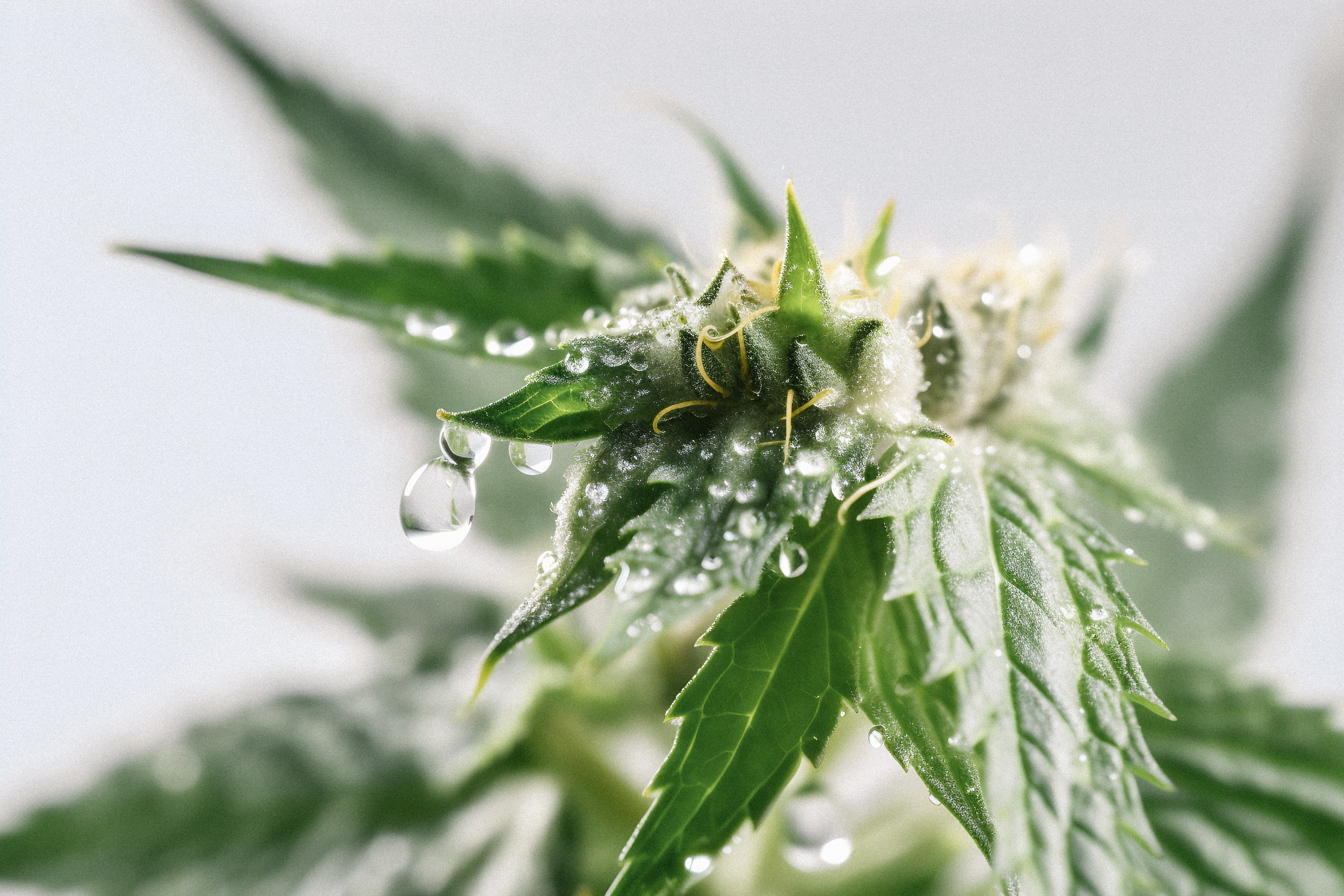


Humidity is one of the most important environmental factors that affect cannabis plants during the vegetative stage. Along with temperature, light, water, and nutrients, humidity plays a role in how plants grow and develop. When moisture levels in the air are suitable, plants can maintain a healthy water balance and carry out normal growth processes. However, when humidity becomes too high or too low, it can affect plant health and development.
Understanding cannabis veg humidity begins with knowing how moisture in the air interacts with the plant. Humidity refers to the amount of water vapor present in the air. In indoor growing environments, humidity is commonly measured as relative humidity (RH). This measurement shows how much water vapor the air contains compared with the maximum amount it can hold at a given temperature. For example, a relative humidity reading of 60% means the air contains 60% of the water vapor needed to reach saturation at that temperature.
The vegetative stage is a period of active plant development. During this time, cannabis plants produce new leaves, stems, branches, and roots. These structures help support future growth and allow the plant to absorb water, collect light, and transport nutrients. As the plant becomes larger, its need for water and its response to the surrounding environment may also change.
Humidity affects these processes because plants constantly exchange moisture with the air. One of the main ways this happens is through transpiration. Transpiration occurs when water moves through the plant and leaves as vapor through small openings called stomata. These openings are found mainly on the surfaces of leaves. They also allow carbon dioxide to enter the plant, which is needed for photosynthesis.
The amount of moisture in the surrounding air influences how quickly water leaves the plant. When the air is dry, water tends to evaporate from leaves more quickly. This can increase the plant’s demand for water. If the roots cannot replace the lost moisture, the plant may experience water stress. Over time, this stress can affect leaf development and other growth processes.
On the other hand, very humid air can slow the movement of water vapor away from leaves. This may reduce transpiration and change how water moves through the plant. Excessive humidity can also create conditions that favor certain fungal diseases, especially when moisture remains on plant surfaces or airflow is limited. These concerns show why humidity must be considered as part of the entire growing environment.
Another important factor is that humidity requirements are not the same throughout the cannabis life cycle. Young seedlings, vegetative plants, and flowering plants have different structures and water needs. For example, young seedlings have smaller root systems and may be more sensitive to rapid water loss. As plants mature, their larger roots and leaves change how they absorb and release moisture.
During vegetative growth, plants develop more leaf surface area. This can increase the total amount of water vapor released into the surrounding air. In enclosed environments, moisture released by plants can also affect room humidity. As a result, the relationship between plant growth and humidity works in both directions. Humidity affects the plant, while the plant can also influence humidity in its environment.
Temperature is another major factor that must be considered when discussing cannabis veg humidity. Warm air can hold more water vapor than cool air. Because of this, relative humidity can change when the temperature rises or falls, even if the actual amount of moisture in the air remains the same.
For example, when warm air cools during the night, its relative humidity may increase. If the air becomes saturated, water can collect on cooler surfaces as condensation. This is one reason humidity readings may differ between daytime and nighttime conditions. It also explains why humidity should not be evaluated without considering temperature.
The relationship between temperature and humidity can be better understood through vapor pressure deficit, or VPD. This term describes the difference between the amount of moisture in the air and the amount it could hold at saturation, expressed as vapor pressure. VPD helps explain how strongly the surrounding air encourages water to evaporate from plant leaves.
A high VPD generally indicates that the air has a greater drying effect, while a low VPD indicates that the air is closer to saturation. However, the meaning of a VPD reading also depends on factors such as leaf temperature and plant condition. Understanding this relationship provides a more complete picture than looking at relative humidity alone.
Humidity measurements are also useful for identifying environmental changes. Digital hygrometers and environmental sensors can provide information about moisture levels throughout the day. These measurements may reveal patterns linked to temperature changes, watering, ventilation, and plant development. However, one humidity reading does not always represent the conditions surrounding every leaf, especially in areas with dense vegetation or uneven airflow.
It is also important to understand that humidity is only one part of plant health. Problems such as curled leaves, slow growth, or wilting can have several causes. Water availability, root health, temperature, light exposure, and nutrient conditions can produce similar symptoms. For this reason, changes in plant appearance should not automatically be blamed on humidity.
Learning about cannabis veg humidity involves understanding how air moisture affects plant water balance, how temperature changes humidity readings, and why different growth stages have different environmental needs. It also involves recognizing the risks linked to excessive moisture, dry air, and unstable growing conditions.
This article explains the science behind humidity during vegetative growth in simple terms. It covers commonly reported humidity ranges, the role of transpiration, the connection between temperature and VPD, and the effects of high and low humidity. It also examines humidity measurement, environmental equipment, and the differences between vegetative and flowering conditions.
In summary, cannabis veg humidity plays an important role in plant water balance, leaf development, and the surrounding growing environment. Relative humidity affects how water moves between plants and the air, while temperature influences how humidity readings should be interpreted. Understanding these relationships helps explain why moisture conditions matter during vegetative growth and why humidity should be assessed alongside other environmental factors rather than as a single measurement.
What Is the Ideal Humidity for Cannabis During the Vegetative Stage?
Humidity plays an important role in how cannabis plants grow during the vegetative stage. This is the period when plants develop their leaves, stems, branches, and root systems. During this stage, plants need suitable environmental conditions to support healthy growth. One of these conditions is the amount of moisture present in the air.
The ideal cannabis veg humidity depends on several factors, including plant age, air temperature, leaf temperature, and growing conditions. Humidity affects how quickly plants lose water through their leaves. It also influences how plants respond to changes in temperature and moisture.
Many cultivation guides suggest keeping relative humidity between 55% and 75% during vegetative growth. However, this range is a general reference rather than a fixed rule. Younger plants often benefit from higher humidity, while larger plants may tolerate lower levels as their root systems develop.
Understanding these differences helps explain why humidity recommendations change throughout the vegetative stage.
Understanding the Recommended Humidity Range
Relative humidity, often shortened to RH, measures how much water vapor is present in the air compared with the maximum amount the air could hold at the same temperature. It is expressed as a percentage.
For example, a relative humidity reading of 60% means the air contains 60% of the water vapor needed to reach saturation at its current temperature. It does not mean that 60% of the air is made of water.
Temperature affects relative humidity because warm air can hold more water vapor before reaching saturation. As a result, the same amount of moisture can produce different RH readings at different temperatures.
During vegetative growth, humidity recommendations often fall between 55% and 75%. This broad range reflects the different conditions that cannabis plants may experience as they grow.
Humidity affects transpiration, which is the process through which plants release water vapor from their leaves. When the surrounding air is dry, water tends to evaporate more quickly from leaf surfaces. When the air contains more moisture, evaporation generally slows down.
Both situations influence the plant’s water balance.
High humidity reduces the difference in moisture between the leaves and surrounding air. However, excessive humidity can reduce transpiration and create conditions that favor certain plant diseases.
Low humidity creates a greater demand for water. If plants cannot replace the water they lose, they may experience stress that affects leaf development and growth.
This is why there is no single humidity percentage that works for every situation.
Temperature, plant maturity, airflow, and leaf conditions all influence how plants respond to humidity. Two growing environments with the same RH reading may create different levels of water demand.
Another important factor is vapor pressure deficit, or VPD. This measures the difference between the amount of moisture in the air and the amount needed for saturation. It helps describe how strongly the surrounding air draws moisture from plant leaves.
For this reason, cannabis veg humidity should be understood as part of the overall growing environment rather than as an isolated measurement.
Humidity Requirements During Early Vegetative Growth
During early vegetative growth, cannabis plants are still developing their root systems and leaf structures. Their ability to absorb and transport water continues to improve as they mature.
At this stage, environmental moisture can have a strong influence on plant water balance.
Young plants have smaller root systems than mature plants. These roots may not yet support the same level of water uptake as a larger, established root network.
Higher relative humidity can reduce the rate at which water escapes through the leaves. This may help young plants maintain their internal moisture levels while their roots continue to develop.
Some cultivation references suggest humidity levels near the upper end of the general vegetative range for young plants. However, suitable conditions depend on temperature, air movement, and the plants’ stage of development.
Higher humidity does not automatically lead to faster root growth or healthier plants. Root development also depends on oxygen, growing-medium moisture, temperature, and overall plant health.
Leaf development is another important consideration during early vegetative growth.
As young leaves expand, they develop structures that help regulate water movement. Small openings called stomata allow carbon dioxide to enter the leaves while also permitting water vapor to escape.
The plant can adjust these openings in response to environmental conditions. However, the surrounding temperature and moisture still influence the amount of water lost.
When the air is very dry, young plants may face greater water demand. If their roots cannot supply enough water, leaf expansion and normal growth may slow.
Excessive humidity can create different problems. Very damp conditions may encourage condensation and increase the risk of certain fungal diseases, especially when air movement is poor.
It is also important to understand that seedlings and plants in early vegetative growth are not always treated as the same development stage.
Seedlings have recently emerged and are establishing their first leaves and roots. Early vegetative plants have moved beyond this initial stage and are beginning more active leaf and stem growth.
Although both stages may have similar moisture needs, the most suitable humidity conditions can differ.
Humidity Requirements During Late Vegetative Growth
As cannabis plants progress through the vegetative stage, they develop larger leaves, stronger stems, and more extensive root systems.
These changes affect how plants absorb, transport, and release water.
A more developed root system can generally support greater water uptake. At the same time, a larger leaf area provides more surface through which transpiration can occur.
This means mature vegetative plants may move more water through their tissues than younger plants.
Humidity requirements can change as a result.
Some cultivation guides describe lower relative humidity levels during late vegetative growth than during early vegetative growth. This reflects changes in plant size, water demand, and the amount of moisture released into the surrounding environment.
However, mature plants do not always require lower humidity simply because they are older. Temperature and VPD remain important factors when assessing suitable conditions.
Canopy density also becomes more important during late vegetative growth.
A canopy is the collection of leaves and branches that forms the upper and inner structure of a plant. As cannabis plants grow, their canopies become larger and more complex.
Leaves release water vapor into the surrounding air. When many leaves are close together, moisture can collect in spaces where air movement is limited.
As a result, humidity within a dense canopy may be higher than the humidity measured elsewhere in the room.
This difference can become important when evaluating plant health.
For example, a humidity sensor placed in an open area may show moderate conditions. However, the air between closely spaced leaves may contain more moisture.
If humid air remains trapped around plant surfaces, the risk of moisture-related problems can increase. Poor circulation can also make it harder for damp surfaces to dry.
Late vegetative growth is also the period before plants enter flowering. During flowering, dense plant structures may be more vulnerable to certain moisture-related diseases.
For this reason, many cultivation guides discuss changes in humidity management as plants move between these stages.
The exact requirements vary depending on plant genetics, temperature, environmental controls, and growing conditions.
Rather than assuming that every late-stage vegetative plant needs the same RH percentage, it is more accurate to consider humidity alongside the plant’s size, leaf development, and surrounding environment.
The ideal cannabis veg humidity is not a single fixed number. Although many cultivation references describe relative humidity levels between 55% and 75%, the most suitable conditions depend on plant maturity, temperature, and other environmental factors.
During early vegetative growth, young plants have smaller root systems and may benefit from air that reduces excessive water loss. As plants mature, larger leaves and stronger roots change how they absorb and release water.
Late vegetative growth also introduces new concerns, including dense canopies and differences in humidity between parts of the growing space.
Why Is Humidity Important During Cannabis Vegetative Growth?
Humidity plays an important role in the growth and development of cannabis plants during the vegetative stage. At this point, plants focus on producing leaves, stems, and roots. These structures help support growth and prepare the plant for later stages of development.
The amount of moisture in the air affects how plants absorb, move, and release water. When humidity changes, the rate at which plants lose water through their leaves also changes. This process can influence plant temperature, nutrient movement, and overall water balance.
Cannabis veg humidity is closely connected to other environmental factors, including temperature, light, and air movement. Understanding these relationships helps explain why plants may respond differently to humid and dry conditions.
How Humidity Affects Transpiration
Transpiration is the process through which plants release water vapor into the surrounding air. Most of this water escapes through tiny openings on the leaves called stomata. These openings also allow carbon dioxide to enter the plant for photosynthesis.
During photosynthesis, plants use light energy to turn water and carbon dioxide into sugars. These sugars provide energy and building materials for growth. As stomata open to allow carbon dioxide inside, water vapor can escape.
The rate of transpiration depends partly on the difference between the moisture inside the leaf and the surrounding air.
When the air is dry, this difference is usually greater. Water vapor can move out of the leaves more quickly. As a result, plants may lose water faster than they would in more humid conditions.
When humidity is high, the surrounding air already contains more moisture. This reduces the difference between the moisture inside the leaves and the outside environment. Water vapor then leaves the plant more slowly.
Transpiration also helps regulate leaf temperature. As water evaporates from leaf surfaces, it removes some heat. This cooling effect becomes important when plants receive strong light or experience warm temperatures.
However, transpiration does not depend on humidity alone. Temperature, light intensity, airflow, and the amount of water available to the roots all influence the process.
Plants can also change how widely their stomata open. For example, when water loss becomes excessive, stomata may begin to close. This response helps conserve moisture, but it can also reduce the amount of carbon dioxide entering the leaves.
Because carbon dioxide is needed for photosynthesis, prolonged stomatal closure may limit plant growth.
Understanding transpiration helps explain why cannabis veg humidity is an important part of plant water balance. Both very dry and very humid conditions can affect how water moves through the plant.
The Connection Between Humidity and Nutrient Transport
Cannabis plants need nutrients to develop healthy leaves, stems, and roots. These nutrients include nitrogen, phosphorus, potassium, calcium, magnesium, and several trace elements.
Most mineral nutrients enter plants through their roots in dissolved form. Water carries these nutrients into the root system, where they can enter different tissues and take part in plant processes.
Once inside the plant, water and dissolved minerals move through specialized tissues called xylem. These tissues transport water and many nutrients from the roots toward the stems and leaves.
Transpiration helps support this movement.
As water evaporates from the leaves, it creates tension within the xylem. This tension helps pull water upward through the plant. Scientists refer to this process as part of the cohesion-tension mechanism.
Because humidity influences transpiration, it can also affect the movement of water and some dissolved nutrients.
In very humid conditions, transpiration may slow. This can reduce the movement of water through certain plant tissues. Some nutrients, especially calcium, depend heavily on water movement through the xylem to reach developing tissues.
Calcium supports cell walls, membranes, and new tissue development. Since it is not easily moved from older leaves to new growth through the phloem, a steady supply to developing tissues is important.
However, low transpiration does not automatically cause calcium deficiency. Nutrient availability, root function, plant growth rate, and other factors also affect calcium delivery.
Very dry air presents a different challenge.
When humidity is low, plants may lose water quickly. If the roots cannot replace this water fast enough, the plant may experience water stress.
Under water stress, stomata may close to reduce moisture loss. This can change transpiration and water movement through the plant.
Severe or prolonged water stress can also affect root activity and nutrient uptake.
It is important to understand that humidity is not the only factor controlling nutrient absorption. The growing medium, nutrient concentration, root health, temperature, and water availability all play major roles.
For this reason, changes in leaf appearance or growth should not be linked to humidity without considering other possible causes.
How Humidity Influences Leaf and Stem Development
During vegetative growth, cannabis plants produce new leaves and stems as their overall structure expands. These tissues require water, nutrients, and energy to develop.
Water is especially important because it helps plant cells maintain internal pressure. This pressure is called turgor pressure.
Turgor pressure supports cell expansion and helps leaves and stems maintain their shape. When plant cells contain enough water, they remain firm. When water becomes limited, cells may lose pressure, causing leaves to droop or wilt.
Humidity can influence this process by affecting how quickly water leaves the plant.
In dry conditions, increased water loss may place greater demand on the root system. If the plant cannot replace the lost moisture, cell expansion may slow.
This can affect the development of new leaves and growing stems. Prolonged water stress may also reduce photosynthesis, limiting the resources available for new growth.
High humidity affects leaf development in a different way.
When the air contains large amounts of moisture, transpiration may become slower. This can change the movement of water through the plant and reduce evaporative cooling.
Persistently humid conditions can also increase the risk of certain plant diseases, especially when moisture remains on leaf surfaces or air circulation is poor.
However, humidity alone does not determine whether a plant develops a disease. Temperature, the presence of a pathogen, leaf wetness, and other environmental conditions also matter.
Leaf development is closely connected to photosynthesis. Larger and healthier leaf surfaces can capture more light, allowing plants to produce sugars needed for growth.
If environmental stress reduces leaf expansion or damages existing leaves, the plant may have less effective leaf area for photosynthesis.
Stem development also depends on adequate water and the production of new plant cells. Water helps maintain cell pressure, while nutrients and sugars provide materials needed for developing tissues.
Still, stem thickness and strength are not controlled by humidity alone. Light conditions, genetics, mechanical stress, and overall plant health also contribute to stem structure.
Changes in humidity should therefore be understood as one part of a larger set of environmental influences.
Humidity is important during cannabis vegetative growth because it affects water movement, plant cooling, nutrient transport, and the development of new tissues.
Transpiration connects many of these processes. Through transpiration, plants release water vapor, help regulate leaf temperature, and support the movement of water and dissolved minerals from the roots.
When humidity is unusually low, plants may lose water faster than their roots can replace it. This can lead to water stress, reduced cell expansion, and changes in photosynthesis.
When humidity is unusually high, transpiration may slow, affecting water movement and increasing moisture-related disease risks under certain conditions.
Healthy leaf and stem development depends on more than humidity. Temperature, light, water availability, root health, and nutrition all work together to influence growth.
How Does Temperature Affect Cannabis Veg Humidity?
Temperature and humidity are closely connected during the vegetative stage of cannabis growth. When the temperature changes, the relative humidity of the surrounding air can also change. This relationship affects how plants absorb water, release moisture, and respond to their growing environment.
Understanding how temperature affects cannabis veg humidity is important because humidity readings do not tell the whole story. A humidity level that seems suitable at one temperature may create different conditions at another temperature. Both factors must be considered together to understand how moisture moves between the plant and the surrounding air.
Temperature also affects how quickly water evaporates from leaves and growing media. When the air becomes warmer, evaporation may increase. When the air becomes cooler, relative humidity may rise even if the total amount of moisture in the air stays the same.
Understanding the Relationship Between Temperature and Relative Humidity
Relative humidity refers to the amount of water vapor in the air compared with the maximum amount the air can hold at a given temperature. It is shown as a percentage. For example, a relative humidity reading of 60% means the air contains 60% of the water vapor needed to reach saturation at that temperature.
Warm air has a greater capacity to contain water vapor than cool air. This means temperature changes can affect relative humidity even when no additional moisture enters or leaves the growing space.
When air warms up without gaining more water vapor, its relative humidity decreases. When the same air cools down, its relative humidity increases. This happens because cooler air reaches saturation with less water vapor than warmer air.
For example, consider a growing environment with a temperature of 25°C (77°F) and a relative humidity of 60%. If the temperature rises to 30°C (86°F) without any change in the actual amount of water vapor, the relative humidity will drop.
The opposite happens when temperatures fall. If the temperature decreases while the amount of water vapor remains unchanged, the relative humidity will rise.
This relationship explains why cannabis veg humidity readings can change throughout the day. A change in temperature does not always mean that more or less water vapor has entered the growing space.
Temperature also affects evaporation. Warmer conditions often increase the rate at which water evaporates from moist surfaces. This can add water vapor to the air, depending on ventilation and other environmental factors.
Because temperature and humidity affect each other, looking at only one measurement may give an incomplete picture of the growing environment.
How Daytime and Nighttime Temperatures Affect Humidity
Temperature changes between daytime and nighttime can cause noticeable differences in cannabis veg humidity. These changes are especially common in indoor environments where artificial lighting creates additional heat.
During the light period, lamps and other equipment may increase the temperature of the growing space. As the air becomes warmer, relative humidity may decrease if the amount of water vapor remains stable.
Plants also release moisture into the air through transpiration. This process happens when water vapor moves out through small openings in the leaves called stomata.
Transpiration is often greater during the light period because plants are carrying out photosynthesis and exchanging gases with the surrounding air. However, the exact rate depends on temperature, humidity, light, water availability, and plant health.
As plants release water vapor, the amount of moisture in the air can increase. This means the final humidity reading depends on both temperature changes and moisture released by plants.
During the dark period, temperatures often decrease. As the air cools, its relative humidity may rise even when the actual amount of water vapor stays the same.
For example, a growing room may have moderate humidity during the light period but much higher humidity after the lights turn off. This can happen because the air temperature falls while moisture remains in the space.
Cooler surfaces can also create conditions where condensation forms. Condensation happens when moist air comes into contact with a surface that is cold enough for water vapor to turn into liquid water.
This may appear as water droplets on walls, equipment, or other surfaces.
Condensation is important because prolonged moisture on surfaces can support the growth of certain fungi and other microorganisms. Dense plant canopies may also contain areas where air movement is limited and moisture remains trapped.
Humidity changes during the dark period are not always caused by temperature alone. Ventilation, outdoor weather, watering, and plant transpiration can also influence moisture levels.
Understanding these daily changes helps explain why a single humidity measurement may not reflect the conditions plants experience throughout an entire day.
Why Temperature and Humidity Balance Matters
Temperature and humidity work together to influence how cannabis plants manage water during vegetative growth.
One of the main processes affected by these conditions is transpiration. During transpiration, water moves from the roots through the plant and eventually leaves through the stomata.
The rate of transpiration depends partly on the difference between the amount of water vapor inside the leaf and the amount in the surrounding air.
When the air is warm and dry, the difference between these moisture levels is often greater. This can increase the demand for water from the plant.
If water loss becomes too great, plants may respond by closing their stomata. This helps reduce moisture loss but can also limit the amount of carbon dioxide entering the leaves.
Carbon dioxide is needed for photosynthesis, the process plants use to produce sugars from light energy. When stomata remain closed for long periods, photosynthesis and growth may be affected.
High humidity can create a different problem. When the surrounding air contains large amounts of moisture, the difference between leaf moisture and air moisture becomes smaller.
This can reduce the rate of transpiration. Although plants need water, they also depend on normal water movement to support several important functions.
However, high humidity does not automatically mean that plant growth will suffer. The effects depend on temperature, airflow, plant maturity, and other growing conditions.
This is why the same relative humidity reading can create different conditions at different temperatures.
For example, air at 20°C (68°F) and 60% relative humidity has a different drying effect than air at 30°C (86°F) and 60% relative humidity. The warmer air generally creates a greater demand for evaporation when other conditions remain the same.
A useful way to understand this relationship is through vapor pressure deficit, commonly called VPD.
VPD measures the difference between the amount of water vapor present in the air and the amount needed for saturation. In plant science, leaf temperature is also important when estimating the difference between moisture inside the leaf and the surrounding air.
A higher VPD generally means the air has a greater drying demand. A lower VPD means the air is closer to saturation and has less capacity to take up additional moisture.
Unlike relative humidity alone, VPD helps explain how temperature and moisture interact to influence water movement.
Leaf temperature is another important factor. Leaves can be warmer or cooler than the surrounding air because of lighting, evaporation, and other environmental conditions.
As a result, two growing environments with identical air temperature and humidity readings may still produce different leaf-level conditions.
Understanding this relationship helps explain why cannabis veg humidity should not be viewed as a fixed number that works in every situation.
Temperature has a direct effect on relative humidity during the vegetative stage of cannabis growth. When air becomes warmer without gaining moisture, relative humidity decreases. When it becomes cooler, relative humidity increases.
Daytime and nighttime temperature changes can cause humidity levels to rise and fall. These changes may also influence condensation, evaporation, and moisture around plant leaves.
The balance between temperature and humidity affects transpiration, water demand, and other plant functions. Conditions that are too dry may increase water stress, while very humid conditions may reduce evaporation and raise the risk of moisture-related problems.
Vapor pressure deficit provides another way to understand this relationship because it considers how temperature and water vapor affect the drying demand of the air.
What Is VPD, and How Does It Relate to Cannabis Veg Humidity?
Humidity plays an important role in how cannabis plants grow during the vegetative stage. However, relative humidity alone does not explain how much moisture a plant loses through its leaves. Temperature also affects this process. This is where vapor pressure deficit, or VPD, becomes important.
VPD measures the difference between the amount of water vapor in the air and the amount the air could hold when fully saturated. It helps explain how strongly the surrounding air draws moisture from plants.
Understanding VPD provides a clearer picture of how cannabis veg humidity affects plant health. It also explains why two growing spaces with the same humidity level may create different conditions for plant growth.
Understanding Vapor Pressure Deficit
Vapor pressure deficit is a measure of the drying power of the air. It shows the difference between the moisture the air can hold at a given temperature and the moisture already present.
VPD is usually measured in kilopascals (kPa). A higher VPD means the air has a greater ability to draw moisture from plant leaves. A lower VPD means the air is closer to being fully saturated with water vapor.
For example, imagine two growing spaces with the same relative humidity of 60%. One room has a temperature of 70°F (21°C), while the other has a temperature of 85°F (29°C).
Although both rooms have the same humidity percentage, they do not have the same VPD. The warmer room has a higher vapor pressure deficit because warm air has a greater capacity to hold water vapor.
This difference matters because plants respond to the drying conditions around their leaves, not just the humidity percentage shown on a meter.
Relative humidity and VPD are closely related, but they measure different things. Relative humidity shows how close the air is to holding all the moisture it can at its current temperature. VPD measures the gap between the actual amount of water vapor and the amount possible at saturation.
Leaf temperature also affects VPD. Leaves may be warmer or cooler than the surrounding air because of lighting, airflow, and evaporation. For this reason, VPD estimates based only on air temperature may differ from calculations that include actual leaf temperature.
During vegetative growth, understanding these differences helps explain how moisture moves between cannabis leaves and the surrounding environment.
Understanding VPD During Vegetative Growth
The vegetative stage is a period of active plant development. During this stage, cannabis plants form new leaves, develop stems, and expand their root systems. These processes depend on water movement and healthy plant tissues.
Many cultivation guides discuss a VPD range of approximately 0.7 to 1.2 kPa during vegetative growth. However, this is a general reference range rather than a universal requirement. Suitable conditions can vary based on plant age, genetics, temperature, lighting, and other environmental factors.
Younger plants often have smaller root systems and fewer developed leaves. Their ability to absorb and move water may differ from that of mature vegetative plants. As plants grow, their water needs and responses to the surrounding air can change.
VPD is also influenced by temperature. When air temperature rises while the amount of water vapor stays the same, relative humidity falls and VPD increases. When the air cools without losing moisture, relative humidity rises and VPD decreases.
These changes can happen even when no water is added to or removed from the growing space.
Another factor is leaf temperature. A leaf exposed to strong light may have a different temperature from a leaf in a shaded part of the canopy. As a result, individual leaves may experience different drying conditions within the same room.
Humidity readings alone cannot explain all these differences. VPD adds useful information by connecting moisture levels with temperature.
It is also important to understand that VPD does not measure plant health directly. A reading within a commonly reported range does not prove that a plant has enough water or nutrients. Root health, growing media, lighting, and irrigation also affect plant development.
For this reason, VPD is best understood as one part of the overall growing environment rather than a complete measure of plant performance.
How VPD Influences Plant Transpiration
Transpiration is the process through which plants release water vapor into the air. Most of this water escapes through tiny openings on the leaves called stomata. These openings also allow carbon dioxide to enter the plant for photosynthesis.
VPD helps determine how quickly water vapor moves from the leaves into the surrounding air. When the difference in vapor pressure is large, the air creates a stronger demand for moisture. When the difference is small, water evaporates more slowly.
Low VPD and Plant Transpiration
Low VPD occurs when the air contains a large amount of moisture compared with its capacity at the current temperature. Under these conditions, the difference in water vapor pressure between the leaves and surrounding air becomes smaller.
As a result, transpiration generally slows down. The plant releases less water vapor because the surrounding air is already relatively humid.
A very low VPD can reduce the movement of water through the plant. This may affect the transport of certain mineral nutrients that depend partly on the flow of water from roots to leaves.
Low VPD may also be linked with moisture-related problems. When humid conditions continue for long periods, especially with poor air circulation, plant surfaces may remain damp. These conditions can favor the development of certain fungal diseases.
High VPD and Plant Transpiration
High VPD occurs when there is a large difference between the water vapor pressure at the leaf surface and that of the surrounding air.
Under these conditions, water can evaporate more quickly from the leaves. This increases the demand for water from the plant’s root system.
However, higher VPD does not always mean that transpiration will continue increasing. When water loss becomes too great, plants may partly close their stomata to conserve moisture.
Stomatal closure helps limit water loss, but it can also reduce the amount of carbon dioxide entering the leaves. Since carbon dioxide is needed for photosynthesis, prolonged stomatal closure may reduce plant growth.
High VPD can also increase the risk of water stress when roots cannot replace the moisture being lost. Plant responses may include wilting, slower leaf expansion, and changes in leaf temperature.
These responses depend on several factors, including water availability, root health, lighting, and plant maturity.
The Relationship Between VPD and Plant Cooling
Transpiration also helps plants regulate their temperature. As water evaporates from leaf surfaces, it removes heat. This process is known as evaporative cooling.
When transpiration slows, leaves may lose some of this cooling effect. As a result, leaf temperature may increase, especially under strong lighting.
However, the relationship between VPD and leaf temperature is not always simple. High VPD may increase evaporation when sufficient water is available, but severe water stress can cause stomata to close and reduce cooling.
Research on greenhouse crops shows that VPD plays an important role in plant water use, temperature control, and physiological responses. These findings help explain why temperature and humidity need to be considered together when studying cannabis plant development.
Vapor pressure deficit provides a more complete understanding of cannabis veg humidity because it considers the relationship between air temperature and moisture. Unlike relative humidity alone, VPD helps describe how strongly the surrounding air draws water from plant leaves.
Low VPD generally means slower transpiration and more humid conditions. High VPD creates greater demand for water and may increase the risk of plant stress when moisture loss exceeds water uptake.
During vegetative growth, commonly discussed VPD ranges provide useful reference points, but they are not universal rules. Plant age, leaf temperature, root development, and growing conditions all affect how cannabis responds.
What Happens When Cannabis Veg Humidity Is Too High?
Humidity plays an important role in cannabis plant growth, especially during the vegetative stage. During this period, plants develop new leaves, stems, and roots. They also rely on water movement to support normal growth. However, when the air contains too much moisture, several problems can develop.
High humidity means the air contains a large amount of water vapor compared to the maximum amount it can hold at a given temperature. This is measured as relative humidity (RH). When relative humidity stays very high, water evaporates more slowly from plant surfaces. As a result, plants may have trouble maintaining normal water movement through their leaves.
Excessive moisture can also create conditions that support fungal growth. These problems may become more serious in enclosed spaces where air movement is limited. Understanding the effects of high humidity helps explain why moisture levels are an important part of plant health.
Common Signs of Excessive Humidity
One of the most noticeable signs of excessive humidity is moisture buildup. Water droplets may appear on windows, walls, containers, or other cool surfaces. This happens when warm, moist air touches a surface that is cold enough for water vapor to turn into liquid.
This process is called condensation. It often becomes more noticeable when temperatures drop, especially during nighttime periods. Although condensation does not always mean plants are damaged, it can indicate that the surrounding air contains too much moisture.
Another concern is prolonged moisture on leaf surfaces. Water droplets may remain on leaves when evaporation is slow. Wet surfaces can create conditions that favor certain plant diseases, particularly when moisture remains for long periods.
Dense plant canopies can make humidity problems more noticeable. As leaves release water vapor through transpiration, moisture may collect in spaces where air moves slowly. The air surrounding these leaves can become more humid than the rest of the growing area.
High humidity does not always cause immediate changes in leaf appearance. A plant may look healthy even when the surrounding environment remains excessively moist. This makes humidity measurements important because visual symptoms alone may not reveal the problem.
It is also important to understand that wet leaves can result from several sources. Watering, spraying, condensation, and leaking equipment can all leave moisture behind. Therefore, the presence of water droplets should be considered alongside temperature, relative humidity, and other environmental conditions.
How High Humidity Affects Plant Health
High humidity affects cannabis plants mainly through its influence on transpiration. Transpiration is the process through which plants release water vapor from their leaves. Most of this water moves through tiny openings called stomata.
Under normal conditions, water moves from the roots through the stems and eventually reaches the leaves. Some of this water then enters the surrounding air as vapor. This process is part of the plant’s water balance and helps move dissolved nutrients through its tissues.
When relative humidity becomes very high, the difference between the moisture inside the leaf and the surrounding air becomes smaller. As a result, water vapor leaves the plant more slowly.
This reduced water movement can affect several plant processes. For example, transpiration helps cool leaves as water evaporates. When evaporation slows, this cooling effect may become less effective, depending on the surrounding temperature and other conditions.
Water movement is also linked to the transport of certain minerals within plants. Calcium is one example of a nutrient that moves mainly with the flow of water through plant tissues. When transpiration remains unusually low, the movement of calcium toward developing tissues may become limited.
However, high humidity does not automatically cause a nutrient deficiency. Nutrient availability, root health, temperature, and other environmental factors also influence how plants absorb and use minerals.
Excessive humidity may also contribute to prolonged leaf wetness, which can increase the risk of disease. Some fungal pathogens develop more easily when surfaces remain moist or when the surrounding air stays humid for extended periods.
The effects of high humidity depend on more than relative humidity alone. Temperature, air movement, plant maturity, and the length of exposure all influence how plants respond.
For this reason, a short period of high humidity does not necessarily produce the same effects as several days of persistent moisture buildup.
Understanding Mold and Mildew Risks
One of the main concerns associated with excessive humidity is the increased risk of fungal disease. Fungi are organisms that can grow on plants and other surfaces when environmental conditions support their development.
Powdery mildew is a common fungal disease that affects many plant species, including cannabis. It often appears as white or gray, powder-like patches on leaves and stems. As the disease develops, affected areas may become larger and interfere with normal leaf function.
Powdery mildew is especially important because it does not always require visible water droplets to infect plants. Certain powdery mildew fungi can develop under humid conditions even when leaves appear dry.
Another disease concern is gray mold, which is caused by fungi in the genus Botrytis. This disease can affect different plant tissues and is often associated with humid conditions and prolonged moisture exposure.
Gray mold may cause affected tissue to become brown, soft, or decayed. Under suitable conditions, a gray, fuzzy fungal growth may also become visible.
Although gray mold is commonly discussed in relation to flowering plants, fungal infections can affect vegetative plant tissues as well.
High humidity alone does not guarantee that mold or mildew will develop. Disease also depends on the presence of a suitable pathogen, a vulnerable plant, and environmental conditions that allow infection.
Plant debris, damaged tissue, contaminated materials, and poor sanitation can contribute to disease problems. Limited air movement may also allow moisture to remain around plant surfaces for longer periods.
It is important to distinguish between environmental warning signs and confirmed fungal infections. For example, condensation on a wall indicates moisture buildup, but it does not prove that a plant has developed mold. Similarly, yellowing leaves or slow growth can result from many different causes.
Identifying a disease usually requires examining the affected tissue and considering the full pattern of symptoms.
Understanding these differences helps prevent confusion between humidity stress, nutrient problems, and fungal disease.
Excessive cannabis veg humidity can affect plant health by slowing transpiration, changing water movement, and creating conditions that favor certain fungal diseases. Common warning signs include condensation, prolonged leaf wetness, and moisture buildup in areas with limited air movement.
High humidity may also influence leaf cooling and the movement of nutrients through plant tissues. However, its effects depend on temperature, exposure time, plant condition, and other environmental factors.
Powdery mildew and gray mold are two important disease concerns linked to humid environments. These diseases do not develop from humidity alone, but excess moisture can make some growing conditions more favorable for infection.
What Happens When Cannabis Veg Humidity Is Too Low?
Humidity plays an important role in how cannabis plants manage water during the vegetative stage. When the surrounding air becomes too dry, plants may lose moisture faster than they can replace it. This can place stress on the leaves, stems, and roots. Over time, low humidity may affect plant growth and overall health.
Low humidity does not always cause immediate damage. Plants can adjust to changes in their surroundings. However, long periods of dry air can make it harder for plants to maintain a healthy water balance.
Understanding how low humidity affects cannabis plants can help explain why moisture levels matter during vegetative growth. It can also help distinguish humidity-related stress from problems caused by watering, temperature, or root health.
Common Signs of Low Humidity
One of the main effects of low humidity is increased water loss through the leaves. When the air contains less moisture, water evaporates more easily from plant surfaces. This creates a greater difference between the moisture inside the leaves and the surrounding air.
Cannabis plants release water vapor through tiny openings called stomata. These openings are found mainly on the leaves. They allow carbon dioxide to enter the plant while water vapor moves into the surrounding air.
When humidity is low, the rate of water loss may increase. If the roots cannot replace that water quickly enough, the plant may begin to show signs of stress.
Wilting is one possible sign. Leaves may lose some of their firmness and appear to droop. This happens when plant cells lose water and cannot maintain their normal internal pressure.
Changes in leaf appearance may also occur. Some leaves may curl or develop dry edges when water stress becomes severe. In certain cases, leaf growth may slow because the plant cannot maintain enough moisture for normal cell expansion.
However, these symptoms are not unique to low humidity.
Wilting can also result from insufficient watering, excessive watering, root damage, or high temperatures. Leaf curling may be linked to heat stress, nutrient problems, or other environmental conditions.
For this reason, leaf appearance alone cannot confirm that low humidity is the cause of a problem.
Another important factor is how long the plant experiences dry conditions. A brief drop in humidity may have little effect, especially if the plant has enough water available. Repeated or prolonged exposure can create greater stress because the plant must continually adjust to increased moisture loss.
It is also important to understand that relative humidity changes with temperature. Air that feels dry at one temperature may have a different effect on plants at another temperature. This is why humidity readings should be considered alongside temperature measurements.
How Low Humidity Affects Transpiration
Transpiration is the process through which plants release water vapor into the air. It occurs mainly through the stomata and plays an important role in plant function.
As water evaporates from the leaves, more water moves upward through the plant from the roots. This movement helps transport dissolved minerals and contributes to cooling the leaves.
The speed of transpiration depends on several factors, including temperature, humidity, airflow, and water availability.
When relative humidity is low, the surrounding air has a greater capacity to receive water vapor. This can increase the demand for water leaving the leaves.
The relationship between air moisture and plant water loss is often described using vapor pressure deficit, or VPD.
VPD measures the difference between the amount of water vapor the air could hold at saturation and the amount currently present. A higher VPD generally means the air has a stronger drying effect.
When VPD becomes high, the plant may lose water more rapidly. This can place additional pressure on the root system because the roots must supply enough water to replace what is lost.
If water loss exceeds water uptake, the plant may experience water stress.
Cannabis plants can respond by partially closing their stomata. This helps reduce further moisture loss. However, stomatal closure also limits the amount of carbon dioxide entering the leaves.
Carbon dioxide is essential for photosynthesis, the process through which plants use light energy to produce sugars.
When less carbon dioxide enters the leaves, photosynthesis may slow. The plant may then have less energy available for growth and tissue development.
This creates an important balance. Transpiration supports water and mineral movement, but excessive water loss can interfere with normal plant functions.
Low humidity does not always lead to excessive transpiration because plants can regulate their stomata. The actual response depends on the growing environment, root health, and the plant’s ability to maintain its internal water supply.
How Dry Air Influences Vegetative Growth
During vegetative growth, cannabis plants develop new leaves, stems, branches, and roots. These processes depend on a steady supply of water, nutrients, and energy.
Water is especially important for leaf expansion. As new cells develop, they absorb water and increase in size. The internal pressure created by this water helps cells expand and maintain their structure.
When plants experience water stress, cell expansion may slow. This can limit the development of new leaves and reduce the overall rate of vegetative growth.
Dry air can contribute to this problem by increasing the amount of water plants lose through transpiration.
The effects may become more noticeable when low humidity occurs alongside high temperatures. Warm air can increase the demand for water vapor, especially when relative humidity is already low.
Under these conditions, leaves may lose moisture more quickly. Plants may respond by reducing stomatal opening to limit water loss.
Although this response helps conserve water, it can also reduce photosynthesis. Over time, reduced photosynthetic activity may affect the energy available for producing new plant tissue.
Low humidity may also influence leaf temperature.
Transpiration provides a cooling effect as water evaporates from leaves. When stomata close to conserve moisture, this cooling process may become less effective.
As a result, leaf temperatures may rise, particularly when plants receive strong light or are exposed to warm surrounding air.
This can add to environmental stress and make it harder for plants to maintain normal growth.
Another important point is that dry air can affect plants even when the growing medium contains moisture.
Water must move from the growing medium into the roots, through the stems, and finally to the leaves. If the rate of moisture loss becomes greater than the amount the roots can supply, the plant may still experience water stress.
This means that moist soil or another growing medium does not always guarantee that a plant has enough water to meet its needs.
Root health, temperature, and the movement of water through plant tissues also influence whether the plant can maintain a proper water balance.
The effects of low humidity may differ between younger and more mature plants. Young plants often have smaller root systems, which can limit how much water they can absorb. More developed plants may have greater root capacity, but their larger leaf area can also increase total water loss.
For these reasons, the effects of dry air depend on both the surrounding conditions and the plant’s stage of development.
Low cannabis veg humidity can increase water loss and place additional stress on plants during vegetative growth. When the air becomes too dry, transpiration demand rises, and the roots may struggle to replace the moisture leaving the leaves.
Possible signs include wilting, curling leaves, dry leaf edges, and slower growth. However, these symptoms can also result from watering problems, heat stress, or poor root health.
Prolonged exposure to dry air may cause plants to close their stomata to conserve water. This response can reduce carbon dioxide intake, limit photosynthesis, and affect the development of new leaves and stems.
Low humidity can also contribute to water stress even when moisture is present in the growing medium. The plant’s ability to absorb and transport water is just as important as the amount of water available.
How Can Cannabis Veg Humidity Be Measured and Monitored?
Measuring humidity is an important part of understanding the growing environment during the vegetative stage of cannabis. Humidity refers to the amount of water vapor present in the air. It affects how plants lose water through their leaves and respond to changes in temperature.
Relative humidity (RH) is the most common way to measure moisture in the air. It is shown as a percentage. For example, a reading of 60% RH means the air contains 60% of the water vapor it could hold at that temperature before becoming saturated.
Humidity levels can change throughout the day. Temperature changes, watering, ventilation, and equipment use can all affect the amount of moisture in the growing space. For this reason, one humidity reading may not provide enough information about the overall environment.
Understanding how humidity is measured helps explain how environmental conditions may affect cannabis plants during vegetative growth.
Understanding Hygrometers and Humidity Sensors
A hygrometer is a device that measures relative humidity. It provides information about the moisture present in the surrounding air. Many modern hygrometers also measure temperature, allowing both readings to be viewed together.
Digital hygrometers are commonly used in indoor growing spaces because they are easy to read. Most models display humidity as a percentage and temperature in degrees Fahrenheit or Celsius. Some devices also record the highest and lowest readings over a certain period.
Basic hygrometers provide current measurements. More advanced environmental monitors can record humidity changes over time. These systems may store readings at regular intervals, making it possible to review daily patterns.
Humidity sensors are also used in automated environmental systems. These sensors detect moisture changes and send information to monitoring equipment. Some systems include displays or software that shows temperature and humidity trends.
The accuracy of a hygrometer is important because different devices may produce slightly different readings. Sensor quality, age, and environmental conditions can influence measurement accuracy.
For example, a device that consistently reads several percentage points higher than the actual humidity may give an inaccurate picture of the growing environment.
Calibration is the process of checking a measuring device against a known reference. Some hygrometers allow users to adjust readings when a difference is found. Other models are factory-calibrated and may need replacement if their accuracy changes.
Dust, water exposure, and normal wear can also affect humidity sensors. Understanding these limits helps readers interpret measurements more accurately.
Choosing Suitable Measurement Locations
Humidity is not always the same throughout an indoor growing space. Air temperature, ventilation, moisture sources, and plant growth can create small differences between locations.
The plant canopy is the area formed by the leaves and stems of growing plants. Moisture levels near this area may differ from measurements taken near the ceiling or floor.
Cannabis plants release water vapor through a process called transpiration. As water leaves the plants through small openings in their leaves, it adds moisture to the surrounding air.
When several plants grow close together, the air between their leaves may contain more moisture than the air in open parts of the room. This difference may become more noticeable when air movement is limited.
Equipment placement can also affect humidity readings. A sensor placed close to a humidifier may detect higher humidity than other parts of the growing space. A sensor near a heating device may record different conditions because warmer air has a lower relative humidity when its water vapor content remains unchanged.
Direct water contact can also interfere with humidity sensors. Water droplets on a sensor may cause inaccurate readings or affect its performance.
Ventilation openings, fans, and cooling equipment can create additional differences. Air entering a room may have a different temperature and moisture content from the air already inside.
These factors explain why a single humidity measurement may not represent the entire growing area.
Comparing measurements from different locations can help reveal variations in the environment. It can also show whether a reading reflects general room conditions or a smaller area with unusual moisture levels.
Tracking Humidity Changes Over Time
Humidity changes naturally as environmental conditions change. Monitoring these patterns over time provides more information than checking one reading.
Temperature is one of the main reasons relative humidity changes. When air cools without losing water vapor, its relative humidity rises. When air warms without gaining moisture, its relative humidity falls.
This relationship is especially important during daily temperature cycles.
For example, an indoor growing space may have a relative humidity reading of 55% during a warmer period. If the temperature drops while the amount of water vapor stays the same, the relative humidity may increase.
Watering can also affect humidity readings. Moisture evaporating from the growing medium adds water vapor to the surrounding air. The amount of change depends on several factors, including temperature, exposed moisture, and ventilation.
Plant transpiration is another source of moisture. As cannabis plants develop larger leaves during vegetative growth, their total leaf area increases. This can affect how much water vapor enters the air, although the amount also depends on plant health and environmental conditions.
Continuous monitoring makes these patterns easier to identify.
Some digital monitors record humidity at set intervals. The collected data may appear as a graph showing how readings change throughout the day.
These records can reveal repeated humidity increases, sudden drops, or long periods when moisture levels remain unusually high or low.
For example, if humidity rises during cooler periods each day, temperature changes may be a major factor. If readings increase after watering, evaporation may be contributing to the change.
Records can also help separate temporary changes from ongoing conditions. A short rise in humidity may have a different cause and effect than high humidity that continues for many hours.
However, humidity records should not be viewed alone. Temperature measurements, watering activity, and ventilation patterns provide useful context.
Changes in the growing environment may have several causes. Reviewing related information can help explain why humidity levels rise or fall.
Measuring and monitoring cannabis veg humidity provides useful information about the environment during vegetative growth. Hygrometers and humidity sensors measure relative humidity, while more advanced systems can record changes over time.
The location of a sensor matters because moisture levels may vary throughout an indoor growing space. Plant transpiration, temperature differences, ventilation, and nearby moisture sources can all influence readings.
Monitoring humidity over longer periods also helps identify daily patterns and unusual changes. Temperature shifts, watering, and plant development may affect the amount of moisture in the air.
How Can Humidity Be Increased or Decreased During Vegetative Growth?
Humidity plays an important role in the environment around cannabis plants during the vegetative stage. It affects how water moves through the leaves, how quickly moisture evaporates, and how plants respond to changes in temperature. When humidity is too high or too low, plants may experience water stress or become more exposed to certain diseases.
Indoor growing spaces can experience changes in humidity throughout the day. Watering, temperature changes, ventilation, and the number of plants in a room can all affect moisture levels. Understanding how these factors work helps explain why humidity readings may rise or fall, even when the surrounding conditions appear stable.
Several types of equipment can help regulate indoor humidity. These include humidifiers, dehumidifiers, ventilation systems, fans, and automated environmental controls. Each serves a different purpose, and understanding how they work can help readers recognize the causes of changing humidity levels.
Understanding Methods Used to Increase Humidity
Humidity increases when more water vapor enters the air. Water naturally evaporates from wet surfaces, moist growing media, and plant leaves. As this water changes into vapor, it adds moisture to the surrounding environment.
A humidifier is a device that adds water vapor or fine water droplets to indoor air. Several types of humidifiers are available, including ultrasonic, evaporative, and steam models. Although they use different methods, their main purpose is to increase the amount of moisture in the air.
Ultrasonic humidifiers use rapid vibrations to create a fine mist. Evaporative humidifiers pass air through a wet filter or other moist material. Steam humidifiers heat water to produce vapor. Each type has different maintenance needs, energy demands, and effects on the surrounding environment.
Humidity may also increase through natural evaporation. Water exposed to indoor air slowly changes into vapor, especially when temperatures are warm and the air is dry. Moist growing media can also release water vapor after irrigation.
However, adding moisture can create problems when the air becomes too humid. Water may collect on cooler surfaces, including walls, windows, and equipment. This process is called condensation. It happens when moist air cools enough for water vapor to become liquid.
Persistent condensation can create damp conditions that support mold growth. For this reason, humidity readings should be considered alongside surface moisture and room temperature. A higher humidity reading does not always mean the environment is more suitable for plant growth.
Understanding Methods Used to Reduce Humidity
Humidity can be reduced when water vapor is removed from the air or when moist indoor air is replaced with drier air. Dehumidifiers and ventilation systems are two common ways to manage moisture in enclosed environments.
A dehumidifier removes water from indoor air. Many models use a cooling system that causes moisture to collect on cold coils. The collected water then drains into a container or through a drainage line.
This process reduces the amount of water vapor in the room. As the air becomes drier, its relative humidity usually decreases when the temperature remains stable.
Ventilation systems work differently. They exchange indoor air with air from another location. When the incoming air contains less moisture than the outgoing air, ventilation can help reduce indoor humidity.
However, ventilation does not always lower humidity. If the outdoor air contains more moisture than the indoor air, exchanging the air may increase moisture levels instead. The results depend on both temperature and the actual amount of water vapor in the incoming air.
Heating and cooling systems can also change humidity readings. Heating air without adding water vapor lowers its relative humidity because warmer air has a greater capacity to hold moisture.
Air conditioning systems may remove water vapor as moist air passes over cold coils. This moisture collects as liquid water and drains away. However, the amount removed depends on the cooling system, operating conditions, and indoor moisture levels.
Understanding these differences is important because a lower relative humidity reading does not always mean water vapor has been removed. Sometimes, the reading changes simply because the air temperature has increased.
The Role of Air Circulation
Air circulation describes the movement of air within an enclosed space. It differs from ventilation, which involves exchanging air between the indoor environment and another location.
Fans are often used to move air around indoor spaces. This movement helps reduce areas where warm, cool, or humid air remains trapped.
Plants release water vapor through small openings in their leaves called stomata. This process is known as transpiration. As moisture leaves the plant, the air immediately surrounding the leaves can become more humid than the rest of the room.
When air remains still, this moist layer may persist around the leaf surface. Moving air can reduce the buildup of moisture near leaves and help mix the air throughout the space.
Air circulation also affects how quickly water evaporates from wet surfaces. Faster air movement can increase evaporation when the surrounding air is not already saturated with moisture.
However, fans do not directly remove water vapor from a sealed room. They mainly move existing air from one location to another. If the room contains too much moisture, circulation alone cannot lower its total water vapor content.
Air movement can also affect plant water loss. Strong air currents may increase evaporation from leaf surfaces and contribute to water stress under certain conditions.
For this reason, airflow should be understood as one part of the indoor environment rather than a complete humidity-control method. Temperature, ventilation, moisture sources, and plant transpiration all influence the final humidity reading.
Understanding Automated Humidity Controls
Automated humidity controls use sensors and connected equipment to respond to changes in indoor moisture levels. These systems are common in greenhouses, indoor gardens, storage areas, and other spaces that require a controlled environment.
A basic humidity controller measures relative humidity through a connected sensor. The controller compares the measured value with a selected reference level. When the reading moves outside that level, it can activate or deactivate connected equipment.
For example, some controllers are designed to operate humidifiers, while others manage dehumidifiers or ventilation equipment. More advanced systems can monitor temperature and humidity at the same time.
Environmental monitoring systems may also record humidity readings throughout the day. These records help show how moisture levels change during different periods.
A sudden increase in humidity might occur after watering, during cooler nighttime hours, or when ventilation changes. Continuous records make these patterns easier to identify than occasional readings.
Some systems also use vapor pressure deficit, or VPD, to describe the drying demand of the air. VPD depends on temperature and moisture conditions, so it can provide information that relative humidity alone does not show.
However, automated systems depend on accurate sensors. A poorly placed or damaged sensor may produce readings that do not represent the wider environment.
Dust, condensation, equipment age, and calibration problems can also affect measurement accuracy. Regular inspection and maintenance help support reliable readings.
Automation can make environmental changes easier to track, but it does not eliminate the need to understand the underlying conditions. Equipment may respond to a humidity reading without identifying whether the change was caused by temperature, irrigation, or another source of moisture.
Managing cannabis veg humidity begins with understanding how moisture enters, moves through, and leaves the growing environment. Humidifiers add moisture, while dehumidifiers remove water vapor from indoor air. Ventilation can exchange moist air with drier air, although its effect depends on the conditions outside the growing space.
Air circulation helps distribute moisture and reduce stagnant air around plant leaves. However, fans alone do not remove water vapor from an enclosed room. Heating and cooling systems can also influence relative humidity, sometimes without directly changing the amount of moisture in the air.
Automated controllers and monitoring systems provide additional information about changing indoor conditions. Their usefulness depends on accurate sensors, proper maintenance, and a clear understanding of temperature and humidity.
What Are the Most Common Cannabis Veg Humidity Problems?
Humidity plays an important role in cannabis growth during the vegetative stage. However, keeping humidity at a suitable level can be difficult when growing conditions change throughout the day. Temperature, watering, ventilation, and plant size can all affect the amount of moisture in the air. These changes may lead to unstable humidity levels, uneven moisture distribution, and problems that affect plant health.
Cannabis veg humidity problems are not always easy to identify. Some symptoms may look like nutrient deficiencies, watering mistakes, or temperature stress. Understanding how humidity changes and how it affects plants can help explain these issues.
Several common humidity problems can occur during vegetative growth. These include rapid changes in humidity, uneven moisture levels, increased humidity after watering, and confusion between humidity stress and other plant problems. Each issue has different causes and may affect plant development in different ways.
Rapid Humidity Fluctuations
Rapid humidity fluctuations happen when relative humidity rises or falls within a short period. These changes are common in indoor growing spaces because temperature and moisture levels are always changing. Even when the amount of water vapor in the air stays the same, relative humidity can change as the temperature rises or falls.
For example, warm air can hold more water vapor than cool air. When the temperature increases, relative humidity may decrease without any moisture leaving the room. When the air cools, relative humidity may rise. This explains why humidity readings may be different during the day and at night.
Ventilation can also cause sudden humidity changes. When fresh air enters a growing space, it may contain more or less moisture than the air already inside. The effect depends on the temperature and moisture content of both air sources.
Watering is another factor that can affect humidity. Moisture evaporates from wet soil or other growing materials and enters the surrounding air. This can cause temporary increases in relative humidity, especially in enclosed spaces.
Rapid humidity changes can also affect plant transpiration. Transpiration is the process through which plants release water vapor from their leaves. When the surrounding air becomes drier, the demand for water evaporation increases. When humidity rises, the difference in moisture between the leaves and surrounding air becomes smaller.
Sudden environmental changes may alter the rate of water loss. However, brief changes in humidity do not always mean that plants are experiencing damage. The length and severity of the changes, along with temperature and plant condition, determine their possible effects.
Understanding daily humidity patterns is important because a single reading may not show the conditions plants experience throughout the day.
Uneven Humidity Within the Growing Space
Humidity does not always remain equal throughout an indoor growing space. Different areas may have different moisture levels because of airflow, temperature, equipment placement, and plant density.
One common reason for uneven humidity is limited air circulation. When air does not move freely, moisture can collect in certain locations. Areas surrounded by leaves may have higher humidity than open sections of the room.
As cannabis plants develop larger leaves during vegetative growth, their canopy becomes denser. A canopy is the layer of leaves and stems that forms above the growing medium. Dense foliage can reduce air movement and create small areas where moisture remains trapped.
These areas are sometimes called microclimates. A microclimate is a small area where environmental conditions differ from those in the surrounding space.
For example, humidity near the middle of a dense canopy may be higher than humidity measured in an open area. This happens because leaves release moisture through transpiration, while limited airflow slows the movement of humid air away from the foliage.
Uneven temperatures can also contribute to these differences. Warmer areas may show lower relative humidity than cooler areas, even when both contain similar amounts of water vapor.
Equipment placement can influence local conditions as well. Fans, ventilation openings, heating systems, and cooling equipment may create areas with different temperatures and moisture levels.
Uneven humidity matters because plants in the same room may experience different conditions. Some leaves may be exposed to relatively dry air, while others remain surrounded by humid air.
Areas with poor airflow and high moisture may also create conditions that favor certain plant diseases. However, humidity alone does not determine whether a disease will develop. Plant health, the presence of pathogens, leaf wetness, and temperature also play important roles.
Understanding these local differences helps explain why one humidity measurement may not describe the entire growing environment.
Humidity Changes After Watering
Watering can cause noticeable changes in cannabis veg humidity because water does not remain entirely within the growing medium. Some moisture evaporates into the surrounding air, while plants absorb water through their roots and release part of it through transpiration.
After watering, the surface of the growing medium may contain more moisture than before. As this moisture evaporates, it increases the amount of water vapor in the air.
The size of this change depends on several factors. These include the amount of exposed wet material, room temperature, airflow, ventilation, and the existing moisture level.
For example, evaporation may increase when the growing medium is warm and exposed to moving air. However, the effect on relative humidity also depends on whether moisture is being removed from the room.
Enclosed growing spaces may experience a greater buildup of water vapor when ventilation is limited. In spaces with frequent air exchange, some of that moisture may leave before it causes a large change in indoor humidity.
Watering may also influence the amount of moisture released by the plants. When roots have access to sufficient water, plants can maintain normal water movement under suitable environmental conditions.
However, transpiration does not depend on watering alone. Light, temperature, relative humidity, and stomatal behavior also influence how much water leaves the plant.
It is important to understand that a humidity increase after watering is not always a sign of a problem. Evaporation is a natural process, and temporary changes are expected.
Problems become more likely when moisture remains high for long periods, condensation develops, or plant surfaces stay wet. These conditions may increase the risk of certain fungal diseases.
Humidity readings should therefore be considered alongside watering activity and other environmental changes. Looking at the full pattern provides more useful information than relying on a reading taken immediately after watering.
Confusing Humidity Problems With Other Plant Issues
One of the most common challenges when evaluating cannabis veg humidity is that several plant problems can produce similar symptoms.
Leaves that appear wilted, curled, dry, or discolored may suggest environmental stress. However, these signs do not confirm that humidity is the main cause.
For example, leaves may wilt when water loss exceeds the amount of water the roots can supply. Dry air can increase this water demand, especially when temperatures are high.
However, wilting can also happen when the growing medium is too dry. It may also occur when roots cannot absorb enough water because of poor root health or waterlogged conditions.
Leaf curling is another symptom that can have several causes. High temperatures, excessive light, pests, and water stress may all affect leaf shape. Humidity may contribute to the problem, but it is not always the main factor.
Discoloration can also be misleading. Yellow or brown leaves may result from nutrient problems, root damage, disease, or other environmental conditions. Humidity does not directly explain every change in leaf color.
Temperature is especially important when interpreting humidity-related symptoms. Relative humidity measures how much water vapor is present compared with the maximum amount the air could hold at that temperature.
This means that the same relative humidity reading can represent different levels of evaporative demand at different temperatures.
Vapor pressure deficit, or VPD, helps explain this relationship. VPD describes the difference between the moisture pressure inside a leaf and that of the surrounding air. It provides useful information about the conditions that influence plant water loss.
For this reason, evaluating humidity without considering temperature may lead to incorrect conclusions.
Other environmental factors also matter. Root conditions, nutrient availability, airflow, and growing-medium moisture can all influence plant appearance and development.
A plant symptom should not be treated as proof of a specific humidity problem without considering these related factors. Understanding how different causes can produce similar signs is an important part of interpreting plant health.
Cannabis veg humidity problems often result from changes in temperature, moisture, airflow, and plant development. Rapid humidity fluctuations may occur as temperatures rise and fall, ventilation changes, or water evaporates after irrigation. Uneven humidity can develop when dense foliage limits air movement and creates small areas with different moisture conditions.
Watering can also cause temporary increases in humidity as moisture evaporates from the growing medium. These changes are natural, but prolonged damp conditions may contribute to disease risks.
Another important challenge is identifying the actual cause of plant symptoms. Wilting, curling, and discoloration may be linked to humidity, but they can also result from temperature stress, watering issues, or root problems.
Conclusion: Understanding and Managing Cannabis Veg Humidity
Cannabis veg humidity is an important part of the environment during the vegetative stage. At this point, cannabis plants develop new leaves, stronger stems, and larger root systems. These changes affect how plants absorb, use, and release water. Humidity plays a role in these processes because it controls how much moisture is present in the surrounding air. Understanding this relationship helps explain why environmental conditions can affect plant growth and health.
Relative humidity measures the amount of water vapor in the air compared to the maximum amount the air can hold at a given temperature. It is shown as a percentage. During vegetative growth, many cultivation guides discuss humidity levels between 55% and 75%. However, this range is not a fixed rule for every cannabis plant. The suitable humidity level depends on plant age, temperature, airflow, and other growing conditions.
Young cannabis plants and mature vegetative plants may respond differently to the same humidity level. Younger plants have smaller root systems and less developed leaves. Their ability to absorb water from the growing medium is still developing. As plants mature, their roots become larger, and their leaves provide more surface area for water loss. These changes influence how plants respond to moisture in the air.
One of the main reasons humidity matters is its effect on transpiration. Transpiration happens when water moves through a plant and leaves through small openings in the leaves called stomata. This process supports water movement, nutrient transport, and leaf cooling. The rate of transpiration depends partly on the difference between moisture inside the leaf and moisture in the surrounding air.
When humidity is low, the air has a greater capacity to accept water vapor. This can increase water loss from the leaves. If water loss becomes greater than the amount the roots can replace, the plant may experience water stress. Signs may include drooping leaves, slower growth, and changes in leaf appearance. However, these symptoms do not always mean humidity is the cause. Root problems, high temperatures, and poor watering conditions can produce similar results.
High humidity can also affect normal plant processes. When the surrounding air already contains large amounts of moisture, water evaporates from the leaves more slowly. This can reduce transpiration and change the movement of water through the plant. High moisture levels may also create conditions that favor certain plant diseases, especially when leaves remain wet or air movement is limited.
Fungal diseases are an important concern in moist growing environments. Powdery mildew and gray mold are examples of diseases that can affect cannabis plants. Their development depends on several factors, including moisture, temperature, plant density, and the presence of disease-causing organisms. High relative humidity does not always lead to disease, but prolonged damp conditions can increase certain risks.
Temperature is another factor that cannot be separated from cannabis veg humidity. Relative humidity changes when air temperature changes, even if the actual amount of water vapor remains the same. Warmer air can hold more moisture than cooler air. As a result, relative humidity may fall when temperatures rise and increase when temperatures drop.
This relationship explains why humidity readings can vary between daytime and nighttime conditions. A growing space may have moderate humidity during warmer periods but much higher readings when the air cools. If surfaces become cool enough, water vapor may form condensation. Moisture on walls, equipment, or plant surfaces can indicate that the environment has reached conditions where condensation is possible.
Vapor pressure deficit, or VPD, provides another way to understand these changes. VPD describes the difference between the amount of moisture in the air and the amount it could hold at saturation. It helps explain the drying demand placed on plant leaves. Unlike relative humidity alone, VPD considers the relationship between temperature and moisture.
A high VPD generally means the air has a stronger drying effect. A low VPD means the air has less capacity to accept additional water vapor. Both conditions can influence transpiration and plant water balance. However, VPD should not be treated as a complete measure of plant health. Root function, leaf temperature, light, and water availability also affect how plants respond to their environment.
Accurate humidity measurement is important when evaluating these conditions. Hygrometers and digital sensors provide readings that help describe moisture levels in the air. However, measurements may differ depending on where the device is located. Air near wet growing media, walls, or dense leaves may contain more moisture than air elsewhere in the room.
Humidity readings may also change after watering, during temperature shifts, or when ventilation systems operate. A single reading provides information about one moment, but it may not describe conditions throughout the entire day. Looking at changes over time gives a clearer picture of the environment.
It is also important to understand that humidity is only one part of plant development. Healthy vegetative growth depends on several connected factors, including light, temperature, water availability, root health, nutrients, and airflow. A suitable humidity reading cannot make up for serious problems with these other conditions. In the same way, poor leaf health does not always point to a humidity issue.
Humidity requirements also change as cannabis plants move through their life cycle. Seedlings, vegetative plants, and flowering plants have different structures and water demands. Young plants have limited root systems, while mature plants have more developed leaves and roots. During flowering, dense plant structures can create areas where moisture remains trapped. These differences explain why humidity is discussed in relation to each stage rather than as one fixed value throughout the plant’s life.
Understanding these changes is more useful than focusing only on a single percentage. Relative humidity describes how much moisture is present in the air, while temperature and VPD help explain how that moisture affects plants. Together, these measurements provide a more complete view of the growing environment.
In summary, cannabis veg humidity affects water movement, leaf function, plant development, and the risk of certain diseases. Both very dry and excessively humid conditions can place stress on plants, although their effects depend on the surrounding environment. By understanding relative humidity, temperature, transpiration, and VPD, readers can better recognize how air moisture relates to cannabis health. This knowledge provides a useful foundation for understanding environmental conditions during vegetative growth and how they change as plants mature.
Research Citation
Corredor-Perilla, I. C., Kwon, T.-H., & Park, S.-H. (2025). Elevated relative humidity significantly decreases cannabinoid concentrations while delaying flowering development in Cannabis sativa L. Frontiers in Plant Science, 16, Article 1678142. https://doi.org/10.3389/fpls.2025.1678142
Jin, D., Jin, S., & Chen, J. (2019). Cannabis indoor growing conditions, management practices, and post-harvest treatment: A review. American Journal of Plant Sciences, 10(6), 925–946. https://doi.org/10.4236/ajps.2019.106067
Eichhorn Bilodeau, S., Wu, B.-S., Rufyikiri, A.-S., MacPherson, S., & Lefsrud, M. (2019). An update on plant photobiology and implications for cannabis production. Frontiers in Plant Science, 10, Article 296. https://doi.org/10.3389/fpls.2019.00296
Powell, K., & Bauerle, W. L. (2026). Predicting vegetative phase nutrient uptake in Cannabis sativa L. via transpiration-driven mass-balance. Frontiers in Plant Science, 16, Article 1753553. https://doi.org/10.3389/fpls.2025.1753553
Amitrano, C., Arena, C., Rouphael, Y., De Pascale, S., & De Micco, V. (2019). Vapour pressure deficit: The hidden driver behind plant morphofunctional traits in controlled environments. Annals of Applied Biology, 175(3), 313–325. https://doi.org/10.1111/aab.12544
Sheldon, K., Shekoofa, A., Walker, E., & Kelly, H. (2021). Physiological screening for drought-tolerance traits among hemp (Cannabis sativa L.) cultivars in controlled environments and in field. Journal of Crop Improvement, 35(6), 816–831. https://doi.org/10.1080/15427528.2021.1883175
Tang, K., Fracasso, A., Struik, P. C., Yin, X., & Amaducci, S. (2018). Water- and nitrogen-use efficiencies of hemp (Cannabis sativa L.) based on whole-canopy measurements and modeling. Frontiers in Plant Science, 9, Article 951. https://doi.org/10.3389/fpls.2018.00951
Chandra, S., Lata, H., Mehmedic, Z., Khan, I. A., & ElSohly, M. A. (2015). Light dependence of photosynthesis and water vapor exchange characteristics in different high Δ9-THC yielding varieties of Cannabis sativa L. Journal of Applied Research on Medicinal and Aromatic Plants, 2(2). https://doi.org/10.1016/j.jarmap.2015.03.002
Zolnier, S., Gates, R. S., Buxton, J., & Mach, C. (2000). Psychrometric and ventilation constraints for vapor pressure deficit control. Computers and Electronics in Agriculture, 26(3), 343–359. https://doi.org/10.1016/S0168-1699(00)00084-3
Lu, N., Nukaya, T., Kamimura, T., Zhang, D., Kurimoto, I., Takagaki, M., Maruo, T., Kozai, T., & Yamori, W. (2015). Control of vapor pressure deficit (VPD) in greenhouse enhanced tomato growth and productivity during the winter season. Scientia Horticulturae, 197, 17–23. https://doi.org/10.1016/j.scienta.2015.11.001
Questions and Answers
Q1: What is the ideal humidity level for cannabis during the vegetative stage?
The ideal relative humidity (RH) for cannabis during the vegetative stage is generally between 50% and 70%. Younger plants often benefit from higher humidity, while larger plants may do better at the lower end of this range. The right level also depends on temperature, airflow, and plant development.
Q2: Why is humidity important during cannabis vegetative growth?
Humidity affects how quickly cannabis plants lose water through their leaves. This process is called transpiration. Balanced humidity helps plants manage water, absorb nutrients, and maintain healthy growth. Very high or low humidity can place stress on plants and affect their development.
Q3: What happens if humidity is too low during the vegetative stage?
Low humidity increases water loss through the leaves. Plants may respond by closing their stomata, which are tiny openings that help control gas exchange. This can reduce photosynthesis and slow growth. Common signs of stress include drooping leaves, dry leaf edges, and reduced growth.
Q4: What happens if humidity is too high during vegetative growth?
Excess humidity can slow transpiration and create conditions that favor fungal diseases. When moisture remains on leaves for long periods, the risk of certain infections increases. High humidity combined with poor airflow can also make it harder for plants to maintain normal water movement.
Q5: Should humidity decrease as cannabis plants grow?
Humidity needs often change as plants mature. Young plants have smaller root systems and may benefit from more humid conditions that limit water loss. As roots and leaves develop, plants can often tolerate lower humidity. Gradual changes are generally less stressful than sudden shifts in growing conditions.
Q6: How does temperature affect cannabis veg humidity?
Temperature changes how much moisture the air can hold. Warm air can hold more water vapor than cool air. As temperature rises, relative humidity may decrease even when the amount of moisture stays the same. This relationship affects plant transpiration and is often measured using vapor pressure deficit (VPD).
Q7: What is VPD, and why does it matter during cannabis vegetative growth?
Vapor pressure deficit (VPD) measures the difference between the moisture in the air and the amount needed for saturation. It helps explain how easily plants lose water through their leaves. Research commonly reports a vegetative-stage VPD range of about 0.7–1.2 kPa for cannabis, although ideal conditions vary with temperature and plant genetics.
Q8: Can high humidity cause mold or mildew during the vegetative stage?
Yes. High humidity can increase the risk of mold, mildew, and other fungal diseases, especially when airflow is poor. Moisture can collect on leaf surfaces and create conditions that support fungal growth. However, humidity alone does not cause disease. The presence of pathogens, temperature, and how long leaves remain wet also affect infection risk.
Q9: How can humidity be measured accurately during cannabis vegetative growth?
Relative humidity can be measured using a hygrometer or a digital temperature and humidity sensor. Measurements taken near the plant canopy are often more useful than readings from distant parts of the growing area. Monitoring both temperature and humidity helps provide a clearer picture of environmental conditions.
Q10: Does cannabis need different humidity levels during the vegetative and flowering stages?
Yes. Cannabis plants generally benefit from different humidity conditions as they develop. The vegetative stage often involves higher humidity to support leaf growth and water balance. During flowering, lower humidity is commonly preferred because dense flowers can trap moisture and increase the risk of fungal disease. The exact levels depend on temperature, airflow, plant variety, and growing conditions.