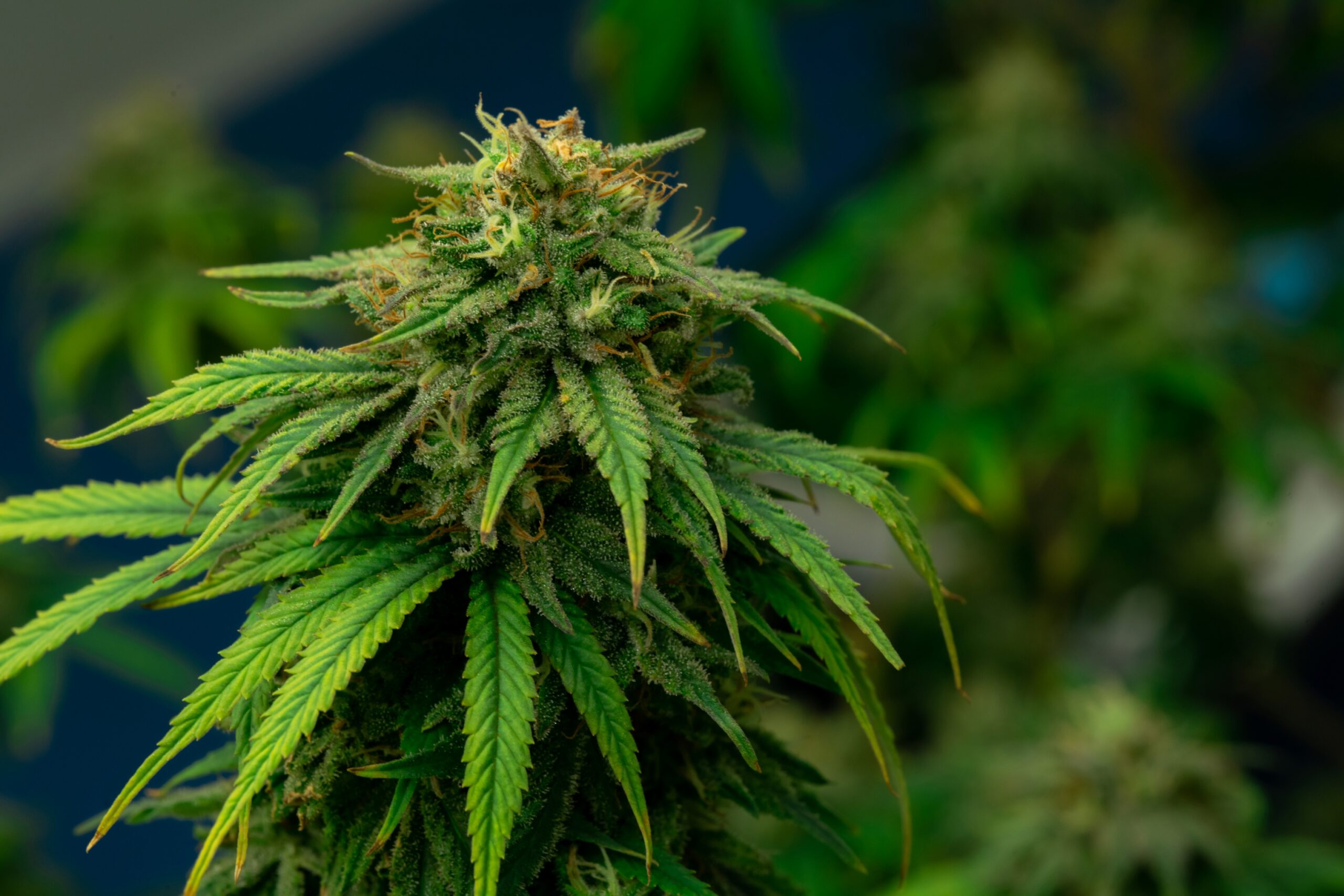


When people search online for “cheap weed seeds,” they are usually trying to solve a simple problem: how to grow cannabis without spending too much money on seeds. The word “cheap” often brings strong reactions. Some people think it means low quality, poor results, or high risk. Others see it as a smart way to save money. To understand what cheap weed seeds really mean, it is important to look past assumptions and focus on facts.
In the cannabis world, “cheap” does not have a single fixed definition. It usually refers to seeds that cost less than the average market price. This could mean seeds sold in bulk, seeds from older genetics, or seeds produced at a large scale. In many cases, cheap seeds are priced lower because of business choices, not because they are defective or useless. Price alone does not explain how a seed will perform once it is planted.
Many growers assume that expensive seeds are always better and cheap seeds are always worse. This belief is common, but it is not always accurate. Cannabis seeds are living biological products. Their performance depends on many factors, including genetics, storage, handling, and growing conditions. While premium seeds may offer more predictable traits, cheaper seeds can still grow into healthy plants under the right conditions. The price tag does not automatically decide the outcome.
Another important point is that seed prices vary widely. Cheap weed seeds may range from a few dollars per seed to discounted packs that cost much less per unit when bought in bulk. Some seed banks and breeders lower prices to clear old stock, introduce new customers, or compete in crowded markets. Others focus on large-scale production, which reduces the cost per seed. These business reasons often have nothing to do with seed viability.
It is also helpful to understand what buyers are really paying for when they purchase cannabis seeds. Part of the price reflects genetics, but another large part comes from branding, packaging, marketing, and customer support. A seed sold in a plain package may be genetically similar to a seed sold in a glossy box with a famous name, yet the price can be very different. Cheap weed seeds often skip these extras, which lowers the final cost.
This article does not treat cheap weed seeds as good or bad by default. Instead, it looks at how they fit into cannabis cultivation as a practical option. For some growers, especially beginners or those working with limited budgets, saving money on seeds can make growing more accessible. For others, seed cost is a small part of a larger investment that includes lighting, nutrients, and space. In both cases, understanding what “cheap” really means helps growers make informed decisions.
Another reason cheap weed seeds attract attention is the growing number of online searches about them. People want clear answers to basic questions: Are they safe to buy? Do they grow well? Are they legal? Can they produce strong cannabis? Search engines reflect this demand, but many online answers are vague, biased, or confusing. This article aims to provide clear, research-based explanations instead of opinions or personal stories.
It is also important to separate price from legality and safety. Cheap does not mean illegal, just as expensive does not mean legal. The legal status of cannabis seeds depends on local laws, not on how much they cost. Likewise, a low price does not automatically mean a seed is fake or unsafe. Understanding these differences helps reduce unnecessary fear and misinformation.
In simple terms, cheap weed seeds are seeds sold at a lower cost than average. They may come from different sources, have different genetic backgrounds, and be intended for different types of growers. Some are ideal for learning and experimentation. Others are suitable for full harvests when grown carefully. The key is not to judge them by price alone, but to understand what factors influence both cost and results.
This introduction sets the foundation for the rest of the article. The sections that follow will explain how weed seeds are classified, why prices vary, how quality is measured, and what growers should look for when buying on a budget. By the end, readers should have a clear, factual understanding of cheap weed seeds and how they fit into successful cannabis cultivation.
What Are Weed Seeds and How Are They Classified?
Weed seeds, also known as cannabis seeds, are the starting point of every cannabis plant. A seed contains all the genetic information needed for the plant to grow. This includes traits like plant size, flowering time, yield potential, THC or CBD levels, and resistance to stress. When people talk about buying “cheap weed seeds,” they are still buying the same basic biological product. The difference lies in how those seeds were produced, selected, and sold.
To understand why some weed seeds cost less than others, it is important to understand how seeds are classified. Cannabis seeds are usually grouped into three main types: regular seeds, feminized seeds, and autoflowering seeds. Each type has different characteristics, production methods, and cost factors.
Regular Cannabis Seeds
Regular seeds are the most natural form of cannabis seeds. They are created when a male cannabis plant pollinates a female plant. Because of this, regular seeds can grow into either male or female plants. On average, about half will be male and half will be female.
Male plants do not produce buds, which are the harvested part of the plant. For growers focused on flower production, male plants are usually removed early. This means that regular seeds can require more time and effort to manage.
Regular seeds are often cheaper because they are easier and faster to produce. Breeders do not need special techniques to control plant sex. Many budget seed packs include regular seeds for this reason. While they may require more work, regular seeds can still produce strong and healthy plants if grown properly.
Feminized Cannabis Seeds
Feminized seeds are bred to produce female plants almost all the time. This is done by stressing or chemically treating female plants so they produce pollen. That pollen is then used to fertilize another female plant. Since no male genetics are involved, the resulting seeds are almost always female.
These seeds are popular because they reduce waste and save space. Growers can focus on growing bud-producing plants without needing to identify and remove males. Because feminized seeds require more labor and technical steps to produce, they usually cost more than regular seeds.
When feminized seeds are sold at a low price, it is often because they come from older genetics, bulk production, or large-scale operations. The low price does not automatically mean the seeds are bad. It often reflects how the seeds were produced and marketed.
Autoflowering Cannabis Seeds
Autoflowering seeds are a special type of cannabis seed that begins flowering based on age rather than light cycle. These seeds are created by crossing cannabis plants with Cannabis ruderalis, a subspecies that evolved to flower quickly in harsh climates.
Autoflowering plants are usually smaller and faster to harvest. They are popular with beginners and growers who want quick results. Because of their short life cycle, autoflowering plants can sometimes produce smaller yields compared to traditional plants.
Autoflowering seeds can be cheap or expensive depending on genetics and breeding quality. Older autoflower strains are often sold at lower prices because they have been widely produced and refined over time. Newer autoflower genetics with higher yields or stronger potency tend to cost more.
How Classification Affects Price
The type of seed plays a major role in how much it costs. Regular seeds are often the cheapest because they are easy to make. Feminized seeds cost more due to added production steps. Autoflowering seeds vary widely in price depending on how advanced the genetics are.
Seed classification also affects risk and predictability. More predictable seeds usually cost more. Less predictable seeds are often sold at lower prices. This does not mean they cannot perform well. It simply means the grower may see more variation from plant to plant.
Why Classification Matters When Buying on a Budget
Understanding seed types helps buyers make better decisions. Someone looking to save money may choose regular seeds and accept the extra work. Another buyer may prefer discounted feminized or autoflowering seeds to save time instead of money.
When price is the main concern, knowing how seeds are classified helps avoid confusion. A low price is often linked to seed type, not seed quality. Classification gives context to the cost and helps set realistic expectations.
Weed seeds are classified into regular, feminized, and autoflowering types. Each type is produced differently and comes with its own cost factors. Regular seeds are usually the cheapest, feminized seeds offer convenience at a higher cost, and autoflowering seeds vary based on genetics. Understanding these classifications helps explain why some weed seeds are cheap and how growers can choose seeds that fit both their budget and their growing goals.
Why Are Some Weed Seeds Cheaper Than Others?
The price of weed seeds can vary a lot. Some seeds cost only a few dollars, while others cost many times more. This difference often leads people to ask why some weed seeds are so cheap. The answer is not simple, but it is clear. Seed price is shaped by several practical factors, not just quality.
Understanding these factors helps growers make better choices and avoid confusion.
Genetics Age and Stabilization Level
One of the biggest reasons some weed seeds cost less is the age of the genetics. Cannabis strains that have been around for many years usually cost less than new strains. This is because the research and breeding work has already been done.
New strains often require years of testing to stabilize their traits. Stabilization means the plants grow in a predictable way, with similar size, yield, and effects. This work costs time and money. Older strains are often already stable, so breeders do not need to invest as much to produce them. As a result, seeds from older genetics are usually cheaper.
Seed Production Scale and Breeding Costs
Large-scale seed production lowers costs. When breeders produce seeds in high volumes, the cost per seed drops. This is similar to how buying in bulk works in other industries.
Smaller breeders or limited-run genetics often cost more because fewer seeds are produced. The cost of labor, space, and plant care is spread across fewer seeds. Cheap weed seeds often come from large breeding operations that focus on efficiency rather than exclusivity.
Bulk Production vs. Limited Releases
Some seeds are part of limited releases. These may involve rare crosses or experimental genetics. Limited availability increases price, even if the seeds perform well or not.
Cheap weed seeds are usually not limited releases. They are often produced continuously and sold in large numbers. Because supply is steady and predictable, sellers do not need to charge higher prices.
Packaging, Branding, and Marketing Costs
Branding plays a large role in seed pricing. Seeds sold in fancy packaging with strong brand names often cost more. These costs do not improve the seed itself. They only affect presentation and marketing.
Cheap weed seeds usually come in basic packaging. Some may even be sold in plain containers or simple envelopes. This keeps overhead costs low. The seed itself remains the same, but the buyer is not paying extra for design or advertising.
Domestic vs. International Distribution Costs
Shipping and logistics also affect seed prices. Seeds produced and sold within the same region usually cost less. International shipping adds costs related to transport, handling, and risk management.
Cheap weed seeds are often sold locally or regionally. This reduces shipping costs and delays. Lower distribution costs help keep prices down for the buyer.
Seed Surplus and Clearance Stock
Another reason some weed seeds are cheap is surplus. Breeders may produce more seeds than expected. These extra seeds still have value, but they may be sold at a lower price to move inventory.
Clearance stock may include strains that are being phased out or replaced by newer genetics. This does not mean the seeds are bad. It simply means they are no longer the main focus of the seller.
Differences in Testing and Documentation
Some expensive seeds come with detailed lab data, genetic lineage charts, and long descriptions. Producing this information requires testing and record keeping, which adds cost.
Cheap weed seeds often come with limited documentation. While this may reduce predictability, it also reduces price. The absence of extra data does not automatically mean the seeds will not grow well.
Market Demand and Trends
Trends influence pricing. When a strain becomes popular, demand rises, and so does price. When interest fades, prices often drop.
Cheap weed seeds may come from strains that are no longer trending, even if they still perform well. Market demand, not plant performance, often drives pricing changes.
Weed seeds are cheap for many practical reasons. Older genetics, large-scale production, simple packaging, local distribution, surplus stock, and lower marketing costs all reduce price. Cheap does not always mean low quality. In most cases, it means fewer added costs around the seed itself. Understanding these factors helps growers judge value based on facts, not assumptions.
Are Cheap Weed Seeds Lower Quality?
A common question many growers ask is whether cheap weed seeds are lower quality than expensive ones. The short answer is that price alone does not decide seed quality. To understand this clearly, it helps to break down what “quality” really means when talking about cannabis seeds and how price fits into that picture.
What Does “Quality” Mean in Cannabis Seeds?
Seed quality is not about branding or cost. In plant science, quality usually refers to three main factors:
- Viability – whether the seed can sprout
- Genetic stability – how predictable the plant’s traits are
- Health – whether the seed is mature, stored properly, and free from damage
A cheap seed can still meet all three of these standards. At the same time, an expensive seed can fail if it was poorly stored or mishandled.
Germination Ability vs. Genetic Potential
One of the biggest misunderstandings is mixing up germination with genetic quality.
- Germination ability means the seed can sprout and grow into a plant.
- Genetic potential refers to how strong, potent, or productive that plant may become.
Cheap weed seeds often germinate at similar rates to expensive seeds when stored and planted correctly. Germination depends more on moisture, temperature, and handling than on price.
Where price can make a difference is in genetic refinement. Lower-cost seeds may come from genetics that are:
- Less stabilized
- Older or widely distributed
- Produced in larger quantities
This does not make them “bad.” It simply means the plants may show more variation in size, yield, or cannabinoid levels.
Why Some Cheap Seeds Perform Just as Well
Many affordable seeds come from genetics that have already been grown for many years. These strains may no longer be rare or heavily marketed, which lowers their price. However, long-used genetics are often well understood and reliable.
In many cases, cheap seeds are:
- Mass-produced using open pollination
- Sold without premium packaging or branding
- Offered in bulk
None of these factors reduce the biological ability of the seed to grow into a healthy cannabis plant.
Visual Appearance Is Not a Reliable Test
Many people judge seed quality by color or pattern. While mature seeds are usually darker and harder, looks alone are not a scientific measure of quality.
A seed can look perfect and still fail if:
- It dried out too much
- It was exposed to heat
- It was stored for too long
Likewise, a plain-looking seed can grow just fine if it was harvested at the right time and stored properly.
The Role of Storage and Handling
Seed quality depends heavily on how seeds are handled after harvest. Poor storage can reduce quality no matter how much the seed costs.
Key storage factors include:
- Low humidity
- Cool temperatures
- Protection from light
- Minimal handling
Many low-cost seeds come from large batches that are stored correctly. When these conditions are met, affordable seeds can remain viable for years.
Price Often Reflects Business Costs, Not Biology
The price of weed seeds is influenced by many non-biological factors, such as:
- Marketing and advertising
- Brand reputation
- Limited releases
- Custom packaging
- Research and breeding expenses
Seeds that cost more often include the cost of these extras. Cheaper seeds usually skip them. This difference affects price, not the seed’s ability to grow.
Quality Differences That May Exist
While cheap seeds are not automatically low quality, there can be differences compared to premium seeds. These may include:
- Less uniform plant growth
- More variation between plants
- Slight differences in potency or yield
These differences matter more to commercial growers who need consistency. For personal or small-scale growing, they often have little impact.
Cheap weed seeds are not automatically lower quality. Quality depends on seed maturity, storage, and genetics—not price. Affordable seeds can germinate well and grow healthy plants, especially when grown in good conditions. While premium seeds may offer more predictable results, cheap seeds can still deliver strong performance when chosen carefully and grown correctly.
Can Cheap Weed Seeds Produce High-Quality Cannabis?
Yes, cheap weed seeds can produce high-quality cannabis. The final quality of cannabis does not depend on seed price alone. Instead, it depends on a mix of genetics, growing conditions, and grower decisions. Understanding how these factors work together helps explain why low-cost seeds are still capable of producing strong, flavorful, and visually appealing cannabis.
Genetics Set the Potential, Not the Outcome
Every cannabis seed carries genetic information. These genetics decide the plant’s maximum potential for traits such as THC levels, terpene production, plant size, and yield. Cheap seeds often come from older or widely used genetic lines. These lines are usually stable and well understood, but they may not have the newest traits or rare combinations found in premium seeds.
However, having top genetics does not guarantee top results. Genetics only set the upper limit. If the plant does not receive proper care, it will never reach that limit. This means that a lower-cost seed grown in ideal conditions can outperform an expensive seed grown poorly.
Growing Conditions Matter More Than Price
The environment plays a major role in cannabis quality. Key factors include light, air, water, nutrients, and temperature. When these factors are controlled well, cannabis plants can grow healthy and strong regardless of seed cost.
For example, proper lighting helps plants produce dense buds and higher THC levels. Balanced nutrients support strong growth and resin development. Clean airflow helps prevent mold and pests. These conditions affect quality far more than the original price of the seed.
Many growers see strong results from cheap seeds simply because they focus on proper growing practices. When plants are stressed, even premium genetics cannot perform well.
THC, Terpenes, and Yield Can Still Be Competitive
Cheap weed seeds are often assumed to produce weak or low-quality cannabis. This is not always true. Many budget seeds come from genetics that have already proven their ability to produce high THC levels and strong terpene profiles.
Terpenes are the compounds that give cannabis its smell and flavor. They are influenced by genetics, but also by light, nutrients, harvest timing, and drying methods. A careful grower can increase terpene expression even in lower-cost genetics.
Yield is also affected by many factors beyond seed price. Training methods, plant spacing, and root health can greatly increase the amount of flower produced. Cheap seeds grown with proper techniques can still deliver strong yields.
The Role of the Grower Is Critical
The grower’s skill often matters more than the seed itself. Watering too much or too little, feeding incorrect nutrients, or harvesting too early can lower quality fast. These mistakes affect all plants equally, whether the seed was cheap or expensive.
Experienced growers often choose affordable seeds because they know how to manage plant health. Beginners may also benefit from cheaper seeds because mistakes are less costly while learning.
In many cases, the same strain grown by two different people can look and taste very different. This shows how important grower choices are to the final result.
Understanding Genetic Limits
While cheap seeds can produce high-quality cannabis, there are limits. Some budget seeds may not be as genetically refined. This can lead to more variation between plants, such as differences in height or bud structure. Expensive seeds are often bred for consistency and predictability.
Still, this does not mean cheap seeds produce poor cannabis. It means results may vary more from plant to plant. For many growers, especially home growers, this variation is acceptable.
Cheap weed seeds are fully capable of producing high-quality cannabis. The final result depends much more on how the plant is grown than on how much the seed cost. Genetics set the potential, but environment and care decide how much of that potential is reached. With proper lighting, nutrients, airflow, and timing, affordable seeds can grow cannabis that is potent, flavorful, and visually appealing. Understanding this balance helps growers make smarter and more cost-effective decisions.
Where Do Cheap Weed Seeds Come From?
Cheap weed seeds come from several common sources. The lower price usually reflects how the seeds were produced, stored, and sold—not that they are fake or unusable. Understanding where these seeds come from helps growers make informed choices and avoid confusion when comparing prices.
Below are the main sources of cheap weed seeds, explained in clear and practical terms.
Seed Banks
Seed banks are businesses that sell cannabis seeds from many breeders. Some seed banks offer premium genetics, while others focus on affordability.
Cheap seeds from seed banks often come from:
- Older strains that are no longer heavily marketed
- Seeds produced in large quantities
- Overstocks or discontinued genetics
Seed banks can lower prices because they buy seeds in bulk from breeders. When seeds do not sell quickly, prices are often reduced to clear inventory. These seeds are usually still viable if stored correctly.
Lower prices at seed banks may also reflect:
- Simple packaging
- Fewer marketing costs
- Limited strain descriptions
This does not mean the seeds are low quality. It usually means the seller is focused on volume rather than branding.
Direct-from-Breeder Sales
Some breeders sell seeds directly to customers. When breeders skip distributors and seed banks, they can reduce costs.
Cheap seeds from breeders often come from:
- Experimental crosses
- Early-stage breeding projects
- Extra seeds from production runs
These seeds may not be fully stabilized. This means plants grown from them can show more variation in size, shape, or flowering time. However, many growers are comfortable with this trade-off if the price is lower.
Direct sales are often cheaper because:
- There are no reseller markups
- Packaging is minimal
- Marketing is limited
Wholesale and Large-Scale Seed Production
Large-scale seed production plays a major role in low-cost seeds.
When breeders produce seeds in very high numbers:
- The cost per seed drops
- Labor and space costs are spread out
- Seeds can be sold for less
These seeds are often open-pollinated rather than carefully controlled crosses. Open pollination means pollen is allowed to spread naturally among plants. This method is cheaper but can lead to less genetic consistency.
Wholesale seeds are commonly used for:
- Outdoor grows
- Learning projects
- Budget-focused cultivation
Open-Pollinated and Landrace Seeds
Some cheap weed seeds come from open-pollinated or landrace genetics.
Landrace strains are older cannabis varieties that developed naturally in specific regions. These seeds are often:
- Less refined
- More genetically diverse
- Easier and cheaper to produce
Because landrace and open-pollinated seeds are not heavily bred for uniform results, they cost less. They are often sold in bulk or as value packs.
These seeds may produce plants with different traits, but many growers find them reliable and hardy.
Clearance, Overstock, and Surplus Seeds
Seed sellers sometimes reduce prices to move extra stock. This is one of the most common reasons seeds are labeled as cheap.
Clearance seeds may include:
- Older batches
- Excess inventory
- Packaging changes
Seeds remain viable for years if stored properly in cool, dry conditions. A lower price does not automatically mean the seeds are old or weak, but buyers should always check if storage information is provided.
Domestic vs. International Sources
Geography also affects seed prices.
Seeds produced locally are often cheaper because:
- Shipping costs are lower
- There are fewer customs risks
- Distribution is faster
International seeds may cost more due to shipping, taxes, and handling. Some sellers lower seed prices to offset higher shipping costs, making the seeds themselves appear cheap.
Cheap weed seeds come from many legitimate sources. Most low-cost seeds are affordable because of large-scale production, older genetics, open pollination, or reduced marketing—not because they are unusable. Seed banks, breeders, wholesale producers, and clearance sales all contribute to lower prices. By understanding where cheap seeds come from, growers can choose options that fit their budget while still meeting their growing goals.
Is It Legal to Buy Cheap Weed Seeds?
The legality of buying weed seeds depends on where you live, what the seeds are used for, and how the law defines cannabis seeds. Price does not affect legality. Cheap weed seeds and expensive weed seeds are treated the same under the law. What matters is the legal status of cannabis seeds in your country, state, or region.
This section explains the legal rules clearly and step by step, so readers understand what is allowed and what is not.
Legal Status of Cannabis Seeds by Region
Cannabis laws are not the same everywhere. Some places allow seed sales, while others restrict them.
In many countries and regions, cannabis seeds are legal to buy and own, even if growing cannabis plants is illegal. This is because seeds do not contain THC, the chemical that causes intoxication. As a result, some laws treat seeds as souvenirs, collectibles, or agricultural products.
In other regions, cannabis seeds are legal only if they are used for industrial hemp or licensed cultivation. Some countries ban cannabis seeds completely.
Because laws change often, buyers must always check local laws, not just national laws. State or provincial rules may be stricter than federal rules.
Difference Between Seed Ownership and Cultivation
One of the most important legal points is the difference between owning seeds and growing plants.
- Owning seeds may be legal
- Germinating seeds may be restricted
- Growing cannabis plants may require a license or may be illegal
In many areas, the law allows people to buy and store cannabis seeds but does not allow them to plant or grow them. This legal separation is why many seed sellers include disclaimers stating that seeds are sold “for souvenir or research purposes only.”
Readers should understand that planting seeds is often the legal line, not buying them.
Hemp Laws and Cannabis Seeds
Some cannabis seeds are legal because of hemp laws.
Hemp is defined as cannabis that contains less than 0.3% THC (or similar limits depending on location). In regions where hemp is legal, hemp seeds are often legal to buy, sell, and plant.
However, hemp seeds and marijuana seeds look the same. The difference is in the genetics and how the plant grows. This creates legal gray areas.
Some laws allow all cannabis seeds because they cannot be tested for THC before growing. Other laws restrict seeds based on intended use.
Import and Export Rules
Buying seeds from another country adds more legal concerns.
Even if cannabis seeds are legal in both countries, customs laws may still restrict shipping. Some countries allow seeds to be mailed, while others seize them at the border.
Import laws may also change depending on:
- Seed quantity
- Seed labeling
- Declared use
- Agricultural regulations
This means a seed purchase that is legal inside a country may become illegal when crossing borders.
Age and Licensing Requirements
Some regions restrict seed purchases by age or require licenses.
For example:
- Buyers may need to be 18 or 21 years old
- Commercial growers may need permits
- Medical or research licenses may be required
Cheap seeds do not bypass these rules. Price has no effect on legal requirements.
Online Seed Sales and Legal Responsibility
Many people buy weed seeds online. In most cases, the buyer is responsible for knowing the law, not the seller.
Seed sellers often operate in countries where seed sales are legal. This does not mean seed use is legal in the buyer’s location. Sellers usually protect themselves with disclaimers, but those disclaimers do not protect buyers from legal consequences.
Compliance and Consumer Responsibility
To stay compliant with the law, buyers should:
- Check local and national laws
- Understand the difference between ownership and cultivation
- Know import and shipping rules
- Read seed seller terms carefully
Laws can change, so what is legal today may not be legal next year.
Cheap weed seeds are not illegal just because they are cheap. Price has nothing to do with legality. What matters is how the law treats cannabis seeds in your area.
In many regions, seeds are legal to buy and own but not legal to grow. Hemp laws may allow certain seeds, while import laws may restrict shipping. Online purchases place legal responsibility on the buyer, not the seller.
Understanding these legal differences helps buyers avoid mistakes and make informed decisions. Knowing the law is an essential part of responsible seed purchasing, no matter the cost.
What Should You Look for When Buying Cheap Weed Seeds?
Buying cheap weed seeds does not mean buying blindly. Even low-cost seeds should meet basic standards for quality, stability, and usefulness. Understanding what to look for helps growers avoid wasted time, poor germination, and weak plants. This section explains the key factors to check before buying cheap weed seeds, using clear and simple language.
Germination Rate Information
One of the most important things to look for is the germination rate. Germination rate tells you how many seeds are likely to sprout under normal growing conditions. For example, a germination rate of 80% means that 8 out of 10 seeds should grow.
Reliable sellers often list germination rates or provide general guarantees. Cheap seeds are not automatically bad, but missing germination data can be a warning sign. Seeds that fail to sprout cost more in the long run because you must replace them or restart your grow.
It is also important to understand that germination depends on more than the seed itself. Storage, moisture, temperature, and planting method all affect success. Still, seeds with higher tested germination rates give growers a stronger starting point.
Breeder Transparency and Genetic Lineage
Even when seeds are inexpensive, sellers should explain where the genetics come from. This includes:
- The strain name
- Parent strains (if known)
- Whether the seeds are stabilized or open-pollinated
Cheap weed seeds often come from older or widely available genetics. That does not make them poor choices. However, a lack of any genetic information may suggest careless breeding or low-quality control.
Clear lineage helps growers understand what to expect in terms of growth size, flowering time, and basic effects. Without this information, planning a grow becomes harder, especially in limited spaces or strict timelines.
Seed Age and Storage Conditions
Cannabis seeds do not last forever. Over time, seeds lose moisture balance and internal strength. Older seeds can still grow, but germination rates may drop if they were not stored correctly.
Good storage conditions include:
- Cool temperatures
- Low humidity
- Protection from light
- Airtight packaging
Cheap seeds are sometimes discounted because they are older stock. This is not always a problem if they were stored well. However, sellers should disclose seed age or explain storage practices. Seeds stored in poor conditions may look fine but fail to grow.
Batch Consistency
Batch consistency means seeds from the same batch behave in similar ways. Consistent batches produce plants that grow at similar speeds and sizes. Cheap seeds may show more variation, but extreme differences can cause problems.
Inconsistent batches may result in:
- Different flowering times
- Uneven plant heights
- Mixed sex expression in regular seeds
This does not mean cheap seeds are useless. It means growers should expect some variation and plan space, lighting, and feeding schedules carefully.
Clear Seed Type Labeling
Always confirm whether seeds are:
- Regular
- Feminized
- Autoflowering
Cheap seeds are often regular seeds, which can grow into male or female plants. This is normal and not a flaw. Problems happen when seeds are mislabeled or not labeled at all.
Correct labeling helps growers avoid surprises, especially if they cannot remove male plants or if they rely on predictable flowering schedules.
Avoiding Misleading Pricing Tactics
Low prices can be misleading if:
- Shipping costs are very high
- Minimum order sizes are required
- Germination guarantees are missing
- Photos or descriptions are reused from other sellers
Cheap weed seeds should still come with clear terms and basic customer information. Hidden costs or vague listings often cancel out the savings.
Understanding What You Are Not Paying For
Cheap seeds usually cost less because they skip:
- Heavy branding
- Fancy packaging
- Exclusive genetics
- Extensive marketing
These things do not affect the plant’s ability to grow. Understanding this helps growers focus on real value instead of appearance or hype.
Buying cheap weed seeds is not about finding the lowest price. It is about finding usable seeds at a fair cost. Growers should look for clear germination information, honest genetic details, proper labeling, and reasonable transparency from sellers.
Low-cost seeds can perform well when buyers understand their limits and strengths. Careful selection reduces risk and helps growers save money without sacrificing the basics needed for a successful grow.
Cheap vs. Expensive Weed Seeds: What Are the Differences?
When comparing cheap weed seeds to more expensive ones, the difference is not only about price. The cost of cannabis seeds is shaped by how they are bred, tested, stored, and sold. Understanding these differences helps growers decide what level of investment fits their goals, space, and experience.
Genetic Stability and Breeding Work
One of the main differences between cheap and expensive weed seeds is genetic stability. Expensive seeds often come from breeding programs that take several generations to complete. During this process, breeders select plants with consistent traits, such as height, flowering time, and cannabinoid levels. This work takes time, labor, and controlled growing conditions, which increases the final price.
Cheap seeds often come from earlier generations or open pollination. This does not mean they are unusable, but it does mean that plants grown from them may show more variation. For example, two plants from the same pack of cheap seeds might grow at different speeds or produce slightly different buds. This variation is normal in less stabilized genetics.
Phenotype Predictability
Phenotype predictability refers to how closely plants match the expected traits of a strain. With expensive seeds, growers usually see more uniform results. Plants tend to look similar and finish around the same time. This is important for growers who want predictable outcomes, especially in larger or timed grows.
Cheap weed seeds may show a wider range of traits. Some plants may stretch more, flower earlier, or respond differently to nutrients. While this can require more attention from the grower, it can also be useful for learning how plants react under different conditions.
Research and Development Costs
Premium seeds often reflect higher research and development costs. These may include laboratory testing, controlled breeding environments, and long-term genetic tracking. Breeders may also test seeds for germination rates and disease resistance before selling them.
Cheap seeds usually come from simpler production systems. They are often produced in large numbers with fewer testing steps. This reduces cost but may also reduce the amount of data available about how the strain performs in different environments.
Yield Consistency and Performance
Expensive weed seeds are often marketed for consistent yields. This means that, when grown under similar conditions, plants are more likely to produce similar harvest sizes. This consistency matters to growers who plan harvest schedules or have limited space.
Cheap weed seeds can still produce strong yields, but results may vary more. One plant may produce heavy buds while another produces less. The final outcome depends heavily on lighting, nutrients, training methods, and overall plant care.
Intellectual Property and Exclusivity
Some expensive seeds are priced higher because they are limited releases or protected genetics. Breeders may restrict how many seeds are sold to keep strains rare or exclusive. The price reflects this limited availability rather than just plant performance.
Cheap weed seeds are usually not exclusive. They may be older strains, widely grown genetics, or crosses that are no longer actively marketed. This lowers the price and increases availability without automatically lowering usefulness.
Packaging, Branding, and Marketing
Packaging and branding also affect price. Expensive seeds often come in custom packaging, sealed containers, and branded materials. These extras increase costs but do not directly affect how the plant grows.
Cheap seeds usually have simple packaging. This reduces overhead costs and keeps prices lower. From a growing standpoint, packaging has little impact as long as seeds are stored properly.
Cost-Benefit Analysis for Growers
The real difference between cheap and expensive weed seeds becomes clear when growers consider their goals. Expensive seeds may save time by offering predictable growth and uniform plants. Cheap seeds may save money upfront and still produce high-quality cannabis when grown well.
For small or personal grows, the cost difference may not justify premium pricing. For growers who value consistency, uniform harvests, or specific traits, higher-priced seeds may make sense.
Cheap and expensive weed seeds differ mainly in genetic stability, predictability, testing, and production methods. Expensive seeds usually offer more consistent results, while cheap seeds offer affordability and flexibility. Neither option guarantees success or failure on its own. Final results depend more on growing conditions, care, and knowledge than on seed price alone.
Do Cheap Weed Seeds Germinate as Well as Expensive Ones?
Germination is the first and most important step in growing cannabis. If a seed does not sprout, nothing else matters. One of the most common questions growers ask is whether cheap weed seeds germinate as well as expensive ones. The short answer is: price alone does not decide germination success. Many low-cost seeds can germinate just as well as higher-priced seeds when the right conditions are met.
To understand why, it helps to look at what germination really depends on.
What Germination Means
Germination is the process where a seed absorbs water, breaks open, and sends out a root. This process depends on whether the seed is alive and healthy. A seed either has the ability to sprout or it does not. The price of the seed does not change this basic fact.
A cheap seed and an expensive seed can both be viable. The key difference is not cost, but how the seed was produced, handled, and stored.
Factors That Affect Germination Success
Several factors play a much bigger role in germination than price:
Seed maturity
Seeds must be fully mature before harvest. Immature seeds are more likely to fail. Some cheap seeds come from large-scale production where timing is done correctly, which supports good germination.
Storage conditions
Seeds need to be stored in a cool, dark, and dry place. Heat, moisture, and light slowly damage seeds over time. A low-cost seed that was stored well can germinate better than an expensive seed that was stored poorly.
Seed age
All seeds lose viability as they age. Fresh seeds usually germinate more easily than older ones. Some cheap seeds are newer stock, while some expensive seeds may have been sitting in storage longer.
Handling and shipping
Crushing, heat exposure, and humidity during shipping can damage seeds. Germination rates drop when seeds are mishandled, regardless of price.
Germination Rates: Cheap vs. Expensive Seeds
There is no fixed rule that expensive seeds have higher germination rates. Many budget seed lines report germination rates similar to premium seeds when tested under the same conditions.
In the seed industry, a germination rate of 80% to 95% is considered normal. Cheap seeds can fall within this range, especially when they come from established producers who test their batches.
Higher-priced seeds sometimes include guarantees or replacement policies, but this does not automatically mean the seeds themselves sprout better. It mainly reflects customer service practices, not seed biology.
Seed Viability Testing
Professional seed producers test germination by placing a sample of seeds in controlled conditions and recording how many sprout. This process measures viability, which means the seed’s ability to grow.
Viability testing does not care about strain name, price, or branding. It only measures whether seeds sprout. Cheap seeds that pass viability testing are just as capable of germinating as premium ones.
The Grower’s Role in Germination
Even the best seed will fail if handled poorly. Germination success depends heavily on the grower’s method. Common causes of failure include:
- Overwatering
- Letting seeds dry out after planting
- Using water that is too cold or too hot
- Planting seeds too deep
- Poor temperature control
Most germination problems come from technique, not seed price.
Simple methods like the paper towel method, direct soil planting, or starter plugs all work when done correctly. Consistent warmth, gentle moisture, and patience are more important than the cost of the seed.
Genetic Stability vs. Germination
It is important to separate germination from genetic stability. Cheap seeds may germinate well but show more variation later in growth. This affects plant size, yield, or cannabinoid levels, not whether the seed sprouts.
Expensive seeds are often priced higher because of breeding work and genetic consistency, not because they sprout better.
Cheap weed seeds can germinate just as well as expensive ones. Germination depends on seed maturity, storage, age, handling, and proper planting conditions. Price does not control whether a seed is alive.
Many budget seeds meet normal industry germination standards when handled correctly. In most cases, germination failure comes from environmental mistakes rather than seed cost.
Understanding how germination works helps growers focus on what truly matters: proper storage, careful handling, and good planting practices. When these basics are followed, low-cost seeds can perform just as reliably during germination as higher-priced alternatives.
Are Cheap Weed Seeds Suitable for Beginners?
For new growers, choosing the right cannabis seeds can feel confusing. Many beginners wonder if cheap weed seeds are a good place to start or if low prices mean more problems. The short answer is that cheap weed seeds can be suitable for beginners, but only when growers understand what they are buying and what to expect. Cost alone does not decide success. Knowledge, preparation, and realistic expectations matter just as much.
Risk Tolerance and Learning Curves
Beginners are still learning the basics of cannabis cultivation. Mistakes are common during early grows. Overwatering, poor lighting, nutrient imbalance, or incorrect temperature control can easily damage or kill plants. Because of this, many beginners prefer cheap weed seeds. Lower-cost seeds reduce financial risk if something goes wrong.
Using inexpensive seeds allows new growers to focus on learning instead of worrying about losing money. This can reduce stress and encourage experimentation. For example, a beginner may try different watering schedules or training methods without fear of wasting expensive genetics. Cheap seeds can support the learning curve by making early mistakes more affordable.
However, beginners should also understand that learning still requires attention and effort. Cheap seeds do not remove the need for basic plant care or research.
Cost Control During Early Cultivation Attempts
Growing cannabis involves more than just buying seeds. Costs can include grow lights, soil or growing media, nutrients, ventilation, and electricity. For beginners, these expenses add up quickly. Choosing cheap weed seeds helps control overall costs during the early stages.
When starting out, growers may not yet know if cannabis cultivation will become a long-term hobby. Spending less on seeds makes it easier to test the process without large upfront investment. This approach allows beginners to focus their budget on essential equipment and proper setup, which often has a greater impact on results than seed price alone.
Cheap seeds can also allow beginners to grow more plants within the same budget. This increases hands-on experience and helps new growers learn how different plants respond to the same environment.
Strain Hardiness and Resilience
Not all cannabis strains are equally easy to grow. Some are more sensitive to changes in light, nutrients, or temperature. Others are more forgiving and resilient. For beginners, hardier strains are usually a better choice.
Many cheap weed seeds come from older or widely grown genetics. These strains are often known for stability and resilience. While they may not offer rare traits or extreme potency, they can handle beginner mistakes better than some high-end strains. This makes them useful training tools for new growers.
Beginners should look for seeds described as resistant to pests, mold, or stress. These traits are more important than price when learning the basics of plant care.
Autoflower and Beginner-Friendly Genetics
Autoflowering cannabis seeds are often recommended for beginners. These plants switch from vegetative growth to flowering based on age, not light schedule. This simplifies the growing process and reduces the chance of timing errors.
Many autoflower seeds are available at lower prices, making them accessible for beginners. They usually grow smaller, finish faster, and require less maintenance. This can help new growers see results sooner and stay motivated.
That said, autoflowers also have limits. They offer less time to correct mistakes because they grow quickly. Beginners using cheap autoflower seeds should focus on proper care from the start to avoid stunted growth.
Feminized seeds are another beginner-friendly option. They reduce the risk of male plants, which can pollinate females and reduce harvest quality. Many affordable feminized seeds exist and can help beginners avoid common problems.
Managing Expectations During First Grows
One of the most important skills for beginners is managing expectations. Cheap weed seeds can grow healthy plants, but results will depend on many factors. Yield, potency, and appearance are influenced by genetics, environment, and grower skill.
Beginners should not expect every plant to perform the same way. Variation is normal, especially with lower-cost or less stabilized seeds. This does not mean the seeds are bad. It means the grower is working with natural genetic diversity.
Understanding this helps beginners stay patient and focused on improvement rather than perfection. Cheap seeds are tools for learning, not guarantees of top-tier results on the first attempt.
Cheap weed seeds can be suitable for beginners when used with the right mindset. They lower financial risk, help control startup costs, and allow new growers to gain experience through practice. Many affordable seeds come from hardy, stable genetics that can handle beginner mistakes. Autoflowering and feminized seeds can further simplify the process.
However, cheap seeds still require proper care and realistic expectations. Beginners should focus on learning basic cultivation skills and understanding plant needs. When knowledge and preparation improve, even low-cost seeds can support successful and rewarding early grows.
How Can Growers Save Money on Weed Seeds Without Sacrificing Results?
Saving money on weed seeds does not mean giving up quality. Many growers assume that lower prices always lead to poor plants, weak yields, or low potency. In reality, seed cost is only one small part of the growing process. With the right approach, growers can reduce seed expenses and still grow strong, healthy cannabis plants that meet high standards.
Below are practical, research-based ways to save money on weed seeds while still getting reliable results.
Buying in Bulk to Lower the Cost Per Seed
One of the simplest ways to save money is to buy seeds in larger quantities. Many seed sellers lower the price per seed when buyers purchase packs of five, ten, or more.
Buying in bulk works best for growers who:
- Plan to grow regularly
- Want backup seeds in case some fail to germinate
- Use the same strain more than once
Seeds, when stored correctly in a cool, dark, and dry place, can remain viable for years. This means buying extra seeds now can reduce future costs without increasing risk.
Choosing Stable, Older Genetics
New strains often cost more because they are recently developed and heavily marketed. Older strains, on the other hand, are usually cheaper and more stable.
Stable genetics offer several cost-saving benefits:
- More predictable growth patterns
- Fewer unexpected plant traits
- Consistent flowering times
Older genetics have been grown many times, which means breeders already understand how they perform. This lowers the risk of weak plants and wasted grow space.
Avoiding Unnecessary Add-Ons and Premium Packaging
Seed prices often increase due to branding, packaging, or extras that do not affect plant performance. Items like custom cases, collectible designs, or promotional materials add cost without improving results.
To save money:
- Focus on seed quality, not appearance
- Avoid paying extra for non-growing features
- Compare prices based on seed count, not packaging
Plants do not benefit from fancy packaging. The value comes from viable seeds and solid genetics.
Matching Strain Selection to Your Grow Environment
Choosing the wrong strain can lead to poor results, even if the seeds are expensive. Plants that struggle with climate, light, or space may produce less and cost more in the long run.
To avoid waste:
- Select strains suited for indoor or outdoor growing
- Choose plants that match your space size
- Pick genetics known for resilience
For example, compact plants can reduce light and energy costs indoors. Hardy strains may need fewer inputs and less maintenance.
Understanding Total Cultivation Cost vs. Seed Cost
Seeds are often one of the smallest expenses in a grow cycle. Electricity, lighting, nutrients, water, and equipment usually cost much more over time.
Smart growers look at the full picture:
- A lower-cost seed that grows well saves money overall
- A costly seed that fails wastes space and resources
- Healthy plants reduce the need for corrections and replacements
By focusing on total grow efficiency instead of seed price alone, growers can make better financial decisions.
Using Reliable Germination and Storage Practices
Seeds that fail to sprout are wasted money. Proper handling can greatly improve success rates, even with low-cost seeds.
Money-saving practices include:
- Storing seeds in airtight containers
- Keeping seeds away from heat and moisture
- Using proven germination methods
Good germination practices help ensure that every seed purchased has the best chance to grow.
Planning Ahead Instead of Buying Last-Minute
Rushed purchases often lead to higher costs and poor choices. Planning seed purchases in advance allows growers to:
- Compare prices carefully
- Select strains based on research
- Avoid impulse buying
Long-term planning also helps growers align seed selection with future grow cycles, reducing trial-and-error costs.
Saving money on weed seeds is about making informed choices, not cutting corners. Growers can lower costs by buying in bulk, choosing stable genetics, avoiding unnecessary extras, and selecting strains that fit their environment. When seed cost is viewed as part of a larger cultivation plan, affordability and quality can exist together.
In the end, knowledge, preparation, and good growing practices matter more than price alone. With the right approach, budget-friendly seeds can still support strong, consistent, and successful cannabis grows.
Common Myths and Misconceptions About Cheap Weed Seeds
Many growers search for low-cost cannabis seeds, but the topic is surrounded by confusion. Online forums, ads, and word-of-mouth often repeat claims that are not supported by basic plant science or seed production facts. This section explains the most common myths about cheap weed seeds and replaces them with clear, evidence-based explanations.
Myth 1: Cheap Weed Seeds Are Fake or Non-Viable
One of the most common beliefs is that low-priced weed seeds are not real or will not sprout. In reality, seed viability is not controlled by price. A cannabis seed is viable if the embryo inside is alive and healthy. This depends on how the seed was grown, harvested, dried, and stored.
Cheap seeds often come from large-scale seed production or older genetic lines. These seeds are real cannabis seeds and can germinate normally if they were handled correctly. Poor germination usually comes from improper storage, exposure to heat or moisture, or old age—not from low cost alone.
Price does not determine whether a seed can grow. Germination success is influenced by storage conditions, planting technique, and environmental factors such as temperature and moisture.
Myth 2: Cheap Seeds Cannot Produce Potent Cannabis
Another common myth is that cheap seeds always grow weak or low-THC plants. Potency is influenced by genetics, but it is also shaped by how the plant is grown. Light intensity, nutrients, climate control, and harvest timing all affect THC and terpene levels.
Many budget seeds come from stable but older genetics. While they may not be bred for extreme THC levels, they can still produce strong and usable cannabis. Potency also varies naturally between individual plants, even when seeds come from the same batch.
There is no rule that says low-cost seeds cannot produce high-quality flowers. Genetics set a range of potential, but growing conditions decide how much of that potential is reached.
Myth 3: Only Expensive Seeds Can Produce Top-Shelf Cannabis
Top-shelf cannabis is usually described by its appearance, aroma, flavor, and effects. These traits depend on careful growing, drying, and curing—not just seed price.
Expensive seeds often come from newer or highly controlled breeding projects. They may offer more uniform plants and predictable traits. However, uniformity is not the same as quality. A well-grown plant from an affordable seed can still produce dense, aromatic, and visually appealing buds.
Professional growers often focus more on environmental control and plant care than on seed cost. This shows that cultivation skill plays a major role in final quality.
Myth 4: Cheap Seeds Are Always Unstable or Poorly Bred
Some people believe that low-cost seeds are genetically unstable. While instability can exist in any seed line, it is not limited to cheap seeds. Many affordable seeds come from open-pollinated or long-established genetics that have already shown stable growth patterns.
Genetic instability usually occurs when breeders rush new crosses without enough testing. This can happen at any price point. Older or widely grown strains are often cheaper because they are easier to produce, not because they are unreliable.
Stability depends on breeding practices, not on retail price.
Myth 5: Cheap Weed Seeds Are Old or Low Quality by Default
Seed age can affect germination rates, but cheap does not always mean old. Some sellers reduce prices due to bulk production, surplus inventory, or lack of branding. These seeds may still be fresh and viable.
Seed quality is better judged by storage conditions, packaging, and seller transparency. Properly stored seeds can remain viable for several years regardless of price.
Assuming a seed is low quality just because it costs less is not accurate.
Myth 6: Marketing Claims Always Reflect Seed Quality
Many misconceptions come from marketing language. Terms like “premium,” “elite,” or “top-tier” are not regulated. They are often used to justify higher prices rather than to describe measurable differences.
Cheap seeds are often marketed with less hype, even if their biological performance is similar. Understanding basic plant biology helps growers separate marketing claims from real growing factors.
Cheap weed seeds are often misunderstood. Low cost does not mean fake, weak, or unusable. Seed performance depends on genetics, storage, and growing conditions—not price alone. Many myths come from marketing language and online repetition rather than scientific facts.
When growers understand what truly affects plant health and flower quality, they can make better decisions. Viewing seed cost as just one part of the overall growing process helps remove confusion and leads to more realistic expectations.
Conclusion: Balancing Cost, Knowledge, and Cultivation Success
Cheap weed seeds are often misunderstood. Many growers assume that a low price means poor results, weak plants, or low-quality cannabis. However, as this article has explained, price alone does not determine the outcome of a grow. What matters most is how well the grower understands seeds, genetics, and cultivation basics. When these factors are balanced correctly, inexpensive seeds can still produce healthy plants and high-quality flower.
One of the most important points to remember is that “cheap” does not have a single meaning. In many cases, low-cost seeds are cheaper because they come from older genetics, bulk production, or less expensive branding. These factors reduce price without automatically reducing seed viability. Germination rates, for example, are influenced more by storage conditions and handling than by retail price. A properly stored seed that costs less can sprout just as well as a more expensive one.
Another key takeaway is that genetics set limits, but growing conditions decide how close a plant comes to reaching its potential. Light quality, nutrients, airflow, temperature, and watering practices all play a major role in the final result. Even top-tier genetics will perform poorly if grown in weak conditions. At the same time, budget-friendly genetics can perform very well when grown with care and consistency. This is why many growers focus on improving their environment before spending more money on seeds.
Legal awareness is also part of smart seed buying. Laws around cannabis seeds vary by region, and legality often depends on whether seeds are being sold, shipped, possessed, or grown. Understanding these differences helps growers avoid unnecessary risks. Buying affordable seeds does not remove the need to follow local laws, but it does allow growers to explore cultivation without large upfront costs.
Choosing cheap weed seeds also requires attention to detail. Clear information about strain type, seed age, germination rates, and breeding methods helps buyers make informed decisions. Price should be one factor among many, not the only one. By learning how to read product descriptions and understand basic seed characteristics, growers can avoid poor purchases and focus on value instead of hype.
The comparison between cheap and expensive seeds shows that higher prices often reflect consistency, predictability, and advanced breeding work. These traits can be useful, especially for growers who need uniform results. However, they are not required for learning, experimentation, or personal cultivation. For many growers, especially beginners, affordable seeds offer a practical way to gain experience without financial pressure. Losing a plant is less costly, and mistakes become learning opportunities rather than setbacks.
Saving money on seeds also supports long-term cultivation planning. When growers control costs at the start, they have more resources to invest in better lighting, soil, or climate control. These improvements often lead to greater gains in yield and quality than seed upgrades alone. Over time, this approach builds stronger skills and more reliable results.
Finally, many myths about cheap weed seeds come from marketing rather than science. Potency, flavor, and yield are not guaranteed by price. They are shaped by genetics, environment, and grower knowledge working together. By separating facts from assumptions, growers can make choices based on evidence instead of fear or advertising.
In summary, cheap weed seeds are not a shortcut or a flaw. They are a tool. When used with care, research, and realistic expectations, they can support successful cannabis cultivation. The true value of a seed lies not only in its cost, but in how well it fits the grower’s goals, skills, and environment. Understanding this balance allows growers to save money while still aiming for healthy plants and high-quality results.
Research Citations
Bundele, J., & Prasad, E. (2022). Cannabis seeds market size, share, competitive landscape and trend analysis report: Global opportunity analysis and industry forecast, 2021–2031. Allied Market Research.
Chumchu, P., & Patil, K. (2022). Dataset of cannabis seeds (Version 2) [Data set]. Mendeley Data.
Chumchu, P., & Patil, K. (2023). Dataset of cannabis seeds for machine learning applications. Data in Brief, 47, 108954.
Green, H. H. (2025). New U.S. seed ban risks driving cannabis genetics underground, growers warn. The Guardian.
Herbies Editorial Team. (2021). How much are weed seeds? Breaking down the price. Herbies Seeds.
Ingvardsen, C. R., & Brinch-Pedersen, H. (2023). Challenges and potentials of new breeding techniques in Cannabis sativa. Frontiers in Plant Science, 14, Article 1154332.
Marijuana Packaging. (2023). Understanding the cost of weed seeds: A comprehensive guide. Marijuana Packaging.
Nebula Haze. (2025). Cannabis seed deals for Black Friday and Cyber Monday. Grow Weed Easy.
Stoilkovska Gjorgievska, V., Geskovski, N., Makreski, P., Trajkovska, A., Cvetkovikj Karanfilova, I., Karapandzova, M., Kulevanova, S., & Stefkov, G. (2024). Differentiation of cannabis seeds employing digital morphological screening and infrared spectroscopy coupled with multivariate modeling. Industrial Crops and Products, 211, 118184.
Zarei, A., Feyissa, B. A., Davis, B., & Tavakouli Dinani, E. (2022). Cannabis synthetic seeds: An alternative approach for commercial-scale clonal propagation and germplasm conservation. Plants, 11(23), 3186.
Questions and Answers
Q1: What does “cheap weed seeds” usually mean?
Cheap weed seeds generally refer to cannabis seeds sold at a lower price point, often due to bulk deals, regular (non-feminized) seeds, or promotions from seed banks.
Q2: Are cheap weed seeds lower quality than expensive ones?
Not always. Some cheap weed seeds come from reputable breeders and are affordable because they are older strains, regular seeds, or part of a clearance sale rather than being poor quality.
Q3: Why are some weed seeds sold so cheaply online?
Weed seeds may be cheap due to overstock, seasonal discounts, bulk packaging, or because they are non-feminized or non-autoflowering varieties.
Q4: Can beginners use cheap weed seeds successfully?
Yes, beginners often choose cheap weed seeds to practice germination and growing techniques without risking expensive seeds.
Q5: Where can people find cheap weed seeds?
Cheap weed seeds are commonly found at online seed banks, during holiday sales, clearance sections, or through bulk-buy offers.
Q6: Are cheap weed seeds legal to buy?
Legality depends on the country or region. In some places, weed seeds are legal to buy as souvenirs or for collection, while cultivation may still be restricted.
Q7: Do cheap weed seeds germinate as well as premium seeds?
If stored and handled properly, cheap weed seeds can have similar germination rates to premium seeds, especially when sourced from trusted sellers.
Q8: What types of cheap weed seeds are most common?
Regular seeds and older classic strains are the most common types of cheap weed seeds, as they cost less to produce than feminized or autoflower seeds.
Q9: Are cheap weed seeds good for outdoor growing?
Many cheap weed seeds, especially hardy regular strains, are well-suited for outdoor growing due to their resilience and adaptability.
Q10: How can buyers avoid scams when looking for cheap weed seeds?
Buyers should check reviews, verify seed bank reputations, avoid deals that seem unrealistically cheap, and look for germination guarantees when possible.