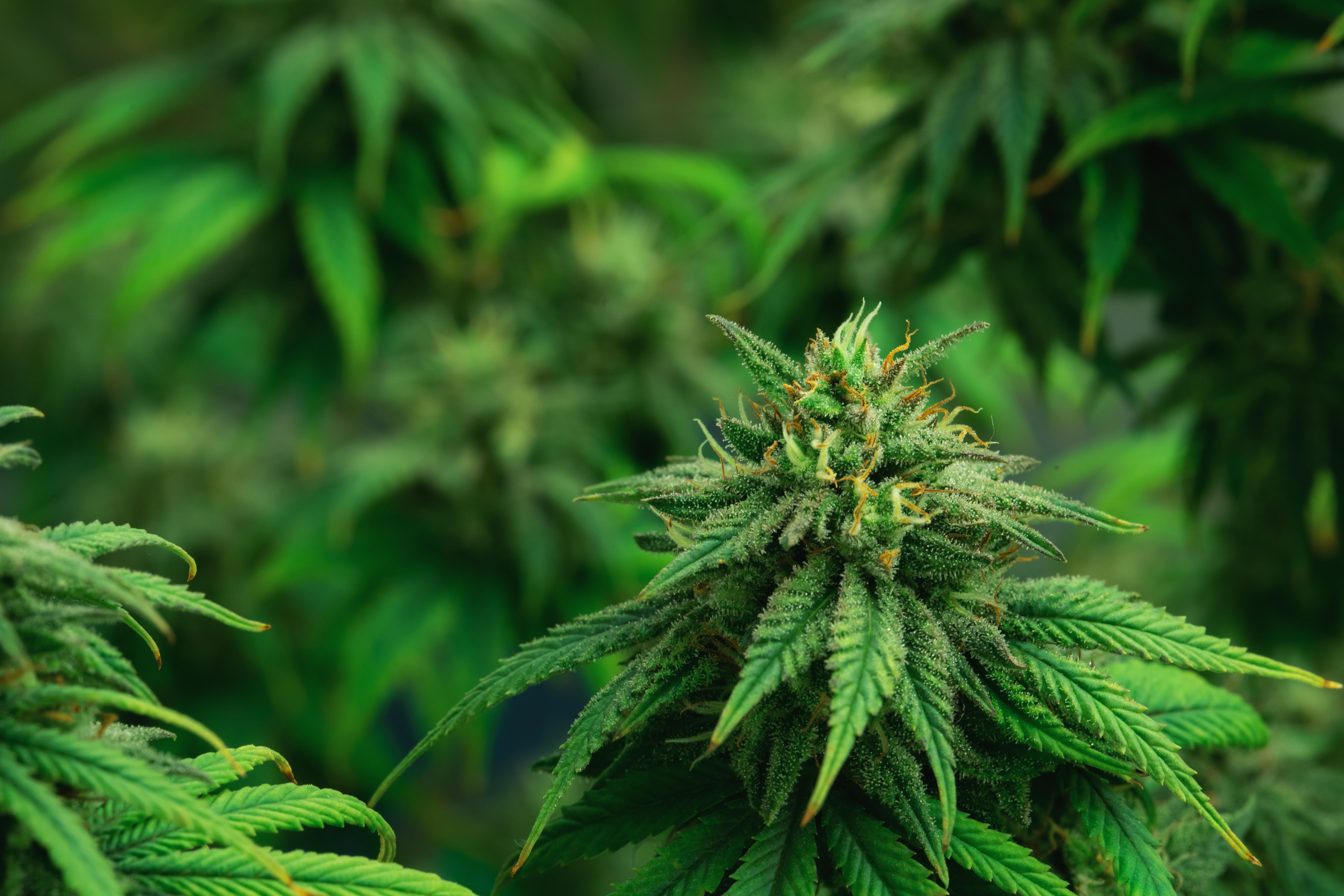


Cinderella 99 is a well-known cannabis strain with a long history among growers and consumers. It is often called C99, Cindy, or Cindy 99. The strain became known for its sativa-dominant traits, fruity aroma, strong effects, and shorter flowering period compared with many traditional sativa strains. It also has a more compact growth pattern than many plants with similar effects. These traits have helped Cinderella 99 remain a recognizable strain for many years.
Cinderella 99 was developed by breeder Mr. Soul of Brothers Grimm Seeds. Its history goes back to the 1990s. According to the breeder’s account, the strain began with seeds found in Jack Herer flower that had been purchased in Amsterdam. One of the plants grown from those seeds became a female plant named Princess. Princess later became the main plant used in the breeding program that produced Cinderella 99. Mr. Soul crossed Princess with a Shiva Skunk male and then used several generations of backcrossing to develop the strain.
Because of this breeding history, Cinderella 99 is closely connected with Jack Herer and Shiva Skunk genetics. Many strain databases list these as its main genetic influences. However, cannabis genetics are not always as simple as a two-parent family tree. The exact pollen source that produced the original Princess seed was not known. For this reason, descriptions of the strain’s complete background can differ between sources. Still, Princess, Jack Herer, and Shiva Skunk are important parts of the documented Cinderella 99 story.
Cinderella 99 is usually described as a sativa-dominant hybrid. This means it is often linked with traits that are commonly associated with sativa-type cannabis. Users often report more noticeable mental effects rather than a very heavy or sleepy body feeling. Commonly reported effects include feeling energetic, uplifted, focused, or mentally stimulated. However, these descriptions should not be treated as a promise of how every person will feel. The effects of cannabis can change based on dose, THC level, tolerance, body chemistry, consumption method, and other factors.
One unusual feature of Cinderella 99 is the way its growth pattern differs from what many people expect from a sativa-dominant strain. Some sativa plants can become very tall and may require a long flowering period. Cinderella 99 was developed from a compact female plant, and modern descriptions of the strain still note its relatively manageable size. The original breeder also describes Cinderella 99 as having a faster flowering period than many traditional sativa-dominant varieties. These traits have played an important role in the strain’s reputation.
The strain is also known for a strong fruit and citrus character. Depending on the plant and growing conditions, its aroma may include pineapple, citrus, grapefruit, floral, sweet, or tropical notes. Leafly lists citrus, grapefruit, and floral notes among its commonly reported flavors. The same source identifies limonene, caryophyllene, and myrcene among the main terpenes found in tested Cinderella 99 products. Terpenes are natural compounds that help create the smell and flavor of cannabis and many other plants.
Potency is another reason Cinderella 99 receives attention. It is generally considered a THC-dominant strain with relatively little CBD. However, there is no single THC percentage that applies to every Cinderella 99 plant or product. Leafly currently lists the strain at about 18% THC, while individual products and seed lines may test at different levels. Genetics influence cannabinoid production, but growing conditions, plant health, harvest timing, processing, and laboratory methods can also affect final test results. Consumers should therefore check the laboratory information for the specific cannabis product rather than assuming that every product sold as Cinderella 99 has the same potency.
The appearance of Cinderella 99 can also vary. Different plants may show differences in height, branching, flower structure, color, aroma, and resin production. This variation can occur even among plants that share the same strain name. Cannabis plants grown from seed may express different traits from their parents, and different breeders may also maintain their own versions or selections of a strain. Because of this, one Cinderella 99 plant may not look, smell, or grow exactly like another.
This variation is important when discussing cannabis strains in general. A strain name gives useful information about a plant’s expected background and common traits, but it does not guarantee an exact result. Environment can change how a plant develops. Light, temperature, humidity, plant health, nutrition, and other conditions may affect its size, aroma, flowering behavior, and cannabinoid levels. Genetic differences between seed lines can add even more variation.
Cinderella 99 is best understood as a sativa-dominant hybrid with a distinctive breeding history and a combination of traits that helped separate it from many older sativa varieties. It is associated with Jack Herer and Shiva Skunk genetics, fruity and citrus-like aromas, THC-dominant flowers, energetic or uplifting effects, compact growth, and a comparatively short flowering period.
The sections that follow will examine these traits in greater detail. They will cover the strain’s genetics and breeding history, indica and sativa classification, THC and CBD content, effects, flavor and aroma, terpene profile, appearance, general cultivation characteristics, flowering time, plant size, yield, and possible unwanted effects. Understanding these areas makes it easier to see why Cinderella 99 continues to be discussed decades after it was first developed.
Cinderella 99 Genetics and Breeding History
Cinderella 99 has a breeding history that helps explain many of the traits linked with the strain today. It is often called C99, Cindy 99, or simply Cindy. The strain was developed by breeder Rick Campanella, better known as MrSoul, who co-founded Brothers Grimm Seeds. According to the breeder’s published history, the work that led to Cinderella 99 began in the 1990s and centered on a special female cannabis plant known as Princess.
Cinderella 99 did not appear from one simple cross. Instead, MrSoul used Princess as the main breeding plant over several generations. His goal was to preserve many of the features that made Princess stand out while creating seeds that could pass those traits to new plants. This breeding process is an important part of the Cinderella 99 story.
Where Did Cinderella 99 Come From?
The story of Cinderella 99 begins in 1996. According to MrSoul’s account, he obtained several seeds from a Jack Herer flower that had been purchased from a coffeeshop in Amsterdam. When those seeds were grown, one female plant stood out from the others. He named this plant Princess.
Princess became important because she showed a mix of traits that MrSoul wanted to preserve. She was described as having strong sativa-like qualities while remaining more compact than many traditional sativa plants. She also had a strong fruity aroma, with pineapple being one of the most noticeable notes. The plant produced a large amount of visible resin and matured relatively quickly.
The exact father of Princess was not known. The seeds had been found inside Jack Herer flower, so the female parent connected to those seeds was known to be Jack Herer. However, the plant that supplied the pollen was never confirmed. This is an important detail because it means the original Princess plant did not have a completely documented family tree.
MrSoul later used Princess as the foundation of his Cinderella breeding project. Rather than replacing Princess with each new generation, he kept returning to the original female plant. Selected males from later generations were crossed back to Princess. Over time, this increased the amount of Princess genetics represented in the offspring.
The final Cinderella 99 line was introduced around 1999. Brothers Grimm Seeds still lists Cinderella 99 as one of the major strains developed by MrSoul and describes the original regular line as Princess crossed with P94.
What Are the Parent Strains of Cinderella 99?
Cinderella 99 is commonly connected with Jack Herer and Shiva Skunk. Many modern strain databases use those two names when showing the family tree of C99. Leafly, for example, lists Jack Herer and Shiva Skunk as the parent genetics of Cinderella 99.
The breeder’s full account gives more detail. Jack Herer was connected to Princess because Princess came from a seed found in Jack Herer flower. However, the unknown pollen donor that created that seed means Princess cannot be described as a simple, fully documented Jack Herer cross.
Shiva Skunk entered the breeding program later. MrSoul states that pollen from a selected Shiva Skunk male was used with Princess at the start of the process that eventually produced Cinderella 99. Shiva Skunk itself is associated with Skunk #1 and Northern Lights #5 genetics.
For this reason, Cinderella 99 is often described in simple strain guides as having Jack Herer and Shiva Skunk ancestry. That description is useful for understanding its general genetic background. However, the original breeding story is more complex because Princess was the key female used throughout the development of the line.
How the Backcrossing Process Created Cinderella 99
MrSoul used a breeding method he called “cubing” to increase the genetic influence of Princess. In simple terms, this involved crossing Princess with a male and then breeding selected male offspring back to Princess several times.
The first generation produced from Princess and the selected Shiva Skunk male was called P.50. The name represented the idea that about half of the genetic material came from Princess. Selected males from this generation were then crossed back to Princess.
This produced the P.75 generation. Another selected male was used with Princess to create P.88, followed by another generation called P.94. According to the breeder, P.94 was then crossed with Princess to create the final Cinderella 99 seed line.
The purpose of repeated backcrossing was to make the offspring more similar to Princess. Breeders may use this type of method when they want to preserve certain traits from a valuable parent plant. With each generation, they select plants that show the features they want and use those plants in later crosses.
In Cinderella 99, the goal was to maintain many of the qualities associated with Princess while developing a seed line that could reproduce those qualities more reliably. The process helped establish characteristics such as compact growth, short flowering periods, resin production, and a strong fruit-like aroma.
This also explains why Cinderella 99 should not be viewed as a simple first-generation hybrid. Its genetics were shaped through several generations of selection and backcrossing.
Why Cinderella 99 Lineage Can Differ Between Sources
Readers may notice that different websites describe Cinderella 99 genetics in slightly different ways. One source may simply list Jack Herer and Shiva Skunk. Another may describe the lineage as Princess crossed with P94. Both descriptions are connected to the same general breeding history, but they explain it at different levels of detail.
There is also another reason for differences. Cinderella 99 has been available for many years, and different breeders have created their own versions, reproductions, crosses, and seed lines using C99 genetics. Plants sold under the same strain name may therefore show differences in appearance, aroma, cannabinoid content, growth pattern, and flowering time.
The original breeder’s description is especially useful when discussing the history of the strain because it explains how the original line was created. Modern seed descriptions, however, should be checked individually because not every seed sold as Cinderella 99 necessarily comes from the exact same breeding stock.
Cinderella 99 was developed by MrSoul of Brothers Grimm Seeds during the 1990s. Its story centers on Princess, a female plant grown from a seed found in Jack Herer flower. Although the pollen donor behind Princess was never confirmed, Princess became the main plant used to create the C99 line. MrSoul crossed Princess with a Shiva Skunk male and then used several generations of backcrossing to increase the influence of Princess in the offspring. This process eventually produced the line known as Cinderella 99.
The strain is therefore commonly described as having Jack Herer and Shiva Skunk genetics, but its full family history is more detailed than that simple description suggests. Understanding this breeding history helps explain why Cinderella 99 became known for combining sativa-like traits with a more compact growth form and a relatively fast flowering cycle.
Is Cinderella 99 Indica or Sativa?
Cinderella 99 is generally described as a sativa-dominant hybrid. It is often called C99 or Cindy 99. The original breeder, Brothers Grimm Seeds, also places Cinderella 99 among its sativa-dominant varieties. However, Cinderella 99 does not always grow like a classic tall sativa. One of its unusual traits is that it can combine sativa-like qualities with a more compact plant structure and a shorter flowering period.
This mix of traits is one reason the strain has remained well known. Many traditional sativa varieties can grow tall and may need a long time to finish flowering. Cinderella 99 was bred to keep many of the qualities linked with sativa genetics while developing a plant that can be easier to manage in limited spaces.
It is also important to understand that terms such as “indica” and “sativa” do not tell the whole story about a cannabis strain. Modern strains often contain genetics from several breeding lines. Their effects, plant shape, aroma, and growth speed can depend on more than a simple indica or sativa label.
Understanding Its Sativa-Dominant Classification
Cinderella 99 is classified as sativa-dominant because much of its history and plant expression show traits linked with sativa genetics. The original Cinderella 99 breeding project began with a female plant called Princess. According to Brothers Grimm Seeds, Princess grew from a seed found in Jack Herer flower. The breeder described Princess as showing clear sativa dominance while also remaining compact and finishing faster than many sativa plants.
Princess was later crossed with a Shiva Skunk male as part of the breeding program that led to Cinderella 99. Several generations of backcrossing were used to keep more of Princess’s desired traits. This history helps explain why Cinderella 99 is usually placed in the sativa-dominant category even though its physical growth does not match every traditional idea of a sativa plant.
The terms indica and sativa were once used mainly to describe different types of cannabis plants and their physical traits. In modern cannabis markets, these words are also used as simple categories for strains. However, a label such as “sativa-dominant” should not be treated as a guarantee of exactly how a person will feel.
Cannabinoid levels, terpene content, dose, tolerance, and individual sensitivity can all influence the experience. Two products sold under the Cinderella 99 name may also have different chemical profiles. Growing conditions and phenotype can create further differences.
For this reason, Cinderella 99 can accurately be described as sativa-dominant, but the label should be viewed as a general description of its genetic and breeding background rather than a complete prediction of its effects or chemical makeup.
How Its Growth Differs From Many Sativas
One of the most interesting features of Cinderella 99 is its growth pattern. Many plants commonly described as sativas tend to grow tall and show a large amount of vertical stretch during flowering. Some also have long flowering periods.
Cinderella 99 can behave differently. Brothers Grimm Seeds describes the strain as having compact to medium growth with relatively little stretch. The breeder also notes that indoor plants moved into flowering at about 18 inches can finish at around 48 inches tall. This still represents clear vertical growth, but the plant can remain much more manageable than some long-flowering sativa varieties.
Its flowering period is another important difference. Current information from Brothers Grimm Seeds lists Cinderella 99 at roughly 56 to 65 days of flowering, depending on the version and growing conditions. This is shorter than the flowering periods often associated with some traditional sativa lines.
This combination of traits gives Cinderella 99 an unusual place among sativa-dominant hybrids. It can show the genetic influence and other features associated with sativa varieties while keeping a more practical plant size and a relatively fast finish.
Outdoor growth can be very different from indoor growth. Given enough space and suitable conditions, Cinderella 99 can develop into a much larger bush. This shows why plant size should not be treated as a fixed feature. Light, growing space, climate, plant age, genetics, and other environmental factors can all affect the final shape.
Different Cinderella 99 plants may also show phenotype variation. A phenotype is the set of traits that an individual plant expresses from its genetics and environment. One C99 plant may be shorter and bushier, while another may stretch more. Aroma, branch structure, flower shape, and finishing time may also vary.
Differences can become even greater when comparing Cinderella 99 seeds from different breeders or modern versions based on C99 genetics. The strain name alone does not guarantee that every plant will look or grow exactly like the original selection.
Cinderella 99 is best described as a sativa-dominant hybrid, but it does not fit every traditional expectation of a sativa plant. Its breeding history traces back to Princess, a sativa-dominant plant that was valued for its compact structure and relatively fast flowering time. Brothers Grimm Seeds later used Princess in the breeding process that produced Cinderella 99.
Compared with many classic sativa varieties, Cinderella 99 can remain more compact and finish flowering in a shorter period. At the same time, individual plants can vary because of phenotype, breeder selection, and growing conditions.
The indica or sativa label is therefore useful as a broad description, but it should not be used alone to predict a plant’s size, chemical profile, or effects. Looking at the specific genetics, phenotype, cannabinoid content, terpene profile, and breeder information provides a clearer picture of what a particular Cinderella 99 plant or product may be like.
Cinderella 99 THC, CBD, and Overall Potency
Cinderella 99 is known as a THC-dominant cannabis strain. It is often described as potent, especially because its effects can feel strong and cerebral. However, there is no single THC percentage that applies to every Cinderella 99 plant or product. Potency can change from one harvest to another. Genetics, growing conditions, harvest timing, storage, and testing methods can all affect the final cannabinoid levels.
This is important for anyone researching Cinderella 99. A strain name gives useful information about genetics and common traits, but it does not guarantee an exact chemical profile. The most accurate way to know the potency of a specific product is to check its laboratory test results.
How Much THC Does Cinderella 99 Have?
Published sources often place Cinderella 99 in the moderate-to-high THC range. Leafly currently lists Cinderella 99 at about 18% THC and describes its potency as higher than average. Some individual Cinderella 99 products have tested above 20% THC. For example, one listed seed product reports samples reaching as high as 23%.
These numbers should be treated as examples rather than fixed standards. Two plants grown from Cinderella 99 seeds can produce different THC levels. Even plants with similar genetics may develop differently if they are grown under different conditions.
Light exposure, temperature, plant health, harvest timing, and other environmental factors can affect cannabinoid production. The part of the plant that is tested may also matter. In addition, laboratory methods and sample preparation can create small differences in reported results.
This means it is not accurate to say that all Cinderella 99 flower contains 18%, 20%, or 23% THC. One batch may be lower, while another may be higher. Consumers should look at the test label or certificate of analysis for the actual product they have.
THC, short for tetrahydrocannabinol, is the main intoxicating cannabinoid found in most cannabis varieties. It interacts with receptors in the body’s endocannabinoid system and is responsible for much of the altered mood, perception, and mental stimulation associated with cannabis.
Because Cinderella 99 is often THC dominant, its effects may feel strong to people with low cannabis tolerance. Higher THC does not automatically mean that a product will provide a better experience. The amount consumed, personal tolerance, body chemistry, and method of use can all influence how strong the effects feel.
What About CBD and Other Cannabinoids?
Cinderella 99 is generally not considered a high-CBD strain. Available strain information usually shows much more THC than CBD. Some products may contain very little measurable CBD. This makes Cinderella 99 quite different from strains that have been bred specifically for high CBD levels.
CBD, or cannabidiol, is another major cannabis cannabinoid. Unlike THC, CBD does not produce the same intoxicating effect. The ratio between THC and CBD can influence the overall chemical profile of a cannabis product.
A THC-dominant strain such as Cinderella 99 may also contain smaller amounts of other cannabinoids. Leafly, for example, currently lists about 1% CBG in its general profile for Cinderella 99. CBG, or cannabigerol, is a minor cannabinoid that can occur naturally in cannabis plants. The exact amount can vary widely between samples.
Other minor cannabinoids may also appear in laboratory testing. However, they are often present in much smaller amounts than THC. Their levels depend on the genetics of the plant and the way it was grown, harvested, dried, and stored.
It is also important not to assume that every Cinderella 99 product has the same cannabinoid balance. Modern versions may come from different breeders or seed lines. Plants can also express different phenotypes. A phenotype is the set of visible and chemical traits expressed by an individual plant. One Cinderella 99 plant may produce slightly different THC, CBD, CBG, terpene, aroma, and growth characteristics from another plant with similar genetics.
Why Laboratory Results Matter More Than the Strain Name
Strain names are useful for identifying general genetic families and expected traits, but they are not exact chemical labels. A name such as Cinderella 99 cannot tell a consumer precisely how much THC is present in a particular package.
Laboratory testing provides more specific information. Depending on local regulations and the testing laboratory, a product label may show THC, THCA, CBD, CBDA, and other cannabinoids. Some reports also include terpene results.
These numbers help consumers compare individual products more accurately. For example, two packages may both be labeled Cinderella 99, yet one may contain much more THC than the other. Their terpene profiles may also be different.
Product age and storage can affect quality as well. Heat, light, oxygen, and poor storage conditions can cause cannabis compounds to change over time. This is another reason why general strain descriptions should not be treated as exact guarantees.
When comparing Cinderella 99 products, the laboratory results from the specific batch provide more useful information than an average THC number found online.
Cinderella 99 is generally considered a THC-dominant and relatively potent cannabis strain. Leafly lists the strain at around 18% THC, while some individual products have reported THC levels above 20%. These figures are useful as reference points, but they do not apply to every Cinderella 99 plant.
THC levels can change because of genetics, phenotype, cultivation conditions, harvest timing, storage, and laboratory testing methods. Cinderella 99 usually contains much less CBD than THC, although smaller amounts of other cannabinoids such as CBG may also be present.
Cinderella 99 Effects: What to Expect
Cinderella 99 is a sativa-dominant hybrid that is best known for its strong mental effects. Many people describe the strain as energetic, uplifting, and focused. It is also often linked with feelings of euphoria and creativity. Leafly lists energetic, uplifted, and focused as the most commonly reported effects of Cinderella 99.
However, cannabis does not affect every person in the same way. The experience can change based on THC strength, the amount consumed, personal tolerance, body chemistry, and the method used to consume cannabis. Even two products sold under the Cinderella 99 name may produce somewhat different effects because their cannabinoid and terpene levels may not be identical.
For this reason, descriptions of Cinderella 99 should be viewed as general patterns rather than guaranteed results.
Commonly Reported Mental Effects
The mental effects of Cinderella 99 are one of the main features that make the strain stand out. It is often described as producing a noticeable cerebral effect, meaning that many of its effects are felt strongly in the mind rather than mainly in the body.
An uplifting feeling is commonly associated with Cinderella 99. Some users report feeling more positive or mentally stimulated after using it. This can be accompanied by euphoria, which is a strong feeling of happiness or well-being. Leafly describes the strain’s effects as generally energizing and also reports dreamy, euphoric, and uplifting qualities.
Focus is another commonly reported effect. Some people may feel more alert or interested in what they are doing. This mental stimulation can also be linked with creativity. Thoughts may seem to move more quickly, and some users may feel more interested in music, art, conversation, or other activities that involve attention and imagination.
Cinderella 99 is also known for having an energetic character. Instead of producing immediate heavy tiredness, it may make some people feel mentally active. This is one reason the strain is often associated with daytime use. However, describing it as a daytime strain does not mean that everyone will remain productive or alert after using it.
THC affects attention, judgment, reaction time, and short-term memory. A person may feel focused while still being impaired. Activities such as driving or operating machinery should therefore be avoided while under the influence of cannabis.
The strength of the cerebral effects can also vary greatly. A smaller amount may feel light and stimulating to one person, while a larger amount may become overwhelming. People who have little experience with THC may notice stronger mental changes than people who have developed a higher tolerance.
Physical Effects
Although Cinderella 99 is mainly known for its mental effects, physical sensations may also occur. Some users describe a mild sense of body relaxation as the experience develops.
This relaxation is generally not the main feature associated with the strain. Cinderella 99 is more often described as energizing than strongly sedating. Still, a person may notice that physical tension feels different or that the body feels lighter, heavier, warmer, or more relaxed.
The physical experience depends partly on the amount of THC consumed. Higher amounts can produce stronger changes in balance, coordination, reaction time, and awareness of the body. Some people may feel relaxed, while others may experience dizziness or discomfort.
Unwanted effects are also possible. Leafly reports anxiety, paranoia, and dry mouth among the commonly reported negative effects associated with Cinderella 99. These effects are not unique to this strain. They can occur with many THC-rich cannabis products, especially when a person consumes more THC than they are comfortable with.
A person’s surroundings and mood can also influence the experience. Someone who already feels nervous or uncomfortable may react differently from someone who feels calm and familiar with the setting.
The method of consumption matters as well. Inhaled cannabis usually produces effects faster than edible cannabis because cannabinoids enter the bloodstream through different routes. Edible cannabis can take longer to produce noticeable effects and may also last much longer.
This means that the Cinderella 99 strain name by itself cannot tell a person exactly how strong the physical experience will be.
How Long Can the Effects Last?
There is no exact amount of time that Cinderella 99 effects will last for every person. Duration depends on several factors, including dose, THC concentration, consumption method, metabolism, tolerance, and individual sensitivity.
When cannabis is inhaled through smoking or vaporizing, effects usually begin much faster than they do with edible products. The experience may become noticeable within minutes. Effects may then decrease gradually over the following hours, although some impairment can remain after the strongest sensations have faded.
Edible products work differently. They must pass through the digestive system before much of their THC is processed by the liver. Because of this, their effects can take much longer to appear. They can also last for several hours and may feel stronger or different from inhaled cannabis.
Personal tolerance is another important factor. Someone who uses cannabis often may notice that the same amount has a shorter or weaker effect than it does for a person who rarely uses THC. Body size and metabolism may also affect how quickly cannabinoids are processed.
Product strength is especially important. Cinderella 99 does not have one fixed THC level. Plants grown by different producers may have different cannabinoid concentrations. Different product types made from the strain may also contain very different amounts of THC.
For this reason, a person should not estimate the expected duration or intensity of the experience only from the words “Cinderella 99” on a product label. Laboratory information about the actual product gives a more useful picture of its cannabinoid strength.
Cinderella 99 is mainly known for strong cerebral effects that are commonly described as energetic, uplifting, focused, euphoric, and mentally stimulating. Some people may also experience mild physical relaxation, although the strain is generally more closely associated with mental activity than heavy sedation.
The exact experience can vary widely. Dose, THC concentration, tolerance, metabolism, consumption method, and individual sensitivity can all change how the effects feel and how long they last. Higher amounts of THC may also increase the chance of unwanted effects such as anxiety, paranoia, dizziness, or impaired coordination.
Cinderella 99 Flavor, Aroma, and Terpene Profile
Cinderella 99 is well known for its bright fruit and citrus character. Its aroma and flavor are often described as sweet, fresh, and tropical. However, not every Cinderella 99 plant smells or tastes exactly the same. Differences in genetics, phenotype, growing conditions, harvest timing, drying, and storage can all affect the final aroma.
One of the most important parts of Cinderella 99’s scent is its terpene profile. Terpenes are natural compounds found in cannabis and many other plants. They are responsible for much of the smell and flavor that people notice in cannabis flowers. For Cinderella 99, citrus, grapefruit, floral, and fruity notes are among the characteristics often reported. Leafly lists citrus, grapefruit, and floral flavors for the strain and identifies limonene, caryophyllene, and myrcene among its main terpenes.
What Does Cinderella 99 Smell Like?
Cinderella 99 is often described as having a strong fruity and citrus-like aroma. When the flowers are first handled, a bright smell may be noticeable. Some examples may have an aroma similar to grapefruit, lemon, orange peel, or other fresh citrus fruits. This sharp citrus character can make Cinderella 99 smell lighter and sweeter than strains that are mainly earthy or musky.
Tropical fruit notes are also closely linked with Cinderella 99. Pineapple is one of the best-known aromas connected with the original genetics. According to Brothers Grimm Seeds, the original female plant known as Princess had a strong pineapple scent. Princess later became the foundation for Cinderella 99 through a breeding and backcrossing process.
Some Cinderella 99 phenotypes may have a clearer pineapple smell than others. In some plants, the tropical aroma can seem similar to mango or other sweet fruit. In others, grapefruit and citrus may be easier to notice. Brothers Grimm Seeds has even developed later Cinderella lines aimed at bringing out more of the pineapple character remembered from older Cinderella 99 plants.
There may also be softer floral, herbal, or earthy notes underneath the fruit aroma. These scents can become more noticeable after the flowers are broken apart. A small amount of spice or pepper may also appear in some examples.
This variation is normal. Cannabis strains can produce several phenotypes. A phenotype is the visible and chemical expression of a plant’s genetics. Two plants from the same general strain may still differ in their height, flower shape, terpene levels, aroma, and flavor.
Growing conditions can also change the final aroma. Light, temperature, plant health, harvest timing, drying, and storage can affect how well the natural aromatic compounds are preserved. Because of these factors, the strain name alone cannot guarantee one exact smell.
What Does Cinderella 99 Taste Like?
The flavor of Cinderella 99 often follows its aroma. Citrus and fruit are common descriptions, with grapefruit being one of the flavors frequently linked with the strain.
Some examples may have a sweet tropical flavor with pineapple-like notes. Others may taste more like lemon, grapefruit, or mixed fruit. The first flavor may seem bright and sweet, while later notes may become more herbal, floral, earthy, or slightly spicy.
The exact flavor depends on the chemical profile of the individual plant. Even plants sold under the same strain name can have different terpene levels. One Cinderella 99 product may have a stronger citrus character, while another may seem more herbal or fruity.
The way cannabis is dried and stored can also affect its flavor. Terpenes are volatile compounds, which means they can be lost when plant material is exposed to too much heat, air, or poor storage conditions. For this reason, two samples with similar genetics may still taste different if they were grown, processed, or stored in different ways.
Flavor should also not be treated as proof that a certain terpene is present in a specific amount. Laboratory testing is the best way to determine the actual terpene content of a cannabis product.
Major Terpenes Associated With Cinderella 99
Terpenes help create the scent and taste of cannabis. Cinderella 99 has been associated with several terpenes, but limonene, caryophyllene, and myrcene are commonly listed among the major ones. Leafly identifies limonene as the dominant terpene in its Cinderella 99 strain data, followed by caryophyllene and myrcene.
Limonene has a fresh citrus-like scent. It is also found in the peels of lemons, oranges, and other citrus fruits. Its presence can help explain why Cinderella 99 is often described as having lemon, grapefruit, and other bright fruit notes.
Caryophyllene has a more peppery and spicy aroma. It is also found in plants such as black pepper and cloves. In Cinderella 99, it may add a warmer or sharper note behind the sweeter fruit and citrus aromas.
Myrcene has an earthy, herbal, and sometimes musky scent. It is found in several plants, including hops and mangoes. In a strain with strong citrus and tropical characteristics, myrcene may add depth to the aroma instead of being the first smell that stands out.
It is important to understand that terpene profiles are not fixed. A laboratory test published by Brothers Grimm Seeds for one Cindy 99 flower sample found measurable levels of several terpenes, including myrcene, limonene, beta-caryophyllene, alpha-pinene, beta-pinene, linalool, and others. In that particular sample, myrcene and limonene were present at higher levels than many of the other tested terpenes.
This shows why terpene descriptions should be treated as a general guide rather than an exact formula. A different Cinderella 99 crop may produce a different balance of compounds.
Terpenes are sometimes discussed in connection with cannabis effects, but flavor and aroma are their clearest roles. Research into how individual terpenes may interact with cannabinoids is still developing. It is therefore better not to assume that a certain smell or terpene will produce one guaranteed mental or physical effect.
Cinderella 99 is best known for a bright mix of citrus, fruit, and tropical aromas. Grapefruit, lemon, pineapple, floral notes, herbs, earth, and light spice may all appear depending on the phenotype and growing conditions. The original Cinderella 99 breeding history is especially connected with a strong pineapple aroma, although modern plants can show a wider range of scents and flavors.
Limonene, caryophyllene, and myrcene are commonly associated with the strain, but laboratory results show that the exact terpene balance can vary from one plant or batch to another. Limonene can support the citrus character, caryophyllene can add peppery notes, and myrcene can provide an herbal or earthy background.
What Does a Cinderella 99 Plant Look Like?
Cinderella 99 has a plant shape that can surprise people who expect every sativa-dominant strain to grow tall and thin. Although Cinderella 99 is usually described as sativa-dominant, it often stays more compact than many traditional sativa plants. Its smaller size is one reason it has become well known among growers who need to manage limited space.
The exact appearance of Cinderella 99 can change from one plant to another. Genetics play a major role, but the growing environment also affects plant height, leaf color, branching, flower shape, and resin production. Different seed lines may also produce different versions of the strain. For this reason, not every Cinderella 99 plant will look exactly the same.
Still, there are several common traits associated with the strain. Many plants develop a manageable structure, strong branching, green flowers with orange pistils, and a visible coating of resin as the flowers mature.
Overall Plant Structure
Cinderella 99 is often known for having a relatively compact growth pattern compared with many other sativa-dominant strains. Traditional sativa plants can become very tall and may develop long spaces between branches. Cinderella 99 often grows with a tighter structure.
A healthy plant may develop a clear main stem with several side branches spreading outward. These branches can support multiple flowering sites as the plant becomes mature. The exact number of branches depends on the plant’s genetics, environment, and overall health.
The leaves may show some traits commonly linked with sativa genetics. They can have narrow leaflets compared with the broader leaves often seen on strongly indica-dominant plants. However, leaf shape can vary. Some Cinderella 99 plants may develop medium-width leaves that reflect their hybrid background.
Plant height can also differ widely. Indoor plants often remain smaller because their environment and available space limit growth. Outdoor plants may become much larger when they have enough sunlight, root space, and a long growing season.
The distance between nodes can also help shape the plant. A node is the point where a branch or leaf grows from the main stem. Some Cinderella 99 plants develop fairly close node spacing, which can make the plant look bushier. Other phenotypes may stretch more and show greater distance between branches.
Color can range from light to medium green, although the exact shade depends on genetics and plant health. Temperature, light, nutrient levels, and age may also affect leaf color. A healthy plant usually has firm leaves and active growth rather than weak or damaged foliage.
Cinderella 99 Flowers
Cinderella 99 flowers are commonly described as dense to moderately dense, especially when compared with the lighter flower structure sometimes associated with pure sativa strains.
As the flowers develop, they usually show different shades of green. Some may remain bright green, while others may become darker as they mature. Small leaf sections can grow around the flower clusters and create a layered appearance.
Orange or reddish-orange pistils are another common feature. Pistils are the thin, hair-like structures that grow from the flowers. They may begin as white or pale strands and gradually darken as the flowers mature.
One of the more noticeable features of mature Cinderella 99 flowers is their resin production. The flowers and nearby leaves may become covered in small resin glands called trichomes. These glands can give the surface a frosty or sparkling appearance.
Trichomes contain many of the cannabinoids and aromatic compounds produced by the cannabis plant. When viewed without magnification, heavy trichome coverage can make a flower look as if it has been lightly coated with fine crystals.
Flower shape can vary between plants. Some Cinderella 99 flowers may be long and slightly pointed, while others may be shorter and more rounded. The flowers can also grow into larger clusters along the branches.
Aroma often becomes stronger as the flowers mature. Depending on the phenotype, the plant may produce noticeable citrus, tropical fruit, sweet, floral, or slightly earthy scents. These aromatic differences are closely linked to variations in terpene production.
Recognizing Phenotype Differences
Not every Cinderella 99 plant will look or grow exactly the same. One important reason is the presence of different phenotypes.
A phenotype is the visible expression of a plant’s genetics. Two plants grown from seeds of the same strain can still develop different traits. One may be taller, while another may stay compact. One may have stronger citrus aromas, while another may lean toward sweeter or tropical scents.
These differences happen because cannabis seeds contain genetic variation. Even when seeds share the same strain name, each individual seed may express a slightly different combination of traits.
Some Cinderella 99 phenotypes may show stronger sativa features. These plants can stretch more, develop narrower leaves, and produce longer flower structures. Other phenotypes may grow shorter and produce denser flower clusters.
Flowering speed may also vary. One plant may mature earlier, while another plant from the same seed line may need more time. This is one reason breeder flowering estimates should be treated as general ranges rather than exact dates.
Aroma is another area where phenotype differences can be easy to notice. Some Cinderella 99 plants are strongly associated with pineapple-like or tropical aromas. Others may have sharper citrus, grapefruit, floral, or sweet scents.
Flower color and resin production can also differ. One plant may develop very heavy trichome coverage, while another may show a more moderate coating. Environmental factors such as light, temperature, humidity, and overall plant health can further affect these traits.
Modern versions of Cinderella 99 may also differ depending on the breeder. Seed producers can maintain, select, or reproduce genetics in different ways over time. As a result, a Cinderella 99 seed from one breeder may not produce exactly the same plant as seeds sold under the same name by another source.
This variation does not mean that strain names have no value. The name still helps describe a group of related genetic traits. However, it is more accurate to think of Cinderella 99 as having a recognizable range of characteristics rather than one exact appearance.
Cinderella 99 is usually a relatively compact, branching cannabis plant despite its sativa-dominant background. It may develop narrow to medium-width leaves, moderate node spacing, and several side branches that support flowering sites. Mature flowers are generally green with orange or reddish pistils and can develop a noticeable layer of resin-producing trichomes.
However, the exact appearance of Cinderella 99 can vary. Different phenotypes may show changes in height, leaf shape, flower density, aroma, flowering speed, and resin production. Growing conditions can also influence how the plant develops. For this reason, growers should expect some natural variation rather than assuming that every Cinderella 99 plant will have the same size, shape, or flower structure.
Growing Cinderella 99: General Cultivation Characteristics
Cinderella 99 is often described as a relatively manageable cannabis cultivar compared with some taller and slower-growing sativa-dominant strains. Its compact structure, shorter flowering period, and strong branching pattern are some of the main reasons growers often associate it with indoor cultivation. However, no cannabis strain can be called completely easy to grow. Plant health still depends on genetics, environmental conditions, disease pressure, and the grower’s ability to notice problems early.
Cinderella 99 can also show some variation from one plant to another. Different seed lines and phenotypes may differ in height, aroma, flowering speed, and general plant shape. Because of this, information about the strain should be treated as a general guide rather than a guarantee of how every plant will develop.
Cannabis cultivation laws also vary widely between countries, states, and local areas. Some places allow limited personal cultivation, while others prohibit it completely. Anyone considering growing cannabis should first understand the rules that apply in their location.
Is Cinderella 99 Easy to Grow?
Cinderella 99 is often described as easier to manage than many traditional sativa-dominant cultivars. One reason is its growth structure. Many classic sativa plants can become very tall and may need a great deal of vertical space. Cinderella 99 is known for staying more compact in many growing conditions.
This smaller structure can make the plant easier to fit into controlled spaces. It may also make it easier to inspect the plant for visible signs of stress, pests, or disease. However, compact growth does not mean that the plant can be ignored. Like other cannabis plants, Cinderella 99 still responds to changes in temperature, moisture, airflow, plant nutrition, and light exposure.
Genetic variation is also important. Plants grown from seed are not always identical. One Cinderella 99 plant may grow taller, while another may stay shorter and develop more side branches. Some plants may finish flowering sooner than others. These differences are normal in seed-grown plants and are often described as different phenotypes.
Plant health also plays a major role in how easy the strain seems to grow. A healthy plant growing in stable conditions may develop with fewer problems. A stressed plant may show slow growth, discoloration, weak stems, damaged leaves, or other signs that something is wrong. This is why growers often focus on observing the plant rather than assuming that a strain will perform the same way in every environment.
Indoor Versus Outdoor Growth
Cinderella 99 is commonly associated with indoor cultivation because of its relatively compact growth pattern. Indoor settings give growers more control over major environmental factors. They can also protect plants from sudden weather changes, heavy rain, strong winds, and some outdoor pests.
The strain’s shorter stature can also be useful where vertical space is limited. Many sativa-dominant plants are known for stretching as they mature, but Cinderella 99 usually develops in a more manageable form. This does not mean every plant will remain small, since genetics and growing conditions can still affect final size.
Outdoor cultivation can also be possible where local law and climate allow it. Outdoors, the plant depends much more on natural conditions. Temperature changes, rainfall, humidity, wind, sunlight, and the length of the local growing season can all influence development.
Climate is especially important. Cannabis plants generally perform best when they are not exposed to long periods of severe environmental stress. Excess moisture can raise the risk of fungal problems, while poor weather may slow plant development or damage flowers and leaves.
Outdoor plants may also face insects, animals, plant diseases, and sudden weather events. Indoor plants are not free from these problems, but outdoor plants are exposed to more uncontrolled factors. For this reason, the better setting depends less on the strain name and more on local conditions, available space, legal rules, and the environment in which the plant is grown.
Common Growing Considerations
Stable conditions are important for healthy plant development. Sudden or extreme changes in the environment can place stress on cannabis plants, including Cinderella 99. Stress may affect leaf growth, flowering, overall plant strength, and final plant quality.
Air movement is another general consideration. Plants need an environment where air can move around leaves and branches. Poor airflow may allow moisture to remain around dense plant material for long periods. This can create conditions that favor some fungal diseases.
Plant spacing also matters from a general health point of view. Crowded plants may block light from reaching lower leaves and can reduce air movement between branches. Dense plant growth can also make it harder to notice insects, damaged leaves, or early signs of disease.
Light exposure strongly affects how plants grow because light provides the energy used in photosynthesis. A plant that receives poor or uneven light may develop differently from one growing under more suitable conditions. The exact response depends on the environment, genetics, and stage of plant development.
Regular observation is one of the most important parts of basic plant care. Changes in leaf color, spotting, curling, wilting, damaged stems, or unusual growth can signal stress. These signs do not always point to one specific cause. Similar symptoms can result from environmental stress, pest activity, disease, root problems, or nutrient imbalance.
Pests can also affect plant health. Small insects may damage leaves, stems, or developing plant tissue. Fungal diseases can become more likely when moisture remains high and air circulation is poor. Early detection generally makes plant-health problems easier to identify before they spread through more of the plant.
Cinderella 99 should therefore be viewed as a relatively compact and manageable cultivar rather than a plant that requires no attention. Its genetics may make it more suitable for limited spaces than some long-flowering sativa types, but successful growth still depends on healthy conditions and careful plant observation.
Cinderella 99 is often considered a manageable sativa-dominant cannabis strain because it tends to stay more compact and mature faster than many traditional sativa cultivars. It can be associated with both indoor and outdoor cultivation, although each setting creates different challenges. Indoor environments offer greater control, while outdoor plants depend more heavily on climate, weather, and seasonal conditions.
Plant health is influenced by many factors, including airflow, spacing, light exposure, moisture, pests, disease, genetics, and environmental stability. Different Cinderella 99 phenotypes may also grow differently even when they share the same strain name. For that reason, growers should treat strain descriptions as general expectations rather than exact predictions. Local cannabis laws should always be checked before cultivation is considered.
Cinderella 99 Flowering Time and Harvest Characteristics
Cinderella 99 is well known for having a fairly short flowering period for a sativa-dominant cannabis strain. Many sativa-type plants need a long time to finish flowering. Cinderella 99 was bred to combine sativa-like traits with faster maturity and a more compact growth pattern.
The original breeder, Brothers Grimm Seeds, lists a flowering time of about 56 to 63 days for its feminized Cinderella 99. Its current regular-seed version has a similar range of about 56 to 65 days. This places the normal flowering window at roughly eight to nine weeks.
These numbers are useful as a general guide, but growers should not treat them as an exact harvest date. Genetics, plant health, environmental conditions, and differences between individual plants can all change how quickly flowers mature.
How Long Does Cinderella 99 Take to Flower?
For most Cinderella 99 plants, the flowering stage lasts about eight to nine weeks under suitable conditions. Brothers Grimm Seeds currently gives its Cinderella 99 feminized line a flowering period of 56 to 63 days. The breeder lists 56 to 65 days for its regular version.
The flowering period should not be confused with the total amount of time needed to grow a plant from seed. Flowering time refers only to the stage when the plant is developing and maturing its flowers. Before this stage, the plant goes through germination, seedling growth, and vegetative development.
This difference matters when comparing Cinderella 99 with other strains. A description that says “56 days” does not mean a plant will be ready for harvest 56 days after the seed is planted. It means the flowering stage itself may take around that long once flowering has begun.
Cinderella 99’s relatively short flowering period is an important part of its breeding history. According to Brothers Grimm Seeds, the female plant called Princess that became central to the creation of Cinderella 99 showed strong sativa traits while also having a short maturation period. The breeder later used Princess as the foundation for the breeding process that produced Cinderella 99.
Still, not every Cinderella 99 plant will mature on the exact same day. Cannabis seeds contain genetic variation. Even plants from the same strain can show small differences in growth speed, flower shape, aroma, height, and maturity.
Different versions of Cinderella 99 may also have slightly different flowering periods. Seeds sold by different breeders may not have exactly the same genetics as the original Brothers Grimm line. For this reason, the breeder information supplied with a specific seed line should be considered along with general strain information.
Why Flowering Time Can Vary
Several factors can affect how quickly Cinderella 99 completes its flowering stage. Genetics are one of the most important. One plant may naturally finish a little earlier, while another may need several extra days.
Plant health can also affect development. A healthy plant may continue through its normal life cycle with fewer delays. A plant under heavy stress may develop differently. Problems involving pests, disease, root health, or major environmental changes can affect normal growth and flower development.
Temperature and other environmental conditions may also influence plant development. Cannabis plants respond to their surroundings, so a flowering estimate should always be viewed as a range rather than a guarantee.
Indoor and outdoor plants may also behave differently. Indoors, environmental conditions can usually be controlled more closely. Outdoors, temperature, weather, sunlight, and seasonal changes can affect how a plant develops. Because of these differences, two Cinderella 99 plants with similar genetics may not reach maturity at exactly the same time.
This is why a calendar is useful for tracking flowering, but it should not be the only sign used to judge maturity. A flowering estimate tells growers when the plant may be approaching the end of its cycle. The condition of the flowers provides additional information.
Signs of Flower Maturity
As Cinderella 99 moves through flowering, its flowers gradually change in appearance. Early flowers continue to increase in size as the plant develops. Over time, they become more mature and show visible changes associated with the later flowering stage.
One feature often watched is the pistils. Pistils are the fine hair-like structures found on cannabis flowers. Earlier in flower development, many pistils appear light in color and extend outward. As the flowers mature, more of them usually darken, curl, or wither.
Brothers Grimm Seeds specifically notes that mature Cinderella 99 plants may show withered pistils near harvest. However, pistil color alone does not provide a perfect measure of maturity. Different plants can change at different rates, and environmental conditions can affect their appearance.
Another visible feature is the resin produced on the flowers. Cannabis flowers contain small resin glands called trichomes. These glands contribute to the frosted or crystal-covered appearance of mature flowers.
According to the original breeder’s guidance for its regular Cinderella 99, the resin heads become cloudy or milky as the plant reaches maturity. These changes can provide more information about flower development than simply counting days on a calendar.
The overall appearance of the plant should also be considered. As flowering reaches its later stages, flower production slows and the plant moves toward the end of its natural cycle. This process does not happen at exactly the same speed in every plant.
Why the Calendar Is Only an Estimate
The common 56-to-65-day range for Cinderella 99 is useful because it gives growers an idea of what to expect. It also shows why the strain is often described as fast flowering compared with many sativa-dominant varieties. Still, the number should never be understood as a guaranteed finishing date.
A plant that reaches day 56 is not automatically mature. In the same way, a plant that takes several days longer than the breeder’s estimate is not automatically unhealthy. Flowering ranges are based on typical performance under certain conditions.
Phenotype differences can explain some of this variation. A phenotype is the set of traits shown by an individual plant as its genetics interact with its environment. One Cinderella 99 plant may mature quickly and remain compact, while another may take slightly longer and show different growth traits.
The specific seed source is also important. The original Cinderella 99 was developed by Brothers Grimm Seeds, but the name has since been used by different cannabis breeders and sellers. A modern seed line sold under the Cinderella 99 name may not perform exactly like the original version. The official Brothers Grimm description currently places its own Cinderella 99 lines at roughly 56 to 65 days of flowering, depending on the seed type.
Cinderella 99 has a relatively short flowering period for a sativa-dominant strain. Current information from Brothers Grimm Seeds lists about 56 to 63 days for its feminized Cinderella 99 and about 56 to 65 days for its regular version. This works out to roughly eight to nine weeks of flowering.
However, flowering time is not the same as the total life cycle of the plant. It covers only the period when flowers are developing and reaching maturity. Genetics, phenotype, plant health, environmental conditions, and seed source can all cause the actual finishing time to vary.
For this reason, flowering-day estimates are best treated as a general guide. Changes in the flowers, including mature pistils and the appearance of resin glands, can provide additional information about the plant’s stage of development. Cinderella 99’s combination of sativa-dominant traits and a relatively fast flowering cycle remains one of the features that separates it from many longer-flowering sativa varieties.
Cinderella 99 Yield and Plant Size
Cinderella 99 is often known for giving growers a useful balance between plant size and potential yield. Many sativa-dominant cannabis strains can grow tall and take up a large amount of space. Cinderella 99 is different because it usually stays more compact while still producing a good amount of flower under suitable conditions.
Plant size and final yield are not fixed, however. Two Cinderella 99 plants can grow differently even when they come from the same seed line. Genetics, growing space, light, temperature, plant health, and general care can all affect the final result. For this reason, published height and yield figures should be viewed as estimates instead of guarantees.
How Big Does Cinderella 99 Grow?
Cinderella 99 is commonly described as a relatively compact sativa-dominant plant. This growth pattern is one reason the strain became popular with indoor growers. Many traditional sativa plants can stretch strongly during flowering and may become difficult to manage in smaller spaces. Cinderella 99 often develops a shorter and more controlled structure.
Indoor plant size can vary based on the amount of space available and the conditions in the growing area. Some plants stay fairly short, while others stretch more as they mature. The exact height also depends on the phenotype. A phenotype is the set of traits that an individual plant shows based on its genetics and environment.
Some Cinderella 99 plants may develop longer branches and a more open structure. Others may remain shorter and bushier. This means there is no single height that applies to every plant carrying the Cinderella 99 name.
Outdoor plants can become much larger than indoor plants because they may have more room for their roots and branches to expand. Sunlight, a long growing season, suitable temperatures, and enough growing space can allow the plant to develop a much larger frame. However, poor weather or plant stress can limit its size.
The length of the vegetative stage can also influence plant height. A plant that spends more time growing before flowering usually has more time to develop branches, leaves, and overall size. In contrast, a plant that begins flowering while still small may finish at a shorter height.
Genetics remain an important factor. Different breeders may offer Cinderella 99 lines that do not grow in exactly the same way. Even seeds from the same package may show small differences. This natural variation is common in cannabis plants.
How Much Can Cinderella 99 Yield?
Cinderella 99 is often described as having moderate to high yield potential. However, there is no exact amount that every plant will produce. Yield estimates published by breeders usually describe what may be possible under certain conditions. They should not be treated as a promise of what a grower will harvest.
Indoor yield depends on several factors. One of the most important is the health of the plant. A healthy plant can use available light, water, and nutrients more effectively. Plants affected by serious pests, disease, root problems, or environmental stress may produce less.
Available light can also influence flower development. Plants need enough usable light to support photosynthesis and flower growth. At the same time, environmental balance is important. Excess heat, poor airflow, or other stressful conditions can reduce plant performance even when strong lighting is available.
Plant spacing can affect the final harvest as well. Crowded plants may block light and airflow from reaching lower areas. Plants with enough space can develop their branches more freely. The amount of available floor space and vertical space can therefore affect both the size of each plant and the amount of flower it can support.
Outdoor yields are often more variable. A Cinderella 99 plant grown outdoors may have the potential to become larger than an indoor plant, which can increase its possible yield. However, outdoor plants are also exposed to changing weather. Heavy rain, high humidity, extreme temperatures, pests, and shorter seasons can all affect final production.
The growing climate is especially important. Cannabis plants that receive suitable temperatures and enough sunlight are generally better able to develop healthy foliage and flowers. A stressful climate can slow growth or reduce flower production.
The individual phenotype also matters. Some Cinderella 99 plants may naturally produce larger or denser flowers. Others may focus more energy on branch growth or may develop smaller flower clusters. This is one reason yield numbers can vary even when plants are grown in similar conditions.
Another important factor is plant maturity. Flowers continue changing as the plant moves through the flowering stage. A plant that does not reach normal maturity may not develop the same flower weight as one that completes its cycle under stable conditions.
Published yield estimates should therefore be used as a general reference. They can help growers compare Cinderella 99 with other strains, but they cannot predict the exact amount that one plant will produce. The strain name provides information about expected genetics, but the growing environment has a major effect on the final harvest.
Understanding the Link Between Size and Yield
A larger cannabis plant does not always produce a larger harvest. Plant health and structure are often just as important as total height. A tall plant with weak growth or limited light exposure may produce less than a shorter plant that develops healthy branches and flowers.
This is important when looking at Cinderella 99. Its relatively compact size does not automatically mean low production. One of the strain’s notable characteristics is its potential to produce a useful amount of flower without developing the extreme height seen in some sativa-dominant strains.
The way a plant distributes its growth also matters. A plant with several healthy branches may support flower production across a wider area. In comparison, a plant that stretches upward without developing strong side growth may have a different yield pattern.
Root health also supports overall plant size and production. Roots allow the plant to take in water and nutrients. When the root system is healthy, the plant has a stronger base for leaf, branch, and flower development. Problems in the root area can affect growth above the soil or growing medium.
Environmental stability can also influence both height and yield. Large changes in temperature, moisture, or other growing conditions may place stress on the plant. Stable conditions generally allow the plant to continue developing without spending as much energy responding to stress.
Cinderella 99 is known for combining a relatively compact growth pattern with moderate to high yield potential. Indoor plants often remain easier to manage than many traditional sativa-dominant varieties, while outdoor plants can become much larger when they have enough space and suitable weather.
There is no single height or yield that applies to every Cinderella 99 plant. Genetics, phenotype, available space, light, climate, plant health, and overall growing conditions can all change the final result. Breeder estimates can provide a useful point of comparison, but actual production may be higher or lower.
Cinderella 99 Side Effects, Potency Considerations, and Responsible Use
Cinderella 99 is often described as a potent cannabis strain because it can contain a moderate to high level of THC. THC is the main compound in cannabis that produces intoxicating effects. The exact amount can vary from one plant or product to another. Because of this, two products sold under the Cinderella 99 name may not feel exactly the same.
Understanding possible side effects is important before using any cannabis product. Effects can depend on THC strength, serving size, personal tolerance, body chemistry, and the way the cannabis is consumed. Some people may experience mild effects, while others may find the same amount much stronger.
Possible Unwanted Effects
One of the most common unwanted effects linked with cannabis use is dry mouth. THC can affect the glands that produce saliva, which may leave the mouth feeling dry or sticky. Drinking water before and during use may help with comfort, although it does not change how intoxicated a person feels.
Dry eyes may also occur. The eyes can feel irritated, tired, or uncomfortable for some users. These effects are usually temporary, but they can be more noticeable with stronger cannabis products.
Cinderella 99 is often associated with energetic and mentally stimulating effects. For some people, that type of experience may become uncomfortable if the THC dose is too high. Instead of feeling alert or upbeat, a person may feel nervous, restless, or overwhelmed.
Anxiety is another possible side effect. THC can sometimes increase feelings of worry, especially in people who are sensitive to cannabis or who consume a large amount. A racing heartbeat or fast-moving thoughts may add to the feeling of anxiety.
Some people may also experience paranoia. This can involve feeling unusually suspicious, worried, or unsafe even when there is no clear danger. Paranoia is more likely to occur when a person consumes more THC than they are comfortable with.
Dizziness can also happen. Cannabis may affect balance, reaction time, and coordination. A person who stands up quickly after consuming cannabis may feel lightheaded. For this reason, activities that require steady movement or fast reactions should be avoided while impaired.
The strength of these effects can vary greatly. One person may feel comfortable after a certain amount, while another may feel uncomfortable from the same dose. This is why the strain name alone cannot predict how someone will react.
Why Potency Matters
Potency is an important factor when discussing Cinderella 99. Many versions of the strain are known for having noticeable THC levels, but there is no single THC percentage that applies to every product.
THC content can change based on genetics, growing conditions, harvest timing, storage, processing, and testing methods. Products from different growers may therefore have very different cannabinoid levels even if they use the same strain name.
For this reason, consumers should check the label or laboratory results of the exact product they are using when that information is available. A verified THC percentage gives more useful information than relying only on the reputation of the strain.
Tolerance also matters. People who use cannabis often may respond differently than people who rarely use it. A person with low tolerance may feel stronger effects from a small amount. Someone with more experience may need a different amount to notice the same level of intoxication.
However, tolerance does not remove all risks. Even experienced users may have a strong reaction to a product with higher THC than expected. Concentrated cannabis products can also produce much stronger effects than dried flower.
The way cannabis is consumed can change the experience as well. Inhaled cannabis usually produces effects more quickly, while edible forms may take much longer to become noticeable. Edibles can also last much longer. This delay can lead some people to take more before the first serving has fully taken effect, which can result in an uncomfortable experience.
Because Cinderella 99 can be mentally stimulating, a high dose may feel intense for people who are sensitive to THC. Paying attention to the actual product strength is therefore more useful than assuming all Cinderella 99 products have the same potency.
Legal and Safety Considerations
Cannabis laws vary widely by country, state, province, and local area. Some places allow adult recreational use, while others permit cannabis only for medical purposes. In some regions, possession or cultivation remains illegal. Anyone considering cannabis should understand the laws that apply where they live.
Age restrictions may also apply. Legal cannabis markets usually limit sales to adults who meet the minimum legal age. Buying or using cannabis outside those rules can lead to legal consequences.
Driving after using cannabis is unsafe. THC can reduce reaction time, attention, judgment, and coordination. These effects may make it harder to respond to traffic, judge distances, or make quick decisions. A person should not drive a car, ride a motorcycle, operate heavy equipment, or perform other risky tasks while impaired.
Cannabis should also be stored carefully. Products should be kept away from children and pets. Edible cannabis products can be especially risky because they may look like normal food or candy.
People who take prescription medicines, have existing health concerns, are pregnant or breastfeeding, or have questions about how cannabis may affect them should speak with a qualified healthcare professional. Cannabis can affect people differently, and a medical professional can help explain possible risks based on an individual’s situation.
Cinderella 99 can produce strong effects because many versions contain a meaningful amount of THC. Common unwanted effects may include dry mouth, dry eyes, dizziness, anxiety, restlessness, or paranoia. These effects are not guaranteed, and their strength can differ from one person to another.
Potency is one of the main factors that influences the experience. THC levels can vary between growers, harvests, and individual products, so the strain name should not be used as a precise measure of strength. Product labels and laboratory results provide better information when they are available.
Responsible use also means understanding local laws and avoiding driving or dangerous tasks while impaired. Cannabis should be stored safely, especially around children and pets. People with medical concerns or medication questions should seek advice from a qualified healthcare professional. Knowing the possible effects, actual product strength, and basic safety concerns can help readers better understand what to expect from Cinderella 99.
Conclusion
Cinderella 99 is a well-known cannabis strain that stands out because of its genetics, effects, aroma, and growth traits. It is often called C99, Cindy, or Cindy 99. The strain is usually described as a sativa-dominant hybrid. However, it does not always grow like a typical tall sativa. One of its most notable features is its ability to stay fairly compact while still showing many traits linked with sativa-dominant cannabis. This combination has helped Cinderella 99 remain a recognized strain among cannabis growers and consumers.
The strain is closely linked with the Brothers Grimm breeding program and breeder Mr. Soul. Its genetic history is commonly connected with Jack Herer and Shiva Skunk genetics. The breeding process helped create a plant known for strong growth, a shorter flowering period, and a distinct fruit-based aroma. However, modern Cinderella 99 plants may not always be identical. Different breeders can maintain their own versions or selections of the strain. For this reason, plants sold under the same name can show some differences in appearance, smell, growth, and cannabinoid content.
Cinderella 99 is often associated with bright and energetic effects. Users commonly describe the experience as uplifting, focused, creative, or mentally stimulating. These effects are one reason the strain is often linked with daytime use. Still, cannabis does not affect every person in the same way. A person’s tolerance, dose, body chemistry, and method of use can all change the experience. One batch may also be stronger than another. The strain name alone cannot predict exactly how a person will feel.
THC levels in Cinderella 99 can also vary. Some products may contain moderate levels of THC, while others may test much higher. Growing conditions, genetics, harvest timing, storage, and laboratory testing can all affect the final results. CBD levels are usually much lower than THC levels in most versions of Cinderella 99. Anyone who wants accurate information about potency should check the laboratory results for the exact product being used. A general strain description should never replace product-specific test results.
Flavor and aroma are also important parts of the Cinderella 99 profile. Many versions are known for citrus, tropical fruit, pineapple, grapefruit, floral, and sweet notes. Some may also have earthy or spicy tones. These differences come partly from the plant’s terpene profile. Terpenes such as limonene, caryophyllene, and myrcene are often linked with this strain. However, terpene levels can change from one plant or batch to another. The way a plant is grown, dried, cured, and stored can also change how strong these aromas and flavors become.
From a growing point of view, Cinderella 99 is often valued because it combines sativa-like qualities with a more manageable plant structure. Many growers consider it suitable for indoor spaces because it can stay smaller than some other sativa-dominant strains. It can also be grown outdoors where local laws allow cannabis cultivation. Outdoor plants may become larger when they have enough space, light, and suitable weather.
Another feature that often receives attention is the flowering time. Cinderella 99 is generally known for flowering faster than many traditional sativa-dominant strains. A flowering period of about seven to nine weeks is often reported, although the exact time depends on the specific genetics and growing conditions. Some plants may finish earlier or later. Growers should therefore view flowering estimates as a general guide instead of a fixed schedule.
Yield can also vary greatly. Cinderella 99 has a reputation for producing a good harvest when plants are healthy and grown in suitable conditions. Still, no exact yield can be guaranteed. Light levels, plant size, root health, temperature, humidity, genetics, and other conditions all affect how much a plant can produce. Yield figures listed by breeders should be treated as estimates rather than guaranteed results.
Like other THC-rich cannabis strains, Cinderella 99 can also cause unwanted effects. Dry mouth and dry eyes are commonly reported with cannabis use. Some people may also experience dizziness, anxiety, or paranoia, especially after consuming a large amount of THC. These reactions can depend on personal sensitivity and tolerance. Cannabis can also reduce coordination and reaction time, so people should not drive or operate machinery while impaired.
Overall, Cinderella 99 is best known for combining a sativa-dominant profile with compact growth, a relatively short flowering period, fruity and citrus-like aromas, and commonly reported energetic effects. Its long breeding history has also helped it become a recognizable name among cannabis strains. At the same time, readers should remember that no strain stays exactly the same across every seed, plant, grower, or product.
The most accurate way to understand a specific Cinderella 99 product is to look at verified information from the breeder or producer and review current laboratory test results when they are available. These details can provide clearer information about THC, CBD, terpenes, and other compounds. Growing conditions and local cannabis laws should also be considered. By separating general strain information from product-specific facts, readers can develop a more accurate understanding of what Cinderella 99 is, how it grows, and what makes it different from many other cannabis strains.
Research Citation
Brothers Grimm Seeds. (2023). Cinderella 99 history: The official story of a legendary strain. Brothers Grimm Seeds.
FESA Labs. (2024). Certificate of analysis: Cinderella 99, sample ID 46540731-11. FESA Labs.
ACS Laboratory. (2025). Certificate of analysis: Cinderella 99, batch 41839_0007509342. ACS Laboratory.
Badger Labs. (2025). Certificate of analysis: Cinderella 99, project 25014627. Badger Labs.
Green Analytics NY, LLC. (2026). Certificate of analysis: Cinderella 99. Green Analytics NY.
Hazekamp, A., & Fischedick, J. T. (2012). Cannabis—From cultivar to chemovar. Drug Testing and Analysis, 4(7–8), 660–667.
Sawler, J., Stout, J. M., Gardner, K. M., Hudson, D., Vidmar, J., Butler, L., Page, J. E., & Myles, S. (2015). The genetic structure of marijuana and hemp. PLOS ONE, 10(8), e0133292.
DOI
Vergara, D., Gaudino, R., Blank, T., & Keegan, B. (2020). Modeling cannabinoids from a large-scale sample of Cannabis sativa chemotypes. PLOS ONE, 15(9), e0236878.
Watts, S., McElroy, M., Migicovsky, Z., Maassen, H., van Velzen, R., & Myles, S. (2021). Cannabis labelling is associated with genetic variation in terpene synthase genes. Nature Plants, 7, 1330–1334.
Smith, C. J., Vergara, D., Keegan, B., & Jikomes, N. (2022). The phytochemical diversity of commercial Cannabis in the United States. PLOS ONE, 17(5), e0267498.
Questions and Answers
Q1: What is Cinderella 99?
Cinderella 99, also called C99 or Cindy 99, is a cannabis strain known for its uplifting effects, fruity aroma, and relatively short flowering period.
Q2: Is Cinderella 99 an indica or sativa?
Cinderella 99 is generally described as a sativa-dominant hybrid, although exact genetics and traits can vary by breeder.
Q3: What are the genetics of Cinderella 99?
Cinderella 99 is commonly associated with genetics developed from Jack Herer-related plants and was originally bred by Brothers Grimm Seeds.
Q4: What effects does Cinderella 99 have?
Cinderella 99 is often described as producing energetic, uplifting, creative, and mentally stimulating effects. Effects can vary depending on dose, individual tolerance, and the specific plant.
Q5: What does Cinderella 99 taste and smell like?
Cinderella 99 commonly has sweet, fruity, citrus, tropical, and sometimes pineapple-like aromas and flavors, with mild earthy notes in some plants.
Q6: How strong is Cinderella 99?
Cinderella 99 is often considered a relatively potent cannabis strain. THC levels can vary widely depending on genetics, growing conditions, and testing methods.
Q7: How long does Cinderella 99 take to flower?
Many Cinderella 99 varieties have a flowering period of about 7 to 9 weeks, although the exact time depends on the phenotype and growing conditions.
Q8: Is Cinderella 99 easy to grow?
Cinderella 99 is often considered manageable for growers with some experience because it can flower quickly and produce vigorous growth, but proper light, airflow, nutrition, and environmental control are still important.
Q9: How tall does Cinderella 99 grow?
Cinderella 99 can grow to a medium or tall size and may stretch during flowering. Final height depends on genetics, container size, growing environment, and plant training.
Q10: Why is Cinderella 99 popular?
Cinderella 99 became popular because of its distinctive fruity aroma, energetic effects, fast flowering time, and reputation for producing good yields under suitable growing conditions.