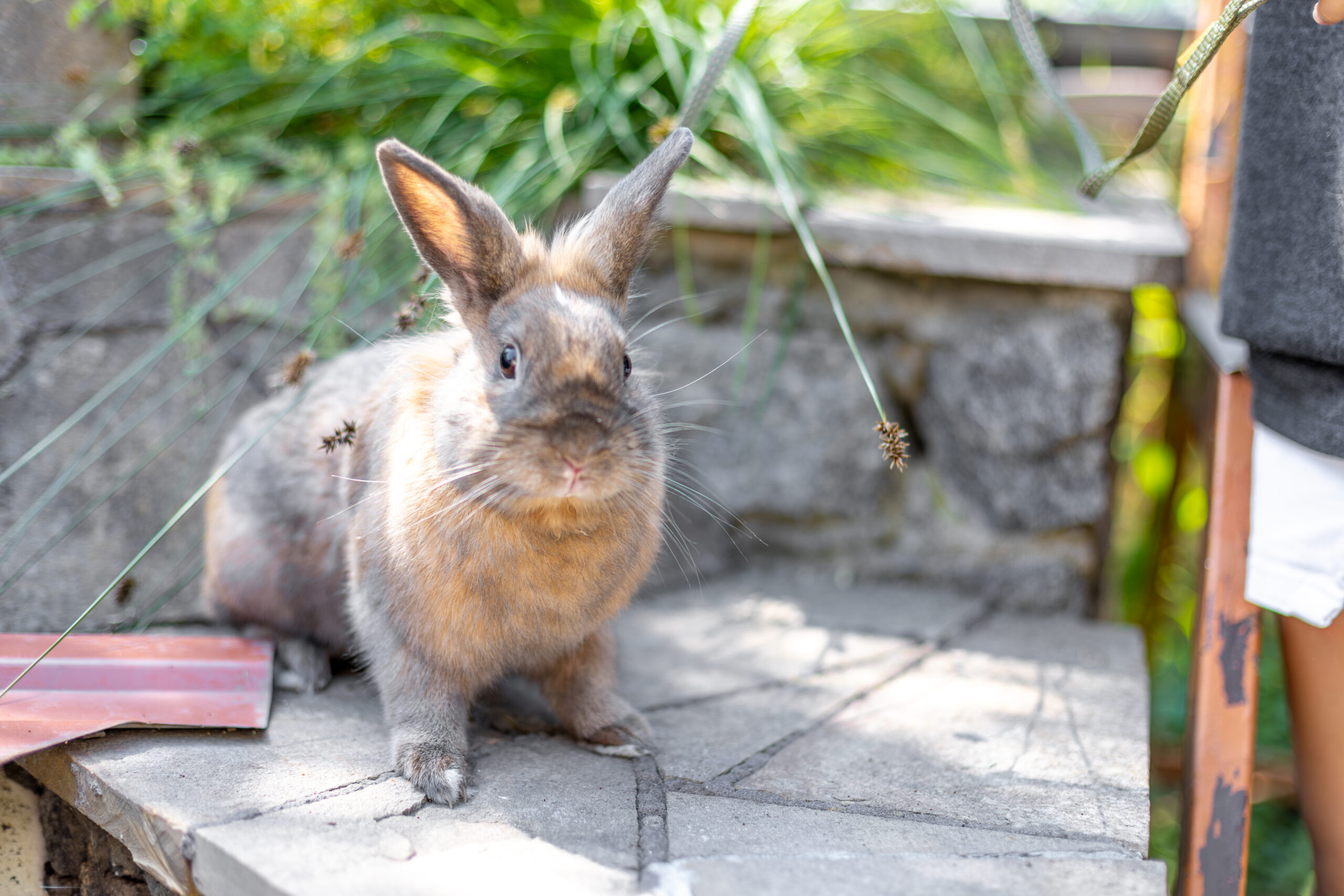
Rabbits are a common surprise visitor in many home gardens. You may not see them during the day, but you notice the results. One morning, a plant looks smaller. The next day, a few leaves are missing. Sometimes a whole seedling is cut down to the soil line. For many gardeners, this becomes a repeating pattern, especially in spring and early summer. Rabbits are quiet, fast, and active at times when people are not outside. Because of this, they can cause damage before you even realize they are nearby.
Herb gardens can bring a special kind of question. Many gardeners grow herbs because they smell strong and taste bold. People often assume herbs will “repel” animals. Sometimes that is true, and sometimes it is not. Rabbits do not follow the same rules every time. What a rabbit chooses to eat depends on what else is available, how hungry it is, and how easy the plant is to reach. A rabbit may ignore an herb all season, then suddenly nibble it when the weather changes or when other plants are gone. This is why it helps to understand rabbit behavior instead of relying on guesswork.
Basil is one of the most popular herbs grown in home gardens. It is used for pesto, pasta, salads, and many other dishes. Basil also grows well in warm weather and can produce leaves for many weeks if it is cared for properly. Many people plant basil in raised beds, in the ground, or in pots near a kitchen door. It is common to grow basil close to other vegetables like tomatoes and peppers, or mixed with flowers in a garden border. Because basil is easy to grow and useful in cooking, it is often planted in several spots around a yard.
At the same time, basil can be a target for garden pests. When a gardener asks, “Do rabbits eat basil plants?” they usually mean one of two things. First, they want to know if rabbits will actually choose basil if they find it. Second, they want to know how to stop the damage before the plant is ruined. Basil can look healthy one day and torn up the next, especially if it is young. Small basil plants have soft stems and tender leaves. That tender growth can be appealing to animals that like fresh greens. Even if basil is not a rabbit’s favorite food, a hungry rabbit may still sample it, especially if it is easy to reach.
This article focuses on what every gardener should know about rabbits and basil plants. You will learn the basic facts about rabbit feeding habits, so you can make smarter choices in your garden. We will explain whether rabbits eat basil, how often they do it, and why it happens. We will also cover what makes basil different from other garden plants. Some plants are almost always eaten first. Others are only eaten when food is limited. Understanding where basil fits can help you decide how much protection your plants need.
Another important part of this topic is safety. Some gardeners have pet rabbits, and others simply care about wildlife. If a rabbit eats basil, is basil harmful to the rabbit? People search for this because they want to protect animals as well as plants. Basil is a common herb used in human food, but animal digestion is not the same as human digestion. It is useful to know what basil contains and whether it can cause problems. This helps you make choices about deterring rabbits in a safe way, without using harsh methods that could harm animals or other parts of your garden.
It is also important to identify what is really eating your basil. Not all leaf damage is caused by rabbits. Insects, slugs, snails, and even other mammals can chew basil leaves. The damage can look similar at first. If you treat every problem as “rabbit damage,” you may waste time and still lose plants. Learning the basic signs of rabbit feeding can help you respond quickly and correctly. It can also help you decide when to use simple barriers, when to adjust your garden layout, and when to focus on other pests instead.
By the end of this article, you should feel confident about three key things. First, you will know the clear answer to whether rabbits eat basil plants and why they might do it. Second, you will know what to look for if you suspect rabbits are visiting your garden. Third, you will have practical steps you can use to protect basil, especially when plants are young and most at risk. Basil can be a strong, productive plant, but it often needs a good start. If you understand how rabbits behave and how basil grows, you can enjoy fresh leaves from your garden while reducing the chance of surprise bites overnight.
Do Rabbits Eat Basil Plants?
Rabbits can eat basil plants. If rabbits can reach your basil, they may nibble the leaves, chew the stems, or even cut a young plant down close to the soil. This does not mean basil is always their favorite food. In many gardens, rabbits go first for softer leafy vegetables. Still, basil is not “rabbit-proof,” and it can be damaged when rabbits are hungry, curious, or feeding a lot in one area.
Rabbits are grazing animals. They spend much of their time looking for tender plants. Gardens are attractive because they often have fresh growth, watered soil, and many plants close together. Basil is a tender herb, especially when it is young. That is why it can become a target, even if rabbits do not seek it out every time.
Direct answer: rabbits can eat basil plants
Rabbits can and do eat basil. They may eat it in small bites or in larger amounts, depending on what else is available in the garden. Some rabbits will take a few leaves and move on. Others may return night after night and slowly strip the plant.
It is also important to know that different rabbits behave differently. A rabbit in one neighborhood may ignore basil, while a rabbit in another area may eat it. This is because rabbits learn what food is easy to get, and they also respond to local conditions like weather and food supply.
How rabbits interact with herbs compared with vegetables
Many gardeners notice that rabbits often prefer common vegetables over strong-smelling herbs. Leafy greens like lettuce, spinach, and young pea shoots are soft, mild, and easy to chew. Basil has a stronger smell and taste than many vegetables. That can make some rabbits less interested.
Even so, rabbits are not always picky. If the garden has fewer options, or if the basil is very tender, rabbits may eat it. Rabbits may also sample many plants. They may take one or two bites from basil, then bite something else. This “tasting” behavior can still cause damage, especially to small plants.
Differences between young basil plants and mature basil plants
Young basil plants are at higher risk. New transplants and seedlings have soft stems and small root systems. A rabbit can cut a young basil plant with one bite. If the stem is cut too low, the plant may not recover.
Mature basil plants are usually tougher and bushier. They have more leaves and stronger stems. If a rabbit eats a few leaves from a mature plant, the basil may still grow back. However, repeated feeding can keep the plant weak. It can also slow growth and reduce how much basil you can harvest.
Another key point is the size of the bite. Rabbits often clip plant parts cleanly, almost like scissors. If a rabbit clips off the main stem of a young basil plant, that is a bigger problem than losing a few leaves on the outer edges.
Situations where rabbits are more likely to eat basil
Rabbits are more likely to eat basil when food is limited or when the basil is the easiest plant to reach. In early spring, wild greens may not be as plentiful yet. Rabbits may then test garden plants as soon as they appear. In late summer or during dry periods, natural food can be less tender. Watered gardens stay green and soft, so rabbits may feed there more often.
Rabbits are also more likely to eat basil if the plant is in an open, easy-to-access spot. Basil planted along the outside edge of a bed, or near a lawn, can be found quickly. Basil planted close to cover, like shrubs, tall weeds, or woodpiles, can also be at risk because rabbits like to stay near hiding places.
Why basil is not usually a rabbit’s first choice
Basil has a strong scent from natural oils in its leaves. Many rabbits prefer mild and sweet plants. Basil can taste sharp compared with lettuce or clover. Because of that, basil is often not the first plant rabbits choose.
But “not first choice” is not the same as “safe.” Rabbits may still eat basil when they are hungry, when they are feeding young, or when they learn that your garden is a reliable food source. If a rabbit gets used to feeding in your garden, it may try more plants over time.
Signs that basil may be eaten by rabbits
If rabbits are eating your basil, you may see clean cuts on stems or missing leaves close to the ground. Rabbits usually feed low, so damage often starts on the lower parts of the plant. A small basil plant may look like it was clipped off, leaving a short stem behind.
You may also notice that the plant looks fine one day and damaged the next morning. Rabbits often feed at dawn, dusk, or during the night. You might also see small round droppings nearby. These droppings can look like little brown pellets. Tracks in soft soil can also be a clue, but they are not always easy to spot.
Keep in mind that other animals can also damage basil. That is why it helps to look at the bite pattern and the height of the damage. Rabbits tend to leave clean cuts and feed close to the ground.
Rabbits can eat basil plants, especially when the plants are young, tender, and easy to reach. Basil is not always their top choice, but it can still be damaged when rabbits are hungry or when the garden has limited options. Young basil plants are at greater risk because one clean bite can cut them down. Mature basil plants may recover from light nibbling, but repeated feeding can weaken them. If you see clean, low cuts, missing leaves, and fresh damage overnight, rabbits may be the cause.
Why Rabbits Eat Certain Plants in Gardens
Rabbits do not eat garden plants at random. Most of the time, they choose plants that are easy to reach, easy to chew, and easy to digest. If your yard has the right mix of food and cover, rabbits may treat it like a safe feeding spot. Understanding why they pick certain plants can help you predict what they might eat next, including basil.
Overview of rabbit feeding behavior
Rabbits are grazing animals. That means they spend a lot of time nibbling small amounts of food throughout the day. In the wild, they often eat grasses, clover, tender weeds, and young shoots. In a garden, they do the same thing, but the “weeds” may be your seedlings and your herbs.
Rabbits are also cautious. They like to feed close to cover, such as shrubs, tall grass, stacked wood, or low fences. This cover helps them hide fast if they feel threatened. If basil is planted near these hiding places, rabbits may feel safe enough to try it, especially if other favorite foods are nearby.
Rabbits usually feed more in the early morning, late afternoon, and at night. In the daytime, they often rest in shaded areas. This is one reason gardeners wake up to fresh damage that was not there the day before.
What attracts rabbits to a garden environment
A garden can be like a buffet for rabbits. It often has many soft plants in one small area. It may also be watered often, which keeps leaves tender and full of moisture. Rabbits like tender growth because it is easier to chew than tough stems and older leaves.
Rabbits are also attracted to calm, quiet spaces. If your garden is near a fence line, a hedgerow, or an open field, rabbits may already be living close by. If there are few predators in your area, rabbits may feel even safer. Over time, they can learn that your garden is a reliable food source.
Even if rabbits do not love basil as much as lettuce or young beans, they may still test it. When rabbits explore a new food source, they often take a few bites first. If they do not dislike the taste, they may come back.
Nutritional needs of rabbits in the wild
Wild rabbits need a diet that supports steady energy and healthy digestion. Their food is usually high in fiber. Fiber helps keep their digestive system moving the right way. In nature, this fiber often comes from grasses and other rough plant material.
But rabbits also look for fresh greens, especially when those greens are young and growing fast. Young plants contain more water and can be easier to digest. They can also contain more nutrients per bite than dry grass.
Basil is not a major wild food for rabbits, but it is still a leafy plant. If rabbits are looking for fresh greens, basil can become part of what they eat. This is more likely when basil is small, soft, and close to the ground.
Seasonal feeding patterns
Rabbits change what they eat based on the season. In early spring, food options may be limited. At the same time, gardens begin to fill with new growth. This is when many gardeners notice rabbit damage on young plants.
In summer, there may be more natural food available, such as clover and wild greens. But summer gardens also offer many soft leaves, and watering keeps plants tender. If rabbits have learned that your garden is safe, they may keep visiting even when other food exists.
In fall, rabbits may feed more as they prepare for colder months. Natural food can start to dry out, and gardens may still have green plants. If basil is still growing, rabbits may nibble it more often during this time.
In winter, rabbits can still be a problem in some areas, but they often focus on bark, twigs, and woody plants when green plants are not available. Basil is usually gone by then in most climates, but indoor or protected herb beds could still be at risk in mild regions.
How plant tenderness and moisture influence rabbit food choices
Rabbits prefer plants that are tender. Soft leaves and young stems are easier to bite through. Basil fits this description when it is young or newly pruned. New basil growth is often very soft, which can make it more attractive.
Moisture matters too. Rabbits can get water from the plants they eat. Leaves that are watered often can be especially appealing. A well-watered basil plant may be more tempting than a dry plant nearby, simply because it is fresher.
This is why rabbit damage often shows up right after planting or after you trim basil. Trimming encourages new growth, and new growth is tender. In rabbit terms, it is easier food.
How plant smell and taste affect rabbit preferences
Smell plays a big role in what rabbits choose. Many strong-smelling herbs can be less attractive to rabbits, especially when compared with mild greens like lettuce. Basil has a noticeable smell, but it is not always strong enough to stop a hungry rabbit.
Taste also matters. Some herbs have bitter or sharp flavors that rabbits avoid. Basil has a mild flavor compared with herbs like rosemary or thyme. That mildness can make basil more “tryable,” especially when rabbits are already feeding nearby.
Still, rabbit preferences are not the same everywhere. One rabbit may ignore basil, while another may eat it. Local food options, weather, and learned behavior all change what rabbits are willing to eat.
Rabbits eat certain garden plants because they are easy to reach, soft to chew, and safe to eat. Gardens attract rabbits by offering tender, watered plants and nearby hiding places. Rabbits also adjust their feeding based on the season, with the highest risk often happening when food is limited or when plants are young. Basil may not be a rabbit’s top choice, but its soft leaves, moisture, and mild taste can make it a target, especially when rabbits feel safe and other favorite foods are close by.
Is Basil Safe for Rabbits to Eat?
Basil is generally considered a safe herb for rabbits to eat in small amounts. In gardens, wild rabbits may nibble basil leaves if they find them easy to reach. Many pet rabbit owners also offer small pieces of basil as a treat. Still, “safe” does not mean a rabbit should eat a large pile of basil every day. Like many herbs, basil is best viewed as an occasional food, not the main part of a rabbit’s diet.
To understand why, it helps to look at what basil contains, how rabbits digest plants, and what changes when a rabbit is wild versus kept as a pet.
Is basil toxic to rabbits?
Basil is not known as a toxic plant for rabbits. The leaves and soft stems are usually the parts a rabbit would eat. If a rabbit takes a few bites of basil, it is not the same as eating a poisonous plant. Most rabbits can handle basil without serious problems when the amount is small.
However, problems can still happen if the basil is dirty or treated with chemicals. Basil from a garden may have pesticide spray, insect dust, or fertilizer residue. Even “natural” sprays can bother a rabbit’s stomach. Basil leaves can also carry soil, mold, or germs if they are damp and left close to the ground. For that reason, basil may be safe as a plant, but not always safe in the real world if it is contaminated.
If you grow basil and you know rabbits are eating it, it is smart to avoid using chemical sprays on that plant. You do not control which animal will nibble it. It is also wise to remove any rotting leaves so mold does not build up.
What nutrients are in basil?
Basil is a leafy herb, so it contains water, fiber, and small amounts of vitamins and minerals. It is not a “power food” that rabbits need, but it can add variety. Basil leaves may contain vitamin A, vitamin K, and some antioxidants. Rabbits do not need basil to be healthy, but the plant is not empty either.
That said, basil is not a substitute for hay. Hay is the main food rabbits need because it supports healthy digestion and helps wear down their teeth. Basil has much less fiber than hay. It is also softer, so it does not help teeth in the same way. In short, basil can be a safe snack, but it cannot do the main jobs that hay does.
Plant compounds in basil and why they matter
Basil has natural plant oils that give it a strong smell. These oils are part of the reason people like basil in cooking. They may also be part of why rabbits often ignore basil when other foods are available. Many rabbits prefer mild greens over strong herbs.
Even though these oils are natural, strong herbs can sometimes upset a rabbit’s stomach if eaten in large amounts, especially if the rabbit is not used to them. A rabbit’s digestive system is sensitive. Sudden diet changes can lead to soft stool, gas, or less appetite. Wild rabbits are used to eating many kinds of plants, but even they may have trouble if they suddenly eat a large amount of one herb.
This is why “a little is fine” is a good rule for basil.
Wild rabbits vs. pet rabbits: why it is not the same
Wild rabbits and pet rabbits live in very different conditions. Wild rabbits choose from many plants each day, and they move constantly. They usually take small bites from many places. If a wild rabbit eats basil, it may only be a few leaves before it hops to something else.
Pet rabbits, on the other hand, may be given a handful of basil in one sitting. That is a bigger, faster change for their stomach. Pet rabbits also depend on humans for food, so they may eat what is offered even if it is not the best amount.
Another key difference is health monitoring. A pet rabbit may already have a sensitive stomach, dental issues, or stress that affects digestion. In those cases, even a safe herb can cause a problem if it is given too often or in large portions.
How rabbits digest herbs like basil
Rabbits are built to digest high-fiber plants. Their digestive system relies on steady movement of food through the gut. When a rabbit eats the right foods, especially hay, the gut stays active.
Soft foods, sugary foods, or too many rich greens can slow the gut or cause gas. Basil is not sugary like fruit, but it is still a soft leafy herb. That means it should not replace the high-fiber foods rabbits need.
If you think a rabbit has eaten basil from your garden, the biggest concern is usually not the basil itself. The bigger concerns are whether the basil was sprayed, whether the rabbit ate a large amount, and whether the rabbit also ate other foods that day that could add up to stomach trouble.
When can basil be a problem even if it is “safe”?
Basil can become a problem in a few common situations. One situation is when basil is treated with pesticides or plant sprays. Another situation is when basil is moldy, slimy, or rotting. A third situation is when a rabbit eats a lot of basil at once, especially if it is not used to it.
There is also the issue of what type of basil it is. Most common basil varieties are similar in safety, but some basil plants can be stronger in smell and oils. Even then, the main issue is still the amount eaten and how suddenly it was introduced.
If you have pet rabbits and you want to offer basil, the safe approach is to introduce it slowly, give small pieces, and watch for changes in stool or appetite. If the rabbit shows signs of stomach upset, stop the herb and return to a basic hay-focused diet.
Basil is generally safe for rabbits to eat in small amounts, and it is not known to be toxic. It has some vitamins and plant compounds, but it does not replace the main foods rabbits need, especially hay. The biggest risks are not the basil itself, but contamination from sprays, mold, or a rabbit eating too much at once. If rabbits are nibbling your garden basil, it usually is not a poison concern. It is more of a garden damage problem and a reason to protect the plant.
Do Rabbits Prefer Basil or Other Garden Plants?
Rabbits can eat basil, but that does not mean basil is their first choice. In most gardens, rabbits go for plants that are softer, sweeter, and easier to chew. Basil has a strong smell and a bold taste. Some rabbits will still eat it, especially when they are hungry, but many will pass it up if better options are nearby.
Plants rabbits often prefer over basil
Rabbits usually prefer tender, mild plants. They like leaves that are thin and soft, not tough or woody. They also like new growth because it is easy to bite off. If your garden has young vegetables or seedlings, rabbits may head straight to those first.
Common “favorite” types of rabbit foods in a garden include leafy greens, young sprouts, and soft stems. These plants are often high in water, easy to chew, and quick to digest. Basil can be eaten, but it is not always as tempting as a patch of fresh lettuce or a row of baby bean plants.
Vegetables rabbits commonly target
Many gardeners notice rabbit damage on vegetables before they ever see damage on herbs. Leafy greens are a big target. Lettuce is often one of the first plants rabbits go for because it is soft, mild, and packed with moisture. Spinach and other tender greens can also be hit hard.
Rabbits may also bite young bean plants, pea shoots, and new growth on many seedlings. Carrot tops can be tempting too, even though the carrots themselves are underground. Rabbits tend to feed close to the ground, so low-growing vegetables and small plants are at the most risk.
If rabbits are visiting your garden often, they may keep returning because these plants give them an easy meal. When rabbits find a safe food source, they often come back night after night.
Why soft, leafy plants attract rabbits more than herbs
Rabbits are built to graze. They are most comfortable eating soft plant material that is easy to clip and swallow. When a rabbit eats in a garden, it wants to stay alert for danger. That means it prefers food it can eat quickly. Soft leaves and tender shoots let the rabbit feed fast and move away if it feels threatened.
Herbs can be different. Many herbs have strong oils and smells. These oils help the plant protect itself in nature. They can make the plant less appealing to animals. Basil has a noticeable scent and flavor, especially when leaves are rubbed or torn. Some rabbits do not like that strong taste, especially when other plants are available.
Also, basil leaves can feel slightly thicker than some leafy greens. A rabbit may still chew them, but it may prefer thinner, softer leaves if it has a choice.
How basil compares with other herbs like mint, rosemary, thyme, and parsley
Basil sits in the middle when it comes to rabbit interest. Some rabbits eat it, some avoid it. Other herbs can be even less appealing. Rosemary and thyme are more woody and have a strong smell. Many rabbits do not like them and may leave them alone. Mint also has a strong scent, and it can be ignored by rabbits in many gardens.
Parsley is a little different. Parsley is an herb, but it is mild and leafy. Because of that, rabbits may be more likely to nibble parsley than basil. If a rabbit is choosing between parsley and basil, it may go for parsley first because it tastes more like a tender green.
It is important to remember that wild rabbits do not all act the same. One rabbit might ignore basil while another rabbit eats it down to the stems. Local food choices matter too. If rabbits are used to eating certain plants in your area, they may be more willing to try herbs.
How plant texture and flavor influence rabbit preferences
Two big factors guide a rabbit’s choice: texture and flavor. Texture matters because rabbits like plants that are easy to bite cleanly. Many gardeners notice that rabbits leave a clean, angled cut on stems and leaves. That kind of bite is easiest on tender plants.
Flavor matters because rabbits often avoid plants with strong oils, bitter taste, or sharp smells. Basil has fragrant oils. These oils are not toxic to rabbits in normal amounts, but they can make basil less attractive compared to mild greens. Still, if a rabbit is hungry enough, or if basil is the easiest plant to reach, it may eat it anyway.
Another key factor is plant age. Young basil plants are softer and more tender than mature basil plants. Seedlings and small starts may be more likely to be eaten than large, bushy basil plants with thicker stems.
Rabbits can eat basil, but they usually prefer other garden plants first. Soft, mild vegetables and tender seedlings often attract rabbits more than strong-smelling herbs. Basil’s bold scent and taste can discourage some rabbits, while others may still nibble it, especially when food is limited. If your garden includes leafy greens or young sprouts, rabbits may target those before they touch basil. Understanding what rabbits prefer helps you protect the most vulnerable plants and plan your garden with fewer surprises.
How to Tell If Rabbits Are Eating Your Basil Plants
Rabbits can damage basil fast, especially when the plant is young and tender. The problem is that rabbits are not the only pests that attack basil. Insects, slugs, and even other animals can leave damage that looks similar at first. If you want to protect your basil, the first step is knowing what is causing the damage. This section will help you spot the clues that point to rabbits, and it will also help you rule out other common garden pests.
Common Signs of Rabbit Damage in Gardens
Rabbit damage often looks sudden. You may check your garden in the morning and see that your basil looks cut down or thinned out. Rabbits usually eat the softer parts of plants. With basil, that means leaves, new stems, and fresh growth near the top.
One common sign is that the plant looks “clipped.” It may look like someone took scissors and cut off stems. Rabbits do not usually strip basil down leaf by leaf the way some insects do. Instead, they bite and remove pieces quickly, often leaving fewer leaves and shorter stems.
Rabbits also tend to feed close to the ground. If the lower part of the basil plant is missing or the plant is cut down near the base, rabbits are a strong possibility. This is especially true in small gardens or beds near fences, shrubs, or other hiding spots.
Bite Marks and Plant Cutting Patterns
The way basil is cut can tell you a lot. Rabbits have sharp front teeth. When they bite, they often leave a clean, angled cut. You might see stems that look sharply snipped off at a slant, rather than torn.
This is different from damage caused by many insects. Insect damage often makes leaves look ragged or full of holes. Rabbits usually remove whole leaves or chunks of stems. If you see missing tops of basil plants with smooth cuts on the remaining stems, that fits rabbit feeding.
Another clue is the height of the damage. Rabbits usually reach only about 12 to 18 inches off the ground, depending on the rabbit and how it stands. If damage is mostly low on the plant, rabbits are more likely. If damage is high up, another animal may be involved.
How Rabbit Feeding Differs From Insect Damage
Insects often leave a pattern that looks like chewing or spotting. With basil, common insect damage includes small holes in the leaves, speckled leaf surfaces, or leaves that look curled and weak. You may also see fine webbing from mites or sticky residue from sap-sucking insects.
Rabbit damage is more “all or nothing.” Leaves may be gone, stems may be cut, and the plant may look reduced in size overnight. You usually will not see tiny holes all over the remaining leaves. Instead, you will see missing plant parts and clean cuts.
Also, insects usually stay on the plant. If you look closely under leaves and around stems, you may find small bugs, eggs, or signs like tiny black droppings from caterpillars. With rabbits, the animal is usually gone by the time you notice damage. So the plant is damaged, but you do not see the pest on it.
Differences Between Rabbit and Deer Damage
Deer can also eat basil, but deer damage often looks different. Deer do not have the same sharp cutting teeth as rabbits. Deer tend to tear leaves and stems, leaving rough, shredded edges. A deer’s bite often looks uneven and messy, like the plant was pulled rather than cut.
Deer also feed higher than rabbits. If basil is planted in a raised bed or near other plants, deer may browse the top growth. Rabbits usually focus on areas they can reach easily, closer to the soil line.
Another difference is the amount of damage. Deer can remove a lot of plant material very quickly. If several plants in a larger area look eaten in the same way, and the damage is higher off the ground, deer may be more likely than rabbits.
Signs of Rabbit Presence Such as Droppings and Tracks
If rabbits are eating your basil, they often leave other clues nearby. Rabbit droppings are small, round pellets. They can be scattered around the garden bed or along pathways. They are usually dark brown or black when fresh and become lighter as they dry.
Rabbit tracks can also help, especially in soft soil or mud. A rabbit’s back feet are larger and longer than the front feet. The track pattern may look like two larger prints in front and two smaller prints behind, because rabbits hop. You may also see disturbed mulch, small tunnels through plants, or areas where grass looks pressed down from repeated movement.
Rabbits like to stay near cover. If your basil is planted near bushes, tall grass, wood piles, or stacked garden materials, rabbits may use those areas to hide. If you see small “runways” or narrow paths in the grass leading toward the garden, that is another strong clue.
When Damage Is Most Likely to Occur
Rabbit feeding often happens at dawn, dusk, or during the night. Rabbits are most active when the garden is quiet. That is why many gardeners notice damage in the morning.
Damage is also more common in early spring, when new plants are tender and rabbits are hungry after winter. It can also happen during dry or hot periods when other green food is limited. Young basil transplants are at higher risk because they are soft, short, and easy to reach.
If you keep seeing repeated damage on the same plants, it may mean rabbits have learned that your garden is a reliable food source. Once rabbits begin visiting regularly, they often return unless the area is protected.
To tell if rabbits are eating your basil, look for clean, angled cuts on stems, missing leaves, and damage that is mostly close to the ground. Check the area for small round droppings, hopping tracks, and signs of rabbit paths or hiding spots nearby. Compare the damage to insect signs like small holes, spotting, or pests on the plant, and compare it to deer damage that looks torn and higher up. When you match the plant damage with these nearby clues, you can feel more confident that rabbits are the cause and choose the right way to protect your basil.
When Rabbits Are Most Likely to Eat Basil
Rabbits do not eat the same plants all year long. What they choose often depends on the season, the weather, and how much other food is available. Basil can become a target at certain times, especially when it is young, tender, and easy to reach. Knowing when rabbits are most likely to eat basil helps you protect your plants before serious damage happens.
Seasonal patterns in rabbit feeding
Rabbits are active in every season, but their feeding habits change as conditions change. In general, rabbits look for the easiest and softest food they can find. They will also return to places where they have found food before. If your garden is a steady food source, rabbits may visit often.
In warmer months, rabbits usually have more choices. They may have access to grasses, weeds, and other plants in the area. Even then, a garden can still attract them because garden plants are often watered, fresh, and soft. Basil fits that description, especially when it is growing fast and producing new leaves.
As the seasons shift, rabbits may become more willing to try plants they usually ignore. This is why basil may be safe for weeks, and then suddenly get chewed down in a short time.
Early spring plant damage
Early spring is one of the most common times for rabbit damage. After winter, natural food options can be limited. Fresh green plants are just starting to grow, and rabbits are hungry. If you plant basil early or set out young transplants, rabbits may notice them quickly.
Young basil plants are also easy to eat. Their stems are soft, and the leaves are close to the ground. Rabbits like plants they can reach without standing up. Basil often grows low at first, which makes it an easy snack.
Another reason spring is risky is that gardeners are planting many tender crops at the same time. If rabbits are already visiting for lettuce, peas, or young beans, they may also sample basil. Even if basil is not their favorite, they may nibble it while they are there.
Late summer and fall feeding behavior
Late summer and fall can also bring more rabbit damage. During late summer, some wild plants dry out or become tough. If rain is low or temperatures are high, rabbits may look for greener and more hydrated plants. A garden herb bed that gets regular watering can stand out.
In fall, rabbits may feed more as they prepare for colder weather. At the same time, many gardens still have fresh growth. Basil may still be producing new leaves, and that new growth is tender. Rabbits often prefer the newest leaves because they are soft and easy to chew.
Fall is also a time when many gardens get less attention. If you stop checking your basil every day, rabbit damage can grow quickly. A rabbit can remove a lot of leaves in one night, especially from a small plant.
How food scarcity influences rabbit feeding habits
Food scarcity is a big factor in what rabbits eat. When rabbits have plenty of natural food, they can be picky. When food is scarce, they become less selective. This is when basil may be eaten even if it is not a top choice.
Scarcity can happen after long dry periods, after a heat wave, or after lawn mowing removes weeds and grass nearby. It can also happen in neighborhoods with many rabbits and not enough natural green space. When too many rabbits share the same area, competition increases. Your garden may become a reliable place for food.
If rabbits learn that basil is safe to eat and easy to access, they may come back often. They may also test nearby plants, which can lead to more garden damage over time.
Environmental conditions that increase rabbit activity
Certain conditions make rabbit visits more likely. Rabbits often feed at dawn and dusk, and they may also feed during the night. If your garden is quiet during those times, rabbits may feel safer entering.
Rainy weather can also increase feeding. Moist soil and fresh growth make plants more appealing. After rain, basil may be extra tender and full of water, which can attract animals looking for easy food.
Cover and shelter matter too. Rabbits prefer gardens with hiding places nearby. Tall grass, thick shrubs, wood piles, low decks, and sheds can all provide cover. If your basil is planted close to those areas, rabbits may be more likely to visit and stay longer.
Why young garden plants are most vulnerable
Young basil plants are at the highest risk. They sit low to the ground, they have soft stems, and they are easy to bite off. Rabbits often clip plants cleanly, leaving a short stem behind. Even a few bites can set a young basil plant back by weeks.
New transplants are also stressed and trying to establish roots. If rabbits eat the top growth during this time, the plant may struggle to recover. Mature basil plants can handle some leaf loss, but small plants cannot. A rabbit does not need to eat the whole plant to cause serious harm. Removing the growing tips can slow growth and reduce leaf production.
Rabbits are most likely to eat basil when conditions make gardens more attractive than the surrounding area. Early spring is risky because natural food can be limited and young basil is tender. Late summer and fall can also be risky when wild plants dry out and rabbits feed more to prepare for colder weather. Food scarcity, quiet feeding times, and nearby shelter can all increase rabbit visits. The most vulnerable basil plants are young seedlings and fresh transplants because they are easy to reach and slow to recover after damage.
How to Protect Basil Plants from Rabbits
Rabbits can damage basil plants when they are looking for easy food in a garden. While basil is not always their favorite plant, rabbits will still eat it if other food is limited or if the plant is young and tender. Because of this, gardeners often need to protect basil plants, especially during the early growing season. There are several practical ways to keep rabbits away from basil plants while still allowing the plants to grow well.
Physical Barriers Such as Fencing and Garden Netting
One of the most reliable ways to protect basil plants from rabbits is to use physical barriers. Rabbits are small animals, but they cannot easily climb or push through strong fencing.
A simple garden fence can stop rabbits from reaching basil plants. For the fence to work well, it should be made from small wire mesh. The openings in the mesh should be small enough that rabbits cannot squeeze through them. Many gardeners use chicken wire or hardware cloth for this purpose.
The height of the fence also matters. Rabbits usually cannot jump very high, but they can hop over low obstacles. A fence that is about two to three feet tall is usually enough to stop them.
It is also important to secure the bottom of the fence. Rabbits sometimes try to dig under barriers. Burying the bottom part of the fence a few inches into the soil can prevent this problem. When the fence is installed correctly, it can protect basil plants for the entire growing season.
Garden netting can also work well for small herb beds. Netting is lightweight and easy to place over plants. It creates a simple barrier that keeps rabbits from reaching the leaves. Many gardeners use netting when basil plants are young and most vulnerable.
Raised Beds and Container Gardening
Another effective way to protect basil from rabbits is to grow the plants in raised beds or containers. Rabbits prefer to feed on plants that are easy to reach from the ground. When basil is placed higher above the soil, it becomes harder for rabbits to access.
Raised beds lift the plants several inches above ground level. This alone can make it more difficult for rabbits to reach the leaves. If a raised bed is combined with a small protective fence, the basil plants become even more secure.
Container gardening offers similar protection. Basil grows well in pots, planters, and other containers. When these containers are placed on patios, decks, or raised platforms, rabbits usually cannot reach them.
Containers also allow gardeners to move basil plants when needed. If rabbits begin to appear in the yard, the containers can be relocated to a safer spot. This flexibility makes container gardening a simple way to reduce wildlife damage.
Plant Placement Strategies in Herb Gardens
Where basil is planted in the garden can also influence how likely rabbits are to eat it. Rabbits usually prefer areas that offer both food and shelter. If basil plants are placed in open spaces, rabbits may feel less safe approaching them.
Planting basil close to frequently used areas of the garden can help reduce rabbit visits. Areas near walkways, patios, or houses often have more human activity. Rabbits tend to avoid these locations because they feel exposed.
Mixing basil with other herbs may also help. Some herbs produce strong scents that rabbits do not enjoy. When basil grows among these plants, the strong smells can make the area less attractive to feeding animals.
Proper plant spacing also improves visibility in the garden. When plants are crowded together, rabbits may feel hidden while they eat. Keeping the garden well organized and open reduces these hiding spots.
Garden Maintenance Practices That Reduce Rabbit Activity
Maintaining a clean and organized garden can also help prevent rabbits from settling nearby. Rabbits look for areas where they can hide during the day. Thick vegetation, piles of leaves, and tall weeds can create shelter for them.
Removing these hiding places reduces the chances that rabbits will stay close to the garden. Regular trimming of grass and weeds keeps the area more open. This makes rabbits feel less secure because predators can see them more easily.
Garden debris should also be removed whenever possible. Piles of wood, brush, or garden waste can create protected spaces where rabbits hide. When these areas are cleared, rabbits are less likely to remain in the yard.
Good garden maintenance also makes it easier to notice signs of rabbit activity early. If droppings, tracks, or plant damage appear, gardeners can act quickly before the problem grows worse.
Removing Rabbit Shelter Areas Near Gardens
Rabbits prefer to live close to areas where food is easy to find. If shelter areas exist near the garden, rabbits may continue to return each day.
Common shelter spots include dense shrubs, thick hedges, wood piles, and unused corners of a yard. These areas provide protection from predators and weather. When rabbits have shelter nearby, they are more comfortable feeding in the garden.
Reducing these shelter areas can help discourage rabbits from living close to basil plants. Trimming dense bushes and clearing unused spaces makes the environment less suitable for them.
This does not require removing all plants or landscaping. Instead, the goal is to prevent thick, hidden spaces where rabbits can hide easily. When the area around the garden is more open, rabbits are more likely to move somewhere else.
Proper Garden Layout to Reduce Wildlife Access
Garden layout can also influence how easily rabbits enter the area. When planning a garden, it is helpful to think about how animals might approach the plants.
Open access points make it easier for rabbits to reach basil beds. If pathways, fences, and borders guide movement through the yard, animals may be less likely to wander into planted areas.
Creating clear boundaries around garden beds can reduce unwanted visits. Raised borders, edging materials, or small barriers help define the space. These features do not need to be large, but they can make the garden less inviting to wildlife.
In addition, keeping basil beds slightly separated from wild areas can help. Gardens placed directly next to woods, fields, or thick vegetation are more likely to attract rabbits. A small open space between these areas can reduce animal movement into the garden.
Protecting basil plants from rabbits is often possible with simple garden strategies. Physical barriers such as fences and netting provide strong protection and are among the most reliable solutions. Raised beds and containers can also reduce rabbit access by lifting plants above ground level.
Plant placement and garden layout play an important role as well. Basil planted in open, active areas is less likely to attract feeding animals. Regular garden maintenance, including clearing weeds and removing debris, helps reduce rabbit shelter and activity near the garden.
When these methods are used together, gardeners can greatly lower the risk of rabbits eating basil plants. By creating a garden environment that is less attractive to rabbits, basil can grow healthy and undamaged throughout the growing season.
Natural Ways to Repel Rabbits from Basil Plants
Many gardeners prefer to use natural methods to protect basil plants from rabbits. These methods focus on changing the garden environment so rabbits feel less comfortable feeding there. Natural deterrents can reduce damage without harming wildlife or affecting plant health. When used consistently, they can help protect basil plants throughout the growing season.
Strong Scents That May Discourage Rabbits
Rabbits rely heavily on their sense of smell when they search for food. Many plants and materials with strong odors can make an area less attractive to them. Because of this, scent-based deterrents are a common natural method used in gardens.
Some gardeners use natural smells that rabbits dislike. These scents can interfere with a rabbit’s ability to detect food. When the smell is strong enough, rabbits may avoid the area and look for food somewhere else.
Garlic, onion, and strong herbal scents are often used around gardens. These smells can make the environment confusing for rabbits. When the scent masks the smell of fresh plants, rabbits may have trouble identifying the food source.
However, scent deterrents often work best when they are refreshed regularly. Rain, watering, and sunlight can weaken odors over time. If the scent fades, rabbits may return to the area. Because of this, gardeners usually combine scent methods with other protective strategies.
Companion Plants That May Reduce Rabbit Activity
Another natural strategy is planting herbs or flowers that rabbits tend to avoid. Some plants have strong aromas or bitter tastes that rabbits do not prefer. When these plants are placed near basil, they may help reduce rabbit interest in the area.
Certain herbs naturally produce strong oils and fragrances. Plants such as rosemary, sage, lavender, and mint are often mentioned as herbs that rabbits may avoid. When planted around a garden bed, these herbs can create a barrier of scent that may discourage rabbits from entering.
Companion planting works best when the plants are arranged around vulnerable crops. For example, gardeners may plant stronger-smelling herbs along the edges of garden beds. This creates a natural border that rabbits encounter before reaching the basil plants.
It is important to understand that companion planting does not guarantee protection. Rabbits will still eat plants if they are hungry enough. However, the presence of strong-smelling plants may reduce how often rabbits enter the garden.
Natural Deterrent Methods Used in Gardens
Several other natural deterrents can help protect basil plants. These methods focus on making the garden environment less appealing or more confusing for rabbits.
One approach is using visual movement in the garden. Objects that move in the wind can make rabbits feel unsafe. For example, reflective materials, lightweight garden decorations, or moving garden elements may cause rabbits to avoid certain areas.
Another method involves changing the ground surface around plants. Rabbits prefer areas where they can move quietly and hide easily. Gardens that are open and well maintained tend to attract fewer rabbits. When hiding places are limited, rabbits may search for food in other locations.
Garden cleanliness also plays a role in reducing rabbit activity. Piles of brush, tall grass, and dense weeds provide shelter for rabbits. If these areas are removed, rabbits are less likely to stay near the garden.
Use of Garden Coverings and Protective Plant Cages
Physical protection can also be considered a natural method because it does not involve chemicals or harmful materials. Coverings and plant cages create a barrier that rabbits cannot easily reach.
Garden mesh, plant covers, or wire cages can be placed around basil plants. These barriers allow sunlight, air, and water to reach the plant while keeping animals away. This method is especially helpful for young basil plants that are more vulnerable to damage.
Raised beds can also help reduce rabbit damage. When plants are elevated and protected with mesh sides, it becomes harder for rabbits to reach them. This can provide an additional level of protection while maintaining natural gardening practices.
Importance of Consistent Protection Methods
Natural rabbit deterrents usually work best when several methods are used together. Rabbits are adaptable animals, and they may return if the garden becomes easy to access again. Because of this, consistency is important.
A garden that combines scent deterrents, companion planting, and physical barriers often has better results than using only one method. Regular garden maintenance also helps prevent rabbits from settling nearby.
By observing rabbit activity and adjusting protective strategies, gardeners can reduce the chances of repeated plant damage.
Natural methods can help discourage rabbits from eating basil plants in the garden. Strong scents, companion plants, and environmental changes may make the area less attractive to rabbits. Garden maintenance and protective barriers can also reduce plant damage. While no single method guarantees complete protection, using several natural strategies together can greatly improve the chances of keeping basil plants safe.
Other Animals That May Eat Basil Plants
If your basil looks chewed, rabbits are only one possible cause. Many garden pests and animals will eat basil leaves, stems, or even whole seedlings. The best way to protect your plants is to identify what is really doing the damage. Different animals leave different clues, and basil can show several kinds of injury depending on the pest.
Insects That Commonly Damage Basil Plants
Insects are a very common reason basil leaves look rough or “bitten.” Unlike rabbits, most insects do not remove an entire leaf at once. They often leave small holes, ragged edges, or thin “window-like” areas where the leaf looks scraped.
One of the most common basil insect pests is the Japanese beetle in areas where it is present. These beetles can chew large sections of leaves and may leave the leaf looking like lace. Caterpillars can also be a problem. They may eat the edges of leaves and can hide under leaves during the day. If you see dark pellets on leaves or soil, that can be caterpillar droppings.
Aphids do not usually chew holes, but they can still damage basil. They suck sap from tender growth, which can cause curled leaves, slowed growth, and sticky residue called honeydew. Whiteflies can cause similar stress. When the plant is stressed, it may look weak even if you do not see major bite marks. You may also notice ants around aphids because ants feed on honeydew.
To tell if insects are the main cause, look closely at the leaves. If you see small holes, speckling, or leaf surfaces that look scraped, insects are more likely than rabbits. Checking early in the morning and at dusk helps, because many pests are active at those times.
Slugs and Snails Feeding on Basil
Slugs and snails love tender leaves, and basil can be a target, especially in damp, shaded gardens. They often feed at night and hide during the day under mulch, boards, pots, or thick ground cover. Their damage usually looks like irregular holes or missing chunks, often starting on lower leaves or near the base of the plant.
A key sign of slugs and snails is a shiny slime trail on leaves or soil. You might also see damage that seems to appear overnight. If your basil is in a humid spot or you water late in the day, slug and snail activity may increase because the soil stays wet longer.
If you suspect slugs or snails, check your basil after dark with a flashlight. You may find them on the leaves or along the soil line. This is one of the easiest ways to confirm the cause.
Deer and Larger Herbivores
Deer can eat basil, though they usually prefer other plants first. If deer are visiting your garden, you may see damage across many plants, not just basil. Deer tend to browse higher up than rabbits, and they can reach deep into a bed. Their feeding often leaves torn edges because deer do not have upper front teeth. Instead of a clean cut, the plant may look ripped or shredded.
If your basil plants are tall and you notice damage on the top growth, deer are more likely than rabbits. Deer also leave footprints, and you may see droppings that are larger than rabbit pellets. Another clue is that deer often feed at dawn and dusk, and they may visit repeatedly once they find a good food source.
Rodents and Small Mammals
Small mammals besides rabbits can also damage basil. Mice, rats, chipmunks, squirrels, and groundhogs can nibble leaves or dig near plants. Some of these animals are attracted to seeds, soil insects, or water sources rather than basil itself, but their activity can still harm basil plants.
Groundhogs are strong eaters and can remove large parts of plants. They may target many garden crops and can cause heavy damage quickly. Squirrels and chipmunks may pull at plants, dig in soil, or break stems while searching for food. In some cases, they may take bites out of leaves without fully eating them.
To spot rodent or small mammal activity, look for disturbed soil, tunnels, holes near beds, and partial bites that do not match rabbit patterns. Some rodents also chew stems close to the base, especially on young plants.
How Damage from Different Animals Looks Different
Comparing the way damage looks can help you narrow down the cause. Rabbits often make clean cuts on stems and leaves, especially on young basil. The cut looks angled and neat, almost like it was clipped with scissors. Insects usually leave smaller holes, speckling, or scraped patches. Slugs and snails leave irregular holes and may leave a slime trail. Deer often leave torn, jagged edges and can strip higher parts of plants. Rodents and other small mammals may dig, pull, or chew stems in ways that look messy or uneven.
It also helps to notice how fast the damage happens. If basil looks fine in the evening and is badly damaged by morning, think about night feeders like rabbits, slugs, snails, and some rodents. If damage grows slowly and you see more small holes over several days, insects are a strong possibility.
Identifying the Correct Garden Pest
Correct identification matters because the best protection depends on the pest. If you assume rabbits are the problem and add a short fence, that will not help if slugs are eating leaves at night. If you use a slug control method but deer are browsing, the basil will keep disappearing. Start with simple checks. Look for tracks, droppings, slime trails, and the height and style of bite marks. Check plants early in the morning and again after dark. Also look beyond the basil. If many types of plants are damaged, a larger animal may be responsible. If only basil has small holes and rough leaf surfaces, insects may be the main cause.
Basil can be eaten by many garden pests, not just rabbits. Insects often cause small holes, speckling, or scraped leaf areas. Slugs and snails tend to feed at night and may leave slime trails. Deer can browse higher growth and leave torn edges. Rodents and other small mammals may chew, dig, or break stems. By looking closely at bite patterns, timing, and clues like droppings or trails, you can identify the real pest and choose the right protection method for your basil.
Can Rabbits Damage Basil Plants Permanently?
Basil is a fairly tough herb once it is established, but rabbit damage can still be a big problem. Whether the harm is permanent depends on how much of the plant is eaten, how healthy the basil was before the damage, and how fast you protect it afterward. The good news is that basil can often recover. The bad news is that repeated grazing or a single heavy bite at the wrong spot can set the plant back for the rest of the season.
How basil plants respond to grazing damage
When rabbits eat basil, they usually go for soft, tender growth. That often means the top leaves, young stems, and new shoots. Basil grows by pushing new leaves from growing points, often near the top of the stem and at the joints where leaves meet the stem. If a rabbit clips the plant above a set of healthy leaf nodes, basil may respond by branching. In simple terms, the plant can grow two new side shoots from that point, which can make it fuller later.
But basil also loses energy when leaves are removed. Leaves are like the plant’s “food factories.” They capture sunlight and help the plant make energy. If too many leaves are eaten, the plant cannot make enough energy to grow well. That is why basil often looks stunted after heavy feeding, even if it does not die.
A small amount of nibbling is usually not permanent. Basil can replace a few leaves and keep growing, especially in warm weather with steady watering. A big bite that removes most leaves or breaks the main stems can slow growth for a long time.
Whether basil can regrow after being eaten
Basil can regrow after being eaten if the plant still has healthy nodes and at least some leaves left to support recovery. If a rabbit removes the top of the plant but leaves lower leaves and stem joints, basil can often bounce back within a few weeks. You may see new shoots forming from the leaf nodes on the remaining stems.
If the rabbit eats the plant down to the soil line or pulls it out by the roots, regrowth is less likely. Basil does not regrow well from a severed stem with no nodes left. If the main stem is cut below the lowest leaf nodes, there may be no place for new growth to start. In that case, the plant may die or stay tiny and weak.
Seedlings and very young transplants are the most at risk. A small basil plant may only have a few sets of leaves. If those are eaten, the plant may not have enough stored energy to recover. Larger basil plants with thicker stems and more nodes usually have a better chance.
Factors that influence plant recovery
Several factors decide how well basil recovers after rabbit damage. The first is temperature. Basil is a warm-season herb. It grows best when days are warm and nights are mild. In cool weather, basil grows slowly, so recovery takes longer.
The second factor is sunlight. Basil needs strong light to regrow. If the plant is in shade, it may struggle to replace leaves. Good soil also matters. Basil grows best in well-drained soil with steady moisture. After damage, the plant needs water, but not soggy soil. Too much water can stress the roots and invite disease.
The amount of damage matters, too. A plant that loses a few leaves may recover fast. A plant that loses most of its leaves may take much longer and may never reach full size that season. Repeated rabbit visits can also make recovery almost impossible. Even a strong plant can fail if it is chewed every few days.
How pruning and regrowth work in basil plants
Pruning is useful because basil is a plant that responds well to cutting when it is done correctly. In normal gardening, people pinch basil tops to encourage branching. Rabbit damage can sometimes act like rough pruning, but it is not clean or controlled.
If your basil was chewed, you can help it regrow by trimming damaged, torn stems to a clean cut. Use clean scissors or pruners and cut just above a healthy leaf node. This helps the plant focus on new growth instead of trying to heal ragged tissue. Removing badly damaged parts also lowers the chance of rot and disease.
You should avoid cutting too much after rabbits already ate the plant. If the basil has few leaves left, it needs those leaves to recover. Focus on cleaning up broken stems, not shaping the plant like you would during normal harvesting.
Conditions that help basil recover faster
After rabbit damage, your goal is to reduce stress and prevent another attack. Protection is key. If rabbits return, the plant may never recover. Use a barrier like a small plant cage or fencing around the herb bed so new growth is not eaten again.
Steady watering helps basil regrow, especially during hot days. Water at the base of the plant so leaves stay dry, which can reduce disease. A light feeding may help if your soil is poor, but avoid heavy fertilizer. Too much fertilizer can push soft growth that attracts more nibbling and can make the plant weak.
Mulch can help by keeping soil moisture steady and reducing weeds that compete for water. Also check for other pests. Sometimes basil is stressed by insects or slugs, and rabbit damage makes the plant even weaker. A healthy basil plant with good light, water, and protection has the best chance to rebound.
Rabbits can damage basil badly, but the harm is not always permanent. Basil often regrows if it still has healthy leaf nodes and enough leaves to make energy. Recovery depends on how much was eaten, how warm and sunny the growing conditions are, and whether the plant is protected from repeat grazing. If you clean up torn stems, keep watering steady, and block rabbits from returning, many basil plants can recover and keep producing for the rest of the season.
Conclusion: What Gardeners Should Remember About Rabbits and Basil
Rabbits are common visitors in many gardens, and they often look for easy food sources among vegetables, flowers, and herbs. Gardeners often worry that rabbits will eat their basil plants and ruin their herb beds. The simple answer is that rabbits can eat basil plants, but basil is usually not their first choice. Rabbits prefer soft, leafy vegetables that have mild flavors and high moisture. Plants like lettuce, beans, carrots, and young greens are often more attractive to them. Basil has a strong smell and flavor compared with many garden vegetables, which can make it less appealing. Even so, rabbits may still eat basil if food is limited or if the plants are young and tender.
It is also important to understand that basil itself is not toxic to rabbits. Basil leaves contain natural plant compounds, vitamins, and moisture that animals can digest. In the wild, rabbits eat many types of leafy plants and herbs when they are available. Because of this, a rabbit that eats basil is usually not harmed by it. However, this does not mean gardeners want rabbits feeding on their plants. Even small animals can damage young herbs quickly, especially when the plants are still growing and developing.
One useful step for gardeners is learning how to recognize rabbit damage. Rabbits leave clear signs when they feed in a garden. Their bites often look clean and sharp because rabbits use their strong front teeth to cut plant stems and leaves. Basil plants that have been eaten by rabbits may appear clipped close to the ground or have leaves missing from the lower parts of the plant. You may also notice small round droppings, tracks in the soil, or paths through grass that show where rabbits move through the garden. Most feeding activity happens in the early morning or late evening, when rabbits are most active.
Season also plays a role in rabbit feeding habits. In early spring, rabbits search for fresh green plants after winter. This is when young basil seedlings may be most vulnerable. Later in the season, rabbits may eat a wider variety of plants if natural food becomes scarce. In late summer or fall, gardens with limited plant options may attract rabbits looking for any available greenery. Because of these seasonal patterns, gardeners often notice damage during certain times of the year rather than all season long.
Fortunately, basil plants can sometimes recover after mild damage. Basil is a plant that responds well to pruning. When leaves or stems are removed, the plant may grow new shoots and continue producing leaves. However, severe grazing can weaken the plant or slow its growth. Young basil plants are especially sensitive because they have fewer leaves and smaller root systems. Protecting basil during its early growth stages is often the most important step for maintaining healthy plants.
Garden protection is one of the best ways to reduce rabbit damage. Physical barriers are often the most reliable solution. Simple fencing, plant cages, or garden netting can prevent rabbits from reaching basil plants. Raised beds and container gardening can also help limit access. These methods create a physical obstacle that rabbits cannot easily cross. Removing hiding spots such as tall grass, brush piles, or dense shrubs near the garden may also reduce rabbit activity, since rabbits prefer areas where they can quickly hide from predators.
Some gardeners also use natural deterrent strategies to discourage rabbits. Strong scents, companion planting, and protective coverings are common methods used in gardens. While these methods may help in some situations, they usually work best when combined with physical protection. Consistent garden care and monitoring can help prevent small problems from turning into larger ones.
It is also helpful to remember that rabbits are not the only animals that may eat basil plants. Several insects and garden pests feed on basil leaves. Slugs and snails can create holes or chew marks in leaves. Deer may eat larger portions of plants and leave rough, torn edges. Rodents and other small mammals may also nibble on herbs in certain environments. Because different animals leave different signs, identifying the correct pest is an important step before choosing a solution.
In the end, rabbits can eat basil plants, but basil is rarely their favorite food. Gardeners who understand rabbit behavior, feeding habits, and seasonal activity can better protect their plants. Learning to recognize the signs of rabbit damage, using barriers to protect young plants, and maintaining a well-managed garden can all help reduce problems. With the right approach, it is possible to grow healthy basil while keeping rabbits from turning the garden into their feeding area.
Research Citations
Mohamed, H. E., Abbas, M. S., Mahmoud, A. E. M., & Sobhy, H. M. (2024). Impact of partial replacement of clover by anise, basil, mint and fennel remnants in rabbits diet on blood constituents. Pakistan Journal of Biological Sciences, 27, 426–438.
El-Adawy, M. M., Salem, A. Z. M., Khodeir, M. H., Khusro, A., Elghandour, M. M. M. Y., Hernández, S. R., & Al-Shamandy, O. A. A. (2020). Influence of four tropical medicinal and aromatic plants on growth performance, digestibility, and blood constituents of rabbits. Agroforestry Systems, 94, 1279–1289.
Morshedy, S. A., Zweil, H. S., Zahran, S. M., Ahmed, M. H., & El-Mabrok, B. M. (2019). Growth performance, carcass traits, immune response and antioxidant status of growing rabbits supplemented with peppermint and basil essential oils. Egyptian Poultry Science Journal, 39(1), 61–79.
Nguyễn, T. M. T., Nguyễn, T. L., Trần, T. D., & Trần, V. M. (2021). Effects of basil (Ocimum basilicum L. Lamiaceae) extract on experimental rabbits’ hepatic functions. Viet Nam Journal of Traditional Medicine and Pharmacy, 40(7), 17–23.
Dawood, A. A., & Jumaa, A. S. (2014). Effect of basil leaves (Ocimum basilicum) addition on some blood biochemical parameters in local rabbits. Al-Anbar Journal of Veterinary Sciences, 7(2), 52–56.
Rachmawati, E., & Muhammad, R. F. (2021). The ethanolic extract of holy basil leaves (Ocimum sanctum L.) attenuates atherosclerosis in high fat diet fed rabbit. AIP Conference Proceedings, 2353(1), 030113.
Jyoti, S., Satendra, S., Sushma, S., Anjana, T., & Shashi, S. (2007). Antistressor activity of Ocimum sanctum (Tulsi) against experimentally induced oxidative stress in rabbits. Methods and Findings in Experimental and Clinical Pharmacology, 29(6), 411–416.
EFSA FEEDAP Panel. (2025). Safety and efficacy of a feed additive consisting of a tincture derived from the leaves of Ocimum basilicum L. (basil tincture) for use in all animal species (FEFANA asbl). EFSA Journal, 23(7), e9543.
Abdel-Rahman, K. M., Ahmed, B. M., Abousekken, M. S., Nayel, U. A., & Musa, A. M. (2018). Effect of some medicinal plant wastes on rabbit performance, digestibility, and nitrogen balance. Egyptian Journal of Nutrition and Feeds, 21(2), 455–467.
Abousekken, M. S. M., Kewan, K. Z., & Zaky, A. M. (2007). Nutritional evaluation of parsley and basil hay for growing rabbit diets. Proceedings of the 5th International Conference on Rabbit Production in Hot Climates, Hurghada, Egypt.
Questions and Answers
Q1: Do rabbits eat basil plants in the garden?
Yes, rabbits do eat basil plants. Basil leaves are soft and fragrant, which makes them attractive to rabbits looking for easy food. If rabbits are present in a garden, they may nibble on basil plants, especially young leaves and tender stems.
Q2: Are basil plants safe for rabbits to eat?
Basil plants are generally safe for rabbits to eat in small amounts. Basil is a non-toxic herb and can be part of a rabbit’s diet. However, large amounts may cause mild digestive upset, so it is best eaten in moderation.
Q3: Why do rabbits eat basil plants?
Rabbits eat basil plants because the leaves are soft, aromatic, and easy to chew. The strong scent of basil does not always repel rabbits, and they may be drawn to the plant if other food sources are limited in the garden.
Q4: Will rabbits destroy a basil plant?
Rabbits can damage or destroy a basil plant if they feed on it repeatedly. They often chew the leaves and may cut the stems close to the ground. Young basil plants are especially vulnerable because they have fewer leaves and weaker stems.
Q5: Do rabbits prefer basil over other garden plants?
Rabbits usually do not prefer basil over all other plants, but they may eat it if it is available. They tend to favor tender vegetables like lettuce, beans, and young shoots. Basil may become a target when these preferred foods are not nearby.
Q6: How can you tell if rabbits are eating your basil plants?
Signs that rabbits are eating basil include clean, angled cuts on stems and missing leaves. Rabbit damage often occurs close to the ground. Gardeners may also notice small droppings or tracks around the affected plants.
Q7: Do rabbits eat basil plants at night?
Rabbits are most active at dawn and dusk, but they may also feed during the night. If basil plants appear damaged in the morning, rabbits may have visited the garden overnight to feed.
Q8: Are young basil plants more likely to be eaten by rabbits?
Yes, young basil plants are more likely to be eaten by rabbits. Their tender leaves and soft stems are easier for rabbits to chew. Mature basil plants may be slightly tougher and less attractive, but rabbits may still eat them.
Q9: Can rabbits eat basil leaves from a garden safely?
Rabbits can eat basil leaves safely as long as the plants have not been treated with pesticides or chemicals. Clean, untreated basil leaves are generally considered safe for rabbits in small amounts.
Q10: What can gardeners do if rabbits keep eating basil plants?
Gardeners can protect basil plants by using physical barriers such as garden fencing or plant covers. Raised beds, wire mesh, and rabbit-resistant garden designs can help prevent rabbits from reaching the plants. Removing hiding spots nearby may also reduce rabbit activity in the garden.