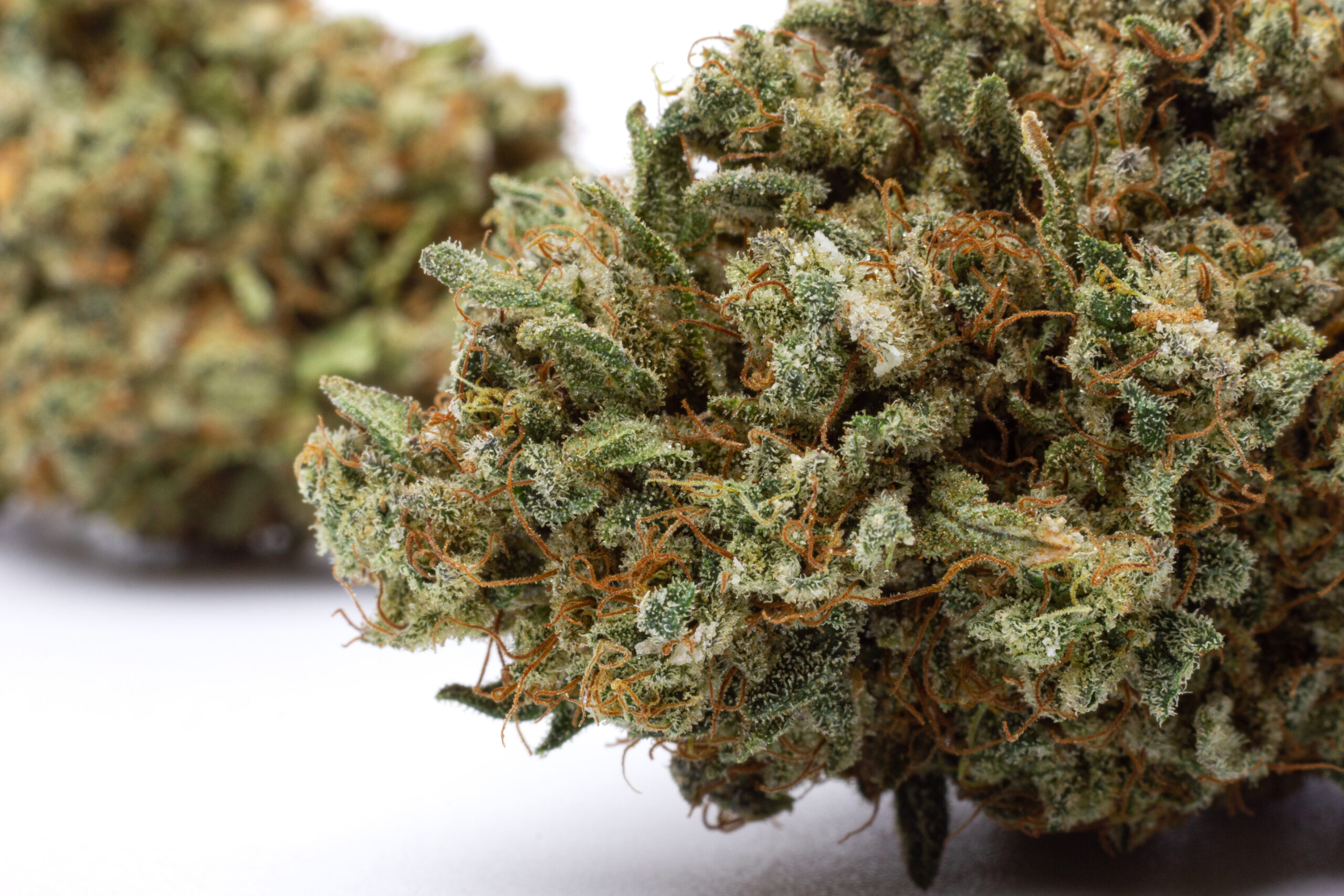
Dry weed is a common problem for cannabis users. It happens when cannabis buds lose too much moisture and become brittle, crumbly, and harsh to use. Many people notice that their weed feels dry when it breaks apart too fast, turns to dust in the grinder, or burns much faster than expected. Even if the cannabis still looks fine at first glance, dryness can change the full experience. It can affect how the flower smells, tastes, feels in the hand, and burns when used. That is why it is important to understand what dry weed is, how to spot it, and what can be done to prevent or fix it.
Cannabis needs the right moisture balance to stay in good condition. If it is too wet, it may develop mold or spoil. If it is too dry, it can lose some of the qualities that make it enjoyable and easier to use. Good cannabis is not supposed to feel soggy, but it also should not feel like dry leaves or dust. Properly stored flower usually has some softness, a little stickiness, and a texture that holds together without falling apart too easily. When that balance is lost, the bud may still be usable, but the quality often drops.
One of the biggest reasons moisture matters is because it affects flavor and smell. Cannabis contains compounds called terpenes, which help give each strain its scent and taste. These are what create earthy, fruity, spicy, citrus, pine, or sweet notes in the flower. When weed becomes too dry, those scents can fade. A bud that once smelled strong and fresh may start to smell weak, flat, or stale. The flavor can also become less pleasant. Instead of tasting rich and smooth, dry weed may taste dull, hot, or burnt. For many users, this is one of the first signs that the flower is no longer in its best shape.
Dryness also changes the texture of the cannabis. Healthy buds usually feel slightly springy when gently squeezed. They should not be wet, but they should not snap apart like dry herbs either. Overly dry weed becomes crispy and fragile. Small pieces may break off with very little pressure. The outside may feel rough, and the inside may no longer have any softness. This matters because texture can tell a lot about storage conditions. If the flower has been sitting in the wrong environment, exposed to too much air, heat, or low humidity, it will often show clear signs of dryness.
Another important issue is how dry weed affects the smoking or vaping experience. Cannabis that is too dry often burns faster and hotter than flower with balanced moisture. This can make the smoke feel rougher on the throat and lungs. Instead of a slow, even burn, the flower may burn too quickly and waste material. Some people also find that dry weed is harder to handle because it crumbles into very fine pieces, which can make packing, rolling, or grinding less controlled. In short, even when the cannabis still contains active compounds, the overall experience may feel less smooth and less enjoyable.
Many people also wonder if dry weed loses potency. This is a very common question. In many cases, overly dry cannabis does not become completely useless, but dryness can still lower quality over time. The main changes often happen in smell, flavor, and burn. Even if the effects are still present, the flower may not feel as fresh as it once did. This is why storage matters so much. Cannabis should be kept in a way that protects it from too much air, direct light, heat, and very low humidity.
The good news is that dry weed is often preventable. In some cases, it can also be improved if it has not become too damaged. There are safe ways to restore a small amount of moisture to cannabis, but the process needs care. Adding too much moisture too fast can create a different problem by making the flower too damp, which increases the risk of mold. For that reason, it is important to learn both sides of the issue: how to fix weed that has become too dry and how to store cannabis properly so it stays fresh longer.
This guide explains the full picture in simple terms. It covers what dry weed is, why cannabis dries out, and how to tell when flower has lost too much moisture. It also explains the ideal moisture range for storage, whether dry weed can still be used, and what happens to flavor, smell, and texture when buds become overly dry. You will also learn safe ways to rehydrate cannabis, how long that process may take, and what storage mistakes to avoid. By understanding moisture balance, readers can make better choices about cannabis care and keep flower in better condition for longer.
What Is Dry Weed?
Dry weed is cannabis that has lost too much of its natural moisture. A cannabis bud should not be wet, but it also should not be so dry that it turns to dust when touched. Good cannabis has a balanced feel. It should be slightly soft, a little sticky, and easy to break apart by hand. When weed becomes too dry, that balance is lost. The buds start to feel crisp, weak, and brittle. They may crumble too fast, burn too quickly, and lose much of their smell.
To understand dry weed, it helps to know that cannabis is a plant material. Like other dried plants, it holds some moisture even after harvest. That moisture level matters because it affects how the bud feels, smells, tastes, and burns. If there is too much moisture, the cannabis may not burn well and could even grow mold. If there is too little moisture, the cannabis may become harsh, fragile, and less enjoyable to use. Dry weed is the result of cannabis losing more water than it should during storage, handling, or poor curing.
Dry Weed Is Not the Same as Properly Cured Weed
Many people think all dried cannabis is the same, but that is not true. Properly cured weed is dried in a controlled way after harvest. This process removes enough moisture to make the cannabis safe to store and use, but not so much that the buds become overly dry. Curing also helps improve smell, flavor, and smoothness. A well-cured bud keeps its shape, has some stickiness, and still feels alive in a way. It is dry enough to burn well, but not dry enough to fall apart too easily.
Dry weed, on the other hand, has gone past that point. It has lost too much moisture. This can happen if the buds are left in a container that is not sealed well, stored in a place that is too hot or too dry, or kept for too long without humidity control. Properly cured weed still has a balanced texture. Dry weed feels flat and fragile. Properly cured weed often has a rich smell. Dry weed may smell weak, dull, or faded.
This difference is important because many people judge cannabis by how it looks, smells, and feels. A bud that is simply cured will still seem fresh. A bud that is too dry often seems old, tired, or poor in quality, even if it was once good cannabis.
How Moisture Affects Cannabis Buds
Moisture plays a big part in the quality of cannabis. Cannabis buds are made of plant tissue, and that tissue needs a small amount of water to stay in good shape. When that moisture is at the right level, the bud feels slightly springy when pressed. It does not feel wet, but it also does not snap apart like a dry leaf.
As moisture leaves the bud, the structure changes. The outside may become rougher. The inside may lose softness. Small parts of the flower, such as sugar leaves and tiny stems, may become stiff and easy to break. The whole bud may seem lighter and more fragile. This is often one of the first signs that the weed is becoming too dry.
Moisture also affects the smell of cannabis. Much of the smell comes from compounds called terpenes. These are delicate compounds that can fade when cannabis is exposed to air, heat, and dryness. When weed becomes too dry, the smell may become weaker or less pleasant. Some people notice that dry weed smells like hay, dry grass, or almost nothing at all. That does not always mean the cannabis has no effect, but it does mean that some of its original quality may be lost.
Why Water Content Matters for Quality
Water content matters because it affects more than just texture. It changes the whole user experience. A cannabis bud with the right moisture level is easier to handle. It breaks apart in a clean way. It can be ground more evenly. It also burns at a steadier rate. This can lead to a smoother smoking or vaping experience.
When cannabis is too dry, it often burns too fast. That can make the smoke feel hotter and harsher on the throat. The flavor may seem sharp, plain, or burnt. Because the bud is dry and crumbly, it can also turn into powder too easily when ground. This may affect how evenly it burns.
Balanced water content also helps protect the bud during storage. A bud that is too dry may keep losing smell and flavor over time. A bud with proper moisture is more likely to hold onto its better qualities for longer, especially when stored in the right kind of container.
Why Humidity Matters During Storage
Humidity is one of the main reasons cannabis stays fresh or becomes too dry. If the air around the weed is very dry, the bud will slowly lose moisture into that air. This is why cannabis often dries out when it is stored in a place with low humidity or in a container that is opened too often.
Good storage helps keep the moisture level stable. That is important because cannabis quality depends on balance. Very dry air pulls moisture out of the buds. Very damp air adds too much moisture and may create mold risk. The goal is not to make weed wet. The goal is to help it stay in a safe middle range where texture, smell, and burn quality remain steady.
Why Balanced Moisture Helps Preserve Cannabinoids and Terpenes
Cannabinoids and terpenes are two important parts of cannabis. Cannabinoids are compounds such as THC and CBD, while terpenes are the aromatic compounds that give cannabis its smell and help shape its flavor. Balanced moisture helps protect these compounds during storage.
Cannabinoids are often more stable than terpenes, which means dry weed may still have some of its effects. Still, when a bud becomes too dry, the terpenes are often the first thing to suffer. This is why dry weed may still work, but not taste or smell as good. It may feel less fresh and less enjoyable, even if it is still usable.
Keeping the right moisture level does not make cannabis stronger, but it does help preserve the quality that is already there. That means better smell, better flavor, better texture, and a smoother overall experience.
Dry weed is cannabis that has lost too much moisture. It is different from properly cured weed, which is dried in a controlled way and kept at a balanced moisture level. When cannabis becomes too dry, it can feel brittle, lose its smell, burn too fast, and become harsher to use. Moisture and humidity matter because they help protect the bud’s texture, flavor, aroma, and overall quality. In simple terms, dry weed is not just old weed. It is cannabis that has moved out of the ideal moisture range and lost some of the qualities that make it fresh and enjoyable.
Why Does Cannabis Become Too Dry?
Cannabis becomes too dry when it loses too much of its natural moisture. A healthy cannabis bud should not feel wet, but it also should not feel brittle or dusty. Good cannabis has a balanced moisture level. This balance helps protect the bud’s texture, smell, flavor, and overall quality. When that balance is lost, the flower dries out too much and starts to break down faster.
There is no single reason why cannabis becomes overly dry. In most cases, it happens because of poor storage, too much air exposure, strong light, too much heat, or simply too much time. Dry air in the room can also speed up the process. To understand why this happens, it helps to look at each cause one by one.
Improper Storage
One of the most common reasons cannabis becomes too dry is improper storage. Cannabis flower is sensitive to the environment around it. If it is stored in the wrong type of container, it can lose moisture little by little until it becomes harsh and crumbly.
For example, thin plastic bags are often a poor choice for long-term storage. They do not always seal well, and they can let air move in and out. This causes the buds to dry faster. Some cheap containers also do not protect the flower well from outside heat or light. Even if the cannabis was fresh at first, bad storage can slowly ruin its condition.
A better storage setup helps keep the flower stable. When cannabis is not protected, it keeps reacting to the room around it. If the room is dry, the flower becomes dry too. If the room is warm, the flower may lose moisture even faster. Improper storage is often the start of the problem.
Exposure to Air
Air exposure is another major cause of dry cannabis. Every time cannabis is exposed to open air, it starts to lose a little more moisture. This happens because the water inside the bud slowly moves out into the surrounding environment.
If a container is not airtight, this moisture loss happens all the time, even when the container is closed. If the container is opened often, the problem gets worse. Each time it is opened, fresh air enters and affects the flower again. Over time, the buds become dry, loose, and easy to crumble.
Air exposure also affects the smell of cannabis. The strong scent of cannabis comes from compounds called terpenes. These compounds are delicate. When cannabis is exposed to too much air, some of those compounds fade away. That is why dry weed often smells weaker than fresh weed. It may still look usable, but much of its aroma and freshness may already be gone.
Exposure to Light
Light can also make cannabis dry faster. This is especially true when the flower is left in direct sunlight or strong indoor light for long periods. Light adds stress to the plant material and can slowly damage its quality.
When cannabis is stored in a clear container and left near a window, it is exposed to both light and heat at the same time. This can speed up moisture loss. The outside of the bud may begin to feel dry first, but the whole flower will eventually lose its balance.
Light does not only affect moisture. It can also reduce the quality of the flower over time. This means the cannabis may not just become dry. It may also lose some of the features that made it enjoyable in the first place, such as smell, flavor, and freshness.
Exposure to Heat
Heat is one of the fastest ways to dry out cannabis. Warm conditions cause moisture to leave the buds more quickly. If cannabis is stored near a stove, inside a hot car, close to electronics, or in a room that gets too warm, it can dry out in a short time.
Heat can be especially harmful because it does not just dry the flower. It can also affect the delicate compounds inside it. This means the cannabis may burn faster, taste harsher, and feel older than it really is. Even if the buds still look fine from the outside, heat may already have caused damage inside.
A stable, cool place is usually much better for storage. Big changes in temperature can also be a problem. When cannabis moves from cool to warm places again and again, it becomes harder to keep its moisture level balanced.
Long Storage Periods
Cannabis can also become too dry simply because it has been stored for too long. Even under decent conditions, flower does not stay fresh forever. As time passes, it slowly loses moisture. The longer it sits, the more likely it is to become dry.
This is even more common when people save cannabis without checking it often. A jar may seem fine from the outside, but after weeks or months, the buds inside may have become much drier than expected. Long storage does not always ruin cannabis right away, but it often lowers quality over time.
Old cannabis is usually easier to break apart. It may feel rough, dry, or thin. Its smell may also become weak. Time alone can change the flower, especially when storage conditions are not ideal.
Low Humidity Environments
The humidity of the room plays a big role in cannabis storage. Humidity means the amount of moisture in the air. If the air is very dry, cannabis will lose moisture faster. This is because the dry air pulls water from the buds until both reach a more equal balance.
This is why cannabis often dries out faster in air-conditioned rooms, cold seasons, desert climates, or homes with very dry indoor air. Even if the flower is stored in a container, low humidity can still affect it if the seal is not strong enough.
Low humidity environments can make fresh cannabis become brittle in a short time. Buds may start to snap instead of bend. They may grind into powder too easily. This is a clear sign that the flower has lost too much moisture.
Cannabis becomes too dry for several simple reasons. Poor storage, too much air, strong light, too much heat, long storage times, and low humidity can all pull moisture out of the buds. Once that happens, the flower may lose texture, smell, flavor, and freshness. In short, dry cannabis is usually the result of too much exposure and not enough protection. Understanding these causes is important because it helps people store cannabis better and prevent dryness before it becomes a bigger problem.
How to Tell If Weed Is Too Dry
Knowing how to tell if weed is too dry is important because dryness can change the way cannabis smells, feels, tastes, and burns. A bud may still look normal at first, but once you touch it or break it apart, the signs often become clear. Dry weed is not always ruined, but it is usually lower in quality than cannabis that has been stored at the right moisture level. When weed becomes too dry, it can lose some of the features that people look for, such as a rich smell, a slightly sticky feel, and a smooth smoking experience.
Look at the Texture of the Buds
One of the first ways to check for dryness is to look closely at the texture of the buds. Cannabis that is in good condition usually looks slightly soft, dense, and well formed. It should not look dusty, flat, or fragile. Dry weed often looks rougher on the outside. The flower may seem thin, faded, or brittle instead of full and healthy.
When buds become too dry, the outer parts may start to look loose or flaky. Small plant pieces may fall off easily even without much pressure. In some cases, the bud may look like it is shrinking. This happens because it has lost too much internal moisture over time. A very dry bud may also seem light for its size because it no longer holds enough water inside the plant material.
Texture matters because it gives a quick visual clue before you even touch the cannabis. If the buds look dry and weak instead of fresh and slightly springy, that is often the first sign that moisture has dropped too low.
Feel Whether the Weed Is Brittle
Touch is one of the easiest ways to tell if weed is too dry. A healthy bud should feel a little soft and a little firm at the same time. It should not feel wet, but it also should not feel like it will snap apart right away. When you gently press a good bud, it may give slightly under your fingers and then hold its shape.
Dry weed feels different. It often feels hard, thin, or brittle. If you squeeze it lightly, it may crack instead of compressing. The outside may feel dry like paper or dry leaves. This brittle feel is one of the strongest signs that the flower has lost too much moisture.
The stems can also help you judge dryness. In cannabis that still has a balanced moisture level, smaller stems may bend a little before they break. In overly dry weed, stems often snap very fast with almost no bend at all. That sharp snap can be a simple clue that the flower is too dry.
Check if the Buds Crumble Too Easily
Another clear sign of overly dry weed is how it breaks apart. Cannabis in good condition should break up evenly. It should separate into smaller pieces without turning into dust. It may feel fluffy when ground, but it should still keep some body and texture.
Dry weed often crumbles too fast. When you pull it apart with your fingers, it may break into very small, dry bits right away. Instead of opening up slowly, the bud may fall apart almost on its own. In a grinder, overly dry cannabis can turn powdery very quickly. This is a problem because powdery weed burns too fast and can make smoking feel harsh.
If the flower crumbles with almost no effort, that usually means it is drier than it should be. Cannabis should not feel fragile enough to break down from the slightest touch. A bud that falls apart too easily has likely been exposed to too much air, low humidity, or poor storage conditions.
Notice the Lack of Stickiness
Cannabis often has a slightly sticky feel because of the resin on the surface of the buds. That stickiness is one of the signs that the flower still has a good structure and has been stored well. A sticky bud does not mean it is wet. It simply means the resin and plant material still feel fresh and active.
When weed becomes too dry, that sticky feel often fades. The bud may feel dry, dusty, or overly crisp instead of tacky. Even if the cannabis still has visible trichomes, it may not feel as rich or textured as it should. This change can make the weed seem old or stale.
A lack of stickiness does not always mean the cannabis is bad, but it can point to a loss of freshness. If the buds feel flat and lifeless in your hand, dryness may be the reason.
Pay Attention to the Smell
Smell is another useful way to tell if weed is too dry. Cannabis that has been stored well usually has a noticeable aroma. Depending on the strain, it may smell earthy, sweet, fruity, herbal, spicy, or skunky. A strong smell often comes from terpenes, which are natural compounds that give cannabis much of its scent and flavor.
When weed gets too dry, the smell often becomes weaker. It may not smell as rich or as fresh as it once did. In some cases, the aroma may seem dull or faded. A bud that once had a strong scent may now smell plain, dry, or almost like hay. This happens because terpenes can break down or escape over time, especially when cannabis is exposed to air, heat, and poor storage.
If you open a jar and the weed has very little smell, dryness may be part of the problem. While smell alone does not tell the whole story, a weak aroma combined with brittle texture and crumbling buds is a strong sign that the cannabis is overly dry.
Watch How It Burns and Tastes
Sometimes the signs of dry weed become even more obvious during use. Overly dry cannabis usually burns faster than weed with a better moisture balance. Because it is so dry, it can catch quickly and burn hot. This may cause the smoke to feel rougher on the throat.
The taste may also be weaker or less pleasant. Instead of full flavor, the smoke may taste bland, harsh, or burnt. If the bud seems to disappear very quickly when smoked, that can also point to dryness. Properly stored cannabis tends to burn in a more steady way and often gives a smoother experience.
While this method helps confirm dryness, it is better to notice the earlier signs before using the product. Looking, touching, and smelling the flower can usually tell you a lot.
To tell if weed is too dry, look for a few simple signs. The buds may look rough, feel brittle, crumble too easily, and lose their sticky texture. They may also have a weaker smell and burn too fast when used. Good cannabis should feel slightly soft, hold together well, and keep its aroma. When weed becomes too dry, the changes are usually easy to notice once you know what to check. By paying attention to texture, stickiness, smell, and how the bud breaks apart, you can better judge its condition and decide whether it needs better storage or careful rehydration.
What Is the Ideal Moisture Level for Cannabis?
The ideal moisture level for cannabis is the point where the buds are not too wet and not too dry. This balance matters because it affects how cannabis feels, smells, tastes, burns, and stores over time. When the moisture level is right, the buds stay fresh, the aroma stays stronger, and the smoking or vaping experience is usually smoother. When the moisture level is wrong, the quality can drop fast.
Why Moisture Level Matters
Cannabis buds are plant material, so they naturally hold some water. After harvest, the buds are dried and cured to remove extra moisture in a controlled way. This process helps protect the parts of the plant that affect quality, such as cannabinoids and terpenes. If too much moisture stays inside the buds, mold can grow. If too much moisture leaves the buds, they can become harsh, brittle, and less pleasant to use.
Moisture level matters because cannabis does not stay the same after it is harvested. It keeps reacting to the environment around it. If the air is too dry, the buds lose moisture into the air. If the air is too damp, the buds can absorb moisture. That is why storage conditions play a big role in keeping cannabis in good shape.
A good moisture level also helps the bud keep its structure. A healthy bud should feel slightly soft but still springy. It should not turn to dust when touched. It should also not feel wet, damp, or spongy. This middle range is what most people want because it protects both safety and quality.
The Recommended Humidity Range
The most common recommended range for cannabis storage is about 55% to 62% relative humidity. Relative humidity, often called RH, is the amount of moisture in the air compared to the maximum amount the air can hold at that temperature. This range is often seen as the best zone for keeping cannabis fresh without making it too wet.
When cannabis stays in this humidity range, the buds are less likely to dry out too much. They are also less likely to become damp enough for mold to grow. This balance is important because cannabis quality depends on stable conditions. Big changes in humidity can damage the buds over time.
At the lower end of the range, around 55%, the buds may feel a little firmer and drier. Some people prefer this because the flower burns more easily. At the higher end, near 62%, the buds may feel softer and fresher. This can help preserve aroma and texture. Still, going much above this range can raise the risk of excess moisture, which is not safe for long-term storage.
How Moisture Affects Flavor and Aroma
Moisture level has a strong effect on flavor and smell. Cannabis gets much of its smell and taste from terpenes. These are natural compounds that give different strains their scent, such as earthy, citrusy, fruity, or pine-like notes. When cannabis becomes too dry, these compounds can fade faster. That is one reason dry weed often smells weak or stale.
When the moisture level is balanced, the bud usually keeps more of its natural aroma. The flower may smell fuller and fresher when the container is opened. The taste can also feel richer and less rough. If the bud is too dry, it may burn too hot and too fast, which can make the smoke feel sharp and less flavorful.
Moisture does not create flavor by itself, but it helps protect the parts of the plant that give cannabis its character. That is why many people focus so much on proper storage after the buds have been dried and cured.
How Moisture Affects Burning and Smoking
The moisture level also changes how cannabis burns. If the buds are too dry, they may burn very fast. This can lead to a hotter and harsher smoke. The bud may crumble too easily when broken apart or ground. It may also burn unevenly because the texture has changed too much.
If the buds are too moist, the opposite problem can happen. The cannabis may not light well or stay lit. It may burn slowly, unevenly, or produce too much steam-like heat. This can make the smoking experience frustrating. In some cases, overly moist weed may also smell musty, which can be a warning sign of poor storage.
The ideal moisture level supports an even burn. The bud should light without much trouble and continue burning at a steady pace. This makes the smoke smoother and easier to manage. It also helps avoid wasting product.
How to Recognize a Well-Balanced Bud
A cannabis bud with a good moisture level usually has a texture that feels slightly sticky but not wet. It should hold its shape when handled. If you press it gently, it should not flatten like a wet sponge, but it also should not break apart right away. When you pull it apart, it should separate with a soft snap instead of turning into powder.
The smell is another clue. Well-stored cannabis often has a clear and noticeable aroma. Dry weed may smell faint or dusty. Overly moist weed may smell dull, grassy, or musty. These signs can help you tell whether the moisture level is close to ideal.
The way the bud grinds can also tell you a lot. If it turns into very fine dust, it is likely too dry. If it clumps together and feels damp, it may be too moist. A well-balanced bud usually grinds evenly and keeps a fluffy texture.
The ideal moisture level for cannabis is the balance point where the buds stay fresh, safe, and easy to use. In most cases, the best storage range is around 55% to 62% relative humidity. This range helps protect aroma, flavor, texture, and burn quality while lowering the risk of mold or extreme dryness. When cannabis has the right moisture level, it feels slightly soft, smells stronger, and burns more evenly. In simple terms, moisture control is one of the most important parts of keeping cannabis in good condition.
Does Dry Weed Lose Potency?
Many people ask if dry weed becomes less strong over time. This is a common question because dry cannabis often looks old, feels brittle, and smells weaker than fresh buds. The simple answer is that dry weed does not always lose all of its potency right away, but dryness can still lower the overall quality of the cannabis. The effects may still be there, but the smell, taste, and smoothness often become worse.
To understand this better, it helps to look at what gives cannabis its effects and what changes when it becomes too dry.
Cannabinoids Do Not Disappear Right Away
The main compounds in cannabis are called cannabinoids. These include THC and CBD. THC is the compound most people link to the “high” feeling, while CBD is often linked to other effects that do not cause the same kind of intoxication.
When weed becomes dry, these cannabinoids do not suddenly vanish. Dryness alone does not mean the cannabis is now useless. If the weed has only been dry for a short time, it may still have much of its original strength. In many cases, dry weed can still produce noticeable effects when smoked or used in another way.
However, that does not mean dry weed stays the same forever. Over time, cannabis that is stored badly can slowly break down. Heat, light, air, and time can all affect cannabinoids. So while dryness may not destroy potency at once, it often happens along with other storage problems that can reduce quality over a longer period.
Terpenes Are More Easily Lost
Even if cannabinoids stay fairly stable for a while, terpenes are much more delicate. Terpenes are the compounds that give cannabis its smell and much of its flavor. They are also part of the full experience of using cannabis. Some people believe terpenes may also affect how the experience feels, though their most obvious role is in aroma and taste.
When cannabis becomes too dry, terpenes can fade faster. This is one reason old, dry weed often smells weak, flat, or almost like hay. A fresh bud may have a strong and rich scent, but a dry bud may lose much of that smell. Once this happens, the weed may seem less appealing even if some cannabinoids are still present.
This loss of terpenes can make people think the weed is much weaker than it really is. In some cases, the main issue is not a huge drop in THC, but a big drop in smell, flavor, and freshness.
Dry Weed May Feel Less Strong Because the Experience Changes
Another reason people think dry weed loses potency is because the smoking experience changes. Dry weed burns faster and hotter than properly stored cannabis. This can make the smoke feel harsher on the throat and lungs. A harsh smoke can take away from the experience and make the product seem lower in quality.
Also, when cannabis is too dry, it may crumble too easily. This can affect how it burns in a joint, bowl, or other smoking method. Instead of a slow, even burn, it may burn too fast and unevenly. That means the user may not get the best possible use from the flower.
So even if the THC level has not dropped in a major way, the dry texture, weak smell, and rough smoke can make the weed feel less effective overall.
Time and Storage Matter More Than Dryness Alone
It is important to separate simple dryness from long-term damage. A bud that has become a bit dry over a few days may still be quite potent. But weed that has been dry for weeks or months in a poor storage setting is more likely to lose both quality and strength over time.
This is because dry weed is often the result of bad storage. If cannabis sits in a container that is not airtight, or if it is exposed to light, heat, or too much air, it can slowly degrade. In that case, the problem is not only moisture loss. The problem is also oxidation and age.
That is why proper storage matters so much. Keeping cannabis in a sealed container, away from light and heat, helps protect both cannabinoids and terpenes. Good humidity control also helps stop the buds from becoming too dry in the first place.
Dry Weed Is Usually More About Quality Loss Than Total Potency Loss
For most people, the biggest change in dry weed is not that it becomes completely weak. The bigger problem is that it becomes less enjoyable to use. It may smell less fresh, taste more dull, and feel more irritating to smoke. These changes can make it seem much worse, even if some of the active compounds are still there.
This is why people often say dry weed is “bad,” even though it may still work. In many cases, the weed has not lost all effect. It has just lost much of the quality that made it pleasant to use in the first place.
Dry weed does not always lose its potency right away. Cannabinoids like THC can remain for some time, especially if the cannabis has not been stored poorly for too long. But terpenes are more fragile and often fade faster, which causes weaker smell and flavor. Dry weed also burns faster and harsher, which can make it feel less strong and less enjoyable. In most cases, overly dry cannabis is more likely to suffer from quality loss before it suffers from total potency loss. Proper storage is the best way to keep cannabis fresh, balanced, and useful for longer.
Can You Still Smoke Dry Weed?
You can still smoke dry weed in many cases. Dry cannabis does not always become useless just because it has lost too much moisture. If the weed is only dry and does not have mold, a strange color, or a bad smell, many people still use it. The main issue is not always safety. The bigger problem is quality.
When cannabis becomes too dry, it changes in ways that affect the whole experience. It may still contain cannabinoids, including THC, so it can still produce effects. But it often does not taste as good, smell as strong, or feel as smooth when smoked. This is why many people notice a big drop in quality even if the weed still works.
Dry weed can also feel older and weaker because the parts that give cannabis much of its smell and flavor, called terpenes, can fade over time. So while you may still be able to smoke it, the session may not feel as fresh or enjoyable as it should.
How Dry Weed Burns
One of the biggest changes in dry weed is the way it burns. Cannabis with the right amount of moisture burns at a more even pace. It stays lit well, but it does not burn too fast. Dry weed is different. It often burns very quickly because there is not enough moisture left in the buds.
This fast burn can cause several problems. First, the joint, bowl, or blunt may finish much faster than expected. That means the cannabis may be used up quickly. Second, the smoke can feel hotter. When weed burns too fast, the heat can be stronger, and that can make the smoke feel rough on the throat and lungs.
Dry weed also tends to turn to ash very fast. It may not hold together well, especially if it has become crumbly. This can make it harder to pack into a bowl or roll into a joint. Some people find that it falls apart too easily, which can make smoking less convenient.
Why Dry Weed Feels Harsher
Another common problem with dry weed is harshness. Many people describe the smoke from overly dry cannabis as sharp, hot, or irritating. This happens because dry buds burn faster and often at a higher temperature. That can make each puff feel rougher.
The harsh feeling can be worse for people who are already sensitive to smoke. A person may cough more, feel throat irritation, or notice that the smoke feels dry in the mouth. Even if the weed still has some effect, the smoking experience may be less comfortable.
Harshness can also come from the loss of oils and compounds that help keep the smoke balanced. When cannabis is fresh and stored well, it often has a richer smell and smoother feel. When it becomes too dry, that balance can be lost. The result is smoke that feels less pleasant from the first puff to the last.
What Happens to Flavor and Smell
Dry weed often loses a lot of its smell and flavor. This is one of the easiest things to notice. Fresh cannabis usually has a strong scent. It may smell earthy, sweet, fruity, spicy, or skunky, depending on the strain. But when the buds dry out too much, those smells often become weak.
The same thing happens with flavor. When smoked, dry weed may taste flat, dull, or even a little burnt. It may not have the rich taste that people expect. This is often because the terpenes have started to break down or fade away. Terpenes are very important for both aroma and taste, and they are more delicate than many people think.
So even if the weed still creates effects, it may no longer offer the full experience. A person may feel disappointed because the smell is weak and the flavor is poor. In many cases, dry weed is less enjoyable not because it does nothing, but because it loses the qualities that make cannabis feel fresh and complete.
Does Dry Weed Still Get You High?
In many cases, yes, dry weed can still get you high. Dryness alone does not always remove all of the THC or other cannabinoids. If the cannabis was strong before it dried out, it may still have enough active compounds to produce effects.
However, the experience may feel different. Some people think dry weed is weaker, and sometimes that is partly true. Over time, poor storage can reduce quality. But often, what people notice first is not a total loss of potency. It is the drop in flavor, aroma, smoothness, and freshness. These changes can make the weed seem weaker even if it still has some strength.
Still, if the cannabis is very old, badly stored, or exposed to heat, light, and air for too long, it may lose more than moisture. In that case, both quality and potency can go down. So dryness does not always mean the weed is useless, but it can be a sign that the product is no longer in its best condition.
When You Should Not Smoke It
There is a difference between weed that is dry and weed that is damaged. If the cannabis is only dry, many people still use it. But if it shows signs of mold, smells sour or musty, or has unusual white or gray fuzz, it should not be smoked. That is not just a quality problem. That can be a health concern.
You should also be careful if the weed feels damp in some spots after a failed attempt to rehydrate it. Uneven moisture can raise the risk of mold growth. Cannabis should not swing from too dry to too wet. Safe storage matters just as much as fixing dryness.
You can still smoke dry weed, but the experience is usually not as good. It often burns too fast, feels harsher on the throat, and loses much of its smell and flavor. In many cases, it can still produce effects, but it may feel less fresh and less enjoyable. Dry weed is mostly a quality problem, not always a complete loss. Still, cannabis that smells strange, looks moldy, or shows signs of damage should not be used. The best approach is to store cannabis well from the start so it stays in good condition for as long as possible.
How to Fix Dry Weed Safely
Dry weed can still be useful, but it often loses some of the things people want most from cannabis. When weed gets too dry, it can become harsh, burn too fast, crumble apart, and lose some of its smell and flavor. This happens because the flower has lost too much moisture. In many cases, the goal is not to make the weed wet again. The goal is to bring back a small amount of moisture so the cannabis feels more balanced and less brittle.
Fixing dry weed safely means rehydrating it in a slow and controlled way. This is very important. If too much moisture is added too fast, the weed can become damp on the outside while staying dry inside. That can lower quality and may even create conditions where mold can grow. Safe rehydration is about patience, control, and checking the weed often during the process.
Why Dry Weed Needs a Careful Approach
Many people think dry weed can be fixed by simply adding moisture right away. That may sound easy, but it can cause problems. Cannabis flower is delicate. It contains trichomes, terpenes, and plant material that can be damaged if the flower is handled too roughly or exposed to poor storage conditions. When weed dries out, it becomes more fragile. The buds may break apart with very little pressure. That means careless handling can make the weed lose even more of its quality.
A careful approach matters because cannabis needs balance. If it stays too dry, the smoke may feel rough and hot. The flavor may seem weak. The aroma may also fade because dry conditions can make terpenes disappear over time. But if too much moisture is added, the weed can become spongy, uneven, or unsafe to store. That is why safe rehydration is not just about adding water. It is about restoring balance without creating new problems.
What Safe Rehydration Means
Safe rehydration means slowly raising the moisture level of dry cannabis inside a sealed and controlled space. The best approach is gentle and gradual. Instead of trying to make the weed soft again in a short time, it is better to let the buds absorb a small amount of moisture over several hours or even a couple of days, depending on how dry they are.
This process works best when the cannabis is stored in an airtight container. A sealed container helps trap a stable amount of humidity around the buds. That gives the dry flower time to absorb moisture more evenly. It also helps prevent sudden changes in the environment, which can make the buds harder to manage.
Safe rehydration also means checking the weed often. The buds should be watched for signs of improvement. They may begin to feel less brittle and slightly softer. At the same time, they should never feel wet, overly soft, or damp to the touch. If that happens, too much moisture has been added, and the weed may need to be aired out carefully.
Why Rehydration Should Be Done Slowly
Slow rehydration helps protect the structure and quality of the cannabis. When moisture is introduced slowly, the flower has time to adjust. The outside and inside of the bud can regain balance more naturally. This lowers the risk of surface dampness, which can happen when moisture is added too quickly.
Another reason to go slowly is to reduce the chance of mold. Mold grows best in moist, warm, and poorly ventilated places. If someone rushes the process and the weed becomes too wet, the storage container may hold more moisture than the buds can safely handle. This creates risk, especially if the container is left closed for too long without checking it.
Slow rehydration also makes it easier to stop at the right point. Once the buds feel less dry and no longer crumble too easily, the process can end. There is no need to keep adding moisture after that. In fact, doing more than necessary can do more harm than good.
Common Safe Ways to Restore Moisture
There are a few common methods people use to restore moisture to dry weed. The safest method is usually a humidity control pack made for cannabis or other stored plant products. These packs are designed to help maintain a steady humidity range inside a sealed jar. Because they are made to control moisture in a balanced way, they lower the risk of overhydration compared with quick home fixes.
Another common method is placing the dry weed in an airtight jar and introducing a very small moisture source for a limited time. This method must be handled with care. The moisture source should not touch the cannabis directly, and the weed should be checked often. Direct contact can make one part of the bud too wet while the rest stays dry. That uneven result can hurt quality and increase mold risk.
The main idea behind all safe methods is control. The container should stay clean. The weed should not be forgotten inside for long periods. The buds should be examined regularly for changes in feel, smell, and texture. If the smell becomes musty or the buds feel damp, the process should stop at once.
Signs That the Weed Has Improved
When dry weed begins to recover, the change is usually easy to notice. The buds will not feel as sharp or brittle when touched. They may still be dry, but they should hold together better and not turn to dust so quickly. When broken apart, the flower should feel a little more flexible and less fragile.
The smell may also improve. Overly dry cannabis often smells weaker because dry conditions affect the oils and compounds that give it aroma. Rehydration will not fully bring back lost terpenes, but a balanced moisture level can help the weed smell fuller than before. The smoking experience may also improve because the flower may burn more evenly and feel less harsh.
Mistakes to Avoid When Fixing Dry Weed
One common mistake is trying to fix the weed too fast. Quick methods may seem helpful, but they often lead to uneven moisture. Another mistake is adding too much humidity at once. This can make the outside of the bud feel moist while the inside stays too dry. It can also raise the chance of mold.
Poor storage after rehydration is another problem. Once the weed has reached a better moisture level, it still needs to be stored the right way. If it goes back into a hot, bright, or unsealed place, it may dry out again. Rehydration is only one part of the process. Good storage is what helps keep the weed stable after it has been fixed.
Fixing dry weed safely is really about restoring balance, not adding as much moisture as possible. The best method is slow, gentle, and controlled. Safe rehydration helps reduce harshness, improves texture, and can make the weed easier to handle and use. At the same time, it is important not to rush or overdo the process. Too much moisture can create new problems, especially mold and uneven bud quality. When done carefully, rehydration can help dry cannabis become more usable again while protecting as much quality as possible.
Simple Methods to Rehydrate Dry Cannabis
Dry cannabis can often be improved, but it must be done with care. The goal is not to make the buds wet. The goal is to help them regain a small amount of moisture so they feel less brittle and harsh. When cannabis becomes too dry, it can lose some of its smell, feel rough when handled, and burn too fast. Rehydration may help with texture and smoothness, but it cannot fully bring back everything that was lost over time. If terpenes have already faded, the smell and flavor may improve only a little.
The safest way to rehydrate dry cannabis is to do it slowly. Fast methods may seem useful, but they can cause uneven moisture, poor texture, or mold risk. It is better to be patient and check the buds often. A slow process gives the cannabis time to absorb moisture more evenly.
Use a Humidity Pack in a Sealed Jar
One of the easiest and safest methods is to place the dry cannabis in an airtight glass jar with a humidity control pack. These packs are made to hold a steady humidity level inside the container. Instead of adding direct moisture to the buds, they help the air inside the jar stay in a better range.
This method is popular because it is simple and controlled. The cannabis is less likely to become too wet, and the moisture spreads more evenly over time. To do this, place the dry buds in a clean glass jar, add the humidity pack, and seal the lid tightly. Then leave the jar closed for several hours before checking the buds. In many cases, the texture starts to improve within one to three days, depending on how dry the cannabis was at the start.
A jar works well because it limits air exposure. Glass is also better than plastic for long-term storage because it does not affect smell as much and helps keep the environment more stable. When checking the buds, open the jar briefly and feel the texture. If the buds are still very dry, give them more time. If they begin to feel soft or damp on the outside, the jar should be checked more often.
Try a Small Natural Moisture Source Carefully
Some people use a very small natural moisture source inside a sealed jar to help dry cannabis regain some softness. This may include a small piece of citrus peel, lettuce, or another fresh plant item. The idea is that the fresh item releases moisture into the air inside the jar, and the dry cannabis slowly absorbs some of it.
This method can work, but it carries more risk than a humidity pack. A fresh item can add moisture too fast. It can also affect the smell of the cannabis. For example, citrus peel may leave behind a scent that changes the original aroma. There is also a higher chance of mold if the item is left in the jar for too long.
If this method is used, it should be done for a short time only. The fresh item should be small, and the buds should be checked often. Once the cannabis begins to feel less dry, the item should be removed right away. The jar can then stay sealed so the moisture can settle more evenly. This is not the best method for long storage, but some people use it as a short-term fix for very dry weed.
Let the Moisture Spread Evenly
After some moisture has been added to the container, it is important to give the cannabis time to rest. At first, some buds may feel softer than others. The outside may change before the inside does. This is why slow rehydration works better than rushing the process.
When the jar stays sealed, moisture can spread more evenly through the buds. This helps reduce dry spots and lowers the risk of making one part too wet while another part stays too dry. During this stage, the cannabis should be checked once or twice a day. The buds should feel slightly springy, not wet or sticky from added moisture. If they crumble less easily and feel more balanced, the process is likely working.
This step matters because even good methods can fail if the cannabis is not monitored. Rehydration is not only about adding moisture. It is also about stopping at the right time.
Avoid Adding Too Much Moisture
The biggest mistake in rehydration is adding too much moisture too quickly. Overly moist cannabis can become unsafe. Mold can grow when humidity is too high, especially in a sealed container. Buds that feel damp, overly soft, or musty may have absorbed too much moisture.
Wet cannabis also does not burn well. Instead of improving the experience, too much moisture can make it harder to use and more likely to spoil. That is why direct water should never be sprayed onto the buds. This can create wet spots and raise the risk of damage. A slow and controlled method is always better.
It is also important to remember that rehydration does not make old cannabis new again. If the buds have been dry for a long time, some parts of quality may already be gone. The aim is to improve handling, texture, and smoothness, not to fully restore freshness.
Choose the Safest Method for Better Results
Among simple home methods, a humidity pack in a sealed glass jar is usually the safest and most reliable choice. It gives more control and lowers the chance of mold. Natural moisture sources may help in some cases, but they need close attention and should only be used for a short period. No matter which method is used, the key is to go slowly, check often, and remove the source of moisture before the cannabis becomes too damp.
Dry cannabis can sometimes be improved with slow and careful rehydration. A humidity pack in a sealed glass jar is one of the safest methods because it helps control moisture without making the buds wet too fast. Natural moisture sources can also work, but they come with more risk and need close checking. The main goal is to restore a better texture and smoother use, not to soak the buds or fully reverse age-related quality loss. When done properly, rehydration can make overly dry cannabis easier to handle and more pleasant to use.
How Long Does It Take to Rehydrate Dry Weed?
The time it takes to rehydrate dry weed depends on how dry it is, how much weed you are trying to fix, and what method you use. In most cases, rehydration can take anywhere from a few hours to a few days. Some methods work faster than others, but faster is not always better. The safest way to rehydrate cannabis is to do it slowly. Slow rehydration helps the buds take in moisture in a more even way. It also lowers the risk of making the weed too wet, which can lead to mold and ruin the product.
If weed is only a little dry, it may need only several hours in a sealed container with a humidity control pack. If it is very dry and brittle, it may take one to three days to bring it back closer to a better texture. Some people expect instant results, but cannabis does not usually recover well when moisture is added too fast. Buds that dry out over time also need time to regain some softness.
Why Rehydration Time Is Different for Every Batch
Not all cannabis dries out at the same rate. One batch may feel slightly dry on the outside but still hold some moisture inside. Another batch may be fully dried through the center and crumble when touched. Because of this, the same rehydration method may give different results from one batch to another.
The size and density of the buds also matter. Small, airy buds usually rehydrate faster because moisture can move through them more easily. Dense buds often take longer because the center needs more time to absorb moisture. The amount stored in the container also affects timing. A small amount of weed in a jar may respond faster than a large amount packed tightly together.
Storage conditions make a difference too. Weed kept in a hot, dry place for a long time may need more careful rehydration than weed that was only left out overnight. The longer cannabis has been dry, the more patient you need to be.
Rehydration With Humidity Packs
Humidity packs are one of the safest and easiest ways to rehydrate dry weed. These packs are made to help control the moisture level inside a sealed container. When used properly, they add or remove moisture to help keep the air in the jar at a more stable range.
If you use a humidity pack, lightly dry weed may start to feel better within 6 to 12 hours. Very dry weed may take 24 to 72 hours. In many cases, the buds will not become fully soft again, but they can become less brittle and easier to handle. The smell may also improve as some moisture returns.
It is still important to check the jar from time to time. Open it briefly and feel the buds. If they are becoming softer but not wet, the process is working. If they start to feel damp, the moisture level may be getting too high. That is why a controlled product like a humidity pack is often preferred over home methods that can add too much water too quickly.
Rehydration With Natural Moisture Sources
Some people use natural items such as citrus peel, lettuce, or other damp plant matter to rehydrate weed. These methods can work faster, often within 2 to 12 hours, but they are riskier. The reason is simple: these items can add uneven moisture and may also bring unwanted bacteria or mold. Even if the weed feels softer quickly, the result may not be stable or safe for long storage.
If this type of method is used, the cannabis should be checked very often. The natural moisture source should not stay in the container too long. A short period may be enough to soften the buds, but leaving it there for too many hours can make the weed too wet. This method may seem convenient, but it needs extra care. In general, slower methods are safer and more reliable.
Signs That Rehydration Is Working
As dry weed starts to rehydrate, you will notice some changes in texture and feel. The buds should become less crumbly and slightly softer when pressed. They should not break apart as easily in your fingers. The outside may feel less rough, and the weed may become easier to grind.
The smell may also become stronger. Very dry cannabis often loses much of its scent because the dry condition affects the aromatic compounds. As moisture returns, some of that smell may seem more noticeable again. Still, rehydration cannot fully restore what has already been lost over time. It can improve texture and handling, but it cannot completely reverse age or poor storage.
A good result is when the weed feels fresher without feeling wet. The buds should bend a little before breaking. They should not feel soggy, sticky with water, or overly soft. If that happens, too much moisture has been added.
Why Slow Rehydration Is Better
Slow rehydration is important because cannabis is sensitive to moisture changes. When dry weed takes in water too fast, the outside may feel soft while the inside stays uneven. This can create pockets of excess moisture. Those wet spots raise the chance of mold, especially if the weed is stored for more time after rehydration.
A slower process gives the buds more time to absorb moisture evenly. It also gives you more control. You can stop the process when the texture feels right instead of guessing. This helps protect the quality of the cannabis and lowers the chance of turning a dry product into a damaged one.
Another reason to go slowly is that dry weed does not need to feel fresh-picked to be usable. The goal is not to make it wet. The goal is to restore enough moisture so it burns more evenly, feels less harsh, and handles better during use. Slow rehydration helps you reach that point with less risk.
When to Stop Rehydrating
You should stop rehydrating once the weed feels slightly soft, springy, and no longer crumbles too easily. At that point, it should be moved into proper long-term storage. A sealed glass jar with stable humidity is usually one of the best choices. If you continue adding moisture after the buds already feel improved, you increase the chance of overcorrecting and causing new problems.
It is also wise to let the weed rest in the container for a bit after rehydration. This helps the remaining moisture spread more evenly through the buds. After that, check it again. If the texture still feels balanced, then the process is complete.
Rehydrating dry weed can take a few hours or several days, depending on the dryness level, bud size, and method used. Humidity packs usually work more slowly but more safely. Natural moisture sources may work faster, but they carry more risk. The safest approach is to rehydrate cannabis little by little and check it often. Slow rehydration helps the buds regain a better texture while lowering the risk of mold, uneven moisture, and damage. In the end, patience is one of the most important parts of fixing overly dry cannabis.
How to Store Cannabis to Prevent Dryness
Storing cannabis the right way is one of the most important parts of keeping it fresh. Even high-quality buds can become too dry if they are not stored well. When cannabis loses too much moisture, it can become harsh to smoke, lose some of its smell, and break apart too easily. Good storage helps slow down that drying process. It also helps protect the plant from damage caused by air, heat, light, and sudden changes in humidity.
The goal is simple. You want to keep cannabis in a stable place where it is protected from outside conditions. That means using the right container, keeping it at a steady temperature, and avoiding too much exposure to air. Each of these steps matters because cannabis is sensitive. Over time, poor storage can lower its overall quality, even if the product looked and smelled good at first.
Use Airtight Containers
The first step in proper cannabis storage is choosing an airtight container. This matters because air slowly pulls moisture out of the buds. If cannabis is left in a loose bag, an open container, or thin plastic packaging for too long, it will dry out faster. An airtight container helps hold the right amount of moisture inside and keeps outside air from changing the condition of the buds.
A good airtight container also helps preserve smell and flavor. Cannabis contains compounds called terpenes, which give it its scent and taste. These compounds can fade when the buds are exposed to too much air. By sealing the cannabis well, you help protect those natural qualities for a longer time.
It is also important not to use a container that is too large for the amount of cannabis being stored. If there is too much empty space inside, more air stays in the container. That extra air can increase drying over time. A container that fits the amount of cannabis more closely usually works better.
Keep Cannabis at a Stable Temperature
Temperature plays a big role in cannabis storage. Buds should be kept in a cool place, but not in a place that is too cold or that changes temperature often. Heat is one of the biggest causes of quality loss. When cannabis is stored in a warm room, near a window, or close to appliances that give off heat, it can dry out more quickly. Heat can also affect the smell and texture of the buds.
A stable temperature is better than one that rises and falls throughout the day. Constant changes can affect the moisture level inside the container. This can make cannabis dry out unevenly. In some cases, it can also create moisture problems if the storage area becomes too warm and then cools down again.
A cool cupboard, drawer, or shelf in a room with steady indoor temperature is often a better choice than places like a car, garage, or windowsill. These spots may seem convenient, but they are usually exposed to heat and temperature swings.
Control Humidity Carefully
Humidity is another major part of cannabis storage. If the air is too dry, the buds can become brittle and crumbly. If the air is too moist, there is a higher risk of mold. That is why balance matters. Cannabis stores best when humidity stays in a moderate range, not too low and not too high.
Many people use humidity control packs to help keep storage conditions steady. These packs are designed to support a more balanced moisture level inside the container. They can be useful because they help reduce sharp changes in dryness or moisture. This is especially helpful in places where indoor air becomes very dry.
Still, humidity should not be left to chance. If cannabis feels dry, some people try to fix it too fast by adding moisture directly. That can create problems. Safe storage works best when moisture is controlled slowly and carefully over time, not by using methods that make the buds wet.
Why Glass Jars Are Commonly Used
Glass jars are often seen as one of the best storage options for cannabis. One reason is that glass does not easily affect the smell or taste of what is inside. Some other materials can hold odors or release smells over time, but glass is more neutral. This makes it a good choice for keeping the natural qualities of cannabis more stable.
Glass jars can also seal tightly, which helps protect the buds from too much air exposure. A good lid creates a strong barrier against outside conditions. Another benefit is that glass jars are reusable and easy to clean. That helps keep the storage space fresh and reduces the chance of leftover smells or residue affecting a new batch.
At the same time, clear glass should not be left in direct light. Even if the jar itself is good, sunlight can still damage the cannabis inside. If using a glass jar, it should be kept in a dark place, such as a cabinet or drawer.
Minimize Exposure to Air
Even when cannabis is stored in a good container, the buds can still dry out if the container is opened too often. Every time the lid is removed, fresh air enters and the storage environment changes. Over time, this repeated exposure can slowly reduce moisture and affect the texture of the buds.
This does not mean the container should never be opened, but it does mean that frequent handling can lower quality. If cannabis is being stored for a longer period, it helps to open the container only when needed. Some people also separate larger amounts into smaller containers so they do not have to expose the entire supply each time they want to use a portion.
Handling matters too. Buds that are touched too often can break apart and lose some of their outer coating. Careful storage is not just about the container. It is also about limiting anything that increases air exposure or physical damage.
Proper cannabis storage is mainly about protection and stability. Airtight containers help keep moisture from escaping too quickly. A cool and steady temperature helps prevent the buds from drying out or losing quality. Balanced humidity helps keep cannabis from becoming too dry or too moist. Glass jars are commonly used because they seal well and do not easily affect smell or flavor. Finally, reducing exposure to air helps the buds stay fresher for longer.
When these storage steps are followed, cannabis is more likely to keep its smell, texture, and overall quality. Good storage does not have to be complicated, but it does need care. A stable, sealed, and low-light environment gives cannabis the best chance of staying fresh instead of turning dry and harsh.
Best Humidity Range for Cannabis Storage
The best humidity range for cannabis storage is usually between 58% and 62% relative humidity. This range helps cannabis stay fresh without becoming too dry or too wet. When the humidity stays in this zone, the buds can keep a better texture, smell, and flavor over time. It also helps protect the parts of the plant that affect the overall experience, such as cannabinoids and terpenes.
Humidity matters because cannabis is a plant material. Like other dried plant products, it reacts to the air around it. If the air is too dry, the buds lose moisture. If the air is too damp, the buds can absorb too much moisture. Both problems can lower quality. That is why storage is not only about putting cannabis in a jar. It is also about keeping the air inside that jar at a steady level.
Why 58% to 62% Relative Humidity Is Often Recommended
A humidity range of 58% to 62% is often seen as the safest middle ground for cannabis storage. At this level, the buds usually stay slightly soft but not wet. They should not crumble too easily when touched, and they should not feel spongy or damp either. This balance helps the flower keep its structure.
When cannabis drops far below this range, it can become brittle and harsh. The outside of the bud may feel crisp, and the inside may lose its natural texture. This can make the product less pleasant to handle and use. It may break apart too fast and burn too quickly.
When cannabis rises above this range, the risk changes. The flower may begin to feel too moist. This can create a better environment for mold and mildew to grow, especially if the buds are stored for a long time in a sealed container. Too much moisture can turn a storage solution into a safety problem. That is why many people try to stay close to the middle instead of moving too far in either direction.
How Low Humidity Affects Cannabis Quality
Low humidity is one of the main causes of dry weed. When cannabis is stored in air that is too dry, it slowly loses moisture to the environment. This affects more than just texture. Dry cannabis often loses smell and flavor as well. A bud that once had a strong aroma may start to smell weak or flat.
This happens in part because terpenes are delicate. Terpenes are the natural compounds that give cannabis its smell and much of its flavor. They can fade over time, especially when cannabis is exposed to dry air, heat, and light. Once that rich smell is gone, the flower may not feel as fresh, even if it still looks usable.
Low humidity also changes how cannabis burns. Overly dry weed tends to burn faster and hotter. This can make the smoke feel rougher on the throat. It may also make the session shorter because the flower burns up more quickly than expected. Even if the cannabis still contains cannabinoids, the overall experience can feel worse because the texture, flavor, and burn quality have changed.
How High Humidity Can Create Problems
High humidity may seem less harmful than dryness at first, but it can be more serious. When cannabis holds too much moisture, the main concern is mold. Mold can grow when plant material stays warm, damp, and sealed in a container. This risk becomes higher if the cannabis was not dried well before storage.
Wet or overly humid cannabis may feel soft in a bad way. Instead of being sticky and springy, it may feel heavy or damp. The smell may also change. Fresh cannabis has a natural plant smell, but overly moist cannabis can develop a stale or musty odor. That can be a warning sign that the storage conditions are not safe.
Too much humidity can also affect how the flower burns. Moist cannabis may burn unevenly or be hard to light. It may produce a poor smoking experience because the moisture interferes with clean combustion. So while dry weed is a quality issue, overly wet weed can become both a quality and safety issue.
Why Stable Humidity Matters More Than Constant Changes
Keeping humidity stable is just as important as choosing the right range. Even if cannabis stays near the correct level, constant changes in humidity can still affect quality. For example, moving a jar from a cool room to a hot room again and again can change the air inside the container. Opening the jar too often can also disturb the moisture balance.
Cannabis stores best in a place where the temperature and humidity do not shift too much. A stable storage space helps the buds stay closer to their original condition. It reduces stress on the flower and lowers the chance of sudden drying or moisture buildup.
This is why many people use airtight glass jars and humidity control packs. These tools help create a more stable environment. They do not stop time, but they can slow down quality loss. A good storage setup protects the flower from outside air and helps hold the right moisture level for longer periods.
How Humidity Helps Preserve Terpenes, Flavor, and Bud Structure
Proper humidity supports the parts of cannabis that people often notice first. One of these is aroma. When cannabis is stored well, it usually keeps more of its original smell. This matters because smell is often linked to freshness and quality.
Flavor also depends on storage. Dry or poorly stored cannabis can taste dull, dusty, or harsh. Cannabis kept in the right humidity range is more likely to keep a fuller flavor. It may still lose some freshness over time, but it will usually age better than cannabis left in very dry or very wet conditions.
Bud structure is another important part of quality. Good cannabis should hold its shape without becoming hard and brittle. It should feel slightly springy when gently pressed. Proper humidity helps the buds stay whole instead of turning into loose, dry pieces at the bottom of the jar. This makes the product easier to handle and helps it feel closer to its original condition.
The best humidity range for cannabis storage is usually 58% to 62% relative humidity. This range helps protect freshness, texture, smell, and flavor while lowering the risk of overdrying or excess moisture. Low humidity can make cannabis brittle, harsh, and less flavorful. High humidity can raise the risk of mold and poor burn quality. Stable humidity matters because frequent changes can slowly damage the flower even when the average level seems acceptable. In simple terms, proper humidity control helps cannabis stay fresh, usable, and safer for longer.
What Happens If Cannabis Becomes Too Moist After Rehydration?
Rehydrating dry cannabis can help improve texture, smell, and smoking quality, but there is also a clear risk if too much moisture is added. Cannabis should not feel wet, damp, or spongy after rehydration. When buds hold too much water, their quality can drop fast. In some cases, they can also become unsafe to use. This is why moisture control matters just as much during rehydration as it does during storage.
Too Much Moisture Changes the Texture of the Buds
One of the first signs of overly moist cannabis is a change in texture. A healthy bud should feel slightly soft, a little sticky, and springy when gently pressed. It should not turn to dust in your fingers, but it also should not feel wet or heavy. When too much moisture gets into the bud, it often starts to feel dense, limp, or spongy.
This texture change matters because it tells you the moisture level is no longer balanced. Buds that are too moist may be harder to break apart by hand. Instead of snapping lightly from the stem, they may bend too much or tear unevenly. The outer part of the bud may feel normal at first, while the center stays damp. That hidden moisture is one of the main reasons overly moist cannabis can become a problem during storage.
Overly Moist Cannabis Can Burn Poorly
Cannabis that has taken in too much moisture often becomes harder to smoke. It may not light well, and it may go out often during use. Instead of burning evenly, it can smolder, burn slowly in an uneven way, or produce a harsher smoke than expected. This happens because the extra water inside the bud affects how the plant material burns.
Moist weed may also create more steam and less smooth smoke. The flavor can become flat or dull because the balance between moisture, terpenes, and plant material is off. Even if the cannabis still contains cannabinoids, the smoking experience can feel less pleasant. People often notice that overly moist buds do not grind well either. They may clump together inside a grinder rather than break apart into an even texture.
Too Much Moisture Raises the Risk of Mold
The biggest danger of overly moist cannabis is mold. Mold grows best in dark, closed spaces with enough moisture and little airflow. A sealed jar with wet or damp cannabis can create the perfect environment for mold growth. This can happen faster than many people expect, especially if the buds were rehydrated too quickly or stored right away without checking their condition.
Mold may appear as white, gray, or fuzzy spots on the buds. Sometimes it can look like a dusty web, while other times it may hide deep inside the flower. The smell can also change. Instead of a fresh or earthy cannabis scent, the buds may smell musty, stale, or similar to a damp basement. In some cases, mold is not easy to see at first, which is why careful checking is important after rehydration.
Moldy cannabis should not be used. Smoking or inhaling mold can irritate the lungs and may be harmful, especially for people with asthma, allergies, or weaker immune systems. Once mold appears, the cannabis is no longer worth saving.
Bacteria and Other Contamination Can Become a Problem
Too much moisture can also support bacterial growth and other forms of contamination. Cannabis is a plant product, and when it stays damp for too long, it becomes less stable. The longer it sits in a warm, sealed space with too much moisture, the greater the chance that harmful microbes can develop.
This does not mean every moist bud will become contaminated, but the risk goes up when storage conditions are poor. Rehydration should never leave the cannabis feeling wet. The goal is only to restore a balanced level of humidity, not to add direct moisture into the flower itself. If the bud becomes damp, the chance of spoilage becomes much higher.
Signs That Rehydrated Cannabis Has Become Too Moist
There are a few clear signs that cannabis may have become too moist after rehydration. The buds may feel soft in a wet way rather than a fresh way. They may smell strange, musty, or sour. They may also lose their normal structure and feel heavy for their size. If the bud does not grind properly, will not stay lit, or shows any fuzzy growth, that is a warning sign.
Another clue is condensation inside the storage jar. If tiny drops of water appear on the glass, there is too much moisture trapped inside. This should not be ignored. Condensation means the humidity is too high, and the buds need to be checked right away.
How to Keep Moisture Balanced After Rehydration
The safest way to avoid overly moist cannabis is to rehydrate slowly and check the buds often. A small change in moisture is better than a fast one. Airtight glass jars help with control, but they should still be opened from time to time to inspect the buds. This lets you notice early signs of excess moisture before mold has time to grow.
Humidity control packs can help maintain a steadier range when used correctly. They are often safer than homemade methods because they are designed to manage moisture more evenly. Storage also matters. Cannabis should be kept in a cool, dark place away from heat and direct sunlight. Warm temperatures can make moisture problems worse inside a sealed container.
If cannabis becomes too moist after rehydration, the result can be poor texture, uneven burning, dull flavor, mold risk, and possible contamination. Buds should feel fresh and slightly soft, not wet or spongy. The goal of rehydration is balance, not added dampness. By restoring moisture slowly, checking the buds often, and storing them in the right conditions, it is easier to protect quality and avoid the problems that come with overly moist cannabis.
Common Storage Mistakes That Cause Dry Weed
Many people think dry weed only happens because the cannabis is old. Age can be one reason, but it is not the only one. In many cases, weed becomes too dry because of simple storage mistakes. These mistakes can slowly pull moisture out of the buds and change the way they smell, feel, and smoke. When cannabis loses too much moisture, it can become harsh, crumbly, and less enjoyable to use. Learning what causes this problem can help people protect the quality of their weed for a longer time.
Using the Wrong Type of Container
One of the biggest storage mistakes is using the wrong container. Cannabis needs a container that helps keep the moisture level stable. If the container is not sealed well, air can move in and out too easily. This causes the buds to dry out faster.
Plastic bags are a common example. Many people keep weed in small plastic bags because they are easy to use and easy to carry. However, plastic bags do not protect cannabis very well for long-term storage. They often let in small amounts of air, and they do not help keep humidity steady. The buds inside can lose moisture little by little each day. Plastic can also affect smell over time, especially if the bag is thin or used for too long.
Thin containers or poorly sealed jars can create the same problem. Even if the weed looks fine at first, the moisture can slowly escape. This is why airtight glass jars are often used for storage. Glass does not hold smell the way plastic does, and a tight seal helps stop too much air from entering. When the right container is not used, the weed can dry out much faster than expected.
Opening the Container Too Often
Another common mistake is opening the container too many times. Every time the jar or container is opened, fresh air enters and changes the environment inside. That air may be drier than the air already in the jar. Over time, this repeated exposure can pull moisture from the buds.
This problem is more common than many people realize. Some people open the jar several times a day to check the smell, take out a small amount, or show the product to someone else. Even short openings can slowly affect the weed if they happen again and again. The more often the jar is opened, the harder it is to keep a stable humidity level inside.
This does not mean the container should never be opened. It simply means that frequent opening can reduce freshness. A better habit is to open the jar only when needed and close it tightly right away. This helps keep the inside conditions more stable and lowers the risk of dryness.
Storing Weed in a Place That Is Too Hot
Heat is another major cause of dry weed. Warm temperatures can speed up moisture loss. If cannabis is stored near a heat source, it may dry out much faster than normal. Even when the container is sealed, heat can still affect the quality of the buds over time.
Some people store cannabis near windows, in cars, on shelves close to kitchen appliances, or in rooms that get very warm during the day. These places may seem harmless, but heat builds up quickly. A warm storage area can dry the buds and also damage the aroma. This can make the weed smell weaker and taste less fresh.
Cannabis is best kept in a cool, stable place. The storage area does not need to be cold, but it should not get hot. Big temperature changes are also not ideal. When weed is kept in a hot room or an area with changing temperatures, it becomes harder to maintain proper moisture levels.
Letting Light Reach the Buds
Light is another storage issue that many people overlook. Direct light, especially sunlight, can slowly harm cannabis. While light does not remove moisture in the same direct way as dry air does, it can still affect the overall condition of the buds and make proper storage more difficult.
When weed is left in a clear container under bright light, the buds are exposed over and over again. Sunlight can warm the container and add heat, which then increases dryness. Light exposure can also reduce freshness and make the product break down faster. This is why cannabis is usually stored in a dark place or in containers that help block light.
A shelf near a sunny window may seem like a convenient spot, but it is not a good choice for long-term storage. Even indoor light can become a problem if the cannabis stays exposed day after day. Keeping the buds away from strong light helps protect both moisture and overall quality.
Ignoring Humidity Control
Many storage problems happen because people do not think about humidity at all. They may use a sealed jar, but they do not check whether the inside air is too dry. A container can be closed tightly and still not have the right moisture balance. If the air inside is too dry from the start, the weed will continue to lose moisture.
This is where humidity control matters. Cannabis is often stored best in a moderate humidity range that helps preserve texture, aroma, and freshness. If the environment is too dry, the buds can become crisp and brittle. If it is too moist, there is a risk of mold. The goal is balance.
When people ignore humidity, they often notice the problem only after the weed is already too dry. The buds may crumble too easily, burn too fast, or lose their rich smell. Humidity control tools, such as properly designed storage packs, can help keep the moisture level more stable. Without this support, cannabis is more likely to dry out over time.
Storing Weed for Too Long Without Checking It
Time itself can also become a problem, especially when cannabis is stored and forgotten. Even well-stored weed should be checked from time to time. If it sits for weeks or months without attention, small storage problems can grow into bigger ones.
For example, a jar may not be sealed as well as expected. The room may become drier during a seasonal weather change. The cannabis may have already been a little dry before it was stored. If nobody checks it, the buds can continue drying until the texture and flavor are clearly affected.
Long-term storage needs regular care. That does not mean opening the jar all the time. It means paying attention to the storage setup, making sure the container still seals well, and checking for signs of dryness now and then. Leaving cannabis untouched for too long without checking its condition is a simple mistake that can lead to dry weed.
Dry weed is often the result of avoidable storage mistakes. Using poor containers, opening the jar too often, exposing cannabis to heat and light, ignoring humidity, and storing it too long without checking can all lead to moisture loss. These problems may seem small at first, but over time they can change the smell, texture, flavor, and smoking experience of the weed. Good storage is not complicated, but it does require care. When cannabis is kept in the right container, in a cool and dark place, with stable humidity and limited air exposure, it has a much better chance of staying fresh and usable for longer.
Conclusion
Dry weed is a common problem, but it is also a problem that people can understand and manage with the right information. When cannabis becomes too dry, it usually does not mean it is useless right away. In many cases, it simply means the buds have lost too much moisture because of poor storage, too much air exposure, heat, light, or time. This change can affect the way the cannabis looks, feels, smells, tastes, and burns. A bud that is too dry may crumble easily, feel brittle in the fingers, and lose much of its sticky texture. It may also burn too fast and create a harsher smoke. These are often the first signs that moisture balance has been lost.
Knowing how to identify dry weed is important because it helps people decide what to do next. Properly cured cannabis should not feel wet, but it should also not feel so dry that it turns to dust when handled. Good cannabis usually has some softness, a little spring when gently pressed, and a smell that is still noticeable. When weed becomes overly dry, the smell may fade, the bud structure may weaken, and the overall experience may feel less satisfying. Even when the cannabinoids are still present, the smoking or vaping experience can change because many of the compounds that support aroma and flavor do not hold up as well over time. That is why dryness often affects quality in ways people notice right away.
It is also helpful to remember that dry weed does not always lose all potency at once. Many people think dry cannabis becomes completely weak, but the truth is more balanced than that. The main issue is often not total loss of effect, but loss of freshness, flavor, smoothness, and aroma. Terpenes are especially sensitive, and they can fade faster than the main cannabinoids. This means a person may still feel the effects of the cannabis, but the product may seem duller, harsher, or less enjoyable. Understanding this difference can help people avoid confusion when judging old or overly dry cannabis.
Fixing dry weed should always be done with care. Rehydration can help restore some moisture, but it should happen slowly and in a controlled way. The goal is not to make the cannabis wet. The goal is to bring it back to a better moisture level so it feels fresher and burns more evenly. Safe methods, such as using humidity packs or sealed storage with careful monitoring, are often the best options because they reduce the risk of sudden moisture swings. Trying to rush the process can create new problems, especially if too much moisture is added too fast. When that happens, cannabis can become too damp, and that creates a much more serious issue.
Too much moisture can lead to mold, bacterial growth, and spoilage. This is why balance matters so much. Dry weed can often be improved, but weed that becomes moldy may no longer be safe to use. For that reason, people should always watch for warning signs during rehydration and storage. Buds should never feel wet or have a musty smell. Good storage is really about control. Airtight containers, stable temperature, low light exposure, and proper humidity all work together to protect quality over time. Glass jars are often preferred because they help limit outside air and do not affect the smell or taste of the product.
Preventing dry weed is easier than fixing it later. That may be the most useful lesson in this guide. Once cannabis dries out too much, some parts of its original quality may not fully return. A better approach is to store it correctly from the start. Keeping cannabis in the right humidity range helps protect texture, aroma, flavor, and overall freshness. Avoiding common mistakes, such as using poor containers, opening jars too often, or storing weed in hot or bright places, can make a big difference. Small habits matter, especially over longer storage periods.
In the end, understanding dry weed comes down to understanding moisture balance. Cannabis needs the right environment to stay in good condition. Too little moisture can make it harsh, crumbly, and less enjoyable. Too much moisture can make it unsafe. The best results come from careful storage, steady conditions, and patient handling. When people learn how to spot dryness early, store cannabis the right way, and rehydrate it safely when needed, they are more likely to keep the product in better shape for longer. That helps preserve the parts of cannabis that matter most, including its aroma, texture, flavor, and general usability. Dry weed may be a common issue, but with the right steps, it does not have to be a confusing one.
Research Citations
Turner, C. E., Hadley, K. W., Fetterman, P. S., Doorenbos, N. J., Quimby, M. W., & Waller, C. W. (1973). Constituents of Cannabis sativa L. IV. Stability of cannabinoids in stored plant material. Journal of Pharmaceutical Sciences, 62(10), 1601–1605.
Fairbairn, J. W., Liebmann, J. A., & Rowan, M. G. (1976). The stability of cannabis and its preparations on storage. Journal of Pharmacy and Pharmacology, 28(1), 1–7.
Trofin, I. G., Vlad, C. C., Dabija, G., & Filipescu, L. (2011). Influence of storage conditions on the chemical potency of herbal cannabis. Revista de Chimie, 62(6), 639–645.
Zamengo, L., Bettin, C., Badocco, D., Di Marco, V., Miolo, G., & Frison, G. (2019). The role of time and storage conditions on the composition of hashish and marijuana samples: A four-year study. Forensic Science International, 298, 131–137.
Grafström, K., Andersson, K., Pettersson, N., Dalgaard, J., & Dunne, S. J. (2019). Effects of long-term storage on secondary metabolite profiles of cannabis resin. Forensic Science International, 301, 331–340.
Milay, L., Berman, P., Shapira, A., Guberman, O., & Meiri, D. (2020). Metabolic profiling of cannabis secondary metabolites for evaluation of optimal postharvest storage conditions. Frontiers in Plant Science, 11, 583605.
Chen, C., Wongso, I., Putnam, D., Khir, R., & Pan, Z. (2021). Effect of hot air and infrared drying on the retention of cannabidiol and terpenes in industrial hemp (Cannabis sativa L.). Industrial Crops and Products, 172, 114051.
Chasiotis, V., Tsakirakis, A., Termentzi, A., Machera, K., & Filios, A. (2022). Drying and quality characteristics of Cannabis sativa L. inflorescences under constant and time-varying convective drying temperature schemes. Thermal Science and Engineering Progress, 28, 101076.
Das, P. C., Vista, A. R., Tabil, L. G., & Baik, O. D. (2022). Postharvest operations of cannabis and their effect on cannabinoid content: A review. Bioengineering, 9(8), 364.
Birenboim, M., Brikenstein, N., Duanis-Assaf, D., Maurer, D., Chalupowicz, D., Kenigsbuch, D., & Shimshoni, J. A. (2024). In pursuit of optimal quality: Cultivar-specific drying approaches for medicinal cannabis. Plants, 13(7), 1049.
Questions and Answers
Q1: What does “dry weed” mean?
Dry weed refers to cannabis that has lost too much moisture. This often happens when the plant material is stored improperly or left exposed to air for too long. When cannabis becomes overly dry, the buds feel brittle, crumble easily, and may lose some of their aroma and flavor.
Q2: How can you tell if cannabis is too dry?
You can usually tell cannabis is too dry by touching it. If the buds crumble easily when pressed, the small stems snap instantly, and the texture feels very brittle, the weed is likely too dry. Very dry cannabis may also smell weaker than fresh cannabis.
Q3: Does dry weed lose potency?
Dry weed may lose some potency over time, but the effect is usually not dramatic. The main change is the loss of terpenes, which are compounds responsible for aroma and flavor. If cannabis becomes extremely dry or old, some THC may slowly break down into other compounds.
Q4: Is it safe to smoke dry weed?
In most cases, it is safe to smoke dry weed if it has been stored cleanly and does not contain mold or contaminants. However, very dry cannabis may burn faster, produce harsher smoke, and taste less pleasant compared to properly cured cannabis.
Q5: Why does weed become too dry?
Cannabis usually becomes too dry when it is exposed to low humidity, heat, or open air. Poor storage conditions, such as leaving cannabis in plastic bags or open containers, can cause moisture to evaporate from the buds.
Q6: Can dry weed be fixed or rehydrated?
Yes, dry weed can sometimes be rehydrated by slowly adding moisture back into the container. Many people use humidity packs or place a small moisture source inside a sealed jar for a short period. The goal is to restore balanced humidity without making the buds wet.
Q7: Does dry weed burn faster than fresh weed?
Yes, dry weed usually burns faster because it contains less moisture. This can cause joints or bowls to burn quickly and unevenly. Properly cured cannabis burns more slowly and evenly, which often improves the smoking experience.
Q8: Why does dry weed taste harsher when smoked?
Dry weed can taste harsher because it burns hotter and faster. The loss of terpenes also reduces the natural flavors that make cannabis smoother. When cannabis is too dry, the smoke may feel rougher on the throat and lungs.
Q9: How should cannabis be stored to prevent it from drying out?
Cannabis should be stored in an airtight container, such as a glass jar, and kept in a cool, dark place. Maintaining stable humidity levels helps preserve the texture, flavor, and aroma of the buds. Specialized humidity packs are often used to maintain proper moisture levels.
Q10: Does dry weed still produce effects?
Yes, dry weed can still produce psychoactive effects if the cannabinoids are still present. However, the overall experience may feel less flavorful and slightly weaker if the cannabis has lost significant terpene content or has been stored for a long time.