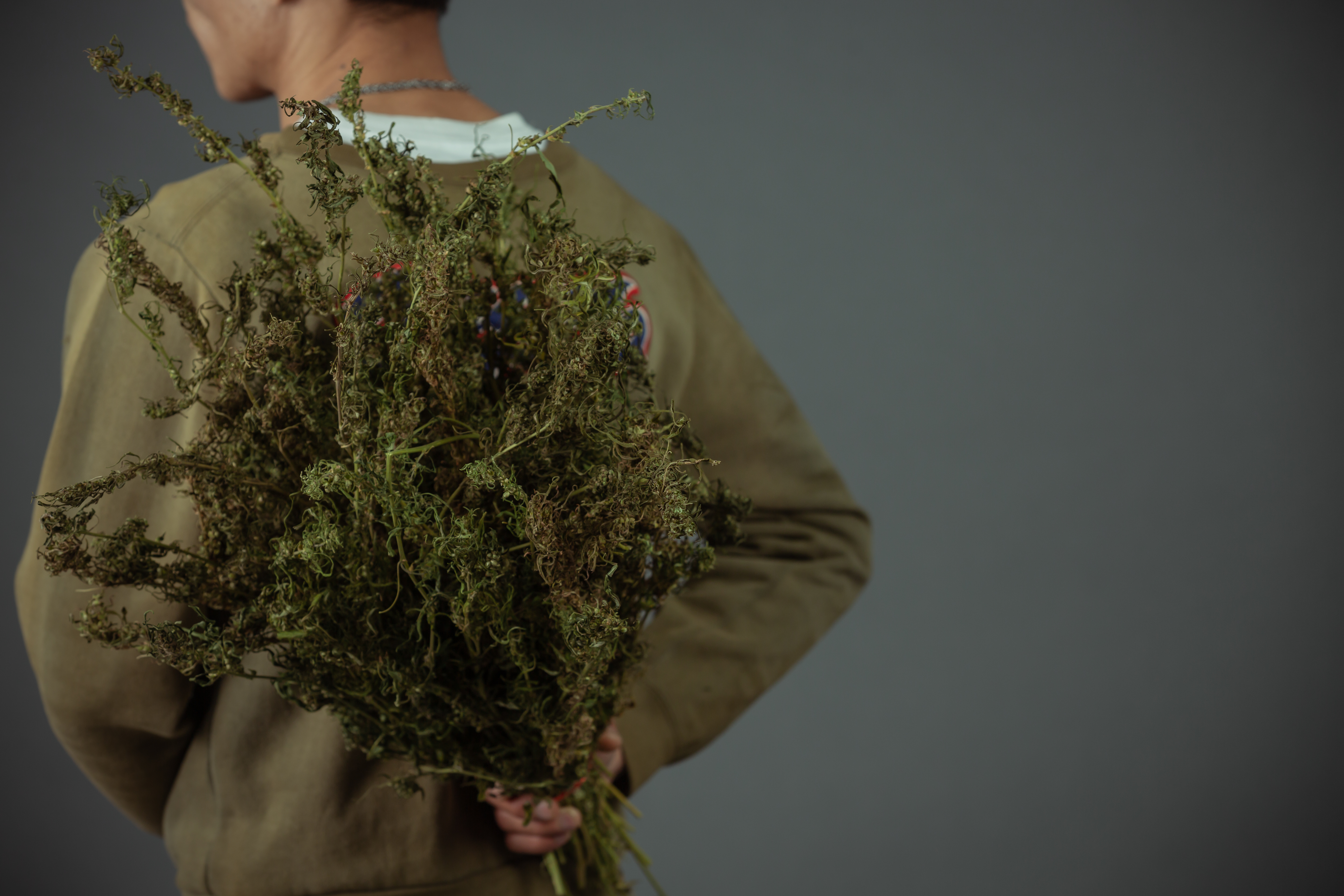


Drying cannabis is one of the most important steps that comes after harvest. Once cannabis plants are cut down, the flowers still contain a large amount of water. That moisture must be reduced before the flower can be stored, cured, or prepared for later use. If this step is rushed or handled poorly, the quality of the final product can suffer. Problems may include mold, weak aroma, harsh texture, uneven moisture, and flowers that become too dry.
Freshly harvested cannabis is not ready for long-term storage. The plant material still holds water inside the stems, leaves, and flowers. If this moisture stays trapped for too long, it can create conditions that support mold and other forms of spoilage. At the same time, removing moisture too quickly can also cause problems. The outside of the flower may become dry while the inside is still holding too much water. This can make it hard to judge whether the flower is truly ready for the next stage.
The goal of drying is to remove moisture in a slow and controlled way. This allows water inside the flower to move toward the surface and then into the surrounding air. A steady drying process helps create a more even level of moisture throughout the flower. It also reduces the chance that the outside becomes brittle before the inside has dried enough.
Drying also affects the smell and flavor of cannabis. Cannabis flowers contain aromatic compounds called terpenes. These compounds help create the natural scent and flavor linked with different cannabis varieties. Excessive heat and very fast drying may cause some of these compounds to break down or disappear more quickly. This is one reason why cannabis is usually dried under controlled conditions rather than placed in direct sunlight or exposed to high heat.
Texture is another important part of the drying process. Properly dried flower should not feel wet or soft, but it should also not crumble into powder when touched. If the flower becomes too dry, it may lose much of its natural texture and aroma. If it remains too wet, it may be difficult to store safely and may develop mold during curing or storage.
Several conditions affect how cannabis dries. Temperature is one of the main factors. Warmer air can cause moisture to leave the plant faster, while cooler air may slow the process. Humidity also plays a major role. If the air is very dry, the flower may lose moisture too quickly. If the air is too humid, drying may take too long and the chance of mold may increase.
Airflow is also important. Fresh air movement helps moisture leave the drying area and prevents humid air from collecting around the flowers. However, strong air blowing directly on cannabis can cause the outer parts of the flower to dry too fast. Gentle circulation around the room is usually more useful than constant direct airflow.
Light can also affect harvested cannabis. Drying is generally done in a dark area because strong light can add heat and may affect some of the compounds in the flower. A dark, stable space also makes it easier to control temperature and humidity.
The way cannabis is prepared after harvest can change how quickly it dries. Some growers hang the whole plant, while others cut plants into branches. Some remove leaves before drying, while others leave more plant material attached until later. Whole plants and larger branches often dry more slowly because stems and leaves hold additional moisture. Smaller branches and trimmed flowers may dry faster because more surface area is exposed to the air.
It is also important to understand the difference between drying and curing. These two terms are sometimes used as if they mean the same thing, but they are separate stages. Drying is mainly about removing a large amount of water from freshly harvested cannabis. Curing comes after drying and involves storing the dried flower under controlled conditions so that moisture can become more balanced throughout the buds. Curing may also help preserve aroma and improve the overall condition of the stored flower.
There is no single drying time that works for every harvest. Flower size, plant structure, trimming method, room temperature, humidity, airflow, and other conditions can all affect the process. For this reason, drying should not be judged only by the number of days that have passed. The condition of the flower itself is more important.
One of the biggest mistakes is trying to speed up the process. High heat, direct sunlight, powerful fans, ovens, heaters, and other fast-drying methods can remove moisture unevenly. The outside of the flower may feel dry very quickly, but moisture can remain deeper inside. Fast drying may also reduce aroma and leave the flower with a dry or brittle texture.
Drying too slowly can cause different problems. If the drying space is very humid, crowded, or poorly ventilated, moisture can stay trapped around the flowers. This may create a better environment for mold growth. Large, dense flowers can be especially difficult because moisture may remain deep inside even when the outside feels dry.
A successful drying process depends on balance. Moisture needs to leave the plant at a steady rate. Temperature and humidity should remain as stable as possible. Air should move through the drying space without blowing strongly on the flowers. Plants or branches should have enough room around them for air to circulate. The drying area should also be checked often for changes in moisture, smell, and signs of mold.
Understanding these basic principles makes the rest of the drying process easier to manage. The following sections will explain the main drying methods, ideal environmental conditions, airflow needs, drying times, trimming choices, ways to check whether cannabis is dry enough, common mistakes, and steps that help reduce the risk of mold. Proper drying is not simply about making cannabis feel dry. It is about removing moisture carefully so the harvested flower is more stable and ready for curing and storage.
What Happens to Cannabis During the Drying Process?
Drying is one of the most important steps that happens after cannabis is harvested. Fresh cannabis flowers contain a large amount of water, so they cannot be stored safely right after harvest. During drying, much of this water slowly leaves the plant material. The goal is to reduce moisture at a controlled rate while protecting the flower from mold, excessive dryness, and damage.
Drying also prepares cannabis for the next stage, which is usually curing. These two steps are related, but they are not the same. Drying removes a large amount of moisture from freshly harvested flowers. Curing happens after drying and allows the remaining moisture inside the flower to become more evenly balanced.
Understanding what happens during drying can help explain why temperature, humidity, airflow, and time are so important.
Why Freshly Harvested Cannabis Contains So Much Moisture
A living cannabis plant depends on water to survive. Its roots take up water from the growing medium, and that water moves through the plant’s stems, leaves, and flowers. Water helps move nutrients through the plant and supports many of the processes needed for growth.
When cannabis is harvested, this water does not disappear right away. The flowers, leaves, and stems still contain a large amount of moisture. A freshly cut branch often feels soft and flexible because its tissues are still holding water.
After harvest, the plant can no longer replace the moisture that it loses. Water begins to move out of the plant and into the surrounding air. This process happens gradually when environmental conditions are controlled.
Flowers usually take longer to dry than thin leaves because buds are thicker and denser. Moisture can remain deep inside a flower even when its outer surface already feels dry. This is one reason why growers should not judge dryness only by touching the outside of a bud.
If wet cannabis is placed into a sealed container too soon, moisture can become trapped. The humid conditions inside the container may create an environment where mold can grow. For this reason, enough moisture must be removed before cannabis is placed into closed containers for curing or storage.
Why Cannabis Should Dry Gradually
Drying cannabis is not simply about removing water as quickly as possible. The rate of moisture loss also matters.
When cannabis dries slowly under controlled conditions, moisture has more time to move from the center of the flower toward the surface. From there, it can enter the surrounding air. This gradual movement helps the flower dry more evenly.
Problems can occur when the drying process happens too quickly. High temperatures, very low humidity, or strong air blowing directly onto flowers may cause the outside of the buds to become dry while the center still holds moisture.
This can make the flower appear ready before it actually is. If it is then moved into storage, the moisture inside the bud can spread back toward the surface and raise humidity inside the container.
Fast drying can also leave cannabis flowers very brittle. The outside may become crisp or crumbly, and small pieces can break away more easily during handling.
On the other hand, drying too slowly can create another set of problems. Cannabis that remains very wet for a long period may have a greater chance of developing mold, especially when the drying area has high humidity or poor airflow.
The aim is therefore not to make drying as fast or as slow as possible. The goal is controlled moisture loss. Stable environmental conditions allow the flower to lose water at a steady rate while reducing the risk of mold or excessive dryness.
Changes That Occur as Cannabis Dries
Cannabis changes in several noticeable ways during the drying period. One of the easiest changes to observe is the plant’s weight. Freshly harvested cannabis is much heavier because it contains so much water. As moisture leaves the plant material, branches and flowers become lighter.
The texture also changes. Fresh stems are usually soft and flexible. During drying, they gradually become firmer and more brittle. Small stems may eventually bend less easily or snap when enough moisture has been removed.
Flowers also change in texture. Fresh buds may feel soft, damp, or slightly spongy. As they dry, their surfaces become less moist and feel firmer.
The outside of a flower often dries before the inside. This is normal because surface moisture is directly exposed to the air. Moisture deeper inside the flower must slowly travel outward before it can evaporate.
This difference between outside and inside moisture is one reason that drying cannot be judged from surface texture alone. A flower can feel dry on the outside while still holding too much moisture in its center.
Environmental conditions control how quickly these changes occur. Warmer or drier air usually causes water to leave plant material faster. Cooler conditions or higher humidity can slow the process. Air circulation also helps carry moisture away from the area around the flowers.
Because several factors work together, different harvests may not dry at exactly the same speed. Flower size, density, trimming style, room conditions, and the amount of stem or leaf material left attached can all affect drying time.
Drying Versus Curing
Drying and curing are often discussed together, but they are separate stages of post-harvest handling.
Drying begins soon after cannabis is harvested. Its main purpose is to remove much of the water found in fresh plant material. Flowers may be hung as whole plants, placed on branches, or arranged on drying racks depending on the chosen method.
When the initial drying stage is complete, the flowers should no longer contain the high moisture levels found immediately after harvest. However, some moisture still remains inside the flower.
Curing begins after cannabis has dried enough to be stored in containers without holding excessive moisture. During curing, moisture that remains deeper inside the buds can slowly move through the flower and become more evenly distributed.
This means cannabis may feel somewhat drier on the surface when it first enters a curing container. As internal moisture moves outward, the flower’s texture may change again. Proper curing involves controlling this remaining moisture rather than trying to remove all water from the flower.
The difference is important because skipping the drying stage and placing fresh cannabis directly into sealed containers can trap far too much water. This increases the risk of mold and spoilage.
Drying cannabis too far before curing can also cause problems. Once flowers become extremely dry and brittle, it may be difficult to restore the moisture balance that would normally develop during curing.
For this reason, drying should be viewed as the first moisture-control stage, while curing is a later stage that helps stabilize the dried flower.
Cannabis must be dried after harvest because freshly cut plants contain a large amount of water. During drying, this moisture slowly moves from the inside of the plant material toward the surface, where it enters the surrounding air. Flowers become lighter, firmer, and less flexible as moisture is removed.
The process should happen gradually. Drying too quickly can leave the outside of the flower dry while moisture remains trapped deeper inside. Drying too slowly, especially in humid or poorly ventilated conditions, can increase the risk of mold.
Drying and curing should also be treated as two different stages. Drying removes most of the initial moisture from harvested cannabis. Curing comes afterward and helps the remaining moisture become more evenly balanced throughout the flower. Understanding this process makes it easier to control later factors such as drying temperature, humidity, airflow, and total drying time.
What Should You Do With Cannabis Immediately After Harvest?
The period right after harvest is important because fresh cannabis contains a large amount of water. The way the plant is handled during these first hours can affect how evenly it dries and how easy it is to manage during the drying stage. Freshly cut plants should be handled with care, kept clean, and moved into a prepared drying area as soon as possible.
Before drying begins, growers usually inspect the harvested material, remove unwanted leaves, and decide whether to hang whole plants, separate branches, or individual flowers. These choices can change how quickly moisture leaves the plant. The drying space should also be ready before harvest so the plants do not sit in an unsuitable area for too long.
Preparing Harvested Plants for Drying
After cutting a cannabis plant, the first step is to prepare it for the drying stage. Fresh plants may have large fan leaves, smaller leaves around the flowers, stems, and branches. Many growers remove the largest fan leaves soon after harvest because they hold moisture and can make the plant harder to handle.
Removing large leaves can also improve air movement around the flowers. However, removing too much plant material at once may make the flowers lose moisture faster. The amount of leaf material left on the plant can affect drying speed, so growers often adjust their approach based on the conditions in the drying space.
In a humid drying area, removing more leaves may help reduce trapped moisture. In a very dry space, leaving some leaves attached may help slow moisture loss. The goal is not to make cannabis dry as quickly as possible. The goal is to create a gradual and controlled drying process.
The plant should also be handled gently. Fresh flowers can be soft and delicate, and rough handling may damage the plant material. Avoid squeezing or crushing the flowers while moving or hanging them.
Clean tools and clean hands are also important. Pruning shears, scissors, drying racks, and other equipment should be clean before they touch harvested material. Keeping the work area clean helps reduce the chance of introducing dirt or unwanted microorganisms during post-harvest handling.
Checking Harvested Cannabis for Mold and Damage
Every harvested plant should be inspected before it is placed in the drying area. This is especially important for thick or dense flowers because moisture can become trapped inside them.
Look carefully at the flowers, leaves, and stems for signs of mold, rot, pest damage, or unusual discoloration. Mold may appear as fuzzy growth or areas that look very different from the normal surface of the flower. Some affected areas may also have a musty or unpleasant smell.
Material that appears moldy should be separated from healthy flowers. Placing affected cannabis beside clean plant material can increase the chance that mold spreads during drying.
Dense flowers deserve extra attention because damage may not always be visible from the outside. Gently inspect different parts of the harvested branches rather than looking only at the largest flowers.
Pest damage should also be checked. Leaves and flowers may show holes, webbing, insects, eggs, or other signs of pest activity. Removing badly damaged material before drying can make the drying area easier to manage.
Harvested flowers should not be washed or sprayed unless there is a specific reason and a method designed for that purpose. Adding unnecessary moisture just before drying can make moisture control more difficult.
Whole Plants, Branches, or Individual Buds
One of the main choices after harvest is deciding how much of the plant to leave together during drying.
Some growers hang the whole plant after removing only the largest leaves. Keeping the plant mostly intact usually means there is more stem and leaf material holding moisture. This can make moisture leave the flowers more slowly.
Another option is to divide the plant into large branches. Branch drying is often easier to manage because smaller sections take up less space than an entire plant. Branches can also be arranged with enough space between them for air to move through the drying area.
A third method is separating individual flowers from the branches and placing them on drying racks. Because much of the stem and leaf material has already been removed, individual flowers may lose moisture more quickly.
The best choice depends on the drying environment and available space. Whole plants may be useful when conditions are naturally dry because the extra plant material can slow moisture loss. Smaller branches or separated flowers may be easier to manage in a humid environment, although careful monitoring is still needed.
Whichever method is used, harvested material should not be packed tightly together. Flowers and branches need space around them so moisture can move into the surrounding air.
Preparing the Drying Area Before Harvest
The drying space should be prepared before plants are cut. Fresh cannabis should not be left waiting while the drying room is being cleaned or organized.
The area should be clean, dark, and protected from unnecessary heat. It should also have enough space to keep harvested branches or flowers from touching or becoming crowded.
Basic environmental monitoring is useful because drying depends strongly on temperature and relative humidity. A thermometer can show changes in room temperature, while a hygrometer can measure relative humidity. These readings help growers understand whether the environment is staying stable.
Air movement should also be considered before harvested plants enter the room. The drying area needs gentle circulation so humid air does not remain trapped around the flowers. However, strong air should not blow directly onto the cannabis because this can cause the outside of the flowers to dry much faster than the inside.
The room should also be checked for sources of light and heat. Direct sunlight, bright lamps, heaters, and other heat-producing equipment can raise the temperature and increase moisture loss.
It is helpful to make sure all hanging lines, hooks, racks, trays, and monitoring tools are already in place. Preparing these items in advance makes it easier to move harvested plants directly into the drying environment.
What happens immediately after harvest can influence the entire drying process. Fresh cannabis should be handled carefully, inspected for mold or damage, and prepared according to the drying method that will be used. Large fan leaves may be removed, while the amount of smaller leaf and stem material left attached can be adjusted based on how quickly the plant needs to lose moisture.
Growers can dry whole plants, individual branches, or separated flowers. Each method changes the amount of plant material holding moisture and can affect drying speed. No matter which approach is chosen, the flowers should have enough space around them for gentle air circulation.
The drying area should be cleaned and prepared before harvest begins. Temperature and humidity monitoring equipment should be ready, and the room should be dark, well organized, and free from strong direct airflow. Careful preparation at this stage creates a more stable environment for the next part of the post-harvest process and reduces the risk of uneven drying, excess moisture, and mold.
What Is the Best Method for Drying Cannabis?
There is no single drying method that works best in every situation. The right approach depends on the amount of plant material, the space available, local humidity, flower size, and how closely the drying area can be monitored. The most common methods include hanging the whole plant, hanging individual branches, and placing trimmed flowers on drying racks.
Each method changes how quickly moisture leaves the plant. Methods that keep more of the plant intact usually slow moisture loss, while methods that separate flowers into smaller pieces can make drying happen faster. The main goal is to allow moisture to leave the harvested material in a controlled and even way.
Hanging the Whole Cannabis Plant
Whole-plant hanging means keeping most of the harvested plant together during the drying stage. The plant is usually suspended so that air can move around it while moisture slowly leaves the stems, leaves, and flowers.
One reason growers may choose this approach is that the larger amount of plant material can slow the drying process. Thick stems and remaining leaves hold moisture, so the flowers often lose water more gradually than they would if they were separated right away.
A slower process can help reduce the chance that the outside of the flower becomes dry while the inside still holds too much moisture. Large and dense flowers may especially benefit from more gradual moisture loss.
However, whole-plant drying also requires more room. A complete plant takes up more space than separated branches or individual flowers. Plants must also have enough space around them so that air is not trapped between leaves and branches.
This method may be less practical when the drying area is small or when many plants need to be handled at the same time. It can also make inspection more difficult because dense plant material may hide areas that need closer attention.
Hanging Individual Branches
Hanging separate branches is another common drying method. Instead of keeping the entire plant together, larger branches are removed and suspended individually.
This method offers a balance between whole-plant hanging and drying separate flowers. Branches still contain stems and some plant material, which can slow moisture loss, but they take up less room than a complete plant.
Branch drying may also make it easier to arrange the harvested material with more space between pieces. Better separation can help reduce areas where moist air becomes trapped.
Another advantage is that individual branches are easier to inspect. Flowers can be checked more closely for unusual discoloration, damage, or other signs of quality problems.
The size of the branches can affect how quickly they dry. Smaller branches generally lose moisture faster than large ones because they contain less plant material. For this reason, branches of very different sizes may not reach the same level of dryness at the same time.
This method can be useful when a grower wants more control over how harvested material is arranged without separating every flower from the stems.
Using Drying Racks
Drying racks are often used when flowers have already been removed from larger branches. The flowers are placed on flat or mesh surfaces so that air can move around them.
Rack drying saves vertical space and can be useful in smaller drying areas. Several levels of racks can hold a large amount of material without requiring every branch to be hung separately.
However, flowers placed on racks have less stem and leaf material attached to them. Because of this, they may lose moisture faster than flowers left on whole plants or large branches.
Flowers must also be arranged so that they are not crowded together. When harvested material touches or overlaps, moisture may become trapped between pieces. This can lead to uneven drying.
Flowers placed on racks may also need more frequent inspection because one side rests against the rack surface. The goal is to make sure the material dries evenly rather than becoming much drier on one surface than another.
Rack drying is often connected with wet trimming because the flowers may already be separated and cleaned before they are placed on the rack. This makes the method convenient, but it can also speed up moisture loss.
Comparing the Major Drying Methods
Whole-plant hanging, branch hanging, and rack drying all have advantages and limits. The biggest difference between them is how much plant material remains attached to the flowers.
Whole plants usually hold the most moisture because the stems, branches, and leaves remain connected. This can make moisture loss more gradual, but it also requires more space.
Individual branches provide a middle option. They are easier to arrange than full plants but still contain enough stem material to slow drying compared with separated flowers.
Drying racks can use space efficiently and make individual flowers easier to organize. At the same time, flowers on racks may dry faster because much of the plant material has already been removed.
The drying environment also plays an important role. A method that works well in one location may behave differently in another. A naturally humid area may slow moisture loss, while a very dry environment may make it happen faster.
Flower structure matters as well. Large, dense flowers tend to hold moisture longer than small or loose flowers. Because of this, the drying method should be considered together with flower size, local conditions, available space, and the ability to check the material regularly.
No method can replace good environmental control and careful observation. Even a widely used drying method can produce poor results if the harvested material is overcrowded or exposed to unsuitable conditions.
The best cannabis drying method depends on the drying space, flower structure, climate, and how much plant material remains attached after harvest. Whole-plant hanging tends to slow moisture loss because more stems and leaves remain in place. Hanging individual branches provides a balance between space, control, and drying speed. Drying racks are compact and convenient, but separated flowers may lose moisture more quickly.
What Temperature and Humidity Are Best for Drying Cannabis?
Temperature and humidity are two of the most important factors during cannabis drying. Freshly harvested cannabis contains a large amount of water. During drying, that moisture slowly moves from inside the plant material into the surrounding air. The goal is to let this happen at a controlled rate.
If moisture leaves too quickly, the outside of the flower may become dry while the inside still holds water. If moisture leaves too slowly, the plant material may stay damp for too long. Damp conditions can increase the risk of mold and spoilage. For this reason, growers and post-harvest facilities usually focus on keeping the drying environment stable rather than trying to make the process as fast as possible.
Understanding Drying-Room Temperature
Temperature affects how quickly water leaves harvested cannabis. In general, warmer air can cause moisture to evaporate faster. Cooler conditions usually slow moisture loss.
A drying room that becomes too warm may cause the outside of the flower to dry faster than the center. This can create an uneven result. The surface may feel dry even though moisture remains trapped deeper inside the flower.
High heat can also affect some of the compounds that give cannabis its smell. Cannabis contains aromatic compounds known as terpenes. Many terpenes are sensitive to heat and can evaporate more easily when temperatures rise. This is one reason why post-harvest drying normally avoids strong heat sources.
Very cool conditions can create other problems. Moisture may leave the plant material more slowly, especially when the surrounding air is also humid. If cannabis stays wet for too long, microorganisms may have more time to grow.
The main goal is therefore stability. Large temperature changes can make the drying rate change from one part of the day to another. A controlled environment helps moisture leave the flowers in a more even way.
Understanding Relative Humidity
Relative humidity describes how much moisture is present in the air compared with the maximum amount the air could hold at that temperature.
Humidity matters because the air surrounding cannabis must be able to accept moisture from the plant material. When the surrounding air is very humid, moisture leaves the flowers more slowly. When the surrounding air is very dry, moisture may leave them very quickly.
Excessively humid conditions can keep harvested cannabis damp for a long period. This can create conditions where mold is more likely to develop. Dense flowers can be especially vulnerable because moisture may remain trapped inside them even when their surfaces appear dry.
Very dry air can create the opposite problem. The outer parts of the flower may lose moisture quickly while the center dries at a different rate. This uneven drying can make it harder to judge whether the cannabis is actually ready for the next stage.
For this reason, humidity is often monitored throughout the drying period rather than checked only once.
Why Temperature and Humidity Must Work Together
Temperature and humidity should not be viewed as completely separate factors. Changes in temperature can affect relative humidity, and both influence how quickly moisture moves from cannabis into the air.
For example, a drying room may seem dry based on humidity alone, but a change in temperature can alter how the environment behaves. This is why post-harvest facilities often track both measurements at the same time.
The condition of the flowers also matters. Large, dense flowers may hold moisture longer than smaller flowers. Whole branches or plants can also lose moisture differently from individual trimmed flowers.
The important point is that there is no single environmental number that guarantees proper drying. The condition of the plant material, airflow, flower size, trimming method, and drying setup all affect the process.
Keeping the environment steady is usually more important than allowing frequent swings between warm, cool, humid, and dry conditions.
Why Environmental Conditions Need Monitoring
Because drying conditions can change throughout the day, environmental monitoring is useful.
A thermometer shows whether the drying area is becoming warmer or cooler. A hygrometer measures relative humidity. These tools can help identify large changes that might otherwise go unnoticed.
Monitoring is especially useful in rooms where outside weather affects indoor conditions. A space may become warmer during the afternoon, cooler at night, or more humid after rain.
It is also important to remember that readings can vary within the same room. Areas close to walls, doors, vents, or equipment may have different conditions from the center of the space.
A single reading therefore does not always describe the entire drying area. The goal of monitoring is to identify patterns and major changes rather than relying on guesswork.
Adjusting for Naturally Humid or Dry Climates
Local climate can strongly affect post-harvest drying.
In humid regions, the surrounding air may already contain a large amount of moisture. This can slow moisture loss from harvested cannabis. It can also increase concerns about mold if air becomes stagnant around dense flowers.
Dry climates create a different challenge. When the air contains very little moisture, freshly harvested plant material can lose water quickly. The outside may become brittle while the inner parts still contain more moisture.
Seasonal conditions matter as well. The same room may behave differently during rainy, dry, hot, or cool parts of the year.
This is why copying another grower’s drying schedule does not always produce the same result. Building design, ventilation, weather, flower density, and harvest size can all change drying conditions.
Anyone handling cannabis should also follow applicable local laws and workplace or agricultural safety rules. In regulated commercial settings, post-harvest procedures may need to meet specific standards for sanitation, contamination control, testing, and storage.
Temperature and humidity have a major effect on how harvested cannabis loses moisture. Warmer or very dry conditions can speed moisture loss, while cooler or humid conditions can slow it. Either extreme can create problems if the drying process becomes uneven or if plant material stays damp long enough for mold to develop.
Temperature and humidity also affect each other, so they should be considered together. Stable conditions, proper environmental monitoring, suitable air movement, and regular inspection are more useful than focusing on one measurement alone.
Local climate, flower size, plant density, trimming method, and drying setup can all change how quickly cannabis dries. The key principle is controlled and even moisture loss. Drying should not be rushed with strong heat or extreme environmental changes, and harvested cannabis should be checked carefully before moving to the next post-harvest stage.
How Much Airflow and Light Does Drying Cannabis Need?
Airflow and light are two important parts of the cannabis drying process. After harvest, cannabis flowers still contain a large amount of moisture. That moisture must leave the plant slowly and evenly. If the drying area has poor air movement, moisture can collect around the flowers and raise the risk of mold. At the same time, too much direct airflow can cause the outside of the flowers to dry faster than the inside.
Light also matters during drying. Cannabis is usually dried in a dark or very dim space because strong light can increase heat and may reduce the quality of sensitive plant compounds over time. A good drying space should have gentle air circulation, limited light, stable temperature, and enough room between branches or flowers.
Why Airflow Matters
Airflow helps move moist air away from drying cannabis. As water leaves the harvested plant, it enters the surrounding air. If that moist air stays trapped around the flowers, the local humidity can rise. This can slow drying and create conditions where mold may develop.
Gentle air movement helps replace humid air with drier air from other parts of the room. This makes moisture loss more even across the drying area. It is especially important when several plants or branches are being dried in the same space.
Air circulation also helps reduce areas where warm or damp air becomes trapped. These areas are sometimes called humid pockets. They can form between tightly spaced branches or inside crowded drying racks. Flowers in these areas may stay wet longer than flowers that have more open space around them.
However, more airflow is not always better. Cannabis should not be treated like wet clothing that needs to dry as fast as possible. The goal is controlled and gradual moisture loss. Strong airflow can make the outside of the flower feel dry while moisture remains trapped deeper inside.
Direct Airflow Versus Room Circulation
There is an important difference between circulating air around a room and blowing air directly onto cannabis flowers. Room circulation is usually the safer approach because it keeps air moving without placing strong pressure on one part of the plant.
A fan can be used to help circulate air, but it should normally be aimed away from the hanging branches or drying racks. For example, a fan may be directed toward a wall so the air spreads through the room more gently. This can improve circulation without causing one side of the flower to dry too quickly.
When a fan blows directly onto cannabis for long periods, the surface of the flower can lose moisture faster than the center. This may create uneven drying. The outer parts can become dry and brittle while the inside remains damp.
Uneven drying can also make it harder to judge whether cannabis is ready for the next stage. A flower may feel dry when touched, but deeper moisture may still be present. If the flower is then placed in a sealed container too early, that hidden moisture can move back toward the surface and raise the humidity inside the container.
The purpose of airflow is therefore not to force moisture out as fast as possible. It is to keep the drying environment stable and prevent still, damp air from building up.
Why Cannabis Is Normally Dried in Darkness
Cannabis is usually dried in a dark or very dim environment. One reason is that strong light can add heat to the drying area. Extra heat can speed up moisture loss and make it harder to keep drying conditions stable.
Direct sunlight is especially unsuitable because it can quickly warm the flowers and cause uneven drying. Sunlight can also expose the plant to strong light energy that may affect sensitive compounds in the harvested flower.
A dark drying area gives the grower more control over temperature and moisture loss. Closets, dedicated drying rooms, grow tents, or other enclosed spaces are often used because light can be limited more easily.
The drying area does not need to remain completely dark every second. Brief light exposure while checking plants is usually part of normal handling. The important point is that cannabis should not remain under bright lights or direct sunlight for long periods during drying.
Keeping lights off also reduces unwanted heat. Some indoor lights can raise the temperature of a small drying space. Even a small change in temperature can affect how quickly cannabis loses moisture.
Preventing Stagnant Conditions
Stagnant air means that air is not moving enough around the drying material. This can be a problem when branches are packed closely together or when too many flowers are placed on the same drying rack.
Each branch or flower should have some open space around it. Branches should not be pressed tightly against each other because touching surfaces can stay damp longer. On drying racks, flowers should also be spread out rather than piled together.
Spacing becomes even more important with large or dense cannabis flowers. Thick flowers can hold moisture deep inside, so they need enough surrounding airflow to allow moisture to escape gradually.
The drying room itself should also have some form of air exchange when possible. Fresh air entering the room and humid air leaving it can help prevent moisture from building up. However, air exchange should remain controlled. A very strong exhaust system can sometimes lower humidity too quickly.
Growers should monitor the drying space rather than depending only on a fan. If the room feels damp, smells musty, or shows signs of condensation, circulation may not be adequate. If the flowers become crisp very quickly, airflow or environmental conditions may be too aggressive.
Cannabis needs gentle air circulation and low light during the drying process. Airflow helps move humid air away from flowers and reduces the chance of damp pockets forming around crowded branches. However, fans should not blow strongly and directly onto cannabis because this can dry the outside faster than the inside.
Drying cannabis in a dark or dim area also helps keep conditions more stable. Strong light and direct sunlight can add heat and speed up moisture loss. The drying area should have enough space between branches or flowers so air can move around them without creating strong drafts.
How Long Does Cannabis Take to Dry After Harvest?
Drying cannabis after harvest does not follow one exact schedule. The amount of time needed can change from one harvest to another because each plant, flower, and drying environment is different. Research on post-harvest cannabis has found that conventional air drying may take anywhere from several days to one or two weeks, depending on the drying method and environmental conditions. One review reported that slow drying under near-room conditions commonly takes about five to six days, while other research on ambient air drying found that the process may take around one week or longer.
Because of these differences, growers should think of drying time as a range rather than a fixed deadline. The goal is not simply to reach a certain number of days. The goal is to allow enough moisture to leave the harvested material without drying it so rapidly that the outside becomes dry while more moisture remains deeper inside.
Typical Drying Timelines
Traditional air drying is usually a gradual process. Research reviews describe conventional cannabis drying as taking roughly five days to two weeks, depending on the method used, the amount of plant material being dried, and the conditions in the drying space.
For example, a 2025 study of cannabinoid-type hemp found that ambient air drying took about one week. A newer 2026 industrial study found that both tray-dried and hang-dried cannabis reached the study’s target moisture level within six days under controlled conditions. However, tray drying removed moisture faster than hang drying.
These studies show why there is no universal answer to the question, “How many days should cannabis dry?” One harvest may lose moisture relatively quickly, while another may require more time.
Whole plants may also behave differently from individual branches or trimmed flowers. When more stems and leaves remain attached, there is more plant material holding water. The surrounding plant material can slow the movement of moisture out of the flowers. Smaller pieces or trimmed flowers may lose moisture more quickly because more of their surface is exposed to the surrounding air.
For this reason, drying time should be treated as an estimate rather than a strict rule.
Why Some Cannabis Dries Faster Than Others
Several factors affect how quickly cannabis loses moisture. Flower size is one of the most important. Large, dense flowers may hold moisture deep inside even when the surface begins to feel dry. Small or loose flowers usually have less internal moisture to release and may therefore dry faster.
The condition of the plant at harvest can also matter. Fresh cannabis contains a large amount of water. One scientific review reported initial moisture levels of around 75% to 78% in freshly harvested cannabis inflorescences. Another study measured moisture levels of roughly 75% to 81% before drying.
Even weather before harvest can affect the process. A 2026 industrial drying study found that cannabis harvested after rainfall had a higher starting moisture content. This affected how the plant material behaved during the early stages of drying.
Temperature and humidity are also important because they influence how quickly water moves from the plant into the surrounding air. Warmer or drier conditions can increase moisture loss, while cooler or more humid conditions can slow it down.
Air circulation can affect drying speed as well. Air movement helps carry released moisture away from the plant material. However, airflow should not be confused with directly blasting flowers with a strong fan. Excessive direct airflow can make the outside lose moisture much faster than the inside.
The drying method also makes a difference. Whole-plant hanging, branch hanging, and tray drying expose the flowers to air in different ways. Research comparing industrial systems found that tray drying produced a faster drying rate than traditional hang drying.
Why Drying Time Should Not Be Judged by the Calendar Alone
Counting days can provide a useful general reference, but the calendar cannot show exactly how much moisture remains inside the flowers.
Two batches that have both dried for seven days may be in very different conditions. One batch may contain small, loose flowers in relatively dry air. Another may contain large, dense flowers in a more humid environment. Even though both batches have been drying for the same amount of time, their remaining moisture levels may be very different.
This is one reason scientific drying studies often measure moisture content or relative humidity instead of relying only on time. A 2026 industrial study used continuous humidity monitoring to track the progress of drying and help identify when the process had reached its endpoint.
Researchers have also noted that cannabis drying does not yet have one universal endpoint standard that works for every situation. A review of post-harvest practices found that drying methods and endpoint decisions can vary considerably across the cannabis industry.
The outside of a flower can also give a misleading impression. Moisture generally moves from the inside of plant tissue toward the outside during drying. As a result, the surface may feel dry before the center has reached the same condition.
This is why drying should be judged by the overall condition of the flower rather than simply deciding that it must be finished because a certain number of days have passed.
Problems Caused by Forcing Cannabis to Dry Quickly
Trying to speed up drying can create uneven results. High heat, extremely dry air, or strong direct airflow can remove moisture from the surface faster than moisture can move out from the center of the flower.
Fast drying can also change the chemical and physical properties of plant material. Research reviews have found that drying temperature, drying rate, and drying method can affect cannabis quality and the retention of plant compounds.
Using high temperatures simply to shorten drying time may therefore create a different result from slower air drying. Although industrial research has examined hot-air drying and other rapid methods, these systems use controlled equipment and are studied under measured conditions. They should not be confused with uncontrolled shortcuts such as placing harvested flowers close to household heaters or exposing them to excessive heat.
Drying too slowly can create problems as well. When wet plant material remains damp for too long, conditions may become more favorable for microbial growth and mold. Fresh cannabis is highly perishable because of its high moisture content, which is one reason moisture control is such an important part of post-harvest handling.
The aim is therefore not to make drying as fast as possible. It is to manage moisture loss in a controlled and consistent way.
Cannabis drying commonly takes several days to around one or two weeks with conventional air-drying methods, but there is no single drying time that applies to every harvest. Research has documented examples ranging from about five or six days to a week or longer, depending on the drying method, starting moisture content, and environmental conditions.
Flower size and density, the amount of stem and leaf material left attached, temperature, humidity, airflow, trimming style, and drying method can all affect how quickly moisture leaves the plant. Because these factors vary, counting days alone is not a reliable way to determine whether drying is complete.
A gradual, controlled drying process helps reduce the risk of having flowers that are very dry on the outside while remaining damp inside. Trying to force the process with excessive heat, very dry conditions, or strong direct airflow can cause uneven moisture loss. At the same time, leaving harvested material wet for too long can increase spoilage and mold concerns.
Should You Wet Trim or Dry Trim Cannabis?
Trimming is an important part of preparing cannabis after harvest. It involves removing leaves that surround the flowers. Growers can trim cannabis before it dries or wait until the drying process is complete. These two methods are known as wet trimming and dry trimming.
Neither method works the same way in every situation. The choice can affect drying speed, airflow, handling, and how much space is needed in the drying area. The best approach often depends on the climate, the size of the harvest, the structure of the flowers, and the drying conditions available.
Understanding how wet trimming and dry trimming work can help explain why cannabis may dry faster or slower after harvest.
What Is Wet Trimming?
Wet trimming means removing most of the unwanted leaves soon after the cannabis plant is harvested. At this point, the plant still contains a large amount of water. The leaves are soft and flexible, which can make them easier to separate from the flowers.
During wet trimming, large fan leaves are usually removed first. Smaller leaves that grow around and between the flowers may also be trimmed. After trimming, the flowers can be left on smaller branches or removed and placed on drying racks.
One main effect of wet trimming is that it reduces the amount of plant material that must dry. Leaves hold water, so removing them soon after harvest allows moisture to leave the remaining flowers more quickly.
Wet-trimmed cannabis also has more of its flower surface exposed to the surrounding air. This can increase the rate of moisture loss. Because of this, wet trimming may be useful when the drying environment is naturally humid.
However, faster drying is not always better. If wet-trimmed flowers are placed in a very dry room, they may lose moisture too quickly. The outside of the flower may become dry while the center still contains moisture. This can make it harder to achieve an even drying process.
What Is Dry Trimming?
Dry trimming means leaving more of the leaves attached while the cannabis dries. The plant may be hung as a whole plant or divided into larger branches. The leaves are removed after the drying stage is mostly complete.
Because more plant material remains attached, dry trimming usually slows moisture loss. Leaves and stems contain water, and they release this moisture over time. They can also reduce how quickly air reaches the surface of the flowers.
A slower drying process may be helpful in very dry environments. When indoor humidity is low, cannabis can lose moisture quickly. Keeping more leaves attached can slow that process and allow moisture to leave the plant more gradually.
Dry trimming also allows cannabis plants or branches to be hung without handling each flower immediately after harvest. This may reduce the amount of work required on harvest day. However, more space is usually needed because large branches or whole plants take up more room than individual trimmed flowers.
Once the cannabis has dried, the remaining leaves become crisp and easier to remove. At this stage, care is needed because very dry flowers can become fragile.
How Wet Trimming Affects Drying Speed
Wet trimming usually causes cannabis to dry faster because much of the extra leaf material has already been removed. With fewer leaves covering the flowers, air can move around the surface more easily.
The size of the flowers also matters. Small flowers may dry much faster than large, dense flowers. If the drying room has low humidity, warm temperatures, or strong airflow, wet-trimmed cannabis may lose moisture especially fast.
Drying too quickly can create several problems. The outside of the flower may become crisp before moisture from the center has moved outward. This can give the impression that the cannabis is fully dry when it is not.
Rapid drying may also affect the smell and overall condition of the flower. Cannabis contains aromatic compounds that can be affected by heat and poor drying conditions. A controlled drying process helps protect the flower from unnecessary stress.
For this reason, growers using wet trimming still need to control temperature, humidity, and airflow. Wet trimming does not remove the need for a stable drying environment.
How Dry Trimming Affects Drying Speed
Dry trimming normally slows down the drying process. Leaves, branches, and stems remain attached, so the plant contains more moisture than it would after wet trimming.
The remaining leaves can act as a barrier between the flowers and the surrounding air. This slows the movement of moisture from the plant into the room.
This slower process can be useful when conditions are dry. It gives the flower more time to lose moisture gradually instead of becoming dry on the outside within only a short period.
However, dry trimming can create problems when humidity is already high. A large amount of moist plant material can hold extra moisture in the drying space. If plants are packed too closely together, air may not circulate well between the branches.
Poor airflow combined with high humidity can create conditions where mold is more likely to develop. Large and dense flowers require extra attention because moisture can remain trapped deep inside them.
Spacing is therefore important when using a dry-trim method. Plants and branches should have enough room around them for air to circulate gently.
Choosing a Trimming Method Based on Conditions
The drying environment should play a major role when choosing between wet trimming and dry trimming.
In a humid climate, wet trimming may help remove extra plant material that holds water. Removing leaves can improve airflow around the flowers and may help prevent the drying period from becoming too long.
In a dry climate, dry trimming may help slow moisture loss. Leaving leaves and larger stems attached gives the plant more moisture to release over time.
Available space is another factor. Whole plants and large branches require more room to hang. A small drying area may make wet trimming and rack drying more practical because individual flowers take up less vertical space.
The size and density of the flowers should also be considered. Dense flowers can hold moisture in their centers for longer periods. Large flowers may need slower, more controlled drying, but they also need good circulation to reduce the risk of mold.
Workflow can affect the decision as well. Wet trimming requires more work immediately after harvest because the leaves must be removed while the plant is fresh. Dry trimming spreads some of that work over a longer period because trimming takes place after drying.
Neither trimming method can correct poor drying conditions. Cannabis can still dry too quickly after dry trimming if the room is very hot or dry. It can also stay too wet after wet trimming if the room has very high humidity and poor airflow.
The goal should be steady and even moisture loss. Temperature, humidity, airflow, flower size, and trimming method all work together.
Wet trimming and dry trimming are two common ways to prepare cannabis for the drying process. Wet trimming removes leaves soon after harvest, which exposes more of the flowers to the air and can speed up moisture loss. This method may be helpful in humid conditions or when drying space is limited.
Dry trimming keeps more leaves and stems attached while the cannabis dries. The extra plant material holds moisture and can slow the drying process. This can be useful in dry environments where flowers may otherwise lose moisture too quickly.
The best method depends on the drying conditions, available space, flower structure, and the speed at which moisture is leaving the plant. Regardless of the trimming method, careful control of temperature, humidity, airflow, and spacing remains important. The main goal is not to make cannabis dry as quickly as possible. It is to allow moisture to leave the flowers slowly and evenly so they are ready for the next stage of post-harvest handling.
How Can You Tell When Cannabis Is Dry Enough?
Knowing when cannabis is dry enough is one of the most important parts of the post-harvest process. Cannabis that is stored while it is still too wet may develop mold or other moisture problems. Cannabis that dries for too long may become brittle and lose some of its aroma and texture.
There is no single sign that works perfectly in every case. Flower size, branch thickness, room conditions, and drying method can all affect how quickly cannabis loses moisture. For this reason, it is better to look at several signs instead of relying only on the number of days the cannabis has been hanging.
The goal is to allow enough moisture to leave the plant material while avoiding extreme dryness. Careful checking during the later part of the drying period can help determine when the flower is ready to move to the next stage.
Checking the Outside of the Flower
One of the first things to check is the outside surface of the cannabis flower. As cannabis dries, the outside normally becomes less soft and less damp. The flower should no longer feel wet when handled gently.
However, surface dryness does not always mean the inside of the flower is dry enough. Large and dense buds can still hold moisture deep inside even when the outer leaves feel dry. This is why growers should not judge the entire drying process only by touching the outside.
A flower that feels very soft or moist may still need more drying time. On the other hand, flower that breaks apart easily or turns into powder when handled may have become too dry.
The texture should be somewhere between these two extremes. The outside should feel dry, but the flower should still have some structure. It should not feel wet, but it also should not crumble with very little pressure.
Dense cannabis flowers may need extra attention because moisture can stay trapped near the center. Smaller flowers may dry faster because they have less plant material and more surface area exposed to the surrounding air.
Understanding the Stem Test
The stem test is one of the most common ways people check whether cannabis is close to the end of the drying stage. During the early part of drying, small stems are usually soft and flexible. They bend easily because they still contain a large amount of moisture.
As drying continues, these stems slowly become firmer and more brittle. A small stem that bends without much resistance may suggest that the plant material still contains significant moisture.
Later in the process, smaller stems may begin to make a light cracking or snapping sound when bent. This can be a useful sign that much of the excess moisture has left the plant.
The stem test is simple, but it should not be treated as an exact measurement. Different stems on the same plant can dry at different speeds. Thin stems may become brittle sooner than thick branches.
A large branch may still bend even when smaller stems are dry enough. This does not always mean that the flowers need several more days of drying. The thickness and water content of the branch affect how it behaves.
For this reason, the stem test is most useful when combined with other checks, such as flower texture and the condition of the outer leaves.
Why One Test Should Not Be the Only Measure
Drying cannabis is not always even. Different parts of the same harvest can lose moisture at different speeds. Flowers near moving air may dry faster, while flowers in less exposed areas may stay damp for longer.
Flower density also makes a difference. Thick, tightly packed flowers may hold moisture inside even when their surface feels dry. Smaller or looser flowers may reach the desired level sooner.
Environmental conditions can also change during the drying period. A drop in humidity may cause the outside of the flowers to dry faster than expected. Higher humidity can slow the process and allow moisture to remain inside the plant for longer.
Because of these differences, it is safer to use several signs together. The outside of the flower, the feel of smaller stems, the condition of the leaves, and the overall texture can all provide useful information.
Checking several flowers from different areas of the drying space can also give a better picture of the entire harvest. Testing only one flower may not show what is happening with the rest of the plants.
Recognizing Cannabis That Is Still Too Wet
Cannabis that is still too wet may feel soft, heavy, or slightly damp. Small stems may remain very flexible and bend without showing any sign of breaking.
Dense flowers can sometimes feel dry on the outside while still holding a noticeable amount of moisture in the middle. This is especially important because storing damp cannabis in a closed container can trap that moisture.
Trapped moisture creates conditions where mold may grow. A strong musty smell, unusual discoloration, or fuzzy growth can be warning signs of a mold problem. Cannabis with visible mold should not be consumed.
Flower that is not dry enough may also feel unusually soft after being placed in an enclosed space. Moisture from the center of the flower can slowly move toward the surface. This can make flower that once felt dry become softer again.
This moisture movement shows why drying should not be rushed. The outside and inside of the flower need time to become more balanced before long-term storage.
Recognizing Cannabis That Has Become Too Dry
Cannabis can also remain in the drying space for too long. Over-dried flower often becomes very brittle. Small pieces may break away easily when touched.
Very dry cannabis may crumble or turn into fine material when handled. The flower may also feel unusually light and fragile.
Over-drying can affect the way cannabis smells and feels. Aromatic compounds can be lost more quickly when plant material is exposed to excessive heat, very dry air, or strong airflow.
Once cannabis becomes extremely dry, restoring its original texture can be difficult. This is why regular checks become more important near the end of the drying period.
The goal is not to remove every trace of moisture from the flower. Instead, drying should remove enough excess water to reduce the risk of mold and prepare the cannabis for the next post-harvest stage.
Cannabis is usually ready to leave the drying stage when several signs point in the same direction. The outer surface of the flower should feel dry rather than damp, but the buds should not be so brittle that they fall apart with light handling. Smaller stems should become firmer and may begin to crack or snap when bent.
The stem test can be useful, but it should not be the only test used. Branch thickness, flower size, airflow, temperature, and humidity can all cause different parts of the harvest to dry at different speeds.
Cannabis that is still soft, damp, or very flexible may need more drying time. Cannabis that crumbles easily or feels extremely brittle may have dried too much. Checking several flowers from different parts of the drying space provides a more reliable picture than checking only one sample.
How Do You Prevent Mold While Drying Cannabis?
Mold is one of the most serious problems that can develop after cannabis is harvested. Fresh cannabis flowers contain a large amount of moisture. During drying, that moisture slowly moves from the inside of the flowers into the surrounding air. If the drying area stays too damp or does not have enough air movement, mold may begin to grow.
Research on cannabis has found that temperature, relative humidity, drying methods, and post-harvest handling can affect yeast and mold levels in cannabis flowers. Inadequate drying has also been linked with higher microbial levels. This is why the drying environment needs to be checked throughout the process rather than only when the plants are first placed in the room.
Preventing mold depends on managing moisture, keeping air moving through the drying area, giving flowers enough space, and checking the harvest often. A clean drying space also helps reduce the chance that mold spores or other contaminants will spread to the flowers.
Why Mold Can Develop During Drying
Mold needs suitable conditions to grow. Cannabis flowers can provide those conditions when they remain damp for too long. Dense flowers can be especially difficult because moisture may stay trapped deep inside them even when the outside begins to feel dry.
High humidity is one important risk factor. When the surrounding air already contains a large amount of moisture, water leaves the plant more slowly. If moisture remains inside the flowers for too long, mold has more time to develop. Research on cannabis has linked higher relative humidity within flower areas and inadequate drying with increased yeast and mold counts.
Poor air circulation can make the problem worse. Damp air may collect around plants, branches, or flowers when there is little movement in the drying room. This can create small areas where humidity is higher than it is in the rest of the room.
Crowding also increases the risk. Flowers that touch each other or hang too close together may not receive enough air around all sides. The outside of one flower can also trap moisture against another.
The condition of the cannabis before drying matters as well. Mold or fungal contamination can already be present before harvest. Post-harvest handling can then spread contamination to other plant material. Studies have found several fungal groups on cannabis, including species from Aspergillus, Penicillium, Fusarium, and Cladosporium.
Inspecting Dense Flowers
Dense cannabis flowers require careful inspection because their outside appearance may not show what is happening inside. A flower can appear dry on the surface while still holding moisture near the stem or in tightly packed plant material.
Growers should check flowers regularly during the drying process. Pay attention to changes in appearance, texture, and smell. Larger flowers may need closer inspection because there is more plant material for moisture to move through before the flower becomes evenly dry.
Care is important when handling flowers. Rough handling can damage plant tissue and may spread contaminants from one area to another. Research has shown that post-harvest handling practices can affect microbial levels on cannabis flowers.
Inspection should also include areas where flowers overlap or where leaves remain tightly wrapped around the flower. These locations may hold moisture longer than exposed surfaces.
The goal is to notice a problem early. If one flower develops obvious mold, leaving it among the rest of the harvest may allow spores or contaminated plant material to come into contact with nearby flowers.
Maintaining Space Around Drying Material
Spacing is an important part of mold prevention. Whether cannabis is dried as a whole plant, on branches, or as separated flowers, there should be enough room for air to move around the plant material.
Branches should not be packed tightly against each other. Flowers should also not be stacked in thick piles. When drying racks are used, flowers should be arranged so that damp surfaces are not pressed together for long periods.
Good spacing supports more even drying. Air can reach more of the surface of each branch or flower, helping moisture move away from the plant material. It also reduces the chance of creating small pockets of damp, still air.
Air circulation does not mean that strong fans should blow directly onto the flowers. Strong, constant airflow may cause the outside to lose moisture faster than the inside. Instead, the goal is gentle movement of air through the drying space.
Research on cannabis production has found that air circulation can help reduce conditions linked with high yeast and mold levels. However, airflow works best when it is combined with proper humidity control and enough space between drying plants.
A clean room is also important. Old plant material, wet surfaces, dust, or other organic debris should not be allowed to collect in the drying area. These materials may create additional places where fungi can survive or spread.
Recognizing Possible Mold
Knowing the warning signs of mold is important because mold may look different from the natural structures found on cannabis flowers.
Possible mold can appear as unusual fuzzy, powdery, web-like, or cotton-like growth. It may appear white, gray, green, brown, or another unusual color depending on the type of fungus and the stage of growth.
Smell can also provide a warning. Properly drying cannabis may have a strong plant or herbal smell, but a damp, musty, or stale odor may suggest that something is wrong.
Discoloration inside a dense flower can also deserve closer attention. If an area appears unusually dark, soft, wet, or damaged compared with the surrounding plant material, it should be inspected carefully.
Cannabis can carry several kinds of fungi, and some fungal contamination may present a health concern. Health Canada also identifies molds and fungi as possible contaminants in cannabis products.
It is also important not to depend only on smell or appearance. Not every type of microbial contamination can be easily seen. Commercial cannabis producers often use laboratory testing to measure yeast, mold, and other microbial contaminants.
What to Do With Mold-Contaminated Cannabis
Cannabis that shows clear signs of mold should not be treated as normal, usable flower. It should be separated from unaffected material so it does not remain in contact with the rest of the harvest.
Trying to remove only the visible moldy portion does not guarantee that the remaining material is free from contamination. Mold can grow beyond the area that is easy to see, and spores can spread during handling.
For the same reason, visibly moldy cannabis should not be mixed into a larger batch in an attempt to hide or dilute the problem. Mold and fungal contamination are recognized biological hazards in cannabis production, and quality-control programs are designed to reduce exposure to these contaminants.
The drying area should also be checked if mold appears. Look for possible causes such as excessive moisture, poor circulation, overcrowding, wet surfaces, or contaminated plant material. Correcting the cause is important because simply removing one affected flower will not solve an environmental problem that remains in the room.
Preventing mold during cannabis drying depends mainly on moisture control, good air circulation, proper spacing, cleanliness, and regular inspection. Fresh flowers contain enough water to support fungal growth if they remain damp for too long. Dense flowers can be especially challenging because moisture may stay trapped inside even after the outer surface begins to dry.
The drying area should allow gentle air movement around the plant material without strong air blowing directly on the flowers. Branches and flowers should have enough space between them to prevent humid pockets from developing. Temperature and humidity should also remain reasonably stable throughout the drying period.
Cannabis should be checked regularly for unusual fuzzy growth, discoloration, damp areas, or musty smells. If clear mold is found, the affected material should be separated rather than mixed with the rest of the harvest. Careful drying cannot remove every possible source of contamination, but good moisture management and clean post-harvest handling can greatly reduce the conditions that allow mold to develop.
Common Cannabis Drying Mistakes and What Comes Next
Drying cannabis is a key step after harvest, but small mistakes can affect the final quality of the flower. The goal is to remove moisture at a steady rate without making the outside of the buds dry too fast. Drying should also lower the risk of mold and prepare the flower for the next stage, which is curing.
Many drying problems happen when growers try to speed up the process or fail to control the drying environment. Temperature, humidity, airflow, spacing, and drying time all work together. If one of these factors moves too far from a stable range, the cannabis may dry unevenly.
Understanding the most common mistakes can make the drying process easier to manage and reduce the chance of losing part of a harvest.
Mistake 1: Drying Cannabis Too Quickly
One of the most common mistakes is trying to make cannabis dry as fast as possible. Faster drying may seem useful because it shortens the waiting period, but rapid moisture loss can create problems.
When the air is very dry or the temperature is too high, moisture can leave the outside of the flower much faster than it leaves the center. The buds may feel dry when touched even though they still contain moisture deeper inside.
Fast drying can also cause cannabis to become brittle. Small leaves may break easily, and the flower may crumble when handled. Aroma may also change because heat and dry air can affect some of the natural compounds found in the plant.
A slower and more controlled process gives moisture inside the flower time to move toward the surface. This can help the buds dry more evenly.
Mistake 2: Keeping the Drying Area Too Humid
High humidity creates a different problem. When the surrounding air already contains a large amount of moisture, water leaves the cannabis more slowly.
Some moisture is expected during the early stage of drying. However, if the drying room stays too damp for too long, the risk of mold may increase. Dense flowers can be especially difficult because moisture may remain trapped inside them.
The drying space should be checked often so that major changes in humidity are noticed early. A room that feels comfortable to a person may still be too humid for drying plant material.
Conditions can also change during the day. Weather, ventilation, and the amount of fresh plant material in the room may all affect humidity.
Stable conditions are usually more useful than constant large adjustments.
Mistake 3: Using Strong Direct Airflow
Air movement is important during drying because it helps prevent pockets of damp air from forming around the flowers. However, more airflow does not always mean better drying.
A strong fan blowing directly onto cannabis can make exposed areas dry much faster than the rest of the flower. One side of a branch may become dry while another side remains moist.
Direct airflow can also make the surface of the buds feel finished before the inside has reached the same level of dryness. This can make it harder to judge when the drying stage is truly complete.
Air should move through the drying space rather than constantly hitting the flowers with strong force. Gentle circulation helps replace humid air around the plants without causing very rapid surface drying.
Mistake 4: Overcrowding the Drying Space
Trying to fit too many plants or branches into a small drying area can cause uneven conditions.
When branches are pressed close together, air cannot move easily around them. Moisture may collect between flowers or leaves. Some parts of the harvest may dry normally while others remain damp.
Overcrowding also makes inspection harder. It may be difficult to see flowers in the center of the drying area, which means mold or other problems could be missed.
Leaving enough space between hanging branches or other drying material allows air to move more evenly. It also makes it easier to check the condition of the flowers during the drying period.
Good spacing is especially important when drying large, dense buds because they usually hold moisture longer than smaller flowers.
Mistake 5: Ignoring Temperature and Humidity Changes
Drying conditions are rarely completely stable on their own. Temperature and humidity may change because of weather, heating, air conditioning, ventilation, or the amount of moisture released by freshly harvested plants.
Ignoring these changes can lead to uneven drying.
For example, a warm afternoon may cause the drying room to become hotter and drier. Later, cooler evening air may cause humidity to rise. Large changes like these can alter how quickly moisture leaves the flowers.
Using simple environmental monitoring can help identify these changes. The main goal is not to react to every small movement. Instead, growers should watch for major or long-lasting changes that could make the room too warm, too dry, or too humid.
Stable drying conditions make it easier to estimate how the harvest is progressing.
Mistake 6: Using Heat to Speed Up Drying
Heat should not be treated as a shortcut for proper drying.
Some people may be tempted to use heaters, ovens, direct sunlight, or other strong heat sources because they want the flower to dry faster. These methods can cause moisture to leave the plant very quickly and unevenly.
High heat may dry the outside while the center still contains moisture. It can also make the flower extremely brittle.
Direct sunlight may create similar problems because it adds both heat and light. Cannabis is usually dried away from strong light so that the environment remains easier to control.
Drying should focus on steady moisture removal rather than forcing water out of the plant as quickly as possible.
Mistake 7: Storing Cannabis Before It Is Adequately Dry
Another serious mistake is placing cannabis into closed storage containers while too much moisture remains in the flower.
Once damp cannabis is sealed, moisture has fewer ways to escape. Humidity inside the container can rise, which may create conditions that support mold growth.
The outside of the flower can sometimes feel dry even when the center remains moist. This is why appearance alone should not decide when cannabis is ready for storage or curing.
Before moving the harvest forward, it is important to check different flowers rather than only one sample. Larger buds may hold moisture longer than small ones.
If cannabis is stored while still clearly damp, the quality and safety of the entire batch may be affected.
Moving From Drying to Curing
Drying is not the final stage of post-harvest handling. Once the flower has reached an appropriate level of dryness, many growers move it into a curing stage.
Drying and curing have different purposes. Drying removes much of the water that was present in the fresh plant. Curing happens after this main moisture-removal stage and allows the remaining moisture inside the flower to become more evenly distributed over time.
The move from drying to curing should not be rushed. Cannabis that is still too wet can create excess humidity when placed into a closed container. Cannabis that has become extremely dry may have already lost more moisture than intended.
The transition should happen only after the flowers have been checked carefully for dryness and for signs of mold or other damage.
Curing also does not correct serious problems caused during drying. If cannabis has been badly overheated, allowed to develop mold, or dried until it becomes extremely brittle, curing cannot fully reverse those problems. This is why careful drying remains one of the most important stages after harvest.
Successful cannabis drying depends on patience and stable conditions. The most common mistakes include drying the flower too quickly, allowing the room to remain too humid, using strong direct airflow, overcrowding branches, ignoring changes in temperature and humidity, using heat as a shortcut, and storing the cannabis before enough moisture has been removed.
Most of these problems come from losing control of how quickly moisture leaves the plant. Drying should happen gradually and evenly rather than as fast as possible. Gentle air circulation, enough space between branches, regular inspection, and stable environmental conditions can help reduce common drying problems.
Once the cannabis is dry enough, it can move into the curing stage. Drying removes most of the initial moisture, while curing is a separate process that follows drying. Taking enough time during the drying stage helps prepare the flower for safer storage and more consistent post-harvest handling.
Conclusion: Drying Cannabis Successfully After Harvest
Drying is one of the most important steps that comes after cannabis harvest. Fresh plant material holds a large amount of moisture, so it cannot be placed into sealed storage right away. Moisture must leave the flowers in a controlled and even way. If too much moisture remains, the risk of mold and spoilage can increase. If moisture is removed too quickly, the flowers may become brittle and lose some of the qualities that growers try to protect during harvest.
The main goal of drying is not simply to make cannabis feel dry. The goal is to reduce moisture at a steady rate while protecting the plant material from conditions that may damage it. A good drying process depends on several factors working together. These include the drying method, room conditions, air movement, light exposure, flower size, plant structure, and the amount of leaf material left on the plant.
Different drying methods may work better in different situations. Some people hang whole plants, while others hang smaller branches or place separated flowers on drying racks. Each approach changes how quickly moisture can leave the plant. Larger sections of plant material usually hold moisture longer, while smaller or more heavily trimmed pieces may lose moisture faster. The best choice depends on the amount of space available, the size of the harvest, and the conditions in the drying area.
Stable room conditions are also important. Large changes in heat or humidity can cause cannabis to dry unevenly. Warm or very dry conditions may remove moisture from the outside of the flowers faster than it can leave the center. On the other hand, conditions that stay too damp for too long may allow unwanted mold or other spoilage to develop. This is why the drying environment should be watched throughout the process rather than checked only once.
Air circulation has an important role as well. The goal is to keep the air in the drying space from becoming still and damp. Flowers and branches need enough room around them so that moisture does not collect in small pockets. However, strong air blowing directly onto plant material can dry the surface too quickly. Gentle circulation through the room is different from aiming strong airflow directly at the flowers.
Light should also be limited during drying. Bright light and extra heat can place more stress on harvested plant material. A dark, stable drying area makes it easier to control the environment and reduces unnecessary exposure while moisture is leaving the flowers.
Time is another important part of the process, but drying should not be treated as a race. Cannabis does not become ready simply because a certain number of days have passed. Drying speed changes according to flower density, branch size, trimming style, airflow, and room conditions. Two harvests placed in different environments may take different amounts of time even when the plants appear similar.
For that reason, people should pay attention to the condition of the flowers instead of relying only on a calendar. The outside of a flower may feel dry even while the center still contains moisture. Dense flowers can hold moisture longer than smaller or looser flowers. Stems and overall texture can provide useful signs, but no single check should be treated as perfect in every situation.
Mold prevention should remain a priority from harvest until storage. Plant material should be inspected before and during drying. Crowded branches, trapped moisture, and poor air movement can create conditions in which mold grows more easily. Flowers that show suspicious fuzzy growth, unusual discoloration, or a strong musty smell should be treated with caution. Moldy cannabis should not be consumed, because inhaling contaminated material can create health risks.
Several common mistakes can interfere with drying. Trying to speed up the process with strong heat, direct airflow, or other rapid methods can make moisture leave the plant unevenly. Packing too much plant material into a small space can reduce air movement. Ignoring changes in room conditions can also lead to problems. Another serious mistake is sealing cannabis for storage while it still contains too much moisture. Moisture that becomes trapped inside a closed container can create conditions that support spoilage.
Drying and curing should also be understood as separate stages. Drying removes much of the moisture that remains after harvest. Curing comes afterward and involves allowing properly dried flower to stabilize before longer-term storage. Moving to curing too early can trap unwanted moisture, while waiting until the flower has become extremely dry can also reduce quality.
A successful drying process depends on patience, observation, and stable conditions. The most important idea is to control moisture loss instead of forcing it. Cannabis should be protected from excessive heat, strong direct airflow, unnecessary light, overcrowding, and conditions that encourage mold. The drying area should remain consistent, and the plant material should be checked regularly for signs of uneven drying or spoilage.
When cannabis has dried evenly and no longer holds excess moisture, it can move into the next stage of post-harvest handling. Careful drying helps reduce the risk of mold, supports safer storage, and prepares the harvested flower for curing. Treating drying as a controlled process rather than a fixed waiting period gives growers a better chance of preserving the condition of their harvest while avoiding many of the most common post-harvest problems.
Research Citation
Addo, P. W., Brousseau, V. D., Morello, V., MacPherson, S. E., Paris, M., & Lefsrud, M. G. (2021). Cannabis chemistry, post-harvest processing methods and secondary metabolite profiling: A review. Industrial Crops and Products, 170, 113743. doi:10.1016/j.indcrop.2021.113743
Addo, P. W., Chauvin-Bossé, T., Taylor, N., MacPherson, S., Paris, M., & Lefsrud, M. (2023). Freeze-drying Cannabis sativa L. using real-time relative humidity monitoring and mathematical modeling for the cannabis industry. Industrial Crops and Products, 199, 116754. doi:10.1016/j.indcrop.2023.116754
Baek, Y., Grab, H., & Chen, C. (2025). Postharvest drying and curing affect cannabinoid contents and microbial levels in industrial hemp (Cannabis sativa L.). Plants, 14(3), 414. doi:10.3390/plants14030414
Birenboim, M., Brikenstein, N., Duanis-Assaf, D., Maurer, D., Chalupowicz, D., Kenigsbuch, D., & Shimshoni, J. A. (2024). In pursuit of optimal quality: Cultivar-specific drying approaches for medicinal cannabis. Plants, 13(7), 1049. doi:10.3390/plants13071049
Chasiotis, V., Tsakirakis, A., Termentzi, A., Machera, K., & Filios, A. (2022). Drying and quality characteristics of Cannabis sativa L. inflorescences under constant and time-varying convective drying temperature schemes. Thermal Science and Engineering Progress, 28, 101076. doi:10.1016/j.tsep.2021.101076
Chen, C., Wongso, I., Putnam, D., Khir, R., & Pan, Z. (2021). Effect of hot air and infrared drying on the retention of cannabidiol and terpenes in industrial hemp (Cannabis sativa L.). Industrial Crops and Products, 172, 114051. doi:10.1016/j.indcrop.2021.114051
Das, P. C., Vista, A. R., Tabil, L. G., & Baik, O.-D. (2022). Postharvest operations of cannabis and their effect on cannabinoid content: A review. Bioengineering, 9(8), 364. doi:10.3390/bioengineering9080364
Das, P. C., Baik, O.-D., & Tabil, L. G. (2024). Microwave-infrared drying of cannabis (Cannabis sativa L.): Effect on drying characteristics, energy consumption and quality. Industrial Crops and Products, 211, 118215. doi:10.1016/j.indcrop.2024.118215
Lumu, S., Sarker, N. C., Hatterman-Valenti, H., Hammed, A., Chen, B., & Monono, E. (2025). Testing drying kinetic models and the effect of drying on cannabinoids of floral hemp (Cannabis sativa L.) in a pilot-scale cabinet dryer. Journal of Biosystems Engineering, 50, 117–129. doi:10.1007/s42853-025-00255-2
Oduola, A. A., Bruce, R. M., Shafiekhani, S., & Atungulu, G. G. (2023). Impacts of industrial microwave and infrared drying approaches on hemp (Cannabis sativa L.) quality and chemical components. Food and Bioproducts Processing, 137, 20–27. doi:10.1016/j.fbp.2022.10.010
Questions and Answers
Q1: Why is drying cannabis important after harvest?
Drying removes excess moisture from harvested cannabis. This helps reduce the risk of mold and prepares the plant material for later storage or curing.
Q2: How long does cannabis usually take to dry?
Drying time can vary depending on the size of the plant material, airflow, moisture level, and surrounding conditions. A slower, controlled drying process is generally preferred over rapid drying.
Q3: How can you tell when cannabis is dry enough?
Properly dried cannabis should feel dry on the outside without becoming extremely brittle. Small stems may become firmer and less flexible as moisture leaves the plant.
Q4: What happens if cannabis dries too quickly?
Rapid drying can cause the outside of the flowers to become dry while moisture remains inside. It may also negatively affect aroma, texture, and overall quality.
Q5: What happens if cannabis dries too slowly?
Excessively slow drying can leave plant material damp for too long, increasing the risk of mold, mildew, and unpleasant odors.
Q6: Why is airflow important when drying cannabis?
Gentle air circulation helps prevent pockets of trapped moisture. Strong air blowing directly onto the plant material can cause uneven or overly rapid drying.
Q7: Should cannabis be dried in light or darkness?
Cannabis is commonly kept away from strong light while drying because prolonged exposure to light can contribute to the breakdown of some plant compounds.
Q8: Can cannabis develop mold while drying?
Yes. Mold can develop when plant material remains excessively damp or when air circulation is poor. Visible fuzzy growth or unusual musty odors can be warning signs.
Q9: What is the difference between drying and curing cannabis?
Drying removes much of the moisture from freshly harvested cannabis. Curing is a separate storage process that occurs afterward and allows remaining moisture to become more evenly distributed.
Q10: What are common mistakes when drying cannabis?
Common problems include drying too quickly, keeping plant material too damp, exposing it to excessive heat or strong light, providing poor air circulation, and storing it before it has dried sufficiently.