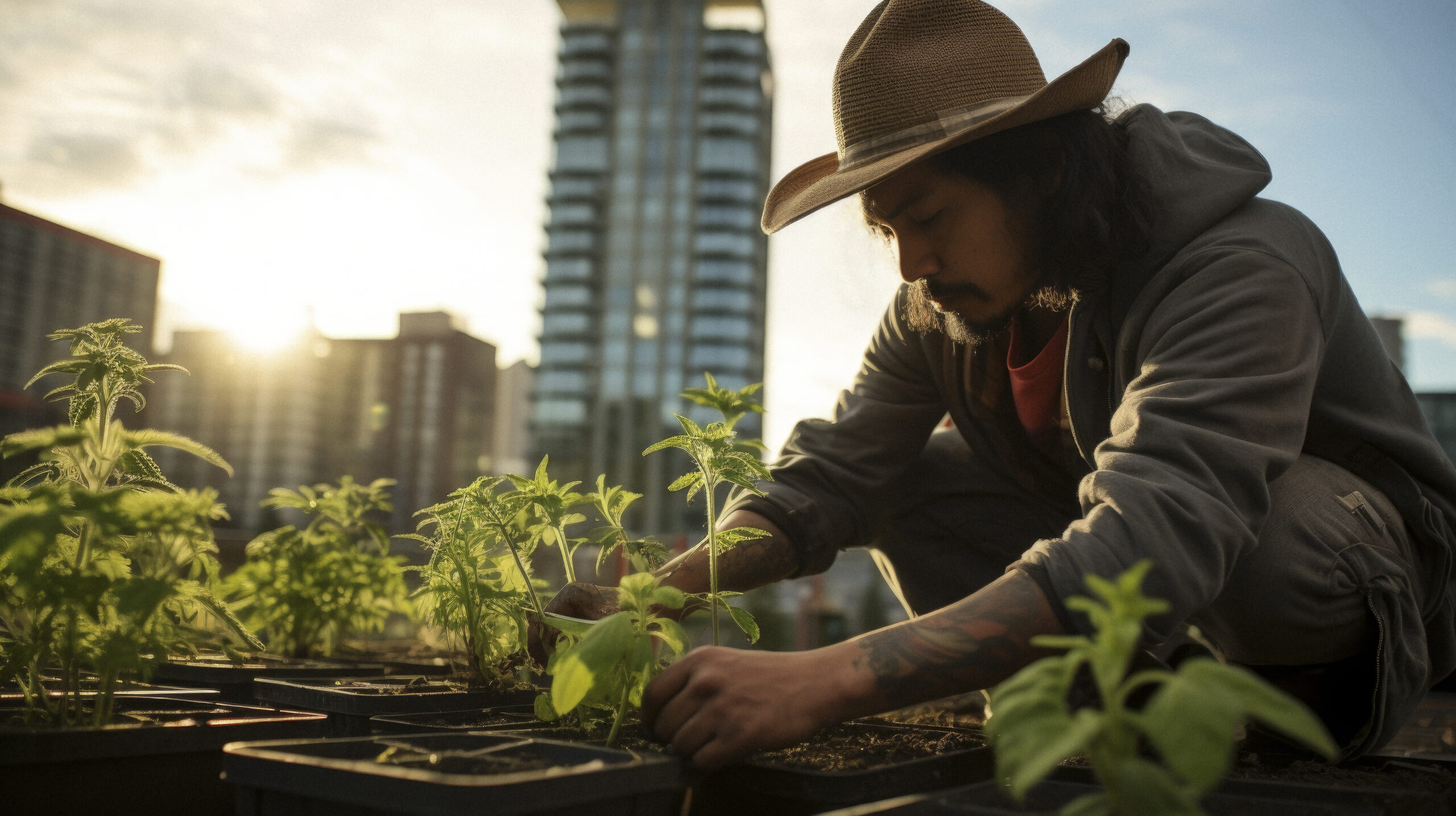
Growing cannabis for the first time can feel simple at first. Many new growers think the hard part is buying lights, setting up a small grow space, or learning when to water. Those things do matter, but one of the most important choices happens even earlier. It is the choice of strain.
The strain you pick can shape almost every part of your first grow. It can affect how tall the plant gets, how fast it flowers, how much care it needs, and how well it handles small mistakes. Some strains are strong, steady, and easier to manage. Others are more sensitive and harder to control. For a beginner, that difference matters a lot.
This is why choosing the right cannabis strain is not just a small detail. It is one of the biggest steps in setting yourself up for a smoother grow. A beginner-friendly strain can make the process easier to understand. It can also help new growers avoid common problems that lead to stress, wasted time, and poor results.
When people talk about the easiest cannabis strains for beginners, they usually mean strains with a few helpful traits. One of the most important is a fast growth cycle. A strain that grows and flowers in less time can be easier for a new grower to manage. A shorter grow means fewer weeks of care, fewer chances for mistakes, and a faster reward at the end. This can help beginners stay focused and learn faster.
Another important trait is resilience. Beginner growers often make small mistakes, and that is normal. They may water too much, wait too long to water, place the light too close, or fail to notice small changes in the environment. A beginner-friendly strain is often more forgiving. It can handle light stress better than a sensitive strain. That does not mean the plant can survive anything, but it does mean the grower has a little more room to learn.
Plant size also matters more than many new growers expect. Some cannabis strains stay short and bushy, while others grow tall and wide. For first-time growers, especially those using a grow tent, closet, or small outdoor area, a manageable plant is often the better choice. A smaller plant is easier to inspect, water, trim, and support. It is also easier to fit under lights or inside a limited space. If a strain grows too large for the area, the grow can become much harder than it needs to be.
Low maintenance needs are another part of what makes a strain beginner-friendly. Some strains need close attention to light schedules, humidity, training, and feeding. Others are more stable and easier to grow with a basic setup. For a first grow, simple is often better. A low-maintenance strain allows the grower to focus on learning the basics without dealing with too many extra problems at once.
This guide is meant to help first-time growers understand which cannabis strains are easiest to grow and why. The goal is not just to list strain names. It is to explain what makes a strain easier in the first place. That way, readers can make better choices based on their own space, skill level, and growing plans. A strain that works well for one person may not be the best choice for another. For example, a small indoor grower may need a short and fast plant, while an outdoor grower may need one that handles weather changes well.
Strain choice affects the whole growing experience. It can shape how simple or how frustrating the process feels. A good beginner strain can build confidence because it gives the grower a better chance to succeed. A poor strain choice can make the grow harder before the basics are even learned. This is why many first-time growers do better when they start with stable, hardy genetics instead of chasing rare, demanding, or high-maintenance plants.
It is also important to understand that easy does not mean low quality. A strain can be easy to grow and still be productive, healthy, and useful for learning. In fact, easy strains are often the best teachers because they let beginners focus on the core parts of growing. Instead of constantly fixing problems, the grower can spend more time learning how cannabis plants develop from seed to harvest.
In the sections that follow, this guide will break down the traits that make some strains easier than others. It will explain common beginner choices like autoflower and feminized seeds. It will also cover indoor and outdoor growing, plant size, flowering time, and common mistakes people make when choosing their first strain. By the end, readers should have a much clearer idea of how to choose a beginner-friendly cannabis strain that matches their setup and helps them start strong.
What Makes a Cannabis Strain Easy for Beginners?
Not all cannabis strains grow the same way. Some are much easier for new growers to handle. Others need more skill, more time, and closer attention every day. For a beginner, choosing an easy strain can make the whole process less stressful. It can also improve the chance of getting a healthy harvest on the first try.
A beginner-friendly strain usually has a few important traits. It should grow well without needing perfect conditions all the time. It should be able to handle small mistakes. It should not take too long to finish. It should also stay healthy in the face of common problems like mold, pests, or changes in temperature. When a strain has these qualities, it is easier for a new grower to learn the basics without feeling overwhelmed.
Short Flowering Time
One of the first things beginners should look at is flowering time. This is the amount of time a plant needs to produce mature buds once it starts flowering. Some strains finish in a shorter time, while others may take much longer.
Shorter flowering strains are often easier for beginners because they reduce the waiting period. A new grower does not have to manage the plant for as many weeks before harvest. This lowers the chance of mistakes building up over time. The longer a plant takes to finish, the more chances there are for problems with feeding, watering, lighting, humidity, or pests.
A shorter flowering time can also help beginners stay motivated. Growing cannabis requires patience, and first-time growers may become discouraged if the process feels too long or too complex. When a strain finishes faster, the grower can see results sooner. This makes the first growing experience feel more rewarding and easier to manage.
Fast-finishing strains are also useful when space or seasonal timing matters. Indoors, they help growers move through the process more quickly. Outdoors, they may finish before poor weather becomes a major problem. For a beginner, that extra speed can make a big difference.
Hardy Genetics
Hardy genetics are another key trait in an easy cannabis strain. This means the plant has strong natural growth habits and is less likely to struggle when conditions are not perfect. Beginners rarely create the ideal environment every single day, so strains with hardy genetics are often the safest choice.
A hardy strain is usually better at recovering from small errors. For example, a new grower may water too much one week and too little the next. They may also make small mistakes with light distance, airflow, or nutrient levels. A plant with strong genetics is more likely to keep growing despite these issues.
This matters because beginner growers are still learning how to read the plant. They may not notice early warning signs right away. If the strain is delicate, those mistakes can quickly lead to serious damage. If the strain is hardy, the plant has a better chance of bouncing back before the problem gets worse.
Strong genetics also tend to mean more consistent growth. The plant develops in a more predictable way, which makes it easier for beginners to understand what is normal and what is not. That kind of stability is very helpful during a first grow.
Resistance to Pests and Mold
Pests and mold are common problems in cannabis growing. They can appear indoors or outdoors, and they can damage a plant very quickly. Some strains are more resistant to these problems than others, and that makes them easier for beginners.
Pest-resistant strains are useful because new growers may not spot insects right away. Small bugs can hide under leaves or in the grow space. A strain with better natural resistance may suffer less damage while the grower learns what to watch for.
Mold resistance is just as important. Mold often becomes a problem when humidity is too high or airflow is too weak. These are common beginner mistakes, especially during the flowering stage. Dense buds can trap moisture, which creates a higher risk of mold. Strains that resist mold better can be more forgiving in less-than-perfect conditions.
This does not mean a beginner can ignore plant care. Good airflow, clean growing areas, and proper humidity still matter. But when a strain has built-in resistance, it gives the grower more room to learn. It lowers the chance that one small mistake will ruin the crop.
Adaptability to Different Environments
Beginner growers do not always have a perfect setup. Some grow in a tent. Some grow in a spare room. Some grow outside in a garden or private yard. Because of this, easy strains are often those that can adapt to different environments.
An adaptable strain can handle small changes in temperature, humidity, and light better than a sensitive one. This helps beginners because home growing conditions often change from day to day. Indoor spaces may get warmer or cooler at different times. Outdoor weather may shift without warning. A strain that adapts well is less likely to stop growing or develop problems when conditions change.
Adaptability also helps beginners who are still learning how to set up their grow space. They may not have advanced tools or years of experience. They may only have basic equipment and simple knowledge. A flexible strain works better in these situations because it does not demand perfect control from the start.
This trait is especially useful for first-time outdoor growers. Outdoor growing depends on local climate, rain, wind, and sunlight. A strain that can handle a range of conditions will usually be easier to manage than one that needs a very specific environment.
Forgiving Growth Patterns
A forgiving growth pattern means the plant is easier to manage as it grows. It may stay at a moderate height, develop evenly, and respond well to simple care. This is one of the biggest reasons some strains are better for beginners than others.
Plants with forgiving growth patterns are less likely to become too tall, too wide, or too difficult to control. This is important because new growers often have limited space. A plant that stretches too much can outgrow a small tent or become hard to light evenly. A more manageable strain makes the whole setup easier.
Forgiving strains also tend to handle small mistakes in training or pruning better. While some beginners may choose not to train their plants at all, others may try simple methods to improve shape and light exposure. A strain with steady and balanced growth is easier to work with during this stage.
Even feeding can also be part of a forgiving growth pattern. Some strains react strongly to too many nutrients, while others handle feeding errors better. For a beginner, a plant that does not overreact to every small mistake is much easier to keep healthy.
A forgiving plant is one that does not make the grower panic every time something goes slightly wrong. It gives the beginner a better learning experience and more confidence.
Why These Traits Matter for New Growers
Each of these traits helps reduce the learning curve. Short flowering time means less waiting and less risk over time. Hardy genetics help the plant recover from small mistakes. Resistance to pests and mold adds protection against common problems. Adaptability helps the plant handle changing conditions. Forgiving growth patterns make daily care easier and less stressful.
For beginners, these traits do more than make growing simpler. They also create a better chance of success. A first grow does not need to be perfect. It just needs to be manageable. When new growers choose strains with beginner-friendly traits, they can focus on learning the basics instead of trying to fix one problem after another.
An easy cannabis strain for beginners is not just a plant that grows fast. It is a plant that is stable, forgiving, and simple to manage. The best beginner strains usually flower in a shorter time, have strong genetics, resist common threats, adapt to different conditions, and grow in a way that is easier to control. These traits help new growers avoid major problems and build confidence during their first grow. Choosing a strain with these qualities is one of the smartest ways to make the growing process smoother and more successful.
Are Autoflower Strains Better for Beginners?
Autoflower strains are often seen as a good choice for beginners because they make one part of growing much simpler. Unlike photoperiod strains, autoflowers do not need a special light schedule to start flowering. They begin flowering on their own after a certain amount of time. This can make them easier for new growers who want a more direct and less confusing growing process.
To understand why this matters, it helps to first look at how cannabis plants grow. Most cannabis plants go through two main stages. The first is the vegetative stage, when the plant focuses on growing stems, leaves, and roots. The second is the flowering stage, when the plant starts producing buds. With photoperiod strains, the plant moves into flowering based on changes in light exposure. With autoflower strains, the plant moves into flowering based on age. That is the main difference, and it shapes the whole growing experience.
What Are Autoflower Strains?
Autoflower strains are cannabis plants that flower automatically after a short period of growth. In many cases, this happens after about two to four weeks of vegetative growth. The grower does not need to change the light cycle to trigger flowering. The plant follows its own timeline.
This trait comes from Cannabis ruderalis, a type of cannabis that evolved in places with shorter summers and changing light conditions. Because of this background, autoflower plants are built to move quickly from growth to flowering. Breeders have used this trait to create autoflower strains that also have the qualities many growers want, such as better yields, stronger effects, and improved flavor.
For beginners, the biggest advantage is that the plant does some of the work on its own. There is less pressure to manage lighting perfectly in order to start the flowering stage.
How Photoperiod Strains Work
Photoperiod strains depend on light and darkness to decide when to flower. When growers want these plants to stay in the vegetative stage, they usually give them long periods of light each day. When they want the plants to start flowering, they switch to a schedule with longer dark periods.
This method gives the grower more control, but it also adds another step. A beginner needs to understand when to change the light cycle and how to keep that schedule steady. If the lighting is not managed well, it can slow growth or create stress for the plant.
Photoperiod strains are not always hard to grow, but they do ask the grower to pay closer attention to timing and light control. That extra responsibility is one reason autoflowers often appeal to first-time growers.
Why Autoflowers Can Be Easier for Beginners
One reason autoflowers are often easier is that they reduce the number of decisions a beginner has to make. A new grower does not need to ask, “When should I switch to flowering?” The plant handles that step by itself. This makes the process feel more simple and less stressful.
Another reason is speed. Autoflower strains usually finish faster than photoperiod strains. Many are ready to harvest in a shorter time from seed. For beginners, this can be very helpful. A shorter grow means less waiting and fewer chances for mistakes to build up over many months. It also lets new growers learn faster because they can complete a full grow cycle sooner.
Autoflowers are also often smaller than photoperiod plants. Their compact size can be a big benefit for people growing in tight spaces. A small grow tent, closet, or private outdoor spot may be easier to manage with a plant that stays short. Smaller plants can also be less overwhelming for someone still learning the basics of watering, feeding, and plant care.
The Light Schedule Is Simpler
Light schedules can confuse many first-time growers. Photoperiod plants need one schedule during vegetative growth and another during flowering. Autoflowers remove that change. Many growers keep the same light schedule from start to finish.
This simple routine can make growing feel more manageable. A beginner can focus on learning the basics of watering, airflow, temperature, and healthy growth instead of worrying about changing light cycles at the right time. When there are fewer moving parts, it is often easier to build confidence.
This does not mean light stops mattering. Autoflowers still need good light to grow well. But the process is more straightforward because the grower does not have to use light changes to control the plant’s stage of life.
Faster Harvests Can Help New Growers
One of the biggest reasons beginners like autoflowers is their speed. A faster harvest can make the first grow feel more rewarding. New growers often want to see results in a reasonable amount of time. Waiting too long can lead to frustration, especially when a person is still learning and feels unsure.
A quicker grow also means faster feedback. If a beginner makes a mistake, they can learn from it and apply that lesson to the next grow sooner. This can make the learning process smoother. Instead of waiting a long time to see how a decision affected the plant, the grower gets answers more quickly.
For some beginners, this shorter timeline is a major advantage. It can make the first grow feel less like a long-term project and more like a clear learning experience.
Autoflowers Are Not Perfect for Every Beginner
Even though autoflowers are often beginner-friendly, they are not always the best choice for every new grower. Because they grow and flower on a fixed timeline, they have less time to recover from stress. If a plant is overwatered, damaged, or transplanted poorly, it may not have enough time to fully bounce back before flowering begins.
This matters because beginners sometimes make basic mistakes while learning. With a photoperiod plant, the grower can often keep the plant in the vegetative stage longer to allow more recovery time. With an autoflower, the clock keeps moving. The plant will usually flower whether it is fully ready or not.
This means autoflowers are simpler in one way but less flexible in another. They remove the need to manage flowering with light, but they also ask the grower to be gentle and steady from the start.
Why Some Beginners Still Choose Photoperiod Strains
Some new growers still choose photoperiod strains because they want more control. A photoperiod plant can stay in the vegetative stage longer, which gives the grower more time to shape the plant, correct problems, and build a stronger structure before flowering begins.
This can be useful for beginners who want to learn more about training methods or who need extra time to manage early mistakes. A photoperiod plant may feel less rushed. Even though the light schedule is more complex, the extra flexibility can be helpful.
Photoperiod strains may also be a better fit for growers who want larger plants or bigger harvests. Since the grower controls how long the plant stays in vegetative growth, there is more freedom to increase plant size before flowering starts.
Autoflower strains are often a strong choice for beginners because they flower automatically, grow quickly, and usually stay smaller and easier to manage. These qualities can make the first grow feel simpler and less intimidating. At the same time, autoflowers have a fixed timeline, so they may be less forgiving if the plant becomes stressed early on. In simple terms, autoflowers are better for beginners who want ease and speed, while photoperiod strains may suit beginners who want more control and flexibility.
Feminized Seeds, Autoflower Seeds, or Regular Seeds: Which Is Best for a First Grow?
Choosing the right type of cannabis seed is one of the most important first steps for a new grower. Many beginners focus on strain names first, but seed type can affect the whole grow from start to finish. It can change how much work you need to do, how much control you have, and how easy it is to get a good result on your first try.
The three main seed types are regular seeds, feminized seeds, and autoflower seeds. Each one has a different purpose. Some are better for breeders or experienced growers. Others are easier for beginners who want a simple and clear growing process. Before buying seeds, it is important to understand what each type does and how it fits your setup.
What Are Regular Seeds?
Regular seeds are the most natural and traditional type of cannabis seed. They can grow into either male plants or female plants. This is the main thing a beginner needs to know. When you plant regular seeds, you do not know in advance which plants will be male and which will be female.
This matters because most home growers want female plants. Female plants produce the buds that growers are looking for. Male plants do not produce the same kind of harvest. Instead, male plants produce pollen. If a male plant releases pollen near a female plant, the female plant may start making seeds instead of putting all of its energy into bud production.
Because of this, growers who use regular seeds need to watch their plants closely as they mature. They must learn how to identify male and female plants early. Then they need to remove the males before pollination happens. For an experienced grower, this may be a normal part of the process. For a beginner, it can feel stressful and confusing.
Regular seeds do have some value. Some growers like them because they are useful for breeding and making new seeds. Others believe regular plants may have strong and stable genetics. But for a first grow, regular seeds often add extra work that most beginners do not need. A new grower already has a lot to learn, including watering, lighting, airflow, temperature, and plant health. Adding sex identification to that list can make the first grow harder than it needs to be.
What Are Feminized Seeds?
Feminized seeds are bred to produce female plants almost all of the time. This is why many first-time growers choose them. With feminized seeds, you do not need to spend as much time worrying about male plants showing up in your grow space.
For a beginner, this can make a big difference. It removes one major problem from the process. You can focus on learning how to care for your plants instead of trying to tell males and females apart. This makes feminized seeds a simple and practical option for people who want a straightforward first grow.
Feminized seeds are especially useful for growers who want photoperiod plants. Photoperiod plants depend on light cycles to move from the vegetative stage into the flowering stage. This means the grower has more control over when the plant starts to flower. If you want time to train the plant, shape it, or let it grow larger before flowering, feminized photoperiod seeds can be a good choice.
Still, feminized seeds do not make everything automatic. A beginner still needs to manage the light schedule properly. Indoors, the plant usually needs long light hours during vegetative growth and then a change in the light cycle to begin flowering. That means feminized seeds are simple in one way, but they still require attention and planning.
For many new growers, feminized seeds offer a nice middle ground. They remove the problem of male plants but still allow more control over growth than autoflower seeds.
What Are Autoflower Seeds?
Autoflower seeds grow into plants that begin flowering on their own after a certain amount of time. They do not need a change in the light cycle to start flowering. This is what makes them different from photoperiod plants.
For beginners, this can sound very appealing. Autoflower plants are often seen as simpler because they follow their own schedule. A new grower does not need to switch lighting hours to trigger flowering. The plant moves from early growth into flowering automatically.
Autoflower plants are also known for being fast. Many finish more quickly than photoperiod plants. This shorter grow cycle can be helpful for beginners because it means they may reach harvest sooner. A faster harvest can keep new growers motivated and give them a chance to learn the full growing process in less time.
Another reason beginners often like autoflowers is plant size. Many autoflower plants stay smaller than photoperiod plants. This can make them easier to manage in a small tent, closet, or limited grow area. A smaller plant may also need less training and less space overall.
At the same time, autoflower seeds are not perfect for every beginner. Because they grow and flower on their own schedule, they leave less room for mistakes. If a young autoflower plant becomes stressed early on, it may not have much time to recover before flowering starts. With a photoperiod plant, a grower can often extend the vegetative stage and give the plant more time to recover. With an autoflower, the clock keeps moving.
So while autoflower seeds remove the need to manage light changes, they also reduce flexibility. Some beginners love this simplicity. Others may prefer the extra control that feminized photoperiod seeds can offer.
Which Seed Type Is Easiest for First-Time Growers?
For most first-time growers, feminized seeds and autoflower seeds are the easiest options. Regular seeds are usually the hardest because they can produce male plants, which adds more work and more risk.
If a beginner wants more control and is willing to learn light schedules, feminized photoperiod seeds are often an excellent choice. They make it easier to focus on healthy plant care without worrying much about male plants. They also give the grower more time to fix problems before flowering begins.
If a beginner wants a fast and simple process, autoflower seeds may be the better fit. They are often easier in small spaces and can move to harvest more quickly. They are a good choice for someone who wants a less complicated light setup and a shorter timeline.
The best option depends on the grower’s goals. A person with a small indoor setup may prefer autoflowers because of their compact size and speed. A person who wants more training time and more control may prefer feminized photoperiod seeds.
What Should Beginners Avoid?
Beginners should be careful not to choose seeds only because of a popular strain name or a high THC label. Seed type matters just as much as strain choice. A famous strain may still be difficult if the seed type does not match the grower’s skill level or setup.
A first-time grower should also avoid making the process harder than necessary. Regular seeds may sound fine at first, but they can create extra steps that many beginners are not ready for. If the goal is to learn the basics and finish a successful first grow, simpler seed types usually make more sense.
It is also important to buy from a reliable seed source. Good genetics can make the grow more stable and predictable. Poor-quality seeds can cause problems no matter which type you choose.
For a first grow, seed type can shape the whole experience. Regular seeds can produce both male and female plants, so they usually require more skill and more attention. Feminized seeds are easier for beginners because they are bred to grow female plants, which makes the process simpler and more efficient. Autoflower seeds are also beginner-friendly because they flower on their own and often finish faster, though they give the grower less time to correct early mistakes.
In most cases, beginners do best with feminized seeds or autoflower seeds. Feminized seeds are a strong choice for growers who want more control. Autoflower seeds are a strong choice for growers who want speed and simplicity. By choosing the right seed type at the start, a new grower can avoid common problems and build a better foundation for a successful first harvest.
The Best Beginner-Friendly Cannabis Traits to Look for Before You Buy
Choosing a cannabis strain can feel hard at first. There are many names, many seed options, and many claims on seed bank pages. Some strains are sold as powerful, rare, or high-yielding. But for a beginner, the best choice is not always the most famous one. It is usually the one that is easiest to manage from start to finish.
A good beginner strain should help make the growing process smoother. It should be more forgiving when small mistakes happen. It should also fit your space, your climate, and your skill level. Before you buy seeds, it is important to know which strain traits matter most. This can save time, money, and stress.
Short and Manageable Plant Height
One of the first things beginners should look at is plant height. This matters a lot, especially for indoor growing. Some cannabis plants stay short and bushy, while others grow very tall and stretch a lot during the flowering stage. A plant that becomes too tall can outgrow a tent, get too close to the grow light, or become harder to trim and train.
Shorter plants are often easier for beginners because they are simpler to control. They fit better in small rooms, closets, and tents. They also make it easier to keep the light at the right distance from the top of the plant. When plants get too close to strong lights, the leaves and buds can get damaged. A compact strain lowers that risk.
Shorter plants are also easier to inspect. A beginner can check the leaves, stems, and buds more easily for signs of stress, pests, or disease. This helps the grower catch problems early. In many cases, indica-dominant strains and some hybrids stay more compact than tall sativa-dominant strains, which is why they are often seen as easier choices for first-time growers.
Fast Flowering Time
Flowering time is another major trait to check before buying seeds. Some strains finish faster than others. For a beginner, a shorter flowering period is often a big advantage. A faster plant means less waiting and less time for mistakes to build up.
Long grow cycles can test a beginner’s patience. The longer a plant stays in the grow space, the more chances there are for light problems, feeding mistakes, temperature swings, and pest issues. A strain with a shorter flowering time reduces the amount of time the plant is exposed to those risks.
Fast-finishing strains can also be helpful outdoors. In some places, the weather changes early in the fall. If a strain takes too long to mature, cold weather, rain, or high humidity can harm the plant before harvest. A shorter flowering strain can finish before those problems become serious.
This does not mean every beginner must choose the fastest strain possible. It means shorter flowering times are usually easier to handle. A beginner often learns more from a smooth and complete first grow than from a slow and difficult one.
Strong Resistance to Environmental Stress
Cannabis plants do not always grow in perfect conditions. Even indoor growers can deal with heat, dry air, poor airflow, or uneven watering. Outdoor growers face even more change, such as wind, rain, and temperature swings. That is why resilience matters so much.
A beginner-friendly strain should be able to handle mild stress without falling apart. Some strains are known to be more stable when conditions are not perfect. They recover better from minor overwatering, missed watering, heat stress, or weak feeding mistakes. This kind of strength can make a big difference for a new grower.
Resilient strains do not remove all risk, but they give the beginner more room to learn. Small mistakes are common in a first grow. A hardy strain can survive those mistakes more easily than a sensitive one. That makes the whole process less stressful and more rewarding.
Stable Genetics
Stable genetics are very important, but many beginners do not think about them at first. A strain with stable genetics usually grows in a more predictable way. Its size, shape, flowering time, and bud development are often more consistent. This helps a beginner know what to expect.
A strain with unstable genetics can create more confusion. One plant may grow very differently from another, even if both came from the same pack of seeds. One may stretch a lot, while another stays short. One may finish quickly, while another takes much longer. This can make growing harder for someone who is still learning the basics.
Stable genetics do not mean every plant will be exactly the same. Cannabis still has natural variation. But better stability usually means fewer surprises. For beginners, that is a real advantage. Predictable growth makes it easier to plan light height, feeding, training, and harvest timing.
Mold Resistance
Mold is a serious problem for cannabis growers. It can damage buds, ruin harvests, and spread fast in the wrong conditions. Beginners may be more likely to face mold because they are still learning how to manage humidity, airflow, and watering habits.
This is why mold resistance is such a helpful trait. Some strains handle moisture better than others. They may have a plant structure that allows more airflow between branches, or they may simply be less likely to develop bud rot in humid conditions. That can make a strain safer for beginners, especially if they live in a wet climate or grow in a room with limited ventilation.
Mold resistance is not a reason to ignore the grow environment. Good airflow, proper spacing, and controlled humidity still matter. But a strain with better resistance gives the grower a stronger starting point. It adds one more layer of protection during the grow.
Pest Resistance
Pests are another common issue, especially for outdoor growers. Even indoor growers can sometimes deal with fungus gnats, spider mites, or other insects. A strain with strong pest resistance can be easier for a beginner because it may be less likely to suffer serious damage from early pest pressure.
Some strains are simply tougher. Their growth structure, leaf traits, or overall vigor can help them handle pests better. A healthy and strong plant can recover faster from minor damage and continue growing well. A weak or sensitive plant may struggle much more.
Beginners may not notice pest signs right away. They may miss the early warning signs on the underside of leaves or near the soil. A pest-resistant strain offers a little more safety while the grower learns how to inspect plants properly and keep the grow area clean.
Predictable Yields
Yield matters to most growers, but beginners should think about it in the right way. A huge yield sounds great, but it often depends on skill, environment, training methods, and time. For a first grow, a predictable yield is usually better than a strain that promises massive harvests but is hard to manage.
A beginner-friendly strain should be known for producing reliable results under normal conditions. This means the plant has a good chance of giving a decent harvest without needing advanced methods. That kind of consistency can help new growers build confidence.
Predictable yields also help set realistic expectations. Beginners often feel disappointed if they expect too much from their first grow. A strain that performs in a steady and dependable way is often a smarter choice than one that is marketed with big promises.
Before buying cannabis seeds, beginners should focus on traits that make growing simpler and safer. A good beginner strain should have manageable height, a shorter flowering time, strong resistance to stress, stable genetics, mold resistance, pest resistance, and dependable yields. These traits do not guarantee a perfect grow, but they can make the first experience much easier to handle.
Easiest Cannabis Strains for Beginners to Grow Indoors
Growing cannabis indoors can be a good choice for beginners because it gives you more control over the plant’s environment. You can manage the light, temperature, airflow, and watering more closely than you can outdoors. Even so, some strains are still much easier to handle than others. For a first indoor grow, it helps to choose strains that stay compact, grow in a predictable way, and do not need too much special care.
Why Indoor Growing Can Be Easier for Beginners
Indoor growing gives new growers a more stable space to work in. Rain, strong wind, sudden cold, and outdoor pests are less of a problem. This means a beginner can focus on learning the basics, such as proper watering, healthy lighting, and checking plant growth each day.
A controlled indoor space also makes it easier to fix mistakes early. If a room feels too hot, the grower can improve airflow. If the light is too close, it can be moved. If the plant grows too tall, training methods may help manage the height. This level of control is one reason many first-time growers start indoors.
Still, indoor growing has limits. Most beginners use a small tent, closet, or grow room. Because space is often tight, not every strain is a good fit. Some plants stretch a lot and become too tall. Others take a very long time to flower, which can test a beginner’s patience and raise the chance of mistakes over time.
What Makes an Indoor Strain Beginner-Friendly
The easiest cannabis strains for indoor beginners usually share a few important traits. First, they tend to stay shorter and bushier. This matters because indoor spaces often have limited height. A tall strain can quickly outgrow a small tent and get too close to the lights, which may damage the plant.
Second, beginner-friendly indoor strains often have stable genetics. This means they grow in a more predictable way. A new grower does not want a plant that reacts badly to every small change in feeding, watering, or temperature. Strains with steady growth patterns are easier to manage and easier to learn from.
Third, easier indoor strains usually have shorter flowering times. A faster grow helps beginners reach harvest sooner. This keeps the process simpler and lowers the chance of problems that can happen during a long grow cycle. When plants take many extra weeks to finish, small issues like nutrient mistakes, humidity problems, or stress can build up.
Finally, good beginner strains are often more resistant to common indoor problems. These include mold, overwatering stress, heat stress, and minor feeding mistakes. No strain is impossible to harm, but some are more forgiving than others.
Why Compact Plants Work Better Indoors
Plant size matters a lot in an indoor setup. Many new growers do not realize how quickly cannabis can grow once it becomes healthy and enters its flowering stage. A plant that looks small in early growth can stretch fast under indoor lights. This is why compact strains are often the safest choice for beginners.
Shorter plants fit more easily under lights and inside tents. They are also easier to inspect, water, trim, and move if needed. A compact plant can make the whole setup feel more manageable. This is important for a beginner who is still learning how much room a plant really needs.
Compact strains also work well when growers want to keep things simple and low-stress. They are less likely to crowd the space, block airflow, or press against the walls of the tent. Better airflow around the plant can help lower the risk of mold and other moisture-related problems.
How Stable Indoor Conditions Help Easy Strains Thrive
Indoor growing works best when the environment stays steady. Beginner-friendly strains often do very well in these stable conditions because they can grow without facing too many outside changes. When light schedules stay consistent and the temperature remains in a comfortable range, easy strains tend to grow in a more even and healthy way.
This does not mean the grower can ignore the plant. Indoor cannabis still needs daily attention. The soil or growing medium must not stay too wet for too long. Air should move through the grow space. Humidity should not become too high, especially during flowering. But in general, a simple indoor setup can help easy strains perform well with basic care.
Because of this, indoor beginners often have the best results when they match an easy strain with a simple setup. A manageable strain in a stable space is usually a better first choice than a difficult strain in a crowded or poorly controlled room.
Common Indoor Strain Types That Are Easier for Beginners
In many cases, indica-dominant strains and balanced hybrids are easier to grow indoors than tall, slow-flowering sativa-dominant strains. This is mainly because indica-leaning plants often stay shorter and finish flowering faster. Their structure usually fits better in smaller grow spaces.
Balanced hybrids can also be a strong option for beginners. They may offer a mix of manageable height, steady growth, and a reasonable flowering time. For a new grower, this balance can make the growing process feel less difficult.
Autoflower strains are another option many indoor beginners consider. These plants flower based on age rather than changes in the light cycle. This can simplify the process because the grower does not need to manage flowering by changing light hours. However, beginners still need to be careful, since autoflowers have less time to recover from stress. They can be simple in some ways, but they still need gentle handling.
What Beginners Should Avoid in Indoor Growing
For a first indoor grow, it is usually best to avoid strains that are known for getting very tall, stretching heavily, or taking a long time to finish. These strains can be harder to control and may need more training, pruning, and patience. A beginner may also struggle with strong-smelling strains if odor control is weak.
It is also wise to avoid choosing a strain only because it is famous or has very high THC. Popularity does not always mean ease of growth. A first-time grower will often learn more and get better results from a hardy, simple strain than from one that is hard to manage.
The easiest cannabis strains for beginners to grow indoors are usually compact, stable, and simple to care for. They fit better in small spaces, respond well to steady indoor conditions, and often finish faster than more difficult strains. For most new growers, the best indoor choice is a strain that stays manageable, handles small mistakes well, and does not demand advanced growing skills. Starting with an easy indoor strain can make the first grow smoother, less stressful, and more likely to succeed.
Easiest Cannabis Strains for Beginners to Grow Outdoors
Growing cannabis outdoors can be a good choice for beginners because the sun provides free light and plants often have more room to grow. Still, outdoor growing is not always simple. Unlike indoor grows, outdoor plants must deal with weather, insects, changing temperatures, and moisture in the air. That is why strain choice matters so much. A beginner-friendly outdoor strain is usually one that can handle stress, finish on time, and stay healthy even when conditions are not perfect. Many growing guides emphasize the importance of picking genetics that match the local climate and season, because the wrong strain can struggle even if the grower does everything else correctly.
Why outdoor growers need hardy strains
For a first outdoor grow, hardiness is one of the most important traits to look for. A hardy strain can recover better from small mistakes and natural stress. Outdoors, plants may face heavy rain, strong sun, cool nights, sudden heat, or windy days. Beginners do not have full control over these conditions, so they usually do better with strains that are known for toughness and steady growth.
Hardy outdoor strains also help reduce stress for the grower. A plant that resists trouble gives a beginner more time to learn the basics, such as watering, feeding, and watching for signs of disease. If the strain is too delicate, small problems can become big ones very fast. For a first grow, a strong and forgiving plant is often a better learning experience than one that requires perfect conditions every day.
Resistance to weather and temperature swings
Outdoor cannabis plants must deal with natural weather changes. This is one reason climate matters so much when choosing a strain. Some strains do better in warm and dry places, while others can handle cooler or wetter conditions. Outdoor cultivation resources often explain that climate should guide strain choice from the start, because the same plant can thrive in one area and struggle in another.
Temperature changes are also important. Cannabis generally grows best in warm conditions, but outdoor plants often face hot days and cooler nights. In many places, late-season cold and rain become serious risks near harvest time. Cold, wet weather and high humidity can lead to mold, bud rot, and other problems if the plant finishes too late in the season. For this reason, beginners often benefit from strains that can tolerate weather stress and complete their flowering cycle before harsh fall conditions arrive.
Heat tolerance can also matter in regions with very hot summers. Some cannabis strains handle strong sunlight and high temperatures better than others. In cooler areas, growers may need strains that tolerate lower temperatures or mature more quickly. The easiest outdoor strain is not the same everywhere. It is the one that grows well in the specific environment where it is planted.
Why pest and mold resistance matter outdoors
Pests and mold are common outdoor problems, and they can be difficult for beginners to manage. Outside, plants are exposed to insects, high humidity, and changing weather conditions. These factors can increase the risk of plant diseases and infestations.
Mold can be especially damaging because it often develops inside dense cannabis flowers before it becomes visible. By the time the grower notices it, large parts of the harvest may already be affected. This is why mold resistance is often listed as an important trait for outdoor strains, especially in areas with frequent rain or humid climates.
Pest resistance is another helpful trait for beginners. Outdoor plants may attract insects such as aphids, caterpillars, mites, and other garden pests. Strains that naturally tolerate pest pressure can reduce the risk of severe damage. While no strain is completely immune, stronger genetics can help plants stay healthier and recover more easily from minor infestations.
The value of shorter flowering times outdoors
Flowering time plays a major role in outdoor success. A cannabis strain that takes too long to mature may run into cold temperatures, heavy rainfall, or increasing humidity before harvest. This can damage buds and reduce overall yield.
For this reason, many beginner growers choose strains with shorter flowering periods. Faster-finishing plants allow growers to harvest earlier in the season, before weather conditions become more challenging. Shorter grow cycles can also reduce the time that plants remain exposed to outdoor risks.
Autoflower strains can also appeal to beginners who grow outdoors. These plants begin flowering based on age rather than changes in daylight hours. Because of this, they often complete their life cycle more quickly than traditional photoperiod plants. Faster harvests can help beginners avoid late-season weather problems.
However, even with autoflower plants, strain selection should still match the climate. A fast flowering plant may still struggle if it is not suited to the region’s temperature, humidity, or sunlight conditions.
How climate, growing season, and sunlight affect strain choice
Outdoor strain selection should always start with local growing conditions. Climate determines the typical temperature range, humidity levels, and rainfall patterns during the growing season. These environmental factors affect how well a cannabis plant will grow.
The length of the growing season is also important. Some regions have long, warm summers that allow plants plenty of time to mature. Other areas have shorter seasons, which require strains that finish quickly before cooler weather arrives.
Sunlight exposure is another key factor. Cannabis plants need strong sunlight to grow properly. Outdoor plants should be placed in locations that receive several hours of direct sunlight each day. If a plant does not receive enough light, growth may slow and flowering may be less productive.
For beginners, the easiest strains are usually the ones that match the natural environment. A plant that fits the climate, season length, and sunlight conditions is more likely to grow well without constant intervention.
The easiest cannabis strains for beginners to grow outdoors are usually the ones that are strong, adaptable, and suited to the local climate. Hardy plants that tolerate weather changes, resist pests and mold, and finish flowering before harsh seasonal conditions tend to perform better for new growers. Climate, sunlight, and the length of the growing season all influence strain choice. For a first outdoor grow, choosing a strain that matches the environment is one of the most important steps toward a healthy plant and a successful harvest.
Are Indica, Sativa, or Hybrid Strains Easier for Beginners?
Choosing between indica, sativa, and hybrid strains can feel confusing at first. Many new growers see these terms on seed listings and wonder which one is easiest to grow. The short answer is that many beginners often have an easier time with indica or balanced hybrid strains. That is because these plants are usually easier to manage in size, often finish faster, and may fit better in small grow spaces. Still, the best choice depends on the grower’s setup, space, climate, and goals.
What indica, sativa, and hybrid mean
Cannabis strains are often grouped into three main types: indica, sativa, and hybrid. These labels are commonly used to describe how a plant tends to grow. In growing terms, the labels matter most because they can give a beginner a general idea of the plant’s size, shape, and flowering time.
Indica strains are often linked with shorter, bushier plants. They usually have wider leaves and a more compact structure. Because of their shape, they are often easier to fit into smaller indoor grow spaces.
Sativa strains are often taller and more open in shape. They may stretch a lot during growth, especially when they begin flowering. Their leaves are usually narrower, and the plants can take longer to finish.
Hybrid strains are a mix of indica and sativa genetics. Some hybrids lean more toward indica, while others lean more toward sativa. Many modern beginner-friendly strains are hybrids because breeders often combine useful traits from both types.
Why plant shape matters for beginners
Plant shape is one of the main reasons some strains are easier than others. A first-time grower often has limited space. Many people start with a small tent, a closet grow, or a compact outdoor area. In these cases, a short and bushy plant is often easier to handle than one that grows tall and wide.
Indica-dominant plants usually stay shorter than sativa-dominant plants. This can make a big difference for beginners. A shorter plant is easier to light evenly indoors. It is also easier to water, inspect, and prune. If a plant grows too tall too fast, it may get too close to the light, which can stress the plant and reduce growth quality.
Sativa-dominant plants can become hard to control if the grower is not ready for them. They may stretch quickly and need more training, more vertical space, and more planning. For a beginner, this can add stress and raise the chance of mistakes.
Hybrid strains can be a good middle ground. A balanced hybrid may offer better size control than a pure sativa while still giving strong growth and solid yields. This is one reason many new growers start with hybrids that are known for stable and manageable growth.
Flowering time and grow difficulty
Another key issue for beginners is flowering time. This means how long the plant takes to finish once it starts producing buds. In general, indica strains often flower faster than sativa strains. Many indica-dominant plants can be ready sooner, while sativa-dominant plants often take longer.
This matters because a shorter flowering time gives beginners a simpler first grow. The less time a plant spends in the flowering stage, the less time there is for problems to build up. A shorter grow also helps beginners stay motivated. Waiting many extra weeks for a plant to finish can be frustrating, especially for someone still learning the basics of watering, lighting, and plant care.
Sativa plants may need more patience. Since they often take longer to mature, the grower must keep the plant healthy for a longer period. That means more chances for problems with nutrients, humidity, pests, or light stress. This does not mean sativas are bad plants. It only means they may ask more from a first-time grower.
Hybrid strains vary. Some finish fast like indicas, while others take longer like sativas. A beginner should always read the seed description carefully instead of relying only on the word hybrid.
Indoor growing and strain choice
For indoor growing, indica and indica-leaning hybrids are often easier for beginners. Indoor spaces are usually limited. Lights hang from above, and plants need enough room to grow without crowding the setup. A compact plant is often simpler to manage in that kind of environment.
A tall sativa can quickly outgrow a small tent. It may need more trimming, bending, or training to stay under control. A beginner can learn those skills, but it is often easier to start with a plant that naturally stays shorter.
Balanced hybrids also work well indoors because many of them are bred for home growers. They may have a more predictable growth pattern and a moderate height. For a new grower, that can make daily care feel less overwhelming.
Outdoor growing and strain choice
Outdoor growing changes the picture a little. If there is plenty of space and a long growing season, some sativa-dominant plants may do well. Their height is less of a problem when they are not trapped in a tent or small room. Still, a beginner must think about climate and time.
If the growing season is short, a faster-finishing indica or hybrid may be the safer choice. If fall weather comes early, a long-flowering sativa may not finish well before cold or wet conditions arrive. That can lead to weak results or mold problems.
In outdoor gardens, hybrids can be a smart option because they often combine good vigor with more manageable timing. For many first-time outdoor growers, a sturdy hybrid or indica-dominant plant is easier to finish successfully.
Are sativas always hard for beginners?
Sativas are not always too hard for beginners, but many are less beginner-friendly than compact indicas or balanced hybrids. A beginner can still grow a sativa if they understand what the plant needs. The problem comes when a new grower picks a tall, slow-finishing strain without enough space or time.
Some growers choose a strain based only on the name or the effects they want. That can lead them to a plant that is much harder to manage than expected. A sativa may grow too tall, flower too long, or need more control than the grower can give. For that reason, beginners usually do better by starting simple.
Which type is easiest overall?
For most beginners, indica-dominant strains and balanced hybrids are usually the easiest choices. These plants often stay smaller, finish faster, and fit better in common grow setups. They are often easier to manage from start to finish, especially indoors.
That does not mean every indica is easy or every sativa is hard. Each strain is different. The label gives a general guide, but the real details come from the plant’s specific traits. A beginner should look at height, flowering time, resistance, and seed type before making a final choice.
Indica, sativa, and hybrid strains all have their own growing patterns, but they are not equally easy for first-time growers. In many cases, indica-dominant strains are easier because they stay shorter and often flower faster. Balanced hybrids are also a strong choice because they can offer a mix of manageable size and steady growth. Sativa-dominant strains can still be grown by beginners, but they often need more space, more patience, and more control. For a first grow, the safest choice is usually a strain that is compact, simple to manage, and well suited to the grower’s setup.
How Important Are Plant Size, Smell, and Flowering Time for First-Time Growers?
For first-time growers, plant size, smell, and flowering time are three of the most important things to think about before choosing a cannabis strain. Many beginners focus on strain names, THC levels, or popularity first. But in real life, those are not always the things that make a grow easier. A strain may sound exciting, but if it grows too tall, smells too strong, or takes too long to finish, it can create problems that are hard for a new grower to manage.
This is why beginners should start with simple, practical questions. How much space do you have? How much smell can you handle? How long are you willing to wait for harvest? These questions help you choose a strain that fits your setup and skill level.
Plant Size Matters More Than Many Beginners Expect
Plant size is a major factor because it affects almost every part of the growing process. If a plant grows too large for the space, it can become hard to control. This is a common problem for first-time growers, especially indoors. A beginner may start with a small plant and think everything is fine, only to find that the plant grows much taller and wider during the next few weeks.
In a small grow tent, closet, or spare room, a tall strain can quickly outgrow the space. When that happens, the plant may get too close to the grow light. This can stress the plant and damage the top leaves and flowers. Large plants can also block airflow, which may increase the risk of mold and mildew. They can also make watering, pruning, and checking for pests much harder.
Shorter and more compact strains are often easier for beginners because they are simpler to manage. They usually fit better in small indoor spaces and are easier to monitor each day. A smaller plant also makes it easier to keep even light across the whole canopy. This helps the plant grow more evenly and reduces stress.
Plant size also matters outdoors. A very large plant may attract more attention than a smaller one. In some cases, a beginner may not have enough room in the yard for a wide or tall plant. Wind, heavy rain, and poor support can also become bigger problems when the plant gets large. Choosing a strain with a more manageable size can make the first grow feel less overwhelming.
Smell Can Become a Bigger Problem Than Expected
Smell is another factor that many beginners do not think about enough at the start. Cannabis plants can produce a strong odor, especially during the flowering stage. Some strains have a lighter smell, while others have a very strong and sharp aroma that can spread far beyond the grow area.
For indoor growers, strong smell can be difficult to control without proper equipment. If a beginner is growing in an apartment, shared home, or place with close neighbors, odor can become a serious issue. Even a healthy grow can create stress if the smell starts to fill the room, hallway, or nearby spaces. A grower may then have to spend more money on ventilation and odor control than planned.
For outdoor growers, smell can also matter a lot. A strong-smelling strain may be easier for neighbors or other people nearby to notice. This is why some beginners prefer strains that are known for milder odors. While no flowering cannabis plant is truly odor-free, some strains are still easier to manage than others in this area.
Thinking about smell early helps beginners avoid surprises later. It is much easier to choose a lower-odor strain from the start than to deal with odor problems once the plant is deep into flowering.
Flowering Time Affects Patience, Risk, and Overall Difficulty
Flowering time is also very important for first-time growers. This means the number of weeks a plant needs to produce mature flowers before harvest. Some strains finish faster, while others take much longer.
For beginners, shorter flowering times are often easier. A faster-finishing plant gets the grower to harvest sooner, which can keep motivation high. It also means fewer weeks of feeding, watering, checking, and managing the plant. The longer a grow takes, the more chances there are for mistakes. Problems with nutrients, temperature, humidity, pests, or overwatering can happen at any point. A shorter flowering period reduces the amount of time these problems have to develop.
A long-flowering strain can test a beginner’s patience. New growers are still learning how to read plant signals and respond to changes. Doing that over a very long grow cycle can feel stressful and tiring. In some cases, beginners harvest too early because they are tired of waiting. This can lower quality and yield.
Flowering time is also important for outdoor growers because weather plays a big role. If a strain finishes too late in the season, it may face cold temperatures, heavy rain, or high humidity before harvest. These conditions can raise the risk of mold and bud rot. A faster strain may avoid these late-season problems and make the grow more reliable.
Why These Three Factors Work Together
Plant size, smell, and flowering time should not be seen as separate issues. They work together and shape the overall difficulty of a grow. A tall plant with a strong smell and long flowering time can be much harder for a beginner than a compact plant with a milder odor and a quicker finish. Even if both strains can produce good results, one may clearly be easier for a first grow.
Beginners usually do best when they keep things simple. A strain that stays smaller, produces a more manageable smell, and finishes in less time often creates fewer problems. It is easier to fit into a small space, easier to live with day to day, and easier to bring to harvest without major setbacks.
For first-time growers, plant size, smell, and flowering time are not small details. They are key parts of choosing the right strain. Plant size affects space, airflow, and daily care. Smell affects privacy, comfort, and the need for odor control. Flowering time affects patience, risk, and how long the grower must manage the plant before harvest. In most cases, beginners have a smoother first grow when they choose a strain that is compact, less overpowering in smell, and quicker to finish. A simple choice at the start can prevent many problems later.
How to Match a Beginner Strain to Your Grow Setup
Choosing the right cannabis strain starts with looking at your grow setup. A strain may sound easy to grow, but it still needs to fit your space, climate, and equipment. This is why first-time growers should not choose a strain based on name alone. A better choice is to match the plant to the place where it will grow.
A beginner-friendly strain should work with your setup instead of against it. If you grow in a small tent, you need a strain that stays short. If you grow outside in a wet area, you need a strain that can handle rain and resist mold. If you only have basic lights and simple tools, you need a strain that is forgiving and not too demanding. The best first grow often comes from making a practical choice, not chasing the most famous strain.
Match the Strain to Your Indoor Space
Indoor growers need to think about space first. Many beginners grow in small tents, closets, or spare rooms. In these spaces, plant height matters a lot. Some cannabis strains stay compact and bushy, while others stretch tall and wide. A tall plant can quickly outgrow a small tent and get too close to the lights. This can cause stress, weak growth, or burned leaves.
For this reason, many beginners do better with short or medium-sized strains. Indica-dominant strains and many autoflowers are often easier to manage indoors because they usually stay smaller than sativa-dominant plants. A smaller plant is easier to water, inspect, trim, and harvest. It also gives the grower more control in a tight area.
Indoor growers should also think about how many plants can fit in the space. A beginner may think more plants means a bigger harvest, but overcrowding can create problems. Plants need room for light and airflow. When plants are packed too closely together, humidity can rise and mold risk can increase. Choosing a strain with a manageable size helps avoid this problem.
Match the Strain to Your Outdoor Conditions
Outdoor growers need to think more about weather and climate. A strain that grows well in one place may struggle in another. This is why local conditions matter so much. Before picking a strain, beginners should think about how hot, cold, wet, or dry their area is during the growing season.
In a warm and dry climate, many strains can do well because the plants get strong sunlight and lower moisture levels. In humid areas, mold resistance becomes much more important. Dense buds can trap moisture, and this can lead to rot before harvest. Beginners in wet or humid regions should choose strains that are known for stronger mold resistance and better outdoor durability.
Growing season length also matters. Some strains take longer to flower than others. If the outdoor season is short, a long-flowering strain may not finish before cold weather arrives. This can reduce yield and quality. In these cases, faster-flowering strains or autoflower strains may be a better fit. A shorter finishing time helps beginners avoid weather problems late in the season.
Think About Your Lighting and Equipment
Your equipment should also guide your strain choice. Not every beginner starts with powerful lights, advanced fans, and full climate control. Many first-time growers begin with a basic setup. This is normal, but it means the strain should be easy to handle under simple conditions.
Some strains are more sensitive to changes in light, heat, feeding, and watering. These strains may be harder for beginners. A more forgiving strain is better because it can recover more easily from small mistakes. If your lights are not very strong, it also helps to choose a strain that stays compact. Shorter plants usually do better under basic indoor lighting than tall plants that need deeper light coverage.
Ventilation is another key part of the setup. Some strains have a very strong smell, especially during flowering. If smell control is important, beginners should think about this before planting. A strain with lower odor may be easier to manage in shared spaces or private homes. This is not only about comfort. It is also about making sure the setup stays practical from start to finish.
Choose Based on How Much Time You Can Give
Another important part of matching a strain to your setup is being honest about your schedule. Some growers can check their plants several times a day. Others only have a little time each evening. Your first strain should fit the amount of care you can give.
Low-maintenance strains are often best for beginners. These strains are usually more stable and less likely to react badly to small mistakes. Autoflowers can be a good choice for people who want a faster grow and a simpler light schedule. Many beginners like them because they move from seed to harvest more quickly. Still, they also need steady care, especially early in life, because they do not have much time to recover from stress.
Photoperiod strains may give the grower more control, but they can also take longer and need light schedule changes indoors. This is why beginners should think about how much time and attention they can give before deciding between strain types.
Consider Plant Goals and Personal Limits
Beginners should also think about their own goals. Some want a quick harvest. Others want easy plant care. Some want to grow in a very small area. Others want a plant that can handle outdoor conditions with less trouble. These goals should shape the strain choice.
A strain that finishes quickly may be best for someone who wants a shorter and simpler first grow. A compact strain may be best for someone with limited space. A hardy outdoor strain may be best for someone growing in changing weather. The easiest strain is not always the same for every person. The easiest strain is the one that best matches the grower’s real setup and limits.
It is also smart for beginners to avoid strains that need a lot of training or close control. A first grow is easier when the plant has a natural shape that works well in the available space. Strains that are known for steady, predictable growth can help beginners build confidence and learn the basics step by step.
The best way to choose a beginner cannabis strain is to match it to your grow setup. Indoor growers should focus on plant size, light strength, airflow, and smell control. Outdoor growers should focus on climate, humidity, weather changes, and season length. All beginners should think about how much time, space, and equipment they really have. When the strain fits the setup, the grow becomes easier to manage, and the chances of a successful first harvest are much higher.
Common Mistakes Beginners Make When Choosing Their First Cannabis Strain
One of the most common mistakes beginners make is choosing a cannabis strain based only on THC level. Many new growers see high THC numbers and think that must mean the strain is better. In reality, a high THC level does not make a strain easier to grow. It only tells you one small part of what the plant may produce.
Some high-THC strains can be harder to manage. They may need more careful feeding, better climate control, or more experience during flowering. A beginner who chooses a strain only because it sounds strong may end up with a plant that is too sensitive or too demanding for a first grow.
For a first grow, it makes more sense to focus on traits like plant strength, short flowering time, stable growth, and resistance to stress. These traits help beginners avoid common problems and make the growing process easier to handle. A good first strain is not always the strongest strain. It is the strain that gives a new grower the best chance to learn and finish the grow successfully.
Ignoring Plant Height and Growth Structure
Another common mistake is not paying attention to how big the plant can get. Many beginners choose a strain without thinking about plant height, width, or shape. This can quickly become a problem, especially for indoor growers.
Some strains stay short and bushy. Others stretch a lot and grow tall during the flowering stage. A beginner with a small grow tent, closet, or limited room may find that a tall strain becomes hard to control. The plant may grow too close to the lights, block airflow, or crowd the whole space. This can lead to heat stress, weak light coverage, and a harder time watering and checking the plant.
Plant structure matters just as much as plant height. Some plants grow in a compact way and are easier to manage. Others need more training and pruning to stay under control. A first-time grower may not yet know how to handle a plant that grows fast in many directions.
This is why beginners often do better with compact strains that are known for a manageable size. A smaller plant is usually easier to inspect, easier to support, and easier to keep healthy in a basic setup.
Picking a Strain With a Long Flowering Time
Many beginners also make the mistake of choosing a strain with a long flowering period. This often happens when a grower picks a strain based on name, popularity, or effect without checking how long it takes to finish.
A long flowering strain may stay in bloom for many extra weeks compared to a faster strain. That means more time for mistakes to happen. It also means more time spent managing light, water, humidity, nutrients, and plant health. For a beginner, a longer grow can feel harder to finish because it requires more patience and more consistency.
Shorter flowering strains are often better for first grows because they reach harvest sooner. This helps beginners stay motivated and gives them a quicker chance to learn from the full process. A faster harvest also lowers the risk of late-stage problems like mold, nutrient imbalance, or stress during the final weeks.
This does not mean long-flowering strains are bad. It only means they are often better for growers who already understand how to manage a plant over a longer period.
Overlooking Odor Levels
Odor is another issue that many beginners do not think about enough. Some cannabis strains have a very strong smell, especially during flowering. A new grower may focus on yield or growth speed and forget that smell can become a major part of daily grow management.
A strong odor may not matter much in some outdoor spaces, but indoors it can become a serious concern. Smell can spread through a room, hallway, or even outside the home if the grow space is not set up well. Beginners who are not prepared for this may feel stressed once the plant starts producing a strong scent.
Some strains are known for lighter or more controlled odor levels, while others are famous for strong and lasting smells. A beginner should always check this before choosing seeds. Even if odor control equipment is part of the setup, choosing a strain with a more moderate smell can make the first grow simpler.
This is one more reason why strain choice should match the grower’s real situation. A plant that smells much stronger than expected can make the grow feel harder to manage, even if the plant itself is healthy.
Buying the Wrong Type of Seeds
Seed type is another area where beginners often get confused. A new grower may buy regular seeds without fully understanding what that means. Regular seeds can produce male or female plants. Since growers usually want female plants for flower production, male plants often need to be identified and removed. For a beginner, this can add stress and lead to mistakes.
If a male plant is missed, it may pollinate female plants. When that happens, the females may focus more on making seeds and less on producing usable flower. This can change the result of the whole grow.
Many beginners do better with feminized seeds because they are bred to produce female plants. This removes one major step and makes the process easier to follow. Autoflower seeds can also be a simple option for beginners because they flower automatically and usually finish faster.
The key is to understand what you are buying before you start. Seed type affects the whole grow from the beginning. Choosing the wrong one for your skill level can make a first grow much more confusing than it needs to be.
Choosing a first cannabis strain is not just about picking a popular name or the highest THC number. Beginners often run into trouble when they ignore basic growing factors like plant size, flowering time, odor, and seed type. These details shape how easy or hard the grow will be from start to finish.
A better first choice is usually a strain that is simple, stable, and well matched to the grower’s space and skill level. When beginners focus on easy-to-manage traits instead of hype, they give themselves a better chance to learn, avoid common problems, and complete a successful first grow.
A Simple Beginner Checklist for Choosing Easy Weed Strains
Choosing your first cannabis strain can feel hard at first. There are many strain names, seed types, and growing terms. A new grower can get lost very fast. That is why a simple checklist helps. Instead of choosing a strain because it sounds popular or strong, it is better to look at a few basic things first. These include seed type, where you plan to grow, how much space you have, how long you want to wait for harvest, the climate around you, and how much daily care you can give your plants.
This checklist is meant to make the process easier. It helps you focus on what matters most for a first grow. In many cases, the easiest strain is not the most famous one. It is the one that matches your setup, your time, and your skill level.
Start With the Right Seed Type
The first step is choosing the right type of seed. This matters because different seed types can make the growing process easier or harder.
Many beginners do best with feminized seeds. These seeds are bred to grow into female plants. That is important because female plants produce the buds that most growers want. If you use regular seeds, some plants may turn out male. Male plants do not produce the same usable flowers, and they can pollinate female plants. This can lower flower quality and create seeds in the buds. For a first-time grower, dealing with male plants adds more work and more chance of mistakes.
Autoflower seeds are also common for beginners. These plants begin flowering on their own after a short time. They do not need a strict light cycle to start blooming. This can make things easier, especially for people growing indoors. Autoflowers usually grow faster than photoperiod plants, and many stay smaller too. That makes them useful for small spaces and for growers who want a quicker harvest.
Photoperiod feminized seeds are another option. They can still be beginner-friendly, but they need more control over light. These plants stay in the vegetative stage until the light schedule changes. That gives the grower more control, but it also means more planning. For many new growers, feminized or autoflower seeds are the simplest starting point.
Match the Strain to Your Grow Environment
The next step is thinking about where you will grow. Some strains do better indoors, while others are better suited for outdoor conditions.
If you are growing indoors, look for strains that stay short and manageable. Indoor spaces often have height limits. A tall strain can quickly outgrow a small tent or room. Shorter plants are easier to control and easier to light evenly. Indoor beginners often do best with strains that have stable growth, moderate odor, and a shorter flowering time.
If you are growing outdoors, you need to think about weather, sunlight, humidity, and pests. Outdoor plants face more natural stress. Because of that, beginners should look for strains known for toughness. A good outdoor beginner strain should handle changes in temperature and resist mold and insects better than more delicate plants. It should also fit the length of the local growing season. A strain that takes too long to finish may run into bad weather before harvest.
Check Your Space Before You Pick a Strain
Your growing space should guide your strain choice. This is one of the most important parts of the checklist.
If you have a very small area, such as a closet, cabinet, or small grow tent, choose a strain that stays compact. A large plant can become hard to manage fast. It may grow too close to the light, block airflow, or need more pruning and training than a beginner is ready for. Small to medium strains are often easier because they fit better into limited spaces and need less adjustment.
If you have more room, you still do not need to choose the biggest plant possible. Large plants can look exciting, but they can also need more light, more support, and more attention. A first grow usually goes better when the plant size stays reasonable. A medium plant is often easier to monitor and care for from start to finish.
Think About Flowering Time
Flowering time is another key part of choosing an easy strain. This means how long the plant takes to produce mature buds once flowering begins.
For beginners, shorter flowering times are often better. A shorter grow cycle means less time for problems to build up. It also means the grower can reach harvest sooner, which can keep the process more rewarding. Long-flowering strains may need extra patience and steady care for many more weeks. That can be harder for someone still learning the basics.
Fast-finishing strains can help beginners build confidence. They allow new growers to complete a full grow sooner and learn from the experience. A shorter timeline also makes it easier to plan the grow around seasons, schedules, and available space.
Consider Climate and Local Conditions
If you grow outdoors, climate matters a lot. Even indoors, local conditions can still affect the grow area, especially if heat or humidity is hard to control.
In humid places, mold resistance becomes very important. Dense flowers can trap moisture, which can lead to rot or mildew. A beginner in a humid region should look for strains known for resisting mold better. In cooler regions, it helps to choose strains that finish earlier, before cold and wet weather arrives. In hotter areas, a strain that handles heat stress well can be a better match.
The goal is to choose a strain that suits the natural conditions around you. This lowers stress on the plant and lowers the chance that you will need to solve major problems during your first grow.
Be Honest About How Much Care You Can Give
Some strains need more attention than others. This is why maintenance level should be part of your decision.
A beginner should usually avoid strains known for being sensitive, demanding, or slow to recover from mistakes. Plants that need careful feeding, heavy pruning, or close training may be harder for a first grow. A more forgiving strain is better because it can handle small errors in watering, feeding, or environment.
Think about how much time you can really give to the grow. If your schedule is busy, choose a low-maintenance strain with sturdy genetics. If you want a simple first grow, do not choose a strain that needs advanced care just because it sounds impressive. Easy strains are easier for a reason. They stay healthier with basic care and are less likely to struggle when small mistakes happen.
Look for Stable and Predictable Genetics
Stable genetics can make a big difference for a beginner. A strain with stable genetics is more likely to grow in a predictable way. That means plant height, flowering time, and growth pattern are often more consistent.
This matters because beginners are still learning what healthy growth looks like. If a strain is unpredictable, it can be harder to tell whether the plant is doing well or not. Predictable plants make it easier to follow care routines and notice when something is wrong. When shopping for seeds, clear strain information and reliable breeding history can help a new grower make a better choice.
Do Not Ignore Odor and Smell Control
Some beginners forget to think about smell, but this can become a real issue. Certain strains produce a very strong odor, especially during flowering.
If privacy is important, or if you are growing indoors in a shared area, it may help to choose a strain with a less intense smell. Strong odor can make a small indoor grow harder to manage. Even if smell is not your top concern, it is still smart to think about it before choosing seeds. A strain that fits your living situation will be easier to handle from start to finish.
A simple checklist can save a beginner from making hard choices too soon. Start by choosing an easy seed type, such as feminized or autoflower seeds. Then match the strain to your grow environment, your available space, and your local climate. Pay close attention to plant size, flowering time, maintenance level, odor, and genetic stability.
The easiest weed strain for a beginner is usually not the one with the biggest name or the highest THC level. It is the one that fits the grower’s real setup and daily routine. When you choose a strain that matches your space, skill level, and schedule, the whole grow becomes easier to manage. That gives you a better chance of learning the process well and reaching a successful first harvest.
Conclusion
Choosing the right cannabis strain can make a big difference for a beginner. A first grow is often easier when the plant matches the grower’s space, skill level, and setup. That is why strain choice should never be treated as a small detail. It shapes how easy or hard the full grow will be from start to finish. When beginners pick strains that are simple to manage, they are more likely to avoid major problems and finish the grow with better results.
The easiest cannabis strains for beginners usually share a few clear traits. They often have strong genetics, which means they are more stable and less likely to react badly to small mistakes. They also tend to have a shorter flowering time. This matters because a faster grow gives beginners less time to run into problems. A quick finish can also help new growers stay motivated, since they do not have to wait as long to see progress. Many beginner-friendly strains are also more resistant to pests, mold, and stress. This can be very helpful for someone who is still learning how to control the environment and care for the plant.
Plant size is another important part of choosing the right strain. Many first-time growers do not have a large grow room. They may be using a small tent, a closet, or a simple outdoor space. In these cases, a compact strain is often easier to manage than a tall one. A smaller plant is easier to water, inspect, train, and harvest. It is also less likely to outgrow the space and create extra problems. Bigger plants may look exciting, but they can quickly become hard to control if the grower is not ready for them. For that reason, many beginners do better with short, bushy plants or balanced hybrids that stay at a manageable height.
Seed type also plays a major role. Regular seeds can grow into either male or female plants. This means the grower must watch closely and remove male plants if the goal is to grow buds. That added step can be confusing for beginners. Feminized seeds remove much of that guesswork because they are bred to grow into female plants. Autoflower seeds can make things even simpler for some new growers because they start flowering based on age instead of changes in light schedule. This can make the process feel easier, especially for people who want a faster and more direct path to harvest. Still, the best seed type depends on the grower’s goals, setup, and comfort level.
The difference between indoor and outdoor growing also matters when choosing a beginner strain. Indoor growers often need plants that stay small, respond well to controlled conditions, and do not take too long to finish. Outdoor growers need plants that can handle weather changes, insects, and shifts in temperature and humidity. A strain that works well in one setup may not be the best fit for another. That is why it is important to match the strain to the growing environment instead of choosing based only on popularity or name recognition.
Beginners should also think about smell, maintenance level, and overall grow difficulty. Some strains have a very strong odor, which may be hard to manage in a small home or indoor setup. Some need more training, more feeding, or more careful control over heat and humidity. Others are far more forgiving and can handle small errors without serious damage. For a first grow, simple is usually better. Choosing a strain with lower maintenance needs can help a new grower focus on the basics and build confidence.
Many beginners make the mistake of choosing a strain based only on THC level or reputation. That can lead to problems later. A strain may be famous or powerful, but still be hard to grow. A first grow should be about learning the process, not chasing the most impressive numbers. It is usually smarter to choose a strain that is easy to manage, has stable growth, and fits the available space. A smooth first grow teaches useful skills and builds a strong foundation for future success.
In the end, the easiest cannabis strains for beginners are not just the ones with fast growth or high yields. They are the ones that fit the grower’s real situation. The best beginner strain is one that matches the space, the climate, the seed preference, and the amount of time and effort the grower can give. When beginners choose with care, they reduce stress and improve their chances of a healthy first harvest. A simple, well-matched strain can turn a confusing first grow into a much more clear and manageable learning experience.
Research Citations
Adhikary, D., Kulkarni, M., El-Mezawy, A., Mobini, S., Elhiti, M., Gjuric, R., Ray, A., Polowick, P., Slaski, J. J., Jones, M. P., & Bhowmik, P. C. (2021). Medical cannabis and industrial hemp tissue culture: Present status and future potential. Frontiers in Plant Science, 12, 627240.
Barcaccia, G., Palumbo, F., Scariolo, F., Vannozzi, A., Borin, M., & Bona, S. (2020). Potentials and challenges of genomics for breeding cannabis cultivars. Frontiers in Plant Science, 11, 573299.
Buirs, L., & Punja, Z. K. (2024). Integrated management of pathogens and microbes in Cannabis sativa L. under greenhouse conditions. Plants, 13(6), 786.
Kirkby, K., Roser, S., & Plett, K. (2023). Using detached industrial hemp leaf inoculation assays to screen for varietal susceptibility and product efficacy on Botrytis cinerea. Plants, 12(18), 3278.
Monthony, A. S., Page, S. R., Hesami, M., & Jones, A. M. P. (2021). The past, present and future of Cannabis sativa tissue culture. Plants, 10(1), 185.
Petit, J., Salentijn, E. M. J., Paulo, M.-J., Denneboom, C., & Trindade, L. M. (2020). Genetic architecture of flowering time and sex determination in hemp (Cannabis sativa L.): A genome-wide association study. Frontiers in Plant Science, 11, 569958.
Petit, J., Salentijn, E. M. J., Paulo, M.-J., Thouminot, C., van Dinter, B. J., Magagnini, G., Gusovius, H.-J., Tang, K., Amaducci, S., Wang, S., Uhrlaub, B., Müssig, J., & Trindade, L. M. (2020). Genetic variability of morphological, flowering, and biomass quality traits in hemp (Cannabis sativa L.). Frontiers in Plant Science, 11, 102.
Rahemi, A., Dhakal, R., Temu, V. W., Rutto, L., & Kering, M. K. (2021). Performance of different-use type industrial hemp cultivars under Mid-Atlantic region conditions. Agronomy, 11(11), 2321.
Sirangelo, T. M. (2024). NLR- and mlo-based resistance mechanisms against powdery mildew in Cannabis sativa. Plants, 13(1), 105.
Toth, J. A., Stack, G. M., Carlson, C. H., & Smart, L. B. (2022). Identification and mapping of major-effect flowering time loci Autoflower1 and Early1 in Cannabis sativa L. Frontiers in Plant Science, 13, 991680.
Questions and Answers
Q1: What are the easiest weed strains for beginners to grow?
Some of the easiest weed strains for beginners include Northern Lights, Blue Dream, White Widow, and Easy Bud. These strains are known for being hardy plants that can handle small mistakes. They usually grow well in different environments and do not require advanced growing skills.
Q2: Why are some cannabis strains easier for beginners to grow than others?
Some cannabis strains are easier because they are more resistant to pests, mold, and environmental stress. They can also handle changes in temperature or watering better than sensitive strains. These traits help new growers succeed even if they make small mistakes.
Q3: Are autoflowering strains good for beginner growers?
Yes, autoflowering strains are often recommended for beginners. They automatically switch from the vegetative stage to the flowering stage based on age instead of light cycles. This makes them simpler to grow because beginners do not have to manage complex lighting schedules.
Q4: What is the best indoor weed strain for beginners?
Northern Lights is often considered one of the best indoor strains for beginners. It grows compact plants that are easy to manage in small spaces. It also has a short flowering time and strong resistance to pests and mold.
Q5: What is the easiest weed strain to grow outdoors?
Blue Dream is often recommended for outdoor beginners because it adapts well to different climates. It grows vigorously and produces large yields when given enough sunlight. The plant is also fairly resistant to common growing problems.
Q6: How long do easy cannabis strains usually take to grow?
Many beginner-friendly cannabis strains take about 8 to 10 weeks to flower after the plant starts the flowering stage. Autoflowering strains can be even faster, sometimes finishing in 9 to 11 weeks from seed to harvest. The exact timeline depends on the strain and growing conditions.
Q7: Do beginner strains produce good yields?
Yes, many beginner-friendly strains can still produce strong yields. Strains like Blue Dream and White Widow are known for producing large harvests even with simple growing setups. Good lighting, proper watering, and basic nutrients can help increase yields.
Q8: Do easy weed strains require special nutrients?
Most beginner strains do not require complex nutrient programs. Many growers use simple nutrient solutions designed for the vegetative and flowering stages. Following basic feeding schedules is usually enough for healthy growth.
Q9: Can beginners grow cannabis in small spaces?
Yes, many beginner strains grow well in small spaces such as grow tents or closets. Strains that stay compact, like Northern Lights or autoflower varieties, are especially suitable for limited spaces. Proper lighting and ventilation help the plants grow successfully.
Q10: What mistakes should beginners avoid when growing easy cannabis strains?
Beginners should avoid overwatering, giving too many nutrients, or changing the light schedule too often. Plants grow best when conditions remain stable. Checking the plants regularly and keeping the environment balanced can prevent many common problems.