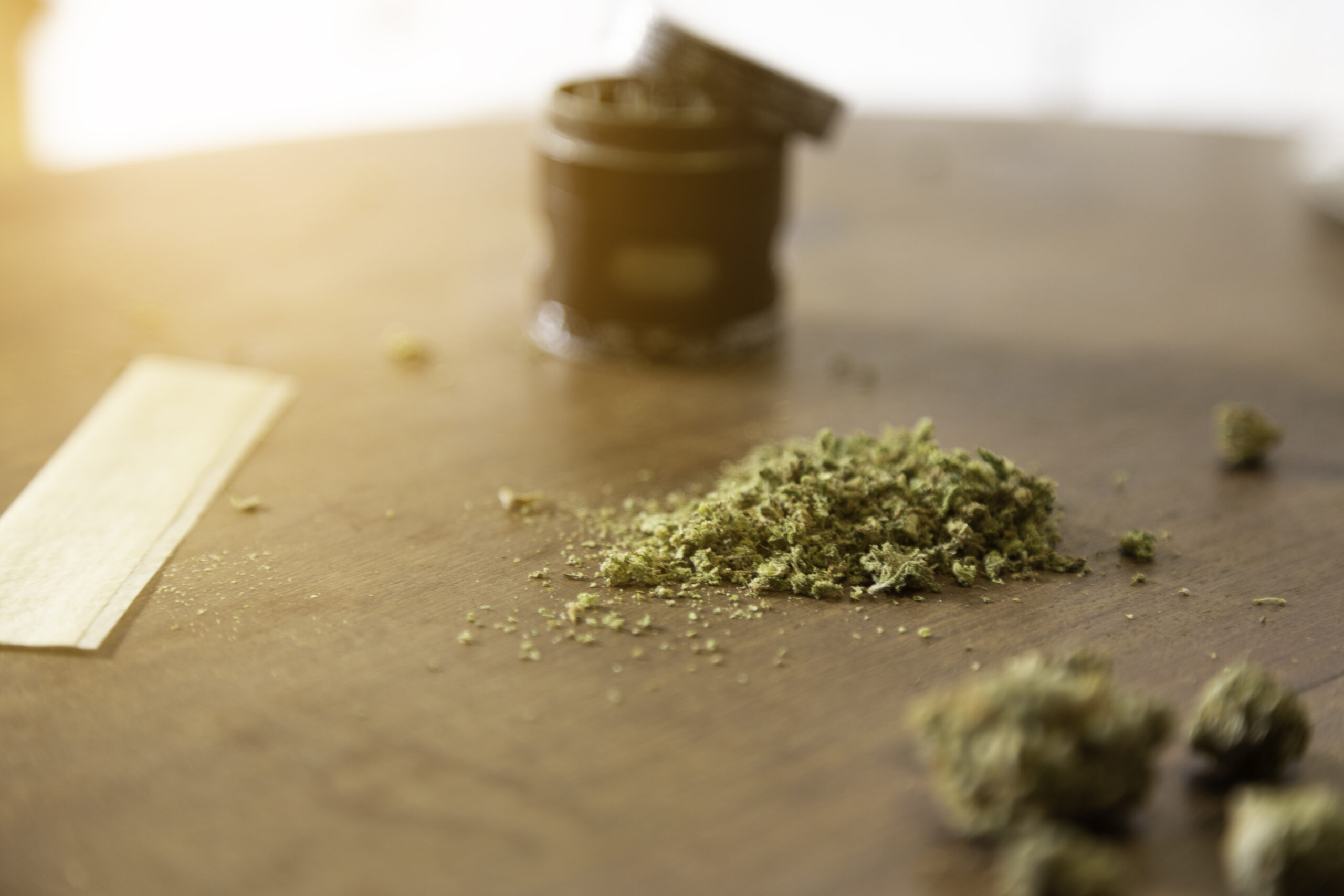


Kief is a cannabis product that many people have heard about but do not fully understand. It is often mentioned in guides, dispensaries, and online searches, yet it is rarely explained in clear and simple terms. This lack of clarity has made kief one of the most commonly searched cannabis-related topics. People want to know what it is, how it works, how strong it is, and how it can be used safely and effectively. This article is designed to answer those questions in a straightforward and easy-to-understand way.
At its most basic level, kief is a collection of tiny crystals that come from the cannabis plant. These crystals are called trichomes. Trichomes grow on the surface of cannabis flowers and leaves, and they contain most of the plant’s active compounds. When cannabis is handled, ground, or processed, these crystals can fall off and collect as a fine powder. That powder is known as kief. Because it holds a high amount of cannabinoids and aromatic compounds, kief is more concentrated than regular cannabis flower.
Kief matters because it plays an important role in how cannabis is used and understood today. It is one of the simplest forms of cannabis concentration. Unlike many modern extracts, kief does not require chemicals or advanced equipment to produce. It forms naturally and can be collected with basic tools. This makes it widely accessible and appealing to people who want a stronger cannabis experience without using complex concentrates.
Another reason kief is important is its versatility. It can be used in many different ways, including smoking, vaping, pressing into hash, or adding to edible products. Because of this, people often search for guidance on the best way to use it. Questions like “How do you smoke kief?” or “Can you eat kief?” are common because the answer depends on how kief is prepared and consumed. Without clear explanations, it is easy for users to misuse it or misunderstand its effects.
Potency is another major reason kief receives so much attention. Kief is often stronger than standard cannabis flower, which leads many people to wonder how much they should use. Some assume that because it looks like powder, it is mild or weak. In reality, small amounts can have strong effects. This makes education especially important, as using too much can lead to discomfort or unwanted effects. Clear information helps people approach kief with realistic expectations.
Legal and safety questions also drive interest in kief. In places where cannabis is legal, people often want to know if kief is treated the same as flower or concentrates under the law. Storage is another common concern. Since kief is made up of fragile plant compounds, improper storage can reduce its quality and strength over time. Understanding how to store kief correctly helps preserve its usefulness and prevents waste.
This article is written to serve as a complete educational guide. It explains what kief is, how it is collected, what it contains, and how it compares to other cannabis products. It also covers the effects of kief, common ways to use it, and important considerations related to dosage, legality, and storage. Each section builds on the last, allowing readers to develop a clear understanding step by step.
The goal of this article is not to promote or discourage cannabis use. Instead, it focuses on accurate, factual information. There are no personal opinions, stories, or testimonials included. Everything is explained in simple language so that readers do not need prior knowledge to follow along. Whether someone is new to cannabis or simply curious about kief, this guide is designed to answer the most common questions clearly and responsibly.
By the end of this article, readers should have a strong understanding of what kief is, why it is unique, and how it fits into the broader world of cannabis products.
What Is Kief?
Kief is a natural part of the cannabis plant. It is made up of tiny crystal-like particles that fall off cannabis flowers. These particles come from trichomes, which are small, sticky glands that grow on the surface of the plant. Trichomes are where most of the plant’s active compounds are stored.
When people talk about kief, they are usually referring to the dry, powdery material that collects at the bottom of a cannabis grinder or after cannabis flowers are sifted. Kief can look like fine sand or dust. Its color can range from light blond to golden brown, depending on the plant and how it was collected.
The Origin of the Term “Kief”
The word “kief” comes from the Arabic word kayf, which means pleasure or intoxication. The term has been used for hundreds of years in regions such as North Africa and the Middle East. In those areas, cannabis resin was traditionally collected and pressed into hash. Over time, the word “kief” became widely used to describe loose, separated cannabis trichomes.
Today, the meaning of kief is more specific. It usually refers to the unpressed trichomes that come directly from cannabis flowers, rather than compressed products like hash.
Where Kief Comes From on the Cannabis Plant
Kief forms on cannabis flowers as the plant grows. Trichomes develop to protect the plant from heat, insects, and environmental stress. These glands produce cannabinoids like THC and CBD, as well as aromatic compounds called terpenes.
Trichomes are most concentrated on the buds of female cannabis plants. They also appear on small leaves near the buds, often called sugar leaves. As the plant dries and is handled, trichomes can break off easily. When enough of them collect in one place, they become kief.
Kief vs. Cannabis Flower
Cannabis flower, often called “bud,” includes all parts of the dried plant material. This means it contains plant matter such as fibers, leaf tissue, and stems, along with trichomes. Kief, on the other hand, is mostly made of trichomes alone.
Because kief contains far less plant material, it is usually more concentrated than flower. This does not mean it is processed or altered. Kief is still a raw cannabis product. It is simply a separated part of the plant rather than the whole flower.
Kief vs. Other Cannabis Concentrates
Kief is often grouped with cannabis concentrates, but it is different from many other types. Most concentrates, such as wax or shatter, are made using heat, pressure, or solvents to extract cannabinoids. Kief does not require chemical extraction. It forms naturally through physical separation.
This makes kief one of the simplest cannabis concentrates. It is closer to the original plant than many modern extracts. For this reason, kief is sometimes described as a “natural concentrate.”
Why Kief Is Considered Valuable
Kief is valued because it holds a high amount of cannabinoids and terpenes in a small volume. Since trichomes contain most of the plant’s active compounds, separating them creates a product that is stronger by weight than regular flower.
Many people also value kief because it collects over time without extra effort. When cannabis is ground or handled, kief naturally falls away from the flower. This makes it a byproduct that can be saved and used later.
Appearance and Texture of Kief
Kief has a dry, powdery texture. When fresh, it may feel slightly sticky due to resin content. High-quality kief is usually light in color and flows easily. Darker kief may contain more plant material, which can affect purity.
The smell of kief is often stronger than flower. This is because terpenes are concentrated in trichomes. The aroma can vary widely based on the cannabis strain it comes from.
Kief is the collection of trichomes that naturally separate from cannabis flowers. It is not a manufactured product, but a concentrated part of the plant itself. Kief contains cannabinoids and terpenes in higher amounts than regular flower because it includes very little plant material. Its long history, natural origin, and high concentration make it an important cannabis product to understand before exploring its effects and uses.
How Is Kief Collected?
Kief is collected through a simple process that relies on the natural structure of the cannabis plant. It does not require chemicals or complex equipment. Instead, kief separates from the plant because of how cannabis flowers are formed and how they are handled over time.
Natural Separation of Trichomes
Cannabis flowers are covered in tiny crystal-like structures called trichomes. These trichomes contain most of the plant’s cannabinoids and aromatic compounds. They sit on the surface of the flower and are attached by very thin stems.
As cannabis dries and ages, trichomes become brittle. With light movement—such as touching, shaking, or grinding—the trichome heads can break off. Once detached, these tiny particles fall away from the flower. This loose collection of trichome heads is what is known as kief.
Because trichomes are dry and powder-like when separated, gravity plays an important role. Over time, even gentle motion allows kief to fall and gather on surfaces below the flower.
Using Grinders With Kief Catchers
One of the most common ways to collect kief is by using a multi-chamber cannabis grinder. These grinders usually have three or four sections:
- A top chamber with teeth for grinding flower
- A middle chamber that holds the ground cannabis
- A fine mesh screen
- A bottom chamber called a kief catcher
When cannabis is ground, the trichomes break off and fall through the mesh screen. The mesh is designed to let small particles pass while keeping larger plant material out. The kief then collects in the bottom chamber.
The size and quality of the mesh matter. A finer screen collects purer kief but may collect less of it. A wider screen allows more material through, but the kief may contain small bits of plant matter.
Over time, regular grinding can lead to a noticeable buildup of kief in the catcher. Many users collect it slowly rather than all at once.
Manual Sifting Methods
Kief can also be collected without a grinder. One traditional method is dry sifting, which involves gently rubbing cannabis flowers over a fine screen or mesh.
As the flower is moved across the screen, trichomes fall through onto a clean surface below. The process must be done carefully. Too much pressure can push plant material through the screen, lowering the quality of the kief.
Another manual method involves gently shaking dried cannabis inside a sealed container. The movement causes trichomes to break off and stick to the sides or bottom. While simple, this method often produces less pure kief than sifting or grinder collection.
Manual methods are commonly used when processing larger amounts of cannabis or when grinders are not available.
Factors That Affect Kief Yield
Not all cannabis produces the same amount of kief. Several factors influence how much kief is collected and how clean it is.
Strain type plays a major role. Some strains naturally produce more trichomes than others. These strains are often described as “frosty” or “resin-rich.”
Dryness is another key factor. Very dry cannabis releases trichomes more easily than fresh or moist flower. However, overly dry cannabis can crumble and increase plant debris in the kief.
Handling and movement also matter. Frequent grinding, shaking, or agitation leads to more trichome separation. Gentle handling results in slower kief buildup.
Temperature can have an effect as well. Cooler conditions make trichomes more brittle, which is why some people briefly chill cannabis or grinders to increase kief collection. This should be done carefully to avoid moisture exposure.
Time is often overlooked. Kief collection is usually gradual. Rushing the process may reduce quality, while slow collection tends to preserve purity.
Kief is collected through the natural separation of trichomes from cannabis flowers. This happens most often through grinding, sifting, or gentle movement over time. Grinders with kief catchers are the most common method, but manual sifting is also effective. The amount and quality of kief depend on factors such as strain, dryness, handling, and patience. Understanding these basics helps explain why kief builds up slowly and why proper collection methods matter for maintaining quality.
What Does Kief Contain?
Kief is made up of tiny, crystal-like structures called trichomes. These trichomes grow on the surface of cannabis flowers and leaves. Their main job is to protect the plant. They help defend against insects, heat, and harsh weather. For consumers, trichomes are important because they hold most of the plant’s active compounds.
When cannabis flowers are handled, ground, or shaken, trichomes can break off. Over time, these loose trichomes collect and form kief. Because kief is mostly made of trichomes, it is more concentrated than regular cannabis flower.
Below is a clear breakdown of what kief contains and why each part matters.
Trichomes: The Foundation of Kief
Trichomes are very small and cannot always be seen without magnification. They often look like tiny mushrooms with a stalk and a round head. The head of the trichome is where most active compounds are stored.
There are different types of trichomes on cannabis plants, but glandular trichomes are the most important for kief. These are the trichomes that produce cannabinoids and terpenes. When kief is collected, it mainly contains the broken-off heads of these glandular trichomes.
Because kief is mostly trichome material and very little plant matter, it is more potent and aromatic than flower.
Cannabinoids in Kief
Cannabinoids are chemical compounds found in cannabis. Kief contains a high concentration of these compounds because cannabinoids are produced and stored inside trichomes.
The most common cannabinoids found in kief include:
- THC (tetrahydrocannabinol): This is the main psychoactive compound in cannabis. It is responsible for the “high” feeling.
- CBD (cannabidiol): This cannabinoid does not cause intoxication. It is often associated with balancing or moderating effects.
- Minor cannabinoids: These may include CBG, CBN, and others, depending on the strain.
The exact cannabinoid profile of kief depends on the cannabis strain it comes from. Some strains produce kief that is very high in THC, while others may contain more CBD or a mix of cannabinoids.
Because cannabinoids are concentrated in trichomes, kief usually has a much higher cannabinoid percentage than standard cannabis flower.
Terpenes: Flavor and Aroma Compounds
Terpenes are natural compounds that give cannabis its smell and taste. They are also found in many other plants, such as citrus fruits, pine trees, and herbs.
Kief contains a strong terpene profile because terpenes are stored in trichomes along with cannabinoids. This is why kief often smells stronger or more complex than flower.
Common terpene characteristics may include:
- Earthy or herbal notes
- Citrus or fruity scents
- Pine-like or woody aromas
Terpenes may also interact with cannabinoids and influence how the effects feel. Because kief is rich in terpenes, it often delivers a more noticeable aroma and flavor when used.
Flavonoids and Other Plant Compounds
In addition to cannabinoids and terpenes, kief may contain flavonoids. Flavonoids are compounds found in many plants and are responsible for certain colors and flavors.
While flavonoids are present in smaller amounts, they still play a role in the overall profile of kief. They can affect taste, smell, and how the product looks.
Kief may also contain trace amounts of waxes, lipids, and other plant compounds that naturally occur in trichomes.
How Kief Differs From Cannabis Flower
Cannabis flower contains trichomes, plant fibers, chlorophyll, and moisture. Kief, on the other hand, is mostly trichomes with very little plant material.
This difference means:
- Kief is more concentrated
- Kief has higher cannabinoid levels
- Kief has a stronger aroma
- Kief burns or vaporizes differently
Because flower includes stems and leaf material, its active compounds are more spread out. Kief removes much of that extra material and keeps the most active parts.
Why Kief’s Composition Matters
Understanding what kief contains helps explain why it is more potent and why smaller amounts are usually used. Since it is rich in cannabinoids and terpenes, kief can deliver stronger effects and flavors compared to flower.
It also explains why kief is often used as an additive rather than consumed on its own. Its concentrated nature makes it easy to overuse if handled without care.
Kief is made almost entirely of cannabis trichomes. These trichomes contain high levels of cannabinoids, including THC and CBD, as well as aromatic terpenes and smaller amounts of flavonoids. Because kief has very little plant material, it is more concentrated than cannabis flower. This concentrated makeup is what gives kief its strength, aroma, and versatility in different consumption methods.
How Strong Is Kief Compared to Flower?
Kief is known for being much stronger than regular cannabis flower. This higher strength is one of the main reasons people collect and use it. To understand why kief is more potent, it helps to look at how cannabis works and what parts of the plant create its effects.
THC Levels in Kief vs. Flower
Cannabis flower usually contains 10% to 25% THC, depending on the strain and how it was grown. Some high-quality flowers may go slightly higher, but most fall within this range.
Kief, on the other hand, often contains 30% to 60% THC, and sometimes more. This is because kief is made almost entirely of trichomes, which are the tiny crystal-like glands that cover cannabis buds. Trichomes hold most of the plant’s THC, CBD, and other cannabinoids.
When cannabis is smoked or vaporized, these cannabinoids are what produce the effects. Since kief is a concentrated collection of trichomes, it delivers more cannabinoids in a much smaller amount than flower does.
Why Kief Is More Potent
Kief is stronger because it removes most of the plant material and keeps the most active parts. Cannabis flower contains stems, leaves, and other plant matter that do not contribute much to potency. Kief removes these parts and focuses on what matters most for strength.
This concentration means that even a small pinch of kief can significantly increase the effects of cannabis. Adding kief to a bowl or joint can make it feel much stronger than using flower alone.
Potency Can Vary
Not all kief is equally strong. Its potency can change based on several factors:
- Cannabis strain: Some strains naturally produce more THC-rich trichomes than others.
- Collection method: Fine, clean kief is usually stronger than kief mixed with plant material.
- Age and storage: Kief can lose potency over time if exposed to heat, air, or light.
- Dryness of flower: Drier cannabis tends to release trichomes more easily, which can affect kief quality.
Because of these factors, two samples of kief may look similar but feel very different in strength.
How Kief Compares to Other Concentrates
While kief is stronger than flower, it is usually less potent than many modern cannabis concentrates such as wax, shatter, or distillate. These products are often chemically or mechanically extracted and can reach THC levels of 70% to 90%.
Kief sits in the middle. It is more powerful than flower but not as intense as highly processed concentrates. This makes it appealing to people who want stronger effects without moving to heavy concentrates.
Effects of Using a Small Amount
Because kief is potent, small amounts can go a long way. Using too much at once may lead to effects such as:
- Strong intoxication
- Increased heart rate
- Dizziness
- Anxiety or discomfort in some users
These effects are more likely when someone treats kief the same way they would treat flower. Since kief is stronger, it usually requires a lighter approach.
Why Potency Feels Different
The effects of kief may feel stronger not only because of higher THC but also because of terpenes. Terpenes are aromatic compounds that influence how cannabis feels. Since kief often contains a high terpene concentration, its effects may feel more intense or more focused.
Some people describe kief-enhanced cannabis as having a faster onset or deeper effect. This is not because it acts differently in the body, but because more active compounds are delivered at once.
Kief is significantly stronger than regular cannabis flower because it contains a concentrated amount of trichomes. While flower typically contains 10% to 25% THC, kief often ranges from 30% to 60% THC. Its strength can vary based on strain, collection method, and storage conditions.
Kief is not as strong as many processed concentrates, but it is powerful enough that only small amounts are usually needed. Understanding its potency helps prevent overuse and allows for more controlled consumption.
What Are the Effects of Kief?
Kief is known for producing stronger effects than standard cannabis flower. This is because kief is made up of trichomes, which contain most of the plant’s THC, other cannabinoids, and aromatic compounds called terpenes. When kief is used, these concentrated compounds enter the body in higher amounts than they would from flower alone.
Below is a clear breakdown of what kief does, how its effects feel, and how they compare to other cannabis products.
General Psychoactive Effects of Kief
The most noticeable effect of kief is its strong psychoactive impact. Because kief often contains a high level of THC, many people report feeling the effects more quickly and more intensely than when using flower.
Common effects include:
- A strong sense of euphoria or uplifted mood
- Increased sensory awareness, such as brighter colors or enhanced sounds
- Deep relaxation in the body
- Changes in time perception
- Heightened focus or, in some cases, mental cloudiness
These effects are not unique to kief, but they tend to be more powerful due to its concentrated nature.
Differences in Intensity Compared to Flower
Kief is usually much stronger than regular cannabis flower. While flower often contains 10% to 25% THC, kief can contain significantly more. Because of this, the same amount of kief will usually produce stronger effects than the same amount of flower.
This increased strength means:
- Effects may feel more pronounced
- Less material is needed to feel an impact
- Overuse can happen more easily if amounts are not controlled
For this reason, kief is often used as an addition to flower rather than on its own.
Onset of Effects
How fast kief takes effect depends on how it is consumed.
- Smoked or vaporized kief: Effects usually begin within a few minutes. Because kief burns quickly, cannabinoids enter the bloodstream fast through the lungs.
- Kief used in edibles: Effects take much longer to appear, often 30 minutes to 2 hours. This is because the body must digest and process the cannabinoids first.
When smoked or vaporized, the quick onset can make it easier to judge strength. When eaten, the delayed onset increases the risk of taking too much.
Duration of Effects
The effects of kief can last longer than those from flower, especially when higher amounts are used.
- Inhaled kief: Effects may last 2 to 4 hours, with the strongest effects happening early.
- Edible kief: Effects can last 6 hours or more, depending on dose and metabolism.
Because kief is potent, lingering effects such as drowsiness or mental fog may remain even after the main effects fade.
Physical Effects
Kief can produce noticeable physical sensations. These may include:
- Heavy or relaxed limbs
- A warm or buzzing body feeling
- Increased appetite
- Dry mouth and dry eyes
Some people may also feel physical discomfort if too much kief is used, such as dizziness or nausea.
Mental and Emotional Effects
Mentally, kief can strongly affect mood and thinking. Depending on the amount used and the strain source, it may cause:
- Calmness and reduced stress
- Intense focus or creative thinking
- Confusion or racing thoughts if overused
High doses of THC may also increase anxiety or restlessness in some people, especially those with low tolerance.
Role of Terpenes in Kief Effects
Kief contains not only cannabinoids but also terpenes. Terpenes are aromatic compounds that influence how cannabis feels.
For example:
- Some terpenes may support relaxation
- Others may promote alertness or mental clarity
Because kief is rich in trichomes, it often has a strong aroma and a more layered effect profile than flower alone.
Kief produces strong and fast-acting effects due to its high concentration of cannabinoids and terpenes. Compared to cannabis flower, it delivers greater intensity, longer-lasting effects, and more noticeable physical and mental sensations. While these effects can be enjoyable, they also require careful use. Because of its strength, small amounts are usually enough, and slower consumption helps reduce unwanted side effects.
How Do You Use Kief?
Kief is a flexible cannabis product. It can be used in several ways, depending on what the user wants and what tools they have. Most people do not use kief on its own. Instead, it is commonly used to enhance other cannabis products. This is because kief is more concentrated than regular cannabis flower and can be very strong in small amounts.
Below are the main ways kief is used and how each method works.
Using Kief as an Enhancer
The most common way to use kief is as an add-on to cannabis flower. Rather than replacing flower, kief is usually sprinkled on top of it. This allows users to increase potency without changing their usual routine.
When added to flower, kief can:
- Increase THC levels
- Make effects stronger and longer-lasting
- Add more flavor and aroma due to terpenes
Because kief burns faster than flower, it works best when mixed or layered carefully. Many users place flower at the bottom of a bowl, add a small amount of kief, and then cover it with more flower. This helps the kief burn more evenly.
Smoking Kief With Flower
Kief is often smoked in bowls, pipes, or joints when combined with cannabis flower.
Common methods include:
- Sprinkling kief on top of packed flower in a bowl
- Rolling kief into a joint along with ground flower
- Adding kief to a blunt for added strength
Smoking kief alone is possible, but it is not recommended for most people. Pure kief burns quickly and unevenly, which can waste material and create harsh smoke.
Using Kief in Vaporizers
Some vaporizers can handle kief, but not all of them. Kief is very fine and can clog screens or airflow holes.
When using a vaporizer:
- Kief should be placed on top of flower, not directly on the heating surface
- A concentrate pad or mesh screen is often required
- Lower temperatures may help preserve flavor
Vaporizing kief can reduce harshness compared to smoking, but it still delivers strong effects.
Pressing Kief Into Hash
Another common use of kief is to turn it into hash. This is done by applying heat and pressure to compress the loose powder into a solid form.
Pressed hash:
- Burns more slowly than loose kief
- Is easier to handle and store
- Can be smoked, vaporized, or added to flower
This method does not require solvents, which makes it different from many modern concentrates.
Using Kief in Edibles
Kief can also be used to make edible cannabis products. However, it must first be heated to activate the THC. This process is known as decarboxylation.
Once heated, kief can be:
- Mixed into butter or oil
- Added to food during cooking
- Used in homemade edible products
Edibles made with kief are often strong because kief contains a high level of cannabinoids. Because edible effects take longer to start, careful portion control is important.
When Kief Is Used as the Main Material
While less common, some people do use kief as the primary cannabis material. This usually happens when:
- A large amount of kief has been collected over time
- Kief has been pressed into hash
- Flower is not available
In these cases, the user must be careful with heat and dosage, since kief reacts differently than flower.
Choosing the Right Method
The best way to use kief depends on:
- Experience level
- Available tools
- Desired strength
- Personal tolerance
For most people, adding a small amount of kief to flower is the simplest and most controlled option.
Kief can be used in many ways, but it is most often used to boost the strength of cannabis flower. It can be smoked, vaporized, pressed into hash, or used in edibles. Because it is more potent than regular flower, small amounts are usually enough. Understanding how kief burns and how strong it is helps users avoid waste and unwanted effects.
What Are the Best Ways to Smoke or Consume Kief?
Kief can be used in several ways. Each method changes how strong the effects feel, how fast they begin, and how long they last. Because kief is much stronger than regular cannabis flower, it is usually used in small amounts. Below are the most common and effective ways to smoke or consume kief, explained clearly and step by step.
Sprinkling Kief on Flower (Bowls, Joints, and Blunts)
This is the most common way to use kief. It is simple and does not require special tools.
Kief is lightly sprinkled on top of ground cannabis flower. The flower acts as a base and helps the kief burn more evenly. When used this way, kief increases the strength of the cannabis without changing the smoking method.
How it works:
- In a bowl: Pack ground flower first, then add a thin layer of kief on top
- In a joint or blunt: Place kief along the center of the ground flower before rolling
Why people use this method:
- Easy for beginners
- Low risk of wasting kief
- Stronger effects than flower alone
Important note:
Kief should not be packed by itself in a bowl. It can burn too fast and block airflow, which leads to wasted material.
Using Kief in a Vaporizer
Some vaporizers can handle kief, but not all of them. Kief is very fine, so it can melt or clog heating elements if used incorrectly.
Best practices:
- Always place kief on top of flower or between layers of flower
- Use a vape with a concentrate pad or screen if available
- Keep the temperature moderate to avoid burning
Benefits of vaporizing kief:
- Cleaner inhalation compared to smoking
- Better flavor from preserved terpenes
- More controlled effects
Limitations:
- Not all vaporizers are suitable
- Can be harder to clean afterward
Vaporizing kief is best for people who already understand how their device works.
Pressing Kief Into Hash
Kief can be pressed into hash using heat and pressure. This changes the loose powder into a solid form that is easier to store and use.
What changes when kief becomes hash:
- Slower burn
- More stable texture
- Easier handling
Pressed kief hash can be smoked in bowls, pipes, or joints, often mixed with flower. This method does not increase potency, but it does improve usability.
This option is best for people who collect large amounts of kief over time.
Using Kief in Edibles
Kief can be used to make edibles, but it must be heated first. This heating process is called decarboxylation. Without this step, kief will not produce strong psychoactive effects when eaten.
General steps involved:
- Heat kief at a controlled temperature
- Infuse it into butter or oil
- Use the infused product in food
Things to consider:
- Effects take longer to start
- Effects usually last longer
- Dosage can be harder to control
Because of its strength, even small amounts of kief can create very strong edible products.
Comparing the Main Consumption Methods
Each method has advantages and limits:
- Smoking with flower: Easy, fast effects, good control
- Vaporizing: Cleaner taste, more efficient, device-dependent
- Pressed hash: Easier handling, longer burn
- Edibles: Long-lasting effects, delayed onset
There is no single “best” method. The best choice depends on experience level, available tools, and desired effects.
Kief is best used as an addition, not a replacement, for cannabis flower. Small amounts go a long way. Mixing kief with flower helps it burn evenly and reduces waste. Vaporizing offers cleaner use but requires the right equipment. Pressing kief into hash improves storage and handling. Edible use is possible but requires extra preparation and careful dosing.
Can You Eat Kief?
Yes, kief can be eaten, but eating it does not always produce effects unless it is prepared the right way. Many people misunderstand how kief works in food, so it is important to explain the process clearly. This section breaks down what happens when kief is eaten, why heating matters, and what people should know before using kief this way.
Eating Kief in Its Raw Form
Kief in its raw form is made of trichomes that contain cannabinoids like THC and CBD. However, raw kief is not psychoactive when eaten. This means that if someone sprinkles kief directly onto food and eats it, they are unlikely to feel any effects.
The reason for this is simple. THC, the main compound responsible for psychoactive effects, must be activated by heat. In raw cannabis products, THC exists mostly as THCA. THCA does not cause intoxication. Without heat, the body cannot convert THCA into THC.
Because of this, raw kief may pass through the digestive system without producing noticeable effects. While it still contains cannabinoids and plant compounds, they remain mostly inactive.
Why Heating (Decarboxylation) Is Required
To make kief effective when eaten, it must go through a process called decarboxylation. This process uses heat to change THCA into THC. Smoking or vaping does this automatically, but eating does not.
Decarboxylation usually happens before kief is added to food. The kief is gently heated at a controlled temperature for a set amount of time. This activates the THC without burning the material.
Once decarboxylated, kief can be used in cooking or food preparation. Without this step, eating kief will not have the intended effect.
How Kief Is Commonly Used in Edibles
Kief is rarely eaten on its own. Instead, it is usually infused into fats such as butter or oil. This is because cannabinoids bind well to fat. Once infused, the fat can be used in many types of food.
Common examples include:
- Infusing kief into butter for baked goods
- Mixing kief into cooking oils
- Adding infused fat to sauces or spreads
The infusion process helps spread cannabinoids evenly through food. This makes dosing more consistent than adding kief directly to a meal.
How Eating Kief Affects the Body
When kief is eaten in edible form, the effects are different from smoking or vaping. After digestion, THC is processed by the liver. This changes it into a compound that can feel stronger and last longer.
Edible effects usually:
- Take longer to begin (30 minutes to 2 hours)
- Last several hours
- Feel more intense than inhaled effects
Because of this delayed onset, it can be difficult to know how strong the effects will be right away.
Potency and Dosing Considerations
Kief is more concentrated than regular cannabis flower. This means a small amount can be very strong when used in edibles. Overconsumption is a common issue with edible cannabis products.
Factors that affect potency include:
- The THC content of the kief
- How much kief is used
- How evenly it is infused into food
Since edible effects take time to appear, consuming too much too quickly can lead to unpleasant effects. Careful preparation and portion control are important when using kief this way.
Kief vs. Other Edible Cannabis Ingredients
Kief is different from cannabis oils or distillates that are already activated and measured. Kief requires extra preparation steps, which makes it less predictable if not handled carefully.
Compared to other edible ingredients:
- Kief is less processed
- Potency can vary more
- Dosing may be harder to control
Because of this, many people prefer using pre-infused products for consistent results. However, kief remains a popular option due to its availability and natural form.
Safety and Storage Considerations
When using kief for edibles, proper storage is important. Heat, light, and air can reduce potency over time. Kief should be stored in a cool, dark, and airtight container.
Prepared edibles should also be clearly labeled and stored safely. This helps prevent accidental consumption and preserves quality.
Kief can be eaten, but only decarboxylated kief will produce psychoactive effects. Raw kief does not activate THC when eaten. To make kief effective in food, it must be heated and usually infused into fats like butter or oil. Edible effects take longer to start, last longer, and can feel stronger than smoking or vaping. Because kief is highly potent, careful preparation and controlled portions are essential. Understanding these steps helps ensure safe and predictable use when consuming kief in edible form.
How Much Kief Should You Use?
Knowing how much kief to use is important because kief is much stronger than regular cannabis flower. Using too much can lead to effects that feel overwhelming, while using a small amount can provide a controlled and predictable experience. This section explains how to think about kief dosage in a clear and practical way.
Why Kief Requires Smaller Amounts
Kief contains a high concentration of cannabinoids, especially THC. While cannabis flower often contains between 10% and 25% THC, kief can contain much higher levels. Because of this difference, the amount needed to feel effects is much smaller than what most people are used to with flower.
A pinch of kief can have the same strength as a full bowl of ground cannabis. This is why kief is usually added to other cannabis products instead of being used alone. Treating kief the same way as flower can result in using too much at once.
Starting With a Small Amount
When using kief, it is best to start with a very small amount. This is often described as a light dusting or a pinch. A pinch usually means enough to lightly cover the surface of a bowl or joint, not a thick layer.
Starting small allows the user to understand how their body responds to kief. After the effects are felt and understood, more can be added later if needed. This slow approach reduces the chance of discomfort or unwanted effects.
Factors That Affect How Much Kief You Should Use
There is no single amount of kief that works for everyone. Several factors influence how much is appropriate.
Potency of the kief
Not all kief has the same strength. The potency depends on the cannabis strain, how it was collected, and how much plant material is mixed in. Fine, light-colored kief is often more potent than darker kief that contains more plant matter.
Tolerance level
People with a higher cannabis tolerance may need slightly more kief to feel effects. Those with little or no tolerance should use much less. Tolerance can also change over time, so past experience may not always reflect current needs.
Method of consumption
How kief is used matters. Smoking or vaporizing kief usually leads to faster effects, while edibles made with kief take longer to start working and can feel stronger overall. Because of this, edible use often requires even more caution with amounts.
Body chemistry and sensitivity
Each person’s body reacts differently to cannabinoids. Some people feel strong effects from very small amounts, while others may need more. This difference is normal and not a measure of quality or strength.
Kief as an Add-On Rather Than a Base
In most cases, kief is best used as an addition rather than the main material. Sprinkling kief on top of ground flower allows for better control and more even burning. Using kief alone can cause it to burn unevenly or feel too intense.
When used as an enhancer, the amount needed is much smaller. Even a thin layer can noticeably increase potency. This makes it easier to manage dosage and reduces waste.
Avoiding Common Dosing Mistakes
One common mistake is assuming that more kief will always lead to a better experience. Because of its strength, adding too much can cause effects such as dizziness, anxiety, or fatigue. These effects are not harmful in most cases, but they can be uncomfortable.
Another mistake is re-dosing too quickly. Since effects can build over time, especially with edibles, it is important to wait long enough before adding more. Giving the body time to respond helps prevent accidental overuse.
Keeping Track of Use
Because kief is used in small amounts, it can be helpful to pay attention to how much is added each time. This does not require exact measurements. Simply noticing whether a pinch, half-pinch, or light coating was used can help guide future use.
Consistency helps build understanding. Using similar amounts in similar situations makes it easier to predict results.
The right amount of kief depends on potency, tolerance, method of use, and individual sensitivity. Because kief is much stronger than cannabis flower, small amounts are usually enough. Starting with a pinch and increasing slowly is the safest and most effective approach.
Using kief as an addition rather than on its own helps maintain control and balance. By paying attention to how the body responds and avoiding rushed use, kief can be used in a measured and informed way.
Is Kief Legal?
The legality of kief depends on where you live and how cannabis is regulated in that place. Kief is not usually treated as a separate substance from cannabis, but its strength and form can affect how laws apply. Understanding this section requires looking at how governments define cannabis, concentrates, and possession limits.
How Kief Is Classified Under Cannabis Laws
Kief is made from the trichomes of the cannabis plant. Trichomes contain cannabinoids like THC and CBD. Because kief comes directly from the cannabis flower and is not made using chemicals or solvents, most laws classify it as a cannabis product, not a synthetic or processed drug.
In many regions where cannabis is legal, kief is treated the same as dried cannabis flower. This means that if cannabis flower is legal to possess or buy, kief is usually legal as well. However, this is not always the case, especially in areas that make legal distinctions based on potency.
Kief vs. Cannabis Concentrates in the Law
Some laws separate cannabis products into different categories, such as:
- Flower
- Concentrates
- Edibles
- Extracts
Kief often falls into a gray area. While it is more potent than flower, it is less processed than concentrates like wax or shatter. Because of this, some jurisdictions group kief with concentrates, while others group it with flower.
This difference matters because concentrates often have:
- Lower legal possession limits
- Higher age restrictions
- Stronger penalties if possessed illegally
For example, a person may be allowed to possess a larger amount of flower than concentrates. If kief is classified as a concentrate in that area, possession limits may be much lower.
Legal Status in Regulated Cannabis Markets
In regions with legal cannabis markets, kief is commonly sold in licensed dispensaries. When sold legally, it must meet the same rules as other cannabis products. These rules often include:
- Testing for safety and potency
- Proper labeling
- Packaging requirements
- Age restrictions
In these markets, adults who meet the legal age requirement can usually buy and possess kief without special permission. However, purchase limits may apply, especially if kief is counted as a concentrate.
Areas Where Cannabis Is Decriminalized or Illegal
In places where cannabis is illegal, kief is also illegal. Because kief contains THC, it is usually treated the same as cannabis flower under the law. Possession, sale, or distribution of kief in these areas may result in fines or criminal charges.
In areas where cannabis is decriminalized but not fully legal, possession of small amounts of kief may result in reduced penalties, such as fines instead of jail time. However, this still depends on how the law defines cannabis products and concentrates.
Possession Limits and Enforcement Issues
Even in legal regions, possession limits apply. These limits may be based on:
- Total weight
- THC content
- Product category
Because kief is light but potent, it is possible to reach THC-based limits faster than expected. Some laws focus on weight, while others focus on THC levels. This can create confusion for consumers.
Enforcement may also vary. In some places, law enforcement treats kief the same as flower during routine checks. In others, it may be treated more strictly if classified as a concentrate.
Transportation and Storage Considerations
Legal status can also change depending on how kief is stored or transported. For example:
- Transporting kief across state or national borders may be illegal
- Open container laws may apply in vehicles
- Improper storage may lead to legal issues
Even if kief is legal to possess, moving it between jurisdictions with different laws can create legal risk.
Why Local Laws Matter
Cannabis laws are not the same everywhere and can change over time. What is legal in one location may be illegal in another. Because kief sits between flower and concentrates, it is especially important to understand how local laws define it.
People should always check:
- Local cannabis regulations
- Possession limits
- Product classifications
Relying on general rules can lead to misunderstandings or legal trouble.
Kief is generally legal in places where cannabis is legal, but how it is classified matters. Some regions treat it like flower, while others treat it like a concentrate. This affects possession limits, penalties, and purchasing rules. In areas where cannabis is illegal, kief is also illegal. Because laws vary widely and change often, understanding local regulations is essential for staying compliant.
How Should Kief Be Stored?
Proper storage is very important if you want to keep kief fresh, strong, and usable for a long time. Kief is made up of tiny cannabis trichomes, which are delicate and easy to damage. When kief is exposed to heat, light, air, or moisture, it can quickly lose potency, flavor, and quality. Storing it the right way helps protect its cannabinoids and terpenes and prevents waste.
Below is a clear explanation of how to store kief correctly and what mistakes to avoid.
Ideal Storage Conditions for Kief
Kief should be stored in a cool, dark, dry, and airtight environment. These four conditions help slow down the natural breakdown of cannabinoids like THC and protect terpenes, which give kief its aroma and flavor.
- Cool temperature: Heat causes THC to degrade into less active compounds. High temperatures can also make kief sticky and harder to handle. Room temperature or slightly cooler is best.
- Dark location: Light, especially sunlight and UV light, breaks down cannabinoids over time. This can reduce potency and change the chemical makeup of kief.
- Low moisture: Moisture can cause mold growth and clumping. Kief absorbs humidity easily, which can ruin it quickly.
- Airtight container: Exposure to oxygen causes oxidation, which slowly reduces strength and freshness.
Keeping all four conditions stable helps kief stay effective for months or even longer.
Best Containers for Storing Kief
Choosing the right container is one of the most important storage decisions.
- Glass containers: Small glass jars with airtight seals are widely considered the best option. Glass does not react with cannabinoids or terpenes and does not hold odors.
- Metal containers: These can work if they are clean and airtight, but some metals may affect flavor over time.
- Plastic containers: These are not ideal. Static electricity can cause kief to stick to the sides, leading to product loss. Plastic may also absorb odors or chemicals.
If possible, use a container that is small and fits the amount of kief you have. Less empty space means less air inside the container.
Protecting Kief From Heat and Light
Heat and light are two of the biggest threats to kief quality.
- Do not store kief near windows, ovens, heaters, or electronics.
- Avoid leaving kief in a car, where temperatures can rise quickly.
- Keep the container in a drawer, cupboard, or storage box that blocks light.
Some people choose to store kief in a refrigerator or freezer. While this can slow degradation, it must be done carefully. Cold temperatures can cause condensation if the container is opened too quickly. Moisture from condensation can damage kief. If cold storage is used, the container should remain sealed and be allowed to reach room temperature before opening.
Moisture Control and Humidity
Kief should always stay dry. Even small amounts of moisture can lead to mold or texture changes.
- Store kief in a low-humidity environment.
- Do not store it in bathrooms or kitchens, where humidity levels change often.
- Some people use small humidity control packs, but these must be used carefully. Too much humidity can ruin kief.
If kief starts clumping, it may already be absorbing moisture. This is a sign that storage conditions need improvement.
Shelf Life and Potency Preservation
When stored properly, kief can last six months to one year or longer without major loss of quality. Over time, some degradation is normal, but good storage slows this process.
Signs that kief is losing quality include:
- Reduced smell or flavor
- Darker color
- Less noticeable effects
Proper storage helps maintain potency and keeps kief usable for future consumption.
Common Storage Mistakes to Avoid
Many people lose kief quality due to simple mistakes, such as:
- Leaving kief exposed to open air
- Using plastic bags or loose containers
- Storing it in warm or bright locations
- Frequently opening the container, which introduces air and moisture
Avoiding these mistakes can greatly extend the life of kief.
Kief stays fresh best when it is kept cool, dark, dry, and airtight. A small glass container stored in a stable environment is the safest option. Protecting kief from heat, light, air, and moisture helps preserve its strength, flavor, and texture. By following proper storage practices and avoiding common mistakes, kief can remain effective and usable for a long period of time.
Kief vs. Other Cannabis Concentrates
Kief is often compared to other cannabis concentrates because it is more potent than regular cannabis flower. However, it is very different from many modern concentrates in how it is made, how strong it is, and how it is used. Understanding these differences helps explain why kief is often seen as a starting point for people learning about concentrates.
What Makes Kief Different From Other Concentrates
Kief is made through natural separation, not chemical or mechanical extraction. It comes from trichomes, the tiny crystal-like glands that form on cannabis flowers. When cannabis is handled, ground, or sifted, these trichomes break off and collect as kief.
Most other concentrates require additional processing steps. These steps often use heat, pressure, or solvents to pull cannabinoids and terpenes from the plant material. Because kief does not go through this process, it stays closer to the natural form of the cannabis plant.
This simple method is one reason kief is widely available and easy to collect at home.
Kief vs. Hash
Hash is one of the oldest cannabis concentrates and is closely related to kief. In fact, hash is usually made by pressing or heating kief until it sticks together.
- Kief is dry, powdery, and loose
- Hash is solid, sticky, or firm, depending on how it is made
Hash is often stronger than loose kief because it is compressed and sometimes heated. This process can slightly change the chemical structure, making hash burn slower and feel stronger when smoked.
Kief is usually used as an add-on to flower, while hash can be smoked on its own. Many people start with kief and later move on to hash once they want a more concentrated product.
Kief vs. Wax and Shatter
Wax and shatter are examples of modern cannabis concentrates. These products are made using extraction methods that separate cannabinoids from the plant material.
Key differences include:
- Potency: Wax and shatter are usually much stronger than kief
- Texture: Wax is soft and crumbly, while shatter is hard and glass-like
- Processing: These concentrates require special equipment and controlled conditions
Kief typically contains less THC than wax or shatter. While kief may average between 30% and 60% THC, wax and shatter often exceed 70% THC.
Because of their strength, wax and shatter are usually consumed using dabbing tools or high-heat vaporizers. Kief does not require this equipment and can be used with basic smoking tools.
Kief vs. Rosin
Rosin is a solvent-free concentrate, like kief, but it is made using heat and pressure. Cannabis flower, hash, or kief is pressed to release sticky resin.
Compared to kief:
- Rosin is stronger and more concentrated
- Rosin has a sticky, sap-like texture
- Rosin preserves many terpenes due to controlled heat
Kief can be pressed into rosin, which shows how kief can be both a product and a starting material. On its own, kief is less processed and easier to store, but rosin delivers a stronger effect.
Kief vs. Live and Liquid Concentrates
Live concentrates and liquid extracts are made from fresh or frozen cannabis plants. These products aim to preserve terpene flavor and aroma.
These concentrates are usually:
- Very high in THC
- Expensive
- Intended for experienced users
Kief does not preserve terpenes in the same way, but it still contains a natural mix of cannabinoids. It offers a balance between strength and simplicity that many users prefer.
Why Kief Is Considered a Gateway Concentrate
Kief is often called a gateway concentrate because it bridges the gap between flower and stronger extracts. It offers increased potency without complex equipment or intense effects.
Reasons kief fits this role include:
- Easy to collect using a grinder
- Familiar appearance and smell
- Can be used with regular flower
- Less intimidating than dabs or oils
Kief allows people to explore stronger cannabis products at a slower pace. It teaches awareness of potency and dosage without jumping straight into high-strength concentrates.
Kief stands apart from other cannabis concentrates because of its natural form, moderate strength, and simple use. While it is less potent than wax, shatter, rosin, and liquid extracts, it offers an easy and accessible way to experience concentrated cannabis. Compared to hash, kief is looser and less processed, making it more flexible for everyday use. Overall, kief plays an important role as a starting point for understanding cannabis concentrates while remaining useful on its own.
Common Myths and Misconceptions About Kief
Kief is often talked about as a powerful or mysterious cannabis product. Because of this, many myths and misunderstandings have developed around it. These myths can lead to confusion about what kief really is, how it works, and how it should be used. Below are some of the most common misconceptions about kief, explained clearly and factually.
Myth 1: Kief Is a Man-Made or Artificial Product
One common belief is that kief is created through chemical processing or special equipment. This is not true. Kief forms naturally on cannabis plants. It comes from trichomes, which are the tiny, crystal-like structures that grow on cannabis flowers and leaves. These trichomes hold cannabinoids and terpenes.
When cannabis is handled, ground, or shaken, trichomes break off and collect as kief. No chemicals or solvents are used to make it. In this way, kief is one of the least processed cannabis products available.
Myth 2: Kief Is the Same as Pollen
Kief is often called “pollen,” but this name is misleading. Plant pollen is used for reproduction, while kief has nothing to do with that process. Kief does not come from male plants or fertilization.
The confusion comes from the powder-like look of kief. Even though it looks similar to pollen, it is made only of resin glands from cannabis flowers. Using the correct term helps avoid misunderstandings about what kief actually is.
Myth 3: Kief Is Always Extremely Strong
Many people assume that kief is always much stronger than regular cannabis flower. While kief is usually more potent, its strength can vary a lot. The potency depends on the cannabis strain, how it was collected, and how clean it is.
Some kief contains a high amount of trichomes and very little plant matter. Other kief may include small pieces of leaf, which lowers its overall strength. Because of this, not all kief delivers the same effects. It should not be assumed that every batch is extremely powerful.
Myth 4: Kief Is Dangerous Because It Is Too Strong
Another misconception is that kief is unsafe due to its potency. Kief itself is not dangerous. However, its higher concentration of cannabinoids means it should be used carefully.
Problems usually happen when people use too much at once, especially if they are not used to stronger cannabis products. Like other cannabis forms, safe use depends on moderation, awareness of potency, and understanding personal tolerance levels.
Myth 5: You Can Use Kief the Same Way as Flower
Some people think kief can be used exactly like cannabis flower. While kief can be smoked or vaporized, it burns differently. Because it is a fine powder, it can burn too fast or fall through screens if used alone.
This is why kief is often sprinkled on top of flower or pressed into hash before use. Treating it like regular flower without adjustments can lead to waste or uneven heating.
Myth 6: Eating Kief Always Produces Effects
Many assume that eating raw kief will cause psychoactive effects. This is incorrect. Cannabinoids like THC must be heated first through a process called decarboxylation. Without heat, THC remains inactive.
If kief is eaten without being heated, it will not produce the expected effects. This is why kief is usually cooked into edibles or infused into oils before consumption.
Myth 7: Kief Loses Potency Very Quickly
Some people believe kief becomes useless after a short time. While kief can lose potency if stored poorly, it can remain effective for long periods when stored correctly.
Keeping kief in a cool, dark, and airtight container helps protect cannabinoids and terpenes. Exposure to light, air, heat, and moisture is what causes degradation, not time alone.
Myth 8: All Kief Is the Same Quality
Not all kief is equal. Quality depends on several factors, including the strain, collection method, and cleanliness. High-quality kief is usually light in color and rich in trichomes. Lower-quality kief may appear darker because it contains more plant matter.
Understanding these differences helps set realistic expectations and supports informed use.
Kief is often misunderstood due to myths about its strength, safety, and origin. In reality, it is a natural cannabis product made of trichomes, not pollen or chemicals. Its potency varies, and safe use depends on understanding how it differs from flower.
Clearing up these misconceptions helps users make informed decisions and better understand how kief fits into the broader world of cannabis products. Accurate knowledge is the key to responsible and effective use.
Conclusion: Key Takeaways About Kief
Kief is one of the most well-known and widely discussed cannabis byproducts, yet it is often misunderstood. At its core, kief is a collection of trichomes that naturally fall from cannabis flowers. These tiny crystal-like structures contain most of the plant’s cannabinoids and terpenes. Because of this, kief is more concentrated than standard cannabis flower and is valued for its strength and versatility. Understanding what kief is and how it works helps users make informed and responsible choices.
One of the most important points about kief is how it forms and how it is collected. Trichomes break away from the cannabis plant over time, especially when the flower is handled or ground. Many people collect kief using grinders that have built-in screens, while others use sifting methods to separate trichomes from dried flower. The amount and quality of kief can vary depending on the strain, how dry the flower is, and how gently it is handled. This natural process is why kief is often seen as a simpler form of concentrate compared to products that require solvents or machines.
Kief is known for being stronger than regular cannabis flower. This higher potency comes from its concentrated cannabinoid content, especially THC. While flower may contain moderate levels of THC, kief often contains much higher percentages. Because of this, its effects are usually more intense and may last longer. These effects can include stronger psychoactive sensations, deeper relaxation, or heightened sensory awareness. The exact experience depends on the strain used to create the kief and the amount consumed.
There are many ways to use kief, which is one reason it remains popular. It is often sprinkled on top of flower in a bowl or joint to increase strength. It can also be used in vaporizers that are designed to handle loose concentrates. Some people press kief into hash, which changes its texture and makes it easier to handle. Kief can also be used in edible products, but it must be heated first through a process called decarboxylation. Without this step, eating kief will not produce noticeable effects. Each method of use has different results in terms of onset time, strength, and duration.
Because kief is potent, using the right amount is important. Small amounts are usually enough to achieve noticeable effects. Using too much at once may lead to discomfort or unwanted intensity, especially for people with lower tolerance. Factors like body chemistry, experience level, and the strength of the kief all play a role. A gradual approach helps reduce the risk of negative effects and supports better control over the experience.
Storage is another key topic when discussing kief. Proper storage helps preserve potency and flavor. Kief should be kept in a cool, dark, and dry place. Heat, light, and air can slowly break down cannabinoids and terpenes, which reduces quality over time. Using airtight containers and avoiding frequent exposure helps maintain freshness. When stored correctly, kief can remain usable for long periods without major loss of strength.
Legal status is also an important consideration. In many regions where cannabis is legal, kief is treated the same as cannabis flower. However, laws vary by location, and some places classify kief differently due to its higher potency. Understanding local regulations helps prevent legal issues and ensures compliance with existing rules.
Finally, it is important to separate facts from common myths. Kief is sometimes mistaken for pollen, but it is not involved in plant reproduction. It is also not a synthetic or altered substance; it forms naturally on the cannabis plant. While kief is strong, it is not automatically unsafe when used carefully and responsibly. Clear, accurate information helps correct these misunderstandings.
In summary, kief is a concentrated cannabis product made from trichomes, offering higher potency and flexible use options. Its effects, strength, and applications depend on how it is collected, stored, and consumed. By understanding these factors, readers can better appreciate what kief is, how it differs from other cannabis products, and why it continues to be widely discussed and used.
Research Citations
Russo, E. B., Plumb, J., & Whiteley, V. L. (2021).
Novel solventless extraction technique to preserve cannabinoid and terpenoid profiles of fresh cannabis inflorescence. Molecules, 26(18), 5496.
Lazarjani, M. P., Torres, S., Hooker, T., Fowlie, C., Young, O., & Seyfoddin, A. (2021).
Processing and extraction methods of medicinal cannabis: A narrative review. Journal of Cannabis Research, 3, 32.
MacGowan, C., & Martynenko, A. (2025).
Electrostatic separator of cannabis trichomes: An innovative approach to extraction. Journal of Cannabis Research, 7, 23.
Hassan, S. S. M., et al. (2023).
Characterization of some “hashish” samples in the Egyptian illicit trafficking market using a thermal separation probe and gas chromatography–mass spectrometry. ACS Omega, 8(28), 25378–25384.
Ferri, E., et al. (2025).
Single trichome phytocannabinomics of two different cannabis varieties. Journal of Cannabis Research (advance online publication).
Tanney, C. A. S., Backer, R., Geitmann, A., & Smith, D. L. (2021).
Cannabis glandular trichomes: A cellular metabolite factory. Frontiers in Plant Science, 12, 721986.
Punja, Z. K., et al. (2023).
Glandular trichome development, morphology, and maturation are influenced by plant age and genotype in high THC-containing cannabis (Cannabis sativa L.) inflorescences. Plants.
Wishart, D. S., et al. (2024).
Chemical composition of commercial cannabis. Journal of Agricultural and Food Chemistry, 72(25), 14099–14113.
Lake, S., et al. (2025).
High-potency cannabis use and health: A systematic review of observational and experimental studies. American Journal of Psychiatry.
ElSohly, M. A., & Slade, D. (2005).
Chemical constituents of marijuana: The complex mixture of natural cannabinoids. Life Sciences, 78(5), 539–548.
Questions and Answers
Q1: What is kief?
Kief is the collection of tiny, crystal-like resin glands (called trichomes) that fall off cannabis flowers and contain high concentrations of cannabinoids and terpenes.
Q2: How is kief collected?
Kief is typically collected using a grinder with a mesh screen that separates the trichomes from the ground cannabis flower as it’s broken apart.
Q3: Why is kief more potent than regular cannabis flower?
Kief is more potent because it consists mostly of trichomes, which hold most of the plant’s THC and other cannabinoids.
Q4: What does kief look like?
Kief usually appears as a fine powder that ranges in color from light blond to dark green, depending on purity and plant material mixed in.
Q5: How can kief be used?
Kief can be sprinkled on top of cannabis in a joint or bowl, pressed into hash, infused into butter or oil, or vaporized.
Q6: Does kief have a smell?
Yes, kief has a strong aroma that reflects the terpene profile of the cannabis strain it comes from, often more intense than flower.
Q7: How should kief be stored?
Kief should be stored in an airtight container in a cool, dark place to preserve potency and prevent degradation.
Q8: Can kief go bad?
Kief doesn’t spoil quickly, but exposure to heat, light, air, or moisture can reduce its potency and flavor over time.
Q9: Is kief legal?
Kief’s legality depends on local cannabis laws, as it is considered a cannabis concentrate in many jurisdictions.
Q10: What is the difference between kief and hash?
Kief is loose, unpressed trichomes, while hash is made by compressing or processing kief into a solid or semi-solid form.