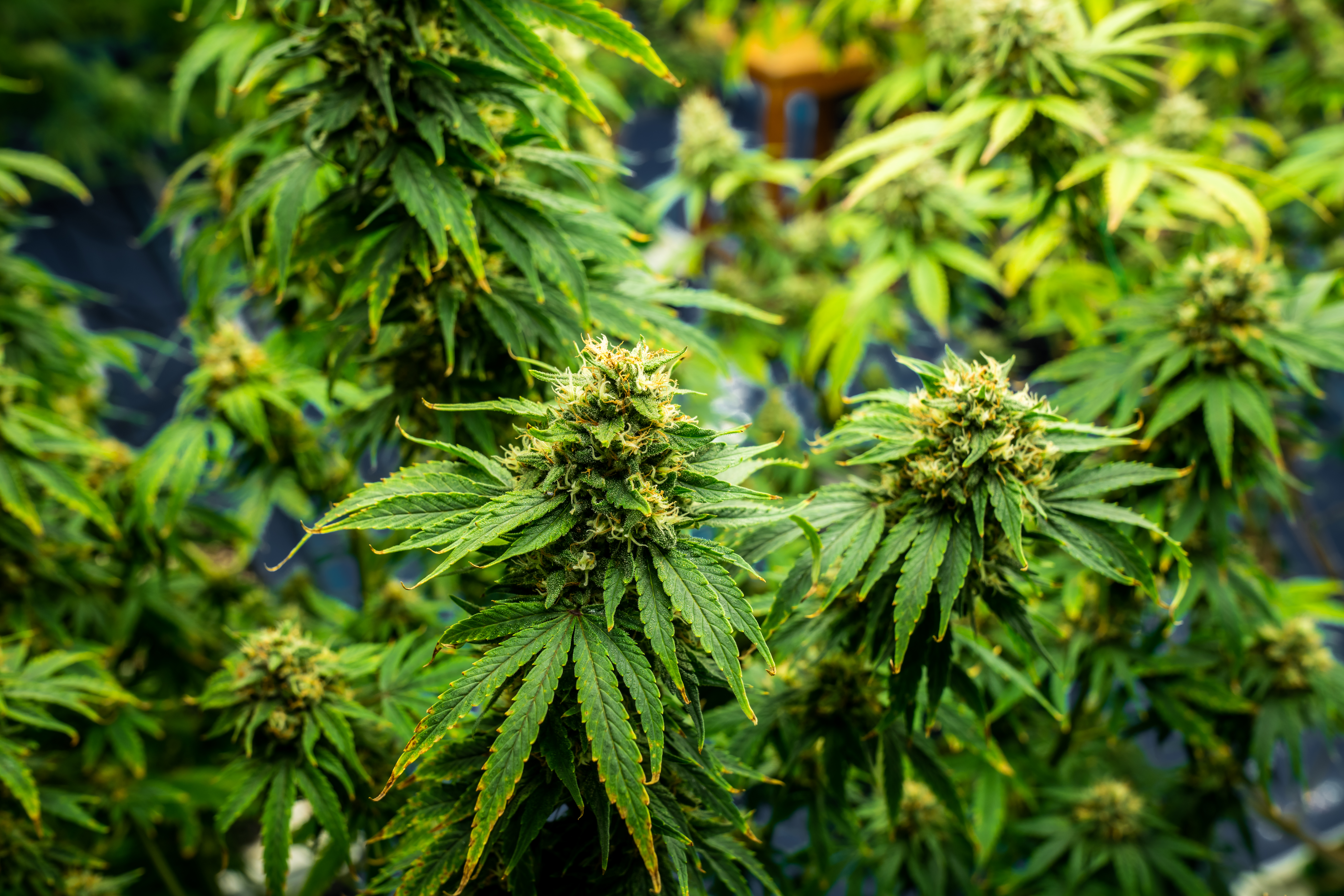


The weed plant is one of the most talked-about plants in the world, yet it is also one of the most misunderstood. Many people search for information about the weed plant because they want to know what it is, how it grows, what it looks like, and how its different parts work together. Others are curious because they hear the term “weed plant” often but do not fully understand what it means. This article is written to explain the weed plant in a clear, simple, and easy-to-follow way, without using confusing words or technical language.
At its most basic level, the weed plant is a type of plant that belongs to the cannabis family. It has been grown and used by humans for thousands of years for many different reasons. Over time, the plant has spread across the world and adapted to many climates and growing conditions. Because of this long history and wide use, the weed plant has become a topic of interest for beginners, students, growers, and general readers alike.
One reason people often feel confused about the weed plant is because there are many terms used to describe it. Words like weed, cannabis, hemp, indica, and sativa are often used without clear explanations. This can make it hard for someone new to the topic to understand what is accurate and what is not. This article aims to remove that confusion by explaining each concept step by step, starting with the basics and slowly building a clear picture of how the weed plant works.
Another common reason people search for information about the weed plant is curiosity about its structure. Many want to know what parts make up the plant and what each part does. For example, readers often ask about roots, leaves, stems, and flowers, and why some parts are more important than others. Understanding plant anatomy helps explain how the weed plant grows, stays healthy, and completes its life cycle. This article will explain each major part of the plant in simple terms, so readers can easily remember and understand the information.
Growth is another major topic of interest. People frequently ask how a weed plant grows from a small seed into a mature plant. They want to know how long this process takes and what conditions are needed for healthy growth. Questions about light, water, soil, temperature, and time are among the most searched topics online. This article introduces these ideas early and then explains them in more detail in later sections, making the learning process smooth and logical.
The weed plant also comes in different types, and this often leads to more questions. Many readers want to know the difference between common plant types and why they look or grow differently. While this introduction does not go deeply into those differences, it prepares readers by explaining why plant types matter and how they affect growth patterns, size, and structure. Later sections will clearly explain each type and how they compare.
This article is carefully structured to guide readers from basic knowledge to deeper understanding. It begins with simple definitions and visual descriptions, then moves into anatomy and growth stages, and finally explains common problems and basic care concepts. Each section is numbered and organized so readers can easily find the information they are looking for or read the article from start to finish without feeling overwhelmed.
It is important to note that this article focuses on education only. It does not include personal opinions, stories, or testimonials. The goal is to provide clear, factual information that helps readers understand the weed plant as a living organism. By the end of this guide, readers should have a solid understanding of what the weed plant is, how it grows, what it needs, and why it looks and behaves the way it does.
In simple terms, this introduction sets the foundation for everything that follows. It explains why the weed plant is important to learn about, what topics will be covered, and how the information is presented. Whether someone is completely new to the subject or just wants a clearer explanation, this article is designed to make learning about the weed plant easy, organized, and understandable from the very first section.
What Is a Weed Plant?
A weed plant is a common name used to describe the cannabis plant. It is a flowering plant that has been grown and used by humans for thousands of years. People search for information about the weed plant for many reasons, including education, plant biology, farming, and legal awareness. Understanding what a weed plant is starts with learning its basic definition, how it is classified, and how it differs from other similar plants.
The weed plant belongs to a group of plants known for producing natural compounds called cannabinoids. These compounds are found mainly in the flowers and resin of the plant. While many people associate the weed plant with human use, it is first and foremost a plant with a natural life cycle, structure, and role in its environment.
From a scientific point of view, the weed plant is part of the plant kingdom and grows as an annual plant, meaning it completes its full life cycle within one growing season. It starts as a seed, grows leaves and stems, produces flowers, and then reaches the end of its life cycle. Like other plants, it relies on light, water, air, and nutrients to grow.
Scientific Classification of the Weed Plant
Scientifically, the weed plant belongs to the genus Cannabis. A genus is a way scientists group plants that share similar features. Within this genus, the plant is most often classified into different types based on physical traits and growth behavior. These classifications help researchers, growers, and educators better understand how the plant grows and how it responds to its environment.
The weed plant is a flowering plant, which means it produces flowers as part of its reproduction process. These flowers are important because they contain most of the plant’s natural compounds. The plant also produces seeds when pollination occurs, allowing it to reproduce naturally.
Weed Plant vs. Hemp: Understanding the Difference
One common source of confusion is the difference between a weed plant and hemp. Both come from the same plant family and look very similar. The main difference lies in how they are grown and what they are used for.
Hemp is grown mainly for industrial purposes. It is used to make products like rope, fabric, paper, and building materials. Weed plants, on the other hand, are grown for their flowers and natural compounds. Even though they come from the same species group, laws and regulations often treat them very differently depending on their chemical makeup.
Physically, hemp plants tend to grow taller with fewer branches, while weed plants grown for flowers are usually shorter and bushier. These differences help farmers choose the right plant type for their specific purpose.
Natural Origins of the Weed Plant
The weed plant is believed to have originated in parts of Central and South Asia. Over time, humans spread the plant to many different regions of the world. As it adapted to new climates and environments, the plant developed different traits. These adaptations led to the wide variety of weed plant types seen today.
Because the weed plant is very adaptable, it can grow in many climates. It can survive in warm, sunny regions as well as cooler areas, as long as basic growing needs are met. This adaptability is one reason the plant has been cultivated for so long.
Historical Background and Human Use
Historically, the weed plant has been used for many purposes. Ancient cultures used different parts of the plant for fiber, food, and traditional practices. Over time, people learned more about the plant’s growth patterns and structure, leading to more controlled cultivation methods.
It is important to note that this article focuses on education and plant biology. Understanding the weed plant as a living organism helps readers learn how it grows, how it is structured, and why it behaves the way it does during its life cycle.
Why the Weed Plant Is Often Misunderstood
The weed plant is often misunderstood because of its long history and its association with laws and regulations. Many people are unfamiliar with the plant’s natural biology and see it only through one narrow lens. In reality, it is a complex plant with clear stages of growth, defined anatomy, and specific environmental needs.
Learning what a weed plant truly is helps remove confusion. It allows readers to separate facts from myths and better understand the plant from a scientific and educational perspective.
The weed plant is a flowering plant from the cannabis genus that has been grown by humans for thousands of years. It completes its life cycle in one season and depends on light, water, and nutrients to grow. While it is closely related to hemp, the two plants are grown for different purposes. Originating in Asia, the weed plant spread across the world due to its ability to adapt to many environments. Understanding what a weed plant is at a basic level helps build a strong foundation for learning about its types, anatomy, and growth stages in later sections.
What Are the Main Types of Weed Plants?
Weed plants are commonly grouped into three main types: Indica, Sativa, and Hybrid. These categories help people understand how different weed plants grow and how they look. While many modern plants are mixed through breeding, these three types are still useful for learning the basics.
Each type has clear traits related to plant shape, height, leaf size, and growth speed. Knowing the differences makes it easier to understand how weed plants develop in different environments.
Indica Weed Plants
Indica plants are known for their short and compact shape. They usually grow wider than they grow tall. Most indica plants have thick stems and strong branches, which help support heavy flowers.
The leaves of indica plants are broad and wide. They are often darker green compared to other types. Because of their shape, indica plants are well suited for smaller growing spaces.
Indica plants often:
- Grow between 3 and 6 feet tall
- Have short spaces between branches
- Finish their growth cycle faster than other types
- Perform well in cooler climates
These plants come from regions with colder weather and shorter summers. Because of this, indica plants tend to flower faster, which makes them popular in areas with limited growing seasons.
Sativa Weed Plants
Sativa plants are almost the opposite of indica plants in how they grow. They are tall and thin, with long branches that stretch upward. Some sativa plants can grow over 10 feet tall when grown outdoors.
The leaves of sativa plants are long, narrow, and thin. They often look lighter green in color. The structure allows more airflow, which helps in warm and humid climates.
Sativa plants often:
- Grow very tall
- Have longer spaces between branches
- Take more time to fully mature
- Thrive in warm regions with long summers
Because sativa plants grow taller and take longer to flower, they usually need more space and patience. They are commonly found in areas closer to the equator, where sunlight is strong and days are long.
Hybrid Weed Plants
Hybrid plants are created by crossing indica and sativa plants. Most weed plants available today are hybrids. Breeders mix different genetics to combine useful traits from both types.
Hybrid plants can look very different from one another. Some grow short like indica plants but have narrow leaves like sativas. Others grow tall but finish flowering faster.
Hybrids are often grouped into:
- Indica-dominant hybrids
- Sativa-dominant hybrids
- Balanced hybrids
The exact traits of a hybrid depend on the parent plants used. This makes hybrids flexible and adaptable to many growing conditions.
Growth Differences Between Types
The main differences between indica, sativa, and hybrid plants are easy to see once they start growing. Indica plants grow faster and stay compact. Sativa plants grow taller and take longer to mature. Hybrids fall somewhere in between, depending on their genetics.
Environmental factors like light, temperature, and space also affect how each type grows. Even plants of the same type can look different if grown in different conditions.
Why These Types Matter
Understanding the main weed plant types helps explain:
- Why some plants grow tall while others stay short
- Why growth times can vary
- Why leaf shapes and plant structure differ
These categories are not strict rules, but they are helpful learning tools. Modern weed plants are often mixed, but the basic traits of indica and sativa still guide how plants grow.
Weed plants are generally grouped into indica, sativa, and hybrid types. Indica plants are short, dense, and fast-growing. Sativa plants are tall, thin, and slower to mature. Hybrid plants combine traits from both and make up most modern varieties. Understanding these types gives a strong foundation for learning about weed plant anatomy, growth stages, and care basics in later sections.
What Does a Weed Plant Look Like?
A weed plant has a clear and recognizable shape, but its exact look can change a lot depending on the type of plant, how it grows, and where it is grown. Understanding what a weed plant looks like helps beginners learn how the plant develops and how its parts work together.
At its most basic level, a weed plant has roots, a main stem, side branches, leaves, and flowers. These parts grow in a pattern that is easy to follow as the plant matures. When the plant is young, it looks small and simple. As it grows, it becomes taller, wider, and more detailed.
The overall shape of a weed plant is often upright. Most plants grow straight up from the soil with a strong central stem. From this main stem, branches grow outward on both sides. These branches help support leaves and flowers. Some weed plants are short and bushy, while others grow tall and thin. This difference often depends on the plant type and the growing environment.
Leaves are one of the most noticeable features of a weed plant. The most common leaves are called fan leaves. These are wide, flat leaves with long fingers, usually five to nine per leaf. Fan leaves are often bright to deep green, but the color can change based on nutrients, light, and plant health. Healthy leaves usually look smooth, full, and evenly colored. Leaves that turn yellow, curl, or develop spots can be signs of stress.
As the plant matures, flowers—often called buds—begin to form. These flowers grow mainly on female plants and appear at the top of the plant and along the branches. Buds are usually dense and covered in tiny, crystal-like structures called trichomes. These trichomes give the plant a sticky or frosty look. Buds can vary in size and shape, depending on genetics and growing conditions.
Color can vary across weed plants, even within the same type. While green is the most common color, some plants show shades of light green, dark green, or even purple. Color changes may happen due to genetics, temperature, or natural aging. For example, cooler temperatures during later growth stages can cause purple tones in leaves or buds.
The size of a weed plant depends on many factors. Outdoor plants often grow much larger because they have more space and natural sunlight. Indoor plants are usually smaller since growers control their height using lighting and pruning. A mature weed plant can range from less than one foot tall to several feet high.
The structure of the plant also changes during growth stages. During early growth, the plant looks simple with just a few leaves. In the vegetative stage, it becomes fuller, with many branches and large fan leaves. During flowering, the plant focuses more energy on producing buds, and leaf growth slows down.
Growing environment plays a big role in how a weed plant looks. Plants grown indoors under artificial light often look more uniform and compact. Outdoor plants may look more spread out and natural. Factors like light strength, airflow, water, and nutrients all affect the final appearance of the plant.
A weed plant usually grows upright with a strong stem, wide fan leaves, and flowering buds. Its size, shape, color, and fullness can change based on plant type, growth stage, and environment. By understanding what a healthy weed plant looks like, readers can better recognize how the plant grows and how its parts work together from early growth to maturity.
Weed Plant Anatomy Explained
Understanding weed plant anatomy helps explain how the plant grows and stays healthy. Each part of the plant has a clear job. When all parts work together, the plant can absorb water, make food, and produce flowers. Below is a clear breakdown of the main parts of a weed plant and what each one does.
Roots
Roots are the foundation of the weed plant. They grow below the soil and hold the plant in place. Roots absorb water and nutrients, which are needed for growth. Without healthy roots, the plant cannot survive.
There are two main types of roots. The taproot is the first root that grows from the seed. It grows downward and helps anchor the plant. From the taproot, many smaller roots grow outward. These smaller roots increase the surface area, allowing the plant to absorb more water and nutrients. Roots also store energy, which the plant uses during growth and flowering.
Stem and Branches
The stem is the main support structure of the weed plant. It carries water and nutrients from the roots to the leaves and flowers. The stem also moves sugars made in the leaves to other parts of the plant.
Branches grow from the main stem. These branches hold leaves and flowers and help spread the plant outward. A strong stem and branches are important because they support the weight of the plant, especially during flowering when buds become heavy. Weak stems may bend or break, which can reduce plant health.
Leaves
Leaves are where the plant makes its food. Through a process called photosynthesis, leaves use light, water, and air to create energy. This energy fuels growth and flower production.
There are two main types of leaves on a weed plant.
Fan leaves are the large, wide leaves that grow during the early stages of growth. They collect light and help the plant grow strong.
Sugar leaves are smaller leaves found close to the flowers. These leaves often have a sticky coating and play a role during flowering.
Healthy leaves are usually green and firm. Changes in leaf color or shape can signal stress or nutrient problems.
Flowers (Buds)
Flowers, often called buds, are the most well-known part of the weed plant. They grow mainly on female plants. These flowers form during the flowering stage of growth.
Buds contain the highest concentration of active compounds. They grow in clusters along branches and near the top of the plant. As flowering continues, buds become denser and more resin-rich. The size and structure of buds can vary depending on plant type and growing conditions.
Trichomes
Trichomes are tiny, crystal-like structures that cover flowers and some leaves. They are responsible for producing resin. This resin contains compounds that protect the plant from insects, sunlight, and harsh weather.
Under magnification, trichomes look like small mushrooms with a stalk and head. As the plant matures, trichomes change in color. This change can signal different stages of plant development. Trichomes are also sticky, which helps trap pests and reduce damage.
Nodes and Internodes
Nodes are points on the stem where branches and leaves grow. Internodes are the spaces between these nodes. The distance between nodes affects how tall or compact the plant becomes.
Short internodes usually mean a shorter, bushier plant. Long internodes often result in taller plants with more space between branches. Light and genetics both influence node spacing.
Weed plant anatomy includes roots, stems, branches, leaves, flowers, trichomes, and nodes. Each part has a specific role that supports growth and development. Roots absorb water and nutrients, stems and branches provide support, leaves create energy, and flowers produce buds. Trichomes protect the plant and produce resin. By understanding how these parts work together, readers can better understand how the weed plant grows and stays healthy.
Male vs. Female Weed Plants: What’s the Difference?
Knowing the difference between male and female weed plants is very important for anyone learning about how the weed plant grows. Even though male and female plants come from the same seeds, they have different roles in the plant life cycle. These differences affect how the plant develops, how it reproduces, and why growers usually prefer one over the other.
Basic Biological Differences
Weed plants can be either male or female. This is called a “dioecious” plant, which means each plant has only one sex. Male and female plants look almost the same at first. During the early stages of growth, it is very hard to tell them apart. The differences become clear later, once the plant reaches sexual maturity.
Male plants are designed to produce pollen. Female plants are designed to produce flowers, also known as buds. These buds are the most well-known part of the weed plant and contain most of the plant’s resin.
How and When Sex Becomes Visible
The sex of a weed plant usually becomes visible during the early flowering stage. This happens after several weeks of vegetative growth. At this point, small structures called “pre-flowers” begin to form at the joints where branches meet the main stem.
- Male plants develop small, round sacs. These sacs look like tiny balls or clusters. Over time, they open and release pollen into the air.
- Female plants develop small, tear-shaped structures with thin white hairs growing out of them. These hairs are called pistils and are used to catch pollen.
These signs usually appear around 4 to 6 weeks after germination, depending on the plant type and growing conditions.
Why Female Weed Plants Are Usually Preferred
Female weed plants are preferred because they produce buds. These buds grow larger and denser when the plant is not pollinated. Unpollinated female plants are often called “sinsemilla,” which means “without seeds.”
When a female plant is pollinated by a male plant, it puts more energy into making seeds instead of growing strong buds. This leads to smaller flowers and less resin production. For this reason, many growers remove male plants as soon as they can identify them.
Female plants also produce more trichomes. Trichomes are tiny, crystal-like structures that cover the buds and leaves near the flowers. They play a key role in the plant’s natural defense and resin production.
The Role of Male Plants in Pollination
Male weed plants play an important role in nature. Their main purpose is reproduction. When male plants release pollen, the pollen travels through the air and lands on female plants. This leads to seed production, which allows the plant species to continue.
In natural outdoor environments, male plants are necessary for genetic diversity. Seeds produced through pollination can carry new traits that help the plant survive in different climates or conditions.
However, in controlled growing environments, pollination is often avoided. This is why male plants are usually separated or removed early.
Physical Differences Beyond Flowers
In addition to their reproductive parts, male and female plants often show other physical differences:
- Male plants tend to grow taller and thinner. They often have fewer leaves and less branching.
- Female plants are usually shorter and bushier. They grow more branches and leaves to support flower development.
These differences can sometimes help experienced growers guess a plant’s sex before flowers appear, but visual confirmation always comes from the pre-flowers.
Why Identifying Plant Sex Matters
Knowing whether a weed plant is male or female helps prevent unwanted pollination. It also helps with planning, spacing, and plant care. For educational purposes, understanding plant sex gives insight into how the weed plant reproduces and why certain plants develop differently.
This knowledge is also useful for learning about plant biology in general. Many crops and plants use similar reproduction systems, making this topic useful beyond just weed plants.
Male and female weed plants serve different roles in the plant’s life cycle. Male plants produce pollen, while female plants produce flowers. The sex becomes visible during the early flowering stage through small pre-flowers. Female plants are usually preferred because they grow buds and produce more resin when not pollinated. Male plants are important for reproduction and seed creation but are often removed in controlled growing environments. Understanding these differences helps explain how weed plants grow, reproduce, and develop over time.
How Does a Weed Plant Grow?
The weed plant grows in a clear and predictable way. It follows a life cycle with several stages. Each stage has its own purpose and needs. Understanding these stages helps explain how the plant develops from a small seed into a mature plant. This section explains each stage in simple terms, from start to finish.
Germination Stage
The life of a weed plant begins with a seed. Germination starts when the seed gets moisture, warmth, and oxygen. Water softens the seed shell and allows the seed to open. A small white root, called a taproot, comes out first. This root grows downward into the soil. Its job is to absorb water and hold the plant in place.
Soon after, a small green shoot grows upward toward the light. At this point, the plant is very fragile. Too much water, cold temperatures, or poor conditions can stop growth. Germination usually takes a few days, but some seeds may take longer depending on their quality and environment.
Seedling Stage
Once the shoot breaks through the soil, the plant enters the seedling stage. The first leaves that appear are called cotyledons. These leaves are small and round. They provide early energy for the plant. After that, the plant starts growing its first true leaves. These leaves have the familiar shape many people recognize.
During this stage, the plant focuses on building a strong root system and stem. It needs gentle light, light watering, and stable temperatures. The seedling stage usually lasts one to three weeks. Because the plant is still young, stress at this stage can slow growth later.
Vegetative Stage
After the seedling stage, the weed plant enters the vegetative stage. This is the main growth phase. The plant grows taller and wider. It produces more leaves and stronger branches. Roots spread deeper and wider in the soil. This stage is when the plant builds its structure.
Leaves play a major role during this time. They collect light and turn it into energy through photosynthesis. The plant uses this energy to grow quickly. In good conditions, growth can be fast and noticeable from week to week.
The vegetative stage can last a few weeks or several months. The length depends on the plant type and how it is grown. During this stage, the plant does not produce flowers. Its only goal is to grow strong and healthy.
Pre-Flowering Stage
As the plant matures, it enters the pre-flowering stage. This stage acts as a transition between growth and flowering. Small signs of plant sex begin to appear near the joints where branches meet the main stem. These signs help identify whether the plant is male or female.
The plant still grows during this time, but growth may slow slightly. It is preparing for reproduction. This stage usually lasts one to two weeks.
Flowering Stage
The flowering stage is the final and most important phase of the weed plant’s life cycle. During this stage, the plant stops focusing on leaf growth and starts producing flowers. Female plants develop buds, while male plants produce pollen sacs.
Light plays a major role in triggering flowering. Changes in light exposure signal the plant that it is time to reproduce. Buds grow larger over time and become more compact. Trichomes, which are tiny resin glands, begin to form on the flowers and nearby leaves.
The flowering stage can last several weeks. As it continues, the plant’s energy goes into flower development rather than height growth. Near the end of this stage, the plant reaches full maturity.
End of Life Cycle
Once flowering is complete, the weed plant reaches the end of its natural life cycle. Leaves may turn yellow, and growth slows or stops. At this point, the plant has completed its purpose of reproduction. After this stage, the plant will not grow further.
The weed plant grows through a series of clear stages, starting with germination and ending after flowering. Each stage has a specific role, from building roots and leaves to producing flowers. Germination starts the process, seedlings develop structure, the vegetative stage builds size and strength, and flowering completes the life cycle. Understanding how a weed plant grows helps explain why timing, environment, and care matter at every step.
How Long Does It Take for a Weed Plant to Grow?
The time it takes for a weed plant to grow depends on several factors. These include the type of plant, where it is grown, and how well it is cared for. While there is no single timeline that fits every plant, most weed plants follow the same general growth stages. Understanding these stages helps explain why some plants grow faster than others.
Average Growth Timeline
In general, a weed plant takes 3 to 6 months to complete its full life cycle from seed to harvest. Some plants grow faster, while others take longer. The total time includes all growth stages, starting from germination and ending when the plant finishes flowering.
A basic timeline looks like this:
- Germination: 3 to 10 days
- Seedling stage: 2 to 3 weeks
- Vegetative stage: 3 to 8 weeks
- Flowering stage: 6 to 10 weeks
When added together, this creates a wide range of possible grow times. The plant’s genetics and environment decide where it falls within that range.
Differences Between Plant Types
Different types of weed plants grow at different speeds.
Indica plants usually grow faster. They are shorter and bushier, which means they often finish flowering sooner. Many indica plants are ready in about 3 to 4 months total.
Sativa plants usually take longer. They grow taller and need more time to mature. Some sativa plants can take 5 to 6 months or more to fully grow, especially during flowering.
Hybrid plants fall somewhere in between. Their growth time depends on whether they are more indica-dominant or sativa-dominant.
These natural differences explain why growth time can vary even when plants receive the same care.
Factors That Affect Growth Speed
Several key factors influence how fast a weed plant grows:
Light
Light is one of the most important factors. Plants grown with strong, steady light grow faster and healthier. Weak or inconsistent light slows growth and delays flowering.
Temperature
Weed plants grow best in warm but not hot conditions. Cold temperatures slow growth, while extreme heat causes stress. A stable temperature helps the plant grow at a steady pace.
Water
Too much or too little water slows growth. Roots need oxygen as well as moisture. Overwatering can stop roots from working properly, which delays development.
Nutrients
Plants need nutrients to grow strong stems, leaves, and flowers. If nutrients are missing or unbalanced, growth becomes slow and uneven.
Plant health
Pests, diseases, and stress all reduce growth speed. A healthy plant grows faster than one that is constantly fighting problems.
Indoor vs. Outdoor Growth Time
Where a weed plant is grown also affects how long it takes.
Indoor plants often grow faster because the environment is controlled. Light schedules, temperature, and airflow stay consistent. Growers can also switch the plant from vegetative growth to flowering whenever they choose. Because of this control, indoor plants usually finish in 3 to 4 months.
Outdoor plants follow natural seasons. They start growing in spring and flower as daylight hours shorten. Outdoor plants often take longer, usually finishing in 4 to 6 months. Weather changes can also slow growth.
Both methods work well, but indoor growing gives more control over timing.
Fast-Growing vs. Slow-Growing Plants
Some weed plants are bred to grow faster than others. These plants complete their life cycle quickly and often stay smaller. Other plants grow slowly but may produce larger plants over time.
Fast-growing plants:
- Shorter life cycle
- Smaller size
- Earlier harvest
Slow-growing plants:
- Longer life cycle
- Taller plants
- Longer flowering time
Growth speed does not automatically mean better or worse results. It simply affects how long the plant takes to mature.
Most weed plants take 3 to 6 months to grow from seed to harvest. Indica plants usually grow faster, while sativa plants take longer. Light, temperature, water, nutrients, and overall plant health all play a major role in growth speed. Indoor plants often finish sooner because conditions are controlled, while outdoor plants take longer due to natural seasons. By understanding these timelines and factors, it becomes easier to know what to expect as a weed plant grows from a small seed into a mature plant.
What Does a Weed Plant Need to Grow Properly?
To grow in a healthy way, a weed plant needs a balanced environment. Like all plants, it depends on light, water, air, nutrients, and the right surroundings. When these needs are met, the plant can develop strong roots, healthy leaves, and stable growth. When one or more needs are missing, growth can slow down or problems can appear. This section explains each basic need in a clear and simple way.
Light requirements
Light is one of the most important needs of a weed plant. Light provides the energy the plant uses to grow. Through light, the plant makes food in its leaves. Without enough light, the plant may stretch, grow weak, or stop developing well. Too much light can also cause stress, leading to dry leaves or slow growth. A steady and consistent light cycle helps the plant grow evenly and stay healthy. Whether the plant grows indoors or outdoors, light quality and consistency matter more than intensity alone.
Water needs
Water supports every part of the plant’s life. It carries nutrients from the soil to the roots and helps keep the plant firm and upright. A weed plant needs regular watering, but not too much. Overwatering can cause roots to stay wet for too long, which limits oxygen and may lead to root problems. Underwatering can cause leaves to droop and slow growth. The key is balance. The soil should be moist but not soaked, allowing roots to breathe while still getting enough water.
Soil and growing medium basics
The soil or growing medium is where roots grow and gather nutrients. Good soil allows air, water, and nutrients to move freely. If soil is too compact, roots struggle to expand. If it drains too fast, water and nutrients may wash away. A balanced growing medium holds moisture while still allowing extra water to drain out. Healthy soil also supports tiny organisms that help break down nutrients for the plant to absorb.
Nutrients and minerals
Nutrients act like food for the weed plant. They help with leaf growth, stem strength, and overall development. The plant needs a mix of major nutrients and smaller trace minerals. If nutrients are missing, leaves may change color or growth may slow. Too many nutrients can also cause stress. Balanced feeding helps the plant grow at a steady pace without damage. Nutrients work best when combined with proper water and soil conditions.
Temperature and airflow
Temperature plays a big role in plant health. Weed plants grow best in a stable environment that is not too hot or too cold. Extreme heat can dry out leaves and slow growth, while cold conditions can limit root activity. Airflow is also important. Gentle airflow helps strengthen stems and prevents moisture from staying on leaves for too long. Fresh air supports healthy growth and lowers the risk of mold or disease.
Consistency and balance
One of the most important growth basics is consistency. Sudden changes in light, water, or temperature can stress the plant. Stable conditions help the plant focus its energy on growing instead of adjusting to change. Balance between all factors is more important than perfect conditions in one area.
A weed plant grows best when its basic needs are met in a balanced way. Light provides energy, water supports movement and structure, soil holds roots and nutrients, and airflow and temperature protect plant health. No single factor works alone. When all needs work together, the plant can grow strong, stable, and healthy. Understanding these basics makes it easier to recognize problems and support proper growth from start to finish.
Where Do Weed Plants Grow Naturally?
Weed plants grow naturally in many parts of the world. They are strong plants that can adapt to different environments, but they still have preferred conditions. Understanding where weed plants grow naturally helps explain why they grow better in some places than others.
Native regions of the weed plant
Weed plants are believed to have first grown naturally in Central Asia, especially in areas that are now parts of Mongolia, southern Siberia, and nearby regions. These areas had warm summers, cooler nights, and open land with good sunlight. Over time, weed plants spread to other parts of Asia, the Middle East, Africa, and Europe.
People played a large role in this spread. As humans traveled and traded, they carried weed plant seeds with them. This allowed the plant to grow in many new regions. Because of this long history, weed plants can now be found growing naturally or semi-naturally on almost every continent.
Climate preferences
Weed plants grow best in mild to warm climates. They prefer places with long hours of sunlight and moderate humidity. In nature, they often grow during spring and summer when daylight is strong and temperatures are stable.
The ideal natural climate usually includes:
- Daytime temperatures between warm but not extreme
- Cooler nights that allow the plant to rest
- Seasonal rainfall rather than constant heavy rain
- Good air movement to reduce moisture buildup
Weed plants do not do well in freezing conditions for long periods. Very cold climates can slow growth or kill the plant. Extremely hot and dry climates can also cause stress if water is not available.
How weed plants adapt to different environments
One reason weed plants are found in many places is their ability to adapt. Different types of weed plants developed traits that help them survive specific conditions.
Some plants grow taller with thinner leaves to catch sunlight in humid or tropical areas. Others grow shorter with wider leaves to handle cooler or windier regions. Deep root systems help the plant reach water during dry periods. These natural adaptations allow weed plants to survive in many environments, even outside their original regions.
In the wild, weed plants often grow along riverbanks, open fields, hillsides, and areas with loose soil. These locations provide sunlight, space, and water access.
Outdoor vs. cultivated growing locations
Naturally growing weed plants are different from cultivated ones. Wild plants grow without human care and rely only on natural conditions. They compete with other plants for sunlight, water, and nutrients. Because of this, wild weed plants may grow unevenly or produce smaller flowers.
Cultivated weed plants, on the other hand, are grown in controlled outdoor or indoor spaces. Outdoor cultivation often tries to copy the plant’s natural environment. Growers choose locations with strong sunlight, good soil, and protection from extreme weather.
Outdoor cultivated plants usually grow larger and healthier than wild plants because they receive regular water and nutrients. Indoor growing does not happen naturally, but it allows people to fully control light, temperature, and airflow.
Natural soil conditions
In nature, weed plants prefer loose, well-draining soil. Soil that is too compact can trap water and damage roots. Sandy or loamy soils are often best because they allow air and water to move freely.
Natural soil also contains organic matter like decomposing leaves and plant material. This helps feed the weed plant over time. Areas with healthy soil life often support stronger plant growth.
Seasonal growth patterns
In natural settings, weed plants follow the seasons. Seeds usually sprout in spring when temperatures rise. The plant grows through summer and begins flowering as daylight hours shorten. This natural light change signals the plant to start producing flowers before colder weather arrives.
This seasonal pattern is why outdoor weed plants are often harvested in late summer or early fall in many regions.
Weed plants originally grew in Central Asia but spread across the world due to their ability to adapt and human movement. They prefer warm climates, plenty of sunlight, and well-draining soil. In nature, they grow in open areas with seasonal rainfall and good airflow. While wild weed plants survive on their own, cultivated plants grow in controlled environments that copy natural conditions. Understanding where weed plants grow naturally helps explain their growth habits and environmental needs.
Common Growth Problems and Plant Stress Signs
Growing a weed plant can be rewarding, but problems can happen at any stage. These problems often show up as stress signs on the plant. Learning to spot these signs early helps prevent long-term damage and supports healthy growth. Below are the most common growth problems and what they mean.
Nutrient Deficiencies
Nutrients help the weed plant grow strong leaves, stems, and flowers. When the plant does not get enough nutrients, it shows clear signs.
- Nitrogen deficiency often causes older leaves to turn pale green or yellow. Growth may slow down.
- Phosphorus deficiency can make leaves look dark, dull, or even purple. Roots may grow poorly.
- Potassium deficiency often shows as yellow or brown edges on leaves.
These problems usually happen when nutrients are missing, the soil pH is off, or roots cannot absorb nutrients well. Keeping nutrients balanced and checking soil conditions can reduce these issues.
Overwatering Problems
Overwatering is one of the most common mistakes. Weed plants need water, but they also need air around their roots.
Signs of overwatering include:
- Drooping leaves that feel soft
- Slow growth
- Yellowing leaves
- Wet or muddy soil that stays soaked
Too much water can cause root rot, which blocks oxygen from reaching the roots. Allowing the soil to dry slightly between watering helps prevent this problem.
Underwatering Problems
Underwatering is also harmful. When a weed plant does not get enough water, it struggles to move nutrients through its system.
Common signs include:
- Dry, crispy leaves
- Leaves curling upward
- Weak stems
- Soil pulling away from the sides of the container
Plants that stay underwatered for long periods may stop growing or die. Regular watering and checking soil moisture help keep plants healthy.
Light Stress
Light is essential for weed plant growth, but too much or too little light causes stress.
- Too much light can bleach leaves, making them pale or white. Leaves may curl upward near the light source.
- Too little light causes long, thin stems and small leaves. Plants may stretch toward the light and become weak.
Proper light distance and correct light duration are key to avoiding stress. Indoor plants are especially sensitive to lighting mistakes.
Temperature and Environmental Stress
Weed plants prefer stable conditions. Sudden changes in temperature or airflow can cause stress.
Signs of environmental stress include:
- Leaf curling or folding
- Slow or uneven growth
- Discolored leaf tips
High heat can dry out plants quickly, while cold temperatures slow growth. Good airflow and steady temperatures help plants grow evenly.
Pests and Insects
Small pests can cause big problems if not noticed early.
Common pests include:
- Spider mites
- Aphids
- Fungus gnats
- Thrips
Signs of pest problems include holes in leaves, sticky residue, tiny moving dots, or webbing. Pests weaken plants by feeding on leaves and stems. Clean growing areas and regular plant checks help reduce pest risks.
Diseases and Mold
Diseases often appear in humid or poorly ventilated environments.
Common signs include:
- White powdery spots on leaves
- Gray or brown mold on buds
- Wilting leaves despite proper watering
Fungal diseases spread quickly if ignored. Proper airflow, clean tools, and balanced humidity help prevent disease.
Weed plant growth problems often start small but can become serious if ignored. Nutrient issues, watering mistakes, light stress, pests, and poor environmental conditions are the most common causes of plant stress. By watching leaf color, growth speed, and overall plant shape, growers can spot problems early. Healthy weed plants grow best when they receive balanced nutrients, proper watering, steady light, clean surroundings, and stable temperatures. Understanding these stress signs helps protect the plant and supports strong, consistent growth from start to finish.
Legal and Safety Considerations Around Weed Plants
Understanding the legal and safety rules around weed plants is very important before learning about growing or handling them. Laws and safety standards help protect people, communities, and the environment. This section explains these topics in a clear and simple way without giving opinions or advice to break any rules.
Legal differences by region
Laws about weed plants are not the same everywhere. Each country, state, or local area sets its own rules. In some places, weed plants can be grown for medical or research reasons. In other places, growing or owning weed plants is not allowed at all. There are also regions where limited home growing is legal, but only under strict rules.
These rules may control:
- How many plants a person can grow
- Where the plants can be grown
- Who is allowed to grow them
- How old a person must be
- Whether permits or licenses are needed
Because laws change over time, information that is correct today may not be correct later. This is why it is important to check the most recent laws in your area. Relying on old information can lead to serious legal problems.
Why knowing local laws matters
Not knowing the law does not protect someone from penalties. If a person breaks weed plant laws, the results can include fines, loss of property, or other legal actions. These penalties can affect work, travel, and personal records.
Understanding the law helps people:
- Avoid legal trouble
- Stay within allowed limits
- Know their rights and responsibilities
- Make informed decisions
Legal awareness is especially important because weed plant laws are often enforced at the local level. What is allowed in one city may not be allowed in another nearby area.
Educational, medical, and commercial differences
Weed plants may be treated differently depending on why they are grown or studied. Educational or scientific use often follows special rules. Research institutions may need approval from government agencies. Medical use usually requires medical approval and specific guidelines.
Commercial growing, when allowed, is often the most regulated. It may require:
- Business licenses
- Inspections
- Tax reporting
- Security measures
- Record keeping
These rules are designed to control quality, safety, and access. They also help governments track production and distribution.
Safety when handling weed plants
Safety is important even in places where weed plants are legal. The plant itself can cause problems if handled without care. Some people may have skin reactions when touching leaves or resin. Others may be sensitive to pollen from male plants.
Basic safety steps include:
- Washing hands after handling plants
- Avoiding contact with eyes and mouth
- Using gloves when needed
- Keeping plants away from children and pets
These simple actions reduce health risks and help prevent accidents.
Environmental and home safety concerns
Weed plants need light, water, and nutrients. If these are not managed carefully, they can create safety risks. Overwatering can cause mold. Poor airflow can lead to plant disease. Electrical equipment used for lighting can also be a risk if used incorrectly.
Environmental safety includes:
- Proper ventilation
- Safe use of electrical tools
- Clean growing areas
- Correct storage of supplies
Good safety habits protect both people and living spaces.
Responsible growing concepts
Responsible growing means understanding limits and acting carefully. This includes following plant limits, respecting neighbors, and avoiding harm to the environment. It also means not sharing plants or materials where it is not allowed by law.
Responsibility also includes learning from reliable sources and avoiding false information. Clear, factual knowledge helps people stay safe and informed.
Privacy and security awareness
In areas where weed plants are legal, privacy may still be a concern. Some people choose to keep information about their plants private to avoid misunderstandings or theft. Security measures may be required by law in some places, especially for licensed growers.
Privacy awareness helps reduce unwanted attention and supports safe handling practices.
Legal and safety considerations are a key part of understanding weed plants. Laws differ by location and purpose, so checking local rules is always important. Safety practices protect people, homes, and the environment. Knowing the difference between educational, medical, and commercial rules helps avoid confusion. By staying informed and careful, people can better understand the responsibilities connected to weed plants.
Conclusion: Key Takeaways About the Weed Plant
Understanding the weed plant becomes much easier when its basic structure, types, and growth stages are explained in clear and simple terms. Throughout this guide, the goal has been to help readers learn how the weed plant works, how it grows, and why each part of the plant matters. By bringing together the main ideas from every section, this conclusion helps reinforce what is most important to remember.
The weed plant is a natural flowering plant that belongs to the Cannabis genus. It has been grown and studied for many years in different parts of the world. While it can look complex at first, the plant follows a clear and predictable growth pattern. Like many other plants, it starts from a seed, develops roots and leaves, produces flowers, and then completes its life cycle. Knowing this process helps people better understand how and why the plant changes over time.
One of the most important points covered is that there are different types of weed plants. The main types are indica, sativa, and hybrid. Each type has its own general growth traits, size, and structure. Some grow shorter and bushier, while others grow taller with thinner leaves. These differences affect how the plant grows, how long it takes to mature, and how it responds to its environment. Learning these basic differences helps explain why weed plants do not all look or grow the same way.
Another key topic is weed plant anatomy. Every part of the plant has a clear role. The roots anchor the plant and absorb water and nutrients. The stem supports the plant and moves water and food between different parts. Leaves collect light and help the plant create energy through photosynthesis. Flowers are the most recognized part of the weed plant and are where reproduction takes place. Trichomes, which are tiny resin glands, protect the plant and play an important role in its natural chemical production. When readers understand what each part does, the plant becomes less confusing and more logical.
The difference between male and female weed plants is also an important concept. Male plants produce pollen, while female plants produce flowers. This difference becomes visible as the plant matures. Understanding plant sex helps explain how reproduction works and why female plants are often the main focus in cultivation. This knowledge is part of understanding the plant’s natural life cycle rather than just its appearance.
Growth stages are another major takeaway. The weed plant goes through germination, seedling, vegetative growth, flowering, and finally harvest or natural decline. Each stage has different needs, such as light, water, and nutrients. The time it takes for a weed plant to grow depends on its type, growing conditions, and environment. Indoor and outdoor plants may grow at different speeds, but they all follow the same basic stages.
Environmental needs are also essential to plant health. Light, water, soil, air, and temperature all affect how well a weed plant grows. Too much or too little of any one factor can cause stress or slow growth. Common problems like yellowing leaves, weak stems, or slow development are often signs that the plant’s needs are not being met. Learning to recognize these signs helps explain why plant care and balance are so important.
Another important reminder is that weed plants grow naturally in many parts of the world, especially in regions with warm temperatures and steady sunlight. Over time, the plant has adapted to different climates and growing conditions. This adaptability is one reason it can be grown in many environments, both indoors and outdoors.
Finally, it is important to remember that laws and rules about weed plants are different depending on location. Understanding local regulations is part of responsible education. Learning about the plant itself does not mean encouraging illegal activity, but rather supporting informed and accurate knowledge.
In summary, the weed plant is easier to understand when broken down into its types, anatomy, and growth basics. By learning how the plant grows, what each part does, and what it needs to stay healthy, readers gain a complete and clear picture of the weed plant from start to finish. This foundation of knowledge helps remove confusion and allows readers to understand the weed plant in a simple, structured, and educational way.
Research Citations
Hesami, M., Pepe, M., & Jones, A. M. P. (2023). Morphological characterization of Cannabis sativa L. throughout its complete life cycle. Plants, 12(20), 3646.
Ahrens, A., Llewellyn, D., & Zheng, Y. (2024). Longer photoperiod substantially increases indoor-grown cannabis yield and quality: A study of two high-THC cultivars grown under 12 h vs. 13 h days. Plants, 13(3), 433.
Siracusa, L., Ruberto, G., & Cristino, L. (2023). Recent research on Cannabis sativa L.: Phytochemistry, new matrices, cultivation techniques, and recent updates on its brain-related effects (2018–2023). Molecules, 28(8), 3387.
Hourfane, S., Mechqoq, H., Bekkali, A. Y., El Hachlafi, N., & others. (2023). A comprehensive review on Cannabis sativa ethnobotany, phytochemistry, molecular docking, and biological activities. Plants, 12(6), 1245.
Simiyu, D. C., Jang, J. H., & Lee, O. R. (2022). Understanding Cannabis sativa L.: Current status of propagation, use, legalization, and haploid-inducer-mediated genetic engineering. Plants, 11(9), 1236.
Chandra, S., Lata, H., & ElSohly, M. A. (2020). Propagation of cannabis for clinical research: An approach toward modern herbal medicinal product development. Frontiers in Plant Science, 11, 958.
Andre, C. M., Hausman, J.-F., & Guerriero, G. (2016). Cannabis sativa: The plant of the thousand and one molecules. Frontiers in Plant Science, 7, 19.
Amarasinghe, P., Pierre, C., Moussavi, M., Geremew, A., Woldesenbet, S., & Weerasooriya, A. (2022). Morphological and anatomical variability of industrial hemp stems and fiber properties. Heliyon, 8(4), e09276.
Ansari, O., De Prato, L., & Slaski, J. (2025). A photoperiod-based classification of industrial hemp (Cannabis sativa L.) and its agronomic implications. Industrial Crops and Products, 233, 121431.
Grover, E. F., Haiden, S. R., & Berkowitz, G. A. (2025). Examining the night-break method in Cannabis sativa horticulture: Effects of vegetative daily light integral on extractable biomass yield. Plants, 14(19), 3095.
Questions and Answers
Q1: What is a weed plant?
A weed plant is another name for the cannabis plant. It is grown for its leaves and flowers, which contain natural compounds like THC and CBD.
Q2: How long does a weed plant take to grow?
A weed plant usually takes about 3 to 5 months to grow from seed to harvest, depending on the type of plant and growing conditions.
Q3: What are the main parts of a weed plant?
The main parts of a weed plant are the roots, stem, branches, leaves, and flowers. Each part plays a role in growth and health.
Q4: What is the difference between male and female weed plants?
Male plants produce pollen, while female plants produce flowers. Female plants are usually grown because their flowers contain cannabinoids.
Q5: What does a weed plant need to grow well?
A weed plant needs light, water, air, nutrients, and the right temperature to grow strong and healthy.
Q6: Can weed plants be grown indoors and outdoors?
Yes, weed plants can be grown both indoors and outdoors. Indoor growing allows more control, while outdoor growing uses natural sunlight.
Q7: How tall can a weed plant grow?
A weed plant can grow anywhere from 1 to over 10 feet tall, depending on the strain and how it is grown.
Q8: What are cannabinoids in a weed plant?
Cannabinoids are natural compounds found in the weed plant. The most well-known are THC, which causes psychoactive effects, and CBD, which does not.
Q9: What are the main types of weed plants?
The main types of weed plants are indica, sativa, and hybrid. Each type has different growth patterns and effects.
Q10: When is a weed plant ready to harvest?
A weed plant is ready to harvest when its flowers are fully developed and the trichomes change color, usually from clear to cloudy or amber.