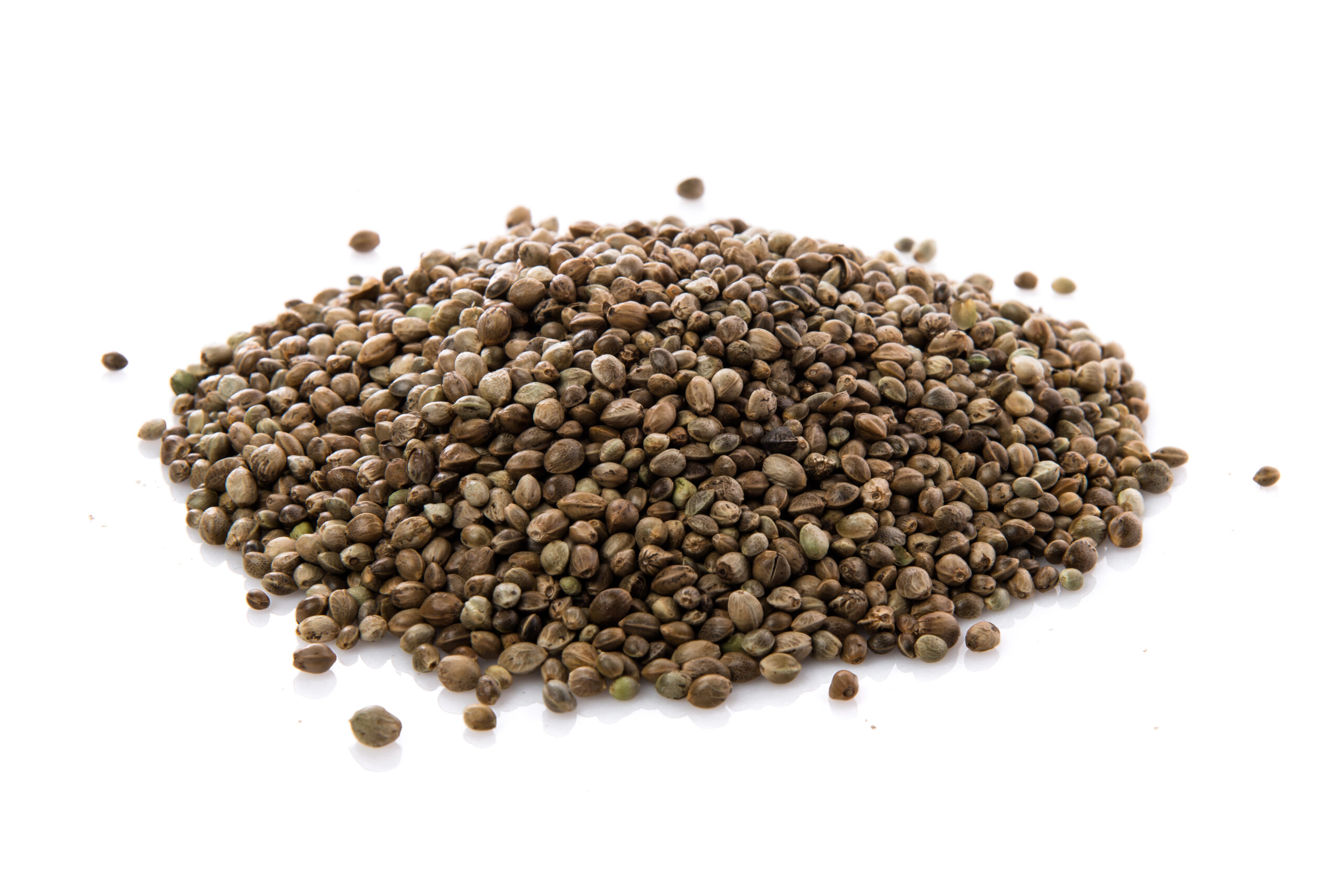


F1 seeds are getting more attention from growers because they promise a more uniform and more predictable grow. The term may sound technical at first, but the basic idea is simple. F1 means first filial generation. In plain language, that means the seeds come from a first cross between two carefully selected parent lines. Growers often look at F1 seeds because they want plants that grow in a more even way and show strong, reliable traits from seed to harvest.
Many people who search for F1 seeds want to know if they are really different from other seeds on the market. That is a fair question. The seed world uses many terms, and not all of them are explained well. Some growers see labels like hybrid, feminized, autoflower, landrace, or F1 and are not sure what each one means. F1 seeds are a type of hybrid seed, but not every hybrid seed is a true F1. This is one of the first things that can confuse new growers. A seed can be sold as a hybrid because it comes from mixed genetics, but a true F1 is made through a more careful breeding process. That difference matters because it affects how the plants may grow, how similar they may be to one another, and how easy they may be to manage in the grow room or garden.
One reason growers are interested in F1 seeds is consistency. When people start seeds, they often hope the plants will grow at a similar speed, reach a similar size, and finish around the same time. That kind of even growth can make many parts of the grow easier. It can help with feeding, watering, training, lighting, and harvest timing. If plants are all very different from each other, the grower has to adjust care from plant to plant. That can take more time and can create more problems, especially for someone who is still learning. F1 seeds are often talked about as a way to reduce some of that variation.
Another reason F1 seeds stand out is the idea of vigor. Growers often use the phrase hybrid vigor when talking about strong growth in F1 plants. In simple terms, this means the plants may grow with more energy and more strength than expected. This can show up as faster early growth, a more solid structure, and better response to normal growing conditions. Of course, no seed can fix poor care or a bad environment. Good genetics help, but the grower still needs to provide the right light, water, air, temperature, and nutrition. Even so, many growers are drawn to F1 seeds because they want a strong start and a plant that can perform well under proper care.
Stability is another big reason people search for F1 seeds. Many want to know if F1 seeds are more stable than other types. This question comes up often because growers want to avoid surprises. In seed genetics, stability does not mean that every plant will be a perfect copy of the next one. Plants are living things, and some variation is normal. What stability often means in this case is that the plants are more likely to show a similar set of traits. That can include things like plant shape, growth speed, flowering time, and overall performance. For growers, that can make planning easier and outcomes more reliable.
Price is also part of the conversation. F1 seeds are often sold at a higher price than many standard seeds. That leads to another common question. Are they worth the extra cost. The answer depends on the grower’s goals. Some people want the lowest price per seed. Others care more about uniformity, performance, and easier management. A grower who wants a more controlled and more predictable run may see value in paying more for better breeding work. A grower who enjoys hunting through many different traits may feel differently. Knowing what F1 seeds are and what they are designed to do helps make that choice easier.
There is also strong interest in how F1 seeds compare with later generations like F2 or F3 seeds. This matters because seeds do not stay the same across generations. The first generation from a planned cross can behave differently from later generations that come after it. F1 seeds are usually discussed in terms of uniformity and strong performance, while later generations often show more variation. That does not make later generations bad. It only means they serve a different purpose. Some growers want consistent plants. Some breeders want more variation so they can select for specific traits. Understanding this difference helps readers see why F1 seeds have become such an important topic.
For beginners, the topic can feel a little overwhelming at first, but it does not have to be. Once the terms are explained clearly, the main ideas are easy to follow. F1 seeds matter because they sit at the point where breeding and practical growing meet. They are not just a technical breeding label. They can affect how plants perform in real life. They can shape how easy or hard a grow feels. They can also affect how much trust a grower places in the seed before the plant even starts.
This article will break the topic down in a simple way. It will explain what F1 seeds are, how they are made, and why they are different from many regular hybrid seeds. It will also look at the main benefits growers often want to know about, including vigor, stability, and more even growth. The guide will cover whether F1 seeds may help with yield, whether they are a good choice for beginners, and what growers should know before paying a higher price for them. It will also explain how F1 seeds compare with F2 and later generations, what happens if someone tries to breed from F1 plants, and how to choose quality seeds from the start.
The article will also move beyond theory and into practice. Readers will learn what to keep in mind during germination, what kind of care helps F1 seeds perform well, and what common mistakes can hold them back. This is important because even the best genetics still need proper growing conditions. Good seeds and good grow habits work best together. By the end, readers should have a clear view of what F1 seeds offer, where their strengths are, and how to decide if they are the right fit for their next grow.
What Are F1 Seeds?
F1 seeds are a special type of seed made by crossing two different parent plants. The term “F1” stands for “first filial generation.” That sounds technical, but the idea is simple. It means these seeds are the first generation that comes from that planned cross. In plant breeding, this first generation often gets attention because it may show strong growth, better uniformity, and more predictable traits than later generations.
For growers, the term matters because it tells you something about how the seed was made. It is not just a label added for marketing. When used correctly, it points to a specific breeding step. Knowing this can help growers understand what kind of results to expect from the plants.
What “F1” Means
The “F” in F1 comes from the word “filial,” which refers to offspring. The number 1 means first generation. So, F1 seeds are the first offspring produced when two selected parent lines are crossed. These parent lines are usually chosen for specific traits, such as plant size, speed of growth, disease resistance, flavor, structure, or flowering behavior.
This first generation is important because it is where breeders often look for a strong mix of traits from both parents. In many cases, F1 plants are more even in the way they grow. They may also show what growers call vigor, which means strong and healthy early growth. This is one reason F1 seeds are often discussed as a premium option.
Still, the term should be understood in the right way. F1 does not mean magic. It does not mean every plant will be perfect. It also does not mean the seeds will solve problems caused by poor growing conditions. What it does mean is that the seeds come from a controlled cross between two chosen parent lines, and that can lead to more reliable results.
How F1 Seeds Are Created
To make F1 seeds, breeders start with two separate parent plants or parent lines. These parents are not picked at random. They are selected because they carry traits the breeder wants to combine. One parent may have strong resistance to stress. The other may have better yield or a certain plant shape. By crossing them, the breeder tries to create offspring that carry the best parts of both.
The process is more detailed than simply letting two plants pollinate each other. In serious breeding work, the parent plants are studied, tested, and selected with care. The goal is to produce seeds that are as uniform and predictable as possible in the first generation.
This is why true F1 seeds often take more work to create than regular hybrid seeds. Breeders need time, space, and skill to develop suitable parent lines before the final cross is made. Because of that, true F1 seeds are often priced higher than ordinary seeds on the market.
F1 Seeds and General Hybrids Are Not Always the Same
Many growers hear the word “hybrid” and think it means the same thing as F1. That is not always correct. A hybrid simply means a plant or seed made from crossing different genetics. By that broad meaning, many seeds on the market are hybrids. But not all of them are true F1 seeds.
A true F1 seed comes from a specific first-generation cross between two selected parent lines. That is more exact than just saying a seed is a hybrid. Some seeds may be called hybrids because they come from mixed genetics, but they may not have the same level of breeding control or uniformity that growers expect from true F1 seeds.
This difference matters because growers often buy seeds based on expectations. If someone buys a seed labeled as a hybrid, they may expect stable and even plants. But that result depends on how the seed was bred. A true F1 label should point to a more defined breeding process. That can make a real difference in how plants perform from seed to harvest.
Why the Term Matters to Growers and Breeders
For growers, the term F1 matters because it gives clues about consistency. Many people want plants that grow at a similar rate, respond in a similar way, and finish within a close time frame. This can make planning easier. It can also help with feeding, light setup, training, and harvest timing.
For example, if plants in a grow space stay close in size and structure, it is easier to manage the canopy. It is also easier to give plants the same care when they behave in a similar way. This is one of the main reasons growers look at F1 seeds with interest.
For breeders, the term matters for another reason. It marks a clear stage in the breeding process. F1 is only the first step after the parent cross. If those F1 plants are bred again, the next generation becomes F2. From there, more variation can appear. So, calling something F1 is not just about quality. It is also about where the seed sits in the breeding line.
This is important because it helps breeders speak clearly about genetics. It also helps growers avoid confusion when comparing F1, F2, and later generations. When people understand these terms, they can make better choices about what to grow and why.
F1 seeds are first-generation hybrid seeds made from two chosen parent lines. They are valued because they may offer better uniformity, stronger growth, and more predictable results than less controlled crosses. Understanding this basic idea makes it much easier to understand the rest of the topic, including stability, benefits, and growing tips. As a starting point, the main thing to remember is simple: F1 seeds are the first offspring from a planned cross, and that breeding step is what gives them their importance.
How Are F1 Seeds Made?
F1 seeds are made by crossing two parent plants that come from different, carefully selected lines. The goal is to combine the best traits from both parents into one first-generation seed. That is why the process is more controlled than many growers realize. It is not just a matter of taking any two plants and breeding them. True F1 seeds come from a planned breeding process that takes time, testing, and stable parent stock.
To understand how F1 seeds are made, it helps to first understand what breeders want from the final result. They want seeds that grow into plants with strong vigor, similar structure, and more predictable traits. That can include how the plants grow, how long they flower, how they respond to stress, and how even the crop looks overall. These traits do not happen by accident. They come from careful work with the parent plants.
The Role of Parent Plants in Breeding
Parent plants are the foundation of F1 seeds. Every F1 seed begins with two parent lines. One parent provides one set of traits, and the other parent provides another set. Breeders choose these parents because they want to combine certain strengths. For example, one parent may have strong growth and good resistance to stress, while the other may have better flower structure, flavor, or yield potential.
The parent plants are not chosen at random. Breeders study them over time. They look at how they grow, how stable their traits are, and whether those traits appear again and again in the same line. This matters because a parent plant that changes too much from one generation to the next is not a good base for true F1 breeding.
A breeder may grow many plants just to find a few strong candidates. Those selected plants are then used again in future breeding work. This is one reason why high-quality F1 seeds can take longer to develop. The breeder is not only looking for good plants. The breeder is looking for reliable plants.
Why Breeders Work to Develop Stable Parent Lines First
Stable parent lines are one of the most important parts of making F1 seeds. A stable line is a line of plants that shows the same traits again and again over generations. This does not mean every plant is exactly the same in every way, but it does mean the line is predictable enough to use in breeding.
Breeders often create these stable lines by selecting plants with the traits they want and breeding them over time. This process can take several generations. During that time, weak or inconsistent plants are usually removed from the breeding program. The breeder keeps working with the plants that best match the target traits.
This step matters because F1 seeds rely on the strength of both parents. If one or both parent lines are unstable, the final F1 seeds may not be as uniform or reliable as expected. In other words, the quality of the first-generation hybrid depends heavily on the quality of the parents.
This is also why not every seed sold as a hybrid should be viewed as a true F1. Some hybrid seeds come from crosses between plants that were not developed into stable parent lines. Those seeds may still grow well, but they may not offer the same level of uniformity or predictability that growers often expect from true F1 genetics.
How Controlled Crossing Produces the F1 Generation
Once the breeder has two stable parent lines, the next step is controlled crossing. This means the breeder carefully uses pollen from one parent to fertilize the other parent. The cross is planned and managed so the breeder knows exactly which plants were used. This helps keep the genetics clear and consistent.
The breeder does not let pollination happen by chance. Instead, the breeder chooses the male and female parents on purpose. In some cases, breeders may use special methods to control how pollen is collected and applied. The main goal is to prevent unwanted pollination and make sure only the chosen parent lines are used.
When the female parent is pollinated by the chosen male parent, it produces seeds. Those seeds are the F1 generation. The term F1 means first filial generation, which is the first generation created from that specific cross.
These F1 seeds often show what growers call hybrid vigor. This can mean stronger growth, more even development, and better overall performance in the right conditions. Because the parent lines were selected and stabilized first, the plants grown from F1 seeds are often more uniform than plants from later generations.
That does not mean every F1 plant will be a perfect copy of the next one. Small differences can still happen. Still, compared with many other seed types, true F1 seeds are usually more consistent.
Why True F1 Seeds Are Harder to Make Than Standard Mixed Hybrids
True F1 seeds are harder to make because the work starts long before the final cross. The breeder must first spend time developing and testing stable parent lines. That alone can take a lot of effort. It requires space, patience, record keeping, and repeated selection.
By contrast, a standard mixed hybrid can be made more quickly by crossing two plants without the same level of line development. That kind of cross may still create useful seeds, but the results are often less predictable. The plants may vary more in size, shape, flowering time, and other traits.
Making true F1 seeds also requires better control. The breeder must know the history of the parent lines and protect the cross from outside pollen. This makes the process more technical and more labor intensive. It is one reason true F1 seeds can cost more than other seeds on the market.
There is also a difference in breeder intent. With a mixed hybrid, the goal may simply be to create a new cross with interesting traits. With a true F1, the goal is usually stronger consistency and a more dependable result. That higher standard makes the breeding process more demanding.
F1 seeds are made through a careful breeding process that begins with two selected parent lines. Those parents are chosen for their traits and developed over time so they become stable and reliable. Once the breeder has strong parent lines, a controlled cross is made to produce the first-generation seeds. That is what creates true F1 genetics.
The reason F1 seeds stand out is not just the final cross. It is the work that comes before it. Stable parents, planned breeding, and controlled pollination all play a role in the final result. In short, true F1 seeds are harder to make because they require more time and precision, but that extra work is what gives them their value.
What Makes F1 Seeds Different from Regular Hybrid Seeds?
Many growers see the words “F1 seeds” and “hybrid seeds” used in similar ways. That can make the topic confusing. While all F1 seeds are hybrids, not all hybrid seeds are true F1 seeds. This difference matters because it affects how plants grow, how uniform they look, and how predictable the final results may be.
To understand this clearly, it helps to look at how each type of seed is made and why breeders use these terms.
F1 Seeds Come from a More Specific Breeding Process
A true F1 seed is the first generation made by crossing two carefully selected parent lines. These parent lines are usually bred over time so they carry stable traits. When those two lines are crossed, the result is an F1 generation with a more even and predictable set of features.
Regular hybrid seeds are also made by crossing different plants, but the process is often less strict. In many cases, the parents may not be worked into highly stable lines first. That means the seeds can still be hybrids, but they may not give the same level of consistency as a true F1 cross.
This is one of the biggest differences. A true F1 is not just any cross between two plants. It is a first-generation cross built from parent lines that were chosen and developed with much more care.
Regular Hybrids Can Show More Variation
When growers buy regular hybrid seeds, they may get plants that are broadly similar, but not very close matches. One plant may grow taller, while another stays shorter. One may finish a little earlier, while another takes longer. Leaf shape, branch spacing, smell, and flower structure can also vary more.
With true F1 seeds, the goal is to reduce that spread. Plants from the same seed pack are more likely to grow in a similar way. They often show closer height, similar structure, and a more even timeline. This can make the grow easier to manage, especially for people who want a more uniform crop.
This does not mean every F1 plant will be a clone of the next one. Seeds still carry natural variation. Even so, true F1 seeds are usually more consistent than many standard hybrid seeds on the market.
Predictability Is a Major Difference
One reason growers look for F1 seeds is predictability. When a breeder has done the work to create a true F1 cross, the grower may have a better idea of what to expect. This can help with planning the grow room, setting training methods, timing the feeding schedule, and estimating when plants may flower or finish.
Regular hybrid seeds can still produce good plants, but the results may be less easy to predict. A grower may need to adjust care from plant to plant because each one expresses traits a little differently. That is not always a bad thing, but it can create more work and more guesswork.
For home growers, predictability often means fewer surprises. For larger growers, it can mean better control over the whole crop.
The Parent Lines Matter a Lot
The quality of any seed depends greatly on the parent plants. In true F1 breeding, the parents are a key part of the value. Breeders spend time choosing and refining those lines so that when they are crossed, the first generation shows strong and useful traits.
In regular hybrid breeding, the parents may still be good plants, but they are not always worked into stable lines in the same way. Because of that, the offspring may show more mixed results. The seeds may still be sold as hybrids, but the level of breeding depth behind them may not be equal to that of true F1 seeds.
This is why two seed packs can both be called hybrids but perform very differently in the grow space.
Not Every Seed Labeled “Hybrid” Means the Same Thing
The word “hybrid” is broad. It simply means the plant comes from crossing different genetic backgrounds. That covers a wide range of seeds. Some are highly refined and carefully produced. Others are more general crosses that do not offer the same level of uniformity.
This is where confusion often starts. A grower may assume that all hybrid seeds offer the same benefits as true F1 seeds. That is not always correct. A true F1 is a special type of hybrid with a more exact breeding method behind it.
Because of this, labels should be read carefully. The word “hybrid” alone does not explain how stable the parents were or how uniform the offspring may be.
Why This Difference Matters to Growers
For many growers, the main question is practical. They want to know how this difference affects the grow. In simple terms, true F1 seeds are often chosen for more even growth, more reliable structure, and better overall consistency. That can make watering, feeding, light placement, and training easier to manage.
Regular hybrid seeds may still offer strong traits and good performance, but they often bring a wider range of plant expressions. Some growers enjoy that variation because it gives them more phenotypes to observe and select from. Others want a more uniform result and prefer the clearer pattern that true F1 seeds can provide.
So the choice depends on the grower’s goal. If the goal is consistency, a true F1 may be more appealing. If the goal is exploration and variety, a regular hybrid may still be useful.
Common Labeling Confusion in the Seed Market
The seed market can make this harder to understand because terms are not always used in a strict way. Some seeds may be promoted with strong claims about performance, but the breeder may not clearly explain whether the seeds are true F1s or just general hybrids.
This means growers should look beyond marketing words. It helps to check whether the breeder gives real detail about the parent lines, the breeding process, and what traits the seeds are meant to express. Clear information can help separate a true F1 product from a more general hybrid offering.
Knowing this can save money and help growers choose seeds that match their needs.
F1 seeds and regular hybrid seeds are not the same, even though both come from crossed genetics. A true F1 seed is made from two carefully developed parent lines and is usually valued for better consistency, stronger predictability, and more even growth. Regular hybrid seeds can still be good, but they often show more variation because the breeding process may be less controlled.
Are F1 Seeds More Stable?
When people ask if F1 seeds are more stable, they are usually asking one simple question. They want to know if the plants will grow in a more even and predictable way. This matters because growers want fewer surprises. They want seeds that sprout well, grow at a similar speed, and show many of the same traits from plant to plant.
To understand the answer, it helps to look at what stability really means in seeds. It also helps to know what F1 seeds are designed to do and where their limits are.
What Stability Means in Seed Genetics
In seed genetics, stability does not always mean that every plant will be exactly the same. That is a common misunderstanding. Stability usually means that the seeds produce plants with a more reliable set of traits. These traits may include growth speed, plant shape, flowering time, size, and overall performance.
A stable seed line gives growers more confidence. If a pack of seeds is stable, the plants are less likely to vary in big ways. For example, one plant is less likely to stay short while another grows much taller than expected. One plant is also less likely to finish much later than the rest. This kind of predictability is useful, especially for growers who want an even canopy or a smoother harvest window.
Still, stability is not the same as perfect sameness. Seeds come from sexual reproduction, so some variation can still happen. Even in a strong seed line, each plant is still its own living organism. Small differences can show up because of genetics, environment, or both.
Why F1 Seeds Often Show Strong Uniformity
F1 seeds are the first generation made by crossing two distinct parent lines. When those parent lines are properly developed, the F1 offspring often show a high level of uniformity. This is one reason F1 seeds attract so much interest.
Uniformity means the plants tend to behave in similar ways. They may germinate around the same time, grow at a similar pace, and reach flowering with less variation than other seed types. They may also show a more even structure, which can make training and feeding easier for the grower.
This happens because the parent plants are selected very carefully. Breeders work to fix certain traits in the parent lines before making the cross. When these two lines are combined, the first generation often expresses a reliable mix of those traits. The result can be a crop that looks and performs in a more consistent way.
This does not mean every F1 seed pack on the market is equal. The term F1 sounds impressive, but the real outcome depends on the breeding work behind it. A true F1 made from carefully prepared parent lines is more likely to show the uniformity growers expect. A poorly made cross may not give the same result.
Stable Performance Does Not Mean Identical Plants
It is important to keep expectations realistic. Even if F1 seeds are more stable, that does not mean every plant will be identical in every detail. Growers may still notice small differences in height, smell, leaf shape, or how each plant responds to stress.
Environment plays a big role here. Even genetically similar plants can act differently if one gets more light, more root space, or better airflow. Watering habits, feeding levels, temperature swings, and humidity can also affect how plants develop. So, if a grower sees slight variation, that does not always mean the seeds are unstable.
The main point is that F1 seeds often reduce major variation. Instead of getting one very weak plant, one average plant, and one unusually tall plant from the same pack, growers are more likely to get plants that stay closer together in growth and timing. That is the kind of stability most growers are looking for.
Why Parent Stability Matters So Much
The quality of the parent lines is one of the most important parts of F1 seed stability. If the parents are not stable, the offspring will not be as predictable. This is why breeders spend time selecting and refining parent plants before making a true F1 cross.
Think of the parent lines as the foundation. If the foundation is weak or inconsistent, the final result will also be less reliable. But if each parent line has been worked carefully and shows dependable traits, the F1 generation has a better chance of showing strong performance.
This is also why true F1 breeding takes time and effort. It is not just about crossing any two plants and calling the seeds special. Real stability comes from planning, selection, and repeated breeding work. Growers who understand this are often better at spotting the difference between true breeding value and simple marketing language.
What This Means for Growers
For many growers, more stable seeds mean less guesswork. Plants that grow in a more even way are easier to manage. Feeding schedules can stay more consistent. Training can be simpler. Harvest planning can be smoother because the plants may finish around the same time.
This is especially helpful for beginners. New growers often do better when their plants follow a more predictable pattern. It can also help experienced growers who want better control over their grow space.
At the same time, growers should remember that seeds are only one part of the process. Good genetics matter, but so do light, water, temperature, soil, and daily care. Even strong F1 seeds cannot fully make up for poor growing conditions.
F1 seeds are often seen as more stable because they can produce plants with stronger uniformity and more predictable traits. In seed genetics, stability means reliable performance, not perfect sameness. A well-bred F1 line may give growers plants that look and grow in a more even way, but small differences can still happen. The strength of the parent lines matters a great deal, because stable parents are the key to stable F1 results. For growers, this kind of stability can mean easier planning, fewer surprises, and a smoother growing experience overall.
What Are the Main Benefits of F1 Seeds?
F1 seeds are often talked about as a premium option, but many growers still want to know what makes them different in practice. The main benefits of F1 seeds are not just about marketing terms or seed labels. They are about how the plants grow, how evenly they develop, and how predictable the results can be. For many growers, that matters a lot because it can make the growing process easier to manage from start to finish.
To understand these benefits, it helps to remember what F1 means. F1 stands for first filial generation. These seeds come from crossing two carefully selected parent lines. When the parent lines are bred with care, the first generation can show strong performance in a few key areas. These areas often include vigor, uniform growth, stress tolerance, and better consistency. Each of these can affect the final outcome of a grow.
Hybrid vigor
One of the biggest reasons growers choose F1 seeds is hybrid vigor. This term means that the first generation from two parent lines may grow with more energy and strength than expected. In simple terms, F1 plants often get off to a strong start and keep that strength as they move through the grow cycle.
This strong growth can show up in several ways. Seedlings may emerge with healthy structure and good early development. Plants may build stems, leaves, and roots at a steady pace. They may also look more lively and balanced compared to less refined seed types. For growers, this matters because a strong start often helps a plant handle the rest of the grow more smoothly.
Hybrid vigor does not mean a plant is perfect. It does not mean every problem will disappear. A plant can still suffer if the environment is poor, if watering is off, or if lighting is weak. Still, many growers like F1 seeds because the plants often begin with a strong base, and that can make a real difference over time.
Faster and more even growth
Another major benefit of F1 seeds is the way the plants often grow at a similar speed. This can be very useful, especially when growing more than one plant at the same time. If plants develop evenly, it becomes easier to manage the room, the feeding schedule, and the light distance.
When plants grow at very different rates, the grower has to make more adjustments. One plant may stretch too much while another stays short. One may need more water while another needs less. That can make the grow harder to control. F1 seeds are often valued because they may reduce some of that uneven growth.
More even growth can also help during the vegetative stage. Plants that stay closer in size and shape are easier to train and easier to place under lights. This is helpful for indoor growers who need to make the best use of limited space. When the canopy stays more even, light can reach the plants more effectively. That can support better overall development.
Better uniformity in size, structure, and flowering time
Uniformity is one of the most talked about benefits of F1 seeds. Growers often want plants that behave in a more predictable way. With F1 seeds, plants may show more similar traits in size, branch pattern, and flowering schedule. This does not mean they will all be exact copies, but it can mean less variation across the group.
This benefit becomes very important when the grower wants a more organized crop. If most plants reach similar heights, it becomes easier to manage airflow, lighting, and support. If they flower around the same time, it is easier to plan feeding changes and harvest timing. These small advantages can make the whole grow feel more controlled.
Uniform structure can also help growers who train plants. When plants respond in a similar way, topping, pruning, and canopy work can become more simple. The grower spends less time solving different problems for each plant and more time following one clear plan.
Stronger resistance to stress
F1 seeds are also often linked with stronger resistance to stress. Stress can come from many sources. It may come from temperature swings, watering mistakes, transplant shock, or minor feeding problems. A strong plant is not immune to these issues, but it may handle them better than a weaker one.
This is important because no grow room is perfect all the time. Even careful growers can have small problems. A sudden hot day, a missed watering, or a small change in humidity can affect plant growth. If a plant has better natural strength, it may recover faster and continue growing with less damage.
This kind of resilience can be helpful for both beginners and experienced growers. New growers may make more mistakes as they learn. Experienced growers may be managing larger grows where small issues can spread quickly. In both cases, stronger plants can make the process easier to handle.
More predictable results for growers
Many growers want F1 seeds because they want more predictable outcomes. Predictability matters because it helps people plan better. It helps them estimate plant size, manage timing, and understand how the crop is likely to perform. This can reduce guesswork during the grow.
Predictable results do not mean guaranteed results. The grower still needs to provide good care. Seeds with strong genetics still need proper light, water, air, and nutrients. But when the seed stock is more reliable, the grower may have a better chance of seeing steady results from plant to plant.
This can also save time. A grower dealing with uneven plants may spend extra effort making constant changes. A grower working with more predictable plants may be able to follow one plan with fewer corrections. That can make the growing process smoother and less stressful.
Why these benefits matter for both new and experienced growers
For new growers, F1 seeds can offer a simpler learning experience. Stronger early growth, better uniformity, and more predictable development can make it easier to spot problems and follow a routine. The grower can focus on learning the basics instead of dealing with wild differences between plants.
For experienced growers, F1 seeds can support better efficiency. More even plants can make space management, feeding, and harvest planning easier. This can matter a lot when the goal is to run a clean and well-managed grow.
The main benefits of F1 seeds come down to performance and consistency. They are often valued for hybrid vigor, more even growth, better uniformity, stronger stress tolerance, and more predictable results. These traits do not replace good growing skills, but they can give the grower a stronger starting point. That is why F1 seeds stand out to many people. They can make the grow easier to manage and may help support a healthier and more reliable crop from start to finish.
Do F1 Seeds Produce Better Yields?
Many growers ask if F1 seeds produce better yields. The short answer is that they can, but the full answer is more detailed. F1 seeds are known for vigor, even growth, and stronger uniformity. These traits can help support better yield potential. Still, bigger harvests do not come from genetics alone. Light, water, temperature, nutrients, airflow, training, and timing all affect the final result.
To understand yield with F1 seeds, it helps to look at both the genetic side and the growing side.
Why F1 seeds may have higher yield potential
F1 seeds are made by crossing two carefully selected parent lines. When this process is done well, the first generation may show what growers often call hybrid vigor. This means the plants may grow faster, look stronger, and handle stress better than less refined seed lines. In some cases, this stronger early growth can lead to better plant size, healthier branching, and a more productive flowering stage.
Uniform growth also plays a big role. When plants grow at a similar speed and reach a similar height, it becomes easier to manage the grow room or garden. The canopy can stay more even, and this helps more parts of the plant get good light. Better light distribution can support better bud development across the plant. When one plant is much taller or weaker than the others, it can create uneven results. F1 seeds may reduce some of that variation.
Another reason F1 seeds may support stronger yields is their predictable structure. Some F1 plants may stretch in a more controlled way, flower in a more even pattern, and finish in a tighter window. This can help growers plan feeding, watering, pruning, and harvest timing with less guesswork. When a plant responds in a steady and expected way, it is easier to keep it in a healthy and productive state.
Why higher potential does not always mean bigger harvests
Even though F1 seeds may have good yield potential, that does not mean every grower will get a large harvest. Genetics set the ceiling, but the environment decides how close the plant gets to that ceiling. A strong seed cannot fully perform in poor conditions.
For example, weak lighting can reduce yield even if the genetics are excellent. Plants need enough light intensity and the right light schedule to build strong flowers. If the light is too far away, too weak, or uneven across the canopy, the buds may stay small or airy. In the same way, poor airflow and high humidity can slow growth and raise the risk of mold or other problems.
Watering also matters. Overwatering can limit root oxygen and slow plant growth. Underwatering can cause stress and reduce flower development. Nutrients matter too, but more is not always better. Too much feeding can burn the plant, damage root health, and hurt yield instead of helping it. F1 seeds may be vigorous, but they still need balanced care.
Temperature is another key factor. When the grow area is too hot or too cold, the plant uses energy to survive stress instead of using that energy for growth and flower production. Large swings in temperature can also reduce consistency. One of the strengths of F1 seeds is uniform growth, but unstable conditions can hide that benefit.
How uniformity can support better production
One major advantage of F1 seeds is uniformity. This may not sound as exciting as huge buds or fast growth, but it matters a lot for yield. Uniform plants are easier to manage from start to finish. They often need similar feeding levels, similar light distance, and similar timing for training and harvest.
This matters because consistency makes mistakes easier to avoid. If one plant is very tall, one is very short, one is hungry, and one is sensitive, the grower has to manage each one almost like a separate project. That takes more time and raises the chance of error. With F1 seeds, the plants may behave more alike, which can make the grow easier to control.
In a larger garden, this can improve total production across the whole space. Even if each plant is not dramatically bigger, the group may perform more evenly. That can lead to a more reliable harvest. In other words, better yield is not only about the biggest single plant. It is also about getting solid, repeatable results from the full crop.
The role of grower skill in final yield
F1 seeds can give growers a strong starting point, but skill still matters. A grower who understands plant health, watering, training, and timing will usually get more from F1 seeds than a grower who ignores those basics. Strong genetics can help, but they do not replace good decisions.
A grower must still choose the right pot size, keep the root zone healthy, control the environment, and adjust care as the plant moves from seedling to vegetative growth to flowering. Training methods such as topping or low-stress training may also affect how much light the plant can use and how many strong bud sites it develops. F1 seeds may respond well when these steps are done carefully, but poor technique can still lower yield.
Patience is also important. Some growers push plants too hard with extra nutrients, heavy pruning, or stress during flowering. This can reduce the very performance they hoped to improve. F1 seeds may offer strong potential, but they still do best in a stable and well-managed setup.
F1 seeds can produce better yields, but they do not guarantee them. Their main strengths are vigor, uniformity, and predictability. These traits can help plants grow well and can make the whole crop easier to manage. That may support stronger production and more consistent harvests.
Still, yield depends on more than seed type. Light, temperature, watering, nutrients, airflow, and grower skill all shape the final result. The best way to think about F1 seeds is this: they can give you a better starting point, but the harvest still depends on how well you grow the plant.
Are F1 Seeds Good for Beginners?
Many new growers want seeds that are easier to manage from the start. F1 seeds often stand out because they are bred to give more uniform results. That does not mean they are perfect or that they remove every challenge, but they can make the growing process feel more clear and less confusing. For beginners, that matters a lot.
When people first start growing, one of the hardest parts is not always the daily care. It is knowing what is normal and what is not. If one plant grows tall, another stays short, and another flowers at a different time, a new grower can struggle to know what to do. F1 seeds can help reduce that problem because they often produce plants that grow in a more similar way. That kind of predictability can make early growing lessons easier to understand.
Predictable growth can help new growers
A beginner usually learns by watching how a plant responds to light, water, feeding, and temperature. That learning process becomes easier when plants behave in a more even way. F1 seeds are often valued for this reason. Since they come from a controlled cross between selected parent lines, they may show stronger consistency than later generations or mixed hybrid seed lots.
This more predictable growth can help a new grower build confidence. For example, if several plants are growing at a similar speed and forming a similar shape, it is easier to tell whether the environment is working well. If all the plants begin to droop after watering too much, the grower can spot the issue faster. If all the plants respond well after a small change in light or airflow, that result is easier to understand too.
Predictable growth also helps beginners plan their space better. A first-time grower may not know how much room each plant will need. When plants stay more even in size and structure, it becomes easier to arrange them under lights, give them enough airflow, and avoid crowding. This can make the whole grow room feel more manageable.
Even timing can help as well. If plants move through their stages at a similar pace, a beginner has fewer surprises. It is easier to know when to adjust feeding, when to expect stronger growth, and when flowering changes may start to appear. That smoother timeline can reduce stress for someone who is still learning the basics.
Uniform plants can make feeding and canopy management easier
Feeding is one of the areas where new growers often make mistakes. Some plants need more nutrients than others. Some are more sensitive. When a grower is working with plants that vary a lot, it becomes harder to create one simple feeding plan. F1 seeds can help here because their plants are often more alike in vigor and structure.
When plants are similar in size and growth rate, a beginner can often water and feed them in a more even way. This does not mean every plant should be treated exactly the same at all times, but it can reduce the wide differences that make feeding more complex. A new grower can follow a basic routine and make small changes as needed instead of trying to solve several very different plant problems at once.
Canopy management also becomes easier with more uniform plants. The canopy is the upper part of the garden where the tops of the plants receive light. A flat and even canopy helps light spread more fairly across all plants. This matters because light is one of the main drivers of healthy growth and good flower development.
For a beginner, an uneven canopy can create many problems. Tall plants may block light from shorter ones. Some tops may get too much light while others get too little. This can lead to weak lower growth, wasted space, and harder daily care. F1 seeds may help lower this risk because plants often stretch and branch in a more similar pattern.
That does not mean training is never needed. Some growers may still top, bend, or support plants to improve shape and light exposure. Still, when the starting point is more even, the work becomes simpler. A beginner does not have to fight against extreme differences between plants. That can save time and reduce mistakes.
Resilience can help when small mistakes happen
Most beginners make small mistakes. They may water too often, feed too soon, keep the room too warm, or change too many things at once. These are common errors, especially during the first grow. One reason many people are interested in F1 seeds is that they may show strong vigor and better stress tolerance compared with less carefully bred seed lines.
This can be helpful because strong early growth often gives a plant a better chance to recover from minor problems. A seedling that starts well may bounce back faster after a small setback. A plant with good vigor may handle mild environmental stress better than a weak or unstable one. For a beginner, that can make the difference between a grow that stays on track and one that becomes hard to manage.
Still, resilience should not be misunderstood. It does not mean the plant can handle anything. Poor conditions can still cause serious problems. Bad airflow can still invite disease. Wrong watering habits can still damage roots. Weak lighting can still limit growth. F1 seeds may give a grower a stronger starting point, but they do not replace proper care.
It helps to think of resilience as a cushion, not a cure. The plant may have a better chance to stay healthy through small issues, but the grower still needs to provide a stable environment. Good seeds work best when the basics are already in place.
Good growing habits still matter
Some beginners believe better genetics will solve every problem. That is not how growing works. F1 seeds may offer useful advantages, but they still need the same core care as any other quality seed. A new grower must still focus on light, temperature, humidity, watering, airflow, and clean growing practices.
Watering is one of the most important habits to learn. Overwatering is common with beginners because they want to help the plant. In reality, roots need both moisture and oxygen. If the growing medium stays too wet, roots can suffer. Good habits mean watering when needed, not just on impulse.
Feeding also needs care. Strong genetics do not mean a plant should get heavy nutrients right away. Many beginners do better by starting light and watching how the plant responds. It is easier to add a little more later than to fix nutrient burn after overfeeding.
The environment matters just as much. F1 seeds may grow evenly, but they still need the right amount of light and a steady climate. Large swings in heat or humidity can slow growth and raise the risk of stress. Beginners often get better results when they keep things simple and stable rather than chasing quick changes.
Observation is another key habit. New growers should check plants every day, not to make constant changes, but to notice signs of health or stress. Healthy leaves, steady growth, and even color usually show that conditions are working. Drooping, spots, or pale growth may suggest something needs attention. F1 seeds can make these patterns easier to read, but the grower still has to pay attention.
F1 seeds can be a good option for beginners because they often offer more predictable growth, more uniform plants, and a stronger ability to handle small mistakes. These traits can make feeding, plant spacing, and canopy management easier to learn. They can also help reduce some of the confusion that first-time growers often face. Still, good results do not come from genetics alone. Beginners get the most from F1 seeds when they pair them with steady care, patience, and strong basic growing habits.
F1 Seeds vs F2, F3, and Other Generations
To understand F1 seeds, it helps to compare them with later seed generations. Many growers see terms like F1, F2, and F3 on seed pages, but they may not know what those labels really mean. These names are part of a breeding system that shows how far a seed line has moved from the first cross.
Each generation can offer something different. Some are more uniform. Some show more variation. Some are better for growers who want predictable plants, while others are more useful for breeders who want to explore traits and make new selections. When you understand these differences, it becomes much easier to choose the right seeds for your goals.
What F1 means
F1 stands for first filial generation. This is the first generation that comes from crossing two parent lines. In simple terms, a breeder takes one parent plant and crosses it with another parent plant that has a different but stable genetic background. The seeds made from that cross are called F1 seeds.
This first generation often gets attention because it can show strong vigor and a high level of uniformity. That means many of the plants may grow in a similar way. They may have a similar size, shape, growth speed, and flowering pattern. This does not mean every plant will be exactly the same, but the results are often more consistent than what growers may see in later generations.
For many home growers, this consistency is a major benefit. It can make the growing process easier because the plants may respond in a more even way to light, feeding, and training. A grow room with plants that behave in a similar way is often easier to manage.
What happens in the F2 generation
The F2 generation comes after the F1 generation. To make F2 seeds, breeders usually cross F1 plants with each other, or use another method that moves the line into the next generation. Once this happens, more variation often begins to appear.
This is one of the biggest differences between F1 and F2 seeds. F1 seeds are often valued for their uniformity, but F2 seeds usually show a wider range of traits. One plant may grow taller. Another may stay shorter. One may flower faster. Another may take longer. Smell, color, bud shape, and resistance to stress may also vary more from plant to plant.
This wider variation is not always a bad thing. In fact, breeders often want this variation because it gives them more traits to work with. They can observe many plants, look for the ones with the best features, and then select those plants for future breeding work. For a breeder, variation is useful. For a grower who wants a very even crop, it may be less ideal.
How F3 and later generations differ
F3 seeds come after F2, and the same pattern continues with F4, F5, and later generations. As breeders keep working a line, they try to select plants that carry the traits they want. Over time, this can help make a line more stable again, but the process takes time, skill, and repeated selection.
An F3 line may still show noticeable variation, depending on how it was bred. In some cases, the breeder is still working through genetic differences and selecting plants with the right structure, flavor, effect, or growth pattern. By the time a line reaches later generations, it may become more consistent, but that depends on how carefully the breeding was done.
This is why generation numbers should not be judged by number alone. A later generation is not always better than an F1. It simply serves a different purpose. F1 seeds are often about strong first-generation performance. Later generations are often about selection, trait development, and line building.
Why later generations show more variation
The reason later generations often vary more comes down to genetics. In the F1 stage, the cross between two stable parent lines can create a more balanced and uniform result. When those F1 plants are bred again into F2, the traits can begin to separate in different ways.
This is why growers may see more noticeable differences among F2 and F3 plants. Traits that seemed hidden in the F1 generation may start to appear more clearly. Some plants may lean toward one parent. Others may lean toward the other. Some may show a mix of both.
For a grower who wants predictability, this can be harder to manage. Plants with different heights, feeding needs, and flowering times may need different care. That can make the grow room less even and more time-consuming. For breeders, though, this is often where the real work begins, because they can sort through those differences and choose what to keep.
When growers may prefer F1 seeds
F1 seeds are often a good choice for growers who want a simpler and more predictable grow. A person growing at home may want plants that finish around the same time, stretch in a similar way, and produce a more even canopy. F1 seeds can help with that.
They can also be helpful for newer growers. When plants are more uniform, it is often easier to spot problems and adjust care. The grower does not have to manage extreme differences between one plant and another. That can make feeding, lighting, and training more straightforward.
Growers who care about consistency from one run to the next may also lean toward F1 seeds. While no seed can remove all variation, a true F1 line often gives a more predictable starting point than later generations that are still showing broad trait differences.
When breeders may prefer F2 or later generations
Breeders often look at seed generations in a different way. They are not always searching for the most uniform crop right away. Instead, they may want a larger range of traits so they can study the plants and choose the most promising ones.
In F2 and later generations, more traits can appear and separate. This gives breeders a chance to hunt for a special phenotype. They may be looking for better structure, a stronger aroma, a shorter flowering time, or better resistance to stress. The wider trait spread gives them more material to work with.
This is why later generations are often important in breeding projects. They allow a breeder to shape the future of the line. It takes patience, but it also opens the door to more control over the final direction of the genetics.
F1, F2, F3, and later generations each play a different role in seed breeding and plant selection. F1 seeds are the first cross between two parent lines and are often known for vigor, uniform growth, and more predictable performance. F2 and later generations usually show more variation, which can make them less even for some growers but more useful for breeders.
For most growers who want consistency, F1 seeds are often the easier choice. For breeders who want to explore traits and build new lines, F2 and later generations can offer more opportunity. The best option depends on your goal. If you want a more uniform grow, F1 seeds may fit better. If you want to select traits and study plant differences, later generations may be the better path.
Can You Breed with F1 Seeds?
F1 seeds can be used for breeding, but it is important to understand what happens after the first generation. Many growers hear that F1 seeds are strong, uniform, and reliable. That is true in many cases. Still, those traits are usually strongest in the first generation only. Once growers start breeding from F1 plants, the next generation often becomes less even and less predictable.
This does not mean breeding with F1 seeds is wrong. It simply means growers should know the goal before they begin. A person who wants stable and similar plants for growing may use F1 seeds one way. A breeder who wants to explore new traits may use them in a very different way.
What Breeding with F1 Seeds Means
Breeding with F1 seeds means using plants grown from those seeds to create a new generation. This can happen when one F1 plant is crossed with another plant, or when an F1 plant is self-pollinated. In both cases, the grower is moving past the original F1 stage and creating offspring that will no longer be true F1 plants.
This is an important point. The F1 label refers to the first generation that comes from crossing two specific parent lines. Once those F1 plants are used to make seeds of their own, the next seeds are a later generation. They may still be useful, but they are not the same thing as the original F1 seeds.
Why F1 Plants Often Look More Uniform
F1 seeds are usually valued because many of the plants look and grow in a similar way. They may have similar height, structure, growth speed, and flowering time. This happens because they come from a planned cross between two parent lines.
That kind of uniformity is helpful for growers who want a crop that is easier to manage. Plants that grow at a similar pace are often easier to feed, train, and harvest. This is one reason F1 seeds are popular.
However, that same uniformity does not always carry into the next generation. Once F1 plants are bred, the genes can begin to separate in new ways. This leads to more variation among the offspring.
What Happens in the Next Generation
When F1 plants are crossed or selfed, the offspring often show a wider range of traits. Some plants may look more like one side of the family. Others may show a mix of traits. A few may even show weaker growth or less desirable features.
This is one of the most important things growers need to know. Breeding from F1 seeds does not usually give the same uniform result as growing the original F1 seeds. The next generation may vary in height, leaf shape, vigor, flowering time, smell, yield, or stress response.
For a breeder, this variation can be useful. It creates a pool of different plants to study and select from. For a hobby grower who expects the same even results as the first generation, it can be disappointing. That is why breeding with F1 seeds should be done with realistic expectations.
Can You Self an F1 Plant?
Yes, an F1 plant can be selfed, which means it is used to produce seeds from itself. Growers may do this to keep certain traits in the line or to study how those traits pass on. But selfing an F1 plant does not freeze the plant in place. The new seeds can still show variation.
Some offspring may carry traits the grower likes. Others may not. This makes selfing a tool for breeding work, not a simple way to copy the exact F1 result. It takes selection, testing, and patience.
Why Breeders May Still Use F1 Seeds
Even though the next generation is less uniform, breeders still use F1 seeds because they offer a strong starting point. F1 plants often show vigor and healthy growth, which can make them attractive breeding material. A breeder may also want to combine the strong traits of an F1 plant with another line.
Breeders often work with large numbers of plants so they can watch for the traits they want. They may look for structure, smell, flowering speed, resistance to stress, or overall quality. Then they select the best plants and continue breeding over time.
This process is different from simply growing F1 seeds for production. Breeding is slower and more detailed. It is about searching through variation and making choices from one generation to the next.
Why Hobby Growers Use F1 Seeds Differently
Most hobby growers are not trying to build a new line. They usually want healthy plants, simple management, and a reliable result. For that reason, many hobby growers use F1 seeds for growing, not for breeding.
If a hobby grower saves seeds from F1 plants, the next crop may not match the first one. Some plants may still be good, but the group may not be as even. This is why many growers buy fresh F1 seeds when they want the same type of performance again.
Hobby growers often choose F1 seeds for consistency, while breeders may use them as a starting point for selection and long-term work.
You can breed with F1 seeds, but the results usually change after the first generation. F1 plants are often uniform because they come from a specific cross between two parent lines. Once those plants are crossed or selfed, the next generation usually shows more variation.
That variation can be useful for breeders who want to explore and select traits. It is less useful for growers who want the same even result as the original F1 crop. The main takeaway is simple: F1 seeds are excellent for strong and uniform growing, but breeding from them is a different process that takes time, selection, and patience.
Are F1 Seeds Worth the Higher Price?
F1 seeds often cost more than many other seed types. This higher price can make growers stop and think before buying. It is normal to ask whether the extra cost is really worth it. The answer depends on what the grower wants, how important consistency is, and how much value they place on strong genetics from the start.
To understand the price, it helps to look at what goes into making true F1 seeds, what growers may gain from using them, and what limits still exist. A higher price does not always mean a better choice for every situation, but it can make sense in the right setup.
Why F1 seeds usually cost more
True F1 seeds are not made in a simple way. Breeders first need to create and maintain two stable parent lines. This takes time, space, and careful selection. Each parent must be bred to show clear and repeatable traits. That means the breeder cannot just cross any two plants and call the result a true F1 line.
This process can take years. Breeders may have to grow many plants, study how they perform, and remove weaker or less stable ones from the breeding program. They also need to keep records and repeat the work over many cycles. All of this adds to the cost before the seeds even reach the market.
There is also a smaller margin for error. If the parent lines are not stable, the F1 seeds may not give the level of uniformity growers expect. Because of this, breeders who produce real F1 seeds often invest more in selection, testing, and quality control. That extra work is one reason why the price is often higher.
What growers may get in return
The higher cost of F1 seeds is often tied to the idea of value, not just the seed itself. Many growers are willing to pay more because they want plants that behave in a more even and predictable way. With F1 seeds, plants often grow at a similar pace, reach a similar size, and flower in a narrower time range. This can make the whole grow easier to manage.
For example, uniform growth can help a grower keep lighting, feeding, and watering more balanced across the crop. If plants stretch in very different ways or finish at very different times, the grow can become harder to control. When plants are more alike, the grower may spend less time correcting problems caused by uneven development.
F1 seeds may also show strong vigor. This means the plants can start fast and grow strongly in the early stages. For some growers, this can improve the overall experience. Healthier starts may lead to better structure and a smoother run from seedling to harvest.
So while the seed price is higher at the beginning, some growers feel that the value comes from better performance, easier planning, and fewer surprises during the grow.
Why price should not be judged alone
It is easy to compare seed packs only by cost, but that does not always show the full picture. A cheaper seed may save money at first, but if it produces wide variation, weak plants, or uneven flowering, the grower may lose time and effort later. In some cases, that lower price may not lead to better value.
At the same time, the most expensive seeds are not always the best choice for everyone. A grower with a small hobby setup may not need the level of uniformity that F1 seeds offer. If the goal is simply to learn, experiment, or explore different traits, other seed types may still be useful.
This is why growers should think about what they need from the crop. If they want consistency, easier management, and more predictable results, the higher cost of F1 seeds may make sense. If they are more focused on breeding work, phenotype hunting, or casual growing, the extra cost may matter less.
What F1 seeds cannot promise
Even high-priced F1 seeds do not remove the need for good growing habits. Genetics are important, but they are only one part of the result. Light, temperature, humidity, watering, feeding, and root health still matter a lot. A strong seed cannot fully make up for poor conditions.
Growers should also remember that uniform does not mean identical. F1 seeds may give more even results, but small differences between plants can still happen. It is better to think of F1 seeds as a way to improve consistency, not as a perfect guarantee.
Marketing can also create confusion. Some products are called hybrids, but they may not be true F1 seeds in the strict breeding sense. This is another reason why growers should look closely at the breeder and the product details before deciding that a higher price is justified.
When the extra cost may be worth it
For growers who want a cleaner and more controlled grow, F1 seeds can be worth the money. They may be especially useful for people who want plants to finish close together, grow with similar structure, and respond in a more predictable way. This can be helpful in both small and large grows.
They can also be a smart choice for growers who want to reduce guesswork. A more even crop may make it easier to plan feeding, training, and harvest timing. When time, space, and consistency matter, paying more for stronger starting genetics can be a practical decision.
Still, value depends on the grower’s goal. One person may see the higher price as a good investment. Another may prefer less expensive seeds because their goals are different. Neither choice is always right or wrong.
F1 seeds usually cost more because they take more breeding work, time, and quality control to produce. That higher price may be worth it for growers who want strong vigor, better uniformity, and more predictable results. Still, cost should be judged against the grower’s needs, not by price alone. F1 seeds can offer real value, but they still need good care and a smart buying decision to pay off.
How to Germinate F1 Seeds Successfully
Germination is the first step in growing healthy plants from F1 seeds. This stage is simple, but it is very important. If seeds start strong, the plant will have a better chance to grow well later. F1 seeds are known for their strong genetics and uniform growth, but they still need the right conditions to sprout. A stable and clean setup helps each seed develop in a consistent way.
Choosing a Clean and Stable Environment
Start by preparing a clean space before you germinate your seeds. Dirt, mold, or bacteria can harm young seedlings. Wash your hands before handling seeds. Use clean tools and fresh materials such as paper towels, starter cubes, or seedling trays.
The environment should also be stable. Seeds do best when the temperature stays warm and steady. A range of about 20°C to 25°C works well for most seeds. If the temperature drops too low, germination can slow down or stop. If it gets too hot, seeds may become weak or fail to sprout.
Place your seeds in a spot where they will not be disturbed. Avoid areas with strong wind, sudden temperature changes, or direct harsh light. A quiet and controlled space helps maintain the balance that seeds need during this early stage.
Moisture, Warmth, and Airflow Basics
Seeds need moisture to begin growing. Water activates the seed and starts the process inside. The goal is to keep the seed moist but not soaked. Too much water can block oxygen and cause rot. Too little water can stop the seed from opening.
A simple way to control moisture is by using a damp paper towel or a starter cube. The material should feel moist to the touch, not dripping wet. Check it often to make sure it does not dry out.
Warmth works together with moisture to help seeds sprout. When seeds are warm, the internal processes move faster. If the environment is too cold, growth will slow down. Using a seedling heat mat can help keep the temperature stable if needed.
Airflow is also important. Seeds and young roots need oxygen. If the environment is too wet and closed, it can lead to mold or poor growth. Make sure there is some fresh air moving around, but do not expose seeds to strong drafts. A gentle balance is best.
Avoiding Common Germination Mistakes
Many problems during germination come from simple mistakes. One common issue is overwatering. When seeds sit in too much water, they may rot before they can sprout. Always aim for damp conditions, not wet ones.
Another mistake is handling seeds too much. Seeds are delicate, especially once they start to open. Touching them often can damage the small root. It is best to leave them alone as much as possible during this stage.
Some growers also plant seeds too deep. If a seed is buried too far, it may struggle to reach the surface. A shallow planting depth, about 1 to 2 centimeters, is enough. This gives the seed a better chance to grow upward without stress.
Light can also be a problem if used too early or too strong. Seeds do not need strong light before they sprout. After they break the surface, gentle light helps them grow. Avoid placing seedlings under intense light right away.
When to Transplant Seedlings
Once the seed has sprouted and a small root appears, it will begin to grow into a seedling. At this stage, timing matters. Moving the seed too early can damage the root. Waiting too long can cause the root to grow into the material and make it harder to transfer.
A good time to transplant is when the seedling shows its first small leaves, often called cotyledons. At this point, the root is strong enough to handle the move. Carefully place the seedling into its growing medium, such as soil or another chosen setup.
When transplanting, handle the seedling gently. Avoid touching the root. Hold the seedling by the shell or the first leaves if needed. Place it into a small hole and lightly cover it. Do not press the soil too hard, as roots need space to grow.
Early Care Tips for Healthy Starts
After transplanting, the seedling enters an early growth stage. This period is still very sensitive. Keep the environment steady and avoid sudden changes. Continue to provide moderate warmth and gentle airflow.
Watering should stay light and controlled. Young seedlings do not need much water. Overwatering at this stage can still cause problems. Let the top layer of the medium dry slightly before watering again.
Light should now be introduced, but it should be soft and not too close. This helps the seedling grow upward without stress. As the plant grows stronger, the light can be increased step by step.
It is also important to avoid feeding nutrients too early. F1 seedlings usually have enough stored energy to start growing. Adding nutrients too soon can overwhelm the plant. Wait until the seedling has developed a few sets of leaves before feeding.
Germinating F1 seeds is simple when the basics are followed. A clean and stable environment gives seeds a safe place to start. Balanced moisture, steady warmth, and gentle airflow help activate growth. Avoiding common mistakes such as overwatering, deep planting, and rough handling protects the seed during its most delicate stage.
Timing also plays a key role. Transplanting at the right moment and giving careful early care helps the seedling develop strong roots and healthy growth. When these steps are done correctly, F1 seeds can show their full potential from the very beginning. A strong start leads to a more uniform and reliable grow, which is one of the main advantages of F1 genetics.
Best Growing Tips for F1 Seeds
Growing F1 seeds can feel easier than growing many other seed types, but that does not mean growers can be careless. F1 seeds are often valued for their uniform growth, strong vigor, and predictable traits. Even so, they still need the right setup and steady care. Good genetics can give plants a strong start, but the grower still shapes the final result. Light, temperature, water, nutrients, airflow, and timing all matter.
This section explains the best growing tips for F1 seeds in a simple and practical way. The goal is to help growers get the most from these seeds from the first stage to harvest.
Match the Environment to the Cultivar’s Needs
One of the best ways to grow F1 seeds well is to understand the needs of the cultivar before planting. Not every F1 seed grows the same way. Some plants stay short and compact. Others stretch more and need extra vertical space. Some do better indoors under controlled light. Others can handle outdoor conditions if the climate is warm and stable.
Before germination, growers should read the breeder’s description carefully. This can give useful details about expected plant height, flowering time, feeding needs, and preferred environment. It can also help growers understand whether a plant is better suited for small tents, larger rooms, or outdoor gardens.
A good match between plant and environment reduces stress. For example, a tall and fast-growing cultivar may struggle in a very small grow area. A plant that likes warm, stable conditions may also have trouble in a cool and changing outdoor space. F1 seeds often show strong performance, but they still do best when the grow space fits their natural growth pattern.
It also helps to plan the environment before the seedlings appear. This includes checking light strength, temperature, humidity, air movement, and container size. A healthy environment allows the natural vigor of F1 seeds to show clearly. When the setup is poor, even strong genetics can fall short.
Keep Conditions Steady for Uniform Growth
F1 seeds are known for producing plants that grow in a more even and uniform way. This is one of their biggest strengths. To support that uniformity, growers should keep the environment as stable as possible.
Large changes in temperature or humidity can slow growth and create stress. Plants respond better when daytime and nighttime conditions stay within a healthy range. Sudden heat, cold, or dry air can lead to weak growth, leaf problems, or delayed development. Steady airflow also matters because it helps reduce stale air and lowers the chance of mold and pests.
Lighting should also stay consistent. Plants need the right light schedule at the right stage. Seedlings need gentle support at the start. Vegetative plants need enough light to build strong stems and leaves. Flowering plants need stable timing so they can develop properly. When the light cycle changes by mistake, plants may become stressed and produce poor results.
F1 plants often grow at a similar pace, which makes it easier to manage the whole grow area. Still, this only works well when the environment is controlled. If one side of the room is too hot, one area is too dry, or some plants get much more light than others, that natural uniformity becomes harder to maintain.
Steady conditions help growers read their plants better. When the environment stays stable, it is easier to notice true plant needs instead of trying to fix many changing problems at once.
Use Careful Watering and Feeding Practices
Watering is one of the most common areas where growers make mistakes. F1 seeds may grow strongly, but young plants still need gentle care. Overwatering can slow root growth, weaken seedlings, and create problems in the growing medium. Underwatering can also stress the plant and reduce early growth.
A smart approach is to water based on plant need, not on a strict habit. The medium should not stay soaked all the time. Roots need both water and air. When the medium stays too wet, roots cannot breathe well. This can lead to poor development and weak plants.
Feeding should also be handled with care. Strong genetics do not mean a plant needs heavy nutrients from the start. Seedlings usually need very little at first. Too much feed too early can burn roots and damage leaves. It is usually better to begin lightly and increase nutrients only when the plant shows healthy growth and real demand.
As plants get larger, feeding can be adjusted based on stage and condition. Vegetative growth often needs support for leaf and stem development. Flowering needs a different balance to support bud formation. Still, more nutrients do not always mean better growth. Too much feeding can cause stress, nutrient lockout, or poor uptake.
F1 plants often respond well to a balanced and steady routine. Growers should pay attention to leaf color, growth speed, and overall plant posture. Healthy plants usually give clear signals when they are comfortable. Slow changes and careful observation often work better than aggressive feeding plans.
Train Plants Only When Appropriate
Plant training can improve light exposure, airflow, and canopy shape, but it should be done with care. Not every grow needs heavy training. Some F1 seeds are bred for uniform, manageable growth and may need only light shaping.
Growers should first look at the structure of the plant. If it is naturally compact and even, only minor work may be needed. This may include gentle leaf removal, branch support, or slight bending to open the canopy. If the plant is growing tall or unevenly, more training may help create a better shape.
Timing matters a lot. Training too early can slow small plants. Training too late can stress flowering plants when they should be focusing on bud growth. Low-stress methods are often safer for many growers because they reduce the chance of damage. High-stress methods can work, but they require more experience and careful timing.
The main goal of training is to help the plant use space and light more efficiently. It should not become a source of repeated stress. F1 seeds can produce strong and even plants, so many growers find that a lighter hand works well. Instead of forcing the plant too much, it is often better to guide it gently and let its natural structure do much of the work.
Watch for Stress Early
One of the best habits any grower can build is checking plants often and spotting stress early. Even strong F1 seeds can struggle when problems go unnoticed. Early signs may include drooping leaves, yellowing, burnt tips, curling edges, slow growth, or uneven development.
Stress can come from many sources. Watering errors, poor airflow, wrong temperature, nutrient imbalance, pests, weak light, and root problems can all affect plant health. Small issues are usually easier to fix than large ones. That is why regular observation matters so much.
Growers do not need to panic over every small change, but they should stay alert. Looking at the plants each day helps build skill and confidence. Over time, it becomes easier to tell the difference between normal growth and a sign that something is wrong.
It also helps to make changes slowly. If a grower changes light strength, feed level, watering amount, and temperature all at once, it becomes hard to know what helped or caused harm. A better method is to adjust one issue at a time and watch how the plant responds.
F1 seeds can offer strong growth, even development, and more predictable results, but they still need good care from start to finish. Growers get the best results when they match the plant to the right environment, keep conditions steady, water and feed carefully, use training only when needed, and watch closely for early signs of stress.
Common Mistakes to Avoid with F1 Seeds
F1 seeds can give growers strong, even, and healthy plants, but they still need proper care. A lot of people hear that F1 seeds are more uniform and more vigorous, then assume the plants will do well no matter what. That is one of the biggest mistakes a grower can make. Good genetics can help, but they do not replace the basics. Light, temperature, water, air, and feeding still matter every day.
Another common problem is that many growers do not fully understand what F1 seeds are meant to do. They expect perfect results right away, or they treat F1 seeds like all other seeds. This can lead to poor choices early in the grow. Knowing what mistakes to avoid can help growers protect their time, money, and effort. It can also help them get the steady growth that F1 seeds are known for.
Expecting Genetics to Fix Poor Grow Conditions
One of the most common mistakes is thinking that strong genetics can solve weak grow conditions. F1 seeds may have hybrid vigor, but they still need the right environment. A plant cannot reach its full potential if the light is too weak, the room is too hot, the roots stay too wet, or the air does not move well.
Some growers buy F1 seeds because they want a more reliable grow. That makes sense, but reliability does not mean magic. Even a healthy seed will struggle in poor soil, dirty containers, bad drainage, or unstable temperatures. If the plant becomes stressed often, growth may slow down. Leaves may droop, discolor, or curl. The plant may also produce smaller flowers or weaker overall structure.
Growers should treat F1 seeds as a strong starting point, not as a shortcut. It still helps to prepare the grow space before planting. Make sure the medium drains well. Check that temperatures stay in a safe range. Give seedlings gentle but steady light. Keep humidity and airflow balanced. When the environment is stable, F1 seeds are more likely to show their strengths.
Overfeeding Early Plants
Another mistake is giving too many nutrients too soon. Many new growers think more feeding means faster growth. In reality, young plants usually need less than people expect. F1 seeds can grow with strong early energy, but that does not mean they should be pushed hard from the start.
Seedlings are small and sensitive. Their roots are still developing. If growers add too much fertilizer early on, the roots can become stressed. The plant may show burnt leaf tips, dark leaves, curling, or slowed growth. Instead of helping the plant, overfeeding can hold it back.
This mistake often happens when growers get excited by early growth and want to boost it even more. They may use a strong nutrient mix or feed too often. A better approach is to start light and watch how the plant responds. Healthy seedlings usually show clear signs when they are doing well. They stand upright, develop fresh green growth, and slowly build a stronger root system.
F1 plants can be vigorous, but they still need balance. It is easier to add more nutrients later than it is to fix nutrient burn after it happens. Patience matters in the first few weeks.
Using Unstable Light, Temperature, or Humidity
F1 seeds are valued for uniform growth, but uniform growth depends on stable conditions. If the environment keeps changing, even good seeds may not perform evenly. This is why unstable light, temperature, and humidity can become a serious problem.
Light is one of the biggest factors. If plants do not get enough light, they may stretch and become weak. If the light is too strong or too close, the leaves may bleach or curl. In both cases, the plant uses energy to handle stress instead of building healthy growth. A steady light schedule is also important. Plants respond best when they receive a regular pattern each day.
Temperature swings can cause similar problems. If it gets too hot, plants may wilt, dry out too fast, or stop growing well. If it gets too cold, roots and leaves may slow down. Large changes between day and night can also stress the plant. Humidity matters too. Air that is too wet can raise the risk of mold and weak growth. Air that is too dry can stress young plants and make it harder for them to thrive.
F1 seeds often perform best when the grower keeps the room consistent. That does not mean the space must be perfect at all times. It means avoiding major shifts that confuse or stress the plant. A stable environment helps the plants grow more evenly, which is one of the main benefits people want from F1 seeds in the first place.
Confusing Marketing Claims with Breeding Quality
Another mistake is trusting every product label without looking deeper. Some seed listings use words like premium, elite, or hybrid, but those terms do not always tell the full story. A grower may see the term F1 and assume the seeds will have all the traits of a true F1 line. That is not always the case.
True F1 seeds come from a careful breeding process. The parent lines must be selected and stabilized well enough to create a consistent first-generation cross. That takes work, time, and skill. Not every company follows the same standards, and not every seed sold as a hybrid has the same level of breeding behind it.
This confusion can lead growers to expect more consistency than the seeds can actually deliver. They may think all plants will look and grow almost the same, then feel disappointed when they see variation. That is why it is smart to research the breeder or seed source before buying. Clear strain information, breeder history, and honest descriptions are all helpful signs.
A good grow starts before germination. It starts with choosing seeds from a source that explains what the product really is. Better information helps growers make better decisions and avoid false expectations.
Saving Seeds and Expecting the Same F1 Results Next Time
Some growers want to save seeds from their F1 plants and use them in a future grow. This sounds practical, but it often leads to disappointment. The next generation will not usually behave like the original F1 generation. The strong uniformity seen in F1 seeds may break apart in later generations.
This happens because F1 seeds are the first cross between selected parent lines. When growers breed from those plants again, the offspring can show a wider range of traits. Some plants may be taller, shorter, slower, faster, or different in structure and flower quality. That variation is normal in later generations, but it is not what many growers expect when they hope to repeat the same F1 result.
This mistake often comes from misunderstanding what makes F1 seeds special. Their value is tied to that first-generation cross. Once a grower moves past that point, the same level of predictability may not remain. For growers who want the same traits again, it is usually better to buy the same F1 seeds from a trusted source rather than trying to recreate them at home.
F1 seeds can be a strong choice, but they still need smart handling. Growers should not expect genetics to fix bad conditions, and they should not rush feeding in the early stage. They also need to keep light, temperature, and humidity as steady as possible. On top of that, it helps to look past marketing language and understand the real breeding quality behind the seeds.
The last important point is that F1 results usually do not repeat in the same way when seeds are saved for later generations. That is why good planning and clear expectations matter from the start. When growers avoid these common mistakes, they have a much better chance of seeing the vigor, uniformity, and steady performance that make F1 seeds stand out.
How to Choose Quality F1 Seeds
Choosing quality F1 seeds starts with knowing that not all seeds sold as hybrids are the same. Some seed packs use the word hybrid in a broad way, while true F1 seeds come from a more careful breeding process. That is why it is important to look past the product name and study what the seller is really offering. A good choice at the start can save time, money, and effort later in the grow.
Buy from Reputable Breeders or Seed Banks
One of the best ways to choose quality F1 seeds is to buy from a breeder or seed bank with a strong reputation. Reliable sellers usually give clear information about their genetics, growing traits, and expected plant behavior. They also tend to be more careful about seed storage, packaging, and shipping. This matters because even strong genetics can suffer if seeds are old, damaged, or stored in poor conditions.
A reputable breeder often has a history of careful breeding work. That does not mean every strain will perform the same in every setup, but it does mean the company is more likely to test its seeds before selling them. When breeders take their work seriously, they are more likely to release seeds with better uniformity, stronger germination rates, and clearer trait descriptions.
A trustworthy seed bank also helps growers avoid confusion. Some websites make big promises but give very little real detail. Others may use popular terms like premium, elite, or stable without explaining what those words mean. A better seller gives useful facts instead of relying only on strong marketing language.
Check Whether the Seeds Are Clearly Described as True F1
When shopping for F1 seeds, it is important to check whether the seeds are described clearly as true F1 seeds, not just as hybrids. This is a key point because all F1 seeds are hybrids, but not all hybrid seeds are true F1s. Many growers miss this difference, especially when reading product pages quickly.
A clear description should explain that the seeds come from a cross between two carefully selected parent lines. This is what gives true F1 seeds their strong uniformity and hybrid vigor. If a seller uses the term F1 but does not explain the breeding method at all, that should make a grower pause and look closer.
Clear wording helps the buyer know what to expect. True F1 seeds are often sold as a more refined product because they are harder to produce. If the description is vague, there is a higher chance that the seeds may not perform with the level of consistency many growers expect from an F1 line.
Look for Details About Parent Lines, Traits, and Performance
A quality F1 seed listing should give details about the parent lines and the traits the breeder selected for. This does not always mean full breeder secrets will be shared, but there should be enough information to help the buyer understand the product. Useful details may include growth pattern, flowering time, plant size, resistance to stress, and likely yield range.
When a breeder explains the traits clearly, it shows more care in the breeding and selling process. For example, if the listing says the plant has even growth, short flowering time, or strong resistance to common stress factors, that gives the grower a better idea of how the seed may fit the grow space and skill level.
Performance details also help growers match seeds to their goals. Some people want uniform plants for easier canopy control. Others want strong vigor and fast early growth. Some need seeds that do well indoors, while others are looking for plants that can handle outdoor changes. The more useful detail the seller provides, the easier it is to choose the right seeds.
Be Careful with Vague Product Listings
Vague product listings can cause problems for growers, especially newer ones. A page may say that the seeds are powerful, stable, or high yielding, but those claims mean little if there is no explanation behind them. A quality listing should help the buyer understand what makes the seeds different, not leave them guessing.
Growers should be careful when a seller gives very little information about genetics, breeding, or expected performance. The same is true when a listing sounds more like an ad than a real product description. Big promises without details can lead to poor buying choices. A seed pack may look impressive, but the real question is whether the information is useful and specific.
It is also wise to compare a few listings before buying. This can help growers notice which sellers are transparent and which ones are only using strong sales words. Clear and direct information often signals a better product than flashy language alone.
Research Before Buying Can Save Time and Money
Doing a little research before buying F1 seeds can make a big difference. Seeds are the starting point of the whole grow, so mistakes here can affect everything that follows. When growers take time to read descriptions carefully, compare breeders, and think about their own setup, they are more likely to make a smart choice.
Research also helps growers avoid buying seeds that do not match their space or goals. A plant with strong vigor may be a good choice, but only if the grower has the room and conditions to support it. In the same way, a seed line known for uniform growth may be especially useful for growers who want a more predictable run.
Good research is not about making the buying process hard. It is about giving the grower a better chance of success. A thoughtful choice at the seed stage often leads to fewer problems later, from germination through harvest.
Choosing quality F1 seeds comes down to being careful, informed, and realistic. Buy from trusted breeders or seed banks, check whether the seeds are described clearly as true F1s, and look for real details about parent lines and plant traits. Stay cautious with vague listings that rely more on hype than facts. When growers take time to research before buying, they put themselves in a better position to get the uniformity, vigor, and performance that F1 seeds are known for.
Conclusion
F1 seeds have become a popular topic because many growers want plants that are easier to manage and more predictable from the start. The term F1 means first filial generation. These seeds come from a cross between two carefully selected parent lines. That breeding work is what gives F1 seeds their strong reputation. When people buy F1 seeds, they are often looking for better uniformity, stronger growth, and a more reliable growing experience.
One of the biggest reasons growers pay attention to F1 seeds is consistency. In simple terms, consistency means the plants tend to grow in a more similar way. They may have a closer height, shape, flowering time, and overall structure than plants grown from less stable seed lines. This matters because it can make the grow easier to plan. When plants act in a similar way, it is easier to manage lighting, feeding, spacing, and harvest timing. That does not mean every plant will be exactly the same, but it does mean the results are often more even.
Another major point is stability. When growers ask if F1 seeds are stable, they usually want to know whether the plants will show the traits they expect. True F1 seeds are often linked with stable performance because they come from parent lines that were selected with care. This helps create plants with dependable traits. Still, it is important to understand that stability in seeds does not mean perfection. Small differences can still appear. Growing conditions also play a big part in how each plant performs. Good genetics help, but the environment still matters every day.
The benefits of F1 seeds go beyond uniformity. Many growers are also interested in hybrid vigor. This term refers to the strong growth that can appear when two different parent lines are crossed in the right way. In practice, this can mean faster development, healthy early growth, and good resilience under normal growing stress. For some growers, this makes F1 seeds feel easier to work with. New growers may like them because the plants can be more forgiving. More experienced growers may like them because even growth can make the whole crop easier to manage.
Yield is another common reason people look into F1 seeds. Some growers hope these seeds will always produce bigger harvests. The truth is more balanced. F1 seeds may support good yield potential because of their vigor and uniform growth, but they do not guarantee a heavy harvest on their own. Light, temperature, humidity, feeding, watering, training, and timing all affect the final result. A strong seed can only do so much if the grow room or outdoor space is not managed well. This is why growers need to think of genetics and plant care as working together.
F1 seeds are also often compared with F2, F3, and later generations. This comparison helps explain why F1 seeds get so much attention. The F1 generation is usually valued for its even growth and predictable traits. Later generations often show more variation. That variation can be useful for breeders who want to explore different plant traits, but it may be less helpful for growers who want a more uniform crop. This is why F1 seeds may appeal more to people who want a simple and steady grow, while later generations may appeal more to those interested in selection and breeding.
Price is another important topic. True F1 seeds can cost more than other seed types. That higher cost often reflects the extra breeding work behind them. For some growers, the price may be worth it because of the better uniformity and strong early growth. For others, the value depends on their budget, goals, and level of experience. A grower who wants a smooth and predictable run may see the cost as a fair trade. A grower who likes experimenting may choose something else.
It is also important to remember that buying good F1 seeds matters. Clear product details, trusted breeders, and honest seed descriptions can make a big difference. Not every product sold as a hybrid is a true F1. That is why growers should read carefully and choose seed sources with a strong reputation. Good buying choices can save money, time, and effort later.
In the end, F1 seeds stand out because they combine careful breeding with practical benefits for growers. They are known for vigor, more even growth, and a level of predictability that many people value. They can be a strong choice for beginners who want an easier start and for experienced growers who want a more uniform crop. At the same time, they still need proper care to perform well. The best results come when strong genetics are matched with stable growing conditions and good habits. For anyone thinking about trying F1 seeds, the smartest approach is to choose quality seeds, understand what they offer, and give them the right environment to thrive.
Research Citations
McDonald, M. M., & Lubell-Brand, J. D. (2024). F1 hybrid seed can enhance cannabis crop uniformity and yield. HortScience, 59(12), 1795–1799. https://doi.org/10.21273/HORTSCI18197-24
Garcia-de Heer, L., Mieog, J., Burn, A., Nolan, M., Liu, L., Siazon, S., & Kretzschmar, T. (2026). Weeding out variability: A proof-of-concept for producing uniform F1 hybrid Cannabis sativa L. using single seed descent. Horticulture Research, uhag038. https://doi.org/10.1093/hr/uhag038
Barcaccia, G., Palumbo, F., Scariolo, F., Vannozzi, A., Borin, M., & Bona, S. (2020). Potentials and challenges of genomics for breeding cannabis cultivars. Frontiers in Plant Science, 11, 573299. https://doi.org/10.3389/fpls.2020.573299
Bradshaw, J. E. (2022). Breeding diploid F1 hybrid potatoes for propagation from botanical seed (TPS): Comparisons with theory and other crops. Plants, 11(9), 1121. https://doi.org/10.3390/plants11091121
Chen, L., & Liu, Y.-G. (2014). Male sterility and fertility restoration in crops. Annual Review of Plant Biology, 65, 579–606. https://doi.org/10.1146/annurev-arplant-050213-040119
Bohra, A., Jha, U. C., Adhimoolam, P., Bisht, D., & Singh, N. P. (2016). Cytoplasmic male sterility (CMS) in hybrid breeding in field crops. Plant Cell Reports, 35(5), 967–993. https://doi.org/10.1007/s00299-016-1949-3
Rehman, A. U., Dang, T., Qamar, S., Ilyas, A., Fatema, R., Kafle, M., Hussain, Z., Masood, S., Iqbal, S., & Shahzad, K. (2021). Revisiting plant heterosis—From field scale to molecules. Genes, 12(11), 1688. https://doi.org/10.3390/genes12111688
Singh, H., Sekhon, B. S., Kumar, P., Dhall, R. K., Devi, R., Dhillon, T. S., Sharma, S., Khar, A., Yadav, R. K., Tomar, B. S., Ntanasi, T., Sabatino, L., & Ntatsi, G. (2023). Genetic mechanisms for hybrid breeding in vegetable crops. Plants, 12(12), 2294. https://doi.org/10.3390/plants12122294
Wan, X., Wu, S., Li, Z., Dong, Z., An, X., Ma, B., Tian, Y., & Li, J. (2019). Maize genic male-sterility genes and their applications in hybrid breeding: Progress and perspectives. Molecular Plant, 12(3), 321–342. https://doi.org/10.1016/j.molp.2019.01.014
Perez-Prat, E., & van Lookeren Campagne, M. M. (2002). Hybrid seed production and the challenge of propagating male-sterile plants. Trends in Plant Science, 7(5), 199–203. https://doi.org/10.1016/S1360-1385(02)02252-5
Questions and Answers
Q1: What are F1 seeds?
F1 seeds are the first generation of seeds produced by crossing two different parent plants. They are known for strong growth, uniform traits, and high performance.
Q2: Why are F1 seeds popular among growers?
F1 seeds are popular because they show hybrid vigor, which means faster growth, better yields, and stronger resistance to stress and disease.
Q3: Are F1 seeds stable?
F1 seeds are stable in the first generation, meaning plants grow consistently. However, seeds taken from F1 plants may not produce the same traits in the next generation.
Q4: What is hybrid vigor in F1 seeds?
Hybrid vigor, also called heterosis, is when the offspring grow stronger and healthier than the parent plants due to genetic diversity.
Q5: Can you reuse seeds from F1 plants?
Seeds collected from F1 plants are called F2 seeds, and they may show mixed traits. They are less predictable compared to original F1 seeds.
Q6: How are F1 seeds created?
F1 seeds are made by carefully selecting and breeding two stable parent plants with desired traits, then crossing them to produce uniform offspring.
Q7: Are F1 seeds good for beginners?
F1 seeds are good for beginners because they are reliable, grow consistently, and often produce strong plants with fewer problems.
Q8: Do F1 seeds produce higher yields?
F1 seeds often produce higher yields compared to regular seeds because of their strong genetics and improved growth performance.
Q9: Are F1 seeds resistant to pests and diseases?
Many F1 seeds are bred to resist common pests and diseases, making them easier to manage and more reliable in different growing conditions.
Q10: What is the difference between F1 seeds and regular seeds?
F1 seeds come from controlled breeding and offer uniform results, while regular seeds can vary more in growth, yield, and plant characteristics.