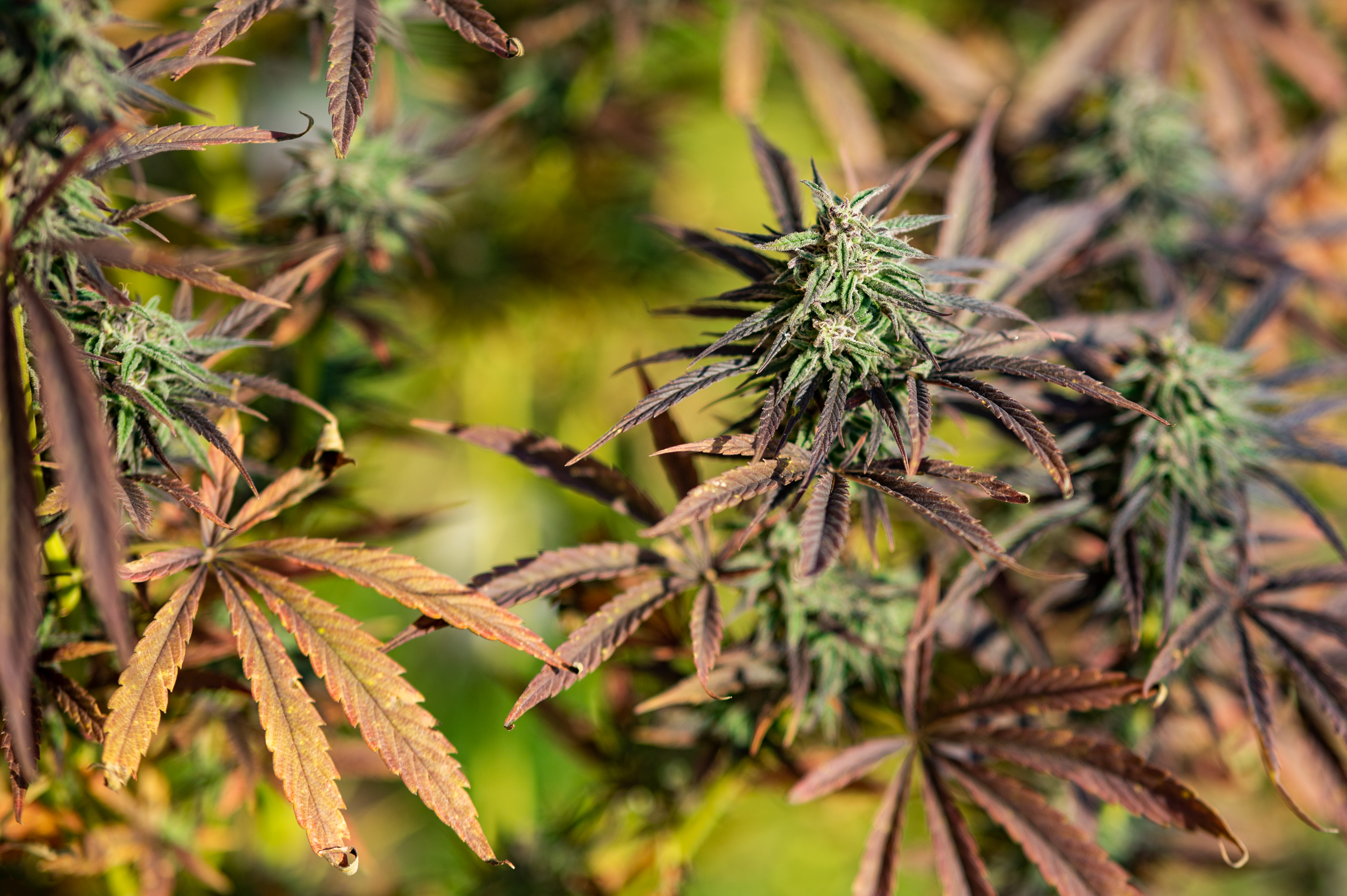
Fan leaves play an important role in the growth and health of cannabis plants. These large, green leaves help plants absorb sunlight and turn it into energy through photosynthesis. This energy supports the growth of stems, roots, and flowers. Healthy fan leaves also help plants manage water, store nutrients, and maintain normal growth. When these leaves begin to change color, it may be a sign that something is affecting the plant.
One of the most common changes growers notice is fan leaves turning yellow. This can happen during the vegetative stage, flowering stage, or near the end of the plant’s life cycle. While yellow leaves may seem alarming, they do not always mean the plant is unhealthy. Sometimes, yellowing is part of the natural aging process. In other cases, it may be a warning sign of nutrient deficiencies, watering problems, or environmental stress.
Understanding why fan leaves turn yellow is important because the cause can vary depending on the plant’s growth stage. During the vegetative stage, cannabis plants focus on producing leaves, stems, and roots. They need healthy foliage to collect light and support steady growth. When fan leaves turn yellow during this stage, it may suggest that the plant is not getting the nutrients, water, or growing conditions it needs.
Nitrogen deficiency is one possible cause of yellowing during vegetative growth. Nitrogen helps plants produce chlorophyll, the green pigment needed for photosynthesis. When nitrogen becomes limited, older fan leaves may begin losing their green color. This often starts with the lower leaves before moving toward newer growth. However, nitrogen deficiency is not the only reason yellowing occurs. Problems involving root health, moisture levels, or nutrient availability can cause similar changes.
Fan leaves turning yellow during flowering can have a different meaning. As cannabis plants develop flowers, their growth patterns and nutrient needs change. Some older leaves may gradually lose their green color as the plant moves nutrients to other tissues. This process becomes more noticeable as flowering progresses and the plant reaches maturity.
Yellowing near the end of flowering is often linked to natural leaf aging, also called senescence. During this process, chlorophyll breaks down, causing leaves to fade from green to pale yellow. Some leaves may eventually become dry and fall from the plant. This can be a normal part of development, especially when the yellowing affects older leaves and happens gradually.
However, not all yellowing during flowering is normal. If large numbers of fan leaves begin turning yellow early in the flowering stage, the plant may be experiencing stress. Nutrient shortages, unsuitable growing conditions, or damaged roots may affect its ability to maintain healthy foliage. Rapid yellowing may also appear alongside other symptoms, such as brown spots, curled leaf edges, or drooping leaves.
The location of yellowing leaves can provide useful clues about what is happening. For example, yellowing that begins on older leaves near the bottom of the plant may be linked to natural aging or a shortage of mobile nutrients, such as nitrogen or magnesium. Yellowing that appears first on new growth may suggest a different nutrient problem, such as iron deficiency. When leaves across the entire plant change color at once, the cause may involve several factors, including root stress or poor nutrient uptake.
It is also important to understand the difference between yellowing caused by nutrient deficiencies and yellowing caused by environmental problems. A plant may show signs that look like a nutrient shortage even when nutrients are present in the growing medium. This can happen when unsuitable pH conditions or root damage prevent normal nutrient absorption. Excess water can also reduce oxygen around the roots, which may interfere with their ability to absorb water and nutrients.
Light and temperature conditions can affect fan leaf color as well. Strong light may cause exposed leaves to become pale or bleached, while extreme temperatures can place stress on plant tissues. In some cases, yellowing may develop alongside dry leaf edges, wilting, or slower growth. These symptoms are useful because they help distinguish one possible cause from another.
Identifying the reason behind yellow fan leaves early can help prevent further damage. However, leaf color alone is rarely enough to confirm a specific problem. The plant’s growth stage, the position of affected leaves, the speed of yellowing, and other visible symptoms should all be considered. Looking at these factors together provides a clearer picture of plant health.
Another important point is that yellow leaves do not always return to their original green color. Once leaf tissue becomes badly damaged or reaches an advanced stage of aging, the discoloration may remain. For this reason, new growth and the condition of the remaining leaves can provide better signs of whether a problem is continuing.
This guide explains the common reasons fan leaves turn yellow during vegetative growth and flowering. It covers nutrient deficiencies, watering problems, root health, pH imbalances, light stress, and natural aging. It also explains why yellowing may begin at the bottom or top of the plant and how to recognize symptoms that deserve closer attention.
By understanding these changes, readers can better identify the difference between normal leaf aging and signs of plant stress. The goal is to explain what yellow fan leaves may indicate, why the timing of discoloration matters, and how careful observation can support healthier cannabis plants throughout their growth cycle.
What Does It Mean When Cannabis Fan Leaves Turn Yellow?
Cannabis fan leaves turning yellow can be a sign of natural aging or a problem affecting plant health. Healthy fan leaves are usually green because they contain chlorophyll, a pigment that helps plants absorb light. When these leaves begin losing their green color, it often means something has changed in the plant.
Yellowing may happen during the vegetative stage or flowering. Some causes include nutrient deficiencies, watering problems, poor root health, and environmental stress. However, not every yellow leaf means a cannabis plant is unhealthy. Older fan leaves may naturally turn yellow as the plant matures.
Understanding what fan leaves do and why they change color can help explain whether yellowing is normal or a sign of stress.
Understanding the Role of Fan Leaves
Fan leaves are the large, flat leaves that grow from the stems and branches of a cannabis plant. They often have five, seven, or more pointed leaflets. These leaves are among the most visible parts of the plant and play an important role in its growth.
Their main function is to collect light for photosynthesis. During this process, plants use light energy, water, and carbon dioxide to produce sugars. These sugars provide energy and building materials for new leaves, stems, roots, and flowers.
Fan leaves contain chlorophyll, which absorbs the light needed for photosynthesis. Healthy green leaves can capture light and help support the plant’s daily energy needs. When leaves lose much of their chlorophyll, their ability to carry out photosynthesis usually decreases.
Fan leaves also help regulate water movement. Small openings called stomata allow carbon dioxide to enter the leaves while releasing water vapor. This process, known as transpiration, helps move water and dissolved nutrients through the plant.
Another important function of fan leaves is nutrient storage. Cannabis plants can store certain nutrients in their older leaves and move them to other parts when needed. Nitrogen, magnesium, and potassium are examples of nutrients that can move within plant tissues.
When a plant faces a shortage of these nutrients, it may transfer some of its stored supply from older leaves to younger growth. As a result, older fan leaves may begin turning yellow.
Because fan leaves perform several important functions, their color and condition provide useful information about plant health. Changes in leaf color may reveal problems before they become visible in other parts of the plant.
What Causes Fan Leaves to Lose Their Green Color?
The green color of cannabis fan leaves comes mainly from chlorophyll. This pigment absorbs light energy and makes photosynthesis possible. When chlorophyll levels decrease, the green color fades, and yellow pigments become easier to see.
This loss of green color is called chlorosis. It may affect an entire leaf or appear in certain areas, such as the spaces between leaf veins.
One common cause of chlorosis is a nutrient deficiency. Cannabis plants need several nutrients to produce chlorophyll and maintain healthy leaves. Nitrogen is especially important because it forms part of the compounds involved in photosynthesis.
When nitrogen becomes limited, older fan leaves may turn pale green before becoming yellow. This often happens because the plant moves nitrogen from older tissues to areas where new growth is taking place.
Magnesium deficiency can also cause yellowing. Magnesium is part of the chlorophyll molecule, so it plays a direct role in photosynthesis. When magnesium is unavailable, older leaves may develop yellow areas between their veins while the veins remain green.
Iron deficiency can produce a similar pattern, but it usually appears first on younger leaves. This difference can help explain which nutrients may be involved.
Poor root health is another possible cause. Roots absorb the water and nutrients needed to maintain normal leaf function. When roots are damaged or exposed to unsuitable conditions, they may struggle to absorb enough nutrients.
For example, excess water can reduce the amount of oxygen available around the roots. Without enough oxygen, normal root functions may slow down. This can affect nutrient uptake and eventually cause fan leaves to turn yellow.
Environmental stress can also affect chlorophyll. High temperatures, excessive light, and sudden changes in growing conditions may damage leaf tissues. In some cases, leaves become pale, yellow, or bleached.
Natural aging is another reason fan leaves lose their green color. As older leaves reach the end of their useful life, chlorophyll breaks down. Yellow pigments that were already present become more visible, causing the leaves to change color.
Because several conditions can produce yellow leaves, color alone is not enough to identify the exact cause. The location of the yellowing, the plant’s growth stage, and other symptoms must also be considered.
Is It Normal for Cannabis Fan Leaves to Turn Yellow?
Yes, cannabis fan leaves can turn yellow as part of the plant’s natural life cycle. However, whether yellowing is normal depends on when it happens, how quickly it spreads, and which leaves are affected.
During the vegetative stage, cannabis plants focus on producing leaves, stems, and roots. Healthy foliage is important because it provides the energy needed for continued growth.
A few older leaves turning yellow during this stage may simply be aging. However, widespread yellowing during active vegetative growth may indicate that something is affecting the plant.
For example, if many lower fan leaves turn yellow within a short period, nutrient availability or root conditions may be involved. Yellowing that spreads toward newer growth can also suggest an ongoing problem.
During flowering, some yellowing becomes more common as the plant matures. Older fan leaves may lose chlorophyll while the plant recycles nutrients from aging tissues.
This process is known as leaf senescence. It occurs naturally in many plants and involves the gradual breakdown of older leaf structures.
Yellowing during the final part of flowering may therefore be expected, especially when it develops slowly and mainly affects older leaves.
However, yellow fan leaves during early flowering are not always a normal sign of maturity. Rapid discoloration, damaged leaf edges, brown spots, or widespread wilting may indicate nutrient problems, water stress, or other plant health concerns.
The pattern of yellowing can provide useful clues. Lower leaves turning yellow first may be linked to natural aging or a shortage of mobile nutrients. Yellowing on young upper leaves may suggest different nutrient problems or environmental stress.
It is also important to consider the overall condition of the plant. A plant with a few aging yellow leaves and otherwise healthy growth may be experiencing a normal process. A plant with many yellow leaves, weak growth, and visible damage may be showing signs of stress.
Fan leaves turning yellow can mean several things, depending on the plant’s growth stage and overall condition. These leaves help cannabis plants produce energy, regulate water movement, and store nutrients. When they lose chlorophyll, their green color fades, and yellowing becomes visible.
Nutrient deficiencies, poor root health, watering problems, and environmental stress can all cause yellow fan leaves. Natural aging can produce similar changes, especially in older leaves during late flowering.
Why Are Fan Leaves Turning Yellow During the Vegetative Stage?
The vegetative stage is when cannabis plants focus on growing leaves, stems, and roots. During this time, fan leaves help collect light and produce the energy needed for healthy growth. Most fan leaves should stay green as the plant develops. When they begin turning yellow, it may be a sign that something is affecting the plant’s health.
Yellowing fan leaves during veg can have several causes. Common reasons include nitrogen deficiency, watering problems, poor nutrient absorption, and environmental stress. These problems can affect how the plant takes in water, uses nutrients, and produces chlorophyll.
The location of the yellow leaves can provide useful clues. For example, yellowing that starts on older leaves may suggest a nitrogen shortage. Yellowing near the top of the plant may point to light stress or problems affecting new growth. Understanding these differences can help explain what is happening before the symptoms spread.
Nitrogen Deficiency During Vegetative Growth
Nitrogen is one of the main nutrients cannabis plants need during the vegetative stage. It supports the growth of leaves and stems and helps plants produce chlorophyll. Chlorophyll gives leaves their green color and allows them to absorb light for photosynthesis.
When a cannabis plant does not have enough available nitrogen, its older fan leaves may begin turning pale green. As the shortage continues, these leaves can become yellow. The yellowing often starts near the bottom of the plant because nitrogen can move from older leaves to newer growth.
This process allows the plant to support developing tissues when nitrogen is limited. However, the older leaves may lose their green color as nitrogen is moved away from them.
A nitrogen deficiency may also cause slower growth, smaller leaves, and weaker overall development. If the shortage continues, yellow leaves may dry out and fall from the plant.
Not every yellow lower leaf indicates nitrogen deficiency. Older leaves can also turn yellow naturally, especially when they receive less light. The main difference is how quickly the symptoms develop and whether they spread to other parts of the plant.
Nitrogen is important during vegetative growth, but too much can also cause problems. Excess nitrogen may produce unusually dark green leaves and interfere with normal plant development. For this reason, yellowing should not be treated as proof that more nitrogen is always needed.
Overwatering and Underwatering
Watering problems are another common reason fan leaves turn yellow during the vegetative stage. Cannabis roots need both moisture and oxygen to function properly. When the balance changes, the plant may struggle to absorb the water and nutrients it needs.
Overwatering happens when the growing medium stays too wet for too long. Excess water fills spaces that would normally contain air. As a result, the roots receive less oxygen, which can affect their normal function.
One sign of overwatering is yellowing fan leaves combined with drooping. Leaves may appear heavy or hang downward even when the soil is still moist. Growth may also slow because the roots cannot function as well under low-oxygen conditions.
If the roots remain in poorly drained conditions, they may become damaged. This can make yellowing worse and increase the risk of root disease.
Underwatering can also lead to yellow fan leaves, although the symptoms may look different. When roots cannot access enough water, the plant has trouble maintaining normal leaf function.
Leaves may wilt, curl, or become dry around the edges. If the water shortage continues, some leaves may turn yellow and eventually become brown.
Both watering problems can cause drooping leaves, which makes them difficult to tell apart based on appearance alone. The moisture level of the growing medium and the condition of the roots provide more useful information.
Yellowing caused by watering stress may also resemble a nutrient deficiency. This happens because root conditions affect nutrient absorption, even when nutrients are present in the growing medium.
Incorrect Soil pH and Nutrient Availability
The pH of a growing medium affects how easily plant roots can absorb nutrients. The pH scale measures how acidic or alkaline a substance is. Different nutrients become more or less available depending on these conditions.
When pH moves outside a suitable range, some nutrients may become difficult for the plant to absorb. This can lead to deficiency symptoms even when those nutrients are already present.
For example, poor iron availability may cause younger leaves to turn yellow while their veins remain green. Limited magnesium availability may cause yellowing between the veins of older fan leaves.
This problem is sometimes called nutrient lockout. The term describes a situation where nutrients are present but are not available to the plant in the amounts it needs.
A plant with poor nutrient availability may show several symptoms at once. Some leaves may turn yellow, while others develop brown spots or damaged edges. Growth can also become slower.
However, leaf appearance alone cannot confirm a pH problem. Similar symptoms may result from damaged roots, nutrient shortages, or other forms of stress.
The type of growing medium also matters because soil, coco coir, and hydroponic systems have different chemical properties. These differences affect how nutrients behave around the roots.
Understanding the connection between pH and nutrient availability helps explain why adding more fertilizer does not always resolve yellowing fan leaves. The problem may involve how nutrients are absorbed rather than how much fertilizer is present.
Light and Temperature Stress
Light and temperature play important roles in healthy vegetative growth. Cannabis plants need light for photosynthesis, but excessive light exposure can damage leaf tissues.
When leaves receive more light than they can safely use, they may become pale or yellow. In severe cases, the upper leaves can appear bleached. This type of discoloration is often most visible on leaves closest to the light source.
Light stress may also cause leaves to curl or develop dry areas. Unlike nitrogen deficiency, which often starts on older lower leaves, light-related damage is more likely to affect exposed upper foliage.
Temperature stress can produce similar symptoms.
High temperatures can increase water loss through the leaves. When heat stress becomes severe, leaves may curl, wilt, or develop damaged edges. Long periods of excessive heat can also affect photosynthesis and contribute to discoloration.
Low temperatures may slow plant metabolism and reduce normal root activity. This can limit nutrient uptake and cause slow growth or changes in leaf color.
Sudden temperature changes may also place stress on developing plants. For example, large differences between daytime and nighttime temperatures can affect normal plant processes.
Humidity can influence these effects because it changes how quickly leaves lose water. Hot, dry conditions may increase water loss, while very humid conditions can reduce the rate of transpiration.
These environmental factors often work together. A plant exposed to intense light and excessive heat may show several stress symptoms at the same time.
Fan leaves turning yellow during the vegetative stage often indicate that the plant is experiencing nutrient, root, or environmental stress. Nitrogen deficiency may cause older leaves to yellow first, while watering problems can affect root function and nutrient absorption.
Incorrect pH can reduce nutrient availability, even when the growing medium contains enough nutrients. Strong lighting and extreme temperatures may also cause discoloration, curling, and slower growth.
The most useful clues are where yellowing begins, how quickly it spreads, and whether other symptoms appear. A few older yellow leaves may be part of normal aging, but rapid or widespread yellowing during veg deserves closer attention.
Recognizing these patterns helps distinguish natural leaf changes from problems that may affect healthy vegetative growth.
Why Are Fan Leaves Turning Yellow During Flowering?
Fan leaves turning yellow during flowering is a common change in cannabis plants. In some cases, it is a normal part of the plant’s life cycle. In other cases, yellow leaves may point to nutrient shortages, watering problems, or environmental stress. Understanding why this happens can help you tell the difference between natural aging and poor plant health.
During flowering, cannabis plants use energy and nutrients to support flower development. Fan leaves play an important role in this process because they collect sunlight and produce energy through photosynthesis. They also store nutrients that the plant can use when needed.
As flowering continues, some older fan leaves may lose their green color. However, the timing, location, and speed of yellowing can provide clues about its cause. Yellow leaves during early flowering may mean something different from yellow leaves that appear near the end of the flowering stage.
Natural Yellowing as Cannabis Plants Mature
Cannabis plants go through several changes as they mature. During flowering, they begin using more of their stored energy to support flower development. As a result, some older fan leaves may gradually turn yellow.
One reason for this change is leaf senescence. This is the natural aging process that causes leaves to break down and lose their green color. During this process, chlorophyll levels decrease, making yellow pigments in the leaves more visible.
Cannabis plants can also move certain stored nutrients from older leaves to younger tissues. Nitrogen is one example. Because nitrogen can move within the plant, older fan leaves may lose some of their nitrogen as the plant uses it elsewhere.
This process may cause lower fan leaves to turn pale green before becoming yellow. Over time, these leaves may dry out and fall from the plant.
Natural yellowing often begins with a small number of older leaves. The change may happen slowly rather than affecting the entire plant at once.
However, yellowing alone does not prove that a plant is aging normally. Nutrient shortages, root problems, and other forms of stress can produce similar symptoms. The overall condition of the plant must also be considered.
Yellow Fan Leaves During Early Flowering
Fan leaves turning yellow during early flowering may be a sign that the plant is under stress. Although some older leaves can naturally fade, widespread yellowing at this stage deserves closer attention.
During early flowering, cannabis plants are still developing new stems, leaves, and flower sites. They continue to need nitrogen and other essential nutrients to support healthy growth.
A nitrogen shortage may cause older fan leaves to turn yellow first. The yellowing often starts near the bottom of the plant before spreading toward higher leaves. In some cases, the leaves may become fully yellow and eventually die.
Magnesium deficiency is another possible cause. Magnesium helps plants produce and maintain chlorophyll. When magnesium becomes unavailable, older fan leaves may develop yellow areas between their veins while the veins remain green.
Watering problems can also cause yellow leaves during early flowering. Excess water may reduce the amount of oxygen available to roots. This can affect the roots’ ability to absorb nutrients and support healthy leaves.
Root damage, poor drainage, and unsuitable growing-medium pH may produce similar symptoms. These problems can limit nutrient uptake even when nutrients are present.
Environmental conditions may also play a role. High temperatures, intense light, and sudden changes in growing conditions can place additional stress on the plant.
Early flowering yellowing should therefore be assessed by looking at several signs together. Leaf position, changes in growth, and the speed of discoloration can help distinguish normal leaf aging from an ongoing problem.
Yellowing Fan Leaves During Mid-Flowering
During mid-flowering, cannabis plants continue developing their flowers. Photosynthesis remains important because it supplies energy for growth and other plant functions.
Yellowing during this stage may occur when a plant cannot obtain enough essential nutrients or when environmental conditions interfere with normal growth.
Nitrogen shortages can still affect fan leaves during mid-flowering. Although nitrogen needs may change as flowering progresses, plants continue to require this nutrient for many basic functions.
Potassium problems may also become visible. Potassium helps regulate water movement and supports several processes inside plant cells. When potassium is deficient, leaves may develop yellow edges that later turn brown or dry.
Magnesium deficiency may produce yellow areas between leaf veins. In contrast, problems with iron availability often appear in younger leaves near the top of the plant.
It is important to understand that these symptoms can overlap. A leaf with yellow edges does not always indicate potassium deficiency. Light damage, salt buildup, and other forms of stress may produce similar changes.
The speed of yellowing is another useful clue. A few older leaves that slowly lose their color may be showing normal aging. However, several leaves turning yellow within a short period may suggest a more serious issue.
Yellowing accompanied by curling, brown spots, wilting, or weak new growth may indicate that the plant is struggling.
The condition of the remaining green leaves can also provide useful information. If newer foliage remains healthy while only a few older leaves fade, the change may be less concerning than yellowing that spreads throughout the plant.
Fan Leaves Turning Yellow During Late Flowering
Fan leaves turning yellow during late flowering can be a natural part of cannabis plant maturity. As plants reach the final part of their life cycle, older leaves may begin to lose chlorophyll and gradually die.
This process is known as senescence. It allows plants to break down certain materials in aging leaves and move some of those resources to other tissues.
During late flowering, yellowing may start with older fan leaves near the bottom of the plant. These leaves may become pale green, yellow, and eventually brown as they age.
Some leaves may also develop dry edges or lose their firmness before falling away naturally.
However, not every cannabis plant turns yellow in the same way. Genetics, nutrient availability, growing conditions, and plant health can influence how leaves change as flowering progresses.
Some plants may keep much of their green foliage until very late in their life cycle. Others may show more visible yellowing as they mature.
Yellow leaves alone are not a reliable way to determine whether flowering is complete. Leaf color can change for several reasons, including stress and nutrient problems.
It is also important to distinguish natural aging from severe leaf damage. If yellowing occurs alongside extensive wilting, unusual spots, or rapid tissue death, the symptoms may indicate a health problem rather than normal maturity.
A plant can experience nutrient deficiencies or root stress even during late flowering. For this reason, yellowing should not automatically be treated as harmless simply because the plant is nearing the end of its life cycle.
Fan leaves turning yellow during flowering can result from natural aging, nutrient deficiencies, watering problems, or environmental stress. The meaning of yellow leaves often depends on when they appear and how quickly the discoloration spreads.
During early flowering, widespread yellowing may suggest that the plant is having trouble absorbing nutrients or maintaining healthy growth. In mid-flowering, yellow leaves may result from nutrient shortages, root problems, or stressful environmental conditions.
During late flowering, gradual yellowing of older fan leaves may be part of normal senescence. As leaves age, they lose chlorophyll and may release some stored nutrients to other plant tissues.
What Nutrient Deficiencies Cause Fan Leaves to Turn Yellow?
Cannabis fan leaves can turn yellow when the plant does not receive enough essential nutrients. These nutrients help the plant produce chlorophyll, grow new leaves, develop strong roots, and maintain healthy tissues. When certain nutrients become limited, the leaves may lose their green color and show signs of stress.
However, not all yellow leaves point to the same nutrient problem. Some deficiencies affect older leaves first, while others appear on new growth. The color pattern, location, and condition of the leaves can help identify which nutrient may be lacking.
Understanding these differences is important because several nutrient deficiencies produce similar symptoms. Yellowing may also result from watering problems, poor root health, or unsuitable growing conditions.
Nitrogen Deficiency
Nitrogen is one of the main nutrients cannabis plants need for healthy growth. It helps produce chlorophyll, which gives leaves their green color and allows plants to absorb light for photosynthesis. Nitrogen also supports the formation of proteins needed for normal plant development.
When cannabis plants do not receive enough nitrogen, older fan leaves often begin turning pale green before becoming yellow. The yellowing usually starts near the bottom of the plant and may spread upward as the shortage continues.
This happens because nitrogen is a mobile nutrient. The plant can move stored nitrogen from older leaves to younger tissues that need it for growth. As older leaves lose nitrogen, they may gradually turn yellow and eventually die.
Nitrogen deficiency is often noticeable during the vegetative stage because plants need nitrogen to support new leaves and stems. A serious shortage may lead to slow growth, smaller leaves, and weak plant development.
During flowering, some yellowing of older fan leaves may occur as the plant matures. However, rapid yellowing early in flowering may suggest that nitrogen availability is too low or that the roots cannot absorb it properly.
Magnesium Deficiency
Magnesium is another essential nutrient that supports healthy cannabis leaves. It forms part of the chlorophyll molecule, making it necessary for photosynthesis.
One of the most common signs of magnesium deficiency is interveinal chlorosis. This means the areas between the leaf veins turn yellow while the veins remain greener.
The symptoms often appear on older fan leaves first because magnesium is a mobile nutrient. When magnesium becomes scarce, the plant can move some of its stored supply from older leaves to younger growth.
As the deficiency progresses, yellow areas may become larger. Some leaves may develop brown spots or dry patches. In serious cases, affected leaves can become damaged and fall from the plant.
Magnesium deficiency may look similar to other nutrient problems, especially during the early stages. However, the pattern of yellowing between the veins can help distinguish it from nitrogen deficiency.
Nitrogen deficiency often causes a more even yellow color across the leaf. Magnesium deficiency usually creates a clearer contrast between the green veins and yellow tissue.
It is also important to understand that magnesium symptoms do not always mean the growing medium lacks magnesium. Poor root function or unsuitable pH conditions can limit its availability even when the nutrient is present.
Iron Deficiency
Iron helps cannabis plants produce chlorophyll and supports several processes involved in photosynthesis and energy use.
Unlike nitrogen and magnesium, iron has limited mobility within plants. This means cannabis plants cannot easily move stored iron from older leaves to new growth when supplies become limited.
As a result, iron deficiency usually appears on young leaves near the top of the plant.
The newest leaves may become pale green or yellow while their veins remain relatively green. This creates a pattern similar to magnesium deficiency, but the affected leaves appear in different parts of the plant.
With a more serious iron shortage, new leaves may become almost completely yellow or pale. Severe cases can affect normal growth because the plant has trouble maintaining healthy chlorophyll levels.
Iron deficiency may also develop when iron is present but unavailable to the roots. For example, unsuitable growing-medium pH can reduce iron availability.
This is why yellow new leaves should not automatically be treated as proof that the plant needs more iron. Root health, pH, and other growing conditions should also be considered when identifying the cause.
Potassium Deficiency
Potassium plays an important role in water balance, enzyme activity, and other processes that help plants function.
It also helps regulate the opening and closing of small pores on leaves called stomata. These pores allow plants to exchange gases and control water loss.
When potassium becomes limited, cannabis fan leaves may develop yellow areas along their edges. The leaf margins may later turn brown, dry, or appear burned.
Potassium is a mobile nutrient, so symptoms often begin on older leaves. However, the exact pattern can vary depending on the severity of the shortage and other growing conditions.
Unlike nitrogen deficiency, which often creates an even yellow color, potassium deficiency may produce more damage along the edges of the leaves.
As symptoms become more severe, brown patches may spread inward. The affected leaves may curl or develop dry, brittle sections.
Potassium deficiency can sometimes be confused with fertilizer salt damage, heat stress, or other conditions that affect leaf edges.
For this reason, yellow or brown leaf margins should be assessed alongside other symptoms rather than used as the only sign of a potassium shortage.
Calcium and Other Nutrient Problems
Calcium helps cannabis plants form strong cell walls and maintain healthy new growth. It also supports the normal development of roots and growing tissues.
Unlike nitrogen, calcium does not move easily from older leaves to newer parts of the plant. This means calcium deficiency often affects young leaves and growing points first.
Affected leaves may become distorted, develop irregular shapes, or show small brown areas. In serious cases, new growth may become weak or damaged.
Calcium deficiency does not always cause the same even yellowing seen with nitrogen deficiency. Instead, discoloration may appear alongside brown spots and damaged leaf tissue.
Other nutrients can also affect leaf color.
For example, sulfur deficiency may cause pale or yellow leaves, often beginning in younger growth. Manganese deficiency can lead to yellowing between leaf veins, sometimes with small dead spots. Zinc deficiency may affect new leaf development and cause discoloration.
These symptoms can overlap with those of iron, magnesium, and other nutrient problems.
It is also possible for cannabis plants to show signs of several nutrient issues at once. Poor root health, excess fertilizer salts, and unsuitable pH conditions can interfere with the uptake of multiple nutrients.
This makes accurate diagnosis more difficult when relying only on leaf color.
A useful way to understand yellowing is to observe where it begins, how quickly it spreads, and whether the leaves show other signs of damage. Older leaves turning evenly yellow may suggest a different problem from young leaves showing yellow tissue between green veins.
The plant’s growth stage also matters. Some changes in older leaves during late flowering are part of natural aging rather than a clear sign of nutrient deficiency.
Nutrient deficiencies are one possible reason cannabis fan leaves turn yellow during vegetative growth and flowering. Nitrogen deficiency often causes older leaves to become evenly yellow, while magnesium deficiency commonly produces yellow areas between green veins. Iron deficiency usually affects younger leaves, and potassium deficiency may cause yellow or brown leaf edges.
Calcium and other nutrient shortages can also lead to discoloration, often with changes in leaf shape or tissue health.
However, yellow fan leaves do not always mean nutrients are missing from the growing medium. Watering problems, poor root health, and unsuitable pH conditions can produce similar symptoms by limiting nutrient uptake.
Why Are the Bottom Fan Leaves Turning Yellow First?
When the bottom fan leaves of a cannabis plant start turning yellow, it can be a sign of natural aging, nutrient deficiency, or changes in the plant’s growing conditions. In many cases, the oldest leaves show signs of yellowing before the newer leaves. This happens because plants use and move nutrients based on their growth needs.
Yellowing lower leaves can appear during both the vegetative and flowering stages. However, the cause may differ depending on the plant’s age, health, and stage of growth. A few yellow leaves near the bottom may be normal, while widespread yellowing could point to a problem.
Understanding why the bottom fan leaves turn yellow first can help you tell the difference between natural plant changes and signs of poor health.
Natural Aging of Lower Fan Leaves
One of the most common reasons for yellowing bottom fan leaves is natural aging. Cannabis plants grow new leaves as they develop, while older leaves gradually lose their ability to support the plant.
This process is called leaf senescence. During senescence, the plant breaks down chlorophyll, which gives leaves their green color. As chlorophyll levels decrease, the leaves begin to turn pale green and then yellow.
Older fan leaves are often the first to show this change because they have been active for a longer time. As the plant matures, it may move some of the nutrients stored in these leaves to younger tissues.
Lower fan leaves also receive less light as the plant develops. New leaves grow above them and may block sunlight from reaching the lower parts of the plant. With less light available, these older leaves may contribute less to photosynthesis.
Photosynthesis is the process plants use to turn light into energy-rich sugars. When a leaf receives less light, it may produce fewer sugars than leaves near the top of the plant.
Over time, the plant may begin to break down older leaf tissues. The leaves slowly lose their green color, turn yellow, and may eventually dry out or fall off.
Natural yellowing is especially common during the later stages of flowering. At this point, some older fan leaves may begin to age as the plant moves through its life cycle.
However, natural aging usually happens at a gradual pace. If only a few older leaves turn yellow while the rest of the plant remains healthy, the change may be part of normal growth.
Mobile Nutrients and Yellow Lower Leaves
Another reason the bottom fan leaves turn yellow first is the movement of nutrients within the plant.
Some plant nutrients are considered mobile. This means the plant can move them from older tissues to areas where they are needed.
When certain nutrients become limited, the plant may move them away from older leaves to support newer growth. As a result, the lower fan leaves may develop signs of deficiency before the upper leaves.
Nitrogen is one of the main nutrients linked to yellowing lower leaves. It helps plants produce chlorophyll, proteins, and other materials needed for growth.
When nitrogen availability is too low, the plant may move nitrogen from older leaves to younger tissues. This can cause the lower leaves to lose their green color.
Nitrogen deficiency often causes a fairly even yellowing across the leaf. The change may begin as pale green discoloration before the entire leaf becomes yellow.
Magnesium is another mobile nutrient that can cause yellowing in older fan leaves.
Magnesium plays an important role in chlorophyll because it is part of the chlorophyll molecule. Without enough magnesium, the plant may struggle to maintain normal chlorophyll levels.
Unlike nitrogen deficiency, magnesium deficiency often causes yellowing between the leaf veins. The veins may remain green while the tissue between them becomes pale or yellow.
This pattern is known as interveinal chlorosis.
The difference between these symptoms can help explain why lower leaves are changing color. However, leaf appearance alone cannot confirm a nutrient deficiency.
Root problems, unsuitable growing-medium pH, and excess salts can also affect nutrient uptake. This means yellow leaves may appear even when nutrients are present in the growing medium.
It is also important to remember that not all nutrients move freely within plants. Some deficiencies appear in newer leaves instead of older ones.
For this reason, the location of yellowing is useful, but it should be considered alongside other visible symptoms.
When Yellowing Starts Moving Up the Plant
Yellowing that begins at the bottom and slowly moves upward may indicate a different situation from a few aging leaves.
When lower fan leaves turn yellow, the plant may still appear healthy overall. However, if the discoloration spreads to the middle leaves and continues toward the upper growth, it may suggest ongoing stress.
A shortage of mobile nutrients is one possible cause. As the plant continues to move nutrients from older tissues, more leaves may begin to lose their green color.
For example, a nitrogen shortage may first affect the oldest leaves. If the shortage continues, yellowing may gradually appear on leaves higher up the plant.
Root health can also affect how yellowing spreads. Roots absorb water and dissolved nutrients from the growing medium. If the roots are damaged or lack enough oxygen, they may struggle to support normal leaf functions.
Excess water around the roots can reduce oxygen availability. This may interfere with nutrient uptake and cause symptoms that resemble nutrient deficiencies.
Other forms of stress, including poor drainage or unsuitable temperatures, may also contribute to leaf discoloration.
The speed of yellowing is another important clue. Natural leaf aging often develops slowly, while stress-related yellowing may affect several leaves in a shorter period.
Changes in leaf texture can provide more information. Yellow leaves that also become limp, develop brown patches, or curl may indicate additional stress.
The plant’s growth stage should also be considered. During late flowering, gradual yellowing of older fan leaves may be part of the natural aging process. During vegetative growth, rapid yellowing that spreads upward is less likely to be explained by normal aging alone.
Looking at the entire plant provides a clearer picture than focusing on one yellow leaf. New growth, leaf firmness, discoloration patterns, and the number of affected leaves can all help explain what is happening.
Bottom fan leaves often turn yellow first because they are older, receive less light, or lose stored nutrients as the plant grows. Gradual yellowing of a few lower leaves can be a normal part of plant aging, especially during late flowering.
Nitrogen and magnesium deficiencies can also cause yellowing in older leaves because these nutrients can move from older tissues to newer growth. Nitrogen deficiency often causes even yellowing, while magnesium deficiency commonly produces yellow areas between green veins.
When yellowing spreads rapidly from the bottom toward the upper leaves, it may indicate an ongoing nutrient problem, unhealthy roots, or environmental stress.
Why Are the Top Fan Leaves Turning Yellow?
When the top fan leaves of a cannabis plant start turning yellow, it can be a sign of light stress, nutrient deficiency, or high temperatures. Unlike yellowing that begins on older leaves near the bottom, yellowing at the top often affects newer growth. This difference can help identify what may be affecting the plant.
The upper leaves receive more direct light and are often exposed to higher temperatures. They also depend on a steady supply of nutrients to support new growth. When these conditions are not balanced, the leaves may lose their green color and develop other signs of stress.
Not all yellowing has the same cause. Some leaves may turn pale across their surface, while others develop yellow areas between green veins. Looking at the color, location, and condition of affected leaves can help explain what is happening.
Light Stress and Leaf Bleaching
Light stress is one possible reason why top fan leaves turn yellow. Cannabis plants use light to make energy through photosynthesis. However, excessive light can damage the systems responsible for this process.
The upper fan leaves are usually closest to the light source. This makes them more likely to experience stress when light levels are too intense. In indoor growing conditions, the highest leaves may receive much stronger light than those farther down the plant.
One common sign of excessive light exposure is leaf bleaching. Bleached leaves may appear pale yellow, cream, or almost white. This happens when the plant’s photosynthetic pigments become damaged or lose their normal function.
Light bleaching often appears on the leaves and other tissues that receive the most direct light. Lower leaves may stay green because they are less exposed.
This pattern can help separate light stress from some nutrient deficiencies. For example, nitrogen deficiency often begins on older leaves near the bottom of the plant. Light stress, on the other hand, may affect the highest and most exposed leaves first.
Leaves affected by intense light may also develop dry areas or damaged tips. In some cases, they may curl or change position as the plant responds to stress.
However, yellowing near the top does not always mean the light is too strong. Nutrient problems, root stress, and high temperatures can produce similar symptoms. The condition of nearby leaves and the pattern of discoloration are important clues.
Iron Deficiency and New Growth
Iron deficiency is another possible cause of yellowing in the top fan leaves. Iron is an essential micronutrient that helps plants form chlorophyll and carry out normal cell functions.
Although plants need only small amounts of iron, it plays an important role in keeping new leaves healthy and green.
Iron does not move easily from older leaves to younger tissues. Because of this, iron deficiency often affects new growth before older foliage.
One common symptom is interveinal chlorosis. This means the areas between the leaf veins turn yellow while the veins remain greener.
During the early stages, the newest leaves may appear pale green or light yellow. As the problem becomes more severe, larger areas of the leaves may lose their green color. In serious cases, young leaves can become almost white.
The location of the symptoms is an important clue. If the newest leaves are yellow while older leaves remain green, an iron-related problem may be possible.
This differs from nitrogen deficiency, which often causes more even yellowing in older leaves first.
However, yellow new growth does not automatically confirm iron deficiency. Other nutrients, including manganese and sulfur, can also affect leaf color. Root damage and unsuitable growing-medium pH may produce similar symptoms.
A plant may even have enough iron in the growing medium but still struggle to absorb it. This can happen when root conditions or pH reduce iron availability.
For this reason, leaf color alone is not enough to identify the exact cause. The age of affected leaves, the pattern of yellowing, and the condition of the roots all help provide a clearer explanation.
Heat Stress and Environmental Conditions
High temperatures can also cause top fan leaves to turn yellow. Upper leaves are often exposed to stronger light and warmer air than the leaves below them.
When temperatures rise beyond what a plant can tolerate, normal processes such as photosynthesis and water balance may be affected.
One common sign of heat stress is leaf curling. The edges of affected leaves may roll upward, giving them a canoe-like appearance. Some leaves may also become dry, brittle, or damaged along their edges.
Yellowing may develop when heat stress continues or becomes severe. However, curling and drying can appear before a clear change in leaf color.
Heat stress may be more noticeable in the upper canopy because these leaves receive more direct energy from lighting or sunlight.
Temperature and humidity also affect how plants lose water through transpiration. Transpiration is the process in which water moves through a plant and leaves as vapor through small openings in the leaves.
When the surrounding air is hot or dry, plants may lose water faster. If the roots cannot replace that water quickly enough, the leaves may begin to wilt or develop signs of stress.
Poor air movement can also allow warm air to collect around upper leaves. This may increase leaf temperature, even when the surrounding air does not seem unusually hot.
It is important to understand that heat stress and light stress can occur together. Strong lighting can increase leaf temperature, while hot conditions may make it harder for leaves to manage the energy they receive.
Both problems can affect the same upper leaves, making their symptoms difficult to separate.
Environmental stress may also occur alongside nutrient problems. For example, damaged roots may struggle to absorb enough water and nutrients during periods of high heat. This can make yellowing more severe.
Observing whether leaves are curling, drying, wilting, or developing pale areas can help distinguish between possible causes. The speed at which symptoms appear also matters. Sudden changes may point toward environmental stress, while some nutrient problems develop more slowly.
Top fan leaves turning yellow can indicate several different plant health problems. Light stress may cause exposed leaves to become pale or bleached. Iron deficiency often produces yellowing between the veins of young leaves. Heat stress may cause curling, dry edges, and discoloration.
The pattern of yellowing is one of the most useful clues. Pale leaves closest to a strong light source may suggest light stress. Yellow new growth with greener veins may point toward iron deficiency. Yellowing combined with curled or dry leaves may indicate heat-related damage.
These symptoms can overlap, so no single sign provides a complete answer. Looking at leaf age, color patterns, environmental conditions, and overall plant health can help explain why the upper foliage is changing color.
Can Overwatering, Underwatering, or Nutrient Lockout Cause Yellow Fan Leaves?
Fan leaves turning yellow can be a sign of problems with water, nutrient uptake, or root health. While nutrient deficiencies often cause leaf discoloration, the problem does not always come from a lack of nutrients in the growing medium. Sometimes, cannabis plants cannot absorb the nutrients already available because their roots are under stress.
Overwatering, underwatering, and nutrient lockout can all cause yellow fan leaves during vegetative growth and flowering. These problems can also produce similar symptoms, making it hard to identify the exact cause.
Understanding how water, nutrients, and roots work together can help explain why fan leaves lose their green color. The location of the yellow leaves, the condition of the growing medium, and other visible symptoms can provide useful clues.
How Overwatering Affects Cannabis Fan Leaves
Overwatering is one possible reason cannabis fan leaves turn yellow. When the growing medium stays too wet for long periods, the spaces between soil particles fill with water. This reduces the amount of oxygen available to the roots.
Roots need oxygen to function properly. Without enough oxygen, they may struggle to absorb water and essential nutrients. As a result, fan leaves may begin to turn pale green or yellow, even when nutrients are present in the growing medium.
Yellow leaves caused by overwatering may also appear swollen, heavy, or droopy. In some cases, the leaves hang downward while the growing medium remains wet. This can make overwatering look similar to underwatering because both problems may cause leaves to droop.
Overwatering can affect cannabis plants during both vegetative growth and flowering. During vegetative growth, poor root conditions may slow the development of new leaves and stems. During flowering, prolonged root stress may affect the plant’s overall health.
Wet growing conditions can also increase the risk of root diseases. Some harmful microorganisms grow well in poorly drained environments. When they damage the roots, the plant may have an even harder time taking in water and nutrients.
However, yellow leaves alone cannot confirm overwatering. Similar changes can result from nutrient deficiencies, disease, or other environmental problems. The moisture level of the growing medium and the condition of the roots are important parts of understanding the symptoms.
How Underwatering Causes Leaf Discoloration
Underwatering can also cause fan leaves to turn yellow. Water is needed for photosynthesis, nutrient movement, and many other processes that keep plants healthy.
When the growing medium becomes too dry, roots have less water available to absorb. This limits the movement of dissolved nutrients through the plant. As water stress continues, fan leaves may lose their firmness and begin to wilt.
One common sign of underwatering is drooping foliage combined with dry growing conditions. Leaves may feel thin or dry, especially when the water shortage lasts for an extended period.
Yellowing may appear after the plant has experienced ongoing moisture stress. Some leaves may develop brown edges or dry patches as their tissues become damaged. Older fan leaves may also lose their green color and eventually die.
Severe underwatering may reduce photosynthesis because the plant closes tiny openings in its leaves called stomata. These openings help control gas exchange and water loss. When they close to conserve moisture, the amount of carbon dioxide entering the leaves decreases. This can limit the plant’s ability to produce energy.
Although overwatering and underwatering can both cause drooping leaves, their surrounding conditions are different. Overwatered plants may droop while their growing medium remains wet. Underwatered plants often show similar symptoms when the growing medium is very dry.
Repeated periods of water stress can also weaken roots and affect nutrient uptake. This means yellow fan leaves may result from several related problems rather than water shortage alone.
What Is Nutrient Lockout?
Nutrient lockout is a common term used when plants cannot absorb or use nutrients effectively, even though those nutrients may be present in the growing medium.
This problem can make cannabis fan leaves turn yellow because the plant does not receive enough of the elements needed for healthy leaf function.
One possible cause is an unsuitable pH level. The pH of the growing medium affects how easily plants can access certain nutrients. When pH moves outside a suitable range, some nutrients may become less available.
For example, iron availability can decrease under certain high-pH conditions. An iron shortage may cause newer leaves to turn yellow while their veins remain green. This pattern differs from nitrogen deficiency, which often affects older fan leaves first.
Salt buildup is another possible cause of poor nutrient uptake. High levels of dissolved salts can make it harder for roots to absorb water. In severe cases, this may cause leaf discoloration, damaged edges, and slowed growth.
Root damage can create similar problems. Even if the growing medium contains enough nutrients, unhealthy roots may not absorb them at the rate the plant needs.
Nutrient lockout can sometimes be mistaken for a simple nutrient deficiency. Both problems may cause yellow fan leaves, pale growth, or brown spots.
However, adding more nutrients does not always solve the problem. When poor nutrient availability is linked to pH, excess salts, or damaged roots, additional nutrients may increase stress.
The pattern of yellowing can provide clues about which nutrients are affected. Nitrogen shortages often appear in older leaves, while iron shortages are more common in younger growth. Magnesium shortages may cause yellow areas between the veins of older leaves.
These patterns are useful signs, but they are not enough to confirm the cause on their own.
How Root Health Affects Leaf Color
Healthy roots are essential for keeping fan leaves green. They absorb water and mineral nutrients from the growing medium and help support the rest of the plant.
When roots are healthy, they can supply the nutrients needed to maintain chlorophyll. Chlorophyll is the green pigment that allows leaves to absorb light for photosynthesis.
When roots become damaged, nutrient and water uptake may decrease. This can affect chlorophyll production and cause leaves to lose their green color.
Several conditions can damage cannabis roots. Poor drainage may reduce oxygen around the root system. Extended dry conditions may injure fine roots. High salt levels may also place stress on root tissues.
Root diseases can create further problems by damaging the structures responsible for absorbing water and nutrients.
The effects of unhealthy roots often appear above the growing medium. Fan leaves may turn yellow, wilt, develop brown areas, or fall from the plant. New growth may also become smaller or slower than expected.
Because these symptoms can resemble nutrient deficiencies, it is important to understand the connection between root conditions and leaf color.
Root problems may affect the whole plant rather than one specific leaf. If many fan leaves turn yellow at the same time, the cause may involve a problem that affects water or nutrient uptake across the root system.
Leaf position can still provide useful information. Yellowing that begins with older leaves may suggest a shortage of mobile nutrients such as nitrogen. Yellowing that affects newer growth may point toward other nutrient problems. However, widespread discoloration can occur when root health declines.
It is also important to recognize that damaged leaves may not return to their original green color. The appearance of existing yellow leaves does not always show whether the underlying stress has ended. New growth and the condition of remaining healthy foliage can offer additional information about overall plant health.
Overwatering, underwatering, nutrient lockout, and unhealthy roots can all contribute to fan leaves turning yellow during vegetative growth and flowering.
Overwatering limits oxygen around the roots, which can interfere with water and nutrient uptake. Underwatering reduces the water available for normal plant functions and may cause wilting, yellowing, and dry leaf tissue.
Nutrient lockout occurs when nutrients are present but cannot be absorbed or used effectively. Unsuitable pH levels, excess salts, and root damage can contribute to this problem.
Root health connects all these conditions. When roots cannot function properly, fan leaves may show signs of stress even when nutrients are available.
How Can You Tell Whether Yellow Fan Leaves Are Normal or a Problem?
Yellow fan leaves are common in cannabis plants, but they do not always mean something is wrong. Sometimes, leaves turn yellow as part of the plant’s natural aging process. In other cases, yellowing can be a sign of nutrient deficiencies, watering problems, or environmental stress.
The best way to understand yellow fan leaves is to look at when the yellowing starts, where it appears, and how quickly it spreads. The plant’s growth stage also matters. A few yellow leaves near the end of flowering may be normal, while widespread yellowing during vegetative growth may point to a health problem.
Knowing the difference between normal and unhealthy yellowing can help you better understand the condition of your cannabis plant.
Recognizing Normal Yellowing
Cannabis fan leaves naturally age as the plant grows. Older leaves often lose their green color before newer leaves. This process is called senescence. During senescence, the plant breaks down chlorophyll, which gives leaves their green color. As chlorophyll levels fall, the leaves begin to look pale green or yellow.
Natural yellowing is most common during the later stages of flowering. At this point, the plant may move stored nutrients from older leaves to other tissues. As a result, some fan leaves begin to fade from green to yellow.
This change often starts with the oldest leaves near the bottom of the plant. The yellowing usually happens slowly rather than all at once. Some leaves may turn fully yellow, become dry, and eventually fall off.
A few yellow fan leaves do not always mean the entire plant is unhealthy. If most leaves remain green and the plant shows no other signs of stress, the yellowing may be part of normal aging.
However, natural aging should not be used to explain every yellow leaf. Even during late flowering, rapid discoloration or unusual leaf damage may point to another problem.
The main signs of normal yellowing include a slow change in color, older leaves being affected first, and little damage to the remaining foliage.
Warning Signs of Unhealthy Yellowing
Unhealthy yellowing often develops faster than natural leaf aging. Instead of affecting a few older leaves, it may spread across several parts of the plant within a short time.
One warning sign is when many fan leaves begin turning yellow at the same time. This may suggest that the plant is having trouble absorbing nutrients or maintaining normal growth.
Another concern is yellowing that appears with brown spots, curled leaves, or dry edges. These symptoms can occur when a plant experiences nutrient problems, environmental stress, or root damage.
For example, a nitrogen shortage may cause older leaves to turn yellow. Magnesium deficiency can cause yellow areas between the veins of older leaves. Iron deficiency may cause similar yellowing in newer leaves.
Watering problems can also affect leaf color. When roots remain in overly wet conditions, they may not receive enough oxygen. This can reduce their ability to absorb nutrients and may lead to yellow, drooping leaves.
Underwatering can also cause stress. Leaves may wilt, become dry, or lose their healthy color when the plant cannot take up enough water.
Yellowing that appears with weak stems, poor new growth, or widespread wilting deserves closer attention. These symptoms suggest that the problem may involve more than normal leaf aging.
It is also important to remember that yellow leaves may not return to their original green color after the underlying problem has been corrected. New growth and the condition of unaffected leaves often provide better signs of recovery.
Reading Yellow Leaf Patterns
The location and pattern of yellowing can provide useful clues about what is happening inside a cannabis plant.
When yellowing begins on the lower fan leaves, it may involve natural aging or a shortage of mobile nutrients. Mobile nutrients are elements that plants can move from older tissues to newer growth.
Nitrogen and magnesium are examples of mobile nutrients. When these elements become limited, the plant may move them away from older leaves. As a result, yellowing often appears near the bottom first.
Yellowing near the top of the plant may suggest a different problem. Young leaves that turn yellow while their veins remain green can be associated with iron deficiency. Pale leaves near strong light sources may also show signs of light stress.
The pattern of discoloration is another important clue.
Uniform yellowing happens when most of a leaf loses its green color. This can occur with nitrogen deficiency, natural aging, or certain root problems.
Interveinal chlorosis happens when the areas between the leaf veins turn yellow while the veins stay greener. This pattern may appear with magnesium or iron deficiency, depending on which leaves are affected.
Yellowing along leaf edges can suggest other forms of stress. In some cases, the edges may later become brown or dry.
However, leaf patterns alone cannot confirm the exact cause. Several problems can produce similar symptoms. A plant may also experience more than one problem at the same time.
Looking at the location, color pattern, speed of yellowing, and other symptoms provides a clearer picture than examining one yellow leaf.
Comparing Symptoms During Veg and Flowering
The growth stage of a cannabis plant plays an important role in understanding yellow fan leaves.
During the vegetative stage, the plant develops stems, branches, roots, and new foliage. Healthy green leaves support photosynthesis, which provides energy for growth.
Widespread yellowing during this stage is generally more concerning than the gradual loss of a few older leaves. It may indicate poor nutrient availability, root stress, or unsuitable environmental conditions.
For example, when older fan leaves turn yellow during vegetative growth, a nitrogen deficiency may be one possible cause. If the newest leaves are affected instead, the issue may involve another nutrient or environmental condition.
During flowering, the meaning of yellow leaves changes somewhat.
In early flowering, the plant still depends on healthy leaves to support active growth. Rapid yellowing during this period may indicate that the plant is experiencing stress.
By late flowering, some yellowing may be part of natural senescence. Older fan leaves can lose chlorophyll as the plant matures. This process may occur even when the plant has no major health problem.
However, the presence of flowers does not mean all yellowing is normal. Leaves that rapidly turn yellow, develop dead patches, or wilt may still indicate nutrient or root problems.
The timing of symptoms is therefore just as important as their appearance. A yellow lower leaf late in flowering may have a different meaning from the same symptom during early vegetative growth.
Yellow fan leaves can result from natural aging, nutrient deficiencies, watering problems, or environmental stress. The most useful clues are where the yellowing starts, how quickly it spreads, and whether other symptoms appear.
Gradual yellowing of older leaves during late flowering is often part of normal plant aging. In contrast, widespread yellowing during vegetative growth or early flowering may indicate an underlying problem.
Leaf patterns also help explain possible causes. Yellow lower leaves may be linked to mobile nutrient shortages, while yellow new growth may suggest other nutrient issues. Brown spots, curling, and wilting can provide further clues.
Should You Remove Fan Leaves That Are Turning Yellow?
Yellow fan leaves are common in cannabis plants, especially during flowering. However, not every yellow leaf needs to be removed. Some leaves turn yellow because of natural aging, while others change color due to nutrient shortages, watering problems, or environmental stress.
Fan leaves play an important role in plant health. They collect light, produce energy, and store nutrients that support growth. Removing them too early can reduce the amount of energy a plant produces through photosynthesis.
Before removing yellow fan leaves, it is important to understand why they are changing color. The growth stage, condition of the leaves, and overall health of the plant can help determine whether leaf removal is necessary.
What Happens When Fan Leaves Turn Yellow?
Fan leaves turn yellow when they begin losing chlorophyll, the green pigment that helps plants absorb light. This process is called chlorosis. It may happen because of natural aging, nutrient deficiencies, root problems, or other forms of stress.
A leaf that is only partly yellow may still contain healthy tissue. The remaining green areas can continue to absorb light and support photosynthesis. Although the leaf may produce less energy than a fully green leaf, it can still serve a purpose.
Fan leaves also store nutrients that plants can use during growth. Certain nutrients, such as nitrogen, magnesium, and potassium, can move from older leaves to younger tissues when needed. As these nutrients leave older leaves, yellowing may become more noticeable.
This process is especially common when plants begin to age. Older fan leaves may slowly lose their green color before turning brown and drying out.
However, a fully yellow leaf has much less ability to perform photosynthesis. Once the leaf becomes dry, brittle, and dead, it no longer contributes to the plant’s energy production.
It is also important to understand that yellow leaves rarely return to their original green color once the tissue has been badly damaged. Even when the cause of yellowing is corrected, older damaged leaves may continue to decline.
For this reason, the condition of newer growth can provide useful information about whether the plant is recovering.
Should Yellow Fan Leaves Be Removed During Veg?
During the vegetative stage, cannabis plants focus on developing stems, branches, roots, and leaves. Fan leaves are especially important during this period because they provide energy for new growth.
Removing leaves that still contain healthy green tissue can reduce the amount of light the plant captures. This may limit photosynthesis and reduce the energy available for normal development.
A fan leaf with a few yellow patches may still be useful. Its green sections can continue producing energy, even if other areas have lost chlorophyll.
Yellowing during vegetative growth may also indicate an underlying health problem. For example, nitrogen deficiency often causes older leaves to turn yellow first. Waterlogged roots can also lead to yellowing because they cannot absorb water and nutrients as effectively.
In these situations, removing the yellow leaves does not address the original cause. The remaining leaves may develop similar symptoms if the problem continues.
Another important concern is plant stress. Removing several fan leaves at once creates wounds and reduces the amount of leaf tissue available for photosynthesis.
Plants need energy to maintain normal growth and respond to damage. Unnecessary leaf removal may place additional demands on a plant that is already experiencing stress.
Leaves that are completely dead, dry, or severely damaged are different from leaves that are only beginning to yellow. Dead tissue no longer performs photosynthesis and may naturally separate from the plant over time.
The main point is that yellow leaf color alone is not enough to determine whether a fan leaf has stopped serving a useful purpose.
Should Yellow Fan Leaves Be Removed During Flowering?
Yellowing fan leaves are often more noticeable during flowering, especially as cannabis plants move closer to maturity.
During this stage, plants undergo several changes in how they use and distribute nutrients. Older leaves may begin to lose chlorophyll as part of natural leaf aging, also called senescence.
Senescence is a normal biological process in which plants break down certain materials in aging leaves. Some of these materials can be moved to other parts of the plant before the leaves die.
As a result, gradual yellowing of older fan leaves during late flowering does not always mean the plant has a serious health problem.
However, yellowing that appears early in flowering may have a different cause. Nutrient deficiencies, watering problems, poor root conditions, and environmental stress can all affect leaf color.
The location and speed of yellowing can help explain what is happening. A few older leaves turning yellow over time may be part of natural aging. Rapid yellowing across many leaves, especially when paired with wilting or brown spots, may indicate a health issue.
Partially yellow leaves can still contain working green tissue. Removing them means losing the photosynthetic activity that remains in those areas.
Diseased or decaying leaves require different attention. Leaves showing signs of fungal growth, soft rot, or unusual lesions may indicate a plant health problem rather than normal aging.
It is important to distinguish these symptoms from natural yellowing. A leaf that is yellow because of age is not the same as a leaf affected by disease.
Removing visibly damaged tissue may reduce the amount of dead material on a plant, but it does not guarantee that a disease will stop spreading. Some plant diseases can affect healthy-looking tissue before symptoms become visible.
Understanding the reason behind yellowing is therefore more useful than judging leaf health by color alone.
Can Removing Yellow Leaves Stop the Problem?
Removing yellow fan leaves does not correct the underlying cause of leaf discoloration.
For example, if leaves turn yellow because of nitrogen deficiency, removing them does not restore the missing nutrient. The plant may continue showing symptoms as the shortage affects other leaves.
The same is true for watering problems. If roots remain too wet or too dry, additional leaves may turn yellow even after the first affected leaves have been removed.
Nutrient availability can also be affected by growing-medium pH. When pH conditions interfere with nutrient uptake, plants may show deficiency symptoms even when nutrients are present.
Removing leaves cannot correct this type of problem.
Environmental stress is another possible cause. High temperatures, intense light, and sudden changes in growing conditions can damage leaves and affect normal plant processes.
In these cases, leaf removal only changes the plant’s appearance. It does not remove the source of stress.
Yellowing can also result from natural aging. When an older leaf reaches the end of its life, removing it does not prevent other leaves from aging as the plant continues through its normal life cycle.
It is useful to remember that leaf damage and plant recovery do not always happen at the same speed. A plant may begin recovering from a nutrient or environmental problem while older leaves still appear yellow.
New growth often provides a clearer sign of current plant health. Healthy new leaves, normal development, and the absence of spreading symptoms may suggest that conditions have improved.
For this reason, judging plant health by the number of yellow leaves alone can be misleading. The overall condition of the plant provides a more complete picture.
Yellow fan leaves do not always need to be removed. Some leaves lose their green color because of natural aging, while others turn yellow due to nutrient deficiencies, watering problems, or environmental stress.
During vegetative growth, fan leaves provide energy that supports new leaves, stems, and roots. During flowering, older leaves may naturally turn yellow as the plant matures. In both stages, leaves with remaining green tissue can continue performing photosynthesis.
Fully dead leaves no longer produce energy, but partially yellow leaves may still serve a useful purpose.
How Can You Prevent Fan Leaves From Turning Yellow Too Early?
Fan leaves play an important role in cannabis plant health. They absorb light, support photosynthesis, and help the plant produce energy for growth. When fan leaves turn yellow too early, it may mean the plant is dealing with nutrient problems, poor root health, or environmental stress.
Some yellowing is normal, especially during the late flowering stage. However, yellow leaves during vegetative growth or early flowering may point to an issue that needs attention. Understanding what causes early yellowing can help growers recognize changes before they affect more leaves.
Preventing early yellowing starts with understanding the plant’s needs. Nutrient availability, root conditions, temperature, light, and moisture all affect how well fan leaves stay healthy.
Maintaining Balanced Nutrient Availability
Cannabis plants need several nutrients to support healthy growth. Nitrogen, phosphorus, potassium, calcium, magnesium, and iron all serve different purposes. When these nutrients are not available in the right amounts, fan leaves may begin to change color.
Nitrogen is especially important during vegetative growth because it supports the production of chlorophyll. Chlorophyll gives leaves their green color and allows plants to absorb light. When nitrogen becomes limited, older fan leaves often turn pale green before becoming yellow.
Magnesium is another nutrient linked to leaf color. It forms part of the chlorophyll molecule and supports photosynthesis. A magnesium shortage may cause yellow areas to appear between the veins of older leaves. The veins may remain green while the surrounding tissue loses color.
Iron also supports chlorophyll formation. However, iron deficiency usually appears on younger leaves rather than older fan leaves. This difference helps explain why the location of yellowing matters.
Too many nutrients can also cause problems. Excess fertilizer may increase salt levels around the roots. High salt levels can make it harder for plants to absorb water and may interfere with nutrient uptake.
Another concern is nutrient availability. A growing medium may contain enough nutrients, but the plant may still struggle to absorb them. This can happen when the pH is outside a suitable range or when roots are damaged.
Balanced nutrition means understanding both the nutrients present and the plant’s ability to use them. Yellowing leaves should not be treated as proof of a single nutrient deficiency because several problems can produce similar symptoms.
Maintaining Healthy Root Conditions
Healthy roots are essential for keeping fan leaves green. Roots absorb water and dissolved nutrients from the growing medium. They also need oxygen to support normal cell activity.
When roots cannot function properly, the effects may appear in the leaves. Yellowing, slow growth, and drooping can all be signs of poor root conditions.
Excess moisture is one possible cause. Water can fill the air spaces in soil and reduce the oxygen available to roots. When this happens for long periods, root function may decline.
Poor drainage can make this problem worse. A growing medium that stays saturated for too long may create conditions that harm root health. In severe cases, damaged roots may become more likely to develop disease.
A lack of moisture can also affect the plant. Water helps transport nutrients through plant tissues and supports normal leaf function. When water becomes limited, leaves may wilt, dry out, or develop yellow areas.
However, overwatering and underwatering can produce similar symptoms. Drooping leaves, for example, may occur under either condition. This is why leaf appearance alone is not enough to identify the cause.
Root health also depends on the condition of the growing medium. Compacted soil may limit air movement, while damaged roots may struggle to absorb nutrients even when they are available.
Understanding the link between roots and leaves makes it easier to recognize why yellowing may continue despite adequate nutrients in the growing medium.
Understanding Environmental Stress
Environmental conditions have a major effect on leaf health. Cannabis plants respond to changes in light, temperature, humidity, and air movement. When these conditions become stressful, fan leaves may begin to lose their normal green appearance.
Light is essential for photosynthesis, but excessive light intensity can damage leaf tissue. Leaves exposed to very strong light may develop pale or bleached areas. These symptoms are often more noticeable near the top of the plant, where leaves receive the most direct exposure.
Low light can also affect leaf health. Older leaves near the bottom of a dense plant may receive less light than upper leaves. Over time, these shaded leaves may lose chlorophyll and turn yellow as they age.
Temperature is another important factor. High temperatures can increase water loss through leaves. When heat stress becomes severe, leaves may curl, develop dry edges, or show discoloration.
Low temperatures can also affect normal plant processes. Cold conditions may slow root activity and reduce the movement of water and nutrients. As a result, leaves may show signs that resemble nutrient deficiencies.
Humidity affects how quickly plants lose water through their leaves. Very dry air can increase water loss, while high humidity may reduce evaporation. Either condition can contribute to stress when combined with other environmental problems.
Sudden environmental changes may also affect fan leaves. A rapid change in light exposure or temperature can disturb normal plant activity. In some cases, leaf symptoms may appear before other signs of stress become visible.
It is important to remember that yellowing does not always have a single cause. Nutrient problems and environmental stress may occur at the same time, making symptoms harder to identify.
Monitoring Fan Leaves Throughout Plant Growth
Regular observation helps identify changes in fan leaf color before they become widespread. The location, pattern, and speed of yellowing can provide useful information about plant health.
Older fan leaves near the bottom of the plant are often the first to show symptoms linked to mobile nutrient shortages. Nitrogen and magnesium are examples of nutrients that plants can move from older leaves to newer growth.
Yellowing near the top of the plant may have different causes. Problems involving young leaves can be linked to iron availability, light stress, or damage to growing tissues.
The pattern of yellowing also matters. A leaf that becomes evenly yellow may indicate a different issue from one that develops yellow patches between green veins. Brown edges, spots, and curling can provide additional clues.
The timing of symptoms is equally important. During vegetative growth, widespread yellowing may suggest that the plant is struggling to support healthy leaf development. During late flowering, some older leaves naturally lose their green color as they age.
Keeping track of when symptoms appear can help distinguish an ongoing problem from older damage. For example, a leaf damaged by earlier stress may remain yellow even after conditions improve. The condition of newly developed leaves may provide a clearer picture of current plant health.
It is also useful to observe the plant as a whole rather than focusing on one yellow leaf. Leaf color, overall growth, stem condition, and the appearance of new foliage can all help explain what is happening.
Early yellowing is easier to understand when these signs are considered together. A single yellow fan leaf does not always indicate a serious problem, but rapid discoloration across many leaves deserves closer attention.
Preventing fan leaves from turning yellow too early begins with understanding the factors that affect plant health. Balanced nutrient availability, healthy roots, and suitable environmental conditions all support normal leaf function.
Nitrogen, magnesium, and other nutrients help maintain healthy foliage, while roots provide the water and minerals needed for growth. Light, temperature, and humidity also influence how well fan leaves perform their role.
Regular observation is important because yellowing can have several causes. The location of affected leaves, the pattern of discoloration, and the plant’s growth stage can help distinguish natural aging from signs of stress.
Although some yellowing during late flowering is normal, rapid or widespread yellowing during earlier growth stages may indicate an underlying problem. Understanding these differences makes it easier to recognize changes in plant health and avoid confusing natural leaf aging with nutrient or environmental disorders.
Conclusion
Fan leaves turning yellow during flowering and veg is a common concern for cannabis growers. These leaves play an important role in plant health because they collect light and help produce energy through photosynthesis. They also store nutrients that support growth and development. When fan leaves begin to turn yellow, it may be a sign of natural aging, nutrient deficiencies, watering problems, or stress from the growing environment. Understanding these causes can help growers recognize changes in plant health.
One of the most important things to remember is that yellow fan leaves do not always mean something is wrong. Cannabis plants go through several growth stages, and their needs change over time. During the vegetative stage, plants use nutrients to develop stems, branches, and new leaves. Healthy fan leaves are usually green during this period. If several leaves begin turning yellow too early, it may indicate that the plant is having trouble getting the nutrients, water, or light it needs.
Yellowing during flowering can have a different meaning. As cannabis plants reach the later stages of flower development, older fan leaves may begin losing their green color. This happens because plants naturally age and can move stored nutrients from older leaves to other tissues. Some lower leaves may turn pale green, yellow, or brown before falling off. Gradual yellowing near the end of flowering can be a normal part of this process.
However, yellowing that starts during early flowering should receive closer attention. If many leaves change color within a short period, the plant may be under stress. Nutrient shortages, damaged roots, and poor growing conditions can all lead to early leaf discoloration. The timing and speed of yellowing are important clues when trying to understand what is happening.
Nutrient deficiencies are among the common causes of yellow fan leaves. Nitrogen deficiency often causes older leaves near the bottom of the plant to turn yellow first. This happens because nitrogen is a mobile nutrient, meaning the plant can move it from older tissues to areas that need it. Magnesium deficiency can also affect older leaves, but it often creates yellow areas between the veins. Iron deficiency usually appears on younger leaves near the top of the plant.
These differences show why it is important to look at the pattern of yellowing rather than leaf color alone. Yellow leaves with green veins may suggest a different issue from leaves that turn yellow across their entire surface. Brown spots, dry edges, and curling can provide more information about possible problems. Still, several conditions can produce similar symptoms, so appearance alone cannot confirm the exact cause.
Watering problems can also affect leaf health. Too much water can reduce the amount of oxygen available to roots, making it harder for them to function normally. This may lead to drooping leaves, slow growth, and yellow discoloration. Too little water can place the plant under stress and affect the movement of nutrients through its tissues. Both conditions can harm plant health, even though they have different causes.
Nutrient lockout is another possible reason for yellow fan leaves. This happens when nutrients are present but become difficult for roots to absorb. Problems with growing-medium pH, excess salts, or root health may contribute to poor nutrient uptake. As a result, leaves can show symptoms that look like nutrient deficiencies even when nutrients are available.
Environmental conditions also play a role in how fan leaves look. Strong light, high temperatures, and sudden changes in growing conditions can damage plant tissues. Yellowing near the top of the plant may be linked to light stress or problems affecting young leaves. Lower leaf yellowing may be associated with natural aging, reduced light exposure, or shortages of mobile nutrients. Looking at where the symptoms first appear can help narrow down the possible causes.
Another common question is whether yellow fan leaves should be removed. The answer depends on the condition of the leaf and why it is changing color. A partly yellow leaf may still contain healthy tissue that supports photosynthesis. Older leaves may also hold nutrients that the plant can move to other areas. Removing leaves without understanding the cause does not correct nutrient shortages, root damage, or environmental stress.
Preventing early yellowing begins with understanding the basic needs of cannabis plants. Balanced nutrient availability, healthy roots, suitable moisture levels, and stable environmental conditions all support normal leaf development. Regular observation can also make it easier to notice changes before they become widespread. Paying attention to leaf color, location, and overall plant growth provides a clearer picture of plant health.
It is also useful to remember that a yellow leaf may not return to its original green color, even after the underlying problem has been resolved. Older damage can remain visible while newer growth develops normally. For this reason, changes in new leaves and the overall condition of the plant may provide better signs of recovery than the appearance of leaves that were already damaged.
In the end, understanding why fan leaves turn yellow requires looking at the entire plant rather than focusing on a single leaf. The growth stage, location of yellowing, speed of discoloration, and presence of other symptoms all provide useful information. Gradual yellowing during late flowering may be part of normal plant aging, while rapid yellowing during veg or early flowering may indicate an active health problem.
The main takeaway is that yellow fan leaves are a symptom, not a diagnosis. By learning to recognize normal aging, nutrient problems, watering stress, and environmental damage, growers can better understand changes in cannabis leaf health. Careful observation and correct identification of the cause are the most useful steps toward maintaining healthy plants throughout their growth cycle.
Research Citation
Cockson, P., Landis, H., Smith, T., Hicks, K., & Whipker, B. E. (2019). Characterization of nutrient disorders of Cannabis sativa. Applied Sciences, 9(20), 4432. https://doi.org/10.3390/app9204432
Llewellyn, D., Golem, S., Jones, A. M. P., & Zheng, Y. (2023). Foliar symptomology, nutrient content, yield, and secondary metabolite variability of cannabis grown hydroponically with different single-element nutrient deficiencies. Plants, 12(3), 422. https://doi.org/10.3390/plants12030422
Saloner, A., & Bernstein, N. (2020). Response of medical cannabis (Cannabis sativa L.) to nitrogen supply under long photoperiod. Frontiers in Plant Science, 11, 572293. https://doi.org/10.3389/fpls.2020.572293
Saloner, A., & Bernstein, N. (2021). Nitrogen supply affects cannabinoid and terpenoid profile in medical cannabis (Cannabis sativa L.). Industrial Crops and Products, 167, 113516. https://doi.org/10.1016/j.indcrop.2021.113516
Saloner, A., & Bernstein, N. (2022). Effect of potassium (K) supply on cannabinoids, terpenoids and plant function in medical cannabis. Agronomy, 12(5), 1242. https://doi.org/10.3390/agronomy12051242
Morad, D., & Bernstein, N. (2023). Response of medical cannabis to magnesium (Mg) supply at the vegetative growth phase. Plants, 12(14), 2676. https://doi.org/10.3390/plants12142676
Morad, D., & Bernstein, N. (2025). From deficiency to toxicity: Magnesium increases cannabinoid and terpene production in cannabis plants. Journal of Cannabis Research, 7, Article 103. https://doi.org/10.1186/s42238-025-00358-9
Shiponi, S., & Bernstein, N. (2021). The highs and lows of P supply in medical cannabis: Effects on cannabinoids, the ionome, and morpho-physiology. Frontiers in Plant Science, 12, 657323. https://doi.org/10.3389/fpls.2021.657323
Saloner, A., Sade, Y., & Bernstein, N. (2024). To flush or not to flush: Does flushing the growing media affect cannabinoid and terpenoid production in cannabis? Industrial Crops and Products, 220, 119157. https://doi.org/10.1016/j.indcrop.2024.119157
Lim, P. O., Kim, H. J., & Nam, H. G. (2007). Leaf senescence. Annual Review of Plant Biology, 58, 115–136. https://doi.org/10.1146/annurev.arplant.57.032905.105316
Questions and Answers
Q1: Why do fan leaves turn yellow?
Fan leaves can turn yellow due to nutrient deficiencies, overwatering, underwatering, improper soil pH, environmental stress, or natural aging. Nitrogen deficiency is a common cause, especially when older leaves turn yellow first. Identifying the cause depends on the timing of yellowing and which leaves are affected.
Q2: Is it normal for fan leaves to turn yellow during flowering?
Yes, some yellowing is normal during the later stages of flowering. As cannabis plants mature, older fan leaves may lose their green color as the plant breaks down chlorophyll and reallocates nutrients. However, widespread yellowing early in flowering may indicate a nutrient imbalance or another problem.
Q3: Why do fan leaves turn yellow during the vegetative stage?
Yellowing fan leaves during the vegetative stage often indicate nitrogen deficiency, watering problems, poor drainage, or incorrect pH levels. Cannabis plants need nitrogen for healthy leaf development during this stage. Yellowing can also result from root stress, pests, or unsuitable growing conditions.
Q4: Should yellow fan leaves be removed from cannabis plants?
Fully yellow, dead, or diseased fan leaves may be removed when necessary. However, leaves that remain partly green can still support photosynthesis and nutrient movement. Removing too many leaves at once can reduce the plant’s ability to produce energy and may add stress.
Q5: Can overwatering cause fan leaves to turn yellow?
Yes, overwatering can cause yellow leaves because saturated soil limits oxygen around the roots. Without enough oxygen, roots struggle to absorb water and nutrients. Common signs include drooping leaves, slow growth, and consistently wet growing media. Poor drainage can make the problem worse.
Q6: What nutrient deficiencies cause fan leaves to turn yellow?
Nitrogen deficiency is one of the most common causes of yellowing fan leaves. It usually begins with older, lower leaves before spreading upward. Magnesium deficiency can cause yellowing between the leaf veins, while iron deficiency often affects newer growth first. The location and pattern of yellowing help identify the possible deficiency.
Q7: Why do lower fan leaves turn yellow first?
Lower fan leaves often turn yellow first because of natural aging, reduced light exposure, or deficiencies involving mobile nutrients such as nitrogen and magnesium. Plants can move these nutrients from older leaves to support newer growth. Rapidly spreading yellowing may indicate an underlying issue.
Q8: Can yellow fan leaves turn green again?
Yellow fan leaves may recover some green color if the damage is mild and the underlying problem is corrected early. However, leaves that have lost most of their chlorophyll or developed dead tissue are unlikely to recover fully. Healthy new growth is often a better sign that the plant’s condition has improved.
Q9: How can yellowing caused by nutrient deficiencies be distinguished from pH problems?
Nutrient deficiencies often create recognizable yellowing patterns, such as uniform yellowing on older leaves or yellowing between veins. Incorrect pH can interfere with nutrient absorption even when nutrients are present. Checking growing-medium pH, watering conditions, and the affected leaves can help distinguish between these problems.
Q10: How can fan leaves be prevented from turning yellow too early?
Preventing early yellowing involves maintaining healthy growing conditions, including balanced nutrition, proper watering, adequate drainage, suitable lighting, and stable temperatures. Regular inspection for changes in leaf color, pests, and environmental stress can help detect problems early. Some yellowing during natural plant aging is unavoidable and does not always indicate poor plant health.