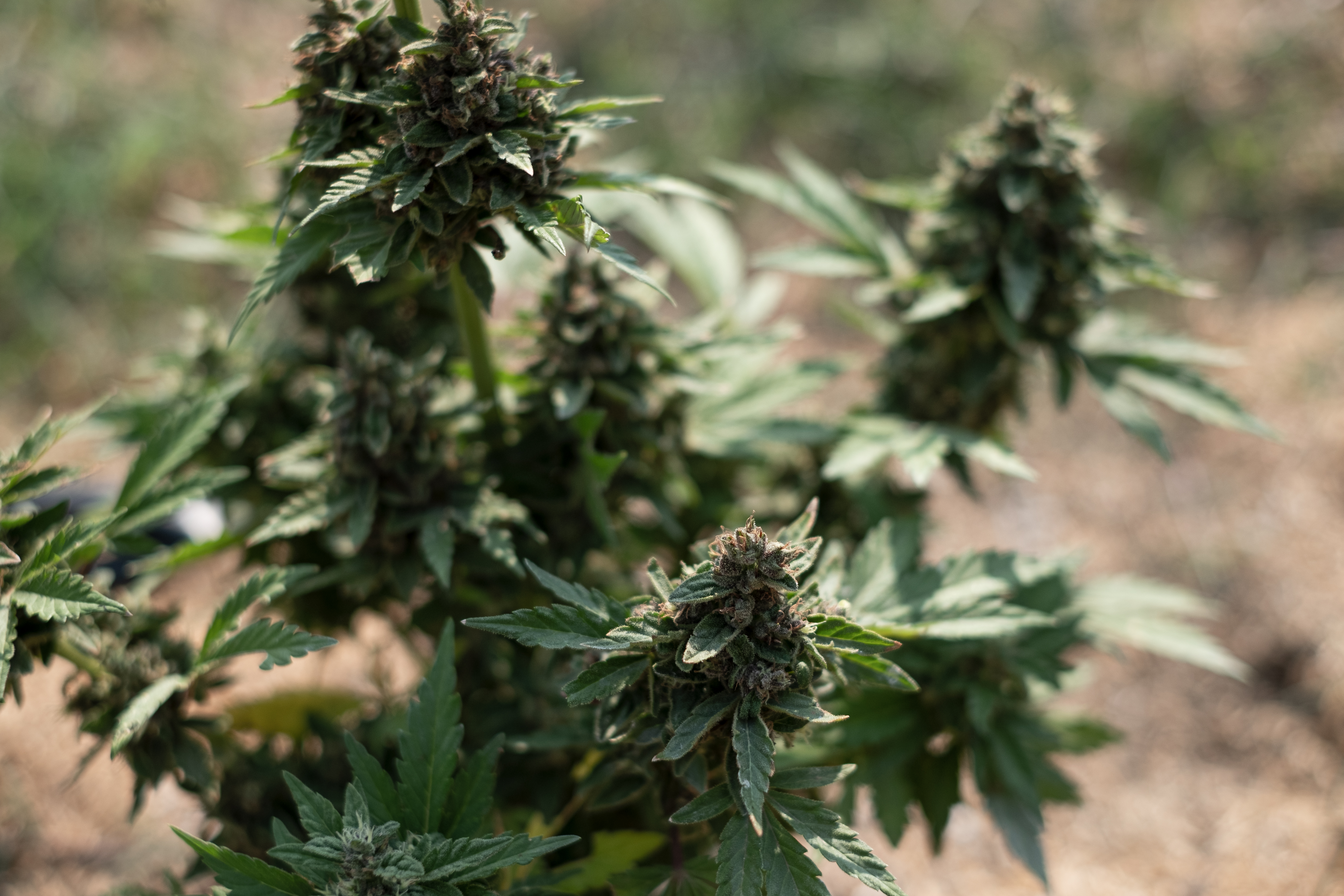


Feminised seeds are cannabis seeds that are bred to have a very high chance of producing female plants. This makes them different from regular cannabis seeds, which can produce either male or female plants. For many growers, this difference is important because female cannabis plants are the plants that produce the flowers commonly harvested for their cannabinoid and terpene content. Male plants mainly produce pollen and are usually used for breeding rather than flower production.
Understanding feminised seeds is an important first step before growing cannabis. A seed may look simple from the outside, but its genetics can have a major effect on how the plant grows. Seed type can affect the chance of getting male or female plants, the way flowering begins, the amount of space needed, and how a grower plans the entire growing cycle. Knowing what kind of seed you are starting with can help reduce confusion later.
Feminised seeds were developed to make cannabis cultivation more predictable. With regular seeds, a grower may start several plants without knowing how many will become female. Once the plants mature enough to show their sex, male plants often need to be separated if the goal is to produce unpollinated female flowers. This means that some of the space, water, nutrients, and time used during early growth may go toward plants that are later removed.
Feminised seeds reduce this uncertainty because they are produced from female genetics in a way that strongly favors female offspring. They are not simply ordinary seeds with a different label. Their production involves controlled breeding methods that are designed to avoid the normal contribution of a male plant. This is one reason feminised seeds have become common in both indoor and outdoor cultivation.
Female cannabis plants are usually preferred when the goal is flower production because they develop the resin-covered flowers that contain many of the plant’s cannabinoids and aromatic compounds. These may include THC, CBD, and different terpenes, depending on the strain. When a female plant remains unpollinated, it continues putting energy into flower development rather than seed production. This is one reason growers who want seedless flowers often try to prevent contact with male pollen.
Male cannabis plants have a different role. Instead of developing the same type of flowers as female plants, they form pollen sacs. When these sacs open, the pollen can fertilize female flowers. After pollination, a female plant begins producing seeds. This can be useful in breeding programs, but it may not be wanted when the goal is to harvest unseeded flowers.
For beginners, it is also important to understand that feminised seeds do not guarantee every other feature of the plant. A feminised seed does not automatically mean the plant will be high in THC, easy to grow, fast to flower, or able to produce a large harvest. Those traits depend on the strain, the parent genetics, and the growing environment.
The word “feminised” mainly describes the expected sex of the plant. It should not be confused with terms such as “autoflower” or “photoperiod.” These words describe how flowering is triggered rather than whether a plant is expected to be male or female. For example, a seed can be both feminised and autoflowering. It can also be feminised and photoperiod. Understanding these terms helps growers compare seed types more accurately.
Genetic quality also matters. Two packs of feminised seeds can perform very differently if they come from different strains or breeding lines. One variety may remain short and compact, while another may grow much taller. One may finish flowering sooner, while another may need more time. Cannabinoid levels, aroma, plant structure, and resistance to certain growing problems can also vary.
The growing environment plays a major role as well. Light, temperature, water, nutrients, root space, and plant health can all affect how a cannabis plant develops. Good genetics can provide the potential for healthy growth, but the final result still depends on how those genetics interact with the environment.
Another point beginners should know is that feminised seeds are not the same as clones. A seed contains a new genetic combination created through reproduction. Even seeds from the same strain can show some variation from one plant to another. A clone, by contrast, is a cutting taken from an existing plant and carries the same genetics as the donor plant. This difference can affect plant size, growth pattern, aroma, and other traits.
Before choosing feminised seeds, growers should consider what they want from the plants and what kind of environment they have available. Important factors include growing space, climate, flowering time, expected plant height, and whether the seeds are photoperiod or autoflowering. It is also useful to learn about the strain’s general cannabinoid profile and growth characteristics.
Feminised seeds can make plant planning simpler because they greatly reduce the chance of producing male plants. However, successful cultivation still requires an understanding of genetics, flowering behavior, plant health, and the growing environment. Feminisation is only one part of the larger picture.
This guide explains how feminised seeds are made, how they differ from regular and autoflowering seeds, and what their main benefits and limitations are. It also covers whether feminised plants can produce male or intersex traits, how long they usually take to grow, whether they affect yield or potency, and how to choose suitable seeds before planting. Understanding these basics can help growers make more informed decisions before starting a cannabis grow.
What Are Feminised Seeds?
Feminised seeds are cannabis seeds that are bred to produce female plants in nearly all cases. They were developed to make growing cannabis more predictable, especially for growers who want plants that produce flowers. In most cannabis varieties, the female plant is the one that develops the resin-rich flowers that people usually associate with harvested cannabis.
With regular cannabis seeds, a grower may get either male or female plants. The sex of each plant is not usually known when the seed first sprouts. This means growers using regular seeds often have to wait until the plants mature enough to show their sex. Male plants may then need to be separated if the goal is to grow unpollinated female flowers.
Feminised seeds reduce this uncertainty. They are produced through breeding methods that use female genetics so the resulting seeds are highly likely to develop into female plants. This makes them useful for growers who want to make better use of limited space, soil, containers, lighting, and other resources.
However, feminised does not mean that every seed is guaranteed to grow into a perfect female plant under every condition. Genetics, breeding quality, and the growing environment can still affect plant development. Understanding what feminised seeds are, how they work, and why female plants matter helps growers make better choices before planting.
What Does “Feminised” Mean?
The word “feminised” refers to the expected sex of the cannabis plant that grows from the seed. Cannabis plants can produce male or female reproductive structures. In traditional seed production, male and female plants reproduce together, which can result in seeds that have the potential to become either sex.
Feminised seeds are produced differently. Breeders use selected female plants to create pollen that carries female genetics. That pollen is then used to fertilize another female plant. Because a male plant is not used in this process, the seeds are strongly predisposed to develop as female plants.
This is why feminised seeds are commonly chosen by growers who are mainly interested in producing cannabis flowers. A female plant can develop the dense flower clusters that contain cannabinoids, aromatic compounds, and resin. Male plants mainly produce pollen and do not normally form the same type of harvestable flowers.
It is also important to understand that the term feminised does not describe how a plant flowers. A feminised seed can still be either photoperiod or autoflowering. Photoperiod plants depend on changes in the amount of light they receive before flowering begins. Autoflowering plants flower mainly according to age and genetic development.
This means that feminised and autoflowering are not opposite terms. Feminised describes plant sex, while autoflowering describes flowering behavior.
Do Feminised Seeds Always Produce Female Plants?
Feminised seeds are designed to produce female plants at a very high rate, but growers should avoid thinking of this as an absolute guarantee. High-quality feminised seeds from stable genetics usually produce female plants as expected, but biology can still vary.
Plant development is influenced by both genetics and environmental conditions. A plant may carry a genetic tendency toward unstable sex expression. Stress can also affect how some cannabis plants develop. Poor lighting schedules, extreme heat, physical damage, or other forms of stress may increase the chance that a female plant develops some male reproductive structures.
This is different from a plant being a normal male from the beginning. A genetically female cannabis plant can sometimes develop both female and male reproductive features. This is often described as intersex expression.
The quality of the breeding process plays an important role. Responsible breeders select stable parent plants and avoid using plants that show unwanted reproductive traits. This helps improve consistency in later generations.
For this reason, the term feminised should be understood as a description of how the seeds were bred and the very high likelihood that they will produce female plants. It does not mean that growers can ignore plant development after germination. Plants should still be observed as they mature so changes can be identified early.
Why Female Cannabis Plants Matter
Female cannabis plants are important because they produce the flowers that are usually harvested. These flowers develop structures that contain resin, cannabinoids, and aromatic compounds. The exact amount and type of these compounds depend on the plant’s genetics and growing conditions.
When a female plant remains unpollinated, it continues putting energy into flower and resin production. If the plant is pollinated by a male, its priorities begin to change. Instead of focusing mainly on flower development, the plant starts producing seeds.
This is one of the main reasons growers separate male plants from female plants when seed production is not the goal. Pollen can travel through the air and fertilize female flowers. Even one male plant may pollinate several females if it is allowed to release pollen in the same growing area.
Feminised seeds make this process easier because they greatly reduce the number of male plants a grower is likely to encounter. This can be especially useful indoors, where growing space, lighting, and containers may be limited. Each plant uses time, water, nutrients, and space. Discovering that several plants are male after weeks of growth can reduce the number of flowering plants that remain.
Female plants are not automatically better in every situation, however. Male plants can be useful in breeding because they contribute genetics to future generations. Growers who want to create new crosses or preserve certain genetic lines may still choose regular seeds because those seeds can produce both male and female plants.
For growers focused mainly on flower production, feminised seeds usually offer greater predictability. They allow more of the available growing area to be devoted to plants that are likely to produce the desired flowers.
Feminised seeds are cannabis seeds bred to produce female plants in the large majority of cases. They differ from regular seeds because regular seeds may develop into either male or female plants. Feminised seeds reduce uncertainty and can make planning easier, especially when growing space and resources are limited.
The term feminised refers to plant sex, not flowering type. Feminised seeds can be photoperiod or autoflowering, depending on their genetics. Although feminised seeds are highly likely to produce female plants, growers should still monitor their plants because genetics and environmental stress can affect reproductive development.
Female cannabis plants matter because they produce the flowers that are usually harvested. When they remain unpollinated, they can continue developing flowers and resin instead of putting energy into seed production. Understanding these basic differences gives growers a stronger foundation before choosing between feminised, regular, or other types of cannabis seeds.
How Are Feminised Seeds Made?
Feminised cannabis seeds are produced through controlled breeding methods that are designed to greatly increase the chance of female plants developing from the seeds. To understand how this works, it helps to first understand the basic role of plant sex in cannabis genetics.
Cannabis plants can develop as male or female, although some plants can also show both male and female reproductive traits. In normal seed production, pollen from a male plant fertilizes flowers on a female plant. The resulting seeds may carry genetic information linked to either male or female development. This is why regular cannabis seeds can produce plants of either sex.
Feminised seed production follows a different breeding approach. Instead of using pollen from a genetically male plant, breeders use pollen that comes from a genetically female plant. This changes the genetic combination involved in seed formation and greatly reduces the chance that the offspring will develop as male plants.
Understanding Cannabis Sex Genetics
Cannabis sex is influenced by chromosomes in a way that is similar to sex determination in several other plant species. Female cannabis plants normally carry two X chromosomes, while male plants usually carry one X chromosome and one Y chromosome.
During traditional reproduction, a male plant produces pollen that may carry either an X or a Y chromosome. When this pollen reaches a female flower, the genetic combination can lead to either female or male offspring. An XX combination is normally associated with female plants, while an XY combination is normally associated with male plants.
Feminised seed production is based on removing the Y chromosome from this breeding process. If pollen is produced by a genetically female plant, that pollen does not contain the same Y chromosome that would normally come from a male parent. When female-derived pollen fertilizes another female flower, the resulting seeds are therefore much more likely to carry the genetic pattern associated with female plants.
This does not mean that every seed will behave in exactly the same way. Cannabis is a living plant, and gene expression can be affected by both inherited traits and environmental conditions. However, properly bred feminised seeds are developed specifically to make female plants far more predictable.
It is also important to understand that feminisation is separate from other strain traits. Producing feminised seeds does not automatically determine plant height, flowering time, cannabinoid content, aroma, or yield. Those traits depend on the wider genetic background of the parent plants.
Producing Pollen From a Female Plant
In professional breeding, breeders can cause a genetically female cannabis plant to produce pollen-bearing structures. The purpose is to obtain pollen without using a genetically male plant.
This process is often called sex reversal. The term can sound confusing, because the plant does not become genetically male. Its chromosomes remain female. Instead, its reproductive expression is altered so that it can produce pollen.
The key point is that the pollen comes from a plant that carries female genetics. Because there is no normal male parent contributing a Y chromosome, the pollen can be used to create seeds that strongly favor female offspring.
Professional breeders usually pay close attention to the health and stability of the plants used for this purpose. A plant that easily develops unwanted reproductive changes under normal conditions may pass those tendencies to later generations. For that reason, careful genetic selection is an important part of responsible breeding.
The exact methods used by commercial seed producers can vary. However, the general goal remains the same: obtain viable pollen from selected female genetics and use that pollen in controlled breeding.
The process should not be confused with a plant developing unexpected male flowers because of poor genetic stability or severe stress. Controlled breeding is planned and selective. Unwanted intersex expression is different because it can appear unpredictably and may affect crop quality.
Creating the Next Generation of Seeds
Once pollen from selected female genetics is available, it can be used in a controlled breeding program with another female plant. Pollination allows the fertilized flowers to begin forming seeds.
These seeds receive genetic material from both parent plants. Since both parents are genetically female, the resulting offspring are strongly biased toward female development.
This is the basic reason feminised seeds are different from regular cannabis seeds. Regular seeds are normally produced from male and female parents, while feminised seeds are produced using female genetics on both sides of the breeding process.
The quality of the final seeds depends on much more than sex genetics alone. Breeders must also consider traits such as plant vigor, structural growth, flowering behavior, cannabinoid characteristics, resistance to problems, and overall genetic stability.
A breeder may work with a plant that consistently shows desirable traits and use it as part of a breeding line. Other plants may be removed from the breeding program if they show weak growth, unstable traits, or unwanted reproductive behavior.
This selection process may continue across more than one generation. Stable breeding lines usually require careful observation and repeated selection rather than a single cross.
Because of this, not all feminised seeds are equal. Two seed varieties may both be labeled feminised while having very different levels of genetic consistency. The quality of the parent plants and the breeding program plays a major role in how predictable the offspring will be.
Why Stable Parent Genetics Matter
Stable parent genetics are especially important in feminised seed production because breeders are trying to produce predictable offspring. A good parent plant should consistently display the traits the breeder wants to preserve.
If the parents have unstable characteristics, the seeds may show more variation. Plants from the same seed batch might grow at different rates, develop different structures, or show different levels of reproductive stability.
This is why responsible breeders usually evaluate parent plants before using them in a seed line. They may observe several generations to see whether important traits continue to appear in a consistent way.
Genetic stability also matters when discussing intersex traits. Cannabis plants can sometimes develop both male and female reproductive structures. Genetics can influence how likely this is to happen.
Environmental conditions can also play a role, but stable breeding helps reduce the risk of unwanted traits appearing without a strong outside cause. This is one reason feminised seed quality depends on more than simply producing seeds from female plants.
The best way to understand feminised seed production is to see it as a form of selective breeding. The goal is not only to increase the likelihood of female plants but also to preserve the useful characteristics of the chosen parent genetics.
Feminised seeds are produced through breeding methods that use female genetics instead of relying on a normal male and female pairing. Female cannabis plants generally carry XX chromosomes, while males usually carry XY chromosomes. By using pollen that comes from genetically female plants, breeders can greatly reduce the chance of producing offspring with male genetics.
The process involves controlled selection of parent plants, production of female-derived pollen, pollination, seed development, and evaluation of the resulting genetics. The plant providing pollen remains genetically female even though it temporarily produces pollen-bearing structures.
The quality of feminised seeds depends heavily on the parent plants and the care used in the breeding program. Feminisation alone does not guarantee high yield, potency, fast growth, or stable performance. Those traits depend on the wider genetics of the strain.
For growers and readers trying to understand feminised seeds, the main point is simple: these seeds are created by breeding female genetics together so that the resulting plants are far more likely to develop as females.
Feminised Seeds vs Regular Seeds
Feminised seeds and regular seeds can both produce healthy cannabis plants, but they are made for different purposes. The main difference is the type of plants they are expected to produce. Regular seeds can grow into either male or female plants. Feminised seeds are bred to greatly increase the chance of producing female plants.
This difference affects how growers plan their space, manage their plants, and choose seeds for specific goals. Some growers mainly want female plants for flower production. Others may want both male and female plants for breeding. Understanding these differences before planting can help prevent wasted space, time, and growing resources.
Sex Ratios
Regular cannabis seeds develop through normal sexual reproduction between male and female parent plants. Because of this, each seed has the potential to become either a male or a female plant. The exact ratio can vary, but growers often expect a mixed group.
This means a grower starting several regular seeds may eventually need to identify which plants are male and which are female. Plant sex usually becomes clear later in development, so both male and female plants may use space and resources before they can be separated.
Feminised seeds are produced differently. They are bred so that the seeds strongly favor female plants. When feminised genetics are produced carefully, the chance of getting a male plant is very low.
This gives growers more predictability. A person planting ten feminised seeds can usually expect most or all of the plants to develop as female. This can make it easier to plan the growing area from the start.
However, feminised does not mean that every plant will behave in exactly the same way. Genetics, environmental stress, and breeding quality can still influence how individual plants develop.
Space and Resource Use
Growing space can be limited, especially indoors. Every plant needs room for roots, leaves, branches, and light exposure. Regular seeds can make space planning more difficult because some of the plants may later turn out to be male.
For example, if a grower wants six female plants, starting with only six regular seeds may not be enough. Some of those seeds may produce male plants. This may mean starting with more seeds than the final number of plants that will be kept.
Those extra plants still use soil, containers, water, nutrients, lighting, and time while they grow. If male plants are not needed, much of that input may not contribute to the final crop.
Feminised seeds reduce this uncertainty. Since they are expected to produce female plants, growers can estimate plant numbers more easily. This can be useful in small spaces where every container or growing position matters.
Feminised seeds can also simplify indoor planning because lighting and floor space can be assigned more efficiently. Growers do not have to reserve as much extra space for plants that may later be removed.
Breeding Differences
Regular seeds are often useful for breeding because they can produce both male and female plants. Male plants produce pollen, which is needed in traditional cannabis breeding. Breeders can select males and females with desired traits and use them to create new seed lines.
Regular seeds can therefore be important for preserving genetic diversity. They allow breeders to work with both sides of a strain’s genetics and create future generations through standard pollination.
Feminised seeds are more focused on producing female plants. This makes them useful when the main goal is flower production rather than traditional male-to-female breeding.
A grower using feminised seeds usually does not expect to find male plants for pollen production. This can make feminised seeds less suitable for some breeding projects.
However, feminised plants can still be used in controlled breeding programs. Professional breeders can use special methods to produce pollen from genetically female plants. This pollen can then be used to create another generation of feminised seeds.
This process requires careful genetic selection. Poor breeding can increase the chance of unstable traits, so the quality of the seed producer is important.
Which Seed Type Fits Which Purpose?
The better seed type depends on what the grower wants to achieve.
For flower production, feminised seeds are often easier to manage because they greatly reduce the number of unwanted male plants. This can be especially useful for beginners or growers working with limited space.
For breeding, regular seeds may offer more flexibility. They give growers access to both male and female plants, which can be useful when selecting parents and combining traits.
Regular seeds may also appeal to growers who want to preserve a strain through traditional breeding. Keeping access to male genetics makes it possible to produce future seed generations without relying only on feminised breeding methods.
Feminised seeds may be more practical for growers who do not plan to breed plants. Since the main goal is usually to raise female plants, the extra work of identifying and removing males may not be necessary.
The choice also depends on experience level. Beginners may find feminised seeds easier because plant sex is more predictable. More experienced growers interested in genetics may prefer regular seeds because they provide more breeding options.
Neither seed type automatically produces stronger, healthier, or better-quality cannabis. Plant quality depends on many factors, including genetics, growing conditions, plant health, and how stable the strain is. The label on the seed mainly tells the grower what type of sex outcome to expect.
Feminised seeds and regular seeds differ mainly in the types of plants they are likely to produce. Regular seeds can produce both male and female plants, while feminised seeds are bred to strongly favor females.
Feminised seeds can make growing more predictable because less space and fewer resources are spent on unwanted male plants. This can be helpful for growers focused mainly on flower production. Regular seeds, however, remain useful for breeding because they provide access to both male and female genetics.
The right choice depends on the purpose of the grow. Growers focused on producing female plants may prefer feminised seeds, while those interested in breeding or preserving genetics may choose regular seeds. Understanding these differences makes it easier to select seeds that match the grower’s goals and available space.
What Are the Main Benefits and Limitations of Feminised Seeds?
Feminised seeds are popular because they make it easier to plan a cannabis grow. These seeds are bred to produce female plants in most cases. Female plants are the ones that develop the flowers that many growers want to harvest. Because of this, feminised seeds can reduce some of the uncertainty that comes with regular cannabis seeds.
However, feminised seeds are not perfect for every purpose. They also have limits that growers should understand before choosing them. They do not automatically produce stronger plants, bigger harvests, or better-quality flowers. The final result still depends on genetics, plant health, environmental conditions, and how well the plants are managed.
Understanding both the benefits and the limits can help growers choose the right seed type for their goals.
More Predictable Plant Sex
One of the main benefits of feminised seeds is more predictable plant sex. Regular cannabis seeds can produce either male or female plants. This means a grower using regular seeds may need to start more plants than they plan to keep.
Male plants do not produce the same type of flowers as female plants. If the goal is to grow female flowers, male plants usually need to be identified and separated before they release pollen.
Feminised seeds reduce this issue because they are bred to produce female plants at a very high rate. This makes it easier for growers to estimate how many flowering plants they are likely to have.
For example, a grower with room for only a small number of mature plants may not want to use half of the available space on plants that could later turn out to be male. Feminised seeds reduce that risk.
This does not mean that every seed will behave exactly the same way. Genetics can vary, and unusual plant development can happen. Still, feminised seeds are generally much more predictable than regular seeds when plant sex is the main concern.
Efficient Use of Growing Resources
Every plant uses resources from the moment it starts growing. These resources may include water, soil, nutrients, light, containers, space, and time.
When regular seeds are used, some of these resources may be spent on male plants that are later removed. A grower may care for a plant for several weeks before its sex becomes clear.
Feminised seeds can reduce this waste because most plants are expected to be female. More of the available resources can therefore be used on plants that the grower plans to keep through flowering.
This can be especially useful in smaller growing spaces. Indoor growing areas often have limited room under lights. Containers also take up floor space, and each plant adds to the need for watering and general care.
The same idea applies outdoors. A garden may have limited planting space or a limited number of suitable sunny areas. Using feminised seeds can make it easier to use that space more efficiently.
However, feminised seeds do not make plants more efficient by themselves. A weak plant can still use resources without producing a strong result. Good genetics and healthy growing conditions are still important.
Simpler Crop Planning
Feminised seeds can also make crop planning easier.
Growers often need to think about plant numbers, available space, flowering time, container size, and expected plant height. When most plants are likely to be female, it becomes easier to plan around the final number of flowering plants.
This can be useful indoors because the size of the growing area is usually fixed. Growers may need to decide how many plants can fit under available lighting without causing overcrowding.
Outdoors, crop planning may involve spacing plants far enough apart for air movement and sunlight. A grower may also need to consider how large each plant is likely to become before flowering.
With regular seeds, these plans can change if several plants turn out to be male and are removed. Feminised seeds reduce this type of uncertainty.
They can also be helpful when a grower wants to maintain an even plant canopy. Plants of similar size are often easier to arrange than a group where several plants may later need to be removed.
Even so, feminised plants can still vary from one another. Two seeds from the same strain may grow at different speeds or reach different heights. Feminised does not mean genetically identical.
Potential Limitations
One limitation of feminised seeds is that they are not the best choice for every type of breeding project.
Traditional cannabis breeding often uses both male and female plants. Male plants provide pollen that can be used to create new crosses and preserve certain genetic traits. Since feminised seeds are designed to produce female plants, they do not provide easy access to male genetics.
For growers who want to make traditional crosses or study male plants, regular seeds may be more useful.
Another limitation is that the quality of feminised seeds depends heavily on the breeder. Poor breeding practices can produce unstable genetics. A seed may be labelled feminised but still come from parent plants that were not carefully selected.
Genetic stability matters because some plants may have a greater tendency to develop unwanted reproductive traits under stress. Reliable breeders usually spend time selecting stable parent plants and testing offspring.
Feminised seeds should also not be treated as a guarantee of plant quality. A female plant can still have poor growth, low resistance to disease, weak structure, or other unwanted traits.
The term “feminised” only describes the way the seed was produced and the expected sex of the plant. It does not prove that the plant will perform well.
Why Genetics Still Matter
Genetics play a major role in how a cannabis plant develops.
Different strains can vary in height, growth speed, flowering time, cannabinoid content, aroma, plant structure, and resistance to certain environmental problems. These traits are not created by feminisation alone.
A well-bred feminised seed may come from stable parent plants with predictable traits. A poorly bred seed may produce plants with greater variation.
This is why growers should look beyond the word “feminised” when choosing seeds.
Strain characteristics are also important. Some varieties naturally grow tall, while others stay shorter. Some finish flowering sooner than others. Certain strains may perform better in warm climates, while others may handle cooler conditions more easily.
Cannabinoid profiles also depend on genetics. Feminised seeds can produce THC-dominant, CBD-dominant, balanced, or other cannabinoid profiles depending on the strain.
Disease tolerance and general plant strength may also vary between genetic lines.
In other words, feminisation does not replace good genetics. It is only one feature of the seed.
Feminised seeds offer several practical benefits. They make plant sex more predictable, reduce the chance of using space and resources on unwanted male plants, and make crop planning easier. These advantages can be useful for growers who mainly want female flowering plants.
At the same time, feminised seeds have limitations. They are not ideal for every traditional breeding project, and their quality depends on the genetics and breeding methods behind them. They also do not guarantee high yields, strong cannabinoid levels, fast growth, or healthy plants.
Can Feminised Seeds Produce Male or Intersex Plants?
Feminised cannabis seeds are bred to produce female plants in nearly all cases. This is one reason many growers choose them. Female plants produce the flowers that most growers want, while male plants produce pollen. However, feminised seeds do not remove every possible issue linked to plant sex. A plant grown from a feminised seed can sometimes show unusual sex traits, including male-looking flowers or a mix of male and female reproductive parts.
Understanding the difference between a true male plant and an intersex plant is important. These terms are often confused, but they do not mean the same thing. Genetics, breeding quality, and environmental stress can all play a role in how a plant develops.
Can a Feminised Seed Become Male?
A properly produced feminised seed has a very high chance of developing into a female plant. This happens because feminised seed production normally uses genetic material from female plants rather than a standard male parent. As a result, the offspring are strongly expected to be female.
A true male plant growing from a well-made feminised seed should be uncommon. However, biology is not always perfectly predictable. Genetic variation can happen, and poor breeding methods may also increase the chance of unexpected results.
The quality of the seed line matters. A breeder who selects stable parent plants over several generations is more likely to produce seeds with predictable traits. In comparison, poorly developed genetics may show greater variation. This can include weak growth, unusual flowering behavior, or unstable sex expression.
It is also important to understand that seeing a few male reproductive structures on a female plant does not always mean the plant is a true male. In many cases, the plant may be showing intersex traits instead.
Understanding Intersex Expression
An intersex cannabis plant develops both female and male reproductive features on the same plant. A plant may appear female for most of its life but later produce some pollen-producing structures. In other cases, both types of flowers may appear during flowering.
This is different from a true male plant. A true male normally develops male reproductive structures throughout the plant and does not form normal female flowers. An intersex plant, on the other hand, may still produce female flowers while also developing some male parts.
Intersex expression can be linked to genetics. Some cannabis lines may be more likely to show this trait than others. If unstable plants are repeatedly used for breeding, the chance of passing this tendency to later generations may increase.
Environmental conditions can also affect sex expression. A genetically female plant may respond to strong or repeated stress by developing male reproductive structures. This is one reason plant sex cannot be explained only by the label on the seed packet.
Intersex traits can matter because male reproductive structures may release pollen. If pollen reaches female flowers, seeds can begin to form. This can change how the plant uses its energy during flowering.
Environmental Stress
Environmental stress can influence plant development in many ways. Cannabis plants may react to difficult conditions by slowing growth, showing leaf damage, or changing normal flowering behavior. In some plants, severe or repeated stress may also be linked to intersex expression.
Temperature is one possible source of stress. Very high or very low temperatures can place pressure on plant growth. Large temperature changes over short periods may also affect normal development.
Light problems can be another source of stress. Photoperiod cannabis depends on a stable light and dark cycle during flowering. Major interruptions to the dark period may disturb normal flowering in sensitive plants. This does not mean that every light problem will cause intersex traits, but unstable conditions can increase plant stress.
Physical damage may also affect a plant. Heavy pruning, broken branches, root problems, or other forms of repeated stress can reduce overall plant health. When several stresses happen at the same time, the plant may have a harder time maintaining normal development.
Water problems can create similar issues. Long periods of severe dryness or excessive water around the roots can place stress on the plant. Poor root health may also limit the plant’s ability to absorb nutrients and oxygen.
Not every stressed plant becomes intersex. Genetics play a major role in how a plant responds. A stable plant may tolerate difficult conditions without changing its sex expression, while a more sensitive plant may react more strongly.
Why Breeder Quality Matters
Breeder quality is one of the most important factors when choosing feminised seeds. Feminisation is not only about producing seeds from female plants. Good breeding also requires careful selection of stable parent genetics.
Breeders normally look for plants that show consistent growth, predictable flowering, and stable sex expression. Plants that repeatedly show unwanted intersex traits may be removed from breeding programs. This type of selection can reduce the chance of passing unstable traits to future generations.
Genetic stability usually takes time. A breeder may need to observe several generations before a seed line becomes more predictable. This helps identify traits that appear consistently and traits that only appear in certain plants.
Seed quality also depends on how carefully the parent plants were selected. A plant may have desirable features, such as a certain aroma or flowering pattern, but it may still carry weak or unstable genetic traits. Responsible breeding involves looking at the full plant rather than focusing on only one feature.
Buyers should also understand that the word “feminised” does not automatically prove that a seed line is stable. Feminised describes the expected sex of the plants. It does not guarantee strong growth, high yield, a certain cannabinoid level, or freedom from intersex traits.
Clear strain information can be useful when comparing seeds. Details about genetic background, flowering type, expected growth pattern, and breeding history can provide a better picture of what to expect. However, even strong genetics can still be affected by environmental conditions.
Feminised seeds are designed to produce female cannabis plants, and true male plants should be rare when the seeds come from stable genetics. However, a female plant can sometimes develop male reproductive structures and show intersex traits.
A true male plant and an intersex plant are not the same. A male plant mainly produces male flowers, while an intersex plant may develop both male and female reproductive features. Genetics can influence this behavior, and environmental stress may also play a role.
Temperature problems, unstable light conditions, physical damage, root stress, and other difficult growing conditions can affect plant development. These factors do not always cause intersex expression, but they may increase the risk in genetically sensitive plants.
Breeder quality is also important. Careful selection and stable genetics can reduce unexpected sex traits. For this reason, feminised seeds should be judged not only by their label but also by the quality and stability of the genetic line behind them.
How Long Do Feminised Seeds Take to Grow?
The time needed to grow feminised cannabis seeds can vary a lot. There is no single timeline that applies to every plant. Some varieties grow and finish faster, while others need a longer season. The total time depends on genetics, the type of seed, the growing environment, and how long the plant stays in each stage of growth.
For most feminised cannabis plants, the full process includes germination, the seedling stage, vegetative growth, flowering, and harvest. Each stage has its own purpose. Understanding these stages makes it easier to estimate how long a plant may need before it reaches maturity.
Germination and Seedling Development
The first stage begins when the seed starts to germinate. Germination is the process in which the seed opens and begins forming a root. After this happens, the young plant starts to develop its first leaves.
Germination may take several days, although the exact time can vary. Some healthy seeds open quickly, while others take longer. Seed age, moisture, temperature, and overall seed quality can affect this early stage.
Once the seedling appears, it begins to develop a stronger root system and new leaves. The seedling stage usually lasts for a few weeks. During this period, the plant is still small and delicate. Its main goal is to establish roots and begin steady growth.
A healthy seedling gradually develops more sets of leaves and a stronger stem. The speed of this development depends on genetics and growing conditions. Plants that receive suitable light, water, and temperature often develop more steadily than plants exposed to poor conditions.
The seedling stage is important because it creates the foundation for the rest of the plant’s growth. Slow development during this period does not always mean the plant will remain small. Some varieties simply develop more slowly during their early weeks.
Vegetative Growth
After the seedling stage, a cannabis plant enters vegetative growth. This is the period when the plant focuses mainly on developing stems, branches, leaves, and roots.
For feminised photoperiod plants, the vegetative stage can vary greatly in length. These plants respond to changes in the amount of light they receive. Under suitable conditions, they can remain in vegetative growth for an extended period before flowering begins.
The length of the vegetative stage can affect the final size of the plant. A plant that remains in this stage for a longer time may have more time to develop branches and overall structure. A shorter vegetative period may lead to a smaller plant.
Outdoor feminised plants follow natural seasonal changes. During the longer days of spring and early summer, they usually remain in vegetative growth. As daylight hours become shorter later in the season, flowering may begin.
Genetics also affect how quickly a plant develops. Some strains naturally grow faster than others. Certain plants may stretch quickly and gain height, while others remain compact and grow at a slower pace.
Environmental conditions can also affect growth. Temperature, light intensity, root space, and overall plant health all influence how quickly a plant develops during the vegetative stage.
Flowering
Flowering is the stage when female cannabis plants begin developing flowers. This stage is one of the largest factors in the total growing timeline.
Different cannabis varieties have different flowering periods. Some strains are known for shorter flowering times, while others take longer to reach full maturity. Genetics play a major role in determining this difference.
Many photoperiod cannabis strains may spend several weeks in flowering before reaching maturity. Faster varieties may finish sooner, while strains with longer flowering traits may continue developing for several additional weeks.
During flowering, the plant changes its focus. Instead of mainly producing new stems and leaves, it puts more energy into flower development. The flowers gradually become larger and more mature as the stage continues.
Flowering time listed by a breeder should usually be treated as an estimate rather than an exact deadline. Individual plants can develop at slightly different rates even when they come from the same strain. Environmental conditions can also affect how quickly flowering progresses.
Outdoor plants can take longer because their flowering period is linked to seasonal light changes. Weather and climate may also affect development. Plants grown in cooler conditions or shorter growing seasons may progress differently from plants grown in warm climates with long summers.
Total Seed-to-Harvest Time
The complete seed-to-harvest timeline depends on all the stages combined. A feminised photoperiod plant may require several months from germination to maturity. The total time can become longer if the plant remains in vegetative growth for an extended period.
Photoperiod feminised plants give growers more control over the length of the vegetative stage in controlled indoor settings. Because of this, two plants of the same strain may have different total growing times if one remains in vegetative growth longer than the other.
Outdoor photoperiod plants usually follow the natural growing season. Seeds may begin growing during spring, remain in vegetative growth through early summer, and flower later as the days shorten. Depending on climate and genetics, harvest may occur several months after germination.
Feminised autoflower seeds follow a different timeline. Autoflowering cannabis plants begin flowering mainly according to their age rather than major changes in daylight length. Because their vegetative period is usually shorter, many autoflower plants complete their life cycle faster than photoperiod plants.
This does not mean every autoflower strain finishes at the same speed. Some may mature quickly, while others take longer due to genetics, plant size, or environmental conditions.
Indoor and outdoor environments can also create different timelines. Indoor conditions can remain more stable because temperature and light can be managed more closely. Outdoor plants depend on seasonal weather and natural daylight, which may cause development to vary from year to year.
Plant health is another important factor. Stress, poor root development, pest problems, or unsuitable conditions can slow growth. A healthy plant growing in stable conditions is more likely to follow its expected development pattern.
Feminised cannabis seeds do not have one fixed seed-to-harvest timeline. Their total growing time depends on genetics, flowering type, growing conditions, and the length of the vegetative stage.
Photoperiod feminised plants usually take longer because their vegetative stage can continue until flowering conditions change. Outdoor photoperiod plants often follow the natural season, while indoor plants may have a more controlled timeline. Feminised autoflower plants generally complete their life cycle faster because they begin flowering mainly according to age.
Germination and seedling development usually take up the early part of the growing cycle, followed by vegetative growth and then flowering. Each stage can vary from one plant to another.
Do Feminised Seeds Produce Better Yields or Stronger Cannabis?
Feminised seeds are often linked with high yields and strong cannabis, but the seed type itself does not guarantee either result. Feminised seeds are mainly designed to produce female plants. This can make growing more predictable because female plants are the ones that produce the flowers most growers want. However, yield, strength, plant size, and flower quality depend on many other factors.
A feminised seed may come from a strain known for high yields or high levels of THC or CBD, but those traits come from the genetics of the strain rather than from feminisation alone. Two feminised strains can perform very differently even when they are grown under similar conditions. One may grow tall and produce large flowers, while another may stay compact and produce a smaller harvest.
Understanding this difference helps growers avoid assuming that every feminised seed will give the same results.
Feminisation Does Not Determine Yield by Itself
Feminisation mainly affects the chance of a plant developing as female. It does not directly decide how much flower the plant will produce.
Yield is influenced by the natural traits of the strain. Some cannabis strains are bred to produce large amounts of flower, while others are bred for different features such as flavor, aroma, cannabinoid content, compact growth, or short flowering periods.
Plant size also has a major effect on yield. A larger and healthier plant may produce more flowering sites than a smaller plant. However, plant size is influenced by genetics, available space, root development, growing time, and environmental conditions.
The growing environment can also make a large difference. A strain that has strong genetic potential may still perform poorly if it does not receive suitable conditions. This is why the word “feminised” should not be treated as a promise of a large harvest.
Feminised seeds may help growers use space more efficiently because fewer plants are expected to turn out male. With regular seeds, some plants may need to be removed after their sex becomes clear. This can leave empty spaces in a growing area. Feminised seeds reduce this problem, which may make the overall crop easier to plan.
However, this benefit is related to efficiency rather than a direct increase in the yield of each individual plant.
Factors That Influence Yield
Light availability is one of the main factors that affects how well a cannabis plant develops. Plants need enough light to support healthy growth and flower production. Poor light conditions may limit growth, while suitable light can help a plant reach more of its natural genetic potential.
Root space is also important. Roots support the plant by taking in water and nutrients. When roots have enough room to develop, the plant may be better able to support larger growth. Restricted root systems can limit overall plant size.
Plant health also affects yield. Stress, disease, pests, poor nutrition, and environmental problems may slow growth or damage flowers. A healthy plant is more likely to perform close to the level expected from its genetics.
Strain characteristics are another major factor. Some strains naturally grow with many flowering sites, while others develop fewer but larger flowers. Certain strains are also bred for compact indoor growth, while others may become much larger in outdoor conditions.
The length of vegetative growth can also affect final plant size in photoperiod varieties. A longer period of healthy vegetative growth can allow a plant to develop more stems and branches before flowering begins. However, the final result still depends on the strain and environment.
Because these factors work together, yield can vary even among plants grown from seeds of the same strain.
Feminised Seeds and Cannabinoid Potency
Feminised seeds are not automatically higher in THC, CBD, or other cannabinoids.
Potency is mainly linked to the genetic traits of the strain. A feminised CBD-rich strain may contain much less THC than a feminised strain bred for high THC levels. In the same way, a regular seed from a high-THC strain may produce a plant with stronger cannabinoid levels than a feminised seed from a lower-THC strain.
This is why it is important to separate seed type from strain type. Feminised describes how the seeds were bred in relation to plant sex. It does not describe how strong the mature flowers will be.
Cannabinoid levels can also vary between individual plants of the same strain. Genetics provide a possible range, but the final chemical profile may still be influenced by plant development and growing conditions.
Reported THC or CBD percentages should therefore be understood as expected values or ranges rather than guaranteed results for every plant.
Comparing Plants Fairly
When comparing cannabis plants, it is more useful to look at the full genetic background instead of focusing only on whether the seed is feminised.
Two plants should ideally be compared under similar conditions. Differences in light, environment, plant health, container size, and growing time can make it difficult to know whether a result came from genetics or from the way the plant was grown.
Phenotype variation is also important. A phenotype is the way a plant expresses its genetic traits. Seeds from the same strain may still produce plants with slightly different height, flower structure, aroma, growth speed, or cannabinoid levels.
More stable strains may show less variation, while less stable genetics may produce larger differences between plants.
For this reason, one successful plant does not prove that all feminised seeds will produce the same yield or potency. The same applies to a weak or low-yielding plant. Individual results should be considered along with the strain, genetics, and growing environment.
Feminised seeds do not automatically produce higher yields or stronger cannabis. Their main purpose is to greatly increase the chance of growing female plants. This can make crop planning more efficient, but yield and potency still depend on other factors.
Genetics, plant size, light, root space, plant health, growing time, and environmental conditions all influence how much a plant may produce. Cannabinoid strength also depends mainly on the strain rather than on whether the seed is feminised.
When comparing feminised seeds, growers should focus on the full genetic profile of the strain instead of assuming that feminisation alone means larger harvests or higher THC or CBD levels.
Can Feminised Plants Produce Seeds and Be Cloned?
Feminised cannabis plants are often grown because they are expected to develop as female plants. However, being feminised does not mean the plant is sterile or unable to reproduce. A healthy female cannabis plant can still produce seeds if its flowers receive viable pollen. It can also be used as a source plant for clones because its genetic traits are carried into the new cutting.
Understanding these points is important because people sometimes assume that feminised plants cannot make seeds or cannot be cloned. In reality, feminisation mainly refers to how the seed was produced and the high chance that the resulting plant will be female. It does not remove the plant’s normal reproductive ability.
Can You Get Seeds From a Feminised Plant?
Yes, a plant grown from a feminised seed can produce seeds. The key factor is pollination. Female cannabis flowers contain reproductive structures that can develop seeds when they receive compatible pollen.
If a female plant remains unpollinated, it usually continues developing flowers without forming mature seeds. When pollination takes place, the plant begins using more of its energy for seed development. The seeds form inside the fertilized flower structures and mature over time.
The fact that the original plant came from a feminised seed does not prevent this process. A feminised seed still produces a genetically normal female plant in most cases. That female plant has the same basic reproductive functions as a female plant grown from a regular seed.
The type of seeds produced later depends on the genetics involved in the pollination. Seeds created from a feminised plant are not automatically feminised just because the mother plant was feminised. The genetics and type of pollen used are also important.
This is one reason why producing stable seed lines is more complex than simply allowing a plant to form seeds. Professional breeders carefully select parent plants and monitor genetic traits across generations.
What Happens After Pollination?
Once pollination occurs, the female plant begins shifting some of its resources toward reproduction. Instead of focusing only on flower development, the plant starts forming and maturing seeds.
This can change the structure and quality of the flowers. Pollinated flowers usually contain developing seeds, while unpollinated flowers remain seedless. In commercial cannabis production, growers who want seedless flowers generally try to prevent unwanted pollination.
Seed production is a normal part of the cannabis plant’s life cycle. In nature, pollen from male plants can travel through the air and reach female flowers. When fertilization takes place, the resulting seeds carry genetic material from both parent plants.
The same basic process can happen with a feminised plant. The important point is that feminisation affects the expected sex of the plant. It does not prevent the female flowers from being fertilized.
After pollination, the developing seeds require time to mature. Mature cannabis seeds usually become firmer and darker than immature seeds. However, the exact appearance can vary depending on genetics.
Can Feminised Plants Be Cloned?
Feminised cannabis plants can also be cloned. A clone is a new plant created from vegetative material taken from another plant rather than grown from a seed.
Because the clone develops from the tissue of the original plant, it carries the same basic genetic information. If the source plant is female, the clone is also genetically female.
This makes cloning different from growing seeds. Every seed is the result of sexual reproduction and may contain a new combination of genes from its parents. A clone, by contrast, is genetically very close to the plant it came from.
For example, if a feminised seed grows into a healthy female plant with certain traits, a clone taken from that plant is expected to carry those same inherited traits. However, the final appearance and performance of the clone can still be affected by environmental conditions.
Light, temperature, nutrition, stress, root health, and other conditions can influence how a plant develops. Two genetically identical clones may not look exactly the same if they are grown in very different environments.
Cloning therefore preserves genetics more closely than starting a new plant from seed, but it does not guarantee identical results in every situation.
Feminised Seeds and Breeding
Growing a feminised plant and breeding a stable feminised seed line are two different things. A single feminised plant may produce seeds when pollinated, but that does not mean those seeds will automatically have the same quality or stability as professionally produced feminised seeds.
Reliable breeding involves careful parent selection. Breeders look for traits such as plant structure, flowering behavior, cannabinoid profile, aroma, resistance to stress, and genetic stability. They may evaluate several generations before considering a seed line consistent.
One important concern is intersex expression. Some cannabis plants may develop both male and female reproductive structures under certain genetic or environmental conditions. If plants with unstable traits are used for breeding, those traits may be passed to future generations.
For this reason, reputable feminised seed production depends on selecting stable female genetics rather than simply creating pollen from any available plant.
Breeding also requires understanding inheritance. Characteristics such as flowering time, plant height, aroma, and chemical profile may vary among offspring even when the parents have desirable traits. This natural variation is one reason seed-grown plants can differ from one another.
Feminised breeding is therefore more complex than producing a small number of seeds. The goal of professional breeding is not only to create female offspring but also to produce plants that show reliable and predictable characteristics.
Feminised cannabis plants are not sterile. They can produce seeds when their flowers are successfully pollinated, and the fact that they began as feminised seeds does not stop their normal reproductive functions. However, seeds produced by a feminised plant are not automatically feminised. The genetics of both parents and the type of pollen involved affect the resulting seeds.
Feminised plants can also be cloned. Because a clone comes directly from the tissue of the original plant, it keeps the same basic genetics and remains genetically female when taken from a female source plant. Even so, environmental conditions can affect how each clone develops.
How to Choose Quality Feminised Seeds Before Growing
Choosing good feminised seeds is one of the most important steps before starting a cannabis grow. Seeds carry the genetics that shape many of the plant’s main traits. These can include plant size, flowering time, cannabinoid levels, growth pattern, and how well the plant handles certain conditions.
Feminised seeds are designed to produce female plants in most cases, but that does not mean every feminised seed will perform the same way. Quality can vary between breeders, strains, and seed batches. For this reason, growers should look at more than the word “feminised” on the label.
A good choice starts with reliable genetics, clear strain information, and a realistic match between the plant and the growing environment.
Start With Reliable Genetics
Genetics play a major role in how a cannabis plant develops. A well-bred seed comes from parent plants that have been selected for stable and useful traits. These traits may include plant structure, flowering time, cannabinoid content, aroma, and resistance to certain types of stress.
A reliable breeder should provide clear information about the genetic background of the strain. This may include the parent strains, whether the variety is photoperiod or autoflowering, and its expected growth pattern.
Genetic stability is also important. A stable strain tends to show more consistent traits from one plant to another. An unstable strain may show large differences in height, flowering time, shape, or other features.
Feminised seeds should also come from a careful breeding process. Poor breeding may increase the chance of unwanted traits. Good breeding usually involves selecting healthy parent plants over several generations.
Growers should avoid choosing seeds only because the packaging looks attractive or because a seller makes extreme claims. Clear genetic information is more useful than marketing language.
Check the Strain Characteristics
Each cannabis strain has its own set of traits. Before choosing feminised seeds, growers should study how the strain is expected to grow.
Plant size is one factor to consider. Some strains stay short and compact, while others can become tall and wide. A strain that grows very large may not be suitable for a small indoor space. In the same way, a very compact strain may not use a large outdoor area as efficiently as expected.
Flowering time is another important detail. Some strains finish flowering faster than others. A shorter flowering period may be useful when the growing season is limited. Longer-flowering strains may need more time before they are ready.
Cannabinoid content can also differ between strains. Some varieties are bred for higher THC levels, while others are bred for higher CBD levels or a more balanced profile. The seed type alone does not determine this. Feminised seeds can produce many different cannabinoid profiles depending on the genetics of the strain.
Growers should also check whether the strain is generally better suited for indoor, outdoor, or greenhouse conditions. This information can help prevent problems caused by choosing a plant that is poorly matched to the environment.
Understand Seed Labels
Cannabis seed labels can contain several terms, and understanding them makes it easier to compare different options.
“Feminised photoperiod” means that the seeds are bred to produce female plants and that flowering is linked to changes in the light cycle. These plants usually stay in vegetative growth until the length of the daily light period changes.
“Feminised autoflower” means that the seeds are also bred to produce female plants, but the plants begin flowering mainly according to age rather than changes in the light cycle.
It is important to understand that feminised and autoflowering do not mean the same thing. Feminised describes the expected sex of the plant. Autoflowering describes how the plant begins its flowering stage.
Seed labels may also include terms such as indica, sativa, or hybrid. These labels are often used to describe general growth patterns or genetic backgrounds, but actual traits can vary widely between strains.
Labels may also list expected THC or CBD ranges. These figures should be seen as estimates rather than guaranteed results. Final cannabinoid levels can change depending on genetics and environmental conditions.
Consider Your Growing Environment
The growing environment should always be part of the seed selection process. A strain may have strong genetics, but it may still perform poorly if it is not suited to the conditions where it is grown.
Available space is one of the first things to consider. Indoor growers may have limits on plant height and width. Outdoor growers may have more room, but they may also face changing temperatures, rain, wind, or shorter seasons.
Climate is especially important for outdoor growing. Some strains are better suited to warm and dry conditions. Others may handle cooler or more humid climates better.
The length of the growing season can also matter. In areas where cold weather arrives early, a long-flowering strain may not finish in time. A faster-finishing strain may be a better match for that type of climate.
Light exposure can also affect plant development. Outdoor plants depend on natural daylight, while indoor plants depend on artificial lighting. A strain that grows very tall may be difficult to manage in a low indoor space, even if the genetics are otherwise strong.
Choosing a strain that matches the environment can make plant development more predictable.
Look Beyond Marketing Claims
Cannabis seed marketing often includes claims about very high yields, extreme potency, or unusually fast growth. These numbers can be useful as general estimates, but they should not be treated as guarantees.
Yield depends on many factors. Genetics matter, but so do plant health, light, space, water, temperature, and growing conditions. Two growers using seeds from the same strain may not get the same harvest.
Potency can also vary. A strain may have a reported THC or CBD range, but the final result may be different depending on the individual plant and the environment.
The same applies to flowering time and plant size. A breeder may provide an expected range, but plants do not always develop at exactly the same speed or reach exactly the same height.
For this reason, growers should focus on realistic and detailed strain information instead of choosing seeds based only on the largest numbers printed on a product page.
A reliable description should explain the strain’s genetics, expected growth pattern, flowering type, typical size, and general environmental needs. This information is more useful for planning than exaggerated claims.
Choosing quality feminised seeds requires more than checking whether the seeds are labeled as feminised. The genetic background, strain stability, flowering type, expected plant size, cannabinoid profile, and environmental needs should all be considered before making a choice.
Reliable genetics can help improve consistency, while clear strain information makes it easier to match a plant with the available space and climate. Growers should also understand the difference between feminised photoperiod and feminised autoflower seeds because these terms describe different traits.
Marketing claims about yield, potency, and speed should be treated as estimates rather than guarantees. Actual results can vary because plant development depends on both genetics and growing conditions.
Conclusion: What to Know Before Growing Feminised Seeds
Feminised seeds are designed to make cannabis growing more predictable. Their main purpose is to produce female plants, since female plants are the ones that develop the flowers most growers want. This makes feminised seeds a common choice for people who want to focus on flower production instead of spending time identifying and removing male plants. Even so, it is important to understand that feminised seeds do not remove every possible challenge from the growing process. Plant health, genetics, environment, and care still have a major effect on how a plant develops.
One of the most important points to remember is that feminised seeds and autoflower seeds are not the same thing. Feminised describes the expected sex of the plant. Autoflower describes the way the plant begins flowering. A seed can be feminised and photoperiod, or it can be feminised and autoflowering. Photoperiod plants depend on changes in the light cycle before they begin flowering. Autoflowering plants begin flowering mainly based on age and maturity. Understanding this difference helps growers avoid choosing the wrong seed type for their space, schedule, or growing conditions.
Feminised seeds can also make better use of limited space. With regular seeds, some plants may develop as males. This means a grower may spend time, water, soil, light, and space on plants that are later removed from a flower-focused garden. Feminised seeds greatly reduce this uncertainty because most plants are expected to be female. This can make it easier to plan how many containers, lights, or growing spaces will be needed.
However, feminised seeds do not automatically produce stronger cannabis or larger yields. Yield depends on many factors. These include the genetic traits of the strain, available light, root space, overall plant health, temperature, and other growing conditions. Potency also depends on genetics and plant development. A feminised seed is not automatically high in THC or CBD just because it is feminised. Growers should look at the traits of the individual cultivar instead of assuming that the seed category determines the final quality.
It is also important to understand that feminised seeds do not guarantee perfect plant sex in every case. Properly bred feminised seeds have a very high chance of producing female plants, but biology is not always completely predictable. Some plants may show unusual reproductive traits, especially if the genetics are unstable or the plant experiences severe environmental stress. This is one reason why breeder quality matters. Stable genetics and careful selection can reduce unwanted traits and make the final plants more consistent.
Regular seeds still have an important place in cannabis cultivation. They can produce both male and female plants, which makes them useful for traditional breeding and genetic preservation. A grower who wants to collect male pollen or create new genetic crosses may prefer regular seeds. Feminised seeds are often more convenient for flower-focused growing, but regular seeds can be more suitable when breeding is the main purpose.
Before choosing feminised seeds, growers should study the strain rather than focusing only on the word “feminised.” Important traits include expected plant height, flowering time, climate needs, cannabinoid profile, and whether the variety is best suited to indoor or outdoor conditions. Some plants stay short and compact, while others can become much taller. Some finish flowering sooner, while others require a longer season. These differences can matter just as much as seed sex.
Local conditions should also be considered before planting. Outdoor growers need to think about seasonal temperatures, rainfall, humidity, and the length of the growing season. Indoor growers need to consider available space, lighting, airflow, and temperature control. A strain that performs well in one environment may not perform the same way in another. Choosing genetics that match the available conditions can improve the chances of healthy growth.
Growers should also be careful with marketing claims. Seed descriptions may include expected yield ranges, flowering times, or cannabinoid levels, but these numbers should not be treated as guaranteed results. Individual plants can vary, even when they come from the same seed line. Environment and plant health can also change the final outcome. It is better to treat these numbers as general guidance rather than exact promises.
Feminised plants can also be used as donor plants for cloning. Since clones carry the genetics of the original plant, a cutting taken from a healthy female plant will also be genetically female. Feminised plants can also produce seeds if they are pollinated. This means feminised plants are not sterile. However, producing stable feminised seeds through breeding is more complex than simply allowing a plant to make seeds. Reliable breeding requires careful genetic selection and testing.
In the end, feminised seeds offer a practical way to reduce the number of unwanted male plants and make flower-focused growing easier to plan. They are not a shortcut to guaranteed yield, potency, or plant quality. The best results depend on choosing stable genetics, selecting a strain suited to the environment, and understanding the difference between feminised, regular, photoperiod, and autoflowering seeds. By learning these basics before planting, growers can make better choices and avoid many common misunderstandings about feminised cannabis seeds.
Research Citation
Mohan Ram, H. Y., & Sett, R. (1982). Induction of fertile male flowers in genetically female Cannabis sativa plants by silver nitrate and silver thiosulphate anionic complex. Theoretical and Applied Genetics, 62(4), 369–375. https://doi.org/10.1007/BF00275107
Lubell, J. D., & Brand, M. H. (2018). Foliar sprays of silver thiosulfate produce male flowers on female hemp plants. HortTechnology, 28(6), 743–747. https://doi.org/10.21273/HORTTECH04188-18 Mendeley
DiMatteo, J., Kurtz, L., & Lubell-Brand, J. D. (2020). Pollen appearance and in vitro germination varies for five strains of female hemp masculinized using silver thiosulfate. HortScience, 55(4), 547–549. https://doi.org/10.21273/HORTSCI14842-20
Punja, Z. K., & Holmes, J. E. (2020). Hermaphroditism in marijuana (Cannabis sativa L.) inflorescences: Impact on floral morphology, seed formation, progeny sex ratios, and genetic variation. Frontiers in Plant Science, 11, 718. https://doi.org/10.3389/fpls.2020.00718
Adal, A. M., Doshi, K., Holbrook, L., & Mahmoud, S. S. (2021). Comparative RNA-Seq analysis reveals genes associated with masculinization in female Cannabis sativa. Planta, 253, 17. https://doi.org/10.1007/s00425-020-03522-y
Flajšman, M., Slapnik, M., & Murovec, J. (2021). Production of feminized seeds of high CBD Cannabis sativa L. by manipulation of sex expression and its application to breeding. Frontiers in Plant Science, 12, 718092. https://doi.org/10.3389/fpls.2021.718092
Schilling, S., Melzer, R., Dowling, C. A., Shi, J., Muldoon, S., & McCabe, P. F. (2023). A protocol for rapid generation cycling (speed breeding) of hemp (Cannabis sativa) for research and agriculture. The Plant Journal, 113(3), 437–445. https://doi.org/10.1111/tpj.16051 PubMed
Owen, L. C., Suchoff, D. H., & Chen, H. (2023). A novel method for stimulating Cannabis sativa L. male flowers from female plants. Plants, 12(19), 3371. https://doi.org/10.3390/plants12193371
Kim, J., Kim, D.-G., Kim, W. J., Lee, Y.-J., Lee, S. H., Ryu, J., Kim, J. H., & Kim, S. H. (2024). Characterization of male flower induction by silver thiosulfate foliar spray in female cannabis at the middle reproductive stage for breeding. Plants, 13(17), 2429. https://doi.org/10.3390/plants13172429
Timoteo Junior, A. A., & Oswald, I. W. H. (2024). Optimized guidelines for feminized seed production in high-THC Cannabis cultivars. Frontiers in Plant Science, 15, 1384286. https://doi.org/10.3389/fpls.2024.1384286
Questions and Answers
Q1: What are feminised seeds?
Feminised seeds are cannabis seeds bred to produce female plants in most cases. Female plants develop the cannabinoid-rich flowers commonly harvested by growers.
Q2: How are feminised seeds made?
Feminised seeds are produced by encouraging a female cannabis plant to create pollen. That pollen is then used to fertilize another female plant, producing seeds that carry female genetics.
Q3: Do feminised seeds always produce female plants?
Feminised seeds are designed to produce female plants at a very high rate, but no seed type can guarantee the outcome in every situation. Genetics and growing conditions can also affect plant development.
Q4: What is the difference between feminised and regular seeds?
Regular seeds can produce either male or female plants, while feminised seeds are bred mainly to produce female plants. This reduces the need to identify and remove male plants during cultivation.
Q5: Are feminised seeds good for beginners?
Feminised seeds are often easier for beginners because growers usually do not need to separate male plants from female plants. This can make plant management simpler.
Q6: Can feminised seeds produce male plants?
It is uncommon for properly produced feminised seeds to develop into true male plants. However, unusual genetics or environmental stress may sometimes cause plants to develop both male and female reproductive traits.
Q7: Can feminised plants produce seeds?
Yes. A feminised plant can produce seeds if its flowers are pollinated. If it remains unpollinated, it will normally focus more of its energy on flower development.
Q8: Can you clone a plant grown from feminised seeds?
Yes. A healthy female plant grown from a feminised seed can be used as a mother plant for cloning. The resulting clones will have the same basic genetics as the parent plant.
Q9: How long do feminised seeds take to grow?
The total growing time depends on the strain and growing conditions. Many photoperiod cannabis varieties require several weeks of vegetative growth followed by roughly 8 to 12 weeks of flowering.
Q10: How should feminised seeds be stored?
Feminised seeds should generally be kept in a cool, dark, and dry place. Limiting exposure to heat, moisture, and light can help preserve seed quality and viability.