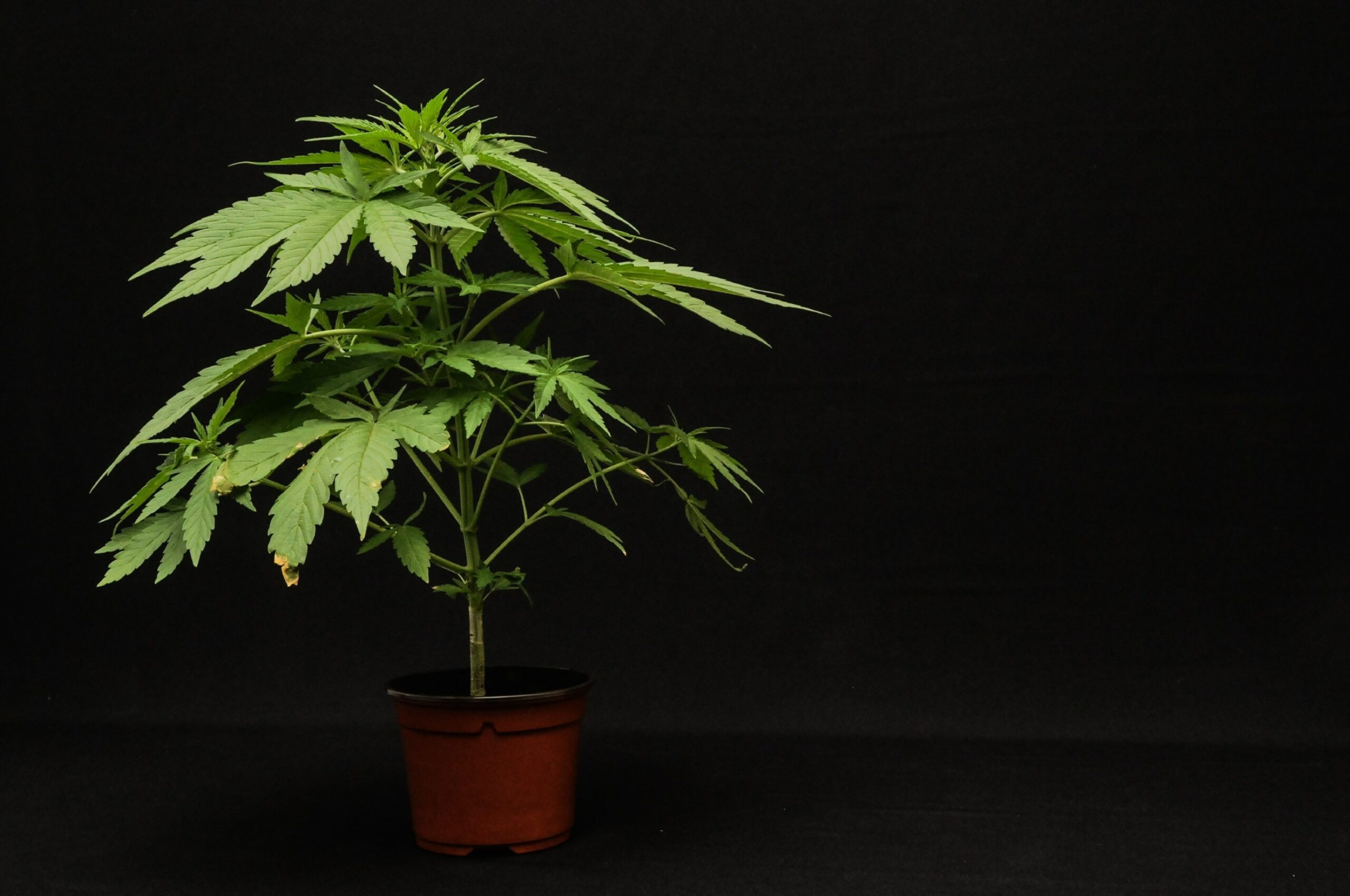


Feminized cannabis seeds are often one of the first things new growers in New York want to learn about. If you are just getting started, the topic can feel confusing at first. You may see terms like feminized, regular, autoflower, photoperiod, immature plants, and mature plants. You may also wonder what is actually legal in New York, where seeds can be bought, and what kind of setup you need to grow at home. This guide is meant to make those questions easier to understand.
For many beginners, feminized seeds sound appealing because they seem more simple than other seed types. In basic terms, feminized seeds are bred to produce female plants. That matters because female cannabis plants are the ones most home growers want to grow for flower. Male plants can create pollen and pollinate female plants, which changes how the plants grow and can reduce the quality and amount of usable flower. A new grower usually wants to avoid that problem. That is one reason feminized seeds are so popular with beginners.
In New York, interest in home growing has grown because adult home cultivation is allowed under state law for people who meet the age requirement and follow the rules. For a first-time grower, that opens the door to learning how cannabis plants grow from seed to harvest. It also creates a new set of questions. A beginner does not only need growing advice. A beginner also needs clear and simple legal information. It is not enough to know how to germinate a seed. You also need to know how many plants you can grow, where the plants can be kept, and what kind of buying and selling is allowed under state rules.
That is where many online articles fall short. Some are too technical and use language that feels made for experienced growers. Others skip over the legal side and focus only on growing methods. Some mix together information from different states, which can make things harder for New York readers. This guide takes a different approach. It focuses on feminized cannabis seeds in New York and explains the topic in a way that new growers can follow without getting lost.
If you are brand new to cannabis growing, you are probably asking a few basic questions right away. What exactly are feminized seeds? Are they legal in New York? Can you buy them in New York, and if so, where? How many seeds should you buy if the law limits how many plants you can grow? Is it better to grow indoors or outdoors? How much money do you need to get started? What do you need for germination, early growth, and basic plant care? These are the kinds of questions people search for most often, and they are the kinds of questions this guide is built to answer.
It is also important to understand why feminized seeds stand out for new growers. A beginner often wants fewer surprises. Regular seeds can produce both male and female plants, which means some of your time, space, and effort may go into plants you do not plan to keep. In a state like New York, where home growers have plant limits, that matters even more. Every plant slot counts. If you are only allowed a certain number of plants, you do not want to waste that space on plants that do not fit your goal. Feminized seeds can make planning easier because they give beginners a more direct path.
That does not mean feminized seeds remove every challenge. New growers still need to make good choices about lighting, watering, airflow, nutrients, timing, and space. A seed is only the starting point. Good results come from learning the basics and staying patient. That is why this guide will not just define feminized seeds and stop there. It will also explain how they fit into the bigger picture of home growing in New York.
Another reason this topic matters is that many first-time growers feel pressure to buy too much, do too much, or copy advanced setups they see online. That can lead to wasted money and frustration. In reality, most beginners do better when they start small. A simple setup, a few well-chosen feminized seeds, and a clear understanding of the law can go a long way. You do not need the biggest grow tent, the most expensive light, or a long list of products to begin learning. What you need most is reliable information and a plan that fits your home, your budget, and your skill level.
This guide is designed to be that starting point. It will explain what feminized cannabis seeds are and why they are often chosen by beginners. It will cover the New York legal side in plain language, including rules that shape how home growers should think about seeds and plant counts. It will also help you understand where legal seed sales fit into the market, what to look for before buying, and how to think about indoor and outdoor growing in a New York setting. From there, it will move into the basics of getting started, including beginner equipment, germination, plant growth stages, common mistakes, and early planning.
By the end of this guide, you should have a much clearer idea of what feminized cannabis seeds are, why they matter, and how a new grower in New York can approach them in a legal and practical way. The goal is not to make growing sound easy or risk free. The goal is to make it understandable. When you understand the basics, you can make better choices from the very beginning.
What Are Feminized Cannabis Seeds?
Feminized cannabis seeds are seeds that are bred to grow into female cannabis plants almost all of the time. This matters because female plants are the ones that produce the buds most home growers want. These buds are the part of the plant that people usually harvest, dry, and use.
In a natural seed pack, cannabis seeds can grow into either male or female plants. That means a grower who starts with regular seeds may end up with some plants that do not produce usable buds in the same way female plants do. Feminized seeds are made to lower that risk. For a new grower, that can make the whole process easier to manage.
The word “feminized” can sound technical at first, but the idea is simple. These seeds are meant to save time, space, and effort by helping growers focus on plants that are more likely to produce flowers.
Why Female Plants Matter
To understand feminized seeds, it helps to know the difference between male and female cannabis plants. Female plants grow the buds that most people are looking for. Male plants do not grow those same usable flowers. Instead, male plants produce pollen.
If a male plant releases pollen near a female plant, the female plant may start making seeds instead of putting more energy into growing thick, resin-rich buds. That is a problem for many home growers, especially beginners who want a simple first harvest.
This is why female plants matter so much. A grower with limited plant space usually wants to use that space as wisely as possible. In places where plant counts are limited, this becomes even more important. If one of your plants turns out to be male, that plant may take up room, light, water, and nutrients without giving you the result you wanted.
Feminized seeds help reduce that issue because they are bred to produce female plants at a much higher rate than regular seeds.
How Feminized Seeds Are Different From Regular Seeds
Regular cannabis seeds are the standard kind of seed that can grow into either male or female plants. With regular seeds, each plant is a bit of a gamble. A beginner may plant several seeds and then need to wait until the plants show their sex. At that point, male plants usually need to be removed to avoid pollinating the females.
That process can be hard for a new grower. It takes time to learn how to spot male plants early. It also means some of the time and money spent on soil, light, water, and plant care may go toward plants that will not be kept.
Feminized seeds work differently. They are created in a way that makes female plants far more likely. For the average beginner, that means fewer surprises. You are more likely to get the kind of plant you wanted from the start.
This does not mean feminized seeds are magic or perfect in every single case. Growing conditions still matter. Plant health still matters. But compared with regular seeds, feminized seeds give new growers a more direct path.
How Feminized Seeds Compare With Autoflower Seeds
Many new growers also hear about autoflower seeds, so it is helpful to explain the difference. Feminized seeds and autoflower seeds are not the same thing, although some seeds can be both feminized and autoflowering.
A feminized seed is about plant sex. It is bred to grow into a female plant.
An autoflower seed is about how the plant grows and when it starts flowering. Autoflower plants begin flowering based more on age than on changes in light schedule. Many photoperiod plants, which include many feminized seeds, need a certain light cycle to move from the vegetative stage into the flowering stage.
For a beginner, this can feel confusing at first. The easiest way to think about it is this: feminized tells you the plant is expected to be female, while autoflower tells you how the plant moves through its life cycle.
A grower can choose feminized photoperiod seeds if they want more control over the growing stages. A grower may choose feminized autoflower seeds if they want a shorter and often simpler grow cycle. Both can work for beginners, but they are not the same kind of seed.
Why Feminized Seeds Appeal to New Growers
Feminized seeds are popular with new growers because they remove one major problem early in the process. A beginner usually wants a grow that feels simple, clear, and worth the effort. Feminized seeds help with that by making it less likely that valuable plant space will be used on male plants.
They can also make planning easier. If a person only has room for a small number of plants, feminized seeds help them use that room more efficiently. This is helpful for people growing in a small tent, closet, spare room, or private outdoor area.
New growers also like feminized seeds because they can focus on learning the basics. Instead of worrying as much about identifying plant sex, they can spend more time learning about watering, lighting, airflow, temperature, nutrients, and harvest timing.
That said, feminized seeds do not remove every challenge. A grower still needs to care for the plants well. Seeds still need proper germination. Seedlings still need the right environment. But feminized seeds can make the starting point much more beginner-friendly.
What Feminized Seeds Do Not Guarantee
It is also important to be clear about what feminized seeds do not promise. They do not guarantee a perfect grow. They do not guarantee huge yields. They do not guarantee strong plants if the grow space is poor or the care is inconsistent.
Feminized seeds simply improve the odds that the plant will be female. That is a major benefit, but it is only one part of growing cannabis well. Light quality, water habits, air movement, temperature, humidity, and patience still make a big difference.
A beginner should see feminized seeds as a useful tool, not as a shortcut that solves everything.
Feminized cannabis seeds are seeds bred to produce female plants most of the time. Female plants matter because they grow the buds that most home growers want to harvest. Compared with regular seeds, feminized seeds make the process easier because they reduce the chance of ending up with male plants that take up space and can pollinate female plants. They are also different from autoflower seeds, which relate to flowering behavior rather than plant sex. For new growers, feminized seeds are often a smart starting point because they make planning simpler and help create a more manageable first grow.
Are Feminized Cannabis Seeds Legal in New York?
For many new growers, this is one of the first and most important questions. Before buying seeds or setting up a grow space, it helps to understand what New York law allows and what it does not allow. The short answer is that cannabis is legal for adult use in New York, and adults can grow cannabis at home under state rules. That said, the legal side still has limits. Knowing those limits can help beginners avoid mistakes.
New York Allows Adult-Use Cannabis
New York allows adult-use cannabis for people who are 21 and older. This means adults can legally possess cannabis within state limits and may also grow cannabis at home if they follow the rules. For new growers, this is an important starting point because it means home growing is not treated the same way it once was.
Still, legal does not mean unlimited. New York has rules for how much cannabis a person can have, how many plants a household can grow, and where those plants can be kept. These rules matter even if someone is only planning to grow a few feminized seeds for personal use.
This is why new growers should not think of legalization as a free pass to do anything they want. It is better to think of it as a regulated system. Home growing is allowed, but only inside the boundaries set by the state.
What This Means for Feminized Cannabis Seeds
Feminized cannabis seeds fall under the broader topic of cannabis growing. They are seeds meant to produce female plants, which are the plants most home growers want. In simple terms, if home growing is legal for adults in New York, then growing from feminized seeds can also be legal when it follows the state’s home cultivation rules.
This matters because some beginners assume seeds are treated very differently from the finished plant. In practice, feminized seeds are part of the legal home-grow process. They are often the starting point for a legal home grow. That is why people searching for feminized cannabis seeds in New York are usually asking two things at once. They want to know if the seeds themselves are allowed, and they want to know if growing from those seeds is allowed.
For beginners, the safer mindset is simple. If the seed is being used for a lawful home grow by an adult who follows New York rules, it fits within the state’s legal framework. But the rest of the process still needs to stay within the law.
Age Matters Under New York Law
One of the clearest legal rules in New York is age. Adult-use cannabis is for adults age 21 and older. That means a person under 21 cannot legally buy cannabis for adult use, and that also affects access to cannabis seeds meant for adult-use growing.
This may seem obvious, but it is still worth stating because beginners often focus on plant care and forget the legal basics. Age is the first legal checkpoint. Before someone even starts comparing feminized seed options, they need to make sure they meet the age requirement.
For households with more than one adult, this also matters when counting who can legally grow under the plant rules. The law looks at adult status, not just whether someone lives in the home.
Home Growing Is Legal, but Plant Limits Apply
Another key part of New York law is the plant limit. Adults can grow a limited number of plants at home. These limits are important because they shape how many feminized seeds a beginner should buy and start with.
A common beginner mistake is assuming that buying more seeds is always better. But if the law limits the number of plants that can be grown, starting too many seeds can create problems fast. Even though feminized seeds can reduce the chance of growing unwanted male plants, growers still need to stay within the legal number of plants allowed in the home.
For new growers, this is one reason feminized seeds can make sense. If plant numbers are limited, many people want to use those legal spaces on plants more likely to produce flowers. That practical benefit is part of why feminized seeds are so popular with beginners in New York.
Legal Cannabis Does Not Mean Legal Selling
New York allows home growing for personal use, but that does not mean people can sell cannabis however they want. Unlicensed cannabis sales are still illegal. This point is very important for beginners because some people confuse home growing with a right to sell what they produce.
Growing a few feminized plants at home for personal use is very different from selling seeds, selling flower, or offering cannabis products to others without a license. New York’s legal market is regulated, which means retail sales must go through licensed businesses.
This also matters when buying seeds. A beginner should understand that just because a seller claims to have cannabis seeds does not mean that seller is operating legally. The legal source matters, not just the product itself.
Why Legal Sources Matter
For a new grower, buying from a legal source is one of the easiest ways to lower risk. Legal sources are part of the regulated system. That means the sale is more likely to follow state rules, product information is more likely to be clear, and the buyer has a better idea of what they are getting.
This is especially useful when buying feminized seeds. A new grower does not just want seeds that are called feminized. They want seeds that are labeled properly and sold through lawful channels. Good labeling can help a beginner understand strain type, expected growth pattern, and whether the seeds fit an indoor or outdoor grow.
Buying through the legal market also helps new growers stay focused on compliant home cultivation instead of falling into risky gray areas.
State Rules Can Change Over Time
Cannabis laws and regulations can change. That is true in New York just as it is in other states. A rule that applies now may be updated later as the legal market grows and regulators refine the system.
This does not mean the law is unclear all the time. It means beginners should get into the habit of checking current New York guidance before making decisions. This is especially important for topics like buying seeds, home-grow limits, storage rules, and retail access.
For a first-time grower, this habit can prevent problems. It is much easier to review the latest state guidance before starting than to fix a mistake later.
Why Beginners Should Care About the Legal Details
Some people want to skip the legal section and go straight to germination, lighting, or nutrients. But for new growers in New York, the legal side is part of the grow plan. It affects how many seeds to buy, where to buy them, how many plants to keep, and how to store what is grown at home.
Legal knowledge also helps beginners stay realistic. A first grow does not need to be large to be successful. In fact, starting small is often the smarter choice. It is easier to stay within the rules, easier to manage the plants, and easier to learn from mistakes.
When the legal framework is clear, the rest of the process becomes easier to understand. Instead of guessing what is allowed, the grower can focus on building a safe and simple setup.
Feminized cannabis seeds can fit within New York’s legal home-grow system for adults, but only when the grower follows state rules. Adults 21 and older can legally grow cannabis at home in New York, but plant limits still apply, and unlicensed cannabis sales remain illegal. For beginners, the safest approach is to treat feminized seeds as one part of a legal home-growing process: buy from lawful sources, stay within plant limits, and keep up with current New York guidance before getting started.
Can You Buy Feminized Cannabis Seeds in New York?
You can buy feminized cannabis seeds in New York, but the most important word here is legally. New growers often get confused because cannabis laws can seem simple at first and then quickly become hard to follow. The good news is that New York does allow legal home growing for adults age 21 and older under state rules. That makes many people assume that all seed sales are legal too. The reality is a little more specific than that.
In New York, cannabis seeds for adult-use consumers can be sold through licensed parts of the legal cannabis market. State guidance explains that seeds may be sold to consumers by licensed adult-use retail dispensaries, microbusinesses, and certain registered organizations, as long as the seeds come through the legal supply chain. At the same time, licensed cultivators do not sell seeds directly to consumers.
That means a new grower should not treat every seed seller the same. Just because a website, social page, or local contact offers feminized cannabis seeds does not mean the sale is legal under New York rules. New York does not allow unlicensed cannabis sales. So if you want to stay on the safe side, the best approach is to buy only from businesses that are allowed to sell cannabis products to consumers under state law.
How Legal Seed Sales Work in New York
New York’s adult-use cannabis system is built around licensed businesses. This matters because seeds are part of that system. A legal seed sale is not simply about whether the product is a seed. It is about who is selling it and whether that seller is authorized to do so.
For a new grower, this is the clearest way to think about it: if the business is a licensed retail dispensary or another approved retail channel under New York rules, the sale is much more likely to be legal. If the seller is unlicensed, informal, or hard to verify, the sale may fall outside the legal system.
This is one reason beginners should slow down before buying the first pack they see. Feminized seeds can be a smart first choice because they help reduce the chance of male plants, but the first step is still making sure the seeds come from a lawful source. Buying the right type of seed does not fix the problem of buying from the wrong seller.
Why Licensed Retailers Matter
Licensed retailers matter because they are part of New York’s regulated market. That means the state has rules about who can sell cannabis products, including seeds intended for home growers. When seeds move through legal channels, new growers have a better chance of buying products with clear labeling, proper packaging, and basic product information.
This also helps reduce confusion. A beginner should be able to see what kind of seed they are buying, how many seeds are in the pack, and whether the product is clearly presented as feminized. That kind of clarity is especially useful for first-time growers who are still learning the difference between feminized, regular, and autoflower seeds.
Another reason licensed sellers matter is peace of mind. New growers already have a lot to learn about plant limits, setup, lighting, watering, and basic care. They should not also have to guess whether the seed purchase itself was legal.
Can Medical Cannabis Patients Buy Seeds Too?
In some cases, medical cannabis patients may also be able to access seeds or immature plants through registered organizations, depending on product availability. This does not mean every location will always have them in stock. Availability can change, and not every seller will carry the same items at the same time.
For that reason, beginners should not assume that seeds will always be easy to find everywhere. A legal market can allow seed sales, but actual inventory may still vary from one seller to another. That is normal in a developing cannabis market.
What New Growers Should Watch Out For
A lot of confusion starts when people mix up what is legal to grow with what is legal to buy. New York may allow home cultivation within state rules, but that does not make every seed source legal. This is where many beginners make mistakes.
Some buyers are tempted by seed offers that look cheap, easy, or fast. Others may trust sellers that give very little business information. That can be risky. A smart beginner should look for clear proof that a seller is licensed and operating within New York’s legal cannabis market.
It is also important to remember that legal home growing does not mean legal resale. Home growers cannot treat cannabis or cannabis seeds like a casual side business. New York’s legal market has rules, and new growers should respect those limits from the start.
What This Means for a First-Time Buyer
If you are new to growing, the safest answer is simple: yes, you can buy feminized cannabis seeds in New York, but you should buy them only through legal, licensed retail channels. Do not assume every seller is legal just because seeds are being offered. Check the source, look for proper business information, and make sure the sale fits within New York’s adult-use cannabis system.
Starting with legal seeds from a licensed source puts you in a much better position. It helps you stay within the law, lowers confusion, and gives you a cleaner starting point for your first grow.
New York does allow consumers to buy cannabis seeds through licensed parts of the legal market, and that includes seeds for home growing. But legal access depends on the seller being properly authorized, not just on the product itself. For a new grower, the safest path is to buy feminized cannabis seeds only from licensed New York retailers or other approved legal channels. That way, you can focus on learning how to grow instead of worrying whether your first purchase was the wrong one.
Where Can New Growers Buy Feminized Seeds Safely and Legally?
Buying feminized cannabis seeds in New York can feel confusing at first. A new grower may see many seed sellers online, hear advice from friends, or come across stores that make big promises. The problem is that not every source is legal, trustworthy, or clear about what it is selling. That is why beginners should slow down and focus on buying seeds from a safe and lawful source.
The main goal is simple. You want seeds that are clearly labeled, likely to grow as expected, and sold through the right kind of business. This helps you avoid wasted money, poor seed quality, and legal problems.
Buy From Licensed and Legal Sources
The safest place to start is a licensed cannabis business in New York that is allowed to sell to adult-use consumers. A legal seller should operate openly and follow state rules. This matters because feminized seeds are not just another garden product. They are part of the legal cannabis market, so where you buy them matters.
For a new grower, a licensed dispensary or another approved retail source is often the best option. These businesses are more likely to sell seeds with basic product details, clear packaging, and proper labeling. They should also be easier to verify than an unknown seller on social media or a random website that gives little business information.
Buying from a legal source can also make the process less stressful. If you are new to growing, you do not want to start with seeds that may be mislabeled, old, damaged, or not actually feminized. A legal and established seller gives you a better chance of getting a product that matches what the label says.
Why Unclear Sellers Can Be a Problem
Many beginners are tempted by cheap prices or bold claims. Some sellers say their seeds are premium, top shelf, or guaranteed to produce huge yields. Those words may sound good, but they do not always mean much. If the seller is unclear about who they are, where the seeds came from, or what the product contains, that is a warning sign.
An unverified seller may not give correct information about the strain, the seed type, or the expected growing traits. A pack labeled as feminized may not be truly feminized. A seed labeled as easy for beginners may actually be hard to manage in a small grow space. Some sellers may not explain whether the plant will stay short, stretch tall, flower quickly, or need more care than a first-time grower expects.
This can lead to problems early in the grow. You may buy seeds that do not match your space, your budget, or your skill level. In the worst case, you may spend money on seeds that fail to sprout or do not produce the kind of plant you thought you were buying.
What Legal Product Details Should Beginners Look For
When you shop for feminized seeds, do not focus only on the name of the strain. New growers should pay close attention to the product details. These details can tell you whether the seeds make sense for a first grow.
One important detail is the strain type. Some strains are more beginner-friendly than others. A first-time grower often does better with a plant that is known for steady growth, moderate size, and a simple care routine. If the strain is known for being sensitive, very tall, or hard to manage, it may not be the best first choice.
The THC and CBD profile also matters. Many people focus only on high THC numbers, but that does not always help a beginner. Potency is only one part of the decision. A new grower may be better off choosing seeds based on growing ease, plant size, and flower time instead of chasing the strongest option.
Seed count is another simple but important detail. Some packs may contain only a few seeds, while others contain more. Since New York home growers must stay within plant limits, beginners should think carefully before buying a large pack. Starting small is often the smarter move. A smaller pack can be enough for a first grow while helping you stay focused and organized.
Breeder information can also help. A clear product listing should tell you who produced the seeds or where the genetics came from. If there is no breeder information at all, that may be a sign that the product is not well documented. Good labeling should not feel vague or rushed.
How to Tell if a Seed Option Fits Your First Grow
A new grower should think beyond the product name and ask a few basic questions. Will this plant fit in my grow space? Will it be easy to manage indoors or outdoors? Does it have a long flowering time that may test my patience? Does it sound like a plant that needs advanced care?
These questions matter because a seed that looks exciting on paper may not be practical in real life. Some plants grow tall and wide. Others stay smaller and may be easier for indoor growers. Some need a longer season. Others move faster. Beginners usually do better when they choose seeds that match their setup, not just their curiosity.
This is also why clear labeling is so useful. A product should help you understand what you are buying before you spend money. If the label or listing gives almost no real information, you are being asked to guess. That is not a smart way to start a first grow.
What Beginners Should Avoid When Shopping
A beginner should be careful with any seller that seems hidden, rushed, or too good to be true. Be cautious if a seller gives almost no product details, uses only hype words, or avoids clear answers about the seed type. Be careful with offers that promise huge yields, perfect results, or unreal success with no effort. Growing cannabis still takes time, care, and patience.
It is also wise to avoid buying more than you need. New growers often think more seeds means more chances to succeed. In reality, too many seeds can make the process harder. You may end up with more plants, more work, and more confusion than you expected. Starting with a small number of feminized seeds is usually easier to manage.
The best place for a new grower to buy feminized cannabis seeds in New York is through a legal and clearly licensed source. Safe buying starts with choosing a seller that gives real product details, proper labeling, and a clear retail path. It also means avoiding vague sellers, weak product information, and flashy promises that sound better than they are.
For beginners, the smartest approach is to keep it simple. Buy from a lawful source, read the label carefully, and choose seeds that match your space and skill level. A good first purchase can make the rest of your grow much easier.
How Many Cannabis Plants Can You Grow in New York?
If you are new to growing cannabis at home, one of the first things you need to know is how many plants New York allows. This matters because it affects how many seeds you should buy, how much space you need, and how you plan your grow from the start.
In New York, one adult age 21 or older can grow up to three mature cannabis plants and three immature cannabis plants at one time. That means one adult can have a total of six plants, but only three of those can be mature at once. If more than one adult lives in the home, the total household limit is six mature plants and six immature plants. Even if three or more adults live there, the home cannot go over that household cap.
This rule is important because some beginners think each adult in the home can keep adding more plants. That is not how the rule works. The household limit stays the same once it reaches six mature and six immature plants.
What Mature and Immature Plants Mean
The plant limit makes more sense when you understand the difference between mature and immature plants. In simple terms, an immature plant is a younger plant that is still in the early part of its life. It has not started the flowering stage yet. A mature plant is a plant that is in flower. This is the stage when the plant starts producing buds.
For new growers, this means you need to pay attention to the stage your plants are in, not just the total number of pots in your grow space. A small plant in the seedling or vegetative stage is usually counted as immature. Once that plant enters the flowering stage, it counts as mature.
This matters because beginners often focus on how many seeds they can start, but the law looks at how many living plants you have and what stage they are in. If you germinate too many seeds at once, you could easily end up with more immature plants than the law allows.
Why This Matters When Buying Feminized Seeds
If you are growing from feminized cannabis seeds, plant limits become even more important. Feminized seeds are popular because they are bred to produce female plants. That helps new growers avoid wasting time and space on male plants. Since New York limits the number of plants you can grow, many beginners choose feminized seeds to make better use of each legal plant slot.
For example, if you are allowed three immature and three mature plants, you do not want to fill those spaces with plants that may not give you the result you want. Feminized seeds can make your grow more predictable. Still, that does not mean you should start too many seeds at once. It is usually smarter for a beginner to start small and stay well under the limit while learning.
A simple plan may be to begin with just two or three feminized seeds. That gives you room to learn without turning your first grow into a stressful project. It also helps you stay organized. New growers often do better when they focus on a few healthy plants instead of trying to manage the maximum number right away.
Possession Limits at Home
New York’s home cultivation overview also explains that people can keep up to five pounds of trimmed cannabis, plus the equivalent weight in concentrates, in or on the grounds of their private residence. The same overview says individuals can carry up to three ounces of cannabis flower and up to twenty-four grams of concentrated cannabis outside the home.
For a beginner, this means the rules are not only about how many plants you can grow. They also affect how much cannabis you can legally keep. Once your plants are harvested, dried, and trimmed, the finished product is no longer counted as a growing plant. At that point, possession rules become important too.
This is one reason it helps to start with a smaller grow. A new grower may not realize how much dried cannabis a healthy plant can produce. Starting small makes it easier to stay within the law and manage your storage in a safe and simple way.
Home Growing Is for Adults and Personal Use
New York allows home cultivation for adults age 21 and older. The state also makes clear that home-grown cannabis is for personal use. It is not a free pass to sell what you grow. New growers should treat home growing as a personal project, not a side business.
This is another reason plant limits matter so much. The law is written to allow personal home growing, but within clear boundaries. If you stay within those limits, keep your grow private, and focus on personal use, you are in a much better position to grow responsibly.
New York allows adults 21 and older to grow cannabis at home, but the plant limit is strict. One adult can grow three mature and three immature plants, while one household can have no more than six mature and six immature plants total. Mature plants are flowering plants, while immature plants are still in the earlier stages of growth.
For new growers using feminized seeds, this rule should shape every early decision. It affects how many seeds to start, how much space to set up, and how much cannabis you may later keep at home. The safest path for beginners is to start small, stay organized, and make sure every plant counts.
Are Feminized Seeds Better for Beginner Growers?
For many first-time growers, feminized cannabis seeds are often the easier choice. They are made to produce female plants most of the time. That matters because female plants are the ones growers usually want for flower production. When a new grower starts with feminized seeds, there is less guesswork and less wasted time. This can make the whole growing process feel more manageable.
Still, “better” does not always mean “perfect.” Feminized seeds can make the process simpler, but beginners still need to learn how to water, feed, light, and care for their plants. A feminized seed cannot fix poor growing habits. It only removes one major problem from the process. That is why it helps to understand both the benefits and the limits before choosing seeds for a first grow.
Why feminized seeds are often easier for beginners
The biggest reason beginners like feminized seeds is simple. They greatly reduce the chance of growing male plants. With regular seeds, a grower may end up with both male and female plants. That means a beginner may spend time, money, and plant space caring for plants that will not meet their goal. In New York, where home growers must stay within plant limits, that can be a serious problem.
A new grower with limited space does not want to waste one of those legal plant slots on a male plant. Feminized seeds help lower that risk. This makes planning easier from the start. If someone in New York is only allowed a small number of plants, they usually want each plant to count. Feminized seeds make that more likely.
Another reason feminized seeds are easier is that they simplify the early learning stage. Beginners already have a lot to think about. They need to learn about light cycles, watering habits, temperature, airflow, nutrients, and growing space. If they also have to learn how to spot male plants early and remove them in time, the process becomes more stressful. Feminized seeds remove much of that pressure and let the grower focus on the basics.
How feminized seeds help with planning and setup
Feminized seeds can also make a beginner’s setup more efficient. When growers know their plants are expected to be female, they can plan their space with more confidence. They can decide how many containers they need, how much soil to buy, and how large a tent or grow area should be. That is especially helpful for people starting their first indoor grow in a small apartment, spare room, or closet.
This also helps with cost control. Growing cannabis at home can get expensive fast if a beginner buys too much equipment or starts too many plants. Feminized seeds make it easier to start small and stay focused. A beginner can plant only what they have room and time for, instead of planting extra seeds just to make up for the chance of males.
There is also the issue of accidental pollination. Male plants can release pollen and affect female plants. When that happens, the female plants may put more energy into making seeds instead of building larger, better flowers. A beginner may not notice this problem until it is too late. Feminized seeds reduce that risk and help protect the grower’s time and effort.
The downsides beginners should still know
Even though feminized seeds are beginner-friendly, they do have a few drawbacks. One common issue is price. Feminized seeds often cost more than regular seeds. For a new grower on a tight budget, that higher cost may matter. Still, many beginners decide the extra cost is worth it because it lowers the chance of wasted space and wasted effort.
Another issue is confusion. Some beginners think feminized seeds and autoflower seeds mean the same thing, but they do not. A feminized seed only means the plant is expected to be female. It does not automatically mean the plant will flower on its own. Many feminized seeds are still photoperiod seeds, which means the light cycle helps control when flowering begins.
This is where some beginners get overwhelmed. They buy feminized seeds thinking they will be the easiest option in every way, then realize they still need to manage light carefully if they are growing indoors. That is why reading the seed description matters. A beginner should know whether they are buying feminized photoperiod seeds or feminized autoflower seeds.
Feminized seeds also do not protect a grower from basic mistakes. A plant can still struggle from poor lighting, overwatering, weak airflow, or feeding problems. New growers should remember that good seeds are only one part of a successful grow.
Feminized photoperiod seeds versus autoflower seeds
For a beginner, the choice often comes down to feminized photoperiod seeds or autoflower seeds. Each one has strengths, and the better choice depends on the grower’s goals.
Feminized photoperiod seeds give the grower more control. These plants stay in the vegetative stage as long as they get enough light. Indoors, growers can keep them growing before flowering by using a longer light schedule. This can be helpful for beginners who want extra time to learn, correct mistakes, and build stronger plants before flowering begins. If a plant has a slow start, the grower may still have time to improve conditions.
Autoflower seeds are different. They begin flowering based more on age than on changes in light cycle. This can feel easier because the grower does not need to manage the light schedule in the same way. Many beginners like autoflowers because they grow faster and can be more convenient in small spaces. But they can also be less forgiving in some situations. Since they move through their life cycle quickly, there is less time to recover from mistakes.
For a beginner who wants more control and is willing to learn about light schedules, feminized photoperiod seeds may be the better choice. For someone who wants a quicker, simpler path and accepts a smaller window for fixing problems, autoflower seeds may feel easier. The right option depends on how much time, space, and attention the grower can give.
Which option makes the most sense for first-time growers in New York
New York beginners often have limited space and legal plant limits to think about. Because of that, feminized seeds are usually a smart starting point. They help make the most of each plant slot and reduce the chance of wasting time on unwanted male plants. For someone growing at home for the first time, that alone can make the process much less frustrating.
A beginner in New York may do well with feminized photoperiod seeds if they want to learn the full growing process and have an indoor setup where they can control light. A beginner who wants a simpler and faster grow may lean toward autoflower seeds, but they should still read the product details carefully and understand the tradeoffs.
Feminized seeds are often better for beginners because they make the growing process simpler and more efficient. They reduce the chance of male plants, help protect limited growing space, and make planning easier for first-time growers. That can be a big advantage in New York, where home growers must follow plant limits.
Indoor or Outdoor Growing in New York: Which Is Better?
Choosing between indoor and outdoor growing is one of the first big decisions a new grower in New York has to make. Both options can work, but they come with very different needs, costs, and challenges. The best choice depends on your space, budget, privacy needs, and how much control you want over the growing process.
For many beginners, this decision can feel confusing at first. Some people like the idea of growing outdoors because it seems simpler and cheaper. Others prefer indoor growing because it gives them more control. The truth is that neither option is perfect for everyone. It helps to look at how each one works in real life, especially in a place like New York, where weather, housing, and privacy can all affect your grow.
Indoor Growing Gives You More Control
Indoor growing is often the easiest option for beginners who want a more predictable setup. When you grow indoors, you control the light, temperature, humidity, and airflow. This means your plants are less affected by outside weather changes. In New York, that matters a lot because the climate can be very different from one season to the next.
An indoor grow can happen in a spare room, a closet, a basement, or a grow tent. A tent is common for new growers because it helps keep the space contained. It also makes it easier to manage light and smell. Since cannabis plants need the right amount of light each day, indoor growing lets you follow a steady schedule. This is especially helpful if you are growing feminized photoperiod seeds, which depend on light cycle changes to move from the vegetative stage to the flowering stage.
Indoor growing also gives you better privacy. If you live in a busy area or near neighbors, growing inside may help keep your plants out of sight. This matters because home growers should take steps to keep plants secure and away from public view. Indoor growing can also make it easier to protect plants from theft, animals, and sudden storms.
The main downside is cost. Indoor growing usually costs more at the start. You may need lights, fans, a tent, timers, containers, and other supplies. Electricity use can also raise your monthly bill. On top of that, indoor growers need to watch the setup more closely. If the temperature gets too high or airflow is poor, plants can struggle.
Outdoor Growing Can Cost Less but Brings More Risk
Outdoor growing can be a good option for people who have private outdoor space and want to spend less money. The sun provides free light, so you do not need to buy expensive grow lights. In many cases, outdoor growers also spend less on electricity and equipment. This can make outdoor growing feel more beginner-friendly from a budget point of view.
Outdoor plants can also grow very large when they have enough sunlight, space, and time. That may sound appealing to new growers who want a bigger harvest. But outdoor growing in New York comes with limits and challenges that beginners should understand before planting anything.
The weather in New York is one of the biggest issues. The growing season is not as long or as stable as it is in warmer states. Spring can stay cold longer than expected, and fall weather can turn damp and cool when plants are close to harvest. Too much rain, high humidity, and sudden temperature drops can lead to stress, mold, and other plant problems. For beginners, this can make outdoor growing harder than it first appears.
Privacy is another concern. Outdoor plants are harder to hide, especially if they grow tall. Odor can also spread more easily outside, which may create problems with neighbors. Home growers should think carefully about visibility, smell, and security before choosing an outdoor grow. If your outdoor area is easy to see or access, your plants may be at greater risk.
New York Climate Matters More Than Many Beginners Expect
New York is not one-size-fits-all when it comes to growing. Conditions can change depending on where you live. A grower in New York City may deal with limited outdoor space, nearby buildings, and close neighbors. A grower in upstate New York may have more land but also face cooler nights and a shorter outdoor season.
Because of this, indoor growing often gives beginners a safer starting point. It removes many weather-related problems and allows year-round growing. Outdoor growing depends much more on timing. If you plant too early, cold weather can slow or damage young plants. If you harvest too late, bad fall weather can affect flower quality.
This does not mean outdoor growing cannot work in New York. It can. But beginners need to be realistic. Outdoor growing may look simpler, yet it often requires careful timing, close watching, and a good understanding of seasonal changes.
Housing, Space, and Privacy Should Help Guide Your Choice
Your living situation can strongly affect which option makes more sense. If you live in an apartment, indoor growing may be the only practical choice. Many apartment dwellers do not have private outdoor space, and even if they do, it may not offer enough privacy or protection.
If you live in a house with a private yard, outdoor growing may be possible, but you still need to think about odor, security, and visibility. New growers should also consider whether children, guests, or pets may have access to the space. A grow area should be secure and controlled.
Indoor growing works well for people who want a smaller, more private first grow. Outdoor growing may fit those who have enough private space and are comfortable working with seasonal limits. In both cases, starting small is usually the smartest move.
Cost and Effort Are Different in Each Setup
Many beginners think outdoor growing is always easier because it costs less. While it is true that outdoor growing often needs less equipment, it is not always less work. You still need to water, monitor, protect, and maintain the plants. Weather can create problems very quickly, and you cannot fully control those conditions.
Indoor growing costs more upfront, but it can reduce surprises. You build the environment yourself, which can make the process easier to manage once the setup is in place. In simple terms, outdoor growing may save money, but indoor growing often gives more control.
For most new growers in New York, indoor growing is the easier and more reliable choice. It offers more control over light, temperature, humidity, privacy, and security. That can make a big difference for beginners who are still learning the basics. Outdoor growing can cost less and may work well for people with private space, but it comes with more weather risk, less privacy, and a shorter growing season.
What Do You Need to Start Growing Feminized Seeds?
Starting your first grow can feel confusing at first. Many new growers think they need a long list of tools and expensive gear before they can begin. In reality, the goal is much simpler. You need a few basic items that help your feminized cannabis seeds sprout, grow strong roots, develop healthy leaves, and move through each stage with as little stress as possible. If you understand what each item does, it becomes much easier to build a setup that fits your space and budget.
Feminized Seeds
The first thing you need is, of course, the seeds. Feminized seeds are popular with new growers because they are made to grow into female plants. This matters because female plants are the ones most home growers want to keep. When you start with feminized seeds, you waste less time, less space, and fewer supplies.
As a beginner, it helps to start small. You do not need to plant a large number of seeds right away. A small first grow is easier to manage and gives you room to learn. It also helps you avoid getting overwhelmed. Starting with fewer plants makes it easier to watch each one closely and spot problems early.
A Good Grow Medium
Your seeds need a place to grow. This is called the grow medium. Many beginners choose soil because it is simple and familiar. Good soil can hold water, allow airflow around the roots, and give the plant support as it grows. For a first grow, soil is often the easiest choice because it does not require as much daily adjustment as more advanced methods.
Some growers use coco coir or hydroponic systems, but those setups usually need closer attention. A beginner can still use them, but they often require more practice. If your main goal is to learn the basics, a quality soil mix is usually the best place to start. The medium you choose affects watering, feeding, and root health, so it is an important part of the setup.
Containers for the Plants
Once you have your growing medium, you need containers. These are the pots or bags that hold the medium and the roots. Your container should give the roots enough room to spread as the plant gets bigger. If the pot is too small, the plant may struggle to grow well. If it is too large at the start, watering can become harder to manage.
Many beginners start with small containers for seedlings and then move the plant into a larger pot later. Others plant directly into the final container. Both methods can work. What matters most is that the container drains well. If water stays trapped at the bottom, the roots can suffer. Healthy roots are the base of a healthy plant, so the container choice matters more than many new growers expect.
A Reliable Water Source
Water is one of the most basic needs, but it is also one of the easiest things to get wrong. Your plants need regular water, but they do not want to sit in soggy soil all the time. A clean and reliable water source helps you avoid problems early. Some growers use tap water, while others use filtered water. The best choice depends on what your water is like in your area.
New growers often make the mistake of watering too often because they want to help the plant grow faster. In most cases, that creates stress instead of helping. The roots need both water and air. Good watering habits are more important than fancy tools. If you learn how your medium feels when it is dry versus when it is still wet, you will make better choices.
Light for Plant Growth
Light is one of the most important parts of the entire grow. If you are growing indoors, your plants depend on you for all of their light. Without enough light, they may stretch, weaken, or grow slowly. A basic indoor setup usually includes a grow light strong enough for the size of your space.
The good news is that beginners do not need the most advanced light on the market. What you do need is a light that matches your grow area and can support the plant through the stages of growth. If you are growing outdoors, the sun provides the light, but you still need a location that gets enough direct sunlight during the day. Light affects size, strength, and final results, so it should never be treated as a small detail.
A Tent or Grow Space
Your plants also need a proper place to grow. For indoor growers, this might be a grow tent, a closet, a spare room, or another controlled space. The purpose of the grow space is to protect the plants and help you manage light, airflow, and temperature. A grow tent is popular because it keeps things more organized and easier to control.
Even a simple grow space should be clean, safe, and easy to access. You want enough room to water the plants, check the leaves, and adjust your equipment. If the space is too cramped, everyday care becomes harder. A good grow space does not need to look fancy. It just needs to be stable and practical.
Ventilation and Airflow
Plants need fresh air. This is why ventilation matters. In an indoor grow, fans and air movement help reduce heat, move fresh air through the space, and support stronger plant growth. Without airflow, the room can become too humid or too still, which may lead to weak plants or growing problems.
Good ventilation also helps control odor, which is another reason many home growers pay close attention to it. Even a beginner setup should include some form of airflow. This does not need to be complex. The main goal is to avoid stale air and give the plants a more balanced environment.
A Timer for Light Control
If you are growing indoors, a timer is a very useful tool. It turns your lights on and off based on a set schedule. This helps keep your light cycle steady, which is important for plant growth. Doing this by hand every day can be tiring and easy to forget. A timer makes the process more consistent.
Consistency matters because cannabis plants respond to routine. A timer helps remove guesswork and makes daily care easier. It is a small item, but it can make a big difference for a first-time grower.
Nutrients and pH Tools
Plants need food as they grow. In cannabis growing, this usually means nutrients made to support plant health during different stages. Some soil mixes already contain enough nutrients for the early stage, while others may need extra support sooner. As a beginner, it helps to keep feeding simple. Too much is often worse than too little.
A pH tool can also help because it tells you whether your water or feeding mix is in the right range. If the pH is off, the plant may not take in nutrients well even if you are feeding it. This can confuse beginners because the problem may look like hunger when the real issue is pH imbalance. A basic pH tool helps you avoid that mistake.
Basic Setup Versus Advanced Setup
A beginner setup should focus on the essentials. You need seeds, a medium, containers, water, light, airflow, and basic feeding support. That is enough to get started and learn a lot. You do not need to buy every accessory you see online. Many advanced tools are helpful, but they are not always necessary for a first grow.
A more advanced setup may include stronger environmental controls, special meters, higher-end lights, and more precise feeding systems. Those tools can help experienced growers fine-tune their results, but they are not required for learning the basics. For a new grower, simple usually works better. A setup that is easy to understand is often more useful than one that is packed with gear.
To start growing feminized seeds, you do not need a perfect setup. You need a practical one. Focus on the basics first: quality seeds, a good medium, proper containers, reliable water, enough light, steady airflow, and simple tools that help you stay consistent. A small and manageable setup gives you the best chance to learn without feeling overwhelmed.
The smartest way to begin is to keep things clear and simple. Start with what your plants truly need, not with every extra product being sold to new growers. Once you understand the basics, you can always improve your setup later. A strong first grow usually comes from good habits, close attention, and a simple plan that is easy to follow.
How Do You Germinate Feminized Cannabis Seeds?
Germination is the first stage of growing cannabis from seed. This is the point where the seed wakes up and begins to sprout. If you do this step well, your plant has a much better chance of growing strong and healthy. If you rush it or handle the seed the wrong way, you can slow growth or damage the seed before it even starts.
For new growers, germination can feel harder than it really is. The truth is that feminized cannabis seeds do not need anything fancy to begin growing. They mainly need moisture, warmth, and a gentle environment. The goal is simple. You want the seed to crack open and send out a small white root, often called the taproot. Once that root appears, the seed is ready for its next step.
What Germination Means
A cannabis seed may look dry and lifeless from the outside, but it already contains everything it needs to begin early growth. When the seed gets enough moisture, the shell softens. Water moves into the seed, and the life inside starts to wake up. Soon after that, the shell opens and the first root pushes out.
That first root is very important. It will anchor the plant and begin pulling in water and nutrients. After that, the seedling will grow upward and open its first small leaves. This is why germination matters so much. It is the foundation for the rest of the grow.
What Feminized Seeds Need to Germinate
Feminized seeds need the same basic conditions as other cannabis seeds during germination. They need enough moisture to soften the shell, but not so much that they sit in water for too long. They need warmth, because cold conditions can slow or stop the process. They also need a calm environment where they are not being moved, squeezed, or exposed to harsh light.
Most growers try to keep seeds warm, but not hot. A mild, steady temperature works best. Seeds also do better when they are left alone as much as possible. Checking them too often or touching the root can cause damage. Germination is a stage where patience helps more than constant action.
The Paper Towel Method
The paper towel method is one of the most common ways to germinate feminized cannabis seeds. Many beginners like it because it is easy to see what is happening. With this method, the seeds are placed between damp paper towels and then kept in a warm place.
The towels should be moist, not soaking wet. If they are too wet, the seeds may not get enough air. If they are too dry, the seeds may not open at all. Once the seeds are placed between the towels, they are usually covered with a plate, placed in a container, or sealed in a loose plastic bag to help hold in moisture.
After that, the seeds are left in a warm and dark place. Over the next day or two, and sometimes a bit longer, the shell may crack and a small white root may appear. Once the taproot shows, the seed is ready to be planted carefully in its grow medium.
The paper towel method is popular because it lets you see when the seed is ready. Still, it does come with one risk. The root is delicate, so moving it from the towel into soil must be done very gently.
The Direct to Soil Method
The direct to soil method is simple and natural. With this method, the feminized seed goes straight into the growing medium from the start. Many growers like this because it avoids handling the seed after the root appears.
To do this, the soil should be slightly moist before planting. The seed is placed in a small hole that is not too deep. Then it is lightly covered. The soil should stay moist, but not drenched. If everything goes well, the seed will germinate under the surface and then grow upward on its own.
This method can be easier on the seed because there is no transplant step right away. The main challenge is that you cannot see the root as it develops. That means you must trust the process and avoid digging the seed up to check on it.
The Starter Plug Method
Starter plugs are another good option for beginners. These plugs are made to hold moisture while also allowing airflow. That balance can help seeds germinate in a stable environment.
The seed is placed into the small hole in the plug, and the plug is kept warm and moist. Once the seed sprouts and begins growing, the whole plug can be moved into a larger pot or growing system. This makes transplanting easier and lowers the chance of root damage.
Starter plugs are useful for growers who want a clean and simple method. They can also help make the early stage feel more organized, especially for people growing more than one seed.
How Long Germination Usually Takes
Germination does not happen at the exact same speed every time. Some feminized seeds open in one to two days. Others may take several days. In some cases, older seeds or weaker seeds can take longer.
New growers often make the mistake of giving up too soon. A seed that has not opened after one day is not always a bad seed. It may just need more time. At the same time, leaving seeds too long in very wet conditions can also create problems. The best approach is to be patient while still keeping the environment stable.
Common Mistakes During Germination
One of the biggest mistakes is using too much water. Seeds need moisture, but they also need some air. If they stay too wet, they can struggle instead of sprouting. Another common problem is placing seeds in a spot that is too cold. Cool temperatures can slow the process and make new growers think something is wrong.
Touching the taproot is another mistake. The root is very fragile when it first appears. Rough handling can damage it before the seed even reaches the soil. Some growers also plant seeds too deep, which makes it harder for the seedling to push upward once it begins growing.
Another mistake is checking too often. It is normal to be excited, but constant opening, moving, and touching can interrupt the process. Germination is usually more successful when the seed is left in a steady, gentle environment.
What to Do After the Seed Sprouts
Once the taproot appears, the seed should be placed into its next growing medium if it is not already there. The root should point downward, and the seed should be covered lightly. After planting, the medium should stay moist but not soaked.
Soon after that, the seedling should rise above the surface and open its first leaves. At this point, the plant needs gentle light and continued care. This stage is still delicate, so it is important not to overwater or make sudden changes.
Germinating feminized cannabis seeds is a simple but important step for new growers. The seed needs moisture, warmth, and a calm environment to begin growing. The paper towel method, direct to soil method, and starter plug method can all work well when done with care.
What Happens After Germination?
Once your feminized cannabis seeds sprout, the real growing process begins. This is the stage where many new growers start to feel excited, but it is also where mistakes can happen if you move too fast. After germination, your plant will go through several main stages. These are the seedling stage, the vegetative stage, the flowering stage, and the harvest stage. Each one has its own needs. If you understand what happens in each stage, it becomes much easier to grow healthy plants from start to finish.
Seedling Stage
The seedling stage begins as soon as the sprouted seed starts growing above the surface. At this point, the plant is very small and delicate. You will first see two tiny round leaves. These are not the true cannabis leaves yet. After that, the first sets of serrated leaves begin to appear. This is when the plant starts to build strength.
During the seedling stage, your main job is to keep conditions stable. The plant does not need strong nutrients yet. In fact, too much feeding at this stage can do more harm than good. Seedlings do best when they have gentle light, light moisture, and a warm growing space. The soil or growing medium should stay slightly moist, but not soaked. Overwatering is one of the most common beginner mistakes during this stage.
Seedlings also need enough light to avoid stretching. Stretching happens when the young plant grows too tall and thin because it is trying to reach the light. A stretched seedling can become weak and fall over. Keeping the light close enough, while still safe, helps the seedling grow short and sturdy.
This stage usually lasts about two to three weeks, depending on the growing conditions and the strain. By the end of the seedling stage, the plant should have a few sets of healthy leaves and a stronger root system.
Vegetative Stage
After the seedling stage, the plant moves into the vegetative stage. This is the period when the plant focuses on growing bigger. It develops more leaves, thicker stems, and stronger roots. In simple terms, this is the stage where the plant builds the structure it will need later for flowering.
During the vegetative stage, cannabis plants need strong light, enough water, good airflow, and the right nutrients. This is usually the time when growers begin using nutrients that support leaf and stem growth. Since the plant is getting larger, it will drink more water than it did as a seedling. Still, the goal is balance. Too much water or too much fertilizer can still cause stress.
The vegetative stage is also the time when growers start paying closer attention to plant shape and size. A healthy plant in this stage should look green, full, and upright. If the leaves start to yellow, droop, or curl, that can be a sign that something is off. It could be the light, the watering routine, the nutrients, or the temperature.
For beginners, this stage is important because it gives you time to correct problems before flowering begins. A strong vegetative stage often leads to a better harvest later. If the plant stays small, weak, or stressed during this time, it may not perform well in the next stage.
With feminized seeds, many beginners feel more confident during this part of the grow because they know the plants are meant to become female. That means they can focus on healthy growth instead of worrying as much about removing male plants.
Flowering Stage
The flowering stage is when the cannabis plant starts producing buds. This is the stage many growers look forward to most. For photoperiod feminized seeds, flowering usually begins when the light cycle changes. Indoors, growers often switch to a schedule with longer dark periods to trigger flowering. Outdoors, flowering usually begins as the days naturally get shorter.
This is also where it helps to remember that feminized seeds are not the same as autoflower seeds. Feminized photoperiod plants do not flower on their own based only on age. They usually need a change in light schedule. Autoflowers are different because they flower automatically after a certain amount of time, even if the light stays the same. New growers sometimes confuse these two types, so it is important to know what kind of seed you bought.
Once flowering starts, the plant’s needs begin to change. It still needs water, light, and nutrients, but growers usually shift toward nutrients that support bud production rather than leaf growth. The plant may also stretch in height during early flowering, so space matters. Good airflow becomes even more important now because dense buds can trap moisture. Too much moisture can lead to mold, which can ruin part or all of a harvest.
During flowering, growers should also watch the plant closely for signs of stress. Light leaks during dark hours, poor airflow, nutrient problems, and sudden temperature swings can affect bud growth. Healthy flowering plants usually show steady development, visible bud sites, and a strong overall structure.
The flowering stage can last several weeks, depending on the strain. Some plants finish faster, while others take longer. Patience matters here. Harvesting too early can lead to disappointing results.
Harvest Stage
The harvest stage begins when the plant has reached maturity and the buds are ready to be cut. This does not happen on the same exact timeline for every plant. Even seeds from the same type can grow a little differently. That is why growers should not rely only on the calendar. They also need to watch the plant itself.
At harvest time, growers look at the buds, the pistils, and the trichomes to judge readiness. This step can feel advanced at first, but over time it becomes easier to understand. The key idea is simple: the plant should look finished, not rushed. If you harvest too soon, the buds may be smaller and less developed.
After cutting the plant, the work is still not over. The buds need to be dried and cured properly. Drying removes extra moisture, and curing helps improve the final quality. Even a well-grown plant can lose quality if this part is rushed. New growers often focus so much on growing that they forget how important drying and curing are.
After germination, a feminized cannabis plant moves through four main stages: seedling, vegetative growth, flowering, and harvest. Each stage has its own purpose and its own care needs. The seedling stage is about early stability. The vegetative stage is about building strength and size. The flowering stage is when buds begin to form, and the harvest stage is when all the earlier work comes together.
For new growers, the best approach is to keep things simple and pay attention to the plant at every stage. Do not rush from one phase to the next. Healthy growth usually comes from steady care, not from doing too much at once. When you understand what happens after germination, it becomes much easier to grow feminized cannabis seeds with confidence.
How Much Does It Cost to Grow Feminized Cannabis at Home?
The cost of growing feminized cannabis at home in New York can be low, moderate, or high. It depends on how simple or advanced you want your setup to be. Many new growers spend too much at the start because they think they need the best gear right away. In most cases, that is not true. A beginner can start with a small and practical setup and still grow healthy plants.
Feminized seeds can help you plan your budget better. Since these seeds are bred to produce female plants, you are less likely to waste money, time, space, and supplies on male plants. That can make your first grow more efficient. Even so, seeds are only one part of the total cost. You also need to think about lighting, soil, containers, airflow, nutrients, water, and power use.
Seed Costs
The first cost is the seeds themselves. Feminized cannabis seeds usually cost more than regular seeds, but many beginners see value in that extra cost. With regular seeds, some plants may turn out male, and that can be a problem if your goal is to grow buds. If you only have a limited number of legal plant slots at home, feminized seeds can help you use that space wisely.
The price of feminized seeds can vary a lot. Some packs are small and affordable, while others cost more because of the strain, breeder, or pack size. A new grower does not need to buy a large number of seeds at once. Starting with just a few seeds is often the smarter choice. It keeps your costs down and makes the first grow easier to manage.
Lighting and Grow Space Costs
For indoor growing, lighting is often one of the biggest expenses. Good light matters because cannabis plants need strong and steady light to grow well. A weak light can lead to poor growth, small plants, and low yield. That is why many growers spend more money on lighting than on any other item.
You may also need a tent or a small grow area. A grow tent helps control light, smell, temperature, and humidity. It can also help keep your grow organized. Some beginners use a spare closet or another small room instead of buying a tent. That can save money, but it may give you less control over the environment.
If you want a very simple beginner indoor setup, your light and grow space may take up most of your budget. A small setup for a few plants can be enough for a first grow. There is no need to build a large system when you are still learning the basics.
Soil, Pots, and Growing Medium
You will also need a place for the roots to grow. Many beginners choose soil because it is simple and easy to understand. Good-quality soil costs more than basic dirt, but it can make a big difference in plant health. Cheap soil may drain badly or lack the right balance for cannabis plants.
Pots or containers are another small but important cost. Fabric pots are popular because they allow better airflow to the roots. Plastic pots also work and are often less expensive. The size of the pot matters too. A very small pot can limit plant growth, while a very large one may take up more room than needed.
Some growers use coco coir or other growing mediums instead of soil. These options can work well, but they often require more careful feeding and watering. For a new grower, soil is usually the easier and more forgiving option.
Nutrients and Water Management
Cannabis plants need nutrients to grow well, especially during the vegetative and flowering stages. Some soils already contain nutrients for the early stage, but most plants will need added feeding later on. Nutrients can be simple or complex. Some brands sell easy two-part or three-part sets made for beginners.
This part of the budget can stay small if you keep it simple. Problems often begin when new growers buy too many bottles and try to use all of them. That can waste money and also harm the plants. More products do not always mean better results.
You may also need a pH test tool or meter. This helps you check if your water is in a good range for the plant to take in nutrients. If the pH is off, the plant may struggle even if you are feeding it properly. While this adds to your cost, it can prevent bigger problems later.
Ventilation, Airflow, and Other Equipment
Indoor growers usually need some basic airflow. A small fan can help move air around the plants. This supports stronger stems and helps reduce moisture problems. In many setups, you also need an exhaust fan to remove warm air and bring in fresh air.
Some growers add a carbon filter to help with smell. This can be useful, especially in small homes or shared living spaces. Odor control may not seem like a major cost at first, but it often becomes important as plants get larger and start flowering.
Other small tools may include timers, pruning scissors, drying racks, or storage jars. These items may not seem expensive one by one, but together they add to the total cost. This is one reason new growers should plan a budget before they buy anything.
Electricity and Ongoing Costs
One part that beginners often forget is the cost of electricity. Indoor lights, fans, and other tools use power every day. The total depends on the size of your setup and how long your lights run. A small beginner grow will use less power than a large one, but it is still part of the budget.
You may also have repeating costs during the grow. These can include nutrients, replacement filters, extra soil, or added tools if problems come up. Even if the first setup is affordable, growing is not a one-time expense. It helps to think in terms of startup cost and ongoing cost.
A Budget Setup vs. a Mid-Range Beginner Setup
A budget grow is focused on the basics. It usually includes a few feminized seeds, a simple light, basic soil, pots, a small fan, and beginner nutrients. This kind of setup is enough for someone who wants to learn step by step without spending too much money at once.
A mid-range beginner setup gives you more control. It may include a better light, a proper grow tent, stronger ventilation, a carbon filter, better monitoring tools, and upgraded containers or nutrients. This type of setup costs more, but it can make the growing process smoother and easier to manage.
The right choice depends on your space, your goals, and your budget. A first-time grower does not need to rush into a larger setup. Starting small is often the safer and smarter path.
Where Beginners Usually Overspend
Many new growers spend too much on seeds, nutrients, and extra gear they do not really need. Some buy too many seeds before they even know how many plants they can manage. Others buy advanced products because the packaging looks impressive. This often leads to confusion and wasted money.
Another common mistake is trying to copy the setup of experienced growers. A new grower does not need a long list of add-ons for a first grow. A simple setup with good light, decent soil, and steady care can go a long way. It is better to master the basics first and upgrade later if needed.
The cost to grow feminized cannabis at home in New York can vary a lot, but beginners do not need to spend a huge amount to get started. Seeds, lighting, soil, containers, nutrients, airflow, and electricity all play a part in the total cost. A small and simple setup is often the best choice for a first grow because it keeps spending under control and makes learning easier. When new growers avoid overspending and focus on the basics, they give themselves a better chance to grow healthy plants without turning the process into something too costly or stressful.
What Problems Do New Growers Run Into Most Often?
New growers often think the hardest part is getting seeds. In reality, the harder part is caring for the plant day after day. Feminized cannabis seeds can make the process easier because they help reduce the chance of growing male plants. Still, they do not remove every beginner mistake. A plant can still struggle if the grower gives too much water, poor light, bad airflow, or the wrong feeding routine.
The good news is that most early problems are common and fixable. If you know what usually goes wrong, you have a better chance of keeping your first grow healthy and simple.
Overwatering Is One of the Most Common Mistakes
Many new growers hurt their plants by trying to help too much. They see a young plant and think it needs water every day. In many cases, that is too much. When the soil stays soaked, the roots do not get enough air. This can slow growth, cause drooping leaves, and lead to root problems.
A small seedling does not use much water at first. That means the soil can stay wet for longer than beginners expect. If the pot feels heavy and the top of the soil still feels damp, it is usually better to wait. Overwatering can look a lot like underwatering because both can make leaves droop. That is why new growers sometimes make the problem worse by adding even more water.
A better approach is to check the soil before watering again. Let the plant use what is already there. Roots grow stronger when they have both water and air.
Poor Lighting Can Slow Growth Fast
Light is one of the most important parts of a healthy grow. If the light is too weak, the plant may stretch too much. This means the stem grows long and thin while the plant searches for more light. Weak light can also lead to slow growth, small leaves, and poor flower development later on.
Some beginners buy cheap lights without checking whether they are strong enough for cannabis. Others place the light too far from the plant. A light that is too far away may not give the plant what it needs. On the other hand, a light that is too close can stress the plant and damage the leaves.
New growers do better when they focus on basic light quality and proper distance. They do not need the most expensive system right away, but they do need a light that matches the size of the grow space and the stage of growth. Good lighting helps the plant stay short, strong, and healthy.
Weak Airflow Can Create Bigger Problems Later
Airflow is easy to ignore at first, but it matters a lot. Plants need fresh air around them. Without it, the grow space can become too humid, too warm, and too still. This raises the risk of mold, mildew, and weak stems.
A beginner may think a closed room is enough, especially for a small grow. But even one or two plants can suffer if the air does not move. Leaves may stay damp for too long, and the plant may not grow as strongly as it should.
Good airflow does not need to be complex. A small fan and a way for air to move in and out of the space can make a big difference. Gentle movement helps stems get stronger and helps control heat and moisture.
Wrong pH Can Block Nutrients
Many new growers focus on nutrients but forget about pH. This is a problem because a plant may not be able to use nutrients well if the pH is off. Even when the grower is feeding the plant, the leaves may still show signs of trouble.
A poor pH balance can cause yellowing, burned tips, or slow growth. The grower may think the plant needs more nutrients, then add even more, which can make things worse. This creates a cycle of guessing instead of solving the real issue.
Checking water and feed pH can help prevent this problem. A simple pH tool can save time, money, and stress. For beginners, keeping pH in the proper range is often one of the easiest ways to improve plant health.
Overfeeding Can Do More Harm Than Good
New growers often assume more nutrients mean faster growth. That is not always true. Cannabis plants can be damaged by too much feeding, especially in the early stages. Too many nutrients can burn the plant, darken the leaves, and stress the roots.
Young plants usually need less food than beginners think. If the soil already contains nutrients, adding more right away may be unnecessary. The same is true if the grower follows a feeding chart too closely without watching how the plant responds.
A better method is to start light and increase slowly only if needed. Plants usually show signs when they want help. Beginners often get better results by being patient instead of trying to force fast growth.
Planting Too Many Seeds at Once Creates Confusion
It can be tempting to start many seeds, especially when a grower is excited. But too many plants can turn a simple first grow into a messy one. More plants mean more watering, more feeding, more training, and more chances to make mistakes.
For new growers in New York, this also connects to plant limits. It is important to stay within the legal number of mature and immature plants allowed at home. Starting too many seeds can lead to crowding and poor planning, especially in a small indoor space.
Feminized cannabis seeds help here because they reduce the chance of wasting space on male plants. That makes it easier to plan a small grow. Even so, beginners usually do best when they start with fewer plants and learn the process first.
Ignoring Plant Limits Can Lead to Avoidable Trouble
Some new growers focus so much on the growing side that they forget the legal side. In New York, home growers need to understand the plant limits and follow them carefully. Going over the allowed number is not a small detail. It can create legal problems that could have been avoided with better planning.
This is another reason feminized seeds are useful for beginners. Since growers are aiming for female plants, they can use their space more efficiently. They do not have to guess as much or lose room to unwanted male plants. Still, using feminized seeds does not mean a person can ignore the rules.
New growers should count their plants, track their stages, and keep the setup organized. Good growing is not only about healthy plants. It is also about growing responsibly.
Feminized Seeds Solve Some Problems, But Not All
Feminized cannabis seeds can make the first grow simpler. They help reduce the risk of male plants, which means less wasted time, less wasted space, and less chance of accidental pollination. For a beginner, that can remove one major worry.
But feminized seeds do not fix poor watering habits, weak lighting, bad airflow, wrong pH, or overfeeding. They are a helpful starting point, not a full solution. A grower still needs to learn how the plant responds to its environment.
This is important because some beginners expect feminized seeds to make growing easy from start to finish. In truth, the seeds improve one part of the process. The rest still depends on daily care and smart choices.
What to Fix First When Something Goes Wrong
When a plant starts to look unhealthy, beginners often panic and change everything at once. They may water more, feed more, move the light, and add new products all in one day. This makes it harder to figure out what the real problem is.
A better way is to slow down and check the basics first. Look at the watering routine. Check the light distance and strength. Make sure air is moving through the grow space. Test the pH if possible. Think about whether the plant may be getting too much food. These simple checks solve many beginner problems.
It also helps to make one change at a time. That way, the grower can see what actually helps. Plants usually do better with steady care than with constant changes.
Most beginner grow problems come from simple mistakes, not bad seeds. Overwatering, poor lighting, weak airflow, wrong pH, overfeeding, and poor planning are some of the biggest reasons a first grow struggles. Feminized cannabis seeds can help by reducing the chance of unwanted male plants, but they cannot replace good growing habits.
How Do You Choose the Right Feminized Seeds for Your First Grow?
Choosing the right feminized cannabis seeds for your first grow can make the whole process much easier. Many new growers think all seeds are basically the same, but that is not true. Different feminized seeds can grow very differently. Some stay short and compact. Some stretch a lot and need more room. Some finish faster. Others take longer and need more patience. This is why your first choice matters.
If you are growing in New York, it helps to think in a practical way. Do not choose seeds just because the name sounds exciting or because the strain is popular online. A better first step is to match the seeds to your space, your budget, and your skill level. When you do that, you give yourself a much better chance of having a smooth first grow.
Start With Your Growing Space
Before you choose a strain, think about where you plan to grow. Your space will affect almost every part of your decision. A small indoor tent, a closet grow, a spare room, or a private outdoor area all create different needs.
If you are growing indoors in a small space, look for feminized seeds that produce plants with a shorter and more manageable height. Tall plants can quickly outgrow a small tent or get too close to the light. That can stress the plant and make your grow harder to manage. A shorter strain is often easier for a beginner because it gives you more room to work with.
If you are growing outdoors, space may be less of a problem, but privacy, weather, and growing season still matter. Some plants grow wide and tall, which may not work well if you want to keep your grow discreet. In New York, outdoor growers also need to think about changing weather, cooler nights, and the timing of the season. A strain that finishes faster may be a better choice than one that needs a very long flowering period.
Look at Flowering Time
Flowering time is one of the most important things to compare when choosing feminized cannabis seeds. This tells you how long the plant usually takes to finish once it starts flowering. Some strains finish faster, while others take much longer.
For a first grow, a shorter flowering time is often easier. Faster-finishing plants reduce the time you have to manage problems. They also help beginners stay motivated because the harvest comes sooner. A very long flowering strain may sound appealing, but it can test a new grower’s patience and increase the chance of mistakes along the way.
That does not mean every fast strain is best for every person. It simply means that beginners often do better when they keep things simple. A seed that offers a reasonable growing time can make the whole process feel more manageable.
Think About Indoor or Outdoor Suitability
Not every feminized seed performs the same way in every environment. Some strains are bred to do well indoors under controlled lighting. Others are more suited for outdoor growing with natural sunlight and seasonal changes.
This is why it is important to read the strain description carefully. If a seed is known for doing best indoors, it may not be the right pick for someone growing outside in New York. In the same way, a seed that thrives outdoors may become harder to manage in a small indoor setup.
As a beginner, it is smart to choose a strain that clearly matches your grow plan. If you want a simple indoor grow, look for seeds described as beginner-friendly for indoor conditions. If you want to grow outside, choose a strain that can handle a shorter season and changing weather.
Pay Attention to Plant Size and Structure
Plant size is often overlooked by new growers, but it matters a lot. Some feminized seeds grow into tall, narrow plants. Others stay bushier and more compact. This affects how much room you need, how you position your lights, and how easy the plant is to care for.
A smaller or medium-size plant is often a better fit for a first grow. It is usually easier to water, inspect, and manage. Large plants can become difficult fast, especially if they stretch more than expected. Beginners often do best with strains that have a predictable structure and do not grow out of control.
It also helps to think about how much daily effort you can give your grow. A plant that stays neat and balanced is often less stressful than one that needs constant adjustment.
Be Realistic About Yield
Many beginners are drawn to strains with very high yield claims. While it is natural to want a bigger harvest, yield should not be the only thing you look at. A high-yield strain may need stronger lighting, more training, more feeding, or more experience to reach its full potential.
For a first grow, it is better to aim for a healthy and successful plant than to chase the biggest possible harvest. A modest yield from a healthy plant is a much better result than a poor grow from seeds that were too demanding. Good first-grow seeds are often the ones that are stable, manageable, and forgiving.
Think of your first grow as a learning experience. You can always try larger-yielding strains later once you have more confidence.
Do Not Choose Based Only on THC
A lot of new growers focus too much on THC levels. High THC may seem like the most important feature, but it should not be the only thing guiding your decision. A strain with very high potency may not always be the easiest to grow. It may also not be the best match for what you actually want from the plant.
Some growers may want a balanced experience. Others may want a milder strain. Some may care more about ease of growth, flowering time, or plant size than potency. That is why it is helpful to look at the full picture instead of just one number.
A first grow usually goes better when you choose seeds based on practical growing needs first. Potency can be part of the decision, but it should not control the whole choice.
Choose Beginner-Friendly Seeds
Some feminized strains are simply easier for beginners. These are often described as hardy, stable, or easy to grow. That kind of strain can handle small mistakes better than a more sensitive one. Since new growers often deal with issues like overwatering, weak lighting, or uneven feeding, a forgiving plant can make a big difference.
Beginner-friendly seeds are usually the best place to start because they reduce stress and help you build confidence. They let you focus on learning the basics instead of fighting problems from the start. This does not mean you need to pick the cheapest or most basic option. It just means you should look for seeds with a reputation for being easier to manage.
Match the Seeds to Your Budget and Goals
Your budget also matters when choosing feminized seeds. Seed prices can vary a lot. More expensive seeds are not always the best choice for a beginner. In many cases, a new grower is better off choosing a reliable, simple strain instead of paying more for a trendy one with harder growing demands.
Think about your main goal. Are you trying to learn the process? Do you want a small, simple first grow? Are you working with limited indoor space? These questions can help narrow your choice. The best seeds for your first grow are usually the ones that fit your real setup, not the ones that look the most impressive on paper.
The best feminized cannabis seeds for your first grow are the ones that match your situation. Focus on your space, your growing method, your budget, and your experience level. Look for seeds with a manageable height, a reasonable flowering time, and a beginner-friendly reputation. Pay attention to whether the strain is better indoors or outdoors, and do not get distracted by yield claims or very high THC alone.
New York Rules and Safety Tips Every Beginner Should Know
Before you start growing feminized cannabis seeds, you need to know the basic New York rules. In New York, home cannabis cultivation is allowed for adults age 21 and older. That means a beginner cannot legally grow cannabis at home unless they meet that age requirement. This is one of the first things new growers should understand, because even a simple home setup must still follow state law.
New York also has special rules for some medical cannabis situations. For example, if a person under 21 is using cannabis for medical reasons, a parent, guardian, or designated caregiver may be involved under the medical program. For most readers of this guide, though, the main point is simple: adult-use home growing is for adults 21 and older.
Plant Limits for Home Growers
Plant limits are one of the most important parts of New York home-grow law. An adult 21 or older can grow up to three mature cannabis plants and three immature cannabis plants. In a home with more than one adult, the total household limit is six mature plants and six immature plants. Even if three or more adults live there, the household cannot go over that total cap.
This matters a lot for beginners who are buying feminized cannabis seeds for the first time. It can be tempting to start too many seeds at once, especially if a seed pack comes with several seeds. But your legal plant count still applies inside your home. That is why many new growers do better when they start small. A smaller first grow is easier to manage, easier to learn from, and less likely to create legal or practical problems.
It also helps to understand what mature and immature plants mean in a practical sense. An immature plant is still in an earlier stage of growth and has not reached full flowering. A mature plant is one that is flowering. Since New York separates those counts, growers should keep track of plant stages and not just total pots in the room.
Where You Can Grow at Home
New York allows adults to grow cannabis in places they own or rent, including homes, apartments, rooms, and some other private residences. This is helpful for new growers because it means home cultivation is not limited only to homeowners. Renters may also be able to grow, but there can be limits in some housing situations, especially where federal rules apply.
That is why it is smart to check your housing situation before setting up a grow space. A person may be allowed under state law to grow cannabis, but another housing rule may still affect what is allowed in that property. For example, places connected to federal housing rules can have different restrictions. A beginner should never assume that state legality cancels every housing rule.
Personal Use Only Means No Selling
Home cultivation in New York is for personal use. This is a key point. It is illegal to sell, trade, or barter homegrown cannabis. A beginner may think giving away a little cannabis in exchange for something small is harmless, but the law treats that differently than simple personal use. New York also makes clear that trading, bartering, or so-called gifting cannabis in exchange for something else is illegal.
This rule is especially important because many new growers focus only on seeds, lights, and plant care. But legal compliance matters just as much as good growing technique. Growing a few plants for yourself is one thing. Turning homegrown cannabis into a side business without a license is something very different. For beginners, the safest path is to keep the grow small, personal, and clearly within the home-use rules.
Possession and Moving Cannabis Within New York
New York allows adults 21 and older to possess up to three ounces of cannabis and up to 24 grams of cannabis concentrate. This matters after harvest, because a new grower also needs to think about what happens once the plants are cut, dried, and stored. Home growing does not mean there are no rules on possession.
A beginner should also remember that legal cannabis in New York must still stay within New York rules. State legality does not erase federal law. Crossing state lines with cannabis is illegal, even if cannabis is legal in both places. New York’s own materials make that clear. Deliveries are not allowed outside New York State, and cannabis cannot be taken across state borders.
For a new grower, this means harvested cannabis should stay in New York and stay within legal possession limits. It also means you should be careful about travel plans. Something that feels legal at home can become illegal the moment you try to take it out of state.
Keep Your Grow Safe at Home
Safety is not just about obeying the law. It is also about protecting your home, the people in it, and your plants. A small home grow still uses equipment that can create risks. Lights, timers, fans, and other devices all use electricity. If the setup is sloppy, overloaded, or poorly placed, it can become a fire hazard. That is why beginners should keep their grow setup simple and neat.
A safe grow space should have proper airflow and safe electrical use. Extension cords should not be overloaded. Water should be kept away from power strips and outlets. Equipment should be placed where it will not be knocked over. These are simple habits, but they matter a lot for first-time growers.
Security matters too. Cannabis plants should not be easy for other people to access. A new grower should think about privacy, household safety, and secure storage after harvest. If children live in the home or visit often, safe storage becomes even more important. Home growing may be legal, but that does not remove the need for basic responsibility.
Odor, Privacy, and Respect for Others
Another practical issue for new growers is odor. Even a legal home grow can become a problem if the smell spreads through a building or into nearby spaces. New York home cultivation guidance tells growers to take reasonable steps to reduce odor and other nuisances.
For beginners, this means thinking ahead. Indoor growers often use fans, sealed spaces, or odor-control tools to keep the smell from traveling. Outdoor growers may need to think about visibility, neighbors, and how exposed the plants are. Good planning can prevent many problems before they start.
Privacy also matters. A grow that is visible to the public can bring unwanted attention. Keeping plants out of plain view helps reduce risk and keeps the grow more secure. A first grow should not only be legal. It should also be discreet, well-managed, and respectful of the people around you.
New York gives adults 21 and older a legal path to grow cannabis at home, but beginners still need to follow clear rules. The main ones are simple: stay within the plant limits, keep the grow for personal use only, do not sell or trade homegrown cannabis, and never take cannabis across state lines.
Conclusion
Starting with feminized cannabis seeds can make the first grow feel more manageable for new growers in New York. There is already a lot to learn when you begin. You need to understand the law, choose the right seeds, set up your space, care for young plants, and avoid common mistakes. Feminized seeds help simplify one major part of that process because they are bred to produce female plants. That matters because female plants are the ones most growers want for flower production. For a beginner, that can mean less guesswork, less wasted time, and a better chance of using limited plant slots wisely.
For new growers in New York, that last point is especially important. Home grow rules limit how many plants adults can keep at home. Because of that, every seed and every plant matters. If a new grower uses regular seeds, some of those plants may turn out male. That can be frustrating when the goal is to stay within legal plant limits and still produce a useful harvest. Feminized seeds can help reduce that risk and make planning easier from the start. They do not remove every challenge, but they can make the process more beginner-friendly.
Still, buying feminized seeds is only one part of growing well. New growers also need to understand where they are allowed to buy seeds, what legal home growing means in New York, and how to stay within the rules. That includes knowing age limits, plant limits, and the difference between licensed and unlicensed sales. A person may be excited to get started, but it is always better to take a careful approach. Growing cannabis at home is not only about getting a harvest. It is also about doing it in a way that is legal, safe, and responsible.
A good first grow usually starts small. That is one of the most important ideas in this guide. New growers often make the mistake of trying to do too much at once. They may buy too many seeds, use too much equipment, or choose a difficult strain because it sounds impressive. In many cases, that only makes the process harder. A smaller grow gives a beginner more time to learn the basics. It is easier to watch a few plants closely than to manage a full grow room without experience. Starting small can also help control costs and reduce stress.
The best first setup is usually the one a grower can actually manage every day. That means thinking in practical terms. How much space do you have? How much time can you give your plants? Can you control light, airflow, and watering in a simple and steady way? Can you keep the grow private and secure? These questions matter more than trying to build the biggest or most expensive setup. For beginners, consistency matters more than complexity. A clean grow space, steady care, and patience will usually do more good than fancy tools alone.
Choosing the right feminized seeds also makes a big difference. Not every seed is the best match for every new grower. Some strains grow tall and need more space. Some take longer to flower. Some are easier to manage indoors, while others do better outside when the weather is right. A beginner should think about the real conditions at home before buying anything. A seed that fits the grow space, budget, and skill level is usually a smarter choice than one picked only for high THC or name recognition. Good growing starts with realistic choices.
It is also important to remember that even feminized seeds do not guarantee a perfect grow. Seeds still need proper germination, healthy early care, strong light, good airflow, balanced water, and the right growing conditions. New growers often run into problems like overwatering, weak seedlings, poor ventilation, or nutrient mistakes. These issues are common, and they do not mean someone has failed. They are part of the learning process. What matters most is noticing problems early, staying calm, and making simple corrections instead of making the grow more complicated.
For many beginners, the goal should not be a perfect harvest. The better goal is a successful first learning experience. If a new grower can understand the legal basics, choose a few good feminized seeds, build a simple setup, and bring healthy plants from seedling to harvest, that is a strong start. Every grow teaches something new. The first one teaches the most. Over time, growers become better at reading their plants, adjusting their environment, and making smarter choices from the beginning.
In the end, feminized cannabis seeds are often a practical option for new growers in New York because they help remove some of the uncertainty from the process. They can make plant planning easier, help beginners stay within legal limits more efficiently, and give new growers a more direct path toward a useful harvest. But success still depends on more than the seeds alone. It comes from understanding the rules, buying from proper sources, starting with a simple plan, and caring for plants with patience and attention.
New growers do not need to know everything on day one. They only need a solid starting point and a clear path forward. By learning the basics, staying realistic, and growing within New York law, beginners can build confidence step by step. Feminized seeds can be part of that strong start. When paired with careful planning and simple growing habits, they can help new growers move from confusion to confidence and from first questions to real experience.
Research Citations
New York State Office of Cannabis Management. (2024). Home cultivation is now legal in New York State for adults 21+. https://cannabis.ny.gov/system/files/documents/2024/07/homecultivationoverview.pdf
New York State Office of Cannabis Management. (n.d.). Home cultivation considerations. https://cannabis.ny.gov/home-cultivation-considerations
New York State Office of Cannabis Management. (2022). Personal home cultivation of medical cannabis regulations: Frequently asked questions. https://cannabis.ny.gov/system/files/documents/2022/09/medical-cannabis-home-cultivation-faqs.pdf
Flajšman, M., Slapnik, M., & Murovec, J. (2021). Production of feminized seeds of high CBD Cannabis sativa L. by manipulation of sex expression and its application to breeding. Frontiers in Plant Science, 12, 718092. https://doi.org/10.3389/fpls.2021.718092
Lubell, J. D., & Brand, M. H. (2018). Foliar sprays of silver thiosulfate produce male flowers on female hemp plants. HortTechnology, 28(6), 743–747. https://doi.org/10.21273/HORTTECH04188-18
Timoteo Junior, A. A., & Oswald, I. W. H. (2024). Optimized guidelines for feminized seed production in high-THC Cannabis cultivars. Frontiers in Plant Science, 15, 1384286. https://doi.org/10.3389/fpls.2024.1384286
Owen, L. C., Suchoff, D. H., & Chen, H. (2023). A novel method for stimulating Cannabis sativa L. male flowers from female plants. Plants, 12(19), 3371. https://doi.org/10.3390/plants12193371
Ram, H. Y. M., & Jaiswal, V. S. (1972). Induction of male flowers on female plants of Cannabis sativa by gibberellins and its inhibition by abscisic acid. Planta, 105(3), 263–266. https://doi.org/10.1007/BF00385397
Mohan Ram, H. Y., & Sett, R. (1982). Induction of fertile male flowers in genetically female Cannabis sativa plants by silver nitrate and silver thiosulphate anionic complex. Theoretical and Applied Genetics, 62(4), 369–375. https://doi.org/10.1007/BF00275107
Nackley, L., Buckland, K., & Roseberg, R. (2020). Hemp sex-ed: A primer on pollination (EM 9279). Oregon State University Extension Service. https://extension.oregonstate.edu/sites/extd8/files/documents/em9279.pdf
Questions and Answers
Q1: What are feminized cannabis seeds?
Feminized cannabis seeds are bred to produce female plants almost all the time. Female plants are the ones growers want for flower production, so feminized seeds help reduce the chance of ending up with male plants that do not produce usable buds in the same way.
Q2: Are feminized cannabis seeds legal in New York?
For adults age 21 and older, New York allows home cultivation of cannabis for personal use, which means feminized seeds are relevant for legal home growing. Seeds and immature plants are part of the legal home cultivation framework.
Q3: How many cannabis plants can I grow in New York if I use feminized seeds?
An adult age 21 or older in New York can grow up to 6 plants for personal use, with no more than 3 mature and 3 immature plants at one time. The household cap is 12 plants total, with no more than 6 mature and 6 immature plants, even if more than two adults live there.
Q4: Do feminized seeds guarantee that every plant will be female?
No seed type is a perfect guarantee. Feminized seeds are designed to produce female plants at a very high rate, but growers should still monitor plant development because stress or genetics can still create unexpected results in some cases.
Q5: Where can people in New York legally get cannabis seeds?
Seeds and immature plants are part of the home cultivation system, and medical dispensing facilities may carry seeds or plants for eligible patients. Availability can vary depending on the seller.
Q6: Can licensed cultivators in New York sell cannabis seeds directly to consumers?
State guidance says licensed cultivators cannot sell seeds directly to consumers. The same guidance explains that direct consumer sales of seeds, clones, seedlings, and immature plants by licensed cultivators are prohibited.
Q7: Can I grow feminized cannabis seeds in a rented apartment in New York?
Yes, cannabis can be grown in residences you own or rent, including apartments. Landlords can refuse or penalize only in situations tied to the risk of losing federal benefits.
Q8: Are feminized seeds better for beginner growers in New York?
Many beginners prefer feminized seeds because they make it easier to focus on growing flower producing plants instead of sorting out male plants early. That can save space, time, and effort, which matters even more in New York where plant limits are strict.
Q9: Can I sell cannabis that I grow from feminized seeds in New York?
No. It is illegal to sell, trade, or barter homegrown cannabis in New York. Home growing is for personal use, not for unlicensed sales.
Q10: What is the main benefit of feminized cannabis seeds for New York home growers?
The main benefit is efficiency. Since New York limits the number of plants adults can grow at home, many growers choose feminized seeds to make better use of those limited plant slots by aiming for female plants that can produce flower.