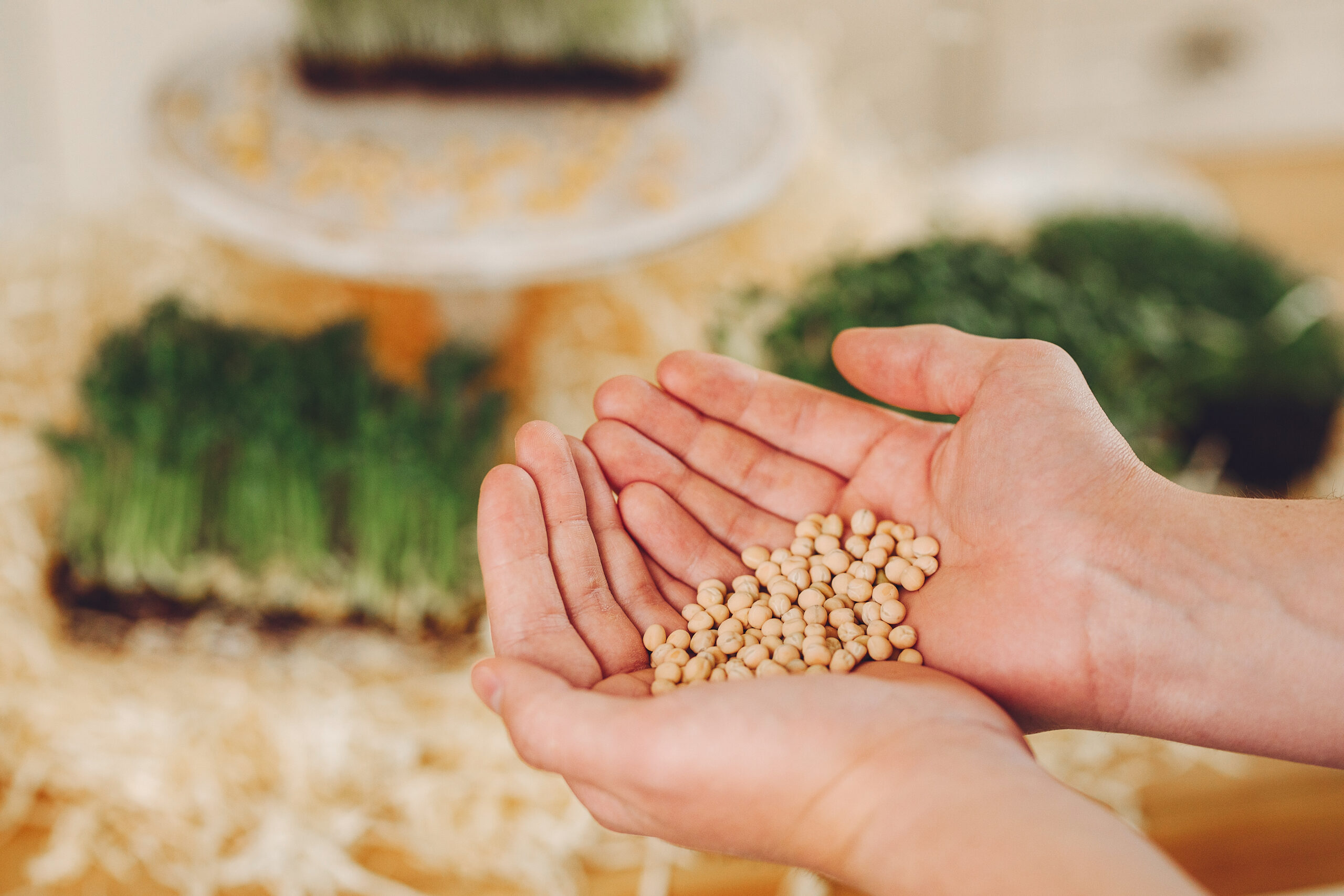


Feminized seeds have become one of the most searched and purchased cannabis seed types in the world. As more people look for reliable ways to grow cannabis plants with predictable results, feminized seeds are often the first option they encounter. This is because these seeds are designed to grow into female plants, which are the plants that produce flowers. Since cannabis flowers are the primary goal for most growers, feminized seeds are widely marketed as a practical and efficient choice.
To understand why feminized seeds are so popular, it helps to understand a basic fact about cannabis plants. Cannabis naturally grows as either male or female. Male plants do not produce flowers. Instead, they create pollen, which can fertilize female plants and cause them to produce seeds instead of usable flowers. For growers who want flower production, male plants are usually unwanted. Feminized seeds are created to reduce or eliminate the chance of male plants appearing, which saves time, space, and effort.
The rise in interest around feminized seeds also connects to changes in the cannabis seed market. Over the last two decades, cannabis seeds have shifted from informal exchanges to a structured global industry. Today, seeds are sold online by specialized sellers often called seed banks. These sellers list seeds by strain, growth traits, flowering time, and price. Feminized seeds are often highlighted because they appeal to buyers who want more predictable outcomes and fewer surprises during the growing process.
Another reason feminized seeds receive so much attention is ease of planning. When growers know that most or all of their plants will be female, they can better manage space, lighting, and nutrients. This predictability is especially important for people growing in limited environments, such as indoor setups or small outdoor areas. As a result, feminized seeds are often described as efficient, though it is still important for buyers to understand their limits and proper use.
Search engines show that many people looking for feminized seeds are not experts. Common questions include what feminized seeds are, how they are made, how much they cost, whether they are legal, and what happens after planting them. This guide is designed to answer those questions clearly and in plain language. Instead of focusing on marketing claims, the goal is to explain how feminized seeds work, what buyers should expect, and how to evaluate options when shopping.
This article also reflects how the cannabis seed market has grown more complex. Buyers now face hundreds of strain names, wide price differences, and many sellers claiming high quality. Without clear information, it can be difficult to know what matters and what does not. Understanding basic concepts such as strain categories, seed reliability, pricing factors, and storage conditions helps buyers make better decisions and avoid confusion.
It is also important to separate facts from assumptions. Feminized seeds are often described as a solution to many growing challenges, but they are not magic products. They still require proper conditions, careful handling, and realistic expectations. By explaining what feminized seeds can and cannot do, this guide helps readers form a balanced understanding before making a purchase.
Throughout this article, the focus will remain on education rather than opinion. The sections will walk through how feminized seeds are produced, how they compare to other seed types, which strains are commonly available, how pricing works, and what legal factors may apply. The guide will also explain what buyers should expect after purchasing seeds, from germination to later growth stages, without making promises or personal claims.
By the end of this guide, readers should have a clear picture of what feminized seeds are, why they are sold the way they are, and how to approach buying them with confidence. Whether someone is new to cannabis seeds or simply looking to understand the market better, this introduction sets the foundation for informed decision-making based on clear and practical information rather than hype or misunderstanding.
What Are Feminized Seeds?
Feminized seeds are cannabis seeds that are bred to grow into female plants only. This is important because only female cannabis plants produce buds. Buds are the part of the plant most growers are trying to harvest. Male plants do not produce buds. Instead, they produce pollen, which can fertilize female plants and reduce bud quality.
To fully understand feminized seeds, it helps to first understand how cannabis plants grow and why plant sex matters.
Understanding Male and Female Cannabis Plants
Cannabis is a plant species that naturally grows as either male or female. When grown from regular seeds, about half of the plants will usually turn out male and the other half female. The problem for many growers is that male plants do not produce usable flowers. Even worse, if a male plant releases pollen, it can fertilize nearby female plants. When this happens, the female plant puts its energy into making seeds instead of buds.
This is why growers often remove male plants as soon as they can identify them. However, identifying plant sex takes time, space, and experience. Feminized seeds were developed to solve this issue.
What Makes Feminized Seeds Different
Feminized seeds are designed to remove the chance of male plants. When grown under proper conditions, feminized seeds produce female plants at a very high rate, often above 99%. This means growers do not need to worry about spotting and removing males.
Unlike regular seeds, feminized seeds allow growers to use their full growing space efficiently. Every plant has the potential to produce buds. This makes feminized seeds especially useful for home growers, small-scale growers, and anyone working with limited space or plant limits.
Feminized seeds are also different from autoflower seeds. Autoflower seeds switch from growth to flowering based on age, not light cycles. Feminized seeds, on the other hand, still depend on light schedules to begin flowering. This gives growers more control over plant size and timing.
Are Feminized Seeds Genetically Modified?
A common question is whether feminized seeds are genetically modified. The simple answer is no. Feminized seeds are not genetically modified organisms (GMOs). They are produced through selective breeding techniques that encourage a female plant to produce pollen.
This pollen carries only female genetic material. When it fertilizes another female plant, the resulting seeds grow into female plants. No foreign DNA is added, and the plant’s natural genetics remain intact.
Because of this, feminized seeds are widely accepted in legal cannabis markets and are treated the same as other cannabis seeds under most regulations.
Why Feminized Seeds Are So Popular
Feminized seeds have become very popular because they save time, effort, and resources. Growers do not need to spend weeks caring for plants that may later be removed. Every seed planted has a clear purpose.
Another reason for their popularity is predictability. Growers can plan their grow cycles more accurately. They know how many flowering plants they will have, which helps with lighting, nutrients, and space planning.
Feminized seeds are also commonly used by commercial growers. Large-scale operations benefit from uniform crops and reduced labor. This consistency helps with scheduling harvests and managing production costs.
Common Terms Used With Feminized Seeds
When shopping for feminized seeds, buyers often see terms like “fem seeds,” “feminized genetics,” or “fem-only.” These terms all mean the same thing: the seeds are intended to grow into female plants.
Seed descriptions may also mention stability, reliability, or feminization rates. These terms refer to how often the seeds successfully produce female plants when grown under proper conditions.
Understanding this language helps buyers compare products and know what they are purchasing.
Who Feminized Seeds Are Best For
Feminized seeds are suitable for a wide range of growers. Beginners often prefer them because they reduce mistakes and simplify the growing process. Experienced growers use them for efficiency and control.
They are especially useful for people growing indoors, where space is limited and light cycles are carefully controlled. Outdoor growers also use feminized seeds, especially when plant counts are restricted by local laws.
Feminized seeds are cannabis seeds bred to produce female plants only. They help growers avoid male plants, protect bud quality, and make better use of space and time. These seeds are not genetically modified and rely on natural breeding methods. Their reliability, predictability, and ease of use have made them a standard choice in today’s cannabis seed market.
How Are Feminized Seeds Made?
Feminized seeds are created through a controlled breeding process designed to produce cannabis plants that grow as female. To understand how this works, it helps to first understand why female plants matter and how plant sex works in cannabis.
Cannabis plants can be either male or female. Female plants produce flowers, which are the parts of the plant that are typically cultivated. Male plants produce pollen and do not form usable flowers. Feminized seeds are made to reduce or remove the chance of male plants, making cultivation more predictable.
The Basic Idea Behind Feminization
Feminized seeds are created by forcing a female cannabis plant to produce pollen. This pollen is then used to fertilize another female plant, or sometimes the same plant. Because both parent plants are female, the seeds created from this process carry only female genetic material.
This does not involve changing the plant’s DNA or adding foreign genes. Instead, it uses the plant’s natural ability to respond to stress or specific treatments. The goal is to create seeds that grow into plants with female reproductive traits.
How Female Plants Are Made to Produce Pollen
Under normal conditions, female cannabis plants do not produce pollen. However, when exposed to certain controlled methods, a female plant can be encouraged to produce pollen sacs. This pollen does not carry male chromosomes.
There are two common ways breeders do this:
- Chemical induction
Breeders use specific compounds that block the plant’s natural hormone response. These compounds stop the plant from producing ethylene, a hormone that helps maintain female traits. When ethylene is blocked, the female plant begins to form pollen sacs. - Stress-based induction
In some cases, physical stress like light cycle disruption can cause a female plant to produce pollen. This method is less controlled and less commonly used by professional breeders because it can increase the chance of unstable genetics.
Most modern feminized seeds are made using chemical induction because it is more consistent and produces more reliable results.
Pollination and Seed Creation
Once the female plant produces pollen, that pollen is collected and used to fertilize the flowers of another female plant. After pollination, the fertilized flowers develop seeds. These seeds are harvested after they fully mature.
Because no male plant was involved, the resulting seeds are genetically programmed to grow into female plants. High-quality breeders carefully select parent plants with stable traits to reduce the risk of unwanted characteristics.
Is Feminization the Same as Genetic Modification?
Feminized seeds are not genetically modified organisms (GMOs). No genes are added, removed, or edited in a laboratory. The process relies on natural plant responses and selective breeding techniques.
This is similar to how many agricultural crops have been bred over time to enhance certain traits, such as size, yield, or resistance. Feminization is a breeding method, not genetic engineering.
Quality Control in Feminized Seed Production
Not all feminized seeds are made the same way or with the same level of care. Reputable breeders focus heavily on quality control during production. This includes:
- Selecting healthy and stable parent plants
- Avoiding plants with a history of stress-related traits
- Testing seed batches for germination rates
- Monitoring for signs of genetic instability
Poor breeding practices can result in seeds that are more likely to develop hermaphroditic traits, meaning the plant may produce both male and female parts. This is why seed quality and breeder transparency are important factors for buyers.
Why Production Methods Matter to Buyers
How feminized seeds are made directly affects what growers can expect later. Well-produced feminized seeds tend to show:
- High rates of female plants
- Consistent growth patterns
- Predictable flowering behavior
Seeds produced without proper controls may still be labeled as feminized but can behave unpredictably. Understanding the production process helps buyers make informed decisions when comparing seed sellers and prices.
Feminized seeds are made by using female cannabis plants to produce pollen and fertilize other female plants. This process ensures that the resulting seeds are genetically programmed to grow as female. It does not involve genetic modification, but instead uses controlled breeding methods and plant biology.
The quality of feminized seeds depends heavily on how carefully the process is managed. Reputable breeders use precise methods and strong quality control to create stable, reliable seeds. For buyers, knowing how feminized seeds are made helps set clear expectations and highlights why seed source and production standards matter.
Are Feminized Seeds Reliable?
When buying feminized seeds for sale, many buyers ask the same important question: how reliable are feminized seeds? Reliability usually means one thing in cannabis growing—will the seeds grow into female plants as promised? This section explains how reliable feminized seeds are, what level of success buyers can expect, and what factors may affect results.
Do Feminized Seeds Always Produce Female Plants?
Feminized seeds are bred to produce female cannabis plants, which are the plants that grow buds. In most cases, feminized seeds are highly reliable. Quality feminized seeds usually produce female plants more than 99% of the time.
However, no seed can be guaranteed to be perfect. Even with careful breeding and testing, a very small number of plants may still develop male traits. This does not mean feminized seeds are faulty. It means that plant genetics and growing conditions can still play a role.
Reputable seed sellers often explain this clearly and may list an expected success rate instead of promising 100% female plants. Buyers should see this as a sign of honesty rather than a weakness.
What Factors Can Affect Reliability?
While feminized seeds are designed to produce female plants, external factors can affect how the plant develops. These factors do not usually change the plant’s genetics, but they can trigger unwanted traits.
Common factors include:
- Stress during growth
Cannabis plants are sensitive. Strong stress can cause a female plant to develop male flowers. Stress can come from:- Poor lighting schedules
- Extreme heat or cold
- Overwatering or underwatering
- Physical damage to the plant
- Low-quality genetics
Not all feminized seeds are created equal. Seeds from poorly bred parent plants are more likely to show problems. Reliable breeders spend time testing plants before releasing seeds for sale. - Unstable growing environments
Sudden changes in temperature, humidity, or light can confuse the plant. Stable conditions help feminized seeds perform as expected.
Understanding these factors helps buyers know that reliability is shared between the seed quality and the way the plant is grown.
Hermaphroditism: What It Is and Why It Happens
One of the biggest concerns buyers have is hermaphroditism. This happens when a female cannabis plant develops both female and male parts. When this occurs, the plant may produce seeds instead of buds.
Hermaphroditism can happen for two main reasons:
- Genetic weakness
If a plant comes from unstable genetics, it may be more likely to develop male traits. This is why breeder reputation matters. - Severe stress
Even strong genetics can react to extreme stress. Long periods of poor care increase the risk.
It is important to understand that hermaphroditism is not unique to feminized seeds. Regular seeds can also produce hermaphroditic plants under stress. Feminized seeds are often unfairly blamed for this issue.
How Reputable Sellers Ensure Reliability
Reliable seed sellers take several steps to improve feminized seed performance:
- Using stable female parent plants
- Testing seeds across multiple grows
- Removing unstable genetics before sale
- Storing seeds properly to protect viability
Many sellers also provide information such as:
- Expected female percentage
- Germination rates
- Recommended growing conditions
Clear product descriptions help buyers know what to expect and reduce misunderstandings.
What Buyers Should Realistically Expect
Buyers should expect feminized seeds to:
- Produce female plants in nearly all cases
- Save time by removing the need to identify male plants
- Provide consistent results when grown in stable conditions
Buyers should not expect:
- Zero effort during growing
- Guaranteed results under poor conditions
- Identical performance across all environments
Feminized seeds are a tool, not a shortcut. Their reliability improves when combined with proper care and planning.
Feminized seeds are highly reliable when sourced from reputable sellers and grown in stable conditions. Most produce female plants at rates above 99%. While no seed is perfect, problems are rare and often caused by stress or poor genetics rather than the feminization process itself.
Feminized Seeds vs Regular vs Autoflower Seeds
When shopping for cannabis seeds, buyers usually see three main types: feminized seeds, regular seeds, and autoflower seeds. Each type has a different purpose and works best for certain growing goals. Understanding the differences helps buyers choose the right seeds and avoid costly mistakes.
What Are Regular Seeds?
Regular seeds are the most natural form of cannabis seeds. They produce both male and female plants. On average, about half of the plants grown from regular seeds will be male, and the other half will be female.
Male plants do not produce buds. Instead, they release pollen, which can fertilize female plants. This causes seeded buds and lowers flower quality. Because of this, growers must identify and remove male plants early in the growing cycle.
Key points about regular seeds:
- Produce both male and female plants
- Require extra time and skill to identify plant sex
- Often used by breeders for creating new strains
- Less predictable yields for beginners
Regular seeds are usually cheaper, but they require more work and experience. For buyers who want simple and predictable results, regular seeds may not be the best choice.
What Are Autoflower Seeds?
Autoflower seeds are designed to flower automatically based on age, not light cycles. This means they begin flowering after a few weeks, even if the light schedule stays the same.
Autoflower seeds are often crossed with cannabis ruderalis genetics. This gives them their automatic flowering trait and shorter growth cycle.
Key points about autoflower seeds:
- Flower automatically without light changes
- Shorter grow time, often 8–10 weeks
- Smaller plants with lower yield potential
- Limited control over plant size and timing
Many autoflower seeds are also feminized, but not all feminized seeds are autoflower. Autoflowers are popular with growers who want fast results or have limited space, but they offer less room for error and adjustment.
What Are Feminized Seeds?
Feminized seeds are bred to produce female plants only. Female plants are the ones that grow buds, which makes feminized seeds highly practical for most buyers.
Because feminized seeds remove the need to identify and remove male plants, they simplify the growing process. This makes them especially attractive to beginners and small-scale growers.
Key points about feminized seeds:
- Designed to produce female plants only
- No need to remove male plants
- Better use of space, time, and resources
- More predictable yields
Feminized seeds can be either photoperiod or autoflower. Most feminized seeds sold today are photoperiod, meaning they flower based on light schedule changes.
Key Differences Between Feminized, Regular, and Autoflower Seeds
1. Plant Sex Control
- Regular seeds: mixed male and female
- Autoflower seeds: may be feminized or regular
- Feminized seeds: female plants only
2. Grower Skill Level
- Regular seeds require experience to identify plant sex
- Autoflowers need careful timing but less light control
- Feminized seeds are easier for most growers
3. Yield Predictability
- Regular seeds can waste space due to male plants
- Autoflowers tend to produce smaller yields
- Feminized seeds offer consistent bud-producing plants
4. Growing Flexibility
- Regular and feminized photoperiod seeds allow training and longer veg time
- Autoflowers have limited recovery time from stress
Are Feminized Seeds Better Than Regular Seeds?
Feminized seeds are not better in every situation, but they are better for most buyers who want efficient and reliable results.
They reduce risk, save time, and make planning easier. Growers know exactly what they are planting and can use all available space for bud-producing plants.
Regular seeds are mainly useful for breeding or preserving genetic lines. Autoflowers are useful for fast cycles or discreet grows, but they are not always ideal for first-time growers.
Who Should Choose Feminized Seeds?
Feminized seeds are best suited for:
- Beginners learning to grow cannabis
- Growers with limited space
- Buyers who want predictable results
- Anyone focused on bud production rather than breeding
They offer a balance between control, yield, and ease of use.
Feminized seeds, regular seeds, and autoflower seeds each serve different purposes. Regular seeds offer genetic diversity but require more work. Autoflower seeds provide speed but limit control and yield. Feminized seeds focus on efficiency by producing female plants only.
Popular Feminized Seed Strains Available for Sale
When shopping for feminized seeds, strain selection is one of the most important decisions a buyer will make. Feminized seeds are available in a wide range of strains, each with different growth patterns, effects, flavors, and cultivation needs. Understanding how strains are grouped and what those groups mean can help buyers choose seeds that match their goals and growing conditions.
Feminized strains are usually divided into three main categories: indica-dominant, sativa-dominant, and hybrid. While these labels are not exact science, they are still widely used to describe plant structure, flowering time, and general effects.
Indica-Dominant Feminized Strains
Indica-dominant feminized strains are known for their compact size and shorter flowering time. These plants usually grow shorter and bushier, with thick stems and wide leaves. Because of their size, indica-dominant strains are often chosen by indoor growers or those with limited space.
Flowering times for indica-dominant feminized strains are typically shorter than other types. Many finish flowering in about 7 to 9 weeks. This faster cycle makes them appealing to growers who want quicker harvests.
In terms of yield, indica-dominant strains often produce dense, heavy buds. These buds may be smaller in number, but they are usually thick and tightly packed. This growth style can make trimming easier and more predictable.
Many indica-dominant feminized strains are also known for strong aromas and rich terpene profiles. Common scent descriptions include earthy, sweet, or spicy notes. These traits are often highlighted in seed listings to help buyers understand what to expect.
Sativa-Dominant Feminized Strains
Sativa-dominant feminized strains tend to grow taller and thinner than indica strains. These plants often have long branches, narrow leaves, and a more open structure. Because of their height, they are more commonly grown outdoors or indoors with enough vertical space.
Flowering times for sativa-dominant strains are usually longer. It is common for these plants to need 10 to 12 weeks, or even more, to fully flower. This longer cycle means growers need patience and stable growing conditions.
Sativa-dominant feminized strains are often chosen for their higher yield potential. When grown properly, they can produce large harvests with long, airy buds spread across many branches.
These strains are also known for bright and complex aromas. Citrus, fruit, herbal, and floral scents are often listed in strain descriptions. Because sativa-dominant plants can be more sensitive to stress, buyers should carefully review growing recommendations before choosing them.
Hybrid Feminized Strains
Hybrid feminized strains combine genetics from both indica and sativa plants. Most modern feminized seeds fall into this category. Hybrids are bred to balance growth traits, flowering times, and yields.
Some hybrids lean more toward indica traits, while others favor sativa characteristics. This information is usually stated clearly in seed descriptions, such as “indica-leaning hybrid” or “sativa-dominant hybrid.”
Hybrid feminized strains are popular because they offer flexibility. Many are designed to grow well indoors or outdoors, have moderate flowering times, and produce consistent yields. This makes them suitable for a wide range of growers, including beginners.
Classic Strains vs Newer Hybrids
Many feminized seeds are based on classic cannabis strains that have been refined over time. These older strains are often chosen for their stable genetics and predictable results. Buyers who value consistency may prefer these options.
Newer hybrid strains are usually created by crossing popular genetics to enhance specific traits, such as yield, aroma, or resistance to stress. These strains may offer improved performance, but availability can be limited depending on the seller.
Why Strain Availability Varies by Seller
Not all sellers carry the same feminized strains. Availability depends on breeder partnerships, production cycles, and regional demand. Some strains may be offered only in limited batches, while others are widely stocked year-round.
Seed banks often rotate their inventory, so popular strains may sell out quickly. Buyers should expect differences in selection, pricing, and packaging between sellers.
Feminized seed strains come in many forms, each with unique growth patterns and characteristics. Indica-dominant strains are compact and fast, sativa-dominant strains are taller and higher yielding, and hybrid strains offer balance and flexibility. Classic strains provide reliability, while newer hybrids focus on improved traits. Understanding these differences helps buyers choose feminized seeds that fit their space, timeline, and expectations.
How Much Do Feminized Seeds Cost?
The price of feminized seeds can vary widely. Many buyers search for feminized seeds for sale and quickly notice that prices are not the same across sellers. This section explains what feminized seeds usually cost, why prices differ, and what buyers should expect to pay.
Average Price Range for Feminized Seeds
Feminized seeds are usually more expensive than regular cannabis seeds. This is because they require extra work and testing during production.
- Single feminized seed: Often costs between $8 and $20
- Small packs (3–5 seeds): Commonly range from $25 to $70
- Medium packs (6–10 seeds): Usually cost $60 to $120
- Bulk packs (10+ seeds): Can range from $100 to $250 or more
Some sellers offer discounts when buying larger packs. Others sell single seeds for buyers who want to test a strain before buying more.
What Affects the Price of Feminized Seeds
Several factors influence how much feminized seeds cost. Understanding these factors helps buyers know why one product costs more than another.
Genetics and Breeder Reputation
Seeds created from stable and well-tested genetics usually cost more. Breeders invest time into selecting strong parent plants and testing results over many grow cycles. Seeds from known breeders often have higher prices because they offer consistent results.
New or experimental strains may also cost more due to limited supply.
Strain Type and Popularity
Some strains are more expensive simply because they are in high demand. Popular strain types include:
- High-yield strains
- Strains with rare terpene profiles
- Strains bred for specific climates or grow spaces
Limited-release or exclusive strains are often priced higher than standard varieties.
Seed Quantity per Pack
Buying seeds in larger quantities usually lowers the cost per seed. For example:
- One seed at $15
- Five seeds at $50 (about $10 per seed)
Bulk pricing rewards buyers who plan larger grows or long-term cultivation.
Production and Quality Testing
High-quality feminized seeds are tested for germination rates and genetic stability. This testing adds to production costs. Sellers who provide clear information about testing and storage often charge more, but the higher price reflects better quality control.
Domestic vs International Seed Pricing
Prices can differ depending on where the seller is located.
- Domestic sellers: Often charge slightly higher prices but offer faster shipping and fewer delivery risks.
- International sellers: May offer lower prices, but shipping costs, customs delays, or tracking limits can increase total cost.
Buyers should look at the full price, including shipping and handling, not just the seed price.
Why Feminized Seeds Cost More Than Regular Seeds
Regular seeds can produce both male and female plants. This means growers must identify and remove male plants later. Feminized seeds reduce this risk by producing mostly female plants.
Because feminized seeds save time, space, and resources, many buyers see the higher price as a practical trade-off. The added cost reflects the extra steps needed to create and test feminized genetics.
Are Cheap Feminized Seeds Worth Buying?
Lower prices do not always mean poor quality, but extremely low prices can be a warning sign. Cheap seeds may:
- Have low germination rates
- Come from unstable genetics
- Lack proper storage or testing
Buyers should be careful with deals that seem too good to be true. Checking product descriptions and seller transparency is often more important than price alone.
Additional Costs to Consider
Seed price is only one part of the total cost. Buyers may also need to consider:
- Shipping fees
- Insurance or tracking costs
- Payment processing fees
- Taxes or import fees in some regions
Some sellers bundle seeds with promotions, while others charge extra for secure packaging.
Feminized seeds usually cost more than regular seeds due to the extra work involved in producing them. Prices vary based on genetics, strain popularity, breeder reputation, and pack size. Buying larger packs often lowers the price per seed, while rare or high-demand strains cost more.
When shopping for feminized seeds, buyers should focus on overall value rather than the lowest price. Reliable genetics, clear product details, and proper testing often matter more than saving a few dollars upfront. Understanding these pricing factors helps buyers make informed and realistic purchasing decisions.
Where to Buy Feminized Seeds Online
Buying feminized seeds online is now common, but not all sellers operate in the same way. Knowing where to buy and how to judge a seller can help buyers avoid low-quality seeds, shipping problems, or legal risks. This section explains the main types of sellers, what to look for in a trustworthy seed source, and what to avoid.
Online Seed Banks and Marketplaces
Most feminized seeds are sold through online seed banks. These businesses specialize in cannabis genetics and sell seeds from one or many breeders. Some seed banks produce their own seeds, while others act as distributors for multiple breeders.
There are also seed marketplaces. These platforms list seeds from different sellers in one place. The marketplace handles payment and ordering, while the individual seller handles the seeds and shipping. This model gives buyers more choice but may require extra care when checking seller reliability.
Some growers also buy directly from breeders. These websites usually offer fewer strains, but they may provide more detailed information about genetics and breeding methods. Direct breeder sites are often used by experienced buyers looking for specific strains.
What to Look for in a Legitimate Seller
A reliable seller usually provides clear, detailed information. Product pages should explain whether the seeds are feminized, list strain genetics, and describe basic growing traits such as flowering time and plant size. If descriptions are very short or vague, that can be a warning sign.
Transparent sellers also explain where their seeds come from. This may include breeder names, strain lineage, or production methods. While not every seller shares full details, a complete lack of information can suggest poor-quality sourcing.
Customer support is another key factor. Legitimate sellers provide contact options such as email or support tickets. Some also include growing guides or buyer FAQs. A seller with no clear way to contact them should be treated with caution.
Germination and Quality Policies
Many established seed sellers offer some form of germination policy. This does not always mean a full refund, but it may include replacements or store credit if seeds fail to sprout under proper conditions. The policy should be easy to find and clearly written.
Even if a seller does not offer replacements, they should explain expected germination rates. This shows that seeds are tested and handled with care. Sellers who avoid discussing germination at all may not monitor seed quality closely.
Shipping Practices and Discretion
Shipping is an important part of buying feminized seeds online. Reputable sellers explain how they package seeds and where they ship. Many use discreet packaging to reduce attention during delivery.
Shipping timeframes should also be realistic. Sellers often list estimated delivery times by region. Very fast delivery claims, especially for international shipping, should be reviewed carefully.
Tracking options are another sign of professionalism. While not always available, tracking helps buyers follow their order and reduces uncertainty.
Payment Methods Commonly Accepted
Most seed sellers accept standard online payment options. These may include credit cards, bank transfers, or digital payment services. Some sellers also accept alternative methods to protect buyer privacy.
A legitimate seller clearly explains payment steps and provides confirmation after purchase. Buyers should be cautious if a website asks for payment through unusual or unsecured methods without explanation.
Common Red Flags to Avoid
Several warning signs may suggest a seller is unreliable. These include prices that are far lower than average, copied strain descriptions, or websites with poor grammar and broken links.
Another red flag is pressure tactics, such as countdown timers or repeated messages claiming seeds are “almost gone” without proof. While limited stock is sometimes real, aggressive sales tactics are often used to rush buyers.
Lack of independent information is also a concern. If a seller has no external mentions, guides, or history, buyers should take extra time to verify legitimacy.
Buying feminized seeds online can be simple when buyers know what to look for. Trustworthy sellers provide clear strain information, explain their policies, and use secure payment and shipping methods. Taking time to review seller details helps reduce risk and improves the chances of receiving healthy, viable seeds. Careful research before purchase is one of the most important steps in the buying process.
Are Feminized Seeds Legal to Buy?
One of the most common questions people ask before purchasing feminized seeds is whether they are legal to buy. The answer is not the same everywhere. Laws about cannabis seeds depend on where you live, how the seeds are sold, and what they are used for. This section explains the legal situation in a clear and simple way so readers know what to expect.
Understanding Cannabis Seed Legality
Cannabis seeds are often treated differently from cannabis plants. In many places, seeds do not contain THC, the chemical that causes intoxication. Because of this, some governments do not classify seeds as controlled substances. This means seeds may be legal to buy, sell, or own, even if growing cannabis plants is restricted or illegal.
However, legality often changes once the seed is planted. In many regions, the act of germinating or growing cannabis plants is regulated separately. This is an important distinction for buyers to understand. Buying seeds may be legal, but using them to grow plants may not be.
Difference Between Buying Seeds and Growing Plants
Many laws make a clear separation between:
- Purchasing or owning cannabis seeds
- Germinating seeds and growing cannabis plants
For example, some countries allow seeds to be sold as “souvenirs,” “collector items,” or for “research purposes.” In these cases, the sale of seeds is allowed, but growing them may still be illegal without proper authorization.
Because of this, seed sellers often include legal disclaimers. These statements explain that seeds are sold for lawful purposes only and that buyers are responsible for following local laws. This does not mean growing is legal. It only reflects how seed sales are regulated.
Legal Status Varies by Country and Region
Cannabis seed laws are not the same worldwide. Each country, and sometimes each state or province, sets its own rules. Some key differences include:
- Fully legal markets where buying and growing cannabis is allowed
- Medical-only regions where seeds may be limited to licensed patients
- Areas where seeds are legal, but cultivation is illegal
- Regions where both seeds and cultivation are prohibited
Even within the same country, laws may vary by location. For example, one state may allow home growing, while another does not. Because of this, buyers should never assume that seed legality is the same everywhere.
International Purchasing and Shipping Considerations
Many feminized seeds are sold online and shipped across borders. While a seller may legally ship seeds from their country, importing them may still violate local laws. Customs agencies can inspect packages and apply local regulations.
Some countries allow seeds to pass through customs without issue. Others may seize shipments or apply penalties. This risk depends on local enforcement practices and current regulations. Buyers should understand that international shipping can carry legal uncertainty.
Reputable sellers usually provide general information about shipping policies, but they cannot guarantee that seeds will be accepted by customs in every location.
Local Laws and Buyer Responsibility
In most cases, the responsibility falls on the buyer to understand local laws. Seed sellers typically operate under the laws of their own country, not the buyer’s. This means buyers should:
- Check national and local cannabis laws
- Understand whether seed possession is allowed
- Confirm whether germination or cultivation is legal
- Review penalties for non-compliance
Government websites and official legal resources are usually the most reliable sources for this information. Laws can change, so checking current regulations is important.
Why Legal Language Can Be Confusing
Cannabis laws often use technical or outdated language. Terms like “hemp,” “marijuana,” and “cannabis” may be defined differently depending on the law. Some regulations focus on THC levels, while others focus on the plant itself.
This can make seed legality confusing for first-time buyers. A seed may be legal under one definition but restricted under another. Because of this complexity, many people misunderstand what is allowed.
Feminized seeds may be legal to buy in many places, but this does not always mean they are legal to grow. Laws vary widely by country and region, and international purchases can involve additional risk. Buyers are responsible for knowing and following local regulations. Before purchasing feminized seeds, it is important to understand both seed ownership laws and cultivation rules. Taking the time to research these details helps buyers make informed and lawful decisions.
What to Expect After Buying Feminized Seeds
Once you buy feminized seeds, many growers wonder what happens next. Feminized seeds are designed to make the growing process more predictable, but it is still important to understand each stage so there are no surprises. This section explains what to expect from the moment you receive your seeds through harvest, using clear and simple language.
Receiving and Inspecting Your Seeds
When your feminized seeds arrive, they usually come in sealed packaging. Seeds are small and may look inactive, but this is normal. Healthy seeds are typically dark brown, gray, or lightly striped. They should feel firm when gently pressed. Pale, green, or cracked seeds may have lower chances of sprouting, though appearance alone does not guarantee success.
It is common for buyers to store seeds for a short time before planting. If you do not plan to plant right away, keep them in a cool, dark, and dry place. Many growers use airtight containers to protect seeds from moisture and light.
Germination: The First Stage
Germination is when the seed opens and a small white root appears. This stage usually takes between 1 and 7 days. Feminized seeds do not germinate faster than regular seeds, but they follow the same basic process.
During germination, seeds need warmth, moisture, and oxygen. Too much water can cause seeds to rot, while too little water can stop them from opening. Gentle handling is important because the first root is very delicate.
Not all seeds will sprout, even if they are feminized. Germination rates depend on seed quality, storage, and growing conditions. Reputable sellers often list expected germination rates so buyers know what to expect.
Early Growth: Seedling Stage
After germination, the seed becomes a seedling. At this stage, the plant develops its first small leaves and begins to grow upward. This period usually lasts 1 to 3 weeks.
Seedlings are sensitive to light, water, and temperature. Too much light can stress the plant, while too little light can cause weak growth. Overwatering is a common mistake during this phase. Feminized seedlings do not need special treatment compared to other cannabis seedlings, but consistent care is important.
At this stage, there is no visible difference between feminized plants and regular plants.
Vegetative Growth Stage
The vegetative stage is when the plant focuses on growing stems and leaves. This stage can last several weeks or longer, depending on the strain and growing method. Feminized plants grow just like any other female cannabis plant during this phase.
Growers often notice faster progress compared to regular seeds because there is no need to remove male plants later. This saves time, space, and resources.
During vegetative growth, plants need proper light cycles, nutrients, and airflow. Stress during this stage should be avoided, as stress can increase the risk of hermaphroditic traits even in feminized seeds.
Flowering Stage and Female Development
The flowering stage is when feminized seeds show their main advantage. Almost all plants will develop female flowers, which are responsible for producing buds.
This stage begins when light exposure changes or, for outdoor plants, when seasons shift. Female plants will develop small white hairs at their flowering sites. These hairs confirm the plant’s sex.
Feminized seeds reduce the risk of accidental pollination because male plants are not expected. This leads to better bud development and more consistent results. Flowering time varies by strain and may last from 6 to 12 weeks or more.
Yield Expectations
Yield depends on many factors, including genetics, growing environment, and care. Feminized seeds do not guarantee higher yields on their own, but they make yields more predictable.
Because all plants are female, growers can use their full growing space efficiently. This often results in better overall harvests compared to regular seeds, where male plants must be removed.
It is important to understand that advertised yields are estimates. Real results may be higher or lower depending on conditions.
Common Beginner Misconceptions
Many buyers believe feminized seeds are easier in every way. While they reduce certain risks, they still require proper care. Feminized seeds are not immune to stress, disease, or poor growing conditions.
Another misconception is that feminized seeds always perform the same. Even with stable genetics, individual plants can vary slightly in size, shape, and yield.
After buying feminized seeds, growers can expect a more predictable growing experience with fewer unwanted male plants. From germination to harvest, the process follows standard cannabis growth stages. Feminized seeds simplify planning and space use, but success still depends on proper care, stable conditions, and realistic expectations. Understanding each stage helps buyers avoid mistakes and make the most of their purchase.
Storage, Shelf Life, and Germination Rates
Feminized cannabis seeds are living biological material. How they are stored and handled has a direct effect on how long they remain viable and how well they germinate. Understanding proper storage, expected shelf life, and germination rates helps buyers protect their investment and set realistic expectations before planting.
Proper Storage Conditions for Feminized Seeds
The three main factors that affect seed longevity are temperature, light, and humidity. When seeds are exposed to heat, moisture, or light, their internal structure slowly breaks down. Over time, this reduces their ability to sprout.
The ideal storage environment for feminized seeds is:
- Cool (between 40–50°F or 4–10°C)
- Dark (no direct or indirect light)
- Dry (low humidity)
Many growers store seeds in airtight containers such as glass jars or sealed plastic cases. These containers help prevent moisture from entering. Adding a small silica gel packet can help control humidity inside the container. Seeds should never be stored in open bags or in areas where temperature changes often, such as near windows, heaters, or kitchen appliances.
Refrigeration is commonly used for long-term storage. When stored in a fridge, seeds should be sealed tightly to prevent condensation. Freezing seeds is generally not recommended unless done under professional storage conditions, as ice crystals can damage the seed embryo.
Shelf Life of Feminized Seeds
When stored correctly, feminized seeds can remain viable for two to five years, and in some cases longer. However, seed viability naturally declines over time, even under ideal conditions.
Fresh seeds usually have the highest germination rates. As seeds age, the internal moisture balance changes, which can slow or prevent germination. Older seeds may still sprout, but they often take longer and may produce weaker seedlings.
Several factors influence shelf life:
- Seed maturity at harvest
- Genetic stability
- Storage conditions during shipping and handling
Seeds that were improperly dried or exposed to heat before sale may have a shorter shelf life, even if they appear healthy on the outside.
Understanding Germination Rates
Germination rate refers to the percentage of seeds that successfully sprout under proper conditions. Reputable seed sellers often list expected germination rates, which commonly range from 80% to 95% for fresh feminized seeds.
It is important to understand that germination rates are not guarantees. They are based on controlled testing environments. Actual results depend on how the buyer handles and plants the seeds.
Common factors that affect germination include:
- Water temperature
- Moisture levels
- Oxygen access
- Planting depth
- Seed handling
Seeds that are overwatered, buried too deeply, or exposed to extreme temperatures may fail to germinate even if they are viable.
How Sellers Test Germination Rates
Professional seed producers typically test germination by placing a sample of seeds in controlled environments. These tests use consistent temperature, moisture, and airflow to measure how many seeds sprout within a set period.
Because only a sample is tested, the listed germination rate represents an average. This is why reputable sellers focus on quality control, proper packaging, and clear storage recommendations rather than promising perfect results.
Some sellers also include germination replacement policies. These policies usually require buyers to follow specific germination methods and timeframes.
Signs of Healthy Seeds Before Planting
While appearance alone does not guarantee viability, healthy feminized seeds usually have:
- A hard outer shell
- Dark or striped coloring
- No visible cracks or softness
Pale, green, or crushed seeds are more likely to have poor germination results. However, even visually healthy seeds can fail if they are old or stored improperly.
Feminized seeds can last for several years when stored in cool, dark, and dry conditions. Proper storage helps preserve germination rates and improves early plant development. Germination rates are influenced by seed age, genetics, and planting conditions, not just seed quality alone.
Buyers who understand storage methods, shelf life expectations, and germination factors are better prepared to achieve consistent results. Careful handling from purchase through planting is one of the most effective ways to protect seed performance and reduce loss.
Common Mistakes When Buying Feminized Seeds
Buying feminized seeds can save time and effort, but many buyers still make avoidable mistakes. These mistakes can lead to poor results, wasted money, or frustration later in the growing process. Understanding these common issues before you buy can help you make better choices and set realistic expectations.
Below are the most common mistakes buyers make when purchasing feminized seeds, explained clearly and in detail.
Misunderstanding Strain Descriptions
One of the most frequent mistakes is not fully understanding strain descriptions. Seed sellers often include details such as plant height, flowering time, yield potential, and effects. These descriptions are helpful, but they are not guarantees.
Some buyers assume that the plant will grow exactly as described, no matter the conditions. In reality, strain traits can change depending on light, temperature, nutrients, and grow space. For example, a strain listed as “high-yield” may not produce large harvests if grown in poor conditions.
Another issue is confusing strain names with strain behavior. Two strains with similar names may have very different genetics. Buyers should read the full description instead of relying only on the strain name or popularity.
Taking time to understand what each strain needs and what it can realistically deliver helps avoid disappointment.
Ignoring Climate or Grow Environment Compatibility
Not all feminized seeds perform well in every environment. A common mistake is buying seeds without considering where and how they will be grown.
Some strains are better suited for indoor growing, while others perform best outdoors. Certain strains need warm temperatures and long growing seasons. Others are more tolerant of cooler climates or limited space.
Buyers often focus on yield or strength and forget about practical limits such as ceiling height, ventilation, or local weather. This can result in plants growing too tall, flowering too late, or struggling to survive.
Matching the strain to your grow environment is just as important as choosing the right genetics.
Overpaying Due to Branding Alone
Price does not always reflect quality. Some buyers assume that higher-priced seeds are always better. While reputable breeders often charge more, branding alone should not be the main reason for paying extra.
Some seed sellers raise prices based on packaging, marketing, or strain hype rather than proven genetics. New growers may also buy expensive seeds without understanding what makes them different from standard options.
It is important to compare prices across sellers and look at what is included. Factors such as seed count, freshness, genetic stability, and germination guarantees matter more than branding alone.
Smart buyers focus on value, not just price.
Failing to Verify Seller Credibility
Another common mistake is buying from unreliable or unknown sellers. The internet offers many options, but not all seed sellers follow good practices.
Some sellers provide limited information about seed origin, storage, or quality testing. Others may ship poorly packaged seeds, leading to damage or low germination rates.
Buyers should look for clear product descriptions, transparent policies, and consistent contact information. While reviews should be read carefully, a complete lack of seller information is often a warning sign.
Taking time to verify the seller can prevent issues after purchase.
Assuming Feminized Seeds Are Always Problem-Free
Many buyers believe feminized seeds are guaranteed to be easy and perfect. While feminized seeds reduce the risk of male plants, they are not immune to problems.
Stress during growth can still cause issues such as hermaphroditism. Poor lighting, irregular watering, or extreme temperatures can affect plant development.
Expecting feminized seeds to fix all growing challenges can lead to careless habits. Proper care and stable conditions are still required.
Understanding the limits of feminized seeds helps growers stay realistic and attentive.
Buying Without Checking Local Laws
Some buyers forget to check local rules before purchasing feminized seeds. While seeds may be legal to buy in some areas, growing plants may not be allowed.
Shipping restrictions can also apply, especially for international orders. Ignoring these rules can result in lost packages or legal trouble.
Buyers should always review local regulations before placing an order.
Many mistakes when buying feminized seeds come from rushed decisions or unclear expectations. Common issues include misunderstanding strain descriptions, ignoring grow conditions, overpaying due to branding, and failing to research sellers. Some buyers also expect feminized seeds to be problem-free or forget to check local laws.
By slowing down, reading carefully, and matching seeds to real-world conditions, buyers can avoid these mistakes. A careful approach leads to better results, fewer surprises, and a more successful growing experience.
How to Evaluate Feminized Seed Quality Before Purchase
When buying feminized seeds for sale, seed quality is one of the most important factors to understand. High-quality seeds are more likely to germinate, grow into healthy plants, and perform as expected. Poor-quality seeds can lead to slow growth, weak plants, or failed germination. This section explains how buyers can evaluate feminized seed quality before making a purchase, using clear and practical indicators.
Seed Appearance and Physical Indicators
One of the first ways to judge seed quality is by looking at the seeds themselves. While appearance alone does not guarantee performance, it provides helpful clues.
High-quality feminized cannabis seeds are usually:
- Dark brown, gray, or black in color
- Covered with light stripes or a mottled pattern
- Firm and hard when gently pressed
Seeds that are pale green, white, or very light in color are often immature. These seeds may not germinate or may produce weak seedlings. Cracked shells, dents, or soft seeds can also be signs of damage or poor handling.
Size matters as well, but only to a point. Very small seeds may lack stored energy, while extremely large seeds can sometimes be the result of poor drying or storage. Uniform size across a pack often suggests better quality control by the seller.
Genetic Lineage and Strain Information
Reliable sellers provide clear information about the genetics behind their feminized seeds. This includes strain names, parent strains, and whether the genetics are stable.
Strong genetic lineage matters because it affects:
- Growth consistency
- Flowering time
- Yield potential
- Resistance to stress
Vague strain descriptions or missing genetic details can be a warning sign. Buyers should expect clear strain labeling and basic genetic background. While sellers may not reveal every breeding detail, they should explain whether the strain is indica-dominant, sativa-dominant, or hybrid, and what general traits to expect.
Stable genetics reduce the risk of hermaphroditic plants and unpredictable growth. Seed banks that invest in proper breeding and testing usually share this information openly.
Lab Testing and Quality Verification
Some sellers test their feminized seeds to confirm genetic stability and plant sex ratios. While not all seed banks publish lab results, reputable sellers often explain their testing methods.
Quality verification may include:
- Germination testing on sample batches
- Stability testing across multiple grows
- Internal quality control checks
Claims such as “99% feminized” or “high germination rate” should be backed by testing procedures. If a seller makes bold claims without explaining how they are measured, buyers should proceed with caution.
Testing does not guarantee perfect results, but it shows that the seller takes quality seriously and monitors their products.
Breeder Reputation and Seed Source
The breeder is just as important as the seed itself. Experienced breeders usually follow strict processes to maintain seed quality across batches.
Factors that suggest a reliable breeder include:
- Consistent strain availability
- Clear breeding descriptions
- Long-term presence in the market
Seeds that come from unknown or frequently changing sources may vary in quality. Reputable seed banks usually list the breeder or indicate whether seeds are in-house or sourced from established partners.
Consistency over time is a strong indicator of quality. Sellers who stand behind their genetics tend to focus on long-term trust rather than short-term sales.
Packaging and Handling Standards
Proper packaging protects feminized seeds from damage, moisture, and light. Quality sellers use packaging designed to preserve seed viability.
Common packaging features include:
- Protective blister packs or sealed tubes
- Moisture-resistant materials
- Clear labeling with strain name and batch details
Seeds shipped loosely or without protection may suffer from physical stress or temperature changes. While discreet packaging is common, it should not compromise seed safety.
Storage before shipping also matters. Seeds kept in controlled environments maintain higher germination rates than seeds stored in warm or humid conditions.
Transparency and Seller Information
Quality-focused sellers are transparent about their practices. This includes clear descriptions of seeds, pricing, shipping policies, and germination guarantees.
Signs of transparency include:
- Detailed product descriptions
- Clear refund or replacement policies
- Accessible customer support information
Lack of contact details, unclear policies, or confusing product listings can indicate lower-quality operations. Buyers should feel confident that the seller stands behind their products.
Evaluating feminized seed quality before purchase helps buyers avoid common problems and set realistic expectations. High-quality seeds usually show clear physical indicators, come with reliable genetic information, and are backed by responsible breeders and sellers. Proper packaging, transparent policies, and quality control testing further increase confidence in a purchase. By paying attention to these details, buyers can make informed decisions and reduce the risk of poor germination or unstable plant growth.
Conclusion: Making Informed Decisions When Buying Feminized Seeds
Buying feminized seeds is a practical choice for many people who want a more predictable growing experience. As explained throughout this guide, feminized seeds are bred to produce female plants, which are the plants that develop usable flowers. This single trait is the main reason they are widely sold and searched for. By removing most of the risk of male plants, feminized seeds help growers focus time, space, and resources on healthy plant development rather than early plant removal.
One of the most important points to understand is that feminized seeds are not the same as regular or autoflower seeds. Each seed type has a specific purpose. Feminized seeds are designed for growers who want control over plant sex and are comfortable managing the vegetative and flowering stages manually. Knowing this difference helps buyers avoid confusion and choose seeds that match their growing setup, timeline, and experience level. Making the wrong choice can lead to unexpected results, wasted money, or poor yields.
Strain selection is another key factor in making an informed purchase. Feminized seeds are sold in many strain types, including indica-dominant, sativa-dominant, and hybrid varieties. Each strain can differ in growth height, flowering time, yield potential, and environmental needs. Reading strain descriptions carefully helps buyers understand what to expect before planting. This step is especially important because strain names alone do not explain how a plant will grow or how much care it may require.
Pricing is also a major consideration. Feminized seeds often cost more than regular seeds because of the extra work involved in producing them. Prices can vary based on genetics, breeder reputation, seed quantity, and availability. Higher prices do not always mean better results, but very low prices can be a warning sign. Understanding average price ranges allows buyers to spot unrealistic offers and avoid low-quality products.
Where seeds are purchased matters just as much as which seeds are chosen. Reliable sellers usually provide clear strain information, explain their breeding methods, and outline shipping and payment policies. They also package seeds carefully to protect them during transport. While many sellers operate online, not all follow the same standards. Taking time to review seller details helps reduce the risk of receiving poor-quality or mislabeled seeds.
Legal considerations should never be overlooked. Laws around cannabis seeds are different from laws about growing plants, and these rules vary by country and region. In some places, seeds may be legal to buy but not legal to grow. Buyers are responsible for knowing and following local regulations before making a purchase. Understanding the legal side helps prevent avoidable problems after seeds arrive.
Knowing what to expect after buying feminized seeds is also essential. While these seeds are designed to produce female plants, results still depend on proper care. Environmental stress, poor storage, or incorrect growing conditions can affect plant development. Feminized seeds reduce risk, but they do not remove the need for careful handling and planning. Realistic expectations help growers prepare for each stage of growth, from germination to harvest.
Seed storage and shelf life are often overlooked but play an important role in success. Feminized seeds can remain viable for years when stored correctly, but poor conditions can lower germination rates. Buyers should understand how seeds are stored before purchase and how to store them afterward. This knowledge protects the investment and improves planting outcomes.
Finally, avoiding common buying mistakes can save time and money. Misreading strain information, ignoring climate needs, or choosing sellers without research are frequent issues. Evaluating seed quality, seller transparency, and product details before buying helps reduce these risks. Informed buyers are more likely to have consistent results and fewer surprises.
In summary, feminized seeds are a well-established option in the cannabis seed market. They offer predictability, efficiency, and wide strain availability. However, successful buying decisions depend on understanding seed types, pricing, legality, seller reliability, and realistic growing expectations. Careful research and clear planning allow buyers to make choices based on facts rather than assumptions. By using the information in this guide, readers can approach feminized seed purchases with confidence, clarity, and a strong foundation for informed decision-making.
Research Citations
Timoteo Junior, A. A., & Oswald, I. W. H. (2024). Optimized guidelines for feminized seed production in high-THC Cannabis cultivars. Frontiers in Plant Science, 15, 1384286.
Flajšman, M., Slapnik, M., & Murovec, J. (2021). Production of feminized seeds of high CBD Cannabis sativa L. by manipulation of sex expression and its application to breeding. Frontiers in Plant Science, 12, 718092.
Lubell, J. D., & Brand, M. H. (2018). Foliar sprays of silver thiosulfate produce male flowers on female hemp plants. HortTechnology, 28(6), 743–747.
Owen, L. C., Suchoff, D. H., & Chen, H. (2023). A novel method for stimulating Cannabis sativa L. male flowers from female plants. Plants, 12(19), 3371.
Kim, J., Kim, D.-G., Kim, W. J., Lee, Y.-J., Lee, S. H., Ryu, J., Kim, J. H., & Kim, S. H. (2024). Characterization of male flower induction by silver thiosulfate foliar spray in female cannabis at the middle reproductive stage for breeding. Plants, 13(17), 2429.
Mohan Ram, H. Y., & Sett, R. (1982). Induction of fertile male flowers in genetically female Cannabis sativa plants by silver nitrate and silver thiosulphate anionic complex. Theoretical and Applied Genetics, 62(4), 369–375.
Ram, H. Y., & Jaiswal, V. S. (1972). Induction of male flowers on female plants of Cannabis sativa by gibberellins and its inhibition by abscisic acid. Planta, 105(3), 263–266.
Veen, H. (1983). Silver thiosulphate: An experimental tool in plant science. Scientia Horticulturae, 20, 211–224.
Baek, Y., & Vergara, D. (2025). A review of sexual strategies in Cannabis sativa L. under genomic and environmental controls. Agrosystems, Geosciences & Environment, 8(1), e70050.
Campbell, L. G., Peach, K., & Wizenberg, S. B. (2021). Dioecious hemp (Cannabis sativa L.) plants do not express significant sexually dimorphic morphology in the seedling stage. Scientific Reports, 11(1), 16825.
Questions and Answers
Q1: What are feminized seeds?
Feminized seeds are specially bred seeds that are designed to produce only female plants, which are the ones that grow flowers. This helps growers avoid male plants that do not produce usable buds.
Q2: Why are feminized seeds for sale popular among growers?
Feminized seeds for sale are popular because they save time, space, and resources by eliminating the need to identify and remove male plants during the growing process.
Q3: How are feminized seeds made?
Feminized seeds are created by stressing a female plant or using specific breeding techniques so it produces pollen, which is then used to pollinate another female plant, resulting in seeds that are almost entirely female.
Q4: Are feminized seeds guaranteed to produce female plants?
While no seed is 100% guaranteed, high-quality feminized seeds typically produce female plants at a rate of 99% or higher when grown under proper conditions.
Q5: Do feminized seeds cost more than regular seeds?
Yes, feminized seeds for sale usually cost more than regular seeds because the breeding process is more complex and requires greater expertise and control.
Q6: Are feminized seeds suitable for beginners?
Yes, feminized seeds are ideal for beginners because they simplify the growing process and reduce the risk of accidentally growing male plants.
Q7: Can feminized seeds be grown indoors and outdoors?
Feminized seeds can be grown both indoors and outdoors, as long as the environmental conditions such as light, temperature, and nutrients are properly managed.
Q8: Do feminized seeds affect yield or potency?
Feminized seeds do not negatively affect yield or potency. In fact, because all plants are female, growers often see more consistent yields compared to regular seeds.
Q9: Are feminized seeds legal to buy?
The legality of feminized seeds for sale depends on local laws and regulations, so buyers should always check their regional rules before purchasing.
Q10: How should feminized seeds be stored before planting?
Feminized seeds should be stored in a cool, dark, and dry place, preferably in an airtight container, to maintain their viability until planting.