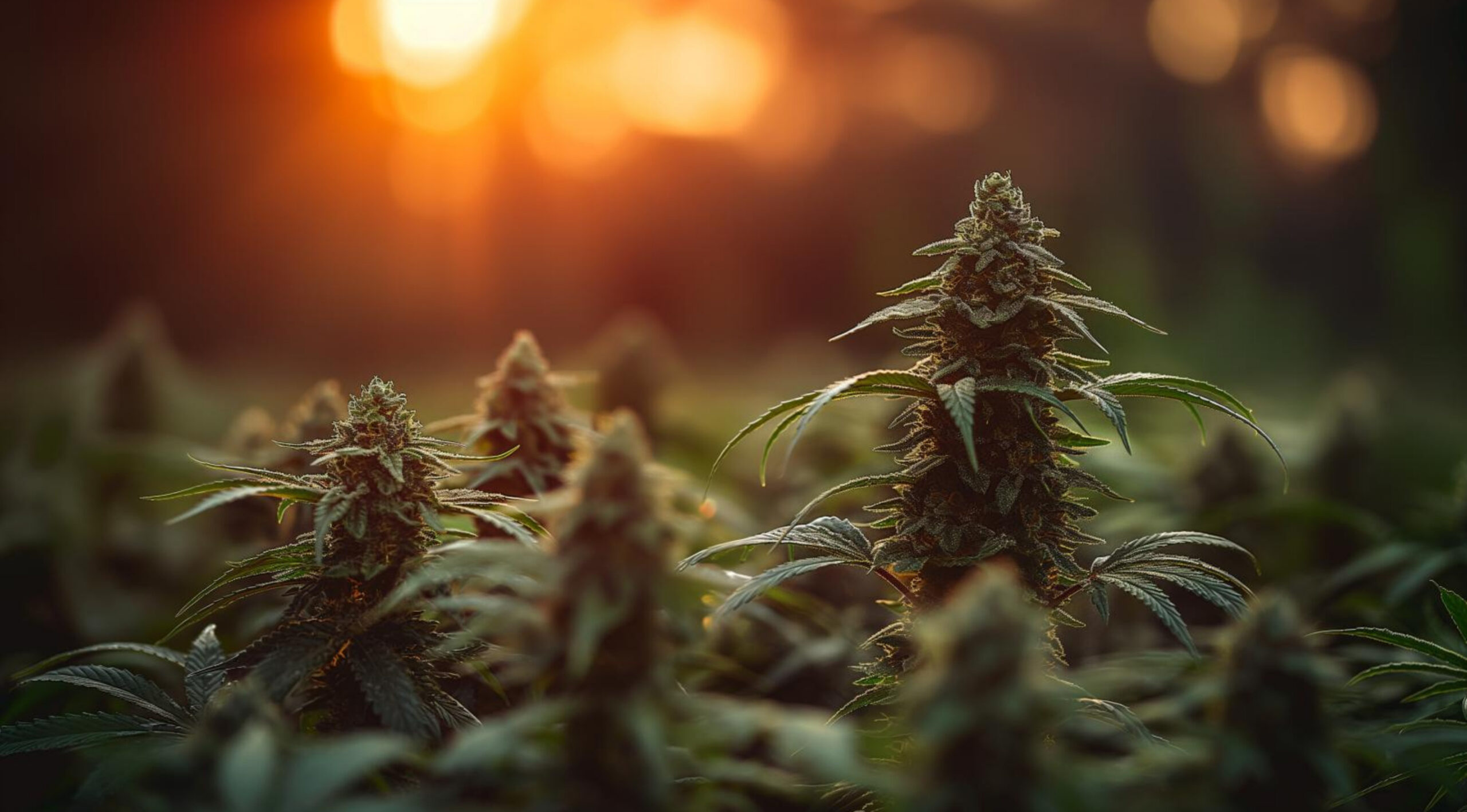


Feminized cannabis seeds have become a major topic in the United States as more people search for clear and reliable information about cannabis cultivation. The phrase “feminized seeds USA” appears often in search engines, showing strong interest from growers who want to understand what these seeds are, how they work, and why they are so widely used. This interest is tied to changes in cannabis laws, growth in home cultivation, and a wider focus on efficiency and consistency when growing cannabis plants.
To understand feminized seeds, it helps to first understand that cannabis plants naturally grow as either male or female. Female plants produce flowers, which are the parts of the plant that contain cannabinoids such as THC and CBD. Male plants do not produce these flowers. Instead, they produce pollen, which can fertilize female plants and reduce flower quality. Because of this, most growers aim to grow only female plants. Feminized seeds are designed to meet this goal by producing plants that are almost always female.
In the past, growers used regular cannabis seeds. These seeds had about a 50 percent chance of becoming male or female. This meant growers had to wait until plants showed their sex, then remove the males. This process took time, space, and attention. Feminized seeds were developed to reduce this uncertainty. When planted under proper conditions, they are bred to grow into female plants, which makes cultivation more predictable and easier to manage.
The growing popularity of feminized seeds in the United States is also connected to how and where people grow cannabis. Many American growers use indoor spaces, small home gardens, or limited outdoor areas. In these settings, every plant matters. Growing male plants by accident can waste space and resources. Feminized seeds help avoid this issue by increasing the chance that every plant will produce usable flowers. This is one of the main reasons the topic continues to draw attention from both new and experienced growers.
Another reason feminized seeds are widely searched in the U.S. is the complex legal environment. Cannabis laws vary between federal and state levels. While the legality of growing cannabis plants depends on state laws, cannabis seeds themselves are often treated differently. Many people want clear explanations of what is allowed, what is restricted, and how feminized seeds fit into these rules. Understanding the legal context is important for anyone researching cannabis cultivation in the United States.
This article focuses on explaining feminized seeds in a clear and simple way. It does not promote or discourage cannabis use. Instead, it provides factual information about what feminized seeds are, how they are made, and why they are commonly used. It also explains how feminized seeds compare to other types of seeds, such as regular and autoflower seeds. These comparisons help readers understand why feminized seeds are often chosen for specific growing goals.
The article also addresses the most common questions people ask search engines about feminized seeds in the USA. These questions include whether feminized seeds are legal, how reliable they are, and whether they are suitable for beginners. Each question reflects a real need for clear and accurate information. By answering them directly, the article aims to reduce confusion and help readers build a basic understanding of the topic.
It is important to note that feminized seeds are not a new invention, but their use has increased as cannabis cultivation has become more organized and science-based. Advances in plant breeding have made feminized seeds more stable and consistent than early versions. As a result, they are now a standard option in many cultivation settings across the United States.
By the end of this article, readers should have a strong foundation in what feminized cannabis seeds are and why they are so common in the U.S. cannabis space. The following sections will explore the science, legality, comparisons, and practical reasons behind their use, all written in clear language that is easy to understand.
What Are Feminized Cannabis Seeds?
Feminized cannabis seeds are seeds that are specially produced to grow into female cannabis plants. In cannabis cultivation, plant sex matters because only female plants produce the flowers that contain cannabinoids such as THC and CBD. Male plants do not produce usable flowers and are usually removed early in the growing process. Feminized seeds are designed to solve this issue by greatly reducing the chance of male plants.
To understand feminized seeds, it helps to first understand how cannabis plants reproduce. Cannabis is a dioecious plant, which means it normally grows as either male or female. When regular cannabis seeds are planted, each seed has about a 50% chance of becoming male and a 50% chance of becoming female. This natural split creates uncertainty for growers, especially those with limited space or strict plant limits.
Feminized seeds are created so that nearly every seed grows into a female plant. In most cases, the success rate is between 99% and 99.9% female. This high level of predictability is the main reason feminized seeds are widely used in modern cannabis cultivation.
How Feminized Seeds Are Different From Regular Seeds
Regular cannabis seeds are produced through natural pollination between a male and a female plant. Because male pollen carries both male and female genetic traits, the resulting seeds develop randomly into either sex. This means growers must wait several weeks into the growth cycle to identify and remove male plants.
Feminized seeds, on the other hand, are produced without male plants. Instead, breeders cause a female plant to produce pollen. This pollen only carries female genetic material. When that pollen fertilizes another female plant, the resulting seeds lack male chromosomes. As a result, the seeds grow into female plants almost every time.
This process does not involve genetic modification. Feminized seeds are not genetically engineered. They are created using controlled breeding methods that guide the plant’s natural biology.
How Feminized Seeds Are Different From Autoflower Seeds
It is common for new growers to confuse feminized seeds with autoflower seeds, but they are not the same thing. Feminized seeds are about plant sex, while autoflower seeds are about flowering time.
Feminized seeds can still be photoperiod plants. This means they flower based on light cycles, usually switching to flowering when they receive about 12 hours of darkness per day. Autoflower seeds flower automatically after a set number of weeks, regardless of light schedule.
Some autoflower seeds are also feminized, which means they are female and flower automatically. However, not all feminized seeds are autoflowers.
Why Feminized Seeds Focus on Female Plants
Female cannabis plants are valuable because they produce buds, also called flowers. These flowers contain trichomes, which hold cannabinoids and terpenes. Male plants produce pollen sacs instead of buds. If male plants release pollen near female plants, the females will focus on seed production instead of flower development. This leads to lower-quality and lower-yield harvests.
By planting feminized seeds, growers avoid this problem almost entirely. They do not need to search for and remove male plants, and they reduce the risk of accidental pollination. This makes feminized seeds especially useful in indoor growing environments and small outdoor gardens.
How Reliable Are Feminized Seeds?
Feminized seeds are very reliable when they come from proper breeding practices. However, they are not completely immune to problems. Extreme stress, such as poor lighting, unstable temperatures, or improper feeding, can sometimes cause female plants to develop both male and female traits. This is known as hermaphroditism.
It is important to understand that this risk exists for all cannabis plants, not just feminized ones. Stable genetics and proper growing conditions greatly reduce this risk.
Feminized cannabis seeds are seeds bred to grow into female plants almost every time. They remove the uncertainty found in regular seeds and help growers focus on flower production instead of plant sex. Feminized seeds are not genetically modified, and they rely on controlled breeding methods that work with the plant’s natural biology.
By understanding how feminized seeds are made and how they differ from other seed types, growers can better decide whether they fit their cultivation goals. Feminized seeds are mainly about predictability, efficiency, and producing flower-focused plants under controlled conditions.
Why Do Growers Prefer Female Cannabis Plants?
Cannabis plants can grow as either male or female. While both are part of the cannabis life cycle, growers usually prefer female plants. This preference is based on biology, efficiency, and cultivation goals. Understanding the difference between male and female plants helps explain why feminized seeds are so widely used.
The Role of Female Plants in Cannabis Production
Female cannabis plants are the ones that produce flowers, often called buds. These flowers contain cannabinoids such as THC and CBD, as well as aromatic compounds called terpenes. These substances are what most growers aim to harvest.
Male plants do not produce usable flowers. Their main role is to release pollen so they can fertilize female plants. Once a female plant is pollinated, it shifts its energy away from flower growth and instead focuses on making seeds. This reduces the size, quality, and cannabinoid content of the flowers.
Because of this, growers who want high-quality flowers focus on growing female plants only. Feminized seeds help ensure that most or all plants will be female, making flower production more reliable.
Why Male Plants Are Usually Removed
In most cannabis grows, male plants are removed as soon as they are identified. This is done to protect the female plants from pollination. Even one male plant can release pollen that affects an entire grow space.
Pollination leads to seeded buds, which are often smaller and less potent. Seeded flowers also have a different texture and are harder to process. For growers focused on flower quality, this outcome is unwanted.
Identifying and removing male plants takes time and experience. Feminized seeds reduce or remove the need for this step, making the growing process simpler and more controlled.
Efficiency in Time, Space, and Resources
Growing cannabis takes time, space, water, nutrients, and energy. When regular seeds are used, about half of the plants may turn out male. This means growers may spend weeks caring for plants that will later be removed.
Female-only plants make better use of available resources. Every plant grown has the potential to produce flowers, which improves overall efficiency. This is especially important for growers with limited space, such as indoor or home setups.
By starting with feminized seeds, growers can plan their grow more accurately. They know how many flowering plants they will have, which helps with spacing, lighting, and feeding schedules.
Predictable Growth and Planning
Female plants have a predictable role in cultivation. Once flowering begins, growers can focus on bud development rather than plant sex. This makes planning easier, especially for those following a fixed grow schedule.
Predictability also helps with learning and skill building. New growers can focus on plant health, light cycles, and nutrient balance without worrying about identifying male plants. This creates a smoother growing experience and reduces early mistakes.
For commercial or regulated environments, predictable plant outcomes are also important. Knowing that plants will flower as expected helps with compliance, inventory planning, and production timelines.
Consistency in Yield and Quality
Female plants that are not pollinated put all their energy into flower growth. This leads to larger buds and more consistent yields. Feminized seeds help create uniform plant groups, where plants grow and flower at similar rates.
Consistency is useful for both personal and larger-scale grows. It allows growers to harvest at the right time and process plants more efficiently. It also reduces variation in plant size and structure, which can complicate care and harvesting.
Reduced Risk During Cultivation
Male plants introduce a level of risk to cannabis cultivation. If a male plant is missed or identified too late, pollination can occur. This can affect the entire crop.
Female-only grows reduce this risk. While no method is perfect, feminized seeds greatly lower the chance of unexpected males. This added control helps protect the grow from unwanted outcomes.
Growers prefer female cannabis plants because they are the source of usable flowers. Female plants produce buds rich in cannabinoids and terpenes, while male plants do not. Male plants are usually removed to prevent pollination, which lowers flower quality. Feminized seeds improve efficiency by saving time, space, and resources. They also offer more predictable growth, consistent yields, and reduced risk during cultivation. These practical advantages explain why female plants are the focus of most modern cannabis growing methods.
What Does “Feminized Seeds USA” Mean?
The term “feminized seeds USA” is often seen in online searches, seed catalogs, and educational articles. While it may look simple, the phrase combines several important ideas. Understanding what it really means helps growers know what they are buying, where the seeds come from, and how U.S. laws and systems affect them.
At its core, “feminized seeds USA” refers to feminized cannabis seeds that are sold, shipped, produced, or marketed for the United States. The phrase does not describe a new type of seed. Instead, it connects feminized seeds to the legal, geographic, and commercial environment of the U.S.
Feminized Seeds Explained in a U.S. Context
Feminized seeds are cannabis seeds that are bred to grow into female plants. Female plants are the ones that produce usable cannabis flowers. This part of the term stays the same worldwide.
What changes is the “USA” part. When growers search for “feminized seeds USA,” they are usually looking for seeds that are:
- Available to U.S. residents
- Shipped from within the United States or legally imported
- Sold in a way that follows U.S. federal and state laws
This matters because cannabis laws differ greatly from country to country. Seeds that are legal to sell in one place may face restrictions in another.
Why the Term Is Common in Online Searches
Many growers include “USA” in their search because they want clarity and safety. They want to know:
- If the seeds can be shipped to their state
- If buying the seeds follows U.S. law
- If shipping will be faster and more reliable
Search engines show that users often add location terms when laws or rules are unclear. Cannabis is a strong example of this. The phrase “feminized seeds USA” helps narrow results to sellers and information that apply to American growers.
U.S.-Based Seed Production vs. International Seeds
Some feminized seeds sold in the U.S. are produced domestically. Others are bred in other countries and later sold in the American market.
U.S.-based seed operations may offer benefits such as:
- Shorter shipping times
- Seeds bred for American climates
- Clearer labeling under U.S. rules
International seeds can still be sold legally, but they often go through more steps. These may include customs checks, longer delivery times, and higher shipping costs. Because of this, many growers prefer seeds already located in the U.S.
Legal and Regulatory Factors in the United States
The word “USA” also signals legal awareness. In the United States, cannabis laws are complex. Seeds are treated differently than mature plants. In many cases, cannabis seeds are legal to buy and own at the federal level because they contain little to no THC.
However, growing cannabis plants depends on state law. This means a grower may legally buy feminized seeds but still need to follow state rules before planting them.
Because of this legal mix, sellers often label products clearly for the U.S. market. The phrase “feminized seeds USA” helps show that the seeds are intended for lawful handling within the country.
Shipping, Payment, and Consumer Protections
Another meaning behind the term relates to business practices. Seeds sold under “USA” listings usually follow U.S. shipping standards and consumer rules. This may include:
- Domestic shipping carriers
- Tracking and delivery options
- Payment methods common in the U.S.
For many buyers, this adds confidence. It reduces concerns about lost packages or unclear business terms.
Why Growers Search for U.S.-Specific Feminized Seeds
American growers often face limits on plant counts, space, and time. Feminized seeds already help with efficiency by reducing unwanted male plants. When paired with U.S.-based sourcing, they also reduce legal and shipping risks.
This is why the term “feminized seeds USA” has become so common. It reflects a need for clarity, legality, and convenience rather than a difference in the seed itself.
“Feminized seeds USA” means feminized cannabis seeds that are offered in a way that fits the U.S. market. The seeds are genetically the same as feminized seeds sold elsewhere, but the label points to American laws, shipping systems, and buyer needs.
For growers, the phrase helps narrow choices to seeds that are accessible, legally handled, and practical to obtain within the United States. Understanding this term helps readers make sense of how feminized seeds fit into the larger U.S. cannabis landscape.
Are Feminized Seeds Legal in the United States?
The legality of feminized cannabis seeds in the United States can be confusing. This is because U.S. law treats seeds, plants, and finished cannabis products differently. To understand whether feminized seeds are legal, it is important to look at federal law, state law, and how cannabis is classified.
Federal Law and Cannabis Seeds
At the federal level, cannabis law is based on the Controlled Substances Act (CSA). Under this law, marijuana is classified as a controlled substance. However, cannabis seeds are treated differently from cannabis plants and flowers.
Cannabis seeds do not naturally contain significant amounts of THC, the compound responsible for psychoactive effects. Because of this, seeds are generally not considered illegal drugs by themselves under federal law. This is why cannabis seeds, including feminized seeds, can be sold and shipped in many parts of the United States.
Most seed sellers describe seeds as being sold for souvenir, novelty, or genetic preservation purposes. This wording is important because federal law still restricts the cultivation of marijuana plants, even if the seeds themselves are legal to possess.
Hemp vs. Marijuana Classification
Another key factor is the legal difference between hemp and marijuana. Under the 2018 Farm Bill, hemp is defined as cannabis that contains 0.3% THC or less by dry weight. Hemp and hemp-derived products are legal at the federal level.
Seeds from cannabis plants fall into a gray area. A seed does not yet meet the definition of hemp or marijuana because it has not grown or produced THC. This means feminized seeds are usually legal to buy and own, even if the plants they could produce may later be regulated.
Once a seed is planted and grows into a plant that produces more than 0.3% THC, it is legally considered marijuana under federal law. At that point, federal restrictions apply.
State Laws and Growing Cannabis
While federal law matters, state laws play a major role in cannabis cultivation. Many U.S. states allow medical or adult-use cannabis growing under specific rules. These rules may include limits on plant numbers, licensing requirements, or restrictions on who can grow.
In states where home cultivation is legal, feminized seeds are commonly used because they help growers stay within legal plant limits. Since feminized seeds are designed to produce female plants, growers are less likely to exceed allowed plant counts by accidentally growing male plants.
In states where cannabis cultivation is illegal, owning feminized seeds may still be legal, but planting them would not be. This difference is important. Possession of seeds is often legal, while cultivation may not be.
Interstate Shipping and Seed Sales
Feminized seeds are often sold online and shipped across state lines. This is generally allowed because seeds themselves are not classified as illegal drugs. However, once seeds are planted, growers must follow their local and state laws.
Seed companies operating in the U.S. usually follow strict shipping and labeling practices. These practices are designed to comply with federal rules while allowing consumers access to genetics without directly violating cultivation laws.
Why Legal Language Can Be Confusing
Many growers are unsure about legality because cannabis laws change often and vary by location. Some laws use broad language, while others are very specific. This creates confusion around what is allowed and what is not.
It is also important to understand that law enforcement priorities differ. While seed possession is rarely targeted, illegal cultivation can still lead to legal consequences depending on state and federal enforcement policies.
Seeds vs. Plants: A Critical Difference
The most important legal point is the difference between owning seeds and growing plants. Feminized seeds are generally legal to possess in the United States. Growing cannabis plants is regulated separately and depends on state law.
This distinction explains why feminized seeds are widely available even though cannabis cultivation is still restricted in some areas.
Feminized cannabis seeds are generally legal to buy, sell, and possess in the United States because they do not contain THC and are not classified as controlled substances. Federal law allows seed sales, while state laws control whether cannabis plants can be grown. The key legal difference is that seeds are usually legal, but cultivation depends on local rules. Understanding this distinction helps growers stay informed and compliant with U.S. cannabis laws.
How Are Feminized Seeds Made?
Feminized cannabis seeds are created using controlled plant breeding methods. The goal of these methods is simple: to produce seeds that grow into female cannabis plants instead of male plants. To understand how this works, it helps to first understand how cannabis plants normally reproduce.
Cannabis plants are naturally dioecious, which means male and female flowers usually grow on separate plants. Male plants produce pollen, while female plants produce flowers that can develop seeds when pollinated. Feminized seed production works by carefully controlling this process so that only female genetics are involved.
Understanding Plant Hormones and Sex Expression
Plant sex is influenced by hormones. In cannabis plants, one key hormone is ethylene. Ethylene helps promote female flower development. When ethylene levels are reduced or blocked, a female plant can be encouraged to produce male pollen sacs.
This does not mean the plant becomes male. Instead, it is still genetically female, but it temporarily produces pollen due to hormone changes. This pollen carries only female chromosomes.
Using Ethylene Inhibition Techniques
To create feminized seeds, breeders use substances that limit or block ethylene production in a female cannabis plant. The most common methods include:
- Silver thiosulfate (STS)
- Colloidal silver
These substances interfere with ethylene signals inside the plant. When applied correctly, the female plant starts to produce pollen sacs instead of flowers. This process is done under controlled conditions to avoid damaging the plant or affecting seed quality.
Only trained breeders typically perform this step, because incorrect use can stress the plant or reduce seed viability.
Pollination Using Female-Only Pollen
Once the treated female plant produces pollen, that pollen is collected. Since the pollen comes from a genetically female plant, it does not carry male chromosomes.
This pollen is then used to pollinate another female cannabis plant. Sometimes the same plant is used, and sometimes a second female plant with different genetics is chosen. When pollination occurs, the female plant produces seeds.
Because both parent plants are female, the resulting seeds almost always grow into female plants.
Why Feminized Seeds Are Highly Reliable
Feminized seeds are known for their high reliability. In most cases, they produce female plants at a rate of 99% or higher. This is because no male genetics are involved in the breeding process.
However, reliability depends on several factors:
- Proper hormone application
- Stable plant genetics
- Controlled growing conditions during seed production
Professional seed producers carefully test and monitor these factors to ensure consistent results.
Genetic Stability and Plant Stress
Genetic stability is very important in feminized seed production. If unstable plants are used, the offspring may be more sensitive to stress. Stress can sometimes cause female plants to develop both male and female flowers, a condition called hermaphroditism.
To reduce this risk, breeders:
- Select parent plants with stable genetics
- Avoid plants that show stress-related traits
- Test seed batches over multiple grow cycles
These steps help ensure that feminized seeds grow into strong, predictable female plants when grown under normal conditions.
Quality Control in Feminized Seed Production
After seeds are produced, they go through quality checks. These checks may include:
- Germination testing
- Visual inspection for damage
- Trial grows to confirm plant sex
Seeds that fail these tests are usually removed. This process helps maintain consistency and reduces the chance of unexpected plant traits.
Feminized seeds are made by carefully controlling plant hormones and pollination. Breeders use female plants only and temporarily change how one plant expresses its sex. This allows it to produce pollen without introducing male genetics. That pollen is then used to fertilize another female plant, resulting in seeds that almost always grow into female plants.
This process requires scientific knowledge, stable genetics, and careful quality control. When done correctly, it produces reliable feminized seeds that support efficient and predictable cannabis cultivation in the United States and beyond.
Do Feminized Seeds Always Produce Female Plants?
Feminized cannabis seeds are designed to grow into female plants, but they do not come with a 100 percent guarantee. Understanding how reliable feminized seeds are, and what can cause problems, helps growers know what to expect and how to reduce risks.
How Reliable Are Feminized Seeds?
Most feminized seeds produce female plants at a very high rate. In general, quality feminized seeds have a success rate of about 99 percent. This means that out of 100 seeds, about 99 will grow into female plants. This high reliability is the main reason feminized seeds are widely used by growers in the United States.
However, biology is never perfect. Cannabis is a living plant, and small variations can happen. Because of this, there is always a very small chance that a feminized seed may not behave as expected.
Can Feminized Seeds Produce Male Plants?
In rare cases, a feminized seed may produce a plant with male traits. This usually does not happen because the seed is “male,” but because the plant becomes a hermaphrodite. A hermaphrodite plant shows both female and male characteristics at the same time.
True male plants from feminized seeds are extremely uncommon. When problems occur, they are almost always related to stress or unstable genetics rather than the feminization process itself.
What Is Hermaphroditism in Cannabis Plants?
Hermaphroditism happens when a cannabis plant develops both female flowers (buds) and male pollen sacs. This is a natural survival response. When a plant feels threatened, it may try to reproduce on its own by producing pollen.
Hermaphroditism can cause unwanted pollination. If pollen reaches female buds, the plant will start making seeds instead of focusing on flower production. This lowers yield and quality.
Environmental Stress Factors That Can Cause Problems
Even strong feminized genetics can react badly to stress. The most common stress factors include:
- Light stress: Changes in the light schedule, light leaks during dark periods, or inconsistent lighting
- Temperature extremes: Too much heat or cold over long periods
- Water stress: Overwatering or underwatering
- Nutrient imbalance: Too much or too little fertilizer
- Physical damage: Broken branches, rough handling, or pest damage
When these stresses happen, the plant may react by producing male pollen sacs. This is not because the seed was poor quality, but because the growing environment caused the plant to panic.
Genetics and Seed Quality Matter
Not all feminized seeds are the same. Stable genetics are key to reliable results. Feminized seeds made from well-tested parent plants are less likely to show unwanted traits.
Poorly bred feminized seeds may have higher chances of hermaphroditism. This can happen if breeders rush the process or use unstable parent plants. Quality control during seed production plays a big role in long-term reliability.
This is why growers often pay attention to seed origin, breeding methods, and consistency, even when shopping within the U.S. market.
Difference Between Breeding Issues and Grower Error
It is important to separate two common causes of problems:
- Breeding flaws
- Weak or unstable genetics
- Poor feminization techniques
- Lack of testing before seeds are sold
- Grower error
- Incorrect light cycles
- Poor temperature or humidity control
- Inconsistent care
In many cases, hermaphroditism is blamed on the seed when the real issue comes from the growing environment. Even high-quality feminized seeds can react poorly if conditions are not stable.
How Growers Can Reduce the Risk
While no method is perfect, growers can lower the chances of problems by following basic best practices:
- Keep light schedules consistent
- Avoid light leaks during dark periods
- Maintain stable temperature and humidity
- Handle plants gently
- Avoid sudden changes in nutrients or watering
These steps help the plant stay healthy and focused on flower development.
Feminized seeds are highly reliable and usually produce female cannabis plants. The success rate is very high, often around 99 percent. Rare issues can happen, but they are usually caused by environmental stress or unstable genetics, not by the feminization process itself. Understanding how stress, genetics, and growing conditions affect plants helps growers use feminized seeds more effectively and reduce the risk of unwanted male traits.
Are Feminized Seeds Good for Beginners?
Feminized cannabis seeds are often considered a practical choice for beginners because they reduce several common challenges faced during early cultivation. To understand why, it is important to look at how beginner growers typically learn, where mistakes happen, and how feminized seeds change the growing process.
Reduced Need for Plant Sex Identification
One of the most difficult tasks for new growers is identifying plant sex. Regular cannabis seeds can grow into either male or female plants. Male plants do not produce usable flowers and can pollinate female plants, which lowers flower quality and seedless yield.
Identifying male plants requires close inspection during the early flowering stage. Beginners often miss early signs or identify them too late. This can lead to accidental pollination of the entire grow space.
Feminized seeds remove this step. Because they are bred to produce female plants, beginners do not need to learn how to spot male plants. This simplifies the process and allows new growers to focus on basic plant care rather than plant sex identification.
More Predictable Growing Results
Beginners often struggle with uncertainty. They may not know how many plants will produce flowers or how much usable product to expect.
Feminized seeds offer more predictability. Since nearly every seed grows into a flowering female plant, growers can better estimate plant count, space usage, and expected yield. This makes planning easier, especially for small indoor grows where space and lighting are limited.
Predictability is important for learning. When results are more consistent, beginners can clearly see how watering, light, nutrients, and temperature affect plant growth. This helps new growers understand cause and effect without too many unknown variables.
Simpler Space and Resource Management
New growers often work with limited space, such as a closet, tent, or small outdoor area. Regular seeds may result in male plants that must be removed, wasting time, light, soil, and nutrients.
Feminized seeds reduce this waste. Every plant grown has a purpose, which makes better use of limited resources. Beginners can set up their grow space with confidence, knowing that most plants will reach the flowering stage.
This efficiency is especially helpful for indoor growers who pay for electricity and equipment. Fewer wasted plants mean lower costs and fewer adjustments during the grow cycle.
Lower Risk of Common Beginner Mistakes
Beginners often make mistakes related to timing and observation. Removing male plants too late is one of the most common errors. Another mistake is overcrowding plants because growers expect some to be male.
Feminized seeds lower these risks. Growers can plant the number of seeds that match their space without planning for removals. This reduces overcrowding and stress on plants.
With fewer plants to monitor for sex traits, beginners can spend more time learning proper watering, nutrient schedules, and pest prevention. These skills are more important for long-term success than early sex identification.
Learning Focused on Plant Health Instead of Plant Sex
Cannabis cultivation involves many variables, including light cycles, humidity, airflow, and feeding schedules. For beginners, learning all these factors at once can feel overwhelming.
Feminized seeds narrow the learning focus. Instead of splitting attention between plant health and plant sex, beginners can focus on growing healthy plants from seedling to harvest. This creates a smoother learning experience and reduces frustration.
By removing one major variable, feminized seeds help beginners build confidence and improve skills faster.
Important Considerations for Beginners
While feminized seeds are beginner-friendly, they still require proper care. Poor lighting, extreme stress, or inconsistent watering can cause plants to develop both male and female traits, known as hermaphroditism.
Beginners should still follow basic growing guidelines:
- Maintain stable light schedules
- Avoid physical damage to plants
- Control temperature and humidity
- Use proper nutrients at the correct stages
Feminized seeds are well suited for beginners because they simplify the growing process, reduce risk, and improve predictability. By removing the need to identify and remove male plants, they allow new growers to focus on essential cultivation skills.
They also help beginners manage limited space, avoid common mistakes, and better understand plant growth. While proper care is still required, feminized seeds provide a clearer and more manageable starting point for those new to cannabis cultivation.
For these reasons, feminized seeds are widely used by first-time growers who want a straightforward and educational growing experience without unnecessary complications.
Feminized Seeds vs Regular Seeds: What’s the Difference?
When choosing cannabis seeds, growers in the United States often compare feminized seeds and regular seeds. While both can grow healthy cannabis plants, they differ in how predictable, efficient, and easy they are to manage. Understanding these differences helps growers make informed decisions based on space, time, and goals.
Genetic Makeup of Regular Seeds
Regular cannabis seeds are produced through natural pollination between a male and a female plant. Because of this, each regular seed has roughly a 50% chance of becoming male and a 50% chance of becoming female. At the seed stage, there is no visual way to tell which sex the plant will become.
Male plants do not produce usable flowers. Instead, they produce pollen. If male plants are left near female plants, they can pollinate them. This causes the female plants to produce seeds instead of high-quality flowers. For this reason, growers using regular seeds must closely monitor plants during the early flowering stage to identify and remove males.
This genetic uncertainty is the main difference between regular and feminized seeds. While regular seeds follow natural breeding patterns, they require more time, attention, and experience to manage correctly.
Yield Predictability Comparison
One of the biggest advantages of feminized seeds is predictability. Feminized seeds are bred to produce female plants almost all the time. This means growers can expect nearly every plant to produce flowers.
With regular seeds, only about half of the plants will produce flowers. The rest will be male and must be removed. This reduces the final number of productive plants and can lower total yield if space is limited.
For growers working in small indoor setups or home grow rooms, predictability matters. Feminized seeds allow growers to plan their layout, lighting, and nutrients more accurately. Each plant grown is expected to contribute to the final harvest.
Regular seeds can still produce strong female plants, but the unpredictable sex ratio makes planning more difficult, especially for growers with limited space.
Cost Efficiency and Plant Count Considerations
At first glance, regular seeds often cost less than feminized seeds. However, the true cost includes more than the seed price.
With regular seeds:
- Some plants will not produce flowers
- Time and resources are spent growing male plants that must be removed
- Space, water, nutrients, and electricity may be wasted
With feminized seeds:
- Nearly every seed grows into a flowering plant
- Fewer plants are wasted
- Resources are used more efficiently
For growers counting plant numbers due to state laws or space limits, feminized seeds offer a clear advantage. If a grower is allowed to grow only a certain number of plants, using regular seeds may result in fewer usable plants. Feminized seeds help ensure each plant counts toward the harvest.
Over time, many growers find that feminized seeds are more cost-efficient, even if the initial seed price is higher.
Use Cases Where Regular Seeds May Still Be Preferred
Despite their challenges, regular seeds still have specific uses. They are often chosen by:
- Breeders who want to create new strains
- Growers interested in preserving genetics
- Researchers studying plant traits
Regular seeds provide access to both male and female plants, which is necessary for breeding. Feminized seeds cannot produce true males, so they are not suitable for creating new genetic lines.
Some experienced growers also prefer regular seeds for long-term projects. They may select and clone strong female plants while using males for controlled breeding. This approach requires advanced knowledge and careful planning.
For beginners or growers focused on flower production, regular seeds are usually more work than necessary. However, for breeding and genetic study, they remain essential.
Ease of Growing and Risk Management
Feminized seeds reduce several common risks:
- No need to identify plant sex early
- Lower risk of accidental pollination
- Simpler grow cycle from start to finish
Regular seeds increase risk because missing a male plant can lead to seeded crops. This risk grows in shared spaces or indoor environments where pollen spreads easily.
For growers seeking consistency and fewer problems, feminized seeds offer a more controlled experience.
Feminized seeds and regular seeds serve different purposes. Feminized seeds are designed for efficiency, predictability, and flower production. They are well-suited for home growers, indoor setups, and anyone working with limited space or plant limits.
Regular seeds follow natural genetics and provide both male and female plants. They are best suited for breeding, research, and advanced cultivation projects.
Feminized seeds help growers focus on results, while regular seeds require more effort and experience. Understanding these differences allows growers to choose the option that fits their goals, resources, and growing environment.
Feminized Seeds vs Autoflower Seeds
When choosing cannabis seeds in the United States, growers often compare feminized seeds and autoflower seeds. Both options are popular, but they work in very different ways. Understanding these differences helps growers choose the right seed type for their space, time, and growing goals.
This section explains how feminized seeds and autoflower seeds differ in flowering behavior, growth time, plant size, yield, potency, and growing environment.
Flowering Triggers: Light Cycles vs Automatic Flowering
The biggest difference between feminized seeds and autoflower seeds is how flowering starts.
Feminized seeds depend on light cycles. These plants stay in the vegetative stage as long as they receive long periods of light, usually 18 hours per day. To start flowering, growers must change the light schedule to about 12 hours of light and 12 hours of darkness. This gives growers full control over when the plant flowers.
Autoflower seeds, on the other hand, do not rely on light cycles. They begin flowering automatically after a set amount of time, usually 2 to 4 weeks after sprouting. This happens no matter how much light the plant receives. Autoflower plants have genetics from Cannabis ruderalis, which causes this automatic behavior.
Because of this difference, feminized seeds offer more control, while autoflower seeds offer more simplicity.
Growth Timeline and Speed
Autoflower seeds are known for their fast life cycle. Most autoflower plants complete their entire growth, from seed to harvest, in about 8 to 12 weeks. This quick turnaround is one reason autoflowers are popular in short growing seasons.
Feminized seeds usually take longer. The vegetative stage can last several weeks or even months, depending on when the grower decides to trigger flowering. After flowering begins, most plants need an additional 8 to 10 weeks before harvest. This longer timeline allows the plant to grow larger before producing flowers.
In short:
- Autoflower seeds = faster overall growth
- Feminized seeds = longer growth but more flexibility
Plant Size and Structure
Plant size is another important difference.
Autoflower plants tend to stay small. Many grow between 1 and 3 feet tall. Their short height makes them suitable for small indoor spaces, balconies, or discreet outdoor areas. However, their size is limited because they have a short vegetative stage.
Feminized plants can grow much larger. Since flowering is controlled by light, growers can extend the vegetative stage to allow the plant to grow taller and wider. This results in stronger branches and more flowering sites.
Larger plants usually mean higher potential yields, which is one reason feminized seeds are often chosen for indoor rooms and outdoor gardens with enough space.
Yield Differences
Yield refers to how much dried flower a plant produces.
Autoflower seeds usually produce smaller yields per plant. Because the plants are smaller and flower quickly, there is less time to build large bud sites. However, some growers plant multiple autoflowers at once to make up for this.
Feminized seeds generally produce higher yields per plant. The longer vegetative stage allows more growth, which leads to more flowers during the flowering stage. This makes feminized seeds more efficient when plant count is limited.
Yield can still vary based on genetics, environment, and growing skill, but feminized plants offer more potential for larger harvests.
Potency and Cannabinoid Levels
Potency depends on genetics, but seed type plays a role.
Autoflower strains have improved greatly over time, but they often have slightly lower cannabinoid levels compared to photoperiod feminized strains. This is due to their shorter life cycle and smaller plant size.
Feminized seeds often produce plants with higher cannabinoid concentrations. The extended growth time allows the plant to fully develop resin-producing flowers. This makes feminized seeds a common choice for growers focused on flower quality.
Indoor vs Outdoor Suitability in the U.S.
Both seed types can grow indoors and outdoors, but each has advantages.
Autoflower seeds are well suited for outdoor growing in regions with short summers. Since they flower automatically, they do not depend on seasonal light changes. They are also useful for indoor growers who want simple lighting schedules.
Feminized seeds work well both indoors and outdoors but require attention to light cycles. Outdoors, they depend on natural daylight changes, which vary by region. Indoors, growers must control lighting carefully. This extra work is often rewarded with larger plants and higher yields.
Feminized seeds and autoflower seeds serve different purposes. Autoflower seeds offer speed, simplicity, and compact size. Feminized seeds offer control, higher yield potential, and larger plants. Understanding these differences helps growers choose the seed type that best fits their growing space, time limits, and cultivation goals.
Why Are Feminized Seeds So Popular in the United States?
Feminized cannabis seeds have become widely used across the United States due to a combination of legal, practical, and economic reasons. Their popularity is not based on trends or opinions, but on how well they fit the current structure of cannabis cultivation in the U.S. This section explains the main reasons why many American growers choose feminized seeds over other seed types.
Alignment With U.S. Cultivation Laws
One major reason for the popularity of feminized seeds in the United States is how they align with state-level cannabis laws. Many states that allow cannabis cultivation place limits on the number of plants a person can grow. These limits often apply to total plant count, not just flowering plants.
Because feminized seeds are bred to produce female plants, growers can be more confident that each plant they grow will produce usable flowers. This helps growers stay within legal plant limits while still making full use of their allowed space. With regular seeds, some plants may turn out male and must be removed, which can reduce the number of productive plants and waste part of the legal plant count.
Efficiency for Home and Small-Scale Growing
Home growing is common in states where cannabis cultivation is legal. Many people grow in small indoor spaces such as tents, spare rooms, or closets. Feminized seeds are popular in these settings because they reduce uncertainty.
When using feminized seeds, growers do not need to spend time identifying and removing male plants. This simplifies the growing process and makes planning easier. Growers can expect nearly every plant to flower, which helps them manage lighting, nutrients, and space more efficiently.
This level of predictability is especially useful in small-scale setups where space and resources are limited.
Support for Indoor Growing Trends
Indoor cannabis cultivation is very common in the United States. Climate differences across regions make outdoor growing unreliable in some areas. Indoor growing allows better control over temperature, humidity, and light.
Feminized seeds fit well into indoor systems because they support consistent crop planning. Growers can place plants closer together without worrying about unexpected male plants releasing pollen. This helps protect the quality of the crop and avoids seeded flowers, which are usually less desirable.
Indoor growers also benefit from shorter learning curves when using feminized seeds, which supports steady production cycles.
Commercial Cultivation Efficiency
Licensed commercial cannabis growers in the United States often operate under strict regulations and high operating costs. For these growers, efficiency is critical.
Feminized seeds reduce labor costs because workers do not need to identify and remove male plants. They also help ensure uniform crops, which makes harvesting and processing more predictable. Uniformity is important for meeting quality standards and production schedules.
By reducing plant loss and increasing consistency, feminized seeds help commercial growers manage costs and maintain stable output.
Economic and Resource Considerations
Growing cannabis requires time, electricity, water, and nutrients. Feminized seeds help reduce wasted resources. Since most plants grown from feminized seeds will flower, fewer inputs are wasted on non-productive plants.
This resource efficiency is important in the U.S., where energy costs and environmental regulations can vary by state. Growers can plan their operations more accurately when they know the expected outcome of each seed.
Adaptation to U.S. Growing Conditions
The United States has a wide range of climates, from cold northern regions to hot southern areas. Feminized seeds are available in many genetic varieties, allowing growers to choose plants suited to their local environment.
This flexibility makes feminized seeds a practical choice for both indoor and outdoor cultivation across different regions.
Feminized cannabis seeds are popular in the United States because they fit well with legal limits, support efficient use of space, reduce wasted resources, and simplify cultivation. They are especially useful for home growers, indoor growers, and licensed commercial operations. By offering predictable results and better efficiency, feminized seeds meet the practical needs of modern U.S. cannabis cultivation without adding unnecessary complexity.
Conclusion: The Role of Feminized Seeds in Modern U.S. Cannabis Cultivation
Feminized cannabis seeds play an important role in how cannabis is grown in the United States today. Throughout this article, the focus has been on explaining what feminized seeds are, how they are made, and why they are widely used by American growers. By understanding these points, readers can better understand why feminized seeds are often chosen over other seed types in many growing situations.
At the most basic level, feminized seeds are designed to grow into female cannabis plants. This matters because female plants are the ones that produce flowers. These flowers contain the cannabinoids and compounds that cannabis growers are usually aiming to harvest. Male plants do not produce usable flowers and can pollinate female plants, which reduces flower quality and seedless yields. Because of this, growers often remove male plants when using regular seeds. Feminized seeds reduce this need by producing plants that are almost always female.
Another key point covered in this article is how feminized seeds are produced. They are created using controlled breeding methods that cause a female plant to produce pollen. This pollen is then used to fertilize another female plant. Since no male plant is involved, the resulting seeds carry female genetics. This process is carefully managed to support stable plant traits and predictable results. While no agricultural method is perfect, feminized seeds are widely known for their high rate of female plants when grown under proper conditions.
Legal status is also an important topic for growers in the United States. Cannabis laws in the U.S. can be complex and vary by state. However, cannabis seeds themselves are often treated differently from mature plants. Seeds generally contain very low or no THC, which places them in a separate legal category in many cases. Even so, cultivation laws depend on state and local rules. Understanding this legal landscape helps explain why people search for information using terms like “feminized seeds USA,” which reflects a need for clarity within U.S. regulations.
The article also explained why feminized seeds are often seen as easier to manage, especially for beginners. Since growers do not need to identify and remove male plants, the growing process becomes more predictable. This can save time, space, and resources. It also lowers the risk of accidental pollination, which can happen when male plants are missed. For growers working in limited spaces, such as indoor or home setups, this predictability is especially useful.
Comparisons between feminized seeds, regular seeds, and autoflower seeds further show how different seed types serve different purposes. Regular seeds produce both male and female plants, which can be useful for breeding but less efficient for flower production. Autoflower seeds follow a set growth timeline and flower based on age rather than light cycles. Feminized seeds, by contrast, give growers control over flowering through light schedules while also reducing unwanted plant outcomes. These differences explain why feminized seeds are often selected for specific growing goals.
Another major reason feminized seeds are common in the United States is how they align with modern growing trends. Many U.S. growers operate on a small scale, whether for personal use or within regulated systems. Feminized seeds support efficient use of space and help growers plan harvests more accurately. Climate differences across the country also play a role, as growers choose seed types that fit indoor, outdoor, or greenhouse environments.
In summary, feminized seeds have become a central part of cannabis cultivation in the United States because they offer predictability, efficiency, and practical benefits. They reduce the need for plant sex identification, support consistent flower production, and fit well within current growing practices and legal frameworks. By understanding how feminized seeds work and why they are used, readers can better understand their place in modern U.S. cannabis cultivation.
Research Citations
Baek, Y., & Vergara, D. (2025). A review of sexual strategies in Cannabis sativa L. under genomic and environmental controls. Agrosystems, Geosciences & Environment, 8(1).
Drug Enforcement Administration. (2022, April). Cannabis seeds letter (official correspondence).
Fitzgerald, T. M., Brown, J. W., Steinmaus, S., Prince, J., Bhandari, R., & Da Cunha Leme Filho, J. F. (2025). Chemical masculinization of female Cannabis sativa L.: Impacts on pollen viability and feminized seed production. Horticulturae, 11(11), 1286.
Flajšman, M., Slapnik, M., & Murovec, J. (2021). Production of feminized seeds of high-CBD Cannabis sativa L. by manipulation of sex expression and its application to breeding. Frontiers in Plant Science, 12, 718092.
Library of Congress, Congressional Research Service. (2025). Changes to the federal definition of hemp: Legal considerations under the Controlled Substances Act (LSB11381).
Lubell, J. D., & Brand, M. H. (2018). Foliar sprays of silver thiosulfate produce male flowers on female hemp plants. HortTechnology, 28(6), 743–747.
National Archives and Records Administration. (2025). Code of Federal Regulations: Title 7, Part 990—Domestic hemp production program (most recent edition).
Owen, L. C., Suchoff, D. H., & Chen, H. (2023). A novel method for stimulating Cannabis sativa L. male flowers from female plants. Plants, 12(19), 3371.
U.S. Customs and Border Protection. (2025, November 4). Importing hemp seeds and hemp plants into the United States.
U.S. Department of Agriculture, Agricultural Marketing Service. (2021, January 15). USDA publishes final rule for the domestic production of hemp.
Questions and Answers
Q1: What are feminized seeds?
Feminized seeds are cannabis seeds that are bred to produce only female plants, which are the plants that develop the cannabinoid-rich flowers most growers are looking for.
Q2: Why are feminized seeds popular in the USA?
They are popular because they save time and resources by eliminating male plants, leading to more efficient grows and higher usable yields, which appeals to both hobbyists and commercial growers.
Q3: Are feminized seeds legal in the USA?
In the USA, cannabis seeds are often sold as “souvenirs” or for genetic preservation. Actual legality depends on federal law and individual state laws regarding cannabis cultivation and possession.
Q4: How are feminized seeds different from regular seeds?
Regular seeds can grow into either male or female plants, while feminized seeds are specifically produced to grow into female plants almost 100% of the time.
Q5: Do feminized seeds affect potency or quality?
No, feminized seeds do not reduce potency or quality. The genetics of the strain determine cannabinoid content, flavor, and effects, not whether the seed is feminized.
Q6: Are feminized seeds suitable for beginners?
Yes, many beginners prefer feminized seeds because they simplify the growing process by removing the need to identify and discard male plants.
Q7: Can feminized seeds be used for medical cannabis strains?
Yes, feminized seeds are commonly used for medical strains because they help ensure consistent production of flowers that contain therapeutic cannabinoids like CBD and THC.
Q8: How reliable are feminized seeds?
High-quality feminized seeds from reputable breeders are generally very reliable, with a very low chance of producing male plants when grown under proper conditions.
Q9: Do feminized seeds cost more than regular seeds in the USA?
They often cost slightly more than regular seeds due to the additional breeding process, but many growers consider the higher success rate worth the extra cost.
Q10: How should feminized seeds be stored?
They should be stored in a cool, dark, and dry place to maintain viability, with minimal exposure to heat, light, and moisture.