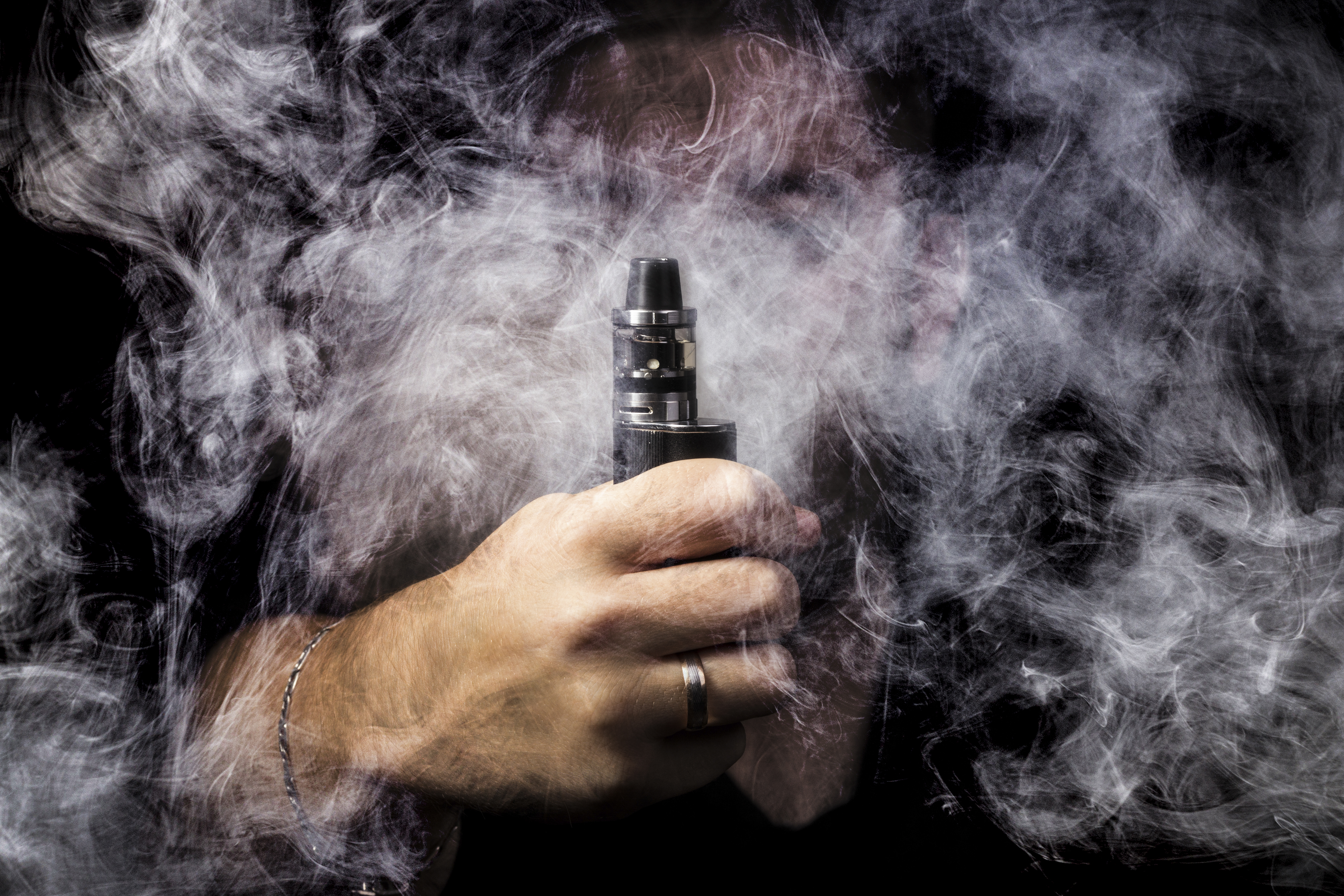


The Firefly 2 is a portable vaporizer designed for use with cannabis flower and concentrates. Unlike many vaporizers that keep a heating chamber hot for a full session, the Firefly 2 uses an on-demand heating system. This means it heats the material mainly when the user activates the device and takes a draw. This design can give users more control over each inhale and can also help reduce the amount of material that continues to heat between draws.
One of the main features of the Firefly 2 is its convection heating system. Convection heating works by moving hot air through the cannabis rather than relying only on direct contact with a hot surface. As the user inhales, heated air passes through the cannabis in the bowl. This heat releases vapor from the active compounds and aromatic compounds in the plant material. Because the cannabis is not meant to burn during normal use, the process is different from smoking, where plant material is exposed to a flame and produces smoke.
Temperature is one of the most important factors when using the Firefly 2. Different temperature settings can change how the vapor feels, tastes, and appears. Lower temperatures usually create lighter vapor and may preserve more of the natural flavor of the cannabis. Higher temperatures can create denser vapor and extract more compounds in a shorter period. However, higher temperatures can also make the vapor feel warmer or harsher. For this reason, learning how to adjust the temperature is an important part of using the device correctly.
The Firefly 2 includes several temperature levels for cannabis flower, along with a much higher setting intended for concentrates. Users should understand the difference between these settings before using the device. The concentrate setting reaches a temperature that is too high for loose cannabis flower and may cause the flower to burn. Choosing the correct setting helps protect the material from overheating and can make each session more predictable.
Temperature alone does not control vapor quality. Airflow is also very important. Since the Firefly 2 relies on hot air moving through the bowl, the way cannabis is prepared and packed can affect how evenly it heats. If the bowl is packed too tightly, air may have trouble passing through the material. If the cannabis is packed too loosely, the heated air may not move through it in a consistent way. Finding a balanced pack can help the device heat the cannabis more evenly.
The grind of the cannabis also affects airflow. Cannabis that is ground too finely may block airflow or allow small pieces to enter parts of the vapor path. Material that is left in very large pieces may heat less evenly. A suitable grind allows hot air to move through the bowl while giving the heated air enough contact with the cannabis. The moisture level of the material can also change the results. Very moist cannabis may produce weaker vapor at first because some of the heat is used to remove moisture. Very dry cannabis can heat quickly and may become harsh at higher temperatures.
Inhalation technique is another key part of using the Firefly 2. Because the device uses convection heat, the speed and length of each draw affect the heating process. A steady draw allows hot air to pass through the cannabis for enough time to produce vapor. Drawing too quickly may reduce the amount of heat transferred to the material. A slower, controlled inhale can often make it easier to produce consistent vapor. Users may need several attempts to find a draw speed that works well with their chosen temperature and bowl preparation.
Cannabis may also need to be moved or stirred between draws. The hot air does not always pass through every part of the bowl in exactly the same way. Some areas may heat faster than others. Gently redistributing the material can expose less-heated cannabis to the airflow and help create more even extraction. The color of the cannabis usually becomes darker as more compounds are removed, although the exact color can depend on the temperature and starting material.
Keeping the Firefly 2 clean is also important for steady performance. Resin and small cannabis particles can collect in the vapor path, mouthpiece, and around the bowl. Over time, this buildup can restrict airflow. It can also affect flavor and make the device harder to draw from. Regular cleaning helps keep the air path clear and allows the vaporizer to work as intended. A clean lid and proper seal are also important because unwanted air leaks can reduce heating efficiency.
Battery condition can affect the user experience as well. The Firefly 2 is a portable electronic device, so it depends on a charged battery to power its heater. Battery life can vary based on temperature settings, how often the device is used, the length of each draw, and the age of the battery. Keeping the battery charged and the contact points clean can help reduce problems related to power or heating.
It is also useful to understand that vaporizing cannabis is not the same as burning it. When cannabis burns, combustion produces smoke along with ash and other byproducts. A vaporizer is designed to heat the material without reaching the point where normal flower catches fire. If the material becomes black, produces smoke, or develops a strongly burned smell, the temperature or technique may need to be checked. The goal of normal flower use is controlled heating rather than combustion.
Results with the Firefly 2 can vary from one session to another. The cannabis strain, moisture content, grind, bowl size, packing style, temperature, draw speed, device cleanliness, and battery condition can all affect vapor production. Because several factors work together, it is often best to change one thing at a time when trying to improve performance. For example, a user might adjust the temperature before changing the grind or packing method. This makes it easier to understand which change is affecting the vapor.
The sections that follow explain how the Firefly 2 works, how to load and use it, how its temperature settings affect cannabis flower, and how to improve vapor quality. They also cover common problems such as weak vapor, restricted airflow, charging concerns, and cleaning needs. Understanding these basic factors can make the Firefly 2 easier to use and can help users get more consistent results from cannabis flower or concentrates while following the correct settings for each type of material.
What Is the Firefly 2 and How Does It Work?
The Firefly 2 is a portable vaporizer made for dry cannabis flower and concentrates. Unlike many vaporizers that keep the heating chamber hot for a full session, the Firefly 2 uses an on-demand heating system. It heats when the device is activated and cools again soon after the draw is finished. This design gives the user more control over when the cannabis is exposed to heat.
The Firefly 2 mainly uses convection heating. This means the cannabis does not need to stay pressed against a hot metal surface to produce vapor. Instead, heated air moves through the material. As the warm air passes through the cannabis, heat causes certain compounds in the plant to turn into vapor. The vapor then travels through the device’s vapor path and reaches the mouthpiece.
This heating style is one of the main features that separates the Firefly 2 from many conduction vaporizers. The Firefly 2 was also designed to heat quickly. Reports on the original model place its heat-up time at about three to five seconds, although the exact time can vary with the selected heat setting and device condition.
How the Firefly 2 Heats Cannabis
The Firefly 2 uses a form of convection heating. In a convection vaporizer, hot air does most of the heating work. The cannabis sits inside the bowl, and heated air passes through it when the heating system is active.
This is different from conduction heating. A conduction vaporizer heats cannabis mainly through direct contact with a hot chamber or oven. The material touching the hot surface receives heat first. With convection, moving air can carry heat through more of the material.
The Firefly system is often described as “dynamic convection.” The temperature of the air changes as it moves through the device and during the draw. Instead of keeping the bowl at one hot temperature for a long period, the heater works as needed. Firefly describes its convection system as increasing the temperature of the air during use until it reaches the selected maximum temperature.
This on-demand system also means the cannabis is not being heated constantly while the device is sitting between draws. Once the heating cycle stops, the chamber begins to cool. This is different from many session vaporizers, which may keep their oven hot for several minutes.
Temperature still plays an important role. At a lower setting, the air moving through the bowl is cooler. At a higher setting, more heat is passed through the cannabis. Later sections will explain the Firefly 2 temperature settings in greater detail.
Airflow is also important because heated air must be able to move through the material. If airflow becomes restricted, the convection process may become less even. This is one reason the condition of the bowl, vapor path, lid, and mouthpiece can affect how the device performs.
Firefly 2 Heating Chamber and Vapor Path
The heating chamber, often called the bowl, is the area where cannabis flower is placed. It sits below the removable magnetic lid. When the heating system turns on, hot air moves through the chamber and the cannabis inside it.
After vapor forms, it must travel from the bowl to the mouthpiece. The Firefly design uses a glass vapor path along the upper part of the device. The path gives the vapor a direct route toward the mouthpiece before it is inhaled.
The lid is another important part of this system. It needs to sit correctly on the device because the air must follow the intended path through the bowl. A lid that is not seated properly may allow unwanted air to enter. This can change airflow and reduce normal heating performance.
The mouthpiece is found at the end of the Firefly 2. Vapor travels through this part after moving across the vapor path. Small pieces of dry material or residue can sometimes enter the airflow system over time. For this reason, regular cleaning is an important part of maintaining the device.
The Firefly 2 also uses touch sensors instead of a standard power button for normal heating activation. The sensors are located on the sides of the unit. When the required sensors are touched, the heating system activates. The device uses its indicator light to show when it is heating and when it is ready. Firefly continues to use this touch-sensor design in the Firefly 2 series.
Power comes from a rechargeable, removable lithium-ion battery. The battery supplies the energy needed to heat the air quickly. Because the heater requires a large amount of energy in a short period, battery charge and battery condition can affect device performance. A weak or nearly empty battery may create problems that can sometimes be mistaken for a heating issue.
All of these parts work as one system. The battery powers the heater, the heater warms the moving air, the air passes through the bowl, vapor moves through the vapor path, and the mouthpiece provides the final exit point.
How Quickly Does the Firefly 2 Heat Up?
One of the key features of the Firefly 2 is its short heat-up time. The original Firefly 2 has commonly been reported to reach operating temperature in about three to five seconds. This is much faster than many older portable vaporizers that can take 30 seconds or longer to become ready.
The short heating time is possible because the Firefly 2 does not try to keep a large oven hot for an entire session. Instead, its heater responds when it is activated. Energy is directed toward quickly heating the air that will pass through the cannabis.
This makes the Firefly 2 an on-demand vaporizer rather than a traditional session-style device. With a session vaporizer, the oven usually heats first and then stays hot for several minutes. During that time, the material may continue receiving heat even when the user is not actively drawing.
With the Firefly 2, heating is tied more closely to each use. The device heats rapidly when activated and starts cooling when heating stops. Because of this, there is less need for a long warm-up period before each use.
The actual warm-up time can still vary. A higher temperature setting may require more energy than a lower setting. Battery condition, room temperature, device age, and cleanliness can also influence performance. If a Firefly 2 suddenly takes much longer than expected to heat, checking the battery, sensors, and general condition of the device may help identify the cause.
The Firefly 2 is an on-demand convection vaporizer that uses heated air to warm cannabis rather than relying mainly on direct contact with a hot oven. Its system combines a heating chamber, glass vapor path, mouthpiece, touch sensors, and removable battery. These parts work together to produce vapor only when the heating system is active.
The main advantage of understanding this design is knowing why airflow, temperature, battery condition, and cleanliness all matter. Because heated air must move through the cannabis, anything that blocks or changes that airflow can affect performance. The Firefly 2 also heats much faster than many session-style vaporizers, with the original model commonly reaching its operating range in only a few seconds.
Knowing how the Firefly 2 works provides a useful base for understanding its temperature settings, vapor quality, maintenance needs, and common troubleshooting problems. The next section can build on this foundation by explaining how the Firefly 2 is used with cannabis and how its main controls work.
How Do You Use the Firefly 2 for Cannabis?
Using the Firefly 2 correctly depends on more than turning it on and taking a draw. The device uses convection heating, which means hot air moves through the cannabis as you inhale. Because of this design, the way the material is prepared, loaded, and inhaled can affect how the device performs. Good airflow and even heating are important for steady vapor production.
The Firefly 2 is also different from many session-style vaporizers. It does not keep the chamber hot for a long period. Instead, it heats mainly when the user activates the touch sensors and inhales. This makes each draw more controlled, but it also means technique matters. Users should follow the manufacturer’s instructions and local laws when using the device.
Preparing Cannabis Flower
Cannabis flower should be properly dried before it is placed in the Firefly 2 chamber. Material that is too wet may heat unevenly and can make it harder for hot air to move through the bowl. On the other hand, cannabis that is extremely dry may heat very quickly and may produce a harsher result.
The grind also affects airflow. The goal is to create enough exposed surface area for hot air to pass around the plant material without blocking the chamber. If the material is ground too finely, small particles may move into the vapor path or reduce airflow. If the pieces are very large, heating may be less even.
A medium to slightly coarse grind is often easier to manage in a convection vaporizer. The cannabis should look loose and even rather than powdery. It is also helpful to remove hard stems or other large pieces that may stop the material from sitting evenly inside the bowl.
Preparation should be done before the device is activated. This reduces the need to handle the chamber while it is warm and makes the process easier to control.
Loading the Bowl
The Firefly 2 bowl should be filled in a way that allows air to move through the cannabis. Packing the chamber too tightly can reduce airflow. When air cannot pass through the material, heating may become uneven and vapor production may drop.
At the same time, the cannabis should not be so loose that it moves around too much. An uneven load can cause some areas to receive more heat than others. The material should sit naturally in the chamber without being pressed down with force.
After loading, check that the area around the bowl is clear. Small pieces of plant material can sometimes collect near the edges or sealing surfaces. Keeping these areas clean helps the lid sit correctly.
The lid should then be placed securely on the device. A proper seal is important because the Firefly 2 depends on controlled airflow. If the lid is not seated correctly, outside air may enter the system and reduce the amount of hot air moving through the cannabis.
Activating the Firefly 2
The Firefly 2 uses touch-sensitive controls rather than a traditional power button for normal heating. The user activates the heating system by touching the required sensors according to the manufacturer’s instructions.
The device uses indicator lights to show its status. These lights can signal when the unit is heating and when it is ready for use. Learning what the light patterns mean can make operation easier and can also help with troubleshooting.
Before using the device, it is important to confirm that the battery has enough charge. A weak battery may affect normal operation or prevent the heater from reaching the selected setting. The device should also be clean, especially around the mouthpiece and vapor path.
Temperature should be selected before beginning. Lower settings usually create lighter vapor, while higher flower settings can produce denser vapor. The dedicated concentrate setting should only be used as directed for concentrates and should not be selected for loose cannabis flower.
Taking a Draw
Draw technique is especially important with the Firefly 2 because it uses convection heating. Hot air passes through the bowl as the user inhales. A slow and steady draw gives the air time to move through the cannabis and carry heat across the material.
Drawing too quickly may pull more cool air into the device. This can reduce the temperature around the cannabis and may result in thinner vapor. A very weak or short draw may also provide too little airflow for even heating.
Instead of trying to inhale as strongly as possible, the goal should be a smooth and controlled draw. The exact result can vary depending on the chosen temperature, how tightly the chamber is packed, and the condition of the cannabis.
The first draw may also differ from later draws because the material begins at room temperature. As the bowl warms, later draws may become more noticeable. Users should avoid making large changes all at once. If vapor production seems low, it is better to check one factor at a time, such as airflow, temperature, chamber loading, or cleanliness.
Between Draws
The cannabis inside the bowl may not heat in exactly the same way during every draw. Convection air follows paths through the material, so some parts of the bowl may receive more heat than others.
For this reason, the material may need to be gently redistributed between draws after the device has cooled enough to handle safely. Redistributing the bowl can expose areas that have not received as much heat and can support more even use of the material.
The appearance of the cannabis will usually change as it is heated. Fresh material often begins green and gradually becomes darker and drier. Vapor production may also decrease over time. These changes can help show that the material has already been heated several times.
There is no single number of draws that works for every bowl. The result depends on the amount of cannabis, temperature setting, moisture level, airflow, and inhalation style. Rather than relying only on a fixed draw count, users can pay attention to changes in vapor, airflow, and the condition of the material.
If airflow becomes difficult during use, the device should be allowed to cool before checking the bowl, mouthpiece, and vapor path. Continuing to use a blocked or poorly sealed device can make heating less consistent.
Using the Firefly 2 successfully depends on proper preparation, airflow, temperature selection, and steady inhalation. Cannabis should be evenly prepared and placed in the chamber without being packed too tightly. The lid must sit correctly so that air can move through the intended vapor path.
Because the Firefly 2 uses on-demand convection heating, a smooth and controlled draw is important. The material may also need to be redistributed between draws to support even heating. Users should watch for changes in vapor production and the appearance of the cannabis rather than depending on a fixed number of draws.
Keeping the bowl, lid, mouthpiece, and vapor path clean also helps the device work as intended. When vapor production is weak, checking one factor at a time can make it easier to identify the cause and maintain more consistent performance.
What Are the Firefly 2 Temperature Settings?
Temperature is one of the most important settings when using the Firefly 2 with cannabis. The heat level can change how much vapor the device produces, how the vapor tastes, and how quickly the cannabis is extracted. A lower temperature tends to create lighter vapor and may preserve more of the natural flavor of the flower. A higher temperature usually creates thicker vapor and extracts the material faster.
The Firefly 2 offers several temperature levels for dry cannabis flower. It also includes a separate high-temperature setting for concentrates. Understanding what each setting does can make it easier to choose a temperature based on the type of vapor you want.
There is no single temperature that works best for every person or every type of cannabis. The moisture level of the flower, how it is ground, how tightly the bowl is packed, and how a person inhales can all affect the result. For this reason, it is often useful to start at a moderate temperature and make small changes as needed.
Firefly 2 Temperature Levels
The Firefly 2 provides several preset heat levels. These settings allow users to choose how much heat is applied to the cannabis during each draw.
The Ultra Low setting is about 320°F. This is the lowest standard flower setting. At this temperature, vapor can be very light and may not always be easy to see. The main advantage of this setting is that it heats the cannabis more gently. It can allow the early draws to keep more of the plant’s natural flavor and aroma.
The Low setting is around 340°F. It is still a relatively gentle temperature, but vapor production may become more noticeable. This setting can be useful for people who want to begin at a low temperature and slowly increase the heat during the session.
The Medium Low setting is about 360°F. At this level, the Firefly 2 begins to produce a more noticeable balance between flavor and vapor. The cannabis is heated more strongly than it is at the lowest settings, but the vapor may still feel lighter than it does at higher temperatures.
The Medium setting is around 380°F. This is near the middle of the Firefly 2’s flower temperature range. It can produce stronger vapor while still allowing much of the flavor of the cannabis to remain noticeable. For many sessions, a middle setting can also be a useful starting point because it allows the user to move either higher or lower depending on the results.
The Medium High setting is about 400°F. At this temperature, vapor usually becomes thicker and the cannabis is extracted faster. Flavor may begin to change as more compounds are released from the flower. The vapor may also feel warmer.
The High setting is about 420°F. This is the highest normal setting intended for dry cannabis flower. It can produce dense vapor and stronger extraction. However, higher temperatures may also make the vapor feel hotter or harsher, especially when taking long draws.
The Firefly 2 also has a concentrate setting of about 500°F. This setting is designed for cannabis concentrates used with the proper concentrate accessory. It should not be used with loose dry flower because the much higher temperature can increase the chance of burning or combustion.
What Changing the Temperature Affects
Changing the Firefly 2 temperature affects several parts of the vaping experience. One of the most noticeable differences is vapor density. At lower temperatures, the vapor may appear thin or almost invisible. This does not always mean the device is failing to work. Lower heat simply releases cannabis compounds more slowly.
As the temperature increases, vapor usually becomes easier to see. Higher heat allows more material to vaporize during each draw. This can make each inhalation feel stronger and can cause the cannabis in the chamber to become spent more quickly.
Temperature also affects flavor. Cannabis contains aromatic compounds that contribute to its smell and taste. Lower heat can allow some of these flavors to remain more noticeable during the first few draws. As the temperature increases, the taste can become more roasted or toasted because the plant material is exposed to greater heat.
Vapor temperature and harshness can also change. Lower settings usually produce cooler, smoother vapor. Higher settings create warmer vapor and may feel stronger in the throat. This effect can become more noticeable during long draws or repeated draws made close together.
Another important factor is extraction speed. At a low setting, a bowl may require more draws before the cannabis is fully used. At a higher temperature, the same amount of cannabis may be extracted more quickly. This does not mean that one method is always better. It simply means that the temperature changes how fast the material releases its compounds.
Lower Versus Higher Temperatures
Lower and higher Firefly 2 temperatures each produce different results. Lower settings are useful when the goal is slower heating and lighter vapor. They may allow a person to take several draws while gradually heating the cannabis. The flavor of the flower can also be easier to notice during the early part of the session.
One challenge with low temperatures is that the vapor may not look very thick. Someone who expects a large visible cloud may think the Firefly 2 is not producing enough vapor. Before assuming there is a problem, it can help to check the temperature and try a slightly higher setting.
Higher temperatures are better suited to producing thicker vapor and extracting the cannabis more quickly. Moving into the 400°F to 420°F range can increase vapor density. The cannabis in the bowl may also become darker sooner because more heat is being applied during each draw.
However, using the highest setting from the beginning is not always necessary. Starting too hot can reduce the amount of time spent tasting the lighter flavors that appear at lower temperatures. High temperatures can also make vapor less comfortable for some users.
A common approach is to increase the temperature gradually. For example, a session might begin at a low or medium-low setting. After several draws, the temperature can be raised to a medium or medium-high setting. The final draws can then be taken at a higher temperature if more extraction is needed. This method is sometimes called temperature stepping.
Temperature stepping can help a user understand how the cannabis changes as the heat rises. It also makes it easier to find a preferred balance between flavor, vapor density, and session length.
Using the Concentrate Setting Safely
The 500°F concentrate setting is much hotter than the settings designed for cannabis flower. It exists because concentrates normally require different heating conditions than loose plant material. When using this mode, the concentrate should be placed on the proper concentrate pad or accessory intended for the Firefly 2.
Dry flower should not be placed in the chamber while the device is set to the concentrate temperature. At about 500°F, the cannabis can become hot enough to burn rather than simply vaporize. This defeats the purpose of using a dry-herb vaporizer and can create smoke.
It is also important to check the selected temperature whenever switching between flower and concentrates. A device that was previously used for concentrates may still be set to the higher temperature. Confirming the heat setting before loading dry cannabis can prevent accidental overheating.
The Firefly 2 offers a wide temperature range that allows users to control how cannabis is heated. Its main flower settings range from about 320°F to 420°F, while a separate 500°F setting is designed for concentrates. Lower temperatures tend to produce lighter, cooler vapor and can make the flavor of the cannabis easier to notice. Higher settings usually create thicker vapor, warmer draws, and faster extraction.
What Is the Best Firefly 2 Temperature for Cannabis Flower?
Choosing the right Firefly 2 temperature for cannabis flower can make a large difference in vapor quality. There is no single temperature that works best in every situation. The right setting depends on the moisture level of the flower, how it is packed, how quickly you inhale, and whether you prefer lighter or denser vapor. The Firefly 2 gives users several temperature levels, which makes it possible to adjust the session instead of using the same heat from start to finish.
For cannabis flower, the main temperature range runs from about 320°F to 420°F. Lower settings usually produce lighter vapor and preserve more of the plant’s natural flavor. Higher settings can create thicker vapor and extract the material more quickly. Learning how these temperature levels behave can help you get more consistent results from the Firefly 2.
Starting at Lower Temperatures
Many people begin a Firefly 2 session at a lower temperature, such as 320°F, 340°F, or 360°F. These settings heat cannabis gently. The vapor may be less visible, but the flavor can be easier to notice because the plant material is not exposed to maximum heat right away.
Starting at a low temperature also gives you more control over the session. Instead of heating the entire bowl aggressively from the first draw, you can slowly work through the cannabis. This can be useful with flower that still has a moderate amount of moisture because the early draws help warm and dry the material.
Do not assume that a small vapor cloud means the device is failing. At lower temperatures, the vapor may be thin even when the Firefly 2 is working correctly. The aroma and flavor may be more noticeable than the visible cloud.
Your drawing technique is also important at these settings. The Firefly 2 uses convection heating, which means hot air moves through the cannabis as you inhale. A smooth and steady draw gives the heated air enough time to move through the bowl and warm the plant material.
If very little vapor appears, it may help to take another draw before raising the temperature. Cannabis does not always reach its strongest vapor production during the first inhale, especially when the device and material are still warming.
Using Medium Temperatures
The middle temperature range is a useful starting point for people who want a balance between flavor and visible vapor. Settings around 360°F to 380°F can produce more noticeable vapor than the lowest settings without immediately pushing the flower to maximum heat.
At these temperatures, more compounds in the cannabis begin to vaporize during each draw. The vapor often becomes denser, while much of the natural aroma may still remain noticeable.
A medium setting can also make it easier to judge whether the bowl is packed correctly. If airflow feels comfortable but vapor remains extremely weak after several draws, the problem may involve the grind, packing method, lid seal, or cleanliness of the vapor path rather than temperature alone.
The Firefly 2 works best when air can move through the cannabis. Packing the flower too tightly can restrict that airflow. If hot air cannot travel through the bowl, simply increasing the temperature may not solve the problem. In some cases, it can make the outside of the material hotter while the center remains less evenly heated.
For this reason, temperature should always be considered together with airflow. A medium setting with proper airflow can sometimes produce better results than a higher setting with a poorly packed bowl.
Moving to Higher Temperatures
Higher flower settings, such as 400°F or 420°F, generally produce thicker vapor and faster extraction. At these temperatures, the cannabis is exposed to more heat during each draw. This can create stronger vapor production, especially later in a session.
However, higher temperatures can also make the vapor feel warmer or harsher. Flavor may become less fresh as the plant material becomes more heavily heated. This does not mean that high settings are automatically bad. They simply produce a different type of vapor than lower settings.
Higher temperatures can be useful when vapor production has started to decrease at a lower setting. For example, a bowl may produce flavorful vapor at 360°F during the first few draws. As the material becomes more fully heated, raising the device to 380°F or 400°F may help extract what remains.
It is important to pay attention to the condition of the cannabis. If the flower becomes very dark or develops a burnt smell, the heat may be too high for that material or your draw technique may need adjustment.
Using Temperature Stepping
Temperature stepping means starting a session at a lower setting and gradually increasing the heat. This approach works well with the Firefly 2 because the device allows the user to choose from several temperature levels.
For example, you might begin around 340°F or 360°F to focus on lighter vapor and flavor. After several draws, you could move to 380°F. Later, if vapor becomes weak, you could increase the setting again to 400°F or 420°F.
This gradual method can make the session easier to control. It also allows the cannabis to heat in stages rather than being exposed to the highest flower temperature immediately.
Temperature stepping can also help you learn how your cannabis reacts to heat. Different batches of flower may contain different amounts of moisture and may not vaporize in exactly the same way. One batch may produce good vapor at 360°F, while another may need a slightly higher setting.
Changing only one variable at a time makes it easier to find the cause of poor vapor. If you change the temperature, grind, packing method, and draw speed all at once, it becomes difficult to know which adjustment actually helped.
Avoiding the Concentrate Setting With Flower
The Firefly 2 includes a separate high-temperature setting designed for concentrates. This setting reaches about 500°F. It is not intended for loose cannabis flower.
Using the concentrate setting with flower creates much more heat than the normal flower settings. At such a high temperature, plant material may burn instead of vaporize. Burning changes the process from vaporization to combustion and can produce smoke.
For this reason, stay within the normal flower temperature range when using dry cannabis. The highest regular flower setting of about 420°F is already designed to provide strong extraction without requiring the concentrate mode.
If you switch between flower and concentrates, always check the temperature setting before starting a new session. This simple step can prevent accidentally using the wrong heat level.
The best Firefly 2 temperature for cannabis flower depends on the type of vapor you want and how the material responds to heat. Lower settings around 320°F to 360°F usually provide lighter vapor and more noticeable flavor. Medium settings near 360°F to 380°F offer a balance between flavor and vapor density. Higher flower settings from about 400°F to 420°F can produce thicker vapor and help extract the remaining material later in a session.
A gradual temperature-stepping method is often the easiest way to control the experience. Start lower, observe the vapor, and raise the temperature only when needed. At the same time, pay attention to airflow, grind size, packing, and draw speed because temperature alone does not determine vapor quality.
How Do You Change the Temperature on a Firefly 2?
Temperature control is one of the most useful features of the Firefly 2. Changing the heat level allows you to adjust how the device vaporizes cannabis flower. Lower settings usually create lighter vapor and preserve more of the natural flavor of the material. Higher settings can create thicker vapor and extract the bowl more quickly.
The Firefly 2 offers several temperature levels for dry cannabis flower, along with a separate high-temperature setting designed for concentrates. Users can adjust the temperature directly on the device, so the Firefly 2 does not always require an app for basic heat control.
Learning how to change and check the temperature is important because the selected heat level can affect vapor production, flavor, draw technique, and overall performance. It can also help when troubleshooting a device that seems to produce too little vapor.
Changing Temperature Directly on the Device
The Firefly 2 uses touch sensors on the sides of the device. These sensors are normally used to activate the heating system, but they are also part of the process used to enter temperature-setting mode.
To change the temperature, the device must first be placed into the correct control mode. The user can then move through the available temperature levels. The Firefly 2 uses its LED indicator to communicate which heat setting has been selected.
This system is useful because it gives users direct control over temperature without needing to connect the vaporizer to a phone every time they want to make an adjustment.
The exact control sequence should be followed carefully. Touch sensors can respond differently if the user’s fingers are wet, dirty, or not making full contact with the sensor areas. Keeping the exterior of the device clean can help make the controls more reliable.
When adjusting the temperature, it is usually better to make small changes instead of immediately moving from one extreme to another. For example, if vapor seems too light, moving up one temperature level can show whether additional heat improves the result. If the vapor becomes too warm or harsh, moving down one level may provide a better balance.
This approach also makes troubleshooting easier because only one major variable is being changed at a time.
Understanding the Temperature Indicator Lights
The Firefly 2 does not use a large screen to display the exact temperature. Instead, it communicates settings and operating information through its LED light system.
When the device is placed into temperature-setting mode, flashes from the indicator light represent different heat levels. Learning this pattern can help users confirm whether they are using a low, medium, or high setting before starting a session.
The available flower settings range from lower temperatures around 320°F to higher flower temperatures around 420°F. There is also a much hotter concentrate setting around 500°F.
It is important to understand the difference between these settings. The concentrate mode is designed for cannabis concentrates used with the proper accessory. It should not be treated as an extra-high flower setting. Using such a high temperature with loose cannabis flower can increase the risk of overheating or combustion.
For most flower use, the regular temperature range gives enough flexibility to adjust vapor density and flavor.
A lower setting may create less visible vapor, especially during the first few draws. That does not always mean the device is failing. Increasing the temperature one level can help determine whether the material simply needs more heat.
Medium settings often provide a balance between flavor and vapor production. Higher flower settings may produce thicker vapor, but the vapor may also feel warmer.
Understanding the light signals makes it easier to know what setting is active instead of guessing based only on vapor thickness.
Firefly Software and Temperature Control
The Firefly 2 has also been associated with software and mobile app controls. These tools have allowed users to adjust device settings and customize some functions.
However, software support can change over time. App availability may depend on the phone, operating system, software version, and device firmware. Because of this, users should not assume that an older guide showing a specific mobile app will match what is currently available on their phone.
The important point is that basic temperature control can be handled directly through the Firefly 2 itself. This makes the physical controls especially useful if an app cannot be installed, does not connect correctly, or is no longer supported on a specific platform.
Software can still be useful when available. It may provide a clearer way to review settings or make adjustments. However, users should always understand the device-based temperature controls as well.
If there is a difference between an old online guide and the controls on a specific unit, the documentation for that exact Firefly model should be checked. This is especially important because the Firefly 2 and Firefly 2+ are different models. Instructions written for one version may not always apply in exactly the same way to the other.
Checking the Current Temperature Setting
Before loading cannabis or starting a session, it can be helpful to confirm the current temperature setting.
This is especially important when more than one person uses the device or when the Firefly 2 was previously used with a different material. A device that was last set to a high temperature may produce much warmer vapor than expected during the next session.
Checking the setting also helps prevent confusion when vapor production changes. For example, if the bowl is packed correctly but very little vapor appears, the device may simply be set to one of its lowest temperature levels.
The opposite problem can also occur. If the vapor feels much hotter than normal, the Firefly 2 may be set near the upper end of its flower range.
Confirming the setting before making other adjustments creates a useful starting point for troubleshooting.
Users should also pay attention to the condition of the cannabis. Temperature is only one factor that affects vapor. Grind size, moisture, packing density, airflow, and draw speed can all change the results. Raising the temperature will not always solve a problem caused by a blocked mouthpiece or an overly tight bowl.
For this reason, temperature changes should be made gradually. After changing the heat level, take a few controlled draws and observe the results before making another adjustment.
Why Temperature Adjustments Matter
The selected temperature affects how quickly heat moves through the cannabis and how much vapor is produced during each draw.
At lower temperatures, vapor may be thin and light. These settings can be useful when the goal is to avoid very warm vapor and preserve more of the plant’s flavor.
As the temperature increases, more compounds can vaporize during each draw. Vapor may become thicker and easier to see. The material may also darken more quickly as extraction continues.
Higher heat does not automatically mean better performance. If the setting is too high for the user’s preferred draw speed or cannabis condition, the vapor may become less comfortable. The goal is usually to find a temperature that works with the material and the user’s inhalation technique.
Many users can get more consistent results by beginning at a moderate temperature and adjusting one level at a time. This provides more control than immediately selecting the highest flower setting.
The Firefly 2 allows users to adjust temperature directly through the controls on the device. Its touch sensors and LED indicator system make it possible to select different heat levels without depending completely on a mobile app. This is useful when software is unavailable or when a user wants to make a quick temperature change.
Understanding the indicator lights is important because they show which heat level is selected. Lower settings generally create lighter vapor, while higher flower settings can produce denser and warmer vapor. The separate concentrate setting is much hotter and should not be used as a normal temperature setting for loose cannabis flower.
Before starting a session, checking the current temperature can prevent problems such as weak vapor or unexpectedly hot draws. Temperature should also be adjusted gradually because vapor performance depends on more than heat alone. Grind size, packing, airflow, moisture, and draw speed all play a role.
What Kind of Vapor Quality Does the Firefly 2 Produce?
The Firefly 2 is designed to produce vapor through convection heating. Instead of keeping the cannabis chamber hot for a long period, the device heats air as the user takes a draw. The hot air then moves through the cannabis and releases its active compounds and aromatic oils. This heating method can produce flavorful vapor when the device is prepared and used correctly.
Vapor quality is not controlled by temperature alone. The condition of the cannabis, grind size, airflow, packing method, draw speed, and cleanliness of the device can all change the result. A user may notice light vapor during one draw and thicker vapor during another, even when the temperature setting stays the same. Understanding these factors can make Firefly 2 performance more consistent.
How Convection Affects Vapor
The Firefly 2 uses convection heating, which means hot air does most of the work. The cannabis is not simply sitting against a hot metal surface during the entire session. Instead, heated air passes through the material mainly while the user inhales.
This design gives the user more control over each draw. When no one is drawing from the device, the cannabis is exposed to less constant heat. This can help reduce unnecessary heating between draws. It also means that inhalation technique is an important part of vapor production.
A slow and steady draw gives hot air more time to move through the cannabis. If the draw is too short, the material may not receive enough heat to produce much vapor. If airflow is blocked by tightly packed cannabis or residue, the hot air may not move evenly through the bowl.
The first draw may also be lighter than later draws. The chamber and cannabis may still be warming during the beginning of a session. As the material receives more heat, later draws can become denser. Stirring or gently redistributing the cannabis between draws can also expose new surfaces to the heated air.
This is one reason convection vaporizers can feel different from devices that use mainly conduction heating. The user’s draw becomes part of the heating process.
Flavor at Lower Temperatures
Lower Firefly 2 temperature settings usually produce lighter vapor with a stronger focus on flavor. Cannabis contains aromatic compounds called terpenes. These compounds help create the plant’s smell and taste. Many of them begin to evaporate at different temperatures.
At lower settings, the vapor may taste fresh and aromatic, but it may not look very thick. This does not always mean that the device is failing. Visible vapor is only one sign of what is happening inside the chamber.
Users who begin at a lower temperature may notice more of the natural flavor of the cannabis during the first few draws. The vapor may also feel less intense in the mouth and throat compared with vapor produced at higher temperatures.
The tradeoff is that lower settings may extract the cannabis more slowly. More draws may be needed before the material is fully used. Some users may also expect large clouds and become concerned when they see very little visible vapor.
For more complete extraction, the temperature can be raised later in the session. This approach is often called temperature stepping. The session begins at a lower setting and moves upward as vapor production starts to fall. This allows different parts of the cannabis to vaporize over several draws instead of exposing the bowl to high heat from the start.
Vapor Density at Higher Temperatures
Higher temperatures usually create denser and more visible vapor. More compounds are released from the cannabis as the heat increases, so the vapor may become stronger and thicker.
For example, moving from a middle setting to one of the higher flower settings can make a clear difference in vapor density. The cannabis also tends to darken faster because it is being extracted more quickly.
Higher temperatures are not always better, however. Vapor can become warmer and may feel harsher as the heat rises. Flavor may also change. Some of the lighter plant aromas that are easy to notice at lower temperatures may become less clear during higher-temperature draws.
Users should also remember that the highest concentrate setting is not meant for loose cannabis flower. The Firefly 2 has separate settings for flower and concentrates, and they should be used for their intended materials.
A useful approach is to make small temperature changes rather than moving straight to the highest available flower setting. If vapor is too light, raising the heat one level may be enough. If the vapor becomes uncomfortable or tastes overly roasted, lowering the temperature can help.
The goal is not simply to create the largest amount of visible vapor. Good vapor quality depends on finding a balance between flavor, density, airflow, and comfortable inhalation.
Cannabis Quality and Moisture
The condition of the cannabis can have a major effect on Firefly 2 vapor quality. Material that is extremely dry, very moist, or poorly prepared may behave differently inside the heating chamber.
Very dry cannabis may heat quickly. It can lose flavor sooner and may produce vapor that feels warmer or harsher. Dry material can also break into very small particles when ground. If those particles become too fine, they may reduce airflow or move into the vapor path.
Cannabis that contains too much moisture can create the opposite problem. Some of the heat must first deal with the extra moisture before the plant material reaches an effective vaporizing temperature. This may lead to lighter vapor, especially during the first few draws.
The grind also matters. Cannabis should have enough exposed surface area for hot air to move around it. Large, solid pieces may heat unevenly, while a powder-like grind may restrict airflow. A consistent grind usually gives the heated air more even access to the material.
Packing the bowl also affects the result. If the cannabis is pressed down too firmly, hot air may struggle to move through the chamber. If it is placed too loosely, heating may become uneven. The goal is to allow airflow while keeping the material in contact with the stream of hot air.
Cleanliness and Vapor Quality
Even good cannabis and correct temperature settings may not produce good vapor if the Firefly 2 is dirty. Residue can collect along the vapor path, around the mouthpiece, and near the bowl. Over time, this buildup can change both airflow and flavor.
Restricted airflow can make the device harder to draw from. Because convection heating depends on air movement, reduced airflow can also lower vapor production. A user may respond by increasing the temperature, even though the real problem is a blocked or dirty vapor path.
Residue can also affect taste. Fresh vapor passes over surfaces inside the device before reaching the mouthpiece. If those surfaces contain old plant oils or particles, the flavor may become less clean.
The mouthpiece should also be checked for small pieces of cannabis. Fine material can move toward the mouthpiece after repeated use. Cleaning it as recommended by the manufacturer can help restore normal airflow.
The lid is another important part of the system. It must sit correctly so that air travels through the intended path. A poor seal can change the way air moves through the cannabis and may result in weak vapor.
Regular cleaning is therefore part of vapor quality, not just appearance. A clean Firefly 2 gives heated air a clear path through the cannabis and makes it easier to judge whether temperature or technique needs to be adjusted.
The Firefly 2 can produce flavorful and dense cannabis vapor, but the result depends on several factors working together. Its convection system heats cannabis mainly while the user draws, so airflow and inhalation technique have a direct effect on performance. Lower temperatures tend to provide lighter vapor with clearer flavor, while higher flower settings usually create denser vapor and faster extraction.
Cannabis moisture, grind size, and packing also matter. Material that is too wet, too dry, too finely ground, or tightly packed can reduce consistency. Keeping the vapor path, mouthpiece, lid, and bowl clean is equally important because convection heating depends on steady airflow.
Why Is My Firefly 2 Not Producing Much Vapor?
The Firefly 2 uses convection heating, which means hot air passes through the cannabis while you inhale. Because of this design, vapor production depends on more than temperature alone. The way the cannabis is ground, packed, and inhaled can all affect the amount of vapor you see. The condition of the device also matters.
If your Firefly 2 is producing very little vapor, it does not always mean the vaporizer is broken. In many cases, a small change in temperature, draw technique, airflow, or bowl preparation can improve performance. It is best to check one possible cause at a time. This makes it easier to find the real problem.
Temperature Is Too Low
One of the first things to check is the temperature setting. Lower temperatures usually create lighter and less visible vapor. This can be useful when flavor is the main goal, but it may seem like the device is not working if you expect thick vapor clouds.
For example, the lower Firefly 2 settings heat cannabis more gently. The vapor may be thin, especially during the first draw. Raising the temperature can increase the amount of vapor because more compounds are released from the cannabis as the heat rises.
A good approach is to increase the temperature one level at a time. Avoid jumping straight to the highest setting when troubleshooting. Gradual changes make it easier to see how the cannabis responds.
The condition of the cannabis also affects the result. Very moist cannabis may need more heat and time before it produces noticeable vapor. Very dry cannabis can heat quickly and may lose flavor sooner. The goal is to find a setting that works with the material you are using.
You should also make sure you have selected a flower temperature rather than the concentrate setting. The very high concentrate setting is designed for concentrates and should not be used with loose cannabis flower.
Draw Technique Is Affecting Heating
The way you inhale is especially important with a convection vaporizer such as the Firefly 2. The device heats air, and that hot air must move through the cannabis to create vapor. If the airflow is not right, heating can become less effective.
A short or very weak inhale may not move enough heated air through the bowl. This can result in thin vapor. A more steady and controlled draw gives the hot air more time to pass through the cannabis.
Drawing too aggressively can also affect the experience. Pulling air through the vaporizer very quickly may change how the heat moves through the bowl. Instead of trying to inhale as hard as possible, use a smooth and steady draw.
It may take a few tries to find the right technique. Users who are more familiar with session vaporizers may need to adjust because the Firefly 2 works mainly while the user is actively drawing.
Pay attention to the resistance you feel when inhaling. If the draw feels much tighter than normal, there may be an airflow problem rather than an inhalation problem.
Bowl Packing Problems
How you load the Firefly 2 bowl can have a major effect on vapor production. Convection heating depends on hot air moving through the cannabis. If the cannabis is packed too tightly, air may have trouble reaching the material evenly.
A tightly compressed bowl can restrict airflow. Some parts of the cannabis may receive more heat than others, while other areas may stay less heated. This can lead to weak or uneven vapor.
A bowl that is packed too loosely may also produce inconsistent results. Large gaps can allow hot air to pass through without making enough contact with the cannabis.
The cannabis should be placed in the chamber so that air can move through it while still making good contact with the material. Avoid pressing the cannabis down with too much force.
Grind size also matters. Cannabis that is ground into a very fine powder may restrict airflow or move into parts of the vapor path. Pieces that are too large may heat unevenly. A more even grind usually gives hot air a better chance to move throughout the bowl.
During a session, the top and bottom areas of the bowl may not heat at exactly the same rate. Gently redistributing the cannabis between draws can help expose different areas to the hot airflow.
Blocked Mouthpiece or Vapor Path
If the temperature and bowl preparation seem correct, check the airflow through the device. Cannabis particles, oils, and other residue can collect inside the vapor path and mouthpiece over time.
A partially blocked mouthpiece can reduce the amount of air moving through the Firefly 2. When airflow is reduced, the vapor may become weak even when the heater is operating correctly.
Remove the mouthpiece according to the manufacturer’s instructions and inspect it for visible debris. Small cannabis particles can collect near the screen or inside the air channel. Cleaning these areas can help restore normal airflow.
The vapor path should also be kept clean. Residue can slowly build up after repeated use. You may not notice the change immediately because airflow often becomes more restricted over time.
If the device suddenly feels harder to inhale through than it did when it was clean, buildup may be part of the problem. Regular cleaning can prevent this issue and help maintain more consistent performance.
Always clean the device carefully. Avoid allowing cleaning liquid to enter electronic areas or other parts that are not meant to get wet.
Poor Lid Seal
The Firefly 2 lid is an important part of the airflow system. If the lid is not sitting correctly, outside air can enter the vapor path. This can reduce the amount of heated air moving through the cannabis.
Before using the device, check that the lid is properly positioned and sitting flat. Look for cannabis particles or debris around the edge that may prevent a complete seal.
The bowl area should also be free of loose material that can become trapped between the lid and the body of the vaporizer.
If you recently removed the lid for cleaning or loading, reseat it before troubleshooting other problems. A simple sealing issue can sometimes explain a sudden drop in vapor production.
If the lid or sealing surfaces appear damaged, follow the manufacturer’s guidance before continuing to use the device.
Cannabis Condition
The cannabis itself can affect how much vapor the Firefly 2 produces. Moisture level, grind size, age, and storage conditions can all change the way the material responds to heat.
Cannabis that contains too much moisture may take longer to heat. Some of the available heat must first warm the moisture in the plant material. As a result, early draws may appear weak.
Cannabis that is extremely dry may behave differently. It can heat quickly and may produce stronger vapor for a shorter period. It may also lose its fresh aroma faster during heating.
The grind should be fairly even. Large pieces can create uneven heating because the center of each piece may not receive heat as quickly as the outside. Material that is extremely fine can restrict airflow.
Storage conditions matter as well. Cannabis that has been left exposed to air, heat, or light for a long period may not perform the same way as material that has been stored correctly.
When troubleshooting weak vapor, try not to change several factors at once. If you change the cannabis, temperature, grind, and draw speed at the same time, you may not know which change solved the problem.
Weak vapor from a Firefly 2 can have several causes, and many of them are related to setup or technique rather than a damaged device. Start by checking the temperature. Lower settings naturally produce lighter vapor, so increasing the heat gradually may improve vapor density.
Next, pay attention to your draw. The Firefly 2 depends on steady airflow to move heated air through the cannabis. A smooth, controlled inhale usually works better than a very short or uneven draw.
Check how the bowl is loaded as well. Cannabis that is packed too tightly can limit airflow, while an uneven load can lead to uneven heating. The mouthpiece and vapor path should also be checked for residue or loose plant material.
Make sure the lid is seated correctly and that the sealing areas are clean. Finally, consider the condition of the cannabis itself. Moisture, grind size, and storage can all affect vapor production.
How Should You Grind, Pack, and Draw From the Firefly 2?
Getting good vapor from the Firefly 2 depends on more than choosing a temperature. The way you prepare the cannabis, fill the chamber, and inhale can all change the result. Since the Firefly 2 uses convection heating, hot air must move through the cannabis during each draw. If airflow is blocked or the material is packed poorly, the vapor may feel weak or uneven.
The goal is to create a bowl that allows hot air to reach as much of the cannabis as possible. Grind size, packing pressure, and draw speed all work together. Small changes in any of these areas can affect flavor, vapor density, and how evenly the material heats.
Choosing an Appropriate Grind
The grind size of cannabis plays an important role in how well the Firefly 2 works. Cannabis that is broken into medium-sized pieces usually allows air to move through the bowl while still giving the hot air enough surface area to heat.
A very coarse grind may leave large pieces that do not heat evenly. The outside of the pieces may become dry and brown while the inside remains less heated. This can lead to uneven extraction and may require more stirring during the session.
On the other hand, grinding cannabis into a very fine powder can also cause problems. Fine particles may pack closely together and reduce airflow. When air cannot move freely through the chamber, the device may produce less vapor even when the temperature is high enough.
Fine material can also move around more easily. Small pieces may enter areas near the vapor path or mouthpiece, which can increase the need for cleaning.
For most users, a medium or medium-coarse grind provides a useful balance. The cannabis should be broken into small, even pieces without being turned into powder. It should also be dry enough to separate easily rather than sticking together in heavy clumps.
The condition of the cannabis matters as well. Very moist material may take longer to heat because some energy is used to remove moisture. Extremely dry cannabis may heat faster and can produce a harsher taste at high settings. For this reason, grind size should be considered together with moisture level.
Packing the Chamber
Packing the Firefly 2 chamber correctly helps the hot air move through the cannabis. The bowl should be filled evenly, but the material should not be pressed down tightly.
When the bowl is packed too firmly, airflow may become restricted. Since convection heating depends on moving air, a tight pack can make it harder for heat to travel through the cannabis. This may lead to light vapor or uneven heating.
A bowl that is too loose can also give inconsistent results. If large empty spaces are present, the hot air may move around the cannabis instead of passing through it. Some areas may heat more than others.
A better approach is to place the ground cannabis into the chamber and spread it evenly. The material should sit naturally in the bowl without being heavily compressed. The goal is to keep enough contact between the pieces while still leaving small spaces for air to move.
During use, the cannabis may settle. The top layer may also heat differently from the material underneath. Gently mixing or redistributing the bowl between draws can help expose fresh surfaces to the hot air.
The color of the cannabis can also help show whether the bowl is heating evenly. If some areas become brown while other areas remain green, the material may need to be mixed before the next draw.
Finding the Right Draw Speed
Draw speed has a strong effect on convection vaporizers such as the Firefly 2. The device heats air that passes through the cannabis as you inhale. This means your inhalation style becomes part of the heating process.
A steady, controlled draw is usually easier to manage than a very short or sudden inhale. Drawing too quickly may move air through the chamber before enough heat can transfer into the cannabis. This can make the vapor feel thin.
However, drawing extremely slowly may also affect the experience. The exact result can depend on the temperature setting, how tightly the bowl is packed, and how much airflow is available.
The best approach is to use a smooth and steady inhale. Avoid sharp pulls. Instead, draw at a consistent pace and allow the heated air to move through the bowl.
If the vapor seems too light, the problem may not always be the temperature. Try adjusting the draw speed first. A slightly slower and longer inhale may allow more heat to reach the cannabis.
If the draw feels difficult or restricted, check the bowl and vapor path. A tightly packed chamber or blocked mouthpiece may be limiting airflow.
Adjusting Your Technique
When vapor production is not consistent, it is useful to change one thing at a time. Changing several factors together can make it difficult to know what caused the improvement or problem.
For example, if vapor is weak, first check the grind and packing. Make sure the cannabis is not powdered and that the chamber is not compressed too tightly. Then try another draw using the same temperature.
If the vapor remains light, adjust the draw speed. Try inhaling more slowly and evenly. If that still does not help, you can consider raising the temperature to the next suitable flower setting.
Changing only one variable at a time makes troubleshooting easier. It can also help you learn how your material responds to the device.
Different cannabis batches may behave differently because of moisture, density, and grind. A method that works well with one batch may need a small adjustment with another. The goal is to keep airflow open and heating even.
Knowing When the Bowl Is Finished
There is no exact number of draws that tells you when a Firefly 2 bowl is finished. Several signs can help you decide when most of the usable material has been extracted.
One sign is a clear drop in vapor production. As the cannabis is heated over several draws, fewer compounds remain available to form vapor. Later draws may become much lighter even when the device is working correctly.
Flavor also changes during the session. Fresh cannabis often has a stronger plant or terpene flavor at the start. As heating continues, the flavor may become weaker, drier, or more toasted.
The color of the material can provide another clue. Cannabis often changes from green to light brown or medium brown as it is heated. The exact color can vary based on temperature and the number of draws.
If parts of the bowl remain green while other areas are brown, stir or redistribute the cannabis before deciding that the bowl is finished. There may still be material that has not been heated evenly.
When vapor becomes very light, flavor has faded, and most of the material has an even brown appearance, the bowl is usually near the end of its useful session.
Good Firefly 2 performance depends on proper airflow. A medium grind usually works better than cannabis that is extremely coarse or very fine. The bowl should be filled evenly without being packed down too tightly. This gives the heated air space to move through the cannabis.
A smooth, steady draw also helps convection heating work more evenly. If the vapor is weak, change one factor at a time instead of adjusting everything at once. Check the grind, packing, draw speed, and temperature in a clear order.
How Do You Clean and Maintain a Firefly 2?
Cleaning and maintaining a Firefly 2 is important if you want steady airflow, good vapor quality, and reliable performance. Cannabis vapor can leave sticky residue on the parts that the vapor passes through. Small pieces of plant material can also collect around the bowl and mouthpiece. Over time, this buildup may make the device harder to draw from and can affect how the vapor tastes.
Regular cleaning does not need to be difficult. The main goal is to keep the vapor path, mouthpiece, bowl area, lid, and touch sensors free from dirt and residue. It is also important to avoid getting liquid inside the electronic parts of the device. Careful cleaning can help prevent many common performance problems.
Cleaning the Vapor Path
The vapor path is the area that carries vapor from the heating chamber toward the mouthpiece. Since warm vapor moves through this area during every session, residue can slowly build on the surface.
A dirty vapor path can make airflow feel restricted. You may notice that you need to pull harder than usual when inhaling. Vapor may also begin to taste different because old residue can affect the flavor of fresh cannabis.
Before cleaning the device, make sure it is turned off and cool. Remove any loose cannabis from the bowl. The glass vapor path can then be wiped carefully with a soft cloth or cleaning material recommended for the device. A small amount of isopropyl alcohol may be used on suitable surfaces, but it should never be poured directly onto the vaporizer.
Use only enough liquid to loosen residue. The cleaning cloth should be damp rather than dripping wet. After cleaning, allow all surfaces to dry fully before using the Firefly 2 again. This helps prevent moisture from reaching areas where it could damage the electronics.
Cleaning the vapor path often makes a noticeable difference when the device has started to feel harder to use.
Cleaning the Mouthpiece
The mouthpiece is another area where cannabis particles and residue can collect. Because vapor travels through this part before reaching the user, even a small blockage can reduce airflow.
Remove the mouthpiece carefully according to the device instructions. Check the opening for small pieces of cannabis or sticky buildup. Loose particles can often be removed with a small cleaning tool or soft brush.
The mouthpiece should be cleaned without forcing tools deep into small openings. Pushing too hard may damage internal parts or move debris farther inside. If residue is difficult to remove, clean the removable part carefully using the method recommended by the manufacturer.
After cleaning, make sure the mouthpiece is fully dry before putting it back into the vaporizer. It should fit securely when reinstalled. A mouthpiece that is not seated correctly may change airflow and make vapor production less consistent.
Regular mouthpiece cleaning is especially useful for people who use the Firefly 2 often.
Cleaning Around the Bowl
The bowl holds the cannabis during use. Small pieces of flower can remain around the edge after a session, especially if the material is finely ground. These particles should be removed before they have time to build up.
Wait until the bowl has cooled before cleaning it. Gently remove leftover plant material with an appropriate brush or cleaning tool. Avoid scraping the chamber aggressively because rough cleaning may damage the surface.
Pay close attention to the area around the edge of the bowl. Material trapped near the rim may prevent the lid from making a proper seal. Since the Firefly 2 depends on controlled airflow, a poor seal can affect heating and vapor production.
Do not pour cleaning liquid into the heating chamber. The Firefly 2 contains electronic and heating components that should remain dry. If a cleaning solution is needed, apply a small amount to a cloth or cotton swab instead of applying it directly to the device.
Keeping the bowl area clean also makes it easier to see the condition of the cannabis during a session.
Maintaining the Touch Sensors
The Firefly 2 uses touch sensors as part of its control system. These sensors need clean contact surfaces to respond properly.
Oil from fingers, dust, or other residue may collect on the sensor areas over time. If the sensors become dirty, activation may feel less reliable. The user may think the vaporizer has a technical problem when the actual issue is simply poor contact.
Wipe the touch sensors gently with a clean and dry cloth. If more cleaning is needed, use only a small amount of suitable cleaner on the cloth. The sensor area should be dry before the device is used again.
It is also helpful to keep your hands reasonably clean when using the vaporizer. This reduces the amount of oil and dirt transferred to the sensors.
Do not scratch the sensor surfaces or use rough cleaning tools. Gentle maintenance is usually enough to keep them working correctly.
How Often Should the Firefly 2 Be Cleaned?
There is no single cleaning schedule that works for every Firefly 2 owner. Cleaning frequency depends mainly on how often the device is used and how quickly residue builds up.
Someone who uses the vaporizer several times each day will probably need to clean it more often than someone who uses it only occasionally. The type and condition of the cannabis can also make a difference. Sticky material may leave more residue than very dry flower.
A useful habit is to remove loose cannabis from the bowl after each session. This simple step can prevent plant material from collecting inside the device. More detailed cleaning can be done when residue becomes visible or airflow begins to change.
It is better to clean small amounts of buildup regularly than to wait until the vapor path becomes heavily coated. Frequent light cleaning is usually easier than removing thick, old residue.
Signs Cleaning Is Overdue
Several changes in performance can indicate that the Firefly 2 needs cleaning. Restricted airflow is one of the most common signs. If inhaling suddenly requires more effort, check the mouthpiece and vapor path for blockages.
Visible residue is another clear warning. Sticky marks on the glass vapor path, bowl area, or mouthpiece show that vapor deposits have started to collect.
Reduced vapor production may also be linked to poor airflow. A blocked path can prevent hot air from moving through the cannabis correctly. However, low vapor can have other causes, such as temperature settings, packing method, or battery condition, so cleaning should be one part of the troubleshooting process.
A change in flavor can also point to residue buildup. Fresh cannabis may begin to taste dull or mixed with flavors from previous sessions. Cleaning the vapor path and mouthpiece can help restore a cleaner taste.
An unusual amount of resistance during inhalation should not be ignored. It may mean that small cannabis particles are blocking the mouthpiece or another part of the airflow system.
Keeping the Firefly 2 clean is one of the simplest ways to support steady vapor quality and airflow. The most important areas to maintain are the vapor path, mouthpiece, bowl, lid area, and touch sensors. Loose cannabis should be removed regularly, while sticky residue should be cleaned before it becomes heavy buildup.
Always allow the vaporizer to cool before cleaning it, and avoid pouring liquid directly into the device. Cleaning products should be used carefully so moisture does not reach the electronic or heating components.
There is no exact cleaning schedule for every user. Instead, pay attention to signs such as restricted airflow, visible residue, weaker vapor, unusual resistance, or changes in flavor. Regular light cleaning can prevent many of these problems and help the Firefly 2 continue to perform as intended.
Firefly 2 Battery, Charging, Concentrates, and Common Questions
The Firefly 2 is designed as a portable vaporizer, so battery life, charging, and correct use of the device are important parts of daily use. Many users also want to know if the Firefly 2 can handle concentrates and how it differs from the newer Firefly 2+. Understanding these details can help users avoid common problems and get more consistent results from the device.
Battery performance can change based on several factors. Higher temperature settings can use more power than lower settings. Long draws, frequent sessions, and an older battery can also shorten the time between charges. Charging habits and clean battery contacts can affect how well the device works over time.
The Firefly 2 also has a setting made for concentrates. However, this high-temperature mode should only be used with the proper concentrate setup. Loose cannabis flower should not be used at the concentrate temperature because the heat level is much higher than normal flower settings.
How Long Does the Firefly 2 Battery Last?
There is no single battery life number that will apply to every Firefly 2 user. Battery life depends on how the device is used. Someone who takes short, occasional draws may get more use from one charge than someone who uses high temperatures and takes several long draws in a row.
Temperature is one of the main factors that can affect battery use. The Firefly 2 must heat up each time the heating system is activated. Higher settings require the heater to reach a higher temperature. This can place more demand on the battery.
Draw length also matters. A longer draw keeps the heating system active for more time. Several long draws during one session can drain the battery faster than a few shorter draws.
Battery age is another important factor. Rechargeable batteries slowly lose some of their ability to hold a full charge as they are used over time. An older Firefly 2 battery may not last as long as it did when it was new. If the device begins losing power much faster than expected, battery condition may be one possible cause.
Storage can also affect battery performance. Batteries should be kept away from extreme heat and very cold temperatures when possible. These conditions can reduce battery efficiency and may shorten battery life over time.
One useful feature of the Firefly 2 is its removable battery design. This makes it possible to replace an aging battery instead of replacing the entire vaporizer. Some users may also keep a spare charged battery available when they plan to use the device away from a charger for a longer period.
How Do You Charge the Firefly 2?
The Firefly 2 uses a charging dock or charging cradle. The vaporizer is placed on the charger so that the charging contacts on the device connect with the contacts on the dock.
A proper connection is important. If the Firefly 2 does not appear to be charging, one of the first things to check is how the device is sitting on the charger. Moving it slightly or placing it back on the dock may help create the correct contact.
The charging contacts should also be kept clean. Dust, oil, or residue on the contacts can sometimes interfere with charging. The contacts should be checked from time to time and cleaned carefully according to the manufacturer’s instructions.
The battery must also be installed correctly inside the device. If the battery is loose or not fully seated, the vaporizer may have trouble powering on or charging normally.
Charging problems do not always mean that the vaporizer itself is damaged. The issue may come from the charging cable, power source, charging dock, battery, or contact points. Checking these areas one at a time can make troubleshooting easier.
It is also helpful to avoid waiting until the battery is completely empty before every charge. Keeping the device charged can make it more convenient to use and reduce the chance of running out of power in the middle of a session.
Can the Firefly 2 Vaporize Concentrates?
Yes, the Firefly 2 is designed to work with both cannabis flower and certain concentrates when the correct setup is used. The device has a separate concentrate temperature setting that reaches a much higher temperature than the settings normally used for flower.
The concentrate mode reaches about 500°F. This level of heat is designed for concentrate use and should not be treated as another flower setting.
When using concentrates, the proper concentrate pad or other manufacturer-approved accessory should be placed in the bowl. The concentrate is applied to that accessory instead of placing the material directly into the chamber in the same way as ground flower.
Using too much concentrate can create problems. Excess material may melt and spread beyond the intended area. This can make the device harder to clean and may affect airflow or performance. Starting with a small amount can make the process easier to control.
Cleaning is especially important after concentrate use. Concentrates can leave sticky residue behind. If this material builds up in the bowl, vapor path, or mouthpiece area, it can affect flavor and airflow. Regular cleaning can help keep the vaporizer working as intended.
The 500°F concentrate setting should never be used with loose cannabis flower. This temperature is much higher than the normal flower range and may cause the plant material to burn or combust. Users should switch back to an appropriate flower setting before using dry cannabis again.
Firefly 2 Versus Firefly 2+
The Firefly 2 and Firefly 2+ are related devices, but they are not exactly the same model. This can sometimes cause confusion when users search for instructions online.
The Firefly 2+ was released after the original Firefly 2 and included updates to the design and performance. Because the two vaporizers look similar and share many basic features, some online guides may discuss them as if they are the same device.
Users should check which model they own before following troubleshooting instructions, buying replacement parts, or looking for accessories. A guide written for the Firefly 2+ may include information that does not fully match the older Firefly 2.
The same rule applies to battery details, software support, temperature controls, and charging instructions. Even small differences between models can matter when trying to solve a problem.
Checking the exact model is especially important when searching for replacement batteries or accessories. Products made for one version may not always be intended for another version.
Common Firefly 2 Battery and Performance Questions
Some Firefly 2 problems may appear to be related to vapor production when the real issue is power. A weak battery may affect how consistently the device reaches the selected temperature. If vapor suddenly becomes weaker even though the bowl, airflow, and temperature settings have not changed, checking the battery can be a useful troubleshooting step.
Charging contacts are another area to inspect. If the device charges only when placed on the dock in a certain position, the contacts may need cleaning or the charger may need to be checked.
Users should also pay attention to changes in battery behavior over time. A battery that charges normally but loses power very quickly may be reaching the end of its useful life. Replacing the removable battery may restore normal use if the rest of the vaporizer is working properly.
It is also important to separate battery problems from airflow problems. A fully charged Firefly 2 can still produce weak vapor if the mouthpiece is blocked, the lid is not seated correctly, or the cannabis is packed in a way that limits airflow. Troubleshooting one factor at a time can make the cause easier to find.
The Firefly 2 battery, charging system, and concentrate mode all play an important role in how the device performs. Battery life can change based on temperature, draw length, session frequency, battery age, and storage conditions. Keeping the charging contacts clean and making sure the battery is installed correctly can help prevent common charging problems.
The Firefly 2 can also vaporize concentrates when the correct concentrate pad and high-temperature setting are used. The 500°F concentrate mode is not meant for loose cannabis flower because that level of heat can cause combustion.
Users should also remember that the Firefly 2 and Firefly 2+ are different models. Checking the exact model before following instructions or buying replacement parts can prevent confusion. With proper charging, regular cleaning, correct temperature use, and basic battery care, the Firefly 2 can provide more consistent performance over time.
Conclusion: Getting Consistent Results From the Firefly 2
Getting consistent results from the Firefly 2 depends on more than choosing one temperature setting. The device uses on-demand convection heating, so several factors work together each time it is used. Temperature, airflow, cannabis preparation, draw technique, and device cleanliness can all affect vapor production. When these factors are kept consistent, it becomes easier to understand how the device is performing and why the vapor may change from one session to another.
Temperature is one of the most important settings to understand. Lower temperature settings usually produce lighter vapor and may preserve more of the natural flavor of the cannabis. The vapor may also feel less intense at these settings. Higher flower settings can produce denser vapor because more heat passes through the material. However, hotter vapor can also feel harsher. For this reason, users should not assume that the highest possible temperature is always the best choice. The most useful setting depends on the material, the desired vapor density, and how the device is responding.
The Firefly 2 also has a separate high-temperature setting for concentrates. This setting reaches a much higher temperature than the normal flower settings. It should not be used with loose cannabis flower. Using a concentrate setting with flower may increase the chance that the plant material becomes too hot or begins to burn. Following the correct temperature range for the material being used helps protect the device and keeps the heating process more predictable.
Airflow is another major part of Firefly 2 performance. Because the device heats material with moving hot air, restricted airflow can reduce vapor production. A bowl that is packed too tightly may make it harder for heated air to move through the cannabis. A blocked mouthpiece or dirty vapor path can cause a similar problem. Users who notice weak vapor should check the basic airflow path before assuming that the heater is damaged.
Cannabis preparation also affects how evenly the bowl heats. Material should allow enough space for air to move through the chamber. If the grind is extremely fine, small pieces may collect near the screen, mouthpiece, or vapor path. If the material is too coarse or placed unevenly, some parts of the bowl may receive more heat than others. Keeping preparation consistent makes it easier to compare results between sessions.
Draw technique matters as well. A convection vaporizer depends on air moving through the heated chamber. A steady draw gives the hot air time to pass through the plant material. Drawing very differently from one session to the next can produce different results, even when the temperature stays the same. This is why changing only one factor at a time can be useful when troubleshooting. For example, a user could keep the bowl preparation and draw speed the same while testing a different temperature. If the vapor improves, the temperature may have been the main issue.
If vapor production remains low, the next step should be checking the condition of the device. The lid should be positioned correctly so that the vapor path stays properly sealed. The mouthpiece should be clear of loose particles. The vapor path should also be free from heavy residue. Even a small amount of buildup can gradually affect airflow and flavor.
Regular cleaning is therefore an important part of Firefly 2 maintenance. Residue can collect on surfaces that are exposed to vapor. Over time, this buildup may make the device harder to draw from or may change the taste of the vapor. Cleaning the vapor path, mouthpiece, and other recommended surfaces according to the manufacturer’s instructions can help maintain normal performance. Users should avoid getting cleaning liquids inside electronic areas or other parts that the manufacturer says should remain dry.
The touch sensors should also be kept clean. Since the Firefly 2 uses touch controls for activation, dirt, oil, or residue on the sensor areas may affect how easily the device responds. Wiping the exterior surfaces as recommended can help keep the controls working as expected.
Battery condition is another factor that may affect long-term performance. Rechargeable batteries gradually lose capacity as they age. A battery that once supported many draws may provide less operating time after extended use. Charging contacts should remain clean, and the battery should be installed correctly. If charging problems appear, checking the battery connection, charging dock, and contact points can help identify simple causes before more serious problems are considered.
Users should also remember that vapor production is not always a perfect measure of how well the device is working. Visible vapor can change based on temperature, moisture content, draw speed, and the condition of the cannabis. A lower temperature may produce less visible vapor even when the device is heating correctly. This is another reason to judge performance using several signs rather than focusing only on the size of the vapor cloud.
The best way to troubleshoot the Firefly 2 is to make small changes and observe the results. Temperature, packing, airflow, cleaning, and draw technique can each be tested separately. Changing several things at once makes it difficult to know which change solved the problem. A simple and consistent process makes troubleshooting easier.
In the end, good Firefly 2 performance comes from understanding how the device heats, how air moves through the bowl, and how regular care affects the vapor path. Lower temperatures generally produce lighter vapor, while higher flower settings can increase vapor density and extraction. The dedicated concentrate setting should remain limited to the material it was designed for. Keeping the bowl, lid, mouthpiece, vapor path, touch sensors, and battery in good condition can also reduce many common performance problems.
The Firefly 2 is designed around precise, on-demand heating, but its results still depend on proper setup and maintenance. Following the manufacturer’s instructions, using the correct settings, keeping the device clean, and adjusting one factor at a time can make its performance easier to understand and more consistent over time.
Research Citations
Abrams, D. I., Vizoso, H. P., Shade, S. B., Jay, C., Kelly, M. E., & Benowitz, N. L. (2007). Vaporization as a smokeless cannabis delivery system: A pilot study. Clinical Pharmacology & Therapeutics, 82(5), 572–578. https://doi.org/10.1038/sj.clpt.6100200
Earleywine, M., & Barnwell, S. S. (2007). Decreased respiratory symptoms in cannabis users who vaporize. Harm Reduction Journal, 4, 11. https://doi.org/10.1186/1477-7517-4-11
Gieringer, D., St. Laurent, J., & Goodrich, S. (2004). Cannabis vaporizer combines efficient delivery of THC with effective suppression of pyrolytic compounds. Journal of Cannabis Therapeutics, 4(1), 7–27. https://doi.org/10.1300/J175v04n01_02
Hartman, R. L., Brown, T. L., Milavetz, G., Spurgin, A., Gorelick, D. A., Gaffney, G., & Huestis, M. A. (2015). Controlled cannabis vaporizer administration: Blood and plasma cannabinoids with and without alcohol. Clinical Chemistry, 61(6), 850–869. https://doi.org/10.1373/clinchem.2015.238287
Hazekamp, A., Ruhaak, R., Zuurman, L., van Gerven, J., & Verpoorte, R. (2006). Evaluation of a vaporizing device (Volcano®) for the pulmonary administration of tetrahydrocannabinol. Journal of Pharmaceutical Sciences, 95(6), 1308–1317. https://doi.org/10.1002/jps.20574
Lanz, C., Mattsson, J., Soydaner, U., & Brenneisen, R. (2016). Medicinal cannabis: In vitro validation of vaporizers for the smoke-free inhalation of cannabis. PLOS ONE, 11(1), e0147286. https://doi.org/10.1371/journal.pone.0147286
Newmeyer, M. N., Swortwood, M. J., Barnes, A. J., Abulseoud, O. A., Scheidweiler, K. B., & Huestis, M. A. (2016). Free and glucuronide whole blood cannabinoids’ pharmacokinetics after controlled smoked, vaporized, and oral cannabis administration in frequent and occasional cannabis users: Identification of recent cannabis intake. Clinical Chemistry, 62(12), 1579–1592. https://doi.org/10.1373/clinchem.2016.263475
Pomahacova, B., Van der Kooy, F., & Verpoorte, R. (2009). Cannabis smoke condensate III: The cannabinoid content of vaporised Cannabis sativa. Inhalation Toxicology, 21(13), 1108–1112. https://doi.org/10.3109/08958370902748559
Spindle, T. R., Cone, E. J., Schlienz, N. J., Mitchell, J. M., Bigelow, G. E., Flegel, R., Hayes, E., & Vandrey, R. (2018). Acute effects of smoked and vaporized cannabis in healthy adults who infrequently use cannabis: A crossover trial. JAMA Network Open, 1(7), e184841. https://doi.org/10.1001/jamanetworkopen.2018.4841
Spindle, T. R., Cone, E. J., Schlienz, N. J., Mitchell, J. M., Bigelow, G. E., Flegel, R., Hayes, E., & Vandrey, R. (2019). Acute pharmacokinetic profile of smoked and vaporized cannabis in human blood and oral fluid. Journal of Analytical Toxicology, 43(4), 233–258. https://doi.org/10.1093/jat/bky104
Questions and Answers
Q1: What is the Firefly 2 vaporizer used for?
The Firefly 2 is a portable vaporizer designed for dry cannabis flower and concentrates. It uses convection heating to warm the material without directly burning it.
Q2: What temperature should I use for cannabis in the Firefly 2?
For cannabis flower, many users start around 340°F to 380°F for lighter vapor and more flavor. Higher settings around 390°F to 420°F can produce denser vapor.
Q3: Can the Firefly 2 be used with cannabis concentrates?
Yes. The Firefly 2 can vaporize cannabis concentrates when they are placed on the proper concentrate pad supplied for the device.
Q4: Does the Firefly 2 burn cannabis?
The Firefly 2 is designed to vaporize cannabis rather than burn it. Its convection heating system passes hot air through the material to release cannabinoids and aromatic compounds.
Q5: How much cannabis should I put in the Firefly 2?
The chamber should be filled with enough ground cannabis to make light contact with the lid while still allowing airflow. Packing it too tightly may reduce vapor production.
Q6: How finely should cannabis be ground for the Firefly 2?
A medium to medium-coarse grind usually works well. Cannabis that is too finely ground can restrict airflow and make the device harder to draw from.
Q7: Why is my Firefly 2 not producing much vapor?
Low vapor can result from a low temperature setting, weak airflow, an overly tight pack, moist cannabis, or a dirty vapor path. Increasing the temperature slightly and checking the chamber can help.
Q8: How do you get better vapor from the Firefly 2?
Use properly dried cannabis, avoid packing the chamber too tightly, take slow and steady draws, and stir the material between sessions so it heats more evenly.
Q9: How often should the Firefly 2 be cleaned after using cannabis?
The vapor path and chamber should be cleaned regularly, especially when residue begins to build up. Frequent cleaning helps maintain airflow, flavor, and consistent heating.
Q10: How long does cannabis last in a Firefly 2 bowl?
The number of draws depends on the amount of cannabis, temperature, draw length, and moisture level. A bowl can often provide several draws before the material becomes evenly brown and produces very little vapor.