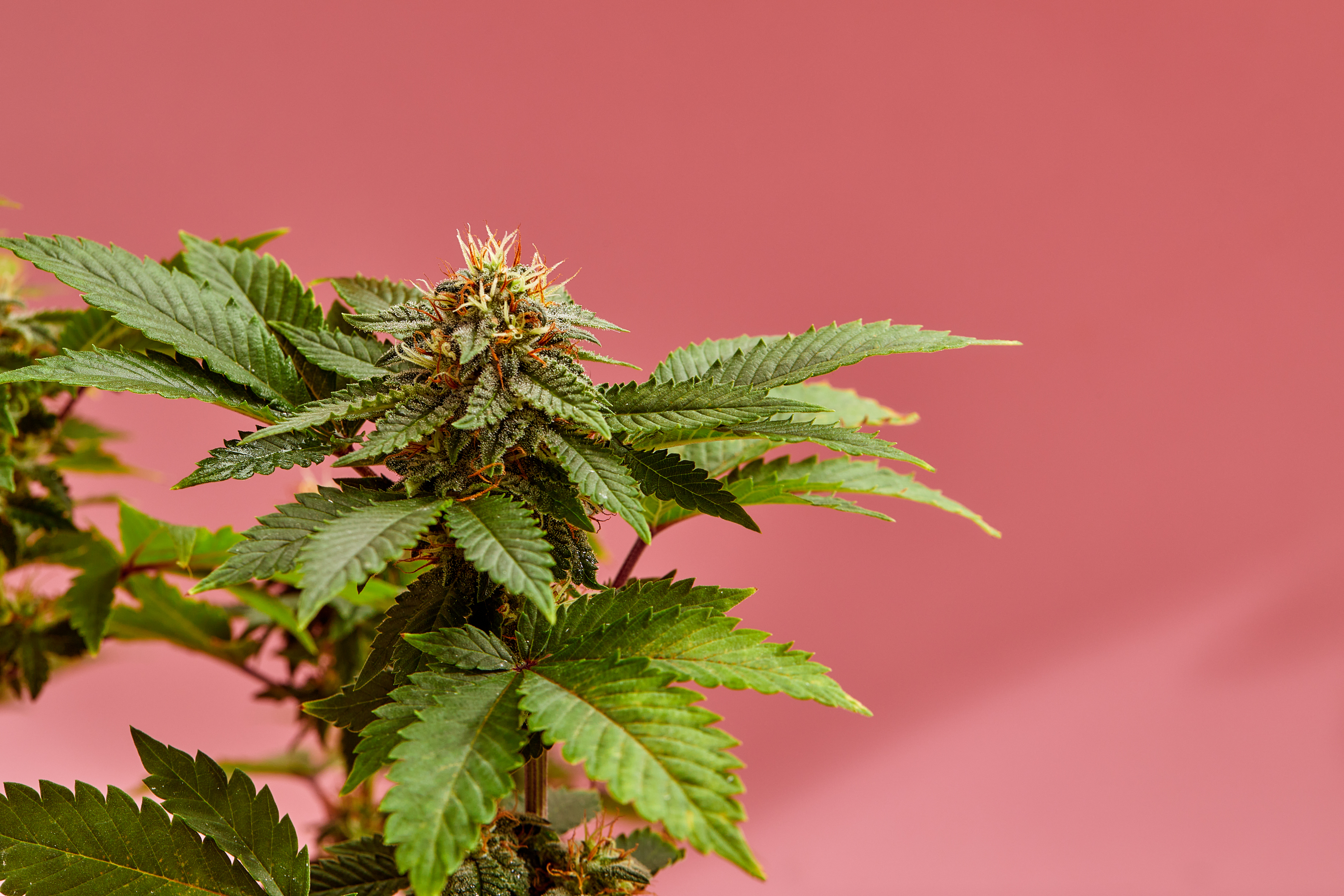


Flowering is one of the most important stages in the life cycle of a cannabis plant. It is the period when the plant changes from mainly producing leaves, stems, and branches to developing reproductive structures and flowers. These flowers are often called buds. Understanding this stage helps explain how cannabis changes as it reaches maturity and why different plants may look or develop in different ways.
A cannabis plant normally passes through several life stages. It begins as a seed and then becomes a seedling. After the seedling stage, the plant enters the vegetative stage. During vegetative growth, the plant focuses most of its energy on building its basic structure. It produces roots, stems, branches, and leaves. This growth gives the plant the support it needs before reproduction begins.
The flowering stage comes after this period of vegetative development. During flowering, the plant goes through major biological changes. Its main purpose begins to shift from growing larger to producing reproductive parts. Female cannabis plants develop flowers that can receive pollen, while male plants develop structures that produce pollen. If pollen reaches a female flower, seeds may begin to form as part of the plant’s normal reproductive cycle.
The start of flowering does not always happen at the same time for every cannabis plant. Genetics play a major role. Some varieties naturally reach flowering sooner than others. The type of cannabis plant also matters. Photoperiod cannabis responds to changes in the amount of light and darkness it receives during each day. In nature, this allows the plant to respond to seasonal changes as summer moves toward autumn. Autoflowering cannabis follows a different pattern. Its flowering process is influenced more strongly by the age and genetics of the plant than by seasonal changes in daylight.
When cannabis first begins flowering, the change may not appear dramatic. The plant may still look similar to a vegetative plant for a short time. However, small reproductive structures begin to appear at growing points and where branches meet the main stem. These early signs become easier to recognize as flowering continues.
Female plants usually begin showing small flower structures with fine, hair-like pistils. These pistils are part of the reproductive system of the flower. As flowering develops, small groups of flowers become larger and more noticeable. Male plants develop different reproductive structures that are designed to release pollen. Learning the basic differences between these structures makes it easier to understand the biology of cannabis reproduction.
Cannabis plants may also continue growing in height during the early part of flowering. This period is sometimes called the flowering stretch. Some varieties stretch more than others because of their genetics. Although the plant is entering reproduction, its stems and branches may still lengthen for a period before most vegetative growth slows.
Another important change during flowering is the development of resin glands called trichomes. Trichomes are tiny structures found mainly on the flowers and nearby leaves. They produce and contain many of the chemical compounds associated with cannabis. These include cannabinoids and aromatic compounds known as terpenes.
Cannabinoids are natural chemicals produced by the cannabis plant. Two of the best-known cannabinoids are THC and CBD, although the plant can produce many others. The amount and balance of these compounds vary widely among different cannabis varieties. Genetics have a strong influence on the chemical profile of the plant.
Terpenes are aromatic compounds that contribute to the smell of cannabis flowers. Many other plants also produce terpenes. For example, similar types of compounds help create the scents found in citrus fruit, pine trees, herbs, and flowers. As cannabis flowers develop, their aroma may become more noticeable because of changes in terpene production and other plant compounds.
The flowering stage is not a single event. It is a gradual process that takes place over time. Early flowering looks different from the middle and later parts of the stage. At first, reproductive structures are small and widely spaced. As development continues, flower clusters become more noticeable. Later, the flowers and their resin-producing structures move closer to biological maturity.
The length of flowering can vary greatly. Genetics are one of the main reasons for these differences. Some cannabis varieties naturally complete their reproductive cycle faster, while others take longer. Environmental conditions, plant health, and other biological factors can also affect how quickly the plant develops. This is why flowering timelines should usually be understood as general ranges rather than exact schedules.
Plant appearance can also change as flowering progresses. Leaves may change in size, position, or color. Growth may gradually slow. Flowers become more developed, and the plant’s smell may become stronger. These changes are connected to the plant’s shifting priorities as it moves toward reproduction and maturity.
Flowering cannabis can also be affected by stress, disease, pests, or unsuitable environmental conditions. Problems during this stage may influence normal development. For example, excessive moisture can increase the risk of fungal disease in dense flower clusters. Strong environmental stress may also affect growth or reproductive behavior. For this reason, it is useful to understand the difference between normal flowering changes and signs that a plant may be under stress.
Several questions are commonly asked about cannabis flowering. Readers often want to know when flowering begins, how long it lasts, what the first signs look like, and how male and female plants differ. Other common questions involve photoperiod and autoflowering varieties, changes in flowers over time, environmental stress, plant health problems, and signs of biological maturity.
This guide explains these subjects in clear terms so readers can better understand what happens inside and outside the plant during flowering. The goal is to explain the biology and development of flowering cannabis from the beginning of the reproductive stage through maturity. By understanding the major changes that occur during this period, readers can gain a clearer picture of one of the most important phases in the cannabis life cycle.
What Happens During the Cannabis Flowering Stage?
The cannabis flowering stage is the part of the plant’s life cycle when it shifts from mainly producing stems and leaves to developing reproductive flowers. This is one of the biggest changes a cannabis plant goes through. During the vegetative stage, the plant uses much of its energy to grow taller, develop branches, and produce a large leaf structure. Once flowering begins, its priorities slowly change.
Flowering does not happen all at once. The process takes place over several stages. The plant may continue growing in height at first, but flower development becomes more important as time passes. New structures begin forming at the tips of branches and at the points where branches meet the main stem. These areas later develop into more noticeable flower clusters.
The flowering stage also brings changes in the plant’s shape, smell, resin production, and chemical composition. Cannabinoids and aromatic compounds become increasingly associated with the developing flowers. Understanding these changes can make it easier to recognize what is happening to the plant as it moves through its reproductive phase.
The Shift From Vegetative Growth to Reproduction
During vegetative growth, cannabis plants focus heavily on building their structure. They produce new leaves, longer stems, stronger branches, and more growing points. These parts help the plant capture light and support future reproductive growth.
When the plant begins flowering, its biological goals change. Instead of putting most of its resources into new leaves and branches, it begins using more energy to form reproductive structures.
This change may first be seen near the nodes of the plant. A node is the area where a branch or leaf connects to the main stem. Small reproductive structures may begin appearing in these locations. As flowering continues, similar growth becomes more noticeable at the ends of branches.
The plant may still become taller during early flowering. This period of faster vertical growth is often called the flowering stretch. Some varieties stretch more than others because genetics influence how the plant responds when flowering begins. Even while the plant grows taller, its overall development is starting to shift toward flower formation.
As the flowering period continues, rapid stem and leaf growth usually becomes less important. The plant’s reproductive structures become larger and more developed. The shape of the plant can also begin to look different because flower clusters become increasingly visible along its branches.
This transition is part of the plant’s natural reproductive cycle. In nature, flowering allows cannabis plants to reproduce and produce seeds when pollination occurs.
How Cannabis Flowers Develop
Cannabis flowers start as small reproductive structures and gradually develop into larger clusters. Female flowers are especially noticeable because they produce structures called pistils. Pistils are often seen as fine, hair-like growth coming from the flower.
A female cannabis flower is made up of several important parts. One of these is the bract. Bracts are small structures that surround and protect the reproductive parts of the flower. As flowers develop, groups of bracts can become packed closely together.
Small leaves may also grow between and around the developing flowers. These are often known as sugar leaves because their surfaces can become covered with visible resin glands. They are usually smaller than the larger fan leaves found elsewhere on the plant.
Flower development happens gradually. Early in flowering, the individual flower sites may look small and separated. Over time, these sites become more developed and can form larger flower clusters. The exact appearance depends on the plant’s genetics.
Male cannabis plants develop differently. Instead of forming the same type of flower clusters seen on female plants, male plants produce pollen structures. Their biological role is to release pollen that can fertilize female flowers.
If pollen reaches a receptive female flower, the plant may begin forming seeds. In this case, part of the plant’s reproductive process shifts toward seed development. This is a normal part of cannabis reproduction.
Changes in Cannabinoids and Aromatic Compounds
Another major change during flowering involves the development of resin-producing structures called trichomes. Trichomes are very small glands found mainly on and around the flowers. They can also appear on nearby sugar leaves.
These glands are connected to the production and storage of many compounds associated with cannabis. Two important groups are cannabinoids and terpenes.
Cannabinoids are chemical compounds produced naturally by the cannabis plant. THC and CBD are two of the best-known cannabinoids, although cannabis contains many others. The amount and balance of cannabinoids can vary greatly depending on genetics and plant development.
As flowers develop, cannabinoid production becomes increasingly concentrated in the resinous areas of the plant. Different cannabis varieties may naturally produce very different chemical profiles. Some may contain more THC, while others may contain higher amounts of CBD or other cannabinoids.
Terpenes are aromatic compounds that contribute to the smell of cannabis. They are also found in many other plants. For example, similar types of aromatic compounds are responsible for some of the scents found in citrus fruits, herbs, flowers, and pine trees.
During flowering, the plant’s aroma may become stronger as flower development and resin production continue. The exact smell varies by genetics. Some cannabis varieties may have earthy or herbal aromas, while others may smell fruity, spicy, floral, or pine-like.
The chemical composition of cannabis flowers also changes throughout the flowering period. A flower early in development does not have exactly the same chemical profile as one later in its reproductive cycle. Cannabinoids, terpenes, and other compounds continue developing as the plant matures.
The cannabis flowering stage marks the plant’s transition from mainly producing leaves and stems to developing reproductive flowers. During early flowering, the plant may continue growing taller, but more of its biological activity becomes focused on flower formation.
Female cannabis plants develop flower clusters containing structures such as pistils and bracts. Small sugar leaves may grow around these flowers, while resin-producing trichomes become increasingly visible as flowering progresses. Male plants develop pollen-producing structures instead because their reproductive role is different.
Flowering is also the stage when cannabinoids and aromatic compounds become strongly associated with the developing flowers. Trichomes contain many of the compounds that give different cannabis varieties their unique chemical profiles and aromas. Genetics, plant development, and environmental conditions can all affect how these characteristics appear.
When Does Cannabis Start Flowering?
The flowering stage is one of the most important phases in the cannabis life cycle. This is the period when a mature cannabis plant begins to develop reproductive flowers instead of focusing mainly on stems and leaves. However, cannabis does not always start flowering at the same age or time of year. The timing depends on the type of cannabis plant, its genetics, its environment, and whether it is growing indoors or outdoors.
Cannabis plants are usually divided into two main groups based on how flowering begins: photoperiod cannabis and autoflowering cannabis. Photoperiod plants respond mainly to changes in the length of daylight and darkness. Autoflowering plants are different because age and genetics have a stronger role in determining when flowering starts.
Understanding these differences helps explain why one cannabis plant may begin flowering much earlier or later than another. It also shows why there is no single date or plant age that marks the beginning of flowering for every cannabis variety.
Photoperiod Cannabis
Photoperiod cannabis plants depend strongly on changes in light exposure to begin their reproductive stage. In nature, these plants respond to seasonal changes in the length of the day. During spring and early summer, the days are usually longer. This supports vegetative growth, when the plant produces new leaves, stems, branches, and roots.
As the season moves toward late summer and autumn, the days gradually become shorter while the nights become longer. The plant detects this change through special light-sensitive processes. When the pattern of light and darkness changes enough, the plant begins shifting from vegetative growth toward flowering.
This response is controlled by plant hormones and genes. Cannabis plants contain systems that allow them to measure the length of darkness they receive. These biological signals tell the plant that the growing season is changing. Flower formation then becomes a higher priority because the plant is preparing for reproduction.
The exact point when flowering begins can vary between cannabis varieties. Some genetics respond to seasonal changes sooner, while others remain in vegetative growth for a longer period. This is one reason flowering dates can differ even when plants are growing in the same general area.
The plant must also be mature enough to respond normally to flowering signals. Very young cannabis plants first focus on basic development. As they mature, they become more capable of producing reproductive structures when the right environmental signals appear.
The transition is not always immediate. A plant does not usually change from full vegetative growth to developed flowers overnight. Instead, flowering begins as a gradual process. Growth patterns change, reproductive structures become more visible, and flower sites slowly begin to form.
Outdoor Flowering
Outdoor cannabis plants depend on natural daylight, so their flowering schedule is closely connected to the seasons. In many locations, plants spend the longer days of spring and early summer in the vegetative stage. As summer continues and daylight hours start to decrease, photoperiod cannabis plants begin receiving the seasonal signal that flowering should start.
However, there is no universal calendar date when every outdoor cannabis plant begins flowering. Latitude plays a major role. Areas closer to the equator experience less dramatic changes in day length throughout the year. Locations farther from the equator often experience larger seasonal differences between summer and winter daylight.
Because of this, cannabis plants may begin flowering at different times in different regions. Local climate also affects plant development. Temperature, rainfall, cloud cover, and seasonal weather patterns can influence overall plant health and growth.
Genetics are another important factor. Different cannabis varieties developed in different parts of the world, and their natural flowering patterns can reflect the environments where their ancestors grew. Some may respond earlier to seasonal signals, while others may continue vegetative growth for longer before producing flowers.
Weather conditions can also affect how clearly flowering develops. A plant under strong environmental stress may grow or develop differently from a healthy plant. Severe temperature changes, water problems, pest pressure, or disease may slow development or cause unusual growth patterns.
Outdoor growers may notice early signs of flowering before large flower clusters appear. These signs can include changes around the nodes, which are the points where branches meet the main stem. Small reproductive structures may begin forming before flowering becomes obvious across the plant.
It is important to understand that these early changes represent a transition. A plant may show signs that flowering is beginning while it is still producing some new vegetative growth. This overlap is a normal part of the shift from one stage of the life cycle to another.
Autoflowering Cannabis
Autoflowering cannabis follows a different pattern. Instead of depending mainly on seasonal changes in day length, autoflowering varieties begin flowering largely according to their age and genetic programming.
This trait is associated with Cannabis ruderalis ancestry. Ruderalis populations developed in regions where growing seasons can be short and environmental conditions can change quickly. Relying only on changing daylight may not always have been the best survival strategy in these environments. Over time, plants that could move into reproduction based more strongly on age developed a different flowering pattern.
Modern autoflowering cannabis varieties often combine this age-based flowering trait with genetics from other cannabis types. As a result, an autoflowering plant generally begins moving into its reproductive stage after reaching a certain level of development, even when seasonal light changes are limited.
The exact timing still varies. Genetics strongly affect how quickly an autoflowering plant develops. Some varieties move through their life cycle faster than others. Plant health and environmental stress can also influence development.
Autoflowering plants usually have a shorter period of vegetative growth compared with many photoperiod varieties. Because the shift toward flowering is controlled largely by the plant’s internal biological schedule, the plant does not usually remain in vegetative growth for an extended period simply because days remain long.
The first signs of flowering are similar to those seen in photoperiod cannabis. Small reproductive structures begin appearing around the nodes and growing tips. Female plants may begin showing pistils, while flower sites gradually become more noticeable as development continues.
The important difference is the trigger. Photoperiod cannabis responds strongly to changing patterns of daylight and darkness. Autoflowering cannabis relies much more heavily on age and genetics. This distinction explains why two plants growing under similar environmental conditions may begin flowering at very different times.
Cannabis starts flowering when biological signals tell the plant that it is time to shift from vegetative growth to reproduction. The exact timing depends largely on whether the plant is photoperiod or autoflowering.
Photoperiod cannabis responds mainly to seasonal changes in the length of daylight and darkness. Outdoors, flowering often begins as days become shorter later in the growing season. The exact timing varies according to latitude, genetics, plant maturity, weather, and local environmental conditions.
Autoflowering cannabis follows a different pattern. These plants begin flowering mainly because of age and genetic programming rather than major seasonal changes in daylight. Their life cycle often moves more quickly from vegetative growth into flower development.
No single flowering date applies to every cannabis plant. Genetics, plant type, location, maturity, and environmental conditions all affect when flowering begins. Understanding these basic biological differences makes it easier to recognize why cannabis flowering schedules can vary widely from one plant to another.
How Long Does the Cannabis Flowering Stage Last?
The cannabis flowering stage does not last the same amount of time for every plant. In many cases, flowering lasts several weeks, but the exact length depends on the plant’s genetics, growing conditions, and overall health. Some varieties develop flowers faster, while others need more time before they reach full maturity.
Flowering begins when the plant shifts away from mainly producing leaves and stems and starts putting more energy into reproduction. During this period, flower sites become easier to see, flowers grow larger, and resin production increases. The plant may also change in height, smell, leaf color, and overall appearance.
Because cannabis plants can have very different genetic backgrounds, flowering times should always be viewed as estimates. A timeline that applies to one variety may not apply to another. Even plants from the same genetic line can sometimes develop at slightly different speeds.
Genetics and Flowering Time
Genetics are one of the biggest factors that affect how long cannabis remains in the flowering stage. Different cannabis varieties were developed from plant populations that adapted to different environments around the world. Over time, these differences helped create a wide range of flowering patterns.
Some cannabis varieties are known for relatively short flowering periods. These plants may move through flower development more quickly and reach maturity earlier. Other varieties naturally take longer. Their flowers may continue forming and developing over a longer period before the plant finishes its reproductive cycle.
Plants with genetics commonly linked to indica backgrounds are often associated with shorter flowering periods. Many plants with stronger sativa backgrounds may take longer to finish flowering. However, these labels do not always predict flowering time accurately. Modern cannabis varieties are often hybrids that contain genetics from several different lines.
For this reason, it is better to think of flowering time as a trait of an individual variety rather than relying only on broad labels such as indica or sativa. Genetic variation can affect how quickly flowers form, how much the plant stretches, how dense the flowers become, and how long it takes for reproductive growth to slow down.
Autoflowering cannabis also has its own flowering pattern. These plants begin flowering mainly according to age rather than changes in daylight. Their total life cycle is often shorter than that of many photoperiod plants, although flowering time can still vary from one autoflowering variety to another.
Early Flowering
Early flowering is the transition period between vegetative growth and full flower production. During this stage, the plant begins showing clear signs that it has entered its reproductive phase.
One of the most noticeable changes is increased vertical growth. Many cannabis plants stretch during the early part of flowering. The stems may become longer, and the space between branches can increase. Some plants stretch only a small amount, while others may grow much taller before their upward growth begins to slow.
At the same time, small reproductive structures start to develop around the nodes and growing points. On female plants, fine hair-like pistils may become visible. These structures are connected to developing flowers and are part of the plant’s reproductive system.
Flower sites usually begin as small clusters. At first, they may not look like mature cannabis flowers. They are often loose and lightly formed. As flowering continues, the clusters become larger and more noticeable.
The plant is still actively growing during this early period. Leaves may remain healthy and green, and new growth can continue while the reproductive structures develop. However, the plant’s priorities are gradually changing. More of its energy is being directed toward flower formation instead of producing large amounts of new vegetative growth.
Mid-Flowering
During mid-flowering, flower development becomes much more obvious. The early clusters begin to grow larger, and the spaces between individual flower parts start to fill in.
This is also when resin production becomes easier to see. Small glands known as trichomes develop on the flowers and nearby leaves. These structures can give parts of the plant a shiny or frosted appearance. Trichomes contain many of the compounds associated with cannabis, including cannabinoids and aromatic substances known as terpenes.
As flowers continue to develop, the plant’s smell may become stronger. Terpenes contribute to the wide range of aromas found among different cannabis varieties. Some may smell earthy, fruity, spicy, floral, or sharp. These differences are strongly connected to genetics.
During this part of the flowering stage, vertical growth often slows. The plant begins directing more resources toward existing flower sites instead of creating large amounts of new stems or leaves.
Flower clusters may become denser and heavier as development continues. The exact appearance depends on genetics. Some varieties form compact flower structures, while others naturally produce longer or more open clusters.
Mid-flowering is an important part of the plant’s reproductive cycle because much of the final flower structure develops during this period. However, the plant is usually not yet fully mature. Important changes continue during the later part of flowering.
Late Flowering
Late flowering is the final part of the cannabis plant’s reproductive development. During this stage, flower growth begins to slow, and the plant moves closer to biological maturity.
The flowers may appear fuller than they did during mid-flowering. Resin production can remain noticeable, and the plant’s aroma may become more pronounced. Pistils may also change in appearance as the flowers age.
Leaves can begin to change color during late flowering. Some yellowing may occur as part of normal plant aging. However, leaf color alone cannot show whether a plant has reached full maturity because yellowing can also happen because of stress, disease, root problems, or other environmental conditions.
Trichomes also change as flowers mature. These resin glands develop throughout flowering and can change in appearance over time. Their development is one of several signs that show the plant is moving through the later stages of its life cycle.
Growth is generally slower during late flowering. The plant produces fewer new leaves and stems because most of its energy is now connected to maintaining and completing reproductive growth.
Different varieties can look very different during this phase. One plant may appear mature while another of the same age may still be actively developing flowers. This is why calendar dates alone do not always give an accurate picture of flower maturity.
Why Flowering Times Are Estimates
Published flowering times should be treated as general guides rather than exact deadlines. A variety may be described as having a certain flowering period, but individual plants can finish earlier or later.
Genetics are one reason for this variation. Seeds from the same variety can still produce plants with slightly different traits. These differences may affect plant height, flower shape, growth rate, and flowering duration.
Environmental conditions can also influence how quickly a plant develops. Temperature changes, excessive moisture, root stress, pests, disease, and other problems may slow normal growth. Healthy plants growing under stable conditions may develop more consistently, but even then, some natural variation should be expected.
Photoperiod plants and autoflowering plants also follow different biological signals. Photoperiod plants respond strongly to changes in the amount of daily light and darkness, while autoflowering varieties are more strongly influenced by age. Because of this, their flowering timelines should not be compared in exactly the same way.
Another reason flowering times vary is that cannabis varieties have been bred for many different traits. Modern hybrids may combine characteristics from plants with very different growth patterns. As a result, two plants described using similar general categories may still have noticeably different flowering periods.
The cannabis flowering stage usually lasts several weeks, but there is no single timeline that applies to every plant. Genetics have a major influence on flowering duration, and different varieties may develop at very different speeds. Environmental conditions and plant health can also affect how quickly flowering progresses.
Early flowering is marked by stretching and the appearance of reproductive structures. During mid-flowering, flower clusters become larger, resin production increases, and the plant’s aroma often becomes stronger. Late flowering brings slower growth and more visible signs of maturity.
Flowering times listed for cannabis varieties are useful as general estimates, but they should not be treated as exact schedules. Each plant develops according to its genetics and growing environment. Understanding the changes that happen during early, middle, and late flowering gives a clearer picture of how cannabis moves through this important stage of its life cycle.
What Are the First Signs of Flowering Cannabis?
The first signs of flowering cannabis mark an important change in the plant’s life cycle. During the vegetative stage, the plant mainly focuses on producing stems, branches, roots, and leaves. As flowering begins, the plant starts putting more energy into reproductive growth. These changes do not always happen all at once. In many cases, the first signs are small and may be easy to miss unless the plant is examined closely.
The exact timing and appearance of early flowering can differ from one cannabis plant to another. Genetics, plant age, growing conditions, and whether the plant is photoperiod or autoflowering can all affect when flowering becomes visible. However, several common signs can help explain how cannabis changes as it enters this stage.
Pre-Flowers and Early Reproductive Growth
One of the earliest signs of flowering cannabis is the development of pre-flowers. Pre-flowers are small reproductive structures that appear before larger flowers begin forming. They usually develop around the nodes, which are the points where branches and leaves connect to the main stem.
Pre-flowers show that a cannabis plant has reached a level of maturity where it can begin reproductive development. Their appearance does not always mean that the plant is already producing full flowers. Instead, they are an early sign that the plant is moving away from purely vegetative growth.
These structures are often very small at first. They may appear as tiny growths close to the stem and can become easier to recognize as the plant develops. Female plants may begin showing small structures that later develop into flower sites. Male plants may develop different reproductive structures that eventually produce pollen.
It is also important to understand the difference between pre-flowering and full flowering. A mature cannabis plant can sometimes show pre-flowers while still producing normal vegetative growth. Full flowering becomes more obvious when reproductive structures begin developing more quickly and appear across several parts of the plant.
Because cannabis plants do not all mature at the same rate, the appearance of pre-flowers can vary. Some plants show them earlier, while others may take longer. Genetics are one of the main reasons for these differences.
Pistil Development
Pistils are among the most recognizable early signs of flowering on female cannabis plants. A pistil is part of the female reproductive structure of the flower. During early development, thin hair-like structures called stigmas may extend from small flower structures.
These fine hairs are often light in color when they first appear. They usually grow from small structures near the nodes and later become more noticeable as flower development continues.
The purpose of the pistil is connected to reproduction. The stigma is designed to receive pollen from a male cannabis plant. If pollination occurs, the female plant may begin producing seeds. If pollination does not occur, the flower may continue developing without seed formation.
Pistil development is useful for understanding whether a plant is entering the female flowering stage. However, pistils should not be confused with mature flowers. At the beginning of flowering, there may only be a few visible hairs. Over time, more reproductive structures form, and flower clusters become easier to see.
Pistils can also change in appearance as the plant ages. Their color, shape, and position may change during flower development. These changes are part of the normal reproductive cycle of the plant.
The Flowering Stretch
Another common sign of early flowering cannabis is a period of rapid vertical growth. This is often called the flowering stretch. During this period, the distance between some branches and nodes may increase, and the plant can appear to grow taller in a relatively short period.
The flowering stretch happens because the plant is changing from vegetative growth to reproductive growth. Even though flowers are beginning to develop, the plant may still continue producing stem and branch growth during the early part of this transition.
The amount of stretching can vary greatly among different cannabis plants. Genetics play a major role. Some varieties naturally grow tall and produce more space between nodes, while others stay shorter and more compact.
Environmental conditions can also influence how a plant grows, but not every increase in height should be treated as a problem. Stretching is a normal biological response for many cannabis plants during the transition into flowering.
As flowering continues, this rapid upward growth usually begins to slow. The plant then directs more of its energy toward developing reproductive structures instead of producing large amounts of new stem growth.
Early Flower Formation
As the flowering stage becomes more established, individual reproductive sites begin developing into visible flower clusters. These areas often appear around branch nodes and growing tips.
At first, early flowers may look small and loosely formed. Over time, more plant tissue develops around the flowering sites. Female flowers may show increasing numbers of pistils, while the surrounding structures slowly become larger.
The plant may also begin developing more trichomes as flowering progresses. Trichomes are tiny glandular structures found mainly around the flowers and nearby leaves. They produce resin containing cannabinoids and aromatic compounds such as terpenes.
During the earliest stage of flowering, trichome development may still be limited. As the flowers continue to mature, resin production usually becomes more noticeable.
Aroma may also begin changing during this period. Cannabis plants produce various aromatic compounds, and some of these can become stronger as flower development increases. The strength and type of aroma depend heavily on genetics.
Early flower formation does not happen at exactly the same speed across the entire plant. Some flowering sites may appear slightly more developed than others. This variation is normal because plant structure, genetics, and growth patterns can affect how reproductive tissues develop.
The first signs of flowering cannabis usually involve several changes rather than one single event. Pre-flowers may appear at the nodes as the plant reaches reproductive maturity. Female plants may begin producing visible pistils, which are part of their reproductive structures. Many plants also experience a flowering stretch, during which stems and branches continue growing rapidly for a short period.
As flowering becomes more established, small reproductive sites begin developing into recognizable flower clusters. Pistils become more noticeable, plant growth patterns change, and resin-producing trichomes gradually become more visible. These changes show that the cannabis plant is shifting its energy away from mainly producing leaves and stems and toward reproductive development.
Cannabis Flowering Stages From Early Flower to Maturity
The flowering stage is the part of the cannabis life cycle when the plant shifts most of its energy toward reproduction. During this period, visible flower sites develop, resin glands become more noticeable, and the overall shape of the plant begins to change. Flowering does not happen all at once. It is a gradual process that moves from the first signs of reproductive growth to fully developed flowers.
The exact timing of each stage can vary. Genetics, plant type, age, and environmental conditions can all affect how quickly a cannabis plant moves through flowering. For this reason, it is better to understand the physical changes that occur rather than rely only on a fixed calendar.
Early Flowering
Early flowering begins when the plant moves away from mainly producing new leaves and stems and starts focusing more on reproductive growth. At this point, the plant may still look similar to one in the vegetative stage, but several important changes start to appear.
One of the first signs is the development of small reproductive structures near the points where branches meet the main stem. On female plants, these structures may develop fine, hair-like pistils. These pistils are part of the reproductive system of the flower. They are often one of the clearest signs that the plant has entered the flowering stage.
The plant may also continue to grow taller during early flowering. This period of rapid vertical growth is often called the flowering stretch. Some cannabis varieties stretch only a little, while others may increase greatly in height. Genetics play a major role in how much this growth occurs.
During this stage, flower sites start forming along the branches. At first, these sites may look small and spread apart. They do not yet have the dense appearance commonly associated with mature cannabis flowers. The plant is still building the basic structure that will support later flower development.
Leaf growth may also continue, although the plant is beginning to place more energy into flower formation. New leaves near developing flowers can become smaller than the larger fan leaves found lower on the plant.
Developing Flower Stage
As flowering continues, the developing flower sites become easier to see. Small clusters begin forming where individual reproductive structures first appeared. These clusters slowly increase in size and become more closely packed together.
At this stage, the flowers begin to take on a more recognizable shape. Pistils may become more numerous, giving the flower sites a fine, hair-like appearance. These pistils usually stand out from the surrounding green plant material during the earlier part of flower development.
Another major change is the increased appearance of trichomes. Trichomes are tiny resin-producing glands found mainly on the flowers and nearby small leaves. Under close inspection, they may look like tiny crystals covering the surface of the plant.
Trichomes contain many of the chemical compounds associated with cannabis, including cannabinoids and aromatic compounds. As flower development continues, these glands become more noticeable.
The smell of the plant may also become stronger during this stage. This change is linked mainly to the development of terpenes and other aromatic compounds. Different cannabis varieties can produce very different scents because their chemical profiles are not the same.
The overall growth pattern of the plant also begins to change. Rapid stem and leaf production usually becomes less important. The plant increasingly directs its resources toward developing reproductive structures.
Flower clusters may become thicker and more connected as nearby growth sites develop. However, the speed and appearance of this process can vary widely among different varieties.
Late Flower Development
Late flowering is the period when the flowers move closer to biological maturity. During this stage, the plant usually produces less new vertical growth than it did earlier. Much of its energy is now directed toward the flowers that have already formed.
The flower clusters often appear fuller and more developed. Small leaves surrounding the flowers, sometimes called sugar leaves, may also show visible resin glands. These leaves can appear coated with a fine layer of trichomes.
Pistils may begin changing in appearance as the flower matures. Earlier in flowering, many pistils may appear pale and extend outward. Later, some may darken, curl, or change position. These changes are part of the natural aging process of the flower.
Trichomes also continue to develop. Their appearance can change as the plant matures, although the exact pattern depends on genetics and growing conditions. Trichome development is one reason mature flowers may look noticeably more resinous than younger flowers.
Some larger leaves may also show signs of natural aging during late flowering. The plant is reaching the later part of its life cycle, so changes in leaf color and condition can sometimes occur as growth slows. However, leaf changes can also result from stress or disease, so appearance alone does not always explain what is happening.
Flower aroma may become stronger or more complex during this stage because the concentration and balance of aromatic compounds can continue changing.
Why Week-by-Week Charts Vary
Many flowering guides describe cannabis development using a week-by-week timeline. These charts can help readers understand the general order of events, but they should not be treated as exact schedules.
Cannabis plants can develop at very different rates. One variety may move quickly through early flowering, while another may remain in the same general stage for longer. Genetics are one of the biggest reasons for these differences.
Plant type also matters. Photoperiod and autoflowering cannabis do not always follow the same life-cycle pattern. Even plants within the same broad category can have different flowering lengths.
Environmental conditions can influence development as well. Temperature, moisture, light exposure, root health, and general plant stress can affect how quickly flowers form and mature. A stressed plant may develop differently from a healthy plant of the same variety.
Individual plants can also vary. Two plants grown from different seeds of the same strain may not look exactly alike. Small genetic differences can affect height, flowering speed, flower structure, aroma, and other traits.
Because of these differences, week numbers should be seen as general reference points rather than strict rules. Looking at the plant’s physical development gives a more complete picture of where it is in the flowering cycle.
The cannabis flowering stage develops through several gradual phases. Early flowering begins with reproductive structures, pistils, flower sites, and continued plant stretching. As flowering progresses, clusters become more noticeable, trichomes increase, and aroma may become stronger. During late flowering, vertical growth slows while existing flowers continue to mature and become more developed.
There is no single week-by-week pattern that applies to every cannabis plant. Genetics, plant type, natural variation, and environmental conditions can all affect the timing and appearance of flowering. Understanding the visible biological changes during each stage provides a clearer picture of cannabis development than relying only on a calendar.
Female, Male, and Hermaphroditic Cannabis During Flowering
Cannabis is usually described as a dioecious plant. This means that male and female flowers normally develop on separate plants. In the typical chromosome system, female cannabis plants have two X chromosomes, while male plants have one X and one Y chromosome. However, cannabis sex expression can be more complex than this basic pattern suggests. Genetics, plant hormones, development, and environmental conditions can all influence the types of flowers that appear.
The differences between male and female plants become much easier to see when flowering begins. Before flowers develop, young male and female plants can look very similar. Once reproductive structures form, the flowers provide clearer signs of plant sex. Understanding these structures also helps explain pollination, seed development, and mixed-sex flower formation.
Female Flower Development
Female cannabis flowers are often called pistillate flowers. They contain the reproductive structures that can receive pollen and eventually produce seeds. As flowering develops, these flowers appear at growing points and gradually form larger groups known as inflorescences.
One of the most noticeable features of a female cannabis flower is the pair of thin, hair-like structures extending from it. These are commonly called pistils, although the visible hairs are more precisely known as stigmas. They may appear white when young and can change in color as the flower ages.
The stigmas are part of the female reproductive system. Their biological purpose is to receive pollen. Below them is the ovary, which contains an ovule. If successful fertilization takes place, the ovule can develop into a seed. Female flowers are also surrounded by small leaf-like structures called bracts. Cannabis bracts can contain many glandular trichomes.
Trichomes are very small structures found on the surfaces of cannabis flowers and nearby plant tissues. Many glandular trichomes produce and store cannabinoids, terpenes, and other plant compounds. This is one reason female flower clusters often appear sticky or resin-covered as flowering progresses.
As female flowers continue developing, individual flower sites can become larger and denser. More reproductive structures appear, and the visible shape of the flowering plant becomes increasingly different from its earlier vegetative form.
Male Flower Development
Male cannabis plants produce staminate flowers. Their main reproductive role is to create and release pollen. Their flower structure is therefore different from that of female plants.
Male flowers commonly develop into small structures that may first appear as rounded or oval formations. As they mature, they form pollen-producing flowers with stamens. Research descriptions of cannabis flowers note that mature male flowers have a segmented outer flower structure and hanging stamens that release pollen.
Unlike female flowers, male flowers do not have the same prominent pair of stigmas. This difference becomes one of the main visual ways of telling male and female flowering plants apart.
Male flowers are important to the natural reproductive cycle of cannabis. When mature male flowers release pollen, the light pollen grains can travel through the air. Cannabis is mainly wind-pollinated, so pollen does not need insects to move from one plant to another.
If pollen reaches a receptive female flower, fertilization may occur. This starts the process that can lead to seed development. Because of this reproductive role, the appearance of male flowers can have a major effect on what happens to nearby female flowers.
Hermaphroditic Flower Development
Cannabis does not always fit perfectly into separate male and female categories. A plant may sometimes develop both male and female reproductive structures. This type of mixed sex expression is often described as hermaphroditic or intersexual development.
It is also important to distinguish this from monoecious cannabis. In monoecious plants, separate male and female flowers naturally occur on the same individual plant as part of a relatively stable reproductive pattern. Hermaphroditic or intersexual expression, by contrast, is often used to describe unexpected opposite-sex flower development on a plant that was previously expressing mainly one sex. Scientific terminology can vary depending on the type of flower and the genetic background of the plant.
Cannabis sex expression is influenced by more than chromosomes alone. Plant hormones and genetic regulation are also involved. Recent research has shown that hormone-related pathways, especially those involving ethylene and gibberellins, play important roles in sexual development. This helps explain why cannabis can show a degree of sexual plasticity.
Environmental conditions may also influence sex expression. Research has associated factors such as changes in light exposure, temperature, water availability, and nutrient conditions with sex instability in some cannabis plants. However, this does not mean that a single stressful event will automatically cause mixed-sex flowers. Genetics and internal plant development also matter, and researchers are still studying exactly how these factors interact.
For readers examining a flowering plant, mixed reproductive structures can therefore indicate that the plant is expressing more than one type of flower. The exact reason cannot always be identified simply by looking at the plant.
Pollination and Seed Formation
Pollination begins when pollen reaches the receptive part of a female flower. The pollen can then take part in fertilization, which allows the ovule inside the flower to begin developing into a seed.
This process changes the biological purpose of the flower. An unpollinated female flower continues developing reproductive tissue, while a successfully fertilized flower begins directing resources toward seed formation. Seed production is a normal part of the cannabis reproductive cycle.
Pollination may affect many flowers if pollen spreads through an area because cannabis pollen can be carried by air. A single female plant can therefore develop seeds in multiple flower sites after exposure to compatible pollen.
As seeds develop, the flowers may look different from unfertilized flowers. Developing seeds form inside the protective flower structures. Over time, mature seeds can carry genetic material from both parent plants. When those seeds germinate, genetic traits from both parents can be expressed in the next generation.
This process is also why plant sex is important in cannabis breeding and reproductive biology. Male and female plants contribute genetic material to offspring, while variations in sex expression make cannabis reproduction more complex than it may first appear.
Male and female cannabis plants can be difficult to distinguish when they are young, but their differences become much clearer once flowering begins. Female plants develop pistillate flowers with stigmas, ovaries, bracts, and resin-producing trichomes. Male plants develop staminate flowers that produce pollen for reproduction.
Cannabis can also show mixed sex expression. Some plants may develop both male and female flowers because sex expression is influenced by genetics, hormones, development, and environmental factors. Monoecious and hermaphroditic patterns are related concepts, but they are not always biologically identical.
Photoperiod vs. Autoflowering Cannabis During Flowering
Cannabis plants do not all enter the flowering stage in the same way. Two of the most common types are photoperiod cannabis and autoflowering cannabis. Both types produce flowers, but the biological signal that starts flowering is different. Their timelines, growth patterns, and development can also vary.
Understanding these differences helps explain why one cannabis plant may begin flowering earlier than another. It also helps readers understand why general flowering calendars do not apply equally to every plant. Genetics, plant type, age, and environmental conditions can all affect how flowering progresses.
What Triggers Flowering
Photoperiod cannabis is sensitive to changes in the amount of light and darkness it receives. In nature, these plants often begin moving toward flowering as the days become shorter later in the growing season. This change signals that the season is progressing and that the plant should begin reproduction.
The response is controlled by the plant’s genetics and internal biological systems. When the plant receives a longer period of darkness on a regular basis, chemical signals inside the plant begin to change. These signals support the transition from vegetative growth to reproductive growth.
Autoflowering cannabis works differently. It does not depend mainly on seasonal changes in light to begin flowering. Instead, it usually starts flowering after reaching a certain age or stage of development.
This trait comes largely from genetics linked to Cannabis ruderalis, a type of cannabis that developed in regions with short growing seasons. In those areas, waiting for a major seasonal change in daylight could reduce the plant’s chance of reproducing. As a result, age-dependent flowering became an important survival trait.
This difference means that photoperiod and autoflowering cannabis can enter flowering for different biological reasons even when they are growing in similar conditions.
Differences in Flowering Timelines
Photoperiod cannabis usually has a more flexible vegetative period because flowering depends strongly on changes in light exposure. In outdoor conditions, the timing is connected to seasonal daylight changes. Because of this, flowering may begin at different times depending on latitude, local climate, genetics, and the time of year.
Autoflowering cannabis generally follows a shorter and more fixed life cycle. Since age plays a larger role in starting flowering, these plants often move from early growth into flowering more quickly.
However, not every autoflowering variety follows exactly the same schedule. Some may begin flowering earlier than others. The same is true for photoperiod varieties. Genetic differences can affect the length of both the vegetative stage and flowering stage.
This is why flowering times listed for cannabis varieties should usually be treated as estimates rather than exact dates. Two plants with similar genetics may still develop at slightly different speeds because of natural variation.
Differences in Plant Development
Photoperiod and autoflowering cannabis can also show different growth patterns as flowering begins.
Photoperiod plants may spend a longer period in vegetative growth before flowering starts. During this stage, the plant focuses on producing stems, leaves, branches, and roots. Once flowering begins, the plant gradually shifts more of its energy toward reproductive growth.
Many photoperiod varieties also go through a noticeable period of rapid vertical growth near the beginning of flowering. This change is commonly called the flowering stretch. The amount of stretching varies widely among genetic lines.
Autoflowering plants often have less time for vegetative development before flowering begins. Because their life cycle moves forward mainly according to age, the transition can occur while the plant is still relatively young.
Autoflowering plants may also stretch during early flowering, but the amount can vary greatly. Some remain fairly compact, while others grow taller depending on their genetics.
Flower formation itself follows the same basic biological process in both types. Female flowers develop reproductive structures, flower clusters become more noticeable, and resin-producing trichomes develop on and around the flowers.
As flowering progresses, both types may show stronger aromas and more visible flower development. However, the overall plant size and length of development can differ.
Why the Difference Matters
Knowing whether a cannabis plant is photoperiod or autoflowering is important when interpreting its behavior.
A reader who expects every cannabis plant to flower because the days are becoming shorter may become confused when an autoflowering plant begins flowering much earlier. In the same way, someone may misunderstand a photoperiod plant if they expect it to flower mainly because of age.
The distinction also matters when comparing flowering timelines. A chart that describes the flowering stage of a photoperiod plant may not match the full life cycle of an autoflowering variety. Autoflowers often combine vegetative growth and early flowering more closely because their life cycle progresses quickly.
Genetics add another layer of variation. Even within the same category, plants can behave differently. One photoperiod variety may flower for a shorter period than another. One autoflowering variety may stay compact, while another may become much larger.
For this reason, plant type should always be considered together with genetics and environmental conditions. Flowering cannabis cannot be understood through a single calendar or one fixed pattern.
Photoperiod and autoflowering cannabis both produce flowers, but they enter the flowering stage in different ways. Photoperiod cannabis responds mainly to changes in the length of light and darkness, while autoflowering cannabis begins flowering largely according to age and genetics.
These differences affect the timing of flowering, the length of the vegetative period, and the overall development of the plant. Photoperiod plants may remain in vegetative growth for a longer time, while autoflowering plants often move into flowering earlier in their life cycle.
Despite these differences, both types go through the same basic reproductive process. Flowers develop, trichomes become more visible, and the plant gradually approaches maturity. Understanding whether a plant is photoperiod or autoflowering makes it easier to understand its flowering timeline and normal growth patterns.
Environmental Stress and Flowering Cannabis
Environmental stress can have a strong effect on flowering cannabis. During this stage, the plant is using much of its energy to support reproductive growth and flower development. Because of this, major changes in the environment may affect how the plant grows, how flowers form, and how healthy the plant remains.
Stress does not always cause serious damage. Cannabis plants can respond to small changes in their surroundings. However, long periods of poor conditions can interfere with normal development. Light changes, extreme temperatures, excess moisture, water problems, and root stress are some of the main environmental factors that can affect flowering plants.
Understanding these types of stress helps explain why a cannabis plant may change its growth pattern during flowering.
Light-Related Stress
Light plays an important role in the life cycle of cannabis, especially in photoperiod varieties. These plants use changes in the length of light and dark periods as signals that help control flowering.
If the normal pattern of light and darkness changes often, a photoperiod cannabis plant may become stressed. The plant relies on a regular biological cycle to control many of its growth processes. Sudden or repeated interruptions can interfere with the signals that support normal flowering.
Light stress may also affect plant shape and development. For example, unusually intense light can place stress on leaves and upper growth. Leaves may appear pale, dry, curled, or damaged when plants are exposed to conditions they cannot handle well.
On the other hand, weak or uneven light can affect how different parts of the plant develop. Areas receiving less light may grow differently from areas that receive more.
The exact response depends on genetics, plant health, and the severity of the stress. One plant may show obvious symptoms, while another may show only small changes.
Temperature Stress
Temperature affects many biological processes inside a cannabis plant. These include water movement, photosynthesis, respiration, and the activity of enzymes that help control growth.
Very high temperatures can increase the amount of water lost through the leaves. The plant may have more difficulty maintaining normal moisture levels when heat remains excessive for long periods. Heat stress may also cause leaves to curl, dry, or lose their healthy appearance.
Flower development may also be affected when a plant stays under severe heat stress. High temperatures can interfere with normal plant metabolism and may reduce the plant’s ability to support healthy reproductive growth.
Cold conditions can create different problems. Low temperatures can slow many processes inside the plant. Growth may become slower, and the plant may have more difficulty moving water and nutrients through its tissues.
Sudden temperature changes may also create stress. Plants generally respond better to stable conditions than to repeated swings between very warm and very cold environments.
Genetics play a role in how much temperature stress a cannabis plant can tolerate. Some varieties are better adapted to warm climates, while others may perform differently in cooler areas.
Moisture and Humidity
Moisture becomes an important issue during flowering because cannabis flowers can become dense as they develop. Dense plant material can hold moisture, especially when air movement is limited.
When moisture remains trapped around flowers for a long time, conditions may become more favorable for fungal growth. One of the most serious examples is flower rot, sometimes called bud rot. This type of problem can damage plant tissue and may spread before it becomes easy to see from the outside.
High moisture levels can also affect leaves and other plant surfaces. Certain fungal diseases develop more easily in damp environments where air does not move well.
However, very dry conditions can create stress as well. When the surrounding air is extremely dry, plants may lose water faster through their leaves. This can increase water stress, especially when combined with high temperatures.
The effects of moisture depend on several factors, including flower density, air movement, temperature, genetics, and the overall health of the plant. For this reason, moisture-related problems should be viewed as part of the larger growing environment rather than as a single isolated factor.
Water and Root Stress
Healthy roots are important throughout the cannabis life cycle. Roots absorb water and dissolved minerals while also helping support the plant physically.
Water stress can happen when a plant receives either too little or too much water. When there is not enough available water, leaves may lose firmness and begin to droop. Severe dehydration can slow biological activity because water is needed for many normal plant processes.
Too much water can also create problems. Roots require oxygen as well as moisture. When the root area remains overly wet for long periods, oxygen may become limited. Poor root conditions can reduce the plant’s ability to absorb water and nutrients normally.
Root damage can also come from disease, physical injury, or other forms of environmental stress. When roots are unhealthy, symptoms may appear in the leaves or flowers even though the original problem is below the surface.
A flowering plant with severe root stress may grow more slowly or show changes in leaf color and overall health. Because many different problems can produce similar symptoms, it is important to understand that drooping or yellowing leaves do not always point to one specific cause.
Plant Stress and Reproductive Changes
Severe or repeated stress may affect the reproductive development of cannabis plants. Cannabis has complex reproductive traits that are influenced by both genetics and the environment.
In some cases, environmental stress may contribute to unusual reproductive changes. A plant that normally develops female flowers may sometimes produce male reproductive structures as well. This is commonly described as hermaphroditic expression.
Stress is not the only possible cause. Genetics can strongly influence whether a plant is more likely to show this type of response. However, major environmental disruption may increase the risk in plants that are already genetically sensitive.
Other forms of stress may affect flower size, structure, or the speed of development. A plant under long-term stress may spend more energy maintaining basic functions instead of supporting normal growth.
This is one reason environmental problems during flowering can have several effects at the same time. Heat stress, for example, may change water use, leaf condition, metabolism, and flower development. Root stress may affect both nutrient movement and general plant growth.
The plant’s response depends on how severe the stress is, how long it lasts, and how healthy the plant was before the problem started.
Environmental stress can influence many parts of the cannabis flowering stage. Changes in light patterns may interfere with the biological signals that control flowering, especially in photoperiod plants. Extreme heat or cold can affect water use, metabolism, and normal flower development.
Moisture also becomes more important as flowers become dense. Excess moisture and poor air movement can create conditions where fungal diseases are more likely to develop, while very dry conditions may increase water loss.
Water and root problems can affect the entire plant because healthy roots are needed for normal water and nutrient movement. Severe or repeated stress may also contribute to unusual reproductive changes in plants that are genetically sensitive.
Common Problems Seen During the Flowering Stage
The flowering stage brings major changes to a cannabis plant. As flowers form and become larger, the plant may also become more sensitive to stress, disease, and other problems. Some changes are a normal part of flowering, while others can point to poor plant health. This can make the flowering stage confusing because a symptom such as yellow leaves may have several possible causes.
Problems during flowering can affect leaves, roots, stems, and flowers. Fungal diseases are especially important because some pathogens can infect the developing flower itself. Research has identified Botrytis bud rot, powdery mildew, Fusarium species, Pythium species, and other pathogens as concerns in cannabis production. Understanding the basic signs of these problems can make it easier to tell normal plant development from a possible health issue.
Cannabis Not Flowering as Expected
A cannabis plant may sometimes appear to enter flowering later than expected. There is not always one clear reason for this. The timing of flowering can be influenced by genetics, plant maturity, environmental conditions, and whether the plant is a photoperiod or autoflowering type.
Photoperiod cannabis responds to changes in the length of light and darkness it receives. This means that changes or interruptions in the normal light cycle can affect the plant’s reproductive development. Outdoor plants may also begin flowering at different times depending on local day length, season, and latitude.
Genetics are another major factor. Some cannabis varieties naturally take longer to move through their life cycle than others. Two healthy plants may therefore begin or finish flowering at different times even when they are similar in size.
Plant stress can also interfere with normal development. Root disease, severe environmental stress, or other health problems can slow growth and cause the plant to appear weak or stunted. Researchers have found that root pathogens such as Fusarium and Pythium can cause symptoms including yellowing, wilting, stunted growth, and damaged roots.
Because of these differences, a flowering timeline should usually be viewed as an estimate rather than an exact schedule.
Yellowing Leaves
Yellow leaves are one of the most common changes noticed during flowering. However, yellowing does not have one single meaning.
As a plant moves toward the later stages of its life cycle, some older leaves may naturally lose their green color. Leaves contain chlorophyll, which gives them their green appearance and helps them capture light. Changes in plant growth and leaf aging can cause older leaves to fade.
At the same time, widespread or unusual yellowing may be linked to stress. Problems involving plant nutrition can produce different patterns of discoloration. Research on cannabis has shown, for example, that severe nitrogen deficiency can cause yellowing that begins in older fan leaves and becomes more widespread as the problem progresses. Other nutrient deficiencies can create different forms of chlorosis, which is the loss of normal green color from plant tissue.
Root problems can also produce yellow leaves. A damaged root system may have difficulty supporting normal plant growth. Some root diseases reported in cannabis can cause yellowing, wilting, root discoloration, and stunting.
For this reason, leaf color should not be considered by itself. The location of the yellow leaves, how quickly the change develops, and whether other symptoms are present can provide useful clues about what is happening to the plant.
Flower and Bud Rot
Bud rot is an important fungal disease that can affect cannabis flowers. One of the best-known causes is Botrytis cinerea, a fungus that infects many different plant species.
Cannabis flowers can become increasingly dense as they develop. Their complex structure can create areas where moisture remains around plant tissue. Research has found that Botrytis can infect cannabis inflorescences and cause browning, tissue death, and destruction of parts of the flower. High moisture conditions can increase the risk of fungal growth and infection.
Bud rot may not always be obvious at first because infection can occur within dense flower tissue. Affected tissue can become brown, soft, damaged, or covered by fungal growth as disease develops.
Other fungi can also affect cannabis flowers. Studies have identified Fusarium and Penicillium species on cannabis inflorescences, along with several other molds. This is one reason that unusual browning or decay in a flower should not automatically be assumed to have one cause.
Fungal contamination is also a quality and safety concern. Research on cannabis production notes that molds may sometimes colonize flowers without being clearly visible at first.
Pests and Disease
Cannabis plants can be affected by both pests and plant pathogens during flowering. Some problems attack leaves, while others can affect stems, roots, or flowers.
Powdery mildew is one example of a fungal disease found on cannabis. It may appear as pale or powder-like fungal growth on plant surfaces. Research has documented powdery mildew on cannabis leaves and inflorescences.
Root diseases can be less visible because much of the damage occurs below the surface. Fusarium and Pythium infections have been associated with root browning, crown discoloration, wilting, yellow foliage, and stunted growth. These symptoms can sometimes resemble other forms of plant stress, which makes visual diagnosis difficult.
Insect and mite problems may also damage plant tissue. Depending on the pest, signs may include damaged leaves, spots, webbing, weakened growth, or visible insects. Dense flowering plants can make some problems harder to notice because leaves and flowers may overlap.
It is important to remember that similar symptoms can have different causes. Yellowing could be connected with plant aging, nutrition, root disease, or another form of stress. Damaged flowers could result from disease, physical injury, or environmental stress. A single visible symptom may therefore not be enough to identify a problem with certainty.
Unusual Flower Development
Not every unusual-looking flower is diseased. Genetics can create large differences in flower structure, density, shape, and growth pattern. However, environmental stress can also change the way flowers develop.
One commonly discussed pattern is foxtailing. This describes flower growth that produces narrow or pointed sections extending outward from an existing flower cluster. Some cannabis varieties may naturally develop this appearance because of their genetics. In other cases, unusual flower growth may occur alongside environmental stress.
A flowering plant may also appear to stop developing for a period. Stalled growth can be associated with several factors, including plant health, root problems, environmental stress, or disease. It should not automatically be treated as proof of one specific problem.
Flowering plants can also show unusual reproductive structures. Cannabis can sometimes produce both male and female reproductive features on the same plant. Genetics can play a role, while major environmental stress may also be associated with changes in reproductive expression.
Careful observation is therefore important when unusual flower development appears. The entire plant should be considered rather than focusing only on one flower or leaf.
Several problems can appear during the cannabis flowering stage, and many of them produce similar symptoms. A plant that flowers later than expected may simply have different genetics, but delayed development can also be related to environmental or plant-health factors. Yellow leaves may be part of natural aging, yet widespread discoloration may also point to nutrient stress, damaged roots, or disease.
Flower diseases deserve special attention because developing cannabis flowers can be affected by fungi such as Botrytis, Fusarium, Penicillium, and powdery mildew pathogens. Scientific studies have shown that some of these organisms can damage flowers directly and may sometimes be difficult to detect during the early stages of infection.
Unusual flower shapes or slow development do not always mean that a plant is unhealthy. Genetics can cause major differences between cannabis varieties. The key is to look at several signs together, including leaves, flowers, stems, roots, and the overall pattern of growth. Understanding these differences helps separate normal flowering changes from symptoms that may indicate stress, pests, or plant disease.
How Cannabis Flowers Show Signs of Maturity
As cannabis moves through the flowering stage, the flowers continue to change in appearance, structure, and chemical makeup. These changes are part of the plant’s natural reproductive cycle. Cannabis flowers do not become mature at exactly the same rate in every plant. Genetics, plant health, environmental stress, and growing conditions can all affect how quickly the flowers develop.
Because of this variation, maturity is best understood by looking at several signs together. No single change can fully show the development stage of every cannabis plant. Pistils, trichomes, flower structure, leaf condition, and overall plant growth can all provide useful information about what is happening as flowering progresses.
Changes in Pistils
Pistils are thin, hair-like structures that extend from female cannabis flowers. They are part of the plant’s reproductive system. Their main biological role is to receive pollen from male plants. Pistils are often among the first clear signs that a female cannabis plant has entered its flowering stage.
During early flowering, many pistils appear light in color and extend outward from the developing flowers. They may look white or pale when they first emerge. As flowering continues, these structures often begin to change in both color and position.
Older pistils may gradually become darker. Depending on the plant, they can develop shades of cream, yellow, orange, brown, or red. They may also curl inward instead of extending straight from the flower.
These changes are part of normal flower development. However, pistil color alone should not be treated as a perfect measure of plant maturity. Pistils may darken for several reasons. Age is one factor, but pollination, heat, physical damage, and other forms of stress can also affect their appearance.
Some cannabis varieties may continue producing new light-colored pistils even while older parts of the flower are more developed. Because of this, two flowers on the same plant may not always look identical.
Pistils are therefore useful as one visible sign of flower development, but they should be considered together with other features of the plant.
Changes in Trichomes
Trichomes are very small structures found on the surface of cannabis flowers and nearby leaves. Many glandular trichomes produce and store resin containing cannabinoids, terpenes, and other plant compounds.
To the naked eye, large numbers of trichomes can make a cannabis flower appear shiny, frosted, or covered with tiny crystals. Their presence usually becomes more noticeable as the flowering stage develops.
Trichomes themselves also change as they develop. Young resin glands are still forming and contain a different chemical profile from more developed glands. As the plant continues through its reproductive cycle, the appearance and internal chemistry of these structures can change.
These changes are one reason cannabis flowers may look and smell different in early flowering compared with later flowering. The plant is actively producing many compounds during this period.
Trichomes are sometimes discussed as indicators of flower development, but their appearance should not be treated as a simple universal clock. Different genetics can produce different amounts and types of resin. Environmental conditions and plant health may also influence trichome production.
In addition, individual flowers may develop at slightly different speeds. A flower located in one part of the plant may not look exactly the same as another flower.
For these reasons, trichomes are best understood as one biological feature that changes throughout flowering rather than as a single exact measure of maturity.
Flower and Plant Changes
The overall structure of cannabis flowers changes greatly from the beginning to the later stages of flowering. Early flowers are usually small and loosely formed. Over time, the reproductive structures become more developed and easier to see.
Bracts become more noticeable as flowers develop. These small structures are part of female cannabis flowers and are often covered with resin-producing trichomes. Groups of developing bracts contribute to the appearance of larger flower clusters.
The rate of new stem and leaf growth may also slow as the plant directs more resources toward reproductive development. During vegetative growth, cannabis plants mainly focus on producing leaves, stems, and roots. During flowering, more biological activity is directed toward the flowers.
Aroma may also become stronger as flowering progresses. This happens because cannabis produces volatile compounds called terpenes. Terpenes are responsible for many of the plant’s characteristic scents. Their amount and composition depend strongly on genetics, which is why different cannabis varieties can have very different aromas.
Leaves may also begin to change during later stages of the plant’s life cycle. Some older leaves can lose their deep green color as the plant ages. However, leaf discoloration should not automatically be considered a normal sign of maturity. Yellowing, spotting, curling, or damaged leaves can also result from disease, environmental stress, root problems, or other plant health issues.
This is why the overall condition of the plant matters. Normal aging generally develops gradually, while sudden or widespread damage may suggest another problem.
Genetics and Maturity
Genetics strongly influence how cannabis flowers look as they develop. Different cannabis cultivars can vary in flower shape, density, color, resin production, aroma, and flowering duration.
One variety may naturally produce dense flower clusters, while another may have a more open structure. Some plants produce large amounts of visible resin, while others may appear less frosted even when they are at a similar biological stage.
Flower color can also vary. Cannabis flowers may show different shades of green, while some genetics can produce purple, red, or other darker tones. These colors are often related to plant pigments and genetics rather than being a direct measure of maturity.
Flowering time also differs between varieties. Some genetics complete reproductive development more quickly, while others naturally take longer. Autoflowering and photoperiod plants can also follow different developmental patterns because flowering is triggered in different ways.
These genetic differences are important when observing cannabis flowers. A plant should not be judged only by comparing it with photographs of a different cultivar. The natural traits of the specific plant can strongly affect its appearance.
Environmental conditions can add even more variation. Temperature, light exposure, moisture, disease, and other stresses can influence how flowers and leaves look. For this reason, understanding maturity requires looking at the plant as a whole rather than focusing on one feature.
Cannabis flowers show several visible and biological changes as they move through the later part of the flowering stage. Pistils may darken and curl, trichomes become more noticeable, flower structures become more developed, and the plant may produce stronger aromas as reproductive growth continues.
However, none of these signs works as a perfect measure by itself. Pistil color can change because of age or stress, trichome appearance varies among genetics, and leaf changes may result from either natural aging or plant health problems.
Genetics also play a major role in how mature cannabis flowers look. Different varieties can vary greatly in flower shape, color, resin production, aroma, and development speed. For that reason, cannabis flower maturity is best understood by considering several plant characteristics together and recognizing that normal development can look different from one cultivar to another.
Conclusion: Understanding the Cannabis Flowering Stage
The flowering stage is one of the most important parts of the cannabis life cycle because it is the period when the plant focuses on reproduction and flower development. Before flowering begins, cannabis spends much of its energy producing roots, stems, branches, and leaves. Once flowering starts, the plant begins shifting its energy toward reproductive growth. This change leads to the development of flowers, pistils, trichomes, and other structures that are linked with the mature cannabis plant.
Flowering does not happen in exactly the same way for every cannabis plant. Genetics play a major role in how quickly a plant begins flowering, how long the stage lasts, and what the flowers look like as they develop. Some varieties naturally finish flowering sooner, while others need a longer period before they reach full maturity. Environmental conditions can also affect development. Temperature, moisture, light exposure, root health, and plant stress can influence how well a cannabis plant progresses through the flowering stage.
The flowering process usually begins with several early signs. One of the most noticeable changes is the appearance of reproductive structures around the nodes and growing points of the plant. Female cannabis plants may begin forming pistils, which often appear as small hair-like structures. These are part of the female flower. Male plants develop different reproductive structures that produce pollen. Identifying these differences helps explain how cannabis reproduces and why male and female plants develop differently during flowering.
Many cannabis plants also experience a period of rapid growth when flowering begins. This is often called the flowering stretch. During this period, stems and branches may continue to grow even as the plant starts forming flowers. The amount of stretching can vary greatly depending on genetics. After this early growth period, the plant usually places more energy into flower formation.
As flowering continues, the flowers become larger and more developed. Trichomes also become more noticeable. Trichomes are small resin-producing glands found on and around cannabis flowers. These structures contain many of the compounds associated with cannabis, including cannabinoids and terpenes. Cannabinoids are chemical compounds that interact with the human body’s endocannabinoid system, while terpenes are aromatic compounds that contribute to the plant’s smell and flavor.
The middle part of flowering is generally marked by steady flower development. Flower clusters become easier to see, and the plant’s aroma may become stronger. The plant may also reduce the amount of new leaf and stem growth it produces. Instead, more of its biological activity is directed toward reproductive development.
Later in flowering, the plant begins showing signs that its reproductive cycle is approaching maturity. Pistils may change in appearance, and trichomes also change as the flower develops. Leaves may begin to age naturally, especially as the plant nears the end of its life cycle. However, no single feature should be used to judge plant maturity. Pistils, trichomes, flower structure, leaf condition, and the overall development of the plant should be understood together.
It is also important to understand the difference between photoperiod and autoflowering cannabis. Photoperiod cannabis responds strongly to changes in the length of daylight and darkness. In nature, these plants usually begin flowering as the days become shorter later in the growing season. Autoflowering cannabis works differently. These plants are more strongly influenced by age and genetics, so they begin flowering after reaching a certain stage of development rather than depending mainly on changes in day length.
These differences can affect how flowering timelines are described. A photoperiod plant and an autoflowering plant may not enter flowering at the same age, even when both plants appear healthy. This is one reason why general flowering timelines should be viewed as estimates instead of exact rules. Cannabis plants can develop at different speeds even when they belong to the same broad category.
Environmental stress can also change how a plant behaves during flowering. Extreme heat, cold temperatures, excess moisture, poor root health, and major changes in light exposure can affect normal plant development. Stress may slow flower growth, cause unusual plant responses, or make a plant more vulnerable to pests and disease. Dense cannabis flowers can also hold moisture, which may increase the risk of fungal problems in unhealthy conditions.
Some changes during flowering are normal, while others can signal a problem. Leaf yellowing, for example, may occur naturally as a plant ages, but it can also be linked with stress or poor plant health. Slow flower development may be caused by genetics, environmental conditions, plant age, or other factors. Unusual flower growth should therefore be viewed in the context of the entire plant instead of being judged by one symptom alone.
Understanding flowering cannabis is mainly about recognizing the natural stages of plant development. The process begins with the shift away from vegetative growth, continues through flower formation and resin development, and ends as the plant reaches reproductive maturity. Genetics, plant type, and environmental conditions all influence how this process looks and how long it takes.
Learning these basic principles makes it easier to understand the cannabis plant as a whole. Flowering is not simply the appearance of buds. It is a complex biological stage involving reproduction, chemical development, plant aging, and responses to the surrounding environment. By understanding these changes, readers can better recognize normal plant development and identify signs that may indicate stress, disease, or unusual growth.
Cannabis laws can also vary widely between countries, states, provinces, and local areas. Rules may cover possession, cultivation, medical use, recreational use, and the number of plants that may legally be grown. These laws can change over time, so anyone dealing with cannabis should check current rules from official government or local regulatory sources. Understanding the biology of flowering cannabis is useful for education, but legal requirements should always be considered separately from plant science.
Research Citation
Alter, H., Sade, Y., Sood, A., Carmeli-Weissberg, M., Shaya, F., Kamenetsky-Goldstein, R., Bernstein, N., & Spitzer-Rimon, B. (2024). Inflorescence development in female cannabis plants is mediated by photoperiod and gibberellin. Horticulture Research, 11(11), uhae245. doi:10.1093/hr/uhae245.
Ahrens, A., Llewellyn, D., & Zheng, Y. (2023). Is twelve hours really the optimum photoperiod for promoting flowering in indoor-grown cultivars of Cannabis sativa? Plants, 12(14), 2605. doi:10.3390/plants12142605.
Spitzer-Rimon, B., Duchin, S., Bernstein, N., & Kamenetsky, R. (2019). Architecture and florogenesis in female Cannabis sativa plants. Frontiers in Plant Science, 10, 350. doi:10.3389/fpls.2019.00350.
Zhang, M., Anderson, S. L., Brym, Z. T., & Pearson, B. J. (2021). Photoperiodic flowering response of essential oil, grain, and fiber hemp (Cannabis sativa L.) cultivars. Frontiers in Plant Science, 12, 694153. doi:10.3389/fpls.2021.694153.
Dang, M., Arachchige, N. M., & Campbell, L. G. (2022). Optimizing photoperiod switch to maximize floral biomass and cannabinoid yield in Cannabis sativa L.: A meta-analytic quantile regression approach. Frontiers in Plant Science, 12, 797425. doi:10.3389/fpls.2021.797425.
Rodriguez-Morrison, V., Llewellyn, D., & Zheng, Y. (2021). Cannabis yield, potency, and leaf photosynthesis respond differently to increasing light levels in an indoor environment. Frontiers in Plant Science, 12, 646020. doi:10.3389/fpls.2021.646020.
Caplan, D., Dixon, M., & Zheng, Y. (2017). Optimal rate of organic fertilizer during the flowering stage for cannabis grown in two coir-based substrates. HortScience, 52(12), 1796–1803. doi:10.21273/HORTSCI12401-17.
Bevan, L., Jones, M., & Zheng, Y. (2021). Optimisation of nitrogen, phosphorus, and potassium for soilless production of Cannabis sativa in the flowering stage using response surface analysis. Frontiers in Plant Science, 12, 764103. doi:10.3389/fpls.2021.764103.
Potter, D. J., & Duncombe, P. (2012). The effect of electrical lighting power and irradiance on indoor-grown cannabis potency and yield. Journal of Forensic Sciences, 57(3), 618–622. doi:10.1111/j.1556-4029.2011.02024.x.
Bernstein, N., Gorelick, J., Zerahia, R., & Koch, S. (2019). Impact of N, P, K, and humic acid supplementation on the chemical profile of medical cannabis (Cannabis sativa L.). Frontiers in Plant Science, 10, 736. doi:10.3389/fpls.2019.00736.
Questions and Answers
Q1: What is the flowering stage of cannabis?
The flowering stage is the part of the cannabis life cycle when the plant develops buds or flowers. It follows the vegetative stage and continues until the flowers are mature.
Q2: How long does the cannabis flowering stage last?
The flowering stage commonly lasts about 7 to 12 weeks, although the exact length depends on the plant’s genetics and growing conditions.
Q3: How can you tell when a cannabis plant starts flowering?
Early flowering signs include the appearance of small pre-flowers at the plant’s nodes. Female plants may develop white hair-like structures called pistils.
Q4: What happens to cannabis plants during flowering?
During flowering, plants shift much of their energy toward producing and developing flowers. Buds gradually become larger, denser, and more covered with resin-producing trichomes.
Q5: Why do cannabis plants stretch during early flowering?
Many cannabis plants experience rapid vertical growth during the first part of flowering. This natural growth spurt is often called the flowering stretch.
Q6: What are pistils on a flowering cannabis plant?
Pistils are hair-like structures found on female cannabis flowers. They often begin white and may gradually darken as the flowers mature.
Q7: What are trichomes on cannabis flowers?
Trichomes are tiny resin-producing structures found mainly on cannabis flowers and nearby leaves. They contain many of the plant’s cannabinoids, terpenes, and other compounds.
Q8: Do all cannabis strains flower for the same amount of time?
No. Flowering time varies by genetics. Some varieties mature relatively quickly, while others naturally require several additional weeks.
Q9: What problems can affect cannabis during flowering?
Common concerns include mold, pests, nutrient stress, excessive heat, and high humidity. These issues can affect flower health and overall plant development.
Q10: How do cannabis flowers change as they mature?
As flowering progresses, buds generally become larger and more resinous, pistils may change color, and trichomes continue developing. These changes are normal parts of flower maturation.