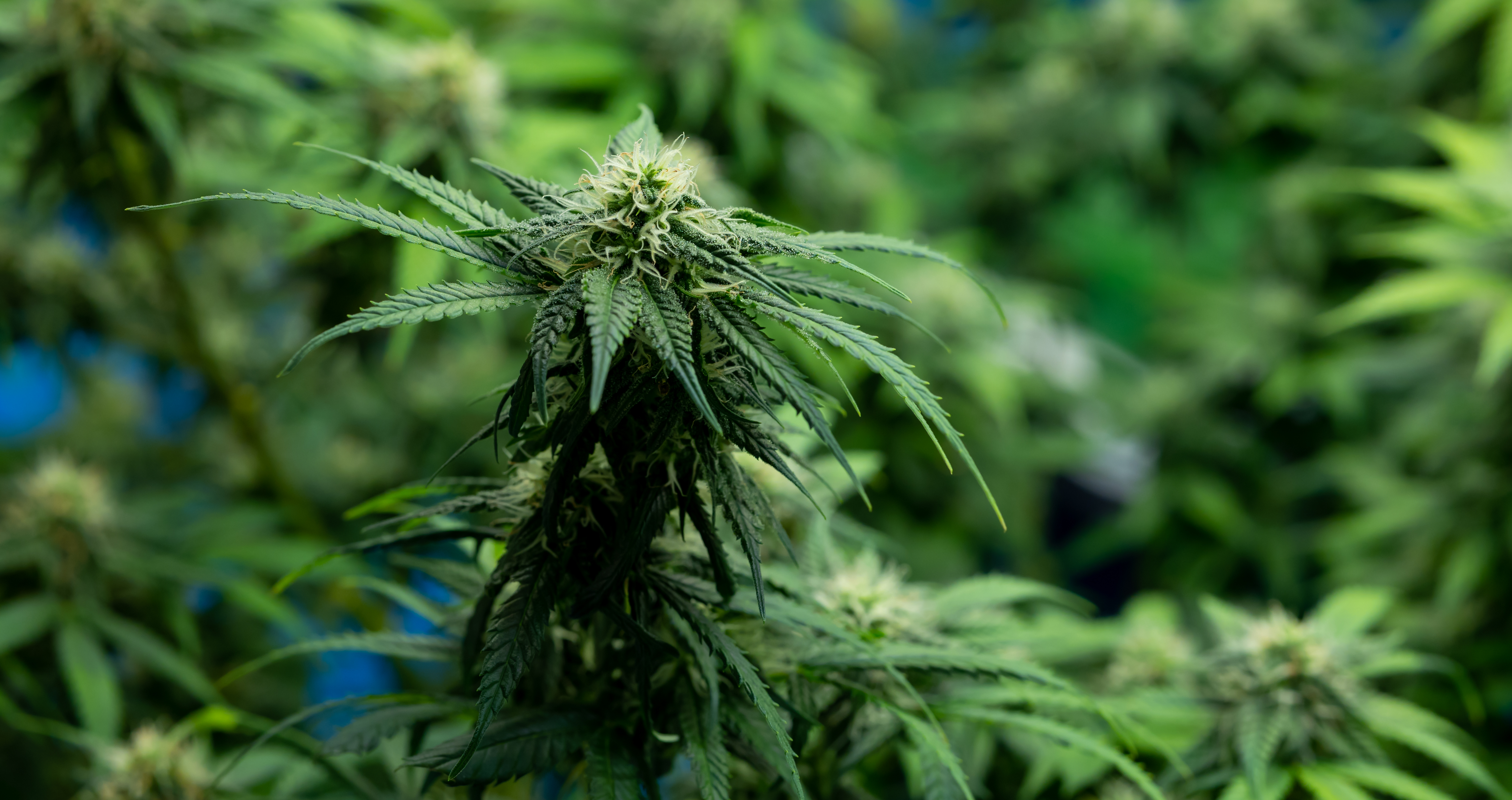


The flowering stage is one of the most important parts of the cannabis plant’s life cycle. During this stage, the plant begins to develop flowers, which are commonly called buds. These flowers contain structures that produce cannabinoids, terpenes, and other natural compounds. Understanding how a flowering weed plant develops can help explain the changes in its appearance, growth, and reproductive functions.
A flowering weed plant is a cannabis plant that has entered its reproductive stage. Before flowering begins, the plant goes through a period called vegetative growth. During this earlier stage, it mainly develops roots, stems, branches, and leaves. These structures allow the plant to collect sunlight, absorb water, and produce the energy needed for further growth. Once the plant enters the flowering stage, its growth patterns begin to change as reproductive structures become more noticeable.
Cannabis belongs to the Cannabaceae family and has both male and female reproductive structures. Many cannabis plants develop either male or female flowers, although some can produce both. Female cannabis plants are known for developing the dense flower clusters commonly associated with cannabis buds. Male plants produce pollen sacs, which release pollen for reproduction. Understanding these differences is important because male and female plants have different roles in the cannabis life cycle.
The flowering process begins when the plant receives the biological signals needed to enter its reproductive phase. In photoperiod cannabis plants, changes in the length of daylight and darkness help trigger flowering. In nature, this process often happens as summer moves toward autumn and the days become shorter. Autoflowering cannabis plants follow a different pattern because their flowering process depends more on age and genetics than on changes in daylight.
As flowering begins, several visible changes take place. A female plant may develop small reproductive structures near the points where branches meet the main stem. These areas are called nodes. Fine, hair-like structures known as stigmas may also become visible. As the flowering stage continues, small flower clusters develop and become more noticeable along the branches.
Cannabis bud development happens over several stages. During early flowering, the plant begins forming its first flowers while some stems and branches may continue to grow. In the middle of flowering, the flower clusters become larger, and resin-producing structures become more visible. During late flowering, the flowers continue to mature, and changes in their shape, color, and chemical composition may occur.
One important feature of a flowering weed plant is the development of trichomes. Trichomes are tiny structures found on the surfaces of flowers and some leaves. Certain glandular trichomes produce and store cannabinoids and terpenes. Cannabinoids are chemical compounds naturally found in cannabis, including tetrahydrocannabinol (THC) and cannabidiol (CBD). Terpenes are aromatic compounds that contribute to the plant’s scent. The types and amounts of these compounds can vary based on plant genetics and developmental stage.
Flowering cannabis plants may also show changes in their leaves, stems, and overall appearance. Some varieties develop long, narrow flower clusters, while others produce shorter and more compact structures. The colors of flowers and nearby leaves may also vary. Green is common, but some cannabis varieties can develop purple or reddish tones due to natural pigments called anthocyanins. These differences are influenced by genetics, plant development, and environmental conditions.
The amount of time a cannabis plant spends flowering is not the same for every variety. Some plants complete their reproductive development sooner than others. Genetics plays a major role in determining the flowering timeline. Environmental factors, such as light, temperature, humidity, and nutrient availability, can also affect how the plant develops. However, these conditions do not affect every cannabis variety in the same way.
Flower development is also linked to the plant’s overall health. Like other flowering plants, cannabis depends on photosynthesis to produce energy. Its leaves absorb light and use that energy to create sugars from water and carbon dioxide. These sugars support normal plant functions, including the formation and development of reproductive tissues. Roots also play an important role by absorbing water and essential minerals from the surrounding growing medium.
Changes during flowering do not always indicate a problem. For example, some older leaves may naturally turn yellow as the plant ages. The appearance of flower clusters may also change as they mature. However, unusual discoloration, damaged tissues, or abnormal growth can sometimes indicate disease, nutrient imbalance, or environmental stress. Learning the difference between normal development and possible plant health problems is an important part of understanding cannabis biology.
Another important topic is the difference between flower growth and flower maturity. A larger flower is not always more mature than a smaller one. Cannabis flowers develop through a series of biological changes that involve reproductive tissues, resin glands, and chemical compounds. Their appearance can provide general information about development, but visual features alone cannot accurately determine cannabinoid levels or chemical quality.
Understanding the flowering weed plant also requires knowing that cannabis does not follow one fixed growth pattern. Different varieties can have different plant heights, branch structures, flowering periods, and flower characteristics. Photoperiod and autoflowering plants also respond differently to flowering signals. These differences explain why two cannabis plants may look and develop differently even when they are at similar stages of their life cycles.
This guide explains the main stages of cannabis flowering, from the first signs of reproductive growth to the development of mature flowers. It covers the week-by-week flowering timeline, male and female plant characteristics, and the biological process behind bud formation. It also explores how environmental conditions, nutrients, and plant health relate to flower development. Additional sections explain the roles of trichomes, terpenes, and cannabinoids, along with common changes that occur as flowers mature.
Overall, the flowering stage marks the transition from general plant growth to reproductive development. During this period, cannabis plants form specialized structures, develop flower clusters, and undergo important physical and chemical changes. Understanding these processes provides a clearer picture of how cannabis grows and reproduces. It also helps readers recognize the natural differences between flowering stages, plant varieties, and flower maturity.
Understanding the Cannabis Flowering Stage
The flowering stage is one of the most important parts of the cannabis plant’s life cycle. During this period, the plant moves from growing stems, roots, and leaves to developing reproductive structures. For female cannabis plants, these structures include the flowers commonly called buds. Understanding this stage helps explain how cannabis plants mature and why their appearance changes over time.
A flowering weed plant looks different from one in the vegetative stage. During vegetative growth, the plant focuses on building a strong structure. It produces leaves, extends its branches, and develops roots that support its growth. Once flowering begins, the plant starts directing more of its resources toward reproduction.
The flowering process involves several biological changes. Plant hormones, genetics, and environmental signals all play a role. Some cannabis varieties begin flowering when the days become shorter. Others start based mainly on their age and genetic traits.
Although cannabis plants follow similar reproductive stages, their flowering patterns can vary. Some produce flowers sooner, while others take longer to develop mature buds. These differences are linked to the plant’s genetics, growing conditions, and natural growth cycle.
What Happens When a Weed Plant Starts Flowering?
When a weed plant starts flowering, it enters its reproductive stage. This marks a change in how the plant grows and uses its energy. Instead of focusing mainly on producing new leaves and branches, the plant begins forming structures involved in reproduction.
One of the first visible changes is the appearance of pre-flowers. These small structures develop near the nodes, where branches and leaves connect to the main stem. They can help identify whether a cannabis plant has male or female reproductive structures.
Female cannabis plants develop small floral structures with hair-like parts called stigmas. These are often white when they first appear. The stigmas are part of the flower’s reproductive system and help capture pollen.
Male cannabis plants develop small pollen sacs instead of the dense flower clusters associated with female plants. These sacs contain pollen used during reproduction. Once pollen reaches a receptive female flower, fertilization can occur, leading to seed development.
Another common change during early flowering is an increase in plant height. Some cannabis plants continue growing taller as they enter the reproductive stage. This period of faster stem growth is often called the flowering stretch.
The amount of stretching depends on the plant’s genetics and stage of development. Some varieties show a large increase in height, while others maintain a more compact structure.
As flowering continues, female plants develop larger groups of flowers along their branches. These clusters gradually become more noticeable. Small leaves may also grow around the developing flowers.
The plant continues to carry out photosynthesis during flowering. Its leaves absorb light and convert energy into sugars that support growth and reproduction. Healthy roots also remain important because they absorb water and minerals from the surrounding soil or growing medium.
Flowering does not mean that all leaf and stem growth stops. Instead, the balance of growth begins to shift toward flower formation and reproductive development.
What Triggers a Cannabis Plant to Flower?
Cannabis flowering is controlled by a combination of genetics, plant development, and environmental signals. The most important trigger depends on whether the plant is a photoperiod or autoflowering variety.
Photoperiod cannabis plants respond to changes in the daily cycle of light and darkness. These plants use environmental signals to recognize when seasonal conditions are changing.
In nature, days become shorter as summer moves toward autumn in many regions. The longer nights provide a signal that can activate flowering in mature photoperiod-sensitive cannabis plants.
This response is connected to the plant’s internal biological clock and light-sensitive systems. These systems help the plant detect changes in day length and coordinate important stages of development.
Plant hormones also influence flowering. Hormones are chemical messengers that control different growth processes. They help regulate stem development, reproductive changes, and the formation of new plant tissues.
However, the flowering response is not the same for every cannabis variety.
Autoflowering cannabis plants have genetic traits that allow them to begin flowering with less dependence on changes in day length. Their reproductive development is linked more closely to plant age and internal growth signals.
This difference explains why two cannabis plants may begin flowering at different times, even when they experience similar environmental conditions.
Plant maturity also matters. A young cannabis plant must develop enough to support reproductive growth. The timing of this change varies between varieties.
Environmental stress can affect plant development as well. Changes in temperature, water availability, and other conditions may influence how a plant grows and how its flowers develop. However, these factors do not replace the main genetic and biological signals that control flowering.
Understanding these triggers helps explain why flowering is a natural part of the cannabis life cycle rather than a sudden or random event.
How Long Does the Flowering Stage Last?
The flowering stage of a cannabis plant commonly lasts around eight to twelve weeks, although some varieties develop mature flowers sooner or take longer. There is no single flowering period that applies to every cannabis plant.
The length of flowering is strongly influenced by genetics. Different cannabis varieties have inherited traits that affect their growth rate, flower structure, and reproductive development.
Some varieties are known for relatively short flowering periods. Others may need several additional weeks before their flowers complete the normal maturation process.
The flowering timeline also depends on how the starting point is defined. Some descriptions begin counting when the plant receives the biological signal to flower. Others begin when the first visible flowers appear. These differences can make flowering times seem inconsistent.
During the first part of flowering, plants may continue developing taller stems and new branches. Small flowers then become visible at different points along the plant.
As the stage progresses, flower clusters increase in size. Female flowers develop more bracts, which are small leaf-like structures associated with the reproductive parts of the plant. Trichomes also become more noticeable on the flower surfaces.
Trichomes are tiny structures found on cannabis flowers and some leaves. Certain types produce and store compounds such as cannabinoids and terpenes. These compounds contribute to the plant’s chemical profile and characteristic aroma.
During the later flowering period, the plant’s reproductive structures continue to mature. Some white stigmas may change color as they age. The shape, density, and appearance of flower clusters may also change.
However, these visible changes do not occur at exactly the same rate in every plant. Differences in genetics, flower development, and environmental conditions can influence the overall timeline.
It is also important to distinguish between the flowering period and the plant’s complete life cycle. A cannabis plant goes through germination, seedling development, and vegetative growth before reaching the flowering stage. The total life cycle is therefore longer than the flowering period alone.
Autoflowering varieties may have a different overall development timeline because their flowering response is less dependent on seasonal changes in light exposure.
The cannabis flowering stage is the reproductive phase of the plant’s life cycle. During this period, the plant shifts much of its growth activity toward developing flowers and other reproductive structures. Female plants form the flower clusters commonly called buds, while male plants produce pollen sacs.
Flowering is influenced by genetic traits, plant maturity, and environmental signals. Photoperiod varieties respond mainly to changes in day length, while autoflowering varieties depend more on internal developmental signals.
Most cannabis varieties complete flowering within several weeks, but the exact period varies. Understanding these differences makes it easier to recognize the natural changes that occur as a flowering weed plant develops from its first pre-flowers to mature reproductive structures.
The Different Stages of a Flowering Weed Plant
The flowering stage is an important part of the cannabis plant’s life cycle. During this period, the plant moves from producing mainly leaves and stems to developing reproductive structures. Female cannabis plants begin forming flowers that may develop into larger bud clusters. Male plants produce pollen sacs that play a role in reproduction.
A flowering weed plant passes through several stages before its flowers reach maturity. Each stage brings visible changes in plant structure, flower size, color, and resin production. Understanding these changes helps explain how cannabis flowers develop and why some plants mature faster than others.
The flowering process is commonly divided into four main stages: pre-flowering, early flowering, mid-flowering, and late flowering. Although these stages follow a general pattern, their timing depends on the plant’s genetics and growing conditions.
Pre-Flowering Stage
Pre-flowering is the transition between vegetative growth and full flower development. During this stage, a cannabis plant begins showing early signs of reproductive maturity. These changes usually appear around the nodes, where branches and leaves connect to the main stem.
Female cannabis plants may develop small, teardrop-shaped structures called bracts. These structures often have thin, hair-like parts known as stigmas extending from them. The stigmas are usually white when they first appear. They form part of the female reproductive system and help capture pollen.
Male cannabis plants develop small pollen sacs instead of the same female flower structures. These sacs may look like tiny round balls near the nodes. As the plant matures, the sacs become more noticeable and eventually release pollen.
During pre-flowering, cannabis plants can still look much like they did during vegetative growth. Their leaves may remain green, and their branches may continue expanding. However, the appearance of reproductive structures signals that the plant has entered a new phase of development.
Pre-flowers are different from mature cannabis buds. A pre-flower is a small reproductive structure, while a mature bud is made of many closely grouped female flowers and related plant tissues.
The length of pre-flowering varies between cannabis varieties. Some plants show reproductive structures earlier than others because of genetic differences and environmental influences.
Early Flowering Stage
Early flowering begins when reproductive development becomes more visible. Female cannabis plants start producing flower clusters at several points along their branches. These clusters are initially small and may be difficult to distinguish from nearby leaves.
One of the most noticeable signs of early flowering is the appearance of additional white stigmas. As more flowers develop, the stigmas become easier to see around the growing flower clusters.
Cannabis plants may also experience a period of rapid stem growth during early flowering. This change is often called the flowering stretch. The plant may become taller as the spaces between its nodes increase.
The amount of stretching varies depending on the cannabis variety. Some plants show a clear increase in height, while others remain relatively compact. This difference is linked to genetics, plant hormones, and the plant’s response to its environment.
Branch structure may also change during early flowering. New flower sites become visible near the upper branches and along the main stem. These sites can later develop into larger groups of flowers.
At this point, cannabis buds are still immature. Their structure is loose, and many of the individual flowers have only recently formed. Resin production may begin, but the visible coating of trichomes is often limited compared with later stages.
Early flowering marks the beginning of the plant’s more noticeable reproductive growth. The main changes involve new flower formation, stem development, and the gradual appearance of larger floral clusters.
Mid-Flowering Stage
Mid-flowering is the period when cannabis flowers become larger and more developed. The small clusters that appeared during early flowering begin forming more noticeable buds.
As flower growth continues, additional bracts develop around the reproductive structures. These bracts may overlap and create the dense appearance commonly associated with cannabis buds.
The size and shape of the flower clusters depend heavily on genetics. Some cannabis varieties naturally produce long, narrow flowers, while others develop shorter and more compact structures.
Another important change during mid-flowering is the development of glandular trichomes. These tiny structures appear on the surfaces of flowers and some nearby leaves. They produce and store resin containing cannabinoids and aromatic compounds called terpenes.
As trichomes become more numerous, the flower surfaces may develop a shiny or frosted appearance. This visible coating is one of the main features associated with developing cannabis flowers.
The plant’s aroma may also become more noticeable during mid-flowering. Terpenes contribute to the different scents associated with cannabis varieties. These scents may be described as earthy, citrus-like, floral, or herbal.
However, aroma alone cannot confirm the chemical composition or maturity of a cannabis flower. Different plants can produce similar scents while having different cannabinoid and terpene profiles.
During this stage, vertical stem growth often slows as floral development becomes more prominent. The plant continues photosynthesis and uses the sugars it produces to support its developing tissues.
Mid-flowering is an important period because the basic structure of mature cannabis flowers becomes easier to recognize.
Late Flowering Stage
Late flowering is the final period of flower development before the plant reaches reproductive maturity. During this stage, many visible changes occur in the buds, stigmas, trichomes, and surrounding leaves.
One noticeable change is the continued development of flower clusters. Cannabis buds may become fuller as additional floral tissues mature. Their final size and shape depend on genetics and the plant’s overall development.
The stigmas may also begin changing color. While young stigmas are often white, older ones may turn orange, reddish-brown, or darker shades. This color change is part of the natural aging process of female flowers.
However, stigma color is not a fully reliable measure of flower maturity. Different cannabis varieties show different patterns, and environmental conditions may also affect their appearance.
Trichomes continue undergoing changes as the flowers develop. Some glandular trichome heads may appear clear during earlier stages and become more opaque as they mature. Other changes may occur as the glands age.
These visible changes are related to the development and aging of resin-producing structures. However, trichome appearance alone cannot determine exact THC or CBD levels. Laboratory testing is needed to measure cannabinoid concentrations accurately.
Some older leaves may also begin to change color during late flowering. Yellowing can occur as part of normal plant aging, although similar symptoms may result from nutrient imbalances, diseases, or environmental stress.
By late flowering, most of the plant’s visible growth is concentrated in its reproductive structures. Stem elongation is generally much slower than during early flowering.
The length of this final stage varies among cannabis varieties. Some plants complete reproductive development sooner, while others have a longer flowering period.
The flowering weed plant passes through four main stages, each with its own visible characteristics. Pre-flowering begins with the appearance of small reproductive structures near the nodes. Early flowering brings new flower clusters, white stigmas, and changes in stem growth.
During mid-flowering, cannabis buds become larger, and glandular trichomes develop across the flowers. The plant may also produce a stronger aroma as its terpene profile develops. Late flowering involves further flower maturation, changes in stigma color, and visible differences in trichome appearance.
Although these stages provide a useful way to understand cannabis growth, they do not follow an identical schedule for every plant. Genetics, environmental conditions, and overall plant health influence the pace of development.
Week-by-Week Cannabis Flowering Timeline
The flowering stage is one of the most important parts of the cannabis life cycle. During this period, the plant moves from producing leaves and stems to developing reproductive flowers. Female cannabis plants form flower clusters that are often called buds. These structures change in size, shape, color, and appearance as the plant matures.
A cannabis flowering timeline helps explain how these changes take place. However, not all cannabis plants follow the same schedule. Some varieties flower faster than others because of their genetics. Environmental conditions and plant health can also affect the rate of development.
The timeline below describes the general changes that may occur during an eight-week flowering period. It is an example rather than a fixed schedule. Some cannabis varieties need ten weeks or longer to complete their flowering cycle.
Weeks 1–2: Transition and Early Flower Formation
During the first two weeks, the cannabis plant begins its shift from vegetative growth to reproductive development. This transition involves changes in how the plant grows and uses its energy.
One of the most visible changes is the increase in stem length. Many cannabis plants continue to grow taller during early flowering. This period of rapid growth is often called the flowering stretch. The amount of stretching depends on the plant’s genetics and its stage of development.
The branches may also become longer, creating more space between the nodes. Nodes are the points where leaves and branches connect to the main stem. These areas are important because reproductive structures often become visible near them.
Female cannabis plants may begin showing small, pale, hair-like structures called stigmas. These structures are part of the female flower and are often seen in pairs. They may appear near the nodes before larger flower clusters develop.
At this stage, the plant usually does not have large, recognizable buds. Instead, small floral structures begin to form around the stems and branches.
Leaf production may continue during early flowering. The plant still needs its leaves to capture light and produce energy through photosynthesis. This energy supports both continued growth and the development of reproductive tissues.
By the end of the second week, some plants show clearer signs of flowering. However, other varieties may take longer before their flowers become easy to identify.
Weeks 3–4: Flower Cluster Development
During weeks three and four, the reproductive structures of a female cannabis plant often become more noticeable. Small flowers begin forming clusters around the nodes and along the upper branches.
These clusters are the early stages of what many people call cannabis buds. At first, they may appear loose and small. As development continues, more floral structures become visible in the same areas.
The white stigmas may become more numerous during this period. They extend from the female flowers and are part of the plant’s reproductive system. Their main biological function is to receive pollen.
Another important change is the development of bracts. Bracts are small, leaf-like structures associated with the flowers. In cannabis, they help form the visible structure of female flower clusters.
The plant may also begin producing more glandular trichomes. These are tiny structures found on the surfaces of cannabis flowers and nearby leaves. Some trichomes produce and store resin containing cannabinoids and aromatic compounds.
At this point, the trichomes may be difficult to see without magnification. As flower development continues, their numbers and visibility often increase.
The plant’s growth pattern may also begin changing. In many varieties, rapid stem elongation gradually slows while flower development becomes more prominent.
By the fourth week, the flowering weed plant may have several visible clusters. Their size and arrangement can vary greatly depending on genetics.
Weeks 5–6: Bud Growth and Resin Production
During weeks five and six, cannabis flowers often become larger and more developed. The small clusters formed during earlier weeks begin to show a clearer structure. In some varieties, the flowers appear more compact as additional floral tissues develop.
One major change is the growth of the bracts that make up much of the female flower cluster. As these structures develop, the buds may look fuller than they did in earlier weeks. However, flower size and density vary between cannabis varieties.
Trichome development also becomes more noticeable during this period. Glandular trichomes are small structures that produce and store resin. This resin contains cannabinoids and terpenes, which are chemical compounds naturally produced by cannabis plants.
Cannabinoids include substances such as THC and CBD. Terpenes are aromatic compounds that contribute to the plant’s scent. Different cannabis varieties produce different combinations of these chemicals.
As the flowers develop, their aroma may become stronger. Some varieties produce earthy or herbal scents, while others have fruity, spicy, or floral notes. These differences are linked to the plant’s chemical profile and genetics.
Research has shown that glandular trichomes change in size and structure throughout flowering. Their stalks may become longer, and their glandular heads may become larger as they mature.
The appearance of the stigmas may also begin changing. Some remain pale, while others gradually develop orange, red, or brown tones. These changes are part of flower development, although the timing varies.
By the end of week six, many cannabis plants have well-defined flower clusters. Still, this does not mean that every plant has reached full maturity. Some varieties continue developing for several more weeks.
Weeks 7–8 and Beyond: Flower Maturation
Weeks seven and eight often represent a later stage in the flowering cycle. During this period, many cannabis plants show visible signs of reproductive maturity. However, the exact timing depends on the variety.
At this stage, the plant may produce fewer new stems and leaves. Flower development becomes one of its main biological activities. Existing flower clusters may continue changing in size and structure.
The stigmas on female flowers can also change color. White or pale stigmas may gradually turn orange, reddish-brown, or brown. This change is linked to the development and aging of floral tissues.
Another visible change involves the trichomes. Young glandular trichomes often appear clear or transparent. As they develop, some become cloudy or opaque. Older trichomes may develop amber or brown tones.
These changes reflect the growth and aging of resin-producing structures. However, trichome color alone cannot provide an exact measure of cannabinoid levels.
Some cannabis plants also show changes in leaf color during late flowering. Older leaves may become yellow as the plant ages. Other varieties may develop red or purple shades because of their genetics and natural pigments.
Flower maturity does not follow a fixed eight-week schedule. Some varieties have shorter flowering periods, while others require ten weeks or more. Differences in genetics, plant age, and environmental conditions can influence how quickly reproductive tissues develop.
Scientific observations also show that cannabis flowers and trichomes do not always mature at the same rate. Different parts of the same plant may show different stages of development at a given time.
These differences explain why a week-by-week timeline should be viewed as a general guide to plant biology rather than an exact calendar.
The cannabis flowering timeline describes how a plant changes from early reproductive growth to the development of mature flowers. During weeks one and two, the plant begins forming reproductive structures and may continue growing taller. Weeks three and four often bring more visible flower clusters, bracts, and early trichome development.
By weeks five and six, the flowers may become larger, while resin production and aromatic compounds become more noticeable. During weeks seven and eight, many varieties show further changes in flower structure, stigma color, and trichome appearance.
Although these stages follow a general pattern, not every flowering weed plant develops at the same speed. Genetics play a major role in flowering duration, bud structure, and chemical development. Environmental conditions and plant health may also affect the growth process.
Identifying Male, Female, and Hermaphroditic Flowering Weed Plants
Cannabis plants can develop male flowers, female flowers, or both types of reproductive structures. Knowing the differences helps explain how cannabis plants reproduce and form seeds. These differences become easier to see as the plant moves from vegetative growth into the flowering stage.
Male and female cannabis plants have different roles in reproduction. Male plants produce pollen, while female flowers contain structures that can receive pollen. When pollination occurs, fertilized female flowers can develop seeds. Some cannabis plants may also produce both male and female reproductive structures.
The sex of a cannabis plant is not always easy to identify during early growth. Young plants often look alike because their reproductive structures have not yet developed. As the plant reaches sexual maturity, small flowers or pre-flowers begin to appear near the nodes. Nodes are the points where leaves and branches connect to the main stem.
What Does a Female Flowering Weed Plant Look Like?
A female flowering weed plant produces reproductive structures that can develop into dense flower clusters. These clusters are often called buds. Female plants are known for producing flowers that contain glandular trichomes. These small resin glands produce and store many of the compounds associated with cannabis, including cannabinoids and terpenes.
One of the first visible signs of a female cannabis plant is the appearance of small pre-flowers. These structures usually develop near the nodes, where branches meet the main stem. Female pre-flowers contain a small bract that surrounds the reproductive organs.
Thin, hair-like structures called stigmas may extend from the female flower. They often appear white or pale when they first become visible. These stigmas are part of the pistil, which plays a role in receiving pollen during reproduction.
As flowering continues, more female flowers develop along the branches. The individual flowers form clusters that may become larger and more compact over time. The shape, size, and density of these clusters depend partly on the plant’s genetics.
Female cannabis flowers also develop trichomes on their bracts and nearby small leaves. These glands often give mature flowers a shiny or frosted appearance. Trichomes have several biological functions, including producing compounds that may help protect the plant.
The appearance of female flowers changes as they mature. Stigmas may darken, floral tissues may become more developed, and resin glands may become easier to see. However, these changes do not occur at the same rate in every plant.
How Can You Identify a Male Flowering Cannabis Plant?
Male cannabis plants develop flowers that produce pollen rather than the dense female flower clusters commonly called buds. Their reproductive structures often become visible as small, rounded formations near the nodes.
These structures are known as pollen sacs. During early development, they may appear as small, smooth balls. As the male flowers mature, the sacs become more developed and may form groups along the branches.
Male flowers usually lack the long, visible stigmas associated with female cannabis flowers. Instead, they contain structures called stamens, which produce pollen. When the flowers reach reproductive maturity, they can release pollen into the surrounding environment.
Pollen is made up of tiny grains that carry male genetic material. Cannabis is mainly a wind-pollinated plant. This means pollen can travel through the air and reach receptive female flowers.
When pollen reaches a female flower, fertilization may occur. The female plant can then develop seeds that contain genetic material from both parent plants.
Male cannabis plants play an important role in the natural reproduction of the species. They contribute genetic diversity and allow new combinations of inherited traits to develop in future generations.
Although male and female cannabis plants can have similar leaves, stems, and growth habits, their reproductive organs are different. Leaf shape, plant height, and branching patterns alone are not reliable ways to identify plant sex.
Male plants may also produce trichomes, but their floral structures and distribution of resin glands differ from those of female plants. These differences reflect their separate reproductive roles.
What Is a Hermaphroditic Cannabis Plant?
A hermaphroditic cannabis plant develops both male and female reproductive structures. In plant biology, this means that a single plant can produce pollen-bearing structures as well as female flowers capable of receiving pollen.
Cannabis plants can show different patterns of sexual expression. While many plants produce either male or female flowers, some develop reproductive structures associated with both sexes.
Hermaphroditism can occur in several forms. A plant may develop separate male and female flowers on different parts of its structure. In other cases, individual flowers may show both male and female features.
Some cannabis plants develop male reproductive structures within areas that otherwise contain female flowers. These structures may appear different from the rounded pollen sacs found on typical male flowers.
Plant genetics play an important role in sexual development. Certain genetic traits may make some cannabis plants more likely to show mixed reproductive characteristics.
Environmental conditions can also influence sexual expression. Research has shown that plant hormones and some forms of environmental stress can affect reproductive development in cannabis. However, the response varies among plants and cannot always be predicted from appearance alone.
A hermaphroditic cannabis plant may produce viable pollen. If this pollen reaches receptive female flowers, fertilization and seed development can occur.
This process matters because seeds carry genetic information from the plants involved in reproduction. When pollen and ovules come from the same plant, the process is called self-fertilization. Cannabis may also undergo cross-fertilization when pollen comes from another plant.
Hermaphroditism is not unique to cannabis. Many flowering plant species naturally produce flowers with both male and female reproductive organs. However, cannabis is more commonly described as a dioecious species, meaning that male and female flowers usually develop on separate plants.
Understanding hermaphroditism helps explain why cannabis reproduction is more complex than simply dividing plants into male and female categories.
Male, female, and hermaphroditic cannabis plants have different reproductive characteristics. These differences become more visible as plants reach sexual maturity and begin developing flowers.
Female cannabis plants produce flowers with bracts and stigmas. Their flower clusters can also develop large numbers of glandular trichomes. These structures are linked to the production of cannabinoids and terpenes.
Male cannabis plants produce pollen-bearing flowers. Their pollen plays an essential role in fertilization and seed development. Unlike female flowers, male flowers do not typically form the same dense clusters of resin-rich floral tissue.
Hermaphroditic plants develop both male and female reproductive structures. This allows pollen production and receptive female flowers to occur on the same plant. Genetics, hormones, and environmental conditions can influence this form of sexual expression.
The reproductive structures of cannabis plants provide more reliable information about plant sex than leaf shape, height, or general appearance. However, identifying these features may be difficult before the plant reaches reproductive maturity.
How Cannabis Buds Form and Develop During Flowering
Cannabis buds are the flower clusters that form during the reproductive stage of a female cannabis plant. These flowers develop over time as the plant moves from early flowering to full maturity. During this process, small floral structures grow, resin glands become more visible, and individual flowers form larger clusters.
The size, shape, and density of cannabis buds can vary between plants. Some varieties produce large, compact flower clusters, while others develop smaller, more open structures. These differences are often linked to genetics, plant health, and environmental conditions.
Understanding how cannabis buds form can help explain the physical changes that take place during flowering. It also provides a better understanding of the different parts of a cannabis flower and their roles in plant reproduction.
What Are Cannabis Buds Made Of?
Cannabis buds are made up of several small plant structures that grow close together. Although a bud may look like a single flower, it is often a cluster of many individual female flowers.
One important part of a cannabis bud is the bract. Bracts are small, leaf-like structures that surround and protect the reproductive parts of the flower. They often have a pointed or rounded shape and become more noticeable as flowering continues.
Female cannabis flowers also have stigmas, which are thin, hair-like structures that extend from the reproductive organs. These are often white during early flower development. Their main function is to receive pollen during reproduction.
As the flower matures, the stigmas may change color. They can become orange, brown, or reddish, depending on the plant’s genetics and stage of development. However, stigma color alone does not provide a complete measure of flower maturity.
Another visible part of cannabis buds is the sugar leaf. Sugar leaves are small leaves that grow within or around flower clusters. They often have a coating of resin glands that gives them a shiny or frosted appearance.
These leaves help the plant carry out photosynthesis. This process allows the plant to use light energy to produce sugars needed for growth and other biological functions.
Cannabis buds also contain trichomes. These are tiny structures found on the surfaces of flowers and some leaves. Certain glandular trichomes produce and store resin that contains cannabinoids and aromatic compounds called terpenes.
The arrangement of these structures gives cannabis flowers their distinct appearance.
How Do Buds Change Throughout the Flowering Stage?
Cannabis buds go through several visible changes as the flowering stage progresses. These changes include the formation of new flowers, growth of floral tissues, and development of resin glands.
During early flowering, the first female flowers begin to appear around the nodes. Nodes are the points where leaves and branches connect to the main stem.
At this stage, flower clusters are usually small and spread apart. Thin white stigmas may extend from the developing flowers, making them easier to identify.
As flowering continues, additional flowers develop near existing ones. These individual flowers form larger clusters that become more visible along the branches.
During the middle part of flowering, the clusters often become fuller. More bracts develop, and the overall structure of the buds becomes clearer. Small leaves may remain visible between the flowers.
The plant may also produce more glandular trichomes during this period. These resin glands can create a frosted appearance on the flower surface.
Changes in aroma may become more noticeable as the plant develops terpenes and other volatile compounds. The type and strength of these aromas depend on the plant’s chemical profile and genetics.
During late flowering, the flowers continue to develop and mature. Some bracts become larger, while the arrangement of the flower cluster may appear more compact.
Stigmas can also begin changing color as the flowers age. However, these changes do not always happen at the same rate across the plant.
Different cannabis varieties may produce different flower shapes. Some have long, narrow clusters, while others develop shorter and broader structures.
The position of each flower cluster can also affect its appearance. Flowers growing on different parts of the same plant may vary in size and development.
These differences are part of the natural growth process and show why cannabis buds do not always look identical.
What Determines Cannabis Bud Density?
Bud density refers to how closely the individual flowers and plant tissues are arranged within a cannabis flower cluster.
A dense bud has floral structures packed closely together. In contrast, a less dense bud has more visible spaces between its parts.
Genetics plays a major role in these differences. Cannabis varieties have inherited traits that influence flower shape, branching patterns, and the arrangement of reproductive structures.
Some plants naturally develop compact flowers with tightly grouped bracts. Others produce more open flowers with greater space between individual floral parts.
These differences do not always indicate that one plant is healthier than another.
The environment also influences how flowers develop. Light, temperature, moisture, and other growing conditions can affect plant growth and tissue formation.
For example, environmental stress may change how a plant grows during its reproductive stage. These changes can affect flower size, leaf development, and the overall appearance of the buds.
Plant health is another important factor. Cannabis plants need water, nutrients, and functioning roots to support normal growth. Problems that affect these basic processes may also influence flower development.
Bud density can vary within the same plant. Some flower clusters may appear larger and more compact than others because of their location and stage of development.
It is also important to understand that dense buds are not always a reliable sign of quality. Flower appearance alone cannot confirm cannabinoid levels, terpene content, or the absence of harmful substances.
Dense flower clusters can sometimes hold moisture between their tightly packed parts. Under certain conditions, this may increase the risk of fungal growth within the flowers.
For this reason, bud density should be viewed as one physical characteristic rather than a complete measure of flower quality.
Cannabis bud development is a natural part of the plant’s reproductive life cycle. Female flowers begin as small structures near the nodes and gradually form larger clusters as flowering progresses.
Each cannabis bud contains several important parts, including bracts, stigmas, sugar leaves, and trichomes. These structures support reproduction, photosynthesis, and the production of chemical compounds.
As the plant moves through the flowering stage, the flowers change in size, shape, appearance, and chemical composition. Trichomes become more visible, flower clusters develop, and reproductive tissues continue to mature.
Genetics is one of the main factors that determine the shape and density of cannabis buds. Environmental conditions and plant health also influence how flowers develop.
The Role of Light, Temperature, and Humidity During Flowering
Light, temperature, and humidity are important factors in the growth and development of a flowering weed plant. These conditions affect how a cannabis plant uses energy, absorbs water, and forms flowers. They also influence the health of the leaves, stems, and developing buds.
During flowering, cannabis plants go through several physical and chemical changes. The plant begins to focus more on reproduction as flowers form and mature. Environmental conditions can affect how these changes take place. Poor conditions may slow growth, damage plant tissues, or increase the risk of disease.
Understanding the role of light, temperature, humidity, and air circulation helps explain why cannabis plants develop differently. It also shows how the surrounding environment affects flower health and the plant’s overall life cycle.
How Does Light Affect a Flowering Weed Plant?
Light plays a major role in cannabis growth because plants use it to make energy through photosynthesis. During this process, leaves absorb light and use it to turn water and carbon dioxide into sugars. These sugars provide energy for growth, tissue repair, and flower development.
Cannabis plants depend on light throughout their life cycle. However, light has another role during flowering. In photoperiod cannabis plants, changes in the length of daylight and darkness help control the shift from vegetative growth to reproductive development.
Photoperiod plants respond to seasonal changes through a biological process called photoperiodism. As daylight hours change, the plant receives signals that affect its internal growth processes. These signals influence when flower development begins.
The plant uses special light-sensitive proteins to detect changes in light conditions. These proteins help regulate biological activities linked to growth and reproduction. Plant hormones and genetic signals also take part in the flowering process.
Different cannabis varieties may respond to light changes in different ways. Some begin flowering earlier than others because of their genetic traits. This is one reason flowering timelines can vary between plants.
Light also affects the development of leaves and flowers through photosynthesis. Leaves produce much of the energy needed to support new plant tissues. As flowers develop, the plant continues to depend on healthy leaves for energy production.
When light conditions are poor, photosynthesis may become less effective. This can limit the energy available for normal plant development. However, the relationship between light and flowering is complex. Plant genetics, maturity, and other environmental conditions also influence growth.
Autoflowering cannabis plants differ from photoperiod plants. Their flowering process is more closely linked to plant age and genetic development than to seasonal changes in daylight. Even so, light remains important for photosynthesis and overall plant health.
How Do Temperature and Humidity Affect Cannabis Flowers?
Temperature affects many biological processes inside a flowering cannabis plant. It influences photosynthesis, respiration, water movement, and the activity of enzymes. Enzymes are substances that help chemical reactions take place inside living cells.
When temperatures change, the speed of these processes may also change. Extreme heat can place stress on plant tissues. High temperatures may increase water loss through the leaves and affect normal cell functions.
Plants release water vapor through small openings in their leaves called stomata. This process is known as transpiration. It helps move water and dissolved minerals through the plant while also supporting temperature control.
When the surrounding air becomes very warm, plants may lose water more quickly. If water loss becomes greater than water uptake, tissues may lose firmness. Leaves may curl, droop, or show other signs of stress.
Low temperatures can also affect plant growth. Cool conditions may slow many chemical reactions involved in plant development. As a result, growth and flower development may progress at a different rate.
Humidity describes the amount of water vapor present in the air. It influences how quickly water moves from plant leaves into the surrounding environment.
When humidity is high, the air contains more moisture. This can reduce the rate of water loss from leaves. When humidity is low, water may leave the plant more quickly because the surrounding air is drier.
The relationship between temperature and humidity is important because warm air can hold more water vapor than cool air. Scientists often study these conditions together to understand water movement in plants.
Humidity also affects the environment around cannabis flowers. Dense flower clusters contain many small surfaces where moisture may collect. When moisture remains on plant tissues, certain fungi may find suitable conditions for growth.
Fungal diseases can damage flowers and other plant parts. One example is gray mold, which is associated with the fungus Botrytis cinerea. This fungus can affect many flowering plants, including cannabis.
Temperature and humidity can also influence the production and release of aromatic compounds. Cannabis flowers contain terpenes, which help create their distinct scents. These compounds are produced through biological processes that may respond to environmental conditions.
However, flower aroma and chemical composition depend on several factors. Genetics, plant maturity, and environmental stress all play a role.
Why Is Air Circulation Important During Flowering?
Air circulation affects the movement of gases, heat, and moisture around plant surfaces. During flowering, these factors become important because cannabis plants develop complex flower clusters with many closely packed structures.
Plants need carbon dioxide for photosynthesis. Carbon dioxide enters leaves through the stomata and is used to produce sugars. At the same time, plants release oxygen as part of the photosynthetic process.
The movement of air helps influence the exchange of gases between leaves and their surroundings. When air remains still, a thin layer of air near the leaf surface can differ from the air farther away.
This layer is called the boundary layer. It affects the movement of water vapor, carbon dioxide, and heat. Air movement can change the thickness of this layer and influence the exchange of gases.
Air circulation also affects moisture around flowers and leaves. Dense flower clusters may create small spaces where humid air remains trapped. These spaces can develop different moisture conditions from those in the surrounding environment.
When moisture stays on plant surfaces, the risk of certain fungal diseases may increase. Fungal spores are common in the environment, but they need suitable conditions to grow and infect plant tissues.
Some fungal diseases affect leaves, while others damage stems or flowers. In flowering cannabis plants, damaged floral tissue can be difficult to identify because many flowers grow close together.
Signs of fungal problems may include unusual discoloration, soft or damaged tissue, and visible mold growth. However, these symptoms are not always caused by fungi. Physical damage, aging, and other forms of plant stress can produce similar changes.
Air movement also influences how heat spreads around plant surfaces. Leaves and flowers absorb energy from their surroundings. The movement of air can affect how quickly heat is transferred between plant tissues and the environment.
It is important to understand that air circulation is only one part of the surrounding environment. Temperature, moisture, plant structure, and biological activity interact in complex ways.
Scientists study these interactions to understand plant health, disease development, and how different species respond to environmental changes.
Light, temperature, humidity, and air circulation influence the development of a flowering weed plant. Each factor affects important biological processes that support plant growth and flower formation.
Light provides the energy needed for photosynthesis and helps control flowering signals in photoperiod cannabis plants. Temperature influences chemical reactions, water movement, and normal cell activity. Humidity affects how plants lose water and how moisture behaves around leaves and flowers.
Air circulation plays a role in gas exchange, heat transfer, and moisture movement. These processes also influence the conditions that allow certain plant diseases to develop.
Although these environmental factors are important, they do not work independently. Their effects depend on plant genetics, developmental stage, and overall health. Understanding these relationships provides a clearer picture of how cannabis flowers form, change, and mature throughout the flowering stage.
Understanding Nutrient Requirements During Cannabis Flowering
The flowering stage is an important part of the cannabis plant’s life cycle. During this period, the plant goes through many changes as it develops flowers. These changes affect how the plant uses water, energy, and nutrients. Healthy plant tissues depend on a steady supply of essential minerals, which support many functions throughout growth.
Cannabis plants need several nutrients to complete their life cycle. Some are required in large amounts, while others are needed in very small amounts. Each nutrient has a specific role in the plant. Some support leaf growth, while others help with energy transfer, cell development, and normal plant functions.
Nutrient needs can also change as a cannabis plant develops. However, the flowering stage does not mean that certain nutrients become unnecessary. A balanced supply remains important for overall plant health.
Understanding the role of nutrients, the signs of nutrient imbalance, and the effects of pH can help explain why flowering cannabis plants sometimes show changes in their leaves, stems, and flowers.
What Nutrients Does a Flowering Cannabis Plant Need?
Cannabis plants require several essential mineral nutrients for healthy development. Three of the most familiar are nitrogen, phosphorus, and potassium. These are called macronutrients because plants need them in relatively large amounts.
Nitrogen plays a major role in leaf development and the production of chlorophyll. Chlorophyll is the green pigment that allows plants to absorb light for photosynthesis. During photosynthesis, plants use light energy to produce sugars that support growth and other functions.
Even during flowering, cannabis plants continue to need nitrogen. Their leaves remain active and help supply the energy needed for normal development. A lack of nitrogen can affect leaf color and reduce the plant’s ability to carry out photosynthesis.
Phosphorus supports several processes inside plant cells. It is part of the compounds involved in energy transfer, including adenosine triphosphate, or ATP. Phosphorus also contributes to genetic material and cell membranes.
Because flowering involves active cell growth and development, phosphorus remains essential during this stage. However, the amount a plant needs depends on its biology and growing environment. More phosphorus does not always lead to greater flower production.
Potassium also has several important functions. It helps regulate water movement within plant cells and supports the activity of many enzymes. Potassium is also involved in the opening and closing of stomata, which are small pores found mainly on leaves. These pores help control gas exchange and water loss.
In addition to these three macronutrients, cannabis plants require calcium, magnesium, and sulfur.
Calcium supports cell wall structure and normal cell development. Magnesium is part of the chlorophyll molecule, making it essential for photosynthesis. Sulfur is needed to form certain amino acids and proteins.
Cannabis plants also need micronutrients, such as iron, zinc, manganese, boron, copper, molybdenum, chlorine, and nickel. Although plants use smaller amounts of these minerals, they are still essential for normal growth.
Together, these nutrients support the biological processes that continue throughout the flowering stage.
How Does Nutrient Imbalance Affect Flower Development?
A nutrient imbalance occurs when a plant receives too little or too much of one or more essential minerals. These problems can affect plant health because nutrients help control many important processes.
One common sign of nutrient imbalance is leaf discoloration. Leaves may turn pale green, yellow, brown, or develop unusual patterns. In some cases, the edges of leaves may become dry or damaged.
The location of these symptoms can offer clues about the nutrients involved.
For example, nitrogen is a mobile nutrient. This means the plant can move some of its stored nitrogen from older tissues to areas where it is needed. When nitrogen becomes limited, older leaves may turn yellow before younger leaves show visible changes.
Iron behaves differently because it has limited mobility within the plant. As a result, iron deficiency often appears first in younger leaves. These leaves may become yellow while their veins remain green.
Magnesium deficiency can also cause yellowing between leaf veins, often affecting older leaves first.
However, leaf color alone cannot confirm a nutrient deficiency. Several problems can produce similar symptoms.
Excessive mineral levels can also harm plant tissues. When certain nutrients are present in high amounts, they may interfere with the absorption of other minerals. This can create an imbalance even when the affected nutrient is present in the root environment.
Another factor is the natural aging of leaves.
As cannabis plants progress through their life cycle, some older leaves may gradually lose chlorophyll. This process is called senescence. It is part of normal plant development and can become more noticeable as reproductive growth continues.
Natural leaf aging should not automatically be confused with a nutrient deficiency. The pattern, timing, and severity of symptoms all matter when studying changes in plant health.
Nutrient imbalances can also affect flower development indirectly. Since healthy flowers depend on energy and materials supplied by the rest of the plant, problems that reduce photosynthesis or damage plant tissues may influence overall reproductive growth.
What Role Does pH Play in Nutrient Availability?
The pH level of a plant’s root environment affects how nutrients behave and how easily plants can absorb them.
The pH scale measures how acidic or alkaline a substance is. A pH of 7 is neutral, while values below 7 are acidic and values above 7 are alkaline.
In soil and other growing materials, pH influences the chemical forms of many mineral nutrients. Some nutrients become more soluble under acidic conditions, while others become less available as pH changes.
This relationship is important because a nutrient can be present in the growing material without being readily available to the plant.
For example, iron availability often decreases in alkaline soils. Under these conditions, plants may develop symptoms associated with iron deficiency even when the soil contains iron.
Phosphorus availability is also affected by soil chemistry. In some acidic soils, phosphorus can react with iron and aluminum compounds. In more alkaline soils, it may react with calcium. These reactions can reduce the amount of phosphorus available to plant roots.
Root health is another important part of nutrient absorption.
Roots absorb water and dissolved minerals from their surroundings. If roots become damaged or experience poor growing conditions, their ability to take up nutrients may decrease.
This means that symptoms resembling nutrient deficiencies do not always result from a lack of minerals. Root damage, excess moisture, poor oxygen availability, and other environmental problems can also interfere with nutrient uptake.
The relationship between pH and nutrient availability also varies with the growing medium. Mineral soil, organic growing materials, and water-based systems have different chemical properties.
For this reason, plant nutrition involves more than the amount of fertilizer or minerals present. Nutrient availability depends on several connected factors, including soil chemistry, root activity, moisture, and environmental conditions.
Understanding these relationships helps explain why different nutrient problems can produce similar symptoms during the flowering stage.
Nutrients support every stage of cannabis development, including flowering. Nitrogen, phosphorus, and potassium play major roles in photosynthesis, energy transfer, water regulation, and other essential plant functions. Calcium, magnesium, sulfur, and micronutrients also contribute to healthy tissues and normal growth.
During flowering, cannabis plants continue to rely on these minerals as their reproductive structures develop. Nutrient imbalances may cause leaf discoloration, damaged tissues, and changes in growth. However, similar symptoms can result from natural aging, root problems, or environmental stress.
The pH of the root environment also influences nutrient availability. Even when minerals are present, chemical conditions may limit how easily plants can absorb them.
Common Problems and Changes During the Flowering Stage
The flowering stage is an important part of the cannabis plant’s life cycle. During this time, the plant goes through several physical and biological changes. Its flowers begin to form, its leaves may change color, and its growth rate may become slower. Some of these changes are normal, while others may point to problems with plant health.
A flowering weed plant can be affected by nutrient imbalances, environmental stress, pests, and diseases. These problems may change the way its leaves, stems, and flowers look. However, not every unusual change means the plant is unhealthy. Some changes are part of the natural aging process.
Understanding the difference between normal development and possible health problems is important. It helps explain why cannabis plants may look different during the early, middle, and late flowering stages.
Why Are the Leaves on a Flowering Weed Plant Turning Yellow?
Yellow leaves are among the most common changes seen during cannabis flowering. This condition is called chlorosis, which means the leaves are losing their green color. Chlorosis happens when the amount of chlorophyll in the leaves decreases. Chlorophyll is the pigment that allows plants to absorb light for photosynthesis.
Some yellowing is a natural part of plant aging. As older leaves reach the end of their life cycle, they may lose their green color. This process is known as senescence. During senescence, plants break down certain compounds in older tissues and move some nutrients to other parts of the plant.
However, yellow leaves can also be linked to nutrient problems. Nitrogen deficiency, for example, often causes older leaves to turn pale green or yellow. Nitrogen is needed to produce proteins and chlorophyll. When nitrogen is limited, the plant may move some of its stored nitrogen from older leaves to newer tissues.
Other nutrients can produce different patterns of discoloration. Magnesium deficiency may cause yellow areas between the veins of older leaves. Iron deficiency often affects young leaves first, although several conditions can produce similar symptoms.
Environmental stress can also change leaf color. Problems involving excess moisture, poor root health, or unsuitable temperatures may interfere with normal plant functions. When roots are damaged, they may have trouble absorbing water and minerals.
Yellowing alone cannot identify the exact cause. The location, pattern, and timing of discoloration provide more information about what may be happening inside the plant.
Why Are Cannabis Flowers Developing Slowly?
Cannabis flowers do not develop at the same rate in every plant. Some varieties have shorter flowering periods, while others take longer to complete their reproductive cycle. These differences are strongly influenced by genetics.
For example, cannabis plants can vary in how quickly they form visible flowers, how their floral clusters develop, and when their reproductive tissues reach maturity. A plant that develops slowly may simply have a longer natural flowering period.
Environmental conditions also affect plant growth. Photosynthesis depends on several factors, including light, temperature, water, and the health of the leaves. When these factors change, plant metabolism may slow down.
Stress can affect how a plant uses its available energy. During difficult conditions, a plant may devote more resources to basic survival processes. This can influence the rate at which new tissues develop.
Flower development also changes over time. During early flowering, visible changes may happen quickly as reproductive structures appear. Later, some changes become less obvious because development involves smaller changes within existing floral tissues.
Slow flower development does not always mean that a plant has a serious problem. A better understanding comes from looking at the plant’s overall condition, its genetic characteristics, and its stage of reproductive growth.
What Causes Bud Rot and Other Flowering Problems?
Bud rot is a fungal disease that affects cannabis flowers. One common cause is Botrytis cinerea, a fungus that can infect many types of plants. This disease is also known as gray mold.
Bud rot can begin inside or near the surface of a flower cluster. Infected tissues may turn brown, gray, or dark in color. As the disease spreads, the affected parts may become soft, dry, or damaged. In some cases, gray fungal growth becomes visible on the flower surface.
One reason bud rot can be difficult to recognize is that early damage may occur inside dense flower clusters. The outer parts of a flower may still appear healthy while internal tissues begin to decay. Research has shown that the disease can affect cannabis bracts, flower clusters, and nearby stems.
High humidity and extended periods of moisture are linked to greater risks of fungal infection. Fungi need suitable conditions to grow and spread. When moisture remains on plant surfaces, some fungal pathogens can infect living tissues more easily.
Dense cannabis flowers may also have small spaces where moisture remains trapped. These conditions can support fungal growth when a disease-causing organism is present.
Bud rot is different from normal flower aging. Mature cannabis flowers may show natural changes in color and structure. However, tissue decay, unusual fungal growth, and rapidly spreading brown areas may indicate disease.
Cannabis plants can develop other diseases during flowering. Powdery mildew, for example, is a fungal disease that may appear as white, powder-like growth on leaves and other plant surfaces. Some fungal infections can damage plant tissues and reduce their ability to function normally.
Not all flower discoloration is caused by fungi. Physical damage, natural aging, and environmental stress may produce similar changes. A proper diagnosis depends on the pattern of symptoms and other available evidence.
How Can You Recognize Stress in a Flowering Plant?
Plant stress happens when environmental or biological conditions interfere with normal growth. A flowering weed plant may show several visible signs when its health is affected.
One common sign is a change in leaf shape. Leaves may curl upward, fold downward, droop, or develop dry edges. These changes can happen when a plant experiences problems with water balance, temperature, or root function.
Leaf discoloration is another possible sign of stress. Affected leaves may become pale green, yellow, brown, or unusually dark. Some leaves develop spots or patches of damaged tissue.
For example, brown areas along leaf edges may be linked to nutrient problems, water stress, or other causes. Dark spots may also develop when plant tissues are damaged by disease.
Changes in flower appearance can provide more information about plant health. Unusual discoloration, damaged flower tissues, or changes in the normal pattern of development may indicate a problem.
However, some changes in flower appearance are normal. Cannabis varieties differ in their natural colors, shapes, and growth patterns. Certain plants develop purple or reddish pigments because of their genetics and environmental conditions. These colors do not always indicate poor health.
Stressed plants may also show changes in their growth rate. Leaves and stems may develop more slowly, and new tissues may appear smaller than expected. These symptoms are not specific to one cause.
It is important to understand that a single symptom rarely gives a complete picture of plant health. Yellow leaves, for example, can result from natural aging, nutrient deficiency, or root damage. Wilting can also have several causes.
In addition, different problems may occur at the same time. A plant experiencing root stress may develop nutrient-related symptoms because its roots are not functioning normally. This can make visual symptoms harder to interpret.
The stage of flowering also matters. Older leaves may naturally decline as the plant ages, while unusual changes in younger tissues may suggest a different process.
Understanding these patterns helps explain why plant health problems can look similar even when their causes are different.
A flowering weed plant goes through many changes as its reproductive structures develop. Some changes, such as the gradual yellowing of older leaves and slower growth late in the life cycle, can be part of normal plant development.
Other changes may indicate health problems. Nutrient deficiencies can affect leaf color, while environmental stress may change leaf shape and growth patterns. Fungal diseases, including bud rot, can damage flowers and surrounding tissues.
Cannabis Trichomes, Terpenes, and Flower Maturity
As a flowering weed plant develops, its flowers go through several changes. The buds become larger, their scent grows stronger, and small resin glands become more visible. These changes are linked to the plant’s natural growth and the production of chemical compounds.
Trichomes, cannabinoids, and terpenes all play important roles in cannabis flower development. Trichomes are tiny structures found on the plant’s surface. Some produce resin that contains cannabinoids and terpenes. These compounds help explain the plant’s chemical makeup, scent, and other features.
Flower maturity is another important part of the cannabis life cycle. As the flowers develop, their color, shape, and surface features may change. However, these changes do not always occur at the same rate. Genetics and growing conditions can affect how each plant develops.
Understanding these features helps explain what happens inside a cannabis flower as it moves through the flowering stage.
What Are Trichomes on a Flowering Weed Plant?
Trichomes are small structures that grow on the surface of cannabis plants. Some look like tiny hairs, while others have rounded heads that contain resin. They can appear on flowers, leaves, and other parts of the plant.
There are two main groups of trichomes: glandular and non-glandular. Glandular trichomes produce and store chemical compounds. Non-glandular trichomes are hair-like structures that mainly serve physical roles on the plant’s surface.
Cannabis has several types of glandular trichomes. Capitate-stalked trichomes are among the most noticeable on mature female flowers. They have a small stalk topped with a round gland. This gland contains cells that produce cannabinoids and terpenes.
Other glandular trichomes are smaller and may sit closer to the plant’s surface. These include bulbous and capitate-sessile trichomes. Their size, shape, and distribution can vary between plant tissues and stages of growth.
During flowering, glandular trichomes often become more noticeable on the bracts and nearby small leaves. As their numbers and size increase, the flowers may develop a shiny or frosty appearance.
Trichomes have several biological functions. Some chemical compounds produced in these structures may help protect the plant against insects, harmful microbes, and other environmental threats. However, the protective effects vary depending on the compound and the conditions.
The amount of visible resin differs between cannabis varieties. Some plants naturally develop dense trichome coverage, while others have fewer visible resin glands. A frosty appearance does not always mean that a flower contains higher levels of THC or other cannabinoids.
How Do Cannabinoids Develop in Cannabis Flowers?
Cannabinoids are natural chemical compounds produced by cannabis plants. They are most strongly linked to the glandular trichomes found on female flowers.
During flower development, specialized cells inside these glands produce compounds that later become different cannabinoids. The process involves several chemical steps controlled by plant enzymes.
Two well-known cannabinoids are tetrahydrocannabinol (THC) and cannabidiol (CBD). THC is mainly associated with the intoxicating effects of cannabis. CBD does not produce the same type of intoxication.
In living cannabis plants, much of the THC and CBD potential exists in acidic forms called THCA and CBDA. These compounds can change into THC and CBD through a process known as decarboxylation, which is often caused by heat.
Cannabis varieties differ in their cannabinoid profiles. Some produce mostly THCA, while others produce more CBDA. Certain varieties contain both, along with smaller amounts of other cannabinoids.
Genetics play a major role in these differences because inherited traits influence which enzymes the plant produces. Growing conditions and flower development can also affect the amount of cannabinoids present.
Cannabinoid levels may change throughout flowering as the trichomes develop and the plant continues its natural growth. However, the chemical profile cannot be determined from the appearance of the flower alone.
A cannabis flower with many visible trichomes does not always have a higher THC level than a flower with fewer visible glands. Laboratory testing is needed to measure cannabinoid content accurately.
What Are Terpenes, and Why Do They Matter?
Terpenes are natural compounds found in many plants, including cannabis. They are responsible for much of the scent associated with flowers, fruits, herbs, and trees. In cannabis, terpenes are mainly produced and stored in glandular trichomes.
Different terpenes produce different scents. Myrcene often has an earthy or herbal aroma. Limonene is linked to citrus-like scents, while pinene has a pine-like smell. Caryophyllene is known for its spicy or pepper-like aroma.
A flowering weed plant usually contains several terpenes rather than a single compound. Together, these compounds create its overall aroma profile. Their amounts and proportions can vary between cannabis varieties.
Terpenes also serve biological functions. In many plants, they help with communication and defense. Certain terpenes may discourage insects or play a role in interactions with other organisms.
As cannabis flowers develop, their terpene profiles may change. Some compounds increase during flower growth, while others become less abundant. These changes can affect how the flowers smell throughout the flowering stage.
Genetics strongly influence which terpenes a cannabis plant produces. Environmental conditions and plant age may also affect the final chemical profile.
Terpenes are sometimes discussed in relation to the effects of cannabis. However, the relationship between individual terpenes and specific effects in humans remains an active area of research. A flower’s scent alone cannot reliably predict how it will affect a person.
Research has also shown that different types of cannabis trichomes can contain different terpene profiles. This helps explain why trichome development is closely connected to the chemical changes that occur during flowering.
What Are the Visible Signs of Flower Maturity?
As cannabis flowers mature, several visible features may change. These include the color of the stigmas, the shape of the bracts, and the appearance of the trichomes.
Stigmas are thin, hair-like structures that extend from female cannabis flowers. During early flowering, they are often white or pale in color. As the flower ages, some stigmas may turn orange, brown, or reddish.
However, stigma color is not a perfect measure of flower maturity. Genetics, aging, and environmental conditions can all influence these changes.
Bracts are small structures that surround and protect parts of the female flower. As flowering continues, they may become larger and more noticeable. Their size and shape can vary between cannabis varieties.
Trichomes also change as they develop. Young glandular trichomes may have clear or nearly transparent heads. As they mature, their appearance can become cloudy or opaque. Some may later develop yellow or amber tones.
These color changes are linked to physical and chemical changes inside the resin glands. However, trichome color does not provide an exact measurement of cannabinoid content.
Flower structure also changes throughout maturity. Some cannabis varieties develop dense, compact flower clusters, while others retain a loose or open structure. These differences are often influenced by genetics rather than maturity alone.
Research has found that trichome development depends on factors such as plant age, genotype, and the location of the trichomes on the flower. For this reason, individual visual features should not be treated as exact measures of chemical maturity.
Laboratory analysis provides a more reliable way to identify the chemical makeup of cannabis flowers. Testing can measure cannabinoids and terpenes that cannot be accurately assessed through visual inspection.
Trichomes, cannabinoids, and terpenes are important parts of cannabis flower development. Glandular trichomes produce and store many of the compounds associated with the plant’s chemical profile. Cannabinoids such as THC and CBD differ between varieties, while terpenes contribute to the plant’s natural aroma.
As a flowering weed plant matures, its flowers may change in size, shape, color, and resin coverage. Stigmas may darken, bracts may become more prominent, and trichomes may develop a cloudy or amber appearance.
Photoperiod vs. Autoflowering Cannabis Plants
Cannabis plants follow different growth patterns based on their genetics. Two main types are photoperiod and autoflowering cannabis plants. Both develop stems, leaves, roots, and flowers. However, they differ in how they enter the flowering stage and how long their growth cycles may last.
Photoperiod cannabis plants respond to changes in the daily amount of light and darkness. Autoflowering cannabis plants begin flowering mainly based on their age and genetic development. These differences affect the timing of flower formation and the overall growth cycle.
Understanding these two types helps explain why some cannabis plants begin flowering sooner than others. It also shows how genetics and environmental conditions influence the flowering weed plant.
What Is a Photoperiod Flowering Weed Plant?
A photoperiod flowering weed plant is a cannabis plant that uses changes in day length to guide its reproductive growth. These plants respond to the length of the dark period as part of their natural flowering process.
Photoperiod cannabis plants usually spend their early lives in the vegetative stage. During this period, they develop roots, stems, branches, and leaves. The plant uses light energy to produce the sugars needed for growth.
As the plant matures, it becomes more able to respond to environmental signals linked to reproduction. A change in the daily light and dark cycle can then lead to the start of flowering.
In nature, many photoperiod cannabis plants begin flowering as summer moves toward autumn. During this time, daylight hours become shorter, and nights become longer. These seasonal changes signal that the growing season is advancing.
The flowering response is controlled by several biological systems within the plant. Light-sensitive proteins help the plant detect changes in its surroundings. These signals affect the activity of genes involved in growth and flower formation.
Once flowering begins, the plant starts developing reproductive structures. Female plants produce flowers with bracts and stigmas, while male plants develop pollen-producing structures.
Flowering time can differ between photoperiod cannabis varieties. Some plants naturally respond sooner to seasonal changes, while others take longer to begin reproductive development.
Genetics also influence how long flowers continue to develop before reaching maturity. As a result, two photoperiod plants may have different flowering timelines even when they grow under similar conditions.
Photoperiod plants are an example of how cannabis uses environmental signals to coordinate growth with seasonal changes.
What Is an Autoflowering Cannabis Plant?
An autoflowering cannabis plant begins its flowering stage mainly through an internal process linked to age and genetic development. Unlike photoperiod cannabis, it does not depend on a seasonal change in day length to begin flowering.
Autoflowering traits are commonly linked to genetic ancestry involving Cannabis ruderalis. This group of cannabis plants became known for its ability to flower without relying on the same day-length signals as many other cannabis varieties.
Over time, these genetic traits have been combined with those of other cannabis plants. This has produced autoflowering varieties with different physical features, chemical profiles, and growth patterns.
An autoflowering plant begins life in the same general way as other cannabis plants. After germination, it enters the seedling stage and develops its first leaves and root structures.
The plant then moves through a period of vegetative growth. During this stage, it develops stems, branches, and more leaves. These structures support photosynthesis and provide the foundation for later flower development.
As the plant reaches a certain stage of maturity, its internal biological signals begin the transition toward flowering.
This change can occur without the shorter days that normally trigger flowering in photoperiod cannabis plants.
Autoflowering cannabis often has a shorter overall life cycle than many photoperiod varieties. However, this is not true for every plant. Growth duration depends on genetics, health, and environmental conditions.
Some autoflowering plants remain relatively small, while others develop larger structures. Their final size depends on the variety and the conditions that affect growth.
The main feature of autoflowering cannabis is its age-linked reproductive development. This trait allows flowering to begin independently of major seasonal changes in daylight.
How Do Their Flowering Stages Compare?
Photoperiod and autoflowering cannabis plants differ in what starts the flowering process. However, they share many biological features once flower development begins.
Both types move through a general sequence of reproductive growth. Female plants first develop small flowers, which later form larger clusters. These clusters contain bracts, stigmas, and other floral structures.
As flowering continues, glandular trichomes become more noticeable on the surfaces of many flower tissues. These tiny structures produce resin containing cannabinoids and terpenes.
Both photoperiod and autoflowering plants can produce THC, CBD, and other cannabinoids. However, the amount and balance of these compounds depend mainly on genetics and plant development rather than the flowering type alone.
Flower appearance can also vary within each group. Some varieties develop compact flower clusters, while others produce flowers with a more open structure.
The most important difference is the way each type enters reproductive growth.
Photoperiod plants respond strongly to changes in light and darkness. Their flowering process is connected to environmental signals that help indicate seasonal changes.
Autoflowering plants rely more on internal developmental signals. Their flowering response is less dependent on day length.
The two types can also differ in their overall growth patterns. Photoperiod plants may remain in the vegetative stage for longer periods when environmental signals do not trigger flowering. Autoflowering plants generally move toward reproductive growth as they mature.
Despite these differences, neither type has one fixed flowering timeline. Individual plants may develop at different rates because of genetic variation and environmental influences.
For example, temperature can affect plant metabolism, while water availability and overall plant health can influence development. These factors may change the rate at which flowers grow and mature.
It is also important to understand that autoflowering does not mean flowers form immediately after germination. The plant still passes through early growth stages before reproductive structures appear.
Likewise, photoperiod plants do not all flower at the same point in the season. Their responses vary based on genetics and local daylight patterns.
By understanding these differences, readers can better recognize why cannabis plants show different flowering schedules even when their flowers appear similar.
Photoperiod and autoflowering cannabis plants share many of the same growth stages, but they differ in how flowering begins. Photoperiod plants respond to changes in the daily light and dark cycle, while autoflowering plants begin flowering mainly through age-related genetic signals.
Photoperiod cannabis often follows seasonal changes in nature. Autoflowering cannabis can enter its reproductive stage without relying on the same changes in daylight.
Both types develop flowers with similar basic structures, including bracts, stigmas, and glandular trichomes. Their flower size, appearance, chemical composition, and maturity timelines depend on genetics and environmental conditions.
Conclusion: Understanding the Flowering Weed Plant Life Cycle
The flowering stage is one of the most important parts of the cannabis plant life cycle. During this period, the plant changes from producing mainly leaves and stems to developing reproductive flowers. These changes affect the plant’s appearance, structure, and growth. Understanding how a flowering weed plant develops helps explain the different stages of cannabis growth and the natural processes behind bud formation.
Cannabis plants go through several growth stages before reaching full maturity. The life cycle begins with seed germination, followed by the seedling and vegetative stages. During vegetative growth, the plant develops roots, leaves, stems, and branches. These structures help support the plant as it grows. Once the plant enters its reproductive stage, its growth patterns begin to change. Flower development becomes a major part of its biological activity.
The flowering process begins with the pre-flowering stage. During this time, small reproductive structures appear near the points where leaves and branches meet the main stem. These early structures can help identify whether a cannabis plant is male or female. Female plants develop flowers with stigmas, which often appear as thin, hair-like structures. Male plants form pollen sacs that play a role in reproduction. Some cannabis plants may also develop both male and female reproductive structures.
As flowering continues, female cannabis plants begin to form larger flower clusters. These clusters contain several small reproductive parts, including bracts, stigmas, and resin glands. During early flowering, the flowers are often small and less developed. As the plant moves through the middle and late stages, the clusters may become larger and more compact. However, the final appearance of the flowers depends on the plant’s genetics and growing conditions.
Cannabis buds develop through a series of natural changes. During early flower formation, small floral structures begin to appear at different points along the branches. Over time, these structures may grow closer together and form larger flower clusters, often called colas. Some cannabis varieties produce dense, compact flowers, while others develop flowers with a more open structure. These differences are part of the natural variation found among cannabis plants.
The length of the flowering stage also varies. Some cannabis varieties complete flowering within a shorter period, while others need more time to reach maturity. Genetics plays a major role in these differences. Environmental conditions and plant health can also influence the rate of development. For this reason, flowering timelines should be viewed as general estimates rather than exact schedules that apply to every cannabis plant.
Another important part of flowering is the development of trichomes. These small structures are found on the surface of cannabis flowers and certain leaves. Glandular trichomes produce and store compounds such as cannabinoids and terpenes. Cannabinoids include THC and CBD, while terpenes contribute to the plant’s aroma. The types and amounts of these compounds vary between cannabis varieties. They may also change as the flowers develop.
The appearance of trichomes can change throughout flower maturation. Some glandular trichomes develop clear, cloudy, or amber-colored heads. However, these visual changes do not provide an exact measure of cannabinoid content. Laboratory testing is needed to identify the levels of THC, CBD, and other compounds in cannabis flowers. Flower color, aroma, and resin coverage can provide information about development, but they cannot confirm chemical strength or overall quality on their own.
Environmental conditions also play a major role in the flowering process. Light, temperature, humidity, and air movement affect normal plant functions. Light supports photosynthesis, which allows the plant to produce energy for growth. Temperature influences many biological processes, while humidity affects moisture loss and plant health. Poor environmental conditions can cause stress and may affect flower development.
Nutrients are another important part of cannabis growth. Plants need nitrogen, phosphorus, potassium, calcium, magnesium, and other essential elements throughout their life cycle. These nutrients support cell development, photosynthesis, and other biological functions. A nutrient imbalance may lead to changes in leaf color, weakened growth, or poor flower development. However, these symptoms can have several causes, so their appearance alone does not always identify a specific problem.
Changes in leaf appearance are also common during flowering. Some older leaves may turn yellow as the plant ages. In other cases, yellowing may be linked to nutrient stress, root damage, or environmental conditions. Flowering plants can also develop problems such as fungal infections or damaged flower tissue. Recognizing the difference between normal aging and possible plant health problems is an important part of understanding cannabis biology.
It is also useful to understand the difference between photoperiod and autoflowering cannabis plants. Photoperiod varieties respond to changes in the length of light and darkness. In natural outdoor settings, seasonal changes in daylight help control the timing of flowering. Autoflowering varieties, in contrast, are less dependent on changes in day length. Their flowering process is more closely linked to age and genetic traits.
Although their flowering triggers differ, both types of cannabis plants develop reproductive flowers through similar biological processes. Female flowers contain many of the same structures, including bracts, stigmas, and glandular trichomes. Both types also show changes in flower size, structure, and chemical composition as they mature. The main differences involve their growth patterns, flowering triggers, and general life cycle timing.
Understanding male and female cannabis plants is equally important when studying flowering. Female plants produce the flower clusters commonly associated with cannabis buds. Male plants produce pollen that can fertilize female flowers. When fertilization occurs, female plants can develop seeds. This reproductive process helps explain why cannabis plants have different flower structures and why seed formation is part of their natural life cycle.
The flowering stage also shows how closely plant genetics and environmental conditions are connected. Genetics influences the plant’s height, shape, flower structure, aroma, and flowering duration. Environmental conditions affect how the plant grows and responds throughout its life. Two plants may belong to the same variety but develop somewhat different physical features because of differences in their surroundings.
In conclusion, the flowering weed plant goes through several connected stages that lead to the formation and maturation of reproductive flowers. From the first signs of pre-flowering to the development of larger bud clusters, each stage involves changes in plant structure and biological activity. Flowering also includes the development of trichomes, cannabinoids, terpenes, and other features that make cannabis flowers distinct.
By understanding the cannabis flowering timeline, reproductive structures, growth patterns, and environmental influences, readers can gain a clearer view of how the plant develops. The flowering stage is a natural part of the cannabis life cycle, shaped by genetics, plant health, and biological processes. Learning about these changes provides a strong foundation for understanding cannabis plant biology, flower development, and reproductive maturity.
Research Citation
Ahrens, A., Llewellyn, D., & Zheng, Y. (2023). Is twelve hours really the optimum photoperiod for promoting flowering in indoor-grown cultivars of Cannabis sativa? Plants, 12(14), 2605. https://doi.org/10.3390/plants12142605
Alter, H., Sade, Y., Sood, A., Carmeli-Weissberg, M., Shaya, F., Kamenetsky-Goldstein, R., Bernstein, N., & Spitzer-Rimon, B. (2024). Inflorescence development in female cannabis plants is mediated by photoperiod and gibberellin. Horticulture Research, 11(11), uhae245. https://doi.org/10.1093/hr/uhae245
Bilodeau, S. E., Wu, B.-S., Rufyikiri, A.-S., MacPherson, S., & Lefsrud, M. (2019). An update on plant photobiology and implications for cannabis production. Frontiers in Plant Science, 10, 296. https://doi.org/10.3389/fpls.2019.00296
Danziger, N., & Bernstein, N. (2021). Light matters: Effect of light spectra on cannabinoid profile and plant development of medical cannabis (Cannabis sativa L.). Industrial Crops and Products, 164, 113351. https://doi.org/10.1016/j.indcrop.2021.113351
Kotiranta, S. M., Kotilainen, T., Pihlava, J.-M., & Palonen, P. (2024). The morphology, inflorescence yield, and secondary metabolite accumulation in hemp type Cannabis sativa can be influenced by the R:FR ratio or the amount of short wavelength radiation in a spectrum. Industrial Crops and Products, 208, 117772. https://doi.org/10.1016/j.indcrop.2023.117772
Kotiranta, S. M., Sarka, A., Kotilainen, T., & Palonen, P. (2025). Decreasing R:FR ratio in a grow light spectrum increases inflorescence yield but decreases plant specialized metabolite concentrations in Cannabis sativa. Environmental and Experimental Botany, 229, 106059. https://doi.org/10.1016/j.envexpbot.2024.106059
Morello, V., Desaulniers Brousseau, V., Wu, N., Wu, B.-S., MacPherson, S., & Lefsrud, M. (2022). Light quality impacts vertical growth rate, phytochemical yield and cannabinoid production efficiency in Cannabis sativa. Plants, 11(21), 2982. https://doi.org/10.3390/plants11212982
Reichel, P., Munz, S., Hartung, J., Präger, A., Kotiranta, S., Burgel, L., Schober, T., & Graeff-Hönninger, S. (2021). Impact of three different light spectra on the yield, morphology and growth trajectory of three different Cannabis sativa L. strains. Plants, 10(9), 1866. https://doi.org/10.3390/plants10091866
Rodriguez-Morrison, V., Llewellyn, D., & Zheng, Y. (2021). Cannabis yield, potency, and leaf photosynthesis respond differently to increasing light levels in an indoor environment. Frontiers in Plant Science, 12, 646020. https://doi.org/10.3389/fpls.2021.646020
Sae-Tang, W., Heuvelink, E., Kappers, I. F., Contreras-Avilés, W., Bernal Cortes, D., Groen, H., Marin Gomez, J., Nicole, C. C. S., & Marcelis, L. F. M. (2025). Long-days during the last two weeks before harvest applied to short-day medicinal cannabis can improve inflorescence yield. Industrial Crops and Products, 233, 121442. https://doi.org/10.1016/j.indcrop.2025.121442
Questions and Answers
Q1: What is the flowering stage of a weed plant?
The flowering stage is the phase when a cannabis plant develops flowers, also called buds. During this stage, the plant shifts its energy from growing leaves and stems to producing flowers. Female cannabis plants develop buds that contain cannabinoids such as THC and CBD.
Q2: How long does the flowering stage last for a weed plant?
The flowering stage usually lasts 8 to 12 weeks, depending on the cannabis strain and its genetics. Some varieties flower faster, while others take longer. Environmental conditions and plant health can also affect the flowering period.
Q3: How can you tell when a weed plant starts flowering?
A weed plant starts flowering when small structures called pre-flowers appear near the nodes, where branches meet the main stem. Female plants often develop thin, white hairs called pistils. As flowering continues, these structures grow into larger buds.
Q4: What happens during the first two weeks of flowering?
During the first two weeks, many cannabis plants experience rapid vertical growth known as the flowering stretch. Branches become longer, and early flower sites begin to form. Small clusters of pistils may also appear along the branches.
Q5: What is the difference between male and female flowering weed plants?
Female cannabis plants produce flowers that can develop into cannabinoid-rich buds. Male plants form small pollen sacs instead of the dense flower clusters found on female plants. When male plants release pollen, they can fertilize female flowers, causing seed development.
Q6: Why are the buds on a flowering weed plant not getting bigger?
Small buds can result from genetics, limited light, nutrient problems, environmental stress, or poor plant health. Some cannabis varieties naturally produce smaller flowers. Bud size also changes throughout flowering, so early flowers may remain small before reaching maturity.
Q7: What are the white hairs on a flowering weed plant?
The white hairs are called pistils, although the visible hair-like parts are technically stigmas. They are part of the female flower’s reproductive system and help capture pollen. These hairs often change from white to orange or brown as the flowers mature.
Q8: Why do the leaves of a flowering weed plant turn yellow?
Yellow leaves may appear because of natural aging, nutrient deficiencies, root problems, or environmental stress. During late flowering, older leaves may lose chlorophyll as the plant ages. However, early or widespread yellowing can indicate a plant health problem.
Q9: How can you tell when a flowering weed plant is mature?
Flower maturity can be assessed by observing bud development, pistil changes, and trichomes. Trichomes are tiny resin-producing structures found on cannabis flowers. Their appearance changes as flowers develop, but visual signs alone cannot reliably determine THC strength or overall quality.
Q10: What happens after the flowering stage of a weed plant?
After flowering, cannabis plants reach reproductive maturity. Pollinated female flowers may produce mature seeds, while unpollinated flowers continue aging. Most cannabis varieties are annual plants, meaning they complete their natural life cycle within one growing season.