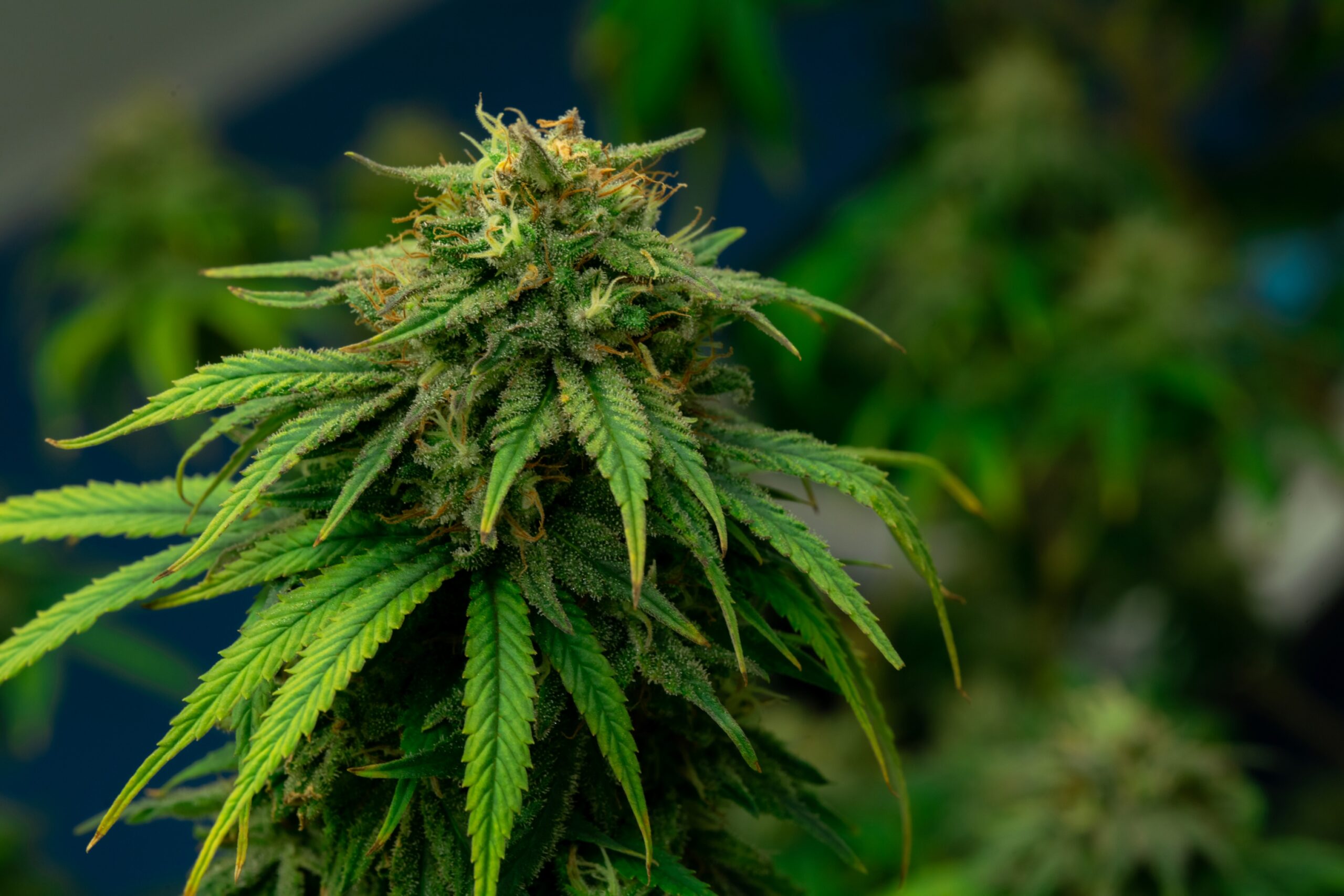


Flowering week 4 is an important point in the cannabis grow cycle. It often marks the stage where plants begin to look more clearly like they are making buds instead of just stretching and building structure. For many growers, this is the week when things start to feel more real. The plant is no longer only focused on growing taller or making more leaves. It is now putting more of its energy into flower development. This is why week 4 gets so much attention. It is a turning point that can help growers understand whether their plants are moving in the right direction.
At this stage, many plants begin to show stronger signs of bud growth. Flower sites that looked small in earlier weeks may start to swell and connect more clearly along the branches. White pistils often stand out more, and the buds may begin to look thicker than they did before. Some plants also start showing more visible frost on the sugar leaves and around the buds. This early resin production can make growers feel excited, but it is still only part of the larger flowering process. Week 4 is not usually the finish line. It is more like the middle part of the journey, where early work begins to show real results.
This week matters because it gives growers a better idea of how the plant is handling its environment, feeding plan, and overall health. By week 4, many early flowering changes have already happened. Stretching may be slowing down. Bud sites are easier to see. Smell may become stronger. Because of this, growers can better judge whether the plant looks healthy, stressed, fast, slow, or simply normal for its type. If there is a problem with nutrients, light, heat, or airflow, signs may begin to stand out more clearly during this stage. In the same way, if the plant is thriving, week 4 often makes that easier to notice too.
One reason flowering week 4 can feel confusing is that not all plants look the same at this point. This is where strain differences become easier to spot. Some strains bulk up early and start building thicker buds sooner. Others take more time and may still look small even when they are healthy. Indica-leaning strains often appear shorter, bushier, and quicker to fill out. Sativa-leaning strains may keep more space between bud sites and can take longer to show dense flower growth. Hybrid strains can fall somewhere in the middle. Because of these differences, growers should not expect every plant to match the same picture or timeline.
The type of strain is not the only thing that affects what week 4 looks like. Grow style matters too. Indoor plants may look more even because the grower controls the light, temperature, and humidity more closely. Outdoor plants may show more variation because weather and natural light can change from day to day. Autoflower strains may move through flowering on a different schedule than photoperiod strains. Even two plants from the same seed pack can look a little different if one had more stress, less light, or weaker root growth during earlier stages. This is why week 4 should always be judged with some flexibility.
Even with those differences, there are still a few things most growers hope to observe in flowering week 4. Bud sites should usually be more noticeable than before. Pistils are often fresh and bright. The plant may smell stronger than it did in the first weeks of flower. Resin may start becoming easier to see. In many cases, upward growth slows while flower development becomes the main focus. These are the kinds of changes that tell a grower the plant is moving deeper into the flowering stage. Still, the exact speed and look of those changes depend on genetics and growing conditions.
This article will explain what growers can usually expect from strains during flowering week 4. It will cover the changes that often happen in buds, trichomes, smell, and plant shape. It will also explain why some plants look ahead of others and why that does not always mean something is wrong. A slow plant is not always unhealthy, and a fast plant is not always better. The goal is to help readers understand what is normal, what may vary by strain, and what signs deserve closer attention.
The most helpful way to approach flowering week 4 is with clear observation. Instead of comparing one plant to every photo online, it is better to look at how that plant is progressing from one week to the next. Is it building buds? Is it making healthy new flower growth? Is the smell becoming more noticeable? Are the leaves still supporting flower development well? These questions matter more than chasing one perfect idea of how week 4 should look. When growers understand that flowering week 4 is a stage of progress, not perfection, they can make better decisions and avoid unnecessary stress.
What Happens During Flowering Week 4
Flowering week 4 is a big point in the cannabis grow cycle. By this time, the plant is no longer acting like it did in the early flowering stage. It starts to put more of its energy into making buds instead of making taller stems and more leaf growth. This is the week when many growers begin to see the plant look more serious about flowering. The shape of the plant starts to settle, and the flowers begin to take on a fuller and more defined look.
Even though flowering week 4 is important, it is also a stage that can confuse new growers. Some plants look ahead of schedule, while others seem slow. This is normal in many cases. A plant in week 4 is still developing, and not every strain moves at the same speed. The key is to know what changes are expected and what changes may point to a problem.
Bud Swelling Begins to Stand Out
One of the biggest things that happens during flowering week 4 is bud swelling. In earlier weeks, many bud sites may still look small and loose. By week 4, the flowers usually begin to look thicker. The white hairs, also called pistils, are still easy to see, but now they are often surrounded by more plant material. This gives the buds a fuller shape.
The plant is using its stored energy and the nutrients it takes in to build flower mass. This does not mean the buds are finished or close to harvest. It simply means the buds are entering a stronger growth phase. Many growers notice that the main colas become more obvious during this time. Side branches may also start to show better bud formation, especially if they get enough light.
Some strains bulk up fast in week 4. Others still look thin and airy. Long-flowering strains, especially some sativa-leaning plants, may not seem very dense yet. That does not always mean something is wrong. It may just mean the plant needs more time. Week 4 is often the stage when growers should focus less on final size and more on steady progress.
Flower Sites Become More Defined
Another major change in flowering week 4 is stronger flower site formation. At this point, the places where buds grow start to become easier to identify. Instead of seeing scattered pistils at each node, you will often see small bud clusters forming more clearly along the branches.
This is when the structure of the future buds starts to show. The top cola often grows the fastest, but lower sites also become more visible. If the plant is healthy, these sites should continue building over the next few weeks. A healthy plant in week 4 usually shows active growth at many bud points, not just at the top.
The spaces between bud sites can still differ from one strain to another. Some plants have tight spacing, which can lead to denser-looking colas later on. Others have wider spacing and may grow longer, more stretched flowers. Neither pattern is always better than the other. A lot depends on genetics, light strength, and plant training from the earlier stages.
Week 4 is a good time to study how the plant is building its flowers. It gives the grower a better sense of what kind of final structure the plant may have by the end of flowering.
The Plant Starts Shifting Away From Vertical Growth
In many plants, flowering week 4 is also when the stretch begins to slow down or stop. Stretch is the fast upward growth that often happens in the early part of flowering. During the first weeks, a plant may get much taller as it tries to position itself for flower production. By week 4, that upward push often starts to ease.
This change matters because it shows that the plant is turning its attention toward bud development. Instead of spending most of its energy on getting taller, it spends more energy on making flowers thicker and more resinous. The plant may still grow a little in height, but the fast stretch seen in earlier weeks is often reduced.
That said, not every plant stops stretching at the same time. Some strains keep stretching longer than others. Sativa-leaning plants often stretch more than indica-leaning plants. A plant under weak light may also stretch longer because it is trying to get closer to the light source. This is why growers should not judge progress by height alone.
If a plant is still stretching a bit in week 4 but also building buds, that can still be normal. The goal is to look at the full picture. The plant should show clear signs of flower growth, not only stem growth.
Strain and Environment Change the Timeline
One of the most important things to understand about flowering week 4 is that it does not look exactly the same for every grow. Genetics play a big role. Some strains are fast and compact. Others are slower and take longer to build mass. A short-flowering indica may look much more advanced in week 4 than a longer-flowering sativa. This can lead to false worry if growers compare plants that are not supposed to look alike.
The growing environment also affects how the plant looks in week 4. Light intensity can change bud size and spacing. Temperature can affect growth speed and plant stress. Humidity can influence how well the plant handles the flowering stage. Good airflow also matters because dense flower areas need fresh air around them.
Nutrition and watering habits also shape week 4 results. A plant that has had balanced care will usually move through this stage more smoothly. A plant that faced stress in the early weeks may look slower or less full. This does not always ruin the grow, but it can delay progress.
Because of these differences, growers should avoid using one exact image of week 4 as the only standard. It is better to ask whether the plant is moving forward in a healthy way. Are the buds growing? Are the flower sites becoming more visible? Is the stretch slowing down? These questions give a better picture than comparing one plant to another.
Flowering week 4 is often the point where a cannabis plant begins to look more focused on flower production. Buds usually start swelling in a more noticeable way, flower sites become more defined, and vertical stretch often slows as the plant puts more energy into building blooms. Even so, week 4 can look different depending on the strain, the setup, and the care the plant has received so far.
What Should Buds Look Like in Week 4
By flowering week 4, buds should look more formed and easier to recognize across the plant. This is the stage when many growers stop looking at the plant as a whole and start paying close attention to each flower site. The plant is no longer just stretching and making new branches. It is now putting more of its energy into building buds. Even though the buds are still not finished, they should look fuller, more active, and more organized than they did in the earlier flowering weeks.
Bud Structure Starts Looking More Defined
In week 4, buds usually begin to take on a more solid shape. In the first weeks of flowering, many bud sites look small, loose, and scattered. They may seem like little clusters of white hairs with only a small amount of plant matter around them. By week 4, those same sites often begin to join together and look more like real buds.
The change is often easy to spot. Instead of seeing thin flower points spread far apart, growers usually notice that the flowers are becoming thicker at each node. The buds may still feel soft, but they should look more developed. On the main cola, the top bud often becomes more noticeable first. Lower bud sites may still be smaller, but they should also show progress if the plant is healthy.
The shape of the buds can vary by strain. Some strains grow tight, rounded buds early. Others stay longer and looser for more time before they begin to fill in. This is why week 4 can look very different from one plant to another. A short, bushy plant may already show chunky flowers, while a taller plant may still have longer spaces between bud sites. Both can still be normal.
White Pistils Are Still Common
One of the clearest signs of normal week 4 bud growth is the presence of fresh white pistils. Pistils are the thin, hair-like parts that stick out from the buds. In week 4, these hairs are often bright white and easy to see. They give the buds a fuzzy or spiky look. On a healthy plant, many of these pistils are still new, which shows that the plant is still building flowers.
Some growers worry when they do not see thick buds yet, but the pistils can tell an important story. If the plant is making lots of fresh white hairs, it usually means the flowering process is still moving forward. In most cases, this is a good sign. The buds may not be dense yet, but they are still actively forming.
Some strains may begin showing a few darker or orange pistils earlier than others. This can happen because of genetics, age, or stress. A few color changes do not always mean there is a problem. What matters more is the overall pattern. If most pistils still look active and fresh, the plant is usually still in a normal part of flower development.
Early Density and Bud Swelling Become Easier to See
Week 4 is often when growers begin to notice early density changes. The buds are not fully thick or heavy yet, but they should no longer look tiny and empty. Flower sites often start to swell, which means the plant is building more material around the pistils. This makes the buds look wider and more filled in.
This swelling may happen first on the top parts of the plant where light is strongest. The upper buds often look ahead of the lower buds, especially in indoor grows. This does not always mean the lower buds are unhealthy. It usually means the plant is responding to light levels and putting the most energy into the strongest sites.
Even at this stage, the buds may still feel soft if touched. That is normal. Growers should not expect hard, finished buds in week 4. Dense flowers usually take more time. What matters now is visible progress. Buds should look like they are building layer by layer. Each week, they should appear a little thicker and more connected.
Bud Stacking Becomes More Noticeable
Bud stacking is another key thing to watch in week 4. This means the flower sites along a branch begin to grow closer together and connect more clearly. In earlier weeks, there may be visible gaps between each site. By week 4, those gaps often begin to fill in. The buds start looking more continuous instead of separate.
This is especially noticeable on strong branches and the main cola. A healthy plant in week 4 often shows stacking that makes the top half of the branch look fuller. The buds may still not be large, but they should look more layered and more joined together than before.
Strain type matters here too. Some strains stack tightly and create a compact look. Others remain more open and airy for longer. Sativa-leaning strains often take more time to show thick stacking, while indica-leaning strains may appear denser sooner. Because of this, growers should compare the plant more to its own progress from earlier weeks, not only to photos of other strains.
Bud Size Can Still Vary a Lot
One of the biggest mistakes growers make in week 4 is expecting all buds to look large already. In truth, bud size can still vary a lot at this point. Some plants look impressive by week 4, while others still seem behind. This does not always mean something is wrong.
The final size of a bud depends on many factors. Genetics play a big role. A fast-flowering strain may bulk up early, while a longer-flowering strain may still be in a slower building stage. Light strength, temperature, feeding, watering, and overall plant health also affect how buds look in week 4.
A smaller bud is not always a weak bud. Sometimes it is simply a bud that needs more time. The key is to look for healthy movement in the right direction. Are the buds getting thicker than last week? Are new pistils still forming? Are the flower sites becoming easier to see? If the answer is yes, then the plant may be right on track.
In flowering week 4, buds should look more developed, more visible, and more structured than they did in the early part of flower. Growers should expect fresh white pistils, early swelling, and clearer stacking at the flower sites. At the same time, buds may still be soft and smaller than expected, especially on slower strains. The most useful way to judge week 4 buds is not by asking if they look finished, but by asking if they are clearly progressing. If the buds are building shape, adding hairs, and slowly filling in, that is usually a strong sign that the plant is moving through flower in a normal way.
How Trichomes Change in Flowering Week 4
Trichomes are one of the most important parts of a cannabis plant during flowering. In week 4, many growers start paying much closer attention to them because this is the stage when resin production becomes easier to see. Even if the buds are still not large or dense, trichomes can already tell you a lot about how the plant is progressing. They also help explain why the plant starts to smell stronger and look more frosty at this point.
What Trichomes Are
Trichomes are tiny, crystal-like glands that grow on the flowers and nearby leaves of the plant. They are very small, but they become easier to notice as flowering moves forward. In simple terms, they look like a layer of frost or sparkling sugar on the buds. That is why many growers call the small leaves around the buds “sugar leaves.”
These glands are important because they produce many of the plant’s key compounds. They are linked to cannabinoids and terpenes, which affect the plant’s smell, flavor, and overall character. While growers often talk about trichomes as a sign of quality, they are also a normal part of the plant’s natural growth. The plant forms them as it matures through the flowering stage.
In week 4, trichomes are usually not at their final stage yet. Still, this is one of the first points in flowering when many growers can clearly see them without much trouble. On some strains, they may already be easy to spot with the naked eye. On others, they may still look light or fine, especially if the strain has a longer flowering time.
Why Trichomes Become More Noticeable in Week 4
By week 4, the plant is putting more energy into flower production. As the buds begin to develop more shape and mass, resin glands also become more visible. This is why a plant that looked plain in earlier flowering can start to look shinier or frostier around this time.
This change often happens along with a stronger smell. As trichomes build up, terpene production also becomes more noticeable. That is one reason many plants begin to have a richer and stronger aroma in mid-flower. A grower may notice that the grow room smells much more active than it did one or two weeks earlier.
Week 4 is often the stage when growers stop asking whether trichomes are coming in and start asking how much trichome coverage is normal. The answer depends on genetics, plant health, and the growing environment. Some strains naturally produce heavier resin earlier in flowering. Others take more time and do not show strong frost until later weeks. This is why it is important not to compare every plant to the fastest or frostiest strains.
Where You Will Usually See Trichomes First
In flowering week 4, trichomes usually become easier to spot on the buds and on the small leaves closest to them. These sugar leaves often show resin first because they sit right around the flower sites. When light hits them, they may look shiny or dusted with crystals.
The buds themselves may also begin to look more coated than before, though the amount can still be light depending on the strain. At this point, the plant may not yet have the thick, heavy frost that many people expect near harvest. Instead, week 4 often shows the early build-up of that coating.
Growers should remember that not every part of the plant will develop at the same speed. Top buds that get more light may appear frostier earlier than lower bud sites. This is normal. Better light exposure and airflow can affect how parts of the plant develop over time.
What Healthy Trichome Development Looks Like
Healthy trichome development in week 4 usually means the plant is moving forward at a steady pace. The buds should look more active than they did in earlier weeks. Resin should slowly increase, and the plant should appear more mature overall. You may notice a brighter, stickier, or shinier look around the flowers.
Healthy trichome growth also tends to match other good signs in the plant. Bud sites may be stacking better. Pistils may still look fresh and mostly white. The smell may be stronger. Leaves should still support the plant well, unless some lower leaves are naturally fading as flowering moves on.
Not every healthy plant will look heavily frosted in week 4. This is important to understand. Some growers worry too early when their buds do not look covered in resin yet. In many cases, the plant is simply following its natural schedule. Long-flowering strains, especially some sativa-leaning types, may still be building toward heavier resin production later on.
Why Week 4 Is Too Early for Harvest Decisions
One of the biggest mistakes growers make is reading too much into trichomes too early. Week 4 may show clear resin development, but it is usually too soon to use trichomes as a final harvest guide. At this stage, the plant is still building flowers, and the resin glands are still developing.
Trichomes change over time. Early in their development, they are not showing the final signs growers look for near harvest. That is why week 4 should be viewed as a progress checkpoint, not a finish line. The plant is still in mid-flower, and many major changes are still ahead.
Using trichomes to decide harvest too early can lead to cutting the plant before the buds have reached proper maturity. The buds may still need more time to swell, thicken, and fully develop their resin and aroma. This is especially true for strains with longer flowering periods.
Instead of using week 4 to decide when to harvest, growers should use it to confirm that the plant is moving in the right direction. The main question in week 4 is not “Is it ready?” but “Is it developing the way it should for this stage?”
In flowering week 4, trichomes become much easier to notice and start playing a bigger role in how the plant looks and smells. These tiny resin glands usually appear on the buds and sugar leaves first, giving the plant a frosty or shiny look. Healthy trichome growth is a good sign that the plant is progressing well, but the amount of visible resin can vary a lot from one strain to another. Most of all, growers should remember that week 4 is still too early for harvest decisions. This stage is best used to watch steady development, not to rush the final cut.
How Different Strains Can Look in Week 4
Flowering week 4 is often the point where strain differences become much easier to see. Earlier in flower, many plants can look somewhat alike. They may all be stretching, forming bud sites, and showing fresh white pistils. By week 4, that starts to change. This is when each strain begins to show more of its own pattern. Some plants look short and full. Some look taller and more open. Some build thick buds early, while others take more time. This is normal.
A grower can become worried when one plant looks very different from another. In many cases, though, the difference is caused by genetics. This is why it is important to understand how indica, sativa, hybrid, autoflower, and photoperiod strains may behave during this stage. Week 4 is not only about bud growth. It is also about learning how your plant naturally develops.
Indica-Leaning Strains in Week 4
Indica-leaning strains often look more compact in flowering week 4. These plants usually have a shorter and bushier shape. Their internodes, which are the spaces between branches and bud sites, are often tighter. Because of that, the buds can appear closer together. This can make the plant look fuller earlier in flower.
By week 4, many indica-leaning strains begin to show thicker bud formation. The flowers may already look rounded and dense compared to slower strains. The buds often stack closely along the branches, and the plant may seem to put its energy into building mass instead of height. In some cases, the stretch phase is already slowing down a lot by this point.
The leaves on indica-leaning plants are also often broader. That wider leaf shape can make the plant look heavier and more solid. In the grow room, these plants may appear more finished than others, even if they still have several weeks left before harvest. This early fullness can give growers confidence, but it is still important not to judge harvest readiness too early.
Sativa-Leaning Strains in Week 4
Sativa-leaning strains often look very different in week 4. These plants are usually taller and more open in structure. Their internodes are often wider, which means there is more space between one bud site and the next. At this stage, the buds may still seem smaller or less dense than an indica-leaning plant grown beside them.
This does not mean the plant is behind or unhealthy. Many sativa-leaning strains take longer to mature. In week 4, they may still be stretching or only starting to fill in. Their buds often look longer, thinner, and more airy at first. Later in flower, they may bulk up more, but their shape is still often less tight than what growers see on many indica plants.
The leaves are also often narrower. This can give the whole plant a lighter and less crowded look. Some growers worry when sativa buds do not look fat by week 4, but that can be normal for this type of strain. Patience matters with these plants. A strain with a longer flowering time may not show its full potential until later weeks.
How Hybrid Strains Can Vary
Hybrid strains can fall anywhere in the middle. Some hybrids lean more toward indica traits, while others lean more toward sativa traits. This means week 4 can look very different from one hybrid to another. One hybrid may be short with chunky buds, while another may be tall with longer spacing and slower flower stacking.
This is why the label “hybrid” does not tell the full story by itself. A grower still needs to watch how the specific plant behaves. In week 4, hybrid strains may show a mix of traits. You might see medium height, moderate stretch, and buds that are starting to thicken without becoming very dense yet. You may also notice that one hybrid has a strong smell early, while another stays mild for longer.
Because hybrids vary so much, they can sometimes confuse new growers. A person may expect all hybrids to act the same, but that is not how it works. The best approach is to compare the plant to its own progress from week to week instead of comparing it too much to another strain.
Differences in Bud Size, Spacing, and Structure
Bud size in week 4 can vary a lot between strains. Some strains seem to build flower mass quickly. Others stay smaller for longer and then swell later. The size of the buds at this point is not always a sign of final yield. A plant with smaller buds in week 4 may still become a strong producer by the end of flower.
Spacing is another major difference. Plants with tight internodes often look more packed with flowers. Plants with longer spacing can look less developed, even if they are doing well. This is one reason growers should not judge week 4 progress only by how full the plant looks from a distance.
Bud structure can also differ. Some strains form short, thick flowers. Others form longer spears. Some buds look hard and rounded early. Others stay soft-looking until later. These patterns are often genetic. Environment still matters, but strain type plays a large role in how buds are shaped during this stage.
Aroma Strength and Resin Variation
By flowering week 4, smell often becomes more noticeable. Still, not all strains produce the same level of aroma at the same time. Some strains become very loud in smell by mid-flower. A grow room with these plants may have a strong scent even before the buds fully bulk up. Other strains stay more mild and only become strong-smelling later.
This difference is often tied to terpene production. Terpenes are the compounds that give the plant its smell. One strain may smell sweet, fruity, earthy, or sharp much earlier than another. This does not mean the stronger-smelling plant is always better. It simply means the strain is expressing its traits in a different way.
Resin production can vary too. In week 4, some plants begin to look frosty early. The buds and nearby sugar leaves may show clear trichome coverage. Other strains develop resin more slowly. A slower start in visible frost does not always mean there is a problem. Some strains build trichomes later in flower, just as some strains build bud weight later.
Autoflower and Photoperiod Differences
Autoflower and photoperiod plants can also look different in week 4, even when they are healthy. Autoflowers often move through their life cycle faster. Because of that, some autoflower strains may look further along by week 4 of flower. They may already be putting strong energy into bud formation and resin production.
Photoperiod strains, on the other hand, are controlled by light schedule and can have a wider range of flowering behavior. Some may take more time to settle into mid-flower. Their structure can also be larger, especially if they had a longer vegetative stage before flowering began. This can make them look less advanced in one area and more advanced in another.
The key point is that growers should avoid comparing an autoflower directly to a photoperiod plant without considering timing, size, and genetics. Each type follows its own pattern.
In flowering week 4, strain differences become easier to spot. Indica-leaning strains often look shorter, fuller, and faster to bulk up. Sativa-leaning strains often look taller, more open, and slower to fill in. Hybrids can show a mix of both patterns, which is why each plant should be judged on its own progress. Bud size, spacing, smell, and resin can all vary by strain, and autoflower and photoperiod plants may also move at different speeds. The most helpful thing a grower can do in week 4 is stay patient, watch the plant closely, and understand that different strains can look very different while still growing normally.
Is It Normal for Plants to Still Stretch in Week 4
It can be normal for plants to still stretch in week 4 of flowering, but the answer depends on the strain, the growing setup, and the plant’s overall health. Stretching means the plant is still growing taller, with more space appearing between branches, leaves, and bud sites. During the early part of flowering, many cannabis plants go through a strong stretch phase. This is one of the biggest changes growers notice after the light cycle shifts and flowering begins.
By week 4, some plants have mostly stopped stretching and are putting more energy into building buds. Other plants may still grow taller, especially if they are sativa-leaning or if they started flowering a little slower. This is why growers should not judge every plant by the same timeline. Two healthy plants can look very different in week 4 and still both be on track.
Why Stretch Happens in Flowering
Stretch is a normal part of early flowering. When a plant enters bloom, it often grows quickly upward before it fully focuses on bud production. This growth helps the plant create more space for flowers and more exposure to light. It is part of the plant’s natural pattern.
In many cases, the heaviest stretch happens during the first two to three weeks of flowering. By week 4, that fast upward growth often begins to slow down. Still, slow or moderate stretching may continue for some strains. This does not always mean something is wrong. It can simply mean the plant is following its own genetic pattern.
Indica-leaning strains often stay shorter and bushier. They may stop stretching earlier and begin thickening up faster. Sativa-leaning strains often stretch longer. Their buds may also take more time to bulk up. Hybrid strains can fall anywhere in between. This is why strain type matters so much when looking at plant height in week 4.
When Stretching Is Still Normal in Week 4
Stretching in week 4 is often normal when the growth is steady, healthy, and not extreme. A plant may still gain some height while also showing clear signs of flower development. Bud sites may be forming well, pistils may be fresh and white, and the plant may still look balanced overall. If that is happening, some extra stretch is usually nothing to worry about.
It is also common for taller strains to keep reaching upward a little longer than compact strains. Some growers expect all stretching to end by week 3, but that is not always realistic. A plant that is still growing in week 4 can still be healthy, especially if the branches are strong, the leaves look normal, and the buds are continuing to develop.
The key is to look at the full picture. If the plant is taller but also making progress in flower, then the stretch may just be part of normal development. Height alone does not tell the full story.
When Most Plants Start Slowing Down
For many plants, week 4 is the time when vertical growth begins to slow. The plant starts moving more of its energy into making buds thicker, frostier, and more aromatic. You may notice less height gain from one day to the next. At the same time, you may see more changes at the bud sites. Flowers may look fuller, trichomes may become easier to spot, and the smell may become stronger.
This shift is important because it marks the move from early flower into mid-flower. The plant is no longer mainly building height. It is now working harder on flower production. That said, not every plant makes this shift at the same speed. Some strains are naturally faster, while others take more time to settle into this stage.
Growers should expect the stretch to slow down around this point, but they should not panic if it has not fully stopped. A little continued height growth can still be normal, especially if the plant is otherwise doing well.
How Genetics and Lighting Affect Stretch
Genetics is one of the biggest reasons plants stretch differently. Some strains are bred to stay compact. Others are known for taller growth and longer flowering times. A grower may do everything right and still see one strain stretch much more than another. That is not failure. It is just part of how different strains behave.
Lighting also affects stretch. If the light is too far from the plant, the plant may stretch more as it tries to get closer to the light source. This kind of stretching can make the plant look weak or uneven. On the other hand, if the light is too close, the plant may become stressed. Leaves may curl, bleach, or show signs of damage. This is why light distance matters so much during flowering.
Strong, even lighting helps the plant grow in a more controlled way. Good light supports flower development without pushing the plant into unnecessary stretch. Growers should also think about light intensity, not just distance. A plant under weak light may keep reaching. A plant under proper light is more likely to stay balanced and focus on buds at the right time.
How to Tell the Difference Between Normal Stretch and Stress
Normal stretch usually looks healthy. The stems stay firm, the leaves remain a healthy color, and the bud sites continue forming well. The plant may gain some height, but it still looks strong and productive. The space between nodes may increase a little, but not so much that the plant becomes thin or unstable.
Stress-related stretch often looks different. The plant may become too tall too fast. The spacing between nodes may get too wide. The stems may seem weak, and the top growth may look like it is chasing the light. In some cases, the buds may seem slow to develop because the plant is putting too much energy into height instead of flowers.
Other signs of stress may show up at the same time. Leaves may taco from heat. The tops may bleach from too much light. The plant may look pale, droopy, or off balance. If these signs appear along with unusual stretch, the issue may be environmental, not genetic.
Growers should also watch the canopy. If one part of the plant is shooting up much faster than the rest, light distribution may be uneven. This can lead to poor bud development on lower sites. Training and light adjustment can help manage this, but by week 4, heavy stress or major changes should be avoided.
It is normal for some plants to still stretch in week 4 of flowering. This is especially true for taller strains, slower-developing plants, and certain growing conditions. Most plants begin slowing down around this stage and start putting more energy into bud growth, but the exact timing can vary. The best way to judge stretch is to look at the whole plant, not just its height. If the plant is healthy, the flowers are forming, and the leaves look strong, then continued stretch may be perfectly normal.
What Nutrients Do Plants Need in Flowering Week 4
Flowering week 4 is when many plants begin putting more energy into bud growth instead of leaf and stem growth. This is why feeding often needs a closer look at this stage. The goal is to support healthy flowers without giving the plant too much or too little. Below is a clearer breakdown of the main nutrient needs in week 4.
Nitrogen Needs Start to Change
By flowering week 4, the plant usually does not need as much nitrogen as it did during the vegetative stage. In veg, nitrogen helps support fast leaf and stem growth. During mid-flower, the plant shifts its focus more toward bud development.
Nitrogen still matters in week 4 because the plant still needs healthy leaves to make energy. However, too much nitrogen can create problems. A plant with too much nitrogen may stay too leafy, grow dark green leaves, or put less energy into forming flowers. In some cases, the leaves may also curl downward, which is often called clawing.
This is why many growers begin lowering nitrogen levels once flowering is well underway. The goal is not to remove nitrogen completely. The goal is to reduce it enough so the plant can focus more on bud growth while still staying healthy.
Why Phosphorus Matters in Mid-Flower
Phosphorus becomes more important in flowering week 4 because it helps support key plant functions during flower formation. It plays a role in how the plant moves and uses energy. It also supports root health and overall development.
At this stage, the plant is working hard to build and hold flowers. That is why many bloom nutrients contain more phosphorus than vegetative feeds. A proper amount of phosphorus can help the plant continue developing buds in a steady way.
Still, more phosphorus does not always mean better results. Giving too much can upset the plant’s balance and may lead to other problems. It is better to follow a steady and moderate plan than to push the plant too hard.
The Role of Potassium During Flowering Week 4
Potassium is another nutrient that becomes very important in mid-flower. It helps the plant manage water, support strong growth, and handle stress better. It also supports many basic plant processes that matter during flower development.
In week 4, potassium helps the plant stay strong while buds continue to form and swell. This is one reason bloom formulas often raise potassium levels along with phosphorus. The plant needs this support as it moves deeper into the flowering stage.
Like other nutrients, potassium must stay in balance. Too much can interfere with how the plant uses other nutrients. A healthy feeding plan gives enough potassium to support flowering without overloading the root zone.
Balanced Feeding Matters More Than Heavy Feeding
One of the biggest mistakes in flowering week 4 is overfeeding. Some growers see small buds and think the answer is to add more nutrients right away. In many cases, this causes more harm than good.
Plants do not always grow better just because they get more food. When nutrient levels become too strong, roots can become stressed. This can lead to nutrient burn, leaf tip damage, or nutrient lockout. Lockout means the plant struggles to absorb what it needs, even if those nutrients are present in the medium.
A balanced feeding plan is usually the better choice. Week 4 is a good time to stay consistent, watch the plant closely, and avoid making sudden feeding changes. Stronger feed does not always mean stronger flowers.
Secondary Nutrients and Micronutrients Still Matter
Even though growers often focus on nitrogen, phosphorus, and potassium, the plant still needs more than those three nutrients. Calcium and magnesium remain important during flowering week 4. These nutrients help support normal growth and plant health.
Calcium helps with structure and proper development. Magnesium helps the plant make chlorophyll, which is needed for photosynthesis. If either one is lacking, the plant may begin showing stress signs even if the main nutrient levels seem fine.
The plant also needs small amounts of micronutrients such as iron and zinc. These trace elements support important functions inside the plant. Even though they are needed in smaller amounts, they still matter. A complete nutrient profile is important during mid-flower.
Watering Habits Affect Nutrient Uptake
Nutrients do not work well if watering is not handled properly. A plant may have the right feed, but poor watering can still lead to stress. In flowering week 4, root health is very important because the roots are responsible for taking up water and nutrients.
If the medium stays too wet for too long, roots may not get enough oxygen. This can weaken the plant and reduce nutrient uptake. If the medium gets too dry too often, the plant can also become stressed, and flower growth may slow.
The best approach is to keep the root zone stable. That means watering in a way that supports both moisture and airflow. When roots stay healthy, the plant is better able to use the nutrients it receives.
Watch the Plant, Not Just the Feeding Chart
Feeding charts can be helpful, but they should not replace careful observation. Every plant can respond a little differently based on strain, light, temperature, humidity, and growing medium. This is why growers should pay close attention to what the plant is showing.
A healthy plant in week 4 often has steady bud development, mostly healthy leaves, and visible progress from day to day. If leaves are very dark, clawed, or have burnt tips, the feed may be too strong. If the plant looks pale or older leaves fade too early, the nutrient balance may need work.
The plant itself gives useful signals. A grower who watches the plant closely can often make better choices than one who only follows the bottle label.
Strain Differences Can Affect Feeding Needs
Not all strains behave the same way in flowering week 4. Some strains can handle heavier feeding, while others do better with lighter nutrient levels. This is why two plants in the same room may not react the same way to the same feeding schedule.
Some strains also develop buds faster, while others take longer and need a more patient approach. Autoflowers and photoperiod plants may also differ in timing and response. Genetics play a big role in how a plant uses nutrients during flower.
Because of this, growers should avoid comparing every plant to another one. A feeding plan should match the needs of the plant being grown, not just a general rule.
Flowering week 4 is a time when nutrient balance becomes even more important. The plant usually needs less nitrogen than it did in veg, while phosphorus and potassium become more important for flower growth. At the same time, calcium, magnesium, and micronutrients still play a key role in keeping the plant healthy.
How Much Smell Should You Expect by Week 4
By flowering week 4, many growers notice that the smell becomes much stronger than it was before. This is a normal part of mid-flower. At this stage, buds are forming more clearly, resin is increasing, and each strain starts to show more of its natural scent. Still, not every plant will smell the same. Some strains become very strong by week 4, while others stay lighter and more subtle. The sections below explain what causes this change and what growers should expect.
Why the Smell Gets Stronger in Week 4
The stronger smell in week 4 comes from the plant’s natural flower development. As buds grow, the plant starts producing more resin. Inside that resin are compounds called terpenes. Terpenes are what give cannabis its smell and flavor. They are the reason one strain may smell sweet and fruity, while another smells earthy, sour, spicy, or sharp.
In the early part of flowering, the smell may still be weak or easy to control. By week 4, that usually changes. The buds are larger, and resin is easier to notice on the flowers and sugar leaves. As this happens, the scent often spreads more through the grow area. This is why many growers feel that week 4 is when the plant starts to smell more like its strain.
How Terpenes Affect Aroma
Terpenes are a major reason why strains smell so different from each other. These natural compounds develop as the flowers mature. They help create the scent profile of the plant, and that profile becomes easier to notice as flowering moves forward.
For example, one strain may begin to smell like berries or citrus. Another may have a skunky, diesel, or herbal scent. Some plants smell fresh and light, while others smell deep and heavy. By week 4, these differences often become much clearer. A grower may begin to notice that the plant no longer smells just green or grassy. Instead, it starts showing more of its true character.
Why Some Strains Smell Stronger Than Others
Not all strains produce the same level of smell in week 4. Some are naturally more pungent. These strains may fill a tent or room with odor very quickly. Others are softer in smell and do not spread as far through the air. This is often due to genetics.
A strong smell does not always mean a plant is better, and a mild smell does not always mean something is wrong. Some healthy strains are simply less intense in aroma. This is why it is important not to compare every plant to the loudest strain a grower has seen before. A mild-smelling plant can still be developing well if bud growth, trichomes, and leaf health all look normal.
How the Smell Can Change During This Stage
The smell in week 4 may not only get stronger. It may also change in quality. Earlier in flowering, many plants smell simple, fresh, or grassy. By week 4, the scent often becomes richer and more detailed. This is the stage when the plant begins to show more of its mature aroma.
A fruity strain may start to smell sweeter and more layered. A gas or diesel strain may become sharper and heavier. Earthy strains may develop deeper and richer notes. This shift is normal and often shows that the plant is moving deeper into flower. Even if the buds still look smaller than expected, a more developed smell can be a good sign that the plant is progressing.
How the Grow Environment Affects Smell
The strength of the smell can also be affected by the growing environment. Temperature, airflow, and humidity all play a role in how scent moves through the space. A warmer room may make the smell seem stronger because odor moves more easily through warm air. Strong airflow can also carry scent around the room faster.
Humidity matters too. In some spaces, high humidity can make the air feel heavy, which may change how the smell is noticed. In a small closed area, odor may build up faster than in a larger space with better ventilation. Because of this, the same strain may seem much stronger in one grow room than in another. This does not always mean the plant itself is producing more smell. Sometimes it is the environment making the odor easier to notice.
What Indoor Growers Should Expect
Indoor growers usually notice odor changes more clearly by week 4. In a tent, closet, or room, the smell can become strong enough to move outside the grow space if odor control is not in place. This is why many indoor growers use carbon filters and exhaust systems during flowering.
By week 4, odor control often becomes more important. A grower who did not notice much smell in earlier weeks may find that the scent is now much harder to contain. This is not a sign of trouble. It usually means the plant is developing as expected. Stronger smell at this point often shows that flower and resin production are moving forward.
What Outdoor Growers May Notice
Outdoor growers can also expect a stronger smell in week 4, but the experience may be different. Fresh air and open space often spread the odor more naturally, so the smell may not stay in one area the same way it does indoors. Still, very pungent strains can become easy to notice outdoors as flowering continues.
Wind, weather, and space all affect how much smell a grower notices outside. Some days the scent may seem light, while on other days it may seem much stronger. This can make outdoor odor feel less predictable. Even so, the increase in smell during week 4 is still a normal part of flower development.
Does Stronger Smell Mean Better Quality
It is easy to think that a stronger smell means the plant will be better, but that is not always true. Smell is one useful sign, but it should not be the only thing a grower looks at. Healthy bud development also includes steady flower growth, visible trichomes, good leaf condition, and normal pistil development.
A plant with a lighter smell may still produce good results. In the same way, a strong smell does not fix problems caused by stress, poor feeding, or weak bud growth. Smell is best viewed as one part of the bigger picture. It can help show progress, but it should be considered along with the plant’s overall health.
By flowering week 4, it is normal for smell to become stronger and more noticeable. This happens because the plant is producing more resin and more terpenes as the buds develop. Some strains will smell very strong at this stage, while others will stay more mild. Both can still be healthy.
The most important thing is to understand that smell is only one sign of progress. A grower should also watch bud size, trichome production, pistil growth, and leaf health. In short, week 4 is often the point when the plant’s scent becomes more defined, and it gives a clearer idea of what the strain is starting to become.
What Problems Can Show Up in Flowering Week 4
Flowering week 4 is often a turning point in the grow cycle. Buds are forming more clearly, the smell is getting stronger, and the plant is putting more energy into flower growth. This is also the stage when problems can become easier to spot. A small issue that started earlier in the grow may show itself more clearly now. That is why week 4 is a good time to slow down, look closely, and check how the plant is responding to its environment and feeding plan.
Not every yellow leaf or curled tip means something is seriously wrong. Some small changes can be normal, especially on older fan leaves. Still, growers should pay attention in week 4 because stress at this stage can affect bud size, resin production, and overall plant quality. The most common problems during this part of flowering include yellowing leaves, nutrient imbalance, heat stress, light stress, and calcium-related issues. Each one can affect the plant in a different way.
Yellowing Leaves
Yellowing leaves are one of the most common things growers notice in flowering week 4. In some cases, this is not a major problem. Older fan leaves near the bottom of the plant may start to fade as the plant moves energy into the buds. This kind of slow yellowing can happen naturally during flowering.
The problem starts when yellowing spreads too fast, appears on many leaves at once, or shows up higher on the plant much earlier than expected. When that happens, it may point to a feeding issue, root stress, pH trouble, or poor watering habits. The leaves may lose their rich green color, turn pale, and then become fully yellow over time.
If the plant is not getting the nutrients it needs, bud growth may slow down. The plant may look weak, and the flowers may stop swelling as expected. Leaves are important during flowering because they still help the plant make energy. If too many leaves become damaged too soon, the plant may struggle to support healthy bud development.
A grower should look at the pattern of yellowing. If it starts low and moves slowly, it may be normal aging. If it spreads fast or appears along with brown spots, burnt tips, or drooping, it is more likely part of a bigger problem.
Nutrient Imbalance and Nutrient Burn
During week 4, plants need steady support, but too much feed can cause trouble. Some growers think bigger buds will come faster if they add more nutrients. In reality, overfeeding can stress the plant and slow progress.
One common sign of nutrient burn is brown or crispy leaf tips. The ends of the leaves may look burnt, dry, or curled. In more serious cases, the dark green color of the leaves may become too strong, and the leaves may start to claw downward. This is a sign that the plant is taking in more nutrients than it can handle.
Nutrient imbalance can also happen when one nutrient builds up too much and blocks the plant from using others. Even if the grower is feeding regularly, the plant may still show signs of deficiency because it cannot properly take in what it needs. This can confuse new growers because the plant looks hungry and overfed at the same time.
In flowering week 4, this matters because the plant is in an active stage of bud building. If feeding is too strong or poorly balanced, the plant may stop focusing on flowers and instead respond to stress. Buds may stay smaller, leaves may look damaged, and overall plant health may decline.
Heat Stress
Heat stress can become more serious in flowering because buds are getting thicker and the plant is working hard. If the grow room gets too warm, the leaves may start to curl upward at the edges. This is sometimes called tacoing because the leaf shape starts to fold up like a shell. The plant may also look dry even when the watering schedule is correct.
High heat can make the plant lose water too fast. It can also affect how the plant uses nutrients. In some cases, the buds may become loose instead of dense. The plant may produce less resin, and the smell may change. Extreme heat can also make the grow space harder to manage because humidity, airflow, and water needs all shift together.
Heat stress often becomes worse when strong lights are also involved. A plant that sits under intense light in a hot room may show damage faster than a plant in a stable environment. This is why temperature and light should always be viewed together, not as separate issues.
Light Stress
Light is necessary for flower growth, but too much light can do harm. In week 4, growers sometimes lower lights too quickly because they want faster bud growth. If the light is too close, the top leaves may start to bleach, curl, or twist. The upper part of the plant may look stressed while the lower part still looks healthy.
Light stress can make buds grow in an uneven way. The top flowers may seem harsh, dry, or oddly shaped. In some cases, the plant may look faded under the strongest part of the light. This kind of stress is easy to confuse with nutrient problems, so it helps to look at where the damage is happening. If the top of the plant is affected the most, light stress may be the cause.
The plant needs strong but controlled light during flowering. Too little light can lead to weak buds, but too much can slow healthy growth. The goal is balance. A stressed plant will spend energy protecting itself instead of building better flowers.
Calcium and Other Deficiency Signs
Calcium problems often show up as brown spots, rust-like marks, or weak-looking leaves. Newer growth may look twisted or uneven. The plant may also seem less vigorous overall. In flowering week 4, this can be a problem because the plant is trying to support fast flower growth, and weak leaf health can limit that progress.
Calcium issues do not always mean the grower forgot to add calcium. Sometimes the nutrient is present, but the plant cannot absorb it well because of pH problems, root stress, or salt buildup in the medium. This is why growers need to look at the whole picture instead of reacting to one symptom alone.
Other deficiency signs may include pale leaves, red or purple stems, spotting, or slow development. These signs can have more than one cause, so it is important not to guess too quickly. Making too many changes at once can make the problem worse. A calm and steady approach usually works best.
How These Problems Affect Bud Development
All of these issues can slow the plant down during a stage when healthy progress matters a lot. Buds in week 4 are still developing shape, size, and resin coverage. If the plant is stressed, it may produce smaller flowers, weaker aroma, and less healthy growth overall.
A plant under stress may also need more time to recover, which can affect the rest of the flowering cycle. Even if the buds continue to grow, they may not reach their full potential. This is why week 4 is a useful checkpoint. It gives the grower time to notice problems before they get worse in later weeks.
Flowering week 4 can bring several common problems, including yellowing leaves, nutrient burn, heat stress, light stress, and calcium-related issues. Some signs may be small at first, but they can become more serious if ignored. The key is to watch the plant closely, look for patterns, and avoid rushing into major changes. A healthy plant in week 4 should keep building buds, showing active growth, and moving forward without signs of heavy stress.
Are Small Buds Normal in Flowering Week 4
Small buds in flowering week 4 can make growers feel uneasy, especially if they expected faster progress. In many cases, though, this is still normal. Week 4 is often a stage where the plant is still building flower sites, pushing out pistils, and starting to show more resin, not always a stage where buds already look full and heavy.
Small Buds in Week 4 Can Still Be Normal
Many plants do not have large buds by week 4. This is because flowering does not move at the same speed for every plant. Some plants begin to swell earlier, while others take longer to show real size. A grower may look at a healthy plant and still think the buds are too small, but that does not always mean something is wrong.
At this stage, buds are often still in a building phase. The flower sites may be clearer, the pistils may be growing well, and the smell may be getting stronger. These are all signs of progress. Buds do not need to look finished in week 4 to be on track. Many plants still have several weeks left to gain weight and density.
Strain Type Changes What Week 4 Looks Like
One of the biggest reasons buds look small in week 4 is genetics. Different strains grow in different ways. Some strains naturally bulk up fast, while others stay narrow or airy for longer before they begin to fill out.
Indica-leaning strains often look thicker earlier in flower. Their buds may seem more compact by week 4. Sativa-leaning strains usually take more time. Their buds may look longer, lighter, or more spread out in the middle of flowering. Hybrid strains can fall between those two patterns. Because of this, a plant with small buds may simply be following its strain traits. It may not be late. It may just be growing the way it is built to grow.
Flowering Time Matters More Than the Calendar Alone
The expected flowering length of a strain also affects bud size in week 4. A plant that finishes in 7 to 8 weeks may already show more swelling by this point. A plant that takes 10 to 12 weeks may still be in an earlier part of its flower development, even if it is also in week 4.
This is why growers should not judge a plant only by the week number. The total flowering window gives better context. A longer-flowering plant often spends more time building structure before it starts putting on heavier weight. In that case, small buds in week 4 can still be fully normal.
Plant Health Plays a Big Role
Bud size is linked closely to overall plant health. A healthy plant may still have small buds in week 4, but it should show other good signs. The leaves should mostly look stable. The plant should be drinking normally. Bud sites should continue developing. Pistils should still appear active and fresh.
If the plant looks weak, badly damaged, or very stressed, then small buds may be part of a bigger problem. A plant that has trouble taking up water, has heavy leaf damage, or has severe nutrient issues may struggle to build flowers well. In that case, the small buds are not just about timing. They may reflect poor health. This is why growers should look at the full plant, not just the bud size alone.
Early Stress Can Slow Bud Growth Later
Problems from earlier in the grow can still affect what happens in week 4. If a plant went through stress in the vegetative stage or early flower, it may take longer to develop buds. Stress can come from too much water, too little water, heat, cold, poor airflow, weak light, or feeding mistakes.
When a plant is stressed, it uses energy to recover instead of using that energy for strong flower growth. Even if the plant looks better later, the delay may still show up in the bud size. Some plants recover well and still improve a lot in the following weeks. Others may stay smaller through harvest because the earlier stress slowed them down too much.
Light Conditions Affect Bud Development
Light is one of the most important parts of flower growth. If the light is too weak, too far away, or not spread evenly, buds may stay small. This often happens when the top buds get better exposure and the lower buds fall behind.
A plant may look uneven because some bud sites receive strong light while others do not. That does not always mean the plant is unhealthy, but it does show that lighting affects size and shape. Good flower development depends on steady light, proper distance from the fixture, and even canopy exposure when possible.
Nutrients Need to Stay Balanced
Growers often think small buds mean the plant needs more nutrients right away. That is not always true. Too much feed can cause stress, leaf burn, and poor uptake. Too little feed can also slow development if the plant is not getting what it needs. The goal is balance, not excess.
In flowering week 4, the plant needs support for continued flower growth, but the root zone and watering habits also matter. A healthy feeding plan works together with the rest of the environment. Bigger buds do not come from one strong product. They come from steady care over time.
Other Signs Can Show the Plant Is Still on Track
Bud size is only one part of the picture. A plant can still be progressing well even if the buds seem small. Growers should also watch for fresh pistils, clearer stacking at flower sites, stronger smell, and more visible trichomes. These signs often show that the plant is moving forward, even before the buds become thick and dense.
This matters because many growers focus too much on one detail. A plant does not need to look huge in week 4 to finish well. It needs to stay healthy and keep developing in a steady way.
Small buds in flowering week 4 are often normal. Much depends on the strain, the full flowering time, the health of the plant, and whether the plant faced stress earlier in the grow. Week 4 is still a building stage for many plants, so it is too early to judge final bud size based on this point alone.
How to Tell if Your Plant Is Healthy in Week 4
Flowering week 4 is a stage where healthy growth becomes easier to spot. Your plant is no longer in early flower, and it has started putting more energy into bud development. This is a good time to check the full plant closely. Instead of looking at only one detail, it helps to look at bud growth, pistils, trichomes, leaves, smell, and the plant’s overall appearance together.
Bud Sites Should Be Expanding
One of the clearest signs of a healthy plant in week 4 is steady bud development. The flower sites should look more formed than they did in the earlier weeks of bloom. Even if the buds are not large yet, they should still be growing and becoming easier to see across the plant.
A healthy plant keeps pushing energy into these flower sites. The buds may start stacking more clearly along the branches, and each site should look more active than before. On some plants, this change is easy to notice because the buds begin to thicken quickly. On others, especially longer-flowering strains, progress can be slower. That does not always mean there is a problem.
The most useful way to judge bud growth is to compare the plant to how it looked one week earlier. If the buds are building shape, spreading across the branches, and showing slow but steady progress, that is usually a good sign. Healthy week 4 plants do not all look the same, but they should still be moving forward.
Pistils Should Still Look Active
Another important sign of health in week 4 is strong pistil production. Pistils are the thin, hair-like parts that grow from the buds. In this stage, many healthy plants still produce lots of fresh pistils, and most of them are often white.
These white hairs show that the plant is still developing flowers and is still in an active part of the bloom cycle. A plant with healthy bud growth usually keeps making new pistils as the flowers build. This is one reason week 4 is often seen as a key stage for watching progress.
You should also look at the condition of the pistils. They should look fresh, not burnt or dried out too early. If many pistils suddenly turn dark, curl up, or appear damaged, that can sometimes point to stress from heat, strong light, or handling. Still, some strains change faster than others, so pistil color alone should not be used to judge plant health. It is more helpful to look at pistils together with bud growth and leaf condition.
Trichomes Should Be Becoming More Visible
Week 4 is also a time when resin production often becomes easier to notice. This is where trichomes come in. Trichomes are the tiny, crystal-like glands that appear on the buds and nearby leaves. They are a normal part of flower development.
A healthy plant in week 4 usually starts to show more of this frosty or sticky look. You may notice light resin forming on the sugar leaves or on the surface of the buds. Some strains produce a lot of visible trichomes early, while others take more time. Because of that, heavy frost is not the only sign of health.
The main thing to watch for is change. If the buds are gradually looking more resin-covered than they did before, that usually means the plant is progressing well. Trichome growth is a sign that the plant is moving deeper into flowering and responding well to its genetics and growing conditions.
Leaves Should Still Look Strong and Stable
Leaves can tell you a lot about plant health in flowering week 4. Even though the plant is focused on buds now, the leaves still play a major role in energy production. Most of the larger fan leaves should still look mostly healthy at this stage.
A healthy leaf usually looks open, balanced, and fairly even in color. It should not look badly curled, heavily drooped, or sharply clawed. Some small flaws may show up here and there, but the plant should still look stable overall. A few leaves with minor issues do not always mean the plant is unhealthy.
At the same time, major leaf problems should not be ignored. If many leaves are turning yellow too early, developing burnt tips, showing spots, or becoming dry and brittle, that may point to stress. Problems with feeding, watering, temperature, or roots can affect leaf health. In week 4, a healthy plant does not need perfect leaves, but it should still have enough strong leaf growth to support flower development.
Aroma Should Be Getting Stronger
Smell is another helpful sign to watch in week 4. As the buds develop and resin becomes more noticeable, many plants also begin to produce a stronger aroma. This smell comes from the plant’s terpene production, which often increases during mid-flower.
Some strains stay mild at this stage, while others become very strong very fast. That difference is normal. What matters most is that the smell becomes more noticeable over time. A healthy plant often shows a slow increase in aroma as the buds and trichomes continue to develop.
Smell should not be used by itself to judge plant health, but it can support the other signs you see. If the plant has growing buds, fresh pistils, and visible trichomes, and the smell is also becoming stronger, that usually points to healthy progress.
The Whole Plant Should Look Balanced
It is also helpful to step back and look at the full plant instead of focusing only on one part. A healthy plant in week 4 often has a steady and balanced appearance. The branches should be holding up well, the leaves should look mostly alert, and the plant should not seem weak or stalled.
This overall view matters because small issues can sometimes appear on one or two leaves even when the plant is doing fine. On the other hand, a plant that looks limp, stressed, or uneven in many areas may need closer attention. Looking at the whole structure helps you judge health in a more complete way.
A healthy plant usually gives the feeling of steady forward movement. It may not be perfect, and it may not look exactly like another strain, but it should still appear active and productive.
The best way to tell if your plant is healthy in flowering week 4 is to look for steady progress across several areas. The buds should be expanding, the pistils should still look active, the trichomes should be becoming more visible, and the leaves should still look strong enough to support growth. The smell may also be getting stronger as the flowers develop.
What Growers Should Avoid Doing in Week 4
Flowering week 4 is an important stage in the life of a cannabis plant. At this point, the plant is no longer focused on getting taller the way it did earlier. It is now putting more of its energy into making buds, building resin, and developing the smell and shape of the flowers. Because of that, week 4 is a time when many growers get excited and want to do more to help the plant. That is also when mistakes can happen.
Some growers think that if a little help is good, then a lot of help must be better. In flowering week 4, that way of thinking can create problems. This is a stage where the plant usually does best with steady care, not sudden changes. It needs the right amount of nutrients, the right light distance, good airflow, and a stable environment. It also needs the grower to avoid making choices that add stress. Knowing what not to do can protect bud growth and help the plant stay healthy through the rest of flowering.
Avoid overfeeding nutrients
One of the most common mistakes in week 4 is giving the plant too many nutrients. Many growers see buds forming and think the plant needs extra food right away. They may increase the strength of the feed or add extra bloom products too fast. This can backfire.
In week 4, the plant does need support for flower growth, but more nutrients do not always mean better buds. When a plant gets too much feed, it can show signs of stress. Leaf tips may turn brown or yellow. The edges of the leaves may look burned. Some leaves may curl down or look very dark green. These are signs that the roots are taking in more salts than the plant can handle.
Overfeeding can also make it harder for the plant to use water the right way. It may lead to nutrient lockout, which means the plant cannot take in certain nutrients even though they are present in the growing medium. This can confuse growers because the plant may look hungry, but adding more feed only makes the problem worse.
A better approach in week 4 is to stay balanced. Feed according to the plant’s real condition, not just the calendar. Watch the leaves, the buds, and the overall growth. If the plant looks healthy, there is usually no reason to push it harder. Strong feeding schedules can sound helpful, but the plant’s response matters more than the bottle label.
Avoid heavy pruning too late
Another mistake in flowering week 4 is doing heavy pruning. Some growers remove too many leaves or cut off too many lower branches during this stage because they want more light to hit the buds. While light and airflow matter, heavy pruning in mid-flower can stress the plant at the wrong time.
By week 4, the plant has already built most of the structure it plans to use for flowering. The leaves that remain are helping collect energy. They support bud growth by helping the plant make and move resources where they are needed. If too many leaves are removed, the plant may slow down while it tries to recover.
Heavy pruning can also interrupt the plant’s rhythm. During flowering, the goal is to keep the plant moving forward with as little stress as possible. A small amount of cleanup may be fine if leaves are badly damaged or blocking major airflow, but large cuts are often not a good idea this late.
Growers sometimes prune because they think the plant looks too full or messy. In some cases, a crowded plant does need better management, but that work is usually safer earlier in the grow. In week 4, it is better to be gentle. Remove only what is truly necessary. Do not strip the plant in hopes of forcing bigger buds. That can do more harm than good.
Avoid ignoring airflow and humidity
Week 4 is also not the time to ignore the grow room environment. As buds become larger and thicker, they can trap more moisture around the flower sites. If airflow is weak and humidity stays too high, the plant becomes more open to mold, mildew, and other moisture-related problems.
Some growers focus so much on nutrients and lighting that they forget the air around the plant matters too. Good airflow helps leaves dry after watering, keeps temperatures more even, and reduces stale pockets of air inside the canopy. It also helps the plant stay stronger overall.
Humidity is especially important because buds are now getting denser. Thick flowers that stay damp for too long can develop hidden problems inside. A plant may look fine from the outside while trouble is forming in the middle of the buds. That is why airflow and humidity control should not be treated as small details.
Indoor growers should make sure fans are working well and air is moving through the canopy, not just above it. Outdoor growers should also pay attention to crowded plant structure and wet weather. Week 4 is when bud protection becomes more important, not less.
Avoid placing lights too close
Lighting problems can also show up in week 4. As buds build and the canopy changes, some growers lower the lights too much because they want the plant to get stronger exposure. They may think closer light always leads to better bud growth. That is not always true.
When lights are too close, the plant can become stressed. Leaves near the top may curl, fade, or look dry. Buds may start to show signs of heat or light stress. In some cases, the top of the plant may look worse than the lower parts because it is getting too much intensity.
This is a common issue in indoor growing, especially when the plant stretches more than expected or when the grower changes the light height without watching how the plant responds. Week 4 is a time to stay observant. If the top leaves are showing stress, the light may need to be raised. The goal is not to blast the plant with as much light as possible. The goal is to give it useful light without pushing it into stress.
Good lighting should support flower growth while keeping the canopy healthy. When the light distance is right, the plant can keep making buds without fighting damage at the top.
Avoid comparing plants to faster strains
One more mistake growers should avoid is comparing their plant to strains that flower faster. This happens often in week 4 because growers expect all plants to look the same by that point. They may see pictures online or hear that another strain had big, thick buds in week 4, then worry when their own plant looks smaller or slower.
This kind of comparison can lead to poor decisions. A grower may start feeding more, pruning more, or changing the environment too fast just to make the plant catch up. But not all strains move at the same pace. Some plants naturally take longer to bulk up. Some keep stretching longer. Some show heavy resin early, while others build it more slowly.
Even two healthy plants can look very different in week 4 if their genetics are different. That does not always mean one is doing badly. It may simply mean one finishes later than the other. Growth patterns also change based on light, temperature, pot size, root health, and general plant care.
The smartest thing a grower can do is judge the plant by its own progress. Look for healthy bud development, steady pistil growth, improving resin, and stable leaves. Those signs matter more than trying to match another strain’s timeline.
Flowering week 4 is a stage where patience and balance matter a lot. This is not the time to overfeed, make major cuts, ignore humidity, place lights too close, or panic because another strain looks further along. Most problems in this stage come from doing too much, too fast, or reacting without reading the plant clearly.
A healthy plant in week 4 needs steady support, not sudden changes. Balanced feeding helps prevent stress. Gentle handling protects energy for bud growth. Good airflow and proper humidity protect the flowers as they get thicker. The right light distance keeps the top of the plant safe. Realistic expectations help the grower stay calm and make better choices.
Indoor vs Outdoor Flowering Week 4 Expectations
Flowering week 4 can look a little different indoors and outdoors, even when the plants are healthy. This is because the growing space shapes how the plant reacts during mid-flower. At this stage, plants are putting more energy into bud growth, resin production, and smell. But the way these changes show up can depend a lot on light, air, temperature, humidity, and strain type. Indoor growers usually have more control over these factors. Outdoor growers often have to work around changing weather and natural conditions. That is why it is helpful to know what is normal in each setup.
Indoor Flowering Week 4 Expectations
Indoor plants in week 4 often look more uniform than outdoor plants. This is because the environment is more stable. The grower can control the light schedule, temperature, humidity, and airflow. When these things stay within a good range, plants can focus on building buds without dealing with as much stress.
By week 4 indoors, many plants have slowed down their stretch. Instead of getting much taller, they start putting more energy into flower sites. Buds may begin to look fuller and more defined. White pistils are usually still easy to see. Trichomes may also become more noticeable on the buds and sugar leaves. The smell often becomes stronger during this stage, especially in a closed grow room or tent.
Indoor plants can also be easier to compare from one plant to the next. Since the environment is more even, differences between plants often come from genetics instead of sudden weather changes. One strain may stay short and build thick buds early. Another may keep a taller shape and take longer to fill out. Week 4 is often when these strain differences become easier to spot.
Still, indoor plants are not free from problems. If lights are too close, buds and upper leaves may show stress. If humidity stays too high, the grow room can become risky for mold later in flower. If airflow is weak, the plant may not stay as healthy as it should. So even indoors, a controlled space only helps when that control is used well.
Outdoor Flowering Week 4 Expectations
Outdoor plants in week 4 often show more variation. Even plants of the same strain may not look exactly alike outside. This happens because outdoor growing depends on natural sunlight, daily weather, wind, rain, and shifts in temperature. These changes can affect how fast the plant develops.
Some outdoor plants may look very strong and full by week 4, especially if the weather has been warm, bright, and dry enough. Bud sites may stack well, and the plant may look vigorous. But other plants may seem slower if they have dealt with cloudy days, too much rain, strong winds, or changing temperatures. This does not always mean something is wrong. It can simply mean the plant is reacting to its environment.
Outdoor plants may also stretch differently than indoor plants. Since sunlight changes with the season and weather, growth may be less predictable. A plant may still be gaining some height in week 4, especially if it is a longer-flowering strain. Bud development can still move forward, but it may not always look as neat or even as it does indoors.
Smell outdoors can also be harder to judge. In an indoor space, scent builds up and becomes easy to notice. Outside, the smell can spread into the open air. A plant may be producing a strong aroma, but it may seem lighter because it is not trapped in a room or tent.
Environmental Control Indoors
One of the biggest differences between indoor and outdoor growing is control. Indoor growers can make changes fast. If the room is too warm, they can improve ventilation or cooling. If humidity is too high, they can use a dehumidifier or adjust airflow. If the plant is not getting enough light, they can change the position of the fixture.
This control can make flowering week 4 more predictable. Bud growth, smell, and resin development may follow a more steady pattern. Indoor growers can also keep a closer eye on plant response after feeding or watering. That makes it easier to notice problems early.
But this control also means mistakes can have a direct effect. If lighting is too intense, if the room is too hot, or if feeding is too heavy, the plant may show stress quickly. Indoor growing gives the grower more power, but it also creates more responsibility.
Variability Outdoors
Outdoor growing depends more on patience and observation. The grower cannot control the weather, so the plant must adapt to it. A cool week, a rainy stretch, or several cloudy days can slow flower development. Strong winds can stress branches. High humidity can make the plant more vulnerable as buds get thicker.
Because of this, outdoor growers need to look at overall plant health instead of expecting perfect symmetry or fast results every day. A healthy outdoor plant in week 4 may still look less polished than an indoor plant. That does not mean it is falling behind. It may simply be growing in a more natural and less controlled setting.
Outdoor plants may also show more signs of local conditions. Leaves may move more from wind exposure. Bud structure may appear looser on some plants depending on light levels and strain traits. In some cases, plants outside take a little longer to show the same visual changes seen indoors.
How Strain Timing Behaves in Both Setups
Strain timing matters in both indoor and outdoor growing. Not all plants move through flowering at the same speed. Some strains bulk up early and show heavy resin by week 4. Others take longer and still look modest at that stage. This is true whether the plant is grown inside or outside.
Indica-leaning strains may look more compact and filled in by week 4. Sativa-leaning strains may still look taller, airier, or less dense. Hybrids can fall somewhere in between. Autoflowers and photoperiod plants may also show different timing depending on their genetics and how they entered flower.
The key point is that week 4 should not be judged by one fixed picture. A plant’s progress should be measured against its strain type, growing conditions, and overall health. A slower-developing plant is not always a weak plant. A fast-developing plant is not always better either. Good progress is about healthy growth that matches the plant’s normal pattern.
Indoor and outdoor plants can both do well in flowering week 4, but they often look different for good reasons. Indoor plants usually grow in a more stable and controlled space, so their progress may seem more even and easier to track. Outdoor plants often face changing weather and natural stress, so they may show more variation from day to day. In both setups, strain timing plays a big role in how buds, smell, and resin develop. The best way to judge week 4 is to look at the whole plant, compare it to its normal growth pattern, and focus on steady, healthy progress rather than perfect appearance.
What to Watch for After Week 4
After week 4, plants usually begin moving into a more serious stage of flower development. Buds often start looking fuller, smell gets stronger, and resin becomes easier to see. This stage can feel exciting, but it is still important to stay patient. The plant is still developing, and many key changes happen in the weeks that follow.
Buds Usually Start Thickening More
One of the biggest things to watch for after week 4 is bud thickening. In many strains, this is when the flowers begin to look more formed and carry more weight. Buds that seemed small or airy in week 4 may start filling out better in week 5 and later.
This does not happen at the same speed in every plant. Some strains bulk up quickly, while others take longer to show real size. Shorter flowering strains may begin to look dense sooner. Longer flowering strains may still be building shape before they put on more weight. That is why growers should not judge progress too early.
You may also notice that the flower sites start joining together more clearly along the branches. The top cola may become thicker, and side buds may begin catching up. Even so, not every branch will look the same. Light, airflow, genetics, and training methods can all affect how evenly buds develop.
Resin Production Becomes More Noticeable
After week 4, many growers begin to see more trichomes. These tiny resin glands often become easier to spot on the sugar leaves and on the buds themselves. As the plant moves deeper into flower, the buds may start looking frostier and stickier.
This stage matters because resin production is closely linked to flower maturity. Some strains show a fast increase in trichomes after week 4. Others build resin more slowly over time. Both patterns can be normal.
It helps to watch the plant closely without expecting the same look from every strain. A very frosty plant and a less frosty plant can both be healthy if they are developing in line with their genetics. What matters most is steady progress.
Smell Often Gets Stronger
Another common change after week 4 is a stronger smell. Many plants begin producing a more noticeable aroma as flowers mature and terpene production increases. A plant that had only a light smell in week 4 may become much stronger in the next week or two.
The scent can also become more complex. Some strains may smell sweet or fruity. Others may lean earthy, spicy, sour, or gassy. The exact smell depends on the strain, but the increase in aroma is often one of the clearest signs that the plant is moving forward in flower.
For indoor growers, this is also when odor control may become more important. As the smell grows stronger, proper airflow and filtration matter more. A healthy grow space should support flower development while also helping manage the stronger scent.
Pistils Will Keep Changing
Pistils are another part of the plant to watch after week 4. Earlier in flower, pistils are usually bright white and stand out clearly from the buds. As the plant keeps maturing, some of these pistils may begin to darken, curl, or pull inward.
This is a normal part of development, but pistils should not be used alone to judge maturity. Different strains can change at different speeds. Some plants may still have many white pistils even while they are making good progress. Others may show darker pistils earlier.
The best approach is to treat pistil changes as one sign among many. Bud structure, resin growth, and the plant’s overall health matter too. Looking at the full picture gives a better idea of how the plant is doing.
Leaf Health Still Matters
Even though the focus is often on the buds, leaf health still matters after week 4. The plant still needs healthy leaves to support flower growth. It is normal for some older fan leaves to fade later in flower, especially as the plant uses stored energy. Still, sudden or heavy damage can point to a problem.
Growers should watch for signs like burnt tips, curling, spotting, or fast yellowing across many leaves. These can suggest nutrient imbalance, watering problems, or stress from the environment. One damaged leaf does not always mean something is wrong, but a clear pattern across the plant should not be ignored.
It is best to stay calm and look at the whole plant before making changes. Overreacting to one small sign can create more problems. A steady and careful approach usually leads to better results.
The Environment Becomes More Important
As buds get larger and denser, the grow environment becomes even more important. After week 4, poor airflow and high humidity can create bigger risks because thicker buds can trap moisture. This can lead to stress and raise the chance of mold problems later in flower.
That is why growers should keep checking temperature, humidity, and air movement. A good environment helps buds keep developing well and supports plant health through the rest of flowering. Indoor growers usually have more control, but outdoor growers also need to pay close attention to weather and moisture levels.
Healthy flowers need more than just nutrients. They also need stable growing conditions. When the environment stays in a good range, plants usually handle this stage better.
Start Watching Maturity, But Do Not Rush
After week 4, many growers start thinking more seriously about harvest timing. This makes sense because the plant is clearly moving forward. Still, this stage is usually too early to rush harvest decisions.
Buds may look better every few days, but that does not always mean they are close to ready. True maturity should be judged by several signs together. These include trichome development, bud swelling, pistil changes, and the expected flowering time of the strain.
Patience matters a lot here. Many plants do some of their biggest fattening later in flower. A plant that seems slow right after week 4 may still finish strong. Instead of comparing one plant to another, it is better to track steady progress and let the strain develop at its own pace.
After week 4, many plants begin showing stronger signs of progress. Buds often thicken more, resin becomes easier to see, and smell usually gets stronger. At the same time, growers should keep watching pistils, leaves, and the grow environment.
Conclusion
Flowering week 4 is an important point in the flowering stage because it gives growers a clearer picture of how their plants are developing. By this time, many plants have moved past the fastest part of the stretch and are putting more energy into building buds. This does not mean every plant will look the same. Some strains begin to bulk up faster, while others stay smaller and airier for longer. That is why week 4 should be viewed as a stage of progress, not a fixed standard that every plant must match.
One of the biggest lessons from flowering week 4 is that strain type matters. Indica-leaning plants may look thicker and fuller earlier, while sativa-leaning plants may still appear taller with more space between bud sites. Hybrids can fall anywhere in between. This is why growers should avoid comparing one plant too closely to another, especially when the genetics are different. A plant that seems slow may still be fully on track for its strain. Looking at the plant’s overall health and steady progress is more helpful than expecting every bud to look large by this stage.
Bud development is one of the main things growers watch in week 4, and for good reason. This is usually the time when flower sites become more noticeable and begin to stack more clearly. Pistils are often still white and fresh, and buds may start to feel fuller than they did in the earlier weeks. At the same time, some plants still produce small buds in week 4, and that can be normal. Bud size depends on genetics, light, feeding, temperature, and how healthy the plant has been during the full grow cycle. Week 4 is often a building stage, so final size and density are still ahead.
Trichome growth also becomes easier to notice during this period. Resin may start showing up more clearly on the buds and nearby leaves. This gives the plant a frostier look and often brings a stronger smell. Even so, growers should remember that week 4 is usually too early to make harvest decisions. Seeing trichomes does not always mean the plant is close to done. In most cases, the plant still has several more weeks to mature, and much of the final weight, smell, and resin production is still to come.
Smell is another clear sign that flowering is moving forward. By week 4, many strains begin to produce a stronger and more distinct aroma. Some plants may smell sweet, fruity, earthy, sharp, or skunky depending on their terpene profile. Others may stay milder for a little longer. Stronger smell alone is not a problem. It is often a natural sign that the plant is developing well. Still, growers should pay attention to their grow space and make sure airflow, humidity, and odor control are being managed well, especially indoors.
This stage is also a time to stay alert for problems. Yellowing leaves, burnt tips, curling leaves, heat stress, and light stress can begin to affect growth if the environment is not balanced. Nutrient problems may also become more noticeable in mid-flower. Plants usually need good support during this period, but too much feeding can do more harm than good. Balanced care matters more than pushing for fast results. A healthy plant in week 4 should show active bud growth, visible pistils, steady trichome development, and leaves that are mostly healthy. Small imperfections can happen, but major warning signs should not be ignored.
Growers should also be careful not to make avoidable mistakes in week 4. Heavy pruning, poor airflow, lights placed too close, or dramatic feeding changes can slow progress. This is a stage where consistency helps. Good light, proper temperature, stable humidity, and steady feeding practices often do more for the plant than sudden changes meant to speed things up. Watching the plant closely and responding calmly is usually the better approach.
Indoor and outdoor growers may also notice different results during flowering week 4. Indoor plants often show more controlled and even progress because the environment can be managed more closely. Outdoor plants may develop differently due to weather, sunlight changes, and local conditions. Even with these differences, the same basic idea remains true. Healthy progress matters more than forcing a plant to match a perfect image.
In summary, flowering week 4 is a key checkpoint, but it is not the finish line. It is the time to watch bud development, resin growth, smell, and overall plant health together. Different strains will show different patterns, and that is normal. A good week 4 plant is not always the biggest or frostiest one in the room. It is the one that is developing steadily, staying healthy, and moving in the right direction for its genetics and growing conditions. Growers who stay patient, observe carefully, and focus on the full picture will have a much better understanding of what to expect as flowering continues.
Research Citations
Yang, R., Berthold, E. C., McCurdy, C. R., da Silva Benevenute, S., Brym, Z. T., & Freeman, J. H. (2020). Development of cannabinoids in flowers of industrial hemp (Cannabis sativa L.): A pilot study. Journal of Agricultural and Food Chemistry, 68(22), 6058–6064. https://doi.org/10.1021/acs.jafc.0c01211
Caplan, D., Dixon, M., & Zheng, Y. (2019). Increasing inflorescence dry weight and cannabinoid content in medical cannabis using controlled drought stress. HortScience, 54(5), 964–969. https://doi.org/10.21273/HORTSCI13510-18
Aizpurua-Olaizola, O., Soydaner, U., Öztürk, E., Schibano, D., Simsir, Y., Navarro, P., Etxebarria, N., & Usobiaga, A. (2016). Evolution of the cannabinoid and terpene content during the growth of Cannabis sativa plants from different chemotypes. Journal of Natural Products, 79(2), 324–331. https://doi.org/10.1021/acs.jnatprod.5b00949
Happyana, N., Kayser, O., & others. (2016). Monitoring metabolite profiles of Cannabis sativa L. trichomes during flowering period using 1H NMR-based metabolomics and real-time PCR. Planta Medica, 82(13), 1217–1223. https://doi.org/10.1055/s-0042-108058
Zhang, M., Anderson, S. L., Brym, Z. T., & Pearson, B. J. (2021). Photoperiodic flowering response of essential oil, grain, and fiber hemp (Cannabis sativa L.) cultivars. Frontiers in Plant Science, 12, 694153. https://doi.org/10.3389/fpls.2021.694153
Stack, G. M., Toth, J. A., Carlson, C. H., Cala, A. R., Marrero-González, M. I., Wilk, R. L., Gentner, D. R., Crawford, J. L., Philippe, G., Rose, J. K. C., Viands, D. R., Smart, C. D., & Smart, L. B. (2021). Season-long characterization of high-cannabinoid hemp (Cannabis sativa L.) reveals variation in cannabinoid accumulation, flowering time, and disease resistance. GCB Bioenergy, 13(4), 546–561. https://doi.org/10.1111/gcbb.12793
Anderson, S. L., II, Pearson, B., Kjelgren, R., & Brym, Z. (2021). Response of essential oil hemp (Cannabis sativa L.) growth, biomass, and cannabinoid profiles to varying fertigation rates. PLoS ONE, 16(7), e0252985. https://doi.org/10.1371/journal.pone.0252985
Linder, E. R., Young, S., Li, X., Henriquez Inoa, S., & Suchoff, D. H. (2022). The effect of harvest date on temporal cannabinoid and biomass production in the floral hemp (Cannabis sativa L.) cultivars BaOx and Cherry Wine. Horticulturae, 8(10), 959. https://doi.org/10.3390/horticulturae8100959
Hesami, M., Pepe, M., & Jones, A. M. P. (2023). Morphological characterization of Cannabis sativa L. throughout its complete life cycle. Plants, 12(20), 3646. https://doi.org/10.3390/plants12203646
Ahrens, A., Llewellyn, D., & Zheng, Y. (2024). Longer photoperiod substantially increases indoor-grown cannabis’ yield and quality: A study of two high-THC cultivars grown under 12 h vs. 13 h days. Plants, 13(3), 433. https://doi.org/10.3390/plants13030433
Questions and Answers
Q1: What happens to cannabis plants during flowering week 4?
Flowering week 4 is when buds start to bulk up and become more defined. Calyxes swell, and resin production increases. The plant shifts energy from stretching to building flower mass.
Q2: Do strains still stretch in week 4 of flowering?
Most strains slow down their vertical growth by week 4. Some sativa-dominant strains may still stretch slightly, but the main growth phase is usually ending.
Q3: How do buds look in week 4 for different strains?
Indica strains tend to show denser and more compact buds early. Sativa strains may still appear airy at this stage, but structure becomes more visible. Hybrid strains often show a mix of both traits.
Q4: Is it normal to see more trichomes in week 4?
Yes, trichome production increases during this stage. Buds and nearby leaves start to look frosty as resin glands develop to protect the plant and prepare for reproduction.
Q5: What nutrients do strains need in week 4 of flowering?
Plants need higher phosphorus and potassium levels to support bud growth. Nitrogen should be reduced compared to the vegetative stage to avoid excessive leaf growth.
Q6: How can growers tell if a strain is healthy in week 4?
Healthy plants have vibrant green leaves, steady bud development, and no major discoloration or spotting. Bud sites should be expanding, and pistils should remain mostly white.
Q7: Why do some strains produce stronger smells in week 4?
Terpene production increases during this stage. Different strains release distinct aromas such as fruity, earthy, or citrus scents as resin builds up on the buds.
Q8: Should growers defoliate during flowering week 4?
Light defoliation can help improve airflow and light penetration. However, heavy defoliation should be avoided because it can stress the plant during a key growth stage.
Q9: How long until harvest after week 4 for most strains?
Most strains still need 4 to 6 more weeks after week 4 to fully mature. The exact time depends on whether the strain is indica, sativa, or hybrid.
Q10: What are common mistakes during flowering week 4?
Common mistakes include overfeeding nutrients, poor humidity control, and ignoring airflow. These issues can lead to mold, nutrient burn, or slowed bud development if not corrected early.