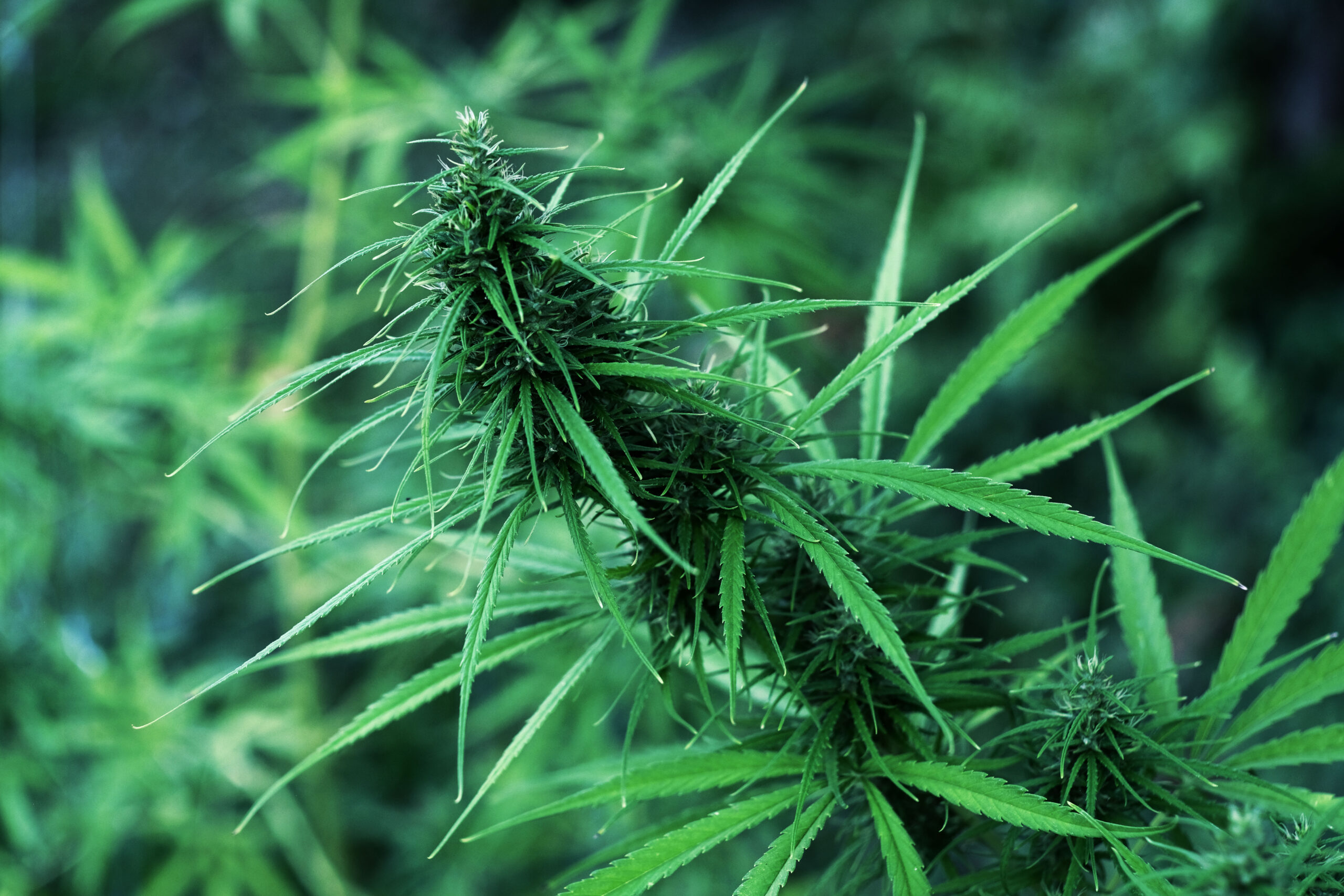


Growing weed at home in New York may sound simple at first, but there is a lot to understand before you begin. Many people want to know how to go from seed to harvest in a way that is legal, safe, and easy to follow. That is why it helps to start with a clear guide. If you are new to home growing, the process can feel confusing. You may wonder what kind of seeds to buy, where to grow your plants, how much light they need, how long the whole process takes, and how to know when it is time to harvest. You may also have questions about New York law and what is allowed for personal use. This guide is made to answer those questions in plain language.
In New York, adults age 21 and older can grow cannabis at home for personal use, but there are rules that must be followed. These rules matter from the very start. Before you plant anything, you need to know how many plants are allowed, where they can be kept, and how to make sure they stay secure and out of public view. Home growing does not mean you can do anything you want. It means you can grow within the limits set by the state. That is an important first step because a good grow starts with understanding the law as much as understanding the plant itself.
This article will walk through the full growing process from the beginning to the end. It will explain what you need before you start, how to pick the right seeds, how to set up your growing space, and what to expect during each stage of plant growth. It will also explain the problems that beginners often face and how to avoid common mistakes. The goal is to make the process easier to understand, especially for people who are growing cannabis for the first time in New York.
One of the first things a grower needs to think about is seed choice. Not all seeds are the same, and the kind you choose can shape your whole grow. Some seeds are better for beginners because they are easier to manage. Some are better for smaller spaces. Others may grow faster or handle outdoor weather more easily. Picking the right seed type matters because it affects how large the plant gets, how long it takes to flower, and how much care it may need. A beginner who understands this early can avoid many problems later.
Another key part of a successful grow is the growing space. Cannabis plants need a good environment if they are going to grow well. That means you need to think about light, air, water, temperature, and space before the seeds even go into the soil. Some people choose to grow indoors because it gives them more control. Others prefer to grow outdoors because it can cost less to set up. In New York, both choices come with their own challenges. Indoor growers need to manage lights and airflow. Outdoor growers need to watch the weather and the seasons. In either case, planning your setup before you begin can save time, money, and stress.
Once your setup is ready, the grow moves through several stages. First comes germination, when the seed begins to sprout. Then comes the seedling stage, when the young plant starts to form its first leaves and roots. After that is the vegetative stage, when the plant grows larger and stronger. Next comes flowering, when buds begin to develop. At the end comes harvest, followed by drying and curing. Each stage has its own needs. A plant that gets too much water, too little light, or poor airflow can quickly run into trouble. That is why knowing what happens at each stage is so important.
This guide will explain each step in a clear way so readers can follow the process with more confidence. It will also answer practical questions that many people ask, such as how long it takes to grow weed from seed to harvest, how to tell when a plant is ready to cut, and what can go wrong during the grow. Many beginners think growing ends when they cut the plant down, but that is not true. Drying and curing are also part of the process, and they can affect the final quality of the harvest. Learning this early helps growers understand that patience matters all the way through.
Growing cannabis at home is not just about putting a seed in soil and waiting. It is a step-by-step process that works best when each part is done with care. That does not mean it has to be hard. It means that simple planning and steady attention can make a big difference. When growers understand the legal rules, choose the right seeds, build a good setup, and care for the plant at every stage, they give themselves a much better chance of success.
This article is meant to be a practical starting point for anyone who wants to understand how home growing works in New York. It is not based on opinions or personal stories. Instead, it focuses on the basic facts and the steps a reader needs to know. By the end of the guide, readers should have a clearer picture of what it takes to grow cannabis from seed to harvest in a legal and organized way.
Is It Legal to Grow Weed in New York?
It is legal for adults to grow weed at home in New York, but there are rules that matter. In New York, adults age 21 and older can grow cannabis for personal use at home. This means a person can grow a small number of plants for themselves at their private residence. The law does not allow unlimited growing, and it does not turn a home grow into a business. It is meant only for personal use, not for commercial use.
This is an important starting point for beginners. Many people hear that cannabis is legal in New York and assume that anything related to growing is allowed. That is not true. Home cultivation is legal only when the grow follows state rules. Those rules cover who can grow, how many plants are allowed, where the plants can be kept, and what a person can and cannot do with the cannabis after harvest.
Who Can Legally Grow Cannabis at Home
The first rule is age. A person must be at least 21 years old to legally grow cannabis at home in New York. If someone is under 21, they cannot legally grow it under the adult-use rules. This age rule is one of the clearest parts of the law, and it is the first question many readers want answered before they do anything else.
The second rule is that the grow must be for personal use. In simple terms, this means the plants are for the grower’s own lawful use inside New York. A home grow is not the same as running a cannabis business. It is also not the same as growing for friends, neighbors, or customers. New York allows personal home cultivation, but it still controls commercial cannabis through a separate licensing system.
Personal Home Growing Is Not the Same as Commercial Cultivation
This difference between personal growing and commercial cultivation is very important. A person growing at home under New York’s adult-use rules does not need a business license just to grow a small legal number of plants for personal use. But once a person wants to grow cannabis to sell it, that becomes a commercial activity. Commercial growing is handled through state licensing, and that process is very different from a simple home grow.
In other words, this article is about home growing only. It is not about opening a cannabis farm, becoming a licensed cultivator, or entering the legal cannabis market. Those activities fall under different rules, costs, and approvals. A beginner who wants to grow at home should focus on the home-cultivation rules and stay inside those limits.
What the Law Does Not Allow
Even though home growing is legal, there are still clear limits. Homegrown cannabis cannot legally be sold to anyone. A person also cannot treat a home grow like a store or side business. New York makes it clear that home-cultivated cannabis is only for personal use. That is a major rule, and it is one that new growers should understand before they plant their first seed.
New York also does not allow people to cross state lines with cannabis. Even if cannabis is legal in another state, taking it across state borders is still illegal. This is another point that often confuses beginners. A person may grow legally in New York, but that does not mean they can freely move cannabis from one state to another.
There are also safety limits connected to home growing. State guidance says cannabis plants must be kept in a secure place and not be accessible to people under 21. That means growers need to think about privacy, safety, and access, especially in homes with children, teens, frequent visitors, or shared spaces. Legal growing is not only about having plants. It is also about storing and managing them in a lawful way.
Why Legal Basics Matter Before You Start
For a beginner, the legal side should come before the growing side. It may be exciting to shop for seeds, lights, soil, and pots, but the smart first step is to understand what the law allows. That helps a grower avoid simple mistakes, such as growing too many plants, growing in the wrong place, or assuming homegrown cannabis can be shared or sold like another garden crop. Knowing the legal basics also helps a reader understand the rest of this guide, because every step from seed to harvest should happen within New York’s home-grow rules.
Growing weed at home in New York is legal for adults age 21 and older, but it is legal only under specific rules. Home cultivation is for personal use, not for business use. It is different from licensed commercial cultivation, which requires state approval. Homegrown cannabis cannot legally be sold, and growers must follow state limits and safety rules. The key takeaway is simple: in New York, you can grow cannabis at home if you are old enough and follow the law, but legal home growing still comes with clear boundaries that every beginner should understand.
How Many Cannabis Plants Can You Grow at Home in New York?
If you want to grow weed at home in New York, one of the first things you need to know is the plant limit. This rule matters because it tells you how many plants you can legally have at one time. Under New York’s home cultivation rules, an adult age 21 or older can grow up to 6 cannabis plants for personal use. Out of those 6 plants, only 3 can be mature at one time, and the other 3 must be immature.
This means the law does not simply say “6 plants” and stop there. It also splits those plants into two groups. That is important because many new growers think they can have 6 large flowering plants at once. That is not correct. The number of mature plants is lower than the total number of plants allowed.
What the Household Limit Means
New York also has a household limit. A household can have no more than 12 cannabis plants total, even if more than two adults live there. Out of those 12 plants, no more than 6 can be mature, and no more than 6 can be immature.
This rule is easy to misunderstand. For example, if two adults live in one home, each adult may grow up to 6 plants, which adds up to 12 plants total. But if three or four adults live in that same home, the limit does not keep going up. The home still cannot go over 12 total plants. In other words, the state puts a cap on the residence, not just on each person.
This is why it is smart for people in the same household to plan together before they grow. If one person starts extra plants without talking to the others, the home could go over the legal limit. That can create legal problems that are easy to avoid with good planning.
Mature vs. Immature Plants
The difference between mature and immature plants is one of the most important parts of the rule. A mature plant is a plant that is flowering. This is the stage when the plant starts producing buds. An immature plant is a plant that is still in the earlier stage of growth and is not yet flowering.
For a beginner, this means you should keep track of which stage each plant is in. You may have 3 small plants that are still growing leaves and stems, and 3 larger plants that are already in flower. That setup would fit the personal limit for one adult. But if you have 4 flowering plants, even if your total plant count is still low, you may already be over the legal mature-plant limit.
This is one reason home growers should label plants or keep a simple grow log. A basic note on planting dates, stage of growth, and expected flowering time can help you stay organized and within the rules.
Why These Limits Matter for Beginners
These limits may seem strict at first, but they can actually help new growers. Growing cannabis takes time, care, and space. Each plant needs light, water, airflow, and attention. Too many plants can quickly become hard to manage, especially for someone on their first grow.
Starting with fewer plants can make the process easier. You can learn how to water correctly, spot problems early, and understand each stage of growth without feeling overwhelmed. Even though the law may allow up to 6 plants per adult, not every new grower needs to start at the maximum. Many beginners do better when they start small and focus on learning the process well.
The plant limit also affects your setup. If you are growing indoors, you need enough room for mature plants, which are larger and need stronger light. If you are growing outdoors, you need a safe and private area for each plant. Knowing the legal limit ahead of time helps you choose the right space and equipment.
Other Important Limits to Remember
The plant limit is not the only rule to keep in mind. New York also says homegrown cannabis is for personal use. It cannot be sold, traded, or bartered. State guidance also says adults can keep up to 5 pounds of trimmed cannabis and the equivalent amount in concentrates at their private residence or on its grounds.
This matters because your plant count and your final harvest are connected. Even if your plants were grown legally, you still need to store your harvest in a lawful and safe way. It is a good idea to think about the full process, not just the growing stage.
In New York, adults age 21 and older can grow cannabis at home for personal use, but there are clear limits. One adult can grow up to 6 plants, with no more than 3 mature plants at a time. One household can have up to 12 plants total, with no more than 6 mature plants, even if more than two adults live there. The key is to understand the difference between mature and immature plants and to count all plants carefully. When you follow these rules from the start, you make the rest of the growing process much simpler and safer.
Where Can You Grow Weed in New York?
If you want to grow weed at home in New York, one of the first things to understand is where you can legally and safely do it. This is important because growing cannabis is not just about planting seeds and waiting for them to grow. You also need to make sure your grow space follows state rules and works well for the plants.
New York allows adults age 21 and older to grow cannabis at their private residence for personal use. That means the grow must happen where you live, not just anywhere you choose. Even if growing is legal, the location still matters. The space should be private, secure, and not open to public view. It should also be a place where you can control light, temperature, airflow, and moisture.
Growing at a Private Residence
A private residence can include a house, an apartment, a room in a home, or another place used as a main living space. In many cases, this also includes a mobile home if it is used as a residence. The key point is that the cannabis must be grown at the home of the adult who is legally allowed to grow it.
This means you should not treat cannabis like a backyard garden that can be placed anywhere without thought. The grow should stay connected to your home and your personal living space. If you live in a single-family house, you may have more choices. You may be able to grow indoors in a spare room, basement, garage, or other enclosed part of the home. If you live in an apartment, your choices may be more limited because of space, building rules, smell, and safety concerns.
The grow area should be a place you can manage every day. Cannabis plants need regular care, so the space should be easy to access. You will need to water the plants, check for pests, watch for mold, and make sure the light and airflow stay steady. A hard-to-reach or poorly planned area can make growing much more difficult.
Keeping Plants Out of Public View
One major rule is that your plants should not be visible to the public. This means people passing by should not be able to see them from the street, sidewalk, hallway, or another public area. This rule matters whether you grow indoors or outdoors.
If you grow indoors, keeping plants out of view is usually easier. A spare room, closet, tent, or basement area can help keep the grow private. Curtains, blinds, or grow tents can also help block the view from windows. Even so, you should think carefully about where light escapes and whether anyone outside the home can still see the plants.
If you grow outdoors, privacy becomes harder. A front yard is usually a poor choice because it may expose the plants to public view. A backyard may work better, but only if the plants are hidden from neighbors, passersby, and nearby public spaces. This often means using fencing, walls, or another kind of enclosure. The goal is to keep the grow private and secure.
Keeping the Grow Area Secure
A legal grow space should also be secure. This means children, pets, and visitors should not be able to reach the plants easily. Cannabis is not something that should be left open and unprotected, especially in a home with kids or frequent guests.
For an indoor grow, security can be as simple as keeping the plants in a room with a door that locks or closes properly. A grow tent with a zippered enclosure can also help. For an outdoor grow, security usually means a locked or enclosed space. The area should not be left open where anyone can walk up and touch the plants.
Security matters for another reason too. Cannabis plants can attract attention because of their smell and value. A secure setup lowers the risk of theft, damage, or unwanted access. Good security is part of responsible home growing.
Can Renters Grow Weed in New York?
Renters need to be especially careful. Just because home growing is allowed under state law does not always mean every lease will allow it. Landlords may have rules about smoking, odors, electrical use, property damage, or illegal activity under federal law. Some leases may also ban growing plants that create moisture problems, wiring risks, or strong smells.
This means renters should read their lease carefully before starting a grow. A grow setup can affect the property in many ways. Strong grow lights may use a lot of power. Too much water can damage floors or walls. Poor airflow can lead to mold. Strong odors can also create complaints from neighbors or other tenants in the building.
Apartment growers should think about more than just legality. They should also think about practicality. A small indoor grow may be easier to manage in a rental than a large setup. Keeping things simple can help reduce risk and prevent problems with neighbors or building management.
Indoor and Outdoor Location Choices
Choosing between indoor and outdoor growing depends a lot on your home. Indoor growing gives you more control. You can manage lighting, temperature, humidity, and airflow more easily. It is also easier to keep plants out of public view. This is why many New York home growers prefer indoor setups, especially beginners.
Outdoor growing may cost less in some ways because sunlight is free, but it brings extra problems. Weather in New York can be hard to predict. Heavy rain, humidity, cold nights, and early fall weather can affect plant health. Outdoor plants are also more likely to face pests, mold, and privacy issues. If the outdoor space is not hidden and secure, it may not be a good choice.
Even if outdoor growing is possible, not every home is suited for it. Some homes do not have a private yard. Some neighborhoods are too exposed. Some properties have close neighbors or clear sightlines from nearby streets and buildings. In those cases, indoor growing may be the better option.
Choosing the Best Space in Your Home
The best grow space is one that is private, secure, clean, and easy to control. A good room should have enough space for the number of plants you plan to grow. It should also have access to electricity, fresh air, and a stable environment. Extreme heat, cold, or dampness can create problems fast.
A basement may offer privacy, but it can also be too damp. A spare bedroom may be easy to manage, but smell can spread through the house. A garage may seem useful, but temperatures may swing too much during hot summers and cold winters. A closet may work for a very small grow, but it can become cramped if the plants get too large.
The main goal is to choose a space that matches your plant count, your budget, and your ability to care for the grow every day.
In New York, you can grow weed at your private residence for personal use, but the grow space must be chosen carefully. The plants should be kept out of public view, placed in a secure area, and grown in a part of the home that you can manage safely. Renters should also check lease rules before starting. Whether you grow indoors or outdoors, the best location is one that gives you privacy, control, and enough room to care for the plants properly from start to finish.
What Do You Need Before You Start?
Before you plant your first cannabis seed, it is important to prepare. Many first-time growers get excited and jump in too fast. They buy seeds, put them in soil, and hope for the best. But growing weed in New York is easier when you start with a plan. A good setup can save time, money, and stress later.
This section explains what you need before you start. It covers choosing seeds, deciding whether to use clones or seedlings, picking a place to grow, and getting the basic tools and supplies. It also explains how much space and time a simple home grow may require. If you prepare well in the beginning, the rest of the growing process will make more sense.
Seeds, Clones, or Seedlings
One of the first things you need to decide is what type of plant material you want to start with. Most beginners start with seeds. Seeds are easy to find in many cases, simple to store, and a common starting point for home growers. They also let you guide the plant from the very beginning.
Clones are small cuttings taken from a mature cannabis plant. A clone is already alive and growing, so it can save time. Since it comes from a female plant, it also helps reduce the risk of ending up with male plants. But clones can be more delicate during transport and early care. They may also carry pests or disease if they come from an unhealthy source.
Seedlings are young cannabis plants that have already sprouted from seed. They are between a seed and a clone in terms of development. A seedling may be easier for some beginners because it skips the germination stage, but it still needs gentle handling and proper care.
For many first-time growers, seeds are often the simplest place to begin. They let you learn the whole process from start to finish. They also make it easier to understand how the plant changes at each stage of growth.
Choosing Between Indoor and Outdoor Growing
Before buying supplies, you need to decide where you will grow your plants. This choice affects almost everything else. Indoor and outdoor growing both have benefits and limits.
Indoor growing gives you more control. You control the light, temperature, airflow, and humidity. You can grow during different times of the year. You can also keep plants more private, which matters to many home growers in New York. But indoor growing usually costs more at the start because you need lights and other equipment.
Outdoor growing can cost less because the sun gives free light. It may also allow plants to grow larger if the season goes well. But outdoor growing depends on weather, and New York weather can be hard to predict. Rain, cold nights, wind, pests, and mold can all become problems. Outdoor plants also need a secure space that is out of public view.
If you are just starting out, think about what you can manage best. If you want more control and privacy, indoor growing may be the better fit. If you have a safe outdoor space and want a simpler setup, outdoor growing may work well.
Basic Tools and Supplies
Once you know where you want to grow, the next step is gathering the supplies you need. You do not need the most expensive gear to get started. But you do need the basics.
You will need containers or pots for your plants. These should give roots enough room to grow. If you start with small containers, you may need to move the plants into larger ones later. You will also need a growing medium. Many beginners use soil because it is simple and familiar. Some growers use coco coir or other soilless mixes, but soil is often easier for a first grow.
Water is another basic need, but giving water is not just about pouring it in. You need to water carefully and avoid soaking the plant too often. Cannabis does not like sitting in overly wet soil for long periods.
If you are growing indoors, you will need a grow light. Light is one of the most important parts of indoor growing. Weak light often leads to weak plants. You will also need proper airflow. Small fans can help move air around the grow space. Good airflow helps plants stay strong and can lower the risk of mold.
Many growers also use nutrients, especially when plants move beyond the seedling stage. Nutrients help support leaf growth, root growth, and flower development. You do not need to overdo it. In fact, too much feeding is one of the most common beginner mistakes.
You may also want simple tools such as a spray bottle, pruning scissors, plant ties, and trays to catch water under pots. A thermometer and humidity gauge can also help you keep the growing area in a healthy range.
How Much Space Do You Need?
A common question from beginners is how much space a home grow takes. The answer depends on how many plants you plan to grow and whether you grow indoors or outdoors. Even a small grow needs enough room for the plant, the pot, airflow, and easy access for watering and checking the leaves.
If you are growing indoors, think about both floor space and height. Cannabis plants can grow taller than many beginners expect, especially during the vegetative stage and early flowering stage. A crowded space can lead to poor airflow and make it harder to care for the plants.
It is often best for beginners to start small. One or two plants can teach you a lot without making the grow space hard to manage. A smaller setup is also easier to watch closely. That matters because plants often show early signs when something is wrong.
How Much Time Does It Take?
Growing cannabis is not a one-time task. It needs regular care. Before you begin, be honest about how much time you can give it. You do not need to spend hours every day, but you do need to check your plants often.
Daily checks help you spot problems early. You may notice leaves drooping, soil drying out, or signs of pests. Small problems are easier to fix when you catch them early. As plants grow larger, they may need more watering, feeding, training, and support.
The full process also takes time from start to finish. Even before harvest, you will spend weeks or months caring for the plants. After harvest, drying and curing still take more time. This means patience is part of the process from the start.
Why Planning Matters Before Planting
Many grow problems begin before the seed ever enters the soil. A poor grow space, weak light, wrong container size, or lack of airflow can make healthy growth much harder. Planning ahead helps you avoid these common mistakes.
It also helps you stay within New York’s home growing rules. Before starting, make sure your planned grow fits the legal plant limits and that the space is private and secure. Knowing the rules before you begin is just as important as choosing the right soil or light.
Before you start growing weed in New York, take time to get ready. Choose whether you want to begin with seeds, clones, or seedlings. Decide if indoor or outdoor growing fits your space, budget, and comfort level. Make sure you have the basic supplies, including pots, soil or another growing medium, water, airflow, and light if you are growing indoors. Think about how much room your plants will need and how much time you can give them each week. When you plan well in the beginning, you give your plants a much better chance to grow strong from day one.
Choosing the Right Seeds for a New York Home Grow
Choosing the right seeds is one of the most important parts of growing weed at home in New York. Many beginners focus on lights, soil, or nutrients first, but the seed you choose shapes the whole grow. It affects how easy the plant is to manage, how big it gets, how long it takes to finish, and how well it handles the local climate. A good seed choice can make the process much smoother. A poor choice can make a first grow harder than it needs to be.
When people start learning how to grow cannabis, they often see three main seed types: regular seeds, feminized seeds, and autoflower seeds. These terms can seem confusing at first, but they are not hard to understand. Each seed type has a different purpose. Knowing the differences can help you avoid mistakes and choose a plant that fits your space, schedule, and skill level.
What Regular Seeds Are
Regular seeds are the most natural type of cannabis seed. They can grow into either male plants or female plants. This means that when you plant regular seeds, you do not know which plants will produce buds and which ones will not until they begin to show sex later in the grow.
This matters because most home growers want female plants. Female plants are the ones that grow the buds people harvest. Male plants do not grow the same kind of usable buds. If a male plant releases pollen near a female plant, it can cause the female plant to make seeds instead of putting more energy into bud growth. That is not what most beginners want.
Because of this, regular seeds can be more work. A grower must watch the plants closely and remove males before pollination happens. This takes time, attention, and some experience. For a beginner, regular seeds can feel less predictable. You may plant six seeds and end up with only three or four female plants, or even fewer.
Still, regular seeds do have value. Some growers like them because they are useful for breeding and can offer strong genetics. They may also appeal to growers who want a more traditional growing process. But for most first-time home growers in New York, regular seeds are usually not the easiest starting point.
What Feminized Seeds Are
Feminized seeds are made to grow into female plants almost all the time. This is why they are very popular with home growers. If your goal is to grow buds for personal use, feminized seeds remove a lot of guesswork.
With feminized seeds, you do not have to spend as much time checking for male plants. You can use your grow space more efficiently because nearly every plant should become a bud-producing female. This is helpful in New York, where legal plant limits matter. If the law only allows a certain number of plants in a home, you want each plant to count.
For example, if a person uses regular seeds, some of their legal plant count may be taken up by male plants that later need to be removed. With feminized seeds, the grower has a much better chance of staying productive within those plant limits. That makes feminized seeds a smart choice for small home grows.
Feminized seeds are often the best option for beginners who want a simpler grow. They allow new growers to focus on the basics of watering, lighting, feeding, and plant care without also dealing with sexing plants early on. For many people, that makes the whole process easier to learn.
What Autoflower Seeds Are
Autoflower seeds are different from standard photoperiod seeds. Most cannabis plants need changes in light to begin flowering. Autoflowers do not rely on those light changes in the same way. Instead, they move from the vegetative stage into the flowering stage based mostly on age.
This gives autoflowers a few major advantages. First, they are often faster. Many autoflower plants finish from seed to harvest in a shorter time than standard photoperiod plants. Second, they are usually smaller and more compact. That can be helpful for growers with limited indoor space or for people who want a more discreet plant.
Autoflowers can also be useful in New York because the outdoor growing season is not as long or warm as it is in some other states. A fast-growing plant can be easier to manage in a place where weather changes quickly. A shorter season can reduce the risk of running into cold weather, heavy rain, or fall moisture before harvest.
At the same time, autoflowers also have limits. Because they move quickly through their life cycle, they have less time to recover from stress. If a beginner overwaters them, damages their roots, or gives poor light early on, the plant may not have enough time to bounce back before flowering starts. This means autoflowers are simple in some ways, but they still need careful handling.
Which Seed Type Is Best for Beginners
For most beginners in New York, feminized seeds are often the easiest place to start. They are simpler than regular seeds because they remove most of the risk of growing unwanted male plants. They also give growers more control than many autoflowers, especially if the grower wants time to correct mistakes during the vegetative stage.
Autoflower seeds can also be beginner-friendly, especially for people who want a quicker harvest or have a small grow space. But they usually work best when the grower is ready to be gentle and consistent from day one. Since they grow fast, small early mistakes can have a bigger effect.
Regular seeds are usually better for growers who already understand how to identify plant sex and manage the grow carefully. They are not impossible for beginners, but they do add one more layer of work.
Why Seed Choice Matters in New York’s Climate
New York’s climate is an important part of this decision, especially for outdoor growers. The state does not have the same long, dry growing season found in warmer places. Summers can be good for plant growth, but the season is still limited. Fall weather may bring cooler nights, extra rain, and higher humidity. These conditions can affect flowering plants and raise the risk of mold or bud rot.
Because of that, the seed type and strain you pick should match the local season. Faster plants can be easier to finish before bad weather arrives. This is one reason many outdoor growers look at autoflowers or quicker-finishing feminized strains. A plant that takes too long to mature may struggle if cold and wet weather hits before harvest.
Indoor growers in New York have more control over climate, but strain choice still matters. A very tall plant may outgrow a small tent or room. A strong-smelling plant may create problems if odor control is weak. A slow-growing strain may test a beginner’s patience. The seed must fit the space and setup, not just the grower’s interest.
How Strain Choice Affects the Grow
Beyond seed type, the strain itself also changes the growing experience. Some strains stay short and bushy. Others grow tall and stretch a lot during flowering. Some are known for faster flowering times, while others take longer. Some are easier to grow and handle stress better. Others are more sensitive and need stable conditions.
Smell is another important factor. Some cannabis plants produce a much stronger odor than others. For a home grower, that matters a lot. A strong-smelling strain may require better ventilation and smell control, especially indoors.
Yield also changes from one strain to another. Some plants produce more than others, but high yield does not always mean better for beginners. A large, heavy-yielding plant may need more training, more support, and more room. For a first grow, many people do better with a strain known for steady growth, manageable size, and solid resistance to common problems.
How to Make a Smart First Choice
A smart first choice is not always the most famous strain or the biggest plant. It is the one that fits your real situation. Think about your grow space, your experience level, and how much time you can spend caring for the plants. A small indoor setup may do best with compact feminized seeds. A short outdoor season may work better with fast-finishing plants. A beginner who wants the simplest path often benefits from a strain known for being hardy and easy to manage.
It also helps to start small. Many first-time growers feel tempted to try too much at once. But growing fewer plants can make it easier to learn. It gives you more time to watch each plant, notice problems early, and build confidence.
Choosing the right seeds can set the tone for the entire grow. Regular seeds can be useful, but they require more work because they may produce male plants. Feminized seeds are often the best choice for beginners because they make better use of limited plant counts and reduce guesswork. Autoflower seeds can be a great option for smaller spaces and shorter seasons, but they need careful early care. In New York, climate, grow space, smell, plant size, and flowering time all matter. The best seed is not just the one that sounds exciting. It is the one that gives you the best chance of a healthy, successful grow from start to finish.
Indoor vs. Outdoor Growing in New York
One of the first choices a home grower must make is whether to grow cannabis indoors or outdoors. This choice affects cost, setup, plant care, privacy, and even how much control you have over the final result. In New York, both methods are possible, but each one comes with different strengths and challenges. The best option depends on your space, budget, schedule, and comfort level.
Indoor growing gives you more control. Outdoor growing can cost less to start. But New York weather, seasons, and housing conditions can make one method better than the other for certain growers. Before you plant anything, it is important to understand how each method works.
What Indoor Growing Means
Indoor growing means raising cannabis plants inside a controlled space. This could be a spare room, basement, closet, grow tent, or other indoor area. Instead of depending on the sun, indoor growers use grow lights. They also manage temperature, airflow, humidity, and watering more closely.
This method is often attractive to beginners because it gives them more control over the growing process. If a plant needs more light, the grower can adjust the light. If the air is too dry or too humid, the grower can make changes. This control helps reduce surprises.
Indoor growing is also useful in New York because the outdoor growing season is limited. Winters are cold, and outdoor conditions are not good for cannabis for much of the year. With an indoor setup, a grower does not need to wait for warm weather. The growing process can happen any time of year, as long as the conditions are right.
Benefits of Growing Indoors
The biggest benefit of indoor growing is control. You control the light schedule, which is very important for plant growth. You also control how much water the plants get, how warm the room stays, and how much air moves around the plants. This can make it easier to spot and fix problems early.
Indoor growing also gives more privacy. Plants are kept inside the home and are easier to keep out of public view. This matters in New York because home-grown cannabis must be kept secure and away from public sight. Indoor spaces can also make it easier to limit access by children, visitors, or pets.
Another benefit is protection from weather. Rain, wind, sudden cold, and storms can all hurt outdoor plants. Indoors, plants are protected from these conditions. Indoor plants are also less exposed to pests such as insects, animals, and mold caused by outdoor moisture.
Indoor growing may also give a cleaner and more predictable result when the setup is done well. Because the environment stays more stable, the grower may have a better chance of producing healthy plants from start to finish.
Challenges of Growing Indoors
Indoor growing can cost more in the beginning. A grower usually needs lights, fans, containers, soil or another growing medium, and sometimes filters or other equipment. Electricity use may also go up because the lights and fans run for many hours each day.
Another challenge is space. Not everyone has a spare room or indoor area that works well for growing. Small spaces can still work, but they need planning. If the area gets too hot, too crowded, or has poor airflow, plants may struggle.
Smell can also be a problem indoors. Cannabis plants can become very strong-smelling during the flowering stage. In shared housing or apartment buildings, this can be difficult to manage. Some growers use carbon filters or ventilation systems to help reduce odor, but that adds more cost.
Indoor growing also means the grower must do more of the work that nature would normally do outside. Since there is no natural sunlight or rain indoors, the grower must create the right environment every day.
What Outdoor Growing Means
Outdoor growing means planting cannabis outside and using natural sunlight as the main light source. Plants may be grown in the ground, in raised beds, or in containers placed outdoors. This method depends on the local climate and the natural change of seasons.
For many people, outdoor growing seems simpler because the sun provides free light and the open air gives plants room to grow. In some cases, outdoor plants can grow large because their roots and branches have more space. This can appeal to growers who want a more natural setup.
In New York, outdoor growing is possible, but the timing matters. Cannabis plants need warm weather and enough time to grow before the cold returns. The grower must plan around the local growing season and keep a close eye on changes in temperature and rain.
Benefits of Growing Outdoors
The main benefit of outdoor growing is lower startup cost. The sun provides light, and outdoor airflow is usually better than in an enclosed space. This means the grower may not need to buy as much equipment as an indoor grower.
Outdoor plants also have more room to spread out. With enough sun and healthy soil, they may grow larger than indoor plants. This can lead to bigger harvests in some cases. For growers with a private yard or outdoor space, this method may feel easier and less crowded.
Another benefit is that outdoor growing uses natural conditions. The plant follows the season, receives real sunlight, and grows in a more open environment. Some growers like this because it feels simple and less equipment-heavy.
Challenges of Growing Outdoors in New York
The biggest challenge with outdoor growing in New York is the weather. The state does not have a year-round warm climate. Spring can be cool, summer weather can shift quickly, and fall may bring cold nights, rain, and moisture that can harm flowering plants. These changes can slow growth or damage buds.
Outdoor plants are also more open to pests and disease. Insects, mold, heavy rain, and animals can all cause trouble. A plant that looks healthy one week may develop problems the next if the weather turns wet or cold.
Privacy is another concern. Outdoor plants must still be kept secure and out of public view. This can be difficult in homes with visible yards, close neighbors, or limited fencing. Not every outdoor space is private enough for a safe and legal grow.
Outdoor growers also have less control. They cannot change the weather, reduce humidity easily, or give extra light on cloudy days without doing more setup work. If a plant has a problem, it may take more effort to protect it outside.
Which Option Is Better for Beginners?
For many beginners in New York, indoor growing is often easier to manage because it offers more control. A new grower can learn the stages of plant growth in a more stable setting. Problems with temperature, light, and water are easier to adjust indoors than outdoors.
Still, outdoor growing can work well for someone who has a private and secure yard, a good amount of sunlight, and a clear understanding of the local growing season. It may also be a better fit for a person who wants to spend less on equipment.
The right choice depends on the grower’s situation. Someone in an apartment may prefer a small indoor setup. Someone with a private backyard may consider outdoor growing if the space is secure and not visible to the public. A grower with a limited budget may lean toward outdoor growing, while a grower who wants more control may choose indoors.
Indoor and outdoor growing both have value, but they are not the same. Indoor growing gives more control, better privacy, and more protection from weather, but it usually costs more and requires more equipment. Outdoor growing can cost less and give plants more room, but New York weather, pests, and privacy issues can make it harder.
For many first-time growers in New York, indoor growing may be the safer and more predictable choice. Outdoor growing can still work, but it requires careful timing, a suitable space, and close attention to changing weather. The best method is the one that fits your home, budget, and ability to care for the plants from start to finish.
Step 1: Germinating Your Seeds
Germination is the first stage of growing weed. This is when a seed wakes up and starts to grow. A healthy seed will crack open and send out a small white root. That root is the first sign that the plant is alive and ready to be placed in soil or another growing medium.
This step may look simple, but it matters a lot. A strong start can help the plant grow better in the next stages. A weak start can slow growth or even kill the seed before it has a chance to become a seedling. That is why it is important to handle seeds with care, use clean materials, and avoid rushing the process.
What Germination Means
A cannabis seed looks small and dry on the outside, but it holds everything needed to begin a new plant. When the seed gets moisture, warmth, and air, it begins to open. The shell softens, and the tiny root inside starts to push out. This root is sometimes called the taproot. It is the first part of the plant that you will see.
The seed does not need bright light to germinate. What it needs most is steady moisture and a warm place. If the seed gets too cold, too wet, or too dry, it may not sprout. If the conditions are good, many seeds begin to germinate within one to three days, though some may take longer.
How to Pick Healthy Seeds
Good germination starts with good seeds. Healthy cannabis seeds are usually dark brown, gray, or tan, and they often have a hard outer shell. Some seeds have darker stripes or markings. Pale green or very soft seeds are often immature and may not sprout well.
Size is not always the best sign of quality, but the seed should look whole and not cracked or damaged. If a seed is broken, crushed, or split open before you begin, it is less likely to grow. Strong seeds usually have the best chance of producing healthy plants.
Common Germination Methods
There are a few popular ways to germinate cannabis seeds. One common method is the paper towel method. In this method, seeds are placed between damp paper towels and kept in a warm place. The towels should be moist, not soaking wet. Too much water can block air and cause problems. After a day or two, the seed may crack and show a small white root.
Another common method is to plant the seed directly into damp soil or another growing medium. This method can be easier because the seed does not need to be moved after it sprouts. Moving a seed after germination can sometimes damage the root, so direct planting lowers that risk. The seed should be placed shallow in the medium, usually about a quarter inch deep, with the pointed end facing down if possible.
Some growers also soak seeds in water for a short time before putting them into paper towels or soil. This can help soften the shell, but seeds should not be left in water too long. If they stay in water for too many hours, they may rot or fail to sprout.
The Best Conditions for Germination
Seeds need warmth, moisture, and air. A warm room is usually enough. Very cold places can slow germination, while very hot places can damage the seed. The growing medium or paper towel should stay moist, but not dripping wet.
Good air flow also helps. Seeds do not need strong wind, but they do need oxygen. When seeds are buried too deep or left in soaked paper towels, they may not get enough air. This can stop germination or lead to mold.
Cleanliness is also important. Dirty hands, used containers, or unclean tools can spread bacteria or mold. It is a good idea to wash your hands before touching seeds and use clean materials from the start.
How to Know a Seed Is Ready to Plant
A seed is ready to plant when the shell has opened and the white root has started to come out. In many cases, the root will be small, often just a few millimeters long. That is enough. You do not need to wait for a long root. In fact, waiting too long can make the seed harder to handle.
If you are using the paper towel method, move the seed into soil as soon as the root appears. Place it gently into the growing medium with the root facing down. Then lightly cover it with soil. Do not press down too hard. The new root is very delicate and needs space to grow.
If you are planting directly into soil, you will not see the root at first. Instead, you will wait for the seedling to break through the top of the soil. This may take a few days, depending on the seed and the conditions.
How to Avoid Damaging New Sprouts
New sprouts are fragile. The white root can break easily if touched too much or handled roughly. It is best to touch the seed as little as possible. If you need to move it, do so gently and carefully. Clean tweezers can help, but even then, light handling is best.
Do not plant the seed too deep. A shallow planting depth helps the new sprout reach the surface without using too much energy. If the seed is buried too far down, it may struggle to come up or may not make it at all.
Also avoid using too much water after planting. Many beginners think more water will help the seed grow faster, but too much water can drown the seed or cause rot. The soil should feel damp, not soaked.
Mistakes Beginners Often Make
One common mistake is overwatering. Seeds do not need heavy watering during germination. Wet soil with no air can lead to mold, rot, and failure. Another mistake is checking the seeds too often. Constant handling can damage the root or disturb the process.
Some beginners also place seeds in a spot that is too cold, too hot, or too bright. Seeds do not need strong light before they sprout. A warm, simple space is usually best. Another problem is lack of patience. Some seeds sprout quickly, while others take more time. Throwing out a seed too early can mean losing one that might have grown with another day or two.
Poor sanitation is another issue. Mold can form fast in wet conditions, especially if the paper towels, containers, or hands are not clean. Starting with clean tools and fresh materials lowers this risk.
What Happens After Germination
Once the seed has germinated and been planted, the next stage is the seedling stage. This is when the sprout pushes above the soil and starts to grow its first small leaves. At this point, light becomes more important, and the plant begins to build its stem and early root system.
The goal during germination is simple. You want the seed to sprout safely and enter the seedling stage with as little stress as possible. A healthy germination process gives the plant a better chance of growing strong in the weeks ahead.
Germinating cannabis seeds is the first real step in growing weed from seed to harvest. It is the stage where the seed opens and begins to form its first root. To germinate well, seeds need warmth, moisture, air, and clean conditions. The most common methods are the paper towel method and direct planting into damp soil. The seed is ready to plant when a small white root appears. Gentle handling, light watering, and patience are very important. If you avoid overwatering, rough handling, and dirty materials, you can give your plants a strong and healthy start.
Step 2: Seedling Stage
The seedling stage begins right after your cannabis seed sprouts and breaks through the growing medium. This is one of the most delicate parts of the whole process. At this stage, the plant is small, soft, and still building strength. A healthy seedling may look simple, but a lot is happening. The roots are starting to spread, the stem is trying to stand upright, and the first leaves are beginning to collect light so the plant can grow.
Many new growers make mistakes during this stage because seedlings look fragile and seem like they need constant attention. In truth, young plants need a careful balance. They need enough light, enough water, and a stable environment, but they do not need too much of anything. Too much water, too much handling, or too much heat can quickly slow them down.
A seedling stage usually lasts around one to two weeks, though some plants may stay in this stage a little longer. The goal during this time is simple: help the young plant build a healthy root system, a firm stem, and its first true leaves.
What a Healthy Seedling Looks Like
A healthy cannabis seedling usually has a short stem, a bright green color, and small leaves that look open and fresh. The first pair of rounded leaves are called cotyledons. These are not true cannabis leaves, but they help feed the plant in its first days. After that, the plant starts growing its first true leaves, which have the familiar serrated edges.
The seedling should stand upright on its own. The leaves should not look twisted, burned, or droopy. Growth may seem slow at first, but that is normal. In this stage, much of the plant’s energy is going into its roots. Strong roots now will support faster growth later.
If the seedling looks pale, bent, weak, or stretched, that is usually a sign that something in the environment needs to change.
How Much Light Seedlings Need
Seedlings need a lot of light, but they also need the right distance from that light. If the light is too weak or too far away, the seedling may stretch upward too fast. This creates a thin, weak stem that may fall over. If the light is too strong or too close, the young leaves can dry out or burn.
Indoor growers often give seedlings 18 hours of light and 6 hours of darkness each day. This gives the plant plenty of time to grow without causing too much stress. A gentle grow light works better than harsh direct light during the earliest days. The light should be close enough to stop stretching, but not so close that it overheats the plant.
If you are growing outdoors in New York, seedlings should be introduced to outdoor sunlight with care. Sudden strong sun, cold winds, or low temperatures can shock them. Many growers start seedlings indoors or in a protected area first, then move them outside when they are stronger.
Check the seedling every day. If it is leaning hard toward the light, the light may not be strong enough or evenly placed. If the top leaves look dry or curled, the light may be too intense.
How Often to Water Seedlings
Watering is one of the most common problems during the seedling stage. Many beginners water too often because they worry the young plant will dry out. But too much water can be more dangerous than too little.
A seedling has a very small root system. It cannot use large amounts of water yet. When the growing medium stays too wet, the roots do not get enough air. This can slow growth and lead to root problems. Wet soil can also invite mold and fungus.
The best approach is to keep the medium lightly moist, not soaked. You do not want it bone dry, but you also do not want it muddy. Water a small amount around the seedling when needed, then wait until the top layer begins to dry slightly before watering again.
The exact watering schedule depends on the pot size, room temperature, humidity, and growing medium. That is why it is better to check the plant and soil than to water on a fixed schedule. A small container dries faster than a large one. Warm, dry air also causes water to leave the soil more quickly.
Seedlings usually do better with gentle care. Small amounts of water given at the right time are safer than large amounts given too often.
How to Avoid Stretching
Stretching happens when a seedling grows tall and thin instead of short and sturdy. This usually means the plant is trying too hard to reach light. A stretched seedling can become weak and unstable, which makes later growth harder.
The most common cause of stretching is weak light or a light source placed too far above the plant. To prevent this, keep the light at a proper distance and make sure it stays consistent. Indoor seedlings should not sit in a dim area for long periods. Outdoor seedlings should get enough bright light, but they also need protection from harsh conditions at first.
Airflow can also help. A light breeze from a fan can encourage the stem to grow stronger. The airflow should be gentle, not strong enough to shake the seedling hard. The goal is to help the plant build strength naturally.
If a seedling has already stretched, you may be able to support it by adding a little more growing medium around the base of the stem when transplanting. This can help the plant stand more firmly. Still, prevention is better than repair. Good lighting from the start makes a big difference.
Common Seedling Problems
Young cannabis plants can run into problems quickly, but most seedling issues have a clear cause.
One common problem is drooping. This can happen from overwatering or underwatering. The difference matters. Overwatered seedlings often look heavy and limp while sitting in very wet soil. Underwatered seedlings may look dry, tired, and weak in dry soil. Looking at both the plant and the soil will help you tell the difference.
Yellowing is another issue. Sometimes the first small leaves fade as the plant grows, which can be normal later on. But if the seedling turns yellow too early, it may be getting too much water, not enough light, or stress from poor temperatures.
Another problem is damping off, which is a fungal issue that can kill seedlings fast. It often shows up when the stem becomes weak and narrow near the soil line. This usually happens in wet, stale conditions with poor airflow. Clean tools, fresh growing medium, and careful watering can lower the risk.
Some seedlings also grow slowly because they are stressed by temperature swings. Cold nights, hot rooms, or sudden changes can hold them back. Seedlings do best in a stable environment. They like warmth, gentle airflow, and steady care.
Why Young Cannabis Plants May Look Weak or Leaning
Many growers search for answers when their seedlings look weak, bent, or leaning. In most cases, the cause is one of a few simple things.
The first is poor lighting. If the plant is not getting enough light, it stretches and cannot hold itself up well. The second is watering problems. Too much water weakens the roots, while too little water leaves the plant without support. The third is lack of airflow. A seedling grown in still air may not build a strong stem. The fourth is genetics or stress from rough handling, but environmental causes are more common.
If your seedling is leaning, do not panic. Check the light first. Then check the moisture level in the soil. Make sure the plant is not sitting in a very cold or very hot area. If needed, use a small support for a short time, but also fix the real cause so the seedling can grow stronger on its own.
When the Seedling Stage Ends
The seedling stage starts to end when the plant begins growing more sets of true leaves and shows stronger, faster growth. At this point, the roots are more established, the stem is thicker, and the plant starts acting less fragile. This leads into the vegetative stage, where growth becomes more vigorous.
You do not need to rush the plant into the next stage. A healthy seedling will move forward naturally when its basic needs are met. Patience is important here. Strong early growth makes later stages easier to manage.
The seedling stage is short, but it plays a big role in the success of the whole grow. During this time, cannabis plants need steady light, careful watering, a mild environment, and gentle handling. Healthy seedlings are usually short, green, and upright, with fresh new leaves and a stem that grows stronger each day. Problems like stretching, drooping, yellowing, or leaning often point to issues with light, water, or airflow. When growers keep conditions stable and avoid doing too much, seedlings usually develop well and prepare for strong vegetative growth.
Step 3: Vegetative Growth
The vegetative stage is the part of the grow where your cannabis plant starts to grow fast. This is the stage after the seedling phase and before flowering. During this time, the plant focuses on building strong roots, thick stems, and healthy leaves. These parts matter because they help the plant support flowers later on. A weak plant in the vegetative stage will often struggle during flowering. A healthy plant in this stage has a much better chance of producing a good harvest.
This stage is important because it sets the foundation for the rest of the grow. Think of it as the time when the plant builds its frame. The bigger and healthier that frame is, the better it can handle the next stage. For beginners, this is also the stage where daily care really matters. Small mistakes can slow growth, but steady care can help the plant become strong and full.
What Happens During the Vegetative Stage
Once the seedling has settled into its pot and starts growing new leaves, it enters the vegetative stage. The plant begins to make more branches, more leaf sets, and a wider root system. It will usually grow taller and fuller each week if the conditions are right. The leaves should look green, open, and healthy. The stem should begin to get thicker. The roots should spread through the growing medium and take up water well.
At this stage, the plant is using energy to grow bigger rather than to make buds. That is why it needs enough light, water, air, and nutrients. If one of these is missing, growth can slow down. If several problems happen at once, the plant may become weak or stressed.
Light Schedule for Indoor Grows
Light is one of the most important parts of the vegetative stage. Indoor growers must give the plant enough light each day to keep it growing. Most people use a long light schedule in this stage, such as 18 hours of light and 6 hours of darkness. This tells the plant to stay in growth mode and not start flowering yet.
The light should be strong enough to help the plant grow, but not so strong that it burns the leaves. If the light is too far away, the plant may stretch and become tall and thin. If the light is too close, the leaves may curl, bleach, or show burn marks. A healthy plant under good light will look compact, balanced, and full.
As the plant gets bigger, you may need to adjust the light height. Always watch how the plant reacts. Leaves pointing up slightly can be a sign that the plant is happy. Drooping or damaged leaves can mean something needs to be fixed.
Watering Habits During This Stage
Watering may seem easy, but it is one of the most common places beginners make mistakes. In the vegetative stage, the plant needs regular watering, but it does not want to sit in soaked soil all the time. Too much water can lead to root problems, slow growth, and drooping leaves. Too little water can also stress the plant and stop healthy development.
A good method is to let the top part of the soil dry a bit before watering again. The pot should feel lighter before you water. This helps the roots get both water and air. Roots need oxygen too, not just moisture. If the soil stays wet all the time, the roots cannot breathe well.
When you water, do it evenly. Make sure the water reaches the full root zone. Avoid giving tiny amounts too often. It is usually better to water fully, then wait until the plant is ready again. As the plant gets larger, it will drink more than it did as a seedling.
Basic Feeding and Nutrients
During the vegetative stage, cannabis plants need nutrients to support fast growth. This is the stage when the plant often needs more nitrogen than it will later in flowering. Nitrogen helps support leafy growth and strong green color. The plant also needs other nutrients in smaller amounts to stay healthy and balanced.
For beginners, it is smart to start with light feeding and increase slowly if the plant responds well. Feeding too much can burn the plant. Signs of overfeeding may include brown leaf tips, very dark leaves, or slowed growth. Feeding too little may lead to pale leaves or weak growth. The goal is to keep the plant healthy, not to push it too hard.
It also helps to pay attention to water quality and pH. If the plant cannot take in nutrients well, it may show signs of a problem even when food is present in the soil or water. Healthy feeding is about balance. More is not always better.
Pot Size and Transplanting
As the plant grows, its roots need more room. If the roots run out of space, growth above the soil may slow down too. That is why pot size matters during the vegetative stage. A small pot may work for a seedling, but a larger plant often needs a larger container to keep growing well.
Some growers start small and move the plant into larger pots over time. This is called transplanting. Transplanting can help the grower manage water better early on and give the roots fresh space later. The key is to move the plant carefully so the roots are not badly disturbed.
A plant may need transplanting if it dries out too fast, stops growing well, or becomes root-bound. A root-bound plant has roots that circle around inside the pot because there is no more room. When transplanting, handle the root ball gently and place it into fresh growing medium. Water it after the move so it can settle into its new container.
Training and Pruning for Better Growth
The vegetative stage is also the best time to shape the plant. Training and pruning can help control plant height, improve airflow, and allow more light to reach more parts of the plant. This can lead to a more even plant and better growth overall.
Training can be simple. Some growers bend branches gently to spread the plant wider instead of letting it grow only straight up. This can help create more top growth points and make better use of indoor light. Pruning means removing certain leaves or small growth areas when needed. This should be done carefully. Too much cutting can stress the plant, especially if it is already weak.
The main goal is not to hurt the plant. It is to guide growth in a helpful way. A well-shaped plant often gets better light coverage and better airflow, which can lower the chance of later problems.
How Long the Vegetative Stage Lasts
The vegetative stage can last for a short or long time depending on the grower’s goal. Indoor growers often control how long this stage lasts by keeping the light schedule long. A longer vegetative stage usually gives the plant more time to grow larger. A shorter one keeps the plant smaller and may lead to a quicker overall grow.
How big the plant gets depends on the strain, the size of the pot, the amount of light, the growing space, and how long you keep it in this stage. Some plants stay short and bushy. Others stretch taller. This matters in New York home grows because indoor space may be limited, especially in apartments or small rooms. Growers need to plan ahead so plants do not become too large for the space.
The vegetative stage is where cannabis plants build the strength they need for flowering. During this stage, the plant grows leaves, branches, roots, and a thicker stem. To do well, it needs a steady light schedule, careful watering, balanced feeding, enough root space, and gentle training when needed. This stage also gives growers the chance to shape the plant and manage its size before flowering begins. If you take your time and keep conditions steady, your plant will have a much stronger start for the next step in the growing process.
Step 4: Flowering Stage
The flowering stage is the part of the grow when your cannabis plant starts making buds. This is the stage many growers look forward to most. It is also one of the most important stages because mistakes here can affect the size, smell, and quality of the final harvest.
During flowering, the plant stops putting most of its energy into making new leaves and stems. Instead, it uses more of that energy to form flowers, also called buds. These buds grow bigger over time and become covered in sticky resin. The resin holds many of the compounds people care about most, including cannabinoids and terpenes.
Flowering does not happen by accident. It starts because of changes in light. After flowering begins, the plant also needs different nutrients, steady care, and a low-stress environment. This stage is also when growers must pay close attention to smell and plant sex, especially if they started from regular seeds.
How Indoor Growers Trigger Flowering
Indoor growers control the plant’s light cycle. This means they decide when the plant should stay in vegetative growth and when it should move into flowering. For most photoperiod cannabis plants, flowering starts when the plant gets about 12 hours of light and 12 hours of darkness each day.
This light schedule matters a lot. The dark period must stay dark. Even small light leaks can confuse the plant. If light gets into the grow space during the dark period, the plant may become stressed. In some cases, this can slow flower growth or cause other problems.
Before switching to flowering, many growers make sure the plant is healthy and strong. A weak plant will not flower as well as a healthy one. Once the grower changes the light cycle to 12 hours on and 12 hours off, the plant usually begins to show signs of flowering within about one to two weeks.
During this early part of flowering, the plant may stretch. This means it can grow taller very quickly. Some strains stretch more than others. That is why growers need to plan ahead and leave enough vertical space in the grow area.
How Outdoor Plants Begin Flowering Naturally
Outdoor cannabis plants do not need a timer. Nature handles the light schedule. As summer starts to end and the days become shorter, the plant notices the change in daylight. This tells the plant it is time to begin flowering.
In New York, this usually happens as the season moves from summer toward late summer or early fall, depending on the strain and local weather. Outdoor growers need to pay close attention to the season because flowering plants can face rain, humidity, cooler nights, and mold risk.
A plant growing outdoors must also get enough sunlight during the day and enough darkness at night. Strong outdoor light from houses, garages, or street areas can sometimes affect flowering if it reaches the plant. That is why outdoor growers should choose a growing spot carefully.
Because outdoor growers cannot fully control the weather, flowering outdoors often takes more planning. Buds may look good one week, then face problems the next if the weather turns damp or cold.
Nutrient Changes During Flowering
When the plant enters flowering, its feeding needs begin to change. During vegetative growth, cannabis usually needs more nitrogen because it is making lots of leaves and stems. In flowering, the plant shifts its focus. It now needs support for bud growth.
At this stage, many growers lower nitrogen and use bloom nutrients that give more support for flowers. This helps the plant focus less on leafy growth and more on building buds. Still, balance matters. Too much food can harm the plant just as much as too little.
Overfeeding during flowering can lead to burnt leaf tips, nutrient buildup, and poor plant health. Underfeeding can cause pale leaves, weak bud growth, and slower development. The best approach is to watch the plant closely and make slow changes instead of big ones.
Watering also remains important in this stage. The plant still needs steady moisture, but roots should not stay soaked. Good drainage and careful watering help lower the risk of root problems.
Smell Control During Flowering
Flowering plants usually smell much stronger than plants in the earlier stages. As buds develop, the plant makes more aromatic compounds. Some strains have a light smell, while others can become very strong and easy to notice.
This matters for indoor growers in particular. A strong smell can move through a home or building if the grow space is not managed well. Many growers use ventilation systems, fans, and carbon filters to help control odor. Good airflow also helps keep the grow area from becoming too humid.
Outdoor growers may have less control over smell because the air moves freely outside. Still, plant placement matters. Growing near other strong-smelling garden plants may help a little, but flowering cannabis will often still be noticeable.
Odor control is not only about privacy. Good ventilation also supports plant health by helping air move around the buds. Stale, damp air can raise the risk of mold and mildew.
Why Stress Can Affect Bud Development
Cannabis plants are sensitive during flowering. Stress at this stage can hurt bud growth, lower quality, and reduce yield. Common causes of stress include too much heat, too much cold, poor watering, broken branches, light leaks, pests, and sudden feeding changes.
When a plant is stressed, it may grow more slowly or show signs of trouble. Leaves may curl, yellow, droop, or develop spots. Buds may stay small or become airy instead of dense. In some cases, severe stress can cause the plant to develop both male and female parts, which is a problem for bud production.
The best way to avoid stress is to keep conditions as steady as possible. Try not to make big changes all at once. Keep the grow space clean. Watch temperature and humidity. Check the plant often so small problems do not turn into major ones.
How to Identify Male and Female Plants
This step is very important for growers using regular seeds. Cannabis plants can be male or female. Female plants are the ones that make the large resinous buds most home growers want. Male plants make pollen sacs instead of thick buds.
As flowering begins, the plant starts to show its sex. Female plants usually develop small white hairs called pistils at the nodes, where the branches meet the main stem. These hairs are early signs of bud sites.
Male plants usually form small round sacs instead of white hairs. These sacs are pollen sacs. If they open near female plants, they can pollinate them. Once a female plant is pollinated, it puts more energy into making seeds and less into making large buds. That is why many growers remove male plants as soon as they identify them.
Growers using feminized seeds usually do not have to worry as much about male plants, because feminized seeds are bred to produce female plants in most cases. Still, it is wise to keep checking plants during early flowering in case any problem appears.
The flowering stage is when all the work from the earlier parts of the grow starts to pay off. This is the stage when buds form, swell, and move toward harvest. Indoor growers trigger flowering by changing the light cycle, while outdoor growers depend on the natural change in daylight. During this stage, the plant needs the right nutrients, steady care, good airflow, and protection from stress.
Growers also need to pay close attention to smell and watch for male plants if they are growing from regular seeds. A calm, stable growing environment can make a big difference in the final result. In simple terms, flowering is the stage where patience matters most. If you keep the plant healthy and avoid major stress, you give it the best chance to produce a strong and healthy harvest.
Common Problems During the Grow
Growing weed at home in New York can be rewarding, but it is common for beginners to run into problems. Even healthy plants can start to look weak if something in the grow space is off. The good news is that many cannabis problems can be spotted early and fixed before they get worse. The key is to pay close attention to the leaves, stems, soil, and overall plant growth. Small changes in color, shape, or posture often tell you that the plant needs help.
Why Cannabis Leaves Turn Yellow
Yellow leaves are one of the most common problems growers see. In some cases, yellowing is normal. For example, older leaves near the bottom of the plant may fade as the plant grows. But when many leaves turn yellow too early, it usually points to a problem.
One common cause is overwatering. When roots sit in wet soil for too long, they do not get enough air. This can make leaves turn pale or yellow and cause slow growth. Another cause is underwatering. A plant that does not get enough water may also start to lose color and become weak. The difference is that dry soil feels light and crumbly, while overwatered soil stays wet and heavy.
Lack of nutrients can also cause yellow leaves. Nitrogen is one of the most common reasons. Plants need nitrogen during the vegetative stage to grow strong stems and green leaves. If they do not get enough, the lower leaves often turn yellow first. On the other hand, too many nutrients can also damage the roots and lead to leaf problems.
Lighting can play a role as well. If grow lights are too strong or too close, leaves may fade, curl, or look burned. Poor pH in the soil or water can also block nutrients, even if the plant is being fed correctly. This means the plant cannot absorb what it needs.
To fix yellow leaves, first check the watering routine. Then look at the feeding schedule, light distance, and soil condition. If only a few older leaves are yellow, the plant may still be fine. But if the problem spreads fast, action is needed.
Why a Cannabis Plant Droops
A drooping cannabis plant often looks tired, limp, or heavy. This can worry new growers, but drooping does not always mean the plant is dying. It usually means the plant is stressed.
Overwatering is one of the top reasons for drooping. Wet roots cannot breathe well, and the plant starts to sag. Underwatering can cause the same look, but the soil will be dry and the leaves may feel thin or crispy. This is why checking the soil before watering is so important.
Heat stress can also make plants droop. If the grow room is too hot, the leaves may hang down or curl. Cannabis grows best in a steady, comfortable environment. Big swings in temperature can stress the plant. Poor airflow can make this worse, especially in small indoor spaces.
Drooping can also happen after transplanting. When a plant is moved into a new pot, it may go through short-term shock. If the roots were handled too roughly, the plant may need a few days to recover. Root problems, pests, or disease can also lead to drooping if the plant cannot take in water the right way.
The best way to fix drooping is to go step by step. Check the soil moisture first. Then check the room temperature, air movement, and pot drainage. If the pot has no good drainage holes, water may stay trapped around the roots. A healthy plant usually lifts back up once the main cause is fixed.
What Causes Mold, Pests, or Nutrient Burn
Mold is a serious problem because it can spread fast and ruin buds, especially during the flowering stage. Mold often grows when humidity is too high and air does not move well. In New York, this can be a bigger issue during wet or humid weather, especially for outdoor growers. Dense buds, crowded plants, and poor trimming can trap moisture and create the perfect space for mold to grow.
To lower the risk, growers need strong airflow, clean growing conditions, and enough space between plants. Indoor growers should watch humidity closely. Outdoor growers should keep an eye on weather and check plants often after rain.
Pests are another common issue. Small insects like spider mites, aphids, fungus gnats, and whiteflies can damage cannabis plants by feeding on leaves or roots. Signs of pests include tiny spots on leaves, holes, sticky residue, webbing, or insects moving around the plant. Sometimes pests come in through other houseplants, dirty tools, open windows, or outdoor soil.
The best way to handle pests is early action. Check the tops and bottoms of leaves often. Keep the grow space clean. Remove dead plant matter. Do not let standing water build up. Healthy plants are usually better at handling stress, while weak plants are easier targets.
Nutrient burn happens when a plant gets too much fertilizer. The leaf tips often turn brown or crispy first. In stronger cases, the edges of the leaves may curl, darken, or look burnt. New growers sometimes think more food means faster growth, but too much feeding can harm the plant instead of helping it. Cannabis needs a balanced feeding schedule, and young plants need less than mature ones.
If nutrient burn happens, the plant may need plain water for a time so the extra salts can clear out of the growing medium. It is always safer to start with light feeding and increase slowly if the plant responds well.
Why a Plant Is Not Flowering
A cannabis plant that will not flower can confuse beginners, especially after weeks of healthy growth. The cause often depends on whether the plant is photoperiod or autoflower.
Photoperiod plants need the right light cycle to start flowering. Indoors, this usually means changing the light schedule so the plant gets longer dark periods each day. If the plant keeps getting too much light, it may stay in the vegetative stage. Even small light leaks during the dark period can interrupt flowering. This is why indoor growers need a fully dark space when lights are off.
Outdoor plants usually begin flowering as the days get shorter. But if the plant is started too late, stressed too heavily, or grown in a place with artificial light at night, flowering may be delayed.
Autoflower plants are different because they flower based on age, not light schedule. If an autoflower is not flowering as expected, the issue may be stress, poor health, or genetics.
Other reasons a plant may not flower include overfeeding, root stress, unstable temperatures, or weak lighting. A plant that is unhealthy may delay flowering because it is trying to survive first. In some cases, growers may also mistake slow early flowering for no flowering at all. Watching for pre-flowers and small bud sites can help you know whether the plant is starting the process.
How to Troubleshoot Problems the Smart Way
When something looks wrong, it helps to stay calm and avoid making too many changes at once. New growers sometimes panic and add more water, more nutrients, or more light all in one day. This can make the problem worse.
A better method is to check the basics first. Look at the watering pattern. Feel the soil. Check the temperature and humidity. Review how often nutrients are being added. Look closely for bugs, mold, or damage. Think about any recent changes, such as transplanting, pruning, or moving lights.
Cannabis plants often give clues before a problem becomes serious. Slow growth, curling leaves, fading color, or weak stems may all be early signs. The sooner you notice the issue, the easier it is to fix.
Most cannabis growing problems come from a few common causes, such as poor watering habits, too much or too little feeding, weak airflow, pests, mold, or light stress. Yellow leaves, drooping, nutrient burn, and delayed flowering can all happen during a home grow, especially for beginners. The most important thing is to watch your plants closely and fix problems one step at a time. A healthy grow space, steady care, and early action can prevent many of the most common issues and help your plants stay strong from start to finish.
How Long Does It Take to Grow Weed From Seed to Harvest?
One of the most common questions new growers ask is how long it takes to grow weed from seed to harvest. The short answer is that it usually takes a few months, not a few weeks. The full timeline depends on the type of seed you grow, the setup you use, and how healthy your plants stay during each stage.
For many home growers, the total process can take anywhere from about 3 to 6 months. Some plants finish faster, especially autoflower strains. Others take longer, especially photoperiod strains that spend more time in the vegetative stage. It is also important to remember that the growing process does not end the moment you cut the plant. Drying and curing also take time, and these final steps are very important.
Germination
The first step is germination. This is when the seed starts to sprout and sends out a small root. In most cases, germination takes about 1 to 7 days. Some seeds open quickly in just a couple of days, while others take a little longer.
Healthy seeds usually germinate faster than old or weak seeds. Temperature and moisture also matter. If the seed is too cold, too wet, or too dry, germination may slow down. During this stage, patience is important. A seed does not need to be handled too much. Once the root appears, it is time to place the seed gently into soil or another growing medium.
Even though this is the shortest stage, it is still very important. A strong start can help the plant grow well later.
Seedling Stage
After germination comes the seedling stage. This stage usually lasts about 2 to 3 weeks. During this time, the young plant begins to grow its first true leaves and starts building a small root system.
Seedlings are delicate. They need light, but not too much stress. They also need water, but not too much at one time. Overwatering is a common mistake during this stage. A small plant does not need as much water as a larger one, so it is best to be careful.
The seedling stage may seem slow at first. That is normal. The plant is using this time to build a base for later growth. If the seedling looks healthy, green, and upright, that is a good sign. If it looks weak or stretched, the light may not be strong enough or close enough.
This stage does not last very long, but it sets up the plant for the next major phase.
Vegetative Stage
The vegetative stage is when the plant starts growing fast. This is the stage where it builds stems, branches, and leaves. For many growers, this stage lasts about 3 to 8 weeks, but it can be longer if the grower wants a bigger plant.
Indoor growers have more control over this stage because they control the light schedule. A plant kept under long daily light hours will usually stay in the vegetative stage until the grower changes the lighting. This means indoor growers can choose to keep a plant in this stage for a shorter or longer time.
Outdoor growers have less control because plants respond to the natural season. In New York, outdoor plants usually begin vegetative growth in late spring and continue through much of the summer before flowering starts.
The longer the plant stays in the vegetative stage, the larger it may become. A larger plant can produce more bud, but it also needs more space, more care, and more time. That is why this stage can vary so much from one grow to another.
Flowering Stage
The flowering stage is when the plant starts producing buds. This stage often lasts about 8 to 12 weeks for many strains. Some finish a little sooner, while others take longer.
Indoor growers usually trigger flowering by changing the light schedule. Outdoor plants begin flowering on their own as the days grow shorter later in the season. During this time, the plant focuses less on making new leaves and more on developing flowers.
This stage is very important because the buds need time to mature. Rushing the harvest can lead to smaller buds and lower quality. Many beginners make the mistake of cutting the plant too early because they are excited. It is better to wait until the plant shows clear signs that it is ready.
The flowering stage can also feel long because this is when growers watch their plants very closely. Smell becomes stronger, buds grow denser, and the plant’s appearance changes week by week.
Drying and Curing
Many people think the timeline ends at harvest, but that is not true. After cutting the plant, the buds still need to be dried and cured. This part of the process can take another 2 to 4 weeks or more.
Drying usually takes about 7 to 14 days. The exact time depends on room temperature, humidity, and how the buds are hung or placed. If the buds dry too fast, they can lose quality. If they dry too slowly, mold may become a problem.
After drying comes curing. Curing often takes at least 2 weeks, but many growers cure for longer. This step helps improve smell, taste, and smoothness. It also gives moisture inside the buds time to even out.
So when people ask how long it takes to grow weed, the best answer includes drying and curing too. These steps are part of the full process, not just extra details.
Autoflower vs. Photoperiod Timelines
The type of seed you choose has a big effect on the timeline. Autoflower plants are usually faster. Many autoflower strains can go from seed to harvest in about 8 to 12 weeks total. That is one reason many beginners like them. They are simple and quick.
Photoperiod plants usually take longer. Many photoperiod grows take about 4 to 6 months from seed to harvest, especially if the vegetative stage is extended. These plants can offer more control because the grower can decide when flowering begins in an indoor setup.
What Can Change the Timeline?
Even with general time ranges, every grow is a little different. Plant genetics can change how fast a strain grows. Temperature, humidity, light quality, nutrients, and watering habits also play a role. Stress can slow plants down. Problems like pests, mold, poor lighting, or overfeeding can add extra time to the process.
Grower choices also matter. For example, training a plant, transplanting it more than once, or extending the vegetative stage will affect how long the grow lasts. Outdoor growers in New York also need to work with the local season, which can shape the full timeline from spring planting to fall harvest.
From seed to harvest, growing weed usually takes several months. Germination often takes 1 to 7 days. The seedling stage usually lasts about 2 to 3 weeks. The vegetative stage often lasts 3 to 8 weeks or more. The flowering stage usually takes 8 to 12 weeks. After harvest, drying and curing can add another 2 to 4 weeks or longer. Autoflower plants are usually faster, while photoperiod plants often take longer but give the grower more control. The best way to think about the timeline is not as one exact number, but as a process that depends on the plant type, the grow setup, and the care given at every stage.
How to Know When It Is Time to Harvest
Knowing when to harvest your cannabis plants is one of the most important parts of the growing process. Even if you did everything else well, cutting your plants at the wrong time can lower the quality of your final product. If you harvest too early, the buds may be small, less potent, and not fully developed. If you wait too long, the plant may start to lose some of the qualities you wanted. That is why it is important to learn how to read the signs your plant gives you.
The good news is that your plant will usually show clear clues when it is getting close to harvest. You do not need to guess. You just need to know what to look for and check your plants with care.
Look at the Pistils
One of the first signs growers notice is the change in pistils. Pistils are the small hair-like strands that grow out of the buds. Early in flowering, these hairs are usually white and fresh-looking. As the plant gets closer to harvest, many of these white hairs begin to darken. They may turn orange, brown, or reddish.
This change can help you understand where the plant is in its flowering stage. If most of the pistils are still white and straight, the plant is usually not ready yet. If many of them have turned darker and started to curl inward, the plant may be getting close.
Still, pistils should not be your only guide. Some strains can change color earlier than others. Heat, stress, or handling can also affect how pistils look. That is why it is better to use pistils as one clue, not the only clue.
Check the Trichomes
Trichomes are one of the best ways to tell if your plant is ready to harvest. These are the tiny crystal-like glands that cover the buds and small leaves. They hold many of the compounds people care about most, including cannabinoids and terpenes. To check trichomes well, you usually need a magnifying tool, such as a jeweler’s loupe or a small handheld microscope.
When trichomes first appear, they often look clear. At this stage, the plant is usually too early for harvest. Clear trichomes mean the buds are still developing. As the plant matures, the trichomes begin to turn cloudy or milky. This is often a sign that the plant is reaching peak ripeness. Later, some trichomes may turn amber.
Many growers use the mix of cloudy and amber trichomes to decide when to cut. If most trichomes are still clear, wait longer. If most are cloudy and only a small number are amber, the plant is often in a good harvest window. If too many turn amber, the plant may be moving past its best point for some growers.
The key is not to rush. Trichomes can change over several days, so it helps to check them often near the end of flowering.
Watch the Overall Look of the Plant
The whole plant can also tell you a lot. As harvest time gets close, many plants stop putting energy into new growth and focus on finishing the buds. The buds may look fuller, thicker, and more dense. The plant may also start to look more mature overall.
You may notice that some fan leaves begin to yellow or fade. This can happen as the plant nears the end of its life cycle. It does not always mean there is a problem. In many cases, it simply means the plant is nearing harvest. Still, yellow leaves alone are not enough to tell you it is time to cut. You should always look at the buds, pistils, and trichomes too.
A ready plant often looks like it has slowed down. It is no longer stretching or making a lot of new white hairs. Instead, it is finishing what it already built.
Do Not Harvest Too Early
Harvesting early is a common mistake for beginners. It is easy to get excited when the buds start looking big and frosty. But a plant that looks close may still need more time. In the last part of flowering, buds can gain more size, weight, and maturity. Cutting too soon can mean less yield and less developed buds.
Early-harvested buds may also be lighter, airier, and less satisfying after drying and curing. This is why patience matters so much. Waiting just a little longer can make a real difference.
Do Not Wait Too Long
Waiting too long can also cause problems. If the buds stay on the plant too far past peak ripeness, the trichomes may change too much. Some growers feel this affects the final result. Old buds may also be more likely to face problems such as mold, damage from bad weather, or loss of freshness.
This matters even more for outdoor growers in New York. Fall weather can bring rain, cold nights, and excess moisture. If buds stay outside too long in wet conditions, mold and rot can become serious risks. That means outdoor growers need to watch their plants closely as the season ends.
Harvest Windows Can Vary
Not every cannabis plant finishes at the same time. Some strains flower faster, while others need more weeks to mature. Growing indoors or outdoors can also change the timeline. Plant health, light, temperature, and stress all affect how quickly a plant finishes.
That is why it is better to observe the plant than rely only on the number of days printed for a strain. Seed descriptions can give a rough estimate, but your own plant is the best guide.
Take Time to Inspect Carefully
As your plant gets close to harvest, inspect it often. Look at several buds, not just one. Check buds from different parts of the plant because some may mature a little faster than others. Focus on the bud itself instead of the sugar leaves, since sugar leaves can mature sooner and give a less accurate reading.
Be gentle while checking. Rough handling can damage the buds and trichomes. A calm, careful inspection will help you make a better decision.
The best time to harvest cannabis is when the plant shows several signs of maturity at once. Many pistils will have darkened and curled. Most trichomes will look cloudy, with some turning amber. The buds will appear fuller and more finished, and the plant may begin to fade as it nears the end of its cycle. Do not rush to cut too early, but do not wait so long that the plant declines or faces mold and weather damage. When you watch your plant closely and use these signs together, you can choose a harvest time with more confidence.
Step 5: Harvesting Your Plants
Harvest day is one of the most important parts of the growing process. After weeks or months of care, this is the stage where you finally cut the plant and prepare it for drying. A good harvest helps protect the quality of your buds. A rushed or messy harvest can damage them. That is why it helps to go slowly, stay organized, and know what to do before you begin.
Get Your Tools Ready Before You Cut
Before you harvest, prepare everything you will need. This makes the process smoother and helps you avoid mistakes. At minimum, you should have a clean pair of sharp scissors or pruning shears, gloves, and a clean surface for trimming. Many growers also like to have trays, paper towels, and containers for leaves and plant waste.
Clean tools matter more than many beginners think. Dirty scissors can spread mold, bacteria, or other problems. Sharp tools also make cleaner cuts, which are easier to manage than rough tears in the plant. Gloves are helpful because buds can become sticky fast. The sticky substance on the buds is resin, and it can build up on your hands while you work.
It also helps to set up your drying area before harvest day. Once the branches are cut, you do not want to waste time trying to figure out where everything should go. Make sure your space is clean, dark, and has steady airflow. Planning ahead will make the whole harvest less stressful.
Decide Whether to Cut the Whole Plant or Individual Branches
When it is time to harvest, you have two basic choices. You can cut the whole plant at once, or you can cut one branch at a time. Both methods can work, and the right choice often depends on the size of the plant and your drying space.
Cutting the whole plant is simple. You cut the main stem near the base and hang the full plant upside down. This method can be easier if the plant is small enough to handle. It also keeps everything together, which can make drying feel more organized.
Cutting individual branches can be a better choice if the plant is large or if your drying area is limited. Smaller branches are easier to hang and easier to trim. This method also gives you more control if some parts of the plant seem more ready than others.
No matter which method you use, handle the plant gently. Rough handling can knock off trichomes, which are the tiny resin glands that hold much of the plant’s cannabinoids and aroma. These trichomes are delicate, so the less you touch the buds, the better.
Remove Large Fan Leaves First
Once the plant is cut, many growers remove the large fan leaves before hanging or trimming further. These are the big leaves that stick out from the branches and do not hold much usable flower. They are easy to spot because they are larger than the small leaves around the buds.
Removing fan leaves helps in a few ways. First, it makes the plant easier to handle. Second, it improves airflow during drying. Third, it helps you see the buds more clearly when it is time to trim. This step is often called rough trimming because you are only taking off the largest leaves at first.
Be gentle during this stage. Do not pull hard on leaves or twist the buds. Use your scissors to make clean cuts. The goal is to clean up the plant without damaging the flowers.
Trim the Sugar Leaves With Care
After the large fan leaves are removed, the next step is trimming the smaller leaves around the buds. These are often called sugar leaves because they may look frosty from the resin on them. Some growers trim these leaves right after harvest. Others wait until after drying. Both methods are common, but the main goal stays the same: shape the buds and remove extra plant material.
Trimming takes patience. You want to remove leaves that stick out too much without cutting into the bud itself. If you trim too harshly, you can waste part of the flower. If you trim too lightly, the buds may look rough and dry unevenly.
Work slowly and check each bud as you go. Small, careful cuts are better than large, rushed ones. Sticky resin will build up on your scissors, so clean them from time to time to keep your cuts neat.
Keep the Harvest Clean and Organized
A clean harvest protects your hard work. Try to keep the buds off dirty surfaces. Do not toss them into random containers or pile them up carelessly. Moist fresh buds can get damaged or start to hold too much moisture if they are packed too tightly together.
It is also smart to separate plant material as you work. Keep trimmed buds in one area, fan leaves in another, and waste in another. This makes cleanup easier and helps you stay focused. If you are harvesting more than one plant or more than one strain, label everything clearly. Buds can look similar once they are cut, so labels help prevent confusion later.
Take your time and check the plant as you go. Look for signs of mold, rot, or pest damage. If you see a bad section, separate it right away. Do not mix damaged material with healthy buds.
Handle Buds Gently to Protect Quality
Freshly harvested buds are soft and easy to damage. Squeezing them, dropping them, or moving them around too much can flatten them and reduce quality. Try to hold branches by the stem instead of touching the buds directly.
This is important because the outside of the bud is covered in delicate trichomes. These trichomes hold much of the plant’s strength, smell, and flavor. Too much handling can knock them off. That means less quality in the final product.
A careful harvest is not just about neatness. It is also about protecting what the plant has produced during the full growing cycle. Every clean cut and gentle movement helps preserve the final result.
Harvesting your plants is more than just cutting them down. It is a step that needs planning, patience, and care. Start by getting your tools and drying space ready. Then choose whether to cut the whole plant or individual branches. Remove the large fan leaves, trim the smaller sugar leaves with care, and keep everything clean and organized from start to finish. Most of all, handle the buds gently so you protect their shape, resin, and overall quality. A careful harvest sets you up for the next stage, which is drying and curing.
Drying and Curing for Better Results
Drying and curing are the final steps that help turn freshly harvested cannabis into a product that is smoother, more stable, and easier to store. Many new growers focus so much on growing and harvesting that they forget how important this stage is. But even a healthy plant can lose quality if it is dried too fast, dried too slow, or cured the wrong way.
Freshly cut cannabis contains a lot of moisture. If you try to use it right after harvest, it will usually feel wet, harsh, and unpleasant. The smell may seem grassy, and the buds may not burn well. This is why drying matters. Drying slowly removes extra moisture from the plant so the buds can become more stable. Curing comes after drying. It gives the remaining moisture time to spread evenly through the buds while the stored plant material continues to settle. This often improves smell, texture, and overall quality.
Why Drying Matters
Drying is important because fresh buds hold water inside the flowers, stems, and leaves. If this moisture stays trapped for too long, mold can grow. Mold can ruin the whole harvest. On the other hand, if the buds dry too fast, they can become brittle on the outside while still holding uneven moisture inside. That can make the buds harsh and lower their quality.
A slow and careful dry gives the plant time to lose water at a steady pace. This helps preserve the bud structure and reduces the chance of problems during storage. Good drying also makes trimming easier if some extra leaf material is still attached after harvest.
Many growers want to speed this stage up, but that often causes problems. Using too much heat, blowing strong air directly on the buds, or leaving them in a very dry place can make them dry too quickly. When that happens, the outer parts can become crisp before the inside is ready. A patient approach usually gives better results.
How to Dry Cannabis Properly
After harvest, the buds should be placed in a dark area with gentle airflow. Darkness matters because too much light can reduce quality over time. Airflow matters because still air can trap moisture and raise the risk of mold. At the same time, the air should not blow directly on the buds. Strong direct air can dry them too fast.
Some growers hang whole branches upside down. Others place trimmed buds on drying racks. Either method can work if the space is clean, dark, and not too humid. The main goal is to let moisture leave the buds slowly and evenly.
The room should feel cool, clean, and dry enough to prevent mold but not so dry that the buds become crisp right away. It is also important to give the buds enough space. If branches or buds are packed too closely together, air cannot move around them well. This creates damp spots where mold may form.
During drying, the buds should be checked every day. Look for signs of mold, bad smells, or over-drying. A healthy drying harvest should slowly become less wet without turning dusty or crumbly. The smell may also start to improve as the plant loses moisture.
How Long Drying Usually Takes
Drying usually takes several days to about two weeks, depending on the size of the buds, the way the plant was trimmed, and the room conditions. Bigger buds often need more time than smaller ones. Whole branches may also take longer to dry than single trimmed buds.
A common sign that drying is almost done is the condition of the small stems. When the smaller stems bend a little but then start to snap instead of folding fully, the buds are often ready for curing. If the stems are still very soft and bend without resistance, the buds may still hold too much moisture. If everything snaps very sharply and the buds feel very dry, the harvest may have dried too much.
This is why checking often is important. Drying is not only about time. It is also about how the buds feel and how much moisture remains inside them.
What Curing Is
Curing begins after drying. At this point, the buds may feel dry on the outside, but there can still be some moisture deeper inside. Curing helps even out that moisture. It also gives the buds time to settle in a controlled way after harvest.
To cure cannabis, dried buds are usually placed in clean airtight containers, often glass jars. The jars should not be packed too tightly. The buds need a little space so air can move inside the container. If the jars are too full, the buds may trap too much moisture and raise the chance of mold.
Once the buds are in jars, the jars should be opened for a short time each day at first. This process is often called “burping” the jars. It allows old air and extra moisture to escape. If the buds feel too damp or smell musty when the jar is opened, they may need more drying time before curing continues.
As the days pass, the buds usually begin to feel more even in texture. The smell often becomes cleaner and less grassy. This stage takes patience, but it can improve the final result.
How to Store Buds During Curing
During curing, the jars should be kept in a cool, dark place away from heat, sunlight, and too much moisture. Light and heat can slowly reduce quality, so a stable storage area is best. The jars should also stay clean and dry.
In the first week or two, the jars usually need more frequent opening because moisture is still balancing inside the buds. After that, the jars may need less frequent opening if the buds are curing well. Growers should still keep checking for warning signs such as too much dampness, mold, or a bad smell.
Good storage habits matter because curing is a controlled process. The buds should not be forgotten in a warm room or sealed while still too wet. That can damage the harvest. A little daily attention in the early stage can prevent larger problems later.
How Poor Drying or Curing Can Ruin a Crop
Poor drying or curing can damage months of work. If buds stay too wet, mold can grow and spread quickly. Moldy cannabis should not be used. If buds dry too fast, they may become harsh, weak in smell, and less pleasant to handle. If buds are sealed too early in jars, trapped moisture can create the perfect space for spoilage.
Another common mistake is poor storage after curing. Even well-cured buds can lose quality if they are kept in heat, light, or damp conditions. This is why the last steps of the process deserve just as much care as the early growing stages.
Drying and curing are key parts of the seed-to-harvest process. Drying removes extra moisture in a slow and careful way so the buds do not mold or dry unevenly. Curing comes next and helps improve balance, smell, texture, and storage quality. Fresh cannabis is not ready right after harvest. It needs time, the right conditions, and regular checking. When growers stay patient and handle this stage with care, they give their harvest the best chance to stay clean, usable, and high in quality.
How Much Weed Can One Plant Produce?
One of the most common questions new growers ask is simple: how much weed can one plant produce? The honest answer is that there is no fixed number. One cannabis plant can produce a small amount or a large amount depending on how it is grown. Yield is affected by many things, including the type of seed, the size of the pot, the amount of light, the growing environment, the training methods used, and the grower’s skill.
This is important for beginners to understand. Two people can grow the same strain and still get very different results. That does not always mean one person did something wrong. It usually means the plants grew under different conditions.
Why There Is No Exact Yield Per Plant
Many people want a simple answer, such as one plant equals a certain number of ounces. In real life, it does not work that way. Cannabis plants are living plants. Their size and health change based on daily care and the space they have to grow.
A small plant grown in a tight indoor setup may produce much less than a larger plant grown with strong light and a longer vegetative stage. An outdoor plant, if healthy and given enough sun, can become much larger than an indoor plant. That alone can make a big difference in harvest size.
This is why yield estimates should always be treated as rough guides, not promises. A beginner should focus less on chasing a certain number and more on growing a healthy plant from start to finish.
Seed Type Makes a Big Difference
The type of seed you choose affects how much a plant may produce. Autoflower plants are often smaller and faster. Because they move from seed to harvest more quickly, they usually have less time to grow large. That can mean a smaller yield compared with larger photoperiod plants.
Photoperiod plants usually give the grower more control. Indoors, they can stay in the vegetative stage longer before flowering begins. This gives the plant more time to build branches, leaves, and roots. A bigger plant often means more bud sites and a better chance at a larger harvest.
Strain choice matters too. Some strains naturally stay short and compact. Others stretch more and produce heavier buds. Some are bred for fast flowering, while others take longer but may reward the grower with more weight at harvest.
Pot Size and Root Space Matter
Roots need room to grow. A plant kept in a small pot may stay smaller because the roots have limited space. When root growth is limited, plant growth above the soil is often limited too. This can reduce the final yield.
A larger container usually allows the plant to grow bigger and stronger, especially during the vegetative stage. But pot size alone is not enough. The pot must also drain well, and the grower must water correctly. A large pot with poor watering habits can still lead to problems.
In simple terms, healthy roots support a healthy plant. And healthy plants are more likely to produce a better harvest.
Light Is One of the Biggest Yield Factors
Light is one of the most important parts of cannabis growth. Plants use light to make energy. If a plant does not get enough light, it may grow slowly, stretch too much, and produce smaller buds.
Indoor growers need to pay close attention to light quality, light strength, and how far the light is from the plant. Weak lighting often leads to weaker results. Strong and proper lighting can help the plant grow fuller and produce denser flowers.
Outdoor growers depend on the sun, which is powerful but not fully controllable. If the plant gets full sun for most of the day, it usually has a better chance to produce well. If it grows in too much shade, yield may drop.
Training Can Increase Bud Production
Training means shaping the plant to improve growth and light exposure. This can help increase yield when done correctly. A plant that is trained well may develop more bud sites and more even growth.
Methods like topping, low-stress training, and careful pruning can help light reach more parts of the plant. Instead of one main top getting most of the energy, the plant may grow several strong tops. That can lead to more usable flower by harvest time.
Still, training must be done with care. Rough handling or too much pruning can stress the plant. Stress can slow growth and lower yield, especially for beginners who are still learning.
The Environment Affects the Final Harvest
Even with good seeds and strong light, poor growing conditions can hurt yield. Cannabis plants need the right balance of temperature, humidity, airflow, water, and nutrients. If one part of the environment is off, the plant may struggle.
For example, too much water can damage roots. Too little water can slow growth. Poor airflow can raise the risk of mold and pests. Too much fertilizer can burn the plant, while too little feeding can leave it weak.
Plants grow best when conditions stay steady. Sudden changes in heat, cold, or moisture can cause stress. A stressed plant often produces less than a healthy, stable one.
Experience Also Plays a Role
Grower skill matters more than many beginners expect. A first-time grower is still learning how to read the plant. It takes time to notice signs of overwatering, nutrient problems, or poor lighting. A more experienced grower may catch these problems early and fix them before yield suffers.
This is why beginners should not compare themselves too much to expert growers online. A smaller first harvest does not mean failure. It often means the grower is gaining experience that will lead to better results next time.
Focus on Plant Health, Not Just Numbers
The best way to improve yield is to focus on the basics. Choose a good seed type for your setup. Give the plant enough light. Use the right pot size. Keep the environment stable. Water carefully. Feed the plant properly. Avoid stress when possible.
When growers focus only on getting the biggest harvest, they sometimes make mistakes. They may overfeed, overwater, or push the plant too hard. In many cases, this does more harm than good. Healthy growth leads to better results than rushing for size.
So, how much weed can one plant produce? The answer depends on many factors, not just one. Seed type, strain, pot size, lighting, training, environment, and grower experience all shape the final result. Some plants stay small and produce less, while others grow larger and give a bigger harvest. Because of this, there is no exact yield that fits every plant. For beginners, the smart goal is not to chase a perfect number. The better goal is to grow a healthy plant, learn from each stage, and improve with every harvest.
Safe Storage, Legal Limits, and What You Cannot Do
Growing cannabis at home in New York does not end when the plants are cut down. After harvest, it is just as important to store your cannabis the right way and follow state rules. Many people focus on planting, watering, and harvesting, but they forget that safe storage and legal use matter too. If you do not store cannabis well, it can lose quality, dry out, grow mold, or become unsafe. If you do not follow the law, you can also create problems for yourself and others in your home.
This part of the process is about being careful, organized, and responsible. You worked hard to grow your plants. Good storage helps protect that work. Knowing the legal limits also helps you avoid mistakes that many first-time growers do not think about until it is too late.
Why Safe Storage Matters
Freshly harvested and cured cannabis should always be stored in a clean, dry, and secure place. Cannabis can be affected by air, heat, light, and moisture. Too much heat can dry it out and reduce quality. Too much moisture can lead to mold. Too much light can slowly break down the plant material. Poor storage can also make cannabis smell stronger than expected, which may be a problem in shared homes or buildings.
Safe storage also matters because cannabis should not be easy for children, teens, or pets to reach. A curious child may think an edible product is candy. A pet may chew on plant material or packaging. Even dried flower can cause problems if it is handled by someone who should not have access to it. That is why the storage area should be private and locked or otherwise secured.
A good rule is to treat cannabis like any other adult-only product in the home. It should be stored carefully, clearly labeled, and kept away from places where children or pets play, sleep, or eat.
How to Store Cannabis Properly
The best way to store dried cannabis is in airtight containers. Glass jars are often used because they help protect the product from too much air and outside moisture. The container should be clean before use. It should also close tightly. If air keeps getting in, the cannabis can become dry faster and lose smell and flavor.
The storage area should be cool, dark, and dry. A closet, cabinet, or drawer may work well if it stays at a steady temperature and is not exposed to strong heat or direct sunlight. Avoid storing cannabis near stoves, heaters, sunny windows, or damp basements. These places can damage the product over time.
It is also smart to label your containers. This is helpful if you grow more than one strain or harvest at different times. A simple label with the strain name and harvest date can help you stay organized. Good labeling also helps prevent confusion in the home.
If you made edibles or cannabis products from your harvest, those should be stored even more carefully. They should be clearly marked so no one mistakes them for regular food. This is very important in homes with children, visitors, or roommates.
Keeping Cannabis Secure at Home
Security is an important part of responsible home growing. Even after harvest, the cannabis should still be kept in a place that is not open to everyone. A locked cabinet, lockbox, or secure drawer is a smart choice. This is especially useful in homes with kids, guests, or service workers who may enter the home.
You should also think about privacy. Do not leave jars or products sitting out in plain view. Do not store them in a common area where anyone can pick them up. Safe storage is not only about quality. It is also about preventing misuse, theft, or unwanted access.
If you still have live plants before the full harvest is finished, they should also stay secure and out of public view. This helps you stay within the rules and reduces the chance of problems with neighbors or passersby.
Legal Limits You Should Know
Anyone growing cannabis in New York should understand that legal growing does not mean unlimited growing or unlimited use. There are still clear rules. Adults may grow only within the allowed plant limits. The grow is meant for personal use, not for open sharing as a business or unlicensed operation.
It is also important to understand that there are limits on how cannabis may be carried and kept. Even when cannabis is homegrown, it is not something a person can handle carelessly in public. You should know how much you can legally have with you and avoid carrying more than allowed. Keeping your cannabis at home, stored safely and privately, is often the simplest and safest choice.
You should also remember that laws about cannabis do not erase other property rules. For example, renters may still have lease terms that affect what is allowed inside the home. If you live with others, it is wise to make sure everyone understands the rules for storage, smell control, and safety.
What You Cannot Do With Homegrown Cannabis
One of the biggest things to understand is that homegrown cannabis is for personal use. It is not for sale. You cannot legally turn your home grow into a small side business without proper licensing. You also cannot trade or barter it like a product. This is where some people get confused. Growing at home may be legal, but selling what you grow is a different matter.
You also should not take cannabis across state lines. Even if cannabis is legal in another state, moving it from one state to another can create legal trouble. A home grow should stay within New York and be handled under New York rules.
Another important point is that cannabis should not be used in a careless way that puts others at risk. It should not be left where minors can reach it. It should not be stored in food containers without labels. It should not be left in vehicles, shared public spaces, or places where the wrong person may find it.
Why Responsible Handling Matters
Responsible handling protects more than just the grower. It protects the whole household. It helps reduce accidents, confusion, and legal risk. It also shows that home cultivation can be done in a careful and adult way. The more organized and informed a grower is, the fewer problems are likely to happen after harvest.
A lot of effort goes into growing cannabis from seed to harvest. That effort should not be wasted by poor storage or avoidable legal mistakes. Good habits after harvest are just as important as good habits during the grow.
Safe storage, legal limits, and responsible use are a key part of growing weed in New York. After harvest, cannabis should be kept in airtight containers in a cool, dark, and dry place. It should also be stored securely and kept away from children, pets, and anyone who should not have access to it. Just as important, homegrown cannabis is for personal use only. It cannot be sold, and it should not be moved across state lines. When growers follow these rules and store their harvest carefully, they protect their crop, their household, and themselves.
Beginner Mistakes to Avoid When Growing Weed in New York
Many first-time growers make the same mistakes. Most of these problems do not happen because the person is careless. They happen because growing cannabis has many steps, and beginners often try to learn everything at once. The good news is that many early mistakes can be avoided with a simple plan and steady habits. If you understand the most common problems before you start, you have a better chance of growing healthy plants from seed to harvest.
Growing Too Many Plants
One of the biggest beginner mistakes is starting with too many plants. New growers often think more plants will give them a better harvest. In reality, more plants can make the whole process harder. Each plant needs space, light, water, airflow, and daily attention. When you have too many plants, it becomes easy to miss early signs of trouble. Leaves may turn yellow, branches may crowd each other, and pests or mold may spread faster.
In New York, plant limits also matter. A beginner should not only stay within the law but also start with a small number of plants that is easy to manage. Two or three healthy plants are often easier to care for than a large group. A small grow also gives you time to learn how cannabis changes during each stage. It is better to grow a few strong plants well than to grow too many weak plants badly.
Poor Light Setup
Light is one of the most important parts of growing weed, especially indoors. A poor light setup can lead to weak stems, slow growth, small buds, and low yields. Some beginners place plants near a window and expect that to be enough. In most indoor grows, window light is not strong enough to support healthy growth from seed to harvest.
Another common mistake is putting the light too far away or too close to the plant. If the light is too far, the plant may stretch and become tall and weak. If the light is too close, the leaves may curl, bleach, or burn. Many beginners also forget that cannabis needs different light schedules during different stages. Seedlings, vegetative plants, and flowering plants all have different needs.
A good grow light and proper placement can make a big difference. Beginners should read the light instructions, watch how the plant responds, and adjust slowly when needed. A strong, steady light setup helps plants grow full, healthy, and balanced.
Overwatering
Overwatering is one of the most common beginner mistakes. Many new growers think watering more often will help the plant grow faster. In truth, too much water can hurt the roots. Roots need both water and oxygen. When soil stays wet for too long, roots can struggle, and the plant may begin to droop or turn yellow.
This mistake is easy to make because the signs of overwatering can look like the signs of underwatering. In both cases, the plant may look tired and weak. That is why growers should not water on a fixed schedule without checking the soil first. A better habit is to feel the top layer of soil and lift the pot to check its weight. A dry pot feels lighter than a wet one.
Good drainage also matters. Pots should have drainage holes, and the growing medium should not stay packed and soggy. Watering only when the plant needs it is one of the best ways to keep roots healthy.
Feeding Too Much
Many beginners believe more nutrients will lead to faster growth and bigger buds. This often causes the opposite result. Too much fertilizer can burn the plant, damage the roots, and create leaf problems. The tips of the leaves may turn brown or crispy. Growth may slow down instead of speeding up.
Cannabis does need nutrients, but it does not need large amounts all at once. Young plants usually need less feeding than mature plants. It is often safer to start with a weaker mix and increase slowly only if the plant shows it needs more. Many nutrient problems happen because beginners try to push the plant too hard.
A simple feeding plan is usually better than a heavy one. Read the nutrient label, watch the plant closely, and remember that healthy growth comes from balance, not from excess.
Ignoring Airflow
Airflow is often overlooked by beginners, but it plays a major role in plant health. Good airflow helps control moisture, supports strong stems, and lowers the risk of mold and pests. Without enough moving air, a grow space can become stale, damp, and hot. These conditions can lead to disease, especially when plants become larger and bushier.
Indoor growers should make sure fresh air can move through the space. A small fan can help strengthen stems and prevent wet spots around the leaves. Air should move around the plants, not blast directly at them nonstop. Outdoor growers also need to think about airflow. Plants placed too close together or in a tight, shaded area may trap moisture and increase mold risk.
When airflow is ignored, problems can build slowly and then become hard to fix. A simple fan and proper spacing can prevent many common issues before they start.
Harvesting Too Early
Many first-time growers get excited near the end of the grow and harvest too soon. This is a major mistake because timing affects both quality and yield. Buds may look large enough from the outside, but they may not be fully mature yet. Harvesting early can lead to smaller buds and less developed results.
Beginners often judge harvest time only by the calendar or by the size of the buds. A better method is to watch the plant closely. Changes in the pistils and trichomes give better clues about maturity. Waiting a little longer can make a real difference, but waiting without checking carefully is not ideal either. The goal is to harvest when the plant is ready, not just when the grower is impatient.
Learning to wait is part of becoming a better grower. Patience near the end of the process is just as important as care in the beginning.
Failing to Plan for Smell and Privacy
Many new growers focus on seeds, soil, and lights, but forget about smell and privacy. Cannabis plants can produce a strong odor, especially during flowering. This can become a problem if the grow space is not planned well. Neighbors, visitors, or other people nearby may notice the smell long before harvest.
Privacy also matters. Plants should be kept secure and out of public view. This is not only a practical issue but also a legal one. A grow space should be planned with safety, security, and discretion in mind. Indoor growers may need odor control and a closed grow area. Outdoor growers may need to think carefully about fencing, visibility, and the location of the plants.
A good plan should include more than plant care. It should also include where the plants will be kept, how smell will be managed, and how access will be limited.
Most beginner mistakes come from doing too much, too fast, or without a clear plan. Growing too many plants, using a poor light setup, overwatering, feeding too much, ignoring airflow, harvesting too early, and failing to plan for smell and privacy can all hurt a grow. The best way to avoid these problems is to start small, stay consistent, and pay attention every day. A careful grower does not need to be perfect. They only need to be patient, observant, and willing to learn from each step.
Conclusion
Growing weed in New York can feel like a big project at first, but the full process becomes much easier when you take it one step at a time. From seed to harvest, every stage has a purpose. When you understand what your plants need and when they need it, you give yourself a much better chance of getting healthy growth and a better final result. The key is not to rush. Cannabis plants need time, care, and a stable setup. New growers often do best when they keep things simple, follow the law, and learn the basics before trying advanced methods.
The first thing every grower in New York should remember is that growing at home starts with knowing the rules. Adults age 21 and older can grow cannabis for personal use, but there are limits on how many plants are allowed. It is also important to grow only in a legal and secure place. Plants should stay out of public view and be kept away from children, pets, and anyone who should not have access to them. Homegrown cannabis is for personal use only. It cannot be sold. Starting with the legal side helps you avoid problems before your grow even begins.
After that, success depends on good planning. Before you plant anything, you need to think about where your plants will grow and what tools you need. Some people choose indoor growing because it gives them more control over light, temperature, and privacy. Others choose outdoor growing because it can cost less and use natural sunlight. In New York, both methods can work, but each has challenges. Indoor growing needs more equipment and steady care. Outdoor growing depends more on the weather, pests, and the length of the growing season. Choosing the right setup for your home, budget, and skill level makes the rest of the process easier.
Picking the right seeds is another important step. Some seeds are easier for beginners than others. Feminized seeds are often a better choice for new growers because they are more likely to grow into bud-producing female plants. Autoflower seeds may also help some beginners because they often grow faster and do not depend as much on light schedule changes. The type of seed you choose affects how long the plant takes to grow, how large it gets, and how much care it needs. That is why it helps to think about your goals before you begin.
Once your seeds are ready, the growing process moves through several clear stages. First comes germination, when the seed opens and begins to sprout. This is a delicate stage, so gentle handling matters. Then comes the seedling stage. At this point, young plants need light, careful watering, and a stable environment. Small mistakes during this stage can slow growth, but healthy seedlings usually have a strong start later on. After that comes the vegetative stage, when the plant grows larger and develops stems, leaves, and roots. During this period, the plant builds the structure it will use later in flowering. Good light, enough space, proper watering, and basic feeding all matter here.
The flowering stage is when many growers become most excited, because this is when buds begin to form. At the same time, this stage also requires patience and attention. Plants can become stressed by poor lighting, temperature swings, bad airflow, or too much handling. This is also the stage when smell often becomes stronger, especially in indoor grows. Growers need to watch their plants closely and keep the environment as steady as possible. When growing from regular seeds, growers also need to know how to spot male plants early so they do not affect the final crop.
Along the way, problems can happen. Leaves may turn yellow. Plants may droop. Mold, pests, and nutrient issues can appear if the setup is not balanced. These problems can be frustrating, but many of them come from a few common causes, such as overwatering, poor airflow, weak lighting, or feeding too much. This is why it helps to check plants often and respond early when something looks wrong. Small problems are usually easier to fix than larger ones. A careful grower pays attention to changes and learns from them.
Time is another big part of the process. Many beginners want to know exactly how long it takes to grow weed from seed to harvest, but the truth is that the timeline depends on many factors. Seed type, growing method, environment, and plant care all affect the schedule. Some plants finish faster, while others take longer. Then, even after harvest, the work is not fully done. Drying and curing still matter. These final steps help improve the quality of the buds and protect the hard work you put in during the grow. Cutting plants too early, drying too fast, or storing them the wrong way can lower the final quality.
Harvest itself also takes care and timing. You need to know when the plant is ready and how to cut, trim, and handle it properly. Yield can vary a lot from one grow to another. There is no exact number that fits every plant. The final amount depends on strain, light, pot size, training, environment, and grower skill. That is why new growers should focus less on getting the biggest yield and more on learning how to grow healthy plants from start to finish.
In the end, growing weed in New York is about staying informed, staying patient, and following a steady routine. A good grow does not come from luck. It comes from making smart choices at each stage, from the first seed to the final cure. If you start small, follow the rules, and give your plants the care they need, you can build your skills over time and make each future grow better than the last.
Research Citations
New York State Office of Cannabis Management. (n.d.). Adult-use information.
New York State Office of Cannabis Management. (2022). Medical cannabis home cultivation guide.
New York State Office of Cannabis Management. (2022). Personal home cultivation of medical cannabis regulations: Frequently asked questions.
New York State Office of Cannabis Management. (2024). Home cultivation is now legal in New York State for adults 21+.
Vergara, D. (2024, July 9). NYS Cannabis sativa L. guidebook. Cornell Cooperative Extension Harvest New York.
Jin, D., Jin, S., & Chen, J. (2019). Cannabis indoor growing conditions, management practices, and post-harvest treatment: A review. American Journal of Plant Sciences, 10(6), 925–946. doi:10.4236/ajps.2019.106067
Morello, V., Brousseau, V. D., Wu, N., Wu, B.-S., MacPherson, S., & Lefsrud, M. (2022). Light quality impacts vertical growth rate, phytochemical yield and cannabinoid production efficiency in Cannabis sativa. Plants, 11(21), 2982. doi:10.3390/plants11212982
Trancoso, I., de Souza, G. A. R., dos Santos, P. R., dos Santos, K. D., de Miranda, R. M. d. S. N., da Silva, A. L. P. M., Santos, D. Z., García-Tejero, I. F., & Campostrini, E. (2022). Cannabis sativa L.: Crop management and abiotic factors that affect phytocannabinoid production. Agronomy, 12(7), 1492. doi:10.3390/agronomy12071492
Buirs, L., & Punja, Z. K. (2024). Integrated management of pathogens and microbes in Cannabis sativa L. (cannabis) under greenhouse conditions. Plants, 13(6), 786. doi:10.3390/plants13060786
Weingarten, M., Mattson, N., & Grab, H. (2024). Evaluating propagation techniques for Cannabis sativa L. cultivation: A comparative analysis of soilless methods and aeroponic parameters. Plants, 13(9), 1256. doi:10.3390/plants13091256
Schober, T., Präger, A., Hartung, J., Hensmann, F., & Rafiq, H. (2023). Growth dynamics and yield formation of Cannabis (Cannabis sativa) cultivated in differing growing media under semi-controlled greenhouse conditions. Industrial Crops and Products, 203, 117172. doi:10.1016/j.indcrop.2023.117172
Questions and Answers
Q1: What are the legal requirements for growing weed in New York?
Adults age 21 and older can grow cannabis at home for personal use. Each person may grow up to 6 plants, with a maximum of 12 plants per household. The plants must be kept in a secure, private area out of public view.
Q2: Do you need a license to grow cannabis at home in New York?
No license is required for personal home growing as long as you follow state limits and rules. However, selling cannabis still requires a state license.
Q3: How do you start growing weed from seed in New York?
Start by germinating seeds using a moist paper towel or planting them directly in soil. Once sprouted, place them in a warm, well-lit area and transfer them into pots as they grow.
Q4: What is the best time to start growing weed outdoors in New York?
The best time is after the last frost, usually in late April or early May. This gives plants enough time to grow during the warm months.
Q5: What type of soil is best for growing cannabis?
Well-draining, nutrient-rich soil with a balanced pH between 6.0 and 7.0 works best. Organic soil mixes are a good option for beginners.
Q6: How much light do cannabis plants need?
Cannabis plants need about 18 hours of light during the vegetative stage and 12 hours of light during the flowering stage. Outdoor plants rely on natural sunlight.
Q7: How often should you water cannabis plants?
Water when the top inch of soil feels dry. Overwatering should be avoided, as it can cause root problems.
Q8: How long does it take to grow weed from seed to harvest?
It usually takes about 3 to 6 months, depending on the strain and growing conditions. Outdoor grows typically finish by early fall.
Q9: What are common problems when growing weed in New York?
Common issues include pests, mold due to humidity, nutrient deficiencies, and unpredictable weather conditions.
Q10: When is the right time to harvest cannabis plants?
Harvest when the buds are fully developed and the trichomes turn milky white with some amber color. This usually happens in late September to October for outdoor plants.