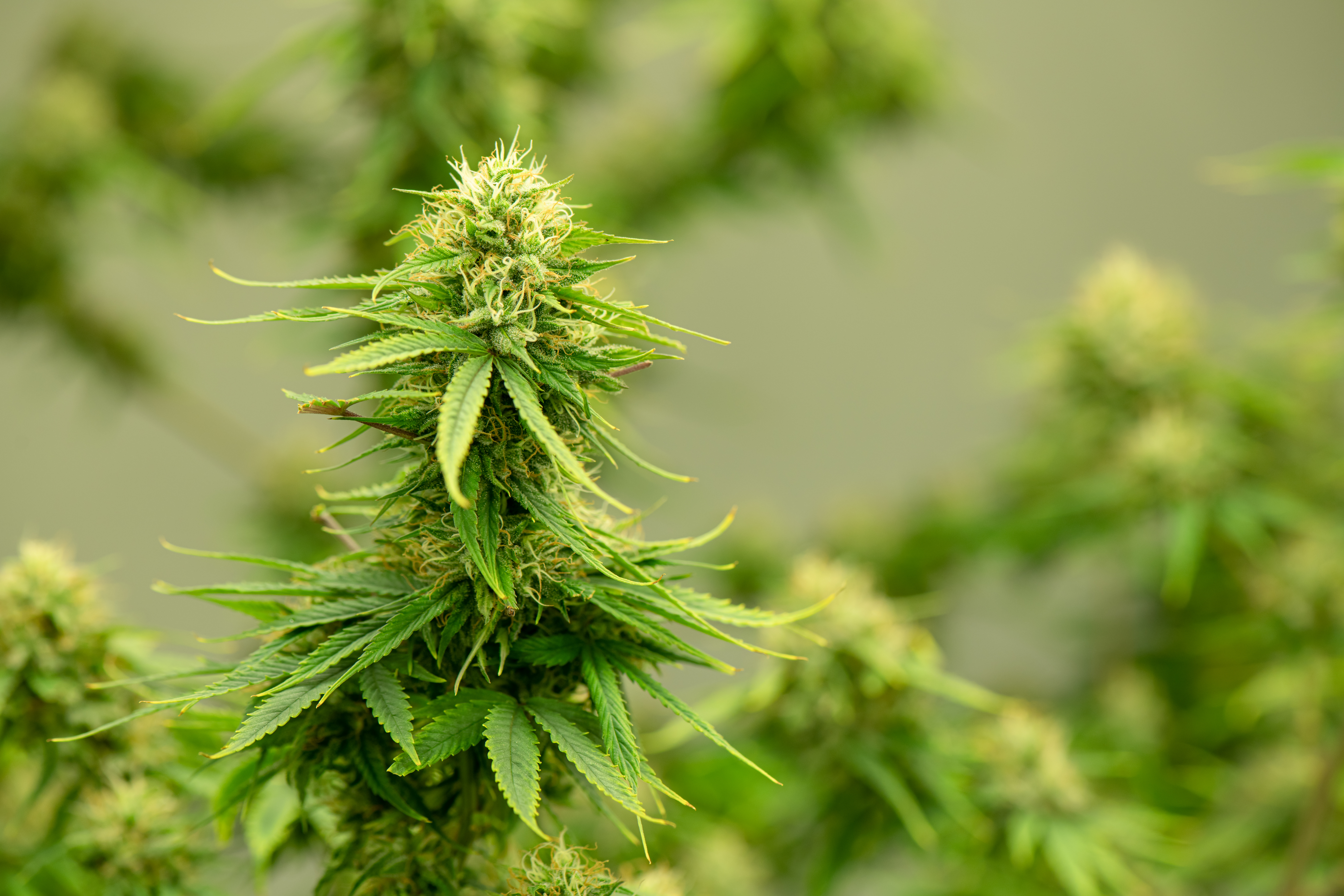


Grand Daddy Purp, often called GDP, is one of the most well-known cannabis strains in the world. Its name appears often in seed catalogs, growing forums, and search engine results. Many people look for Grand Daddy Purp seeds because the strain is known for its strong genetics, deep purple color, and reliable growth traits. Over time, it has become a reference point for indica-dominant cannabis varieties and is often used as a comparison when new strains are released.
Interest in Grand Daddy Purp seeds usually comes from people who want to understand how the plant grows from the very beginning. Seeds allow growers to experience the full life cycle of the plant, from germination to harvest. They also give insight into the genetic makeup of the strain. Because of this, searches related to Grand Daddy Purp seeds often focus on topics such as genetics, growing difficulty, yield size, flowering time, and plant effects. This article is written to clearly explain all of these points in one complete guide.
Another reason Grand Daddy Purp seeds are frequently searched is consistency. Many growers want predictable results. Grand Daddy Purp has a long history and a well-documented genetic background. This makes it easier to estimate how the plant will grow, how long it will take to flower, and what kind of harvest it may produce. For both new and experienced growers, this reliability is an important factor when choosing seeds.
This article is designed to be a full educational resource. It does not rely on opinions, personal stories, or promotional language. Instead, it focuses on clear facts that can be supported by known growing practices and widely accepted strain information. The goal is to help readers understand what Grand Daddy Purp seeds are, how they perform, and what to expect at each stage of growth. Each section builds on the last, so readers can move step by step through the topic without confusion.
A major focus of this guide is cultivation. Many search engine questions about Grand Daddy Purp are related to how easy it is to grow and what conditions it prefers. These questions are important because growing results depend heavily on environment, light, nutrients, and timing. By explaining these factors in simple terms, this article helps readers understand how genetics and growing methods work together to shape the final plant.
Genetics are another key topic covered in detail. The genetic makeup of Grand Daddy Purp influences almost everything about the plant, including its size, structure, color, aroma, and chemical profile. Understanding genetics helps explain why the strain is indica-dominant, why it often develops purple tones, and why its growth pattern is different from sativa-dominant varieties. Clear explanations of these traits help readers make informed decisions when choosing seeds.
Yield and flowering time are also common search topics. These factors are important for planning and scheduling a grow. Flowering time affects how long a plant must be maintained, while yield affects how much usable plant material may be harvested. This article explains these points using averages and ranges rather than guarantees, since real results can vary based on growing conditions.
Effects and chemical composition are included as educational information only. The article explains common characteristics linked to the strain’s cannabinoid and terpene profile, without making claims or recommendations. This helps readers understand why Grand Daddy Purp is often described in certain ways, while keeping the information factual and neutral.
Finally, this guide also addresses legal and regional considerations. Laws related to cannabis seeds and cultivation vary widely depending on location. While laws are not explained in detail for every region, readers are reminded to research local regulations before purchasing or growing seeds. This ensures the information is used responsibly and within applicable rules.
By the end of this article, readers will have a clear and complete understanding of Grand Daddy Purp seeds. They will know where the strain comes from, how it grows, what conditions it prefers, and what outcomes are commonly associated with it. This introduction sets the foundation for the detailed sections that follow, each focused on answering the most common and important questions about Grand Daddy Purp seeds.
What Are Grand Daddy Purp Seeds?
Grand Daddy Purp seeds are cannabis seeds that grow into the plant known as Grand Daddy Purp, often shortened to GDP. This strain is well known for its deep purple colors, compact plant shape, and strong indica traits. When someone buys Grand Daddy Purp seeds, they are buying the starting point of the plant’s full life cycle, from germination to harvest.
Seeds are the natural reproductive form of the cannabis plant. Each seed carries genetic information that controls how the plant grows, how tall it becomes, how long it flowers, and what kind of chemical profile it produces. Grand Daddy Purp seeds contain the genetics that give the plant its recognizable structure, aroma, and effects when grown correctly.
Seeds vs. Clones vs. Mature Plants
Cannabis can be grown in several ways, but seeds are the most common option for many growers.
Seeds
Seeds allow growers to start plants from the earliest stage of life. This gives full control over how the plant develops from day one. Seeds also tend to produce strong root systems, which can lead to healthier plants over time. Because seeds are not cut from an existing plant, they are less likely to carry pests or diseases.
Clones
Clones are cuttings taken from a mature cannabis plant. They are genetic copies of the parent plant. While clones can save time because they skip germination, they can also carry hidden problems such as mold, pests, or stress from the parent. Clones are not always available, especially for older or protected strains like Grand Daddy Purp.
Mature Plants
Buying mature cannabis plants is uncommon and often restricted by law. Most growers do not have access to fully grown plants and must start with seeds or clones instead.
For these reasons, Grand Daddy Purp seeds are often the preferred option for both new and experienced growers.
Why Growers Choose Grand Daddy Purp Seeds
There are several practical reasons why growers choose Grand Daddy Purp seeds instead of other starting methods.
First, seeds offer genetic stability. Many modern Grand Daddy Purp seed lines are bred to reduce unwanted traits, such as weak stems or uneven growth. This makes the plants easier to manage, especially in controlled indoor environments.
Second, seeds give growers more choice. Grand Daddy Purp is available in different seed types, including regular and feminized versions. This allows growers to match the seeds to their growing goals, space, and experience level.
Third, seeds are easier to store and transport. When kept in the right conditions, seeds can remain viable for years. This makes them a long-term option for growers who want flexibility in when they start their plants.
What Makes Grand Daddy Purp Seeds Unique
Not all cannabis seeds are the same. Grand Daddy Purp seeds are known for producing plants with certain consistent traits.
Plants grown from these seeds often develop:
- Short to medium height
- Dense branch structure
- Broad leaves typical of indica-dominant genetics
- Buds that can show purple shades under proper conditions
The seeds carry the genetic potential for these features, but the final result depends on how the plant is grown. Light, temperature, nutrients, and timing all affect how much of this potential is expressed.
Seed Availability and Market Position
Grand Daddy Purp seeds are widely known and commonly searched for, but availability can vary. Some seed producers focus on preserving classic strains, while others create updated versions that aim for better yields or faster flowering times.
Because Grand Daddy Purp is a recognized name, seeds labeled with this strain can differ slightly between breeders. This means growers should understand that not all Grand Daddy Purp seeds are identical, even if they share the same general genetic background.
Despite these differences, Grand Daddy Purp seeds are usually positioned as:
- Indica-dominant
- Moderate in growth difficulty
- Suitable for indoor and outdoor growing
- Valued for stable structure and predictable growth
Legal Considerations Around Seeds
In many regions, cannabis seeds are treated differently from cannabis plants. Seeds may be legal to buy or own even when growing plants is restricted. However, laws vary by location and can change over time.
Before buying or planting Grand Daddy Purp seeds, growers should research local regulations. Understanding what is allowed helps prevent legal issues and ensures responsible use.
Grand Daddy Purp seeds are the starting point for growing the Grand Daddy Purp cannabis plant. They offer a reliable way to grow this well-known strain from the ground up. Compared to clones or mature plants, seeds provide better control, easier storage, and lower risk of disease. These seeds carry the genetics that define the plant’s structure, growth pattern, and chemical traits. While availability and genetics may vary between producers, Grand Daddy Purp seeds remain a popular choice for growers seeking a stable, indica-dominant plant with classic characteristics.
Genetics and Lineage of Grand Daddy Purp
Grand Daddy Purp, often called GDP, is a well-known cannabis strain with a clear and traceable genetic background. Understanding its genetics helps growers know what to expect in terms of plant size, color, flowering time, and overall behavior. Genetics also explain why Grand Daddy Purp has remained popular for many years.
Original Genetic Background
Grand Daddy Purp was developed in California in the early 2000s. It is the result of crossing two established indica strains:
- Purple Urkle
- Big Bud
Each parent strain contributes specific traits that define Grand Daddy Purp today.
Purple Urkle is known for its deep purple colors, grape-like aroma, and strong indica effects. It passes on the color potential and much of the plant’s scent profile. Big Bud, as the name suggests, is famous for producing large, dense flowers and higher yields. It contributes size, structure, and productivity.
When these two strains were combined, the result was a plant that balances visual appeal with reliable growth and harvest potential.
Indica Dominance Explained
Grand Daddy Purp is considered a strong indica-dominant strain, usually estimated at around 70–80% indica and 20–30% sativa. This dominance affects how the plant grows and how it behaves during flowering.
Indica-dominant plants like Grand Daddy Purp typically:
- Grow shorter and bushier
- Have wider leaves
- Develop thick central colas
- Flower faster than sativa-dominant strains
This growth pattern makes GDP easier to manage in indoor environments where vertical space is limited. It also explains why the strain is often recommended for controlled grow rooms and tents.
How Genetics Affect Plant Structure
Because of its indica genetics, Grand Daddy Purp develops a compact and sturdy structure. The branches are strong enough to support heavy buds, especially during the final weeks of flowering. Internode spacing is moderate, meaning the buds form close together rather than being stretched out.
This structure improves airflow within the plant while still allowing for dense flower development. It also makes the plant suitable for common training methods such as topping or low-stress training, although these techniques are optional rather than required.
Purple Color Expression
One of the most recognizable traits of Grand Daddy Purp is its purple coloration. This comes from anthocyanins, which are natural pigments found in many plants. These pigments are influenced by genetics first, then environmental factors second.
Not all GDP plants will turn deep purple. The color expression depends on:
- The specific seed phenotype
- Cooler night temperatures during flowering
- Proper nutrient balance
Because Purple Urkle is part of its genetic line, GDP has a higher chance of showing purple hues compared to many other strains. However, color alone does not affect potency or yield.
Aroma and Flavor Genetics
The grape and berry-like aroma associated with Grand Daddy Purp also comes from its lineage. Terpenes inherited from Purple Urkle play a major role here. These aromatic compounds develop naturally as the plant matures and are strongest when flowers are grown and cured correctly.
Big Bud contributes less to aroma but supports flower size and resin development, which helps retain terpene content during harvest and drying.
Genetic Stability and Modern Seed Lines
Over time, breeders have worked to stabilize Grand Daddy Purp genetics. Stable genetics mean that plants grown from seeds are more likely to show similar traits, such as growth height, flowering time, and bud structure.
Modern Grand Daddy Purp seeds are usually bred to:
- Maintain consistent indica traits
- Improve resistance to stress
- Reduce unwanted genetic variation
Even with stable genetics, small differences between plants can still occur. This is normal and expected when growing from seed rather than clone.
Why Genetics Matter for Growers
Knowing the genetic background of Grand Daddy Purp helps growers plan their setup correctly. Genetics influence:
- Space requirements
- Flowering duration
- Yield potential
- Environmental tolerance
Because GDP is indica-dominant with proven parent strains, it is generally predictable and manageable compared to unstable or experimental hybrids.
Grand Daddy Purp’s genetics come from a deliberate pairing of Purple Urkle and Big Bud. This combination creates an indica-dominant plant known for compact growth, dense buds, purple coloration, and reliable performance. Its genetic stability makes it easier for growers to anticipate results, while its lineage explains why the strain continues to be widely recognized. Understanding these genetics gives growers a strong foundation before moving on to seed types and cultivation methods.
Types of Grand Daddy Purp Seeds
Grand Daddy Purp seeds are available in several different types. Each type is made for a specific growing goal and skill level. Understanding these differences helps growers choose the right option before planting. The main types are regular seeds, feminized seeds, and autoflowering seeds. While all can produce the Grand Daddy Purp plant, they grow in different ways and require different levels of attention.
Regular Grand Daddy Purp Seeds
Regular seeds are the most natural form of Grand Daddy Purp seeds. These seeds are not genetically altered to control plant sex. As a result, regular seeds can grow into either male or female plants.
On average:
- About 50% become female plants
- About 50% become male plants
Female plants are the ones that produce buds. Male plants do not produce buds and are usually removed unless the grower wants to breed plants and make new seeds.
Advantages of regular seeds
- Preserve natural genetics
- Useful for breeding and genetic projects
- Often considered stable and strong
Disadvantages of regular seeds
- Growers must identify and remove male plants
- Requires more time, space, and experience
- Less efficient for growers focused only on bud production
Regular seeds are best for experienced growers or breeders who want full control over plant genetics. Beginners may find them more challenging due to the need to identify plant sex early in the flowering stage.
Feminized Grand Daddy Purp Seeds
Feminized seeds are the most popular option for home growers. These seeds are specially bred to produce only female plants. This removes the risk of male plants appearing during the grow.
Because only female plants produce buds, feminized seeds make the growing process simpler and more predictable.
Advantages of feminized seeds
- Nearly 100% female plants
- No need to remove males
- Better use of space and resources
- Ideal for growers focused on yield
Disadvantages of feminized seeds
- Not suitable for breeding projects
- Slightly more expensive than regular seeds
- Sensitive to high stress if not grown properly
Feminized Grand Daddy Purp seeds are well suited for beginners and intermediate growers. They are also popular in small indoor grows where space is limited and every plant counts.
Autoflowering Grand Daddy Purp Seeds
Autoflowering seeds are bred using cannabis genetics that allow the plant to flower based on age instead of light schedule. This means the plant will automatically enter the flowering stage after a few weeks of growth.
Autoflowering Grand Daddy Purp seeds usually complete their full life cycle in 8 to 11 weeks, from seed to harvest.
Advantages of autoflowering seeds
- Fast growth and harvest
- No need to change light cycles
- Compact plant size
- Suitable for beginners
Disadvantages of autoflowering seeds
- Smaller yields compared to regular or feminized plants
- Less room for correcting mistakes
- Limited control over vegetative growth time
Autoflowering Grand Daddy Purp seeds are ideal for growers who want a quick harvest or who are growing in areas with short outdoor seasons. They are also useful for discreet indoor grows due to their smaller size.
Choosing the Right Seed Type
Choosing the right type of Grand Daddy Purp seed depends on several factors:
- Experience level
- Available space
- Time commitment
- Growing goals
For example:
- A new grower may prefer feminized or autoflowering seeds
- A breeder or advanced grower may choose regular seeds
- A grower with limited time may benefit from autoflowering seeds
Each seed type can produce healthy Grand Daddy Purp plants when grown correctly. The key difference lies in how much control, effort, and time the grower wants to invest.
Seed Quality and Genetic Stability
Regardless of type, seed quality matters. High-quality Grand Daddy Purp seeds should:
- Have a hard outer shell
- Show dark or striped coloring
- Be free from cracks or damage
Genetic stability also plays an important role. Stable seeds produce plants with consistent traits such as growth pattern, flowering time, and cannabinoid levels. Poor-quality or unstable seeds may result in uneven growth or weak plants.
Grand Daddy Purp seeds come in regular, feminized, and autoflowering forms. Regular seeds offer natural genetics but require more work. Feminized seeds simplify the process by producing female plants only. Autoflowering seeds provide fast growth with minimal light control. Choosing the right seed type depends on the grower’s experience, space, and goals. Understanding these options helps ensure a smoother growing process and better results.
Ideal Growing Conditions for Grand Daddy Purp
Grand Daddy Purp (GDP) grows best when its environment is stable and well controlled. This strain is known for strong indica traits, which means it prefers calm conditions rather than extremes. While it is not considered a difficult plant to grow, its color, yield, and overall quality depend heavily on the growing setup. Understanding temperature, light, air, and growing medium will help the plant reach its full potential.
Climate and Temperature Preferences
Grand Daddy Purp prefers a mild to warm climate. During the daytime, the ideal temperature range is 70–80°F (21–27°C). At night, temperatures can drop slightly but should stay above 60°F (15°C). Large temperature swings can stress the plant and slow growth.
One important feature of Grand Daddy Purp is its ability to develop deep purple colors. These colors appear more often when nighttime temperatures are slightly cooler during the flowering stage. However, temperatures should not drop too low, as cold stress can damage buds and reduce yield.
Humidity also plays a key role:
- Seedling stage: 65–70% humidity
- Vegetative stage: 50–60% humidity
- Flowering stage: 40–50% humidity
Lower humidity during flowering helps prevent mold and bud rot, which dense indica buds are more likely to develop.
Indoor vs Outdoor Growing
Grand Daddy Purp can be grown both indoors and outdoors, but each environment has different benefits.
Indoor growing gives the grower full control over light, temperature, and humidity. This control makes it easier to produce consistent results and protect the plant from pests and weather changes. Indoors, GDP typically stays shorter and bushier, which makes it suitable for tents and small grow rooms.
Outdoor growing works best in regions with warm summers and dry fall weather. The plant needs plenty of sunlight, ideally 6–8 hours of direct sun per day. Outdoor plants usually grow taller and can produce larger yields, but they are more exposed to rain, wind, and insects.
In cooler or wet climates, outdoor growers may struggle to finish flowering before bad weather arrives. In those regions, indoor growing is often the safer option.
Light Requirements
Light is one of the most important factors in growing Grand Daddy Purp.
For indoor grows:
- Vegetative stage: 18–20 hours of light per day
- Flowering stage: 12 hours of light and 12 hours of darkness
Strong LED or HPS grow lights are commonly used. The light should be placed at a safe distance to avoid heat stress or light burn. Too much light can bleach leaves and reduce bud quality.
For outdoor grows, natural sunlight is enough, but the plant should be placed where it receives consistent sun throughout the day. Shaded areas will reduce growth and final yields.
Growing Medium Options
Grand Daddy Purp adapts well to several growing mediums. Each option affects growth speed, feeding needs, and maintenance.
Soil
- Best for beginners
- Holds nutrients well
- Helps buffer feeding mistakes
- Produces steady, natural growth
High-quality organic soil with good drainage works best. Adding perlite improves airflow around the roots.
Coco Coir
- Faster growth than soil
- Requires more frequent feeding
- Better control over nutrients
Coco drains quickly and allows roots to get more oxygen, but it requires careful nutrient management.
Hydroponic Systems
- Fastest growth rate
- Higher yields possible
- Requires experience and monitoring
Hydroponics can produce strong results but is less forgiving. Small errors in pH or nutrients can affect the plant quickly.
Airflow and Ventilation
Good airflow keeps plants healthy and prevents problems. Fresh air helps control temperature, strengthens stems, and reduces moisture buildup.
Indoor growers should use:
- Exhaust fans to remove warm air
- Intake fans or vents for fresh air
- Oscillating fans to move air around plants
Outdoor growers should space plants properly so air can move freely between branches.
Is Grand Daddy Purp Easy to Grow?
Grand Daddy Purp is considered moderately easy to grow. It does not require advanced techniques, but it does need attention to environment and humidity. Beginners can succeed if they follow basic guidelines and avoid overwatering or overfeeding.
Grand Daddy Purp grows best in a stable, warm environment with good airflow and proper humidity control. It performs well indoors and outdoors, though indoor growing offers better control and consistency. The plant responds well to strong light, quality soil or coco, and steady temperatures. By meeting these basic conditions, growers can support healthy growth, strong bud development, and the rich color and structure Grand Daddy Purp is known for.
Step-by-Step Growing Guide
Each stage is broken down in clear steps so growers understand what the plant needs and why those needs matter. While results depend on environment and care, the growth process follows a predictable pattern.
Germination Requirements
Germination is the first stage of growth. This is when the seed opens and a small root appears. Healthy germination sets the foundation for the entire plant.
Grand Daddy Purp seeds need warmth, moisture, and oxygen to sprout. The ideal temperature range is 70–80°F (21–27°C). Seeds should never be soaked in cold water or placed in very hot conditions, as this can stop the seed from developing.
Common germination methods include:
- Moist paper towel method
- Starter plugs or seedling cubes
- Direct planting in soil
Whichever method is used, moisture should be kept steady but not excessive. Too much water can cause the seed to rot. Most healthy seeds sprout within 2 to 7 days. Once the root is visible, the seed should be planted gently with the root facing down.
Vegetative Growth Stage
After germination, the plant enters the vegetative stage. This is when Grand Daddy Purp develops stems, leaves, and overall structure. This stage usually lasts 3 to 6 weeks, depending on grower preference and space.
During this phase, the plant needs:
- 18–24 hours of light per day
- Strong airflow to support stem strength
- Nitrogen-rich nutrients for leaf growth
Grand Daddy Purp tends to grow short and bushy due to its indica genetics. This makes it well suited for indoor spaces but also means airflow between branches is important. Pruning or light training may be used to improve light exposure and prevent moisture buildup.
Watering should be consistent. Soil should dry slightly between watering sessions. Overwatering is a common mistake at this stage and can slow growth.
Flowering Stage
The flowering stage begins when the light cycle is reduced to 12 hours of light and 12 hours of darkness. Outdoors, this happens naturally as daylight hours shorten.
Grand Daddy Purp typically flowers for 8 to 10 weeks. During this time, the plant shifts energy from leaf growth to bud development.
Key changes during flowering include:
- Bud formation along branches
- Strong aroma development
- Increased nutrient needs, especially phosphorus and potassium
Humidity should be kept lower than in the vegetative stage, ideally between 40–50%, to reduce the risk of mold. Because Grand Daddy Purp produces dense buds, airflow becomes even more important during flowering.
Nutrient and Water Needs
Grand Daddy Purp responds best to a balanced feeding schedule. Nutrient needs change as the plant grows.
- Seedling stage: Very light feeding or none at all
- Vegetative stage: Higher nitrogen levels
- Flowering stage: Lower nitrogen, higher phosphorus and potassium
Overfeeding can cause leaf burn and slow development. Many growers use half-strength nutrients and adjust based on plant response.
Water quality also matters. Clean, pH-balanced water helps the plant absorb nutrients efficiently. For soil grows, a pH range of 6.0–6.5 is commonly used.
Common Growth Challenges and Prevention
Grand Daddy Purp is often described as moderate in difficulty, not extremely hard but not ideal for careless growing.
Common challenges include:
- Overwatering: Leads to root problems
- High humidity: Can cause mold in dense buds
- Poor airflow: Increases pest and disease risk
- Incorrect harvest timing: Reduces potency and yield
Most issues can be avoided by monitoring temperature, humidity, and watering habits. Regular plant checks help catch problems early before they spread.
Growth Difficulty Explained
Grand Daddy Purp is considered moderately easy to grow. Its compact size and stable genetics make it manageable indoors. However, its dense buds require attention to airflow and humidity, especially during flowering. Growers who follow basic care guidelines usually achieve consistent results.
Growing Grand Daddy Purp seeds follows a clear step-by-step process. Successful cultivation depends on proper germination, steady care during vegetative growth, and careful control of light, nutrients, and humidity during flowering. While the strain is not the most difficult to grow, it does require attention to detail, especially as buds become dense. By understanding each growth stage and responding to the plant’s needs, growers can support healthy development from seed to harvest.
Flowering Time and Harvest Window
Flowering time is one of the most important details for growers using Grand Daddy Purp seeds. This stage determines when buds develop, how strong they become, and how large the final harvest will be. Understanding the flowering timeline helps growers plan lighting schedules, feeding routines, and harvest dates with better accuracy.
Average Flowering Duration
Grand Daddy Purp is known for a moderate flowering period. On average, the flowering stage lasts 8 to 10 weeks when grown indoors. This timeframe begins once the light cycle is changed to encourage flowering, usually by switching to 12 hours of light and 12 hours of darkness per day.
Some plants may finish closer to 8 weeks, while others may take the full 10 weeks. The exact timing depends on genetics, growing conditions, and how the plant is cared for during earlier stages.
This flowering length is considered standard and manageable, especially for growers who want a balance between quality and time investment.
Indoor vs Outdoor Flowering Timelines
Indoor Growing:
When grown indoors, flowering begins once the grower changes the light schedule. Because the environment is controlled, indoor growers can expect more consistent flowering times. Most indoor Grand Daddy Purp plants are ready for harvest between 56 and 70 days after flowering begins.
Outdoor Growing:
Outdoor plants follow the natural light cycle of the sun. Flowering usually starts in late summer, when daylight hours become shorter. In many regions, Grand Daddy Purp is ready for harvest between late September and mid-October.
Outdoor flowering time can vary more than indoor growing due to weather changes, temperature shifts, and sunlight levels. Cooler night temperatures can sometimes bring out deeper purple colors in the buds, but cold or wet conditions near harvest may increase the risk of mold.
Signs of Maturity and Harvest Readiness
Knowing when to harvest is just as important as knowing how long flowering lasts. Harvesting too early or too late can reduce bud quality.
Common signs that Grand Daddy Purp is ready for harvest include:
- Bud size and density: Buds stop growing and feel firm
- Pistil color: White hairs darken and curl inward
- Trichome appearance: Resin glands change from clear to cloudy or amber
- Strong aroma: Smell becomes deeper and more pronounced
Many growers use a magnifying tool to look at trichomes closely. Cloudy trichomes usually signal peak potency, while amber trichomes may suggest a more mature plant.
Impact of Flowering Time on Yield and Potency
Flowering time directly affects both yield and chemical strength. Allowing the plant to fully finish flowering gives buds more time to develop cannabinoids and resin.
- Shortened flowering: May result in lighter yields and less developed buds
- Full flowering cycle: Leads to fuller buds and stronger cannabinoid content
- Extended flowering: Can sometimes increase resin but may reduce freshness if overdone
Balanced timing is key. Harvesting at the right moment helps preserve both size and quality.
Environmental Factors That Influence Flowering
Several environmental factors can change how long flowering lasts:
- Temperature: Stable temperatures support steady development
- Light intensity: Strong, consistent lighting helps buds mature evenly
- Nutrition: Proper feeding supports flower growth without stress
- Humidity: Lower humidity during late flowering helps protect buds
Stress during flowering, such as heat spikes or nutrient problems, can slow development or reduce final yields.
Harvest Window Explained
The harvest window is the short period when the plant is at its best. For Grand Daddy Purp, this window usually lasts 7 to 10 days. Harvesting within this range allows growers to capture peak bud quality.
Waiting too long past the harvest window can lead to reduced aroma and changes in chemical balance. Harvesting too early may result in less mature buds.
Careful observation during the final weeks of flowering is essential.
Grand Daddy Purp has an average flowering time of 8 to 10 weeks, making it a practical option for many growers. Indoor plants offer more predictable timelines, while outdoor plants depend on seasonal light changes. Knowing the signs of maturity and understanding the harvest window helps ensure better yields and consistent results. By managing flowering conditions carefully and harvesting at the right time, growers can support full bud development and overall plant quality.
Expected Yields and Plant Size
Understanding expected yields and plant size is important for anyone researching or growing Grand Daddy Purp seeds. Yield and plant height can change based on many factors, but Grand Daddy Purp is known for producing solid, reliable harvests when grown in proper conditions. This section explains indoor and outdoor yields, plant size, and the main factors that affect final results.
Average Indoor Yields
When grown indoors, Grand Daddy Purp plants usually produce moderate to high yields. On average, growers can expect around 400 to 500 grams per square meter under standard indoor conditions. This assumes proper lighting, stable temperatures, and basic plant care.
Indoor yields depend heavily on light quality and space management. Strong LED or HID lights help plants develop dense buds. Training methods such as topping or low-stress training can also improve light exposure and increase bud production. However, Grand Daddy Purp does not require advanced techniques to perform well. Even simple setups can produce consistent results.
Because this strain has a compact structure, it works well in grow tents and smaller rooms. Its dense buds tend to form along the main branches, which helps make efficient use of indoor space.
Average Outdoor Yields
Outdoors, Grand Daddy Purp can grow larger and produce higher yields than indoor plants. Under favorable conditions, a single outdoor plant may yield 500 to 700 grams or more by harvest time. In ideal climates with long growing seasons, yields can sometimes exceed this range.
Outdoor success depends on sunlight, soil quality, and weather stability. Plants grown in full sun with rich, well-draining soil usually produce the best results. Because Grand Daddy Purp prefers warm and dry conditions, it performs best in regions with mild autumn weather.
Outdoor plants benefit from more root space, which allows them to grow wider and develop more flowering sites. This leads to larger harvests compared to indoor setups.
Typical Plant Height and Structure
Grand Daddy Purp plants are generally short to medium in height. Indoors, plants usually reach 90 to 120 centimeters, while outdoor plants can grow taller, often reaching 150 to 180 centimeters.
The plant structure is thick and bushy, with strong side branches and a solid central stem. This shape helps support heavy buds during flowering. Because the plants do not stretch too much, they are easy to control indoors and suitable for growers with limited vertical space.
The compact growth pattern also makes Grand Daddy Purp a good option for discreet outdoor growing where height control is important.
Bud Density and Weight
One reason Grand Daddy Purp produces good yields is its dense bud formation. The buds are tight and heavy, which adds weight at harvest time. This density also means proper airflow is important to prevent moisture buildup, especially during late flowering.
While bud size may not be extremely large, the overall weight adds up due to the solid structure of each flower. Proper drying and curing help maintain this density and prevent loss of final weight.
Factors That Influence Yield Outcomes
Several factors affect how much Grand Daddy Purp produces:
- Light exposure: Strong, consistent light increases bud development.
- Growing medium: Healthy soil or a well-managed hydro system improves nutrient uptake.
- Temperature and humidity: Stable conditions reduce plant stress.
- Nutrition: Balanced feeding supports steady growth and flowering.
- Training methods: Simple techniques can improve light distribution and yield.
- Harvest timing: Harvesting too early or too late can reduce final weight.
Genetics also play a role. While Grand Daddy Purp seeds are generally stable, individual plants may show slight differences in yield potential.
Yield Consistency
Grand Daddy Purp is known for consistent yield performance. Growers often choose this strain because it delivers predictable results across multiple grow cycles. While it may not be the highest-yielding strain available, it balances yield, plant size, and ease of growth very well.
This consistency makes it suitable for both small-scale growers and those planning larger cultivation projects.
Grand Daddy Purp seeds typically produce moderate to high yields with manageable plant sizes. Indoors, growers can expect around 400–500 grams per square meter, while outdoor plants may yield 500–700 grams per plant or more in good conditions. The plants stay relatively short, grow bushy, and develop dense buds that add weight at harvest. Yield results depend on light, environment, nutrition, and harvest timing, but overall, Grand Daddy Purp offers reliable and predictable production for a wide range of growing setups.
Cannabinoid Profile and Chemical Composition
The cannabinoid profile of Grand Daddy Purp (GDP) is one of the main reasons this strain is widely researched and grown. Cannabinoids and related plant compounds shape how the plant develops, how strong it is, and how it interacts with the body. Understanding this chemical makeup helps growers, researchers, and consumers know what to expect from the plant once it reaches maturity.
THC Content and Potency Range
Grand Daddy Purp is best known for its high THC levels. THC, or tetrahydrocannabinol, is the main psychoactive compound found in cannabis plants. In most cultivated GDP plants, THC levels commonly range between 17% and 24%, though exact results depend on genetics, growing methods, and harvest timing.
Plants grown under stable conditions with proper lighting, nutrients, and curing tend to produce higher THC levels. Harvesting too early may reduce THC concentration, while harvesting too late can cause THC to break down into other compounds. This is why careful timing plays a major role in final potency.
High THC content is one reason GDP is often classified as a strong strain. However, THC levels alone do not fully explain how the plant behaves or feels.
CBD and Minor Cannabinoids
Unlike some modern strains bred for high CBD content, Grand Daddy Purp typically contains very low CBD levels, often below 1%. CBD, or cannabidiol, does not cause intoxication and interacts differently with the body than THC.
Even though CBD is present only in small amounts, GDP still contains trace levels of other minor cannabinoids. These may include:
- CBG (Cannabigerol)
- CBC (Cannabichromene)
- THCV (Tetrahydrocannabivarin), usually in very small amounts
While these compounds appear in low concentrations, they still contribute to the plant’s overall chemical balance. Researchers often describe this interaction as a combined effect, where many compounds work together rather than acting alone.
Terpene Profile and Its Role
Terpenes are aromatic compounds found in many plants, including cannabis. They are responsible for smell and flavor, but they also affect how cannabinoids interact with the body.
Grand Daddy Purp commonly shows a terpene profile dominated by:
- Myrcene – Often linked to earthy and herbal aromas
- Pinene – Known for fresh, pine-like scents
- Caryophyllene – Adds a spicy or pepper-like note
Myrcene is usually the most dominant terpene in GDP. High levels of myrcene are often associated with calming and grounding effects. Pinene and caryophyllene add balance to the aroma and influence how the plant’s effects are experienced.
The terpene profile can change based on growing conditions. Temperature, soil quality, nutrients, and curing methods all influence terpene preservation. Improper drying or storage may cause terpene loss, reducing aroma strength.
Color Pigments and Anthocyanins
One of the most recognizable features of Grand Daddy Purp is its deep purple coloration. This color comes from natural plant pigments called anthocyanins. These pigments are also found in blueberries, grapes, and other purple plants.
Anthocyanin expression increases when plants are exposed to cooler nighttime temperatures during flowering. While the purple color does not increase potency, it is a sign of healthy genetic expression. The presence of anthocyanins does not affect THC levels directly, but it contributes to the strain’s visual identity.
How Growing Conditions Affect Chemical Makeup
The chemical composition of GDP is not fixed. Several factors influence how cannabinoids and terpenes develop:
- Light intensity and spectrum
- Nutrient balance
- Stress levels during growth
- Harvest timing
- Drying and curing process
Plants grown in stable environments with minimal stress tend to produce more consistent cannabinoid profiles. Overfeeding, poor airflow, or extreme heat can reduce terpene production and affect overall quality.
Grand Daddy Purp has a chemical profile led by high THC levels, very low CBD, and a terpene mix rich in myrcene, pinene, and caryophyllene. Minor cannabinoids and natural pigments add to its complexity but remain secondary to THC. The final chemical makeup depends heavily on genetics and growing practices. When cultivated correctly, GDP produces a stable and well-defined cannabinoid profile that reflects its long-standing reputation.
Effects and Functional Characteristics
Grand Daddy Purp is widely known for its strong and long-lasting effects. These effects come from its cannabinoid and terpene makeup, as well as its indica-dominant genetics. This section explains what effects are commonly associated with Grand Daddy Purp, how quickly they begin, how long they last, and how different factors can influence the experience. The goal is to provide clear, factual information without personal opinions.
Primary Physical Effects
Grand Daddy Purp is most often associated with full-body physical effects. These effects usually begin as a feeling of muscle relaxation that spreads through the body over time. Many users describe a noticeable release of physical tension, which may make the body feel heavy or calm.
Because of this deep physical relaxation, Grand Daddy Purp is often classified as a non-energizing strain. It is generally not linked with increased physical activity or motivation. Instead, it is more commonly associated with rest and stillness. These effects tend to become stronger as the experience continues.
Higher amounts may increase the feeling of physical heaviness. This can make movement feel slower and less appealing. For this reason, activities that require focus or coordination may feel more difficult after use.
Mental and Cognitive Effects
In addition to physical effects, Grand Daddy Purp also produces noticeable mental effects. Early in the experience, users often report a calm and settled mental state. Racing thoughts may slow down, and mental stress may feel reduced.
As the effects progress, mental clarity may decrease. Focus and short-term memory can become weaker, especially at higher amounts. This is one reason why the strain is usually not described as functional during the day.
The mental effects are not commonly described as stimulating or energizing. Instead, they are more often linked to mental quietness and reduced alertness. In some cases, this may lead to drowsiness as the experience continues.
Onset Time
The onset time of Grand Daddy Purp depends on how it is used. When inhaled, effects are often felt within a few minutes. The initial effects may begin with light mental calmness, followed by stronger body relaxation.
When consumed in edible form, onset takes longer. Effects may take one to two hours to appear. Once they begin, they often last longer and may feel more intense than inhaled forms.
Because onset time varies, understanding timing is important to avoid consuming more than intended before effects fully develop.
Duration of Effects
The effects of Grand Daddy Purp are known for lasting several hours. When inhaled, effects commonly last two to four hours, depending on amount and individual sensitivity.
Edible forms may last much longer. In some cases, effects can continue for six hours or more. The later stages are often dominated by physical relaxation and tiredness.
The long duration is one reason the strain is often associated with evening or nighttime use rather than daytime activities.
Functional vs Non-Functional Classification
Grand Daddy Purp is generally classified as a non-functional strain. This means it is not commonly associated with productivity, alertness, or physical activity.
Its strong physical relaxation and mental slowing effects may interfere with work, study, or tasks that require attention. As a result, it is usually not described as suitable for busy or demanding schedules.
This classification does not describe quality or value. It only helps explain how the effects may fit into different daily routines.
Factors That Influence Individual Response
Effects can vary from person to person. Several factors play a role in how Grand Daddy Purp feels:
- Amount used: Higher amounts often increase intensity and duration
- Tolerance level: Regular users may experience milder effects
- Body chemistry: Individual metabolism affects how cannabinoids are processed
- Environment: Quiet or relaxed settings may enhance calming effects
- Method of use: Inhalation and edible forms produce different timing and strength
Because of these variables, effects are not identical for every user.
Grand Daddy Purp is known for strong physical relaxation and calming mental effects. The experience often begins with mental quietness and develops into deep body relaxation. Effects tend to last several hours and may include drowsiness and reduced focus, especially at higher amounts. Due to these characteristics, it is generally classified as non-functional and more suited to rest-focused periods. Individual responses vary based on amount, method of use, and personal factors, making awareness and careful use important.
Aroma, Flavor, and Visual Traits
Grand Daddy Purp is known for having very distinct aroma, flavor, and visual features. These traits come from its genetics, terpene profile, and how the plant is grown and cured. Understanding these characteristics helps growers know what to expect from the plant and how cultivation choices can influence the final results.
Aroma Profile
The aroma of Grand Daddy Purp is strong and easy to recognize. When the plant is flowering, it often releases a sweet and earthy scent. Many growers describe the smell as a mix of fruit, berries, and grapes, combined with deeper notes that are similar to soil or herbs.
This scent comes from natural compounds called terpenes. Terpenes are found in many plants and are responsible for smell. In Grand Daddy Purp, common terpene groups tend to produce sweet, fruity, and slightly musky aromas. These terpenes develop during flowering and become more noticeable as the buds mature.
Drying and curing also play a major role in aroma. If buds are dried too quickly or stored improperly, the scent may become weak or harsh. Proper curing allows moisture to escape slowly, which helps preserve the plant’s natural aroma and keeps the smell balanced rather than sharp.
Flavor Characteristics
The flavor of Grand Daddy Purp often matches its aroma. When consumed, the taste is commonly described as sweet and smooth. Many users notice grape-like or berry flavors, followed by earthy or herbal notes. Some also report mild spice or floral tones, especially when the plant is well cured.
Flavor quality depends heavily on growing and post-harvest conditions. Clean water, balanced nutrients, and proper flushing before harvest can improve taste. Flushing removes excess nutrients from the plant, which helps prevent a chemical or bitter flavor.
Curing is especially important for flavor. During curing, chlorophyll breaks down, which reduces harshness. A slow and controlled curing process allows the full flavor profile to develop. Poor curing can result in a grassy or dull taste, even if the plant was grown well.
Bud Structure
Grand Daddy Purp buds are typically dense and compact. This structure comes from its indica-dominant genetics. The buds often grow in tight clusters and feel firm when gently squeezed.
Dense buds can be a sign of good light exposure and healthy growth. However, their compact shape also means airflow is important during cultivation. Without proper ventilation, dense buds can trap moisture, which may increase the risk of mold during late flowering.
The surface of the buds is usually covered in visible trichomes. Trichomes are tiny, crystal-like glands that contain cannabinoids and terpenes. A thick trichome layer often gives the buds a frosty or sticky appearance.
Coloration and Purple Tones
One of the most well-known visual traits of Grand Daddy Purp is its purple coloring. Shades can range from deep violet to dark lavender. These colors often appear on the buds, sugar leaves, and sometimes the stems.
The purple color comes from natural pigments called anthocyanins. These pigments are present in many plants and become visible when chlorophyll breaks down. Cooler nighttime temperatures during flowering can encourage stronger purple expression, though genetics play the main role.
Not all Grand Daddy Purp plants will turn fully purple. Some may stay green with only hints of color. This variation is normal and does not always indicate quality or potency. Color alone is not a reliable measure of strength or effects.
Leaf and Plant Appearance
The leaves of Grand Daddy Purp are usually broad and dark green during early growth. As flowering progresses, leaves may fade to lighter green, yellow, or purple, especially near harvest time. This color change is part of the natural life cycle of the plant.
The plant itself often grows with a bushy shape and thick branches. This structure supports the heavy buds and helps the plant remain stable during flowering. Training techniques, such as pruning or low-stress training, can further shape the plant and improve light exposure.
Grand Daddy Purp stands out for its strong aroma, smooth flavor, and striking visual appearance. Its sweet and earthy scent, grape-like taste, dense buds, and purple coloring all come from a mix of genetics, terpene development, and proper growing practices. While color and smell are often the most noticeable traits, they are influenced by many factors, including temperature, nutrients, and curing methods. By understanding these traits, growers can better manage their plants and preserve the natural qualities that Grand Daddy Purp is known for.
Storage and Preservation of Grand Daddy Purp Seeds
Proper storage is one of the most important factors in keeping Grand Daddy Purp seeds healthy and usable over time. Seeds are living organisms in a dormant state. If they are stored incorrectly, they can lose their ability to sprout, also known as germination viability. This section explains how to store seeds correctly, how long they can last, and what conditions help preserve their quality.
Ideal Temperature for Seed Storage
Temperature plays a major role in seed preservation. Cannabis seeds, including Grand Daddy Purp seeds, last longest when kept in a cool and stable environment.
- The ideal temperature range for seed storage is 40°F to 50°F (4°C to 10°C)
- Temperatures that are too warm can cause seeds to dry out or activate too early
- Repeated temperature changes can damage the seed shell and inner embryo
A refrigerator is often used for long-term seed storage because it provides stable, cool conditions. If using a refrigerator, seeds should be sealed tightly to protect them from moisture.
Humidity and Moisture Control
Humidity is just as important as temperature. Too much moisture can cause seeds to mold or rot. Too little moisture can dry them out and reduce their ability to germinate.
- Ideal relative humidity for seed storage is 20% to 30%
- Moist environments increase the risk of mold growth
- Dry environments help maintain dormancy
To control humidity, seeds should be stored with a desiccant, such as silica gel packets. These packets absorb excess moisture and help keep the environment dry. Desiccants should be replaced if they become saturated.
Light Exposure and Seed Protection
Seeds should always be kept in the dark. Light exposure can damage seeds over time and may cause them to degrade faster.
- Store seeds in opaque containers
- Avoid clear plastic bags or glass containers unless they are placed inside a dark space
- Long-term light exposure can weaken the seed shell
Dark storage conditions help maintain seed dormancy and reduce stress on the seed.
Best Containers for Seed Storage
The container used for storage affects how well seeds are protected from air, moisture, and light.
Recommended containers include:
- Airtight glass jars
- Sealed plastic containers made for seed storage
- Vacuum-sealed bags for long-term storage
Containers should always be:
- Airtight
- Clean and dry
- Clearly labeled with strain name and storage date
Labeling is important when storing multiple seed varieties to avoid confusion later.
Shelf Life of Grand Daddy Purp Seeds
When stored correctly, Grand Daddy Purp seeds can remain viable for several years.
- 1 to 2 years: Very high germination rates
- 3 to 5 years: Moderate germination rates
- 5+ years: Germination possible, but rates decline
Over time, seeds naturally lose moisture and energy. Even under ideal conditions, no seed lasts forever. Older seeds may still sprout, but they often take longer to germinate and may produce weaker seedlings.
Handling Seeds Safely
Proper handling helps prevent damage before storage.
- Avoid touching seeds with bare hands when possible
- Oils and moisture from skin can harm seeds
- Use clean tweezers or gloves when handling
Seeds should never be crushed, scratched, or exposed to water before planting. Any physical damage can reduce the chance of successful germination.
Signs of Poor Seed Storage
Seeds that have been stored improperly may show visible or performance issues, such as:
- Cracked or soft shells
- Mold or discoloration
- Very slow or failed germination
If seeds show mold or smell musty, they should not be planted. Mold can spread and damage nearby seeds.
Short-Term vs Long-Term Storage
Short-term storage (weeks to months):
- Cool, dark drawer
- Airtight container with desiccant
Long-term storage (months to years):
- Refrigerator storage
- Airtight container
- Desiccant and stable temperature
Freezing is not recommended unless seeds are professionally prepared, as ice crystals can damage internal seed tissue.
Storing Grand Daddy Purp seeds correctly helps protect their quality and germination potential. The most important factors are cool temperatures, low humidity, dark conditions, and airtight containers. When handled carefully and stored properly, seeds can remain viable for several years. Good storage practices reduce waste, protect genetic quality, and improve the chances of successful growth when the seeds are ready to be planted.
Common Growing Mistakes and How to Avoid Them
Growing Grand Daddy Purp from seed can be rewarding, but many problems happen when basic steps are missed. Most issues are preventable with planning, observation, and patience. This section explains the most common mistakes growers make and how to avoid them. Each point is explained clearly so even first-time growers can understand what to do and why it matters.
Overfeeding and Nutrient Burn
One of the most common mistakes is giving plants too many nutrients. New growers often believe more nutrients will lead to faster growth or bigger buds. In reality, overfeeding can damage the plant.
Nutrient burn usually shows as yellow or brown tips on the leaves. Leaves may curl, dry out, or stop growing. Once damage appears, it cannot be reversed.
To avoid this:
- Start with low nutrient strength, especially during early growth
- Increase feeding slowly over time
- Follow the feeding schedule for your growing medium
- Flush plants with clean water if signs of nutrient burn appear
Grand Daddy Purp does not need heavy feeding. Moderate nutrients and consistent watering usually produce better results than aggressive feeding.
Light Stress and Incorrect Light Distance
Light is essential, but too much or too little can cause stress. Light stress often happens when grow lights are too close to the plant or too strong for its stage of growth.
Signs of light stress include:
- Bleached or pale leaves near the top
- Leaves curling upward like a taco
- Slow growth despite strong lighting
To avoid this:
- Keep proper distance between lights and plants
- Adjust height as plants grow taller
- Use the correct light strength for each growth stage
- Watch leaf response daily
Indoor growers should measure light distance carefully. Outdoor growers should ensure plants are not exposed to extreme midday heat for long periods.
Poor Temperature and Humidity Control
Temperature and humidity have a direct effect on plant health. When either is out of range, plants struggle to grow and resist disease.
Common problems include:
- High humidity causing mold or mildew
- Low humidity slowing growth
- High temperatures causing leaf stress
- Cold temperatures slowing development
To avoid this:
- Keep temperatures stable day and night
- Lower humidity during flowering
- Use fans for airflow
- Avoid sudden environmental changes
Grand Daddy Purp prefers a stable environment. Sudden swings in temperature or humidity can reduce yield and quality.
Overwatering and Poor Drainage
Overwatering is a frequent mistake, especially with seedlings. Roots need oxygen as well as water. When soil stays wet too long, roots can rot.
Signs of overwatering include:
- Drooping leaves that feel soft
- Slow growth
- Yellowing lower leaves
To avoid this:
- Water only when the top soil feels dry
- Use containers with drainage holes
- Avoid letting pots sit in standing water
- Use well-aerated soil
It is better to underwater slightly than overwater. Roots recover faster from dry soil than from drowning.
Ignoring Airflow and Ventilation
Fresh air helps plants breathe and stay healthy. Poor airflow allows moisture to build up, which leads to mold and pests.
Problems caused by poor airflow include:
- Powdery mildew
- Bud rot
- Weak stems
To avoid this:
- Use fans to move air around plants
- Ensure fresh air enters the grow space
- Do not overcrowd plants
- Keep leaves from touching each other
Good airflow strengthens stems and helps plants handle heat and humidity better.
Harvesting Too Early or Too Late
Timing the harvest is critical. Many growers harvest too early because they want quick results. Others wait too long and lose potency.
Early harvest risks:
- Low cannabinoid levels
- Reduced aroma
- Smaller yields
Late harvest risks:
- Degraded cannabinoids
- Heavy, sleepy effects
- Loss of flavor
To avoid this:
- Watch flower development closely
- Learn the visual signs of maturity
- Be patient during the final weeks
Proper harvest timing helps preserve both yield and chemical balance.
Skipping Proper Cleaning and Maintenance
Dirty grow spaces attract pests and disease. Tools, pots, and surfaces should always be clean.
To avoid issues:
- Clean tools between plants
- Remove dead leaves regularly
- Sanitize grow areas between cycles
- Inspect plants often
Preventive care is easier than fixing infestations or disease outbreaks.
Most problems when growing Grand Daddy Purp seeds come from rushing, overcorrecting, or ignoring basic plant needs. Overfeeding, poor lighting, bad watering habits, weak airflow, and improper harvest timing are the most common mistakes. These issues can reduce yield, lower quality, or even ruin a crop.
The best way to avoid mistakes is to grow slowly, observe plants daily, and make small adjustments when needed. Stable conditions, clean spaces, and patience lead to healthier plants and better results. By understanding these common errors, growers can improve success and grow Grand Daddy Purp more effectively from seed to harvest.
Legal and Regulatory Considerations
Before buying or growing Grand Daddy Purp seeds, it is important to understand the legal rules that apply. Cannabis laws are not the same everywhere. They can change by country, state, or even city. This section explains the key legal points in a clear and simple way so readers can make informed decisions.
Cannabis Seed Legality vs Plant Cultivation
In many places, cannabis seeds are treated differently than cannabis plants. Seeds often contain little to no THC, which is the chemical that makes cannabis psychoactive. Because of this, seeds may be legal to buy, sell, or own even where growing cannabis plants is illegal.
However, legality of seeds does not always mean legality of cultivation. In some regions:
- You may legally purchase and own seeds.
- Germinating or growing those seeds into plants may be illegal.
- Harvesting, possessing, or distributing the final product may carry penalties.
This difference is one of the most common sources of confusion. Laws often focus on what the plant produces, not the seed itself. Always check whether the law allows germination and cultivation, not just seed ownership.
Regional Differences in Cannabis Laws
Cannabis laws vary widely across the world. There is no universal rule.
- United States: Laws vary by state. Some states allow recreational cultivation, some allow medical cultivation only, and others prohibit growing altogether. Federal law still classifies cannabis as illegal, even though hemp seeds may be allowed.
- Canada: Cannabis cultivation is legal for adults, but there are limits on the number of plants and rules about where they can be grown.
- Europe: Laws differ by country. Some countries allow seed ownership but ban cultivation. Others allow limited home growing.
- Other regions: In many countries, both seeds and plants are illegal, and penalties can be severe.
Because laws can change quickly, information from a few years ago may no longer be accurate. Always check current government or legal sources in your region.
Medical vs Recreational Cultivation Rules
Some areas make a legal distinction between medical and recreational cannabis use.
- Medical cultivation may require:
- A doctor’s recommendation
- A patient registration card
- Limits on plant count
- A doctor’s recommendation
- Recreational cultivation, where legal, often has:
- Strict plant limits
- Age requirements
- Rules on visibility and security
- Strict plant limits
Grand Daddy Purp is commonly associated with indica-dominant genetics, which may lead some users to research it for medical programs. Even so, the strain name does not change the law. Legal status depends on local cannabis rules, not the specific cultivar.
Seed Purchasing and Import Restrictions
Buying seeds online or from another country can introduce legal risks.
Some regions:
- Allow domestic seed sales but ban imports
- Allow seed imports only for hemp varieties
- Require customs declarations or licenses
Seeds shipped across borders may be stopped or confiscated by customs, even if seed ownership is legal locally. In some cases, receiving seeds by mail may still be considered illegal importation.
It is important to understand:
- Where the seller is located
- Where the seeds are shipped from
- Whether customs laws apply
Penalties for Non-Compliance
Penalties for breaking cannabis laws vary greatly.
Possible consequences include:
- Fines
- Confiscation of plants and equipment
- Criminal charges
- Loss of cultivation privileges
Even small mistakes, such as growing more plants than allowed or growing in an unapproved location, can lead to penalties. Ignorance of the law is usually not accepted as a defense.
Responsibility of the Grower
Anyone researching or growing Grand Daddy Purp seeds is responsible for understanding and following the law.
Best practices include:
- Reading official government websites
- Checking updated local regulations
- Avoiding assumptions based on other regions
- Staying informed about legal changes
Responsible research helps reduce legal risk and promotes safe, lawful cultivation practices.
Cannabis laws are complex and differ widely by location. In many places, owning Grand Daddy Purp seeds may be legal, while growing them is not. Medical and recreational rules often differ, and importing seeds can carry additional risks. Because penalties can be serious, it is essential to research current local laws before purchasing, germinating, or cultivating cannabis seeds. Understanding the legal framework helps readers make informed and responsible decisions.
Conclusion
Grand Daddy Purp seeds represent a well-known and widely studied cannabis variety with clear and identifiable traits. Throughout this guide, the key aspects of these seeds have been explained in a clear and factual way so readers can understand what to expect before growing or researching this strain further.
One of the most important points is genetics. Grand Daddy Purp is a strongly indica-dominant strain with parent lines that influence its growth pattern, structure, and chemical makeup. These genetics are responsible for the plant’s compact size, dense flowers, and potential purple coloring. Understanding genetics helps growers predict how the plant will behave during its life cycle and what conditions it prefers.
Growing Grand Daddy Purp from seed requires attention to basic environmental needs, but it is not considered overly difficult. The plant generally responds well to controlled indoor environments where temperature, light, and humidity can be managed. Outdoor growers can also succeed in suitable climates with warm days and mild nights. Proper germination, steady nutrition, and consistent care during vegetative and flowering stages are essential for healthy growth. While the plant is forgiving in some areas, problems such as overfeeding, poor airflow, or incorrect harvest timing can reduce final results. Avoiding these common mistakes increases the chance of a successful grow.
Flowering time is another key factor discussed in this guide. Grand Daddy Purp typically flowers within a predictable window, making it easier for growers to plan their harvest. Knowing when a plant is fully mature helps protect potency, yield, and overall quality. Harvesting too early or too late can reduce the effectiveness of the finished flower, so careful observation is important.
Yield expectations are also an important consideration. While Grand Daddy Purp is not known for extreme production, it offers steady and reliable yields when grown correctly. Indoor growers can expect consistent results per square meter, while outdoor plants may produce more depending on space, climate, and care. Plant size remains manageable, which makes this strain suitable for growers working with limited room.
The cannabinoid and terpene profile explains why this strain remains popular. Grand Daddy Purp is known for its higher THC levels compared to CBD, though exact percentages can vary based on growing conditions. The combination of cannabinoids and aromatic compounds contributes to the strain’s overall effects, scent, and flavor. These elements are shaped by genetics, but also by how the plant is grown, harvested, and cured.
The effects of Grand Daddy Purp are typically associated with deep physical relaxation and calming mental sensations. While individual responses can differ, the strain is often described as slow-acting and long-lasting. Understanding these effects allows users to make informed choices and use the strain responsibly. Factors such as dosage, tolerance, and environment all influence how the effects are experienced.
Visual appearance, aroma, and flavor also play a role in the strain’s recognition. Dense buds, dark green tones, and purple hues are common, especially in cooler temperatures. Sweet and earthy aromas are linked to the terpene profile and become more noticeable after proper curing. These traits are not guaranteed but are frequently observed when conditions are optimal.
Seed storage is another topic that should not be overlooked. Proper storage helps maintain seed viability over time. Keeping seeds in a cool, dark, and dry environment can extend their lifespan and improve germination success. Poor storage conditions may damage seeds before they are ever planted.
Finally, legal considerations remain critical. Cannabis seed laws and cultivation rules vary widely by region. Seeds may be legal to buy in some areas where growing plants is restricted. Researching local regulations before purchasing or planting seeds is essential. Staying informed helps prevent legal issues and supports responsible use.
In summary, Grand Daddy Purp seeds offer a stable genetic profile, predictable growth patterns, moderate yields, and well-documented effects. Success depends on understanding each stage of the plant’s life cycle and providing the right conditions throughout the process. By applying accurate information and careful planning, growers and researchers can make informed decisions while staying within legal boundaries.
Research Citations
Cheef Botanicals. (2025, December 29). Granddaddy Purple strain: Top indica for full-body calm. Cheef Botanicals. Retrieved January 10, 2026, from https://cheefbotanicals.com/blogs/flower-guides/granddaddy-purple-strain
GrowDiaries. (n.d.). Grand Daddy Purple seeds by ILGM. GrowDiaries Seedbank. Retrieved January 10, 2026, from https://growdiaries.com/seedbank/ilgm/grand-daddy-purple
I Love Growing Marijuana (ILGM). (2021, October 18). Granddaddy Purple cannabis strain information and review. ILGM. Retrieved January 10, 2026, from https://www.ilovegrowingmarijuana.com/strains/grand-daddy-purple/
ILGM. (n.d.). Granddaddy Purple feminized seeds. ILGM. Retrieved January 10, 2026, from https://ilgm.com/products/granddaddy-purple-feminized-seeds
Inner Earth Seeds. (n.d.). Granddaddy Purple. Inner Earth Seeds. Retrieved January 10, 2026, from https://innerearthseeds.com/en/granddaddy-purple/
Nirvana Shop. (n.d.). Granddaddy Purple feminized. Nirvana Shop. Retrieved January 10, 2026, from https://nirvanashop.com/products/granddaddy-purple-feminized
Royal Queen Seeds. (2025, July 8). Granddaddy Purp strain: The king of purple weed. Royal Queen Seeds Blog. Retrieved January 10, 2026, from https://www.royalqueenseeds.com/blog-granddaddy-purple-a-stoning-legend-n1546
Seeds Genetics Co. (n.d.). Granddaddy Purple feminized cannabis seeds. Seeds Genetics Co. Retrieved January 10, 2026, from https://seedsgenetics.com/product/granddaddy-purple-feminized/
SeedFinder. (n.d.). Grandaddy Purple (Nirvana Seeds): Cannabis strain info. SeedFinder. Retrieved January 10, 2026, from https://seedfinder.eu/en/strain-info/grandaddy-purple/nirvana-seeds
Weedmaps. (n.d.). Grand Daddy Purple feminized seeds – I Love Growing Marijuana. Weedmaps. Retrieved January 10, 2026, from https://weedmaps.com/brands/i-love-growing-marijuana/products/i-love-growing-marijuana-grand-daddy-purple-feminized-seeds
Questions and Answers
Q1: What are Grand Daddy Purp (GDP) seeds?
Grand Daddy Purp seeds produce a famous indica-dominant cannabis strain known for its deep purple color, grape-like aroma, and relaxing effects.
Q2: Are Grand Daddy Purp seeds indica, sativa, or hybrid?
Grand Daddy Purp seeds grow into an indica-dominant hybrid, typically around 70–80% indica.
Q3: What effects are Grand Daddy Purp plants known for?
Plants grown from Grand Daddy Purp seeds are known for producing calming, body-relaxing effects that may help with stress, pain, and sleep.
Q4: What do Grand Daddy Purp plants smell and taste like?
Grand Daddy Purp plants usually develop sweet, fruity aromas with notes of grape, berry, and earthiness.
Q5: How long does it take for Grand Daddy Purp plants to flower?
Grand Daddy Purp plants grown from seed typically have a flowering time of about 8–10 weeks.
Q6: Are Grand Daddy Purp seeds available as feminized seeds?
Yes, Grand Daddy Purp seeds are commonly sold as feminized seeds, meaning they are bred to produce female plants only.
Q7: What THC levels can Grand Daddy Purp seeds produce?
Plants grown from Grand Daddy Purp seeds often produce THC levels ranging from 17% to 23%, depending on growing conditions and genetics.
Q8: Are Grand Daddy Purp seeds easy to grow for beginners?
Grand Daddy Purp seeds are considered moderately easy to grow and can be suitable for beginners with basic cultivation knowledge.
Q9: Can Grand Daddy Purp seeds be grown indoors and outdoors?
Yes, Grand Daddy Purp seeds can be grown both indoors and outdoors, though they thrive best in warm, dry climates when grown outside.
Q10: Why is Grand Daddy Purp such a popular strain to grow from seed?
Grand Daddy Purp seeds are popular because they produce visually striking purple buds, reliable yields, and consistently relaxing effects.