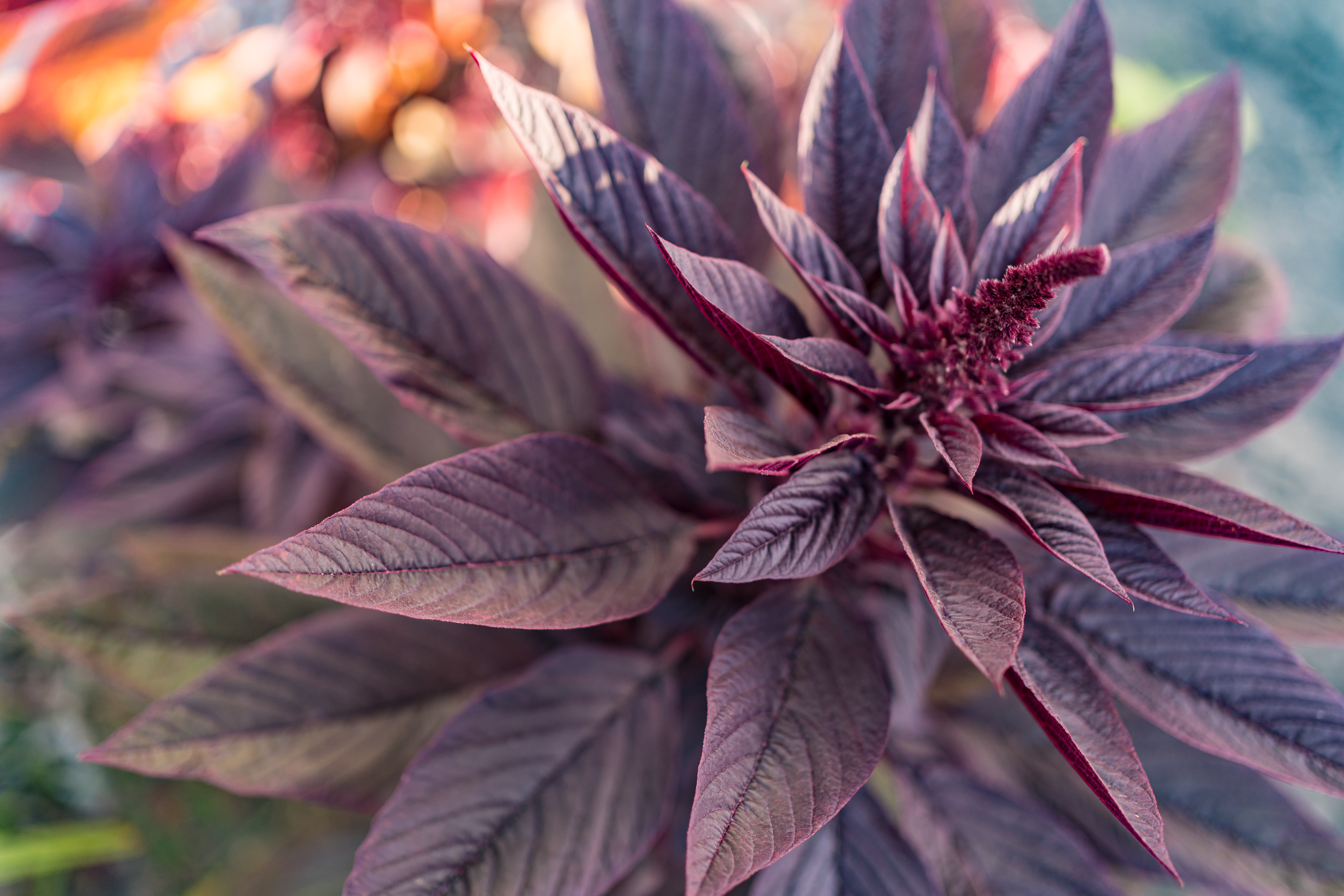


Granddaddy Purp is one of the best-known purple cannabis strains in the United States. It is also commonly called Granddaddy Purple or simply GDP. The strain became widely known during the early 2000s and is strongly linked to the California cannabis scene. Over time, its deep purple color, sweet fruit-like smell, and relaxing reputation helped make it easy to recognize. Today, Granddaddy Purp is still a common name in cannabis shops, strain guides, and discussions about classic indica-dominant varieties.
One reason Granddaddy Purp has stayed popular for so long is its appearance. Many samples have dense flowers with shades of green and purple. Orange or reddish hairs, called pistils, may also be visible across the flower. A coating of tiny crystal-like structures called trichomes can give the buds a frosty look. Trichomes are important because they contain many of the cannabinoids and aromatic compounds found in cannabis. However, the exact color, size, and amount of visible resin can change from one plant to another.
The purple color is one of the features most closely linked with Granddaddy Purp. This color comes mainly from plant pigments called anthocyanins. These pigments are also found in many fruits and vegetables, including blueberries, blackberries, grapes, and red cabbage. Cannabis genetics play a major role in whether a plant develops purple colors. Growing conditions may also affect how strongly those colors appear. Because of this, not every flower sold as Granddaddy Purp will have the same deep purple shade.
Granddaddy Purp is also known for its sweet and fruity aroma. People often describe the smell as similar to grapes, berries, or other dark fruits. Earthy, floral, and slightly spicy notes may also be present. These smells come from aromatic compounds called terpenes. Terpenes are found in many plants, not just cannabis. Different Granddaddy Purp plants can have different terpene levels, which means the smell and flavor may change between growers and batches. Even two products with the same strain name may not smell exactly alike.
The strain is usually described as indica-dominant. It has developed a strong reputation for producing relaxing and sleepy effects. Some cannabis users also report feeling calm, hungry, or physically heavy after using products sold under the Granddaddy Purp name. Still, these effects should not be treated as guaranteed. Cannabis can affect each person in a different way. The experience can depend on THC strength, dose, tolerance, body chemistry, product type, and how the cannabis is consumed.
It is also important to understand that strain names do not always describe one exact chemical product. Cannabis plants can change over generations. Different breeders may keep different versions of the same strain. Growers may also select plants with certain traits, such as stronger color, larger flowers, or a different aroma. As a result, one Granddaddy Purp product may have a different THC level, terpene profile, or appearance from another product with the same name.
The history and genetics of Granddaddy Purp also need some careful explanation. The strain is widely linked to breeder Ken Estes and Northern California, where it became well known around 2003. It is often said to come from Purple Urkle and Big Bud. However, cannabis strain histories are not always fully documented, especially for varieties that became popular before legal testing and detailed genetic records were common. Some sources may describe the background of Granddaddy Purp in slightly different ways. For that reason, this guide will separate widely reported facts from details that may be uncertain or disputed.
Potency is another area where readers should expect variation. Granddaddy Purp is often sold as a THC-rich strain, but there is no single THC percentage that applies to every sample. THC levels can differ because of genetics, growing conditions, harvest timing, storage, and testing methods. A product sold in one legal market may test differently from a product with the same strain name in another area. The most useful information usually comes from the label or laboratory test for the exact product being purchased.
Granddaddy Purp is sometimes discussed in connection with sleep, stress, discomfort, or relaxation. These topics should be approached with care. Reports from cannabis users do not prove that a strain can treat a medical condition. Research on cannabis and health is still developing, and results can depend on many factors. A strain should not be described as a cure for insomnia, anxiety, pain, or any other health problem. People who are considering cannabis for a medical reason should speak with a qualified healthcare professional.
This guide will explain Granddaddy Purp in clear and practical terms. It will cover the strain’s commonly reported genetics, history, THC levels, effects, aroma, flavor, purple coloring, terpenes, possible side effects, and general cultivation traits. It will also explain why information about cannabis strains can differ from one source or product to another. By understanding these differences, readers can get a more accurate picture of what Granddaddy Purp is and why it remains one of the most recognized purple cannabis strains.
What Is Granddaddy Purp?
Granddaddy Purp is a well-known cannabis strain that is also called Granddaddy Purple or GDP. The name Granddaddy Purple is often used in strain databases, dispensaries, and cannabis guides, while Granddaddy Purp is a common shortened version of the same name. GDP is another abbreviation that people often use when talking about the strain.
Granddaddy Purp became widely known because of its dark purple color, sweet fruit-like smell, and strong relaxing effects. It is usually described as an indica-dominant strain. This means that it is often linked with physical relaxation, calmness, and sleepiness. However, the way a person reacts to cannabis can vary. The strain name alone cannot guarantee that every person will have the same experience.
Granddaddy Purp is especially easy to recognize because of its appearance and aroma. The flowers often have deep green and purple colors mixed together. Bright orange hairs may grow through the flower, while a layer of small, shiny trichomes can cover the surface. These trichomes contain many of the cannabinoids and aromatic compounds found in cannabis.
The strain has been part of the cannabis market for more than two decades. During that time, it became one of the best-known names among purple cannabis strains.
Why Is Granddaddy Purp So Well Known?
Granddaddy Purp became popular in California during the early 2000s. It is often linked to breeder Ken Estes, who introduced the strain to the California cannabis community around 2003. It later became widely available in medical cannabis markets and eventually spread into legal adult-use markets in other states.
Several features helped make Granddaddy Purp easy to remember. One is its strong purple color. Another is its sweet smell, which many people describe as similar to grapes, berries, or other dark fruits. The strain is also known for producing dense flowers that may have a thick layer of visible trichomes.
The word “purple” became an important part of the strain’s identity. Purple cannabis strains often attract attention because their color is different from the green shades commonly seen in cannabis plants. Granddaddy Purp became one of the strains most strongly connected with this purple appearance.
Its name also became common in cannabis culture. Over time, GDP appeared in dispensary menus, strain guides, seed catalogs, and online cannabis databases. Because of this wide exposure, many people recognize the name even if they have never used the strain.
What Does Granddaddy Purp Look Like?
Granddaddy Purp flowers are often dense and compact. Their exact appearance can change depending on genetics, growing conditions, and how the plant was harvested and cured.
Many examples have a mixture of green and purple plant material. The purple color can range from light violet to deep purple. Some flowers may appear almost dark blue or reddish in certain areas. Orange or brown pistils may also be visible throughout the buds.
Another common feature is a coating of trichomes. Trichomes are tiny structures found on the surface of cannabis flowers. They can look like small crystals when viewed without magnification. These structures contain cannabinoids such as THC, along with terpenes and other plant compounds.
A large amount of visible trichomes can make the flower look frosty or sticky. However, appearance alone cannot tell a person exactly how much THC is present. Laboratory testing is needed to measure cannabinoid levels accurately.
Not every Granddaddy Purp flower will look exactly the same. Some batches may be very purple, while others may remain mostly green. These differences do not automatically mean that one batch is genuine and another is not.
Does Every Granddaddy Purp Product Have the Same Genetics?
One important point to understand is that cannabis strain names are not always as exact as product names in other industries. Two cannabis products sold as Granddaddy Purp may have differences in their genetics and chemical makeup.
Cannabis plants can develop different traits depending on the seeds or clones used to produce them. Growers may also select different versions, or phenotypes, of the same strain. A phenotype is a plant that shows a certain group of traits, such as a stronger purple color, a different smell, or a particular growth pattern.
Over many years, cannabis genetics may also be copied, crossed, renamed, or sold by different breeders. This can make it difficult to prove that every product with the Granddaddy Purp name comes from exactly the same genetic source.
Growing conditions can create even more differences. Light, temperature, plant nutrition, harvest timing, and storage can all affect the final flower. Because of these factors, one batch of GDP may smell stronger, contain more THC, or show more purple coloring than another batch.
For this reason, consumers should not assume that every package labeled Granddaddy Purp will have the same strength, aroma, or effects.
What Makes Up a Cannabis Strain?
Understanding Granddaddy Purp requires looking at more than its name. Several features help describe a cannabis strain.
Genetics are one part of the picture. They describe the plant’s biological background and the strains or varieties used to create it. Granddaddy Purp is commonly connected with Purple Urkle and Big Bud, although some sources give different details about its exact family line.
Cannabinoids are another important feature. THC is the best-known cannabinoid because it causes the main intoxicating effects associated with cannabis. CBD is another cannabinoid, although Granddaddy Purp is usually reported to contain much less CBD than THC.
Terpenes help create the smell and flavor of the plant. GDP is often linked with sweet, fruity, earthy, and grape-like aromas. Its exact terpene profile can change from one product to another.
Appearance can also help identify the general character of a strain. Granddaddy Purp is famous for purple shades, dense flowers, orange hairs, and visible trichomes. Still, color alone cannot confirm the identity or quality of a cannabis strain.
Reported effects are another part of how strains are described. Granddaddy Purp is commonly associated with relaxation and sleepiness. These descriptions are useful for understanding its reputation, but they should not be treated as guaranteed results. A person’s reaction depends on many factors, including THC level, tolerance, amount consumed, and individual body chemistry.
Granddaddy Purp, also called Granddaddy Purple or GDP, is a classic cannabis strain that became widely known in California during the early 2000s. It is usually described as an indica-dominant strain and is recognized for its dense flowers, purple coloring, orange pistils, visible trichomes, and sweet fruit-like aroma.
Its popularity comes from a combination of its appearance, smell, history, and reputation for relaxing effects. However, not every product sold under the Granddaddy Purp name is exactly the same. Genetics, plant phenotype, growing conditions, harvest methods, and laboratory results can all create differences between batches.
Is Granddaddy Purp Indica or Sativa?
Granddaddy Purp, also known as Granddaddy Purple or GDP, is usually described as an indica-dominant cannabis strain. This means its genetics and common effects are more often linked with strains that have traditionally been placed in the indica group. Many cannabis websites and strain databases list Granddaddy Purp as mostly indica, although the exact percentage can vary depending on the source.
Some sources may describe Granddaddy Purp as about 70% indica and 30% sativa. Others may give a different ratio. These numbers should not always be treated as exact facts. Cannabis strains can change over time because growers may use different breeding lines, seeds, or plant clones. A product sold under the Granddaddy Purp name in one place may not be exactly the same as a product with the same name somewhere else.
For this reason, it is more accurate to describe Granddaddy Purp as an indica-dominant hybrid rather than focusing too much on one exact percentage.
Why Granddaddy Purp Is Usually Called Indica-Dominant
Granddaddy Purp has several traits that are often linked with traditional indica cannabis varieties. The plants are commonly described as short to medium in height with a bushy shape and broad leaves. The flowers can be dense and heavy, which is another trait often connected with indica-type plants.
The strain is also widely associated with strong physical relaxation. Many cannabis users describe Granddaddy Purp as calming and heavy rather than highly stimulating. Sleepiness and a relaxed body feeling are also commonly reported.
These traits helped Granddaddy Purp gain its reputation as an indica strain. However, the strain is not considered a pure indica. It is normally described as a hybrid because its family line contains cannabis genetics with different characteristics.
The indica-dominant label can help give readers a basic idea of what to expect, but it should not be used as a guarantee. A person’s experience with cannabis depends on much more than the strain category.
What Indica and Sativa Traditionally Mean
The words indica and sativa have been used for many years to describe different cannabis plants. In traditional cannabis culture, indica strains are often linked with short plants, broad leaves, dense flowers, and relaxing effects. Sativa strains are often linked with taller plants, narrower leaves, and more energetic or uplifting effects.
This system is simple and easy to understand, which is one reason it remains common in cannabis stores and online strain guides. A customer may see an indica label and expect a more relaxing experience. A sativa label may lead someone to expect a more active or alert feeling.
However, modern cannabis is much more complex than these two labels suggest. Many strains available today are hybrids. They have been bred from different cannabis lines over many generations. This makes it difficult to place every strain into a simple indica or sativa category.
Granddaddy Purp is a good example. It is strongly associated with indica traits, but it is still a hybrid rather than a completely pure indica plant.
Why Indica and Sativa Labels Do Not Predict Every Effect
Researchers and cannabis experts have raised questions about using indica and sativa labels to predict how a strain will affect a person. Plants that are sold under the same category can have very different chemical profiles.
The effects of cannabis are influenced by cannabinoids such as THC and CBD. THC is the main chemical linked with the intoxicating effects of cannabis. CBD does not usually cause the same type of intoxication. The amount of each cannabinoid can vary greatly between products.
Terpenes may also play a role. Terpenes are natural compounds that help give cannabis its smell and flavor. Granddaddy Purp is often associated with terpenes such as myrcene, caryophyllene, and pinene. However, the amount of each terpene can change between samples.
This means two products both labeled Granddaddy Purp may not produce exactly the same experience. One batch may contain more THC or a different terpene balance than another.
The indica label can describe the strain’s general reputation, but a laboratory test can provide more useful information about a specific product.
What Factors Can Change the Granddaddy Purp Experience?
The effects of Granddaddy Purp can vary from person to person. One important factor is THC strength. A product with a higher THC level may feel stronger than one with a lower level.
Tolerance also matters. Someone who uses THC products often may react differently than someone with little or no experience. Body size, metabolism, individual sensitivity, and other personal factors can also affect how cannabis feels.
The method of use can make a difference as well. Inhaled cannabis and edible cannabis have different onset times and can last for different periods. The amount consumed also has a major effect on the overall experience.
Even mood and surroundings may influence how someone responds to THC. A person who already feels stressed or uncomfortable may have a different reaction than someone who is in a calm setting.
Because of these factors, no strain can promise the same effect for every person.
Why Granddaddy Purp Has a Relaxing Reputation
Granddaddy Purp is often described as a strain that produces a relaxed, calm, and heavy feeling. This reputation is one of the main reasons it is usually placed in the indica-dominant category.
Some users report feeling mentally relaxed before stronger physical effects become noticeable. Others describe sleepiness or a desire to rest. Increased appetite is also commonly reported with THC-rich cannabis strains, including Granddaddy Purp.
These reports help explain why GDP is often marketed as an evening strain. However, these effects are based largely on consumer reports and the strain’s general reputation. They should not be treated as guaranteed results.
The same strain may make one person feel deeply relaxed while another person may feel more alert, anxious, or uncomfortable. High levels of THC can sometimes cause dizziness, anxiety, confusion, or paranoia, especially in people who are sensitive to THC.
For this reason, the words indica and relaxing should not be understood to mean risk-free or predictable.
Granddaddy Purp is best described as an indica-dominant hybrid cannabis strain. Many sources give it a strong indica percentage, but the exact ratio may vary depending on the genetics and source. Its short, bushy plant structure, dense flowers, and common reports of physical relaxation have helped create its strong indica reputation.
Still, indica and sativa labels have limits. They do not tell the full story of how a cannabis product may affect a person. THC levels, CBD content, terpenes, tolerance, individual body chemistry, and the amount consumed can all change the experience.
What Are the Genetics and Origins of Granddaddy Purp?
Granddaddy Purp has been part of the California cannabis scene for more than two decades. It is most often called Granddaddy Purple, Granddaddy Purps, or simply GDP. The strain became widely known in the early 2000s and is closely linked to cannabis breeder Ken Estes. Leafly reports that Estes popularized Granddaddy Purple in 2003, helping turn it into one of the best-known purple cannabis strains in the United States.
However, the exact genetic history of Granddaddy Purp is not as simple as it may seem. Many strain databases and cannabis companies describe GDP as a cross between Purple Urkle and Big Bud. Other sources give a different family tree. This disagreement is important because it shows why cannabis strain history should be treated with some caution.
The Commonly Reported Purple Urkle and Big Bud Lineage
The most familiar explanation is that Granddaddy Purp was created by crossing Purple Urkle with Big Bud. AllBud, for example, identifies Grand Daddy Purple as an indica-dominant cross of these two strains. Several cannabis products listed by Leafly also describe the strain as Purple Urkle × Big Bud.
This family tree makes sense when the visible traits of Granddaddy Purp are considered. Purple Urkle is strongly linked with purple plant coloring and sweet fruit aromas. Granddaddy Purp is also known for deep purple shades and grape or berry-like scents.
Big Bud, as its name suggests, is associated with large and dense flowers. Granddaddy Purp often produces compact flowers with a thick structure. For this reason, the Purple Urkle and Big Bud explanation has long been used to describe how GDP gained some of its best-known traits.
Under this version of the strain’s history, Purple Urkle contributed much of the color and fruit character, while Big Bud helped produce larger, heavier flowers. This combination may help explain why GDP became easy to recognize among the many cannabis strains available in California during the early 2000s.
Other Sources Give Granddaddy Purp a Different Family Tree
Not every source agrees that Purple Urkle and Big Bud are the direct parents of Granddaddy Purp. Leafly’s current strain profile describes GDP as a cross involving Mendo Purps, Skunk, and Afghanistan. The same source also notes that other people identify the strain as Big Bud crossed with Purple Urkle.
A 2026 Leafly interview with Ken Estes also describes the strain as being linked to Mendo Purps, Skunk, and Afghanistan while acknowledging the well-known Purple Urkle and Big Bud account.
These different records do not necessarily mean that one modern source is intentionally providing false information. Cannabis genetics from this period can be difficult to document. Plants were often shared through informal networks rather than through licensed companies with detailed records. The same strain name could also be used for different plants in different regions.
In addition, growers often kept plants alive through clones rather than seeds. A clone is a cutting taken from another plant. Over time, different growers may have passed around plants under the same or similar names. This makes it harder to prove that every Granddaddy Purp plant sold today comes from one exact genetic line.
Granddaddy Purp’s Connection to California
Granddaddy Purp is strongly connected with Northern California cannabis history. Ken Estes is generally credited with bringing the strain to wider attention in 2003. From there, GDP became closely associated with California’s growing interest in purple cannabis varieties.
Purple cannabis strains already existed before Granddaddy Purp became popular. Leafly’s history of the wider “Purps” family traces several purple varieties back through strains such as Purple Kush and Mendo Purps. It also explains that cannabis strain family trees often become unclear because breeders may reuse names, rename older varieties, or disagree about where a strain first came from.
Granddaddy Purp arrived during a time when appearance and aroma were becoming important ways to separate one cannabis variety from another. Its dark coloring, dense flowers, and sweet smell helped make it easy to market and recognize. These traits contributed to its lasting place among classic California strains.
How Its Genetics May Explain Its Famous Traits
Whatever version of its family tree is used, Granddaddy Purp is strongly connected with purple cannabis genetics. Its flowers are often described as having dark violet or purple areas mixed with green, orange pistils, and a coating of pale trichomes.
Its aroma is another major feature. Grape, berry, sweet, floral, and earthy notes are commonly associated with GDP. These features are often linked to the Purps side of its ancestry. Leafly describes grape and berry characteristics as important parts of the strain’s identity.
The plant is also known for producing dense flowers. Under the Purple Urkle × Big Bud explanation, this feature is often connected with Big Bud. The result is a strain that combines colorful flowers with a heavy, compact appearance.
It is important to remember that genetics do not control every feature by themselves. Growing conditions, plant health, harvest timing, drying, storage, and the specific phenotype can all affect how a cannabis plant looks and smells. Two plants sold as Granddaddy Purp may therefore show noticeable differences.
Why the Exact Lineage Can Be Hard to Prove
Modern consumers may expect strain names to work like registered product names, but cannabis varieties have not always developed that way. For many years, cannabis breeding took place outside a regulated commercial system. Detailed genetic records were not always kept, and formal DNA testing was uncommon.
As a result, some classic strain histories depend on breeder accounts, grower records, interviews, and information that was passed between cannabis communities. Different sources can therefore preserve different versions of the same story.
This is why the most accurate way to describe Granddaddy Purp is to acknowledge the disagreement. Purple Urkle × Big Bud remains one of the most widely reported parent combinations, but other sources connect GDP with Mendo Purps, Skunk, and Afghan genetics.
Readers should also avoid assuming that every modern product labeled Granddaddy Purp is genetically identical to the plant associated with Ken Estes in 2003. The strain name can provide useful information about expected traits, but the exact genetics of a specific product may depend on its breeder and producer.
Granddaddy Purp became widely known in California after Ken Estes popularized it in 2003. The strain is commonly described as a cross between Purple Urkle and Big Bud, which helps explain its purple color, fruit-like aroma, and dense flower structure. However, other established sources describe a lineage involving Mendo Purps, Skunk, and Afghanistan. Because cannabis genetics were not always formally recorded or tested, the exact family tree remains disputed.
How Strong Is Granddaddy Purp? THC, CBD, and Potency
Granddaddy Purp, also called Granddaddy Purple or GDP, is generally known as a fairly strong cannabis strain. However, there is no single THC percentage that applies to every Granddaddy Purp product. The amount of THC can change from one plant, grower, harvest, and product to another. Because of this, people should treat online THC numbers as general estimates rather than guaranteed values.
Leafly currently lists Granddaddy Purple at about 17% THC and very little CBD. Other cannabis databases report a wider range. For example, AllBud lists Grand Daddy Purple at about 17% to 27% THC. These differences show why it is important to look at the laboratory results for the exact product rather than assume that all GDP flower has the same strength.
What Is THC?
THC stands for tetrahydrocannabinol. It is the main intoxicating cannabinoid found in cannabis. In simple terms, THC is one of the main chemicals responsible for the “high” linked with marijuana.
THC affects cannabinoid receptors in the brain and nervous system. These receptors are part of the body’s endocannabinoid system. When THC interacts with them, it can change mood, memory, coordination, attention, appetite, and the way a person experiences time.
The percentage shown on cannabis flower usually tells consumers how much THC is present by weight. A flower labeled with a higher THC percentage contains more THC than a lower-THC flower of the same weight. However, this does not mean that THC percentage can perfectly predict how strong the experience will feel.
Granddaddy Purp is often described as having above-average potency. Leafly currently reports approximately 17% THC for the strain, while its historical laboratory dataset has placed Granddaddy Purple at an average of about 17.5% THC.
How Much THC Does Granddaddy Purp Have?
A commonly reported THC range for Granddaddy Purp flower is around the upper teens into the 20% range. Some sources list GDP between approximately 17% and 27% THC. That is a wide range, which is one reason a strain name alone cannot tell someone exactly how potent a product will be.
One Granddaddy Purp flower product might test at 17% THC, while another flower sold under the same strain name could test above 20%. Neither result automatically means that one product is incorrectly labeled.
Cannabis plants naturally vary. Even plants that come from related genetics may produce different levels of cannabinoids. Growing conditions can also affect the final chemical profile.
Factors such as light, temperature, nutrients, plant health, harvest timing, drying, curing, and storage may influence the finished flower. Differences between laboratories and testing methods can also cause small changes in reported results.
For this reason, it is better to say that Granddaddy Purp is commonly a moderate-to-high THC strain rather than claim that it always contains one exact percentage.
Does Granddaddy Purp Have CBD?
Granddaddy Purp is generally considered a THC-dominant strain rather than a CBD-rich strain.
CBD, or cannabidiol, is another major cannabinoid found in cannabis. Unlike THC, CBD does not normally produce the same intoxicating high.
Most strain databases report only small amounts of CBD in Granddaddy Purp. Leafly currently lists the strain at 0% CBD in its general strain profile, while AllBud reports around 1% CBD. The difference again shows that cannabinoid levels can vary between samples and databases.
A consumer should not assume that Granddaddy Purp contains a useful or predictable amount of CBD based only on the strain name. The product label and laboratory report are more reliable sources for a specific batch.
Why THC Levels Can Vary So Much
Cannabis strain names are not like exact formulas used to make a medicine or packaged food. Two products with the same strain name can have different chemical profiles.
Genetics are one reason. Different growers may have slightly different versions, phenotypes, or genetic lines sold as Granddaddy Purp. Over time, this can lead to differences in THC, CBD, terpenes, appearance, and aroma.
Growing methods can also make a difference. The amount and type of light a plant receives, environmental conditions, plant health, and harvest timing can affect cannabinoid production.
Processing matters as well. Cannabis continues to change after harvest. Drying, curing, heat, air, moisture, and long-term storage can affect the chemicals inside the flower.
This explains why someone may see several different THC percentages while researching Granddaddy Purp online. A strain database may show an average, while a store may sell a specific batch with a much higher or lower laboratory result.
THC Percentage Is Not the Same as Experienced Strength
It is easy to assume that a product with more THC will always feel much stronger. THC is important, but the real experience is more complicated.
Individual tolerance has a major effect. Someone who rarely uses cannabis may feel stronger effects from the same product than someone who uses THC regularly.
The amount consumed also matters. A smaller amount of a higher-THC product may expose someone to less total THC than a larger amount of a weaker product.
The method of consumption can also change how cannabis feels. Inhaled cannabis and edible cannabis are processed differently by the body. As a result, their onset, intensity, and duration can be very different.
A person’s metabolism, body chemistry, recent food intake, and sensitivity to THC may also influence the experience.
Other cannabis compounds may play a role as well. Granddaddy Purp is commonly associated with terpenes such as myrcene, pinene, and caryophyllene. Terpenes help produce the strain’s aroma and flavor, although research is still developing on how much they influence the overall cannabis experience.
This is why two people can use the same cannabis product and describe different effects.
Flower Potency Is Different From Concentrate Potency
It is also important to pay attention to the type of product being discussed. THC percentages for cannabis flower should not be compared directly with those of concentrates or vape oils.
For example, Leafly lists a Granddaddy Purple vape product containing more than 90% THC. This does not mean that Granddaddy Purp flower naturally contains 90% THC. The vape is a concentrated cannabis product that has been processed to contain a much higher level of cannabinoids.
This distinction can prevent confusion when searching for Granddaddy Purp potency online. A very high THC percentage may refer to a concentrate, vape, or extract rather than dried flower.
Check the Product’s Laboratory Results
For consumers in regulated legal markets, the best way to understand the strength of a particular Granddaddy Purp product is to check its label and laboratory test results.
The label may provide information about THC, THCA, CBD, and other cannabinoids. Some products also include terpene levels and a batch or testing number.
These results are more useful than a general strain average because they refer to the actual product being sold.
Consumers should also remember that a higher THC number does not automatically mean better quality. Quality can involve many factors, including freshness, proper storage, cannabinoid content, terpene profile, and the condition of the flower.
Granddaddy Purp is generally considered a THC-dominant cannabis strain with moderate to high potency. Current strain databases commonly place its flower in roughly the upper teens through the 20% THC range, although individual products may fall outside common estimates. CBD levels are usually reported as very low.
The most important point is that Granddaddy Purp does not have one fixed THC percentage. Genetics, growing conditions, harvest timing, processing, storage, and laboratory testing can all affect the final result. Personal tolerance, consumption method, and the amount used also affect how strong THC feels.
What Are the Effects of Granddaddy Purp, and How Long Do They Last?
Granddaddy Purp is known for effects that many people describe as relaxing and heavy. It is often linked with evening or nighttime use because it may make some people feel calm, sleepy, or physically relaxed. However, the effects of cannabis are not the same for everyone. One person may feel very relaxed, while another may feel more alert, hungry, anxious, or mentally active.
The way Granddaddy Purp feels can also depend on the amount of THC in the product. THC is the main compound in cannabis that causes intoxication. Products with higher THC levels may produce stronger effects, but THC percentage is not the only factor that matters. Tolerance, body size, metabolism, experience with cannabis, and the way the product is used can all affect the experience.
What Does Granddaddy Purp Feel Like?
Granddaddy Purp is often described as producing a mix of mental and physical effects. Some people report feeling calm or cheerful soon after using it. Others describe a slower, heavier feeling that develops as the effects continue.
The mental effects may include a change in mood, a relaxed state of mind, or a stronger focus on sounds, food, music, or other sensations. Some users may also feel more talkative or amused. These effects can vary from one person to another.
As the effects continue, physical relaxation may become more noticeable. The body may feel heavy, loose, or less active. This is one reason Granddaddy Purp is often connected with rest and nighttime use.
Sleepiness is also commonly reported. However, it is important to understand that a strain name cannot guarantee sleep. Some people may become tired, while others may remain awake or even feel mentally active.
Increased appetite is another effect that can happen with THC. A person may notice stronger hunger or greater interest in food. This effect is sometimes called “the munchies.” It can happen with many THC-rich cannabis strains and is not limited to Granddaddy Purp.
Why Do the Effects Differ Between People?
Cannabis can affect two people in very different ways. Even if they use the same strain, their experiences may not match.
Tolerance is one major reason. A person who uses cannabis often may feel fewer effects from the same amount than someone who rarely uses it. A new or less experienced user may feel stronger intoxication.
Body chemistry also matters. Each person processes THC differently. Metabolism, body size, age, food intake, and other factors may influence how quickly the effects begin and how long they continue.
Mood and surroundings can also affect the experience. Someone who feels calm and comfortable may respond differently than someone who feels stressed or nervous.
The chemical profile of the cannabis product is another important factor. Two products sold as Granddaddy Purp may have different levels of THC, CBD, and terpenes. Growing conditions, genetics, harvest timing, storage, and processing can all change the final chemical profile.
Because of these differences, people should not assume that every Granddaddy Purp product will feel exactly the same.
How Quickly Do the Effects Begin?
The time it takes to feel the effects depends mainly on how cannabis is consumed.
When cannabis is inhaled, effects often begin much faster than they do with edible products. A person may begin noticing changes within minutes. The effects may then grow stronger for a period before slowly fading.
Edible cannabis works differently because THC must first pass through the digestive system. This means the effects can take much longer to appear. The body also changes THC into another compound during digestion, which may create stronger or longer-lasting effects for some people.
Because edible effects may take longer to begin, they can sometimes feel less predictable. The timing can also depend on whether a person has eaten recently, how fast their body digests food, and the strength of the product.
How Long Do Granddaddy Purp Effects Last?
There is no single answer for how long Granddaddy Purp lasts. The length of the experience depends on several factors.
Effects from inhaled cannabis may last for several hours, although the strongest effects often occur earlier in the experience. Some mild effects, such as tiredness or slower thinking, may continue after the main intoxication has started to fade.
Edible products may last much longer. Some people can feel the effects for many hours because THC is processed differently when it is eaten. The experience can also feel stronger or more intense than inhaled cannabis.
The amount used also plays an important role. Larger amounts may cause stronger effects that last longer. Higher THC levels can also increase the intensity of intoxication.
Tolerance is another factor. A regular cannabis user may feel the effects for a shorter period than someone with little experience. However, this is not always the case.
Can Granddaddy Purp Cause Unpleasant Effects?
Granddaddy Purp can cause unwanted effects, especially when the product contains a high level of THC.
Some people may experience dry mouth, dry eyes, dizziness, confusion, or problems with balance. Others may feel nervous, anxious, or uncomfortable. THC can sometimes increase heart rate or make a person feel more aware of their heartbeat.
Strong intoxication may also affect judgment, memory, coordination, and reaction time. A person may have trouble following a conversation, remembering information, or making quick decisions.
These effects can be more noticeable in people who have little experience with cannabis or who use stronger products.
A relaxed effect can also become excessive sleepiness for some people. Someone may feel too tired to complete normal tasks or stay focused.
Granddaddy Purp and Impairment
Even when cannabis makes a person feel calm, it can still cause impairment. THC can reduce reaction time and affect coordination, judgment, and attention.
For this reason, a person should not drive a car or operate machinery after using THC-containing cannabis. Feeling relaxed does not mean that reaction time or decision-making skills are normal.
Impairment may continue even when the strongest feeling of intoxication has started to fade. This is especially important with edible cannabis, which can have longer-lasting effects.
People should also consider how cannabis may affect work, school, childcare, and other tasks that require full attention.
Granddaddy Purp is commonly linked with relaxation, sleepiness, increased appetite, and changes in mood. Some people describe an early mental effect followed by stronger physical relaxation. However, these effects are not guaranteed.
How Granddaddy Purp feels and how long it lasts depends on THC strength, tolerance, metabolism, body chemistry, product type, and the method of consumption. Inhaled cannabis usually produces effects faster, while edible cannabis may take longer to begin and may last much longer.
It is also important to remember that Granddaddy Purp can cause unwanted effects such as dizziness, anxiety, confusion, dry mouth, and impaired coordination. THC can reduce reaction time and judgment, even when a person feels calm. Because of this, driving or using machinery after cannabis use can be unsafe.
The strain name provides a general idea of what a product may be like, but it cannot predict exactly how every person will respond. The actual chemical profile of the product and the individual using it play major roles in the final experience.
What Does Granddaddy Purp Taste and Smell Like?
Granddaddy Purp is well known for its sweet and fruity smell. It is often described as having strong grape and berry notes mixed with earthy, floral, and light pine scents. These features are a major part of the strain’s identity. However, not every sample of Granddaddy Purp will smell or taste exactly the same. Genetics, growing conditions, curing, storage, and the age of the flower can all change its aroma and flavor.
Cannabis aroma comes from many natural compounds. Terpenes are some of the most important. They help create the smells found in cannabis, but they are also present in many other plants. Different combinations of terpenes can make one cannabis variety smell fruity while another may smell earthy, spicy, citrus-like, or woody.
Grape, Berry, Earthy, and Floral Notes
The most common descriptions of Granddaddy Purp include grape and berry. Leafly lists grape, berry, and violet among the strain’s main flavor characteristics. It also describes Granddaddy Purple as having a complex grape and berry aroma.
The grape smell can sometimes seem similar to dark grapes or grape candy. Berry notes may remind people of blueberries, blackberries, or other dark fruits. However, these descriptions are comparisons. Cannabis does not need to contain grapes or berries to produce these types of smells.
There may also be an earthy smell underneath the sweeter notes. This can give the flower a deeper scent that may seem herbal or woody. Some Granddaddy Purp samples can also have floral qualities. Leafly lists violet as one of its common flavors, which helps explain why some samples may have a light flower-like smell.
Pine may also appear in the background. It is usually less noticeable than the grape and berry notes, but it can add a fresh or slightly sharp scent. The final aroma depends on the amount and balance of aromatic compounds in a particular batch.
What Are Terpenes?
Terpenes are natural compounds produced by many plants. They are responsible for much of the scent found in flowers, herbs, fruits, trees, and cannabis. For example, some terpenes smell like pine, while others may smell earthy, spicy, floral, or citrus-like.
Cannabis plants can contain many different terpenes at the same time. The total combination is sometimes called a terpene profile. A terpene profile can help explain why two cannabis samples with similar THC levels may smell very different.
Granddaddy Purp is commonly associated with myrcene, pinene, and caryophyllene. According to Leafly’s laboratory-based strain information, myrcene is often the most abundant terpene reported for Granddaddy Purple, followed by pinene and caryophyllene.
It is important to understand that these results are not a fixed formula for every Granddaddy Purp product. Different plants and batches can have different terpene levels. A product sold under the same strain name may therefore smell somewhat different from another product with the same name.
Myrcene, Caryophyllene, and Pinene
Myrcene is often linked with earthy, herbal, and musky scents. In Granddaddy Purp, it may help create the deeper background aroma that sits below the sweeter grape and berry notes. Leafly identifies myrcene as the dominant terpene in its Granddaddy Purple strain profile.
Pinene has a sharper smell that is commonly compared with pine trees or fresh herbs. Its presence may help explain the light pine-like quality that some Granddaddy Purp samples have. It can also add a fresh edge to an otherwise sweet and earthy aroma.
Caryophyllene is commonly associated with pepper, spice, and woody smells. In Granddaddy Purp, it may add a mild spicy quality that balances the sweeter fruit scents. This can make the overall aroma more complex than simply smelling like grapes.
The exact terpene order can vary. Some commercial terpene products made to copy a Granddaddy Purple aroma use different terpene mixtures, showing that there is no single chemical recipe that defines every product carrying the GDP name.
This variation is one reason readers should be careful when a source claims that Granddaddy Purp always contains a certain terpene at a certain percentage.
Aroma, Flavor, and THC Are Not the Same Thing
A strong smell does not mean that Granddaddy Purp contains more THC. Aroma and potency describe different parts of cannabis chemistry.
THC is a cannabinoid. It is one of the main compounds responsible for the intoxicating effects of cannabis. Terpenes, on the other hand, are mainly associated with aroma and flavor. A flower can have a very strong grape smell but contain less THC than another flower with a weaker smell.
The same rule applies to purple color. Dark purple flower, a strong fruity aroma, and high THC levels are not automatically connected. Each feature is influenced by different parts of the plant’s genetics and chemistry.
This distinction matters because people sometimes judge cannabis quality or strength by smell alone. Smell can provide information about the aromatic compounds in the flower, but it cannot accurately show the THC percentage. Laboratory testing is needed to measure cannabinoids such as THC and CBD.
Why Granddaddy Purp Can Taste Different From Batch to Batch
Even when two products are labeled Granddaddy Purp, their flavors may not be identical. Growing conditions can affect how aromatic compounds develop in the plant. Genetics can also vary between growers, especially when different plant lines are sold under the same strain name.
Harvest and curing can also make a difference. Curing is the period after harvest when dried cannabis is stored under controlled conditions. Proper handling can help preserve aroma compounds. Poor storage or long exposure to heat, air, or light can cause some terpenes to break down or disappear.
Age is another factor. Fresh flower may have a stronger aroma than older flower that has been stored for a long period. Because many terpenes are volatile compounds, they can slowly evaporate or change over time.
Storage conditions can therefore affect both smell and flavor. A well-preserved sample may have clearer fruit, floral, pine, and earthy notes. An older or poorly stored product may smell weaker or less complex.
Why Laboratory Terpene Testing Matters
The most reliable way to understand the terpene profile of a specific Granddaddy Purp product is to look at laboratory results when they are available. A lab report may list individual terpenes and their measured amounts.
This is more useful than relying only on the strain name. Granddaddy Purp has a general reputation for grape, berry, violet, earthy, and pine-like characteristics, but a specific product may have a different balance.
Testing can also show which terpene is dominant in that particular batch. One sample may contain more myrcene, while another may contain a different balance of pinene, caryophyllene, or other terpenes.
Consumers in regulated markets can check product labels or certificates of analysis when those documents are available. These results provide information about the actual tested sample rather than an average description of the strain.
Granddaddy Purp is best known for its sweet grape and berry aroma, often mixed with earthy, floral, spicy, and light pine notes. Myrcene, pinene, and caryophyllene are commonly reported in Granddaddy Purple terpene profiles, although their amounts can differ from one product to another.
Terpenes help explain much of the strain’s smell and flavor, but they should not be confused with THC. A strong grape scent does not mean a flower has higher THC or stronger effects. Genetics, cultivation, curing, storage, and age can all change the final aroma.
Why Is Granddaddy Purp Purple?
Granddaddy Purp is well known for its deep purple flowers. This color is one of the main reasons the strain stands out from many other cannabis varieties. Some buds may look dark purple, while others may show a mix of purple, green, orange, and white. The exact color can change from one plant to another.
The purple color does not come from THC. It is mainly linked to plant pigments called anthocyanins. Genetics also play a major role in how much purple color a Granddaddy Purp plant can produce. Growing conditions can affect the final appearance as well.
Understanding why Granddaddy Purp turns purple can help explain what the color means and what it does not mean. Purple cannabis can look impressive, but color alone does not prove that the flower is stronger, safer, or better than green cannabis.
What Causes the Purple Color in Granddaddy Purp?
The purple color in Granddaddy Purp comes mainly from anthocyanins. Anthocyanins are natural pigments found in many plants. They can create red, blue, purple, and even very dark colors.
These pigments are not unique to cannabis. They are also found in foods such as blueberries, blackberries, red cabbage, cherries, and purple grapes.
Cannabis plants naturally contain different types of pigments. Chlorophyll is the pigment that gives most leaves and plant tissue their green color. Anthocyanins can become more visible when a plant has the right genetics and environmental conditions.
In some cannabis plants, anthocyanins are present in larger amounts. This can make purple colors much easier to see. Granddaddy Purp is known for having genetics that can support strong purple pigmentation.
The pigments may appear in the leaves, flower tissue, or both. Some buds may look almost completely purple, while others may only have purple areas between green sections.
How Genetics Affect Granddaddy Purp’s Color
Genetics are one of the most important reasons Granddaddy Purp can develop purple flowers.
Certain cannabis varieties have a stronger natural ability to produce anthocyanins. Granddaddy Purp belongs to a group of strains that are commonly linked with purple coloring.
However, not every Granddaddy Purp plant will look exactly the same. Cannabis plants can show differences even when they share the same strain name.
One plant may develop very dark purple flowers. Another may stay mostly green with smaller purple areas. These differences can happen because plants may express their genes in different ways.
There can also be differences between seeds, clones, growers, and breeding lines. A product sold as Granddaddy Purp in one legal cannabis market may not look exactly like a product with the same name from another producer.
This is one reason appearance alone cannot confirm that a cannabis flower is truly Granddaddy Purp. A purple flower could belong to many different strains, while a mostly green flower could still come from Granddaddy Purp genetics.
Can Temperature Make Granddaddy Purp More Purple?
Environmental conditions can affect how strongly purple pigments appear.
Temperature is often discussed because cooler conditions can sometimes make anthocyanin colors easier to see in cannabis plants that already have the genetic ability to produce them.
As a cannabis plant matures, changes in temperature and plant chemistry can affect the balance between chlorophyll and other pigments. As green chlorophyll becomes less dominant in some plant tissue, purple, red, or blue shades may become more noticeable.
This does not mean that cold temperatures automatically turn every cannabis plant purple.
A plant usually needs the right genetics first. A cannabis variety with little genetic tendency to produce purple pigments may remain mostly green even under cooler conditions.
Very cold temperatures can also stress or damage plants. For this reason, purple coloring should not be viewed as proof that the plant experienced ideal growing conditions.
Other factors, including light exposure, nutrition, plant maturity, and overall plant health, may also affect how color develops.
Why Granddaddy Purp Does Not Always Look the Same
Granddaddy Purp can appear in many shades.
Some flowers may be dark violet or deep purple. Others may be lighter purple mixed with green. Some may look mostly green but still have purple leaves or purple sections inside the flower.
Several factors can cause these differences.
Genetics can vary between different Granddaddy Purp lines. Growing environments can also change the way plants look. Light, temperature, plant health, maturity, and other conditions can influence color.
Harvest timing may also affect appearance. A flower harvested at one stage may look somewhat different from the same plant harvested later.
Drying, curing, and storage can change color as well. Fresh cannabis flowers may look brighter than older flower. Over time, exposure to light, air, heat, and moisture can change pigments and reduce the fresh appearance of the plant.
Because of these differences, consumers should not expect every Granddaddy Purp flower to have the same shade of purple.
Does Purple Cannabis Mean Higher THC?
Purple color does not automatically mean that cannabis contains more THC.
THC is a cannabinoid. Anthocyanins are plant pigments. They are different types of compounds and serve different roles in the plant.
A dark purple cannabis flower can have high THC, moderate THC, or lower THC. A green flower can also contain high levels of THC.
The best way to understand the cannabinoid content of a legal cannabis product is to look at its laboratory test results or product label.
Color can help describe a plant’s appearance, but it cannot tell a person exactly how potent the product is.
This is important because purple cannabis is sometimes marketed as if its color proves that it is especially strong. That is not scientifically reliable.
Potency depends on the cannabinoid profile of the actual flower. Genetics, growing conditions, harvest timing, storage, and testing can all affect reported THC levels.
Does Purple Color Mean Better Quality?
Purple color also does not prove that cannabis is higher quality.
Quality depends on many factors. These can include plant health, proper handling, cannabinoid levels, terpene content, moisture, freshness, storage, and the absence of harmful contamination.
A flower can be bright purple and still be poorly stored or damaged. A green flower can be fresh, well grown, and high quality.
Color should therefore be viewed as one physical feature rather than a full measure of quality.
Consumers in regulated markets can use product labels and laboratory information to learn more about cannabinoids and other tested characteristics. They should not depend only on how attractive the flower looks.
Purple Color Versus Signs of Plant Problems
Natural purple pigmentation should not automatically be confused with plant stress or damage.
Granddaddy Purp may naturally develop purple flower tissue and leaves because of its genetics. Healthy purple coloring can appear evenly across parts of the plant and may be a normal feature of the strain.
However, unusual changes in plant color can sometimes be linked to environmental stress, nutrient problems, disease, or other growing issues.
For example, leaves that suddenly become discolored, damaged, spotted, or dry may indicate a problem rather than normal pigmentation.
Purple stems or leaves can also appear for several reasons, so color alone may not be enough to identify the cause.
The main point is that natural purple coloring and unhealthy discoloration are not always the same thing. The overall condition of the plant must be considered.
Why Granddaddy Purp Can Show Several Colors at Once
A mature Granddaddy Purp flower can contain several colors.
Purple and green usually come from plant pigments. Orange or reddish hairs are the pistils, which are part of the cannabis flower. White or frosty areas often come from trichomes.
Trichomes are small resin-producing structures found on cannabis flowers and nearby leaves. They can give the flower a shiny, crystal-like appearance.
This mix of dark purple flower tissue, green leaves, orange pistils, and pale trichomes creates the appearance commonly linked with Granddaddy Purp.
However, the exact balance of these colors will vary between plants and products.
Granddaddy Purp gets its famous purple color mainly from anthocyanins, which are natural pigments found in many plants. Genetics give this strain a strong ability to produce purple shades, while environmental factors can influence how clearly those colors appear.
Not every Granddaddy Purp flower will look the same. Some plants may be deep purple, while others may contain more green with smaller purple areas. Temperature, maturity, growing conditions, drying, and storage can all affect the final appearance.
Is Granddaddy Purp Good for Sleep and Relaxation?
Granddaddy Purp is often linked with relaxation and nighttime use. It is also commonly called Granddaddy Purple or GDP. Many strain databases describe it as an indica cannabis strain with effects that may feel calming, sleepy, and physically relaxing. However, these effects are based largely on consumer reports and product descriptions. They should not be treated as proof that Granddaddy Purp can treat insomnia or another sleep disorder.
Cannabis can affect each person in a different way. The amount of THC in the product, a person’s tolerance, body chemistry, health, and other factors can all change the experience. Even two products sold under the Granddaddy Purp name may contain different amounts of THC and different terpene profiles. For this reason, the effects of GDP are not guaranteed.
Why Granddaddy Purp Is Often Associated With Sleep
Granddaddy Purp has developed a strong reputation as an evening or nighttime cannabis strain. One reason is that sleepiness and relaxation are among the effects commonly reported for the strain. Leafly, for example, lists relaxed and sleepy among the most frequently reported Granddaddy Purple effects. It also identifies myrcene as a commonly found terpene in tested GDP products.
The strain is also usually described as having noticeable effects on both the mind and body. Some people report feeling mentally calm while also experiencing a heavier physical feeling. That combination may explain why GDP is often connected with quiet activities, rest, and the end of the day.
Still, a strain’s reputation does not mean everyone will become sleepy after using it. Cannabis effects are influenced by much more than the strain name. THC level, other cannabinoids, terpenes, personal tolerance, and the amount consumed may all affect how a person responds.
A person who has little experience with THC may feel its effects more strongly than someone who uses cannabis often. Likewise, a product with a high THC level may produce a different experience than a lower-THC version of the same strain. This variation is one reason it is difficult to say that Granddaddy Purp will always produce a certain effect.
Granddaddy Purp and Physical Relaxation
Physical relaxation is another major reason Granddaddy Purp is connected with nighttime use. Many descriptions of the strain refer to a heavy or calming body effect. Some consumers may feel less active or more willing to rest after THC begins to take effect.
This does not mean Granddaddy Purp acts as a proven muscle relaxer or medical sleep treatment. The term “relaxing” is often used to describe how people report feeling after using the strain. It is not the same as a medical claim.
THC affects the body’s endocannabinoid system, which plays a role in several functions, including mood, memory, appetite, and sleep. These effects are complex. Researchers are still studying how cannabis and individual cannabinoids may affect sleep in both the short and long term.
People may also confuse relaxation with better sleep. Feeling calm or sleepy before bed does not always mean that sleep will be deeper, healthier, or more restorative.
What Research Says About Cannabis and Sleep
Scientific research on cannabis and sleep has produced mixed results. Some studies have found that cannabis or cannabinoid products may be linked with improved sleep in people who have certain medical conditions. Researchers have reported changes such as shorter time needed to fall asleep, fewer sleep problems, or better reported sleep quality in some groups.
However, the National Center for Complementary and Integrative Health notes that it is often unclear whether cannabis directly improves sleep. In some studies, people may have slept better because another symptom, such as pain, improved. Research is also less certain about the effects of cannabis on sleep in people without other medical conditions.
A 2024 review of research on cannabis, CBD, and sleep also found that better evidence is still needed. The researchers noted that high-quality research on the effectiveness and long-term safety of cannabinoids for sleep disorders remains limited.
This distinction matters when discussing Granddaddy Purp. A strain may have a strong reputation for sleepiness, but that does not mean scientists have proven that Granddaddy Purp itself is an effective treatment for insomnia.
Most medical studies examine cannabis, cannabinoids, or specific products. They do not usually test commercial strain names such as Granddaddy Purp in a way that proves the strain can treat a certain condition.
Can Granddaddy Purp Treat Insomnia?
Granddaddy Purp should not be described as a cure or proven treatment for insomnia. Insomnia is a sleep disorder that may involve trouble falling asleep, staying asleep, or getting enough restful sleep. It can have many causes, including stress, health problems, medication, sleep habits, and other sleep disorders.
Some people report choosing Granddaddy Purp because it makes them feel sleepy. That is different from medical evidence showing that the strain treats insomnia.
There is still uncertainty about how cannabis affects sleep when used over long periods. Effects may also change as a person develops tolerance. Someone who regularly uses THC may need different amounts to feel the same effects, and changes in cannabis use can also affect sleep patterns.
For people who have ongoing sleep problems, finding the cause of the problem is important. A qualified healthcare professional can help identify possible causes and recommend treatments supported by medical evidence.
THC Can Affect People Differently
Granddaddy Purp is generally considered a THC-rich strain, although the actual THC percentage can vary greatly between products and batches. THC is responsible for most of the intoxicating effects associated with cannabis.
For some people, THC may cause relaxation and drowsiness. For others, it may have unwanted effects. A person may feel anxious, dizzy, confused, or uncomfortable. Higher amounts of THC may increase the chance of these effects.
Cannabis can also change attention, coordination, memory, and reaction time. This means that feeling relaxed after using GDP should not be confused with being fully alert or able to perform tasks safely.
Some people may even find that THC makes it harder to relax. Anxiety, a racing heartbeat, or uncomfortable thoughts can occur, especially when the intoxicating effects are stronger than expected.
Because reactions differ, it is not accurate to describe Granddaddy Purp as relaxing for every person.
Sleepiness Does Not Always Mean Better Sleep
One important point is the difference between becoming sleepy and getting high-quality sleep. A substance can make a person feel drowsy without improving every part of the normal sleep cycle.
Sleep consists of several stages that repeat throughout the night. These stages support memory, brain function, physical recovery, and other important processes. Cannabis and THC may affect parts of this sleep pattern, but researchers are still working to understand the full effects.
The available evidence also differs depending on how often a person uses cannabis, the amount of THC involved, the type of product, and whether the person has another health condition. A systematic review of recreational cannabis use and sleep has highlighted the need to look at these different factors when judging cannabis’s effect on sleep quality.
For this reason, claims that Granddaddy Purp automatically creates “better” or “deeper” sleep should be treated with caution.
Granddaddy Purp Is Not a Guaranteed Medical Solution
Granddaddy Purp’s reputation for relaxation is one of the reasons it has remained a well-known cannabis strain. Reports of calm, heavy, and sleepy effects are common, and these reports help explain why GDP is often linked with nighttime use.
However, consumer reports are not the same as clinical evidence. They cannot prove that GDP treats insomnia, anxiety, pain, or another medical condition.
Anyone considering cannabis because of an ongoing health or sleep problem should discuss the issue with a qualified healthcare professional. This is especially important for people who take prescription medicines, have existing health conditions, or experience long-term sleep problems.
Granddaddy Purp is widely associated with relaxation, physical calm, and sleepiness. These reported effects have helped give the strain its reputation as a cannabis variety often connected with evening or nighttime use. However, Granddaddy Purp should not be described as a proven treatment for insomnia.
Research suggests that cannabis and cannabinoids may affect sleep, but the results are complex. Some studies report benefits in certain groups, while researchers continue to question how much of the improvement comes directly from cannabis and how safe or effective long-term use may be.
The effects of GDP can also vary from one person and product to another. THC strength, tolerance, body chemistry, terpene content, and other factors can change the experience. A person may feel sleepy and relaxed, while another person may experience anxiety, dizziness, or other unwanted effects.
What Are the Possible Side Effects and Risks of Granddaddy Purp?
Granddaddy Purp is often described as a relaxing cannabis strain, but it can still cause unwanted effects. Like other cannabis strains that contain THC, it can affect the brain, coordination, reaction time, mood, and judgment. The strength of these effects can vary widely from one person to another.
Some people may feel only mild effects, while others may become uncomfortable or strongly impaired. The amount of THC in the product, personal tolerance, body size, metabolism, and method of use can all affect the experience. A strain name alone cannot predict exactly how a person will react.
Understanding the possible side effects and risks of Granddaddy Purp can help readers make more informed choices where cannabis use is legal.
Common THC-Related Side Effects
Some of the most common side effects linked with THC are dry mouth and dry eyes. These effects happen because cannabis can temporarily change the way the body produces saliva and tears. They are usually mild, but they can still feel uncomfortable.
Dizziness may also occur. Some people may feel lightheaded when standing up or moving quickly. This can increase the risk of losing balance or falling, especially for people who are already sensitive to changes in blood pressure.
Cannabis can also affect coordination. A person may have slower movements, reduced balance, or trouble doing tasks that require careful control. Reaction time may also become slower. This means a person may take longer to respond to sudden changes in their surroundings.
Sleepiness is another commonly reported effect of Granddaddy Purp. Some people seek out the strain because of this relaxing quality. However, sleepiness can become a safety concern when someone needs to stay alert.
Short-term memory and attention may also be affected. A person may have trouble following a conversation, remembering recent information, or staying focused on a task.
Anxiety, Paranoia, and Uncomfortable Intoxication
Not everyone finds THC relaxing. Some people may experience anxiety, fear, or paranoia after using cannabis. This can happen even with strains that are commonly described as calming.
THC affects brain areas involved in emotion, memory, and perception. At higher levels, these changes may feel uncomfortable. A person might feel unusually worried, suspicious, confused, or overwhelmed.
Some people may also notice a faster heartbeat. Although this effect is often temporary, it can feel alarming and may make anxiety worse. A person who is already nervous may become more worried after noticing physical changes.
Uncomfortable intoxication can also include confusion, poor judgment, nausea, or a feeling of losing control. These effects can be stronger in people who have little experience with cannabis or who are sensitive to THC.
The same product can also affect the same person differently on different days. Stress levels, food intake, sleep, other substances, and general health can all influence the experience.
Higher THC Levels Can Increase the Risk of Side Effects
Granddaddy Purp products can vary in THC content. Some samples may contain much more THC than others. This means one product labeled Granddaddy Purp may feel much stronger than another.
Higher THC exposure can increase the chance of strong intoxication. It may also raise the risk of dizziness, anxiety, impaired coordination, confusion, or paranoia.
People sometimes assume that a higher THC percentage means a better product. However, higher potency does not always mean a better or more enjoyable experience. It simply means the product contains more THC by weight.
Labels and laboratory test results can provide useful information about the strength of a legal cannabis product. Even then, individual response can vary.
Tolerance and Personal Sensitivity Matter
Cannabis tolerance can change how strongly Granddaddy Purp affects a person. Someone who uses THC often may experience weaker effects from the same amount compared with someone who rarely uses cannabis.
However, tolerance does not remove all risk. A person with a high tolerance can still experience impaired judgment, slower reaction time, or reduced coordination.
People with little or no cannabis experience may be more sensitive to THC. They may feel strong effects from a product that an experienced user considers moderate.
Genetics, age, body chemistry, metabolism, and general health may also affect sensitivity. This is one reason strain descriptions should not be treated as guarantees.
A person should also be careful when comparing experiences with friends or other consumers. Two people can use the same product and have very different reactions.
Driving and Other Safety Risks
One of the most important risks linked with Granddaddy Purp and other THC-containing cannabis products is impairment.
THC can reduce reaction speed, attention, judgment, coordination, and the ability to track moving objects. These abilities are important for safe driving.
A person should not drive after using cannabis. They should also avoid motorcycles, bicycles in traffic, heavy machinery, power tools, or other activities where slow reactions could cause injury.
Feeling calm does not mean a person is no longer impaired. Some people may underestimate how strongly THC is affecting them.
Combining cannabis with alcohol can make impairment worse. Both substances can affect coordination, judgment, and reaction time. Using them together may increase the chance of accidents or poor decisions.
Medication Interactions and Health Considerations
Cannabis can interact with some medicines. THC and other cannabis compounds may affect how certain drugs work in the body.
This can be important for people taking prescription medicines for sleep, anxiety, pain, seizures, blood pressure, or other conditions. Some medicines can also cause drowsiness on their own. Combining them with THC may increase sleepiness or dizziness.
People who regularly take prescription drugs should speak with a qualified healthcare professional before using cannabis. A doctor or pharmacist can help identify possible interactions based on the specific medicines involved.
Cannabis should not be used as a replacement for prescribed treatment unless a healthcare professional has advised it.
Some People May Face Greater Risks
Cannabis does not carry the same level of risk for every person. Certain groups may need to be especially careful.
Young people may be more vulnerable because the brain continues developing into early adulthood. Frequent THC exposure during this period may affect learning, attention, memory, and other brain functions.
Pregnant or breastfeeding people are generally advised to avoid cannabis because THC can reach the developing baby.
People with certain heart conditions may also need additional caution because THC can temporarily affect heart rate and blood pressure.
Individuals with a personal or family history of serious mental health conditions should discuss cannabis use with a healthcare professional. High-THC cannabis may worsen certain symptoms in vulnerable individuals.
Older adults may also be more sensitive to dizziness, balance problems, and medication interactions. These effects can increase the risk of falls.
Legal Risks and Age Restrictions
Cannabis laws are different from one place to another. Granddaddy Purp may be legal for adult use in some regions, available only through medical programs in others, or illegal completely.
Age limits also vary. In places where adult-use cannabis is legal, there is normally a minimum legal age for buying and possessing cannabis.
Rules can also cover where cannabis may be used, how much a person may possess, and whether cannabis products can be transported.
Driving under the influence of cannabis is illegal in many areas, including places where cannabis itself is legal.
Readers should check current local laws before purchasing, possessing, growing, or using cannabis.
Granddaddy Purp can cause many of the same side effects as other THC-rich cannabis strains. Common effects may include dry mouth, dry eyes, dizziness, sleepiness, slower reaction time, and reduced coordination. Some people may also experience anxiety, paranoia, confusion, or uncomfortable intoxication.
The risk of stronger side effects may increase with higher THC levels, but personal tolerance and sensitivity also play major roles. No strain name can guarantee how a person will react.
Cannabis can impair driving and other activities that require attention and fast reactions. It may also interact with medications, and some groups may face greater health risks from THC use.
What Are Granddaddy Purp’s General Cultivation Characteristics?
Granddaddy Purp, also called Granddaddy Purple or GDP, is known for more than its purple color and sweet aroma. Growers also recognize it for its compact plant shape, dense flowers, and indica-dominant growth pattern. Like all cannabis strains, however, Granddaddy Purp can look and perform differently depending on its genetics and growing environment.
The strain is often described as having a bushy structure rather than growing very tall and narrow. Its branches may spread outward as the plant develops. This type of growth is common among many indica-dominant cannabis varieties. The flowers are often dense and may develop shades of green, purple, and sometimes deep violet as they mature.
It is important to understand that strain descriptions are general guides. Two plants sold under the Granddaddy Purp name may not grow in exactly the same way. Differences in seeds, clones, breeders, growing conditions, and plant health can all affect the final result.
How Long Does Granddaddy Purp Take to Flower?
Granddaddy Purp is usually reported to have a flowering period of about eight to ten weeks when grown indoors. Some plants may finish slightly earlier, while others may need more time. The exact flowering period can depend on the genetics of the plant and the conditions in which it is grown.
Flowering time refers to the stage when a cannabis plant produces and develops its flowers. During this period, the flowers become larger and more mature. Cannabinoids, terpenes, and other compounds also continue to develop.
A flowering estimate should not be treated as an exact deadline. Plants do not always mature on the same schedule. Temperature, plant health, lighting conditions, nutrition, and genetics can all affect how quickly flowers develop.
Outdoor plants also follow a different timetable because they depend more heavily on seasonal changes. In outdoor settings, flowering is connected to changes in daylight as summer moves toward fall. Climate can therefore have a major effect on when a plant reaches maturity.
Because Granddaddy Purp has been reproduced by different breeders over many years, flowering times may also vary between versions of the strain. A grower should not assume that every plant labeled Granddaddy Purp will finish at exactly the same time.
Plant Structure and Growth Pattern
Granddaddy Purp is commonly described as having a short to medium plant structure with broad leaves and strong side branches. This growth pattern reflects its indica-dominant background.
Instead of growing mostly upward, the plant may develop outward and become fairly wide. This can give it a thick and bushy appearance. Its leaves are often broad, and its branches can support clusters of dense flowers.
Plant size can still vary greatly. Genetics are only one part of the picture. The amount of available space, climate, light, plant health, and length of the vegetative period can all affect how large a cannabis plant becomes.
Indoor plants are generally easier to keep within a controlled space because growers can manage factors such as light and temperature. Outdoor plants may become larger when they have enough room and favorable weather.
The plant’s compact shape is one reason Granddaddy Purp is often associated with indoor cultivation. However, that does not mean the strain can only be grown indoors. Outdoor cultivation may also be possible where local laws and climate conditions allow it.
Dense Flowers and Moisture Concerns
Granddaddy Purp is known for producing dense flowers. These tightly packed flowers are one of the strain’s most recognizable features. They may look attractive, but dense plant material can also create certain concerns.
One concern is moisture. When moisture becomes trapped inside thick flowers, it may create conditions where mold or other fungal problems can develop. Poor airflow can make this risk greater.
High humidity may also make it harder for dense flowers to remain dry. This is especially important late in the flowering stage, when the flowers have become larger and more compact.
For this reason, environmental conditions can have a major effect on plant health. Air movement, humidity, temperature, and general cleanliness are important factors in many cannabis growing environments.
Outdoor plants may face additional moisture from rain, fog, or naturally humid weather. Indoor environments may give growers more control over these factors, but problems can still occur if conditions are not properly managed.
This does not mean Granddaddy Purp will automatically develop mold. It simply means its dense flower structure can make moisture management especially important.
Why Does Granddaddy Purp Turn Purple?
Purple coloring is one of the main features connected with Granddaddy Purp. The color comes largely from plant pigments known as anthocyanins. These pigments are also found in many fruits, vegetables, and flowers.
Genetics have a major role in determining whether a cannabis plant can produce strong purple coloring. Granddaddy Purp is genetically known for having this potential.
Environmental conditions may also influence how clearly the purple color appears. Changes in temperature and other growing conditions can affect pigment expression. However, a plant must already have the genetic ability to produce these pigments.
Not every Granddaddy Purp plant will become deep purple. Some may stay mostly green with only small areas of violet or purple. Others may show strong purple colors across the flowers and leaves.
Color also does not tell a person how strong the cannabis is. A dark purple flower is not automatically higher in THC than a green flower. Purple color is mainly related to pigments and genetics, not cannabinoid strength.
For this reason, appearance should never be used as the only way to judge potency or overall quality.
Indoor and Outdoor Cultivation Characteristics
Granddaddy Purp may be grown indoors or outdoors where cannabis cultivation is legal. Each setting creates different conditions for the plant.
Indoor cultivation provides greater control over factors such as temperature, lighting, humidity, and airflow. This can be useful for a strain with dense flowers because environmental conditions can be monitored more closely.
Outdoor cultivation depends much more on local weather and seasons. Sunlight, rainfall, humidity, temperature, and the length of the growing season can all affect plant development.
In a suitable climate, outdoor cannabis plants may have more space to grow and may become larger than indoor plants. However, they may also face rain, pests, storms, and sudden weather changes.
Neither method guarantees better results. Plant health and final quality depend on many factors, including genetics and the overall growing environment.
Local laws are also important. Cannabis cultivation laws vary by country, state, province, and city. Some places allow adults to grow a limited number of plants, while others prohibit home cultivation entirely. Anyone considering cannabis cultivation should first understand the laws that apply in their location.
Granddaddy Purp Yield Can Vary
Yield refers to the amount of usable flower produced by a cannabis plant. Many online strain descriptions provide estimated yields for Granddaddy Purp, but these numbers should be viewed with caution.
Cannabis yield is affected by many variables. Plant genetics, health, available space, climate, light, growing period, and environmental stress can all change the final amount produced.
For this reason, there is no single yield figure that applies to every Granddaddy Purp plant. Even two plants grown from similar genetics may produce different amounts.
Claims about very high yields should also not be treated as guarantees. They are usually estimates based on specific growing conditions. A plant grown in a different environment may perform very differently.
When researching Granddaddy Purp, it is more useful to think of yield descriptions as general information rather than fixed predictions.
Granddaddy Purp is generally described as an indica-dominant strain with a compact, bushy structure and dense flowers. Its flowering period is commonly reported at around eight to ten weeks indoors, although actual timing can vary because of genetics and environmental conditions.
The strain’s dense flowers can make moisture and airflow important concerns, especially in humid conditions. Its famous purple color comes mainly from anthocyanin pigments and genetic traits, although environmental factors can influence how strongly those colors appear.
Granddaddy Purp can have different growth patterns indoors and outdoors. Indoor settings offer more environmental control, while outdoor plants depend more heavily on climate and seasonal conditions. Yield also varies widely and should never be treated as a guaranteed number.
Conclusion
Granddaddy Purp has remained one of the best-known purple cannabis strains for many years. It is often called Granddaddy Purple or simply GDP. The strain became well known in California in the early 2000s and has since spread to many legal cannabis markets. Its deep purple color, sweet fruit smell, and strong relaxing effects helped make it easy to recognize. Even so, not every product sold as Granddaddy Purp will look, smell, or feel exactly the same.
Granddaddy Purp is usually described as an indica-dominant strain. Many people connect it with calm, heavy, and relaxing effects. It is also often linked with evening or nighttime use. However, the indica label alone does not fully explain how a person may react to the strain. Cannabis effects depend on several factors. These include THC level, terpene content, serving size, tolerance, body chemistry, and the way the product is used. Two people can use the same cannabis product and have very different experiences.
The exact genetics of Granddaddy Purp are also not described the same way by every source. The strain is most often linked to Purple Urkle and Big Bud. It is also strongly connected with breeder Ken Estes and Northern California. However, some cannabis databases and historical sources give different details about its background. This is common with older cannabis strains. Many were developed before legal testing and formal genetic records became common. Because of this, it is better to describe the most widely reported lineage while making it clear that some details are debated.
Granddaddy Purp is also known for its THC content. In many legal markets, it is sold as a fairly strong THC-rich strain. Still, there is no single THC percentage that applies to every Granddaddy Purp product. THC levels can change from one plant to another. They may also change based on the grower, growing conditions, harvest time, storage, and testing method. A product labeled GDP may test much higher or lower than another product with the same strain name. For this reason, people should look at the label or laboratory report for the exact product instead of trusting a general THC number found online.
Terpenes are another important part of Granddaddy Purp. Terpenes are natural compounds that help create the smell and taste of cannabis. GDP is often described as having sweet grape, berry, floral, earthy, or slightly pine-like notes. Myrcene, caryophyllene, and pinene are often reported in samples of this strain. However, terpene levels can also change between batches. The smell of a product may even change as it gets older or if it is stored poorly. A strong grape smell does not prove that the cannabis is stronger or contains more THC.
The purple color of Granddaddy Purp is one of its most famous features. This color is linked to plant pigments called anthocyanins. These pigments can create shades of purple, red, and blue in many plants. Genetics play a major role in whether cannabis develops purple coloring. Environmental conditions can also affect how strongly the color appears. Some GDP flowers may be very dark purple, while others may stay mostly green with only small purple areas. Purple color should not be used as the only sign of quality. A flower can look very purple and still have average potency, while a greener sample may have high THC or a strong terpene profile.
Granddaddy Purp is often connected with relaxation and sleep. Many consumers report feeling calm, sleepy, hungry, or physically relaxed after using THC-rich cannabis with this strain name. These reports help explain why GDP is often marketed for nighttime use. However, these effects should not be treated as proven medical benefits. Cannabis does not affect everyone in the same way. Some people may feel relaxed, while others may feel anxious, dizzy, confused, or too strongly intoxicated. Research on cannabis and sleep is still developing, and a strain name alone cannot predict whether a product will improve sleep.
Like other THC-rich cannabis products, Granddaddy Purp can also cause side effects. Common effects may include dry mouth, dry eyes, dizziness, slower reaction time, and poor coordination. Some users may experience anxiety or paranoia, especially with stronger products. THC can also affect judgment and attention. People should not drive, operate machines, or do other risky tasks while impaired. Anyone who uses prescription medicine or has questions about cannabis and a health condition should speak with a qualified healthcare professional.
Granddaddy Purp also has several cultivation traits that are often discussed by growers. It is commonly described as a compact or bushy plant that can produce dense flowers. Its flowering period is often reported within a typical range for indica-dominant cannabis, but exact timing can change based on genetics and growing conditions. Dense flowers can also hold moisture, which can increase the risk of mold when conditions are poor. Yield estimates found online should be treated as general reports rather than guarantees. Cannabis cultivation laws also vary by country, state, and local area, so legal rules should always be checked before growing.
Overall, Granddaddy Purp remains an important part of cannabis strain history because of its strong identity. Its purple flowers, fruit-like aroma, indica-dominant reputation, and connection with the California cannabis scene have helped it stay popular for decades. At the same time, readers should remember that strain names are not exact scientific standards. THC levels, terpene profiles, color, smell, and effects can all vary between products. The best way to understand a specific Granddaddy Purp product is to review its current label and laboratory information when available. This gives a clearer picture than relying only on the strain name, appearance, or general descriptions found online.
Research Citation
Jin, D., Dai, K., Xie, Z., & Chen, J. (2020). Secondary metabolites profiled in cannabis inflorescences, leaves, stem barks, and roots for medicinal purposes. Scientific Reports, 10, 3309. doi:10.1038/s41598-020-60172-6.
Fischedick, J. T. (2017). Identification of terpenoid chemotypes among high (−)-trans-Δ9-tetrahydrocannabinol-producing Cannabis sativa L. cultivars. Cannabis and Cannabinoid Research, 2(1), 34–47. doi:10.1089/can.2016.0040.
Jin, D., Henry, P., Shan, J., & Chen, J. (2021). Classification of cannabis strains in the Canadian market with discriminant analysis of principal components using genome-wide single nucleotide polymorphisms. PLOS ONE, 16(6), e0253387. doi:10.1371/journal.pone.0253387.
Smith, C. J., Vergara, D., Keegan, B., & Jikomes, N. (2022). The phytochemical diversity of commercial cannabis in the United States. PLOS ONE, 17(5), e0267498. doi:10.1371/journal.pone.0267498.
Jikomes, N., & Zoorob, M. (2018). The cannabinoid content of legal cannabis in Washington State varies systematically across testing facilities and popular consumer products. Scientific Reports, 8, 4519. doi:10.1038/s41598-018-22755-2.
Schwabe, A. L., & McGlaughlin, M. E. (2019). Genetic tools weed out misconceptions of strain reliability in Cannabis sativa: Implications for a budding industry. Journal of Cannabis Research, 1, 3. doi:10.1186/s42238-019-0001-1.
Watts, S., McElroy, M., Migicovsky, Z., Maassen, H., van Velzen, R., & Myles, S. (2021). Cannabis labelling is associated with genetic variation in terpene synthase genes. Nature Plants, 7(10), 1330–1334. doi:10.1038/s41477-021-01003-y.
Hazekamp, A., Tejkalová, K., & Papadimitriou, S. (2016). Cannabis: From cultivar to chemovar II—A metabolomics approach to cannabis classification. Cannabis and Cannabinoid Research, 1(1), 202–215. doi:10.1089/can.2016.0017.
Aizpurua-Olaizola, O., Soydaner, U., Öztürk, E., Schibano, D., Simsir, Y., Navarro, P., Etxebarria, N., & Usobiaga, A. (2016). Evolution of the cannabinoid and terpene content during the growth of Cannabis sativa plants from different chemotypes. Journal of Natural Products, 79(2), 324–331. doi:10.1021/acs.jnatprod.5b00949.
Booth, J. K., Yuen, M. M. S., Jancsik, S., Madilao, L. L., Page, J. E., & Bohlmann, J. (2020). Terpene synthases and terpene variation in Cannabis sativa. Plant Physiology, 184(1), 130–147. doi:10.1104/pp.20.00593.
Questions and Answers
Q1: What is Granddaddy Purp?
Granddaddy Purp, also called Granddaddy Purple or GDP, is a popular indica-dominant cannabis strain known for its purple color, sweet grape-like aroma, and relaxing effects.
Q2: Is Granddaddy Purp an indica or sativa?
Granddaddy Purp is generally classified as an indica-dominant hybrid. It is known for producing strong body relaxation and calming effects.
Q3: What does Granddaddy Purp taste like?
Granddaddy Purp often has sweet grape, berry, and fruity flavors. Some varieties may also have earthy or slightly spicy notes.
Q4: What does Granddaddy Purp smell like?
Granddaddy Purp usually has a strong aroma of grapes, berries, and sweet fruit mixed with earthy and herbal scents.
Q5: How strong is Granddaddy Purp?
Granddaddy Purp can have moderate to high THC levels, although potency varies depending on the grower, plant, and testing method. Products should be checked for their specific THC content.
Q6: What are the effects of Granddaddy Purp?
Granddaddy Purp is commonly associated with relaxation, sleepiness, calmness, and a heavy body sensation. Effects can vary from person to person.
Q7: Does Granddaddy Purp make you sleepy?
Granddaddy Purp may cause sleepiness because of its relaxing indica-dominant effects. For this reason, many people choose to use it during the evening rather than during active parts of the day.
Q8: Why is Granddaddy Purp purple?
The purple color comes mainly from pigments called anthocyanins. Genetics play the biggest role in producing these colors, while growing conditions can also influence how strongly the purple shades appear.
Q9: What are the main terpenes in Granddaddy Purp?
Granddaddy Purp commonly contains terpenes such as myrcene, caryophyllene, and pinene. The exact terpene profile can vary between different plants and growers.
Q10: Who created Granddaddy Purp?
Granddaddy Purp is widely associated with breeder Ken Estes and became well known in California during the early 2000s. It is commonly described as a cross involving Purple Urkle and Big Bud.