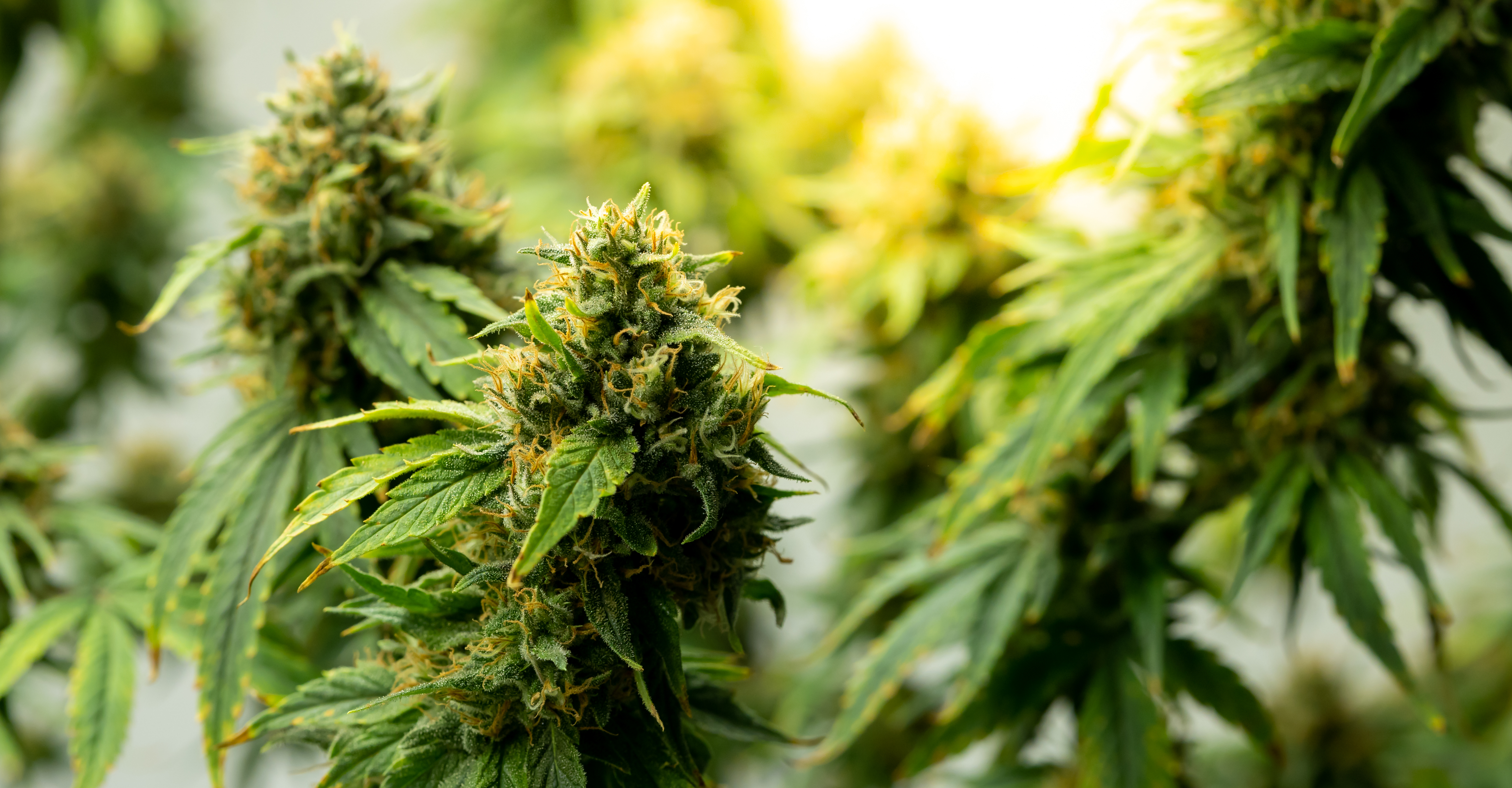


Grape Ape cannabis seeds are popular among growers who want a compact plant with strong indica traits, dense flowers, and a sweet fruit-like smell. The strain is often linked with purple buds, heavy resin, and an aroma that may remind people of grapes, berries, and earth. Its name comes from these grape-like features and the deep colors that some plants may develop during flowering. However, not every Grape Ape plant will look, smell, or grow in exactly the same way. The final result depends on the breeder, seed quality, plant genetics, and growing conditions.
Grape Ape is usually described as a mostly indica cannabis strain. Most versions grow with a short and bushy shape rather than a tall and narrow form. The plant may produce broad leaves, close spaces between branches, and a thick central structure. These features can make it easier to manage in a small indoor growing area. It may also suit growers who need to control plant height. Even so, plant size can still change based on pot size, light strength, growing time, and plant training.
The traditional Grape Ape genetic background is often connected to Mendocino Purps, Skunk, and Afghani. These parent lines may help explain its common growth pattern, strong smell, and dark flower color. Afghani genetics are often linked with sturdy plants and dense flowers. Skunk genetics may add strong growth and a sharper aroma. Mendocino Purps is commonly linked with purple coloring and sweet fruit notes. Seed companies may use different parent plants, so one Grape Ape seed line may not be exactly the same as another.
Growers can find Grape Ape seeds in several forms. Regular seeds may produce either male or female plants. Feminized seeds are made to greatly increase the chance of producing female plants. Female plants are the ones that form the flowers most growers want. Autoflowering Grape Ape seeds are also available from some sellers. These plants begin flowering based mainly on age instead of a change in the daily light schedule. Autoflowering versions may be smaller and faster, but they may also contain extra genetics that make them different from the original photoperiod strain.
Choosing the right seed type is an important first step. Regular seeds may suit breeding projects, but growers must identify male plants and remove them when seedless flowers are the goal. Feminized seeds may be more practical in a small space because fewer plants are likely to be unwanted males. Autoflowering seeds may suit growers who want a simple schedule or a shorter total growing period. Each type has benefits and limits, so the best choice depends on the grower’s space, skill level, and main goal.
Seed quality also has a major effect on the growing process. Healthy seeds are more likely to germinate, form strong roots, and develop into steady plants. Poorly stored or damaged seeds may sprout slowly or fail to sprout at all. A mature cannabis seed often has a hard shell with brown, gray, or dark patterns. However, appearance alone cannot prove that a seed has good genetics. The breeder’s record, storage method, package details, and seed age are also important.
Germination is the stage when the seed opens and the first root begins to grow. Grape Ape seeds can be started by using methods such as a damp paper towel, direct planting in soil, or a seed-starting plug. During this stage, the seed needs moisture, warmth, and air. Too much water can block oxygen and cause the seed to rot. Too little moisture can stop the shell from opening. Careful handling is also important because the first root is delicate and can be damaged easily.
After germination, the young seedling needs mild light, stable warmth, and careful watering. Young cannabis plants have small root systems and cannot use large amounts of water or nutrients. Overwatering is one of the most common problems at this stage. Soil that stays wet for too long may reduce oxygen around the roots. This can slow growth and increase the risk of root disease. Strong fertilizer may also burn young leaves and damage new roots.
As the plant grows, the gardener must manage light, temperature, humidity, water, nutrition, and airflow. Grape Ape may grow well indoors because its compact shape can fit inside tents, cabinets, and small grow rooms. Outdoor plants may also grow well when they receive enough sunlight and are protected from heavy rain, high humidity, and sudden weather changes. Dense flowers can hold moisture, so airflow becomes very important during the flowering stage.
Grape Ape plants may develop purple, violet, or dark green colors. Genetics are the main reason for this change. Cooler conditions may make purple pigments easier to see in some plants, but growers should not expose plants to harmful cold. Stress does not always improve color, and extreme cold can slow growth or damage plant tissue. Some Grape Ape plants may stay mostly green even when they are healthy. Color should not be used as the only sign of quality or maturity.
Flowering time is often listed at about seven to nine weeks for photoperiod Grape Ape plants. This is only a general range. Some plants may finish earlier, while others may need more time. The exact schedule can depend on the seed line, growing method, environment, and plant health. Autoflowering versions follow a different schedule because their full life cycle may be measured from germination to harvest.
Yield can also vary greatly. Strong light, healthy roots, good airflow, stable conditions, and an even plant canopy may help improve flower production. However, no seed can promise a fixed harvest amount. Problems such as pests, nutrient stress, root damage, heat, poor lighting, and mold can reduce yield. Growers should focus on plant health rather than trying to force fast growth with too much water or fertilizer.
This guide explains the main points growers need to understand about Grape Ape cannabis seeds. It covers genetics, seed types, seed selection, germination, seedling care, growing conditions, plant training, flowering, yield, common problems, and harvest timing. It also explains why results may differ between seed sellers and individual plants. By learning the full growing cycle, readers can better understand what to expect from Grape Ape seeds and how each stage affects the next one.
Grape Ape Genetics and Plant Characteristics
Understanding the genetics of Grape Ape can help growers know what to expect from their seeds. Genetics affect the plant’s size, shape, growth speed, flowering time, aroma, color, and yield. However, not every Grape Ape seed will grow into an identical plant. Small differences can appear because each seed contains a unique mix of genetic traits.
The name Grape Ape is used by several seed breeders and sellers. For this reason, growers should always read the breeder’s description before buying seeds. One version may grow taller, flower faster, or produce darker purple flowers than another. The traditional Grape Ape strain is usually described as a mostly indica plant with a short and bushy structure.
What Are the Genetics of Grape Ape?
Grape Ape is commonly linked to three well-known genetic lines: Mendocino Purps, Skunk, and Afghani. These parent strains are believed to influence the plant’s color, smell, structure, and growth pattern.
Mendocino Purps is often connected with purple plant colors and sweet fruit-like aromas. It may help explain why many Grape Ape plants develop purple shades during flowering. These colors can appear in the flowers, small leaves, stems, or larger fan leaves. However, color depends on the plant’s individual genetics and growing conditions. Some plants may show deep purple colors, while others may remain mostly green.
Skunk genetics are known for strong growth, branching, and powerful aromas. This part of the genetic background may help Grape Ape produce sturdy branches and a noticeable scent. The smell may include grape, berry, earth, sweetness, or a light skunk-like note. Aroma can become stronger during the last weeks of flowering.
Afghani genetics are often linked with short plants, wide leaves, thick stems, and dense flowers. Afghani plants developed in areas with difficult climates, so they are often valued for their strong structure. In Grape Ape, these traits may appear as a compact shape and heavy flower clusters.
Together, these genetic lines create a plant that is usually short, wide, and rich in side branches. It often develops dense flowers with strong resin production. Resin appears as a sticky layer of small glands on the flowers and nearby leaves.
Growers should remember that strain genetics are not always completely stable across every seed company. Some breeders may use a different parent plant or may select certain traits over several generations. As a result, one company’s Grape Ape seeds may not grow exactly like another company’s version.
Is Grape Ape an Indica or Sativa?
Grape Ape is generally described as a mostly indica cannabis strain. This means its growth pattern is usually closer to indica plants than to tall, narrow sativa plants.
Indica plants often stay shorter and grow more side branches. Their leaves are usually broad, with wide fingers. They may also develop tight spacing between branches. This spacing is called internodal distance. Short internodal distance creates a compact and full plant.
Grape Ape often grows in this way. It may form a thick central stem with several strong side branches. When grown without training, it may develop a rounded or bush-like shape. This structure can work well in small indoor grow spaces because the plant may be easier to control than a tall sativa plant.
Even though Grape Ape is mainly indica, it may still show some mixed traits. Certain plants may stretch more during flowering or develop slightly thinner leaves. This is normal because the strain is not a pure indica. Its Skunk genetics may add more growth energy and branching.
Photoperiod Grape Ape plants usually remain in the vegetative stage until the light schedule changes. Indoor growers can control the plant’s final size by choosing when to begin flowering. A longer vegetative period usually creates a larger plant with more branches. A shorter vegetative period helps keep the plant small.
Autoflowering Grape Ape seeds may behave differently. Autoflower plants begin flowering based on age instead of changes in the light schedule. They often have a shorter life cycle and may stay smaller. Autoflowering versions also contain genetics from Cannabis ruderalis, so they may not match the traditional Grape Ape plant in every way.
What Does a Healthy Grape Ape Plant Look Like?
A healthy Grape Ape plant usually has a strong central stem, balanced side branches, and broad green leaves. New growth should appear regularly during the vegetative stage. The leaves should look firm rather than weak, dry, or heavily curled.
The exact shade of green may change depending on the plant’s age, nutrition, and genetics. Healthy leaves are often medium to dark green. However, very dark and shiny leaves may be a sign of too much nitrogen. Pale leaves may point to a nutrient problem, poor root health, incorrect pH, or weak lighting.
The branches should be thick enough to support future flowers. Because Grape Ape may produce dense buds, weak branches can bend later in flowering. Good airflow, correct lighting, and gentle plant movement can help stems become stronger.
As flowering begins, small white hairs called pistils appear at the plant’s flower sites. These sites develop where branches meet the main stem and along the upper parts of the branches. Over time, the flower clusters become larger and more compact.
Healthy flowers may become covered with visible resin glands. These glands often look like a layer of frost. They can appear on the flowers and on the small leaves growing around them. Resin production usually increases as the plant moves closer to harvest.
Purple coloring may begin during the middle or late flowering stage. In some plants, the purple color appears early. In others, it may only become clear near harvest. Some plants may never become deeply purple, even when they are healthy. Purple color alone is not a sign of quality or plant health.
Growers should also expect some differences between plants grown from seed. One seed may create a short plant with dark flowers, while another may grow taller and stay green. These differences are called phenotypes. A phenotype is the visible result of a plant’s genetics and environment.
For example, two Grape Ape plants may receive the same light, water, and nutrients but still show different growth patterns. One may have stronger grape aromas, while another may smell more earthy or skunk-like. One plant may flower faster, while another may need more time.
Grape Ape is generally considered a mostly indica strain connected to Mendocino Purps, Skunk, and Afghani genetics. These genetic lines may contribute to its purple coloring, sweet grape-like aroma, dense flowers, broad leaves, and short, bushy shape.
A healthy Grape Ape plant usually has strong stems, balanced branches, steady leaf growth, and compact flower sites. During flowering, it may develop heavy resin coverage and purple shades. However, not every plant will look or grow the same.
Differences can appear between breeders, seed types, and individual phenotypes. Growers should study the breeder’s information and judge each plant by its actual growth. Understanding these genetic and physical traits makes it easier to plan plant spacing, training, feeding, and flowering care.
Regular, Feminized, and Autoflowering Grape Ape Seeds
Choosing the right type of Grape Ape seed is an important step before starting a grow. Cannabis seeds are often sold as regular, feminized, or autoflowering seeds. Each type grows in a different way and may require a different level of care. The best choice depends on the grower’s space, schedule, experience, and final goal.
Some growers want full control over the plant’s growth and flowering stage. Others want a simpler grow with fewer plants to manage. Some may also want to produce seeds for future use. Understanding the main differences between these seed types can help prevent problems later in the growing cycle.
Regular Grape Ape Seeds
Regular Grape Ape seeds can produce either male or female plants. In many cases, each seed has a similar chance of becoming male or female. This means growers may need to start more plants than they plan to keep.
Female cannabis plants produce the resin-covered flowers that most growers want. Male plants produce pollen sacs instead of large flowers. If a male plant releases pollen near a female plant, the female may begin producing seeds. This can reduce the amount of seedless flower it produces.
Growers using regular seeds must watch the plants closely when they reach the early flowering stage. Male plants often show small, round pollen sacs near the points where branches meet the main stem. Female plants usually develop small, fine hairs called pistils in the same area.
Male plants should be separated before their pollen sacs open when the goal is to grow seedless flowers. Even a small amount of pollen can reach several female plants. This is why regular seeds may require more space, time, and attention.
Regular Grape Ape seeds can be useful for breeding. Growers may keep selected male and female plants to create new seeds or preserve certain traits. For example, they may look for strong growth, healthy roots, short plant height, purple coloring, or a certain aroma.
However, regular seeds may not be the best choice for growers with strict plant limits. Some of the plants may need to be removed after their sex becomes clear. This can reduce the number of flowering plants in the garden.
Feminized Grape Ape Seeds
Feminized Grape Ape seeds are produced to have a very high chance of growing into female plants. They are popular with growers who want flower-producing plants and do not plan to breed cannabis.
One major benefit of feminized seeds is better use of space. Growers do not usually need to start many extra plants to replace males. This can be useful in small tents, cabinets, closets, or compact indoor gardens.
Feminized seeds also save time. Growers should still inspect the plants during growth, but they are less likely to spend weeks caring for plants that later need to be removed. This makes planning the canopy, pot size, and available light easier.
Many feminized Grape Ape seeds are photoperiod seeds. Photoperiod plants remain in the vegetative stage while they receive long periods of light each day. Indoor growers usually begin flowering by changing the light schedule so the plants receive longer periods of darkness.
This control allows growers to decide how long the plants remain in vegetative growth. A longer vegetative stage can produce larger plants, while a shorter stage can help control height. This is useful because Grape Ape plants often develop a short and bushy structure with many side branches.
Feminized seeds still require proper care. Stress from light leaks, high temperatures, damaged roots, major pruning, or irregular watering may affect plant health. In some cases, severe stress can cause a female plant to develop pollen-producing parts. Growers should provide stable conditions and inspect the plants during flowering.
Feminized seeds are often a practical choice for beginners because they reduce the need to identify and remove male plants. They also work well for experienced growers who want to fill a grow space with female plants.
Autoflowering Grape Ape Seeds
Autoflowering Grape Ape seeds begin flowering according to the plant’s age. They do not depend on a major change in the daily light schedule. This is different from photoperiod Grape Ape plants, which need longer dark periods to start flowering.
Autoflowering plants contain genetics from Cannabis ruderalis. Ruderalis plants developed in regions with short growing seasons. They begin flowering automatically so they can finish their life cycle before cold weather arrives.
An autoflowering Grape Ape version is not always genetically identical to the original photoperiod strain. Breeders must cross the desired Grape Ape traits with autoflowering genetics. The final plants may have a similar aroma, color, or structure, but some traits can differ.
Autoflowering plants often stay smaller than photoperiod plants. This can make them suitable for compact indoor spaces, balconies, patios, or outdoor areas where a lower plant height is helpful. They can also finish faster because they do not need a long vegetative stage.
However, autoflowering plants have less time to recover from stress. If a young plant is overwatered, damaged, or given too many nutrients, it may remain small. The plant will continue moving toward flowering even if its growth has slowed.
For this reason, growers should handle autoflower seedlings carefully. Heavy pruning, repeated transplanting, and strong training methods may reduce growth. Gentle low-stress training can sometimes be used, but it should be started early and done carefully.
Autoflowering plants may also use a consistent light schedule from seed to harvest. Indoor growers often give them long daily light periods throughout the grow. Since flowering begins automatically, there is no need to create a separate flowering room based only on light timing.
Choosing the Right Seed Type
The best Grape Ape seed type depends on the grower’s purpose. Regular seeds are suitable for breeding, seed production, and genetic selection. They require growers to identify male and female plants, so they may need more space.
Feminized photoperiod seeds are a strong choice for growers who want female plants and control over the vegetative period. They allow the grower to manage plant size before starting the flowering stage.
Autoflowering seeds are useful for growers who want a smaller plant, a faster life cycle, or a simple light schedule. They can work well in limited spaces, but early mistakes may have a greater effect on the final size and yield.
Growers should also read the breeder’s description before buying seeds. Flowering time, plant height, expected yield, and genetic background may differ between products sold under the Grape Ape name. Clear labeling can help growers select a seed type that matches their equipment and available space.
Regular, feminized, and autoflowering Grape Ape seeds each offer different benefits. Regular seeds can produce male or female plants and are often used for breeding. Feminized seeds are designed to produce female plants and make better use of limited grow space. Autoflowering seeds begin flowering according to age and can be useful for faster or smaller grows.
How to Choose and Store Quality Grape Ape Seeds
Choosing good Grape Ape seeds is one of the most important steps in the growing process. Healthy seeds have a better chance of germinating, producing strong roots, and developing into stable plants. Poor-quality seeds may fail to open, grow slowly, or produce weak plants with uneven traits.
Seed quality depends on several factors. These include genetics, age, storage conditions, handling, and the reliability of the seller. A seed may look healthy on the outside but still have low germination strength. For this reason, growers should look at more than color or size when buying seeds.
Grape Ape seeds may also vary from one breeder to another. The strain name does not always mean that every seed has the exact same genetic background. Some versions may grow taller, flower faster, or show deeper purple color. Others may have different aroma levels or yield potential. Clear breeder information helps growers understand what to expect.
Selecting Seeds from a Reliable Source
A reliable seed source should provide clear and complete product information. The listing should explain whether the seeds are regular, feminized, or autoflowering. It should also describe the expected flowering time, plant height, indoor or outdoor suitability, and possible yield range.
Breeder details are also important. Established breeders often explain how the strain was created and which parent plants were used. This information helps growers compare different versions of Grape Ape. It also reduces the risk of buying seeds with an unclear or misleading label.
A trusted seller should package seeds in a way that protects them from light, heat, moisture, and physical damage. Seeds should not arrive loose in a thin bag without proper protection. Strong packaging lowers the chance of cracked shells or exposure to damp conditions.
Growers should also check whether the seller gives information about seed age or storage methods. Fresh seeds often germinate more easily than seeds that have been stored poorly for many years. Older seeds can still germinate, but they may take longer and may need more careful handling.
A germination policy can also show that a seller takes quality seriously. These policies differ between companies, so growers should read the terms before buying. Some sellers may replace seeds that fail to germinate under approved conditions. Others may not provide any replacement.
The best source is one that gives clear facts instead of making extreme promises. Claims of guaranteed color, exact yield, or identical plant traits should be treated with care. Cannabis seeds can produce natural variation, even when they come from the same group.
Signs of a Mature Cannabis Seed
Mature cannabis seeds often have a firm outer shell. Their color may range from light brown to dark brown, gray, or almost black. Many mature seeds also have spots, lines, or a striped pattern.
The shell should feel hard when handled gently. A seed that crushes with very light pressure may be immature, damaged, or badly dried. However, growers should not squeeze seeds hard because this can damage a healthy seed.
Very pale green or white seeds are often linked with early harvest or poor maturity. These seeds may have a lower chance of germination. Still, color alone is not a perfect test. Some healthy seeds are lighter than others because of their genetics or outer shell pattern.
Seed size can also vary. A large seed is not always stronger than a small seed. Different cannabis varieties produce seeds of different shapes and sizes. What matters more is that the seed is fully formed, dry, firm, and free from visible cracks.
A healthy seed should not have mold, soft spots, or a wet surface. It should also not have a strong rotten or damp smell. These signs may mean the seed was exposed to too much moisture.
Some growers use a float test to check seeds, but this method is not always reliable. Seeds that float may still germinate, while seeds that sink may still fail. Soaking seeds for too long may also reduce oxygen and increase the risk of damage. It is better to judge seeds by their source, condition, and germination results.
Avoiding Poor-Quality or Incorrectly Labeled Seeds
Poor-quality seeds often come from sellers that provide little information. A listing may use the Grape Ape name but fail to explain the seed type, breeder, flowering period, or genetic background. This makes it difficult for the grower to plan the garden.
Incorrect labels can cause major problems. A grower may expect feminized seeds but receive regular seeds that can produce male plants. A seed sold as an autoflower may act like a photoperiod plant. A plant may also grow much taller or flower much later than expected.
Unknown sellers may also store seeds in hot rooms, bright display cases, or damp containers. Heat and moisture can reduce seed life. Poor handling during shipping may crack the shell or damage the living tissue inside.
Extremely low prices can sometimes be a warning sign. Cheap seeds are not always bad, but a price that is far below normal may mean the seeds are old, mixed, or poorly stored. Growers should compare the product details instead of choosing only by price.
Unclear photos are another concern. Stock images of flowers do not prove that the seeds will produce the same result. Seed listings should focus on useful growing information rather than only attractive flower pictures.
Growers should also avoid buying seeds that arrive without clear labels. Each pack should show the strain name and seed type. When several strains are ordered, every pack should be easy to identify.
Storing Seeds Before Germination
Cannabis seeds should be kept in a cool, dark, and dry place until they are needed. Light can slowly damage seed quality, while heat can speed up aging. Moisture is one of the greatest risks because it can start early germination or support mold growth.
A sealed container works well for short-term storage. Small glass jars, sealed plastic containers, or the original breeder pack may be suitable. The container should protect the seeds from humidity and sudden temperature changes.
A small moisture-control packet can help keep the storage area dry. However, seeds should not touch loose drying materials directly. The goal is to control moisture, not remove every small amount of natural moisture from the seed.
For short storage periods, a dark cupboard may be enough if the room stays cool and dry. The cupboard should not be close to an oven, heater, bathroom, or sunny window. These areas often have changing temperatures or higher humidity.
For longer storage, some growers use a refrigerator. The seeds should be sealed well before being placed inside. A refrigerator door is not ideal because the temperature changes each time it is opened. A stable area near the back is usually better.
Seeds taken from cold storage should be allowed to return to room temperature before the container is opened. Opening a cold container too early may cause water to form on the seeds. This moisture can increase the risk of mold or early damage.
Frequent movement between cold and warm places should be avoided. Stable storage conditions are better than repeated temperature changes. Growers should also label the container with the strain name, seed type, breeder, and storage date.
Choosing quality Grape Ape seeds begins with finding a reliable breeder or seller. Clear labels, strong packaging, useful strain details, and proper storage all increase the chance of a successful grow. Mature seeds are usually firm, dry, and brown or gray, but appearance alone cannot prove genetic quality.
Growers should avoid seeds with cracks, mold, soft shells, unclear labels, or signs of poor storage. They should also remember that different breeders may offer different versions of Grape Ape.
Before germination, seeds should be stored in a cool, dark, dry, and stable place. A sealed and clearly labeled container helps protect them from heat, moisture, light, and damage. Careful seed selection and storage provide a stronger start for healthy germination and steady plant growth.
How to Germinate Grape Ape Cannabis Seeds
Germination is the first stage of growing Grape Ape cannabis seeds. During this stage, the seed absorbs water, opens its shell, and produces a small white root called a taproot. This root is the beginning of the plant’s root system. Once the taproot develops, the seed can be placed in a growing medium where it will begin forming a stem and its first leaves.
Successful germination depends on moisture, warmth, oxygen, and careful handling. Seeds should be kept damp, but they should not sit in too much water. Excess water can reduce oxygen around the seed and increase the risk of mold or rot. The growing area should also remain warm and stable. Sudden changes in temperature can slow germination or weaken the young seedling.
Before germinating Grape Ape seeds, growers should prepare their containers, growing medium, water, and lighting area. This makes it easier to plant the seed as soon as the taproot appears.
Preparing for Germination
Start by choosing a clean work area. Wash your hands and clean any tools, containers, or trays that will come into contact with the seeds. Clean conditions reduce the chance of mold, harmful fungi, and bacteria developing during germination.
Prepare small pots or seedling containers before starting. Each container should have drainage holes so extra water can escape. A light seed-starting mix is often easier for young roots to enter than thick or packed soil. The medium should feel soft and slightly moist. It should not feel muddy or soaked.
Water quality can also affect germination. Use clean water that does not contain high levels of salts or chemicals. The water should be close to room temperature. Very cold water may slow the process, while very hot water may damage the seed.
Grape Ape seeds usually germinate best in a warm area. A mild and stable temperature supports faster root development. Avoid placing seeds beside heaters, air conditioners, or open windows where temperatures may change often.
Prepare the grow light before the seedlings emerge. Young seedlings need light soon after they rise above the soil. Delaying light can cause the stems to stretch and become weak.
Paper Towel Germination Method
The paper towel method allows growers to see when the seed opens and when the taproot appears. To use this method, place a clean paper towel on a plate or inside a clean container. Moisten the towel with water. It should be evenly damp, but water should not drip from it.
Place the Grape Ape seeds on the paper towel with some space between them. Cover the seeds with another damp paper towel. The seeds should remain moist on both sides.
Place the towels inside a container or between two plates. This helps keep the moisture from drying too quickly. Store the container in a warm, dark place. Check the seeds at least once each day. Make sure the towels remain damp. Add a small amount of water if they start to dry.
Do not flood the towels. Too much water can prevent oxygen from reaching the seeds. It may also encourage mold growth.
Some seeds may open within one or two days, while others may take several days. The seed is ready to plant when a small white taproot becomes visible. Avoid waiting until the root grows very long. A long taproot can become tangled in the paper towel or damaged during handling.
Use clean tweezers if needed, and hold the seed by its shell. Never squeeze or touch the taproot because it is soft and easy to injure.
Direct-to-Soil Germination
Direct-to-soil germination involves placing the seed into its growing medium before the seed opens. This method reduces handling because the seed does not need to be moved after the taproot appears.
Fill a small pot with a light and moist growing mix. Make a small hole in the center of the soil. The hole should be shallow. Planting too deeply can make it difficult for the seedling to reach the surface.
Place one seed into the hole and cover it lightly with soil. Do not press the soil down firmly. Loose soil allows air to reach the seed and gives the young root space to grow.
Moisten the area gently. A spray bottle or slow pour can help prevent the seed from moving deeper into the pot. Keep the medium slightly damp while waiting for the seedling to emerge.
Avoid watering the entire pot until it becomes soaked. A small seedling has a small root zone and cannot use a large amount of water. Wet soil may remain without enough oxygen for several days, which can lead to root problems.
The seedling may appear above the soil within a few days, although some seeds take longer. Once it emerges, place it under gentle light.
Starter Plugs and Other Methods
Starter plugs or seedling cubes can provide a simple germination environment. These products are designed to hold both moisture and air around the seed. They can also make transplanting easier because the entire plug can be moved into a larger pot.
Moisten the plug according to its instructions. Place the seed inside the prepared hole and cover it lightly. Do not push the seed too far into the plug. Keep the plug warm and moist while waiting for the seedling to appear.
Some growers soak seeds in a glass of water before moving them to soil, paper towels, or starter plugs. Short soaking may help soften the seed shell. However, seeds should not remain underwater for too long. Long soaking periods can reduce oxygen and increase the chance of rot.
No germination method can guarantee success. Seed age, storage conditions, genetics, and shell strength can all affect the result.
Planting the Germinated Seed
Once the taproot appears, prepare a small hole in the moist growing medium. Carefully lift the seed by its shell. Place the taproot downward into the hole. If the root is curved, position it gently without forcing it straight.
Cover the seed with a thin layer of soil. The top of the seed should not be buried deeply. Lightly moisten the area after planting.
Keep the pot warm and place it under gentle light. Strong light may dry the surface too quickly or stress the new seedling. Weak light may cause the stem to stretch.
The seed shell may remain attached to the first leaves when the seedling rises. In many cases, it will fall away on its own. Avoid pulling it off too soon because this can damage the soft leaves.
Common Germination Problems
Overwatering is one of the most common causes of germination failure. Seeds need moisture, but they also need oxygen. Soil that stays soaked may prevent the seed from breathing and may support mold growth.
Low temperatures can also slow or stop germination. Keep seeds in a warm and stable area, but do not expose them to extreme heat.
Planting seeds too deeply may prevent seedlings from reaching the surface. The young plant uses stored energy from the seed to push upward. If the seed is buried too far down, it may run out of energy before it reaches the light.
Handling the taproot roughly can cause damage. Always touch the seed shell instead of the root. Plant germinated seeds soon after the taproot appears.
Some seeds may crack but fail to grow. This can happen because of weak seed quality, poor storage, unstable moisture, or root damage. Give slower seeds enough time before deciding that they will not germinate.
Germinating Grape Ape cannabis seeds requires a clean area, gentle warmth, steady moisture, and enough oxygen. Growers can use paper towels, direct planting, or starter plugs. Each method can work when the seed is kept damp without becoming soaked.
Prepare the growing medium before starting, and handle the seed carefully once the taproot appears. Plant it shallowly, keep the area warm, and provide gentle light after the seedling emerges. Avoid overwatering, deep planting, cold conditions, and direct contact with the taproot. Careful germination gives the young Grape Ape plant a stronger start and prepares it for healthy seedling growth.
Seedling Care and Early Vegetative Growth
The seedling stage is one of the most delicate parts of growing Grape Ape cannabis seeds. A young plant has a small root system, a thin stem, and only a few leaves. It cannot handle the same amount of light, water, nutrients, or airflow as a mature plant. Careful treatment during this stage helps the plant develop strong roots and healthy leaves before it enters faster vegetative growth.
The seedling stage usually begins when the first small leaves appear above the growing medium. These first rounded leaves are called cotyledons. They provide the young plant with stored energy while its true leaves begin to grow. The first true leaves often have a simple shape, but later leaves develop more sections as the plant becomes larger.
A healthy Grape Ape seedling should have a short, upright stem and green leaves. It should grow at a steady rate without stretching too much, bending over, or showing dark spots. The plant may grow slowly during the first few days because much of its energy is being used below the surface to form roots. Growers should avoid making sudden changes during this period.
Light for Young Seedlings
Grape Ape seedlings need enough light to support leaf growth, but very strong light can damage them. The light should be gentle during the first stage. It should also be placed at a suitable distance from the top of the plant.
When the light is too far away or too weak, the stem may stretch upward. This creates a tall, thin seedling that has trouble supporting its own weight. The plant may lean to one side or fall over. A stretching seedling is often trying to move closer to the light.
When the light is too close or too strong, the leaves may curl upward, become pale, or develop dry edges. The seedling may stop growing because it is under stress. Strong heat from the light can also dry the growing medium too quickly.
The correct distance depends on the type and power of the grow light. Growers should follow the light maker’s guidance and then watch the plant closely. A healthy seedling should remain compact without showing signs of heat or bleaching.
Young plants also need a regular light schedule. Photoperiod Grape Ape seedlings are often kept under long periods of light during vegetative growth. The schedule should remain stable each day. Sudden changes can slow growth and create unnecessary stress.
Watering Grape Ape Seedlings
Overwatering is one of the most common problems during the seedling stage. A small plant cannot use a large amount of water because its roots are still short. When the entire container stays wet for too long, the roots may not receive enough oxygen.
The growing medium should remain lightly moist, but it should not feel soaked. Water should be applied in small amounts around the seedling rather than poured across the whole container. This helps prevent water from collecting far beyond the young root zone.
Before watering again, the grower should check the surface of the medium. If it still feels damp, the seedling may not need more water. The weight of the container can also provide useful information. A wet pot feels heavier than a dry one.
Overwatered seedlings may have drooping leaves even though the soil is wet. Growth may slow, and the stem may become weak near the soil line. Very wet conditions can also increase the risk of damping-off, a disease that causes the stem to become thin, soft, and unable to hold the plant upright.
Underwatered seedlings may also droop, but the growing medium will feel dry and the container will feel light. The leaves may appear thin or weak. Water should be added gently rather than flooding the pot all at once.
Good drainage is important. Containers should have open drainage holes, and the growing medium should contain enough air space. Heavy or tightly packed soil can hold too much water around the roots.
Temperature and Humidity
Stable temperature helps Grape Ape seedlings grow at a steady rate. Very cold conditions can slow root development, while very high temperatures can cause fast water loss and plant stress.
The growing space should feel warm but not hot. Sudden temperature changes should be avoided, especially between the light period and the dark period. Large changes can slow growth and make moisture control more difficult.
Young seedlings often benefit from moderate humidity because their small roots cannot yet absorb water quickly. However, extremely high humidity can encourage mold and weak growth. The air should not remain wet or still for long periods.
A small fan can help move air around the growing area, but it should not blow directly at full strength onto the seedling. Strong airflow may bend the stem, dry the leaves, or disturb the soil. Gentle air movement is enough to reduce still air and help the stem become stronger.
The growing area should also remain clean. Dead leaves, spilled water, and wet plant material should be removed. Clean conditions lower the risk of mold, fungus gnats, and other early problems.
Starting Nutrients
Grape Ape seedlings need very little added fertilizer during their first stage of growth. The seed itself contains stored energy, and many seed-starting soils already contain enough nutrients for early development.
Feeding too soon can burn the young roots. Common signs of excess nutrients include brown leaf tips, very dark green leaves, curling, and slow growth. Once nutrient burn occurs, the seedling may need time to recover.
If the growing medium contains nutrients, the grower may not need to add fertilizer for the first part of the seedling stage. A light and mild seed-starting mix is often easier to manage than heavily fertilized soil.
When the plant develops several sets of true leaves and begins growing faster, a weak nutrient solution may be introduced if needed. It is safer to begin with a low strength and increase it slowly. The plant’s response should guide future feeding.
Growers should not add extra fertilizer simply because a seedling looks small. Slow early growth can be normal. Problems with light, watering, temperature, or pH should also be checked before nutrients are increased.
Transplanting
A Grape Ape seedling may need to be moved into a larger container when its roots begin filling the starter pot. Transplanting gives the roots more room to spread and supports stronger vegetative growth.
Signs that a plant may be ready for transplanting include roots appearing near the drainage holes, fast drying of the growing medium, and several sets of healthy true leaves. The plant should be strong enough to handle gentle movement.
The new container should be prepared before the seedling is removed from its old pot. The growing medium should be lightly moist, not muddy or dry. A planting hole should be made large enough to hold the existing root ball.
The seedling should be handled by the container or root ball rather than pulled by the stem. The stem is easy to damage. The root ball should remain as complete as possible during the move.
After transplanting, the soil should be pressed lightly around the plant. Heavy pressure can reduce air space in the root zone. A small amount of water can help settle the medium around the roots.
The plant may grow more slowly for a short time after transplanting. This is normal if the root system was disturbed. Strong light, heavy feeding, pruning, and other major stress should be avoided until the plant begins active growth again.
Healthy seedling care gives Grape Ape plants a strong start before faster vegetative growth begins. Young plants need gentle but useful light, careful watering, stable temperatures, moderate humidity, and mild airflow. Too much water, strong fertilizer, intense light, or rough handling can slow growth and damage the developing root system.
Growers should watch the plant instead of following a fixed schedule without adjustment. Compact growth, green leaves, a firm stem, and steady development are signs that the seedling is receiving suitable care. Once the plant has several healthy true leaves and a stronger root system, it can be transplanted and prepared for the main vegetative stage.
Best Growing Conditions for Grape Ape Plants
Grape Ape is often chosen by indoor growers because it usually grows into a short, wide, and bushy plant. However, it can also grow well outdoors when the climate is warm, sunny, and not too humid. The best results come from giving the plant stable conditions from the seedling stage through harvest.
Like most cannabis plants, Grape Ape responds poorly to sudden changes. Large swings in temperature, weak airflow, poor drainage, and high humidity can slow growth or lead to disease. Growers should create a balanced environment and adjust it as the plant moves from early growth into flowering.
Indoor Growing Conditions
Indoor growing gives the grower more control over light, temperature, humidity, airflow, and watering. This can be useful for Grape Ape because its flowers may become thick and dense. Dense flowers need steady airflow and controlled humidity to reduce the risk of mold.
Grape Ape usually has a compact shape, so it can fit well in grow tents, small rooms, and indoor cabinets. However, a short plant still needs enough space around its branches. Crowded plants block light and trap damp air between the leaves. This can reduce healthy growth and make it easier for pests and fungi to spread.
The growing area should have reflective walls or a reflective tent lining. Reflective surfaces help direct more light toward the sides and lower parts of the plant. Without reflection, much of the light may be lost against dark walls.
The grow light should cover the full plant canopy. A light that is too weak can cause thin stems, slow growth, and small flowers. A light that is too close can cause pale leaves, dry edges, curling, or heat stress. The correct distance depends on the type and strength of the lamp. Growers should check the maker’s instructions and watch how the plant responds.
Air exchange is also important. An exhaust fan helps remove warm, humid air from the grow space. Fresh air should enter the space to replace it. Small circulating fans can move air around the leaves and branches. The fans should create gentle movement, not strong wind that bends or damages the plant.
Indoor growers should also keep the space clean. Dead leaves, spilled water, old soil, and dirty tools can attract pests or support mold. Regular cleaning lowers the risk of problems during flowering.
Outdoor Growing Conditions
Grape Ape can grow outdoors when the season provides enough warmth and sunlight. The plant should be placed where it can receive several hours of direct sunlight each day. More strong light usually supports better growth, thicker branches, and larger flowers.
The outdoor location should also have good air movement. A plant placed close to a wall, fence, or group of thick bushes may not receive enough airflow. Poor airflow becomes more dangerous late in the season when the flowers are dense.
Rain is another concern. Long periods of rain can keep the flowers wet and increase the risk of mold. Growers in rainy areas may use a simple cover to protect plants during storms. However, the cover should not trap heat or block airflow.
The soil should drain well. Water should not remain around the roots for long periods. Heavy clay soil may hold too much water, while very sandy soil may dry too quickly. Adding compost, coco coir, perlite, or other suitable materials may improve the soil structure.
Outdoor plants may grow larger than indoor plants because they can receive more root space and sunlight. This means they may also need stronger support. Stakes, ties, or a plant frame can help hold up heavy branches during late flowering.
Growers should check outdoor plants often for insects, damaged leaves, and signs of disease. Pests can spread quickly when they are not found early. Regular checks make it easier to solve small problems before they become serious.
Temperature and Humidity Management
Stable temperature supports steady growth. Grape Ape generally prefers warm conditions, but extreme heat can slow the plant and increase water loss. Very cold conditions may also reduce growth and damage roots or leaves.
During the day, the growing area should feel comfortably warm rather than hot. At night, a small drop in temperature is normal. However, large changes between day and night may stress the plant.
Humidity needs change during the plant’s life. Young seedlings often prefer more moisture in the air because their root systems are still small. During vegetative growth, moderate humidity can support healthy leaf development.
Humidity should usually be lowered during flowering. Grape Ape can form thick flowers that trap moisture deep inside the buds. High humidity during this stage increases the chance of bud rot and other fungal problems.
A humidity meter can help growers track conditions. The reading should be checked at plant level because the air near the leaves may be different from the air near the ceiling. Growers should also remember that humidity often rises when the lights turn off and the temperature drops.
Fans, exhaust systems, dehumidifiers, and better plant spacing can all help control excess moisture. Removing a small number of crowded leaves may also improve airflow. However, too many leaves should not be removed at once because this can stress the plant.
Soil, Coco, and Hydroponic Systems
Grape Ape can grow in soil, coco coir, or a hydroponic system. Each method has benefits and challenges.
Soil is often the easiest choice for new growers. A good soil mix holds moisture while still allowing air to reach the roots. Soil may also contain nutrients that support the plant during early growth. However, heavy or poorly drained soil can stay wet for too long.
Coco coir is made from coconut fiber. It holds water but also allows good airflow around the roots. Plants in coco may grow quickly when watering and feeding are managed correctly. However, coco usually requires more regular feeding because it does not contain enough natural nutrition for the full grow cycle.
Hydroponic systems grow plants without soil. The roots receive water, oxygen, and nutrients through a controlled system. Hydroponics can support fast growth, but it requires careful monitoring. Problems with pH, nutrient strength, water temperature, or equipment can affect the plant quickly.
The best system depends on the grower’s experience, budget, schedule, and ability to check the plants often. Soil may be more forgiving, while coco and hydroponics provide more control but require closer attention.
Root Space and Container Selection
Healthy roots are needed for healthy leaves, stems, and flowers. A container that is too small can limit root growth and cause the plant to dry out quickly. A container that is too large may stay wet for too long when the plant is still young.
Growers often begin seedlings in small pots and move them into larger containers as they grow. This makes watering easier and helps the roots fill each container before transplanting.
The final pot size affects plant size and watering frequency. Larger pots can support larger root systems, but they also take up more room. Indoor growers should choose a pot that fits the available space and planned plant size.
Every container should have drainage holes. Extra water must be able to leave the pot. Water that remains around the roots can reduce oxygen and lead to root problems.
Fabric pots are popular because air can pass through the sides. This can improve root health and reduce circling roots. Plastic pots can also work well when they have enough drainage and are not allowed to sit in standing water.
A tray may be placed under each pot to catch runoff, but the runoff should be removed. The bottom of the container should not remain in water.
Grape Ape grows best when it receives strong light, fresh air, stable warmth, suitable humidity, and enough root space. Indoor growers can control these conditions more closely, while outdoor growers must choose a sunny, well-drained, and protected location.
The growing medium also affects how often the plant needs water and nutrients. Soil is often easier for beginners, while coco and hydroponic systems require more frequent care. No matter which method is used, the roots need both moisture and oxygen.
Because Grape Ape may produce dense flowers, airflow and humidity control become especially important during flowering. A clean growing space, proper plant spacing, good drainage, and regular checks can prevent many common problems. When the environment remains stable, the plant has a better chance of developing strong branches, healthy leaves, and well-formed flowers.
Nutrients, Watering, and pH Management
Healthy Grape Ape plants need the right balance of nutrients, water, oxygen, and pH. These parts of plant care are closely connected. A plant may show signs of a nutrient problem even when enough fertilizer is present. In many cases, the real cause is poor watering, root stress, or an incorrect pH level.
Grape Ape often grows as a short and bushy plant with broad leaves and many side branches. This growth pattern can create a strong demand for water and nutrients as the plant becomes larger. However, giving too much fertilizer or watering too often can quickly damage the roots. Growers should make small changes, watch the plant’s response, and avoid trying to fix every problem by adding more nutrients.
Always follow local laws and cultivation rules before growing cannabis.
Nutrient Needs During Vegetative Growth
During vegetative growth, Grape Ape plants focus on producing roots, stems, branches, and leaves. Nitrogen is important during this stage because it supports green leaf growth. Plants also need phosphorus, potassium, calcium, magnesium, and several smaller nutrients.
A balanced vegetative fertilizer can provide these elements. It is often safer to begin with a mild nutrient solution instead of using the full amount listed on a feeding chart. Young plants and newly transplanted plants usually need less fertilizer than large, well-established plants.
The growing medium also affects how much fertilizer is needed. Many commercial soil mixes already contain nutrients. A seedling placed in rich soil may not need extra feeding for several weeks. Adding fertilizer too early can burn young roots and cause brown leaf tips, curled leaves, or slow growth.
Coco coir usually contains little natural nutrition, so plants grown in coco need regular feeding. Coco also requires close attention to calcium and magnesium because the material can hold these elements and make them less available to the roots.
Hydroponic systems give growers more control over nutrients, but they also require more careful measurement. A small error in nutrient strength or pH can affect the plant quickly because the roots receive the solution directly.
Plant color can offer useful clues. Healthy leaves are normally medium green. Very dark green leaves may show that the plant is receiving too much nitrogen. Pale leaves may suggest a lack of nitrogen, but pale growth can also come from poor drainage, root damage, or incorrect pH. Growers should check the full growing environment before increasing fertilizer.
Feeding During Flowering
When flowering begins, the plant changes how it uses nutrients. It still needs nitrogen, but usually in lower amounts than during vegetative growth. Phosphorus and potassium become more important because they support root activity, flower development, water movement, and many basic plant functions.
Flowering fertilizers are often made with lower nitrogen and higher phosphorus and potassium levels. However, more phosphorus does not always produce larger flowers. Excess fertilizer can damage roots, create salt buildup, and prevent the plant from taking in water.
Too much nitrogen during flowering may keep leaves very dark and soft. It may also cause the plant to focus too much energy on leaf growth instead of flower development. Claw-shaped leaves, shiny dark foliage, and burned tips can be signs of overfeeding.
Late in flowering, Grape Ape plants may show some natural leaf fading. Older fan leaves can turn yellow as the plant moves stored nutrients to developing flowers. This is not always a problem. Sudden yellowing, heavy spotting, or fast leaf loss may still point to root stress, incorrect pH, or a true deficiency.
Growers should avoid making major feeding changes based on one damaged leaf. It is better to study the whole plant. New growth, older leaves, stems, roots, and watering habits can all help explain what is happening.
Correct Watering Practices
Watering is one of the most important parts of growing Grape Ape. Roots need both moisture and oxygen. If the growing medium stays wet for too long, the spaces around the roots fill with water. This reduces oxygen and can slow nutrient uptake.
Overwatered plants often develop drooping leaves, weak growth, yellow lower leaves, and a heavy container that stays wet for many days. Fungus gnats may also appear because they prefer damp soil.
Underwatered plants may also droop, but the leaves often look thin, dry, and weak. The growing medium may pull away from the sides of the pot, and the container may feel very light.
Instead of watering on a fixed daily schedule, growers should check the moisture level. The top layer of soil can be allowed to dry slightly before the next watering. Lifting the container is also useful. A dry pot feels much lighter than a fully watered pot.
When watering, apply water slowly and evenly across the surface. This helps the entire root area become moist. Pouring all the water into one small spot can leave dry areas inside the container.
Containers need drainage holes so extra water can leave the root zone. Pots should not sit in standing runoff because this keeps the lower roots too wet. Good drainage also helps remove unused fertilizer salts.
The amount of water a plant needs changes over time. Small plants use less water. Large flowering plants may drink more because they have more leaves and roots. Warm temperatures, strong lights, low humidity, and large containers can also affect watering speed.
Managing pH
pH measures how acidic or alkaline water and growing media are. Cannabis roots can absorb nutrients best within certain pH ranges. If the pH moves too far outside the useful range, nutrients may become difficult for the plant to absorb.
In soil, growers often aim for a pH near 6.0 to 7.0. In coco and hydroponic systems, the target is usually lower, often around 5.5 to 6.5. Exact needs can vary by fertilizer, water source, and growing method.
Incorrect pH can create nutrient lockout. This means nutrients are present, but the roots cannot use them well. The plant may then show yellow leaves, brown spots, purple stems, slow growth, or weak flower development.
Before treating a suspected deficiency, growers should test the pH of the water and nutrient solution. They may also check runoff or the root-zone solution, depending on the growing system.
A pH meter should be cleaned and calibrated often. Poorly stored or uncalibrated meters can give false readings. Liquid testing drops can provide a basic backup, although they may be less exact.
Large and sudden pH changes should be avoided. Roots respond better to stable conditions. When adjusting pH, add small amounts of pH solution, mix well, and test again before giving the water to the plant.
Preventing Salt Buildup
Fertilizer salts can collect in soil, coco, or hydroponic systems over time. This is more common when plants receive strong nutrient solutions, when drainage is poor, or when the growing medium dries too much between waterings.
Salt buildup can make it harder for roots to absorb water. The plant may look thirsty even when the medium is wet. Brown leaf tips, curled leaf edges, slow growth, and white crust on the soil or pot can also appear.
Good drainage is one of the best ways to reduce this problem. Growers should mix nutrients carefully and avoid adding extra fertilizer without a clear reason. More feeding does not always lead to more growth.
An electrical conductivity meter, often called an EC meter, can help measure nutrient strength. A total dissolved solids meter may also be used. These tools are useful, but plant health should still guide decisions. Different water sources and fertilizer brands can produce different readings.
If salt buildup becomes severe, the growing medium may need to be rinsed with properly adjusted water. This should be done carefully because heavy flushing can also remove useful nutrients and keep the roots wet for too long.
Grape Ape plants grow best when nutrients, watering, and pH are kept in balance. During vegetative growth, the plant needs enough nitrogen and other nutrients to build strong leaves, roots, and branches. During flowering, nitrogen is usually reduced while phosphorus and potassium continue to support plant health and flower development.
Water should be applied thoroughly, but the roots should not remain soaked. Good drainage allows oxygen to return to the root zone and helps prevent salt buildup. pH should also stay within a useful range so the plant can absorb available nutrients.
Training and Controlling Grape Ape Plant Size
Grape Ape plants often grow with a short, wide, and bushy shape. This structure comes from their mostly indica genetics. The plants usually produce strong side branches, broad leaves, and close spaces between growth points. These traits can make Grape Ape easier to manage in small indoor gardens. However, the thick growth can also block light and reduce airflow if the plant is not trained.
Plant training helps growers control height, spread branches, and create a more even canopy. A flat canopy allows more flowering sites to receive direct light. It can also reduce crowded areas where warm, moist air may collect. Because Grape Ape may form dense flowers, good spacing and airflow become more important as flowering develops.
Training should begin while the plant is healthy and actively growing. A weak, damaged, overwatered, or nutrient-stressed plant should be allowed to recover before training. Making several major changes at the same time may slow growth and increase stress.
How Tall Does Grape Ape Grow?
The final height of a Grape Ape plant depends on its genetics and growing conditions. Indoor plants are often kept shorter because growers can control the length of the vegetative stage. Outdoor plants may become larger because they have more root space, sunlight, and time to grow.
The seed type also affects height. Photoperiod plants remain in the vegetative stage until the light schedule changes. This gives growers more control over plant size. A longer vegetative stage usually creates a larger plant, while a shorter vegetative stage helps limit height.
Autoflowering Grape Ape versions grow according to age rather than a major change in the light schedule. They usually have a shorter life cycle and less time to recover from heavy training. For this reason, gentle training is often a better choice for autoflowering plants.
Container size also controls growth. A large container gives the roots more space, which can support a bigger plant. A small container may limit growth, but it can also dry out faster and require more careful watering. Lighting also affects height. Weak light can cause the plant to stretch as it reaches toward the light source. Strong, well-positioned light usually supports tighter growth and shorter spaces between branches.
Growers should also expect some stretching after flowering begins. During this period, branches may grow quickly before the plant focuses most of its energy on flower production. Training before this stretch can help keep the final canopy at a safe and even height.
Low-Stress Training
Low-stress training, often called LST, involves gently bending branches and holding them in a new position. The goal is to spread the plant outward instead of allowing one main stem to grow straight upward.
When the top of the plant is bent lower, side branches receive more light. These branches may then grow upward and become stronger flowering sites. Over time, this creates a wide canopy with several main tops instead of one dominant top.
Training should begin when the stem is flexible but the plant is well established. Young plants usually bend more easily than older plants with thick, woody stems. The branch should be moved slowly to reduce the risk of snapping it. Soft plant ties are safer than thin wire because they are less likely to cut into the stem.
Ties should not be pulled too tightly. The stems will become thicker as the plant grows. Tight ties can damage the outer tissue or block movement of water and nutrients. Growers should check ties often and loosen or move them when needed.
Low-stress training is not a one-time task. New growth may need to be adjusted every few days during the vegetative stage. Small changes are usually safer than forcing a branch into its final position in one step.
This method can be useful for Grape Ape because the plant naturally produces strong side branches. Spreading those branches can improve light coverage and create open space in the center of the plant. Better airflow can also help reduce moisture around the leaves and developing flowers.
Topping and Pruning
Topping is a training method that removes the newest growth from the main stem. This changes the way the plant directs its energy. Instead of supporting one main top, the plant begins developing two or more leading branches.
Topping can help control height and create a bushier shape. It is often used during the vegetative stage after the plant has developed several healthy nodes. A node is the point where leaves and branches grow from the main stem.
After topping, the plant needs time to recover. New growth may slow for several days while the plant repairs the cut and redirects growth. Because of this recovery period, topping is usually more suitable for photoperiod plants than fast-growing autoflowering plants.
Clean tools are important when pruning or topping. Dirty scissors may carry bacteria, fungi, or plant material from one plant to another. A clean cut also heals more easily than a crushed or torn stem.
Pruning involves removing selected leaves, small shoots, or weak lower branches. The purpose is not to remove as much growth as possible. Instead, pruning should focus on parts that receive little light, block airflow, or are unlikely to produce useful flowers.
Lower growth often receives less light because it is shaded by the upper canopy. Removing weak lower branches can help the plant focus on stronger growth near the top. However, heavy pruning can cause stress and reduce the plant’s ability to make energy through its leaves.
Growers should avoid removing too much at once. It is safer to prune a small amount, watch the plant’s response, and continue later if needed. Major pruning should also be completed before late flowering because the plant has less time to recover during the final weeks.
Screen of Green
The Screen of Green method, also called ScrOG, uses a net or screen placed above the plants. Branches are guided through the open spaces as they grow. This spreads the canopy across a wider area and helps keep the tops at a similar height.
A level canopy makes better use of indoor lighting. When one branch grows much taller than the others, it may receive too much light while lower branches receive too little. A screen allows the grower to keep the branches in a more even layer.
Grape Ape can respond well to this method because of its natural side branching. As branches reach the screen, they can be gently moved into nearby openings. This process continues during the vegetative stage and the early flowering stretch.
The screen should be strong enough to support branches but easy to work around. Once the plant has grown through the screen, moving the container may become difficult. Growers should make sure watering, inspection, and access to the lower branches will still be possible.
A screen can also support heavy branches later in flowering. Dense flowers may place extra weight on stems. The net helps keep branches upright and prevents them from leaning into each other.
Spacing is still important. Filling every opening with leaves and branches may create a crowded canopy. Air must be able to move above and below the screen. A full but open canopy is better than a thick layer where leaves remain wet or press against each other.
Defoliation and Airflow
Defoliation means removing selected fan leaves from the plant. Large fan leaves are important because they collect light and produce energy. However, some leaves may block light from lower flowering sites or stop air from moving through the center of the plant.
With Grape Ape, careful leaf removal can be useful because the plant may develop a thick canopy. The goal should be to create small openings rather than strip the plant.
Leaves may be removed when they are damaged, diseased, badly shaded, or resting against other leaves. A few large leaves may also be removed if they completely cover important growth sites. Before cutting a healthy leaf, growers can first try tucking it under a branch. Leaf tucking reduces shade without removing a source of energy.
Too much defoliation can slow growth and create stress. This is especially true during flowering, when the plant depends on healthy leaves to support flower development. Large defoliation sessions should be avoided if the plant is already showing signs of heat stress, nutrient problems, pests, or poor watering.
Airflow should move gently around and through the plant. Fans can help prevent still, humid areas from forming. However, strong air aimed directly at one part of the plant may cause leaf edges to curl or dry out.
Branches should also have enough space between them. Leaves that remain pressed together may hold moisture after watering or during periods of high humidity. This can increase the risk of fungal problems. As flowers become larger and denser, airflow and humidity control become even more important.
Training Grape Ape plants can help control height, improve light coverage, and reduce crowded growth. The plant’s short and bushy structure often responds well to low-stress training, topping, pruning, and Screen of Green methods.
Low-stress training spreads branches without making large cuts. Topping creates several main branches but requires recovery time. Pruning removes weak or shaded growth, while a screen helps create a flat and supported canopy. Careful defoliation can improve airflow, but removing too many leaves may slow the plant.
Flowering Time, Purple Color, and Bud Development
The flowering stage is one of the most important parts of growing Grape Ape cannabis seeds. During this stage, the plant stops focusing mainly on leaves and stems. It begins using more energy to form flowers. Growers must watch the light cycle, temperature, humidity, airflow, and plant health closely. Small problems during flowering can affect flower size, quality, and harvest timing.
Grape Ape is known for dense flowers, strong resin production, and purple shades. However, these features can vary from one plant to another. The breeder, seed type, growing environment, and plant care all affect the final result.
When Does Grape Ape Begin Flowering?
Photoperiod Grape Ape plants begin flowering when the daily light period becomes shorter. Indoors, growers usually control this change with a timer. During vegetative growth, plants receive long hours of light each day. To begin flowering, the schedule is changed to provide a longer and uninterrupted dark period.
A common flowering schedule provides equal periods of light and darkness. The dark period must remain consistent each day. Light entering the grow area during darkness can confuse the plant. This may slow flowering, cause uneven growth, or place the plant under stress.
Before switching the light schedule, growers should consider the plant’s current size. Grape Ape often grows in a short and bushy shape, but it may still stretch during the first weeks of flowering. Stretching means the stems become longer and the spaces between leaves may increase. Plants that are already too large can become crowded after this growth begins.
Outdoor photoperiod plants start flowering as the days become shorter near the end of summer. The exact timing depends on the location, climate, and plant genetics. Growers should make sure the plant has enough time to finish flowering before heavy rain, frost, or very cold weather arrives.
Autoflowering Grape Ape seeds behave differently. These plants begin flowering according to their age instead of a change in the light schedule. The grower does not need to shorten the light period to trigger flowering. However, autoflowering versions may have different growth patterns and flowering times because they contain added autoflower genetics.
How Long Is the Flowering Period?
Grape Ape commonly has a flowering period of about seven to nine weeks. This range is only a general guide. Some plants may finish earlier, while others may need more time. The flowering period depends on the breeder, phenotype, seed type, plant health, and growing conditions.
A phenotype is the set of visible traits shown by an individual plant. Seeds from the same strain can produce plants with small differences. One Grape Ape plant may flower faster, grow shorter, or turn darker purple. Another plant may take longer and produce a different flower shape or aroma.
Growers should not harvest only because the expected number of weeks has passed. Flowering times listed by seed sellers are estimates. The actual plant should always be checked before harvest. Low temperatures, weak lighting, nutrient problems, root stress, or pest damage may slow flower development.
The flowering period usually begins when the light schedule changes for photoperiod plants. However, some growers count flowering from the time the first flower signs appear. This difference can cause confusion when comparing flowering times. It is best to record the date of the light change and also note when clear flowering begins.
Keeping a simple grow record can make harvest planning easier. Growers can record the light schedule, temperature, humidity, watering, nutrient changes, and signs of flower development. These notes can help explain why a plant finishes earlier or later than expected.
How Grape Ape Flowers Develop
Flower development happens in stages. During the first part of flowering, the plant may continue stretching. Small white hairs called pistils begin to appear where the branches meet the main stems. These early flower sites slowly grow larger and begin joining together.
During the middle of flowering, flowers become thicker and more noticeable. More pistils appear, and resin glands begin covering the flower surfaces and nearby small leaves. These glands are called trichomes. They often look like tiny clear or cloudy crystals.
The plant’s smell may also become much stronger during this period. Grape Ape is often linked with sweet, grape-like, berry, earthy, and skunk-like aromas. Odor strength may increase as the flowers produce more resin. Indoor growers may need an effective air filter to control strong smells.
During late flowering, the flowers may become heavier and firmer. Some pistils darken and curl inward. The plant may also use water more slowly as growth begins to reduce. The flowers continue to swell, and resin coverage may become more visible.
Good light coverage is important during flower development. If the canopy is too crowded, lower flower sites may receive weak light. This can lead to smaller and less developed flowers. However, heavy cutting during flowering can stress the plant. Any leaf removal should be limited and carefully planned.
Growers should also avoid major changes during this stage. Large changes in feeding, temperature, or watering can disturb flower production. A stable environment usually supports more even development.
Why Does Grape Ape Turn Purple?
Purple coloring is one of the most recognized features of Grape Ape. The color may appear on the leaves, small flower leaves, stems, or flowers. However, not every Grape Ape plant will become deeply purple.
Genetics are the main reason some plants produce purple colors. Certain plants contain higher levels of natural pigments called anthocyanins. These pigments can produce purple, red, or blue shades in plant tissue. The amount of pigment shown depends on the individual plant and its environment.
Purple color may become easier to see during late flowering. As green chlorophyll begins to reduce, purple pigments may become more visible. Cooler night temperatures can also help bring out color in plants that already have the correct genetics.
Growers should not use extreme cold to force purple coloring. Very low temperatures can slow growth, damage roots, reduce nutrient movement, and increase plant stress. Cold and damp conditions can also raise the risk of mold.
Purple stems do not always mean the plant is showing normal strain color. Stem color can sometimes come from genetics, but it may also appear because of strong light, cold conditions, nutrient problems, or stress. Growers should look at the health of the whole plant instead of judging one color change alone.
Color should never be treated as the main sign of quality or maturity. A green plant can still be healthy and ready for harvest. A purple plant can still suffer from pests, mold, or nutrient problems. Plant health and flower development matter more than color.
Managing Dense Flowers
Grape Ape can produce compact and dense flowers. Dense flowers can be attractive, but they also require careful environmental control. Moisture can become trapped inside thick flower clusters. This creates a suitable place for mold to grow.
Humidity should normally be reduced as flowering moves forward. High humidity during late flowering can increase the chance of flower rot. Flower rot often begins inside the flower, where it may be difficult to see at first. Affected areas may turn brown, gray, soft, or dry.
Good airflow helps reduce still, damp air around the plant. Fans should move air around the grow area without blowing too strongly on one part of the plant. Strong direct wind can dry leaves unevenly or place stress on branches.
Plant spacing is also important. Branches and flowers should not be pressed tightly together. A crowded canopy can block airflow and create dark, humid areas. Growers can gently spread branches before or during early flowering to improve spacing.
Daily inspection is useful during the final weeks. Growers should look between flowers and check for unusual discoloration, dead leaves, webbing, insects, or musty smells. Dead leaves trapped inside dense flowers should be removed carefully because they can hold moisture.
Watering should also be controlled. Overwatering keeps the root zone wet and may raise humidity around the plant. Plants should receive enough water for healthy growth, but the growing medium should also be allowed to drain and breathe.
Grape Ape photoperiod plants begin flowering after receiving a longer and steady dark period, while autoflowering versions begin according to age. The flowering stage often lasts about seven to nine weeks, but actual timing can vary between plants and breeders.
During flowering, the plant first stretches, then forms pistils, resin glands, stronger aromas, and thicker flowers. Purple color mainly depends on genetics, although mild changes in temperature and chlorophyll may make the color more visible. Extreme cold should not be used to force purple shades.
Expected Yield and Common Growing Problems
The final yield of a Grape Ape plant can vary widely. Seed sellers may provide estimated harvest figures, but these numbers are not guaranteed. They are often based on plants grown under controlled conditions by experienced growers. A home garden may produce a very different result because every growing space, seed, and plant is unique.
Genetics have a strong effect on plant size, flower density, growth speed, and total production. Even seeds from the same package may not grow in exactly the same way. One plant may stay short and form many side branches, while another may grow taller or produce less color. These differences are known as phenotype variation.
Environmental conditions also influence the final harvest. Light exposure, temperature, humidity, root health, water quality, disease pressure, and plant stress all affect development. For this reason, yield estimates should be treated as general reference points rather than promises.
How Much Does Grape Ape Yield?
Grape Ape is often described as a moderate- to high-yielding strain when it grows under suitable conditions. However, actual production depends on several connected factors. A healthy plant with strong roots and steady growth usually performs better than a plant that faces repeated stress.
Indoor yield is often measured by growing area, while outdoor yield may be described as the amount produced by each plant. These measurements can be misleading when they do not include details about plant size, growing time, equipment, climate, or experience level.
A larger plant does not always produce a larger useful harvest. A tall plant with weak branches or poor light exposure may form smaller and less developed flowers. A shorter plant with an even shape may use its available space more effectively.
The length of the vegetative stage can also influence plant size. Plants that remain in vegetative growth for a longer period usually have more time to develop roots and branches. However, larger plants also need more space, water, airflow, and care. Crowding several large plants together may increase moisture problems and reduce light exposure.
Seed quality matters as well. Healthy, mature seeds are more likely to develop into vigorous seedlings. Weak seeds may germinate slowly, produce unusual growth, or fail before reaching maturity. Still, seed appearance alone cannot confirm future yield.
Factors That Influence Indoor Yield
Indoor production is strongly linked to the growing environment. Plants depend on artificial lighting, ventilation, and climate control. Changes in any of these areas can affect growth.
Uneven light exposure may cause the top of the plant to develop faster than lower branches. Parts of the canopy that receive less light may produce smaller flowers. Plant crowding can make this problem worse because leaves and branches block each other.
Air movement is also important because Grape Ape can form thick, compact flowers. Dense growth may trap moisture, especially when several plants are placed close together. Poor airflow can create conditions that support mold and fungal disease.
Root health is another major factor. Roots need moisture, oxygen, and a stable growing medium. If the root area stays wet for too long, oxygen levels may fall. This can slow growth and increase the risk of root disease. If the medium becomes too dry, the plant may wilt and struggle to move water and nutrients.
Strong environmental changes may also reduce production. Sudden heat, cold, light problems, or changes in watering can force a plant to spend energy recovering instead of developing flowers. Stable conditions are usually more helpful than frequent changes.
Factors That Influence Outdoor Yield
Outdoor plants depend on natural sunlight, weather, soil conditions, and the length of the growing season. A plant that receives several hours of direct sunlight usually has more energy for growth than one placed in heavy shade.
Local weather can create major differences in results. Long periods of rain may increase the risk of mold, while very dry conditions may place pressure on the roots. Strong winds can damage branches, and early cold weather may slow flower development.
Outdoor plants may also face more pests than indoor plants. Insects, birds, animals, and soil organisms can damage leaves, stems, roots, or flowers. Regular observation can help growers notice changes before the damage becomes severe.
The available root area also affects outdoor plant size. Plants growing in open soil may develop larger root systems than those kept in small containers. However, open soil quality can vary. Poor drainage, compacted ground, or unbalanced soil may limit root growth.
Seasonal timing is another key issue. A plant started too late may not have enough time to reach full size before flowering begins. A plant started too early may face cold temperatures or weak sunlight. Local climate and legal growing rules should always be considered before seeds are planted.
Nutrient Burn and Nutrient Problems
Nutrient burn happens when a plant receives more fertilizer than it can safely use. One common sign is browning at the tips of the leaves. The damage may begin at the ends and slowly move inward if the problem continues.
Very dark green leaves, downward-curving tips, and slow growth may also suggest that the nutrient level is too strong. Adding even more fertilizer can make the problem worse.
Nutrient deficiencies may cause yellow leaves, pale growth, spots, weak stems, or unusual leaf shapes. However, these signs do not always mean that fertilizer is missing. Similar symptoms can appear when roots are too wet, the growing medium has an unsuitable pH, or the plant is under heat stress.
This is why plant problems should be studied carefully. Treating every yellow leaf as a nutrient shortage may lead to overfeeding. Older leaves may also fade naturally as the plant reaches late flowering.
When several symptoms appear at the same time, the root area should be considered. Damaged or unhealthy roots cannot take in water and minerals in a normal way. A plant may show signs of deficiency even when nutrients are present in the growing medium.
Common Pests and Diseases
Cannabis plants can be affected by several pests. Spider mites are very small insects that feed on plant tissue. Early signs may include tiny pale dots on the leaves. Severe cases may produce fine webbing.
Aphids may gather on young stems or under leaves. They remove plant fluids and can weaken new growth. Fungus gnats are small flying insects often linked to damp growing media. Their young may live near the roots.
Powdery mildew appears as a pale, dusty coating on leaves and stems. It can spread when humidity is high and airflow is poor. Dense canopies may make the disease harder to notice.
Flower mold is a serious concern for strains that produce compact flowers. Damage may begin inside the flower, where it is difficult to see. Warning signs can include brown plant tissue, dead sugar leaves, a musty smell, or soft areas.
Moldy plant material should not be used. Removing visible mold does not guarantee that the remaining flower is safe because spores may spread beyond the damaged area.
Clean tools, tidy growing areas, suitable spacing, and routine plant checks can reduce the chance of a major pest or disease problem. Early detection is important because small problems are usually easier to manage than widespread damage.
Hermaphroditism and Seeded Flowers
Cannabis plants are usually grown for either male or female traits. In some cases, a female plant may develop pollen-producing parts. This condition is often called hermaphroditism.
Genetics can influence this response, but environmental stress may also play a role. Possible stress factors include major temperature changes, damaged branches, irregular light periods, severe nutrient problems, or repeated drying and overwatering.
Pollen from one plant can reach nearby flowers and cause seed development. Once pollination occurs, the plant may direct more energy toward seed formation. This can reduce the quality and consistency of the final flower harvest.
Growers should understand that not every seed found in a flower proves that the plant had unstable genetics. Pollen may have entered the area from another source. Outdoor plants can sometimes receive pollen carried by wind over a long distance.
Careful observation during flowering may help identify unusual pollen structures. However, plants should be handled gently because damage and stress may create more problems.
Grape Ape yield depends on genetics, seed quality, plant health, growing space, climate, root conditions, and environmental stability. Published yield figures are only estimates and should not be treated as guaranteed results.
Common problems include nutrient burn, nutrient uptake issues, pests, mildew, flower mold, root stress, and unwanted seed development. Many of these problems produce similar symptoms, so growers should avoid making quick decisions based on one damaged leaf.
Healthy plants usually develop best when conditions remain steady and problems are noticed early. Regular observation is one of the most useful parts of plant care. Changes in leaf color, growth speed, moisture, smell, or flower condition can provide early warning signs.
Because laws concerning cannabis seeds and cultivation differ between locations, growers should also check local rules before germinating seeds or maintaining plants.
Harvesting, Drying, and Conclusion
Harvesting Grape Ape at the right time is important because the final stage affects flower quality, aroma, texture, and storage life. A plant that is harvested too early may have smaller flowers and less developed resin. A plant left too long may lose some of its fresh aroma and may become more likely to develop mold, damaged leaves, or overripe flowers. For this reason, growers should not rely on the calendar alone. The expected flowering time is only a guide. Each plant should be checked closely before harvest.
Many Grape Ape plants finish flowering in about seven to nine weeks, but the exact time may change. Seed genetics, plant health, light strength, temperature, and growing method can all affect the schedule. Some plants mature faster than others, even when they come from the same seed pack. Outdoor plants may also finish at different times because sunlight, weather, and seasonal temperatures are less controlled than indoor conditions.
One early sign of maturity is a change in the pistils. Pistils are the small, hair-like parts that grow from the flowers. During early flowering, they are often white and stand straight outward. As the flowers mature, many pistils become darker and begin to curl inward. However, pistil color should not be the only sign used to decide when to harvest. Heat, physical contact, or plant stress can also cause pistils to darken early.
Flower swelling is another useful sign. During late flowering, the buds often become fuller, firmer, and heavier. The small leaf sections around the flowers may appear more covered in resin. The plant may also use less water than it did during the middle of flowering. This can happen because growth is slowing as the plant reaches maturity. Aroma may become stronger during this stage, especially when the flowers are touched or moved.
The most accurate way to judge maturity is to inspect the trichomes. Trichomes are the tiny resin glands found on the flowers and nearby leaves. They can look like small, clear mushrooms when viewed under magnification. A hand lens, jeweler’s loupe, or small digital microscope can help the grower see them clearly.
Clear trichomes usually suggest that the flowers are still developing. Cloudy or milky trichomes often show that resin production is near its peak. Amber trichomes appear as the plant continues to mature. Many growers harvest when most trichomes are cloudy and a smaller number have turned amber. The preferred balance can vary, but the main goal is to avoid harvesting while most trichomes are still clear.
Trichomes should be checked on the flowers rather than only on the small leaves around them. Trichomes on these small leaves may change color earlier. Checking several flower sites is also helpful because the top flowers may mature faster than those lower on the plant. A grower should examine flowers from different branches before making a final decision.
Before harvesting, the drying area should be prepared. This area should be dark, clean, and protected from insects, dust, and strong temperature changes. Darkness helps protect the plant’s color and aromatic compounds. Bright light during drying may reduce flower quality. The drying space should also have gentle air movement, but a fan should not blow directly onto the flowers.
Harvesting tools should be cleaned before use. Clean scissors help reduce the chance of spreading mold or bacteria. The grower should also inspect the flowers carefully. Any part that shows gray mold, unusual softness, bad odor, or dark damaged tissue should be separated. Moldy flowers should not be placed in the drying area with healthy flowers because mold spores may spread.
Plants may be cut as whole plants, large branches, or smaller sections. Hanging larger branches can slow the drying process because the stems hold moisture. Smaller branches may dry faster. The best method depends on the local temperature, humidity, available space, and flower density. Since Grape Ape can develop thick flowers, regular inspection is important during drying.
Leaves may be trimmed before drying or after the flowers have dried. Wet trimming means removing many leaves shortly after harvest. This can improve airflow and may help in humid rooms. Dry trimming means leaving more leaves in place during drying. This can slow moisture loss and may protect the flowers in dry conditions. Both methods can work when the drying environment is controlled.
Drying should happen slowly and evenly. Flowers that dry too quickly may become harsh and lose part of their aroma. Flowers that remain wet for too long may develop mold. The outside of the flower should not become crisp while the inside remains very wet. Gentle airflow helps carry moisture away, but strong wind can dry the outer surface too fast.
The flowers should be checked each day. Large branches may need to be moved so that air can reach all sides. The drying room should not smell sour, musty, or similar to wet grass for a long period. A strong musty smell may suggest poor airflow or excess moisture. Dense flowers should be opened slightly and inspected if there is any concern about mold.
Drying time varies with flower size, trimming method, room conditions, and airflow. It often takes several days or longer. One common test is to bend a small stem. A stem that folds without breaking may still contain too much moisture. A thinner stem that makes a light snapping sound may suggest that the flowers are ready for curing. However, very thick stems may still bend even when smaller flowers are dry enough.
Curing begins after the flowers have dried. The dried flowers are placed in clean, airtight containers, but the containers should not be packed too tightly. Empty space allows the flowers to move and helps the grower check them. During the early curing stage, containers should be opened regularly to release moisture and bring in fresh air.
The flowers should be checked for dampness after they are placed in the container. If they become soft, wet, or stuck together, they may need more drying time. Flowers that remain too moist inside a sealed container can develop mold. A small humidity meter may help monitor conditions, but the flowers should still be inspected by sight, smell, and touch.
Curing allows moisture from the center of the flowers to spread more evenly. It may also soften harsh plant smells and help preserve the natural grape-like, earthy, or sweet aroma linked with Grape Ape. Proper curing takes patience. Storing flowers before they are dry enough can damage the whole harvest, while leaving them exposed to air for too long can make them dry and brittle.
Once curing is complete, the flowers should be stored in a cool, dark location. Heat, light, air, and moisture can reduce quality over time. Containers should remain sealed when they are not being checked. Clear containers should be kept inside a dark cabinet because light can pass through the glass.
Growing Grape Ape successfully begins with healthy, clearly labeled seeds. Germination requires moisture, warmth, air, and careful handling. Young seedlings need gentle light, stable conditions, and only small amounts of water and nutrients. During vegetative growth, the plant’s short and bushy structure may require branch training, pruning, or canopy control.
During flowering, growers must manage humidity, airflow, watering, and plant nutrition. Dense Grape Ape flowers can hold moisture, so mold checks become more important near harvest. The purple color may appear strongly in some plants and remain limited in others. Genetics have the greatest effect on color, and plants should never be exposed to harmful cold just to force purple leaves or flowers.
Final height, flowering time, aroma, color, and yield can vary between seed producers and individual plants. Published yield estimates should not be treated as promises. Strong light, healthy roots, balanced feeding, proper spacing, and a stable environment can improve the chance of a good harvest, but every plant responds differently.
The most important lesson is to watch the plant rather than follow a schedule without question. Leaf color, flower growth, water use, trichome development, and overall plant health provide useful information. Careful harvesting, slow drying, and controlled curing protect the work completed during the full growing cycle. When each stage is managed with patience and close attention, Grape Ape plants have the best chance to reach their natural quality and yield potential.
Research Citation
Sorokin, A., Yadav, N. S., Gaudet, D., & Kovalchuk, I. (2021). Development and standardization of rapid and efficient seed germination protocol for Cannabis sativa. Bio-Protocol, 11(1), e3875. https://doi.org/10.21769/BioProtoc.3875
Islam, M. M., Rengel, Z., Storer, P., Siddique, K. H. M., & Solaiman, Z. M. (2022). Industrial hemp (Cannabis sativa L.) varieties and seed pre-treatments affect seed germination and early growth of seedlings. Agronomy, 12(1), Article 6. https://doi.org/10.3390/agronomy12010006
Hesami, M., Pepe, M., Alizadeh, M., Rakei, A., Baiton, A., & Jones, A. M. P. (2021). Modeling and optimizing in vitro seed germination of industrial hemp (Cannabis sativa L.). Industrial Crops and Products, 170, 113753. https://doi.org/10.1016/j.indcrop.2021.113753
Geneve, R. L., Hildebrand, D. F., Phillips, T. D., & Teutsch, C. D. (2022). Temperature limits for seed germination in industrial hemp (Cannabis sativa L.). Crops, 2(4), 415–427. https://doi.org/10.3390/crops2040029
Pepe, M., Hesami, M., Small, F., & Jones, A. M. P. (2021). Machine learning-mediated development and optimization of disinfection protocol and scarification method for improved in vitro germination of cannabis seeds. Plants, 10(11), 2397. https://doi.org/10.3390/plants10112397
Schwabe, A. L., & McGlaughlin, M. E. (2019). Genetic tools weed out misconceptions of strain reliability in Cannabis sativa: Implications for a budding industry. Journal of Cannabis Research, 1, Article 3. https://doi.org/10.1186/s42238-019-0001-1
Sawler, J., Stout, J. M., Gardner, K. M., Hudson, D., Vidmar, J., Butler, L., Page, J. E., & Myles, S. (2015). The genetic structure of marijuana and hemp. PLOS ONE, 10(8), e0133292. https://doi.org/10.1371/journal.pone.0133292
Van Bakel, H., Stout, J. M., Cote, A. G., Tallon, C. M., Sharpe, A. G., Hughes, T. R., & Page, J. E. (2011). The draft genome and transcriptome of Cannabis sativa. Genome Biology, 12, Article R102. https://doi.org/10.1186/gb-2011-12-10-r102
De la Fuente, A., Zamberlan, F., Sánchez Ferrán, A., Carrillo, F., Tagliazucchi, E., & Pallavicini, C. (2020). Relationship among subjective responses, flavor, and chemical composition across more than 800 commercial cannabis varieties. Journal of Cannabis Research, 2, Article 21. https://doi.org/10.1186/s42238-020-00028-y
Bueno, J., Leuer, E., Kearney, M., Jr., Green, E. H., & Greenbaum, E. A. (2020). The preservation and augmentation of volatile terpenes in cannabis inflorescence. Journal of Cannabis Research, 2, Article 27. https://doi.org/10.1186/s42238-020-00035-z
Questions and Answers
Q1: What are Grape Ape strain seeds?
Grape Ape strain seeds produce an indica-dominant cannabis variety known for dense buds, purple coloring, and a sweet grape-like aroma.
Q2: What are the genetics of Grape Ape seeds?
Grape Ape is commonly described as a cross between Mendocino Purps, Afghani, and Skunk genetics. However, the exact genetic mix may vary between seed breeders.
Q3: Are Grape Ape seeds indica or sativa?
Grape Ape seeds usually grow into strongly indica-dominant plants. These plants often remain compact and develop broad leaves and thick branches.
Q4: How long do Grape Ape seeds take to flower?
Most photoperiod Grape Ape plants need about seven to nine weeks of flowering. The exact time depends on the breeder, growing environment, and individual plant.
Q5: Can Grape Ape seeds be grown indoors?
Yes, Grape Ape can grow well indoors. Its compact structure makes it suitable for grow tents and rooms with limited vertical space.
Q6: Can Grape Ape seeds be grown outdoors?
Yes, Grape Ape can be cultivated outdoors in a warm, sunny climate. Plants should be protected from heavy rain, high humidity, and sudden cold weather.
Q7: Are Grape Ape seeds easy to grow?
Grape Ape is often considered moderately easy to grow because of its sturdy indica structure. Growers still need to control watering, airflow, temperature, humidity, and plant nutrition.
Q8: How much yield can Grape Ape plants produce?
Grape Ape generally provides a moderate to high yield under suitable conditions. Final production depends on the seed genetics, plant size, lighting, training method, climate, and grower care.
Q9: Why do Grape Ape plants turn purple?
Purple coloring is linked to the plant’s genetics and natural pigments called anthocyanins. Cooler nighttime temperatures during flowering may make the color more visible, but plants should not be exposed to harmful cold.
Q10: What should buyers look for when purchasing Grape Ape strain seeds?
Buyers should choose a trusted breeder or seed seller that provides clear details about genetics, seed type, flowering time, expected yield, and germination policies. They should also confirm that buying and growing cannabis seeds is legal in their location.