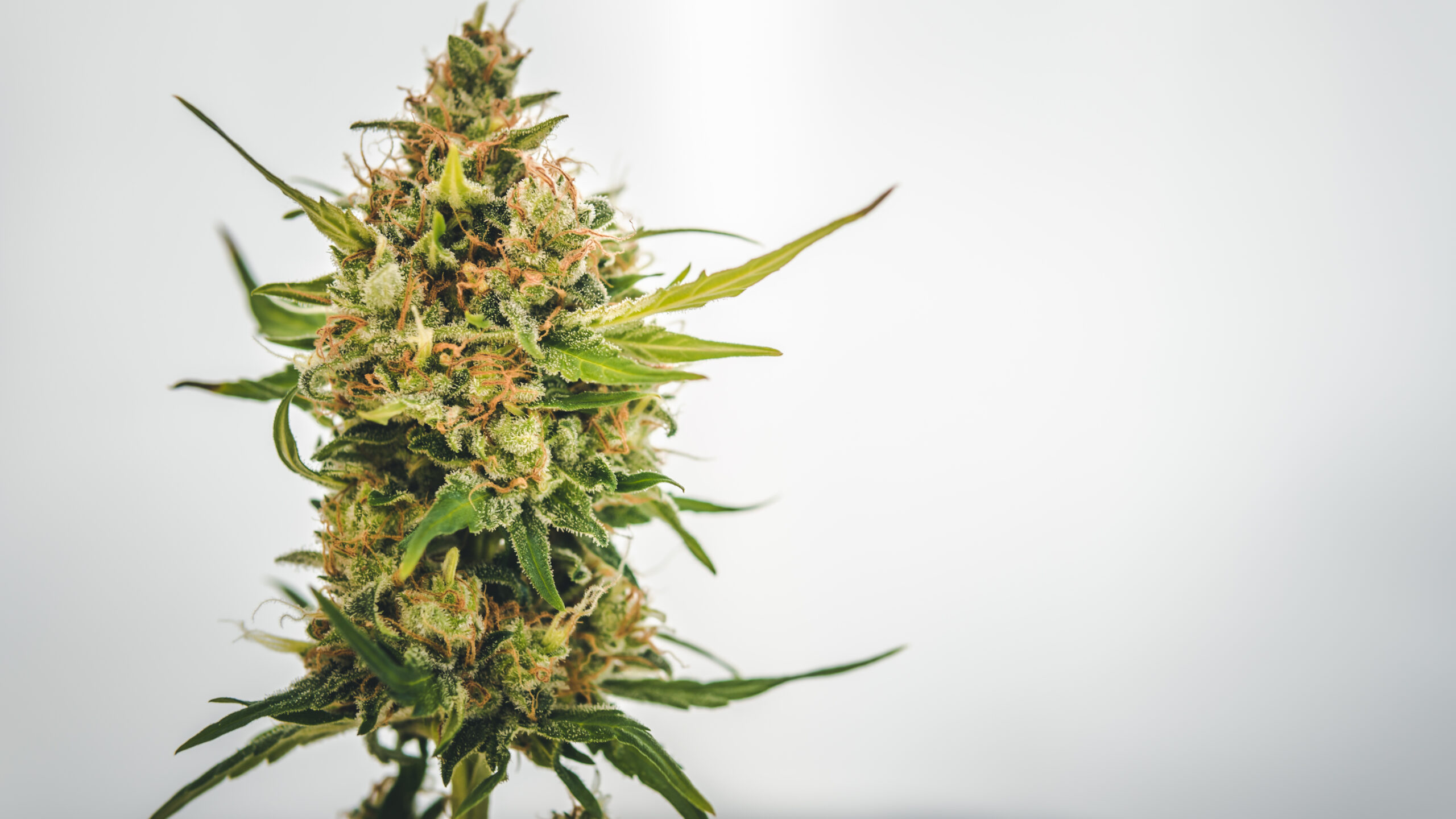


Grape Ape is one of those cannabis strains that gets attention fast. The name stands out, the flavor sounds easy to picture, and the effects are often described in a way that makes people curious. Many readers search for it because they want clear answers before they try it, buy it, or grow it. Some want to know if it is strong. Others want to know if it tastes like grapes. Many also want to know whether it is better for daytime or nighttime use. For growers, the big questions are usually about how hard it is to grow, how long it takes to flower, and what kind of yield they can expect.
This guide looks at Grape Ape in a simple and useful way. It is written for readers who want facts they can understand without sorting through too much jargon. Cannabis articles can sometimes feel too technical or too vague. One source may focus only on effects. Another may talk only about growing. Some pages give short answers but do not explain what those answers really mean. This guide brings the main topics together in one place so the reader can get a better full picture of the strain.
One reason Grape Ape keeps showing up in search results is that it covers several common interests at once. It is known for a fruit-forward flavor profile, which makes it appealing to people who care about taste and aroma. It is also often linked with relaxing effects, so readers who want to understand how a strain may feel are drawn to it. On top of that, it has a strong visual identity because people often connect it with deep color, dense buds, and a rich, sweet smell. That mix of flavor, appearance, and effect makes it a strain that many people want to learn about in more detail.
Another reason this strain stays popular is that both consumers and growers ask about it. A reader who is new to cannabis may want to know if Grape Ape is an indica or a sativa, what the THC level is like, and whether it may feel too heavy for beginners. A more experienced reader may be looking for details on terpene profile, flavor depth, or how it compares with other purple or fruity strains. A grower may be less focused on the user experience and more interested in plant size, flowering time, climate needs, and indoor versus outdoor growing. Since these questions come from different kinds of readers, a good guide needs to answer all of them in a clear and balanced way.
This article will cover the main topics people search for when they look up Grape Ape strain. It will explain what kind of strain it is and why that matters. It will look at the genetics and lineage behind the strain, since parent strains often help explain the plant’s traits. It will break down the flavor and aroma profile so readers can understand why the name fits so well. It will also cover terpene basics in simple language, because terpenes play a big role in how a strain smells and how people describe the experience.
Potency is another major part of the discussion, so this guide will also explain how strong Grape Ape may be and why potency can feel different from one product to another. That matters because the same strain name does not always mean the exact same result every time. Growing style, plant phenotype, harvest timing, and product testing can all affect the final flower. The guide will also explain the effects people often connect with Grape Ape, including the calm and body-heavy feeling many expect from it. At the same time, it will keep the discussion grounded and simple, since cannabis effects can vary from person to person.
For readers who care about growing, this article will go beyond basic strain facts. It will look at whether Grape Ape is easy to grow, how it performs indoors, and whether it can also do well outdoors. It will talk about flowering time, likely yield, and some common grow issues to watch for. This is important because many strain guides focus on what happens after harvest but skip the questions growers actually ask before they start. A useful strain guide should help readers understand both the plant and the final product.
The goal of this article is not to make the strain sound perfect or overly dramatic. It is to give the reader a solid starting point. By the end of the guide, readers should have a clearer idea of what Grape Ape is known for, how it may smell and taste, what kind of effects it is often linked with, and what growers should know before choosing it. Whether someone is curious about the strain’s flavor, trying to compare it with other options, or thinking about growing it at home, this guide is meant to make that first step easier and more informed.
What Is Grape Ape Strain?
Grape Ape is a cannabis strain that is usually described as indica-dominant. It is widely known for its deep grape-like flavor, sweet berry notes, and calming effects. Many strain guides also connect it with dense buds and purple color in some plants. Across major strain references, Grape Ape is commonly presented as a relaxing strain that people often link with rest, body-heavy calm, and a slower pace.
The name gives readers a strong hint about what to expect. “Grape” points to the strain’s sweet, fruity profile. “Ape” gives it a bold and memorable identity. When people search for Grape Ape, they usually want quick answers to a few basic questions. They want to know what kind of strain it is, what it feels like, what it tastes like, and whether it is a good choice for growing. This section builds that foundation before the article moves into deeper topics like genetics, potency, and grow methods.
Why this strain gets so much attention
Grape Ape stands out because it has a very clear identity. Some cannabis strains have names that do not match their smell or flavor very well. Grape Ape is different. Major strain pages regularly describe it with grape, berry, and sweet flavor notes, so the name lines up closely with the experience most people expect from it. That makes it easier for readers to remember and easier for growers and buyers to compare with other fruity strains.
It also gets attention because of its reputation for calm effects. Leafly’s strain page lists sleepy, relaxed, and hungry among the most reported effects, while also noting common negatives such as dry mouth and dry eyes. That gives Grape Ape a very recognizable profile. Even someone new to cannabis can quickly see why the strain is often placed in the “evening” or “wind-down” category.
Another reason people keep searching for it is appearance. Grape Ape is often linked with rich color, especially purple tones, along with dense and resinous buds. Not every plant will look exactly the same, but the strain has built a strong visual reputation over time. That visual appeal adds to its popularity and helps explain why it comes up so often in strain guides and grow discussions.
What Grape Ape is usually known for
At a basic level, Grape Ape is known for three main things. First, it is known for its fruit-forward aroma and flavor. Second, it is known for relaxing, body-centered effects. Third, it is known for a look that can include dark green and purple shades with thick flowers. These traits appear again and again across common strain references.
That does not mean every Grape Ape product will feel or look exactly the same. Cannabis is not that simple. A flower sold under one strain name can still vary in strength, aroma, and appearance depending on how it was grown, harvested, cured, and stored. Even so, the repeated pattern around Grape Ape is strong enough that readers can form a useful picture of it. In plain terms, Grape Ape is often treated as a flavorful, calming, indica-dominant strain with a strong grape identity.
How Grape Ape is different from other grape or purple strains
Many cannabis strains use words like grape, purple, berry, or kush in their names. That can make it hard for new readers to tell them apart. Grape Ape stands out because its core profile is especially direct. The name, flavor, and general effect pattern match in a simple way. People expect grape sweetness and calm effects, and strain databases often describe exactly that.
It is also often grouped with strains that show purple color, but color alone does not define it. Purple flowers may appear because of genetics and growing conditions, but appearance is only one part of the strain’s identity. The better way to understand Grape Ape is to look at the whole profile together: indica-dominant background, sweet grape and berry aroma, dense buds, and a relaxing reputation. That full picture is what separates it from other strains that may share only one of those traits.
Why plant-to-plant differences matter
It is important to keep one thing in mind when reading about any strain, including Grape Ape. Strain names are useful, but they do not guarantee that every plant or every product will be identical. Two examples sold under the same name can still differ because of phenotype, growing method, and post-harvest handling. One batch may lean more toward sweet grape notes, while another may show more earth or berry. One plant may show stronger purple color, while another may stay mostly green. This variation is normal in cannabis and helps explain why strain descriptions should be treated as guides, not exact promises. That point is especially important for readers comparing products from different growers or dispensaries. The general profile of Grape Ape stays consistent, but the details can shift.
Why understanding the basics helps before going deeper
Starting with a clear definition helps the rest of the guide make more sense. Once readers know that Grape Ape is usually described as an indica-dominant strain with sweet grape and berry notes, relaxing effects, and a strong visual identity, they can better understand later sections on lineage, terpenes, potency, and cultivation. Without that base, terms like flowering time, phenotype, and parent genetics can feel harder to follow.
Grape Ape strain is best understood as an indica-dominant cannabis strain with a strong grape-like flavor, sweet berry notes, and a calming reputation. It is often associated with dense buds, purple color in some plants, and effects that lean toward relaxation and sleepiness. At the same time, no two plants are always exactly alike, so details can vary by phenotype and growing conditions. That basic understanding gives readers a clear starting point for the rest of the guide.
Grape Ape Genetics and Lineage
Grape Ape genetics help explain why this strain is known for its deep body effects, fruity smell, and thick, eye-catching buds. When people ask what makes Grape Ape stand out, the answer often starts with its family line. Like many well-known cannabis strains, Grape Ape did not come from just one plant. It comes from a mix of older strains that passed down important traits. These traits include how the plant grows, how the buds smell, how strong the effects feel, and even how the flowers may look near harvest.
Understanding lineage matters because it gives growers and readers a better idea of what to expect. A strain’s name may sound fun or simple, but its background often tells a bigger story. In the case of Grape Ape, that story connects to a group of parent strains that are often linked to relaxing effects, earthy sweetness, and rich color.
The Parent Strains Behind Grape Ape
Grape Ape is commonly linked to three parent strains: Mendocino Purps, Skunk, and Afghani. Each one adds something important to the final result. Together, they help shape the strain’s identity.
Mendocino Purps is often connected to purple color, a sweet profile, and calming effects. This part of the family line may help explain why Grape Ape is often described as having dark or colorful buds with a fruity smell. Purple strains are often noticed right away because of their appearance, and Mendocino Purps is one reason Grape Ape gets that kind of attention.
Skunk brings another layer to the mix. In many cannabis strains, Skunk genetics are known for adding strong aroma, plant vigor, and a more noticeable scent in the grow room or jar. This can help explain why Grape Ape often has a smell that stands out even before the buds are broken apart. While the word “skunk” may make some people think only of sharp smells, it also points to a long line of strains that helped build modern cannabis breeding.
Afghani is another major part of the lineage. This strain is often tied to indica traits, including compact plant shape, dense buds, and heavy body effects. Afghani genetics are often valued by growers because they can bring strong structure and a classic indica feel. In Grape Ape, this may be one reason the strain is often described as relaxing and better matched with evening use.
How Genetics Shape the Effects
Genetics play a big role in how a strain feels. Grape Ape is usually described as deeply calming, body-heavy, and relaxing. This does not happen by chance. The parent strains behind it are often linked to those same kinds of effects.
The Afghani side may help explain the strong body feel that many people connect with Grape Ape. This kind of effect is often described as settling, quieting, or slow-moving. It can make the strain feel heavier than bright or uplifting daytime strains.
The Mendocino Purps side may add to the calm mood and soft, easy feel people expect from Grape Ape. When readers search for strains that are linked with rest, stillness, or a slower pace, this type of genetic background matters.
Skunk may round things out by adding strength and presence. It can help make the overall experience feel full rather than flat. While each plant can vary, the mix of these genetics helps explain why Grape Ape is often placed in the relaxing end of the strain spectrum.
How Lineage Shapes Flavor and Aroma
One of the most talked-about parts of Grape Ape is its flavor and smell. The name itself makes people expect a grape-like profile, and the strain is often described in ways that match that idea. Genetics help explain why.
Mendocino Purps likely plays a big role in the sweet, fruity side of Grape Ape. This part of the background may support berry notes, grape-like sweetness, and a softer smell compared to strains that lean more toward fuel, pepper, or citrus.
Skunk genetics can increase aroma strength. This means the scent may feel fuller, louder, or more obvious when the buds are handled. Even if the flavor leans sweet, the smell may still carry earthy or musky depth under the fruit notes.
Afghani may add the deeper, richer side of the scent. This can show up as earthiness, hash-like depth, or a heavier finish that balances the sweeter parts. Because of this mix, Grape Ape often does not smell like candy alone. It often has a fruity top layer with a more grounded base.
How Genetics Affect Plant Structure
Lineage also shapes how the plant grows. Grape Ape is often described as having a more compact and bushy structure, which fits with its indica-leaning background. This matters for growers because plant shape affects spacing, airflow, pruning needs, and room setup.
Afghani genetics are often linked with shorter plants and dense flower formation. That can be useful for indoor growers who do not have much vertical space. A shorter plant can be easier to manage in tents, closets, or controlled grow rooms.
Skunk may support healthy growth and stronger branching. This can help the plant stay productive, though results still depend on growing conditions. Mendocino Purps may add to the visual appeal, especially when color expression develops later in the flowering stage.
This mix helps explain why Grape Ape can attract both home growers and readers who care about bud appearance. The plant is not just known for effects. It is also known for traits that make it visually memorable.
Why Lineage Is Helpful but Not the Whole Story
Even though lineage gives useful clues, it does not tell the whole story. Not every Grape Ape plant will look, smell, or feel exactly the same. Small differences can appear from one grower to another or from one breeder to another. These differences are often called phenotype variation.
A plant grown indoors under careful control may show different traits than one grown outdoors. Temperature, light, feeding, humidity, and harvest timing can all change the final product. Even with the same name, one batch may lean more fruity while another may feel more earthy or more purple in color.
That is why lineage should be seen as a guide, not a guarantee. It helps readers understand the main direction of the strain. It does not promise that every version of Grape Ape will be identical.
Grape Ape genetics are a big reason the strain is known for relaxing effects, fruity flavor, and dense buds. Its commonly cited parent strains, Mendocino Purps, Skunk, and Afghani, each bring something important to the mix. Mendocino Purps may support the sweet and colorful side, Skunk may strengthen aroma and growth, and Afghani may shape the compact structure and heavy body feel. Together, these roots help explain why Grape Ape has become such a recognizable strain.
Is Grape Ape Indica or Sativa?
Grape Ape is usually described as an indica-dominant cannabis strain. This means it is not a pure indica and not a pure sativa. Instead, it leans more toward the indica side. When people ask, “Is Grape Ape indica or sativa?” the clearest answer is that it is most often sold and discussed as an indica-dominant strain.
This matters because many people use strain labels to get a basic idea of what to expect. In general, indica-dominant strains are linked with heavier body effects, deeper relaxation, and a calmer pace. Sativa strains are often linked with a more active, upbeat, or alert feeling. Since Grape Ape is usually grouped with indica-dominant strains, many readers expect it to feel more calming than energizing.
That said, strain labels are a starting point, not a perfect rule. Two products sold under the same strain name may not feel exactly the same. Growing conditions, harvest timing, curing, and the plant’s chemical profile can all shape the final result. So while Grape Ape is best known as an indica-dominant strain, the full picture is a little more detailed than one label.
What Indica-Dominant Means in Simple Terms
The phrase “indica-dominant” can sound technical, but the idea is simple. It means the strain has traits that are more often linked with indica plants and indica-style effects. Those traits may show up in how the plant grows, how the buds look, and how the strain is often described by users and sellers.
An indica-dominant strain is often expected to feel slower, heavier, and more relaxing than a sativa-leaning strain. Many people connect indica strains with evening use, rest, and full-body calm. That is why Grape Ape is often talked about as a strain for winding down rather than getting active.
Still, “indica-dominant” does not mean every person will have the same experience. One person may feel calm and sleepy. Another may just feel relaxed without feeling tired. A third person may notice the flavor and body feel more than any strong mental shift. This is one reason it helps to treat the indica label as a guide instead of a promise.
Why Grape Ape Is Often Linked With Indica Effects
Grape Ape has a reputation for effects that fit the common indica pattern. It is often described as relaxing, body-heavy, and soothing. Some people also connect it with a sleepy or dreamy feel, especially at higher doses. These common descriptions are one big reason it is usually placed on the indica side of the cannabis spectrum.
Its flavor and aroma also support that identity in the minds of many readers. Grape Ape is known for sweet grape, berry, and earthy notes. That rich, deep flavor profile often matches the kind of slow and calming image people already have of indica strains. The visual side can also play a role. Dense buds and purple color tones often make people connect Grape Ape with classic indica-type traits.
Because of this, many shoppers and growers do not ask whether Grape Ape is strong first. They ask whether it is indica or sativa. They want to know if it is more likely to help them relax or if it may feel more bright and active. For Grape Ape, the common answer points clearly toward the relaxing end of that range.
How the Plant Structure Can Reflect Its Type
The indica-dominant label can also shape what growers expect from the plant itself. In general, indica-leaning plants are often shorter and bushier than sativa-leaning plants. They may have tighter node spacing and a more compact shape. This can make them easier to manage in smaller grow spaces.
Grape Ape is often described in a way that fits this pattern. Growers may expect a plant that stays fairly manageable in height compared with taller and stretchier sativa types. This can be useful for indoor growers who need a strain that works well in tents, closets, or other controlled spaces.
The buds are also often expected to be dense and chunky. This is another trait that people often link with indica-dominant strains. Dense buds can look attractive and carry strong aroma, but they also need good airflow. So the plant structure is not just a label issue. It can affect real growing choices such as spacing, pruning, and humidity control.
Why the Indica or Sativa Label Is Not the Whole Story
Even though Grape Ape is usually called indica-dominant, the label has limits. Cannabis effects do not come from one word alone. The full experience depends on many factors. These include cannabinoids like THC, aromatic compounds called terpenes, the dose, and the person using it.
This is why two indica-dominant strains may not feel exactly alike. One may feel more sleepy. Another may feel more calm than tired. One may bring a strong body effect. Another may feel softer and more balanced. Even within Grape Ape, one grower’s batch may differ from another’s because plants are living things and not every crop develops in the same way.
A person’s own body also matters. Tolerance, mood, setting, and how much is used can change the experience. Someone new to cannabis may feel stronger effects from Grape Ape than someone with more experience. A smaller amount may feel calm and mellow, while a larger amount may feel heavier and more sedating.
Terpenes and Phenotypes Also Matter
To understand Grape Ape better, it helps to look beyond the indica or sativa question. Terpenes and phenotypes can explain why one version of a strain feels a little different from another.
Terpenes are natural compounds that affect smell and may also shape the overall feel of a strain. If a Grape Ape sample has a terpene profile that leans more earthy and calming, the effect may feel deeper and heavier. If another sample has a slightly different mix, the effect may feel softer or more layered.
Phenotype is another useful word. It refers to how a plant expresses its traits. Even seeds from the same strain line can grow with small differences. One Grape Ape plant may show stronger purple color. Another may lean more toward a berry smell. Another may stretch a little more or finish with slightly different bud density. These differences can also affect how people describe the final product.
This is why smart readers and growers do not stop at the question, “Is it indica or sativa?” That question is helpful, but it is only the first step. Looking at terpene profile, potency, and plant traits gives a fuller and more useful picture.
So, is Grape Ape indica or sativa? In most cases, it is best described as an indica-dominant strain. That label tells readers to expect a strain that is more often linked with calm, body-heavy, and relaxing effects rather than bright or fast energy. It also suggests a plant that may grow in a more compact and manageable way.
At the same time, the indica label does not tell the whole story. Terpenes, phenotype, growing method, and personal response can all shape the final experience. The best way to understand Grape Ape is to see the indica-dominant label as a useful guide, then look at the strain’s flavor, potency, and plant traits for a clearer view.
What Does Grape Ape Taste and Smell Like?
Grape Ape is known for a flavor and smell profile that is easy to notice. Many cannabis strains have earthy, spicy, or skunky notes that stand out first. Grape Ape is different because it is often linked with sweet fruit notes, especially grape and berry. That strong fruit identity is one reason the strain is so popular. The name itself gives readers a clue about what to expect, and in many cases, the aroma and flavor match that expectation very well.
A Sweet and Fruity First Impression
One of the first things people want to know about Grape Ape is whether it really smells like grapes. In many cases, the answer is yes. The strain is often described as having a sweet grape-like aroma that can remind people of dark fruit, berries, or even grape candy. This does not mean it smells exactly like fresh table grapes. Instead, it usually has a rich, sweet scent that brings grape to mind right away.
That fruity smell is often the first note people notice when they open a jar or break apart the buds. The sweetness can feel deep and heavy rather than bright and sharp. This matters because it helps set Grape Ape apart from strains that smell more citrusy, piney, or sour. Its fruit character is usually fuller and softer.
The berry side of the aroma also adds to the strain’s appeal. Some readers may notice a mix of grape and mixed berries rather than one single fruit note. This gives the scent more depth. It can smell sweet without feeling too simple or flat.
The Flavor Often Matches the Aroma
For many strains, the smell and taste can feel a little different. With Grape Ape, they are often closely linked. The same sweet fruit notes that show up in the aroma usually carry into the flavor. That is one reason this strain gets so much attention from people who care about taste.
When smoked or vaporized, Grape Ape is often described as tasting sweet, fruity, and slightly earthy. The grape note may come through first, followed by berry tones and a mild herbal or earthy finish. Some people also notice a smooth sweetness on the exhale, which can make the strain feel pleasant and rich rather than harsh.
The flavor is not always exactly the same from one product to another. Growing conditions, curing methods, and plant variation can all change the final result. Even so, the main idea stays fairly consistent. Grape Ape is usually connected with sweet fruit flavor more than sharp spice or heavy fuel notes.
Earthy Notes Add Balance
While the fruity side gets most of the attention, Grape Ape usually has earthy notes too. These earthier tones help balance the sweetness. Without them, the strain might taste too candy-like or too simple. The earthy side gives the flavor more body and makes it feel fuller.
This earthiness may come across as mild soil, herbs, or a soft natural richness under the fruit. In some samples, it may be stronger than in others. That variation is normal. Cannabis flavor can shift based on how the plant was grown, dried, and stored.
These deeper notes also help explain why Grape Ape often feels like a heavy and relaxing strain. Flavor does not cause the effects, but the earthier scent and taste can shape the overall impression. Together, the sweet fruit and earthy base create a profile that feels rich, calm, and full.
Why the Name Fits So Well
Some strain names are playful and do not tell readers much about the smell or flavor. Grape Ape is one of the names that often feels accurate. Even people who are new to cannabis can usually guess that the strain may smell fruity and grape-like. In this case, the name works because it reflects one of the strain’s strongest and most memorable traits.
This matters in search because many readers are trying to match a strain name with a real experience. They want to know if the name is just branding or if it connects to the actual aroma and taste. With Grape Ape, the answer is usually clear. The grape and berry profile is a major part of the strain’s identity.
That does not mean every batch will smell exactly the same. Some may lean sweeter, while others may show more earth or berry. Still, the fruity character is what makes the name feel like a good fit.
Why Flavor and Smell Can Change
Even when a strain has a known profile, the exact smell and taste can change from one grower or product to another. This is important for readers to understand. A strain name gives a general idea, but it does not guarantee the same result every time.
Several factors can affect flavor and smell. The plant’s phenotype can shape how strong certain notes become. The grow environment also matters. Light, temperature, humidity, and nutrients can all play a role. After harvest, drying and curing are just as important. A well-cured flower often keeps more of its aroma, while poor handling can dull the scent and taste.
Storage matters too. Over time, exposure to heat, light, and air can weaken the freshness of the flower. That means one sample of Grape Ape may smell bold and fruity, while another may seem more muted.
A Good Example of a Flavor-Forward Strain
Grape Ape stands out because its smell and taste are easy to describe. Some strains are hard to place, especially for beginners. Grape Ape is more direct. Its sweet grape and berry notes make it one of the easier strains to remember and recognize. That strong flavor identity is part of what keeps it popular with readers and growers.
For people who care about aroma and taste, Grape Ape often checks both boxes. It offers sweetness, fruit character, and enough earthy depth to keep the profile balanced. It does not rely only on one note. Instead, it blends fruit and earth in a way that feels familiar and full.
Grape Ape is best known for its sweet, fruity aroma and flavor. The strain often carries grape and berry notes, with earthy undertones that add balance and depth. Its smell and taste are a big reason why the name fits so well and why the strain stays easy to recognize. While the exact profile can change based on growing and curing, Grape Ape is still widely linked with a rich fruit-forward experience that stands out from many other strains.
Grape Ape Terpenes and Flavor Profile
Terpenes are natural compounds that give cannabis its smell and part of its flavor. They are one reason one strain smells sweet and fruity while another smells sharp, earthy, or piney. In Grape Ape, the terpene profile helps explain why so many people connect this strain with grape-like sweetness, berry notes, and a heavy, calming character. Leafly lists myrcene as the most abundant terpene in Grape Ape, followed by pinene and caryophyllene. Other strain writeups also commonly mention limonene as part of the broader flavor picture.
What terpenes do in a strain
When people talk about flavor, they often focus on the name of the strain first. With Grape Ape, the name creates a clear expectation. Most readers expect a grape smell, a sweet taste, and a deep, rich aroma. Terpenes help create that result. They shape how the flower smells before use, how it tastes during use, and how the scent lingers after the flower is broken apart or ground up. Grape Ape is often described as having grape-forward aroma with earthy and herbal notes underneath, which matches the terpene patterns commonly reported for the strain.
Terpenes do not work alone. They interact with other plant compounds, including cannabinoids and flavonoids. Still, for a reader trying to understand why Grape Ape smells and tastes the way it does, terpenes are the easiest place to start. They give the strain much of its identity and help explain why one sample may seem sweeter, spicier, or more pine-like than another. Differences in growing conditions and phenotype can change the final terpene balance, so not every batch will smell exactly the same.
Myrcene and the deep, fruity base
Myrcene is the terpene most strongly tied to Grape Ape in major strain listings. Leafly identifies it as the leading terpene in the strain. Myrcene is often linked with herbal, musky, and earthy notes. In Grape Ape, it likely helps create the deep base layer under the sweeter fruit aroma. Instead of a light candy smell, the scent usually comes across as darker, heavier, and fuller. That is part of what gives Grape Ape its rich and almost thick aroma.
Myrcene is also often associated with calming strain profiles in cannabis writing. That does not mean terpenes alone decide how a strain feels, but it helps explain why Grape Ape is usually described as relaxing rather than bright or sharp. When readers ask why the strain smells sweet but still feels heavy and grounded, myrcene is a big part of the answer.
Pinene and the fresh edge
Pinene is another terpene commonly listed in Grape Ape. As the name suggests, pinene is linked with a pine-like smell. In a strain such as Grape Ape, pinene does not usually overpower the grape note. Instead, it can add a cleaner and fresher edge that keeps the aroma from feeling too flat or too sugary. This matters because grape-flavored strains can sometimes seem one-dimensional on paper, but Grape Ape is often described as having more depth than just fruit alone.
Pinene may also help explain why some people notice a light forest-like or herbal note when they smell the flower closely. That fresh layer can balance the sweeter parts of the aroma and make the overall profile feel more natural and less artificial.
Caryophyllene and the spicy undertone
Caryophyllene is the third terpene that appears often in Grape Ape descriptions. It is known for adding a peppery or spicy note. In this strain, that note usually sits in the background. It does not lead the profile, but it helps round out the sweeter and earthier parts. Without it, the aroma could feel too soft. With it, Grape Ape often smells fuller and more layered.
This spicy edge can show up more clearly after the flower is ground. A bud may smell mostly like grape and berry at first, but once it is opened up, the caryophyllene can make the scent feel warmer and slightly sharper. That is one reason some users describe Grape Ape as both fruity and earthy at the same time.
Limonene and the small citrus lift
Some strain profiles also mention limonene in Grape Ape. Limonene is usually linked with citrus notes. In Grape Ape, it does not seem to be the main driver of the smell, but it may add a faint bright lift that keeps the flavor from feeling too dense. When present, it can support the berry and grape notes by adding a cleaner top note. That small contrast can make the flavor feel smoother and more balanced.
This does not mean Grape Ape tastes like lemon. The main flavor identity still leans grape, berry, sweet fruit, earth, and herbs. Limonene simply helps explain why some samples feel a little brighter on the nose than others.
Why terpene content matters when comparing products
Two Grape Ape products may share the same name but still smell and taste a little different. One may lean more toward sweet grape and berry. Another may feel more earthy, spicy, or pine-like. That difference often comes back to terpene content. Grow style, harvest timing, curing, storage, and phenotype can all affect the final profile. This is why readers should not assume every Grape Ape product will give the exact same flavor experience.
For a buyer or grower, terpene content matters because it adds detail beyond just THC level or strain name. A label that shows dominant terpenes can give a clearer idea of what the flower may smell and taste like. In a strain known for strong flavor identity, that extra detail is useful.
Grape Ape’s flavor profile makes more sense when you look at its terpene mix. Myrcene helps build the deep, earthy, and heavy base. Pinene adds freshness. Caryophyllene brings a mild spicy edge. In some cases, limonene adds a light citrus lift. Together, these compounds help create the grape, berry, herbal, and earthy character that gives Grape Ape its name and its strong flavor identity.
How Strong Is Grape Ape?
Grape Ape is often described as a strong strain, but strength can mean more than one thing. Some people use the word strength to talk about THC level. Others use it to describe how heavy the effects feel in the body and mind. With Grape Ape, both points matter. It is known for a rich flavor, deep relaxation, and a heavy indica-leaning feel. That is why many people want to know how strong it really is before they try it or choose to grow it.
THC Level and What It Means
When people ask how strong Grape Ape is, they are often asking about THC. THC is the main compound in cannabis that causes the high. In many cases, Grape Ape is sold as a strain with moderate to high THC levels. That means it may feel stronger than beginner users expect, especially if they are used to milder strains.
Still, THC numbers do not tell the full story. Two samples of Grape Ape can have different THC levels even if they have the same name. One batch may test lower, while another may test much higher. This can happen because of plant genetics, growing conditions, harvest timing, and lab results. For that reason, it is better to think of Grape Ape as a strain that often leans strong, rather than expecting the exact same result every time.
A higher THC level can lead to stronger mental and body effects. For some people, that means calm and deep relaxation. For others, it may feel sleepy, heavy, or even too intense if they use too much at once. This is why THC is helpful to know, but it should not be the only thing a person looks at.
Why Grape Ape Can Feel Stronger Than Expected
Grape Ape is often linked with a body-heavy effect. Even if another strain has a similar THC level, it may not feel the same. Some strains feel light, active, or upbeat. Grape Ape is more often connected with slow, calm, and restful effects. This can make it seem stronger, even when the THC level is not the highest on the shelf.
Its flavor and aroma can also make it feel smooth at first. The sweet grape and berry notes may lead some people to think it will be gentle. But the effects can build over time. A person may feel only mild change in the first few minutes, then notice a much deeper effect later. That delayed body feel is one reason why new users should be careful with how much they take.
The terpene profile also matters. Terpenes are the natural compounds that shape scent and flavor, but they can also affect how a strain feels. In Grape Ape, the terpene mix may support a more relaxing and heavy experience. This does not change THC itself, but it can change how the overall effect is felt.
How Potency Affects Beginners
Beginners should be careful with Grape Ape because a strong strain can feel very different when someone has little or no tolerance. Tolerance is the body’s response to repeated cannabis use over time. A person with low tolerance may feel strong effects from a small amount. A person with higher tolerance may need more to notice the same level of change.
For a beginner, Grape Ape may feel stronger than expected because the effects often come with both mental calm and body heaviness. A small amount may be enough to make someone feel relaxed, quiet, and sleepy. If the amount is too high, it may leave the person feeling too tired or too foggy. This is why beginners often do better with a low starting amount and a slow pace.
It is also important to remember that strength is not always about enjoyment. A strain can be strong without being the right match for every person or every time of day. Someone looking for focus and energy may find Grape Ape too heavy. Someone looking for calm at the end of the day may see that same strength as a benefit.
Why Experienced Users May View It Differently
More experienced users may describe Grape Ape as strong, but manageable. That is because they may already know how their body reacts to THC and relaxing strains. They may also be better at reading early signs of the high and adjusting how much they use.
An experienced user may enjoy Grape Ape for its steady body effect and rich flavor. They may not feel overwhelmed by it in the same way a beginner might. Even so, that does not mean every batch will feel light. Potency can still vary, and some samples may hit harder than others. The strain name can guide expectations, but it cannot promise the exact same strength every time.
What Changes the Final Strength of Grape Ape
Several things can affect how strong Grape Ape turns out in real use. One major factor is phenotype. A phenotype is the version of the plant that shows certain traits from its genetics. Two Grape Ape plants may share the same name but still differ in smell, color, yield, and strength.
Growing conditions also matter. Light, temperature, nutrients, humidity, and harvest timing all help shape the final flower. A well-grown plant may develop better resin production and stronger effects. Poor growing conditions may lead to weaker results. After harvest, drying and curing also play a role. If the flower is not handled well, the final product may lose quality.
Product form matters too. Grape Ape flower, vape products, and concentrates will not all feel the same. Concentrates are often much stronger than flower. That means a person should never judge strength by the strain name alone. The type of product makes a big difference.
Grape Ape is usually seen as a fairly strong strain, especially for people who are new to cannabis or sensitive to heavy effects. Its strength comes from more than THC alone. The relaxing nature of the strain, its terpene profile, and its body-heavy feel all add to the experience. For some people, that makes it a good evening strain. For others, it may feel too heavy if used in a large amount or at the wrong time.
Grape Ape Effects: What Does It Feel Like?
Grape Ape is best known for its deeply calming effects. Many people search this question because they want to know what kind of experience to expect before trying the strain. Since Grape Ape is usually described as indica-dominant, it is often linked with a slower, heavier, and more relaxing feel than strains that are described as uplifting or energizing. That said, the exact experience can still change from one batch to another. Growing methods, terpene profile, potency, and personal tolerance can all shape how the strain feels.
A Calm and Heavy Body Feel
One of the most talked-about effects of Grape Ape is physical relaxation. Many users describe it as a strain that helps the body feel loose, still, and calm. This body-heavy effect is a big reason why Grape Ape stands out. Instead of feeling sharp or active, a person may feel like sitting down, stretching out, or slowing their pace.
This does not always happen all at once. For some people, the effect starts with a gentle easing of tension. Over time, that calm feeling may move through the shoulders, back, legs, and whole body. That slow drop in physical tension is part of why Grape Ape is often seen as a strain for quiet time rather than busy tasks.
Because of this body effect, Grape Ape may feel too heavy for people who want to stay active or highly focused. Someone hoping to clean the house, work through a long task list, or stay socially sharp may find that this strain does not match that goal very well. Its reputation leans more toward rest than movement.
Mental Effects and Mood
Along with the body high, Grape Ape is often linked with a peaceful mental state. Many people describe the head effect as calm rather than intense. It may help the mind feel less busy and more settled. For some users, this can mean a light mental quietness that pairs well with the body relaxation.
This does not usually mean a strong burst of energy or fast-moving thoughts. Instead, the mental side of Grape Ape is often described as soft, mellow, and steady. Some people may feel more content, more at ease, or more ready to sit back and enjoy music, a movie, or a quiet evening.
Still, effects can vary by person. A user with low tolerance may feel stronger mental effects than expected, especially if the THC level is high. In that case, even a strain known for calm may feel a bit overpowering. That is why strain type alone does not tell the full story. Dose matters too.
Sleepiness and Deep Relaxation
Another common reason people ask about Grape Ape effects is because the strain is often connected with sleepiness. This is one of the clearest traits linked with its indica-leaning profile. For many people, Grape Ape feels like a nighttime strain because it can support rest and make the body feel ready for sleep.
This sleepy effect may be mild in small amounts and stronger in larger ones. A person who uses only a little may feel relaxed but still awake. A person who uses more may notice that the eyes feel heavy, the body feels still, and the desire to lie down becomes stronger. That is why many people choose strains like this later in the day instead of in the morning.
The sleepy side of Grape Ape can be useful for readers who are looking into strains known for quiet, evening-friendly effects. At the same time, it can be less helpful for anyone who needs to stay alert. Timing matters with a strain like this. The same product that feels calming at night may feel too sedating in the middle of a busy day.
Hunger and Physical Comfort
Grape Ape is also often linked with increased hunger. This is another effect many users look up before trying a strain. After the first wave of calm, some people notice that food sounds more appealing or that they are ready for a meal or snack. This does not happen to everyone, but it is common enough to be part of the strain’s public reputation.
In addition to hunger, some users describe a general sense of physical ease. This means the body feels more settled and less tense. While people may use many different words for this, the central idea is usually the same. Grape Ape is often associated with comfort, stillness, and a relaxed pace.
These effects help explain why the strain is often grouped with evening or at-home use. It fits settings where the goal is to slow down instead of power through a long list of tasks.
Why Effects Can Feel Different from Person to Person
Even though Grape Ape has a well-known image, not every experience will be the same. Cannabis strains are not exact copies every time. Two products sold under the same name may have different terpene levels, different THC content, and different growing conditions behind them. That can change both the strength and the feel of the strain.
Personal factors matter too. A beginner may feel strong effects from a small amount, while an experienced user may feel the same dose as mild. Body chemistry, recent food intake, mood, and setting can also shape the experience. Someone resting at home may notice the calm more than someone in a loud or stressful place.
This is why readers should think of strain descriptions as general guides, not guarantees. Grape Ape is often described as relaxing, sleepy, and body-heavy, but the exact result still depends on the product and the person using it.
Common Unwanted Effects
Like many cannabis strains, Grape Ape can come with side effects. The most common ones often include dry mouth and dry eyes. These effects are not unique to Grape Ape, but they are frequently reported with strains in general. For many people, they are mild and manageable, though they can still be uncomfortable.
Some users may also find the strain too sedating, especially in larger amounts. Instead of feeling gently calm, they may feel overly slow or overly sleepy. For people who are new to stronger cannabis products, that heavy effect can feel like too much. This is one reason why many readers try to learn about the strain before using it.
The risk of unwanted effects can rise when the dose is too high for the person’s tolerance. Starting low is one way people often reduce the chance of feeling overwhelmed. Even with a strain known for a smooth and calming image, too much can still lead to a less comfortable experience.
Grape Ape is usually known for a relaxing, body-heavy, and evening-friendly experience. Many people connect it with calm moods, physical ease, sleepiness, and sometimes increased hunger. Its effects are often described as slow, steady, and better matched with rest than with activity or focus. At the same time, the exact feel can change based on the product, the dose, and the person. In simple terms, Grape Ape is most often seen as a strain for slowing down, getting comfortable, and ending the day on a quieter note.
Is Grape Ape Better for Day or Night?
Many people ask whether Grape Ape is better for daytime or nighttime use. This is an important question because the time you use a strain can shape the whole experience. A strain that feels calm and heavy at night may feel too slow during the day. On the other hand, a strain that helps someone relax in the evening may be exactly what they want after work or before bed.
Grape Ape is usually described as a better fit for nighttime use. This comes from its indica-dominant profile and the effects that are often linked with it. Many users connect Grape Ape with deep body relaxation, a calm mood, and a sleepy feeling that can grow stronger as the effects build. Because of this, it is often seen as a strain for slowing down instead of staying active.
That said, the best time to use Grape Ape is not exactly the same for every person. Tolerance, dose, body chemistry, and setting can all change the way it feels. Some people may feel relaxed but still alert enough to sit through a movie or have a quiet conversation. Others may feel heavy, tired, and ready to lie down soon after using it. This is why it helps to look at the strain’s common effects first, then think about how those effects match a person’s routine.
Why Grape Ape Is Often Linked to Night Use
Grape Ape is often placed in the evening category because of the way its effects are commonly described. It is not usually known for energy, focus, or mental sharpness. Instead, it is more often linked with a soft, loose, body-heavy feeling. This kind of effect is often welcome at the end of the day, especially when someone wants to rest and let go of stress.
Indica-dominant strains are often tied to relaxation. While not every indica makes people sleepy, many are chosen for calm, comfort, and a slower pace. Grape Ape fits that image well. Its name may sound sweet and playful, but the experience people expect from it is usually more about winding down than getting things done.
This is one reason Grape Ape may not be the first choice for a busy morning or a full afternoon. If someone needs to stay productive, focused, or physically active, this strain may feel too heavy. It could make simple tasks feel slower or less enjoyable. For readers trying to decide when to use it, this is one of the biggest points to understand.
How the Effects May Feel at Different Times of Day
Time of day matters because your body and mind are not in the same state all day long. In the morning, many people need clear thinking and steady energy. During the afternoon, they may still need to work, drive, or handle tasks. At night, the goal often changes. People may want to relax, eat, watch something, or get ready for sleep.
A strain like Grape Ape can fit better into an evening routine because its effects may match that slower part of the day. A person who uses it at night may feel that the calm body effect helps them settle in. The fruity flavor and smooth experience may also feel more enjoyable when there is no rush.
During the day, those same effects may feel less helpful. A person may feel lazy, distracted, or less motivated to complete tasks. Some may even feel like they want to nap. This does not mean daytime use is always a bad idea, but it does mean the setting matters a lot. If the person is at home with no plans, a daytime session may still feel pleasant. If they need to stay active and sharp, it may not be the best match.
Dose Can Change the Experience
Dose is one of the biggest reasons people can have different experiences with the same strain. A small amount of Grape Ape may feel mild and easy to handle. In that case, some people may feel only light relaxation and a calm mood. They may still be able to enjoy quiet daytime activities like listening to music, reading, or spending time at home.
A larger amount may bring out stronger effects. The body may feel heavier, the mind may slow down, and sleepiness may become more noticeable. This stronger level is one reason Grape Ape is often saved for nighttime. When the dose rises, the strain may become less useful for anything that needs energy or attention.
This is why many people start low, especially if they are new to the strain or new to cannabis in general. A lower amount gives the person a chance to understand how the strain feels before taking more. That is useful with Grape Ape because the relaxing side may be stronger than expected.
Tolerance and Personal Response Matter
Not everyone reacts to cannabis in the same way. One person may find Grape Ape deeply calming and sleepy. Another may feel relaxed but still awake and social. This difference often comes down to tolerance and personal response.
A person with a higher tolerance may find the effects less intense. They may be able to use Grape Ape in the late afternoon or early evening without feeling too slowed down. A person with a low tolerance may notice strong body effects very quickly. For them, nighttime may be the safer and more comfortable choice.
Personal body chemistry also matters. Factors like stress level, recent meals, hydration, and even mood can shape how a strain feels. That is why there is no perfect rule that fits everyone. Grape Ape is often seen as better for night use, but the final experience still depends on the individual.
When Grape Ape May Work Best
For many readers, Grape Ape may work best during quiet hours when there is nothing important left to do. It may fit well after dinner, during a calm evening at home, or near bedtime. It can make more sense in a setting where relaxation is the goal and sleepiness would not be a problem.
It may be less suited for mornings, work hours, social plans that need energy, or tasks that require focus. Even if the flavor and mood feel appealing, the body-heavy side may not match a busy schedule. This is especially true for beginners, since they may be more sensitive to strong effects.
Grape Ape is usually better for night than for day because it is often linked with calm, heavy, and sleepy effects. Its indica-dominant profile makes it a more natural fit for slowing down, resting, and ending the day. Still, the best time to use it depends on dose, tolerance, and personal response. For most people, Grape Ape makes the most sense when the day is done and there is time to relax without needing to stay productive.
What Does Grape Ape Look Like?
Grape Ape is known for having a bold and eye-catching look. Many people notice its deep color first. The buds often look rich, dark, and heavy, which fits the strain’s name and reputation. Even before someone smells it, the flower can stand out in a jar because of its purple tones and thick shape.
In many cases, Grape Ape buds look dense and compact. They are not usually light, airy, or loose. Instead, they tend to look tight and full. This gives the flower a solid and chunky appearance. When people pick up a bud, they often notice that it feels firm rather than fluffy. That dense structure is one reason the strain gets attention from both buyers and growers.
The overall look of Grape Ape often matches what many people expect from an indica-dominant strain. The buds can appear short, thick, and packed together. This does not mean every batch looks exactly the same, but many examples share these visual traits.
Purple Color and Why It Stands Out
One of the most talked-about parts of Grape Ape is its purple color. This is often the feature that makes people most curious. Some buds show a soft purple shade, while others can look much darker. In some cases, the flower may show a mix of green and purple at the same time. That mix can make the buds look even more striking.
The purple color is one reason the strain gets linked with grape candy, berries, and dark fruit. The look supports the name. When people hear “Grape Ape,” they often expect a flower that looks deep, rich, and colorful. This strain often matches that image.
Still, not every Grape Ape bud will look fully purple. Some may lean more green with only small purple patches. Others may show purple only in certain parts of the bud. This is normal. Color can change based on the plant’s genetics and the way it was grown. So while purple is common, it should not be treated as a rule in every single case.
Bud Shape and Density
Grape Ape buds are often thick and rounded. They may look short and broad instead of long and narrow. This can give the flower a heavy and compact shape. Many people describe these buds as being tight and well-formed.
This dense bud structure can make the flower look high quality, but it also means growers need to pay attention during cultivation. Dense buds can hold moisture more easily than airy buds. That matters during the growing and drying process. From a visual point of view, though, this density is often seen as one of the strain’s main features.
When looking closely, a person may see that the bud is made up of many small parts pressed close together. This tight build can make the flower feel sticky and rich. It also adds to the strong visual appeal of the strain.
Orange Hairs and Surface Detail
Another part of the look comes from the orange or copper-colored hairs on the buds. These small hairs can stand out against the darker purple and green shades. The contrast can make the flower look more colorful and textured.
These hairs are often one of the details that help a bud look finished and mature. On Grape Ape, they may appear bright against the darker body of the flower. That contrast can make the strain easier to spot, especially when the purple color is strong.
The surface of the buds may also look textured because of the way the hairs sit across the flower. This gives the bud more depth and makes it look less flat. Instead of one solid color, the flower can show a layered mix of purple, green, orange, and white crystal coverage.
Trichomes and Frosty Resin
Grape Ape can also have a frosty look because of its trichomes. Trichomes are the tiny crystal-like parts that cover the flower. They are small, but they matter a lot in how the bud looks. When light hits them, they can make the flower look shiny or coated in sugar.
This frosty layer can soften the darker colors of the bud and give it a richer look. On a purple flower like Grape Ape, the white resin can create strong contrast. That can make the bud look even more attractive.
A heavy trichome coat can also be a sign that the flower was grown and handled well. If the bud still looks sparkly and sticky, that often means it has kept much of its natural resin. For many people, this frosty look is one of the signs that a bud is fresh and worth a closer look.
Why Grape Ape May Not Always Look the Same
It is important to know that not all Grape Ape flower will look exactly alike. One batch may be dark purple and very dense, while another may look more green and less colorful. This can happen for a few reasons.
One reason is phenotype. A phenotype is the way a plant’s traits show up during growth. Even when plants come from the same strain name, they can still show small differences. That means one Grape Ape plant may produce darker buds, while another may produce lighter ones.
Growing conditions also matter. Temperature, light, nutrients, and harvest timing can all affect how the flower looks. Cooler conditions may help bring out purple tones in some plants. Good drying and curing can also help the buds keep their shape, color, and surface detail.
Because of this, appearance should be used as one clue, not the only clue. A bud may look beautiful, but that does not tell the whole story by itself. Smell, texture, freshness, and overall quality also matter.
How to Tell Appearance from Flavor Claims
Some people assume that a purple bud will always taste like grapes. That is not always true. The look of a flower and the flavor of a flower are related, but they are not the same thing. A strain may look dark and fruity, yet the taste can still vary from one grow to another.
This is why appearance should not be the only reason to judge a strain. Grape Ape often has a look that matches its name, but flavor comes from more than color. Aroma compounds and growing methods also shape the final result.
A purple flower may suggest a certain type of experience, but it does not guarantee it. The smart approach is to look at the bud as one part of the full picture.
Grape Ape is known for its bold and attractive appearance. Its buds are often dense, rounded, and rich in color, with purple shades, orange hairs, and a frosty layer of resin. These visual traits help the strain stand out and support its strong identity. At the same time, the flower may not look exactly the same in every batch because genetics and growing conditions can change the final result. The best way to understand Grape Ape is to see its appearance as an important clue, while also remembering that color alone does not tell the whole story.
Is Grape Ape Easy to Grow?
Many growers want to know if Grape Ape is easy to grow before they choose it for their garden. This is an important question, especially for beginners. Some cannabis strains need very careful feeding, strict climate control, and advanced training. Others are more forgiving and easier to manage. Grape Ape is often seen as a strain that sits somewhere in the beginner-friendly range, but that does not mean it is effortless.
Grape Ape is usually described as an indica-dominant strain. That matters because indica-dominant plants often grow in a more compact and bushy shape. This can make them easier to fit into smaller spaces. For home growers, that is often a big advantage. A plant that stays shorter can be easier to light, water, inspect, and control. It can also be easier to keep out of the way if the grow area is limited.
Why many growers see Grape Ape as manageable
One reason Grape Ape is often called manageable is its size. It does not usually stretch as much as some taller sativa-leaning plants. A grower with a tent, closet, or small room may find this easier to work with. When a plant grows too tall, it can create problems with light distance, airflow, and space. A shorter plant can reduce those issues.
Another reason is that its structure is usually fairly predictable. Growers often like strains that do not behave in wild or uneven ways. A plant with a steady growth pattern is easier to monitor from week to week. Grape Ape is often chosen by people who want a strain that feels more controlled and less chaotic in the garden.
Its flowering period is another part of the appeal. When a strain has a reasonable flowering time, growers can plan better. A very long flowering period can test a beginner’s patience and increase the chance of mistakes. Grape Ape is often seen as a strain that gives growers a clear path from veg to harvest without dragging on too long.
What can make it easier for beginners
Grape Ape can be a good choice for beginners because it does not usually demand a huge amount of space. A new grower is often still learning how to control temperature, humidity, watering, and light levels. A compact plant can make that learning process less stressful. It is easier to check the leaves, inspect the buds, and notice problems before they become serious.
Its strong visual traits can also help. Many growers like strains that give clear signs as they mature. Dense buds, rich color, and a solid plant shape can make it easier to track progress. A beginner often feels more confident when the plant gives visible feedback during the grow cycle.
Grape Ape may also suit growers who want a simple setup. It can work well in indoor spaces where control matters. Since many beginners start indoors, that can make it feel like a practical strain to learn with.
The challenges growers still need to watch
Even if Grape Ape is easier than some strains, it still has challenges. One of the biggest issues is its dense bud structure. Thick buds can hold moisture if the grow room has poor airflow or high humidity. That can raise the risk of mold or bud rot. A beginner may not think about this at first, but it matters a lot near harvest.
Its bushy growth can also create problems if it is ignored. A full plant with many leaves may trap moisture and reduce airflow around the center. That means the plant may need light pruning or leaf management to stay healthy. A beginner does not need to overdo it, but the plant should not be left crowded and unchecked.
Feeding is another area where new growers should stay careful. Many beginners think more nutrients will always mean faster growth or bigger buds. That is not always true. Overfeeding can stress the plant and cause leaf damage. Grape Ape may be manageable, but it still responds best when the grower stays balanced and pays attention.
Indoor growing can be a good fit
Grape Ape is often a good fit for indoor growing because indoor spaces let the grower control the environment more closely. Temperature, humidity, and airflow all matter, especially for a strain that can produce thick flowers. A small indoor setup with steady light and good air movement may help the plant perform better.
Its compact shape is another reason it fits indoor gardens well. Not every grower has a large room with high ceilings. A shorter and bushier plant can be easier to place under lights without major problems. That can make daily care feel less overwhelming for someone who is still learning.
Indoor growing also makes it easier to watch for changes. If leaves start drooping, if the room gets too humid, or if the buds begin packing on weight, the grower can respond quickly. That kind of control supports a smoother first grow.
Easy does not mean no effort
It is important to be realistic. Calling Grape Ape easy to grow does not mean a person can ignore it and still expect a strong harvest. Every cannabis plant needs daily attention. Watering must be consistent. The climate must stay in a healthy range. Pests, mold, and nutrient issues can still appear.
The better way to describe Grape Ape is this: it is often easier to manage than strains that grow very tall, take a long time to flower, or react badly to small mistakes. That makes it more approachable. Still, good results depend on steady care, patience, and a willingness to learn from the plant.
Grape Ape is often seen as a manageable strain for new growers because it usually stays compact, fits small spaces, and has a more controlled growth pattern than many larger strains. These traits can make the growing process feel less difficult, especially indoors. At the same time, growers still need to watch humidity, airflow, feeding, and dense bud development. In simple terms, Grape Ape can be a good beginner choice, but it still needs careful attention to produce healthy plants and a solid harvest.
How to Grow Grape Ape Indoors
Growing Grape Ape indoors can be a good choice for people who want more control over the plant’s environment. Indoor growing makes it easier to manage light, temperature, humidity, and airflow. This matters because Grape Ape is known for producing dense buds. Dense buds can look great and smell strong, but they also need the right conditions to stay healthy from start to finish.
Indoor growing also helps when the weather outside is not stable. Rain, high humidity, strong wind, and sudden temperature changes can all affect cannabis plants. A good indoor setup protects the plant from those problems. It also gives growers a better chance of getting even growth and a more consistent harvest.
Why Indoor Growing Works Well for Grape Ape
Grape Ape is usually described as a compact plant with strong indica traits. That can make it easier to manage indoors than taller strains that stretch a lot. A compact plant fits better in smaller grow tents, closets, or grow rooms. This can help beginners who do not have a large growing area.
Indoor spaces also let you control the light cycle. This is important because cannabis plants need the right amount of light at each stage. During the vegetative stage, the plant needs long hours of light to grow leaves, stems, and branches. During the flowering stage, it needs a different schedule so it can focus on making buds. When you grow indoors, you can keep that schedule steady every day.
Another reason indoor growing works well for Grape Ape is that smell is easier to manage in a closed space. This strain is known for its strong grape-like and sweet aroma. Many growers use fans and carbon filters to help control odor. That makes the growing area more practical and easier to manage.
Setting Up the Indoor Space
A good indoor grow starts with a clean and simple setup. You need a space where you can control light, airflow, and temperature. This could be a grow tent, a small room, or another enclosed area. The goal is to create a stable environment where the plant can grow without stress.
Lighting is one of the most important parts of the setup. Cannabis plants need strong light to grow well indoors. Weak light can lead to slow growth and smaller buds. Good lighting helps the plant build healthy branches and supports flower development later on. The light should also be placed at the right distance from the plant. If it is too close, it can stress the leaves. If it is too far away, the plant may stretch too much.
The growing space also needs fresh air. Plants use air as part of their growth process, and they do better when stale air is moved out and fresh air is brought in. A fan can help with this. It also helps the plant develop stronger stems and keeps air moving around the buds and leaves.
Temperature and Humidity Control
Grape Ape does best when the indoor environment stays stable. Sudden changes in temperature or humidity can slow growth or create problems during flowering. Warm but not hot conditions usually work best during the early stages. As the plant moves into flowering, growers often aim for slightly cooler and drier conditions.
Humidity is very important with a strain that forms thick buds. If the air is too damp, moisture can stay trapped inside the flowers. That can lead to mold or mildew, especially late in flowering. Lower humidity during this stage helps protect the buds and supports better flower quality.
Keeping the room clean also matters. Dead leaves, standing water, and dirty tools can all cause problems in a small indoor space. A simple routine of checking the plant, cleaning the area, and watching the environment can prevent many common issues.
Managing Plant Height and Structure
Even though Grape Ape often stays shorter than many other strains, it still needs space to spread out. Branches and leaves can become thick, especially when the plant is healthy and growing fast. This is why spacing and pruning matter indoors.
If the plant becomes too crowded, light may not reach the lower parts well. Poor airflow can also develop in the middle of the plant. Removing a few extra leaves and weak inner growth can help light move through the canopy. It can also help the plant put more energy into strong bud sites.
Some growers also train the plant to create a flatter and more even canopy. This can be helpful indoors because it keeps more of the plant at the same distance from the light. A more even canopy can lead to more balanced growth and better use of the indoor space.
Watering and Feeding Basics
Indoor plants depend fully on the grower for water and nutrients. That means it is important to avoid giving too much or too little. Overwatering is a common mistake, especially for beginners. A plant sitting in overly wet soil can develop weak roots and slower growth.
The plant should be watered based on its needs, not just on a fixed schedule. Growers often check the soil first before watering again. This helps avoid stress and keeps the roots healthier. Nutrients also need to be given with care. Too much can burn the plant, while too little can lead to pale leaves and weak growth.
The plant’s needs also change over time. In the vegetative stage, it focuses more on leaf and branch growth. In flowering, it shifts energy toward bud production. Watching the plant closely helps growers respond at the right time.
Common Indoor Challenges
One of the biggest indoor challenges with Grape Ape is managing dense buds. Thick flowers can hold moisture if airflow is weak or humidity stays too high. This is why fans, proper spacing, and regular checks are important.
Another challenge is odor. Grape Ape can have a strong smell, especially in flowering. Indoor growers often prepare for this early instead of waiting until the aroma becomes stronger.
Light stress can also happen indoors. Leaves that curl, bleach, or look damaged may be reacting to light or heat. Adjusting the setup early can help stop the problem before it affects the whole plant.
Growing Grape Ape indoors can be a smart option for growers who want control and consistency. Its compact shape can work well in smaller spaces, and indoor growing makes it easier to manage light, airflow, temperature, and humidity. That control is especially helpful with a strain that develops thick, heavy buds.
Can You Grow Grape Ape Outdoors?
You can grow Grape Ape outdoors in the right setting. This strain can do well outside, but it needs a careful setup. Outdoor growing gives the plant natural sunlight, fresh air, and more room to spread. At the same time, it also brings more risk. Weather changes, high humidity, pests, and too much rain can all affect the plant.
Grape Ape is known for its dense buds and indica-leaning growth pattern. That means it often stays shorter and bushier than taller sativa strains. This can help some growers manage it outside, especially in smaller yards or private garden spaces. Still, growing it outdoors is not just about placing it in the ground and waiting. The plant needs the right climate, steady care, and close attention during flowering.
Best Outdoor Climate for Grape Ape
Grape Ape usually does best in a warm and sunny outdoor climate. Like many cannabis plants, it needs strong light for healthy growth. Long hours of sun help the plant build energy, grow sturdy branches, and produce better flowers later in the season.
A mild climate is often easier for this strain than a place with constant rain or cold nights. If the weather stays too damp for too long, the plant may struggle. Dense buds can hold moisture inside, and that can raise the risk of mold. If the air is too cold too early in the season, plant growth may slow down. If it gets too hot and dry, the plant may become stressed and need more water.
Because of this, outdoor growers should think carefully about local weather before starting. A place with good sunshine, moderate humidity, and a stable season is often the best match. If your area has heavy fall rain, you may need to plan ahead because the flowering stage is when bud rot and mold become more likely.
Choosing the Right Outdoor Spot
The place where you grow Grape Ape matters a lot. The plant needs enough direct sunlight each day. A shady corner of a yard will not give the same results as an open area that gets strong sun from morning to late afternoon.
Good airflow is also very important. Since Grape Ape can form thick buds and bushy growth, air needs to move around the plant. Still air can trap moisture, especially after rain, watering, or humid mornings. That can create a better environment for mold and mildew.
The soil should drain well. If water sits around the roots for too long, the plant may develop root problems. A raised bed, large outdoor pot, or well-prepared garden plot can help control drainage better than hard, packed ground. The goal is to give the roots enough water without letting them stay wet all the time.
Privacy and security are also part of the setup. Outdoor plants are more visible than indoor ones. A grower should think about space, safety, and local rules before planting.
Sunlight, Water, and Daily Care
Outdoor Grape Ape plants rely on natural sunlight, but they still need regular care. Sunlight powers growth, yet the plant will only perform well if water and feeding are also balanced. Too little water can slow growth and lead to stress. Too much water can cause root and mold issues.
Outdoor plants may need more water during hot weeks, especially in dry weather. Large plants in containers can dry out faster than plants in the ground. At the same time, growers should avoid watering too often just because the weather feels hot. It is better to check the soil and the plant’s condition rather than guess.
Daily care also includes checking the leaves, stems, and flowers. Outdoor plants face more natural stress than indoor plants. Wind, insects, heavy rain, and sudden heat can all affect growth. Small problems are easier to manage when they are caught early.
Common Outdoor Challenges
Growing Grape Ape outdoors can be rewarding, but it also comes with a few common problems. One major issue is moisture. Because the buds can grow thick and tight, wet weather can become a serious problem late in the season. If water stays inside the buds, mold may form before harvest.
Pests are another concern. Outdoor plants are exposed to insects and animals in a way indoor plants are not. Leaves may get chewed, or pests may hide under the plant canopy. Regular checks help a grower spot damage before it spreads.
Wind can also affect the plant. A little airflow is helpful, but strong wind can bend branches or damage the structure, especially once buds become heavier. In some gardens, simple plant support may be needed to help branches stay upright.
Unstable weather is one of the biggest limits of outdoor growing. A strong outdoor season can still be affected by an early storm, a long wet period, or cold nights during flowering. This is why timing matters. Outdoor growers need to watch the season closely and know when the plant is moving from growth into flower.
Indoor vs Outdoor Growing for Grape Ape
Outdoor growing and indoor growing each have their strengths. Outdoor plants can grow larger because they have more root space and free sunlight. This can make outdoor growing feel more natural and less expensive in some ways.
Indoor growing gives more control. A grower can manage light, temperature, humidity, and airflow with more precision. That control can be helpful for a strain like Grape Ape, especially because dense buds do better when moisture is watched closely.
Outdoor growing can still work very well, but it asks the grower to respond to nature instead of controlling it. This is the main tradeoff. Outdoors can give strong results when the climate fits the strain. Indoors can be easier when the local weather is less dependable.
Grape Ape can be grown outdoors, and it can do well when the setup matches the plant’s needs. It grows best in a sunny place with good airflow, well-draining soil, and a climate that does not stay too wet during flowering. The main outdoor risks are humidity, mold, pests, and sudden weather changes. For growers in the right climate, outdoor growing can be a good option, but success depends on careful planning and steady attention from start to harvest.
Grape Ape Flowering Time and Yield
Grape Ape flowering time and yield are two of the most important things growers want to understand before they start. These details help set clear expectations. They also help growers plan their space, schedule, and harvest goals. If you know how long the plant usually takes to flower and what kind of harvest it may give, it becomes easier to make better grow decisions from the start.
Grape Ape is often known as an indica-dominant strain. Because of that, many growers expect it to have a fairly steady flowering period and a compact plant shape. Still, no strain grows the exact same way every time. The final flowering time and yield can change based on genetics, growing method, and the conditions in the grow space. That is why it is better to think in ranges instead of expecting one exact number.
Typical Flowering Time
Grape Ape is usually described as a strain with a moderate flowering time. In many cases, growers expect flowering to take around 7 to 8 weeks. Some plants may finish a little sooner, while others may need a little more time. This depends on the specific phenotype and the quality of the growing environment.
A short flowering window can be helpful for growers who want a faster harvest. At the same time, it is still long enough for the plant to build dense buds and strong aroma. This balance is one reason why Grape Ape gets attention from home growers. It does not have an extremely long wait, but it still has time to develop the traits people expect from the strain.
It is important to understand that flowering time starts when the plant enters the flowering stage, not when the seed first sprouts. New growers sometimes confuse total grow time with flowering time. The full life cycle includes germination, seedling growth, vegetative growth, and then flowering. So even if Grape Ape flowers in about 7 to 8 weeks, the full grow will take longer than that from seed to harvest.
What Can Change Flowering Time
Several things can make Grape Ape flower faster or slower. One of the biggest factors is genetics. Even if two plants come from the same strain name, they may not grow in exactly the same way. One plant may finish early, while another may take a few extra days to fully mature.
The environment also matters a lot. Light, temperature, humidity, airflow, and feeding all affect the plant during bloom. If conditions stay stable, the plant can focus its energy on flower development. If the environment keeps changing, the plant may slow down. Stress during flowering can delay maturity and affect bud quality.
Growers also need to pay attention to plant health before flowering begins. A weak plant often struggles later. If Grape Ape enters bloom in poor condition, it may take longer to finish and may not produce as well. Healthy roots, strong stems, and even growth in the vegetative stage all support better results in flowering.
Indoor Flowering Expectations
Indoor growers often have more control over flowering time. They can manage the light cycle, temperature, and humidity more closely. This control usually makes the process easier to predict. For Grape Ape, indoor growing can help the plant stay on track and build dense, resin-rich buds.
Because the buds can become thick and heavy, indoor growers should watch airflow closely during flowering. Good airflow helps reduce excess moisture around the flowers. This is important because dense buds can hold moisture more easily than loose buds. If the room is too humid, bud quality may suffer before harvest time arrives.
Indoor growers may also find it easier to inspect the plant each day. This helps them notice changes in bud size, smell, and ripeness. Watching the plant closely during the final weeks can help avoid cutting too early or waiting too long.
Outdoor Flowering Expectations
Outdoor Grape Ape can also produce strong results, but the flowering schedule depends more on local weather and daylight changes. Outdoor plants do not grow under the same level of control as indoor plants. Because of that, timing may be less exact.
When grown outside, Grape Ape needs good sunlight and enough space for airflow. If the weather becomes too damp during flowering, the buds may face extra stress. Rain, cool nights, and poor airflow can all affect the final result. Since this strain can produce dense flowers, growers need to stay alert as harvest time gets closer.
Outdoor growers also need patience. Even if flowering begins on time, weather near the end of the cycle can change the outcome. A plant that looks close to ready may still need more time to reach full maturity. That is why growers should not rely on the calendar alone.
Expected Yield
Grape Ape yield is often described as moderate. This means growers should not always expect the biggest harvest compared with large, high-output strains. Still, a moderate yield does not mean poor quality. Many growers choose strains like Grape Ape because they want a mix of solid bud quality, strong aroma, and manageable plant size.
Yield can vary a lot from one grow to another. Two people growing the same strain may get very different harvest amounts. One grower may have better light, stronger genetics, and more grow experience. Another may be working with less space or less stable conditions. That is why yield estimates should always be treated as a guide, not a promise.
For many growers, the real goal is not just the number of grams or ounces at harvest. The goal is to produce healthy buds with good density, smell, and overall quality. Grape Ape may not always be the top strain for heavy output, but it can still reward careful growers with buds that match what people expect from the strain.
What Affects Yield the Most
Light is one of the biggest factors in final yield. A plant needs enough light energy to build strong flowers. If light is too weak, the buds may stay small and loose. Strong, even light helps the plant produce fuller buds during bloom.
Nutrition also plays a major role. Grape Ape needs a balanced feeding plan that supports flower development without overfeeding the plant. Too much food can stress the plant, while too little can limit growth. Watering habits matter as well. A plant that is watered too often or not often enough may not perform at its best.
Plant training can also affect yield. Growers who shape the plant early may create better light exposure across more bud sites. This can help the plant use its energy more efficiently. Pruning and spacing also help improve airflow and light reach, which supports more even flower growth.
Another key factor is harvest timing. If Grape Ape is harvested too early, the buds may not reach their full size or maturity. If it is harvested too late, some qualities may begin to drop. Good timing helps the grower get the best balance of weight, strength, and bud quality.
Grape Ape flowering time is usually around 7 to 8 weeks, though some plants may finish a little earlier or later. Its yield is often moderate, but the final harvest depends on many things, including genetics, light, feeding, airflow, and overall plant health. Indoor growers may find the process easier to control, while outdoor growers need to pay closer attention to weather and moisture. In the end, Grape Ape can give a rewarding harvest when growers stay patient, keep conditions stable, and focus on quality as much as quantity.
Common Growing Problems and Practical Tips
Grape Ape can be a rewarding strain to grow, but it still comes with a few common problems. Many of these problems are linked to its plant structure. This strain often grows dense buds and a bushy canopy. Those traits can look great near harvest, but they can also create trouble if the plant does not get enough airflow, light, and steady care. The good news is that most of these issues can be managed with simple steps. A grower does not need a complicated system to grow Grape Ape well. What matters most is paying attention to the plant, keeping the environment stable, and fixing small problems before they grow into big ones.
Dense buds and airflow problems
One of the biggest issues with Grape Ape is its dense flower structure. Thick buds can trap moisture inside the plant. When that happens, the flowers may stay damp for too long. Damp conditions raise the risk of mold and bud rot, especially during late flowering. This is one reason growers need to think about airflow early and not only at the end.
A plant with crowded branches can also block fresh air from reaching the center. The outer leaves may look healthy, but the inside of the plant may feel warm and still. That is where problems often begin. A grower should make sure air can move around the whole plant, not just across the top. Good spacing between plants helps with this. Fans also help indoors, but the air should move gently and evenly rather than hit one spot too hard.
It also helps to remove some extra growth when the plant gets too thick. This does not mean cutting too much at once. It means taking away leaves or weak lower growth that blocks air and light. A more open plant is easier to inspect and easier to keep healthy. When buds start to swell, good airflow becomes even more important.
Moisture and humidity control
Humidity can make or break a grow, especially with a strain like Grape Ape. If the air is too wet during flowering, the dense buds can hold moisture for too long. That can lead to mold, mildew, or other plant stress. If the air is too dry, the plant may also struggle and show signs of stress in a different way. The goal is balance.
A grower should avoid sudden swings in humidity. Big changes can make the plant work harder to adjust. Stable conditions are usually better than chasing perfect numbers every hour. In a small grow room, humidity can rise fast after watering or when lights go off. That is why it is helpful to check the room at different times of day.
Watering habits also affect moisture levels. Overwatering does not just hurt the roots. It can also raise humidity around the plant. When the soil stays too wet, the growing space can become more damp than it should be. Letting the grow medium dry a bit between waterings can help lower that risk. Good drainage matters too. Roots need water, but they also need oxygen.
Pruning and plant spacing
Grape Ape can become thick and compact, which makes pruning an important part of plant care. Pruning helps the plant use its energy better. It also improves light reach and airflow. When too many leaves or small inner branches pile up, the plant may waste energy on parts that do not produce strong flowers.
A smart pruning approach is simple and light. Remove leaves that block key bud sites or stop air from moving through the center. Remove weak lower branches that are not likely to produce quality buds. This makes the plant easier to manage and helps the top flowers get more support from the plant.
Spacing is just as important as pruning. Plants that sit too close together compete for light and trap humid air between them. Even if each plant looks fine on its own, the space around them may become a problem area. Giving each plant enough room helps lower disease risk and makes regular checks much easier. A grower should be able to look around each plant without pushing through a wall of leaves.
Temperature and environmental consistency
Grape Ape responds better when the environment stays steady. Fast changes in temperature, humidity, or light schedule can stress the plant. Stress can slow growth, reduce flower quality, and sometimes affect color and aroma. Many growers focus on feeding and lighting, but consistency in the room is just as important.
Warm days and cooler nights are normal, but extreme shifts can create stress. A room that gets too hot may dry out the plant too fast and weaken growth. A room that gets too cold may slow development. Strong temperature swings may also affect how the plant uses water and nutrients. This can make it harder to tell whether the real problem is feeding, watering, or the environment itself.
The best approach is to keep the grow space as stable as possible. Check the room often. Look at how it changes when lights turn on and off. Notice how it feels after watering. Small habits like these help a grower catch changes early. Stable conditions often lead to healthier growth and a smoother flowering stage.
Protecting aroma, color, and resin production
Many growers choose Grape Ape because of its grape-like smell, rich flavor, and attractive appearance. To protect those traits, the plant needs healthy growing conditions from start to finish. Stress can dull the final result. Poor airflow, bad lighting, too much moisture, or weak plant care can all reduce the quality of the harvest.
Light plays a big role in flower development. Buds need proper light exposure to grow well and build strong resin. If the canopy gets too crowded, some bud sites may stay shaded and underdeveloped. That is one more reason pruning and spacing matter. A healthy plant with even light exposure often produces a better final product.
Handling also matters. Growers should avoid touching buds too much during late flowering. Resin can be damaged by rough contact. Strong smells can also fade if the plant is dried or cured the wrong way after harvest, though that comes later in the process. During growth, the main goal is to keep the plant healthy, calm, and clean.
Color can vary with phenotype and environment, but healthy plants tend to show their traits more clearly. A stressed plant may still finish, but it may not show the same visual appeal or resin level. Good care does not guarantee perfect purple buds, but it gives the plant its best chance to express its natural features.
Grape Ape can be easier to manage than some strains, but it still needs careful attention. Its dense buds and thick growth make airflow, humidity control, pruning, and spacing very important. A grower who keeps the environment stable and checks the plant often can prevent many common problems before they spread.
Is Grape Ape a Good Choice for Beginners?
Grape Ape can be a good choice for beginners, but that depends on what kind of beginner you mean. Some people are new to trying cannabis. Others are new to growing it. Grape Ape has traits that may appeal to both groups, yet it also has a few points that call for care. That is why it helps to look at both sides before deciding if this strain is the right fit.
For many beginners, Grape Ape stands out because it is easy to recognize. The name gives a strong clue about the flavor, and the strain is often linked with sweet grape notes, a rich smell, and a deeply relaxing effect. That makes it easier for a new reader to understand what to expect. It is not a strain with a vague identity. It has a clear image, and that can be helpful when someone is still learning about cannabis.
Why Grape Ape May Appeal to First Time Users
One reason Grape Ape may work well for beginners is that its effects are usually described in simple terms. It is often linked with calm, body-heavy relaxation and a quiet mental state. That makes it easier for a new user to picture how it may feel compared with strains known for sharp energy or fast mental stimulation. A beginner may find it less confusing to start with a strain that has a more settled reputation.
Another reason is the flavor. Grape Ape is often described as sweet, fruity, and earthy. New users often look for strains with a softer or more pleasant taste and smell. A strain with grape and berry notes may feel more approachable than one with a very strong fuel, skunk, or spicy profile. Flavor does not change every part of the experience, but it can shape first impressions in a big way.
Its plant structure may also make it appealing to beginner growers. Grape Ape is often seen as an indica-dominant strain, and many indica-dominant plants grow in a shorter and bushier shape. That can be useful for people with limited indoor space. A compact plant may feel easier to manage than a tall plant that quickly stretches toward the lights. For a first grow, simple control often matters more than chasing the biggest yield.
Why Beginners Still Need to Be Careful
Even though Grape Ape has qualities that may suit beginners, that does not mean it is foolproof. One of the biggest concerns is potency. A beginner who sees a sweet name and fruity flavor may assume the strain will feel light or gentle. That is not always true. Grape Ape is often described as strong enough to bring on heavy relaxation, and for some people that can feel like too much if they start with a large amount.
This matters most for new users with low tolerance. A strain that leans toward body-heavy effects can feel sleepy or overwhelming when used too quickly. Instead of feeling calm, a beginner may end up feeling too tired or too locked into the couch. That does not mean the strain is bad. It only means that the dose and setting matter a lot. Starting low is often the smartest approach for a first experience.
New growers also need to stay realistic. A strain may be called beginner-friendly, but every cannabis plant still needs regular care. Grape Ape can produce dense buds, and dense buds need good airflow and close attention to moisture. If the room is too humid or the plant is too crowded, problems can develop. A first-time grower should not hear “easy to grow” and think that the plant will handle neglect. Good results still depend on steady care.
What Makes It Easier Than Some Other Strains
Grape Ape may still feel easier than many other strains because it is not usually known for a wild or unstable profile. Its reputation is more about consistency in flavor, calm effects, and manageable plant shape. For a beginner, that can make the learning process smoother. It is often easier to build confidence with a strain that has a clear pattern than with one that changes a lot from plant to plant or batch to batch.
It may also be easier for beginners because the goals are clear. A person choosing Grape Ape is often looking for relaxing effects, strong grape-like flavor, and a plant that fits into a smaller grow area. Those are simple goals. When goals are clear, it becomes easier to judge whether the strain is doing what you hoped it would do. This can help new users and growers learn faster.
Another point in its favor is that Grape Ape tends to fit common beginner interests. Many first-time readers search for strains that help them unwind at the end of the day. They also want a strain that smells and tastes appealing. Grape Ape often sits in that space. It feels familiar, easy to describe, and simple to place in a broader strain category.
When Grape Ape May Not Be the Best First Pick
Grape Ape may not be the best fit for every beginner. A person who wants a light daytime strain may not get what they want here. Since the strain is often tied to calm and sleepy effects, it may not suit someone who wants focus, social energy, or daytime movement. For that person, another strain type may make more sense.
It may also be a poor match for a beginner who tends to overdo things. Because Grape Ape sounds friendly and fruity, some people may use more than they should too early. That can lead to an experience that feels heavier than expected. Beginners who are careful, patient, and willing to go slow may do better with it than beginners who rush.
For growers, it may be less ideal if the grow space has poor airflow or high humidity. Dense flowers can be rewarding, but they also need attention. A first grower who is not ready to monitor the room may find the process harder than expected. In that case, a more forgiving strain with looser bud structure might feel easier.
Grape Ape can be a good choice for beginners because it has a clear identity, sweet fruit-forward flavor, relaxing effects, and a plant shape that may be easier to manage in small spaces. These traits can make the strain feel approachable to both new users and new growers. At the same time, beginners still need to respect its strength and pay attention to growing conditions.
How Grape Ape Compares to Other Fruity or Purple Strains
Grape Ape stands out in a crowded group of fruity and purple cannabis strains. Many strains in this category promise sweet flavor, strong aroma, and colorful buds. Even so, Grape Ape has built a name of its own because it brings these traits together in a clear and easy-to-recognize way. People often compare it with other grape, berry, or purple strains when they want to know what makes it special. This section helps explain those differences in simple terms.
Flavor and Aroma
One of the first things people notice about Grape Ape is its flavor. The name gives a strong hint about what to expect. Grape Ape is often linked with a sweet grape smell, mixed with berry notes and a light earthy base. This makes it easy to place in the fruity strain group.
Some fruity strains lean more toward citrus, tropical fruit, or candy-like sweetness. Others may smell like fresh berries or even sharp sour fruit. Grape Ape usually stays closer to dark fruit flavors. Its scent often feels deeper and heavier than bright fruit strains. Instead of tasting light and zesty, it is more likely to taste rich, sweet, and full.
When compared with other purple strains, Grape Ape also tends to match its look with its smell. Some purple strains look colorful but do not always carry a strong grape-like aroma. Grape Ape is different because its name, smell, and taste often feel closely connected. That gives it a strong identity and makes it easier for people to remember.
Effects and Overall Feel
Another major difference is how Grape Ape feels. Fruity strains are not all the same when it comes to effects. Some are known for a more upbeat, active, or creative experience. Others are more balanced and mild. Grape Ape is usually placed on the relaxing end of the range.
This means Grape Ape is often compared with strains used for quiet evenings rather than busy afternoons. Its effects are commonly described as calming, body-heavy, and slow-moving. While some fruity strains may feel cheerful and energizing, Grape Ape is more often linked with rest and deep relaxation.
Purple strains also vary a lot in this area. Some purple strains can still feel mentally active or socially friendly. Grape Ape usually has a softer and more settled feel. That difference matters for people who are choosing a strain based on time of day or personal comfort. Someone looking for a strain that fits nighttime use may see Grape Ape as a better match than a fruity strain with a more active profile.
Appearance and Bud Structure
Grape Ape is also part of the group of strains known for strong visual appeal. Purple strains often attract attention because of their color. Grape Ape is often linked with deep purple shades, dark green tones, and bright orange hairs. This colorful look makes it easy to compare with other purple strains on the market.
Still, not every purple strain looks the same. Some show only light purple patches, while others have a more mixed or faded appearance. Grape Ape is often associated with a richer and darker look, especially when grown in the right conditions. Its buds are also known for being dense and compact, which matches the kind of structure many people expect from indica-dominant plants.
Compared with lighter or fluffier fruity strains, Grape Ape can seem more solid and heavy. That dense bud structure adds to its strong visual identity. For many readers, this is part of what makes the strain feel classic and easy to spot.
Grow Traits and Plant Size
Grape Ape also has a clear place when compared with other strains from a grower’s point of view. Some fruity strains can stretch tall or grow in ways that need more control. Others may be harder to manage because of shape, climate needs, or sensitivity. Grape Ape is often seen as more compact and easier to handle.
Its shorter and bushier structure can make it a better fit for indoor growing spaces. That can be useful for growers who do not have much room. Many growers also like knowing that Grape Ape tends to stay closer to the shape often linked with indica-dominant plants.
That said, it still has traits that need attention. Because the buds can be dense, airflow and moisture control matter. This is not unique to Grape Ape, but it is one of the main points that can come up when comparing it with strains that form looser flowers. In that way, Grape Ape may be easier in some areas, but it still needs care in the flowering stage.
What Makes Grape Ape Distinct
What makes Grape Ape different is not just one single trait. It is the combination of traits working together. It has a fruit-forward smell, but not in a bright or sharp way. It has colorful buds, but also a matching flavor identity. It is relaxing, but not vague or hard to describe. It also has a manageable plant shape that many growers find appealing.
Some strains may offer stronger sweetness. Others may have brighter purple color. Some may produce a more balanced or more active effect. Grape Ape stands out because it feels complete and consistent as a strain type. When people think of a rich grape flavor, a calm body effect, and a deep purple look, Grape Ape often fits that picture very well.
This is why it remains easy to compare but hard to replace. It gives readers a simple answer to a common question: what if you want a fruity or purple strain that clearly leans toward relaxation and classic grape character? Grape Ape is often one of the first names that comes up because it checks all of those boxes.
Grape Ape compares well with other fruity or purple strains because it has a strong identity. Its flavor is usually deeper and more grape-like than bright fruit strains. Its effects are more relaxing than many fruity options, which makes it a better fit for evening use. Its dark purple look and dense buds also help it stand out from strains with lighter color or looser structure. In simple terms, Grape Ape is distinct because it brings together rich flavor, calm effects, and classic purple appeal in one strain.
Conclusion
Grape Ape stands out as a strain that many people notice right away because of its strong name, rich flavor, and deeply relaxing profile. It is often linked with sweet grape notes, berry-like smell, and a heavy body feel that makes it easy to understand why it remains popular. For readers who want a simple answer, Grape Ape is best known as an indica-dominant strain with fruit-forward flavor, calming effects, and a grow style that many home growers find manageable. That mix of traits is a big reason why so many people search for it.
One of the biggest takeaways from this guide is that Grape Ape offers more than just a catchy name. Its flavor and smell are a big part of its appeal. Many strains have earthy or sharp notes, but Grape Ape is often tied to a sweeter profile that reminds people of grapes, berries, and soft fruit. That makes it easy for new readers to remember. It also helps explain why this strain gets attention from people who care about taste as much as effects. When a strain has a clear flavor identity, it often becomes easier to compare it with others and decide whether it matches what a person wants.
Its effects are another major reason it stays popular. Grape Ape is often described as relaxing, slow-moving, and more suited for quiet time than busy activity. People who look up this strain often want to know whether it feels strong, whether it makes the body feel heavy, and whether it is better for day or night. In most cases, the answer points toward evening use or times when rest matters more than focus. That does not mean every experience will be the same, but it does help readers build a basic expectation. A strain with calming effects can be very different from one that feels more active or mentally sharp, so this part matters when choosing what to try.
Potency also plays a big role in how Grape Ape should be understood. Even when a strain is known for calm and comfort, it can still feel very strong, especially for a beginner. That is why it helps to look at the full picture instead of focusing on one label alone. A person should think about strength, effect, timing, and tolerance together. A strain can taste sweet and seem easygoing, but it may still hit hard if the dose is too high. That is an important point for anyone new to cannabis or anyone trying a new strain for the first time.
For growers, Grape Ape also brings practical value. It is often seen as a strain that can work well in home grow settings because of its compact structure and fairly simple growth pattern. That does not mean it grows without effort. Dense buds still need care, airflow still matters, and the environment still affects the final result. Still, compared with strains that stretch too much or need more careful handling, Grape Ape can feel more approachable. That makes it a strong topic not only for readers who want to know how it feels, but also for people who want to know if they can grow it with confidence.
Indoor growers may like the level of control they can have over lighting, temperature, and humidity, especially with a strain that can produce dense flowers. Outdoor growers may also have success, but they need to think more about climate, moisture, and mold risk. That balance is part of what makes Grape Ape interesting. It gives growers a chance to work with a strain that has strong visual and aromatic appeal, while still teaching the basics of plant care, airflow, and harvest timing. The flowering time and yield may not be the only things that matter, but they are still part of the bigger picture when deciding whether this strain is the right fit.
Another key point is that Grape Ape should not be judged by color or name alone. Purple tones, grape scent, and dense buds may be common traits, but every grow can be a little different. Phenotype, growing method, and curing process can all shape the final flower. That means two products sold under the same strain name may not feel exactly the same. Readers should keep that in mind when setting expectations. The strain name gives a useful starting point, but it is not the whole story.
In the end, Grape Ape remains popular because it checks many boxes at once. It has a clear flavor profile, a well-known relaxing effect, strong visual appeal, and a grow style that many people can work with. For someone choosing based on taste, it offers sweet and fruity notes. For someone choosing based on effect, it usually points toward rest and calm. For someone choosing based on grow potential, it offers a solid balance of beauty and practicality. That makes it one of those strains that keeps coming up for good reason.
If there is one simple way to sum it up, Grape Ape is a strain that blends strong identity with useful real-world value. It is easy to remember, easy to compare, and often easy to place within a grow plan or buying decision. Whether a reader is curious about its flavor, its effects, or its growing habits, the main idea stays the same. Grape Ape is not just popular because of the name. It stays relevant because it gives people a clear and consistent reason to keep talking about it.
Research Citations
Fischedick, J. T. (2017). Identification of terpenoid chemotypes among high (−)-trans-Δ9-tetrahydrocannabinol-producing Cannabis sativa L. cultivars. Cannabis and Cannabinoid Research, 2(1), 34–47. https://doi.org/10.1089/can.2016.0040
Schwabe, A. L., & McGlaughlin, M. E. (2019). Genetic tools weed out misconceptions of strain reliability in Cannabis sativa: Implications for a budding industry. Journal of Cannabis Research, 1, Article 3. https://doi.org/10.1186/s42238-019-0001-1
Rahn, B., Pearson, B. J., Trigiano, R. N., & Gray, D. J. (2017). The derivation of modern cannabis varieties. Critical Reviews in Plant Sciences, 35, 328–348. https://doi.org/10.1080/07352689.2016.1273626
Gilbert, A. N., & DiVerdi, J. A. (2018). Consumer perceptions of strain differences in Cannabis aroma. PLOS ONE, 13(2), e0192247. https://doi.org/10.1371/journal.pone.0192247
Gilbert, A. N., & DiVerdi, J. A. (2019). Use of rating scales versus check-all-that-apply ballots in quantifying strain-specific Cannabis aroma. Journal of Sensory Studies, 34(2), e12499. https://doi.org/10.1111/joss.12499
Schwabe, A. L., Naibauer, S. K., McGlaughlin, M. E., & Gilbert, A. N. (2022). Human olfactory discrimination of genetic variation within Cannabis strains. Frontiers in Psychology, 13, 942694. https://doi.org/10.3389/fpsyg.2022.942694
Sawler, J., Stout, J. M., Gardner, K. M., Hudson, D., Vidmar, J., Butler, L., Page, J. E., & Myles, S. (2015). The genetic structure of marijuana and hemp. PLOS ONE, 10(8), e0133292. https://doi.org/10.1371/journal.pone.0133292
de la Fuente, A., Zamberlan, F., Sánchez Ferrán, A., Carrillo, F., Tagliazucchi, E., & Pallavicini, C. (2020). Relationship among subjective responses, flavor, and chemical composition across more than 800 commercial cannabis varieties. Journal of Cannabis Research, 2(1), Article 21. https://doi.org/10.1186/s42238-020-00028-y
Reimann-Philipp, U., Speck, M., Orser, C., Johnson, S., Hilyard, A., Turner, H., Stokes, A. J., & Small-Howard, A. L. (2020). Cannabis chemovar nomenclature misrepresents chemical and genetic diversity: Survey of variations in chemical profiles and genetic markers in Nevada medical cannabis samples. Cannabis and Cannabinoid Research, 5(3), 215–230. https://doi.org/10.1089/can.2018.0063
Piper, B. J. (2018). Mother of Berries, ACDC, or Chocolope: Examination of the strains used by medical cannabis patients in New England. Journal of Psychoactive Drugs, 50(2), 95–104. https://doi.org/10.1080/02791072.2017.1390179
Questions and Answers
Q1: What is the Grape Ape strain?
Grape Ape is an indica-dominant cannabis strain known for its strong relaxing effects and sweet grape-like flavor. It is often linked to parent strains such as Mendocino Purps, Skunk, and Afghani. This strain is popular for evening use due to its calming nature.
Q2: What does Grape Ape taste like?
Grape Ape has a sweet and fruity flavor that closely resembles grapes and berries. Some users also notice a slight earthy or herbal undertone when inhaling or exhaling.
Q3: What are the effects of Grape Ape strain?
Grape Ape usually produces deep body relaxation and a calm mental state. It can help reduce stress and tension while also making users feel sleepy or heavy. Because of this, it is often used at night.
Q4: Is Grape Ape a strong strain?
Yes, Grape Ape is considered a strong strain. Its THC levels are often moderate to high, which can lead to powerful relaxing effects, especially for beginners or those with low tolerance.
Q5: Is Grape Ape good for sleep?
Grape Ape is commonly used to support sleep because of its sedating effects. Many users report feeling drowsy after use, which makes it a good option for nighttime routines.
Q6: What are the medical uses of Grape Ape?
Grape Ape may help manage stress, anxiety, pain, and insomnia. Its calming properties can support relaxation, while its body effects may help ease physical discomfort.
Q7: Does Grape Ape cause side effects?
Common side effects include dry mouth and dry eyes. In higher doses, some users may feel dizzy or overly sleepy. Beginners may also experience mild anxiety if they consume too much.
Q8: How do you grow Grape Ape strain?
Grape Ape can be grown indoors or outdoors. It prefers a warm and stable climate and usually has a moderate flowering time. Growers often manage plant height and humidity to prevent mold due to its dense buds.
Q9: How long does Grape Ape take to flower?
Grape Ape typically flowers in about 7 to 8 weeks when grown indoors. Outdoor plants are usually ready for harvest around early to mid-fall, depending on the climate.
Q10: Why is Grape Ape called Grape Ape?
The name comes from its grape-like smell and flavor, along with its dense, chunky buds. The term “ape” may refer to its heavy, powerful effects that can make the body feel very relaxed or still.