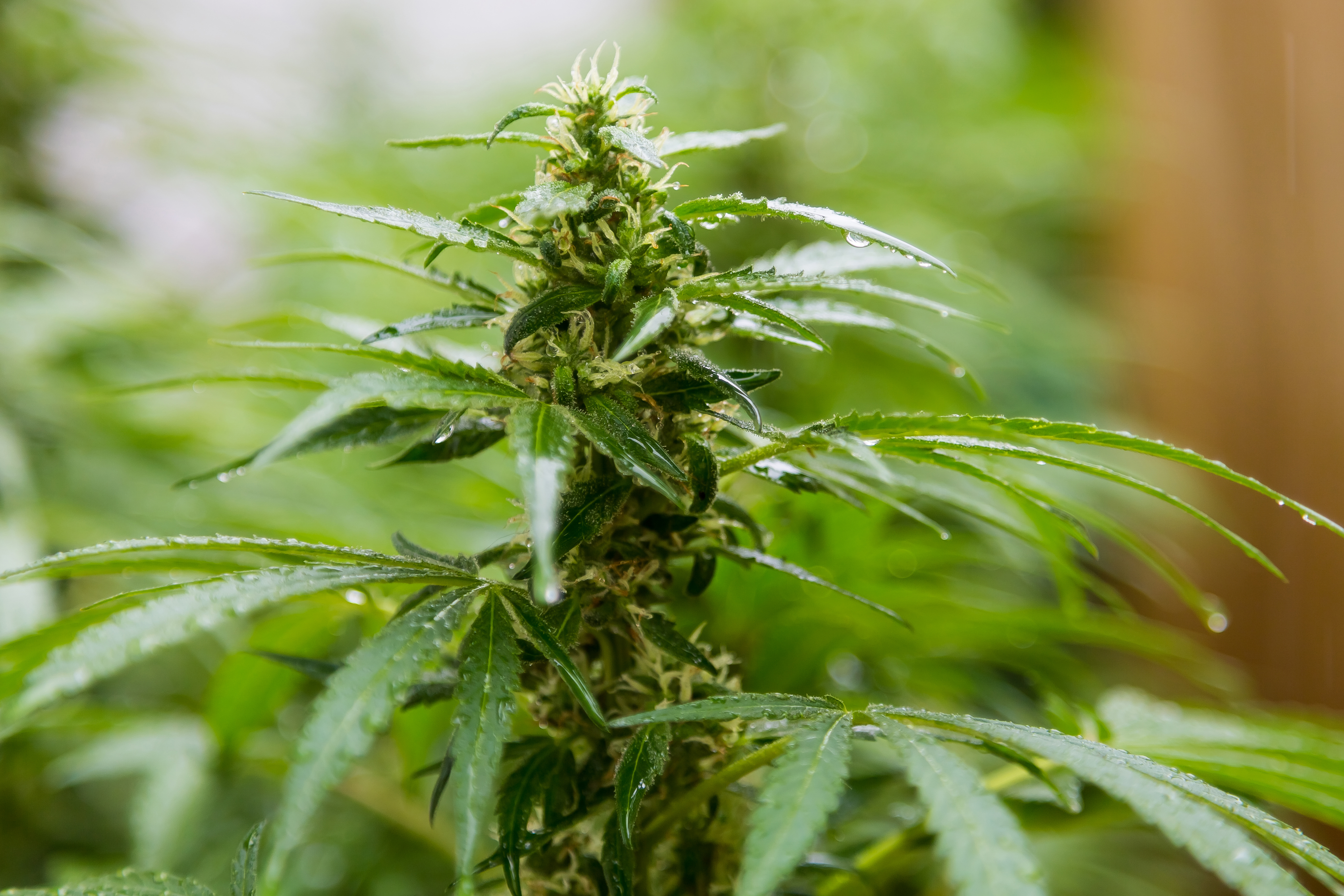


Grape Ape weed is an indica-dominant cannabis strain known for its sweet grape-like aroma, deep purple buds, and commonly reported relaxing effects. The strain has gained attention for its distinct appearance, fruity scent, and moderate to high THC content. Its name comes from the combination of its grape-like smell and its strong connection to traditional indica cannabis genetics. These features have made Grape Ape a recognizable strain among people interested in learning about different cannabis varieties.
Grape Ape is often described as a strain with strong indica characteristics. Indica-dominant cannabis plants are commonly linked to compact growth patterns, dense flowers, and relaxing effects. However, the effects of cannabis cannot be predicted by indica or sativa labels alone. The chemical makeup of the plant, especially its cannabinoid and terpene content, plays an important role in how it may affect the body. Individual responses can also differ based on THC sensitivity, tolerance, and other factors.
The origins of Grape Ape weed are commonly traced to three cannabis varieties: Mendocino Purps, Skunk, and Afghani. These parent strains are believed to have contributed to its appearance, aroma, and growth characteristics. Mendocino Purps is associated with purple coloration and fruity scents, while Skunk is known for its strong aroma and genetic influence on many cannabis varieties. Afghani is linked to dense flowers and traditional indica growth traits. Together, these genetics help explain why Grape Ape has its recognizable physical features.
One of the most noticeable characteristics of Grape Ape weed is its purple coloring. The flowers often contain shades of dark green, violet, and deep purple. Some buds also have bright orange hairs, known as pistils, along with a layer of small, crystal-like structures called trichomes. Trichomes are important because they produce and store many of the cannabinoids and terpenes found in cannabis. Although purple cannabis may look unusual, its color does not automatically mean it contains more THC or produces stronger effects.
The purple appearance of Grape Ape is partly linked to natural plant pigments called anthocyanins. These pigments are also found in blueberries, grapes, and several other fruits and vegetables. Genetics play a major role in determining whether a cannabis plant can develop purple colors. Environmental conditions may also affect how strongly those colors appear. As a result, different Grape Ape plants may show different shades, even when they share a similar genetic background.
Another defining feature of Grape Ape is its aroma. The strain is commonly described as having a sweet grape scent mixed with hints of berries, earth, and herbs. These smells come from compounds called terpenes. Terpenes are natural substances found in cannabis and many other plants. They contribute to the scent and flavor of each variety. Grape Ape may contain terpenes such as myrcene, pinene, and caryophyllene, although the exact amounts can vary between samples.
THC content is another important part of understanding Grape Ape weed. THC, or tetrahydrocannabinol, is the main intoxicating compound in cannabis. Many strain descriptions report Grape Ape THC levels of around 18% to 21%. However, these figures are only general estimates. Actual THC concentrations depend on the plant’s genetics, growing conditions, maturity, and handling after harvest. Some samples may contain lower or higher levels than those commonly reported.
Grape Ape generally contains low levels of CBD, or cannabidiol. Unlike THC, CBD does not produce the same intoxicating effects. The balance between THC, CBD, and other compounds helps describe the chemical makeup of a cannabis product. For this reason, laboratory testing provides more useful information about potency than a strain name alone.
Grape Ape is commonly associated with feelings of relaxation, drowsiness, and changes in appetite. These effects are often mentioned in descriptions of indica-dominant cannabis strains. However, scientific research does not establish that every Grape Ape product will produce the same results. Cannabis affects people differently, and the experience can change depending on the amount of THC consumed, the method of use, and individual sensitivity.
THC can also cause unwanted effects. These may include dry mouth, dizziness, anxiety, impaired memory, and slower reaction times. Higher amounts of THC may increase the risk of uncomfortable psychological or physical effects, especially for people with limited cannabis experience. Understanding these risks is an important part of learning about any cannabis strain.
Beyond its chemical properties, Grape Ape is also recognized for its growth characteristics. The plant is often described as short to medium in height, with a bushy structure and dense flowers. Its flowering period is commonly reported to last around seven to eight weeks, although actual growth times can vary. These features are useful when studying how cannabis genetics influence plant development and flower production.
Grape Ape is sometimes compared with other purple cannabis strains, including Granddaddy Purple and Purple Urkle. These varieties share certain physical features, such as purple flowers and fruity aromas. However, they may differ in their reported genetic backgrounds, cannabinoid concentrations, and terpene profiles. Even cannabis products sold under the same strain name may not have identical chemical characteristics.
Understanding these differences is important because cannabis strain names do not always describe a fixed or consistent product. Genetic variation, differences in breeding, and growing conditions can influence the final characteristics of cannabis flowers. Laboratory results can help provide more accurate information about THC levels, CBD content, and aromatic compounds.
Grape Ape weed is an indica-dominant cannabis strain recognized for its reported Mendocino Purps, Skunk, and Afghani genetics, purple buds, grape-like aroma, and commonly reported relaxing effects. Its THC content and terpene composition can vary between samples, making it important to separate general strain descriptions from verified chemical information. The following sections explore the origins of Grape Ape, its cannabinoid and terpene profiles, potential effects, physical appearance, growing characteristics, and differences from other cannabis varieties. Together, these details provide a clearer understanding of what makes Grape Ape a distinct cannabis strain.
What Is the Grape Ape Weed Strain?
Grape Ape weed is an indica-dominant cannabis strain known for its sweet grape aroma, purple buds, and commonly reported relaxing effects. It belongs to a group of cannabis varieties often described as indica hybrids. These strains are commonly linked to compact plant growth, dense flowers, and physical traits passed down from their parent plants.
Grape Ape gets its name from two of its most recognizable features. The word “grape” refers to its fruity scent and the purple shades that may appear in its flowers. The word “ape” is part of the strain’s commercial name rather than a scientific description. Together, these features have helped Grape Ape become a familiar name among purple cannabis varieties.
Like other cannabis strains, Grape Ape contains chemical compounds called cannabinoids and terpenes. Cannabinoids, such as THC and CBD, interact with the body’s endocannabinoid system. Terpenes are aromatic compounds that help create the plant’s scent and flavor.
Understanding these compounds, along with the strain’s genetics and physical traits, helps explain what makes Grape Ape different from other cannabis varieties.
Understanding the Grape Ape Strain
Grape Ape is traditionally classified as an indica-dominant hybrid. It is commonly described as having about 90% indica and 10% sativa genetics. However, these percentages are informal strain descriptions. They do not come from a standard genetic test that can measure exact indica and sativa ancestry.
Cannabis plants are often grouped into indica, sativa, and hybrid categories. These terms have a long history in cannabis cultivation and commercial labeling. Indica plants are often described as shorter and bushier, while sativa plants are commonly linked to taller growth and narrower leaves. Hybrids contain traits from different genetic lines.
Grape Ape is associated with traditional indica characteristics because of its compact growth, broad leaves, and dense flower structure. Its reported genetic background includes Mendocino Purps, Skunk, and Afghani. These parent varieties are linked to several traits found in Grape Ape, including its purple coloration and strong aroma.
However, indica dominance does not guarantee a specific effect. Cannabis experiences depend on several factors, including THC concentration, other cannabinoids, consumption method, and individual sensitivity.
For example, two products labeled Grape Ape may contain different amounts of THC and aromatic compounds. As a result, they may have different chemical profiles even though they share the same strain name.
Scientists also recognize that commercial indica and sativa labels are not always reliable indicators of a cannabis product’s chemical makeup. Laboratory testing provides more useful information about the compounds present in a specific sample.
Main Characteristics of Grape Ape Weed
One of the most recognizable features of Grape Ape weed is its appearance. The strain is commonly associated with compact, dense buds that may display dark green, violet, and deep purple shades. Small orange or brownish hairs, known as pistils, can appear across the flowers.
The buds may also have a frosty surface caused by tiny structures called trichomes. These structures contain many of the compounds responsible for cannabis aroma and potency. Under magnification, trichomes may look like small, clear or cloudy glands covering the flower.
Purple coloration is another major feature of Grape Ape. These colors are linked to plant pigments called anthocyanins. The amount of purple pigment can vary with genetics and growing conditions. Some Grape Ape flowers may appear mostly green, while others develop stronger purple shades.
The strain is also known for its distinctive aroma. Its scent is often described as sweet and fruity, with notes of grape, berry, and earth. These aromas come from volatile compounds produced by the plant, including terpenes. Differences in terpene levels can change how each batch smells.
Grape Ape is commonly reported to contain around 18% to 21% THC, although tested concentrations may fall above or below that range. THC, or tetrahydrocannabinol, is the main intoxicating compound in cannabis. It is responsible for many of the changes in perception, mood, and coordination associated with cannabis use.
CBD, or cannabidiol, is another cannabinoid found in cannabis plants. Grape Ape is generally described as having low CBD content compared with its THC concentration. However, exact amounts depend on the individual plant and product batch.
Because cannabinoid levels vary, the strain name alone cannot confirm potency. Laboratory results are needed to determine the actual THC and CBD content of a particular cannabis product.
Why Grape Ape Is a Recognized Cannabis Variety
Grape Ape has become a recognized cannabis variety because of its reported genetics, unusual appearance, and distinct scent. Its history is connected to cannabis breeding in the United States, particularly the development of purple indica-dominant strains.
The strain is commonly associated with Apothecary Genetics and Barney’s Farm. These names appear in accounts of its breeding and distribution. Its reported parent strains, Mendocino Purps, Skunk, and Afghani, also have established histories within cannabis cultivation.
Mendocino Purps is especially important to the strain’s identity. This parent variety is known for its purple coloration and fruity characteristics. Afghani contributes to Grape Ape’s reported indica heritage, while Skunk adds another genetic background to the cross.
Grape Ape is often discussed alongside other purple cannabis varieties, such as Granddaddy Purple and Purple Urkle. These strains share certain visual features, including dense flowers and purple pigments. However, their reported genetic backgrounds are not identical.
The strain’s grape-like aroma also helps distinguish it from other cannabis varieties. While many strains have sweet or fruity scents, Grape Ape is especially associated with grape and berry notes. This recognizable aroma has become an important part of its commercial identity.
Grape Ape also appears in cannabis strain databases and educational resources that describe its reported characteristics. These references commonly identify it as an indica-dominant strain with purple flowers, fruity aromas, and relaxing effects.
However, commercial strain names are not always linked to a single, uniform genetic profile. Cannabis plants can develop different traits through breeding and genetic variation. Even plants sharing the Grape Ape name may show differences in color, cannabinoid concentrations, and terpene composition.
For this reason, Grape Ape is best understood through a combination of its reported genetic history, physical appearance, and chemical profile. These details provide a clearer picture of the variety than its name alone.
Grape Ape weed is an indica-dominant cannabis strain commonly described as having 90% indica and 10% sativa ancestry. It is known for its dense buds, purple coloration, and sweet grape-like aroma. Its reported genetics include Mendocino Purps, Skunk, and Afghani, which contribute to its traditional strain characteristics.
Grape Ape generally has moderate-to-high THC content and low CBD levels. It is commonly associated with relaxation and sleepiness, although individual experiences vary. The strain’s appearance, aroma, and chemical composition can also differ between plants and product batches.
Grape Ape Genetics, Origins, and History
Grape Ape weed is an indica-dominant cannabis strain known for its purple buds, sweet grape aroma, and dense flower structure. Its genetic background helps explain many of these features. The strain is commonly linked to three cannabis varieties: Mendocino Purps, Skunk, and Afghani. Each parent is associated with traits that may appear in Grape Ape plants.
Grape Ape also has a place in the history of cannabis breeding in the United States. Its development is often connected to Northern California, where purple cannabis varieties became popular during the 1990s and early 2000s. Over time, the strain gained recognition for its unusual appearance and distinct scent.
Understanding Grape Ape genetics provides useful information about its origins, physical features, and differences from other cannabis strains. However, some details about its early history remain uncertain because breeders and strain databases do not always report the same information.
Where Did Grape Ape Weed Originate?
Grape Ape weed is widely associated with Apothecary Genetics, a cannabis breeding company founded by Bret Bogue. The company has roots in the western United States and is often credited with developing or introducing the strain.
Many accounts place Grape Ape’s rise in the early to mid-2000s. During this period, growers in Northern California were developing cannabis varieties with purple flowers and fruity scents. These plants attracted attention because their colors and aromas differed from those of many traditional green cannabis strains.
Mendocino County played an important role in this history. The region became known for cannabis varieties with purple coloring and distinctive scents. Mendocino Purps, one of Grape Ape’s reported parents, is closely connected to this area.
However, the exact date and location of Grape Ape’s first development are not fully confirmed. Some accounts connect its early history to Washington State, while others place its development in California. Records also differ on the precise parent plants used in its creation.
Barney’s Farm, a cannabis seed company based in Amsterdam, is another name associated with Grape Ape. The company helped spread Grape Ape genetics through the seed market. Some records describe a Barney’s Farm version with a different parent combination from the one commonly linked to Apothecary Genetics.
These differences matter because plants sold under the same strain name may come from different breeding lines. Although they may share similar features, their genetic backgrounds are not always identical.
Grape Ape later became associated with other cannabis hybrids, including Zkittlez, also called The Original Z. This connection shows how older cannabis varieties have influenced newer breeding lines.
Understanding the Parent Strains of Grape Ape
Grape Ape is most often described as a cross involving Mendocino Purps, Skunk, and Afghani. These three varieties have different backgrounds and physical traits. Their combination is commonly used to explain Grape Ape’s purple flowers, grape-like scent, and compact growth pattern.
Mendocino Purps
Mendocino Purps, sometimes called Mendo Purps or The Purps, is a cannabis variety linked to Mendocino County in Northern California. It is known for its purple coloring, fruity aromas, and dense flowers.
This variety is often identified as the source of Grape Ape’s purple appearance and sweet grape scent. Its flowers may develop shades of violet, dark purple, and green. The intensity of these colors can change based on genetics and environmental conditions.
Mendocino Purps also belongs to a broader group of purple cannabis varieties. This group includes plants associated with Purple Urkle and other strains that became recognized for their unusual colors.
Purple coloration comes from natural plant pigments called anthocyanins. These pigments occur in many plants, including grapes, berries, and certain vegetables. Their expression depends on inherited traits and growing conditions.
Although Mendocino Purps is linked to these features, it does not mean that every Grape Ape plant will have the same purple color or grape aroma.
Skunk
Skunk is another reported parent of Grape Ape weed. The name often refers to Skunk #1, a well-known hybrid that influenced many modern cannabis varieties.
Skunk #1 was developed using cannabis genetics from different regions. Its reported ancestry includes Afghani, Acapulco Gold, and Colombian Gold.
This variety became known for its strong scent and consistent plant characteristics. Its aroma is often described as pungent, earthy, or musky.
Skunk genetics are also associated with vigorous plant development and dense flower production. These traits may help explain some of Grape Ape’s physical characteristics.
The Skunk influence may also contribute to the deeper earthy notes found beneath Grape Ape’s sweet grape scent. However, the exact aroma depends on the plant’s terpene composition.
Terpenes are natural compounds that contribute to the smell of cannabis and many other plants. Different concentrations of these compounds can produce noticeable differences between strains.
Afghani
Afghani is a traditional cannabis variety associated with Afghanistan and the surrounding mountain regions. It is commonly classified as an indica landrace.
A landrace is a plant population that has developed distinctive traits through long-term adaptation to a particular region. These plants often serve as important genetic sources in modern breeding.
Afghani cannabis is commonly associated with short, sturdy plants, broad leaves, and dense flowers. Its genetics are also known for substantial resin production.
Resin contains compounds such as cannabinoids and terpenes. These substances are produced mainly in small structures called trichomes, which appear on cannabis flowers and nearby plant surfaces.
Afghani genetics may help explain Grape Ape’s compact growth pattern and dense buds. They may also contribute to its traditional indica-dominant classification.
However, specific traits cannot always be traced to a single parent. Cannabis plants inherit many interacting genes, and their final characteristics depend on how these genes are expressed.
How Genetics Influence Grape Ape Characteristics
Cannabis genetics play an important role in determining plant structure, flower color, cannabinoid content, and aroma. Each plant receives genetic information from its parent plants. This information influences how the plant develops and which characteristics it may display.
Grape Ape is often described as approximately 90% indica and 10% sativa. This classification reflects traditional descriptions of its breeding background. However, these percentages should not be treated as precise measurements of its complete genetic makeup.
One important genetic feature is the plant’s phenotype. A phenotype refers to the observable characteristics of a plant. These include height, leaf shape, flower color, aroma, and growth pattern.
Two Grape Ape plants can belong to the same general genetic line but develop different phenotypes. One plant may produce dark purple buds with a strong grape scent. Another may have greener flowers and a less noticeable fruity aroma.
These differences occur because plants can inherit different combinations of genes. Environmental conditions also affect how inherited traits appear.
Cannabinoid production is another example. Grape Ape is generally described as a THC-dominant strain, but the actual THC level can vary between samples. Genetics influence a plant’s ability to produce cannabinoids, while environmental conditions and plant maturity can affect their final concentrations.
The same principle applies to terpenes. Grape Ape is commonly associated with compounds such as myrcene, pinene, and caryophyllene. However, the amounts of these compounds can differ between plants.
This variation explains why Grape Ape products from different producers may have different aromas, THC percentages, and physical features.
It also shows why a strain name alone cannot confirm a product’s chemical profile. Laboratory testing provides more reliable information about cannabinoid and terpene content.
Modern cannabis breeding can create further differences. When breeders cross Grape Ape with other varieties, the offspring inherit genetic material from both parents. Some offspring may retain the grape aroma or purple coloration, while others may display different traits.
Over several generations, selective breeding can change the characteristics of a cannabis line. As a result, newer plants carrying Grape Ape genetics may look and smell different from earlier versions.
Grape Ape weed has a genetic history closely linked to Mendocino Purps, Skunk, and Afghani. Apothecary Genetics is widely associated with its development, while Barney’s Farm played a role in distributing genetics under the Grape Ape name.
Mendocino Purps is commonly connected to the strain’s purple coloring and fruity scent. Skunk is associated with vigorous growth and strong aromas, while Afghani contributes genetic traits linked to compact plants and dense flowers.
Although these parent varieties help explain Grape Ape’s characteristics, the exact history of the strain is not fully documented. Different breeding lines may also exist under the same name.
Genetics provide the foundation for Grape Ape’s appearance, aroma, and chemical composition. However, individual phenotypes and environmental conditions can produce differences between plants. Understanding these factors helps explain why Grape Ape products do not always have identical THC levels, colors, or terpene profiles.
Grape Ape THC Levels, CBD Content, and Potency
Grape Ape weed is an indica-dominant cannabis strain known for its grape-like aroma, purple buds, and high THC content. THC, or tetrahydrocannabinol, is the main compound in cannabis that causes intoxicating effects. The amount of THC in a cannabis strain can influence how strong its effects feel. However, THC levels are only one part of understanding cannabis potency.
Grape Ape often has THC levels between 18% and 21%, although some samples may fall outside this range. Its CBD content is usually low, which means THC is the main cannabinoid linked to its effects. The actual potency can vary based on genetics, growing conditions, harvesting methods, and storage.
Understanding these differences helps explain why two products labeled Grape Ape may have different THC concentrations and effects.
How Much THC Does Grape Ape Weed Contain?
Grape Ape weed commonly contains around 18% to 21% THC. This places it among cannabis strains with relatively high THC content. However, this range is an estimate based on reported strain profiles. It does not mean every Grape Ape plant or product will have the same potency.
THC percentages describe the amount of THC present in cannabis flower by weight. For example, dried cannabis flower labeled as 20% THC contains a reported 20% THC concentration by weight. This percentage helps describe the product’s chemical strength.
Cannabis flower also contains THCA, which is the natural acidic form of THC. THCA does not produce the same intoxicating effects as THC in its original form. When cannabis is heated, much of the THCA changes into THC through a process called decarboxylation.
Laboratories may report THC and THCA separately. They may also provide a total THC value that estimates how much THC could be present after THCA is converted. Total THC is commonly calculated using the THC concentration plus 87.7% of the THCA concentration. This accounts for the change in molecular weight during conversion.
THC concentrations can vary even when plants share the same strain name. Some Grape Ape samples may test below 18%, while others may exceed 21%. Differences in plant genetics, flower maturity, and environmental conditions can affect the final cannabinoid profile.
Laboratory testing provides more reliable information than general strain descriptions. A certificate of analysis can show the measured THC concentration for a specific batch. This is important because an advertised strain average cannot confirm the strength of an individual product.
Does Grape Ape Contain CBD?
Grape Ape weed generally contains very little cannabidiol, also known as CBD. CBD is another naturally occurring cannabinoid found in cannabis plants. Unlike THC, CBD does not usually produce intoxicating effects.
Many Grape Ape strain descriptions report CBD levels below 1%. However, the exact amount can differ between samples. Some products may contain only trace amounts of CBD, while others may have slightly higher concentrations.
THC and CBD interact with the body’s endocannabinoid system in different ways. THC activates cannabinoid receptors, particularly CB1 receptors found in the brain and nervous system. This activity helps explain its effects on mood, memory, coordination, and perception.
CBD has a different pattern of activity in the body. Researchers continue to study how it interacts with several receptors and biological systems. CBD may also change some THC-related effects under certain conditions, but research findings are mixed.
The ratio between THC and CBD is another way to describe a cannabis product. A strain with 20% THC and 0.5% CBD has a THC-to-CBD ratio of 40:1. This means it contains much more THC than CBD.
Grape Ape is generally considered a THC-dominant strain because its THC concentration is much higher than its CBD concentration. This chemical balance helps explain why the strain is associated with intoxicating effects rather than the characteristics of CBD-rich cannabis varieties.
Consumers should not assume that every product labeled Grape Ape has the same THC-to-CBD ratio. Laboratory results are needed to confirm the cannabinoid content of a specific sample.
Factors That Influence Grape Ape Potency
Several factors can affect the THC concentration of Grape Ape weed. Although the strain has a recognizable genetic background, its chemical composition is not fixed. The conditions in which a plant develops can influence the amount of cannabinoids found in its flowers.
Genetics plays an important role in determining potential THC levels. Cannabis plants inherit traits from their parent plants, including characteristics related to cannabinoid production. However, plants with similar genetics may still produce different THC concentrations. This variation is one reason why two Grape Ape products may have different laboratory results.
Growing conditions also affect cannabis development. Light exposure, temperature, humidity, water availability, and nutrient balance all influence plant health. Changes in these conditions may affect flower development and cannabinoid production. However, there is no single environmental factor that guarantees a specific THC percentage.
Plant maturity is another important factor. Cannabinoid production changes as cannabis flowers develop. The chemical composition of the plant can shift throughout its growth cycle. As a result, flowers collected at different stages of maturity may have different concentrations of THC and other compounds.
Harvest timing and postharvest handling can also influence the final product. Drying and curing affect moisture content and help preserve the chemical properties of cannabis flower. Poor handling may cause changes in aroma, texture, and cannabinoid composition.
Storage conditions matter as well. THC can slowly degrade when cannabis is exposed to heat, light, oxygen, and time. One possible degradation product is cannabinol, or CBN. This means older cannabis may have a different cannabinoid profile from freshly tested flower.
These factors explain why the THC level printed on a strain information page should be treated as a general estimate. The actual concentration depends on the specific plant material and how it was handled before testing.
Is Grape Ape Considered a Strong Cannabis Strain?
Grape Ape is generally considered a relatively potent cannabis strain because of its commonly reported THC levels of 18% to 21%.
However, cannabis potency is more complex than a single percentage.
For comparison, cannabis flower containing 10% THC has a lower THC concentration than flower containing 20% THC. A product containing 25% THC has a higher concentration than both. These numbers describe chemical strength, but they do not fully predict how a person will respond.
Tolerance is one factor that influences the effects of THC. People who have been exposed to THC frequently may respond differently from those who have little or no previous exposure. Individual sensitivity, body chemistry, and other health factors can also affect the experience.
The method of consumption makes a difference. Inhaled THC generally begins producing effects within minutes. Ingested THC usually takes longer to produce noticeable effects because it passes through the digestive system and undergoes processing in the liver. The effects of ingested THC can also last longer than those of inhaled cannabis.
Grape Ape is often associated with relaxation, drowsiness, and increased appetite. These are commonly reported effects rather than guaranteed results.
A person may experience different effects depending on THC exposure, tolerance, and individual sensitivity.
Higher THC concentrations may also increase the risk of unwanted effects. These can include anxiety, dizziness, confusion, impaired coordination, and a faster heart rate. THC can affect memory, attention, and reaction time, which makes activities such as driving unsafe while impaired.
The terpene profile may contribute to differences in aroma and other characteristics. However, researchers have not established that a particular terpene combination can reliably predict how a cannabis strain will affect every individual.
For these reasons, Grape Ape should be evaluated based on its tested chemical composition rather than THC concentration alone. A complete laboratory report can provide additional details about the cannabinoids and terpenes present in a particular sample.
Grape Ape weed is a THC-dominant cannabis strain with commonly reported THC levels between 18% and 21%. Its CBD content is generally low, often below 1%. These characteristics place Grape Ape among cannabis varieties with relatively high THC concentrations.
However, cannabinoid levels are not identical across all Grape Ape products. Genetics, growing conditions, plant maturity, harvesting, drying, and storage can influence the final chemical composition.
THC percentage is a useful measurement, but it does not fully explain cannabis potency. Individual tolerance, sensitivity, and consumption methods can affect how THC interacts with the body.
Laboratory testing remains the most reliable way to understand the cannabinoid content of a specific Grape Ape product. Reviewing the measured THC, THCA, and CBD levels provides a clearer picture of its chemical strength and helps distinguish verified product information from general strain descriptions.
Grape Ape Weed Effects and Common Experiences
Grape Ape weed is an indica-dominant cannabis strain commonly associated with relaxation, drowsiness, and changes in mood. Its effects are mainly linked to tetrahydrocannabinol (THC), the psychoactive compound found in cannabis. THC affects how the brain processes thoughts, emotions, and physical sensations. However, the experience can differ from person to person.
Grape Ape is often described as having calming effects, but these reports do not mean everyone will respond the same way. THC levels, individual tolerance, consumption methods, and personal health can all influence the experience. Understanding these factors provides a clearer picture of what users may experience and what risks they should consider.
What Are the Commonly Reported Effects of Grape Ape?
Grape Ape weed is commonly linked to feelings of relaxation, sleepiness, and changes in appetite. Some users report a sense of calm or a temporary change in mood. Others may experience heavier physical sensations or reduced alertness. These descriptions come mainly from consumer reports rather than controlled studies of the strain.
One reason cannabis produces these effects is its interaction with the body’s endocannabinoid system. This system helps regulate several functions, including mood, appetite, memory, and sleep. It contains receptors found throughout the brain and other parts of the body.
THC interacts with cannabinoid receptors, especially CB1 receptors in the brain. This interaction can change how nerve cells send signals. As a result, THC may affect perception, thinking, movement, and emotional responses.
Relaxation is one of the most frequently reported effects associated with Grape Ape. Some individuals describe feeling physically calm or less active after exposure to THC. However, these effects depend on the amount consumed and the individual’s response to cannabinoids.
Sleepiness is another commonly reported effect. THC can cause drowsiness, especially at higher doses. However, its relationship with sleep is complex. Some people may feel sleepy, while others may experience anxiety, disrupted sleep, or changes in sleep quality.
Changes in appetite are also possible. THC can influence brain pathways involved in hunger and food reward. This may increase interest in food or change how flavors and smells are perceived.
These experiences are possible effects of THC rather than characteristics that can be guaranteed by the Grape Ape strain name.
Mental and Physical Effects
The mental effects of Grape Ape weed may include changes in mood, attention, memory, and the perception of time. THC can alter normal brain activity, which may affect how people process information and respond to their surroundings.
Some individuals report feeling calm or cheerful. Others may notice that their thoughts move more slowly or that it becomes harder to focus. Short-term memory can also be affected, making it difficult to remember recent information or follow complex conversations.
Time perception may change as well. Activities may seem to take longer or shorter than expected. These changes are linked to how THC affects brain regions involved in attention and memory.
The physical effects may include muscle relaxation, reduced alertness, and changes in coordination. Some people report feeling heavy or less interested in physical activity. However, a sensation of muscle relaxation does not necessarily mean that THC is treating an underlying muscle problem.
THC can also affect balance, reaction time, and motor control. These effects can make activities such as driving, cycling, or operating machinery dangerous. Even when someone feels mentally alert, their physical responses may still be impaired.
The strength of these effects depends on several factors. A product with a higher THC concentration may produce stronger effects, but THC percentage alone does not predict the experience. The amount consumed, the person’s tolerance, and the way THC enters the body also matter.
People who rarely use cannabis may be more sensitive to THC. Those with regular exposure may develop tolerance to certain effects. However, tolerance does not remove the risks of impaired attention or coordination.
How Long Do Grape Ape Effects Last?
The duration of Grape Ape weed effects depends on how THC enters the body. Smoking, vaping, and consuming edible cannabis products can produce different onset times and effects. There is no confirmed duration that applies only to Grape Ape because research has not established a unique timeline for this strain.
When cannabis is smoked or vaporized, THC enters the bloodstream through the lungs. Effects can begin within seconds to minutes. They often reach their strongest point within 10 to 30 minutes. The main effects may last several hours, although some changes in attention and coordination can remain longer.
Edible cannabis products work differently. THC must pass through the digestive system before entering the bloodstream. Effects may begin within 30 minutes to two hours and can take up to four hours to reach their peak. The main effects may last four to eight hours or longer, depending on the amount consumed and individual factors.
The liver also changes THC into another active compound called 11-hydroxy-THC. This compound contributes to the longer-lasting effects associated with edible cannabis.
Several factors can influence how long the effects remain noticeable. Metabolism affects how the body processes THC. Individual tolerance can also change how strongly someone responds to the same amount.
Product strength is another factor. Cannabis products with higher THC concentrations may produce stronger or longer-lasting impairment. However, the total amount of THC consumed matters more than the strain name alone.
Food intake, body chemistry, medications, and alcohol consumption can also affect the experience. Combining THC with alcohol may increase impairment and make the effects less predictable.
According to Health Canada, some remaining effects of cannabis can last for 12 to 24 hours, even after the main intoxicating effects have decreased.
Possible Side Effects of Grape Ape Weed
Although Grape Ape is commonly described as relaxing, THC can produce unwanted effects. These reactions may occur with any THC-containing cannabis strain. The likelihood and severity of side effects depend on individual sensitivity, THC exposure, and other health factors.
Dry mouth is a common effect associated with cannabis. THC interacts with parts of the endocannabinoid system involved in saliva production. This may leave the mouth feeling dry or uncomfortable.
Dry eyes may also occur. Some individuals experience eye redness or irritation after cannabis exposure. These changes are usually temporary, but persistent eye symptoms may have another cause.
Dizziness is another possible side effect. THC can affect blood pressure, balance, and coordination. Some people may feel lightheaded, especially when standing up quickly. This can increase the risk of falls or other accidents.
Anxiety and paranoia are also possible. Although some individuals report feeling relaxed after using cannabis, others may experience nervousness, fear, or racing thoughts. These effects may become more noticeable with higher THC exposure.
THC can also increase heart rate. This response may be uncomfortable for people who are sensitive to changes in their heartbeat or who have certain heart conditions.
Confusion and problems with concentration may occur as well. THC affects areas of the brain involved in memory, judgment, and decision-making. This can make ordinary tasks more difficult.
Drowsiness is particularly relevant to Grape Ape because sleepiness is among its commonly reported effects. However, feeling sleepy does not mean cannabis produces healthy or restorative sleep. Research on THC and sleep remains mixed, and regular cannabis exposure can affect sleep patterns.
More serious reactions can include severe anxiety, panic, vomiting, or intense confusion. Such symptoms require medical attention when they are severe or persistent.
The Centers for Disease Control and Prevention notes that cannabis can affect memory, emotions, reaction time, coordination, and heart function. These risks are important even when a particular strain is marketed as relaxing.
Grape Ape weed is commonly associated with relaxation, drowsiness, appetite changes, and altered physical sensations. These reported effects are largely connected to its THC content and the way THC interacts with the body’s endocannabinoid system.
However, the effects are not the same for everyone. THC concentration, tolerance, consumption method, metabolism, and personal health can all influence the experience. Smoking or vaping cannabis generally produces faster effects than consuming edibles, while edible products often produce longer-lasting effects.
Grape Ape may also cause dry mouth, dizziness, anxiety, increased heart rate, and impaired coordination. These possible reactions show why a relaxing strain description should not be treated as a guarantee of safety.
Grape Ape Aroma, Flavor, and Terpene Profile
Grape Ape weed is known for its sweet, fruity aroma and distinct grape-like scent. Its fragrance is one of the main traits that separates it from many other cannabis strains. Along with its purple buds and dense flowers, Grape Ape has an aroma that often includes berries, earth, and mild herbal notes. These features come from natural compounds found in the cannabis plant.
The aroma and flavor of Grape Ape are linked to its terpene profile. Terpenes are natural compounds that give plants their unique smells. They are present in cannabis, fruits, herbs, flowers, and trees. Different combinations of terpenes create the wide range of scents found in cannabis strains.
Understanding the terpene profile of Grape Ape weed helps explain its grape-like fragrance and other aromatic traits. However, terpene levels can vary between plants and products, even when they share the same strain name.
What Does Grape Ape Weed Smell Like?
Grape Ape weed has a sweet aroma that is often compared to ripe grapes and mixed berries. The fruity scent is usually its most recognized feature. Some samples also have earthy, herbal, or slightly musky notes that create a more complex smell.
The grape-like aroma is one reason the strain received its name. Unlike strains with strong citrus or pine scents, Grape Ape is commonly linked to dark fruit fragrances. Its aroma may resemble grape skins, sweet berries, or other ripe fruits.
The strain’s reported genetics also contribute to its scent. Grape Ape is believed to come from Mendocino Purps, Skunk, and Afghani. These parent strains have different aromatic features that may influence the final plant.
Mendocino Purps is often linked to sweet and fruity aromas. Skunk genetics may contribute stronger herbal or musky notes. Afghani genetics are commonly associated with earthy and rich plant scents. Together, these traits help explain the complex fragrance associated with Grape Ape.
However, not every Grape Ape product smells exactly the same. Differences in plant genetics, maturity, drying, and storage can affect the strength of its aroma.
Terpenes are volatile compounds, which means they can evaporate into the air. Over time, exposure to heat, light, and air may reduce their concentration. As a result, older cannabis flowers may have a weaker scent than fresher samples.
What Does Grape Ape Taste Like?
The flavor of Grape Ape weed is commonly described as sweet, fruity, and earthy. Grape and berry notes are often the most noticeable parts of its reported flavor profile.
Some descriptions compare the flavor to ripe purple grapes or mixed berries. These fruity notes may be followed by mild herbal, woody, or spicy flavors.
The earthy flavor creates a contrast with the sweet fruit notes. This combination helps distinguish Grape Ape from cannabis strains that have mostly citrus, floral, or pine-like flavors.
Flavor is closely connected to aroma because the sense of smell plays a major role in how people detect different tastes. Many of the compounds responsible for the scent of cannabis also affect how its flavor is perceived.
The method of consumption can also change the flavor experience. Heating cannabis may alter its aromatic compounds. Smoke also contains substances formed during burning, which can change the perceived flavor and introduce harsh or bitter notes.
Cannabis products made from extracts may have different flavor profiles than dried flowers. Some processed products contain added terpenes or flavoring ingredients. For this reason, the flavor of a Grape Ape product may not always reflect the natural chemical profile of the original plant.
The age and storage conditions of the product are also important. Terpenes can gradually break down or evaporate during storage. This may reduce the intensity of sweet and fruity notes.
Main Terpenes Found in Grape Ape
The terpene profile of Grape Ape weed is commonly associated with myrcene, pinene, and caryophyllene. These compounds help explain its earthy, herbal, and mildly spicy aroma.
According to Leafly’s Grape Ape strain profile, myrcene is the most abundant terpene in its referenced samples, followed by pinene and caryophyllene. However, the exact amounts may differ between products.
Myrcene
Myrcene is a terpene found in cannabis, mangoes, hops, and several other plants. It is known for its earthy, herbal, and slightly musky aroma.
In Grape Ape, myrcene may contribute to the deeper herbal and earthy notes that balance the strain’s sweeter fragrance.
Myrcene is often discussed in relation to the relaxing effects associated with certain cannabis strains. However, research has not established that the amount of myrcene normally found in cannabis can reliably predict sedation or relaxation.
Its clearest role in the strain’s profile is its contribution to aroma.
Pinene
Pinene is another terpene commonly reported in Grape Ape weed. As its name suggests, pinene is associated with the scent of pine trees.
It is also present in rosemary, basil, and other aromatic plants.
Pinene has two common forms called alpha-pinene and beta-pinene. Both occur naturally in plants and contribute to fresh, woody, and pine-like scents.
In Grape Ape, pinene may add a light herbal or woody note to the stronger grape and berry fragrance.
Although pinene is sometimes associated with alertness in cannabis discussions, there is not enough strong clinical evidence to conclude that it produces a predictable effect when present in a cannabis strain.
Caryophyllene
Caryophyllene is a terpene found in black pepper, cloves, cinnamon, and cannabis. It has a spicy, pepper-like aroma.
In Grape Ape, caryophyllene may contribute subtle spicy and woody notes. These scents add depth to the strain’s sweet and earthy fragrance.
Beta-caryophyllene is especially interesting to researchers because it can interact with CB2 receptors in the body’s endocannabinoid system.
However, this interaction does not prove that a strain containing caryophyllene will produce specific medical benefits. The actual effects depend on many factors, including concentration and how the compounds are used.
How Terpenes Influence Cannabis Characteristics
Terpenes play an important role in the identity of cannabis strains. They help create the aromas and flavors that people often associate with certain varieties.
Grape Ape weed is a clear example of how several aromatic compounds can work together to produce a recognizable fragrance. Myrcene may contribute earthy notes, pinene may add a fresh herbal scent, and caryophyllene may provide mild spice.
The strain’s grape-like fragrance likely comes from a broader mixture of volatile compounds rather than a single terpene. Cannabis flowers contain many aromatic substances, and their combined concentrations influence the final scent.
Terpenes are also studied for their possible influence on cannabis effects. One theory, called the entourage effect, suggests that different cannabis compounds may interact and change how the plant affects the body.
However, scientific evidence for a reliable terpene-based entourage effect remains limited. A 2023 scientific review found that more research is needed before these interactions can be considered predictable or clinically proven.
This distinction is important when examining descriptions of Grape Ape. A product with a high myrcene level should not automatically be described as more sedating. Likewise, the presence of pinene or caryophyllene does not guarantee specific mental or physical effects.
Terpene profiles are most useful for understanding differences in aroma and flavor. Laboratory analysis can identify which terpenes are present and measure their concentrations.
These results can provide more accurate information than relying only on a strain name. Two Grape Ape samples may share a similar fruity aroma while containing different amounts of individual terpenes.
Grape Ape weed is recognized for its sweet grape-like scent, berry notes, and earthy undertones. Its flavor is commonly described as fruity, herbal, and mildly spicy.
Myrcene, pinene, and caryophyllene are among the terpenes commonly associated with this strain. Each contributes different aromatic features, helping create its overall fragrance.
However, Grape Ape does not have one fixed terpene profile. Genetics, plant development, processing, and storage can influence its chemical composition. These differences explain why products sold under the same strain name may have different smells and flavors.
Although terpenes are being studied for their possible effects on the body, their influence on the cannabis experience is not fully understood. Current research does not support using terpene content alone to predict how a strain will affect an individual.
Grape Ape Appearance, Bud Structure, and Purple Coloration
Grape Ape weed is known for its deep purple buds, dense flower structure, and thick layer of resin. These physical traits help make the strain recognizable among many cannabis varieties. Its flowers often show a mix of dark green, purple, and orange colors. Some buds also have a frosty appearance due to the tiny trichomes covering their surface.
The appearance of Grape Ape can vary depending on its genetics, growing conditions, and maturity. Some plants develop strong purple colors, while others remain mostly green. These differences are normal because cannabis plants can express the same genetic traits in different ways.
Understanding the appearance of Grape Ape weed can help explain how cannabis flowers develop their colors, shapes, and resin. However, appearance alone cannot confirm a strain’s identity, THC content, or overall quality.
What Does Grape Ape Weed Look Like?
Grape Ape weed usually produces compact flowers with a dense and rounded structure. The buds often grow in tight clusters rather than forming long, loose flowers. This growth pattern is common among many cannabis varieties with indica-dominant genetics.
One of the most noticeable features of Grape Ape is its color. Mature flowers may display deep purple shades mixed with dark green plant tissue. Some buds appear almost violet, while others have smaller purple patches between green leaves and flowers.
The exact color depends on how the plant expresses its natural pigments. As a result, two Grape Ape plants may look different even when they share a similar genetic background.
Another common feature is the presence of orange or reddish-brown pistils. Pistils are part of the female cannabis flower’s reproductive structure. During flower development, their visible hair-like parts often begin as light-colored strands. They may darken as the flowers mature.
These orange pistils create a strong contrast against the strain’s purple and green surfaces. However, their color does not indicate the exact THC level or prove that a flower is ready for harvest.
Grape Ape buds may also have a frosty or slightly sticky surface. This appearance comes from resin-producing structures known as trichomes. When present in large numbers, trichomes can make the flowers look as though they are covered in tiny crystals.
Although these features are commonly linked to Grape Ape weed, they are not exclusive to the strain. Other cannabis varieties can also have dense buds, purple coloration, and visible resin.
Why Does Grape Ape Have Purple Buds?
The purple color of Grape Ape weed comes mainly from natural plant pigments called anthocyanins. These compounds belong to a larger group of plant chemicals known as flavonoids.
Anthocyanins are responsible for red, purple, and blue colors in many plants. They are also found in fruits and vegetables such as blueberries, blackberries, red cabbage, and purple grapes.
In cannabis, anthocyanins can build up in certain plant tissues and create visible purple shades. The amount of pigment produced depends largely on the plant’s genetics.
Grape Ape is known for its ability to develop purple coloration, which is often linked to its reported Mendocino Purps ancestry. However, having purple genetics does not mean every flower will display the same shade.
Environmental conditions can also affect how plant pigments appear. Temperature, light exposure, plant maturity, and other biological factors may influence color development. Some plants show more purple coloring during later stages of growth, while others maintain a mostly green appearance.
It is important to understand that purple cannabis is not automatically stronger than green cannabis. Anthocyanins influence plant color, but they do not directly determine THC concentration.
A dark purple Grape Ape flower may contain less THC than a green flower from another batch. Likewise, two flowers with similar purple coloring may have different cannabinoid and terpene profiles.
Purple coloration also does not prove that a cannabis product is fresh or of high quality. While color is a useful physical characteristic, laboratory testing is needed to measure cannabinoids and identify certain contaminants.
Understanding Trichomes and Resin Production
Trichomes are tiny structures found on the surface of cannabis flowers and leaves. Some trichomes look like small hairs, while others have rounded heads that contain resin. These structures play an important role in the development of cannabinoids and terpenes.
Grape Ape weed often has a visible layer of trichomes covering its dense flowers. Under bright light, these structures may create a white or silver appearance. This is why cannabis flowers with many visible trichomes are sometimes described as frosty.
There are several types of trichomes on cannabis plants. The most important for cannabinoid production are glandular trichomes. These structures contain specialized cells that produce chemical compounds such as cannabinoids and terpenes.
THC and CBD are two well-known cannabinoids. Terpenes are aromatic compounds that contribute to the scent of cannabis. In Grape Ape, the terpene profile is associated with its grape-like, fruity, and earthy aroma.
Scientific research shows that glandular trichomes can change in size, structure, and chemical composition as cannabis flowers develop. Their characteristics also vary between different cannabis genetics.
Trichome coverage can provide useful information about the physical characteristics of cannabis flowers. However, a thick layer of trichomes does not always mean that a flower contains more THC.
This is because visible resin production and cannabinoid concentration are related but separate characteristics. Two flowers may have similar amounts of visible resin but different chemical profiles.
The appearance of trichomes may also change as flowers mature. Some start clear and later appear cloudy or darker. These changes reflect biological processes within the plant, but their appearance alone cannot provide an exact measurement of THC concentration.
Laboratory testing is the most reliable way to determine the cannabinoid content of Grape Ape weed. Visual inspection can describe resin coverage, but it cannot replace chemical analysis.
How Grape Ape Differs From Other Purple Strains
Grape Ape belongs to a group of cannabis varieties known for their purple coloration and fruity aromas. Other strains, such as Granddaddy Purple and Purple Urkle, can display similar physical characteristics.
Although these varieties may look alike, they have different reported genetic backgrounds and may contain different combinations of cannabinoids and terpenes.
Grape Ape is commonly described as having compact, dense buds with dark purple and green coloring. Its aroma is often associated with sweet grapes, berries, and earthy notes.
Granddaddy Purple also produces purple flowers and is known for its fruity scent. However, its reported lineage and chemical characteristics differ from those of Grape Ape. Some Granddaddy Purple flowers may have larger clusters or different shades of purple, but these traits are not consistent enough to identify either strain.
Purple Urkle is another variety associated with grape-like aromas and deep purple flowers. It also shares reported genetic connections with some other purple cannabis strains. Despite these similarities, Purple Urkle and Grape Ape are marketed as separate varieties.
The differences between purple cannabis strains are not always easy to recognize through appearance alone.
Bud density, flower shape, and color can change based on plant genetics and environmental conditions. Even flowers sold under the same strain name may show differences in their physical characteristics.
Aroma can provide additional clues, but it is also unreliable as a method of confirming strain identity. Many cannabis varieties share terpenes that produce similar fruity, earthy, or floral scents.
For this reason, the best way to understand the differences between Grape Ape and other purple strains is to examine their reported genetics and laboratory-tested chemical profiles.
Cannabinoid and terpene testing can reveal meaningful differences between individual flower samples. However, even these results do not always establish the exact genetic identity of a strain.
Grape Ape weed is widely recognized for its dense buds, purple coloration, orange pistils, and frosty resin layer. These characteristics contribute to the strain’s distinctive appearance, although they can vary between plants and products.
Its purple coloring comes mainly from anthocyanins, which are natural pigments found in many plant species. Genetics play a major role in how these pigments develop, while environmental conditions may affect their appearance.
Trichomes are another important feature of Grape Ape flowers. These tiny structures produce and store cannabinoids and terpenes, which contribute to the strain’s chemical composition and aroma.
Despite these recognizable traits, appearance alone cannot confirm Grape Ape’s identity, THC strength, or quality. Other purple cannabis strains may share similar colors, flower structures, and aromas.
Grape Ape Growing Characteristics and Flowering Time
Grape Ape weed is an indica-dominant cannabis strain known for its compact growth, dense flowers, and deep purple colors. Its reported genetic background includes Mendocino Purps, Skunk, and Afghani. These parent strains help explain many of its physical traits, including its bushy structure and thick buds.
Understanding how Grape Ape grows can help readers identify its main characteristics and learn how it differs from other cannabis strains. Its growth pattern, flowering time, and flower structure are influenced by genetics and environmental conditions. However, not every Grape Ape plant develops in the same way.
Like other cannabis varieties, Grape Ape can show differences in plant height, branch structure, flower size, and color. These differences may occur even among plants sold under the same strain name.
Is Grape Ape Suitable for Indoor or Outdoor Growing?
Grape Ape is commonly described as a strain that can grow in both indoor and outdoor settings. Its compact structure is one reason it is often associated with indoor cannabis cultivation. However, its development depends on more than the location where it grows.
Indoor environments provide greater control over conditions such as light, temperature, and humidity. These factors influence how plants develop throughout their life cycle. Outdoor environments depend more on natural weather patterns, seasonal changes, and local climate.
Grape Ape plants typically show a short, bushy structure associated with many indica-dominant varieties. Their branches may grow close together, creating a dense appearance. Broad leaves and closely spaced growth points can also contribute to the plant’s compact shape.
Outdoor plants may develop differently because they receive natural sunlight and experience changing environmental conditions. Plant size can vary based on genetics, growing space, and seasonal conditions.
Although Grape Ape is known for its indica-like growth pattern, not every plant will have the same height or shape. Different genetic lines may produce taller plants, longer branches, or changes in leaf structure.
How Long Does Grape Ape Take to Flower?
Grape Ape is commonly reported to have a flowering period of approximately seven to eight weeks. This estimate refers to the stage when the plant develops mature flowers after entering its reproductive phase.
The flowering stage is an important part of the cannabis life cycle. During this period, the plant shifts much of its energy toward flower development. Small flower clusters gradually become larger, while resin-producing structures called trichomes become more noticeable.
As flowering progresses, the plant’s buds become denser. Its characteristic colors may also become more visible. Some plants develop purple tones early in flowering, while others show stronger color changes later.
However, the reported seven-to-eight-week period is not a fixed rule. Some Grape Ape plants may take longer to reach full maturity. Differences in genetics, plant health, and environmental conditions can affect the length of the flowering stage.
It is also important to understand that flowering time is different from the plant’s total life cycle. The total life cycle includes early development, vegetative growth, and flowering. As a result, the flowering estimate does not describe the full time needed for a plant to grow from a seed into a mature flowering plant.
Common Growth Characteristics of Grape Ape
One of Grape Ape’s most recognized growth traits is its compact, indica-like structure. The plant often develops a thick central stem with several branches that support clusters of flowers.
Its leaves are commonly broad and dark green, although their exact size and color can vary. The distance between branches may be relatively short, which gives the plant a full, bushy appearance.
Grape Ape is also known for producing dense flowers. These buds often have a rounded shape and a firm structure. As the flowers mature, they may display a mixture of dark green, purple, and orange colors.
Trichomes are another important feature. These small, resin-producing structures appear on the flower surface and contain many of the plant’s cannabinoids and terpenes. Under close inspection, trichomes may give mature buds a frosted appearance.
Some strain descriptions classify Grape Ape as having moderate-to-high yield potential. However, reported yields should be viewed as estimates rather than guaranteed results. The amount of flower a plant produces can vary widely between different genetic lines and environments.
Flower size, plant health, and the number of flowering branches all contribute to differences in final production. A plant with larger flowers does not always produce more total flower material than a plant with smaller but more numerous buds.
For this reason, yield estimates should be considered general descriptions of the strain rather than reliable predictions for individual plants.
Environmental Factors That Affect Plant Development
Environmental conditions play an important role in how cannabis plants grow. Even plants with similar genetics can develop different physical traits when exposed to different surroundings.
Light is one of the main factors that influence plant growth. Cannabis uses light during photosynthesis, the process through which plants produce energy from carbon dioxide and water. Differences in light exposure can affect leaf development, stem growth, and flower formation.
Temperature also affects plant development. Cannabis plants respond to changes in temperature through changes in their growth rate and other biological processes. Extreme temperatures can place stress on plants and interfere with normal development.
Humidity is another important factor, especially for strains with dense flower structures. Grape Ape produces compact buds that may hold moisture between closely packed plant tissues. When moisture remains trapped for long periods, the risk of fungal growth can increase.
Dense flowers may be more vulnerable to mold because air moves less freely through tightly packed plant material. This is one reason flower structure matters when evaluating cannabis plant health.
Root conditions also influence growth. Roots absorb water and mineral nutrients that support plant development. Poor root health can affect how efficiently a plant uses these resources.
Soil structure, water availability, and the presence of harmful organisms can all affect root function. When root systems experience stress, the rest of the plant may show changes in leaf color, growth rate, or overall development.
These environmental factors work together. A plant’s genetics influence its potential characteristics, while its surroundings affect how those characteristics appear.
Why Growing Results May Differ
Grape Ape plants do not always produce the same results, even when they share a strain name. Genetic variation is one of the main reasons for these differences.
A phenotype refers to the observable traits of a plant. These traits include height, leaf shape, flower density, color, and aroma. Two plants with similar genetic backgrounds may still display different characteristics because of variations in their genes and surroundings.
For example, one Grape Ape plant may develop deep purple flowers, while another remains mostly green. Both plants may belong to the same general strain family.
Flowering time can also vary. Although Grape Ape is commonly described as having a seven-to-eight-week flowering period, other sources report slightly longer periods. These differences may reflect distinct genetic lines, breeder selections, and environmental conditions.
The same principle applies to flower production. Some plants may develop several large flower clusters, while others produce smaller or less dense flowers. Differences in plant size, genetic potential, and overall health can influence the amount of flower material produced.
Commercial strain descriptions often provide average characteristics or expected performance ranges. These figures may help readers understand the general traits of a variety, but they cannot predict the exact outcome for every plant.
Understanding this variation is important when comparing Grape Ape with other cannabis strains. It also explains why products carrying the same strain name may differ in appearance, aroma, and cannabinoid content.
Grape Ape weed is an indica-dominant strain known for its compact growth, thick branches, and dense, resin-covered flowers. It is commonly associated with indoor and outdoor cultivation, although its development can vary depending on genetics and environmental conditions.
Its reported flowering period is usually around seven to eight weeks, but this estimate is not guaranteed. Some plants may require additional time because of genetic differences or changes in their growing environment.
Light, temperature, humidity, and root health all influence plant development. The strain’s dense flower structure can also make moisture-related problems an important consideration.
While Grape Ape is often described as having moderate-to-high yield potential, actual flower production can differ between plants. These differences show why strain descriptions should be treated as general guides rather than fixed results.
Grape Ape Weed Compared With Similar Cannabis Strains
Grape Ape weed shares several characteristics with other indica-dominant cannabis strains. Its purple buds, sweet grape aroma, and commonly reported relaxing effects are also found in varieties such as Granddaddy Purple, Purple Urkle, and Northern Lights. However, these strains have different genetic backgrounds, chemical profiles, and physical traits.
Understanding these differences helps explain why cannabis strains with similar appearances or names may not have the same characteristics. Genetics can affect a plant’s growth, bud structure, color, and aroma. The amount of THC and other compounds may also vary between strains and individual batches.
The following comparisons explain how Grape Ape differs from three well-known cannabis varieties.
Grape Ape vs. Granddaddy Purple
Grape Ape and Granddaddy Purple are often compared because both belong to the broader family of purple cannabis strains. They are traditionally classified as indica-dominant varieties and are known for their dense flowers, fruity aromas, and purple coloring.
Grape Ape is commonly described as a cross between Mendocino Purps, Skunk, and Afghani. Granddaddy Purple, also called GDP, is often described as a cross between Purple Urkle and Big Bud. However, some historical sources list Mendocino Purps, Skunk, and Afghani as the parents of Granddaddy Purple as well. These different accounts show why cannabis strain histories are not always clear.
Despite the uncertain details, both strains have reported connections to the Mendocino Purps family. This shared background may help explain their similar colors and aromas.
In terms of appearance, both strains can produce compact buds with deep purple and green shades. Their flowers may also contain orange pistils and a visible coating of trichomes. However, the amount of purple coloring can vary based on genetics and environmental conditions.
Their aromas are also similar. Grape Ape is known for its sweet grape scent, often mixed with berry and earthy notes. Granddaddy Purple commonly has a grape and berry aroma, sometimes with floral or herbal notes.
Both strains are associated with relaxation and sleepiness in consumer reports. However, these descriptions do not guarantee that either strain will produce a specific effect. THC content, individual tolerance, and other chemical compounds influence how cannabis affects a person.
The main difference between Grape Ape and Granddaddy Purple lies in their reported breeding histories and the traits found in specific plant varieties. Although they may look and smell alike, their chemical profiles are not always identical.
Grape Ape vs. Purple Urkle
Purple Urkle is another indica-dominant cannabis variety known for its purple flowers and fruity aroma. It has a close historical connection to Mendocino Purps, which is also part of Grape Ape’s reported genetic background.
Purple Urkle is widely believed to be a selected phenotype of Mendocino Purps. A phenotype refers to the traits a plant displays as a result of its genetics and environment. These traits may include flower color, aroma, plant size, and growth patterns.
Grape Ape, on the other hand, is generally described as a cross involving Mendocino Purps, Skunk, and Afghani. This means that Grape Ape has a broader reported genetic background, while Purple Urkle is more closely linked to a selected form of Mendocino Purps.
Both strains are known for producing flowers that may show deep purple coloring. They can also develop dense buds with visible trichomes. However, purple flowers are not enough to confirm that a plant belongs to either strain.
The aroma of Purple Urkle is often described as sweet and fruity, with grape and berry notes. Grape Ape has a similar scent but may also contain stronger earthy or skunky notes. These differences are linked to the aromatic compounds present in each plant.
Both strains have been associated with calming effects in consumer reports. However, there is limited scientific evidence showing that one named strain will always produce stronger relaxation than another.
Their THC levels can also overlap. A Purple Urkle sample may contain more THC than a Grape Ape sample, while another batch may show the opposite result. The name of the strain does not determine its exact potency.
The key difference between these varieties is their reported genetic history. Purple Urkle is closely associated with Mendocino Purps, while Grape Ape combines that heritage with other cannabis genetics. Their shared ancestry helps explain their similar appearance and fruity aroma.
Grape Ape vs. Northern Lights
Northern Lights is one of the most recognized indica-dominant cannabis strains. Like Grape Ape, it is commonly associated with compact flowers, resin production, and relaxing effects. However, the two strains have different genetic histories and aromatic characteristics.
Northern Lights is generally linked to Afghani cannabis genetics, with some accounts also identifying Thai ancestry. Its development became associated with cannabis breeding programs in the Netherlands. Grape Ape has a different reported background, combining Mendocino Purps, Skunk, and Afghani.
These genetic differences help explain why the strains have distinct aromas.
Grape Ape is known for its sweet grape and berry scent. Northern Lights is more often described as earthy, pine-like, herbal, or mildly sweet. The aroma of either strain depends on its terpene profile and the specific plant variety.
Their appearances can also differ. Grape Ape is strongly associated with purple coloring, although some plants may show more green than purple. Northern Lights typically has dense green flowers, sometimes with darker or purple shades. Both strains can produce flowers covered in trichomes.
Northern Lights and Grape Ape are often described as relaxing strains. Some consumers report sleepiness after using either variety. However, these effects vary among individuals and cannot be predicted from the strain name alone.
THC concentration is another point of comparison. Both varieties can contain substantial levels of THC, but the exact percentage depends on the tested sample. One Northern Lights product may have a higher THC level than Grape Ape, while another may have less.
Their growing characteristics also share similarities. Both have a reputation for compact growth and dense flower development. However, plant height, flowering time, and final yield can differ between individual plants.
The main distinction is that Grape Ape is more closely associated with grape-like aromas and the Mendocino Purps family. Northern Lights is better known for its Afghani-related heritage and earthy, pine-like scent.
What Makes Grape Ape Different?
Grape Ape has several traits that help distinguish it from other indica-dominant cannabis strains.
Its reported genetic background combines Mendocino Purps, Skunk, and Afghani. These varieties are associated with different aromatic and physical characteristics. Together, they form the traditional description of Grape Ape’s ancestry.
One of its most recognizable characteristics is its grape-like aroma. While other strains may have similar fruity scents, Grape Ape is especially associated with sweet grape and berry notes mixed with earthy undertones.
Its appearance is another identifying feature. Grape Ape often develops compact flowers with green and purple coloring. The purple shades come from plant pigments called anthocyanins. These pigments are also present in fruits such as blueberries and grapes.
However, purple coloration is not unique to Grape Ape. Granddaddy Purple, Purple Urkle, and many other varieties can develop similar colors. The presence of purple buds also does not prove that a strain has high THC levels.
Grape Ape is commonly reported to contain moderate-to-high THC concentrations, although individual products may fall outside published ranges. Its chemical profile may include terpenes such as myrcene, pinene, and caryophyllene. These compounds contribute to aroma, but their amounts differ between samples.
Another important distinction is that the Grape Ape name does not guarantee identical genetics across all products. Different breeders may maintain separate plant lines, while environmental conditions can influence how inherited traits appear.
Laboratory testing provides more useful information about cannabinoid and terpene concentrations than a strain name alone. This is especially important when comparing products with similar aromas, colors, or reported effects.
Grape Ape weed shares several characteristics with Granddaddy Purple, Purple Urkle, and Northern Lights. All four are traditionally associated with indica-dominant genetics, dense flowers, and relaxing effects. However, their reported ancestry, aromas, and physical characteristics differ.
Granddaddy Purple and Purple Urkle have close connections to the Mendocino Purps family, which helps explain their similarities to Grape Ape. Northern Lights has a different genetic history and is more commonly associated with earthy and pine-like aromas.
Grape Ape stands out for its reported combination of Mendocino Purps, Skunk, and Afghani genetics, along with its sweet grape scent and frequent purple coloration. These features make it recognizable among classic cannabis varieties.
Potential Medical Research, Risks, and Safety Considerations
Grape Ape weed is an indica-dominant cannabis strain known for its relaxing effects and grape-like aroma. Its reported THC content and calming properties have led to interest in how it may affect sleep, stress, and physical comfort. However, these effects are not the same for everyone. The strain’s chemical makeup, the amount of THC consumed, and a person’s health can all influence the experience.
Understanding the medical research behind cannabis is important when examining Grape Ape. While scientists have studied THC and other cannabinoids for various health conditions, research focused on this specific strain remains limited. General findings about cannabis should not be treated as proof that Grape Ape can prevent, manage, or treat a medical condition.
Why Is Grape Ape Associated With Relaxation and Sleep?
Grape Ape is commonly described as a relaxing cannabis strain because of its indica-dominant background and THC content. Some cannabis products containing THC can produce feelings of calmness, drowsiness, and reduced alertness. These effects explain why relaxing strains are often discussed in relation to sleep and nighttime use.
THC, or tetrahydrocannabinol, is the main compound responsible for the mind-altering effects of cannabis. It interacts with cannabinoid receptors found throughout the brain and nervous system. These receptors are part of the endocannabinoid system, which helps regulate several body functions, including mood, memory, appetite, and sleep.
When THC binds to certain receptors, it changes how nerve cells send signals. These changes may affect how a person feels, thinks, and responds to the environment. In some individuals, THC causes sleepiness or relaxation. In others, it may produce anxiety, restlessness, or an increased heart rate.
Grape Ape may contain terpenes such as myrcene, which contributes earthy and herbal aromas. Myrcene is sometimes linked to calming effects in discussions about cannabis. However, human research has not established that the amount of myrcene in Grape Ape reliably causes sedation.
It is also important to separate feeling sleepy from getting better sleep. A person may experience drowsiness after exposure to THC without gaining improvements in overall sleep quality. Cannabis can also affect sleep patterns, and its effects may change with repeated use.
For these reasons, Grape Ape should not be described as a proven treatment for insomnia or other sleep disorders. Its reputation for relaxation comes mainly from traditional strain descriptions and reported experiences rather than controlled medical trials involving Grape Ape itself.
What Does Research Say About THC and Pain, Stress, and Sleep?
Scientists have studied cannabis and cannabinoids to understand their possible effects on chronic pain, stress, and sleep problems. Findings suggest that certain cannabis-based products may have medical benefits under specific conditions. However, the strength of the evidence differs depending on the health problem and product being studied.
Research on chronic pain has found that some cannabis-based products may provide small improvements in pain symptoms. A 2025 systematic review prepared for the Agency for Healthcare Research and Quality examined studies involving cannabis and other plant-based treatments for chronic pain. The findings show that benefits are often limited and must be considered alongside possible side effects.
THC affects the nervous system, which plays an important role in how the body detects and processes pain. However, this does not mean that every THC-rich strain provides the same level of relief. The chemical composition of cannabis products can vary widely, and clinical studies often use specific formulations rather than commercial flower strains.
Research on stress and anxiety is more complex. Some people report feeling calm after using cannabis, while others experience increased anxiety or panic. THC can affect mood differently depending on the amount consumed, individual sensitivity, and other factors.
The relationship between cannabis and sleep is also an active area of research. A major report from the National Academies of Sciences, Engineering, and Medicine found moderate evidence that certain cannabinoids could improve short-term sleep outcomes in people with sleep problems linked to specific medical conditions.
However, the report also identified gaps in research and uncertainty about long-term effects. These findings do not establish that Grape Ape itself improves sleep.
More controlled studies are needed to determine how different cannabinoid combinations affect pain, stress, and sleep. Until then, medical claims about Grape Ape should be treated with caution.
What Are the Health Risks Associated With THC?
Although Grape Ape is commonly associated with relaxation, THC can also produce unwanted physical and mental effects. These risks can increase with higher THC exposure, frequent use, and certain health conditions.
One major concern is impaired memory and attention. THC affects areas of the brain involved in learning, decision-making, and coordination. A person under its influence may have difficulty remembering information, completing tasks, or responding quickly to changes in the environment.
THC can also slow reaction times and reduce physical coordination. These effects make driving, operating machinery, and performing other activities that require attention more dangerous. The Centers for Disease Control and Prevention identifies impaired judgment, coordination, and reaction time as important safety concerns linked to cannabis use.
Mental health effects are another consideration. Some individuals experience anxiety, fear, confusion, or panic after using THC-rich cannabis. Frequent use, particularly of high-potency products, may also increase the risk of certain mental health problems in vulnerable individuals.
Cannabis use disorder is another recognized health concern. This condition occurs when a person has difficulty controlling cannabis use despite negative effects on daily life. Regular exposure to THC can lead to tolerance, meaning that the same amount may produce weaker effects over time. Some people also experience withdrawal symptoms when they stop frequent use.
Cannabis may interact with prescription medications, including drugs that cause drowsiness or affect the nervous system. Combining these substances can increase certain side effects or change how medications work.
Additional caution is important for adolescents because their brains are still developing. Cannabis exposure during pregnancy or breastfeeding may also pose risks to infants and children. The CDC advises against cannabis use during pregnancy because THC can reach a developing baby and may affect development.
People with heart conditions, a history of psychosis, or other significant health concerns should discuss cannabis-related risks with a qualified healthcare professional.
Why Product Testing and Label Accuracy Matter
Product testing is an important part of understanding the chemical composition and possible risks of Grape Ape weed. Although the strain is often described as having THC levels between 18% and 21%, actual concentrations can vary between growers, harvests, and individual products.
A product label may list total THC, CBD, and other cannabinoids. However, these values should come from laboratory testing rather than estimates based on the strain name.
Laboratories can also test cannabis products for possible contaminants. These may include pesticides, heavy metals, certain microbes, and other unwanted substances. Contamination can create health risks that are separate from the effects of THC itself.
A certificate of analysis, or COA, provides information about laboratory findings for a specific product sample. It may include cannabinoid concentrations, terpene levels, and contaminant test results.
The testing date and batch number are important because results from one batch may not apply to another. A COA should match the product being examined and come from a qualified laboratory.
Even when a product passes laboratory testing, it does not mean that cannabis use is free from risk. Testing helps identify chemical content and certain contaminants, but it cannot predict how every person will respond to THC.
Grape Ape weed is often associated with relaxation, drowsiness, and physical comfort. These characteristics are linked to its THC content and traditional indica-dominant classification. However, research has not established that Grape Ape itself treats pain, anxiety, insomnia, or other medical conditions.
Studies involving cannabis and cannabinoids suggest possible benefits for certain health problems, but these findings depend on the products, amounts, and conditions examined. They cannot automatically be applied to every cannabis strain.
THC also carries important risks, including impaired memory, slower reaction times, anxiety, dependence, and possible medication interactions. Some groups face additional health concerns, particularly adolescents and people who are pregnant or breastfeeding.
How to Identify Grape Ape Weed and Understand Product Labels
Grape Ape weed is known for its deep purple buds, sweet grape-like aroma, and dense flower structure. These features can help people recognize the strain. However, appearance and smell alone cannot confirm that a cannabis product is Grape Ape. Many strains share similar colors, scents, and physical traits.
Understanding cannabis product labels is an important part of learning about Grape Ape. Labels often provide details about THC content, CBD levels, and laboratory testing. These details help explain the chemical makeup of a product and how it may differ from other cannabis varieties.
Because cannabis plants can vary in their genetics and chemical makeup, two products labeled Grape Ape may have different characteristics. Learning how to read product labels and laboratory reports provides a more accurate picture of what a cannabis product contains.
Can You Identify Grape Ape by Smell or Appearance?
Grape Ape has several physical features that make it recognizable. Its flowers are often compact, dense, and covered with a layer of tiny trichomes. These small structures produce and store many of the cannabinoids and terpenes found in cannabis.
One of the strain’s most noticeable features is its purple coloration. Grape Ape buds may display shades of dark purple, violet, and green. Orange or reddish-brown pistils can also appear throughout the flowers. These thin, hair-like structures are part of the female cannabis flower.
Purple coloration develops partly because of pigments called anthocyanins. These natural compounds also appear in fruits and vegetables, such as grapes and blueberries. Genetics strongly influence whether a cannabis plant can produce visible purple colors. Environmental conditions may also affect how these pigments appear.
However, purple buds do not always indicate Grape Ape. Other strains, including Granddaddy Purple and Purple Urkle, may have similar colors. Purple coloration also does not prove that a product contains high levels of THC.
The aroma of Grape Ape offers another clue. The strain is commonly described as having a sweet scent similar to ripe grapes or mixed berries. Some samples also produce earthy, herbal, or mildly spicy aromas.
These scents come from aromatic compounds, including terpenes, found in the plant. The amount and combination of these compounds can vary between samples.
Although smell and appearance may suggest that a product resembles Grape Ape, they cannot establish its identity with certainty. Genetic records, reliable sourcing, and laboratory testing can provide stronger evidence about a product’s background and chemical composition.
Understanding THC and CBD Information on Labels
Cannabis product labels often display the percentage of THC and CBD found in the product. These are two of the best-known cannabinoids produced by cannabis plants.
THC, or tetrahydrocannabinol, is the main compound responsible for the intoxicating effects associated with cannabis. CBD, or cannabidiol, does not produce the same type of intoxication as THC.
Grape Ape is commonly reported to have THC levels around 18% to 21%. However, this range is only a general estimate. Actual levels can vary depending on plant genetics, growing conditions, harvest timing, and laboratory results.
A cannabis flower label showing 20% THC generally indicates an estimated 200 milligrams of THC per gram of dried flower, depending on how the laboratory calculates and reports the result. This figure describes chemical content rather than the amount a person will absorb.
Some labels distinguish between THC and THCA. THCA, or tetrahydrocannabinolic acid, is a cannabinoid found in raw cannabis. When exposed to sufficient heat, some THCA changes into THC through a process called decarboxylation.
For this reason, laboratories may report both THC and total potential THC. Total THC is commonly calculated using measured THC and THCA concentrations, with an adjustment for the change in molecular weight during decarboxylation.
CBD information is also important. Grape Ape generally contains low amounts of CBD, although individual products may differ. A label showing little CBD indicates that the product has limited amounts of this non-intoxicating cannabinoid.
Testing dates and batch numbers provide additional information. A batch number identifies a particular group of products, while a testing date shows when a laboratory examined the sample.
These details matter because cannabis products may change during storage. Exposure to heat, light, oxygen, and moisture can affect chemical stability. Laboratory results from one batch should not be assumed to describe every product sold under the same strain name.
What Does a Certificate of Analysis Show?
A certificate of analysis, often called a COA, is a document that reports laboratory test results for a product. In the cannabis industry, these reports help explain the chemical content of cannabis flowers, extracts, and other products.
A COA provides more detailed information than a basic product label. It may show the amounts of THC, CBD, and other cannabinoids detected in a sample. Depending on the testing requirements and services used, it may also include terpene concentrations and results from contaminant testing.
Cannabinoid testing is one of the main parts of a cannabis laboratory report. It measures the amounts of specific compounds found in the tested sample. These results are commonly displayed as percentages or milligrams per gram.
For example, a report for Grape Ape weed might show 19% total THC and less than 1% CBD. These numbers would apply to the tested sample or batch, rather than every Grape Ape product available.
Some reports also describe the strain’s terpene profile. Terpenes are aromatic compounds that contribute to the smell and flavor of cannabis. Testing can identify compounds such as myrcene, pinene, and caryophyllene. These results help explain why one batch may have a stronger grape-like aroma than another.
Contaminant testing is another important part of cannabis quality control. Depending on local rules, laboratories may test for pesticides, heavy metals, harmful microbes, mycotoxins, and other unwanted substances. Such testing can help identify possible safety concerns that are not visible from the product’s appearance.
A laboratory report should also identify the tested product, batch number, testing date, and laboratory responsible for the results. Some reports include the testing methods and whether the sample passed the required safety limits.
For example, California’s cannabis testing regulations establish requirements for reporting cannabinoid concentrations and other laboratory findings. Requirements in other places may differ.
Although a COA provides useful information, its value depends on accurate sampling and reliable testing methods. Results should match the product and batch being examined. An old report or one belonging to another batch may not accurately describe the product.
Why Strain Names May Not Guarantee Identical Genetics
Cannabis strain names are commonly used to describe plants with certain backgrounds and characteristics. However, these names do not always follow a single, standardized genetic system.
Grape Ape is traditionally associated with Mendocino Purps, Skunk, and Afghani genetics. Even so, products carrying the Grape Ape name may come from different breeders or plant lines.
One reason for this variation is the presence of different phenotypes. A phenotype refers to the observable characteristics of a plant, including its height, flower color, aroma, and chemical composition.
Plants with related genetics may develop different traits because of inherited genetic differences and environmental conditions. For example, one Grape Ape plant may produce flowers with deep purple colors, while another may display more green tissue.
Their cannabinoid and terpene levels may also differ. These changes can affect the product’s aroma, measured potency, and other chemical characteristics.
Commercial naming practices add another source of variation. Different producers may use the same strain name without maintaining identical genetic lines. As a result, two products labeled Grape Ape may not share exactly the same genetic background.
Scientific research supports this concern. Studies examining commercial cannabis have found that strain names do not always correspond to consistent genetic identities or chemical profiles. Researchers have also reported differences between products sold under the same names.
This does not mean that strain names have no value. They can still provide general information about a plant’s reported history and common features. However, they should not be treated as proof of identical genetics or cannabinoid content.
For a more complete understanding of Grape Ape weed, its strain name should be considered alongside laboratory results, available breeding records, and product information.
Grape Ape weed is commonly recognized by its purple flowers, dense buds, and sweet grape-like aroma. These features are useful for describing the strain, but they cannot confirm its identity on their own.
Product labels provide more specific information about THC, CBD, and other cannabinoids. Laboratory reports can offer additional details about terpene content, potential contaminants, and tested potency.
Strain names also have limitations. Differences in genetics, growing conditions, and commercial naming practices mean that products labeled Grape Ape may not have identical characteristics.
Conclusion: Understanding the Grape Ape Weed Strain
Grape Ape weed is an indica-dominant cannabis strain known for its sweet grape aroma, purple buds, and commonly reported relaxing effects. Its distinct appearance and genetic background have made it a recognized variety in the cannabis market. Understanding its origins, THC levels, terpene profile, and growth characteristics provides a clearer picture of what makes this strain different from other cannabis varieties.
Grape Ape is often described as a cross between Mendocino Purps, Skunk, and Afghani. Each parent strain is linked to certain traits found in Grape Ape. Mendocino Purps is associated with purple coloration and fruity aromas. Skunk contributes to its reported genetic background and strong scent, while Afghani is known for dense flowers and traditional indica growth traits. These genetic connections help explain the strain’s common features. However, plants sold under the same strain name may have different traits because of genetic variation and breeding practices.
One of the most discussed characteristics of Grape Ape weed is its THC content. The strain is commonly reported to contain around 18% to 21% THC, although actual levels can fall outside this range. THC is the main compound responsible for the intoxicating effects of cannabis. Grape Ape also tends to contain low amounts of CBD, another cannabis compound that does not produce the same intoxicating effects as THC. The balance between these compounds can influence the overall chemical profile of a cannabis product.
THC levels can change based on genetics, growing conditions, harvest timing, and storage methods. For this reason, the strain name alone cannot confirm how much THC a product contains. Laboratory testing provides a more reliable way to understand its cannabinoid content. It is also important to remember that higher THC percentages do not always lead to the same effects in every person.
Grape Ape is commonly associated with relaxation, sleepiness, and changes in appetite. Some people may also experience changes in mood, attention, or physical sensations. However, these effects are not guaranteed. The amount of THC consumed, a person’s tolerance, and the method of consumption can all influence the experience. Cannabis can also cause unwanted effects, including dry mouth, dizziness, anxiety, and impaired coordination. These risks show why general strain descriptions should not be treated as medical advice.
Another important feature of Grape Ape is its aroma and flavor. The strain is widely described as having sweet grape and berry notes, along with earthy or herbal scents. These characteristics are linked to aromatic compounds called terpenes. Myrcene, pinene, and caryophyllene are among the terpenes reported in Grape Ape products. Each has a distinct aroma that may contribute to the strain’s overall scent. However, terpene levels can vary between samples, and research has not confirmed that a specific terpene combination produces predictable effects.
The strain’s physical appearance is also a major part of its identity. Grape Ape often develops dense, compact buds with shades of green and purple. Orange pistils and visible trichomes may cover the flower surface. The purple coloration comes from pigments known as anthocyanins. Genetics play an important role in pigment production, while environmental conditions can influence how strongly purple colors appear. Although these colors can make the strain easy to recognize, they do not prove that a product is more potent or of higher quality.
Grape Ape also has several commonly reported growing characteristics. It is generally described as a compact, bushy plant with dense flowers and a flowering period of about seven to eight weeks. The strain is associated with both indoor and outdoor cultivation, although actual plant development depends on genetics and environmental conditions. Differences in temperature, light, moisture, and plant health can affect growth patterns and flowering time. As a result, reported yields and flowering periods should be viewed as estimates rather than guaranteed outcomes.
When comparing Grape Ape with strains such as Granddaddy Purple, Purple Urkle, or Northern Lights, it is important to consider more than appearance or traditional indica classifications. Some varieties share purple flowers, dense buds, or similar aromas. However, their genetic backgrounds and chemical profiles may differ. Even two products labeled Grape Ape can contain different cannabinoid and terpene concentrations. These differences make laboratory results more useful than visual features when evaluating cannabis products.
Product quality and accurate labeling are also important. A certificate of analysis can provide information about THC, CBD, and other tested compounds. Depending on the testing performed, it may also report terpene levels and the presence of contaminants. Reviewing these details can help readers understand what a product contains. Strain names, colorful packaging, and advertised potency should not replace verified testing information.
In addition, the legal status of cannabis varies between countries and regions. Rules may differ for possession, sale, medical use, and cultivation. Understanding local laws is an important part of learning about cannabis products. Health risks should also be considered, especially for people who are more sensitive to THC or have conditions that may increase the chance of unwanted effects.
Overall, Grape Ape weed is recognized for its reported indica-dominant genetics, grape-like aroma, purple flowers, and relatively high THC content. Its combination of physical and chemical characteristics makes it a distinct cannabis variety. However, no single strain description can fully predict its potency, quality, or effects.
The most reliable way to understand Grape Ape is to consider its genetic background, cannabinoid profile, terpene composition, and laboratory testing results together. These details provide a more complete and accurate picture of the strain while helping readers separate common descriptions from scientifically verified information.
Research Citation
Aardema, M. L., & DeSalle, R. (2021). Can public online databases serve as a source of phenotypic information for Cannabis genetic association studies? PLOS ONE, 16(2), e0247607. https://doi.org/10.1371/journal.pone.0247607
Dei Cas, M., Arnoldi, S., Monguzzi, L., Casagni, E., Morano, C., Vieira de Manincor, E., Bolchi, C., Pallavicini, M., Gambaro, V., & Roda, G. (2021). Characterization of chemotype-dependent terpenoids profile in cannabis by headspace gas-chromatography coupled to time-of-flight mass spectrometry. Journal of Pharmaceutical and Biomedical Analysis, 203, 114180. https://doi.org/10.1016/j.jpba.2021.114180
Jin, D., Henry, P., Shan, J., & Chen, J. (2021). Classification of cannabis strains in the Canadian market with discriminant analysis of principal components using genome-wide single nucleotide polymorphisms. PLOS ONE, 16(6), e0253387. https://doi.org/10.1371/journal.pone.0253387
Richins, R. D., Rodriguez-Uribe, L., Lowe, K., Ferral, R., & O’Connell, M. A. (2018). Accumulation of bioactive metabolites in cultivated medical Cannabis. PLOS ONE, 13(7), e0201119. https://doi.org/10.1371/journal.pone.0201119
Sawler, J., Stout, J. M., Gardner, K. M., Hudson, D., Vidmar, J., Butler, L., Page, J. E., & Myles, S. (2015). The genetic structure of marijuana and hemp. PLOS ONE, 10(8), e0133292. https://doi.org/10.1371/journal.pone.0133292
Schwabe, A. L., & McGlaughlin, M. E. (2019). Genetic tools weed out misconceptions of strain reliability in Cannabis sativa: Implications for a budding industry. Journal of Cannabis Research, 1, Article 3. https://doi.org/10.1186/s42238-019-0001-1
Smith, C. J., Vergara, D., Keegan, B., & Jikomes, N. (2022). The phytochemical diversity of commercial Cannabis in the United States. PLOS ONE, 17(5), e0267498. https://doi.org/10.1371/journal.pone.0267498
Jin, D., Henry, P., Shan, J., & Chen, J. (2021). Identification of chemotypic markers in three chemotype categories of cannabis using secondary metabolites profiled in inflorescences, leaves, stem bark, and roots. Frontiers in Plant Science, 12, 699530. https://doi.org/10.3389/fpls.2021.699530
Zandkarimi, F., Decatur, J., Casali, J., Gordon, T., Skibola, C., & Nuckolls, C. (2023). Comparison of the cannabinoid and terpene profiles in commercial cannabis from natural and artificial cultivation. Molecules, 28(2), 833. https://doi.org/10.3390/molecules28020833
Wishart, D. S., Hiebert-Giesbrecht, M., Inchehborouni, G., Cao, X., Guo, A. C., LeVatte, M. A., Torres-Calzada, C., Gautam, V., Johnson, M., Liigand, J., Wang, F., Zahraei, S., Bhumireddy, S., Wang, Y., Zheng, J., Mandal, R., & Dyck, J. R. B. (2024). Chemical composition of commercial cannabis. Journal of Agricultural and Food Chemistry, 72(25), 14099–14113. https://doi.org/10.1021/acs.jafc.3c06616
Questions and Answers
Q1: What is Grape Ape weed?
Grape Ape is an indica-dominant cannabis strain known for its sweet grape aroma, purple coloring, and relaxing effects. It is often linked to deep physical relaxation and a calming mental experience.
Q2: What are the genetics of Grape Ape?
Grape Ape is commonly described as a cross between Mendocino Purps, Skunk, and Afghani. These genetics contribute to its dense buds, fruity aroma, and indica-dominant characteristics.
Q3: How much THC does Grape Ape contain?
Grape Ape commonly has THC levels of around 15% to 25%, although the exact amount varies by plant, growing conditions, and product batch. Laboratory testing provides the most reliable THC measurement.
Q4: What effects does Grape Ape weed produce?
Grape Ape is commonly associated with relaxation, sleepiness, and a calm mood. Some users report feeling happy or physically relaxed. However, effects vary based on THC content, dose, tolerance, and individual sensitivity.
Q5: What does Grape Ape smell and taste like?
Grape Ape is known for its sweet, fruity scent, often compared to grapes and berries. Its flavor may include grape, earthy, and slightly herbal notes. Terpenes help create these distinct aromas and flavors.
Q6: Is Grape Ape an indica or sativa strain?
Grape Ape is an indica-dominant strain, often described as 90% indica and 10% sativa. Its effects are generally associated with physical relaxation and sleepiness rather than increased energy. However, strain labels do not guarantee specific effects.
Q7: What does Grape Ape weed look like?
Grape Ape produces dense, compact buds with green and deep purple shades. The flowers may have bright orange hairs and a coating of crystal-like trichomes. Purple coloring comes from natural plant pigments called anthocyanins.
Q8: What are the main terpenes in Grape Ape?
Grape Ape may contain myrcene, pinene, and caryophyllene. These terpenes contribute herbal, pine-like, and spicy aromas. The exact terpene profile varies between samples and growing conditions.
Q9: How long does Grape Ape take to flower?
Grape Ape generally has a flowering period of about 7 to 8 weeks, although the exact time depends on its genetics and growing conditions. Its flowers tend to become dense and may develop deeper purple colors as they mature.
Q10: What are the possible side effects of Grape Ape weed?
Possible side effects include dry mouth, dry eyes, dizziness, increased appetite, and drowsiness. Higher THC doses may also cause anxiety, confusion, or impaired coordination. Effects depend on individual tolerance, product strength, and amount consumed.