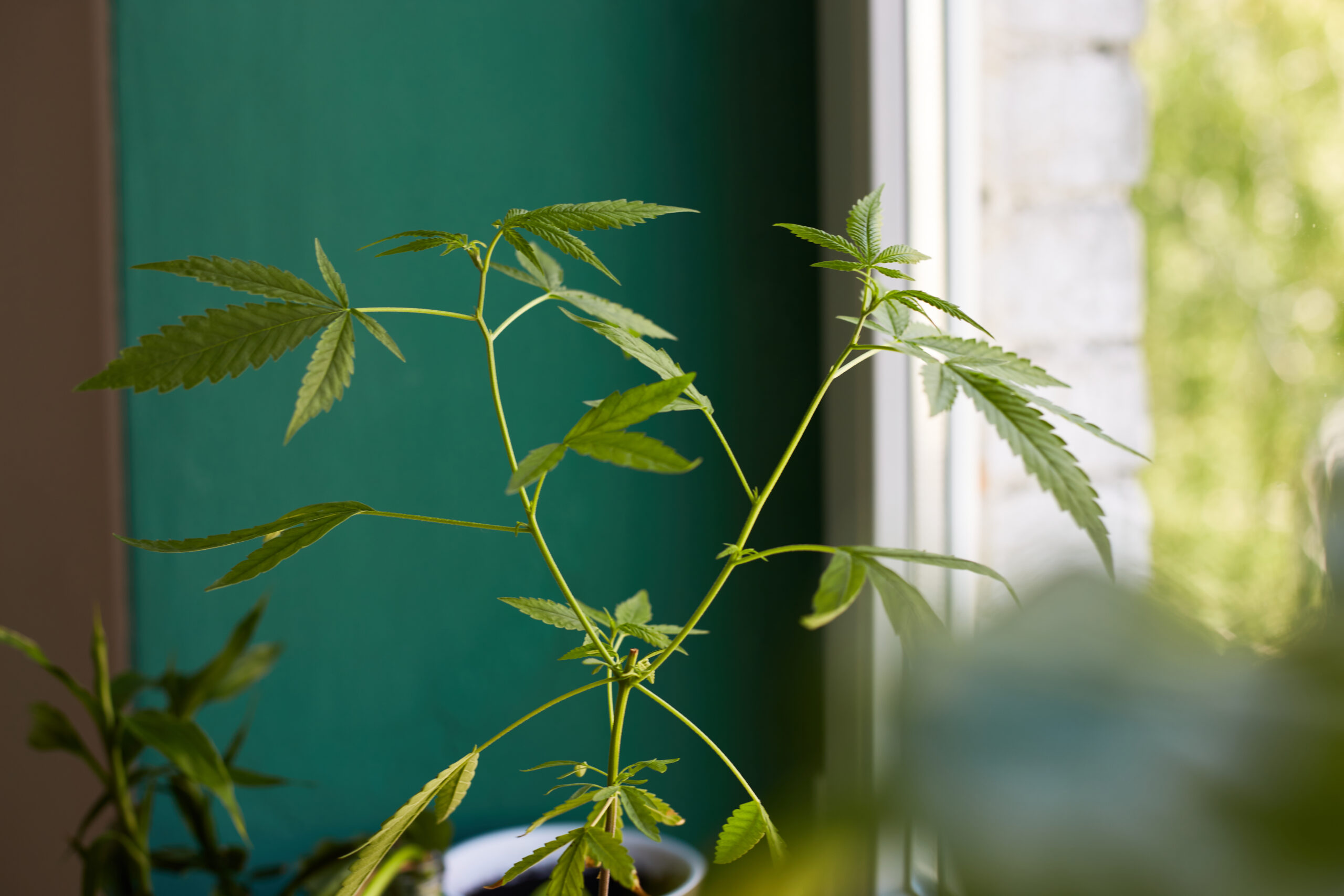


Growing weed at home in Albany, New York may sound simple at first, but there are important rules that every home grower needs to know before getting started. Many people assume that if cannabis is legal in New York, then growing it at home must be easy and free from rules. That is not true. Home growing is legal in many cases, but it is still regulated. The law gives adults certain rights, but it also sets clear limits on what they can do, where they can grow, and how they must handle their plants and harvest.
One of the first things to understand is that home cannabis growing in Albany is mainly controlled by New York State law. Albany is a city within New York, so local residents must follow the statewide cannabis rules first. This matters because some people search for Albany specific rules and expect to find a separate city license or city home grow permit. In most cases, that is not how it works. Albany does not have its own full system that replaces state law for personal home growing. Instead, the state sets the main legal framework. Local rules may still matter in some situations, especially when they involve housing, public behavior, safety, and neighborhood concerns, but the basic right to grow at home comes from New York State.
That difference is important for beginners. A person who wants to grow weed at home in Albany should not start by guessing or copying what someone in another state does. They should start with the New York rules. Those rules explain who can grow, how many plants are allowed, where those plants may be kept, and what steps a person must take to avoid breaking the law. Even a small home grow can become a problem if the grower ignores plant limits, keeps plants in the wrong place, or creates issues with smell, access, or safety.
Another important point is that this topic is not only about whether growing is legal. It is also about how to grow in a way that stays within the legal limits from the first day to the last. For example, many new growers focus only on the planting stage. They ask whether they can grow one or two plants and then stop there. But the rules do not end once the seeds sprout. A home grower also needs to think about where the plants are placed, whether other people can see them, whether children or guests can get access to them, and what happens after the plants are harvested. A legal grow setup is not only about starting the process. It is also about managing the whole process in a lawful and responsible way.
People in Albany often have practical questions that go beyond the basic law. They may want to know if they can grow in an apartment, whether a landlord can stop them, whether neighbors can complain about the smell, or whether outdoor growing is allowed in a yard. These are real questions because many home growers do not live in large private houses. Some rent apartments. Some live in duplexes, condos, or shared properties. Others may have outdoor space, but not much privacy. Because of that, a person can be allowed to grow under state law and still run into problems if the grow affects the building, the lease, or the people living nearby.
Odor is another issue that new growers often underestimate. Cannabis plants can produce a strong smell, especially during certain parts of the grow cycle. That smell can travel through vents, hallways, open windows, and fences. In a dense neighborhood or shared housing setting, that can lead to complaints. A person may think the grow is private, but the odor can make it a public problem very quickly. That is why odor control matters so much. It is not only about comfort. It is also part of reducing conflict and staying on good terms with neighbors and property owners.
Safety also matters from the start. Home growing involves more than putting a plant near a window and waiting. Many growers use lights, fans, timers, cords, tents, and other equipment. If those items are set up badly, they can create electrical or fire risks. Moisture, poor airflow, and bad storage habits can also create problems. Cannabis and cannabis products must be kept away from children, pets, and anyone who should not have access to them. Safe handling is one of the most important parts of home cultivation, especially for first time growers who may be focused on the plant but not on the setup around it.
This article is designed to help readers understand those issues before they start growing. It looks at the key questions that home growers in Albany are most likely to ask. It explains the basic legal rules, plant limits, location rules, rental concerns, local issues, odor control, and safety steps in clear language. The goal is to help readers get a solid understanding of what home growers need to know first. Starting with the law, the limits, and the practical risks can save time, money, and stress later. Before anyone buys seeds, sets up a grow tent, or picks a spot in the yard, it makes sense to understand the rules that apply to growing weed at home in Albany, NY.
Is It Legal to Grow Weed at Home in Albany NY?
It is legal for adults age 21 and older to grow weed at home in Albany, New York, for personal use. New York State allows home cultivation for adults, and those state rules apply in Albany too. That means people in Albany do not need to wonder if the city has fully banned home growing. The legal right to grow at home comes from New York State law.
This does not mean every kind of growing is legal. The law allows home growing only within clear limits. It must be for personal use, not for selling. It must happen in a real residence, not just anywhere a person happens to stay. A legal grow also has to follow state rules on plant counts, security, access, and safe handling. So the short answer is yes, but only when the grow follows New York’s rules.
Why New York State Law Matters Most
Many people search for phrases like grow weed Albany NY because they want to know if the city has its own rules. That is a fair question. In practice, the main rules for home cultivation come from New York State. State cannabis rules explain that adults 21 and older can cultivate cannabis at home. Those same rules also explain who can grow, where growing can happen, and how much cannabis a person can legally keep.
Albany does have local cannabis rules, but those rules focus more on things like dispensaries, public consumption, and complaints. The city does not run a separate home grow license system for ordinary adult use. That matters because it tells readers something important right away. A person who wants to grow weed at home in Albany is mostly dealing with state law, not a special set of city home grow rules.
What Counts as a Legal Home Grow
A legal home grow must happen in a residence. Under New York rules, cannabis can be grown in places people own or rent, such as a house, apartment, room, mobile home, co-op, or another residential space. The rules also make it clear that people cannot legally cultivate cannabis in places meant for temporary stays, such as hotels or motels. This helps draw a clear line. Home cultivation means growing at home, not growing anywhere.
The grow also has to stay within legal plant limits. One adult may grow up to three mature plants and three immature plants at one time. A private residence may have no more than six mature and six immature plants total, even if more than one adult lives there. This is one of the most important parts of staying legal. A person does not become legal just because they are over 21. They also have to stay within the plant cap.
The law also makes a clear difference between personal use and selling. Homegrown cannabis cannot be sold, traded, or bartered. In simple terms, the law lets people grow for themselves, not for business. That is an important point for beginners. Some people may think giving away or selling a small amount is harmless, but home grow rules are not meant for commercial activity.
What Albany Can and Cannot Do
Some people worry that a city can ban home growing even if the state allows it. In New York, local governments may create some rules related to home cultivation, but they cannot completely ban lawful home growing. That means Albany may still have some local role, but it cannot erase the state right to grow cannabis at home when the grow follows state law.
Even so, local rules can still matter. Albany has rules about where cannabis can be consumed in public. For example, public use is restricted in certain places such as city parks and near schools or houses of worship. These are not home grow bans, but they still matter to people who grow cannabis at home. A person may legally grow at home and still break local rules if they use cannabis in the wrong place.
What Renters Should Understand
Renters in Albany often have another question. Even if home growing is legal in New York, can a landlord stop it? State rules say cannabis may be grown in residences that a person owns or rents. That means renters are not left out just because they do not own the property.
Still, renting adds another layer of real life concerns. A landlord may still have rules about smoking, damage, safety, or strong odor. So while renters may have the legal right to grow in some situations, that does not mean every lease dispute goes away. A renter should read the lease carefully and think about how a grow might affect the space.
This is important because a legal home grow should not create property damage, serious odor problems, or unsafe conditions. A grow that causes those problems may lead to trouble even if home cultivation itself is legal under state law. So renters need to understand both the law and the housing rules that affect daily life.
What This Means Before You Start
For someone in Albany, the first thing to know is simple. Home growing is legal under New York law for adults 21 and older. That is the starting point. The next thing to know is just as important. Legal does not mean unlimited. The grow must happen in a true residence, stay within plant limits, remain for personal use, and follow the rules on safety, access, and handling.
This is why people should not rely on rumors or assume the city has banned all home grows. Albany does not wipe out the state right to lawful home cultivation. Instead, the main rules come from New York State, while local rules affect some of the details around use and complaints. A careful grower needs to understand both, but state law is the main place to begin.
It is legal to grow weed at home in Albany NY if you are 21 or older and follow New York State rules. The right to grow comes from state law, not from a separate Albany home grow license. Albany cannot completely ban lawful home cultivation, but local rules can still affect how cannabis is used or handled in the city. The safest way to think about it is this. Home growing is legal, but only when it stays personal, stays within the plant limits, and stays inside the rules already set by New York.
Who Can Legally Grow Cannabis at Home?
Knowing who can legally grow cannabis at home is one of the first things Albany residents should understand before they buy seeds, equipment, or starter plants. Many people assume that any adult can grow as many plants as they want as long as the plants stay inside the home. That is not how the law works. In New York, home growing is allowed, but it is limited to certain people and certain situations. The rules are based on age, place of residence, and whether the grow is for personal use or something else.
Adults Must Be 21 or Older
For adult use cannabis, the basic rule is simple. A person must be at least 21 years old to legally grow cannabis at home. This age rule matters because New York treats cannabis much like alcohol in some parts of the law. Adults can use it under the law, but minors cannot lawfully grow it for personal use.
This means a person who is 18, 19, or 20 years old cannot start a legal home grow for adult use, even if they live alone or pay rent. Age is one of the first legal limits. If someone is under 21 and grows cannabis anyway, that can create legal trouble even if the number of plants is small.
For households with more than one adult, each adult still has to meet the age rule. A household cannot count a younger roommate, child, or family member toward the legal plant total. Only adults age 21 and older count under the adult use home grow rules.
The Grow Must Be for Personal Use
Another important point is that home growing in Albany is meant for personal use. That means the law allows a person to grow cannabis for their own private use at home, not for a business. This is a major difference that many first time growers do not fully understand.
A legal home grow is not the same as a licensed cannabis business. A person cannot decide to grow at home and then sell what they harvest to neighbors, friends, or the public. They also cannot turn a home setup into an unlicensed grow operation. Once money, repeated sales, or business activity becomes part of the picture, the situation moves away from personal use and into a very different legal area.
This is why the article focuses on home growers only. The rules for licensed growers, processors, and retailers are much stricter and involve state approval. Most people searching about growing weed in Albany NY want to know if they can legally grow a few plants at home. That is a personal use question, not a commercial one.
The Person Must Be Growing in a Lawful Residential Setting
A person also needs to be growing in a proper residential place. Home cultivation rules apply to private residences, not just any place where someone happens to spend time. In simple terms, the law is about growing at home, not growing in random outdoor spots, shared public areas, or hidden places away from the residence.
This means the grow should be connected to the person’s home. It may be inside the home or, if allowed under the rules, in a private outdoor area connected to that residence. The grow is not meant to happen in a public park, on someone else’s land without permission, or in a shared area of a building that is open to others.
Renters may also be allowed to grow in many cases, but they still need to follow lease terms and housing rules that may affect how the grow is handled. Even when state law allows home cultivation, the growing setup still has to fit the living situation.
Medical Cannabis Patients and Caregivers May Also Be Covered
Some people in Albany may also come across medical cannabis rules while researching home growing. That is because New York has allowed home cultivation in the medical cannabis system as well. In some cases, certified patients and designated caregivers may have legal rights connected to growing cannabis for medical use.
This part of the law can be more specific than the adult use rules. Medical home growing is not simply a free pass for anyone who says they are using cannabis for health reasons. It usually connects to the state’s medical cannabis framework, which includes rules for qualified patients and caregivers.
For most readers, the main point is this. There are two broad paths people may hear about. One is adult use home growing for people age 21 and older. The other is medical cannabis home growing for people who fall under the medical program. These are related, but they are not exactly the same thing. A home grower should know which set of rules applies to them before starting.
Not Everyone in the Home Has Equal Rights Over the Grow
Even when a grow is legal, that does not mean every person in the home has the same legal right to take part in it. For example, a household may include adults, teens, or children. The legal grow rights apply to adults who qualify under the law, not to everyone living at the address.
This matters for safety and access. Cannabis plants and harvested cannabis should not be freely available to underage people. A legal grow must still be managed in a way that keeps it secure. So even if one or two adults in the home have the legal right to grow, they still have a duty to keep the plants and products out of the hands of minors and other unauthorized people.
Albany Does Not Create a Separate Class of Home Grower
People sometimes wonder if Albany has its own special permit, registration process, or city only rule for home growers. In most cases, the key rules come from New York State. That means the person’s right to grow at home mainly comes from state law, not from a separate Albany license for basic personal cultivation.
Still, local conditions can matter. Housing type, neighbor concerns, and property rules can affect how a legal grow works in real life. A person may have the right to grow under state law, but they still need to handle the grow in a way that follows safety rules and avoids other problems.
In Albany, a person can legally grow cannabis at home if they meet New York’s rules for home cultivation. For adult use, that generally means being 21 or older and growing for personal use in a lawful residential setting. Some medical cannabis patients and designated caregivers may also have rights under the medical system. What home growing does not allow is underage growing, unlicensed business activity, or careless setups that ignore housing and safety rules. Before anyone starts a grow, they should first make sure they are the kind of person the law actually allows to grow at home.
How Many Weed Plants Can You Grow in Albany NY?
Before you start growing weed at home in Albany, you need to know the plant limits. This is one of the most important parts of New York home grow law. Many new growers think they can simply grow a certain number of plants and stop there, but the rule has more detail than that. The law separates plants into mature and immature groups, and it also sets a limit for the whole household. That means you need to count carefully from the start. When you understand these limits early, it becomes much easier to avoid mistakes.
The basic plant limit in Albany
If you want to grow weed at home in Albany, the first thing to know is that the plant limit comes from New York State law. Albany does not have its own separate home grow plant count that replaces the state rule. For adult use home growing, one adult who is age 21 or older can grow up to 3 mature plants and 3 immature plants at one time.
This means one adult can have up to 6 plants total, but only if no more than 3 of them are mature and no more than 3 are immature. This point matters because many people think the rule is just 6 plants per person. That is not the full rule. New York does not treat all 6 plants the same way. It sets one limit for mature plants and another limit for immature plants.
For a beginner, this can feel a little confusing at first. The easiest way to understand it is to think of the law as using two separate plant counts. One count is for plants that are mature. The other count is for plants that are still immature. Both numbers matter.
The household limit matters too
The next rule is just as important as the personal limit. Even if more than one adult lives in the home, the whole residence still has a cap. No residence can have more than 6 mature plants and 6 immature plants at one time. That means the most a household can have is 12 plants total, and that is the maximum even if three or more adults age 21 and older live there.
This is where many people get confused. They may think that if several adults live in one home, each person can keep adding more plants. That is not how the rule works. The home itself has a limit. Once the residence reaches 6 mature plants and 6 immature plants, the household cannot legally go beyond that amount.
For example, if two adults live together, they may each grow cannabis, but the total for the home still cannot go over the household cap. This is why Albany home growers should count plants by both person and address. Looking only at what one adult has is not enough. You also have to look at the total number of plants in the home.
Why mature and immature plants are counted separately
New York’s home grow rules do not just give one flat number for all plants. They divide the count between mature and immature plants. This means growers need to pay attention to both categories at the same time.
A person cannot say the grow is legal just because the total number of plants looks right if one category is already over the limit. For example, a household cannot go over the allowed number of mature plants and try to make up for it by saying the immature plant count is lower. Each category has its own limit.
For first time growers, the safest way to handle this is to keep a simple record. You can write down how many plants you have in each group and check the numbers often. This becomes even more important if more than one adult in the same home is growing. Without a clear count, it is easy to lose track and go over the limit without meaning to.
The limit is for personal use, not for selling
Another point that new growers should understand is that home cultivation in New York is meant for personal use. Growing at home does not mean you can treat it like a small business. A legal plant count does not give you the right to sell what you grow.
This is important because some people focus only on the number of plants and forget the bigger rule behind home cultivation. The law allows limited home growing for private use. It does not create a legal path for unlicensed sales. So even if your grow stays within the plant count, you still have to follow the other rules connected to homegrown cannabis.
This is one reason why plant limits matter so much. The state is allowing a small personal grow, not a commercial operation. Keeping that difference in mind helps explain why the law is written the way it is.
Your harvest is also subject to limits
The plant count is not the only number that matters. After harvest, there are also limits on how much cannabis you can keep and how much you can carry. This matters because some people think that once the grow itself is legal, there are no other quantity rules to follow. That is not true.
You need to pay attention to the plant count while the crop is growing, but you also need to think about what happens after the plants are cut, dried, and stored. A grower who stays inside the plant limit still needs to follow the rules for possession at home and when carrying cannabis outside the home.
This is a very important part of planning a home grow. A person may stay within the allowed number of plants and still create legal trouble later by ignoring the rules after harvest. That is why it helps to think ahead before you plant anything. You are not just planning how many plants to grow. You are also planning how to handle the final product in a legal way.
What this means for Albany home growers
For people in Albany, the smart approach is to stay organized from day one. Know how many adults live in the home. Know how many mature plants are being grown. Know how many immature plants are being grown. Then check the total for the whole household, not just for one person.
This helps prevent simple mistakes that can become bigger problems later. It also makes it easier to explain the grow if questions ever come up about how many plants are in the home. Good records and careful counting can go a long way.
Albany home growers should also think beyond the growing stage. Once harvest time comes, the legal questions do not end. Storage, possession, and transport still matter. When people understand that early, they are in a much better position to grow responsibly and stay within the law.
In Albany, the legal plant limit for home growers comes from New York State law. One adult age 21 or older can grow up to 3 mature plants and 3 immature plants. A whole household can have no more than 6 mature plants and 6 immature plants, even if more than two adults live there. Home growing is meant for personal use, not for selling. Growers also need to remember that the rules do not end at harvest, because possession and storage limits matter too. When you understand these numbers before you begin, it becomes much easier to plan a home grow that stays legal from start to finish.
Where Can You Grow Weed at Home in Albany?
Before you start growing cannabis at home in Albany, it is important to know where the law allows it. Many people think they can grow anywhere on their property or in any outdoor space near their home. That is not always true. New York has clear rules about what counts as a legal home grow location. The main issue is whether the space is part of a real residence and whether it is private, secure, and not open to the public.
Your grow has to be at a real residence
In Albany, the main rule is simple. You can grow cannabis at a place that is your real home. New York says home cultivation is allowed in residences that you own or rent. That includes places such as a room, house, apartment, mobile home, co-op, or other residential space. The key point is that the place must be used as a true residence, not as a short term or temporary stay.
This matters because not every place where a person sleeps counts as a legal grow site. People can only cultivate in their homes. They cannot grow in a hotel, motel, or another place meant to be temporary or non permanent. So, if you live full time in a home or rental in Albany, that is the kind of place the law is talking about. A short stay unit is different and does not qualify.
For many readers, this answers the first big question. You do not need a large piece of land to grow at home. A legal home grow can happen in many kinds of living spaces. What matters most is that the space is residential, that you have legal rights to use it, and that you follow the state rules on plant limits, security, and visibility.
Indoor growing is allowed in many kinds of homes
Indoor growing is often the easiest option for people in Albany because it gives more control over the space. A person may grow indoors in a home they own or rent, including an apartment or other residential unit. The law does not limit home cultivation only to single family houses. That is why indoor growing can be a practical choice for people who live in smaller spaces, as long as the grow stays within the legal limits and does not create other problems.
Indoor growing also makes it easier to keep plants in a secure place. Cannabis plants must be kept in a secure location within or on the grounds of the residence. Reasonable steps must also be taken so the plants are not accessible to unauthorized people or anyone under age 21. In simple terms, that means the grow should not be left open for anyone to reach. A closed room, a locked door, or another barrier can help.
Another important rule is that the plants cannot be plainly visible from public view. This means people outside the property should not be able to clearly see the plants. Even if you are growing inside, you should think about windows, open doors, and other sight lines from the street or sidewalk.
Outdoor growing is legal, but only in the right kind of space
Outdoor growing is also legal in New York, and that includes Albany. But outdoor growing has extra limits. Cannabis may be grown outside only in non shared outdoor areas that the person has legal rights to use. The outdoor area must also be next to the private residence.
This rule is important because many people assume any outside area near a building is fine. That is not always true. A private backyard, a fenced side yard, or another outdoor area that belongs to the residence may qualify. But the area has to be tied to your home and not shared with other people. The law is meant to keep home grows in private residential space, not in open or community areas.
Outdoor growers also need to think about visibility. The plants must not be plainly visible from public view. For an outdoor grow, this often means using a fence, gate, wall, or other barrier so people off the property cannot see the plants. A grow that can be seen from the street, sidewalk, alley, or another public place may create a legal problem even if the grow is on your own property.
Shared spaces do not count as legal grow areas
One easy mistake is thinking that a common area can be used for home cultivation. It cannot. If you only have access to shared outdoor space, that common area cannot be used for a legal home grow.
That means spaces such as shared courtyards, common lawns, community gardens connected to a building, shared roof decks, or open areas used by many tenants are not the right place for cannabis plants. Even if the space feels close to home, it is still a common area if other residents have rights to use it too. For Albany renters and apartment dwellers, this is one of the most important rules to understand before buying seeds or equipment.
What renters in Albany should keep in mind
Renters are not shut out from home growing. Cannabis can be grown in residences that people rent, and landlords usually cannot refuse to lease or punish a tenant only because the tenant is doing something allowed by cannabis law. Still, renters need to be realistic about the space they have. A legal grow site in a rental must still be part of the residence and must still follow the rules on privacy, security, and access.
A renter in Albany may be able to grow in a private room, a private apartment, or a private outdoor area attached to the unit if that space is not shared. But a shared basement, shared hallway, or shared yard would not meet the rule. The best way to think about it is this. If the area is truly part of your own living space, it may qualify. If it is open to other residents, it usually does not.
Where you can grow weed at home in Albany depends more on New York’s home cultivation rules than on city specific grow rules. You can grow in a real residence that you own or rent, including many common housing types such as houses, apartments, mobile homes, and co-ops. You can grow indoors or outdoors, but outdoor growing must be in a private, non shared area right next to the home. Shared spaces do not count, and the plants must be kept secure and out of public view. For most home growers, the safest starting point is a private part of the home that you control and that clearly fits the state rules.
Can You Grow Weed in an Apartment or Rental Property?
You may be able to grow weed in an apartment or rental property in Albany, but you should not assume that every rental allows it. New York lets adults age 21 and older grow cannabis at home for personal use, and the state says landlords generally cannot refuse to lease to someone or punish them only for conduct that state cannabis law allows. At the same time, New York’s cannabis guidance also says landlords, property owners, and rental companies can ban smoking, vaporizing, or growing cannabis on their premises. That means a renter may have legal rights under state law and still face lease rules that limit what can happen inside the unit.
What state law allows for renters
For adult use, New York allows home cultivation in a residence. The current limit is up to three mature plants and three immature plants per adult, with a household cap of six mature and six immature plants, even when more than two adults live there. The plants must be kept in a secure place and must not be accessible to anyone under 21. So, in simple terms, renting does not automatically block a legal home grow. A renter can still fall within the state home grow rules if the grow stays within the plant limits and follows the security rules.
This matters in Albany because many people live in apartments, duplexes, or other shared buildings. A legal grow in a rental is not just about the plant count. It also depends on where the plants are kept and whether the setup is private, secure, and controlled. In an apartment, a grow in a locked room or other controlled space is much easier to defend than plants left in an open area where guests, neighbors, children, or building staff can reach them. Shared spaces can create trouble fast because the state expects homegrown cannabis to stay secure.
What a landlord may still control
This is where many renters get confused. New York law gives broad protections for conduct allowed under the cannabis law, but official state landlord guidance also says landlords can ban smoking, vaping, or growing cannabis on their premises. So even if cannabis is legal in New York, a lease can still matter a lot. In practice, adult use renters should not assume that state legalization wipes out a building rule or lease clause about smoking, odors, safety, or growing.
A landlord may also have stronger reasons to act if the grow creates real problems for the property. For example, a landlord may focus on damage from added heat, water, mold, wiring, fans, or changes to walls and windows. Even when the issue starts with cannabis, the landlord may frame it as a property maintenance or safety issue instead of a cannabis issue. That is one reason renters should read the lease closely before setting up lights, tents, vents, or extra electrical equipment.
Another important point is smoking and vaping. New York is very clear that a smoke free property does not have to allow smoking cannabis on the premises. So even if a renter can lawfully possess cannabis, that does not mean they can smoke it inside the unit, on a balcony, or in a common area if the property rules ban it. For many renters, that difference between possession and smoking is one of the biggest legal traps.
Why odor and nuisance issues matter in rentals
Odor is one of the fastest ways a home grow turns into a housing problem. New York’s cannabis guidance says reasonable steps must be taken so cannabis odor does not become a nuisance to neighboring residents. The home cultivation guidance also says that if you receive an odor complaint from a neighbor, landlord, or the municipality where you live, you must use odor control measures so you are not creating a nuisance.
For an apartment grower, this means odor control is not optional. It is part of staying compliant and keeping peace in the building. Carbon filters, sealed grow tents, and good ventilation matter because smell can travel through hallways, vents, doors, and windows. In a rental, one strong odor complaint can bring the landlord into the issue even when the grow itself started within the plant limit.
Medical cannabis renters have extra protection
Medical cannabis is different in an important way. New York says tenants in the medical cannabis program have the right to consume medical cannabis in their home, including smoking or vaping, unless allowing it would put the landlord at risk of losing a federal benefit. New York also says growing cannabis for medical purposes cannot be prohibited by a landlord, homeowner association, or co-op board, except in that same federal benefit situation. That is stronger protection than what adult use renters appear to have under the general landlord guidance.
So, if a renter in Albany is a certified medical cannabis patient, the legal position may be more favorable than it is for an adult use renter growing only for personal non medical use. That does not remove every rule about safety, property damage, or nuisance, but it does mean the medical side has added protection under New York’s official guidance.
What renters in Albany should do before they start
Before you grow, read the lease from start to finish. Look for rules on smoking, odors, electrical equipment, property changes, balconies, patios, and illegal activity. Then check whether the building has separate house rules in addition to the lease. If the wording is unclear, ask the landlord or property manager in writing. Getting a clear answer early is much better than arguing after a complaint. The state rules may allow home cultivation, but a rental dispute often turns on what the lease says and whether the grow created safety or nuisance problems.
A renter in Albany may be able to grow weed at home, but the answer is not a simple yes for every apartment. New York allows adult home cultivation and protects many forms of lawful cannabis conduct. Still, state landlord guidance says landlords can ban growing on their property, and they can also ban smoking or vaping. On top of that, odor, safety, and damage issues can quickly become lease problems. Medical cannabis patients have stronger protection than adult use renters, especially for home use and medical home cultivation. The safest approach is to treat legal home grow and lease permission as two separate questions, and make sure both are on your side before you begin.
Can Landlords, Co-ops, or Condos Stop a Home Grow?
Many people in Albany want to know whether a landlord, co-op board, or condo association can stop them from growing weed at home. This is an important question because a person may have the right to grow cannabis under New York law, but they may also live in a building with lease rules or housing policies. The key point is that state law usually comes first, but that does not mean building owners and housing groups have no power at all. In most cases, they cannot fully block a lawful home grow just because it involves cannabis. At the same time, they can still make rules about things like smoke, odor, damage, and shared spaces. That is why home growers need to understand both their legal rights and the limits that may still apply in a rental, co-op, or condo setting.
State law comes first
For people in Albany, the first thing to understand is that New York State law gives legal protection to adults who grow cannabis at home within the legal limits. In general, a landlord cannot refuse to rent to someone only because that person lawfully uses, possesses, or grows cannabis for personal use. This means a lease cannot usually include a full ban on legal cannabis activity in the home without a valid reason tied to other laws.
This is a major point for renters and residents in shared housing. A landlord, co-op, or condo board usually cannot say that all cannabis activity is banned just because they do not like it. If the home grow follows New York law, the grow has some protection. That gives residents a real legal starting point. Still, that protection is not unlimited. It does not erase every building rule, and it does not excuse conduct that harms the property or bothers other people in the building.
What building owners and associations still can control
Even though they usually cannot place a full ban on lawful home growing, landlords, co-ops, and condos can still control how that growing affects the building. This is where many disputes begin. Cannabis plants can create a strong smell, especially during flowering. A grow may also affect moisture levels, airflow, and indoor conditions. In shared buildings, those issues can spread beyond one unit.
Because of this, a building may have rules about odor control, ventilation, nuisance issues, or other property concerns. These rules are not the same as a total ban. Instead, they focus on how the activity affects neighbors and the building itself. That means a person may still be allowed to grow cannabis, but the grow must be managed in a way that does not create a serious problem for others.
This is a big difference that many people miss. Legal home growing does not mean a resident can ignore the impact on nearby units. If the smell becomes too strong, if moisture causes problems, or if equipment creates safety concerns, the building may have the right to step in.
Smoke-free rules are still allowed
Another important point is that growing cannabis is not the same as smoking cannabis. A person may have the right to grow weed at home, but that does not mean they have the right to smoke or vape it inside the building. Many landlords and housing communities have smoke-free policies, and those rules can still apply to cannabis.
This matters because some people think a legal home grow also gives them full freedom to consume cannabis any way they want in the unit. That is not always true. A tenant may be following the law by growing within the plant limit, but still breaking the lease by smoking in the apartment. In a co-op or condo, the same idea can apply through house rules or association policies.
That is why it is important to read the lease or building rules carefully. A cannabis policy may not stop lawful cultivation, but it may still ban smoking and vaping on the property.
Property damage still matters
A landlord or housing board may also act if the home grow causes damage. This is one of the strongest limits on a resident’s rights. Home growing often involves lights, fans, water, containers, and added humidity. If those things lead to mold, water damage, electrical trouble, or damage to floors and walls, the resident may be responsible.
This means the right to grow does not protect a person from normal property rules. A landlord may not be able to stop a legal grow just because it is cannabis, but they can still enforce lease terms about damage, repairs, and upkeep. The same goes for co-ops and condos. If the grow setup harms the unit or creates a problem that spreads to another part of the building, the resident may face penalties or repair costs.
For that reason, home growers should think beyond plant limits. A legal grow should also be a careful grow. The setup should be safe, clean, and controlled.
Federal housing issues can change the answer
There is also an important exception that can change the outcome. Some properties are tied to federal housing rules or federal funding. In those cases, the landlord may be allowed to ban cannabis use, possession, or cultivation if allowing it would place a federal benefit at risk.
This issue may come up in certain public housing or other federally connected housing programs. So while New York law gives broad protection to legal home growers, that protection may not work the same way in every building. Two people in Albany may live only a few blocks apart and still face different rules because one building is affected by federal requirements and the other is not.
That is why housing type matters. A person should not assume every rental or housing setup will be treated the same way.
Shared spaces create extra limits
Shared spaces are another common problem in apartments, co-ops, and condos. Even if a person has access to a yard, patio, roof, or outdoor area, that does not always make it a legal place to grow cannabis. In general, home cultivation must take place in a space the resident has legal rights to use as private residential space. Common areas are treated differently.
This matters a lot in multi-unit buildings. A shared backyard may look like a simple outdoor grow spot, but it may not qualify as a lawful private area for cultivation. The same goes for common hallways, rooftops, and building patios. In a condo or co-op, building documents may define very clearly what is private and what is common space.
A resident should be very careful with outdoor growing in shared housing. What feels private may not be private under the building rules.
What this means for Albany home growers
For most people in Albany, the issue is not a special city ban on growing weed at home. The bigger issue is how state law works with leases, building policies, and shared living rules. Albany home growers need to know that New York law usually protects legal home cultivation, but those protections do not remove all housing rules.
In real life, the safest approach is to stay within the legal plant limit, keep the grow out of public view, control smell, avoid smoke problems, protect the unit from damage, and make sure the grow is not placed in a shared area. A grow that is legal on paper can still lead to trouble if it creates problems inside the building.
Landlords, co-ops, and condos in Albany usually cannot stop a lawful home grow just because it involves cannabis. New York law gives adults real protection when they grow within the legal rules. Still, building owners and housing groups can regulate smoke, odor, property damage, and problems tied to shared living. Federal housing rules may also create stricter limits in some places. The best way to avoid trouble is to follow state law, understand the lease or building rules, and keep the grow safe, private, and well managed.
Where Can Albany Growers Legally Buy Seeds or Starter Plants?
Starting a home grow in Albany does not begin with lights, soil, or plant food. It begins with making sure the seeds or starter plants come from a legal source. Many first time growers focus on how to grow, but the first step is really about where the grow begins. In New York, adults can grow cannabis at home for personal use, but that does not mean every seller is allowed to sell seeds or young plants. The source matters.
This is where many people get confused. A person may assume that because cannabis is legal in New York, buying seeds or clones from any grower, shop, or online listing is fine. That is not the safest way to look at it. New York has rules about who can sell seeds and immature plants to consumers. Albany growers should understand those rules before they spend money or bring anything home.
Start With Licensed New York Sellers
The safest path is to buy from a licensed New York seller that is allowed to sell seeds or starter plants under state rules. For adult use home growing, the state allows sales of seeds through the legal cannabis system. The same is true for certain immature plants, such as clones and seedlings, when they move through the proper licensed channels.
This point is important because not every cannabis business can sell every cannabis item directly to the public. A grower may be licensed for one part of the business but not for retail sales to consumers. That means Albany residents should not assume that any cannabis company can legally sell seeds or starter plants just because it operates in the cannabis space.
Buying through a licensed New York seller gives the home grower a clearer legal starting point. It also lowers the chance of getting poor quality material, wrong strain information, or products that do not match what the seller claims. When a person starts with a lawful source, it is easier to stay on the right side of the rules from day one.
What Adult Use Buyers Should Look For
Adult use buyers in Albany should look for a legal New York cannabis business that is allowed to sell seeds or immature plants to consumers. This means the purchase should be tied to the state licensed market. The main thing to remember is that legal home growing does not make all seed sources legal. The product and the seller both matter.
This can feel a little confusing at first because cannabis laws often sound broad when people talk about them. Someone may hear that adults 21 and older can grow at home and assume that getting seeds is simple from any source. In real life, the legal system is more specific. New York allows home cultivation, but it also controls how seeds and starter plants reach the buyer.
For Albany growers, this means it is smart to take a slow and careful approach. Check whether the business is part of the licensed New York market. Make sure it is selling the kind of product you need. Do not rush into a purchase just because a seller claims the item is available.
What Counts as a Starter Plant
Many beginners are not sure what a starter plant really is. In simple terms, a starter plant is a young cannabis plant that has not yet reached full maturity. It may be called a seedling, a clone, or an immature plant. These terms are common in cannabis growing, and they all point to early stage plant material.
A seed is the very beginning of the process. A seedling is a plant that has already sprouted and started to grow. A clone is a cutting taken from another cannabis plant and rooted so it can grow on its own. An immature plant is a broader term that covers young plants that are still in the early growth stage.
This matters because seeds and starter plants are not the same kind of purchase. Seeds usually require more patience and more early care. Starter plants can save time because they have already passed the first stage. That can make them appealing for first time growers in Albany. Still, the legal issue stays the same. Whether you buy seeds or a young plant, the source should be a lawful one.
Medical Buyers Have a Separate Path
Some Albany residents may be part of New York’s medical cannabis program. Medical patients and designated caregivers may have a separate way to buy seeds or immature plants. In some cases, these items may be available at registered medical cannabis dispensing locations.
This is useful to know because the medical side of the system does not always work the same way as the adult use side. A patient may have access through a registered organization, while an adult use buyer may need to look for a different type of licensed seller. The rules can overlap in some areas, but the sales path may still be different.
For readers in Albany, the practical lesson is simple. Do not assume that every store serves both adult use buyers and medical buyers in the same way. A person in the medical program should check whether a registered organization carries seeds or immature plants. A person shopping for adult use should make sure the seller is authorized under the adult use system.
Why Calling Ahead Matters
Even when a business is licensed, there is no promise that seeds or starter plants will always be available. Some stores may focus mostly on finished cannabis products. Others may carry seeds but not clones. Some may only have young plants at certain times, depending on supply and demand.
That is why calling ahead is one of the smartest things an Albany grower can do. A short call can answer several basic questions before you leave home. You can ask whether the store currently has seeds, seedlings, or clones. You can ask whether those items are sold to adult use customers, medical patients, or both. You can also ask about stock levels and any buying limits.
This step saves time and lowers confusion. It also helps a new grower avoid showing up at a store that does not carry the right material. For people who are just getting started, a little checking in advance can make the whole process feel much easier and more clear.
What to Avoid
A legal grow should start with a legal purchase. That means Albany growers should be careful with informal sales, private handoffs, social media offers, and sellers who cannot clearly show that they are part of the legal New York market. A seed or clone may seem cheap or easy to get through those routes, but the risk is higher.
There is also the problem of bad information. A person may buy seeds that are labeled one way but grow into something very different. A clone may look healthy at first but bring pests or disease into the home grow. When the source is unclear, the grower has less protection and less confidence in what they are bringing home.
It is also wise not to rely on old online posts or outdated advice. Cannabis rules, store menus, and product availability can all change. A source that seemed legal or active months ago may not still be the right choice today. The best move is to verify that the seller is licensed and confirm that the seeds or starter plants are actually in stock before buying.
Albany growers who want to start a home grow the right way should begin with a legal New York source for seeds or starter plants. That is the clearest and safest first step. Adult use buyers should look for licensed sellers that are allowed to sell seeds or immature plants under state rules. Medical patients and caregivers may also have access through registered medical cannabis organizations.
What Rules Apply to Security, Visibility, and Access?
Growing cannabis at home in Albany is not only about staying within the plant limit. It is also about keeping the plants secure, keeping them out of public view, and making sure that children, guests, and other unauthorized people cannot get to them. New York home cultivation rules say growers must take reasonable measures so homegrown cannabis is not accessible to unauthorized persons or anyone under age 21. The state also says plants should not be plainly visible from public view. Examples of reasonable measures include using an enclosed area and using locks, gates, doors, fences, or other barriers.
Why security matters
Security rules are a core part of legal home growing. The point is simple. A legal grow must stay private and controlled. The law does not want cannabis plants left where anyone can touch them, remove them, or even easily see them from outside the home. This rule helps lower the risk of theft, unwanted attention, and access by minors. It also helps show that a person is growing for personal use in a lawful way, not in a careless way.
For many people, this means thinking beyond the plants themselves. A grow room, closet, tent, greenhouse, fenced yard, or other grow area should be treated as a controlled space. The grower should be able to decide who enters that space and when. Even a small grow needs this level of care.
What “not accessible to unauthorized people” means
The phrase “not accessible to unauthorized people” covers more than strangers. It can include visitors, roommates who do not have permission, workers entering the home, and anyone under 21. In simple terms, the plants should not be left in a place where another person can just walk up and handle them. New York guidance says reasonable measures may include keeping the grow in an enclosed area and adding physical barriers such as locks, doors, gates, or fences.
This does not mean every home grow must look the same. A person in a house may use a locked spare room or a fenced backyard area. A renter in an apartment may use a locked room or a grow tent placed in a private part of the unit. What matters is that access is controlled in a real and practical way. A corner of a living room or an open porch would be much harder to defend as secure if other people can easily reach it.
Keeping plants out of public view
New York also says cannabis cultivation should not be plainly visible from public view. This means a person standing on a street, sidewalk, shared path, or other public area should not be able to clearly see the plants. The same idea applies if the plants are easy to spot through an uncovered window, across an open balcony, or over a low fence.
For indoor grows, this often means choosing a room that is not visible from the street and keeping blinds, curtains, or other coverings in place when needed. For outdoor grows, privacy matters even more. The state’s home cultivation guidance suggests reducing the public’s view with barriers such as fences or other tall plants. This is a practical step because it helps with both privacy and security.
The goal is not just to hide the plants. The goal is to reduce easy visibility that could lead to complaints, theft, or questions about whether the grow is being handled lawfully.
Indoor security basics
Indoor growers often have an easier time meeting the visibility rule, but they still need to think about access. A closed room is helpful, but a lock is better. If children live in the home or visit often, the grow area should be treated as a place they cannot enter on their own. New York guidance also recommends growing more safely by lowering fire risk, especially because indoor cultivation can place a heavy load on electrical systems. That means security and safety should work together. A safe room should be private, controlled, and not overloaded with unsafe equipment.
A good indoor setup is one that stays simple. The plants are in a room, closet, or tent that is not open to general foot traffic. The area is not visible from outside. Access is limited. The grower knows who has the key or code. This kind of setup is easier to manage and easier to defend if questions come up later.
Outdoor security basics
Outdoor growing can be legal, but it usually takes more planning. The state says growers should take reasonable measures to secure plants outdoors just as they would indoors. Outdoor plants should be in a private area tied to the residence and screened from public view. Fences, locked gates, and natural barriers can all help.
Outdoor growers should also think about neighbors, shared boundaries, and sight lines. A plant may seem hidden from one angle but still be visible from a nearby sidewalk or second floor window. Before planting, it helps to stand outside the property and look at the area from different public views. This simple check can help avoid problems later.
Access rules for homes with children or frequent visitors
Homes with children need extra care. State guidance clearly says cannabis must not be accessible to anyone under 21. That makes locked access especially important in family homes.
The same logic applies in homes with many visitors. Friends, repair workers, cleaners, and short term guests may enter spaces that feel private during normal daily life. A lawful grow should not depend only on trust or habit. It should depend on physical control of the area.
For Albany home growers, the security rule is easy to understand even if it takes some planning to follow. Keep the plants in a controlled space. Keep them out of public view. Do not let children or unauthorized people reach them. Use real barriers such as locked doors, fences, gates, or enclosed rooms when needed. A grow that is private, secure, and hard to see is much more likely to stay within New York’s home cultivation rules and much less likely to create avoidable problems.
Can You Grow Weed Outdoors in Albany NY?
Growing weed outdoors in Albany may sound simple at first, but there are a few legal and practical rules that matter right away. New York allows home cannabis cultivation for adults, but outdoor growing has to follow clear limits on location, privacy, and access. Albany does not have a separate city license for a small personal grow at home, yet local conditions still matter. A person needs to think about whether the yard is private, whether the plants can be seen from public areas, and whether neighbors may be affected. Before putting any plant outside, it helps to understand how the state rules work in a real Albany setting.
Outdoor growing is legal in Albany
Yes, adults age 21 and older can legally grow cannabis outdoors at home in Albany, but only if the grow follows New York State home cultivation rules. Outdoor growing is allowed at a private residence, so Albany residents do not need a separate city home grow license just to grow a few plants for personal use. The basic rule is simple. The grow must be tied to a private home, follow the plant limits, and meet the rules on privacy and security.
The outdoor area must be private and next to the home
New York allows outdoor home cultivation only in a non shared outdoor area that the person has legal rights to use, and that space must be next to the private residence. This matters a lot in Albany because many people live in apartments, duplexes, or homes with shared yards. A shared courtyard, shared side yard, or common lawn is not a legal place for an outdoor cannabis grow. In plain terms, the space has to be your own legal outdoor area, not a common area used by everyone in the building.
This rule can be easier for people with a private backyard, fenced side yard, or another outdoor space that belongs only to their unit or home. It can be harder for renters in buildings where outdoor space is shared. Before starting an outdoor grow, a home grower should ask one basic question. Is this outdoor space private, and is it directly connected to the home? If the answer is no, the grow may not meet the state rule.
Plants cannot be plainly visible from public view
One of the most important outdoor rules is that cannabis plants cannot be plainly visible from public view. That means people who are not on the property should not be able to easily see the plants from the street, sidewalk, alley, or other public place. The plants should be enclosed or placed behind gates, doors, fences, or other barriers that block the view. This is not just a privacy tip. It is part of legal compliance.
For Albany home growers, this means an open garden bed near the front walk may not be a smart choice, even if the grower is staying within the plant limit. A back yard with fencing, privacy panels, or thick landscaping is usually a better fit. The goal is to reduce public visibility and lower the chance of theft, complaints, or unwanted attention. A legal outdoor grow should be discreet, not easy to spot from outside the property.
Security matters as much as visibility
Outdoor growers also need to think about access. Cannabis plants must be kept in a secure location and must not be accessible to unauthorized people or anyone under 21. Good examples include locks, gates, doors, fences, and other barriers. In simple terms, the plants should not be sitting in an open area where a child, visitor, or stranger can walk up and reach them.
This is especially important in neighborhoods where yards are close together, where foot traffic is heavy, or where children and pets are often outside. Outdoor growing can be legal, but it still has to be controlled. A grower should think about who can see the space, who can enter it, and how easy it would be for someone to touch or remove a plant. Privacy and security work together. If the area is hidden but easy to enter, the grow still has a problem.
Albany growers should think about the outdoor season
Albany growers should also think about the local outdoor season before putting plants outside. The area has a limited warm growing season, which means timing matters. A grower who starts too early may run into late spring cold, and a grower who waits too long may face early fall frost before the plants finish.
This does not change the law, but it does affect planning. Outdoor growing in Albany works best when the grower treats the season as limited and plans ahead. The yard also needs good light, airflow, and enough space for the plants to stay hidden from public view. A legal grow that is poorly placed can still lead to weak plant growth, strong odor, and more attention from neighbors. Outdoor growing is not only about what the law allows. It is also about whether the space can support a safe and low profile grow.
Odor and neighbor concerns still matter
Albany home growers should not ignore smell. Growers should take reasonable steps to keep cannabis odor from becoming a nuisance to neighboring residents. For outdoor grows, this can include careful placement of the plants and using nearby garden plants to help soften strong smells. A strong odor may not always mean a grow is illegal, but it can still create problems with neighbors and may lead to complaints.
That is why outdoor growers should think about more than just plant count. The location of the garden, the distance from nearby homes, and the way air moves through the yard can all affect how noticeable the grow becomes. In a tight Albany neighborhood, odor may travel farther than a grower expects. A careful setup helps protect privacy, reduce friction, and make it easier to stay within the spirit of the law.
Living near a school or house of worship does not automatically block a home grow
Some Albany residents worry that living near a school or house of worship means they cannot grow outdoors at home. That is not automatically true. A person may still cultivate cannabis at home if the home cultivation rules are followed. This is different from local rules on public cannabis use, which place limits on where cannabis may be consumed in public places.
This difference is important. The rules about where cannabis may be consumed in public are not the same as the rules for growing a few plants at a private residence. A home grower should not mix those two ideas together. The main outdoor grow questions are still the same. Is the area private, secure, next to the home, and hidden from public view?
You can grow weed outdoors in Albany NY, but only in the right kind of space and only if you follow New York home grow rules. The outdoor area must be private, non shared, and next to the home. The plants must not be plainly visible from public view, and they must be kept secure so unauthorized people and anyone under 21 cannot access them. Albany growers should also plan around the local outdoor season and take odor seriously, since neighbor complaints can create real problems. A legal outdoor grow is not just about putting plants in the yard. It is about choosing a private space, keeping the grow low profile, and following the rules from the start.
What Albany Specific Rules Should Home Growers Know?
Growing weed at home in Albany can feel confusing at first because people often mix up state law and city rules. The good news is that Albany does not have a separate city system that replaces New York’s home grow rules. For most people, the main legal rules still come from New York State. At the same time, Albany has local rules about public cannabis use and complaint reporting that home growers should still understand. Knowing the difference can help you avoid mistakes and stay on the right side of the law.
Albany does not have its own separate home grow license
One of the first things Albany residents should know is that the city does not issue its own cannabis licenses for home growers. Many people think they need a city permit before they can grow a few plants at home. That is not how it works for personal home cultivation. The main rules for growing at home come from New York State cannabis law and state home cultivation guidance, not from a separate Albany home grow office.
This matters because it clears up a common misunderstanding. A person growing cannabis at home is not treated the same way as a dispensary, processor, or other cannabis business. Commercial cannabis businesses deal with state licenses, business rules, and local zoning issues. A home grower is usually dealing with personal use rules such as plant limits, safe storage, visibility, and other home cultivation requirements.
Albany’s local rules focus more on public use than home growing
Albany’s local cannabis guidance focuses more on where cannabis can be used in public than on how a person may grow it at home. The city explains that cannabis may only be consumed in places where tobacco smoking or vaping is allowed, but there are several exceptions. Cannabis cannot be used in motor vehicles, even if the vehicle is parked. It also cannot be consumed in City of Albany parks, within 500 feet of a school, or within 200 feet of a house of worship.
For home growers, this is an important point. Many people see these local rules and think they also control what happens inside a private home. That can lead to confusion. Albany’s public use rules are not the same as New York’s home cultivation rules. A city rule about public consumption does not automatically mean a person cannot legally grow cannabis at home.
Do not confuse public consumption rules with home cultivation rules
This is one of the biggest points Albany home growers need to understand. Public consumption rules and home cultivation rules are different. A person may live near a school or a house of worship and still be allowed to grow cannabis at home under New York law. Living near one of those places does not automatically make home cultivation illegal.
The better way to think about it is this. Albany controls certain public behavior, such as where cannabis may be smoked or vaped. New York State controls whether adults may grow cannabis at home for personal use. These are two separate legal questions. So, a home grow does not become illegal just because the home is close to a place where public consumption is restricted.
Still, that does not mean anything goes. A legal home grow must still follow state rules about plant limits, security, access, and visibility. The plants should not be easy for the public to see, and they should not be left where minors or other unauthorized people can get to them.
Albany cannot completely ban legal home cultivation
Another major point is that Albany cannot fully ban home cultivation if it is allowed under New York law. The state gives adults the right to grow a limited number of cannabis plants at home for personal use. Local governments may create reasonable rules in some areas, but they do not have the power to wipe out that state right completely.
This matters because some people worry that a city can simply decide to stop all home growing within city limits. That is not how the system works. Albany may still enforce general local rules related to property use, safety, nuisance issues, and other normal city concerns. But those local rules do not cancel the basic state law that allows legal home cultivation.
For example, a grow setup that causes major odor problems, unsafe electrical work, fire hazards, or damage to a property could still create problems. That would not be because home growing itself is banned. It would be because the way the grow is being managed creates separate local or housing issues.
Complaint channels also matter in Albany
Albany also gives residents a way to report cannabis related concerns. The city points people to the state complaint system for certain issues, such as unlicensed sales, unsafe products, sales to minors, and cannabis use in places where it is not allowed. This is important for home growers because it shows how enforcement often works in real life.
In many cases, the focus is not on a quiet and lawful home grow. The greater concern is often illegal business activity, unsafe conduct, or public problems. That means a person who grows a legal number of plants at home for personal use is in a very different position from someone who starts selling cannabis, creating neighborhood problems, or breaking public use rules.
This is also a good reminder that homegrown cannabis is for personal use. It cannot legally be sold, traded, or bartered. Once a person moves beyond private personal cultivation and starts acting like an unlicensed seller, the legal risk becomes much more serious.
What this means for Albany home growers in everyday life
For most people in Albany, the lesson is simple. Start with New York State home grow rules because those are the main rules that decide whether home cultivation is legal. Then look at Albany’s local rules so you understand how public use, complaints, and neighborhood issues may affect you.
Do not assume you need a city home grow license. Do not assume that public consumption distance rules automatically ban home growing near your house. At the same time, do not assume that a legal home grow gives you the right to ignore odor, safety, lease terms, or the effect on nearby neighbors.
A smart Albany home grower should focus on privacy, safety, and compliance. Keep the grow out of public view. Store cannabis and plants in a secure area. Follow the plant limit. Avoid setups that create electrical risks, mold, or strong odor. Respect the property if you rent, and pay attention to any building rules that may still apply.
Albany specific cannabis rules are mostly about public use, complaint reporting, and city guidance, not a separate city ban on growing cannabis at home. The city does not issue a home grow license, and Albany cannot fully block legal home cultivation that New York State allows. Still, Albany residents should understand the city’s rules on public cannabis use, especially in parks, near schools, near houses of worship, and in motor vehicles.
The safest approach is to follow New York State home grow rules first and then make sure your setup fits your housing situation and does not create local problems. When growers understand the difference between state home cultivation law and Albany’s public use rules, it becomes much easier to stay legal and avoid common mistakes.
What About Odor, Neighbor Complaints, and Local Nuisance Issues?
Growing weed at home in Albany may be legal under New York law, but that does not mean a person can ignore how the grow affects other people nearby. Odor is one of the biggest issues for home growers because it can spread fast and travel farther than expected. This is especially true in cities, where homes, apartments, and yards are often close together. A grow that stays quiet and controlled is much less likely to cause trouble. A grow that creates strong smells, poor air flow, or repeated complaints can quickly become a problem. That is why growers need to think about odor control from the start and not wait until a neighbor gets upset.
Why odor matters even when a home grow is legal
A home grow can be legal and still cause problems if the smell spreads into nearby homes or common areas. New York’s home cultivation rules make it clear that growers should take reasonable steps to keep cannabis odor from becoming a nuisance. This means a grower cannot simply say the grow is legal and then ignore strong smells that bother neighbors.
This is very important in Albany because many people live in apartments, duplexes, townhouses, and small residential lots. Smell can move through windows, vents, stairwells, hallways, porches, and shared outdoor areas. What seems minor inside one home may feel much stronger next door. In simple terms, legality does not remove the duty to manage the smell in a careful way.
What usually causes odor problems
Odor problems often begin when growers focus only on the plants and forget about the room around them. Poor ventilation is a major cause. If air does not move well, the smell builds up and becomes stronger. Heat and humidity can make the problem worse. A hot and damp grow room can trap odor, then push it into other parts of the home or outside through open windows and vents.
Plant count also matters. Even a legal grow can be hard to manage if the space is too small for the number of plants inside it. More plants usually mean more smell, more moisture, and more heat. That makes the grow harder to control and increases the chance that neighbors will notice.
Outdoor grows can also create problems. Wind can carry odor across fences, sidewalks, porches, and open yards. A backyard grow may seem private, but the smell can still drift into nearby homes. That is why outdoor growers also need a plan to reduce odor and protect privacy.
How indoor growers can reduce smell
Indoor growing gives people more control, but it also requires more care. One of the best tools for odor control is a carbon filter. This helps clean the air before it leaves the grow space. Good air circulation also matters. Fans can help move air around the plants so the smell does not build up in one place.
The room itself needs attention too. A grow area that gets too hot or too humid will often smell stronger. Good ventilation helps remove stale air and bring in fresh air. Lights can also affect odor control because some lights create extra heat. If the room gets too warm, smell and moisture problems may both increase.
Cleanliness makes a difference as well. Dead leaves, standing water, and damp surfaces can create extra smells and raise the risk of mold. Mold is not only bad for the plants. It can also create a stale or musty odor that makes the whole problem worse. A clean and dry grow space is easier to manage and less likely to bother other people in the home or building.
How outdoor growers can reduce nuisance issues
Outdoor growers do not have walls or filters to hold in the smell, so planning matters even more. The first step is smart plant placement. Growers should think about where the odor will go, not just where the plants will get sunlight. A plant placed too close to a fence, walkway, or neighbor’s window is more likely to lead to complaints.
Privacy can also help reduce nuisance issues. A grow that is easy to see often attracts more attention. When people see the plants, they may become more aware of the smell as well. Fences, barriers, and careful placement can help keep the grow out of public view and lower unwanted attention.
Some growers also use companion planting around the area. Fragrant plants may help soften the smell, though they will not fully hide it. This should be seen as a helpful step, not a full solution. The main goal is still to keep the outdoor grow in a private area and reduce how much the smell reaches nearby homes.
What to do if a neighbor complains
If a neighbor complains, the best first step is to stay calm and take the concern seriously. A simple and polite conversation can solve many problems before they get worse. Sometimes a grower does not realize how strong the smell becomes at certain times, such as during hot weather, watering, trimming, or when airflow changes.
A complaint should be treated as a sign that something needs to be fixed. Indoor growers may need better filtration, stronger airflow, lower humidity, or a cleaner setup. Outdoor growers may need to move plants, improve screening, or think more carefully about where the smell is going. Small changes can make a big difference.
Ignoring the issue is usually the worst response. Even when the grow is legal, repeated odor problems can lead to tension with neighbors, housing trouble, or local complaints. A careful grower does not wait for the problem to get bigger. They make changes early and show that they are trying to keep the space under control.
How nuisance issues can become larger problems
Odor is often the first complaint, but it is not always the only one. A poorly managed grow can also lead to moisture problems, mold, noise from fans, and safety concerns from overloaded electrical setups. In rental housing or shared buildings, these issues may affect more than one unit. That can make the problem more serious.
Local nuisance issues often grow when several small problems happen at the same time. A strong smell, poor ventilation, visible plants, and upset neighbors can all add up. That is why growers should think about the whole setup, not just the plants. A legal grow should still be private, safe, clean, and respectful of the people living nearby.
Odor control is one of the most important parts of a home grow in Albany. A grow may be legal, but it can still create trouble if the smell spreads into nearby homes or shared spaces. Indoor growers should focus on carbon filters, airflow, humidity control, and a clean grow room. Outdoor growers should focus on smart placement, privacy, and reducing how far the smell travels. Neighbor complaints should never be ignored because they often point to a problem that can be fixed. A home grow that is careful, quiet, and well managed is much less likely to turn into a nuisance issue.
Can You Sell, Share, Transport, or Process What You Grow?
Growing weed at home in Albany may be legal under New York law, but the rules do not stop at planting and harvesting. Home growers also need to know what they can do with the cannabis after it is grown. This part of the law is very important because many people focus on plant counts and forget about the rules for selling, sharing, carrying, and processing cannabis. A legal home grow can still lead to problems if a person handles the harvest the wrong way. The sections below explain the main limits in simple terms so readers can understand what is allowed and what is not.
Homegrown cannabis is for personal use only
Growing weed at home in Albany may be legal under New York law, but that does not mean a person can do anything they want with the harvest. One of the most important rules is that homegrown cannabis is for personal use only. A person cannot legally sell it, trade it, or barter it. That means you cannot grow weed at home and then turn around and make money from it, swap it for something else, or treat it like a small side business.
This point matters because many new growers focus only on plant limits. They may learn how many mature and immature plants are allowed, but forget that the rules also control what happens after harvest. Even when the plants were grown legally, the finished cannabis still has to stay within the rules for personal possession and personal use. A legal home grow does not give someone the right to sell flower, edibles, oils, or any other product made from those plants.
What you can and cannot share
People often ask if they can give some of their homegrown cannabis to a friend. This is where many readers get confused. The safest point for home growers to understand is this: homegrown cannabis is meant for personal use, and it cannot be sold, traded, or bartered. A person should be very careful not to treat homegrown weed like something that can be casually passed around without limits. Giving cannabis to someone under 21 is illegal, and any kind of unlawful sale can lead to penalties.
For a home grower in Albany, the practical lesson is simple. Do not use your home grow as a source of supply for other people. Do not package it for exchange. Do not post it for sale. Do not assume that because it was grown in your own home, the usual rules no longer apply. Once cannabis leaves the personal use setting and starts looking like a sale or distribution, legal risk rises fast.
Transporting cannabis from your home grow
Another common question is about carrying cannabis outside the home. New York allows adults 21 and older to possess a limited amount of cannabis on their person. That means a person may carry cannabis within the legal personal possession limit, but not more than that. The larger home possession amount applies at home, not while walking around, driving, or traveling with it.
At home, the rules are different. A person may keep a larger amount of cannabis in or on the grounds of a private residence. This larger limit is important for home growers because harvest can add up quickly. Still, that amount is tied to the home. It does not mean a person can load up a large amount and carry it around Albany or bring it elsewhere in New York for general use outside the residence.
Transport also needs common sense. A grower should keep cannabis secure, keep it away from minors, and avoid creating problems during travel. Even when the amount is legal, careless transport can still lead to trouble, especially if the cannabis is open, loosely stored, or mixed with signs that suggest unlawful sale. The safest approach is to carry only what the law allows for personal possession and keep the rest stored at home.
Processing your harvest has legal limits too
Many first time growers think the hardest part is getting the plant to harvest. In reality, what happens after harvest can also create legal and safety problems. New York allows home cultivation, but it does not allow dangerous home extraction methods. The use of flammable materials is prohibited. It is also illegal to make hash oil or concentrates with substances like butane, propane, or alcohol from homegrown cannabis.
This rule exists for a good reason. Flammable extraction can cause fires, explosions, serious injuries, and damage to nearby homes or apartments. In a city setting like Albany, that risk can affect neighbors as well as the grower. A person who started with a legal home grow can still break the law if they try to turn that cannabis into concentrates using unsafe methods at home. That is one of the biggest mistakes new growers can make.
It is also helpful to remember that processing does not erase possession rules. Once cannabis is trimmed and no longer living in its growing medium, possession limits matter in a more direct way. The grower has to think not only about plant counts, but also about how much usable cannabis is now stored in the home.
Why these rules matter for Albany home growers
For Albany readers, the key issue is staying focused on personal use. New York gives adults a legal path to grow cannabis at home, but that path is narrow and clear. Grow for yourself. Stay within plant limits. Keep your harvest within legal possession limits. Do not sell it. Do not trade it. Do not carry more than the law allows outside your home. Do not use dangerous methods to make concentrates.
Homegrown weed in Albany is not a product for sale. It is for personal use only. A person may keep more cannabis at home than they can carry in public, but the rules still set clear limits. Selling, trading, and bartering homegrown cannabis are not allowed. Carrying cannabis outside the home is limited to the personal possession amount. Processing is also restricted, and flammable extraction methods are illegal. For most home growers, the best way to stay safe and legal is simple: grow within the rules, store your harvest carefully, and treat homegrown cannabis as personal use only.
What Safety Steps Should First Time Home Growers Follow?
Growing cannabis at home may sound simple at first, but safety needs to come before the grow itself. A first time grower in Albany should think about more than just soil, light, and water. A safe grow also means reducing fire risk, keeping moisture under control, storing plants in a secure place, and following New York’s home cultivation rules. State guidance also warns that indoor growing can raise the risk of overloaded circuits, mold, and odor problems if the setup is not planned well.
Start With a Safe and Secure Space
The first step is picking a space that is safe, easy to control, and hard for other people to access. New York’s home cultivation rules say growers must take reasonable steps to keep cannabis away from unauthorized people and anyone under 21. The plants also should not be plainly visible from public view. That means a first time grower should not put plants in an open front window, an unfenced front yard, or any place that is easy for strangers to see or reach. A better choice is a room, closet, or outdoor area that can be closed off with a door, gate, lock, fence, or similar barrier.
A secure space also helps with daily growing problems. When the grow area is separate from the rest of the home, it is easier to control light, temperature, and humidity. It also lowers the chance of accidents. This matters in homes with children, guests, or pets moving around. Even a small home grow should be treated like a controlled space, not a casual corner of the house.
Lower the Risk of Electrical Fires
Indoor growing equipment can use a lot of power. Lights, fans, timers, and dehumidifiers can all run for many hours each day. New York’s Office of Cannabis Management warns that indoor cannabis growing can overload electrical circuits and cause fires. That is why first time growers should keep their setup simple and avoid plugging too many devices into one outlet or power strip. The state also suggests using LED lights and speaking with an electrician about the setup.
This is one of the biggest safety points for beginners because many people focus on plant health and forget home safety. Cheap cords, crowded outlets, and poorly placed equipment can turn a small grow into a serious hazard. A clean layout helps. Wires should stay dry, off the floor when possible, and away from spills. Equipment should have room around it instead of being packed into a tight space. A safer setup may cost more at the start, but it can prevent damage to the home and reduce the chance of injury.
Keep Air Moving and Control Moisture
A healthy plant needs fresh air, and so does the room around it. State guidance says growers should keep the area clean, uncrowded, and well ventilated. Good airflow helps control heat and moisture, both of which can build up fast in an indoor grow. When a room stays damp for too long, mold and fungus can grow on the plants and in the grow space. New York guidance makes this point clearly and says moldy cannabis is not safe to consume.
For that reason, first time growers should pay close attention to humidity. The state recommends reducing moisture sources and using tools such as a dehumidifier, humidity monitor, and fans to support proper ventilation. This does not mean a beginner needs a large or costly setup, but it does mean the room should not feel wet, stuffy, or sealed shut. A small fan, a basic humidity monitor, and a grow space that is not overcrowded can make a big difference. Good air control protects both the plants and the home itself.
Manage Odor Before It Becomes a Problem
Odor is not just a comfort issue. It can become a neighbor issue, a housing issue, and in some cases a complaint issue. New York’s home cultivation overview says growers must take reasonable measures to keep cannabis odor from becoming a nuisance. The same guidance gives simple examples. Outdoor growers may reduce odor with co planting, such as adding lavender nearby, and indoor growers may use a carbon filter.
This matters in Albany homes, apartments, and close neighborhoods where people live near one another. A first time grower should not wait until the smell becomes strong. Odor control should be part of the setup from the start. It is easier to prevent a problem than to fix one after neighbors complain or after the smell spreads through a shared building. A modest grow with good airflow and odor control is usually safer and easier to manage than a larger grow with no plan.
Be Careful With Pesticides, Labels, and Plant Information
Some new growers assume that a seed or starter plant is safe just because it came from a licensed seller. New York’s FAQ explains that plants and seeds sold for home cultivation are not required to be tested for safety before sale, although sellers may choose to test them. The same FAQ also says any pesticides used in the cultivation process must be disclosed on the plant or seed label before sale. In addition, licensed sellers must provide a safety insert and written care instructions for the plants they sell.
This means first time growers should read every label and insert they receive. The label may tell them what was used on the plant before they bought it. The care instructions can help them avoid bad growing choices that lead to stress, disease, or waste. Safety starts with knowing what you brought into your home. A grower should also be cautious about adding their own pesticides later. State guidance says growers should follow applicable guidance on safer pesticide use. Careless use of sprays or chemicals can harm the plant, the grower, and the living space.
Avoid Unsafe Home Processing Methods
Safety does not stop at the growing stage. Some people want to turn their harvest into oils, tinctures, butter, or other products. New York’s home cultivation overview says flammable materials are prohibited in home cannabis processing because they are not safe for home use. The state instead points people toward alternative methods such as heat, water, or fermentation.
This is an important warning for beginners. A person may follow the plant rules and still create a serious danger by trying risky extraction methods at home. The safer choice is to stay away from any process that uses flammable solvents. Home growing should not turn into a fire or explosion risk. A careful grower keeps the process simple and avoids methods that put the household in danger.
First time home growers in Albany should treat safety as part of the grow from day one. The safest approach is to use a secure area that is out of public view, keep unauthorized people away from the plants, avoid overloading electrical circuits, and control heat, airflow, and moisture. Growers should also plan for odor control, read seed and plant labels closely, follow the care information that comes with the purchase, and stay away from unsafe home extraction methods. When these steps are taken early, the grow is easier to manage, the home is better protected, and the grower is more likely to stay within New York’s rules while avoiding preventable problems.
Most Common Mistakes Albany Home Growers Make
Growing weed at home in Albany may sound simple at first, but many people run into problems because they miss basic legal and practical rules. Most mistakes do not happen because someone wants to break the law. They happen because a grower does not fully understand plant limits, privacy rules, rental issues, odor concerns, or safety rules. That is why it helps to know the most common problems before starting. When you know what can go wrong, it becomes much easier to avoid trouble and keep your home grow within the rules.
Growing Too Many Plants
One of the most common mistakes is growing more plants than the law allows. In New York, one adult who is 21 or older can grow up to 3 mature plants and 3 immature plants at one time. Even if more than one adult lives in the home, the residence still has a household cap. That means the number of plants cannot keep rising just because more adults live there.
This mistake often happens because new growers do not understand the difference between mature and immature plants. A mature plant has visible buds or flowers. An immature plant does not. Both types count toward the limit. Some people think small plants do not count yet, but that is not true. Even young plants matter under the rules.
This can become a problem very fast. A grower may start with extra seedlings, planning to remove some later, but that can still push the household over the legal limit. Keeping clear track of every plant is one of the easiest ways to avoid trouble. Before starting, it helps to know exactly how many plants are allowed and how each one will be counted.
Using Shared Outdoor Space
Another common mistake is growing in an outdoor area that is not truly private. This often happens in apartments, duplexes, or other multi unit properties. A person may think a shared backyard, patio, roof deck, or side yard is fine, but shared space can create legal and practical problems.
A home grow works best in an area that the grower can control. Shared space is harder to secure. Neighbors, visitors, children, or workers may be able to access the area. That creates problems with privacy and safety. It can also lead to complaints if other people in the building do not want cannabis plants near their living space.
In Albany, this issue matters because many homes and buildings are close together. A space may feel private at first, but if others can walk through it or easily see into it, it may not be the right place for a home grow. A safer choice is to use a part of the property that is clearly private and under the control of the person growing.
Letting Plants Be Seen From the Street
Many first time growers focus on light and forget about visibility. They place plants near a bright front window, on an open porch, or in a yard that can be seen through a fence. That can create problems. Home grown cannabis should not be plainly visible from public view.
This is about more than legal caution. It is also about safety and privacy. A visible plant can attract attention from strangers, neighbors, or thieves. What starts as a simple home grow can quickly become a source of stress if too many people know about it.
Albany neighborhoods often have nearby sidewalks, streets, and homes. A plant that seems hidden from one angle may be easy to spot from another. That is why it is smart to check the grow area from outside the property as well as from inside. A good grow space should support healthy plants while also keeping them private and secure.
Ignoring Lease Terms and Building Rules
Renters often make the mistake of thinking state law answers every question about home growing. It does not. While state law gives adults certain rights, housing rules still matter. A lease may contain terms about smoking, odor, property damage, electrical use, or changes to the unit.
This is where many avoidable problems begin. A tenant may believe a home grow is allowed, but the grow setup may lead to moisture damage, mold risk, or strong odors that affect other units. In a condo or co op, building rules may also shape what is allowed inside the property. These issues can lead to conflict even when the grower believes they are following the law.
That is why renters should read their lease carefully before growing. They should also think about how the setup may affect the space itself. Lights, fans, water, and humidity all have an impact. A smart grower does not look only at cannabis law. A smart grower also looks at housing rules and property concerns.
Causing Strong Odor Problems
Odor is one of the biggest reasons neighbors complain about a home grow. A grower may become used to the smell and stop noticing it, but other people nearby may feel very differently. In a close neighborhood or apartment building, odor can spread into hallways, other units, nearby yards, or open windows.
This mistake often happens because people wait too long to deal with smell. They think odor control is something to fix later. In reality, it should be part of the setup from the start. Indoor growers often need good ventilation and odor control tools. Outdoor growers should also think carefully about where plants are placed and how far the smell may carry.
In Albany, homes are often close enough that one strong grow can affect several nearby properties. That can lead to complaints, tension, and extra attention from a landlord or local officials. Good odor control is not just a comfort issue. It is part of being a responsible home grower.
Using Unsafe Processing Methods
Some growers make a mistake after the plants are harvested. They assume that if home growing is legal, then every kind of home processing must also be legal and safe. That is not true. Unsafe extraction methods can create serious danger.
This becomes a major issue when people try to make concentrates at home with flammable materials. That kind of processing can lead to fire, burns, explosions, and property damage. It is one of the most dangerous mistakes a grower can make.
New growers should understand that growing the plant and processing the harvest are not always treated the same way. Just because a person can legally grow cannabis does not mean every method of turning it into another product is allowed. The safest choice is to avoid risky home extraction methods altogether.
Assuming Albany Can Block a Legal State Home Grow
Another common mistake is misunderstanding how state and local rules work together. Some people think Albany can completely ban home growing just because it is a city. Others think state law means local rules do not matter at all. Both ideas are too simple.
New York State law controls the basic right to grow cannabis at home for personal use. Albany may still have local rules that affect related issues, such as public use, complaints, and neighborhood impacts. That means a grower should pay attention to both levels of rules instead of focusing on only one.
This confusion can lead people in the wrong direction. Some never begin a legal home grow because they wrongly assume the city bans it. Others ignore local concerns because they think state law covers everything. The better approach is to understand that state law creates the main framework, while local rules may still shape how a grow affects daily life in the city.
Most problems for Albany home growers come from simple mistakes, not from the idea of home growing itself. People often grow too many plants, use shared space, leave plants visible, ignore lease terms, create strong odor problems, try unsafe processing, or misunderstand the difference between state and local rules.
Conclusion
Growing weed in Albany, NY starts with one basic point. The main rules come from New York State, not from a special Albany home grow license. New York allows adults age 21 and older to grow cannabis at home for personal use. Albany does not issue cannabis licenses for home growers, and the city cannot fully ban a legal home grow. That means a person in Albany should first learn the state rules, then look at local rules that affect where cannabis can be used, how neighbors may be impacted, and what kinds of complaints or nuisance issues could come up. That is the safest way to look at the topic from the start.
The next big point is who can grow and how much they can grow. In New York, adult home cultivation is for people 21 and older. For most readers, that means adult use home growing is legal only after age 21. The plant limit is also very important. One adult can grow up to 3 mature plants and 3 immature plants. A home can have no more than 6 mature plants and 6 immature plants total, even if more than two adults live there. After harvest, a person can keep up to 5 pounds of trimmed cannabis at home, but when carrying cannabis outside the home, the limit is much lower. These numbers matter because many home growers focus on planting but forget that harvest and storage limits matter too.
It is also important to know where a grow can happen. New York allows cannabis to be grown in homes people own or rent, including apartments, co-ops, and other private homes. Outdoor growing is allowed too, but only in a non shared outdoor area that is next to the residence and that the grower has the legal right to use. Common areas are not allowed. Plants also cannot be plainly visible from public view. In simple terms, people walking by should not be able to see them from the street or another public place. Growers should use reasonable security steps such as gates, locks, doors, fences, or other barriers. The goal is to keep plants away from children, people under 21, and anyone who should not have access.
For renters, condo owners, and people in co-ops, the issue is often less about whether home growing is legal and more about how housing rules affect daily life. In most cases, a landlord cannot refuse to rent to someone or punish them only because they lawfully use, possess, or cultivate cannabis. Still, that does not mean every growing setup will fit every building. Landlords can keep smoke free rules, so smoking or vaping in a unit can still be banned. They can also hold a tenant responsible for property damage under the lease. Co-ops, condos, and landlords may use odor control rules if those rules follow state and local law. This is why a person can be legally allowed to grow and still have problems if the grow creates damage, mold, heavy odor, or other issues inside the building.
Another key part of growing at home is knowing how to begin and what you can do with the harvest. In New York, adults 21 and older can buy seeds or immature plants for adult use home cultivation from licensed businesses allowed to sell them. Sellers may also provide safety and basic plant care information. Once a person grows cannabis at home, they cannot sell it, trade it, or barter it. New York does allow adults 21 and older to share cannabis without payment under the legal possession limit, but selling or tying cannabis to another sale is still illegal. Growers should also remember that unsafe extraction methods using flammable materials are banned for home processing, so trying risky homemade extraction methods can create both legal and safety problems.
Albany readers should also keep the local side in mind. The city says cannabis licenses are handled by New York State, not by Albany, and Albany’s cannabis rules focus more on public use and complaints than on blocking home grows. The city states that cannabis cannot be consumed in Albany parks, within 500 feet of a school, or within 200 feet of a house of worship. That matters because even if a person grows legally at home, they still need to think about where they use or carry what they grow. On top of that, odor should not become a nuisance to neighbors. Good odor control can include carbon filters for indoor grows and privacy barriers for outdoor plants. Home growers should also watch for overloaded circuits, poor ventilation, moisture, mold, and unsafe storage after harvest. Many first time growers make the same mistakes. They grow too many plants, use shared space, let plants be seen from public view, ignore lease terms, overlook odor, or store dried cannabis where children or pets can reach it. In the end, the best path for a home grower in Albany is simple. Follow the state plant limits, keep the grow private and secure, respect housing rules, control odor, store cannabis safely, and treat the whole process with care from seed to harvest. That is what helps keep a legal home grow from turning into a preventable problem.
Research Citations
City of Albany. (n.d.). Cannabis regulations.
New York State Office of Cannabis Management. (2024). Home cultivation is now legal in New York State for adults 21+ [Fact sheet].
New York State Office of Cannabis Management. (2024). Medical and adult-use home cultivation of cannabis: Frequently asked questions [FAQ].
New York State Office of Cannabis Management. (n.d.). Adult-use information.
New York State Office of Cannabis Management. (2024). Amendment to Part 115: Adult-use personal cultivation regulations [Regulatory amendment].
New York State Senate. (n.d.). N.Y. Penal Law § 222.15: Personal cultivation and home possession of cannabis.
New York State Senate. (n.d.). N.Y. Cannabis Law § 41: Home cultivation of medical cannabis.
New York State Senate. (2021). Senate Bill S854A: Marihuana Regulation and Taxation Act.
Vergara, D., Shelnutt, S., Grab, H., Demetri, A., Rice, S., & Barraco III, A. (2023). New York State Cannabis sativa L. production manual. Cornell Cooperative Extension Harvest New York.
Hanchar, J., Shelnutt, S., Vergara, D., & Pashow, L. (2022). Economics of growing hemp for cannabidiol (CBD) in NYS: Expected costs, revenues and returns for three hemp CBD production systems, 2022 (Working Paper No. 2022-10-30). Cornell University College of Agriculture and Life Sciences and Cornell Cooperative Extension NWNY Dairy, Livestock and Field Crops Program.
Questions and Answers
Q1: Is it legal to grow weed at home in Albany, NY?
Yes. In New York, adults age 21 and older can legally grow cannabis at a private residence for personal use, so that applies in Albany too.
Q2: How many cannabis plants can one person grow in Albany?
One adult can grow up to 3 mature plants and 3 immature plants at one time.
Q3: What is the household plant limit in Albany, NY?
A residence can have no more than 6 mature plants and 6 immature plants total, even if more than two adults live there.
Q4: Can renters grow weed in an apartment or rental home in Albany?
Usually yes, but this can get complicated. Renters should check the lease carefully because property rules may limit or ban growing on the premises.
Q5: Can you grow cannabis outdoors in Albany?
Yes. New York allows home cultivation indoors or outdoors on a private residence, including a non shared outdoor area next to the home, as long as the grow is secure and not plainly visible from public view.
Q6: Do cannabis plants have to be locked up or hidden from view?
Yes. Plants must be kept in a secure location and not be accessible to unauthorized people or anyone under 21. They also should not be plainly visible from public view.
Q7: How much weed can you keep at home after harvest in Albany?
At home, you can possess up to 5 pounds of cannabis flower from your plants, plus the equivalent amount in concentrates. On your person, the general New York limit is 3 ounces of flower and 24 grams of concentrate.
Q8: Can you legally buy seeds or small plants for home growing in New York?
Yes. Adults age 21 and older can buy seeds or immature plants for home cultivation from licensed New York cannabis businesses, depending on availability.
Q9: Can you sell the weed you grow at home in Albany?
No. Homegrown cannabis is for personal use. You cannot sell, trade, or barter it. Adults 21 and older may give limited amounts to another adult 21 and older without payment.
Q10: Can you smoke or use your homegrown weed anywhere in Albany?
No. Cannabis cannot be used in motor vehicles, in City of Albany parks, within 500 feet of a school, or within 200 feet of a house of worship.