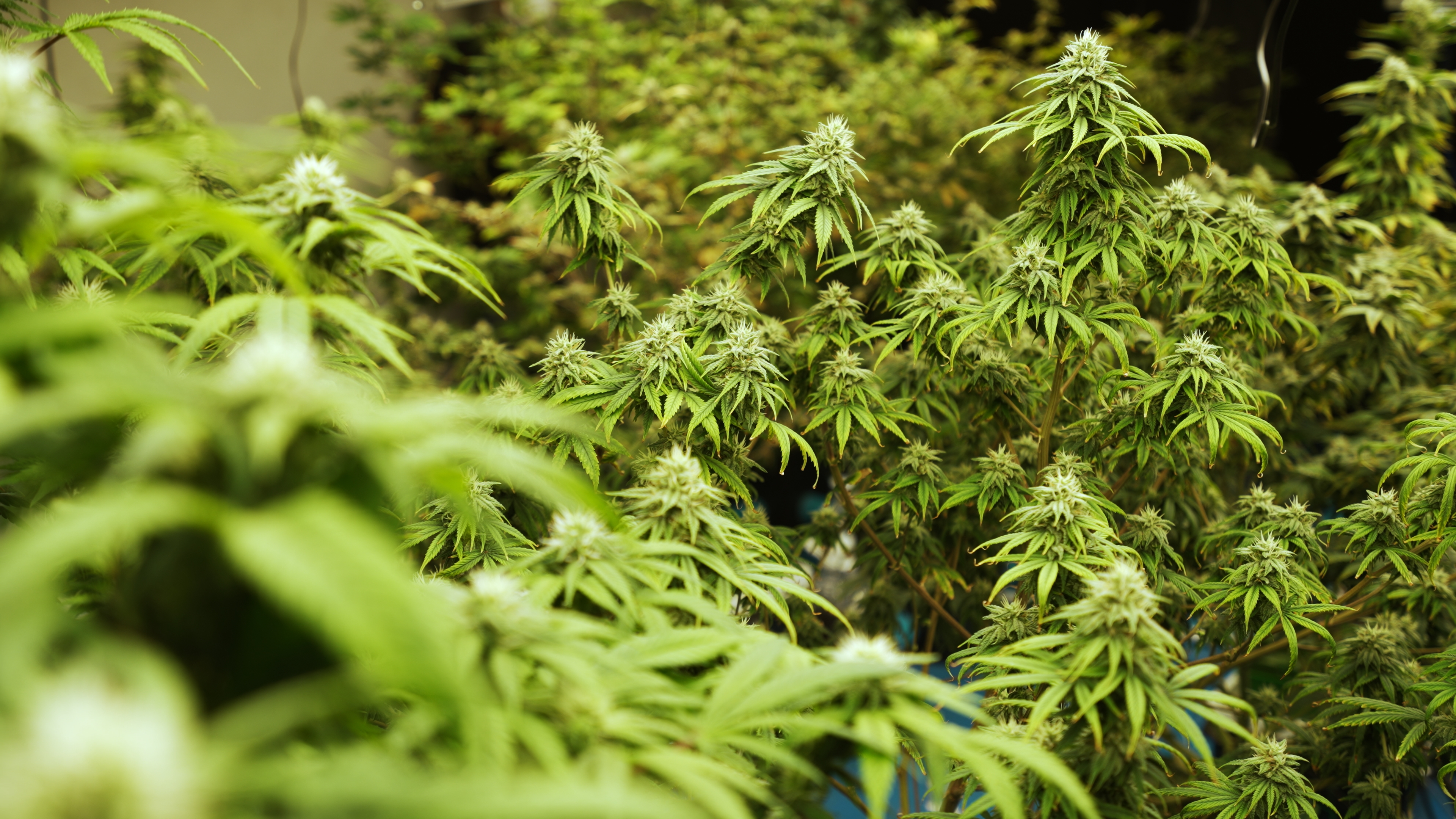


Guerrilla growing is a term used for cannabis plants raised outdoors in a remote location. The site is often away from the grower’s home and may receive only limited visits during the season. People may search for this method because they do not have enough space for a garden, greenhouse, or indoor grow room. Others may be interested in the use of natural sunlight, fresh air, rain, and outdoor soil. However, remote cultivation creates many serious challenges. It can also involve legal and environmental risks that must be understood before any planting begins.
The word “guerrilla” often suggests that the growing site is hidden. In some cases, the land may not belong to the grower. This can lead to trespassing, illegal cultivation, property damage, or the unsafe use of public land. Cannabis laws also vary by country, state, province, and city. A method that is legal in one place may be banned in another. Some areas allow adults to grow a small number of plants, while others do not allow home growing at all. Certain laws also require plants to be kept in a locked area, hidden from public view, or grown only at a person’s main home.
For these reasons, outdoor cannabis should only be grown where it is legal and where the grower has clear permission to use the land. Permission should come from the property owner, and the grower should understand all local rules before starting. Public forests, parks, protected habitats, riverbanks, farms, and empty-looking fields are not free places to plant. Land that appears unused may still belong to a person, business, government agency, or local community. Unauthorized use can lead to criminal charges, fines, loss of the crop, and claims for damage.
Remote outdoor growing is also much harder to manage than it may first appear. Indoor growers can control light, temperature, water, airflow, and feeding with greater accuracy. An outdoor plant must face changing weather and natural threats. Heavy rain can flood the root area. Strong wind may split branches or knock plants over. Long dry periods can cause severe water stress. High humidity may increase the risk of mold, especially when flowers become dense. Cold nights, early frost, hail, and heat waves can also reduce plant health.
Animals and insects create another set of problems. Deer, rabbits, rodents, birds, slugs, and other wildlife may eat or damage young plants. Insects may feed on leaves, stems, roots, or flowers. Plant diseases can spread quickly if damaged leaves stay wet or airflow is poor. Since remote sites are not checked every day, a small problem may become serious before it is noticed. This is one reason regular and lawful access is important.
Water is often one of the greatest limits in outdoor cultivation. Rainfall may not be steady enough to support plants through the full season. A site that seems damp in spring may become dry during summer. At the same time, soil that holds too much water may cause root problems. A grower must understand the soil, local rainfall, drainage, and seasonal weather. Taking water from a stream, pond, or other source may also be controlled by local laws. Changing waterways or leaving plastic irrigation materials can harm the environment.
Plant care must be planned from the start. Cannabis plants need enough sunlight, root space, water, and nutrients to remain healthy. The site must also have suitable airflow and drainage. Plant genetics should match the local climate and the length of the growing season. Some plants take longer to finish flowering, which may be a problem in places with wet autumn weather or early frost. Other plants may stay smaller or finish sooner, but they still require steady care.
Security is another common reason people search for information about guerrilla growing. Outdoor plants may be seen or damaged by visitors, workers, hikers, animals, or thieves. However, security should never involve harmful traps, wires, weapons, or dangerous chemicals. These methods can injure people and wildlife and may lead to serious legal penalties. On land where cultivation is legal, safe security may include fences, locked gates, clear property boundaries, warning signs, and controlled access.
Environmental care is just as important as plant care. A grow site should not damage native plants, animal habitats, soil, or water sources. Growers should avoid clearing large areas, cutting healthy trees, leaving waste, or using more fertilizer and pesticide than needed. Containers, ties, bags, tools, fencing, and other materials should be removed after the season. The area should be left clean and stable.
This article explains the main factors involved in lawful remote outdoor cannabis cultivation. It covers site evaluation, sunlight, climate, soil, water, plant genetics, safe security, seasonal care, pests, flowering, harvest timing, and cleanup. It also answers common questions about what guerrilla growing is, why it is risky, how outdoor sites are judged, how often plants need attention, and what can cause a crop to fail.
The main point is simple: a remote location does not remove legal or safety duties. Successful outdoor growing depends on permission, planning, regular care, and respect for the land. Before planting, growers must confirm the law, understand the site, prepare for weather changes, and make sure they can care for the plants without harming people, property, or the environment.
Understanding the Benefits, Limitations, and Risks of Guerrilla Growing
Guerrilla growing is a form of outdoor cannabis cultivation in which plants are placed in a remote location away from the grower’s home. The location may be in a rural area, on farmland, or in another outdoor space. However, cannabis should only be grown where cultivation is legal and where the grower has clear permission to use the land. Planting on public property or on land owned by another person can lead to charges related to trespassing, illegal cultivation, or property damage.
Remote outdoor growing may appear simple because the plants receive natural sunlight and rain. In reality, it can be difficult to manage. Plants may be far from water, exposed to changing weather, and harder to inspect. A grower may also have little control over insects, wildlife, soil quality, and human activity near the site. Understanding both the possible benefits and the serious limits is important before planning any legal outdoor grow.
How Guerrilla Growing Differs From Backyard Growing
A backyard grow is usually close to the grower’s home. This makes it easier to check the plants every day. The grower can water them when needed, inspect the leaves for pests, protect them during storms, and respond quickly to signs of disease. Tools, fertilizer, water, and other supplies are also close at hand.
A remote grow is very different. Travel time may limit how often the plants can be checked. If a plant begins to wilt, develops a pest problem, or suffers wind damage, the issue may remain unnoticed for several days. A small problem can become more serious before the next visit.
Backyard gardens may also have better security. Fences, locked gates, cameras, or enclosed growing areas may help prevent access by children, pets, wildlife, and strangers. Remote plants are more exposed. They may be damaged by animals, workers, hikers, storms, floods, or farm equipment.
An indoor garden offers even more control. Indoor growers can manage light, temperature, humidity, airflow, and watering. Outdoor growers depend on the local climate. They cannot stop heavy rain, extreme heat, cold nights, or strong wind. For this reason, a remote outdoor site usually requires careful planning before the growing season begins.
Possible Benefits of Remote Outdoor Cultivation
One possible benefit of outdoor cultivation is access to sunlight. Cannabis plants use light to produce energy through photosynthesis. Strong sunlight can support healthy growth when the plants also receive enough water and nutrients.
Outdoor cultivation may also reduce the need for electric grow lights, cooling equipment, fans, and other indoor systems. This may lower electricity use and reduce the cost of equipment. However, outdoor plants still require tools, soil preparation, water planning, pest control, and regular care.
Natural airflow may help keep leaves dry and reduce trapped moisture around the plant. Good airflow can lower the risk of some fungal problems. At the same time, too much wind may damage branches or dry the soil quickly. A useful site needs moving air without constant exposure to severe wind.
Rainfall may provide part of the water needed by the plants. This can reduce the amount of water that must be carried or supplied. Still, rainfall is not always dependable. A long dry period can cause serious stress, while heavy rain may flood the roots and increase mold risk. Growers should not assume that natural rainfall will meet all of the plant’s needs.
Existing soil may also provide useful minerals and organic matter. Healthy outdoor soil can support insects, fungi, and other organisms that help break down plant material. Yet natural soil is not always suitable for cannabis. It may be too sandy, too compact, too wet, or too low in nutrients. Soil should be tested before planting.
Major Limitations and Risks
One of the greatest limits of remote cultivation is reduced control. The grower cannot manage every part of the environment. Weather can change quickly. Strong storms may break branches, flatten young plants, or wash away soil. Very hot weather can dry the root zone, while cold nights can slow growth.
Water access can also become a major problem. Large outdoor plants may need a great deal of water during hot and dry weather. Carrying water over a long distance can be difficult. Using nearby streams or ponds may be restricted by law and may harm the local environment. Natural water can also contain high mineral levels, pollutants, or plant disease organisms.
Wildlife may feed on young plants or damage the stems. Deer, rabbits, rodents, birds, slugs, and insects can all affect an outdoor crop. Some animals may dig in freshly prepared soil. Others may eat new leaves or break branches. Only safe, legal, and non-harmful protection methods should be used.
Pests and diseases can spread quickly if plants are not checked often. Leaf spots, mildew, root problems, and insect damage may be difficult to correct once they become severe. Dense plants are especially at risk during wet weather because moisture can remain inside the branches and flowers.
Theft and accidental discovery are also important risks. A person may enter the area without knowing plants are present. Workers may clear vegetation, animals may disturb the site, or the property owner may change how the land is used. Plants may also be stolen before harvest.
Another risk is complete crop loss. A remote outdoor grow may fail because of drought, flooding, disease, animals, poor soil, early frost, or human activity. Even healthy plants may not reach harvest if the season becomes too short or wet.
Legal and Property Concerns
The legal risks of guerrilla growing can be more serious than the plant-care problems. Cannabis laws differ by country, state, province, and city. Some places permit limited home cultivation, while others ban all personal growing. Legal areas may still have rules about plant numbers, security, visibility, registration, age limits, and property ownership.
Growing cannabis on land without permission may be treated as trespassing. The grower may also be responsible for damage to plants, soil, fences, waterways, or wildlife habitats. Public forests, parks, protected areas, and conservation land often have strict rules against removing vegetation or planting crops.
Before beginning any outdoor cannabis project, the grower should confirm the law and obtain clear permission from the landowner. Permission should cover access, water use, security, waste removal, and the final harvest. A remote location does not remove the need to follow local cultivation rules.
Guerrilla growing differs from backyard or indoor cultivation because the plants are farther away and harder to manage. Natural sunlight, airflow, rainfall, and soil may offer useful growing conditions, but they do not remove the need for regular care.
Remote plants face serious risks from weather, water shortages, pests, wildlife, theft, disease, and accidental damage. The grower also has less control and may not notice problems early enough to correct them.
How to Evaluate a Legal Outdoor Growing Site
Choosing the right outdoor growing site is one of the most important steps in cannabis cultivation. A poor site can create problems with sunlight, water, drainage, wind, pests, and access. These problems may limit plant growth or cause the crop to fail. A suitable site should support healthy plants while also meeting all local laws and property rules.
Before preparing any land, confirm that cannabis cultivation is legal in the area. The grower must also have clear permission to use the property. Planting on public land, protected land, or another person’s property without consent may lead to fines, criminal charges, crop removal, or environmental damage. A legal site is easier to manage because the grower can visit it openly, bring supplies safely, and protect the plants with approved methods.
Confirming Permission and Legal Access
The first step is to confirm who owns or controls the land. The site should be on property owned by the grower, legally rented by the grower, or used with written permission from the owner. A verbal agreement may not provide enough protection if a disagreement happens later. Written permission can explain where plants may be placed, how many are allowed, who may enter the site, and who is responsible for cleanup.
Local cannabis laws must also be checked. Rules can differ between countries, states, provinces, cities, and counties. Some areas allow home cultivation but require plants to remain inside a locked or enclosed space. Other places may limit plant numbers, plant height, visibility, or the distance between a grow and nearby schools or public areas. A medical registration, grow permit, or property inspection may also be required.
Legal access is just as important as legal cultivation. The grower should not need to cross another person’s land without permission. Access roads, paths, gates, and shared driveways may have separate rules. The site should also be outside protected forests, parks, wetlands, wildlife areas, and other locations where digging or planting may be banned.
A site that is difficult to reach may seem private, but it can also make plant care harder. The grower must be able to bring water, soil materials, tools, and harvest supplies to the area without causing damage or breaking access rules.
Measuring Daily Sunlight
Cannabis plants need strong light for steady growth. Outdoor plants normally perform best when they receive several hours of direct sunlight each day. A location with weak or broken light may produce thin stems, slow growth, and small flowers.
The site should be observed at different times of the day. Morning light, midday light, and afternoon light may reach the area from different directions. A place that looks sunny at noon may remain shaded during the morning or late afternoon. Trees, hills, fences, buildings, and large plants can block sunlight.
Seasonal changes must also be considered. A location checked in early spring may appear bright because nearby trees have not yet grown full leaves. Later in the season, the same area may become heavily shaded. The sun also moves lower in the sky as autumn approaches, which can change how much light reaches the plants.
Morning sunlight can be useful because it helps dry moisture left by dew. Faster drying may lower the risk of fungal disease. Afternoon sunlight can support strong growth, but intense heat may stress plants in very hot climates. In warm regions, some light shade during the hottest part of the day may protect plants from severe heat. However, too much shade can reduce flower development.
The best site offers steady sunlight without trapping extreme heat. Observing the area over several days gives a more accurate view than checking it only once.
Studying Airflow and Shelter
Good airflow helps remove heat and moisture from around the leaves. It may also reduce conditions that support mold and fungal disease. However, strong wind can bend stems, tear leaves, dry the soil, and break heavy branches.
A suitable location should have gentle air movement without constant exposure to powerful wind. Natural features such as shrubs, fences, slopes, and tree lines may provide shelter. These barriers should not be so close that they block most of the sunlight or stop air from moving through the plants.
Low areas between hills may collect cold air and moisture. These places can remain damp longer after rain and may become colder at night. Very open hilltops can create the opposite problem because plants may face strong wind and rapid water loss.
The grower should look for signs of regular wind. Bent trees, damaged branches, dry soil, and wind-shaped vegetation may show that the area receives strong air movement. Loose soil and exposed roots can also suggest erosion caused by wind or water.
Plants may need legal and safe support later in the season when branches become heavy. A site should provide enough room for approved stakes, cages, or plant ties without damaging nearby vegetation.
Checking Drainage and Flood Risk
Cannabis roots need both water and oxygen. Soil that remains soaked for long periods can push air out of the root zone. This may slow growth, cause yellow leaves, and increase the risk of root disease.
Drainage should be checked after rain when possible. Water should not remain in deep puddles around the planting area. Dark, sticky soil and a sour smell may suggest poor drainage. Moss, reeds, and other water-loving plants may also show that the ground stays wet.
The site should not be placed in a dry stream bed, drainage ditch, floodplain, or low basin. These areas may look safe during dry weather but can fill quickly during storms. Fast-moving water can wash away soil, damage roots, and carry fertilizers into rivers or streams.
Sloped ground may drain well, but steep slopes can lose soil through erosion. Rainwater may carry loose soil and nutrients downhill. A gentle slope is often easier to manage than flat, waterlogged land or a very steep hillside.
A simple soil test can help evaluate drainage. A small test hole may be filled with water to observe how quickly the water moves into the soil. Water that remains for many hours may suggest heavy clay or a compacted lower layer. Water that disappears almost at once may point to very sandy soil that dries too quickly.
Good drainage does not mean the soil should become dry immediately. The goal is soil that holds useful moisture while allowing extra water to move away.
Considering Safe and Practical Access
A growing site must be practical to reach throughout the entire season. Plants may need regular watering, health checks, pest control, support, and weather protection. A site that cannot be visited often may allow small problems to become serious.
The access route should be legal, stable, and safe in different weather conditions. A dry path may become muddy, flooded, or slippery after heavy rain. Roads may also close during storms or fire warnings. The grower should consider whether water containers, tools, and other supplies can be moved without causing injury.
Personal safety is important when working in remote outdoor areas. Hazards may include steep ground, falling branches, snakes, insects, unstable soil, extreme heat, and sudden storms. The grower should carry suitable clothing, drinking water, basic first-aid supplies, and a working communication device.
The site should also be close enough for regular care. A very distant location can increase travel time and make emergency visits difficult. During hot weather, plants may need more frequent checks. During flowering, storms and mold may require quick action.
Access should cause as little environmental damage as possible. Repeated walking or vehicle use can compact soil, damage plant roots, and create erosion. Existing legal paths should be used when available. Waste, containers, ties, and packaging should always be removed from the area.
A suitable outdoor cannabis site begins with legal permission and safe access. It should receive enough direct sunlight, have gentle airflow, drain well after rain, and remain practical to visit through the growing season. The grower should study the land in different weather and at different times of day before planting.
No single feature should be judged alone. A sunny site may still fail if the soil floods. A private site may be unsuitable if it cannot be reached for watering. A well-drained slope may create problems if strong wind damages the plants. Careful evaluation helps the grower avoid these issues before time and money are invested.
Climate, Planting Season, and Local Weather Conditions
Climate is one of the most important parts of outdoor cannabis growing. A plant may have good soil, enough water, and healthy roots, but it can still fail if the weather does not support its growth. Outdoor plants depend on sunlight, temperature, rainfall, wind, and the changing length of each day. These conditions cannot be controlled as easily as they can in an indoor growing space.
Before planting cannabis outdoors, growers must study the local climate and follow all cultivation laws. Cannabis laws differ between countries, states, and cities. Some places allow limited home cultivation, while others do not allow it at all. Plants should only be grown on land where the grower has clear permission.
Matching Cannabis Growth to the Local Season
Outdoor cannabis plants need enough time to complete several stages of growth. These include seedling growth, vegetative growth, flowering, and maturity. The growing season must be long enough for the plant to pass through each stage before frost, heavy rain, or cold weather arrives.
In many areas, outdoor planting begins after the final spring frost. Young cannabis plants are sensitive to cold temperatures. A late frost can damage leaves, slow root growth, or kill small seedlings. Growers should not rely only on a warm week in early spring. Local weather can change quickly, and cold nights may return.
The soil should also be warm enough for active root growth. Cold soil can hold too much moisture and may slow the plant’s ability to absorb nutrients. A plant placed outdoors too early may stop growing even if the daytime weather feels mild.
During summer, cannabis plants usually enter their strongest vegetative growth period. Long days give the plants many hours of sunlight. Healthy plants may develop taller stems, more branches, and a larger root system during this time. They also need more water as their size increases.
Late summer and early autumn are important for many photoperiod plants because this is when flowering often begins. The plant must have enough time to form mature flowers before cold, wet, or stormy conditions become severe.
Temperature and Weather Stress
Cannabis plants can grow under a range of temperatures, but extreme conditions may cause stress. Warm days and cooler nights can support healthy outdoor growth. However, very high heat can increase water loss and place pressure on the roots.
During a heat wave, leaves may droop, curl, or develop dry edges. The upper part of the soil may also dry faster than expected. Large plants may need more frequent checks because their leaves release a great amount of water into the air.
Heat stress becomes more serious when it is combined with dry soil, strong wind, and direct afternoon sunlight. A plant may look healthy in the morning but begin to wilt later in the day. Some temporary midday drooping can occur during extreme heat, but the plant should usually recover as temperatures fall. If it remains wilted during the evening, it may need water or may have a root problem.
Cold nights can also slow plant growth. Extended cold may reduce nutrient uptake and cause leaves to change color. Frost is especially dangerous because ice can form inside plant tissue. This damages cells and may cause leaves and stems to collapse.
Strong wind can bend stems, tear leaves, and break branches. It may also dry the soil more quickly. Gentle airflow is useful because it moves moisture away from the leaves and helps strengthen stems. However, a site exposed to constant strong wind may need a safe, natural windbreak that does not block sunlight.
Heavy rain can create other problems. Saturated soil may contain too little oxygen for the roots. Wet conditions can also increase the risk of fungal disease, especially when plants are crowded or flowers are dense.
Hail is another serious danger. Even a short hailstorm can damage leaves, split branches, and injure developing flowers. Outdoor growers should study whether hail is common in their region and avoid sites that offer no shelter at all.
Photoperiod and Flowering Time
Photoperiod cannabis plants react to changes in the length of daylight and darkness. During spring and early summer, the days are long and the nights are short. This supports vegetative growth. The plant focuses mainly on producing stems, branches, roots, and leaves.
As summer ends, the nights become longer. This change signals many cannabis plants to begin flowering. The exact timing depends on the plant’s genetics, latitude, local season, and daily light conditions.
Nearby lights may affect flowering in some situations. Strong outdoor lights that reach a plant during the night can interrupt its dark period. This may delay flowering or cause uneven growth. A legal outdoor site should be evaluated for streetlights, security lights, and other strong light sources.
Autoflowering cannabis plants behave differently. They begin flowering mainly according to age rather than changes in day length. This can make them useful in locations with short summers. However, autoflowering plants have a limited vegetative period. Stress during their early growth may reduce their final size because they have less time to recover before flowering begins.
Photoperiod plants may become larger because they can remain in vegetative growth for a longer period. However, they often need more time to finish. In areas with early frost or wet autumn weather, a late-flowering plant may not reach full maturity.
Using Local Weather Records
Weather records can help growers make better planting decisions. A single season does not always show the normal climate of an area. Looking at several years of records gives a clearer picture of average conditions.
One useful detail is the average date of the final spring frost. This helps growers estimate when young plants can be moved outdoors with less risk. The average date of the first autumn frost is also important because it shows how long the growing season may last.
Rainfall records can reveal when the area usually receives the most or least rain. A location with regular summer rain may require less watering, but it may also have higher humidity. A dry region may provide better control over moisture around the flowers, but water planning will be more difficult.
Growers should also review average daytime temperatures, night temperatures, wind speed, and humidity. Local records may show common periods of drought, tropical storms, heavy autumn rain, or extreme heat.
Weather records are only a guide. They do not guarantee that the next season will follow the same pattern. For this reason, current forecasts should also be checked throughout the growing season.
Preparing for Climate Changes
Outdoor plants must be able to handle weather changes. Good preparation starts with choosing genetics that suit the local climate. A plant developed for a long, warm season may struggle in an area with short summers and early frost.
Soil preparation is also important. Soil that drains well can reduce damage during heavy rain. Organic matter may help sandy soil hold moisture during hot and dry periods. Mulch can slow evaporation and protect the root area from sudden temperature changes.
Plants should be checked after severe weather. After heavy rain, growers should look for standing water, leaning stems, broken branches, and damaged leaves. After a heat wave, they should check soil moisture and signs of leaf burn. Following strong wind, loose supports and split stems may need attention.
Weather forecasts can help growers plan legal visits to the site. Extra checks may be needed before or after storms, frost warnings, or long dry periods. During flowering, wet weather deserves special attention because water can remain trapped inside dense flowers.
Climate affects every stage of outdoor cannabis growth. The local season must provide enough time for the plant to grow, flower, and mature. Growers need to understand frost dates, summer heat, rainfall, wind, humidity, and changes in daylight. Photoperiod plants depend strongly on longer nights to begin flowering, while autoflowering plants flower mainly according to age.
Local weather records provide useful guidance, but growers must also watch current forecasts. Careful planning can reduce damage from drought, frost, storms, heat, and heavy rain. The best results come from selecting suitable genetics, preparing the soil, checking plants after severe weather, and growing only where cultivation is legal and authorized.
Choosing Cannabis Genetics for Remote Outdoor Conditions
Choosing the right cannabis genetics is one of the most important parts of planning a legal outdoor grow. Genetics affect how large a plant may become, how long it takes to finish, how well it handles bad weather, and how likely it is to resist common pests and diseases. A plant that grows well in a warm and dry area may struggle in a cool or rainy climate. For this reason, growers should choose seeds based on local conditions instead of selecting them only by name, popularity, or expected yield.
Before buying or planting seeds, growers should confirm that cannabis cultivation is legal in their area. They should also check rules about plant limits, outdoor security, visibility, and property access. Remote cultivation should only take place on land that the grower owns or has clear permission to use.
Photoperiod Versus Autoflowering Plants
Photoperiod and autoflowering plants have different growth patterns. Photoperiod cannabis plants begin flowering when the nights become longer. Outdoors, this change usually happens as summer ends and autumn approaches. These plants may continue growing for several months before flowering starts.
Photoperiod plants often become larger than autoflowering plants. Their longer growing period gives them more time to form roots, stems, and branches. However, this also means they may need more water, more space, and more regular care. Large plants can be harder to support during storms, strong winds, or heavy rain.
The flowering time of photoperiod plants depends on the season. In areas with short summers or early autumn frost, late-flowering genetics may not finish before cold weather arrives. Growers in these areas should look for plants described as early finishing or suitable for northern climates.
Autoflowering plants begin flowering mainly because of age rather than changes in daylight. Many start flowering only a few weeks after sprouting. This shorter life cycle may be useful in places with brief growing seasons. It may also allow the plant to finish before long periods of autumn rain.
Autoflowering plants are usually smaller and may be easier to manage in limited outdoor spaces. However, their short growth period gives them less time to recover from stress. Root damage, poor soil, drought, pests, or transplant shock during the early weeks may reduce their final size. Good early care is therefore important.
Neither type is best for every situation. Photoperiod plants may suit growers who have a long season and enough space. Autoflowering plants may suit regions with short summers or growers who need a faster growing cycle.
Selecting Weather-Appropriate Genetics
Local climate should guide seed selection. Growers should study average temperatures, rainfall, humidity, daylight hours, and frost dates before choosing genetics. It is also useful to understand weather patterns during late summer and early autumn, when many outdoor cannabis plants are flowering.
In cool regions, early-finishing genetics are often a better choice. These plants may reach maturity before frost, cold rain, or shorter days cause serious problems. Plants that need a long flowering period may remain immature when the season ends.
In hot areas, growers should look for genetics known to handle heat and strong sunlight. High temperatures can increase water loss and place stress on leaves and roots. Plants that developed in warmer climates may be more suited to these conditions, although all plants still need suitable soil moisture.
Wet and humid climates create a different challenge. Dense flowers can hold moisture after rain or heavy dew. This may raise the risk of gray mold and other fungal diseases. Genetics that produce looser flower structures or show better mold resistance may perform more reliably in these areas.
Dry regions may have lower mold pressure, but drought and heat can become major concerns. Genetics with strong root growth and good heat tolerance may cope better. However, genetic tolerance cannot replace dependable water and healthy soil.
Seed descriptions may provide general guidance, but they are not guarantees. Conditions can vary between farms, gardens, valleys, and hillsides within the same region. Growers should compare several trusted descriptions and choose plants that match the most serious local weather risks.
Plant Size and Manageability
Expected plant size is important when planning an outdoor growing area. Some cannabis genetics naturally form tall plants with long spaces between branches. Others remain shorter and develop a wider, bushier shape.
Tall plants may need more support in windy places. Their long branches can bend or split during storms. They may also require deeper soil and more water because of their larger root systems and leaf area. A plant that becomes too large for the site may be difficult to inspect, protect, and harvest.
Shorter plants may be easier to manage, especially where access is limited. They may be simpler to check for insects, leaf damage, and mold. However, shorter does not always mean weaker. Many compact plants can still form thick branches and dense flowers.
Growers should also think about branch spread. A wide plant may need more open ground than expected. Crowded plants can block airflow and keep leaves wet for longer periods. This may increase disease risk. Enough space should be left between plants so sunlight and air can reach the lower growth.
Plant size is affected by more than genetics. Soil quality, root space, sunlight, water, temperature, and the length of the growing season all play a role. Seed descriptions should therefore be treated as estimates rather than exact promises.
Resistance to Mold and Pests
Outdoor plants are exposed to insects, fungi, animals, and changing weather. Genetics with natural resistance may reduce the risk of serious crop damage, but no cannabis plant is fully protected from every pest or disease.
Mold resistance is especially important in rainy or humid areas. Some plants produce very dense flowers that trap moisture. Others have a more open structure that allows better airflow. When choosing seeds, growers should look for genetics described as suitable for humid climates or resistant to common fungal problems.
Pest resistance can also vary. Some plants may be less attractive to certain insects because of their aroma, leaf structure, or natural chemical profile. However, resistant genetics can still suffer damage when pest numbers are high.
Regular inspection remains necessary. Growers should check the undersides of leaves, new growth, stems, and flowers for insects, eggs, spots, webbing, holes, or unusual color changes. Genetic resistance should be seen as one part of prevention, not a replacement for plant care.
The best choice is often a plant with a proven record in conditions similar to the local area. Information from regional seed trials, legal growers, agricultural sources, and experienced breeders may be more useful than general marketing claims.
Feminized and Regular Seeds
Feminized seeds are bred to produce female plants in most cases. Female cannabis plants form the flowers that growers usually want to harvest. Using feminized seeds may reduce the number of unwanted male plants in a legal outdoor garden.
Regular seeds can produce both male and female plants. Growers using regular seeds must inspect plants as they mature. Male plants form pollen sacs rather than female flowers. If pollen is released, nearby female plants may produce seeds.
Seed production is not always unwanted, but it changes the final crop. A pollinated female plant directs part of its energy toward seed development. This may reduce the amount and quality of seedless flowers.
Regular seeds may be useful for legal breeding projects because they provide both male and female plants. However, they require more space and closer observation. Some seedlings may need to be removed after their sex becomes clear, depending on the grower’s goal and local plant-count laws.
Feminized seeds are often more practical for growers who only want flowering female plants. Even so, no seed type should be treated as perfect. Stress, poor genetics, or unstable breeding may sometimes cause unusual flower development. Plants should still be checked throughout the flowering stage.
The best genetics for a legal remote outdoor grow are those that match the local climate, season, soil, and level of available care. Photoperiod plants may grow larger and produce more branches, but they often need a longer season. Autoflowering plants finish faster, although they have less time to recover from early stress.
Growers should choose early-finishing genetics for short seasons, mold-resistant plants for wet climates, and heat-tolerant plants for hot regions. They should also consider mature plant size, branch structure, pest resistance, and the difference between feminized and regular seeds.
Good genetics improve the chance of healthy growth, but they cannot correct serious problems such as illegal land use, poor soil, lack of water, or limited plant care. Responsible outdoor cultivation depends on legal permission, careful planning, suitable genetics, and regular inspection throughout the growing season.
Testing and Preparing Outdoor Soil
Healthy soil is one of the most important parts of outdoor cannabis cultivation. A plant may receive strong sunlight and enough water, but it can still grow poorly if the soil is compacted, badly drained, or low in useful nutrients. Before planting, growers should study the soil instead of assuming that any open ground will support healthy roots.
Outdoor cultivation should only take place where it is legal and where the grower has clear permission to use the land. Digging, changing soil, or adding fertilizer on public land or another person’s property may cause environmental damage and legal problems. Soil preparation should also be limited to the planting area so nearby plants, tree roots, and waterways remain protected.
Evaluating Existing Soil
The first step is to examine the soil’s texture, smell, moisture level, and structure. Good outdoor soil usually contains a balance of mineral particles, organic matter, water, air, and living organisms. It should hold enough moisture for the plant while allowing extra water to drain away.
Growers can begin by taking a small amount of damp soil and squeezing it in one hand. Soil that forms a loose ball but breaks apart when touched often has a useful balance of clay, sand, and organic material. Soil that feels hard and sticky may contain a large amount of clay. Soil that falls apart at once and feels rough may contain too much sand.
The planting area should also be checked after rainfall. Water should not remain on the surface for long periods. Standing water may show that the soil is compacted or drains too slowly. Cannabis roots need oxygen as well as moisture. When soil remains soaked, air spaces fill with water, and the roots may struggle to breathe.
Compacted soil can also limit root growth. A plant with restricted roots may stay small, dry out quickly, or show nutrient problems. If the ground is very hard, roots may spread near the surface instead of growing deeper.
Growers should also look for signs of healthy soil life. Earthworms, small insects, fungi, and partly broken-down plant material may show that the soil has active biological processes. However, foul smells, black slime, or rotting material can point to poor drainage and a lack of oxygen.
Understanding Soil pH
Soil pH shows whether the growing medium is acidic, neutral, or alkaline. The pH level matters because it affects how easily plant roots can absorb nutrients. A soil may contain enough nitrogen, calcium, magnesium, and other elements, but the plant may still show deficiencies if the pH is far outside a useful range.
A soil test kit or digital pH meter can provide a basic reading. For better results, growers can send a soil sample to a local agricultural laboratory. A full test may show pH, organic matter levels, nutrient content, and soil texture.
Testing is more reliable than judging the soil by its color. Dark soil is not always rich, and pale soil is not always poor. Plant growth in the area can offer clues, but it cannot replace a proper test.
Large changes to soil pH should be made slowly. Adding too much lime, sulfur, or another amendment may create a new problem. The amount needed depends on the existing pH, soil type, and size of the planting area. Product labels and soil-test guidance should always be followed.
Improving Heavy Clay Soil
Clay soil contains very small particles that hold water and nutrients well. However, heavy clay may become dense, sticky, and slow to drain. When it dries, it may become hard and difficult for roots to enter.
Organic material can help improve the structure of clay soil. Finished compost may create more spaces for air and water while supporting helpful soil organisms. Well-aged leaf mold and other fully broken-down organic materials may also make the soil easier for roots to explore.
The soil should not be worked when it is extremely wet. Digging wet clay can press the particles together and create hard clumps. It is often better to wait until the soil is moist but not sticky.
Adding a small amount of sand to heavy clay does not always improve drainage. In some cases, the mixture may become dense like concrete. A large amount of coarse mineral material would be needed to change the texture. For most small planting areas, organic matter is often a safer and more practical improvement.
Raised planting areas may help where natural drainage is poor. However, they should not block water flow or cause erosion. The site should also be checked during the wettest part of the season because soil that looks dry in spring may flood later.
Improving Sandy Soil
Sandy soil has large particles and wide air spaces. It usually drains quickly and is easy for roots to enter. The main problem is that it may lose water and nutrients too fast.
Compost can help sandy soil hold moisture for a longer period. It also adds organic matter that supports soil life. The compost should be mature and fully broken down. Fresh manure or unfinished compost may contain too much nitrogen, salts, or heat-producing material.
A layer of mulch on the soil surface can slow evaporation. Mulch may include clean straw, dry leaves, or other suitable natural material. It should be kept away from the main stem because constant moisture around the stem may encourage rot.
Sandy soil may need more frequent moisture checks during hot and windy weather. Water can move below the root area quickly, so growers should examine the soil beneath the surface instead of judging it only by appearance.
Nutrients may also wash out of sandy ground after heavy rain. Smaller and carefully measured fertilizer applications are often safer than one heavy feeding. This reduces the chance of waste, root damage, and polluted runoff.
Preparing Planting Areas Responsibly
Soil preparation should disturb as little land as possible. Removing large areas of native plants may expose the soil to wind and rain. This can cause erosion and damage local habitats.
The planting area should be placed away from stream banks, wetlands, steep slopes, and places where soil can wash into water. Tree roots should not be cut unless the landowner has approved the work and the tree will not be harmed.
Only the space needed for legal cultivation should be prepared. Large holes and deep trenches may damage underground roots or change natural drainage. Growers should also check for buried pipes, cables, and irrigation lines before digging.
Tools should be cleaned before moving between gardens. Soil carried on shovels, boots, and containers may spread weeds, insects, or plant diseases. Any plastic, bags, wire, labels, or unused materials should be removed from the site.
Preventing Nutrient Overuse
More fertilizer does not always produce a healthier plant. Excess nutrients can burn roots, damage leaf tips, upset soil pH, and create weak growth. High levels of nitrogen may produce very dark leaves and rapid leafy growth, but they can also delay plant development and make stems less able to support heavy branches.
Nutrients that are not used by the plant may move into nearby soil or water. This can harm local plants, encourage algae growth, and reduce water quality. Fertilizers should never be applied before heavy rain because runoff may carry them away from the root zone.
A soil test can help growers avoid adding nutrients that are already present. Products should be measured carefully and used according to their labels. It is often safer to begin with a mild application and observe the plant’s response.
Growers should not mix several fertilizers without understanding their contents. Different products may contain the same nutrients, which can lead to accidental overfeeding. Organic products can also cause problems when used in excessive amounts.
Preparing outdoor soil begins with careful testing and observation. Growers should examine texture, drainage, compaction, organic matter, and pH before making changes. Heavy clay soil may benefit from mature organic material and better drainage, while sandy soil may need compost and mulch to hold water and nutrients.
Soil preparation should be limited to land where cultivation is legal and permitted. Nearby plants, tree roots, slopes, and waterways must remain protected. Fertilizers and soil amendments should be used carefully because excessive amounts can damage roots, upset soil balance, and pollute the surrounding area.
Healthy outdoor soil does not need to be perfect. It needs to provide stable support, enough air, suitable moisture, and access to essential nutrients. When growers test first and make small, responsible improvements, plants have a stronger base for steady growth throughout the season.
Water Planning and Moisture Management
Water management is one of the most important parts of legal outdoor cannabis cultivation. Plants need steady moisture to grow strong roots, healthy leaves, and well-developed flowers. However, both too little and too much water can cause serious problems. A remote outdoor site can make watering more difficult because the grower may not be able to check the plants every day. For this reason, water planning should begin before planting.
The goal is not to keep the soil wet at all times. Cannabis roots need both water and oxygen. Healthy soil should hold enough moisture for the roots while still allowing extra water to drain away. A good plan considers the local climate, rainfall, soil type, plant size, and legal access to water.
Estimating the Site’s Water Needs
The amount of water a cannabis plant needs can change from week to week. Small plants with limited roots use less water than large plants. As a plant grows taller and develops more leaves, it loses more water through a natural process called transpiration. This means mature plants often need more moisture than seedlings.
Temperature also affects water use. During hot weather, moisture leaves the soil faster. Plants may also release more water through their leaves. Strong wind can make this problem worse because it dries the soil surface and increases water loss from the plant.
Soil type is another major factor. Sandy soil drains quickly and may dry out soon after watering. Clay soil holds water for longer, but it may become waterlogged if drainage is poor. Loamy soil usually offers a better balance because it holds moisture while allowing extra water to drain.
Rainfall should also be considered. A light shower may wet only the top layer of soil. It may not provide enough water for deeper roots. A slow, steady rain is more useful because the water has time to move into the root zone. Growers should not assume that every rainfall event gives the plants enough moisture.
The best way to estimate water needs is to check the soil rather than follow a fixed schedule. Conditions can change quickly. A plant may need water sooner during a heat wave and less often during cool or cloudy weather.
Evaluating Natural Water Sources
Some outdoor sites are close to streams, ponds, wells, or collected rainwater. These sources may seem useful, but they should be evaluated carefully. Water use must follow local laws, property rules, and environmental restrictions. Taking water from a public stream or protected area may be illegal, even if only a small amount is removed.
Natural water can also contain harmful materials. Clear water is not always clean water. It may contain bacteria, high salt levels, chemical runoff, or plant disease organisms. Water near farms, roads, mining areas, or industrial land may carry pollutants.
Standing pond water may have low oxygen levels or harmful microorganisms. Stream water can change after heavy rain, especially when soil and other materials wash into it. Well water may contain high levels of minerals that build up in the soil over time.
Rainwater can be useful where collection is legal and safe. However, storage containers should be clean and covered. Open containers can collect dirt, insects, animal waste, and algae. They may also become breeding areas for mosquitoes.
Before depending on a natural source, the grower should understand whether the water is safe, lawful to use, and available throughout the growing season. A stream that flows in spring may become dry during summer.
Improving Water Retention
Good soil preparation can reduce how often plants need water. Adding suitable organic matter can help sandy soil hold moisture for longer. Compost may also improve soil structure and support useful soil organisms. However, too much rich material can create drainage or nutrient problems, so soil changes should be based on actual conditions.
Mulch can help slow water loss from the soil surface. Organic materials such as clean straw, dry leaves, or untreated wood-based mulch can shade the soil and reduce evaporation. Mulch can also limit sudden changes in soil temperature.
Mulch should not be pressed tightly against the main stem. Constant moisture around the stem may support rot or pest activity. Leaving a small open area around the plant base improves airflow.
The soil surface can also be shaped so that water reaches the root zone instead of running downhill. However, growers should avoid digging channels that change natural drainage, cause erosion, or direct fertilizer into streams and wetlands.
Deep, controlled watering is often better than frequent light watering. Light watering may wet only the surface and encourage shallow roots. Water that moves deeper into the soil can support stronger root growth. Still, the amount should not be so large that the soil stays soaked for long periods.
Recognizing Underwatering
Underwatered plants often lose firmness because their cells do not contain enough water. Leaves may droop, feel thin, or appear weak. The soil may be dry several centimeters below the surface. Growth may slow, and lower leaves may begin to turn yellow or brown if the problem continues.
Severe water stress can damage leaf edges and reduce flower development. A plant that repeatedly becomes very dry may remain smaller and become more sensitive to heat, pests, and disease.
However, drooping does not always mean the plant needs water. Leaves may droop for a short time during the hottest part of the day, even when the soil still contains moisture. This can be a temporary response to heat. Watering without checking the soil may make the problem worse.
The soil should be checked below the dry surface layer. A surface that looks dusty may still be moist near the roots. Plant weight, recent weather, and soil texture should also be considered before adding water.
When a plant is clearly dry, water should be applied slowly. Pouring a large amount onto hard, dry soil may cause it to run away from the plant. Slow application gives the soil time to absorb the moisture.
Recognizing Overwatering
Overwatering is not caused by one large watering alone. It usually happens when the root zone stays wet for too long. Roots need oxygen to carry out normal functions. When water fills most of the air spaces in the soil, roots may become weak and damaged.
An overwatered plant may droop even though the soil is wet. The leaves may look heavy rather than thin. Yellowing can appear, especially on older leaves. New growth may slow, and the plant may show signs that look like a nutrient shortage.
Wet soil can also support root diseases. A sour smell, dark roots, weak stems, or a plant that does not recover may suggest serious root stress. Poor drainage, compacted clay, low planting areas, and excessive watering can all increase this risk.
Before adding more water, the grower should check the soil depth and drainage. If water remains around the roots after rain, the site may not be suitable without lawful and environmentally responsible improvements.
Adding fertilizer will not solve a problem caused by wet roots. In fact, it may increase stress because damaged roots cannot use nutrients well. The first step is to allow the soil to drain and identify why it remains wet.
Planning for Drought and Heavy Rain
Outdoor plants must face changing weather. A water plan should prepare for both dry periods and heavy storms.
During drought, moisture can disappear quickly from exposed soil. Mulch, healthy soil structure, and deep roots can help plants handle short dry periods. Weather forecasts can also help growers plan legal site visits before extreme heat arrives.
Water should be applied near the root zone instead of over the leaves and flowers. Wetting the whole plant can increase humidity and may support fungal disease, especially late in the day. Morning watering is often useful because the soil can absorb water before the hottest hours.
Heavy rain creates a different set of problems. Soil may become waterlogged, nutrients may wash away, and roots may lose oxygen. Sloped sites may suffer erosion, while low areas may collect standing water.
After a storm, the grower should check whether water drains away within a reasonable period. Plants should also be checked for exposed roots, leaning stems, damaged branches, and soil that has washed away.
Natural waterways should never be blocked or redirected to protect a crop. Digging drainage channels can damage nearby land, increase erosion, and carry soil or fertilizer into streams. Any drainage work should follow property rules and environmental laws.
Successful water management depends on balance. Cannabis plants need enough moisture to support steady growth, but their roots also need air. Water use changes with plant size, soil type, heat, wind, rainfall, and the stage of growth.
Growers should check the soil instead of watering on a fixed schedule. They should also confirm that any water source is safe and legal to use. Soil improvement and mulch can help hold moisture, while good drainage reduces the risk of root damage.
Signs of underwatering and overwatering can look similar, so the soil must be checked before action is taken. Careful planning for drought, storms, and seasonal weather changes can reduce plant stress and prevent avoidable crop loss. Above all, water use should respect local laws, property rights, and the surrounding environment.
Planting, Transplanting, and Early Plant Care
Young cannabis plants are often more fragile than mature plants. Their roots are small, their stems are thin, and sudden changes can slow their growth. Strong sunlight, cold nights, heavy rain, dry soil, and animals can damage a seedling in a short time. Careful preparation is therefore important before moving any plant outdoors.
This section applies only to legal cannabis cultivation on land that the grower owns or has permission to use. Local rules may limit plant numbers, cultivation locations, visibility, and access. These rules should be checked before planting begins.
Starting Healthy Young Plants
A healthy outdoor plant usually begins with a healthy seedling. During the first stage of growth, seedlings need steady moisture, gentle light, warmth, and clean growing conditions. They should not be kept in soil that is always wet. Too much water can reduce the amount of oxygen around the roots. This may slow growth and increase the risk of root disease.
The growing medium should feel slightly moist but not soaked. Containers must have drainage holes so extra water can escape. Water should be added slowly to avoid moving the seedling or washing soil away from its stem.
Young plants also need enough light. Weak light may cause a seedling to stretch. A stretched seedling often develops a long, thin stem that cannot support its leaves. Strong indoor light or mild outdoor sunlight can help the plant stay compact. However, a seedling that has been grown indoors should not be placed under intense outdoor sun without a period of adjustment.
Temperature also affects early growth. Cold conditions may slow root development, while extreme heat may dry small containers very quickly. Seedlings should be protected from frost, hot surfaces, and sudden temperature changes.
Before transplanting, the plant should have several sets of healthy leaves. Its stem should be firm, and its roots should hold the soil together when the plant is removed from its container. A very small or weak seedling may not recover well from outdoor stress.
Choosing the Right Transplanting Time
The best transplanting time depends on the local climate, the size of the plant, and the weather forecast. Outdoor temperatures should be warm enough for steady growth. The risk of frost should have passed because even a short period of freezing weather can badly damage a young cannabis plant.
Night temperatures are especially important. A warm afternoon does not always mean that outdoor conditions are safe. Temperatures can fall quickly after sunset, particularly in open fields, valleys, and higher areas.
The plant should also be mature enough to handle the move. Transplanting too early may expose weak roots and stems to wind, rain, and pests. Waiting too long can also create problems. A plant that stays in a small container for too much time may become root-bound. Its roots may circle the container and have trouble spreading after transplanting.
Weather conditions on the planting day should be mild when possible. A cloudy day or late afternoon may be better than the hottest part of a sunny day. Lower light and cooler temperatures can reduce water loss while the roots settle into the new soil.
Growers should also consider the next several days of weather. Heavy storms, extreme heat, high winds, or cold nights may increase transplant stress. Delaying the move until conditions improve may give the plant a better start.
Hardening Plants Before Moving Them Outdoors
Hardening is the process of slowly helping an indoor plant adjust to outdoor conditions. Indoor seedlings are often used to stable temperatures, gentle airflow, and controlled lighting. Outdoor plants must handle stronger sunlight, wind, temperature changes, and lower humidity.
The hardening process should take place over several days. At first, the plants can be placed outdoors for a short period in a sheltered and partly shaded area. They can then be returned indoors. The amount of outdoor time can increase each day.
Sun exposure should also increase in small steps. A plant moved directly from weak indoor light to full sun may develop pale, dry, or burned leaves. This damage is sometimes called sunscald or light burn. Gradual exposure allows the leaves to adjust.
Light wind can help strengthen stems, but strong wind may bend or break them. A protected area near a fence, wall, or natural windbreak may be useful during the early hardening stage.
Water use may change during this process. Outdoor air and sunlight can dry containers faster than indoor conditions. The soil should be checked often, but plants should not be watered only because the surface looks dry. Moisture should be checked below the top layer before more water is added.
Reducing Transplant Stress
Transplant stress happens when a plant has trouble adjusting to its new location. Common signs include drooping leaves, slow growth, yellowing, or a temporary pause in new leaf development. Some mild drooping may occur after transplanting, but severe or lasting symptoms may show that the roots have been damaged or the environment is unsuitable.
The planting hole should be prepared before the plant is removed from its container. It should be wide enough to hold the root ball without squeezing it. The soil around the hole should be loose enough for new roots to spread.
The root ball should be handled carefully. Pulling the plant by its stem can damage both the stem and the roots. Instead, the container can be supported while the root ball is gently removed. If the roots are tightly circling the container, they may need very gentle loosening. However, rough handling can tear fine roots.
The plant should be placed at about the same depth it had in the container. Burying the stem too deeply may increase moisture problems around the base. Planting too high may leave the root ball exposed, causing it to dry quickly.
After planting, the surrounding soil should be pressed lightly to remove large air spaces. It should not be packed down hard. Compacted soil can reduce drainage and limit root growth.
Watering after transplanting helps settle the soil around the roots. Water should be applied slowly and evenly. A heavy stream may uncover roots or form a hard surface layer. The soil should remain evenly moist during the first adjustment period, but it should not stay flooded.
A light layer of mulch may help reduce water loss and soil temperature changes. Mulch should not be piled directly against the stem because trapped moisture may encourage rot or pests.
Protecting Young Plants From Animals
Young outdoor plants may attract many animals. Rabbits, deer, rodents, birds, slugs, and insects can damage leaves, stems, and roots. In some locations, livestock or pets may also step on plants or disturb the soil.
Physical barriers are often the safest first form of protection. A simple plant guard or small fence can prevent larger animals from reaching the seedling. The barrier should be stable, visible, and made from materials that will not trap or injure wildlife.
The space inside the barrier must allow the plant to grow. A narrow guard may press against branches as the plant becomes larger. It should also allow airflow and sunlight to reach the leaves.
Birds and small animals may disturb loose soil soon after transplanting. Covering the soil surface with suitable mulch or a safe protective layer may reduce digging. However, any covering should allow water to enter the soil.
Slugs and snails often feed during damp weather or at night. Damage may appear as holes in leaves or missing sections along leaf edges. Keeping the area free of rotting plant material can reduce hiding places. Only pest products approved for the crop and local area should be used.
Dangerous traps, poisons, sharp wires, or devices that can injure people or animals should never be placed around the grow site. Plant protection should be lawful, humane, and safe for the surrounding environment.
Checking Early Growth
Regular inspection is important during the first weeks after transplanting. Small problems are easier to manage before they become severe. The grower should check the leaves, stem, soil, and nearby area during each visit.
Healthy new growth is usually green, firm, and evenly shaped. The plant should slowly develop new leaves and branches after it adjusts. A short pause in growth may be normal, but long periods without new growth may point to root stress, cold conditions, poor soil, or watering problems.
Drooping leaves can have several causes. Dry soil may cause the leaves to hang down, but waterlogged roots can create a similar appearance. The soil should be checked before deciding what action to take.
Yellow lower leaves may sometimes appear as the plant adjusts, but widespread yellowing may suggest nutrient problems, damaged roots, or incorrect soil pH. Pale new leaves may have a different cause than yellow old leaves, so the location of the symptoms should be noted.
Brown spots, holes, curled edges, and torn leaves may show insect feeding, sun damage, strong wind, or disease. The underside of each leaf should be checked because many pests hide there. Stems should also be examined for cuts, soft areas, or signs of chewing.
The area around the plant should remain clean. Broken ties, containers, plastic, and other waste should be removed. Nearby weeds should only be managed when necessary, and native plants should not be cleared without reason. Protecting the surrounding land is part of responsible outdoor cultivation.
Successful transplanting begins before the plant reaches its outdoor site. Healthy seedlings need strong stems, developed roots, steady moisture, and enough time to adjust to natural sunlight and wind. The transplant should take place after frost risk has passed and during mild weather when possible.
Careful root handling, correct planting depth, slow watering, and safe mulch use can reduce stress. Young plants also need lawful and humane protection from animals, weather, and physical damage. Regular checks help growers identify watering problems, pests, leaf damage, and slow growth at an early stage.
The first weeks outdoors can strongly affect the rest of the growing season. A plant that develops a healthy root system during this period will be better prepared for heat, wind, rain, and later growth. Legal access, responsible land use, and steady plant care remain essential throughout the process.
Security, Site Protection, and Responsible Access
Security is an important part of any legal outdoor cannabis grow. Plants may be damaged by people, animals, bad weather, or farm equipment. They may also attract unwanted attention as they grow larger and begin to produce a strong smell. For these reasons, growers need a clear security plan before planting begins.
A good security plan should protect the plants without placing people, pets, wildlife, or the surrounding land at risk. It should also follow all local cannabis laws, property rules, and safety standards. Security should never depend on dangerous traps, hidden wires, weapons, or harmful chemicals.
Protecting a Legal Grow From Unauthorized Access
The safest place for an outdoor cannabis grow is land that the grower owns or has clear permission to use. The growing area should be within the legal boundary of the property. It should not extend onto public land, protected land, or a neighbor’s property.
Local laws may require cannabis plants to remain out of public view. Some areas also require a locked enclosure, fence, greenhouse, or other secure barrier. Growers should check the exact rules in their city, state, province, or country before preparing the site.
A basic fence can help keep unwanted visitors away. The fence should be strong enough to handle normal wind and weather. It should also be high enough to meet local legal standards. A locked gate may be needed if the law says that only approved adults can enter the grow area.
Property signs may also be useful. Signs can show that the area is private and that entry is restricted. However, signs should not include unnecessary details about the plants or the value of the crop. The goal is to mark the legal property boundary and reduce accidental entry.
The grower should also control who knows about the location. Information should only be shared with people who have a valid reason to visit or help. This can reduce the risk of theft, damage, or unwanted visitors.
Preventing Theft and Accidental Damage
Outdoor cannabis plants may become valuable as harvest time gets closer. This can increase the risk of theft. A locked growing area is one of the best ways to reduce this risk. Motion lights, legal security cameras, and normal property alarms may also help when they are allowed by local law.
Security cameras should only record areas where the grower has a legal right to record. They should not point into a neighbor’s home, garden, or private space. Any signs, lights, or alarms should also avoid causing problems for nearby homes.
Accidental damage can be just as serious as theft. Workers may cut down plants while clearing weeds. Vehicles, lawn equipment, and farm machines may also damage the site. The growing area should be clearly marked for anyone who has permission to work on the property.
Plants should not be placed near busy paths, parking areas, construction zones, or places where heavy tools are used. A fallen branch, dropped tool, or passing vehicle can destroy a plant within seconds. Keeping the grow area separate from normal work areas can prevent many accidents.
Strong smells may also attract attention during flowering. Growers should follow local rules about odor control and property boundaries. In some areas, odor complaints can lead to inspections or legal problems. Enough distance from neighboring homes may reduce conflict, but distance does not replace legal compliance.
Protecting Children and Animals
Children should never have open access to a cannabis growing area. The site should be secured with a reliable gate, lock, or enclosed structure. Adults should avoid leaving keys, tools, fertilizers, or plant-care products where children can reach them.
Pets may also enter the site and damage young plants. Dogs may dig in loose soil, break branches, or chew leaves. Cats may disturb seedlings or use the soil as a toilet. A secure fence can keep pets away while also protecting the plants.
Wild animals can create other problems. Deer may eat leaves and young shoots. Rabbits and rodents may damage stems. Birds may disturb seedlings, while larger animals may knock over supports or fences.
Growers should use safe and humane barriers. Strong fencing, plant cages, mesh guards, and secure covers may help. Any barrier should be easy to see so that animals do not become trapped or injured. The grower should inspect fences often for holes, sharp edges, loose wire, or places where wildlife could become caught.
Fertilizers, pesticides, tools, fuel, and other supplies should be stored away from children and animals. Products should remain in their original containers with the labels still attached. Containers should be closed tightly and stored in a dry, secure place.
Avoiding Harmful Security Measures
Dangerous security methods should never be used. Hidden traps, sharp wires, deep holes, electric traps, weapons, and harmful chemicals can seriously injure people and animals. They may also expose the grower to criminal charges or civil claims.
Even a person who enters private land without permission may be injured by a trap. The property owner may still face serious legal consequences. Security should reduce danger, not create it.
Fishing line, thin wire, and hidden rope can also be unsafe. Walkers, workers, pets, and wildlife may not see them. They can cause falls, cuts, or strangulation. Any fence, support line, or barrier should be visible and placed in a safe way.
Chemical repellents should also be used with care. A product may harm nearby plants, soil, insects, pets, or water sources. Growers should only use products that are legal for the location and suitable for the intended purpose. The label instructions must always be followed.
Non-harmful methods are safer and often more effective. Locks, fences, clear boundaries, secure storage, cameras, lights, and regular checks can protect a legal grow without placing anyone in danger.
Maintaining Personal Safety
A remote outdoor site may contain many hazards. These can include steep ground, loose rocks, insects, snakes, falling branches, extreme heat, storms, and poor phone service. Growers should plan each visit with personal safety in mind.
Suitable clothing can prevent many common injuries. Long trousers, strong shoes, gloves, and weather-appropriate clothing may protect against thorns, insects, sunburn, and rough ground. Drinking water is important during hot weather. A basic first-aid kit should also be available.
Someone should know when the grower is visiting a remote part of the property. The grower can share an expected return time with a trusted person. A charged phone or another communication device may help during an emergency.
Weather forecasts should be checked before each visit. The site should not be visited during lightning, flooding, high winds, wildfire danger, or other unsafe conditions. Plant care is important, but it is never more important than personal safety.
Tools should be carried and stored correctly. Sharp tools should have covers when possible. Heavy items should not be carried over unstable ground without proper support. Growers should also avoid working alone when lifting heavy soil, moving large containers, or repairing damaged structures.
Keeping Cultivation Records
Good records can help show that an outdoor grow follows local rules. Growers may need to record plant numbers, planting dates, harvest dates, and the names of approved growers. Some locations may also require registration documents, medical authorization, or proof of property ownership.
Records should include any fertilizer, pesticide, or pest-control product used on the plants. The grower should write down the product name, amount, application date, and reason for use. This information may be useful when checking safety periods before harvest.
A site map can help identify legal boundaries, gates, water sources, storage areas, and emergency access points. Photos may also help document fences, locks, and other security steps.
Records should be stored in a safe place. Personal details should not be left outside or displayed where visitors can see them. Digital records should be protected with a password, while paper records should be kept in a locked area.
The security of a legal outdoor cannabis grow depends on clear property rights, controlled access, safe boundaries, and regular attention. Fences, locks, signs, cameras, and secure storage can help protect plants from theft and accidental damage. Children, pets, and wildlife should be kept away with safe and humane barriers.
Dangerous traps, hidden wires, weapons, and harmful chemicals should never be used. These methods can injure people, damage the environment, and create serious legal problems. Growers must also protect their own safety by checking the weather, wearing suitable clothing, carrying basic supplies, and avoiding dangerous site visits.
Clear cultivation records can support legal compliance and improve plant management. When security is planned in a lawful and responsible way, it protects the crop while also protecting people, animals, and the surrounding land.
Ongoing Plant Care, Nutrients, Pests, and Diseases
Cannabis plants grown outdoors face changing weather, insects, animals, nutrient problems, and plant diseases. These risks are often harder to manage at a remote site because the plants may not be checked every day. Regular care is important from the early growth stage until harvest. Growers should only raise cannabis where cultivation is legal and where they have clear permission to use the land.
A healthy plant needs enough water, light, airflow, root space, and nutrients. It also needs regular checks so small problems can be found before they spread. A damaged leaf or a few insects may not cause serious harm at first. However, the problem may become much worse if it is left alone for several weeks.
Creating a Practical Inspection Schedule
A practical inspection schedule should match the weather, plant size, soil type, and stage of growth. Young plants may need more attention because their roots are still small. They can dry out quickly and may be damaged by insects, birds, or animals. Larger plants often handle short periods of stress better, but they use more water and may develop heavier branches.
During hot and dry weather, plants should be checked more often. Sandy soil loses water faster than soil that contains more organic matter. Strong wind can also dry the soil and leaves. During rainy periods, growers should check for standing water, mold, broken branches, and soil erosion.
Each inspection should begin with the root area. The soil should be moist but not constantly soaked. The grower should then check the leaves, stems, branches, and new growth. Look for changes in leaf color, holes, spots, curling, drooping, sticky material, webbing, or visible insects. Branches should also be checked for cracks and weak areas.
It is useful to keep simple records of each visit. Notes may include rainfall, watering, plant height, pest activity, fertilizers used, and signs of disease. Photos taken from the same angle can also show changes in plant health over time. These records make it easier to see whether a treatment is working.
Supporting Healthy Vegetative Growth
During the vegetative stage, cannabis plants focus on producing roots, stems, branches, and leaves. Healthy growth during this stage gives the plant a strong base for flowering later in the season.
Plants need enough sunlight to grow dense and healthy leaves. A site that becomes heavily shaded during summer may cause weak, stretched growth. Nearby plants and weeds may also compete for light, water, and nutrients. However, growers should avoid clearing large areas or damaging native plants. Only necessary maintenance should be completed.
Airflow is also important. Good airflow helps moisture dry from the leaves and lowers the risk of fungal disease. Dense branches and leaves may trap humidity in the center of the plant. Dead leaves and badly damaged plant material can be removed with clean tools. Healthy leaves should not be removed without a clear reason because they produce energy for the plant.
Strong stems are needed to support future flowers. Outdoor wind can help stems become stronger, but extreme wind may split branches or bend young plants. Supports may be needed when plants grow tall or develop long side branches. Any ties should be loose enough to allow stem growth and should not cut into the plant.
Identifying Nutrient Problems
Cannabis plants need several nutrients, including nitrogen, phosphorus, potassium, calcium, magnesium, and sulfur. They also need smaller amounts of other elements. A shortage or excess of these nutrients can affect leaf color, growth rate, root health, and flower production.
Nitrogen is important during vegetative growth. A nitrogen shortage often begins with pale or yellow lower leaves. The yellowing may slowly move upward if the problem continues. However, yellow leaves do not always mean the plant needs more fertilizer. Overwatering, damaged roots, poor drainage, cold soil, and incorrect pH can cause similar signs.
Too much fertilizer can also harm the plant. Common signs include very dark green leaves, burned leaf tips, downward curling, and weak growth. Adding more fertilizer without checking the cause may make the damage worse. It is safer to follow product instructions and begin with a mild feeding level.
Soil pH affects how well roots can take in nutrients. A plant may show signs of a shortage even when the nutrient is already present in the soil. This can happen when the pH is outside a useful range. Soil and water tests can help growers avoid guessing.
Nutrient problems should be studied as a whole. Check where the symptoms began, whether they affect old or new leaves, and how quickly they are spreading. The condition of the soil and roots should also be examined before fertilizer is added.
Managing Outdoor Pests
Outdoor cannabis plants are part of a natural environment, so some insect activity is normal. Not every insect is harmful. Bees, ladybugs, spiders, and other beneficial creatures may help control pests or support the surrounding ecosystem.
Common harmful pests may include aphids, caterpillars, mites, leaf miners, beetles, slugs, and snails. Damage may appear as holes, pale dots, twisted new growth, sticky leaves, webbing, or damaged flower tissue. The undersides of leaves should be checked because many pests hide there.
Early control is usually easier than treating a large outbreak. A small number of pests may be removed by hand or washed from the plant. Damaged leaves can be removed when necessary, but too much leaf removal can weaken the plant.
Integrated pest management uses several methods instead of depending on one chemical treatment. These methods may include regular inspection, site cleanliness, physical barriers, beneficial insects, and approved pest-control products. Any product used on cannabis should be legal for the crop and location. The label must be followed closely, especially during flowering.
Broad chemical sprays can harm useful insects and may leave unwanted material on flowers. Spraying during strong sun, wind, or rain may also reduce the treatment’s effect or spread it beyond the target plant.
Preventing Mold and Fungal Disease
Fungal diseases grow more easily when plants remain wet for long periods. High humidity, heavy rain, morning dew, crowded branches, and poor airflow can all increase the risk.
Powdery mildew often appears as pale or white patches on leaves. Other fungal problems may cause brown spots, damaged stems, root decline, or dying flower tissue. Bud rot is especially serious because it can spread inside dense flowers where the damage is hard to see.
Plants should be checked after several wet days. Dead leaves and plant waste should not be allowed to collect around the base. Branches that touch the ground may stay damp and become more likely to develop disease.
Water should be placed near the soil rather than poured over the whole plant when possible. Watering early in the day gives surface moisture more time to dry. Constantly wet soil should be corrected because unhealthy roots are more open to infection.
Plant material with serious mold should not be used or consumed. Handling infected flowers may spread spores to healthy parts of the plant, so tools and hands should be cleaned after contact.
Responding to Storm and Wind Damage
Outdoor plants may be damaged by strong wind, hail, heavy rain, or falling branches. After severe weather, each plant should be checked as soon as it is safe to enter the area.
Broken branches may sometimes be supported if they are still partly attached and the damage is fresh. Clean ties and supports can hold the branch in place while it heals. A fully broken or badly crushed branch may need to be removed with a clean cutting tool.
Waterlogged soil can reduce oxygen around the roots. If water remains around the plant, the drainage problem should be studied before more water is added. Soil washed away from the roots may need to be replaced carefully.
Hail can tear leaves and damage stems. The plant may recover if the main branches and growing points remain healthy. Growers should avoid adding strong fertilizer immediately after weather damage. A stressed plant needs time to recover.
Avoiding Unnecessary Chemical Use
Chemical products should only be used when there is a clear problem and a suitable product is available. More treatment does not always provide better protection. Heavy chemical use may damage leaves, harm beneficial insects, pollute water, or leave residue on flowers.
Before using any fertilizer, pesticide, or fungicide, the grower should read the full label. The label explains the correct amount, safe handling, application method, and waiting period before harvest. Products should never be mixed unless the instructions clearly allow it.
Protective clothing may be needed when applying certain products. Chemical treatments should not be used near streams, ponds, or drainage areas unless the label permits it. Containers and unused products must be stored and removed safely.
Natural or organic products should also be used with care. A product described as natural can still burn leaves, harm insects, or make flowers unsafe when used incorrectly.
Ongoing care is one of the most important parts of outdoor cannabis growing. Regular inspections help growers find water stress, nutrient problems, pests, mold, and weather damage while these issues are still small. Healthy plants need balanced nutrition, suitable soil moisture, strong airflow, and enough light.
Growers should avoid guessing when symptoms appear. Yellow leaves, slow growth, and leaf damage can have several possible causes. Checking the soil, roots, weather, and pattern of damage can lead to a more accurate response.
Pests and diseases are easier to control through early inspection, cleanliness, airflow, and careful treatment. Chemicals should only be used when necessary and according to the product label. With steady monitoring and responsible care, outdoor plants have a better chance of remaining healthy through the growing season.
Flowering, Harvest Timing, and Site Cleanup
The flowering stage is the final major phase of outdoor cannabis growth. During this period, the plant changes its focus from producing leaves and stems to forming flowers. This stage can last for several weeks, depending on the plant genetics, local climate, and length of the growing season. Careful observation is important because flowering plants may become more sensitive to rain, humidity, pests, mold, wind, and cold weather.
Growers must also continue to follow all local cannabis laws during this stage. These rules may cover plant numbers, site security, harvesting, transport, storage, and waste disposal. A remote location does not remove these duties. The plants must remain on land where cultivation is legal and where the grower has clear permission to operate.
Recognizing the Start of Flowering
Outdoor photoperiod cannabis plants usually begin flowering when the nights become longer. This often happens during the later part of summer, although the exact timing depends on location and plant genetics. Autoflowering cannabis plants follow a different growth pattern. They usually begin flowering according to age rather than changes in daylight.
One of the first signs of flowering is a change in the way the plant grows. The spaces between new branches may become shorter, and small flower structures may begin to appear where branches meet the main stem. The plant may continue to increase in height during the early flowering period. Some plants stretch greatly, while others remain shorter and more compact.
The plant’s nutrient and water needs may also change. However, sudden changes in fertilizer use can cause stress. It is safer to follow product directions and respond to visible plant needs rather than adding large amounts of nutrients. Too much fertilizer can damage roots, burn leaves, and create excess nutrient runoff.
Flowering plants should be checked for weak branches because developing flowers may add weight. Wind and rain can place even more pressure on the stems. On a legal, controlled site, safe plant supports may help prevent branches from bending or splitting. Any support material should be installed carefully so it does not cut into the stem or become waste left outdoors.
Identifying and Managing Male Plants
Cannabis plants grown from regular seeds may develop as male or female plants. Male plants form pollen-producing structures, while female plants produce the flowers that many growers intend to harvest. Growers using regular seeds must inspect the plants as flowering begins so they understand which types are present.
Male flowers often form in small groups near the points where branches meet the stem. They may look like small round sacs. Female plants usually develop fine hair-like structures at these points. These early signs can be small, so close observation may be needed.
Pollen from a male plant may fertilize nearby female plants. Once fertilized, female plants often direct more energy toward seed production. This can change the final crop. Pollen may also travel beyond the growing site and affect other lawful cannabis or hemp crops in the area.
Any decision to remove a plant must comply with local rules. Removed plant material should not be dropped in nearby fields, forests, streams, or public waste areas. It should be handled and disposed of in a lawful and responsible way. Growers should also avoid transporting cannabis plants or plant material through areas where possession or transport is restricted.
Protecting Flowers From Moisture
Moisture is one of the main risks during outdoor flowering. Rain, morning dew, fog, and high humidity can remain trapped inside dense flowers. When moisture stays for too long, mold and fungal disease may develop.
Good airflow can help the plant dry after rain. Crowded branches, thick weeds, and dead leaves may hold moisture around the plant. The area should be kept reasonably clear without damaging native plants or exposing the soil to erosion. Dead or diseased plant material should be removed with clean tools and disposed of properly.
Plants should be inspected after long periods of rain. Signs of trouble may include brown or gray areas, soft plant tissue, unusual discoloration, and a musty smell. Damaged flowers may also appear dry on the outside while decaying inside. Mold can spread, so affected areas should not be ignored.
Moldy cannabis should not be used. It may contain harmful spores and other contaminants. A grower should never try to hide mold by trimming only the visible surface. When contamination is found, the safest choice is to remove the affected material and prevent it from touching healthy flowers.
Care is also needed when handling wet plants. Touching or moving flowers while they are soaked may spread moisture and disease. It may also damage fragile plant tissue. Inspections are often easier after surface moisture has dried.
Determining Harvest Readiness
Harvest timing depends on several factors. These include plant genetics, flower maturity, plant health, weather conditions, and the expected arrival of cold temperatures. A harvest date should not be based only on the number of weeks since flowering began.
Flower appearance changes as maturity approaches. The flowers may become fuller, and many of the hair-like pistils may darken or curl inward. The small resin glands on the flower surface also change as the plant matures. These glands are called trichomes and are easier to examine with magnification.
Growers should also consider the general health of the plant. Some older leaves naturally fade near the end of the growing cycle. However, rapid yellowing, widespread damage, disease, or severe pest activity may indicate a larger problem.
Weather forecasts are especially important during late flowering. Several days of heavy rain may raise the risk of mold. Strong storms can break branches, while frost may damage exposed plant tissue. A grower may need to balance flower maturity against the risk of losing the crop to poor weather.
It is important not to assume that every branch becomes ready at the same time. Sun exposure, branch position, damage, and airflow may cause parts of the plant to mature at different rates. Local laws should be checked before any staged or partial harvest is attempted.
Planning a Safe and Lawful Harvest
Harvesting should take place only where cannabis cultivation is permitted. The grower should confirm local rules about plant handling, possession limits, transport, processing, and storage before cutting any plants.
Clean tools help reduce contamination. Cutting equipment should be in good condition and used carefully. Gloves and suitable clothing may protect the hands and skin from sticky plant material, sharp branches, insects, and outdoor hazards.
Weather conditions should also be considered. Harvesting during heavy rain can increase moisture problems. Working during strong wind, lightning, extreme heat, or darkness may create safety risks. A legal growing location should allow the grower to choose a safe time rather than rushing because of unauthorized access.
Freshly harvested plant material should be handled gently. Flowers can be damaged by crushing, dirt, heat, and trapped moisture. Containers used during harvest should be clean and suitable for plant material. They should not have chemical residues, fuel, mold, or strong odors.
Transportation must follow local law. Some regions require cannabis to be kept out of public view or stored in a closed container. Other areas limit how much a person may carry. Plants should never be transported across borders or into places where possession is illegal.
Removing Materials and Restoring the Site
Site cleanup is a major part of responsible outdoor growing. Every item brought to the location should be removed when it is no longer needed. This includes plastic containers, plant ties, labels, fencing, wire, fertilizer packaging, water containers, tools, gloves, and broken equipment.
Plastic and synthetic materials can remain in the environment for many years. Small pieces may be eaten by animals or washed into streams. Wire and netting can also trap wildlife. These materials should never be hidden under leaves, buried, or left hanging from trees.
Unused fertilizer, pesticides, and other products must be handled according to their labels. They should not be poured onto the soil or into water. Empty containers may also require special disposal, especially if they once held chemicals.
If the growing area contains holes, unstable soil, or damaged ground, the land should be restored where possible. Open holes can become hazards for people and animals. Loose soil may wash away during rain. The goal is to leave the area stable, clean, and free from cultivation waste.
Growers should also remove diseased plant material. It should not be mixed with healthy garden waste if doing so could spread mold, insects, or plant disease. Local waste and composting rules should be followed.
The flowering and harvest period requires close attention to plant maturity, moisture, weather, disease, safety, and legal requirements. Growers should learn to recognize the beginning of flowering, identify male and female plants when regular seeds are used, and inspect flowers for trapped moisture and mold.
Harvest timing should be based on several signs rather than a single date. Flower development, plant health, local weather, and legal rules all affect the decision. Harvesting should be completed with clean tools, safe working methods, and lawful transport and storage.
The work is not finished when the plants are removed. All tools, packaging, supports, plastic, wire, containers, and chemical products must be collected and disposed of correctly. A responsible outdoor grow ends with a clean and stable site that does not harm wildlife, water, soil, or other people.
Conclusion: Planning a Responsible Outdoor Cannabis Grow
Guerrilla growing may sound like a simple way to raise cannabis outdoors, but it comes with many serious challenges. A remote growing site does not remove the need for careful planning, regular plant care, and legal permission. In fact, outdoor plants may face more risks because the grower cannot control the weather, soil, insects, animals, or nearby human activity. A responsible grow begins with a clear understanding of local laws and land rights. Cannabis should only be planted where cultivation is legal and where the grower has permission to use the property. Planting on public land or another person’s land without consent can lead to trespassing charges, crop loss, fines, or other legal action.
Site selection is one of the most important parts of outdoor cannabis cultivation. A good site should receive enough direct sunlight for healthy growth. It should also have airflow that helps moisture dry from the leaves and flowers. At the same time, the plants may need some shelter from strong wind and severe storms. The land should drain well after rain. Soil that stays wet for too long may prevent the roots from getting enough oxygen. This can slow plant growth and increase the chance of root disease. Low areas near rivers, streams, and drainage paths may also flood during heavy rain.
The climate must match the needs of the plants. Growers should consider the length of the warm season, average temperatures, rainfall, humidity, and the usual date of the first autumn frost. Cannabis plants that flower too late may not finish before cold or wet weather arrives. In areas with short summers, early-finishing genetics may be more suitable. In warm areas, plants may have more time to grow, but they can also face heat stress, drought, and greater water needs. Choosing genetics that fit the local climate can reduce some of these risks.
Healthy soil is also essential. Before planting, growers should study the soil’s texture, drainage, and pH. Heavy clay soil may hold too much water and become hard around the roots. Sandy soil may dry too quickly and lose nutrients. Organic matter can help improve both soil types, but it should be used with care. Adding too much fertilizer can damage roots, cause weak growth, and pollute nearby water. Soil amendments should be based on actual soil conditions rather than guesswork.
Water planning is another major part of a responsible outdoor grow. Cannabis plants may need more water during hot weather and rapid growth. Large flowering plants can also use a great deal of moisture. However, watering too often can be as harmful as watering too little. Soil should be checked before more water is added. Mulch can help reduce evaporation and protect the root area from sudden temperature changes. Growers must also avoid damaging streams, wetlands, or other natural water sources. Water should be collected and used in a legal and responsible way.
Outdoor plants require regular checks. A remote location should not be treated as a place where plants can be left alone for weeks. Each visit should include a careful look at soil moisture, leaf color, stems, branches, insects, mold, animal damage, and signs of weather stress. Small problems are often easier to manage when found early. A minor pest issue can become severe if it is ignored. A damaged branch may also split further during the next storm. Regular inspections allow the grower to respond before the whole plant is affected.
Security should focus on lawful and safe methods. When cannabis cultivation is legal, access can be controlled with fences, gates, locks, warning signs, and clear property boundaries. Children, pets, livestock, and visitors should not be able to enter the growing area by accident. Fertilizers, tools, pesticides, and other supplies should be stored safely. Dangerous traps, wires, weapons, or harmful chemicals should never be used to protect plants. These methods can injure people and wildlife and may result in serious criminal or civil penalties.
Pest and disease prevention should also be handled with care. Outdoor plants will naturally come into contact with insects and microorganisms. Not every insect is harmful, and some may help control other pests. Growers should inspect plants before applying any product. Clean growing areas, good airflow, proper spacing, and the removal of dead plant material can reduce many common problems. Any pesticide or disease-control product must be approved for the crop and used according to its label. Applying the wrong product may damage the plant, harm useful insects, contaminate nearby land, or leave unsafe material on harvested flowers.
The flowering stage often brings new concerns. Flowers may hold moisture after rain or heavy dew, which can increase the risk of mold. Dense plants should be checked closely during humid weather. Growers should also follow weather forecasts as harvest time approaches. A severe storm, long wet period, or early frost may affect the final harvest date. Plant maturity should be judged by several signs rather than only one visible change. Flower development, trichomes, pistils, weather, and overall plant health can all help guide the decision.
Harvesting should be planned before the plants are ready. Clean tools, safe handling, lawful transport, and suitable drying space should be prepared in advance. Local rules may limit how many plants a person can grow, possess, carry, or process. These limits must be understood before harvest day. The harvested material should also be kept away from children, pets, and anyone who is not legally allowed to access it.
Site cleanup is the final responsibility. All pots, plastic, string, fencing, labels, fertilizer bags, irrigation materials, and other supplies should be removed. Waste should never be left in forests, fields, or near waterways. Holes and disturbed soil should be made safe where possible. Native plants and wildlife areas should not be damaged more than necessary. A responsible grow does not leave behind trash, chemical containers, or dangerous materials.
In summary, outdoor cannabis cultivation depends on much more than finding a hidden location. The most important factors are legal permission, suitable weather, strong sunlight, healthy soil, dependable water, suitable genetics, regular care, safe security, and responsible harvesting. A remote site can increase the chance of crop loss and make problems harder to manage. For this reason, the safest and most reliable site is one where the grower has clear legal access and enough control to care for the plants throughout the season. Careful preparation, respect for the land, and consistent monitoring are the foundation of responsible outdoor cannabis growing.
Research Citation
Bauer, S., Olson, J., Cockrill, A., van Hattem, M., Miller, L., Tauzer, M., & Leppig, G. (2015). Impacts of surface water diversions for marijuana cultivation on aquatic habitat in four northwestern California watersheds. PLOS ONE, 10(3), e0120016. https://doi.org/10.1371/journal.pone.0120016
Brousseau, V. D., & Raghavan, V. (2024). Environmental impact of outdoor cannabis production. ACS Agricultural Science & Technology, 4(7), 750–763. https://doi.org/10.1021/acsagscitech.4c00054
Carah, J. K., Howard, J. K., Thompson, S. E., Gianotti, A. G. S., Bauer, S. D., Carlson, S. M., Dralle, D. N., Gabriel, M. W., Hulette, L. L., Johnson, B. J., Knight, C. A., Kupferberg, S. J., Martin, S. L., Naylor, R. L., & Power, M. E. (2015). High time for conservation: Adding the environment to the debate on marijuana liberalization. BioScience, 65(8), 822–829. https://doi.org/10.1093/biosci/biv083
Dillis, C., Butsic, V., Georgakakos, P., Portugal, E., & Grantham, T. E. (2023). Water demands of permitted and unpermitted cannabis cultivation in Northern California. Environmental Research Communications, 5(2), 025005. https://doi.org/10.1088/2515-7620/acb6d5
Dillis, C., McIntee, C., Butsic, V., Le, L., Grady, K., & Grantham, T. E. (2020). Water storage and irrigation practices for cannabis drive seasonal patterns of water extraction and use in Northern California. Journal of Environmental Management, 272, 110955. https://doi.org/10.1016/j.jenvman.2020.110955
Koch, F. H., Prestemon, J. P., Donovan, G. H., & Hinkley, E. A. (2016). Predicting cannabis cultivation on national forests using a rational choice framework. Ecological Economics, 129, 161–171. https://doi.org/10.1016/j.ecolecon.2016.06.013
Prestemon, J. P., Koch, F. H., Donovan, G. H., & Hinkley, E. A. (2019). Cannabis legalization by states reduces illegal growing on US national forests. Ecological Economics, 164, 106366. https://doi.org/10.1016/j.ecolecon.2019.106366
Wartenberg, A. C., Holden, P. A., Bodwitch, H., Parker-Shames, P., Novotny, T., Harmon, T. C., Hart, S. C., Beutel, M., Gilmore, M., Hoh, E., & Butsic, V. (2021). Cannabis and the environment: What science tells us and what we still need to know. Environmental Science & Technology Letters, 8(2), 98–107. https://doi.org/10.1021/acs.estlett.0c00844
Wengert, G. M., Higley, J. M., Gabriel, M. W., Rustigian-Romsos, H., Spencer, W. D., Clifford, D. L., & Thompson, C. (2021). Distribution of trespass cannabis cultivation and its risk to sensitive forest predators in California and Southern Oregon. PLOS ONE, 16(9), e0256273. https://doi.org/10.1371/journal.pone.0256273
Zheng, Z., Fiddes, K., & Yang, L. (2021). A narrative review on environmental impacts of cannabis cultivation. Journal of Cannabis Research, 3, Article 35. https://doi.org/10.1186/s42238-021-00090-0
Questions and Answers
Q1: What is a guerrilla grow?
A guerrilla grow is a crop planted on land the grower does not own or control, often in a remote outdoor location. The term is commonly linked to hidden cannabis cultivation.
Q2: Is guerrilla growing legal?
Guerrilla growing is often illegal because it may involve unauthorized land use, trespassing, environmental damage, and cannabis cultivation without the required licenses. Laws vary by location.
Q3: Why do people choose guerrilla growing?
Some people use this method because they lack private growing space or want to hide cultivation. However, it carries serious legal, safety, financial, and environmental risks.
Q4: What are the main risks of a guerrilla grow?
Common risks include arrest, fines, crop theft, plant loss, wildlife damage, severe weather, contamination, and conflicts with landowners or members of the public.
Q5: Can guerrilla growing harm the environment?
Yes. Clearing vegetation, leaving plastic materials, using chemicals, diverting water, and disturbing wildlife can damage soil, waterways, and natural habitats.
Q6: What happens if a guerrilla grow is discovered?
Authorities or landowners may remove the plants and investigate the site. The person responsible could face charges related to cultivation, trespassing, property damage, or environmental violations.
Q7: Are plants in a guerrilla grow safe to consume?
Safety cannot be guaranteed. Plants may absorb pollutants, pesticides, heavy metals, animal waste, or contaminated water from an uncontrolled outdoor site.
Q8: Who owns plants grown on someone else’s land?
Planting a crop on another person’s property does not normally give the grower legal ownership rights. The landowner may remove the plants and report the activity.
Q9: What is a safer alternative to guerrilla growing?
Where cannabis cultivation is legal, a safer option is to grow only on property where permission has been granted and to follow all licensing, plant-limit, security, and environmental rules.
Q10: What should someone check before growing cannabis outdoors?
They should review local cultivation laws, property rights, permit requirements, plant limits, water-use rules, pesticide restrictions, and public-safety regulations before starting.