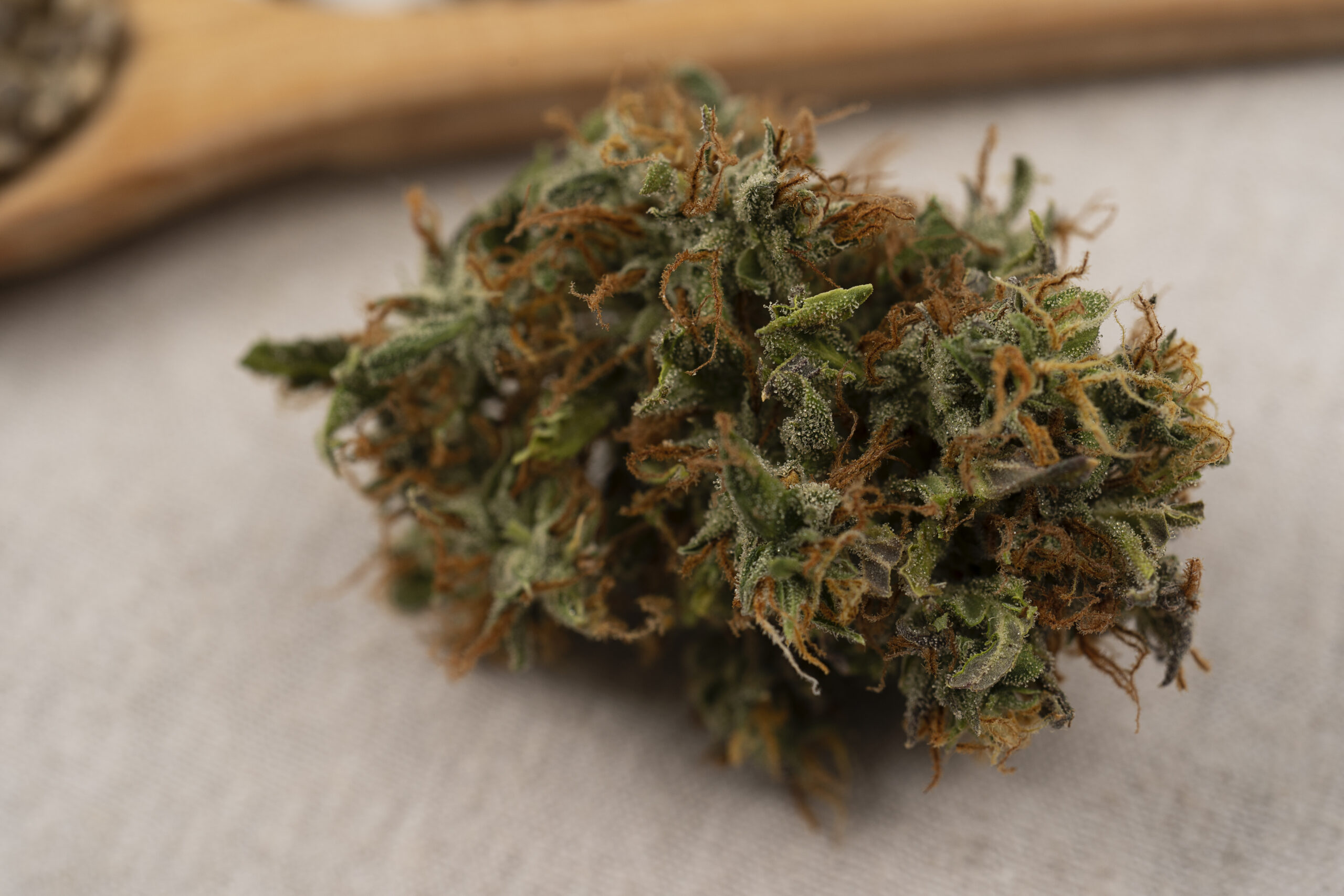


Haze weed is one of the most well-known names in cannabis. Even people who do not know much about cannabis have often heard the word Haze before. That is because Haze has been around for a long time, and its name is linked to many popular strains sold and grown today. For many readers, Haze stands out because it has a strong reputation for bright, active effects and a style of growth that can be harder to manage than some other cannabis types.
At its core, Haze weed refers to a family of cannabis strains. It is not always just one exact plant with one exact form. Over time, growers and breeders have used Haze genetics to create many other strains. That means when someone talks about Haze weed, they may mean original Haze genetics, or they may mean a Haze-based hybrid such as Lemon Haze, Super Silver Haze, or Amnesia Haze. This is important to understand at the start because the name Haze can cover several related strains, not just a single one.
One reason Haze weed keeps getting attention is its long history. Haze is often linked to older cannabis breeding work and to the early days of strain development in California. Over time, it became known as a major part of modern cannabis breeding. Many later strains borrowed from Haze because of its unique traits. This gave Haze a strong place in cannabis culture and helped keep the name popular through the years. Even now, many growers and buyers look for Haze strains because they want the traits that made the family famous in the first place.
Another reason Haze is so well known is the kind of effects people often connect with it. Haze strains are usually described as uplifting, active, and clear-headed. Many people look for Haze because they expect a more energetic experience instead of a heavy or sleepy one. This effect profile is one of the biggest reasons Haze became so popular. It is often grouped with sativa-leaning strains, which are commonly linked with daytime use, mental stimulation, and a more alert feeling. While every strain can vary, and each person can respond in a different way, Haze has built its name around this general style of effect.
The flavor and smell of Haze also help explain why it gets so much attention. Many Haze strains are known for sharp, bright aromas that may seem spicy, citrus-like, earthy, or sweet. This gives them a scent profile that many cannabis users can pick out right away. In some Haze strains, the smell is fresh and zesty. In others, it may be more herbal or slightly peppery. These traits have helped Haze remain easy to recognize and easy to market.
Still, Haze weed is not only about effects and aroma. It also matters because of how it grows. Haze is often seen as more demanding than many beginner-friendly strains. It can grow tall, stretch a lot, and take longer to flower. For a new grower, these traits can make Haze harder to handle. A plant that keeps growing upward may need more space, more training, and more attention. A long flowering period can also test a grower’s patience. While some newer Haze hybrids are easier to grow than older Haze types, the family still has a reputation for needing more planning than faster and smaller strains.
That is why Haze weed creates interest from two different kinds of readers. Some want to know what Haze feels like and why it is so famous. Others want to know if it is worth growing and whether they can manage it well. Both questions matter. A person thinking about trying a Haze strain may want to know about strength, flavor, and likely effects. A person thinking about growing Haze needs different information. They need to know about plant size, flowering time, and the best setup for success.
This article will cover both sides in a clear and simple way. First, it will explain what Haze weed is and where it came from. That part matters because it helps readers understand why Haze became such a major cannabis family. Next, it will look at the effects, flavor, aroma, and common features that make Haze different from many other strains. This part will answer the basic questions that many people type into search engines when they want to know if Haze is strong, how it feels, and why it is so widely known.
After that, the article will move into growing advice. This is where many readers need the most help. Haze has a strong name, but it is not always the easiest strain family to grow. A grower needs to understand the plant’s longer flowering time, taller structure, and need for good light and airflow. The article will explain the best conditions for growing Haze, whether indoor or outdoor setups work better, and what common problems growers may face. It will also explain whether Haze is a good choice for beginners or if it makes more sense to start with a simpler Haze hybrid first.
By the end, readers should have a full picture of Haze weed. They should understand its roots, its main effects, and the reasons it can be both exciting and challenging. Haze is popular for a reason, but it also asks more from the grower than many people expect. Knowing that early can help readers make smarter choices, whether they want to try Haze, grow it, or simply understand why this name has remained important for so many years.
What Is Haze Weed?
Haze weed is a well-known type of cannabis that many people connect with strong mental effects, a sharp smell, and tall plants. When people say “Haze weed,” they are usually talking about a strain family, not just one single strain. That is an important point because the word Haze can mean different things depending on the product, seed line, or hybrid being discussed.
Haze is a name used for cannabis strains that come from the Haze line or were bred from it. Over time, growers used Haze genetics to create many new strains. Because of that, the word Haze now shows up in many strain names. Some are close to the old Haze line, while others are modern hybrids with only part of that background.
This is why Haze weed can seem confusing at first. A person may hear about Haze and think it refers to one exact plant with one exact effect. In reality, it is a broader category. It includes classic Haze types as well as newer Haze-based strains that were bred for different goals, such as better yield, shorter flowering time, or a more balanced effect.
Why Haze Is So Easy to Recognize
Haze stands out because it has built a strong name over many years. Even people who do not know much about cannabis have often heard the word Haze. The name became well known because Haze strains are often linked with an uplifting and active feel. Many people also connect Haze weed with a spicy, citrusy, earthy, or slightly sweet smell, though the exact scent can change from one version to another.
Another reason Haze is easy to recognize is its growing style. Traditional Haze plants are often taller than many other strains. They can stretch a lot during growth and may take longer to finish flowering. This gives Haze a strong identity in both cannabis culture and cannabis growing. It is not just known for how it feels, but also for how it grows.
Because of these traits, Haze often gets described as a strain for people who want a more active or daytime type of effect. That does not mean every Haze strain feels exactly the same. It means the Haze family is commonly linked with those general features.
Is Haze an Indica or a Sativa?
Many people ask if Haze is an indica or a sativa. In most cases, Haze is described as sativa-leaning. That means it is more often linked with the traits that people usually connect with sativa strains. These traits may include a more alert, creative, energetic, or head-focused effect.
Still, it helps to be careful with labels like indica and sativa because modern cannabis strains are often hybrids. A Haze strain sold today may carry Haze traits but still have other genetics mixed in. That can change how the plant grows and how the flower feels.
So, while Haze is usually grouped with sativa-leaning cannabis, not every Haze product will feel the same. Some Haze hybrids may feel more balanced. Others may feel stronger, lighter, calmer, or more intense depending on how they were bred.
Original Haze vs Haze Hybrids
To understand Haze weed clearly, it helps to know the difference between Original Haze and Haze hybrids. Original Haze refers to the older strain line that helped shape the Haze name. This is the form most people mean when they talk about classic Haze. It is the base that made the family famous.
Haze hybrids are newer strains created by crossing Haze with other strains. Breeders did this to keep some of the Haze traits while changing others. For example, a breeder may want the bright mental effect of Haze but also want a plant that is easier to grow, shorter in height, or faster to finish.
This is why there are so many Haze-related names on the market today. A strain like Lemon Haze, Amnesia Haze, or Super Silver Haze may all belong to the wider Haze family, but they are not the same as classic Haze. Each one may have its own smell, flavor, strength, and growth pattern.
That also means a person should not assume that all Haze weed is identical. Two strains may both carry the Haze name, but one may feel very different from the other. The Haze label gives you a general idea, but it does not tell the whole story.
What People Usually Mean When They Search for Haze Weed
When someone searches for “Haze weed,” they are often trying to answer one simple question: what kind of weed is Haze? In most cases, the answer is that Haze is a famous cannabis strain family known for sativa-leaning traits, strong mental effects, and a long history in cannabis breeding.
Some people are also asking whether Haze is strong, whether it is good for daytime use, or whether it is hard to grow. Those are useful questions, but they all start with understanding what Haze is at the most basic level. Haze is not just a catchy strain name. It is a major part of cannabis strain history and a building block for many modern hybrids.
Because the name is used so widely, readers should look beyond the word Haze on a label and learn what specific strain they are dealing with. That gives a clearer picture of what to expect.
Haze weed is best understood as a cannabis strain family rather than one single strain. It is usually linked with sativa-leaning traits, active mental effects, strong aroma, and taller growth. The term can refer to classic Haze or to newer Haze hybrids, which may differ in effect, flavor, and growing behavior. Knowing this basic definition makes it much easier to understand the rest of the Haze story, including its origins, effects, and how to grow it right.
The Origins of Haze Weed
Haze weed has a long and important place in cannabis history. It is one of the best-known strain families, and many later strains were shaped by it. When people talk about Haze, they are often talking about a type of cannabis that became famous for its uplifting feel, strong mental effects, and long growing time. To understand why Haze still matters today, it helps to look at where it came from and how it built its name.
Haze is widely linked to Santa Cruz, California, during the 1960s and 1970s. That period was important for cannabis culture in the United States. Growers were experimenting with different plants and learning how to combine traits from one line with traits from another. In that setting, Haze started to stand out. It was not just another local strain. It became known as something more distinct, with a character that many people could recognize.
The name Haze has lasted for decades because it became tied to a certain style of cannabis. Even now, when people hear the word Haze, they often think of a sativa-leaning strain with a bright and active feel. That strong identity is one reason the strain has stayed relevant for so long.
The Reported Roots Behind Haze
The background of Haze is often described through its connection to older cannabis lines from different parts of the world. Many sources link Haze to landrace genetics from places such as Colombia, Mexico, Thailand, and South India. These places are often mentioned because they are known for cannabis plants with narrow leaves, tall growth, and long flowering times. Those traits are also often seen in Haze.
Landrace strains are important in cannabis history because they developed in a natural way over time in specific regions. They were shaped by local climate, local conditions, and repeated growth in the same area. Because of that, landrace plants often carry strong and clear traits. When growers used these kinds of genetics in breeding work, they were able to build new strains with more complex profiles.
In the case of Haze, the reported mix of different landrace backgrounds helps explain why the strain family became so unique. Instead of coming from only one local type, Haze is often described as having a broader genetic base. That likely helped create its well-known mix of energetic effects, spicy and citrus-like aromas, and long growth cycle.
At the same time, it is important to be careful when discussing exact lineage. Cannabis history is not always perfectly recorded, especially for older strains. Different sources may describe the background of Haze in slightly different ways. Some details have been repeated over many years, but older strain histories are not always as exact as modern breeding records. That does not mean the history is false. It simply means some parts are better understood as widely reported background rather than perfect fact down to every detail.
Why Santa Cruz Matters in the Story of Haze
Santa Cruz is often mentioned in the story of Haze because it was a place where cannabis breeding and culture were growing during the time Haze first became known. This gave the strain a real setting and a real community. It was not only about the plant itself. It was also about the environment where growers were trying new ideas and sharing what they learned.
That setting helped Haze spread beyond one small group. As more people heard about it, the name started to travel. Over time, Haze was no longer just a strain connected to one place. It became a recognized part of cannabis history. It also became a foundation for later breeding projects. Many growers and breeders saw value in the traits Haze could bring into new crosses.
This is one reason Haze has had such a lasting effect. Some strains become popular for a short time and then fade. Haze did not. It became part of the language of cannabis. The name still appears in dispensary menus, seed catalogs, and strain discussions because it helped shape many strains that came after it.
How Haze Grew Into a Strain Family
Another reason the origin of Haze matters is that Haze did not stay locked in one form. Over time, it grew into a larger family of strains. Original Haze remains important as the historical root, but many later hybrids were created from it. This is why people now hear names such as Super Silver Haze, Amnesia Haze, Lemon Haze, and Purple Haze.
These later strains do not all express the same traits in the same way. Some are easier to grow. Some finish faster. Some lean more toward citrus notes, while others keep more spice or earth. Even so, the Haze name usually signals a connection to the strain’s older background and its sativa-leaning identity.
This spread into many hybrids helped Haze stay alive across different growing markets and user preferences. Pure or classic Haze could be demanding to grow because of its height and long flowering period. By crossing it with other strains, breeders were able to keep some of the traits people liked while reducing some of the challenges. That breeding work helped Haze move from a historic strain into a lasting strain family.
Why the Origins of Haze Still Matter Today
The story of Haze is not only about the past. Its history still matters because it helps explain the strain’s current reputation. When someone chooses a Haze strain today, they are often looking for traits linked to that long-standing background. They may want a more active and uplifting effect. They may expect a certain aroma profile. They may also know that Haze plants can take more time and care than some other strains.
Knowing the origins also helps readers understand why Haze is often discussed with respect. It is not just a trendy name. It is a strain family with deep roots in cannabis breeding history. Its link to older global genetics and its strong connection to California cannabis culture gave it a special place that many other strains never reached.
Haze weed is widely tied to Santa Cruz, California, and is often described as a strain family built from older landrace genetics linked to Colombia, Mexico, Thailand, and South India. Its history helps explain why it became known for energetic effects, tall growth, and a long flowering cycle. While some lineage details may vary depending on the source, Haze remains one of the most important names in cannabis history. Its origins shaped not only the original strain, but also many popular hybrids that came later.
What Makes Haze Different From Other Weed Strains?
Haze stands out because it is often linked with strong sativa-like traits. Many people think of Haze when they want a strain that feels bright, active, and mental rather than heavy and sleepy. This does not mean every Haze strain feels the same, but the Haze family is widely known for an uplifting style that feels different from many indica-leaning strains.
A big part of what makes Haze special is the way people describe its overall effect. Instead of a slow, body-heavy feeling, Haze is often connected with energy, focus, and a more alert state of mind. That is one reason why Haze has stayed popular for so long. It built a strong name as a strain family that offers a more active experience.
Its growth style also reflects this sativa-like background. Haze plants often grow taller than many other cannabis plants. They can stretch a lot during the growing cycle, especially once flowering begins. This shape and structure can make Haze easier to spot when compared with shorter, bushier strains.
Haze Often Grows Tall and Takes More Time
One of the clearest things that sets Haze apart is how it grows. Many Haze plants do not stay short and compact. They often develop long branches and a taller frame. This can be useful in some settings, but it can also create problems for growers who do not have much room.
This tall growth pattern is one reason Haze is sometimes seen as more challenging. A grower may need to plan ahead, train the plant, or give it more space than usual. If that does not happen, the plant can outgrow the area quickly. Compared with strains that stay smaller and finish faster, Haze often asks for more patience.
Another major difference is flowering time. Haze is well known for taking longer to flower than many modern hybrids. Some strains are bred to finish quickly, which can make them easier for beginners or growers who want a faster harvest. Haze is different. It often needs a longer season and a longer wait before it is ready to harvest. This slower pace is part of its identity.
Because of this, Haze does not always fit every grow setup. A person with limited time or space may find another strain easier to handle. Still, growers who understand the plant and work with its needs often choose Haze because of the qualities it can bring at harvest.
The Effects Often Feel More Mental Than Physical
Another thing that makes Haze different is the kind of experience it is known for. Many strains are described in terms of how they affect the body. Some are known for deep relaxation, heavy limbs, or a calm feeling that leads to rest. Haze is often described in another way. It is more often tied to the mind than to the body.
People usually connect Haze with a clear-headed, active, and sometimes creative effect. This is a big part of its reputation. It is often seen as a strain family that can feel lively and upbeat. That difference matters because many readers want to understand not just how strong a strain is, but also what kind of effect it tends to bring.
This mental style is one reason Haze can feel different even when compared with other strong strains. A strain may be powerful, but the kind of power matters. Haze is often described as having a head-focused character. That can make it feel sharp, quick, and energizing rather than slow and deeply calming.
Haze Has a Distinct Look, Smell, and Family Identity
Haze also stands out because it has built a strong identity over time. It is not just one strain with one exact form. It is a well-known family that has shaped many later hybrids. When people hear the word Haze, they often think of a certain kind of cannabis right away. That level of recognition is not common for every strain line.
In terms of appearance, Haze plants often show narrow leaves and a more open structure. The buds can also look different from dense, heavy flowers seen in some other strains. This lighter build adds to the sense that Haze comes from a different style of cannabis growth.
Its smell and taste also help it stand apart. Haze is often linked with bright and sharp notes such as citrus, spice, earth, or sweetness. While each Haze type can vary, the overall profile is often described as fresh, lively, and complex. This gives it a strong place in the minds of growers and buyers who want something with a more noticeable aroma and flavor style.
Haze also matters because it became the base for many popular hybrids. That means its traits did not stay in one old line. They spread into many later strains. As a result, Haze has had a lasting effect on cannabis breeding and strain development.
How Haze Compares With Faster and Heavier Strains
When Haze is compared with faster-finishing or more indica-leaning strains, the differences become easier to understand. Many compact strains are bred for short flowering times, easier control, and body-heavy effects. Haze often moves in the opposite direction. It usually asks for more time, more space, and more attention during the grow.
In return, it is often chosen for its energetic and mental profile. That trade-off is important. A grower or buyer may decide between ease and character. Some people want something simple and quick. Others want the classic traits that made Haze famous in the first place.
This is why Haze has a special place in cannabis culture. It is not always the easiest option, but it is often one of the most recognizable. Its tall shape, long flowering period, and uplifting effect give it a profile that many other strains do not match.
Haze is different from other weed strains because of its sativa-like character, tall growth, longer flowering time, and active mental effects. It is often less compact and less fast than many modern strains, but it offers a style that many people still seek out. Haze also stands apart because it shaped many later hybrids and built a strong name of its own. That mix of history, growth pattern, and effect is what makes Haze special.
What Does Haze Weed Feel Like?
Haze weed is often known for effects that feel more active than heavy. Many people connect it with a clear head, a bright mood, and a sense of energy. Instead of feeling slow or sleepy, users often describe Haze as a strain that feels lively and mentally strong. This is one reason Haze has stayed popular for so long.
Still, not every Haze strain feels exactly the same. Some types feel very sharp and upbeat, while others feel a little smoother or more balanced. The way Haze feels can change based on the exact strain, the grower, the cannabinoid level, and the terpene mix. That is why it helps to understand the general pattern without assuming every Haze product will give the same result.
A More Uplifting Type of Effect
One of the most common things linked with Haze weed is an uplifting effect. Many people expect Haze to bring a stronger mental lift than a body-heavy strain. This can mean feeling more awake, more alert, or more interested in what is happening around you.
That uplifting side is a major reason why Haze stands out. Some strains are known for deep body effects that make a person want to sit still or rest. Haze is often placed in a different group because it is more closely tied to movement, thought, and mental activity. A person may feel more drawn to talk, listen to music, go for a walk, or work on something creative.
This does not mean Haze always feels light. Some versions can feel very strong in the head. The uplift can be powerful, especially for someone who is not used to a sativa-leaning strain. Even so, the main pattern is usually not heaviness. It is usually a more active kind of experience.
Mental Clarity and Alertness
Another effect often linked with Haze weed is mental clarity. Many people choose Haze because it has a reputation for helping the mind feel awake. Thoughts may seem quicker. Attention may feel sharper. The strain is often connected with a clear and alert mental state rather than a cloudy one.
This effect is one of the reasons Haze is so often talked about in cannabis strain guides. When people search for strains that feel bright or engaging, Haze often comes up. It is widely known as a strain family that leans toward mental stimulation.
At the same time, mental clarity does not always mean calm. In some cases, a very strong Haze strain may feel intense. The mind may become very active, especially if the THC level is high. For some users, that mental energy is exactly what they want. For others, it may feel like too much if they were expecting a softer experience.
Creativity and Social Energy
Haze weed is also often linked with creativity. Many strain descriptions connect it with new ideas, open thinking, and a stronger interest in art, music, or conversation. This creative side is part of the reason Haze has built such a strong name over the years.
The social side matters too. Some users feel more open and talkative with Haze than with heavier strains. It may support a setting where people want to share thoughts, laugh, or stay active in a group. That is very different from strains that are more likely to push a person into quiet rest or sleep.
Still, this can vary from one Haze type to another. A Haze hybrid may keep some of that social and creative energy, but it may also have traits from another parent strain that make it feel more balanced or less sharp. That is why the exact name on the label matters.
Why Haze Does Not Feel the Same Every Time
It is important to remember that Haze is a strain family, not just one single fixed product. Original Haze and Haze-based hybrids can have different traits. One version may feel very energetic and fast. Another may feel more relaxed while still keeping some mental lift.
The growing process can also affect the final result. Plant genetics matter a lot, but so do harvest timing, curing, and overall quality. Two products with Haze in the name may not feel identical. That does not mean one is wrong. It usually means the strain expression is different.
Potency also plays a role. A stronger Haze product may feel more intense and more head-focused. A milder one may feel easier to manage. This is why readers should think of Haze effects as a pattern, not a promise. The pattern usually points to energy, alertness, and uplift, but the exact feel can still change.
What Readers Should Keep in Mind
When people ask, “What does Haze weed feel like?” the clearest answer is that it often feels energetic, mentally active, and uplifting. It is usually known more for head effects than for heavy body effects. Many people also connect it with creativity, focus, and a brighter mood.
At the same time, Haze is not one simple experience that always feels the same. Some types are stronger than others. Some hybrids are more balanced. Some may feel smooth, while others may feel intense. The best way to understand Haze is to see it as a strain family with a shared pattern.
Haze weed is often linked with energy, alertness, and mental lift. That is what makes it different from many heavier strains. While each Haze variety can feel a little different, the strain family is most often known for an active and uplifting experience.
How Strong Is Haze Weed?
Haze weed is often described as strong, but strength can mean more than one thing. Some people use the word strong to talk about THC level. Others use it to describe how powerful the effects feel once the strain starts to work. With Haze weed, both ideas matter.
Many Haze strains are known for effects that feel lively, fast, and very noticeable. Even when two strains have similar THC levels, Haze may still feel stronger to some people because of the kind of experience it creates. Instead of feeling heavy or sleepy, many Haze types are linked with a more active and head-focused effect. That can make the high feel bright, sharp, and intense.
This is one reason why people often ask, “Is Haze weed strong?” In many cases, the answer is yes. Still, it is important to understand that not every Haze strain will feel the same. Haze is a broad family, and different versions can vary a lot in power, balance, and overall effect.
THC Levels Can Vary From One Haze to Another
One of the biggest reasons Haze weed can be hard to judge is that THC levels are not always the same. Original Haze may differ from Super Silver Haze, Amnesia Haze, Lemon Haze, or other Haze-based hybrids. Some may test at moderate levels, while others may be much higher.
This means there is no single number that explains all Haze weed. A person may try one Haze strain and find it manageable, then try another and feel that it hits much harder. Grow methods, plant genetics, harvest timing, and product quality can all affect how strong the final product seems.
It also helps to remember that lab numbers do not tell the whole story. THC is important, but it is not the only part of the experience. The mix of cannabinoids and terpenes can change how a strain feels. That is why one Haze product may seem clear and easy to handle, while another may feel very powerful even if the THC numbers do not look far apart.
Because of this, readers should avoid thinking of Haze as one fixed product. It makes more sense to think of it as a strain family with a wide range of strength levels.
Why Haze Can Feel Stronger Than Expected
Haze weed often stands out because of the type of high it produces. Many people connect Haze with mental energy, alertness, and a fast-moving effect. This can make the strain feel stronger than a strain that has a more calm or body-heavy effect.
A head-focused high may feel intense because it is easier to notice. The user may feel more aware of changes in mood, focus, or mental speed. In some cases, that can feel exciting and uplifting. In other cases, it may feel too strong, especially for someone who is new to cannabis or who prefers a slower and calmer experience.
This is why Haze weed is sometimes called a strain that “hits the head” more than the body. That does not mean it always has more THC than other strains. It means the style of the effect can feel more direct and more active. For some users, that makes Haze feel stronger than heavier strains, even if the numbers are close.
Different Users May Feel Haze in Different Ways
Not everyone reacts to Haze weed in the same way. Tolerance plays a big part. A person who uses cannabis often may find a Haze strain clear and enjoyable. A beginner may feel overwhelmed by the same product.
The setting also matters. Haze is often linked with daytime use because of its uplifting and energetic profile. In the right setting, that may feel balanced and useful. In a loud, stressful, or unfamiliar setting, the same strain may feel too sharp or too strong.
The amount used also matters more than many people expect. A small amount of Haze may feel light and bright. A larger amount may feel much more intense. Because Haze can come on with a strong mental effect, people may notice the difference quickly.
This is why it is better to ask, “How strong does this Haze feel for this person in this setting?” instead of asking only, “Is Haze strong?” The answer depends on the strain, the dose, and the person using it.
Haze Hybrids Can Change the Strength Profile
Many Haze products on the market today are hybrids. This means Haze has been crossed with other strains to create new versions. These hybrids may keep some classic Haze traits, such as uplifting effects and a spicy or citrus smell, but they may also take on new features from the other parent strain.
Some hybrids may feel smoother and more balanced. Others may feel even stronger than classic Haze because they were bred for higher potency. This can make it hard for readers to know what to expect just from the word Haze on a label.
For that reason, it is smart to look at the full strain name instead of focusing only on the Haze label. A product called Lemon Haze or Amnesia Haze may have a different effect pattern than Original Haze. The shared family name gives some clues, but it does not explain everything.
Haze weed is often seen as strong, but its strength is not the same in every case. Some Haze strains have high THC levels, while others are more moderate. What often makes Haze stand out is its head-focused effect, which can feel fast, clear, and intense. That kind of high may feel stronger than expected, even when the THC level is not the highest on the shelf.
Aroma, Flavor, and Bud Structure
Haze weed is often known for a strong and easy-to-notice smell. Many people describe the aroma as bright, sharp, and a little spicy. In some types of Haze, the smell can lean toward citrus, with notes that remind people of lemon, orange, or other fresh fruits. In other types, the scent may feel more earthy, herbal, or sweet. Some Haze varieties also have a peppery or incense-like smell that makes them stand out from many other strains.
One reason Haze has such a well-known smell is that it often carries a mix of lively and layered scent notes instead of just one simple odor. When someone opens a jar of Haze, the smell may first seem fresh and sweet, then turn more spicy or woody after a closer sniff. This is part of why many people remember Haze so easily. It does not usually have a flat or dull aroma. Instead, it tends to have a smell that feels active and sharp, much like the strain’s general reputation.
Still, not every Haze plant smells exactly the same. Haze is a large strain family, and many modern versions are hybrids. That means one Haze product may smell more citrus-heavy, while another may smell more earthy or floral. Growing conditions, curing methods, and the exact genetics can all shape the final aroma. Because of that, it is better to think of Haze aroma as a range of related smells instead of one exact scent.
What Haze Weed Tastes Like
The flavor of Haze weed often matches its aroma, but the taste can still have its own character. Many Haze strains are described as tasting citrusy, spicy, sweet, or earthy. Some may leave a fresh taste on the tongue, while others can feel richer and more herbal. In some cases, the flavor may carry a slight sweetness at first, then shift into pepper, pine, or a dry spice note on the exhale.
This layered taste is one reason Haze has stayed popular for so long. It often gives a more complex flavor than strains that mainly taste sweet or plain. A person may notice more than one flavor in the same session. For example, a Haze strain may start with a lemon-like taste, then finish with earth or spice. That mix can make it feel more interesting and distinct.
Like smell, flavor can also change from one Haze strain to another. Lemon Haze may bring out more bright and citrus-led notes. Purple Haze may feel sweeter or fruitier. Original Haze types may lean more toward spice, herb, and earth. The way the flower is dried and cured also matters. Good curing can help the natural flavor come through more clearly, while poor curing can make even a strong strain taste weak, harsh, or uneven.
How Haze Buds Usually Look
Haze weed often has a look that fits its reputation as a sativa-leaning strain. The buds are often longer, lighter, and less dense than the thick and tight buds many people expect from indica-heavy strains. Instead of looking very compact, Haze buds may appear more airy or stretched out. They can still be rich in resin, but their shape often feels looser and less chunky.
The color of Haze buds can vary, but green is common, sometimes with lighter shades mixed in. Orange or rust-colored hairs may stand out against the flower. In some Haze crosses, growers may also see hints of purple, especially in cooler conditions or in strains with mixed genetics. A healthy Haze flower may also look frosty because of visible trichomes, which are the tiny resin glands on the bud.
The leaves on Haze plants also help explain the bud structure. Since Haze is often linked with sativa traits, the plant may have narrower leaves and a taller shape during growth. That same pattern can show up in the buds, which may form in a way that reflects more stretch and space between flower sites. This does not mean the bud is poor quality. It simply means it has a different structure than a short, dense strain.
Why Haze Can Vary So Much
One of the most important things to understand is that Haze is not one single, fixed product. It is a family name tied to many different strains and hybrids. Because of that, the aroma, flavor, and bud structure can shift a lot. One Haze may be very citrus-forward and airy, while another may be sweeter, thicker, and more resin-heavy.
This is especially true with modern Haze hybrids. Breeders often mix Haze with other strains to improve growth, shorten flowering time, or shape flavor and effect. As a result, a Haze hybrid may keep the bright smell and uplifting profile of Haze while also gaining denser buds or a sweeter taste from the other parent strain. This is why it is helpful for readers and growers to check the exact version of Haze they are dealing with instead of assuming all Haze strains will look, smell, and taste the same.
Why These Traits Matter to Growers and Buyers
Aroma, flavor, and bud structure are not just small details. They matter because they help people understand what kind of Haze they may be dealing with. For growers, bud structure can affect how the plant handles airflow, trimming, and drying. Airier buds may dry differently than very dense ones. For buyers, smell and taste often shape how memorable the strain feels.
These traits can also help set good expectations. Someone who expects dense, heavy buds may be confused by the lighter structure of some Haze flowers. Someone looking for a plain, mild smell may also be surprised by the sharp and layered scent Haze often carries. Knowing these traits ahead of time can make the strain easier to understand and easier to grow or choose.
Haze weed is often known for a bright, strong, and layered aroma. Common scent notes include citrus, spice, earth, sweetness, and herbal tones. Its flavor often follows the same pattern, with many Haze strains offering a mix of fresh, sweet, and spicy notes rather than one simple taste. In terms of appearance, Haze buds are often longer, lighter, and more airy than dense indica-style flowers. These traits can vary because Haze includes many strains and hybrids, but the general pattern stays clear. Haze usually stands out through its lively smell, complex flavor, and sativa-like bud structure.
Popular Haze Variations and Hybrids
Haze is one of the most well-known cannabis families. Over time, growers used Haze genetics to create many new strains. That is why the name Haze can mean different things depending on the product, the breeder, or the grower. Some Haze strains stay close to the original line, while others are mixed with other genetics to change the effects, taste, growing time, or plant size.
This matters because many people search for Haze weed as if it is one exact strain. In reality, Haze is often a family name. One Haze strain may feel very different from another. One may grow tall and take a long time to flower, while another may finish faster and be easier to manage. Understanding the most popular Haze variations helps readers know what they are looking at and what to expect.
Original Haze
Original Haze is the strain that gave this family its name. It is often described as a classic sativa-leaning cannabis strain with strong mental effects and a long flowering period. It is known for uplifting and active effects that many people connect with focus, energy, and creativity. It is also known for being harder to grow than many modern strains.
One reason Original Haze stands out is its growing pattern. It can stretch a lot during the flowering stage. It may also need more time to mature than many other cannabis strains. That makes it less convenient for growers who want a quick harvest. Still, many people respect Original Haze because it has played such an important role in cannabis breeding.
In simple terms, Original Haze is the base that helped shape many later Haze hybrids. It is important because it gives readers a starting point. When people ask what Haze weed is supposed to be like, Original Haze is usually the reference point.
Super Silver Haze
Super Silver Haze is one of the best-known Haze hybrids. It became popular because it kept many of the classic Haze traits while also becoming more practical for growers and more appealing to many users. It is often linked with strong mental effects, a bright mood, and a more polished flavor profile.
Compared with older Haze types, Super Silver Haze is often seen as more balanced. It still carries the uplifting and active feeling many people want from Haze, but it may be easier to find and easier to grow than a pure Haze line. This made it an important step in making Haze genetics more widely used.
For many readers, Super Silver Haze is a good example of how breeders took the Haze idea and improved it for modern cannabis markets. It shows how Haze moved from a classic strain into a broader family of popular hybrids.
Amnesia Haze
Amnesia Haze is another famous name in the Haze family. It is often chosen by people who want a strong and energetic effect. It is also known for bold flavor and aroma, which may include citrus, earthy, or spicy notes depending on the phenotype.
Amnesia Haze is a good example of how Haze hybrids can still feel powerful and lively while also being more refined than older Haze lines. It is often grouped with strains that offer a clear head high and a bright mood. Because of that, it has become one of the better-known Haze options in many markets.
This strain also helps explain why Haze hybrids are so common. Growers and breeders saw value in the classic Haze effect, but they also wanted strains with more stable traits, better yields, or more modern flavor profiles. Amnesia Haze reflects that shift well.
Lemon Haze
Lemon Haze is popular because it combines Haze traits with a strong citrus character. Many people are drawn to it because the name itself tells them what to expect. It is often linked with a fresh lemon scent, lively effects, and a more modern style than older Haze lines.
This variation shows how Haze became more market-friendly over time. Original Haze may be respected for its history, but hybrids like Lemon Haze are often easier for new users to understand. The flavor is easier to describe, the effects are easier to market, and the strain name is more memorable.
Lemon Haze also shows that Haze is not only about one effect or one growing style. It can be shaped into different expressions. Some versions may lean more toward sharp citrus flavor, while others may show more of the spice and earth linked with classic Haze.
Purple Haze
Purple Haze is one of the most famous Haze names, partly because of its cultural history and strong name recognition. Many people search for it even if they are not fully familiar with the wider Haze family. That makes it one of the most talked-about Haze variations.
Purple Haze is important because it shows how the Haze family became part of cannabis culture as well as cannabis breeding. Its name has lasted for years, and many users connect it with colorful buds, uplifting effects, and a classic reputation. Still, it is important to remember that not every strain sold under the Haze name will be the same. Purple Haze, like other Haze strains, can vary depending on genetics and breeding.
This is an important point for readers. A strain name may sound familiar, but the actual product can still differ from one source to another. That is why understanding the Haze family matters more than only knowing one famous name.
Why Haze Became a Parent Line for So Many Hybrids
Haze became a parent line for many hybrids because breeders saw strong value in its traits. It was known for energetic effects, a distinct aroma, and a memorable growing style. These qualities made it useful in breeding projects.
At the same time, classic Haze was not always easy to grow. It could take longer to flower and could grow very tall. By crossing Haze with other strains, breeders could keep some of its best features while reducing some of its challenges. This helped create strains that were more practical for growers and still attractive to users.
That is why the Haze family grew so large. Breeders did not want to lose what made Haze special. They wanted to adapt it. The result was a wide range of strains that carry the Haze name but express it in different ways.
Why One Haze Product Can Differ From Another
One Haze product can differ from another because the Haze name covers both older lines and newer hybrids. It may also be used differently by breeders, growers, and sellers. One product may lean close to original Haze genetics, while another may have only part of that background.
This means a person should not expect every Haze strain to have the same taste, strength, or growing behavior. Some may be sharper and more uplifting. Others may feel more balanced. Some may take longer to flower, while others may finish sooner because of hybrid breeding.
For readers, this is one of the most useful things to understand. Haze is a broad family, not a single fixed experience.
The most popular Haze variations include Original Haze, Super Silver Haze, Amnesia Haze, Lemon Haze, and Purple Haze. Each one helps show how the Haze family changed over time. Original Haze is the foundation, while later hybrids made Haze more flexible, more widely available, and often easier to grow. The main takeaway is simple: Haze is not just one strain. It is a large and important cannabis family, and one Haze product may be very different from another.
Is Haze Weed Hard to Grow?
Haze weed can be harder to grow than many other cannabis strains. It is not always the best pick for a first grow, especially for someone who wants a fast and simple harvest. Many growers choose Haze because of its strong reputation, uplifting effects, and classic place in cannabis history. Still, the growing side can test a person’s patience.
The main reason Haze can feel difficult is that it does not usually grow in a short, compact, and quick way. Instead, it often grows tall, stretches a lot, and takes longer to finish. That means the grower needs more time, more space, and more control. A plant that gets too big too fast can become hard to manage, especially indoors.
Why Haze Can Be More Challenging
Many cannabis strains are bred to be easier, shorter, and faster. Haze often goes in the other direction. It is known for long growth and slow flowering. That alone can make it harder than other strains.
A long flowering period means the grower has to care for the plant for more time before harvest. This can be frustrating for beginners who expect faster results. The longer a plant stays in the grow room or garden, the more chances there are for problems to appear. A short grow may leave less time for mistakes to build up. A long grow gives those mistakes more time to affect the plant.
Haze can also be more sensitive to poor planning. If the grower does not think ahead, the plant may outgrow the space. That problem often shows up indoors, where ceiling height matters. A plant that stretches too close to the light can suffer from heat stress or light burn. Once that happens, the grower may need to adjust the light, train the plant, or change the setup.
Another challenge is that Haze often needs more patience than many growers expect. It is not the kind of plant that rewards rushed choices. A person who checks the calendar and hopes for a quick finish may end up disappointed.
Height and Stretch Are Major Issues
One of the biggest reasons Haze is harder to grow is its size. Haze plants are often tall and vigorous. They can stretch heavily during the flowering stage. This means the plant may grow much larger after the light cycle changes.
For indoor growers, this can be a serious problem. A plant that looks manageable during the vegetative stage may become too tall later. When this happens, light distance becomes harder to control, airflow may become weaker, and the canopy can become uneven. An uneven canopy makes it harder for all parts of the plant to get the same amount of light.
Outdoor growers may have more room, but height can still create problems. A very tall plant can be harder to support, harder to hide, and harder to protect from weather. Large plants may also need more pruning and more attention during the season.
Because of this, Haze often does better with training. Growers may need to bend branches, top the plant, or shape it early to keep it under control. That extra work is not always difficult by itself, but it does add another layer of care. A beginner may not know when to start or how much training is too much.
The Long Flowering Time Tests Patience
Another major issue with Haze is how long it can take to flower. Some faster strains finish in a shorter window, which helps growers move from planting to harvest with less waiting. Haze often takes longer, and that means the grower must stay consistent for a longer period.
A longer flowering time can affect many parts of the grow. The plant will need light, water, airflow, feeding, and monitoring for a longer stretch. This increases the need for routine care. It also means the grower must avoid late-stage mistakes, because fixing problems near harvest can be harder.
For outdoor growers, a long flowering time may not fit every climate. In areas with shorter seasons, cold weather or rain can become a problem before the plant finishes. That makes strain choice very important. A classic Haze may not suit every outdoor region.
For indoor growers, a longer flowering cycle also means higher power use and more time spent managing the grow room. That does not make Haze impossible to grow, but it does make the process more demanding.
Why Planning Matters So Much
Haze rewards growers who plan ahead. A person growing Haze needs to think about space, timing, airflow, and plant control before the plant gets too large. This is one reason Haze can feel hard for beginners. New growers often learn as they go, but Haze gives less room for poor planning.
If a grower starts Haze in a small tent without thinking about final plant size, the plant may become hard to manage later. If the airflow is weak, the dense upper growth can trap heat and moisture. If the lighting setup is not flexible, plant stretch can create distance problems.
Planning also matters when choosing whether to grow indoors or outdoors. Indoors gives more control, but limited space can become an issue. Outdoors gives more room, but the season must be long enough. A grower who understands the local climate and the strain’s growth pattern has a better chance of success.
Good planning does not mean the grow must be perfect. It means the grower understands what Haze is likely to do and prepares for it. That kind of preparation can prevent common problems before they start.
Can a Beginner Grow Haze Successfully?
A beginner can grow Haze, but it may not be the easiest place to start. Success depends on the grower’s setup, patience, and willingness to learn. Someone with enough space, time, and interest in plant training may still do well with it.
That said, many beginners find it easier to start with a Haze hybrid instead of a classic Haze line. Some hybrids keep part of the Haze character while being shorter, faster, or easier to manage. This can give new growers a better chance to enjoy the Haze profile without dealing with every challenge at once.
Beginners who choose Haze should keep expectations realistic. They should expect strong upward growth, a longer timeline, and the need for regular attention. If they go into the grow with that mindset, the process will make more sense.
Haze weed can be hard to grow because it often grows tall, stretches heavily, and takes longer to flower than many other strains. These traits mean the grower needs more space, more patience, and better planning. Indoor growers may struggle with height, while outdoor growers may face climate and season limits. Haze is not impossible for beginners, but it is usually more demanding than simpler strains. For many people, a Haze hybrid can be a more manageable way to start.
Best Conditions for Growing Haze Weed
Haze weed can grow well, but it needs the right setup. This strain family is known for tall growth, longer flowering times, and strong stretch during the growing cycle. Because of that, Haze often does better when the grower understands what the plant needs from the start. Good light, enough space, fresh air, and the right climate all play a big part in how the plant grows.
Many growers find that Haze is not as forgiving as some faster and smaller strains. It can still be grown successfully by newer growers, but the plant usually needs more planning. If the conditions are poor, Haze may become too tall, flower too slowly, or produce weaker results. That is why it helps to build the right environment before planting.
Light Matters From Start to Finish
Haze needs strong light to grow well. During the vegetative stage, strong light helps the plant build healthy stems, leaves, and branches. During flowering, light helps the plant focus its energy on bud growth. Since Haze can grow tall and stretch a lot, weak light can make that problem worse. The plant may reach too hard for the light, which can lead to thin growth and wider spacing between bud sites.
Indoor growers should pay close attention to light distance and coverage. If the light is too far away, the plant may stretch too much. If it is too close, the leaves may show stress. The goal is even light across the whole plant, not just the top. Because Haze can become large, a small light may not cover the whole canopy well.
Outdoor growers also need to think about sunlight. Haze usually does best in places where it can get many hours of direct sun each day. A shady yard or blocked grow area can limit growth and reduce yield. If the plant does not get enough sun, it may still grow tall, but the buds may not develop as well as they should.
Space Is Very Important
One of the biggest things to understand about Haze is that it often needs room. This is not usually a short and compact plant. Many Haze types grow tall and wide, especially when they are healthy and have time to keep growing. That means a cramped tent, tight room, or small outdoor corner can quickly become a problem.
Indoor growers should think about both plant height and plant width. A Haze plant may stretch a lot after flowering starts. A grower who has enough space during the early stage may suddenly run out of room later. This can cause stress for the plant and make it harder to manage light and airflow.
Outdoor growers should also plan for plant size. If the season is long and the weather is good, Haze can become very large. Crowding it near walls, fences, or other plants can reduce airflow and light. It can also make the plant harder to inspect, water, and maintain.
Giving the plant enough space also helps with training. Since Haze often benefits from topping, bending, or other training methods, room gives the grower more control. In a tight space, the plant can become harder to shape.
Fresh Air and Airflow Support Healthy Growth
Airflow is another key part of growing Haze the right way. A large plant with many branches and leaves needs moving air around it. Fresh air helps support steady growth and helps keep the plant from sitting in stale, damp conditions. Good airflow also helps the plant stay stronger as it grows taller.
Indoor growers should not think only about light and water. Air movement matters too. If the room feels hot, heavy, or still, the plant may struggle. A Haze plant with thick growth can trap moisture around the leaves and inside the canopy. That is why it helps to keep air moving through the room and around the plant.
Outdoor growers often have natural airflow, but location still matters. A spot with some open air movement is often better than a closed, crowded area. If the plant is placed where air does not move well, humidity can build up around the leaves and flowers.
Good airflow is also useful during flowering because Haze may stay in flower for a long time. The longer the plant grows, the more important it becomes to keep conditions steady and clean.
Climate Can Make a Big Difference
Haze usually does best in a warm climate with a long growing season. Since many Haze plants take longer to finish than other strains, the weather must stay supportive for a longer period. A short or cold season can make outdoor growing harder. If the weather turns bad too early, the plant may not have enough time to finish properly.
Warm temperatures usually support better growth, especially during the active growing stage. Haze often responds well when the environment stays stable and not too harsh. Big swings in temperature can slow the plant down or create stress. A grower does not need perfect weather, but steady conditions help a lot.
Outdoor growers in cooler areas may have more success with Haze hybrids instead of classic Haze types. Hybrids may finish faster and may be easier to manage. Indoor growers have more control over climate, which is one reason many people choose indoor growing for Haze.
Humidity also matters. Young plants may handle slightly higher humidity better than plants deep into flowering. Later in the grow, too much moisture in the air can become a problem, especially with a large plant. The goal is balance. The plant should not be too dry, but it also should not sit in damp air for long periods.
A Stable Setup Helps Haze Perform Better
Haze often responds best to a setup that stays steady. This means regular light, stable temperatures, enough room, and a clean grow space. Constant changes can slow progress. Since Haze may already take longer than other strains, extra stress can make the process even harder.
Growers should also remember that Haze is not always the best choice for rushed growing. This strain usually rewards patience. It may take more time to shape, monitor, and flower than many other plants. That is why the best condition for Haze is not just a warm room or a sunny yard. It is a setup where the plant can grow without being forced into a space or climate that does not suit it.
It also helps to pay attention to plant structure early. If the plant starts stretching fast, that is a sign the grower may need to adjust light, training, or spacing. Watching the plant closely can prevent bigger problems later.
The best conditions for growing Haze weed come down to strong light, enough space, good airflow, and a warm, stable climate. This plant often grows tall, takes longer to flower, and needs more planning than some other strains. When growers give Haze room to grow and keep the environment steady, the plant has a much better chance of developing well. In simple terms, Haze grows best when it has light to power it, space to spread, air to stay healthy, and time to finish right.
Indoor vs Outdoor Growing for Haze
Choosing between indoor and outdoor growing is one of the biggest decisions when growing Haze weed. This strain family is known for tall growth, long flowering times, and strong stretching during the grow cycle. Because of that, the place where you grow it can affect almost everything, from plant size to harvest timing. Some growers like indoor setups because they offer more control. Others prefer outdoor growing because plants have more room and natural sunlight. The right choice depends on your climate, space, budget, and experience level.
Growing Haze Indoors
Indoor growing gives you more control over the whole process. This is a major reason many growers choose it for Haze. Since Haze plants can grow tall and continue stretching after flowering starts, it helps to manage them in a space where light, airflow, temperature, and humidity can be adjusted.
One of the main benefits of indoor growing is control over light. Haze often takes longer to flower than many other cannabis strains. With an indoor setup, growers can decide when the plant moves from the vegetative stage to the flowering stage. That makes it easier to plan the grow and avoid seasonal problems. It also helps growers keep the plant healthy from start to finish.
Indoor growing also helps with climate control. Haze usually does best when conditions stay steady. Sudden cold, heavy rain, or high outdoor humidity can slow growth or create problems. Indoors, growers can reduce these risks by keeping the environment stable. That is useful for a strain that may need extra time before harvest.
Another reason indoor growing works well for Haze is plant training. Since Haze can stretch a lot, growers often need to bend, top, or shape the plant to keep it from getting too close to the lights. This is easier in an indoor setup where the grower checks the plant often. Indoor spaces also make it easier to spot problems early, such as weak airflow, heat stress, or uneven canopy growth.
Still, indoor growing has challenges. Space is one of the biggest. Haze is not a naturally compact plant, so a small grow tent can become crowded fast. If the plant stretches too much, it may outgrow the room. That means growers need to plan ahead and may need to train the plant early. Indoor growing also costs more because lights, fans, and other equipment use power and need regular attention.
For many people, indoor growing is the better choice if they want more control. It can be especially helpful for Haze because the strain is often less predictable than shorter, faster-finishing varieties.
Growing Haze Outdoors
Outdoor growing can also work very well for Haze, but the conditions need to be right. Haze tends to do better outdoors in places with warm weather, strong sunlight, and a long growing season. Since many Haze plants take longer to finish, they need enough time before cold weather or heavy fall rain arrives.
One of the biggest benefits of outdoor growing is space. Haze plants can become large, and outdoor gardens usually give them more room to spread. With enough root space and sunlight, a Haze plant can grow taller and wider than it would indoors. This can lead to strong growth and larger yields when the season supports it.
Natural sunlight is another advantage. Cannabis plants grow well under full sun, and Haze is no exception. Outdoor plants can develop strongly when they get long hours of direct light during the season. Fresh air also helps. Good outdoor airflow can support healthy growth and reduce some moisture-related problems, especially if plants are spaced well.
Outdoor growing can also cost less than indoor growing. The sun provides the main light source, and growers may not need as much equipment. This can make outdoor growing appealing for people who have the right climate and enough private space.
At the same time, outdoor growing has limits. The weather cannot be controlled. If the season turns cold too early, or if rain and humidity rise during flowering, Haze may struggle to finish well. Long flowering strains are more exposed to these late-season risks. Pests can also be harder to manage outdoors. Wind, storms, and changing temperatures may also affect plant health.
Because of these factors, outdoor growing is best for Haze when the grower lives in a region with a long, warm season. In areas with short summers or wet fall weather, outdoor Haze can be harder to finish successfully.
Which Setup Is Better for Haze?
There is no single answer for every grower. Indoor growing is often better for people who want more control and have the time to manage a longer, taller plant carefully. It is a strong option for growers in cooler climates or places where the outdoor season is too short for Haze. It also works well for those who want to shape the plant and keep conditions steady from start to finish.
Outdoor growing can be a great choice when the climate is warm and the season is long enough. It gives Haze the room it often needs and lets the plant use natural sunlight. This setup may suit growers who have more space and want larger plants without the cost of a full indoor setup.
In many cases, the choice comes down to local conditions. A grower with a short summer may do much better indoors. A grower in a sunny and stable climate may find that outdoor growing gives Haze the space and light it loves.
Haze can grow both indoors and outdoors, but each setup comes with different strengths and risks. Indoor growing offers better control over light, climate, and plant size, which helps with a strain that grows tall and flowers slowly. Outdoor growing gives Haze more space and natural sunlight, but it works best in places with warm weather and a long season. For most growers, the best setup is the one that matches their climate, space, and ability to manage a plant that needs patience and planning.
How Long Does Haze Take to Flower?
Haze is known for taking longer to flower than many other cannabis strains. This is one of the first things growers should understand before planting it. Some strains finish fairly fast and move from flowering to harvest in a shorter window. Haze usually does not work that way. It often needs more time, more patience, and closer planning.
This longer flowering time is one reason Haze has a strong reputation among growers. Many people like Haze for its effects and classic background, but they also know it can test a grower’s patience. If someone starts a Haze grow without knowing this, they may think the plant is growing too slowly or that something is wrong. In many cases, the plant is simply following its normal timeline.
Why Haze Usually Flowers More Slowly
Haze genetics are often linked with long-flowering sativa traits. In simple terms, that means the plant may keep stretching and building flower sites for longer than many other strains. Instead of moving quickly into thick, dense buds, Haze may take its time. Early in flowering, it can seem like the plant is putting more energy into growing taller and wider before it fully focuses on bud development.
This is different from many faster strains, especially those bred for shorter indoor cycles. A grower who is used to quick-finishing plants may be surprised by how long Haze keeps developing. The plant may look active and healthy, but the flowers may still take longer to mature. That slow pace is part of what makes Haze different.
Because of this, patience matters. A grower cannot judge Haze by the same timeline used for every other strain. If harvest comes too early, the plant may not reach its full potential. The buds may be less developed, and the final result may not reflect what the strain can really do.
General Flowering Time for Haze
Haze is often described as a long-flowering strain. Traditional or classic Haze types may take much longer to finish than many modern hybrids. Some growers report flowering periods that stretch well beyond the average range seen in other strains. In some cases, classic Haze may take up to 16 weeks to fully flower.
That said, not every Haze plant takes the exact same amount of time. This is important to understand. Some Haze hybrids have been bred to finish sooner. These plants may still carry the uplifting style and growth traits linked with Haze, but they may have a shorter flowering window than old-school Haze lines. This is why two plants with “Haze” in the name can still have very different timelines.
A grower should always look at the specific strain or seed line being grown. One Haze cross may finish much earlier than another. This does not mean one is better than the other. It simply means the flowering time depends a lot on the exact genetics.
What Affects the Flowering Timeline
Several things can affect how long Haze takes to flower. Genetics is the biggest factor, but it is not the only one. The plant’s environment also matters. Light quality, temperature, airflow, and general plant health can all shape how smoothly flowering moves forward.
If a Haze plant is stressed, it may take longer to finish well. Stress can come from weak lighting, poor watering habits, major temperature swings, or lack of space. Since Haze often grows tall and stretches a lot, crowding can also create problems. When the plant does not have enough room, it may become harder to manage during flowering.
Indoor and outdoor growing also make a difference. Indoors, the grower has more control over light and climate. This can make the flowering period easier to manage. Outdoors, the plant depends more on local weather and season length. In places with short growing seasons, Haze may struggle to finish well before the weather changes.
Why Longer Flowering Requires Better Planning
Growing Haze is not just about planting and waiting. The long flowering period means the grower must plan ahead. Space is one big part of that. Since Haze may keep stretching in early flower, the plant can outgrow a small area if the grower is not ready.
Time is another major factor. A grower needs to be realistic about how long the crop will stay in the flowering room or outdoor garden. If someone wants a fast turnaround, Haze may not be the best choice. But if the grower is ready for a longer project, Haze may still be worth the effort.
Feeding and care also need attention. A longer flowering cycle means the plant will need stable support for a longer period. The grower must keep conditions steady and avoid rushing the finish. Haze often rewards careful growers who stay patient and keep the plant healthy from start to finish.
The Risk of Harvesting Too Early
One common mistake with Haze is cutting it too soon. Because the flowering period feels long, some growers may become impatient. They may look at the buds, decide the plant has had enough time, and harvest before it is fully ready. This can lead to weaker results and less developed flowers.
Haze often needs time to fully mature. Its structure and flowering style can make it look slower than expected, but that does not always mean there is a problem. The plant may still be progressing in a normal way. A grower who understands the strain is less likely to panic and harvest early.
This is why it helps to begin with the right expectation. When you know Haze is usually a long-flowering plant, you are more likely to stay calm and let it finish properly.
Haze usually takes longer to flower than many other cannabis strains, and that is one of its most well-known traits. Classic Haze types may take up to 16 weeks, while some Haze hybrids may finish sooner depending on their genetics. The final timeline can also be shaped by environment, plant health, and growing setup.
How to Grow Haze Weed Right
Growing Haze weed takes more time and attention than growing many other cannabis strains. This is one reason growers often talk about Haze with respect. It can grow tall, stretch fast, and take longer to finish. At the same time, many people still choose it because they want the classic Haze look, smell, and effect. The key is to understand what the plant needs from the start. When you plan well, keep conditions steady, and stay patient, you give yourself a much better chance of a healthy harvest.
Start With the Right Seeds or Clones
The first step is choosing the right Haze plant. This matters because not all Haze varieties grow the same way. Some are close to old-school Haze genetics, while others are hybrids made to be easier to manage. A pure Haze may take longer to flower and may grow very tall. A Haze hybrid may finish faster and stay shorter.
For many growers, a Haze hybrid is the easier place to start. It often gives some of the same Haze traits without being as hard to control. Before you begin, read the plant description carefully. Look at flowering time, plant height, and whether the strain is better indoors or outdoors. Starting with the right genetics can save time, space, and stress later.
Healthy clones can also work well if you get them from a trusted source. A good clone gives you a head start because it is already established. Whether you use seeds or clones, begin with healthy plant material. Weak plants often struggle even more with a long-growing strain like Haze.
Give Seedlings a Steady Start
The seedling stage is when the plant is small and delicate. This is not the time to rush. Haze seedlings need gentle care, steady moisture, and enough light. The growing medium should stay lightly moist, but not soaked. Too much water can slow growth and damage young roots.
Seedlings also need a warm and stable space. Big swings in temperature or light can stress them early. At this stage, your goal is simple. You want a healthy root system and a strong young plant. A weak seedling can become a weak adult plant, and that can be a bigger problem with Haze because of its long life cycle.
Try not to overfeed seedlings. Young plants do not need heavy nutrients right away. It is better to let them grow slowly and strongly than to push them too fast.
Manage Vegetative Growth Early
Haze plants are known for strong vertical growth. This becomes very important in the vegetative stage. If you let the plant grow without control, it can quickly outgrow your space, especially indoors. This is why early plant management matters so much.
During vegetative growth, give the plant enough light, airflow, and root space. A crowded area can lead to weak growth and poor air movement. Haze does best when it has room to spread and breathe. It is also a good idea to watch how fast the plant is growing. If it is already getting tall in the vegetative stage, expect even more stretch when flowering begins.
This is the stage where many growers begin training. Training helps shape the plant and keep it manageable. When done early, it also helps light reach more parts of the plant.
Use Training to Control Height and Shape
Training is one of the most important parts of growing Haze weed right. Because Haze can stretch so much, many growers use simple plant training methods to keep the canopy even and the height under control. This can make the plant easier to manage and can improve light exposure across the plant.
The goal is not to stress the plant too much. The goal is to guide growth in a better direction. A plant that grows tall and thin may not use space as well as one that is trained to spread out. This matters even more indoors where height is limited.
Training also helps reduce shading. If one part of the plant blocks light from the rest, lower growth may not develop well. A more open plant shape improves both light and airflow. Good airflow becomes very important later in flowering when the plant gets larger and denser.
Prepare for a Long Flowering Stage
One of the biggest mistakes growers make with Haze is expecting a quick finish. Haze often takes longer to flower than many other strains. That means you need patience and a solid plan. You also need to keep your environment steady for a longer time.
When flowering starts, Haze may stretch even more. This catches some growers off guard. A plant that looked manageable before flowering can suddenly become much taller. This is another reason early training is so helpful. During flowering, continue to watch plant height, light distance, and airflow.
Because Haze takes longer, growers need to stay consistent. Do not lose focus halfway through the cycle. Keep checking water needs, plant health, and overall structure. Long-flowering strains often reward careful growers, but they are less forgiving when problems are ignored.
Know When It Is Time to Harvest
Harvest timing matters with Haze. Cutting too early can leave you with less developed buds and a weaker result. Waiting too long can also change the final quality. Since Haze can take time to mature, growers need to be patient and avoid guessing.
Watch the plant closely as it nears the end of flowering. Look for signs that it is reaching maturity. Instead of following only the calendar, pay attention to the plant itself. Each grow can be a little different based on genetics and environment. A patient grower who observes the plant carefully often gets better results than one who rushes the finish line.
Dry and Cure With Care
The work does not end at harvest. Drying and curing are part of growing Haze weed right. If these steps are done poorly, the final product can lose quality. Drying too fast can hurt aroma and texture. Drying too slowly in poor conditions can also create problems.
After harvest, buds need time to dry in a controlled space with good airflow. Once they are dry enough, curing helps improve the final smell, feel, and overall quality. This stage takes patience too. A rushed cure can waste much of the hard work that came before it.
Many growers focus so much on growing that they overlook the final steps. With Haze, that is a mistake. A careful dry and cure can help preserve the traits that make the strain special.
Growing Haze weed right means staying patient from start to finish. You need the right genetics, a healthy start, early height control, and a steady flowering environment. You also need to time harvest well and handle drying and curing with care. Haze is not always the fastest or easiest plant to grow, but a careful approach can make the process much smoother. In short, success with Haze comes from planning ahead, managing growth early, and not rushing the plant at any stage.
Common Problems When Growing Haze and How to Manage Them
Growing Haze can be rewarding, but it is not always easy. Many growers choose Haze because of its well-known effects and strong reputation. At the same time, Haze often asks for more time, more space, and more patience than many other strains. This is one reason people often ask why Haze can be hard to grow.
The good news is that most Haze growing problems are manageable when you know what to expect. The key is to understand how the plant grows and then adjust your setup to match its needs. Haze usually grows tall, stretches a lot, takes longer to flower, and may need more support and attention than shorter, faster strains. When growers plan ahead, these issues become much easier to handle.
Tall Growth and Stretching
One of the biggest problems with Haze is its height. Haze plants often grow tall during the vegetative stage, but the real challenge usually starts when flowering begins. At that point, many Haze plants stretch fast. A plant that looked manageable a week earlier can suddenly become too tall for the grow room or tent.
This fast vertical growth can create several problems. The plant may get too close to the grow light, which can stress the top leaves and flowers. It can also block light from reaching lower bud sites. In small spaces, the branches may press against tent walls or other plants, which lowers airflow and makes the grow area harder to manage.
The best way to deal with stretch is to prepare early. Growers should not wait until the plant is already too tall. Training during the vegetative stage can help shape the plant and keep it lower. Topping, low-stress training, and careful branch control can all help spread the plant outward instead of letting it grow straight up. A shorter vegetative period can also help when space is limited. If you know Haze tends to stretch, it makes sense to switch to flowering before the plant becomes too large.
Lighting also matters. Some growers see more stretch when the plant is not getting enough light intensity. Good light placement can help reduce weak upward growth. Still, even under strong light, Haze often stretches because that is part of its natural growth pattern. This is why training and timing matter so much.
Long Wait Times Before Harvest
Another common problem with Haze is the long flowering time. Many cannabis strains finish fairly quickly, but Haze often takes longer. This can test a grower’s patience. It can also affect planning, especially for people who want a faster harvest or need to keep a steady grow cycle.
A longer flowering time means the plant stays in the grow room for more weeks. During that extra time, the grower must keep feeding, watering, checking, and adjusting the environment. This also means higher power use for indoor growers and a longer period of risk from stress, pests, or mistakes. Some growers become impatient and harvest too early, which can reduce yield, aroma, and overall quality.
The best way to manage this problem is to expect it from the start. Haze is usually not the right choice for someone who wants the fastest possible result. Growers should build their schedule around a longer finish time and avoid comparing Haze to quicker strains. Watching the plant closely near harvest is also important. Instead of guessing, growers should look at the buds, the pistils, and the trichomes to judge maturity. Waiting until the plant is truly ready can make a big difference in the final result.
Patience is part of growing Haze well. When growers understand that the longer flowering time is normal, they are less likely to rush the process.
Space and Training Issues
Because Haze grows large and stretches so much, space quickly becomes a real issue. This is true indoors, but it can also matter outdoors if plants are packed too closely together. A large plant needs room for branches, leaves, and airflow. Without enough space, it becomes harder to manage the canopy and harder for light to reach every part of the plant.
Crowded plants can lead to weak lower growth and uneven bud development. Some branches may stay shaded for too long. In indoor setups, limited space can also make basic care harder. Watering, pruning, and checking the back of the plant all become more difficult when the grow area is too tight.
Training helps solve many of these problems, but Haze often needs more training than some growers expect. A grower may need to guide branch direction, spread the canopy, and remove selected leaves or weak lower growth to improve light and airflow. This does not mean the plant should be cut back without a plan. Too much stress at the wrong time can slow growth or affect flowering. The goal is to keep the plant open, even, and easier to control.
Choosing the right container size and plant count also matters. In a small space, fewer Haze plants may work better than trying to fit many plants together. A single trained plant can be easier to manage than several crowded ones. Good spacing from the beginning often prevents problems later in the grow.
Airflow and Plant Maintenance
Airflow is very important when growing Haze. Large plants with many branches can trap warm, stale air if the grow space is crowded or poorly ventilated. When air does not move well, moisture can build up around leaves and buds. This creates a higher risk of mold and other problems, especially later in flowering when buds become thicker.
Poor airflow can also make it harder for the plant to stay healthy day to day. Leaves may stay damp too long after watering or spraying. Hot spots may form under lights. The overall grow environment becomes less stable, and Haze does best when the environment stays under control.
Good airflow starts with enough room between plants and branches. It also depends on proper fans and ventilation. Air should move through the space without blowing too hard on one part of the plant. Growers should check humidity and temperature often, especially during flowering. If the canopy becomes too thick, careful pruning can help open the plant and improve air movement.
Plant maintenance is another important part of managing Haze. Since the grow cycle is longer, the plant needs steady attention over time. Growers should check for signs of stress, nutrient problems, pests, and branch support needs. Tall Haze plants can become heavy and uneven, so some branches may need support as flowers develop. Regular checks help growers catch small problems before they turn into bigger ones.
Haze can be difficult to grow, but the reasons are easy to understand. It often grows tall, stretches hard in flower, takes longer to finish, and needs more space and care than many other strains. These are the main problems that frustrate growers, especially beginners.
Still, none of these problems means Haze is impossible to grow. Tall growth can be managed with early training and smart timing. Long flowering becomes less stressful when growers plan for it and stay patient. Space issues improve when plants are trained well and not packed too tightly. Airflow and maintenance become easier when the grower keeps the canopy open and checks the environment often.
Is Haze Weed Good for New Growers?
Many new growers look at Haze weed because the name is famous. It has a long history, a strong identity, and a reputation for energetic effects. That makes it sound exciting to grow. Still, popularity does not always mean a plant is easy to manage. For a first grow, the most important thing is not just getting a well-known strain. It is choosing a plant that matches your space, your time, and your skill level.
This is why the question matters so much. A new grower needs a strain that gives room for mistakes. First grows often come with small problems. A beginner may water too much, wait too long to train the plant, or fail to control heat and humidity. Some strains recover from those problems more easily than others. Haze can be rewarding, but it can also test a grower’s patience very quickly.
Why Classic Haze Can Be Hard for Beginners
Classic Haze is often not the easiest choice for someone who is growing cannabis for the first time. One major reason is plant size. Haze plants are known for growing tall and stretching a lot during the flowering stage. A beginner may start with a small plant and think everything is under control, then suddenly find that the plant is taking over the grow tent or room.
This can create several problems at once. The light may end up too close to the top of the plant. Lower branches may not get enough light. Airflow can become weaker if the plant grows too thick or too tall for the space. A new grower may then have to fix many issues at the same time, which can feel stressful.
Another reason Haze can be hard for beginners is the flowering time. Many growers want a strain that finishes in a reasonable amount of time. Haze is known for taking longer than many other strains. That longer wait can be difficult for someone who is still learning. It means more time to maintain the plant, more time to keep conditions stable, and more time for problems to appear. A beginner may lose patience or make rushed choices near the end because the grow feels too long.
The Skill and Attention Haze Often Requires
Haze usually needs more planning than many beginner-friendly strains. A grower often has to think ahead instead of simply reacting to what the plant does. This is especially true when it comes to height control. If the plant is not trained early, it may stretch too much later. That means a new grower must learn timing, plant shape, and space control from the start.
Haze also tends to do better when the grow environment stays steady. That includes light, airflow, temperature, and room to spread out. A beginner can manage these things, but doing so well takes focus. Someone who is still learning the basics may find it easier to start with a strain that is shorter, quicker, and less demanding.
This does not mean Haze is impossible for a beginner. It simply means it is less forgiving. A forgiving strain lets the grower make small mistakes without causing major trouble. Haze often asks for better planning and more patience, which can make the learning curve steeper.
Why Some Haze Hybrids Are Easier to Grow
Not every Haze plant behaves the same way. This is where Haze hybrids can be a better choice for new growers. A hybrid takes Haze genetics and combines them with another line. In many cases, this can produce a plant that still has some of the well-known Haze traits, but is easier to manage.
A Haze hybrid may stay shorter than classic Haze. It may flower faster. It may also be more stable in a smaller indoor setup. For a beginner, that can make a big difference. Instead of fighting extreme stretch or waiting a very long time for harvest, the grower can focus on learning the basics. This includes watering, lighting, feeding, pruning, and harvesting at the right time.
Haze hybrids can also help new growers understand what they like about Haze without taking on the full challenge of pure Haze genetics. A person may enjoy the smell, growth style, or final effects of Haze, but still need a strain that is more practical for a first grow. In that case, a hybrid can be a smart middle ground.
When a Beginner Might Still Choose Haze
A beginner can still grow Haze if they understand the challenge before starting. The key is going in with realistic expectations. If the grower has enough vertical space, a controlled indoor setup, and the patience for a longer flowering cycle, Haze may still be possible. It helps a lot if the person has already done solid research and knows that the plant may need training and close attention.
A beginner who enjoys learning and does not mind a slower process may even like the challenge. Some people are willing to put in more effort from the start because they care a lot about growing this type of strain. In that case, success depends on preparation. The grower should not expect Haze to behave like a short, fast, and simple beginner plant.
How to Decide Between Pure Haze and a Haze Hybrid
For most first-time growers, a Haze hybrid is usually the safer choice. It gives the grower a chance to experience part of the Haze family without taking on the hardest version of it. This can lead to a better first grow and a stronger understanding of plant care.
Pure Haze may be better saved for later, after the grower has completed at least one or two runs and understands how to manage stretch, training, and long flowering periods. By then, the grower is more likely to have the patience and skill that Haze often requires.
The right choice depends on the grower’s setup and goals. If the goal is a smooth and simple first grow, pure Haze may not be the best place to start. If the goal is to explore Haze traits in a more manageable way, a Haze hybrid makes more sense.
Haze weed is not always the best strain for beginners, especially in its classic form. It can grow tall, take longer to flower, and require more planning than many first-time growers expect. That makes it less forgiving when mistakes happen. Still, this does not mean new growers have to avoid the Haze family completely. A Haze hybrid can be a better entry point because it may be easier to control while still offering some of the traits that make Haze so well known. In simple terms, pure Haze is often better for growers with some experience, while Haze hybrids are usually the smarter starting point for beginners.
Conclusion
Haze weed has stayed popular for a long time because it stands out in several ways. It has a strong place in cannabis history, a clear effect profile, and a growing style that many people recognize right away. When people hear the word Haze, they often think of a strain that feels lively, uplifting, and mentally active. They also think of a plant that grows tall, takes longer to finish, and needs more patience than many other strains. That mix is what makes Haze both interesting and challenging.
One of the most important things to understand about Haze weed is that it is not always just one exact strain sold in the same form everywhere. Haze is better understood as a well-known strain family. Original Haze has a strong reputation in cannabis culture, but many people today come across Haze through hybrids like Super Silver Haze, Amnesia Haze, Lemon Haze, or Purple Haze. That means the name Haze can point to plants that share certain traits, but still differ in smell, flavor, strength, and growing behavior. A grower or buyer should always look beyond the name alone and learn about the specific version being offered.
The origin of Haze is another reason it gets so much attention. It is often linked to old-school cannabis breeding and to a mix of genetics from different parts of the world. This gives Haze a strong identity in the cannabis world. For many readers, that history matters because it helps explain why Haze is treated with respect by growers and strain fans. It is not just another random strain name. It is part of a larger story about how cannabis genetics developed over time.
When it comes to effects, Haze is known for a head-focused experience. Many people connect it with energy, focus, creativity, and a feeling of uplift. That is one reason Haze often appeals to people looking for a more active or daytime type of strain. At the same time, the experience can vary based on the exact Haze strain, the growing method, and the person using it. Some Haze types may feel bright and motivating, while others may feel more intense or mentally heavy. This is why it helps to treat Haze as a family of related strains rather than a single effect in every case.
Haze also has a flavor and aroma profile that many people remember. Citrus, spice, earth, sweetness, and herbal notes are often linked with Haze. Some versions smell sharper or sweeter than others. Bud appearance can also reflect the strain’s background, with lighter structure and features often linked to sativa-leaning growth. These traits help Haze stand apart from many dense, fast-finishing strains that are grown mainly for speed and compact shape.
The growing side of Haze is where readers need the clearest advice. Haze is often not the easiest choice for a first grow. The plant may stretch a lot, need more room, and take longer to flower. These points matter because they affect the full setup from the start. A grower may need more vertical space, better airflow, stronger planning, and more patience. Indoor growers need to think about height control and training. Outdoor growers need to think about climate and season length. In both cases, success depends on knowing that Haze usually asks for more time than many other strains.
That does not mean Haze cannot be grown well. It means Haze rewards growers who prepare properly. If the light, space, airflow, and timing are handled well, Haze can be a very satisfying strain to grow. A careful grower can guide the plant through each stage, from seedling to vegetative growth, then into flowering, harvest, drying, and curing. The key is to respect the plant’s natural habits instead of fighting them without a plan. Training methods, regular plant checks, and a steady environment can make a big difference.
For new growers, the smartest path may be to start with a Haze hybrid instead of a pure Haze line. Some hybrids keep the uplifting Haze character while being easier to manage. They may flower faster, stay shorter, or adapt better to smaller grow spaces. That can make the learning process more practical. A beginner who likes the idea of Haze does not always need to start with the most demanding version.
In the end, Haze weed remains important because it offers something many other strains do not. It carries a strong history, a recognizable style of effect, and a clear growing identity. It is not the quickest strain, and it is not always the easiest. Still, growers and readers keep coming back to it because it offers a distinct experience from start to finish. If you understand where Haze comes from, what it tends to feel like, and what it needs during cultivation, you are in a much better position to choose the right Haze type and grow it well. Patience, planning, and realistic expectations are what help turn Haze from a difficult project into a successful one.
Research Citations
Campbell, L. G., Naraine, S. G. U., & Dusfresne, J. (2019). Phenotypic plasticity influences the success of clonal propagation in industrial pharmaceutical Cannabis sativa. PLOS ONE, 14(3), e0213434. https://doi.org/10.1371/journal.pone.0213434
Jin, D., Dai, K., Xie, Z., & Chen, J. (2020). Secondary metabolites profiled in cannabis inflorescences, leaves, stem barks, and roots for medicinal purposes. Scientific Reports, 10, 3309. https://doi.org/10.1038/s41598-020-60172-6
Ramos-Guerrero, L., Montalvo, G., Cosmi, M., García-Ruiz, C., & Ortega-Ojeda, F. E. (2022). Classification of various marijuana varieties by Raman microscopy and chemometrics. Toxics, 10(3), 115. https://doi.org/10.3390/toxics10030115
Myoli, A., Choene, M., Kappo, A. P., Madala, N. E., van der Hooft, J. J. J., & Tugizimana, F. (2024). Charting the Cannabis plant chemical space with computational metabolomics. Metabolomics, 20, 62. https://doi.org/10.1007/s11306-024-02125-y
Szejko, N., Jakubovski, E., Fremer, C., & Müller-Vahl, K. (2019). Vaporized cannabis is effective and well-tolerated in an adolescent with Tourette syndrome. Medical Cannabis and Cannabinoids, 2(1), 60–63. https://doi.org/10.1159/000496355
Anabalón, L., Solano, J., Encina, F., Acuña-Rodríguez, I. S., Figueroa, C. R., & Hormazabal, E. (2022). Cannabis seeds authentication by chloroplast and nuclear DNA analysis coupled with high-resolution melting method for quality control purposes. Cannabis and Cannabinoid Research, 7(4), 548–556. https://doi.org/10.1089/can.2020.0168
Piper, B. J., DeKeuster, R. M., Beals, M. L., Cobb, C. M., Burchman, C. A., Perkinson, L., Lynn, S. T., Nichols, S. D., & Abess, A. T. (2018). Mother of berries, ACDC, or Chocolope? Examination of the strains used by medical cannabis patients in New England. Journal of Psychoactive Drugs, 50(2), 95–102. https://doi.org/10.1080/02791072.2017.1390179
Mason, A., Welty, J., Di Lemma, L. C. G., & Morgan, C. J. A. (2021). Are researchers getting the terms used to denote different types of cannabis wrong? A user perspective. Drugs and Alcohol Today, 21(2), 122–131. https://doi.org/10.1108/DAT-01-2021-0016
Smith, C. J., Vergara, D., Keegan, B., & Jikomes, N. (2022). The phytochemical diversity of commercial Cannabis in the United States. PLOS ONE, 17(5), e0267498. https://doi.org/10.1371/journal.pone.0267498
Watts, S., McElroy, M., Migicovsky, Z., Maassen, H., van Velzen, R., & Myles, S. (2021). Cannabis labelling is associated with genetic variation in terpene synthase genes. Nature Plants, 7(10), 1330–1334. https://doi.org/10.1038/s41477-021-01003-y
Questions and Answers
Q1: What is haze weed
Haze weed is a group of cannabis strains known for their strong, uplifting effects and spicy, citrus-like aroma. It is usually sativa-dominant and comes from a mix of landrace strains from regions like South America, Southeast Asia, and India.
Q2: What does haze weed feel like
Haze weed often produces an energetic and clear-headed high. Many people feel more focused, creative, and mentally alert after using it, which makes it popular for daytime use.
Q3: Is haze weed indica or sativa
Haze weed is mainly sativa or sativa-dominant. This means it tends to have more stimulating effects compared to indica strains, which are more relaxing and calming.
Q4: What does haze weed smell and taste like
Haze strains usually have a strong aroma that can be citrusy, earthy, or spicy. Some types may also have sweet or herbal notes, depending on the specific variation.
Q5: How strong is haze weed
Haze weed can be quite strong, with THC levels often ranging from moderate to high. Some modern haze hybrids are even more potent, so effects can feel intense for beginners.
Q6: How long does it take to grow haze weed
Haze strains usually take longer to grow than many other cannabis types. Flowering can take around 10 to 14 weeks, which is longer than average, especially for pure haze varieties.
Q7: Is haze weed good for beginners
Haze weed may not be ideal for beginners due to its strong effects. New users may find the high too intense or overstimulating if they use too much.
Q8: What are common haze weed strains
Some popular haze strains include Silver Haze, Super Lemon Haze, and Purple Haze. Each one has slightly different flavors and effects but shares the classic haze traits.
Q9: Can you grow haze weed indoors
Yes, haze weed can be grown indoors, but it requires careful control of light, space, and time. These plants often grow tall and need more room and attention than shorter strains.
Q10: Why is haze weed so popular
Haze weed is popular because of its strong mental effects, unique flavor, and long history. Many growers and users value it for its energizing high and distinct aroma profile.