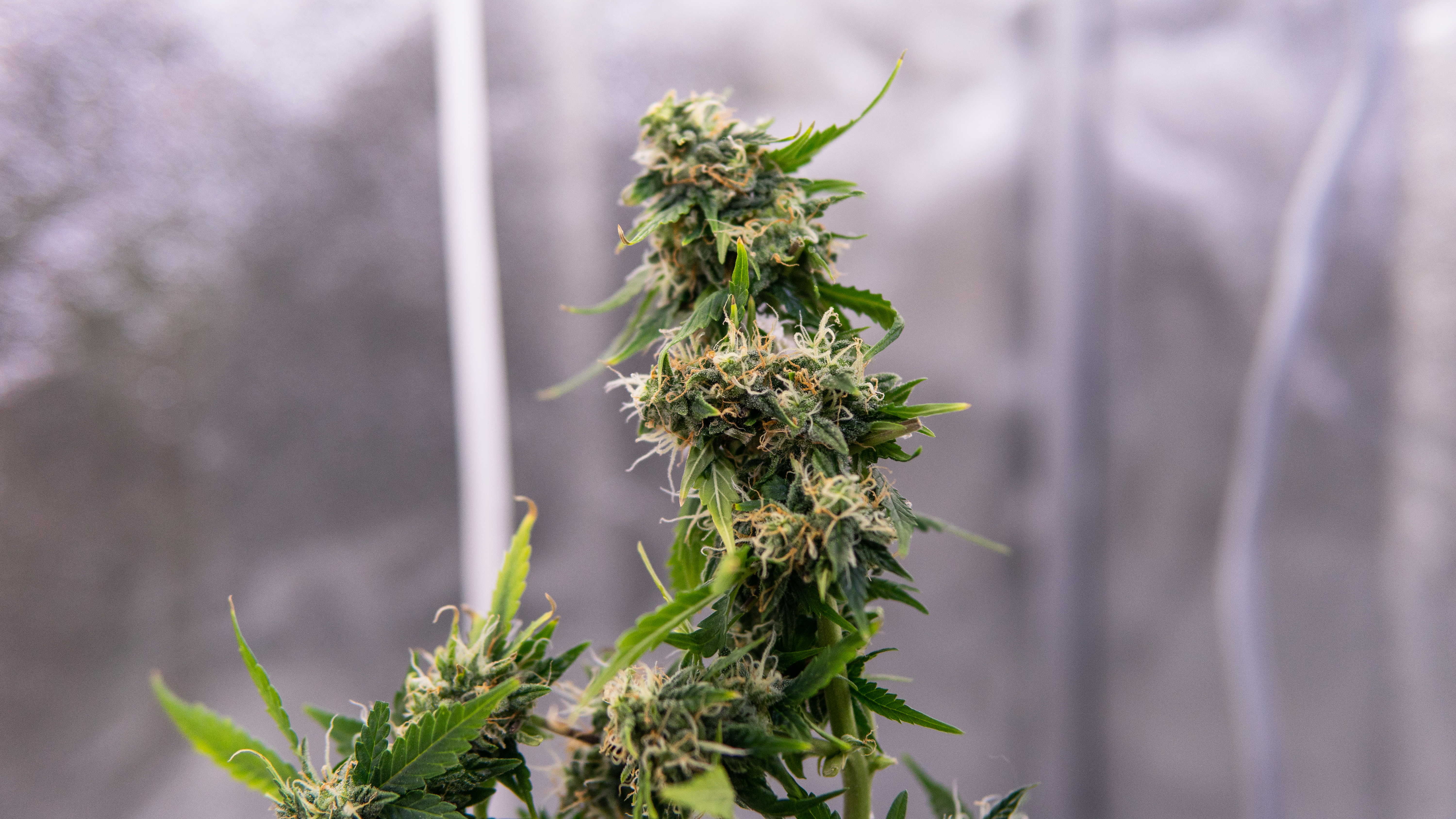


Cannabis plants can produce many natural compounds called cannabinoids. Two of the best known are cannabidiol, or CBD, and tetrahydrocannabinol, or THC. These cannabinoids come from the same plant, but they have different effects and can appear in very different amounts. THC is the cannabinoid most closely linked with the intoxicating effects of cannabis. CBD does not produce the same type of intoxication. Because of this difference, breeders have developed cannabis varieties that produce much more CBD than THC.
The term highest CBD strains usually refers to cannabis strains that can produce a large amount of CBD in their flowers. However, there is no single CBD percentage that automatically makes a strain “high CBD.” Some cannabis plants may contain only a small amount of CBD. Others may produce CBD in the double-digit percentage range. CBD-dominant cannabis is commonly placed in a chemical group known as Type III cannabis. These plants produce much more CBD or its acidic form, CBDA, than THC or THCA. Type II cannabis is different because it produces meaningful amounts of both CBD and THC.
This difference is important when comparing strains. A strain can have a high CBD percentage while still containing noticeable amounts of THC. Another strain may contain slightly less CBD but almost no THC. Both may be described as CBD-rich, but their cannabinoid profiles are not the same. This is why CBD percentage alone does not provide a complete picture.
The CBD-to-THC ratio is another useful measurement. It shows how much CBD is present compared with THC. For example, a balanced cannabis strain may have a ratio close to 1:1. This means the amounts of CBD and THC are similar. A CBD-dominant strain may have a much higher ratio, such as 10:1 or 20:1. However, a high ratio does not always mean that the plant has an extremely high CBD percentage. The ratio only compares the amount of one cannabinoid with the other.
Genetics have a major role in determining these cannabinoid profiles. Cannabis plants contain genes connected with the production of cannabinoid acids. Two important enzymes are THCA synthase and CBDA synthase. These enzymes help guide the plant toward producing more THCA or CBDA. Research on cannabis genetics shows that differences in these cannabinoid pathways are strongly connected with whether a plant develops as THC-dominant, balanced, or CBD-dominant cannabis.
Breeders can use this genetic variation to develop plants with specific cannabinoid traits. They may select parent plants that consistently show strong CBD production and then breed them over several generations. Over time, this process can produce cultivars with a greater chance of developing CBD-rich flowers. Still, genetics should be viewed as setting the plant’s potential rather than guaranteeing an exact CBD number.
This is one reason claims about the “highest CBD strain” need careful explanation. A strain name does not guarantee that every plant carrying that name will test at the same CBD percentage. Cannabis plants can show differences even when they are closely related. Their final cannabinoid levels may also be affected by growing conditions, maturity, harvest timing, drying, storage, and other factors. Research shows that cannabinoid profiles reflect both genetic factors and environmental influences.
Laboratory testing therefore becomes important when comparing high-CBD cannabis. A breeder or seller may advertise a strain as reaching a certain CBD percentage, but this number may represent one test or the upper end of a reported range. It should not be treated as a guaranteed result for every plant or harvest.
A current laboratory report gives more useful information about a specific batch. It can show the amounts of CBD, CBDA, THC, THCA, and sometimes other cannabinoids. This information allows a more accurate comparison than relying on strain names alone. It can also help explain whether a strain is mainly CBD-dominant or contains a more balanced mixture of CBD and THC.
Another point to understand is that cannabis often contains much of its CBD in the form of CBDA before the flower is heated. CBDA is the acidic form that the plant naturally produces. Heat converts much of it into CBD through a process called decarboxylation. Because of this, laboratory reports may show both CBD and CBDA rather than one simple CBD number. Later sections will explain how these figures can be used to understand total potential CBD.
The search for the highest CBD strains is therefore about more than finding the largest percentage printed beside a strain name. A useful comparison needs to consider CBD concentration, THC concentration, the CBD-to-THC ratio, genetics, and reliable laboratory testing. It also needs to recognize that cannabinoid levels can vary between individual plants and batches.
This article examines these factors in detail. It explains how high CBD levels are measured, which genetics are commonly linked with CBD-rich cannabis, why some strains produce more CBD than others, and why published potency figures should be treated as ranges rather than fixed values. By understanding these points, readers can better understand what “highest CBD” actually means and how CBD-rich cannabis strains can be compared in a clear and accurate way.
What Cannabis Strain Has the Highest CBD?
Finding the cannabis strain with the highest CBD is not as simple as choosing one strain name. CBD levels can change from one plant or batch to another. A strain may be known for producing high amounts of cannabidiol, but this does not mean every plant with that name will have the same CBD percentage.
CBD, or cannabidiol, is one of the main cannabinoids found in cannabis. Unlike THC, CBD is not known for causing the strong intoxicating effects linked with marijuana. Because of this, breeders have developed cannabis varieties that produce much more CBD than THC. These are often called CBD-dominant or high-CBD strains.
Several strains have become well known for their high CBD levels. These include Ringo’s Gift, ACDC, Remedy, Harle-Tsu, Charlotte’s Web, and Cannatonic. However, reported CBD levels vary widely. A laboratory test from the actual batch is more useful than relying on a strain name or an advertised maximum percentage.
Comparing Reported CBD Percentages
CBD potency is usually shown as a percentage of the dry weight of cannabis flower. For example, a flower listed as 15% CBD contains about 15% CBD-related material by weight after the laboratory’s calculations are applied. Higher percentages generally mean that the flower contains a greater concentration of CBD.
When comparing the highest CBD strains, it is important to look at both CBD and THC. A cannabis strain can contain a high level of CBD while still containing some THC. Another strain may have slightly less CBD but almost no THC. These two strains may both be described as high-CBD cannabis, even though their cannabinoid profiles are different.
Current strain databases show how these numbers can vary. Leafly lists Ringo’s Gift at about 14% CBD and 1% THC. Another cannabis database, AllBud, lists it at about 15% CBD and describes some versions as reaching higher CBD-to-THC ratios. This difference shows why a single number should not be treated as an exact value for every plant sold under the same strain name.
The same pattern can be seen with other CBD-rich strains. Leafly currently lists ACDC at about 13% CBD and 1% THC, while Remedy is listed at about 13% CBD and 1% THC. Harle-Tsu is listed at about 11% CBD with very little measurable THC.
These figures are useful for understanding the general profile of a strain. However, they should not be seen as guaranteed laboratory results.
High-CBD Strains Commonly Associated With Strong CBD Levels
Ringo’s Gift is one of the best-known names in discussions about the highest CBD strains. It was created from Harle-Tsu and ACDC, which are also CBD-rich varieties. Different versions of Ringo’s Gift can have very different CBD-to-THC ratios. Some are closer to an even ratio, while others contain much more CBD than THC. Leafly notes that some phenotypes have reached CBD-to-THC ratios as high as 24:1.
ACDC is another important high-CBD strain. It is a CBD-dominant phenotype of Cannatonic. Leafly lists ACDC at around 13% CBD compared with about 1% THC. This makes it a clear example of a plant bred to favor CBD production over THC production.
Harle-Tsu was produced by crossing Harlequin with Sour Tsunami. It is known for having a strong CBD-dominant profile and very little THC. Leafly currently reports about 11% CBD and close to 0% THC for its general strain profile. However, individual plants may test differently.
Remedy is another CBD-rich strain. It comes from Cannatonic and Afghan Skunk genetics. Its general profile is around 13% CBD and 1% THC according to Leafly. This places it among the better-known CBD-dominant varieties.
Charlotte’s Web is also widely associated with CBD-rich cannabis. It was bred for high CBD and very low THC. Leafly currently lists its general profile at around 12% CBD and 1% THC.
Cannatonic is especially important because it appears in the genetic background of several CBD-rich strains. It was created from MK Ultra and G13 Haze. Leafly currently gives Cannatonic a general profile of about 9% CBD and 4% THC. Although this is lower in CBD than some newer CBD-dominant varieties, Cannatonic has played an important role in the development of strains such as ACDC and Remedy.
These examples also show why it is difficult to create a fixed ranking. A strain listed at 13% CBD in one database may produce a plant that tests higher or lower under different conditions.
Why There Is No Permanent “Highest CBD Strain”
There is no single cannabis strain that can always be called the highest-CBD strain. Genetics strongly affect how much CBD a plant can produce, but genetics are only part of the final result.
One reason is phenotype variation. Plants from the same genetic family can express their traits differently. One phenotype may produce more CBD, while another may produce a different balance of CBD and THC. Ringo’s Gift is a good example because different phenotypes of the strain have been reported with different cannabinoid ratios.
Growing conditions also matter. Light, temperature, plant nutrition, stress, harvest timing, and other environmental factors can influence plant development. Genetics provide the basic potential for cannabinoid production, but cultivation affects how that potential is expressed.
Harvest and processing methods may also change the final test results. Cannabinoids develop and change as cannabis flowers mature. Drying, curing, storage, and laboratory preparation can affect the cannabinoid levels measured in a finished sample.
The strain name itself can also create confusion. Cannabis naming is not always standardized across breeders and producers. Plants sold under the same strain name may come from different breeding lines or selected phenotypes. For this reason, an advertised claim such as “up to 20% CBD” should not be understood to mean that every plant or package will contain 20% CBD.
A certificate of analysis from a qualified laboratory gives a better picture of the actual product. It can show the measured amounts of CBD, CBDA, THC, THCA, and other cannabinoids in a particular batch. This makes laboratory results more useful for comparing CBD potency than strain names alone.
There is no permanent answer to the question of which cannabis strain has the highest CBD. Ringo’s Gift, ACDC, Remedy, Harle-Tsu, Charlotte’s Web, Cannatonic, and related CBD-focused genetics are commonly associated with strong CBD levels. Some strains can also produce unusually high CBD-to-THC ratios.
However, CBD percentages are not fixed numbers. Different phenotypes, breeders, growing environments, harvest times, and laboratory methods can produce different results. A strain known for high CBD may test differently from one crop to the next. For this reason, the most accurate way to identify the highest-CBD cannabis is to compare current laboratory results from individual batches rather than relying only on strain names or advertised maximum percentages.
How Much CBD Can High-CBD Cannabis Strains Contain?
The amount of CBD in cannabis can vary widely from one strain to another. Some cannabis plants contain almost no CBD, while strains bred for CBD production can contain CBD in the double-digit percentage range. In some cases, laboratory reports and breeder data may show CBD levels close to or above 20%. However, these numbers should not be treated as fixed values for every plant carrying the same strain name.
CBD content depends on several factors. Genetics play the largest role because they determine whether a plant has the ability to produce large amounts of CBD. Growing conditions, plant maturity, harvest timing, drying, storage, and laboratory methods can also affect the final number shown on a test report. For this reason, the CBD percentage listed for a strain is usually better understood as a possible range rather than an exact amount.
Understanding CBD percentages is important when comparing the highest CBD strains. A strain advertised as having 15% CBD may test higher or lower in a specific batch. Likewise, a strain that has reached 20% CBD under certain conditions may not reach that level every time it is grown.
Understanding CBD Percentage
CBD percentage tells the reader how much cannabidiol is present in a cannabis sample by weight. For example, flower reported as 10% total CBD contains roughly 100 milligrams of potential CBD per gram of dried material. A result of 15% equals about 150 milligrams per gram, while 20% equals about 200 milligrams per gram.
However, cannabis testing can be slightly more complex than simply measuring CBD itself. Fresh and dried cannabis flower often contains much of its potential CBD in the form of cannabidiolic acid, or CBDA. CBDA is the acidic form that the plant naturally produces. Heat can convert CBDA into CBD through a process known as decarboxylation.
Because of this, laboratory reports may show separate values for CBD and CBDA. They may also provide a figure called “total CBD.” One commonly used calculation takes the CBDA level into account and adjusts it for the change in molecular weight that occurs during decarboxylation. Laboratory reports commonly calculate total CBD as CBD plus approximately 87.7% of the measured CBDA.
This distinction matters when comparing high-CBD strains. Looking only at the amount labeled “CBD” could make a flower appear weaker than it really is if much of its cannabinoid content is still present as CBDA. Total CBD therefore gives a more useful estimate of the amount of CBD that could be available after the cannabinoid acids are converted.
It is also important to check whether a percentage is based on dried flower, fresh plant material, an extract, or another cannabis product. Extracts can reach much higher cannabinoid concentrations than natural flower, so their percentages should not be compared directly with those of dried cannabis buds.
Typical CBD Levels
Cannabis strains can have very different CBD profiles. Many THC-dominant strains contain CBD only in trace amounts or at low levels. These plants were generally selected for THC production rather than CBD production.
Balanced strains may contain meaningful amounts of both CBD and THC. A balanced plant might produce similar levels of the two cannabinoids, although the exact ratio can vary. These strains should not automatically be described as the highest CBD strains simply because CBD is an important part of their cannabinoid profile.
CBD-dominant strains are different. They have been selected to produce much more CBD than THC. Many established CBD-rich cultivars can reach CBD levels in the double digits when grown under suitable conditions. Levels around 10% to 15% are already substantial compared with ordinary THC-dominant cannabis, which may contain very little CBD.
Some modern CBD-focused genetics can reach the upper teens under favorable conditions. In especially CBD-rich plants, reports may approach or exceed 20%. However, there is no single percentage that officially defines every “high-CBD” cannabis strain. The term is mainly used to separate CBD-rich plants from those that produce only small amounts of CBD.
The percentage also tells only part of the story. A plant with 15% CBD and less than 1% THC has a very different cannabinoid profile from a plant with 15% CBD and 10% THC. Both may have the same CBD concentration, but their CBD-to-THC ratios are very different. This is why CBD percentage and THC percentage should be reviewed together.
Can Cannabis Contain More Than 20% CBD?
Yes, cannabis flower can be reported at CBD concentrations near or above 20%, particularly among plants that have been bred specifically for CBD production. However, CBD levels above 20% should be viewed as high-end results rather than a number that every high-CBD plant will reach.
There are biological limits to how much cannabinoid material a cannabis flower can produce. A plant must also contain other compounds, including plant fibers, proteins, carbohydrates, moisture, terpenes, pigments, and other cannabinoids. As CBD concentration rises, it makes up a larger share of the flower’s total dry weight.
Modern breeding has increased the CBD potential of some cannabis genetics. Breeders can select plants that repeatedly show strong CBD production and cross them with other CBD-rich plants. Over several generations, this can increase the chance of producing offspring with a CBD-dominant chemical profile.
Still, genetics only provide the potential for high CBD production. They do not guarantee a particular laboratory result. Two plants from related genetics can develop different cannabinoid concentrations. Environmental conditions, plant health, harvest timing, drying, and storage may all contribute to differences between samples.
Laboratory procedures can also affect reported potency. Cannabis samples must be prepared and tested using specific analytical methods. Different laboratories, sampling methods, and testing conditions can sometimes produce results that are not exactly the same. A laboratory analysis of cannabis flower, for example, can separately measure CBD, CBDA, THC, THCA, and other cannabinoids before calculating total cannabinoid values.
This is why a claim such as “up to 20% CBD” should not be read as a promise that every flower from that strain contains 20% CBD. The wording usually refers to a high result that the genetics may be capable of producing under certain conditions.
For someone comparing the highest CBD strains, a recent certificate of analysis for the actual batch is more useful than a maximum percentage listed in a strain description. The certificate can show the measured CBD, CBDA, THC, THCA, and total cannabinoid content of the specific sample that was tested.
High-CBD cannabis strains can contain much more cannabidiol than ordinary THC-dominant cannabis. Many CBD-rich plants reach double-digit CBD percentages, while certain genetics may approach or exceed 20% under suitable conditions. Still, there is no exact CBD percentage that every high-CBD strain will produce.
CBD percentages must also be interpreted carefully. Cannabis flower often contains CBDA as well as CBD, so total CBD provides a fuller picture of the plant’s potential CBD content. A strain’s genetics establish its ability to produce CBD, but growing conditions, maturity, processing, storage, and laboratory testing can influence the final result.
CBD-Dominant vs. Balanced CBD:THC Strains
High-CBD cannabis does not always have the same cannabinoid profile. Some strains are CBD-dominant, which means they contain much more cannabidiol, or CBD, than tetrahydrocannabinol, or THC. Other strains are considered balanced because they contain noticeable amounts of both CBD and THC.
Understanding this difference is important because two strains can have similar CBD levels but very different THC levels. As a result, they may produce very different effects. A strain with high CBD and very little THC is not the same as a strain that contains equal amounts of CBD and THC.
CBD and THC are two of the main cannabinoids found in cannabis. CBD does not normally produce the strong intoxicating effects linked to THC. THC, on the other hand, is mainly responsible for the feeling commonly described as being high. Because of this difference, the ratio between CBD and THC can be just as important as the total amount of CBD in a strain.
CBD-Dominant Cannabis
CBD-dominant cannabis contains much more CBD than THC. These plants are often described as Type III cannabis chemotypes. A chemotype is a way of grouping cannabis plants based on the cannabinoids they mainly produce.
In Type III cannabis, CBD is usually the main cannabinoid, while THC appears in much smaller amounts. For example, a CBD-dominant flower might contain 15% CBD and less than 1% THC. Another batch could contain 12% CBD and 0.5% THC. The exact numbers depend on the plant, genetics, growing conditions, and laboratory testing.
CBD-dominant strains are often developed through selective breeding. Breeders choose plants that naturally produce more CBD and less THC. Over several generations, they continue selecting plants with the desired cannabinoid profile. This can make the high-CBD trait more stable, although the final percentages can still vary.
Some well-known CBD-rich strains have been bred to produce a strong difference between CBD and THC levels. These strains may have ratios such as 10:1, 15:1, or even 20:1 CBD to THC. This means that the CBD concentration is many times higher than the THC concentration.
Even when a strain is described as CBD-dominant, readers should not assume that it contains no THC. Small amounts may still be present. The only reliable way to know the cannabinoid profile of a specific batch is to check laboratory test results.
The legal status of CBD-dominant cannabis can also depend on its THC concentration and local laws. A plant may contain high levels of CBD but still be classified differently depending on how much THC is present. For this reason, the term “CBD-dominant” describes the chemical profile rather than automatically determining the legal category of the plant.
Balanced Cannabis
Balanced cannabis contains meaningful amounts of both CBD and THC. These strains are often described as Type II chemotypes. Instead of producing mostly one cannabinoid, they produce a combination of the two.
One common example is a 1:1 CBD-to-THC strain. A flower with this type of profile might contain 8% CBD and 8% THC. Another may contain 10% CBD and 10% THC. The exact amounts can differ, but the main point is that the concentrations are relatively close.
Balanced strains can also have other ratios. A strain might contain twice as much CBD as THC, producing a ratio close to 2:1. Another could contain more THC than CBD. These different ratios affect the overall cannabinoid profile.
The presence of CBD does not remove THC from the product. A balanced strain may still contain enough THC to cause noticeable intoxication. This is especially important for people who assume that a strain labeled “high CBD” will always produce little or no THC-related effect.
For example, a strain containing 12% CBD and 10% THC can still be described as rich in CBD. However, its THC content is also significant. It would have a very different profile from a strain containing 12% CBD and only 0.5% THC.
This is why users should look beyond the CBD number when comparing strains. The total amount of THC should also be checked. The ratio between CBD and THC helps explain how the two major cannabinoids are distributed within the flower.
Why Equal CBD Percentages Can Produce Different Cannabinoid Profiles
Two cannabis strains can contain the same amount of CBD while having very different overall cannabinoid profiles. The difference often comes from the amount of THC present.
Consider two samples that both contain 15% CBD. The first sample contains 15% CBD and only 0.5% THC. The second contains 15% CBD and 12% THC. If someone looked only at the CBD percentage, these samples might appear similar. In reality, they are chemically very different.
The first sample is strongly CBD-dominant. Its CBD-to-THC ratio is very high because the THC level is low. The second sample is much more balanced because both cannabinoids are present at substantial levels.
This difference can change how the product is experienced. THC is intoxicating, while CBD is not considered intoxicating in the same way. A strain with high CBD and very little THC may produce much less THC-related impairment than a balanced strain with similar CBD levels.
The same principle applies when comparing advertised CBD percentages. A strain listed as having 18% CBD may seem stronger in CBD than one with 12%. However, the total cannabinoid profile should still be considered. The 18% strain might also contain a meaningful amount of THC, while the 12% strain may contain almost none.
CBD percentage alone therefore does not provide enough information to describe a cannabis strain. CBD-to-THC ratio, total THC content, and laboratory results all provide useful context.
It is also important to remember that strain names do not guarantee exact chemical levels. Two products sold under the same strain name may come from different growers or different phenotypes. Their CBD and THC percentages can vary from one batch to another.
CBD-dominant and balanced CBD:THC strains may both contain substantial amounts of CBD, but their overall cannabinoid profiles are different. CBD-dominant cannabis usually contains much more CBD than THC and is often classified as a Type III chemotype. Balanced cannabis, or Type II cannabis, contains meaningful levels of both cannabinoids.
A high CBD percentage does not automatically mean that THC is low. Two strains can contain the same amount of CBD while having very different THC concentrations. For this reason, CBD percentage should always be considered together with THC content and the CBD-to-THC ratio. Checking the complete laboratory-tested cannabinoid profile gives a clearer picture of how a strain compares with other high-CBD options.
What Does the CBD-to-THC Ratio Mean?
The CBD-to-THC ratio is one of the most useful ways to understand the cannabinoid profile of a cannabis strain. It compares the amount of cannabidiol, or CBD, with the amount of tetrahydrocannabinol, or THC, found in the plant.
CBD and THC are both natural cannabinoids found in cannabis. However, they have different effects. THC is the cannabinoid mainly linked with intoxication or the feeling of being “high.” CBD does not produce the same intoxicating effect. Because of this difference, knowing the ratio between CBD and THC can help explain how a strain may behave.
A CBD-to-THC ratio does not tell you the total strength of a strain on its own. It only shows the relationship between the two cannabinoids. For example, a strain with a 20:1 CBD-to-THC ratio contains about 20 times more CBD than THC. A 1:1 strain contains similar amounts of CBD and THC.
Understanding these ratios is important when comparing the highest CBD strains because a large ratio does not always mean that a strain has the greatest amount of CBD.
Understanding Ratios Such as 1:1, 2:1, 10:1, and 20:1
CBD-to-THC ratios are usually written as two numbers separated by a colon. The first number represents CBD, while the second number represents THC.
A 1:1 ratio means the amounts of CBD and THC are close to equal. For example, a flower sample might contain 10% CBD and 10% THC. Another sample could contain 5% CBD and 5% THC. Both examples have a 1:1 ratio even though the total cannabinoid levels are different.
A 2:1 ratio means there is about twice as much CBD as THC. A cannabis sample with 12% CBD and 6% THC would have a ratio close to 2:1. This type of profile still contains a meaningful amount of THC, even though CBD is the dominant cannabinoid.
A 10:1 ratio contains much more CBD than THC. For example, a strain with 10% CBD and 1% THC has a 10:1 ratio. This type of profile is often described as CBD-dominant because the amount of THC is much lower than the amount of CBD.
A 20:1 ratio shows an even greater difference. A sample containing 20% CBD and 1% THC would have a 20:1 ratio. However, another sample with 10% CBD and 0.5% THC would also have a 20:1 ratio. This example shows why the ratio should always be considered together with the actual percentages.
Ratios make it easier to compare the balance between CBD and THC, but they cannot tell the full story on their own.
High CBD Does Not Automatically Mean Low THC
One common misunderstanding is that a high-CBD strain must contain very little THC. This is not always true.
A strain can contain a large amount of CBD while still having a moderate or high THC level. For example, a cannabis sample might contain 15% CBD and 10% THC. This would still be considered rich in CBD, but the THC content would also be significant.
Another strain might contain 12% CBD and less than 1% THC. Although its CBD percentage is slightly lower, it would have a much more CBD-dominant chemical profile.
This difference matters because THC can produce intoxicating effects. A person looking only at the CBD percentage might assume that a high-CBD strain has little THC. The cannabinoid test may show otherwise.
For this reason, both CBD and THC percentages should be checked when reviewing a cannabis product. The strain name alone is not enough to determine the cannabinoid balance.
The same strain can also show different CBD and THC levels from one batch to another. Genetics play a major role, but growing conditions, plant maturity, harvest timing, and testing methods may also affect the final results.
This is why a current laboratory report is more useful than a general claim about a strain’s usual ratio.
Percentage vs. Ratio
CBD percentage and CBD-to-THC ratio describe two different things.
CBD percentage tells you how much CBD is present in the tested sample. The ratio compares that amount with the amount of THC.
For example, consider two different cannabis samples.
The first sample contains 10% CBD and 0.5% THC. Its CBD-to-THC ratio is about 20:1.
The second sample contains 18% CBD and 9% THC. Its ratio is about 2:1.
The first sample has a much higher CBD-to-THC ratio, but the second sample actually contains more CBD by percentage.
This is why a 20:1 strain is not automatically stronger in CBD than a 2:1 strain. The ratio only describes the balance between CBD and THC. It does not show the exact amount of either cannabinoid unless the percentages are also provided.
This distinction is especially important when comparing the highest CBD strains. A strain may be promoted as having a very high CBD-to-THC ratio because it contains almost no THC. However, another strain with a lower ratio may still have a higher total CBD concentration.
The best way to compare strains is to look at both numbers. First, check the CBD percentage to understand how much CBD is present. Then check the THC percentage to see how much THC is present alongside it. Finally, use the ratio to understand the balance between the two.
Laboratory reports may also include CBDA and THCA. These are the acidic forms of CBD and THC found naturally in raw cannabis. Heating changes these compounds into CBD and THC through a process called decarboxylation. Because of this, some laboratory reports provide a calculated value called total CBD or total THC.
Looking at the complete cannabinoid profile gives a clearer picture than relying on a ratio by itself.
The CBD-to-THC ratio shows the relationship between CBD and THC in a cannabis strain. Ratios such as 1:1, 2:1, 10:1, and 20:1 help explain whether a strain contains similar amounts of the two cannabinoids or is strongly CBD-dominant.
However, a higher CBD-to-THC ratio does not always mean a higher CBD percentage. A strain with a 20:1 ratio may contain less total CBD than a strain with a 2:1 ratio. High CBD also does not always mean low THC, since some cannabis strains contain significant amounts of both cannabinoids.
For the clearest comparison, readers should look at the actual CBD percentage, THC percentage, and CBD-to-THC ratio together. A current laboratory test provides the most accurate way to understand the cannabinoid profile of a specific cannabis batch.
How Genetics Produce High-CBD Cannabis
The amount of CBD a cannabis plant can produce is strongly linked to its genetics. Every cannabis plant carries genes that affect how it develops and which cannabinoids it produces. These genes help determine whether a plant becomes CBD-dominant, THC-dominant, or produces meaningful amounts of both cannabinoids.
For this reason, high-CBD cannabis does not develop by chance. Breeders often select plants with genetic traits linked to strong CBD production and use them to create new generations. Over time, careful breeding can make a CBD-rich chemical profile more consistent.
However, genetics should be viewed as setting the plant’s potential. A plant with high-CBD genetics is more likely to produce large amounts of CBD, but genetics alone cannot guarantee one exact CBD percentage. The final cannabinoid levels can still differ between individual plants and harvests.
The Cannabinoid Biosynthesis Pathway
Cannabis plants do not initially produce large amounts of CBD or THC in the exact forms commonly listed on product labels. Instead, living cannabis plants mainly produce acidic cannabinoids, including cannabidiolic acid, or CBDA, and tetrahydrocannabinolic acid, or THCA.
The process begins with substances produced naturally inside the plant. These compounds eventually form cannabigerolic acid, better known as CBGA. CBGA is an important starting material because the plant can convert it into several major cannabinoid acids.
Special enzymes then act on CBGA. Depending largely on the plant’s genetics, more of this precursor may be converted into CBDA, THCA, or other cannabinoid acids. In CBD-rich cannabis, much of this chemical activity is directed toward CBDA production. In THC-rich cannabis, more of it is directed toward THCA.
CBDA can later change into CBD through a process called decarboxylation. Heat can speed up this process. THCA can undergo a similar change to become THC. This is why cannabis laboratory reports may list both CBD and CBDA instead of giving only one CBD number.
Research on the cannabis genome confirms that CBGA serves as a common precursor and that specialized synthase enzymes convert it into major cannabinoids such as CBDA and THCA.
CBDAS and THCAS
Two of the most important genes for understanding high-CBD cannabis are associated with CBDAS and THCAS. CBDAS stands for cannabidiolic acid synthase, while THCAS stands for tetrahydrocannabinolic acid synthase.
These genes provide instructions related to enzymes involved in cannabinoid production. CBDAS helps direct CBGA toward CBDA. THCAS helps direct CBGA toward THCA. Because CBDA is the main acidic form that can become CBD, strong CBDAS activity is an important feature of CBD-dominant cannabis.
This genetic difference helps explain the major cannabis chemotypes. Type I cannabis is THC-dominant. Type II cannabis produces significant amounts of both CBD and THC. Type III cannabis is CBD-dominant and generally produces much more CBD than THC.
Earlier studies described this difference using a fairly simple inheritance model. Newer genetic research shows that the situation is more complex. THCAS and CBDAS are found in closely related parts of the cannabis genome, and differences in functional genes, gene copies, and gene expression can influence the final cannabinoid profile.
This means that the ability to produce CBD is not simply a matter of a plant having one “CBD gene.” Several genetic factors can affect how efficiently the plant’s cannabinoid system works.
Selective Breeding for CBD
Cannabis breeders can take advantage of these inherited traits. When the goal is to develop high-CBD cannabis, breeders can identify plants that consistently produce a CBD-rich cannabinoid profile and use those plants as parents for future generations.
For example, a breeder may begin with plants known to produce more CBD than THC. Laboratory testing can identify individual plants with the strongest desired cannabinoid profiles. Plants with suitable traits can then be crossed with other CBD-rich plants.
The offspring will not always be identical. Seeds receive different combinations of genes from their parent plants, so some offspring may produce more CBD than others. Breeders can test these plants and continue selecting those that best match the desired CBD profile.
This process may continue across several generations. The goal is to make the desired traits more predictable. Instead of producing offspring with widely different CBD-to-THC ratios, a well-developed breeding line should produce more plants that fall within the intended chemical type.
Breeding can also focus on more than total CBD concentration. A breeder may want plants that produce high CBD while keeping THC very low. Another breeding program may aim for a balanced CBD-to-THC profile. These are different goals and require different genetic selections.
Selective breeding is one reason modern cannabis includes strains developed specifically for CBD production. Research has shown that cannabis breeding populations can be separated into CBD-dominant, balanced, and THC-dominant chemical types based partly on genetic differences connected to cannabinoid synthesis.
Why Genetics Set the Potential Rather Than an Exact Percentage
A common mistake is assuming that the genetics of a high-CBD strain guarantee a specific CBD percentage. Genetics provide the biological foundation for high CBD production, but they do not work like a fixed number printed into the plant’s DNA.
A strain may have the genetic ability to produce a CBD-dominant profile, but individual plants can still vary. Even closely related plants may not finish with exactly the same concentration of cannabinoids.
One reason is that genetic traits can differ among individual phenotypes. A phenotype is an individual expression of a plant’s genetic makeup. Seeds from the same breeding line can share many traits while still showing differences in growth, appearance, aroma, and cannabinoid production.
The activity of cannabinoid-related genes can also differ. Cannabis genomes may contain functional gene copies as well as inactive or less active versions. Differences in gene copy number and gene expression may help explain why cannabinoid concentrations vary between cultivars.
Environmental conditions also affect how fully a plant expresses its genetic potential. Light, nutrition, plant health, maturity, and other growing factors can influence final cannabinoid production. These factors cannot normally turn THC-dominant genetics into true CBD-dominant genetics, but they can affect how much of the cannabinoids a genetically suitable plant eventually produces.
This is why a strain advertised as having 20% CBD should not be expected to test at exactly 20% every time. The strain’s genetics may allow high CBD production, but actual potency should be confirmed through testing of the specific crop or batch.
Genetics are the foundation of high-CBD cannabis. Cannabis plants make CBDA and THCA through a cannabinoid pathway that begins with a common precursor called CBGA. Enzymes linked to CBDAS and THCAS play a major role in determining whether more of that precursor becomes CBDA or THCA.
CBD-dominant plants generally have genetics that favor CBDA production. Breeders can select these plants and cross them over several generations to create cannabis lines that produce CBD-rich profiles more consistently. They can also breed for specific CBD-to-THC ratios, including varieties that contain high CBD with very little THC.
Highest-CBD Strains and Their Genetic Backgrounds
Some cannabis strains are known for producing much more CBD than THC. Many of these varieties were created through selective breeding. Breeders chose plants with naturally high CBD levels and crossed them with other plants that had useful traits. Over time, this process helped create more stable CBD-rich genetics.
However, a strain name does not guarantee one exact CBD percentage. The same strain may test differently depending on the breeder, phenotype, growing conditions, harvest time, and laboratory. For this reason, reported CBD levels should be viewed as typical ranges rather than fixed numbers.
Several strains have played an important role in the development of high-CBD cannabis. These include ACDC, Ringo’s Gift, Harle-Tsu, Charlotte’s Web, Cannatonic, Harlequin, Sour Tsunami, and Remedy. Each has a different genetic background and cannabinoid profile.
ACDC
ACDC is one of the best-known CBD-dominant cannabis strains. It is often linked to Cannatonic genetics and was selected because certain plants produced much more CBD than THC. Some versions of ACDC have been reported with CBD levels in the mid-teens or higher, although actual results depend on the individual crop.
One important feature of ACDC is its CBD-to-THC ratio. Some plants may produce CBD at ratios that are much higher than their THC content. This makes ACDC different from balanced strains that produce similar amounts of CBD and THC.
ACDC became widely recognized because it helped show how cannabis plants could be selected for a strong CBD profile. Its genetics are also a good example of why phenotype selection matters. Not every seed from related genetics will produce the same cannabinoid levels. Breeders must identify plants with the desired chemical profile and continue breeding from those plants.
Ringo’s Gift
Ringo’s Gift is another well-known high-CBD strain. It was developed through CBD-focused breeding and is commonly associated with Harle-Tsu and ACDC genetics. The strain was named in honor of CBD breeder Lawrence Ringo, who played an important role in developing CBD-rich cannabis varieties.
Ringo’s Gift is especially known for producing high CBD-to-THC ratios. Some versions have very little THC compared with CBD. Other versions may contain more THC, depending on the phenotype.
This variation shows an important point about cannabis genetics. A strain can have a general cannabinoid pattern without producing the same numbers in every plant. Ringo’s Gift may be described as CBD dominant, but laboratory testing is still needed to know the exact CBD and THC levels in a specific sample.
Its genetic background also demonstrates how breeders combine existing CBD-rich lines to strengthen certain traits. By crossing plants with strong CBD production, breeders can increase the chance that future plants will express a CBD-dominant chemotype.
Harle-Tsu
Harle-Tsu is another strain created specifically for high CBD production. It is generally described as a cross between Harlequin and Sour Tsunami. Both parent lines have been important in CBD-focused cannabis breeding.
Harle-Tsu became known for producing CBD-rich flowers with relatively low THC levels in selected plants. Some samples have been reported with CBD levels well into the teens. However, as with other strains, the exact number can change between growers and batches.
The genetics behind Harle-Tsu are important because both parent strains contributed useful CBD traits. Sour Tsunami was among the earlier modern cannabis strains bred specifically for higher CBD content. Harlequin also became known for producing noticeable amounts of CBD, although it often has more THC than strongly CBD-dominant varieties.
By combining these lines, breeders aimed to produce plants with a stronger CBD profile while keeping THC at lower levels. Harle-Tsu shows how selective breeding can gradually shift the chemical balance of cannabis toward one cannabinoid.
Charlotte’s Web
Charlotte’s Web is one of the most widely recognized CBD-rich cannabis cultivars. It was developed to produce high amounts of CBD while keeping THC levels very low. Because of this chemical profile, it is often discussed separately from traditional high-THC cannabis.
The plant became well known during the growth of public interest in cannabidiol. Its genetics were selected for a CBD-dominant profile rather than for high THC production.
Charlotte’s Web also illustrates the difference between a strain name and a verified cannabinoid profile. Plants carrying similar genetics can still show some variation. The actual amount of CBD and THC must be measured through laboratory testing.
In places where hemp is legally defined according to THC concentration, some CBD-rich plants may qualify as hemp if their THC level remains below the legal limit. However, legal definitions vary by location, and a strain name alone does not determine whether a plant meets those rules.
Cannatonic, Harlequin, Sour Tsunami, and Remedy
Cannatonic is an important strain in the history of CBD-rich cannabis. It is often described as a balanced or CBD-rich variety rather than a purely CBD-dominant strain. Some Cannatonic plants may produce CBD and THC at similar levels, while selected phenotypes may contain considerably more CBD.
Its importance comes partly from its role in later breeding projects. ACDC, for example, is commonly connected with Cannatonic genetics. This shows how breeders can discover an unusual high-CBD phenotype within an existing strain and then use that plant to create or stabilize new lines.
Harlequin is another important CBD-containing strain. It is often associated with a more balanced cannabinoid profile compared with extremely CBD-dominant plants. Many Harlequin samples contain meaningful levels of both CBD and THC. This makes it useful for understanding the difference between high absolute CBD content and a high CBD-to-THC ratio.
Sour Tsunami was one of the strains developed with a clear goal of increasing CBD production. Its genetics later contributed to other high-CBD varieties, including Harle-Tsu. The development of Sour Tsunami helped demonstrate that breeders could intentionally select for cannabinoid traits over several generations.
Remedy is also known as a CBD-dominant strain with low THC potential. Selected plants may produce high CBD levels while keeping THC relatively limited. Like other CBD-rich varieties, however, its final cannabinoid content can change depending on the phenotype and growing conditions.
These strains have helped form the genetic foundation of many modern CBD-rich cultivars. They are not identical, and they should not be compared only by the highest percentage ever reported. Their greater importance is the way their genetics helped breeders produce cannabis plants with more predictable CBD-focused chemical profiles.
The highest-CBD cannabis strains come from many different genetic backgrounds. ACDC, Ringo’s Gift, Harle-Tsu, Charlotte’s Web, Cannatonic, Harlequin, Sour Tsunami, and Remedy are among the best-known names linked with CBD-rich breeding.
Some of these strains are strongly CBD dominant, while others produce a more balanced combination of CBD and THC. Their cannabinoid levels can also vary from one plant or batch to another. Genetics create the potential for high CBD production, but they do not guarantee one exact percentage.
Which High-CBD Strains Have the Lowest THC?
High-CBD cannabis strains are often chosen because they can provide a large amount of cannabidiol while keeping tetrahydrocannabinol, or THC, at a much lower level. CBD and THC are both natural cannabinoids found in cannabis, but they affect the body in different ways. THC is mainly responsible for the intoxicating effects linked with cannabis. CBD does not produce the same type of intoxication.
However, a strain described as “high CBD” does not always mean it contains almost no THC. Some strains contain high CBD and moderate THC at the same time. Others have been bred to produce high amounts of CBD while keeping THC very low. For this reason, people who want a low-THC product need to look at more than the strain name. The actual cannabinoid test results are much more useful.
CBD-Rich, Low-THC Chemotypes
Cannabis plants can be grouped according to the types and amounts of cannabinoids they produce. A CBD-dominant plant is often described as a Type III chemotype. These plants usually produce much more CBD than THC.
Some CBD-rich strains have been bred over many generations to favor CBD production. Breeders select plants that naturally produce high levels of CBDA, which becomes CBD when heated, while producing only small amounts of THCA, the chemical that becomes THC.
Charlotte’s Web is one well-known example of a cultivar associated with high CBD and very low THC. It was developed with a strong focus on CBD production rather than THC potency. Other CBD-rich cultivars, including some versions of ACDC and Ringo’s Gift, may also produce CBD-to-THC ratios that strongly favor CBD.
For example, a plant with 15 percent CBD and 0.5 percent THC has a very different cannabinoid profile from a plant with 15 percent CBD and 10 percent THC. Both could be called high-CBD cannabis, but the first contains far less THC.
The CBD-to-THC ratio can help explain this difference. A 20:1 ratio means there is about twenty times as much CBD as THC. A 1:1 ratio means the amounts are close to equal. High ratios such as 10:1, 20:1, or higher are usually more closely linked with CBD-dominant plants.
Still, the ratio alone does not tell the whole story. A product could have a high CBD-to-THC ratio but contain only small amounts of both cannabinoids. It is important to check the actual percentages as well.
CBD Cannabis vs. Hemp Classification
The terms “CBD cannabis” and “hemp” are sometimes used as if they describe completely different plants. In botanical terms, both belong to the cannabis plant group. The main difference is often based on legal definitions and THC concentration rather than appearance or strain name.
Hemp is generally grown and selected to contain very low levels of THC. Many modern hemp cultivars have also been bred to produce large amounts of CBD. As a result, some hemp flowers can have cannabinoid profiles that look very similar to CBD-dominant cannabis.
A plant may contain a high amount of CBD while producing only a small amount of THC. Whether that plant is legally classified as hemp or cannabis can depend on the THC limit used by the country, state, or local authority.
This is important because a strain name alone does not determine its legal status. A cultivar may be advertised as a hemp strain, but the harvested plant still needs to meet the THC rules that apply in the location where it is grown or sold.
The same strain can also produce slightly different cannabinoid levels under different conditions. One crop may remain below a legal THC limit, while another crop from similar genetics may test higher. This can happen because cannabis plants are living organisms, and their chemical profiles are influenced by both genetics and growing conditions.
For consumers, this means that labels such as “hemp,” “CBD flower,” or “low-THC cannabis” should be supported by laboratory results whenever possible.
Why Low THC Should Be Confirmed With Testing
Laboratory testing is the most reliable way to know whether a high-CBD strain actually contains low THC. Strain names can provide useful information about genetics, but they cannot guarantee an exact cannabinoid percentage.
One reason is phenotype variation. Plants grown from seeds can inherit slightly different traits, even when they come from the same parents. One plant may naturally produce more CBD, while another may produce somewhat more THC.
Growing conditions can also affect the final cannabinoid profile. Light levels, temperature, plant health, nutrients, harvest timing, and other environmental factors can influence how the plant develops. Genetics create the basic potential, but the final chemical profile can still vary.
Harvest timing is another factor. Cannabinoid levels change as cannabis flowers mature. A plant harvested earlier or later may not have exactly the same CBD and THC levels as another plant of the same strain.
Testing methods can also cause differences between reported results. Laboratories may use different equipment, sample preparation methods, or testing procedures. For this reason, one test result should not be treated as a permanent number for every future crop of the same cultivar.
A Certificate of Analysis, often called a COA, can provide more useful information. It may show the measured amounts of CBD, CBDA, THC, and THCA. Looking at both THC and THCA is important because THCA can convert into THC when heated.
This means that a product with very little measured THC may still have more total potential THC if it contains a larger amount of THCA. The same idea applies to CBD and CBDA.
Anyone comparing low-THC, high-CBD strains should therefore look at the full cannabinoid profile rather than relying on a single CBD percentage.
High-CBD strains with the lowest THC are usually CBD-dominant plants that have been selectively bred to favor CBD production. Cultivars such as Charlotte’s Web and certain versions of ACDC or Ringo’s Gift are often associated with cannabinoid profiles that contain much more CBD than THC.
However, there is no guarantee that every plant with the same strain name will contain the same amount of THC. Genetics, phenotype differences, cultivation conditions, maturity, and laboratory methods can all affect the final test results.
Hemp and low-THC cannabis may also have similar CBD-rich cannabinoid profiles, although their legal classification depends on the rules used in a particular location. For this reason, labels and strain names should not be the only source of information.
Are High-CBD Cannabis Strains Intoxicating?
High-CBD cannabis strains are often chosen because they contain much more cannabidiol, or CBD, than tetrahydrocannabinol, or THC. This difference is important because CBD and THC do not affect the brain in the same way. THC is the main compound in cannabis linked with intoxication, while CBD does not normally create the same type of “high.”
However, not every high-CBD strain is completely free of THC. Some strains contain only a very small amount of THC, while others have a more balanced mix of CBD and THC. Because of this, a person may still feel intoxicating effects from certain high-CBD strains if the THC level is high enough.
The best way to understand whether a high-CBD strain may be intoxicating is to look at its full cannabinoid profile. The strain name alone does not tell the full story.
CBD and Intoxication
CBD is considered non-intoxicating. This means it does not normally cause the strong changes in perception, thinking, coordination, or mood that are commonly linked with THC.
THC can activate cannabinoid receptors in the brain, especially CB1 receptors. These receptors are involved in memory, movement, mood, appetite, and other functions. When THC strongly activates these receptors, a person may experience effects such as altered perception, slower reaction time, changes in short-term memory, or a feeling of being “high.”
CBD acts differently. It does not strongly activate CB1 receptors in the same way THC does. Because of this, CBD does not usually produce the classic intoxicating effects of marijuana.
This is one reason why many CBD-dominant cannabis strains are described as less intoxicating than THC-rich strains. A flower that contains a large amount of CBD but only a trace amount of THC may produce little or no noticeable intoxication.
Still, the amount of CBD alone cannot tell a person how strong the intoxicating effects will be. THC content must also be checked.
For example, two cannabis strains may both contain 15% CBD. One strain may contain less than 1% THC, while another may contain 10% THC. Even though both strains are high in CBD, their effects may be very different because their THC levels are not the same.
Why THC Content Still Matters
High-CBD does not always mean low-THC. Some strains are CBD-dominant, while others are balanced.
CBD-dominant strains usually contain much more CBD than THC. These strains may have ratios such as 10:1, 20:1, or even higher. This means there may be 10 or 20 parts CBD for every one part THC.
In these strains, the low THC level may reduce the chance of strong intoxication. However, effects can still vary depending on how much cannabis is used, the actual THC percentage, and the person’s sensitivity to THC.
Balanced strains are different. A balanced strain may contain similar amounts of CBD and THC, such as a 1:1 ratio. For example, a strain might contain 10% CBD and 10% THC.
A strain like this can still cause noticeable intoxication because the THC level is significant. The presence of CBD does not remove the THC from the product.
CBD may influence how THC feels in some situations, but it should not be treated as a guarantee that THC will have no effect. The overall experience depends on the amounts of both cannabinoids, as well as other factors.
Individual response also matters. Some people may feel noticeable effects from a small amount of THC, while others may be less sensitive. Tolerance, body size, previous cannabis use, and other factors can affect how someone responds.
The amount used can also make a difference. A low-THC cannabis flower may produce only mild effects when used in a small amount, but larger amounts can increase the total THC consumed.
For this reason, judging intoxication based only on the words “high CBD” can be misleading.
Reading the Full Cannabinoid Profile
A full cannabinoid profile gives a clearer picture of what a cannabis strain contains. Instead of looking only at the CBD percentage, it is important to compare CBD and THC together.
A laboratory report may list CBD, CBDA, THC, and THCA. CBDA and THCA are the acidic forms of CBD and THC that are found naturally in raw cannabis. Heat changes these compounds into their active forms through a process called decarboxylation.
For a simple comparison, readers can focus on the total CBD and total THC values shown on a laboratory report or product label.
If total CBD is high and total THC is very low, the strain is less likely to cause strong intoxication. If both CBD and THC are present at meaningful levels, intoxicating effects become more likely.
The CBD-to-THC ratio can also help explain the balance between the two compounds.
For example, a strain with 20% CBD and 1% THC has a very different profile from a strain with 10% CBD and 10% THC. The first is strongly CBD-dominant. The second is balanced, even though both contain a substantial amount of CBD.
It is also useful to remember that strain names do not guarantee exact cannabinoid levels. The same named strain may test differently depending on genetics, growing conditions, harvest timing, and laboratory testing.
One batch may contain very little THC, while another batch with the same strain name may contain more. This is why current laboratory data is more useful than relying only on a strain description.
People who need to avoid intoxication should pay close attention to THC levels. This may be especially important for people who drive, operate machinery, work in safety-sensitive jobs, or need to avoid THC because of workplace rules or testing requirements.
Even a product described as CBD-rich may contain enough THC to matter in certain situations.
High-CBD cannabis strains are not always intoxicating, but the answer depends mainly on how much THC they contain. CBD itself does not normally produce the classic cannabis “high” associated with THC. This is why CBD-dominant strains with very low THC levels are usually less intoxicating than THC-rich cannabis.
However, some high-CBD strains also contain significant amounts of THC. Balanced strains, especially those with a 1:1 CBD-to-THC ratio, may still cause clear intoxicating effects despite their high CBD content.
The safest way to understand a strain’s likely effects is to read the full cannabinoid profile. Check both the CBD and THC percentages, along with the CBD-to-THC ratio. Do not rely only on the strain name or the words “high CBD.”
Why CBD Levels Vary Within the Same Strain
People often expect every plant with the same strain name to contain the same amount of CBD. In reality, CBD levels can vary from one plant to another, even when the plants come from the same strain. One sample may test at a high CBD percentage, while another sample with the same name may show a lower result.
This happens because cannabinoid production depends on more than the strain name. Genetics are important, but they are only one part of the final result. The plant’s individual traits, growing conditions, stage of maturity, harvest timing, drying process, storage conditions, and laboratory testing methods can all affect the measured CBD level.
For this reason, the CBD percentage linked to a strain should usually be viewed as a possible range rather than an exact number. A strain may have the genetic ability to produce a high amount of CBD, but the final concentration can change based on how that specific plant develops.
Phenotype Differences
One major reason CBD levels vary is phenotype variation. A phenotype is the set of traits that a plant shows as it grows. These traits come from the interaction between genetics and the environment.
Cannabis plants grown from seeds are not always genetically identical. Even seeds from the same strain can produce plants with slightly different features. One plant may grow taller, another may flower earlier, and another may develop a different aroma. Cannabinoid production can also vary.
For example, two plants may both belong to the same high-CBD strain. However, one plant may naturally produce more CBDA, the main acidic form that later becomes CBD. Another plant may produce a lower amount. This difference can lead to different test results at harvest.
Breeders try to reduce this variation by selecting plants with consistent traits over several generations. Stable genetics can make cannabinoid levels more predictable. However, even well-bred strains can still show some variation from plant to plant.
Clones can provide more genetic consistency because they come from the same parent plant. Even then, clones may not produce exactly the same CBD percentage if they are grown under different conditions.
This is why the strain name alone cannot guarantee a specific CBD level. It describes the genetic background of the plant, but it does not provide a perfect prediction of the final chemical profile.
Growing Environment
The environment in which a cannabis plant grows can also affect its development. Genetics set the basic potential of the plant, while the growing environment can influence how well that potential is expressed.
Light is one important factor. Cannabis plants need enough light to support healthy growth and flower development. Plants grown under weak or poorly managed lighting may develop differently from plants receiving strong and consistent light.
Temperature and humidity can also influence plant health. Very high temperatures, excessive humidity, or large changes in growing conditions may place stress on the plant. Severe stress can affect overall flower quality and plant development.
Water and nutrient management are also important. Cannabis plants require a suitable balance of water and nutrients throughout their life cycle. Too much or too little of certain nutrients may interfere with normal growth. Root health, soil quality, growing medium, and irrigation practices can also affect how the plant develops.
These environmental factors do not simply turn a low-CBD plant into a high-CBD plant. Genetics still place limits on what the plant can produce. However, poor growing conditions may prevent a plant from reaching its full genetic potential.
Two growers can therefore grow the same strain and receive different CBD test results. The difference may be partly caused by variations in light, temperature, nutrition, plant health, or other environmental conditions.
Plant Maturity and Harvest Timing
CBD levels can also change as cannabis flowers mature. Cannabinoids develop over time, which means the stage at which the plant is harvested can affect the final chemical profile.
Cannabis plants mainly produce CBDA rather than CBD while they are growing. CBDA is an acidic cannabinoid found in fresh cannabis. Heat and time can convert CBDA into CBD through a process called decarboxylation.
During flowering, cannabinoid production changes as the flowers develop. Harvesting too early may result in flowers that have not reached their full cannabinoid potential. Allowing plants to mature properly can give their flowers more time to develop.
However, leaving flowers on the plant for too long does not mean CBD will continue increasing without limit. Cannabinoids can change or break down over time. The chemical profile at one stage of maturity may therefore differ from the profile at another stage.
Harvest timing can create noticeable differences between batches of the same strain. One grower may harvest earlier, while another waits longer. Even plants in the same growing space may not mature at exactly the same speed.
This makes harvest timing another reason why published CBD percentages should not be treated as fixed numbers.
Drying, Storage, and Sample Preparation
What happens after harvest can also affect the measured CBD content. Fresh cannabis contains significant amounts of cannabinoid acids such as CBDA. During drying, storage, and processing, these compounds can slowly change.
Temperature is an important factor. Heat can convert CBDA into CBD. Excessive heat may also cause cannabinoids to break down over time.
Light and air exposure can affect cannabis during storage as well. Poor storage conditions may reduce product quality and change the chemical makeup of the plant material. Cannabis is usually better preserved when it is protected from excessive heat, light, air, and moisture.
Moisture content can also influence how laboratory percentages are reported. Very dry flower and flower containing more moisture may produce different percentage values because cannabinoid concentration is measured relative to the weight of the sample.
Sample preparation matters too. Cannabinoids are not always spread evenly throughout every part of a cannabis flower. One part of a plant may contain slightly more cannabinoids than another. A laboratory sample taken from one group of flowers may therefore produce a different result from a sample taken from another part of the same crop.
Proper sampling helps create results that better represent the full batch.
Laboratory Variation
Laboratory testing is one of the best ways to measure CBD, but test results are not always identical between laboratories. Different laboratories may use different equipment, testing methods, sample preparation procedures, and quality control systems.
Small differences in laboratory methods can lead to different potency results. For example, one laboratory might report slightly more CBD than another laboratory testing material from the same batch.
Sampling can create even larger differences. If one sample contains more cannabinoid-rich flower material than another, the results may not match even if both samples came from the same crop.
The way results are calculated also matters. Some reports list CBD and CBDA separately. Others also provide a figure called total CBD. Total CBD estimates the amount of CBD that could be available after CBDA is converted into CBD.
Because of these differences, people should be careful when comparing laboratory results from different sources. A small difference between two CBD percentages does not always mean one strain is clearly more potent than another.
A current certificate of analysis from a qualified laboratory is still much more useful than relying only on a strain name or advertised maximum percentage. However, laboratory results should be understood as measurements of a specific sample rather than permanent numbers for the entire strain.
CBD levels can vary within the same cannabis strain because many factors influence the final cannabinoid profile. Genetics establish the plant’s basic potential, but individual phenotypes can produce different amounts of CBD. Growing conditions such as light, temperature, nutrition, water, and plant health can also affect how well a plant develops.
Plant maturity and harvest timing matter because cannabinoid concentrations change as flowers grow and age. Drying, storage, moisture levels, and sample preparation can further change the results seen on a laboratory report. Testing methods and sampling differences can also cause CBD percentages to vary between laboratories.
For these reasons, a strain name should not be treated as a guarantee of a specific CBD percentage. A high-CBD strain may have strong genetic potential, but the actual CBD level can differ between plants, growers, harvests, and batches. The most reliable way to know the CBD level of a specific cannabis product is to check recent laboratory results for that exact batch.
How to Verify Which Strains Really Have High CBD Levels
A cannabis strain may be described as high in CBD, but the strain name alone does not prove how much CBD is in the flower. Cannabis plants can produce different cannabinoid levels from one harvest to another. Even plants with the same genetics may show different results because of growing conditions, harvest timing, storage, and other factors.
For this reason, the best way to confirm CBD potency is to look at laboratory test results for the exact batch of cannabis. These results can show the amounts of CBD, CBDA, THC, THCA, and other cannabinoids in the sample. They give a much clearer picture than a strain description or an advertised maximum percentage.
Understanding how to read these results can help explain whether a strain is truly CBD-rich and how its cannabinoid profile compares with other products.
Check a Certificate of Analysis
A Certificate of Analysis, often called a COA, is a laboratory report that shows the chemical contents of a cannabis sample. It is one of the most useful tools for checking whether a strain actually contains high levels of CBD.
A COA is usually created after a sample from a specific batch is sent to a laboratory for testing. The laboratory measures the cannabinoids found in the sample. Depending on the testing program, the report may also include information about contaminants such as pesticides, heavy metals, molds, or microbes.
When checking CBD potency, the cannabinoid section of the report is especially important. It may show several values, including CBD, CBDA, THC, and THCA. These numbers are commonly shown as a percentage of the product’s dry weight. Some reports may also list cannabinoids in milligrams per gram.
For example, if dried cannabis flower is listed as having 15% total CBD, this means that about 15% of its dry weight is made up of CBD or its chemical precursor after the laboratory calculation is applied. However, the exact way the information is presented can differ between laboratories.
The date of the COA also matters. A report from the current batch is more useful than an older report from a different harvest. Cannabis chemistry can change from crop to crop, even when the same strain name is used.
Consumers should therefore look for a COA that matches the batch or lot number printed on the product. This creates a stronger connection between the test results and the cannabis being evaluated.
Look at CBD, CBDA, THC, and THCA
CBD is not the only cannabinoid that matters when checking a high-CBD strain. Fresh cannabis plants mainly produce cannabinoid acids. This means that much of the CBD potential in raw cannabis may appear as CBDA, or cannabidiolic acid, rather than CBD itself.
CBDA is converted into CBD when heat removes part of its chemical structure. This process is called decarboxylation. Heating cannabis during smoking, vaporizing, or cooking can cause much of the CBDA to change into CBD.
Because of this, a laboratory report may show a relatively small amount of CBD but a much larger amount of CBDA. Looking only at the CBD line could therefore make the product appear weaker than it actually is.
The same idea applies to THC. Cannabis plants often contain THCA before heating. THCA can convert into THC when exposed to enough heat. A CBD-rich strain may still contain enough THCA to produce meaningful THC after decarboxylation.
For this reason, it is useful to examine all four values: CBD, CBDA, THC, and THCA. This gives a clearer picture of the product’s cannabinoid balance.
A strain that has a large amount of CBD and CBDA but very little THC and THCA may fit the profile of CBD-dominant cannabis. A strain that contains strong levels of both CBD-related and THC-related cannabinoids may instead have a balanced cannabinoid profile.
This is also why the label “high CBD” should not automatically be understood to mean “low THC.” CBD concentration and THC concentration should be checked separately.
Understand Total CBD
Laboratories often report a value called total CBD. This number estimates how much CBD may be available after CBDA has been converted into CBD.
Total CBD is not usually calculated by simply adding CBD and CBDA together. CBDA contains a chemical group that is lost during decarboxylation. Because of this loss, the final amount of CBD produced from CBDA is slightly lower than the original weight of CBDA.
Laboratories therefore use a conversion factor when calculating total CBD. A common calculation takes the amount of CBDA, adjusts it for the weight lost during decarboxylation, and then adds the CBD that is already present.
For the average reader, it is not necessary to memorize the calculation. The important point is that total CBD gives a better estimate of the flower’s overall CBD potential than the CBD value alone.
For example, two samples may each show 2% CBD. However, one sample could contain 3% CBDA while another contains 15% CBDA. Although their measured CBD values are the same, the second sample has much more total CBD potential.
When comparing high-CBD strains, total CBD can therefore be more useful than looking only at the amount of CBD that was already in its neutral form at the time of testing.
The same principle is often used for total THC. Checking both total CBD and total THC can make it easier to understand whether a strain is CBD-dominant, THC-dominant, or more balanced.
Compare the Batch, Not Just the Strain
Strain names are useful for identifying genetics, but they do not guarantee exact cannabinoid percentages. A strain may be described as containing 15%, 18%, or even more than 20% CBD, yet an individual batch may test lower or higher.
Several factors can cause these differences. Plants grown from seed may express slightly different traits. Even cloned plants can produce different chemical profiles when grown under different environmental conditions. Light intensity, temperature, nutrition, plant health, harvest timing, drying, and storage can all influence the final product.
This means that two packages carrying the same strain name may not have identical CBD levels.
A current batch-specific COA is therefore stronger evidence than a general strain description. If one batch of a strain tests at 17% total CBD, that result applies to that tested batch. It does not prove that every plant sold under the same name will contain exactly 17%.
This distinction is especially important when comparing several supposedly high-CBD strains. One strain may have a reputation for high CBD, but another batch from a different cultivar may test higher at that particular time.
For accurate comparison, the laboratory results from the actual products should be placed side by side. Total CBD, total THC, testing date, batch number, and laboratory information should all be considered.
Be Careful With “Up To” Potency Claims
Cannabis products and seed descriptions sometimes use phrases such as “up to 20% CBD” or “CBD levels as high as 18%.” These figures usually describe a maximum result, not a guaranteed result for every plant.
An “up to” claim means that a plant or sample has reached that level under certain conditions. Other plants from the same genetic line may produce lower concentrations.
Maximum figures can still be useful because they show the potential of the genetics. However, they should not be treated as the typical CBD level unless testing data supports that conclusion.
For example, a strain advertised as producing up to 20% CBD might commonly test between 12% and 17%, while only selected samples reach the highest advertised value. Without batch-specific laboratory testing, it is difficult to know where a particular product falls within that range.
It is also useful to distinguish between breeder information and finished-product testing. Breeders describe the expected potential of a genetic line. Laboratories measure the chemical profile of a specific harvested sample. These two types of information serve different purposes.
A breeder’s number helps describe what the plant may be capable of producing. A COA shows what a specific batch actually contained when it was tested.
The most reliable way to determine whether a cannabis strain truly contains high levels of CBD is to check laboratory results from the specific batch. Strain names and advertised potency ranges can provide useful background information, but they cannot guarantee an exact CBD percentage.
A Certificate of Analysis can show CBD, CBDA, THC, THCA, and calculated total cannabinoid levels. Looking at CBD together with CBDA gives a clearer picture of the plant’s full CBD potential. THC and THCA should also be reviewed because a high-CBD strain can still contain meaningful amounts of THC.
Total CBD is especially useful because much of the CBD potential in cannabis may still be present as CBDA before the flower is heated. Batch-specific results are also more reliable than general strain claims because cannabinoid levels can change between plants and harvests.
Conclusion: What the Highest CBD Strain Really Means
Finding the highest CBD cannabis strain is not as simple as choosing one strain name and assuming it will always have the most CBD. Cannabis plants can vary from one crop to another, even when they share the same strain name. Genetics play a major role in deciding how much CBD a plant may produce, but they do not control the final CBD level by themselves. Growing conditions, plant maturity, harvesting methods, drying, storage, and laboratory testing can all affect the amount of CBD measured in the final flower.
This is why it is better to think of high-CBD strains as plants with strong genetic potential for CBD production. Some strains have been bred for many years to produce more CBD and less THC. Examples often linked with high CBD include ACDC, Ringo’s Gift, Harle-Tsu, Charlotte’s Web, Cannatonic, Sour Tsunami, and Remedy. These strains became well known because they helped show that cannabis could be bred for CBD instead of mainly for THC. However, the CBD percentage found in one sample may not match the percentage found in another sample of the same strain.
CBD percentage is one of the main numbers used when comparing strains. A flower that tests at 15% CBD contains more CBD by weight than one that tests at 8% CBD. Still, that number should not be viewed alone. THC levels are also important. A strain may have a high CBD percentage but still contain enough THC to produce intoxicating effects. Another strain may have slightly less CBD but almost no THC. These two products may both be called high-CBD cannabis, yet their chemical profiles are very different.
The CBD-to-THC ratio helps explain this difference. Ratios such as 1:1, 2:1, 10:1, and 20:1 show how much CBD is present compared with THC. A 1:1 strain has similar amounts of CBD and THC. A 20:1 strain has much more CBD than THC. However, a higher ratio does not always mean a higher total CBD percentage. For example, a strain with 10% CBD and very little THC may have a higher CBD-to-THC ratio than a strain with 15% CBD and 7% THC. The second strain has more CBD by weight, but the first has a much stronger CBD-dominant ratio.
Genetics explain much of why these differences exist. Cannabis plants produce cannabinoid acids such as CBDA and THCA before heat changes them into CBD and THC. Certain genetic traits guide the plant toward producing more CBDA, while other traits favor THCA production. Breeders select plants that show the cannabinoid balance they want and use them to create future generations. Over time, this can produce strains that regularly show CBD-dominant chemical profiles.
Even so, genetics set a range of possibilities rather than a fixed result. Plants grown from seeds may show different traits because each seed has its own genetic combination. Clones are more genetically consistent, but environmental conditions can still affect plant growth and cannabinoid production. Light, temperature, nutrients, plant health, harvest timing, and other growing factors can all influence the final crop. This helps explain why two batches sold under the same strain name may have different CBD results.
Harvest and post-harvest handling can also affect testing. Cannabis flowers continue to change as they mature. Harvesting too early or too late may change the cannabinoid profile. Drying and curing methods can influence moisture levels, which may affect how potency is reported by weight. Storage conditions can also change cannabinoids over time. Heat, light, oxygen, and poor storage may slowly reduce the quality of the product.
Laboratory testing is therefore one of the best tools for comparing CBD levels. A current certificate of analysis can show the measured amounts of CBD, CBDA, THC, THCA, and other cannabinoids in a specific batch. This information is more useful than relying only on the strain name or a breeder’s maximum advertised CBD level. A label saying that a strain can contain “up to 20% CBD” does not mean every plant will reach that number.
Readers should also understand the difference between CBD and total CBD. Fresh or unheated cannabis often contains much of its potential CBD in the form of CBDA. Laboratory reports may list CBD and CBDA separately. Some reports also calculate total CBD to estimate how much CBD may be available after CBDA is converted through heat. Looking at the full cannabinoid report gives a clearer picture than checking only one number.
The idea of the “highest CBD strain” should therefore be treated as a comparison of tested products rather than a permanent title given to one strain. A strain may produce very high CBD under certain conditions, while another batch may test lower. New CBD-rich genetics are also being developed, which means the strains with the highest reported levels can change over time.
The most reliable way to identify high-CBD cannabis is to combine several pieces of information. Look at the strain’s genetic background, the measured CBD percentage, the THC percentage, the CBD-to-THC ratio, and the most recent laboratory results for the specific batch. These details provide a much clearer answer than strain names alone.
In the end, there is no single cannabis strain that can be guaranteed to contain the highest CBD in every situation. Well-known CBD-rich strains have strong genetic potential, but actual potency depends on both biology and production conditions. Current laboratory data remains the best way to compare strains accurately. Understanding CBD percentage, THC content, genetic potential, and cannabinoid ratios allows readers to make a more informed comparison and better understand what “highest CBD” really means.
Research Citation
Aftab, N., Gupta, A., Prasad, P., Kushwaha, H. K., Kishor, R., Singh, V., Chandra, S., Venkatesha, K. T., Kumar, D., Kumar, N., Shanker, K., Gupta, N., & Kumar, B. (2025). Exploring genetic diversity for high CBD content in Cannabis accessions in tropical and subtropical regions of India. Biochemical Genetics, 63(5), 4200–4230. https://doi.org/10.1007/s10528-024-10914-2
Borroto Fernandez, E., Peterseil, V., Hackl, G., Menges, S., de Meijer, E., & Staginnus, C. (2020). Distribution of chemical phenotypes (chemotypes) in European agricultural hemp (Cannabis sativa L.) cultivars. Journal of Forensic Sciences, 65(3), 715–721. https://doi.org/10.1111/1556-4029.14242
Campbell, L. G., Dufresne, J., & Sabatinos, S. A. (2020). Cannabinoid inheritance relies on complex genetic architecture. Cannabis and Cannabinoid Research, 5(1), 105–116. https://doi.org/10.1089/can.2018.0015
Coogan, T. A. (2019). Analysis of the cannabinoid content of strains available in the New Jersey Medicinal Marijuana Program. Journal of Cannabis Research, 1, 11. https://doi.org/10.1186/s42238-019-0011-z
de Meijer, E. P. M., Bagatta, M., Carboni, A., Crucitti, P., Moliterni, V. M. C., Ranalli, P., & Mandolino, G. (2003). The inheritance of chemical phenotype in Cannabis sativa L. Genetics, 163(1), 335–346. https://doi.org/10.1093/genetics/163.1.335
Fulvio, F., Paris, R., Montanari, M., Citti, C., Cilento, V., Bassolino, L., Moschella, A., Alberti, I., Pecchioni, N., Cannazza, G., & Mandolino, G. (2021). Analysis of sequence variability and transcriptional profile of cannabinoid synthase genes in Cannabis sativa L. chemotypes with a focus on cannabichromenic acid synthase. Plants, 10(9), 1857. https://doi.org/10.3390/plants10091857
Hillig, K. W., & Mahlberg, P. G. (2004). A chemotaxonomic analysis of cannabinoid variation in Cannabis (Cannabaceae). American Journal of Botany, 91(6), 966–975. https://doi.org/10.3732/ajb.91.6.966
Jikomes, N., & Zoorob, M. (2018). The cannabinoid content of legal cannabis in Washington State varies systematically across testing facilities and popular consumer products. Scientific Reports, 8, 4519. https://doi.org/10.1038/s41598-018-22755-2
Jin, D., Henry, P., Shan, J., & Chen, J. (2021). Identification of chemotypic markers in three chemotype categories of cannabis using secondary metabolites profiled in inflorescences, leaves, stem bark, and roots. Frontiers in Plant Science, 12, 699530. https://doi.org/10.3389/fpls.2021.699530
Murovec, J., Eržen, J. J., Flajšman, M., & Vodnik, D. (2022). Analysis of morphological traits, cannabinoid profiles, THCAS gene sequences, and photosynthesis in wide and narrow leaflet high-cannabidiol breeding populations of medical cannabis. Frontiers in Plant Science, 13, 786161. https://doi.org/10.3389/fpls.2022.786161
Questions and Answers
Q1: What are the highest CBD strains?
Some of the highest CBD strains include Charlotte’s Web, ACDC, Harle-Tsu, Ringo’s Gift, Sour Tsunami, Cannatonic, Elektra, and Lifter. CBD levels vary by genetics and growing conditions.
Q2: Which cannabis strain has the highest CBD content?
There is no single strain that always has the highest CBD level. Strains such as ACDC, Harle-Tsu, and Ringo’s Gift are known for producing high CBD concentrations, but actual percentages depend on the plant and laboratory results.
Q3: How much CBD can high-CBD cannabis strains contain?
High-CBD cannabis strains may contain around 10% to 20% CBD or more. Some specially bred cultivars can reach higher levels under favorable growing conditions.
Q4: Do high-CBD strains contain THC?
Yes. Many high-CBD strains contain some THC, although the amount may be very low. Some have CBD-to-THC ratios such as 20:1, while balanced strains may have closer to equal amounts.
Q5: What is the difference between high-CBD and high-THC strains?
High-CBD strains contain more cannabidiol and usually produce fewer intoxicating effects. High-THC strains contain more tetrahydrocannabinol, which is mainly responsible for the cannabis high.
Q6: What is the best CBD-to-THC ratio in a cannabis strain?
The preferred ratio depends on the intended use. A 20:1 or similar high-CBD ratio provides very little THC, while a 1:1 strain contains roughly balanced amounts of CBD and THC.
Q7: Can high-CBD strains make you feel high?
High-CBD strains with very little THC are less likely to cause strong intoxication. However, strains containing noticeable amounts of THC can still produce psychoactive effects.
Q8: How can you tell how much CBD is in a cannabis strain?
The most reliable method is to check a laboratory certificate of analysis. Strain names alone cannot guarantee a specific CBD percentage because cannabinoid levels can vary between batches.
Q9: Why do CBD levels vary within the same strain?
CBD levels can change because of genetics, growing conditions, plant maturity, harvesting practices, and storage. Different breeders may also produce different versions of a strain with the same name.
Q10: Are high-CBD strains the same as hemp strains?
Not always. High-CBD cannabis can include both hemp and marijuana varieties. Hemp is legally defined according to THC limits in the relevant jurisdiction, while a high-CBD strain may contain more THC than those limits.