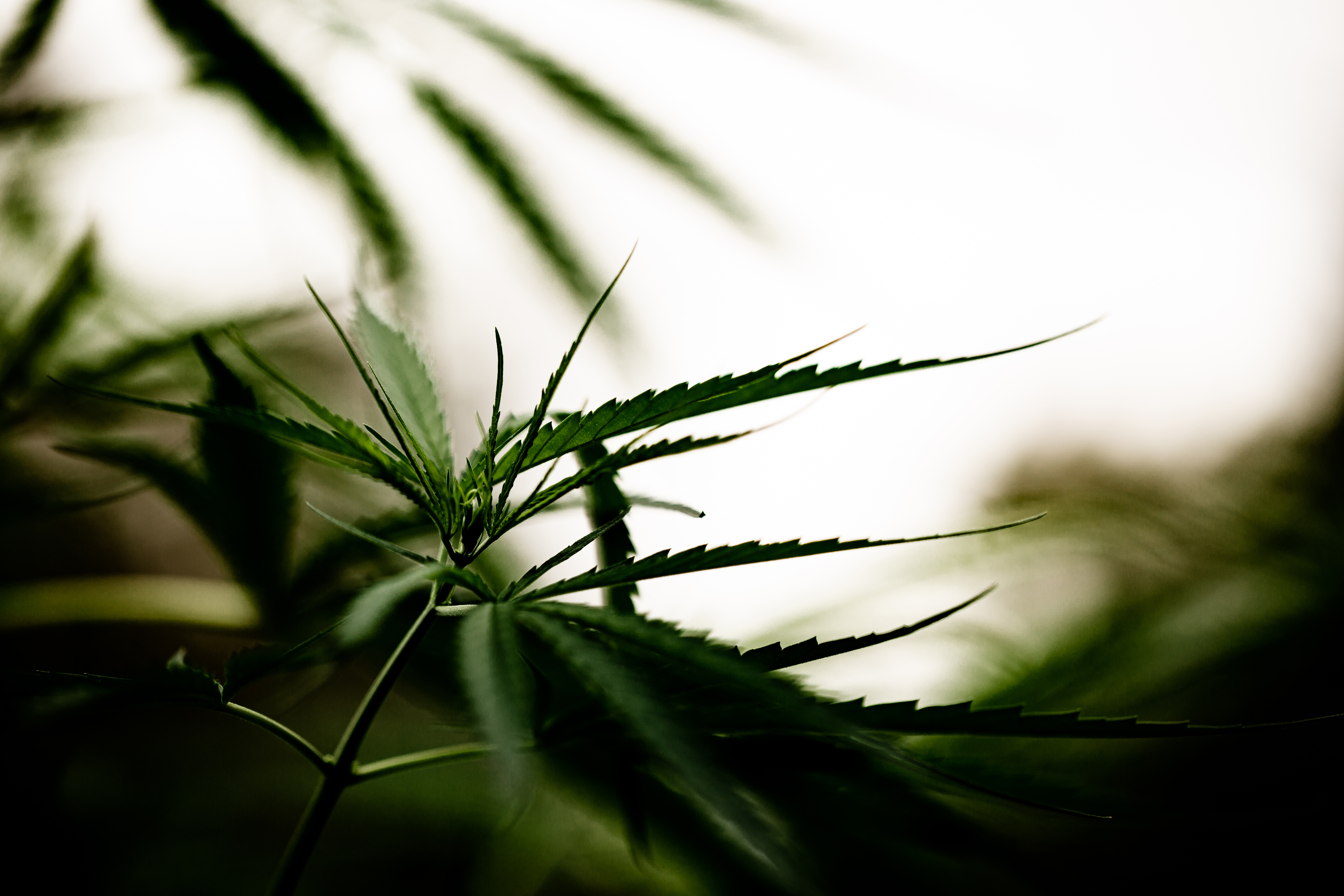


Autoflowering cannabis seeds have become a common choice for growers because they follow a different growth pattern from traditional photoperiod cannabis plants. Instead of waiting for a major change in the daily light cycle before they begin flowering, autoflower plants start flowering mainly according to their age. This means they can move from early growth into the flowering stage on their own. For many growers, this shorter and more predictable life cycle makes autoflower genetics easier to plan around.
The autoflowering trait is linked to Cannabis ruderalis, a type of cannabis that developed in regions with short growing seasons and long summer daylight hours. Because these plants could not always depend on shorter days to signal the end of the season, they developed the ability to flower according to age. Modern breeders have crossed this autoflowering trait with other cannabis genetics to create plants that combine automatic flowering with improved size, flower quality, potency, aroma, and yield potential.
Early autoflower varieties were often known for staying small and producing relatively modest harvests. Modern autoflower genetics can be very different. Years of selective breeding have created varieties that may grow taller, develop more branches, form larger flowers, and produce much more plant material than older autoflower strains. Because of these improvements, growers now have many options when searching for the highest yielding autoflower seeds.
Yield refers to the amount of usable flower that a plant produces at harvest. It is one of the main measurements used when comparing cannabis genetics. However, yield can be described in different ways. Indoor seed descriptions often list estimated production in grams per square meter. Outdoor descriptions may instead give an estimated number of grams per plant. These numbers can be useful for comparing varieties, but they should not be seen as guaranteed results.
Genetics play an important role in determining how productive an autoflower plant may become. Some varieties are naturally bred to remain small and finish quickly. Others are selected for stronger growth, greater branching, larger flower sites, or a longer development period. A plant with genetics that support heavy production has a higher possible yield than a plant bred mainly for compact size or very fast flowering.
However, genetics are only the starting point. Even seeds with very high yield potential cannot produce the same result in every situation. The final harvest depends on many other conditions that affect the plant throughout its life.
Light is one major factor. Cannabis plants use light to support photosynthesis, which provides the energy needed for growth. A plant that does not receive enough useful light may remain smaller and produce less flower than its genetics could otherwise support. Environmental conditions such as temperature, humidity, and airflow can also affect plant health and development.
Root health is another important part of the picture. Roots allow the plant to take in water and nutrients. When the root system is healthy, the plant is better able to support steady growth. Problems involving excess water, poor drainage, damaged roots, or severe stress can limit development. This can be especially important with autoflowers because their life cycle moves quickly.
Plant health during the early stages can also influence final size. Photoperiod plants can often remain in vegetative growth for a longer period before flowering begins. Autoflowers have a more limited early growth window because flowering starts according to the plant’s internal schedule. If growth slows greatly during this period, the plant may have less time to recover before it begins directing more energy toward flowering.
For this reason, the phrase “highest yielding autoflower” should be understood as a description of potential rather than a promise. A breeder may list a variety with a very high expected yield, but that figure usually represents results possible under favorable conditions. The same seed grown in a different climate or environment may produce a smaller harvest.
Differences between individual plants can also affect results. Cannabis plants grown from seed are not always identical. Even seeds from the same strain can show some variation in height, growth speed, branching, and flower production. Reliable breeding can reduce extreme differences, but natural variation still exists. This is one reason why two growers can report different harvest sizes from the same named variety.
The length of the plant’s life cycle can also influence how people judge yield. Some autoflowers are designed to finish very quickly, while others take longer and have more time to develop additional plant mass. A faster plant may produce less from one harvest but allow a shorter production cycle. A larger variety may take more time but offer greater yield potential per plant. These differences make it important to consider more than one number when comparing seeds.
Plant size is also closely connected to the discussion of yield, although a taller plant does not always produce more flower. Some productive plants develop many strong branches and flowering sites without becoming extremely tall. Others stretch more but may not produce the same flower density. Structure, genetics, plant health, and overall development all influence the final result.
Indoor and outdoor conditions add another layer to yield comparisons. Indoor environments give growers greater control over factors such as light and climate. Outdoor plants depend more heavily on natural sunlight, temperature, seasonal conditions, and local weather. A variety that performs well in one setting may not reach the same potential in another.
When comparing the highest yielding autoflower seeds, it is therefore important to look at genetics, expected plant size, flowering speed, yield estimates, and environmental needs together. Choosing only the variety with the largest advertised number can give an incomplete picture.
Modern autoflowers can offer a useful combination of fast development, automatic flowering, manageable plant size, and improved production. Still, their final yield is shaped by both genetics and the conditions in which they develop. Understanding that relationship makes it easier to compare different varieties and judge yield claims more realistically.
The sections that follow will look more closely at what makes an autoflower high yielding, how much these plants can produce, how genetics influence their performance, how autoflowers compare with photoperiod plants, and why actual harvests may differ from advertised estimates. By understanding these factors, readers can better evaluate high-yield autoflower seeds without assuming that one strain or one yield figure tells the whole story.
What Are the Highest Yielding Autoflower Seeds?
Autoflower seeds are often compared by how much flower a mature plant may produce. Some varieties are bred to stay small and finish quickly, while others are developed to grow larger and support more flowering sites. The highest yielding autoflower seeds usually come from modern breeding lines that combine automatic flowering with stronger growth, larger plant structure, and improved flower production.
It is important to understand that the word “highest yielding” does not mean that every plant will produce the same amount. Yield figures are usually estimates based on favorable growing conditions. The final harvest can change because of genetics, plant health, available space, light, climate, and other environmental factors.
For this reason, it is better to look at yield as a range rather than a guaranteed number. Two seeds from the same variety may also show some natural differences. One plant may grow taller or branch more, while another may remain smaller. Genetics create the basic potential, but the growing environment affects how much of that potential the plant can express.
What Makes an Autoflower a High-Yielding Variety?
A high-yielding autoflower begins with genetics. Breeders select parent plants that show useful traits and combine them over several generations. For high-production autoflowers, breeders may focus on traits such as strong early growth, good branching, larger flowering areas, and the ability to support a heavier final harvest.
Plant structure is one of the most important traits. An autoflower that develops several strong branches may have more places where flowers can form. A plant that remains very small or produces only a few main branches may have less total space for flower development.
Height can also affect yield, but taller plants are not always more productive. A tall plant with long spaces between branches may produce less than a shorter plant with a dense and well-developed structure. For this reason, breeders often look at the entire shape of the plant rather than height alone.
Growth speed also matters. Autoflowers have a limited amount of time before flowering begins. Unlike photoperiod plants, their vegetative stage cannot normally be extended for a long period. A variety that grows slowly during its early life may remain small by the time flowering begins. High-yield genetics often show strong early development, allowing the plant to build more stems, leaves, and flowering sites before it reaches maturity.
Flowering time is another part of the equation. Some autoflowers are designed mainly for speed and can complete their life cycle relatively quickly. Others take longer but may have more time to develop a larger plant and heavier flowers. This does not mean that a longer life cycle always leads to a larger harvest. Genetics still play the main role in deciding how the plant uses that extra time.
Modern autoflowers are also very different from many early autoflower varieties. Older autoflowers were often selected mainly because they flowered automatically and finished fast. Many stayed very small and produced modest harvests. Modern breeding programs have introduced stronger genetics from larger cannabis varieties while keeping the automatic flowering trait.
As a result, some newer autoflowers can grow much larger than early versions. They may develop several strong branches and larger flowering areas while still moving from seed to maturity without the same light-cycle changes required by photoperiod plants.
Which Autoflower Genetics Are Known for High Yield Potential?
There is no single autoflower variety that will always produce the largest harvest. Different breeders use different genetics, growing conditions, and testing methods. However, certain modern autoflower lines are commonly marketed for higher production because they have been selected for larger plants and stronger flower development.
High-yield autoflowers are often created by crossing productive photoperiod genetics with stable autoflowering lines. Over several generations, breeders select plants that continue to flower automatically while also showing the size, branching, flower density, and growth strength associated with the larger parent lines.
Popular genetics used in modern autoflower breeding may come from families related to well-known cannabis varieties such as Gorilla, Cookies, Haze, Skunk, Kush, and other established breeding lines. However, the name alone does not prove that an autoflower will produce a large harvest. Two seed companies may sell varieties with similar names while using different parent plants and breeding programs.
This is why breeder information is useful when comparing autoflower seeds. Indoor yield is often listed in grams per square meter, while outdoor yield may be listed in grams per plant. These measurements should not be treated as equal. A square-meter estimate may include several plants growing within one area, while a per-plant estimate refers to one individual plant.
Another point to consider is the difference between average and maximum yield. A breeder may publish a high upper figure that represents the variety’s potential under very favorable conditions. That number should not be viewed as the amount every seed will produce. A listed range gives a more useful picture because it shows that results can vary.
Genetic stability also matters. A stable autoflower line is more likely to produce plants with similar growth patterns, flowering times, and structures. This can make expected yield easier to estimate. Less stable genetics may produce greater differences between plants. One seed might develop into a large, heavily branched plant, while another from the same batch may remain much smaller.
When comparing high-yield autoflower genetics, it therefore makes sense to look beyond the largest number in a product description. Plant size, flowering time, genetic background, expected yield range, and consistency all provide useful information about the true production potential of a variety.
The highest yielding autoflower seeds are generally modern genetics that have been selected for strong growth, good branching, larger flowering areas, and consistent development. Genetics provide the foundation for yield, but they do not guarantee a specific harvest.
Breeder-listed yield figures are best used as comparison tools rather than promises. A variety with strong genetic potential may produce a larger harvest than a compact autoflower, but plant health and environmental conditions still affect the final result.
How Much Can a High-Yield Autoflower Produce?
Yield is one of the first numbers people notice when comparing autoflower seeds. Seed descriptions often include estimates for indoor and outdoor harvests, but these figures can be easy to misunderstand. A listed yield is usually a potential range under favorable conditions. It is not a promise that every plant will produce the same amount.
Autoflower yield can vary because each plant responds to its genetics and environment. Plant size, health, available light, growing space, climate, and other conditions can all influence the final harvest. Even two plants from the same variety may finish at slightly different sizes and produce different amounts.
For this reason, it is more useful to treat yield figures as a way to compare varieties rather than as an exact prediction. A seed with a higher stated yield may have greater production potential, but the final result still depends on how well the plant is able to express those genetics.
What Is the Average Yield of an Autoflower?
There is no single average yield that applies to every autoflower. Some varieties stay small and finish quickly, while others grow taller, develop more branches, and have a higher production potential.
Indoor yields are often described in grams per square meter rather than grams per plant. This is because indoor growing spaces may contain several plants under the same lighting area. A breeder may therefore provide an estimate such as a certain number of grams per square meter. That number describes the possible total production from the growing area rather than the exact harvest from one plant.
Outdoor yield is more often listed in grams per plant. Each plant normally has its own space and receives natural sunlight, so measuring individual plants makes more sense. Outdoor figures can still vary widely because sunlight, temperature, rainfall, season length, and plant health are different from one location to another.
Many modern autoflowers are advertised with indoor yield ranges of several hundred grams per square meter. Outdoor estimates may range from well under 100 grams per plant to several hundred grams for larger genetics under favorable conditions. These figures should be read as broad estimates rather than expected results.
Plant size is one reason for this variation. A compact autoflower that reaches maturity quickly has less plant material than a larger variety with a longer life cycle. In many cases, the larger plant has more potential flowering sites. However, size does not always equal yield. A tall plant with weak flower development may produce less than a smaller plant with a dense and productive structure.
Genetics also affect how much of the plant’s energy is directed toward flower development. Some autoflowers are bred mainly for speed or compact size. Others are selected for larger plant structure and heavier production. This is why comparing varieties only by the word “autoflower” does not provide enough information about expected yield.
What Is Considered a High Yield for an Autoflower?
A high yield should be judged in context. There is no single harvest weight that automatically makes an autoflower high yielding.
For example, a compact plant that finishes quickly may produce less total weight than a much larger plant. However, its harvest may still be considered strong for its size and short life cycle. A larger autoflower may produce more from a single plant but may also require more room and more time to reach maturity.
The way yield is measured also matters. Indoor figures given in grams per square meter cannot be directly compared with outdoor figures given in grams per plant. One measurement describes the production of an entire area, while the other describes the production of an individual plant.
Breeder estimates can also represent results from very favorable environments. When a seed description gives a maximum yield figure, that number is best understood as an example of the variety’s potential rather than the amount every grower should expect.
This distinction is especially important with very high advertised numbers. A variety may be capable of strong production, but genetics alone cannot create the final harvest. Environmental stress, limited space, poor plant health, pests, disease, or unfavorable weather can all reduce the amount produced.
A better way to identify a high-yield autoflower is to look at several characteristics together. Expected harvest range is important, but so are mature plant size, flowering time, genetic stability, and the type of environment for which the variety is suited.
It is also useful to compare yield estimates from the same type of measurement. Comparing one indoor figure with another indoor figure gives a clearer picture than comparing indoor production per square meter with outdoor production per plant.
Yield should also be considered together with time. Autoflowers are known for completing their life cycle faster than many photoperiod plants. Because of this, some people evaluate productivity not only by the amount harvested from one plant but also by the amount produced over a longer period. A very large harvest from one plant and several smaller harvests completed more quickly represent different forms of productivity.
High-yield autoflowers can produce substantial harvests, but there is no universal number that defines the average or maximum yield. Indoor production is commonly measured in grams per square meter, while outdoor production is often measured in grams per plant. These two figures should not be compared as if they represent the same thing.
Breeder-listed yields are useful for comparing genetic potential, but they should not be treated as guaranteed harvest weights. Plant genetics, mature size, health, environment, available space, and growing conditions all influence the final result.
A high-yield autoflower is therefore best understood as a variety with strong production potential for its size and life cycle. Looking at realistic yield ranges rather than the largest advertised number gives readers a much clearer idea of what they may reasonably expect.
How Genetics Affect Autoflower Yield
Genetics play a major role in how much an autoflower plant can produce. Every seed carries a set of traits that affect the way the plant grows, flowers, and develops. These traits can influence plant height, branch growth, flowering speed, flower size, and overall yield potential.
This means two autoflower plants grown in similar conditions may still produce different results. One plant may grow tall with many side branches, while another may stay short and compact. Some plants may develop many flower sites, while others focus most of their growth around one main stem.
Good growing conditions are still important, but they cannot completely change what a plant is genetically able to do. Genetics create the basic limits of the plant. The environment then affects how closely the plant reaches those limits.
Why Genetics Set the Foundation for Yield
Genetics are the starting point for yield because they control many of the traits linked with plant development. Some autoflower varieties naturally grow larger than others. Larger plants may have more branches and more places where flowers can develop.
Other varieties stay smaller because they were bred for compact growth. These plants may be useful in areas where height is limited, but they may not have the same maximum yield potential as larger plants.
Branching is another important genetic trait. A plant that naturally develops several strong branches may have more flowering sites. A plant with weak or limited branching may produce fewer sites, even if it remains healthy.
Flowering time can also be partly controlled by genetics. Some autoflowers begin flowering very early and finish their full life cycle in a short period. Others take longer to mature. A longer life cycle may give the plant more time to build leaves, roots, branches, and flowers. However, a longer flowering period does not automatically mean a larger harvest.
Genetics also affect how well a plant responds to stress. Some varieties may handle temperature changes or minor environmental problems better than others. A plant that recovers well from stress may continue developing with fewer problems. A sensitive plant may slow down more quickly when growing conditions become poor.
Flower structure is another genetic factor. Some varieties develop larger and denser flowers, while others form smaller or more open flowers. These differences can affect total final weight.
Because of these genetic differences, growers often see different results even when plants receive similar care. Genetics do not guarantee a specific yield, but they strongly influence the plant’s possible range.
The Role of Ruderalis Genetics
Autoflower cannabis was developed using genetics linked with Cannabis ruderalis. Ruderalis plants developed in regions where seasons can be short and growing conditions can change quickly. One of their most important traits is the ability to begin flowering based mainly on age instead of changes in daylight.
Traditional photoperiod cannabis usually needs a change in the length of light and darkness before flowering begins. Autoflowers behave differently. They normally begin flowering after reaching a certain stage of development, even if the daily light period remains similar.
Early ruderalis plants were often small and produced limited amounts of flowers. For this reason, early autoflower varieties sometimes had a reputation for low yields.
Modern breeding has changed this in many cases.
Breeders have crossed autoflowering genetics with other cannabis lines that were selected for traits such as larger size, stronger branching, better flower development, and higher production. Over several generations, breeders can select plants that keep the automatic flowering trait while also showing improved growth.
This process has helped create modern autoflowers that can become much larger and more productive than older varieties.
However, the influence of ruderalis genetics still helps explain why autoflowers behave differently from photoperiod plants. Their life cycle usually moves forward on its own schedule. They do not normally remain in the vegetative stage for long periods.
This limited growth period can affect yield. If an autoflower experiences major stress early in life, it may have less time to recover before flowering begins. A photoperiod plant may sometimes remain in vegetative growth longer, giving it more time to recover and become larger before flowering.
For autoflowers, genetic vigor is therefore especially important. Strong early growth can help a plant develop enough roots, leaves, and branches before flowering begins.
Genetic Stability and Consistency
Genetic stability refers to how consistently a variety produces the traits breeders expect. Stable genetics are important because growers usually want plants from the same seed line to behave in similar ways.
For example, a stable autoflower variety may produce plants with similar heights, flowering times, structures, and general yield ranges. The plants will not be completely identical, but their main traits should be reasonably predictable.
Unstable genetics can create greater differences between individual plants. One seed may produce a short plant, while another seed from the same variety may grow much taller. Flowering time, branching, and final production may also vary.
These differences are often called phenotype variation. A phenotype is the way a plant’s genetics appear through visible traits. Genetics create the possible traits, while the environment can also affect how those traits are expressed.
Even stable seed lines can show some variation. Cannabis plants grown from seed are not exact copies of one another. Each seed contains its own genetic combination.
This means two seeds from the same autoflower variety may produce slightly different plants. One may grow faster. Another may develop stronger branches. One plant may produce more flowers than another.
Environmental conditions can make these differences even more noticeable. Light, temperature, water, root health, and nutrition can all affect how genetic traits are expressed.
Breeding quality is therefore important when selecting autoflower seeds. Well-developed genetics can provide more predictable growth patterns, while poorly stabilized lines may create less consistent results.
For growers comparing high-yield autoflowers, consistency matters almost as much as maximum potential. A variety that regularly produces healthy, productive plants may be easier to evaluate than one that occasionally produces a very large plant but shows major differences from seed to seed.
Genetics create the basic foundation for autoflower yield. They influence plant size, branch development, flowering speed, flower structure, stress response, and overall growth. Modern autoflowers use ruderalis genetics to provide automatic flowering while combining them with other cannabis genetics chosen for stronger growth and higher production.
Stable genetics can also make plant size, flowering time, and expected yield more predictable. However, no seed can guarantee a specific harvest. Even plants from the same variety may show natural differences.
Do Autoflowers Yield Less Than Photoperiod Plants?
Autoflowering and photoperiod cannabis plants follow different growth patterns, and those differences can affect their final yield. In many cases, photoperiod plants have the potential to become larger and produce more flower from a single plant. However, modern autoflowers have improved greatly. Some newer autoflower genetics can produce strong harvests while finishing in much less time.
The key difference is not simply that one type is “better” than the other. Yield depends on genetics, plant size, growth time, environmental conditions, and overall plant health. Autoflowers are designed around speed and automatic flowering, while photoperiod plants give growers more control over how long the plant remains in its vegetative stage.
Understanding these differences makes it easier to compare the two types in a fair way.
Autoflower vs. Photoperiod Yield
Photoperiod cannabis plants depend on changes in the daily light cycle before they begin flowering. In nature, this usually happens as the days become shorter later in the growing season. Because flowering is linked to light exposure, photoperiod plants can remain in vegetative growth for a longer period when conditions allow.
This longer vegetative stage can give a plant more time to develop roots, branches, stems, and leaves. A larger plant may support more flowering sites later in its life. This is one reason photoperiod plants are often associated with higher maximum yields per plant.
Autoflowering plants work differently. They begin flowering based mostly on age rather than a major change in the light cycle. Once an autoflower reaches a certain stage of development, it naturally starts moving toward flowering. This feature comes from the day-neutral traits that were introduced into modern autoflower genetics.
Because the plant follows its own internal schedule, its vegetative period is usually shorter than that of a photoperiod plant. The plant has less time to build a large frame before flowering begins. As a result, many autoflowers remain smaller.
Smaller plant size can limit the maximum amount of flower that one plant can produce. This is why older autoflower varieties often had a reputation for giving small harvests.
However, yield should not be judged by plant size alone. A compact plant can still develop dense flower sites and make efficient use of its available space. Modern breeding has also changed the typical size and structure of many autoflower varieties.
The way yield is measured can also affect the comparison.
A single large photoperiod plant may produce more than a single small autoflower. However, autoflowers often complete their life cycle faster. This means productivity can also be considered in relation to time rather than only yield from one plant.
For example, comparing two plants based only on the final harvest may make a photoperiod plant appear more productive. But if one plant takes much longer to finish, the difference becomes more complex. Total production over several months is different from maximum production from one plant.
This is why statements such as “photoperiod plants always yield more” can be misleading. They may have a higher maximum yield potential per plant, especially when allowed to grow large, but that does not tell the full story.
Why Modern Autoflowers Have Closed the Yield Gap
Early autoflowering cannabis varieties were mainly valued for their speed and ability to flower without depending on seasonal light changes. Many were small, fast-growing plants with limited yield potential.
Modern autoflowers are very different.
Breeders have spent years combining the automatic flowering trait with genetics selected for stronger growth, better plant structure, larger flowers, and improved overall performance. As a result, many newer autoflowers are taller, more heavily branched, and more productive than the autoflowers that were common in earlier generations.
This breeding progress has helped reduce the yield difference between autoflower and photoperiod plants.
Genetics play a major role in these improvements. Some autoflowers are naturally compact and designed for short life cycles. Others are bred to grow larger and remain in development for a little longer before reaching maturity. These larger autoflowers may have more time to develop strong branches and additional flowering sites.
Plant structure is especially important when considering yield potential. A plant with several healthy branches can support flowers across a wider area. A plant with limited branching may concentrate most of its growth around one main stem. Neither structure automatically guarantees a certain harvest, but genetics can strongly influence the amount of productive plant material that develops.
Modern autoflowers also show that speed does not always have to mean very low production. A variety can complete its life cycle relatively quickly while still producing a useful amount of flower.
Still, photoperiod plants continue to have one major advantage when maximum plant size is the main goal. Their vegetative stage can continue for much longer before flowering begins. In suitable conditions, this allows them to become much larger than most autoflowers.
That extra growth time can increase maximum yield potential.
For this reason, photoperiod plants are often capable of producing the largest harvest from an individual plant. Autoflowers are more limited by time because they will begin flowering according to their genetic schedule.
At the same time, maximum yield per plant is only one way to measure productivity.
Time is another important factor. A plant that produces a somewhat smaller harvest but reaches maturity much sooner may still be efficient when production is considered across a full season or year. Autoflowers can also remain smaller, which changes how their productivity is evaluated in limited spaces.
The best comparison therefore depends on what is being measured. If the goal is the largest possible harvest from one plant, photoperiod genetics often have an advantage. If the comparison includes speed, compact size, and the amount produced within a certain period, modern autoflowers can compete much more closely.
Autoflowers often produce less per individual plant than large photoperiod plants because their vegetative stage is shorter. Photoperiod plants can continue growing before flowering, which gives them more time to develop a larger root system, more branches, and more flowering sites.
However, the difference is much smaller than it once was. Modern autoflower breeding has produced genetics with better plant structure, stronger growth, larger flowers, and higher yield potential.
It is also important to compare productivity in the right way. Maximum yield per plant does not tell the same story as yield over time. Photoperiod plants may reach a larger final size, while autoflowers can reach maturity faster.
Neither type has one fixed yield. Genetics, plant size, growth duration, environment, and overall plant health all influence the final result. Modern autoflowers may not always match the maximum size of photoperiod plants, but their combination of faster development and improved genetics has made them far more productive than earlier autoflower varieties.
How Long Do High-Yield Autoflowers Take From Seed to Harvest?
High-yield autoflower cannabis plants are known for their fast life cycle. Unlike photoperiod plants, autoflowers do not need a major change in daylight hours before they begin to flower. Instead, they start flowering mainly because of their age and genetics. This trait makes them attractive to growers who want a shorter growing period.
Many autoflower varieties can finish their full life cycle in about 8 to 12 weeks from seed. Some very fast types may finish sooner, while larger or slower varieties can take longer. The exact time depends on the genetics of the plant and the conditions in which it grows.
A fast harvest does not always mean a large harvest. High-yield autoflowers often need enough time to build a healthy plant before they finish flowering. For this reason, it is important to understand the main stages of the autoflower life cycle and how flowering time can affect final yield.
Typical Autoflower Life Cycle
The life cycle of an autoflower begins when the seed starts to grow. During the first part of its life, the young plant focuses on producing roots, leaves, and a strong stem. This early stage is important because the plant has only a short period to build its basic structure.
Autoflowers usually spend less time in vegetative growth than photoperiod plants. A photoperiod plant can remain in the vegetative stage for a longer period when its light cycle is controlled. An autoflower does not offer the same amount of control because its internal genetic clock keeps moving.
After several weeks of early growth, an autoflower begins to show signs that it is entering the flowering stage. The exact timing varies by strain. Some plants begin the change quite early, while others continue growing for a little longer before flower development becomes clear.
During early flowering, the plant may continue to increase in height. This period is sometimes called the flowering stretch. Some autoflowers stay short and compact, while others may grow much taller as flowering begins. Genetics play a major role in this difference.
As flowering continues, more of the plant’s energy goes toward developing flowers. The plant may still produce some new leaves and stems, but flower growth becomes the main focus. The amount of time spent in this stage has a strong effect on how developed the flowers can become before maturity.
Near the end of the life cycle, plant growth naturally slows. The flowers reach their final stage of development, and the plant moves toward maturity. The full process from seed to maturity often takes around 8 to 12 weeks, but this is only a general range.
Fast autoflowers may complete their cycle in roughly eight or nine weeks. Other varieties may require 10, 11, or 12 weeks. Some larger autoflower genetics may take even longer.
These differences are important when comparing high-yield autoflower seeds. A seed advertised as very fast may not have the same growth pattern as a larger variety that needs several extra weeks. Looking at total time as well as expected plant size can give a more complete picture.
Does a Longer Autoflower Produce a Bigger Yield?
A longer life cycle can sometimes help an autoflower produce a larger harvest, but more time does not automatically mean more yield.
A plant that grows for a longer period may have more time to develop roots, branches, leaves, and flowering sites. These features can support a larger final plant. A larger plant may also have the ability to carry more flowers if its genetics support strong production.
This is one reason some of the highest-yielding autoflower varieties are not always the fastest. They may need extra time to reach their full size and complete flower development.
However, flowering time is only one part of the yield equation. Genetics remain very important. A small autoflower that takes 12 weeks may still produce less than a vigorous high-yield variety that finishes in 10 weeks. The longer life cycle does not guarantee better results.
Plant health also matters. Extra growing time is useful only when the plant is able to grow normally. A plant that experiences major stress may not take full advantage of a longer life cycle.
The same idea applies when comparing very fast genetics. A short life cycle can be useful when speed is a priority, but there is less time for the plant to recover from early problems. Because autoflowers begin flowering automatically, lost growth time cannot always be replaced by simply extending the vegetative stage.
This makes the early part of the plant’s life especially important. Healthy early development gives the autoflower a better foundation before its genetics trigger flowering.
Growers should also think about yield over time rather than looking only at yield from a single plant. A very large autoflower might produce more in one harvest but take longer to finish. A faster variety may produce less per plant but complete its full cycle sooner. These are different ways of measuring productivity.
For example, one person may care most about getting the greatest possible yield from each plant. Another may care more about how quickly each growing cycle finishes. The best genetics can be different depending on which goal matters most.
This is why seed descriptions often list both expected flowering time and expected yield. These numbers should be viewed together. A high-yield autoflower that takes 11 or 12 weeks may still be considered fast when compared with many photoperiod plants, even though it is slower than an eight-week autoflower.
High-yield autoflowers commonly take about 8 to 12 weeks to move from seed to maturity, although the exact timing depends on genetics. Their life cycle includes early seedling growth, a short vegetative period, flowering, and final maturity.
A longer-growing autoflower can sometimes produce a larger harvest because it has more time to build plant size and develop flowers. However, longer growth does not guarantee higher yield. Genetics, plant structure, health, and overall growing conditions also have a major influence on the final result.
When comparing high-yield autoflower seeds, it is useful to look at flowering speed and expected yield together. The fastest strain is not always the most productive, and the slowest strain is not always the biggest producer. The best balance depends on the genetic potential of the plant and how much time it needs to express that potential.
What Growing Conditions Affect Autoflower Yield?
Genetics set the basic potential of an autoflowering cannabis plant, but the environment affects how well that potential is expressed. A plant may have traits linked with strong growth and high flower production, yet poor conditions can still limit its development. Light, root health, temperature, humidity, air movement, water, and nutrition all play a role in overall plant health.
Autoflowers can be especially sensitive to stress because their life cycle is controlled largely by age. Unlike many photoperiod plants, they do not remain in vegetative growth for an open-ended period. If growth slows early in the plant’s life, there may be less time for it to recover before flowering begins. This makes stable conditions important throughout development.
Light and Plant Development
Light is one of the main sources of energy for plant growth. Plants use light during photosynthesis to make sugars from water and carbon dioxide. These sugars provide energy for producing roots, stems, leaves, and flowers.
When a plant receives too little usable light, photosynthesis may slow. Growth can become weaker, and the plant may have less energy available for flower production. Leaves may also stretch toward a light source as the plant tries to capture more energy.
However, more light does not always mean healthier growth. Excessive light or heat can also place stress on plant tissues. Leaves may show signs of damage when environmental conditions exceed what the plant can handle. For this reason, plant health depends on a balanced environment rather than simply giving the plant as much light as possible.
Light also works together with other factors. A plant cannot fully use strong light if its roots are unhealthy, water is limited, or temperatures are extreme. Healthy development depends on the entire growing environment working together.
Root Health and Growing Medium
Roots perform several essential jobs. They anchor the plant, absorb water, and take in mineral nutrients needed for normal growth. Healthy roots also support the movement of water and nutrients into stems and leaves.
A poor root environment can limit the entire plant. If roots cannot obtain enough oxygen, water, or nutrients, above-ground growth may slow. Damaged roots can also make a plant more vulnerable to disease and other forms of stress.
The physical properties of the growing medium matter as well. Plant roots generally perform best when they have access to both moisture and air. A medium that remains excessively wet can reduce oxygen around the roots, while a medium that becomes extremely dry can prevent the plant from taking up enough water.
Root restriction can also influence plant size. Because roots support everything above the growing medium, limited root development may reduce how much foliage and flowering growth the plant can maintain.
Temperature, Humidity, and Air Movement
Temperature influences many biological processes inside plants. Photosynthesis, respiration, water movement, and enzyme activity are all affected by temperature.
Extreme heat can increase water loss and place stress on leaves. Very cold conditions can slow plant metabolism and growth. Sudden temperature changes may also create stress, especially when plants are young.
Humidity describes the amount of moisture in the air. It affects how quickly plants lose water through their leaves. If the air is extremely dry, plants can lose moisture rapidly. If humidity remains very high, moisture may stay on plant surfaces longer and create conditions that favor some plant diseases.
Air movement is another part of the growing environment. Moving air helps prevent pockets of warm, humid air from remaining around leaves. It can also support gas exchange around plant surfaces.
At the same time, excessive airflow can dry plant tissues more quickly. As with most environmental factors, stability and moderation are important.
Water and Nutrition
Water is essential for nearly every stage of plant development. It helps transport nutrients, supports photosynthesis, maintains cell structure, and allows many chemical reactions inside the plant to occur.
Both too little and too much water can cause problems. Water shortage may lead to wilting and reduced photosynthesis. Excess water can reduce the amount of oxygen available to roots. When root function declines, the plant may have difficulty taking up nutrients even when those nutrients are present.
Mineral nutrition is also important. Plants need several essential nutrients for healthy development. Some are required in relatively large amounts, while others are needed only in small amounts.
A nutrient deficiency can limit growth because the plant lacks materials needed for normal biological functions. However, providing excessive nutrients can also damage roots or interfere with the uptake of other elements. This is why healthy plant growth depends on balance rather than simply increasing nutrient levels.
Visible symptoms such as unusual leaf color, damaged leaf edges, weak growth, or early leaf loss can have several possible causes. Similar symptoms may result from problems involving roots, moisture, nutrition, temperature, disease, or other environmental stress. Looking at the health of the whole plant is therefore more useful than assuming that one symptom always has one cause.
High-yield genetics can only reach their potential when the plant remains healthy throughout its life cycle. Light provides energy for photosynthesis, while healthy roots support water and nutrient uptake. Temperature, humidity, and air movement influence plant metabolism and moisture balance. Water and mineral nutrients support the many biological processes required for growth.
These factors are closely connected. A problem in one area can affect several others. Poor root health, for example, can reduce water and nutrient uptake even when the rest of the environment appears suitable. Likewise, environmental stress can slow growth even when the plant has strong genetics.
Indoor vs. Outdoor Autoflower Yields
Autoflowering cannabis plants can be grown in both indoor and outdoor settings, but the way yield is measured and reported is different. This can make yield claims confusing when people compare seed varieties. Indoor results are often listed by growing area, while outdoor results are usually listed by individual plant. The final amount can also change because indoor and outdoor plants face very different conditions.
A seed variety may have strong genetic potential, but genetics alone do not decide the final harvest. Light, temperature, root health, weather, plant stress, and the length of the growing period can all affect how well a plant develops. For this reason, yield figures listed by breeders are normally estimates based on favorable conditions rather than guaranteed results.
Understanding how indoor and outdoor yields are measured makes it easier to compare autoflower seeds in a realistic way.
Expected Indoor Yields
Indoor autoflower yields are commonly described in grams per square meter, often written as g/m². This measurement looks at the total amount produced within a growing area instead of focusing on only one plant.
This matters because several small autoflower plants may share the same indoor space. If a breeder lists an indoor yield of a certain number of grams per square meter, that figure may represent the combined production of multiple plants rather than the harvest from a single plant.
Indoor environments can make plant development more predictable because many environmental factors can be controlled. Plants do not have to deal with sudden storms, changing seasons, heavy rainfall, or unexpected cold weather. This can help plants express more of their genetic potential when the environment remains stable.
Light is one of the major factors affecting indoor plant growth. Cannabis plants depend on light for photosynthesis, which provides the energy needed for leaves, stems, roots, and flowers to develop. If light levels are too low, a plant may grow slowly or develop fewer flowers. Even autoflower genetics known for high production may give a smaller harvest when light is limited.
Temperature and air conditions also matter. A stable environment generally allows plants to grow with less stress. Sudden changes can slow development, especially because autoflowers have a limited life cycle. Unlike photoperiod plants, they cannot simply remain in vegetative growth for a much longer period to recover before flowering begins.
Root health can affect indoor yield as well. Healthy roots help plants absorb water and nutrients. Problems with the root zone may limit plant size and flower development. Because autoflowers move through their growth cycle quickly, serious stress during the early stages can continue to affect the plant later.
Indoor yield estimates should therefore be treated as useful comparison tools rather than exact predictions. Two growers using the same genetics may still achieve different results because their growing environments are not identical.
Expected Outdoor Yields
Outdoor autoflower yields are usually listed in grams per plant. This measurement is easier to understand because it describes the expected harvest from one individual plant rather than from an entire growing area.
Outdoor plants receive natural sunlight, which can support strong growth when weather and seasonal conditions are suitable. However, outdoor conditions are much less predictable than indoor conditions.
Sunlight changes throughout the day and across the growing season. A plant in an open location may receive many hours of strong sunlight, while another plant may spend part of the day in shade. This difference can affect plant development even when both plants come from the same seed variety.
Temperature is another major factor. Autoflowers may experience hot days, cool nights, changing humidity, heavy rain, or strong winds outdoors. These conditions can influence plant health and final production.
The local growing season can also affect results. Autoflowers have an advantage in some climates because they complete their life cycle relatively quickly. Their flowering stage does not depend on the seasonal shortening of daylight in the same way as photoperiod cannabis. This allows some autoflower plants to reach maturity within a shorter part of the outdoor season.
Still, outdoor yield figures can vary widely. One plant may grow in rich soil with strong sunlight and mild weather, while another may face cloudy conditions, pests, heavy rain, or temperature stress. Even plants with identical genetics can therefore finish with different sizes and harvest amounts.
Plant size also influences outdoor production. Some autoflowers remain short and compact, while others develop taller stems and more branches. Larger plants may have space for more flowering sites, but size alone does not guarantee a larger harvest. Genetics, plant health, flower density, and environmental conditions all work together.
Which Environment Produces the Highest Yield?
There is no single answer to whether indoor or outdoor autoflowers always produce the highest yield. Each environment has advantages and limitations.
Indoor growing offers greater environmental control. Light, temperature, air movement, and other conditions can remain more consistent. This consistency can make results easier to predict and can reduce some types of environmental stress.
Outdoor growing gives plants access to natural sunlight and potentially more physical space. Under suitable weather conditions, outdoor autoflowers may develop into large, productive plants. At the same time, growers have less control over weather, sunlight, pests, and sudden environmental changes.
Yield measurements also make direct comparisons difficult. Indoor results are usually reported in grams per square meter, while outdoor results are often reported in grams per plant. A figure such as 500 grams per square meter cannot be directly compared with 150 grams per plant without knowing how many plants were grown in the indoor area.
The genetic characteristics of the autoflower are another important part of the comparison. Some varieties are bred with compact indoor spaces in mind. Others can grow taller and may have more room to express their natural structure outdoors. A plant that performs well in one setting may not produce the same result in another.
For this reason, the highest possible yield should not be the only factor considered when comparing indoor and outdoor production. Consistency, plant size, climate, available space, and the natural growth characteristics of the variety are also important.
Indoor and outdoor autoflower yields are measured differently and can vary greatly depending on growing conditions. Indoor yields are normally shown in grams per square meter, while outdoor yields are usually given in grams per plant. Indoor environments can provide more consistent conditions, while outdoor plants can benefit from natural sunlight and greater space.
Neither environment automatically guarantees a larger harvest. Genetics establish the plant’s basic yield potential, but environmental conditions determine how much of that potential can be expressed. Light, temperature, weather, root health, plant stress, and available space can all influence the final result.
When comparing the highest yielding autoflower seeds, readers should therefore look beyond the largest number shown on a seed description. Understanding how the yield was measured and whether it applies to indoor or outdoor growing gives a much more realistic picture of what the genetics may be capable of producing.
Plant Size, Structure, and Yield Potential
Plant size can affect the yield potential of an autoflower, but height alone does not tell the full story. Some autoflower plants stay short and compact while still producing a good amount of flower. Others grow taller and develop more branches, yet their final yield may not always be much higher. Genetics, plant health, flower density, and the number of productive flowering sites all play a part in the final result.
High-yield autoflower genetics are often selected for more than simple height. Breeders may look for plants with strong stems, useful side branching, good flower development, and a structure that can support mature flowers. This is why two plants of the same height can produce very different harvest weights.
It is also important to remember that autoflowers have a limited life cycle. Unlike photoperiod plants, they do not remain in the vegetative stage until a grower changes the light schedule. They begin flowering according to their age and genetics. Because of this, plant structure develops within a shorter period. A plant that grows steadily during its early life may have more time to build a strong frame before flowering becomes the main stage of development.
How Big Do High-Yield Autoflowers Get?
There is no single height that defines a high-yield autoflower. Some varieties remain quite compact, while others can become much taller. Plant size depends heavily on genetics. Some autoflowers naturally develop a short central stem with closely spaced branches. Others have longer branches and more space between each growth point.
Environmental conditions can also affect final size. Even plants with the same genetics may develop differently when they grow under different conditions. Light levels, temperature, root health, water availability, and general plant health can all affect how much a plant develops before maturity.
This means that breeder descriptions of expected height should be viewed as a range rather than a promise. One plant may remain near the lower end of the stated range, while another may grow closer to the maximum. Natural differences between individual plants can also occur.
Larger autoflowers may have greater yield potential because they can develop more leaves, branches, and flower sites. However, extra height does not automatically mean extra usable flower. A tall plant with weak branching may have fewer productive sites than a shorter plant with a wider and more balanced structure.
Plant width can therefore be just as important as height. An autoflower with several healthy branches may carry flowers across a larger part of the plant. This can increase the amount of productive growth compared with a plant that places most of its development on one main stem.
Branching and Flower Development
Branching plays an important role in the overall structure of an autoflower. Each healthy branch can support flowering sites. A plant with a strong central stem and several well-developed side branches may have more locations where flowers can form.
The pattern of branching is largely influenced by genetics. Some autoflower varieties naturally grow with one dominant central stem. These plants often have a narrow shape. Other varieties spread outward and create a bushier form with several main branches.
Neither form automatically guarantees a larger harvest. The important factor is how much healthy flowering tissue the plant can support by the time it reaches maturity.
Flower development also varies between genetics. Some plants produce many smaller flowers spread across several branches. Others develop fewer but larger flower clusters. Because of these differences, counting branches or measuring height does not give an exact prediction of final yield.
The strength of the branches matters as well. As flowers develop, their weight can increase. A healthy plant structure provides support for this added weight. Weak or poorly developed branches may not support the same amount of mature flower as stronger ones.
Leaf growth also supports plant development because leaves capture light and help power photosynthesis. However, the visible size of a plant should not be confused with its final flower weight. A plant may appear large because it has many leaves, yet the amount of mature flower can still be moderate.
For this reason, plant structure is best viewed as one part of yield potential rather than a direct measurement of future harvest weight.
Does a Bigger Autoflower Always Mean a Bigger Harvest?
A bigger autoflower does not always produce a bigger harvest. Size can create more room for flower development, but several other traits affect the final result.
Flower density is one major factor. Two plants may produce flowers of similar size, yet one may have denser flowers that weigh more after harvest and drying. The other may develop lighter and less compact flowers. Their plants may look similar while growing, but their final dry weights can be quite different.
The number of productive flowering sites also matters. A tall plant with long spaces between branches may have fewer major flower sites than a shorter, wider plant. In this situation, the shorter plant could equal or even exceed the yield of the taller one.
Genetics remain a major influence. Some autoflower varieties have been developed for heavier flower production, while others may have been selected for traits such as rapid maturity, compact size, aroma, cannabinoid profile, or resistance to certain environmental stresses. A plant can therefore grow large without having genetics that favor maximum flower weight.
Plant health is another important part of the picture. A large plant that experiences serious stress may not reach its full potential. Flower development depends on the plant remaining healthy enough to continue normal growth through maturity. Problems involving roots, water, nutrients, temperature, pests, or disease can affect the amount and quality of flower that eventually develops.
This is why plant height should not be used by itself to judge whether an autoflower will produce a high yield. A more useful view considers the whole plant, including its width, branch development, flower distribution, health, and genetic background.
High-yield autoflowers can come in many different shapes and sizes. Some stay compact, while others become taller and more heavily branched. A larger plant may have more space for flower development, but height alone does not guarantee a heavier harvest.
Branching, flower density, productive flowering sites, plant health, and genetics all help determine final yield. A shorter plant with strong side branches and dense flowers can sometimes produce more than a taller plant with fewer productive sites.
Common Reasons Autoflowers Produce Low Yields
Even when a plant comes from genetics known for high yield, the final harvest may be smaller than expected. Autoflowering plants have a short life cycle, which means problems that happen early can affect the plant for the rest of its growth. Unlike some photoperiod plants, autoflowers have less time to recover from stress before flowering begins.
Low yield does not always mean that one major problem occurred. In many cases, several smaller problems happen at the same time. Genetics, plant health, environmental conditions, root development, pests, and unrealistic expectations can all affect the final result. Understanding these factors can help explain why one plant produces much less than another, even when both come from similar seeds.
Poor or Unstable Genetics
Genetics set the basic limits for how a plant can grow. Some autoflower varieties naturally stay small, while others develop larger frames and more flowering sites. A seed may be described as high yielding, but that does not mean every plant from that variety will reach the highest advertised yield.
Genetic stability is also important. Stable genetics tend to produce plants with more predictable traits, such as similar height, flowering time, and structure. Less stable genetics may produce greater differences between individual plants. One seed may grow into a strong and productive plant, while another seed from the same group may remain smaller.
The genetic background of an autoflower can also affect how quickly it develops. Some varieties are bred mainly for speed and compact growth. Others have been selected for larger size and stronger production. Because of these differences, comparing two autoflowers only by their final weight can be misleading.
The quality of the seed also matters. Old, damaged, or poorly stored seeds may have weaker early growth. Since the first part of an autoflower’s life is important, weak development at the start may affect its overall size later.
Early Plant Stress
The early growth stage is especially important for autoflowers because they begin flowering according to age. They cannot simply remain in vegetative growth for several extra weeks while recovering from a problem.
Stress during the seedling and early vegetative stages may slow leaf, stem, and root development. If the plant loses valuable growing time, it may begin flowering before it has developed a large structure. A smaller plant usually has fewer sites where flowers can form.
Several forms of stress can affect young plants. Root disturbance, physical damage, poor environmental conditions, and serious watering problems may slow normal growth. A plant may survive these problems but still remain smaller than its genetic potential.
This is one reason early plant health can have such a strong effect on autoflower yield. When growth is steady from the beginning, the plant has a better chance of developing enough leaves, branches, and roots before flowering becomes the main stage of its life cycle.
Environmental Stress
The environment has a major influence on plant development. Even strong genetics cannot perform well when conditions remain unsuitable for long periods.
Light is one important factor. Plants depend on light for photosynthesis, which provides energy for growth. When light levels are too low, plants may grow slowly and develop less plant mass. This can reduce the amount of flowering growth the plant can support later.
Temperature also affects normal plant processes. Conditions that are consistently too hot or too cold can slow growth and increase stress. Sudden temperature changes may also make it harder for the plant to maintain steady development.
Humidity and air movement can affect plant health as well. Very damp conditions can increase the risk of certain diseases, while extremely dry conditions can place additional stress on the plant. Poor air circulation can also create an environment where moisture remains around leaves and flowers for too long.
Watering problems are another common cause of reduced growth. Roots need both moisture and oxygen. When growing media stay overly wet for long periods, root function can suffer. On the other hand, severe or repeated drying can also place the plant under stress.
Nutrient problems may have a similar effect. Plants need a balanced supply of essential nutrients, but more nutrients do not automatically create a larger harvest. Both shortages and excesses may damage leaves, reduce root health, and slow development. When these problems continue for a long time, final yield may fall below the plant’s normal potential.
Pests, Disease, and Plant Damage
Pests and diseases can reduce autoflower yield by damaging the parts of the plant needed for healthy growth. Leaves are especially important because they capture light and support photosynthesis. When large amounts of healthy leaf tissue are lost, the plant may have less energy available for development.
Some pests feed directly on plant tissue, while others damage roots or create openings that make plants more vulnerable to disease. Severe infestations can slow growth, weaken stems and leaves, and reduce overall plant health.
Disease can also become a problem when environmental conditions allow harmful fungi or other organisms to spread. Plants that are already stressed may be less able to cope with additional damage.
Physical injury can have similar effects. Broken stems, damaged roots, or repeated handling can force the plant to use energy for recovery. Autoflowers may have limited time to recover because their flowering schedule continues even after growth has been interrupted.
The effect depends on how serious the damage is and when it happens. Minor damage may have little effect, while severe stress during early development may have a much greater impact on final plant size and yield.
Unrealistic Yield Expectations
Sometimes an autoflower is considered low yielding even when its harvest falls within a normal range. This often happens because advertised yield figures are misunderstood.
Breeder descriptions may list the maximum or expected yield under favorable conditions. These numbers should not be treated as guaranteed results. Actual production can vary based on genetics, plant size, environment, health, and many other factors.
It is also important to understand how yield is measured. Indoor figures may be listed as grams per square meter, while outdoor figures are often listed as grams per plant. These measurements describe different situations and cannot be compared directly.
Plant size matters too. A compact autoflower may produce less weight per plant than a much larger variety, yet it may still perform well for its size and life cycle. Fast-growing plants may also finish sooner, which changes how productivity is judged.
For this reason, realistic comparisons should consider more than final weight. Flowering time, plant size, growing space, genetic traits, and environmental conditions all provide useful context.
Low autoflower yields can result from genetics, early stress, poor environmental conditions, root problems, pests, disease, or physical damage. In many cases, more than one factor is involved. Autoflowers have a limited period of early growth, so problems during this stage may continue to affect plant size after flowering begins.
Genetics provide the basic potential for yield, but they do not guarantee a specific harvest. Healthy development and stable conditions play an important role in how much of that genetic potential a plant can express. Advertised yield figures should also be viewed as estimates rather than promises. Looking at the full picture, including plant health, genetics, size, life cycle, and environment, gives a more accurate understanding of why an autoflower may produce less than expected.
How to Choose High-Yield Autoflower Seeds
Choosing high-yield autoflower seeds involves more than finding the largest yield number on a seed description. Yield estimates can be useful, but they only show part of the picture. Genetics, plant size, flowering time, climate, available space, and overall stability can all affect how well a variety performs.
A seed that is advertised as very productive may not be the best match for every setting. Some varieties need more room to reach their full size, while others stay compact. Some finish quickly, while others take longer to mature. For this reason, it is better to compare several traits before deciding which autoflower genetics are suitable.
Look Beyond the Highest Advertised Yield
Yield is often one of the first numbers people notice when comparing autoflower seeds. Seed producers may list expected indoor production in grams per square meter or outdoor production in grams per plant. These figures can help compare varieties, but they should not be viewed as guaranteed results.
Advertised yield figures are usually based on plants grown under favorable conditions. Actual results can be lower because plants respond to many environmental factors. Light levels, temperature, root health, water availability, plant stress, and growing space can all influence the final harvest.
It is also important to consider how long the plant takes to mature. A variety that produces a large harvest but takes several weeks longer may not always be more productive when time is considered. In contrast, a slightly lower-yielding autoflower with a shorter life cycle may allow more growing cycles within the same period.
Plant size matters as well. Some high-yield autoflowers grow tall and develop many branches. Others remain shorter but form dense flower sites. A larger plant is not automatically better. The best choice depends on how much space is available and whether the plant’s natural growth pattern fits that environment.
Compare Indoor and Outdoor Yield Information
Indoor and outdoor yield figures are usually measured differently. This can make direct comparisons confusing.
Indoor autoflower yields are often listed in grams per square meter. This figure describes production across a certain growing area rather than the harvest from one plant. Several plants may contribute to the total amount.
Outdoor yields are more often listed in grams per plant. This reflects how much one plant might produce when grown outside under suitable conditions.
Because the measurements are different, a person should not compare the numbers directly without understanding what they represent. A figure of 500 grams per square meter indoors does not mean that one indoor plant will produce 500 grams. The number usually refers to production across the full growing space.
Outdoor yield estimates can also vary widely. Sunlight, temperature, rainfall, humidity, season length, and local weather patterns can all affect plant development. A variety with strong outdoor potential in a warm and sunny area may perform very differently in a cooler or less predictable climate.
Looking carefully at how yield is measured gives a more realistic picture of what a seed variety may offer.
Consider Available Space and Climate
Available space should play an important role when selecting autoflower seeds. Autoflowers are often associated with smaller plants, but modern genetics can vary greatly in height and width.
Compact varieties may be more suitable where vertical or horizontal space is limited. Larger autoflowers may need more room for branches and leaves to develop without becoming crowded.
The expected mature height listed by the breeder can provide useful guidance. However, height alone does not describe the full size of a plant. Some varieties grow narrow and upright, while others develop a wider shape with more side branches.
Climate is especially important for outdoor plants. Some genetics are better suited to warmer conditions, while others may be able to finish within shorter growing seasons. Flowering time becomes important in areas where cold or wet weather arrives early.
Humidity can also affect the suitability of certain plant structures. Dense flowers may hold moisture more easily than loose flower structures. For that reason, local environmental conditions should be considered along with yield potential.
Choosing genetics that suit the actual space and climate can be more useful than simply selecting the variety with the largest advertised harvest.
Evaluate Breeder Information
Reliable breeder information can make seed comparisons easier. A detailed seed description should provide more than a strain name and a large yield estimate.
Important information may include genetic background, expected plant height, approximate flowering time, total life cycle, indoor yield range, outdoor yield range, and general plant characteristics.
Genetic lineage can also provide clues about how a variety may grow. Modern autoflowers are created by combining automatic flowering traits with genetics selected for qualities such as plant structure, flowering characteristics, and productivity.
Consistency is another factor to consider. Stable genetics are more likely to produce plants with similar characteristics. This does not mean every seed will produce an identical plant. Natural variation still occurs. However, well-developed genetics can reduce extreme differences between plants from the same seed line.
It is also helpful to be careful with unusually large claims. If one seed variety is advertised with a yield far above most similar genetics, readers should examine the full description rather than focusing on that figure alone.
Looking at several pieces of information gives a more balanced understanding of the plant’s potential.
Match Genetics With the Growing Environment
The highest yielding autoflower seed on paper is not always the best-performing choice in every environment. Genetics need suitable conditions before their full potential can be expressed.
A large variety may have impressive yield potential, but limited space can restrict its growth. A long-cycle autoflower may be productive, but it may not suit an outdoor climate with a short warm season. A compact variety with a slightly lower maximum yield may perform more consistently in a smaller area.
This is why seed selection should involve matching plant characteristics to the expected environment. Consider how much room the mature plant may require, how long it needs to finish, and whether the local conditions are suitable for its growth pattern.
It is also useful to compare several varieties instead of choosing based on one feature. Yield, size, speed, and genetic stability should be considered together. The goal is to find genetics that have good production potential while still fitting the available environment.
Choosing high-yield autoflower seeds requires looking beyond a single yield number. Advertised harvest figures can provide a useful comparison, but they represent potential rather than a guaranteed result. Plant size, flowering time, genetics, environmental conditions, and available space all affect how productive a variety may be.
Indoor and outdoor yield estimates should also be read carefully because they are usually measured in different ways. Indoor figures are commonly given per square meter, while outdoor figures are often given per plant.
Conclusion: Getting Realistic Results From High-Yield Autoflower Genetics
High-yield autoflower genetics can offer strong production potential, but genetics are only one part of the final result. A seed may come from a variety that is known for large harvests, fast growth, and strong flower development. However, this does not mean every plant will reach the maximum yield listed by the breeder. The final result depends on the genetics of the plant, its health, the environment, and the amount of stress it faces during its short life cycle. For this reason, advertised yield numbers should be viewed as estimates of what a variety may achieve under favorable conditions.
Genetics provide the starting point for plant size, structure, growth speed, flowering behavior, and overall yield potential. Some autoflower varieties naturally stay short and compact, while others grow taller and develop more branches. Some produce a smaller number of dense flowering sites, while others spread their production across a larger plant. These traits are largely influenced by breeding. A plant cannot produce beyond the limits set by its genetics, but poor conditions can prevent it from reaching those limits.
Modern autoflower genetics are much more advanced than many of the early autoflower varieties. Early autoflowers were often valued mainly for their fast life cycle and ability to flower without a change in the light schedule. Their smaller size often meant lower yields when compared with larger photoperiod plants. Breeders have continued to develop autoflowers by combining automatic flowering traits with genetics selected for plant size, flower quality, strength, and productivity. As a result, many modern autoflowers have a much greater yield potential than older generations.
Even so, the environment remains a major part of the final outcome. Healthy plants need stable conditions that allow normal growth from the seedling stage through maturity. Problems with light, temperature, moisture, roots, pests, disease, or nutrition can reduce plant growth. Autoflowers can be especially affected by early stress because their life cycle moves quickly. A photoperiod plant may have more time to recover before flowering begins, while an autoflower normally begins flowering based on age. When early growth is limited, the plant may have less time to develop the size and structure needed for a larger harvest.
Available space also affects how yield should be judged. A plant that performs well in one setting may not be the best choice in another. Some autoflower genetics are better suited to compact spaces because they stay relatively short. Other varieties may need more room to develop their natural shape. This is why the seed with the largest advertised yield is not automatically the best option for every situation. Plant height, growth pattern, flowering time, and environmental needs should all be considered along with expected production.
Indoor and outdoor yield figures also need to be compared carefully. Indoor yields are often listed in grams per square meter, while outdoor yields are commonly listed in grams per plant. These two measurements describe different situations and should not be treated as direct equivalents. Indoor production is measured across a growing area that may contain several plants. Outdoor figures usually describe the possible harvest from one plant growing under favorable conditions. Weather, sunlight, season length, and local climate can also cause outdoor results to vary widely.
It is also important to understand the difference between maximum yield and realistic yield. Breeder descriptions often show what a variety may produce when conditions are very good. These figures can be useful when comparing genetics, but they do not guarantee a specific harvest. Two plants of the same variety may produce different results because of natural variation, environmental differences, plant health, or other factors. Even seeds from stable genetics can show some differences in height, shape, flowering speed, and production.
For this reason, choosing high-yield autoflower seeds should involve more than selecting the variety with the largest number on the package. A more useful comparison includes genetic background, expected plant size, flowering time, indoor or outdoor suitability, and reported yield range. Stable genetics from established breeders can also make plant characteristics more predictable. This can help provide a clearer idea of what to expect from the variety.
Yield should also be considered together with time. Autoflowers are known for their relatively short life cycles, which can make them attractive when speed is important. Some varieties mature very quickly, while others take longer and may develop into larger plants. A longer life cycle does not always guarantee a larger harvest, but it can give certain genetics more time to build plant mass and develop flowers. The best balance depends on the natural traits of the variety.
In the end, the highest yielding autoflower seeds are those that combine strong genetic potential with characteristics that fit the intended environment. Genetics establish what a plant may be capable of producing, while plant health and environmental conditions influence how much of that potential is reached. Modern autoflowers can offer impressive productivity compared with earlier generations, but no seed can guarantee a maximum harvest.
The most useful approach is to keep expectations realistic. Compare yield figures using the same type of measurement, consider how large and how long the variety grows, and remember that breeder numbers represent potential rather than certainty. By understanding the relationship between genetics, plant structure, growing conditions, and expected yield, readers can make more informed comparisons between autoflower varieties and better understand what high-yield genetics actually mean.
Research Citation
Ahrens, A., Llewellyn, D., & Zheng, Y. (2024). Longer photoperiod substantially increases indoor-grown cannabis’ yield and quality: A study of two high-THC cultivars grown under 12 h vs. 13 h days. Plants, 13(3), 433. https://doi.org/10.3390/plants13030433
Babaei, M., Nemati, H., Arouiee, H., & Torkamaneh, D. (2026). Integrating temporal morphophysiological and genomic markers for precise classification of flowering time in cannabis. Scientific Reports, 16, 23150. https://doi.org/10.1038/s41598-026-53686-y
Dang, M., Muthu Arachchige, N., & Campbell, L. G. (2022). Optimizing photoperiod switch to maximize floral biomass and cannabinoid yield in Cannabis sativa L.: A meta-analytic quantile regression approach. Frontiers in Plant Science, 12, 797425. https://doi.org/10.3389/fpls.2021.797425
de Ronne, M., Lapierre, É., & Torkamaneh, D. (2024). Genetic insights into agronomic and morphological traits of drug-type cannabis revealed by genome-wide association studies. Scientific Reports, 14, 9162. https://doi.org/10.1038/s41598-024-58931-w
Dowling, C. A., Shi, J., Toth, J. A., Quade, M. A., Smart, L. B., McCabe, P. F., Schilling, S., & Melzer, R. (2024). A FLOWERING LOCUS T ortholog is associated with photoperiod-insensitive flowering in hemp (Cannabis sativa L.). The Plant Journal, 119(1), 383–403. https://doi.org/10.1111/tpj.16769
Haiden, S. R., Johnson, N., & Berkowitz, G. A. (2025). Transcriptomic analysis of CDL-gated photoperiodic flowering mechanisms in cannabis and their responsiveness to R:FR ratios in controlled environment agriculture. Scientific Reports, 15, 17628. https://doi.org/10.1038/s41598-025-00430-7
Leckie, K. M., Sawler, J., Kapos, P., MacKenzie, J. O., Giles, I., Baynes, K., Lo, J., Baute, G. J., & Celedon, J. M. (2024). Loss of daylength sensitivity by splice site mutation in Cannabis pseudo-response regulator. The Plant Journal, 118(6), 2020–2036. https://doi.org/10.1111/tpj.16726
Petit, J., Salentijn, E. M. J., Paulo, M. J., Denneboom, C., & Trindade, L. M. (2020). Genetic architecture of flowering time and sex determination in hemp (Cannabis sativa L.): A genome-wide association study. Frontiers in Plant Science, 11, 569958. https://doi.org/10.3389/fpls.2020.569958
Steel, L., Welling, M., Ristevski, N., Johnson, K., & Gendall, A. (2023). Comparative genomics of flowering behavior in Cannabis sativa. Frontiers in Plant Science, 14, 1227898. https://doi.org/10.3389/fpls.2023.1227898
Toth, J. A., Stack, G. M., Carlson, C. H., & Smart, L. B. (2022). Identification and mapping of major-effect flowering time loci Autoflower1 and Early1 in Cannabis sativa L. Frontiers in Plant Science, 13, 991680. https://doi.org/10.3389/fpls.2022.991680
Questions and Answers
Q1: What are the highest yielding autoflower seeds?
Some autoflower genetics are bred for heavier harvests than traditional autoflowers. High-yield varieties often come from modern hybrids selected for larger plants, strong branching, and dense flower production.
Q2: How much can a high-yield autoflower produce?
Yield varies widely based on genetics, environment, plant health, and growing conditions. Seed companies may provide estimated yield ranges, but actual harvest amounts can be higher or lower.
Q3: What makes an autoflower strain high yielding?
High-yield autoflowers usually combine vigorous genetics, strong branching, efficient flower development, and the ability to produce many flowering sites during their short life cycle.
Q4: Do autoflower seeds yield less than photoperiod seeds?
Autoflowers often produce less per plant because they generally stay smaller and have a shorter growth period. However, newer autoflower genetics can produce much larger harvests than older varieties.
Q5: How long do high-yield autoflower seeds take from seed to harvest?
Many autoflower varieties complete their full life cycle in about 8 to 12 weeks, although some larger or slower varieties may take longer.
Q6: Are high-yield autoflower seeds suitable for beginners?
Some are considered beginner-friendly because autoflowers do not require changes in light schedules to begin flowering. However, their short growth cycle gives plants less time to recover from stress or other problems.
Q7: Can autoflower plants produce high yields indoors?
Yes. Genetics with strong yield potential can perform well indoors when environmental conditions remain suitable. Available space, lighting, temperature, and general plant health can all influence the final harvest.
Q8: Can high-yield autoflower seeds perform well outdoors?
Yes. Autoflowers can be grown outdoors in suitable climates, and their short life cycle can allow them to finish earlier than many photoperiod plants. Weather, sunlight, pests, and genetics all affect outdoor yields.
Q9: Does THC percentage affect how much an autoflower yields?
Not necessarily. Potency and yield are different genetic traits. A variety can have high THC levels without being a particularly heavy producer, while another may emphasize larger yields rather than maximum potency.
Q10: How should you choose the highest yielding autoflower seeds?
Compare reputable seed descriptions for expected plant size, flowering time, genetic stability, climate suitability, and published yield estimates. Keep in mind that advertised yield figures are estimates rather than guaranteed results.